The Waterview Shores LLC
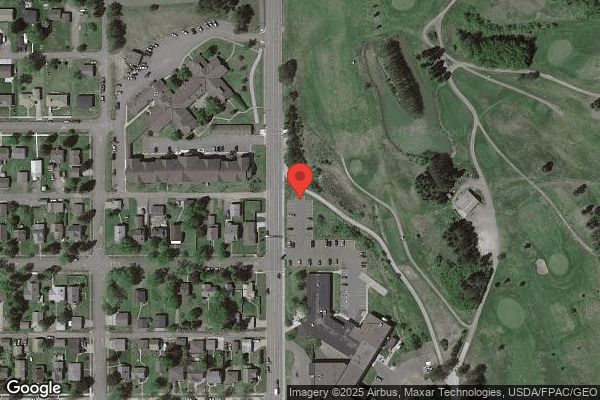
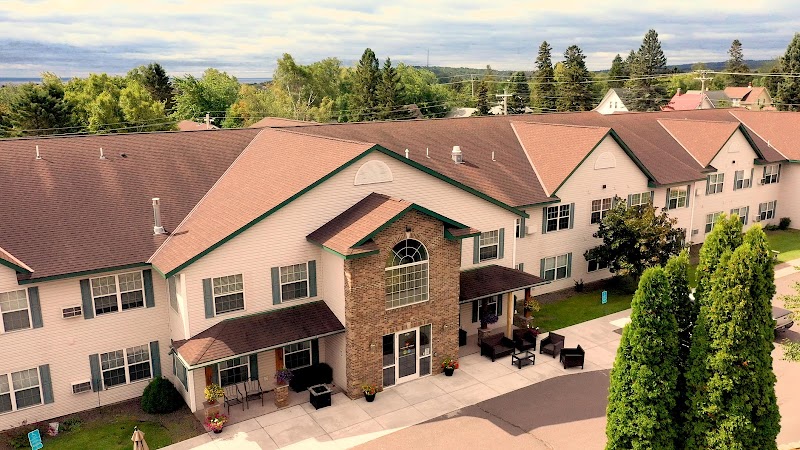
402 - 13TH AVENUE, TWO HARBORS, MN 55616 (218) 834-8437
For profit - Limited Liability company 44 Beds MONARCH HEALTHCARE MANAGEMENT Data: November 2025
Trust Grade
40/100
#273 of 337 in MN
Last Inspection: June 2025

Inspected within the last 6 months. Data reflects current conditions.

Overview

The Waterview Shores LLC has a Trust Grade of D, indicating below-average quality with some concerns regarding care. It ranks #273 out of 337 facilities in Minnesota, placing it in the bottom half of nursing homes in the state, and is #2 out of 2 in Lake County, meaning only one other local option is better. Although the facility is improving, having reduced issues from 10 in 2024 to 8 in 2025, there are significant staffing concerns, with a turnover rate of 68%, well above the Minnesota average of 42%. On the positive side, there have been no fines reported, which suggests compliance with regulations, but the facility has less RN coverage than 90% of other facilities, meaning that residents may not receive adequate oversight. Specific incidents include a resident suffering a rib fracture due to a lack of proper fall prevention measures and concerns over food temperature monitoring during meal services, which could lead to foodborne illness. Overall, families should weigh these strengths and weaknesses carefully when considering this facility.
Trust Score
D
40/100
In Minnesota
#273/337
Bottom 19%
Safety Record
Moderate
Needs review
Inspections
Getting Better
10 → 8 violations
Staff Stability
⚠ Watch
68% turnover. Above average. Higher turnover means staff may not know residents' routines.
Penalties
✓ Good
No fines on record. Clean compliance history, better than most Minnesota facilities.
Skilled Nurses
○ Average
Each resident gets 30 minutes of Registered Nurse (RN) attention daily — about average for Minnesota. RNs are the most trained staff who monitor for health changes.
Violations
⚠ Watch
29 deficiencies on record. Higher than average. Multiple issues found across inspections.
★★☆☆☆
2.0
Overall Rating
★★☆☆☆
2.0
Staff Levels
★★★★☆
4.0
Care Quality
★★☆☆☆
2.0
Inspection Score
Stable
2024: 10 issues
2025: 8 issues

The Good

  • 4-Star Quality Measures · Strong clinical quality outcomes
  • Full Sprinkler Coverage · Fire safety systems throughout facility
  • No fines on record

Facility shows strength in quality measures, fire safety.

The Bad

2-Star Overall Rating

Below Minnesota average (3.2)

Below average - review inspection findings carefully

Staff Turnover: 68%

21pts above Minnesota avg (46%)

Frequent staff changes - ask about care continuity

Chain: MONARCH HEALTHCARE MANAGEMENT

Part of a multi-facility chain

Ask about local staffing decisions and management

Staff turnover is elevated (68%)

20 points above Minnesota average of 48%

The Ugly 29 deficiencies on record

1 actual harm
Sept 2025 1 deficiency 1 Harm
SERIOUS (G) 📢 Someone Reported This

A family member, employee, or ombudsman was alarmed enough to file a formal complaint

Actual Harm - a resident was hurt due to facility failures

Comprehensive Care Plan (Tag F0656)

A resident was harmed · This affected 1 resident

**NOTE- TERMS IN BRACKETS HAVE BEEN EDITED TO PROTECT CONFIDENTIALITY** Based on observation, interview, and document review, the facility failed to ensure person centered fall interventions were care...

Read full inspector narrative →
**NOTE- TERMS IN BRACKETS HAVE BEEN EDITED TO PROTECT CONFIDENTIALITY** Based on observation, interview, and document review, the facility failed to ensure person centered fall interventions were care planned and implemented for 1 of 3 residents (R1) who were at risk for falls, which resulted in actual harm when R1 sustained a rib fracture as a result of a fall out of bed. The deficient practice was corrected prior to the start of survey, therefore was issued at past noncompliance.Findings include:R1's quarterly Minimal Data Set (MDS) dated [DATE], indicated R1 had diagnoses which included metabolic encephalopathy (a change in how your brain works due to an underlying condition, can cause confusion or memory loss), neurocognitive disorder with Lewy bodies (a progressive brain disorder), anxiety disorder, and severe cognitive impairment. Further, MDS revealed R1 had one fall without injuries since prior assessment.R1's care plan dated 5/23/25, indicated R1 was a fall risk due to history of falls, impaired gait and mobility, neurocognitive disorder with Lewy bodies, chronic heart failure, metabolic encephalopathy, and moderate protein calorie malnutrition. R1's care plan directed staff to check toileting needs every 2-3 hours initiated on 8/28/25, monitor and report when resident attempts to self-transfer from wheelchair initiated 7/22/25, floor mat next to bed initiated 8/28/25, sign in room reminding resident of need for assistance initiated 8/28/25, and soft touch call light placed under the sheets and under hip while in bed initiated on 8/29/25.R1's Incident Review and Analysis dated 6/26/25, indicated on 6/19/25 at 5:45 a.m., R1 was found on the floor. R1 was found sitting facing the door with legs straight and was on their roommate's mat with back against roommate's bed. Further, document identified new intervention following the fall was a floor mat to bedside was placed and the intervention was care planned.R1's Incident Review and Analysis dated 9/5/25, indicated R1 had a fall on 8/24/25, at 8:30 a.m., R1 was found sitting on the floor by his bedside with his back leaning on his bed, there were no injuries at the time of the fall. Further, document identified new intervention following the fall was a soft touch call light placed under hip while in bed.R1's Incident Review and Analysis dated 9/5/25, indicated R1 had a fall on 8/28/25, at 8:05 p.m. R1 had an incontinent episode and the brief was wet, R1 pulled apart his wet brief indicating his discomfort and toileting needs. R1 put on his call light to alert staff he slid out of bed. R1 was sitting on floor with back against the bed. R1 denied pain and discomfort. Further, document identified R1's care plan was not followed as there was not a floor mat next to R1's bed or in his room.R1's After Visit Summary from the Emergency Department (ED) dated 8/28/25, indicated reason for visit was a fall and diagnoses included fall, closed fracture of one rib of left side and contusion of left shoulder. ED summary indicated chest x-ray did not show any rib fractures or pneumothorax, but computed tomography (CT) scan of the chest was suggestive of acute left lateral 9th rib fracture.R1's progress notes revealed the following:-On 8/28/25, R1 put on his call light to inform staff that he was sitting on the floor. R1 had no injuries and vital signs were stable. Staff will send per family request to the ED as fall was unwitnessed.-On 8/29/25, R1 had complained of increased left shoulder pain and back pain. Pain was noted when transferring or using the left arm.-On 9/2/25, R1's family spoke with staff regarding concerns with resident's pain management. Family indicated they thought this weekend R1 was in more pain and needed different medications. Writer reviewed R1's chart with family and confirmed staff was assessing pain but R1 had not reported pain or discomfort.R1's Pain Level Summary revealed R1 had rated his pain a 9/10 on 8/29/25, at 9:00 a.m. On 9/10/25 at 3:56 p.m., nursing aid (NA)-A stated R1 had impaired cognition and required assistance with all activities of daily living (ADL) including transfers with a mechanical stand lift. NA-A stated R1 exhibited behaviors such as wandering and self-transferring. Further, NA-A stated R1 was identified as a high fall risk and staff had been instructed to keep R1's bed low, fall mat next to bed, and touch pad call light while R1 was in bed. NA-A stated she was assigned to care for R1 on 8/28/25, and at approximately 8:00 p.m. R1 put his call light on. NA-A entered R1's room and observed R1 sitting on the floor and ripping apart his brief. NA-A stated at the time of the fall, R1's care plan did not identify R1 required a floor mat, but NA-A stated he required a low bed. NA-A stated R1 did not appear to be in pain and R1 was assisted back into bed after being assessed by the nurse. In addition, following R1's incident education was provided to staff regarding care plan interventions and new interventions of floor mat, and touch pad call light were added to R1's care plan.On 9/10/25 at 4:47 p.m., NA-B stated if a resident was at risk for falls and had interventions this would be identified on the staff's care sheets which was updated by the director of nursing (DON). NA-B stated education was provided to the staff regarding care plan interventions and referring the care sheets if staff are unsure.On 9/10/25 at 5:10 p.m., R1 was not observed in his room, however his bed was along the wall next to the window, there was a call don't fall sign posted on his closet door, a floor mat that was folded and placed by the closet, and room appeared clean and free of clutter. On 9/10/25 at 5:12 p.m., NA-C stated R1 was identified as at risk for falls and some interventions staff were directed to use were low bed, floor mat, and placing the soft touch call light under R1 while he was in bed. Further, NA-C stated fall interventions were listed in each resident's care plan for staff to reference.On 9/10/25 at 5:20 p.m., licensed practical nurse (LPN)-A stated R1 had impaired cognition and was not able to verbalize his needs so staff anticipate needs. LPN-A stated R1 would get very restless occasionally and would attempt to self-transfer which put R1 at risk for falls. LPN-A stated staff were directed to place R1's bed low, floor mat, soft touch call light under hip while in bed. LPN-A stated R1 recently had a fall and sustained a rib injury but felt R1's pain had been well managed with scheduled Tylenol and R1 appeared to be comfortable. In addition, LPN-A stated all staff had education about care plans and following interventions after R1's fall.On 9/11/25 at 6:57 a.m., registered nurse (RN)-A stated R1 had impaired cognition and required staff assistance with all ADLs. RN-A stated R1 was at risk for falls. At approximately 8:05 p.m. on 8/28/25, R1's call light was on, and RN-A was then alerted by a NA R1 was on the floor. RN-A stated she entered R1's room and observed R1 sitting on the floor with his legs straight out in front of him and his back against the bed. RN-A stated R1 was wearing gripper socks, and his bed was in the lowest position at the time, but RN-A had noticed there was no floor mat under R1. RN-A assessed R1 and R1 did not appear to be in pain and no visible injuries were noted. RN-A stated R1 was sent to the ED per family request since it was an unwitnessed fall and R1 returned to the facility around 2:00 a.m., diagnosed with a rib fracture. Further, RN-A stated a floor mat had been an intervention for some time but RN-A was not sure on when she last seen the floor mat in R1's room. RN-A also stated management had discussed an intervention of the gray soft touch call light but that was not implemented or identified in R1's care plan at the time of the fall either. In addition, RN-A stated management provided all staff education on following care plan interventions for falls and alerting management if you are not seeing an intervention anymore that had been previously used.On 9/11/25 at 9:44 a.m., NA-D stated R1 was at risk for falls and staff were directed to keep him near nurse's station if he was restless or active, and if R1 was in bed he would require a low bed, fall mat which he has had quite a while, and a touch pad call light underneath him too. Further, NA-D stated she was aware R1 had a fall and sustained a rib injury. Following R1's fall, NA-D stated the DON, and administrator called her and provided education related to resident specific fall interventions and what to do if staff notice an intervention was missing.On 9/11/25 at 11:51 a.m., interim director of nursing (DON) stated R1's cognition was impaired and R1 required staff assistance with all ADLs. DON stated R1 was at risk for falls and interventions to prevent falls included: toileting every 2-3 hours, concave mattress, room and floor clean, floor mat next to bed, two signs posted in his room to use call light for assistance, and soft touch call light to the right hip. Further, DON stated R1 had a fall on 6/19/25, with no injuries, and confirmed interdisciplinary team (IDT) determined a fall mat at R1's bedside was an appropriate intervention; however, DON confirmed the floor mat was not added to R1's care plan until 8/28/25. DON was unsure why the intervention was not added to R1's care plan immediately, but stated DON added the intervention as soon as we realized it was not identified in R1's care plan at the time of his fall on 8/28/25. DON stated R1 had another fall that occurred on 8/24/25, with no injuries, and IDT determined an appropriate intervention would be R1 to use a soft touch call light; however, R1's care plan was not updated until 8/29/25. DON stated all staff would not have been aware of those two interventions, the floor mat and the call light, at the time of R1's fall on 8/28/25, since they were not identified in R1's care plan and DON was unsure if the staff's care guide sheets were revised to include those at the time. DON stated following a fall, the floor nurse would notify the DON, and the DON and nurse would discuss root cause and determine an immediate intervention together. The DON stated then the IDT would meet every morning on business days and go through the risk management/incident reports, which the IDT then would determine an appropriate intervention, and DON would revise the care plan as well as inform the staff verbally to pass on in report and add to the care sheets the floor staff utilize. Review of facility policy titled Care Planning revised 11/24, indicated the care plan would be used in developing the resident's daily care routines and utilized by staff personnel for the purposes of providing care or services to the resident. The plan of care would be utilized to provide care to the resident. The care plan was to be modified and updated as the condition and care needs of the resident changes.Review of facility policy titled Fall Prevention and Management revised 2/24, indicate following a fall nursing staff would complete an incident review and analysis. The IDT would review falls daily at morning meeting. When a resident falls, the following information should be recorded in the resident's medical record: interventions, first aid, or treatment administered, and appropriate interventions taken to prevent future falls. Further, follow up included care plans would be updated to reflect fall interventions.The facility implemented the following corrective action on 8/29/25 and this is being issued in past noncompliance. -R1's care plan was updated with current fall interventions,-All staff were educated on revisions and following care plans, if staff had questions or clarifications regarding interventions reach out to the floor nurse or DON-Audits weekly to ensure IDT interventions have been implemented and are in care plan-IDT process change to double check the intervention was added to the care plan and the care guide sheets prior to closing the risk management/incident report
Aug 2025 1 deficiency
CONCERN (E) 📢 Someone Reported This

A family member, employee, or ombudsman was alarmed enough to file a formal complaint

Potential for Harm - no one hurt, but risky conditions existed

Resident Rights (Tag F0550)

Could have caused harm · This affected multiple residents

**NOTE- TERMS IN BRACKETS HAVE BEEN EDITED TO PROTECT CONFIDENTIALITY** Based on observation, interview and document review the facility failed to promote a dignified dining experience for 6 of 6 resi...

Read full inspector narrative →
**NOTE- TERMS IN BRACKETS HAVE BEEN EDITED TO PROTECT CONFIDENTIALITY** Based on observation, interview and document review the facility failed to promote a dignified dining experience for 6 of 6 residents reviewed (R1, R2, R3, R4, R5, R6) who required assistance to eat and displayed cognitive impairments. Findings include:R1's admission Record indicated diagnosis of femur fracture, anxiety and dementia. R1's quarterly Minimum Data Set (MDS) dated [DATE], identified severe cognitive impairment and indicated he required substantial to maximal assistance to eat.R1's care plan dated 6/12/25, identified an alteration in cognition, alteration in communication and a self-care deficit. The care plan further identified a potential for alteration in nutrition and directed staff to provide meal set up and assistance as needed.R2's admission Record indicated diagnosis of facial weakness, dysphagia (a language disorder causing difficulty with speech, understanding language, reading, or writing), depression, and neurocognitive disorder with Lewy Bodies.R2's admission MDS dated [DATE], identified severe cognitive impairment and indicated he was dependent on staff to eat.R2's care plan dated 5/23/25, identified and alteration in cognition, and a self-care deficit. The care plan directed staff to assist with consumption of meals.R3's admission Record indicated diagnosis of heat failure, aspiration pneumonia and dementia.R3's admission MDS dated [DATE], identified severe cognitive impairment and indicated she required set up or clean up assistance with meals.R3's care plan dated 6/18/25, identified an alteration in cognition, a self-care deficit and a risk for altered nutrition and directed staff to assist with set up of meals.R4's admission Record indicated she admitted to the facility 12/4/19. Diagnosis included traumatic brain injury, anxiety, depression and dementia.R4's quarterly MDS dated [DATE], identified severe cognitive impairment and indicated she required substantial to maximal assistance to eat.R4's care plan dated 4/17/25, identified and alteration in cognition, a self-cared deficit and a potential for altered nutritional status. The care plan directed staff to assist with meals due to vision.R5's admission Record indicated a diagnosis of Alzheimer's, dementia and anxiety.R5's quarterly MDS dated [DATE], identified severe cognitive impairment and indicated she required partial to moderate assistance to eat.R5's care plan dated 6/27/25, identified an alteration in cognition, self-care deficit and a potential for alteration in nutrition due to need for a mechanically altered diet. The care plan directed staff to provide meal set-up and assistance.R6's admission Record indicated diagnosis of cognitive communication deficit, Alzheimer's disease, depression and dementia.R6's quarterly MDS dated [DATE], identified severe cognitive impairment and indicated she required substantial to maximal assistance to eat.R6's care plan dated 6/13/25, identified a cognitive communication deficit, self-care deficit and potential for alteration in nutrition. The care plan directed staff to assist with set up of meals.During observation on 8/21/25 at 4:28 p.m., R1, R2 and R3 were seated in the dinette area of the unit. Nursing assistant (NA)-A and licensed practical nurse (LPN)-A were assisting the three residents to eat while standing over them. LPN-A was assisting R2 while completing other tasks in the dinette. NA-A finished assisting R1 to eat and sat down next to R3.During interview on 8/21/25 at 4:32 p.m., NA-A stated the feed assists get their trays first so there were enough staff in the dining room to pass out trays.During interview on 8/21/25 at 4:35 p.m., LPN-A said sometimes they had many feeders so we get them out of the way, so we can pass trays.During observation and interview on 8/21/25 at 4:39 p.m., NA-B was assisting R5 to eat in the dinette on the other end of the building. NA-B said dinner was served at 5:00 p.m., in the large dining room. NA-B said they had feeders and said the kitchen brings their food 30 minutes earlier so they could finish before service in the main dining room. During interview on 8/21/25 at 5:00 p.m., the administrator stated the nursing department had asked for trays to be delivered early for residents who did not eat in the dining room. The administrator said the early trays were for the residents who required assistance to eat and said staff wanted to make it easier for them (staff). The administrator said the facility had been doing the dining service that way on and off for a few years. The administrator provided a list of residents who received their trays early. Six of the seven residents were unable to choose if they would have preferred to eat in the main dining room with the other residents in the facility.Facility Policy Assistance with Meals dated July 2017, indicated all residents will be encouraged to eat in the dining room. Residents who cannot feed themselves will be fed with attention to safety, comfort and dignity. for example: not standing over residents while assisting with meals, avoiding the use of labels when referring to resident (e.g., feeders).
Jun 2025 6 deficiencies
CONCERN (D)

Potential for Harm - no one hurt, but risky conditions existed

Assessment Accuracy (Tag F0641)

Could have caused harm · This affected 1 resident

**NOTE- TERMS IN BRACKETS HAVE BEEN EDITED TO PROTECT CONFIDENTIALITY** Based on interview and document review, the facility failed to ensure Section N of the Minimum Data Set (MDS) was accurately cod...

Read full inspector narrative →
**NOTE- TERMS IN BRACKETS HAVE BEEN EDITED TO PROTECT CONFIDENTIALITY** Based on interview and document review, the facility failed to ensure Section N of the Minimum Data Set (MDS) was accurately coded for 1 of 3 residents (R7) reviewed for unnecessary medications. Findings include: R7's quarterly MDS dated [DATE], identified a diagnosis of diabetes mellitus. Section N, which covers medications received during the assessment period, identified R7 was given insulin injections two times during the look back period. R7's provider order, identified dulaglutide subcutaneous solution (a GLP-1 receptor agonist, which is not insulin) 0.5 milliliters (ml)/5 milligrams (mg) to be injected one time a week every Wednesday related to diabetes mellitus, and was not taking any inslun during the look back period During an interview on 6/4/25 at 12:56 p.m., licensed practical nurse (LPN)-A reviewed R7's medication list and confirmed R7 didn't take insulin. During an interview on 6/5/25 at 3:38 p.m., registered nurse (RN)-A, an MDS coordinator, stated section N was coded inaccurately for R7. RN-A stated accurately coding the MDS was important because it reflected the plan of care for the resident. A policy regarding MDS completion and accuracy was requested but not received.
CONCERN (D)

Potential for Harm - no one hurt, but risky conditions existed

Accident Prevention (Tag F0689)

Could have caused harm · This affected 1 resident

**NOTE- TERMS IN BRACKETS HAVE BEEN EDITED TO PROTECT CONFIDENTIALITY** Based on observation, interview and record review the facility failed to secure an oxygen tank in a resident room for 1 of 1 res...

Read full inspector narrative →
**NOTE- TERMS IN BRACKETS HAVE BEEN EDITED TO PROTECT CONFIDENTIALITY** Based on observation, interview and record review the facility failed to secure an oxygen tank in a resident room for 1 of 1 resident (R32) reviewed for accidents. Findings include: R32's quarterly Minimum Data Set (MDS) dated [DATE], identified R32 had diagnoses which included chronic obstructive pulmonary disease (COPD [a group of lung diseases that block airflow and make it difficult to breath]), depression and anxiety. In addition, R32 was cognitively intact and required substantial to maximum assistantance with activities of daily living. R32's undated Order Summary Report identified R32 had an order for oxygen two to four liters via nasal cannula. R32's care plan dated 2/13/25, identified R32 had an alteration in oxygen/gas exchange related to COPD. Interventions included to monitor oxygen saturations as ordered and as needed and to administer oxygen as ordered. During an observation on 6/2/25 at 1:58 p.m., R32 was seated in his wheel chair in his room wearing oxygen via nasal cannula at one liter. During an observation on 6/3/25 at 11:14 a.m., in R32's room an oxygen tank was observed free standing near a stationary oxygen holder that contained five other oxygen tanks. The maintenance director (M)-A was present and verified oxygen tanks should always be secured in a holder for safety. M-A stated the tank if knocked over could turn into a missile and go through walls. During and interview on 6/3/25 at 11:22 a.m., the associate administrator verified oxygen tanks should always be secured and not free standing for safety. During an interview on 6/5/25 at 10:21 a.m., licensed practical nurse (LPN) verified staff received oxygen train as part of hazard training. During an interview on 6/5/25 at 12:58 p.m., the director of nursing (DON) verified oxygen tanks should never be left free standing. The DON verified the danger was the oxygen tank could tip over and go through a wall. A policy on oxygen storage was requested but not provided.
CONCERN (D)

Potential for Harm - no one hurt, but risky conditions existed

Respiratory Care (Tag F0695)

Could have caused harm · This affected 1 resident

**NOTE- TERMS IN BRACKETS HAVE BEEN EDITED TO PROTECT CONFIDENTIALITY** Based on observation, interview and document review, the facility failed to ensure the water chamber of a bipap machine was empt...

Read full inspector narrative →
**NOTE- TERMS IN BRACKETS HAVE BEEN EDITED TO PROTECT CONFIDENTIALITY** Based on observation, interview and document review, the facility failed to ensure the water chamber of a bipap machine was emptied and dried between uses for 1 of 3 residents (R143) reviewed for respiratory care. Findings include: R143's admission MDS dated [DATE], identified intact cognition and diagnoses of acute and chronic respiratory failure with hypoxia, chronic obstructive pulmonary disease (COPD), acute bronchospasms, and sleep apnea. R143's care plan dated 5/23/25 didn't address the care of oxygen and bipap equipment. R143's provider orders dated 5/21/25 identified the following: -Bipap machine on at nighttime, two liters oxygen while sleeping to keep saturations at or above 92 percent. -Change nebulizer tubing and mask weekly on Saturday -Change water on bipap daily. Empty and dry out chamber and fill bipap water chamber with distilled water to the fill line at bedtime. During an interview on 6/2/25 at 4:04 p.m., R143 stated she used her oxygen and bipap daily. The bipap machine is on the table next to her med, there is moisture visible in the water chamber, with the face mask attached to the hose and coiled on top of the dresser. During an observation on 6/3/25 at 10:10 a.m., R143 was not in her room. The bipap machine is on bedside table with water visible in the chamber. During an observation and interview on 6/5/25 at 12:51 p.m., R143's bipap machine is beside her bed with the water chamber partly full of water, the mask is attached to the tubing. R143 stated the staff filled the water chamber on the bipap machine for her, and so far no one had come to empty and rinse out the water chamber. During an interview on 6/5/25 at 1:05 p.m., LPN-A stated bipap and cpap machines should have the water emptied and chambers dried, and the face mask wiped down, every day. LPN-A added the filters were changed on Saturdays, and that R143 had been refusing her bipap at times. During an interview on 6/5/25 at 1:48 p.m., the DON stated she would expect the water chamber to be emptied and refilled daily, because it was important to help prevent possible infections. A policy was requested but not received.
CONCERN (F)

Potential for Harm - no one hurt, but risky conditions existed

Food Safety (Tag F0812)

Could have caused harm · This affected most or all residents

Based on observation, interview, and document review, the facility failed to ensure food temperatures were monitored prior to and during meal service to prevent risk of food-borne illness. This had th...

Read full inspector narrative →
Based on observation, interview, and document review, the facility failed to ensure food temperatures were monitored prior to and during meal service to prevent risk of food-borne illness. This had the potential to affect all 42 residents residing at the facility. Findings include: During observation on 6/3/25 at 8:40 a.m., residents were being served breakfast. Breakfast consisted of scrambled eggs, sausage, and cinnamon rolls. Eggs and sausage were in aluminum foil inside of crock pots on both units of the facility. Crock pots were set to the warm setting. Staff served residents individually and plated their requested food from the crock pots. Staff did not check the temperature of the food during the breakfast service. During observation on 6/4/25 at 7:12 a.m., residents were being served breakfast. Breakfast consisted of biscuits and gravy. Gravy was in the crock pots on east and west units of the facility. Crock pots set to the warm setting. During observation on 6/4/25 at 7:58 a.m., both crock pots were still on and set to warm setting. During observation on 6/4/25 at 8:31 a.m., both crock pots were still on and set to warm setting. During observation on 6/4/25 at 9:29 a.m., both crock pots were still on and set to warm setting. During observation on 6/4/25 at 10:15 a.m., both crock pots were still on and set to warm setting. During observation on 6/4/25 at 10:31 a.m., east unit crock pot was off and empty. [NAME] unit crock pot was on and set to warm setting. During interview on 6/4/25 at 11:36 a.m., dietary aide (DA)-A stated dietary staff were responsible for bringing out breakfast in the morning. DA-A further stated they did not check breakfast food temperatures and was unsure of who did. During interview on 6/4/25 at 11:45 a.m., corporate dietary manager (CDM) stated concerns with using crock pots for food service. CDM explained temperature control was difficult with the crock pots. CDM further stated temperature control was important to food service in order to prevent food-borne illness. During interview on 6/5/25 at 9:11 a.m., nursing assistant (NA)-A stated dietary staff bring out breakfast and put into crock pots. NA-A further stated they never had to temp breakfast. The breakfast temperature logs were requested but not provided. Per email with administrator on 6/5/25 at 10:23 a.m., Thank you for bringing the breakfast temps to our attention. We have food log temps, however it appears that breakfast was not a meal included with this. The facility Food Preparation and Service policy revised April 2019, indicated proper hot and cold temperatures are maintained during food service.' Policy also instructed 'the temperatures of foods held in steam tables are monitored throughout the meal by food and nutrition services staff.
CONCERN (F)

Potential for Harm - no one hurt, but risky conditions existed

Staffing Data (Tag F0851)

Could have caused harm · This affected most or all residents

Based on interview and document review, the facility failed to ensure staffing data was correctly submitted, for 1 of 4 quarters(quarter 3) reviewed, to the Centers for Medicare and Medicaid Services ...

Read full inspector narrative →
Based on interview and document review, the facility failed to ensure staffing data was correctly submitted, for 1 of 4 quarters(quarter 3) reviewed, to the Centers for Medicare and Medicaid Services (CMS) according to specifications established by CMS. Findings include: The Payroll Based Journal Report (PBJ) [NAME] Report 1705D for quarter 3 2024 (April 1 - June 30), identified the metric for failure to have licensed nursing coverage 24 hours per day and low weekend staffing were triggered. The PBJ report indicated the facility did not have licensed nursing coverage for the following dates: -4/27/24 -4/28/24 -5/11/24 -5/12/24 -5/18/24 -6/1/24 -6/22/24 -6/23/24 -6/29/24 Review of timecards from the listed dates showed the facility had licensed nursing staff coverage for 24 hours on each date. During joint interview on 6/5/25 at 12:44 p.m., administrator, associate administrator (AA), and corporate nurse (CN) stated being unaware of any problem with the submission of staffing data. Administrator, AA, and CN could not state why the PBJ report indicated a lack of licensed nursing coverage. AA stated the discrepancy might have been related to using agency staff, but did not actually know if that was the problem. A policy on PBJ was not provided.
CONCERN (F)

Potential for Harm - no one hurt, but risky conditions existed

Infection Control (Tag F0880)

Could have caused harm · This affected most or all residents

**NOTE- TERMS IN BRACKETS HAVE BEEN EDITED TO PROTECT CONFIDENTIALITY** Based on observation, interview and document review, the facility failed to ensure alcohol-based hand sanitizer was in use in th...

Read full inspector narrative →
**NOTE- TERMS IN BRACKETS HAVE BEEN EDITED TO PROTECT CONFIDENTIALITY** Based on observation, interview and document review, the facility failed to ensure alcohol-based hand sanitizer was in use in the hand hygiene dispensers throughout the facility. In addition, the facility failed to ensure shared equipment was disinfected between residents for 1 of 2 residents (R9) observed to use a lift; failed to ensure staff completed appropriate hand hygiene and glove use for 2 of 4 residents (R1, R22) observed during cares; failed to ensure the overnight urine collection bag was cleaned prior to storage for 1 of 1 residents (R10) reviewed for catheter care. Findings include: Facility Hand Sanitizer During an observation on 6/3/25 at 3:40 p.m., the hand sanitizer in a free standing black eco lab stand felt like water and did not have an alcohol odor. A staff member opened the hand sanitizer compartment and the container was labeled as benzalkonium. The associate administrator and the director of nursing (DON) were present and both stated they were not aware the product was not an alcohol based product. The associate administrator went to see what kind of product was in resident rooms and confirmed it was the same eco lab product in the resident room with the benzalkonium product. This had the potential to affect all residents residing in the facility, as all resdient rooms had the eco lab product in the wall mounted dispensers. During an interview on 6/4/25 at 8:25 a.m., the nurse consultant (NC)-E verified the benzalkonium product was five to nine percent alcohol and hand sanitizer products needed to be at least 65% alcohol based. The label on the hand sanitizer product identified it as Ecolab DigiSan with the active ingredient as benzalkonium chloride 0.1%. The Centers for Disease Control (CDC) Handsanitizer guidelines and recommendations dated 3/12/24, identified the following: Hand Sanitizer Guidelines and Recommendations Key the following points: - Washing hands with soap and water is the best way to get rid of germs in most situations. - If soap and water are unavailable, use a hand sanitizer with at least 60% alcohol to clean your hands. - You can tell if the sanitizer contains at least 60% alcohol by checking the product label. The facility policy Hand Washing dated 2/2024, identified hands should be washed before eating food, and Alcohol-Based Hand Sanitizers (ABHS) - ABHS should not be used as a replacement for proper hand washing when hands are visibly soiled. If, however, hands are not visibly soiled, or soap and water are not available, an alcohol-based hand sanitizer that contains at least 60% alcohol may be used to quickly reduce the number of germs on hands. The undated Ecolab manufacurers indications for benzalkonium chloride 0.1%. identified that Food code-compliant hand sanitizer gel that reduces the level of bacteria on hands for use between soap and water hand washing. This formula is more than 99.5% effective in in-vitro testing against a broad range of foodborne illness-causing bacteria. and is appropriate for kitchen use. Equipment Disinfection R9's quarterly Minimum Data Set (MDS) dated [DATE], identified R9 had diagnoses which included heart failure, urinary retention, diabetes mellitus, , and dementia. In addition, R9 had moderate cognitive impairment and was dependent on staff for activities of daily living including bed to wheel chair transfers. During an observation on 6/3/25 at 2:21 p.m., NA-C was observed bringing R9 into her room, NA-C exited the room. A sign was posted on the outside door which identified the resident was on enhanced barrier precautions. On 6/3/25 at 2:26 p.m., NA-C brought a mechanical lift into R9's room, came out and put on an isolation gown and put on gloves and went back into the room closing the door. On 6/3/25 at 2:49 p.m., NA-C brought the mechanical lift out of R9's room and parked in against the wall. There were not any cleaning wipes in the pocket on the mechanical lift. On 6/3/25 at 2:56 p.m., NA-C stated nights cleans the mechanical lifts. NA-C stated she wiped the machine down after using it with the skin care wipes that were in the room. NA-C verified R9 was on enhanced barrier precautions. On 6/5/25 at 12:59 p.m., the DON stated she would expect staff to clean lift equipment after use, she verified it was not acceptable to disinfect the equipment with the personal care wipes used for resident cares. A policy on equipment disinfection was requested but not provided. Hand Hygeine, Glove Use R1 R1's quarterly MDS dated [DATE], identified R1 had diagnoses which included broken left hip prosthesis sequela, open left hip joint, morbid obesity, acquired absence of left hip joint, depression, anxiety, and schizophrenia. R1's had mild cognitive impairment, was dependent on staff for activities of daily living, had no rejections of care, and had a surgical wound. R1's care plan was requested but not provided. On 6/4/25 at 10:22 a.m., NA-D and NA-G put on isolation gowns and gloves and entered R1's room after knocking. NA-D and NA-G rolled R1 to his right side and NA-G cleaned stool from the buttocks using disposable wipes. NA-F then applied protective ointment to R1's buttocks, without removing the soiled gloves. R1 had more stool which was cleaned again by NA-G who then placed a new brief and pad and took the protective ointment tube and reapplied the ointment, without changing gloves or providing hand hygiene, R1 was rolled to his back. NA-D then took the protective ointment from NA-G and applied the ointment to R1's right hip. Both NA's removed their gloves, isolation gowns, performed hand hygiene with hand sanitizer and exited the room. During an interview on 6/4/25 at 10:43 a.m., NA-G verified they should have changed gloves and sanitize their hands after cleaning a resident who had a bowel movement. NA-G verified they did not do this during cares. During an interview on 6/5/25 at 12:59 p.m., the DON stated she would expect staff to change their gloves and wash their hands after cleaning a resident who'd had a bowel movement. R22: R22's annual MDS dated [DATE], identified R22 had severe cognitive impairment and diagnoses of dementia, palliative care, limitation of activities due to disability, and low back pain. R22 needed extensive assist with bed mobility, was non-ambulatory, dependent for transfers, frequently incontinent of bowel and occasionally incontinent of urine. R22's care plan was not provided. On 6/3/25 at 11:45 a.m., NA-D and NA-C were assisting R22 with incontinence, after removing her soiled brief and having her use the commode. Both NAs were wearing gloves. NA-C used a cloth to provide peri care, first to the front and then to the back. NA-D assisted to hold R22 on her right side while NA-C tucked a clean brief underneath R22 while wearing the same gloves she provided peri care with. Both NAs worked together to get R22's pants on, and the sling for the lift centered underneath her. NA-C positioned R22's wheelchair underneath her while NA-D operated the lift controls, and once seated both NAs removed the loops from the sling. NA-C picked up and moved the commode out of the way, opened the door to the hall, grabbed a hold of the sling lift, all while wearing the same gloves, and brought the lift out into hall. NA-C left the lift along the side of the hall, walked across the hall to the kitchenette, removed her gloves and threw them in a trash can, then turned and grabbed a coffee cup off a table and walked toward the dining room. During interview on 6/3/25, at 12:15 p.m. NA-C stated she would normally wash her hands after removing gloves, but it was lunch time, and she was in a hurry. NA-C stated she used hand sanitizer in the kitchenette after removing her gloves. NA-C then walked to a sink across from the nursing station, washed her hands with soap and water, and then stated there weren't very many hand sanitizers around here. It was noted there was no hand sanitizer in the kitchenette. During an interview on 6/3/25 at 1:53 p.m., NA-D stated she had infection prevention training through her agency, on the computer, and with showing how she used personal protective equipment (PPE). During an interview on 6/5/25 at 8:27 a.m., the DON stated she told her staff all the time, there were no gloves allowed in the hallway, and they need to clean their hands before and after gloving. The facility policy Hand Washing dated 2/2024, identified proper hand washing techniques should be used to protect the spread of infection. The policy identified hand washing shall be completed after changing incontinent products or cleaning up after someone who has used the toilet. Catheter Care R10's quarterly MDS dated [DATE], identified moderately impaired cognition and diagnoses of benign prostatic hyperplasia and nocturia. R10 had a condom catheter (an external male catheter) and was always incontinent of urine. R10 needed maximum assist with toilet hygiene. R10's provider order dated 9/18/23, identified a condom catheter at resident bedtime, around 7:00 p.m., and it was ok to keep on during the day. R10's care plan dated 9/20/18, identified functional bladder incontinence with an intervention to use a condom catheter at night and during the day as needed, check for irritation or sores prior to application of new condom catheter. During an observation on 6/4/25 at 9:03 a.m., after putting on and gloves, NA-F removed the urine collection bag out of the blue privacy bag and pulled the tubing loose from the condom catheter, held the tube up so the remaining urine drained down into the collection bag. NA-F then opened the spout on the drainage bag, wiped the spout with an alcohol wipe and drained the urine into a graduate cylinder. Once the bag was empty, NA-F coiled up the tube and placed the collection bag and tube into the blue privacy bag and explained she would leave it in the bag, it was considered hidden if it was in that bag. During an interview on 6/4/25 at 11:55 a.m., LPN-A stated for R10, they need to rinse out the bag and tubing before placing it back into the privacy bag. LPN-A added the tubing gets changed on Saturday nights for everyone. During an interview on 6/5/25 at 8:27 a.m., the DON she would expect the catheter bag and tubing to be rinsed out before they were stored. A policy was requested but not received.
Nov 2024 2 deficiencies
CONCERN (D) 📢 Someone Reported This

A family member, employee, or ombudsman was alarmed enough to file a formal complaint

Potential for Harm - no one hurt, but risky conditions existed

Resident Rights (Tag F0550)

Could have caused harm · This affected 1 resident

**NOTE- TERMS IN BRACKETS HAVE BEEN EDITED TO PROTECT CONFIDENTIALITY** Based on observation, interview, and document review, the facility failed to ensure residents were assisted with activities of d...

Read full inspector narrative →
**NOTE- TERMS IN BRACKETS HAVE BEEN EDITED TO PROTECT CONFIDENTIALITY** Based on observation, interview, and document review, the facility failed to ensure residents were assisted with activities of daily living (ADLs) in a dignified manner for 2 of 2 residents (R2, R3) reviewed. Findings include: R2 R2's admission Minimal Data Set (MDS) dated [DATE], indicated R2 had diagnoses of cerebral infarction (stroke) and anxiety disorder. R2's care plan dated 10/4/24, indicated R2 had a self-care care deficit related to ischemic stroke and required staff assistance with personal hygiene. R2's care plan was revised 11/6/24 (after survey entrance), indicated R2 would often refuse to have facial hair removed when offered, this had been a long-standing preference from before admission to the facility. Further R2's care plan revised on 11/6/24, directed staff to offer assistance in removing facial hair and respect resident's right to refuse this service. R2's care plan lacked evidence of shaving preference prior to the start of survey. R3 R3's annual MDS dated [DATE], indicated R3 had diagnoses of traumatic brain injury (TBI), mood disorder, and dysphagia (difficulty swallowing). R3's care plan last reviewed on 8/12/24, indicated R3 required staff to assist with eating as needed due to vision. During an observation on 11/5/24 at 12:10 p.m., R3 was observed sitting in a standard wheelchair at a table in the commons area by the nursing station. NA-A was standing to the left of R3, and NA-A was noted to have her left hand on her left hip while physically feeding R3 with her right hand. NA-A was visiting with R3 while assisting her with eating. At 12:18 p.m., NA-A continued to stand over R3 and assisted R3 with noon meal. During an observation on 11/5/24 at 12:27 p.m., R2 was observed self-propelling down the hallway in her standard wheelchair towards her room. R2 was noted to have many visible white/gray whiskers on her chin. During an observation and interview on 11/5/24 at 12:37 p.m., R2 was laying in her bed and appeared comfortable. R2 stated staff assist her with bathing, dressing, toileting, and hygiene. When asked if staff assist R2 with shaving, R2 placed her right hand up to her chin and stated, I like to be shaved, I don't like whiskers. R2 stated staff did not offer to help her shave today. R2 was noted to have multiple long white and gray whiskers on her chin that would be visible to other people. During an interview on 11/5/24 at 1:46 p.m., NA-A stated she had worked with R2 in her previous living situation and stated R2 would allow staff to assist with ADLs. NA-A stated R2 required staff assistance with toileting, transferring, dressing, and hygiene. Further, NA-A stated staff were expected to assist each resident with shaving, however R2 doesn't want me to touch her face. NA-A stated R3 required staff assistance with eating due to R3 being unable to hold onto the utensils. NA-A stated when assisting a resident with a meal, NA-A did not sit due to multitasking with other things. During an interview on 11/5/24 at 4:21 p.m., NA-B stated staff were expected to ask each resident and assist with shaving if staff noticed any whiskers and each resident had their own razor. NA-B was not familiar with R2 and did not assist her often. Further, NA-B stated R3 required staff assistance with eating. NA-B stated staff attempted to sit with the resident when they were assisting with their meal. During an interview on 11/5/24 at 6:34 p.m., NA-C stated staff were expected to ask and offer each resident assistance with shaving and each resident has their own razor. Further, NA-C stated if a resident were to refuse, staff were expected to report to the nurse and chart the refusal in the resident's record. During an interview on 11/6/24 at 8:18 a.m., licensed practical nurse (LPN)-A stated R2 did not have a history of refusing cares or staff assistance however, LPN-A stated she was informed by a NA that R2 did not want to be shaved. LPN-A confirmed she observed R2's whiskers and did not offer to assist R2 because she did not want to make R2 feel bad. LPN-A stated staff were expected to offer a resident assistance with shaving when they observed it was needed or on shower days. Further, LPN-A stated R3 required staff assistance with eating, and staff were expected to sit next to R3 while assisting her and not towering over her, and staff should be having conversation with R3 during the meal. During an interview on 11/6/24 at 8:53 a.m., interim director of nursing (DON) stated staff were expected to re-approach or provide education to a resident if the resident were to refuse any cares, as well as chart in the resident's behavior tracking on refusals. DON stated if a resident were to have a history of refusals, the resident's care plan would be updated to reflect the history of refusals and interventions in place for staff to implement. Further, DON stated she was not very familiar with R2 however, confirmed R2's medical record did not have any documentation of R2 refusing assistance with shaving and R2's care plan lacked evidence of R2's shaving preferences. Further, DON stated staff were expected to be seated next to the resident at their level and having a conversation with the resident while assisting them with their meal. DON stated sitting at the resident's level was less intimidating to the resident. During an observation and interview on 11/6/24 at 11:20 a.m., R2 was observed in her room laying in bed while reading the newspaper, and there were no visible whiskers on her chin. R2 stated staff just assisted her with shaving and she felt much better. During an interview on 11/6/24 at 11:23 a.m. LPN-A confirmed she had asked R2 if she would like to be shaved and R2 actually wanted it done. LPN-A stated she had asked R2 about shaving and R2 stated she would like to be shaved every two- three days. Review of facility policy titled Activities of Daily Living (ADLs)/Maintain Abilities Policy dated 3/31/23, indicated the intent of the policy was to create and sustain an environment that humanized and individualized each resident's quality of life by ensuring all staff understand the principles of quality of life, and care and services provided are person-centered, and honor and support each resident's preferences, choices, values, and beliefs. Further, policy indicated facility would provide care and services for the following ADLS: hygiene-grooming, and dining-eating.
CONCERN (D) 📢 Someone Reported This

A family member, employee, or ombudsman was alarmed enough to file a formal complaint

Potential for Harm - no one hurt, but risky conditions existed

Comprehensive Care Plan (Tag F0656)

Could have caused harm · This affected 1 resident

**NOTE- TERMS IN BRACKETS HAVE BEEN EDITED TO PROTECT CONFIDENTIALITY** Based on observation, interview, and document review, the facility failed to ensure resident's care plan was implemented appropr...

Read full inspector narrative →
**NOTE- TERMS IN BRACKETS HAVE BEEN EDITED TO PROTECT CONFIDENTIALITY** Based on observation, interview, and document review, the facility failed to ensure resident's care plan was implemented appropriately during transfers for 1 of 2 residents (R2) reviewed. Findings include: R2's admission Minimal Data Set (MDS) dated [DATE], indicated R2 had diagnoses of cerebral infarction (stroke) and anxiety disorder. R2's care plan dated 10/4/24, indicated R2 had an alteration in mobility related to ischemic stroke and directed staff to follow physical therapy instructions, and assist R2 with ambulation and transfers. R2 required assist of one staff, with front wheeled walker (FWW), and a gait belt. Further, R2 was identified to be at risk for falls related to ischemic stroke and psychotropic medication use and directed staff to follow physical therapy and occupational therapy instructions for mobility function. Facility document untitled and undated, however floor staff referred to the document as the care guide sheet, indicated R3 required assist of one staff for transfers and staff to follow behind R3 with wheelchair while ambulating. The document lacked evidence of R3 requiring the use of a gait belt for transfers. During an observation on 11/5/24 at 12:29 p.m., nursing assistant (NA)-A was observed to assist R2 with transferring from her wheelchair to the toilet. NA-A assisted R2 into the bathroom and directed R2 to grab the handrail and stand up from her wheelchair. R2 stood up and pivoted from wheelchair and sat onto toilet. NA-A then directed R2 to again grab the handrail and stand up from the toilet to perform toileting hygiene cares and NA-A assisted R2 with pulling up her incontinent brief and pants, and R2 pivoted and sat back down in her wheelchair. NA-A did not utilize a gait belt for either transfer. Further, NA-A assisted R2 in her wheelchair out of the bathroom and next to the bed and directed R2 to grab the handrail on the bed to stand up. When questioned about utilizing a gait belt at that time, NA-A stated, she won't wait, probably should use a gait belt, I don't know and continued to transfer R2. R2 pivoted and sat on the edge of her bed and NA-A assisted R2 to lay down in bed and then exited R2's room. During an interview on 11/5/24 at 1:46 p.m., NA-A stated R2 thought she was more independent than she was and had a history of falls in previous living setting. NA-A stated R2 would often self-transfer to the bathroom without notifying staff. Further, NA-A stated R2 required assist of one staff and she was a stand pivot transfer. NA-A stated R2 required staff to utilize a gait belt for transfers however, R2 did not have a gait belt available in her room or a pouch on her wheelchair for staff to utilize. In addition, NA-A stated staff were expected to utilize the care guide sheets or the resident's care plan accessible on staff's tablet at the nursing station to reference each resident's transfer status. During an interview on 11/5/24 at 4:21 p.m., NA-B stated she was not familiar with R2's care needs however, staff were expected to refer to the care guide sheet that was at the nursing station. The care sheet was a printout staff were expected to keep in their pockets however, NA-B did not have one in her pocket. During an interview on 11/5/24 at 6:34 p.m., NA-C stated R2 required limited assistance with transfers and did not require the use of a gait belt. NA-C stated staff were expected to utilize the care guide sheets as a reference on what each resident's care needs were including transfer status. During an interview on 11/6/24 at 8:18 a.m. licensed practical nurse (LPN)-A stated R2 required assist of one staff contact guard assist with ambulation and transfers with her walker. LPN-A stated staff utilized a gait belt if one was ordered however, R2 did not require a gait belt. During an interview on 11/6/24 at 8:53 a.m., interim director of nursing (DON) stated she was not familiar with R2's care and referred to the care plan which identified R2 required assist of one with a gait belt for transfers. Further, DON stated each resident who required a gait belt would have their own kept either in their room or in a pouch on their wheelchair. During an interview on 11/6/24 at 9:33 a.m., director of therapy stated R2 was a pivot transfer with her four wheeled walker (4WW) and staff should be utilizing a gait belt during the transfers for safety. Review of facility policy titled Care Planning revised 1/6/22, indicated the care plan should be used in developing the resident's daily care routines and would be utilized by staff personnel for the purposes of providing care or services to the resident.
Apr 2024 7 deficiencies
CONCERN (D)

Potential for Harm - no one hurt, but risky conditions existed

Deficiency F0554 (Tag F0554)

Could have caused harm · This affected 1 resident

Based on observation, interview, and document review, the facility failed to perform a self-administration of medication assessment and obtain provider orders to have medication left in room for 1 of ...

Read full inspector narrative →
Based on observation, interview, and document review, the facility failed to perform a self-administration of medication assessment and obtain provider orders to have medication left in room for 1 of 1 (R20) resident reviewed for self-administration of medication. Findings include: R20's care plan dated 12/12/21, indicated R20 had an alteration in cognition with a diagnosis of mild cognitive impairment. During an observation on 4/22/24 at 7:12 p.m., on R20's bedside table included a medication cup with four pills in it. No staff were in the room. During an interview on 4/22/24 at 7:17 p.m., trained medication aide (TMA)-A confirmed the medications had been given to R20 and left in his room for him to take later. TMA-A stated she does that sometimes because he does like to take them later then I give them to him. TMA-A was not sure if R20 had a self-administration of medication (SAM) form filled out. During an interview on 4/24/24 at 11:40 a.m., licensed practical nurse (LPN)-A stated that prior to being able to leave medications at bedside R20 needed to have a SAM form filled out and a provider order saying it was ok to self-administer medications. During an interview on 4/25/24 at 11:59 a.m., the director of nursing (DON) confirmed R20 did not have a SAM form completed and there were no orders to self-administer medications. She expected all staff would verify a SAM form and a provider order were in place prior to leaving medications at bedside for residents to self-administer. Facility policy, Self-Administration of Medications last revised 2/2024, indicated a SAM assessment would be performed prior to self-administration of medications to verify it was appropriate for the resident to self-administer medications. After verification, orders from the provider would be received.
CONCERN (D)

Potential for Harm - no one hurt, but risky conditions existed

Deficiency F0583 (Tag F0583)

Could have caused harm · This affected 1 resident

**NOTE- TERMS IN BRACKETS HAVE BEEN EDITED TO PROTECT CONFIDENTIALITY** Based on observation, interview and document review the facility failed to provide privacy during personal cares for 1 of 3 resi...

Read full inspector narrative →
**NOTE- TERMS IN BRACKETS HAVE BEEN EDITED TO PROTECT CONFIDENTIALITY** Based on observation, interview and document review the facility failed to provide privacy during personal cares for 1 of 3 residents (R13) observed during personal cares. Findings include: R13's quarterly Minimum Data Set (MDS) dated [DATE], indicated R13 had diagnoses which included Alzheimer's disease, dementia, depression, muscle weakness, and benign prostatic hyperplasia with lower urinary tract symptoms (age-associated prostate gland enlargement that can cause urination difficulty). In addition, R13's MDS identified he was moderately cognitively intact, was always incontinent of bladder and frequently incontinent of bowel and was dependent on staff for assistance with activities of daily living. During continuous observation on 4/24/24, the following was observed: -at 8:36 a.m., nursing assistant (NA)-A entered R13's room after donning gown and gloves. The room had a large window about three feet from the floor and approximately five feet in height and approximately six feet wide. The curtain was open, and the window faced the parking lot. The privacy curtain was pulled part way closed but did not prevent anyone opening the door from seeing the bed. NA-A told R13 what he was planning to do. NA-A took out disposable wipes and loosened R13's brief and cleaned the front of the peri-area and then assisted R13 to roll to the right side (R13' back faced the door). NA-A removed the brief and with new wipes cleansed R13's buttocks and placed a new pad and brief under R13. -at 8:42 a.m. NA-A wearing the same gloves pressed the call light for assistance from the nurse. While NA-A was waiting for the nurse he had R13 roll to his left side and positioned the pad and the brief. Wearing the same gloves NA-A left R13's gown up and his covers down around his feet leaving his genital area exposed while NA-A emptied the catheter bag. The curtain to the outside and facing the parking lot remained open during cares. The privacy curtain to the door was only pulled partway and did not prevent anyone entering the room from seeing R13 lying in bed. -at 8:59 a.m., NA-A placed covers on R13, lowered the bed, and left the room. During an interview on 4/24/24 at 9:02 a.m., NA-A verified he did pull the privacy curtain to the room door and hallway and did not close the curtain to the outside parking lot. During an interview on 4/24/24 at 9:09 a.m., licensed practical nurse (LPN)-A verified the curtain to the outside parking lot and the privacy curtain were not closed prior to care being performed. LPN-A verified staff should do this for resident privacy prior to starting cares. During an interview on 4/25/24 at 11:16 a.m., the director of nursing (DON) verified she would expect staff to pull the privacy curtain to the hallway and door and the curtain to the outside prior to performing cares to maintain dignity and privacy for residents. The Combined Federal and State [NAME] of Rights for Residents in Medicare/Medicaid Certified Skilled Nursing Facilities or Nursing Facilities dated 6/18/19, identified residents had the right to personal privacy which included room accommodations and personal care.
CONCERN (D)

Potential for Harm - no one hurt, but risky conditions existed

Quality of Care (Tag F0684)

Could have caused harm · This affected 1 resident

**NOTE- TERMS IN BRACKETS HAVE BEEN EDITED TO PROTECT CONFIDENTIALITY** Based on interview and document review, the facility failed to ensure ordered laboratory tests were completed and ordered orthos...

Read full inspector narrative →
**NOTE- TERMS IN BRACKETS HAVE BEEN EDITED TO PROTECT CONFIDENTIALITY** Based on interview and document review, the facility failed to ensure ordered laboratory tests were completed and ordered orthostatic blood pressures (measurements of blood pressures from lying to sitting to standing reviewed looking for a drop in blood pressure with position changes) were completed as ordered for 1 of 1 resident (R13) reviewed for unnecessary medications. Findings include: R13's quarterly Minimum Data Set (MDS) dated [DATE], indicated R13 had diagnoses which included Alzheimer's disease, dementia, depression, muscle weakness, anemia, hypertension, normal pressure hydrocephalus (an abnormal buildup of cerebrospinal fluid in the brain's ventricles [cavities]) and presence of a cerebrospinal fluid drainage device. In addition, R13's MDS identified he was moderately cognitively intact, was taking antipsychotics, anticoagulants, and opioids, and was dependent on staff for assistance with activities of daily living. R13's MDS identified he had no behaviors or rejections of care. R13's care plan initiated 9/20/18, and revised 6/9/23, identified R13 had an alteration in hematological status related to use of Xarelto (used to treat and prevent blood clots) due to a history of pulmonary embolisms. Interventions included to give medications as ordered, to monitor for side effects and effectiveness. In addition, to monitor, document, report as needed signs and symptoms of anemia, which included low hemoglobin and hematocrit (the hematocrit measures the volume of red blood cells compared to the total blood volume). R13's care plan dated 9/20/18, identified R13 used antipsychotic medication, interventions included to monitor for adverse effects every shift and to have the consultant pharmacist review medications monthly. R13's Order Summary Report identified the following: -2/11/21, CBC (complete blood count, blood test used to look at overall health and find a wide range of conditions including anemia) every three months starting on the first for one day routine lab every three months on Monday lab day. -6/14/23, monitor orthostatic blood pressure monthly while resident is receiving antipsychotic medications one time a day every one month(s) starting on the 16th. A review of R13's laboratory results identified the following: -4/23/23 valproic acid (blood test to check levels of valproic acid) -8/28/23, BMP (blood test basic metabolic panel), lymphs, monocytes, eosinophils, basophils (blood differential test associated with immune response and inflammation) -12/21/23, BMP A request for CBC laboratory tests completed over the past year was requested but not provided. A review of R13's Weights and Vitals Summary from 2/7/24 through 4/24/24, identified R13 had measurements for lying blood pressure recorded, none for sitting or standing. A review of R13's progress notes dated 2/25/24 through 4/25/24, did not identify R13 as refusing cares or tests. During an interview on 4/25/24 at 10:59 a.m., the director of nursing (DON) reviewed R13's electronic medical record (EMR). The DON verified R13's order for CBC was not being followed and concerns would be a low hemoglobin would not be identified or treated. The DON verified the orthostatic blood pressures were not being measured as ordered, as well. The DON stated it is difficult to complete orthostatic blood pressures for some residents, but she would expect nursing staff to contact the provider if they were not able to complete orders as written. During an interview on 4/26/24 at 3:02 p.m., the consultant pharmacist (CP) stated she would expect staff to follow provider orders for CBC related to anemia and orthostatic blood pressures when a resident is taking an antipsychotic. CP stated she would expect staff to contact the provider if they were not able to carry out the orders as written. Medication and Treatment Orders dated 2/2024, did not address what staff should do when they were unable to carry out an order. Psychotropic Medication Use undated, identified with initiation of an antipsychotic medication, residents who do not require use of a mechanical full-body lift will have an orthostatic blood pressure performed on a monthly basis, unless otherwise indicated by provider.
CONCERN (D)

Potential for Harm - no one hurt, but risky conditions existed

Unnecessary Medications (Tag F0759)

Could have caused harm · This affected 1 resident

**NOTE- TERMS IN BRACKETS HAVE BEEN EDITED TO PROTECT CONFIDENTIALITY** Based on observation, interview and document review, the facility failed to ensure medications were administered in accordance w...

Read full inspector narrative →
**NOTE- TERMS IN BRACKETS HAVE BEEN EDITED TO PROTECT CONFIDENTIALITY** Based on observation, interview and document review, the facility failed to ensure medications were administered in accordance with physician orders for 2 of 4 residents (R11, R187) observed to receive medication. A total of 2 errors out of 32 opportunities were identified resulting in a facility error rate of 6.25 percent. Findings include: R11: R11's quarterly Minimum Data Set (MDS) dated [DATE], identified R11's diagnoses included gastro-esophageal reflux disease (a disease where stomach acid backs up into the tube connecting your mouth to stomach [esophagus]), abnormal weight loss, anxiety, and Crohn's disease (inflammation of the tissue lining the digestive tract). R11's MDS identified her as severely cognitively impaired. R11's Physician Order Report dated 4/25/24, identified R30's current physician-ordered medications and treatments. This included an order for omeprazole (a medication used to treat gastro-esophageal reflux disease by blocking gastric acid production) 20 milligrams (mg) capsules, give 2 capsules by mouth in the morning. The order had a listed start date of 12/2/23. During observation on 4/24/24 at 7:04 a.m., licensed practical nurse (LPN)-A prepared R11's morning medications using R11's electronic Medication Administration Record (MAR). LPN-A compared the MAR to each individual medication package label. After each medication was compared, oral medications were placed into a medication cup. During observation on 4/24/24 at 7:08 a.m., LPN-A placed 1 omeprazole capsule into R11's medications cup. On 4/24/24 at 7:12 a.m., LPN-A confirmed she had completed preparing R11's medications and was about to administer. When asked how many 20 mg omeprazole capsules were placed in R11's medication cup, LPN-A stated one and explained R11's omeprazole order had changed and R11 should be receiving 20 mg of omeprazole and not 40 mg. LPN-A confirmed R11's MAR and medication package both stated to give 2 capsules of 20 mg omeprazole in the morning which would equal 40 mg. The MAR and medication package gave no indication the order had changed. On 4/24/24 at 7:18 a.m., LPN-A administered 1 capsule of 20 mg omeprazole to R11. On 4/24/24 at 7:25 a.m., LPN-A stated she consulted with the director of nursing (DON) about R11's omeprazole order. The DON confirmed the information on R11's MAR and medication package was correct and R11 should be receiving 2 capsules of 20 mg omeprazole which equals 40 mg. R187: R187's Diagnosis Report dated 4/25/24, identified R11's diagnoses included Parkinson disease (a brain disorder causing unintended or uncontrollable body movements), major depression, and hypertension (high blood pressure). R187's physician signed History and Physical dated 4/14/24, included the medication ropinirole (a medication used to reduce unintended or uncontrollable body movements) 0.5 mg tablet at noon and 5 p.m., and 1 mg at 7 a.m. Ropinirole order was verified on 4/14/24. During observation on 4/25/24 at 8:02 a.m., trained medication aid (TMA)-B prepared R187's morning medications using R187's electronic MAR. TMA-B compared the MAR to each individual medication package label. After each medication was compared, oral medications were placed into a medication cup. On 4/25/24 at 8:04 a.m., TMA-B placed 1 ropinirole 0.5 mg tablet into R187's medication cup. On 4/25/24 at 8:09 a.m., LPN-A confirmed she had completed preparing R187's medications and was about to administer. When asked how many 0.5 mg ropinirole tablets were placed in R187's medication cup, TMA-B stated one. TMA-B reviewed R187's MAR and ropinirole medication label and confirmed both directed to give 1 mg of ropinirole in the morning. When asked if giving 1 tablet of 0.5 mg ropinirole in the morning was the correct dose, TMA-B stated yes, I should give 1 (tablet) now and 1 (tablet) at noon. On 4/25/24 at 8:11 a.m., LPN-A administered 1 tablet of 0.5 mg ropinirole to R187. During interview on 4/25/24 at 8:14 a.m., the DON would expect medication's to be given as ordered. When asked to about R187's ropinirole order, DON reviewed the MAR and confirmed R187 should receive 2 tablets of 0.5 mg ropinirole in the morning and 1 tablet at noon and 5 p.m. DON confirmed giving 1 tablet of 0.5 mg ropinirole in the morning was an error and she will take immediate corrective action. DON verified having a discussion with LPN-A regarding R11's omeprazole order and confirmed giving 1 tablet of 20 mg omeprazole was an error. Policy for administering medications was requested and not provided. Facility reported they do not have a policy specifically addressing how to administer medications.
CONCERN (D)

Potential for Harm - no one hurt, but risky conditions existed

Infection Control (Tag F0880)

Could have caused harm · This affected 1 resident

**NOTE- TERMS IN BRACKETS HAVE BEEN EDITED TO PROTECT CONFIDENTIALITY** Based on observation, interview, and document review, the facility failed to ensure proper hand hygiene and glove use practices ...

Read full inspector narrative →
**NOTE- TERMS IN BRACKETS HAVE BEEN EDITED TO PROTECT CONFIDENTIALITY** Based on observation, interview, and document review, the facility failed to ensure proper hand hygiene and glove use practices were maintained for 1 of 4 residents (R13) observed during personal cares. Findings include: R13's quarterly Minimum Data Set (MDS) dated [DATE], identified R13 had diagnoses of Alzheimer's disease, dementia, depression, muscle weakness, and benign prostatic hyperplasia with lower urinary tract symptoms (age-associated prostate gland enlargement that can cause urination difficulty). In addition, R13's MDS identified he was moderately cognitively intact, was always incontinent of bladder and frequently incontinent of bowel, and was dependent on staff for assistance with activities of daily living. During an observation on 4/24/24 at 8:36 a.m., nursing assistant (NA)-A entered R13's room after donning gown and gloves. NA-A told R13 what he was going to do, asked R13 if he had pain, removed his covers, removed the pillow behind his back, removed a package of disposable wipes from the bedside cupboard, opened R13's brief and cleaned R13's peri-area (front), then wearing the same gloves assisted R13 to roll to his right side. NA-A wearing the same glove removed R13's brief which had small amount of unformed brown stool and proceeded to wipe R13's buttocks removing stool, using disposable wipes. NA-A placed a new pad under R13. -at 8:42 a.m., NA-A wearing the same gloves pushed R13's call light, moved the bedside table, rested his hands on R13's grab bar, emptied R13's condom catheter drainage bag, cleaned the spigot of the foley bag with an alcohol wipe, and still wearing the same gloves put the disposable wipes in the bedside cupboard. -at 8:48 a.m., NA-A wearing the same pair of gloves, used his pinky of left gloved hand to push R13's call light. -at 8:59 a.m., NA-A wearing the same pair of gloves, placed the new brief, lowered R13's bed, opened and closed closet doors and drawers. NA-A wearing the same gloves moved R13's beverage cup off his breakfast tray, picked up the tray, set it down by the door, removed his gown and gloves in the room (no hand hygiene) took the tray to the tray cart and then went to the kitchenette sink and washed his hands with soap and water. During an interview on 4/24/24 at 9:02 a.m., NA-A verified he did not change his gloves after he performed peri-care for R13. NA-A verified he did not change his glove and wash his hands until he left R13's room. NA-A verified he touched several items in R13's room including the handle of R13's beverage cup and that this had the potential to spread infection. During an interview on 4/24/24 at 9:09 a.m., licensed practical nurse (LPN)-A stated staff were expected to change gloves after any peri-cares and perform hand hygiene between glove changes to prevent infection. During an interview on 4/25/24 at 11:16 a.m., the director of nursing (DON) stated she would expect staff to remove gloves and perform hand hygiene during peri-cares to prevent contamination of surfaces and to prevent infections. Hand washing policy dated 2/2024, identified staff should perform hand hygiene when conducting a procedure that required the use of gloves and they would follow proper hand washing before donning gloves and after removing gloves. The policy further directed staff to complete hand washing to prevent the spread of infection after changing incontinent products or cleaning up after someone who has used the toilet.
CONCERN (D)

Potential for Harm - no one hurt, but risky conditions existed

Deficiency F0919 (Tag F0919)

Could have caused harm · This affected 1 resident

**NOTE- TERMS IN BRACKETS HAVE BEEN EDITED TO PROTECT CONFIDENTIALITY** Based on observation and interview, the facility failed to provide a bathroom call light for 1 of 1 resident (R13) reviewed for ...

Read full inspector narrative →
**NOTE- TERMS IN BRACKETS HAVE BEEN EDITED TO PROTECT CONFIDENTIALITY** Based on observation and interview, the facility failed to provide a bathroom call light for 1 of 1 resident (R13) reviewed for call lights. Findings include: R13's quarterly Minimum Data Set (MDS) dated [DATE], indicated R13 had diagnoses which included Alzheimer's disease, dementia, depression, muscle weakness, and benign prostatic hyperplasia with lower urinary tract symptoms (age-associated prostate gland enlargement that can cause urination difficulty). In addition, R13's MDS identified he was moderately cognitively intact, was always incontinent of bladder and frequently incontinent of bowel and was dependent on staff for assistance with activities of daily living. During a resident screening on 4/22/24 at 7:24 p.m., an observation was made of R13's bathroom. R13's bathroom had no call light. On 4/24/24 at 11:59 a.m., nursing assistant (NA)-B verified the call light was missing in R13's bathroom. NA-B verified any resident who used R13's bathroom would have no means to call for help/assistance. On 4/25/24 at 10:20 a.m., maintenance director (MD)-A stated he would expect every resident bathroom to have a call light so they would be able to call for help/assistance. On 4/25/34 at 11:30 a.m., the administrator verified each resident bathroom should have a call light so they would have a way to call for help if in the bathroom.
CONCERN (E)

Potential for Harm - no one hurt, but risky conditions existed

Accident Prevention (Tag F0689)

Could have caused harm · This affected multiple residents

**NOTE- TERMS IN BRACKETS HAVE BEEN EDITED TO PROTECT CONFIDENTIALITY** Based on observation, interview, and document review the facility failed to ensure the hot water was at safe temperatures. This ...

Read full inspector narrative →
**NOTE- TERMS IN BRACKETS HAVE BEEN EDITED TO PROTECT CONFIDENTIALITY** Based on observation, interview, and document review the facility failed to ensure the hot water was at safe temperatures. This failed practiced placed 24 residents who were independent with their mobility at risk for potential burns. Findings include: On 4/23/24 at 9:16 a.m., during a resident screening the water temperature in R8's bathroom felt very hot to the touch after running the hot water for only a few minutes. Licensed practical nurse (LPN)-A checked the temperature as well and verified the temperature from the faucet felt too hot and said she would fill out a maintenance slip to have the temperature checked. On 4/23/24 at 12:34 p.m., the sink in the east kitchenette was used and the water felt very hot after running the hot water briefly. On 4/23/24 at 1:04 p.m., maintenance director (MD)-A stated he was checking water temperatures in resident rooms and all over the building weekly. MD-A stated he had not had any complaints regarding water temperatures and stated he was trying to keep the hot water between 114 - 116 degrees Fahrenheit (F). MD-A brought a thermometer and measured temperatures, they were as follows: -room [ROOM NUMBER] bathroom sink 125 degrees F. MD-A verified this was too hot. -West kitchenette sink 130 degrees F. At this point MD-A verified the water was too hot and left to check the hot water heaters. The facility provided water temperature log dated 3/15/24, indentified a water temperature of 121 degrees F in room [ROOM NUMBER]. The logs did not show any corrective actions taken. On 4/23/24 at 2:24 p.m. the administrator stated they wanted to keep the hot water temperatures at 120 degrees F or below based on what he had been told by maintenance. The administrator verified residents could be burned by water that was too hot. On 4/25/24 at 10:00 a.m., MD-A stated he thought the hot water was okay at 120 degrees F or lower but now stated safe hot water temperatures were supposed to be between 105 and 115 degrees F. On 4/25/24 at 10:25 a.m., MD-A verified the facility's hot water was running too hot. On 4/25/24 at 11:28 a.m., the administrator verified the facility water temperatures had been too high and the danger was potential burns to residents. The administrator stated he would expect staff to report hot water that seemed too hot to the touch. A document titled TELS MASTERS no date, identified best practice was for facilities to test and log the hot water temperatures weekly. The document identified the water should run for three minutes before taking a reading and identified temperatures should fall between 105 to 115 degrees F. The document identified the purpose was to prevent accidental burns and scalds and to ensure any issues were addressed in a prompt and consistent manner. Water Temperatures, Safety of dated 12/2009, identified the following Tap water in the facility shall be kept within a temperature range to prevent scalding of residents. The policy further identified the following Water heaters that service resident rooms, bathrooms, common areas, and tub/shower areas shall be set to state regulation. The policy directed staff to report to their immediate supervisor any time water temperatures felt excessive to the touch. Minnesota State Statute 4658.1415 Subp. 7 identified the following: Hot water supplied to sinks and bathing fixtures must be maintained within a temperature range of 105 degrees Fahrenheit to 115 degrees Fahrenheit at the fixtures.
Jan 2024 1 deficiency
CONCERN (D) 📢 Someone Reported This

A family member, employee, or ombudsman was alarmed enough to file a formal complaint

Potential for Harm - no one hurt, but risky conditions existed

Report Alleged Abuse (Tag F0609)

Could have caused harm · This affected 1 resident

Based on interview and document review the facility failed to ensure timely reporting of an allegation of abuse to the state agency (SA) for 1 of 1 residents who alleged abuse in the facility. Findin...

Read full inspector narrative →
Based on interview and document review the facility failed to ensure timely reporting of an allegation of abuse to the state agency (SA) for 1 of 1 residents who alleged abuse in the facility. Findings include: A report to the SA dated 1/17/24, indicated R1 reported that the previous week a nursing assistant (NA)-A slapped him on the face and swore at him. An untitled, undated facility document indicated R1 was interviewed by facility staff on 1/17/24. R1 reported NA-A grabbed his wrist and swore at him, calling him a derogatory name. The document indicated the incident had been reported to the nurse on duty the previous evening. During interview on 1/25/24 at 9:22 a.m., the administrator stated the allegation was not reported timely. The administrator stated he was not made aware of the allegation until the next day. Facility Abuse Prohibition/Vulnerable Adult Policy dated 8/2023, indicated suspected Abuse shall be reported to the SA online reporting process not later than two hours after forming the suspicion of abuse.
Jul 2023 6 deficiencies
CONCERN (D)

Potential for Harm - no one hurt, but risky conditions existed

Deficiency F0657 (Tag F0657)

Could have caused harm · This affected 1 resident

Based on interview and document review, the facility failed to update the care plan of resident's choice of code status for 1 of 5 residents (R20) reviewed for care planning. Findings include: R20's...

Read full inspector narrative →
Based on interview and document review, the facility failed to update the care plan of resident's choice of code status for 1 of 5 residents (R20) reviewed for care planning. Findings include: R20's quarterly Minimum Data Set (MDS) assessment, dated 5/29/23, indicated R20 was cognitively intact with diagnoses of left-sided hemiplegia and hemiparesis after a cerebral vascular accident (CVA), obstructive and reflux uropathy, muscle weakness, dysphagia (difficulty in swallowing), chronic obstructive pulmonary disease (COPD), congestive heart failure (CHF), hypertension, and anemia. R20's care plan, dated 6/27/22, indicated the current code status as full code (meaning chest compressions and lifesaving efforts) with the goal being that R20's choices will be honored during the review period with an intervention for staff to follow physician's order for life sustaining treatment (POLST) guidelines. R20's POLST form, signed by R20 on 2/21/23 and signed by his medical doctor on 2/22/23, indicated R20's choice for code status was to be Do Not Resuscitate (DNR). A review of R20's electronic health record (EHR) on 7/24/23 read his code status as DNR. During an interview on 7/27/23 at 10:24 a.m., the director of nurses (DON) stated in the case of an emergency, staff would check the residents EHR for the current code status. The DON confirmed the care plan addresses resident's choice for code status and this is updated quarterly with MDS and with changes in resident status. The DON would expect the code status in EHR to match the code status in the care plan so that there are no discrepancies in a resident's wishes. A document titled Care Plans, Comprehensive Person-Centered, indicated the care plan was developed by the interdisciplinary team (IDT) in conjunction with the resident and their family or legal representative and reflect the resident's expressed wishes regarding care and treatment goal's.
CONCERN (D)

Potential for Harm - no one hurt, but risky conditions existed

Deficiency F0658 (Tag F0658)

Could have caused harm · This affected 1 resident

Based on interview and document review, the facility failed to ensure resident's care plan was implemented for 1 of 5 residents (R14) reviewed for care planning. Findings include: R14's Minimum Data ...

Read full inspector narrative →
Based on interview and document review, the facility failed to ensure resident's care plan was implemented for 1 of 5 residents (R14) reviewed for care planning. Findings include: R14's Minimum Data Set (MDS) assessment, dated 7/6/23, indicated severe cognitive impairment with diagnoses of cerebrovascular disease, history of falling, difficulty in walking, open angle glaucoma, and hearing loss. R14's MDS further indicated a risk for falls, a history of falls, the need for extensive assistance with bed mobility, transfers, locomotion, dressing, toilet use and personal hygiene. R14's care plan (CP), dated 12/12/21, indicated R14 was at risk for falls, with an intervention to wear gripper socks at bedtime. A progress note, dated 7/12/23 at 12:21 a.m., indicated R14 was found on the floor with his walker next to his bed and had no gripper socks on. During an interview, on 7/26/23 at 10:21 a.m., the corporate consultant (CC)-A and the director of nurses (DON) verified R14 was at risk for falls and had a history of falls. In review of R14's most recent fall on 7/11/23, the DON verified R14's CP was not being followed as he was not wearing gripper socks as the CP indicated. During an interview on 7/27/23 at 9:54 a.m., the DON stated education had been given to staff during shift-to-shift report about the importance of following resident care plans. An undated facility policy, titled Care Plans, Comprehensive Person-Centered, indicated the care plan was a comprehensive, person-centered plan that includes measurable objectives and described the services to be furnished to attain or maintain the resident's highest practicable physical, mental and psychosocial well-being. A request for staff re-education regarding following the CP was requested but not received.
CONCERN (D)

Potential for Harm - no one hurt, but risky conditions existed

Pressure Ulcer Prevention (Tag F0686)

Could have caused harm · This affected 1 resident

**NOTE- TERMS IN BRACKETS HAVE BEEN EDITED TO PROTECT CONFIDENTIALITY** Based on observation, interview and document review, the facility failed to provide repositioning in a timely manner to prevent ...

Read full inspector narrative →
**NOTE- TERMS IN BRACKETS HAVE BEEN EDITED TO PROTECT CONFIDENTIALITY** Based on observation, interview and document review, the facility failed to provide repositioning in a timely manner to prevent reoccurrence of skin breakdown for 1 of 6 (R6) residents observed who were at risk for pressure ulcer. Findings include: R6's Face Sheet, indicated R6 had diagnoses of dementia, vitamin B12 deficiency anemia, hypothyroidism, pain in thoracic spine, depression, myasthenia gravis (a weakness and rapid fatigue of muscles under voluntary control), anxiety, and glaucoma (a group of eye conditions that can cause blindness). R6's annual Minimum Data Set (MDS) assessment dated [DATE], indicated R6 was severely cognitively impaired and required extensive assistance with activities of daily living. In addition, R6's MDS indicated she was at risk for pressure ulcer. R6's care plan initiated on 5/2/23, indicated R6 was at risk for alteration in skin integrity related to age and skin turgor (refers to the elasticity of your skin, sometimes used to test for dehydration). R6's care plan also indicated she had a history of skin tears and pressure ulcer to coccyx. Interventions included to pad, protect and/or apply skin prep to fragile skin, keep skin cleaned and dry, pressure reduction support surface in bed and in wheelchair. R6's care plan lacked an intervention of turning and repositioning. R6's nursing assistant care guide not dated, directed staff to; reposition and off load every two hours, offer to lay down after meals due to impaired skin on her bottom. On 7/26/23 a continuous observation was started: -at 6:58 a.m., R6 was lying in bed on her back. -at 9:05 a.m., a staff member looked into her room but did not enter. -at 9:32 a.m., a staff member looked into her room from the doorway but did not enter, R6 remained on her back in bed. -at 10:05 a.m., nursing assistant (NA)-D and licensed practical nurse (LPN)-C entered R6's room for a skin check. R6 was flat on her back, her buttocks were pink, blanchable with no open areas. R6's brief was wet. Perineal care was provided, a new brief was placed, and R6 was positioned on her right side. During an interview on 7/26/23 at 10:04 a.m., LPN-C verified three hours was too long for R6 to be on her back with no repositioning. During an interview on 7/26/23 at 10:18 a.m., NA-D verified R6 was on her back when she went into the room with LPN-C. NA-D was unsure of when R6 had last been repositioned, she had not received report from nights but thought maybe NA-A had. During an interview on 7/26/23 at 10:28 a.m., NA-A verified R6 had last been repositioned at 5:30 a.m. and should have been repositioned every two hours. During an interview on 7/27/23 at 12:47 p.m., the director of nursing (DON) verified R6 should be repositioned every two to three hours to prevent skin breakdown. The DON verified R6 had previously had skin breakdown on her coccyx. The policy Repositioning dated 5/2013, indicated the purpose of the policy was to prevent skin breakdown, promote circulation and provide pressure relief for residents, particularly for those who were bed or chair bound. In addition, the policy indicated repositioning is critical for a resident who is immobile or dependent upon staff for repositioning.
CONCERN (D)

Potential for Harm - no one hurt, but risky conditions existed

Incontinence Care (Tag F0690)

Could have caused harm · This affected 1 resident

**NOTE- TERMS IN BRACKETS HAVE BEEN EDITED TO PROTECT CONFIDENTIALITY** Based on observation, interview and record review the facility failed to follow infection control practices during cares of an i...

Read full inspector narrative →
**NOTE- TERMS IN BRACKETS HAVE BEEN EDITED TO PROTECT CONFIDENTIALITY** Based on observation, interview and record review the facility failed to follow infection control practices during cares of an indwelling urinary catheter (a flexible tube that is inserted into the bladder to drain urine from the bladder) to prevent the risk of urinary tract infection for 2 of 3 residents (R30, R8) reviewed for catheter care. Findings include: R30's admission Minimum Data Set (MDS) assessment, dated 6/29/23, indicated severe cognitive impairment with diagnoses of non-traumatic brain dysfunction, non-Alzheimer's dementia, and urinary retention. R30's MDS further indicated the need for extensive assistance with personal hygiene and toilet use. R30's Care Area Assessment (CAA) worksheet, dated 6/29/23, indicated an indwelling urinary catheter was in place. R30's care plan, dated 6/28/23, indicated an alteration in elimination related to urinary retention with a goal for resident to be free from signs and symptoms of a urinary tract infection (UTI). The care plan indicated to follow the policy for Foley catheter care. During an observation on 7/26/23 at 7:41 a.m., with gloved hands licensed practical nurse (LPN)-A changed R30's indwelling urinary catheter from an overnight collection bag to a leg bag. After changing the catheter collection bags, LPN-A continued wearing the same gloves and moved to opening R30's closet door and a drawer removed clean clothes. LPN-A then moved on to changing R30's brief and providing perineal care, and with the same pair of gloves opened the drawer and put the wipes back, used the remote to adjust the bed, picked up and moved the fall mat next to R30's bed and then proceeded to remove gloves and perform hand hygiene. During an interview on 7/26/23 at 12:01 p.m., LPN-A confirmed she did not clean the connections of the catheter tubing with alcohol prior to connecting the tubing. LPN-A verified she did not change her gloves or wash her hands before moving from a dirty area (catheter care and perineal care) to a clean area (picking out clothes, opening drawers, etc.). LPN-A stated her normal practice was change gloves, wash hands and use alcohol to clean the catheter tubing ends because they are important for infection control. During an interview on 7/27/23 at 9:59 a.m., the director of nursing (DON) stated she would expect the ends of the catheter connections to be cleaned with alcohol when changing between an overnight and a leg bag, and to change gloves and wash hands when moving from a dirty area to a clean area to help prevent infection. A facility policy, titled Indwelling Catheter Care Procedure dated 7/21/23, indicated to remove gloves and perform hand hygiene after performing catheter care. R8 R8's quarterly minimum data set (MDS) assessment dated [DATE], indicated R8 was moderately cognitively impaired, and diagnoses included: hydrocephalus, hypertension, anemia, anxiety, major depression, dementia, CVA, generalized weakness, and benign prostatic hyperplasia. R8's care plan indicated R8 preferred to wear a condom catheter at night and instructed staff to offer R8 the use of the toilet when he woke up, and then every 2 hours while awake. R8's Provider orders directed staff to place condom catheter on R8 when R8 was in bed around 7:00 p.m. During an observation and interview on 7/24/23 at 1:46 p.m., R8 stated he wore a condom catheter bag at night. R8's catheter drainage bag and tubing were in R8's bathroom hanging on the plumbing at the back of the toilet. The open end of the drainage system did not have a cap on it. There was a pink bin on the floor beside the toilet that contained a syringe and graduated cylinder, a gallon jug of vinegar was on the shower floor. During an observation on 7/25/23 at 11:04 a.m., R8 was in bed. There were two graduated cylinders in R8's bathroom in a pink bucket on top of a shower chair in R8's shower. During an interview on 7/25/23 at 11:07 a.m., NA-C stated catheter bag cleaning included wiping the tubing ends with alcohol wipes and then cleaning the bag with a vinegar and water mix. During an observation on 7/25/23 at 2:57 p.m., R8 was dressed and eating a snack while seated in a wheelchair. There was a large catheter drainage bag sitting in a pink bin on a shower chair in R8's bathroom shower. The tubing end that connected to the condom catheter was visible and not capped. On 7/26/23 at 7:17 a.m., R8 was sitting up in bed eating breakfast. During an observation on 7/26/23 at 9:54 a.m., nursing assistant (NA)-C and registered nurse (RN)-A entered R8's room, sanitized hands and put on gloves. RN-A removed R8's condom catheter wiping the skin as the condom rolled down. RN-A disconnected the condom catheter from the drainage bag and went to bathroom to get some needed supplies. -at 9:57 a.m. NA-C washed and dried R8's peri area. RN-C returned bedside, emptied R8's catheter bag into a graduated cylinder, placed the bag into a pink bin and went into the bathroom with it. RN-C walked out of the bathroom putting on new gloves. -at 9:58 a.m. while at bedside NA-C assisted R8 on his side. NA-C washed and applied barrier cream to R8's buttocks. -at 9:59 a.m. NA-C removed gloves and remained at bedside. RN-A secured a clean brief. NA-C went into the bathroom did not sanitize hands, and applied new gloves. RN-C wearing same gloves, picked R8's clothes he chose to wear. NA-C washed hands in sink left room and returned with a standing lift. The standing lift was utilized to transfer R8 from bed to chair. -at 10:07 a.m. RN-A started to assist R8 with washing face and upper body cares. Left the room -at 10:08 a.m. NA-C went into bathroom put on gloves and mixed vinegar and water in a graduated cylinder. NA-C stated the mix calculation was 100 milliliters (ml) of vinegar to 200ml of water. NA-C hung the catheter drainage bag on the toilet pipe coming out of the wall. NA-C used a 30ml syringe to draw up the vinegar solution, connected syringe to open end of the tubing and filled the catheter bag. Once the bag was full of solution, NA-C emptied solution into the toilet, removed the bag from the back of the toilet pipe, coiled the drainage bag tubing without capping the end, placed it in a pink bin on a paper towel, and then set it on a shower chair in the shower. Before exiting the room, NA-C removed gloves and sanitized hands. -at 10:10 a.m., RN-A returned to the room sanitized hands and shaved R8. When done RN-A removed gloves, sanitized hands, and then exited the room. During an interview on 7/26/23 at 10:19 a.m., RN-A stated after she removed R8's condom catheter she sanitized her hands in the bathroom before she re-gloved. RN-A stated she had used the hand sanitizer she kept in her pocket because there wasn't any hand sanitizer in R8's bathroom like there usually was. RN-A stated she did not need to wash her hands after R8's brief was secured and before using the lift because she still had her gloves on. On 7/26/23 at 10:36 a.m., NA-C confirmed she did not sanitize her hands before putting on new gloves after peri-care was performed. NA-C stated she would normally do that but there was not hand sanitizer in the bathroom. NA-C stated hands always needed to be sanitized after peri care was completed and indicated hands should also be sanitized between gloves getting changed to prevent contamination and infection spread. During an observation on 7/27/23 at 10:16 a.m., R8's bed pan was sitting on the bathroom floor next to the toilet plunger on a plastic bag. There was a graduated cylinder sitting in the bed pan. R8's Foley drainage bag and tubing were coiled up and in the graduated cylinder sitting in the bed pan on the floor. On 7/27/23 at 11:33 a.m., the director of nursing (DON) entered R8's bathroom. The Foley catheter was in the graduated cylinder, in the bedpan on the floor. The DON stated the bed pan should be off the floor in a bag, and the catheter drainage bag should definitely not be shoved into a graduated cylinder and placed in a bed pan. The DON stated she would expect staff to clean and store the drainage bag per policy. The DON confirmed storing the bag in a pink bin or graduated cylinder, or on the back of the toilet where it was exposed to toilet flushes was unsanitary and not acceptable because it put the bag at risk for contamination and created a risk for infection spread. The DON stated when staff hung the bag to dry the open end of the drainage bag should not touch any surfaces, but indicated she would need to research if it was best practice to cap the end of the open tubing. Facility policy Disinfection of Urinary Drainage bag dated 12/15 instructed the following to prevent the growth of bacteria: Clean daily when urinary drainage bag is removed from resident. Hand sanitize, uncap bottom outlet drain urine into measuring system and recap outlet, dispose of urine in toilet, dispose of gloves, sanitize, and apply new gloves. Before disconnecting tubing, clean both ends of catheter and tubing with alcohol wipes (to prevent bacteria from entering the catheter end when the bag is disconnected) Do not contaminate the tubing ends by touching other surfaces. Connect the catheter bag to the tubing. Remove gloves and dispose. Make resident comfortable and document urine. Remove the top cap. Partially fill the bag with 55-65 cc of vinegar. Shake gently so the entire bag is rinsed well, then drain the vinegar from bag. Store bag on clean towel or in clear plastic bag until next use; allowing exterior to air dry. Wash your hands. Change out bag for a new appliance on shower day.
CONCERN (D)

Potential for Harm - no one hurt, but risky conditions existed

Deficiency F0757 (Tag F0757)

Could have caused harm · This affected 1 resident

**NOTE- TERMS IN BRACKETS HAVE BEEN EDITED TO PROTECT CONFIDENTIALITY** Based on interview and document review, the facility failed to ensure medications administered had an adequate indication and di...

Read full inspector narrative →
**NOTE- TERMS IN BRACKETS HAVE BEEN EDITED TO PROTECT CONFIDENTIALITY** Based on interview and document review, the facility failed to ensure medications administered had an adequate indication and diagnoses for use for 1 of 5 residents (R7) reviewed for medications. Findings included: R7's Face Sheet, indicated R7 had diagnoses of diabetes mellitus, difficulty walking, depression, hypertension, repeated falls, and adult failure to thrive. R7's quarterly Minimum Data Set (MDS) assessment dated [DATE], indicated R7 was moderately cognitively impaired, hallucinated and delusions and rejected care one to three days. In addition, R7 required extensive assistance with transfers, dressing, toilet use, and personal hygiene. R7's Physician Order dated 7/27/23, directed the following medications to be given: -aspirin (a nonsteroidal anti-inflammatory drug and blood thinner) 81 milligrams (mg) give by mouth in the morning. The order lacked a diagnosis and indication for use. -atorvastatin (used to treat high cholesterol and tryglycerides) 40 mg give by mouth at bedtime. The order lacked a diagnosis and indication for use. -lisinopril (can treat high blood pressure and heart failure) 40 mg give by mouth at bedtime. The order lacked a diagnosis and indication for use. -metformin (anti-diabetic medication) 1000 mg give by mouth two times a day. The order lacked a diagnosis and indication for use. During an interview on 7/27/23 at 1:36 p.m. the director of nursing (DON) verified the medication orders lacked a diagnosis and indication for use. The DON stated she would want the provider to identify a reason for the medication.
CONCERN (D)

Potential for Harm - no one hurt, but risky conditions existed

Unnecessary Medications (Tag F0759)

Could have caused harm · This affected 1 resident

Based on observation, interview and document review, the facility failed to ensure medications were administered in accordance with physician orders for 2 of 7 residents (R17, R11) observed to receive...

Read full inspector narrative →
Based on observation, interview and document review, the facility failed to ensure medications were administered in accordance with physician orders for 2 of 7 residents (R17, R11) observed to receive medication during the survey. This resulted in a facility medication error rate of 8%. Findings include: R17's Face Sheet, indicated R17 had diagnoses of dementia, chronic obstructive pulmonary disease (COPD [a group of lung diseases that block airflow and make it difficult to breathe]). R17's quarterly Minimum Data Set (MDS) assessment indicated she was severely cognitively impaired. R17's Physician Order Summary Report active orders as of 7/27/23, included: -budesonide-formoterol fumarate aerosol 160-4.5 mcg/ACT two inhalations orally every morning and at bedtime related to COPD. Rinse mouth after each use. During an observation on 7/24/23 at 6:07 p.m., licensed practical nurse (LPN)-B brought R17 her medications which included budesonide-formoterol fumarate aerosol inhaler. LPN-B shook the inhaler gave R17 one puff waited one minute gave R17 a second puff but did not offer R17 water to rinse and spit after using the inhaler. During an interview on 7/24/23 at 6:48 p.m. LPN-B verified she should have had R17 rinse her mouth after using her inhaler. R11 R11's Face Sheet indicated diagnoses of hemiplegia and hemiparesis (weakness/paralysis on one side of the body) following cerebrovascular disease affecting right dominant side, cerebral infarction (stroke), depression, aphasia (loss of ability to understand or express speech), mild cognitive impairment, hypertension, chronic post traumatic stress disorder, diabetes mellitus, and dysphagia (impairment in the production of speech). R11's Physician Order Summary Report active orders as of 7/27/23, included: -baclofen 10 mg, give by mouth in the afternoon for muscle spasms take with food -baclofen 10 mg, give by mouth in the morning for muscle spasms take with food -baclofen 15 mg give by mouth in the evening for muscle spasms take with food During an observation on 7/25/23 at 3:06 p.m. trained medication aide (TMA)-A gave R11 baclofen 15 mg with water no food or snack was provided. During an interview on 7/25/23 at 3:11 p.m., TMA-A verified she should have provided R11 a snack with his baclofen as indicated on the medication card. During an interview on 7/27/23 at 11:38 a.m., the consultant pharmacist (CP)-C verified the budesonide-formoterol fumarate aerosol inhaler contained a steroid and therefore after each use the resident should rinse their mouth and spit so they minimize the risk of getting thrush (a fungal infection on the mucous membranes which can cause mouth pain). During an interview on 7/27/23 at 12:45 p.m., the director of nursing (DON) verified residents using inhalers with steroids need to rinse and spit after use to prevent the development of thrush. The DON stated she would expect staff to follow instructions to give medications with food if directed to this in the orders.
Apr 2023 2 deficiencies
CONCERN (D) 📢 Someone Reported This

A family member, employee, or ombudsman was alarmed enough to file a formal complaint

Potential for Harm - no one hurt, but risky conditions existed

Report Alleged Abuse (Tag F0609)

Could have caused harm · This affected 1 resident

**NOTE- TERMS IN BRACKETS HAVE BEEN EDITED TO PROTECT CONFIDENTIALITY** Based on interview and document review, the facility failed to ensure an allegation of abuse was reported immediately, within tw...

Read full inspector narrative →
**NOTE- TERMS IN BRACKETS HAVE BEEN EDITED TO PROTECT CONFIDENTIALITY** Based on interview and document review, the facility failed to ensure an allegation of abuse was reported immediately, within two hours, to the State Agency (SA) for 1 of 3 residents (R1) reviewed for allegations of abuse. Findings include: R1's admission Record dated 4/18/23, indicated R1's diagnoses included toxic encephalopathy, osteoarthritis and depression. R1's quarterly Minimum Data Set (MDS) dated [DATE], indicated R1 had intact cognition. R1 was understood and able to understand others. R1 did not have any indications of psychosis. R1 was verbally abusive toward others and did not reject care. R1 needed the supervision of staff with bed mobility, transfers, walking in his room and eating. R1 needed the assistance of staff with dressing, personal hygiene and using the toilet. A report filed with the SA on 4/7/23, indicated R1 expressed to the reporter that a nursing assistant (NA) attempted to assault him. R1 did not know the NA's name or age and could not remember the date. R1 reported to the reporter the NA shook a closed fist in R1's face and said something to the effect of, I should smash your face in. R1 reported there was a nurse in the room when this happened. The reporter did not have any information regarding the nurse. On 4/17/23, at 2:33 p.m. R1 stated a NA, approximately six feet tall who works seven days a week, both days and nights, grabbed him, doubled up his fist and shook it at R1. R1 stated he was glad the NA did not hit him because he would have broken up R1's face because the NA was a strong guy. R1 could not remember the date or time. R1 stated he was scared. R1 stated he reported the incident to the social worker (SW)-A, and NA-A. On 4/17/23, at 3:10 p.m. the director of nursing (DON) and the administrator were informed of the report made to the SA and of R1's report during the above interview. The DON stated there was only one male who fit R1's description, working at the facility: NA-B. The DON described NA-B as calm, quiet and tender. R1 called NA-B names which did not offend NA-B. The DON stated R1 fabricated stories, constantly put his call light on, suffered from post-traumatic stress syndrome (PTSD), was paranoid and did not leave his room. On 4/17/23, at 3:22 p.m. SW-A stated R1 had not reported any allegation of abuse of staff shaking their fist at R1 to her. SW-A stated R1 was not a reliable reporter because R1 made accusations of staff not helping him or taking care of him. On 4/17/23, at 3:34 p.m. NA-B stated he had worked at the facility as an agency NA since 9/22, and worked double shifts from days to afternoons but did not work the night shift. R1 was good with NA-B at first because he told NA-A he was a pastor. R1 then began calling NA-B animal names such as [NAME] and monkey of which did not bother NA-B. NA-B reported the name calling to the nurse. A couple of days ago NA-B gave R1 a shower and shaved R1, and R1 was fine and did not appear scared. NA-B denied shaking his fist at R1 and stated he was a pastor and not a violent person. On 4/18/23, at 8:54 a.m. the DON stated R1's allegation had not been reported to the SA by the facility. The administrator was currently interviewing the residents to ensure they felt safe and the staff currently working and there were no concerns thus far. The DON stated this was typical behavior for R1. R1 had a shower the other day and there were no skin concerns. The nurse working with R1 was going to attempt to check R1's skin. The DON further stated typically if she would have heard of any allegation like R1's it would have been reported in any other circumstance, The DON stated she had zero concerns. R1 was often naked in his room and staff observes R1's skin often. R1 fabricates and exaggerates. On 4/18/23, at 9:14 a.m. the administrator stated she interviewed all residents and staff working in R1's hallway. In R1's case she would not necessarily report the allegation right away. The administrator would investigate by talking to staff and residents and do a skin check on R1. The facility's Abuse Prohibition Vulnerable Adult policy dated 2/2/23, directed the purpose of the policy was to ensure all incidents of alleged or suspected abuse or neglect were promptly reported then investigated. All staff were responsible for reporting any situations that were considered abuse. Suspected abuse would be reported through the SA online reporting process no later than two hours after forming the suspicion of abuse. The policy described the abuse to be reported as the willful infliction of injury, unreasonable confinement, intimidation or punishment with resulting physical harm, pain or mental anguish.
CONCERN (D) 📢 Someone Reported This

A family member, employee, or ombudsman was alarmed enough to file a formal complaint

Potential for Harm - no one hurt, but risky conditions existed

Investigate Abuse (Tag F0610)

Could have caused harm · This affected 1 resident

**NOTE- TERMS IN BRACKETS HAVE BEEN EDITED TO PROTECT CONFIDENTIALITY** Based on interview and document review, the facility failed to thoroughly investigate an allegation of abuse for 1 of 3 resident...

Read full inspector narrative →
**NOTE- TERMS IN BRACKETS HAVE BEEN EDITED TO PROTECT CONFIDENTIALITY** Based on interview and document review, the facility failed to thoroughly investigate an allegation of abuse for 1 of 3 residents (R1) reviewed for of abuse. Findings include: R1's admission Record dated 4/18/23, indicated R1's diagnoses included toxic encephalopathy, osteoarthritis and depression. R1's quarterly Minimum Data Set (MDS) dated [DATE], indicated R1 had intact cognition. R1 was understood and able to understand others. R1 did not have any indications of psychosis. R1 was verbally abusive toward others and did not reject care. R1 needed the supervision of staff with bed mobility, transfers, walking in his room and eating. R1 needed the assistance of staff with dressing, personal hygiene and using the toilet. A report filed with the SA on 4/7/23, indicated R1 expressed to the reporter that a nursing assistant (NA) attempted to assault him. R1 did not know the NA's name or age and could not remember the date. R1 reported to the reporter the NA shook a closed fist in R1's face and said something to the effect of, I should smash your face in. R1 reported there was a nurse in the room when this happened. The reporter did not have any information regarding the nurse. On 4/17/23, at 2:33 p.m. R1 stated a NA, approximately six feet tall who works seven days a week, both days and nights, grabbed him, doubled up his fist and shook it at R1. R1 stated he was glad the NA did not hit him because he would have broken up R1's face because the NA was a strong guy. R1 could not remember the date or time. R1 stated he was scared. R1 stated he reported the incident to the social worker (SW)-A, and NA-A. On 4/17/23, at 3:10 p.m. the director of nursing (DON) and the administrator were informed of the report made to the SA and of R1's report during the above interview. The DON stated there was only one male who fit R1's description, working at the facility: NA-B. The DON described NA-B as calm, quiet and tender. R1 called NA-B names which did not offend NA-B. The DON stated R1 fabricated stories, constantly put his call light on, suffered from post-traumatic stress syndrome (PTSD), was paranoid and did not leave his room. On 4/17/23, at 3:22 p.m. SW-A stated R1 had not reported any allegation of abuse of staff shaking their fist at R1 to her. SW-A stated R1 was not a reliable reporter because R1 made accusations of staff not helping him or taking care of him. On 4/17/23, at 3:34 p.m. NA-B stated he had worked at the facility as an agency NA since 9/22, and worked double shifts from days to afternoons but did not work the night shift. R1 was good with NA-B at first because he told NA-A he was a pastor. R1 then began calling NA-B animal names such as [NAME] and monkey of which did not bother NA-B. NA-B reported the name calling to the nurse. A couple of days ago NA-B gave R1 a shower and shaved R1, and R1 was fine and did not appear scared. NA-B denied shaking his fist at R1 and stated he was a pastor and not a violent person. On 4/18/23, at 8:54 a.m. The administrator was currently interviewing the residents to ensure they felt safe and the staff currently working of which there were no concerns thus far. The DON stated this was typical behavior for R1. R1 had a shower the other day and there were no skin concerns. The nurse working with R1 was going to attempt to check R1's skin. The DON further stated typically if she would have heard of any allegation like R1's it would have been reported in any other circumstance, The DON stated she had zero concerns. R1 was often naked in his room and staff observes R1's skin often. R1 fabricates and exaggerates. On 4/18/23, at 9:14 a.m. the administrator stated she interviewed all residents and staff working in R1's hallway. In R1's case she would not necessarily report the allegation right away. The administrator would investigate by talking to staff and residents and do a skin check on R1. The facility's Abuse Prohibition Vulnerable Adult policy dated 2/2/23, directed the purpose of the policy was to ensure all incidents of alleged or suspected abuse or neglect were promptly reported then investigated. All staff were responsible for reporting any situations that were considered abuse. Suspected abuse would be reported through the SA online reporting process no later than two hours after forming the suspicion of abuse. The policy described the abuse to be reported as the willful infliction of injury, unreasonable confinement, intimidation or punishment with resulting physical harm, pain or mental anguish.
Nov 2022 3 deficiencies
CONCERN (D) 📢 Someone Reported This

A family member, employee, or ombudsman was alarmed enough to file a formal complaint

Potential for Harm - no one hurt, but risky conditions existed

Report Alleged Abuse (Tag F0609)

Could have caused harm · This affected 1 resident

Based on interview and document review, the facility failed to timely report to the state agency (SA) allegations of drug diversion and misappropriation of resident property for 1 of 3 residents (R1) ...

Read full inspector narrative →
Based on interview and document review, the facility failed to timely report to the state agency (SA) allegations of drug diversion and misappropriation of resident property for 1 of 3 residents (R1) reviewed for misappropriation of property. Findings include R1's admission Record printed 11/4/22, indicated R1's diagnoses included Parkinson's disease, dementia and depressive disorder. R1's Physician Orders included morphine sulfate (MS) concentrate oral solution 20 milligrams (mg)/milliliter (ml). Administration orders included to give 0.1 ml orally every hour as needed for pain or shortness of breath order date 7/7/22. A Facility Reported Incident (FRI) submitted to the State Agency on 10/28/22, at 5:48 p.m. indicated on 10/21/22, it had been reported to the director of nursing (DON) that there was a discrepancy with liquid morphine for R1. It was reported after the nursing staff did their narcotic count which revealed the amount of MS listed in the narcotic book was less than the amount of MS in the bottle. On 11/3/22, at 7:57 a.m. the DON was interviewed and stated she had become aware of a discrepancy with liquid morphine for R1 on 10/21/22. The DON stated she had instructed staff to leave her a note related to the missing narcotics on 10/21/22, since she had left for the day. The DON verified the facility had not submitted a report to the SA until 10/28/2022, at 5:48 p.m. The facility policy Abuse Prohibition/Vulnerable Adult Plan revision 4/11/22, directed all staff are responsible for reporting any situation that is considered abuse or neglect along with misappropriation of resident property. The policy further identified the immediate supervisor will be notified immediately. The policy directed if the suspected Neglect, Exploitation, or Misappropriation of resident property did not result in serious bodily injury, the reports must be made within 24 hours.
CONCERN (D) 📢 Someone Reported This

A family member, employee, or ombudsman was alarmed enough to file a formal complaint

Potential for Harm - no one hurt, but risky conditions existed

Investigate Abuse (Tag F0610)

Could have caused harm · This affected 1 resident

Based on interview and document review, the facility failed to ensure an immediate and thorough investigation had been initiated and was completed after becoming aware of allegations of drug diversion...

Read full inspector narrative →
Based on interview and document review, the facility failed to ensure an immediate and thorough investigation had been initiated and was completed after becoming aware of allegations of drug diversion and misappropriation of resident property for 1 of 3 residents (R1) reviewed for misappropriation of property. Findings include R1's admission Record printed 11/4/22, indicated R1's diagnoses included Parkinson's disease, dementia and depressive disorder. R1's Physician Orders included morphine sulfate (MS) concentrate oral solution 20 milligrams (mg)/milliliter (ml). Give 0.1 ml orally every hour as needed for pain or shortness of breath order date 7/7/22. A Facility Reported Incident (FRI) submitted to the State Agency on 10/28/22, at 5:48 p.m. indicated on 10/21/22, it had been reported to the director of nursing (DON) that there was a discrepancy with liquid morphine for R1. It was reported after the nursing staff did their narcotic count which revealed the amount of MS listed in the Narcotic book was less than the amount of MS in the bottle. On 11/3/22, at 7:57 a.m. the DON stated she had become aware of a discrepancy with liquid morphine for R1 on the morning of 10/21/22. The DON stated she had instructed staff to leave her a note under her office door related to the missing narcotics on 10/21/22, since she had left for the day. The DON stated an investigation should have been initiated immediately when the discrepancy had been identified by staff during the narcotic count on the morning of 10/21/22. DON verified the facility had not initiated an investigation until the morning of 10/24/22, related to the misappropriation of resident property and potential drug diversion. The Abuse Prevention Policy and Procedure revision date 4/11/22, directed the purpose of implementation of the abuse policy included to ensure that residents are not subjected to abuse by anyone, including, but not limited to, facility staff, other residents, consultants or volunteers, staff of other agencies serving the individual, family members or legal guardians, friends or other individuals, or self-abuse. The policy further directed the investigation team (including, but not limited to the Administrator, Director of Nursing, Nurse Manager, and Social Worker) will review all Incident Reports regarding residents including those incidents of misappropriation of resident property no later than the next working day following the incident. Investigation will begin immediately in accordance with Federal Law. Staff will take immediate and appropriate actions to prevent further abuse, neglect, exploitation, and mistreatment from occurring while the investigation is in progress
CONCERN (E) 📢 Someone Reported This

A family member, employee, or ombudsman was alarmed enough to file a formal complaint

Potential for Harm - no one hurt, but risky conditions existed

Pharmacy Services (Tag F0755)

Could have caused harm · This affected multiple residents

Based on observation, interview, and document review, the facility failed to ensure accurate reconciliation of controlled narcotic medication to ensure rapid detection of potential narcotic diversion ...

Read full inspector narrative →
Based on observation, interview, and document review, the facility failed to ensure accurate reconciliation of controlled narcotic medication to ensure rapid detection of potential narcotic diversion for 3 of 4 residents (R1, R2, R3) who received controlled narcotic medications, specifically liquid morphine. Findings include: R1's admission Record printed 11/4/22, indicated R1's diagnoses included Parkinson's disease, dementia and depressive disorder. R1's Physician Orders included morphine sulfate (MS) concentrate oral solution 20 milligrams (mg)/milliliter (ml). Give 0.1 ml orally every hour as needed for pain or shortness of breath order date 7/7/22. R2's Face Sheet printed on 11/4/22, indicated R2's diagnoses included chronic respiratory failure with hypoxia (low oxygen level), and atelectasis (partial or completed collapsed lung). R2's Order Summary Report printed on 11/4/22, included MS concentrate oral solution 20 mg/m1. Give 0.25 ml orally every 3 hours as needed for pain or shortness of breath order date 8/17/22. R3's Face Sheet printed on 11/4/22, indicated R3's diagnoses included palliative care, end stage renal disease and anxiety. R3's Order Summary Report printed on 11/4/22, included MS concentrate oral solution 10 mg/0.5ml. Give 10mg/0.5ml orally every 2 hours as needed for moderate to severe pain or air hunger order date 7/21/22. A Facility Reported Incident (FRI) submitted to the State Agency on 10/28/2022, at 5:48 p.m. indicated on 10/21/22, it had been reported to the director of nursing (DON) that there was a discrepancy with liquid morphine for R1. It was reported after the nursing staff did their narcotic count which revealed the amount of MS listed in the Narcotic book was less than the amount of MS in the bottle. The FRI further indicated facility narcotic counts had been off and a total of 9 ml between 2 bottles of MS 20mg/ml had been identified as missing. The report also indicated facility narcotic shift counts had not been accurate and nor had errors been reported timely. On 11/3/22, review of the facilities records titled Narcotic Count Sheets identified the following: West Unit Narcotic Count Sheets during the month of September 2022, the narcotic count sheets identified 37 times when there had not been a narcotic count completed prior to the start of a shift. During the month of October 2022, the narcotic count sheets identified 46 times when there had not been a narcotic count completed prior to the start of a shift. East Unit Narcotic Count Sheets during the month of September 2022, the narcotic count sheets identified 24 times when there had not been a narcotic count completed prior to the start of a shift. During the month of October 2022, the narcotic count sheets identified 20 times when there had not been a narcotic count completed prior to the start of a shift. R1's Individual Narcotic Record reviewed on 11/3/22 identified on page 134, MS 20 mg/1 ml bottle was received by the facility on 7/7/22, and 17 entries of administration of 0.1 ml doses were deducted from the 30 ml total. On 10/2/22, documentation noted a count correction entry had been made which indicated 22 ml as the amount of MS remaining. During review of R1's Narcotic Record, the DON verified an approximate amount of 5.7 ml discrepancy had occurred. R1's Individual Narcotic Record reviewed on 11/3/22, identified on page 53, MS 100 mg/5 ml bottle was received by the facility on 10/18/22 and NO entries of administration were deducted from the 30 ml total. On 10/21/22, documentation noted a count correction entry had been made which indicated 27 ml as the amount of MS remaining. On 11/2/22, documentation noted a count correction entry had been made which indicated 25ml as the amount of MS remaining During review of R1's Narcotic Record, DON verified an approximate amount of 5 ml discrepancy had occurred. R2's Individual Narcotic Record reviewed on 11/3/22, identified on page 15, MS 100 mg/5 ml bottle was received by the facility on 10/18/22, and 27 entries of administration of 0.25 ml doses were deducted from the 30 ml total leaving 7.75ml. On 8/22/22, documentation noted a count correction entry had been made which indicated 0 ml as the amount of MS remaining. During review of R1's Narcotic Record, the DON verified an approximate amount of 7.75 ml discrepancy had occurred. The DON stated she had no knowledge of the discrepancies or count correction which had been documented on 8/22/22. R3's Individual Narcotic Record reviewed on 11/3/22, identified on page 7, MS 100 mg/5 ml bottle was received by the facility on 7/21/22, and 19 entries of administration of 0.50 ml doses were deducted from the 19 ml total leaving 4 ml. On 9/8/22, documentation noted a count correction entry had been made which indicated 0 ml as the amount of MS remaining. During review of R1's Narcotic Record, the DON verified an approximate amount of 4 ml discrepancy had occurred. The DON stated she had no knowledge of the discrepancies or count correction which had been documented on 9/8/22. On 11/3/22, at 6:36 a.m. during an interview registered nurse (RN)-A stated it was mandatory that at the beginning and end of each shift a narcotic count was completed with either a licensed nurse or trained medication aid (TMA) to account for accuracy. RN-A verified she had been working the night shift on 10/21/22. RN-A stated she had completed a narcotic count on 10/20/22, even though she had not completed documentation of this on in the Narcotic Count Sheets. RN-A stated, We all forget to document and fill out the paperwork. RN-A further stated on the morning of 10/21/22, TMA-A indicated R1's MS was off, and she had instructed him to fill out the form for count correction and notify the DON. RN-A stated she had looked at the MS bottle herself and verified the count was inaccurate. RN-A stated failure to complete documentation of narcotic counts at the beginning and end of shift was something that happened routinely at the facility. On 11/3/22, at 9:06 a.m. during an interview TMA-A stated he had noted a discrepancy related to R1's MS on 10/21/22. TMA-A stated RN-A instructed him to enter a count correction and notify the DON which he did. TMA-A stated he had voiced concerns prior to the incident on 10/21/22, related to narcotic counts not being completed and documented properly. TMA-A stated it was a pattern and a systemic issue of nurses not counting narcotic liquids at the beginning and end of each shift. On 11/3/22, at 9:23 a.m. during interview the DON verified she had been notified on 10/21/22, that there had been a discrepancy identified with R1's controlled narcotic medication MS. The DON further stated she did not investigate or look into the matter further until 10/24/22. The DON stated once the facility started to investigate the concern, they identified significant concerns related to inaccurate reconciliation of controlled narcotic medication and filed a report on 10/28/22, with the SA. The DON stated audits and review of the Facilities Narcotic Count Sheets and the residents Individual Narcotic Record should have been being completed to ensure policies and procedure were being followed, however, they were not being completed. The DON stated failure to follow all the facilities polices and procedure related to medication administration, storage, and reconciliation of controlled substance was important to prevent potential drug diversion. On 11/3/22, at 12:53 p.m. the Medical Director (MD)-A was interviewed and stated he had been notified of a significant amount of MS not accounted for at the facility on 10/28/22. MD-A stated if there was not documentation of counting and monitoring of controlled narcotic medications then he would assume it was not being done. MD-A further stated his expectation was all policies and procedures were being followed to ensure correct dosage, but also to prevent drug diversion. The facility Controlled Substances policy revised April 2019, indicated controlled substances are reconciled upon receipt, administration, disposition, and at the end of each shift. The policy directed controlled medications are counted at the end of each shift. The nurse coming on duty and the nurse going off duty determine the count together. Any discrepancies in the controlled substance count are documented and reported to the Director of Nursing Services immediately. The Director of Nursing Services investigates all discrepancies in controlled medication reconciliation to determine the cause and identify any responsible parties, and reports the findings to the Administrator. The Director of Nursing Services consults with the provider pharmacy and the Administrator to determine whether further legal action is indicated.
Understanding Severity Codes (click to expand)
Life-Threatening (Immediate Jeopardy)
J - Isolated K - Pattern L - Widespread
Actual Harm
G - Isolated H - Pattern I - Widespread
Potential for Harm
D - Isolated E - Pattern F - Widespread
No Harm (Minor)
A - Isolated B - Pattern C - Widespread

Questions to Ask on Your Visit

  • "Why is there high staff turnover? How do you retain staff?"
  • "Can I speak with families of current residents?"
  • "What's your RN coverage like on weekends and overnight?"

Our Honest Assessment

Strengths
  • • No fines on record. Clean compliance history, better than most Minnesota facilities.
Concerns
  • • 29 deficiencies on record, including 1 serious (caused harm) violation. Ask about corrective actions taken.
  • • Grade D (40/100). Below average facility with significant concerns.
  • • 68% turnover. Above average. Higher turnover means staff may not know residents' routines.
Bottom line: Trust Score of 40/100 indicates significant concerns. Thoroughly evaluate alternatives.

About This Facility

What is The Waterview Shores Llc's CMS Rating?

CMS assigns The Waterview Shores LLC an overall rating of 2 out of 5 stars, which is considered below average nationally. Within Minnesota, this rating places the facility higher than 0% of the state's 100 nursing homes. A rating at this level reflects concerns identified through health inspections, staffing assessments, or quality measures that families should carefully consider.
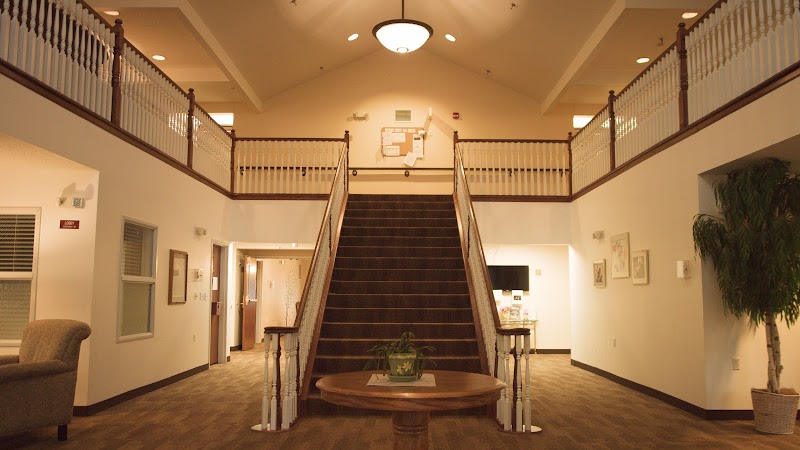
How is The Waterview Shores Llc Staffed?

CMS rates The Waterview Shores LLC's staffing level at 2 out of 5 stars, which is below average compared to other nursing homes. Staff turnover is 68%, which is 21 percentage points above the Minnesota average of 46%. High turnover can affect care consistency as new staff learn residents' individual needs. RN turnover specifically is 80%, which is notably high. RNs provide skilled clinical oversight, so turnover in this role can affect medical care quality.

What Have Inspectors Found at The Waterview Shores Llc?

State health inspectors documented 29 deficiencies at The Waterview Shores LLC during 2022 to 2025. These included: 1 that caused actual resident harm and 28 with potential for harm. Deficiencies causing actual harm indicate documented cases where residents experienced negative health consequences.
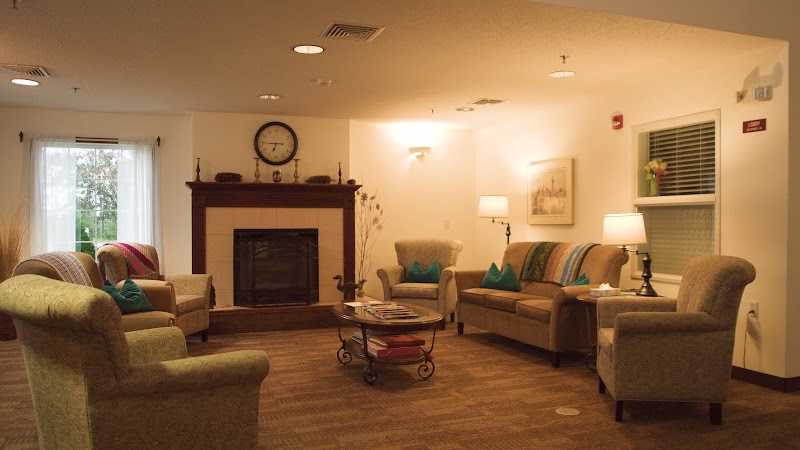
Who Owns and Operates The Waterview Shores Llc?

The Waterview Shores LLC is owned by a for-profit company. For-profit facilities operate as businesses with obligations to shareholders or private owners. The facility is operated by MONARCH HEALTHCARE MANAGEMENT, a chain that manages multiple nursing homes. With 44 certified beds and approximately 39 residents (about 89% occupancy), it is a smaller facility located in TWO HARBORS, Minnesota.

How Does The Waterview Shores Llc Compare to Other Minnesota Nursing Homes?

Compared to the 100 nursing homes in Minnesota, The Waterview Shores LLC's overall rating (2 stars) is below the state average of 3.2, staff turnover (68%) is significantly higher than the state average of 46%, and health inspection rating (2 stars) is below the national benchmark.

What Should Families Ask When Visiting The Waterview Shores Llc?

Based on this facility's data, families visiting should ask: "How do you ensure continuity of care given staff turnover, and what is your staff retention strategy?" "Can you walk me through typical staffing levels on day, evening, and night shifts?" "Can I visit during a mealtime to observe dining assistance and food quality?" "How do you handle medical emergencies, and what is your hospital transfer rate?" These questions are particularly relevant given the facility's high staff turnover rate and the below-average staffing rating.

Is The Waterview Shores Llc Safe?

Based on CMS inspection data, The Waterview Shores LLC has a clean safety record: no substantiated abuse findings (meaning no confirmed cases of resident harm), no Immediate Jeopardy citations (the most serious violation level indicating risk of serious injury or death), and is not on the Special Focus Facility watch list (a federal program monitoring the lowest-performing 1% of nursing homes). The facility has a 2-star overall rating and ranks #100 of 100 nursing homes in Minnesota. While no facility is perfect, families should still ask about staff-to-resident ratios and recent inspection results during their visit.

Do Nurses at The Waterview Shores Llc Stick Around?

Staff turnover at The Waterview Shores LLC is high. At 68%, the facility is 21 percentage points above the Minnesota average of 46%. Registered Nurse turnover is particularly concerning at 80%. RNs handle complex medical decisions and coordinate care — frequent RN changes can directly impact care quality. High turnover means new staff may not know residents' individual needs, medications, or preferences. It can also be disorienting for residents, especially those with dementia who rely on familiar faces. Families should ask: What is causing the turnover? What retention programs are in place? How do you ensure care continuity during staff transitions?

Was The Waterview Shores Llc Ever Fined?

The Waterview Shores LLC has no federal fines on record. CMS issues fines when nursing homes fail to meet care standards or don't correct problems found during inspections. The absence of fines suggests the facility has either maintained compliance or corrected any issues before penalties were assessed. This is a positive indicator, though families should still review recent inspection reports for the full picture.

Is The Waterview Shores Llc on Any Federal Watch List?

The Waterview Shores LLC is not on any federal watch list. The most significant is the Special Focus Facility (SFF) program, which identifies the bottom 1% of nursing homes nationally based on persistent, serious quality problems. Not being on this list means the facility has avoided the pattern of deficiencies that triggers enhanced federal oversight. This is a positive indicator, though families should still review the facility's inspection history directly.