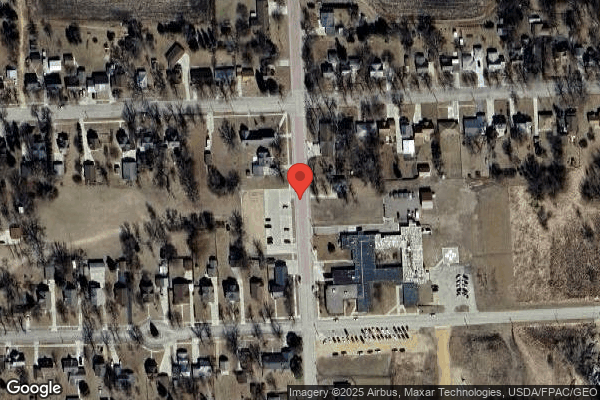
AVERA SUNRISE MANOR

240 WILLOW STREET, TYLER, MN 56178 (507) 247-5839
Non profit - Church related 30 Beds AVERA HEALTH Data: November 2025
Trust Grade
90/100
#4 of 337 in MN
Last Inspection: April 2025

Within standard 12-15 month inspection cycle. Federal law requires annual inspections.

Overview

Avera Sunrise Manor in Tyler, Minnesota has received a Trust Grade of A, indicating excellent quality and a strong recommendation for families researching care options. The facility ranks #4 out of 337 nursing homes in Minnesota, placing it well within the top tier, and it is the best option among the two facilities in Lincoln County. However, the facility's trend is worsening, with the number of identified issues increasing from 3 in 2024 to 4 in 2025. Staffing is a strong point, scoring 5 out of 5 stars and maintaining a low turnover rate of 16%, which is significantly better than the state average. On the downside, there have been concerns, including incidents where raw and cooked meats were not stored properly, risking cross-contamination, and expired medications were found on site, leading to administration to residents. While the facility has no fines on record and provides average RN coverage, the reliance on a hospital's RN for some shifts raises some concerns about consistent on-site nursing support.

Trust Score
A
90/100
In Minnesota
#4/337
Top 1%
Safety Record
Low Risk
No red flags
Inspections
Getting Worse
3 → 4 violations
Staff Stability
✓ Good
16% annual turnover. Excellent stability, 32 points below Minnesota's 48% average. Staff who stay learn residents' needs.
Penalties
✓ Good
No fines on record. Clean compliance history, better than most Minnesota facilities.
Skilled Nurses
✓ Good
Each resident gets 50 minutes of Registered Nurse (RN) attention daily — more than average for Minnesota. RNs are trained to catch health problems early.
Violations
⚠ Watch
14 deficiencies on record. Higher than average. Multiple issues found across inspections.
★★★★★
5.0
Overall Rating
★★★★★
5.0
Staff Levels
★★☆☆☆
2.0
Care Quality
★★★★☆
4.0
Inspection Score
Stable
2024: 3 issues
2025: 4 issues

The Good

  • 5-Star Staffing Rating · Excellent nurse staffing levels
  • Low Staff Turnover (16%) · Staff stability means consistent care
  • Full Sprinkler Coverage · Fire safety systems throughout facility
  • No fines on record
  • Staff turnover is low (16%)

    32 points below Minnesota average of 48%

Facility shows strength in staffing levels, staff retention, fire safety.

The Bad

Chain: AVERA HEALTH

Part of a multi-facility chain

Ask about local staffing decisions and management

The Ugly 14 deficiencies on record

Apr 2025 4 deficiencies
CONCERN (D) 📢 Someone Reported This

A family member, employee, or ombudsman was alarmed enough to file a formal complaint

Potential for Harm - no one hurt, but risky conditions existed

Free from Abuse/Neglect (Tag F0600)

Could have caused harm · This affected 1 resident

**NOTE- TERMS IN BRACKETS HAVE BEEN EDITED TO PROTECT CONFIDENTIALITY** Based on observation, interview and document review the facility failed to protect 1 of 1 resident (R8) from abuse. Findings in...

Read full inspector narrative →
**NOTE- TERMS IN BRACKETS HAVE BEEN EDITED TO PROTECT CONFIDENTIALITY** Based on observation, interview and document review the facility failed to protect 1 of 1 resident (R8) from abuse. Findings include: Review of 3/29/25, report to the State Agency (SA) identified the DON was notified that an incident had occurred where NA-A had hit R8 in the stomach 3/27/25. The DON assessment of R8 was completed with no visible signs of injury to R8, no pain cues, and no change in behavior was noted. An investigation started. R8's 2/11/25, Significant Change, Minimum Data Set (MDS) assessment identified R8 had a severe cognitive deficit with continuous inattention and disorganized thinking. She had an altered level of consciousness and was dependent on staff for all her cares. R8 was on scheduled pain medication and had no indicators of pain displayed. R8 was identified to have a life expectancy of 6 months or less and was receiving hospice services. R8 had diagnoses of dementia, chronic osteoarthritis, peripheral vascular disease, chronic obstructive pulmonary disease (disease affecting breathing), high blood pressure, difficulty swallowing, and was receiving hospice services. R8's care plan identified R8 was at risk for abuse as a vulnerable adult due to impaired cognition, impaired mobility, and impaired communication. She had severe cognitive impairment and was unable to participate in the assessment as she rarely or never understood and would reply nonsensically. R8 was noted be a Gem Level (mental test to determine stage of dementia) of level Amber/Ruby indicating: 1) R8 had the mental capacity of a 2-7 year old. 2) The environment could drive her reactions without awareness of safety. 3) Residents in this stage may enter into other people's space or cross boundaries as they attempt to meet their own needs being totally unaware of the intrusion. 4) Care could be refused if seen as threatening, due to differences in perspective and ability compared to ours. 5) R8 could experience struggles to understand instructions or gestures and a resident may be able to pick up and hold objects but will not necessarily know what to do with the object. R8 occasionally had behaviors of not wanting to give the staff kitchen utensils to wash. She did not like things taken away from her. She occasionally refused cares and staff were to explain what they were doing prior to attempting task to reduce behaviors. Historically R8 had behaviors of swinging at staff during cares or toileting, and staff needed to be mindful of this and redirect or re-attempt as she allowed. Interview on 3/31/25 at 12:31 p.m., with the director of nursing (DON) identified she had been at the facility the morning of 3/29/25 and had worked a couple hours before returning home. She was called back to the facility and arrived around 2:10 p.m She was informed by staff that NA-A had hit R8 in the stomach on 3/27/25. She had not been made aware of the incident prior to 3/29/25. Review of the facilities ongoing investigation documentation identified on 3/29/25, the DON had interviewed staff, obtained statements, had assessed R8, reviewed and confirmed staff schedule and assignment sheet. The DON notified the ombudsman, initiated re-training on abuse policy, contacted the police department, and set up additional training related to abuse and reporting. The DON interviewed and received the following statements by staff identifying: 1) NA-B (staff who reported to the DON on 3/29/25) reported NA-C (who witnessed the abuse by NA-A) advised her on 3/27/25 NA-A had hit R8 in the stomach. NA-A was reported to have told R8 you don't hit my baby. NA-C told NA-B she reported the incident to the nurse that day. 2) NA-C (witness to the abuse) reported she was assisting NA-A with R8's cares and R8 had reached for NA-A's shirt. NA-A told R8 you do not grab my child and then, with a closed fist, hit R8 in the bladder area of her abdomen. 3) NA-A stated R8 had her in the stomach. NA-A had told R8 not to hit her baby. NA-A denied she hit R8 back. 4) LPN-A (charge nurse on duty on 3/27/25) identified she had no knowledge of the incident. She denied NA-C had reported the abuse from NA-A to R8 on 3/27/25. On 3/31/25, the DON continued interviews with other staff and residents. On 4/1/25, NA-A was given a termination notice and on 4/2/25, NA-C was given a termination notice. Observation on 3/31/25 at 11:34 a.m., R8 was seated at dining room table with staff sitting next to her for lunch. She was alert and looking around room. R8 did not appear to be in any distress. Observation on 4/1/25 at 8:32 a.m., R8 was seated at a table with staff next to her assisting her with breakfast. R8 did not appear to be in any distress. Interview on 4/2/25 at 1:08 p.m., with NA-C identified on 3/27/25, after the evening meal around 7:00 p.m., she was assisting NA-A with R8's cares when R8 reached for NA-A. NA-A said to R8 don't hit my kid! and with a closed fist, hit R8 in the bladder area of her abdomen. NA-C reported she did not see R8 hit NA-A, she only saw R8 reach for her. NA-C found the charge nurse (LPN-A) around 8:30 p.m., and reported what had happened. However, she noted she was unsure if the LPN-A heard what she was saying as the nurse was flustered because she had to take over passing medication to residents. She did not work on 3/28/25 but had picked up a shift on 3/29/25 and spoke to the DON. She was unaware she should have told the DON right away on 3/27/25. She thought that she had done the right thing by telling LPN-A at the time it occurred. R8 reacted to the incident by yelling out NO, STOP!. R8 showed no signs of distress after the incident. Interview on 4/2/25 at 2:34 p.m., with NA-B identified on 3/29/25, she was sitting at the nurse's station desk with NA-C talking. NA-C mentioned she had worked with NA-A on Thursday 3/27/25. While assisting R8 to bed on 3/27/25, R8 had tapped NA-A in the belly who was pregnant. NA-A told R8 you don't hit my baby and then proceeded to hit R8 in the stomach 3 times with a closed fist. She asked NA-C if she had reported the incident, and she said she had. NA-B told the DON about her discussion with NA-C about an hour later, when the DON came to the facility. NA-B stated she had never seen NA-A hit anyone, but she was not a gentle person but not rough. NA-A was known to be disrespectful and would tell residents No when they wanted to use the bathroom. Both NA-A and NA-C were newer staff and had only worked a couple months. She had reported to the charge nurse about NA-A being disrespectful previously, and was advised by the nurse NA-A was meeting with the DON about once a week about her attitude already. To her knowledge, NA-A had worked alone as a nurse aid even after reports of negative behavior and was not monitored by other staff or management to her knowledge or observations. Review of NA-A's employee file identified NA-A had coaching with the DON on 1/23/25, 2/4/25, 3/6/25, 3/8/25, and 3/13/25 related to: 1) Communication with peers, 2) Providing assistance to co-workers 3) Time management. 4) Failure to answer call lights. 5) Spending a significant amount of time at the nurses' station when call lights or alarms were sounding. 6) Not passing supplies. 7) Leaving rooms dirty with laundry on the floor, leaving dirty commodes in rooms and garbage in the room, and not cleaning up foul odor of urine on residents. 8) A resident report of not assisting them with toileting needs when asked with other staff. 9) Finding resident in tears for not being assisted. Further review of the coaching in NA-A's employee file note on 3/20/25, an action plan had been put into place due to the above identified issues. NA-A was to demonstrate immediate and sustained improvement in overall performance to avoid further corrective action that included the following. NA-A was to: 1. Check in with the charge nurse at the beginning of her shift, mid shift and before she leaves and provide feedback on what she has completed and if she needs any assistance. 2. Only sit at the desk when charting and prioritize patient care including call lights over charting. 3. Communicate with co-workers and respond over the walkie appropriately. 4. Ensure rooms were cleaned and stocked after assisting residents. 5. Communicate with residents that she will get assistance and be back if she cannot assist them at the time the call light is sounding. 6. Work with co-workers and charge nurse as part of a team and communicate if she needs assistance or has questions. 7. Accept accountability for upholding all facility standards. 8. Be encouraged to utilize the Employee Assistance Program ([NAME]) as necessary. NA-A's file had no mention of how the facility was going to monitor NA-A performance/progress to ensure the previous mentioned concerns had been corrected prior to the incident, or supervise NA-A to ensure residents were safe and appropriately cared for when known behaviors and neglect of duties were identified by the facility. Interview on 4/2/25 at 3:51 p.m., with the DON identified NA-A had worked a total of 5 days between the action plan being implemented on 3/20/25 and the date of the incident on 3/27/25. The DON followed up with NA-A's progress of her action plan verbally with nurses and NA-A. She had no documentation to support she provided oversight to ensure NA-A had been making progress with her action plan and no further incidents of potential abuse or neglect would occur. She would have only documented the progress of the action plan if NA-A had not been doing what she was supposed to be doing. Interview on 4/3/25 at 9:26 a.m., with medical director identified he was made aware of the incident that occurred with NA-A and R8. He was unaware NA-A had performance concerns prior to the incident with coaching and an action plan in place. He revealed that the facility had a good process in place related to abuse identification and training but there was always room for improvements. There were staff challenges due to turnover at times and there maybe an additional training needed more frequently for staff that could be helpful and he would discuss that with the administration and the DON. He agreed NA-A should have been supervised when behaviors with her care of residents had been identified in order to potentially prevent the incident on 3/29/25. On 4/2/25 at 8:48 a.m., an attempt was made to contact NA-A and a voice mail was left to return the call with no response. On 4/2/25 at 8:50 a.m., an attempt was made to contact LPN-A. A voice mail was left to return the call but there was no response. Review of the 11/27/23, Corrective Action policy identified corrective action was implemented to improve an employee's job performance or conduct. This type of action would be implemented as a means to inform the employee of the unacceptable behavior or job performance. The policy identified a process of first coaching an employee, then a verbal warning, then a written warning which identified the facilities expectations of the employee in an action plan. A corrective action beyond verbal had to be approved by HR prior to taking action. The manager and/or HR would complete an investigation prior to implementing any corrective action and any action beyond a verbal warning must be signed by the manager and the employee and given to HR to be filed in the employee's personnel file. The policy further identified reasons for immediate dismissal of a position which included neglect or abuse. There was no indication of how an employee action plan would be monitored to ensure progress towards improvement or how the facility would provide oversight for staff identified as having conduct or job performance concerns or identify if the employee was at risk of neglect or abuse to residents and when to act upon such actions. Review of the October 2024, Vulnerable Adult Abuse Prevention Plan identified residents had the right to be free from abuse, neglect, misappropriation of property, and exploitation. The facility must ensure all alleged violations of abuse, mistreatment, neglect, and misappropriation were immediately reported to the administrator and a thorough investigation completed. The results of the investigation would be reported to the administrator and other officials in accordance with State law within 5 working days and if alleged violation was verified appropriate corrective action would be taken.
CONCERN (D) 📢 Someone Reported This

A family member, employee, or ombudsman was alarmed enough to file a formal complaint

Potential for Harm - no one hurt, but risky conditions existed

Abuse Prevention Policies (Tag F0607)

Could have caused harm · This affected 1 resident

**NOTE- TERMS IN BRACKETS HAVE BEEN EDITED TO PROTECT CONFIDENTIALITY** Based on interview and record review the facility failed to develop a policy for oversight for disciplinary actions for 1 of 1 n...

Read full inspector narrative →
**NOTE- TERMS IN BRACKETS HAVE BEEN EDITED TO PROTECT CONFIDENTIALITY** Based on interview and record review the facility failed to develop a policy for oversight for disciplinary actions for 1 of 1 nursing assistant (NA-A) who had multiple coachings, an action plan, and was subseqently terminated following an alleged incident of alleged abuse. Findings include: Review of 3/29/25, report to the State Agency (SA) identified the DON was notified that an incident had occurred where NA-A had hit R8 in the stomach 3/27/25. The DON assessment of R8 was completed with no visible signs of injury to R8, no pain cues, and no change in behavior was noted. An investigation started. R8's 2/11/25, Significant Change, Minimum Data Set (MDS) assessment identified R8 had a severe cognitive deficit with continuous inattention and disorganized thinking. She had an altered level of consciousness and was dependent on staff for all her cares. R8 was on scheduled pain medication and had no indicators of pain displayed. R8 was identified to have a life expectancy of 6 months or less and was receiving hospice services. R8 had diagnoses of dementia, chronic osteoarthritis, peripheral vascular disease, chronic obstructive pulmonary disease (disease affecting breathing), high blood pressure, difficulty swallowing, and was receiving hospice services. R8's care plan identified R8 was at risk for abuse as a vulnerable adult due to impaired cognition, impaired mobility, and impaired communication. She had severe cognitive impairment and was unable to participate in the assessment as she rarely or never understood and would reply nonsensically. R8 was noted be a Gem Level (mental test to determine stage of dementia) of level Amber/Ruby indicating: 1) R8 had the mental capacity of a 2-7 year old. 2) The environment could drive her reactions without awareness of safety. 3) Residents in this stage may enter into other people's space or cross boundaries as they attempt to meet their own needs being totally unaware of the intrusion. 4) Care could be refused if seen as threatening, due to differences in perspective and ability compared to ours. 5) R8 could experience struggles to understand instructions or gestures and a resident may be able to pick up and hold objects but will not necessarily know what to do with the object. R8 occasionally had behaviors of not wanting to give the staff kitchen utensils to wash. She did not like things taken away from her. She occasionally refused cares and staff were to explain what they were doing prior to attempting task to reduce behaviors. Historically R8 had behaviors of swinging at staff during cares or toileting, and staff needed to be mindful of this and redirect or re-attempt as she allowed. Interview on 3/31/25 at 12:31 p.m., with the director of nursing (DON) identified she had been at the facility the morning of 3/29/25 and had worked a couple hours before returning home. She was called back to the facility and arrived around 2:10 p.m She was informed by staff that NA-A had hit R8 in the stomach on 3/27/25. She had not been made aware of the incident prior to 3/29/25. Review of the facilities ongoing investigation documentation identified on 3/29/25, the DON had interviewed staff, obtained statements, had assessed R8, reviewed and confirmed staff schedule and assignment sheet. The DON notified the ombudsman, initiated re-training on abuse policy, contacted the police department, and set up additional training related to abuse and reporting. The DON interviewed and received the following statements by staff identifying: 1) NA-B (staff who reported to the DON on 3/29/25) reported NA-C (who witnessed the abuse by NA-A) advised her on 3/27/25 NA-A had hit R8 in the stomach. NA-A was reported to have told R8 you don't hit my baby. NA-C told NA-B she reported the incident to the nurse that day. 2) NA-C (witness to the abuse) reported she was assisting NA-A with R8's cares and R8 had reached for NA-A's shirt. NA-A told R8 you do not grab my child and then, with a closed fist, hit R8 in the bladder area of her abdomen. 3) NA-A stated R8 had her in the stomach. NA-A had told R8 not to hit her baby. NA-A denied she hit R8 back. 4) LPN-A (charge nurse on duty on 3/27/25) identified she had no knowledge of the incident. She denied NA-C had reported the abuse from NA-A to R8 on 3/27/25. On 3/31/25, the DON continued interviews with other staff and residents. On 4/1/25, NA-A was given a termination notice and on 4/2/25, NA-C was given a termination notice. Interview on 4/2/25 at 1:08 p.m., with NA-C identified on 3/27/25, after the evening meal around 7:00 p.m., she was assisting NA-A with R8's cares when R8 reached for NA-A. NA-A said to R8 don't hit my kid! and with a closed fist, hit R8 in the bladder area of her abdomen. NA-C reported she did not see R8 hit NA-A, she only saw R8 reach for her. NA-C found the charge nurse (LPN-A) around 8:30 p.m., and reported what had happened. However, she noted she was unsure if the LPN-A heard what she was saying as the nurse was flustered because she had to take over passing medication to residents. She did not work on 3/28/25 but had picked up a shift on 3/29/25 and spoke to the DON. She was unaware she should have told the DON right away on 3/27/25. She thought that she had done the right thing by telling LPN-A at the time it occurred. R8 reacted to the incident by yelling out NO, STOP!. R8 showed no signs of distress after the incident. Interview on 4/2/25 at 2:34 p.m., with NA-B identified on 3/29/25, she was sitting at the nurse's station desk with NA-C talking. NA-C mentioned she had worked with NA-A on Thursday 3/27/25. While assisting R8 to bed on 3/27/25, R8 had tapped NA-A in the belly who was pregnant. NA-A told R8 you don't hit my baby and then proceeded to hit R8 in the stomach 3 times with a closed fist. She asked NA-C if she had reported the incident, and she said she had. NA-B told the DON about her discussion with NA-C about an hour later, when the DON came to the facility. NA-B stated she had never seen NA-A hit anyone, but she was not a gentle person but not rough. NA-A was known to be disrespectful and would tell residents No when they wanted to use the bathroom. Both NA-A and NA-C were newer staff and had only worked a couple months. She had reported to the charge nurse about NA-A being disrespectful previously, and was advised by the nurse NA-A was meeting with the DON about once a week about her attitude already. To her knowledge, NA-A had worked alone as a nurse aid even after reports of negative behavior and was not monitored by other staff or management to her knowledge or observations. Review of NA-A's employee file identified NA-A had coaching with the DON on 1/23/25, 2/4/25, 3/6/25, 3/8/25, and 3/13/25 related to: 1) Communication with peers, 2) Providing assistance to co-workers 3) Time management. 4) Failure to answer call lights. 5) Spending a significant amount of time at the nurses' station when call lights or alarms were sounding. 6) Not passing supplies. 7) Leaving rooms dirty with laundry on the floor, leaving dirty commodes in rooms and garbage in the room, and not cleaning up foul odor of urine on residents. 8) A resident report of not assisting them with toileting needs when asked with other staff. 9) Finding resident in tears for not being assisted. Further review of the coaching in NA-A's employee file note on 3/20/25, an action plan had been put into place due to the above identified issues. NA-A was to demonstrate immediate and sustained improvement in overall performance to avoid further corrective action that included the following. NA-A was to: 1. Check in with the charge nurse at the beginning of her shift, mid shift and before she leaves and provide feedback on what she has completed and if she needs any assistance. 2. Only sit at the desk when charting and prioritize patient care including call lights over charting. 3. Communicate with co-workers and respond over the walkie appropriately. 4. Ensure rooms were cleaned and stocked after assisting residents. 5. Communicate with residents that she will get assistance and be back if she cannot assist them at the time the call light is sounding. 6. Work with co-workers and charge nurse as part of a team and communicate if she needs assistance or has questions. 7. Accept accountability for upholding all facility standards. 8. Be encouraged to utilize the Employee Assistance Program ([NAME]) as necessary. NA-A's file had no mention of how the facility was going to monitor NA-A performance/progress to ensure the previous mentioned concerns had been corrected prior to the incident, or supervise NA-A to ensure residents were safe and appropriately cared for when known behaviors and neglect of duties were identified by the facility. Interview on 4/2/25 at 3:51 p.m., with the DON identified NA-A had worked a total of 5 days between the action plan being implemented on 3/20/25 and the date of the incident on 3/27/25. The DON followed up with NA-A's progress of her action plan verbally with nurses and NA-A. She had no documentation to support she provided oversight to ensure NA-A had been making progress with her action plan and no further incidents of potential abuse or neglect would occur. She would have only documented the progress of the action plan if NA-A had not been doing what she was supposed to be doing. Interview on 4/3/25 at 9:26 a.m., with medical director identified he was made aware of the incident that occurred with NA-A and R8. He was unaware NA-A had performance concerns prior to the incident with coaching and an action plan in place. He revealed that the facility had a good process in place related to abuse identification and training but there was always room for improvements. There were staff challenges due to turnover at times and there maybe an additional training needed more frequently for staff that could be helpful and he would discuss that with the administration and the DON. He agreed NA-A should have been supervised when behaviors with her care of residents had been identified in order to potentially prevent the incident on 3/29/25. Review of the 11/27/23, Corrective Action policy identified corrective action was implemented to improve an employee's job performance or conduct. This type of action would be implemented as a means to inform the employee of the unacceptable behavior or job performance. The policy identified a process of first coaching an employee, then a verbal warning, then a written warning which identified the facilities expectations of the employee in an action plan. A corrective action beyond verbal had to be approved by HR prior to taking action. The manager and/or HR would complete an investigation prior to implementing any corrective action and any action beyond a verbal warning must be signed by the manager and the employee and given to HR to be filed in the employee's personnel file. The policy further identified reasons for immediate dismissal of a position which included neglect or abuse. There was no indication of how an employee action plan would be monitored to ensure progress towards improvement or how the facility would provide oversight for staff identified as having conduct or job performance concerns. Review of the October 2024, Vulnerable Adult Abuse Prevention Plan identified residents had the right to be free from abuse, neglect, misappropriation of property, and exploitation. The facility must ensure all alleged violations of abuse, mistreatment, neglect, and misappropriation were immediately reported to the administrator and a thorough investigation completed. The results of the investigation would be reported to the administrator and other officials in accordance with State law within 5 working days and if alleged violation was verified appropriate corrective action would be taken.
CONCERN (D)

Potential for Harm - no one hurt, but risky conditions existed

Transfer Notice (Tag F0623)

Could have caused harm · This affected 1 resident

**NOTE- TERMS IN BRACKETS HAVE BEEN EDITED TO PROTECT CONFIDENTIALITY** Based on interview and document review, the facility failed to notify the ombudsman of facility initiated discharges for 3 of 3 ...

Read full inspector narrative →
**NOTE- TERMS IN BRACKETS HAVE BEEN EDITED TO PROTECT CONFIDENTIALITY** Based on interview and document review, the facility failed to notify the ombudsman of facility initiated discharges for 3 of 3 residents (R1, R10, and R17) who were discharged to the hospital. Findings include: R10's current diagnosis list included chronic kidney disease stage III, congestive heart failure (CHF), high blood pressure (HTN), and her hospital discharge summary identified she was hospitalized with influenza and pneumonia with CHF exasperation. R10's condition continued to decline with increased signs and symptoms and on 2/22/25 her family requested she be transferred to the emergency department (ED) for further evaluation. The MD was updated and provided orders for the transfer by emergency medical services (EMS). R10 was admitted to acute care on 2/22/25 and returned to the skilled nursing facility on 2/25/25. Review of R10's medical record failed to include any indication the Ombudsman had been notified of the discharge due to hospitalization. R17's medical record diagnosis list included, HTN, diabetes, Hashimoto's thyroiditis, history of a stroke, hallucinations, psychotic disorder due to medical condition with hallucinations, chronic anticoagulation, morbid obesity, hypercalcemia, osteoarthritis, CKD, and Parkinson's disease. R17 was hospitalized [DATE] -8/16/24 and her discharge summary identified she was admitted to acute care with diagnosis of Pneumonia and Urinary Tract infection (UTI). R17 was treated with antibiotics and returned to the skilled nursing facility. Review of her medical record failed to identify notification of the Ombudsman of R17's discharge to acute care hospitalization. Interview on 4/2/25 at 8:08 a.m., with the director of nursing (DON) reported she had spoken with the social services designee who confirmed the facility had not been reporting discharges due to hospitalization to the Ombudsman. She further reported she was not aware she was supposed to report hospital related discharges when the resident was expected to return to the facility. Based on interview and document review, the facility failed to notify the Ombudsman of transfers and discharge for 3 of 3 residents (R1, R10, and R17) reviewed for hospitalizations and/or discharges. This had the potential to affect all 36 residents who resided in the facility as the facility identified they were unaware of the requirement. Findings include: R1's 3/16/25, discharge return anticipated Minimum Data Set (MDS) assessment identified R1 had an unplanned discharge to an acute care hospital. R1's face sheet identified she had been admitted to the facility in March of 2023. R1's hospital discharge summary identified she admitted to the hospital on [DATE] and was discharged back to the facility on 3/18/25. Interview on 4/2/25 at 12:00 p.m., with the social service designee reported she had not notified the ombudsman of R1's discharge. She was not aware they were required to notify the ombudsman of residents who were expected to return following a hospital admission. Interview on 4/2/25, at 12:20 p.m., with the director of nursing identified she was also not aware that the facility was required to notify the ombudsman of residents who where expected to return following a hospital admission. She reported they did not have a policy that specifically identified the facilities responsibilities related to reporting discharges to the ombudsman. A policy was requested for Ombudsman notification of discharge, but not provided by the end of the survey period.
CONCERN (D)

Potential for Harm - no one hurt, but risky conditions existed

Deficiency F0625 (Tag F0625)

Could have caused harm · This affected 1 resident

**NOTE- TERMS IN BRACKETS HAVE BEEN EDITED TO PROTECT CONFIDENTIALITY** Based on interview and document review, the facility failed to provide a written copy of the bed hold notice for 1 of 3 resident...

Read full inspector narrative →
**NOTE- TERMS IN BRACKETS HAVE BEEN EDITED TO PROTECT CONFIDENTIALITY** Based on interview and document review, the facility failed to provide a written copy of the bed hold notice for 1 of 3 residents (R)1 who transferred to the hospital. Findings include: R1's 3/16/25, discharge return anticipated Minimum Data Set (MDS) assessment identified R1 had an unplanned discharge to an acute care hospital. R1's face sheet identified she had been admitted to the facility in March of 2023. R1's hospital discharge summary identified she admitted to the hospital on [DATE] and was discharged back to the facility on 3/18/25. R1's 3/16/25 nursing progress note identified she had been transferred to the hospital for evaluation. The progress note made no mention that a bed hold had been offered to R1 or a resident representative. Interview on 4/2/25 at 12:20 p.m., with the director of nursing identified she agrees with the above finding and would expect staff would offer a bed hold when a resident is being transferred out to the hospital. She reported they had an agency nurse on that day, and she may not have understood the process. Review of the February 2025, facility Bed Hold Policy identified they would provide residents the opportunity to leave the facility for various types of leaves and be given opportunity to keep their long-term care bed. Staff will provide a written notice which will be presented to the resident or representative at the time of transfer.
Apr 2024 3 deficiencies
CONCERN (D)

Potential for Harm - no one hurt, but risky conditions existed

Drug Regimen Review (Tag F0756)

Could have caused harm · This affected 1 resident

Based on interview and record review, the facility failed to ensure the contracted pharmacist, in conjunction with the facility, had a method to ensure resident's physicians acted upon pharmacy recomm...

Read full inspector narrative →
Based on interview and record review, the facility failed to ensure the contracted pharmacist, in conjunction with the facility, had a method to ensure resident's physicians acted upon pharmacy recommendations for 1 of 5 residents (R21) reviewed for unnecessary medications. Findings include: R21's 4/1/24, Patient Health Summary report identified R21 had diagnoses of anemia, generalized anxiety disorder, major depressive disorder in partial remission, chronic colitis (irritation in intestines causing pain), chronic obstructive pulmonary disorder (COPD) (lung disease affecting breathing) with asthma, restless leg syndrome, high blood pressure, acute and chronic respiratory failure with hypoxia (severely low blood oxygen levels), diabetes mellitus type 2, low thyroid disorder, insomnia, back pain, and arthritis. R21's 3/19/24, quarterly Minimum Data Set (MDS) identified R21 cognition was intact. R21 was independent with toileting and transfers. R21 had no behaviors present and experienced shortness of breath with exertion, when sitting at rest, and when lying flat. R21 had oxygen therapy and routinely took an antipsychotic, anti-anxiety, anti-depressant, diuretic, opioid, anti-platelet, and hypoglycemic. R21 had no gradual dose reduction (GDR) attempted for her anti-psychotic and no GDR had been documented by the physician as clinically contraindicated. R21's 4/1/24, current physician orders identified Ability 0.5 milligram (mg) every day (an antipsychotic medication), lorazepam 0.5 mg four times a day as needed (PRN) for anxiety, and trazodone 50 mg at bedtime PRN for insomnia. R21's care plan printed 4/2/24, identified psychosocial wellbeing deficit related to daily routine was different from prior pattern in community, R21 used medications for comfort. R21 had behavior deficit related to accusatory behavior, mood deficit related to negative comments, repetitive questions, anger with self and others, withdrawal from activities, and sad or worried facial expressions. R21's Consultant Pharmacist's Medication Regimen Reviews for December 2023 through March 2024 identified: 1) On 12/11/23, the form identified R21 had an order for PRN trazodone. Recommendation included PRN psychoactive medication must be limited to 14 days except, if the physician believes it is appropriate for the PRN order to be extended beyond 14 days. When extending a PRN psychoactive medication order the physician must document rationale for continued use and indicate the duration in the residents medical chart. There was no evidence the physician acted on the pharmacist's recommendation. 2) On 2/12/24, the form identified the pharmacist made the same recommendation as the previous month for the physician to document rationale for continued use and indicate the duration for the PRN psychoactive medication. There was no evidence that the physician acted on the pharmacist's recommendation. 3) On 3/5/24, the form identified R21 had an order for Abilify 0.5 mg (an antipsychotic medication). Recommendation made was to trial a gradual dose reduction or document if it would be clinically contraindicated. There was no evidence that the physician acted on the pharmacist's recommendation. Interview on 4/3/24 at 7:56 a.m., with director of nursing (DON) confirmed that R21's medical doctor (MD)-A had not acted on the pharmacist recommendation for the last 3 months. She revealed she thought MD-A had renewed the PRN order for trazodone every 14 days however, that had not occurred, and the last time MD-A renewed the PRN trazodone order was back in January. Interview on 4/3/24 at 10:54 a.m., with medical director (MD)-B identified his expectation was that pharmacy recommendations would be addressed timely. The facility was actively working on changing the process to make sure that pharmacy recommendations are going out on the day they are provided to the facility and acted on. He revealed unfortunately this was not a new concern and he was working on identifying the barriers to see why pharmacy recommendations were not being addressed or addressed timely. Interview on 4/3/24 at 11:15 a.m., with consulting pharmacist (PharmD) identified when a provider does not follow up on a recommendation, he first reaches out to nursing staff to see that the provider received the recommendation. If the provider was given the recommendation but did not act on it, he reported he would resend the same recommendation for a couple months unless it was something that needed immediate attention. He confirmed that R21's had a PRN trazodone and PRN Ativan order and both needed documentation for a rationale for continued use and an indicated duration beyond 14 days. He further, confirmed that MD-A had not responded to the recommendations for December 2023 through March of 2024, and it was stressful for the facility. Review of the September 2023, LTC Pharmacy Consultant Expectations-System Standard policy identified the services were in collaboration between the providers, the facility staff, and the pharmacist to meet the resident needs. The consulting pharmacist would assist the facility with pharmaceutical services to meet the resident's needs, assist with best practices and regulatory requirements. The pharmacist will discuss with attending physicians any identified problems of an immediate nature, provide reports to the director of nursing, communicate, and resolve identified issues related to pharmaceutical needs. The pharmacist will complete monthly medication regimen reviews of each resident and address identified irregularities and document on a written report.
CONCERN (D)

Potential for Harm - no one hurt, but risky conditions existed

Medication Errors (Tag F0758)

Could have caused harm · This affected 1 resident

Based on interview and record review, the facility failed to ensure as needed (PRN) psychoactive medications were not given without a rationale for continued use and indicated specific duration for 1 ...

Read full inspector narrative →
Based on interview and record review, the facility failed to ensure as needed (PRN) psychoactive medications were not given without a rationale for continued use and indicated specific duration for 1 of 5 residents (R21) to prevent potential unnecessary medications. Findings include: R21's 4/1/24, Patient Health Summary identified R21 had diagnoses of anemia, generalized anxiety disorder, major depressive disorder in partial remission, chronic colitis, COPD with asthma, restless leg, hypertension, acute and chronic respiratory failure with hypoxia, diabetes mellitus type 2, hypothyroidism, insomnia, thoracic spine pain, and arthritis. R21's 3/19/24, quarterly Minimum Data Set (MDS) identified R21 cognition was intact, R21 was independent with toileting and transfers. R21 had no behaviors present. R21 had shortness of breath with exertion, when sitting at rest, and when lying flat. R21 had oxygen therapy and routinely took an antipsychotic, anti-anxiety, anti-depressant, diuretic, opioid, anti-platelet, and hypoglycemic. R21's care plan printed 4/2/24, identified psychosocial wellbeing deficit related to daily routine was different from prior pattern in community, R21 used medications for comfort. R21 had behavior deficit related to accusatory behavior, mood deficit related to negative comments, repetitive questions, anger with self and others, withdrawal from activities, and sad or worried facial expressions. R21's 4/1/24, current physician orders identified lorazepam 0.5 mg four times a day PRN for anxiety last renewed on 1/15/24, and trazodone 50 mg at bedtime PRN for insomnia last renewed on 1/15/24. R21's January, February, and March of 2024 medication administration recorded identified: 1) lorazepam 0.5 mg four times a day as needed had been used in January 34 time, February 34 time, and March 33 time. 2) trazodone 50 mg at bedtime as needed had been used in January 25 time, February 28 time, and March 26 times. R21's 2/12/24, Consultant Pharmacist's Medication Regimen Review identified the pharmacist had reminded R21's medical provider that psychoactive medication must be limited to 14 days except, if the physician believes it is appropriate for the PRN order to be extended beyond 14 days. It noted when extending a PRN psychoactive medication order the physician must document rationale for continued use and indicate the duration in the resident's medical chart. There was no evidence in the pharmacist note that a documented rationale was obtained even though the medication had continued to be administered to prevent potential unecessary medication use. Review of 1/13/24, progress note identified a message had been sent to R21's medical provider questioning if he would like to continue R21's orders of lorazepam 0.5 mg four times a day PRN and trazodone 50 mg at bedtime PRN for an additional 14 days. The 1/15/24, provider progress note back to the facility identified yes please. The note lacked rationale for the continued use of either PRN medication or a indicated duration for the PRN medication. There was no evidence in the progress note that a documented rationale was obtained even though the medication had continued to be administered to prevent potential unecessary medication use. Interview on 4/3/24 at 7:56 a.m., with director of nursing (DON) revealed that R21's medical doctor (MD)-A had not renewed R21's orders for lorazepam 0.5 mg PRN or trazodone 50 mg PRN since 1/15/24. She was unaware that MD-A had not been renewing the PRN orders every 14 days. She further confirmed that MD-A had not acted on the pharmacist recommendation in February of 2024 to document the rationale for both PRN medications and document a duration for the orders. Interview on 4/3/24 at 10:54 a.m., with medical director (MD)-B identified his expectation was that the regulation requirements were followed and if PRN psychotropic medications had specific documentation requirements that would be followed. He further identified pharmacy recommendations should be addressed and addressed timely. The facility was actively working on changing the process to make sure that pharmacy recommendations are going out on the day they are provided to the facility and acted on. He revealed unfortunately this was not a new concern and he was working on identifying the barriers to see why pharmacy recommendations were not being addressed or addressed timely. Interview on 4/3/24 at 11:15 a.m., with consulting pharmacist (PharmD) identified when a provider does not follow up on a recommendation, he first reaches out to nursing staff to see that the provider received the recommendation. If the provider was given the recommendation but did not act on it, he reported he would resend the same recommendation for a couple months unless it was something that needed immediate attention. He confirmed that R21's had a PRN lorazepam and PRN trazodone order and both needed documentation for a rationale for continued use and an indicated duration beyond 14 days. He further, confirmed that MD-A had not responded to the recommendations for December 2023 through March of 2024, and it was stressful for the facility. A policy for PRN psychoactive medications was requested but not provided. Review of February 2024, Antipsychotic Medication Management policy identified PRN use of antipsychotics which were limited to 14 days. If an antipsychotic PRN was to be renewed a direct examination was needed by the provider with a rationale identified in the medical record. There was no mention of other psychoactive PRN medications in this policy.
CONCERN (F)

Potential for Harm - no one hurt, but risky conditions existed

Deficiency F0727 (Tag F0727)

Could have caused harm · This affected most or all residents

Based on interview and record review the facility failed to ensure a registered nurse (RN) was on duty a minimum of 8 consecutive hours a day, 7 days per week, for 2 of 168 days reviewed. This had the...

Read full inspector narrative →
Based on interview and record review the facility failed to ensure a registered nurse (RN) was on duty a minimum of 8 consecutive hours a day, 7 days per week, for 2 of 168 days reviewed. This had the potential to affect all 29 resdients. Findings include: Review of the facility schedules from 10/1/23 through 3/17/24, identified there was no RN coverage on 12/10/23 and 3/3/24. Interview on 4/1/24 at 6:21 p.m., with the director of nursing (DON) identified she only has 1 full time RN at the facility other than herself and the case manager. At times the facility use the adjoining hospital's RN for coverage. The hospital RN was not physically present in the facility, and took call only. They do check in a couple times and the staff are able to reach out to the hospital RN if they need anything. Interview on 4/2/24 at 10:57 a.m., with administrator confirmed that the facility had on occasion used the hospital RN for coverage. He understood the expectation to have 8 consecutive hours of RN coverage daily, however, they have not had any applicants and have not been able to fill the position. The facility is offering a sign on bonus as well as a recruitment bonus. They are advertising on several web-based platforms and locally in newspapers. They have been working with the local area college nursing program but have not had any results. A facility policy for RN coverage was requested however, nothing was provided by end of survey.
Aug 2023 7 deficiencies
CONCERN (D)

Potential for Harm - no one hurt, but risky conditions existed

PASARR Coordination (Tag F0644)

Could have caused harm · This affected 1 resident

**NOTE- TERMS IN BRACKETS HAVE BEEN EDITED TO PROTECT CONFIDENTIALITY** Based on interview and document review the facility failed to ensure a level II Pre-admission Screening and Resident Review (PAS...

Read full inspector narrative →
**NOTE- TERMS IN BRACKETS HAVE BEEN EDITED TO PROTECT CONFIDENTIALITY** Based on interview and document review the facility failed to ensure a level II Pre-admission Screening and Resident Review (PASRR) was completed for 1 of 1 resident (R6) who received a new diagnosis of Schizoaffective disorder-depressive type. Findings include: R6's electronic admission Record identified R6 was admitted [DATE], with diagnoses of dementia, seizure disorder, physical deconditioning and depression. R6's admission Minimum Data Set (MDS) assessment identified in section A 1500 Pre-admission Screening she had been evaluated by Senior Linkage with a Pre-admission Screening (PAS I) dated 3/17/22 OBRA: which listed - It appears this person does not need an OBRA Level II assessment. R6's 12/19/22 physician recertification visit identified Geriatric psych had been consulted for management of her medications but did not include a diagnosis of Schizoaffective disorder. On 2/2/23 R6 was seen via two-way audiovisual telecommunication by the psychiatric nurse practioner who identified R6 met the criteria of Schizoaffective disorder, Depressive Type. Her notes also identified R6 had previous psychiatric diagnoses of generalized anxiety disorder, moderate recurrent major depression, organic personality disorder, dementia, major depressive disorder, recurrent and severe with psychotic features, dependent personality traits,and borderline intellectual functioning. Interview on 8/2/23 at 9:41 a.m., with the social services designee (SSD) reported she thought the facility was called from Senior Linkage if a resident needed an additional screening. The SSD reported she was not aware of the need to update Senior Linkage when a resident had a new psychiatric diagnosis so that a screening for additional services could be determined. She reported she had thought this was all taken care of before the resident was admitted since the facility received a screening at the time of admission. Interview on 8/02/23 at 1:08 p.m., with the director of nursing (DON) reported she was not aware of the need for a PASRR level II screening to be completed when a resident was given a new psychiatric diagnosis or the county needed to be notified to complete the screen to determine if additional services were indicated. The DON reported R6 did have new psychiatric diagnoses and the county had not been notified or a PASRR II screen completed. A PASRR policy was requested, however none was provided at the end of the survey.
CONCERN (D)

Potential for Harm - no one hurt, but risky conditions existed

Pharmacy Services (Tag F0755)

Could have caused harm · This affected 1 resident

. Based on observation, interview and document review the failed to dilute medication per manufactory guidelines and include those directions on the medication order and label for 1 of 1 resident (R24...

Read full inspector narrative →
. Based on observation, interview and document review the failed to dilute medication per manufactory guidelines and include those directions on the medication order and label for 1 of 1 resident (R24). Findings include: Observation and interview on 8/2/23 at 8:12 a.m., with trained medication aide (TMA)-A as she prepared to administer Potassium Chloride Oral Solution which was highlighted on the bottle as 40mEQ (milliequivalents per liter) per 15 ml(millimeter). Directly below the highlighted area a bolded box listed the instruction to dilute prior to administration. R24's medication record (MAR) listed an order for potassium chloride oral solution 40 meq by mouth (PO) at 8:00 a.m., 12:00 p.m., 4:00 p.m., and 8:00 p.m. and the dose instruction listed 15 ml. TMA-A checked the MAR, removed the bottle of Potassium Chloride solution from the medication cart, compared the bottle to the computer MAR, picked up a clear plastic medication cup and filled it to the 30 milliliter (ml) mark with the potassium liquid, and reported that was 30 ml. She then retrieved a second medication cup and poured 10 ml into that cup and reported that was 40 ml and picked up the two cups to take to R24. TMA-A was stopped and asked to recheck the order again and to look at the label on the bottle. It was pointed out on the MAR the dose instruction of 15 ml and the bottle which listed the concentration as 40 mEq per 15 ml. Interview on 8/02/23 at 8:18 a.m. with TMA-A reported she made an error in dispensing R24's Potassium. She reported she had prepared to administer 40 ml instead of 40meq as identified on the order. TMA-A reported she would have administered the medication if she had not been interrupted with correction by the surveyor. She reported she had been off for a couple weeks and this was a new medication for her, and she had misread the label. TMA-A reported she had not attempted to dilute the medication prior to administration because R24 did not want it diluted in water or juice and that was his right. She reported she was not aware if the consultant pharmacist was aware of the medication not being diluted or if it had been brought to the attention of the doctor. Review of the Pharmacy Monograph (A written document that reflects the quality attributes of medicines approved by the U.S. Food and Drug Administration) Potassium Chloride (English) Information last revised December 2022, Copyright (c) 2023 First Databank, Inc., How To Use: To prevent stomach upset, you must first mix your dose of potassium with a glass (4 to 8 ounces/120 to 240 ml) of cold water or juice as directed by your doctor. Manufacture's patient instructions listed on the bottle of Potassium Chloride identified a warning: WARNINGS DO NOT ADMINISTER FULL STRENGTH. SOLUTION MAY CAUSE GASTROINTESTINAL IRRITATION IF ADMINISTERED UNDILUTED. R24's current signed medication orders listed an order for potassium chloride oral solution 40 meq by mouth (PO) at 8:00 a.m., 12:00 p.m., 4:00 p.m., and 8:00 p.m. and the dose instruction listed 15 ml Interview on 8/2/23 at 10:15 a.m. with the consultant pharmacist reported he reviewed medications at the facility monthly. He identified that a dose of 2.5 times the ordered dose (100 mEq instead of the ordered 40 mEq) had the potential to be a significant medication error if given repeatedly dependent on the resident's blood potassium level. He reported he did not believe a single dose would have caused side effects, but it would depend on the individual resident. He reported he received a checklist of facility education needs biannually and he would review it with the director of nursing (DON) with medication safety included. The pharmacist identified liquid potassium was supposed to be diluted in 6-8 ounces of water or juice because of gastric irritation, and that information should have been included in the pharmacy label when it was dispensed. If the resident was requesting the medication not be diluted, then the doctor should have been updated and a possible alternative medication provided. Interview on 8/2/23 at 11:00 a.m., with the DON reported her expectation that the 6-rights of medication administration were to be followed according to the facility medication administration policy. She reported TMA-A had been trained on the administration of medications which included pills, liquids, creams, etc. and she would be following up with education review to ensure competency. Review of TMA-A's personnel file identified she completed her TMA training on December 11, 2017 and received a certificate of course completion from Minnesota [NAME] Community & Technical College. The checklist identified completion of competency requirements for routes of administration of medications. Review of the May 2023 policy Medication Orders and Administration-LTC identified medications orders were to specify the name, strength, dose, time or frequency, route of administration, length of therapy if appropriate. Altered medications required review by the pharmacist for appropriateness and alternate medication recommended with a physician order.
CONCERN (D)

Potential for Harm - no one hurt, but risky conditions existed

Unnecessary Medications (Tag F0759)

Could have caused harm · This affected 1 resident

Based on observation, interview and document review, the facility failed to ensure 2 of 2 medications were properly administered according to manufacturer's guidelines resulting in a medication error ...

Read full inspector narrative →
Based on observation, interview and document review, the facility failed to ensure 2 of 2 medications were properly administered according to manufacturer's guidelines resulting in a medication error rate of 8.0% for 2 of 25 opportunities of medication administration. Findings include: Observation, interview, and document review on 8/2/23 at 7:52 a.m., with trained medication aide (TMA)-A as she prepared and administered R2's Synthroid 0.88 micrograms (mcg) by mouth (PO) as he finished eating his breakfast. Review of the physician's order on the Medication Administration Record (MAR) identified the medication was to be administered before food was eaten. Review of the Food and Drug Administration guidelines identified Synthroid (thyroid medication) was administered as a single daily dose, preferably one-half to one-hour before breakfast. Interview on 8/2/23 at 8:00 a.m., with TMA-A reported she was aware the physician's order directed R2's Synthroid was supposed to be administered before breakfast or food eaten, but he didn't want to be woke up to take his medication, so it was given with his other medications at breakfast time. She reported she had not thought about reporting this to the charge nurse for discussion with the physician and possibly changing the order. Observation and interview on 8/2/23 at 8:12 a.m., with trained medication aide (TMA)-A as she prepared to administer Potassium Chloride Oral Solution which was highlighted on the bottle as 40mEQ (milliequivalents per liter) per 15 ml(millimeter). Directly below the highlighted area a bolded box listed the instruction to dilute prior to administration. R24's medication record (MAR) listed an order for potassium chloride oral solution 40 mEq by mouth (PO) at 8:00 a.m., 12:00 p.m., 4:00 p.m., and 8:00 p.m. and the dose instruction listed 15 ml. TMA-A checked the MAR, removed the bottle of Potassium Chloride solution from the medication cart, compared the bottle to the computer MAR, picked up a clear plastic medication cup and filled it to the 30 milliliter (ml) mark with the potassium liquid, and reported that was 30 ml. She then retrieved a second medication cup and poured 10 ml into that cup and reported that was 40 ml and picked up the two cups to take to R24. TMA-A was stopped and asked to recheck the order again and to look at the label on the bottle. It was pointed out on the MAR the dose instruction of 15 ml and the bottle which listed the concentration as 40 mEq per 15 ml. Interview on 8/02/23 at 8:18 a.m. with TMA-A reported she made an error in dispensing R24's Potassium. She reported she had prepared to administer 40 ml instead of R40 as identified on the order. TMA-A reported she would have administered the medication if she had not been interrupted with correction by the observing surveyor. She reported she had been off for a couple weeks and this was a new medication for her, and she had misread the label. TMA-A reported she had not attempted to dilute the medication prior to administration because R24 did not want it diluted in water or juice and that was his right. She reported she was not aware if the consultant pharmacist was aware of the medication not being diluted or if it had been brought to the attention of the doctor. Review of the Pharmacy Monograph (A written document that reflects the quality attributes of medicines approved by the U.S. Food and Drug Administration) Potassium Chloride (English) Information last revised December 2022, Copyright (c) 2023 First Databank, Inc., How To Use: To prevent stomach upset, you must first mix your dose of potassium with a glass (4 to 8 ounces/120 to 240 ml) of cold water or juice as directed by your doctor. Manufacture's patient instructions listed on the bottle of Potassium Chloride identified a warning: WARNINGS DO NOT ADMINISTER FULL STRENGTH. SOLUTION MAY CAUSE GASTROINTESTINAL IRRITATION IF ADMINISTERED UNDILUTED. R24's current signed medication orders listed an order for potassium chloride oral solution 40 mEq by mouth (PO) at 8:00 a.m., 12:00 p.m., 4:00 p.m., and 8:00 p.m. and the dose instruction listed 15 ml Interview on 8/02/23 at 10:15 a.m. with the consultant pharmacist reported he reviewed medications at the facility monthly. He identified that a dose of 2.5 times the ordered dose (100 mEq instead of the ordered 40 mEq) had the potential to be a significant medication error if given repeatedly dependent on the resident's blood potassium level. He reported he did not believe a single dose would have caused side effects, but it would depend on the individual resident. He reported he received a checklist of facility education needs biannually and he would review it with the director of nursing (DON) with medication safety included. The pharmacist identified liquid potassium was supposed to be diluted in 6 - 8 ounces of water or juice because of gastric irritation, and that information should have been included in the pharmacy label when it was dispensed. If the resident was requesting the medication not be diluted, then the doctor should have been updated and a possible alternative medication provided. Interview on 8/2/23 at 11:00 a.m., with the DON reported her expectation that the 6-rights of medication administration were to be followed according to the facility medication administration policy. She reported TMA-A had been trained on the administration of medications which included pills, liquids, creams, etc. and she would be following up with education review to ensure competency. Review of the May 2023 policy Medication Orders and Administration-LTC identified medications orders were to specify the name, strength, dose, time or frequency, route of administration, length of therapy if appropriate. Altered medications required review by the pharmacist for appropriateness and alternate medication recommended with a physician order.
CONCERN (D)

Potential for Harm - no one hurt, but risky conditions existed

Antibiotic Stewardship (Tag F0881)

Could have caused harm · This affected 1 resident

Based on interview and record review, the facility failed to identify the appropriateness for continued use of an antibiotic for 1 of 1 resident (R19). Findings include: R19's 7/20/23, quarterly Minim...

Read full inspector narrative →
Based on interview and record review, the facility failed to identify the appropriateness for continued use of an antibiotic for 1 of 1 resident (R19). Findings include: R19's 7/20/23, quarterly Minimum Data Set (MDS) identified R19's cognition was moderately impaired. R19 had a diagnosis of heart failure, high blood pressure, diabetes, dementia, parkinsons, and anxiety. No diagnosis of infections were listed on the MDS. R19's 9/12/18, Infectious Disease (ID) follow up appointment summary provided by the facility identified R19 had left knee septic arthritis. The ID recommendations were to continue cephalexin 500 milligrams (mg) twice daily given that his inflammatory markers were normal this would be the appropriate suppressive dose. R19 was to monitor for toxicity from cephalexin such as C. difficile colitis, and to follow up with ID in one year as he came from a home environment. R19's undated care plan printed on 8/2/23, had no indication that staff were to monitor for signs of toxicity that may be caused by long term use of an antibiotic or symptoms of infection. R19's 8/23/19, letter from ID physician identified the ID was unable to reach him and instructed R19 to contact him as soon as possible to continue his care. There was no indication R19 had ever followed up with the ID to discuss the need to continue the antibiotics. R19's 4/1/19, Consulting Pharmacist's Medication Regimen Review idntified R19 was taking cephalexin 500 mg twice daily. The diagnosis for this medication should be clarified if taking chronically and a stop date should be entered into the medical record. The primary physician answered the recommendation stating it had already been addressed and long term use was indicated. There was no indication the primary physician identified what the long term use was. Interview on 8/1/23 at 1:49 p.m., with director of nursing (DON) identified they had not followed up with ID since R19 was admitted to the facility and had not completed any labs to determine if the infection was still present or if there was a need to continue with the antibiotic. DON revealed she did not know about the request from infectious disease for a follow up visit or the pharmacy recommendation until surveyor requested the information during this annual survey. Interview on 8/1/23 at 1:30 p.m., infection preventionist identified the facility should have followed up with ID, she stated she thought having the primary physician review the medications was enough. Interview on 8/1/23 at 2:22 p.m., with certified medical assistant (MA) for the ID doctor identified they would have expected the facility to contact the ID for a follow up. It is actually shocking that he has been on the cephalexin for five years and nobody has requested a follow up visit with us. R19 should have been re-evaluated for the need to continue with this antibiotic. Review of the facilities March 2023, Antimicrobial stewardship policy identified the facility would monitor the use of antibiotics. The facility will implement interventions focused on shortening the duration of antibiotic courses and identify ways to perform post-prescription review such as antibiotic time out.
CONCERN (E)

Potential for Harm - no one hurt, but risky conditions existed

Deficiency F0761 (Tag F0761)

Could have caused harm · This affected multiple residents

Based on observation, interview and document review the facility failed to ensure expired medication was removed from 2 of 2 medication carts and not administered to 6 of 6 residents (R4, R6, R21, R24...

Read full inspector narrative →
Based on observation, interview and document review the facility failed to ensure expired medication was removed from 2 of 2 medication carts and not administered to 6 of 6 residents (R4, R6, R21, R24, R26 and R27). Findings include: Observation and interview on 8/1/23 at 3:30 p.m., with registered nurse (RN)-A and RN-B during review of the two medication administration carts identified outdated medications had not been removed from the medication administration carts when the documented expiration dates had occurred and had resulted in expired medication being administered to residents. 1.) R4 had orders for Tylenol 325 milligrams (mg) 2 tablets every (Q) 4 hours (H) as needed (PRN) The expiration date on the bubble package card was 6/9/23 and the medication administration record (MAR) identified one dose had been administered after the expiration date on 6/20/23. 2.) R6 had orders for Loperimide 2 mg PO Q6H PRN x 7 days. The expiration date on the card was 1/19/23 and the medication order identified it had been discontinued 8/28/22 but remained in the medication cart. 3.) R21 had orders for Loratadine 1 tablet PO Q Day (D) PRN. The expiration date on the card was 9/26/21 and the MAR identified one dose was administered after the expiration date on 5/8/22. The medication card remained in the medication cart. 4.) R24 had orders for Tylenol 500 mg PO Q8H PRN. The expiration date on the card was 5/30/23 and the MAR identified one dose administered after the expiration date on 6/13/23. 5.) R26 had orders for Tylenol 500 mg PO four times daily (QID) PRN. The expiration date was 5/25/23 and doses were administered from the card on 6/4/23, 6/6/23 and 6/22/23. 6.) R27 had orders for Tylenol 325 mg 2 tablet PO Q6H PRN. The expiration date was listed as 5/9/23 and medication was administered from the card on 5/27/23, 5/30/23, 6/3/23, 6/5/23, 6/17/23, 7/28/23 and 7/30/23. Interview on 8/1/23 at 3:40 p.m. with RN-A reported the expired medications should have been removed from the cart when they reached the expiration dates. She also identified when staff administered medications, they should be checking the expiration date on the package in addition to the order and not administering the medication if it was outdated. Interview on 8/1/23 at 4:33 p.m., with the director of nursing (DON) reported she was not aware the medication carts were not being checked routinely for outdated medication and had assumed it was being done at the end of each month when medication cards were exchanged. A policy for medication storage was requested but not provided by the end of the survey period.
CONCERN (E)

Potential for Harm - no one hurt, but risky conditions existed

Deficiency F0883 (Tag F0883)

Could have caused harm · This affected multiple residents

**NOTE- TERMS IN BRACKETS HAVE BEEN EDITED TO PROTECT CONFIDENTIALITY** Based on interview and document review, the facility failed to ensure 5 of 5 residents (R11, R12, R15, R17, and R27) were approp...

Read full inspector narrative →
**NOTE- TERMS IN BRACKETS HAVE BEEN EDITED TO PROTECT CONFIDENTIALITY** Based on interview and document review, the facility failed to ensure 5 of 5 residents (R11, R12, R15, R17, and R27) were appropriately vaccinated against pneumococcal disease upon admission and/or offer updated vaccination per Centers for Disease Control (CDC) vaccination recommendations. This had the ability to affect all 30 residents. Findings include: Review of the current CDC pneumococcal vaccine guidelines located at https://www.cdc.gov/vaccines/vpd/pneumo/hcp/pneumo-vaccine-timing.html, identified for: Adults [AGE] years of age or older, staff were to offer and/or provide based off previous vaccination status as shown below: a) If NO history of vaccination, offer and/or provide: aa) the PCV-20 OR bb) PCV-15 followed by PPSV-23 at least 1 year later. b) For PPSV-23 vaccine ONLY (at any age): aa) PCV-20 at least 1 year after prior PPSV-23 OR bb) PCV-15 at least 1 year after prior PPSV-23 c) For PCV-13 vaccine ONLY (at any age): aa) PCV-20 at least 1 year after prior PCV13 OR bb) PPSV-23 at least 1 year after prior PCV13 d) For PCV-13 vaccine (at any age) AND PPSV-23 BEFORE 65 years: aa) PCV-20 at least 5 years after last pneumococcal vaccine dose OR bb) PPSV-23 at least 5 years after last pneumococcal vaccine dose Review of 5 sampled residents for vaccinations identified: 1) R27 was admitted in October 2015. R27 received his PCV-13 on 2/10/15 and his PCV-23 on 5/19/09 (age 75). There was no documentation to support R27 had been offered the PCV-15 or PCV-20 to ensure he was updated with current CDC guidance for vaccines. 2) R11 was admitted in July 2022. R11 received her PCV-13 on 3/27/15 and her PCV-23 on 10/01/15 (age 76). There was no documentation to support R11 had been offered the PCV-15 or PCV-20 to ensure she was updated with current CDC guidance for vaccines. 3) R12 was admitted in June 2022. R12 received her PCV-23 on 6/26/12 (age 74) and her PCV-13 on 6/22/15 (age 77). There was no documentation to support R12 had been offered the PCV-15 or PCV-20 to ensure she was updated with current CDC guidance for vaccinations. 4) R15 was admitted [DATE]. R15 received her PCV-13 on 3/26/21. There was no documentation to support R15 had been offered the PCV-20 or the PPSV-23 to ensure she was updated with current CDC guidance for vaccines. 5) R17 was admitted [DATE]. R17 received her PCV-13 on 5/28/15 and her PPSV-23 on 4/27/07 (age 77). There was no documentation to support R17 had been offered the PCV-15 or PCV20 to ensure she was updated with current CDC guidance for vaccines. Interview on 8/3/23 at 11:45 a.m., with director of nursing identified she was responsible for ensuring residents were offered updated vaccinations per CDC guidelines. The DON had not realized there were updates to the CDC guidelines for Pneumovax and agreed staff should have clear direction on what vaccinations to offer and/or administer. Review of the current, undated immunization policy identified the facility was to follow CDC recommendations for the pneumococcal vaccinations and included a link to assist staff to the most updated CDC vaccination recommendations.
CONCERN (F)

Potential for Harm - no one hurt, but risky conditions existed

Food Safety (Tag F0812)

Could have caused harm · This affected most or all residents

Based on observation, interview, and record review the facility failed to ensure frozen raw meat and cooked meat were thawed in separate containers as not to cause potential cross contamination. In ad...

Read full inspector narrative →
Based on observation, interview, and record review the facility failed to ensure frozen raw meat and cooked meat were thawed in separate containers as not to cause potential cross contamination. In addition they failed to ensure test strips used for chemical sanitation were not expired. This had the potential to effect all residents residing in the facility. Observation on 7/31/23 at 10:44 am in the facility kitchen identified a packaged raw turkey and fully cooked turkey both sitting in a sink touching each other with a stream of water running over the raw turkey to thaw. Interview on 7/31/23 at 10:45, with (cook)-A identified this is a normal routine, after the frozen meat is partially thawed they place it in a container and it is moved to the refrigerator. She agreed that thawing raw meat and fully cooked meat together in the same container could have the potential to cause cross contamination. Observation on 7/31/23 at 11:00 a.m., identified test strips hanging near the dishwasher, used to ensure the appropriate level of chemical sanitation for the dishwasher had expired on 12/1/18. Interview on 7/31/23 at 10:55 a.m., with the dietary manager identified the fully cooked turkey breast was to be used for sandwich meat, it was her expectation that cooked meat and raw meat be thawed separately and identified they would discard the fully cooked turkey breast. She agreed that the test strips used for the dishwasher had been expired and should have been replaced. Review of the current, undated thawing frozen foods safely policy identified facility would prevent cross contamination by not mixing raw food items in the same sink or container.
Understanding Severity Codes (click to expand)
Life-Threatening (Immediate Jeopardy)
J - Isolated K - Pattern L - Widespread
Actual Harm
G - Isolated H - Pattern I - Widespread
Potential for Harm
D - Isolated E - Pattern F - Widespread
No Harm (Minor)
A - Isolated B - Pattern C - Widespread

Questions to Ask on Your Visit

  • "Can I speak with families of current residents?"
  • "What's your RN coverage like on weekends and overnight?"

Our Honest Assessment

Strengths
  • • Grade A (90/100). Above average facility, better than most options in Minnesota.
  • • No major safety red flags. No abuse findings, life-threatening violations, or SFF status.
  • • No fines on record. Clean compliance history, better than most Minnesota facilities.
  • • 16% annual turnover. Excellent stability, 32 points below Minnesota's 48% average. Staff who stay learn residents' needs.
Concerns
  • • 14 deficiencies on record. Higher than average. Multiple issues found across inspections.
Bottom line: Generally positive indicators. Standard due diligence and a personal visit recommended.

About This Facility

What is Avera Sunrise Manor's CMS Rating?

CMS assigns AVERA SUNRISE MANOR an overall rating of 5 out of 5 stars, which is considered much above average nationally. Within Minnesota, this rating places the facility higher than 99% of the state's 100 nursing homes. This rating reflects solid performance across the metrics CMS uses to evaluate nursing home quality.

How is Avera Sunrise Manor Staffed?

CMS rates AVERA SUNRISE MANOR's staffing level at 5 out of 5 stars, which is much above average compared to other nursing homes. Staff turnover is 16%, compared to the Minnesota average of 46%. This relatively stable workforce can support continuity of care.

What Have Inspectors Found at Avera Sunrise Manor?

State health inspectors documented 14 deficiencies at AVERA SUNRISE MANOR during 2023 to 2025. These included: 14 with potential for harm.

Who Owns and Operates Avera Sunrise Manor?

AVERA SUNRISE MANOR is owned by a non-profit organization. Non-profit facilities reinvest revenue into operations rather than distributing to shareholders. The facility is operated by AVERA HEALTH, a chain that manages multiple nursing homes. With 30 certified beds and approximately 29 residents (about 97% occupancy), it is a smaller facility located in TYLER, Minnesota.

How Does Avera Sunrise Manor Compare to Other Minnesota Nursing Homes?

Compared to the 100 nursing homes in Minnesota, AVERA SUNRISE MANOR's overall rating (5 stars) is above the state average of 3.2, staff turnover (16%) is significantly lower than the state average of 46%, and health inspection rating (4 stars) is above the national benchmark.

What Should Families Ask When Visiting Avera Sunrise Manor?

Based on this facility's data, families visiting should ask: "Can I visit during a mealtime to observe dining assistance and food quality?" "How do you handle medical emergencies, and what is your hospital transfer rate?" "Can I speak with family members of current residents about their experience?"

Is Avera Sunrise Manor Safe?

Based on CMS inspection data, AVERA SUNRISE MANOR has a clean safety record: no substantiated abuse findings (meaning no confirmed cases of resident harm), no Immediate Jeopardy citations (the most serious violation level indicating risk of serious injury or death), and is not on the Special Focus Facility watch list (a federal program monitoring the lowest-performing 1% of nursing homes). The facility has a 5-star overall rating and ranks #1 of 100 nursing homes in Minnesota. While no facility is perfect, families should still ask about staff-to-resident ratios and recent inspection results during their visit.

Do Nurses at Avera Sunrise Manor Stick Around?

Staff at AVERA SUNRISE MANOR tend to stick around. With a turnover rate of 16%, the facility is 30 percentage points below the Minnesota average of 46%. Low turnover is a positive sign. It means caregivers have time to learn each resident's needs, medications, and personal preferences. Consistent staff also notice subtle changes in a resident's condition more quickly. Registered Nurse turnover is also low at 29%, meaning experienced RNs are available to handle complex medical needs.

Was Avera Sunrise Manor Ever Fined?

AVERA SUNRISE MANOR has no federal fines on record. CMS issues fines when nursing homes fail to meet care standards or don't correct problems found during inspections. The absence of fines suggests the facility has either maintained compliance or corrected any issues before penalties were assessed. This is a positive indicator, though families should still review recent inspection reports for the full picture.

Is Avera Sunrise Manor on Any Federal Watch List?

AVERA SUNRISE MANOR is not on any federal watch list. The most significant is the Special Focus Facility (SFF) program, which identifies the bottom 1% of nursing homes nationally based on persistent, serious quality problems. Not being on this list means the facility has avoided the pattern of deficiencies that triggers enhanced federal oversight. This is a positive indicator, though families should still review the facility's inspection history directly.