VIKING MANOR NURSING HOME
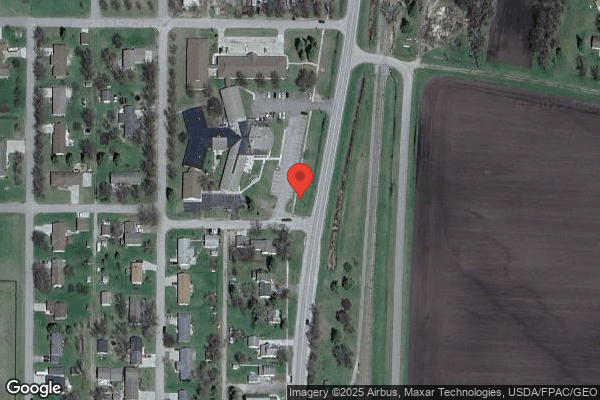
317 FIRST STREET NORTHWEST, ULEN, MN 56585 (218) 596-8847
Government - City 45 Beds Independent Data: November 2025
Trust Grade
95/100
#86 of 337 in MN
Last Inspection: June 2025

Inspected within the last 6 months. Data reflects current conditions.

Overview

Viking Manor Nursing Home in Ulen, Minnesota, has received a Trust Grade of A+, indicating it is an elite facility with top-tier standards. It ranks #86 out of 337 nursing homes in the state, placing it in the top half, and is the best facility among the three in Clay County. The facility is on an improving trend, with the number of issues decreasing from three in 2024 to two in 2025. Staffing is a strength, with a rating of 4 out of 5 stars and a low turnover rate of 14%, much better than the state average. However, there are concerns about RN coverage, which is lower than 98% of facilities in Minnesota, and specific incidents have been noted, such as a failure to ensure personal laundry was transported safely, and two residents not being offered recommended pneumococcal vaccinations. Overall, while there are notable strengths, families should be aware of these weaknesses when considering Viking Manor for their loved ones.

Trust Score
A+
95/100
In Minnesota
#86/337
Top 25%
Safety Record
Low Risk
No red flags
Inspections
Getting Better
3 → 2 violations
Staff Stability
✓ Good
14% annual turnover. Excellent stability, 34 points below Minnesota's 48% average. Staff who stay learn residents' needs.
Penalties
✓ Good
No fines on record. Clean compliance history, better than most Minnesota facilities.
Skilled Nurses
⚠ Watch
Each resident gets only 22 minutes of Registered Nurse (RN) attention daily — below average for Minnesota. Fewer RN minutes means fewer trained eyes watching for problems.
Violations
✓ Good
Only 5 deficiencies on record. Cleaner than most facilities. Minor issues only.
★★★★★
5.0
Overall Rating
★★★★☆
4.0
Staff Levels
★★★★★
5.0
Care Quality
★★★★★
5.0
Inspection Score
Stable
2024: 3 issues
2025: 2 issues

The Good

  • 4-Star Staffing Rating · Above-average nurse staffing levels
  • 5-Star Quality Measures · Strong clinical quality outcomes
  • Low Staff Turnover (14%) · Staff stability means consistent care
  • Full Sprinkler Coverage · Fire safety systems throughout facility
  • No fines on record
  • Staff turnover is low (14%)

    34 points below Minnesota average of 48%

Facility shows strength in staffing levels, quality measures, staff retention, fire safety.

The Bad

No Significant Concerns Identified

This facility shows no red flags. Among Minnesota's 100 nursing homes, only 1% achieve this.

The Ugly 5 deficiencies on record

Jun 2025 2 deficiencies
CONCERN (D)

Potential for Harm - no one hurt, but risky conditions existed

Infection Control (Tag F0880)

Could have caused harm · This affected 1 resident

**NOTE- TERMS IN BRACKETS HAVE BEEN EDITED TO PROTECT CONFIDENTIALITY** R29's quarterly MDS dated [DATE], identified R29 was severely cognitively impaired and had diagnoses of Alzheimer's disease, dem...

Read full inspector narrative →
**NOTE- TERMS IN BRACKETS HAVE BEEN EDITED TO PROTECT CONFIDENTIALITY** R29's quarterly MDS dated [DATE], identified R29 was severely cognitively impaired and had diagnoses of Alzheimer's disease, dementia and depression. R29 needed total assistance with dressing, toileting and transfers. R29's care plan revised 3/31/25, identified R29 had an alteration in gastro intestinal status related to the presence of a cholecystectomy (gallbladder) tube and R29 was on EBP. R29's signed physicians orders dated 6/5/25, identified staff were to monitor the dressing to the biliary (gallbladder) draining daily and as needed (PRN). Further indicated staff were to change the dressing when soiled PRN. During an observation and interview on 6/9/25 at 4:30 p.m., NA-B and NA-C were in R29's room and transferred R29 into bed using a mechanical lift. NA-C grabbed two pairs of gloves from R29's bedside table and gave NA-B one pair. NA-C and NA-B applied gloves and removed R29's brief. NA-B provided R29 the urinal and R29 voided. RN-B removed the urinal and disposed the urine in the bathroom. NA-B returned to assist NA-C with cleaning R29's bottom and applying a new brief. NA-C and NA-B removed their gloves and transferred R29 back into the wheelchair with the mechanical lift. NA-B and NA-C did not wear gowns while providing cares to R29. NA-B and NA-C stated staff only needed to wear a gown when they were providing cares to R29's cholecystectomy tube. NA-B and NA-C confirmed they had not worn a gown when they were changing or transferring R29. During an interview on 6/11/25 at 9:28 a.m., director of nursing (DON) who also worked as the infection preventionist indicated staff should be wearing gowns when providing activities of daily living such as dressing, catheter care, transferring, and changing bedding. DON indicated wearing gowns was important to prevent the spread of possible infections to other residents. Review of facility policy titled Enhanced Barrier Precautions dated 2025, personal protective equipment (PPE) for enhanced barrier precautions was only necessary when performing high-contact care activities and may not need to be donned prior to entering the resident's room. High-contact resident care activities included dressing, bathing, transferring, providing hygiene, changing linens, changing briefs or assisting with toileting, device care or use: central lines, urinary catheters, feeding tubes, tracheostomy/ventilator tubes, hemodialysis catheters, PICC (peripherally inserted central catheter) lines, midline catheters. Based on observation, interview, and document review, the facility failed to ensure appropriate personal protective equipment (PPE) was worn to prevent the spread of infection for 2 of 3 residents (R17, R29) observed for enhanced barrier precautions (EBP), (an infection control intervention designed to reduce transmission of multidrug-resistant organisms that employs targeted gown and glove use during high contact resident care activities). Findings Include: Review of Centers for Disease Control (CDC) guidance dated 4/1/24, Implementation of PPE Use in Nursing Homes to Prevent Spread of Multidrug-resistant Organisms (MDROs) indicated Examples of high-contact resident care activities requiring gown and glove use for EBP included: dressing, bathing/showering, transferring, providing hygiene, changing linens, changing briefs or assisting with toileting, device care or use: central line, urinary catheter, feeding tube, tracheostomy/ventilator and wound care: any skin opening requiring a dressing. R17's quarterly Minimal Data Set (MDS) dated [DATE], identified R17 was cognitively intact and had diagnoses of cerebral infarction (stroke), benign prostatic hyperplasia (prostate increasing in size making urination difficult), hemiplegia (paralysis), and hemiparesis (weakness on one side). R17 needed maximal assistance with upper body dressing and was dependent on staff for lower body dressing and toileting hygiene. R17's care plan revised on 2/14/24, identified that R17 required the assistance of one staff and a mechanical standing lift for toileting. R17 had a Foley catheter, and staff were to empty the urinary catheter as needed. R17's care plan revised on 5/10/25, identified staff needed to follow EBP when changing the Foley catheter, emptying the urinary drainage bag, performing peri care, and assisting the resident with bowel hygiene. R17's order summary report dated 6/5/25, identified staff needed to change the suprapubic catheter with 18 French once every 42 days and give the resident a new leg/bed catheter bag at bedtime every Sunday for catheter care. During an interview on 6/9/25 at 2:45 p.m., R17 indicated that staff typically did not wear a gown while providing care. During an observation on 6/11/25 at 7:21 a.m., nursing assistant (NA)-A applied gloves and did not apply a gown. NA-A took the mechanical standing lift into R17's room, applied R17's shoes and helped R17 sit on the side of the bed. NA-A assisted R17 with putting his feet on the standing mechanical lift. NA-A hooked R17's catheter bag on the mechanical lift and put the sling around R17. NA-A lifted R17 from the bed and transferred him to the bathroom and removed his brief and placed in the garbage. NA-A transferred R17 to the shower chair and brought R17 to the shower room down the hallway. At 8:11 a.m., NA-A came out of the shower room without a gown to grab the standing mechanical lift and brought the lift into the shower room. During an interview on 6/11/25 at 7:33 a.m., NA-A indicated staff would wear a gown when changing the catheter and switching the night bag to a leg bag. NA-A did not believe staff needed to wear a gown when getting R17 dressed or during a bath. During an interview on 6/11/25 at 8:55 a.m., licensed practical nurse (LPN)-A, indicated staff needed to wear a gown when changing the suprapubic catheter or the urine night bag to a leg bag. LPN-A did not think a gown would need to be worn when giving R17 a bath or dressing R17.
CONCERN (D)

Potential for Harm - no one hurt, but risky conditions existed

Deficiency F0883 (Tag F0883)

Could have caused harm · This affected 1 resident

**NOTE- TERMS IN BRACKETS HAVE BEEN EDITED TO PROTECT CONFIDENTIALITY** Based on interview and document review, the facility failed to ensure 2 of 6 residents (R40, R21) were offered or received pneum...

Read full inspector narrative →
**NOTE- TERMS IN BRACKETS HAVE BEEN EDITED TO PROTECT CONFIDENTIALITY** Based on interview and document review, the facility failed to ensure 2 of 6 residents (R40, R21) were offered or received pneumococcal vaccinations in accordance with the Center for Disease Control (CDC) recommendations. Findings include: Review of the Pneumococcal Vaccine Timing for Adults, dated 10/24, from the CDC identified adults [AGE] years of age or older who had previously received the Pneumococcal 13-valent Conjugate Vaccine (PCV13) and the Pneumococcal Polysaccharide Vaccine 23 (PPSV23) should receive one dose of the 20-valent Pneumococcal Conjugate Vaccine (PCV20) or 21-valent Pneumococcal Conjugate Vaccine (PCV21). Review of R40's Minnesota Immunization Information Connection (MIIC) identified R40 had received the PPSV23 vaccination on 9/21/18. R40's medical record lacked documentation R40 had been offered or received the PCV20 or PCV21 vaccination. R40's medical record further revealed R40 had consented to receive the PCV20 or PCV21 vaccination on 5/6/25. Review of R21's MIIC identified R21 had received the PCV-13 vaccination on 2/25/16, and the PPSV23 vaccination on 10/1/09. R21's medical record lacked documentation R21 had been offered or received the PCV20 or PCV21 vaccination. R21's medical record further revealed R21's significant other consented for R21 to receive the PCV20 or PCV21 vaccination on 4/28/25. During an interview on 6/10/25 at 12:17 p.m., infection preventionist (IP) indicated she contacted the pharmacist via email on 6/9/25, requesting residents get caught up on their pneumococcal immunizations. IP did not specify R40 or R21 were included in the email. During a follow-up interview on 6/10/25 at 3:11 p.m., IP stated she was unaware why R40 did not receive the PCV20 or PCV21 vaccination. IP further stated the vaccinations were given by the pharmacist and it would only take one to two days after placing the order for the immunization to be available. IP confirmed R40 and R21 had consented to the PCV20 or PCV21 however, had not received the immunizations. IP further confirmed the pharmacist had not been contacted prior to the email on 6/9/25, to provide the immunizations to R40 and R21. During an interview on 6/11/25 at 9:35 a.m., director of nursing (DON) stated R40 and R21 should have received either the PCV20 or PCV21 immunizations. DON stated her expectations were every resident was to receive up to date immunizations following CDC guidelines. Review of facility policy titled, Pneumococcal Vaccine undated, indicated the facility would offer residents immunizations against pneumococcal disease in accordance with current CDC guidelines and recommendations.
Mar 2024 3 deficiencies
CONCERN (D)

Potential for Harm - no one hurt, but risky conditions existed

Deficiency F0554 (Tag F0554)

Could have caused harm · This affected 1 resident

**NOTE- TERMS IN BRACKETS HAVE BEEN EDITED TO PROTECT CONFIDENTIALITY** Based on observation, interview and document review, the facility failed to ensure nebulizer medications were administered safel...

Read full inspector narrative →
**NOTE- TERMS IN BRACKETS HAVE BEEN EDITED TO PROTECT CONFIDENTIALITY** Based on observation, interview and document review, the facility failed to ensure nebulizer medications were administered safely for 1 of 1 resident (R16) who was observed to self administer a nebulizer and had not been assessed as safe to self administer medications. Findings include: R16's quarterly Minimum Data Set (MDS) dated [DATE], identified R6 had moderate cognitive impairment and had diagnoses which included Alzheimer's, chronic obstructive pulmonary disease (COPD) and anxiety disorder. Identified R16 received oxygen therapy and required staff assistance for self care and mobility. Review of R16's electronic health record (EHR) lacked documentation a Self Medication Administration (SAM) assessment has been completed. R16's Physician Telephone Orders dated 2/12/24, and signed 2/1/24, directed staff to administer Ipratropium-albuterol inhalation solution DuoNeb (medication used to relax the muscles in the airways and increase air flow to the lungs) two times daily (BID) and every four hours as needed for congestion. R16's Medication Administration Record dated 10/19/23 to 3/19/24, indicated R16 had been taking (DuoNeb) 0.5-2.5 3 milligrams (mg) per three milliliters (ml) two times per day. R16's care plan dated 11/12/23, indicated R16 had an activities of daily living (ADL) deficit related to activity intolerance and required staff assistance with self care. During an observation on 3/18/24 at 7:25 p.m., licensed practical nurse (LPN)-A opened R16's vial of Ipratropium-Albuterol inhalation solution and poured it into the nebulizer cup and attached the cup to the nebulizer mask. LPN-A applied the nebulizer mask onto R16's face, turned on the nebulizer machine, informed R16 she would return when the nebulizer was completed and exited the room. No staff were observed in R16's room. At 7:35 p.m., LPN-A returned to R16's room and R16 stated she had removed the mask and turned off the machine. During an interview on 3/18/24 at 7:40 p.m., R16 stated she had not been taught by the staff how to use the nebulizer machine however indicated she had taught herself how to use the machine. R16 verified staff did not remain in the room while the treatment was being administered. During an interview on 3/18/24 at 7:45 p.m., LPN-A verified she had placed the nebulizer treatment on R16 and exited the room. LPN-A stated she was unsure if a SAM assessment had been completed for R16. LPN-A stated her usual practice was to place the nebulizer mask on R16, leave the room and return once the nebulizer treatment was completed. LPN-A indicated sometimes R16 would remove the mask herself and sometimes LPN-A would remove the mask when the nebulizer was completed. During an interview on 3/19/24 at 2:16 p.m., registered nurse (RN)-A confirmed R16 did not have a SAM assessment completed for her nebulizer treatment. RN- stated her expectation was that a SAM assessment would have been completed for R16 or staff would have stayed in the room during the nebulizer treatment until an assessment had been completed to ensure R16 received the nebulizer treatment appropriately. During an interview on 3/19/24 at 10:50 a.m., director of nursing (DON) verified R16 did not have a SAM assessment completed. DON indicated her expectation was R16 would have had a SAM assessment completed or staff were expected to remain with the resident during the entire nebulizer treatment. Review of a facility policy titled Resident Self-Administration of Medication revised 2/2012, identified a resident may only self-administer medications after the facility's interdisciplinary team had determined which medications may be self-administered safely. Indicated if resdient was deemed safe to self administer a medication it would have been documented in the medical record and the care plan. Identified the decision for a resident to self- administer a medication was reassessed periodically based on changes in the resident's medical and/or decision making status.
CONCERN (D)

Potential for Harm - no one hurt, but risky conditions existed

Deficiency F0658 (Tag F0658)

Could have caused harm · This affected 1 resident

**NOTE- TERMS IN BRACKETS HAVE BEEN EDITED TO PROTECT CONFIDENTIALITY** Based on observation, interview and document review, the facility failed to follow standards of practice related to medication a...

Read full inspector narrative →
**NOTE- TERMS IN BRACKETS HAVE BEEN EDITED TO PROTECT CONFIDENTIALITY** Based on observation, interview and document review, the facility failed to follow standards of practice related to medication administration of an inhalation medication for 1 of 1 resident (R16) observed for medication administration. Findings include: R16's quarterly Minimum Data Set (MDS) dated [DATE], identified R16 had moderate cognitive impairment and had diagnoses which included Alzheimer's, chronic obstructive pulmonary disease (COPD), and anxiety disorder. Identified R16 received oxygen therapy. R16's comprehensive care plan dated 1/31/24, identified R16 required staff assistance with dressing, hygiene and transfers. Indicated R16 had diagnosis of COPD, with goals which included would be free of respiratory infections and complications related to respiratory disease. R16's Order Summary Report signed 2/1/24, identified Breztri (steroid) inhalation Aerosol 160-9-4.8 microgram (MCG) 2 puffs orally two times a day for COPD. Rinse mouth after each use. During an observation on 3/18/24 at 7:38 p.m., R16 stood in her room holding onto her walker. Licensed practical nurse (LPN)-A entered R16's room and held an inhaler which included the Breztri medication up to R16's mouth and instructed R16 to take two puffs of the inhaler. R16 took two puffs of inhaler as instructed,.LPN-A then took the inhaler and exited the room. R16 was not observed to rinse her mouth out and LPN-A had not instructed R16 to rinse her mouth out as ordered after taking the Breztri inhaler. During an interview on 3/18/24 at 7:41 p.m., R16 indicated she received the Breztri inhaler twice a day. R16 confirmed she had not rinsed her mouth after just receiving the inhaler. R16 was not aware she was expected to rinse her mouth after using the inhaler and stated only once in a while staff would instruct her to rinse her mouth out however not every time she used the inhaler. During an interview on 3/18/24 at 7:46 p.m., LPN-A confirmed she had not instructed R16 to rinse her mouth after receiving the Breztri inhaler. LPN-A stated she had not seen the order instructions to rinse mouth after use. LPN-A indicated it was important to rinse the mouth after a steroid inhaler was received to prevent any infections. During a phone interview on 3/19/24 at 9:10 a.m., pharmacy consultant (PC)-A stated it was important to rinse the mouth after receiving Breztri inhaler because it was a steroid. PC-A indicated it could cause thrush, a fungal infection inside the mouth. PC-A stated it was her expectation nursing staff would instruct the resident to rinse their mouth after each use. During an interview on 3/19/24 at 10:50 a.m., director of nursing (DON) confirmed R16's Breztri inhaler label included instructions to rinse mouth after use. DON stated it was important for residents to rinse their mouth after use to prevent infections in the mouth. DON stated her expectation was for nursing staff to instruct R16 to rinse mouth after receiving the Breztri inhaler. R16's Breztri inhaler box instructions indicated take two puffs in the morning and two puffs in the evening and rinse mouth out after using the inhaler to reduce your chance of getting a fungal infection. Review of a facility policy titled Medication Administration revised 2/2013, indicated medications were administered by licensed nurses as ordered by the physician and in accordance with the professional standards of practice in a manner to prevent contamination or infections. Further indicated to administer medications in accordance with manufacturer's specifications.
CONCERN (E)

Potential for Harm - no one hurt, but risky conditions existed

Infection Control (Tag F0880)

Could have caused harm · This affected multiple residents

Based on observation, interview, and document review, the facility failed to ensure personal laundry was transported and delivered in a manner that prevented risk of contamination for 2 of 4 hallways ...

Read full inspector narrative →
Based on observation, interview, and document review, the facility failed to ensure personal laundry was transported and delivered in a manner that prevented risk of contamination for 2 of 4 hallways observed for linen transportation. Findings include: Review of Centers for Disease Control (CDC ) guidance, Appendix D - Linen and Laundry Management updated 5/4/23, identified linens must be sorted, packaged, transported, and stored in a manner that prevented risk of contamination by dust, debris, soiled linens or soiled items. During an observation on 3/19/24 at 1:10 p.m., housekeeper aide (HA)-A pushed the uncovered laundry rack to R27's room, removed clothing from the uncovered laundry rack, placed clothing into R27's closet, returned hangers to the rack and sanitized hands. HA-A pushed the uncovered laundry rack past the nurses' station where one staff member and one resident were located and proceeded down to the middle of the next hallway. HA-B joined HA-A, then HA-B delivered clothing from the uncovered laundry rack to R19's dresser and closet. HA-B removed R30's clothing from the rack, knocked, returned, placed the clothing back on the uncovered rack, removed clothing from the uncovered laundry rack and proceeded to deliver clothing to R17's room. HA-B did not sanitize hands during that time. HA-A delivered clothing to R16, R1, then to R30's room and sanitized hands. HA-A pushed the uncovered clothing rack with one pair of pants remaining back to the clean laundry room. During an interview on 3/19/24 at 1:28 p.m., HA-A confirmed the laundry rack was uncovered, stated they had never covered the personal laundry rack and had never been instructed to cover it. HA-A indicated was aware should sanitize hands after leaving each resident's room and indicated at times may have forgotten. During an interview on 3/19/24 at 1:34 p.m., DON indicated she would expect staff to sanitize their hands after they exited a resident's room if they touched items in the room such as drawers and closet handles. DON confirmed the personal laundry rack was not covered and stated was unaware it was required to be covered. During an interview on 3/19/24 at 1:47 p.m., administrator reviewed a page from the State Operations Manual (SOM) with surveyor and indicated they had been unaware the personal laundry rack should have been covered while laundry was transported and delivered and confirmed they had never covered it while transporting laundry in the facility. During an interview on 3/20/24 at 8:06 a.m., HA-B stated she was aware staff should sanitize hands after delivering laundry to resident's rooms and stated she had forgotten a few times on 3/19/24 while delivering laundry. HA-B indicated it was important to prevent the residents from getting sick. HA-B confirmed the laundry rack was uncovered while they delivered the laundry on 3/19/24. The facility policy titled Laundry, revised 3/19/24, identified housekeeping staff would be in-serviced on handling linens and laundry on a regular basis. Indicated personal laundry would be placed on a cart with the resident's name and distributed to the resident's room. A hand written addition made and verified by the administrator on 3/19/24, included: clean laundry must be transported by methods that ensure cleanliness and protect from dust and soil during intra or inter facility loading, transport, and unloading. The facility policy titled Hand Hygiene undated, identified all staff would perform proper hand hygiene procedures to prevent the spread of infection to personnel, residents, and visitors. The policy identified that would apply to all staff working in all locations within the facility. The policy identified hand hygiene would be performed under the conditions listed to the attached hand hygiene table. The Hand Hygiene Table conditions included: after handling contaminated objects, before and after handling clean or soiled dressings, linens, etc, and when in doubt.
Understanding Severity Codes (click to expand)
Life-Threatening (Immediate Jeopardy)
J - Isolated K - Pattern L - Widespread
Actual Harm
G - Isolated H - Pattern I - Widespread
Potential for Harm
D - Isolated E - Pattern F - Widespread
No Harm (Minor)
A - Isolated B - Pattern C - Widespread

Questions to Ask on Your Visit

  • "Can I speak with families of current residents?"
  • "What's your RN coverage like on weekends and overnight?"

Our Honest Assessment

Strengths
  • • Grade A+ (95/100). Above average facility, better than most options in Minnesota.
  • • No major safety red flags. No abuse findings, life-threatening violations, or SFF status.
  • • No fines on record. Clean compliance history, better than most Minnesota facilities.
  • • Only 5 deficiencies on record. Cleaner than most facilities. Minor issues only.
Concerns
  • • No significant concerns identified. This facility shows no red flags across CMS ratings, staff turnover, or federal penalties.
Bottom line: Generally positive indicators. Standard due diligence and a personal visit recommended.

About This Facility

What is Viking Manor's CMS Rating?

CMS assigns VIKING MANOR NURSING HOME an overall rating of 5 out of 5 stars, which is considered much above average nationally. Within Minnesota, this rating places the facility higher than 99% of the state's 100 nursing homes. This rating reflects solid performance across the metrics CMS uses to evaluate nursing home quality.

How is Viking Manor Staffed?

CMS rates VIKING MANOR NURSING HOME's staffing level at 4 out of 5 stars, which is above average compared to other nursing homes. Staff turnover is 14%, compared to the Minnesota average of 46%. This relatively stable workforce can support continuity of care.

What Have Inspectors Found at Viking Manor?

State health inspectors documented 5 deficiencies at VIKING MANOR NURSING HOME during 2024 to 2025. These included: 5 with potential for harm.

Who Owns and Operates Viking Manor?

VIKING MANOR NURSING HOME is owned by a government entity. Government-operated facilities are typically run by state, county, or municipal agencies. The facility operates independently rather than as part of a larger chain. With 45 certified beds and approximately 39 residents (about 87% occupancy), it is a smaller facility located in ULEN, Minnesota.

How Does Viking Manor Compare to Other Minnesota Nursing Homes?

Compared to the 100 nursing homes in Minnesota, VIKING MANOR NURSING HOME's overall rating (5 stars) is above the state average of 3.2, staff turnover (14%) is significantly lower than the state average of 46%, and health inspection rating (5 stars) is much above the national benchmark.

What Should Families Ask When Visiting Viking Manor?

Based on this facility's data, families visiting should ask: "Can I visit during a mealtime to observe dining assistance and food quality?" "How do you handle medical emergencies, and what is your hospital transfer rate?" "Can I speak with family members of current residents about their experience?"

Is Viking Manor Safe?

Based on CMS inspection data, VIKING MANOR NURSING HOME has a clean safety record: no substantiated abuse findings (meaning no confirmed cases of resident harm), no Immediate Jeopardy citations (the most serious violation level indicating risk of serious injury or death), and is not on the Special Focus Facility watch list (a federal program monitoring the lowest-performing 1% of nursing homes). The facility has a 5-star overall rating and ranks #1 of 100 nursing homes in Minnesota. While no facility is perfect, families should still ask about staff-to-resident ratios and recent inspection results during their visit.

Do Nurses at Viking Manor Stick Around?

Staff at VIKING MANOR NURSING HOME tend to stick around. With a turnover rate of 14%, the facility is 31 percentage points below the Minnesota average of 46%. Low turnover is a positive sign. It means caregivers have time to learn each resident's needs, medications, and personal preferences. Consistent staff also notice subtle changes in a resident's condition more quickly.

Was Viking Manor Ever Fined?

VIKING MANOR NURSING HOME has no federal fines on record. CMS issues fines when nursing homes fail to meet care standards or don't correct problems found during inspections. The absence of fines suggests the facility has either maintained compliance or corrected any issues before penalties were assessed. This is a positive indicator, though families should still review recent inspection reports for the full picture.

Is Viking Manor on Any Federal Watch List?

VIKING MANOR NURSING HOME is not on any federal watch list. The most significant is the Special Focus Facility (SFF) program, which identifies the bottom 1% of nursing homes nationally based on persistent, serious quality problems. Not being on this list means the facility has avoided the pattern of deficiencies that triggers enhanced federal oversight. This is a positive indicator, though families should still review the facility's inspection history directly.