AUBURN HOME IN WACONIA
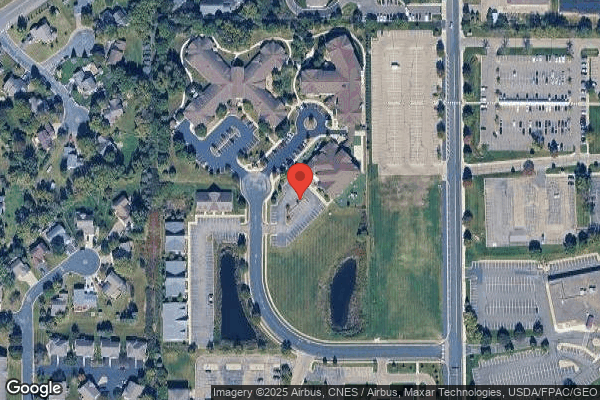

594 CHERRY DRIVE, WACONIA, MN 55387 (952) 442-2546
Non profit - Other 37 Beds Independent Data: November 2025 1 Immediate Jeopardy citation
Trust Grade
26/100
#279 of 337 in MN
Last Inspection: April 2025

Within standard 12-15 month inspection cycle. Federal law requires annual inspections.

Overview

Auburn Home in Waconia has received a Trust Grade of F, indicating a poor rating with significant concerns about care quality. It ranks #279 out of 337 facilities in Minnesota, placing it in the bottom half of state options, although it is the best of three facilities in Carver County. The facility's situation is worsening, with issues increasing from 10 in 2024 to 14 in 2025. Staffing is somewhat stable, with a 3 out of 5 rating and a low turnover rate of 0%, which is better than the state average. However, the facility has a concerning $15,940 in fines, indicating compliance problems more severe than 81% of Minnesota facilities. Specific incidents raise red flags for potential residents and their families. For instance, one resident's advance directives were not accurately documented, which could lead to unwanted medical interventions. Additionally, residents were not aware of how to file grievances, indicating a lack of support for expressing concerns. Lastly, food safety practices were inadequate, with improperly labeled items and a dirty kitchen, which could pose health risks to the residents. Overall, while staffing appears to be a strength, the facility's numerous issues concerning care and safety are significant weaknesses that families should carefully consider.

Trust Score
F
26/100
In Minnesota
#279/337
Bottom 18%
Safety Record
High Risk
Review needed
Inspections
Getting Worse
10 → 14 violations
Staff Stability
○ Average
Turnover data not reported for this facility.
Penalties
⚠ Watch
$15,940 in fines. Higher than 86% of Minnesota facilities, suggesting repeated compliance issues.
Skilled Nurses
✓ Good
Each resident gets 53 minutes of Registered Nurse (RN) attention daily — more than average for Minnesota. RNs are trained to catch health problems early.
Violations
⚠ Watch
31 deficiencies on record. Higher than average. Multiple issues found across inspections.
★☆☆☆☆
1.0
Overall Rating
★★★☆☆
3.0
Staff Levels
★★☆☆☆
2.0
Care Quality
★☆☆☆☆
1.0
Inspection Score
Stable
2024: 10 issues
2025: 14 issues

The Good

  • Full Sprinkler Coverage · Fire safety systems throughout facility
  • No fines on record

Facility shows strength in fire safety.

The Bad

1-Star Overall Rating

Below Minnesota average (3.2)

Significant quality concerns identified by CMS

Federal Fines: $15,940

Below median ($33,413)

Minor penalties assessed

The Ugly 31 deficiencies on record

1 life-threatening
Apr 2025 14 deficiencies 1 IJ
CRITICAL (J)

Immediate Jeopardy (IJ) - the most serious Medicare violation

Deficiency F0578 (Tag F0578)

Someone could have died · This affected 1 resident

**NOTE- TERMS IN BRACKETS HAVE BEEN EDITED TO PROTECT CONFIDENTIALITY** Based on observation, interview, and document review, the facility failed to ensure resident advance directives were accurately ...

Read full inspector narrative →
**NOTE- TERMS IN BRACKETS HAVE BEEN EDITED TO PROTECT CONFIDENTIALITY** Based on observation, interview, and document review, the facility failed to ensure resident advance directives were accurately documented to reflect the resident's current wishes which affected 1 of 16 residents (R29) reviewed for advanced directives. This deficient practice resulted in an immediate jeopardy (IJ) for R29 who would have received cardiopulmonary resuscitation (CPR), contrary to their wishes, in the absence of a pulse or respirations. The IJ began on [DATE], when R29's updated physician's order for life sustaining treatment (POLST) signed on [DATE], identified R29's wishes of do not resuscitate (DNR). The three ring household binder and staff report form identified R29's wishes of CPR. The administrator and director of nursing (DON) were notified of the IJ on [DATE], at 3:35 p.m. The IJ was removed on [DATE], at 12:33 p.m., when the facility had implemented corrective action, however non-compliance remained at the lower scope and severity level of D, isolated with no actual harm but potential to cause more than minimal harm. Findings include: R29's quarterly Minimum Data Set (MDS) dated [DATE], identified R29 had moderately impaired cognition and had diagnoses which included atrial fibrillation (irregular heart rhythm), anemia, coronary artery disease (narrowing or blockage of the coronary arteries). R29 was dependent on staff for activities of daily living (ADLs) which included bed mobility, toileting, and transfers. R29's current POLST signed by family member (FM)-A on [DATE], identified R29's wishes were DNR. The POLST was scanned into his EHR and signed by his medical provider on [DATE]. Review of R29's electronic health record (EHR) on [DATE] at 5:29 p.m., identified R9 wanted DNR. R29's care plan lacked documentation on resuscitation status. Review of a facility report form undated, located at the nurses station and carried by each nurse and nursing assistant identified R29 wanted CPR. Review of the household three ring binder located at the nurses station identified R29's POLST signed [DATE], R29 wanted CPR. During an interview on [DATE] at 6:31 p.m., FM-A stated he had signed the POLST on [DATE], identifying that R29's wishes were to be DNR. During an interview on [DATE] at 7:08 p.m., registered nurse (RN)-A indicated in the event a resident did not have a pulse or respirations, she would refer to the report form and would have proceeded accordingly. During an interview on [DATE] at 11:47 a.m., licensed practical nurse (LPN)-A indicated in the event a resident did not have a pulse or respirations, she would refer to the report form located in her pocket and would have proceeded accordingly. LPN-A verified R29's report sheet identified R29 wanted CPR. During an interview on [DATE] at 11:49 a.m., RN-B indicated in the event a resident did not have a pulse or respirations, she would refer to the three ring binder at the nurses desk and would have proceeded accordingly. RN-B verified R29's POLST in the binder identified R29 wanted CPR. RN-B verified there was a discrepancy between R29's EHR and the POLST in the binder and report form. During an interview on [DATE] at 12:18 p.m., RN-C indicated in the event a resident did not have a pulse or respirations, she would refer to the three ring binder at the nurses desk and would have proceeded accordingly. RN-C verified R29's POLST in the binder identified R29 wanted CPR. RN-C verified there was a discrepancy between R29's EHR and the POLST in the binder and report form. During a interview on [DATE] at 2:15 p.m., DON stated a POLST was completed with all residents or resident representatives upon admission and was effective upon admission. DON confirmed there was a discrepancy with R29's EHR, the report form and three ring binder which identified R29 was a full code and did not match his current wishes of being DNR. DON confirmed in the event R29 did not have a pulse or respirations, CPR would have been initiated against R29's wishes. DON indicated she would expect staff to follow the POLST, resident wishes and the facility policy. Review of a facility policy titled Code Status Policy and Procedure, undated, identified the facility would follow a policy regarding a resident's right to request, refuse, and/or discontinue medical treatment and to formulate an advance directive. Identified the POLST would have been documented in the EHR and the household three ring binder. Further identified the code status would have been reviewed with Care Conferences at least quarterly and documented in the medical record. The IJ was removed on [DATE] at 12:33 p.m., when the facility developed and implemented a systemic removal plan which was verified by interview and document review: -All residents' records were reviewed to ensure the POLST form and the electronic health records were updated to ensure resident's wishes for advance directives, were accurate on [DATE]. -R29's three ring binder was updated to match the current POLST and the code status for all residents was removed from the report form. -All current licensed staff were educated on the policy for advance directives, updating the POLST, the EHR, and the three ring binder to reflect the resident's wishes on [DATE], as evidenced by the education sent to all nursing staff via email on [DATE] and interviews. -A process was implemented to assure all other nursing staff completed mandatory education prior to the start of their next shift on [DATE], by notification of required education via phone/text. All staff would sign off once education had been completed. -The advance directive policy was reviewed and determined no changes were required.
CONCERN (D)

Potential for Harm - no one hurt, but risky conditions existed

Notification of Changes (Tag F0580)

Could have caused harm · This affected 1 resident

**NOTE- TERMS IN BRACKETS HAVE BEEN EDITED TO PROTECT CONFIDENTIALITY** Based on interview and document review, the facility failed to provide timely notification to a provider for change in condition...

Read full inspector narrative →
**NOTE- TERMS IN BRACKETS HAVE BEEN EDITED TO PROTECT CONFIDENTIALITY** Based on interview and document review, the facility failed to provide timely notification to a provider for change in condition related to falls for 1 of 1 resident (R23) reviewed for falls. Findings include: R23's quarterly Minimum Data Set (MDS) dated [DATE], identified R23 had moderately impaired cognition with diagnoses of type two diabetes with chronic kidney disease, anemia, coronary artery disease, arthritis, anxiety, difficulty in walking. Identified R23 required supervision with setup help for bed mobility, transfers, eating and limited assistance of staff for toilet use. R23's care plan dated 9/13/24, identified R23 had a mobility and self care deficit and at risk for falling related to impaired mobility, weakness, and an intellectual disorder. Staff were to monitor/document/report any changes. R23 required supervision or assist to transfer on and off toilet. R23 required supervision with transfers. Review of progress notes from 11/12/24 to 3/31/25, revealed the following: R23's progress note dated 11/12/24 at 2:27 a.m., identified R23's emergency contact was called and informed of R23's fall last night and health status. R23's progress notes lacked documentation of a fall on 11/11/24. R23's progress note dated 1/28/25 at 8:50 a.m., identified R23 was found on the floor laying next to the bed with wheelchair wheels against his back. Staff helped pick R23 up from the floor and took R23 to the bathroom. R23 slipped out of the wheelchair in front of the toilet. Staff picked R23 up and placed R23 on the toilet. R23's progress note dated 2/24/25 at 14:43 p.m., identified R23 was found on the floor in front of the toilet. Staff assisted R23 into wheelchair and then onto the toilet. A follow up note at 4:16 p.m., identified R23's guardian was updated on R23's fall. R23's progress note dated 3/31/25 at 10:18 a.m., R23 was found on the floor in the bathroom. Staff reminded R23 to use the call light before transfers, vitals obtained. R23's progress note dated 3/31/25 at 10:23 a.m., R23 again found sitting on floor in front of toilet. Vitals obtained and diabetic shoes put on for better traction. R23's progress notes lacked documentation the provider had been notified. During an interview on 4/1/25 at 11:47 a.m., licensed practical nurse (LPN)-A stated R23 had a history of falls. LPN-A stated staff were to supervise R23 with toileting and assist as needed. LPN-A stated staff were expected to report a fall, ensure the resident was safe, call provider if suspected injury, complete an incident report and update provider and representative. During an interview on 4/1/25 at 11:49 a.m., RN-B confirmed staff were expected to ensure a resident was safe after a fall, complete an incident/investigation report, update provider and resident representative. A voicemail was left for R23's guardian on 4/2/25 at 2:07 p.m., with no return call. During an interview on 4/2/25 at 2:22 p.m., DON verified R23 had a history of falls. DON confirmed the provider had not been updated on the above falls for R23. DON stated expectations of staff were to ensure resident was safe and not injured after a fall, complete an incident/investigation report and update provider and resident representative. DON confirmed that was important to prevent further falls and ensure the provider and representative were notified. A facility policy titled Accident: Managing Resident Falls, reviewed 7/10/24, identified a fall was defined as an unintentional change in position coming to rest on the ground, floor, or onto the next lower surface. The policy identified a licensed nurse would be notified and evaluate the condition of the resident. Staff were to notify resident representative. Staff were to notify the provider if injury suspected or noted, head strike and on anticoagulants. The policy lacked documentation that a provider would be notified of a fall regardless of injury.
CONCERN (D)

Potential for Harm - no one hurt, but risky conditions existed

Report Alleged Abuse (Tag F0609)

Could have caused harm · This affected 1 resident

**NOTE- TERMS IN BRACKETS HAVE BEEN EDITED TO PROTECT CONFIDENTIALITY** Based on interview and document review, the facility failed to report a bruise of unknown origin to the State Agency (SA) for 1 ...

Read full inspector narrative →
**NOTE- TERMS IN BRACKETS HAVE BEEN EDITED TO PROTECT CONFIDENTIALITY** Based on interview and document review, the facility failed to report a bruise of unknown origin to the State Agency (SA) for 1 of 1 resident (R23) reviewed for falls. Findings include: R23's quarterly Minimum Data Set (MDS) dated [DATE], identified R23 had moderately impaired cognition with diagnoses of type two diabetes with chronic kidney disease, anemia, coronary artery disease, arthritis, anxiety, difficulty in walking. Identified R23 required supervision with setup help for bed mobility, transfers, eating and limited assistance of staff for toilet use. R23's care plan dated 9/13/24, identified R23 had a mobility and self care deficit related to impaired mobility, weakness, and an intellectual disorder. Staff were to monitor/document/report any changes. R23's care plan lacked documentation on skin care and monitoring. Review of R23's progress notes from 11/12/24 to 3/31/25, revealed the following: R23's nursing progress note dated 11/20/24 at 9:35 p.m., stated R23 had a large purple bruise to the right hip/buttock area measuring approximately 20 centimeter (cm) by 15 cm and a smaller red bruise to the left hip measuring approximately five cm by five cm. R23 stated he did not know how he obtained the bruises. R23's nursing progress note dated 1/18/25 at 2:30 p.m., stated R23 had a four cm by ten cm medium purple contusion on lower sacral (buttock) area. R23 stated he did not recall a injury. Origin unknown. An investigation into causative factors and analysis of R23's bruises was requested and was not received. During an interview on 4/1/25 at 11:47 a.m., licensed practical nurse (LPN)-A stated she was unaware of R23 having any bruises. LPN-A stated she would report to the registered nurse (RN) any bruises or injury of unknown origin and update the doctor. During an interview on 4/1/25 at 11:49 a.m., RN-B stated she was unaware of R23 having any bruises. RN-B stated she would report to the director of nursing (DON) any bruises or injury of unknown origin and complete an investigation report. A voicemail was left for R23's guardian on 4/2/25 at 2:07 p.m., with no return call. During an interview on 4/2/25 at 2:22 p.m., DON stated she was unaware of R23 having any bruises. DON confirmed a report to the SA had not been filed and should have been. DON verified the expectation of staff was to complete an incident report, update the doctor and resident representative and follow up with an investigation report. DON stated that was important for resident safety and to ensure no further bruising or deterioration. During an interview on 4/2/25 at 2:37 p.m., administrator stated she was unaware R23 had any bruises. A facility policy on reporting was requested and not received.
CONCERN (D)

Potential for Harm - no one hurt, but risky conditions existed

Investigate Abuse (Tag F0610)

Could have caused harm · This affected 1 resident

**NOTE- TERMS IN BRACKETS HAVE BEEN EDITED TO PROTECT CONFIDENTIALITY** Based on interview and document review, the facility failed to investigate a bruise of unknown origin for 1 of 1 resident (R23) ...

Read full inspector narrative →
**NOTE- TERMS IN BRACKETS HAVE BEEN EDITED TO PROTECT CONFIDENTIALITY** Based on interview and document review, the facility failed to investigate a bruise of unknown origin for 1 of 1 resident (R23) reviewed for falls. Findings include: R23's quarterly Minimum Data Set (MDS) dated [DATE], identified R23 had moderately impaired cognition with diagnoses of type two diabetes with chronic kidney disease, anemia, coronary artery disease, arthritis, anxiety, difficulty in walking. Identified R23 required supervision with setup help for bed mobility, transfers, eating and limited assistance of staff for toilet use. R23's care plan dated 9/13/24, identified R23 had a mobility and self care deficit related to impaired mobility, weakness, and an intellectual disorder. Staff were to monitor/document/report any changes. R23's care plan lacked documentation on skin care and monitoring. Review of R23's progress notes from 11/12/24 to 3/31/25, revealed the following: R23's nursing progress note dated 11/20/24 at 9:35 p.m., stated R23 had a large purple bruise to the right hip/buttock area measuring approximately 20 centimeter (cm) by 15 cm and a smaller red bruise to the left hip measuring approximately five cm by five cm. R23 stated he did not know how he obtained the bruises. R23's nursing progress note dated 1/18/25 at 2:30 p.m., stated R23 had a four cm by ten cm medium purple contusion on lower sacral (buttock) area. R23 stated he did not recall a injury. Origin unknown. An investigation into causative factors and analysis of R23's bruises was requested and was not received. During an interview on 4/1/25 at 11:47 a.m., licensed practical nurse (LPN)-A stated she was unaware of R23 having any bruises. LPN-A stated she would report to the registered nurse (RN) any bruises or injury of unknown origin and update the doctor. During an interview on 4/1/25 at 11:49 a.m., RN-B stated she was unaware of R23 having any bruises. RN-B stated she would report to the director of nursing (DON) any bruises or injury of unknown origin and complete an investigation report. A voicemail was left for R23's guardian on 4/2/25 at 2:07 p.m., with no return call. During an interview on 4/2/25 at 2:22 p.m., DON stated she was unaware of R23 having any bruises. DON confirmed an investigation had not been completed. DON verified the expectation of staff was to complete an incident report, update the doctor and resident representative and follow up with an investigation report. DON stated it was important for resident safety and to ensure no further bruising or deterioration occurred. During an interview on 4/2/25 at 2:37 p.m., administrator stated she was unaware R23 had any bruises. Administrator confirmed an investigation had not been completed. A facility policy on reporting and investigation was requested and not received.
CONCERN (D) 📢 Someone Reported This

A family member, employee, or ombudsman was alarmed enough to file a formal complaint

Potential for Harm - no one hurt, but risky conditions existed

ADL Care (Tag F0677)

Could have caused harm · This affected 1 resident

**NOTE- TERMS IN BRACKETS HAVE BEEN EDITED TO PROTECT CONFIDENTIALITY** Based on observation, interview, and document review, the facility failed to provide assistance with routine grooming care which...

Read full inspector narrative →
**NOTE- TERMS IN BRACKETS HAVE BEEN EDITED TO PROTECT CONFIDENTIALITY** Based on observation, interview, and document review, the facility failed to provide assistance with routine grooming care which included facial hair removal for 3 of 3 residents (R7, R12, R3) reviewed for activities of daily living (ADLs) who required assistance with grooming and personal hygiene. Findings include: R7 R7's quarterly Minimum Data Set (MDS) dated [DATE], identified R7 as being cognitively intact, and diagnoses which included heart failure, asthma, macular degeneration (vision loss), and dysphagia (difficulty swallowing). R7 required moderate assistance for personal hygiene which included washing and drying face, shaving, and combing hair. R7's care plan revised on 11/4/24, identified R7 requires moderate assistance with personal hygiene. During an observation on 3/31/25 at 4:28 p.m., R7 had .25 centimeters (cm) of hair growth on the cheeks, chin, neck, and upper lips. During an observation on 4/1/25 at 8:11 a.m., R7 was sitting at the breakfast table and continued to have 0.25 cm of hair growth on their face and neck. During an observation on 4/1/25 at 3:50 p.m., R7 was sitting in his room and continued to have 0.25 cm of hair growth on his face and neck. During an interview on 3/31/25 at 4:28 p.m., R7 stated that he would like to be shaved daily. During an interview on 4/1/25 at 4:00 p.m., nursing assistant (NA)-A indicated he was unsure how often R7 would like to be shaved. NA-A reported it was his second shift at the facility and was unaware of how often residents were to be shaved but would assume it would be on a resident's bath day. During an interview on 4/2/25 at 7:18 a.m., NA-B indicated she was unaware of how often R7 would like to be shaved. NA-B indicated residents should have been offered to be shaved on their bath day. NA-B reported it was her first shift at the facility. During an interview on 4/2/25 at 8:01 a.m., NA-C indicated R7 needed assistance with ADLs. NA-C reported R7 was shaved on his bath day and would need to request if he wants to be shaved in addition to once a week. During an interview on 4/1/25 at 4:11 p.m., registered nurse (RN)-A indicated it was her expectation residents were shaved every morning. RN-A verified that R7 had facial hair and should have been offered assistance with grooming. R12 R12's significant change MDS dated [DATE], identified R12 as severely cognitively impaired with diagnoses which included dementia, muscle weakness, and peripheral vascular disease (a progressive disorder of the blood vessels). Identified R12 required maximal assistance for personal hygiene which included washing their face, shaving, and combing their hair. R12's care plan revised on 10/11/24, identified R12 required physical assistance with ADLS and mobility on more than a daily basis. During an observation on 3/31/25 at 4:40 p.m., R12 had one cm of hair growth on the face, upper lip, cheeks, and neck. During an observation on 4/1/25 at 8:11 a.m., R12 was sitting at the breakfast table dressed. R12 had not been shaved and continued to have one cm of facial hair on the face and neck. During an observation on 4/1/25 at 3:49 p.m., R12 was in his room and continued to have one cm of facial hair on his face and neck. During an interview on 3/31/25 at 4:40 p.m., R12 indicated he would like to be shaved daily. During an interview on 4/1/25 at 4:00 p.m., nursing assistant (NA)-A indicated he was unaware of how often R12 liked to be shaved. NA-A reported it was his second shift at the facility and was unaware of how often residents were to be shaved but would assume it would be on a resident's bath day. During an interview on 4/2/25 at 7:18 a.m., NA-B indicated she was unaware of how often R12 would like to be shaved. NA-B indicated residents should have been offered the resident's bath day once a week. NA-B reported it was her first shift at the facility. During an interview on 4/1/25 at 4:11 p.m., RN-A indicated it was her expectation residents were shaved every morning. RN-A went into R12's room and verified that R12 had facial hair around one cm. long. R12 told RN-A he wanted his beard shaved today. During an interview on 4/2/25 at 8:01 a.m., NA-C indicated R12 required assistance with ADLs and was shaved on his bath day. R3 R3 admission MDS dated [DATE], identified R3 as severely cognitively impaired with a diagnosis that included Parkinson ' s (brain disorder that causes problems with movement, balance, and coordination), dementia, and diabetes (a disease that affects how the body uses blood sugars). Identified R3 as being on hospice and needing supervision or touching assistance for combing hair, shaving, washing face and hands. R3 care plan revised on 2/19/25, identified R3 required supervision or touching assistance for personal care. During an observation on 3/31/25 at 3:00 p.m., R3 was sleeping in his room and noted to have two cm of facial hair on cheeks, chin, and neck. During an observation on 4/1/25 at 8:13 a.m., R3 was sitting at the breakfast table sleeping. R3 was dressed and continued to have two cm length of facial hair on face and neck. During an observation on 4/1/25 at 3:27 p.m., R3 was sitting in his bedroom in his wheelchair sleeping. R3 continued to have two cm length of facial hair on the face and neck. During an interview on 3/31/25 at 3:00 p.m., with power of attorney (POA) indicated R3 would like to be shaved daily. R3 shaved daily when living at home and having facial hair would bother him. During an interview on 4/1/25 at 4:00 p.m., nursing assistant (NA)-A indicated he was unaware of how often R3 liked to be shaved. NA-A reported it was his second shift at the facility and was unaware of how often residents were to be shaved but would assume it would be on a resident's bath day. During an interview on 4/2/25 at 7:18 a.m., NA-B indicated she was unaware of how often R3 would like to be shaved. NA-B indicated residents were offered to be shaved on the resident's bath day once a week. NA-B reported it was her first shift at the facility. During an interview on 4/1/25 at 4:11 p.m., RN-A went into R3's room and verified that R12 had facial hair around two cm in length of facial hair. During an interview on 4/2/25 at 8:01 a.m., NA-C indicated R3 required assistance with ADLs and was shaved on his bath day. During an interview on 4/2/25 at 9:02 a.m., director of nursing (DON) indicated residents were shaved on their bath day which was normally once a week. DON was unaware if residents were asked what their preference was with shaving on admission. The DON was unsure if their preference on how often they would like to be shaved was included in the care plan. The DON expectation would be to ask residents what their preference was for shaving and placing the resident's preference in the care plan. A policy for grooming and/or ADL care was requested and non was provided.
CONCERN (D)

Potential for Harm - no one hurt, but risky conditions existed

Quality of Care (Tag F0684)

Could have caused harm · This affected 1 resident

**NOTE- TERMS IN BRACKETS HAVE BEEN EDITED TO PROTECT CONFIDENTIALITY** Based on interview and document review, the facility failed to comprehensively assess and monitor a bruise of unknown origin for...

Read full inspector narrative →
**NOTE- TERMS IN BRACKETS HAVE BEEN EDITED TO PROTECT CONFIDENTIALITY** Based on interview and document review, the facility failed to comprehensively assess and monitor a bruise of unknown origin for 1 of 1 resident (R23) reviewed for falls. Findings include: R23's quarterly Minimum Data Set (MDS) dated [DATE], identified R23 had moderately impaired cognition with diagnoses of type two diabetes with chronic kidney disease, anemia, coronary artery disease, arthritis, anxiety, difficulty in walking. Identified R23 required supervision with setup help for bed mobility, transfers, eating and limited assistance of staff for toilet use. R23's care plan dated 9/13/24, identified R23 had a mobility and self care deficit related to impaired mobility, weakness, and an intellectual disorder. Staff were to monitor/document/report any changes. R23's care plan lacked documentation on skin care and monitoring. Review of R23's progress notes from 11/12/24 to 3/31/25, revealed the following: R23's nursing progress note dated 11/20/24 at 9:35 p.m., stated R23 had a large purple bruise to the right hip/buttock area measuring approximately 20 centimeter (cm) by 15 cm and a smaller red bruise to the left hip measuring approximately five cm by five cm. R23 stated he did not know how he obtained the bruises. R23's nursing progress note dated 1/18/25 at 2:30 p.m., stated R23 had a four cm by ten cm medium purple contusion on lower sacral (buttock) area. R23 stated he did not recall a injury. Origin unknown. R23's nursing progress note dated 3/11/25 at 2:11 p.m., stated R23 had a large bruise on lower back- football size. R23 stated the bruise was from hitting the arm of the wheelchair. R23's progress notes lacked comprehensive assessments and monitoring of the large bruises. An investigation into causative factors and analysis of R23's bruises was requested and was not received. During an interview on 4/1/25 at 11:47 a.m., licensed practical nurse (LPN)-A stated she was unaware of R23 having any bruises. LPN-A stated she would report to the registered nurse (RN) any bruises or injury of unknown origin and update the doctor. During an interview on 4/1/25 at 11:49 a.m., RN-B stated she was unaware of R23 having any bruises. RN-B stated she would report to the director of nursing (DON) any bruises or injury of unknown origin and complete a comprehensive assessment and investigation report. RN-B verified a comprehensive assessment and monitoring of R23's bruises had not been completed. A voicemail was left for R23's guardian on 4/2/25 at 2:07 p.m., with no return call. During an interview on 4/2/25 at 2:22 p.m., DON stated she was unaware of R23 having any bruises. DON verified the expectation of staff was to complete an incident report, update the doctor and resident representative and follow up with an investigation report. DON confirmed a comprehensive assessment and monitoring of R23's bruises had not been completed. DON stated assessments and ongoing monitoring was important for resident safety and to ensure no further bruising or deterioration occurred. A facility policy on comprehensive assessments was requested and not received.
CONCERN (D)

Potential for Harm - no one hurt, but risky conditions existed

Accident Prevention (Tag F0689)

Could have caused harm · This affected 1 resident

**NOTE- TERMS IN BRACKETS HAVE BEEN EDITED TO PROTECT CONFIDENTIALITY** Based on observation, interview and document review, the facility failed to provide a comprehensive assessment (fall scene inves...

Read full inspector narrative →
**NOTE- TERMS IN BRACKETS HAVE BEEN EDITED TO PROTECT CONFIDENTIALITY** Based on observation, interview and document review, the facility failed to provide a comprehensive assessment (fall scene investigation) and a review or adjustment of the current fall prevention interventions to prevent falls for 1 of 1 residents (R23) who had multiple falls within the facility reviewed for falls. Findings include: R23's quarterly Minimum Data Set (MDS) dated [DATE], identified R23 had moderately impaired cognition with diagnoses of type two diabetes with chronic kidney disease, anemia, coronary artery disease, arthritis, anxiety, difficulty in walking. Identified R23 required supervision with setup help for bed mobility, transfers, eating and limited assistance of staff for toilet use. R23's care plan dated 9/13/24, identified R23 had a mobility and self care deficit and at risk for falling related to impaired mobility, weakness, history of falls, and an intellectual disorder. R23 required supervision or assist to transfer on and off toilet. R23 required supervision with transfers. Staff were to monitor/document/report any changes. Review of R23's progress notes from 11/12/24 to 3/31/25, revealed the following: -On 11/7/24 at 8:31 a.m., identified R23 was found on the floor in the bathroom. R23 was reminded to use the call light and wait for assistance. The progress note lacked a fall scene investigation to evaluate the root cause of the fall and implement or change interventions on the plan of care. -On 11/12/24 at 2:27 p.m., identified R23's emergency contact was called and informed of R23's fall last night and health status. R23's progress notes lack documentation of a fall on 11/11/24 and a fall scene investigation to evaluate the root cause of the fall and implement or change interventions on the plan of care. -On 12/17/24 at 6:30 a.m., identified R23 stated he hit his head on the bathroom wall while self transferring from toilet to wheelchair. R23 was sent to the emergency department for evaluation. A follow up progress note on 12/17/24 at 12:03 p.m., identified R23 returned from the emergency department and presented with his usual mental and physical abilities. R23 had a contusion on the left knee and pain in the right hip, received Tylenol. No contusion present on R23's head. The progress note lacked a fall scene investigation to evaluate the root cause of the fall and implement or change interventions on the plan of care. -On 1/5/25 at 5:30 a.m., identified R23 was found on the floor next to the bed. R23 was assisted into the wheelchair and confirmed no injuries. The progress note lacked a fall scene investigation to evaluate the root cause of the fall and implement or change interventions on the plan of care. -On 1/27/25 at 7:04 p.m., identified R23 was on the floor with no injury noted. Staff reminded R23 to call for assistance. The progress note lacked a fall scene investigation to evaluate the root cause of the fall and implement or change interventions on the plan of care. -On 1/28/25 at 8:50 a.m., identified R23 was found on the floor laying next to the bed with wheelchair wheels against his back. Staff helped pick R23 up from the floor and took R23 to the bathroom. R23 then slipped out of the wheelchair in front of the toilet. Staff picked R23 up and placed R23 on the toilet. The progress note lacked a fall scene investigation to evaluate the root cause of the fall and implement or change interventions on the plan of care. -On 2/24/25 at 14:43 p.m., identified R23 was found on the floor in front of the toilet. Staff assisted R23 into wheelchair and then onto the toilet. The progress note lacked a fall scene investigation to evaluate the root cause of the fall and implement or change interventions on the plan of care. -On 3/6/25 at 14:40 p.m., identified R23 fell in the bathroom for the second time. After the second fall R23 stated his right knee hurt. The progress notes lacked documentation of a first fall on 3/6/25 and further lacked a fall scene investigation to evaluate the root cause of both falls and implement or change interventions on the plan of care. -On 3/31/25 at 10:18 a.m., R23 was found on the floor in the bathroom. Staff reminded R23 to use the call light before transfers, vitals obtained. The progress note lacked a fall scene investigation to evaluate the root cause of the fall and implement or change interventions on the plan of care. -On 3/31/25 at 10:23 a.m., R23 again found sitting on floor in front of toilet. Vitals obtained and diabetic shoes put on for better traction. The progress note lacked a fall scene investigation to evaluate the root cause of the fall. During an interview on 4/1/25 at 11:47 a.m., licensed practical nurse (LPN)-A stated R23 had a history of falls. LPN-A stated staff were to supervise R23 with toileting and assist as needed. LPN-A stated a falls assessment would be completed and an intervention put in place. During an interview on 4/1/25 at 11:49 a.m., RN-B confirmed the above falls occurred for R23. RN-B verified a falls assessment identified as a fall scene investigation was to be completed after each fall to identify the root cause of the fall and an intervention would be implemented on the care plan to prevent further falls. RN-B confirmed a fall scene investigation and new care plan interventions were not completed for the above falls. During an interview on 4/2/25 at 11:51 a.m., physical therapist (PT) verified R23 was receiving therapy for strengthening and falls. PT stated therapy was working with R23 on standing tolerance as R23 had many falls in the bathroom. PT confirmed R23 was not to be independent in the bathroom and to have staff assistance. During an interview on 4/2/25 at 2:22 p.m., DON verified R23 had a history of falls and verified the above falls occurred. DON confirmed a fall scene investigation and care plan interventions were note completed for the above falls. DON stated expectations of staff were to ensure resident was safe and not injured after a fall, complete a falls scene investigation to evaluate and implement or change interventions on the plan of care. DON confirmed that was important to prevent further falls and injury. A facility policy titled Accident: Managing Resident Falls, reviewed 7/10/24, identified a fall was defined as an unintentional change in position coming to rest on the ground, floor, or onto the next lower surface. The policy identified a licensed nurse would be notified and evaluate the condition of the resident. The staff in conjunction with the interdisciplinary team (IDT), resident and or resident representative would implement the residents plan of care with interventions to reduce the risk of falls. Following a fall, staff would initiate a fall scene investigation to evaluate and implement or change interventions on the plan of care to minimize serious consequences of falling. Immediate interventions implemented or changed to prevent additional falls must be documented on the fall scene investigation form. IDT would review all falls and interventions implemented to further reduce the risk of additional falls.
CONCERN (D)

Potential for Harm - no one hurt, but risky conditions existed

Deficiency F0757 (Tag F0757)

Could have caused harm · This affected 1 resident

**NOTE- TERMS IN BRACKETS HAVE BEEN EDITED TO PROTECT CONFIDENTIALITY** Based on interview and document review, the facility failed to identify diagnoses or indications for use of medications for 1 of...

Read full inspector narrative →
**NOTE- TERMS IN BRACKETS HAVE BEEN EDITED TO PROTECT CONFIDENTIALITY** Based on interview and document review, the facility failed to identify diagnoses or indications for use of medications for 1 of 6 residents (R15) reviewed for unnecessary medications. Findings include: R15's admission Minimum Data Set (MDS) dated [DATE], identified R15 had intact cognition with diagnoses of chronic heart failure, chronic kidney disease, atrial fibrillation. Identified R15 required supervision with setup help for activities of daily living (ADL's). R15's physician's orders and oncology notes were requested and not received. R15's medication administration record (MAR) dated 3/2025, included the following medication but lacked diagnoses or ongoing need for use: -Bactrim DS 800-160 milligrams (mg). Give one tablet by mouth in the morning every Monday, Wednesday, Friday for due to high dose of steroids. Bactrim order initiated 1/15/25. During an interview on on 4/2/25 at 12:58 p.m., RN-B verified R15 had been receiving Bactrim DS 800-160 mg since 1/15/25, and the medication had not been reviewed for unnecessary medications at this time. During an interview on 4/2/25 at 1:48 p.m., pharmacy consultant (PC) stated the facility starting working with the facility three months ago. PC verified R15 was on Bactrim DS 800-160 mg and R15 had been receiving the medication since 1/15/25. PC stated the facility had not established an antibiotic stewardship program with him yet to review antibiotics monthly during his visit. PC confirmed antibiotics would only be used as ordered by a physician and would not be used long term unless indicated. During an interview on 4/2/25 at 1:50 p.m., nurse practitioner (NP) stated Bactrim DS 800-160 mg was not identified on R15's medication list on file at the clinic. NP verified if the Bactrim order was on the current medication file it would have been reviewed at each physician visit to determine if the medication could be discontinued. NP confirmed the expectation of the facility would be to review antibiotics monthly and since R15's steroid use had been decreased over the past few months the Bactrim should have been discontinued. NP verified that was important to review and discontinue unnecessary medications for a resident to prevent unnecessary medication use. During an interview on 4/2/25 at 2:18 p.m., director of nursing (DON) verified R15 was receiving Bactrim DS 800-160 mg three times a week since 1/15/25. DON confirmed R15 was not being monitored or reviewed for unnecessary medication use monthly with the pharmacist or on the facility antibiotic tracking system. The facility did not currently have an infection preventionist to track and monitor unnecessary antibiotic use. DON verified the expectation of the facility was to monitor each resident for unnecessary medications at least monthly to prevent unnecessary medication use. A facility policy on medication administration and unnecessary medication use was requested and not received. A facility policy titled Antibiotic Stewardship Program reviewed 2/2020, identified the policy to maintain an antibiotic stewardship program with the mission of promoting the appropriate use of antibiotics to treat infections and reduce possible adverse events associated with antibiotic use. The medical director, nursing team and consultant pharmacist would be responsible for promoting the program.
CONCERN (F)

Potential for Harm - no one hurt, but risky conditions existed

Grievances (Tag F0585)

Could have caused harm · This affected most or all residents

Based on observation, interview, and document review, the facility failed to ensure grievance forms and procedures were posted in prominent locations throughout the facility for residents and resident...

Read full inspector narrative →
Based on observation, interview, and document review, the facility failed to ensure grievance forms and procedures were posted in prominent locations throughout the facility for residents and resident representatives to file grievances, and anonymously if desired for 4 of 4 residents (R18, R16, R19, and R7) reviewed for grievances. Findings include: On 3/31/25 at 11:00 a.m., a resident council meeting was held with four residents which included R18, R16, R19, and R7. During the resident council meeting, all four residents indicated they were unaware of how to file a grievance. During an observation on 3/31/25 at 12:00 p.m., the surveyor could not locate grievance forms throughout the facility. During a joint interview on 4/1/25 at 12:35 p.m., the administrator and director of nursing (DON) both confirmed the grievances were kept in the social service office. During an interview on 3/31/25 at 2:38 p.m., social services director (SSD) confirmed there were grievances in her office and was unable to locate grievances that were posted in prominent locations for the residents or resident representatives to file grievances anonymously. During an interview on 4/1/25 at 3:46 p.m., registered nurse (RN)-A confirmed that grievance forms were kept in the social service office and unaware if there were grievances posted in prominent locations for the residents or resident representatives to file grievances anonymously. Review of facility form titled Grievance, Complaint and Non-Retaliation Policy, dated 1/2522, stated If an informal resolution could not be found, the resident would be offered the opportunity to file a formal complaint utilizing a grievance report form. The resident may file a grievance orally to an employee. The employee was to complete the grievance report form with the resident's oral report. The resident could file a grievance anonymously. The grievance would be forwarded to the grievance official for review within a reasonably expected timeframe. The grievance official would work with the resident, the resident's representative, the department manager, and the director of nursing and Social Services to work toward an acceptable solution. The facility Grievance policy updated 1/25/22, lacked documentation on how grievances could be filed anonymously or how to obtain a grievance form other than talking to staff.
CONCERN (F)

Potential for Harm - no one hurt, but risky conditions existed

Food Safety (Tag F0812)

Could have caused harm · This affected most or all residents

Based on observation, interview and document review, the facility failed to ensure food items were properly labeled and dated after packaging was opened and were disposed of after the expiration date ...

Read full inspector narrative →
Based on observation, interview and document review, the facility failed to ensure food items were properly labeled and dated after packaging was opened and were disposed of after the expiration date to prevent cross contamination. In addition, the facility failed to maintain a clean and sanitary kitchen area. This deficient practice had the potential to affect all 32 residents currently residing in the facility. Findings Include: During an initial tour of the kitchen and kitchenettes on 3/31/25 at 2:10 p.m., with dietary manager (DM)-A, the following areas of concern were identified: -walk in refrigerator; one large metal pan of fruit crisp, and a tray of fruit cups were covered and not dated. DM-A indicated they should have been dated and applied dated stickers to each item. -stainless steel cupboards had smears, spots and fingerprints inside and outside the doors. The stainless-steel counter below and across the Robot Coupe on the counter multiple various size crumbs were noted. DM-A indicated they did not use the Robot Coupe at this time. -Elm/Island Pantry kitchenette fridge had some multiple irregular shaped spills and crumbs. It also had a sandwich in clear bags dated 3/24, and a clear plastic container covered with clear wrap unmarked dated 1/22. DM-A indicated he thought the container held Caesar dressing, and thought the date marked was the date it was opened and stated he would get rid of that, and DM-A put the sandwich marked 3/24 in the garbage. DM-A stated items should not be kept more than three days. -Elm kitchenette refrigerator had multiple irregular shaped spills and crumbs on shelves and bottom front area inside covering a few inches. One container of Boost supplement opened and not dated. Ten small dishes with pistachio pudding, uncovered and undated. DM-A confirmed the Boost should have been dated when opened, and the puddings should have been covered and dated. DM-A confirmed the above findings and indicated his expectation was for refrigerators to be cleaned daily or at least every other day. -Lake kitchenette refrigerator had a few irregular shaped thick sticky spills and crumbs on top shelf and spills and crumbs on the bottom front area inside. One sandwich in bag undated, a tomato slice in a small sandwich bag with a large amount of pink liquid dated 3/27, and a small sandwich bag of lettuce undated. In addition, a clear plastic container of butter, with written instructions on container to discard 3/24, and an undated, approximately one-half pound of butter, loosely wrapped in its paper wrapping. DM-A threw all items away. DM-A indicated he was working on getting dietary staff trained, and had a meeting scheduled 4/8/25. During a follow up interview on 4/1/25 at 3:33 p.m., DM-A confirmed the above findings. The stainless-steel cupboards in the kitchen had been cleaned on the outside, but DM-A confirmed they still were not cleaned on the inside, as spots, smears and fingerprints remained. DM-A indicated they should all be wiped down, as well as the refrigerators. DM-A was unable to locate a cleaning schedule for the main kitchen but located a handwritten cleaning schedule for the kitchenettes. DM-A stated it was important to keep the kitchen clean for the integrity of the food and not to invite rodents or pests. DM-A indicated it was important to date foods and to throw items as needed so they were not serving foods that could cause foodborne illness to the residents. Review of the facility policy titled Food Dating And Storage, undated, noted it was to ensure the service of safe potentially hazardous foods/ times and temperatures control for food and safety. The policy instructions included the following: -cover with non-absorbent lid or material, use of zip lock baggies or seal food containers. -date the food product the day put into container. -discard any unused food after five days. -food service director or cook in charge will dispose of food after five days. -condiments in such as dressing, mayo, and frosting have a 30 day shelved life when stored in original containers. -Foods that do not have to be disposed of in five days are foods that have use by, Best by or sell by date located on food products. -always check packages for instructions on when to discard. If different from above, follow package guidelines.
CONCERN (F)

Potential for Harm - no one hurt, but risky conditions existed

Infection Control (Tag F0880)

Could have caused harm · This affected most or all residents

**NOTE- TERMS IN BRACKETS HAVE BEEN EDITED TO PROTECT CONFIDENTIALITY** Based on observation, interview and document review, the facility failed to ensure appropriate personal protective equipment (PP...

Read full inspector narrative →
**NOTE- TERMS IN BRACKETS HAVE BEEN EDITED TO PROTECT CONFIDENTIALITY** Based on observation, interview and document review, the facility failed to ensure appropriate personal protective equipment (PPE) was worn to prevent the spread of infection for for 1 of 4 residents (R25) observed for enhanced barrier precautions (EBP), (an infection control intervention designed to reduce transmission of multidrug-resistant organisms that employs targeted gown and glove use during high contact resident care activities). In addition, the facility failed to ensure safe delivery of beverages during the dining observation. This deficient practice had the potential to affect all 32 residents who resided in the facility. Findings Include: PPE: Review of Centers for Disease Control (CDC) guidance dated 4/1/24, Implementation of PPE Use in Nursing Homes to Prevent Spread of Multidrug-resistant Organisms (MDROs) indicated Examples of high-contact resident care activities requiring gown and glove use for Enhanced Barrier Precautions (EBP) included: Dressing, Bathing/showering, Transferring, Providing hygiene, Changing linens, Changing briefs or assisting with toileting, device care or use: central line, urinary catheter, feeding tube, tracheostomy/ventilator and wound care: any skin opening requiring a dressing. R25's annual Minimum Data Set (MDS) dated [DATE], identified R25 had intact cognition with diagnoses of dystonia (movement disorder characterized by uncontrollable muscle contractions), neurogenic bladder (nerves that control bladder function are damaged), hypertension (elevated blood pressure), urinary tract infection, anxiety, depression, chronic pain. Identified R25 was independent with bed mobility, transfers and toileting, setup help only for eating and had an indwelling catheter (a hollow, flexible tube inserted through the urethra into the bladder to drain urine into an external collection bag). R25's care plan revised on 1/28/25, identified R25 required an indwelling catheter and staff were to change catheter per physician orders. R25's care plan lacked documentation for use of EBP. R25's annual Care Area Assessment (CAA) dated 1/24/25, identified R25 required an indwelling catheter. R25's CAA lacked documentation for use of EBP. R25's physician order summary report dated 12/13/24, identified R25 had an indwelling catheter that was to be changed by the facility staff on the first Monday of each month. During an observation and interview on 4/1/25 at 9:06 a.m., nursing assistant (NA)-D was in R25's bathroom assisting R25 to get dressed for the day. NA-D washed hands, put on gloves and changed R25's overnight catheter drainage bag to a leg bag for use during the day. NA-D removed her gloves and washed hands. NA-D stated she was unaware R25 was on EBP. Surveyor had NA-D verify R25 had an EBP sign and PPE bin outside of R25's room and that a gown and gloves should have been worn during high contact cares while changing R25's catheter bag and assisting R25 to get dressed. NA-D stated the facility use of EBP was pretty new, unsure of exact date, and NA-D stated she had not had much training on when to use PPE with EBP. HAND HYGIENE: During an observation on 4/1/25 at 4:41 p.m., NA-E placed a clothing protector around a resident's neck and chest area and hooked the snap at the back of the residents neck area. NA-E continued this process for two more residents and touched each residents skin while the snaps were hooked around the resident's neck. NA-E proceeded to the kitchenette area, opened the refrigerator, poured five glasses of milk or juice, picked up each glass holding the top rim and delivered the glass to a resident table. NA-E removed a water pitcher from the fridge, poured multiple glasses of water, carried three glasses at a time holding them by the top rim and placed on a table. NA-E poured three glasses of milk, held top rim of each glass and delivered to a resident table. NA-E opened a cupboard door, took out four glasses and set on counter. NA-E poured four more glasses of juice or milk, held onto top rim with her hand and delivered to a resident table. During an interview on 4/1/25 at 4:52 p.m., NA-E confirmed she placed clothing protectors on residents, touched cupboard doors, refrigerator door handle, did not wash her hands, and was unaware she was touching the top rim of the glasses during dining service. NA-E stated she had not received any training on how to handle food and utensils. NA-E stated by touching the top rim of the glasses it could pass germs to residents and they could become ill. During an interview on 4/2/25 at 11:44 a.m., director of nursing (DON) verified R25 was in EBP and had an indwelling catheter. DON confirmed staff had not received EBP and PPE use training except for the information that was posted on the EBP signs on a resident door. DON verified the expectation of staff was to wear PPE gown and gloves when performing high contact cares with a resident to prevent infection and the spread of infection to other residents and staff. In addition, DON verified the expectation of staff was to hold the bottom of a glass and to not touch the top rim where a resident would place their mouth to prevent infection and the spread of germs. A facility policy titled Infection Control: Essential Principles, undated, identified transmission based precautions including: contact, droplet, airborne. The policy lacked documentation on EBP and use of PPE. A facility policy titled Hand Hygiene Policy and Procedure, undated, identified employees were to follow current Centers for Disease Control and Prevention (CDC) hand hygiene recommendations. All employees were responsible for maintaining adequate hand hygiene by adhering to specific infection control practices. Compliance with proper hand hygiene procedures before and after resident contact was an expectation of all healthcare disciplines. A facility policy titled Infection Control: Essential Principles, undated, identified hand hygiene was the single most important practice to reduce the transmission of infections in healthcare settings and was an essential element of standard precautions. In addition, the policy identified hand hygiene would be completed before and after preparing food. A facility policy on handling food and utensils was requested and not received.
CONCERN (F)

Potential for Harm - no one hurt, but risky conditions existed

Antibiotic Stewardship (Tag F0881)

Could have caused harm · This affected most or all residents

**NOTE- TERMS IN BRACKETS HAVE BEEN EDITED TO PROTECT CONFIDENTIALITY** Based on interview and document review the facility failed to establish a process for antibiotic review in order to determine ap...

Read full inspector narrative →
**NOTE- TERMS IN BRACKETS HAVE BEEN EDITED TO PROTECT CONFIDENTIALITY** Based on interview and document review the facility failed to establish a process for antibiotic review in order to determine appropriate indications for use of an antibiotic for 1 of 1 resident (R15) reviewed for antibiotic use. Findings include: R15's admission Minimum Data Set (MDS) dated [DATE], identified R15 had intact cognition with diagnoses of chronic heart failure, chronic kidney disease, atrial fibrillation. The MDS further identified R15 required supervision with setup help for activities of daily living (ADL's). R15's physician's orders and oncology notes were requested and not received. R15's medication administration record (MAR) dated 3/2025, included the following medication but lacked diagnoses or ongoing need for use: -Bactrim DS 800-160 milligrams (mg). Give one tablet by mouth in the morning every Monday, Wednesday, Friday for due to high dose of steroids. Bactrim order initiated 1/15/25. During an interview on on 4/2/25 at 12:58 p.m., RN-B verified R15 had been receiving Bactrim DS 800-160 mg since 1/15/25 and the medication had not been reviewed for antibiotic stewardship at this time. During an interview on 4/2/25 at 1:48 p.m., pharmacy consultant (PC) stated the facility is new to work with him starting three months ago. PC verified R15 was on Bactrim DS 800-160 mg and R15 had been receiving the medication since 1/15/25. PC stated the facility had not established an antibiotic stewardship program with him yet to review antibiotics monthly during his visit. PC confirmed antibiotics would only be used as ordered by a physician and would not be used long term unless indicated. During an interview on 4/2/25 at 1:50 p.m., nurse practitioner (NP) stated Bactrim DS 800-160 mg was not identified on R15's medication list on file at the clinic. NP verified if the Bactrim order was on the current medication file it would have been reviewed at each physician visit to determine if the medication could be discontinued. NP confirmed the expectation of the facility would be to review antibiotics monthly and since R15's steroid use had been decreased over the past few months the Bactrim should have been discontinued. NP verified that was important to review and discontinue antibiotics for a resident to prevent antibiotic resistance and appropriate antibiotic use. During an interview on 4/2/25 at 2:18 p.m., director of nursing (DON) verified R15 was receiving Bactrim DS 800-160 mg three times a week since 1/15/25. DON confirmed R15 was not being monitored or reviewed for antibiotic stewardship use monthly with the pharmacist or on the facility antibiotic tracking system. The facility did not currently have an infection preventionist (IP) to track and monitor unnecessary antibiotic use. DON verified the expectation of the facility was to monitor each resident receiving antibiotics at least monthly to promote the appropriate use of antibiotics and reduce possible adverse events associated with antibiotic use. A facility policy on medication administration and unnecessary medication use was requested and not received. A facility policy titled Antibiotic Stewardship Program reviewed 2/2020, identified the policy to maintain an antibiotic stewardship program with the mission of promoting the appropriate use of antibiotics to treat infections and reduce possible adverse events associated with antibiotic use. The medical director, nursing team and consultant pharmacist would be responsible for promoting the program. The IP was responsible for overseeing the antibiotic stewarship program.
CONCERN (F)

Potential for Harm - no one hurt, but risky conditions existed

Deficiency F0882 (Tag F0882)

Could have caused harm · This affected most or all residents

Based on interview and document review, the facility failed to ensure the acting infection preventionist (IP) had completed specialized training in infection prevention and control. This deficient pra...

Read full inspector narrative →
Based on interview and document review, the facility failed to ensure the acting infection preventionist (IP) had completed specialized training in infection prevention and control. This deficient practice had the potential to affect all 32 residents residing in the facility. Findings include: During an interview on 4/1/25 at 2:22 p.m., the director of nursing (DON), stated the IP resigned on 2/1/25, and the DON and two nurse managers assumed the infection control role at that time. The DON confirmed the nurse managers and herself were not enrolled in the Centers for Disease Control (CDC) infection preventionist course or any other specialized IP training. The DON added the facility was in the process of hiring a new IP. During an interview on 4/1/25 at 2:30 p.m., RN-B verified she was new to the infection preventionist role and has had no training at this time. RN-B stated the IP role was split between herself, RN-A, and DON. During an interview on 4/1/25 at 2:42 p.m., the administrator stated she was aware the facility currently had no trained infection preventionist. A facility policy titled, Infection Control Policy, revised 2/2023, included the early detection, prevention and management of infections are accomplished through effective oversight of the Infection Prevention and Control program that must include at a minimum, the following elements: To recognize and manage infections at the time of the resident's admission to the facility and throughout the stay; to follow recognized infection prevention and control practice while providing care that includes transmission based precautions and isolation; to provide program oversight including planning, organizing, implementing, operating, and monitoring; to maintain all of the elements of the program and ensuring the facility's interdisciplinary teams is involved in infection prevention and control practices; to develop and revise policies, procedures, and practices that promote consistent adherence to evidence-based infection control practices; to plan organize, implement, operate and maintain all the program elements; to define roles and responsibilities during routine implementation of practice and during unusual occurrences or times of potential risk of spread of infection or outbreak; to define and manage resident and employee health initiatives. The infection Prevention and Control Program components include the establishment of surveillance standards and frequency, the development of the education component including the training in infection prevention and control practices that ensures compliance with facility requirements as well as State and Federal regulations.
MINOR (C)

Minor Issue - procedural, no safety impact

Deficiency F0577 (Tag F0577)

Minor procedural issue · This affected most or all residents

Based on observation, interview, and document review, the facility failed to ensure that three years of survey results and the plan of correction were readily accessible to residents or visitors. This...

Read full inspector narrative →
Based on observation, interview, and document review, the facility failed to ensure that three years of survey results and the plan of correction were readily accessible to residents or visitors. This deficient practice had the potential to affect all 32 residents currently residing in the facility. Findings include: During an observation on 4/1/25 at 12:00 p.m., the survey results binder was located on a shelf in a sitting area by the front door. The binder contained the last survey results noted from 2/29/24. The binder lacked the plan of correction for the 2/29/24, survey results. The binder lacked the survey results and plan of correction from the 12/1/22, survey. During a co-interview on 4/1/25 at 12:35 p.m., the administrator and director of nursing (DON) confirmed the most recent survey results from 2/29/24, were in the binder without the plan of correction and the plan of correction should have been included in the binder. The administrator and DON verified their process was to keep the most recent survey results in the binder and not the past three years. A policy on survey inspection results was requested and one was not provided.
Feb 2024 10 deficiencies
CONCERN (D)

Potential for Harm - no one hurt, but risky conditions existed

Deficiency F0561 (Tag F0561)

Could have caused harm · This affected 1 resident

**NOTE- TERMS IN BRACKETS HAVE BEEN EDITED TO PROTECT CONFIDENTIALITY** Based on interview and document review, the facility failed to the facility failed to ensure a resident's morning routine prefer...

Read full inspector narrative →
**NOTE- TERMS IN BRACKETS HAVE BEEN EDITED TO PROTECT CONFIDENTIALITY** Based on interview and document review, the facility failed to the facility failed to ensure a resident's morning routine preferences were honored for 1 of 1 residents (R26) who voiced concerns about morning routines. Findings include: R26's admission Minimum Data Set (MDS) dated [DATE], identified R26 was cognitively intact and R26 felt it was very important that she was able to choose what to wear and to choose her bedtime. R26's care plan dated 2/9/24, identified R26 had hypersomnia (a condition in which you feel extreme daytime sleepiness despite getting sleep that should be adequate (or more than adequate) and insomnia (trouble falling asleep, staying asleep, or getting good quality sleep). R26's preference was to wake up at 9:30 a.m. R26's Island Household care sheet updated 2/1/24, identified R26 required assist of 1 for Activities of Daily Living (ADL's). Special instructions included try not to rush R26, R26 gets anxious and let her sleep until 9 or 10, whatever she wants. During an observation on 2/28/24 7:14 a.m., R26 was in bed with her blankets pulled up to her chin. R26 did not respond to door knocking and the room was dark with the window blinds closed. - at 9:00 a.m., unchanged. - at 9:30 a.m., nursing assistant (NA)-F was observed to open R26's room door but shut it again. During an observation on 2/28/24 at 12:11 p.m., R26 was seated in her easy chair eating her lunch meal. R26 was wearing a teal-colored robe and stated she was fine but had slept until after 11:00 a.m. R26 stated the girl was nice but R26 usually liked to get up at 9:30 a.m. and did not like to sleep so late. R26 stated she was unable to receive cares because she rose too late, and the nursing assistant needed to serve the lunch meal. During an interview on 2/28/24 at 1:15 p.m., NA-F stated she did not offer to get R26 up at 9:30 a.m. because R26 was sleeping. NA-F reviewed the Island Household care sheet and stated R26 was to get up whenever she wants, and that meant when R26 woke up and used her call light. NA-F stated she assisted R26 to change her catheter bed bag to a leg bag but did not dress R26 because she needed to be in the dining room for the lunch meal. During an interview on 2/28/24 at 1:31 p.m., registered nurse (RN)-A stated stated R26 changed her mind a lot about what time she wanted to get up for the day. 9:30 a.m. was the time R26 said she wanted to get up. Some days she did and other days did not. R26 did not want to be woken up before 9:30 a.m., but other days she wakes on her own before 9:30 a.m. Staff were expected to go into R26's room at 9:30 a.m. and offer to assist her. During an interview on 2/28/24 at 1:54 p.m., the director of nursing (DON) stated staff were expected to follow R26's care plan and to offer assistance with morning cares at 9:30 a.m. per R26's request. The facility policy Person-centered Care Planning dated 10/2017, identified residents shall be groomed as they wish to be groomed. The comprehensive care plan would include but was not limited to services that were to be furnished to attain and maintain the resident's highest practicable physical, mental, and psychosocial well-being. A facility policy regarding Resident Rights was requested but not received.
CONCERN (D)

Potential for Harm - no one hurt, but risky conditions existed

Deficiency F0657 (Tag F0657)

Could have caused harm · This affected 1 resident

**NOTE- TERMS IN BRACKETS HAVE BEEN EDITED TO PROTECT CONFIDENTIALITY** Based of observation, interview, and document review, the facility failed to ensure the nursing assistant care plan was revised ...

Read full inspector narrative →
**NOTE- TERMS IN BRACKETS HAVE BEEN EDITED TO PROTECT CONFIDENTIALITY** Based of observation, interview, and document review, the facility failed to ensure the nursing assistant care plan was revised to reflect updated care planned interventions for 1 of 4 residents (R15) reviewed for falls Findings include: R15's quarterly Minimum Data Set (MDS) dated [DATE], identified R15 had severe cognitive impairment, used a wheelchair for mobility, required substantial/maximal assistance (helper does more than half the effort) with transfers, and required partial/moderate assist to ambulate 10 feet. R15 had one fall since previous review. The Elm Household care sheet (nursing assistant care plan in the book) updated 1/3/24, directed staff to offer to stand/walk R15 if restless, and to ambulate the resident with stand-by-assist using a walker and pulling the wheelchair behind. The care sheet did not reflect the updated care plan dated 1/30/24, below. R15's care plan dated 1/30/24, identified R15 had a mobility and self-care deficit and was at risk for falls related to weakness, impulsivity, and a history of recurrent falls. Interventions dated 4/27/21, identified R15 was not safe to ambulate and was not able to cooperate and participate with physical therapy (PT) to work on the issue. On 2/27/24 at 6:39 p.m., nursing assistant (NA)-B stated staff were to look at the Elm NAR Book or the paper chart to find a residents care plan. On 2/28/24 at 7:22 a.m., NA-D stated she was not told where the care plans were. NA-D looked through the Elm NAR Book and stated the care sheets were the care plan. The care sheets showed what each resident needed for care. On 2/28/24 at 11:19 a.m., registered nurse (RN)-A stated the NA care plans were located in the books at the nurses stations, and were updated according to the MDS schedule and if there are changes. RN-A would be notified from the nursing staff if there was a change in a residents status and it was her responsibility to update the care plan, care sheets and notify the staff of changes. When asked if R15's care sheets and care plan were updated, RN-A stated she was uncertain and would have to review them in detail. The facility policy Person-centered Care Planning dated 10/2017, identified the facility would develop and implement a person-centered comprehensive care plan for each resident within 7 days of the completion of the comprehensive assessment. Comprehensive care plans must be reviewed and revised quarterly and as needed by the interdisciplinary team. Person-centered care [NAME] would be used by all personnel involved in the care of the resident.
CONCERN (D)

Potential for Harm - no one hurt, but risky conditions existed

ADL Care (Tag F0677)

Could have caused harm · This affected 1 resident

**NOTE- TERMS IN BRACKETS HAVE BEEN EDITED TO PROTECT CONFIDENTIALITY** R15's quarterly MDS dated [DATE], identified R15 had severe cognitive impairment, and long and short term memory problems. R15's...

Read full inspector narrative →
**NOTE- TERMS IN BRACKETS HAVE BEEN EDITED TO PROTECT CONFIDENTIALITY** R15's quarterly MDS dated [DATE], identified R15 had severe cognitive impairment, and long and short term memory problems. R15's diagnoses included Alzheimer's disease, bipolar disorder, and impulsiveness.R15 was dependent on staff for toileting and required assistance for transfers on/off the toilet. R15's care plan, dated 7/31/20, identified R15 had an abnormal gait, weakness with impulsivity, history of repeated falls and mental health issues/behaviors causing fluctuations in performance. Interventions included 1-2 staff to assist R15 to move between surfaces, and 1 staff to assist with transfers on/off the toilet every two hours and as needed. On 2/27/24, R15 was continuously observed from 3:24 p.m. through 6:04 p.m. R15 was seated in his wheelchair in the common area near the nurses station and in the dining room. R10 remained seated in his wheelchair until LPN-B and nursing assistant (NA)-C assisted R15 onto the toilet at 6:04 p.m., a total of 2 hours and 40 minutes since the last time R15 was toileted. On 2/27/24 at 06:11 p.m., LPN-B stated she was uncertain the last time R15 was toileted but knew R15 should be toileted every two hours. On 2/27/24 06:11 p.m., NA-C stated according to R15's care plan, the resident should be toileted every 2 hours. NA-C toileted R15 at 3:00 p.m., and then again at 6:04 p.m., which was 3 hours and 4 minutes, and over the two hour recommendation for toileting. and NA-C was unable to toilet R15 as she was in the dining room. On 2/29/24 at 11:19 a.m., RN-A stated generally residents were toileted when they get up, before/after activities and meals, which was roughly ever 2 hours. The NA's have a care plan in their books at the nurses station and is updated whenever there were changes to the care plan. R15 should be toileted every two hours and gets agitated when he has to use the toilet. A facility policy regarding ADL's was requested but not received. Based on observation, interview and document review failed to provide oral and toileting/incontinence cares for 1 of 4 residents (R25); and failed to provide timely assistance with toileting/incontinence care for 1 of 4 residents (R15) reviewed for activities of daily living (ADL) and who were dependent on staff for ADL's Findings include: R25's quarterly Minimum Data Set (MDS) dated [DATE], identified R25 had a severe cognitive impairment and disgnoses included dementia with behavioral disturbance, Alzheimer's disease, anxiety, aphasia (loss of ability to understand or express speech, caused by brain damage), dysphagia (difficulty swallowing) pain, and peripheral vascular disease. R25 was frequently incontinent of bowel and bladder and was dependent on staff for all care areas. R25's Speech Therapy Outpatient Clinic SLP Eval and Plan of Treatment dated 4/10/23, identified a recommendation of puree food with ok for mechanical soft snacks when R25 was sitting upright and alert. Continue thin liquids. At that time, R25 was not appropriate for complete mechanical soft diet due to changing of alertness; placing R25 at risk for increased pocketing or aspiration/choking. R25's TENA/SCA Bladder assessment dated [DATE], identified R25 was not appropriate for a toileting or retraining due to advanced dementia and was to continue routine toileting. R25's care plan revised 12/27/23, identified R25 required extensive assistance of 1-2 for oral care. Staff were directed to provide oral cares 2-3 times per day prevent aspiration pneumonia per the speech language pathologist (SLP). The care plan also identified R25 at risk for falling related to dementia with behavioral disturbance, non-ambulatory/wheelchair bound, reduced mobility, weakness, and history of falls. Staff were directed to provide toileting assistance and check for incontinence every 2 hours. During a continuous observation on 2/27/24 at 3:24 p.m., R25 was sitting in his wheelchair in the common area by the tv. R25 was seated upright and R25's chin was resting on his chest. R25 had an overbed table in front of him with an activity blanket on top of the table. - At 4:05 p.m., R25 continued to sit in his wheelchair without a change in position. - At 4:12 p.m., nursing assistant (NA)-C approached R25 and assisted R25 to drink his supplement. NA-C did not offer to toilet or check for incontinence R25. - At 4:44 p.m., NA-C assisted R25 to the dining room for his supper meal. NA-C did not offer to toilet or check for incontinence R25. - At 5:35 p.m., R25 was finished with his supper meal. NA-G assisted R25 from the dining room to the common area to watch tv. NA-G did not offer to toilet /check for incontinence, or oral cares to R25. - At 6:16 p.m., licensed practical nurse (LPN)-B and NA-F assisted R25 to his room. NA-F told LPN-B they would get R25 ready for bed because R25 was already sleeping. - At 6:18 p.m., NA-F removed R25's shirt and placed a gown on R25. R25 was transferred into bed using a standing lift. - At 6:24 p.m., R25's pants and wet incontinence brief were removed. LPN-B took a wet washcloth and ran it over R25 perineum. R25's skin was not dried with a towel and a new incontinence brief was placed on R25. - At 6:29 p.m., LPN-B and NA-F covered R25 with blankets. R25 was not offered oral cares. LPN-B and NA-F exited R25's room. During an interview on 2/27/24 at 6:30 p.m., LPN-B stated she could not say offhand what R25 required for care and would have to review R25's care plan. - At 6:33 p.m., LPN-B reviewed R25's Elm Household care sheet and stated she didn't know R25 needed oral cares and without reviewing the care sheet she would not have known. Additionally, R25 should have been offered toileting every two hours. During an interview on 2/27/24 at 6:36 p.m., NA-F stated it was her understanding R25 was toileted every two hours, and checked him at 3:00 p.m. when she started her shift. NA-F explained they stood him up and checked for the blue line on his brief but there wasn't one. NA-F stated she believed staff placed R25 on the toilet in the daytime. Staff never placed R25 on the toilet in the evening because R25 didn't do anything on the toilet because he was already incontinent by that time. - At 6:56 p.m., NA-F stated there was usually a nursing assistant on each wing and there was a short shift as well. There was also a nurse and medication nurse. NA-F stated it was hard to toilet R25 every 2 hours because she arrived at 3:00 p.m. and 2 hours is 5:00 p.m., which was when the staff served supper. NA-F stated she was the only nursing assistant there and it was her responsibility to get all the residents to the dining room. NA-F stated it was important to follow R25's care plan because it was his right to receive the care he needs. Additionally, NA-F did not know R25 needed oral cares. During an interview on 2/27/24 at 7:11 p.m., NA-B stated R25 needed a lot of help. NA-F believed R25 should be toileted twice a shift. During an interview on 2/28/24 at 9:08 a.m., NA-A stated R25 needed to be toileted every 2 hours and should be placed on the toilet. For example, R25 should be placed on the toilet at approximately 9:45 a.m. Staff needed to give him approximately 10 minutes to relax and R25 will be able to pass on a bowel movement on the toilet. During an interview on 2/28/24 at 1:40 p.m., registered nurse (RN)-A stated R25 should be toileted on a toilet every two hours. Staff were expected to follow R25's care plan and were expected to review the care plan to know what each individual resident required for care. Additionally, not providing oral cares for R25 placed him at risk for aspiration pneumonia. During an interview on 2/28/24 at 2:17 p.m., the director of nursing (DON) stated staff were expected to know what each individual resident was care planned for and to follow the care plan.
CONCERN (D)

Potential for Harm - no one hurt, but risky conditions existed

Pressure Ulcer Prevention (Tag F0686)

Could have caused harm · This affected 1 resident

**NOTE- TERMS IN BRACKETS HAVE BEEN EDITED TO PROTECT CONFIDENTIALITY** Based on observation, interview and document review, the facility failed to ensure interventsion for preventing pressure ulcers ...

Read full inspector narrative →
**NOTE- TERMS IN BRACKETS HAVE BEEN EDITED TO PROTECT CONFIDENTIALITY** Based on observation, interview and document review, the facility failed to ensure interventsion for preventing pressure ulcers were implemented for 1 of 2 residents (R25) reviewed who was at risk for the development of pressure ulcers. Findings include: R25's quarterly Minimum Data Set (MDS) dated [DATE], identified R25 had a severe cognitive impairment and had diagnoses that included dementia with behavioral disturbance, Alzheimer's disease, anxiety, aphasia (loss of ability to understand or express speech, caused by brain damage), dysphagia (difficulty swallowing) pain, and peripheral vascular disease. R25 was at risk for pressure ulcers. R25's care plan revised 12/27/23, identified R25 was at risk for pressure ulcers related to end stage Alzheimer's disease, incontinence, reduced mobility, non-ambulatory/wheelchair bound, and spinal kyphosis. Interventions included: - Foot cradle on bed to reduce pressure to feet/toes related to redness to tops of big toes. - Turn and reposition every 2 hours. - Keep clean and dry as possible. Minimize skin exposure to moisture. R25's Braden Scale for Predicting Pressure Sore Risk 2023 dated 12/19/23, identified R25 was at moderate risk for pressure ulcer/injury. Interventions included pressure reducing device for chair and bed, and application of ointments/medications. During a continuous observation on 2/27/24 at 3:24 p.m., R25 was sitting in his wheelchair in the common area by the tv. R25 was seated upright but chin was resting on his chest. R25 had an overbed table in front of him with an activity blanket on top of the table. - At 4:05 p.m., R25 continued to sit in his wheelchair without a change in position. - At 4:12 p.m., nursing assistant (NA)-C approached R25 and assisted R25 to drink his supplement. NA-C did not offer to reposition R25. - At 4:44 p.m., NA-C assisted R25 to the dining room for his supper meal. NA-C did not offer to reposition R25. - At 5:35 p.m., R25 was finished with his supper meal. NA-G assisted R25 from the dining room to the common area to watch tv. NA-G did not offer to reposition to R25. - At 6:16 p.m., licensed practical nurse (LPN)-B and NA-F assisted R25 to his room. NA-F told LPN-B they would get R25 ready for bed because R25 was already sleeping. - At 6:18 p.m., R25 was transferred into bed using a standing lift. R25's bed had a foot cradle tucked under the mattress at the foot end. - At 6:24 p.m., R25's pants and wet incontinence brief were removed. LPN-B took a wet washcloth and ran it over R25 perineum. R25's skin was not dried with a towel and a new incontinence brief was placed on R25. - At 6:29 p.m., LPN-B and NA-F covered R25 with blankets. R25's blankets were not placed on the foot cradle and were in direct contact with R25's feet. LPN-B and NA-F exited R25's room. During an interview on 2/27/24 at 6:30 p.m., LPN-B stated she could not say offhand what R25 required for care and would have to review R25's care plan. - At 6:33 p.m., LPN-B reviewed R25's Elm Household care sheet and stated she didn't know he needed to use a foot cradle, nor that he had one, and without reviewing the care sheet she would not have known. R25 should have been offered repositioning every two hours. On 2/27/24 at 6:36 p.m., NA-F stated she did not know if R25 was at risk for pressure ulcers and did not know what the staff did to prevent them for R25. During the observation, NA-F asked if the equipment on the end of R25's bed was the foot cradle, untucked his blankets and placed them over the foot cradle elevating the blankets off R25's feet. NA-F stated she was just going to be honest and say she did not know what the foot cradle was nor had ever seen a staff member use it. - At 6:56 p.m., NA-F stated there was usually a nursing assistant on each wing and there was a short shift as well. There was also a nurse and medication nurse. NA-F stated it was hard to reposition R25 every two hours because she arrived at 3:00 p.m. and two hours is 5:00 p.m., which was the staff served supper. NA-F stated she was the only nursing assistant there and it was her responsibility to get all the residents to the dining room. NA-F stated it was important to follow R25's care plan because it was his right to receive the care he needed. During an interview on 2/27/24 at 7:11 p.m., NA-B stated R25 needed a lot of help. NA-F believed R25 should be repositioned twice a shift. During an interview on 2/28/24 at 9:08 a.m., NA-A stated R25 needed to be repositioned every two hours. During an interview on 2/28/24 at 1:40 p.m., registered nurse (RN)-A stated R25 should be repositioned every two hours to prevent pressure ulcer. Staff were expected to follow R25's care plan and were expected to review the care plan to know what each individual resident required for care. During an interview on 2/28/24 at 2:17 p.m., the director of nursing (DON) stated staff were expected to know what each individual resident was care planned for and to follow the care plan. A facility policy regarding pressure ulcers was requested but not received.
CONCERN (D)

Potential for Harm - no one hurt, but risky conditions existed

Accident Prevention (Tag F0689)

Could have caused harm · This affected 1 resident

**NOTE- TERMS IN BRACKETS HAVE BEEN EDITED TO PROTECT CONFIDENTIALITY** Based on observation, interview, and document review, the facility failed to ensure residents were appropriately supervised to p...

Read full inspector narrative →
**NOTE- TERMS IN BRACKETS HAVE BEEN EDITED TO PROTECT CONFIDENTIALITY** Based on observation, interview, and document review, the facility failed to ensure residents were appropriately supervised to prevent falls for 1 of 2 (R15) resident reviewed for falls. In addition, the facility failed to ensure care planned fall interventions were utilized for 1 of 2 residents (R25) reviewed for falls. Findings include: R15's quarterly Minimum Data Set (MDS) dated [DATE], identified R15 had severe cognitive impairment, and diagnoses included Alzheimer's disease and bipolar disorder. R15 used a wheelchair for mobility, required substantial/maximal assistance (helper does more than half the effort) with transfers, and required partial/moderate assist to ambulate 10 feet. R15 had one fall since previous review. The facilities undated Walking/ROM Program identified on 3/15/22, R15 was not safe to ambulate; staff try to intercept when resident was attempting to walk and redirect to chair or bed. Staff may need to assist with two staff and hand-held-ambulation to walk resident to bed/chair if resident was agitated and insisted on walking. The Elm Household care sheet updated 1/3/24, directed staff to offer to stand/walk R15 if restless, and to ambulate the resident with stand-by-assist using a walker and pulling the wheelchair behind. The facility Fall Risk assessment dated [DATE], identified R15 was a high risk for falls, was confined to a chair, and used a wheelchair for locomotion. R15's care plan dated 1/30/24, identified R15 had a mobility and self-care deficit and was at risk for falls related to weakness, impulsivity, and a history of recurrent falls. Interventions dated 4/27/21, identified R15 was not safe to ambulate and was not able to cooperate and participate with physical therapy (PT) to work on the issue. On 2/27/24, the following was observed: - At 4:45 p.m., R15 was seated in his wheelchair in the commons area, a bedside table was next to him, and no staff were present. R15 stood up, rested his left hand on the table next to him and stepped away from the wheelchair. - At 4:46 p.m., NA-B walked into the commons area, looked at and approached R15. NA-B encouraged the resident to sit down in his wheelchair. Suddenly, with a thump, R15 sat down. NA-B wheeled R15 into the dining room and pushed the resident up to a table. On 2/27/24 at 4:49 p.m., R15 gently pushed his wheelchair away from the dining room table and stood tall. No staff were observed in the dining room. An unidentified male resident was seated at another table and loudly yelled help for [R15]. Staff walked into the dining room, assisted R15 to sit down his wheelchair, then turned and walked away without looking back at the resident. R15 attempted to stand again. Before the staff member exited the dining room, she turned back towards R15, and returned to sit next to the resident. On 2/27/24 at 6:13 p.m., R15 was seated in his wheelchair in the commons area near the nurse's station. No staff observed in the area. R15 stood, stepped forward and away from his wheelchair and continued to stand for 20 seconds, then stepped back and sat in his wheelchair. -At 6:33 p.m., R15 continued to be seated in the commons area. Licensed practical nurse (LPN)-B, NA-A and NA-B approached the nurse's station and stood with their backs towards R15. R15 stood and took 5 steps away from his wheelchair and towards a rocking chair in the corner of the room. LPN-B, NA-A and NA-B continued to have their backs towards R15 and were not observed to look over at R15. R15 was leaning forward and was not standing upright. At 6:34 p.m., R15 was standing, not holding onto anything, leaning forward and towards the rocking chair in the corner of the room. The state agency (SA) intervened and called out to staff at the nurses station. NA-C walked to resident and encouraged R15 to sit in his wheelchair. After a minute or so, R15 sat down. On 2/27/24 at 6:37 p.m., NA-C stated R15 requires assist of 1 staff for transfers, and staff were to observe the resident when he was in the commons area because he would try to stand on his own. On 2/27/24 at 6:39 p.m., NA-B stated R15 was at risk for falls and staff were to observe the resident every hour when he was in common areas. Some days R15 would be active and up/down, standing/sitting and would at times attempt to walk. Staff did their best to supervise R15 but there were times that staff were not available to monitor him. Staff were to look at the Elm NAR Book or the paper chart to find a resident's care plan. NA-B stated there was not a care plan for R15 in the book and was uncertain why it wasn't there. The most up-to-date care plan would be in the resident's paper chart. R15 was a fall risk and could potentially fall and injure himself when walking on his own. Further, NA-B stated when there were no staff present to prevent R15 from standing or walking on his own. On 2/28/24 at 3:14 p.m., registered nurse (RN)-A stated R15 had times when he was more active, more behavioral, and up/down in his wheelchair. During these times R15 was at risk for injuring himself, other residents and potentially staff. Staff were to attempt to redirect the resident with snacks, repositioning, get him involved with something on the unit, offer to lay down in bed, or 1:1 supervision. RN-A stated she expected staff to stay with the resident during these times, however long it took. Staff were expected to write a progress note regarding what happened and what staff did for interventions. It was ultimately the responsibility of the nurse in charge to assign a staff member to sit with the resident when needed. R25's quarterly MDS dated [DATE], identified R25 had a severe cognitive impairment and had diagnoses that included dementia with behavioral disturbance, Alzheimer's disease, anxiety, and paranoid personality disorder. R25 was dependent on staff for all care areas. R25's care plan revised 12/27/23, identified R25 was at risk for falling related to dementia with behavioral disturbance, nonambulatory/wheelchair bound, reduced mobility, weakness and history of falls. Staff were directed to ensure R25 was provided proper, well-maintained footwear. R25's Fall Risk assessment dated [DATE], identified R25 was at high risk for falls. During an observation on 2/27/24 at 9:01 a.m., R25 was sitting in his wheelchair in the common area. R25 was wearing socks without grippers. During an observation on 2/27/24 at 3:24 p.m., R25 was seated in his wheelchair in the common area. R25 was wearing socks without grippers. During an interview on 2/27/24 at 6:30 p.m., licensed practical nurse (LPN)-B stated she was unable to say what R25 required for cares and would have to review R25's care plan. - At 6:33 p.m., LPN-B stated R25 should have been wearing proper footwear due to being at risk for falls. During an observation on 2/28/24 at 7:10 a.m., R25 was seated in his wheelchair in the common area. R25 was wearing socks without grippers. During an observation on 2/28/24 at 3:20 p.m., R25 was seated in his wheelchair in the common area. R25 was wearing socks without grippers. During an interview on 2/28/24 at 3:29 p.m., NA-H and NA-I stated R25 was not at risk for fall. NA-I stated R25 was not able to move on his own and never did but had a floor mat next to his bed. When asked why R25 had a floor mat, NA-I stated the floor mat was a fall intervention, but NA-I did not know why R25 would be a fall risk. Upon review of R25's care sheet, NA-I stated R25 always just work regular socks. R25 did have slippers, but if R25 was a fall risk day shift should have put them on. NA-I never put anything but regular socks on R25. During 2/28/24 at 3:59 p.m., registered nurse (RN)-A stated R25 should wear at least gripper socks to prevent falls. During an interview on 2/28/24 at 4:17 p.m., the director of nursing (DON) stated staff were expected to know what each individual resident was care planned for and to follow the care plan. R25 was at risk for falls and staff were expected to place proper footwear on R25. The facility policy Accident: Managing Resident Falls reviewed 8/15/18, identified evaluation and analyzing hazard(s) and risk(s) for potential resident falls would occur upon admission, quarterly, annually, and as needed. Staff in conjunction with the interdisciplinary team (IDT), resident and/or resident representative would implement the resident's plan of care with interventions to reduce the risk of falls, if appropriate.
CONCERN (D)

Potential for Harm - no one hurt, but risky conditions existed

Incontinence Care (Tag F0690)

Could have caused harm · This affected 1 resident

**NOTE- TERMS IN BRACKETS HAVE BEEN EDITED TO PROTECT CONFIDENTIALITY** Based on observation, interview, and document review, the facility failed to ensure adequate catheter care for 1 of 1 (R26) resi...

Read full inspector narrative →
**NOTE- TERMS IN BRACKETS HAVE BEEN EDITED TO PROTECT CONFIDENTIALITY** Based on observation, interview, and document review, the facility failed to ensure adequate catheter care for 1 of 1 (R26) residents reviewed for catheter cares. Findings include: R26's admission Minimum Data Set (MDS) dated [DATE], identified R26 was cognitively intact and had diagnoses that included urinary tract infection (UTI) and reflex neuropathic bladder (the name given to a number of urinary conditions in people who lack bladder control due to a brain, spinal cord or nerve problem)a. R26 used a indwelling foley catheter and required substantial assistance with toileting hygiene (the ability to maintain perineal hygiene, adjust clothes before and after using the toilet, commode, bedpan, or urinal. If managing an ostomy, include wiping the opening but not managing equipment). R26's care plan dated 2/9/24, identified R26 required an indwelling urinary catheter. Interventions included to keep the catheter system closed as much as possible and manipulate tubing as little as possible during care. The care plan also identified R26 exhibited moblility and self-care deficiencies due to tremors, balance problems, weakness and fatigue. Staff were directed to provided partial to moderated assistance to transfer on/off toilet and substantial to maximum assistance to maintain perineal hygiene, adjust clothes before and after voiding or having a bowel movement. R26's Island Household Care sheet updated 2/1/24, identified R26 had a foley catheter. Special instructions included: need urinary output every shift, needs good peri-care in morning and at bedtime (must be done), and let R26 sleep until 9:00 a.m. or 10:00 a.m., whatever R26 wants. R26's nursing progress note dated 2/5/24 at 11:17 a.m., identified R26's urinalysis and culture showed greater than 100,000 colony forming unit (CFU)/milliliter (ml) of Klebsiella pneumoniae. Orders were received to start Ciprofloxacin (an antibiotic) 250 milligram (mg) twice a day for 5 days for UTI. During an observation on 2/28/24 at 12:11 p.m., R26 was seated in her easy chair and was wearing a bathrobe. R26 was eating her dinner meal on an overbed table in front of her. R26 stated she had slept until after 11:00 a.m. and she normally was up by 9:30 a.m. R26 stated the nursing assistant was nice, but R26 did not want to sleep that late and wasn't able to receive morning cares because it was dinner time. - 12:13 p.m., R26 stated to look at the state of her bathroom. Next to the toilet, on the grab bars, was a catheter bed bag containing approximately 600 ml of light-yellow liquid. The catheter tubing was open and uncapped. R26 stated that's urine and stated staff routinely left her catheter bag with urine in it. On 2/28/24 at 1:15 p.m., R26's remained hanging on the grab bar unchanged. Nursing assistant (NA)-F stated R26's catheter bag still had urine in it because R26 was sitting on the toilet when NA-F exchanged the bed catheter bag for a leg bag. NA-F stated she should have emptied and cleaned the catheter bag when she unhooked it from R26 for infection prevention but needed to be in the dining room for the meal. During an interview on 2/28/24 at 1:31 p.m., registered nurse (RN)-A stated R26's catheter bag should not be left with urine in it, unhooked from R26, for infection prevention. R26 was at high risk for UTI. RN-A stated she expected staff to complete catheter care before leaving R26's room. If staff were unable to complete a task, staff were expected to request assistance from a team member. During an interview on 2/28/24 at 1:54 p.m., the director of nursing (DON) stated staff were expected to complete catheter care prior to their next task due to increased risk for infection. The facility procedure undated, identified the following: 1. Both bags require the same care once it is disconnected from the catheter. 2. Wash the outside of the bag in warm soapy water and rinse thoroughly with warm water. 3. Inject a vinegar and water mixture into the bag and let it soak for 20 minutes in the basin. (The ratio is I cup of vinegar to l quart of water.) Be careful not to touch the syringe to the tubing and if this occurs wipe with alcohol wipes. 4. Place the cover over the tubing. (Remember not to throw it away!) 5. After 20 minutes dump out the vinegar mixture in the toilet and rinse with warm water 6. Place the cover over the tubing. 7. Place in the catheter kit to dry in a clean plastic bag.
CONCERN (D)

Potential for Harm - no one hurt, but risky conditions existed

Deficiency F0698 (Tag F0698)

Could have caused harm · This affected 1 resident

**NOTE- TERMS IN BRACKETS HAVE BEEN EDITED TO PROTECT CONFIDENTIALITY** Based on observation, interview and document review, the facility failed to ensure post-dialysis access site monitoring was cons...

Read full inspector narrative →
**NOTE- TERMS IN BRACKETS HAVE BEEN EDITED TO PROTECT CONFIDENTIALITY** Based on observation, interview and document review, the facility failed to ensure post-dialysis access site monitoring was consistently completed to provide continuity of care and reduce the risk of complication (i.e., bleeding, clotting) for 1 of 1 residents (R6) reviewed for dialysis care. Findings include: R6's quarterly Minimum Data Set (MDS) dated [DATE], identified R6 was cognitively intact and received dialysis (process of removing excess water and waste products from the blood when kidneys can no longer perform that function adequately). In addition, R6's diagnoses included end stage kidney disease, coronary artery disease (a disease caused by plaque buildup in the wall of the arteries that supply blood to the heart), chronic heart failure (chronic condition in which the heart doesn't pump blood as well as it should), and peripheral vascular disease (abnormal narrowing of arteries). R6's care plan dated 2/19/21, identified R6 had a left arm fistula. Interventions included dialysis per schedule, monitor fistula site by auscultating thrill (a vibration caused by blood flowing through the fistula and can be felt by placing your fingers just above your incision line) and listen for bruit (a whooshing sound) , monitor site and notify MD of signs/symptoms of infection (fever, chills, hypotension, redness, swelling, local warmth, exudates and tenderness), no blood pressure (BP) on left arm, avoid tight clothing or jewelry on left arm, and notify MD or dialysis center if breakthrough bleeding continues more than 30 minutes. R6's orders included staff to check thrill and bruit every shift and not to take blood pressure in the left arm. The facility's treatment flowsheet dated 2/1/24 through 2/29/24, directed staff to check thrill and bruit every shift. FYI: Do not take blood pressure in left arm, Every shift. The report indicated staff failed to document thrill and bruit checks for all three shifts on 6/29 days, including 2 shifts on 2/28/24. On 2/27/24 at 9:20 a.m., R6 stated when she returns to the facility from dialysis, some of the nurses check the dialysis fistula and some don't. On 2/28/24 at 1:37 p.m., R6 was seated in a recliner in her room and stated she returned from dialysis a few minutes prior but the nurse had not checked on her yet. On 2/28/24 at 1:46 p.m., nursing assistant (NA)-A stated R6 returned from dialysis a little after lunch. NA-A stated the nurse was aware R6 returned from dialysis. On 2/28/24 at 2:42 p.m., registered nurse (RN)-B stated when residents return from dialysis the nurse would assess the resident's fistula site for any bleeding, and would palpate the site for thrill and listen for bruit if thrill is not felt. R6 usually returned from dialysis around 10:00 a.m., and RN-B would see the resident, or staff would let her know when the resident returned. RN-B stated she had not seen R6 and was uncertain if R6 returned from dialysis. On 2/28/24 at 2:52 p.m., R6 stated she had not seen the nurse since returning from dialysis earlier in the day and her fistula site had not been assessed. On 2/28/24 at 2:54 p.m., RN-A stated it was important for nurses to assess a resident to be sure they were stable when they return from dialysis and the assessment should be completed within 30 minutes of the residents return. The assessment would include symptoms of dizziness, feeling light headed, and bleeding from the fistula site. Further, RN-A stated the nurse had not been aware R6 returned from dialysis more than 2 hours late, was unaware why the resident was late and had not assessed R6's dialysis site. On 2/29/24 at 10:42 a.m., a dialysis policy was requested from the Administrator. The administrator stated the facility did not have a policy related to dialysis (including frequency of fistula assessment).
CONCERN (E)

Potential for Harm - no one hurt, but risky conditions existed

Deficiency F0883 (Tag F0883)

Could have caused harm · This affected multiple residents

**NOTE- TERMS IN BRACKETS HAVE BEEN EDITED TO PROTECT CONFIDENTIALITY** Based on interview and document review, the facility failed to offer and provide the most recent Centers for Disease Control (CD...

Read full inspector narrative →
**NOTE- TERMS IN BRACKETS HAVE BEEN EDITED TO PROTECT CONFIDENTIALITY** Based on interview and document review, the facility failed to offer and provide the most recent Centers for Disease Control (CDC) education regarding the potential risks and benefits of the pneumococcal vaccine/ boosters and for 3 of 5 residents (R1, R2, R25) reviewed for immunizations. Findings include: R1's quarterly Minimum Data Set (MDS) dated [DATE], identified R1 was [AGE] years old and had diagnoses that included hypertension, dementia, and chronic obstructive pulmonary disease (COPD) (refers to a group of diseases that cause airflow blockage and breathing-related problems). R1's Minnesota Immunization Report (MIIC) generated 2/28/24, identified R1 received a pneumococcal conjugate vaccine (PCV13) on 10/26/15 and a pneumococcal polysaccharide vaccine (PPSV23) on 3/16/17. R1's medical record did not include evidence R1 or R1's representative received education regarding pneumococcal vaccine booster and there was no indication R1 was offered the pneumococcal vaccine per Centers for Disease Control and Prevention (CDC) guidance. R2's quarterly MDS dated [DATE], R2 was [AGE] years old and had diagnoses that included Alzheimer's disease, and hypertension. R2's MIIC generated 2/28/24, identified R2 received a PCV13 on 2/24/16, and did not identify if R2 received the PPSV23. R2's medical record did not include evidence R2 or R2's representative received education regarding pneumococcal vaccine booster and there was no indication R2 was offered the pneumococcal vaccine per Centers for Disease Control and Prevention (CDC) guidance. R25's quarterly MDS dated [DATE], identified R25 was [AGE] years old and had diagnoses that included peripheral vascular disease, and Alzheimer's disease. R25's MIIC generated 2/28/24, identified R25 received a PCV13 on 1/4/16 and a PPSV23 on 1/15/07. R25's medical record did not include evidence R25 or R25's representative received education regarding pneumococcal vaccine booster and there was no indication R25 was offered the pneumococcal vaccine per Centers for Disease Control and Prevention (CDC) guidance. During an interview on 2/28/24 at 2:36 p.m., the director of nursing (DON), when reviewing R1, R2 and R25's MIIC, stated the record identified each was up to date on their primary series. The DON stated, because of the MIIC did not identify a need for pneumococcal vaccine booster, she was unaware of updated pneumococcal vaccine booster guidelines and had not reviewed resident immunization records to determine who was eligible for pneumococcal vaccine booster. The facility policy Pneumococcal Immunization reviewed 9/4/18, identified the facility would educate and offer the pneumococcal immunization to all residents. The policy did not identify when or how often resident immunization records would be reviewed.
CONCERN (F)

Potential for Harm - no one hurt, but risky conditions existed

Staffing Data (Tag F0851)

Could have caused harm · This affected most or all residents

Based on interview and document review, the facility failed to submit the payroll-based journal system (PBJ) staffing data to Centers for Medicare and Medicaid Services (CMS) as required. This had the...

Read full inspector narrative →
Based on interview and document review, the facility failed to submit the payroll-based journal system (PBJ) staffing data to Centers for Medicare and Medicaid Services (CMS) as required. This had the potential to affect all 30 residents residing in the facility. Finding include: The facility's PBJ report 1705D dated 1/29/24, identified the facility failed to submit data for quarter three (April 1 - June 30) and quarter four (July 1 - September 30) of fiscal year 2023. During an interview on 2/29/24 at 9:10 a.m., the administrator identified the staff person who was responsible for submitting the PBJ did not submit the data the third and fourth quarter of fiscal year 2023. The facility's Electronic Staffing Data Submission Payroll-Based Journal policy dated June of 2022, identified direct care staffing and census data would be collected quarterly, and was required to be timely and accurate. The submission must be received by the end of the 45th day after the last day in each fiscal quarter in order to be considered timely.
CONCERN (F)

Potential for Harm - no one hurt, but risky conditions existed

Infection Control (Tag F0880)

Could have caused harm · This affected most or all residents

**NOTE- TERMS IN BRACKETS HAVE BEEN EDITED TO PROTECT CONFIDENTIALITY** Based on interview and document review, the facility failed to implement a comprehensive infection control program to include ti...

Read full inspector narrative →
**NOTE- TERMS IN BRACKETS HAVE BEEN EDITED TO PROTECT CONFIDENTIALITY** Based on interview and document review, the facility failed to implement a comprehensive infection control program to include timely surveillance data to identify and prevent the potential spread of communicable disease and infections for 3 of 3 residents (R22, R23, R25) who had identified potential infections. This deficient practice had the potential to affect all 30 residents residing in the facility. Findings include: The facility ABX 2024 Stewardship excel spreadsheet dated January 2024, identified unit, room number, infection type, symptoms, diagnostic test, treatment, transmission-based precautions, and date resolved. The log identified bacterial infections that required antibiotics, however, the log failed to identify/track potential viral infections or communicable rashes. The facility ABX 2024 Stewardship excel spreadsheet dated February 2024, identified unit, room number, infection type, symptoms, diagnostic test, treatment, transmission-based precautions, and date resolved. The log identified bacterial infections that required antibiotics, however, the log failed to identify/track potential viral infections or communicable rashes. The facility ABX 2024 Stewardship excel spreadsheet dated March 2024, identified no information had been entered. R22's significant change MDS dated [DATE], identified R22 was [AGE] years old and had diagnoses that included dementia and chronic obstructive pulmonary disease (COPD) (refers to a group of diseases that cause airflow blockage and breathing-related problems). R22's nursing progress notes identified the following: - On 1/12/24 at 9:29 a.m., R22 felt nauseated in the morning but no emesis. R22 was afebrile, no cough or congestion. R22 had a negative COVID-19 test that morning. R22 was incontinent of a large loose stool. R22 stated she felt better mid-morning. R22 sat comfortable in recliner sleeping. - On 1/14/24 at 12:59 R22 had an occasional cough. Writer tested R22 for COVID-19 via the rapid test which was negative. R22 only let writer swab one nostril. - On 1/15/24 at 8:57 a.m., R22's COVID-19 rapid test was positive. R22 was symptomatic with sinus congestion, expectorating a large amount of clear mucus. R22 was moved into room [ROOM NUMBER] for COVID-19 Isolation; she was the only resident in room [ROOM NUMBER]; all services were provided in room. R23's quarterly MDS dated [DATE], identified R23 was [AGE] years old and had diagnoses that included multiple sclerosis (MS) and dementia. R23's nursing progress notes identified the following: - On 2/13/24 at 1:48 p.m., R23 was coughing and had a runny nose. - On 2/14/24 at 1:22 p.m., R23 tested negative for COVID via rapid test. - On 2/14/24 at 8:28 p.m., R23 had a cold and a clear, runny nose with noted audible head congestion. R23 had as needed Robitussin twice today. R23 said she felt fine, but she looked tired. However, R23's medical record failed to identify if a confirmatory COVID-19 test was obtained and/or if R23 was placed in TBP until a confirmatory test was obtained. R25's quarterly Minimum Data Set (MDS) dated [DATE], identified R25 was [AGE] years old and had diagnoses that included peripheral vascular disease, and Alzheimer's disease. R25's nursing progress notes identified the following: - On 2/13/24 8:38 p.m., R25 had a clear, runny nose. No coughing noted. R25 had a temperature of 100.2. He received 650 mg of Tylenol (an anti-fever mediation) at 5:00 p.m. At 7:00 p.m., R25's temperature had gone down to 99.0. - On 2/14/24 at 1:22 p.m., R25 was tested for COVID-19 via rapid test which was negative. - On 2/14/24 at 5:29 p.m., R25 had a runny nose (clear). Audible congestion when R25 spoke. R25 was not heard to cough but was given Robitussion (an anti-cough medication) at 1:00 p.m. and 5:00 p.m. R25's temperature was 98.8 Fahrenheit (F). However, R25's medical record failed to identify if a confirmatory COVID-19 test was obtained and/or if R25 was placed in Transmission Based Precautions (TBP) until a confirmatory test was obtained. On 2/28/24 at 11:36 a.m., the facility's infection control log was reviewed with the director of nursing (DON) and the administrator. The log identified bacterial infections that required antibiotics, however, the log failed to identify/track viral infections or communicable rashes. The DON stated the staff nurses entered a progress note in the resident chart and, at the end of the month, and that information was entered onto the spreadsheet. The staff nurses may have another form that they kept on the floor, but the DON would have to verify that. Additionally, no COVID positive residents were listed on the spreadsheet and the DON stated she would need to determine if there was another log that kept track of those residents. - At 11:54 a.m., the director of nursing (DON) stated if resident had signs/symptoms of COVID-19 a rapid antigen test was obtained. If positive, the resident was placed into TBP based on guidance. If negative, the staff may reach out the provider and ask if the provider wanted any further testing such as influenza. If symptoms continued, the resident would be re-tested. However, a symptomatic resident would not be placed into TBP if negative until a confirmatory test was obtained. During an interview on 2/29/24 at 9:19 a.m., the DON stated there was no additional log to track COVID positive residents, COVID-19 testing and/or viral or bacterial infection symptoms that did not require antibiotic treatment. The DON provided a word document with a list of COVID-19 positive residents, symptoms, date positive and date isolation was completed. The DON stated staff kept track of ill residents by entering a progress note into the resident's medical record and communicate during report. However, report documentation was disposed of at the end of the nurse's shift. The facility policy COVID-19 Pandemic Action Plan revised 10/17/22, identified a resident with fever or symptoms consistent with COVID-19 would be isolated in their room and placed under transmission-based precautions. After the resident tested positive for COVID-19, the following actions would take place: 1. The facility's DON, Clinical Director or designee would be notified of confirmed COVID-19 infection. 2. A nurse would update both the resident and their representative of positive results and document in the medical record. However, the policy failed to direct staff on processes when a symptomatic resident tested negative for COVID-19. The facility policy Infection Control Program reviewed 2/2023, identified the Infection Control Preventionist and infection control team would implement on-going surveillance for infections among residents/clients and personnel. The Infection Control Preventionist or designee did surveillance of healthcare-associated infections and antibiotic use.
Dec 2022 7 deficiencies
CONCERN (D)

Potential for Harm - no one hurt, but risky conditions existed

Accident Prevention (Tag F0689)

Could have caused harm · This affected 1 resident

**NOTE- TERMS IN BRACKETS HAVE BEEN EDITED TO PROTECT CONFIDENTIALITY** Based on observation, interview, and document review, the facility failed to complete root cause analysis and implement interven...

Read full inspector narrative →
**NOTE- TERMS IN BRACKETS HAVE BEEN EDITED TO PROTECT CONFIDENTIALITY** Based on observation, interview, and document review, the facility failed to complete root cause analysis and implement interventions based on the analysis for 2 of 4 residents (R10, R18) reviewed for falls. Findings include: R10's quarterly Minimum Data Set (MDS) dated [DATE], indicated R10 was cognitively intact, had no behaviors, and required extensive assistance of one staff for bed mobility, transfers, dressing, toileting, and personal hygiene. The MDS further indicated R10 had no falls since admission. R10's admission Record dated 12/1/22, indicated R10 had diagnoses of chronic obstructive pulmonary disease (COPD), type II diabetes, and unsteadiness on feet. R10's care plan dated 12/2/21, indicated R10 was at risk for falls related to chronic back pain, weakness, difficulty in walking, and dyspnea upon exertion. The care plan included R10 had falls previously at home on 11/2021 and 6/2021 as well as in the facility on 3/2022 and 6/2022. The care plan indicated the following intervention: do not leave unattended in bathroom, provide toileting assistance every two to three hours, encourage resident to take a standing position slowly, encourage resident to use assistive devices such as grab bars and hand rails, give resident verbal reminders to not transfer/ambulate without assistance, keep call light in reach at all times, keep personal items and frequently used items within reach, provide proper/well-maintained footwear, and provide an environment free of clutter. The care plan lacked evidence of interventions from the 11/24/22 fall. The facility's Event Report dated 11/24/22, indicated R10 was observed on the floor in front of the wheelchair. R10 stated she fell forward and hit her head when attempting to reach for her slippers. R10 obtained a large abrasion to her forehead from the carpet. Further, the event report indicated the new interventions put into place was 1:1 visits and to keep resident's room warmer, so she wasn't cold. R10's Fall Risk assessment dated [DATE], indicated a fall score of 16 (high risk) for falls and required R10 to use assistive devices and had balance problems while walking. R10's medical record lacked any evidence of a fall risk assessment completed after the fall dated 11/24/22. R10's progress note dated 11/24/22, at 11:15 p.m. indicated R10 was observed on the floor in her room laying in front of her wheelchair. R10 stated she fell forward out of her wheelchair when she attempted to reach for her slippers. R10's progress note dated 11/24/22, at 11:28 p.m. indicated the doctor gave the order R10 may be sent to the emergency room (ER) if condition worsens. R10's progress note dated 11/25/22, at 12:32 p.m. indicated R10 complained of left wrist pain, swelling, and bruising. Staff applied ice to the area. R10's progress note dated 11/25/22, at 8:10 p.m. indicated R10 had stated she fell forward after attempting to reach her oxygen tubing. R10's medical record lacked any evidence of root cause analysis of the fall dated 11/24/22, to determine fall causal factor. Secondly, the medical record lacked any evidence of clarification from R10 on whether the fall was caused from reaching for her slippers or reaching for her oxygen tubing. Further, the medical record lacked any evidence of the interdisciplinary team (IDT) reviewing the fall or implementing any interventions. The facility Elm Household care sheet updated 9/29/22, lacked any evidence of new fall interventions. During an interview on 11/30/22, at 8:42 a.m. nursing assistant (NA)-A stated she wasn't aware of R10's fall or any new interventions implemented to prevent further falls. Further, NA-A stated new fall interventions would be on the NA care sheets. During an interview on 11/30/22, at 8:44 a.m. NA-B stated being aware of R10's fall. However, was not aware of any new interventions to prevent further falls. R18's admission Record dated 12/01/22, indicated R18 had diagnoses of Alzheimer's disease, fracture of left femur, and muscle weakness. R18's significant change Minimum Data Set (MDS) dated [DATE], indicated R18 was cognitively intact, needed limited assist with transfers, extensive assistance with toilet use, and wheelchair dependent with locomotion. Additionally, R18 was occasionally incontinent of bladder and bowel, and had no behaviors. R18 was not on toileting program. The MDS indicated R18 had a history of falls. R18's care plan dated 10/26/22, indicated R18 had history of falls, self-transfers. Staff should check on resident every 1 hour while in room to see if needs are met, provide frequent verbal and visual reminders to use call light for staff assistance with transfers. Anti-rollback brakes applied to manual wheelchair. R18's event report dated 10/13/22, at 8:00 p.m. resident was witnessed attempting to transfer self and fell. R18's event report lacked root cause analysis or intervention to prevent reoccurrence. R18's event report dated 10/31/22, at 10:00 a.m. R18 was found on the floor in the bathroom. R18's event report lacked root cause analysis, or indication of the last time she was offered assistance to the bathroom. Intervention indicated resident educated about the importance of using the call button to prevent reoccurrence. R18's event report dated 11/28/22, at 11:05 p.m. indicated R18 was found on the floor in her bathroom. R18's event report lacked root cause analysis. Intervention indicated new order received to test for urinary tract infection due to increased confusion. However, R18's medical record lacked documentation of increased confusion or other signs and symptoms of urinary tract infection. No other intervention to prevent fall reoccurrence found. R18's event report dated 11/29/22, at 6:15 p.m. indicated R18 found on floor in her room. R18 stated she needed to go to the bathroom. R18's event report lacked root cause analysis, or indication of the last time she was offered assistance to the bathroom. During interview on 11/29/22, at 10:48 a.m. nursing assistant (NA)-C, stated R18 does not have a toileting schedule. NA-C stated R18 usually called for assistance, otherwise staff knew to check on her. NA-C stated R18 had fallen multiple times, but stated, what else can they do as she will not wear the tab alarm. During interview on 11/29/22 at 11:00 a.m. NA-D stated R18 had a history of falls. However, she was unaware of R18's fall on 11/28/22. NA-D stated staff were encouraged to use the call light as a fall intervention. During an interview on 11/29/22 at 11:30 a.m. Licensed Practical Nurse (LPN)-A stated R18 was supposed to use the call light, but she didn't and does not like it. R18 had no specific schedule for activities of daily living (ADL) assistance. LPN-A was not aware of any specific fall interventions for R18. During an interview at 11/30/22 08:00 a.m. registered nurse (RN)-B/nurse manager stated, each time a resident fell, staff were expected to determine individualized interventions to prevent reoccurrence. RN-B stated R18 had a history of falls, and interventions included reinforcement to use call light and frequent checks. RN-B stated she was not aware of a root cause for her repeated falls. R18 did not have personalized toileting plan in place. During an interview on 11/30/22, at 9:47 a.m. licensed practical nurse (LPN)-A stated after a resident falls, an event report was completed and new fall interventions were placed on the NA care sheets. During an interview on 11/30/22, at 9:52 a.m. the director of nursing (DON) stated when a resident fell, an event report and root cause analysis was completed. An immediate intervention was implemented and documented on the NA care sheet. The interdisciplinary team (IDT) discussed the fall and may implement a new intervention. The DON verified R10's root cause analysis was not completed. No new interventions were documented on the NA care sheet or on the nursing care plan. DON stated she was aware of R18's fall history but was unable to provide documentation of a root cause analysis for falls which occurred on 10/13/22, 10/31/22, 11/28/22 and 11/29/22. Additionally, the DON was unable to provide documentation of individualized interventions after each fall to prevent reoccurrence. The DON stated, There is not much to do with [R18], she does what she wants. The facility Fall policy and procedure revised on 4/2016, indicated all residents will be assessed for the potential for falls upon admission, quarterly, annually, and after any fall that occurs resulting in change in condition. Further, the procedure included: 1. Upon admission, quarterly, annually registered nurse (RN) manager or designee will complete the falls risk assessment. 2. If a fall occurs, the nurse will perform a body assessment to check for injuries. 3. As soon as possible, after the occurrence of the fall, a fall event must be completed by the charge nurse on duty at the time of the fall. 4. A fall scene investigation and post fall assessment will also be initiated. 5. A progress note will be made in the residents' chart and the family will be updated. The medical doctor (MD) will be notified if needed for injuries or orders. 6. Review and closure of a fall event will be completed by the RN manager or designee. These will be completed only after a fall event, and post fall assessment have been completed. 7. All falls will be addressed at the weekly IDT meeting, or sooner if needed, to determine the appropriate interventions to reduce or prevent recurrence of falls. 8. The interventions will be communicated to the appropriate departments and the care plan will be updated.
CONCERN (D) 📢 Someone Reported This

A family member, employee, or ombudsman was alarmed enough to file a formal complaint

Potential for Harm - no one hurt, but risky conditions existed

Pharmacy Services (Tag F0755)

Could have caused harm · This affected 1 resident

Based on observation, interview, and document review, the facility failed to ensure controlled medications were readily reconciled to prevent diversion of controlled medications. This had the potentia...

Read full inspector narrative →
Based on observation, interview, and document review, the facility failed to ensure controlled medications were readily reconciled to prevent diversion of controlled medications. This had the potential to impact 3 of 4 residents who received controlled medications on the transitional care unit (TCU). Findings include: Facility document titled Daily Narcotic Count for TCU dated September 2022, - November 2022, were reviewed and the following determined: -For September 2022, controlled medications were reconciled 76% of shift handoffs. -For October 2022, controlled medications were reconciled 84% of shift handoffs. -For November 2022, controlled medications were reconciled 78% of shift handoffs. During an observation on 11/30/22, at 7:10 a.m. registered nurse (RN)-D was in the kitchen area assisting residents with breakfast. At 7:12 a.m. RN-D and RN-A went into a closed room for shift handoff. RN-D and RN-A exited the closed room at 7:25 a.m. and RN-D left the unit with jacket and belongs. Handoff of the medication cart or controlled medication reconciliation was not completed. During an interviewed on 11/30/22, at 7:33 a.m. RN-A verified reconciliation of controlled medication was supposed to be done with each shift handoff and acknowledged RN-D had left for the day without completing reconciliation. A three-ring binder contained facility documents titled Daily Narcotic Count. RN-A verified shift to shift counting and verification was not always completed. RN-A stated there were trained medication assistants (TMA) who gave medications and they usually completed narcotic reconciliation. The TCU resident census had been lower and had only nurses scheduled; and nurses were not used to completing reconciling controlled medications at shift handoff. When interviewed on 12/1/22, at 12:22 p.m. the director of nursing (DON) stated staff were expected to reconcile and count the controlled medications during each handoff. The process was to be completed by TMAs or nurses. A facility policy titled Pharmacy Policy and Procedure no date, directed staff to ensure records of all controlled medications were documented to allow reconciliation and all controlled medications were reconciled at least monthly.
CONCERN (D)

Potential for Harm - no one hurt, but risky conditions existed

Deficiency F0757 (Tag F0757)

Could have caused harm · This affected 1 resident

Based on interview and record review, the facility failed to ensure short term and long-term antibiotic medications had an appropriate diagnosis and indication for use for 1 of 5 residents (R19) revie...

Read full inspector narrative →
Based on interview and record review, the facility failed to ensure short term and long-term antibiotic medications had an appropriate diagnosis and indication for use for 1 of 5 residents (R19) reviewed for unnecessary medications. Findings include: R19's significant change Minimum Data Set (MDS) dated indicated R19 was cognitively impaired and had diagnoses of heart failure and dementia. R19's provider order summary printed 12/1/22, indicated R19 had the following antibiotic orders: -on 11/12/22, Ceftin 250 milligrams(mg) daily for prophylactic history of urinary tract infections (UTI) was prescribed. -on 11/25/22, Macrobid 100mg twice daily for 7 days for UTI was prescribed. -on 11/26/22, Ceftin was to be held until the completion of Macrobid, then resumed. R19's emergency room visit notes dated 11/23/22, indicated R19 had a urine sample obtained and a urine culture was pending. R19's urine culture results for 11/25/22 was requested however was not provided. R19's 72 hour antibiotic time out was requsted for the current antibiotic orders howver was not provided. R19's risk/benefits education for prophylactic antibiotic use was requested however was not provided. When interviewed on 11/30/22, at 1:24 p.m. licensed practical nurse (LPN)-A stated R19 had a history of UTIs and was on Ceftin for prophylaxis coverage. However, R19's Ceftin was on hold as she was currently receiving Macrobid for a UTI. R19 had been to the emergency room recently and R19's urine test was positive for a UTI. LPN-A further stated the emergency room provider called over an order to start Macrobid on 11/25/22. When interviewed on 11/30/22, at 1:49 p.m. registered nurse (RN)-B verified R19 was started on long-term antibiotics for a history of UTI. RN-B further stated the facility had attempted to get R19 to a urologist, but R19 refused and R19's family supported her refusal. RN-B stated the family was ok with the long-term antibiotic use and R19's provider ordered Ceftin to try to prevent R19 from UTIs. RN-B stated R19 currently had a UTI even with the prophylactic antibiotic use. Furthermore, RN-B stated R19's long-term antibiotic use was discussed by the interdisciplinary team (IDT) but ultimately the provider made the decision for R19's long term antibiotic use. When interviewed on 11/30/22, at 3:19 p.m. the infection preventionist (IP) confirmed R19 was ordered Ceftin for prophylactic antibiotic use. The provider started Ceftin as R19 had been having more frequent UTIs and had a history of them even before admitting to the facility. IP further stated R19 had positive urine cultures from her recent emergency room visit on 11/23/22, and the emergency room provider started Macrobid. IP further stated R19's provider team was notified and ordered the Ceftin to be held until the course of Macrobid was completed. When interviewed on 12/1/22, at 9:25 a.m. the consulting pharmacist (CP) stated providers had not discussed prophylactic antibiotic use. Furthermore, if a prophylactic antibiotic was found in monthly medication review, it would not necessarily be flagged for review as it was the clinical judgement of the provider to determine appropriateness of use. When interviewed on 12/1/22, at 11:10 a.m. nurse practitioner (NP)-A prophylactic antibiotics were rarely prescribed for UTIs. R19 had a few UTI's in the facility that had been treated in the facility before starting prophylactic antibiotics. Typically, residents would have a urology consult or an infectious disease consult to determine if long-term antibiotics were necessary. NP-A stated R19 was prescribed Ceftin due to her history of hospitalizations prior to admittance to the facility. R19 hallucinated related to chronic UTIs and refused to leave the facility to be seen by urology. NP-A stated since R19 refused urology, the antibiotic would be tried as the benefits outweighed any risks. The hope of long-term antibiotic use was to minimize infections, increase comfort, and reduce hospitalizations. Cons for long term use included antibiotic resistance and side effects of antibiotics. NP-A stated she had not discussed the pros and cons of long-term antibiotic use with R19's family but believed RN-B had. NP-A stated she was made aware of R19's UA results from the recent emergency room visit today. NP-A was not aware the emergency provider had started Macrobid on 11/25/22, and reviewed R19's urine culture today. NP-A further stated R19's urinalysis did not stand out compared to urinalysis from prior infections treated in the facility. The emergency department notes did not address why a urine test was done and NP-A was not sure why antibiotics had been started. When R19's urine culture was reviewed, NP-A stated, I don't think R19 needed the antibiotic and after an assessment today I may just discontinue the antibiotic. NP-A further stated she was not updated if a resident was started on an antibiotic by an outside provider as the outside provider was a medical provider and was able to make their own clinical judgement. When interviewed on 12/1/22, at 12:35 p.m. the Director of Nursing (DON) stated antibiotic use was reviewed by the pharmacist and brought to the quality assurance committee. DON further stated the facility trusted the providers to order the appropriate antibiotic course for the residents. A facility policy titled Antibiotic Stewardship Program dated 11/2017, defined the antibiotic stewardship program as promoting the appropriate use of antibiotics to treat infections and reduce possible adverse events associated with antibiotic use. Furthermore, the policy directed the nursing team and consultant pharmacist to promote the antibiotic stewardship program.
CONCERN (E)

Potential for Harm - no one hurt, but risky conditions existed

Deficiency F0604 (Tag F0604)

Could have caused harm · This affected multiple residents

**NOTE- TERMS IN BRACKETS HAVE BEEN EDITED TO PROTECT CONFIDENTIALITY** Based on observation, interview, and document review, the facility failed to ensure residents were free from physical restraints...

Read full inspector narrative →
**NOTE- TERMS IN BRACKETS HAVE BEEN EDITED TO PROTECT CONFIDENTIALITY** Based on observation, interview, and document review, the facility failed to ensure residents were free from physical restraints for 4 of 4 resident (R11, R25, R26, R182) who utilized tab alarms. Findings include: A facility provided document titled Weekly Resident Summary dated 11/15/22-11/22/22, indicated R11, R25, R26 and R182 had alarms in place. R11's significant change Minimum Data Set (MDS) dated [DATE], had moderate cognitive impairment and diagnoses of vertebral infarction (stroke) and kidney disease. R11's MDS indicated R11 had used an alarm daily. R11's care plan dated 8/15/22, indicated R11 was at risk for falling. R11's care plan directed staff to always provide a tabs alarm monitor to alert staff of attempts of self-transfer. R11's medical record lacked evidence R11 was assessed for appropriateness of tab alarm use. R25's quarterly MDS dated [DATE], indicated R25 was cognitively impaired, had diagnoses of dementia and weakness. R25's MDS also indicated R25 had used an alarm less than daily. R25's care plan dated 9/8/22, indicated R25 was at risk for falling. R25's care plan directed staff to always provide a tabs alarm monitor to alert staff of attempts of self-transfer. R25's medical record lacked evidence R25 was assessed for appropriateness of tab alarm use. R26's quarterly MDS dated [DATE], indicated R26 had mild cognitive impairment, and diagnoses of dementia and anxiety. Furthermore, R26's MDS indicated R26 used an alarm daily. R26's care plan dated 12/22/21, indicated R26 was at risk of falling. R26's care plan directed staff to always provide a tabs alarm monitor to alert staff of attempts of self-transfer. R26's medical record lacked evidence R26 was assessed for appropriateness of tab alarm use. R182's admission MDS dated [DATE], indicated R182 had severe cognitive impairment and diagnoses of dementia. R182's MDS indicated R182 used an alarm daily. R182's care plan dated 11/16/22, indicated R182 was at risk for falling. R26's care plan directed staff to avoid use of restraints and lacked tab alarm intervention. R182's medical record lacked evidence R182 was assessed for appropriateness of a tab alarm. R2's quarterly MDS dated [DATE], indicated R2 was cognitively intact with diagnoses of depression and anxiety. During an observation on 11/28/22, at 3:44 p.m. R26 was sitting on the couch in the common area watching television. R26 had an alarm attached to the couch with a string that attached to the back of his shirt. R26 wanted to get up to his wheelchair and return to his room. Nursing assistant (NA)-B went to assist R26. R26 leaned forward to sit up and stated, I'm tied down. NA-B helped R26 to his wheelchair and back into his room. R26 asked Did you tie me down in here .why? NA-B replied so I know when you get up and I can run fast. During an observation on 11/29/22, at 8:29 a.m. R26 was sitting in the dining room eating breakfast. A tab alarm was placed on his wheelchair and attached to the back of his shirt. NA-B was in the dining area checking on residents. At 9:01 a.m. NA-B brought R26 back to his room and assisted him to the recliner. NA-B placed the tab alarm on R26's recliner and re-attached the alarm to R26's shirt. NA-B exited and closed R26's door. During an observation on 11/29/22, at 11:00a.m. R26 and R25 were sitting on the couch in the common area watching television. R26 and R25 had a tab alarm attached to the back of their shirts and the couch. NA-C was seated at the nursing station within site of R26 and R25. During an interview on 11/29/22, at 11:04 a.m. NA-C stated R26 and R25 required alarms at all times. R26 and R25 would not ask for help and self-transfered. NA-C stated if the alarms were not on, R26 and R25 would need closer supervision and constant reminders not to get up without help. NA-C further stated if a resident had been self-transferring a lot, she would let the nurse know to see if the tab alarm should be trialed. During an interview on 11/29/22, at 11:23 a.m. registered nurse (RN)-E stated RN-B made the determination of tab alarm use for residents. When a resident was known to be a fall risk, the alarm was used right away as a precaution until it was known if the resident required it. RN-E stated tab alarms were used for short term confusion related to infection. R23 had a tabs alarm in place for self-transferring only for a couple of days. As an example, R2 was told the alarm would need to stay on if she continued to self-transfer. R2 stopped self-transferring, so the tab alarm was removed. Furthermore, RN-E stated if R25 and R26 had not had the alarm in place staff would need to watch them closer for self-transferring. When interviewed on 11/30/22, at 11:22 a.m. RN-B stated tab alarm were used in resident rooms to alert staff when residents self-transfer and to alert staff quickly when a resident was in the common areas. Residents who were a fall risk upon admission used a tab alarm to determine if they self-transfer only after a discussion with family. RN-B further stated it was still not known if R [NAME] would continue to require a tab alarm. R had severe dementia and wouldn't necessarily understand to use her call light, so a tab alarm seemed like the best option. R23 was self-transferring but did not like the tabs alarm being on. R23 stated the tab alarm stressed him out and stated he would ask for help if it was removed and the tab alarm was removed. RN-B confirmed R11, R25, R26, and R182 currently used a tab alarm. RN-B further stated there was no formal assessment for use of a tab alarm, but it was discussed in weekly interdisciplinary meetings. During an interview on 12/1/22, at 12:22 p.m. the Director of Nursing (DON) stated there was no formal assessment to determine if a tab alarm would be considered a restraint, but residents were still assessed. Further, DON stated family can request use of a tab alarm and they were used to help minimize self-transferring behaviors to minimize fall risk. If behaviors have improved the alarm was removed. A facility policy titled Physical or Chemical Restraints dated 10/2017, directed staff upon admission and as needed to assess the resident's mental status and reliability relative to treatment protocol. Furthermore a potential risk and benefits of physical and chemical restraints shall be assessed utilizing the restraint assessment tool.
CONCERN (E) 📢 Someone Reported This

A family member, employee, or ombudsman was alarmed enough to file a formal complaint

Potential for Harm - no one hurt, but risky conditions existed

Deficiency F0761 (Tag F0761)

Could have caused harm · This affected multiple residents

Based on observation, interview, and document review, the facility failed to ensure only authorized personnel had access to keys for 1 of 2 medication carts observed for medication storage. Furthermor...

Read full inspector narrative →
Based on observation, interview, and document review, the facility failed to ensure only authorized personnel had access to keys for 1 of 2 medication carts observed for medication storage. Furthermore, the facility failed to ensure storage of controlled medications were locked separately from other medications. This had the potential to affect all residents who reside on the transitional care unit. Findings include: During an observation on 11/30/22, at 7:10 a.m. registered nurse (RN)-D was in the kitchen area assisting residents with breakfast. The unit medication cart was observed with doors closed with and keys were on the top of the cart. At 7:12 a.m. RN-D and RN-A went into a closed room for shift handoff. The keys remained on top of the medication cart. RN-D and RN-A exited the closed room at 7:25 a.m. and RN-D left the unit. During the review of the medication cart on 11/30/22, at 7:33 a.m. RN-A used the keys on top of the mediation cart to unlock the cart. A medication drawer located on the right side of the cart, used for storing controlled medications, contained a second lock. However, the second lock had been left unlocked and the medications inside were not secured. When interviewed on 11/30/22, at 7:35 a.m. RN-A verified the keys on top of the medication cart were the keys to unlock the cart. RN-A was not sure why they were placed on top of the cart and stated keys were typically with the nurse or trained medication assistant (TMA). RN-A further acknowledged the controlled medication drawer had been left unlocked and verified controlled medications were stored in the locked drawer and the drawer should have been locked. RN-A further stated the keys should not be left in the open as staff or residents could potentially get into the medication cart. When interviewed on 12/1/22, at 12:22 p.m. the Director of Nursing (DON) stated staff were expected to have medication carts secured and controlled medications were expected to be double locked. DON further stated the charge nurse, TMA, or nurse had keys for the medication carts and the keys should not be left out as that would potentially provide residents or other staff access to medications. A facility policy titled Pharmacy Policy and Procedure, no date, directed staff to permit only authorized nursing personnel to have access to medication keys. The policy further directed controlled medications must be under a double lock.
CONCERN (F)

Potential for Harm - no one hurt, but risky conditions existed

Deficiency F0865 (Tag F0865)

Could have caused harm · This affected most or all residents

Based on interview and document review, the facility failed to conduct ongoing quality assurance and performance improvement (QAPI) activities and develop and implement action plans to correct quality...

Read full inspector narrative →
Based on interview and document review, the facility failed to conduct ongoing quality assurance and performance improvement (QAPI) activities and develop and implement action plans to correct quality deficiencies identified during the survey that the facility was aware of or should have been aware. Further, the facility failed to implement an antibiotic stewardship program which included development of a system to monitor appropriateness of antibiotic use and to minimize unnecessary antibiotic use. This had the potential to affect all 28 residents residing in the facility. A facility document titled 72-hour Antibiotic Time Out no date, directed staff to complete resident information including what and where antibiotic was prescribed, identified risks, continued, or improved symptoms, and if resident met Loeb criteria (minimum set of signs and symptoms which indicate likelihood of infection). The form further directed provider to determine if antibiotic was still appropriate or required a change or discontinuation. A follow up interview on 11/30/22, at 3:19 p.m. the IP stated the resident's medical provider determines if an antibiotic was started for infection. IP was aware of the facility form titled 72-hour antibiotic time out and stated, a 72-hour time out is not really relevant. IP stated urine cultures are always followed up with the provider and that was what made the determination of antibiotic use. When reviewing the facility 72- time out document, IP stated the form was not used and antibiotics were given for the full course of what the provider determined. When interviewed on 12/1/22, at 11:10 a.m. nurse practitioner (NP)-A stated residents were typically prescribed a 5 to 10 day course of antibiotics for infections and this course was determined based on symptoms, the resident and test results. NP-A was not aware of the facility's antibiotic stewardship policy or of any 72-hour time out or re-assessment, as it had not been brought to her attention. NP-A further stated 3 days of antibiotics was usually not long enough. During an interview on 12/01/22 09:00 AM, The director of nursing (DON) stated, nursing staff do not utilize any monitoring plan or diagnostic tool such as Lobes or McGreers for antibiotic use. It is up to provider discretion when antibiotic is appropriate. When interviewed on 12/1/22, at 12:53 p.m. the assistant Administrator (AA) and Administrator stated antibiotic stewardship was discussed at each QAPI meeting however there was not an awareness of any implementation problems. The AA further stated data and antibiotic trends were reviewed to determine if antibiotics were appropriate. The AA further stated the antibiotic stewardship policy was reviewed in QAPI this year and no education to staff was required as there were no changes to the policy. The AA acknowledged a 72-hour time out sheet was not used, but there was always communication with the providers. The AA further stated the providers were trusted to order the appropriate duration of antibiotics when needed. The facility's infection surveillance (IS) document used to track infections and antibiotic use lacked evidence of review for appropriate antibiotic use and appropriate action taken. During an interview on 11/30/22, at 2:00 p.m. IP stated the facility updated the provider on signs and symptoms of a change in condition. The provider decided whether to order lab testing, as well as all antibiotics. It was at the provider's discretion to wait for the results of tests prior to starting an antibiotic. During an interview on 12/01/22 09:00 AM, The director of nursing (DON) stated, nursing staff do not utilize any monitoring plan or diagnostic tool such as Lobes or McGreers for antibiotic use. It was up to provider discretion when antibiotics were appropriate. A facility policy titled Quality Assurance/Assessment and Performance Improvement plan directed the program will ensure up to date education and best clinical guidelines are used to promote the highest attainable level of clinical care.
CONCERN (F)

Potential for Harm - no one hurt, but risky conditions existed

Antibiotic Stewardship (Tag F0881)

Could have caused harm · This affected most or all residents

The facility's infection surveillance (IS) document used to track infections and antibiotic use lacked evidence of review for appropriate antibiotic use and appropriate action taken. During an intervi...

Read full inspector narrative →
The facility's infection surveillance (IS) document used to track infections and antibiotic use lacked evidence of review for appropriate antibiotic use and appropriate action taken. During an interview on 11/30/22, at 2:00 p.m. IP stated the facility updated the provider on signs and symptoms of a change in condition. The provider decided whether to order lab testing, as well as all antibiotics. It was at the provider's discretion to wait for the results of tests prior to starting an antibiotic. During an interview on 12/01/22 09:00 AM, The director of nursing (DON) stated, nursing staff do not utilize any monitoring plan or diagnostic tool such as Lobes or McGreers for antibiotic use. It was up to provider discretion when antibiotics were appropriate. A facility policy titled Antibiotic Stewardship Program dated 11/2017, directed the facility to implement practices to improve antibiotic use. The policy included the faciltiy document titled 72 hour antibiotic time out. Based on interview and document review, the facility failed to implement an antibiotic stewardship program which included minimizing unnecessary antibiotic use and the development of a system to monitor appropriateness of antibiotic use. This had the potential to affect all 28 residents residing in the facility. Findings include: R19's significant change Minimum Data Set (MDS) dated indicated R19 was cognitively impaired and had diagnoses of heart failure and dementia and urinary tract infection (UTI). R19's provider order summary printed 12/1/22, indicated R19 had the following antibiotic orders: -on 11/12/22, Ceftin 250 milligrams(mg) daily for prophylactic history of UTI was prescribed. -on 11/25/22, Macrobid 100mg twice daily for 7 days for UTI was prescribed. -on 11/26/22, Ceftin was to be held until the completion of Macrobid, then resumed. A facility document titled 72 hour Antibiotic Time Out no date, directed staff to complete resident information including what and where antibiotic was prescribed, identified risks, continued or improved symptoms, and if resident met Loeb criteria (minimum set of signs and symptoms which indicate likelihood of infection). The form further directed provider to determine if antibiotic was still appropriate or required a change or discontinuation When interviewed on 11/30/22, at 1:49 p.m. registered nurse (RN)-B verified R19 was started on long-term antibiotics for a history of UTI. RN-B further stated the facility had attempted to get R19 to a urologist, but R19 refused and R19's family supported her refusal. RN-B stated the family was ok with the long-term antibiotic use and R19's provider ordered Ceftin to try to prevent R19 from UTIs. RN-B stated R19 currently had an UTI even with the prophylactic antibiotic use. Furthermore, RN-B stated R19's long-term antibiotic use was discussed by the interdisciplinary team (IDT) but ultimately the provider made the decision for R19's long term antibiotic use. A follow up interview on 11/30/22, at 3:19 p.m. the infection preventionist (IP) stated the resident's medical provider determines if an antibiotic was started for infection. IP was aware of the facility form titled 72-hour antibiotic time out and stated, a 72-hour time out is not really relevant. IP stated urine cultures were always followed up with the provider and that was what made the determination of antibiotic use. When reviewing the facility 72- time out document, IP stated the form was not used and antibiotics were given for the full course of what the provider determined. When interviewed on 12/1/22, at 11:10 a.m. nurse practitioner (NP)-A stated residents were typically prescribed a 5 to 10 day course of antibiotics for infections and this course was determined based on symptoms, the resident and test results. NP-A was not aware of any 72-hour time out or re-assessment as it had not been brought to her attention. NP-A further stated 3 days of antibiotics was usually not long enough.
Understanding Severity Codes (click to expand)
Life-Threatening (Immediate Jeopardy)
J - Isolated K - Pattern L - Widespread
Actual Harm
G - Isolated H - Pattern I - Widespread
Potential for Harm
D - Isolated E - Pattern F - Widespread
No Harm (Minor)
A - Isolated B - Pattern C - Widespread

Questions to Ask on Your Visit

  • "What changes have you made since the serious inspection findings?"
  • "Can I speak with families of current residents?"
  • "What's your RN coverage like on weekends and overnight?"

Our Honest Assessment

Strengths
  • • Licensed and certified facility. Meets minimum state requirements.
Concerns
  • • Multiple safety concerns identified: 1 life-threatening violation(s), Payment denial on record. Review inspection reports carefully.
  • • 31 deficiencies on record, including 1 critical (life-threatening) violation. These warrant careful review before choosing this facility.
  • • $15,940 in fines. Above average for Minnesota. Some compliance problems on record.
  • • Grade F (26/100). Below average facility with significant concerns.
Bottom line: Trust Score of 26/100 indicates significant concerns. Thoroughly evaluate alternatives.

About This Facility

What is Auburn Home In Waconia's CMS Rating?

CMS assigns AUBURN HOME IN WACONIA an overall rating of 1 out of 5 stars, which is considered much below average nationally. Within Minnesota, this rating places the facility higher than 0% of the state's 100 nursing homes. A rating at this level reflects concerns identified through health inspections, staffing assessments, or quality measures that families should carefully consider.

How is Auburn Home In Waconia Staffed?

CMS rates AUBURN HOME IN WACONIA's staffing level at 3 out of 5 stars, which is average compared to other nursing homes.

What Have Inspectors Found at Auburn Home In Waconia?

State health inspectors documented 31 deficiencies at AUBURN HOME IN WACONIA during 2022 to 2025. These included: 1 Immediate Jeopardy (the most serious level, indicating potential for serious harm or death), 29 with potential for harm, and 1 minor or isolated issues. Immediate Jeopardy findings are rare and represent the most serious regulatory concerns. They require immediate corrective action.

Who Owns and Operates Auburn Home In Waconia?

AUBURN HOME IN WACONIA is owned by a non-profit organization. Non-profit facilities reinvest revenue into operations rather than distributing to shareholders. The facility operates independently rather than as part of a larger chain. With 37 certified beds and approximately 29 residents (about 78% occupancy), it is a smaller facility located in WACONIA, Minnesota.

How Does Auburn Home In Waconia Compare to Other Minnesota Nursing Homes?

Compared to the 100 nursing homes in Minnesota, AUBURN HOME IN WACONIA's overall rating (1 stars) is below the state average of 3.2 and health inspection rating (1 stars) is much below the national benchmark.

What Should Families Ask When Visiting Auburn Home In Waconia?

Based on this facility's data, families visiting should ask: "What changes have been made since the serious inspection findings, and how are you preventing similar issues?" "Can I visit during a mealtime to observe dining assistance and food quality?" "How do you handle medical emergencies, and what is your hospital transfer rate?" "Can I speak with family members of current residents about their experience?" These questions are particularly relevant given the facility's Immediate Jeopardy citations.

Is Auburn Home In Waconia Safe?

Based on CMS inspection data, AUBURN HOME IN WACONIA has documented safety concerns. Inspectors have issued 1 Immediate Jeopardy citation (the most serious violation level indicating risk of serious injury or death). The facility has a 1-star overall rating and ranks #100 of 100 nursing homes in Minnesota. Families considering this facility should ask detailed questions about what corrective actions have been taken since these incidents.

Do Nurses at Auburn Home In Waconia Stick Around?

AUBURN HOME IN WACONIA has not reported staff turnover data to CMS. Staff turnover matters because consistent caregivers learn residents' individual needs, medications, and preferences. When staff frequently change, this institutional knowledge is lost. Families should ask the facility directly about their staff retention rates and average employee tenure.

Was Auburn Home In Waconia Ever Fined?

AUBURN HOME IN WACONIA has been fined $15,940 across 1 penalty action. This is below the Minnesota average of $33,238. While any fine indicates a compliance issue, fines under $50,000 are relatively common and typically reflect isolated problems that were subsequently corrected. Families should ask what specific issues led to these fines and confirm they've been resolved.

Is Auburn Home In Waconia on Any Federal Watch List?

AUBURN HOME IN WACONIA is not on any federal watch list. The most significant is the Special Focus Facility (SFF) program, which identifies the bottom 1% of nursing homes nationally based on persistent, serious quality problems. Not being on this list means the facility has avoided the pattern of deficiencies that triggers enhanced federal oversight. This is a positive indicator, though families should still review the facility's inspection history directly.