GOOD SAMARITAN SOCIETY - WACONIA AND WESTVIEW ACRE
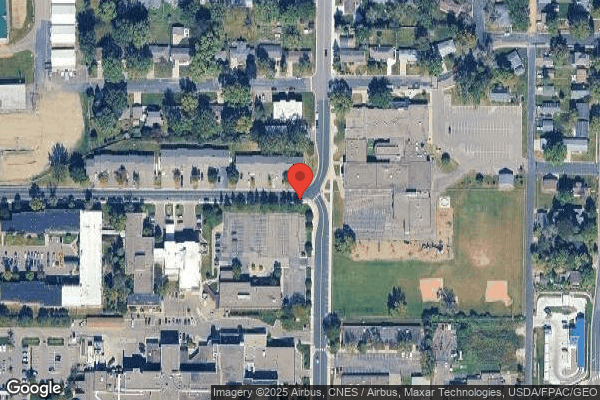
333 FIFTH STREET WEST, WACONIA, MN 55387 (952) 442-5111
Non profit - Corporation 75 Beds GOOD SAMARITAN SOCIETY Data: November 2025 1 Immediate Jeopardy citation
Trust Grade
11/100
#294 of 337 in MN
Last Inspection: August 2024

Within standard 12-15 month inspection cycle. Federal law requires annual inspections.

Overview

Good Samaritan Society - Waconia and Westview Acre has received a Trust Grade of F, indicating significant concerns about the facility's care quality. Ranking #294 out of 337 in Minnesota places it in the bottom half of nursing homes, and it is #3 out of 3 in Carver County, meaning only one other local option is worse. The facility's situation is worsening, with issues increasing from 8 in 2024 to 14 in 2025. Staffing is a relative strength, rated 4 out of 5 stars, but the turnover rate is concerning at 56%, which is higher than the state average of 42%. While the facility has more registered nurse (RN) coverage than 75% of Minnesota facilities, there have been serious incidents, including a critical failure to ensure safe use of bed rails, leading to a resident's neck becoming wedged and requiring immediate intervention. Additionally, a resident was discharged with another resident's medications, resulting in a medical emergency. These incidents highlight significant safety risks despite some staffing strengths.

Trust Score
F
11/100
In Minnesota
#294/337
Bottom 13%
Safety Record
High Risk
Review needed
Inspections
Getting Worse
8 → 14 violations
Staff Stability
⚠ Watch
56% turnover. Above average. Higher turnover means staff may not know residents' routines.
Penalties
✓ Good
$12,649 in fines. Lower than most Minnesota facilities. Relatively clean record.
Skilled Nurses
✓ Good
Each resident gets 70 minutes of Registered Nurse (RN) attention daily — more than 97% of Minnesota nursing homes. RNs are the most trained staff who catch health problems before they become serious.
Violations
⚠ Watch
34 deficiencies on record. Higher than average. Multiple issues found across inspections.
★☆☆☆☆
1.0
Overall Rating
★★★★☆
4.0
Staff Levels
★★★★☆
4.0
Care Quality
★☆☆☆☆
1.0
Inspection Score
Stable
2024: 8 issues
2025: 14 issues

The Good

  • 4-Star Staffing Rating · Above-average nurse staffing levels
  • 4-Star Quality Measures · Strong clinical quality outcomes
  • Full Sprinkler Coverage · Fire safety systems throughout facility
  • No fines on record

Facility shows strength in staffing levels, quality measures, fire safety.

The Bad

1-Star Overall Rating

Below Minnesota average (3.2)

Significant quality concerns identified by CMS

Staff Turnover: 56%

Near Minnesota avg (46%)

Frequent staff changes - ask about care continuity

Federal Fines: $12,649

Below median ($33,413)

Minor penalties assessed

Chain: GOOD SAMARITAN SOCIETY

Part of a multi-facility chain

Ask about local staffing decisions and management

Staff turnover is elevated (56%)

8 points above Minnesota average of 48%

The Ugly 34 deficiencies on record

1 life-threatening 2 actual harm
May 2025 11 deficiencies 2 Harm
SERIOUS (G) 📢 Someone Reported This

A family member, employee, or ombudsman was alarmed enough to file a formal complaint

Actual Harm - a resident was hurt due to facility failures

Deficiency F0628 (Tag F0628)

A resident was harmed · This affected 1 resident

**NOTE- TERMS IN BRACKETS HAVE BEEN EDITED TO PROTECT CONFIDENTIALITY** Based on record review, staff interviews, and policy review, the facility failed to ensure that medications were accurately iden...

Read full inspector narrative →
**NOTE- TERMS IN BRACKETS HAVE BEEN EDITED TO PROTECT CONFIDENTIALITY** Based on record review, staff interviews, and policy review, the facility failed to ensure that medications were accurately identified and dispensed upon discharge, resulting in one resident (R214) being sent home with another resident's (R221) medications. This failure led to R214 ingesting medications not prescribed to her. This resulted in actual harm when R214 required emergency medical intervention and hospitalization due to hypotension (low blood pressure). Findings include: R214's discharge Minimum Data Set (MDS) dated [DATE], indicated R214 had intact cognition, and had diagnoses of hypertension (high blood pressure), atrial fibrillation (irregular heartbeat that originates in the heart's upper chambers), anemia (low red blood cells) and depression. R214 was admitted to the transitional care unit (TCU) for rehab, on 3/14/25, following hospitalization with a primary diagnosis of hypertension with shortness of breath. R214's Discharge or Therapeutic Leave Medication List assessment dated [DATE], lacked a verified of medication reconciliation. Assessment identified the form of education that was provided to resident at time of discharge was paper handouts with no verbal education indicated. Hospital records dated 3/31/25, confirmed R214 had fallen four times in the last four days with one fall causing acute facial trauma which required sutures. Records also indicated R214 was experiencing orthostatic hypotension (drop in blood pressure with change in position) that was likely contributing to her falls. R214 was readmitted to the facility's TCU for rehab, on 4/4/25, following hospitalization from 3/31/25 to 4/4/25 with a primary diagnosis of orthostatic hypotension. R214's Discharge summary, dated [DATE], lacked verification of medication reconciliation and listing of current medications. Clinic visit note, dated 4/22/25, indicated orthostatic hypotension, [R214's] blood pressure readings have remained soft, with a recent measurement of 102/76. It was discovered that she was mistakenly given another patient's medication upon TCU discharge [3/27/25], including lisinopril 20 mg, which is a blood pressure-lowering agent. This error may have contributed to her second hospitalization [3/31/25-4/4/25] (med pack of lisinopril she was taking was dated late February) and may have contributed to her falls. She has been advised to discontinue the use of lisinopril immediately. A follow-up with Good Samaritan will be conducted to address this medication error. Blood work will be ordered today to monitor her kidney function and potassium levels. R221's electronic medication record (EMR) indicated R221 prescribed Lisinopril was not available from 3/29/25 to 4/2/25. During interview on 5/20/25 at 12:13 p.m., registered nurse (RN)-D from R214's primary care provider's office stated R214 came to clinic for a follow up appointment and brought all her medications with her for the provider to review. R214 stated she was taking all medications that she brought with her. RN-D stated there were two medications (Lisinopril and Atorvastatin) with R221's name on them. These medications were kept and destroyed in the clinic. RN-D stated R214 reported a couple incidents of being dizzy and falling at home since second discharge from the facility. RN-D stated R214 ingested approximately 11 doses of incorrect medications at home, resulting in low blood pressure that led to R214 falling four times in four days while at home, prompting an emergency department visit on 3/31/25 and hospitalization. During interview on 5/27/25 at 11:26 a.m., FM-B stated medications which did not belong to R214 were sent with her after being discharged on 3/27/25 with one medication that lowered blood pressure. FM-B stated R214 thought the other resident's name on the label of medications was the name of the ordering provider and did not think anything of it and assumed she was supposed to take the medications as they were sent home with her. FM-B stated R214 had intact cognition with no memory concerns. FM-B confirmed R214 had taken the incorrect medication that was sent home by facility after the first discharge and also after the second discharge. During interview on 5/27/25 at 11:37 a.m., RN-A stated the nurse manager (NM) obtained orders from the provider for discharge. NM then put together information in a discharge folder with information regarding other services to be provided in the home if applicable. RN-A stated the discharging nurse would notify the resident of any upcoming appointments which was also included in their discharge folder. Any medications in the facility, belonging to the resident, were sent with the resident and a fax was sent to the resident's preferred pharmacy with a seven-day order for all medications. RN-A stated the list of medications was placed in discharge folder. During interview on 5/27/25 at 11:42 a.m., RN-E stated R214's clinic called and informed her R214 had brought medications into her clinic appointment that were not prescribed to R214. RN-E stated medications were prescribed for R221. RN-E believed the medications were sent with R214 during discharge on [DATE]. RN-E notified the nurse manager immediately. RN-E stated when a resident discharged from the facility, she followed the facility's discharge checklists and sent all ordered medications with the resident. Attempts to contact R214 were unsuccessful. During interview on 5/27/25 at 3:46 p.m., RN-A stated she would expect the discharging nurse to go through each and every medication and ensure each medication was prescribed for the correct patient and was the correct medication and reviewed with the resident at time of discharge. RN-A stated the discharge medication list was placed in the discharge folder with the current medications and the last time medications was taken. During interview on 5/27/25 at 5:59 p.m., medical director (MD) stated she was not made aware of this situation. MD stated she would expect that each medication is reviewed with the current medication orders and also reviewed with the resident at the time of discharge and the medication list should be printed for the resident. MD stated medications are sent home with the resident at the time of discharge. The facility Discharge and Transfer policy, dated 3/28/25, indicated the charge nurse or designated individual will: a. Complete a progress note - discharge b. Obtain an order from the physician for discharge to home with medications. c. Complete the Discharge or Therapeutic Leave Medication List UDA. d. Complete Miscellaneous Information section of the admission Record. e. Complete and review any relevant portions of the PN - Teaching - Resident/Family. f. Complete the Discharge Summary.
SERIOUS (G) 📢 Someone Reported This

A family member, employee, or ombudsman was alarmed enough to file a formal complaint

Actual Harm - a resident was hurt due to facility failures

Pressure Ulcer Prevention (Tag F0686)

A resident was harmed · This affected 1 resident

**NOTE- TERMS IN BRACKETS HAVE BEEN EDITED TO PROTECT CONFIDENTIALITY** Based on interview and document review the facility failed to assure that 1 of 3 residents (R213) reviewed for pressure ulcers r...

Read full inspector narrative →
**NOTE- TERMS IN BRACKETS HAVE BEEN EDITED TO PROTECT CONFIDENTIALITY** Based on interview and document review the facility failed to assure that 1 of 3 residents (R213) reviewed for pressure ulcers received care and services to prevent occurrence of newly developed pressure ulcer. This failure resulted in actual harm to R213 when the facility failed to follow R213's care plan resulting in the development of a deep tissue injury (a type of pressure injury where the underlying tissue is damaged, but the skin may appear intact. It's characterized by a localized discoloration, often purple or maroon, and may have a blood-filled blister. deep tissue injury can develop into a larger, open wound, but it's initially a localized injury). Although noncompliance was present at the time of the event, the facility implemented appropriate corrective action prior to the survey resulting in a finding of past-noncompliance for R213. Findings include: A Facility Reported Incident (FRI) was submitted to the State Agency (SA) on 5/4/25 at 12:12 p.m., (approximately 12 hours after facility staff discovered incident occurred) which identified R213 had been placed on a bedpan by nursing assistant (NA)-C at about 1:30 p.m. on 5/3/25. NA-C failed to return to R213 and did not report to NA-D that R213 was on the bedpan at change of shift. NA-D reported she had asked R213 how she was doing, brought R213 food and fluids and repositioned in bed, however, NA-D failed to check/change R213 during her shift. At about 12:00 a.m. on 5/4/25, registered nurse (RN)-C checked R213 for toileting needs, found R213 still had bedpan underneath her. R213 developed a deep tissue injury due to the bedpan being in place for eleven and a half hours. R213's admission Minimum Data Set (MDS) dated [DATE], identified R213 had moderate cognitive impairment and was dependent on staff for activities of daily living (ADL's). Diagnoses included depression, anxiety, radiation sickness, lung cancer, breast cancer, thyrotoxicosis (a condition where there is too much thyroid hormone in the body), muscle weakness, metabolic encephalopathy (a condition where a change in brain function, like confusion or decreased consciousness, is caused by an underlying metabolic or chemical imbalance in the body), diabetes and acute kidney failure. R213's care plan revised 5/4/25, indicated R213 had potential to develop pressure sores related to impaired mobility and incontinence with an intervention instructing staff to reposition R213 from side to side when in bed every two to three hours and as needed (PRN). The care plan also indicated R213 had an ADL self-care deficit related to weakness, recent bladder infection (UTI), recent cancer treatment and need for staff assistance with all ADL's. ALD interventions included bed-mobility assistance of two staff with positioning up in bed and turning from side to side, toileting assistance of one to two staff with sit to stand lift, large harness to use toilet, resident incontinent or urine and directed staff to anticipate toileting needs/check/change/toilet R213 PRN. Resident Kardex dated 5/6/25, indicated R213 required assistance of one to two staff to turn and repositioning side to side when in bed every two to three hours and PRN. R123 required assistance of one to two staff with standing lift, used large harness when toileted. Resident was incontinent or urine, wore large briefs. Staff were directed to check/change/toilet R213 PRN. Staff were directed to anticipate toileting needs. A facility wound assessment dated [DATE] at 12:54 p.m., indicated R213 had a suspected deep tissue injury to buttock. Area described as red in color, warm to the touch, and was non-blanchable (discoloration or redness that does not fade or turn white when pressed). A facility wound data collection assessment dated [DATE] at 2:47 p.m., identified R213 had an area on left lower lateral (outer) buttock that measured 1.25 centimeters (cm) by 0.6 cm was red, warm and inflamed. On left upper lateral buttock there was an area measured as 0.8 cm by 0.4 cm was red and warm to touch. On left upper medial (closer to center) buttock deep tissue injury measured at 1.5 cm by 1 cm red and warm to the touch. On right buttock a vertical deep tissue injury measured 24 cm by 2 cm that was non-blanchable red and purple in color, warm to touch with induration (hardening or thickening of the skin). Left buttock had vertical deep tissue injury measured at 26 cm by 4 cm, area was non-blanchable red and purple in color, was warm to the touch, with induration of skin. Progress note dated 5/4/25 at 7:42 p.m., indicated R213 was sent to the hospital due to change in mental status, was not alert and was very lethargic (sluggish, lack energy, drowsy, and decreased mental status). Hospital note dated 5/5/25, wound assessment indicated R213 appeared to have been left on a bedpan or similar device. The deep tissue pressure injury evolved into a stage two pressure injury (partial-thickness skin loss with the epidermis (top layer) and dermis (underneath layer) affected) in 3 areas. Deep tissue pressure injuries can continue to progress even when the pressure is relieved as the damage is already done. induration noted on both sides of injury. On 5/12/25, deep tissue injury was purple, top left area developed eschar (layer of dead tissue typically black in color.) When interviewed on 5/22/2025 at 2:10 p.m., NA-D stated had worked with R213 one other time two weeks prior, at that time R213 was fully responsive and communicated her needs. NA-D stated she had assumed R213 would utilize her call light and express her needs independently. NA-D stated they had not been informed there were any changes in R213's status, R213 had not communicated any needs when NA-D was in the room nor did R213 inform staff she was on the bedpan. When interviewed on 5/27/25 at 10:05 a.m., nurse manager (RN)-A stated she had been in the building morning of 5/4/25, had been informed by RN-C of the incident, went to R213 observed stage one pressure sore (the initial stage of skin breakdown caused by prolonged pressure on a specific area of the body) on R213's buttocks in the outline of the bedpan. RN-A stated had expected the area would progress to a deep tissue injury. RN-A stated R213 used the bed pan or was incontinent, refused to get out of bed to use the bathroom. RN-A reviewed R213's care plan, verified R213's care plan did not identify R213 used the bed pan, care plan stated R213 was incontinent of urine, wore a brief, staff were directed to check and change R213. RN-A stated did not appear R213 was aware there was a bed pan under her buttocks, R213 had not been herself on 5/3/25, was more fatigued. RN-A had spoken with the involved staff, NA-D had not seen a bed pan under R213, NA-C had fastened brief in place with the bedpan inside the brief. Although the facility failed to ensure R213 received care and services to prevent newly developed pressure ulcers, the facility had immediately assessed R213's skin, and the two NA's were suspended from work. The facility assessed other residents in the facility who used a bedpan or other alternative toileting devices and/or required assistance by staff to be turned and repositioned in bed, the facility completed audits for those identified residents. The facility gave corrective action to NA-C and NA-D, the facility educated nursing staff on what ADL's included, how to read and understand a resident care plan/kardex, how provided cares were documented, how incorrect documentation was avoided, and what neglect of a resident included. The facilities corrective action was verified during the onsite survey on 5/27/25, as having been implemented as of 5/6/25, therefore this deficiency is being cited as Past Non-compliance.
CONCERN (D) 📢 Someone Reported This

A family member, employee, or ombudsman was alarmed enough to file a formal complaint

Potential for Harm - no one hurt, but risky conditions existed

Deficiency F0605 (Tag F0605)

Could have caused harm · This affected 1 resident

**NOTE- TERMS IN BRACKETS HAVE BEEN EDITED TO PROTECT CONFIDENTIALITY** Based on interview, and document review, the facility failed to ensure pharmacy consultant (PharmD) gradual dose reduction (GDR)...

Read full inspector narrative →
**NOTE- TERMS IN BRACKETS HAVE BEEN EDITED TO PROTECT CONFIDENTIALITY** Based on interview, and document review, the facility failed to ensure pharmacy consultant (PharmD) gradual dose reduction (GDR) recommendation was communicated to the Hospice prescriber for 1 of 5 residents (R43) reviewed for unnecessary medications. Findings include: In review of R43's Order Summary Report (print date 5/27/25) indicated the diagnoses of: dementia, visual hallucinations, psychotic disturbance, mood disturbance and anxiety. R43's quarterly Minimum Data Set (MDS), dated [DATE], identified R43 had severely cognitive impairment. R43 was admitted to Allina Hospice with the diagnosis of vascular dementia [due to] CVA (cerebral vascular accident - stroke) on 1/29/25, with the orders to use hospice agency standing orders. In review of R43's Order Recap Report (printed 5/20/25) resident was and is receiving Quetiapine Furmarate ( and anti-psychotic medication with the following order changes: The following orders were prescribed on the dates indicated to the facility: 3/26/25 Quetiapine Fumarate Oral Tablet 50 milligrams (mg) (Quetiapine Fumarate) Give 100 mg by mouth every 6 hours as needed for agitation or hallucinations. AND Give 50 mg by mouth two times a day for agitation, hallucinations 4/1/25 Quetiapine Fumarate Oral Tablet 25 MG (Quetiapine Fumarate) Give 25 mg by mouth two times a day for agitation, hallucinations Administer with 50mg. A review of R43's PharmD recommendation (dated 4/14/25) requested the following: This resident is currently on the anti-psychotic quetiapine 100 mg [every] 6 hours [ as needed] with the diagnosis: agitation/hallucinations. Start 3/26/26. Number of times used: 2. *Please add verbiage (times) 14 days for [as needed] anti-psychotic orders* Please evaluate current diagnosis, behavior and usage patterns and evaluate continues need. PRN [as needed] anti-psychotic orders cannot exceed 14 days and require direct prescriber evaluation of continuation. The PharmD noted went on to indicate choices to consider: 1. Discontinue [as needed quetiapine 2. New order for [as needed: __________(include duration (14 days) and rationale) 3. Adjust routine order to _________ A review of R43's electronic medical record (EMR) lacked documentation this recommendation had been reviewed by the prescribing physician. During interview on 5/21/25 at 10:33 a.m., nurse manager (RN)-A the facility does not do gradual dose reductions (GDRs) when a resident is receiving hospice services. Those are to be addressed by the hospice nurse / hospice provider. A review of R43's hospice folder, kept at the facility for communication purposes, lacked documentation the recommendation by the PharmD had been addressed. In a further telephone interview on 5/27/25 at 12:47 p.m., hospice registered nurse (Hospice) stated that hospice service had never received the PharmD communication for R43. Hospice stated had they received the recommendation, the prescribing hospice provider would have addressed this concern. In review of the facility's policy, entitled: Hospice - Provided Services - [Resident Services, [Long Term Care], [Assisted Living], last revised 11/1/24 indicated the following under Procedure section: 5. The social worker or licensed nurse or [assisted living] Nurse/Manager will facilitate communication between resident and/or his/her family and hospice employees.
CONCERN (D) 📢 Someone Reported This

A family member, employee, or ombudsman was alarmed enough to file a formal complaint

Potential for Harm - no one hurt, but risky conditions existed

Report Alleged Abuse (Tag F0609)

Could have caused harm · This affected 1 resident

**NOTE- TERMS IN BRACKETS HAVE BEEN EDITED TO PROTECT CONFIDENTIALITY** Based on interview and document review, the facility failed to ensure incidents were reported timely to the State agency (SA) fo...

Read full inspector narrative →
**NOTE- TERMS IN BRACKETS HAVE BEEN EDITED TO PROTECT CONFIDENTIALITY** Based on interview and document review, the facility failed to ensure incidents were reported timely to the State agency (SA) for 2 of 4 residents (R213 and R214) whose incidents were reviewed. Findings include: R213's admission Minimum Data Set (MDS) dated [DATE], identified R213 had moderate cognitive impairment and was dependent on staff for activities of daily living (ADLs). Diagnoses included depression, anxiety, radiation sickness, lung cancer, breast cancer, thyrotoxicosis (a condition where there is too much thyroid hormone in the body), muscle weakness, metabolic encephalopathy (a condition where a change in brain function, like confusion or decreased consciousness, is caused by an underlying metabolic or chemical imbalance in the body), diabetes and acute kidney failure. R213's care plan revised 5/4/25, indicated R213 had potential to develop pressure sores related to impaired mobility and incontinence with an intervention instructing staff to reposition R213 from side to side when in bed every two to three hours and as needed (PRN). the care plan also indicated R213 had an ADL self-care deficit related to weakness, recent bladder infection (UTI), recent cancer treatment and need for staff assistance with all ADLs. ALD interventions included bed-mobility assitance of two staff with positioning up in bed and turning from side to side, toileting assistance of one to two staff with sit-to-stand lift, large harness to use toilet, resident incontinent or urine and directed staff to anticipate toileting needs/check/change/toilet R213 PRN. A Facility Reported Incident (FRI) was submitted to the SA on 5/4/25 at 12:12 p.m., (approximately 12 hours after facility staff discovered incident occurred) which identified R213 had been placed on a bedpan by nursing assistant (NA)-C at about 1:30 p.m. on 5/3/25. NA-C failed to return to R213 to check on status and did not report to NA-D that R213 was on the bedpan at change of shift. NA-D reported she asked R213 how she was doing, brought R213 food and fluids and repositioned in bed, however, NA-D failed to check/change R213 during her shift. At about 12:00 a.m. 5/4/25, registered nurse (RN)-C checked R213 for toileting needs, found R213 still had bedpan underneath her. R213 developed a deep tissue injury (a type of pressure injury where the underlying tissue is damaged, but the skin may appear intact. It's characterized by a localized discoloration, often purple or maroon, and may have a blood-filled blister. DTI can develop into a larger, open wound, but it's initially a localized injury.) due to the bedpan being placed for eleven and a half hours. When interviewed on 5/22/2025 at 2:10 p.m., NA-D stated she worked with R213 one other time two weeks prior, at that time R213 was fully responsive and communicated her needs. NA-D stated she had assumed R213 would utilize her call light and express her needs independently. NA-D had not been informed there were any changes in R213's status, R213 had not communicated any needs when NA-D was in the room nor did R213 inform staff she was on the bedpan. When interviewed on 5/27/25 at 10:05 a.m., nurse manager (RN)-A stated she had been in the building morning of 5/4/25, had been informed by RN-C of the incident, went to R213 observed stage one pressure sore (the initial stage of skin breakdown caused by prolonged pressure on a specific area of the body) on R213's buttocks in the outline of the bedpan, expected the area would progress to a deep tissue injury. RN-A stated incidents of abuse, neglect and significant bodily harm were to be reported to the SA within 2 hours from when suspicion was formed, but the nurses did not have access to submit reports to the SA, this was completed by the administrator, director of nursing (DON) or social worker. R214 R214's discharge Minimum Data Set (MDS) dated [DATE], indicated R214 had intact cognition, and had diagnoses of hypertension (high blood pressure), atrial fibrillation (irregular heartbeat that originates in the heart's upper chambers), anemia (low red blood cells) and depression. A report was received by the SA, dated 5/1/25 at 12:59 p.m., which indicated R214 was seen in the clinic last week (4/22/25) for a visit after R214 was discharged from the transitional care unit (TCU) at facility. According to the report, R214 had been in and out of the facility twice prior to her being seen in clinic. R214 brought all her medications with her from home to her appointment and it was then discovered there were two bubble medication cards that had medications missing and a few remaining labeled with another resident's name. R214 reported to provider that she had been taking these medications at home. According to the report, one of the medications was to lower blood pressure and R214 was recently in the hospital for low blood pressure. R214 also reported to provider a couple of falls between discharge from her last TCU stay and follow-up appointment in the clinic. According to the report, the incorrect medication R214 was taking could have contributed to R214 falling at home. According to the report, the reporter called the facility and reported this incident with RN-E. During interview on 5/20/25 at 12:13 p.m., RN-D stated R214 came to clinic for a follow up appointment and brought all her medications with her for the provider to review. Included were medications cards R214 received from the facility upon R214's discharge from the TCU. R214 stated she was taking all medications that she brought with her to the clinic. RN-D stated there were two medications (Lisinopril and Atorvastatin) prescribed to a person who was not R214, they kept and destroyed in the clinic. RN-D stated R214 reported couple incidents of being dizzy and falling at home since second discharge from the facility. RN-D stated R214 ingested approximately at least 11 doses of incorrect medications at home, resulting in low blood pressure that led to R214 falling four times in four days while at home, prompting and emergency department visit on 3/31/25. During interview on 5/27/25 at 11:14 a.m., RN-D stated she called the facility and spoke with RN-E and informed them of the medication error. During interview on 5/27/25 at 11:42 a.m., RN-E stated R214's clinic called and informed her that R214 had brought medications into her clinic appointment that were not prescribed to R214. RN-E stated medications were prescribed for another resident residing at the facility. RN-E stated she believed medications were sent with R214 during discharge on [DATE]. RN-E stated she notified nurse manager immediately. During interview on 5/27/25 at 4:32 p.m., RN-A stated incident was not reported to the SA and should have been reported to the SA immediately after being made aware of incident. RN-A stated, it was an error on our part. During interview on 5/27/25 at 5:03 p.m., administrator stated reports to SA can be completed by herself, the director of nursing and the nurse managers. The nurses and nursing assistants could call in the report, but expectation was to call administrator or DON who would file the report online. Administrator was informed about the incident with R213 at 9:26 a.m. on 5/4/25, completed the report at 12:12 p.m. after she had spoke with the nurse consultant who stated the incident was harm and reportable to the SA. Administrator stated the time frame for reporting was two hours for bodily harm and 24 hours for everything else. Administrator stated incident with R214 should have been reported as soon as the facility was made aware of the incident. The facility Abuse and Neglect policy, dated 4/7/25, indicated if an employee receives an allegation of abuse, neglect, exploitation or misappropriation of resident/client property or witnesses suspected abuse, neglect or misappropriation of resident/client property, the employee will take measures to protect the resident/client, provided the safety of the employee is not jeopardized. The employee will then report the allegation to a supervisor. The program coordinator, charge nurse or licensed nurse will be notified immediately, assess the situation to determine whether any emergency treatment or action is required and complete an initial investigation. If this is an injury of unknown origin, he or she also will attempt to determine the cause of the injury. The coordinator or charge nurse also will ensure that any potential for further abuse is eliminated by taking one of the following actions: a. If this is an allegation of employee to resident/client abuse, the employee will be removed from providing direct care to all residents/clients. Additionally, the employee will be placed on suspension pending the results of the internal investigation. Another employee will be assigned to complete the care of the resident/client. Contact the Human Resources Advisor for the location to assist with corrective action. b. If it is an allegation of resident/client to resident/client abuse, the residents/clients will be separated immediately, and both ensured a safe environment. Determine if a room change needs to be made. c. If family or other visitors are suspected of alleged abuse, they may not be allowed to visit the resident/client, or in any other way have access to the location, pending the results of the investigation. A designated individual will enter the event into the SAFE Event Reporting Portal per the Event Reporting Resident, Visitor, Employee policy. Notification procedures: a) Designated agencies will be notified in accordance with state law, including the State Survey and Certification Agency. If applicable, Adult Protective Services will be notified where state law provides for jurisdiction in long-term care centers. - If there is an allegation of abuse, neglect, exploitation or mistreatment, including injuries of unknown source and misappropriation of resident/client property, and/or there is serious bodily injury, then it will be reported immediately, but not later than two hours after the allegation is made. - If there is an allegation that does not involve abuse and there is no serious bodily injury, then it will be reported not later than 24 hours after the allegation is made. b) After the initial documentation of the event, if there is a need for additional documentation, this will be completed within the SAFE Event Reporting Portal per the Event Reporting Resident, Visitor, Employee policy. c) The investigation team (social worker, administrator and director of nursing services) will review all events no later than the next working day following the event. d) Ensure that someone is assigned to complete the investigation and that the care plan has been updated with any new interventions put into place. The investigation team will determine whether further investigation is needed. The social worker or the designated person will notify the designated agency(ies) in the state as soon as possible after reviewing the event; if designated agency(ies) have not been notified, the social worker or the designated person also will complete and submit any reports required by the designated agencies.
CONCERN (D) 📢 Someone Reported This

A family member, employee, or ombudsman was alarmed enough to file a formal complaint

Potential for Harm - no one hurt, but risky conditions existed

Investigate Abuse (Tag F0610)

Could have caused harm · This affected 1 resident

**NOTE- TERMS IN BRACKETS HAVE BEEN EDITED TO PROTECT CONFIDENTIALITY** Based on interview and document review the facility failed to thoroughly investigate and protect residents from an allegation of...

Read full inspector narrative →
**NOTE- TERMS IN BRACKETS HAVE BEEN EDITED TO PROTECT CONFIDENTIALITY** Based on interview and document review the facility failed to thoroughly investigate and protect residents from an allegation of neglect for 1 of 4 residents (R214) whose incidents were reviewed. Findings include: R214's discharge Minimum Data Set (MDS) dated [DATE], indicated R214 had intact cognition, and had diagnoses of hypertension (high blood pressure), atrial fibrillation (irregular heartbeat that originates in the heart's upper chambers), anemia (low red blood cells) and depression. A report was received by the SA, dated 5/1/25 at 12:59 p.m., which indicated R214 was seen in the clinic last week (4/22/25) for a visit after R214 was discharged from the transitional care unit (TCU) at facility. According to the report, R214 had been in and out of the facility twice prior to her being seen in clinic. R214 brought all her medications with her from home to her appointment and it was then discovered there were two bubble medication cards that had medications missing and a few remaining labeled with another resident's name R214 reported receiving the bubble medication cards when she discharged from the TCU. R214 reported to provider she had been taking these medications at home. According to the report, one of the medications was to lower blood pressure, R214 was recently in the hospital for low blood pressure. R214 also reported to provider a couple of falls between discharge from her last TCU stay and follow-up appointment in the clinic. According to the report, one of the incorrect medication R214 was taking could have contributed to R214 falling at home. The facility was called and reported this incident with RN-E. During review on 5/27/25, 214's electronic health record (EHR) lacked documentation of investigation of medication error that was reported to the facility by an external party. During interview on 5/27/25 at 11:14 a.m., RN-D stated she called the facility and spoke with RN-E and informed them of the medication error. During interview on 5/27/25 at 11:42 a.m., RN-E stated R214's clinic called and informed her R214 had brought medications into her clinic appointment that were not prescribed to R214. RN-E stated medications were prescribed for another resident residing at the facility. RN-E believed the medications were sent with R214 during discharge on [DATE]. RN-E notified the nurse manager immediately. During interview on 5/27/25 at 4:32 p.m., RN-A stated incident should have been reported to the SA and investigation should have been started immediately after being made aware of incident. RN-A stated, it was an error on our part. During interview on 5/27/25 at 5:03 p.m., administrator stated report can be completed by herself, the director of nursing and the nurse managers. Administrator stated she would want staff to let the DON know so she could file the report and start an investigation. The facility Abuse and Neglect policy, dated 4/7/25, indicated if an employee receives an allegation of abuse, neglect, exploitation or misappropriation of resident/client property or witnesses suspected abuse, neglect or misappropriation of resident/client property, the employee will take measures to protect the resident/client, provided the safety of the employee is not jeopardized. The employee will then report the allegation to a supervisor. The program coordinator, charge nurse or licensed nurse will be notified immediately, assess the situation to determine whether any emergency treatment or action is required and complete an initial investigation. If this is an injury of unknown origin, he or she also will attempt to determine the cause of the injury. The coordinator or charge nurse also will ensure that any potential for further abuse is eliminated by taking one of the following actions: a. If this is an allegation of employee to resident/client abuse, the employee will be removed from providing direct care to all residents/clients. Additionally, the employee will be placed on suspension pending the results of the internal investigation. Another employee will be assigned to complete the care of the resident/client. Contact the Human Resources Advisor for the location to assist with corrective action. b. If it is an allegation of resident/client to resident/client abuse, the residents/clients will be separated immediately, and both ensured a safe environment. Determine if a room change needs to be made. c. If family or other visitors are suspected of alleged abuse, they may not be allowed to visit the resident/client, or in any other way have access to the location, pending the results of the investigation. A designated individual will enter the event into the SAFE Event Reporting Portal per the Event Reporting Resident, Visitor, Employee policy. Notification procedures: a) Designated agencies will be notified in accordance with state law, including the State Survey and Certification Agency. If applicable, Adult Protective Services will be notified where state law provides for jurisdiction in long-term care centers. b) After the initial documentation of the event, if there is a need for additional documentation, this will be completed within the SAFE Event Reporting Portal per the Event Reporting Resident, Visitor, Employee policy. c) The investigation team (social worker, administrator and director of nursing services) will review all events no later than the next working day following the event. d) Ensure that someone is assigned to complete the investigation and that the care plan has been updated with any new interventions put into place. The investigation team will determine whether further investigation is needed. The social worker or the designated person will notify the designated agency(ies) in the state as soon as possible after reviewing the event; if designated agency(ies) have not been notified, the social worker or the designated person also will complete and submit any reports required by the designated agencies.
CONCERN (D) 📢 Someone Reported This

A family member, employee, or ombudsman was alarmed enough to file a formal complaint

Potential for Harm - no one hurt, but risky conditions existed

Assessment Accuracy (Tag F0641)

Could have caused harm · This affected 1 resident

**NOTE- TERMS IN BRACKETS HAVE BEEN EDITED TO PROTECT CONFIDENTIALITY** Based on interview and document review, the facility failed to ensure the Minimum Data Set (MDS) was accurately coded with the p...

Read full inspector narrative →
**NOTE- TERMS IN BRACKETS HAVE BEEN EDITED TO PROTECT CONFIDENTIALITY** Based on interview and document review, the facility failed to ensure the Minimum Data Set (MDS) was accurately coded with the potential for inaccurate federal reimbursement and resident care planning for 2 of 2 residents (R49 and R59) reviewed for MDS accuracy. Findings include: R49's quarterly MDS dated [DATE], indicated under Section J (J1700-B) Falls documented R49 did not have any falls since the last MDS Assessment (admission MDS, submitted 1/14/25). In review of R49's electronic medical record (EMR), it was noted R49 had two falls since admission: 2/2/25 - R49 rolled out of bed and onto the floor 2/4/25 - R49 self transferred from wheel chair and fell to the floor During an interview on 5/21/25 at 10:33 a.m., nurse manager (RN)-A and interim director of nursing (DON)-A stated R49's two falls should have been documented on the 4/10/25 quarterly MDS. R59's Discharge Return Not Anticipated MDS submission dated 3/6/25, indicated under Section A (A2105) Discharge Status documented R59 was discharge to :Short-Term General Hospital. In review of R59's electronic medical record (EMR), documented the following in R59's progress notes: 3/6/2025 [1:33 p.m.] Discharge -Home, Assisted Living, Other Facility, Involuntary Destination: Home Method of transportation and who accompanied resident, included their relationship to resident: daughter and son in law transported resident home via own vehicle at [12:30 p.m.]. Medications reviewed. Notes: 1 card of 28 tramadol [tablets] and own bottle of tramadol 7 [tablets] sent home with resident. During an interview on 5/21/25 at 10:33 a.m., nurse manager (RN)-A and interim director of nursing (DON)-A, RN-A stated the discharge MDS submission was coded incorrectly. and verified R59 had discharged to home. A facility' policy on MDS completion was requested, however, none was received.
CONCERN (D) 📢 Someone Reported This

A family member, employee, or ombudsman was alarmed enough to file a formal complaint

Potential for Harm - no one hurt, but risky conditions existed

Deficiency F0655 (Tag F0655)

Could have caused harm · This affected 1 resident

**NOTE- TERMS IN BRACKETS HAVE BEEN EDITED TO PROTECT CONFIDENTIALITY** Based on interview and document review, the facility failed to complete and implement a baseline care plan within 48 hours of ad...

Read full inspector narrative →
**NOTE- TERMS IN BRACKETS HAVE BEEN EDITED TO PROTECT CONFIDENTIALITY** Based on interview and document review, the facility failed to complete and implement a baseline care plan within 48 hours of admission for 3 of 5 residents (R35. R41 and R215) reviewed for care plans. Findings include: R35's admission Minimum Data Set (MDS) dated [DATE], identified R35 had intact cognition and required assistance with all activities of daily living (ADLs). R35's diagnoses included end stage renal disease, heart failure, hypertension, cirrhosis, diabetes mellitus, arthritis, depression, dependence on renal dialysis, and chronic pain. R35's electronic health record (EHR) indicated R35 was admitted to the facility on [DATE]. EHR lacked evidence a baseline care plan had been initiated within 48 hours of admission. EHR indicated baseline care plan was developed on 4/18/25 and indicated R35 was dependent on staff for transfers, toileting and grooming/bathing. R41's admission MDS dated [DATE], identified R41 had moderate cognitive impairment and required assistance with ADL's. R41's diagnoses included acute on chronic systolic (congestive) heart failure, atrial fibrillation, coronary artery disease, heart failure, hypertension, renal failure, localized edema, presence of prosthetic heart valve, and presence of coronary angioplasty implant and graft. R41's EHR indicated R41 was admitted to the facility on [DATE]. EHR lacked evidence a baseline care plan had been initiated within 48 hours of admission. EHR indicated baseline care plan was developed on 4/29/25 and indicated R41 and indicated R41 was dependent on staff for transfers, toileting and grooming/bathing. R215's admission MDS dated [DATE], identified R215 had intact cognition and required moderate assistant with ADL's. R215's diagnoses included hypertension, renal failure, fracture, anxiety disorder and depression. MDS also indicated R215 was receiving dialysis services. R215's EHR indicated R215 was admitted to the facility on [DATE]. EHR lacked evidence a baseline care plan had been initiated within 48 hours of admission. EHR indicated baseline care plan was developed on 5/13/25 and indicated R215 was dependent on staff for transfers, toileting and grooming/bathing. During interview on 5/27/25 at 3:49 p.m., registered nurse manager (RN)-A stated baseline care plans should be completed within 24 hours of admission to the facility. RN-A confirmed a baseline care plan had not been completed with 48 hours of admission for R35, R41 and R215. RN-A stated baseline care plans are important to complete for resident safety and so staff know how to care for the resident. The facility Care Plan facility, dated 12/2/24, indicated facility would develop a comprehensive care plan using an interdisciplinary team approach and to provide guidance to the interdisciplinary team in developing the initial care plan. Baseline care plan includes instructions needed to provide effective and person-centered care of the resident that meet professional standards of quality care. A baseline care plan will be developed upon admission according to federal and state regulations. The location must provide the resident and resident representative with a written summary of the baseline care plan.
CONCERN (D) 📢 Someone Reported This

A family member, employee, or ombudsman was alarmed enough to file a formal complaint

Potential for Harm - no one hurt, but risky conditions existed

Quality of Care (Tag F0684)

Could have caused harm · This affected 1 resident

**NOTE- TERMS IN BRACKETS HAVE BEEN EDITED TO PROTECT CONFIDENTIALITY** Based on interview and document review, the facility failed to ensure as needed (PRN) medications were administered per physicia...

Read full inspector narrative →
**NOTE- TERMS IN BRACKETS HAVE BEEN EDITED TO PROTECT CONFIDENTIALITY** Based on interview and document review, the facility failed to ensure as needed (PRN) medications were administered per physician's order for 1 of 1 resident (R20) reviewed for edema. Findings include: R41's admission Minimum Data Set (MDS) dated [DATE], identified R41 had moderate cognitive impairment and required assistance with activities of daily living (ADL)'s. R41's diagnoses included acute on chronic systolic (Congestive) heart failure, atrial fibrillation, coronary artery disease, heart failure, hypertension, renal failure, localized edema, presence of prosthetic heart valve, and presence of coronary angioplasty implant and graft R41's physician orders with print date of 5/19/25, indicated R41 had an order for daily weights in the morning for heart failure with reduced ejection fraction (HFrEF) and to update physician assistant (PA) or medical doctor (MD) if increased of three pounds in a day or five pounds in a week. R41 also had an order for Torsemide 20 milligrams (mg) as needed (PRN) for HFrEF daily if weight exceeds 116.0 pounds with a start date of 5/13/25. During review of R41's electronic health record (EHR), noted EHR lacked documentation of administration of PRN medication on 5/13/25, 5/14/25, 5/15/25, 5/16/25, 5/17/25, 5/18/25 and 5/19/25 when it was noted R41's weight exceeded 116.0 pounds. R41's weight documentation, in EHR, indicated increased weight gain overnight on the following dates: -5/13/25 at 8:20 a.m., weight was documented as 116.6 lbs. (pounds) - based on order PRN torsemide should have been administered due to weight gain over 116.0 lbs. -5/14/25 at 8:48 a.m., weight was documented as 116.2 lbs. - based on order PRN torsemide should have been administered due to weight gain over 116.0 lbs. -5/15/25 at 9:06 a.m., weight was documented as 116.8 lbs. - based on order PRN torsemide should have been administered due to weight gain over 116.0 lbs. -5/16/25 at 1:20 p.m., weight was documented as 117.8 lbs. - based on order PRN torsemide should have been administered due to weight gain over 116.0 lbs. -5/17/25 at 12:21 p.m., weight was documented as 118.8 lbs. - based on order PRN torsemide should have been administered due to weight gain over 116.0 lbs. -5/18/25 at 9:28 a.m., weight was documented as 116.8 lbs. - based on order PRN torsemide should have been administered due to weight gain over 116.0 lbs. -5/19/25 at 10:33 a.m., weight was documented as 117.2 lbs. - based on order PRN torsemide should have been administered due to weight gain over 116.0 lbs. R41's progress notes lacked documentation of increased weight and indicated: - 5/12/25 indicated R41 had an appointment at Minneapolis Heart and orders were changed for Torsemide as needed order to once daily as needed for weight excess of 116 pounds and an order for compression stockings to bilateral lower extremities daily for edema. - 5/19/25 at 11:19 p.m., indicated R41 was sent to the emergency department for low oxygen saturations of 84% and complaints of shortness of breath. - 5/20/25 indicated R41 was hospitalized with pneumonia and fluid overload. R41's electronic medical administration record (MAR) lacked documentation of administration of as needed Torsemide as ordered by cardiologist. During observation on 5/18/25 at 3:17 p.m., R41 had 2+ pitting edema noted in his bilateral lower extremities. During observation and interview on 5/19/25 at 3:30 p.m., R41 was seated in a wheelchair in his room with oxygen on flowing at two liters per minute via nasal cannula, which he did not have on previously. R41 had edema noted in his bilateral lower extremities. R41 stated he had a dry cough and stuffy nose that started on 5/19/25 and it was harder for him to breath today. During interview on 5/20/25 at 8:10 a.m., registered nurse (RN)-E stated R41 was sent to the ER on [DATE] in the evening. RN-E stated R41 had low oxygen saturations all day on 5/19/25 with his breathing getting worse as the day went on. RN-E updated provider and obtained an order for a chest x-ray to be completed and an order for Mucinex. RN-E stated R41 had daily weights due to his diagnoses of congestive heart failure and there were no parameters of prn orders related to daily weights. RN-E stated R41 had edema and his scheduled torsemide order was increased approximately a week and a half ago. RN-E reviewed R41's orders and stated oh, there is a prn order of torsemide. RN-E confirmed R41 should have received the prn dose of torsemide for the past seven days due to his weights being above 116.0. RN-E stated R41's increased shortness of breath could have been caused by not receiving the prn dose of torsemide as ordered. During interview on 5/20/25 at 11:02 a.m., R41's primary physician stated R41 had a history of congestive heart failure and was a very high-risk patient due his CHF. Physician stated the prn order of Torsemide was ordered by R41's cardiologist but he would expect the facility to administer medication as ordered. Physician stated he saw R41 the morning of 5/19/25 with R41 having crackles in lower lobes and localized edema in bilateral lower extremities. Physician stated he ordered a chest x-ray to be obtained as R41 can go into an acute exacerbation very quickly and can decompensate at any time. During interview on 5/21/25 at 8:41 a.m., health unit coordinator (HUC) stated she was responsible for processing and entering new orders and once entered it would be checked by a nurse. HUC stated PRN orders are added to the existing scheduled orders and should pop up for nursing on the MAR. During interview on 5/21/25 at 8:25 a.m., licensed practical nurse (LPN)- B stated R41 had orders for daily weights to be completed and there were no parameters of prn orders related to daily weights. During interview on 5/21/25 11:29 a.m., registered nurse manager (RN)-A stated orders are processed by the HUC and a nurse would double check the order. RN-A stated if resident had a scheduled dose of ordered medication, the prn order would be added to the scheduled dose. RN-A stated the parameters for the prn dose would be displayed on the bottom on the EMAR (electronic medication administration record). RN-A reviewed R41's EMAR and stated nursing would not have seen the prn order with the way it was entered. Nursing would have to go into the PRN tab to see if R41 had a PRN dosage. The prn order should have been entered as a separate order or with the daily weights, so staff were aware of available medication. RN-A reviewed R41's weights and stated R41 should have received seven doses of prn torsemide in the past seven days as weight was over 116.0. RN-A stated R41 was hospitalized for shortness of breath and fluid on his lungs and the prn dose could have made a difference with managing his symptoms. Attempted to contact R41's prescribing cardiologist on 5/20/25 at 12:27 p.m., 5/21/25 at 9:59 a.m., and again on 5/21/25 at 2:08 p.m. with no success. The facility Medication Administration policy, dated 4/8/25, indicated the facility would promote resident/family understanding of medication therapy, would administer medications correctly and in a timely manner and would schedule medications effectively. When PRN medications are given, facility would evaluate and document the efficacy of the medication. If using non-licensed personnel to dispense medications, the follow-up should be done by a licensed nurse.
CONCERN (D) 📢 Someone Reported This

A family member, employee, or ombudsman was alarmed enough to file a formal complaint

Potential for Harm - no one hurt, but risky conditions existed

Infection Control (Tag F0880)

Could have caused harm · This affected 1 resident

**NOTE- TERMS IN BRACKETS HAVE BEEN EDITED TO PROTECT CONFIDENTIALITY** Based on observation, interview, and record review the facility failed to ensure proper hand hygiene was performed during dining...

Read full inspector narrative →
**NOTE- TERMS IN BRACKETS HAVE BEEN EDITED TO PROTECT CONFIDENTIALITY** Based on observation, interview, and record review the facility failed to ensure proper hand hygiene was performed during dining services for 1 of 1 resident (R1) reviewed for assistance with meal set-up. Findings include: R1's quarterly Minimum Data Set (MDS) dated [DATE], identified R1 had moderate cognitive impairment and required assistance with all activities of daily living (ADLs). R1's diagnoses included hypertension, neurogenic bladder, diabetes mellitus, arthritis, cerebral palsy, epilepsy, atrial fibrillation and depression. During observation on 5/19/25 at 5:14 p.m., nursing assistant (NA)-D assisted R1 with applying ketchup to his bun. NA-D took individual ketchup packets from the middle of the table and removed the top of R1's hamburger bun off, applied ketchup and used the ketchup packet to spread the ketchup around and placed the top bun on pulled pork sandwich. NA-D did not sanitize hands before or after assisting R1 and did not wear gloves. During interview on 5/19/25 at 5:23 p.m., NA-D stated when she helps with meal set-up, she was expected to wear gloves and sanitize hands before and after assisting resident with meal. NA-D confirmed that she did not wear gloves or sanitize hands when assisting R1 and used ketchup packets off the table to spread the ketchup on bun. During interview on 5/27/25 at 3:59 p.m., infection preventionist (IP) stated staff were expected to wash their hands and wear gloves when assisting residents with meals. RN-A stated it was not appropriate to use ketchup packets to spread ketchup as the packets could have been touched by multiple other people and was an infection control issue. The facility Food Handling policy reviewed 6/25/24, indicated food is handled in a manner that minimizes the risk of contamination. Foods are never touched with bare hands. Proper utensils such as tissue, spatula, tongs, and single-use gloves are used for food handling. Hands are properly washed, and gloves will only be worn when appropriate. All food items are handled appropriately for food safety, including all food prepared for meals and snacks regardless of where the item is served or stored.
CONCERN (E) 📢 Someone Reported This

A family member, employee, or ombudsman was alarmed enough to file a formal complaint

Potential for Harm - no one hurt, but risky conditions existed

Deficiency F0657 (Tag F0657)

Could have caused harm · This affected multiple residents

**NOTE- TERMS IN BRACKETS HAVE BEEN EDITED TO PROTECT CONFIDENTIALITY** Based on interview and document review, the facility failed to revise the care plan to include current behaviors for 1 of 1 resi...

Read full inspector narrative →
**NOTE- TERMS IN BRACKETS HAVE BEEN EDITED TO PROTECT CONFIDENTIALITY** Based on interview and document review, the facility failed to revise the care plan to include current behaviors for 1 of 1 residents (R51), toileting needs for 1 of 1 residents (R20), discontinued medications for 1 of 1 residents (R24), resident receiving tube feedings for 1 of 1 residents (R7), and falls for 1 of 1 residents (R55) in the sample whose care plans were reviewed. Findings include: R51's Face Sheet printed 5/27/25, indicated the diagnoses of Alzheimer's disease, dementia with behavioral disturbances, anxiety disorder, restlessness and agitation. R51's admission minimum data set (MDS) dated [DATE], identified R50 was cognitively impaired and required extensive assistance with activities of daily living. During observation and interview on 5/18/25 at 4:24 p.m., it was observed that R51 had long finger nails on all fingers and thumbs. Some of which were 1/4 inched in length. R51 was also noted to have been unshaven, noting a rechargeble razor on resident's bed. R51 stated, I was meaning to cut them (finger nails). R51 stated he had just completed his shaving. General observations thoughout each day (5/19/25 and 5/20/25), noted no change in R51's nail length nor shaving. An interview on 5/20/25 at 11:57 a.m., nursing asistant (NA)-A stated R51 was independent with his cares, with reminders for clean clothes and showering in his room. NA-A stated R51 refused to have staff assist with his care. NA-A stated staff have tried to shave and trim R51's nails, but he would not allow. NA-A stated reisdnet nails are usually trimmed on bath days. During an interview on 5/20/25 at 1:01 p.m., the bath aid - trained mdication assistant (TMA)-A stated R51's bath day (shower) is scheduled for Thursdays. TMA-A stated R51 will not allow staff to assist with his shower, however, she freqently checked on this due to his confusion, becomes easily distracted 1/2 way through and does not complete the task. She has not been able to trim his nails or shave him, as he stated he is able to. In review of the R51's assessment, Functional Abilities and Goals - Admission/Start of Skilled Care Complete Admission, dated 2/22/2025, the following was documented: - Self Care - Needed Some Help - Resident needed partial assistance from another person to complete activities. - Functional Cognition - Needed Some Help - Resident needed partial assistance from another person to complete activities - Personal Hygiene: The ability to maintain personal hygiene, including combing hair, shaving, applying makeup, washing/drying face and hands (excludes baths, showers, and oral hygiene). - admission Performance - Substantial/maximal assistance In review of R51's care plan, the document lacked both resident's needs in care provision, as well as resident's behavior of care assitance refusal. In an interview on 5/21/25 at 11:03 a.m., nurse manager (RN)-A stated R51 is not independent with his cares and needs set up, cues and reminders. RN-A stated 51's care plan is lacking residents behavior to complete and/or allow staff to assist with his care. RN-A stated this will need further assessment and input from resident family and facility staff. R20's Clinical Physicians Orders, printed 5/27/25, indicated R20's main diagnosis was other mechanical complication of implanted electronic neurostimulator of spinal cord electrode (lead). R20's admission MDS dated [DATE], identified R20 was cognitively intact and required extensive assistance with activities of daily living, including toileting During an interview on 05/19/25 at 9:16 a.m., R20 stated since her back surgery, she has needed a lot of help with her toileting, and was expecially concerned about her bowels not being regulated approrpriately. In review of R20's Functional Abilities - Current Performance assessment dated [DATE], indicated R20 required supervison or touching assistance with toileting. In an interview on 5/21/25 at 9:11 a.m., registered nurse (RN)-B stated R20 has had ongoing issues with bowel movements, more so, not wanting to be toileted. RN-B stated R20 had been refusing to be toileted and or have her incontinence brief changed, regardless if she was incontinent of urine or stool. RN-B stated she made an agreement with R20 that staff would be allowed to check and change R20, and provide peri-care at that time, shiftly. Review of R20's Care Plan last revised 5/2/25, lacked information on R20's toileting needs and the assistance needed to be provided. During interview on 5/21/25 at 11:09 a.m., RN-A stated R20 should have had toileting needs and interventions added to her care plan. R24's Order Recap Report, printed 5/20/25, indicated the diagnoses of malignant neoplasm of breast, with lumps / masses of head and neck, anxiety disorder and changes in cognitive function. R24 was receiving hospice services. R24's significant change minimum data set (MDS) dated [DATE], identified R50 was severely cognitively impaired and required extensive assistance with activities of daily living. R24's anastrozole was dicontinued on 2/24/25. R24 was admitted to Ridgeview Hospice for comfort cares on 2/26/25. In review of R24's Care Plan last revised 4/14/25, the following care plan concern was documented: - The resident has an alteration in hematological (related to the study of blood and blood-forming tissues, including the bone marrow, spleen, and lymph nodes) status [related to] [history of] breast cancer {and the] use of anastrozole (is a nonsteroidal aromatase inhibitorused in the treatment of breast cancer). During interview on 5/21/25 at 11:00 a.m., RN-A stated R24's anastrozole was discontinued, after having a discussion with residents family, when R20 enrolled into hospice services. The anastrozole was not a covered medication while on hospice. RN-A stated R24's care plan should have been updated. R7 R7's quarterly MDS dated [DATE], indicated R7 was cognitively intact, was independent with activities of daily living (ADLs) and had a feeding tube. R7's face sheet printed 5/18/25, indicated R7 had diagnoses of dysphagia (difficulty swallowing), gastrostomy status (opening into the stomach from the abdominal wall, made surgically for the introduction of food.) gastro-esophageal reflux disease (GERD), and hypertension. R7's care plan last revised 11/17/24, indicated R7 had a self-care deficit related to tube feeding with an intervention of nothing by mouth (NPO) - tube feeding. Care plan also indicated R7 required tube feeding related to dysphagia with and intervention of no water pitcher at bedside due to NPO status. On 1/10/25, R7 received a new order for regular diet, regular texture, with thin liquids. Resident desired regular diet for quality of life. Okay to provide any food items per resident request. However, R7's care plan was not updated regarding change in NPO status. When interviewed on 5/18/25 at 5:11p.m., R7 stated he ate food for pleasure, tended to request easy to swallow foods like scrambled eggs and mashed potatoes. R7 hoped to increase his oral intake and eventually have the tube feeding removed. When interviewed on 5/21/25 at 11:15 a.m., nurse manager (RN)-A stated care plans were to be updated by the nurse manager as soon as they were notified of a change or during the next assessment period. RN-A stated R7's care plan should have been updated when diet order was changed in January 2025, diet change on care plan was also not completed during assessment period for quarterly MDS in March 2025. R55 R55's admission MDS dated [DATE], indicated R55 had moderate cognitive impairment and required extensive assistance with ADL's. R55's face sheet printed 5/18/25, indicated R55 had diagnoses of dementia, neurocognitive disorder with Lewy bodies (a progressive brain disorder characterized by cognitive decline, fluctuating alertness, visual hallucinations, and Parkinsonism symptoms), age-related macular degeneration, difficulty walking and repeated falls. R55's fall care area assessment (CAA) dated 4/13/25, identified R55 had no recent falls, was at risk for falls related to wandering behavior, impaired cognition, and new admission. R55's care plan last revised 5/2/25, indicated R55 had an actual fall related to forgetfulness and not wearing proper footwear. With interventions which required staff to ensure R55 wore gripper socks if shoes not worn dated 4/17/25; sign connected to walker with reminder to bring walker with dated 4/24/25; and staff to complete frequent checks on resident throughout the day dated 5/2/25. However, there was no indication the fall care plan or interventions were updated regarding R55's frequent falls. R55 admitted to the facility on [DATE]. Review of progress notes and incident indicated R55 had 18 or more falls since he was admitted to the facility. R55 was sent to the emergency room on 5/11/25 due to repeated falls, hospital Discharge summary dated [DATE] indicated R55 had fallen at least 12 times in the past three days without injury. When interviewed on 5/27/25, at 4:06 p.m. RN-A stated she had reviewed R55's care plan but was unable to speak to why the care plan had not been updated regarding frequent falls or any interventions that may have been changed due to the other nurse manager that was responsible for the unit R55 resided on was no longer employed at the facility. The expectation was the care plan should have been updated when falls were reviewed, and new interventions were put into place. A facility Comprehensive Care Plan and Care Conferences- Rehab/Skilled, Therapy and Rehab policy dated 1/31/25, indicated the purpose to provide an ongoing method of assessing, implementing, evaluating and updating the residents care plan to help maintain the residents highest practicable level of function. The policy directs care plans to be reviewed and revised with each MDS completed, in addition care plans must be revised as the residents needs or status changed.
MINOR (C) 📢 Someone Reported This

A family member, employee, or ombudsman was alarmed enough to file a formal complaint

Minor Issue - procedural, no safety impact

Staffing Information (Tag F0732)

Minor procedural issue · This affected most or all residents

Based on observation, interview and document review, the facility failed to consistently post the census on the nurse staff posting. This had the potential to affect all 69 residents residing in the f...

Read full inspector narrative →
Based on observation, interview and document review, the facility failed to consistently post the census on the nurse staff posting. This had the potential to affect all 69 residents residing in the facility and/or visitors who may wish to view the information. Findings include: On 5/18/25 at 11:05 a.m., unable to locate a staff posting when arrived at facility. On 5/18/25 at 6:35 p.m., staff posting was observed in a magnetic clip on the metal doorframe of the administration office on first floor. The posting identified nursing staff shifts, census and number of staff assigned each shift. On 5/19/25 at 3:00 p.m., the staff posting with the current date was clipped to the administration office doorframe, clip was positioned about six feet off the floor. On 5/20/25 at 12:28 p.m., the staff posting was positioned on the doorframe about six feet from the floor dated Monday 5/19/25. At 2:15 p.m., the staff posting was updated with current date, continued to be clipped about six feet from the floor. On 5/21/25 at 11:40 a.m., the staff posting was dated 5/20/25, continued to be about six feet from the floor. At 1:16 p.m., the staff posting was updated with current date, continued to be clipped about six feet from the floor. On 5/27/25 at 9:10 a.m., No staff posting was located on the administration office doorframe. At 11:48 a.m., staff posting with current date was in magnetic clip on administration office doorframe, continued to be about six feet from the floor. When interviewed on 5/27/25 at 1:39 p.m., administrator stated she was responsible for posting the staff posting. Administrator stated the positing was put up about 9:00 am during the week, on weekends the entire weekend was posted. When asked about height of staff posting administrator stated the posting was too high for anyone in a wheelchair to have easy access to read the posting. A facility Nursing Staff Daily Posting Requirements policy dated 12/2/24, indicated the staff posting must be prominently displayed daily in a clear, readable format where residents, staff members andthe public may view.
Feb 2025 3 deficiencies
CONCERN (D) 📢 Someone Reported This

A family member, employee, or ombudsman was alarmed enough to file a formal complaint

Potential for Harm - no one hurt, but risky conditions existed

Pressure Ulcer Prevention (Tag F0686)

Could have caused harm · This affected 1 resident

**NOTE- TERMS IN BRACKETS HAVE BEEN EDITED TO PROTECT CONFIDENTIALITY** Based on observation, interview, and document review, the facility failed to comprehensively assess wounds with measurements and...

Read full inspector narrative →
**NOTE- TERMS IN BRACKETS HAVE BEEN EDITED TO PROTECT CONFIDENTIALITY** Based on observation, interview, and document review, the facility failed to comprehensively assess wounds with measurements and consistently implement interventions to promote healing of current pressure ulcers (PU) for 1 of 3 residents (R3). Findings include: R3's quarterly Minimum Data Set, dated [DATE] indicated severe cognitive impairment, required substantial assistance with footwear, had one unhealed Stage 3 PU (full thickness loss of skin) and at risk for developing more, and did not exhibit rejection of care behaviors. R3's care plan dated 2/10/25, indicated R3 had a Stage 3 pressure ulcer to her left lateral (outer side) ankle with interventions included provide pressure reducing mattress and pressure reducing cushion in wheelchair, notify nurse immediately of any new areas of skin breakdown, R3 had an activities of daily living (ADL) performance deficit with interventions included resident requires assistance of one staff apply surgical shoe on right foot and shoe on left foot. R3's care plan lacks information about an off-loading boot to her left foot while she is in bed. R3's physician orders summary dated 2/26/24, instructed staff to apply heel boot to left foot at night and anytime when in bed during the day. Okay to remove when sitting in wheelchair. An additional provider order instructed wear a surgical shoe to right foot. R3's physician order summary also included an order to change dressing to left lateral ankle wound every other day. On 2/26/25 at 10:48 a.m., registered nurse (RN)-B was interviewed and stated when she observed R3 earlier in the morning, R3 was not wearing the pressure relieving boot and RN-B did not apply the boot. RN-B stated there was no order in R3's treatment administration record (TAR) to apply the boot during the day shift. RN-B confirmed the provider order instructed staff to apply the off-loading boot to R3's left foot anytime when in bed. RN-B stated the wound data assessment should be completed daily even if the resident's wound does not have a dressing change that day. The wound data assessment includes information about how the wound looks, drainage, measurements, and dressing information. RN-B stated she would not know whether the wound was healing or deteriorating, or the provider needed to be updated if the wound data assessment was not completed. RN-B would look at the user-defined assessments (UDA) list to know if an assessment needed to be completed during her shift. On 2/25/2025 at 3:05 p.m., nurse manager (NM)-A was interviewed and stated a wound data collection assessment should be completed with every dressing change or daily if the dressing change is two times a day. The RN wound assessment should be completed once a week by a registered nurse. A nurse would know to complete these assessments by looking at the UDA list. A nurse should be looking at this list every shift and completing the assessments scheduled for the day. An assessment will remain on the UDA list until it is completed, turning red if it was not completed on the scheduled shift. On 2/26/25 at 10:24 a.m., family member (FM)-A was interviewed and stated when she was visiting R3 the previous evening, R3 was lying in bed without the off-loading boot on. FM-A stated she did not think R3 had the ability to put the boot on or take it off by herself. On 2/26/2025 at 11:06 a.m., R3 was observed laying in her bed on her left side with right foot resting on top of her left foot. A blue, fabric boot with Velcro straps was visualized on a chair near the foot of the bed. She is wearing only socks on her feet. R3 was interviewed and stated she should have a soft blue boot on her foot but does not have it on. Sometimes she wears it in bed and other times she does not. R3 stated she cannot put the boot on by herself and would let the staff put the boot on if they offered. On 2/26/25 at 11:34 a.m., nursing assistant (NA)-C confirmed R3 was lying in bed wearing only socks on her feet. NA-C stated R3 should be wearing the black surgical shoe on her right foot while in bed, not the soft blue boot. On 2/26/2025 at 11:42 a.m., NA-D was interviewed and stated there was no information in the nursing assistant documentation for day shift or on R3's [NAME] (a shortened version of the resident care plan utilized by nursing assistants) about wearing an off-loading boot on her left foot while in bed. NA-D stated nursing assistants should be looking at the [NAME] before each shift. On 2/26/25 at 11:56 a.m., R3 was observed sitting in her wheelchair in the dining room wearing a black hard bottom shoe with Velcro on her right foot and a regular shoe on her left foot. NA-E was interviewed and stated R3 was to wear the black support shoe on her right foot when she was up and when she laid down for naps during the day but not at night. NA-E confirmed the black hard bottom shoe R3 was wearing was the support shoe. On 2/26/25 at 1:17 p.m., nurse practitioner (NP) was interviewed and stated R3 was to wear a pressure reducing boot on her left foot whenever she is in bed to aid in healing of the pressure ulcer on her left ankle and a surgical shoe with toe protector on her right foot whenever she is out of bed. NP also stated wounds should be monitored and documented on with every dressing change. The documentation is needed to verify the wound is healing. Risks of not following provider orders or not monitoring the wound include worsening of the wound or development of a new wound. On 2/27/25 at 11:50 a.m., the director of nursing (DON) was interviewed and stated a wound data collection assessment should be completed daily for pressure, stasis, and surgical wounds and contains information about the wound, skin around the wound, measurements, and dressing. The assessment should be completed daily. If there is no dressing change scheduled, the assessment can be completed by indicating if the dressing is intact and if any drainage is seen on the outside of the dressing. Measurement of the wound should occur every 7 days and is usually completed during in-house wound rounds or on resident bath day. The RN wound assessment should be completed weekly. It included an overall assessment of the wound and if the wound is improving or deteriorating. The RN used the assessment to determine if the provider needed to be updated. DON confirmed R3 should have had the wound data assessment completed daily and the RN wound assessment completed weekly, but they had not been completed in the last 2 months. DON stated an off-loading boot is usually a soft, foam boot that is worn when in bed. The boot takes pressure off the heel but allows the resident to reposition themselves easily. R3 should be wearing the boot to protect the pressure ulcer on her ankle and should be wearing it whenever she is in bed. The Wound and Pressure Ulcer Management policy dated 6/05/24 instructed promotion of healing, pain management and prevention of complications are extremely important, as well as accurate assessment and documentation.
CONCERN (D) 📢 Someone Reported This

A family member, employee, or ombudsman was alarmed enough to file a formal complaint

Potential for Harm - no one hurt, but risky conditions existed

Deficiency F0687 (Tag F0687)

Could have caused harm · This affected 1 resident

**NOTE- TERMS IN BRACKETS HAVE BEEN EDITED TO PROTECT CONFIDENTIALITY** Based on observation, interview and document review, the facility failed to ensure ongoing, routine toenail care was provided to...

Read full inspector narrative →
**NOTE- TERMS IN BRACKETS HAVE BEEN EDITED TO PROTECT CONFIDENTIALITY** Based on observation, interview and document review, the facility failed to ensure ongoing, routine toenail care was provided to prevent potential foot-related complications for 1 of 3 residents (R1) reviewed who had long, unkept toenails. Findings include: R1's significant change minimum data set (MDS) dated [DATE] indicated intact cognition with diagnoses including multiple sclerosis and bilateral broken legs. R1's care plan dated 1/15/25 indicated R1 required assistance of one staff member for weekly bed baths. The care plan instructed weekly skin observation by licensed nurse and to keep fingernails short but did not address toenail care. R1's medical record was reviewed and lacked information on resident refusal of toenail care and any ongoing monitoring and/or treatments to ensure R1's toenails were cared for timely and on an ongoing basis to reduce her risk of foot-related complications secondary to long toenails. On 2/25/25 at 1:09 p.m., R1 was interviewed and stated staff clip her fingernails, but no one clipped her toenails. Her toenails were long, and they hurt her feet. R1 stated when she asks staff to clip them, she is told that staff will notify the podiatrist, but nothing gets done. On 2/25/25 at 1:16 p.m., registered nurse (RN)-A was interviewed and stated nursing assistants can clip fingernails and toenails unless the resident is diabetic or on a blood thinner, then a nurse needed to clip the nails. RN-A confirmed R1 was not a diabetic and was not taking blood thinners. RN-A stated there was not specific place in the electronic medical record (EMR) to document nails were clipped, but the nurse could write a nurses note. RN-A confirmed there were no recent nursing notes about R1's toenails being clipped or refusal of toenail trimming. On 2/25/25 at 2:02 p.m., nursing assistant (NA)-A was interviewed and stated clipping a resident's fingernails and toenails should be completed on bath day as needed. A nurse is required to clip the nails of a resident who is a diabetic, but a nursing assistant can clip the nails of all other residents. A nursing assistant could look at a resident's meal ticket to see if they were a diabetic or could ask a nurse. NA-A stated she did not know if there was a place in the EMR to document nail care. On 2/25/25 at 2:14 p.m., NA-B was interviewed and stated nursing assistants should complete nail on bath days for residents who are not diabetic. NA-B also stated she would look at a resident's meal ticket to see if they were a diabetic or could ask a nurse because the information was not on the [NAME] (a shortened version of the resident care plan utilized by nursing assistants). NA-B confirmed there was nowhere for a nursing assistant to document nail care in the EMR. On 2/25/25 at 2:52 p.m., a health information management (HIM) specialist was interviewed and stated she kept the list of residents who were seen by in-house podiatry. She confirmed R1 was on the list of people to be seen by the podiatrist, but there was no date set yet for when the podiatrist would be at the facility. On 2/25/25 at 3:05 p.m., RN nurse manager (NM)-A was interviewed and stated nail care should be provided to residents on bath days. If nursing staff are unable to clip the resident's toenails, the nurse manager should be notified so an order to see podiatry can be obtained from the provider. A nurse could document nail care in the free text box of the skin assessment. If a resident refuses nail care, it should be documented in a nurse's note. NM-A confirmed R1 was not a diabetic, so the nursing assistants were allowed to trim her nails. On 2/25/25 at 3:40 p.m., R1 was observed laying in her bed. The toenails on her left foot were observed to be several millimeters in length and had uneven, jagged edges on the nail. Nail on the great toe is thickened but the nails on the other toes appear normal thickness. NM-A confirmed R1's nails were really long and stated, looks like we could clip a couple of those nails. On 2/26/25 at 1:17 p.m., nurse practitioner (NP)-A was interviewed and stated nursing staff should complete nail care. If nursing staff are unable to cut the toenails, an order to see podiatry should be obtained. The risks of long toenails include ingrown toenails, increased pain, and nails rubbing on other toes causing a wound. On 2/27/25 at 11:50 a.m., the director of nursing (DON) was interviewed and stated nail care should be completed by nursing assistants on bath days for residents who are not diabetic. Nurses complete skin assessments and nail care for diabetics. DON confirmed there is no place in the EMR to document nail care because it is expected as part of the bathing process. Resident refusal of any type of care should be documented in a nursing note. The Activities of Daily Living (ADL) policy dated 12/23/24, indicated any resident who is unable to carry out ADLs will receive necessary services to maintain good nutrition, grooming and personal and oral hygiene. ADLs include care of hair, hands, face, shaving, applying makeup, skin, nails, and oral care.
CONCERN (D) 📢 Someone Reported This

A family member, employee, or ombudsman was alarmed enough to file a formal complaint

Potential for Harm - no one hurt, but risky conditions existed

Accident Prevention (Tag F0689)

Could have caused harm · This affected 1 resident

**NOTE- TERMS IN BRACKETS HAVE BEEN EDITED TO PROTECT CONFIDENTIALITY** Based on observation, interview and document review the facility failed to perform a comprehensive assessment of falls to includ...

Read full inspector narrative →
**NOTE- TERMS IN BRACKETS HAVE BEEN EDITED TO PROTECT CONFIDENTIALITY** Based on observation, interview and document review the facility failed to perform a comprehensive assessment of falls to include identifying a root cause and also failed to implement appropriate interventions to reduce the risk of falls for 2 of 3 residents (R2 and R4) reviewed for falls. Findings include: R2's quarterly minimum data set (MDS) dated [DATE] indicated intact cognition, no falls since the previous assessment and diagnoses included dementia and chronic obstructive pulmonary disease. R2's care plan dated 2/4/25 indicated R2 was at risk for falls related to weakness and shortness of breath with interventions of educate/instruct resident and family on usage of assistive devices added 10/15/23, remind resident not to bend over to pick up dropped items, encourage use of grabber or to ask for assistance added 10/15/23, and ensure resident is wearing appropriate footwear when ambulating or mobilizing in wheelchair added 10/15/23. The care plan also indicated R3 was independent with four wheeled walker for transfers and ambulation. R2's communication note dated 2/21/25 at 8:00 p.m., indicated R2 was found sitting on the floor by his recliner. Resident stated he was getting up from his recliner to go to the bathroom, lost his balance and slid down to the floor. R2 was able to move all extremities, denied pain, and was assisted back to his recliner by two staff and full mechanical lift. Vital signs were stable. Family member was notified, and floor manager and director of nursing (DON) will be updated. On 2/26/25, R2's electronic medical record lacked information about an immediate intervention put in place to prevent a subsequent fall. R4's significant change MDS dated [DATE] indicated intact cognition, no falls since the last assessment, and diagnoses included congestive heart failure and type 2 diabetes. R4's care plan dated 2/12/25 indicated R4 had an actual fall related to losing his balance reaching for remote initiated on 10/5/24. Interventions included to: 1) Keep door his open to check on resident as he does not always ask for help when needed added 8/29/24. 2) Educate/instruct resident to ask for assistance from staff when feeling unwell or weak added 10/7/24. 3) Remind R4 not to bend over to pick up dropped items or items out of his reach. The reacher device provided and resident demonstrated use. 4) Encourage use and remind R4 to ask for assistance added 10/7/24. 5) Ensure R4 was wearing appropriate footwear when ambulating or mobilizing in wheelchair added 2/21/24 6) Ensure correct bed height by marking bed frame or wall to top of mattress or headboard added 5/16/24. 7) Review resident's medical record for medications or combinations of medications that could predispose to falls/increase risk added 10/5/24. 8) Review the status of any medical conditions that predispose R4 to falls or that could increase the risk of injury from falls added 5/16/24. The care plan indicated R4 was resistive to care related to dignity evidenced by refusal of assistance with personal/perineal hygiene, transfer assistance, and toileting. R4's communication with provider note dated 2/18/25 indicated R4 was found on his bathroom floor with a skin tear on his left elbow. Nurse practitioner was updated and provided orders to update with any changes and try to keep R4 at the facility due to comfort care status. R4's communication with provider note dated 2/21/25 at 11:18 a.m., indicated consult to hospice agency as soon as possible due to mass obstructing airway. R4's risk management resident description of event dated 2/17/25 indicated R4 was trying to reach the brief, lost his balance, and fell. Immediate action taken was to put R4 back to bed and remind him to call for help if he wants to get out of bed. R4's health status note dated 2/21/25 at 1:43 p.m., indicated the interdisciplinary team (IDT) met to discuss resident catheter and fall on 2/17/24, reaching for brief. Interventions listed were remind resident to not reach for items, use call light and ask for help, and reacher device given for resident use. R4's care plan was reviewed and reflected current care needs. R4's incident note dated 2/24/25 at 12:40 a.m., indicated R4 transferred himself to the bathroom, fell, then used the call light in the bathroom to call for help. R4 was found lying on the floor on his left side. Vital signs were taken. R4 complained of pain in his left hip and could not move his leg. R4 was transferred to his bed and provider and family notified. R4 was sent to the hospital for evaluation. R4's risk management resident description of event dated 2/24/25 indicated R4 was trying to sit down on the toilet, lost his balance, and fell. R4's other progress note dated 2/24/25 at 2:04 p.m., indicated R4 had a left hip fracture. On 2/26/25 at 10:48 a.m., registered nurse (RN)-B stated after a fall, the nurse should complete a risk management and a falls huddle worksheet. The falls huddle worksheet has all the information about a fall with a place to draw a picture of how the resident looked when a staff member found them on the floor. The risk management and falls huddle worksheet should be completed before a nurse leaves the facility at the end of their shift. The falls huddle worksheet is given to the nurse manager or slid under the nurse manager's office door if they have left for the day. On 2/26/25 at 1:17 p.m., nurse practitioner (NP)-A stated after a resident falls, nursing home staff should try to figure out why the resident fell. What were they trying to do when they self-transferred? Were they sick or in the hospital recently and had gotten weak? Were they going to the toilet more than usual? An in-depth investigation should be completed on all falls with an intervention put in place that is appropriate to the resident and the fall. NP-A stated some interventions could include therapy assessments and treatment, assessment of how the resident transfers, assisting with toileting at a specific time, and more frequent checks. NP-A stated R4 did his own thing and did not accept much help from staff. On 2/26/25 at 2:41 p.m., nurse manager (NM)-B stated after a resident falls, the nurse should fill out the fall huddle worksheet and risk management including an immediate intervention put in place. The nurse and nurse manager start the fall huddle worksheet. Then it is given to the director of nursing (DON). The interdisciplinary team (IDT) reviews the fall huddle worksheet and risk management to try to figure out why the resident fell. The resident's current care plan and immediate fall intervention are reviewed for relevance. The immediate intervention is added to the resident care plan or a new intervention unique to the current fall is put in place if IDT determines something else is needed. NM-B stated she had not received the fall huddle worksheet for R2's fall on 2/21/24. On 2/26/25 at 4:46 p.m., RN-C stated after a resident falls, a risk management and a fall huddle worksheet should be completed before the end of the shift. RN-C confirmed she was the nurse working when R2 fell on 2/21/25. RN-C stated her shift was very busy that night and did not have time to fill out the fall huddle worksheet. R2 did not have any injuries from the fall so staff assisted him back into his recliner. RN-C could not recall if an immediate intervention was put in place and confirmed she did not fill out the fall huddle worksheet. On 2/26/25 at 3:38 p.m., the director of nursing (DON) stated there is a falls check list with the falls huddle worksheet. A nurse should follow the check list after a resident fall. The nurse starts the falls huddle worksheet with information about the fall then gives it to the nurse manager who reviews the check list and interventions. The worksheet then goes to the DON and it is reviewed with IDT. IDT meets every Tuesday and reviews the fall note, risk management, and falls huddle worksheet for date and time of fall, what the resident was doing, how they were found, what intervention was put in place and is that intervention in the care plan. IDT reviews falls weekly for one month to monitor if the intervention is effective. A complete root cause investigation included reviewing risk management, fall huddle worksheet, fall risk assessment, previous health status notes and clinical monitoring to see if the resident had a change of condition. DON confirmed the falls huddle worksheet could not be located for R2's fall on 2/21/25 and there was no immediate intervention listed in the risk management or on R2's care plan. DON stated it was difficult to know what happened without the floor nurse information included in the fall huddle worksheet. DON confirmed the falls huddle worksheets could not be located for R4's falls on 2/17/25 and 2/24/25. DON stated IDT had reviewed R4's fall on 2/17/25 in an IDT meeting on 2/18/25 determined the root cause of the fall was R4 was reaching for his brief but did not know if R4 was reaching to pull up a brief he was wearing or if he was reaching for a clean brief to put on. IDT determined an appropriate intervention was education about utilizing his call light for assistance because R4 was cognitively intact. R4 was sent to the hospital following the fall on 2/24/25 and he returned the same day. R4's care plan had been reviewed to determine the care plan was being followed, but there was no immediate intervention put in place and a root cause investigation had not been started. On 2/26/25 at 4:12 p.m. the administrator stated determining the root cause of a fall would be difficult without the falls huddle worksheet. The Fall Prevention and Management policy dated 7/29/24, defines root cause analysis as a method for identifying the causes of a problem so that the best solutions can be identified and put into place. The policy instructs staff to complete a fall scene huddle worksheet following a resident fall then give the completed worksheet to the fall committee chair or designee and review and update the care plan with any new changes or new interventions. The Fall Committee Guidelines policy dated 6/17/25, instructs the interdisciplinary team to gather data from the fall huddle, trend fall events, review fall reports in Point Click Care (the electronic medical record) and review care plans and may add, modify or evaluate fall interventions. Root cause analysis data collected at the scene of the fall, analyzed and trended, can provide evidence-based, validated information to drive necessary changes.
Oct 2024 2 deficiencies
CONCERN (D) 📢 Someone Reported This

A family member, employee, or ombudsman was alarmed enough to file a formal complaint

Potential for Harm - no one hurt, but risky conditions existed

Investigate Abuse (Tag F0610)

Could have caused harm · This affected 1 resident

Based on interview and document review, the facility failed to complete a thorough investigation for 2 of 3 residents (R5, R9) who reported concerns related to quality of care. Findings include: Faci...

Read full inspector narrative →
Based on interview and document review, the facility failed to complete a thorough investigation for 2 of 3 residents (R5, R9) who reported concerns related to quality of care. Findings include: Facility investigation indicated the director of nursing (DON) was notified via email on 9/16/24 at 4:24 p.m., from administrative assistant (AA)-D the facility had two bad apples working there. The document included handwritten notes dated 9/18/24 at 11:50 a.m., listing licensed practical nurse (LPN)-B and nursing assistant (NA)-A had not completed nightly rounds and refused to complete requested cares stating the next shift could complete them. Further, the document indicated R5's name dated 9/18/24 at 12:10 p.m. Information listed included LPN-B and NA-A had laughed when he reported he had chest pain, had not followed up on the report with any assessment or monitoring, and they had spoke to him and other residents in a condescending or argumentative way. Facility investigation lacked evidence other residents and other staff were interviewed about the identified concerns. Facility schedules indicated LPN-B worked 9/17/24, 9/20/24, 9/22/24, 9/23/24, 9/24/24, 9/27/24, 9/28/24, 9/30/24 and NA-A worked 9/17/24, 9/18/24, 9/19/24, 9/20/24, 9/21/24, 9/22/24, 9/23/24, 9/24/24, 9/26/24, 9/27/24, 9/30/24. During an interview on 10/1/24 at 1:15 p.m., DON stated LPN-B and NA-A frequently worked the same shift on the same unit. She stated no changes to the schedule had been made since the report on 9/16/24. The DON stated she had not spoken with LPN-B or NA-A in person nor by phone 9/30/24. However, she had left messages requesting they speak with her. DON stated she had not attempted to speak with either staff at the facility during their scheduled shifts. Further, the DON had not spoken with any additional residents to inquire about quality of care received, nor other staff members to obtain reports on care provided by LPN-B or NA-A since the report filed on 9/16/24. The DON stated she spoke with human resources and was instructed to complete a written warning to put in LPN-B and NA-A's employee files. During an interview on 10/1/24 at 3:01 p.m., DON stated she had only spoken with R5 and R9 regarding cares received because R9 told her many residents were not cognitively intact and therefore could not report concerns. The DON again confirmed she had not reviewed charting or spoken with other residents or staff regarding concerns. The DON stated she had not followed up with either R5 nor R9 but planned to next week. The DON stated it had not occurred to her to interview other residents or staff as part of the investigation. During an interview on 10/1/24 at 3:32 p.m., facility administrator stated he expected any complaint from a resident regarding quality of care was followed up on as soon as possible. His expected time frame for as soon as possible was dependent on the complaint or concern brought forward.
CONCERN (D) 📢 Someone Reported This

A family member, employee, or ombudsman was alarmed enough to file a formal complaint

Potential for Harm - no one hurt, but risky conditions existed

Quality of Care (Tag F0684)

Could have caused harm · This affected 1 resident

Based on observation and interview, the facility failed to consistently administer medication in the time frame allotted (one hour before and after assigned time) for 1 of 2 residents, (R2), reviewed ...

Read full inspector narrative →
Based on observation and interview, the facility failed to consistently administer medication in the time frame allotted (one hour before and after assigned time) for 1 of 2 residents, (R2), reviewed for receiving a combination medication used for treatment of Parkinson's disease (a brain disorder that causes unintended or uncontrollable movements, such as shaking, stiffness, and difficulty with balance and coordination). Findings include: R2's admission Minimum Data Set (MDS) indicated R2 was cognitively intact and was able to communicate needs and identify preferences. The MDS identified R2 had a medically complex condition. R2's MDS identified medical diagnoses, which included arthritis due to other bacteria, sepsis (infection of the bloodstream) due to methicillin susceptible staphylococcus aureus (MRSA-a type of infection which is resistant to many antibiotics), a cerebrovascular accident (CVA-stroke), and Parkinson's disease. A review of R2's medication administration record for September of 2024 indicated R2 was to receive Sinemet (Carbidopa-Levodopa-a medication used in management of Parkinson's disease) five times a day. The time of medication administration identified on the medication record correlated with the times the medication had been administered to R2 in the hospital. During interview on 9/30/24, at 10:23 a.m. family member/friend (FM-A) identified concerns regarding the administration times of R2's medication. FM-A stated she had specific directions as to how the medications were to be taken, however, R2 had reported to FM-A the medications were not given within the allotted time frames. A review of the medication administration record (MAR) was completed for the month of September 2024, which identified medications were to be given at 8:00 a.m., 12:00 p.m., 3:00 p.m., 6:00 p.m. and 10:00 p.m The MAR did not identify the exact times the medications were administered. A request was made from the director of nursing (DON) for documentation to reflect actual time the medications were given. On 9/30/24, at approximately 1:00 p.m. the MAR information provided by the DON was received. A review of the MAR screen shots of the information identified nine instances in the dates provided from 9/5/24 through 9/17/24 when the time frame was greater than one hour before or after the designated time. The DON stated medications were to be given within one hour before, or after, the designated time to be considered within the required time frame. The DON stated medications were to be given within the time frame as ordered to assure proper spacing of the dosing, especially when the medication is ordered multiple times per day. During interview on 10/1/24, at 10:39 a.m., registered nurse (RN-A), clinical manager, stated upon admission, when a resident was receiving frequently dosed, time sensitive medicines, she reviewed the medical records from the hospital, or admitting organization, and interviewed the resident to assure this was the time the resident had previously taken the medication at home to assure it was given with the same spacing. RN-A stated medications were to be administered within one hour before, or after, the designated time to meet the time frame requirements. RN-A reviewed the times of actual medication administration time frame for the medication. The following concerns were identified with administration, as denoted by the dates: On 9/2/24, the 6:00 p.m. medication was given at 7:36 p.m (1 hour and 36 minutes beyond the time scheduled-36 minutes outside of the parameters of allowed medication administration time). On 9/3/24, the 8:00 a.m. medication was given at 9:44 a.m. (1 hour and 44 minutes beyond the time-44 minutes outside of the parameters of allowed medication administration time). On 9/4/24, the 8:00 a.m. medication was given at 9:29 a.m. (1 hour and 29 minutes beyond the time-29 minutes outside of the parameters of allowed medication administration time). On 9/5/24, the 6:00 p.m. medication was given at 7:06 p.m (1 hour and 6 minutes beyond the time-6 minutes outside of the parameters of of allowed medication administration time). On 9/6/24, the 12:00 p.m. medication was given at 13:08 p.m (1 hour and 8 minutes beyond the time-8 minutes outside of the parameters of allowed medication administration time). On 9/8/24, the 8:00 a.m. medication was given at 10:29 a.m. (2 hours and 29 minutes beyond the time-1 hour and 29 minutes outside of the allowed medication administration time). The previous dose had been given at 11:07 p.m. on 9/7/24 (this is a period of 11 hours and 22 minutes). The next dose of the day was given at 1:17 p.m. for the 12:00 p.m. dose. This is 17 minutes beyond the parameters allowed for medication administration. This was also a spacing of 2 hours and 48 minutes space, versus the 4 hours spacing scheduled. The subsequent dose was ordered for 3:00 p.m., and was administered at 2:47 p.m. This was a spacing of 1.5 hours instead of the 3 hours spacing scheduled. On 9/9/24, RN-A stated the dosing of medications were delayed related to R2 being in the ER, and medications were administered upon her return. On 9/11/24, the 8:00 a.m. medication was given at 9:36 a.m. (1 hour and 36 minutes beyond the time-36 minutes outside of the parameters of allowed medication administration time). On 9/12/24, the 8:00 a.m. medication was given at 9:21 a.m. (1 hour and 21 minutes beyond the time-21 minutes outside of the parameters of medication time). On 9/13/24, the 6:00 p.m. medication was set up 5:41 p.m., however was signed out at 7:41 p.m. (1 hour and 41 minutes beyond the time-41 minutes outside of of the allowed medication administration time). On 9/14/24, the 8:00 a.m. medication was given at 9:49 a.m. (1 hour and 49 minutes beyond the time-49 minutes outside of the parameters of of allowed medication administration time). Following the review of the times noted above, RN-A stated she noted the majority of the areas of concerns are related to the morning medication pass at 8:00 a.m RN-A stated R2 had identified upon admission she experienced increased stiffness and pain when her meds were not given in a timely fashion. RN-A stated one the primary concerns would be the potential side effects experienced related to not receiving her medications on time, especially because this was definitely a time sensitive medication. In addition to R2, RN-A identified other residents would be potentially impacted with this problem as well. RN-A stated timed pain medications, thyroid medications, anticoagulants, and medications given more than daily were the ones she was most concerned about. On 10/1/24, at 12:33 p.m. the consultant pharmacist (CP-A), was contacted regarding the delayed medication administration times. CP-A stated the medication had a short half-life (the time it takes a medication in your body for the active substance in a medication to reduce by half), and added the medication reached it's peak effectiveness in 30 minutes. CP-A stated delayed administration of this medications had the potential for the resident to experience side effects. The facility policy, Medication: Administration Including Scheduling, reviewed/revised 3/29/23, identified the purpose of the policy included administration of medications correctly and in a timely manner, as well as to schedule medications effectively. Upon review of the policy, under the section labeled Procedure, the staff were directed to: Administer medications within at least 60 minutes on each side of ordered time.
Aug 2024 6 deficiencies
CONCERN (D)

Potential for Harm - no one hurt, but risky conditions existed

Safe Environment (Tag F0584)

Could have caused harm · This affected 1 resident

**NOTE- TERMS IN BRACKETS HAVE BEEN EDITED TO PROTECT CONFIDENTIALITY** R31's quarterly Minimum Data Set, dated [DATE], included R31 was cognitively intact and dependent on staff for most activities o...

Read full inspector narrative →
**NOTE- TERMS IN BRACKETS HAVE BEEN EDITED TO PROTECT CONFIDENTIALITY** R31's quarterly Minimum Data Set, dated [DATE], included R31 was cognitively intact and dependent on staff for most activities of daily living with diagnoses of a stroke, malnutrition, and hemiparesis (weakness or inability to move on one side of the body). R31's medical administration record (MAR) and treatment administration records (TAR) for August 2024, indicated R33 received Isosource 1.5 120 cc x 5 hours via G-tube daily one time a day 600ml total, start at 8 PM, remove at 1:00 AM or after 5 hours, Ok for Jevity 1.5 to replace Isosource 1.5. and remove per schedule. There were no orders regarding cleaning of the TF pump or pole. During observation on 8/12/24 at 2:36 p.m., R31 was lying in bed in their room with TFs not running. The TF pump was attached to a pole with four support legs to the right of the bed. On all the legs, there was a dried brown and tan substance which covered more than 50% on all the legs, the TF pump itself had similar streaks, and several splotches greater than 2-inches on the floor underneath the pole. During interview on 8/12/24 at 2:36 p.m., R31 stated the facility had not cleaned it and that it should be cleaned. During observation and interview on 8/13/24 at 1:48 p.m., the dried brown and tan substance was still present on the pump, pole, and floor. R31 expressed disappointment in the lack of cleanliness. During interview on 8/13/24 at 2:03 p.m., nursing assistant (NA)-A stated not knowing who was responsible for cleaning the pole and pump. NA-A verified the condition of the pole, pump, and floor and described it as gross. During interview on 8/13/24 at 2:49 p.m., housekeeping-A stated to their knowledge the cleaning of TF pumps and poles was not their responsibility. During interview on 8/13/24 at 2:51 p.m., licensed practical nurse (LPN)-A verified the dirty condition of the pole, pump, and floor and stated that it should be cleaned. LPN did not provide an answer on who was responsible for cleaning this equipment. During interview on 8/14/24 at 11:31 a.m., the director of nursing (DON) stated they were not sure whose responsibility it was but would have expected staff to clean if dirty. Cleaning policy regarding TF pump and pole requested, none provided. Based on observation, interview, and document review, the facility failed to maintain wheelchairs in a clean and sanitary manner for 2 of 2 residents (R20 and R15) reviewed for safe, clean, comfortable, and home-like environment and for 1 of 1 resident (R31) reviewed who had enteral feeding liquid spilled on the tube feeding (TF) pump and support legs of the pole. Findings include: R20's facesheet printed on 8/15/24, included diagnoses of cerebral hemorrhage (a type of stroke that causes bleeding in the brain), Parkinsonism (movements associated with Parkinson's disease such as stiffness and tremor) and arthritis. R20's quarterly Minimum Data Set (MDS) assessment dated [DATE], indicated R20 was cognitively intact, had clear speech, could understand and be understood. R20 required substantial assistance with most activities of daily living (ADL), except eating in which she was independent with set-up help. R20 did not walk and utilized a manual wheelchair. R20's care plan, printed 8/15/24, did not address cleanliness of, or cleaning her wheelchair. During an observation and interview on 8/12/24 at 2:11 p.m., R20 was in her room in her wheelchair eating lunch at a card table. Observed was on her shirt, pants and floor around her wheelchair with spilled food. R20's wheelchair was observed to be soiled with what appeared to be food debris. The stainless steel part of the arm rest was smeared with a light colored material. Crevices of the wheelchair were caked with a pale orange colored material. R20 was unaware of this and stated she didn't know if anyone cleaned her wheelchair. During an observation and interview on 8/13/24 at 4:09 p.m., with registered nurse (RN)-A, who was also a nurse manager, R20's wheelchair was observed with RN-A. RN-A stated the condition of the wheelchair was unacceptable, and stated wheelchair cleaning was on a schedule where all wheelchairs were cleaned on a regular basis. During an interview on 8/14/24 at 9:34 a.m., the director of nursing (DON) stated she recently developed a checklist for the night shift nursing assistants (NA) to check and clean wheelchairs. The checklist was presented to staff at an all-staff meeting on 7/26/24. The expectation was for NA's to go according to the checklist and clean wheelchairs for blocks of residents each day. During the meeting, the DON showed nursing staff the location of the wheelchair washer and how to operate it. During an interview on 8/14/24 at 10:40 a.m., the DON presented a document titled NAR (nursing assistant registered) NOC (night) CHECKLIST, which identified the schedule for washing resident wheelchairs. The checklist indicated R20's wheelchair would be washed every Monday. The DON stated she would have expected R20's wheelchair to have been washed on Monday 8/12/24. The DON was informed of the amount of food debris stuck deep into crevices of the wheelchair and had not likely been cleaned for some time. R15's facesheet printed on 8/15/24, included diagnoses of ataxia (impaired coordination). R15's quarterly MDS dated [DATE], indicated R15 was cognitively intact, had clear speech, could understand and be understood. R15 required substantial assistance for most ADL's. R15 did not walk and used a motorized wheelchair. R20's care plan, printed on 8/15/24, did not address cleanliness of, or cleaning her wheelchair. During an observation and interview on 8/15/24 at 9:47 a.m., in the exercise room for restorative nursing, R15 was observed exercising on a recumbent bike. R15's motorized wheelchair was parked next to her. On observation the foot rest appeared to have rust and debris around perimeters of the foot rest. In addition, the vinyl on both arm rests appeared to have been torn and were secured with tape. (NA)-B, stated R15 went all over with her wheelchair, including locations outside of the facility. NA-B stated since the wheelchair was motorized, it could not go though the wheelchair washer. R15 who had been at the facility less than a year did not recall it having been cleaned and stated it would be nice if it could be cleaned. During an interview on 8/15/24 at 11:46 a.m., the DON was shown photos of R15's wheelchair. The DON stated the chair belonged to R15 and since it was motorized, could not be put in the wheelchair washer, however, expected staff to notice it and clean it and/or report the condition of armrests to someone. During an interview on 8/15/24 at 2:29 p.m., NA-A was not aware of cleanliness of R15's wheelchair, but was aware of the tape on armrests and stated she did not think to bring that to anyone's attention, adding she thought if it was R15's wheelchair, R15 wanted it that way. A facility policy for maintenance of resident equipment was requested and not received.
CONCERN (D)

Potential for Harm - no one hurt, but risky conditions existed

Report Alleged Abuse (Tag F0609)

Could have caused harm · This affected 1 resident

**NOTE- TERMS IN BRACKETS HAVE BEEN EDITED TO PROTECT CONFIDENTIALITY** Based on interview and document review, the facility failed to ensure the administrative staff and State Agency (SA) were notifi...

Read full inspector narrative →
**NOTE- TERMS IN BRACKETS HAVE BEEN EDITED TO PROTECT CONFIDENTIALITY** Based on interview and document review, the facility failed to ensure the administrative staff and State Agency (SA) were notified immediately but no later than 2 hours of an allegation of abuse for 1 of 1 residents (R5) who reported abusive cares during toileting cares provided by staff. Findings include: R5's quarterly Minimum Data Set (MDS) dated [DATE], indicated R5 did not present any inattention, disorganized thinking, or altered level of consciousness. The MDS indicated R5 had moderately impaired cognitive skills for decision making regarding tasks of daily life and there were short- and long-term memory problems, according to staff interview. The MDS also indicated R5 required substantial to maximal assistance from a staff helper with toileting hygiene and could be independent with personal hygiene. The MDS listed diagnoses of hemiplegia (paralysis on one side of the body) of the left side, high blood pressure, dementia (the loss of cognitive function, like thinking, remembering, and reasoning), anxiety, depression, bipolar disorder, schizophrenia (mental health disorder that can affect a person's ability to think, feel, and behave), and insomnia (a sleep disorder). R5's care plan dated 1/23/13, indicated she had an activity of daily living (ADL) self-care performance deficit related to her left hemiplegia as evidenced by her inability to complete ADLs independently. The care plan identified interventions including staff assistance with toileting cares and a preference for no male caregivers. R5's care plan dated 10/9/23, indicated she had a mood problem related to her diagnoses as evidenced by a history of unrealistic fears and plans, becoming easily upset with others, being resistive with cares, and rude comments/talking about staff and other residents. The interventions identified in the care plan indicated staff would redirect R5 and notify the nurse and/or social services if R5 was making rude comments towards staff or other residents. R5's care plan was reviewed on 8/14/24 and lacked indications of her vulnerable adult status and interventions to overcome the potential for abuse. A progress note dated 5/25/24, indicated an unidentified nursing assistant (NA) reported during evening toileting cares while cleaning R5's perineal area, she, complained that aide was 'abusing' resident by cleaning resident's bottom after toileting. A review of R5's electronic health record (EHR) on 8/14/24 revealed a lack of documentation of an incident report or investigation of R5's allegation of abuse on 5/25/24. Aspen Complaint/Incidents Tracking System (ACTS) was reviewed on 8/14/24, and revealed no reported complaints or incidences for R5's allegation of abuse on 5/25/24. A request was made on 8/15/24 for incident reports, investigation reports, and/or risk management reports for R5 pertaining to the allegation of abuse dated 5/25/24 were requested but not received. During interview on 8/15/24 at 11:50 a.m., R5 stated she felt safe in the facility. R5 was unable to recall the allegation of abuse. During interview on 8/15/24 at 9:39 a.m., registered nurse (RN)-B confirmed being familiar with R5's care and verified progress note documentation dated 5/25/24. RN-B stated the NA assisted R5 with toileting and performed incontinence cares, then reported the comments R5 made about abusing her after cares. RN-B stated R5 had behaviors of berating or insulting staff she didn't like and refusing cares or refusing to be changed after incontinence. RN-B stated effective interventions included re-approach, finding different staff to attempt the cares, or finding R5's preferred staff to perform the cares. RN-B stated the nurse manager was notified by e-mail of the allegation and could not recall any follow-up. RN-B stated there was annual computer-based abuse training required by the facility. RN-B stated the timeline for reporting a suspected abuse allegation was immediately and could not think of a situation in which an allegation of abuse would not be reported. During interview on 8/15/24 at 4:16 p.m., social services (SS)-A stated staff were expected to call the manager on-duty if something happened during off-hours and they were questioning if it was reportable. SS-A stated it would not be acceptable to disregard an allegation of abuse because a resident's care plan indicated the resident had similar behaviors and the expectation was to follow the procedure. During interview on 8/15/24 at 10:44 a.m., the director of nursing (DON) verified the progress note dated 5/25/24 and acknowledged first becoming aware of the allegation of abuse during a discussion at the following Monday, 5/27/24, morning's interdisciplinary team (IDT) meeting. The DON stated staff familiar with R5 determined it was a behavior and was her M.O. During subsequent interview on 8/15/24 at 3:50 p.m., the DON stated staff were expected notify the DON immediately if there were allegations of abuse. The DON stated it was important because the investigation process could begin immediately, we can re-interview people, re-assess the situation to see what is going on and if we need to do more. The DON stated the risk of not reporting an allegation of abuse immediately but no later than 2 hours was there could be someone working in the building that shouldn't be. During interview on 8/15/24 at 2:54 p.m., the administrator stated staff were expected to follow the guidelines for abuse reporting. The administrator stated it was not staff's responsibility to determine what was a valid allegation and stated, an allegation is an allegation. The administrator verified the two-hour timeline for abuse reporting and stated any allegation was expected to be reported as soon as possible so the facility could initiate an investigation. A facility policy titled Abuse and Neglect-Rehab/Skilled, Therapy & Rehab dated 7/22/24, indicated the purpose was to ensure residents are not subjected to abuse by anyone, including, but not limited to, location employees, other residents, consultants r volunteers, employees of other agencies servicing the individual, family members, or legal guardians, friends or other individuals. Furthermore, the policy indicated its purpose was to ensure all identified incidents of alleged or suspected abuse/neglect, including injuries of unknown origin, are promptly report and investigated. The policy stated the resident has the right to be free from abuse, neglect, misappropriation of resident property and exploitation. The policy indicated alleged or suspected violations involving mistreatment, neglect, exploitation or abuse including injuries of unknown origin will be reported immediately to the administrator, or in the administrator's absence, the director of nursing or supervisor of social services.
CONCERN (D)

Potential for Harm - no one hurt, but risky conditions existed

Investigate Abuse (Tag F0610)

Could have caused harm · This affected 1 resident

**NOTE- TERMS IN BRACKETS HAVE BEEN EDITED TO PROTECT CONFIDENTIALITY** Based on interview and document review, the facility failed to thoroughly investigate allegations of abuse and implement appropr...

Read full inspector narrative →
**NOTE- TERMS IN BRACKETS HAVE BEEN EDITED TO PROTECT CONFIDENTIALITY** Based on interview and document review, the facility failed to thoroughly investigate allegations of abuse and implement appropriate interventions for 1 of 1 residents (R5) reviewed for abuse allegations. Findings include: R5's quarterly Minimum Data Set (MDS) dated [DATE], indicated R5 did not present any inattention, disorganized thinking, or altered level of consciousness. The MDS indicated R5 had moderately impaired cognitive skills for decision making regarding tasks of daily life and there were short and long-term memory problems, according to staff interview. The MDS also indicated R5 required substantial to maximal assistance from a staff helper with toileting hygiene and could be independent with personal hygiene. The MDS listed diagnoses of hemiplegia (paralysis on one side of the body) of the left side, high blood pressure, dementia (the loss of cognitive function, like thinking, remembering, and reasoning), anxiety, depression, bipolar disorder, schizophrenia (mental health disorder that can affect a person's ability to think, feel, and behave), and insomnia (a sleep disorder). R5's care plan dated 1/23/13, indicated she had an activities of daily living (ADL) self-care performance deficit related to her left hemiplegia as evidenced by her inability to complete ADLs independently. The care plan identified interventions including staff assistance with toileting cares and a preference for no male caregivers. R5's care plan dated 10/9/23, indicated she had a mood problem related to her diagnoses and was evidenced by history of unrealistic fears and plans, becoming easily upset with others, being resistive with cares, and rude comments/talking about staff and other residents. The interventions identified in the care plan indicated staff would redirect R5's and notify the nurse and/or social services if R5 was making rude comments towards staff or other residents. R5's care plan was reviewed on 8/14/24 and lacked indications of her vulnerable adult status and interventions to overcome the potential for abuse. A progress note dated 5/25/24, indicated an unidentified nursing assistant (NA) reported during evening toileting cares while wiping R5's perineal area, R5, complained that aide was 'abusing' resident by cleaning resident's bottom after toileting. A review of R5's electronic health record (EHR) on 8/14/24 revealed a lack of documentation of an incident report or investigation of R5's allegation of abuse on 5/25/24. The Aspen Complaint/Incidents Tracking System (ACTS) was reviewed on 8/14/24, and revealed no reported complaints or incidences for R5's allegation of abuse on 5/25/24. A request was made on 8/15/24 for incident reports, investigation reports, and/or risk management reports for R5 pertaining to the allegation of abuse dated 5/25/24 were requested but not received. During interview on 8/15/24 at 11:50 a.m., R5 stated she felt safe in the facility. R5 was unable to recall the allegation of abuse. During interview on 8/15/24 at 9:39 a.m., registered nurse (RN)-B confirmed being familiar with R5's care and verified progress note documentation dated 5/25/24. RN-B stated the NA performed perineal and incontinence cares for R5, then reported the comments R5 made about abuse during the cares. RN-B stated R5 had behaviors of berating or insulting staff she didn't like and refusing cares or refusing to be changed after incontinence. RN-B stated effective interventions included re-approach, finding different staff to attempt the cares, or finding R5's preferred staff to perform the cares. RN-B stated the nurse manager was notified by e-mail of the allegation and could not recall any follow-up. RN-B stated there was annual computer-based abuse training required by the facility. RN-B stated the timeline for reporting a suspected abuse allegation was immediately and could not think of a situation in which an allegation of abuse would not be reported. During interview on 8/15/24 at 4:16 p.m., social services (SS)-A stated staff were expected to call the manager on-duty if something happened during off-hours and they were questioning if it was reportable. SS-A stated it would not be acceptable to disregard an allegation of abuse because a resident's care plan indicated the resident had similar behaviors and the expectation was to follow the procedure. SS-A verbalized a wish for further follow-up on R5's allegation of abuse. SS-A stated the normal process after reporting an allegation of abuse would be to discuss the situation with the DON and administrator, interview the resident involved and other residents, interview involved staff, get the details of the situation to determine as an IDT if the event should be reported. SS-A stated during a recent skills fair, staff were educated on calling management if they were questioning if an event was reportable so we can talk it out and determine it together. During interview on 8/15/24 at 10:44 a.m., the director of nursing (DON) verified the progress note dated 5/25/24 and acknowledged first becoming aware of the allegation of abuse during a discussion at the following Monday, 5/27/24, morning's interdisciplinary team (IDT) meeting. The DON stated staff familiar with R5 determined it was a behavior and it was her M.O. The DON was not aware of interviews or an investigation being completed with R5 or the NA who provided cares, nor was the DON aware of any investigation performed about the alleged abuse. During subsequent interview on 8/15/24 at 3:50 p.m., the DON stated staff were expected notify the DON immediately if there were allegations of abuse. The DON stated it was important because the investigation process could begin immediately, we can re-interview people, re-assess the situation to see what is going on and if we need to do more. During interview on 8/15/24 at 2:54 p.m., the administrator stated staff were expected to follow the guidelines for abuse. The administrator stated it was not staff's responsibility to determine what was a valid allegation and what was not and stated, an allegation is an allegation. The administrator verified the two-hour timeline for abuse reporting but stated any allegation was expected to be reported as soon as possible so the facility could initiate an investigation. The administrator stated the investigation process before reporting an allegation would include re-interviewing the resident, assessing a resident's cognition, reviewing the care plan, and reviewing past reports for any history of past allegations. The administrator stated the information was used to help determine if an event was reportable within the two-hour reporting timeline. A facility policy titled Abuse and Neglect-Rehab/Skilled, Therapy & Rehab dated 7/22/24, indicated the purpose was to ensure residents are not subjected to abuse by anyone, including, but not limited to, location employees, other residents, consultants r volunteers, employees of other agencies servicing the individual, family members, or legal guardians, friends or other individuals. Furthermore, the policy indicated its purpose was to ensure all identified incidents of alleged or suspected abuse/neglect, including injuries of unknown origin, are promptly report and investigated. The policy stated the resident has the right to be free from abuse, neglect, misappropriation of resident property and exploitation. The policy indicated alleged or suspected violations involving mistreatment, neglect, exploitation or abuse including injuries of unknown origin will be reported immediately to the administrator, or in the administrator's absence, the director of nursing or supervisor of social services.
CONCERN (D)

Potential for Harm - no one hurt, but risky conditions existed

Quality of Care (Tag F0684)

Could have caused harm · This affected 1 resident

**NOTE- TERMS IN BRACKETS HAVE BEEN EDITED TO PROTECT CONFIDENTIALITY** R43's quarterly Minimum Data Set (MDS) dated [DATE], identified R43 required substantial to complete dependence on staff for all...

Read full inspector narrative →
**NOTE- TERMS IN BRACKETS HAVE BEEN EDITED TO PROTECT CONFIDENTIALITY** R43's quarterly Minimum Data Set (MDS) dated [DATE], identified R43 required substantial to complete dependence on staff for all activities of daily living, always incontinent of bowel, receiving scheduled and as need pain medication, and no rejection of care behaviors. Diagnoses included dementia, anemia, and gastro-esophageal reflux disease (condition in which stomach acid repeatedly flows [NAME] up into the tube connecting the mouth and stomach). Nursing assistant (NA) documentation task: toileting was reviewed for the following dates: 7/16/24 to 8/14/24. No BM was charted for 10 consecutive days between 7/23/24 to 8/1/24. R43's July and August 2024 medication administration records (MAR) indicated, R43 received Polyethylene Glycol (laxative) 3350 Powder 17 grams mixed with water or juice daily and three sennoside-docusate Sodium tablets twice a day for constipation. R43's MARs also indicated the following medications: -Give one Bisacodyl 10 milligrams (mg) suppository rectally daily as needed for constipation and to contact provider if there were three days without a significant bowel movement (BM). -Give one Sodium Phosphates application rectally daily as needed for constipation, to contact provider if there were three days without significant BM, and to not use in residents with renal failure. -Give 30 milliliters (mL) of Milk of Magnesia Suspension by mouth daily as needed for constipation, to contact provider if there were three days without a significant BM and contraindicated for resident with renal impairment. R43's care plan printed on 8/14/24, lacked documentation regarding constipation monitoring or management. During interview on 8/14/24 at 11:50 a.m., the director of nursing (DON) stated the leadership teams met every morning, Monday through Friday, to discuss the dashboard. DON stated the dashboard displayed residents who had not had a BM by day 2. DON stated the nurse managers would then check in with the floor nurses regarding bowel planning for that day. During interview on 8/15/24 at 1:42 p.m., the infection preventionist (IP)-C confirmed the same daily discussion with the DON regarding BMs. IP-C confirmed that R43 went 10 days without a bowel movement and no as needed medications were given for constipation. During interview on 8/15/24 at 2:05 p.m., licensed practical nurse (LPN)-B stated that leadership speaks with the nurses of residents who have not had a BM and would then give the as-needed medication(s). LPN-B stated if there were no orders, we may use standing orders (orders nursing staff can initiate independently). During review of standing orders dated 10/22, the as-needed medications on R43's MAR were the same as the facility standing orders. A facility policy titled Bowel & Bladder: Evaluation, Assessment, Toileting Programs - Rehab/Skilled, Therapy & Rehab dated 5/21/24, indicated possible interventions regarding constipation to include: diet, fluid intake, activity, position, abdominal massage, consistent timing, medications, and skin considerations. Based on interview and document review, the facility failed to ensure appropriate orthostatic blood pressure monitoring was in place for 1 of 5 residents (R5) reviewed for psychotropic medications; in addition, the facility failed to implement bowel movement (BM) protocol for 1 of 4 residents (r43) reviewed for constipation. Findings include: R5's quarterly Minimum Data Set (MDS) dated [DATE], indicated there was no inattention, disorganized thinking, or altered level of consciousness present. The MDS indicated according to staff, R5 had moderately impaired cognitive skills for decision making regarding tasks of daily life and there were short and long-term memory problems. The MDS also indicated R5 required substantial to maximal assistance from a staff helper with toileting hygiene and could be independent with personal hygiene. The MDS listed diagnoses of hemiplegia (paralysis on one side of the body) of the left side, high blood pressure, dementia (the loss of cognitive function, like thinking, remembering, and reasoning), anxiety, depression, bipolar disorder (wide mood swings), schizophrenia (mental health disorder that can affect a person's ability to think, feel, and behave), mood disorder, and insomnia (a sleep disorder). R5's current physician orders printed 8/15/24, included the following: - citalopram hydrobromide (for depression) tablet 40 milligrams (mg), Give 1 tablet by mouth at bedtime, [dated 1/18/17]. Antidepressant common side effects: constipation, drowsiness, dry mouth, headache, nausea, weight gain, tachycardia (rapid heart rate), irregular heart beat. - quetiapine fumarate (for schizoaffective disorder, bipolar disorder), Give 25 mg by mouth in the morning, dated 1/15/21. Side effects: muscle spasms of the neck and back, shuffling walk, tic-like movements of the head, face and neck, trembling and shaking of the hands and fingers, blurred vision, constipation, drowsiness, dizziness, and dry mouth. - quetiapine fumarate (for psychosis (a mental disorder characterized by a disconnection from reality), bipolar disorder), Give 37.5mg by mouth at bedtime, [dated 1/15/21]. Side effects: muscle spasms of the neck and back, shuffling walk, tic-like movements of the head, face and neck, trembling and shaking of the hands and fingers, blurred vision, constipation, drowsiness, dizziness, and dry mouth. - Please obtain ortho (orthostatic) blood pressure one time a day every 1 month starting on the 21st for use of Seroquel [quetiapine fumarate ], dated 9/20/19. R5's treatment administration records (TAR) for June 2024 and July 2024 were reviewed for orthostatic blood pressure monitoring. The TAR entry dated 6/21/24 contained a checkmark, which indicated per the chart codes legend it was administered. The TAR lacked documentation of the orthostatic blood pressure reading. The TAR entry dated 7/21/24 contained a checkmark indicating it was administered but lacked documentation of the orthostatic blood pressure reading. A review of the facility's charting software, PointClickCare (PCC), on 8/14/24, lacked documentation of orthostatic blood pressure monitoring. R5's care plan revised on 1/29/24, indicated she had a mood problem related to her mood disorder, psychosis, depression, and dysthymia (mild but long-term form of depression). The listed goal was to maintain a stable mood state with medications and approaches. Interventions included administering medications as ordered and observing for adverse consequences. During interview on 8/15/24 at 3:50 p.m., the director of nursing verified the monitoring order was in place for R5. Additionally, the DON reviewed R5's electronic health record (EHR) and verified there were no documented orthostatic blood pressure readings. The DON stated the risk of not monitoring blood pressures for a resident taking psychotropic medications could be an increased risk of falls due to dizziness. A facility policy titled Psychotropic Medications-Rehab/Skilled dated 12/6/23, indicated throughout the administration of psychotropic medications, monitoring for side effects of the medication must be completed. Additionally, the policy guided staff to monitor for effectiveness and potential adverse consequences and identified tools available for such monitoring that included, but were not limited to, the Patient Health Questionnaire (PHQ-P) in PCC and the Care Area Assessments (CAA).
CONCERN (D)

Potential for Harm - no one hurt, but risky conditions existed

Infection Control (Tag F0880)

Could have caused harm · This affected 1 resident

**NOTE- TERMS IN BRACKETS HAVE BEEN EDITED TO PROTECT CONFIDENTIALITY** Based on observation, interview, and document review, the facility failed to ensure proper infection control practice for 1 of 2...

Read full inspector narrative →
**NOTE- TERMS IN BRACKETS HAVE BEEN EDITED TO PROTECT CONFIDENTIALITY** Based on observation, interview, and document review, the facility failed to ensure proper infection control practice for 1 of 2 residents (R17) reviewed for urinary catheter care. In addition, the facility failed to utilize enhanced barrier precautions (EBP) for 1 of 4 residents (R33) reviewed for infection control. Findings include: R17 R17's quarterly Minimum Data Set (MDS) dated [DATE], identified R17 as cognitively intact, no rejection of care behaviors, dependent on most activities of daily living (ADL), and indicated an indwelling catheter. Diagnoses included neurogenic bladder (lack of bladder control due to a brain, spinal cord, or nerve problem), hyponatremia (low sodium levels), and multiple sclerosis (MS) (chronic disease of the central nervous system). R17's physician order dated 3/4/24, indicated R17 received Hiprex (antibiotic) tablet 1 gram by mouth two times a day for urinary anti-infective. R17's care plan (CP) dated 5/16/13 indicated, the resident has an Indwelling Catheter R/T MS, Neurogenic Bladder. Resident will not develop infection or other complications of catheter use through review date. The interventions directed staff to monitor, record, and report to health care provider for signs and symptoms of urinary tract infections which included pain, burning, blood-tinged urine, cloudiness, no output, deepening of urine color, increased pulse, increased temperature, urinary frequency, foul smelling urine, fever, chills, altered mental status, change in behavior, and change in eating patterns. It also indicated to clean resident's catheter every shift and report unusual observations and conditions to the nurse. During observation on 8/12/24 at 3:06 p.m., R17 was lying in bed with their urinary foley catheter tubing draped over their left leg with the catheter bag on the floor without a barrier. During observation on 8/13/24 at 2:35 p.m., R17's urinary foley catheter bag was on the floor without a barrier. During interview on 8/13/24 at 2:54 p.m., licensed practical nurse (LPN)-B stated foley catheter bags were not to be on the ground due to an infection control issue. LPN-B confirmed the bag was on the floor without a barrier. During observation and interview on 8/14/24 at 8:12 a.m., R17's catheter bag which was on the floor and half out of the dignity bag (an opaque bag). Nursing assistant (NA)-C emptied the catheter bag, placed the catheter bag inside the dignity bag, and strapped the dignity bag to the bed frame. NA-C stated the foley bag should not have been on the ground but in the dignity bag attached to the frame. During interview on 8/14/24 at 11:32 a.m., the director of nursing (DON) stated that foley catheters should have dignity bags and that foley catheter bags should not be on the ground due to an infection control risk. During interview on 8/15/24 at 1:29 p.m., the infection preventionist (IP) stated the resident had a behavior of picking up the foley bag to weigh it and then placed it on the ground. IP stated in the past they tried different interventions to mitigate the infection risk such as multiple dignity bags or basins for the catheter bag to land in. IP was unaware that this behavior had returned. Policies regarding foley catheters requested, none provided. R33 R33's significant change in status MDS dated [DATE], indicated R20 required substantial assistance in all ADLs, the presence of pressure ulcers, and diagnoses which included aphasia (the loss of ability to understand or express speech) and hemiparesis (weakness or the inability to move one side of the body). R33's CP dated 8/12/14, indicated R33 having an unstageable pressure ulcer (full thickness tissue loss where the depth of the wound is completely obscured by eschar); however, the CP did not address EBP. R33's order summary report printed 8/14/24, lacked orders regarding EBP. During observation on 8/12/24 at 1:30 p.m., R33's door frame had a magnetic sign indicating R33 was on EBP. During observation on 8/12/24 at 6:54 p.m., NA-E and NA-D completed hand hygiene and donned gloves but did not gown. They repositioned a mechanical lift sling located underneath R33. The mechanical lift was attached to the sling in an appropriate configuration. R33 was raised from chair and moved with mechanical lift to the bed. R33 was lowered then the sling was disconnected from the lift. The mechanical lift sling and pants were partially removed as R33 was rolled to the left where NA-D was positioned. R33 was rolled right with the mechanical lift sling and pants being [NAME] removed. R33 was placed supine (on back) position, the Velcro on the brief was undone, perineal care was completed by NA-E. R33 was rolled to the left with NA-E completing perineal care. NA-E doffed gloves went to R33's bathroom and donned new gloves. A new brief was positioned under R33. Registered nurse (RN)-D entered the room with gloves donned and with no gown, changed the dressing on R33's coccyx wound, the wound was then cleansed was a saline soaked kerlix, patted dry with another kerlix, and a new dressing applied. RN-D doffed gloves, went in R33's bathroom, and donned new gloves and again did not gown. The dressing on the R33's right elbow was cleansed and dressed in the same manner by RN-D. R33 was placed in the supine position and Nystatin powder was applied to the groin area. NA-E and NA-D attached the Velcro on the brief. The bed height was lowered, the head of bed elevated, and call light placed. Gloves were then doffed by staff. During interview on 8/12/24 at 7:33 p.m., RN-D stated that EBP were meant for dealing with wounds that have an active infection like the wound on R33's right leg not regarding other wounds. NA-E and NA-D were both present and in agreement with RN-D. During interview on 8/14/24 at 11:29 a.m., DON stated that staff were to wear a gown and gloves while doing wound and perineal cares for resident's on EBP. During interview on 8/14/24 at 1:48 p.m., IP stated EBP has been rough for the facility, and it has required constant reeducation to staff on wearing personal protective equipment. A facility document titled Enhanced Barrier Precautions (EBP) Protocol undated, indicated to nursing staff that EBP is needed in the room during high contact care activities: dressing, bathing/showering, transferring, providing hygiene, changing linens, changing briefs, assisting with toileting, indwelling device care/use, wound care.
CONCERN (F)

Potential for Harm - no one hurt, but risky conditions existed

Food Safety (Tag F0812)

Could have caused harm · This affected most or all residents

Based on observation, interview, and document review, the facility failed to ensure 3 of 4 kitchen fans were free of lint buildup and cleaned on a regular schedule. This had the potential to affect al...

Read full inspector narrative →
Based on observation, interview, and document review, the facility failed to ensure 3 of 4 kitchen fans were free of lint buildup and cleaned on a regular schedule. This had the potential to affect all the residents, staff, and visitors who consumed food from the main kitchen. Findings Include: During observation in the main kitchen on 8/14/24 at 9:21 a.m., fan #1 was attached near a corner of a wall, approximately 7 ½ feet off the ground, and slightly angled down. This fan moved air into the dish return and cleaning area. Fan #2 was attached near a corner of a wall, approximately 7 ½ feet off the ground, and slight angled down. This fan moved air by one refrigerator, one freezer, and into the steam tray holding area. Fan #3 was attached on a wall, approximately 7 ½ feet off the ground, and angled down. This fan blew into the kitchen prep zone which also includes the fryer, steamers, and mixer. All three fans had lint build up on the wire guard (shroud that protects the fan blades). This build up was noticeable on the front and rear portions with multiple strands of lint, approximately 1 ½ to 2 inches, attached to the guard and moving with the air flow. During interview on 8/14/24 at 9:21 a.m., kitchen manager (KM)-A verified the lint the buildup on the fans and stated that it is on their list of things to take care of in the kitchen. During interview on 8/15/24/ at 12:44 p.m., the director of environmental services stated there was no set schedule for cleaning the fans. During interview on 8/15/24 at 3:51 p.m., the director of nutritional services stated, it's been a while since the fans were cleaned and was unable to recall the last time the fans were cleaned. A kitchen cleaning schedule was requested and identified that different areas of the kitchen were cleaned over a four week period during each month. The kitchen fans were scheduled to be cleaned during the third week of the month on Thursdays.
Sept 2023 6 deficiencies
CONCERN (D)

Potential for Harm - no one hurt, but risky conditions existed

Deficiency F0657 (Tag F0657)

Could have caused harm · This affected 1 resident

Based on observation, interview and document review, the facility failed to ensure coordination of care was integrated for hospice for 1 of 1 resident (R48)'s reviewed for care plan revisions. Findin...

Read full inspector narrative →
Based on observation, interview and document review, the facility failed to ensure coordination of care was integrated for hospice for 1 of 1 resident (R48)'s reviewed for care plan revisions. Findings include: R48's 6/26/23, modification of Quarterly Minimum Data Set (MDS) assessment identified he had severe cognitive impairment and required extensive to total assistance of 1-2 staff for activities of daily living (ADLS). He required total dependence with transfers, locomotion on/off the unit, dressing, and personal hygiene. R48 received both scheduled and as needed (PRN) pain medication and was receiving Hospice services. R48's current, undated care plan failed to identify he had been admitted on hospice services, who the hospice provider was, when facility staff should contact hospice or any contact information for the provider. The facility had not obtained the hospice care plan or schedule from the hospice provider for continuity of care. There was no indication of what the facility was to provide or what cares and services the hospice provider was to provide or evidence of an integrated care plan. Interview on 9/12/23 at 2:36 p.m., with registered nurse (RN)-A reported the care plan lacked the information about the hospice agency, contact information, and the services they would provide and coordination of care. She reported the licensed social worker (LSW) usually updated the care plan to include the facility hospice coordination and that had not been included. Interview on 9/12/23 at 4:58 p.m. with the LSW reported the care plan was updated between herself and the case manager. She reported the care plan had not been updated to include the hospice focus with information and interventions along with contact information. She reported she was not certain how she had missed updating the care plan but reported it would be updated with any special psychosocial information as indicated Review of the September 2022 facility policy Care Plan-R/S, LTC, Therapy & Rehab identified the purpose was to develop a comprehensive care plan using an interdisciplinary team approach. The comprehensive care plan included measurable objectives and timeframes to meet a resident's medical, nursing, and mental and psychosocial needs that are identified in the comprehensive assessment.
CONCERN (D)

Potential for Harm - no one hurt, but risky conditions existed

Quality of Care (Tag F0684)

Could have caused harm · This affected 1 resident

**NOTE- TERMS IN BRACKETS HAVE BEEN EDITED TO PROTECT CONFIDENTIALITY** Based on observation, interview and document review, the facility failed to appropriately monitor weights and vital signs for 1 ...

Read full inspector narrative →
**NOTE- TERMS IN BRACKETS HAVE BEEN EDITED TO PROTECT CONFIDENTIALITY** Based on observation, interview and document review, the facility failed to appropriately monitor weights and vital signs for 1 of 6 residents (R17) reviewed for hospitalization. Findings include: R17's quarterly Minimum Data Set (MDS) dated [DATE], indicated she was cognitively intact, required extensive assistance of one staff for bed mobility and transfers, had diagnoses of high blood pressure (BP), heart failure, kidney failure, and diabetes, used oxygen therapy, and received dialysis services. The MDS indicated she did not reject cares. R17's care plan dated 4/7/22, included R17 had impaired kidney function and received dialysis every Monday, Wednesday, and Friday, directed staff to monitor for signs and symptoms of hypervolemia (fluid overload) and included R17 had fluid overload or potential fluid volume overload related to kidney failure dated 1/17/23. The care plan identified she was on a fluid restriction and instructed staff to observe for changes in mental status, sluggishness, sleepiness, fatigue, tremors, and seizure. R17's Order Summary Report dated 9/13/23, included an order for daily weights starting 10/19/22, and contact the provider if R17 had a gain of three pounds in one day or five pounds in one week. R17's progress note dated 6/28/23, indicated R17 was sent to the emergency room (ER) due to abnormal vital signs and shortness of breath. R17's hospital Discharge Summary for 6/28/23 - 6/30/23, indicated she had a history of multiple readmissions related to pulmonary edema (a life-threatening buildup of fluid in the lungs) and was hospitalized with acute respiratory failure with hypoxia (low blood oxygen levels). R17's progress note dated 7/7/23 at 4:34 p.m., indicated R17 had abnormal vital signs, generalized weakness and respiratory changes, and included a provider recommendation for a chest x-ray, oxygen administration, and if condition worsens send to ER for evaluation. A progress note at 4:55 p.m., indicated R17 had possible crackles in lower right lung, and a note at 11:57 p.m., indicated R17 was alert and verbal, with interventions of monitor/observe, other, and chest x-ray. The nursing assistant (NA) report sheet (undated) identified R17 required daily weights. R17's Weights Summary printed 9/13/23, indicated she weighed 152.6 pounds on 7/8/23, and lacked evidence of weights on 7/9/23, and 7/10/23. R17's medical record lacked monitoring progress notes on 7/8/23, and 7/9/23. R17's O2 Sats Summary and Respiration Summary, both printed 9/14/23, lacked evidence of monitoring blood oxygenation levels (O2 sats) and respiratory rate (RR) on 7/8/23 and 7/9/23. R17 Pulse Summary printed 9/14/23, lacked evidence of monitoring on 7/9/23. A progress note dated 7/10/23 at 10:50 a.m., identified R17 had abnormal vital signs, functional decline, nausea/vomiting, increased confusion, abnormal lung sounds, and altered level of consciousness, and included a recommendation from the provider to send R17 to the ER. The note identified R17 had a BP of 180/108, pulse of 102, RR of 15, and O2 sat of 97.0% on an unidentified oxygen flow. A progress note dated 7/10/23 at 11:33 a.m., indicated R17 was transferred to the ER. R17's Discharge Summary for the hospital visit 7/10/23 - 7/14/23, indicated R17 was admitted to the intensive care unit, and weighed 158 pounds on admission and 139.5 pounds at discharge after two runs of dialysis. A progress note dated 7/14/23 at 11:15 p.m., indicated R17 returned from the hospital with a diagnosis of acute respiratory failure with hypoxia, pulmonary edema/fluid overload. Nursing services to be provided included monitoring vital signs, intake, and output. R17's Weight Summary also included: - 9/11/23 - 149.2 pounds - 9/12/23 - no documentation - 9/13/23 - 154.2 pounds, which is a 5-pound weight gain in two days. During interview on 9/12/23 at 10:24 a.m., R17 stated she went to the hospital a couple of months ago because her oxygen levels were so low, she could not get up, couldn't respond, and couldn't open her eyes. She stated an ambulance came and got her stable, then took her to the ER where she stayed for four days. During interview on 9/13/23 at 2:28 p.m., trained medication aide (TMA)-B stated the NA report sheet indicated which residents required daily weights. He stated either he entered them into the record or reported them to the nurse to enter, and if a resident refused, he tried again later. TMA-B stated R17 had daily weights scheduled and didn't refuse. During interview on 9/13/23 at 2:37 p.m., RN-D stated some residents required daily weights for edema (fluid retention), and they were completed prior to breakfast in the morning and compared to previous weights by the nurses. If a resident refused, she documented the refusal as well. She verified R17 had an order for daily weights and to notify the provider if there was three-pound change in one day and a five-pound change in a week, but sometimes R17 refused. RN-D identified R17 refused to follow her prescribed diet including fluid restrictions, so obtaining her weight was even more important since she was noncompliant. She reviewed R17's documented weights and noted she was up five pounds in one day, and stated the nurse practicioner (NP)-A should have been updated, because if she gained too much weight, she could have edema and cardiac complications. She reviewed R17's vital signs and weights from before her previous hospitalization and confirmed staff should have been monitoring her more closely. During interview on 9/13/23 at 3:35 p.m., registered nurse (RN)-C stated NAs usually took resident weights and documented them, and the results appeared in the medical record for the nurses to review to determine if the provider needed to be updated based upon orders. She stated the nurses usually assessed vital signs, and any resident refusals were documented in the medication administration record (MAR). She stated if a weight or vital sign were not taken there should be a note to indicate why. RN-C reviewed R17's medical record and confirmed staff should have been monitoring vital signs and weights during the two days prior to her hospitalization on 7/10/23, considering her symptoms. She stated R17 did not stick to her renal diet, and without daily weights and vital sign assessments staff would not know if she was becoming overloaded with fluids. During interview on 9/13/23 at 4:31 p.m., NP-A stated she was informed of R17's change in condition on 7/7/23, and ordered a chest x-ray, oxygen, and suggested sending her to the ER if she declined, as she had a history of previous hospital admissions for fluid overload. NP-A saw R17 on 7/10/23, and noted R17 was struggling to talk and having trouble breathing. She could not identify if R17's change in condition happened over the weekend or that morning, but her expectation was, if monitoring for change in condition, the facility should have been assessing more frequent vital signs. She stated she did not think she needed to have an order for that, as it is expected standard monitoring in that circumstance. She stated she did not think R17 would have avoided hospitalization since there were limited interventions available at the facility, but she might have been sent to the ER sooner if concerns were identified with her vital signs. She stated she expected staff to update her with weight changes as ordered and was not informed of R17's 5-pound weight gain on 9/13/23. During interview on 9/14/23 at 1:19 p.m., director of nursing (DON) stated she expected staff to check weights per provider orders and update the provider if there was a significant gain. She stated if a resident required oxygen staff should be checking and documenting O2 sats frequently and was unsure why frequent monitoring was not completed for R17 on 7/8/23 and 7/9/23. The facility Vital Signs - Blood Pressure policy dated 9/22/22, provided a procedure for taking blood pressure, but lacked indication of how often it should be taken. The facility Weight and Height policy dated 9/22/22, identified its purpose was to report changes in a resident's clinical condition (significant weight change) immediately to physician, and included a procedure for taking weights, but lacked indication of how often weights should be taken.
CONCERN (D)

Potential for Harm - no one hurt, but risky conditions existed

Deficiency F0698 (Tag F0698)

Could have caused harm · This affected 1 resident

**NOTE- TERMS IN BRACKETS HAVE BEEN EDITED TO PROTECT CONFIDENTIALITY** R17's quarterly MDS dated [DATE], indicated she was cognitively intact, required assistance of one staff for transfers, dressing...

Read full inspector narrative →
**NOTE- TERMS IN BRACKETS HAVE BEEN EDITED TO PROTECT CONFIDENTIALITY** R17's quarterly MDS dated [DATE], indicated she was cognitively intact, required assistance of one staff for transfers, dressing, locomotion of the unit, and with other areas of ADLs. R17 had diagnoses of high blood pressure, heart failure, kidney failure and diabetes, and received dialysis services. R17's care plan dated 4/7/22, included R17 had impaired kidney function and received dialysis every Monday, Wednesday, and Friday. The care plan directed staff to monitor for s/s of hypovolemia (low blood volume) or hypervolemia (fluid overload) and included R17 had fluid overload or potential fluid volume overload related to kidney failure dated 1/17/23 and identified she was on a fluid restriction. R17's Clinical Monitoring - Dialysis - V3 form dated 4/28/23, identified its purpose was to document information for a resident receiving dialysis services. R17's medical record lacked evidence of monitoring using this form after the 4/28/23 date. R17's medical record included eight Dialysis Communication/Referral forms for 35 dialysis runs from 6/20/23 through 9/8/23. During interview on 9/13/23 at 12:54 p.m., LPN-B stated staff completed a paper dialysis form, the Dialysis Communication/Referral form, including resident vital signs and weights and sent it with the resident to dialysis. She stated she found out there was also a dialysis monitoring form in the electronic medical record but had never seen it and was unsure what was done with any paperwork residents brought back after dialysis. During interview on 9/13/23 at 1:00 p.m., TMA-B stated he did not think staff had to do anything important after a resident returned from dialysis, other than catch up with any medications they may have missed. He stated he did not know if residents kept any dialysis paperwork or if it was given to staff. During interview on 9/13/23 at 3:35 p.m., RN-C stated nurses obtained resident vital signs and completed a paper assessment form before residents went to dialysis, and the dialysis staff completed additional information on the form and sent it back with the resident to the facility to be scanned into the medical record. RN-C stated they used to complete R17's dialysis assessments in the computer system, verified they were not completed since 4/28/23, and was not sure why they stopped. Review of the September 2022 facility policy Dialysis Services-R/S, LTC, identified residents who required dialysis services may have those services provided at an outside dialysis service or by a contract dialysis company which assists with the provision of dialysis services. The location will be responsible for arranging transportation to and from dialysis services. Care plan dialysis care specific to the resident: for example, unique nutritional needs or fluid restriction, avoid blood pressure (BP) in arm with fistula, any other restrictions per provider. The Clinical monitoring- Dialysis UDA is available in point click care (PCC) for use in monitoring the resident receiving dialysis. Based on interview and document review the facility failed to ensure the dialysis access site was appropriately monitored and assessed for 2 of 2 residents (R6 and R17) receiving hemodialysis. In addition, the facility failed to ensure dialysis care and coordination of services was included in R6's care plan reviewed for dialysis services. Findings include: R6's 7/18/23, quarterly Minimum Data Set (MDS) assessment identified R6 had intact cognition. R6 required supervision with locomotion off the unit, and dressing, but was independent in all other areas of activities of daily living (ADLS). She also received dialysis services, and received daily medication including an anticoagulant, antibiotic, and Opioids. R6's undated care plan identified staff were to monitor/document/report to health care provider as needed (PRN) for signs and symptoms (s/s) of bleeding, hemorrhage, bacteremia, septic shock. Monitor/document/report to health care provider PRN for s/s of renal insufficiency, changes in level of consciousness, changes in skin turgor, oral mucosa, changes in heart and lung sounds. Encourage resident to go for scheduled dialysis appointment Monday, Wednesday, and Friday's. Report significant changes to nurse immediately. If noted bleeding from dialysis site, provide pressure and yell for nurse immediately. Adjust medications on dialysis days as ordered. Interview on 9/12/23, at 9:00 a.m., with R6 identified she had a shunt located in her right upper arm, that was covered with a gauze dressing. R6 reported she could take the dressing off as it had been long enough, and she was able to do that herself and nursing staff did not do anything with her dressing unless she asked them to. R6 reported she was independent, and staff checked her blood pressure and weight, but she was able to take care of her own dialysis site, and staff did not have to check it or do anything unless she asked them to. R6 reported when she returned from dialysis she was usually tired and went to her room to rest and staff would look in on her to see if she needed anything but did not check her site or do an assessment. Interview on 9/12/23 at 2:10 p.m., with trained medication aide, (TMA)-A reported R6 goes to dialysis 3x weekly, and she is transported by someone from Water's Edge transport company who meets her in the lobby and transports to the local hospital for dialysis. TMA-A reported prior to leaving for dialysis a full set of vital signs (VS) was checked, she had pain medication sent with her per her request, and she was weighted. This was recorded on the Dialysis Communication Referral form that was sent with R6 to her dialysis visits. TMA-A reported when R6 returned from her dialysis appointment she was transported to her room, and she was able to self-transfer to either her bed or coach as she was usually very tired when she returned. She reported when R6 returned she was monitored for alertness, and her VS were checked. TMA-A reported she did not check the shunt site or have anything to do with that as a nurse had to do that. Interview on 9/13/23 at 9:38 a.m., with licensed practical nurse (LPN)-A reported when R6 returned from dialysis her VS were checked and the shunt site was supposed to be checked for a Thrill and Bruit and the information was supposed to be documented in the assessments of her chart. Interview on 9/13/23 at 10:25 a.m. with RN-A and the DON identified R6 received dialysis services from a provider at the local hospital. They reported the Dialysis Communication form was to be completed with a resident assessment prior to R6 going to dialysis and upon her return with documentation of the assessment. Review of R6's medical record documentation for July, August and September was missing communication forms, forms were not dated, and there was not documentation of assessments completed upon her return to the facility. Review of R6's care plan failed to include any contact information for the regional dialysis unit staff needed in case of concerns or potential adverse events related to dialysis. The care plan also failed to include nursing interventions to monitor the dialysis access site and document the findings. The DON reported the information should have been included in the care plan and agreed staff needed to monitor for complications and document monitoring for concerns that could arise from R6's dialysis treatments.
CONCERN (D)

Potential for Harm - no one hurt, but risky conditions existed

Unnecessary Medications (Tag F0759)

Could have caused harm · This affected 1 resident

Based on observation, interview and document review, the facility failed to administer medication according to manufactures guidelines and physician's orders for 2 of 25 observations, resulting in an ...

Read full inspector narrative →
Based on observation, interview and document review, the facility failed to administer medication according to manufactures guidelines and physician's orders for 2 of 25 observations, resulting in an 8.0% medication error rate. Findings include: Observation and interview on 9/12/23 at 11:00 a.m., of R41's medication pass with registered nurse (RN)-A as she prepared to administer R41's morning insulin dose. R41's blood sugar was recorded at 7:45 a.m. as 141. RN-A reported she had not administered the insulin immediately following breakfast (usual time of administration) due to R41 participating in an activity. RN-A took the Insulin Glargine Flex Pen from the medication cart, wiped the end of the pen with an alcohol pad, attached the needle and primed the pen with 2 units. She dialed the pen to 30 units and handed the pen for review.There was no date on the pen as to when it had been opened, and RN-A prepared to go and administer the insulin dose to R41. RN-A was questioned when the pen had been opened and replied she did not know, and she would need to replace it. She reported she would have administered insulin from the pen if she had not been interrupted. RN-A retrieved a new pen, wrote the date as opened and cleaned the end of the pen with an alcohol pad, attached a new needle, primed the pen with 2 units, and dialed the pen to 30 units, and proceeded to go to R41's room and administered her morning dose of insulin. R41's current electronically signed physician orders listed insulin Glargine Subcutaneous Solution 100 UNIT/milliner (ML) (Insulin Glargine) Inject 30 unit subcutaneously in the morning for diabetes (DMII). When supply runs out, change to Lantus-same dose. (Per insurance coverage) AND Inject 5 unit subcutaneously at bedtime for DMII When supply runs out, change to Lantus-same dose. (Per insurance coverage). Observation and interview on 9/13/23 at 8:38 a.m., of R219's medication pass with licensed practical nurse (LPN)-A as she took the stack of medication cards from the cart, and compared the card to the medication administration record (MAR) and then punched the medication into the plastic medication cup. The card containing Lasix 40 milligram (mg) tablets was ordered 40 mg by mouth (PO) every (Q) a.m After placing the Lasix 40 mg tablet in the medication cup she placed the card back into the drawer and continued to check the medication cards and punch the medication from the cards into the cup. When LPN-A finished with the stack of medications she had on top of the cart she again took the card containing the 40 mg of Lasix from the drawer and punched a second tablet into the cup of medications. She then reported she was ready to go and administer the medication to R219. LPN-A was asked to clarify the Lasix order if it was supposed to be 40 mg or 80 mg. She then compared the order and card which identified R219 was supposed to receive 40 mg PO QAM. She was stopped and confirmed she had placed a second 40 mg tablet of Lasix into the medication cup and would have administered the medication as she did not realize she had added the second dose. R19's, 9/1/23 electronically signed physician orders identified the order for Lasix Oral Tablet 40 MG (Furosemide), Give 1 tablet by mouth in the morning for edema bilateral lower extremities (BLE). Interview on 9/14/23 at 10:47 a.m., with the director of nursing (DON) reported her expectation that medications were administered according to MD orders and checked according to the six rights of medication administration. Review of the March 2023, facility policy Medication Administration including scheduling and medication aides- R/S, LTC. identified medications were to be administered according to the Six Rights of medication administration. 1.) right medication, 2.) right dose, 3.) right resident, 4.) right route, 5.) Right time, 6.) right time and right documentation. Medication was to be scheduled to maximize the effectiveness (optimal therapeutic effect) of the medication (e.g., antibiotics, antihypertensives, insulin, pain medication).
CONCERN (D)

Potential for Harm - no one hurt, but risky conditions existed

Deficiency F0761 (Tag F0761)

Could have caused harm · This affected 1 resident

**NOTE- TERMS IN BRACKETS HAVE BEEN EDITED TO PROTECT CONFIDENTIALITY** Based on observation, interview and document review the facility failed to ensure two Fentanyl patches and one bottle of hydroco...

Read full inspector narrative →
**NOTE- TERMS IN BRACKETS HAVE BEEN EDITED TO PROTECT CONFIDENTIALITY** Based on observation, interview and document review the facility failed to ensure two Fentanyl patches and one bottle of hydrocortisone were immediately removed from the facility after residents had been discharged from the facility. Additionally, the facility failed to include a written procedure that included a method for storing controlled medication that were no longer actively in use. This had the potential to affect 2 of 2 resident (R217 and R218) reviewed for medication storage. Findings include: Observation and interview on [DATE] at 11:40 a.m., with the director of nursing (DON) during review of 4 of 8 medication carts identified the long-term care (LTC) 2 west cart had a double locked narcotic box which contained a plastic pouch labeled for R217 that contained two Fentanyl 12 microgram (mcg)/hour (hr.) patches. The DON reported R217 had passed away and she had not had time to remove the patches for destruction. She reported her procedure was to have a second registered nurse (RN) reconcile medications for destructions, and Fentanyl patches were placed in a strong salable envelope, taken to the post office, and mailed to Steri Cycle for destruction. She reported she also obtained a receipt which she kept on record. Review of R 217's progress notes identified he had passed away [DATE] and the medication remained in the narcotic box with the active medications on [DATE]. Observation and interview on [DATE] at 11:50 a.m. with the DON during review of the LTC 2 east cart identified a bottle of hydrocortisone 1 mg/ml labeled for R 218. The DON reported he had expired a couple weeks ago, and the medication remained in the narcotic box so it could be counted during shift change narcotic counts. Review of R218's medical record identified he had passed away on [DATE] and the medication had remained in the medication cart pending destruction by the DON and a second RN. Interview on [DATE] at 12:03 p.m., with the consultant pharmacist confirmed that in-use medications were to be stored separately from discontinued or inactive medications. She reported the medications still needed to be counted but were to be stored separately from the in-use medications. Review of the [DATE], facility policy Medications: Acquisition Receiving, Dispensing and Storage-R/S, LTC identified medication were to be stored in a locked medication cart, drawer, or cupboard. Only the person passing medications and the DON or designee will be permitted to have access to the keys to the medication storage areas. All medications will be stored in accordance with manufacturer's recommendations.
CONCERN (D)

Potential for Harm - no one hurt, but risky conditions existed

Deficiency F0849 (Tag F0849)

Could have caused harm · This affected 1 resident

Based on observation, interview and document review, the facility failed to coordinate services between the facility and the hospice agency to ensue coordination of care for 1 of 1 resident (R48) revi...

Read full inspector narrative →
Based on observation, interview and document review, the facility failed to coordinate services between the facility and the hospice agency to ensue coordination of care for 1 of 1 resident (R48) reviewed for hospice services. Findings include: Review of the 3/20/23, admission note identified R48 had been admitted to St Croix hospice on 3/7/23 and was admitted to long term care on 3/20/23 from a transitional care unit (TCU). The admission documentation identified he had a terminal diagnosis of vascular dementia. R48's, 3/26/23, admission Minimum Data Set (MDS) assessment identified R48 had severe cognitive impairment, required extensive to total assistance with all activities of daily living (ADLS), and was receiving hospice services. R48 had diagnosis of cerebral arteriosclerosis, dementia, anxiety disorder, diabetes, dysphagia, (difficulty swallowing), heart disease, and adult failure to thrive. R48's current undated care plan failed to include any reference to a terminal diagnosis, and the only reference to hospice was with the nutritional or potential problem with an order for a texture modified diet. The problem included the note, anticipated decline related to hospice status. R48 had impaired cognitive function/dementia or impaired thought processes related to his dementia diagnosis. Staff were to monitor/document/report to the health care provider any changes in cognitive function. They were to consult with the pharmacy, health care provider, etc. to consider dosage reduction when clinically appropriate. There was no indication of who the hospice provider was, when facility staff should contact hospice or any contact information for the hospice provider. The facility had not obtained the hospice care plan or schedule from the hospice provider for continuity of care. There was no indication of what the facility was to provide or what cares and services the hospice provider was to provide or evidence of an integrated care plan. Review of the St. Croix Hospice binder located at the nursing station listed the main agency phone contact, but failed to include any identification or contact information for the registered nurse (RN) case manager overseeing R48's hospice care. The only schedule was dated for the first two weeks of March 2023 and there was no additional information to identify when or if hospice staff would be visiting R48. The visit note sheet for a nurse visit had the most recent note dated 7/3/23, and RN-A reported she thought someone had been there since that time, but she did not know who had visited and there was no documentation of a visit. The last note from a nursing assistant (NA) visit was 8/24/23 and no indication of when the next visit would take place. Interview on 9/11/23 at 4:56 p.m., with family member (FM)-A and FM-B (on phone) reported R48 was supposed to be receiving hospice services, but there was no communication from them, and they were concerned as no one knew what was going on. They reported there was no schedule for visits, and no updates or communication if or when they did visit. FM-A reported she would like to be present when they were going to visit, but she had no idea when that would happen. She reported a care conference had been held on 7/20/23 to discuss R48's care and services and St Croix hospice had been notified of the upcoming care conference on 7/14/23 but failed to make any contact with the family members or facility and did not attend the conference. Interview on 9/12/23 at 2:36 p.m., with RN-A reported R48 was dependent for ADLS, but able to help feed himself at times. She reported he required a pureed texture diet due to dysphagia and was at times resistive and would grab and yell when cares were provided. She reported hospice had placed a foam protective dressing on his coccyx, but he did not have any open areas, and staff repositioned, checked and or changed him every (Q) 2 hours (H). She also identified there was no schedule provided from hospice, and they were supposed to document visits in the binder at the desk, but the documentation was inconsistent. She reported staff had no idea when hospice staff would come to the facility. RN-A provided a business card the nurse who had set up the binder and services had provided, but upon contact this surveyor was informed this nurse only setup the service and did not provide any clinical services. She reported she was not aware of who the assigned case manager was and directed to call the main hospice agency number. RN-A identified there was no hospice care plan, and the facility care plan did not contain reference to the hospice service provided. Interview on 9/13/23 at 8:02 a.m., with licensed practical nurse (LPN)-A reported if she needed to contact the St. Croix hospice nurse, she would contact the main number for the hospice on call nurse and reported there had been different nurses who had come to see R48, but she was not certain who the hospice case manager for R48 was. LPN-A reported hospice staff were supposed to document their visits in the binder when they made a visit, and she was not certain when a visit had last occurred. She also reported there was not a hospice schedule, and she thought the last visit had been about 9/2/23, but there was no documentation of the visit or what services had been provided. Interview on 9/13/23 at 11:18 a.m., with a St. Croix hospice NA reported she came to the facility once a week usually on Wednesday or Thursday depending on her schedule. She reported she thought the facility knew when she was coming and assumed there was a schedule in R48's record. The hospice NA reported she documented her visits on her phone for hospice but did not make a note in the binder unless there was not a nurse at the medication cart, she could give an update to. She reported she provided R48 with a bed bath, shaved him, assisted him with meals, and provided personal cares as needed. The hospice NA reported she was not certain who the nurse was for R48 due to new hires and shifting of schedules. She reported she thought a hospice nurse was supposed to visit R48 sometime today. Interview on 9/13/23 at 11:30 a.m., with RN-B identified she was new to the St Croix Hospice and to R48 as this was her initial visit. She reported she would be planning to visit R48 a couple of times weekly and as needed. RN-B reported she did not usually update the facility by calling before she visited but reported there should be a visit calendar that listed when and who would be providing a visit to R48 or any other hospice resident. RN-B reported she also always communicated with the family to update them on her visits. She reported this was her practice, and she was not able to speak for other nurses at the hospice agency. RN-B reviewed the hospice binder and voiced her surprise that there was not a schedule or calendar and no consistent documentation for visits. She reported she would be speaking with her supervisor and would be making the necessary corrections to ensure the necessary information and documentation was provided. RN-B confirmed the last note from a nurse was dated 7/3/23 and there should have been additional documentation and coordination of care between the Hospice agency and the facility. Interview on 9/14/23 at 1:30 p.m. with the director of nursing (DON) reported her expectation for coordination of care between the hospice agency and the facility. She reported she was concerned with the lack of coordination between the St. Croix Hospice and the facility, and they did not have these concerns with the other agencies they had contracts with. Review of the January 2023, policy Hospice-Provided Services-R/S, LTC identified the purpose to establish a contract and use hospice agencies to assist residents and their families with end-of-life care. A coordinated comprehensive plan of care was to be developed with the facility and the hospice provider. Hospice participation in the care plan, care conferences and participation in developing the plan of care is required. The hospice information/documentation should be included in the resident's medical record and progress notes related to hospice services for nursing or social work may be completed in PointClickCare (PCC) or as an interdisciplinary progress note in the resident chart. When hospice employees provide ADL care it is to be documented on hospice forms and scanned into the resident record in a timely manner.
Jun 2023 1 deficiency 1 IJ
CRITICAL (J) 📢 Someone Reported This

A family member, employee, or ombudsman was alarmed enough to file a formal complaint

Immediate Jeopardy (IJ) - the most serious Medicare violation

Deficiency F0700 (Tag F0700)

Someone could have died · This affected 1 resident

**NOTE- TERMS IN BRACKETS HAVE BEEN EDITED TO PROTECT CONFIDENTIALITY** Based on observation, interview and document review, the facility failed to follow requirements to ensure safe use of a bed rail...

Read full inspector narrative →
**NOTE- TERMS IN BRACKETS HAVE BEEN EDITED TO PROTECT CONFIDENTIALITY** Based on observation, interview and document review, the facility failed to follow requirements to ensure safe use of a bed rail assist device resulting in a resident's neck becoming wedged between the assist bar and mattress while the rest of his body slid off the bed onto the floor preventing his ability to breathe for 1 of 4 residents (R1) reviewed for entrapment risk. This resulted in an immediate jeopardy (IJ) for R1. In addition, the facility failed to reduce the risk of bedrail entrapment when they did not attempt to use alternatives, ensure correct installation and maintenance, review risks and benefits, ensure bed dimensions were appropriate, and follow the manufacturers instructions resulting in the potential for harm for 57 of the 68 residents who utilized a bedrail assist bar for mobility. The immediate jeopardy began on 6/14/23, when R1 was found by family to have fallen off his bed with his neck and shoulder caught between the mattress and the assist bar while his bottom was on the floor. As a result R1 was having difficulty breathing. The IJ was identified on 6/27/23. The administrator, director of nursing (DON), regional clinical services director, administrator and senior director, and vice president of operations were notified of the immediate jeopardy at 5:49 p.m. on 6/27/23. The immediate jeopardy was removed on 6/28/23, but noncompliance remained at the lower scope and severity of a D which indicated no actual harm with potential for more than minimal harm that is not immediate jeopardy. Findings include: Food and Drug Administration (FDA) guidelines (Recommendations for Health Care Providers about Bed Rails) updated 2/27/23, provides the following guidance: Any decision regarding adult portable bed rail use or removal should be made based on the individual patient or resident assessments. If a bed rail has been determined to be necessary, steps should be taken to reduce the known risks associated with its use. To learn more about the patient or resident assessment, see the Clinical Guidance for the Assessment and Implementation of Bed Rails in Hospitals, Long Term Care Facilities and Home Care Settings. Before you install bed rails: Make sure the individual is an appropriate candidate for bed rails. Bed rails should not be used as a substitute for proper monitoring, especially for people at high risk for entrapment such as those with cognitive impairment. Follow the recommendations in the ASTM F3186-17: Standard Specification for Adult Portable Bed Rails and Related Products for home care facilities and long term care facilities. Only use bed rails that conform with ASTM F3186-17. Follow the recommendations in the FDA guidance Hospital Bed System Dimensional and Assessment Guidance to Reduce Entrapment for health care facilities and the Clinical Guidance for the Assessment and Implementation of Bed Rails in Hospitals, Long Term Care Facilities and Home Care Settings. Be aware that not all bed rails, mattresses, and bed frames are interchangeable and not all bed rails fit all beds. Check with each manufacturer to make sure the bed rails, mattress, and bed frame are compatible, because most bed rails and mattresses are purchased separately from the bed frame. Bed rails should be selected and placed to discourage climbing over rails to get in and out of bed, which could lead to injury or death from falls. Avoid the routine use of adult bed rails without first conducting an individual patient or resident assessment. https://www.fda.gov/medical-devices/adult-portable-bed-rail-safety/recommendations-health-care-providers-using-adult-portable-bed-rails The FDA guidelines (Hospital Bed System Dimensional and Assessment Guidance to Reduce Entrapment 2006, pp. 10-24) identified key body parts at risk for life-threatening entrapment the head, neck, and chest in the seven zones of a hospital bed system, focusing on the most common zones for risk of entrapment zones 1-4. Zone 1 - within the rail is any open space with the perimeter of the rail. Recommended space be less than 4 ¾ inches representing head breadth. Zone 2 - under the rail, between the rail supports or next to a single rail support. This space is the gap under the rail between a mattress compressed by the weight of a patient's head and the bottom edge of the rail at the location between the rail supports or next to a single rail support. Recommended space limit for entrapment in this space is less than 4 ¾ inches. Zone 3 - between the rail and the mattress. The space between the inside surface of the rail and the mattress compressed by the weight of a patient's head. The space should be small enough to prevent head entrapment. Recommended space between the area between the inside surface of the rail and compressed mattress should be of less than 4 ¾ inches. Zone 4 - under the rail at the ends of the rail. This space poses a risk for entrapment of a patient's neck. In this space, a gap forms between the mattress compressed by the patient, and the lowermost portion of the rail, at the end of the rail. Recommended dimension for this zone measure both less than 60 mm in size and greater than 60 degrees in angle. Zone 5, 6, and 7 are identified as potential for entrapment with the least reporting. Zone 5 is the area between the split of bedrails, zone 6 is the between the end of rail and the side edge of the head or footboard, and zone 7 is between the head of footboard at the end of the mattress. Hospital Bed System Dimensional and Assessment Guidance to Reduce Entrapment. (2006). Retrieved from https://www.fda.gov/downloads/MedicalDevices/DeviceRegulationandGuidance/GuidanceDocuments/UCM072729.pdf During observation on 6/22/23 at 2:45 p.m., the facility assist bar was in the shape of a walking cane. The top part of the cane measured six inches before bending downward at an angle creating a 7-inch curved C shaped open space. Per the FDA, Zone 1 should measure 4 3/4 inches or less. The top of the assist bar measured 14 inches above the bed frame and 23 1/2 inches from the floor. During observation and interview on 6/27/23 at 12:32 pm., the DON and administrator demonstrated how R1 was found on 6/14/23. The DON stated he fell out of bed when his feet and the bolster slid off the foot of the bed pulling the rest of his body down to the floor. She added R1 had his back up against the side of the bed sitting on the bolster and floor. She stated R1's head was between the mattress and assist bar and she was able to untangle him. She added his neck was not entrapped by the assist bar, and she did not view the incident as an entrapment. When asked for a copy of her interviews with the staff involved during the incident, the DON stated she was sure she documented the interviews and would have to find them. R1's admission Record indicated R1 admitted to the facility on [DATE] with multiple diagnosis including cerebral arthrosclerosis, dementia, heart disease, dysphagia, anxiety, and adult failure to thrive. R1 was receiving hospice care. R1's MD Orders dated 3/20/23, identified an order for alternating pressure mattress (APM) to prevent pressure ulcers, and an assist device to aid with bed mobility. R1's Physical Device and/or Restraint Evaluation and Review form dated 3/21/23 indicated it was recommended/reviewed the device of an assist/grab bar for R1 for participation in bed mobility and identified the potential resident safety risks were evaluated and reviewed with R1 to include potential entrapment, accident hazards, potential negative outcomes, a Federal Drug Administration (FDA) brochure and policy packet, and R1 had cognitive learning barriers related to the educational material provided but was able to verbalize understanding. The box for family or other individuals who received education was not checked. The boxes for alternatives that have been attempted before the use of assist/grab bars were not checked. The boxes for care planning the use of physical devices were not checked. R1's admission Minimum Data Set (MDS) dated [DATE], identified R1 had severe cognitive impairment, anxiety, and received hospice care for a terminal disease. In addition, he required extensive assistance from two nursing staff for bed mobility. R1's progress note dated 6/14/23, indicated R1 fell off his bed at 4:16 p.m. when his family member (FM)-A yelled from R1's room, Help he is choking. R1 was found in a seated position on the floor facing the right where his neck and shoulder was caught between the mattress and the assist bar. In addition, R1 was tangled up in his sheets. FM-A was holding onto his right shoulder when the nurse was able to reposition him away from the assist bar. R1's nurse practitioner (NP) notification text dated 6/14/23 at 5:42 p.m. from the DON stated R1 fell out of bed and his head was caught on the assist bar. She added, Could have been bad! R1's progress note dated 6/15/23 indicated an incident meeting from fall on 6/14/23. The facility incident description indicated R1 was found sitting on the floor next to the bed with his head on the bed and his neck on the bedrail, tangled in his bedding, and wife in the room kneeling beside him holding his right shoulder. Contributing factors indicated R1 had severe cognitive impairment, can be restless with attempts to get out of bed. The facility plan was to implement new fall interventions for a high/low bed, safety sided mattress, floor mat, and soft touch call light. R1's NP-A visit dated 6/16/23, identified R1 was seen for an acute follow up related to neck pain. The note indicated R1 suffered a fall a couple days earlier out of his bed, where his head remained on the bed by the assist bar and his bottom was on the floor. R1 was confused and pointed towards his neck while appearing to be in pain. An order was placed for an ice pack four times a day to his neck and morphine 2.5 milligrams (mg) every hour as needed for pain and shortness of breath. R1's Physical Device and/or Restraint Evaluation and Review form dated 6/16/23 indicated R1's use of an assist/grab bar and bolsters cushion be discontinued for use because R1 did not use the grab bars for mobility and his head was hung up on the grab bar. There was no injury but a risk for injury. In addition, the air mattress with the bolsters cushions was also discounted due the R1's risk to slid off. The recommendation was for R1 to have a concave mattress to prevent him from sliding out of bed, a high/low bed to prevent injuries from falls out of bed. The concave mattress and high/low bed with its risk and benefits was reviewed with R1's representatives with no barriers to learning. The boxes of care planning were initiated. Email correspondence dated 6/26/23 at 11:31 a.m. with Hill-Rom representative (R)-A included Hill-Rom Siderail, Assist Bar, and Headrail Upgrade Kits Operation & Maintenance Manual dated 1/04 indicated new upgrades available to the bed assist devices in response to changing needs in health care. In addition, a Warning alert for owners to keep this manual with their existing service manual listing failure to do so could result in patient injury. Email correspondence dated 6/26/23 at 5:05 p.m. Hill-Rom technician (T)-A included Resident LTC Bed Brochure dated 12/6/17, indicated the special options available for this bed. The assist bar used at the facility was shown on the brochure installed at the foot of the bed and the open C space faced the foot of the bed. During interview on 6/22/23 at 1:16 pm. FM-A stated she found her husband sitting on the floor next to his bed, and his head was caught on the assist bar. She added he was a big guy, and she was unable to pull his neck away from the bar so he could breathe. She ran into the hall yelling, Help, help he is choking. She stated R1 was unable to communicate, and he was frightened. She added R1 was very restless and always trying to get out of bed or his wheelchair prior to his admission to the facility. She was afraid he would fall out of bed and told the facility staff about her concern when he was admitted to the facility. Now the facility provided a high-low bed capable of lowering to a few inches off the floor. In addition, the facility placed a thick fall mat next to the bed to catch him if he fell out of bed again. During interview on 6/26/23 at 9:05 a.m. the administrator stated the only bed operation and maintenance manual they could find was the Resident LTC Bed Service Manual for P870 model from Hill-ROM. The manual was originally issued on 12/1/1996. She stated the manual did not include the assist bars operator instructions or maintenance requirements for use. During interview on 6/26/23 at 11:11 a.m. Hill-Rom representative (R)-A stated the assist bars open C space should face the foot of the bed to prevent an entrapment. He said the facility would have installed the assist bars and must have placed them incorrectly facing the front of the bed. He added the facility could remove the assist bars and place them on the opposite side. During interview on 6/26/23, at 1:00 p.m. facility maintenance (M)-A stated the facility beds were the Resident LTC Bed from Hill-Rom model number P970, showing R1's bed now located at the facility garage. The assist bars were attached to the bed frame. The assist bar was capable of locking in the up position for use or stored in a locked position along the bed frame when not in use. He stated the assist bar came with the bed, and it was welded in place to be the frame preventing it from being switched to the other side of the bed so the open C area would face the foot of the bed. M-A confirmed he annually inspected each bed at the facility by shaking the bed to identify loose bolts and looking for frayed cords. During interview on 6/26/23, at 1:17 p.m. with M-A, R-A and the administrator, R-A said the assist bars were an accessory to the bed and would not have come installed. The facility must have installed the bars on the wrong side of the bed. He said all they would have to do was remove two bolts to remove and reinstall them on the other side of the bed. He reiterated the assist bars C space open must face the foot of the bed for safety. During interview on 6/26/23 at 3:00 p.m. the physical therapist (PT)-A stated one of his responsibilities included an assist bar evaluation for all the facility's residents upon admission, and after a change in condition. PT-A stated the assist bar is shaped like a cane, and the opening facing the head of the bed could be a potential risk for entrapment. PT-A stated prior to R1's falling out of bed he did not see the risk but now he could. PT-A stated he had no formal training on different assist devices for a nursing home bed, I just make sure it's on the bed appropriately and make sure the resident can use it. During interview on 6/26/23 at 3:35 p.m. the director of nursing (DON) stated what happened to R1 on 6/14/23, was not a case of entrapment because his neck was not caught in the assist bar's C shaped opening, and he was never choking. In addition, the shape and position of the assist bar did not pose a risk to any of their residents. She had worked at the facility for 42 years, and the assist bars on the beds had not changed. On 6/14/23, after R1's fall she arrived at the incident and found him sitting on the floor. She completed a head-to-toe skin evaluation and did not find any bruising or redness. She stated even though she did not feel there was an entrapment risk, she switched R1's bed to a high low bed because she did not want it to happen again. During interview on 6/26/23 at 5:00 p.m. Hill-Rom T-A stated the bed was manufactured with four side rails. As the bed became popular for nursing home use, the assist bar was developed for use. Later, after FDA regulations and changing guidance the original assist bar had too big of an opening and the company developed a conversation kit to eliminate the spacing created by the device. During interview on 6/27/23 at 2:01 p.m. administrator and senior director (SD)-A stated she spoke with T-B at Hill-Rom who told her the assist bars could face in any direction. During interview on 6/27/23 at 2:33 p.m. the DON confirmed R1's Physical Device and/or Restraint Evaluation and Review dated 3/21/23, did not include the requirements to try alternative approaches before using an assist bar, complete a risk verse benefits assessment and because R1 had severe cognitive impairment he was unable to give informed consent. In addition, she stated the nursing staff failed to update R1's bed mobility limitations and he was approved to use an assist bar in his care plan. R1's family did not receive the required Federal Drug Administration (FDA) brochure and policy resource packet. She stated after the 6/14/23 fall, she exchanged R1's bed with low-high bed and a fall mat next to his bed to prevent R1 from being trapped and choked again. She added after a fall the facility holds an incident meeting, fall review to determine the cause of the fall and any new practice to prevent future falls. She stated the incident meeting and fall review was held for the 6/11/23 fall but not for the 6/14/23 fall because they did not have time to do so. During interview on 6/27/23 at 4:42 p.m. spoke with Hill-Rom T-B regarding his conversation with SD-A. He stated he did not tell SD-A the assist bars could face in any direction. He said during the conversation he told her several times there was a left and a right assist bar and when placed correctly on the bed the open C space would face towards the foot of the bed. He even showed them the Resident LTC Bed Brochure picture of an assist bar facing the foot of the bed. T-B was unable to find the part number P00070848 for the assist bar listed in the Hill-Rom Siderail, Assist Bar, and Headrail Upgrade Kits Operation & Maintenance Manual because it was now obsolete. During interview on 6/28/23 at 9:07 a.m. NP-A stated she was contacted by someone at the facility regarding R1's fall on 6/14/23. She was told he did not suffer any injury, but she was unable to visualize how it happened. She asked the staff to describe how his neck was caught on the assist bar, but the staff told her at that time he did not get his neck caught on the assist bar, but it could have. She was updated on 6/16/23 after R1 was showing signs of neck pain. She assessed him at that time and did not find any deficit while he performed different range of motion exercises. She questioned why he would need an assist bar since he was an extensive assistance with two staff for bed mobility. During interview on 6/28/23 at 9:40 a.m. RN-B stated on 6/14/23, she found R1 sitting on the floor and leaning to the right towards the assist bar with his right shoulder tucked between the assist bar and the mattress. R1's neck was lodged in the C shape space causing his skin to turn blue and slow down his ability to breathe normally. His wife was trying to push him up so he could breathe. She said R1 was a large man, and his body weight made it difficult to reposition his neck and right shoulder away from the assist bar. R1 was incontinent of urine at the time and had a history of trying to climb out of bed. During interview on 6/28/23 at 11:00 a.m. SD-A stated all of the assist bars were removed from all the beds and reinstalled on the appropriate side to face the foot of the bed. During group interview on 6/28/23 at 12:29 p.m. with the administrator, DON, SD-A, and the regional clinical director (CD)-A call was placed to discuss the assist bars with a Hill-Rom technician and obtain the required maintenance and service manual for the assist bar. T-B stated Hill-Rom no longer had any maintenance and service manuals for their assist bar. In addition, the up-grade assist bar information is now obsolete. He was unable to tell when or why it became obsolete. SD-A stated she called Hill-Rom the day before and they told her they could be installed either way. Informed SD-A, T-B was interviewed and he denied telling the facility the assist bars could be installed in any direction. The facility policy Bed Safety Including: Bed Rails, Side Rails, Assist Bars-Rehab/Skilled, Therapy & Rehab dated 9/6/22 identified an entrapment would be any event involving a resident being caught, trapped, or entangled in the space between the bed and the bar. Review alternative devices before installing an assist bar. Only suitable residents who can grab the assist bar independently or with nursing staff and used for bed mobility would receive one. In addition, a risk verse benefit assessment would be reviewed with the resident or family along with a signed consent. The immediate jeopardy that began on 6/14/23, was removed on 6/28/23, when the facility removal plan was verified by observation, interview, and record review. Noncompliance remained at a lower scope and severity level of 2, D-isolated because the facility needs to document steps taken for substantial compliance. -The facility reviewed its policy titled Bed Safety including Bed Rails, Side Rails, Assist Bars-Rehab/Skilled, Therapy & Rehab and found it current. -A system was initiated for bed inspections following the policy title Bed Safety. -Educated all licensed nurses on assessing the use of assist/grab bar device. -All 57 resident currently using assist/grab bars were reassessed based on the on the assessment criteria, which when appropriate the grab bars were removed from resident use and/or applied according to manufacturing instruction. -Resident care plans were updated to reflect the use of assist/grab bar device.
Jan 2023 1 deficiency
CONCERN (D) 📢 Someone Reported This

A family member, employee, or ombudsman was alarmed enough to file a formal complaint

Potential for Harm - no one hurt, but risky conditions existed

Deficiency F0761 (Tag F0761)

Could have caused harm · This affected 1 resident

Based on observation and interview, the facility failed to ensure medication, including narcotics, were stored and secured safely in 1 of 4 medication carts observed. Findings include: During observa...

Read full inspector narrative →
Based on observation and interview, the facility failed to ensure medication, including narcotics, were stored and secured safely in 1 of 4 medication carts observed. Findings include: During observation of the third floor on 1/9/23, from 11:50 a.m. to 12:07 p.m. an unlocked medication cart was unattended in the hallway near four residents in a dining room as well as a housekeeping staff vacuuming nearby. At 12:07 p.m. licensed practical nurse (LPN)-A walked over to the cart and locked it. During an interview on 1/9/23, at 12:09 p.m. LPN-A stated all medication carts to be locked unless it is within sight or reach for safety reasons. LPN-A stated residents or staff may access the cart when it is left unattended and unlocked. LPN-A stated she was the only floor nurse on the unit and there were no trained medication aides (TMA) working that day either, the only other nurse was the nurse manager in her office on the other side of the wall and down the hall. LPN-A stated she had left the cart unattended and unlocked for about 20 minutes. During an interview on 1/9/23, at 2:13 p.m. registered nurse (RN)-A stated medication carts must always be locked unless the nurse is standing in front of it. RN-A stated medications are inside and must be locked in safety to residents and staff. During an interview on 1/9/23, at 2:57 p.m. RN-B stated medication carts should be locked, the keys in the pocket of the nurse, nurses should lock the cart when they walk away from it to prevent residents and staff from accessing medications. During an interview on 1/9/23, at 3:21 p.m. the director of nursing (DON) stated a medication cart must be locked for safety whenever the nurse walks away. There are some residents that are confused, wander, and may access the medications. A facility policy titled Medications: Acquisition Receiving Dispensing and Storage- Rehab/Skilled last revised on 2/8/22, noted medications will be stored in a locked medication cart, drawer or cupboard.
Sept 2022 4 deficiencies
CONCERN (D)

Potential for Harm - no one hurt, but risky conditions existed

Deficiency F0676 (Tag F0676)

Could have caused harm · This affected 1 resident

**NOTE- TERMS IN BRACKETS HAVE BEEN EDITED TO PROTECT CONFIDENTIALITY** Based on observation, interview, and document review the facility failed to provide appropriate nail care to 1 of 1 residents (R...

Read full inspector narrative →
**NOTE- TERMS IN BRACKETS HAVE BEEN EDITED TO PROTECT CONFIDENTIALITY** Based on observation, interview, and document review the facility failed to provide appropriate nail care to 1 of 1 residents (R21) reviewed for activities of daily living. Findings include: R21's significant change Minimum Data Set (MDS), dated [DATE], indicated R21 had severely impaired cognition and needed extensive assistance with personal hygiene. R21's diagnoses included dementia with behavioral disturbances. R21's care plan printed 9/15/22, lacked information regarding nail care. On 9/12/22, at 4:20 p.m. R21 was observed to have long toenails on all toes. The nail on the first toe on both feet extended approximately 0.5 inches past the end of the toe. R21 was unable to express needs related to nail care. During an interview on 9/14/22, at 8:19 a.m. licensed practical nurse (LPN)-B observed R21's feet and stated R21's toenails were too long and needed to be cut. R21 stated the podiatrist had been at the facility on 9/12/22, but did not think R21 had been seen. LPN-B stated she would expect the nursing assistant who assisted R21 with hygiene cares would report R21's nail care needs to the nurse for follow-up. During an interview on 9/14/22, at 9:14 a.m. nursing assistant (NA)-E stated he assist R21 with her hygiene cares that morning. He also stated R21 had not refused any cares and he had not observed any concerns with her feet or toenails. During an interview on 9/14/22, at 10:31 a.m. registered nurse (RN)-A stated she had been made aware earlier that day R21's toenails were too long and needed to be referred to the podiatrist. RN-A added the podiatrist had been at the facility earlier that week, but R21 had not been referred for service. RN-A stated, It was an oversight. A facility policy on nail care was requested, however, the administrator stated no such policy existed.
CONCERN (D)

Potential for Harm - no one hurt, but risky conditions existed

Incontinence Care (Tag F0690)

Could have caused harm · This affected 1 resident

**NOTE- TERMS IN BRACKETS HAVE BEEN EDITED TO PROTECT CONFIDENTIALITY** Based on observation, interview and document review, the facility failed to ensure urinary drainage bags and tubing were kept of...

Read full inspector narrative →
**NOTE- TERMS IN BRACKETS HAVE BEEN EDITED TO PROTECT CONFIDENTIALITY** Based on observation, interview and document review, the facility failed to ensure urinary drainage bags and tubing were kept off the floor to prevent potential infections for 2 of 5 residents (R32 and R137) reviewed for the use of a urinary catheter. Findings included: R32's quarterly Minimum Data Set (MDS) dated of 7/28/22, identified diagnoses that included benign prostatic hyperplasia [BPH] with lower urinary tract symptoms and obstructive uropathy, and had an indwelling catheter. Per the MDS, the resident had a Brief Interview for Mental Status (BIMS) score of 15/15, indicating the resident was cognitively intact. R32's Care Plan, revised 07/22/21, revealed a focus area of The resident has indwelling catheter R/T [related to] urinary retention, BPH. Review of R32's Physician Orders, with a start date of 7/27/21, revealed an indwelling catheter cares (16 Fr [French], 10 cc [cubic centimeter]). R32's 05/2022 Medication Administration Record (MAR), revealed R32 received an antibiotic two times a day for UTI [urinary tract infection] for 7 Days- Start Date 05/05/22. Review of R32's 9/2022 MAR, revealed R32 received Cephalexin (antibiotic) three times a day for supra pubic infection with a start date of 9/02/22, and a discontinue date 9/11/22. R32's Catheter Data Collection, record, dated 7/01/22, revealed catheter care was to include Not touching the ground. The Resident Education information to Keep urine bag lower than your bladder but off of the floor and securement device in place, was an option listed on the form, but was not checked. Observations on 9/12/22 at 12:10 p.m. and 2:21 p.m., on 9/13/22, at 8:25 a.m., 9:14 a.m., 12:06 p.m., and at 2:25 p.m., and on 9/14/22, at 7:01 a.m., revealed R32 was sitting in his lounge chair in his room watching television. During each observation, the resident's catheter tubing extended from the bag to R32's pant leg and was laying on the floor. On 9/14/22, at 9:05 a.m., R32 was observed sitting in his lounge chair in his room with his catheter drainage bag and the tubing on the floor. R32 indicated he did not touch or reposition the catheter equipment, but he will ask the staff to empty it and hook it on the chair pocket which he was aware was low on his chair. R32 was asked if he was educated about keeping the bag and tubing off the floor to prevent issues such as UTIs, and he said no. R32 stated he has had a UTI and thought he was currently on an antibiotic for a UTI. On 9/14/22, at 9:25 a.m., nursing assistant (NA)-A confirmed the catheter drainage bag was on the floor. NA-A stated she tries to get the catheter bag off the floor by hanging it on the trash can, but R32 preferred it hung on the chair pocket. NA-A was asked if anyone discussed other options to assure that the drainage bag and tubing were not on the floor, and she stated No. On 9/14/22, at 1:09 p.m. the nurse practitioner (NP) was interviewed via phone. She confirmed R32's suprapubic catheter was recently replaced with an indwelling catheter and R32 had been on an antibiotic for a urinary related infection. The NP stated her expectation would be for staff to keep the catheter drainage bag and tubing off the floor and not hang it on a trash can. On 9/15/22, at 8:35 a.m., R32 was observed sitting in a wheelchair in his room. The catheter drainage bag was positioned under the wheelchair and was dragging the floor. On 9/15/22, at 8:38 a.m., NA B was asked about the proper positioning of R32's catheter drainage bag and the fact that it was dragging the floor. She stated when she got R32 up this morning to complete his activities of daily living, she transferred him into a wheelchair and tried to get the drainage bag off the floor the best that she could; however, she did not have a good spot to place it. On 9/15/22, at 8:41 a.m., NA-A stated when R32 was up in his lounge chair and he reclined, the bag would not be on the floor; however, as soon as he sat up in the chair it was touching. R157's significant change MDS dated [DATE], revealed R157 was admitted on [DATE], and had an indwelling catheter. R157's Care Plan, initiated 6/13/22, revealed diagnoses of unspecified complication of genitourinary prosthetic device, implant and graft, subsequent encounter, and retention of urine, unspecified. However, no care plan related to the use of the catheter. R157's 9/2022 Treatment Administration Record (TAR), revealed R157 had an 18 Fr 10 cc Balloon Foley Catheter that was to be changed monthly and PRN [as needed]. Ensure balloon is inflated with 10 cc NS [normal saline] every evening shift every 1 month(s) starting on the 14th for 1 day(s) for urinary retention -Start Date: 08/14/2022. R157's Catheter Data Collection record, dated 6/12/22, revealed the reason for the catheter was Prostatic Hyperplasia with lower urinary symptoms and Urinary retention. Catheter care included Not touching the ground. Resident Education to, Keep urine bag lower than your bladder but off of the floor and securement device in place, was an option listed but was not checked. On 9/12/22, at 7:04 p.m., R157 was observed in his room sitting in a high back wheelchair with his catheter drainage bag attached under his wheelchair and resting on the floor. On 9/15/22 at 3:13 p.m., the Infection Preventionist (IP) stated her expectation for the staff would be for staff to keep catheter drainage bags and tubing off the floor. The Catheter Care policy, dated 8/24/22, revealed Catheter tubing should never be allowed to touch the floor.
CONCERN (D)

Potential for Harm - no one hurt, but risky conditions existed

Deficiency F0692 (Tag F0692)

Could have caused harm · This affected 1 resident

**NOTE- TERMS IN BRACKETS HAVE BEEN EDITED TO PROTECT CONFIDENTIALITY** Based on interview and document review the facility failed ensure weight monitoring for 1 of 1 residents (R21) reviewed for weig...

Read full inspector narrative →
**NOTE- TERMS IN BRACKETS HAVE BEEN EDITED TO PROTECT CONFIDENTIALITY** Based on interview and document review the facility failed ensure weight monitoring for 1 of 1 residents (R21) reviewed for weight documentation. Findings include: R21's significant change Minimum Date Set (MDS) dated [DATE], included, severely impaired cognition, extensive assistance with all activities of daily living (ADLs), and weight loss or gain is unknown. R21's diagnoses included malnutrition and dementia with behavioral disturbance. R21's admission Dietitian assessment dated [DATE], included, No weight obtained in facility. R21's Significant Change Dietitian assessment dated [DATE], included, Per review of hospital paperwork, resident with diagnosis of severe protein-energy malnutrition. The assessment also indicated, Weight yet to be obtained in facility. The assessment concluded, Recommend weight obtained ASAP [as soon as possible] for weight trending, weekly weights thereafter for monitoring. R21's medical record lacked indication of follow-up on the recommendation, as no weight was documented for R21 since the completion of the assessment. During an interview on 9/14/22, at 8:08 a.m. licensed practical nurse (LPN)-B stated residents should be weighed at the time of admission and then weekly on their scheduled bath day and the weight was recorded by the nursing assistant in the resident's medical record. LPN-B reviewed R21's chart and stated she did not see record of a weight being completed since R21 admitted to the facility. LPN-B stated monitoring a resident's weight was an important way to assess for a possible health decline. During an interview on 9/14/22, at 8:30 a.m. the dietitian stated most residents should have their weights documented weekly. The dietitian added that she reviewed the documentation and if missing weights were noted she notified the staff working with the identified resident so a weight could be completed. Upon review of R21's medical record the dietitian stated there was no documented weight since admission. The dietician stated R21 would ideally have a weight documented weekly or, at a minimum, monthly. The dietitian stated monitoring a resident's weight was important because it could indicate a change in condition or health decline. During an interview on 9/14/22, at 9:14 a.m. nursing assistant (NA)-E stated residents should be weighed on the day of their scheduled bath. NA-E added when a resident's weight was missed the nurse notifies the nursing assistant so it can be completed. NA-E stated he was R21's assigned nursing assistant and he had not been notified R21 had a weight missing or needed her weight documented on his shift. During an interview on 9/14/22, at 10:31 a.m. registered nurse (RN)-A stated all residents should have their weight documented upon admission to the facility and at least monthly thereafter, but weekly was preferred. This should be done on the resident's scheduled bath day. RN-A explained the dietician notified her of any missing weights, and she would follow up with the assigned nursing assistant to ensure it was completed. RN-A stated R21 should have had a weight done on admission and at least monthly thereafter. RN-A acknowledged R21's medical record lacked indication a weight had been completed for R21, and added, It is an oversight During an interview on 9/14/22, nurse practitioner (NP)-A stated, A while ago, she had requested a weight for R21 after she could not find one in R21's medical record but had not received follow-up to that request. NP-A added, It would be helpful to know. The facility policy, Weight and Height dated 5/3/22, included, Initial resident weights and heights are completed within 24 hours of admission. All residents are weighted at a minimum of weekly for the first four weeks following admission and then monthly thereafter. Weights should be obtained during a consistent week of the monthly and at the same time of the day. The policy also included, Residents at nutritional risk will be weighted weekly.
CONCERN (E)

Potential for Harm - no one hurt, but risky conditions existed

Assessment Accuracy (Tag F0641)

Could have caused harm · This affected multiple residents

**NOTE- TERMS IN BRACKETS HAVE BEEN EDITED TO PROTECT CONFIDENTIALITY** Based on observed, interview, and document review the facility failed to appropriately assess potential safety hazards for 4 (R5...

Read full inspector narrative →
**NOTE- TERMS IN BRACKETS HAVE BEEN EDITED TO PROTECT CONFIDENTIALITY** Based on observed, interview, and document review the facility failed to appropriately assess potential safety hazards for 4 (R51, R4, R110 and R24) of 4 residents reviewed for restraints. Findings include: R51's significant change Minimum Data Set (MDS) dated [DATE], included severely impaired cognition and extensive assistance with bed mobility and transfers. R51's diagnoses included, cerebral infarction and hemiplegia. R51's care plan dated 9/12/2, included, Provide pressure reducing air mattress overlay on bed and w/c [wheelchair] cushion. On 9/12/22, at 5:16 p.m. R51 was observed laying in bed on an air mattress with bilateral bolsters placed under the fitted sheet. R4's quarterly MDS dated [DATE], included moderately impaired cognition, extensive assistance for with bed mobility, and total assistance with transfers. R4's diagnoses included Parkinson's disease and dementia with Lewy bodies. R4's care plan dated 9/12/22, included, Air mattress on bed. Bolsters on each side. On 9/13/22, at 8:43 a.m. R4 was observed laying in bed on an air mattress with bilateral bolsters placed under the fitted sheet. R110's admission MDS dated [DATE], identified diagnoses that included cerebral vascular accident (stroke) and pain and that R110 required assist of one-two staff for transfers and bed mobility. Interview with R110 on 9/13/22, at 9:41 a.m. revealed he had fallen out of bed while attempting to get to the toilet three times since admission. Observation of R110's bed on 9/13/22, at 9:41 a.m. revealed bolsters were present on both sides of the resident's bed. When R110 was asked about the bolsters, the resident replied, I need them and I've been under the bed. When asked what the bolsters were for, the resident stated they were to help him to not fall out of bed. R110 stated that he had not fallen out of bed since the bolsters were applied to the bed. R110's record lacked an assessment to determine if the equipment created possible safety risks or served as a restraint, resulting in possible accident hazards for R110. R24's annual MDS listed diagnoses that included cognitive decline and urinary retention. R24 also required assistance of one-two staff with transfers and bed mobility. Observation of R24 on 9/13/22, at 1:49 p.m. revealed bolsters were present on both sides of the resident's bed. R24's record lacked an assessment to determine if the equipment created possible safety risks or served as a restraint, resulting in possible accident hazards for R24. During an interview on 9/14/22, at 8:08 a.m. licensed practical nurse (LPN)-B stated she was aware R51 and R4 had bolsters on their beds. LPN-B stated bolsters were added to R51's bed after she fell out of bed but was unsure why R4 had bolsters on his bed. LPN-B added that an assessment should be done before the bolsters are added to a resident's bed to ensure it is not a restraint for the resident but didn't know who would complete that assessment. During an interview on 9/14/22, at 10:31 a.m. nurse manager (RN)-A stated both R51 and R4 have air mattresses and bilateral bolsters on their beds. RN-A explained, when an air mattress was used for a resident, bolsters were automatically added to prevent the resident from slipping out of bed. RN-A added there should be an assessment done prior to adding bolsters to ensure the resident is safe and that they don't serve as a restraint for that resident. RN-A stated the bolsters should be re-assessed quarterly to ensure ongoing safety and necessity. The facility policy Restraints - Rehab/Skilled dated, 10/15/21, included, Anytime a device, material or equipment is attached or placed adjacent to the resident's body, a determination will be made by a licensed nurse as to whether it is or could be a restraint for the individual resident and a Physical Restraint Assessment is completed.
Understanding Severity Codes (click to expand)
Life-Threatening (Immediate Jeopardy)
J - Isolated K - Pattern L - Widespread
Actual Harm
G - Isolated H - Pattern I - Widespread
Potential for Harm
D - Isolated E - Pattern F - Widespread
No Harm (Minor)
A - Isolated B - Pattern C - Widespread

Questions to Ask on Your Visit

  • "What changes have you made since the serious inspection findings?"
  • "Why is there high staff turnover? How do you retain staff?"
  • "Can I speak with families of current residents?"
  • "What's your RN coverage like on weekends and overnight?"

Our Honest Assessment

Strengths
  • • Licensed and certified facility. Meets minimum state requirements.
Concerns
  • • Multiple safety concerns identified: 1 life-threatening violation(s), 2 harm violation(s). Review inspection reports carefully.
  • • 34 deficiencies on record, including 1 critical (life-threatening) violation. These warrant careful review before choosing this facility.
  • • $12,649 in fines. Above average for Minnesota. Some compliance problems on record.
  • • Grade F (11/100). Below average facility with significant concerns.
Bottom line: Trust Score of 11/100 indicates significant concerns. Thoroughly evaluate alternatives.

About This Facility

What is Good Samaritan Society - Waconia And Westview Acre's CMS Rating?

CMS assigns GOOD SAMARITAN SOCIETY - WACONIA AND WESTVIEW ACRE an overall rating of 1 out of 5 stars, which is considered much below average nationally. Within Minnesota, this rating places the facility higher than 0% of the state's 100 nursing homes. A rating at this level reflects concerns identified through health inspections, staffing assessments, or quality measures that families should carefully consider.

How is Good Samaritan Society - Waconia And Westview Acre Staffed?

CMS rates GOOD SAMARITAN SOCIETY - WACONIA AND WESTVIEW ACRE's staffing level at 4 out of 5 stars, which is above average compared to other nursing homes. Staff turnover is 56%, which is 10 percentage points above the Minnesota average of 46%. High turnover can affect care consistency as new staff learn residents' individual needs.

What Have Inspectors Found at Good Samaritan Society - Waconia And Westview Acre?

State health inspectors documented 34 deficiencies at GOOD SAMARITAN SOCIETY - WACONIA AND WESTVIEW ACRE during 2022 to 2025. These included: 1 Immediate Jeopardy (the most serious level, indicating potential for serious harm or death), 2 that caused actual resident harm, 30 with potential for harm, and 1 minor or isolated issues. Immediate Jeopardy findings are rare and represent the most serious regulatory concerns. They require immediate corrective action.

Who Owns and Operates Good Samaritan Society - Waconia And Westview Acre?

GOOD SAMARITAN SOCIETY - WACONIA AND WESTVIEW ACRE is owned by a non-profit organization. Non-profit facilities reinvest revenue into operations rather than distributing to shareholders. The facility is operated by GOOD SAMARITAN SOCIETY, a chain that manages multiple nursing homes. With 75 certified beds and approximately 63 residents (about 84% occupancy), it is a smaller facility located in WACONIA, Minnesota.

How Does Good Samaritan Society - Waconia And Westview Acre Compare to Other Minnesota Nursing Homes?

Compared to the 100 nursing homes in Minnesota, GOOD SAMARITAN SOCIETY - WACONIA AND WESTVIEW ACRE's overall rating (1 stars) is below the state average of 3.2, staff turnover (56%) is near the state average of 46%, and health inspection rating (1 stars) is much below the national benchmark.

What Should Families Ask When Visiting Good Samaritan Society - Waconia And Westview Acre?

Based on this facility's data, families visiting should ask: "What changes have been made since the serious inspection findings, and how are you preventing similar issues?" "How do you ensure continuity of care given staff turnover, and what is your staff retention strategy?" "Can I visit during a mealtime to observe dining assistance and food quality?" "How do you handle medical emergencies, and what is your hospital transfer rate?" These questions are particularly relevant given the facility's Immediate Jeopardy citations and the facility's high staff turnover rate.

Is Good Samaritan Society - Waconia And Westview Acre Safe?

Based on CMS inspection data, GOOD SAMARITAN SOCIETY - WACONIA AND WESTVIEW ACRE has documented safety concerns. Inspectors have issued 1 Immediate Jeopardy citation (the most serious violation level indicating risk of serious injury or death). The facility has a 1-star overall rating and ranks #100 of 100 nursing homes in Minnesota. Families considering this facility should ask detailed questions about what corrective actions have been taken since these incidents.

Do Nurses at Good Samaritan Society - Waconia And Westview Acre Stick Around?

Staff turnover at GOOD SAMARITAN SOCIETY - WACONIA AND WESTVIEW ACRE is high. At 56%, the facility is 10 percentage points above the Minnesota average of 46%. High turnover means new staff may not know residents' individual needs, medications, or preferences. It can also be disorienting for residents, especially those with dementia who rely on familiar faces. Families should ask: What is causing the turnover? What retention programs are in place? How do you ensure care continuity during staff transitions?

Was Good Samaritan Society - Waconia And Westview Acre Ever Fined?

GOOD SAMARITAN SOCIETY - WACONIA AND WESTVIEW ACRE has been fined $12,649 across 1 penalty action. This is below the Minnesota average of $33,205. While any fine indicates a compliance issue, fines under $50,000 are relatively common and typically reflect isolated problems that were subsequently corrected. Families should ask what specific issues led to these fines and confirm they've been resolved.

Is Good Samaritan Society - Waconia And Westview Acre on Any Federal Watch List?

GOOD SAMARITAN SOCIETY - WACONIA AND WESTVIEW ACRE is not on any federal watch list. The most significant is the Special Focus Facility (SFF) program, which identifies the bottom 1% of nursing homes nationally based on persistent, serious quality problems. Not being on this list means the facility has avoided the pattern of deficiencies that triggers enhanced federal oversight. This is a positive indicator, though families should still review the facility's inspection history directly.