PARKVIEW CARE CENTER
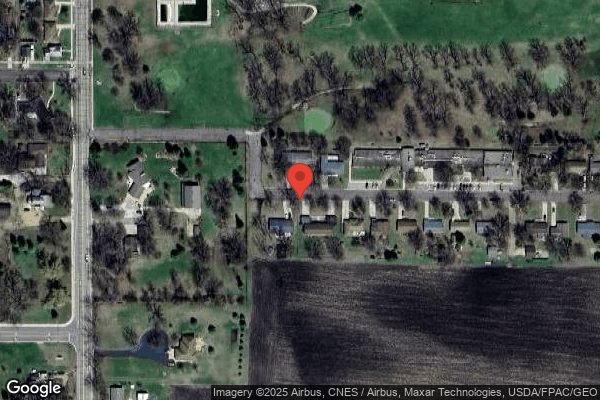
55 TENTH STREET SOUTHEAST, WELLS, MN 56097 (507) 553-3115
Non profit - Corporation 30 Beds Independent Data: November 2025
Trust Grade
75/100
#62 of 337 in MN
Last Inspection: June 2025

Inspected within the last 6 months. Data reflects current conditions.

Overview

Parkview Care Center in Wells, Minnesota has a Trust Grade of B, indicating it is a good option for families, though there is room for improvement. It ranks #62 out of 337 facilities statewide, placing it in the top half of Minnesota nursing homes, and is the best option in Faribault County. Unfortunately, the facility is experiencing a worsening trend, with issues increasing from 6 in 2024 to 7 in 2025. Staffing is a strength, with a 5-star rating and a 39% turnover rate, which is below the state average, meaning staff are more likely to be familiar with the residents. There are no fines on record, which is a positive sign, but RN coverage is only average, which could impact the quality of care. However, there are some concerning incidents reported. One serious issue involved a resident developing a stage 3 pressure ulcer due to inadequate monitoring and intervention. Additionally, the facility did not properly ensure that kitchen items were dry before storage, which raises the risk of bacterial growth and foodborne illness. Lastly, there were also concerns regarding food safety practices when thawing frozen meat, which could potentially affect all residents receiving meals from the kitchen. Overall, while there are notable strengths, families should be aware of the serious and minor health and safety issues that need addressing.

Trust Score
B
75/100
In Minnesota
#62/337
Top 18%
Safety Record
Moderate
Needs review
Inspections
Getting Worse
6 → 7 violations
Staff Stability
○ Average
39% turnover. Near Minnesota's 48% average. Typical for the industry.
Penalties
✓ Good
No fines on record. Clean compliance history, better than most Minnesota facilities.
Skilled Nurses
✓ Good
Each resident gets 73 minutes of Registered Nurse (RN) attention daily — more than 97% of Minnesota nursing homes. RNs are the most trained staff who catch health problems before they become serious.
Violations
⚠ Watch
21 deficiencies on record. Higher than average. Multiple issues found across inspections.
★★★★★
5.0
Overall Rating
★★★★★
5.0
Staff Levels
★★★★★
5.0
Care Quality
★★★☆☆
3.0
Inspection Score
Stable
2024: 6 issues
2025: 7 issues

The Good

  • 5-Star Staffing Rating · Excellent nurse staffing levels
  • 5-Star Quality Measures · Strong clinical quality outcomes
  • Full Sprinkler Coverage · Fire safety systems throughout facility
  • No fines on record
  • Staff turnover below average (39%)

    9 points below Minnesota average of 48%

Facility shows strength in staffing levels, quality measures, fire safety.

The Bad

Staff Turnover: 39%

Near Minnesota avg (46%)

Typical for the industry

The Ugly 21 deficiencies on record

1 actual harm
Jun 2025 5 deficiencies
CONCERN (D)

Potential for Harm - no one hurt, but risky conditions existed

Report Alleged Abuse (Tag F0609)

Could have caused harm · This affected 1 resident

**NOTE- TERMS IN BRACKETS HAVE BEEN EDITED TO PROTECT CONFIDENTIALITY** Based on interview and document review, the facility failed to report the potential theft of money to the State Agency (SA) for ...

Read full inspector narrative →
**NOTE- TERMS IN BRACKETS HAVE BEEN EDITED TO PROTECT CONFIDENTIALITY** Based on interview and document review, the facility failed to report the potential theft of money to the State Agency (SA) for 1 of 1 resident (R6) reviewed for personal property. Findings include: R6's face sheet received on 6/25/25, included diagnoses of anxiety and depression. R6's quarterly Minimum Data Set (MDS) assessment dated [DATE], indicated intact cognition, clear speech, could understand and be understood. No indication of psychosis and no behaviors. R6 was dependent upon staff for most activities of daily living. R6's care plan dated 9/28/23, indicated R6 was at risk for potential abuse, neglect, or exploitation from others. R6 would remain free of documented reports of abuse. Staff would report any physical signs, comments by resident, family members of suspected abuse, neglect or exploitation of resident immediately to their supervisor or other entity as needed. During an interview on 6/23/25 at 7:28 p.m., R6 stated she lost $100 in cash about a month ago. R6 stated, I made the mistake of trusting people. R6 stated she put $100 in various denominations in her billfold. While she was out of her room, someone came in and took it. R6 did not know who took it. R6 stated she received the money from family member (FM)-A who got the cash from the bank from her social security payment. R6 stated she kept the cash in a billfold that she kept in the right side pocket of her recliner. R6 stated she talked to social services director (SSD)-A about it. Review of progress notes from October 2024, to current; facility grievances for the past six months, and facility SA reports, revealed no documentation or reporting of the allegation of potential theft. During an interview on 6/24/25 at 12:48 p.m., registered nurse (RN)-A stated she heard something about R6 missing money about two weeks ago. It had not been reported to her and she did not know anything about it. During an interview on 6/24/25 at 12:49 p.m., nursing assistant (NA)-A stated he did not know anything about R6 missing money. During an interview on 6/24/25 at 3:00 p.m. SSD-A stated she was informed of R6's missing money by FM-A on 6/6/25. SSD-A stated she was unaware R6 had a billfold and money in her possession as residents were discouraged from keeping money in their room. SSD-A stated FM-A informed her the cash was in small bills and did not know how the total amount. R6 liked to use the cash to put in greeting cards. SSD-A told FM-A she would investigate and talk to staff. SSD-A stated she was aware of facility policy to report allegations of missing money, but because FM-A told SSD-A she did not want law enforcement notified, nor did she want anything done about the missing money, she did not think it needed to be reported. Attempts to contact and speak to FM-A were unsuccessful. During an interview on 6/25/25 at 8:48 a.m., the assistant administrator (AA)-C, SSD-A and the director of nursing (DON) were informed of findings - failure to report an allegation of potential theft to the SA and to law enforcement. All were aware of the missing money. The DON stated the missing money had been followed up on by SSD-A. AA-C stated he too had talked to R6 and FM-A. FM-A could not recall how much money R6 had; that it had been in small denominations; nor could either R6 or FM-A recall the last time they saw the money. SSD-A again stated she did not think she needed to report because FM-A told her she didn't want anything done about the missing money. Following discussion, SSD-A stated she acknowledged the missing money should have been reported. The Facility Assessment with review date of 4/17/25, indicated every staff member had knowledge competency in abuse, neglect, exploitation, and misappropriation. Training included procedures for reporting incidents of abuse, neglect, exploitation and misuse of resident property. Facility Abuse, Neglect and Exploitation policy dated 4/17/25, indicated alleged violations would be reported to the state agency and all other required agencies (e.g., law enforcement when applicable) within specified timeframes, no later than 24 hours if the events that cause the allegation do not involve abuse and do not result in serious bodily harm. The administrator would follow up with government agencies to confirm the initial report was received and to report the results of the investigation when final within five working days of the incident, as required by agencies. Facility Reporting Reasonable Suspicion of a Crime policy with review date of 7/2023, indicated examples of situations that would be considered crimes included theft. The facility would do all that was within its control to prevent occurrences of resident abuse, neglect, exploitation, mistreatment and misappropriation of property. That included policies for reporting such incidents.
CONCERN (D)

Potential for Harm - no one hurt, but risky conditions existed

Investigate Abuse (Tag F0610)

Could have caused harm · This affected 1 resident

**NOTE- TERMS IN BRACKETS HAVE BEEN EDITED TO PROTECT CONFIDENTIALITY** Based on interview and document review, the facility failed to investigate the potential theft of money for 1 of 1 resident (R6)...

Read full inspector narrative →
**NOTE- TERMS IN BRACKETS HAVE BEEN EDITED TO PROTECT CONFIDENTIALITY** Based on interview and document review, the facility failed to investigate the potential theft of money for 1 of 1 resident (R6) reviewed for personal property. Findings include: R6's face sheet received on 6/25/25, included diagnoses of anxiety and depression. R6's quarterly Minimum Data Set (MDS) assessment dated [DATE], indicated intact cognition, clear speech, could understand and be understood. No indication of psychosis and no behaviors. R6 was dependent upon staff for most activities of daily living. R6's care plan dated 9/28/23, indicated R6 was at risk for potential abuse, neglect, or exploitation from others. R6 would remain free of documented reports of abuse. Staff would report any physical signs, comments by resident, family members of suspected abuse, neglect or exploitation of resident immediately to their supervisor or other entity as needed. During an interview on 6/23/25 at 7:28 p.m., R6 stated she lost $100 in cash about a month ago. R6 stated, I made the mistake of trusting people. R6 stated she put $100 in various denominations in her billfold. While she was out of her room, someone came in and took it. R6 did not know who took it. R6 stated she received the money from family member (FM)-A who got the cash from the bank from her social security payment. R6 stated she kept the cash in a billfold that she kept in the right side pocket of her recliner. R6 stated she talked to social services director (SSD)-A about it. During an interview on 6/24/25 at 03:00 p.m., social services director (SSD)-A, who was responsible for investigating and documenting allegations of theft, stated she was aware of the allegation of R6's missing money and had investigated it. When asked to see documentation of the investigation, SSD-A provided the following: Writer was informed at 230 on June 6th that R6 had money missing by family member (FM)-A. She was unsure of the amount only that they were smaller bills. Writer spoke with licensed practical nurse (LPN)-A, nursing assistant (NA)-C, NA-B and LPN-B about the missing money. LPN-A said that she had seen the wallet out on Thursday, and was surprised because she didn't know she had one here. LPN-B also said she saw it on Thursday. The rest had not seen it they told writer. FM-A said I told her not to have money here but she doesn't listen. She uses the cash for putting in cards. FM-A said she did not want the police involved and did not want anything done, as she knew that R6 shouldn't have cash. Writer did remind her of the trust account. She said I know. The notes were typed on a half sheet of paper, not dated, nor authenticated with the name and title of the author. R6's last name wasn't identified, nor was the name of FM-A. Staff were identified by first name only and no titles. SSD-A verified it had been written by her. Upon continued interview, SSD-A stated she only documented the interview of four nursing staff. A laundry staff interview was not documented, nor was a conversation with the maintenance director who told her he had not seen anything. SSD-A admitted she had not talked to housekeeping staff, activities staff, or other employees who may have been in R6's room and/or who may have seen something. SSD-A admitted she had not interviewed residents to determine if they were missing money or other personal property. SSD-A stated she interviewed R6, but did not document it. SSD-A stated the facility did not have cameras to view activity going on in hallways. SSD-A stated R6's room was searched and no money was found. During an interview on 6/25/25 at 8:48 a.m., the assistant administrator (AA)-C, SSD-A and the director of nursing were informed of findings - failure to investigate an allegation of potential theft. All were aware of the missing money. The DON stated the missing money had been follow-up on by SSD-A. AA-C stated he too had talked to R6 and FM-A. FM-A could not recall how much money R6 had; that it had been in small denominations; nor could either R6 or FM-A recall the last time they saw the money. SSD-A admitted her investigation of the potential theft of R6's money was not thorough, nor was the documentation of her investigation. The Facility Assessment with review date of 4/17/25, indicated every staff member had knowledge competency in abuse, neglect, exploitation, and misappropriation. Training included procedures for reporting incidents of abuse, neglect, exploitation and misuse of resident property. Facility Abuse, Neglect and Exploitation policy dated 4/17/25, indicated an immediate investigation would be warranted when suspicion of abuse, neglect or exploitation, or report of abuse, neglect or exploitation occur. Written procedures for investigation include identifying staff responsible for the investigation, identifying and interviewing all involved persons, including the alleged victim, alleged perpetrator, witnesses, and others who may have knowledge of the allegation. Provide complete and thorough documentation of the investigation.
CONCERN (D)

Potential for Harm - no one hurt, but risky conditions existed

Assessment Accuracy (Tag F0641)

Could have caused harm · This affected 1 resident

**NOTE- TERMS IN BRACKETS HAVE BEEN EDITED TO PROTECT CONFIDENTIALITY** Based on interview and document review, the facility failed to accurately code antipsychotic medication use on Section N of the ...

Read full inspector narrative →
**NOTE- TERMS IN BRACKETS HAVE BEEN EDITED TO PROTECT CONFIDENTIALITY** Based on interview and document review, the facility failed to accurately code antipsychotic medication use on Section N of the Minimum Data Set (MDS) for 1 of 5 residents (R16) reviewed for unnecessary medications. Findings include: R16's quarterly Minimum data set (MDS) assessment dated [DATE], indicated no cognitive impairment, diagnoses included schizophrenia diagnosis of diabetes mellitus, and indicated R16 did not receive antipsychotic medications since admission/entry. R16's care plan dated 4/29/25, indicated R16 received an antipsychotic medication olanzapine (antipsychotic medication used to manage symptoms of mental health conditions) for management of schizophrenia. R16's medication administration record (MAR) dated 4/1/25-4/30/25, indicated olanzapine oral tablet 20 mg (milligrams) give 1 tablet by mouth at bedtime related to schizophrenia. On 6/24/25 at 3:46 p.m., the director of nursing (DON) confirmed that she completed R16's MDS dated [DATE], and confirmed section N was inaccurately coded and should have indicated R16 was receiving an antipsychotic medication. The DON stated accurately coding the MDS was important because it reflected the plan of care for the resident. Facility Conducting an Accurate Resident Assessment policy 3/25, indicated : The represent the policy is to assure that all residents receive an accurate assessment reflective of the resident status at the time of assessment by staff qualified to assess relevant care areas, The appropriate qualified health professional will correctly document the residents medical, functional, and psychosocial problems and identifies resident strengths to maintain or improve medical status, functional abilities, and psychosocial status.
CONCERN (F)

Potential for Harm - no one hurt, but risky conditions existed

Food Safety (Tag F0812)

Could have caused harm · This affected most or all residents

Based on observation, interview, and document review, the facility failed to ensure plates, trays, and plate covers were completely dry before storing, and failed to ensure refrigerated food was dispo...

Read full inspector narrative →
Based on observation, interview, and document review, the facility failed to ensure plates, trays, and plate covers were completely dry before storing, and failed to ensure refrigerated food was disposed of timely to prevent bacterial growth and foodborne illness. This had the potential to affect all 18 residents residing in the facility. Findings include: During initial kitchen observation on 6/23/25 at 6:25 p.m., dietary aide (DA)-A was washing dishes. Clean plates, serving trays, and plate covers were lined up air drying near the dishwasher. During observation and interview on 6/23/25 at 7:00 p.m., DA-A had put all dishes away. DA-A was asked to lift two plates, two serving trays, and two plate covers from where they were placed stacked on top of each other on shelves without space between them to allow drainage or air drying. All plates, serving trays, and plate covers observed had visible water droplets on them. DA-A stated she always put dishes away prior to leaving her shift and thought they were dry when she put them away. During further initial kitchen observation on 6/23/25 at 6:25 p.m., DA-A opened an upright Traulson brand two-door refrigerator. A sign on the left door of the refrigerator indicated food needed to be dated when opened and either eaten, frozen, or disposed of by day seven of refrigeration. The refrigerator contained hot fudge dated 6/14/25, and cheese sauce dated 6/9/25. During interview on 6/23/25 at 6:25 p.m., DA-A stated she did not know who was supposed to dispose of food from the refrigerator. DA-A confirmed the hot fudge and cheese sauce was outdated according to the sign on the refrigerator door. During interview on 6/24/25 at 11:50 a.m., dietary director (DD) stated she expected staff to allow dishes to fully air dry prior to putting them away or to stack them staggered so water could drain off and air could flow through. DD stated open food in the refrigerator should have been removed in 7 days if not used for leftovers and she usually checked the refrigerator but had not had time since the weekend. DD stated letting dishes air dry too prevent bacterial growth and removing outdated food was to prevent foodborne illness. During interview on 6/24/25 at 2:00 p.m., registered nurse (RN)-B also known as the infection preventionist, stated not allowing dishes to air dry could lead to bacterial growth. During interview on 6/24/25 at 2:18 p.m., assistant administrator (AA) stated dishes should not be put away wet and should be allowed to fully dry. During interview on 6/24/25 at 9:37 a.m., administrator (A) stated she expected dietary staff to follow direction of DD for drying dishes and food disposal. Facility Dish Machine Policy and Procedure- Use of Dishwasher dated 7/31/24, stated the following: 4. Once dishes have run through cycles in the dish machine, dishes will be placed on the clean side of the dishwasher to air dry. Facility Date Marking for Food Safety dated 3/25/20, stated the following: 1. Refrigerated, ready-to-eat, time/temperature control for safety food shall be held at temperature of 41 degrees or less for a maximum of seven days. 5. The discard day or date may not exceed the manufacturer's use-by date, or seven days, whichever is earliest. The date of opening or preparation counts as day one. 6. The head cook, or designee, shall be responsible for checking the refrigerator daily for food items that are expiring, and shall discard accordingly.
MINOR (C)

Minor Issue - procedural, no safety impact

Safe Environment (Tag F0921)

Minor procedural issue · This affected most or all residents

Based on observation, interview, and document review, the facility failed to ensure a fan blowing directly on clean dishes was free of dust and debris. This had the potential to affect all 18 resident...

Read full inspector narrative →
Based on observation, interview, and document review, the facility failed to ensure a fan blowing directly on clean dishes was free of dust and debris. This had the potential to affect all 18 residents residing in the facility. Findings include: During initial kitchen observation on 6/23/25 at 6:25 p.m., dietary aide (DA)-A was washing dishes. Clean plates, serving trays, and plate covers were lined up air drying near the dishwasher. A small oscillating fan was turned on and blowing directly on the clean, wet dishes. The fan had visible dust and debris on the blades and surrounding cage. During observation and interview on 6/23/25 at 7:00 p.m., DA-A had put all dishes away. DA-A stated the fan was very dirty and probably should not have been blowing on the clean dishes. DA-A stated she was unaware of who was responsible for cleaning the fan or when the fan had last been cleaned. During interview on 6/24/25 at 11:50 a.m., dietary director (DD) stated was not aware the fan had gotten that dirty and thought it had just been cleaned last week. DD stated when the air conditioner ran it caused more build-up on the fan. DD stated she did not want the fan there and it had been removed. DD stated letting dishes air dry and not allowing the dirty fan to blow on clean dishes was to prevent bacterial growth. During interview on 6/24/25 at 2:00 p.m., registered nurse (RN)-B also known as the infection preventionist, stated she was not aware a fan was blowing on the clean dishes and did not think that was allowed. RN-B stated she did not know if there was a cleaning schedule for the fan and she would prefer if the fan was removed to prevent spread of infection in the kitchen. During interview on 6/24/25 at 2:18 p.m., assistant administrator (AA) stated he was not aware there was a dirty fan blowing on clean dishes but had been made aware of it and thought the fan should be removed from the clean dish area. During interview on 6/24/25 at 9:37 a.m., administrator (A) stated she expected dietary staff to follow direction of DD for drying dishes and fans. Facility Dish Machine Policy and Procedure- Use of Dishwasher dated 7/31/24, stated the following: 4. Once dishes have run through cycles in the dish machine, dishes will be placed on the clean side of the dishwasher to air dry. No air circulation assistive devices (i.e. fans) will be used in the dish drying area.
Apr 2025 2 deficiencies 1 Harm
SERIOUS (G) 📢 Someone Reported This

A family member, employee, or ombudsman was alarmed enough to file a formal complaint

Actual Harm - a resident was hurt due to facility failures

Pressure Ulcer Prevention (Tag F0686)

A resident was harmed · This affected 1 resident

**NOTE- TERMS IN BRACKETS HAVE BEEN EDITED TO PROTECT CONFIDENTIALITY** Based on observation, interview, and document review the facility failed to comprehensively assess, monitor, and provide interve...

Read full inspector narrative →
**NOTE- TERMS IN BRACKETS HAVE BEEN EDITED TO PROTECT CONFIDENTIALITY** Based on observation, interview, and document review the facility failed to comprehensively assess, monitor, and provide interventions to prevent pressure ulcer development, promote healing, and prevent deterioration for 1 of 3 residents (R3) who had pressure ulcers. The facility's failures resulted in harm when R3 developed a stage 2 pressure ulcer (PU) that deteriorated to a stage 3. Findings include: STAGING Staging of a PU/PI is performed to indicate the characteristics and extent of tissue injury, and should be conducted according to professional standards of practice. Determining whether damage to the skin and underlying tissue is a PI or PU depends on the staging of the damaged tissue. Stage 2 Pressure Ulcer: Partial-thickness skin loss with exposed dermis Partial-thickness loss of skin with exposed dermis, presenting as a shallow open ulcer. The wound bed is viable, pink or red, moist, and may also present as an intact or open/ruptured blister. Adipose (fat) is not visible and deeper tissues are not visible. Granulation tissue, slough and eschar are not present. This stage should not be used to describe moisture associated skin damage including incontinence associated dermatitis, intertriginous dermatitis (inflammation of skin folds), medical adhesive related skin injury, or traumatic wounds (skin tears, burns, abrasions). Stage 3 Pressure Ulcer: Full-thickness skin loss Full-thickness loss of skin, in which subcutaneous fat may be visible in the ulcer and granulation tissue and epibole (rolled wound edges) are often present. Slough and/or eschar may be visible but does not obscure the depth of tissue loss. The depth of tissue damage varies by anatomical location; areas of significant adiposity can develop deep wounds. Undermining and tunneling may occur. Fascia, muscle, tendon, ligament, cartilage and/or bone are not exposed. If slough or eschar obscures the wound bed, it is an Unstageable UP/PI. R3's face sheet dated 4/23/25, identified diagnoses of edema (swelling caused by excess fluid). R3's quarterly Minimum Data Set (MDS) dated [DATE], identified R2 had no memory issues, did not reject cares, was dependent on staff for putting on and taking off footwear, R2 was at-risk for pressure injuries but did not have any. R3's care plan dated 3/25/25, identified R3 had a whirlpool bath weekly and required 1-2 staff to assist with bathing. The care plan identified a potential for skin impairment dated 10/13/23, identified interventions of Braden risk assessment, keep skin clean and dry, report any signs of skin breakdown, weekly treatment documentation to include measurement of each area of skin breakdowns width, length, depth, type of tissue and exudate and any other notable changes or observations. R3's podiatry evaluation dated 12/17/24, identified there was a small stage II ulceration to the right medial 4th toe. An offloading pad/dressing was applied. Keep the right foot dry in the shower and sponge bathe for now. Offload the area, keep dressing intact. If dressing falls off apply iodine, gauze and kling daily. Return to clinic in 3-4 weeks or sooner if problems arise. An addendum to the note on 12/17/24, identified R3's family did not want to transport R3 to the clinic and preferred the facility to treat the wound. Therefore, requested the nurse dressing daily, (but) wait to removal of initial dressing for two weeks. Then cleanse the ulcer daily and apply iodine, gauze, kling and paper tape. Keep the foot dry in the shower and sponge bathe until the ulcer is healed. Call the office with any questions of if the ulcer is getting worse or not healing for an appointment or go to the nearest hospital. Review of R3's progress notes dated 12/17/24 through 12/31/25 did not identify the dressing was left in place for two weeks as ordered. According to R3's treatment administration record the order for daily wound care dated 1/1/25 was discontinued on 1/2/25; R3's record did not include an assessment and/or documentation the wound had healed. During an interview on 4/23/25 at 1:39 p.m., licensed practical nurse (LPN)-B stated she could not remember if she discontinued the treatment on 1/2/25 but recalled that a dressing had been in place between the 3rd and 4th toes. They were told to monitor and after a couple of days to take the dressing off and discontinue the order. LPN-A stated when the order was discontinued on 1/2/25, the area did not appear healed. The area was scabbed over but not macerated. R3's toes were always puffy and so was her foot so ace wraps were used. R3 had a weekly bath and the NA's (nurse aides) got her feet in there to let them soak. LPN-B observed her skin after the bath but had not looked between the toes where the UP/PI was located. R3's bath skin assessment dated [DATE], identified a handwritten note that stated toe in parenthesis. R3's record did not identify a wound assessment was completed on the pressure ulcer between the 3rd and 4th toes of right foot between 12/17/24-4/21/25. R3's podiatry evaluation dated 4/22/25, identified stage III pressure ulcer to the medial right 4th toe, with maceration, no signs of infection. Debrided the ulcer at visit. Orders included to cleanse ulcer daily with saline damp gauze, dress daily with iodine, gauze, kling, and paper tape. Keep dry in the shower. Follow-up in the office in four weeks, call with questions or concerns. Add one package of Arginade per day. R3's progress note dated 4/22/25 at 9:01 a.m., identified podiatry was in house and ordered right medial 4th toe ulcer to cleanse daily with saline damp gauze, apply iodine, gauze, kling, and paper tape. Keep dry in the shower and follow up in four weeks. Add one packet of Arginade daily. At 9:59 a.m., spoke with family member (FM)-B in regards to the pressure injury worsening and the risks involved with wounds of the sort and difficulty of healing. Daughter requested to continue treating at facility. R3's care plan dated 4/23/25, identified pressure ulcer on the medial aspect of right 4th toe related to immobility and edema. Interventions included to measure length, width, and depth where possible, document wound perimeter, wound bed and healing progress. Report improvements and declines to medical doctor. Due to difficulty of visualizing the wound for proper assessment, do dressing change and assessment when lying in recliner or bed. If unable to get right toe gauze to stay in place, apply lambs wool between 4th and 5th toes of right foot instead but it is important to cushion with one or the other. R3's weekly wound observation tool dated 4/23/25, identified pressure ulcer stage III to right 4th toe webbing acquired at facility. Wound had begun as a stage II. Wound tissue was moist with 100% slough (dead tissue presents soft, yellow, or white) present. No odor or drainage present. Wound measured 0.3 centimeters (cm) x 0.4 cm x 0.2 cm depth, depth approximate due to slough covering wound and unable to see base of wound. Surrounding skin is macerated (moist) and erythematosus (red). 4+ edema on top of right foot, fluid filled thin skin, 3+ edema in right mid-calf to knee. Inflammation is present with redness and discomfort at wound site. Treatment included to cleanse the ulcer with saline damp gauze, apply iodine, gauze, cling, and secure with paper tape. Keep dry in the shower. Updated order included that iodosorb (iodine gel primarily used to clean wounds and promote healing) could be applied to wound bed and lambs wool in between toes if gauze does not stay in place. Do not wrap multiple toes together to avoid added pressure. R3's progress note dated 4/23/25, identified right foot 4th digit wound assessed and dressing completed. Wound is in the web of fourth and fifth digit, difficult to dress. Notified podiatry of difficulty dressing and ease of unintentional removal of dressing with sock, ace wraps, and slippers on/off. Do not wrap toes together as this could compromise wound be adding additional pressure. Additional orders received for wounds and tentative appointment scheduled. Dressing changed to bedtime so foot is not dependent and wound would be easier to visualize. During an interview on 4/23/25 at 11:18 a.m., R3 was sitting in her wheelchair with her feet on the floor and wearing slippers. R3 stated she had her toes looked at on 4/22/25 by podiatry and they saw a sore on her toe. R3 thought she had the sore for awhile. R3 did not think the nurse had changed the dressing today. During an interview on 4/23/25 at 11:22 a.m., licensed practical nurse (LPN)-A stated skin is checked weekly after showers. The nurse will look at bruises, open skin, and dressings. LPN-A reviewed R3's medical record and did not see anything identified as a pressure ulcer. During am interview on 4/23/25 at 11:28 a.m., nursing assistant (NA)-B stated R3 had the toe wound since 4/18/25. The dressing is not on right now since R3 just had a bath. NA-B would notify the charge nurse for any wounds. During an observation on 4/23/25 at 1:14 p.m., registered nurse (RN)-A entered R3's room to complete wound care. R3 was sitting in a wheelchair with her feet dependent on the floor. R3 stated the wound does not hurt. RN-A removed the ace wrap that was on R3's leg from toes to calf. There was +4 pocketed edema on the top of right foot. No dressing was on the pressure ulcer to remove. The 4th toe was red and the wound is located inside on the web of the toe in between the middle toe and fourth toe and going up a little of the 4th toe. It measured 0.3 cm x 0.4 cm. unable to determine depth as the wound was covered in a white substance. RN-A stated she could smell an odor during the dressing change. R3 stated it tickled but did not hurt. RN-A explained all of R3's toes had a large amount of edema and were pressed together and difficult to separate to see between. During an interview on 4/23/25 at 3:44 p.m., NA-D stated she discovered R3's toe on 4/18/25. The wound was between the toes. The toes were really red, swollen, and warm to touch. NA-D had not noticed it before. The nurse put triple antibiotic ointment on the wound and NA-D reported the area in the shift to shift report and told the oncoming staff about it. During a subsequent interview on 4/24/25 at 8:42 a.m., NA-B stated R3's sore had been there but it had not been open like it was currently. It opened again on 4/18/25. NA-B described the wound as a scab prior to 4/18/25. During an interview on 4/23/25 at 5:06 p.m., RN-B could not recall a pressure ulcer on R3's 4th toe. RN-B stated most of the wound treatments are done on the day shift and if a treatment is required the TAR would reflect it. During an interview on 4/24/25 at 9:05 a.m., RN-A stated a stage II pressure ulcer presenting with a scab over it would not be considered healed and would be troublesome as it would be eschar tissue. RN-A took over the wound treatments for the facility the week of 4/15/25, and had not been aware of the pressure ulcer until the podiatry noted it on 4/22/25 during their rounds. During a follow-up phone interview on 4/29/25 at 1:56 p.m., RN-A verified that R3's pressure ulcer is between the third and fourth toes, not the fourth and fifth toes as was documented. During a phone interview on 4/29/25 at 8:44 a.m., medical doctor (MD)-B stated the stage II pressure ulcer is the same location as the stage III pressure ulcer. The wound is the same width and diameter but appeared a little bit deeper on examination 4/22/25 compared to 12/17/24, when MD-B last saw it. There were no dressings on the wound prior to MD-B's examination. MD-B's expectation was that the facility would follow the order to not get the foot wet. The water just gets trapped between the toes due to the size of her toes. MD-B had not had any communication with the facility on R3's pressure ulcer in between 12/17/24 and 4/22/25. During an interview on 4/24/25 at 10:36 a.m., director of nursing (DON) stated wounds should be assessed at a minimum weekly and measurements included. If a wound was healed it would be documented in the progress notes, weekly wound assessment or the skin assessment tool. There was not a protocol in place to monitor a wound for any specific amount of time after it healed, only that the floor nurses should be aware of the healed wound and lay eyes on the location on weekly bath assessments. It was determined that R3's pressure ulcer had healed in January, but no documentation on the wound being healed. If the wound had a scab over it, the wound would be considered unstageable and not healed. The nurses were to communicate to the NA's that R3's right foot was not to get wet. It is the expectation that nurses look between resident toes on bath days. The facility Wound Treatment Management policy revised 4/2025, identified to promote wound healing of various types of wounds, the facility would provide evidence-based treatments in accordance with current standards of practice and physician orders. The effectiveness of treatments will be monitored through ongoing assessment of the wound. Considerations for needed modifications include lack of progression towards healing, changes in wound characteristics, and changes in resident goals and preference. The facility Foot Care Skin Integrity policy dated 4/2025, identified the residents receive proper treatment and care to maintain mobility and good foot health. The risk assessment will include a comprehensive assessment to identify additional risk factors or conditions that increase risk for impaired foot skin integrity. Medical conditions will be managed and interventions implemented in accordance with professional standards of practice to prevent complications of medical conditions. The attending physician will be notified of the presence, progression towards healing, or lack of healing of any foot ulcers, or any changes in a residents medical condition.
CONCERN (D) 📢 Someone Reported This

A family member, employee, or ombudsman was alarmed enough to file a formal complaint

Potential for Harm - no one hurt, but risky conditions existed

Quality of Care (Tag F0684)

Could have caused harm · This affected 1 resident

**NOTE- TERMS IN BRACKETS HAVE BEEN EDITED TO PROTECT CONFIDENTIALITY** Based on interview and document review, the facility failed to comprehensively assess and monitor for change in condition follow...

Read full inspector narrative →
**NOTE- TERMS IN BRACKETS HAVE BEEN EDITED TO PROTECT CONFIDENTIALITY** Based on interview and document review, the facility failed to comprehensively assess and monitor for change in condition following computer tomography with contrast dye to ensure appropriate and prompt treatment for 1 of 1 residents (R1) who was at risk for acute renal failure. Additionally based on observation, interview, and record review the facility failed to comprehensively assess, monitor, and treat wounds for 1 of 1 residents (R2) reviewed for non-pressure skin concerns. Findings include: R1's quarterly minimum data set (MDS) dated [DATE], indicated R1 had intact cognition and was dependent on staff for all dressing, toileting, personal hygiene, transfers, and mobility with wheelchair. Further identified R1 had diagnoses that included hemiplegia following a cerebral vascular accident (CVA), heart failure, renal (kidney) failure, diabetes mellitus (inability to regulate blood sugars), dementia, and morbid obesity. The MDS also identified R1 was at risk for pressure ulcers. R1's care plan dated [DATE], identified R1 had a provider order for life sustaining treatment (POLST) which include a do not resuscitate (DNR) and do not intubate (DNI) but did accept intravenous, oral, and intramuscular antibiotics. R1's care plan identified R1 was at risk for infections; had a self-care deficit requiring staff assistance; was resistive to care at times; had behavior problems toward staff; was at risk for falls; at risk for constipation; high risk for respiratory infections; on antidepressant medications; on anticoagulant (blood thinning) therapy; potential nutritional problem; an ulcer between 3rd and 4th toes; at risk for pain; high risk for skin breakdown; bladder incontinence; and at risk for potential abuse and neglect. R1's care plan did not identify management and/or risk of congestive heart failure or renal failure A physician order dated [DATE], identified R1 to drink 5 six to eight ounce glasses of water daily in preparation for a dye study to protect the kidneys. R1's Medication Administration Record (MAR) for [DATE] indicated on [DATE] an order was entered to encourage resident to drink at least 5-6 eight-ounce glasses of water daily in preparation for a dye study to protect his kidneys. The MAR did not contain any monitoring of oral fluid intake. The MAR also noted, and order started on [DATE] and discontinued on [DATE], to monitor VS two times a day; if O2 sat not maintained above 90% or fever develops patient needs to be seen. The MAR also identified an order entered on [DATE] to monitor for vitals two times a day for infection. This order entry identified R1 had an elevated temperature of 99.3 degrees (F). R1's record did not identify a physician was notified of an elevated temperature. R1's physician order dated [DATE], included weight one time daily for congestive hear failure. The order did not identify parameters in which the physician was to be notified for weight gain/weight loss. R1's daily weight log indicated R1 weighted 325 pounds on [DATE] and 334.5 pounds on [DATE] which was an increase of 9.5 pounds in a month with no documentation of physician notification of the increased weight and no evidence of further assessment of the weight gain to identify if the gain was related to fluid or nutritional related. R1's progress notes identified the following: [DATE] and [DATE], indicated R1 was out for appointments and returned with diagnoses of recurrent renal cell carcinoma with level two tumor thrombus (tumor extension into a vessel). [DATE] at 12:15 p.m., sent a physician request form to provider to request Mucinex and (as needed) prn neb [nebulizer]. [R1] present cough with mucus and complains of chest pain. COVID was negative. [DATE] at 2:03 p.m., family member (FM)-A would like [R1] watched closely to see if he needs an antibiotic. Mucus clear and does not have a fever. [DATE] at 3:10 p.m., received orders for DuoNebs (inhaler) and Mucinex (loosens congestion) prn and monitor VS (vital signs) and needs to be seen if fever or [oxygen] sats (saturations) below 90%. [DATE] at 5:30 a.m., temp. (temperature) 100.1 [degrees F]; oxygen sats 90% when lying down and 95% when sitting up on room air. Cough very loose. 7:39 a.m., called daughter and she wanted provider contacted. R1 was swabbed for RSV (respiratory syncytial virus) and FLU (influenza). 7:16 p.m., R1 tested negative for RSV, FLU, and COVID. [DATE] at 11:19 p.m., updated provider and received order for Zpak (used to treat bacterial infections). [DATE] at 11:45 a.m., R1 does not have as frequent of a cough and cough is not as moist and congested, afebrile (no fever). [DATE] at 8:11 a.m., writer reported to the nurse that she thought resident was full of fluid and needed to go to the hospital. [DATE] 11:31 a.m., resident awake since 4am [4:00 a.m.]; at 7 am R1 asked to lie down in bed and indicated not feeling well; temperature 99.3 [F], did not want breakfast, had chills, lungs [sounds] slightly diminished in bases. Documentation did not indicate provider was notified of change in condition and no further progress notes on [DATE]. [DATE] at 5:38 a.m. R1 awake at 1a.m., taken CPAP (continuous positive airway pressure machine to treat sleep apnea) off and refused to allow it back on, oxygen sats 93% on room air. [DATE] at 10:35 a.m., [R1] assessed as he seems to be worse; audible wheezing and wet non-productive cough. O2 (oxygen) sats 89-90% on room air. R1 stated he feels like shit and just might die. R1 had been eating and drinking minimally. Family in agreement to sent to ED. [DATE] at 7:14 p.m. R1 going to ICU (intensive care unit). R1's kidneys are shutting down and there is acid in his blood. R1's hospital admission Note dated [DATE] at 11:23 p.m., identified R1 transferred to higher level of care hospital due to severe Acute Kidney Injury (AKI) and concern for need of urgent dialysis (filters waste and excess fluid from the blood). The admission Note further indicated the etiology for R1's AKI differential includes mainly contrast [dye]-induced, and R1's cough and dyspnea are likely consequences of the fluid overload caused by the renal [kidney] failure. R1's death certificate indicated R1 died on [DATE], in the hospital due to acute and chronic kidney failure. During an interview on [DATE] at 5:00 p.m., FM-A identified R1 had at CT with dye contrast on both [DATE] and [DATE] and was told that R1 should have adequate fluid before and after the procedures to prevent kidney damage but, was not aware of the fluid order that was written on [DATE], and did not know if the facility was monitoring it. FM-A further identified R1 had a CT scan with dye on [DATE] and because of the findings, was asked to return for a second CT scan on [DATE] and R1 was already feeling sick by then. Reported R1 became really sick by the weekend (two days after the CT scan). FM-A asked RN-C to send him to the emergency department for evaluation but was told by RN-C that R1 did not have a fever, and they would not do anything for him until R1 developed one. FM-A stated during a visit on [DATE], a facility nurse (unsure which one) reported R1 was better and decided to wait one more day to have R1 seen by a provider. The next day, a different nurse called and stated R1 needed to be sent to the ED for evaluation and treatment. FM-A indicated she expected facility staff to be monitoring R1 more closely than they were. During an interview on [DATE] at 12:15 p.m., nursing assistant (NA)-A identified working with R1 the days prior to R1's hospitalization. On those days, R1 was wheezing a lot but was told R1 had a cold or something. NA-A was not aware R1 had any wounds or pressure areas for R1. During an interview on [DATE] at 9:30 a.m., NA-B identified R1 was more rude and disrespectful then normal for a couple of days before he went to the hospital. NA-B stated he was not feeling well, was more wheezy, appetite had decreased, not sleeping well, and was hard for us [staff] to get him to eat or drink anything. NA-B further identified she notified nursing staff and thinks they were checking on him more frequently but was not sure what the nurses were doing for R1. NA-B indicated staff were not monitoring R1's fluid intake or urine output. During an interview on [DATE] at 12:41 p.m., NA-C identified the nurses did not communicate to any of the staff about any need to increase R1's fluids and did not know that R1 should have had fluid intake monitored before and after the CT scan, and did not know that the CT scan could have put R1's health at risk further. R1 got sick with cold symptoms right after the CT scan. On [DATE], NA-C reported to RN-B that R1 was full of fluid, chest was full, stomach felt like rubber and was tight. RN-B told her the ED would not do anything for R1 because R1 was already on an antibiotic and nebulizer treatments. NA-C did not know whether RN-B further assessed R1 or not but in the morning of [DATE], R1 looked even worse and further described R1 was full of fluid, chest was rattling, having a hard time breathing, and appeared in a lot of pain. NA-C further reported that R1 told her that he had never felt that bad. NA-C then reported to RN-A and then RN-A assessed R1 and sent him to the ED. During an interview on [DATE] at 1:40 p.m., licensed practical nurse (LPN)-C indicated if a resident is on a physician ordered fluid intake or restriction, it should be on the MAR and would be measured and monitored but did not know of any resident's that the facility had been monitoring for fluid intake or restriction within the past few months. If there is a change in condition, the nurse should immediately assess and document in the progress notes that the nurse notified the family and provider of the change. LPN-C denied working with R1 during the days prior to his hospitalization so was not sure of R1's condition. During an interview on [DATE] at 9:40 a.m., LPN-B identified being familiar with R1's cares but did not know he was to be monitored for fluid intake and did not know anything about R1 having CT scans done. LPN-B further identified R1's cough did not get any better so notified family and they requested antibiotics, the physician was notified and ordered antibiotics and did infection monitoring on R1 every shift (included monitoring temperature, pulse, respirations, pain, and oxygen level) but although R1's vital signs were stable, R1 did not get any better and one of the RN's from the office sent R1 to the ED, R1 was hospitalized , and died. During an interview on [DATE] at 11:32 a.m., social service designee (SSD) indicated [nurse] charting could be better so everyone could know what is happening with the residents. During an interview on [DATE] at 3:05 p.m., registered nurse (RN)-A indicated not seeing R1 for a week prior to [DATE] and was asked to assess R1 for change of condition. RN-A noted R1 to have respiratory wheezing that was audible immediately entering the doorway and was dusky in color, with R1 stating he felt like he was going to die. RN-A notified family and arranged for ED transfer. RN-A also indicated an order was entered into the computer as encourage to drink instead of drink and no documentation was entered for tracking how much fluid R1 had consumed prior to or after the CT scans. During an interview on [DATE] at 3:45 p.m., the director of nursing (DON) indicated she received and transcribed R1's order for on [DATE] but instead of drink five 6-8 ounce glasses of water a day prior to the CT scan, transcribed the order as encourage five 6-8 ounce glasses of water a day and verified there was a difference in the interpretation of drink and encourage. The DON also stated she should have transcribed the order exactly as written, monitored the amount of fluids R1 had consumed, and communicated that amount to the provider that ordered the CT scan. The protocol for recognizing a change in condition is the nursing assistants (NA)'s inform the nurse and then nurse is to do an assessment of vital signs, oxygen level, lung sounds for respiratory, overall condition. If needed, the nurse would call the family to see if the resident should go in [clinic or ED] to be evaluated. If not, we would call or fax the doctor. The DON indicated R1 had a big change in condition on [DATE]-[DATE], when R1 developed a fever and lung sounds slightly diminished. We [facility nurse] got an order for nebulizer and Mucinex and he should have been monitored daily. The DON indicated vital signs were put in R1's MAR but lung sounds, or edema is not routinely checked unless the nurse felt it was something that needed to be done. The DON further identified R1 asked to go to the ED on [DATE] but R1 seemed to be the same as the day before so did not send him. The DON confirmed there was no documentation about R1's condition change until the next day ([DATE]) when R1 transferred to the ED. The DON stated she would have expected to see more [progress] notes than there were. R2 R2's face sheet dated [DATE], identified diagnoses of presence of right artificial hip joint (replacement of artificial parts for bone), and infection and inflammatory reaction due to internal right hip prosthesis (infection and inflammatory reaction that occurs around a joint replacement implant). R2's quarterly Minimum Data Set (MDS) dated [DATE], identified R2 had some cognition issues, no behaviors, independent with activities of daily living, and used a walker for mobility. R2's care plan dated [DATE], identified potential for skin breakdown. Interventions included weekly treatment documentation to include measurement of each area of skin breakdowns width, length, depth, type of tissue and exudate and any other notable changes or observations. R2's care plan did not identify any specific areas of skin concern. R2's physician notification form with approved order dated [DATE], identified R2 had an open wound on back of right hip that measured 2.0 cm x 1.0 cm. looked like a pressure sore from hip being pressed on side of recliner. Orders to clean and cover with mepilex (name brand of a foam absorbent dressing) until resolved. R2's progress note dated [DATE], identified R2 took off mepilex and noted drainage coming from gluteal fold. Serosanguineous drainage, wound edges intact, wound bed is reddish surrounding yellow/whitish in the middle of the wound. Measurements are 1.5 cm x 1.0 cm x upper part of the wound 0.8 cm depth and lower part is 0.5 cm depth. Cleansed, applied mepilex with hydrogel. R2 had no pain with the only complaint being itchiness. At 10:42 a.m., R2 stated he did not want a big dressing on his wound. Informed R2 he had more drainage at night and the bigger foam should help. Refused hot pack prior to dressing change. R2's skin observation tool dated [DATE], identified a skin abnormality to right gluteal fold, type of wound was pressure stage III with measurements of 1.5 cm x 1.0 cm x depth of 0.5 cm and 0.8 cm. Applied hydrogel and mepilex after cleansing. R2's progress note dated [DATE] at 8:30 a.m., identified there are no wounds on buttocks or gluteal fold. Only wounds are on right hip area. The lower wound is located at the top of an old hip surgery incision, area is a hole which the wound bed is located at the base of the hole and the skin up the edges of the hole and top of the hole are normal color, intact skin with no maceration. Wound bed which only covers the base of the hole measured 1.0 cm x 1.5 cm and 0.1 cm depth. 85% red beefy tissue and 15% yellow slough. The other wound which is located about 1.0-1.5 inches above the other wound is 0.5 cm x 1.0 cm and 0.2 cm depth with yellow/pink wound bed. R2 did not have the wounds covered and stated he took it off because it bothers him and makes him itch. Noted an area of serous drainage on pants about the size of an orange. Will fax MD-A for change in treatment as there is too much drainage for silver hydrogel to be effective. At 11:14 a.m., order obtained to change treatment to calcium alginate to wound bed, after cleansing with wound cleanser apply skin protectant to surrounding skin and cover with mepilex daily. R2's physician notification form with approved order dated [DATE], identified R2 continues to have a large amount of drainage to wound on right outer buttock. May we change to calcium alginate after cleansing with wound cleanser and skin protectant to surrounding skin and cover with mepilex. Response was ok to wound treatment changes. R2's skin observation tool dated [DATE], identified open area on right buttocks still has small pinpoint opening below skin bubble that sticks out. Dressing was saturated with sanguineous (blood mixed with yellow liquid) fluid. No redness or signs of infection. No measurements provided. R2's record did not identify weekly skin evaluations with measurements on [DATE]. R2's skin observation tool dated [DATE], identified wound care being done to right hip region. No measurements, type of wound or drainage provided. R2's progress note dated [DATE] at 9:40 p.m., identified changed dressing to ulcer on buttocks. Continues to be the same, not healing but not worse. R2's skin observation tool dated [DATE], identified pinpoint open area that drains serous fluid on right hip has 0.4 cm high skin growth next to open area. No measurements or type of wound provided. R2's progress note dated [DATE], identified dressing change to right hip area after a warm pack for 15 minutes. Small amount of drainage with no odor. R2's skin observation tool dated [DATE], identified pinpoint area that drains serous fluid on right hip has 0.4 cm high skin growth next to open area. No measurements or type of wound provided. R2's record did not identify weekly skin evaluations with measurements on [DATE], and [DATE]. R2's progress note dated [DATE] at 11:36 a.m., identified wound on right hip is no longer open, is fully covered with normal color skin and no drainage. R2's progress note dated [DATE] at 12:15 p.m., identified area on right hip that was resolved is now open again and measured 0.2 cm x 0.3 cm x 0.3 cm water blister noted below open area. Moderate amount of serous drainage from area. Will inquire with family if they would like to take R2 to wound clinic as this was closed and now is open again and took a long time to heal. Family requested to continue treatment at facility. At 2:32 p.m., upon inspection of wound again noted that wound is 2.5 cm depth and about the size of the wooden end of a Q-Tip. R2's weekly skin observation dated [DATE], identified location was healed surgical scar on right hip/buttock with unknown etiology. Impression was worsening. Slough tissue and unable to visualize wound base due to minimal opening at top layer of skin. Moderate amount of yellow, tacky drainage with no odor. Depth measured 5.2 cm. Scar tissue around wound macerated and irregular. No suspected infection or inflammation present. Orders for CT of hip. Cover with absorbent dressing. MD-A does not feel packing the wound is needed currently. R2's progress note dated [DATE] at 10:15 a.m., identified wound is directly on the healed surgical scar from right hip revision. No peri wound redness, no pain or discomfort. Wound has very small opening at surface of epidermal layer. Able to probe Q-Tip into wound 5.2 cm depth but may be deeper. Unable to determine if wound tracts or undermines and unable to measure length and width due to small opening. Drainage is yellow and tacky. Packed with one fourth inch packing strip and covered with absorbent bordered dressing. Notified family and they are willing to get treatment and be seen at a wound clinic. Will contact MD-A for wound dressing change and wound clinic referral. At 12:25 p.m., spoke with MD-A to get referral for dressing order and wound clinic appointment. MD-A felt that this may involve the right hip prosthesis, and the first step should be a right hip CT. if there is prosthesis involvement, dressings are irrelevant at this time. Family aware. R2's progress note dated [DATE] at 11:01 a.m., identified area on buttocks still open 0.25 cm round with serosanguineous drainage, dressing changed. R2's progress note dated [DATE] at 11:05 a.m., identified MD-A examined wound on right hip by palpation and movement and discussed getting the CT scan. The physician visit note dated [DATE], identified the biggest concern was R2's hip wound and concern for an underlying infected hip replacement. R2 denied pain in that area interestingly. Area over the right hip shows a depressed area that is red, somewhat irritated, with an open area in the center that medical director (MD)-A was unable to express any purulent (thick, milky discharge that typically indicates an infection) material out of but does appear as though it has been draining. Possibly a draining sinus. Ordered at computed tomography (CT) scan of pelvis and hip to observe how deep the area of infection over the right hip was. Nursing staff stated it has been draining and this is a concern given R2's history of infected prosthetic. Certainly, prudent to look at a referral to orthopedic department for their thoughts. If R2 does have an infected right hip replacement that is not going to heal without removal, spacer, antibiotics, etc. this would likely result ultimately in R2 not really doing well at all. R2's CT with IV contrast dated [DATE], identified diagnoses of septic arthritis (painful infection in a joint), arthritis pyogenic hip (serious painful infection of joint often caused by bacteria). A small quantity of fluid is seen along the lateral incision within the proximal superficial subcutaneous tissue (layer of skin) of right thigh measured approximately 5.4 cm x 3.2 cm x 4.4 cm in size. R2's progress note dated [DATE] at 5:04 p.m., identified MD-A reviewed CT results. Fluid collection increased in size and ordered Keflex and doxycycline. Also, arginaid ordered. At 5:53 p.m., changed dressing to right hip. Light tan colored drainage noted on old mepilex. No signs of infection noted to area. R2's physician notification form dated [DATE], identified MD-A reviewed the CT results per radiology and it appeared the fluid collection has increased in size some from previously. MD-A recommended these findings be reviewed by orthopedic team that worked on R2. In the interim, start R2 on an antibiotic. Keflex 500 mg three times per day for 10 days and doxycycline 100 mg twice daily for 14 days. R2's physician notification form dated [DATE], identified wound on right buttock/old surgical scar continues to close over and fill with yellow, tacky fluid. Depth almost at 6 cm. May we add one fourth packing strip to wound with current orders and wondering if R2 should be seen by orthopedics. Reply was ok for packing of wound and recommended being seen by orthopedics to determine need for additional imaging and intervention. R2's weekly skin observation dated [DATE], identified location as healed surgical scar right hip/buttock with unknown etiology. Unchanged. Slough tissue present, moist. Very small opening with deep tract. Unable to visualize base. Large amount of purulent drainage with no odor. 0.1 cm x 0.1 cm x 5.8 cm depth. Indurated, scar tissue on peri wound. No infection suspected and no inflammation present. Cover with absorbent dressing. Sent fax to MD-A about packing wound. No evidence of healing, continued to drain large amount of tacky, yellow fluid. R2's progress note dated [DATE] at 6:09 p.m., identified fax sent to MD-A for order to pack right buttock wound with one fourth inch packing, as it continues to close over the tiny opening and fill with thick, tacky yellow drainage. Wound measured 6+ cm depth. Also questioned if follow-up with orthopedics was needed. R2's care plan dated [DATE], identified potential for skin breakdown. Has an open area on right hip. Interventions included treatment to open area on right hip as ordered by doctor, pack with packing after cleansing and cover with dressing daily, use only a continuous strip and leave a tail of 2-3 inches on outer side of wound to prevent packing getting left in wound. R2's skin observation tool dated [DATE], identified skin abnormality to right trochanter (hip), type is listed as other. Measurement 1.0 cm x 0.5 cm x 5.0 cm depth. Currently just covering wound with dressing per provider, pending an updated wound care order. R2's progress note dated [DATE] at 12:48 p.m., identified an orthopedic appointment for right hip had been made. During an interview on [DATE] at 11:22 a.m., licensed practical nurse (LPN)-A stated the nurse would check every resident's skin when they had a bath. The nurse would assess skin issues, bruises, dressings that are in place. For new skin issues the doctor, director of nursing (DON), and family are notified. During an interview on [DATE] at 11:30 a.m., LPN-B stated she had measured the length and width of R2's wound but not the depth on [DATE] after he had a bath. R2 did not currently have a dressing in place on his right hip wound. Registered Nurse (RN)-A had been measuring the depth. They were waiting for new orders from the doctor for packing the wound. During an interview on [DATE] at 11:39 a.m., RN-A stated she had taken over wound management the week of [DATE]. During an observation on [DATE] at 12:50 p.m., LPN-B and RN-A applied enhanced barrier precautions (EBP) prior to entering R2's room. R2 had been seated on the edge of his bed and stood up with a walker upon LPN-B and RN-A entering the room. LPN-B placed a clean towel over R2's overbed table and moved the garbage close to the overbed table. LPN-B removed needed wound care supplies from R2's closet and placed on towel. RN-A described the process for packing the wound with a tail to LPN-B. RN-A stated R2 had a CT scan last week. The wound would close over with fluid. The packing is to keep the wound open and wick out the fluid. The wound opening is the size of a Q-tip and does not have pain with it. The wound has been an on-going issue since 9/24. RN-A lifted up R2's skin as the wound site was not visible without lifting the skin up with a hand. RN-A pointed out that proud flesh dimpled skin was at the end of the right hip surgical scar and the opening to the wound was not really visible. RN-A took took the wooden end of a Q-tip and placed it inside the wound opening and moved the Q-tip around. RN-A stated the wound felt boggy against the Q-tip. Removed Q-tip and measured the Q-tip with red-tinged drainage on it at 4.8 cm depth. Red liquid dripped from the wound down R2's leg. RN-A used a new Q-tip, after measuring out packing for the wound, and began to insert packing in the wound bed. R2 made noises and winced during this process. RN-A stated it was very difficult to pack the wound as it was such a tiny opening. Packed the wound with a tail hanging out and placed a mepilex over the area. Both nurses removed EBP when care was complete. During an interview on [DATE] at 1:39 p.m., LPN-B stated she was unsure how long it would take a boil to heal. Pressure sores occur from not having blood circulate to an area from a point that has pressure on it and did not feel that R2's wound was from pressure. Wounds should be measured a minimum of once a week and if a wound is not healing or does not have any change to it, the doctor should address every one to two weeks. During a phone interview on [DATE] at 12:50 p.m., MD-A stated if he had been aware that the 'boil' area that was being treated was on the right hip surgical site he would have ordered a CT sooner and consulted with R2's surgeon. One of the reasons MD-A ordered the CT scan was because he was under the impression that this was a new wound that had popped up. During an interview on [DATE] at 9:05 a.m., RN-A stated she had first observed R2's hip wound on [DATE]. Prior to observing the wound, RN-A was under the impression that R2's wound was a boil. The charge nurses are in charge of the day-to-day wound treatments and RN-A would complete a weekly skin wound assessment that would include assessing for changes, notifying the doctor for wound treatments and updating with changes, notifying family as needed. RN-A had completed wound training with licensed nursing staff within the past year but did not include nursing assistants (NA)'s in the education. Medical doctor (MD)-A would have to be notified and requested to look at wounds during his monthly rounds if a wound needed to be looked at. RN-A had addressed with MD-A the extent of R2's wound on [DATE] and that is when the CT was ordered. MD-A was not aware that R2 still had a wound on his right hip. Moving forward MD-A and family will be informed when wounds heal and the site will be monitored for a week afterwards. RN-A was completing the weekly wound assessments in the interim until the facility determined who would be in charge of them. During an interview on [DATE] at 10:36a.m., DON stated a wound resource binder is located at each nursing station. Wounds should have a weekly comprehensive assessment completed. DON was unable to articulate the amount of time a treatment should be completed before re-evaluation but if there was no change for a while would reach out to MD-A to request new treatment orders. There is no protocol for monitoring a healed wound and it would just be part of the nurses responsibility to assess weekly on bath days. The braden assessment is completed to determine a residents risk for pressure ulcers and pressure reducing mattresses and wheelchair cushions are interventions that would be put in place. MD-A would address wounds on residents whenever necessary. DON would go with on rounds and have handwritten notes of items that needed to be addressed and tell MD-A while in the room with the residents. DON did not have any wound care audits or confirmatory training paperwork on specific wounds with nursing staff completed, any education was only verbal. DON could not recall if she had assessed R2's wound at the initial evaluation. DON did not feel that a boil would remain from September until April and had only assessed the wound when she was working as the floor nurse. There had not been any discussion or concern that the wound could be infected and/or have something to do with his right hip prosthesis even though R2 admitted to the facility with a diagnosis of infection and inflammatory reaction from the right hip prosthesis. Treatment for wounds are determined by review of the nurse resource manual, review from DON or RN-A and the request faxed to MD-A with what orders the facility would like for treatment. The expectation is that wounds are measured, documented, complete assessment and weekly review completed and addressed with MD-A on monthly rounds or as needed for wound worsening or healing and needing new treatment orders. The DON was in charge of completing and comprehensively reviewing weekly wounds but currently RN-A had begun completing them in the interim. The goal is to have the assistant director of nursing (ADON) complete them (after orientation) and DON would be the back-up. The facility Wound Treatment Management policy revised 4/2025, identified to promote wound healing of various types of wounds, the facility would provide evidence-based treatments in accordance with current standards of practice and physician orders. The effectiveness of treatments will be monitored through ongoing assessment of the wound. Considerations for needed modifications include lack of progression towards healing, changes in wound characteristics, and changes in resident goals and preference. The facility policy titled Change of Condition and Assessments Policy and Procedure last reviewed [DATE], indicated the policy establishes standardized procedures for registered nurses (RNs) to assess and manage changes in condition among residents. The goal is to ensure timely detection, documentation, and intervention[TRUNCATED]
Nov 2024 1 deficiency
CONCERN (D) 📢 Someone Reported This

A family member, employee, or ombudsman was alarmed enough to file a formal complaint

Potential for Harm - no one hurt, but risky conditions existed

Pharmacy Services (Tag F0755)

Could have caused harm · This affected 1 resident

**NOTE- TERMS IN BRACKETS HAVE BEEN EDITED TO PROTECT CONFIDENTIALITY** Based on interview and document review, the facility failed to ensure provider ordered medications were administered timely for ...

Read full inspector narrative →
**NOTE- TERMS IN BRACKETS HAVE BEEN EDITED TO PROTECT CONFIDENTIALITY** Based on interview and document review, the facility failed to ensure provider ordered medications were administered timely for 1 of 1 resident (R1). Findings include: R1 was admitted [DATE]. R1's admission Minimum Data Set (MDS) dated [DATE], indicated diagnosis of fracture of left ulna (a long bone in the forearm), chronic kidney disease (CKD) stage 3A, diabetes, urinary tract infection, and atherosclerotic heart disease (when plaque builds up in the walls of your arteries). Review of a fax to the provider dated 11/3/24 at 9:19 p.m., indicated R1 had completed the antibiotic. R1 indicated he was feeling better. R1 continued to have symptoms of fever, chills, and confusion. Review of a fax to the provider dated 11/4/24 at 3:26 p.m., indicated R1 had an episode of low O2 sats the evening prior and was given oxygen. R1 had a temperature of 100.7 at that time and there was no temperature since then. R1 complained of chills and feeling cold in the morning of 11/4/24. R1's lung sounds were clear but diminished in the bilateral lower lobes. The provider response on 11/4/24 at 4:52 p.m., indicated to do labs and chest x-ray two view (front and side). The provider ordered Rocephin (is used to treat bacterial infections) one gram IM (intramuscular) every day for seven days and a Z-Pak (Azithromycin-oral antibiotic used to treat bacterial infections) to be started. An interview on 11/13/24 at 3:13 p.m., with registered nurse (RN)-A stated she had worked 11/4/24 from 2:00 p.m. to 4:00 a.m. RN-A stated she had not processed R1's order for Rocephin and the Z-Pak that was faxed to the facility at 4:52 p.m. RN-A stated she knew the ordered Rocephin and Z-Pak were in the E-Kit in the facility. RN-A indicated the E-Kit list of medications hung on the nurse's station wall. RN-A stated she had not given the prescribed medications out of the E-Kit or processed the order for pharmacy. A review of the Emergency Medication Kit (E-Kit) Reorder list on 11/13/24 at 3:15 p.m., revealed Azithromycin (Z-Pak) 250 milligram (mg) tablets and Rocephin 1 gram injection were listed as contents of the E-Kit. An interview on 11/13/24 at 3:00 p.m., with director of nursing (DON) stated she had come to work on 11/5/24 at 4:00 a.m., The DON had talked to RN-A about having the provider ordered medications in the E-Kit and about checking the fax periodically for any received faxes. The DON stated she had processed the orders for pharmacy. The DON revealed she had not given the Rocephin and Z-Pak as prescribed by the physician to R1 while she was on the floor. An interview on 11/13/24 at 4:00 p.m., with Physician A stated the Rocephin and Z-Pak were in the facility's E Kit that was why Physician A ordered those medications. Physician A stated the Rocephin and Z-Pak should have been given timely after the fax was sent back to the facility 4:52 p.m. The facility policy Medication Orders dated 4/2024, revealed medications should be administered only upon the signed orders of a person lawfully authorized to prescribe. Documentation of medication orders: a. Each medication order should be documented with the date, time, and signature of the person receiving the order. The order should be recorded on the physician order sheet, and the Medication Administration Record (MAR). b. Clarify the order. c. Enter the order on the medication order and receipt record. d. If using electronic medication records, input the medication order according to the electronic health record (EHR) instructions and facility policy. e. Call or fax the medication order to the provider pharmacy. f. Transcribe newly prescribed medications on the MAR or treatment record or ensure the order is in the electronic MAR. g. When new order changes the dosage of a previously prescribed medication, discontinue previous entry by writing Dc'd and the date, or discontinue the order as per the electronic software instructions and retype the new order. h. Enter the new order on the MAR or ensure the new order is in the electronic MAR.
Aug 2024 5 deficiencies
CONCERN (D)

Potential for Harm - no one hurt, but risky conditions existed

ADL Care (Tag F0677)

Could have caused harm · This affected 1 resident

**NOTE- TERMS IN BRACKETS HAVE BEEN EDITED TO PROTECT CONFIDENTIALITY** R26's Face Sheet printed on 8/1/24 at 1:13 p.m., included diagnoses of pneumonia, chronic obstructive pulmonary disease (COPD), ...

Read full inspector narrative →
**NOTE- TERMS IN BRACKETS HAVE BEEN EDITED TO PROTECT CONFIDENTIALITY** R26's Face Sheet printed on 8/1/24 at 1:13 p.m., included diagnoses of pneumonia, chronic obstructive pulmonary disease (COPD), emphysema, acute and chronic respiratory failure with hypoxia, congestive heart failure, and COVID-19. R26's admission MDS dated [DATE], identified R26 had intact cognition with a Brief Interview for Mental Status (BIMS) score of 13 (Score of 13-15 suggests cognition intact). Further, R26's MDS did not address the level of assistance needed to shower/bathe self, the assessment stated, Not Applicable (NA). Finally, the MDS indicated R26 needed substantial/maximal assistance with personal hygiene, walking was not attempted due to R26's medical condition and/or safety concerns, substantial/maximal assistance to wheel the wheelchair 50 feet in distance, and received hospice cares. R26's care plan printed on 7/30/24, indicated R26 had an ADL self-care performance deficit related to impaired mobility secondary to difficulty breathing from COPD, congestive heart failure (CHF), CKD, benign prostate hyperplasia (BPH), and hypertension. During various observations from 7/29/24 through 8/1/24, R26 remained in quarantine in own room with spouse. R26 noted to be sitting in a wheelchair with a high flow nasal cannula or nebulizer treatment mask on and watching television. R26 was not observed outside the room. R26 had a bathroom with toilet and sink in the room, but no shower or bath tub. Nursing progress note dated 7/30/24, indicated R26 was in a private room with a private bath. All cares have been done in the room and R26 had not left the room. R26 is on isolation precautions and they are being followed. During interview on 7/30/24 at 12:54 p.m., LPN-B stated R26 was supposed to call staff for help to reposition, toilet, hygiene, etc. R26 doesn't always use call light and told staff, I can do it myself. During interview on 7/30/24 at 1:37 p.m., LPN-B stated R26 was seen by Hospice PT and R26 was not to ambulate in the hallway due to hypoxia. R26 is allowed to ambulate and perform ADLs with staff assistance. During interview on 8/01/24 at 8:13 a.m., NA-E stated R26 will have a bath on 8/2/24 since R26 will be out of COVID. R26 received peri-care and washed own face and brushed teeth. During interview on 8/01/24 at 8:16 a.m., LPN-C and NA-E stated COVID quarantine was 10 days. NA-A and NA-E stated 10 days was too long without a bath. During interview on 8/01/24 at 8:18 a.m., NA-E stated COVID residents should be the last residents getting a bath for the day. LPN-C stated last time R26 had a bed bath (not just peri-care) was on 7/25/24. LPN-C stated, 10 days was too long without a bath, especially on hospice. LPN-C, was unaware of policy for bathing residents with COVID. During interview on 8/01/24 at 8:27 a.m., R26 stated they had no bath since being put into quarantine and would like a bath. R26 stated he would like a bath first thing in the morning. R26's spouse was also in the room and confirmed R26 hadn't had a bath since being quarantined. During interview with the Hospice Nurse Manager on 8/1/24 at 10:01 a.m., the Hospice Nurse Manager stated no current hospice aides are scheduled due to lack of identified need. During interview on 8/01/24 at 11:36 a.m., DON stated, baths are completed last for residents with an active infection. If it's COVID, no resident can leave room and should be offered a bed bath weekly. Due to strict isolation, residents can't leave their rooms. The DON expected bed baths for COVID residents weekly unless refused. Other hygiene should be done twice daily (brushing teeth) and after incontinent episodes staff are expected to help residents. At 11:39 a.m., DON stated residents on hospice should be bathed more often (even without hospice aides) and expected bed baths to be given if in isolation (COVID). Facility Policies: Resident Showers and Bed Baths both dated 1/2024 reviewed and indicated; It is the practice of this facility to assist residents with bathing to maintain proper hygiene, stimulate circulation and help prevent skin issues as per current standards of practice. Further, the Policy Explanation and Compliance Guidelines indicated residents will be provided showers as per request or as per facility schedule protocol and based upon resident safety. No facility policy available for residents with COVID to shower/bathe. Facility Oral Care policy dated 1/2024, indicated it was the practice of the facility to provide oral care to residents to prevent and control plaque associated with oral diseases. The policy outlined the steps to take to assist a resident with oral care. . Based on observation, interview, and document review, the facility failed to ensure routine personal hygiene care (oral care and bathing) was provided for 2 of 2 residents (R26, R80) reviewed for activities of daily living (ADLs) who were dependent on staff for their care. Findings include: R80's facesheet printed on 8/1/24, included diagnoses of chronic kidney disease, fibromyalgia, and anxiety. R80 tested positive for Covid-19 on 7/29/24. R80's admission Minimum Data Set (MDS) assessment dated [DATE], indicated R80 had moderate cognitive impairment, had clear speech, was understood, and could understand. R80 had no behaviors including rejection of care. R80 needed partial/moderate assistance for personal hygiene and was dependent upon staff for bathing. R80's care plan dated 7/24/24, indicated R80 had an ADL self-care deficient; was dependent upon staff for bathing, and required one staff assist for brushing her teeth. The care plan dated 7/15/24, indicated R80 was able to make many day-day decisions. Progress note on 7/19/2024 at 9:46 p.m., indicated staff spoke with R80 regarding her bath schedule and if she wanted a bath that weekend, or if she wanted to wait until Monday (7/22/24), which was her weekly bath day. R80 said she was fine waiting until Monday. (There was no documentation of R80 receiving a bath on Monday 7/22/24, and no documentation of a refusal). During an interview on 7/29/24 at 3:01 p.m., R80 stated no one offered to help her brush her teeth in the morning or at night. R80 stated she was supposed to have a tub bath today, but it had been canceled due to her being in transmission-based precautions (TBP) for Covid-19. R80 stated no one had offered her a bed bath in place of a tub bath. During an observation on 7/31/24 at 7:29 a.m., in R80's room, an electric toothbrush with a pink handle was observed on a dresser under the TV. With permission, writer looked in drawers for toothpaste and/or an emesis basin or small tub with oral care supplies. None was observed in R80's room. There was no toothpaste or oral care supplies in the bathroom either. During an interview and observation and on 7/31/24 at 7:51 a.m., nursing assistant (NA)-F assisted R80 to the bathroom via a standing lift device. At 8:01 a.m., R80 was assisted back to her recliner. No morning cares were offered, including washing hands and face, or brushing her teeth. During an interview and observation on 7/31/24 at 10:31 a.m., now observed a pink plastic emesis basin in R80's shared bathroom with a facility-provided toothbrush and toothpaste in it and R80's name on the basis. R80 stated she had never seen that before and had not brushed her teeth today. During an interview on 7/31/24 at 10:39 a.m., NA-F stated he did not put the toothbrush and toothpaste in a pink emesis basin in R80's bathroom and did not know who did. NA-F stated he asked R80 if she wanted to brush her teeth, but she said she was too tired. He had not reproached her to ask again. During an interview on 8/01/24 at 9:52 a.m., R80 stated if staff asked her if she wanted to brush her teeth, she would say yes, but didn't know how she would get to the bathroom to brush her teeth. R80 stated no one had asked her if she wanted to brush her teeth and if they did, she would not refuse. R80 stated she still had not had a bath and would like a tub bath. Documentation of oral care and bathing in POC (point of care) in the EMR indicated the following: --Bathing: since admission on [DATE], two baths were documented as being given: 1) 7/10/24 (there was a bath sheet completed for this with a nurse skin check), and 2) 7/23/24 (there was no bath sheet completed for this and no nurse skin check). There was one refusal documented on 7/29/24, but no documentation indicating the NA informed the nurse of this. --Oral care was documented multiple times since admission, however R80 stated she had not brushed her teeth since being admitted on [DATE]. In addition, until writer inquired about oral care, there were no oral care supplies in R80's room or bathroom except an electric toothbrush on a dresser under the TV. During a phone interview on 8/01/24 at 11:43 a.m., the director of nursing (DON) stated residents in TBP would receive a bed bath, rather than a shower or tub bath. The DON stated when a resident had a bath, including a bed bath or a shower, it would be documented on a paper bath sheet and scanned into the EMR. Further, whenever a resident had a bath, a nurse did a skin check at the same time and documented it on the bath sheet. In addition, the DON stated oral care was to be offered to resident's morning and night and documented in the EMR. Refusals of a bath or of oral care would be documented in the EMR by the NA; the NA would inform the nurse and the nurse would also document the refusal. The DON was informed that the last documented bath sheet for R80 was on 7/10/24, - 22 days ago. The DON reviewed R80's EMR and stated a bath was documented as being given on 7/23/24, but no bath sheet filled out, therefore the DON was not able to confirm if a bath took place that day. The DON stated if it had, she would have expected a nurse to complete a skin check and document it on the bath sheet. The DON stated R80's next bath day was 7/29/24, and she refused it; however, would still have expected a nurse to do her skin check and document it on the bath sheet, but that had not been done. As a result, the DON was not able to confirm R80 received or was offered a bath after 7/10/24. The DON who was not available on site, stated when she returned, would have more discussion and education with nursing about expectations during a Covid outbreak.
CONCERN (D)

Potential for Harm - no one hurt, but risky conditions existed

Quality of Care (Tag F0684)

Could have caused harm · This affected 1 resident

**NOTE- TERMS IN BRACKETS HAVE BEEN EDITED TO PROTECT CONFIDENTIALITY** Based on interview and document review, the facility failed to implement the bowel movement (BM) protocol for 1 of 1 resident (R...

Read full inspector narrative →
**NOTE- TERMS IN BRACKETS HAVE BEEN EDITED TO PROTECT CONFIDENTIALITY** Based on interview and document review, the facility failed to implement the bowel movement (BM) protocol for 1 of 1 resident (R8) reviewed for constipation. Findings include: R8's facesheet printed on 8/1/24, included diagnoses of congestive heart failure, kidney failure, and diabetes. R8's quarterly Minimum Data Set (MDS) assessment dated [DATE], indicated R8 had severe cognitive impairment, had clear speech, was understood, and could understand. R8 was dependent upon staff for toileting and was frequently incontinent of bowel and bladder. R8's physician order dated 6/7/23, included milk of magnesia oral suspension; give 30 millimeters (ml) by mouth every 24 hours as needed for constipation per standing orders. R8's standing orders (orders nursing staff can initiate independently) dated 2/16/24, included: --Day 2, if no BM, give milk of magnesia 30 ml orally every day as needed for constipation. --Day 3, if no BM, give Dulcolax suppository every day as needed for constipation. --Day 4, if no BM, administer Fleets enema per rectum one time. If no results, call medical provider. R8's care plan dated 6/15/24, indicated staff were to monitor R8 for constipation due to being on an antidepressant. According to point of care (POC) nursing assistant (NA) documentation in the electronic medical record (EMR), R8 went multiple days without a BM: --7/26/24, through 7/30/24, (5 days). R8 received milk of magnesia on 7/30/24 (day 5). During an interview on 7/31/24 at 7:56 a.m., licensed practical nurse (LPN)-C stated there was a bell alert icon in the EMR that alerted nursing staff if a resident went longer than 48 hours without a BM, and then standing orders should be initiated for constipation. LPN-C stated she also looked at POC BM documentation in the EMR to observe frequency of BM's. During an interview on 8/1/24 at 9:42 a.m., when asked, LPN-A was not aware of how to look up a residents BMs, nor was she familiar with the bell alert icon. During a phone interview on 8/1/24 at 11:43 a.m., the director of nursing (DON) was informed of the number of days R8 had gone without a BM. The DON stated R8 relied on staff to toilet him, so nursing staff documented when he had a BM. The DON stated resident BMs were monitored to prevent constipation and hard stools. The DON stated she expected nursing staff to be aware and utilize a medication from his standing orders to prevent constipation. A policy regarding management of bowel elimination was requested and not received.
CONCERN (E)

Potential for Harm - no one hurt, but risky conditions existed

Safe Environment (Tag F0921)

Could have caused harm · This affected multiple residents

Based on observation and interview and record review, the facility failed to clean resident rooms for (R80, R22, R24, R26, R18) who were on transmission-based precautions (TBP) timely and maintain an ...

Read full inspector narrative →
Based on observation and interview and record review, the facility failed to clean resident rooms for (R80, R22, R24, R26, R18) who were on transmission-based precautions (TBP) timely and maintain an environment in good repair affecting 12 residents who used the west unit tub room. Findings include: During an interview on 7/30/24 at 8:59 a.m., housekeeper (H)-A stated housekeeping did not clean rooms of residents in TBP and stated nursing staff was supposed to clean those rooms. During an interview on 7/30/24 at 10:16 a.m., environmental services director (EVSD) stated neither housekeeping nor nursing cleaned the rooms of residents who were in TBP. EVSD stated nursing brought out the garbage and did a quick visual of the room, but did not clean toilets, floors, or high touch surfaces. If a room really needed cleaning, EVSD stated nursing would let housekeeping know and housekeeping would don PPE (personal protective equipment) and clean the room. During an observation on 7/31/24 at 7:29 a.m., R80 who was in TBP , shared an adjoining bathroom with another resident who was in TBP. In the bathroom, the toilet had a commode with arm rests positioned over the toilet. The white commode splash guard was splattered with a brown substance . During an interview and observation and on 7/31/24 at 7:51 a.m., nursing assistant (NA)-F assisted R80 to the bathroom using a standing lift device. During an observation on 7/31/24 at 8:51 a.m., R24 and R26's who were both in TBP shared a bathroom. The toilet had a commode with arm rests positioned over the toilet. The light gray commode splash guard was splattered with a brown substance and the back of the toilet seat was smudged with what looked like feces. The two over the bed tables used by R24 and R26 were soiled and dirty smeared and had greasy looking spots. During an interview on 7/31/24 at 8:49 a.m., nursing assistant (NA)-F stated housekeeping updated them that morning NA's were supposed to clean the rooms of residents in TBP. NA-F admitted he had not received training to properly clean a room of a resident in TBP, nor had he been informed of what cleaning supplies to use and where they were located. During an interview on 7/31/24 at 9:08 a.m., NA-A stated she cared for residents in TBP and stated NA's were supposed to take out the trash and clean the toilet. NA-A stated she had not been trained on how to properly clean a toilet, had no instructions to follow and did not know what cleaning products to use. During an interview on 7/31/24 at 11:05 a.m., the administrator was informed of the condition of soiled toilets in rooms of residents in TBP. The administrator stated it was not acceptable to have toilets in that condition. During an interview on 8/2/24 on 9:30 a.m. registered nurse (RN)-A infection preventionist wasn't sure who was responsible for cleaning TBP resident rooms RN-A acknowledged the rooms and the shared bathrooms needed regular cleaning and disinfecting. During an observation on 7/31/24 at 9:01 a.m., the flooring in the tub room on the west unit was noted to be in disrepair. The original flooring visible around the perimeter of the room was made up of small, square blue/gray tiles in various sizes. Some of the tiles at the foot end of the tub appear to have been removed and gray paint had been applied over the section of the flooring directly around the tub. At the foot end of the tub where a resident would enter and exit the tub and where their feet would rest, the flooring was wet due to residents having been bathed. The paint in this approximate 3 x 3-foot area, had chipped and/or had been scraped away, exposing the missing tile and concrete, leaving an unclean, uneven surface for resident's feet. During an interview on 7/31/24 at 1:17 p.m., the environmental services director (EVSD) was informed of the observation. EVSD stated he was aware of the condition of the flooring with missing paint and had not gotten around to re-painting it. EVSD acknowledged the condition, and may be difficult to properly clean the floor. During an interview on 7/31/24 at 1:23 p.m., housekeeper (H)-A stated she mopped the floor in the tub room and was aware the paint was flaking off. H-A could not recall if she had brought it to EVSD's attention. On 8/1/24 at 9:45 a.m., a policy on facility upkeep and maintenance was requested and EVSD stated they did not have one.
CONCERN (F)

Potential for Harm - no one hurt, but risky conditions existed

Food Safety (Tag F0812)

Could have caused harm · This affected most or all residents

Based on observation, interview, and document review the facility failed to follow the appropriate food preparation safety requirements for thawing frozen meat to reduce and/or prevent the risk of foo...

Read full inspector narrative →
Based on observation, interview, and document review the facility failed to follow the appropriate food preparation safety requirements for thawing frozen meat to reduce and/or prevent the risk of food borne illness. This had the potential to affected 25 of 25 residents who obtained their meals from the kitchen. Findings include: During observation on 7/31/24 at 11:31 a.m., oven roasted turkey breast and a pork product were individually vacuum sealed in a plastic wrap being thawed together in the middle section of a three section sink for the next day meal. While the meat was being thawed in a water bath, no continuous running cold water observed to minimize/prevent food borne illness. During interview on 7/31/24 12:04 p.m., Dietary aide-A stated staff training was completed at the facility and dietary aide-A was taught that a cold-water bath was an appropriate technique to thaw frozen meat. This technique and facility training were confirmed with the dietary manager. U.S. Food and Drug Administration ' s (FDA) Food Code 2022 Chapter 3 indicates: 3-501.13 Thawing. TIME/TEMPERATURE CONTROL FOR SAFETY FOOD shall be thawed: (A) Under refrigeration that maintains the FOOD temperature at 41 degrees F or less or (B) Completely submerged under running water: (1) At a water temperature of 70 degrees F or below, (2) With sufficient water velocity to agitate and float off loose particles in an overflow, and (3) For a period of time that does not allow thawed portions of READY-TO-EAT FOOD to rise above 41 degrees F. (4) For a period of time that does not allow thawed portions of a raw animal FOOD requiring cooking as specified under 3-401.11(A) or (B) to be above 41 degrees F, for more than 4 hours including; (a) The time the FOOD is exposed to the running water and the time needed for preparation for cooking, or (b) The time it takes under refrigeration to lower the FOOD temperature to 41 degrees F.
CONCERN (F)

Potential for Harm - no one hurt, but risky conditions existed

Infection Control (Tag F0880)

Could have caused harm · This affected most or all residents

**NOTE- TERMS IN BRACKETS HAVE BEEN EDITED TO PROTECT CONFIDENTIALITY** Based on observation, interview and document review, the facility failed to perform hand hygiene during cares, clean lift equipm...

Read full inspector narrative →
**NOTE- TERMS IN BRACKETS HAVE BEEN EDITED TO PROTECT CONFIDENTIALITY** Based on observation, interview and document review, the facility failed to perform hand hygiene during cares, clean lift equipment after use, ensure 1 of 1 staff were fit-tested with N95 masks prior to entering COVID positive resident room, and adhere to EBP (enhanced barrier precautions) for 1 of 1 residents (R2). This had the potential to impact 25 residents residing in the facility. Findings include: R2's quarterly MDS assessment dated [DATE], indicated R2 was cognitively intact, dependent on staff for transfers, dressing, hygiene, and toilet use, and had diagnoses of neurogenic bladder (loss of bladder control due to nerve damage), dementia, and heart failure. R2's care plan revised 4/8/24, indicated R2 was transferred with a mechanical lift for all transfers and was on EBP due to an indwelling urinary catheter. During an observation on 8/1/24 at 9:07 a.m., nursing assistant (NA)-B was exiting R2's room and entering R1's room. No hand hygiene was observed. At 9:11 a.m., NA-B was observed exiting R1's room and returning to R2's room. No hand hygiene was observed. On 8/1/24 at 9:11 a.m., NA-B was observed entering R2's room without putting on a gown or gloves. NA-B closed the door to R2's room. A sign on R2's door indicated the need for gown and gloves when assisting R2 with dressing, bathing, transferring, changing linens, providing hygiene, changing briefs or assisting with toileting, device care (catheter), and wound care. On 8/1/24 at 9:25 a.m., NA-B exited R2's room. NA-B confirmed she assisted R2 with a bed bath and verified she did not wear a gown for the task. NA-B stated she was not familiar with R2 and this was her first day working at the facility. NA-B stated she saw the sign for EBP and the cart with supplies and personal protective equipment (PPE) outside the door but had not seen other staff using gowns or gloves, so did not think she needed to. NA-B verified she should have used PPE when assisting R2 and further stated she should have completed hand hygiene when going from R2's room to R1's room and back again. On 8/1/24 at 9:28 a.m., NA-B and NA-A entered R2's room with a mechanical lift. Neither NA-B or NA-A were observed putting on a gown or gloves prior to entering the room. A sign remained on the door to R2's room indicating the need for EBP and a cart with gowns, gloves, and hand sanitizer was outside R2's door. On 8/1/24 at 9:34 a.m., NA-A removed a mechanical lift from R2's room and pushed it to the nurse's station. NA-A was not observed sanitizing the mechanical lift. NA-A then left the area. No other observation of lift sanitation was observed. On 8/1/24 from 9:34 a.m. to 9:48 a.m., NA-A confirmed she had assisted NA-B with transferring R2 into her wheelchair. NA-A stated she did not wear a gown when assisting R2 and further stated we never gown up for that here. NA-A reviewed the sign on R2's door and confirmed she should have worn a gown and gloves when transferring R2. NA-B exited R2's room with a bag containing a soiled brief. NA-B confirmed she completed a brief change, hygiene, and transferred R2 into her wheelchair. NA-B verified she did not wear a gown when assisting R2 and again verified she saw the sign on the door and the cart outside the room and should have worn a gown. On 8/1/24 at 9:48 a.m., NA-B exited R2's room. NA-B confirmed the mechanical lift NA-A walked out with had not been sanitized in R2's room after use. NA-B then took the mechanical lift from the nurse's station for use with another unknown resident. NA-B was not observed sanitizing the lift. NA-B confirmed she thought the lift had been sanitized after use since it was at the nurse's station. NA-B stated lifts should be sanitized immediately after use to avoid spreading germs to other residents. On 8/1/24 at 9:54 a.m., licensed practical nurse (LPN)-A stated NA-B and NA-A should have used EBP when assisting R2 with bathing, hygiene, changing of brief, and transferring. LPN-A further stated she would expect hand hygiene when leaving a resident room and prior to entering a resident room. LPN-A also stated she would expect mechanical lifts to be sanitized immediately after use and leaving a mechanical lift at the nurse's station without sanitizing it could increase spread of infection. During an interview on 8/2/24 at 9:30 a.m., RN-A was informed of findings related to lack of PPE worn in EBP rooms. RN-A stated it was her expectation staff adhere to EBP as indicated on the signs posted on resident doors. RN-A stated NA-A had received training on EBP precautions in August 2023. NA-B who was agency staff, had just started at the facility and had not received formal orientation including EBP training. During observation on 7/29/24 at 5:01 p.m., NA-D exited R2's room with a stand lift (mechanical device used for transferring), placed the stand back in the storage area near the east hallway nursing station without cleaning it and walked away. NA- D was asked if the lift was cleaned, NA-D confirmed the stand should have been cleaned right away after resident use because other staff would not know if it was cleaned. During continuous observation on 7/30/24 at 8:33 a.m. to 8:48 a.m., NA-C, exited R14's room with the stand, placed it at the end of the west hallway and did not clean it after use. Before entering R23's room on 7/30/24 at 8:48 a.m., TMA-A who was orientating NA-C stated the stand was cleaned . Although this was not observed during the observation . During an interview on 8/2/24 at 9:30 a.m., RN-A stated NA-A had training on cleaning lifts in August 2023. NA-B who was agency staff, had just started at the facility and had not received formal orientation including disinfecting lifts after use. During a telephone interview on 8/02/24 at 11:31 a.m., the director of nursing (DON) was informed of the infection prevention and control findings. The DON stated she expected all residents rooms to be thoroughly cleaned, including residents in TBP, and stated leadership would address whose responsibility it was to clean TBP rooms and provide appropriate training as needed. Further, the DON stated staff were expected to follow facility policies for hand hygiene, cleaning and disinfecting equipment, and wearing proper PPE for residents in EBP. The DON stated the facility would need to figure out how to onboard agency staff who needed fit-testing for N95 masks and would work with RN-A on that. Facility Handwashing/Hand Hygiene policy dated August 2015, indicated the facility considered hand hygiene the primary means to prevent the spread of infection. All personal were trained; all personnel follow handwashing/hand hygiene procedures and use alcohol-based hand rub for the following examples: before and after direct contact with residents, contact with skin, blood or body fluids, handling dressings, before and after entering isolation precaution settings. Facility Environmental Services/Housekeeping/Laundry policy dated 2019, indicated housekeeping surfaces required regular cleaning and removal of soil and dust. Disinfectant/detergents were used for environmental surface cleaning, but the actual physical removal of microorganisms and soil by wiping or scrubbing was probably as important. High touch surfaces included beds, bed rails, bedside table, call button, call button in bathroom, closet handles, light switch, TV remote and trash can. Facility Equipment and Supplies Used During Isolation policy with review date of 5/2024, indicated nursing would notify environmental services regarding equipment that needs sanitization after use in the care of an individual with isolation precautions. Environmental services and/or nursing would be responsible for cleaning and sanitizing equipment before it is return to designated storage areas. Facility Cleaning and Disinfection of Resident Care Items and Equipment policy dated July 2014, indicated resident-care equipment would be cleaned and disinfected according to CDC recommendations. Durable medical equipment would be cleaned and sanitized before reused by another resident. Facility Infection Prevention and Control Program policy with reviewed date of 5/24/24, indicated all staff receive training relevant to their specific roles and responsibilities, including policies and procedures related to their job function. Staff would demonstrate competence relevant to infection control practices. During observation on 7/30/24 at 8:52 a.m., TMA-A, entered R13's room and did not perform hand hygiene prior to entering. On 7/30/24 at 9:06 a.m., TMA-A exited R13's room and did not perform hand hygiene. At 9:07 a.m., TMA-A stated the facility policy was to perform hand hygiene on entrance and exit of resident rooms. TMA-A stated she should have performed hand hygiene prior to entering and exiting R13's room. During an observation on 7/31/24 at 7:51 a.m., NA-F was observed in R80's room who was in TBP for Covid, with a standing mechanical lift taking R80 to the bathroom. NA-F had on full PPE, including an N95 mask. NA-F who was agency staff stated he had not been fit-tested for the brand of N95 masks used at the facility. During a phone interview on 8/2/24 at 11:23 a.m., with the director of long-term care (DLTC) for the nursing staffing agency of which NA-F was employed, the administrator and RN-A, DLTC stated the agency did not do N95 fit training.
Sept 2023 6 deficiencies
CONCERN (D)

Potential for Harm - no one hurt, but risky conditions existed

Deficiency F0645 (Tag F0645)

Could have caused harm · This affected 1 resident

**NOTE- TERMS IN BRACKETS HAVE BEEN EDITED TO PROTECT CONFIDENTIALITY** Based on interview and document review, the facility failed to ensure a Level I preadmission screening and resident review (PASA...

Read full inspector narrative →
**NOTE- TERMS IN BRACKETS HAVE BEEN EDITED TO PROTECT CONFIDENTIALITY** Based on interview and document review, the facility failed to ensure a Level I preadmission screening and resident review (PASARR) was completed when resident remained in facility longer than 30 days. In addition, facility failed to ensure resident with known mental illness (MI) was referred to the appropriate state-designated authority for Level II PASARR evaluation. This deficient practice had the potential to affect 1 of 1 resident (R23) reviewed for preadmission screening. Findings include: R23's significant change Minimum Data Set (MDS) assessment dated [DATE], identified R23 had intact cognition, had diagnoses of depression (mood disorder) and schizophrenia (condition causing abnormal thinking and behaviors). The MDS indicated R23 displayed symptoms of feeling tired or having little energy, had trouble falling asleep or staying asleep, or sleeping too long. R23's medical record identified the initial PASARR was completed on 5/16/23, per hospital prior to facility admission on [DATE]. The PAS indicated R23's primary hospital diagnosis was sepsis due to Escherichia Coli (E. Coli) (blood infection caused by E. Coli bacteria), required skilled nursing placement due to therapy service needs, was planned to reside in skilled nursing facility (SNF) less than 30 days and then return to community. Furthermore, the PASARR identified R23 had a diagnosis of mental illness (MI), schizophrenia, and did not require a Level II assessment to be completed at time. R23's physician certification letter submitted to local county agency, submitted on 7/26/23, indicated R23 had a Level I PASARR screen completed on 5/16/23, was discharged from hospital and admitted to skilled nursing facility on 5/17/23, planned length of stay greater than 100 days. R23's care plan, received on 9/12/23, indicated diagnoses of schizophrenia and anxiety, interventions included administration of antipsychotic medication (olanzapine) and antianxiety medication (clonazepam) and monitoring of target behaviors displayed per R23 including pacing, wandering, disrobing, yelling at staff, refusing care, not getting out of bed; staff to intervene before agitation escalates, guide away from source of distress, engage calmly in conversation, reapproach if aggressive. The care plan further indicated R23 had exhibited suicidal ideation in past, staff to document and inform social worker if resident made any comments about wanting to die, social worker will visit with R23 five times a week to see how resident feels and acts; care plan did not indicate any interventions to ensure R23 received professional services. During an interview, on 9/07/23 at 2:17 p.m., social services (SS)-A indicated she was responsible to complete residents Level I PASARR if residents were coming from home to be admitted to facility, otherwise hospitals or other facilities initiating transfer completed. SS-A indicated unawareness PASARR process for re-screening residents with MI who had planned to stay in facility less than 30 days and then stay extended, stated unawareness of process to determine when residents with MI needed a Level II screen completed, indicated director of nursing (DON) responsible to manage any changes after residents admitted to facility and Level II screening needs. While interviewed, on 9/07/23 at 2:27 p.m., the DON indicated unawareness of PASARR process for re-screening residents with MI who had planned to stay in facility less than 30 days and then stay extended, stated she was responsible for determining needs of residents with MI and management of referrals for residents needing Level II evaluation, indicated it was social services responsibility to determine and ensure all residents needing Level I PASARRs were completed when indicated. The DON indicated R23's Level I PASARR was completed on 5/16/23 prior to facility admission on [DATE], no need for Level II evaluation at time, R23 planned for short-term stay less than 30 days, but was readmitted to hospital on [DATE] due to changes in medical condition, returned to facility on 6/20/23 to resume skilled services. The DON stated she notified county agency on 7/26/23 R23's stay to be extended greater than 100 days, and confirmed R23 should have had another Level I PASAAR completed. The DON stated R23 did not display abnormal behaviors due to MI until approximately 1-2 months ago, R23 had suicidal ideation, at times could be verbal/aggressive towards others, and refused cares. The DON confirmed she should have referred R23 for Level II PASARR at time of mental health changes. The facility Resident Assessment- Coordination with PASARR Program policy revised 1/23, indicated 6) the social services director shall be responsible for keeping track of each resident's PASARR screening status and referring to the appropriate authority, 9) any resident who exhibits newly evident or possible serious mental disorder, intellectual disability, or a related condition will be referred promptly to the state mental health or intellectual disability authority for a Level II resident review. Examples include: a) a resident who exhibits behavioral, psychiatric, or mood related symptoms suggesting presence of a mental disorder (where dementia is not the primary diagnosis).
CONCERN (D)

Potential for Harm - no one hurt, but risky conditions existed

Deficiency F0646 (Tag F0646)

Could have caused harm · This affected 1 resident

**NOTE- TERMS IN BRACKETS HAVE BEEN EDITED TO PROTECT CONFIDENTIALITY** Based on interview and document review, the facility failed to ensure a pre-admission screening and resident review (PASARR) ref...

Read full inspector narrative →
**NOTE- TERMS IN BRACKETS HAVE BEEN EDITED TO PROTECT CONFIDENTIALITY** Based on interview and document review, the facility failed to ensure a pre-admission screening and resident review (PASARR) referral was completed during a significant change in condition for 1 of 1 resident (R23) reviewed for preadmission screening. Findings include: R23's admission Minimum Data Set (MDS) assessment, dated [DATE], indicated R23 had intact cognition, had a diagnosis of schizophrenia (condition causing abnormal thinking and behaviors), exhibited no symptoms of depression, including thoughts of being better off dead, did display behaviors of verbal outbursts towards staff occasionally. R23's significant change MDS assessment dated [DATE], indicated R23 had intact cognition, displayed symptoms of mild depression, exhibited feeling tired or having little energy, had trouble falling asleep or staying asleep, or sleeping too long, denied thoughts of being better off dead, displayed no behaviors towards self/others. R23's medical record identified the initial PASARR was completed on [DATE], per hospital prior to facility admission on [DATE]. The PAS indicated R23's primary hospital diagnosis was sepsis due to Escherichia Coli (E. Coli) (blood infection caused by E. Coli bacteria), required skilled nursing placement due to therapy service needs, was planned to reside in skilled nursing facility (SNF) less than 30 days and then return to community. Furthermore, the PASARR identified R23 had a diagnosis of mental illness (MI), schizophrenia, and did not require a Level II assessment to be completed at time. R23's physician certification letter submitted to local county agency, submitted on [DATE], indicated R23 had a Level I PASARR screen completed on [DATE], was discharged from hospital and admitted to skilled nursing facility on [DATE], planned length of stay greater than 100 days. Review of nursing progress note dated [DATE] at 12:58 p.m., indicated R23 met with social services (SS), R23 reported to SS of sometimes thinking about overdosing on drugs. SS implemented 30-minute safety checks, removal of all call-light cords in room and replacing with bell for staff assistance, nursing to ensure R23 swallowed all pills before leaving her, SS to visit with R23 twice weekly to discuss mood/feelings. Nursing progress note, dated [DATE] at 9:27 p.m., indicated R23 reported not caring whether she lived or died. Review of R23's medical record lacked documentation of a suicidal ideation risk assessment completed, PHQ-9 screen completed on [DATE] indicated R23 reported thoughts of being better of dead 2-6/7 days in past 2 weeks. During an interview, on [DATE] at 2:17 p.m., SS-A indicated she was responsible to complete residents Level I PASARR only if residents were coming from home to be admitted to facility, otherwise hospitals or other facilities initiating transfer completed, unaware of re-screening Level I PASARR process and/or referral for Level II PASARR for residents that had a change in condition due to mental illness (MI), stated director of nursing (DON) responsible to manage Level I and Level II PASARR after residents admitted to facility. SS-A indicated R23 displayed occasional behaviors of verbal outbursts towards staff due to MI, denied ever having any suicidal ideations until a couple of months ago, confirmed R23 reported to her thoughts of overdosing on medication, unaware if R23 was receiving any specialized services for management of MI. While interviewed on [DATE] at 10:44 a.m., the DON indicated was unaware of any behaviors R23 displayed due to MI at time of admission, stated awareness of behaviors when R23 returned from hospital readmission approximately 2 months ago. The DON indicated during hospitalization providers had discontinued R23's antipsychotic medication and decreased antianxiety medication, unsure why, confirmed she did not follow-up to further address. The DON indicated R23 had change in mental health condition following hospital readmission, verified awareness of R23 reporting wanting to overdose on medication per SS-A progress note reviewed from [DATE], stated staff implemented frequent safety checks, call-light replaced w/ a ringing bell, and SS-A meeting with R23 daily to discuss mood/feelings. The DON indicated unawareness of re-screening Level I PASARR process for residents that had a change in condition due to MI, confirmed she was responsible for management of all resident referrals to county for Level II PASARR evaluations when indicated. The DON confirmed R23's [DATE] report of suicidal ideation was a significant change in mental health condition, doesn't know why she didn't refer R23 for Level II PASARR evaluation at time but should have. The DON indicated she did notify county agency on [DATE] R23's stay was to be extended greater than 100 days, county agency acknowledged information received on [DATE] but had not completed a Level II PASARR evaluation as of yet. The DON stated she had not followed-up with county agency to see when a Level II PASARR evaluation would be completed for R23, indicated county agency already knew R23 was residing at facility. The facility Resident Assessment- Coordination with PASARR Program, revised date 1/23, indicated 6) the social services director shall be responsible for keeping track of each resident's PASARR screening status and referring to the appropriate authority, 9) any resident who exhibits newly evident or possible serious mental disorder, intellectual disability, or a related condition will be referred promptly to the state mental health or intellectual disability authority for a Level II resident review. Examples include: a) a resident who exhibits behavioral, psychiatric, or mood related symptoms suggesting presence of a mental disorder (where dementia is not the primary diagnosis).
CONCERN (D)

Potential for Harm - no one hurt, but risky conditions existed

Deficiency F0661 (Tag F0661)

Could have caused harm · This affected 1 resident

**NOTE- TERMS IN BRACKETS HAVE BEEN EDITED TO PROTECT CONFIDENTIALITY** Based on interview and document review, the facility failed to complete a summary of the residents stay (recapitulation) or reco...

Read full inspector narrative →
**NOTE- TERMS IN BRACKETS HAVE BEEN EDITED TO PROTECT CONFIDENTIALITY** Based on interview and document review, the facility failed to complete a summary of the residents stay (recapitulation) or reconciliation of medications on discharge for 1 of 1 resident (R28) reviewed for discharge practices. Findings include: R28 was admitted to the facility on [DATE], with diagnoses identified on the face sheet dated 6/20/23, including; rhabdomyolysis (breakdown of muscle tissue that releases damaging protein into the blood), heart failure (HF) (the heart does not pump blood efficiently), atrial fibrillation (AF) (irregular rapid heart rate that causes poor blood flow) and peripheral vascular disease (PVD) (narrowed blood vessel reduce blood flow to the limbs). R28 was discharged on 7/10/23. R28's providers order dated 7/3/23, indicated R28 may discharge to assisted living (AL) facility with medications. R28's resident stay summary dated 7/3/23, indicated R28 was admitted to the facility for rehabilitation following a fall at home. R28 received physical therapy (PT) and occupational therapy (OT). The summary did not include a thorough summary of stay or course of treatment in the facility. R28's discharge report dated 7/10/23, did not include documentation medications had been sent home with R28. The progress notes dated 7/10/23, also did not list any medication or number of doses, that may have been sent with the resident or family. Interview on 9/8/23 at 9:30 a.m., the director of nursing (DON) and facility social worker (SW) confirmed per policy, a complete summary of R28's stay had not been thorough to reflect R28's complete stay. The DON and SW also verified R28's medications had not been reconciled, that included the list of medications as well as the doses sent with the resident/family upon discharge. The facility Discharge Summary policy dated 10/22, indicated upon discharge of a resident a discharge summary will be provided to the receiving care provider at the time the resident discharges from the facility. The discharge summary will include: a. A recapitulation of the residents stay that includes, but not limited to; diagnosis, course of illness/treatment or therapy, pertinent labs, radiology and consultation results. b. A final summary of the residents status which includes items from the residents most recent comprehensive assessment that includes cognition patterns, communication vision mood and behaviors, psychosocial well being, physical functioning, continence, diagnosis and health conditions, dental skin, medications treatment and discharge planning. c. The facility must convey information that includes contact information of the practitioner responsible for care, resident representative information, special instructions or precautions, care plan and copy of discharge summary d. Reconciliation of all pre-discharge medications with the residents post discharge medication to include prescription and over the counter medications e. A post discharge plan of care with the participation of the resident The facility Medication Reconciliation policy dated 10/22, indicated the process for discharge of medications include: a. Obtain medication orders for discharge b. Create a list of medications for resident/representative with instructions for when and how to take the medications c. Have another nurse co-sign and verify accuracy of the discharge medication list
CONCERN (D)

Potential for Harm - no one hurt, but risky conditions existed

Quality of Care (Tag F0684)

Could have caused harm · This affected 1 resident

**NOTE- TERMS IN BRACKETS HAVE BEEN EDITED TO PROTECT CONFIDENTIALITY** Based on observation, interview and document review, the facility failed to comprehensively assess and monitor skin lesions for ...

Read full inspector narrative →
**NOTE- TERMS IN BRACKETS HAVE BEEN EDITED TO PROTECT CONFIDENTIALITY** Based on observation, interview and document review, the facility failed to comprehensively assess and monitor skin lesions for 1 of 1 resident (R3) reviewed for non-pressure related skin conditions. Findings include: R3's diagnoses located on face sheet dated 5/16/23, included cerebral infarction (disrupted blood flow to the brain) with left sided hemiplegia and hemipareses (weakness on one side of the body), chronic kidney disease (kidneys fail to filter waste build up from the body) with neoplasm (abnormal growth of tissue) and diabetes mellitus (too much sugar in the blood). R3's quarterly Minimum Data Set (MDS) assessment dated [DATE], identified R3 as having a brief interview for mental status (BIMS) score of 15 indicating no impairment in cognition. The MDS indicated R3 required extensive staff assistance with activities of daily living (ADL's). R3 has upper and lower extremity impairment on one side. R3 is at risk for skin breakdown. Review of a progress note dated 8/19/23, indicated R3 had been using a scratcher on his upper back and neck area, where he had a cancerous lesion removed. It was bleeding and irritated. The wife told staff she would cover it with a Band-Aid. No other documentation found in the nursing notes related to the lesion on the neck. Review of the weekly bath skin assessment dated [DATE], identified a 1.2 centimeter (cm) by 1.5 cm lesion on the mid lower neck area. There was no description of the lesion or if there was a treatment. The weekly skin assessment dated [DATE], identified a 1.0 cm by 1.0 cm lesion on the mid lower neck area. There was no description of the lesion or treatment. The weekly skin assessment dated [DATE], identified a 1.0 cm by 1.0 cm lesion on the mid lower neck area. The assessment did not include a description of the lesion or treatment. R3's care plan reviewed on 2/15/23, indicated R3 was at risk for skin breakdown, due to hemiplegia. Interventions included; to monitor and document signs of skin breakdown R3's medication administration record (MAR) and treatment administration record (TAR) did not include a treatment for the lesion to the neck. Review of the current physicians orders dated 6/12/23, included to monitor skin every day for skin issues. During observation and interview on 9/6/23 at 12:45 p.m., R3 was noted to have a Band-Aid on the upper back near the mid neck area. There was a date written on the Band-Aid of 9/6/23. R3 indicated he had a cancerous lesion removed from the area about 2 years ago, and he thinks it may have come back. R3 indicated for the past 2-3 weeks it has been itching and moist to the touch. R3 stated the nurses had been covering it with a Band-Aid, when he has requested one. Observation on 9/6/23 at 1:45 p.m., R3's lesion on the back of the neck was observed. LPN-A removed the Band-Aid and measured the lesion to be 1.5 cm by 1.2 cm. The lesion was moist and bleeding a small amount when the Band-Aid was removed. The skin around the lesion was pinkish in color. The center of the lesion was dark brown in color. R3 indicated the lesion would itch and then it would become sore at times. During an interview on 9/6/23 at 2:00 p.m., licensed practical nurse (LPN)-A indicated she had covered the lesion with a Band-Aid that morning, because R3 had asked her. LPN-A further indicated she thought the evening shift nurse had been treating the lesion, but confirmed there had been no treatment set up on the TAR nor had the provider been informed. Interview on 9/6/23 at 3:00 p.m., the director of nursing (DON) indicated she had not been aware of R3's lesion on the neck. The DON indicated when the lesion had been identified on 8/21/23, she would have expected the nursing staff to report the lesion to the provider, implement a treatment plan and daily monitoring and documentation for healing A policy related to identifying, monitoring and treating skin lesion had been requested, but none provided
CONCERN (D)

Potential for Harm - no one hurt, but risky conditions existed

Accident Prevention (Tag F0689)

Could have caused harm · This affected 1 resident

Based on observation, interview, and document review, the facility failed to assess and repair malfunctioning bed control for 1 of 2 residents (R14) reviewed for accidents/hazards. Findings include: ...

Read full inspector narrative →
Based on observation, interview, and document review, the facility failed to assess and repair malfunctioning bed control for 1 of 2 residents (R14) reviewed for accidents/hazards. Findings include: R14's face sheet printed 9/6/23, indicated R14 was admitted to facility on 4/12/23, diagnoses included neuropathy (weakness/numbness/pain in hands and feet), right ankle instability, vascular dementia (brain damage caused by multiple strokes), insomnia (sleep disorder), mild cognitive impairment, ataxia (impaired balance/coordination), and fatigue. R14's quarterly Minimum Data Set (MDS) assessment completed 7/26/23, indicated R14 had intact cognition, displayed no behaviors, required extensive assistance by 1 staff member for bed mobility and transfers, had no impairment of any extremities, used a wheelchair for mobility, was frequently incontinent of bowel and bladder, and had 2 or more falls with no injury since admission. R14's fall risk assessment, completed on 7/26/23, indicated R14 was at moderate risk for falls. R14's care plan, printed on 9/6/23, indicated R14 was able to turn and reposition self in bed with use of half side rails, staff to provide a low bed for safety, keep bed in lowest position when in bed. During an interview and observation on 9/05/23 at 4:18 p.m., R14 stated the controls to mechanical bed did not always function appropriately, indicated when pressing bed control to lower bed to floor, the front of bed would move forward into an upright/sitting position. R14 observed to press bed control button to lower bed to flooring, front of bed started to move forward into upright/sitting position. R14 stated malfunctioning bed control had been an ongoing issue for at least a month, had reported concerns to nursing staff right away when noticing issue, nursing staff aware as had to assist with bed mobility/transfers, malfunction bed control issue not addressed per staff. While interviewed on 9/06/23 at 10:39 a.m., trained medical assistant (TMA)-A, also known as nursing assistant (NA), indicated awareness of R14's bed control for mechanical bed malfunctioning for approximately 1 month. TMA-A stated when using bed control and trying to lower bed to floor, bed moves forward into an upright/sitting position. TMA-A indicated when equipment malfunctions, or concerns arise, staff were to notify maintenance. TMA-A stated at each unit nursing station there was a white binder labeled maintenance, located inside binder were maintenance request forms, staff to fill out and place back in binder as maintenance checks binder daily, except weekends and holidays; had to contact maintenance's cell phone if any emergent maintenance concerns arose. TMA-A indicated she had not filled out a maintenance request form when became initially aware of R14's bed control not operating appropriately, stated she should have, but forgot. During an interview and observation on 9/06/23 at 11 a.m., the director of nursing (DON) indicated unawareness of any residents' controls to mechanical beds not functioning appropriately, stated staff had not informed her of any concerns. The DON indicated if maintenance concerns arise staff were to fill out a maintenance request form, forms located in maintenance binder, binder kept at each nursing unit, maintenance would review request form on following business day. The DON indicated all staff had been educated on maintenance request process and it was her expectation for staff to follow process, and confirmed malfunctioning of mechanical bed control was a potential accident/hazard risk for residents. While interviewed on 9/06/23 at 12:50 p.m., maintenance (M)-A indicated awareness of R14's bed control to mechanical bed was malfunctioning, staff informed him of incident earlier this morning, was unaware of incident prior to today. M-A stated he had confirmed when using bed control to lower bed to floor, bed moves to sitting/upright position, indicated he will repair/replace control to mechanical bed later today. The facility Accidents and Supervision policy revised 5/10/23, indicated the resident environment will remain as free of accident hazards as is possible, using specific interventions to try to reduce a resident's risk from hazards in the environment. The process includes: h. facility-based interventions may include, but are not limited to: i) educating staff ii) repairing the device/equipment
CONCERN (D)

Potential for Harm - no one hurt, but risky conditions existed

Incontinence Care (Tag F0690)

Could have caused harm · This affected 1 resident

**NOTE- TERMS IN BRACKETS HAVE BEEN EDITED TO PROTECT CONFIDENTIALITY** Based on observation, interview, and document review, the facility failed to ensure appropriate follow-up and services for treat...

Read full inspector narrative →
**NOTE- TERMS IN BRACKETS HAVE BEEN EDITED TO PROTECT CONFIDENTIALITY** Based on observation, interview, and document review, the facility failed to ensure appropriate follow-up and services for treatment/management of an indwelling urinary catheter had been provided for 1 of 1 resident (R23) reviewed for catheter. Findings include: R23's face sheet printed 9/12/23, indicated R23 was initially admitted to facility on 5/17/23, diagnoses included schizophrenia (condition causing abnormal thinking and behaviors), Type 2 diabetes mellitus (condition causing abnormal blood sugars), hydronephrosis (condition causing excess fluid in kidney from urine retention), hypertension (high blood pressure), cystitis (inflammation of bladder), and urinary tract infection (UTI). R23's significant change Minimum Data Set (MDS) assessment, dated 7/29/23, indicated R23 was cognitively intact, had adequate vision and hearing, clear speech, was able to make self-understood and could understand others. R23 required extensive assistance per 1 staff for bed mobility, transfers, dressing, toileting, and hygiene. R23 had no impairment of extremities and used a wheelchair for mobility. In addition, R23 had an indwelling urinary catheter and was frequently incontinent of bowel. R23's physician orders included: 1) Monitoring for UTI infection every shift for 13 days, dated 9/1/23 2) 16 French Foley- 10cc balloon, change one time a day every 1 month starting on the 16th for 28 days for indwelling Foley, dated 8/18/23 R23's care plan, received on 9/12/23, indicated R23 had an indwelling Foley catheter related to (R/T) urinary retention secondary to obstructive uropathy (disorder of urinary tract due to obstructed urinary flow) causing hydronephrosis. Interventions for staff included changing catheter monthly, monitor and document intake and output per facility policy, monitor and document for pain/discomfort due to catheter, and monitor/record/report to MD for symptoms of UTI- follow Loeb's Criteria (signs/symptoms indicative of infection). Nursing progress notes, review period from 5/17/23-9/6/23, indicated since admission, R23 had had 2 UTI's, was hospitalized on [DATE]-[DATE] due to UTI, cystitis with hematuria (bloody urine), had another UTI on 8/31/23 and treated within facility. Notes reviewed during period indicated R23 had occasional instances of catheter pain, clogging of urinary tube due to hematuria and sediment, replacement of Foley catheter occurred more frequent than initially prescribed, monthly, due to non-patency of urinary tube and infection. Notes also indicated on 8/16/23, a care conference was held with R23 to discuss discharge documentation from hospital of need to schedule urology appointment, R23 in agreeance, facility to coordinate and follow-up with R23 regarding scheduled urology visit date/time Review of R23's hospital discharge summary, hospitalized from [DATE]-[DATE], indicated need for urology follow-up, discharge orders for urology office visit approved for facility to implement. Review of R23's hospital discharge summary, hospitalized from [DATE]-[DATE], indicated need for urology follow-up, referral orders for urology for facility to implement. During an observation and interview on 9/05/23 at 3:03 p.m., R23 was lying in bed, catheter tubing appeared patent, night bag attached at bedside in privacy bag. R23 indicated unawareness of need for catheter, stated had catheter since facility admission, removal of catheter to trial voiding had not been attempted to her knowledge, had 1 UTI since facility admission. While interviewed on 9/07/23 at 10:25 a.m., the director of nursing (DON) working as charge nurse at time, indicated process for follow-up of consulting provider recommendations/orders included licensed nurse receiving resident visit notes/orders from appointments/hospitalizations reviews and documents having received and reviewed recommendations provided, licensed nurse updates resident electronic medical record (EMR) system inputting any new orders received. The DON stated if recommendations provided per consulting physician indicated need for follow-up or referral visit to be scheduled, licensed nurse was responsible to schedule, all licensed nursing had been educated on process. The DON confirmed for R23 staff missed scheduling a follow-up urology appointment ordered when R23 was discharged from hospital and initially admitted to facility on 5/17/23, DON also verified staff missed scheduling follow-up urology appointment ordered from R23's hospital discharge on [DATE], stated R23 was scheduled for urology visit on 9/19/23. The DON indicated a new process for follow-up of consulting provider recommendations/orders was going to be implemented. The facility policy for nurse order processing and scheduling of appointments was requested, policies received not pertinent.
Jan 2023 2 deficiencies
CONCERN (D) 📢 Someone Reported This

A family member, employee, or ombudsman was alarmed enough to file a formal complaint

Potential for Harm - no one hurt, but risky conditions existed

Report Alleged Abuse (Tag F0609)

Could have caused harm · This affected 1 resident

**NOTE- TERMS IN BRACKETS HAVE BEEN EDITED TO PROTECT CONFIDENTIALITY** Based on interview and document review, the facility failed to ensure an allegation of abuse was reported to the state agency (S...

Read full inspector narrative →
**NOTE- TERMS IN BRACKETS HAVE BEEN EDITED TO PROTECT CONFIDENTIALITY** Based on interview and document review, the facility failed to ensure an allegation of abuse was reported to the state agency (SA) within 2 hours, in accordance with established policies and procedures, for 1 of 1 resident (R3) reviewed for an allegation of staff to resident sexual abuse. Findings include: R3's facesheet printed on 1/18/23, included diagnoses of Alzheimer's disease and dementia. R3's admission Minimum Data Set (MDS) assessment dated [DATE], indicated R3 had severely impaired cognition, clear speech, was able to understand and be understood. R3 required extensive assistance of one staff for most all activities of daily living. R3's care plan dated 11/2/22, indicated impaired cognitive function and impaired thought processes related to dementia; R3 would develop skills to cope with cognitive decline and maintain safety. R3's routine would be consistent to provide consistent care givers as much as possible in order to decrease confusion. During record review: --Progress note dated 1/9/23, at 9:37 p.m., documented by licensed practical nurse (LPN)-B read: while R3 was in the assisted dining room, R3 mouthed to a CNA and pointing at other staff, watch out for him, he raped me. Reassured R3 she was safe and everyone here to help her. CNA reported R3 was fine after being reassured. Shortly after this conversation, approximately 30 minutes later, while with another CNA in R3's room, staff were helping R3 with PM (evening) cares. R3 stated to that CNA, the black guy raped me, I don't want to go in that bed because he is in it. Again R3 was reassured everything was okay and was shown no one else was in her bed. R3 was good with explanation. --Progress note dated 1/10/23, 8:02 a.m., documented by social worker (SW) read: Spoke with R3 about this. R3 said the black man checked my pad, I didn't like it. It made me feel uncomfortable. I do not want black men touching me at all. Asked twice if this man hurt her and R3 said no, that the situation made her very uncomfortable. R3 was told she had the right to refuse care of anyone she chooses and that we would make sure he did not do her cares anymore. R3 was happy with this solution. During an interview on 1/18/23, at 11:03 a.m., nursing assistant (NA)-A stated on 1/17/23, she had heard from a coworker, (LPN)-A, that R3 said a male agency staff member had rubbed R3 when getting her cleaned up and NA-A should keep her ears open. During an interview on 1/18/23, at 11:14 a.m., R3 was sitting in a chair in her room and was asked if anyone had touched her inappropriately. R3 replied yes and took a folded piece of paper out of her pocket, asking, what do you make of this? The paper was a notification of an upcoming care conference. R3 was not able to say where she was or what day it was. R3 stated .these men .they're horrible, some of them. I shouldn't say it, but he was black. There were two very bad ones. R3 stated she didn't tell anyone .I didn't dare .I was too ashamed. When asked to describe what happened, R3 lifted her legs and put them straight out on the seat of the wheelchair directly in front of her. During an interview on 1/18/23, at 11:31 a.m., family member (FM)-C stated that on 1/11/23, at 6:53 p.m., R3 called her and was very upset. R3 told her .you have to come and help me .there is a guy here .he's going to rape me. FM-C reassured R3 she was safe, to which R3 replied, you don't believe me then. R3 described to FM-C a black man (later identified as NA-D) put his hands between her legs and rubbed her inner thighs and she had not been able to stop him. FM-C stated she then telephoned the facility at about 7:00 p.m. and spoke to registered nurse (RN)-A and told her what R3 had said. RN-A told her NA-D had been in R3's room once and he seemed to be a trigger for her, so RN-A informed NA-D to work on the other end of the building. FM-C stated as a young girl, R3 had been raped by her father from age 9 to 13, and believed R3 was saying things related to that time of her life. During a telephone interview on 1/18/23, at 11:44 a.m. LPN-A stated she did not have any direct knowledge of an incident with R3 reporting alleged inappropriate touch, but rather, Hearsay in the hall. LPN-A stated she spoke to R3 about it, possibly on 1/13/23, and had asked R3 if NA-D had used a washcloth to clean her, to which R3 replied, she guessed that's what NA-D had been doing. R3 described the NA-D to LPN-A as being a black male. LPN-A stated she heard the allegation had been reported to the director of nursing (DON) and the social worker (SW). During an interview on 1/18/23, at 11:56 a.m., both the director of nursing (DON) and social worker (SW) had been aware of R3's allegation of sexual abuse. The DON stated she had been informed of it on 1/9/23, at 9:00 p.m., when she received a telephone call from LPN-B who told her R3 had pointed at a black NA and said he raped her. The DON stated staff had identified this individual as NA-D, a new agency staff member, but he had not been assigned to R3's end of the hallway that evening. The DON stated she informed the SW of the allegation the following morning on 1/10/23, and asked the SW to speak to R3. According to the SW, when she spoke to R3, R3 used her hands to rub the insides of her thighs to show her what NA-D did. The SW interviewed NA-D who said he had checked R3 to see if her pad was wet. The SW stated a report had not been made to the SA because her investigation concluded NA-D had just made R3 uncomfortable by checking her pad. The SW stated she thought they could investigate the allegation and if no concerns were identified, could resolve the issue without reporting to the SA. As a result, the DON and SW acknowledged that no further action had been taken by the facility: NA-D was allowed to continue to provide care to residents, residents were not interviewed to determine if they experienced similar behavior by staff, some staff were interviewed but no notes were taken, staff re-training had not been conducted, and R3's care plan had not been reviewed for potential changes. The DON and SW were not aware of R3's history of rape at a young age. In reviewing the facility policy titled Abuse, Neglect, and Exploitation, dated 8/2021, the SW stated allegations of abuse were to be reported to the SA within two hours and that an investigation should be conducted, including identifying and interviewing all involved persons, including the alleged victim, alleged perpetrator, witnesses, and others who might have knowledge of the allegations, and to provide complete and thorough documentation of the investigation. The DON and the SW acknowledged this had not been done. During a telephone interview on 1/18/23, at 1:05 p.m., LPN-B stated after two NA's informed her of allegations made by R3, she called the DON to report it and to ask what she should do. LPN-B stated the DON told her to document it and to tell both black, male agency nursing staff (an LPN and NA-D), not to be alone with R3. LPN-B stated she told the LPN, but NA-D was off duty by then. LPN-B stated NA-D was never alone with R3 on that shift, but he also worked the night shift and would provide care to R3 in her room. During a telephone interview on 1/19/23, at 3:17 p.m. (from a return call from 1/18/23), NA-E stated that on 1/9/23, during the evening meal, she was in the dining room with R3. NA-D brought a resident in via wheelchair. R3 mouthed to NA-E, watch out for him. When NA-E asked why, R3 mouthed the words he raped me. NA-E reassured R3 she was safe. Once R3 was done with her meal and NA-E had a moment, she informed LPN-B at approximately 7:30 p.m. what R3 told her in the dining room. During a telephone interview on 1/18/23, at 1:13 p.m., NA-C stated R3 told her directly on 1/9/23, as she was preparing R3 for bed, that she had been raped by a black man. NA-C reported this right away to LPN-B, and stated NA-D had not been around R3 on that shift. During an interview on 1/18/23, at 2:38 p.m., NA-D recounted that on 1/6/23, at 2:00 a.m., he went to R3's room and turned on the light to check her. NA-D stated that had been his second day at the facility, and the first time R3 had seen him. NA-D stated R3 immediately stated yelling, so he turned off the light, and got a nurse. NA-D stated he had not provided care to R3 nor had he checked her brief. NA-D could not recall the name of the nurse he spoke to. During an interview on 1/18/23, at 9:45 a.m., the administrator stated there were no reports of sexual abuse at the facility in the last several months. During an interview on 1/18/23, at 2:45 p.m., the DON stated she could not recall if she informed the administrator of R3's allegation of abuse. Facility policy titled Abuse, Neglect, and Exploitation, dated 8/2021, indicated an immediate investigation was warranted when suspicion of abuse occurred. The facility would ensure all residents were protected from physical and psychosocial harm during and after the investigation. The facility would report all alleged violations to the administrator, or designee, state agency, and any other required agencies within specified timeframes: immediately, but not later than two hours after the allegation is made.
CONCERN (D) 📢 Someone Reported This

A family member, employee, or ombudsman was alarmed enough to file a formal complaint

Potential for Harm - no one hurt, but risky conditions existed

Investigate Abuse (Tag F0610)

Could have caused harm · This affected 1 resident

**NOTE- TERMS IN BRACKETS HAVE BEEN EDITED TO PROTECT CONFIDENTIALITY** Based on interview and document review, the facility failed to ensure an investigation and protections were initiated, for 1 of ...

Read full inspector narrative →
**NOTE- TERMS IN BRACKETS HAVE BEEN EDITED TO PROTECT CONFIDENTIALITY** Based on interview and document review, the facility failed to ensure an investigation and protections were initiated, for 1 of 1 resident (R3) who reported to staff an allegation of staff to resident sexual abuse. Findings include: R3's facesheet printed on 1/18/23, included diagnoses of Alzheimer's disease and dementia. R3's admission Minimum Data Set (MDS) assessment dated [DATE], indicated R3 had severely impaired cognition, clear speech, was able to understand and be understood. R3 required extensive assistance of one staff for all activities of daily living except eating. R3's care plan dated 11/2/22, indicated impaired cognitive function and impaired thought processes related to dementia; R3 would develop skills to cope with cognitive decline and maintain safety. R3's routine would be consistent to provide consistent care givers as much as possible in order to decrease confusion. During record review: --Progress note dated 1/9/23, at 9:37 p.m., documented by licensed practical nurse (LPN)-B read: while R3 was in the assisted dining room R3 mouthed to a CNA and pointing at other staff, watch out for him, he raped me. Reassured R3 she was safe and everyone here to help her. CNA reported R3 was fine after being reassured. Shortly after this conversation, approximately 30 minutes later, while with another CNA in R3's room, staff were helping R3 with PM (evening) cares. R3 stated to that CNA, the black guy raped me, I don't want to go in that bed because he is in it. Again R3 was reassured everything was okay and was shown no one else was in her bed. R3 was good with explanation. --Progress note dated 1/10/23, 8:02 a.m., documented by social worker (SW) read: Spoke with R3 about this. R3 said the black man checked my pad, I didn't like it. It made me feel uncomfortable. I do not want black men touching me at all. Asked twice if this man hurt her and R3 said no, that the situation made her very uncomfortable. R3 was told she had the right to refuse care of anyone she chooses and that we would make sure he did not do her cares anymore. R3 was happy with this solution. During an interview on 1/18/23, at 11:14 a.m., R3 was sitting in a chair in her room and was asked if anyone had touched her inappropriately. R3 replied yes and took a folded piece of paper out of her pocket, stating, what do you make of this? The paper was a notification of an upcoming care conference. R3 was not able to say where she was or what day it was. R3 stated .these men .they're horrible, some of them. I shouldn't say it, but he was black. There were two very bad ones. R3 stated she didn't tell anyone .I didn't dare .I was too ashamed. When asked to describe what happened, R3 lifted her legs and put them straight out on the seat of the adjacent wheelchair. During an interview on 1/18/23, at 11:56 a.m., both the director of nursing (DON) and social worker (SW) had been aware of R3's allegation of sexual abuse. The SW stated her investigation consisted of speaking to the resident, nursing assistant (NA)-D, and some staff. A comprehensive investigation to ensure the ongoing safety of all residents had not been conducted, such as interviews with staff, residents and R3's family. In addition, no notes had been taken other than one progress note after speaking to R3. Furthermore, the DON and SW acknowledged NA-D was allowed to continue to provide care to residents; staff re-training had not been conducted, and R3's care plan had not been reviewed for potential changes. In reviewing the facility policy titled Abuse, Neglect, and Exploitation, dated 8/2021, the SW stated an investigation should be conducted, including identifying and interviewing all involved persons, including the alleged victim, alleged perpetrator, witnesses, and others who might have knowledge of the allegations; and to provide complete and thorough documentation of the investigation. The DON and the SW acknowledged this had not been done. Facility policy titled Abuse, Neglect, and Exploitation, dated 8/2021, indicated an immediate investigation was warranted when suspicion of abuse occurred. The facility would ensure all residents were protected from physical and psychosocial harm during and after the investigation. An investigation would be conducted, including identifying and interviewing all involved persons, including the alleged victim, alleged perpetrator, witnesses, and others who might have knowledge of the allegations; and to provide complete and thorough documentation of the investigation.
Understanding Severity Codes (click to expand)
Life-Threatening (Immediate Jeopardy)
J - Isolated K - Pattern L - Widespread
Actual Harm
G - Isolated H - Pattern I - Widespread
Potential for Harm
D - Isolated E - Pattern F - Widespread
No Harm (Minor)
A - Isolated B - Pattern C - Widespread

Questions to Ask on Your Visit

  • "Can I speak with families of current residents?"
  • "What's your RN coverage like on weekends and overnight?"

Our Honest Assessment

Strengths
  • • No fines on record. Clean compliance history, better than most Minnesota facilities.
  • • 39% turnover. Below Minnesota's 48% average. Good staff retention means consistent care.
Concerns
  • • 21 deficiencies on record, including 1 serious (caused harm) violation. Ask about corrective actions taken.
Bottom line: Generally positive indicators. Standard due diligence and a personal visit recommended.

About This Facility

What is Parkview's CMS Rating?

CMS assigns PARKVIEW CARE CENTER an overall rating of 5 out of 5 stars, which is considered much above average nationally. Within Minnesota, this rating places the facility higher than 99% of the state's 100 nursing homes. This rating reflects solid performance across the metrics CMS uses to evaluate nursing home quality.

How is Parkview Staffed?

CMS rates PARKVIEW CARE CENTER's staffing level at 5 out of 5 stars, which is much above average compared to other nursing homes. Staff turnover is 39%, compared to the Minnesota average of 46%. This relatively stable workforce can support continuity of care.

What Have Inspectors Found at Parkview?

State health inspectors documented 21 deficiencies at PARKVIEW CARE CENTER during 2023 to 2025. These included: 1 that caused actual resident harm, 19 with potential for harm, and 1 minor or isolated issues. Deficiencies causing actual harm indicate documented cases where residents experienced negative health consequences.

Who Owns and Operates Parkview?

PARKVIEW CARE CENTER is owned by a non-profit organization. Non-profit facilities reinvest revenue into operations rather than distributing to shareholders. The facility operates independently rather than as part of a larger chain. With 30 certified beds and approximately 19 residents (about 63% occupancy), it is a smaller facility located in WELLS, Minnesota.

How Does Parkview Compare to Other Minnesota Nursing Homes?

Compared to the 100 nursing homes in Minnesota, PARKVIEW CARE CENTER's overall rating (5 stars) is above the state average of 3.2, staff turnover (39%) is near the state average of 46%, and health inspection rating (3 stars) is at the national benchmark.

What Should Families Ask When Visiting Parkview?

Based on this facility's data, families visiting should ask: "Can I visit during a mealtime to observe dining assistance and food quality?" "How do you handle medical emergencies, and what is your hospital transfer rate?" "Can I speak with family members of current residents about their experience?"

Is Parkview Safe?

Based on CMS inspection data, PARKVIEW CARE CENTER has a clean safety record: no substantiated abuse findings (meaning no confirmed cases of resident harm), no Immediate Jeopardy citations (the most serious violation level indicating risk of serious injury or death), and is not on the Special Focus Facility watch list (a federal program monitoring the lowest-performing 1% of nursing homes). The facility has a 5-star overall rating and ranks #1 of 100 nursing homes in Minnesota. While no facility is perfect, families should still ask about staff-to-resident ratios and recent inspection results during their visit.

Do Nurses at Parkview Stick Around?

PARKVIEW CARE CENTER has a staff turnover rate of 39%, which is about average for Minnesota nursing homes (state average: 46%). Moderate turnover is common in nursing homes, but families should still ask about staff tenure and how the facility maintains care continuity when employees leave.

Was Parkview Ever Fined?

PARKVIEW CARE CENTER has no federal fines on record. CMS issues fines when nursing homes fail to meet care standards or don't correct problems found during inspections. The absence of fines suggests the facility has either maintained compliance or corrected any issues before penalties were assessed. This is a positive indicator, though families should still review recent inspection reports for the full picture.

Is Parkview on Any Federal Watch List?

PARKVIEW CARE CENTER is not on any federal watch list. The most significant is the Special Focus Facility (SFF) program, which identifies the bottom 1% of nursing homes nationally based on persistent, serious quality problems. Not being on this list means the facility has avoided the pattern of deficiencies that triggers enhanced federal oversight. This is a positive indicator, though families should still review the facility's inspection history directly.