Saint Anne Extended Healthcare
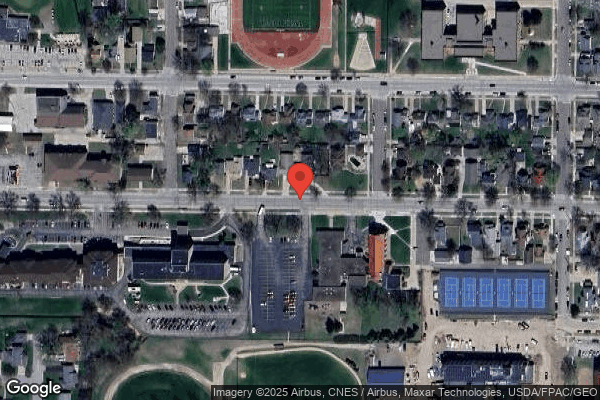
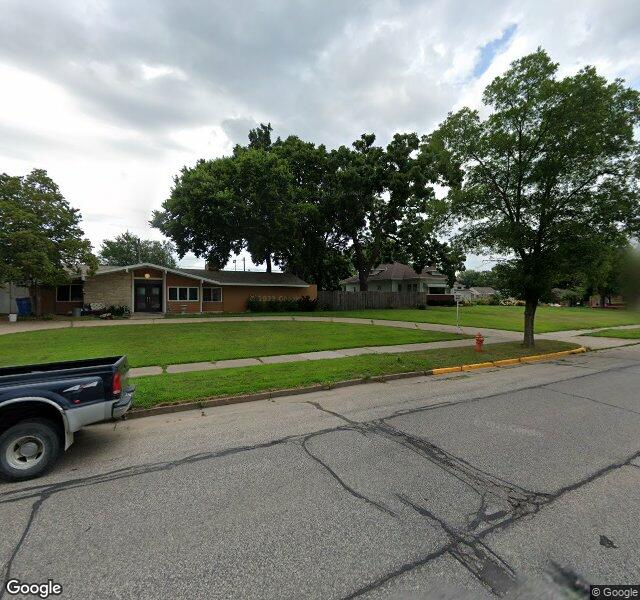
1347 WEST BROADWAY STREET, WINONA, MN 55987 (507) 205-6208
Non profit - Corporation 103 Beds BENEDICTINE HEALTH SYSTEM Data: November 2025
Trust Grade
40/100
#263 of 337 in MN
Last Inspection: February 2025

Within standard 12-15 month inspection cycle. Federal law requires annual inspections.

Overview

Saint Anne Extended Healthcare has received a Trust Grade of D, indicating below-average performance with some concerning issues. It ranks #263 out of 337 nursing homes in Minnesota, placing it in the bottom half of facilities statewide, and is last among the four nursing homes in Winona County. Unfortunately, the facility is worsening, with the number of issues increasing from 2 in 2024 to 6 in 2025. Staffing is a relative strength, with a 4 out of 5 star rating, though turnover is at 47%, which is average. However, the facility has faced significant fines totaling $28,593, indicating potential compliance problems. Specific incidents include a resident who fell and sustained a fracture because the facility did not follow their care plan, and another resident experienced prolonged nausea and was not seen by a physician, leading to an emergency room visit. Additionally, there were concerns about the dining experience, where staff provided assistance while standing rather than ensuring a dignified meal for residents in need. Overall, while staffing is solid, serious care deficiencies and a troubling trend raise significant concerns for families considering this facility.

Trust Score
D
40/100
In Minnesota
#263/337
Bottom 22%
Safety Record
Moderate
Needs review
Inspections
Getting Worse
2 → 6 violations
Staff Stability
⚠ Watch
47% turnover. Above average. Higher turnover means staff may not know residents' routines.
Penalties
✓ Good
$28,593 in fines. Lower than most Minnesota facilities. Relatively clean record.
Skilled Nurses
✓ Good
Each resident gets 52 minutes of Registered Nurse (RN) attention daily — more than average for Minnesota. RNs are trained to catch health problems early.
Violations
⚠ Watch
19 deficiencies on record. Higher than average. Multiple issues found across inspections.
★★☆☆☆
2.0
Overall Rating
★★★★☆
4.0
Staff Levels
★★★☆☆
3.0
Care Quality
★★☆☆☆
2.0
Inspection Score
Stable
2024: 2 issues
2025: 6 issues

The Good

  • 4-Star Staffing Rating · Above-average nurse staffing levels
  • Full Sprinkler Coverage · Fire safety systems throughout facility
  • No fines on record

Facility shows strength in staffing levels, fire safety.

The Bad

2-Star Overall Rating

Below Minnesota average (3.2)

Below average - review inspection findings carefully

Staff Turnover: 47%

Near Minnesota avg (46%)

Higher turnover may affect care consistency

Federal Fines: $28,593

Below median ($33,413)

Moderate penalties - review what triggered them

Chain: BENEDICTINE HEALTH SYSTEM

Part of a multi-facility chain

Ask about local staffing decisions and management

The Ugly 19 deficiencies on record

2 actual harm
Feb 2025 6 deficiencies
CONCERN (D)

Potential for Harm - no one hurt, but risky conditions existed

Deficiency F0676 (Tag F0676)

Could have caused harm · This affected 1 resident

**NOTE- TERMS IN BRACKETS HAVE BEEN EDITED TO PROTECT CONFIDENTIALITY** Based on observations, interview, and document review the facility failed to ensure compression stocking were applied as ordered...

Read full inspector narrative →
**NOTE- TERMS IN BRACKETS HAVE BEEN EDITED TO PROTECT CONFIDENTIALITY** Based on observations, interview, and document review the facility failed to ensure compression stocking were applied as ordered to help with edema of the lower extremities for 1 of 1 resident (R10) reviewed for activity of daily living . Findings include: R10's annual Minimum Data Set (MDS) assessment dated [DATE], included R10 cognitive status was intact and required minimal assistance with activities of daily living. R10's face sheet dated 11/17/23 included diagnoses of disorders of veins, localized edema, essential hypertension, history of acute embolism and thrombosis related to deep veins of bilateral lower extremities, cerebral infarction (stroke or bleeding in the brain), and generalized weakness. R10's medical record included, an order to apply compression stockings daily every a.m. and remove at HS (at night). During an observation on 2/10/25 at 1:15 p.m., R10 was resting in a recliner noted to have edema bilaterally to lower extremities. During an interview on 2/10/25 at 1:31 p.m., R10 said both ankles were swollen, and could not apply the compression stockings themselves and staff do not always put them on in the mornings. R10 stated has asked for assistance to apply the compression stockings, however staff forget to help when getting dressed. During an observation on 2/11/25 at 11:16 a.m. R10 did not have compression stockings on to bilateral extremities. During an interview on 2/11/25 at 11:18 a.m., R10 stated staff did not offer to help put them on and nobody asked about whether they were in place. R10 said the reasons she needed them is due to medical condition and doctor's request. During an interview on 2/11/25 at 12:12 p.m., licensed practical nurse (LPN-C) verified there was a physician's order and staff are supposed to assist R10 in the morning and take them off at night. LPN-C explained R10 usually gets dressed independently and the nursing staff assist R10 as needed. During an interview on 2/12/25 at 2:20 p.m., regional director of nursing (RDON) verified there was a current order for the compression stockings. RDON indicated the expectation were for nursing staff to following through with assisting R10 with compression stockings. A policy on edema/ compression stockings was asked for and not provided.
CONCERN (D)

Potential for Harm - no one hurt, but risky conditions existed

ADL Care (Tag F0677)

Could have caused harm · This affected 1 resident

**NOTE- TERMS IN BRACKETS HAVE BEEN EDITED TO PROTECT CONFIDENTIALITY** Based on observation, interview and document review, the facility failed to ensure routine grooming was completed who was depend...

Read full inspector narrative →
**NOTE- TERMS IN BRACKETS HAVE BEEN EDITED TO PROTECT CONFIDENTIALITY** Based on observation, interview and document review, the facility failed to ensure routine grooming was completed who was dependent on staff for personal cares for 1 of 1 resident (R62), reviewed for activities of daily living (ADL)'s . Findings include: R62's minimum data set (MDS) assessment dated [DATE], indicated mild cognitive impairment and was dependent on facility staff to complete personal hygiene tasks. R62's face sheet included the diagnosis of peripheral autonomic neuropathy (nerve damage), thoracic spondylosis (a condition that affects the middle part of your spine, causing pain, stiffness, and nerve compression), generalized muscle weakness, and hemiplegia ( paralysis of one side of the body) R62's care plan dated 1/24/25 indicated a self-care deficit related to personal hygiene and bathing and required substantial assistance from facility staff. During observation and interview on 2/10/25 5:08 p.m., R62 had facial hair present on the right upper lip and chin. Right upper lip contained a patch of black hairs, and the chin hair contained several medium-length chin hairs and one long hair approximately 1.25 inches in length. R62 stated she does not like the lip or chin hair and would like it removed. During interview on 2/12/25 7:23 a.m., nursing assistant (NA)-F stated nurses on each floor enter the tasks in the task administration record (TAR), this includes things like ADL's, bathing, and hygiene. When NA's start their shift, they get a printout of the care areas to be completed during their shift. NA-F confirmed residents who have facial hair is shaved on bath days. During interview on 2/12/25 7:25 a.m., licensed practical nurse (LPN)-B stated the health unit coordinator enters tasks in the TAR for residents. This could be based on physician orders or nurse direction. Furthermore, registered nurse (RN)-E can enter tasks in the admission care plan and ensures the provider orders are done. If a new care plan or task needs to be ordered, then the floor nurse will enter the task. LPN-B confirmed if the order or care plan isn't entered, then the NA's or other staff don't know they need to complete the task. For hygiene cares, the resident can ask for anything specific or if someone sees they need care then they can enter a task for the cares needed. If she saw a female resident with facial hair, she would discuss the hygiene with the resident then enter an order. During an observation and interview on 2/12/25 8:12 a.m., RN-F stated R62 receives her bath on Thursday's PM shift and this would be when they do hygiene and facial hair removal. RN-F said R62 had a bath last Thursday and confirmed resident has prominent facial hair on upper lip and chin. An undated activities of daily living policy stated residents who are unable to carry out ADL's independently, will receive assistance with hygiene, mobility, elimination, dining, and communication.
CONCERN (D)

Potential for Harm - no one hurt, but risky conditions existed

Respiratory Care (Tag F0695)

Could have caused harm · This affected 1 resident

Based on observation, interview and document review, the facility failed to replace and maintain oxygen tubing for 2 of 2 residents (R32 and R65) reviewed for respiratory care. Findings include: R32'...

Read full inspector narrative →
Based on observation, interview and document review, the facility failed to replace and maintain oxygen tubing for 2 of 2 residents (R32 and R65) reviewed for respiratory care. Findings include: R32's Minimum Data Set (MDS) assessment, indicated severe cognitive impairment and received supplemental oxygen. R32's order report dated 1/4/2025, indicated diagnoses of primary emphysema (chronic lung condition that causes shortness of breath), respiratory failure, and hypoxemia and R32 active orders instructed staff to deliver continuous oxygen and to titrate (continuously measure and adjust the balance) amount to maintain oxygen saturation above 88%. During an observation on 2/10/25 at 1:44 p.m., R32's oxygen tubing was dirty under the nasal area. This tubing was hooked up to a concentrator with a long extension and tied in a knot with R32's wheelchair sitting on top of the tubing. During an interview on 2/11/25 at 10:45 a.m., licensed practical nurse (LPN-C) explained the process for changing and maintaining oxygen tubing. The current process was a scheduled task during a nursing shift and included changing the tubing weekly, if tubing was visibility dirty, or there were any concerns on tubing integrity. During interview on 2/11/25 at 10:52 a.m., LPN-C verified R32's oxygen tubing was in a knot and should be changed for sanitary reasons. During an interview on 2/11/25 at 11:24 a.m., nursing assistant (NA-B) stated R32 was usually wheeled out of her room with the oxygen tubing still hooked up to the concentrator in resident's room. NA-B was not aware of the process for changing oxygen tubing or why R32 was not hooked up to a portable oxygen tank. R65 R65's MDS indicated severe cognitive impairment and received supplemental oxygen. R65's order report dated 1/16/25, indicated diagnoses of dementia, anxiety, heart failure, hypoxemia, recurrent pneumonia, acute respiratory failure due to hypoxemia, and hypertension. R65's active orders dated 1/20/25, directed staff to deliver continuous oxygen via nasal cannula and to titrate amount to maintain oxygen saturation between 88-92%. Orders further directed staff to deliver continuous oxygen at 2-3 liters per minute via nasal cannula at bedtime, and to titrate amount to keep oxygen sats above 88%. During an observation on 2/11/25 at 12:35 p.m., R65's oxygen tubing was lying beside resident on the floor. R65 was self-propelling in their wheelchair around facility. R65 took their oxygen nasal cannula on and off several times during observation. R65's oxygen tubing was hooked up to a portable oxygen tank and was not labeled when last changed. During an interview on 2/12/25 at 8:54 a.m., RN-A reviewed R65's care plan and orders. RN-A stated R65 rolls self in wheelchair up and down the hallway and was placed on a portable oxygen tank. RN-A explained it would be a concern if R65's oxygen tubing was dirty and not labeled on the portable tank. RN-A stated because R65 moves around facility while taking oxygen tubing on and off as needed, this could potentially lead to infection control concern. During an interview on 2/12/25 at 10:03 a.m., RN-A reviewed R23's plan of care with oxygen tubing. RN-A stated R32 was able to push herself in a wheelchair and move around the room. RN-A confirmed R23 should not have been hooked up to a long extension tube for sanitary and safety concerns. RN-A explained the facility's oxygen policy indicating the oxygen tubing should be changed and labeled weekly. RN-A's expectation was staff should not keep residents on long extension tubing, should change the tubing if it is dirty, and the recommendation would be to place R23 on a portable tank. During an interview on 2/12/25 at 11:41 a.m., infection preventionist (IP) indicated the facility was working on a process of updating the labeling of oxygen tubing. IP reviewed current process as staff chart in the medication administration record (MAR) or treatment administration record (TAR) when they change the tubing. IP stated for residents who have long extension tubing, they should be placed on a portable oxygen tank for sanitary reasons, safety concerns, and it was a standard of care. IP explained if R32's wheelchair was on the oxygen tubing there would be a concern about tubing integrity. IP was aware of R65's habit of taking the oxygen tubing on and off and stated her expectation would be to watch it closely for infection control. During interview on 2/13/25 at 10:46 a.m. director of nursing (DON) and regional director of nursing (RDON) reviewed the current process of changing oxygen tubing and providing a sanitary, clean standard of care. The facility expectation was residents should be placed on portable oxygen tanks with clean tubing. The task should be documented in the MAR or TAR when changed every week and/or changed when other concerns such as tubing integrity or infection prevention needs are met. Facility policy titled Oxygen Therapy dated 2017, includes residents were to be assessed to ensure their respiratory needs are being met. Residents identified in need of oxygen therapy will have interventions and equipment which followed manufacturer recommendations for safe handling, cleaning, humidification, storage, and dispensing, maintenance of equipment and consistent federal, state, and local laws and regulations.
CONCERN (D)

Potential for Harm - no one hurt, but risky conditions existed

Infection Control (Tag F0880)

Could have caused harm · This affected 1 resident

Based on observation, interview and record review, the facility failed to appropriately clean resident medical equipment after use and place barrier between resident high touch surface and resident mu...

Read full inspector narrative →
Based on observation, interview and record review, the facility failed to appropriately clean resident medical equipment after use and place barrier between resident high touch surface and resident multiuse basket. This had the potential to affect all resdient's who received blood glucose monitoring. In addition, the facility failed to ensure proper use of personal protective equipment (PPE) during cares for 1 of 3 residents (R36) reviewed for enhanced barrier precautions (EBP). Findings include: During medication administration on 2/10/25 at 3:47 p.m. registered nurse (RN)-C set up medications for R35. R35 also required to have a blood sugar checked. RN-C had a basket containing the following: lancets (device to puncture the skin for blood sample), test strips, sharps containers, cotton balls and on top was a glucometer (machine to get results of the blood sample). Once in R35's room RN-C placed the basket on a chair then moved the basket from the chair to the resident tray table with out placing a barrier between the tray table and the basket. After RN-C completed the glucose check RN-C then placed the glucometer on the tray table with out any barrier. When completed RN-C placed the glucometer on the supplies in the basket with out cleaning. At 4:01 p.m. RN-C prepared medications for R3 and had indicated R3 also needed a glucose checked. RN-C had all supplies and medications in hand and ready to enter R3's room when surveyor intervened and asked the nurse to review things prior to going in the room. RN-C placed items back on top of medication cart. RN-C said she should wipe the machine down before using it again. RN-C was looking for the cleaning wipes, surveyor pointed to them on a near by cart. During an observation on 2/10/25 at 4:19 p.m., RN-D prepared insulin for R55. RN-D obtained a basket from a near by treatment cart, containing glucometer, lancet, sharps container and entered R55's room and placed the basket on R55's tray table with out placing a barrier down. RN-D exited the room and placed the glucometer and basket on the treatment cart and walked away. Surveyor asked if there was anything he missed. Surveyor asked if he would normally clean the equipment. RN-D said he forgot. During an email communication dated 2/12/25 at 4:16 p.m., infection preventionist (IP) included the infection tracker and indicated the facility just got out of a Norovirus outbreak. During a phone interview on 2/13/25 at 10:28 a.m., IP indicated the facility uses a shared glucometer for glucose checks and would expect the resident equipment to be cleaned in between residents. There is cleaners on each floor. IP indicated she completed a observation recently and identified a staff not placing a barrier down between the basket and resident tables. IP said a tray table is a high touch surface and should have a barrier if setting something down on it like a basket. IP indicated if staff are not using a barrier there is a potential for spread in the facility. Resident #36 R36's quarterly Minimum Data Set (MDS) assessment, dated 11/5/24, indicated R36 was cognitively intact and had a g-tube (tube inserted into the stomach used to provide nutrition). R36's diagnoses list includes stroke, gastronomy (hole placed through the skin into the stomach). R36's provider orders included Osmolite 1.5 (brand of liquid nutrition) at 150ml/hr from 9 hours, clean are around gastric tube with wound cleanser or normal saline, apply Calmoseptine (cream to protect the skin), apply split gauze. It also included give meds through gastric tube via liquid form or pill form to be crushed. All medications can be crushed and given together per resident preference. R36's careplan indicated R36 required enhanced barrier precautions (EBP) related to g-tube. Post clear signage on the door or wall outside the resident's room indicating type of precautions and required PPE. Staff to apply gloves and gowns prior to facility-identified high contact care activities, discard PPE in designated locations following activities and sanitize hands after PPE removal. During observation and interview on 2/11/25 at 8:21 a.m. outside R36's room was a sign indicating EBP in addition to a set of drawers containing gowns and gloves. Licensed practical nurse (LPN)-A entered R36's room with a plastic cup containing a colored liquid. LPN-A washed hands and applied gloves. Without donning a gown, LPN A removed dressing from R36's g-tube site and cleaned area with wound wash and a gauze sponge. LPN-A removed gloves, sanitized hands, and applied a new set of gloves. A barrier cream was applied to the skin surrounding the g-tube and a new dressing was applied. LPN-A then administered the colored liquid into the G-tube, flushed the tube with water, removed gloves, and threw away garbage. During an interview, LPN-A stated EBP is important because of exposure due to R36's tube. LPN-A stated gloves were the only requirement for EBP. LPN-A was unaware if the facility provided any specialized training related to EBP. During interview on 2/12/25 at 1:08 p.m., nursing assistant (NA)-A stated staff are required to do yearly online training and in person training regarding EBP. During an interview on 2/12/25 at 1:26 p.m., the infection preventionist (IP) stated appropriate PPE is required for all high contact cares, including administering medications via G-tube, G-tube site care, changing clothing, and bathing for residents on EBP. The IP confirmed gown and gloves should be during R36's dressing change and medication administration. A policy titled Enhanced Barrier Precautions revised 4/1/24, indicated Enhanced Barrier Precautions (EBP) expands the use of Personal Protective Equipment (PPE) beyond situations in which exposure to blood and body fluids is anticipated. It also refers to the use of gown and gloves during high-contact resident care activities that provide opportunities for transfer of MDROs to staff hands and clothing. In a grid listing the types of transmission-based precautions and when/how to implement them, the policy indicated Enhanced barrier precautions is implemented for residents with indwelling medical devices, including feeding tubes). Staff are instructed to don gloves and a gown prior to any high contact care activity. High contact care activity included indwelling medical device care or use: central line, urinary catheter, feeding tube, tracheostomy/ventilator.
CONCERN (E)

Potential for Harm - no one hurt, but risky conditions existed

Resident Rights (Tag F0550)

Could have caused harm · This affected multiple residents

Based on observation, interview, and record review the facility failed to ensure a dignified dining experience for residents who required assistance with eating. This had the potential to affect all r...

Read full inspector narrative →
Based on observation, interview, and record review the facility failed to ensure a dignified dining experience for residents who required assistance with eating. This had the potential to affect all residents in the facility who were dependent on staff for their intake of nutrition. Findings include: During an observation of the main floor dining room on 2/10/25 at 5:08 p.m., nursing staff were standing while feeding residents. The staff would move from table to table to assist different residents and were found to not have engaged with the residents during the meal. During an observation on 2/11/25 at 11:55 a.m., nursing staff were standing during lunch meal and moving from resident to resident. During an observation on 2/12/25 at 12:22 p.m., the 5th floor common area was used for meals. Nursing assistant (NA-C) was assisting residents with their meals while standing. NA-C would call out, out loud asking if the residents needed any assistance. During an interview on 2/12/25 at 12:32 p.m., NA-E explained most of the residents need some sort of assistance during meals and most days there are two NA's available to help assist the residents on 5th floor. NA-E said at times when there is only one NA they may stand to assist the resident to eat. NA-E indicated it's a staff preference if nursing staff choose to stand or sit while helping residents during meals. During an interview on 2/12/25 at 2:04 p.m., the culinary director (CD) stated they have an average of 20-25 residents who eat in the main dining room. Those who do not come to the main dining area use the common area on their floor or receive a tray and eat in their rooms. CD indicated the dietary staff do not assist residents with meals. CD verified staff should not be standing while assisting residents with meals and can be considered a dignity concern. During an observation on 2/13/25 at 8:22 a.m., during breakfast in the main dining room several nursing staff were standing while feeding residents. NA-B, licensed practical nurse (LPN-B) and NA-A were observed not sitting next to the residents who needed assistance with their meal. During an interview on 2/13/2/5 at 9:03 a.m., Regional Director of Nursing (RDON) indicated the expectation during meal times would be to have nursing staff sit at the tables with the residents, assist the resident with food , such as cutting the food up, and offer them the choice of how they would like to consume their meal. RDON verified the facility has several residents who need more assistance with eating and drinking during meals. Nursing staff need to sit in order to provide time and respect to the resident. RDON confirmed nursing staff need to focus on one resident at a time. Facility policy titled Assistance with Meals dated 2018, included nursing staff and associates will serve meals to resident and assist those who require assistance with eating. Residents who cannot feed themselves will be assisted with attention, safety, comfort, and dignity.
CONCERN (E)

Potential for Harm - no one hurt, but risky conditions existed

Deficiency F0761 (Tag F0761)

Could have caused harm · This affected multiple residents

Based on observation, interview, and document review, the facility failed to maintain separately locked, permanently affixed compartments for storage of controlled drugs for 4 of 4 observed medication...

Read full inspector narrative →
Based on observation, interview, and document review, the facility failed to maintain separately locked, permanently affixed compartments for storage of controlled drugs for 4 of 4 observed medication storage areas during a facility wide remodel. Findings include: During an observation and interview on 2/13/25 at 9:08 a.m., licensed practical nurse (LPN)-B identified the current refrigerator used to store medication on the 2nd floor was locked. The locked refrigerator was not affixed to any permanent surface and was in a temporary nurse's station in the open while the facility was in the middle of a remodel. LPN-B identified the medications in the refrigerator contained flu shot, insulin pens, tuberculin, and Ativan (antianxiety). LPN-B stated the nurses are the ones who check the expiration dates and refill the refrigerator. During observation of the 3rd, 4th, and 5th floor medication storage areas, it was found each had the same type of refrigerator located in a temporary nurse's station as found on the 2nd floor. The nursing staff carry a key to the locked refrigerator which was noted to contain some of the same medications noted above. In order to gain access to the area, staff need to walk through a temporary half-height wooden door noted not to lock. behind this half-door is an where the refrigerator is located. Any staff, visitor, or construction worker could have access to this area . During an interview on 2/13/25 at 9:08 a.m., LPN-B stated there is an Emergency Kit located on the 3rd floor, but that was the only double locked medication storage also containing controlled medications. During an interview on 2/13/25 at 10:50 a.m., director of nursing (DON), regional director of nursing (RDON) and administrator was present. The RDON explained the current process for medication storage is to have most medication in the locked carts. The facility has a medication storage refrigerator on each floor behind the temporary nurses' station and a locked cabinet for the emergency kit. Facility policy titled, Controlled Substance Storage dated 4/1/19, included medications included in the Drug Enforcement Administration (DEA) classification as controlled substances are subject to special handling, storage, disposal, and record keeping in the facility in accordance with federal, state, and other laws and regulations. The procedure for schedule II medications or higher are stored in a permanently affixed, double -locked compartment separate from all other medications per regulation. Controlled substances that require refrigeration are stored within a locked box within the refrigerator. This box must be kept attached to the inside of the refrigerator.
Nov 2024 1 deficiency 1 Harm
SERIOUS (G) 📢 Someone Reported This

A family member, employee, or ombudsman was alarmed enough to file a formal complaint

Actual Harm - a resident was hurt due to facility failures

Accident Prevention (Tag F0689)

A resident was harmed · This affected 1 resident

**NOTE- TERMS IN BRACKETS HAVE BEEN EDITED TO PROTECT CONFIDENTIALITY** Based on interview and document review, the facility failed to follow a care planned intervention to prevent or reduce the risk ...

Read full inspector narrative →
**NOTE- TERMS IN BRACKETS HAVE BEEN EDITED TO PROTECT CONFIDENTIALITY** Based on interview and document review, the facility failed to follow a care planned intervention to prevent or reduce the risk of falls for 1 of 3 residents (R1) reviewed for falls. This resulted in actual harm when R1 fell and sustained a right fibular fracture which required an emergency room (ER) visit. The facility implemented immediate corrective action, so the deficient practice was issued at past non-compliance. Findings include: R1's quarterly Minimum Data Set (MDS) dated [DATE], identified R1 had severely impaired cognition and diagnoses of dementia, fracture of upper and lower end of right fibula, anxiety disorder and depression. Further identified R1 required 2-person extensive assist with bed mobility, transfers, and toileting. R1 had one fall with injury and two falls with major injury. R1's fall Care Area Assessment (CAA) dated 5/28/24, identified R1's was at risk for falls due to R1 received physician ordered anti-depressant medications. R1 has had one fall during this assessment period. Nursing staff assisted R1 with activities of daily living (ADL)'s as needed according to facility policy. R1 was at risk for fall related injury. No referrals at this time, will proceed to care plan with goal to have no fall related injuries. R1's care plan dated 7/1/24, identified R1 was at risk for falls due to generalized muscle weakness, use of high-risk psychotropic medications, and cognitive impairment. An intervention directed staff will wake and assist R1 to bathroom every day at 11:00 p.m., and 4:00 a.m. Additional intervention dated 8/9/24 identified night light to be used at all times due to R1 keeping the lights off and shades shut most of the time. R1's progress note dated 8/9/24, identified R1 had a fall at 7:15 a.m., R1 was calling out for help and found sitting on the floor in front of her bed. R1's room was dark at the time of the fall with the lights off and the shades pulled down. R1 stated she was on her way back from the bathroom and had attempted to get back into bed when she fell. No injury noted. R1's Fall Event Report, dated 8/9/24 identified R1 had an unwitnessed fall and was coming back from the bathroom and getting into bed. On 8/9/24 at 10:40 p.m., R1 had no complaints of pain, did have a night light placed in her room in the am and R1 commented she liked it. R1's progress note dated 8/12/24, identified R1 was heard yelling for help on the night shift around 1:10 a.m., R1 was discovered in her room lying on the floor on her right side. R1 had complaints of severe lower extremity pain, primarily on her right lower extremity (RLE) but upon focused assessment had more difficulty moving her left lower extremity (LLE). R1 was alert and oriented and stated that she hit her head, and a lump was noted to the back of her head. Family member (FM)-A was contacted due to R1 reports of severe pain and was agreeable to emergency transport to hospital for further assessment. R1 was transported from the facility to the hospital around 2:50 a.m. for further assessment. R1's Event report dated 8/12/24, included the aforementioned information pertaining to R1's fall. Additionally noted R1 was unsure what she was doing prior to fall but verbalized needing to use the restroom. R1's progress note dated 8/12/24 at 7:04 a.m., identified a call was received from the hospital indicating R1 will be sent back via ambulance with a right fibular fracture, proximal to R1's ankle. A Facility Investigation, completed 8/15/24, IDT team reviewed fall on 8/12/24 that occurred at 1:10 a.m. Fall was not witnessed, and staff were alerted to fall by resident calling out in pain. R1 was located lying on the floor next to her bed and could not state what she was doing but did verbalize needing to use the restroom. R1 had not been offered toileting at 11:00 p.m. by NA-A as the care plan stated and R1 was not checked on at midnight by NA-A during rounding. Interventions were to remove pillow top mattress, switch rooms so R1 could be closer to center of unit and not at end of hall so staff could see her more frequently. Toileting changed to every 2-3 hours. [NAME] light was added as R1 stated she was confused by the red button call light. Care plan updated to have transfers with assist of two and ceiling track. Physical therapy (PT) and occupational therapy (OT) was ordered by provider. Family approved of interventions. Care plan, group sheets, and communication book updated. R1 had an appointment with certified nurse practitioner (CNP)-A to review falls in one week and review pain management on 8/13/24. Education was provided to NA-A regarding care plan stating resident was to be toileted at 11:00 p.m., as this did not occur and of the importance of visualizing resident during rounds. NA-A last day of employment was 8/16/24 as separation of employment. During a phone interview on 11/4/24 at 2:48 p.m., NA-A stated she remembered the night R1 fell and stated she was very busy that night and did not make it into R1's room at 11:00 p.m., to toilet her, also stated she did not get to R1 on rounds at 12:00 a.m. NA-A stated she was on a different floor when R1 fell on 8/12/24. NA-A stated someone at that facility did educate her about the importance of following the residents care plan and the importance of rounding timely. During a phone interview on 11/4/24 at 2:56 p.m., licensed practical nurse (LPN)-A stated she was the nurse that worked the floor the night R1 fell. LPN-A stated it was her first time working at the facility and had been walking to another residents room to give some medications when she heard R1 calling for help. LPN-A stated she asked another nurse for help due to being unfamiliar with R1 and R1 ended up being sent to the ER and came back with a fractured lower right leg. LPN-A stated R1 was in a lot of pain, and she had not been in R1's room prior to the fall. During an interview on 11/4/24 at 2:13 p.m., registered nurse (RN)-A indicated R1 fell on 8/12/24 at 1:10 a.m., due to needing to use the bathroom which resulted in a trip to the ER and a fractured right fibula. RN-A indicated nursing assistant (NA)-A did not offer toileting at 11:00 p.m. per R1's plan of care and this could have prevented the fall. NA-A was educated on the importance of following the care plan. RN-A stated we review falls in interdisciplinary Team (IDT) meeting Monday through Friday, we will look at all of the information documented to ensure a root cause, appropriate interventions are in place and to ensure the care plan was being followed. RN-A stated on Wednesdays we review all falls for the week to ensure the interventions we put in place remain appropriate, if not we may remove intervention and add a new one. During an interview on 11/4/24 at 3:08 p.m., director of nursing (DON) and regional nurse consultant (RNC)-A reviewed R1's facility fall investigation and identified a comprehensive fall investigation was completed to include a summary of events, interviews, resident assessment, description of immediate resident protections, notifications, causal and/or contributing factors, and an overall detailed summary. DON and RNC-A indicated on 8/12/24, R1's care plan for toileting was not followed resulting in a fall with a fracture. DON and RNC-A indicated education was completed with NA-A on the importance of following the care plan and the importance of rounding timely along with expectations. DON and RNC-A indicated all falls are reviewed Monday through Friday to ensure interventions are in place and to ensure the care plan was followed. DON and RNC-A further indicated they meet every Wednesday to ensure all fall interventions are appropriate. The deficient practice was corrected on 8/15/24, after the facility implemented a plan that included the following actions: R1 was immediately assessed and fall protocols were followed. Upon R1's change in pain and mobility status, R1 was transferred to the ED. Facility investigation was coordinated with interviews of staff and R1, along with care plan review. NA-A was provided verbal coaching and education after it was determined she failed to follow R1's plan of care. The facility reviewed falls at IDT Monday through Friday to ensure the care plan was followed for each fall and reviewed all falls weekly on Wednesdays to ensure current prevention interventions that were in place were effective. The facility was free of additional falls after 8/15/24 related to failure to follow plan of care. The corrective actions were verified through documentation review and staff interviews. Facility policy, Comprehensive Assessments and Care Planning, revised 9/27/23, identified a purpose to provide a comprehensive person-centered interdisciplinary care assessment of the resident's condition, in order to develop consistent quality care that will attain or maintain the highest practicable physical, mental, and psychological functioning possible, a facility must make a comprehensive assessment of a resident's needs, using the RAI specified by the State .11. All person-centered care plan interventions will be implemented by qualified personnel. Interventions may be communicated through the electronic health record, resident profile, assignment sheets, and/or verbal communication . Facility policy, Integrated Fall Management, reviewed 9/2023, identified the Purpose: Fall risk assessment, identification, and implementation of appropriate interventions as necessary, to maintain resident safety, prevent falls and reduce further injury from falls. Residents with risk for falling will have interventions implemented through the resident centered care plan.
May 2024 1 deficiency
CONCERN (D) 📢 Someone Reported This

A family member, employee, or ombudsman was alarmed enough to file a formal complaint

Potential for Harm - no one hurt, but risky conditions existed

Infection Control (Tag F0880)

Could have caused harm · This affected 1 resident

**NOTE- TERMS IN BRACKETS HAVE BEEN EDITED TO PROTECT CONFIDENTIALITY** Based on observation, interview, and document review the facility failed to ensure proper hand hygiene during personal cares and...

Read full inspector narrative →
**NOTE- TERMS IN BRACKETS HAVE BEEN EDITED TO PROTECT CONFIDENTIALITY** Based on observation, interview, and document review the facility failed to ensure proper hand hygiene during personal cares and wound care for 1 of 1 resident (R3) observed for infection control practices. Finding include: R3's face sheet identified diagnoses that included chronic heart failure, dementia with behavioral disturbances, and difficulty walking, R3's quarterly minimum data set (MDS) dated [DATE], identified R3 was usually understood and sometimes understands with verbal and nonverbal expressions, had severe cognitive impairment, and was dependent on staff for assistance with most to all dressing and grooming activities. R3's infection care plan dated 5/6/24, identified R3 required enhanced barrier precautions and staff are to apply gloves and gowns prior to facility-identified high-contact care activities, discard personal protective equipment (PPE) is designated location following activities and sanitize hands after PPE removal. R3's skin care plan dated 1/11/24, identified pressure area to left heel to be documented on and measured weeky to follow treatment orders. Skin care plan dated 3/18/24 identified pressure area to right buttocks to be documented and measured weekly and to follow treatment orders. During an observation on 5/14/24 at 1:42 p.m., licensed practical nurse (LPN)-A and LPN-B assisted R3 with incontinent care before providing wound care on heel and coccyx wound. LPN-A applied gloves and removed old dressing on heel, noted that LPN-A's gown was not tied behind her neck which caused the gown to fall down her arms which required LPN-A to adjust the gown numerous times while providing cares. With gloved hands, LPN-A removed removed the old wound dressing, cleansed R3's wound, and then applied barrier cream. LPN-A then removed gloves, cleansed hands in the residents bathroom with soap and water, and proceeded to put on new dressing with no gloves on. LPN-A stated, I don't use gloves to apply new bandages as it will stick to my gloves when I try to apply it to the wound. LPN-A and LPN-B proceed to the bathroom to wash hands and apply gloves. LPN-A and LPN-B positioned R3 on her side. R3 was incontinent of stool, LPN-A used a wipe to remove stool from R3's bottom and LPN-B removed the soiled brief. LPN-A and LPN-B put the clean brief on.Neither LPN-A nor LPN-A changed their gloves and performed hand hygiene prior to putting on the new brief. During an interview on 5/14/24 at 2:07 p.m., LPN-A stated she knew she was supposed to change gloves and sanitize or wash hands after removing old dressing and putting on new dressing. LPN-A explained she should have tied her gown but when she ties the gown it pulls her hair. Further, LPN-A stated she did not put on new gloves or sanitize her hands properly because the dressings stick to her gloves. During an interview on 5/14/24 at 2:08 p.m., LPN-B stated she had not removed her old gloves before putting new brief in place and touching other items, but knew that she was supposed to. LPN-B was unable to articulate why she had not competed proper hand hygiene during R3's cares. During an interview on 5/15/24 at 2:35 p.m., with the executive director (ED) and regional director of clinical services-South region expected staff to perform hand hygiene according to the facility policy and procedure. Facility Policy titled Hand Hygiene, revised 9/2023, indicated, Hand hygiene simply means cleaning hands using either handwashing (washing hands with soap and water), or antiseptic hand rub (i.e. alcohol-based hand sanitizer, including foam or gel). Times to Perform Hand Hygiene are, but not limited to: When arriving for work, When hands are visibly soiled wash hands with soap and water, Before and after direct resident contact Before and after performing any invasive procedure (e.g. fingerstick blood sample), Before and after entering isolation precaution setting, Before and after eating or handling food - wash hands with soap and water, Before and after assisting a resident with meals - wash hands with soap and water, Before and after assisting a resident with personal cares, Before and after handling peripheral vascular catheters and other invasive devices, Before and after inserting indwelling catheters, Before and after changing a dressing, Upon and after coming in contact with a resident's intact skin, such as when taking vitals or after assisting with lifting, After personal use of the restroom - wash hands with soap and water Before and after assisting a resident with toileting - wash hands with soap and water, After blowing or wiping nose After contact with a resident's mucous membranes and body fluids or excretions, After handling soiled or used linens, dressing, bedpans, catheters and urinals, After handling soiled equipment or utensils, After performing your personal hygiene - wash hands with soap and water, After removing gloves or aprons When work day is completed.
Dec 2023 8 deficiencies 1 Harm
SERIOUS (G)

Actual Harm - a resident was hurt due to facility failures

Quality of Care (Tag F0684)

A resident was harmed · This affected 1 resident

**NOTE- TERMS IN BRACKETS HAVE BEEN EDITED TO PROTECT CONFIDENTIALITY** Based on observation, interview and document review the facility failed to provide appropriate care in a timely manner to preven...

Read full inspector narrative →
**NOTE- TERMS IN BRACKETS HAVE BEEN EDITED TO PROTECT CONFIDENTIALITY** Based on observation, interview and document review the facility failed to provide appropriate care in a timely manner to prevent a decline in condition for 1 of 1 residents (R32) when R32 continued to experience prolonged nausea and decline lasting more than three weeks causing harm. As a result, R32 was sent to the emergency department (ED) and admitted to the intensive care unit (ICU) after the facility failed to ensure the provider was fully appraised of R32's signs and symptoms. Findings include: R32's admission Minimum Data Set (MDS) assessment dated [DATE], indicated R32 was admitted to the facility on [DATE] after a right knee fracture, had moderate cognitive impairment and was dependent on staff for toileting, bathing, personal hygiene, transfers, and locomotion. During an interview on 12/11/23 at 3:59 p.m., R32 stated she had not seen a physician in person since she had started feeling sick, stating she was nauseated all the time and was not able to eat much due to her nausea. R32 stated she was able to tolerate the pain from her fracture but could not live with this nausea. During an interview and observation on 12/13/23 at 10:40 a.m., R32 stated she just wanted to get better but did not want to go to the hospital. Stating she continued to feel nauseated all the time. R32 was pale in color. R32's progress notes indicated the following: 11/21/23 R32 complained of being nauseated with little appetite, stating she felt like spitting up. 11/23/23 R32 tested positive for COVID. The nurse practitioner (NP) was updated and started R32 on Mirtazapine for appetite stimulant. 11/27/23 R32's nausea was continuing. R32 stated, I can't eat if I'm always nauseated. 11/28/23 R32 had a spell in the bathroom where her colored turned pale, her head lowered and she came back around after a few seconds. It was also documented R32 had 2 loose stools, black in color. R32 stated not right now when offered to be sent to the hospital. 11/29/23 the nursing assistant (NA) found R32 to be unresponsive while changing her brief. The nurse was called to the room and found R32 with brownish liquid coming from her mouth. R32 did not respond when the nurse called her name or shook her. When R32 came around she was asked if she wanted to be seen in the emergency department and refused. 11/29/23 R32 had a loose, blackish stool and was noted to have a spot of darkened blood on her gown. R32's daughter in law was updated on the small spell in the bathroom on 11/28/23. 11/30/23 a referral for hospice was made and R32 continued to have loose black stools. The note indicated the medical director (MD) would be updated on the hospice consult. 12/2/23 R32's appetite remained poor, R32 stated I'm so sick to my stomach, I can't eat, The note indicated R32 was having a difficult time taking medications. 12/3/23 R32 had complaints of nausea. R32 became tearful when she was too weak to transfer on her own. 12/4/23 R32 stated she was nauseated, had a difficult time taking medications and did not eat any breakfast. 12/4/23 R32's weight was declining due to R32 refusing most meals and was being followed by the registered dietician (RD). 12/5/23 R32 continued to state feeling sick to my stomach and did not eat any breakfast. 12/6/23 R32 continued to have multiple loose stools, stating I can't eat if I am nauseated all the time. The nurse practitioner (NP) was informed and gave an order for as needed (PRN) Zofran (an antiemetic that can prevent nausea and vomiting). 12/7/23 R32 received an order from the provider for occupational therapy for lymphatic treatment and massage due to new swelling of her lower extremities. 12/8/23 the MD was updated about R32 having bleeding gums. R32 continued to have slight nausea. 12/8/23 the MD ordered labs to be obtain to include BMP and CBC with differentials due to concerns with bleeding gums. 12/8/23 R32's platelets within normal limits (WNL) and do not indicate a bleeding concern. R32 continued to have nausea and loose stools. 12/9/23 R32 had a negative COVID test and was removed from COVID isolation. 12/11/23 R32 became upset she was feeling so rotten all the time and had no breakfast. R32 was documented as being pale in color. 12/11/23 R32 continued with nutritional decline and significant weight loss. The RD met with R32 who stated she can't keep anything down due to her ongoing nausea. 12/11/23 R32 had complaints of nausea and diarrhea. R32 had two stools that shift and had two spells of passing out while being transferred to the toilet. It was documented with both episodes she became flaccid and during the second episodes had difficulty holding her head up. 12/12/23 R32's daughter in law was updated regarding the evening shift toilet episodes and R32 continued to not eat and remain nauseated even after Zofran was given. R32 was noted to have four loose stools that shift. 12/13/23 it was documented R32 had a spell of unresponsiveness at 4:00 a.m. While being transferred R32 had explosive, loose, dark stool stating she felt sick, holding her mouth as if to vomit. R32 progressively became unresponsive, bowing her head. Progress note included, R32 had flaccid, arms barely supporting her weight on the sling. On coming shift was updated. 12/13/23 R32 refused breakfast and when R32 attempted to sit on the side of the bed she stated she needed to lay back down and was pale and nauseated. B/P was 67/45 while up and 92/60 when laying back down. R32 stated, why do I feel so sick? Medications were held and supervisor was updated. 12/13/23 the NP decided R32 should be sent to the hospital for evaluation. R32 was okay with going to the hospital if they could get her to feel better. 12/13/23 R32 was in the ICU with a potential GI bleed. R32's family refused diagnostic testing for confirmed GI bleed but okayed R32 receiving a blood transfusion for low hemoglobin. R32's electronic medical record (EMR) indicated R32 had a face-to-face provider visit twice since admission. On 10/26/23 the MD saw R32 for her admission visit and on 11/22/23 the NP saw R32 for a routine visit. R32's Active Orders list indicated the following medication orders: amlodipine 2.5 milligrams (mg) daily (a high blood pressure medication), adjusted on 12/12/23; lisinopril 5mg daily (a high blood pressure medication), adjusted on 12/12/23; ferrous sulfate 325 mg daily (iron supplement), dated 11/1/23; Eliquis 5mg twice a day (a blood thinner medication), dated 10/9/23; and Zofran 4 mg every eight hours PRN for nausea and vomiting. R32's care plan lacked interventions to address R32's frequent and continued nausea and diarrhea described as loose and black in color. During an interview on 12/13/23 at 2:58 p.m., the rehab social worker (SW) stated she reached out to the hospice social worker after the hospice meeting on 11/30/23, who stated family was waiting on an x-ray scheduled for 12/4/23 to decide if they wanted to continue with therapy or pursue hospice. The SW was unsure if staff had followed up with family after the x-ray on 12/4/23. R32's EMR lacked evidence the family had been re-approached about hospice care versus continuing with therapy after the x-ray on 12/4/23. R32's Physical Therapy Treatment Encounter Note, dated 11/28/23, indicated physical therapy (PT) entered R32's bathroom, R32's head was hanging down and she was not responding to verbal or tactile cues. R32 began saying a few words after several minutes but was not responding appropriately. Session ended due to patient medical condition. R32's Physical Therapy Treatment Encounter Note, dated 12/11/23, indicated R32 was complaining of an upset stomach after sitting on the edge of the bed. The note indicated R32 was receiving nausea meds but was unsure if they were helping. R32 stated she wanted to get better but was unable to continue with the therapy session due to an upset stomach. R32's Physical Therapy Treatment Encounter Note, dated 12/13/23, indicated R32 had complaints of feeling like she was going to pass out when sitting on the edge of the bed. The note indicated R32 was still not eating or drinking daily due to nausea and had been taking nausea medicine daily without a notable difference. Therapy session was stopped due to R32's medical condition. During an interview on 12/13/23 at approximately 9 a.m., occupational therapist (OT)-A stated she had an order to see R32 for lymphedema treatment due to increased swelling in her lower extremities. OT-A stated due to R32's low blood pressure and continued nausea she would not be medically stable enough for lymphedema treatments. During an interview on 12/13/23 at 9:15 a.m., NA-A stated R32 was often nauseated and weak, stating they just want us to use the bed pan and push fluids. During an interview on 12/13/23 at 10:15 a.m., licensed practical nurse (LPN)-D stated she would not update the provider if there was a concern with a resident or a change in condition, as she would let the charge nurse know, even on the weekends. LPN-D stated R32 hadn't been good lately and has been sick on and off for a few weeks. LPN-D confirmed utilizing R32's PRN Zofran the past couple of days, stating it was not working. During an interview on 12/13/23 at 11:30 a.m., the assisted director of nursing (ADON) stated R32 came to the facility for rehab due to a knee fracture and did not have a good appetite since admission and would make statements she was ready to go to heaven. During review of the EMR, the ADON confirmed R32 had not seen a provider since 11/22/23 but on 11/1/23 labs were drawn and an iron supplement was started, 11/23/23 Mirtazapine was started as an appetite stimulant, 12/6/23 Zofran was started (14 days after first unset of nausea), 12/7/23 orders were received for occupational therapy, 12/8/23 labs were completed and on 12/11/23 blood pressure medications were adjusted. The ADON was unaware R32's unresponsive episodes started on 11/28/23 and was under the impression the first episode was early that morning. The ADON stated she would like to be updated on R32's unresponsive episodes but it was unrealistic to know about them all and she expected the nurses to update the providers on any change in condition. The ADON was also not aware the Zofran was ineffective for R32 stating, apparently it is not working if she is still nauseated. The ADON stated they had recommended hospice, but the family was still undecided on hospice versus continuing to treat with therapy. During an interview on 12/13/23 at approximately 2:00 p.m., the NP stated she sent R32 to the hospital due to her low blood pressure. The NP stated she aware of R32's unresponsive episode early that morning but was unaware they started back at the end of November, stating she would like to be made aware of every episode but not necessarily the same day they happened. Further, the NP was unaware of the uncontrolled nausea, stating she had initiated the Zofran but was not aware it was not working. The NP did confirm she was aware of the black tarry stool, stating since R32 was on iron it was hard to tell if it was related to her low blood pressure readings. (Black stool is often a sign of gastrointestinal bleeding, but not always. Certain medications and supplements, such as iron, may turn stool black.) During an interview on 12/14/23 at 10:19 a.m., the medical director (MD) stated she met R32 for her initial visit on 10/26 and that was the only time she met with R32. The MD stated R32 came to the facility with a knee fracture and history of dementia. She was doing therapy but not participating well. The MD stated she was aware of R32's poor appetite and had started mirtazapine for an appetite stimulant. She was aware R32 was started on Zofran for nausea and had started cutting back on some medications on 12/12/23. The MD further stated R32 would be a good candidate for hospice. The MD stated she was not personally aware of R32's multiple unresponsive episodes, the episodes of loose, black stools, the brown liquid found coming from R32's mouth or that her nausea remained uncontrolled. The MD stated she was notified of possible bleeding gums, which was why she had ordered labs on 12/8 but not of the brown liquid coming from R32's mouth while unresponsive or the loose black stool. The MD further stated she would want to be made aware of these episodes but not necessarily the day they occurred, stating she did not believe she had a full picture of R32's condition, stating multiple providers were made aware of different situations making it difficult to see the full picture, as many of these signs and symptoms indicate a potential GI bleed. The MD stated she would have approached R32's care different had she been aware, starting a proton pump inhibitor (a class of medications that cause a profound and prolonged reduction of stomach acid production), more routine hemoglobin checks, more intensive interventions for her nausea and a more forward conversation about goals of care with R32 and her family to appropriately address R32 with either treatment focused interventions or comfort care. The MD stated R32's hemoglobin went from 11.3 to 9.6 this morning, stating she would suspect a GI bleed until it was ruled out, stating the only way to conclusively tell would through an endoscopy (a flexible instrument inserted through the mouth or rectum to view the inside of the GI tract). During an interview on 12/14/23 the director of nursing (DON) stated R32 had been addressed at their interdisciplinary team (IDT) meetings and she would have expected the nurses to take care of it. The DON stated she did not want R32 back to the facility without a clear plan of either treatment or comfort focused care. A facility policy titled Change in Condition, reviewed 10/2/23, indicated when a significant change in the resident's physical, mental or psychosocial status is identified by the license nurse, or when there is a need to alter treatment significantly. The licensed nurse consults with attending provider or the medical director.
CONCERN (D)

Potential for Harm - no one hurt, but risky conditions existed

Deficiency F0578 (Tag F0578)

Could have caused harm · This affected 1 resident

**NOTE- TERMS IN BRACKETS HAVE BEEN EDITED TO PROTECT CONFIDENTIALITY** Based on interview and document review the facility failed to ensure a resident's code status was consistent across the Electron...

Read full inspector narrative →
**NOTE- TERMS IN BRACKETS HAVE BEEN EDITED TO PROTECT CONFIDENTIALITY** Based on interview and document review the facility failed to ensure a resident's code status was consistent across the Electronic Medical Record (EMR) and paper chart for one of 10 residents (R46) reviewed for advanced directives. Finding include: R46's Face Sheet, indicated R46 was admitted to the facility on [DATE] with a primary diagnosis of hemiplegia and hemiparesis following a cerebral infarction affecting her left, non-dominant, side. The banner at the top of R46's face sheet further indicated R46's code status was do not resuscitate (DNR)/ do not intubate (DNI). R46 physician order, dated [DATE], indicted R46's code status was DNR/DNI. R46's Provider Order for Life-Sustaining Treatment (POLST), dated and signed by R46 on [DATE], indicated R46 would like cardiopulmonary resuscitation (CPR) if she had no pulse and/or was not breathing and would like full treatment to include intubation, advanced airway interventions and mechanical ventilation as indicated. R46's Health Care Directive, dated and signed by R46 on [DATE], indicated R46 would like CPR attempted if her heart or breathing stopped, based on her current state of health. A Care Conference Progress Note, dated [DATE], indicated R46 had changed her mind on her code status and wished to be DNR. During observation [DATE] at 2:00 p.m., R46's paper chart behind the nursing station contained R46's face sheet as the first page, indicating R46 was DNR/DNI. Directly behind R46's face sheet was R46's Health Care Directive which indicated R46 was full code and would like to be resuscitated. During an interview on [DATE] at 2:23 p.m., licensed practical nurse (LPN)-D stated she would use the Banner in the EMR to know a resident's code status and stated R46's code status was DNR/DNI. During an interview on [DATE] at 3 p.m., nurse manager and registered nurse (RN)-A stated the best place to look for a resident's code status was the Banner in the EMR as that was the most accurate information. During an interview on [DATE] at 10:40 a.m., nurse manager and RN-A stated they used a checklist to indicate what documents to send with a resident when then needed to go to the hospital. Among those documents to send to the hospital with the resident was the POLST and physician orders. RN-A confirmed these documents for R46 would contain conflicting information with the orders stating DNR and the POLST stating full code. During an interview on [DATE] at 12:10 p.m., the director of nursing (DON) stated she would expect the information on code status to match, acknowledging there was conflicting information in R46's chart. A facility policy on code status and advanced care planning was reviewed.
CONCERN (D)

Potential for Harm - no one hurt, but risky conditions existed

Deficiency F0582 (Tag F0582)

Could have caused harm · This affected 1 resident

**NOTE- TERMS IN BRACKETS HAVE BEEN EDITED TO PROTECT CONFIDENTIALITY** Based on interview and document review the facility failed to fully and accurately complete the Skilled Nursing Facility Advance...

Read full inspector narrative →
**NOTE- TERMS IN BRACKETS HAVE BEEN EDITED TO PROTECT CONFIDENTIALITY** Based on interview and document review the facility failed to fully and accurately complete the Skilled Nursing Facility Advanced Beneficiary Notice of Non-coverage (SNFABN) (Form CMS-10055) for two of three residents (R13 and R64) reviewed for beneficiary notices. Findings include: The SNFABN contains a section with three options for the resident or resident representative to select. Option One indicates the resident would like the care listed above and recognizes payment responsibility but would like Medicare to be billed for an official decision on payment, Option Two indicates the resident would like the care listed above and recognizes payment responsibility but does not want Medicare billed and Option Three indicates the resident does not want the care listed above. R13's face sheet, indicated R13 was admitted to the facility on [DATE] with a primary diagnosis of senile degeneration of the brain. R13's Progress Note, dated 6/21/23, indicated R13's skilled services would be ending on 6/23/23 with financial liability beginning on the following date. The progress note detailed a phone conversation with R13's daughter regarding the SNFABN but failed to identify what option R13 would like for her care. R64 face sheet, indicated R64 was admitted to the facility on [DATE] with a primary diagnosis of encounter for orthopedic aftercare following surgical amputation. R64's SNFABN, dated 11/14/23, indicated R64's skilled services would be ending on 11/16/23 with financial liability beginning on 11/17/23. The form was signed by R64 on 11/14/23 but did not indicate which option he wanted for his care. During an interview on 12/13/23 at 9:57 a.m., licensed practical nurse (LPN)-F stated her process was to issue the SNFABN regardless of whether a resident discharging from Medicare A was discharging to the community or the facility. LPN-F stated it was the resident's and/or the resident representative's decision on which of the three options listed on the SNFABN to select. LPN-F stated R13's representative should have been followed up with to obtain the signed SNFABN and to determine which option they would like for R13's care. LPN-F further stated R64 should have been followed up with to determine which option he would like for his care on the SNFABN as he was cognitively intact to make the decision on his own. During an interview on 12/14/23 at 12:10 p.m., the director of nursing stated she would expect an option to be selected on the SNFABN and for the residents who did not have an option selected to be followed up with. A facility policy titled Beneficiary Notices, revised on 11/2017, indicated the facility would provide beneficiary notices according to Medicare guideline.
CONCERN (D)

Potential for Harm - no one hurt, but risky conditions existed

Unnecessary Medications (Tag F0759)

Could have caused harm · This affected 1 resident

**NOTE- TERMS IN BRACKETS HAVE BEEN EDITED TO PROTECT CONFIDENTIALITY** Based on observation, interview, and document review, the facility failed to ensure they were free of a medication error rate of...

Read full inspector narrative →
**NOTE- TERMS IN BRACKETS HAVE BEEN EDITED TO PROTECT CONFIDENTIALITY** Based on observation, interview, and document review, the facility failed to ensure they were free of a medication error rate of five percent or greater. The facility had a medication error rate of 6.9 % with two errors out of 30 opportunities for error involving 2 of 6 residents (R73, R61)who were observed during the medication pass. Findings include: R73's annual Minimum Data Set (MDS) assessment dated [DATE], identified R73 was severely cognitively impaired and had diagnoses which included cancer, diabetes mellitus, dementia, and depression. R73's Physician Order Report identified R73 had orders as follows: -10/9/23, Humalog insulin 100 units per milliliter (ml) 17 units subcutaneously once a day between 11:00 a.m. and 1:00 p.m. On 12/12/23 at 12:18 p.m., during an observation licensed practical nurse (LPN)-A prepared Humalog insulin for R73 by scrubbing the hub of the pen, placing a disposable needle on the pen and priming the needle by dialing two units and wasting the insulin. LPN-A then dialed up 17 units of insulin and proceeded to R73's room. -at 12:22 p.m., LPN-A was stopped and asked about the open date for the insulin pen. LPN-A looked at the pen again and was unable to locate an open date. LPN-A said insulin was good for 28 days after opening and because she could not locate an open date she should not give the insulin she prepared and should discard the pen and get a new pen. LPN-A then removed a new insulin pen for R73 and scrubbed the hub, wasted two units of insulin and dialed up 17 units of insulin and then proceeded to R73's room and administered the insulin from the new pen. On 12/12/23 at 12:30 p.m., during an interview LPN-A stated the importance of dating insulin pens was to ensure the insulin was not used past 28 days to ensure the insulin would still be effective. R61's quarterly MDS assessment dated [DATE], indicated R61 was cognitively intact and had diagnoses which included cerebrovascular accident (stroke), hypertension, and hemiplegia and hemiparesis (loss of strength or paralysis on one side of the body). R61's Physician Order Report identified R61 had orders as follows: -5/31/23, refresh relieva one drop ophthalmic eye twice a day morning and bedtime med pass On 12/13/23 at 8:26 a.m., during an observation trained medication aide (TMA)-A was preparing medications for R61. TMA-A picked up a bottle of refresh tears with an open date of 10/23/23, and an expiration date of 3/2026. TMA-A stated she was not sure if the eye drops were for both eyes or just one eye. TMA-A asked LPN-A what to do and was told to place one drop in both eyes. TMA-A had R61 tip their head back and placed a drop in each eye. On 12/14/23 at 9:26 a.m. the consultant pharmacist (CP) stated the staff should have checked the order for clarification and if the details were missing they should have held the eye drops until they received that clarification. On 12/14/23 at 10:49 a.m., the director of nursing (DON) stated if an insulin pen was not dated the staff should have done one of two things. One would be to throw the insulin pen away, the second would be to check the send date from the pharmacy and if it was within the 28 days the pen could be dated as opened on the send date and use the pen up to the 28 days. In addition, the DON stated if the route for eye drops was not specified in the order (for example right eye, left eye, or both eyes) the staff should not administer the eye drops until the order was clarified. Preparation and General Guidelines dated 4/1/19 Medication Administration directed staff to follow the five rights of medication administration, right resident, right drug, right dose, right route, and right time. In addition, the policy directed staff to check the medications for the five rights at 3 steps in the process: when they selected the medication, when the medication was removed from the container and again after the dose was prepared and the medication was being being put away.
CONCERN (E)

Potential for Harm - no one hurt, but risky conditions existed

Pharmacy Services (Tag F0755)

Could have caused harm · This affected multiple residents

Based on observation, interview and document review, the facility failed to ensure narcotics were counted in a manner to detect potential diversion at shift change for 2 of 7 medication carts reviewed...

Read full inspector narrative →
Based on observation, interview and document review, the facility failed to ensure narcotics were counted in a manner to detect potential diversion at shift change for 2 of 7 medication carts reviewed. Findings include: On 12/12/23 at 2:50 p.m., licensed practical nurse (LPN)-B on-coming staff and LPN-C off-going staff counted narcotics in two carts. LPN-B unlocked the drawer and would call out the group number and the page number. LPN-C would look for the page number in the narcotic book and LPN-B would say how many pills or milliliters (ml) if it was a bottle with liquid. LPN-C would confirm the number or ml was correct. The index page and/or paging through each page was not used to ensure all medications were accounted for. LPN-B stated the on-coming staff was in the drawer and the off-going staff was looking in the book. On 12/12/23 at 2:58 p.m., LPN-B stated unless they looked at each page in the book they would not know if a card or bottle was missing. LPN-B verified they did not review each page and not all medications had been signed into the index page of the narcotic book. On 12/12/23 at 3:02 p.m., registered nurse (RN)-A stated the process was to use the index page to sign in all narcotics. In addition, RN-A stated staff needed to use the index page to count narcotics at shift change would to ensure all medications were accounted for. RN-A verified the index pages had medications not signed into the book, three of 40 were not signed into book one, seven of 40 were not signed into book two, two of 40 were not signed into book four, and four of 12 were not signed into book five. On 12/12/23 at 3:15 p.m., RN-B stated the process for the narcotic count would be to check each page to ensure all medications were accounted for and correct. RN-B stated staff should be signing all narcotics into the book using the index page and filling out the information on the corresponding page. On 12/12/23 at 3:21 p.m., the assistant director of nursing (ADON) verified the books had missing entries for narcotics on the index pages of the narcotic books. The ADON verified when staff complete the narcotic count at shift change they should be counting from the book (checking each page) to ensure each medication is accounted for. On 12/12/23 at 3:34 p.m., the director of nursing (DON) verified it was best practice to sign each narcotic into the index page and fill in the information on the corresponding page. The DON verified staff should look at each page to ensure all narcotics were counted and accounted for to prevent diversion. On 12/14/23 at 9:31 a.m., the consultant pharmacist (CP) verified staff should count narcotics from the book to ensure no medications were missing from the cart. Medication Ordering And Receiving From Pharmacy dated 4/1/19, directed staff to do the following: Controlled substance inventory sheets are completed, if necessary , and filed appropriately. A hard-bound log book is utilized to track the controlled substance from delivery to disposition.
CONCERN (E)

Potential for Harm - no one hurt, but risky conditions existed

Deficiency F0761 (Tag F0761)

Could have caused harm · This affected multiple residents

Based on observation, interview and document review, the facility failed to ensure medications were labeled appropriately with open dates. In addition, the facility failed to remove expired medication...

Read full inspector narrative →
Based on observation, interview and document review, the facility failed to ensure medications were labeled appropriately with open dates. In addition, the facility failed to remove expired medications for 6 of 82 residents (R76, R29, R34, R16, R39) whose medications were observed during medication storage. Findings include: During the medication storage tour on the second floor on 12/13/23 at 2:11 p.m., with trained medication aide (TMA)-B there were medications with no open dates and medications/items past the expiration date as listed below: -lantus insulin for R29 with no open date -29 hydrogen peroxide wipes manufacturer's expiration date of 11/9/22 -copper tone sun screen with manufacturer's expiration date of 11/2020 -equate sport sun screen with manufacturer's expiration date of 11/2020 -mineral oil with manufacturer's expiration date of 12/5/22 On 12/13/22 at 2:15 p.m., registered nurse (RN)-A stated medication carts should be checked monthly for expired medications. RN-A stated this was important to ensure residents did not receive medications which had expired. During the medication storage tour on the third floor on 12/13/23 at 2:34 p.m., with licensed practical nurse (LPN)-A antacid tablets with manufacturer's expiration date of 9/2023 were found in the medication cart. During the medication storage tour on the fifth floor on 12/14/23 at 10:06 a.m., with LPN-E there were medications with no open dates and medications/items past the expiration date listed below: - albuterol inhaler for R34 expiration date of 10/2022 -aspirin 81 milligrams (mg) expiration date of 1/2023 -glycerin eye drops for R16 expiration date of 7/2023 -naphocon-a-sol eye drops for R16 expiration date of 9/15/22 -albuterol inhaler for R39 expiration date of 9/18/23 On 12/14/23 at approximately 10:15 a.m., LPN-E stated it was important to have a process in place to make sure staff were not administering expired medications to residents. During the medication storage tour on the fourth floor on 12/14/23 at 10:27 a.m., with LPN-D dorzolamide timolol eye drops for R76 were found with an expiration date of 7/2023. On 12/14/23 at 9:29 a.m., consultant pharmacist (CP) stated staff should be checking medications in the carts on a regular basis to ensure there were no outdated medications. On 12/14/23 at 10:53 a.m., the director of nursing (DON) stated the staff should be completing cart audits monthly. The DON stated the purpose was to ensure residents were not given outdated medications as they could have lost their effectiveness. Medication Storage in the Facility dated 4/1/19, included-directed the staff to do the following: E. The nurse will check the expiration date before administering it. F. No expired medication will be administered to a resident. G. All expired medications will be removed from the active supply and be destroyed in the facility, regardless of the amount remaining. The medication will be destroyed in the usual manner.
CONCERN (E)

Potential for Harm - no one hurt, but risky conditions existed

Infection Control (Tag F0880)

Could have caused harm · This affected multiple residents

Based on observation, interview, and document review, the facility failed to ensure communal vital signs machine was disinfected between resident use for 2 of 2 residents (R61, R71) observed to have v...

Read full inspector narrative →
Based on observation, interview, and document review, the facility failed to ensure communal vital signs machine was disinfected between resident use for 2 of 2 residents (R61, R71) observed to have vital signs checked conducted without proper disinfection of the machine. This practice had the potential to affect all 26 of 26 resident residing on the floor. Findings include: On 12/14/23 at 7:49 a.m., licensed practical nurse (LPN)-A was observed to enter R71's room with the communal vital sign machine. LPN-A proceeded to take vital signs for R71 and exited her room. LPN-A was not observed to disinfect the vital sign machine. There were no disinfecting wipes observed on the vital sign machine. The vital sign machine was left in the hallway, while LPN-A stopped and talked to another staff. On 12/14/23 at 7:51 a.m., LPN-A was observed entering R61's room with the communal vital sign machine that had not been disinfected. LPN-A proceeded to take vital signs for R61. Upon exiting the room, the communal vital sign machine was placed by the nursing station, by the scale without being disinfected. During interview with LPN-A, on 12/14/23 at 8:05 a.m., they stated that they had taken numerous residents vital signs this morning. They stated it is expected to disinfect the vital sign machine between each resident, the importance of this as it helps stop the spread of viruses and verified, they had a recent outbreak of COVID. They verified they had not disinfected the vital sign machine between any of the vital signs they took this morning or upon completion of taking vital signs for the morning. During interview with infection preventionist (IP), she stated it is the expectation any equipment used for more than one resident is to be disinfected between residents. She stated all staff have been trained on this on hire, annually and on-going. She stated it is important to disinfect equipment between residents to stop the transmission of disease. During interview with director of nursing (DON) on 12/14/23 at 11:25 a.m., stated it is the expectation all equipment is disinfected between resident, supplies are readily available to staff, education and training is provided to all staff. She stated the importance of disinfecting equipment as it stops transmission of viruses. A facility policy titled, Resident Care Equipment, dated June 2017 was provided. The policy indicates that each community will protect against indirect transmission, which is the transfer of an infectious agent through a contaminated intermediate object, through decontamination for an object rendering it safe to use. The policy indicates a procedure to follow for disinfecting equipment.
CONCERN (E)

Potential for Harm - no one hurt, but risky conditions existed

Deficiency F0883 (Tag F0883)

Could have caused harm · This affected multiple residents

**NOTE- TERMS IN BRACKETS HAVE BEEN EDITED TO PROTECT CONFIDENTIALITY** Based on interview and document review, the facility failed to implement the current standards of vaccinations regarding pneumon...

Read full inspector narrative →
**NOTE- TERMS IN BRACKETS HAVE BEEN EDITED TO PROTECT CONFIDENTIALITY** Based on interview and document review, the facility failed to implement the current standards of vaccinations regarding pneumonia for 4 of 5 residents (R13, R17, R31, and R72) over [AGE] years old whose vaccinations histories were reviewed. Findings include: A CDC Pneumococcal Vaccine Timing for Adults feature, dated 3/15/2023, identified various tables when each (or all) of the pneumococcal vaccinations should be obtained. This identified when an adult over [AGE] years old had received the complete series (i.e., PPSV23 and PCV13; see below) then the patient and provider may choose to administer Pneumococcal 20-valent Conjugate Vaccine (PCV20) for patients who had received Pneumococcal 13-valent Conjugate Vaccine (PCV13) at any age and Pneumococcal Polysaccharide Vaccine 23 (PPSV23) at or after [AGE] years old. R13's facility immunization record, dated 12/12/23, indicated she was [AGE] years old. The record indicated she received a PCV13 on 6/4/2013 followed by the PPSV23 on 9/15/2015. A copy of the MIIC (Minnesota Immunization Information Connection) report, provided 12/14/23, indicated PPSV23 was administered 11/1/2009 and 11/20/2009 also. There was no evidence in the electronic medical record or MIIC report that R13 was provided education, offered, or received PCV20 following the PCV13 and PPSV23 series. The record lacked evidence of shared clinical decision making with the physician for PCV20 at least 5 years after the last pneumococcal dose. R17's facility immunization record, dated 12/12/23, indicated she was [AGE] years old. The record indicated she received a PPSV23 on 10/11/2012 followed by the PCV13 on 3/3/2016. A copy of the MIIC (Minnesota Immunization Information Connection) report, provided 12/14/23, indicated PPSV23 was administered 6/4/1998 and 10/11/2012 also. There was no evidence in the electronic medical record or MIIC report that R17 was provided education, offered, or received PCV20 following the PCV13 and PPSV23 series. The record lacked evidence of shared clinical decision making with the physician for PCV20 at least 5 years after the last pneumococcal dose. R31's facility immunization record, dated 12/12/23, indicated he was [AGE] years old. The record indicated he received a PPSV23 on 10/7/2014 followed by the PCV13 on 12/8/2016. A copy of the MIIC (Minnesota Immunization Information Connection) report, provided 12/14/23, indicated PPSV23 was administered 9/6/11 and PCV13 on 1/18/17 also. There was no evidence in the electronic medical record or MIIC report that R17 was provided education, offered, or received PCV20 following the PCV13 and PPSV23 series. The record lacked evidence of shared clinical decision making with the physician for PCV20 at least 5 years after the last pneumococcal dose. R72's facility immunization record, dated 12/12/23, indicated she was [AGE] years old. The record indicated she received a PPSV23 on 12/2/2000 followed by the PCV13 on 6/25/15. There was no evidence in the electronic medical record or MIIC report that R72 was provided education, offered, or received PCV20 following the PCV13 and PPSV23 series. The record lacked evidence of shared clinical decision making with the physician for PCV20 at least 5 years after the last pneumococcal dose. During an interview with infection preventionist (IP), on 12/13/23 at 12:52 p.m., she indicated immunizations are verified upon admission. She indicated immunizations are verified through MIIC (Minnesota Immunization Information Connection), Epic (electronic health record system) and will ask residents/families and consents are obtained. IP stated she is using the current CDC recommendations from March 2023. IP verified R13, R17, R31 and R72's pneumococcal immunizations as listed above. IP verified they had not been offered or provided education on PCV20. IP stated they have focused on administering influenza immunizations, then COVID immunizations. The next phase is to administer RSV (respiratory syncytial virus) vaccine and then will review pneumococcal vaccines. IP stated they do not have a date or a definite plan in place for administering or hosting an immunization clinic for RSV. At this time, there is no time frame on when the pneumococcal vaccines will be offered and reviewed. During interview with director of nursing (DON), on 12/14/23 at 1:23 p.m., she indicated IP keeps the records for immunizations and it is everyone's responsibility to ensure residents are up-to date on immunizations. She stated the pharmacist assists with this. She stated they have access to MIIC to help review records. During interview with medical director (MD), on 12/14/23 at 11:32 a.m., she stated flu, COVID and RSV are priority immunizations. She indicated she feels technically residents are up to date on pneumococcal immunizations. She did verify according to the guidelines from CDC, there is a PPSV20 which should be offered. She stated she does not know of any plans, at this time, for administering the RSV vaccine to residents. MD verified she has not had any discussions with any residents regarding the pneumococcal immunizations. A facility policy titled Pneumococcal Vaccines for Residents with a review date of 2/7/22 was provided. Policy indicated: it is the policy of BHS communities to provide education and administration of the PPSV23 and PCV13 to the residents of the facility according to CDC recommendations. CDC now recommends pneumococcal conjugate vaccine PCV15 or PVC20 for Adults who have NEVER received a prior pneumococcal conjugate vaccine PCV13 if they are 65 years or older and have certain chronic medical conditions or other risk factors. For adults who have only received PCV13 but not PPSV23, CDC recommends vaccine providers give PPSV23 as previously recommended. One reference indicated is CDC updated guidance - MMWR 1/28/22.
Oct 2023 2 deficiencies
CONCERN (D) 📢 Someone Reported This

A family member, employee, or ombudsman was alarmed enough to file a formal complaint

Potential for Harm - no one hurt, but risky conditions existed

Pharmacy Services (Tag F0755)

Could have caused harm · This affected 1 resident

Based on interview and document review the facility failed to administer hypoglycemic (low blood sugar) treatments and medications in accordance to physician standing orders for 2 out of 2 residents (...

Read full inspector narrative →
Based on interview and document review the facility failed to administer hypoglycemic (low blood sugar) treatments and medications in accordance to physician standing orders for 2 out of 2 residents (R1,R2) reviewed for nursing services. Findings include R1's face sheet indicated R1 had diagnoses of rheumatoid arthritis, congestive heart failure (condition in which the heart doesn't pump blood as efficiently as it should), and morbid (severe) obesity. R1's Facility Standing House Orders for Symptom Management, revised 5/22, indicated, hypoglycemia blood glucose (BG) (BG<70) Administer 6 ounce (oz). of fruit juice, mild or high carbohydrate beverage orally or glucose tabs or gel orally or via feeding tube Repeat BG after 10 minutes, if <70 repeat above intervention If after 2 attempts to treat and BG is still <70, notify provider. If patient is unresponsive or unable to swallow and does not have feeding tube. Administer Glucagon 1 mg IM Repeat BG after 10 minutes; if <70 and patient is still unresponsive, repeat Glucagon dose After giving a second Glucagon dose, if patient is still unresponsive, unless contrary to car plan-call 911 and notify Provider immediately. If BG remains <70 but patient is conscious, initiate interventions for the conscious patient. Once patient is stable recheck BG after 60 minutes Communicate occurrence of any hypoglycemia event to Provider the next business day. R1's progress note dated 10/10/23, at 4:35 p.m. indicated R1 was unresponsive with a blood sugar level (BS) of 37. (Blood sugar below 70 milligrams (mg) per deciliter (mg/dL) is considered low.) Orange Juice, oral glucose gel, intramuscular (IM) Glucagon (a hormone that your pancreas makes to help regulate your blood glucose (sugar) levels) administered. BS was 107 and vital signs stable post medication. In review of R1's progress notes and medication administration record (MAR) in conjunction with standing physician orders it could not be ascertained if the physician orders and protocols were followed. It's not evident R1's blood sugar was re-checked after each treatment intervention was implemented to raise the blood sugar. During an interview on 10/31/23, at 3:07 p.m. registered nurse (RN)-A stated on 10/10/23 at around 3:30 p.m. she was informed by nursing assistant (NA)-A that R1 had become unresponsive. RN-A stated she assessed R1 and called on a senior nurse from another floor for help as R1 would not arouse with repeated attempts from staff. RN-A stated the senior nurse directed her to take a blood sugar (BS) on R1 along with her vital signs. RN-A stated the BS was 37 so she pulled R1's hard chart (paper chart) for standing orders. RN-A indicated even though R1 was not responsive, she was still able to swallow so she gave R1 orange juice while waiting for the senior nurse to arrive to the floor. RN-A stated she had not read the standing orders but was giving medications to R1 as the senior nurse instructed. RN-A stated she had given R1 oral and injection hypoglycemic medications during this event. She should have completed a triple check before giving any medications. RN-A stated she did not follow the order because she trusted senior nurse. RN-A indicated she should have followed the unresponsive patient protocol because the resident could have aspirated. RN-A could not remember medication administration times, doses, or when she checked the BS's as she had not charted them. R2 R2's face sheet indicated R2 had diagnoses of type 2 diabetes and stage four chronic kidney disease. R2 Facility Standing House Orders for Symptom Management, revised 5/22, indicated, hypoglycemia blood glucose (BG<70) Administer 6 ounces (oz) of fruit juice, milk or other high carbohydrate beverage (e.g., Ensure, Boost) orally or glucose tabs or gel orally or via feeding tube Repeat BG after 10 minutes; if <70, repeat above intervention If after 2 attempts to treat and BG is still <70, notify Provider If patient is unresponsive or unable to swallow and does not have a feeding tube: Administer Glucagon 1 milligram (mg) intramuscular injection (IM) (a technique used to deliver a medication deep into the muscles) Repeat BG after 10 minutes; if <70 and patient still unresponsive, repeat Glucagon dose After giving Glucagon dose, if patient is still unresponsive, unless contrary to advanced care plan-call 911 and notify the Provider immediately If BG remains <70 but patient is conscious, initiate interventions for the conscious patient Once patient is stable, recheck BG after 60 minutes Communicate occurrence of any hypoglycemic event to Provider the next business day R2's progress note dated 8/30/23, at 9:58 p.m. R2 BS dropped to 49 mg/dl. Resident uneasily aroused when asked to sip on straw for orange juice, she would blow on it. As per standing order to administer Glucagon 1 mg via subcutaneous (under the skin injection) in her abdomen. 5 minutes later R2 able to follow command and finished orange juice and cup of chocolate ice cream. BS rechecked at 8:15 p.m. and went up to 117 mg/dl. R2's progress note dated 8/31/23, at 8:53 p.m. R2 4:00 p.m. BS was 41/mg/dl. Staff attempted to give orange juice and nurse went to get Glucagon from emergency kit (E-kit.) Upon return family member was attempting to arouse R2 in her room. RN-B administered 1 mg of Glucagon via subcutaneous injection to abdomen. BS rechecked (unable to identify time) and was 38 mg/dl. Family present and indicated if BS does not increase to send to ED. BS retested at 4:20 p.m. and was 62 mg/dl and family indicated to send to ED. At 4:35 p.m. R2 BS was 90 mg/dl but continued to be unresponsive. R2 was sent to ED. In review of R2's record it was not evident the standing orders were followed for Glucagon administration when R2 was given Glucagon subcutaneous in the abdomen. Documentation does not identify the times BS had been rechecked. Additionally, according to the record and according to standing orders a second injection of Glucagon should have been administered, however, was not evident R2 received the second dose. During an interview on 10/31/23 at 2:09 p.m., RN-B indicated on 10/31/23, the day shift nurse reported to her R2 was responsive. When RN-B went and checked R2's BS during the evening it was very low in the 30's and R2 was unresponsive. RN-B stated she was unable to give R2 anything orally and gave her Glucagon subcutaneous (not IM) 1 mg from the E-kit using the standing orders. RN-B stated she documented the medications given from the standing orders in her progress note. She did not know how to transcribe the standing orders into the electronic health record (EHR), so there was no documentation of medication was administered other than the progress note. RN-B stated she was unable to give a second Glucagon injection per orders because the emergency kit (E-kit) had only contained two and had not been refilled on 8/30/23. RN-B stated she thought she had told someone to order the replacement for the E-kit but couldn't remember. During an interview on 10/31/23, at 5:13 p.m. director of nursing (DON) stated she was on vacation and not available during the time R1's event but was called by RN-A on 10/10/23 before R1 was sent to the ED. DON stated RN-A had informed her R1 had become unresponsive, RN-A had given her some orange juice, R1 had improved some but was still not at baseline. DON stated she informed RN-A to send R1 to the hospital if it was needed. DON stated she had read the progress notes on 10/10/23 and could see the standing orders had been used but had not identified the orders were transcribed into the EHR. DON stated all nurses are trained to enter standing orders into the EHR. It was an expectation that all medications that are given to residents be transcribed and administration documented on medication administration record. DON stated she was unable to find the medications given from the standing order on 8/30/23, 8/31/23 or 10/10/23 in the EHR. DON stated she was not aware of RN-A not reading the standing orders before giving the medications which was not the practice or the policy of the facility. DON verified both RN-A and RN-B had not followed the house standing orders and any medication used from E-Kit should be ordered and sent from the pharmacy immediately. During an interview on 10/31/23, at 5:42 p.m. medical director stated it would be her expectation that the nurses read and follow the standing orders. She would expect all medications given by the staff to be charted in the EMR.
CONCERN (D) 📢 Someone Reported This

A family member, employee, or ombudsman was alarmed enough to file a formal complaint

Potential for Harm - no one hurt, but risky conditions existed

Medical Records (Tag F0842)

Could have caused harm · This affected 1 resident

**NOTE- TERMS IN BRACKETS HAVE BEEN EDITED TO PROTECT CONFIDENTIALITY** Based on interview, observation and record review, the facility failed to maintain a complete and accurate medical record for 2 ...

Read full inspector narrative →
**NOTE- TERMS IN BRACKETS HAVE BEEN EDITED TO PROTECT CONFIDENTIALITY** Based on interview, observation and record review, the facility failed to maintain a complete and accurate medical record for 2 of 2 residents (R1, R2) who required hypoglycemic treatment and management. Findings include R1's quarterly Minimum Data Set (MDS) dated [DATE], identified R1 had diagnoses that included, Atrial fibrillation, coronary artery disease, heart failure and was medically complex. R1's Standing House Orders for Symptom Management, dated and signed by the physician on 7/2/23, included the following orders in the event of hypoglycemia for blood glucose (BG) <70 -Administer 6 ounces of fruit juice, mild or high carbohydrate beverage orally or glucose tabs or gel orally or via feeding tube Repeat BG after 10 minutes, if <70 repeat above intervention If after 2 attempts to treat and BG is still <70, notify provider. -If patient is unresponsive or unable to swallow and does not have feeding tube. Administer Glucagon (a hormone that your pancreas makes to help regulate your blood glucose levels)1 milligrams (mg), IM (intramuscular injection is a technique used to deliver a medication deep into the muscles) Repeat BG after 10 minutes; if <70 and patient is still unresponsive, repeat Glucagon dose After giving a second Glucagon dose, if patient is still unresponsive, unless contrary to car plan-call 911 and notify Provider immediately. If BG remains <70 but patient is conscious, initiate interventions for the conscious patient. Once patient is stable recheck BG after 60 minutes -Communicate occurrence of any hypoglycemia event to Provider the next business day. R1's progress note dated 10/10/23 at 4:35 p.m., indicated blood sugar level (BS) of 37. (Blood sugar below 70 milligrams (mg) per deciliter (dL) is considered low.) Orange juice, oral glucose gel and IM Glucagon was administered. R1's physician order and medication administration record (MAR) dated 10/2023, did not indicate the standing orders were transcribed into the record and did not identify the medications had been administered to R1 according to the standing orders. R2's annual MDS dated [DATE], indicated R2 had diagnoses of hypertension, peripheral vascular disease, renal insufficiency, diabetes mellitus and arthritis. R1's Standing House Orders for Symptom Management, dated and signed 7/2/23, indicated in the event of hypoglycemia (BG<70) Administer 6oz. of fruit juice, mild or high carbohydrate beverage orally or glucose tabs or gel orally or via feeding tube Repeat BG after 10 minutes, if <70 repeat above intervention If after 2 attempts to treat and BG is still <70, notify provider. If patient is unresponsive or unable to swallow and does not have feeding tube. Administer Glucagon 1mg IM Repeat BG after 10 minutes; if <70 and patient is still unresponsive, repeat Glucagon dose After giving a second Glucagon dose, if patient is still unresponsive, unless contrary to car plan-call 911 and notify Provider immediately. If BG remains <70 but patient is conscious, initiate interventions for the conscious patient. Once patient is stable recheck BG after 60 minutes Communicate occurrence of any hypoglycemia event to Provider the next business day. R2's progress note dated 8/30/23, at 9:58 p.m. R2 BS dropped to 49mg/dl, resident uneasily aroused when asked to sip on straw for orange juice, she would blow on it. As per standing order to administer Glucagon 1mg via subcutaneous (under the skin injection) in her abdomen. 5 minutes later R2 able to follow command and finished orange juice and cup of chocolate ice cream. BS rechecked at 8:15 p.m. and went up to 117mg/dl. R2's progress note dated 8/31/23, at 8:53 p.m. R2 4:00 p.m. BS was 41/mg/dl. Staff attempted to give orange juice and nurse went to get Glucagon from E-kit. Upon return family member (daughter) was attempting to arouse R2 in her room. RN-B administered 1mg of Glucagon via subcutaneous injection to abdomen. R1's physician order and medication administration record (MAR) dated 10/2023, did not indicate the standing orders were transcribed into the record and did not identify the medications had been administered to R1 according to the standing orders. Further, did not identify recheck of blood sugars and administration of additional treatment according to standing orders. During an interview on 10/30/23, at 3:02 p.m. licensed practical nurse (LPN)-A stated she has transcribed physician standing orders into the electronic health record, however also indicated she was not sure of the entire process. During an interview on 10/31/23, at 2:33 p.m. registered nurse (RN)-B stated she had not put the standing order medications into EHR for R2 as she had not been given the proper training and did not know how to. RN-B stated if the information is not in her progress note she could not remember exact times of when medications and blood sugar checks were completed. During an interview on 10/31/23, at 3:07 p.m. RN-A stated she had not read the facility standing orders but had trusted the other nurse telling her what medications to give and what to do. RN-A stated she had not known how to document the standing orders into EHR, so she documented everything in the progress note. RN-A was not able to articulate specific times or amount of medications given. RN-A stated she knew she was supposed to do a triple check before administering any medication but she had not completed it during this event because she trusted the other nurse giving her the medications. During an interview on 10/31/23, at 5:13 p.m. director of nursing (DON) stated she was unable to locate the documentation of the standing orders in R1's and R2's October 2023 MARs. DON indicated it was an expectation that nurses pull standing orders into the EHR and document the medications per policy. DON indicated because of lack of information in the medical record she was unable to complete a thorough investigation to determine if hypoglycemic protocol was followed per standards of practice. During an interview on 10/31/23, at 6:20 p.m. medical director stated it is an expectation that nurses use standing orders and document them in the EMAR of the patient. This is a standard of practice for medication administration. Facility policy titled, Administering Medications, indicates medications are to be administered to the resident in a safe and accurate manner that will ensure the 6 rights of the patient identification for administration. Right resident, right medication, right dose, right time, right route, right documentation. Medications are to be signed out in the electronic record/MAR at the time of medication administration.
Apr 2023 1 deficiency
CONCERN (D) 📢 Someone Reported This

A family member, employee, or ombudsman was alarmed enough to file a formal complaint

Potential for Harm - no one hurt, but risky conditions existed

Comprehensive Care Plan (Tag F0656)

Could have caused harm · This affected 1 resident

**NOTE- TERMS IN BRACKETS HAVE BEEN EDITED TO PROTECT CONFIDENTIALITY** Based on interview and document review the facility failed to follow the individualized care plan for choices for 2 of 3 (R4, R7...

Read full inspector narrative →
**NOTE- TERMS IN BRACKETS HAVE BEEN EDITED TO PROTECT CONFIDENTIALITY** Based on interview and document review the facility failed to follow the individualized care plan for choices for 2 of 3 (R4, R7) residents reviewed for abuse. Findings include: R4's Face Sheet, indicated R4 was admitted to the facility with diagnoses of dementia without behavioral disturbance, anxiety, unspecified condition associated with female genital organs and menstrual cycle. R4's quarterly Minimum Data Set (MDS) dated [DATE], indicated R4 was cognitively intact, needed assist of one with dressing, toilet use, and personal hygiene. R4's care plan dated 11/29/18 identified R4 preferred no male care givers dated 10/26/22. R4's licensed staff care sheet (abbreviated care plan for licensed staff) updated 3/24/23, identified R4 as assist of 1 with transfers, encourage ambulation. Stay with her in the bathroom. R4's care sheet did not include R4's preference of no male care givers as directed in the care plan. R4's nursing assistant care sheet (abbreviated care plan used by direct care staff) dated 4/4/23, identified R4 as assist of one staff with gait belt and walker for transfers, assist of one staff to dress and groom. Further included R4 will not ask for help and does not want to be a bother-anticipate and offer. R4's care sheet did not include R4's preference of no male care givers as directed in the care plan. During an interview on 4/17/23, at 12:53 p.m. nursing assistant (NA)-A indicated he worked the evening shift on 3/31/23, and got R4 ready for bed. NA-A reported he was aware that R4 preferred no male care givers before he had provided the care. NA-A stated he had informed R4 there was not a female NA, however there was were two female nurses that could have assisted. NA-A explained R4 had agreed to the care and he was not aware R4 had been upset about the encounter. During an interview on 4/17/2023, at 11:28 a.m. R4 stated she had a history of having trouble with a male prior to admission to the facility. R4 explained a sign had been put up in her room for her that directed no male caregivers. R4 was not sure when the sign was put up. R4 explained she was not comfortable with male care givers and the facility had put the sign up for her. When R4 was asked about male aides providing her care, R4 became restless and would not answer direct questions. During an interview on 4/17/23, at 1:16 p.m. nurse manager (NM) for 3rd floor stated she became aware NA-A had provided care to R4 on 4/3/23. NM explained NA-A should have followed the care plan and not provided care to R4. NM stated NA-A should have asked licensed to assist. R7's Face Sheet, indicated R7 was admitted to the facility with diagnoses that included general anxiety disorder. R7's quarterly Minimum Data Set (MDS) dated [DATE], indicated R7 was cognitively intact, needed extensive assist of one with dressing, toilet use, personal hygiene and was unable to walk. R7's activities of daily living (ADL) care plan dated 7/8/22, identified R7 preferred no male care givers (2/17/23). During an interview on 4/18/23, at 2:30 p.m. R7 stated she has a care plan for female care givers only. R7 stated she has had male care givers attempt to provide cares for her a few times while in the facility. R7 stated the other day a male care givers had attempted to do her cares, however, directed them to go and get female. R7 stated that at times it was hard for her to decipher male staff wanting to provide her with cares or if they were wanting to pursue a relationship with her. R7 stated she already had a wonderful husband and doesn't need a new relationship with a man. During an interview on 4/17/23, at 4:08 p.m. Social Worker (SW) explained upon R4's admission to the facility R4 had told her she only wanted female care givers because she was not comfortable with males. SW stated she was the one that added 'no male care givers' to R4 and R7's care plan. SW explained the care plan did not define care giver or which, if any care male staff could provide. SW stated any male providing cares to R4 or R7 would be going against their care plans. During an interview on 4/18/23, at 2:41 p.m. DON stated NA-A should not be providing cares to residents who are care planned to have female only care givers. DON stated NA-A had been provided with coaching to have only females provide cares to those residents. DON was unable to provide documentation of the education provided. DON stated the care plans were unclear as to what providing cares means or why the residents preferred female care givers. DON stated during an investigation the facility found out R4 had reported trauma about an incident in her past involving male care givers. DON reviewed R4's and R7's care plan related to female care giver preferences. DON stated the care plans needed more information and to be more individualized per resident. A facility policy Care Plan Development and Revision, revised 10/19/16, indicated The resident's care plan is an organized, written guideline for resident care. Written care plans document the resident health needs. Additionally, the written care plan communicates to other nurses and other clinical disciplines the pertinent assessment data, list of problems and identified approaches which are in place to address the problems. The written documentation of a care plan is designed to decrease the risk of incomplete, incorrect, or inaccurate care. It is a mode of interdisciplinary communication to establish care according to best practice: the care plan also provides the tool by which care is evaluated and the point of departure for care changes. The care planning process is multi-disciplinary and is an on-going, evaluative and evolving; the care plan document is updated and reflective of the resident's changing needs. The care plan as a mode of communication enhances continuity of care.
Understanding Severity Codes (click to expand)
Life-Threatening (Immediate Jeopardy)
J - Isolated K - Pattern L - Widespread
Actual Harm
G - Isolated H - Pattern I - Widespread
Potential for Harm
D - Isolated E - Pattern F - Widespread
No Harm (Minor)
A - Isolated B - Pattern C - Widespread

Questions to Ask on Your Visit

  • "Can I speak with families of current residents?"
  • "What's your RN coverage like on weekends and overnight?"

Our Honest Assessment

Strengths
  • • Licensed and certified facility. Meets minimum state requirements.
Concerns
  • • 19 deficiencies on record, including 2 serious (caused harm) violations. Ask about corrective actions taken.
  • • $28,593 in fines. Higher than 94% of Minnesota facilities, suggesting repeated compliance issues.
  • • Grade D (40/100). Below average facility with significant concerns.
Bottom line: Trust Score of 40/100 indicates significant concerns. Thoroughly evaluate alternatives.

About This Facility

What is Saint Anne Extended Healthcare's CMS Rating?

CMS assigns Saint Anne Extended Healthcare an overall rating of 2 out of 5 stars, which is considered below average nationally. Within Minnesota, this rating places the facility higher than 0% of the state's 100 nursing homes. A rating at this level reflects concerns identified through health inspections, staffing assessments, or quality measures that families should carefully consider.

How is Saint Anne Extended Healthcare Staffed?

CMS rates Saint Anne Extended Healthcare's staffing level at 4 out of 5 stars, which is above average compared to other nursing homes. Staff turnover is 47%, compared to the Minnesota average of 46%.

What Have Inspectors Found at Saint Anne Extended Healthcare?

State health inspectors documented 19 deficiencies at Saint Anne Extended Healthcare during 2023 to 2025. These included: 2 that caused actual resident harm and 17 with potential for harm. Deficiencies causing actual harm indicate documented cases where residents experienced negative health consequences.

Who Owns and Operates Saint Anne Extended Healthcare?

Saint Anne Extended Healthcare is owned by a non-profit organization. Non-profit facilities reinvest revenue into operations rather than distributing to shareholders. The facility is operated by BENEDICTINE HEALTH SYSTEM, a chain that manages multiple nursing homes. With 103 certified beds and approximately 84 residents (about 82% occupancy), it is a mid-sized facility located in WINONA, Minnesota.

How Does Saint Anne Extended Healthcare Compare to Other Minnesota Nursing Homes?

Compared to the 100 nursing homes in Minnesota, Saint Anne Extended Healthcare's overall rating (2 stars) is below the state average of 3.2, staff turnover (47%) is near the state average of 46%, and health inspection rating (2 stars) is below the national benchmark.

What Should Families Ask When Visiting Saint Anne Extended Healthcare?

Based on this facility's data, families visiting should ask: "Can I visit during a mealtime to observe dining assistance and food quality?" "How do you handle medical emergencies, and what is your hospital transfer rate?" "Can I speak with family members of current residents about their experience?"

Is Saint Anne Extended Healthcare Safe?

Based on CMS inspection data, Saint Anne Extended Healthcare has a clean safety record: no substantiated abuse findings (meaning no confirmed cases of resident harm), no Immediate Jeopardy citations (the most serious violation level indicating risk of serious injury or death), and is not on the Special Focus Facility watch list (a federal program monitoring the lowest-performing 1% of nursing homes). The facility has a 2-star overall rating and ranks #100 of 100 nursing homes in Minnesota. While no facility is perfect, families should still ask about staff-to-resident ratios and recent inspection results during their visit.

Do Nurses at Saint Anne Extended Healthcare Stick Around?

Saint Anne Extended Healthcare has a staff turnover rate of 47%, which is about average for Minnesota nursing homes (state average: 46%). Moderate turnover is common in nursing homes, but families should still ask about staff tenure and how the facility maintains care continuity when employees leave.

Was Saint Anne Extended Healthcare Ever Fined?

Saint Anne Extended Healthcare has been fined $28,593 across 2 penalty actions. This is below the Minnesota average of $33,365. While any fine indicates a compliance issue, fines under $50,000 are relatively common and typically reflect isolated problems that were subsequently corrected. Families should ask what specific issues led to these fines and confirm they've been resolved.

Is Saint Anne Extended Healthcare on Any Federal Watch List?

Saint Anne Extended Healthcare is not on any federal watch list. The most significant is the Special Focus Facility (SFF) program, which identifies the bottom 1% of nursing homes nationally based on persistent, serious quality problems. Not being on this list means the facility has avoided the pattern of deficiencies that triggers enhanced federal oversight. This is a positive indicator, though families should still review the facility's inspection history directly.