CARE CENTER OF ABERDEEN
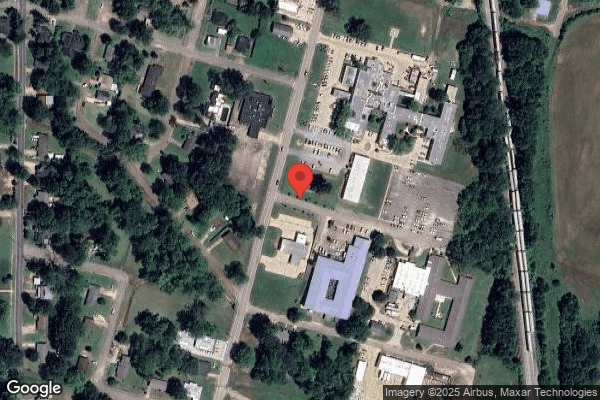
505 JACKSON ST, ABERDEEN, MS 39730 (662) 369-6431
For profit - Limited Liability company 105 Beds Independent Data: November 2025
Trust Grade
48/100
#100 of 200 in MS
Last Inspection: May 2025

Inspected within the last 6 months. Data reflects current conditions.

Overview

The Care Center of Aberdeen has received a Trust Grade of D, indicating below-average performance with some concerning issues. In Mississippi, the facility ranks #100 out of 200, placing it in the top half, and locally in Monroe County, it ranks #2 out of 3, meaning there is only one better option nearby. Unfortunately, the facility is worsening, with issues increasing from 1 in 2024 to 8 in 2025. Staffing is a relative strength, with a 4 out of 5 star rating and a turnover rate of 41%, which is better than the state average. However, there are serious concerns, including a recent incident where a resident was injured due to improper use of a wheelchair lift, and issues with food safety and sanitation practices in the kitchen that could lead to foodborne illness. While there are some strengths in staffing, the overall trend and specific incidents raise significant red flags for families considering this facility.

Trust Score
D
48/100
In Mississippi
#100/200
Top 50%
Safety Record
Moderate
Needs review
Inspections
Getting Worse
1 → 8 violations
Staff Stability
○ Average
41% turnover. Near Mississippi's 48% average. Typical for the industry.
Penalties
✓ Good
$15,935 in fines. Lower than most Mississippi facilities. Relatively clean record.
Skilled Nurses
○ Average
Each resident gets 30 minutes of Registered Nurse (RN) attention daily — about average for Mississippi. RNs are the most trained staff who monitor for health changes.
Violations
⚠ Watch
16 deficiencies on record. Higher than average. Multiple issues found across inspections.
★★☆☆☆
2.0
Overall Rating
★★★★☆
4.0
Staff Levels
★★☆☆☆
2.0
Care Quality
★★☆☆☆
2.0
Inspection Score
Stable
2024: 1 issues
2025: 8 issues

The Good

  • 4-Star Staffing Rating · Above-average nurse staffing levels
  • Full Sprinkler Coverage · Fire safety systems throughout facility
  • No fines on record
  • Staff turnover below average (41%)

    7 points below Mississippi average of 48%

Facility shows strength in staffing levels, fire safety.

The Bad

2-Star Overall Rating

Below Mississippi average (2.6)

Below average - review inspection findings carefully

Staff Turnover: 41%

Near Mississippi avg (46%)

Typical for the industry

Federal Fines: $15,935

Below median ($33,413)

Minor penalties assessed

The Ugly 16 deficiencies on record

1 actual harm
Jul 2025 1 deficiency
CONCERN (D) 📢 Someone Reported This

A family member, employee, or ombudsman was alarmed enough to file a formal complaint

Potential for Harm - no one hurt, but risky conditions existed

Deficiency F0559 (Tag F0559)

Could have caused harm · This affected 1 resident

**NOTE- TERMS IN BRACKETS HAVE BEEN EDITED TO PROTECT CONFIDENTIALITY** Based on staff interviews, record review, and facility policy review, the facility failed to honor the resident's right to recei...

Read full inspector narrative →
**NOTE- TERMS IN BRACKETS HAVE BEEN EDITED TO PROTECT CONFIDENTIALITY** Based on staff interviews, record review, and facility policy review, the facility failed to honor the resident's right to receive written notification, including the reason for the change, before the resident's room in the facility was changed for one (1) of three (3) residents reviewed. Resident #1Findings include:Record review of facility policy titled, Room Changes dated 11/17, revealed, The Social Service Designee/Social Worker, in conjunction with the DON (Director of Nursing), will facilitate that each resident is assigned a room suited to his/her needs.4. The resident or resident representative, when applicable, will receive written notice to include the reason for the change before the resident's room or roommate in the facility is changed.During an interview on 7/28/25 at 2:45 PM, the Social Service Director stated that she and Resident #1's representative had discussed moving the resident closer to the nurses' station and this was done in August 2024. When another room became available in September 2024, she moved the resident and did not notify the resident's representative. She confirmed it was her responsibility to notify the resident and/or representative about room changes, and she failed to provide the notification for that move. An interview with the Administrator on 7/29/25 at 10:50 AM, revealed that it was each resident's right to be informed of a room change and a reason for the room change. She confirmed the facility failed to notify Resident #1's representative of the room change and the reason for the room change in September 2024. Record review of admission Record revealed Resident #1 was admitted to the facility on [DATE]. Diagnoses included Dementia.Record review of Resident #1's Minimum Data Set (MDS) Section C dated 6/26/25, revealed a Brief Interview for Mental Status (BIMS) score of 6 which indicated the resident had a severe cognitive impairment.
May 2025 7 deficiencies 1 Harm
SERIOUS (G)

Actual Harm - a resident was hurt due to facility failures

Accident Prevention (Tag F0689)

A resident was harmed · This affected 1 resident

Based on resident and staff interviews, record review, and facility policy review, the facility failed to protect a resident's safety and prevent an accident when staff failed to use a wheelchair lift...

Read full inspector narrative →
Based on resident and staff interviews, record review, and facility policy review, the facility failed to protect a resident's safety and prevent an accident when staff failed to use a wheelchair lift safety belt to secure a resident's wheelchair on the lift gate during the lift procedure to place the resident into the back of the van. This resulted in the resident rolling backwards in the wheelchair and flipping off the lift gate when it was lifted around four (4) feet high in the air and the resident hit backwards onto the concrete injuring her head and received a three (3) centimeter (cm) laceration to the back of her head. This was for one (1) of two (2) residents incidents reviewed. Resident #37 Findings Include: Review of the facility policy titled Policies for Company Owned Vehicle with a revision date of 5/18 revealed under, 3. Seatbelts: The driver and all passengers in the company/facility owned vehicle must be safely restrained by buckled seat belts, wheelchair floor tie downs and wheelchair harness type seatbelts at all times the vehicle is in use. A qualified individual shall assist patients/residents/clients with seatbelts and wheelchair tie downs and belts, and is responsible for ensuring that all person(s) in the vehicle are safely seat belted . An interview with Resident #37 on 5/12/25 at 2:15 PM revealed she goes to dialysis three times a week and requires the use of the facility transport van. She revealed that she had a recent fall from the van and indicated her wheelchair rolled off the wheelchair lift while loading onto the van. Record review of Resident #37's Witnessed Fall dated 3/14/25 revealed, This nurse was notified that resident rolled off lift and fell backwards while being loaded to be transported to dialysis. Resident lying on flat concrete. Resident able to sit up. Resident has laceration to back of head and complained of right side pain. Resident stated, I fell backwards out of my chair and hit my head. Additionally, the facility started neurological checks, physician was contacted, and the resident was transported to the hospital via ambulance. Record review of Resident #37's Progress Notes' dated 3/14/25 revealed, Abrasion to the back of head is 3 cm by 3 cm - dry with no active bleeding. Record review of the Emergency Department Records dated 3/14/25 revealed, Resident #37 had a computed Tomography scan (CT) of head and cervical spine and an X-ray of the right shoulder with no acute findings. Record review of the written witness statement dated 3/14/25 revealed, I was loading Resident #37 on the bus when the lift remote stopped working. I locked her wheelchair and went on the inside of the bus to manually pump the lift. I instructed her to keep the chair locked. Once I got the lift up, I told Resident #37 to wait for me to unlock her chair. She proceeded to unlock it and before I could catch her chair, she rolled off the lift and fell backwards and was signed by Certified Nurse Aide (CNA) #1. A telephone interview with CNA #1 on 5/14/25 at 8:18 AM revealed she was transporting Resident #37 to dialysis on the day she fell from the van. She explained that she was loading the resident onto the van by herself using the wheelchair lift, and the lift remote control messed up and would not rise. She stated she told the resident not to unlock her wheelchair brakes, and she went inside the back of the van to manually work the van lift. CNA #1 revealed the resident rolled back off the van lift and fell backward onto the pavement. She stated, I was later informed by the Director of Nursing that I should have been using a strap (safety belt) when lifting the resident on the lift gate. CNA #1 revealed that she had never been told to use the strap, and confirmed she did not apply it that day. She additionally added, I was told that we had to have 2 people with van transfers, but nobody was out there with me. She explained that she had been trained on the old transport bus and had only ridden on the newer bus and did not get training. An interview with the Director of Nursing (DON) on 5/14/25 at 8:40 AM revealed staff called her to report Resident #37's fall from the van. She stated the resident was sent to the hospital, was evaluated, and had X-rays, which were all okay. She explained the fall was caused by the resident unlocking the wheelchair brakes, which caused her to roll back off the lift. The DON admitted that CNA #1 reported to her that she did not use the safety wheelchair strap during lift use and stated, I believe she would have fallen off the lift regardless of using the strap, but I know the belt is there for a reason. She confirmed the belt should have been used. She stated, After the fall, I started retraining and called corporate and suspended CNA #1. She explained that CNA #1 resigned after the incident and never returned to work. The DON revealed the aide was new to the transport position and had been working for less than 2 weeks when the event occurred. She revealed the aide had training and checkoffs before driving the van and knew the safety strap was required. She explained the facility only used one staff member for transport unless the resident had dementia (poor cognition) or was an amputee and stated, Really, it's a case-by-case basis on using one versus two staff members. An interview with the Administrator (ADM) on 5/14/25 at 9:10 AM revealed CNA #1 hired in and worked for a while and then decided to become the backup van driver. She confirmed the aide trained for more than 2 weeks and had check offs prior to starting the position. She acknowledged she reviewed and signed off on the incident report for Resident #37's fall and explained that she was off during that time and the DON handled the investigation. The ADM revealed the aide had no prior write ups or concerns with the care she provided to the residents. Record review of the Employee Warning Report dated 3/14/25 revealed, Elder rolled off the back of the van lift- elder unlocked w/c (wheelchair). It rolled back off lift. Lift safety belt was not latched. Certified Nurse Aide #1 was suspended and signed acknowledgment of receipt. Record review of the Company Owned Vehicle Driver Inservice Checklist dated 2/28/25 revealed under, Patient/Passenger Safety & (and) Special Equipment: The proper and safe operation of the wheelchair lift was initialed by Certified Nurse Aide #1 as completed. Further review revealed she signed the Vehicle Lift Operations Proficiency Checklist dated 2/28/25. On 5/15/25 at 8:11 AM, during a follow up telephone interview with CNA #1, she revealed she did train with CNA #2 and CNA #3 and stated neither told her nor showed her to use the safety belt with the wheelchair lift. She confirmed she signed the training record and stated, That's my fault; I should have paid more attention when I signed it. CNA #1 confirmed she knew the strap was there and it would make sense to use it for the residents' safety and acknowledge this would have prevented the fall. An interview with CNA #2 on 5/15/25 at 8:24 AM revealed that she trained CNA #1 on the newer van for a total of five days. She stated, I explained to her about the safety belt and how to use it. An interview with CNA #3 on 5/15/25 at 9:05 AM revealed that she trained CNA #1 on the transport van and fully explained to her that she had to use the safety belt on the wheelchair lift. She revealed CNA #1 had more than 2 weeks of training on the safety of transportation and using seat belts and safety straps. An interview with the Administrator with the DON in attendance on 5/15/25 at 9:21 AM confirmed the investigation into Resident #37's fall revealed CNA #1 did not use the safety belt during the van lift process, which resulted in the resident's fall backwards in her wheelchair from the lift gate which was lifted around four feet high, to the concrete below. The DON stated the aide admitted she did not use the strap and acknowledged she was trained to utilize the wheelchair strap when lifting residents on the lift gate. A record review of the Minimum Data Set (MDS), with an Assessment Reference Date (ARD) of 4/02/25, revealed in Section C, a Brief Interview for Mental Status (BIMS) score of 14, indicating that Resident #37 was cognitively intact. A record review of the admission Record revealed that the facility admitted Resident #37 on 11/15/16 with a medical diagnosis that included End Stage Renal Disease.
CONCERN (D)

Potential for Harm - no one hurt, but risky conditions existed

Deficiency F0578 (Tag F0578)

Could have caused harm · This affected 1 resident

**NOTE- TERMS IN BRACKETS HAVE BEEN EDITED TO PROTECT CONFIDENTIALITY** Resident #73 During an interview on [DATE] at 2:25 PM, Resident #73 stated he had a family member that helped him with his finan...

Read full inspector narrative →
**NOTE- TERMS IN BRACKETS HAVE BEEN EDITED TO PROTECT CONFIDENTIALITY** Resident #73 During an interview on [DATE] at 2:25 PM, Resident #73 stated he had a family member that helped him with his financial information, but he would like to make his medical decisions. He revealed if he stopped breathing, he wanted to receive measures to be revived. During an interview on [DATE] at 2:50 PM, the Director of Nursing (DON) revealed each cognitive resident had the right to determine their end-of-life care to be followed by the facility. She confirmed the facility failed to verify and document Resident #73's wishes and to ensure his preference for end-of-life care was honored. During an interview on [DATE] at 2:55 PM, the admission Coordinator revealed she was responsible for completing the Advance Directive forms on admission. She confirmed Resident #73 was cognitive, therefore, it was his right to determine his choice for end of life care. Record review of Resident #73's Order Summary Report revealed an order dated [DATE] for full code status. Record review of Resident #73's Durable Power of Attorney, dated and signed by resident on [DATE], revealed, If I become unconscious, incapacitated, or need for any reason to make a decision regarding termination of life support, when in the opinion of medical experts or opinions, and there is not reasonable expectation of my recovery, they I specifically authorize my attorney-in-fact to determine when to terminate life support. Record review of Resident #73's Resident/Family Consent for Cardiopulmonary Resuscitation, dated and signed by resident's representative on [DATE]. The form indicated, I understand that CPR constitutes an extraordinary measure and should be done on this resident in the case of extreme emergency. Record review of Resident #73's admission Record revealed the facility admitted the resident on [DATE] with diagnoses that included Schizophrenia, Epilepsy, and Major Depressive Disorder. Record review of Resident #73's MDS Section C dated [DATE], revealed a BIMS score of 14 which indicated the resident was cognitively intact. Resident #75 During an interview on [DATE] at 11:00 AM, Resident #75 revealed he was able to make decisions about his health care and when something happened to him, he did not want to be resuscitated. During an interview on [DATE] at 2:50 PM, the DON confirmed the facility failed to verify and document Resident #75's wishes for end-of-life care to ensure his preference was honored. During an interview on [DATE] at 2:55 PM, the admission Coordinator confirmed Resident #75 was cognitive, therefore, it was his right to determine his choice for end-of-life care. A record review of the electronic Order Summary Report revealed a Do Not Resuscitate DNR order dated [DATE]. Record review of Resident/Family Consent for Cardiopulmonary Resuscitation dated [DATE], revealed Resident #75's representative signed this form as the representative that has legal authority to act on behalf of the resident and chose I understand that CPR constitutes an extraordinary measure and should not be done on this resident . Record review of Resident #75's General Durable Power of Attorney revealed the person listed was authorized .to make any and all health care decisions for me if I be unable to give informed consent with respect to any given health care decision . Record review of Resident #75's admission Record revealed the facility admitted the resident on [DATE] with diagnoses that included Type 1 Diabetes Mellitus, Depression, and Hypertension. Record review of Resident #75's MDS Section C dated [DATE], revealed a BIMS score of 13 which indicated the resident was intact cognitively. Based on staff and resident interviews, record review, and facility policy review, the facility failed to ensure cognitive residents' right to determine their end-of-life care for three (3) of 24 residents reviewed. Resident #37, #73, and #75 Findings Include: Review of the facility policy titled Advance Directives with a revision date of 6/15, revealed under, Policy: The facility recognizes that all adults have a fundamental right to make decisions relating to their own medical treatment, including the right to accept or refuse medical care. It is the policy of the facility to encourage residents and their family/caregivers to participate in decisions regarding care and treatment . Resident #37 During an interview with Resident #37 on [DATE] at 3:26 PM, the resident stated she wanted to make her own healthcare decisions while she was able. She reported that no one from the facility had spoken to her about her end-of-life preferences. When asked whether she wanted the facility to do everything possible to resuscitate her if she stopped breathing or her heart stopped, she responded, Yes, I want everything done. A review of the Resident/Family Consent for Cardiopulmonary Resuscitation (CPR) form, dated [DATE], indicated that CPR should not be performed and was signed by a family member. In an interview with Social Services (SS) #1 on [DATE] at 3:36 PM, she confirmed that Resident #37 was cognitively intact and capable of making her own healthcare decisions. She explained that she was unsure why the resident had not been allowed to sign her own code status form, explaining that she was not employed at the facility when the resident was admitted . She further stated it was the resident's right to make her own healthcare decisions, and the facility should have honored that. During an interview with the Administrator on [DATE] at 8:50 AM, she confirmed that Resident #37 was cognitively intact and that advance directives should have been discussed with her. She stated the resident should have been given the opportunity to sign her own paperwork. A record review of the Minimum Data Set (MDS), with an Assessment Reference Date (ARD) of [DATE], revealed in Section C, a Brief Interview for Mental Status (BIMS) score of 14, indicating that Resident #37 was cognitively intact. A record review of the admission Record revealed that the facility admitted Resident #37 on [DATE] with a medical diagnosis that included End Stage Renal Disease.
CONCERN (D)

Potential for Harm - no one hurt, but risky conditions existed

Grievances (Tag F0585)

Could have caused harm · This affected 1 resident

Based on resident and staff interviews, record review, and facility policy review, the facility failed to address and resolve a resident grievance related to timely Activities of Daily Living (ADL) ca...

Read full inspector narrative →
Based on resident and staff interviews, record review, and facility policy review, the facility failed to address and resolve a resident grievance related to timely Activities of Daily Living (ADL) care for one (1) of 20 sampled residents. Resident #247 Findings include: Review of the facility policy titled Grievances-Resident with a revision date of 05/24 revealed, All residents are to be encouraged and assisted (if necessary) in filing grievances to include those with respect to care and treatment, the behavior of staff . The Administrator or Designee has been appointed as the Grievance official who is responsible for overseeing the grievance process, receiving and tracking grievances through to their conclusion, leading any necessary investigation by the facility .Upon receipt of a grievance/complaint the staff receiving the complaint will report to their supervisor, grievance official, or will initiate the Grievance/Complaint Form NS-795. Resident #247 Record review of Grievance/Complaint with an effective date of 03/24/2025, 3. Name of Staff who received this Complaint. (Name of Social Worker/Internet Review left by family member) revealed under Explanation/Nature of Complaint, .Well my sister (Resident 247) had an issue a little while back when she came to visit. I cut my call light on and asked to be changed when she (Name of CNA)(Certified Nursing Assistant) came in. CNA responded, You'll have to wait til I get back from my lunch. Her sister responded, So she's just supposed to sit in this while you go to lunch and then she got changed. On 5/12/25 at 11:00 AM, an interview with Resident #247 revealed she feels like it takes too long to be changed when she has had a bowel movement, and she has reported it at least three times and it is still not resolved. During an interview on 5/15/25 at 8:20 AM, the Licensed Social Worker (LSW) revealed the resident has complained before about CNAs not answering the call light promptly and leaving her soiled for a long period. She revealed the resident has complained to me at least 3 times about this issue, and it could be more, and the Director of Nursing (DON) is aware of it as well. She confirmed she had not opened additional grievances each time the resident complained, but would report it to the DON, and if she were instructed to open a grievance, she would have done it. An interview on 5/15/25 at 10:12 AM, Resident #247 revealed she had a good day yesterday until her sister brought her in from the outside activities. She revealed, I saw my aide in the hallway, and I told him that I had a bowel movement and needed to be changed. He said ok, let me finish passing this ice and get my vital signs, and then I'll be right in there. My sister pushed me into my room, and I waited about an hour and a half. I have always reported it to the social worker (SW), and I called her yesterday and reported it to her again. An interview on 5/15/25 at 10:30 AM, the DON revealed that she was aware of a grievance that the resident had on 3/24/25 that an aide had told her she was going to lunch and couldn't change her brief. She revealed we did address that grievance and thought we had a resolution and confirmed that she was unaware that it was still an ongoing concern and grievance for the resident. During an interview on 5/15/25 at 10:45 AM, the Administrator (ADM) revealed she is the grievance officer, and she or the social worker usually opens a grievance form for any issue to be investigated. She confirmed that she was unaware of any other grievances voiced regarding Resident #247 not getting her care in a timely manner until yesterday. She revealed that a grievance form should have been opened if additional complaints were voiced to the social worker or any staff member. Then it would have been investigated correctly and followed through with a resolution and a follow-up. A review of the admission Record revealed the facility admitted Resident #247 on 2/3/25 with medical diagnoses that included Paranoid schizophrenia and Encephalopathy. A review of the Minimum Data Set (MDS) with an Assessment Reference Date (ARD) of 5/8/25 revealed, under section C, a Brief Interview for Mental Status (BIMS) summary score of 13, which indicated Resident #247 was cognitively intact.
CONCERN (D)

Potential for Harm - no one hurt, but risky conditions existed

PASARR Coordination (Tag F0644)

Could have caused harm · This affected 1 resident

**NOTE- TERMS IN BRACKETS HAVE BEEN EDITED TO PROTECT CONFIDENTIALITY** Based on staff interviews, record review and facility policy review, the facility failed to submit a change in status referral f...

Read full inspector narrative →
**NOTE- TERMS IN BRACKETS HAVE BEEN EDITED TO PROTECT CONFIDENTIALITY** Based on staff interviews, record review and facility policy review, the facility failed to submit a change in status referral for a Level II PASRR (Pre-admission Screening and Resident Review) for a resident with a new mental diagnosis for one (1) of four (4) PASRR's reviewed. Resident #5. Findings Include: Review of the Facility Policy Pre-admission Screening (PAS)/PASRR with latest revision date of 08/24 documented A change in status referral for Level II Resident Review Evaluations Is Also Required for Individuals Who May Not Have Previously Been Identified by PASRR to Have Mental Illness, Intellectual Disability/Developmental Disability, or a Related Condition in the Following Circumstances: *A resident who exhibits behavioral, psychiatric, or mood related symptoms suggesting the presence of a diagnosis of mental illness as defined under 42CFR (Code of Federal Regulations) 483.100 (where dementia is not the primary diagnosis) . Record review of Resident 5's admission Record revealed an admission date of 03/03/25 and that he had diagnoses that included Depression and Unspecified Psychosis. Record review of Resident #5's Initial Behavioral Medicine/Psychiatric Assessment dated 03/11/25 revealed that he had a new diagnosis of Mood d/o (disorder) with Psychosis and the assessment was signed by Mental Health Nurse Practitioner. Record review of Resident #5's admission Minimum Data Set (MDS) with Assessment Reference Date (ARD) of 03/10/25 under Section I - Active Diagnoses revealed that he had a Psychotic Disorder. Section N revealed that he was taking antipsychotic medication. An interview on 05/13/25 at 9:00 AM with Admissions Coordinator revealed that she completed a Level I PAS on Resident #5 prior to his admission and he did not trigger for a Level II. She revealed that they went by the hospital history and physical and this documentation did not indicate a diagnosis that would trigger a Level II. Admissions Coordinator revealed that anytime a resident received a new mental health diagnosis or had a new or discontinued antipsychotic medication, they were supposed to submit a status change. On 05/13/25 at 1:35 PM an interview with Licensed Social Worker (LSW), revealed that a change in status was required to be submitted with any new diagnosis and with any new antipsychotic medication addition or discontinuation. LSW revealed that she reviewed Resident #5's records and could not find in the hospital transfer where he had the Psychosis diagnosis when he admitted to the facility. She revealed that Resident #5 was admitted to the facility on [DATE] and she confirmed that he did not have the Psychosis diagnosis at that time. A phone interview on 05/15/25 at 8:50 AM with Mental Health Nurse Practitioner (MHNP), revealed that she assessed Resident #5 on 03/11/25 due to paranoid behaviors and because he was feeling like all the staff were against him. MHNP revealed that Resident #5 was admitted to the facility on antipsychotic medications and on 03/11/25, she diagnosed him with Mood Disorder with Psychosis. An interview on 05/15/25 at 9:28 AM, the LSW revealed she was responsible for submitting the change of status forms for a Level II PASRR. She revealed that she was aware that with any new mental illness diagnosis, she was required to submit a new change of status form for a Level II PASRR. She revealed that she did not submit the change of status form on Resident #5 because she wasn't aware of the new diagnosis. LSW revealed that the purpose of the Level II evaluation was to make sure the resident received the proper psychiatric care that they may need. She revealed that while searching through Resident #5's medical records they found that the Mental Health Nurse Practitioner had diagnosed him with Psychosis on 03/11/25. LSW confirmed that the new diagnosis was missed and that a Level II change in status had not been completed and should have been. An interview on 05/15/25 at 11:15 AM with the Director of Nursing (DON), revealed that she received and reviewed the Physician and Nurse Practitioner Progress Notes when completed and that she just missed the new diagnosis for Resident #5. DON revealed that she received Resident #5's assessment dated [DATE] that was completed by the Mental Health Nurse Practitioner and confirmed that she did not realize that the Psychosis diagnosis was new for him.
CONCERN (D)

Potential for Harm - no one hurt, but risky conditions existed

Comprehensive Care Plan (Tag F0656)

Could have caused harm · This affected 1 resident

Resident #75 Record review of Resident #75's care plan revised 2/5/25 revealed Resident needs assist with ADLs. Interventions included to Assist ADLs as needed. Bathing: observe nail length, clean on ...

Read full inspector narrative →
Resident #75 Record review of Resident #75's care plan revised 2/5/25 revealed Resident needs assist with ADLs. Interventions included to Assist ADLs as needed. Bathing: observe nail length, clean on bath day and as needed . During an interview and observation on 5/12/25 at 10:55 AM, Resident #75's fingernails were long and overgrown with a brown substance noted underneath his nails. He confirmed he wanted his fingernails trimmed. During an interview and observation of Resident #75's nails on 5/13/25 at 11:10 AM, the Director of Nursing (DON) acknowledged the resident's nails were long with a brown substance under the nails. She acknowledged that the care plan was a guide for each resident's care, and she confirmed the facility failed to implement the care plan related to nail care. An interview with the MDS Coordinator on 5/13/25 at 2:20 PM, revealed she was responsible for developing and updating the care plans. She revealed the care plan was an individualized guide for each resident's care and preferences and confirmed the facility failed to follow Resident #75's developed care plan for ADLs related to nail care. Record review of Resident #75's admission Record revealed the facility admitted the resident on 8/30/23 with diagnoses that included Type 1 Diabetes Mellitus, Depression, and Hypertension. Record review of Resident #75's MDS Section C dated 4/29/25, revealed a BIMS score of 13 which indicated the resident was intact cognitively. Based on observation, staff and resident interview, record review, and facility policy review, the facility failed to implement a comprehensive care plan for Activity of Daily Living (ADL) related to nail care for two (2) of 20 sampled residents. Resident #63 and #75 Findings include: Record review of facility policy titled Care Plan Process dated 12/24, revealed, Regulations require facilities to complete, at a minimum and at regular intervals, a comprehensive, standardized assessment of each resident's functional capacity and needs in relation to a number of specified areas. The results of the assessment, which must accurately reflect the resident's status and needs, are to be used to develop, review, and revise each resident's comprehensive person-centered plan of care. The facility staff shall follow the care plan. Resident #63 A review of Resident #63's ADL care plan revised 4/3/25 indicated: Resident needs assist with ADLs .Interventions: .Nail care - cut and file weekly and as needed . Observations and an interview with Resident #63, on 5/12/25 at 11:49 AM and again on 5/13/25 at 10:45 AM, revealed that his fingernails were one (1) inch in length, jagged and had a brown substance underneath and Resident #63 expressed a desire to have his nails trimmed. On 5/13/25 at 10:50 AM, during an interview and observation Registered Nurse (RN) #1 confirmed Resident #63's fingernails were very long and needed trimming. She noted that the resident could scratch and make wounds due to the length and condition of the nails. An interview on 5/15/25 at 11:16 AM with the Minimum Data Set (MDS) Coordinator revealed staff were not following the established plan of care for Resident #63. She further confirmed there was no documentation indicating a refusal of nail care by the resident. Review of the admission Record indicated that the facility admitted Resident #63 on 2/10/2020 with a medical diagnosis that included Hemiplegia, Unspecified Affecting Right Dominant Side. A review of the MDS with an Assessment Reference Date (ARD) of 4/4/25 revealed under section C, a Brief Interview for Mental Status (BIMS) summary score of 14 which indicated Resident #63 was cognitively intact.
CONCERN (D)

Potential for Harm - no one hurt, but risky conditions existed

ADL Care (Tag F0677)

Could have caused harm · This affected 1 resident

Resident #75 During an interview and observation on 5/12/25 at 10:55 AM, Resident #75 revealed he wanted his fingernails trimmed. His fingernails were observed to be slightly long with a brown substan...

Read full inspector narrative →
Resident #75 During an interview and observation on 5/12/25 at 10:55 AM, Resident #75 revealed he wanted his fingernails trimmed. His fingernails were observed to be slightly long with a brown substance noted under nails. During an interview and observation of Resident #75's nails on 5/13/25 at 11:10 AM, the Director of Nursing (DON) observed the long nails with the brown substance under the nails. The resident informed the DON that he preferred his nails to be shorter than they were. She acknowledged it was important to keep the nails clean and trimmed to protect the resident from skin concerns and infections. She confirmed the facility failed to maintain the resident's nails at a length he preferred and failed to keep the nails clean. Record review of Resident #75's admission Record revealed the facility admitted the resident on 8/30/23 with diagnoses that included Type 1 Diabetes Mellitus, Depression, and Hypertension. Record review of Resident #75's MDS Section C dated 4/29/25, revealed a BIMS score of 13 which indicated the resident was intact cognitively. Based on observation, resident and staff interviews, record review, and facility policy review, the facility failed to provide Activities of Daily Living (ADL) care to maintain personal hygiene for two (2) of 20 sampled residents. Resident #63 and #75. Findings include: Record review of facility policy titled, Resident Quality of Care, dated 8/24, revealed, Each resident shall receive optimal care to attain and/or maintain the highest possible mental and physical functional status as determined by the comprehensive assessment and person-centered plan of care. Each resident's care is tailored to the functional status and needs they may have. At the time of the bath, all residents shall also receive, if applicable, nail care. Record review of facility policy titled, Nail Care, dated 1/24, revealed, Purpose - to promote cleanliness, safety, and a neat appearance. Resident #63 On 5/12/25 at 11:49 AM and again on 5/13/25 at 10:45 AM, an observation and interview of Resident #63 revealed that his fingernails were one (1) inch in length, jagged and had a brown substance underneath and the resident expressed a desire to have his nails trimmed. During an interview of the observations on 5/13/25 at 10:50 AM, Registered Nurse (RN) #1 confirmed Resident # 63's fingernails were very long and needed trimming. She noted that the resident could scratch and make wounds due to the length and condition of the nails. During an interview on 5/14/25 at 1:46 PM with the Administrator, it was confirmed that a resident with long, jagged fingernails could potentially cause a skin tear. Record review of the admission Record indicated that the facility admitted Resident #63 on 2/10/2020 with a medical diagnosis that included Hemiplegia, Unspecified Affecting Right Dominant Side. A record review of the Minimum Data Set (MDS) with an Assessment Reference Date (ARD) of 4/4/25 revealed under section C, a Brief Interview for Mental Status BIMS summary score of 14 which indicated Resident #63 was cognitively intact.
CONCERN (F)

Potential for Harm - no one hurt, but risky conditions existed

Food Safety (Tag F0812)

Could have caused harm · This affected most or all residents

Based on observations, interviews, record reviews, and facility policy review, the facility failed to label and store food properly and maintain the kitchen and the equipment in a clean and sanitary c...

Read full inspector narrative →
Based on observations, interviews, record reviews, and facility policy review, the facility failed to label and store food properly and maintain the kitchen and the equipment in a clean and sanitary condition for two (2) of three (3) kitchen tours. Findings included: Review of the facility's policy titled, Food Storage Labeling, with revised date 5/18 revealed, Policy: The facility will ensure the safety and quality of food by following good food storage labeling procedures . Review of the facility's policy titled, Cleaning Schedule, with revised date 5/18 revealed, .Procedure: .All equipment and work areas are cleaned after each use, or, on a routine basis .A cleaning schedule is established by the Director of Food and Nutrition Services .The Director of Food and Nutrition Services checks routinely to see that the task is completed according to standards . During the initial kitchen tour with the Dietary Manager (DM) on 5/12/25 at 10:24 AM several observations were made regarding food storage practices. In produce refrigerator number one (1), several items, including mashed potatoes, spam, applesauce, orange juice, apple juice, cranberry juice, and a sliced onion were present without dates indicating when they were opened or when they expired. Similarly, in produce refrigerator number two (2), several items, such as pimento cheese, sweet and sour sauce, BBQ sauce, mayonnaise, and potato salad, were also opened and undated. The dry storage room revealed more of the same concerning practices, with items like creamy peanut butter, powdered sugar, brown sugar, key lime sauce, teriyaki sauce, Worcestershire sauce, and grits lacking appropriate dating with opened containers. During an interview on 5/12/25 at 10:50 AM with the DM, he confirmed that no open food items should be stored without an open date. He further emphasized that this practice is unacceptable as it could lead to food-borne illnesses. During an interview on 5/12/25 at 11:15 AM with the Administrator, she confirmed that the facility policy requires that open food items be labeled with an open date, underscoring the importance of adherence to safety protocols. During an observation and interview on 5/14/25 at 11:05 AM with the Production Supervisor, she confirmed that the roll-up food service window located directly above the steam table was heavily covered across the top and down the sides with large accumulations of dust and grease. Additionally, other dirt and dust particles were in each individual slat. The steam tables also had old grease drippings on the bottom shelf. When questioned about the responsibility for cleaning the roll-up service window, she expressed uncertainty, stating, I'm not sure who is responsible for cleaning the roll-up service window, whether it's dietary or maintenance. During an interview on 5/14/25 at 11:08 AM with the DM, he revealed that both he and the Maintenance Supervisor were responsible for cleaning the roll-up service window. However, he acknowledged that it had not been cleaned in quite some time and was in a dirty state, indicating a need for immediate attention. He further expressed concern that the accumulation of dirt and dust could fall into the food as the roll-up window was opened for service. Additionally, he confirmed that this situation could cause the food to become contaminated and that proper cleaning protocols should be enforced to ensure the safety of the residents.
Oct 2024 1 deficiency
CONCERN (D) 📢 Someone Reported This

A family member, employee, or ombudsman was alarmed enough to file a formal complaint

Potential for Harm - no one hurt, but risky conditions existed

Safe Environment (Tag F0584)

Could have caused harm · This affected 1 resident

Based on observation, staff, resident and resident family interviews, record review, and facility policy review, the facility failed to ensure a clean environment as evidenced by dirty wheelchairs and...

Read full inspector narrative →
Based on observation, staff, resident and resident family interviews, record review, and facility policy review, the facility failed to ensure a clean environment as evidenced by dirty wheelchairs and strong, offensive odors for three (3) of seven (7) sampled residents reviewed. Resident #6, Resident #7, and Resident #8. Findings Include: Record review of the facility policy titled, Policy for General Cleaning and Maintenance of Equipment with latest review date of 08/21 revealed, It is the policy of this facility that all resident care equipment will be cleaned and decontaminated after use and will be prepared for reuse by the same or another resident .Equipment is first cleaned of surface soil with soap and water or facility disinfectant . Record review of Statement typed on facility letterhead dated 10/24/24 and signed by the Administrator (ADM) revealed that the Facility does not have a policy to include odor free environment. However, the goal of the facility includes: To provide a safe, sanitary and odor free environment for all patients, employees and visitors at the facility. An observation and interview on 10/23/24 at 8:40 AM, revealed a strong, pungent odor in Resident #6's room on the 400 hall and a puddle of liquid on the floor in the bathroom at the base of and in front of the commode. The bathroom tile was dark, and the color of the liquid substance was difficult to determine. The wet area on the bathroom floor measured about one and one-half by two feet and had a foul odor. There was also a yellow liquid splattered on the commode seat. Resident #6 was sitting up in a chair in his room and he said that he didn't notice a foul odor and stated, When you stay in here so long, you get used to it. An observation on 10/23/24 at 11:15 AM, in Resident #6's room and bathroom revealed a foul odor and a liquid substance on the floor of the bathroom in front of the commode. An observation and interview on 10/23/24 at 12:10 PM, in Resident #6's room with the ADM, confirmed the strong, foul odor in the room and bathroom and confirmed the liquid substance on the floor in the bathroom. ADM revealed that the liquid on the floor in the bathroom looked and smelled like urine and she would address that issue. She also agreed that they should provide a clean, odor free environment for the residents because this was their home. An observation and interview on 10/23/24 at 9:12 AM, revealed Resident #8 sitting in her wheelchair in the small dining room on the 400 hall with her husband at her side. Resident #8's husband revealed that she had been at the facility since the end of January of this year and she had Dementia and could no longer take care of herself. He revealed that his only concern with the facility was that he had noticed that her wheelchair was nasty, and he didn't think it had been cleaned since she was admitted to the facility. He revealed that there was junk spilled on it, there was lots of grit, grime, dust, and hair stuck to the wheelchair frame. He stated, It's nasty, and they let it go. Resident #8's husband revealed that he had not mentioned it to anyone, but he shouldn't have to. An observation revealed a grayish brown substance on the wheelchair frame and on the spokes of the two large wheels. On 10/23/24 at 10:26 AM, an observation revealed Resident #7 sitting in his wheelchair in the small dining room on the 400-hall. His wheelchair was dirty with white and brown food crumbs in the chair between the cushion and arm rest on both sides and there was a gray and brown substance covering the frame of the wheelchair bilaterally. Resident #7 was alert but was observed as non-verbal. An interview on 10/23/24 at 11:55 AM with the Director of Nursing (DON) revealed that resident wheelchairs were assigned to be cleaned by the Certified Nursing Assistants (CNAs) on the third shift, 10 P - 6 A, on Sunday nights. She revealed that they had a CNA Sunday Assignment sheet posted in a binder at the desk and the aides knew that cleaning the wheelchairs was their responsibility to complete. The DON revealed that they divided up the residents between six CNAs and they were required to clean the wheelchairs of the residents who were assigned to them on that shift. She revealed that they did not have a sign-off sheet and didn't have anything in place to make sure the wheelchairs were cleaned. The DON revealed that if any staff member observed that a wheelchair needed to be cleaned at any time, they should take care of it right then and not wait until the scheduled Sunday night shift for someone else to do. She revealed that they had Sani-clothes also available on the carts and anyone could wipe a wheelchair down if it needed to be cleaned. An observation and interview on 10/23/24 at 12:05 PM, with the ADM confirmed that Resident #7 and Resident #8's wheelchairs were dirty and needed to be cleaned. She revealed that they had a place out back where they took the dirty wheelchairs, and pressure washed them. ADM confirmed that the wheelchairs didn't look like they had been cleaned in a while and should have been taken care of and stated, We are going to correct it now and there's nothing else I can say except they are dirty. A phone interview on 10/23/24 at 12:35 PM with Complainant revealed that she came to the facility often and visited her dad. She revealed that the room her dad was previously in on the 400 hall had a pungent urine odor and stated, It always smelled like pee. She revealed that they had moved her dad into another room and there was no issue with the odor in his room now. The Complainant revealed that during her visits with her dad, she had witnessed a lot of filthy wheelchairs, and she revealed that the facility still smelled of urine sometimes. The Complainant revealed that the urine odor was bad, and she felt sorry for the residents who could not speak for themselves and stated, They deserve better. The Complainant revealed that she had talked to the staff, reported dirty wheelchairs and the odors and there hadn't been much change. She stated, The wheelchairs are never clean. An interview on 10/24/24 at 8:15 AM, with CNA #1, revealed that the aides on the 10 P-6 A shift were responsible for cleaning the wheelchairs. She revealed that if any staff member noticed anything spilled on the wheelchair or noticed that the wheelchairs were dirty any other time, they should clean them right then and not wait on the night shift to do it. CNA #1 revealed that they could use soap and water or use the Sani -Wipes to clean them. An interview on 10/24/24 at 8:20 AM, with the DON revealed that they should have noticed the dirty wheelchairs, cleaned them, or at least wiped them down with Sani-Wipes which were readily available. She revealed that each CNA was responsible for the wheelchairs of the residents who were assigned to them on Sunday nights on the 10 P to 6 A shift. The DON confirmed that they had a sheet they were supposed to go by, but they didn't document anything about the cleaning of the wheelchairs. The DON revealed that they knew they had an issue and confirmed that they did not have an effective plan in place to ensure they were being cleaned. Record review of the facility CNA Sunday Assignment sheet, revealed that on the 10 PM - 6 AM shift every Sunday night the CNA assignments included .Clean and Disinfect all vital sign equipment and wheelchairs . Record review of Resident #6's admission Record revealed an admission date of 05/24/21 and that he had diagnoses that included Chronic Obstructive Pulmonary Disease, Epilepsy, and Osteoarthritis. Record review of Resident #6's MDS with ARD of 09/11/24 under Section C revealed a BIMS Score of 10 which indicated that he had mild cognitive deficits. Section GG revealed that he required supervision or touching assistance with toileting hygiene. Record review of Resident #7's admission Record revealed an admission date of 07/30/21 with diagnoses that included Cerebral Infarction, Hemiplegia and Hemiparesis following Cerebral Infarction, Aphasia, and Dependence on Wheelchair. Record review of Resident #7's MDS with ARD of 08/09/24 revealed that the Brief Interview for Mental Status (BIMS) should not be conducted due to resident is rarely or never understood. Record review of Resident #8'sadmission Record revealed an admission date of 01/30/24 and that she had diagnoses that included Unspecified Dementia and Epilepsy. Record review of Resident #8's MDS with ARD of 10/09/24 under Section C revealed that a Brief Interview for Mental Status should not be conducted due to resident is rarely or never understood.
Nov 2023 4 deficiencies
CONCERN (D)

Potential for Harm - no one hurt, but risky conditions existed

Deficiency F0561 (Tag F0561)

Could have caused harm · This affected 1 resident

**NOTE- TERMS IN BRACKETS HAVE BEEN EDITED TO PROTECT CONFIDENTIALITY** Based on observation, resident and staff interviews, record review and facility policy review, the facility failed to honor a re...

Read full inspector narrative →
**NOTE- TERMS IN BRACKETS HAVE BEEN EDITED TO PROTECT CONFIDENTIALITY** Based on observation, resident and staff interviews, record review and facility policy review, the facility failed to honor a resident's choice to smoke cigarettes for one (1) of 17 smokers residing in the facility. Resident #45. Findings Include: Record review of the facility policy titled Resident's Rights Policy with a revision date of 11/23 revealed, Every resident in this facility has the right to: . 22. Use tobacco in accordance with applicable policies, rules, and laws . An observation with interview on 11/13/23 at 3:30 PM, with Resident # 45, revealed him standing in the day room waiting to go outdoors to smoke. The resident revealed that the facility was punishing him because he was caught smoking in his bathroom. He stated they took his cigarettes away as punishment, and he was only allowed to use a vape pen. An interview with Resident # 45 on 11/14/23 at 8:35 AM revealed he was caught by staff smoking in his room. He stated, I feel it's a punishment to take my cigarettes away. The resident stated, You just don't know how hard it is to smoke all your life and then be told you can't. The resident voiced he desired to smoke, and he had told multiple staff members, but they will not allow it. An observation on 11/14/23 at 1:30 PM of the supervised scheduled smoke break revealed Resident #45 was provided a vape pen while all other residents were allowed to smoke cigarettes. An interview on 11/14/23 at 1:58 PM with the Director of Nursing (DON) revealed that Resident #45's smoking privileges had been taken away because he refused to follow the facilities rules related to the smoking policy. She stated that he was caught with cigarette butts and a lighter in his room on 7/14/23 and later was caught smoking in his room on 8/14/23. The DON revealed that Resident # 45 was told at that time that he could no longer smoke, since he could not follow the facility policy for smoking. She revealed that he was offered a nicotine patch, which he refused. She revealed the facility also offered to transfer him to another facility, but he wished to stay. The DON revealed she spoke with the resident on multiple occasions and explained that he could no longer smoke cigarettes due to not following the rules. She stated the facility decided the vape pen was the best option and to her knowledge he had been okay with not smoking. An interview with Resident #45 on 11/15/23 at 2:40 PM revealed it was not fair to allow other residents to smoke but not him. He revealed that the Director of Nursing (DON) told him he could work toward regaining his smoking privileges back, and he had done everything they had asked and still could not smoke. He revealed that the DON suggested he use the vape pen, but that had not curbed his need to smoke cigarettes. An interview with the Administrator (ADM) on 11/15/23 at 4:35 PM revealed they are a smoking facility and confirmed that Resident #45 was admitted to the facility as a smoker. The ADM confirmed that they had not tried any other interventions apart from revoking the resident's smoking privileges. An interview on 11/16/23 at 8:03 AM with the Director of Nursing (DON) confirmed the facility had not done everything they could to honor Resident # 45's right to smoke cigarettes. Record review of the Departmental Notes for Resident # 45 dated 8/14/23 revealed, Resident has not followed the policy for smoking and will not be allowed to smoke . Record review of the Departmental Notes for Resident # 45 dated 9/20/23 revealed, Resident has been asking frequently to go out to smoke. He cannot smoke due to not following the policy . Record review of the Face Sheet revealed Resident # 45 was admitted to the facility on [DATE] with medical diagnosis that included Heart Failure, Bipolar Disorder, Major Depressive Disorder, Chronic Obstructive Pulmonary Disease, and Anxiety Disorder. Record review of the Significant Change Minimum Data Set (MDS) with an Assessment Reference Date (ARD) of 9/05/23 revealed under Section C, a Brief Interview for Mental Status (BIMS) score of 15, which indicates Resident #45 was cognitively intact.
CONCERN (D)

Potential for Harm - no one hurt, but risky conditions existed

PASARR Coordination (Tag F0644)

Could have caused harm · This affected 1 resident

Based on staff interviews, record review and facility policy review, the facility failed to submit a change in status referral for a level 2 PASRR (Pre-admission Screening and Resident Review) on a re...

Read full inspector narrative →
Based on staff interviews, record review and facility policy review, the facility failed to submit a change in status referral for a level 2 PASRR (Pre-admission Screening and Resident Review) on a resident with a new mental diagnosis, new antipsychotic medication, and an inpatient psychiatric stay for one (1) of three (3) PASRRs reviewed. Resident #24. Findings include: Review of the Facility Policy Pre-admission Screening PAS/PASRR (Pre-admission Screening/Pre-admission Screening and Resident Review) with latest revision date of 09/23, revealed .A change in status referral for Level II Resident Review Evaluations Is Also Required for Individuals Who May Not Have Previously Been Identified by PASRR to Have Mental Illness, Intellectual Disability/Developmental Disability, or a Related Condition in the Following Circumstances: . *A resident who exhibits behavioral, psychiatric, or mood related symptoms suggesting the presence of a diagnosis of mental illness as defined under 42CFR (Code of Federal Regulations) 483.100 (where dementia is not the primary diagnosis). * A resident whose intellectual disability as defined under 42 CFR 483.100, or related condition as defined under 42 CFR 435.1010 was not previously identified and evaluated through PASRR. * A resident transferred, admitted , or readmitted to a NF (Nursing Facility) following an inpatient psychiatric stay or equally intensive treatment . Record review of Resident #24's Diagnosis list revealed a diagnosis of Major depressive disorder, recurrent, severe with psychotic symptoms with an onset date of 06/28/2022. Record review of Physician Order List of Resident #24 revealed an order dated 06/14/2022, Evaluate and admit to Behavioral Health as indicated and an order dated 06/28/2022, Risperidone 0.5 mg tablet by mouth @ (at) bedtime. Record review of Resident #24's November 2023 Physician Orders revealed orders dated 06/28/22, Bupropion HCL XL 150 mg tablet by mouth daily and Cymbalta 60 mg capsule by mouth twice daily. On 11/14/23 at 2:25 PM, an interview with Social Services, revealed that she was responsible for completing the Level II Change in Status Request forms and submitting them to (Proper Name for state designated authority) for any resident who went out to inpatient behavioral health and then (Proper Name for state designated authority) would let them know if it triggered for a Level 2 PASRR. She revealed that she failed to submit the status change information on Resident #24. On 11/14/23 at 2:40 PM, an interview with Administrator confirmed that Resident #24 had a new diagnosis of Depression with Psychosis, had been to behavioral health and that the Status Change Form should have been submitted. The Administrator revealed that after this information was submitted, (Proper Name for the state designated authority) would have gotten back to the facility for further recommendations for services needed. On 11/15/23 at 10:10 AM, an interview with Director of Nursing (DON) revealed that when a resident was sent out for behavioral health, a change of status form should be filled out and submitted. She revealed that this form should also be submitted if a resident had an order for a new or changed antipsychotic medication. The DON confirmed that Resident #24 had been sent out to behavioral health and came back with antipsychotic medications ordered and there had not been a change in status form submitted. Record review of Resident #24's Face Sheet revealed an admission date of 03/22/21 with diagnoses including Metabolic Encephalopathy, and Major Depressive Disorder, recurrent, Severe with Psychiatric Symptoms. Record review of Resident #24's Minimum Data Set (MDS) with Assessment Reference Date (ARD) of 08/22/23 under Section C revealed a Brief Interview for Mental Status (BIMS) score of 15 which indicated the resident was cognitively intact.
CONCERN (D)

Potential for Harm - no one hurt, but risky conditions existed

Accident Prevention (Tag F0689)

Could have caused harm · This affected 1 resident

**NOTE- TERMS IN BRACKETS HAVE BEEN EDITED TO PROTECT CONFIDENTIALITY** Based on observation, resident and staff interviews, record review and facility policy review, the facility failed to provide ad...

Read full inspector narrative →
**NOTE- TERMS IN BRACKETS HAVE BEEN EDITED TO PROTECT CONFIDENTIALITY** Based on observation, resident and staff interviews, record review and facility policy review, the facility failed to provide adequate supervision during smoke breaks to prevent residents from obtaining smoking paraphernalia and to maintain resident safety during smoke breaks for one (1) of 15 residents who smoke. Resident #45. Findings Include: Record review of the facility policy titled Smoking Policies and Regulations with a revision date of 10/22 revealed, .Cigarette lighters and matches are not permitted in a resident's room and will be kept at the nurse stations. The facility will provide matches and will light cigarettes upon request in designated areas set aside for smoking. These areas will be monitored by designated staff . Resident #45 An observation and interview on 11/13/23 at 3:30 PM, with Resident # 45, revealed him standing in the day room waiting to go outdoors to smoke. An interview with Resident # 45 on 11/14/23 at 8:35 AM, revealed he was caught by staff smoking in his room with cigarettes' butts and a lighter that he had confiscated during a supervised smoke break. An observation on 11/14/23 at 1:30 PM, of the supervised scheduled smoke break revealed two (2) staff members that dispensed the residents' cigarettes and provided assist with lighting for fourteen residents while leaving the smoke box open on the outdoor table. All outdoor tables had small, shallow circular ashtrays. An interview with Registered Nurse #1 on 11/14/23 at 1:50 PM, revealed they usually have two (2) staff members to supervise the smokers. She revealed that Resident # 45 had been caught smoking in his room a couple of times. An interview on 11/14/23 at 1:58 PM, with the Director of Nursing (DON) revealed that Resident #45 was safe with independent smoking when he was admitted to the facility, which meant he could smoke anytime in the designated area. She stated that he was caught with cigarette butts and a lighter in his room on 7/14/23 and was caught smoking in his bathroom on 8/14/23, despite receiving supervised smoke breaks. She revealed Resident #45 confirmed that he took the cigarette butts during the supervised smoke break and stole a lighter out of the box that held the smoking supplies when the staff member turned her head. An interview with the Director of Nursing (DON) on 11/15/23 at 9:20 AM, revealed the facility had 15 residents that required smoking supervision. She revealed that they have two (2) staff members that supervise the residents' smoke breaks and stated they have adequate supervision. The Survey Agent inquired how Resident #45 could have got cigarette butts and a lighter inside the facility if he was adequately supervised, and she replied, He waits until they turn their heads and sneaks and takes it. She confirmed that she had not tried any other interventions. She denied trying any one-on-one measures or staff education. She acknowledged, without adequate supervision, the resident could still potentially sneak a lighter or cigarette butts during the smoking times. An interview with Social Services on 11/15/23 at 4:20 PM, revealed that Resident #45 had been caught smoking in his room twice and he had been caught stealing used cigarette butts. An interview with the Administrator (ADM) on 11/15/23 at 4:35 PM, revealed they are a smoking facility and confirmed that Resident #45 was admitted to the facility as a smoker. She revealed they have adequate staff members outside with the resident to supervise during the smoking process. She revealed the facility had implemented increased monitoring during smoke breaks since Resident #45 was caught smoking in his room. She revealed that increased monitoring was defined as increased awareness by the staff since the smoking incident occurred. Record review of the Resident Incident Report for Resident # 45 dated 7/14/23 revealed, Resident was found to be taking cigarette butts and lighter in his pocket-He stated that he was going to smoke in his bathroom until he was caught. Resident is able to smoke independently at this time. Record review of the Resident Incident Report for Resident #45 dated 8/14/23 revealed, Staff reports that residents room smelled of smoke. I went in and elder has been smoking in his bathroom. He had butts in his pocket. He stated he stole the lighter when the nurse had turned her head, he took the lighter. He also stated that he wanted to smoke independently so I smoked in my room. Record review of the Face Sheet revealed Resident # 45 was admitted to the facility on [DATE] with medical diagnosis that included Heart Failure, Bipolar Disorder, Major Depressive Disorder, Chronic Obstructive Pulmonary Disease, and Anxiety Disorder. Record review of the Minimum Data Set (MDS) with an Assessment Reference Date (ARD) of 9/05/23 revealed under Section C, a Brief Interview for Mental Status (BIMS) score of 15, which indicates Resident #45 was cognitively intact.
CONCERN (D)

Potential for Harm - no one hurt, but risky conditions existed

Staffing Data (Tag F0851)

Could have caused harm · This affected 1 resident

Based on staff interview, record review, and facility policy review, the facility failed to submit accurate staffing data into the Payroll-Based Journal (PBJ) system for one (1) of two (2) quarters re...

Read full inspector narrative →
Based on staff interview, record review, and facility policy review, the facility failed to submit accurate staffing data into the Payroll-Based Journal (PBJ) system for one (1) of two (2) quarters reviewed. Findings include: Record review of facility policy titled, Entering Contract/Agency Hours for PBJ dated 12/19, revealed, Instructions for entering contractor/agency hours in prime view for PBJ reporting. PBJ = Payroll Based Journal - Mandated by CMS. Each location must collect time worked by 'contract' workers. The corporate office will submit at regular intervals. Information should be entered on a daily basis in Prime View. Record review of Instructions For Verifying Hours in Prime View For PBJ Reporting - Administrators dated 6/24/21, revealed, PBJ = Payroll Based Journal - Mandated by CMS. The Administrator at each site is responsible for reviewing and approving hours in Prime View. This includes: Contract workers (these are entered each site on a daily basis). This is the main item you are checking. Record review of PBJ Staffing Data Report CASPER Report 1705D FY (Fiscal Year) Quarter 3 2023 (April 1 - June 30), revealed Excessively Low Weekend Staffing - Triggered. Triggered = Submitted Weekend Staffing data is excessively low. During an interview on 11/15/23 at 3:25 PM, the Director of Nursing (DON) stated she was unsure why the Payroll Based Journal (PBJ) triggered for excessively low weekend staffing when the weekends were sufficiently covered with facility staff, agency staff, and with administrative staff working the floor. She felt that the problem could be from staff clocking in properly or with agency staff not being entered accurately. An interview with the Human Resource/Payroll Director on 1/15/23 at 3:35 PM, revealed the agency staff used paper records that they fill out for their shifts worked. She stated these forms were sent to the agency to be verified, then the agency returned an invoice to the facility with the agency staff hours worked and their rate of pay. She stated the Administrator then enters the information from the invoice into the PBJ system. An interview with the Administrator on 11/15/23 at 4:10 PM, revealed she is reviewing the information for the quarter that triggered for low weekend staff. She stated she was reviewing the facility staff's clock-ins and the agency staff's paper documentation, and verifying this with video footage of each one working in the facility for specific dates. She stated the staffing was sufficient but she felt she failed to submit the agency staff into the system accurately which would have caused the discrepancy with the PBJ information. On 11/16/23 at 8:05 AM, an interview with the Administrator revealed she was the person responsible for entering the staffing into the PBJ system. She confirmed that while reviewing the information entered, she determined there were occasions when the invoices from the staffing agencies were not received by the facility until after she had submitted the staffing information into the PBJ system, therefore the submitted information was not accurate for the facility's staffing. She confirmed that even though staffing was not a concern, the facility failed to provide accurate information into the PBJ system by not counting agency staff on all of the entries.
Sept 2022 3 deficiencies
CONCERN (D)

Potential for Harm - no one hurt, but risky conditions existed

ADL Care (Tag F0677)

Could have caused harm · This affected 1 resident

**NOTE- TERMS IN BRACKETS HAVE BEEN EDITED TO PROTECT CONFIDENTIALITY** Based on observation, staff interview, record review and facility policy review the facility failed to provide oral care for a r...

Read full inspector narrative →
**NOTE- TERMS IN BRACKETS HAVE BEEN EDITED TO PROTECT CONFIDENTIALITY** Based on observation, staff interview, record review and facility policy review the facility failed to provide oral care for a resident dependent for activities of daily living (ADL) as evidenced by dry, peeling and cracked lips for one (1) of 91 residents reviewed. Resident # 31 Findings Include: Review of the facility policy titled, Oral Hygiene with a revision date of 10/17 revealed under Purpose: to clean the mouth, teeth and gums and to keep the mouth moist. An observation on 08/29/22 at 10:50 AM revealed Resident # 31's lips were dry, cracked, and peeling. An observation on 08/29/22 at 01:51 PM revealed Resident # 31's lips were dry, cracked and peeling. An observation on 8/30/22 at 9:45 AM with Certified Nurse Assistant (CNA) # 1 and CNA # 2 revealed them giving Resident # 31 a bed bath with no oral care given. CNA # 1 and CNA #2 revealed the resident is ordered for nothing by mouth (NPO), so the nurses have to do the resident's oral care and they confirmed her lips were dry and peeling. An interview on 8/30/22 at 9:47 AM with CNA # 1 and CNA #2 revealed the resident is ordered to have Nothing by mouth (NPO) so the nurses have to do the resident's oral care and they confirmed her lips were dry and peeling and needed lip balm. An observation on 8/30/22 at 2:04 PM revealed Resident # 31's lips were peeling with a slit on the left bottom lip that appeared to have started bleeding. An observation and interview on 8/30/22 at 2:07 PM with the Director of Nurses (DON) confirmed the resident's lips were dry, peeling and had a small slit on the bottom left that had started to bleed. The DON revealed it is the responsibility of the nurses to perform Resident # 31's oral care since she is ordered NPO. An interview on 8/30/22 at 3:30 PM with the DON revealed there is no order regarding who is responsible for oral care on the resident. She confirmed there needed to be an order and it needed to be added to the Electronic Treatment Administration Record (ETAR) in order for it to trigger for the nurses to complete that task every shift, but it was a task that was part of general care and should be done. An interview on 8/31/22 at 9:00 AM with Licensed Practical Nurse (LPN) # 1 confirmed Resident # 31's lips were peeling and had to be uncomfortable for the resident. LPN # 1 revealed that oral care with a glycerin swab would probably feel good to the resident since she was NPO. An interview on 8/31/22 at 4:00 PM with the DON confirmed that the resident's lips being in the condition they were of peeling with dry patches of skin had to be uncomfortable for the resident and oral care needed to be performed every shift. Review of the facility in-services revealed the facility had an in-service regarding oral care that was attended by CNA's, LPNs, and Registered Nurses (RN) on staff on the following dates: 8/28/21 1/15/22 5/25/22 Record review revealed that Resident # 31 was admitted to the facility on [DATE] with medical diagnoses that included: pneumonitis due to inhalation of food and vomit, encounter for attention to gastrostomy, dysphagia, GERD without esophagitis. Record review of Resident # 31's physicians orders revealed the following order: Order dated 12/3/19-Nothing by Mouth (NPO). Resident recieves a water flush of 30 cc before and after medication administrations and awater bolus of 225 milliliters every four hours per physicians order dated 03/09/20. Record review of Resident # 31's completed care revealed the resident had oral care on the following dates/times: 8/29/22 @ 6 AM 8/28/22 @ 6 AM 8/27/22 @ 2 pm 8/26/22 @ 2 PM 8/26/22 @ 6 am 8/23/22 @ 2 PM 8/23/22 @ 6 AM 8/22/22@ 2 PM 8/22/22 @ 6 AM 8/21/22 @ 2 PM 8/17/22 @ 6 AM which indicated the resident did not get oral care for 5 days out of the last 13 days and 5 of the days she received oral care only one time per day. Record review of Resident # 31's Minimum Data Set (MDS) with and Assessment Reference Date (ARD) of 7/7/22 revealed a Brief Interview of Mental Status (BIMS) of 99, which indicates the resident is severely cognitively impaired.
CONCERN (D)

Potential for Harm - no one hurt, but risky conditions existed

Tube Feeding (Tag F0693)

Could have caused harm · This affected 1 resident

**NOTE- TERMS IN BRACKETS HAVE BEEN EDITED TO PROTECT CONFIDENTIALITY** Based on observation, staff interview, record review and facility policy review the facility failed to prevent the likelihood of...

Read full inspector narrative →
**NOTE- TERMS IN BRACKETS HAVE BEEN EDITED TO PROTECT CONFIDENTIALITY** Based on observation, staff interview, record review and facility policy review the facility failed to prevent the likelihood of aspiration in a resident receiving continuous Percutaneous Endoscopic Gastrostomy (PEG) as evidenced by the head of the bed (HOB) being below 30 degrees for one (1) of six (6) PEG tube feeding residents reviewed. Resident # 31 Findings Include: Record review of the facility policy titled, Tube Feedings with a revision date of 12/15 revealed under # 3. Procedures for administering tube feedings are in place and address: a. Positioning the resident and # 4 A resident who is fed by nasogastric, jejunostomy or gastrostomy tubes will receive appropriate treatment and services to prevent aspiration pneumonia. An observation on 08/30/22 at 09:02 AM revealed that Resident # 31's head of the bed was below 30 degrees elevation. An observation and interview on 8/30/22 at 9:05 AM with Licensed Practical Nurse (LPN) # 1 confirmed the resident's head of the bed was too low and needed to be raised and kept at 45 degrees due to her continuous tube feeding. An observation on 8/30/22 at 1:50 PM revealed Resident # 31's head of bed was below 30 degrees elevation. An observation and interview on 8/30/22 at 1:52 PM with Certified Nurse Assistant (CNA) #3 confirmed the resident's head of her bed was too low and needed to be higher due to her continuous tube feeding. An interview on 8/30/22 at 2:03 PM with LPN # 1 and the Director of Nurses (DON) confirmed that Resident # 31's head of the bed needs to be around 45 degrees elevated at all times and the staff have been made aware of that. An interview on 8/31/22 at 4:10 PM with the DON confirmed that the Resident # 31 being left with her HOB at less than 30 degrees could have caused the resident to aspirate. Record review revealed Resident # 31 was admitted to the facility on [DATE] with medical diagnoses that included Dysphagia, flaccid hemiplegia affecting right dominant side, Gastro-esophageal reflux disease, cerebral infarction, and encounter for attention to gastrostomy. Record review of the Resident # 31's physician's orders revealed the following orders: Order dated 4/4/22- Tube Feeding Tasks: Elevate HOB 30 degrees or order; Visual check of tube and tube site Tube placement checked prior to administering meds/feedings. Check residual; notify MD if > 100ml. DiabetaSource AC at 62cc/hr continously for 20 hours a day. Record review of Resident # 31's Minimum Data Set (MDS) with and Assessment Reference Date (ARD) of 7/7/22 revealed a Brief Interview of Mental Status (BIMS) of 99, which indicates the resident is severely cognitively impaired and Section K revealed the resident was receiving tube feeding via PEG.
CONCERN (F)

Potential for Harm - no one hurt, but risky conditions existed

Food Safety (Tag F0812)

Could have caused harm · This affected most or all residents

Based on observation, staff interview, record and facility policy review the facility failed to prevent the likelihood of a foodborne illness as evidenced by a black substance on the inside door of th...

Read full inspector narrative →
Based on observation, staff interview, record and facility policy review the facility failed to prevent the likelihood of a foodborne illness as evidenced by a black substance on the inside door of the ice machine that was used for all residents on one (1) of four (4) kitchen tours. Findings Include. Record review of the facility policy titled Cleaning Instructions Ice Maker and Dispenser, Section VI-Sanitation & Infection Control with originated date of 09/2004 and most recent revision date of 05/2018, revealed in the policy statement, Equipment shall be maintained in a clean and sanitary condition. Also, under Procedure of Ice Making System, the policy revealed, Clean the ice storage compartment every month, Every three months, disconnect machine for maintenance checks, and Document on form (AD-133) Maintenance Form. On 08/29/22 at 10:25 AM, an observation of the ice machine, revealed that there were approximately twenty-five (25) black spots which were the size of a pencil eraser located on the inner door panel of the ice machine. On 08/29/22 at 10:35 AM, an observation and interview with Dietary #2 confirmed that there were approximately 25 black spots on the inner door panel of the ice machine. She revealed that the black substance in the ice machine looked like mold and could make the residents to be sick. She also revealed that the ice machine may need to be cleaned more than one time a month. On 08/29/22 at 10:40 AM, an interview with Dietary #1 confirmed that there were black spots on the inner door of the ice machine. He revealed he thought that the black substance in the ice machine looked like dirt and that it could cause the residents to become sick if the ice machine is not kept clean. On 08/29/22 at 11:15 AM, an interview with the Administrator, revealed that the black substance in the ice machine is unacceptable and that she is aware of what it could cause in the facility. She verified that the initials on the weekly cleaning schedule dated for 08/22/22 were Dietary Manager (DM). She confirmed that the ice machine located in the kitchen supplies ice to all residents in the building during meals. On 09/01/22 at 09:00 AM, an interview with the Maintenance Director (Maintenance #1) revealed that he cleans the inside of the ice machine once a month and both inside and out every three months, but he hasn't been documenting the cleaning every three months on a cleaning log. On 09/01/22 at 09:30 AM, an interview with Dietary #1 revealed that they were between maintenance workers earlier in the year and he honestly just cleaned the machine monthly because he wasn't aware that there needed to be a three-month cleaning log kept.
Understanding Severity Codes (click to expand)
Life-Threatening (Immediate Jeopardy)
J - Isolated K - Pattern L - Widespread
Actual Harm
G - Isolated H - Pattern I - Widespread
Potential for Harm
D - Isolated E - Pattern F - Widespread
No Harm (Minor)
A - Isolated B - Pattern C - Widespread

Questions to Ask on Your Visit

  • "Can I speak with families of current residents?"
  • "What's your RN coverage like on weekends and overnight?"

Our Honest Assessment

Strengths
  • • 41% turnover. Below Mississippi's 48% average. Good staff retention means consistent care.
Concerns
  • • 16 deficiencies on record, including 1 serious (caused harm) violation. Ask about corrective actions taken.
  • • $15,935 in fines. Above average for Mississippi. Some compliance problems on record.
  • • Grade D (48/100). Below average facility with significant concerns.
Bottom line: Trust Score of 48/100 indicates significant concerns. Thoroughly evaluate alternatives.

About This Facility

What is Care Center Of Aberdeen's CMS Rating?

CMS assigns CARE CENTER OF ABERDEEN an overall rating of 2 out of 5 stars, which is considered below average nationally. Within Mississippi, this rating places the facility higher than 0% of the state's 100 nursing homes. A rating at this level reflects concerns identified through health inspections, staffing assessments, or quality measures that families should carefully consider.

How is Care Center Of Aberdeen Staffed?

CMS rates CARE CENTER OF ABERDEEN's staffing level at 4 out of 5 stars, which is above average compared to other nursing homes. Staff turnover is 41%, compared to the Mississippi average of 46%. This relatively stable workforce can support continuity of care.

What Have Inspectors Found at Care Center Of Aberdeen?

State health inspectors documented 16 deficiencies at CARE CENTER OF ABERDEEN during 2022 to 2025. These included: 1 that caused actual resident harm and 15 with potential for harm. Deficiencies causing actual harm indicate documented cases where residents experienced negative health consequences.

Who Owns and Operates Care Center Of Aberdeen?

CARE CENTER OF ABERDEEN is owned by a for-profit company. For-profit facilities operate as businesses with obligations to shareholders or private owners. The facility operates independently rather than as part of a larger chain. With 105 certified beds and approximately 92 residents (about 88% occupancy), it is a mid-sized facility located in ABERDEEN, Mississippi.

How Does Care Center Of Aberdeen Compare to Other Mississippi Nursing Homes?

Compared to the 100 nursing homes in Mississippi, CARE CENTER OF ABERDEEN's overall rating (2 stars) is below the state average of 2.6, staff turnover (41%) is near the state average of 46%, and health inspection rating (2 stars) is below the national benchmark.

What Should Families Ask When Visiting Care Center Of Aberdeen?

Based on this facility's data, families visiting should ask: "Can I visit during a mealtime to observe dining assistance and food quality?" "How do you handle medical emergencies, and what is your hospital transfer rate?" "Can I speak with family members of current residents about their experience?"

Is Care Center Of Aberdeen Safe?

Based on CMS inspection data, CARE CENTER OF ABERDEEN has a clean safety record: no substantiated abuse findings (meaning no confirmed cases of resident harm), no Immediate Jeopardy citations (the most serious violation level indicating risk of serious injury or death), and is not on the Special Focus Facility watch list (a federal program monitoring the lowest-performing 1% of nursing homes). The facility has a 2-star overall rating and ranks #100 of 100 nursing homes in Mississippi. While no facility is perfect, families should still ask about staff-to-resident ratios and recent inspection results during their visit.

Do Nurses at Care Center Of Aberdeen Stick Around?

CARE CENTER OF ABERDEEN has a staff turnover rate of 41%, which is about average for Mississippi nursing homes (state average: 46%). Moderate turnover is common in nursing homes, but families should still ask about staff tenure and how the facility maintains care continuity when employees leave.

Was Care Center Of Aberdeen Ever Fined?

CARE CENTER OF ABERDEEN has been fined $15,935 across 1 penalty action. This is below the Mississippi average of $33,238. While any fine indicates a compliance issue, fines under $50,000 are relatively common and typically reflect isolated problems that were subsequently corrected. Families should ask what specific issues led to these fines and confirm they've been resolved.

Is Care Center Of Aberdeen on Any Federal Watch List?

CARE CENTER OF ABERDEEN is not on any federal watch list. The most significant is the Special Focus Facility (SFF) program, which identifies the bottom 1% of nursing homes nationally based on persistent, serious quality problems. Not being on this list means the facility has avoided the pattern of deficiencies that triggers enhanced federal oversight. This is a positive indicator, though families should still review the facility's inspection history directly.