CHOCTAW NURSING AND REHABILITATION CENTER
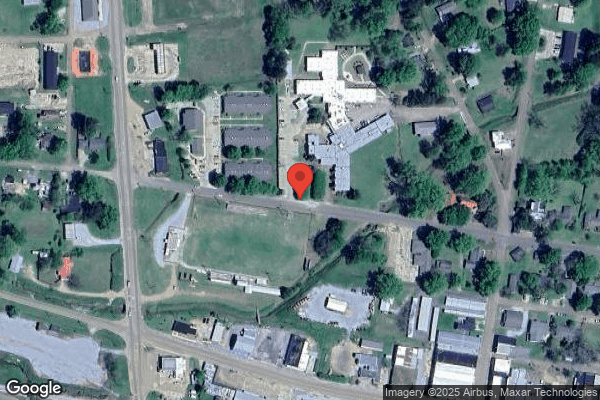
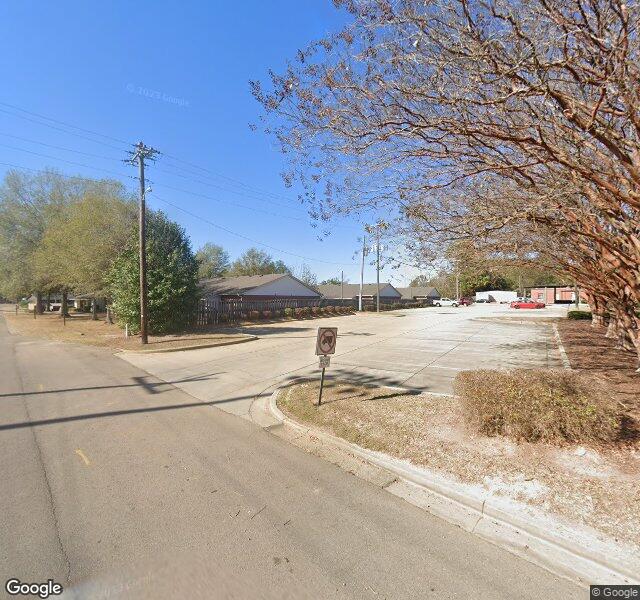
311 WEST CHERRY STREET, ACKERMAN, MS 39735 (662) 285-3257
Government - County 60 Beds Independent Data: November 2025
Trust Grade
43/100
#102 of 200 in MS
Last Inspection: April 2024

Within standard 12-15 month inspection cycle. Federal law requires annual inspections.

Overview

Choctaw Nursing and Rehabilitation Center has a Trust Grade of D, indicating below-average performance with some concerns regarding care and safety. The facility ranks #102 out of 200 nursing homes in Mississippi, placing it in the bottom half of options available in the state, but it is the only facility in Choctaw County. While the trend is improving, with issues decreasing from 8 in 2024 to 2 in 2025, families should note serious incidents, such as a resident falling and suffering fractures due to staff not following care plans, which raises significant safety concerns. Staffing is a relative strength with a rating of 4 out of 5 stars and a turnover rate of 42%, which is better than the state average, indicating that staff tend to stay longer and likely know the residents well. However, the facility has faced $12,472 in fines, which is average, and suggests there may be ongoing compliance issues that families should consider.

Trust Score
D
43/100
In Mississippi
#102/200
Bottom 49%
Safety Record
Moderate
Needs review
Inspections
Getting Better
8 → 2 violations
Staff Stability
○ Average
42% turnover. Near Mississippi's 48% average. Typical for the industry.
Penalties
⚠ Watch
$12,472 in fines. Higher than 89% of Mississippi facilities, suggesting repeated compliance issues.
Skilled Nurses
○ Average
Each resident gets 30 minutes of Registered Nurse (RN) attention daily — about average for Mississippi. RNs are the most trained staff who monitor for health changes.
Violations
⚠ Watch
15 deficiencies on record. Higher than average. Multiple issues found across inspections.
★★☆☆☆
2.0
Overall Rating
★★★★☆
4.0
Staff Levels
★★★☆☆
3.0
Care Quality
★★☆☆☆
2.0
Inspection Score
Stable
2024: 8 issues
2025: 2 issues

The Good

  • 4-Star Staffing Rating · Above-average nurse staffing levels
  • Full Sprinkler Coverage · Fire safety systems throughout facility
  • No fines on record
  • Staff turnover below average (42%)

    6 points below Mississippi average of 48%

Facility shows strength in staffing levels, fire safety.

The Bad

2-Star Overall Rating

Below Mississippi average (2.6)

Below average - review inspection findings carefully

Staff Turnover: 42%

Near Mississippi avg (46%)

Typical for the industry

Federal Fines: $12,472

Below median ($33,413)

Minor penalties assessed

The Ugly 15 deficiencies on record

2 actual harm
Mar 2025 2 deficiencies 2 Harm
SERIOUS (G) 📢 Someone Reported This

A family member, employee, or ombudsman was alarmed enough to file a formal complaint

Actual Harm - a resident was hurt due to facility failures

Comprehensive Care Plan (Tag F0656)

A resident was harmed · This affected 1 resident

**NOTE- TERMS IN BRACKETS HAVE BEEN EDITED TO PROTECT CONFIDENTIALITY** Based on interviews, record reviews, policy and procedure reviews, the facility failed to follow the Activity of Daily Living (A...

Read full inspector narrative →
**NOTE- TERMS IN BRACKETS HAVE BEEN EDITED TO PROTECT CONFIDENTIALITY** Based on interviews, record reviews, policy and procedure reviews, the facility failed to follow the Activity of Daily Living (ADL) care plan for Resident #1's bed mobility, which resulted in a fall with multiple fractures for Resident #1. Resident #1 was one (1) of three (3) Residents reviewed for care plans. The facility policy and procedure dated 2/18/22 and revised date of 1/5/25 titled Comprehensive Care Plans stated: It is the policy of this facility to develop and implement a comprehensive person-centered care plan for each resident, consistent with residents rights, that includes measurable objectives and timeframes to meet a resident's medical, nursing, and mental and psychosocial needs and ALL services that are identified in the resident's comprehensive assessment and meet professional standards of quality. Record Review of the facility's investigation documentation revealed the facility had documented that the fall of Resident #1 was caused by Certified Nursing Assistant (CNA) #1 not following the care plan for bed mobility and transfers with a two (2) person assist required for bed mobility and transfers. On 1/29/25 at approximately 7:00 AM the third shift 11 PM- 7 AM CNA #1 was in the facility finishing her care to Resident #1 when the resident rolled off the bed and fell onto the floor during incontinent care. CNA #1 immediately called for help and two additional staff assisted CNA #1 to get Resident #1 up off the floor and back onto the bed. The Registered Nurse (RN) #2 assessed Resident #1 and found that she had pain and injury to her lower extremities. RN #2 called the physician and they had Resident #1 transported to the hospital emergency room (ER) for evaluation and x-rays. The ER found that Resident #1 had fractures to both her legs and they sent resident out to another hospital for surgery. Interview on 3/18/25 at 12:45 PM with Director of Nursing (DON) revealed that the facility conducted a full investigation and obtained a written statement from the attending CNA #1 that was assigned to Resident #1 at the time of the incident on 1/29/25 at approximately 7:00 AM. The CNA #1 admitted that she was alone with Resident #1 delivering incontinent care when Resident #1 fell from her bed on to the floor. DON stated that at the time of the incident on 1/29/25 that the ADL care plan for Resident #1 was for a two (2) person assist with bed mobility and transfers and that CNA #1 did not follow the care plan that was in place for Resident #1 on 1/29/25. Interview on 03/18/25 at 2:30 PM with Licensed Practical Nurse (LPN) #1 who completed the care plan revealed that she revised the care plans for the Resident #1 using the Minimum Data Set (MDS) as the basis for the care plans. She stated that Resident #1 was care planned at the time of the incident on 1/29/25 to be a two (2) person assist with bed mobility and that CNA #1 did not follow the care plan that was in place. On 03/18/25 at 5:30 PM, CNA #1 returned the previous phone call that was made to her and stated that never at any time had Resident #1 been a two (2) person assist with any of her ADL's. CNA #1 stated that Resident #1 was able to follow commands and was able to stand and pivot at the time of the incident and that she had rolled her to her right side to complete the incontinent care and that the resident continued to roll over on to the floor. CNA #1 stated that she was very upset that this had occurred and had immediately ran to get help and thought it was just a freak accident and did not in any way mean to injury the resident, nor was she being neglectful. Record review of the face sheet of Resident #1 revealed that she was admitted to the facility on [DATE] and had diagnoses that included, Heart Failure; Wheezing; Dementia; Type 2 Diabetes Mellitus; Major Depression; Hypertension; Gout; Muscle Weakness; among other diagnoses. Record review of the MDS dated [DATE] documented a Brief Interview of Mental Status (BIMS) score of 7 which indicated that Resident #1 was severely cognitively impaired. Record review of the CNA's Point Click charting system revealed that Resident 1 had an ADL care sheet that read: Bed Mobility The resident requires LIMITED ASSISTANCE by 2 staff to turn and reposition in bed: The resident requires LIMITED ASSISTANCE by 2 staff to move between surfaces. Record review of the Care Plan for Resident #1 stated: BED MOBILITY: The resident requires LIMITED ASSISTANCE by 2 staff to turn and reposition in bed. Date Initiated: 10/02/2024 Revision on: 01/01/2025. The Care Plan for Resident #1 also read: TRANSFER: The resident requires LIMITED ASSISTANCE by 2 staff to move between surfaces. Date Initiated: 10/02/2024 Revision on: 01/01/2025.
SERIOUS (G) 📢 Someone Reported This

A family member, employee, or ombudsman was alarmed enough to file a formal complaint

Actual Harm - a resident was hurt due to facility failures

Accident Prevention (Tag F0689)

A resident was harmed · This affected 1 resident

**NOTE- TERMS IN BRACKETS HAVE BEEN EDITED TO PROTECT CONFIDENTIALITY** Based on policy and procedure reviews, interviews, observations, and record reviews, the facility failed to ensure safety and to...

Read full inspector narrative →
**NOTE- TERMS IN BRACKETS HAVE BEEN EDITED TO PROTECT CONFIDENTIALITY** Based on policy and procedure reviews, interviews, observations, and record reviews, the facility failed to ensure safety and to prevent an accident of a fall during bed mobility, resulting in multiple fractures to Resident #1. Resident #1 was one (1) of three (3) residents reviewed for accidents and safety. Findings Include: The facility policy and procedure titled Safe Resident Handling/Transfers dated 1/1/22 revised 1/5/25 and signed by the facility Director of Nursing (DON) read: It is the policy of this facility to ensure that residents are handled and transferred safely to prevent or minimize risks for injury and provide and promote a safe, secure and comfortable experience for the resident while keeping the employees safe in accordance with current standards and guidelines. The interdisciplinary team designee will evaluate and assess each resident's individual mobility needs, taking into account other factors as well, such as weight, cognitive status. Staff will be educated on the use of safe handling/transfer practices to include use of mechanical lift devices upon hire, annually and as need arises or changes in equipment occur. Record review of the facility's investigation documentation DATE? revealed the facility had documented that the fall of Resident #1 was caused by Certified Nursing Assistant (CNA) #1 not following the care plan for bed mobility and transfers with a two (2) person assist required for bed mobility and transfers. On 1/29/25 at approximately 7:00 AM the third shift 11 PM- 7 AM CNA #1 was in the facility finishing her care to Resident #1 when the resident rolled off the bed and fell onto the floor during incontinent care. CNA #1 immediately called for help and two additional staff assisted CNA #1 to get Resident #1 up off the floor and back onto the bed. The Registered Nurse (RN) #2 assessed Resident #1 and found that she had pain and injury to her lower extremities. RN #2 called the physician and they had Resident #1 transported to the hospital emergency room (ER) for evaluation and x-rays. The ER found that Resident #1 had fractures to both her legs and they sent resident out to another hospital for surgery. The incident report dated 1/29/2025 07:10 stated: While 1900-0700 CNA was performing incontinence care on resident this morning (approximately 0710, resident rolled off of bed (per CNA report). Bed was not in lowest position, as staff member was at bedside assisting resident. CNA reported that resident rolled onto right side and continued rolling, thus falling off the bed. Resident found lying in floor on her left side in a semi fetal position. Resident's initial complaint is of only bilateral knee pain. No open wounds noted. Some redness surrounding left eye. Slight bruising to bilateral knees. Resident reports not being sure what exactly happened, but states she fell off the bed and was unable to get back into bed. Resident reports bilateral knee pain with palpation/movement. Resident taken to the hospital. Oriented to person Injury Type Bruise 37) Right Knee (front) Bruise 38) Left knee (front). Numerical Level of Pain is 8 on a scale of 1-10. Record review of the emergency room x-rays dated 01/29/2025 12:35 PM revealed: X-ray Right knew 1 or 2 views History Right Knee Pain and Injury. Findings: There is a comminuted fracture of the distal femur. The fracture extends to the articular surface in the region of the intercondylar space. There is no discoloration. Impression: 1. Comminuted fracture of the distal femur. The x-ray report also read: Left Knee Pain and Injury Findings: There is a comminuted fracture of the distal femur. There is one shaft width posterior displacement of the distal femur fracture fragment. Impression 1. Comminuted fracture of the distal femur. Interview on 3/18/25 at 12:45 PM with the DON revealed that the facility conducted a full investigation and obtained a written statement from CNA #1 that was assigned to Resident #1 at the time of the incident on 1/29/25 at approximately 7:00 AM. CNA #1 admitted that she was alone with Resident #1 delivering care when Resident #1 fell from her bed on to the floor. DON stated that at the time of the incident on 1/29/25 that Resident #1 was assessed for a two (2) person assist with bed mobility and transfers. DON stated that CNA #1 did not follow that assessment and was in the room alone with the resident for bed mobility and the resident slid out of the bed to the floor causing the injury. DON stated that this CNA #1 was a very good and responsible, dependable CNA and she had no prior incidents and there had been no issues with her delivery of care prior to or until 1/29/25. DON stated that CNA #1 gave a written statement that she was alone delivering care to Resident #1 and that she had not used the required two (2) person assist for bed mobility. DON provided the written statement of CNA #1 and DON confirmed that she called the agency and told them that CNA #1 was not to be allowed to return to work at the facility due to her not following the care needed for Resident #1 and that she had fallen and had received fractures as a result. DON confirmed that CNA #1 was informed that she would not be allowed to work at the facility any longer. On 3/18/25 at 1:40 PM surveyor placed a telephone call to CNA #1 and left a message on her voicemail to please return the call. Interview on 03/18/25 at 3:00 PM with CNA #2 revealed that she was working the same shift as CNA #1 on 1/29/25 and confirmed that she had assisted CNA #1 and RN #2 to get Resident #1 off the floor and placed her back in bed after the fall. She stated that all she remembered was that the resident was on the floor and that she assisted the nurse and the other CNA to place Resident #1 back in the bed. She stated that Resident #1 was voicing pain while the three (3) were placing her back in bed for an assessment. On 03/18/25 at 3:00 PM a telephone call was placed to RN #2 and there was no voicemail available. Continued to try and reach RN#2 and was unable to reach her for an interview. Interview on 03/18/25 at 3:05 PM with Licensed Practical Nurse (LPN) #2 revealed that she was the nurse trainer for all CNA's and had been the trainer for the past two (2) years. She confirmed that CNA #1 had been trained and educated that Resident #1 was a two (2) person assist with bed mobility. LPN #2 stated that when CNA #1 was hired through the agency as a contract worker for the facility that CNA #1 spent her first week at the local affiliate hospital completing a one (1) week orientation prior to coming to the floor of the nursing home. Interview and observation with Resident #1 on 03/18/25 at 3:15 PM revealed that she was a large framed obese female that was lying in her bed with the bed lowered to the lowest position. Resident was asked if she was in any pain and she stated No. Resident was pleasant but was severely cognitively impaired and she was a poor historian. Her facial expressions were relaxed and happy. She stated yes to the question that the staff were good to her and met her needs to her satisfaction. On 03/18/25 at 5:30 PM, CNA #1 returned the previous phone call that was made to her. CNA #1 stated that never at any time had Resident #1 been a two (2) person assist with any of her incontinent care in the bed. CNA #1 stated that she began working as a full time contract CNA at the facility in March of 2024. CNA #1 stated that she was devastated when Resident #1 rolled out of the bed and that it was very upsetting to her. CNA #1 stated that the facility staff told her that she was responsible for the injuries and fractures of Resident #1 and that upset her greatly because she always went the extra mile for all her residents and that she loved her work at the facility. CNA #1 stated that she had talked to the facility Administrator (ADM) and that she told her that she was loosing her job. CNA stated that Resident #1 was able to follow commands and was able to stand and pivot prior to 1/29/25. CNA #1 confirmed that she was delivering care to Resident #1 alone and that Resident #1 rolled out of the bed and on to the floor when she turned her to her right side to clean her during incontinent care. Record review of the CNA's Point Click charting system revealed that Resident #1 had a care that read: Bed Mobility The resident requires LIMITED ASSISTANCE by 2 staff to turn and reposition in bed. Transferring: The resident requires LIMITED ASSISTANCE by 2 staff to move between surfaces. Record review of the facility nursing notes dated 01/29/2025 14:00 and signed by the DON read: Received phone call from ER nurse who reports that resident had fractured both of her femurs and they are attempting to find an ortho doctor/hospital to accept. Daughter (name) notified via (name of RN #2). Record review of the face sheet of Resident #1 revealed that she was admitted to the facility on [DATE] with diagnoses that included, Heart Failure; Wheezing; Dementia; Type 2 Diabetes Mellitus; Major Depression; Hypertension; Gout; Muscle Weakness; among other diagnoses. Record review of the the Minimum Data Set (MDS) dated [DATE] documented a Brief Interview of Mental Status (BIMS) score of 7 which indicated that she was severely cognitively impaired.
Apr 2024 8 deficiencies
CONCERN (D)

Potential for Harm - no one hurt, but risky conditions existed

Notification of Changes (Tag F0580)

Could have caused harm · This affected 1 resident

**NOTE- TERMS IN BRACKETS HAVE BEEN EDITED TO PROTECT CONFIDENTIALITY** Based on observation, staff interviews, record review, and facility policy review, the facility failed to notify the physician w...

Read full inspector narrative →
**NOTE- TERMS IN BRACKETS HAVE BEEN EDITED TO PROTECT CONFIDENTIALITY** Based on observation, staff interviews, record review, and facility policy review, the facility failed to notify the physician when a resident receiving enteral nutrition by a percutaneous endoscopic gastrostomy (PEG) tube developed drainage around insertion site for one (1) of two (2) residents observed with tube feedings. Resident #103 Findings include: Record review of facility policy titled, Care and Treatment of Feeding Tubes, undated, revealed, It is a policy of this facility to utilize feeding tubes in accordance with current clinical standards of practice, with interventions to prevent complications to the extent possible Policy Explanation and Compliance Guidelines .6. b. Examination of the insertion site in order to identify, lessen, or resolve possible skin irritation and local infection and notify MD when need arises .The facility will notify and involve the physician or designated practitioner of any complications and in evaluating and managing care to address the complications and risk factors. Record review of facility policy titled, Notification of Changes, dated February 2023, revealed, Policy: The purpose of this policy is to ensure the facility promptly informs the resident, consults the resident's physician, and notifies, consistent with his or her authority, the resident's representative when there is a change requiring notification. Compliance Guidelines .Circumstances requiring notification include: 3. Circumstances that require a need to alter treatment.This may include a. New treatment . On 4/17/24 at 11:30 AM, during observation of care and an interview with Registered Nurse (RN) #1, the dressing around the PEG tube was removed and revealed a tan/brown substance in a 360-degree circle that had been around PEG tube insertion site. RN #1 cleaned around the site with normal saline and a clean gauze was applied. He stated since there was no order for the PEG tube care, he would notify the physician to verify the needed care, otherwise, care would not be done as needed. RN #1 confirmed with the drainage present on the dressing, the area needed to be monitored, cleaned, and dressing applied to prevent skin concerns and/or infection and the physician needed to be contacted for an order. During an interview with the Director of Nursing (DON) on 4/17/24 at 1:50 PM, revealed that Resident #103 did not have an order for PEG tube care or monitoring of the site. She stated when the resident was admitted to the facility from the hospital, the PEG feeding tube was new, and a nurse contacted the physician since there were no orders for PEG care. She stated the physician told the nurse to observe the site and if there was redness or drainage to notify the physician, otherwise no routine care was needed. She stated even if dressing was not needed, basic skin care was needed to keep the site clean. She confirmed routine monitoring and care, as well as documentation, for a PEG tube site was needed. She also confirmed the facility failed to notify the physician when the site began to have drainage, therefore, no orders for care and dressing changes were given. She confirmed that without adequate care of a PEG tube site, infection, skin irritation, or other complication associated with tube feedings could occur and without orders, care plan, and documentation the staff would not know what care was needed to be done. During an interview on 4/18/24 at 12:05 PM, the DON confirmed the staff did not notify the physician when the drainage was observed, and dressing was initially applied. She confirmed the facility failed to notify the physician of the change of condition of resident's PEG tube site, therefore, an order was not obtained. Record review of the Departmental Notes dated 3/28/24 at 11:10 AM, revealed .Called (Formal name of Physician) .No PEG site orders.She said that as long as there was no drainage or irritation that a dressing was not required . Record review of Resident #103's Face Sheet revealed the resident was admitted to the facility on [DATE]. Diagnoses included Pneumonitis due to inhalation of food and vomit, gastrostomy status and Dysphagia. Record review of Minimum Data Set (MDS) with an Assessment Reference Date (ARD) of 4/3/24 revealed a Brief Interview for Mental Status (BIMS) of 15 which indicated the resident was cognitively intact.
CONCERN (D)

Potential for Harm - no one hurt, but risky conditions existed

Comprehensive Care Plan (Tag F0656)

Could have caused harm · This affected 1 resident

**NOTE- TERMS IN BRACKETS HAVE BEEN EDITED TO PROTECT CONFIDENTIALITY** Based on staff interviews, record review, and facility policy review, the facility failed to implement comprehensive care plans ...

Read full inspector narrative →
**NOTE- TERMS IN BRACKETS HAVE BEEN EDITED TO PROTECT CONFIDENTIALITY** Based on staff interviews, record review, and facility policy review, the facility failed to implement comprehensive care plans for two (2) of the nineteen resident care plans reviewed. Resident #18 and Resident #36 Findings include: Review of the facility policy titled, Comprehensive Care Plans undated revealed, It is the policy of this facility to develop and implement a comprehensive person-centered care plan for each resident, consistent with resident rights, that includes measurable objectives and timeframes to meet a resident's medical, nursing, and mental and psychosocial needs that are identified in the resident's comprehensive assessment . Resident #18 Record review of Resident #18's care plan revealed, Problem/onset: 06/20/2018 Activities of Daily Living (ADL). I require assistance with ADL care .Approaches .Provide nail care weekly and as needed (PRN). During an observation on 4/16/24 at 9:05 AM, and again at 1:55 PM with interview, revealed Resident #18's fingernails on both hands were approximately three-fourth (¾) inches long and jagged with a brown substance under each nail. Resident #18 stated, I guess they need to cut them. During an observation and interview on 04/16/24 at 3:18 PM, the Director of Nurses (DON) confirmed Resident #18's fingernails were long and had a brown substance under her nails and revealed it looked like it could be food under her fingernails. Resident #18 acknowledged to the DON that she would like her fingernails cleaned. During an interview and observation on 4/16/24 at 3:58 PM, Licensed Practical Nurse (LPN) #1 confirmed Resident #18's nails were long, jagged, and had a brown substance under them. She stated nail care is supposed to be done weekly and it looks like hers hasn't been done in a while. A record review of Resident #18's Face Sheet revealed the resident was admitted to the facility on [DATE] with medical diagnoses that included Unspecified dementia and Dementia. Resident #36 Record review of Resident #36's Care Plan revealed Problem onset: Activities of Daily Living . Approaches: Provide nail care weekly and PRN . An observation on 4/15/24 at 7:05 PM and again on 4/16/24 at 9:15 AM revealed Resident #36's fingernails on both hands were approximately one-half (½) inch long and jagged with a brown substance underneath his fingernails. During an interview and observation on 4/16/24 at 3:05 PM, the DON confirmed Resident #36's fingernails were long and needed to be cleaned and she would get it taken care of. During an interview on 4/16/24 at 4:34 PM, the Minimum Data Set (MDS) nurse confirmed she is responsible for developing the comprehensive care plans. She stated the care plan is developed so that each resident gets the appropriate individualized care they need. She confirmed the care plan for Resident #18 and Resident #36 was not followed regarding their ADL nail care and it should have been. During an interview on 4/16/24 at 5:05 PM, the DON confirmed the ADL care plan was not followed for Resident #18 and Resident #36. She revealed the Certified Nursing Assistants (CNAs) know what is required for ADL care and that it is part of hygiene and grooming. A record review of Resident #36's Face Sheet revealed the resident was admitted to the facility on [DATE] with medical diagnoses that included Sepsis and Nutritional deficiency.
CONCERN (D)

Potential for Harm - no one hurt, but risky conditions existed

ADL Care (Tag F0677)

Could have caused harm · This affected 1 resident

**NOTE- TERMS IN BRACKETS HAVE BEEN EDITED TO PROTECT CONFIDENTIALITY** Based on observation, resident and staff interviews, record review, and facility policy review the facility failed to provide Ac...

Read full inspector narrative →
**NOTE- TERMS IN BRACKETS HAVE BEEN EDITED TO PROTECT CONFIDENTIALITY** Based on observation, resident and staff interviews, record review, and facility policy review the facility failed to provide Activities of Daily Living (ADL) care for two (2) of 56 residents observed during the initial tour related to nail care. Resident #18 and Resident #36. Findings include: Review of the facility policy Activities of Daily Living (ADL's), undated, revealed .Care and services will be provided for the following activities of daily living: 1 .Bathing, dressing, grooming and oral care. 3 A resident who is unable to carry out activities of daily living will receive the necessary services to maintain .grooming and personal . hygiene. Resident #18 An observation on 4/16/24 at 9:05 AM, and again at 1:55 PM, revealed Resident #18 fingernails on both hands were approximately three-fourth (¾) inches long and jagged with a brown substance under each nail. Resident #18 stated, I guess they need to cut them. During an observation and interview on 04/16/24 at 3:18 PM, the Director of Nurses (DON) confirmed Resident #18's fingernails were long and had a brown substance under her nails and revealed it looked like it could be food under her fingernails. Resident #18 acknowledged to the DON that she would like her fingernails cleaned. An interview and observation on 4/16/24 at 3:58 PM, Licensed Practical Nurse (LPN) #1 confirmed Resident #18's nails were long, jagged, and had a brown substance under them. She stated nail care is supposed to be done weekly and it looks like hers hasn't been done in a while. A record review of Resident #18's Face Sheet revealed the resident was admitted to the facility on [DATE] with medical diagnoses that included Unspecified dementia and Mood disorder. Resident #36 An observation on 4/15/24 at 7:05 PM, revealed Resident #36's fingernails on both hands were approximately one-half (½) inch long and jagged with a brown substance underneath his fingernails. An observation on 4/16/24 at 9:15 AM, revealed Resident #36's fingernails long and jagged with a brown substance under each of his nails. An observation and interview on 4/16/24 at 2:50 PM, revealed Resident #36's fingernails remain uncut and with a brown substance under each fingernail. A family member at the bedside stated, I just told my husband that I need to cut and clean his nails, they look terrible. During an interview and observation on 4/16/24 at 3:00 PM, Certified Nurse Aide (CNA) #2 revealed she is assigned to Resident #36 today and she is responsible for his nail care and confirmed that she hadn't done them lately and wasn't sure when they were last done. During an interview and observation on 4/16/24 at 3:05 PM, the DON confirmed Resident #36's fingernails were long and needed to be cleaned and she would get it taken care of. A record review of Resident #36's Face Sheet revealed the resident was admitted to the facility on [DATE] with medical diagnoses that included Sepsis and Nutritional deficiency.
CONCERN (D)

Potential for Harm - no one hurt, but risky conditions existed

Incontinence Care (Tag F0690)

Could have caused harm · This affected 1 resident

Based on observation, staff interview, record review, and facility policy review, the facility failed to ensure a resident with a catheter had a catheter securing device for one (1) of six (6) cathete...

Read full inspector narrative →
Based on observation, staff interview, record review, and facility policy review, the facility failed to ensure a resident with a catheter had a catheter securing device for one (1) of six (6) catheters in the facility. Resident #28. Findings Include: Review of the facility policy titled Appropriate Use of Indwelling Catheters undated, revealed .Policy Explanation and Compliance Guidelines: . 7. Indwelling urinary catheters (urethral and suprapubic) will be utilized in accordance with current standards of practice, with interventions to prevent complications to the extent possible An observation during catheter care on 4/17/2024 at 10:15 AM, revealed Resident #28 did not have a catheter securement device, and the catheter was pulled tight with tension from the bedside drainage bag that was attached to the lower bed. An observation and interview on 4/17/2024 at 10:31 AM, with Certified Nurse Aide (CNA) #1 confirmed Resident #28 did not have a catheter securing device. An interview with the Infection Preventionist (IP) on 4/17/2024 at 11:06 AM, revealed Resident #28 should have a catheter securement device in place to prevent injury and the catheter from being ripped out during care. An interview with the Director of Nursing (DON) on 4/17/2024 at 12:50 PM, revealed the facility did not use catheter securement devices. She revealed it was not part of their routine care, and they had not seen a need for or had any issues with catheter injury or dislodgement. Record review of the Face Sheet revealed the facility admitted Resident #28 on 3/22/2022 with medical diagnoses that included Alzheimer's disease and Urinary Tract Infection.
CONCERN (D)

Potential for Harm - no one hurt, but risky conditions existed

Tube Feeding (Tag F0693)

Could have caused harm · This affected 1 resident

**NOTE- TERMS IN BRACKETS HAVE BEEN EDITED TO PROTECT CONFIDENTIALITY** Based on observation, resident and staff interviews, record review, and facility policy review, the facility failed to ensure a ...

Read full inspector narrative →
**NOTE- TERMS IN BRACKETS HAVE BEEN EDITED TO PROTECT CONFIDENTIALITY** Based on observation, resident and staff interviews, record review, and facility policy review, the facility failed to ensure a resident receiving enteral feedings via percutaneous endoscopic gastrostomy (PEG) tube received appropriate care and services to prevent possible complications for one (1) of two (2) residents observed with tube feedings. Resident #103 Findings include: Record review of facility policy titled, Care and Treatment of Feeding Tubes, undated, revealed, It is a policy of this facility to utilize feeding tubes in accordance with current clinical standards of practice, with interventions to prevent complications to the extent possible. Policy Explanation and Compliance Guidelines: .6. b. Examination of the insertion site in order to identify, lessen, or resolve possible skin irritation and local infection and notify MD when need arises .10. The facility will notify and involve the physician or designated practitioner of any complications and in evaluating and managing care to address the complications and risk factors. An interview with Licensed Practical Nurse (LPN) #2 on 4/17/24 at 11:00 AM, revealed she was uncertain what care was ordered for the PEG site since she was unable to find an order for the PEG tube care. She stated she thought the night shift, not the day shift, performed the PEG tube care so she had not observed the site or given care for the PEG tube since there was no order. On 4/17/24 at 11:27 AM, an observation and interview with Resident #103 revealed he receives feeding by his PEG tube and he does not eat by mouth. He stated he has a dressing on his feeding tube, and he raised his shirt, and a drain sponge dressing was noted to be in place around his feeding tube. During an observation of PEG site care and interview with Registered Nurse (RN) #1 on 4/17/24 at 11:30 AM, revealed RN #1 removed the dressing around the PEG tube. A tan/brown substance in a 360-degree circle was observed around the PEG tube insertion site. RN #1 stated since there was no order for the PEG tube care, he would notify the physician to verify the needed care, otherwise, care would not be done as needed. RN #1 confirmed the drainage present on the dressing and that the area needed to be monitored, cleaned, and dressing applied to prevent skin concerns and/or infection. In an interview with the Director of Nursing (DON) on 4/17/24 at 1:50 PM, confirmed Resident #103 did not have an order for PEG tube care or monitoring of the site. She stated when the resident was admitted to the facility from the hospital, the PEG feeding tube was new, and a nurse contacted the physician since there were no orders for PEG care. She stated the physician told the nurse to observe the site and if there was redness or drainage to notify the physician, otherwise no routine care was needed. She stated even if dressing was not needed, basic skin care was needed to keep the site clean. She confirmed routine monitoring and care, as well as documentation, for a PEG tube site was needed. She also confirmed there were no orders for care and dressing changes. She confirmed that without adequate care of a PEG tube site, infection, skin irritation, or other complication associated with tube feedings could occur and without orders the staff would not know what care was needed to be done. Record review of Resident #103's April 2024 Physician Orders revealed there were no orders for PEG tube care. Record review of Resident #103's April 2024 Electronic Treatment Administration Record (ETAR) revealed no treatments for the PEG tube was documented on the ETAR. Record review of Resident #103's Face Sheet revealed the resident was admitted to the facility on [DATE]. Diagnoses included Pneumonitis due to inhalation of food and vomit and Gastrostomy status. Record review of Minimum Data Set (MDS) with an Assessment Reference Date (ARD) of 4/3/24 revealed a Brief Interview for Mental Status (BIMS) of 15 which indicated the resident was cognitively intact.
CONCERN (D)

Potential for Harm - no one hurt, but risky conditions existed

Staffing Data (Tag F0851)

Could have caused harm · This affected 1 resident

Based on staff interviews, record review and facility policy review, the facility failed to submit accurate information into the Payroll Based Journal system as required by the Centers for Medicare an...

Read full inspector narrative →
Based on staff interviews, record review and facility policy review, the facility failed to submit accurate information into the Payroll Based Journal system as required by the Centers for Medicare and Medicaid Services (CMS) which was discovered through a CMS audit of period between January 1, 2023 through March 31, 2023. Due to the audit findings, the facility was lowered to a one star on the five-star staffing rating system for the quarter of October 1, 2023 through December 31, 2023 for one (1) of four (4) quarters reviewed. Based on the facility's implementation of corrective actions completed on 06/14/23, the State Agency (SA) determined this citation to be Past Non Compliance (PNC) prior to the SA's entrance on 4/15/24. Findings include: Record review of facility policy titled, Payroll Based Journal, undated, revealed, Policy: It is the policy of this facility to electronically submit timely to CMS (Centers for Medicare and Medicaid Services) complete and accurate direct care staffing information, including information for agency and contract staff, based on payroll and other verifiable and auditable data in a uniform format according to specifications established by CMS. During an interview on 4/15/24 at 7:15 PM, the Director of Nursing stated there had been an audit of the Payroll Based Journal (PBJ) information submitted and CMS determined information was not accurately submitted. She stated the final determination by CMS was in October 2023 and all information submitted since that time was accurate. She confirmed the information submitted into the Payroll Based System must be accurate to represent the staffing available to care for the residents and the facility failed to submit accurate staffing information. During a phone interview on 4/18/24 at 9:20 AM, the Administrator stated the facility had received an audit request from CMS for the Payroll Based Journal submissions for the time frame of January 1, 2023 - March 31, 2023, and as she collected the information for the requested time frame, she determined information had been inaccurately submitted into the PBJ system. This included some staff that worked with the hospital as well as the nursing home had their hours submitted into the PBJ system. Another inaccuracy was the previous Director of Nursing, had hours submitted after she was no longer an employee. She stated she was uncertain how these occurred, but the technology staff with the program for staffing they used was able to immediately repair the system so only accurate information on active employees was entered. She stated that since the system was repaired immediately in June 2023, all submissions after that time were accurate. She stated in October 2023, the facility received the results of the PBJ verification audit and since inaccurate information was submitted into the system during the audited quarter, the facility received a one-star staffing rating in the five-star system for a three-month time frame. She stated the facility was never short staffed and was usually overstaffed, but because of the inaccurate information submitted into the PBJ system, the star rating was lowered and was told that even a small discrepancy would cause the rating to be lowered to one star. She confirmed the facility failed to submit accurate information into the PBJ system, but these areas had been corrected. Record review of the PBJ Staffing Data Report for October 1 - December 23, 2023, revealed, This Staffing Data Report identifies areas of concern that will be triggered . One Star Staffing Rating - Triggered. Record review of letter to the facility from CMS dated 6/12/23, revealed, Upon review of the data submitted by May 14, 2023, for the time frame of January 1 - March 31, 2023, we are conducting an assessment of the data for your facility that were submitted to the PBJ staffing hours system. Record review of letter to the facility from CMS dated 10/23/23, revealed, We have completed our review of the information provided to support data submitted to the Payroll Based Journal (PBJ) system for the quarter ending March 31, 2023 . As a result, your facility will receive a one-star staffing rating in the 5-star Quality Rating System, which may reduce the facility's overall (composite) rating by one star for three months. On 4/18/24 the State Agency (SA) validated through record review and interview: 1. The SA validated that CMS correspondence dated 6/12/23 and 10/23/23 was received and reviewed and addressed by the facility. 2. The SA validated the October 2023, November 2023 and December 2023 schedule and working schedule the facility submitted correct working hours to the PBJ system? 3. The SA validated Information Technology (IT) documentation repaired the system on date so only accurate information on active employees was entered. 4. The SA validated the April 1 through April 15, 2024 schedule and working schedule the facility reviewed each employee's time care accurately indicated the hours worked. 5. The SA validated the PBJ report for 10/1/23 through 12/1/23 was entered accurately to reflect the hours worked by each employee. 6. The SA validated an inservice dated 6/12/23 the facility inserviced the Administrator and the Business Office Manager on PBJ reporting. 7. The SA validated the facility held a Quality Assurance meeting on 7/13/23 with the Administrator, Director of Nursing, Medical Director, Infection Preventionist, Social Service Director, Registered Nurse Treatment Nurse, Medical Records Nurse, Minimum Data Set Nurse, Dietary Manager, Activities Director, and another Registered Nurse. During the meeting, discussed areas included the correction of the errors which included ensuring only active employees were in the time system and ensuring software company adjusted the system so only hours worked in the facility would be included in the PBJ submissions. On 6/13/23, prior to the Quality Assurance meeting, the PBJ concerns as well as the resolutions initiated were discussed. Attendance for this meeting included the Administrator, Director of Nursing, Nursing Supervisor, Infection Control, Wound Care Nurse, MDS Nurse, Medical Records staff, Activities Director, Therapy Director, Social Service Director, Dietary Manager. The Medical Director was notified by phone of the PBJ concerns, plan, and resolution.
CONCERN (D)

Potential for Harm - no one hurt, but risky conditions existed

Infection Control (Tag F0880)

Could have caused harm · This affected 1 resident

Based on observation, staff interview, and facility policy review, the facility failed to discard soiled linen in a safe and sanitary manner to prevent the possibility of the spread of infection for o...

Read full inspector narrative →
Based on observation, staff interview, and facility policy review, the facility failed to discard soiled linen in a safe and sanitary manner to prevent the possibility of the spread of infection for one (1) of three (3) care observations. Resident #28 Findings Include: Record review of the facility policy titled Handling Soiled Linen undated, revealed Policy: It is the policy of this facility to handle, store, process, and transport linen in a safe and sanitary method to prevent the spread of infection . Policy Explanation and Compliance Guidelines: 1. Linen can become contaminated with pathogens from contact with intact skin, body substances, or from environmental contaminants . 3. Linen should not be allowed to touch the . floor and should be handled as little as possible . 4. Used or soiled linen shall be collected at the bedside and placed in a linen bag or designated linen receptacle . An observation during catheter care for Resident #28, on 4/17/2024 at 10:15 AM, with Certified Nurse Aide (CNA) #1, revealed after completing the necessary care, she discarded two (2) soiled bath towels on the floor that had been used to provide catheter care. She picked up the towels and placed them into a trash bag before exiting the room. An interview with CNA #1 on 4/17/2024 at 10:31 AM, confirmed following catheter care for Resident #28, she discarded two (2) soiled bath towels on the floor. She revealed she should have placed them in a bag because they were contaminated to prevent the spread of germs. An interview with the Director of Nursing (DON) on 4/17/2024 at 12:50 PM, revealed that soiled linen was to be disposed of in a bag while the care was provided and not thrown on the floor to prevent the spread of infection. Record review of the Face Sheet revealed the facility admitted Resident #28 on 3/22/2022 with medical diagnoses that included Alzheimer's disease and Urinary Tract Infection.
CONCERN (E)

Potential for Harm - no one hurt, but risky conditions existed

Deficiency F0565 (Tag F0565)

Could have caused harm · This affected multiple residents

**NOTE- TERMS IN BRACKETS HAVE BEEN EDITED TO PROTECT CONFIDENTIALITY** Based on resident and staff interviews, record reviews, and facility policy review, the facility failed to follow up on grievanc...

Read full inspector narrative →
**NOTE- TERMS IN BRACKETS HAVE BEEN EDITED TO PROTECT CONFIDENTIALITY** Based on resident and staff interviews, record reviews, and facility policy review, the facility failed to follow up on grievances from Resident council meetings related to missing silverware and condiments for four (4) of six (6) residents in the Resident Council Meeting. Resident #4, Resident #10, Resident #11, and Resident #35. Findings include: Record review of facility policy titled, Resident and Family Grievances, undated, revealed, It is the policy of this facility to support each resident's and family member's right to voice grievance without discrimination, reprisal or fear of discrimination or reprisal . Prompt efforts to resolve include facility acknowledgment of a complaint/grievance and actively working toward resolution of that complaint/grievance . An interview on 04/17/24 at 1:45 PM, at the Resident Council meeting, revealed Resident #4 (Resident Council President), Resident #10, Resident #11, and Resident #35, had concerns that they were at times still missing silverware and condiments on their meal trays. They unanimously voiced that this has been addressed in many resident council meetings, and it does seem to be getting better at times, but it is still happening. An interview with the Activity Director on 04/17/24 at 02:35 PM, revealed for the past six months the main issue discussed in resident council meetings is the lack of silverware and condiments. She confirmed the residents say it is getting a little better, but it honestly hasn't been resolved. She revealed each month she had notified the Dietary Manager of the concerns. During an interview on 04/18/24 at 9:05 AM, the Dietary Manager confirmed he was aware of the issues from the past six months regarding missing silverware and condiments. He confirmed he educated his dietary staff but didn't take any disciplinary action and confirmed he did not do a thorough investigation and follow-up. In a phone interview on 04/18/24 at 9:26 AM, the Administrator revealed she was not aware of any issues from the resident council regarding missing silverware and condiments at meals. She revealed when an issue is brought forward in the resident council meeting it is sent to the Department Head to address. Record review of Resident Council minutes dated 10/30/23, revealed Items/silverware being left off trays continues to be an issue. Better at times but not always consistent. Record review of Resident Council minutes dated 11/27/23, revealed Condiments and silverware continue to be left off trays. Continues to be an issue from time to time. Record review of Resident Council minutes dated 12/27/23, revealed Silverware & beverages (of choice) being left off of trays. Continues to be an issue at times. Record review of Resident Council minutes dated 1/29/24, revealed Silverware missing off of trays at times, continues to be an issue. Record review of Resident Council minutes dated 2/26/24, revealed Residents stated that the issue with silverware is some better but is still a problem at times, ongoing issue at times. Record review of Resident Council minutes dated 3/25/24, revealed missing silverware at times, continues to be an issue. Dietary notified. Resident #4 Record review of the Face Sheet for Resident #4 revealed he was admitted to the facility on [DATE]. Record review of Resident #4's Minimum Data Set (MDS) with Assessment Reference Date (ARD) of 2/22/24 revealed a Brief Interview for Mental Status (BIMS) score of 15 which indicated the resident was cognitively intact. Resident #10 Record review of the Face Sheet for Resident #10 revealed she was admitted to the facility on [DATE]. Record review of Resident #10's MDS with an ARD of 3/21/24 revealed a BIMS score of 15 which indicated the resident was cognitively intact. Resident #11 Record review of the Face Sheet for Resident #11 revealed he was admitted to the facility on [DATE]. Record review of Resident #11's MDS with an ARD of 1/29/24 revealed a BIMS score of 15 which indicated the resident was cognitively intact. Resident #35 Record review of the Face Sheet for Resident #35 revealed she was admitted to the facility on [DATE]. Record review of Resident #35's MDS with an ARD of 3/11/24 revealed a BIMS score of 15 which indicated the resident was cognitively intact.
Jan 2023 3 deficiencies
CONCERN (D) 📢 Someone Reported This

A family member, employee, or ombudsman was alarmed enough to file a formal complaint

Potential for Harm - no one hurt, but risky conditions existed

Investigate Abuse (Tag F0610)

Could have caused harm · This affected 1 resident

**NOTE- TERMS IN BRACKETS HAVE BEEN EDITED TO PROTECT CONFIDENTIALITY** Based on staff and resident representative interviews, record review, and facility policy review, the facility failed to thoroug...

Read full inspector narrative →
**NOTE- TERMS IN BRACKETS HAVE BEEN EDITED TO PROTECT CONFIDENTIALITY** Based on staff and resident representative interviews, record review, and facility policy review, the facility failed to thoroughly investigate and report the results of an allegation of abuse for one (1) of six (6) grievances reviewed. Resident #1. Findings include: Record review of facility policy titled, Abuse/Neglect Reporting, dated 12/20, revealed, .5. The facility will thoroughly investigate all alleged violations under the direct supervision of the Administrator . On [DATE] at 8:45 AM, in a phone interview with complaint Resident #1's Resident Representative (RR), revealed he filed the complaint because the resident had told him that a black worker hit her in the head, and he feels that was what caused her death. He stated he did not report this when she told him, but he did tell the nurse after the resident passed away. He stated the death certificate had the resident's cause of death as Congestive Heart Failure. On [DATE] at 9:15 AM, in an interview with the facility Administrator, revealed Complaint Resident #1 had some behaviors and had threatened to commit suicide, so she was transferred to a Geriatric Psychiatric facility for evaluation and treatment and while there, she was diagnosed with Metastatic Pancreatic Cancer. When she returned to the facility, she was placed on hospice. On the day the resident passed away the Resident's Representative came to the facility after her death and told Registered Nurse (RN) #1 and the funeral home staff that if somebody hit her in the head, they are going to be sorry for it. The Administrator revealed she had a previous relationship with Resident #1 and the Resident's Representative from a previous facility she was Administrator for and the resident was a resident in. She stated the representative had caused multiple problems at the previous facility and had to be escorted from the facility by security, and based on these previous experiences, she did not consider this a reportable allegation of abuse, but rather a threat towards the staff and decided to investigate it as a grievance, therefore, it was not reported as required for an allegation of abuse. An interview with Registered Nurse #1 on [DATE] at 9:20 AM, revealed she was the nurse working the morning the resident passed away. She stated she was notified by a Certified Nurse's Assistant (CNA) that the resident was not breathing, and she went into resident's room and assessed her and the code status of Do Not Resuscitate was verified. She stated hospice, physician, and the Resident's Representative were notified. She was in the resident's room with the Resident's Representative and the funeral home staff and the Resident's Representative said, she told me a black woman hit her in the head, and I hope I don't find out y'all did anything to her, because if you did, I hate it for you. She stated she told the Resident's Representative that an incident of her being hit had not been reported and it would be taken seriously, and it would be investigated. She stated she reported this incident and allegation to the Administrator and to the Director of Nursing right away. An interview with the Director of Nursing (DON) on [DATE] at 11:00 AM revealed RN #1 called her and informed her that Complaint Resident #1 had passed away and that the Resident's Representative was upset and told her that the resident had told him that a black woman hit her, and he better not find out that someone did this to her. The DON stated that RN #1 told Resident's Representative that the resident had not reported any abuse to anyone at the facility and that if it had been reported, it would have been investigated. She stated that due to the previous situation between the Resident's Representative and the Administrator, she and the Administrator decided the situation was not a credible abuse allegation and was not reported. She stated, We didn't take it as an allegation of abuse, but we considered it a threat, and We did not consider it a credible allegation. She confirmed the facility failed to report and thoroughly investigate and report the allegation to the state officials as required. An interview with the Administrator on [DATE] at 11:55 AM, revealed the Administrator of the facility was responsible to ensure the required investigation and reporting for an allegation of abuse was done. She stated she had been in-serviced on abuse, neglect, investigating, and reporting. She confirmed that the facility failed to thoroughly investigate this allegation of abuse. Record review of a Departmental Note written by RN #1 dated [DATE] at 11:59 AM revealed, While funeral home and writer in the room, Resident's RP (Responsible Party) states that 'she told me a black woman hit her the other day. I bet not find out any of y'all did this to her and that's all I'm going to say. I sure do hate it for me to find out'. Writer informed RP that she was unaware of any such behavior and that we do not take things of this nature lightly. Writer informed RP that there would be an investigation. Record review of DON's note of what occurred revealed, [DATE]-Received phone call from (proper name removed) RN Supervisor (RN #1) who reports that resident had expired. She reports that when her RP arrived he was very upset and told her 'she told me that a black woman had hit her the other day, and I better not find out one of you all did this to her,' (proper name removed) RN #1 told him that the resident had not reported any such instance to anybody in the facility and that if it would have been reported it would have not been taken lightly and that an investigation would have ensued if we had known. Record review of Administrator's investigation revealed, [DATE] Received a message from (proper name removed) RN #1 that (proper name removed) Complaint Resident #1 had expired. She reported that when Funeral Director entered room, Resident's RP, (proper name removed), became very loud and in a threatening manner stated, 'a black woman hit her the other day and I better not find out y'all did this to her and that's all I am going to say. I sure do hate if for me to find out.' I asked nurse to please make a note regarding threatening behavior and that I would follow up with funeral director about incident. I am familiar with RP from previous facility I worked at and very well aware of his aggressive demeanor. Record review of resident's Face Sheet revealed she was admitted to the facility on [DATE]. Diagnoses included Malignant Neoplasm of Head of Pancreas, Secondary Malignant Neoplasm of Liver and Intrahepatic Bile Duct, Secondary Malignant Neoplasm of Lung, Generalized Anxiety Disorder, Hypertension, Alzheimer's Disease, Major Depressive Disorder, Unspecified Psychosis. Record review of Minimum Data Set (MDS) dated [DATE], revealed a Brief Interview for Mental Status (BIMS) of 9, which indicated the resident was moderately impaired cognitively.
CONCERN (D) 📢 Someone Reported This

A family member, employee, or ombudsman was alarmed enough to file a formal complaint

Potential for Harm - no one hurt, but risky conditions existed

Comprehensive Care Plan (Tag F0656)

Could have caused harm · This affected 1 resident

**NOTE- TERMS IN BRACKETS HAVE BEEN EDITED TO PROTECT CONFIDENTIALITY** Based on staff interview, record review, and facility policy review, the facility failed to follow the comprehensive care plan f...

Read full inspector narrative →
**NOTE- TERMS IN BRACKETS HAVE BEEN EDITED TO PROTECT CONFIDENTIALITY** Based on staff interview, record review, and facility policy review, the facility failed to follow the comprehensive care plan for two (2) of 16 care plans reviewed. Resident #2 and Resident #40 Findings include: A review of the facility's Comprehensive Care Plans policy revealed, it is the policy of this facility to develop and implement a comprehensive person-centered care plan for each resident, consistent with resident rights, that includes measurable objectives and timeframes to meet a resident's medical, nursing, and mental and psychosocial needs that are identified in the resident's comprehensive assessment. Resident #2 A record review of Resident #2's comprehensive care plan, Problem/Need: Problem onset dated 1/8/23 Problem: I have a stage 3 pressure ulcer to my sacrum .Approaches: Clean stage 3 to sacrum with Dakin's, apply Silvercel to wound bed, cover with silicone border dressing daily, and PRN (as needed) for soilage/drainage. An interview and observation on 01/09/23 at 2:15 PM revealed, Registered Nurse (RN) #1 is the treatment nurse and wound treatment was observed on Resident #2. Upon RN #1 removing the resident's brief, it was noted there was no dressing to cover the wound bed on Resident #2 and a large amount of brown fluid was noted on the brief. RN #1 confirmed the fluid on the brief was from the wound draining and looked like it had been there for quite some time since it was dried. She revealed the resident is to have a silicone dressing on and maybe the aide changed her and took it off. An interview on 01/11/23 at 10:54 AM, with the Director of Nursing (DON) confirmed that the plan of care was not being followed and the wound not being covered could cause an infection. An interview on 01/11/23 at 12:38 PM, with LPN #5 revealed she is responsible for developing the care plan, and stated that we all meet with the DON, nurses, and CNAs to make sure they know what needs to be implemented for the resident. A record review of Resident #2's Face Sheet revealed the resident was admitted to the facility on [DATE] with medical diagnoses that included Cerebrovascular disease and Multiple Sclerosis. Resident #40 Record review of the care plan with a problem onset date of 12/29/22 for Stage 2 pressure ulcer to my sacrum revealed under approaches to use pillows, air mattress, other supportive/protective devices to assist with positioning. During an observation and interview 01/08/23 at 3:24 PM, Resident #40 was not observed on an air loss mattress. Resident #40 stated they told her the other day that she had a sore on her bottom and she stated she did not have it when she came here. An observation, on 1/9/23 at 8:45 AM, 10:00 AM, 11:00 AM, and 2:10 PM revealed Resident #40 in bed with the head of the bed up forty to forty-five degrees, positioned on her back. An observation and interview, on 1/9/23 at 4:30 PM, with the Administrator revealed she had checked Resident #40, and the resident was being turned. Upon closer investigation the ADM removed the residents blanket to assess her and confirmed Resident #40 was not turned enough to have the pressure off-loaded from her sacral/coccyx area. Review of the facility Face Sheet revealed Resident #40 was admitted to the facility on [DATE] with diagnoses of Chronic Kidney Disease, Essential Hypertension, Anxiety disorder, Psychotic disorder with Delusions, and Weakness. Review of the Minimum Data Set (MDS) with an Advanced Reference Date (ARD) of 12/26/22 revealed a Brief Interview for Mental Status (BIMS) score of 8 which indicated Resident #40 had moderately impaired cognition.
CONCERN (E) 📢 Someone Reported This

A family member, employee, or ombudsman was alarmed enough to file a formal complaint

Potential for Harm - no one hurt, but risky conditions existed

Pressure Ulcer Prevention (Tag F0686)

Could have caused harm · This affected multiple residents

**NOTE- TERMS IN BRACKETS HAVE BEEN EDITED TO PROTECT CONFIDENTIALITY** Based on observations, resident and staff interviews, record review, and facility policy review, the facility failed to provide ...

Read full inspector narrative →
**NOTE- TERMS IN BRACKETS HAVE BEEN EDITED TO PROTECT CONFIDENTIALITY** Based on observations, resident and staff interviews, record review, and facility policy review, the facility failed to provide treatment and services to prevent and heal pressure ulcers for two (2) of four (4) facility acquired pressure ulcers. Resident #2 and Resident #40 Findings include: Review of the facility policy titled Pressure Injury Prevention and Management revealed this facility is committed to the prevention of avoidable pressure injuries, unless clinically unavoidable, and to provide treatment and services to heal the pressure/injury, prevent infection and the development of additional pressure ulcers/ injuries. Pressure ulcer/injury refers to localized damage to the skin and/or underlying soft tissue usually over a bony prominence or related to a medical or other device. Avoidable means that the resident developed a pressure ulcer/injury, and that the facility did not do one or more of the following: evaluate the resident's clinical condition and risk factors; define and implement interventions that are consistent with resident needs, resident goals, and professional standards of practice; monitor and evaluate the impact of the interventions; or revised the interventions as appropriate .4. Interventions for prevention and to promote healing: evidence-based interventions for prevention will be implemented for all residents who assessed at risk or who have a pressure injury present basic or routine care interventions could include, but not limited to: i. Redistribute pressure (such as repositioning, protecting and/or offloading heels, etc.). ii. Minimize exposure to moisture and keep skin clean, especially of fecal contamination. iii. Provide appropriate, pressure redistributing, support surfaces. iv. Provide nonirritating surfaces; and v. Maintain or improve nutrition and hydration status, where feasible. Resident #2 An interview and observation on 01/09/23 at 2:15 PM, revealed Registered Nurse (RN) #1 is the treatment nurse and she was observed during wound care for Resident #2. RN #1 removed the resident's brief and it was noted there was no dressing to the wound bed. A large amount of brown fluid was noted on the brief and RN #1 confirmed the fluid on her brief was from the wound draining and it looked like the wound covering had not been there for quite some time since the drainage was dried. She revealed the resident is to have a silicone dressing on and maybe the aide changed her and took it off. She further revealed the aides are not to take off the dressings and she had no idea why there was not a dressing on the wound. RN#1 stated that if the dressing comes off the aides are always to notify the floor nurse or the treatment nurse and revealed she had not been notified of the dressing being off today. An interview on 01/09/23 at 3:10 PM, with Certified Nurse Aid (CNA) #1 revealed she is assigned to the resident today and her shift started at 7 AM. She revealed she changed the resident's brief shortly after coming in at 7 AM and the dressing to her wound was on her. She revealed that at 11:15 AM she changed her again and the dressing was intact. CNA #1 then revealed, at 11:15 AM I just looked at the front of Resident #2's brief and she wasn't wet, so I didn't change the resident and therefore didn't notice if the dressing was still on the wound. A phone interview on 01/10/23 at 3:47 PM, with CNA #4 revealed she worked 1/8/23 from 11 PM to 7 AM and was assigned to Resident #2. CNA #4 reported that she changed Resident #2's brief throughout the night but not a lot because she is not a heavy wetter, and the dressing was on, but it was a little loose. She revealed she gave her a bed bath around 4:30 AM and the dressing was loose and came off. She stated she told Licensed Practical Nurse (LPN) #4 that the dressing came off and she needed a new one. She revealed the nurse didn't come right away since she was doing her med pass so she went on ahead and put her brief on her and the wound was not dressed. She revealed she looked at the front of Resident #2's brief again around 6:30 AM but she wasn't wet, so she didn't change her anymore before her shift ended. An interview on 01/11/23 at 9:00 AM, with LPN #2 revealed if we need to do a PRN (as needed) dressing change, we document it under the Electronic Treatment Administration Record (E-TAR). She revealed she hasn't had to do any PRN wound treatments for Resident #2 this week. She revealed when RN #1 is working she does the PRN wound treatments since she is the treatment nurse. An interview on 01/11/23 at 10:29 AM, with LPN #3 revealed that the dressing being off, and the wound exposed to urine and feces could cause a wound infection. A telephone interview on 01/11/23 at 11:35 AM, with LPN #4 revealed she was working on the morning of 1/9/23 and that CNA #4 told her that Resident #2 just had a bath and needed a dressing on her wound. LPN #4 revealed I didn't do the treatment because I honestly forgot. I was busy giving my meds. She confirmed that the resident not having the wound covered could delay the healing process and cause the wound to become infected. Record review of Resident #2's Physician's Orders dated 1/8/2023, revealed, Clean Stage 3 to sacrum with Dakin's, apply Silvercel to wound bed, cover with silicone border dressing and PRN for soilage/drainage A record review of Resident #2's Face Sheet revealed the resident was admitted to the facility on [DATE] with medical diagnoses that included Cerebrovascular disease and Multiple Sclerosis. Record review of Resident #2's Minimum Data Set with an Assessment Reference Date of 11/7/22 revealed in Section C a Brief Interview for Mental Status of 04, which indicates the resident is severely cognitively impaired. Resident #40 On 01/08/23 at 3:24 PM, an observation and interview with Resident #40 revealed they (staff) told her the other day that she had a sore on her bottom. She stated they put pillows on her bed under her hips and confirmed she did not have it when she came to the facility. An observation, on 1/9/23 at 8:45 AM, 10:00 AM, 11:00 AM, and 2:10 PM, revealed Resident #40 in bed with the head of the bed up forty to forty-five degrees, positioned on her back. Resident #40 required extensive assist of one for turning and bed mobility. She was positioned in bed with pillows against her side. Her body was in the same position with only a slight change in her head and shoulders. Her sacral area was not off loaded. She remained in the position she was placed during every observation during the survey. An observation and interview on 1/9/23 at 4:30 PM, with the Administrator (ADM) revealed she had checked Resident #40, and the resident was being turned, but upon closer investigation the ADM removed the residents blanket to assess her and confirmed Resident #40 was not turned enough to have the pressure off-loaded from her sacral/coccyx area. An observation of the conversation between Resident #40 and the ADM revealed the resident agreed she would turn more onto her side and Resident #40 stated to the ADM that They could do her anyway they wanted to get it (pressure ulcer) well. An observation, on 1/10/23 at 2:30 PM, revealed wound care to the right buttock performed per Registered Nurse (RN) #1. Wound bed pink, no drainage. Wound measured 1.7 centimeters (cm) by 1.7 cm. An interview, on 1/11/23 at 11:00 AM, with the Director of Nursing (DON) stated that she could not say whether or not the residents were properly positioned because, she did not see them. An interview on 1/11/23 at 12:05 PM, with Certified Nursing Assistant (CNA) #2 revealed she was responsible for turning residents to keep bed sores from happening and stated she turns them, makes sure they are off their bottoms and uses foot protectors. She stated she also makes sure the residents eat all they can and drink their supplements. She confirmed that she had attended an in-service on turning residents. Record review of the in-service record dated 1/3/23, with the topic Turning and Repositioning; Proper Floating of Heels revealed Certified Nursing Assistant CNA #2 attended this in-service. Review of the wound assessment report, dated 12/27/22, revealed the wound was identified as a Stage 2 pressure ulcer to the right buttock on this date with measurements of 1.50 cm length, 1.40 cm width, and 0.20 cm depth. Wound assessment report dated 1/2/23 revealed 1.80 cm length, 1.70 cm width and 0.20 cm depth. Record review of the Face Sheet revealed Resident #40 was admitted to the facility on [DATE] with diagnoses of Chronic Kidney Disease, Essential Hypertension, Anxiety disorder, Psychotic disorder with Delusions, and Weakness. Record review of the Minimum Data Set (MDS) with an Assessment Reference Date (ARD) of 12/26/22 revealed a Brief Interview for Mental Status (BIMS) score of 8 which indicated Resident #40 had moderately impaired cognition.
Oct 2019 2 deficiencies
CONCERN (E)

Potential for Harm - no one hurt, but risky conditions existed

Transfer Notice (Tag F0623)

Could have caused harm · This affected multiple residents

Resident #34 Review of the nurse's notes, dated 9/3/19, revealed Resident #34 was transferred to the hospital, related to elevated blood pressure. The Responsible Party (RP) was notified of the reside...

Read full inspector narrative →
Resident #34 Review of the nurse's notes, dated 9/3/19, revealed Resident #34 was transferred to the hospital, related to elevated blood pressure. The Responsible Party (RP) was notified of the resident's transfer to the hospital, but there is no documented evidence to indicate the RP and Ombudsman were notified in writing of the transfer. On 10/02/19 at 9:04 AM, during an interview, the Administrator stated that neither the resident nor the RP was notified of the transfer to the hospital in writing. The Administrator stated the Ombudsman was not notified of the transfer. The Administrator stated the Business Office Manager, who is responsible for bed hold notification, was not trained on bed hold and did not know to send notice of the transfer or the bed hold in writing. The Administrator stated she started in July and she failed to train her regarding notice of transfer and bed hold. The Administrator stated no transfer/bed hold notifications to the RP, Resident, or the Ombudsman have been provided to the RP and Ombudsman since July 2019. On 10/02/19 at 09:30 AM, an interview with the Business Office Manager (BOM) revealed she was hired in July and was not informed of bed hold notification. The BOM stated today was the first time she was informed of bed hold notification to the RP and the Ombudsman. The BOM stated she did not know the RP had to be notified in writing. Resident #63 Record review revealed Resident #63 was transferred to the hospital on 9/13/19, with pneumonia Documentation in the nurse's note revealed resident condition, MD notification, and RP notification by phone. Record review revealed no documentation to support the resident's Responsible party (RP) or Ombudsman was notified in writing, of the hospital transfer. Based on record review, staff interview, and facility policy review, the facility failed to notify the Responsible Party (RP) and the Ombudsman in writing, regarding residents transfer to the hospital, Resident #2, Resident #34, and Resident #63; for three (3) of three (3) residents reviewed for hospitalization. Findings Include: Resident #2 Review of the facility's Bed Hold Policy, not dated, revealed, Prior to transfers and therapeutic leaves, residents or resident representatives will be informed, in writing, of the bed-hold and return policy. Review of Nurses notes, dated 8/22/19, revealed Resident #2 was transferred to the local hospital at 7:45 AM, due to hypoglycemia, with a blood sugar of 28. On 8/22/19 at 12:30 PM, the facility called and notified the RP that Resident #2 would be placed on bed hold due to hospitalization. There was no evidence that written notification of the transfer was provided to the RP. There is no evidence to indicate the Ombudsman was notified of Resident #2's transfer to the hospital. On 10/02/19 at 10:35 AM, during an interview, the Administrator stated the facility policy needs to be updated to cover the notification of the Ombudsman.
CONCERN (E)

Potential for Harm - no one hurt, but risky conditions existed

Deficiency F0625 (Tag F0625)

Could have caused harm · This affected multiple residents

Resident #34 Review of the nurse's notes, dated 9/3/19, revealed Resident #34 was transferred to the hospital related to elevated blood pressure. The Responsible Party (RP) was notified of the residen...

Read full inspector narrative →
Resident #34 Review of the nurse's notes, dated 9/3/19, revealed Resident #34 was transferred to the hospital related to elevated blood pressure. The Responsible Party (RP) was notified of the resident's transfer to the hospital, but there is no documented evidence to indicate a written notice of the bed hold was provided to the RP. During an interview on 10/02/19 at 9:04 AM, the Administrator stated that neither the resident nor the RP was notified of the bed hold upon transfer to the hospital. The Administrator stated the Business Office Manager (BOM) had not been trained on the bed hold policy and did not know to send the bed hold to the RP. The Administrator stated she started in July 2019, and she failed to train the BOM, regarding bed hold. The Administrator stated no bed hold notifications to the RP, Resident, or the Ombudsman have been done since July 2019. On 10/02/19 at 09:30 AM, an interview with the BOM revealed stated she was hired in July 2019, and was not informed of the written bed hold notification policy. The BOM stated today was the first time she was informed of a written bed hold notification to the RP and the Ombudsman. Resident #63 Record review revealed Resident #63 was transferred to the hospital on 9/13/19, and admitted . Record review revealed documentation in the nurse's note, dated 9/13/19, concerning the resident's condition, Physician notification and Responsible Party (RP) notification by phone. Record review revealed no documentation of written notice of the bed hold, due to the hospital transfer, to the RP. Based on record review, staff interview, and facility policy review the facility failed to provide written notice, to the Responsible Party (RP) and Ombudsman, of a bed hold upon transfer to hospital; Resident #2, Resident #34, and Resident #63; for three (3) of three (3) residents reviewed for hospitalization. Findings Include: Review of the facility's Bed Hold Policy, undated, revealed Prior to transfers and therapeutic leaves, residents or resident representatives will be informed, in writing, of the bed-hold and return policy. Resident #2 Review of a Nurse's note, dated 8/22/19 revealed Resident #2 was transferred to the local hospital at 7:45 AM, and admitted , due to hypoglycemia. There was no evidence that written notification of the bed hold was provided to the RP.
Understanding Severity Codes (click to expand)
Life-Threatening (Immediate Jeopardy)
J - Isolated K - Pattern L - Widespread
Actual Harm
G - Isolated H - Pattern I - Widespread
Potential for Harm
D - Isolated E - Pattern F - Widespread
No Harm (Minor)
A - Isolated B - Pattern C - Widespread

Questions to Ask on Your Visit

  • "Can I speak with families of current residents?"
  • "What's your RN coverage like on weekends and overnight?"

Our Honest Assessment

Strengths
  • • 42% turnover. Below Mississippi's 48% average. Good staff retention means consistent care.
Concerns
  • • 15 deficiencies on record, including 2 serious (caused harm) violations. Ask about corrective actions taken.
  • • $12,472 in fines. Above average for Mississippi. Some compliance problems on record.
  • • Grade D (43/100). Below average facility with significant concerns.
Bottom line: Trust Score of 43/100 indicates significant concerns. Thoroughly evaluate alternatives.

About This Facility

What is Choctaw's CMS Rating?

CMS assigns CHOCTAW NURSING AND REHABILITATION CENTER an overall rating of 2 out of 5 stars, which is considered below average nationally. Within Mississippi, this rating places the facility higher than 0% of the state's 100 nursing homes. A rating at this level reflects concerns identified through health inspections, staffing assessments, or quality measures that families should carefully consider.

How is Choctaw Staffed?

CMS rates CHOCTAW NURSING AND REHABILITATION CENTER's staffing level at 4 out of 5 stars, which is above average compared to other nursing homes. Staff turnover is 42%, compared to the Mississippi average of 46%. This relatively stable workforce can support continuity of care.

What Have Inspectors Found at Choctaw?

State health inspectors documented 15 deficiencies at CHOCTAW NURSING AND REHABILITATION CENTER during 2019 to 2025. These included: 2 that caused actual resident harm and 13 with potential for harm. Deficiencies causing actual harm indicate documented cases where residents experienced negative health consequences.

Who Owns and Operates Choctaw?

CHOCTAW NURSING AND REHABILITATION CENTER is owned by a government entity. Government-operated facilities are typically run by state, county, or municipal agencies. The facility operates independently rather than as part of a larger chain. With 60 certified beds and approximately 50 residents (about 83% occupancy), it is a smaller facility located in ACKERMAN, Mississippi.

How Does Choctaw Compare to Other Mississippi Nursing Homes?

Compared to the 100 nursing homes in Mississippi, CHOCTAW NURSING AND REHABILITATION CENTER's overall rating (2 stars) is below the state average of 2.6, staff turnover (42%) is near the state average of 46%, and health inspection rating (2 stars) is below the national benchmark.

What Should Families Ask When Visiting Choctaw?

Based on this facility's data, families visiting should ask: "Can I visit during a mealtime to observe dining assistance and food quality?" "How do you handle medical emergencies, and what is your hospital transfer rate?" "Can I speak with family members of current residents about their experience?"

Is Choctaw Safe?

Based on CMS inspection data, CHOCTAW NURSING AND REHABILITATION CENTER has a clean safety record: no substantiated abuse findings (meaning no confirmed cases of resident harm), no Immediate Jeopardy citations (the most serious violation level indicating risk of serious injury or death), and is not on the Special Focus Facility watch list (a federal program monitoring the lowest-performing 1% of nursing homes). The facility has a 2-star overall rating and ranks #100 of 100 nursing homes in Mississippi. While no facility is perfect, families should still ask about staff-to-resident ratios and recent inspection results during their visit.

Do Nurses at Choctaw Stick Around?

CHOCTAW NURSING AND REHABILITATION CENTER has a staff turnover rate of 42%, which is about average for Mississippi nursing homes (state average: 46%). Moderate turnover is common in nursing homes, but families should still ask about staff tenure and how the facility maintains care continuity when employees leave.

Was Choctaw Ever Fined?

CHOCTAW NURSING AND REHABILITATION CENTER has been fined $12,472 across 2 penalty actions. This is below the Mississippi average of $33,204. While any fine indicates a compliance issue, fines under $50,000 are relatively common and typically reflect isolated problems that were subsequently corrected. Families should ask what specific issues led to these fines and confirm they've been resolved.

Is Choctaw on Any Federal Watch List?

CHOCTAW NURSING AND REHABILITATION CENTER is not on any federal watch list. The most significant is the Special Focus Facility (SFF) program, which identifies the bottom 1% of nursing homes nationally based on persistent, serious quality problems. Not being on this list means the facility has avoided the pattern of deficiencies that triggers enhanced federal oversight. This is a positive indicator, though families should still review the facility's inspection history directly.