ASHLAND HEALTH AND REHABILITATION
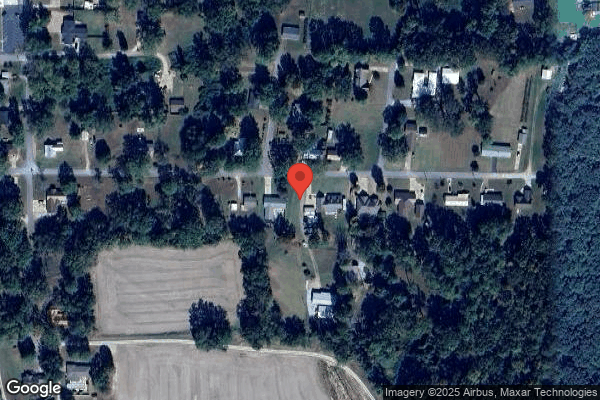
16056 BOUNDRY DRIVE, ASHLAND, MS 38603 (662) 224-6196
For profit - Corporation 60 Beds VANGUARD HEALTHCARE Data: November 2025
Trust Grade
90/100
#1 of 200 in MS
Last Inspection: February 2025

Within standard 12-15 month inspection cycle. Federal law requires annual inspections.

Overview

Ashland Health and Rehabilitation has received a Trust Grade of A, indicating it is an excellent facility that is highly recommended. It ranks #1 out of 200 facilities in Mississippi, placing it in the top tier of care options in the state, and it is the only facility in Benton County. The facility's performance has been stable, with eight concerns reported in both 2023 and 2025. Staffing is a strong point, earning a 5/5 star rating with a turnover rate of 32%, which is significantly lower than the state average. Notably, the facility has not incurred any fines, and it provides more registered nurse coverage than 81% of facilities in Mississippi, ensuring better overall care. However, there are some weaknesses to consider. Recent inspections noted concerns about cleaning protocols for medical equipment, such as failing to properly disinfect a glucometer, which could pose infection risks. Additionally, there were issues related to developing comprehensive care plans and providing necessary oral care for residents, highlighting gaps in attention to individual care needs. While Ashland Health and Rehabilitation has many strengths, these specific incidents suggest room for improvement in certain areas of resident care.

Trust Score
A
90/100
In Mississippi
#1/200
Top 1%
Safety Record
Low Risk
No red flags
Inspections
Holding Steady
4 → 4 violations
Staff Stability
○ Average
32% turnover. Near Mississippi's 48% average. Typical for the industry.
Penalties
✓ Good
No fines on record. Clean compliance history, better than most Mississippi facilities.
Skilled Nurses
✓ Good
Each resident gets 47 minutes of Registered Nurse (RN) attention daily — more than average for Mississippi. RNs are trained to catch health problems early.
Violations
○ Average
8 deficiencies on record. Average for a facility this size. Mostly minor or procedural issues.
★★★★★
5.0
Overall Rating
★★★★★
5.0
Staff Levels
★★☆☆☆
2.0
Care Quality
★★★★☆
4.0
Inspection Score
Stable
2023: 4 issues
2025: 4 issues

The Good

  • 5-Star Staffing Rating · Excellent nurse staffing levels
  • Full Sprinkler Coverage · Fire safety systems throughout facility
  • No fines on record
  • Staff turnover below average (32%)

    16 points below Mississippi average of 48%

Facility shows strength in staffing levels, fire safety.

The Bad

Staff Turnover: 32%

14pts below Mississippi avg (46%)

Typical for the industry

Chain: VANGUARD HEALTHCARE

Part of a multi-facility chain

Ask about local staffing decisions and management

The Ugly 8 deficiencies on record

May 2025 2 deficiencies
CONCERN (D) 📢 Someone Reported This

A family member, employee, or ombudsman was alarmed enough to file a formal complaint

Potential for Harm - no one hurt, but risky conditions existed

Comprehensive Care Plan (Tag F0656)

Could have caused harm · This affected 1 resident

Based on observation, staff interview, record review, and facility policy review, the facility failed to develop a comprehensive care plan for a resident requiring oral care for one (1) of three (3) s...

Read full inspector narrative →
Based on observation, staff interview, record review, and facility policy review, the facility failed to develop a comprehensive care plan for a resident requiring oral care for one (1) of three (3) sampled residents. Resident #3 Findings Include: Review of the facility policy titled The Care Plan with a revision date of 4/2019 revealed, The Comprehensive Care Plan is completed within seven (7) days after the MDS (minimum data set) is completed . Record review of the Activities of Daily Living (ADL) Care Plan for Resident #3 revealed under, Focus: The resident has an ADL self care performance deficit r/t (related to) Hemiplegia from hx (history) of CVA (Cerebrovascular Accident) affecting left side. Further review revealed the care plan was not developed for oral care. An observation of Resident #3 on 5/07/25 at 8:40 AM revealed she was sitting in her wheelchair in the hallway and was alert but confused and did not answer questions appropriately. Her lower lip was observed as dry and cracked with peeling skin. An observation of Resident #3 on 5/07/25 at 10:05 AM revealed she was lying in bed and her lower lip remained dry and cracked. An interview with Certified Nurse Aide (CNA) #1 on 5/07/25 at 10:35 AM revealed she did not perform oral care on Resident #3. She explained that the resident wore dentures, and she was able to wash them in the sink herself. An interview with Registered Nurse (RN) #1 on 5/07/25 at 10:58 AM confirmed Resident #3's lower lip was dry, irritated, and had peeling skin. An interview with the Administrator (ADM) on 5/07/25 at 12:20 PM confirmed the care plan was not developed for Resident #3 to have oral care and revealed that if it was not developed, the staff would not know to do it. An interview with the Minimum Data Set (MDS) Nurse on 5/07/25 at 12:48 PM revealed the purpose of the care plan was for the staff to know what care to provide for the residents. She confirmed the care plan was not developed for Resident #3 related to oral care and stated, We can't just assume the staff know to do it. Record review of the admission Record revealed the facility admitted Resident #3 on 2/18/25 with medical diagnoses that included Nontraumatic Intracranial Hemorrhage in the Cortical Hemisphere, Hemiplegia and Hemiparesis following Cerebral Infarction affecting Left Non-Dominant side, and Encounter for Attention to Gastrostomy. Record review of the Brief Interview for Mental Status (BIMS) Evaluation dated 5/6/25 revealed a summary score of 8, which indicated Resident #3 was moderately cognitively impaired.
CONCERN (D) 📢 Someone Reported This

A family member, employee, or ombudsman was alarmed enough to file a formal complaint

Potential for Harm - no one hurt, but risky conditions existed

ADL Care (Tag F0677)

Could have caused harm · This affected 1 resident

Based on observation, staff interview, record review, and facility policy review, the facility failed to provide oral care for one (1) of three (3) residents requiring assistance with activities of da...

Read full inspector narrative →
Based on observation, staff interview, record review, and facility policy review, the facility failed to provide oral care for one (1) of three (3) residents requiring assistance with activities of daily living (ADLs). Resident #3 Findings Include: Review of the facility policy titled Oral Care, with a revision date of 6/2022, revealed under Standard: It is the standard of this facility that every resident will receive oral care at least twice daily, and as needed. Additionally revealed under Process: . 10. Inspect the resident's mouth, teeth and gums for open areas of irritation; notify the supervising nurse immediately of any problems noted or any complaints by the resident. 11. Apply lip balm to the resident's lips and use lemon and glycerin swabs to lubricate the resident's mouth . A telephone interview with a confidential source on 5/06/25 at 1:32 PM revealed Resident #3 was admitted to the facility after suffering a stroke and explained the resident had lost function of the left side of her body. The source revealed that the resident only received hydration through a feeding tube and reported the resident's lips were dry and cracked, and the skin was peeling to the point of bleeding. On 5/07/25 at 8:40 AM an observation of Resident #3 revealed she was sitting in her wheelchair in the hallway, that she was alert but confused and did not answer questions appropriately. Her lower lip was observed to be dry and cracked with peeling skin. On 5/07/25 at 10:05 AM an observation of Resident #3 revealed she was lying in bed and her lower lip remained dry and cracked with peeling skin. An interview with Licensed Practical Nurse (LPN) #1 on 5/07/25 at 10:17 AM revealed she was aware of Resident #3's dry lips and explained that she noticed it last week after a family member reported it. She stated, It was dry and irritated and had started to bleed. She explained it was bleeding, but we thought the family member may have wiped it and caused it to bleed. Furthermore, she revealed she notified the supervisor and knew that lip hydration was provided. LPN #1 confirmed she did not document this information in the notes and was unsure if anything was put into place for the issue. Record review of the Activities of Daily Living Task for Resident #3 revealed there was no task set up for staff to complete oral care/hygiene and apply lip hydration. On 5/07/25 at 10:35 AM an interview with Certified Nurse Aide (CNA) #1 revealed she did not perform oral care on Resident #3. She explained that the resident wore dentures, and she was able to wash them in the sink herself. CNA #1 confirmed she was aware of the resident's dry lips and revealed that she had not applied a moisturizer but explained that she did notify License Practical Nurse (LPN) #1 the previous weekend that her lips were dry and cracked. On 5/07/25 at 10:58 AM an interview with Registered Nurse (RN) #1 revealed they had not initiated any treatment for Resident #3's lower lip and confirmed the lower lip was dry and peeling skin. She revealed that she tried to wash it with a warm wash cloth this morning, and it began bleeding. RN #1 confirmed the resident should have had oral care and a moisturizer applied to her lips and recognized this would be discomforting for the resident. An interview with the Administrator (ADM) on 5/07/25 at 12:20 PM revealed she saw Resident #3's lips yesterday and stopped by the desk and told the staff to do something about it. She confirmed the aide task was not set up to provide oral care, and verbalized it should have been. The ADM explained it was important to have proper oral care and lip moisturizer applied, especially when a resident was receiving nutrition through a feeding tube. Record review of the admission Record revealed the facility admitted Resident #3 on 2/18/25 with medical diagnoses that included Nontraumatic Intracranial Hemorrhage in the Cortical Hemisphere, Hemiplegia and Hemiparesis following Cerebral Infarction affecting Left Non-Dominant side, and Encounter for Attention to Gastrostomy. Record review of the Brief Interview for Mental Status (BIMS) Evaluation dated 5/6/25 revealed a summary score of 8, which indicated Resident #3 was moderately cognitively impaired.
Feb 2025 2 deficiencies
CONCERN (D)

Potential for Harm - no one hurt, but risky conditions existed

Comprehensive Care Plan (Tag F0656)

Could have caused harm · This affected 1 resident

Based on resident and staff interview, record review, and facility policy review, the facility failed to develop a resident specific comprehensive care plan that identified trigger specific interventi...

Read full inspector narrative →
Based on resident and staff interview, record review, and facility policy review, the facility failed to develop a resident specific comprehensive care plan that identified trigger specific interventions for a resident with a diagnosis of Post Traumatic Stress Disorder (PTSD) for one (1) of 19 care plans reviewed. Resident #45 Findings Include: Review of the facility policy titled RAI (Resident Assessment Instrument)/Care Planning Management with a revision date of 4/2019 revealed under, The Care Plan: The Comprehensive Care Plan is completed within seven (7) days after the MDS (Minimum Data Set) is completed and reviewed quarterly thereafter. Review of the facility policy titled Trauma Informed Care with a revision date of 10/2022 revealed under, Policy Explanation and Compliance Guidelines: . 4. The facility will collaborate with resident trauma survivors, and as appropriate, the resident's family, friends, the primary care physician, and any other health care professional to develop and implement individualized care plan interventions. 6. The facility will identify triggers, which may re-traumatize residents with a history of trauma. Trigger-specific interventions will identify ways to decrease the resident's exposure to triggers which re-traumatize the resident, as well as identify ways to mitigate or decrease the effect of the trigger on the resident, and will be added to the residents care plan . Record review of Resident #45's Care Plan Report revealed under, Focus: The resident uses psychotropic medications r/t (related to) anxiety and depression and PTSD (Post Traumatic Stress Disorder). The care plan was not developed for triggers or trigger-specific interventions for PTSD. On 2/26/25 at 8:50 AM, an interview with Resident #45 confirmed that he suffered from Post Traumatic Stress Disorder due to serving in combat and some childhood mistreatment. He admitted that loud noises and other certain things bothered him leading to less sleep, which increased his anxiety. An interview with the Minimum Data Set (MDS) Nurse on 2/26/25 at 9:15 AM confirmed Resident #45's Post Traumatic Stress Disorder (PTSD) care plan was not developed to include trigger specific interventions. She admitted that the staff would not know what the residents' triggers were because they were not listed. On 2/26/25 at 9:24 AM, an interview with the Administrator (ADM) confirmed that Resident #45's care plan should have reflected his history of trauma and been developed so that staff would know how to care for the resident. Record review of the admission Record revealed the facility re-admitted Resident #45 on 10/02/24 with medical diagnoses that included Post Traumatic Stress Disorder (PTSD), Generalized Anxiety Disorder, and Major Depressive Disorder. Record review of the MDS with an Assessment Reference Date (ARD) of 1/13/25 revealed, under section C, a Brief Interview for Mental Status (BIMS) summary score of 15, which indicated Resident #45 was cognitively intact.
CONCERN (D)

Potential for Harm - no one hurt, but risky conditions existed

Deficiency F0699 (Tag F0699)

Could have caused harm · This affected 1 resident

Based on resident and staff interview, record review, and facility policy review, the facility failed to complete a trauma informed care assessment for a resident with a diagnosis of Post Traumatic St...

Read full inspector narrative →
Based on resident and staff interview, record review, and facility policy review, the facility failed to complete a trauma informed care assessment for a resident with a diagnosis of Post Traumatic Stress Disorder (PTSD) for one (1) of 53 residents residing in the facility. Resident #45 Findings Include: Review of the facility policy titled Trauma Informed Care with a revision date of 10/22 revealed, Standard: It is the standard of this facility to provide care and services which, in addition to meeting professional standards, are delivered using approaches which are culturally-competent, account for experiences and preferences, and address the needs of trauma survivors by minimizing triggers and/or re-traumatization . Record review of the admission Record revealed the facility re-admitted Resident #45 on 10/02/24 with medical diagnoses that included Post Traumatic Stress Disorder (PTSD), Generalized Anxiety Disorder, and Major Depressive Disorder. Record review of the admission Social History dated 10/03/24 for Resident #45 revealed there was no documentation regarding Post Traumatic Stress Disorder. Record review of the Trauma Screen for Resident #45 dated 11/21/23 revealed, under, 2. Have you ever experienced a type of event that was unusually or especially frightening, horrible, or traumatic? No was answered. Also revealed under, C. War? No and D. Physical, emotional or sexual abuse at any age? No was answered. An interview with Resident #45 on 2/26/25 at 8:50 AM revealed he did suffer from Post Traumatic Stress Disorder and explained that certain things bothered him (triggers). He revealed that he served 4 years in the marines and served in combat. Resident #45 explained he also experienced traumatic events and was mistreated as a child, and was out on his own at the age of 16. He stated that if he does not get enough sleep at night, his anxiety increases and his mood suffers. He admitted that he has had roommates in the past that kept him up at night, which exacerbated his symptoms and confirmed that loud noises and a noisy environment bothered him (triggers). Resident #45 stated that he would love to have more freedom in the facility and explained it was difficult to transition from being at home. An interview with Licensed Practical Nurse (LPN) #1 on 2/26/25 at 8:55 AM revealed she was not aware Resident #45 had any triggers. She stated that the resident had not reported anything to her. An interview with Registered Nurse (RN) #1 on 2/26/25 at 9:02 AM confirmed that Resident #45 did get upset and anxious at times and would pick at his skin. RN #1 revealed when the resident was upset, he would come and tell the staff, and they would talk it out, but admitted that she was not aware of any triggers. An interview with Certified Nurse Aide (CNA) #1 on 2/26/25 at 9:05 AM confirmed that Resident #45 did not like loud noises and explained that the resident gets irritated with a lot of people around in his room. An interview with Social Services (SS) #1 on 2/26/25 at 9:09 AM confirmed that she was aware Resident #45 had Post Traumatic Stress Disorder. She confirmed that her social assessment did not mention the residents' history of combat/military service or traumatic childhood events. She acknowledged that she did not discuss his potential triggers. SS #1 explained that she knew the resident was in the military and voiced that was all she knew, and confirmed she did not make a note of it. She confirmed the residents' trauma assessment should have identified his history and potential triggers so that staff were aware of what things could cause re-traumatization. An interview with the Director of Nursing (DON) on 2/26/25 at 9:18 AM confirmed that the trauma assessment should have reflected his history along with his triggers. She admitted that Resident #45 had some adjustment issues after re-admitting to the facility and confirmed that the resident got nervous and picked at his skin sometimes. An interview with the Administrator (ADM) on 2/26/25 at 9:24 AM confirmed that Resident #45 should have had a trauma screen on admit that accurately reflected his history of trauma and triggers so that staff would know how to care for the resident. Record review of the Minimum Data Set (MDS) with an Assessment Reference Date (ARD) of 1/13/25 revealed, under section C, a Brief Interview for Mental Status (BIMS) summary score of 15, which indicated Resident #45 was cognitively intact.
Nov 2023 4 deficiencies
CONCERN (D)

Potential for Harm - no one hurt, but risky conditions existed

Deficiency F0604 (Tag F0604)

Could have caused harm · This affected 1 resident

**NOTE- TERMS IN BRACKETS HAVE BEEN EDITED TO PROTECT CONFIDENTIALITY** Based on observation, staff and resident interview, record review and facility policy review the facility failed to prevent a re...

Read full inspector narrative →
**NOTE- TERMS IN BRACKETS HAVE BEEN EDITED TO PROTECT CONFIDENTIALITY** Based on observation, staff and resident interview, record review and facility policy review the facility failed to prevent a resident from being physically restrained by the sound of a chair alarm for one (1) of three (3) residents with chair alarms reviewed. Resident #23. Findings include: Review of the facility policy titled, Restraint Standards; Physical Restraints with a revision date of 4/2023 revealed under, Physical Restraints Standard .The goal of this facility is to ensure that each resident attains and maintains his/her highest practical level of function and well-being in an environment that limits restraint use to circumstances in which the medical symptoms of the resident warrant the use of the least restrictive restraint. On 11/19/23 at 3:40 PM, an observation and interview revealed a chair alarm on Resident #23's wheelchair that was pinned to the back of her shirt. This observation revealed the resident propels herself with her feet in the wheelchair. During an interview at the same time with Resident #23 revealed that the resident is alert to herself and pleasantly confused on time and place. Resident #23 was asked if she knew what the device was on her wheelchair and she stated, It's a woolly of a thing, it worries me to death. It's supposed to catch me if I'm about to fall. I ask them all the time if I can get it off there and they say no ma'am. An interview on 11/20/23 at 9:00 AM with Certified Nurse Assistant (CNA) #1 confirmed that Resident #23 has a chair alarm clipped to her shirt and connected to a box device on her wheelchair. She stated that she thinks they put it on there because the resident kept falling. She stated that the alarm goes off when she tries to get up or when she moves forward enough in her wheelchair that makes it alarm. She stated that the resident really doesn't like the chair alarm and has complained about wanting it removed. She confirmed that she had told Registered Nurse (RN) #2 about the resident's complaint of wanting the clip alarm removed. An interview on 11/20/23 at 9:05 AM with CNA #2 confirmed that Resident #23 had complained several times about not wanting the clip alarm on her wheelchair. On 11/20/23 at 10:30 AM, an interview with RN Minimum Data Set (MDS) nurse confirmed that Resident #23 had a clip alarm on her wheelchair because she kept falling. She revealed that the Interdisciplinary Team (IDT) team decides who gets a clip alarm when they discuss in the morning standup meetings regarding falls. She stated that they do not consider it a restraint because the resident can remove it. She revealed that when a resident has a fall then a fall risk assessment is completed that indicates the use of a clip alarm. She stated that normally they will leave the alarm on for a couple of months then reevaluate with a high risk fall assessment. She stated she has not heard of any resident's complaining but if they did then they would have to re-evaluate, educate, and possibly do another alternative to the alarm. On 11/20/23 at 10:40 AM, an interview with the Director of Nurses (DON) and Nurse Educator confirmed that Resident #23 did have a clip alarm on her wheelchair and has had it since her last fall in 8/2023. The Nurse Educator revealed that the resident's fall prior to the one in 8/2023 occurred in 4/2023 and the resident did not have any injuries with either fall. She confirmed that they do not necessarily consider the clip alarm on the wheelchair to be a restraint because the resident can remove it. She stated that they usually leave the clip alarm on the resident for 2 months then reevaluate with a high risk fall evaluation again to determine if the resident still needs the alarm. She confirmed that they would normally discuss this reevaluation in the IDT meetings then remove the alarm and see how the resident does. The DON and the nurse educator confirmed that if a resident complained about the clip alarm and did not want it on, then they would need to reevaluate and remove. The DON stated that if the resident complained about the alarm to staff, then they should notify us so we can reevaluate. An observation and interview on 11/20/23 at 11:00 AM, with the DON, Nurse Educator and Resident #23 the resident confirmed that she did not like the alarm on her chair, that every time she moved it went off, she could not even get her books out of her dresser drawers without it going off and buzzing. She stated she knew it was because she had fallen and she may fall tomorrow, but she wanted it taken off. The DON and the Nurse Educator agreed that they would reassess the residents need for the clip alarm. An interview on 11/20/23 at 3:00PM, with the Administrator revealed that she felt like it was a hard call to make whether the residents need a chair alarm or not. She stated that she would consider the residents diagnoses and cognition when determining if a resident needed the alarm due to falls. She agreed that if a resident was complaining about not wanting the alarm, then they should reassess the need. An interview on 11/21/23 at 8:44 AM, with the DON confirmed that she understands that assessing the resident for how they feel about the chair alarm should be part of the assessment for its use. She stated that they just really did not consider it a restraint, or they would have done things differently. She revealed that she understood after reading the regulation that it can be considered a restraint. She revealed that they probably need to have an order for any type of alarm use, document the reason for the use of the alarm and the reevaluation documented along with coding it correctly on the MDS and care planning it correctly also. She confirmed that the resident's fall evaluations dated 8/2023 and 9/2023 did not indicate the use of a chair alarm. Record review of Resident #23's Incident Investigation form dated 8/23/23 revealed the resident had an unwitnessed fall with no injuries. Record review of Resident #23's Fall Evaluation form dated 8/23/23 and 9/1/23 revealed under clinical suggestions that positioning alarms were not indicated. Record review of Resident #23's progress notes revealed there was a note dated 9/14/23 that indicated the resident was being evaluated for a chair clip alarm. This review revealed no other documentation regarding the alarm. Record review of Resident #23's admission Record revealed the resident was admitted to the facility on [DATE] with medical diagnoses that included Type 2 Diabetes Mellitus without Complications. Record review of Resident #23's Quarterly Minimum Data Set (MDS) with an Assessment Reference Date (ARD) of 9/1/23 revealed in Section C a Brief Interview for Mental Status (BIMS) score of 02, which indicated the resident is severely cognitively impaired and in Section P that the resident had a chair alarm in use at all times.
CONCERN (D)

Potential for Harm - no one hurt, but risky conditions existed

Comprehensive Assessments (Tag F0636)

Could have caused harm · This affected 1 resident

**NOTE- TERMS IN BRACKETS HAVE BEEN EDITED TO PROTECT CONFIDENTIALITY** Based on observations, staff and resident interviews, record review and facility policy review, the facility failed to identify ...

Read full inspector narrative →
**NOTE- TERMS IN BRACKETS HAVE BEEN EDITED TO PROTECT CONFIDENTIALITY** Based on observations, staff and resident interviews, record review and facility policy review, the facility failed to identify and analyze information obtained from a Minimum Data Set assessment for a chair alarm restraint prior to developing the comprehensive care plan for one (1) of three (3) residents with a chair alarm, Resident #23. Findings include: Review of the typed statement on facility letterhead dated 11/21/23 revealed the facility did not have a policy regarding MDS assessment. The facility uses the current RAI (Resident Assessment Instrument) Manual and was signed by the Administrator. During an observation and interview on 11/19/23 at 3:40 PM, revealed a chair alarm on Resident #23's wheelchair that was pinned to the back of the resident's shirt. This observation revealed the resident propels herself with her feet in the wheelchair. An interview at the same time with Resident #23 revealed that the resident is alert to herself and pleasantly confused on time and place. The resident was asked if she knew what the device was on her wheelchair and she stated, It's a woolly of a thing, it worries me to death. It's supposed to catch me if I'm about to fall. I ask them if I can get it off there and they say no ma'am. During an interview on 11/20/23 at 10:30 AM, with Registered Nurse (RN) Minimum Data Set (MDS) nurse confirmed that Resident #23 had a chair alarm clipped to her shirt that was connect to a box device on her wheelchair because she kept falling. She stated that they do not consider it a restraint because the resident can remove it and we do not code it on the MDS because of that. During an interview on 11/20/23 at 10:40 AM, with the Director of Nurses (DON) and the Nurse Educator confirmed that Resident #23 did have a clip alarm on her wheelchair, and it been on there since her last fall in 8/2023. They confirmed that they do not consider the clip alarm on the wheelchair to be a restraint since the resident can remove it. An observation on 11/20/23 at 11:00 AM revealed Resident #23 stated she did not like the alarm on her chair, that every time she moved it went off, she could not even get her books out of her dresser drawers without it going off. During an interview on 11/20/23 at 3:35 PM with RN MDS Nurse revealed the reason the personal alarm was not care planned as a restraint was because they were not aware that a bed or chair alarm could be a restraint. Record review of Resident #23 care plan titled, The resident is at risk for falls, date initiated 09/02/22, revealed that the care plan does not mention a chair alarm in use. Record review of Resident #23's Fall Evaluation form dated 8/23/23 and 9/1/23 revealed under clinical suggestions that positioning alarms were not indicated. Record review of Resident #23's admission Record revealed the resident was admitted to the facility on [DATE] with medical diagnoses that included Type 2 Diabetes Mellitus without Complications. Record review of Resident #23's Quarterly Minimum Data Set (MDS) with an Assessment Reference Date (ARD) of 9/1/23 revealed in Section C a Brief Interview for Mental Status (BIMS) score of 02, which indicated the resident is severely cognitively impaired and in Section P that the resident had a chair alarm in use daily.
CONCERN (D)

Potential for Harm - no one hurt, but risky conditions existed

Comprehensive Care Plan (Tag F0656)

Could have caused harm · This affected 1 resident

**NOTE- TERMS IN BRACKETS HAVE BEEN EDITED TO PROTECT CONFIDENTIALITY** Based on observations, staff and resident interviews, record review and facility policy review, the facility failed to identify ...

Read full inspector narrative →
**NOTE- TERMS IN BRACKETS HAVE BEEN EDITED TO PROTECT CONFIDENTIALITY** Based on observations, staff and resident interviews, record review and facility policy review, the facility failed to identify and properly care plan a restraint for a resident with a chair alarm for one (1) of three (3) residents with a chair alarm reviewed. Resident #23 Findings Include Review of the facility policy titled, Care Planning Management with a revision date of 04/2019 revealed under Process for Completing the .Care Plans .Standard; It is the practice of this facility to conduct a comprehensive, accurate, standardized reproducible assessment of each resident's functional capacity. Objective .#1. To identify resident's individual needs and care requirements, #2. To assure that an interdisciplinary team assesses the emotional, psychosocial, mental, and physical needs of each resident. Care Conference Protocol .After the team reviews the triggered areas of concern, a care plan decision will be made. Problems will be identified and written in an interdisciplinary, CAA (Care Area Assessment) integrated format. Goals will be resident specific, measurable, and realistic. Interventions will be action verb directed and specific to each resident . Record review of Resident #23's care plans revealed there was no restraint care plan. An observation and interview on 11/19/23 at 3:40 PM, revealed Resident #23's had a chair alarm hooked to the back of her wheelchair and was pinned to the back of her shirt. An interview at the same time with Resident #23 revealed that the resident is alert to herself and pleasantly confused on time and place. The resident was asked if she knew what the device was on her wheelchair and she stated, It's a woolly of a thing, it worries me to death. It's supposed to catch me if I'm about to fall. I ask them if I can get it off there and they say no ma'am. An interview on 11/20/23 at 10:30 AM, with Registered Nurse (RN) Minimum Data Set (MDS) nurse confirmed that Resident #23 had a clip alarm on her wheelchair because she kept falling. An interview on 11/20/ 23 at 3:35 PM with RN MDS Nurse revealed the purpose of the care plan was to give a guide to help take care of the resident. She revealed the reason the personal alarm was not care planned as a restraint was because they were not aware that a bed or chair alarm could be a restraint. She acknowledged that a bed or chair alarm could prevent freedom of movement. An interview on 11/21/23 at 8:44 AM with the DON confirmed that they just really did not consider it a restraint, or they would have done things differently. She stated that she understands after reading the regulation that a chair alarm can be considered a restraint and confirmed that it was not care planned. An interview on 11/21/23 at 10:40 AM with RN #2 revealed that the purpose of the care plan was to have person centered developed care provided to the resident. Record review of Resident #23's admission Record revealed the resident was admitted to the facility on [DATE] with medical diagnoses that included Type 2 Diabetes Mellitus without Complications. Record review of Resident #23's Quarterly Minimum Data Set (MDS) with an Assessment Reference Date (ARD) of 9/1/23 revealed in Section C a Brief Interview for Mental Status (BIMS) score of 02, which indicated the resident is severely cognitively impaired and in Section P that the resident had a chair alarm in use daily.
CONCERN (F)

Potential for Harm - no one hurt, but risky conditions existed

Infection Control (Tag F0880)

Could have caused harm · This affected most or all residents

Based on observations, record reviews, and facility policy reviews the facility failed to clean and disinfect a multi-use glucometer with the approved disinfecting wipe for two (2) of two (2) medicati...

Read full inspector narrative →
Based on observations, record reviews, and facility policy reviews the facility failed to clean and disinfect a multi-use glucometer with the approved disinfecting wipe for two (2) of two (2) medication carts reviewed. Findings Include: Record review of the policy titled, Diabetic Management, dated 04/2019, revealed, Cleaning and disinfecting your EvenCare G2 Meter: .4. To disinfect your meter, clean the meter surface with one of the following disinfecting wipes: Dispatch Hospital Cleaner Disinfectant Towel with Bleach (1 minute). Medline Micro-Kill Disinfecting, Deodorizing, cleaning wipes with Alcohol (30 seconds). Clorox Healthcare Bleach Germicidal and Disinfectant Wipes (1 minute). Medline Micro-Kill Bleach Germicidal Bleach Wipes (2 minutes) . An observation and interview on 11/19/23 at 4:10 PM, with Licensed Practical Nurse (LPN) #4, the LPN used the glucometer to check finger stick blood sugar (FSBS) of a resident and upon return to the B hall medication cart LPN#4 retrieved a pack of 75% alcohol disinfecting wipes and wiped the glucometer with the alcohol wipe for about 15 seconds and laid the glucometer down on a napkin with the wipe still wrapped around the glucometer. An interview with the LPN at this time stated that she usually uses the purple top wipes but there weren't any on her med cart for the last two days and stated, I think we are out of them. I looked for them yesterday and couldn't find any. An observation and interview on 11/19/23 at 4:15 PM, with LPN #3 on A hall med cart revealed that she was out of the purple top wipes as well and stated, I told the Registered Nurse (RN) supervisor to bring me some wipes and he brought me these, holding up a container of 75% alcohol disinfecting wipes. LPN #3 confirmed that she works every other weekend and has not had any purple top wipes on her med cart yesterday or today, but did have some the last time she worked. Interview on 11/19/23 at 4:18 PM, with the CNA Staffing Coordinator confirmed that she ordered supplies and stated, I think they (purple top wipes) are on back order, let me check the supply closet. Observation of the supply closet with CNA staffing coordinator confirmed that there were no purple top wipes in the supply closet. An interview with the Director of Nursing (DON) on 11/19/23 at 4:20 PM, confirmed that she had the disinfecting wipes for the glucometers in her office and that they had just come in and she had placed them in her office, not knowing that the nurses on the med carts were out and that there were none available in the supply closet. The DON confirmed that her office is locked and that weekend staff would not have had access to her office to retrieve the wipes. Record review of in-services transcript for LPN #4 revealed that she had Diabetic Management and Infection Control, on 10/30/23 and LPN #3 completed her in-service titled, Glucometer Disinfection on 10/26/23. An interview with the DON on 11/20/23 at 2:35 PM, confirmed that these three inservices that were attended by LPN #3 and LPN #4 would have taught them that they have to use a germicidal wipe instead of an alcohol wipe on the glucometers. Interview on 11/20/23 at 2:40 PM, with the Nurse Educator confirmed that the in-services titled Glucometer Disinfection and Diabetic Management, is the same in-service and training on how to clean the meter with the appropriate wipe.
Understanding Severity Codes (click to expand)
Life-Threatening (Immediate Jeopardy)
J - Isolated K - Pattern L - Widespread
Actual Harm
G - Isolated H - Pattern I - Widespread
Potential for Harm
D - Isolated E - Pattern F - Widespread
No Harm (Minor)
A - Isolated B - Pattern C - Widespread

Questions to Ask on Your Visit

  • "Can I speak with families of current residents?"
  • "What's your RN coverage like on weekends and overnight?"

Our Honest Assessment

Strengths
  • • Grade A (90/100). Above average facility, better than most options in Mississippi.
  • • No major safety red flags. No abuse findings, life-threatening violations, or SFF status.
  • • No fines on record. Clean compliance history, better than most Mississippi facilities.
  • • 32% turnover. Below Mississippi's 48% average. Good staff retention means consistent care.
Concerns
  • • No significant concerns identified. This facility shows no red flags across CMS ratings, staff turnover, or federal penalties.
Bottom line: Generally positive indicators. Standard due diligence and a personal visit recommended.

About This Facility

What is Ashland's CMS Rating?

CMS assigns ASHLAND HEALTH AND REHABILITATION an overall rating of 5 out of 5 stars, which is considered much above average nationally. Within Mississippi, this rating places the facility higher than 99% of the state's 100 nursing homes. This rating reflects solid performance across the metrics CMS uses to evaluate nursing home quality.

How is Ashland Staffed?

CMS rates ASHLAND HEALTH AND REHABILITATION's staffing level at 5 out of 5 stars, which is much above average compared to other nursing homes. Staff turnover is 32%, compared to the Mississippi average of 46%. This relatively stable workforce can support continuity of care.

What Have Inspectors Found at Ashland?

State health inspectors documented 8 deficiencies at ASHLAND HEALTH AND REHABILITATION during 2023 to 2025. These included: 8 with potential for harm.

Who Owns and Operates Ashland?

ASHLAND HEALTH AND REHABILITATION is owned by a for-profit company. For-profit facilities operate as businesses with obligations to shareholders or private owners. The facility is operated by VANGUARD HEALTHCARE, a chain that manages multiple nursing homes. With 60 certified beds and approximately 57 residents (about 95% occupancy), it is a smaller facility located in ASHLAND, Mississippi.

How Does Ashland Compare to Other Mississippi Nursing Homes?

Compared to the 100 nursing homes in Mississippi, ASHLAND HEALTH AND REHABILITATION's overall rating (5 stars) is above the state average of 2.6, staff turnover (32%) is significantly lower than the state average of 46%, and health inspection rating (4 stars) is above the national benchmark.

What Should Families Ask When Visiting Ashland?

Based on this facility's data, families visiting should ask: "Can I visit during a mealtime to observe dining assistance and food quality?" "How do you handle medical emergencies, and what is your hospital transfer rate?" "Can I speak with family members of current residents about their experience?"

Is Ashland Safe?

Based on CMS inspection data, ASHLAND HEALTH AND REHABILITATION has a clean safety record: no substantiated abuse findings (meaning no confirmed cases of resident harm), no Immediate Jeopardy citations (the most serious violation level indicating risk of serious injury or death), and is not on the Special Focus Facility watch list (a federal program monitoring the lowest-performing 1% of nursing homes). The facility has a 5-star overall rating and ranks #1 of 100 nursing homes in Mississippi. While no facility is perfect, families should still ask about staff-to-resident ratios and recent inspection results during their visit.

Do Nurses at Ashland Stick Around?

ASHLAND HEALTH AND REHABILITATION has a staff turnover rate of 32%, which is about average for Mississippi nursing homes (state average: 46%). Moderate turnover is common in nursing homes, but families should still ask about staff tenure and how the facility maintains care continuity when employees leave.

Was Ashland Ever Fined?

ASHLAND HEALTH AND REHABILITATION has no federal fines on record. CMS issues fines when nursing homes fail to meet care standards or don't correct problems found during inspections. The absence of fines suggests the facility has either maintained compliance or corrected any issues before penalties were assessed. This is a positive indicator, though families should still review recent inspection reports for the full picture.

Is Ashland on Any Federal Watch List?

ASHLAND HEALTH AND REHABILITATION is not on any federal watch list. The most significant is the Special Focus Facility (SFF) program, which identifies the bottom 1% of nursing homes nationally based on persistent, serious quality problems. Not being on this list means the facility has avoided the pattern of deficiencies that triggers enhanced federal oversight. This is a positive indicator, though families should still review the facility's inspection history directly.