DIVERSICARE OF BATESVILLE
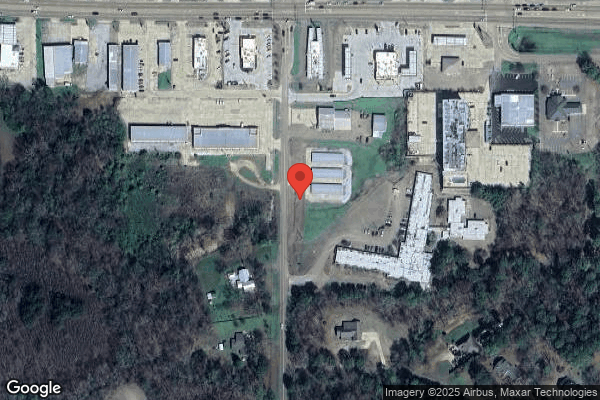
154 WOODLAND ROAD, BATESVILLE, MS 38606 (662) 563-5636
For profit - Limited Liability company 130 Beds DIVERSICARE HEALTHCARE Data: November 2025
Trust Grade
25/100
#108 of 200 in MS
Last Inspection: June 2025

Inspected within the last 6 months. Data reflects current conditions.

Overview

Diversicare of Batesville has received a Trust Grade of F, indicating significant concerns about the quality of care provided. Ranked #108 out of 200 facilities in Mississippi, they fall in the bottom half, although they rank #1 of 2 in Panola County, so they are the best local option available. The facility is showing improvement, with issues decreasing from 10 in 2023 to 6 in 2025. Staffing is a strength, rated 4 out of 5 stars, with a turnover rate of 31%, which is well below the state average, suggesting that staff are familiar with the residents' needs. However, there are serious concerns: a resident was neglected due to a malfunctioning lift, resulting in them being stranded in a wheelchair for hours, and there were safety lapses during van transport, leading to an accident. Additionally, cleanliness issues were noted in the kitchen, raising concerns about hygiene standards.

Trust Score
F
25/100
In Mississippi
#108/200
Bottom 46%
Safety Record
High Risk
Review needed
Inspections
Getting Better
10 → 6 violations
Staff Stability
○ Average
31% turnover. Near Mississippi's 48% average. Typical for the industry.
Penalties
✓ Good
$25,318 in fines. Lower than most Mississippi facilities. Relatively clean record.
Skilled Nurses
○ Average
Each resident gets 35 minutes of Registered Nurse (RN) attention daily — about average for Mississippi. RNs are the most trained staff who monitor for health changes.
Violations
⚠ Watch
18 deficiencies on record. Higher than average. Multiple issues found across inspections.
★★☆☆☆
2.0
Overall Rating
★★★★☆
4.0
Staff Levels
★★★☆☆
3.0
Care Quality
★★☆☆☆
2.0
Inspection Score
Stable
2023: 10 issues
2025: 6 issues

The Good

  • 4-Star Staffing Rating · Above-average nurse staffing levels
  • Full Sprinkler Coverage · Fire safety systems throughout facility
  • No fines on record
  • Staff turnover below average (31%)

    17 points below Mississippi average of 48%

Facility shows strength in staffing levels, fire safety.

The Bad

2-Star Overall Rating

Below Mississippi average (2.6)

Below average - review inspection findings carefully

Staff Turnover: 31%

15pts below Mississippi avg (46%)

Typical for the industry

Federal Fines: $25,318

Below median ($33,413)

Moderate penalties - review what triggered them

Chain: DIVERSICARE HEALTHCARE

Part of a multi-facility chain

Ask about local staffing decisions and management

The Ugly 18 deficiencies on record

2 actual harm
Jun 2025 6 deficiencies 1 Harm
SERIOUS (G)

Actual Harm - a resident was hurt due to facility failures

Free from Abuse/Neglect (Tag F0600)

A resident was harmed · This affected 1 resident

**NOTE- TERMS IN BRACKETS HAVE BEEN EDITED TO PROTECT CONFIDENTIALITY** Based on observation, staff and resident interviews, record review, and facility policy review, the facility failed to ensure a ...

Read full inspector narrative →
**NOTE- TERMS IN BRACKETS HAVE BEEN EDITED TO PROTECT CONFIDENTIALITY** Based on observation, staff and resident interviews, record review, and facility policy review, the facility failed to ensure a resident was free from neglect as evidenced by not ensuring the availability of a functioning total mechanical lift or alternative transfer method for one (1) of 36 residents that required the use of a total lift. (Resident #96) Findings Include: Review of the facility policy titled, Abuse, Neglect, Misappropriation, Exploitation Policy, effective January 2019, revealed under Purpose .To prohibit and prevent abuse, neglect .Neglect: Failure of the center, its team members .to provide goods and services to a resident that are necessary to avoid physical harm, pain, mental anguish or emotional distress . An interview on 06/09/25 at 1:19 PM with Resident #96 revealed that one night the previous week, she had to sit in her wheelchair from afternoon until approximately 3:00 AM because all of the lifts were not charged. She stated that eventually, an ambulance service was called, and they lifted her manually and put her back to bed. The resident reported she had peed and pooped on herself and experienced pain requiring pain medication. She stated, This is just ridiculous that all of their lifts were not working. I don't even like to get out of bed, much less stay up that long. Record review of Resident #96's lift/transfer assessment dated [DATE] documented that Resident #96 required a total mechanical lift for all transfers. Record review of Resident #96's Medication Administration Record (MAR) for the month of 6/2025 revealed the resident had one incident of reported pain on a 10/10 scale and received a PRN (as needed) pain medication and that was on 6/4/2025 at 7:38 PM. An interview on 06/10/25 at 1:24 PM with CNA #2 confirmed the total lift batteries were not working on the night of the incident with Resident #96, which was 6/4/25. She stated that some batteries had been intermittently failing and that the Administrator had been informed prior to the incident. An interview on 06/10/25 at 1:27 PM with the Administrator and Director of Nursing (DON) confirmed that no charged total lift batteries were available during parts of the 3 PM-11 PM and 11 PM-7 AM shift on Wednesday 6/4/25. The Administrator stated she had been informed on Monday 6/2/25 about battery charging issues and ordered replacements, which did not arrive until Friday. She acknowledged being notified around 8 PM on 6/4/25 that the lifts were nonfunctional, but they continued to try and get them to charge. She admitted that she eventually instructed staff to call the ambulance service and was notified that the resident was returned to bed at approximately 11:51 PM. Both the Administrator and DON agreed the resident should not have had to sit up that long in her wheelchair. A phone interview on 06/10/25 at 1:38 PM with Licensed Practical Nurse (LPN) #1 confirmed she worked the 7 PM-7 AM shift on C Hall 6/4/25 and that none of the batteries were charged at the start of her shift. She stated only one battery eventually charged and was used to put one resident back to bed, but it was depleted by the time A Hall needed it. She confirmed that EMS was called and arrived around 11 PM to assist with returning Resident #96 to bed. She acknowledged no manual backup lift was available and that being without a total lift for so long bothered her. An interview on 06/10/25 at 2:00 PM with the DON confirmed Resident #96 was totally incontinent and left in her wheelchair from approximately 2 PM until around 11 PM on 6/4/25. She stated no skin or body assessment was completed after the resident was returned to bed but acknowledged that one should have been done. She confirmed the facility did not have an alternative back up lift to replace the non-functioning battery-operated lifts. An interview on 06/10/25 at 2:30 PM with the Wound Nurse confirmed she had not been made aware of the incident and agreed a post-incident assessment should have occurred. A phone interview on 6/11/25 at 10:38 AM with CNA #3, who worked 10:30 PM-6:30 AM on 6/4/25, revealed that Resident #96 was returned to bed around 11 PM. She reported the resident was saturated with urine and had a bowel movement extending from her back to her perineal area. She stated no nurse assessed the resident's skin and expressed frustration about the lack of working equipment. An interview on 6/11/25 at 10:45 AM with the DON confirmed that Resident #96 had no documentation of incontinent care for the time she was in the wheelchair on 6/4/25, which was approximately 2 PM-11 PM. She was not aware of the resident's state of incontinence when she was finally transferred back to bed at approximately 11 PM, reported a pain score of 10/10 or the PRN pain medication given that evening and stated, That's terrible. An interview on 6/11/25 at 11:20 AM with the Registered Nurse (RN)/Lift Champion revealed she had been notified on 5/30/25 about the charging issues with the total lift batteries and had reported the issue to the Administrator, who then ordered new batteries. She confirmed that none of the lifts were functional on the night of 6/4/25 and stated, It's terrible that the resident was left that long. She stated that her job as the lift champion was to make sure the slings were not broken and admitted that she made random rounds to check the lift batteries and there were no issues on the day of 6/4/25 that she was aware of. A phone interview on 6/11/25 at 11:34 AM with CNA #4 confirmed that Resident #96 had been gotten up by therapy around 2 PM after receiving a bed bath earlier in the day. She admitted the resident was not toileted or put back to bed before the end of her shift at 3 PM. An interview on 6/11/25 at 11:40 AM with the Certified Occupational Therapy Assistant (COTA) confirmed therapy got Resident #96 up around 1-1:30 PM on 6/4/25. She was not soiled at the time, and therapy concluded around 2:30 PM. An interview on 6/11/25 at 12:45 PM with the Administrator confirmed she was unaware the resident experienced a pain score of 10/10 or that she was saturated with urine and feces on the night of 6/4/25. An observation and interview on 6/11/25 at 2:09 PM with Resident #96 and the Wound Care Nurse revealed no skin breakdown or complaints during a sacral/perineal skin assessment. Record review of Resident #96's admission Record revealed the facility admitted the resident on 9/12/24 with diagnoses including Malignant Neoplasm of the Center Portion of the Left Breast, Joint Stiffness and Pain. Record review of Resident #96's Minimum Data Set (MDS) with an Assessment Reference Date (ARD) of 5/21/25 revealed in Section C a Brief Interview for Mental Status (BIMS) score of 14 indicating the resident was cognitively intact and in Section GG that the resident was dependent for transfers with 2-person assistance and toileting.
CONCERN (D)

Potential for Harm - no one hurt, but risky conditions existed

Resident Rights (Tag F0550)

Could have caused harm · This affected 1 resident

**NOTE- TERMS IN BRACKETS HAVE BEEN EDITED TO PROTECT CONFIDENTIALITY** Based on resident and staff interviews, record review, and facility policy review, the facility failed to promote dignity for tw...

Read full inspector narrative →
**NOTE- TERMS IN BRACKETS HAVE BEEN EDITED TO PROTECT CONFIDENTIALITY** Based on resident and staff interviews, record review, and facility policy review, the facility failed to promote dignity for two (2) of 35 residents in the sample. (Resident's #44 and #106) Findings include: Review of the facility policy titled, Resident Rights & Quality of Life, with an effective date of March 13, 2020, revealed, Policy: It is the policy of proper name that all patients have the right to a dignified existence, self-determination, and communication with access to services inside and outside the facility. Resident #44 An observation on 6/9/25 at 10:35 AM revealed Resident #44 was observed licking chocolate pudding from a small Styrofoam bowl. Chocolate pudding was observed on the resident's nose, around the mouth, and drops of pudding on his shirt, top sheet, and blanket. Resident #44 stated he was trying to eat the pudding but was not given a spoon. No spoon was observed in the resident's room. An observation and interview with Certified Nurse Assistant (CNA) #5 on 6/9/25 at 10:38 AM confirmed that Resident #44 did not have a spoon to eat his pudding, and confirmed the resident had chocolate pudding on his face and bed linens from trying to eat the pudding with no utensils. CNA #5 revealed this is a dignity concern because the resident attempted to lick the pudding out of the bowl, resulting in him getting pudding on his face, clothing, and bed linens. An interview with the Infection Preventionist on 6/10/25 at 1:10 PM confirmed it would be a dignity concern and could be embarrassing to have pudding on his face and stated staff should have provided the resident with a spoon. An interview with the Director of Nursing (DON) on 6/10/25 at 1:45 PM confirmed it was a dignity concern for Resident #44 to have to lick pudding out of a cup, resulting in the resident getting pudding on his face and linens. Record review of the admission Record revealed that Resident #44 was admitted to the facility on [DATE] with a diagnosis of nontraumatic intracranial hemorrhage. Record review of Resident #44's Section C of the admission Minimum Data Set (MDS) with an Assessment Reference Date (ARD) of 5/9/25 revealed a Brief Interview for Mental Status (BIMS) score of 8, indicating the resident was moderately cognitively impaired. Resident #106 An observation of Resident #106's room on 6/9/25 at 10:10 AM revealed a Wound VAC (Vacuum-Assisted Closure) on the bedside nightstand next to the resident's bed, half full of dark, thick serous drainage, with a foul odor noted. The drainage container was visible from the doorway of the room and was not in use. Resident was observed sleeping. During an observation and interview with Licensed Practical Nurse (LPN) #2 on 6/9/25 at 11:41 AM, she confirmed the wound VAC was sitting on Resident #106's nightstand and confirmed it was not in use. She confirmed the drainage container was half full of old, thick, drying, putrid serous drainage. She also confirmed this was a dignity concern to have the drainage visible for everyone to see. An interview with Infection Preventionist on 6/10/25 at 12:57 PM confirmed that when Resident #106's wound VAC canister containing the old serous drainage was a dignity concern related to the drainage being visible to anyone entering the room. An interview with the DON on 6/10/25 at 1:50 PM revealed she saw the serous drainage left in Resident #106's room in the wound VAC, stating, It was awful. She stated the wound VAC was used a day and then changed because the resident kept taking it off. She stated that when the order was discontinued, the wound VAC should have been removed from the room and cleaned, and the vacutainer containing the serous drainage should have been disposed of in the biohazard room in a biohazard bag. She then revealed concerns about leaving the wound vacuum in the room for days after it was discontinued, as it is a dignity concern because the drainage was not covered. Record review of the admission Record revealed that Resident #106 was admitted to the facility on [DATE] with diagnoses of end stage renal disease and an unspecified open wound to the lower leg. Record review of Resident #106's Section C of the MDS with an ARD of 5/29/25 revealed a BIMS score of 15, indicating the resident was cognitively intact.
CONCERN (D)

Potential for Harm - no one hurt, but risky conditions existed

Deficiency F0698 (Tag F0698)

Could have caused harm · This affected 1 resident

**NOTE- TERMS IN BRACKETS HAVE BEEN EDITED TO PROTECT CONFIDENTIALITY** Based on staff interviews, record review and review of the facility's dialysis contract, the facility failed to assess and docum...

Read full inspector narrative →
**NOTE- TERMS IN BRACKETS HAVE BEEN EDITED TO PROTECT CONFIDENTIALITY** Based on staff interviews, record review and review of the facility's dialysis contract, the facility failed to assess and document the presence of a bruit and thrill at the dialysis access site as part of routine monitoring as ordered for one (1) of four (4) dialysis residents reviewed: Resident #86 Findings include: Review of the typed statement on facility letterhead dated 6/12/25 revealed that it is the practice of (the facility) to follow contracts with their partnered Dialysis center and provide care in accordance with CMS guidance. Review of the facility's contract Long Term Care Facility Outpatient Dialysis Services Coordination Agreement with the off-site dialysis provider (effective 1/18/17) revealed, .Long Term Care Facility participates as a residential and health care provider of services .and promotes its End-Stage Renal Disease (ESRD) Resident's rights to obtain .benefits and services appropriate to their needs . Record review of Order Summary Report for active orders as of 6/1/25, revealed, .Hemo-Dialysis: Auscultation/Palpitation of shunt site for Bruit and Thrill every (Q) shift with order date 11/14/2024. Review of Dialysis Communication Records for June revealed assessment of site for bruit/thrill on 6/3/25, 6/5/25. 6/7/25, and 6/10/25. Record review of the Medication Administration Record (MAR) for 6/1/25 - 6/10/25 revealed the order for assessment of shunt site for bruit and/or thrill of Resident #86's shunt in his left arm was not on the MAR. During an interview on 6/10/25 at 2:35 PM with the Director of Nursing (DON) regarding Resident #86, it was confirmed the order was not listed on the MAR/TAR (Treatment Administration Record ) and the only documentation for auscultation/palpitation of the shunt site for bruit and thrill was on the dialysis communication forms. She stated that the purpose of checking the shunt site is to ensure that the shunt is functioning properly and has not malfunctioned. She further verbalized that should the shunt stop working, the resident would not be able to receive dialysis and would possibly have to have his shunt replaced. Record review of the admission Record revealed that Resident #86 was admitted to the facility on [DATE] with a diagnoses End-stage Renal Disease (ESRD). Record review of Resident #86's Section C of the Minimum Data Set (MDS) with an Assessment Reference Date (ARD) of 4/8/25 revealed a Brief Interview for Mental Status (BIMS) score of 12, indicating the resident had moderate cognitive impairment
CONCERN (D)

Potential for Harm - no one hurt, but risky conditions existed

Deficiency F0761 (Tag F0761)

Could have caused harm · This affected 1 resident

Based on observation, staff interview, and facility policy review, the facility failed to ensure medications on the treatment cart were locked and secured for one (1) of five (5) medication /treatment...

Read full inspector narrative →
Based on observation, staff interview, and facility policy review, the facility failed to ensure medications on the treatment cart were locked and secured for one (1) of five (5) medication /treatment carts observed. Findings include: Review of the facility's policy titled, (Proper Name) Medication Storage, revised 4/23, states, .it is the responsibility of the facility to keep the medication cart locked and secure at all times when not in use . During an observation on 6/9/25 at 11:29 AM, of the treatment cart on Hall A, revealed it was unlocked and unattended, with keys placed on top of the cart. Wound Nurse exited a resident's room, and the room door had been closed. During an interview with the Wound Nurse she stated, A resident could have walked by, opened up the cart, and ingested something they should not have and confirmed, I should not have left it open, and I should not have left my keys on my cart. An interview was conducted on 6/9/25 at 2:31 PM with the Director of Nursing (DON), who confirmed that the nurse should never leave the cart unlocked and should not have left her keys on top of the cart.
CONCERN (D)

Potential for Harm - no one hurt, but risky conditions existed

Deficiency F0825 (Tag F0825)

Could have caused harm · This affected 1 resident

**NOTE- TERMS IN BRACKETS HAVE BEEN EDITED TO PROTECT CONFIDENTIALITY** Based on staff interview, record review and facility policy review, the facility failed to ensure a timely evaluation by therapy...

Read full inspector narrative →
**NOTE- TERMS IN BRACKETS HAVE BEEN EDITED TO PROTECT CONFIDENTIALITY** Based on staff interview, record review and facility policy review, the facility failed to ensure a timely evaluation by therapy services after a referral was made for one (1) of 35 sampled residents. Resident #22. Findings include: Record review of facility policy titled, Resident Screening Guidelines updated 3/14/18 revealed, screenings be completed by (Formal Name) employees . upon referral by the medical and/or nursing department of a facility . Record review of Interdisciplinary Rehabilitation Screening Form with effective date 5/23/2025, revealed, Nursing referral due to onset of decreased strength, decreased endurance, and functional decline. Occupational Therapy (OT) evaluation indicated. An interview on 6/11/25 at 1:45 PM with the Director of Nursing (DON) confirmed, nursing did make a referral on 5/23/25 for an OT evaluation, however there was no documentation of an evaluation by OT. She stated, you will have to check with therapy about that. An interview on 6/11/25 at 3:11 PM with the Director of Therapy confirmed the nursing referral date 5/23/25 was not processed timely. She stated, I'm not sure how we missed that one. She further verbalized that the person that performed their OT evaluations was out on medical leave, however they did have someone available via telehealth for evaluations and that she was evaluating Resident # 22 right now (today). When asked could this evaluation been performed via telehealth when nursing made the referral on 5/23/25, she confirmed, yes. She revealed referrals for evaluations are expected to be evaluated between 24-48 hours after they are received. She further stated that Resident # 22 was at increased risk for further decline and even increased risk for hospitalization due to the delay in the evaluation. Record review of the admission Record revealed Resident #22 was admitted on [DATE] with diagnoses including Alzheimer's Disease. Record review of Resident #22's Section C of the admission Minimum Data Set (MDS) with an Assessment Reference Date (ARD) of 5/22/25 revealed a Brief Interview for Mental Status (BIMS) score of 9, indicating the resident had moderate cognitive impairment.
CONCERN (D)

Potential for Harm - no one hurt, but risky conditions existed

Infection Control (Tag F0880)

Could have caused harm · This affected 1 resident

**NOTE- TERMS IN BRACKETS HAVE BEEN EDITED TO PROTECT CONFIDENTIALITY** Based on staff interviews, record review, and facility policy review, the facility failed to maintain proper infection control p...

Read full inspector narrative →
**NOTE- TERMS IN BRACKETS HAVE BEEN EDITED TO PROTECT CONFIDENTIALITY** Based on staff interviews, record review, and facility policy review, the facility failed to maintain proper infection control practices for one (1) of 35 sampled residents. (Resident #106) Findings Include Review of the facility policy titled, Policies and Practices-Infection Control, effective date November 1, 2017, revealed: Policy Statement: This center's infection control policies and practices are intended to facilitate maintaining a safe, sanitary, and comfortable environment and to help manage the transmission of diseases . On 6/9/25 at 10:10 AM an observation of Resident #106's room revealed a Wound VAC (Vacuum-Assisted Closure) on the bedside nightstand next to the resident's bed, half full of dark, thick serous drainage, with a foul odor noted. The drainage container was visible from the doorway of the room and was not in use. On 6/9/25 at 11:41 AM during an observation and interview with Licensed Practical Nurse (LPN) #2 , she confirmed the wound VAC was sitting on Resident #106's nightstand and that it was not in use. She also confirmed the drainage container was half full of old, thick, drying putrid serous drainage and stated this was an infection control concern due to the resident being medically compromised and at increased risk of infection. Review of the May 2025 Treatment Record for Resident #106 revealed, wound care to right lower extremity to be done every three days as needed for soilage and dislodgement. Cleanse area with wound cleanser, pat dry, protect peri wound by applying no sting barrier films. Picture frame wound with transparent film dressing. Apply black foam to wound bed only, cover with transparent dressing. Cut quarter size hole in dressing, connect to port. Set at 125 mmHg (millimeters of mercury) one time a day every Wednesday and Friday related to open wound with an order date of 5/28/25 and a discontinue date of 5/30/25. On 6/10/25 at 12:57 PM an interview with the Infection Preventionist confirmed that the wound VAC device and the canister containing the biohazard waste should have been immediately removed from the room and the waste properly disposed of in the biohazard room. The Infection Preventionist expressed concerns about leaving the wound vacutainer with old serous drainage in it, as it poses an increased risk of spreading infection. On 6/10/25 at 1:50 PM an interview with the Director of Nursing (DON) confirmed she saw the serous drainage left in Resident #106's room in the wound VAC, stating, It was awful. She stated that it was only used one day and should have been removed when it was discontinued. She further revealed concerns that leaving the wound VAC in the room for days after it was discontinued could increase the risk of spreading infection. Review of the admission Record revealed that Resident #106 was admitted to the facility on [DATE] with diagnoses of End Stage Renal Disease and an unspecified open wound to the lower leg. Record review of Resident #106's Section C of the admission Minimum Data Set (MDS) with an Assessment Reference Date (ARD) of 5/29/25 revealed a Brief Interview for Mental Status (BIMS) score of 15, indicating the resident was cognitively intact.
Dec 2023 10 deficiencies 1 Harm
SERIOUS (G)

Actual Harm - a resident was hurt due to facility failures

Accident Prevention (Tag F0689)

A resident was harmed · This affected 1 resident

**NOTE- TERMS IN BRACKETS HAVE BEEN EDITED TO PROTECT CONFIDENTIALITY** Based on resident and staff interview, record review, and facility policy review, the facility failed to put safety measures in ...

Read full inspector narrative →
**NOTE- TERMS IN BRACKETS HAVE BEEN EDITED TO PROTECT CONFIDENTIALITY** Based on resident and staff interview, record review, and facility policy review, the facility failed to put safety measures in place to prevent an accident during van transport for one (1) of five (5) residents reviewed. Resident #66 Findings include: Record review of the facility policy titled, Inspections, Repairs, and Maintenance, with an effective date of September 1, 2019, revealed, Statement: It is the policy of (Proper Name of Facility) to keep all vehicles well maintained and in safe, efficient operating condition at all times . Rules of vehicle operation .7. All passengers must be seated in vehicle seats with occupant restraint . Record review of the facility policy titled Vehicle Safety Guidelines with a revision date of January 1, 2023, revealed The safety of our patients/residents, passengers, team members, the public and the protection of the property of others is important to the company . An interview on 12/04/23 at 1:15 PM, with Resident #66 revealed that she was in an accident in the facility van a few months ago and suffered a fractured leg. She stated that her wheelchair was secured in the van, but the shoulder strap/seatbelt was not working, so she did not have it on and when the driver made a sudden stop, she fell out of the wheelchair. Record review of the Incident Report Form revealed, Date of incident: 10/09/2023, Approximate time of incident: 4.00 PM Location of incident: .Hwy 7 of [NAME], MS while being transported per facility van from a scheduled appointment .Resident fell face forward to the floor out of the wheelchair in the facility van when driver made a fast stop .(Proper Name of Resident #66) experienced a fall while seated in her wheelchair on the facility van. Resident was transported by EMS (emergency medical services) to local ER (emergency room). X rays were obtained. (Proper Name of Resident #66) has a broken leg . Record review of the History and Physical from the emergency room (ER) visit dated 10/9/23 revealed, Admitting Diagnosis: Femur fracture .MVA (motor vehicle accident) .in a nursing home van in a wheelchair we had a sudden break was applied and she was thrown out of her wheelchair and sustained deep laceration to left shin, EMS (emergency medical services) was called and they reported large amount of blood on scene and she was hypotensive. In the ER she was given IV (intravenous) fluids with improvement in blood pressure .Of note patient is on Eliquis (blood thinner) .x-ray left femur showed comminuted impacted distal femoral metaphyseal fracture . An interview on 12/5/23 at 10:30 AM, with the Administrator (ADM) confirmed that she did not report the incident to the State Agency (SA) because the resident was not on the premises when it occurred. She looked at it as a motor vehicle accident. She confirmed the facility van driver should have fastened the residents' seat belt and, if the seat belt was not working, he should have moved her into the other space in the van. The ADM confirmed the van driver no longer works here. An interview with Maintenance Staff #1 on 12/07/23 at 9:21 AM, revealed he found out about the incident the next day. He stated they have a check off form the driver should do daily and document. Maintenance Staff #1 confirmed the check off was not done on 11/9/23. He stated he looked at the seat belt the next day and it was not functioning properly. He stated the Seat belt/Shoulder strap would not pull out because the ratchet was not releasing. A record review and interview with the ADM on 12/7/23 at 9:25 AM, confirmed the check off form was not done by the van driver on the day of the incident, 11/9/23. Record review of the November 2023 van calendar revealed no documentation was made on 11/9/23. Record review of the Q'STRAINT user instructions revealed, .B Secure Passenger 1. Attach Lap Belts .2. Attach Shoulder Belt Review of the Statement from Van Incident revealed the ADM interviewed the van driver on October 9, 2023. The van driver revealed he had to make a fast stop due to a vehicle in front of him turned quickly. The fast stop caused a fall to the resident. (Resident #66). The van driver revealed that he did not have the resident secured because the seatbelt didn't pull out far enough. He revealed that he did not use the other seatbelt on the bus because he was in a hurry to get the resident to her appointment. Review of the admission Record revealed Resident #66 was admitted to the facility on [DATE] with diagnoses that included unspecified Osteoarthritis, Muscle Weakness, Abnormal Posture, and nondisplaced comminuted fracture of shaft of Left Femur. Review of the Minimum Data Set (MDS) with an Assessment Reference Date (ARD) of 10/23/23 revealed a Brief Interview for Mental Status (BIMS) score of 15 which indicated Resident #66 was cognitively intact.
CONCERN (D)

Potential for Harm - no one hurt, but risky conditions existed

Deficiency F0554 (Tag F0554)

Could have caused harm · This affected 1 resident

**NOTE- TERMS IN BRACKETS HAVE BEEN EDITED TO PROTECT CONFIDENTIALITY** Based on observation, resident and staff interviews, record review, and facility policy review, the facility failed to complete ...

Read full inspector narrative →
**NOTE- TERMS IN BRACKETS HAVE BEEN EDITED TO PROTECT CONFIDENTIALITY** Based on observation, resident and staff interviews, record review, and facility policy review, the facility failed to complete and document a resident self-administration of medications evaluation for one (1) of 1 resident reviewed for self-administration of medications. (Resident # 28) Findings Include: Record review of the facility policy revealed that the facility has adopted Clinical Nursing Skills and Techniques, [NAME] & Potter as supplementary policy and procedure. A record review of Clinical Nursing Skills and Techniques, Skill 44.6, Teaching Medication Self-Administration , page 1133 revealed Assessment .2. Assess the client's cognitive, sensory, and motor function .4. Assess client's learning readiness and ability to concentrate .and learning style preference . During an observation of Resident #28's room and interview on 12/4/23 at 11:07 AM, revealed two (2) plastic vials laying on the overbed table. Resident #28 revealed that the 2 vials were her breathing treatment medications and she prefers to give herself the breathing treatment at a later time, so the nurses leave them for her. During an observation and interview with Licensed Practical Nurse (LPN) #3 on 12/4/23 at 11:11 AM, she confirmed that the 2 plastic vials laying on Resident #28's overbed table were the medications for the resident's breathing treatment. LPN #3 stated that Resident #28 did not like to take the medications when they were due so she left them in the room so the resident could give them to herself when she was ready. LPN #3 verified the medications were Arformoterol Tartrate 15 micrograms (mcg) per two 2 milliliters (ml) and Budesonide 1 milligram (mg) per two 2 ml. LPN #3 revealed that Resident #28 should have an evaluation and observation performed to make sure she could administer the medication herself and verified that Resident # 28 did not have a completed evaluation for self-administration of medications. A record review of the facility evaluation forms for Resident #28 revealed no Self-Administration of Medication forms, dated prior to 12/3/23 (date of entry of State Agency). During an interview on 12/5/23 at 3:25 PM, with the Director of Nursing (DON) she stated that if the resident expressed that they wanted to self-administer their medication an evaluation is completed. She stated the resident's Brief Interview for Mental Status (BIMS) score is checked to make sure the resident can understand how to self-administer medications and an observation of the resident administering the medication is performed. The DON revealed if the resident meets the criteria, they can self-administer the medication. The DON stated that she had been told, that in the past, Resident #28 preferred to self-administer her breathing treatments. During an interview with the DON on 12/7/23 at 8:10 AM, she verified that Resident #28 did not have a Self-Administration of Medication evaluation completed prior to 12/4/23 at 11:59 AM and agreed that she should have already had one. A record review of Resident #28's Minimum Data Set Assessment (MDS) with an Assessment Reference Date (ARD) of 10/13/23, revealed a BIMS score of 15, indicating that the resident is cognitively intact. A record review of the admission Record for Resident #28 revealed that the resident was admitted on [DATE], with diagnoses that include Chronic Obstructive Pulmonary Disease and Malignant Neoplasm of Right Main Bronchus.
CONCERN (D)

Potential for Harm - no one hurt, but risky conditions existed

Report Alleged Abuse (Tag F0609)

Could have caused harm · This affected 1 resident

**NOTE- TERMS IN BRACKETS HAVE BEEN EDITED TO PROTECT CONFIDENTIALITY** Based on resident, staff interview, record review and facility policy review the facility failed to report an accident involving...

Read full inspector narrative →
**NOTE- TERMS IN BRACKETS HAVE BEEN EDITED TO PROTECT CONFIDENTIALITY** Based on resident, staff interview, record review and facility policy review the facility failed to report an accident involving the transport van which resulted in a major injury to a resident for one (1) of 34 sampled residents. Resident #66 Findings include: Review of the facility Event Communication Pathway dated August 2021, revealed a yellow event is managed by the RVP/DCO (Regional [NAME] President/Director of Corporate Operations) and the center leadership. Examples of yellow events include but are not limited to the following: Injury related to equipment. Review of the Event Response procedure included under communication and documentation: Collaborative determination of state reporting requirements. During an interview on 12/04/23 at 1:15 PM, Resident #66 stated that she was in an accident in the facility van a few months ago and suffered a fractured leg. She stated she did not remember talking to anyone from the state about it. She stated that her wheelchair was secured in the van, but the shoulder strap/seatbelt was not working, so she did not have it on and when the driver made a sudden stop, she fell out of the wheelchair. An interview, on 12/5/23 at 10:30 AM with the Administrator (ADM) confirmed that she did not report the incident to the state agency because the resident was not on the premises when it occurred. She looked at it as a motor vehicle accident. An interview, on 12/06/23 at 9:03 AM, with the ADM confirmed that she did not feel she needed to report this incident to the state because the resident was alert and oriented and able to tell what happened and the van driver told her what happened. The ADM did agree that the issue was the facility did not secure the resident properly in the van and that is why it should have been reported because Resident #66 suffered a major injury as a result. Record review of the Incident Report Form revealed, Date of incident: 10/09/2023, Approximate time of incident: 4.00 PM Location of incident: .Hwy 7 of [NAME], MS while being transported per facility van from a scheduled appointment .Resident fell face forward to the floor out of the wheelchair in the facility van when driver made a fast stop .(Proper Name of Resident #66) experienced a fall while seated in her wheelchair on the facility van. Resident was transported by EMS (emergency medical services) to local ER (emergency room). X rays were obtained. (Proper Name of Resident #66) has a broken leg . Record review of the History and Physical from the emergency room (ER) visit dated 10/9/23 revealed, Admitting Diagnosis: Femur fracture .MVA (motor vehicle accident) .in a nursing home van in a wheelchair we had a sudden break was applied and she was thrown out of her wheelchair and sustained deep laceration to left shin, EMS (emergency medical services) was called and they reported large amount of blood on scene and she was hypotensive. In the ER she was given IV (intravenous) fluids with improvement in blood pressure .Of note patient is on Eliquis (blood thinner) .x-ray left femur showed comminuted impacted distal femoral metaphyseal fracture . Review of the admission Record revealed Resident #66 was admitted to the facility on [DATE] with diagnoses that included unspecified Osteoarthritis, Muscle Weakness, Abnormal Posture, and Nondisplaced Comminuted Fracture of Shaft of Left Femur. Review of the Minimum Data Set (MDS) with an Assessment Reference Date (ARD) of 10/23/23 revealed a Brief Interview for Mental Status (BIMS) score of 15 which indicated Resident #66 was cognitively intact.
CONCERN (D)

Potential for Harm - no one hurt, but risky conditions existed

Deficiency F0625 (Tag F0625)

Could have caused harm · This affected 1 resident

**NOTE- TERMS IN BRACKETS HAVE BEEN EDITED TO PROTECT CONFIDENTIALITY** Resident #28 During an interview on 12/4/23 at 11:07 AM Resident #28 stated that she has never received a bed hold notification ...

Read full inspector narrative →
**NOTE- TERMS IN BRACKETS HAVE BEEN EDITED TO PROTECT CONFIDENTIALITY** Resident #28 During an interview on 12/4/23 at 11:07 AM Resident #28 stated that she has never received a bed hold notification when transferred to the hospital. Resident #28 stated she is her own Responsible Party (RP). Record review of the Bed Hold Request Form for Resident #28 dated 10/22/23 reveals Resident is her own RP and staff was unsuccessful attempting to notify the resident by phone. Record review of the Bed Hold Request Forms for Resident #28 dated 1/30/23, 2/27/23, and 3/4/23 revealed they were mailed. There was no indication of what address the forms were mailed to. An interview with the Business Office Manager on 12/6/23 at 9:14 AM, she verified that she did attempt to contact the Resident #28 via phone while she was in the hospital on [DATE], but she was unable to reach her. She verified that she did not make any further attempts to notify Resident #28 of the bed hold policy. During an interview with the Business Office Manager on 12/6/23 at 10:34 AM, she was unable to indicate where Resident #28's Bed Hold Notices were mailed and did not have proof of the documents being mailed. During an interview with the Administrator on 12/6/23 at 10:36 AM, she verified that there was no documentation that Resident #28 ever received her bed hold notifications. A record review of Resident #28's Minimum Data Set Assessment (MDS) with and Assessment Reference Date (ARD) of 10/13/23, revealed a Brief Interview for Mental Status (BIMS) score of 15, indicating that the resident is cognitively intact. A record review of the admission Record for Resident # 28 revealed that the resident was admitted on [DATE], with diagnoses that include Chronic Obstructive Pulmonary Disease and Malignant Neoplasm of Right Main Bronchus. Based on resident, family and staff interview, record review and facility policy review the facility failed to provide written notification to the resident or resident representative regarding bed hold when the resident was sent to the hospital for an evaluation for two (2) of five (5) residents reviewed for hospitalization. Residents #74 & #28 Findings include: A record review of the facility policy Bed Hold Policy, with an effective date of 11/1/2016, revealed Procedure 1. Before the Center transfers a Resident to a hospital or the Resident goes on therapeutic leave, the Center shall provide Resident or his or her Resident Representative this Bed Hold Policy. Resident #74 Record review of the facility general notes for 11/8/23 at 9:45 AM revealed Resident #74 was sent out to the hospital for evaluation related to Altered Mental Status. Record review revealed no evidence of the bed hold form for Resident #74 in the computer. An interview on 12/07/23 at 9:45 AM, with the Business Office Manager revealed she was able to produce a bed hold for Resident #74. She confirmed the form did not include the start date for bed hold payment to begin. She stated that they send the bed hold forms by mail and scan a copy but Resident #74's form had not been scanned yet. On 12/07/23 at 9:49 AM, a phone interview with Resident #74's Resident Representative (RR) revealed that she got the transfer to the hospital form in the mail but did not get a bed hold form. Review of the admission Record for Resident #74 revealed a facility admission date of 9/22/23 with diagnoses that included Unspecified Dementia and Essential Hypertension. Review of the Minimum Data Set (MDS) with an Advanced Reference Date (ARD) of 11/16/23 revealed a Brief Interview for Mental Status (BIMS) score of four (4) which indicated Resident #74 had severe cognitive impairment.
CONCERN (D)

Potential for Harm - no one hurt, but risky conditions existed

Assessment Accuracy (Tag F0641)

Could have caused harm · This affected 1 resident

**NOTE- TERMS IN BRACKETS HAVE BEEN EDITED TO PROTECT CONFIDENTIALITY** Resident #3 A record review of Resident #3's MDS with an ARD of 4/12/23 revealed A 1500 Is the resident currently considered by ...

Read full inspector narrative →
**NOTE- TERMS IN BRACKETS HAVE BEEN EDITED TO PROTECT CONFIDENTIALITY** Resident #3 A record review of Resident #3's MDS with an ARD of 4/12/23 revealed A 1500 Is the resident currently considered by the state Level II PASARR process to have serious mental illness and/or intellectual disability or a related condition? coded as No. Section I Active Diagnoses revealed Anxiety Disorder, Bipolar Disorder and Schizophrenia were checked. A record review of Resident #3's PASARR Determination, dated July 26, 2013, revealed that the PASARR Level II Determination was approved with recommendations. An interview with the MDS RN on 12/5/2023 at 2:35 PM, she stated that she has been responsible for coding A 1500 of the MDS. The MDS RN stated she was not aware that Resident #3 had a PASARR Level II when she coded the MDS. She stated that Level II's were not uploaded in the electronic record. She agreed that if the resident had had been identified as having a mental illness by the state Level II PASARR it should have been coded on the MDS. She also agreed that the purpose for accurate coding of the MDS was to ensure the resident was receiving the appropriate interventions. An interview with the Administrator on 12/5/23 at 2:40 PM, she stated that she was aware that some of the older documentation had not been uploaded in the computer system. The Administrator agreed that it was her expectation that the MDS nurses would have access to the information they needed to correctly code the MDS. A record review of the admission Record for Resident #3 revealed that he was admitted to the facility on [DATE] with diagnoses that include Schizoaffective Disorder and Bipolar Disorder. Resident #99 A review of progress notes for Resident #99 dated 11/13/23 revealed, Resident d/c (discharged ) home with RP (Responsible Party) (Proper Name) at 1705 (5:05 PM). Review of the Discharge MDS with ARD of 11/13/23 Section A for Resident #99 revealed, A1805: Entered From: was coded 01. Home/Community . A2105: Discharge Status: was coded 04. Short-Term General Hospital. An interview with the MDS Registered Nurse (RN) on 12/07/23 at 8:20 AM, she verified after review of Resident #99's Discharge MDS that Section A entered from and discharge status was coded incorrectly and confirmed Resident #99 entered the facility from the hospital not home as coded and was discharged home and not to the hospital. Review of the admission Record revealed the facility admitted Resident #99 on 10/05/23 with a diagnosis of Dislocation of Internal Left Hip Prosthesis and was discharged [DATE] home. Based on record review, staff interviews and facility policy review, the facility failed to accurately code the Minimum Data Set (MDS) assessments for three (3) of 28 assessments reviewed. Resident #3, Resident #13 and Resident #99 Findings include: Review of the facility policy titled, RAI (Resident Assessment Instrument) Process Guideline dated September 2020, revealed .Process: .All items on the MDS are to be coded per the instructions of the CMS (Centers for Medicare and Medicaid Services) Long-Term Care Facility Assessment User's Manual MDS 3.0 . Resident #13 A record review of Resident #13's admission Record revealed an initial admission date of 09/24/2021 and his medical diagnoses included Schizophrenia, Unspecified, with onset date of 08/14/2021. Record review of Resident #13's Annual MDS with Assessment Reference Date (ARD) of 09/22/2023 revealed Section A 1500 coded as No, Is the resident currently considered by the state level II PASARR (Pre admission Screening and Resident Review) process to have serious mental illness and/or intellectual disability or a related condition? Record review of Resident #13's Annual MDS with ARD of 09/22/2023 revealed Section I, Active Diagnoses, was marked 16000 Schizophrenia (e.g., schizoaffective, and schizophreniform disorders). Record review of Summary of Findings Report dated 11/20/2013 under Mental Health was documented that The individual meets criteria for having a diagnosis of mental illness as defined by PASARR Axis I primary: Schizophreniform Disorder.
CONCERN (D)

Potential for Harm - no one hurt, but risky conditions existed

PASARR Coordination (Tag F0644)

Could have caused harm · This affected 1 resident

**NOTE- TERMS IN BRACKETS HAVE BEEN EDITED TO PROTECT CONFIDENTIALITY** Based on staff interviews and record review, the facility failed to submit a change in status referral for a Level II resident r...

Read full inspector narrative →
**NOTE- TERMS IN BRACKETS HAVE BEEN EDITED TO PROTECT CONFIDENTIALITY** Based on staff interviews and record review, the facility failed to submit a change in status referral for a Level II resident review for a resident who was hospitalized for a psychiatric condition which resulted in orders for an additional psychotropic medication for one (1) of seven (7) residents reviewed for Pre-admission Screening and Resident Review (PASARR). (Resident # 3). Findings Include: Review of a statement on facility letterhead signed by the Administrator and undated revealed, PASSAR .(Proper Name of Facility) follows the Mississippi Division of Medicaid's PASARR requirements as attached. Record review of the attached document, titled Mississippi PASARR Identifying Status Change revealed . User's Manual provides guidance .of Potential Change in Status indicators which may .require submission of a Resident Review (Status Change in MS). This includes but is not limited to, residents previously identified by PASRR to have mental illness .who: Demonstrate increased behavioral, psychiatric, or mood-related symptoms. Have behavioral, psychiatric, or mood related symptoms responsive to ongoing treatment . Record review of Resident #3's Progress Note dated 10/6/2023, revealed Patient sent to proper name of hospital with meds for psych evaluation . Record review of a Psychiatric Evaluation dated 10/6/23, on Resident #3, revealed Nursing home staff complained of resident having increased agitation. Argumentative with staff and roommate, possibly paranoid about roommate .with a psychiatric history of schizoaffective disorder bipolar type, major depressive disorder, anxiety and panic disorder . Record review of a Discharge Summary from the local hospital dated 10/12/23, for Resident #3 revealed Patient was admitted .with a new medication started, adjusted, and titrated to efficacy Buspar was increased to 10 mg (milligrams) bid (twice a day) .He was started on Seroquel on day of admission from the nursing home . Record review of Discharge Medications for Resident #3 revealed New Medications to start taking, Buspar (Buspirone)-Take 10 milligrams (mg) by mouth twice daily. During an interview with the Licensed Social Worker (LSW) on 12/6/23 at 8:57 AM, she stated she did not submit a change in status referral for a Level II resident review following Resident #3's psychiatric stay. She stated the purpose for submitting a change in status referral for a Level II resident review is to ensure that the resident is properly placed and make sure that the resident is getting the level of care needed. She stated that the change in status resident review may provide additional interventions that the resident may need and by not submitting one may prevent the resident from receiving the care he needed. During an interview with the Administrator on 12/6/23 at 9:04 AM, she verified it was her expectation that a change in status referral for a Level II resident review would have been submitted for Resident #3 following his psychiatric stay. A record review of the admission Record for Resident #3 revealed that he was admitted to the facility on [DATE] with diagnoses that include Schizoaffective Disorder and Bipolar Disorder.
CONCERN (D)

Potential for Harm - no one hurt, but risky conditions existed

Comprehensive Care Plan (Tag F0656)

Could have caused harm · This affected 1 resident

**NOTE- TERMS IN BRACKETS HAVE BEEN EDITED TO PROTECT CONFIDENTIALITY** Resident #28 An observation of Resident #28's room and interview on 12/4/23 at 11:07 AM, revealed two (2) plastic vials laying o...

Read full inspector narrative →
**NOTE- TERMS IN BRACKETS HAVE BEEN EDITED TO PROTECT CONFIDENTIALITY** Resident #28 An observation of Resident #28's room and interview on 12/4/23 at 11:07 AM, revealed two (2) plastic vials laying on the overbed table. Resident #28 revealed that the 2 vials were her breathing treatment medications, and she prefers to give herself the breathing treatment at a later time, so the nurses leave them for her. On 12/4/23 at 11:11 AM, during an observation and interview with Licensed Practical Nurse (LPN) #3 she verified that Resident #28 did not like to take her breathing treatments when they were due so they left them in the room so that she could give them to herself when she was ready. A record review of Resident #28's care plan revealed that there was no care plan indicating that the resident self-administered her own breathing treatments. An interview on 12/5/23 at 3:25 PM, with the DON she verified that Resident #28's care plan did not indicate that the resident self -administered her own breathing treatments. She agreed that there was no way for the nursing staff to know that the resident preferred to or was safe to administer her own breathing treatment and that it should have been reflected on the resident's care plan. A record review of the admission Record for Resident #28 revealed that the resident was admitted on [DATE] with diagnoses that include Chronic Obstructive Pulmonary Disease and Malignant Neoplasm of Right Main Bronchus. A record review of Resident #28's MDS with an ARD of 10/13/23 revealed a BIMS score of 15, indicating that the resident is cognitively intact. Based on observation, record review, resident interview, staff interview and facility policy review the facility failed to develop and implement a care plan for a resident who was self- administering medications (Resident #28) failed to implement a care plan for activities of daily living (ADL) care for (Resident #48 and #44) and failed to implement a care plan for fluid restriction (Resident #12) for four (4) of 28 care plans reviewed. Findings include: Review of the facility policy titled, Care Plans, dated October 2021, revealed Policy: Care plans will be developed and implemented for all patients and residents based upon the RAI (Resident Assessment Instrument) manual guidelines. Resident #12 Review of the care plan for Resident #12 titled, At risk for Alteration in Kidney Function due to DX (diagnosis) of End Stage Renal Disease (ESRD) requiring hemodialysis treatments. Interventions: . Fluid restriction as directed: 1 L (liter) fluid restriction Nursing to provide: 200 cc (cubic centimeter) on 7a-7p (AM/PM) shift, Nursing to provide 200 7p-7a (PM/AM) shift Dietary to provide: 12 oz (ounces) fluids on breakfast tray 4 oz fluids on lunch tray 4 oz fluids on dinner tray. During an observation on 12/04/23 at 11:30 AM, Resident #12 was drinking from a water pitcher and then placed the pitcher on her bedside table. Review of the December 2023 Medication Record for Resident #12, revealed Fluid restriction as directed: 1 L (liter) fluid restriction Nursing to provide: 200 cc fluids on 7a-7p shift . Nursing to provide: 200 7p-7a (shift . Dietary to provide: 12 oz fluids on breakfast tray . 4 oz fluids on lunch tray . 4 oz fluids on dinner tray . two times a day triggering at 6:00 AM and 6:00 PM with 120 cc document for both shifts with no documentation of Resident #12's 24 hour total fluid intake. Review of the Visual/Bedside [NAME] Report for Resident #12 revealed, Encourage fluids within her restriction. An interview with the Director of Nursing (DON) on 12/05/23 at 2:46 PM revealed after review of the CNA (Certified Nurse Assistant) Care guide for Resident #12 the CNAs would not know the amount of fluid restriction Resident #12 is on because the Care guide does not specify the amount of fluid restriction. The DON also confirmed after review of the ESRD care plan for Resident #12 staff were not following the care plan for following fluid restriction as directed and the purpose of the care plan is to ensure the staff provide the resident specific care they need. Record review of the admission Record revealed that the facility admitted Resident #12 to the facility on [DATE] with diagnosis of Rend Stage Renal Disease and Fluid Overload, unspecified. Record review of Resident #44's Care Plan revealed under Focus: Self-Care Deficit related to: decreased functional abilities, impaired cognition/dementia, weakness, Alzheimer's, Dementia with the following Interventions to include: Nail, hair, and oral care daily and as needed, Provide all the effort with the following task as this resident is dependent: oral hygiene, toilet hygiene, shower/bathe self, lower body dressing, put on/take off footwear, personal hygiene Provide cueing, supervision, and assistance with ADLs as needed. An observation on 12/05/23 at 8:40 AM, revealed Resident #44 sitting up in her wheelchair in her room. Resident's front lower teeth observed with yellow and white substance on the lower teeth and gum line. When resident was asked about her mouth care and if her teeth had been brushed, she said, No one brushed my teeth. On 12/05/23 at 4:05 PM, an interview with Licensed Practical Nurse (LPN) #3 in Resident #44's room, confirmed the yellow and white substance on Resident #44's bottom front teeth and LPN #3 revealed that it didn't look like resident's teeth had been brushed. Record review of Resident #44's Comprehensive admission Minimum Data Set (MDS) with Assessment Reference Date of 09/05/2023 under Section GG was documented under GG0130 Self Care B. that Resident #44 was dependent with the ability to use suitable items to clean teeth. Section C was documented that she had a Brief Interview for Mental Status (BIMS) score of 03 which indicated that resident had severe cognitive deficits. Record review of Resident #44's admission Record documented admission Date of 08/29/2023 and had the following diagnoses to include: Need for Assistance with Personal Care.Resident #48 Record review of the care plan for Resident #48 with a date initiated of 10/13/23 revealed Focus I have an Activities of Daily Living (ADL) self-care performance deficit .Interventions .Provide substantial/moderate assistance . with personal hygiene . An observation and interview on 12/04/23 at 12:42 PM revealed Resident #48 had facial hair approximately two (2) inches long on his face and his daughter stated a Certified Nurse Assistant (CNA) was in earlier trimming his beard with scissors. An interview, on 12/06/23 9:51 AM, with the Director of Nursing (DON) confirmed Resident #48 should have been shaved. On 12/07/23 at 10:55 AM, an interview with the Registered Nurse (RN) MDS coordinator revealed the purpose of the care plan is to let staff know how to care for the residents. If a care plan is written and the staff does not do what it says, the care plan was not followed. Review of the facility admission Record revealed Resident #48 was admitted to the facility on [DATE] with diagnosis that included Hemiplegia and Hemiparesis following Cerebral Infarction affecting right dominant side and Aphasia following Cerebral Infarction. Review of Section C of the admission MDS with an ARD of 10/20/23 revealed a BIMS was not conducted due to Resident #48 was rarely/never understood.
CONCERN (D)

Potential for Harm - no one hurt, but risky conditions existed

ADL Care (Tag F0677)

Could have caused harm · This affected 1 resident

**NOTE- TERMS IN BRACKETS HAVE BEEN EDITED TO PROTECT CONFIDENTIALITY** Based on observation, resident , family, and staff interviews, record review, and facility policy review, the facility failed to...

Read full inspector narrative →
**NOTE- TERMS IN BRACKETS HAVE BEEN EDITED TO PROTECT CONFIDENTIALITY** Based on observation, resident , family, and staff interviews, record review, and facility policy review, the facility failed to provide oral care for a resident (Resident # 44) and failed to shave a resident (Resident #48) for two (2) of 28 residents reviewed for activities of daily living (ADL's). Findings include: Record review of Clinical Nursing Skills and Techniques, [NAME] & [NAME], page 457 documented under Oral Care the following: Maintenance of daily oral hygiene, including brushing, flossing, and rinsing, is essential for the prevention and control of plaque-associated oral diseases . The facility did not provide a policy directly related to shaving a resident. Resident #44 An observation on 12/04/23 at 2:10 PM, revealed Resident #44's front lower teeth with yellow and white substance attached to gum line and between teeth. It did not appear that mouth care was being completed on this resident. An observation on 12/05/23 at 8:40 AM, revealed Resident #44's lower teeth appeared dirty with yellow and white substance observed on the lower teeth and gum line and when asked about mouth care, the resident said no one had brushed her teeth. On 12/05/23 at 4:00 PM, an observation and interview with Lead Certified Nursing Assistant (CNA), revealed that oral care was supposed to be done on all residents every day. She revealed that this was basic care and just common sense to do this every day. Lead CNA observed Resident #44's teeth and stated, Naw they (Resident's teeth) haven't been brushed. On 12/05/23 at 4:05 PM, an interview with Licensed Practical Nurse (LPN) #3 confirmed the yellow substance on Resident #44's teeth and revealed that it didn't look like the resident's teeth had been brushed. On 12/05/23 at 4:15 PM, an interview with LPN #2 revealed that failure to brush and clean resident's teeth could cause a lot of things and lead to tooth decay and infection. On 12/06/23 at 8:15 AM, an interview with Assistant Director of Nursing (ADON) revealed that they did not have a policy on Activities of Daily Living which included oral care. She revealed that the facility adopted Clinical Nursing Skills and Techniques, [NAME] & [NAME], as a supplementary policy and procedure guide effective January of 2023. Record review of Resident #44's Comprehensive admission Minimum Data Set (MDS) with Assessment Reference Date of 09/05/2023 under Section GG was documented under GG0130 Self Care B. that Resident #44 was dependent with the ability to use suitable items to clean teeth. Section C revealed that she had a Brief Interview for Mental Status (BIMS) score of 03 which indicated that resident had severe cognitive deficits. Record review of Resident #44's admission Record documented admission date of 08/29/2023 and the following diagnoses to include: Alzheimer's Disease, Weakness, and Need for Assistance with Personal Care. Resident #48 An observation during the initial tour on 12/04/23 at 12:42 PM, revealed Resident #48 had facial hair approximately 2 inches long on his face. An interview with Resident #48's daughter at the same time revealed a CNA was in earlier trimming her father's beard with scissors. She stated that her father likes to be clean shaven and have his hair cut close to his head. An observation of Resident #48 and interview on 12/5/23 at 10:30 AM, with CNA #3 revealed that she shaved the resident this morning. She stated that she had to cut his beard down and then shave him. She stated she let Resident #48 see himself when she finished, and he was so happy and smiling. An interview, on 12/06/23 at 09:51 AM, with the Director of Nursing (DON) revealed that Resident #48 will put his hand up to his face when staff are attempting to help him, but it is like a natural reflex. She stated they are working with the staff on residents' individual preferences and the need to make more than one attempt at care. She confirmed Resident #48 should have been shaved. Review of Section GG- admission with an effective date of 10/16/23 revealed in section I1. Personal Hygiene: 02. Substantial/maximal assistance. Review of the facility admission Record revealed Resident #48 was admitted to the facility on [DATE] with diagnosis that included Hemiplegia and Hemiparesis following Cerebral Infarction affecting right dominant side and Aphasia following Cerebral Infarction. Review of Section C of the admission MDS with an ARD of 10/20/23 revealed a BIMS was not conducted due to Resident #48 was rarely/never understood.
CONCERN (D)

Potential for Harm - no one hurt, but risky conditions existed

Deficiency F0692 (Tag F0692)

Could have caused harm · This affected 1 resident

**NOTE- TERMS IN BRACKETS HAVE BEEN EDITED TO PROTECT CONFIDENTIALITY** Based on observation, staff interview, record review and facility policy review the facility failed to ensure a resident on flui...

Read full inspector narrative →
**NOTE- TERMS IN BRACKETS HAVE BEEN EDITED TO PROTECT CONFIDENTIALITY** Based on observation, staff interview, record review and facility policy review the facility failed to ensure a resident on fluid restriction was monitored for one (1) of 13 residents on fluid restriction. Resident #12. Findings include: Review of the facility policy titled, Fluid Restriction, revised 9/2017, revealed Policy Statement: A fluid restriction will be implemented only as part of a therapeutic diet prescription .Procedures: 4. The Nursing Services will be responsible for tracking and documenting the total volume consumed in accordance with the facility policy . An observation on 12/04/23 at 11:30 AM, revealed Resident #12 drinking from a water pitcher and then placed the pitcher on her bedside table. An interview on 12/05/23 at 2:00 PM, with Certified Nurse Assistant (CNA) #1 and CNA #2, both revealed that Resident #12 was not on any type of fluid restriction. An observation and interview with Licensed Practical Nurse (LPN) #1 on 12/05/23 at 2:10 PM, confirmed Resident #12 had a water pitcher with ice and water sitting on her bedside table and confirmed Resident #12 should not have the water pitcher in her room. After review of Resident # 12's physician's orders LPN # 1 confirmed Resident #12 was on a 1 Liter fluid restriction because she is on dialysis and has End-stage Renal Disease. LPN #1 revealed a possible concern from having the extra fluids in the room is fluid overload. She was unaware if Resident #12 was on Intake and Output (I & O), and she did not know where to look for the documentation. An interview with the Director of Nursing on 12/05/23 at 2:46 PM, she confirmed after review of the physician's orders for Resident # 12 that she was on a 1 (one) Liter fluid restriction and should not have a water pitcher in her room. The DON then revealed after review of the Medication Record for Resident #12 that staff were only documenting the 120 milliliters provided during medication administration for both shifts and were not monitoring the 24-hour total intake for Resident #12 and confirmed that the staff should have been doing so. She then revealed that with the water pitcher in Resident #12's room staff would not know the true amount of fluids taken in by Resident # 12. Review of the electronic medical record revealed a physician's order for Resident #12, dated 2/13/23 Fluid restriction as directed: 1 (one) L (liter) fluid restriction Nursing to provide: 200 cc (cubic centimeters) fluids on 7a-7p (AM/PM) shift . Nursing to provide: 200 cc on 7p-7a (PM/AM) shift . Dietary to provide: 12 oz (ounces) fluids on breakfast tray . 4 oz fluids on lunch tray . 4 oz fluids on dinner tray . two (2) times a day related to Dependence on Renal Dialysis; End Stage Renal Disease. Review of the December 2023 Medication Record for Resident #12, revealed Fluid restriction as directed: 1 L (liter) fluid restriction Nursing to provide: 200 cc fluids on 7a-7p shift . Nursing to provide: 200 7p-7a (shift . Dietary to provide: 12 oz fluids on breakfast tray . 4 oz fluids on lunch tray . 4 oz fluids on dinner tray . two times a day triggering at 6:00 AM and 6:00 PM with 120 cc document for both shifts with no documentation of Resident #12's 24 hour total fluid intake. Record review of the admission Record revealed that the facility admitted Resident #12 to the facility on [DATE] with diagnosis of Rend Stage Renal Disease and Fluid Overload, unspecified. Record review of the Minimum Data Set (MDS) Section C with an Assessment Reference Date (ARD) of 11/10/23, revealed that Resident #12 had a Brief Interview of Mental Status (BIMS) score of 7 which indicated that she was cognitively severely impaired. Section I revealed End stage renal disease and Fluid Overload, and unspecified coded as active diagnoses.
CONCERN (D)

Potential for Harm - no one hurt, but risky conditions existed

Medication Errors (Tag F0758)

Could have caused harm · This affected 1 resident

**NOTE- TERMS IN BRACKETS HAVE BEEN EDITED TO PROTECT CONFIDENTIALITY** Based on staff interview and record review the facility failed to a provide a stop date on a psychotropic as needed (PRN) medica...

Read full inspector narrative →
**NOTE- TERMS IN BRACKETS HAVE BEEN EDITED TO PROTECT CONFIDENTIALITY** Based on staff interview and record review the facility failed to a provide a stop date on a psychotropic as needed (PRN) medication for one (1) of four (4) residents reviewed for unnecessary psychotropic medication use. Resident 68. Findings Include: A record review of a document titled, Med Tip, Improving Quality Outcomes, provided by the facility, revealed New Guidance Around PRN Psychotropic Medications .prn psychotropic medications are ordered for no more than 14 days . A record review of Resident # 68's Hospice Physician's Order revealed an order for Lorazepam Oral Concentrate 2 (two) milligrams per milliliter (mg/ml) Give 0.25 ML by mouth every six (6) hours as needed for agitation and restlessness with an onset date of 11/20/23 and no stop date. A record review of the facility's orders for Resident #68 revealed an order for Lorazepam Oral Concentrate 2 mg/ml Give 0.25 ML by mouth every 6 hours as needed for agitation and restlessness with an onset date of 11/20/23 and no stop date. During an interview with the Director of Nursing (DON) on 12/6/23 at 2:10 PM, she stated that she was aware that as needed antianxiety medications are to have a 14 day stop date. She confirmed that Resident #68 has an order for Lorazepam Oral Concentrate 2 MG/ML every 6 hours as needed ordered on 11/20/23 that did not have a stop date. The DON stated that they check orders in their morning meeting to ensure that any antianxiety medication has a stop day and agreed that this medication was missed. During an interview with the DON on 12/7/23 at 8:25 AM, she stated that the purpose for having a stop date on an as needed anxiety medication was because the medication is likely ordered due to an acute situation and the resident would not need to receive the medication for a long period of time. During an interview with the DON on 12/7/23 at 10:47 AM, she verified it is the facility's practice to follow the Med Tip Guidance around PRN Psychotropic Medications from the 2016 State Operations Manual regarding the use of psychotropic medications. Review of the admission Record for Resident #68 revealed the resident was admitted on [DATE] with a diagnosis of Dementia.
Jul 2022 2 deficiencies
CONCERN (F)

Potential for Harm - no one hurt, but risky conditions existed

Food Safety (Tag F0812)

Could have caused harm · This affected most or all residents

Based on observation, staff interview and facility policy review, the facility failed to maintain clean and sanitary kitchen appliances, as evidenced by buildup in icemaker and oven, for 1 of 2 kitche...

Read full inspector narrative →
Based on observation, staff interview and facility policy review, the facility failed to maintain clean and sanitary kitchen appliances, as evidenced by buildup in icemaker and oven, for 1 of 2 kitchen tours. Findings include A review of the facility equipment policy statement, dated 5/2014 and revised 9/2017, revealed all food service equipment will be clean, sanitary, and in proper working order. Procedure #4 revealed all non-food contact equipment will be clean and free of debris. A review of the facility Ice policy statement dated 5/2014 and revised 9/2017, revealed ice will be prepared and distributed in a safe and sanitary manner. Procedure #4 revealed ice bins will be cleaned monthly and as needed. An observation, during the initial tour of the dietary department on 7/25/22 at 10:30 AM, revealed the two (2) ovens under the range had a heavy buildup of thick black substance on the floor of the ovens and also in the convection oven. The racks and oven doors had light brown and black build-up on the walls and doors. The ice machine in the dietary department had a thin film of gray build-up with raised particles over the inside of the door . The Dietary Manager (DM) stated she thought it was condensation but, after she wiped the inside of the door, she confirmed it was not condensation. She stated that the buildup and particles could contaminate the ice. An observation in the presence of the DM on 7/26/22 at 11:00 AM revealed dietary staff #1 got ice from the machine and left the top to the ice machine open and walked to another part of the kitchen. An interview, on 7/26/22 at 11:05 AM with the DM, revealed that the staff should close the ice machine when it is not in use to prevent contamination of the ice. The DM, revealed the cleaning schedule posted on the side of the ice machine was incomplete. She confirmed the schedule was not completed as it should be. She confirmed the cleaning schedule was last signed as cleaned in January 2022. She stated that the checks made in the November slots were marked wrong and were for March. The DM confirmed that on the cleaning schedule the line to mark when completed was blank and the cleaning schedule for the ovens was incomplete for the month of July. An interview, on 7/26/22 at 3:15 PM with the maintenance supervisor revealed that he thought the ice machine was supposed to be cleaned every three (3) months. He stated that he started working at the facility in May of this year. He confirmed that he had not cleaned the ice machine since he started here. He stated that the ice machine lid was not supposed to be left up because of contamination. An interview, on 7/26/22 at 3:30 PM with dietary Staff # 1 confirmed that she should not leave the ice machine lid up when she finishes getting ice. She stated that she does not normally leave it up but, she guessed she was moving too fast. She stated that not closing the ice machine could allow anything to fall in it. An interview, on 7/26/22 at 3:40 PM with the administrator (ADM), revealed the buildup inside the ice machine lid and leaving the lid open could cause an infection control problem or cross contamination. She stated that the buildup in the ovens could also cause contamination or a potential fire. Record review of the Ice Machine Cleaning Schedule 2022 revealed for the month of January the ice was removed, machine was cleaned and sanitized, and a signature was in place for completed by. November had check under ice removed, cleaned, and sanitized but, no signature. All other months on the schedule were blank. Record review of the daily cleaning schedule for the kitchen equipment revealed an X marked for every day of the first week of July and Sunday through Tuesday of the second week. There was no documentation of daily cleaning for the remainder of week 2, week 3 or 4. The weekly cleaning schedule for the stove and convection oven revealed an X in every day of week 1 for July and Sunday through Tuesday of the second week. There was no other X's for the remainder of week 2 nor for week 3 or 4.
CONCERN (F)

Potential for Harm - no one hurt, but risky conditions existed

Safe Environment (Tag F0921)

Could have caused harm · This affected most or all residents

**NOTE- TERMS IN BRACKETS HAVE BEEN EDITED TO PROTECT CONFIDENTIALITY** Based on observations, staff and waste removal company interviews, record reviews, and policy reviews, the facility failed to pr...

Read full inspector narrative →
**NOTE- TERMS IN BRACKETS HAVE BEEN EDITED TO PROTECT CONFIDENTIALITY** Based on observations, staff and waste removal company interviews, record reviews, and policy reviews, the facility failed to provide a sanitary environment as evidenced by 2 overflowing garbage dumpsters that was visible on entry to the facility parking lot for 2 of 2 garbage dumpsters observed. Findings Include. Review of the facility policy titled Waste Control with a revision date of 08-01-2012 revealed under Policy .It is the policy of this facility to store garbage and trash in a sanitary manner until disposed of properly for infection control. This review revealed under Procedure # 3 .Trash should be discarded in the dumpster frequently and at least at the end of each shift. The dumpster must be kept closed at all times when not in use, # 4 .The dumpster should be emptied per facility contract with the waste removal company. An observation on 7/25/22 at 10:15 AM revealed two garbage dumpsters outside of the facility near the B wing that were overflowing with garbage so that the dumpster doors could not close, garbage bags piled up at the base of both garbage dumpsters and trailed off approximately 100 feet on the ground. This observation revealed that the garbage dumpsters could be seen in the parking lot when you drive up to the facility. This observation revealed there were bags of garbage on the ground that had been torn open with articles of garbage scattered on the parking lot and the grass area. This observation revealed that the articles of garbage that were scattered on the parking lot and the grass area included food storage items, such as individual milk cartons, dipping sauce bowls, napkins, Styrofoam cups, plastic bowls, drink cans and staff gloves. An observation on 7/26/22 at 09:30 AM revealed no change in the two overflowing garbage dumpsters outside of the facility near the B wing. An interview on 7/26/22 at 8:40 AM with Clinical Director revealed the garbage dumpsters being full and overflowing on the ground was nasty. An interview on 7/26/22 at 09:45 AM with the Administrator confirmed the garbage needed to be picked up and she had been trying to get someone to come get it since last Thursday. She revealed the waste removal company the facility has a contract with were supposed to pick up last Friday. She revealed she does not know why they have not picked up the garbage. An interview on 7/26/22 at 10:18 AM with the Housekeeping Director revealed she noticed last Wednesday that the garbage had not been picked up and she made the Administrator aware. She revealed she recalls this happening around this time last year and she believes it may be a bill payment issue. She revealed she thinks the waste removal company would not pick up because there was garbage on the ground and the facility is going to pay extra to have it removed. An interview on 7/26/22 at 11:00 AM with the Maintenance Director revealed it is everyone's responsibility to make sure the garbage is not laying on the ground by the dumpster. He confirmed that the dumpsters were overflowing so there was nowhere else to put the garbage and that everyone kept thinking they were coming to pick it up. He agreed that animals probably did get in the garbage laying on the ground. He revealed that [NAME] are bad out here and I use to have to catch them in traps. An interview and observation on 7/26/22 at 2:15 PM with the Administrator confirmed the garbage dumpsters were heartbreaking and they are supposed to be here today to pick up She revealed they normally pick up weekly and they told her they could not pick up because there was garbage on the ground. She confirmed that some of the garbage bags appeared animals had been in. She stated, It is just like when you put garbage out at home, animals will get in it. She agreed that excess garbage in the dumpsters could lead to bugs and pest for the facility. An interview on 7/26/22 at 3:15 PM with the Administrator revealed the city agreed to come pick up the garbage today and she is not sure why the waste removal company has not come to pick up. A phone interview on 7/27/22 at 09:30 AM with the waste removal company employee #1 Commercial Agent revealed the facility was cut off due to non-payment. She revealed that they came Monday 7/25/22 but was unable to pick up. A phone interview on 7/27/22 at 09:40 AM with waste removal company employee #2 Team Leader revealed the facilities last pick up was 7/15/22, but she could not reveal why the facility was cut off for pick up since I was not listed on the account. She revealed she nor any of their employees are able to give their last name or employee number due to company policy. An interview on 7/27/22 at 10:00 AM with the Administrator confirmed the garbage had not been picked up since 7/15/22 due to non-payment. She revealed the garbage company did not pick up Monday 7-18-22 or Wednesday 7-20-22 so she called the company on Thursday 7-21-22 and discovered it was due to non-payment. She revealed that on Friday 7-22-22 she emailed her Corporate person that pays the bill, and it is her understanding that it was paid. Review of email communication regarding unpaid waste removal invoice revealed an email thread between the Administrator and the Corporate person that handles the invoice for the waste removal company. An attempted phone interview to the person that handles the invoice for the waste removal company revealed no answer with a voice mail left to return my call. A review of an email thread received regarding the unpaid waste removal invoice revealed the invoice was missed. Review revealed the facility has a contract with a waste removal company to pick up the garbage three times a week.
Understanding Severity Codes (click to expand)
Life-Threatening (Immediate Jeopardy)
J - Isolated K - Pattern L - Widespread
Actual Harm
G - Isolated H - Pattern I - Widespread
Potential for Harm
D - Isolated E - Pattern F - Widespread
No Harm (Minor)
A - Isolated B - Pattern C - Widespread

Questions to Ask on Your Visit

  • "What safeguards are in place to prevent abuse and neglect?"
  • "Can I speak with families of current residents?"
  • "What's your RN coverage like on weekends and overnight?"

Our Honest Assessment

Strengths
  • • 31% turnover. Below Mississippi's 48% average. Good staff retention means consistent care.
Concerns
  • • Multiple safety concerns identified: Federal abuse finding, 2 harm violation(s), $25,318 in fines. Review inspection reports carefully.
  • • 18 deficiencies on record, including 2 serious (caused harm) violations. Ask about corrective actions taken.
  • • $25,318 in fines. Higher than 94% of Mississippi facilities, suggesting repeated compliance issues.
  • • Grade F (25/100). Below average facility with significant concerns.
Bottom line: This facility has a substantiated abuse finding. Extreme caution advised. Explore alternatives.

About This Facility

What is Diversicare Of Batesville's CMS Rating?

CMS assigns DIVERSICARE OF BATESVILLE an overall rating of 2 out of 5 stars, which is considered below average nationally. Within Mississippi, this rating places the facility higher than 0% of the state's 100 nursing homes. A rating at this level reflects concerns identified through health inspections, staffing assessments, or quality measures that families should carefully consider.

How is Diversicare Of Batesville Staffed?

CMS rates DIVERSICARE OF BATESVILLE's staffing level at 4 out of 5 stars, which is above average compared to other nursing homes. Staff turnover is 31%, compared to the Mississippi average of 46%. This relatively stable workforce can support continuity of care.

What Have Inspectors Found at Diversicare Of Batesville?

State health inspectors documented 18 deficiencies at DIVERSICARE OF BATESVILLE during 2022 to 2025. These included: 2 that caused actual resident harm and 16 with potential for harm. Deficiencies causing actual harm indicate documented cases where residents experienced negative health consequences.

Who Owns and Operates Diversicare Of Batesville?

DIVERSICARE OF BATESVILLE is owned by a for-profit company. For-profit facilities operate as businesses with obligations to shareholders or private owners. The facility is operated by DIVERSICARE HEALTHCARE, a chain that manages multiple nursing homes. With 130 certified beds and approximately 112 residents (about 86% occupancy), it is a mid-sized facility located in BATESVILLE, Mississippi.

How Does Diversicare Of Batesville Compare to Other Mississippi Nursing Homes?

Compared to the 100 nursing homes in Mississippi, DIVERSICARE OF BATESVILLE's overall rating (2 stars) is below the state average of 2.6, staff turnover (31%) is significantly lower than the state average of 46%, and health inspection rating (2 stars) is below the national benchmark.

What Should Families Ask When Visiting Diversicare Of Batesville?

Based on this facility's data, families visiting should ask: "What safeguards and monitoring systems are in place to protect residents from abuse or neglect?" "Can I visit during a mealtime to observe dining assistance and food quality?" "How do you handle medical emergencies, and what is your hospital transfer rate?" "Can I speak with family members of current residents about their experience?" These questions are particularly relevant given the substantiated abuse finding on record.

Is Diversicare Of Batesville Safe?

Based on CMS inspection data, DIVERSICARE OF BATESVILLE has documented safety concerns. The facility has 1 substantiated abuse finding (meaning confirmed case of resident harm by staff or other residents). The facility has a 2-star overall rating and ranks #100 of 100 nursing homes in Mississippi. Families considering this facility should ask detailed questions about what corrective actions have been taken since these incidents.

Do Nurses at Diversicare Of Batesville Stick Around?

DIVERSICARE OF BATESVILLE has a staff turnover rate of 31%, which is about average for Mississippi nursing homes (state average: 46%). Moderate turnover is common in nursing homes, but families should still ask about staff tenure and how the facility maintains care continuity when employees leave.

Was Diversicare Of Batesville Ever Fined?

DIVERSICARE OF BATESVILLE has been fined $25,318 across 3 penalty actions. This is below the Mississippi average of $33,332. While any fine indicates a compliance issue, fines under $50,000 are relatively common and typically reflect isolated problems that were subsequently corrected. Families should ask what specific issues led to these fines and confirm they've been resolved.

Is Diversicare Of Batesville on Any Federal Watch List?

DIVERSICARE OF BATESVILLE is not on any federal watch list. The most significant is the Special Focus Facility (SFF) program, which identifies the bottom 1% of nursing homes nationally based on persistent, serious quality problems. Not being on this list means the facility has avoided the pattern of deficiencies that triggers enhanced federal oversight. This is a positive indicator, though families should still review the facility's inspection history directly.