HUMPHREYS CO NURSING CENTER
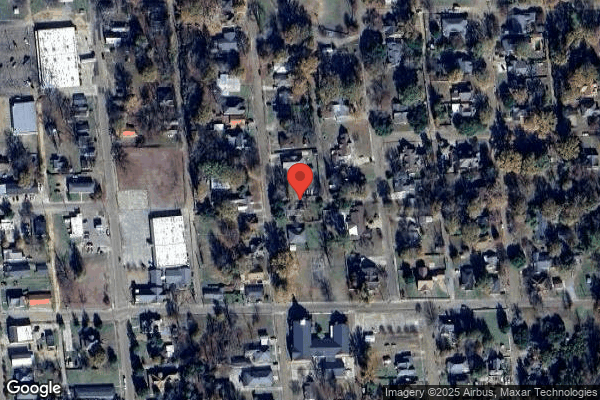
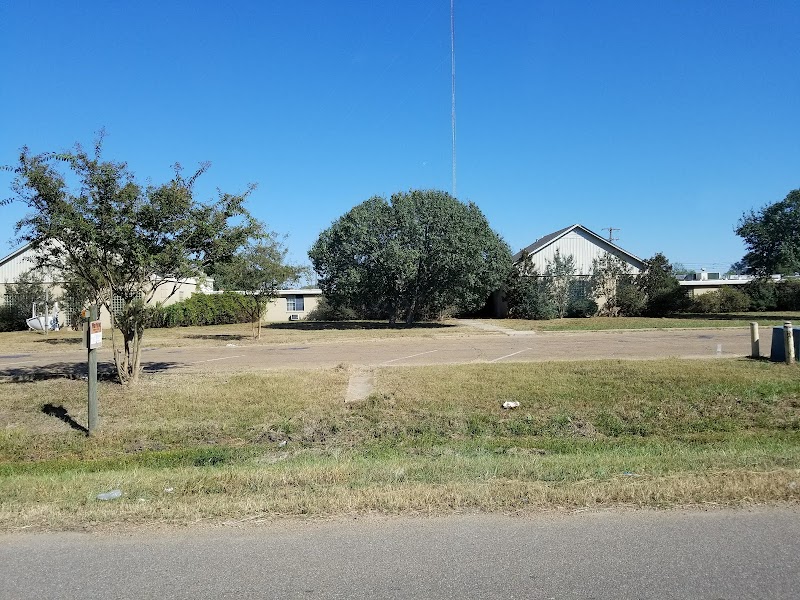
500 CCC ROAD, BELZONI, MS 39038 (662) 247-1821
For profit - Individual 60 Beds THE BEEBE FAMILY Data: November 2025
Trust Grade
55/100
#117 of 200 in MS
Last Inspection: December 2024

Within standard 12-15 month inspection cycle. Federal law requires annual inspections.

Overview

Humphreys County Nursing Center in Belzoni, Mississippi has a Trust Grade of C, which means it is average compared to other facilities. It ranks #117 out of 200 in the state, placing it in the bottom half, but it is the only nursing home in Humphreys County. The facility is on an improving trend, with issues decreasing from 10 in 2024 to just 1 in 2025. Staffing is a strong point, earning 4 out of 5 stars, with a turnover rate of 41%, lower than the state average, indicating that staff are likely to stay and build relationships with residents. However, recent inspections revealed concerns including a dirty ice machine used for residents and staff, and issues with maintaining accurate staffing records, which suggest there are areas needing significant improvement. Overall, while there are strengths in staffing, families should consider the cleanliness and compliance issues when evaluating this facility.

Trust Score
C
55/100
In Mississippi
#117/200
Bottom 42%
Safety Record
Low Risk
No red flags
Inspections
Getting Better
10 → 1 violations
Staff Stability
○ Average
41% turnover. Near Mississippi's 48% average. Typical for the industry.
Penalties
✓ Good
No fines on record. Clean compliance history, better than most Mississippi facilities.
Skilled Nurses
○ Average
Each resident gets 39 minutes of Registered Nurse (RN) attention daily — about average for Mississippi. RNs are the most trained staff who monitor for health changes.
Violations
⚠ Watch
17 deficiencies on record. Higher than average. Multiple issues found across inspections.
★★☆☆☆
2.0
Overall Rating
★★★★☆
4.0
Staff Levels
★★☆☆☆
2.0
Care Quality
★★☆☆☆
2.0
Inspection Score
Stable
2024: 10 issues
2025: 1 issues

The Good

  • 4-Star Staffing Rating · Above-average nurse staffing levels
  • Full Sprinkler Coverage · Fire safety systems throughout facility
  • No fines on record
  • Staff turnover below average (41%)

    7 points below Mississippi average of 48%

Facility shows strength in staffing levels, fire safety.

The Bad

2-Star Overall Rating

Below Mississippi average (2.6)

Below average - review inspection findings carefully

Staff Turnover: 41%

Near Mississippi avg (46%)

Typical for the industry

Chain: THE BEEBE FAMILY

Part of a multi-facility chain

Ask about local staffing decisions and management

The Ugly 17 deficiencies on record

Jan 2025 1 deficiency
CONCERN (D) 📢 Someone Reported This

A family member, employee, or ombudsman was alarmed enough to file a formal complaint

Potential for Harm - no one hurt, but risky conditions existed

Transfer Notice (Tag F0623)

Could have caused harm · This affected 1 resident

**NOTE- TERMS IN BRACKETS HAVE BEEN EDITED TO PROTECT CONFIDENTIALITY** Based on resident representative (RR), Ombudsman, and staff interview, record review, and facility policy review the facility fa...

Read full inspector narrative →
**NOTE- TERMS IN BRACKETS HAVE BEEN EDITED TO PROTECT CONFIDENTIALITY** Based on resident representative (RR), Ombudsman, and staff interview, record review, and facility policy review the facility failed to communicate with a resident representative regarding discharge of a resident as evidenced by no notification of discharge provided to the resident/resident representative for (1) one of (3) three residents reviewed for transfer/discharge notice. (Resident #1) Findings include: Review of the facility policy titled, Discharge, revised 12/24, revealed. If a discharge is sought out by the facility, the resident and the resident representative will be given written notice. All discharges require documentation in the clinical record by the interdisciplinary [NAME] indicating the reason for the discharge that is consistent with the resident's assessment of discharge potential and change of condition, either physical or financial . In a phone interview with Resident #1's RR on 1/15/24 at 9:00 AM, she revealed that she was told on 12/09/24 by the previous Business Office Manager (BOM) that her dad would be allowed to come back to the facility. She then stated the very next day that the facility called the hospital and told them that Resident #1 was discharged . She stated then, I just don't see how they could discharge my dad from the facility without even discussing it with his family. The RR then stated that she nor her brother received any form of plans to discharge him in writing or verbally. She stated his Medicaid was pending, and she was making payments to the facility, and they should have taken him back. Review of a progress note for Resident #1 dated 12/10/24 by the Director of Nursing revealed contacted by TB (tuberculosis) nurse, she reported the MD (Medical Doctor) had cleared the resident to return to the nursing home all his tests were negative. In an interview with the Administrator on 1/15/24 at 12:00 PM, he revealed that Resident #1 went to a doctor's appointment on 11/25/24 and was admitted to the hospital from the appointment. He stated the facility did not allow the resident to return to the facility related to nonpayment of financial responsibilities. He then revealed he was unable to find where a discharge notice was ever provided to the resident/resident's representative. Furthermore, he also revealed that he was also unable to find any documentation in the residents' record that discharge for nonpayment was ever discussed with the Ombudsman or the resident's representative. The Administrator then stated the importance of notifying the residents/resident representative of notification of discharge is to allow the individuals the right to appeal the decision and have the guidance of the Ombudsman. In a continued interview, the Administrator revealed that the previous BOM would have been responsible for communicating with the resident/ resident representative and providing them with the discharge notice and confirmed she was no longer employed at the facility. Record review of the Ombudsman Discharge list for 11/2024 revealed Resident #1 was being discharged due to max bed hold. In a phone interview with the Ombudsman for the facility on 1/15/24 at 2:00 PM, she confirmed that she was not aware of the facility's plans to discharge Resident #1. Record review of the admission Record revealed Resident #1 was admitted by the facility on 9/26/24 with a diagnosis of Chronic Combined Systolic and Diastolic Heart Failure, End Stage Renal Disease and Dependence on Renal Dialysis. He was discharged on 12/10/24. Record review of Resident #1's admission Minimum Data Set (MDS) with an Assessment Reference Date (ARD) of 10/03/24, revealed in Section C a Brief Interview for Mental Status (BIMS) was scored as 11 indicating the resident was moderately cognitively impaired. Record review of Resident #1's Discharge Minimum Data Set (MDS) with an Assessment Reference Date (ARD) of 11/25/24, revealed, Section A0310: Entry /discharge reporting coded 11-discharge assessment -return anticipated.
Dec 2024 10 deficiencies
CONCERN (D) 📢 Someone Reported This

A family member, employee, or ombudsman was alarmed enough to file a formal complaint

Potential for Harm - no one hurt, but risky conditions existed

Deficiency F0561 (Tag F0561)

Could have caused harm · This affected 1 resident

Based on observation, resident and staff interviews, record review, and facility policy review, the facility failed to honor a resident's rights for one (1) of 24 sampled residents. Resident #30. Find...

Read full inspector narrative →
Based on observation, resident and staff interviews, record review, and facility policy review, the facility failed to honor a resident's rights for one (1) of 24 sampled residents. Resident #30. Findings include: Record review of the facility policy titled Resident's Rights Policy with a revision date of 12/23, revealed, Every resident in this facility has the right to: . 8. Receive a prompt response to all responsible requests and inquiries. 21. Have his/her own clothing and possessions as space allows. An interview and observation on 12/10/24 at 12:00 PM with Resident #30 revealed he was sitting upright in his wheelchair and stated that he had requested to purchase a recliner for his room. He revealed that the staff told him he could not get one because he could fall out of it. He stated that it just made no sense to him. He admitted that the staff usually put him to bed after lunch, and he usually stays there until the next day. He said that he would rather sit in a recliner rather than sit in his wheelchair all day or be in bed so long. During an interview and observation on 12/11/24 at 9:45 AM, revealed Resident #30 sitting upright in his wheelchair in his room. He admitted that he had a fall in the past and the staff told him they were afraid he would fall out of the recliner, but he is aware that he cannot walk alone or get up without a staff member. He stated, I wanted the recliner so I could recline it back, relax in my room, and enjoy watching TV and resting instead of being in a wheelchair all day. In an interview on 12/11/24 at 11:25 AM, Licensed Practical Nurse (LPN) #1 revealed she was aware that the resident had requested a recliner for his room, but the Director of Nurses (DON) said it was a safety issue since he could slide out of his chair, and they told the residents wife that he could not have the recliner because it was a safety issue. During an interview on 12/11/24 at 1:40 PM, the Rehab Director revealed she was unaware that the resident had requested a personal recliner for his room and since he wasn't on her caseload she hadn't evaluated him. She revealed she does not feel like it would be a safety issue for the resident, as he doesn't try to get up without assistance from his wheelchair. She revealed that the resident pretty much stays in his wheelchair all day long and stated that she understands him wanting a recliner to rest in at times. During an interview on 12/11/24 at 1:50 PM, the Human Resources staff member revealed she was aware that Resident #30 had requested a recliner for his room; she said she was going to order him one from the furniture store but had to have approval first. She revealed the DON told her not to order it. During an interview on 12/11/24 at 2:00 PM, the DON confirmed that Resident #30 did request a recliner for his room but that she did not think it would be safe because he has had seizures, and his trunk control is lacking. She stated that she based her decision to refuse him the recliner on her just knowing him. She confirmed that she did not do an assessment on the resident nor confer with therapy services regarding the resident's request. She admits that it is the resident's right to be evaluated for his request to have a recliner. She confirmed that the resident had a Brief Interview for Mental Status (BIMS) score of 15, which indicated that he could make his own decisions. She revealed the resident does sit up in his wheelchair all day and stated that she would rather he lay down in his bed sometimes so he can use his positioning bars to help him turn from side to side, but he doesn't want to do that. She confirmed that she failed to honor his rights by properly evaluating his needs and honoring his request. Record review of Resident #30's admission Record revealed the facility admitted the resident on 4/18/2017 with medical diagnoses that included Hemiplegia and Hemiparesis following Nontraumatic Subarachnoid Hemorrhage affecting Left Non-Dominant Side, and Epilepsy, Unspecified, Not Intractable, without Status Epilepticus. Record review of Resident #30's Minimum Data Set (MDS) with Assessment Reference Date (ARD) of 10/31/24 revealed a BIMS score of 15 which indicated the resident was cognitively intact.
CONCERN (D)

Potential for Harm - no one hurt, but risky conditions existed

Deficiency F0578 (Tag F0578)

Could have caused harm · This affected 1 resident

Based on staff interview, record review, and facility policy review, the facility failed to ensure a resident's code status was accurate in the physician orders for one (1) of 24 sampled residents. Re...

Read full inspector narrative →
Based on staff interview, record review, and facility policy review, the facility failed to ensure a resident's code status was accurate in the physician orders for one (1) of 24 sampled residents. Resident # 31 Findings Include: Review of the facility policy titled Advance Directives with a revision date of 7/15 revealed under, Procedure: . All staff providing care for the residents will: Review the Advance Directive and clarify any discrepancies between the Directive and current treatment plan. Record review of the Physician Order Details dated 8/27/24 revealed, Resident #31 was a full code. Record review of the Advance Directive Consent dated 9/11/24 revealed, Resident #31 signed a Do Not Resuscitate (DNR) in case of cardiac arrest. An interview with Licensed Practical Nurse (LPN) #2 on 12/11/24 at 10:40 AM revealed, in the event of an emergency they (the staff) look for the code status in the computer under the physician orders. She confirmed there was a discrepancy between the code status consent and the physician order, and that this discrepancy could cause confusion in determining if the resident wanted to be resuscitated. An interview with Social Services (SS) #1 on 12/11/24 at 10:48 AM revealed, she was responsible for updating the advance directive consents and Medical Records was responsible for updating the physician orders. She confirmed Resident #31's discrepancy between the consent and the physician order and stated that it must have just been missed. Record review of the admission Record revealed the facility admitted Resident #31 on 3/06/23 with a medical diagnosis that included Chronic Obstructive Pulmonary Disease.
CONCERN (D)

Potential for Harm - no one hurt, but risky conditions existed

Assessment Accuracy (Tag F0641)

Could have caused harm · This affected 1 resident

Based on staff interview and record review the facility failed to accurately code the Minimum Data Set (MDS) Assessment for discharge disposition for one (1) of 24 resident MDS assessments reviewed. R...

Read full inspector narrative →
Based on staff interview and record review the facility failed to accurately code the Minimum Data Set (MDS) Assessment for discharge disposition for one (1) of 24 resident MDS assessments reviewed. Resident #47. Findings Include: Review of the facility policy, titled Resident Assessment, latest revision 09/19 revealed Any healthcare professional that completes a portion of the assessment must sign and certify the accuracy of the portion of the assessment that they have completed. Record review of the Discharge-Return Not Anticipated MDS with an Assessment Reference Date (ARD) of 10/18/24 for Resident #47 revealed Item A2105 Discharge Status was coded as Short-Term General Hospital. Record review of Progress Notes for Resident #47, dated 10/18/24 revealed Resident discharged home. An interview and record review of the 10/18/24 Discharge-Return Not Anticipated MDS and Progress Note for Resident #47 with MDS nurse on 12/11/24 at 2:47 PM, she confirmed that Resident #47 was discharged home and the MDS assessment was coded incorrectly. She stated the importance of coding the discharge MDS correctly is to identify the correct placement of the resident. An interview with the Director of Nursing (DON) on 12/11/24 at 2:50 PM, she verified that it was her expectation that Resident #47's MDS would have been coded correctly and stated that it was probably a data entry error. Record review of the admission Record revealed the facility admitted Resident #47 on 9/26/24 and the date of discharge was 10/18/24 to home.
CONCERN (D)

Potential for Harm - no one hurt, but risky conditions existed

Deficiency F0646 (Tag F0646)

Could have caused harm · This affected 1 resident

Based on staff interview, record review, and facility policy review the facility failed to submit a Pre-admission Screening and Resident Review (PASRR) status change for a resident with a change in me...

Read full inspector narrative →
Based on staff interview, record review, and facility policy review the facility failed to submit a Pre-admission Screening and Resident Review (PASRR) status change for a resident with a change in mental status for (1) one of four (4) residents reviewed for PASRR. Resident #38 Findings include: Review of the facility policy titled, Pre-admission Screening PAS/PASRR revised 8/24 revealed, The facility is required to complete and submit Mississippi PASRR Level II Change in Status Request for residents with a Level II experiencing a significant change in status . indicators which may constitute a significant change and require submission of a Resident Review (Status Change) . includes residents previously identified by PASRR to have mental illness . who demonstrate increased behavioral, psychiatric, or mood-related symptoms . Record review of the Status Change Review Outcome report for Resident #38 dated 10/18/23, revealed no further PASRR was required unless a significant change occurs in behavioral health needs. Record review of the Departmental Notes for Resident #38 dated 2/16/24 at 2:32 PM revealed that the resident stated I just can 't do this anymore .I am so depressed, I can 't do this anymore . I just want to stop, go somewhere and just end it .If I could get out the back door, I would find a way to do something or take some pills to end it . In an interview with Social Services on 12/11/24 at 11:16 AM, she revealed she submits PASRR's and the status change submissions. She confirmed she could not find a change of status submission for Resident #38s episode of suicidal ideations and worsening depression in February 2024 and confirmed the resident should have had a status change submitted. In an interview with the Minimum Data Set (MDS) Nurse Coordinator on 12/11/24 at 11:25 AM, she confirmed that a Level II status change for Resident # 38 should have been submitted after the resident's significant change in behavior of increased depression and suicidal ideations in February 2024. She revealed that the purpose of the change in status referral is to see if the resident may require additional services to meet her psychiatric needs. In an interview with the Director of Nursing (DON) on 12/12/24 at 8:17 AM, she confirmed that a Level II status change should have been submitted when Resident #38 had an episode of increased depression and suicidal ideations revealing this was a new behavior for the resident. She then revealed that when Resident #38 made the statement of wanting to hurt herself on 2/16/24, she required one-on-one supervision, the provider and the psychiatric nurse practitioner that follows her were notified and instructed to send her out for treatment. The DON then stated the facility had to send her to the Emergency Department for evaluation and returned the following day remaining on one-on-one supervision. The DON revealed the psychiatric nurse practitioner increased the frequency of her visits with Resident #38, increased her Zoloft and stated it was okay to stop the one-on-one supervision. Record review of Resident #38 Psych (psychiatric) Progress Note dated 2/21/24, revealed, Case Conceptualization: early visit due to resident's recent report of wanting to die. Note: next appointment (1) one week. Recommendations: increase Zoloft to 100 mg (milligrams) daily . Review of a form titled, One-on-One Supervision, revealed Resident #38 was on one-on-one supervision from 2/16/24-2/21/24 while in the facility. Record review of the EMAR (Electronic Medication Administration Record) for February 2024 for Resident #38 revealed Zoloft 50 mg once daily for depression/withdrawn, discontinued 2/19/24. Zoloft 100 mg once daily for depression, crying, thoughts of harming self/thoughts not of not wanting to live with an order date of 2/19/24. Record review of the admission Record revealed the facility admitted Resident #38 on 6/16/23. Review of the active diagnoses included Visual and Auditory Hallucinations, Psychotic Disorder with Hallucinations, and Major Depressive Disorder. Record review of Resident #38s MDS with an Assessment Reference Date (ARD) of 9/12/24 revealed in Section C a Brief Interview for Mental Status (BIMS) score was 15, indicating the resident was cognitively intact. Section I: Active Diagnosis: Depression and psychotic disorder were coded.
CONCERN (D)

Potential for Harm - no one hurt, but risky conditions existed

Comprehensive Care Plan (Tag F0656)

Could have caused harm · This affected 1 resident

Based on observation, resident and staff interviews, record review, and facility policy review the facility failed to implement a person-centered care plan for providing nail care for two (2) of 24 sa...

Read full inspector narrative →
Based on observation, resident and staff interviews, record review, and facility policy review the facility failed to implement a person-centered care plan for providing nail care for two (2) of 24 sampled residents. Resident #8 and #30. Findings include: A review of the facility's Care Plan Process policy, with a revision date of 08/17, revealed, Regulations require facilities to complete, at a minimum and at regular intervals, a comprehensive, standardized assessment of each resident's functional capacity and needs, in relation to a number of specified areas (e.g., customary routine, vision, and continence).The care plan is driven not only by identified resident issues and/or conditions but also by a resident's unique characteristics, strengths, and needs. Resident #8 Record review of Resident #8's Care Plans with a problem onset date of 3/1/18 revealed under, Problem/Need: Resident requires extensive to total assistance with ADL (Activities of Daily Living) . Also revealed under, Approaches: . Assist with personal grooming as needed, nail, bathing, shaving etc . An observation on 12/10/24 at 9:34 AM of Resident #8 revealed a left-hand contracture, with long nails meeting the inner palm. The right-hand revealed long nails measuring approximately (3/8) three-eighths of an inch in length past the tip of the fingers with a thick, black substance underneath the nails. An observation and interview with the Director of Nursing (DON) on 12/11/24 at 9:36 AM, confirmed Resident #8 had long dirty nails. An interview with the Minimum Data (MDS) Nurse on 12/12/24 at 8:40 AM revealed, the purpose of the care plan was to alert the staff to the needs of the residents. She confirmed the nail care plan was not followed for Resident #8. Record review of the admission Record revealed the facility admitted Resident #8 on 3/01/18 with a medical diagnosis that included Hemiplegia and Hemiparesis following Cerebral Infarction. Resident #30 Record review of Resident #30's care plans revealed an Activities of Daily Living (ADL) care plan initiated on 11/5/24, that indicated Focus: The resident has left sided hemiplegia/hemiparesis related to late effects of CVA (Cerebrovascular Accident) which affect resident ADL's. Resident requires extensive to total assistance with ADL bed mobility, transfer and toileting with an intervention to assist with ADLs as required . An interview and observation on 12/10/24 at 12:05 PM, revealed Resident #30's left hand was contracted and the resident stated that he really needed his fingernails cut especially on his left hand. He revealed that his left hand is contracted and during the day he can keep it more relaxed but when he goes to sleep at night it cramps, and his fingernails dig into his palm. The fingernails on the right hand were approximately one-half (1/2) inch past the tips of the fingers with a brown substance noted underneath the nails. Resident #30 was able to extend open the contracted left hand which revealed his fingernails were approximately three fourths (3/4) of an inch long and jagged with a brown substance under the nails. During an interview on 12/11/24 at 1:15 PM, the MDS Coordinator revealed the care plan is to be developed and implemented so that the staff will know how to take care of each resident's individual needs. She revealed the care plan must be resident specific and confirmed Resident #30's ADL care plan was not implemented, because his grooming and hygiene needs which would include nail care was not addressed. Record review of Resident #30's admission Record revealed the facility admitted the resident on 4/18/2017 with medical diagnoses that included Hemiplegia and Hemiparesis following Nontraumatic Subarachnoid Hemorrhage affecting Left Non-Dominant side, and Epilepsy, Unspecified, not Intractable, without Status Epilepticus. Record review of Resident #30's MDS with Assessment Reference Date (ARD) of 10/31/24, revealed a Brief Interview for Mental Status (BIMS) score of 15 which indicated the resident was cognitively intact.
CONCERN (D) 📢 Someone Reported This

A family member, employee, or ombudsman was alarmed enough to file a formal complaint

Potential for Harm - no one hurt, but risky conditions existed

ADL Care (Tag F0677)

Could have caused harm · This affected 1 resident

Based on observation, resident and staff interviews, record reviews and facility policy reviews, the facility failed to provide personal hygiene as evidenced by long, jagged nails with brown substance...

Read full inspector narrative →
Based on observation, resident and staff interviews, record reviews and facility policy reviews, the facility failed to provide personal hygiene as evidenced by long, jagged nails with brown substance underneath nails for two (2) of 24 sampled residents. Resident #8 and #30. Findings include: Record review of facility policy titled, Nail Care, with a revision date of 07/10, revealed, Purpose .To promote cleanliness, safety and a neat appearance Resident #8 On 12/10/24 at 9:34 AM, observation revealed a left-hand contracture with long nails meeting the inner palm. The right-hand revealed long nails measuring approximately (3/8) three-eighths inches in length with a thick, black substance underneath the nails. On 12/11/24 at 9:36 AM, an observation and interview with the Director of Nursing (DON) confirmed Resident #8 had long dirty nails. She revealed the nurses were responsible for cutting his nails because he was a diabetic. She revealed long nails, and the hand contracture could result in a wound inside the palm, or the resident could scratch himself and cause infection. Record review of Minimum Data Set (MDS) with an Assessment Reference Date (ARD) date of 11/13/24 revealed, under section GG, Resident #8 was dependent on staff for personal hygiene. Record review of the admission Record revealed the facility admitted Resident #8 on 3/01/18 with a medical diagnosis that included Hemiplegia and Hemiparesis following Cerebral Infarction. Resident #30 On 12/10/24 at 12:05 PM, an interview and observation with Resident #30 revealed the resident's left hand was contracted. Resident #30 stated that he really needed his nails cut and particularly on his left hand. He revealed that during the day he can keep his hands relaxed but when he goes to sleep it cramps, and his fingernails dig into his palm. The fingernails on the right hand were approximately (approx.) one-half (1/2) inch long with a brown substance noted underneath the nails. Resident #30 was able to extend open the contracted left hand which revealed his fingernails were approximately three fourths (3/4) of an inch long and jagged with a brown substance under the nails. On 12/11/24 at 8:25 AM, an observation revealed Resident #30's fingernails remain unchanged. An interview and observation on 12/11/24 at 11:16 AM, Certified Nurse Aide (CNA) #1 confirmed that Resident #30's fingernails were long and jagged with a brown substance under them, and needed to be cleaned and trimmed. She stated that the CNAs do fingernail care on shower days, but we only do Resident #30's fingernails on one hand. She revealed that the CNAs don't do the fingernails on the stroke hand, the nurses do that hand. During an interview and observation on 12/11/24 at 11:25 AM, Licensed Practical Nurse (LPN) #1 confirmed that the residents' nails were long and jagged with a dirty substance under them. She revealed that with them being long and dirty the resident could scratch himself and cause an infection and that the longer fingernails on the left contracted hand could cause a pressure area to develop. She revealed the weekend supervisor usually cuts and cleans Resident #30's fingernails, but his wife has also come in before and cleaned and cut them. Record review of Resident #30's admission Record revealed the facility admitted the resident on 4/18/2017 with medical diagnoses that included Hemiplegia and Hemiparesis following Nontraumatic Subarachnoid Hemorrhage affecting Left Non-Dominant Side, and Epilepsy, Unspecified, not Intractable, without Status Epilepticus. Record review of Resident #30's MDS with an ARD of 10/31/24, revealed a Brief Interview for Mental Status (BIMS) score of 15 which indicated the resident was cognitively intact.
CONCERN (D)

Potential for Harm - no one hurt, but risky conditions existed

Incontinence Care (Tag F0690)

Could have caused harm · This affected 1 resident

Based on observation, staff interview, record review, and facility policy review, the facility failed to provide appropriate care and services for resident with an indwelling catheter for one (1) of t...

Read full inspector narrative →
Based on observation, staff interview, record review, and facility policy review, the facility failed to provide appropriate care and services for resident with an indwelling catheter for one (1) of two (2)residents with indwelling catheters. Resident # 10 Findings include: A review of the facility policy titled, Perineal Care, revision date 01/24 revealed Resident with Catheter: 4.) Using a clean washcloth or wash wipe, start at the meatus and wash the tubing in a circular motion away from the body. Rinse using the same method . An observation on 12/11/24 at 10:55 AM revealed Certified Nurse Assistant (CNA) #2 performed hand hygiene, applied gloves and provided incontinent and catheter care to Resident #10. This observation revealed CNA #2 washed, rinsed and dried the urinary meatus and catheter tubing without hand hygiene and changing gloves between each aspect of care. In an interview with CNA #2 on 12/11/24 at 11:10 AM, she confirmed she failed to change her gloves and perform hand hygiene after cleaning the urinary meatus/catheter tubing area and then rinsing and drying the urinary meatus/catheter tubing area. She then revealed that she contaminated the water in the basin when she failed to perform hand hygiene and change gloves and increased the resident's risk for obtaining an infection. In an interview with the Director of Nursing (DON) on 12/11/24 at 1:40 PM, she revealed she also acts as the infection control nurse. She then confirmed CNA #2 should have performed hand hygiene and applied clean gloves after cleaning the urinary meatus and catheter tubing before rinsing and drying the clean areas. She stated that failing to perform hand hygiene between a clean and dirty procedure and contaminating the clean water in the basin placed Resident #10 at increased risk of infection such as a urinary tract infection. Record review of the admission Record revealed the facility admitted Resident #10 on 11/18/24 with diagnoses of Retention of Urine and Urinary Tract Infection. Record review of Resident #10's Minimum Data Set (MDS) with an Assessment Reference Date of 11/25/24 revealed in Section C a Brief Interview for Mental Status (BIMS) score was 15, indicating the resident was cognitively intact. Section H0100: Bladder and Bowel was coded resident having an indwelling urinary catheter. -
CONCERN (D)

Potential for Harm - no one hurt, but risky conditions existed

Infection Control (Tag F0880)

Could have caused harm · This affected 1 resident

Based on observation, staff interview, record review, and facility policy review, the facility failed to help prevent the possible transmission of infections when staff failed to perform hand hygiene ...

Read full inspector narrative →
Based on observation, staff interview, record review, and facility policy review, the facility failed to help prevent the possible transmission of infections when staff failed to perform hand hygiene during resident care observed for Resident #5 and #10 and failed to use Enhanced Barrier Pecautions (EBP) during catheter care for Resident #10 for two (2) of five (5) resident direct care areas observed. Findings include: A review of the facility policy titled, Perineal Care, latest revision 01/24 revealed Purpose: To prevent infection . Resident with Catheter . 4.) Using a clean washcloth or wash wipe, start at the meatus and wash the tubing in a circular motion away from the body. Rinse using the same method. Review of the facility titled, Enhanced Barrier Precautions, latest revision 03/24 revealed that Enhanced Barrier Precautions (EBP) are an infection control intervention designed to reduce transmission of the spread of multi-drug-resistant organisms in nursing homes. EBP involves gown and glove use during high contact resident care activities. Example of high contact resident care activity: presence of indwelling medical device. Review of the facility policy titled Hand Hygiene with a revision date of 01/24 revealed, under, Purpose: To cleanse hands to prevent transmission of infection or other conditions. To provide a clean, healthy environment for residents, staff and visitors. Also revealed under, Procedure: Indications for Handwashing . 4. Before and after applying gloves. Resident #5 An observation of wound care with Licensed Practical Nurse (LPN) #1 on 12/12/24 at 8:51 AM revealed, she performed hand hygiene, applied gloves and removed the sacral wound dressing. LPN #1 removed the soiled gloves and applied a new pair of gloves without using hand hygiene. She followed by cleaning the wound, removing the soiled gloves and applied new gloves to finish the wound care. After completing sacral wound care, LPN #1 performed wound care to the pressure wound on the left heel without using hand hygiene in between wounds or glove application and removal. An interview with LPN #1 on 12/12/24 at 9:15 AM confirmed, she only used hand hygiene once during the process of treating Resident #5's wounds. She revealed she should have performed care to the cleanest wound first, and verbalized hand hygiene should have been done each time new gloves were applied. LPN #1 confirmed this should be done to prevent the contamination of the wounds and the spread of infection. An interview with the Director of Nursing (DON) on 12/12/24 at 9:22 AM confirmed the purpose of hand hygiene and to start with the cleanest wound first was to prevent cross contamination and the spread of infection. She revealed her expectations were for good hand hygiene to be performed during wound care and for residents with multiple wounds, the nurse should start care with the cleanest wound first. Record review of the Order Summary Report for Resident #5 revealed an order dated 7/18/24, Gentamicin Sulfate External Cream 0.1% (percent) Apply to sacrum topically every day shift related to pressure ulcer of sacral region, stage 4: Clean with Vashe solution, pat dry, apply gentamicin and silver alginate to wound bed and cover with bordered foam dressing. Record review of the Order Summary Report for Resident #5 revealed an order dated 11/15/24, Clean pressure ulcer stage 3 to left heel with Vashe wound solution. Apply gentamicin and silver alginate to wound bed and wrap with kerlix and secure with tape daily until healed. Record review of the admission Record for Resident #5 revealed the facility admitted the resident on 12/14/22 with a medical diagnosis that included Cerebral Infarction and Functional Quadriplegia. Cross-reference F690 Resident #10 An observation of catheter care for Resident #10 on 12/11/24 at 10:55 AM, revealed Certified Nurse Assistant (CNA) # 2 performed hand hygiene, applied clean gloves, did not apply a gown and dipped a washcloth in the clean water basin of water, applied soap and cleansed around the urinary meatus, and sides of the catheter tubing. She then placed another clean washcloth into that same water basin and rinsed the urinary meatus and catheter tubing while still wearing the same gloves. CNA# 2 then used a dry washcloth and dried around the urinary meatus and catheter tubing while continuing to wear the same gloves. In an interview with CNA #2 on 12/11/24 at 11:10 AM, she confirmed she failed to change her gloves and perform hand hygiene after cleaning the urinary meatus/catheter tubing area and then rinsing and drying the urinary meatus/catheter tubing area. She then revealed that she contaminated the water in the basin when she failed to perform hand hygiene and change gloves and increased the resident's risk for obtaining an infection. CNA #2 also confirmed that she failed to wear a gown for EBP but knew she was supposed to because Resident #10 has a catheter. In an interview with the DON on 12/11/24 at 1:40 PM it was confirmed that Resident #10 should be on EBP related to her having an indwelling urinary catheter to put an extra layer of protection to reduce the spread of bacteria. She also confirmed that CNA #2 should have performed hand hygiene and applied clean gloves after cleaning the urinary meatus and catheter tubing before rinsing and drying the clean areas. She stated that failing to perform hand hygiene between cleaning and rinsing contaminated the clean water in the basin and placed the resident at an increased risk of infection. Review of the admission Record revealed the facility admitted Resident #10 on 11/18/24 with diagnoses that included Retention of Urine and Urinary Tract Infection. Record review of Resident #10's Minimum Data Set (MDS) with an Assessment Reference Date (ARD) of 11/25/24 revealed in Section C a BIMS score was 15, indicating the resident was cognitively intact. Section H0100: Bladder and Bowel coded resident having a urinary catheter.
CONCERN (F)

Potential for Harm - no one hurt, but risky conditions existed

Food Safety (Tag F0812)

Could have caused harm · This affected most or all residents

Based on observation, staff interview, and facility policy review, the facility failed to maintain a clean ice machine as evidenced by multiple areas of a black substance inside the area that containe...

Read full inspector narrative →
Based on observation, staff interview, and facility policy review, the facility failed to maintain a clean ice machine as evidenced by multiple areas of a black substance inside the area that contained the ice for one (1) of two (2) kitchen tours. Findings include: Review of the facility policy titled Ice Maker & (and) Dispenser Cleaning Instructions with a revision date of 8/21, revealed under, Policy: Equipment shall be maintained in a clean and sanitary condition. Maintenance staff will perform cleaning. An observation of the ice machine on 12/10/24 at 9:44 AM revealed seven (7) irregular shaped black spots measuring approximately 5 inches in length, on a white plastic strip in the upper portion of the inside of ice maker that held the ice. An observation and interview with the Dietary Manager (DM) on 12/10/24 at 10:26 AM confirmed there were black spots inside the ice machine and stated, No, it's not clean. She confirmed the ice was used for staff and residents and a dirty ice machine could make everyone sick. She revealed that maintenance was responsible for cleaning the ice maker once monthly. An interview with Maintenance on 12/10/24 at 10:43 AM revealed that he had not cleaned the ice machine since last month and did not know there were black spots inside.
CONCERN (F)

Potential for Harm - no one hurt, but risky conditions existed

Staffing Data (Tag F0851)

Could have caused harm · This affected most or all residents

Based on staff interviews and record reviews, the facility failed to submit accurate direct care staffing information to the Payroll Based Journal (PBJ) for the fourth (4th) quarter of the fiscal year...

Read full inspector narrative →
Based on staff interviews and record reviews, the facility failed to submit accurate direct care staffing information to the Payroll Based Journal (PBJ) for the fourth (4th) quarter of the fiscal year (FY) 2024 (July 1-September 30) for one (1) of four (4) PBJ quarter reports reviewed. Findings Include: Review of the typed statement on company letterhead dated 12/12/24 signed by the Administrator revealed that the facility does not have a policy on PBJ. A record review of the facility's PBJ Staffing Data Report for the 4th quarter of FY 2024 revealed that the facility triggered for excessively low weekend staffing. In an interview on 12/11/24 at 2:00PM, the Administrator confirmed that the facility had not submitted accurate PBJ staffing data for the fourth quarter of FY 2024. The Administrator explained that they have a Case Manager who is a Licensed Practical Nurse (LPN) with administrative duties, but that she also has direct care duties. He explained that they did not accurately report the hours that this LPN worked administrative duties separate from her direct care duties. He agreed that the hours reported for the LPN Case Manager were not accurate. In a further interview with the Administrator on 12/11/24 at 2:15 PM, he stated that the facility has a Certified Nursing Assistant (CNA) that serves as the van driver during the week and all the hours worked by this staff member are reported as direct care hours because they sometimes provided direct care. The Administrator agreed that the CNA van driver would be considered a universal care worker and hours spent driving the van should not be reported as direct care hours.
Aug 2023 5 deficiencies
CONCERN (D)

Potential for Harm - no one hurt, but risky conditions existed

Deficiency F0565 (Tag F0565)

Could have caused harm · This affected 1 resident

Based on resident interviews, staff interviews, record review, and facility policy review, the facility failed to initiate and resolve grievances from the residents in the monthly Resident Council mee...

Read full inspector narrative →
Based on resident interviews, staff interviews, record review, and facility policy review, the facility failed to initiate and resolve grievances from the residents in the monthly Resident Council meetings for two (2) of eight (8) residents attending. Resident #19 and Resident #33. Findings include: Review of the facility policy titled, Grievance - Residents, with a revision date of 4/22, revealed, All residents are to be encouraged and assisted (if necessary) in filing grievances to include those with respect to care and treatment, the behavior of staff and other resident's and other concerns regarding their facility stay, in the event that they have a need to make a concern known. The following outlines the process: . The Social Worker or Social Service Designee has been appointed by the Administrator to work with the Resident Council . to receive grievances . by residents . These grievances shall be directed to the appropriate Department Head and/or Administrator for investigation and follow-up according to the following procedure: Upon receipt of a grievance/complaint the staff receiving the complaint will initiate the Grievance/Complaint Form . An investigation led by the Administrator based on the allegations will be set forth . The Administrator and his/her designees will conduct an impartial investigation of the allegations and will discuss the findings and recommendations within five (5) workdays of receiving the complaint, with the complainant . If the resident and/or resident representative are not satisfied with the decision of the investigation, they may take their concerns to the Regional Supervisor. All staff members will acknowledge the Resident Rights Violation Policy/Procedure. An interview during a Resident Council Meeting on 8/30/23 at 02:45 PM with Resident #19 revealed, she had voiced complaints in the previous resident council meetings. She revealed they had not been resolved to her liking, because some staff still enter her room without knocking. She noted that a sign had been placed on the door to alert staff to knock before entering her room and they ignore the sign. She noted it was a personal choice of hers to have staff knock before entering her room and she wanted them all to do so. She revealed she had been constantly told by the nursing facility that this is her home, so if someone was going to enter her home, they need to knock and allow her the choice to tell them they can enter. She shared that she feels they just talk about problems in resident council, and nobody does anything about the problems. An interview on 8/30/23 at 02:56 PM, with the Resident #33 revealed he has been missing a jacket for six (6) months, that it had not been replaced, and no one had talked with him about it. He noted he told the Activity Coordinator in a resident council meeting. An interview on 8/30/23 at 3:47 PM, with the Activities Coordinator confirmed she does not complete a grievance form for complaints from the resident council meeting and just tells other staff what was said in the meeting. She noted she had no knowledge that complaints in the resident council meetings had to be written up as a grievance and had not done so before. The Activities Coordinator confirmed some of the residents were still bringing up staff entering their room without knocking while having a discussion in Resident Council, but she had already told the staff about that from another meeting. She revealed Resident #33's jacket had been missing for only four (4) months. The Activities Coordinator revealed other options could have been offered to Resident #33 to replace his missing jacket sooner but confirmed they had not. She revealed the Administrator was aware of the staff complaints and the missing jacket also. An interview on 8/30/23 at 04:40 PM with the Grievance Officer, revealed she did not have knowledge of any complaints from Resident Council, had not been informed of any complaints by the Activities Coordinator, and there were no grievances filed for complaints from the Resident Council meetings. She confirmed the complaints from the Resident Council meetings should have been provided to her, as the Grievance Officer, to file an official grievance on behalf of the resident, to be followed through the grievance process, and resolved timely for the resident. She confirmed resident rights are not being honored from Resident Council for the grievance process. An interview on 8/30/23 at 04:45 PM, with the Administrator revealed he did not think complaints from Resident Council were considered a grievance. The Administrator confirmed he was aware of the complaints related to staff not knocking on resident's doors before entering and also confirmed he was aware of the missing jacket for Resident #33. He also confirmed there were no grievance forms completed for any complaints from the Resident Council meetings, that all resident complaints should have an official grievance filed and to ensure the grievance process is followed properly. The Administrator confirmed that the nursing facility was not honoring the residents' rights to file a grievance, that the grievances from Resident Council were unresolved. Record review of the Resident Council meeting minutes revealed 2/28/2023 . STAFF REPORTS: Grievances . Nursing: On going with no knock with some CNAs (certified nurse aides) when entering room. Record review of the Resident Council meeting minutes dated 4/26/23 revealed, .STAFF REPORTS (Grievances & Recommendations) Nursing: Knocking before entering bathroom . Record review of the Face Sheet for Resident #19 revealed an admission date of 9/01/21. Record review of Section C of the Yearly Minimum Data Set (MDS) Assessment, with an Assessment Reference Date (ARD) of 08/17/2023, for Resident #19, revealed a Brief Interview for Mental Status (BIMS) score of 15, indicating Resident #19 is cognitively intact. Record review of the Face Sheet for Resident #33 revealed an admission date of 4/18/17. Record review of Section C of the Quarterly MDS Assessment, with an ARD of 08/08/2023, for Resident #33, revealed a BIMS score of 11, indicating Resident #33 is moderately cognitively impaired.
CONCERN (D)

Potential for Harm - no one hurt, but risky conditions existed

Safe Environment (Tag F0584)

Could have caused harm · This affected 1 resident

**NOTE- TERMS IN BRACKETS HAVE BEEN EDITED TO PROTECT CONFIDENTIALITY** Based on observation, resident and staff interview and facility policy review the facility failed to repair a wheelchair armrest...

Read full inspector narrative →
**NOTE- TERMS IN BRACKETS HAVE BEEN EDITED TO PROTECT CONFIDENTIALITY** Based on observation, resident and staff interview and facility policy review the facility failed to repair a wheelchair armrest for one (1) of 36 resident's wheelchairs observed. Resident # 35. Findings include: A record review of the facility policy, titled Employee Responsibility for Maintenance of Equipment, with a revision date of 10/09, revealed, Policy: It is the policy of this facility to maintain all equipment in good working order . On 8/29/23 at 11:30 AM, an observation of Resident #35's wheelchair revealed that the padding to the right armrest was exposing hard plastic and the top of two (2) screws were exposed. Resident #35 was resting his arms on the arm rest. He denied having any injuries related to (r/t) arm rests and stated he did not know how long they had been that way. During an interview with Certified Nursing Assistant (CNA) #1 on 8/30/23 at 1:00 PM, she stated that if resident equipment was noted to be broken or malfunctioning, she would not use it on a resident and she would notify the maintenance man verbally and write it in the CNA jot book. During an interview with Licensed Practical Nurse (LPN) #1 on 8/30/23 at 1:10 PM, she stated if a resident's bed or wheelchair was broken, they would take the resident out of it and notify the maintenance man. She stated if they found broken equipment on the weekend and the maintenance man was not available, she would swap out the equipment with equipment that was not broken and communicate with the maintenance man. During an interview on 8/30/23 at 2:00 PM, with LPN #3 she stated that they do not have any type of maintenance log and usually just call the maintenance man. During an interview on 8/30/23 at 3:45 PM, with CNA #2 she stated that she had not noted any issues with Resident #35's wheelchair when she transferred him back to bed but verified that now she saw that the padding to the right armrest was missing and needed to be replaced. During an interview and observation on 8/30/23 at 4:35 PM, with the Administrator confirmed the padding from Resident #35's right wheelchair arm rest was missing causing hard plastic and the top of 2 screws to be exposed. He verified that the facility did not have any type of maintenance log. The Administrator stated that the padding needed to be replaced because the arm rest could cause injury to the resident. A record review of Resident #35's Face Sheet revealed he was admitted to the facility on [DATE] with diagnoses that include Unspecified Dementia, Unspecified Severity, without behavioral disturbance and anxiety. A record review of Resident #35's Quarterly Minimum Data Set Assessment (MDS), with an Assessment Reference Date (ARD) of 7/31/23, revealed a Brief Interview for Mental Status (BIMS) score of five (5), indicating that he is severely cognitively impaired.
CONCERN (D)

Potential for Harm - no one hurt, but risky conditions existed

Comprehensive Care Plan (Tag F0656)

Could have caused harm · This affected 1 resident

**NOTE- TERMS IN BRACKETS HAVE BEEN EDITED TO PROTECT CONFIDENTIALITY** Based on observation, resident and staff interview, record review and facility policy review the facility failed to implement a ...

Read full inspector narrative →
**NOTE- TERMS IN BRACKETS HAVE BEEN EDITED TO PROTECT CONFIDENTIALITY** Based on observation, resident and staff interview, record review and facility policy review the facility failed to implement a care plan safe for safe smoking for Resident #23 and turning and repositioning for Resident #40 for (2) two of 16 care plans reviewed. Findings include: A record review of the facility policy titled Care Plan Process, with a revision date of 08/17, revealed, The facility staff shall follow the care plan . Resident #23 A record review of Resident #23's care plan revealed with a Problem Onset date of: 4/21/2023, Resident uses tobacco cigarettes . Approaches: Resident needs a smoking apron. On 8/30/23 at 2:00 PM an observation of Resident #23 in the smoking area smoking a cigarette; he was not wearing a smoking apron. During an interview with Licensed Practical Nurse #2 (LPN), who was supervising the residents' smoke break on 8/30/23 at 4:30 PM, stated that none of the residents wore smoking aprons. She stated they were all supervised. During an interview with Resident #23 on 8/30/23 at 4:10 PM, he stated that he has never worn an apron while smoking. During an interview on 8/30/23 at 4:18 PM, with the Director of Nursing (DON), she agreed that the smoking care plan was not being followed and this could put the resident at risk for injury. A record review of Resident # 23's Face Sheet revealed that he was admitted to the facility on [DATE] with diagnoses that include Schizophrenia, Hallucinations, Unspecified Dementia, Unspecified Severity, without Behavioral Disturbance, Psychotic Disturbance, Mood Disturbance, and Anxiety. A record review of Resident #23's Quarterly Minimum Data Set Assessment (MDS) with an Assessment Reference Date (ARD) of 7/25/23 revealed a Brief Interview for Mental Status (BIMS) score of 13, indicating that he is cognitively intact. Resident #40 Record review of the ADL (activities of daily living) Care Plan for Resident #40 revealed . Problem Onset: 12/21/2017, RESIDENT IS DEPENDENT WITH ADLS S/T LIMITED MOBILITY, CONFUSION, DECREASED ATTENTION FROM VASCULAR DEMENTIA, ALZHEIMER'S DISEASE, AND MUSCLE WEAKNESS. TURN AND REPOSITION RESIDENT EVERY 2 (TWO) HOURS . TO PROVIDE COMFORT, BODY ALIGNMENT AND REDUCE PRESSURE ROTATING BACK/LEFT AND RIGHT . On 8/30/23 at 8:30 AM, an observation revealed Resident #40 was positioned on his back. On 8/30/23 at 10:30 AM, an observation revealed Resident #40 was positioned on his back. During an observation and interview on 8/30/23 at 2:00 PM, with the Certified Nurse Aide (CNA) #3, confirmed Resident #40 was positioned on his back. CNA #3 confirmed Resident #40 had not been moved by her since 10:30 AM. She revealed she left him on his back at 10:30 AM after she gave him his bed bath. She revealed she was aware of the plan of care task on the kiosk for Resident #40 to be turned every 2 hours. During an interview on 8/31/23 at 10:30 AM, with the Director of Nursing (DON), revealed she was not aware that the CNAs were not turning and repositioning Resident #40 every 2 hours. She confirmed they should have been following the plan of care to turn and reposition Resident #40 every 2 hours to avoid the possibility of illness or injury. Record review of the Face Sheet for Resident #40 revealed an admission date of 12/21/17 and diagnoses of Other Lack of Coordination, Alzheimer's Disease, Unspecified, Vascular Dementia, Unspecified Severity, with Behavioral Disturbance, Dysphagia, Unspecified, Unspecified Lack of Coordination, and Muscle Weakness (Generalized). Record review of Section C of the Quarterly Minimum Data Set (MDS), with an Assessment Reference Date (ARD) of 7/12/2023, for Resident #40, revealed a Brief Interview for Mental Status (BIMS) score of 00, indicating Resident #40 is severely cognitively impaired. Record review of Section G of the Quarterly Minimum Data Set (MDS) Assessment, with an Assessment Reference Date of 7/12/2023, for Resident #40, revealed he required total assistance of two (2) staff for bed mobility/turning side to side.
CONCERN (D)

Potential for Harm - no one hurt, but risky conditions existed

Quality of Care (Tag F0684)

Could have caused harm · This affected 1 resident

Based on observations, staff interviews, facility policy review, and record review, the facility failed to turn and reposition a resident every two (2) hours, who was unable to turn and position thems...

Read full inspector narrative →
Based on observations, staff interviews, facility policy review, and record review, the facility failed to turn and reposition a resident every two (2) hours, who was unable to turn and position themselves, as evidenced by observation of the resident not being turned and positioned according to the instructions in the facility policy, the comprehensive care plan and the Certified Nursing Assistant's (CNA) Kiosk guidance for one (1) of three (3) residents investigated for positioning. Resident #40. Findings include: Review of the facility policy titled, Prevention and Treatment of Skin Issues, with a latest review date of 08/21, revealed Policy: It is the policy to properly identify and assess residents whose clinical conditions increase the risk for impaired skin integrity, and pressure ulcers; to implement preventative measures . B. Turning and Repositioning Program . An effective turning and repositioning program can help reduce the risk of developing a pressure ulcer. it is important to individualize each resident's turning and repositioning schedule for time and surfaces. A turn schedule should be posted for residents on a Turning and Repositioning Program and for those residents that are immobile or need assistance with mobility. An observation on 8/30/23 at 8:30 AM revealed Resident #40 was on his back and his posted turn clock indicated he should have been positioned on his left side at 7:00 AM. An observation on 8/30/23 at 10:30 AM revealed Resident #40 was on his back and his posted turn clock indicated he should have been positioned on his right side at 9:00 AM. An observation and interview on 8/30/23 at 2:00 PM with the CNA #3 revealed, Resident #40 was positioned on his back. CNA #3 confirmed Resident #40 had not been moved by her since 10:30 AM. She revealed she left him on his back at 10:30 AM after she gave him his bed bath and confirmed the turn clock indicated he should have been positioned on his right side at 10:30 AM. She revealed she was aware that residents that cannot turn themselves have to turned and repositioned every 2 hours to avoid bedsores and being in pain from lying in one position too long. An interview on 8/31/23 at 10:30 AM with the Director of Nursing (DON), revealed she was not aware that the CNAs were not turning and repositioning Resident #40 every 2 hours. She confirmed they should have turned and repositioned Resident #40 every 2 hours to avoid the possibility of illness or injury. The DON noted the turn clocks are posted in the resident rooms as a guide to ensure the residents are turned and positioned properly and the nurses and CNAs are responsible to ensure the residents are in the proper position according to the turn clock. Record review of the Face Sheet for Resident #40 revealed an admission date of 12/21/17 and diagnoses of Other Lack of Coordination, Alzheimer's Disease, and Muscle Weakness (Generalized). Record review of Section C of the Quarterly Minimum Data Set (MDS) Assessment, with an Assessment Reference Date (ARD) of 7/12/2023, for Resident #40, revealed a Brief Interview for Mental Status (BIMS) score of 00, indicating Resident #40 is severely cognitively impaired. Record review of Section G revealed that the resident was totally dependent upon 2 staff members for bed mobility.
CONCERN (F)

Potential for Harm - no one hurt, but risky conditions existed

Food Safety (Tag F0812)

Could have caused harm · This affected most or all residents

Based on observation, staff interview, and facility policy review, the facility failed to maintain a clean kitchen area used to provide nutrition for 53 of 53 residents in the nursing facility. Findin...

Read full inspector narrative →
Based on observation, staff interview, and facility policy review, the facility failed to maintain a clean kitchen area used to provide nutrition for 53 of 53 residents in the nursing facility. Findings include: Review of the facility policy titled, CLEANING SCHEDULE, with a revised date of 05/18, revealed POLICY: The Director of Food and Nutrition Services shall establish a cleaning schedule for the food service department to ensure that food is stored and prepared under sanitary conditions. PROCEDURE: 1. All . work areas are cleaned after each use, or, on a routine basis .5. A cleaning schedule is established by the Director of Food and Nutrition Services . 6. The cleaning schedule lists the following: a. The cleaning tasks to be performed b. The person or position responsible for each task c. The time frame for performing the task d. Date completed 7). The cleaning schedule is posted in the food service department .9. Documentation of completion of the task is noted on the posted schedule. 10. The Director of Food and Nutrition Services checks routinely to see that the task is completed according to standards. 11. Retain completed cleaning schedule for thirty days. An observation on 8/29/23 at 10:23 AM, revealed the stove to have a thick shiny black buildup on the center grates and burners. The left side of the stove was observed to have streaks of yellow buildup that extended down to the floor. The bottom of the inside of the stove's oven was observed to have a shiny, black, crumb-looking build up and the inside of the oven door's glass window had a black and yellow build-up. A continued observation revealed the silver division guard of the griddle, attached to the right side of the stove top, had a thick shiny black/crusty appearing build-up on both sides, that appeared to cover approximately 95% of its surface on both sides. The entire cooking surface of the griddle was observed to have a thick yellow and black build-up on it. The floor to the left side of the stove revealed a thick black build-up that measured approximately 18 inches in diameter. The floor to the right of the stove had thick black build-up that measured approximately 24 inches in diameter; and both floor areas of build-up were observed to completely cover the visibility of the floor tiles underneath. The floor in the dry goods storage room was observed to have a trail of black sticky build-up approximately 14 inches wide that extended from the entry door to the dry goods storage room to approximately three (3) feet into the room. The crate that held the bucket of sanitizing water and towels, on the left side of the 3-compartment sink and the crates that held the jugs of sanitizer on the right side of the 3-compartment sink, were observed to be covered, on top edges, with a large collection of crumb-looking particles and a shiny residue. The second shelf of the prep table surface that stored the containers of rice, meal, flour, and sugar, had a buildup of crumb-looking particles and a puffy white residue. The continued observation also revealed a large floor fan that had a build-up of loose particles located on the inside of its front cover. The fan was observed to be tilted upwards and blowing towards the prep table located in front of the handwashing station. The edges of the floor near the walls in the entire kitchen area were observed to have a buildup of crumb-looking particles all around it, approximately 5 (five) inches wide. An interview on 8/29/23 at 10:45 AM with Dietary Aide # 1 revealed she was not aware of a cleaning schedule and did not sign off on one to show she had cleaned the kitchen. During an observation and interview on 8/29/23 at 10:55 AM with the Dietary Manager (DM), she confirmed there was a thick shiny black buildup on the center grates and on the center burners of the stove; the left side of the stove had streaks of yellow buildup that extended down to the floor confirmed the edge of the bottom of the inside of the stove's oven had a shiny, black, crumble-looking build-up on the inside of the oven door's glass window had a black and yellow build-up. The DM also confirmed the silver division guard between the griddle, attached to the right side of the stove top, had a thick shiny black/crusty appearing buildup on both sides of the silver division guard that appeared to cover approximately 95% of its surface, and confirmed the entire cooking surface of the griddle had a thick yellow and black buildup on it, the floor to the left side of the stove had a thick black build-up that measured approximately 18 inches in diameter, confirmed the area to the right side of the stove had a thick black buildup that measured approximately 24 inches in diameter. A continued observation with the DM, she confirmed the floor in the dry goods storage room had a trail of black sticky buildup approximately 14 inches wide that extended from the entry door to the dry goods storage room to approximately three (3) feet into the dry storage room. The black crate that held the bucket of sanitizing water and towels, on the left side of the 3-compartment sink and the two (2) black crates that held the jugs of sanitizer on the right side of the 3-compartment sink were covered with a large collection of crumb-looking particles and a shiny residue. She then confirmed the surface of the second shelf of the prep table, located in front of the stove that stored the containers of rice, meal, flour, and sugar, had a buildup of crumb-looking particles and puffy white residue. confirmed the large floor fan had a build-up of loose particles located on the inside of its front cover, and confirmed the fan was tilted upwards, blowing towards the prep table located in front of the handwashing station. The Dietary Manager further confirmed the edges of the floor near the walls, in the entire kitchen area, had a build of crumb-looking particles all around it, approximately 5 inches wide, and confirmed there was not a cleaning schedule for the dietary staff. The Dietary Manager revealed the dietary staff had not been informed they needed to sign a cleaning schedule. The Dietary Manager attempted to find a filed copy of the last cleaning schedule for the kitchen, but revealed she was not able to locate any previously completed cleaning schedules. The Dietary Manager confirmed she should have maintained a dietary staff cleaning schedule to maintain a sanitary food preparation environment to avoid the possibility of illness for all the nursing facility residents and to avoid the possibility of a fire on the stove top and in the oven. An interview on 8/29/23 at 3:00 PM, with the Administrator confirmed there was not a cleaning schedule for the dietary staff. He confirmed there should be a dietary cleaning schedule, with assigned task, completed for each area of the kitchen to avoid the possibility of illness for all the residents and that the buildup on the stove top and in the oven posed a risk for fire. Record review of the Inservice Training for the Dietary Department, titled, dated 5/3/2023, revealed TITLE AND DETAILED CONTENT OF INSERVICE: . 2. Cleaning the kitchen. The record review revealed Dietary Aide #1, Dietary Aide #3, and the Dietary Manager attended this in-service.
Oct 2021 1 deficiency
CONCERN (D)

Potential for Harm - no one hurt, but risky conditions existed

Medication Errors (Tag F0758)

Could have caused harm · This affected 1 resident

Based on observation, staff interviews, record review, and facility policy review, the facility failed to have a stop date for a PRN (as needed) psychotropic medication, Ativan, ordered by mouth and i...

Read full inspector narrative →
Based on observation, staff interviews, record review, and facility policy review, the facility failed to have a stop date for a PRN (as needed) psychotropic medication, Ativan, ordered by mouth and intramuscular for one (1) of three (3) residents reviewed for psychotropic medications. (Resident #25) Review of the facility policy titled, Screening for Use of PRN Psychotropic Medications, dated 04/06 and last revised on 11/17, revealed PRN orders for psychotropic drugs are limited to 14 days. If the attending physician or prescribing practitioner believes that is appropriate for the PRN order to be extended beyond 14 days, he or she shall document the rationale in the resident's medical record and indicate the duration of the PRN order. An interview and record review of Resident #25's Medication Administration Record, (MAR), with Licensed Practical Nurse, (LPN) #1 on 10/20/21 at 09:35 AM confirmed an order for Ativan 2 mg by mouth every 12 hours as needed (PRN) and Ativan 2 mg/ml Intramuscular (IM) every six (6) hours PRN. LPN #1 stated the orders should have a stop date and she would call the doctor before she gave the medication. An interview and record review of Resident #25's MAR with the Director of Nursing, (DON), on 10/20/21 at 9:45 AM, revealed an order for Ativan 2 mg by mouth every 12 hours PRN and Ativan 2 mg/ml IM every 6 hours PRN. The DON stated the order should have had a stop date, be reevaluated by a doctor in 14 days, and another order needed to be written if the resident still needed the medicine. The DON stated the resident could have had issues with over sedation, weakness, and falls. The DON stated medical records, assigned floor nurses, the doctor, the pharmacy consultant, and herself were all responsible for checking the orders and ensuring they are correct. The DON stated a 24-hour chart check is completed by the medical records clerk. An interview and record review of Resident #25's MAR with LPN #2 on 10/20/21 at 9:58 AM revealed an order for Ativan 2 mg by mouth every 12 hours PRN and Ativan 2 mg/ml IM every 6 hours PRN. LPN #2 stated she was responsible for 24-hour chart checks and auditing orders. LPN #2 stated the PRN orders for psychotic medications should automatically fall off in 14 days and residents must be reassessed for the need of a new order for the medication. LPN #2 stated she did audit Resident #25's medication orders and thought the medications had been removed. A phone interview with the Pharmacy Consultant on 10/20/21 at 01:45 PM, confirmed the facility's policy revealed PRN psychotropic medications are to be ordered with a stop date in 14 days, the resident is to be reassessed by the physician for need of continued use, a new order to be provided by the physician, and physician to provide documentation from a resident assessment noting resident needed the med to be ordered beyond 14 days. Pharmacy Consultant stated she has sent letters to Resident #25's physician regarding the Ativan orders, but the physician did not order for the Ativan to be discontinued. The Pharmacy Consultant stated the facility should have a copy of the letters she sent to Resident #25's physician. The Pharmacy Consultant stated the facility nurses or medical records should have also worked on getting the order removed in between her monthly visits. Record review of RX Form Letters faxed from the Pharmacy Consultant to the SA on 10/21/21 revealed the order for the PRN Ativan by mouth and IM was addressed on 8/25/20, 10/27/2021, 12/21/20, and 5/26/20. An interview on 10/21/21 at 9:29 AM with the DON revealed that she was unable to locate the RX Form Letters or copies for Resident #25 dated 8/25/20, 12/21/20, 10/27/20, and 5/26/21. Record review revealed Pharmacy Consultant's monthly chart reviews for Resident #25 from August 2020 to October 2021. An interview with the DON on 10/21/21 at 09:29 AM confirmed she was responsible for sending the RX Form Letters from the Pharmacy Consultant to the doctors for follow up regarding medication recommendations/changes and to manage communication from the physician to ensure recommendations are resolved. An interview with Resident #25's Medical Doctor (MD) on 10/21/21 at 09:32 AM revealed that he requested the order on the chart as PRN long term because of the resident's behaviors. The MD stated he was not aware of a 14-day stop date for PRN psychotropic medications. The MD stated he did not receive any RX Form Letters for Resident #25. Record Review of the Medication Administration Record (MAR) for Resident #25 revealed he had received PRN by mouth Ativan doses on: 6/13/21 at 06:02 PM 6/6/21 at 07:26 PM 4/9/21 at 8:42 PM 4/3/21 at 06:01 PM 2/18/21 at 05:43 PM 1/25/21 at 07:51 PM 1/24/21 at 07:30 PM 1/20/21 at 06:08 PM 1/7/21 at 08:05 PM 1/6/21 at 09:00 AM 12/21/20 at 01:39 PM 12/8/20 at 05:04 PM 11/3/20 at 11:48 AM 10/31/20 at 10:47 PM 510/27/20 at 09:34 AM 10/25/20 at 10:51 AM 10/22/20 at 11:19 AM 10/9/20 at 07:59 PM 9/28/20 at 09:54 PM 9/9/20 at 05:13 PM 9/3/20 at 10:39 AM 9/2/20 at 11:32 AM 9/1/20 at 08:02 PM 8/30/20 at 09:36 PM 8/29/20 at 09:23 PM 8/24/20 at 10:04 PM 8/22/20 at 06:21 PM Resident #25 received Ativan 2 mg/2 ml IM on the following dates and times: 5/13/21 at 09:27 AM 4/3/21 at 08:25 PM 3/27/21 at 05:37 PM 12/15/20 at 08:21 PM 11/8/20 at 07:21 PM 11/2/20 at 06:37 PM Record review revealed Resident #25 received 27 doses of Ativan 2 mg by mouth beyond 14 days of the start date of 8/4/20 and 6 (six) doses of Ativan 2 mg/ml IM beyond 14 days of the start date of 10/5/20. Review of Resident #25's quarterly Minimum Data Set (MDS) with an Assessment Reference Date of 9/8/21 revealed a Brief Interview of Mental Status (BIMS) score of 99 which indicated the resident was cognitively impaired. Record review revealed the Resident #25 had diagnoses which included Anxiety Disorder, Depression, Manic Depression, Psychotic Disorder, Schizophrenia, Dementia, and Alzheimer's Disease.
Understanding Severity Codes (click to expand)
Life-Threatening (Immediate Jeopardy)
J - Isolated K - Pattern L - Widespread
Actual Harm
G - Isolated H - Pattern I - Widespread
Potential for Harm
D - Isolated E - Pattern F - Widespread
No Harm (Minor)
A - Isolated B - Pattern C - Widespread

Questions to Ask on Your Visit

  • "Can I speak with families of current residents?"
  • "What's your RN coverage like on weekends and overnight?"

Our Honest Assessment

Strengths
  • • No major safety red flags. No abuse findings, life-threatening violations, or SFF status.
  • • No fines on record. Clean compliance history, better than most Mississippi facilities.
  • • 41% turnover. Below Mississippi's 48% average. Good staff retention means consistent care.
Concerns
  • • 17 deficiencies on record. Higher than average. Multiple issues found across inspections.
  • • Grade C (55/100). Below average facility with significant concerns.
Bottom line: Mixed indicators with Trust Score of 55/100. Visit in person and ask pointed questions.

About This Facility

What is Humphreys Co Nursing Center's CMS Rating?

CMS assigns HUMPHREYS CO NURSING CENTER an overall rating of 2 out of 5 stars, which is considered below average nationally. Within Mississippi, this rating places the facility higher than 0% of the state's 100 nursing homes. A rating at this level reflects concerns identified through health inspections, staffing assessments, or quality measures that families should carefully consider.

How is Humphreys Co Nursing Center Staffed?

CMS rates HUMPHREYS CO NURSING CENTER's staffing level at 4 out of 5 stars, which is above average compared to other nursing homes. Staff turnover is 41%, compared to the Mississippi average of 46%. This relatively stable workforce can support continuity of care.

What Have Inspectors Found at Humphreys Co Nursing Center?

State health inspectors documented 17 deficiencies at HUMPHREYS CO NURSING CENTER during 2021 to 2025. These included: 17 with potential for harm.
Who Owns and Operates Humphreys Co Nursing Center?

HUMPHREYS CO NURSING CENTER is owned by a for-profit company. For-profit facilities operate as businesses with obligations to shareholders or private owners. The facility is operated by THE BEEBE FAMILY, a chain that manages multiple nursing homes. With 60 certified beds and approximately 49 residents (about 82% occupancy), it is a smaller facility located in BELZONI, Mississippi.
How Does Humphreys Co Nursing Center Compare to Other Mississippi Nursing Homes?

Compared to the 100 nursing homes in Mississippi, HUMPHREYS CO NURSING CENTER's overall rating (2 stars) is below the state average of 2.6, staff turnover (41%) is near the state average of 46%, and health inspection rating (2 stars) is below the national benchmark.

What Should Families Ask When Visiting Humphreys Co Nursing Center?

Based on this facility's data, families visiting should ask: "Can I visit during a mealtime to observe dining assistance and food quality?" "How do you handle medical emergencies, and what is your hospital transfer rate?" "Can I speak with family members of current residents about their experience?"

Is Humphreys Co Nursing Center Safe?

Based on CMS inspection data, HUMPHREYS CO NURSING CENTER has a clean safety record: no substantiated abuse findings (meaning no confirmed cases of resident harm), no Immediate Jeopardy citations (the most serious violation level indicating risk of serious injury or death), and is not on the Special Focus Facility watch list (a federal program monitoring the lowest-performing 1% of nursing homes). The facility has a 2-star overall rating and ranks #100 of 100 nursing homes in Mississippi. While no facility is perfect, families should still ask about staff-to-resident ratios and recent inspection results during their visit.

Do Nurses at Humphreys Co Nursing Center Stick Around?

HUMPHREYS CO NURSING CENTER has a staff turnover rate of 41%, which is about average for Mississippi nursing homes (state average: 46%). Moderate turnover is common in nursing homes, but families should still ask about staff tenure and how the facility maintains care continuity when employees leave.

Was Humphreys Co Nursing Center Ever Fined?

HUMPHREYS CO NURSING CENTER has no federal fines on record. CMS issues fines when nursing homes fail to meet care standards or don't correct problems found during inspections. The absence of fines suggests the facility has either maintained compliance or corrected any issues before penalties were assessed. This is a positive indicator, though families should still review recent inspection reports for the full picture.

Is Humphreys Co Nursing Center on Any Federal Watch List?

HUMPHREYS CO NURSING CENTER is not on any federal watch list. The most significant is the Special Focus Facility (SFF) program, which identifies the bottom 1% of nursing homes nationally based on persistent, serious quality problems. Not being on this list means the facility has avoided the pattern of deficiencies that triggers enhanced federal oversight. This is a positive indicator, though families should still review the facility's inspection history directly.