DIVERSICARE OF BROOKHAVEN
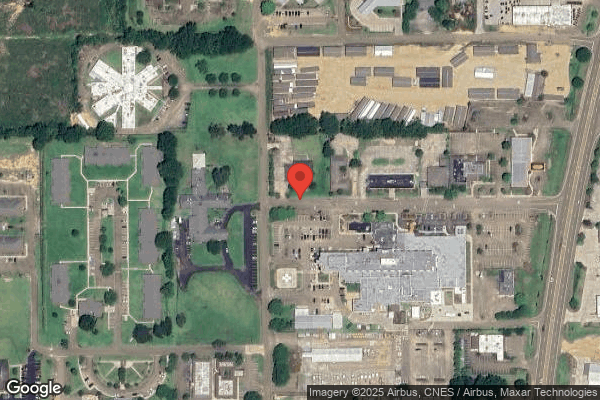
519 BROOKMAN DRIVE, BROOKHAVEN, MS 39601 (601) 833-2881
For profit - Corporation 58 Beds DIVERSICARE HEALTHCARE Data: November 2025
Trust Grade
33/100
#109 of 200 in MS
Last Inspection: June 2024

Within standard 12-15 month inspection cycle. Federal law requires annual inspections.

Overview

Diversicare of Brookhaven has received a Trust Grade of F, indicating significant concerns about the quality of care provided. Ranking #109 out of 200 facilities in Mississippi places it in the bottom half of all nursing homes in the state, and it is the lowest-ranked facility out of four in Lincoln County. The facility's performance has been stable, with five major issues reported consistently over the past two years. Staffing is a relative strength, with a rating of 4 out of 5 stars and a turnover rate of 39%, which is better than the state average. However, the facility has incurred $13,520 in fines, which is concerning and suggests ongoing compliance problems. Specific incidents reported by inspectors are alarming. For example, a Certified Nurse Aide was found to have verbally and physically abused a resident during care, leading to emotional distress. Additionally, residents' dignity was compromised as one was exposed during incontinence care due to an open curtain, and another was not provided with necessary privacy for their catheter. While the staffing levels are good, these serious issues highlight significant weaknesses that families should consider when evaluating this facility for their loved ones.

Trust Score
F
33/100
In Mississippi
#109/200
Bottom 46%
Safety Record
High Risk
Review needed
Inspections
Holding Steady
5 → 5 violations
Staff Stability
○ Average
39% turnover. Near Mississippi's 48% average. Typical for the industry.
Penalties
✓ Good
$13,520 in fines. Lower than most Mississippi facilities. Relatively clean record.
Skilled Nurses
✓ Good
Each resident gets 44 minutes of Registered Nurse (RN) attention daily — more than average for Mississippi. RNs are trained to catch health problems early.
Violations
⚠ Watch
20 deficiencies on record. Higher than average. Multiple issues found across inspections.
★★☆☆☆
2.0
Overall Rating
★★★★☆
4.0
Staff Levels
★★★☆☆
3.0
Care Quality
★★☆☆☆
2.0
Inspection Score
Stable
2024: 5 issues
2025: 5 issues

The Good

  • 4-Star Staffing Rating · Above-average nurse staffing levels
  • Full Sprinkler Coverage · Fire safety systems throughout facility
  • No fines on record
  • Staff turnover below average (39%)

    9 points below Mississippi average of 48%

Facility shows strength in staffing levels, fire safety.

The Bad

2-Star Overall Rating

Below Mississippi average (2.6)

Below average - review inspection findings carefully

Staff Turnover: 39%

Near Mississippi avg (46%)

Typical for the industry

Federal Fines: $13,520

Below median ($33,413)

Minor penalties assessed

Chain: DIVERSICARE HEALTHCARE

Part of a multi-facility chain

Ask about local staffing decisions and management

The Ugly 20 deficiencies on record

1 actual harm
Jun 2025 5 deficiencies 1 Harm
SERIOUS (G) 📢 Someone Reported This

A family member, employee, or ombudsman was alarmed enough to file a formal complaint

Actual Harm - a resident was hurt due to facility failures

Free from Abuse/Neglect (Tag F0600)

A resident was harmed · This affected 1 resident

Based on observation, interview, record review, and facility policy review, the facility failed to protect residents right to be free from verbal, mental, and physical abuse for two (2) of four (4) sa...

Read full inspector narrative →
Based on observation, interview, record review, and facility policy review, the facility failed to protect residents right to be free from verbal, mental, and physical abuse for two (2) of four (4) sampled residents (Resident #2 and Resident #3). Specifically, Certified Nurse Aide (CNA) #1 verbally and physically abused Resident #2 during incontinence care on 5/21/25 by striking the resident's legs, scolding him, and failing to provide care in a safe, supportive, and respectful manner, resulting in the resident experiencing fear, shame, emotional distress, and feelings of helplessness. Additionally, CNA #1 verbally and mentally abused Resident #3 on 5/21/25 by scolding and berating the resident for incontinence, causing the resident to feel humiliated, ashamed, and fearful that the behavior would recur. Findings Included: Record review of the facility's Abuse, Neglect, Misappropriation, Exploitation Policy, dated January 2019, revealed, .Purpose: To prohibit and prevent abuse, neglect .Definitions: Abuse: The willful infliction of .intimidation .with resulting physical harm, pain or mental anguish. A record review of the Investigation Template, dated 5/21/25, revealed the facility described the allegation that Resident #2 reported that a CNA had hit him on the leg with both hands because he was wearing a condom catheter. The Investigation Summary indicated that Interviews with all residents with BIMS (Brief Interview for Mental Status) greater than eleven. A review of the Summary of Interview revealed Resident #2 stated he was hit last night on his legs. Another Summary of Interview revealed Resident #3 indicated The CNA .that was assigned to him on 11pm-7pm was pissed off with him because he had urinated in the bed and she had to change him. Resident #2 Record review of the admission Record revealed the facility admitted Resident #2 on 5/09/25 with current diagnoses including Urinary Tract Infection. Record review of the admission Minimum Data Set (MDS) with an Assessment Reference Date (ARD) of 5/16/25 revealed Resident #2 had a Brief Interview for Mental Status (BIMS) score of 14, which indicated he was cognitively intact. Further review revealed Resident #2 had no behavioral issues, was always incontinent of bowel and bladder, and was dependent for toileting hygiene and required substantial/maximal assistance to roll left and right on bed. Record review of the Social Services Progress Note for Resident #2, dated 5/21/25 at 14:49 (2:49 PM) revealed the Social Services and Admissions Liaison (SSD) documented that she visited the resident to ask about the incident that happen over night with the CNA. I let him know that we would handle the situation asap (as soon as possible). That we would make sure nothing like this ever happened again to him or anyone else. On 6/02/25 at 11:45 AM, an interview with Resident #2 with the assistance of his communication device revealed the resident stated that during the early hours of 5/21/25 Certified Nurses' Aide (CNA) #1 entered his room and discovered that his condom catheter had come off and his incontinence brief was wet, and he thought she acted like she got mad. He reported that when she started to turn him during incontinence care he had muscle spasms in his legs and the CNA struck him twice on his legs and told him to stop tensing up. He said he had involuntary muscle spasms and took medication for them. He said that he had not tried to communicate with the CNA after she struck him because he was scared. He said this incident upset him because he was dependent and could not defend himself. He said he immediately wanted to go home because nobody treated him like that at home, and he was afraid because the incident could occur again. He said that he was unable to go back to sleep and cried due to feeling afraid and humiliated. He confirmed the incident caused him to feel shame, fear and demeaned. He said he only agreed to remain at the facility after being assured that CNA would not be allowed back into his room and confirming that his wife could stay with him at night until he could complete his therapy and return home as scheduled. On 6/02/25 at 12:10 PM, an interview with the Resident Representative (RR) for Resident #2 revealed she had been notified of the resident's allegation of abuse on 5/21/25. She stated that when she arrived, he was very upset and demanded to go home immediately. She stated that her immediate reaction was to take him home, but that he was doing very well with his therapy and the two of them agreed for him to stay with her spending nights in his room with him. On 6/02/25 at 2:25 PM an interview with CNA #2 revealed she reported she had worked 7-3 shift on 5/21/25 and at approximately 7:30 PM she entered the room of Resident #2, and he was resting in bed with tears on his face and crying. She said she asked him what was wrong, and he used his communication device to tell her that he had been hit. She said she asked him who hit him, and he typed in the name of CNA #1. She stated that the resident told her he had been scared and crying and wanted to go home because no one hit him at home. She said she had immediately reported the allegation of abuse to the former Assistant Director of Nursing Services (ADNS). Resident #3 Record review of the admission Record revealed the facility admitted Resident #3 on 3/27/25 with current diagnoses including Benign Neoplasm of Cerebral Meninges. Record review of the admission MDS with an ARD of 4/03/25 revealed Resident #3 had a BIMS score of 8, which indicated his cognition was moderately impaired. Further review revealed he had no behaviors, was always incontinent of bowel and bladder, and required substantial/maximal assistance for toileting hygiene and moderate assistance to roll left and right on bed. On 6/02/25 at 3:50 PM during interview with Resident #3 in his room, he revealed that during the early morning hours of 5/21/25, CNA #1 had entered his room and scolded him for wetting his bed. He said that made him feel ashamed and said, I can't help wetting the bed; if I could, I wouldn't do it. It made me feel like getting up and getting out of here and I would have if I could. The resident said the incident made him feel shame and humiliated for wetting the bed and he was afraid because CNA #1 intimidated him while scolding him and that he was afraid the incident may recur. On 6/03/25 at 2:54 PM, during a telephone interview the former ADNS, she stated that she was the nurse assigned to the care of Resident #1 on 5/21/25 and was made aware of an allegation of abuse by Resident #2 around 7:30 AM by CNA #2. She said she immediately assessed and interviewed Resident #2 who was actively crying and told her that CNA #1 had hit his legs during the earlier hours of 5/21/25 when he wet his brief and then had muscle spasms in his legs during incontinence care and berated him to stop tensing up. She reported she had also assessed the resident, and his condom catheter was off, but in his brief. She said she had spoken with CNA #1 at approximately 6:45 AM on 5/21/25 and the CNA had asked her if the resident had any more condom catheters. She stated that the resident was traumatized and that on 5/21/25 the resident's wife had started spending the night with the resident in his room. She said that she was unaware of any other complaint ever made by Resident #2. She stated that as part of the investigation into Resident #2's allegation, she interviewed and assessed Resident #3 who reported that CNA #1 had scolded him because he had wet his bed. On 6/04/25 at 9:30 AM, during a telephone interview the District Ombudsman revealed she had received a report from the RR for Resident #2 that the resident had been struck by CNA #1 who spoke to him in a demeaning manner that made him feel degraded. She said the facility staff reported that CNA #1 had confirmed tapping the resident's leg. The Ombudsman said that there was no report given to her that Resident #3 had also reported verbal or mental abuse by CNA #1 during the same shift. On 6/04/25 at 10:35 AM, an interview with the Social Services and Admissions Liaison (SSD) revealed she was made aware of the allegation of abuse by Resident #2 on the morning of 5/21/25, a little after 8:00 AM and visited him on 5/21/25 to make sure he wasn't too upset and see if I needed to try to make him feel better and reiterate to him that the incident wouldn't happen again. She stated that she recalled somebody said something about Resident #3 saying CNA #1 got upset with him because he wet his bed but she did not visit the resident. On 6/04/25 at 11:11 AM, an interview with the Director of Nursing Services (DNS) revealed she was made aware of the allegation of abuse reported by Resident #2 by the Administrator at home on the morning of 5/21/25 via telephone call. She stated that she called CNA #1 and notified her that she was suspended pending investigation. She stated she had completed a couple of coaching sessions with CNA #1 in November 2024 related to resident care and Resident Rights and the CNA's assignment was changed to another group for the resident's comfort. She stated she became aware of the allegation of abuse by Resident #3 when she read the final draft of the investigation prior to sending it to the State Agency (SA) on 5/24/25. She stated that she was not aware of any follow-up investigation, interventions, or counseling provided as a result of the allegation by Resident #3. She said she felt CNA #1 had adequate information and training to provide appropriate care for Resident #2 and Resident #3. On 6/04/25 at 11:25 AM, during a telephone interview with CNA #1, she said she had 'patted' Resident #2 on his leg to get him to relax during incontinence care on the morning of 5/21/25. She stated it was possible she was frustrated. She said Resident #2 had never acted like that before, never tensed up before. It's harder on me. She explained that she had entered the room to empty the resident's catheter drainage bag, but it was empty, and she checked his brief, and it was wet. She noted his condom catheter had come off and she had to provide incontinent care and change his brief. She said she had told him that she was going to have to change his brief and when she started to turn him, his legs were tensed up and she was unable to turn him. She said she patted his leg and told him to relax and was then able to turn him onto his side and completed incontinence care. She said nobody ever told her that Resident #2 had muscle spasms. She said that Resident #2 used a communication device that was always on his over the bed table but that the device was not in his reach and he did not have it, and she did not give it to him. She said, When I talk to him, I try to understand him without using the tablet. I didn't use or give him the tablet. She said the resident didn't say anything to her. She reported that when she made final rounds, she entered Resident #3's room and was frustrated with him because he had peed out the bed. I think it was intentional. CNA #1 said she had fussed at Resident #3 and said, I shouldn't have, but I did. I told him he needed to stop urinating in bed. I had to change the bed and his clothes and give him a bed bath three (3) times during the shift. She said Resident #3 didn't respond. She said the DNS had called her at home and she had to meet with the DNS and the Administrator and was written up regarding the allegation by Resident #2 but was not asked any questions regarding Resident #3. She confirmed that she had complaints made against her and received coaching from the DNS in November 2024 and said, Usually I get changed to another hall. On 6/04/25 at 1:50 PM an interview with the Administrator revealed she was made aware of the allegation of abuse by Resident #2 on the morning of 5/21/25 by the ADNS. She said actions taken to protect the residents during the investigation included placing CNA #1 on suspension. She confirmed that the facility investigation determined the allegation of abuse was unfounded because there were no witnesses and no apparent injury such as bruise or abrasion. She acknowledged that Resident #2 had new behaviors of crying and had not made any allegations before or since the allegation of abuse voiced on 5/22/25 and she was aware that Resident #2's wife began to stay with him overnight in his room. She stated CNA #1 was brought back with training to educate regarding abuse and neglect prevention and resident rights and reassignment to a different group of residents.
CONCERN (D) 📢 Someone Reported This

A family member, employee, or ombudsman was alarmed enough to file a formal complaint

Potential for Harm - no one hurt, but risky conditions existed

Investigate Abuse (Tag F0610)

Could have caused harm · This affected 1 resident

Based on policy review, record review and interviews the facility failed to conduct a thorough investigation of an allegation of verbal and mental abuse for one (1) of two (2) sampled residents that r...

Read full inspector narrative →
Based on policy review, record review and interviews the facility failed to conduct a thorough investigation of an allegation of verbal and mental abuse for one (1) of two (2) sampled residents that reported an allegation of abuse, Resident #3. Findings included: Policy review of the facility titled Abuse, Neglect, Misappropriation, Exploitation Policy with Effective Date January 2019 revealed .Investigation If actual violation or alleged violation occurs the resident will immediately be assessed and removed from any potential harm (as applicable). The Administrator, or designee will oversee the center in conducting an internal investigation against any violation/alleged violation of abuse .Investigations will be prompt, comprehensive and responsive to the situation .The investigation will include .Notification of the physician and resident or resident representative .Interviews of all involved persons .Follow-up resolution .All material and documentation of the pertinent data to the investigation is collected, maintained and safeguarded by the center . A record review of the Investigation Template, dated 5/21/25, revealed the facility described the allegation that Resident #2 reported that a CNA had hit him on the leg with both hands because he was wearing a condom catheter. The Investigation Summary indicated that interviews were conducted with all residents with BIMS (Brief Interview for Mental Status) greater than eleven. A review of the Summary of Interview revealed Resident #2 stated he was hit last night on his legs. Another Summary of Interview revealed Resident #3 indicated The CNA .that was assigned to him on 11pm-7pm was pissed off with him because he had urinated in the bed and she had to change him. During an interview on 6/02/25 at 3:50 PM, Resident #3 revealed that during the early morning hours of 5/21/25, CNA #1 had entered his room and scolded him for wetting his bed. He said that made him feel ashamed and said, I can't help wetting the bed; if I could, I wouldn't do it. It made me feel like getting up and getting out of here and I would have if I could. The resident said the incident made him feel shame and he was afraid because the CNA #1 scolded him and that he was afraid the incident may recur. He confirmed he had reported the incident to the Assistant Director of Nursing Services (ADNS) on 5/21/25 and did not remember anybody else coming to ask him about it. During a telephone interview on 6/03/25 at 2:54 PM, the former ADNS stated that she was involved in an investigation into an allegation of abuse for a different resident on 5/21/25 and interviewed and assessed Resident #3. She stated that during the interview Resident #3 reported verbal and mental abuse by CNA #1 on the morning of 5/21/25. She said that Resident #3 reported that CNA #1 had scolded him for wetting his bed. She said she reported the allegation to the Administrator on 5/21/25. During an interview on 6/04/25 at 10:35 AM, the Social Services and Admissions Liaison (SSD) said regarding the allegation of verbal and mental abuse by Resident #3 she recalled somebody said something about Resident #3 saying the CNA got upset because he wet his bed but she was not requested or instructed to visit the resident and had not visited, interviewed or assessed Resident #3 following the allegation. During an interview on 6/04/25 at 11:11 AM, the Director of Nursing Services (DNS) revealed that she became aware of the allegation of abuse by Resident #3 when she read the final draft of the investigation prior to sending to SA on 5/24/25. She stated that she was not aware of any follow-up with Resident #3's allegation or any investigation into the allegation. During a telephone interview on 6/04/25 at 11:25 AM, CNA #1 said that when she made final rounds on the morning of 5/21/25 she entered the room of Resident #3 and was frustrated with him because he had peed out the bed. I think it was intentional. She said she had fussed at Resident #3 and said, I shouldn't have but I did. I told him he needed to stop urinating in the bed. I had to change the bed and his clothes and give him a bed bath three (3) times during the shift. She said the DNS called her and she had been suspended pending an investigation into a separate allegation and had to meet with the DNS and the Administrator and was written up regarding the allegation by a different resident but was not asked any questions regarding Resident #3. During an interview on 6/04/25 at 1:50 PM, the Administrator revealed that she was notified of the allegation by Resident #3 on 5/21/25 by the ADNS (former) and stated He told (ADNS) that the CNA was pissed off at him because he wet the bed; she confirmed that Resident #3 was incontinent of bowel and bladder and required incontinence care by staff. She stated that the allegation was not investigated, and no psychosocial assessment, treatment or counseling were offered to or provided for Resident #3. The Administrator said she did not know why the resident reported that the CNA was pissed off or how he got that impression. She said she was unaware of how the interaction between CNA #1 and Resident #3 made him feel. She stated she had not asked CNA #1 about the allegation reported by Resident #3 during the investigation into the allegation of abuse reported by Resident #2. Record review of the admission Record revealed the facility admitted Resident #3 on 3/27/25 with current diagnoses including Benign Neoplasm of Cerebral Meninges. Record review of the admission MDS with an ARD of 4/03/25 revealed Resident #3 had a BIMS score of 8, which indicated his cognition was moderately impaired. Further review revealed he had no behaviors, was always incontinent of bowel and bladder, and required substantial/maximal assistance for toileting hygiene and moderate assistance to roll left and right on bed.
CONCERN (D) 📢 Someone Reported This

A family member, employee, or ombudsman was alarmed enough to file a formal complaint

Potential for Harm - no one hurt, but risky conditions existed

Comprehensive Care Plan (Tag F0656)

Could have caused harm · This affected 1 resident

Based on observation, interview, record review, and facility policy review, the facility failed to implement comprehensive care plan interventions for one (1) of four (4) sampled residents reviewed fo...

Read full inspector narrative →
Based on observation, interview, record review, and facility policy review, the facility failed to implement comprehensive care plan interventions for one (1) of four (4) sampled residents reviewed for care plan implementation, Resident #1. Findings included: A review of the facility's policy titled Care Plans, 09/2020, revealed, .Care plans will be developed for all patients and residents based upon the RAI (Resident Assessment Instrument) manual guidelines . A record review of the Care Plan Report revealed Resident #1 had a Focus of At risk for falls . with Interventions including Resident to be taken to the dining room for meals, initiated on 4/28/25. On 6/2/25 at 12:00 PM, during an observation, Resident #1 was observed seated in her wheelchair in the hallway next to the door of her room, across from the nurses station, assisted by staff while eating lunch. On 6/3/25 at 12:00 PM, during an observation, Resident #1 was observed seated in her wheelchair in the hallway next to the door of her room, across from the nurses station, assisted by Certified Nurse Aide (CNA) #3 while eating lunch. On 6/3/25 at 2:05 PM, during an interview with CNA #7, she stated that she observed Resident #1 eating all meals either in her room or in the hallway outside her room. She stated that was where the resident usually ate all her meals. She confirmed she was unaware of the care plan intervention for Resident #1 to eat meals in the dining room. She stated that evening meals (suppers) were served in the dining room with staff present to assist residents as needed. On 6/4/25 at 11:11 AM, during an interview with the Director of Nursing Services (DNS), she stated that care plan development and implementation were very important to ensure proper and appropriate care for each resident. She stated she expected staff to follow through with interventions listed in each resident's care plan. She confirmed that the care plan intervention for Resident #1 to eat in the dining room was developed as a fall prevention measure. On 6/4/25 at 1:50 PM, during an interview with the Administrator, she stated that care plan development and implementation were very important to ensure residents receive proper care. She stated she expected staff to follow through with care plan interventions. She further stated that failure to develop or implement care plans could result in residents not receiving needed care, leading to potential negative outcomes. Record review of the admission Record revealed the facility admitted Resident #1 on 4/05/24 and she had current diagnoses including Alzheimer's Disease. Record review of the Quarterly Minimum Data Set (MDS) with an Assessment Reference Date (ARD) of 5/20/25 revealed for Resident #1's Cognitive Skills for Daily Decision Making was Severely Impaired.
CONCERN (D) 📢 Someone Reported This

A family member, employee, or ombudsman was alarmed enough to file a formal complaint

Potential for Harm - no one hurt, but risky conditions existed

Infection Control (Tag F0880)

Could have caused harm · This affected 1 resident

Based on observation, interview, record review, and facility policy review, the facility failed to follow hand hygiene practices consistent with accepted standards of practice during incontinence care...

Read full inspector narrative →
Based on observation, interview, record review, and facility policy review, the facility failed to follow hand hygiene practices consistent with accepted standards of practice during incontinence care for one (1) of four (4) sampled residents reviewed for incontinence care, Resident #1. Findings included: A review of the facility's Peri (Perineal) Care Audit Tool, undated, revealed Action including, .7. STOP! Removes gloves, washes/sanitizes hands and re-gloves. 8. Applies clean brief, dresses resident . On 6/4/25 at 10:45 AM, during an observation, Certified Nurse Aide (CNA) #3 and CNA #5 provided incontinence care for Resident #1. After completing the care, the CNAs did not perform hand hygiene or change gloves before applying a clean brief and adjusting the resident's clothing. On 6/4/25 at 11:11 AM, during an interview with the Director of Nursing Services (DNS), she stated that during incontinence care, staff were supposed to stop after cleaning a resident with a wet and/or soiled brief, change gloves, and perform hand hygiene by washing hands or using hand sanitizer prior to donning clean gloves. She stated gloves should be changed as often as necessary but at least one time between handling wet/soiled briefs and applying clean briefs and adjusting the resident's clothing. On 6/4/25 at 1:34 PM, during an interview with CNA #5, she confirmed that at 10:45 AM, when she provided care for Resident #1, she did not change her gloves or perform hand hygiene. She stated she understood that improper incontinence care could contribute to the development of urinary tract infections (UTIs). On 6/4/25 at 1:50 PM, during an interview with the Administrator, she confirmed that she expected staff to provide care in accordance with current infection control standards as outlined in the facility's policies and procedures and as instructed during in-service and training. A record review of Resident #1's admission Record revealed the facility admitted the resident on 4/5/24 with current diagnoses including Alzheimer's Disease. A record review of Resident #1's Quarterly Minimum Data Set (MDS) with an Assessment Reference Date (ARD) of 5/20/25 revealed the resident's Cognitive Skills for Daily Decision Making were severely impaired.
CONCERN (E) 📢 Someone Reported This

A family member, employee, or ombudsman was alarmed enough to file a formal complaint

Potential for Harm - no one hurt, but risky conditions existed

Resident Rights (Tag F0550)

Could have caused harm · This affected multiple residents

Based on observation, interview, record review, and facility policy review, the facility failed to ensure care was provided in a manner that protected the dignity and privacy of residents for three (3...

Read full inspector narrative →
Based on observation, interview, record review, and facility policy review, the facility failed to ensure care was provided in a manner that protected the dignity and privacy of residents for three (3) of four (4) sampled residents (Resident #1, Resident #2, and Resident #4). Specifically, the facility failed to maintain privacy during incontinence care for Resident #1 when staff provided care with the window curtain open, exposing the resident's perineal area; failed to provide a catheter bag cover for Resident #2 to maintain dignity; and failed to assist Resident #4 with meals in a respectful manner by standing over the resident while providing feeding assistance, rather than sitting at the resident's side. Findings Include: A review of the facility's policy, Resident Rights and Quality of Life, dated 3/13/20 revealed, .It is the policy of .that all residents and patients have the right to a dignified existence . A record review of the facility's Peri (Perineal) Care Audit Tool, undated, revealed Action including Staff must .provide privacy (door, window, room divider curtain . Resident #1 Record review of the admission Record revealed the facility admitted Resident #1 on 4/05/24 and she had current diagnoses including Alzheimer's Disease. Record review of the Quarterly Minimum Data Set (MDS) with an Assessment Reference Date (ARD) of 5/20/25 revealed for Resident #1's Cognitive Skills for Daily Decision Making was Severely Impaired. On 6/03/25 at 10:45 AM observation revealed Certified Nursing Assistant (CNA) #3 and CNA #5 provided incontinent care for Resident #1 in her bed in her room next to the bed with the bed elevated and the double window curtain open; the window on the right was open approximately two (2) inches. The view from the window was the facility front yard and front porch and portico and the front parking lot and sidewalk. After positioning the resident and her clothing, CNA #5 exposed Resident #2's perineal area and after cleaning the front of the resident's perineal area turned the resident toward the window and cleaned the resident's back perineal area. Resident #2 Record review of the admission Record revealed the facility admitted Resident #2 on 5/09/25 with current diagnoses including Urinary Tract Infection. Record review of the admission MDS with an ARD of 5/16/25 revealed Resident #2 had a Brief Interview for Mental Status (BIMS) score of 14, which indicated he was cognitively intact. On 6/02/25 at 3:44 PM, an observation revealed Resident #2's catheter drainage system collection bag was uncovered, containing clear yellow fluid. Resident #4 On 6/03/25 at 11:10 AM observation revealed CNA #5 standing at the bedside of Resident #4 assisting the resident to eat a midday meal (lunch). Record review of the admission Record revealed the facility admitted Resident #4 on 6/02/25 with current diagnoses including Senile Degeneration of Brain. Record review of the medical record for Resident #4 revealed the baseline care plan and MDS had not been completed for the resident at the time of survey. On 6/03/25 at 1:34 PM, an interview with CNA #5 revealed she was assigned to the care of Resident #1 and Resident #2 on 6/02/25 and 6/03/25. She said she was aware that Resident #2 did not have a catheter bag cover in place and that it was supposed to be covered but said she was not aware why. She stated that she stood to assist Resident #4 to eat lunch because there was no chair in the room and that she was not aware that she was supposed to be seated at the residents' side to assist with eating meals. She stated that she had not noticed that Resident #1's window curtain was open when she exposed the resident and provided incontinence care at 10:45 AM. On 6/04/25 at 11:11 AM an interview with the Director of Nursing Services (DNS) revealed that catheter bags should be covered to ensure the dignity of residents with catheter drainage systems. She stated that during incontinence care staff should provide privacy by closing the room door, privacy curtain and window curtains to maintain the dignity of the resident. She stated that when feeding a resident that required assistance with eating staff should be seated at the side of the resident with the purpose of maintaining the dignity of the resident.
Jun 2024 4 deficiencies
CONCERN (D)

Potential for Harm - no one hurt, but risky conditions existed

Deficiency F0658 (Tag F0658)

Could have caused harm · This affected 1 resident

Based on observation, staff and resident interviews, record review, facility policy review, and manufacturer's guidelines review, the facility failed to ensure a resident rinsed her mouth after the ad...

Read full inspector narrative →
Based on observation, staff and resident interviews, record review, facility policy review, and manufacturer's guidelines review, the facility failed to ensure a resident rinsed her mouth after the administration of a steroid Metered-Dose Inhaler to prevent possible mouth and throat irritation for one (1) of one (1) resident observed for administration of a Metered-Dose Inhaler. (Resident #32) Findings include: Review of the facility's policy for Medication Administration, titled, Administration of Metered dose Inhalers, reviewed/updated 04/22, revealed, Medications are administered as prescribed, in accordance with good nursing principles and practices and only by persons legally authorized to do so. Personnel authorized to administer medications do so only after they have familiarized themselves with the medications. Procedure: . 10. Rinse mouth when required per manufacturer's recommendations or according to standards of practice . A review of manufacturer's guidelines on Important Safety Information for Symbicort revealed, . Symbicort may cause serious side effects, including .Fungal infection in your mouth or throat (thrush). Rinse your mouth with water without swallowing after using Symbicort to help reduce your chance of getting thrush . On 06/19/24 at 7:30 AM, during an observation of medication administration with Licensed Practical Nurse (LPN) #1, she administered two (2) puffs of a Symbicort inhaler and exited the room without instructing the resident to rinse her mouth. Record review of the Order Summary Report with active orders as of 6/19/2024, revealed an order dated 11/21/23 Symbicort Inhalation Aerosol .2 puff inhale orally two times a day related to ACUTE BRONCHITIS, UNSPECIFIED .rinse and spit with water following inhalation. On 06/19/24 at 8:30 AM, during an interview with LPN #1, she confirmed that on 06/19/24, while administering the Symbicort Inhaler to Resident #32, she did not offer the resident water to rinse her mouth. LPN #1 reviewed the guidelines for the use of the medication and confirmed the resident should have rinsed her mouth after the administration of the Symbicort inhaler to prevent thrush and other complications. On 06/19/24 at 9:00 AM, during an interview with Resident #32 revealed she has never been asked to rinse her mouth after receiving her inhaler. On 06/19/24 at 1:45 PM, during an interview with the Director of Nursing (DON), she explained she expected the nurses to follow the guidelines for medication administration and confirmed the reason for instructing residents to rinse after the administration of a steroid inhaler is to prevent possible complications. On 6/19/24 at 2:00 PM, during an interview with the Nurse Practitioner (NP) explained she expected the nurse to follow the physician's orders. LPN #1 should have asked the resident to rinse her mouth and spit the water out to prevent possible oral complications. A record review of the admission Record revealed the facility admitted Resident #32 on 06/01/23. The resident had diagnoses that included Type 2 Diabetes with diabetic chronic kidney disease and Wheezing. A record review of the Annual Minimum Data Set (MDS), with an Assessment Reference Date (ARD) of 05/30/2024, revealed Resident #32 had a Brief Interview for Mental Status (BIMS) score of 15, which indicated the resident was cognitively intact.
CONCERN (D)

Potential for Harm - no one hurt, but risky conditions existed

Respiratory Care (Tag F0695)

Could have caused harm · This affected 1 resident

**NOTE- TERMS IN BRACKETS HAVE BEEN EDITED TO PROTECT CONFIDENTIALITY** Based on observation, staff and resident interviews and record review the facility failed to ensure that a resident's CPAP (Cont...

Read full inspector narrative →
**NOTE- TERMS IN BRACKETS HAVE BEEN EDITED TO PROTECT CONFIDENTIALITY** Based on observation, staff and resident interviews and record review the facility failed to ensure that a resident's CPAP (Continuous Positive Airway Pressure) mask was properly stored when not in use, for one (1) of fourteen (14) sampled residents. (Resident # 48) Findings Include: During an observation and interview with Resident #48 on 06/17/24 at 11:10 AM, he stated that he had been told by staff that they were not responsible for assisting with his CPAP mask. The resident's CPAP mask was observed uncovered and lying on the dresser near the foot of the resident's bed. On 06/17/24 at 4:28 PM, during an observation and interview, License Practical Nurse (LPN) #3 stated that the CPAP mask should be in a bag. She explained that this is to prevent the resident from contracting respiratory infections. She emphasized that nurses must ensure that the mask is sealed in a zip-lock bag when not in use, to prevent contamination of the mask. In an interview with the Director of Nursing (DON) on 6/20/24 at 3:12 PM, she explained that it is common nursing knowledge that CPAP masks should be stored in a manner to prevent contamination when not in use. Moreover, it is the responsibility of the nursing staff to ensure that there are no breaches in infection control regarding care of the resident's mask. She further claimed that failing to store the CPAP mask properly could result in the resident contracting a respiratory illness. A record review of the Order Summary Report, for Resident #48, with active orders as of 6/18/24, revealed an order dated 5/31/24, Apply C-Pap at bedtime related to OBSTRUCTIVE SLEEP APNEA . A record review of the admission Record, for Resident #48 revealed the resident was admitted on [DATE] by the facility. His diagnoses included Quadriplegia, Chronic Obstructive Pulmonary Disease with acute lower respiratory infection and Obstructive sleep apnea. A review of Resident #48's admission Minimum Data Set (MDS), with an Assessment Reference Date (ARD) of 6/3/24, revealed a Brief Interview for Mental Status (BIMS) score of 15, which indicated the resident was cognitively intact.
CONCERN (D)

Potential for Harm - no one hurt, but risky conditions existed

Unnecessary Medications (Tag F0759)

Could have caused harm · This affected 1 resident

Based on observations, resident and staff interviews and record reviews, the facility failed to ensure a medication error rate of less than 5%, as evidenced by two (2) medication errors observed out o...

Read full inspector narrative →
Based on observations, resident and staff interviews and record reviews, the facility failed to ensure a medication error rate of less than 5%, as evidenced by two (2) medication errors observed out of 27 opportunities for errors, resulting in a medication error rate of 7.4%. Residents #25 and #32 Findings Include: Review of the facility's policy for Medication Administration, titled, , Administration of Nasal Spray Preparations, dated 04/22 revealed, Medications are administered as prescribed . Personnel authorized to administer medication do so only after they have familiarized themselves with the medications . Review of the facility's policy for Medication Administration, titled, Administration of Metered dose Inhalers, reviewed/updated 04/22, revealed, Medications are administered as prescribed . Personnel authorized to administer medications do so only after they have familiarized themselves with the medications. Procedure: . 10. Rinse mouth when required per manufacturer's recommendations or according to standards of practice . A review of manufacturer's guidelines on Important Safety Information for Symbicort revealed, .Symbicort may cause serious side effects, including: . Fungal infection in your mouth and throat (thrush). Rinse your mouth with water without swallowing after using Symbicort to help reduce your chance of getting thrush . Resident #25 On 06/19/24 at 8:45 AM, an observation of Licensed Practical Nurse (LPN) #2 administering Flonase nasal spray to Resident # 25, revealed the nurse administered one (1) spray of Flonase in each nostril. A record review of the Order Summary Report, with active orders as of 06/19/24 revealed an order dated 4/1/24 Flonase Allergy Relief Nasal Suspension, 2 sprays in each nostril one (1) time a day for sneezing. On 06/19/24 at 8:50 AM in an interview with LPN #2 confirmed she administered Resident #25 one spray of Flonase in each nostril. LPN #2 confirmed she did not follow the physician orders. The nurse explained she should have read the order before administering the medication, as the medications is not effective if the correct dose is not administered. Record review of the admission Record revealed the facility admitted Resident #25 on 07/16/18. Current diagnoses included Allergic Rhinitis. A record review of the Quarterly Minimum Data Set (MDS), with an Assessment Reference Date (ARD) of 06/13/24, revealed Resident #25 had a Brief Interview for Mental Status (BIMS) score of 14, which indicated the resident was cognitively intact. Resident #32 An observation on 06/19/24 at 7:30 AM, during medication administration to Resident #32 revealed License Practical Nurse (LPN) #1, administered two (2) puffs of Symbicort inhaler. LPN #1 left Resident #32's room without instructing the resident to rinse her mouth with water. Record review of the Order Summary Report with active orders as of 6/19/2024, revealed an order dated 11/21/23 Symbicort Inhalation Aerosol .2 puff inhale orally two times a day related to ACUTE BRONCHITIS, UNSPECIFIED .rinse and spit with water following inhalation. During an interview on 06/19/24 at 8:30 AM, LPN #1 confirmed that while administering the Symbicort Inhaler to Resident #32, she failed to offer Resident #32 water to rinse and spit to prevent the resident from getting thrush in her mouth. LPN #1 reviewed the physician orders and guidelines for the use of the medication and confirmed the resident should have rinsed her mouth with water after the administration of the Symbicort inhaler, to reduce the chance of getting thrush. During an interview on 06/19/24 at 9:00 AM with Resident #32, she revealed she had never been asked to rinse her mouth after receiving her inhaler. During an interview on 06/19/24 at 1:45 PM, the Director of Nursing (DON), she explained that she expected the nurses to follow the guidelines for medication administration and confirmed the reason for instructing residents to rinse their mouth after the administration of a steroid inhaler is to prevent possible complications. The DON also said she expects the nurse to follow the physician's orders when administering nose drops. The nurse should have administered two (2) sprays of Flonase per nostril. During an interview on 6/19/24 at 2:00 PM, with Nurse Practitioner (NP) #1 she explained she expected the nurse to follow the physician's orders. LPN #1 should have asked the resident to rinse her mouth and spit the water out to prevent oral complications. During an interview on 06/20/24 at 3:17 PM, with NP #2, she explained she expected the staff to follow the physician's orders and to administer the Flonase according to what is ordered, which in this case, the nurse should have administered two (2) sprays per nostril, per physician's order. A record review of the admission Record revealed the facility admitted Resident #32 on 06/01/23. The resident had diagnoses that included Type 2 Diabetes with diabetic chronic kidney disease and Wheezing. Record review of the Annual MDS with an ARD of 05/30/2024, revealed Resident #32 had a BIMS score of 15, which indicated the resident was cognitively intact.
MINOR (B)

Minor Issue - procedural, no safety impact

Assessment Accuracy (Tag F0641)

Minor procedural issue · This affected multiple residents

**NOTE- TERMS IN BRACKETS HAVE BEEN EDITED TO PROTECT CONFIDENTIALITY** Based on record reviews, staff interviews, and facility policy review, the facility failed to correctly code a discharge from th...

Read full inspector narrative →
**NOTE- TERMS IN BRACKETS HAVE BEEN EDITED TO PROTECT CONFIDENTIALITY** Based on record reviews, staff interviews, and facility policy review, the facility failed to correctly code a discharge from the facility on the Discharge Minimum Data Set Assessment (MDS) for one (1) of 14 sampled residents reviewed for assessment accuracy. Resident #49 Findings Include: Record review of the facility's policy titled, MDS and Care Plans, with the latest effective date, August 2019, revealed, Care plans and MDS will be developed and maintained per RAI (Resident Assessment Instrument) Guidelines. Record review of the facility's, Progress Notes, revealed Resident #49 was discharged to home, with a local Home Health Agency on 4/2/2024. Record Review of the Discharge MDS, with an Assessment Reference Date (ARD) of 04/02/24, revealed in Section A that Resident #49 was discharged to an acute hospital. Review of the facility's, admission Record for Resident #49 revealed an admission date of 03/07/24, which included diagnoses of Fracture of Left Patella, Unspecified Dementia, and Major Depression. During an interview with the Director of Nursing (DON) on 06/19/24 at 2:30 PM, she confirmed the facility failed to code the discharge MDS correctly. The DON also explained it was her expectation that the MDS Coordinator would code the MDS correctly. During an interview with the Registered Nurse (RN#1) on 6/19/24 at 3:00 PM, she confirmed she failed to accurately code Resident #49's Discharge MDS, dated [DATE]. The MDS Nurse said she hit the wrong button. The nurse said she normally looks at the orders or the progress notes to determine the resident's discharge status. She stated she was busy doing a lot of MDS's and might have mixed the resident up with another resident. During an interview with the Administrator on 6/19/24 at 3:30 PM, she stated that she expects the MDS to be coded accurately and sent in a timely manner.
Mar 2024 1 deficiency
CONCERN (D) 📢 Someone Reported This

A family member, employee, or ombudsman was alarmed enough to file a formal complaint

Potential for Harm - no one hurt, but risky conditions existed

Notification of Changes (Tag F0580)

Could have caused harm · This affected 1 resident

Based on interviews, record review, and facility policy review, the facility failed to ensure the Physician and Resident Representative (RR) were notified when a resident refused to take medications f...

Read full inspector narrative →
Based on interviews, record review, and facility policy review, the facility failed to ensure the Physician and Resident Representative (RR) were notified when a resident refused to take medications for one (1) of seven (7) sampled residents. (Resident #3) Findings include: Review of the facility's policy, Notifications of Patient/Resident Change, dated 11/1/16, revealed, The center will consult the resident's physician, nurse practitioner or physician assistant, and if known notify the patient/resident's legal representative or an interested family member when there is: . (C) A need to alter treatment significantly . Record review of the Order Summary Report with active orders as of 12/1/23 revealed an order dated 12/30/22 for Albuterol Sulfate HFA (Hydrofluoroalkane) Aerosol Solution 108 mcg (micrograms) 2 puffs inhale orally two times a day related to Chronic Obstructive Pulmonary Disease (COPD). Record review of Resident #3's Electronic Medication Administration Record (EMAR) revealed Resident #3 refused Albuterol Sulfate HFA Aerosol Solution 108 mcg (micrograms) 2 puffs inhale orally twice daily on 12/1/23, 12/2/23 and 12/3/23. On 03/20/24 at 4:53 PM, in an interview the Director of Nurses (DON) stated when a resident refuses medication, the nurses should document the refusal and notify the provider. She stated they are supposed to notify the physician each time a resident refuses to take their medications. On 03/21/24 at 9:27 AM, in a telephone interview with the daughter of Resident #3, she revealed she was told by a Registered Nurse (RN) #2 that the resident often refused his medication. The daughter stated that the facility never contacted the RR, which was her mother that Resident #3 was refusing to take his medications. On 03/21/24 at 10:15 AM, in a telephone interview RN #1 stated she mostly works weekends. She stated if a resident refuses medication, she usually contacts the physician and RR. However, she revealed she could not recall if she contacted them regarding Resident #3 refusing his medications. She stated the policy is to notify the Physician and RR after 2 days of resident refusing medications. She revealed she did recall that Resident #3 usually refused nebulizer treatments on the weekends. On 03/21/24 at 12:08 PM, in a telephone interview with RN #2, she stated when Resident #3 refused his medications, she would chart it and contact Hospice. She stated she cannot recall if she contacted his physician. She stated she was told to contact Hospice and the RR. However, she added that she cannot remember what she charted, but she usually writes a short note referencing the refusal. On 03/21/24 at 12:15 PM, in an interview with Hospice/RN #3, she stated the Hospice Nurse visits the facility twice weekly to see her residents on hospice. She stated RN #4 was the Hospice Nurse. RN #3 added that the facility can contact Hospice 24 hours a day, 7 days a week when a resident refuses their medication. On 03/21/24 at 12:38 PM, in an interview with RN #4, the Hospice Nurse for Resident #3, she stated the staff would update her on the resident on her visits to the facility. She revealed she cannot remember if she was contacted, but she always makes a note in the chart whenever they inform her of resident falls or refusal to take medications. She commented if there is no note in the chart, then she was not informed. On 03/21/24 at 2:23 PM, in an interview with the Physician, he stated the facility nurses are supposed to contact him if a resident refuses to take their medication. He stated that way, he can come up with a plan to treat residents. Record review of Resident #3's Progress Notes dated 12/1/23, 12/2/23 and 12/3/23 revealed Resident #3 refused Albuterol Aerosol treatments.There was no documentation the RR or the physician had been notified of the refusals. A record review of the admission Record for Resident #3 revealed the facility admitted the resident on 12/29/22, with diagnoses that included Alzheimer's Disease and Chronic Obstructive Pulmonary Disease. A record review of the Minimum Data Set (MDS) for Resident #3, with an Assessment Reference Date (ARD) of 12/7/23, revealed a Brief Interview for Mental Status (BIMS) score of 4, indicating Resident #3 had severe cognitive impairment.
Aug 2023 2 deficiencies
CONCERN (D) 📢 Someone Reported This

A family member, employee, or ombudsman was alarmed enough to file a formal complaint

Potential for Harm - no one hurt, but risky conditions existed

Resident Rights (Tag F0550)

Could have caused harm · This affected 1 resident

Based on observation, interview, record review, and facility policy review, the facility failed to ensure that each resident was treated with respect as evidenced by staff using foul language in the p...

Read full inspector narrative →
Based on observation, interview, record review, and facility policy review, the facility failed to ensure that each resident was treated with respect as evidenced by staff using foul language in the presence of residents for one (1) of four (4) residents reviewed. Resident #1. Findings include: Record review of the facility policy Resident Rights and Quality of Life, dated May 1, 2012, revealed, Policy Statement: It is the policy of Advocat that all residents have the right to a dignified existence . On 8/29/23 at 9:00 AM, during a telephone interview with the facility ombudsman, he confirmed he had received notification of inappropriate speech with foul language by Certified Nursing Assistant (CNA) #1, during care of Resident #1. On 8/29/23 at 9:40 AM, during an interview with the Administrator, she revealed CNA #1 was using poor customer service and was cursing and used foul language in the presence of residents. She stated that CNA #1 had received disciplinary action prior to 7/20/23 and that CNA #1's employment at the facility had been terminated on 7/24/23. The Administrator further explained that on 7/20/23 CNA #1 was heard using foul language while propelling Resident #1 in the hallway near the nursing station but that she was not speaking to any resident. She stated it was like she was complaining out loud. She noted that following the report of the incident, Resident #1 was interviewed and assessed for physical or psychosocial harm and did not recall the incident. Record review of the Progressive Discipline Form, for CNA #1, dated 6/4/21 revealed .First Warning.Failure to treat a patient or resident with dignity and respect . Inappropriate behavior/failure to adhere to (facility) Service Standards . Record review of the Progressive Discipline Form for CNA #1,dated 7/24/23, revealed a termination date of 7/24/23. The violation identified as the reason for the termination was listed as .Use of profane, abusive, or threatening language or unnecessary shouting .Failure to treat a patient or resident with dignity and respect. The form revealed that a therapist had reported an incident in which she had observed CNA #1 coming out of a resident's room with the resident and stating, I didn't take anyone's 'expletive' money. I don't need your 'expletive' money. I am so tired of this 'expletive' place. Record review of the (Company Name) Personnel Change/Termination Form dated 7/24/23 revealed .Reason for Termination Misconduct . On 8/29/23 at 10:05 AM, during an interview with the Occupational Therapist (OT) that reported the incident, she revealed that on 7/20/23 at approximately 2:30 PM, she witnessed CNA #1 propelling Resident #1 in the hallway past the nursing station and heard the CNA state I didn't take anybody's 'expletive' money. I don't need your 'expletive' money. I'm so tired of this 'expletive' place! The OT stated she had reported the incident to the Director of Nursing (DON). On 8/29/23 at 3:19 PM, an interview with the Resident Representative (RR) for Resident #1 revealed she had not noted any change in the behavior of Resident #1 since 7/20/23. On 8/31/23 at 9:00 AM, an observation and interview with Resident #1 revealed she was alert, able to communicate verbally and was oriented to self. She was unable to recall previous days or events. On 8/31/23 at 12:01 PM, an interview with the Social Worker revealed she reported that on 7/20/23 she observed CNA #1 rapidly propelling Resident #1 down the hallway but revealed she had been unable to hear anything that had been said. The Social Worker stated that she had observed Resident #1 since the incident and had not noted any change in behavior. On 8/31/23 at 6:14 PM, in a telephone interview with CNA #1, she revealed she did not understand why her employment at the facility was terminated. She stated she voiced her opinion and had spoken her mind, however, she denied that she cursed the resident or was abusive toward any resident in any way. She did not deny use of foul language in the hallway of the facility. She stated, I am known for speaking my mind. Record review of the admission Record for Resident #1 revealed that the resident was admitted by the facility on 4/27/23 and had diagnoses that included Dementia and Atherosclerotic Heart Disease. Record review of the Quarterly Minimum Data Set (MDS), with Assessment Reference Date (ARD) of 8/04/23, revealed Resident #1 had a Brief Interview for Mental Status (BIMS) score of 11, which indicated the resident had mild cognitive impairment.
CONCERN (D) 📢 Someone Reported This

A family member, employee, or ombudsman was alarmed enough to file a formal complaint

Potential for Harm - no one hurt, but risky conditions existed

Safe Environment (Tag F0584)

Could have caused harm · This affected 1 resident

Based on observation, interview, record review, and policy review, the facility failed to provide a safe, clean, comfortable, and homelike environment for two (2) of four (4) residents reviewed Reside...

Read full inspector narrative →
Based on observation, interview, record review, and policy review, the facility failed to provide a safe, clean, comfortable, and homelike environment for two (2) of four (4) residents reviewed Residents #3 and #4 Findings include: Record review of the (Formal Name of Environmental Services) 5-Step Daily Room Cleaning, undated, revealed, PURPOSE: To teach Environmental Services employees the proper cleaning method to sanitize a patient room or any area in a healthcare facility .2. Horizontal Surfaces - disinfected *Using a solution of properly diluted germicide, sanitize all horizontal surfaces .*Tabletops, headboards, windowsills, chairs, over bed lights, wall ledges, over bed tables, and the bases of over bed tables should all be done . 4. Dust Mop . *Remember to dust mop and damp mop under beds . *When finished dust mopping, use a dustpan and brush to sweep up the debris. 5. Damp Mop . *The most important area of a patient's room to disinfect is the floor. This is where most airborne bacteria will settle and so it needs to be sanitized daily . *Mop all flooring surfaces . making sure to mop under the beds . Review of the policy titled Resident Rights and Quality of Life, dated May 1, 2012, revealed, Policy Statement: It is the policy of Advocat that all residents have the right to a dignified existence .To receive services in a facility environment that is safe, clean, and comfortable . Resident #3 On 8/29/23 at 9:45 AM, an observation of Resident #3 in his room, revealed the windowsill of the room adjacent to the resident's bed was dirty. The windowsill was covered with dust. It was also noted that there were several pieces of brown debris scattered along the length of the windowsill. On 8/30/23 at 9:20 AM, observations of the rooms of Resident #3 revealed that the dust and debris noted the day before, remained in the windowsill in the resident's room. On 8/30/23 at 9:30 AM, an interview with the Resident Representative (RR) for Resident #3 revealed she was dissatisfied with the housekeeping at the facility and stated she frequently had to ask housekeepers to come into Resident #3's room to clean the floors or furniture or perform other housekeeping tasks. She commented that the floor was an ongoing issue because it was frequently sticky. On 8/31/23 at 9:55 AM, an observation of the windowsill adjacent to the bed of Resident #3 revealed dust and debris remained in the windowsill. Record review of the admission Record for Resident #3 revealed he was admitted by the facility on 12/29/22 and had diagnoses that included Alzheimer's Disease and Unspecified Dementia. Resident #4 On 8/29/23 9:47 AM, an observation of Resident #4's room revealed there was dust on the floor along the wall beside the resident's bed, with three (3) nickel sized round dried brown spots. On 8/30/23 at 9:20 AM, observation of the room of Resident #4 revealed that the dust and debris noted the day before, remained in the resident room. On 8/31/23 at 9:50 AM, an observation revealed in addition to the previously observed dust and dried brown substance noted on the floor along the wall and beside the bed of Resident #4, there was several pieces of dime sized white tissue paper strewn around the floor. There was a white facial tissue and a vinyl glove under the bed of Resident #4. The floor of the room was sticky. The floor was so sticky it caused the State Agency (SA)'s shoe to stick to the floor. On 8/31/23 at 10:05 AM an observation and interview with the Housekeeping Supervisor for the housekeeping contractor at the facility revealed the usual routine for housekeeping included daily cleaning of each resident room to include sweeping the entire floor (including beneath the beds), mopping the entire floor (including beneath the beds), and dusting flat surfaces (including the windowsill). He described this routine as was protocol and was to be done every day. He stated that the floor should not be sticky and that if it was it needed to be mopped with plain water and buffed. The Housekeeping Supervisor described the floor along the wall adjacent to and beneath the bed of Resident #4 as dirty. He confirmed that the floor was sticky in places. Regarding the windowsill, the Housekeeping Supervisor stated, there's negligence in cleaning, that is not unacceptable. He confirmed that it appeared to him that the floor under the resident's beds along the walls and the windowsill had not been cleaned in the past couple of days. He stated that the windowsill needed to be cleaned and the floor was sticky and needed to be mopped. On 8/31/23 at 11:10 AM, during an observation and interview with the Administrator in the room of Resident #3 and Resident #4, she confirmed the floor along the wall adjacent to the bed of Resident #4 and the windowsill adjacent to the bed of Resident #3 were dirty and the floor was sticky. She stated that the floor needed to the cleaned and mopped and the windowsill needed to be cleaned. Record review of the admission Record for Resident #4 revealed he was admitted by the facility on 12/09/22 and had diagnoses that included Atherosclerotic Heart Disease and Squamous cell carcinoma of skin of scalp and neck.
Dec 2022 5 deficiencies
CONCERN (D)

Potential for Harm - no one hurt, but risky conditions existed

Deficiency F0561 (Tag F0561)

Could have caused harm · This affected 1 resident

**NOTE- TERMS IN BRACKETS HAVE BEEN EDITED TO PROTECT CONFIDENTIALITY** Based on record review, interviews, and facility policy review, the facility failed to honor a resident's right to choose health...

Read full inspector narrative →
**NOTE- TERMS IN BRACKETS HAVE BEEN EDITED TO PROTECT CONFIDENTIALITY** Based on record review, interviews, and facility policy review, the facility failed to honor a resident's right to choose health care by not administering the requested influenza vaccination to a resident upon admission for one (1) out of 6 (six) vaccination records reviewed. Resident #307 Findings include: Review of the facility's policy, Influenza Vaccination Policy (Patients and Residents), dated 11/1/16, revealed, . For the health and safety of all patients and residents, influenza immunization is required on an annual basis, based on the risk presented to patients and residents through routine and direct exposure. Vaccination has been shown to reduce the transmission of influenza while reducing influenza related illness and death in health care centers . On 11/28/22 at 4:37 PM, in an interview with the son of Resident #307, he stated the resident wants a flu shot and no one has given it to her. On 11/29/22 at 2:00 PM, in an interview with Resident #307, she confirmed she has not gotten her flu shot yet. She revealed she gets it every year and the nurse told her she would get it. She stated she had double pneumonia in the past and ended up in Intensive Care, so her physician explained how important it is for her to get the flu vaccine every year as soon as it is available. On 11/30/22 at 04:14 PM, in an interview with Registered Nurse (RN) #3/Infectionist Preventionist, she confirmed residents are offered vaccinations upon admission and sign the consent electronically with the other admission paperwork. The consent is not readily assessable to the nursing staff, as the Director of Nursing (DON) must print the consent and give it to the Medical Records Nurse, who administers the vaccination. RN #3 revealed that the delay in resident's receiving the vaccination is related to the medical records nurse waiting on the DON to print the consent. RN #3 stated unless there is a delay, residents admitted in November usually get vaccines within the first few days of admission, as the facility has the influenza vaccine available at that time. On 11/30/22 at 4:36 PM, in an interview with the DON, she confirmed that the nursing staff are dependent upon her to provide the printed vaccination consents. She stated the Medical Records Nurse had contacted her Monday requesting a copy of the flu vaccination consent signed by Resident #307, but she was busy with other new admissions, and it wasn't done. The DON stated that the facility's immunization policy does not have a time frame for administration, but most of the time residents get the vaccination on the day they sign the consent or the next. She confirmed that Resident #307 has underlying health conditions and needs to receive the flu vaccine. On 11/30/22 at 4:54 PM, in an interview with the Medical Records Nurse/Licensed Practical Nurse (LPN) #1, she revealed that Resident #307 electronically signed a consent for a flu vaccination upon admission. LPN #1 confirmed that she must wait upon the DON to print the consent for the vaccinations and at times, there may be a delay in her receiving the consents. The nurse stated that the facility's policy does not have a time frame for administration of the vaccination once the consent is signed, but that she normally tries to give the resident the vaccination within 2 (two) weeks. LPN #1 confirmed that if a resident is not given the flu vaccine, their chances of getting the flu increase. On 11/30/22 at 05:27 PM, in an interview the Administrator stated all admission paperwork, which contains the vaccination consent form, is signed electronically. The Administrator confirmed the DON gives the vaccination consent forms to the Medical Records Nurse, who then administers the vaccination to the resident. Record review of the facility's admission Record for Resident #307, revealed the facility admitted the resident on 11/11/22, with diagnoses that included Type 2 Diabetes Mellitus, Hypertension, and Coronary Artery Disease. Record review of the admission Minimum Data Set (MDS) with Assessment Reference Date (ARD) of 11/18/22, revealed a Brief Interview for Mental Status (BIMS) score of 15, which indicated resident was cognitively intact. Record review of the facility's Patient/Resident Declination /Authorization Form (Flu) signed by Resident #307, revealed the consent was signed on 11/11/22. However, as of the State Agency's entry into the facility on [DATE], the flu vaccination had not been administered to Resident #307. Record review of the facility's Order Summary Report, for Resident #307, revealed 12/1/22 active orders included an order for the resident is to receive an annual influenza vaccine, with an order date of 11/10/22.
CONCERN (D)

Potential for Harm - no one hurt, but risky conditions existed

PASARR Coordination (Tag F0644)

Could have caused harm · This affected 1 resident

**NOTE- TERMS IN BRACKETS HAVE BEEN EDITED TO PROTECT CONFIDENTIALITY** Based on record review, staff interview, and facility policy review, the facility failed to ensure a PASRR (Pre-admission Screen...

Read full inspector narrative →
**NOTE- TERMS IN BRACKETS HAVE BEEN EDITED TO PROTECT CONFIDENTIALITY** Based on record review, staff interview, and facility policy review, the facility failed to ensure a PASRR (Pre-admission Screening and Resident Review) Level II was obtained for a resident after a diagnosis of a serious mental disorder was received for one (1) of five (5) resident records reviewed. Resident #20. Findings include: Review of the facility's policy, PASRR, (undated), revealed . 2. A subsequent PASRR Level II is defined as any PASRR Level II completed after an initial PASRR Level II when there is a significant change in the physical, mental, or emotional condition of and NF (nursing facility) resident. a) The significant change is for persons with previously identified MI (Mental Illness), ID/DD (Intellectual Disability/Developmental Disability) and/or RC (Related Condition) whose needs have changed as well as for persons with newly discovered or suspected MI, ID/DD and/or RC. b) The purpose of a subsequent PASRR Level II is to assess whether the resident is still appropriate for the NF level of care and/ or if a change in the need or type of specialized services is required . Record review of the admission Record of Resident #20 revealed the facility initially admitted the resident on 4/18/17, with diagnoses including Type 2 diabetes Mellitus, Chronic Obstructive Pulmonary Disease, and Acquired Absence of Left Leg Above Knee. Record review of the facility's current Diagnosis Report, dated 12/2/22, revealed Resident #20 was diagnosed with Schizoaffective Disorder, Bipolar Type and Narcissistic Personality Disorder on 6/25/21. Record review of the facility's Order Summary Report, dated 12/1/22, for Resident #20, revealed an active order for Geodon (Ziprasidone HCL) Capsule 80 mg (milligrams) Give 1 (one) capsule by mouth at bedtime related to Schizoaffective Disorder, Bipolar Type. Record review of the PAS (Pre-admission Screening) and Physician Certification, dated 6/2/17, revealed Resident #20 did not have a diagnosis of a major mental illness upon admission to the facility. Record review of the Quarterly Minimum Data Set (MDS) with an Assessment Reference Date (ARD) of 9/29/22 revealed Resident #20 had a Brief Interview for Mental Status (BIMS) score of 15, which indicated the resident was cognitively intact. In an interview on 11/30/22 at 1:49 PM, with the Director of Nursing (DON), she stated that she was aware that they should have obtained a PASRR Level II on the resident when he was diagnosed on [DATE] with a serious mental illness. The DON revealed that although she and their previous Social Worker had discussed the need for the Level II, the Social Worker was no longer employed at the facility and there was no documentation indicating that it was done. The DON confirmed the reason for doing the Level II is to ensure that the resident is appropriately placed and receives the care they need. She stated that Resident #20 sees a Psychiatric Nurse Practitioner and takes medication for Schizoaffective Disorder, Bipolar Type.
CONCERN (D)

Potential for Harm - no one hurt, but risky conditions existed

Deficiency F0761 (Tag F0761)

Could have caused harm · This affected 1 resident

**NOTE- TERMS IN BRACKETS HAVE BEEN EDITED TO PROTECT CONFIDENTIALITY** Based on observations, record reviews, interviews, and facility policy review, the facility failed to store the Flonase belongin...

Read full inspector narrative →
**NOTE- TERMS IN BRACKETS HAVE BEEN EDITED TO PROTECT CONFIDENTIALITY** Based on observations, record reviews, interviews, and facility policy review, the facility failed to store the Flonase belonging to Resident #109 in a locked compartment to prevent possible overdose of a medication for one (1) of five (5) medication observations. Resident #109 Findings Include: Record review of the facility's, Medication Administration Competency Checklist, reveals the facility uses [NAME] and [NAME], Clinical Nursing Skills & Techniques, 8th Edition, as their medication administration policy and procedure. Review of the checklist revealed . 2. Administered medications: p. Stayed with the resident until the resident completely took all medication by the prescribed route, . Review of the facility's, Licensed Nurse Core Clinical Competency, revealed RN #1 was checked off on Medication Administration on 10/29/22. An observation on 11/29/22 at 1:17 PM, revealed a bottle of Flonase on the bedside table of Resident #109. In an interview on 11/29/22 at 1:17 PM, Registered Nurse (RN) #2 confirmed there was a bottle of Flonase on the bedside table of Resident #109. RN #2 stated the medication nurse must have left it in the room. In an interview on 11/29/22 at 1:33 PM, Resident #109 confirmed that the bottle of Flonase on his bedside table belonged to him, and that he would use it when he gets ready. The resident stated that he could not remember whether or not he had used the Flonase. During an interview on 11/29/22 at 01:40 PM, with RN #1, she confirmed the Flonase was left on the bedside table of Resident #109. RN #1 confirmed that she should not have left the medication in the resident's room. The nurse revealed that she was unsure as to whether the resident had taken an extra dose because he has periods of confusion and forgets. Review of the admission Record for Resident #109 revealed, the facility admitted the resident on 11/21/22, with diagnoses that included Allergic Rhinitis, Kidney Failure, and Hypertension. Record review of the Quarterly Minimum Data Set (MDS) with the Assessment Reference Date (ARD) of 11/28/22, revealed Resident #109 had a Brief Interview for Mental Status (BIMS) score of 09, that indicated Resident #109 had moderate cognitive impairment. Record review of the facility's, Order Summary Report, dated 12/1/22, for Resident #109, revealed an active order for Fluticasone Propionate Suspension (Flonase) 50 mcg/act (micrograms/actuation) 1 (one) spray in both nostrils one time a day related to Allergic Rhinitis. During an interview on 11/29/22 at 02:20 PM, with the Director of Nursing (DON), she confirmed the nurse should not have left the Flonase on the bedside table, because the resident could forget that he took the medication and take another dose. The DON admitted said she did not know what harm it could cause by spraying extra doses of Flonase. During an interview on 11/29/22 at 03:07 PM, with the Pharmacy Consultant, the consultant confirmed the nurse should not have left medication on the bedside table of the resident. The Pharmacy Consultant confirmed the medication should be observed when given and placed back into a locked cart.
CONCERN (E)

Potential for Harm - no one hurt, but risky conditions existed

Deficiency F0919 (Tag F0919)

Could have caused harm · This affected multiple residents

**NOTE- TERMS IN BRACKETS HAVE BEEN EDITED TO PROTECT CONFIDENTIALITY** Based on observations, interviews, record reviews, and facility policy review the facility failed to maintain a properly functio...

Read full inspector narrative →
**NOTE- TERMS IN BRACKETS HAVE BEEN EDITED TO PROTECT CONFIDENTIALITY** Based on observations, interviews, record reviews, and facility policy review the facility failed to maintain a properly functioning call system for one (1) of four (4) halls observed. B Hall Findings Include: Review of facility's policy titled, Nurse Call System, dated September 1, 2014, revealed Purpose: To maintain center call systems in an ideal mechanical condition to ensure optimum performance when residents request assistance from staff.Monthly the Nurse call system should be checked for the following: 4. Any component that does not function should be repaired as soon as practically feasible. 5. Systems with audio functions should be tested monthly. Any non-operating components should be repaired as soon as practically feasible. An observation on 11/28/22 at 03:45 PM, revealed the call light above the door of room [ROOM NUMBER] on B Hall was on, but there was no audible sound in the hall or at the nurse's desk. In an interview on 11/28/22 at 03:45 PM, with Licensed Practical Nurse (LPN) #3, she stated that the call lights make a sound outside in the hallway. However, LPN #3 was observed entering room [ROOM NUMBER] on B Hall and pressing the resident's call system button, and the light above the door was on, but there was no audible sound in the hallway or at the nurse's station. LPN #3 stated the Certified Nurse Aides (CNA's) are usually on the floor and can see the call lights. She revealed that at one time there was a call system control box at the nurse's station that would sound when a call light was activated, but the nurse had not seen it lately. On 11/28/22 at 3:50 PM, an observation of all the resident rooms on B Hall, revealed that when the light was on above the resident's doors, there was no audible sound either in the hall or at the nurse's desk. On 11/28/22 at 4:00 PM, the Maintenance Director was observed working on the call light system. On 11/29/22 at 10:00 AM, an observation of the call light system revealed the call light system was audible on all halls and at the nurse's desk. A working call light control box was observed on the nurse's desk. During an interview on 12/01/22 at 3:00 PM, the Director of nursing (DON) confirmed the facility had not discovered the problem with the call lights until Monday when the State Agency (SA) brought it to their attention. It was at that time that the facility discovered the call system control box was missing from the nurse's desk. The DON revealed that she wasn't sure how long the control box had been missing, but the staff had narrowed the time frame down to the preceding weekend. The DON said that the CNA's are always stationed on the halls and are trained to watch for the lights above the doors. During an interview on 12/01/22 at 3:10 PM, with the Maintenance Director, he confirmed the call light control box had been replaced as soon as the facility was made aware of the issue with the system. He confirmed that the Administrator had given him permission to purchase the replacement call system control box that same evening at a local electronic store. During an interview on 12/01/22 at 3:21 PM, the Administrator confirmed the call light system had been compromised and that it's important for residents to have a properly functioning call light system to ensure that they are able to notify the staff of their needs and concern.
CONCERN (F)

Potential for Harm - no one hurt, but risky conditions existed

Food Safety (Tag F0812)

Could have caused harm · This affected most or all residents

Based on observation, staff interviews, and facility policy review, the facility failed to ensure cookware was properly sanitized for one (1) of two (2) kitchen tours. All 55 residents residing in the...

Read full inspector narrative →
Based on observation, staff interviews, and facility policy review, the facility failed to ensure cookware was properly sanitized for one (1) of two (2) kitchen tours. All 55 residents residing in the facility had the potential to be affected. Findings Include: A review of the Facility's policy, Manual Warewashing Policy, revised 09/2017, revealed, . All cookware, dishware, and serviceware that is not processed through the dish machine will be manually washed and sanitized. Procedures 1. The Dining Service staff will be knowledgeable in proper technique including .chemical sanitizer testing and concentrations. 2. Appropriate test strips will be utilized to measure the concentration of the sanitizer solution. Results will be recorded on the Three-Compartment Sink Log . An observation on 11/30/22 at 10:52 AM, revealed the chemical sanitizer in the three-compartment sink was checked with the assistance of the Dietary Manager (DM). The DM placed a sanitizer test strip into the compartment that should have held the sanitizer, removed it, and compared it to the color chart on the test strip container. The test strip indicated that the chemical sanitizer measured zero (0) parts per million (ppm), instead of the acceptable range of 100 to 200 ppm. There were no items in the sink compartment during the observation. The DM ran more water that should have contained the chemical sanitizer into the compartment. She placed another test strip into the same compartment and compared it to the color chart on the container. The test strip again measured 0 ppm. On 11/30/22 at 11:11 AM, in an interview with the DM, she stated that she did not know why the sanitizer in the three-compartment sink was not working and commented that the sanitation had recently been checked by the Auto-Chlor (name brand of chemical sanitizer) Technician. She pointed out that the container of chemical sanitizer was almost full. Observation of the Auto-Chlor Pots and Pans Sanitizer container revealed there was a five (5)-gallon container that contained approximately three (3) gallons of the chemical sanitizer. The DM explained that the three-compartment sink is used to wash and sanitize the pots and pans used to cook meals for the residents. She commented that the water gets hot enough to clean the dishes but confirmed that the residents could get sick if the pots and pans are not sanitized properly. On 11/30/22 at 11:20 AM, in an interview with the Administrator, she stated that the residents could get sick from not sanitizing the dishes and that she expected any equipment that is not functioning properly to be repaired promptly. On 11/30/22 at 12:30 PM, the Dietician stated in an interview that the sanitation was not flowing from the sanitation container properly because the filter needed to be changed. The Dietician confirmed that the filter has been changed and the sanitation is working properly.
Sept 2019 3 deficiencies
CONCERN (D)

Potential for Harm - no one hurt, but risky conditions existed

Assessment Accuracy (Tag F0641)

Could have caused harm · This affected 1 resident

**NOTE- TERMS IN BRACKETS HAVE BEEN EDITED TO PROTECT CONFIDENTIALITY** Resident #36 A Review of Resident #36's MDS, with an ARD of 8/20/19, Section J1800, revealed No was marked regarding if there wh...

Read full inspector narrative →
**NOTE- TERMS IN BRACKETS HAVE BEEN EDITED TO PROTECT CONFIDENTIALITY** Resident #36 A Review of Resident #36's MDS, with an ARD of 8/20/19, Section J1800, revealed No was marked regarding if there where any falls since admission/entry or Reentry or Prior Assessment. No was marked to the question, Has the resident had any falls since admission/entry or reentry or the prior assessment, which is more recent? Record review revealed Resident #36 had an accidental fall from the wheelchair on 5/28/19 and was transferred to the local hospital Emergency Department and returned to the facility on 5/28/19. Record review of the Facility Incident Report, dated 05/28/2019, revealed Resident #36 had an unwitnessed fall from the chair to the floor. On 09/11/19 on 11:47 AM, an Interview with Registered Nurse #2/MDS Coordinator, revealed Resident #36's MDS was coded incorrectly on 08/20/2019 for Section J1800, falls. RN #2 stated Resident #36 did have a fall, and it should have been coded on the MDS. Based on staff interview, record review, and facility policy review, the facility failed to accurately code the Minimum Data Set (MDS) for falls for one (1) of two (2) residents reviewed for falls, Resident #36 And, failed to accurately code the MDS for discharge for one (1) of three (3) resident MDSs reviewed for discharge, Resident #56. Findings include: Review of a statement, provided by the facility, revealed the facility follows the Centers for Medicare and Medicaid Services (CMS) Resident Assessment Instrument (RAI) manual and the State of Mississippi Division of Medicaid Case Mix Index, [NAME] and Stauffers. The CMS RAI Version 3.0 Manual dated October 2018, page 1-7 revealed, the RAI process require that the assessment accurately reflects the resident's status. According to Page J-32 of CMS Resident Assessment Instrument (RAI) Version 3.0 [NAME], It is important to ensure the accuracy of the level of injury resulting from a fall. Since injuries can present themselves later than the time of the fall, the assessor may need to look beyond the Assessment Reference Date (ARD) to obtain the accurate information for the complete picture of the fall that occurs in the look back of the MDS. Resident #56 Review of Resident #56's MDS with an Assessment Reference Date (ARD) of 8/15/19, revealed the assessment was coded as a planned Discharge-Return Not Anticipated, with the discharge status to an acute hospital. Review of Resident #56's physician orders, dated 8/14/19, revealed an order to discharge the resident home on 8/15/19 with medications. Review of the Physician Discharge Summary indicated, Resident #56 was admitted on [DATE], and discharged on 8/15/19, home with her son. Review of the General Progress Note dated 8/15/19, and timed for 1:44 PM, indicated Resident #56 was discharged home. On 9/12/19 at 8:32 AM, an interview with the Director of Nurses (DON) revealed she would expect the MDS to be completed precisely according to the resident. On 9/12/19 at 9:05 AM, an interview with Registered Nurse (RN) #2 revealed the Discharge MDS should have been coded as a discharge to the community. She also stated the facility uses the RAI Manual and the Case Mix Guidelines to code the MDS. A review of the facility's Face Sheet revealed, the facility admitted Resident #56 on 7/19/19, with a diagnosis of Cerebral Infarction.
CONCERN (D)

Potential for Harm - no one hurt, but risky conditions existed

Deficiency F0728 (Tag F0728)

Could have caused harm · This affected 1 resident

Based on staff interviews, record reviews, and facility statement, the facility failed to ensure Nurse Aides (NA) in Training completed the examination within 120 days for three (3) of 43 nurse aides ...

Read full inspector narrative →
Based on staff interviews, record reviews, and facility statement, the facility failed to ensure Nurse Aides (NA) in Training completed the examination within 120 days for three (3) of 43 nurse aides employed. Findings include: A review of a statement, signed by the Director of Nursing, not dated, revealed the facility follows Mississippi State regulations for the employment of nursing aides. A review of the Mississippi Nurse Aide Candidate Handbook, dated July 2018, revealed the nurse aide must take and pass both parts of the National Nurse Aide Assessment Program (NNAAP) Examination and be certified within four (4) months (120 days) from the hire date. A review of the Certified Nurse Aide (CNA) certifications list revealed NA #1, NA #2, and NA #3 did not have any certifications listed. All three (3) aides were listed as Nurse Aides in Training on the list of employees provided by the facility. Review of the work schedule and documentation for NA #1, revealed the NA was hired 3/28/19. There was no documentation that NA #1 was certified. NA #1 completed the Mississippi State Nurse Aid Training Program on 11/21/18. The NA was scheduled and worked last on Sunday, 9/8/19. Review of the work schedule and documentation for NA #2, revealed she was hired 3/21/19. She completed the Mississippi State Nurse Aid Training Program on the 9/19/18. There was no documentation that NA #2 had been certified. NA #2 last worked Thursday, 9/5/19, Friday, 9/6/19, and Monday, 9/9/19. Review of NA #3's personnel file and schedule revealed the last scheduled work day was 7/3/19, with a hire date of 1/28/19. There was no documentation of a Certificate of Training or certification. During an interview on 09/10/19 at 3:05 PM, Registered Nurse (RN) #1/Staff Development (SD) stated the NAs in Training would work until they passed both tests. RN #1 stated that NA #3 had passed one (1) of the tests, but not both. She stated that NA #3 had not worked in almost 90 days. RN #1 said she believed the facility policy was they could work for a year without being certified. During an interview on 09/11/19 at 11:01 AM, RN #1/SD said the two (2) NA in Training that were on the schedule, NA #1 and NA #2, were sent home and told they could no longer work as of yesterday (9/10/19), until they passed the test. RN #1 said she did not have access to examination results in the facility. During an interview on 09/11/19 at 1:42 PM, the Director of Nursing (DON) said she was aware the three (3) NA were working in the facility as NAs in Training, but did not know that the aides had 120 days to pass the CNA certification from the hire date, to continue working; providing resident care.
CONCERN (D)

Potential for Harm - no one hurt, but risky conditions existed

Infection Control (Tag F0880)

Could have caused harm · This affected 1 resident

**NOTE- TERMS IN BRACKETS HAVE BEEN EDITED TO PROTECT CONFIDENTIALITY** Based on observation, staff interview, record review, and facility policy review, the facility failed to prevent the possible sp...

Read full inspector narrative →
**NOTE- TERMS IN BRACKETS HAVE BEEN EDITED TO PROTECT CONFIDENTIALITY** Based on observation, staff interview, record review, and facility policy review, the facility failed to prevent the possible spread of infection during medication administration for two (2) of 12 resident medication observations, Resident #23 and Resident #43; and the facility failed to clean the glucometer properly for one (1) of two (2) acu-checks observed, Resident #155. Findings Include: A review of a document on letterhead, provided by the facility, titled Medication administration Policy, revealed, Medication Administration is followed per standards of nursing practice. A review of facility policy titled Handwashing/Hand Hygiene, revealed, This center considers hand hygiene the primary means to prevent the spread of infection. Use alcohol based hand rub or alternatively soap and water before and after direct contact with residents and before preparing or handling medications. A review of facility policy titled Policies and Practices-Infection Control, dated November 1, 2017, revealed, This center's infection control policies and practices are intended to facilitate maintaining a safe, sanitary and comfortable environment and to help prevent and manage transmission of diseases and infections. The objectives of our infection control policies and practices are to maintain a safe, sanitary, and comfortable environment for team members, residents, volunteers, visitors, and the general public. A review of a document, provided by the facility's Staff Development Nurse, and titled Medication Administration Competency Checklist, an excerpt pulled from [NAME] & [NAME], Clinical Nursing Skills & Techniques 8th Edition, revealed nurses are checked off to perform hand hygiene before preparing medication. Res #23 An observation on 9/10/19 at 08:45 AM, revealed LPN #1 began to pull Resident #23's medication. LPN #1 reached into her pocket and pulled medication cart keys out and unlocked the cart. LPN #1 placed a medication cup using her bare hands on top of the medication cart, without a barrier, and began to put medications into the cup. LPN #1 stated she didn't have B12 medication for Resident #23, so she picked up the uncovered medication cup, containing medication, and sat the cup on multiple surfaces, without a barrier, while searching for medication. LPN #1 entered Resident #23's room and pulled the privacy curtain with her hand and administered the four (4) medications. LPN #1 exited the room, threw garbage in the garbage can, by lifting the lid of the can with her hand. LPN #1 charted the medications as given on the computer. LPN #1 failed to wash or sanitize her hands before, during or after the medication administration. A review of facility document titled Licensed Nurse Core Clinical Competency-Skill: Medication Administration dated 4/16/19, revealed LPN #1 was trained in Implementation of Prepared Medications including, but not limited to, Hand Hygiene. An interview on 09/10/19 at 11:05 AM, with LPN #1, revealed, I was just a nervous wreck. I don't remember not washing my hands because I usually wash my hands or sanitize my hands a lot. I thought I used hand sanitizer, but I guess I didn't. I was just so frustrated because I didn't have my medications on the cart. I really didn't know what to do. Res #43 An observation on 09/10/19 at 8:03 AM, revealed LPN #1 coming from another resident's room prior to going to her medication cart to pull medications for Resident #43. LPN #1 began to pull medications for Resident #43, without washing or sanitizing her hands. LPN #1 lifted the lid on the garbage can with her bare hands and put trash into the garbage and continued to pull pills, without washing or sanitizing her hands. LPN #1 pulled medications, lifted the garbage can lid with her bare hands, placed the pill cup on medication cart and counter surfaces without a barrier, and did not wash or sanitize hands before, during or after administering medication. LPN #1 went back to the cart, turned on the computer, and charted the medications administered. LPN #1 did not wash or sanitize her hands, but rather moved on to pull another residents medication. An interview on 09/10/19 at 2:55 PM, with the Director of Nursing (DON), revealed that It is an infection control issue with LPN #1 not washing or sanitizing her hands before, during or after resident care, as well as taking the cup of pills down the hall with them not covered, and LPN #1 should have used a barrier for the pills (cup). An interview on 09/11/19 at 4:16 PM, with RN #4/ Infection Control Nurse, revealed, LPN #1 not washing her hands is an infection control issue. She should have washed her hands before, during and after resident care and before pulling medications. An interview on 09/11/19 at 4:30 PM with RN #1/Staff Development Nurse, revealed that LPN #1 not performing hand hygiene before, during and after resident care is an infection control issue, as well as LPN # carrying the pills uncovered down the hall is considered an infection control issue. RN #1 stated that they teach the employees to perform hand hygiene before, during and after care. Res #155 A review of a document, provided by the facility on facility letter head, revealed Glucometer cleaning is done according to manufacturer's guidelines. A review of a booklet, provided by the facility, titled Assure Platinum QA/QC Reference Manual, revealed Sani-cloth Germicidal Disposable wipes are one of the agents approved for cleaning the Assure Platinum Glucometer. Record review of booklet titled Assure Platinum User Manuel, the type of glucometer used by the facility, revealed, Cleaning and disinfecting can be completed by using a commercially available EPA registered disinfectant detergent or germicide wipe. To use a wipe, remove from container and follow product label instructions to disinfect the meter. A review of the Sani-cloth Germicidal Disposable wipe label revealed, To Disinfect or Deodorize: To disinfect nonfood contact surfaces unfold and clean and thoroughly wet surface. Allow treated surface to remain wet for a full two minutes let dry. For blood: all blood and body fluids must be thoroughly cleaned from surfaces and objects before disinfection by the germicidal wipe. Open, unfold and use first germicidal wipe to remove heavy soil. Contact time: use second germicidal wipe to thoroughly wet surface Allow to remain wet for two (2) minutes. Let air dry. A review of a training document provided by the facility titled Glucometer Cleaning/Disinfecting Process revealed, Cleaning: the glucometer must be cleaned and wiped with Sani-cloth/wipe as a cleaning agent first. This will clean the meter but not disinfect to prevent the spread of infection. Disinfect: Gather a second Sani-cloth/wipe around the meter and allow the whole glucometer to remain wet for 2 minutes. This may take more than one cloth/wipe to keep the glucometer wet for two (2) minutes (this information is on the wipe packet/box under the disinfect instructions). Once the glucometer has been wet for 2 minutes, unwrap the glucometer and allow the glucometer to air dry. An observation on 09/10/19 at 11:05 AM, revealed RN #3 failed to clean the glucometer for the appropriate amount of time suggested by the manufacturer prior to performing an acu-check on Resident #155. RN #3 wiped the glucometer with a Sani-cloth/wipe for approximately 11 seconds, and placed it onto a Kleenex. RN #3 stated the first wipe is to clean and the second wipe is to disinfect. RN picked the glucometer back up from the Kleenex and wiped the glucometer the second time with a different Sani-cloth/wipe for approximately 10 seconds. RN #3 stated she was going to allow the glucometer to dry for four (4) minutes. RN #3 allowed the glucometer to dry for approximately three (3) minutes. RN #3 performed the acu-check. RN #3 laid the glucometer on a Kleenex on the medication cart. RN #3 sanitized her hands, gloved, used a Sani-wipe to wipe the glucometer for approximately 30 seconds and then laid the glucometer back onto the dirty Kleenex that was lying on the medication cart. RN #3 stated I'm going to let it dry and then I'll put it back in the drawer. The RN didn't use the glucometer on any other resident. A review of facility document titled Licensed Nurse Core Clinical Competency-Skill: Assure Platinum Blood Glucose Monitoring System, dated 5/10/19, revealed RN #3 was competent to perform each task including, but not limited to, the cleaning/disinfecting of the Glucometer correctly. An interview on 09/10/19 at 2:55 PM, with the Director of Nursing (DON), revealed that it is an infection control issue with RN #3 not cleaning the glucometer for the manufacturer's recommended time. An interview via telephone on 09/11/19 at 10:34 AM, with RN #3, revealed, I honestly did not know about the glucometer having to be kept wet for two (2) minutes until they told me about it yesterday. To be honest, I have never read on the back of the Sani-cloth wipes. I was doing what I had been told. I learned something new yesterday and I will read on the container from now on. An interview on 09/11/19 at 4:16 PM, with RN #4, Infection Control Nurse, stated that they have to go by the manufacturers recommendations to clean the glucometer. We have to do what is in black and white. RN #3 did not follow the process as stated by the facility. An interview on 09/11/19 at 4:30 PM, with RN #1/Staff Development Nurse, verified the training document used in Clinical Education for staff does say to keep the glucometer wet for two (2) minutes. RN #1 stated we teach to clean the glucometer for two (2) minutes. RN #3 did not follow the guidelines for cleaning the glucometer and is considered an Infection Control issue.
Understanding Severity Codes (click to expand)
Life-Threatening (Immediate Jeopardy)
J - Isolated K - Pattern L - Widespread
Actual Harm
G - Isolated H - Pattern I - Widespread
Potential for Harm
D - Isolated E - Pattern F - Widespread
No Harm (Minor)
A - Isolated B - Pattern C - Widespread

Questions to Ask on Your Visit

  • "What safeguards are in place to prevent abuse and neglect?"
  • "Can I speak with families of current residents?"
  • "What's your RN coverage like on weekends and overnight?"

Our Honest Assessment

Strengths
  • • 39% turnover. Below Mississippi's 48% average. Good staff retention means consistent care.
Concerns
  • • Multiple safety concerns identified: Federal abuse finding, 1 harm violation(s). Review inspection reports carefully.
  • • 20 deficiencies on record, including 1 serious (caused harm) violation. Ask about corrective actions taken.
  • • $13,520 in fines. Above average for Mississippi. Some compliance problems on record.
  • • Grade F (33/100). Below average facility with significant concerns.
Bottom line: This facility has a substantiated abuse finding. Extreme caution advised. Explore alternatives.

About This Facility

What is Diversicare Of Brookhaven's CMS Rating?

CMS assigns DIVERSICARE OF BROOKHAVEN an overall rating of 2 out of 5 stars, which is considered below average nationally. Within Mississippi, this rating places the facility higher than 0% of the state's 100 nursing homes. A rating at this level reflects concerns identified through health inspections, staffing assessments, or quality measures that families should carefully consider.

How is Diversicare Of Brookhaven Staffed?

CMS rates DIVERSICARE OF BROOKHAVEN's staffing level at 4 out of 5 stars, which is above average compared to other nursing homes. Staff turnover is 39%, compared to the Mississippi average of 46%. This relatively stable workforce can support continuity of care. RN turnover specifically is 56%, which is notably high. RNs provide skilled clinical oversight, so turnover in this role can affect medical care quality.

What Have Inspectors Found at Diversicare Of Brookhaven?

State health inspectors documented 20 deficiencies at DIVERSICARE OF BROOKHAVEN during 2019 to 2025. These included: 1 that caused actual resident harm, 18 with potential for harm, and 1 minor or isolated issues. Deficiencies causing actual harm indicate documented cases where residents experienced negative health consequences.

Who Owns and Operates Diversicare Of Brookhaven?

DIVERSICARE OF BROOKHAVEN is owned by a for-profit company. For-profit facilities operate as businesses with obligations to shareholders or private owners. The facility is operated by DIVERSICARE HEALTHCARE, a chain that manages multiple nursing homes. With 58 certified beds and approximately 51 residents (about 88% occupancy), it is a smaller facility located in BROOKHAVEN, Mississippi.

How Does Diversicare Of Brookhaven Compare to Other Mississippi Nursing Homes?

Compared to the 100 nursing homes in Mississippi, DIVERSICARE OF BROOKHAVEN's overall rating (2 stars) is below the state average of 2.6, staff turnover (39%) is near the state average of 46%, and health inspection rating (2 stars) is below the national benchmark.

What Should Families Ask When Visiting Diversicare Of Brookhaven?

Based on this facility's data, families visiting should ask: "What safeguards and monitoring systems are in place to protect residents from abuse or neglect?" "Can I visit during a mealtime to observe dining assistance and food quality?" "How do you handle medical emergencies, and what is your hospital transfer rate?" "Can I speak with family members of current residents about their experience?" These questions are particularly relevant given the substantiated abuse finding on record.

Is Diversicare Of Brookhaven Safe?

Based on CMS inspection data, DIVERSICARE OF BROOKHAVEN has documented safety concerns. The facility has 1 substantiated abuse finding (meaning confirmed case of resident harm by staff or other residents). The facility has a 2-star overall rating and ranks #100 of 100 nursing homes in Mississippi. Families considering this facility should ask detailed questions about what corrective actions have been taken since these incidents.

Do Nurses at Diversicare Of Brookhaven Stick Around?

DIVERSICARE OF BROOKHAVEN has a staff turnover rate of 39%, which is about average for Mississippi nursing homes (state average: 46%). Moderate turnover is common in nursing homes, but families should still ask about staff tenure and how the facility maintains care continuity when employees leave.

Was Diversicare Of Brookhaven Ever Fined?

DIVERSICARE OF BROOKHAVEN has been fined $13,520 across 1 penalty action. This is below the Mississippi average of $33,214. While any fine indicates a compliance issue, fines under $50,000 are relatively common and typically reflect isolated problems that were subsequently corrected. Families should ask what specific issues led to these fines and confirm they've been resolved.

Is Diversicare Of Brookhaven on Any Federal Watch List?

DIVERSICARE OF BROOKHAVEN is not on any federal watch list. The most significant is the Special Focus Facility (SFF) program, which identifies the bottom 1% of nursing homes nationally based on persistent, serious quality problems. Not being on this list means the facility has avoided the pattern of deficiencies that triggers enhanced federal oversight. This is a positive indicator, though families should still review the facility's inspection history directly.