SILVER CROSS HEALTH & REHAB


503 SILVER CROSS DRIVE, BROOKHAVEN, MS 39601 (601) 833-2361
For profit - Partnership 60 Beds ADVANCED HEALTH CARE MANAGEMENT Data: November 2025
Trust Grade
80/100
#50 of 200 in MS
Last Inspection: May 2024

Within standard 12-15 month inspection cycle. Federal law requires annual inspections.

Overview

Silver Cross Health & Rehab in Brookhaven, Mississippi, has a Trust Grade of B+, indicating it is above average and recommended for families considering care options. It ranks #50 out of 200 facilities in the state, placing it in the top half, and #3 out of 4 in Lincoln County, meaning there is only one local facility rated higher. Unfortunately, the facility's situation is worsening, as the number of reported issues increased from 2 in 2022 to 4 in 2024. Staffing is a relative strength, rated at 3 out of 5 stars with a turnover rate of 38%, which is below the state average, suggesting staff stability. On the downside, there were concerns about food safety practices, including expired items not being removed from storage, and a failure to implement a comprehensive care plan for a resident requiring assistance with daily activities.

Trust Score
B+
80/100
In Mississippi
#50/200
Top 25%
Safety Record
Low Risk
No red flags
Inspections
Getting Worse
2 → 4 violations
Staff Stability
○ Average
38% turnover. Near Mississippi's 48% average. Typical for the industry.
Penalties
✓ Good
No fines on record. Clean compliance history, better than most Mississippi facilities.
Skilled Nurses
⚠ Watch
Each resident gets only 28 minutes of Registered Nurse (RN) attention daily — below average for Mississippi. Fewer RN minutes means fewer trained eyes watching for problems.
Violations
⚠ Watch
12 deficiencies on record. Higher than average. Multiple issues found across inspections.
★★★★☆
4.0
Overall Rating
★★★☆☆
3.0
Staff Levels
★★★★☆
4.0
Care Quality
★★★★☆
4.0
Inspection Score
Stable
2022: 2 issues
2024: 4 issues

The Good

  • 4-Star Quality Measures · Strong clinical quality outcomes
  • Full Sprinkler Coverage · Fire safety systems throughout facility
  • No fines on record
  • Staff turnover below average (38%)

    10 points below Mississippi average of 48%

Facility shows strength in quality measures, fire safety.

The Bad

Staff Turnover: 38%

Near Mississippi avg (46%)

Typical for the industry

Chain: ADVANCED HEALTH CARE MANAGEMENT

Part of a multi-facility chain

Ask about local staffing decisions and management

The Ugly 12 deficiencies on record

May 2024 4 deficiencies
CONCERN (D)

Potential for Harm - no one hurt, but risky conditions existed

Comprehensive Care Plan (Tag F0656)

Could have caused harm · This affected 1 resident

Based on interviews, record reviews, and facility policy review the facility failed to ensure the comprehensive care plan interventions was implemented for a resident who was dependent for Activities ...

Read full inspector narrative →
Based on interviews, record reviews, and facility policy review the facility failed to ensure the comprehensive care plan interventions was implemented for a resident who was dependent for Activities of Daily Living (ADL) care for one (1) of 15 sampled residents. Resident #44. Findings include: Review of the facility's policy titled, Comprehensive Plan of Care, revised 10/10/22 revealed, It is the policy of this facility to develop and implement a comprehensive person-centered care plan for each resident, consistent with resident rights, that includes measurable objectives and timeframes to meet a resident's medical, nursing, and mental and psychosocial needs that are identified in the resident's comprehensive assessment . Policy Explanation and Compliance Guidelines: . 3. The comprehensive care plan will describe, at a minimum, the following: a. The services that are to be furnished to attain or maintain the resident's highest practicable physical, mental, and psychosocial well-being . f. Resident specific interventions that reflect the resident's needs and preferences . Record review of the Comprehensive Care Plan for Resident #44, undated, revealed, (Proper Name of Resident #44) has an ADL self-care performance deficit .Interventions .Personal hygiene/oral care: The resident is totally dependent on 1-2 staff for personal hygiene and oral care. During an interview on 5/13/24 at 11:59 AM, Resident #44 revealed she wanted to brush her teeth. She revealed that in the past, she had mentioned brushing her teeth to the staff, but did not remember the last time that she had mentioned it. During an interview on 5/14/24 at 4:55 PM, Resident #44 confirmed that she had not brushed her teeth again today. During an interview on 05/15/24 at 11:14 AM, Certified Nursing Assistant (CNA) #3, confirmed that she had not assisted Resident #44 with oral care yesterday and had not yet assisted the resident with oral care today. She revealed that oral care should be done daily, before breakfast, as it helps the food to taste better. During an interview on 05/16/24 at 10:10 AM, in an interview with Registered Nurse (RN) #1/Care Plan Nurse, she revealed the Comprehensive Care Plan is done to drive the care of the resident, as it lets the staff know what the resident needs, and guides personalized care. The nurse stated oral care is part of ADL care. Review of the admission Record, for Resident #44 revealed that the facility admitted the resident on 5/25/23. Current diagnoses included Unspecified Lack of Coordination, Muscle Weakness (Generalized), and Hemiplegia and Hemiparesis Following Cerebral Infarction affecting Left Non-Dominant Side.
CONCERN (D)

Potential for Harm - no one hurt, but risky conditions existed

Deficiency F0657 (Tag F0657)

Could have caused harm · This affected 1 resident

**NOTE- TERMS IN BRACKETS HAVE BEEN EDITED TO PROTECT CONFIDENTIALITY** Based on observation, interviews, record reviews and facility policy review, the facility failed to revise comprehensive care pl...

Read full inspector narrative →
**NOTE- TERMS IN BRACKETS HAVE BEEN EDITED TO PROTECT CONFIDENTIALITY** Based on observation, interviews, record reviews and facility policy review, the facility failed to revise comprehensive care plan interventions for falls for one (1) of two (2) residents reviewed for accidents. (Resident #9) Findings include: A review of the facility's policy, Comprehensive Plan of Care, revised 10/10/2022, revealed, .It is the policy of this facility to develop and implement a comprehensive care plan for each resident .Policy Explanation and Compliance Guidelines .5. The comprehensive care plan will be reviewed and revised by the interdisciplinary team after each comprehensive and quarterly MDS (Minimum Data Set) assessment . A record review of the of the comprehensive care plan for Resident #9 revealed Focus (Proper Name) is at risk for falls r/t (related to) history of frequent/recurrent/repeated falls .Interventions 1/1/21-Colored tape to wheelchair for identification of chair .12/1/20-Cup holder attached to 1/4 side rail while in bed .3/23/21-Resident to have TV remote attached to bedside table .3/25/24-Anti-rollbacks to wheelchair .4/25/22-Reacher secured to wheelchair .6/23/22-Mirror mounted to wall near bed .7/10/22-Resident may have raised toilet seat for use as needed .9/25/20 Dycem (slip resistant material) on top of and underneath wheelchair cushion . On 5/14/24 at 2:45 PM, in an observation, Resident #9 was not in her room. There was no cupholder observed attached to the bed rail, the TV remote was not attached to the bedside table, and there was no mirror mounted to the wall near her bed. On 5/14/24 at 2:50 PM, in an interview and observation, Registered Nurse (RN) #1 explained she was the care plan and MDS nurse for the facility. RN #1 reported that she did not resolve care plan interventions related to falls if they were still active. She reviewed and acknowledged Resident #9 had care plan interventions for falls that were from 2020. In an observation of Resident #9's room, RN #1 confirmed there was no cup holder attached to the side rail, the TV remote was not attached to the bedside table, and there was no mirror mounted to wall near the bed. Resident #9 was not in her room at the time of the observation. RN #1 explained she did not reconcile the interventions or conduct visual inspections to ensure the interventions that are listed on the care plan are being provided to the resident. On 5/14/24 at 3:16 PM, in an observation and interview with Certified Nurse Aide (CNA) #1, she explained that she was assigned to care for Resident #9 at times. CNA #1 used the Point of Care (POC) kiosk to review the [NAME] for Resident #9 which included fall interventions. In an observation of the resident's room, CNA #1 confirmed there was no cup holder attached to the side rail and she believed the resident had not had one for a long time because she assists her to bed sometimes. She also confirmed there was no mirror mounted to the wall near the bed and the TV remote was not attached to the bedside table. CNA #1 said she thought the TV remote used to have Velcro to attach it to the bedside table, but she believed Resident #9 had gotten a new table since then. Resident #9 was not in her room at the time of the observation. On 5/14/24 at 03:40 PM, in an interview and observation with Resident #9, she was sitting in her room in her wheelchair. The wheelchair did not have an anti-rollback device attached to her chair, there was no colored tape on her wheelchair, there was no reacher secured to her wheelchair, and there was no dycem on or underneath her wheelchair cushion. Resident #9 remarked that she does not think there has ever been a mirror mounted on the wall near her bed or a cup holder on bed rail, and acknowledged there was no anti rollback device applied to her chair, no colored tape on her chair, there was no dycem material on her chair cushion, and there was no reacher mounted to the wheelchair she was sitting in. She stated she was not sure if she ever had those things on her wheelchair. Review of the resident's toilet revealed there was an over commode chair in place. On 5/15/24 at 8:47 AM, in an interview with the Director of Nursing, she stated that previously, the staff completed random care plan audits to ensure the care plan interventions were revised to accurately reflect the current interventions the resident required. The DON stated she had been made aware there were numerous care plan interventions related to falls for Resident #9 that were old and the care plan should have been revised to reflect the resident's current needs. There was also an intervention for Resident may have raised toilet seat for use as needed that should have been revised on 12/16/23 when Resident #9 had a fall in which the intervention was for therapy to evaluate for over commode chair and remove raised toilet seat. She stated when the care plan nurse advised her of the issue with Resident #9's fall care plan yesterday, the facility immediately reviewed and revised the interventions. The DON commented that although there were many interventions for falls that were being implemented for Resident #9, there were several interventions that should have been resolved because they were old. A record review of the admission Record revealed the facility initially admitted Resident #9 on 6/26/20 and she had current diagnoses including Unspecified lack of coordination. A record review of the Quarterly MDS with an Assessment Reference Date (ARD) of 2/28/24 revealed Resident #9 had a Brief Interview for Mental Status (BIMS) score of 15, which indicated she was cognitively intact.
CONCERN (D)

Potential for Harm - no one hurt, but risky conditions existed

ADL Care (Tag F0677)

Could have caused harm · This affected 1 resident

Based on staff and resident interviews, record reviews, and facility policy review, the facility failed to ensure dependent residents received the necessary services to maintain oral hygiene for one (...

Read full inspector narrative →
Based on staff and resident interviews, record reviews, and facility policy review, the facility failed to ensure dependent residents received the necessary services to maintain oral hygiene for one (1) or 15 sampled residents. Resident #44. Findings include: Review of the facility's policy, Activities of Daily Living (ADL), revised 9/15/22, revealed, Based on the resident's comprehensive assessment and consistent with the resident's needs and choices, the facility will ensure a resident's abilities in ADL's do not deteriorate unless deterioration is unavoidable. Care and services will be provided for the following activities of daily living: 1. Bathing, dressing, grooming, and oral care; . Policy Explanation and Compliance Guidelines: .3.A resident who is unable to carry out activities of daily living will receive the necessary services to maintain good nutrition, grooming and personal and oral hygiene . In an interview 05/13/24 at 11:59 AM, Resident #44 stated that she wants her teeth brushed. The resident stated that the staff give her a bed bath daily and fix her hair, but they do not help her brush her teeth. She revealed that she has mentioned to the staff that she would like to brush her teeth, but does not recall the last time she mentioned it to them. In an interview on 05/14/24 at 4:55 PM, Resident #44, she revealed that she did not get to brush her teeth again today and the staff never mentioned oral care. The resident stated that in the past, she would brush her teeth twice a day, but at this point, she would be happy if she could just brush them once a day. In an interview on 05/15/24 at 11:14 AM, in an interview with Certified Nursing Assistant (CNA) #3, she revealed that brushing a resident's teeth is part of ADL care. The CNA confirmed she did not assist Resident #44 to brush her teeth today or yesterday, but would do so now. She confirmed oral care should be done in the AM, before breakfast, as cleaning the mouth helps to make food taste better. In an interview on 05/16/24 at 10:26 AM, the Director of Nurses (DON), revealed that oral care if part of ADL care, and she expects staff to provide oral care every shift. She stated good oral hygiene decreases the risk of a resident developing an oral infection. Record review of the admission Record of Resident #44 revealed the facility admitted the resident on 5/25/23. Diagnoses included Muscle Weakness (Generalized), and Unspecified Lack of Coordination. Record review of the Minimum Data Set (MDS) with an Assessment Reference Date (ARD) of 2/14/24, revealed a Brief Interview for Mental Status (BIMS) score of 14, which indicated the resident was cognitively intact. Section GG revealed the resident requires supervision or touching assistance with oral hygiene. Record review of the Task List Report, for Resident #44, revealed the task of Personal Hygiene was initiated on 9/5/23. The task was to be performed by a CNA every shift and prn (as needed).
CONCERN (D)

Potential for Harm - no one hurt, but risky conditions existed

Infection Control (Tag F0880)

Could have caused harm · This affected 1 resident

Based on observation, interviews, and record review, the facility failed to ensure treatment of pressure ulcers was provided in a manner to prevent cross contamination and promote healing, as evidence...

Read full inspector narrative →
Based on observation, interviews, and record review, the facility failed to ensure treatment of pressure ulcers was provided in a manner to prevent cross contamination and promote healing, as evidenced by failure to change gloves and perform proper hand hygiene during wound care for one (1) of two (2) residents reviewed for pressure ulcers. Resident #36 Findings include: On 5/15/24 at 11:03 AM, an observation of wound care for Resident #36 revealed Licensed Practical Nurse (LPN) #1 did not removed her soiled gloves, perform hand hygiene, and apply clean gloves prior to applying alginate to the wound bed and covering with a border dressing. On 05/15/24 at 11:10 AM, in an interview with LPN #1, she confirmed she forgot to remove her soiled gloves after cleaning the resident's wound. She stated she should have removed her gloves, performed hand hygiene, and applied clean gloves before applying the clean dressing. LPN #1 stated her action could lead to contamination of the wound and was considered an infection control issue. On 05/16/24 at 10:32 AM, in an interview with the Director of Nurses (DON), she confirmed LPN #1 should have changed her gloves after cleaning the wound. She stated LPN #1 should have performed hand hygiene after cleaning the wound and should have donned new gloves before applying the clean dressing. She stated this was an infection control issue and could delay wound healing. Review of the admission Record revealed the facility admitted the resident on 5/8/23. Diagnoses included Pressure Ulcer of Sacral Region, Stage 4 and Disorder of the Skin and Subcutaneous Tissue, Unspecified.
Nov 2022 2 deficiencies
CONCERN (D)

Potential for Harm - no one hurt, but risky conditions existed

Unnecessary Medications (Tag F0759)

Could have caused harm · This affected 1 resident

Based on observation, interviews, facility policy review, and record review, the facility failed to maintain a medication error rate below 5 percent (%) for two (2) of 25 medication opportunities, res...

Read full inspector narrative →
Based on observation, interviews, facility policy review, and record review, the facility failed to maintain a medication error rate below 5 percent (%) for two (2) of 25 medication opportunities, resulting in an 8% medication error rate. Findings include: Review of the facility's policy, Medication Administration, with a revision date of 11/12/21, revealed, . Medication Administration Record (M.A.R.) shall be compared with physician orders prior to preparation of any medications. The individual administering the medication shall verify the medication and be aware of the following information concerning each medication route and frequency of administration: .Route and frequency of administration . On 11/21/22 at 9:45 AM, observed Licensed Practical Nurse #1 (LPN) administer a Baclofen 5 milligram (MG) tablet and 20 milliliters (ML) of Tegretol suspension to Resident #2 per percutaneous endoscopic gastrostomy (PEG) tube. Record review of the active orders for Resident #2 on the Physician Orders List, revealed orders for Baclofen 5 MG tablet: Give one tablet PO (by mouth) TID (three times a day) and Tegretol 100 MG/5ML suspension: Give 20 ML to equal 400 MG PO TID. Record review of the Face Sheet of Resident #2 revealed an admission date of 2/24/16. The resident's diagnoses include Dysphagia unspecified and Cerebral Palsy. Record review of the Quarterly Minimum Data Set (MDS) with Assessment Reference Date (ARD) of 9/5/22 for Resident #2 revealed a Brief Interview of Mental Status (BIMS) score of 03, which indicated severe cognitive impairment. On 11/21/22 at 3:05 PM, in an interview with LPN #1 she confirmed she made a mistake and should have given Resident #2 his medication by mouth as ordered. She explained that administering the medications by the wrong route, could cause adverse effects. On 11/21/22 at 3:40 PM, in an interview with the Director of Nursing (DON), he stated that LPN #1 should have followed physician orders. The DON revealed that administering the medication through the PEG tube could cause an absorption problem for the resident. The DON stated he expects the nurses to follow Physician orders.
CONCERN (D)

Potential for Harm - no one hurt, but risky conditions existed

Deficiency F0761 (Tag F0761)

Could have caused harm · This affected 1 resident

Based on observations, staff interviews, record reviews, and facility policy review, the facility failed to remove expired Pneumovax-23 (pneumococcal vaccine polyvalent) vials from the medication stor...

Read full inspector narrative →
Based on observations, staff interviews, record reviews, and facility policy review, the facility failed to remove expired Pneumovax-23 (pneumococcal vaccine polyvalent) vials from the medication storage refrigerator for one (1) of one (1) medication rooms observed. Findings include: Review of the facility's policy, Safe Medication Practices with a revision date of 7/31/15, revealed, .Ensure expiration date is within defined limits . On 11/20/22 at 3:45 PM, an observation of the medication storage room with Licensed Practical Nurse (LPN) #2 revealed seven (7) Pneumovax-23 vials in the medication storage refrigerator with an expiration date of 10/12/22. On 11/20/22 at 4:00 PM, in an interview with LPN #2, she confirmed it is the responsibility of the nursing staff to remove expired medications from the medication storage refrigerator. She stated expired vaccines should not be given to a resident, as they could be less effective. On 11/20/22 at 4:08 PM, in an interview with LPN #3/Charge Nurse, she explained the nurses on the night shift are responsible for checking expiration dates of medications in the storage room and removing them. She stated if a resident is given expired medication, depending on the medication, the medication could be less effective, or the resident could have an adverse reaction. She confirmed that there were seven (7) vials of Pneumovax-23, with an expiration date of 10/12/22, that should have been removed. On 11/22/22 at 2:45 PM, in an interview with the Director of Nursing (DON), he revealed checking for expired medications are part of the assigned duties to the nursing staff working at night. The DON confirmed that expired Pnemovax-23 can be less effective, and the resident could still develop pneumonia.
Oct 2019 6 deficiencies
CONCERN (D)

Potential for Harm - no one hurt, but risky conditions existed

Transfer Notice (Tag F0623)

Could have caused harm · This affected 1 resident

Based on staff interviews, record review, and facility policy review, the facility failed to notify the Resident Representative, in writing, of the reason for transfer to the hospital for one (1) of f...

Read full inspector narrative →
Based on staff interviews, record review, and facility policy review, the facility failed to notify the Resident Representative, in writing, of the reason for transfer to the hospital for one (1) of four (4) residents reviewed for hospitalizations, Resident #13. Findings include: Review of the facility's Resident Transfer policy, revised 11/28/17, revealed that residents who become critically ill shall be transferred to the proper level of care, the physician and family would be notified of the residents condition. No specifics were listed on the policy as to how to notify family at the time of transfer. Review of Resident #13's Transfer Summary, dated 7/17/19 at 3:11 PM, revealed to send the resident to hospital for evaluation and treatment of decreased level of consciousness. There was no documented evidence of a written notification to the resident or resident representative of the reason for Resident #13's transfer. Review of Resident #13's physician orders and Nurse's Notes for Resident #13, revealed a transfer order to the local hospital on 7/17/19. An observation and interview on 10/8/19 at 10:00 AM, revealed Resident #13 revealed was disoriented to place and not able to recall a hospital stay in July 2019. Interview on 10/08/19 at 4:39 PM, with the Social Service (SS) representative revealed Resident #13 was only out to the hospital for a few days. The Social Services representative said there was not a written notification sent to Resident #13's representative. The SS representative said the family would be notified verbally over the phone about the reason for transfer. Interview on 10/09/19 at 10:58 AM, with the Director of Nursing (DON), revealed the policy of the facility was to notify the family by phone of the reason of transfer at the time of the transfer. The DON confirmed there was no written notification sent to the resident or the resident representative. She said the nurses were not trained to give any notification of bedhold or written notification at time of transfer. The DON said would have to read up on the regulations and have more training with the staff.
CONCERN (D)

Potential for Harm - no one hurt, but risky conditions existed

Deficiency F0625 (Tag F0625)

Could have caused harm · This affected 1 resident

Based on staff interviews, record review, and facility policy review, the facility failed to notify the Resident Representative in writing of the facility policy for bed-hold for one (1) of four (4) r...

Read full inspector narrative →
Based on staff interviews, record review, and facility policy review, the facility failed to notify the Resident Representative in writing of the facility policy for bed-hold for one (1) of four (4) residents reviewed for bed-hold, Resident #13. Findings include: Review of facility policy titled Bed Hold Policy, undated, revealed copies of the bed hold policy were kept at the nurse's station and a copy would be given to the resident or responsible party at the time of the transfer to the hospital. Review of Resident #13's physician orders revealed a transfer order to the local hospital on 7/17/19. Review of Resident #13's Nurses Notes revealed she was transferred to a local hospital on 7/17/19. Review of Resident #13's Transfer Summary, dated 7/17/19, revealed to send the resident to hospital for evaluation and treatment of decreased level of consciousness. During an interview on 10/08/19 at 4:39 PM, the Social Service (SS) Representative said that Resident #13 was only out to the hospital for a few days and she said the policy of the facility was to send out bed hold letters after 14 days if the resident is on Medicaid. During an interview on 10/09/19 at 10:58 AM, the Director of Nursing (DON) said the policy of the facility was to notify the family by phone of the reason of transfer at the time of the transfer. The DON said it was the responsibility of the SS Representative to notify the family of bedhold after the admission process. The DON said would have to read up on the regulations and have more training with the staff.
CONCERN (D)

Potential for Harm - no one hurt, but risky conditions existed

Comprehensive Care Plan (Tag F0656)

Could have caused harm · This affected 1 resident

Based on observation, staff interviews, record review, and facility policy review, the facility failed to follow the comprehensive care plan related to catheter care for one (1) of 19 resident care pl...

Read full inspector narrative →
Based on observation, staff interviews, record review, and facility policy review, the facility failed to follow the comprehensive care plan related to catheter care for one (1) of 19 resident care plans reviewed, Resident #28. Findings include: A review of the facility's Comprehensive Plan of Care policy revealed the facility staff will use the objectives to monitor resident progress. The comprehensive care plan, with an onset date of 8/27/19, included interventions for an indwelling urinary catheter, which included a securing device. An order, dated 9/19/19, revealed Resident #28 had orders for a 16 French (FR) 10 Cubic Centimeter (CC) bulb indwelling Foley Catheter: Ensure Fig Leaf Bag in place for privacy, and leg strap in place Q shift. On 10/07/19 at 10:59 AM, an observation revealed Resident #28 awake, alert, and sitting in his wheelchair. Resident #28 was observed to have a catheter drainage bag strapped to his right lower leg. Observation of Resident #28, during catheter care, on 10/08/19 at 2:45 PM, provided by Certified Nursing Assistant (CNA) #2 and CNA #1, revealed the resident did not have a securing device in place to either of his thighs. On 10/10/19 at 12:08 PM, an interview with Registered Nurse (RN) #5 revealed she would expect the CNAs to follow the Smart Charting care plan and the guidelines when providing catheter care.
CONCERN (D)

Potential for Harm - no one hurt, but risky conditions existed

Incontinence Care (Tag F0690)

Could have caused harm · This affected 1 resident

**NOTE- TERMS IN BRACKETS HAVE BEEN EDITED TO PROTECT CONFIDENTIALITY** Based on observation, staff interviews, record review, and facility policy review, the facility failed to provide catheter care ...

Read full inspector narrative →
**NOTE- TERMS IN BRACKETS HAVE BEEN EDITED TO PROTECT CONFIDENTIALITY** Based on observation, staff interviews, record review, and facility policy review, the facility failed to provide catheter care in a manner to prevent possible trauma for one (1) of two (2) resident catheter care observations, Resident #28. Findings include: A review of the facility's policy titled Catheter Care, with an effective date of 3/6/15, revealed catheter care shall follow the facility guidelines. A review of [NAME] and [NAME] Eighth Edition, page 590, revealed to avoid placing tension on the catheter. On 10/08/19 at 2:45 PM, observation revealed Certified Nursing Assistant (CNA) #2 and CNA #1 set up to perform catheter care on Resident #28. Both CNA #1 and CNA #2 washed their hands, applied clean gloves, and began care. When CNA #1 unfastened Resident #28's brief, the resident did not have a securing device in place to either of his thighs. On 10/07/19 at 10:59 AM, an observation revealed, Resident #28 awake, alert and sitting in his wheelchair. Resident #28 was observed to have a catheter drainage bag strapped to his right lower leg. A record review of the physician orders, dated 9/27/19, indicated an order for a leg bag during the day and large bag at night. An order dated 9/19/19, revealed orders for a Fig Leaf Bag in place for privacy, leg strap in place Q shift: Catheter bag should always be below the level of the bladder. On 10/09/19 at 9:05 AM, an interview with CNA #1 revealed, there was not a catheter securing device in place to the Resident 28's thigh areas. On 10/09/19 at 9:10 AM, an interview with CNA #2 revealed there was not a securing device in place to the resident's thigh areas. On 10/09/19 at 9:36 AM, an interview with the Director of Nursing (DON) revealed the resident not having a securing device could cause tension on the catheter. On 10/09/19 at 10:05 AM, an interview with RN #1 revealed CNA #1 and CNA #2 should have ensured a securing device on the catheter tubing, to prevent tension from being on the catheter tubing, and to prevent tugging on the catheter tubing.
CONCERN (E)

Potential for Harm - no one hurt, but risky conditions existed

Infection Control (Tag F0880)

Could have caused harm · This affected multiple residents

Resident #37 Review of the 9/16/2019 Physician Orders for Resident #37, revealed: Cleanse Stage three (3) Pressure Ulcer to Sacrum with Normal Saline, Pat Dry, Apply Collagen (lightly dampen with Norm...

Read full inspector narrative →
Resident #37 Review of the 9/16/2019 Physician Orders for Resident #37, revealed: Cleanse Stage three (3) Pressure Ulcer to Sacrum with Normal Saline, Pat Dry, Apply Collagen (lightly dampen with Normal Saline) cover with Opti foam every Monday, Wednesday, and Friday until healed. Observation on 10/08/19 at 2:54 PM, revealed Registered Nurse (RN) #3, performed wound care on Resident #37 per physician orders. RN #3 placed a barrier, prepared supplies, washed hands and donned gloves. RN #3 removed the dirty dressing, cleaned wound with Normal Saline, applied Collagen and covered the wound per orders. RN #3 removed gloves, and washed hands at the end of the procedure. On 10/09/19 at 10:32 AM, an interview was conducted with RN #3 on speaker phone, with the Director of Nursing (DON) present. RN #3 confirmed she only washed her hands at the beginning of the procedure, but did not wash her hands or don gloves from dirty to clean. RN #3 revealed not washing her hands from dirty to clean could cause both infection control issues and cross contamination. The DON confirmed by RN #3 not washing her hands and keeping the same gloves on during the entire procedure, could cause both infection control issues and cross contamination. On 10/09/19 at 2:52 PM, an interview with RN #2, Infectious Control Registered Nurse, revealed by RN #3 not washing her hands from clean to dirty of dressing change, and not changing gloves after removing dirty dressing, may cause cross contamination and infection control issues. On 10/09/19 at 3:00 PM, an interview with the Staff Development Coordinator, revealed the procedure of wound care performed on Resident #37, by RN #3, revealed not washing hands or changing dirty gloves after dirty dressing removal, may cause cross contamination and infection control issues. Based on observation, staff interviews, record reviews, and facility policy review, the facility failed to provide wound care in a manner to prevent possible infection for two (2) of three (3) resident wound care observations, Resident #37 and Resident #28. And, failed to provide catheter care in a manner to prevent the possible spread of infection for one (1) of two (2) catheter care observations, Resident #45. This affected three (3) of five (5) resident care observations. Findings include: Review of the facility's Standard Precautions policy, Section: Infection Prevention and Control,revealed: It is the policy of the facility to provide patient care services that reflect the Standard Precautions infection control practices when interacting with residents. Standard Precaution components include, but are not limited to, the following: Hand Hygiene-Personal Protective Equipment (gloves, masks, gowns, etc.) Review of the Facility Policy and Procedure, Treatment Observation Checkoff, revealed: Wash hands and put on clean gloves, loosen tape and remove the existing dressing, discard into appropriate receptacle. Wash hands and put on gloves. Cleanse wound as ordered, dress wound as ordered, discard disposables and gloves, then wash hands. Universal Precautions Observed. Review of the facility's policy Hand Hygiene in Healthcare Settings, revealed: Protect yourself and your patients from potentially deadly germs by cleaning your hands. Be sure you clean your hands the right way at the right times. A review of the facility's policy titled Infection Prevention Program, dated 2017, revealed all facility staff shall participate and support the program through compliance with infection prevention practices, policies and procedures, reporting infection prevention concerns, and cooperation with the Infection Prevention Officer/Infection Prevention Committee as needed and required. Resident #28: On 10/08/19 at 2:45 PM, observation of catheter care for Resident #28 revealed Certified Nursing Assistant (CNA) #2 and CNA #1 washed their hands, applied clean gloves, and began care. When CNA #1 unfastened Resident #28's brief the resident did not have a securing device in place to either of his thighs. As Resident #28's trash can became full of soiled supplies, with her gloved hands CNA #1 pushed the overfilled trash slightly down in the trash can. CNA #2 placed the plastic bag that had the soiled pad in it and the resident's soiled pants on Resident #28's floor bedside his bed. After CNA #1 cleaned Resident #28, she placed the soiled pants in the plastic with the soiled pad and sat the plastic bag on the floor. Record review of the physician orders, dated 9/27/19, indicated an order for a Foley Catheter to drainage, change catheter every (Q) month using routine catheter orders and catheter care instructions. An order for a leg bag during the day and large bag at night. An order, dated 9/19/19, for 16 French (FR) 10 Cubic Centimeter (CC) bulb indwelling Foley Catheter: Ensure Fig Leaf Bag in place for privacy, leg strap in place Q shift: Catheter bag should always be below the level of the bladder. On 10/09/19 at 9:05 AM, an interview with CNA #1 revealed when she pushed the trash down in Resident #28's trash can, that caused cross contamination and when she sat the plastic bag on the resident's floor, that was an infection control problem. On 10/09/19 at 9:10 AM, an interview with CNA #2 revealed when she sat the plastic bag on Resident #28's floor, that was an infection control issue. On 10/09/19 at 9:36 AM, an interview with the Director of Nursing (DON) revealed when CNA #1 sat the plastic bag on Resident 28's floor and pushed the trash down in the trash can, that is an infection control issue. She also stated when CNA #2 sat the plastic bag on the resident's floor that is an infection control issue. On 10/09/19 at 9:54 AM, an interview with Registered Nurse (RN) #2 revealed CNA #1 and CNA #2 putting the plastic bag on the floor was an infection control issue. On 10/09/19 at 10:05 AM, an interview with RN #1 revealed when CNA #1 and CNA #2 sat the plastic bag on the resident's floor, that causes cross contamination and is an infection control issue. Resident #45 On 10/07/19 at 2:43 PM, an observation revealed Registered Nurse (RN) #3 washed her hands and applied clean gloves, then she opened a catheter kit, removed her glasses from her top left uniform pocket, put her glasses on, opened the catheter tubing, and opened the sterile gloves. After RN #3 inserted the suprapubic catheter, she washed her hands, applied clean gloves, opened the leg bag, and laid it on the resident's over-bed table, without a barrier. She then left Resident #45's room to get some scissors, returned to the resident's room, washed her hands and applied clean gloves. RN #3 cut some of the catheter drainage tubing off, then connected the drainage tubing the catheter tubing, removed her gloves, opened the securing device and applied the securing device to the drainage bag. On 10/9/19 at 10:05 AM, an interview with RN #1 revealed when RN #3 removed her glasses from her uniform pocket with her gloved hands and continued to set up her supplies, that was an infection control issue. She also stated when RN #3 sat the drainage bag on the resident's over-bed table without a barrier, that was an infection control issue. On 10/10/19 at 12:05 PM, an interview with RN #5 revealed she would expect the nurse to use aseptic technique when providing care. On 10/10/19 at 12:16 PM an interview with RN #3 revealed, when she removed her eyeglasses from her left uniform pocket, that was cross contamination and when she sat the urinary drainage bag on the resident's over-bed table without a barrier, that was cross contamination.
CONCERN (F)

Potential for Harm - no one hurt, but risky conditions existed

Food Safety (Tag F0812)

Could have caused harm · This affected most or all residents

Based on observations, staff interviews, record review, and facility policy review, the facility failed to store foods in a manner to prevent possible contamination and failed to remove expired food a...

Read full inspector narrative →
Based on observations, staff interviews, record review, and facility policy review, the facility failed to store foods in a manner to prevent possible contamination and failed to remove expired food and milk from the refrigerator and milk cooler. Findings Include: A review of facility policy revealed that the first priority should be obtaining and documenting the temperatures for the freezer and refrigerator milk cooler when starting the morning shift. If temperatures are above the recommended 41 degrees Fahrenheit (F) for the refrigerator and milk cooler when starting the shift and/or above 0 degrees F for the freezer, contact maintenance immediately. All foods should be covered, labeled, and dated. Products should also be assessed to assure there is no spoilage (sour smell or taste, mold, etc.) and that expiration dates are reasonable, so that products can be used in a timely fashion. Expired milk will be separated. It will be labeled that milk is expired with signage and staff will be alerted. If a freezer does not have a thermometer, staff will immediately notify the Dietary Manager. The thermometer should be checked at least twice each day. Do not record temperatures if there is not a thermometer in the freezer. Inspect all canned foods upon on delivery. Remove any dented cans and place dented cans in the designated area labeled dented cans. On 10/07/19 at 10:10 AM, an initial tour of the kitchen revealed a freezer without a thermometer in it. It contain two (2) boxes of frozen biscuits and four (4) plastic bags of rolls. The temperature log sheet had recordings done for 10/07/2019 AM and PM. While checking canned goods, observation revealed two (2) dented cans of vegetables that had not been moved to the dented area of the kitchen. A check of the refrigerator revealed a half plastic container of strawberries with mold and the container had no date. The milk cooler contained two (2) crates of out-dated milk, 32 cartons of 2 percent (%) dated 10/4/19, and three (3) cartons 2% milk dated 10/5/2019. There were seven (7) chocolate milk cartons dated 10/4/2019, and four (4) fat free milk dated 10/7/2019. On 10/07/2019 at 10:55 AM, an interview with the Dietary Manager (DM) revealed she removes spoiled food from the refrigerator on Monday and Thursday before the food truck comes. The DM stated expired milk is to be left in the milk cooler, in a separate crate, until the milkman comes to pick it up. On 10/07/2019 at 11:10 AM, an interview with Dietary Aide #2 revealed he did not see a thermometer in the biscuit freezer. He stated, I was in a rush and I just wrote something down for the AM and PM temperature. On 10/08/2019 at 1:08 PM, a tour of the kitchen revealed the half plastic carton of molded strawberries remained in the refrigerator, with no date. On 10/08/2019 at 10:50 AM, an interview with the DM revealed she estimated the thermometer had been missing since last Friday (10/4/2019). She stated the staff have been trained to inform her of missing thermometers and not to document falsely on temperature logs. She stated that her dish washing staff are responsible for checking temperatures and documenting them. She confirmed she forgot to take out the molded strawberries and write a date on them when she opened them. She stated she did not see the dented cans, if she had she would have moved them to the dented can sections in the storage area. She stated she usually does an in-service monthly. She also stated expired milk can cause the residents to be served sour milk. She stated that she should have removed the expired milk from the milk cooler. On 10/09/2019 at 11:08 AM, an interview with Dietary Aide #2 revealed he has had in-services on monitoring temperatures in the freezer and refrigerator. He also stated it was a long morning and he was in a rush to get things done. He stated that he can not recall the last time they had in-services. He confirmed that he should have contacted the Dietary Manager about the missing thermometer. On 10/10/19 at 10:53 AM, an interview with the Administrator revealed the expired milk should have been removed from the milk cooler and the dented cans should have been removed from the can storage area; that the refrigerator items should be checked and removed daily. The Administrator stated falsifying temperature logs can effect the residents well being. He stated that the food not stored properly can potentially effect the well being of the residents. He also stated oversight issues has a potential to cause harm to the residents.
Understanding Severity Codes (click to expand)
Life-Threatening (Immediate Jeopardy)
J - Isolated K - Pattern L - Widespread
Actual Harm
G - Isolated H - Pattern I - Widespread
Potential for Harm
D - Isolated E - Pattern F - Widespread
No Harm (Minor)
A - Isolated B - Pattern C - Widespread

Questions to Ask on Your Visit

  • "Can I speak with families of current residents?"
  • "What's your RN coverage like on weekends and overnight?"

Our Honest Assessment

Strengths
  • • Grade B+ (80/100). Above average facility, better than most options in Mississippi.
  • • No major safety red flags. No abuse findings, life-threatening violations, or SFF status.
  • • No fines on record. Clean compliance history, better than most Mississippi facilities.
  • • 38% turnover. Below Mississippi's 48% average. Good staff retention means consistent care.
Concerns
  • • 12 deficiencies on record. Higher than average. Multiple issues found across inspections.
Bottom line: Generally positive indicators. Standard due diligence and a personal visit recommended.

About This Facility

What is Silver Cross Health & Rehab's CMS Rating?

CMS assigns SILVER CROSS HEALTH & REHAB an overall rating of 4 out of 5 stars, which is considered above average nationally. Within Mississippi, this rating places the facility higher than 99% of the state's 100 nursing homes. This rating reflects solid performance across the metrics CMS uses to evaluate nursing home quality.
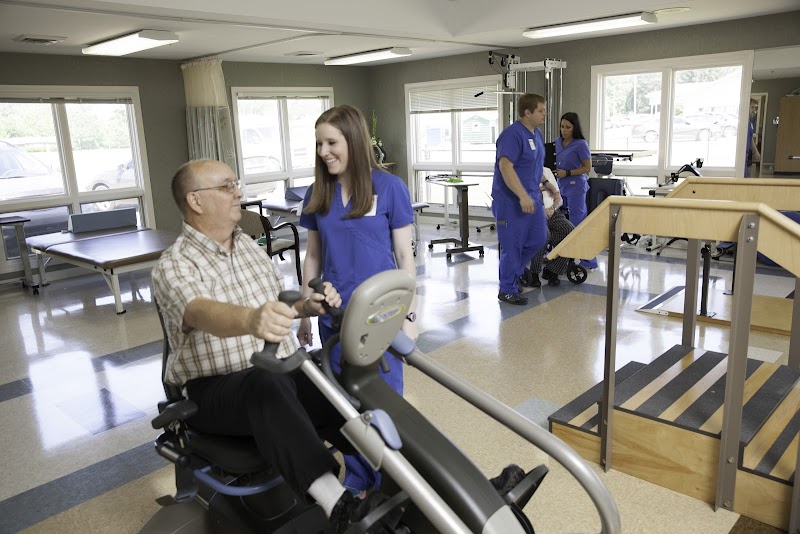
How is Silver Cross Health & Rehab Staffed?

CMS rates SILVER CROSS HEALTH & REHAB's staffing level at 3 out of 5 stars, which is average compared to other nursing homes. Staff turnover is 38%, compared to the Mississippi average of 46%. This relatively stable workforce can support continuity of care. RN turnover specifically is 71%, which is notably high. RNs provide skilled clinical oversight, so turnover in this role can affect medical care quality.

What Have Inspectors Found at Silver Cross Health & Rehab?

State health inspectors documented 12 deficiencies at SILVER CROSS HEALTH & REHAB during 2019 to 2024. These included: 12 with potential for harm.
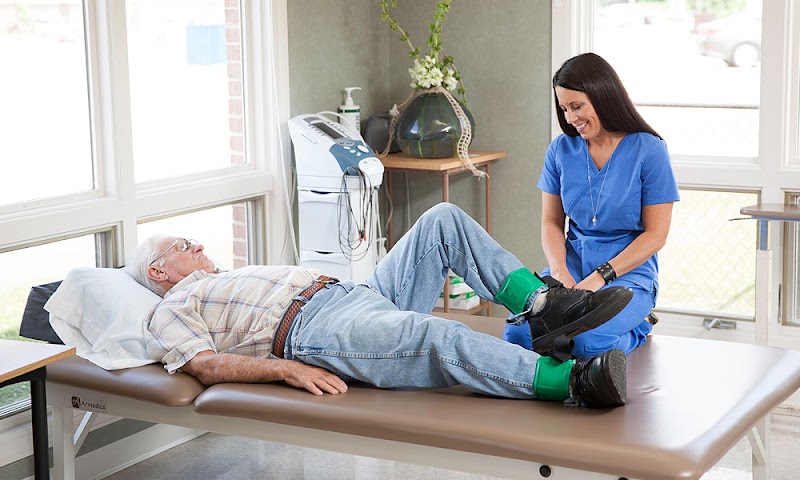
Who Owns and Operates Silver Cross Health & Rehab?

SILVER CROSS HEALTH & REHAB is owned by a for-profit company. For-profit facilities operate as businesses with obligations to shareholders or private owners. The facility is operated by ADVANCED HEALTH CARE MANAGEMENT, a chain that manages multiple nursing homes. With 60 certified beds and approximately 53 residents (about 88% occupancy), it is a smaller facility located in BROOKHAVEN, Mississippi.
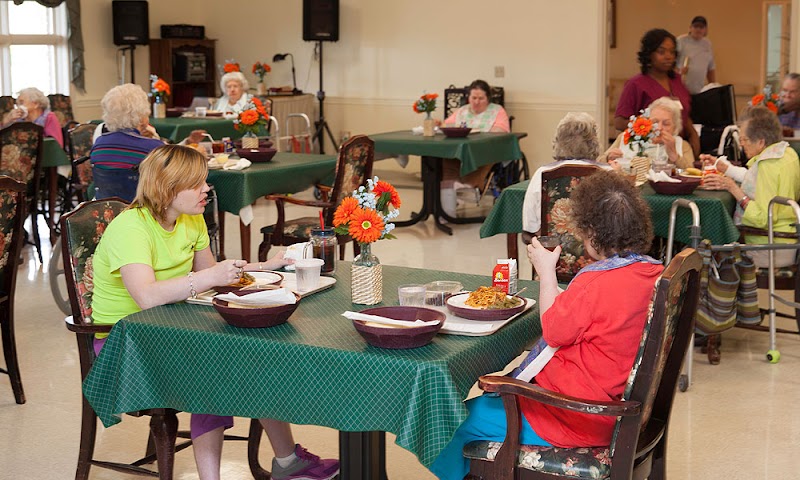
How Does Silver Cross Health & Rehab Compare to Other Mississippi Nursing Homes?

Compared to the 100 nursing homes in Mississippi, SILVER CROSS HEALTH & REHAB's overall rating (4 stars) is above the state average of 2.6, staff turnover (38%) is near the state average of 46%, and health inspection rating (4 stars) is above the national benchmark.

What Should Families Ask When Visiting Silver Cross Health & Rehab?

Based on this facility's data, families visiting should ask: "Can I visit during a mealtime to observe dining assistance and food quality?" "How do you handle medical emergencies, and what is your hospital transfer rate?" "Can I speak with family members of current residents about their experience?"

Is Silver Cross Health & Rehab Safe?

Based on CMS inspection data, SILVER CROSS HEALTH & REHAB has a clean safety record: no substantiated abuse findings (meaning no confirmed cases of resident harm), no Immediate Jeopardy citations (the most serious violation level indicating risk of serious injury or death), and is not on the Special Focus Facility watch list (a federal program monitoring the lowest-performing 1% of nursing homes). The facility has a 4-star overall rating and ranks #1 of 100 nursing homes in Mississippi. While no facility is perfect, families should still ask about staff-to-resident ratios and recent inspection results during their visit.

Do Nurses at Silver Cross Health & Rehab Stick Around?

SILVER CROSS HEALTH & REHAB has a staff turnover rate of 38%, which is about average for Mississippi nursing homes (state average: 46%). Moderate turnover is common in nursing homes, but families should still ask about staff tenure and how the facility maintains care continuity when employees leave.

Was Silver Cross Health & Rehab Ever Fined?

SILVER CROSS HEALTH & REHAB has no federal fines on record. CMS issues fines when nursing homes fail to meet care standards or don't correct problems found during inspections. The absence of fines suggests the facility has either maintained compliance or corrected any issues before penalties were assessed. This is a positive indicator, though families should still review recent inspection reports for the full picture.

Is Silver Cross Health & Rehab on Any Federal Watch List?

SILVER CROSS HEALTH & REHAB is not on any federal watch list. The most significant is the Special Focus Facility (SFF) program, which identifies the bottom 1% of nursing homes nationally based on persistent, serious quality problems. Not being on this list means the facility has avoided the pattern of deficiencies that triggers enhanced federal oversight. This is a positive indicator, though families should still review the facility's inspection history directly.