GREAT OAKS REHABILITATION AND HEALTHCARE CENTER

111 CHASE STREET, BYHALIA, MS 38611 (662) 838-3670
For profit - Corporation 60 Beds NEXION HEALTH Data: November 2025
Trust Grade
33/100
#162 of 200 in MS
Last Inspection: June 2025

Inspected within the last 6 months. Data reflects current conditions.

Overview

Great Oaks Rehabilitation and Healthcare Center has a Trust Grade of F, indicating significant concerns and poor overall quality. It ranks #162 out of 200 facilities in Mississippi, placing it in the bottom half, although it is the top choice out of only two in Marshall County. The facility is showing signs of improvement, with issues decreasing from 10 in 2024 to 7 in 2025. Staffing is a strength, rated 4 out of 5 stars, but the turnover rate is concerning at 60%, significantly above the state average. However, the facility has higher fines of $13,520 than 76% of its peers, suggesting ongoing compliance issues. Specific incidents raise red flags. One resident suffered a head laceration after staff removed bed rails without proper assessment, leading to an emergency room visit. Additionally, five residents experienced delays in receiving timely care due to insufficient staffing. Lastly, there were concerns about infection control, as staff failed to sanitize hands between different medical procedures, increasing the risk of infection. Overall, while there are some strengths, families should be cautious and weigh these issues seriously.

Trust Score
F
33/100
In Mississippi
#162/200
Bottom 19%
Safety Record
Moderate
Needs review
Inspections
Getting Better
10 → 7 violations
Staff Stability
⚠ Watch
60% turnover. Above average. Higher turnover means staff may not know residents' routines.
Penalties
○ Average
$13,520 in fines. Higher than 73% of Mississippi facilities. Some compliance issues.
Skilled Nurses
○ Average
Each resident gets 31 minutes of Registered Nurse (RN) attention daily — about average for Mississippi. RNs are the most trained staff who monitor for health changes.
Violations
⚠ Watch
20 deficiencies on record. Higher than average. Multiple issues found across inspections.
★☆☆☆☆
1.0
Overall Rating
★★★★☆
4.0
Staff Levels
★☆☆☆☆
1.0
Care Quality
★★☆☆☆
2.0
Inspection Score
Stable
2024: 10 issues
2025: 7 issues

The Good

  • 4-Star Staffing Rating · Above-average nurse staffing levels
  • Full Sprinkler Coverage · Fire safety systems throughout facility
  • No fines on record

Facility shows strength in staffing levels, fire safety.

The Bad

1-Star Overall Rating

Below Mississippi average (2.6)

Significant quality concerns identified by CMS

Staff Turnover: 60%

14pts above Mississippi avg (46%)

Frequent staff changes - ask about care continuity

Federal Fines: $13,520

Below median ($33,413)

Minor penalties assessed

Chain: NEXION HEALTH

Part of a multi-facility chain

Ask about local staffing decisions and management

Staff turnover is elevated (60%)

12 points above Mississippi average of 48%

The Ugly 20 deficiencies on record

1 actual harm
Jun 2025 6 deficiencies
CONCERN (D)

Potential for Harm - no one hurt, but risky conditions existed

Deficiency F0552 (Tag F0552)

Could have caused harm · This affected 1 resident

**NOTE- TERMS IN BRACKETS HAVE BEEN EDITED TO PROTECT CONFIDENTIALITY** Based on staff interview, record review, and facility policy review, the facility failed to notify a resident and/or a legal rep...

Read full inspector narrative →
**NOTE- TERMS IN BRACKETS HAVE BEEN EDITED TO PROTECT CONFIDENTIALITY** Based on staff interview, record review, and facility policy review, the facility failed to notify a resident and/or a legal representative of the risks and benefits of using a psychotropic medication for four (4) of 42 residents reviewed for psychotropic drug use. Resident #8, #13, #21, and #23 Findings Include: Review of the facility policy titled Psychotropic/Psychoactive Medication Policy with a revision date of 6/24/25 revealed under, Policy Implementation: . 5. All residents have full rights to participate or refuse treatment. Before initiating or increasing psychotropic medication the resident and or responsible party must be notified of and have the right to participate in their treatment, including the right to accept or decline the medication. The risk and benefits should be clearly explained . Resident #8 Record review of Resident #8's Order Summary Listing revealed the following orders: - Dated 3/06/25: Buspirone HCL (hydrochloride) oral tablet 5 MG (milligrams) give 1 (one) tablet by mouth three times a day for anxiety; Xanax oral tablet 0.5 MG (milligram) give 1 (one) tablet by mouth at bedtime for anxiety, hold for sedation. - Dated 5/08/25: Cymbalta oral capsule delayed-release 30 MG give 1 capsule by mouth in the morning for depression. Record review of Resident #8's Psychoactive Medication Informed Consent dated 6/20/24 revealed there was no documentation that the risks and benefits were discussed with the resident or their representative when the medication was initiated. Record review of the admission Record revealed Resident #8 was admitted on [DATE] with medical diagnoses including Major Depressive Disorder and Anxiety Disorder. Record review of the Annual Minimum Data Set (MDS) with Assessment Reference Date (ARD) 4/15/25 revealed under section C, a Brief Interview for Mental Status (BIMS) score of 12, indicating moderate cognitive impairment. Resident #13 Record review of the Order Summary Report for Resident #13 revealed the following orders: - Dated 1/06/25: Buspirone HCL oral tablet 15 MG give 1 tablet by mouth three times a day for anxiety; Quetiapine Fumarate oral tablet 25 MG give 3 (three) tablets by mouth three times a day for antipsychotic use. - Dated 6/12/25: Lorazepam oral tablet 0.5 MG give 1 tablet by mouth every 12 (twelve) hours as needed for anxiety and agitation for 14 days until 6/26/25. Review of Resident #13's Psychoactive Medication Informed Consent dated 7/24/24 revealed there was no documentation that the risks and benefits were discussed with the resident representative when the medication was initiated. Record review of the admission Record revealed Resident #13 was admitted on [DATE] with medical diagnoses including Unspecified Dementia, Major Depressive Disorder, and Anxiety Disorder. Record review of the MDS with an ARD of 4/14/25 revealed, under section C, Resident #13's cognitive skills for daily decision-making were severely impaired. Resident #23 Record review of the Order Listing Summary for Resident #23 revealed the following orders: - Dated 3/19/25: Diazepam oral tablet 5 MG give 1 tablet by mouth in the evening for anxiety. - Dated 4/29/25: Olanzapine oral tablet 5 MG give 0.5 (one-half) tablet by mouth at bedtime for psychosis. - Dated 5/15/25: Zoloft oral tablet 50 MG give 3 (three) tablets by mouth at bedtime for mood total 150 MG. Review of Resident #23's Psychoactive Medication Informed Consent dated 11/5/24 revealed there was no documentation that the risks and benefits were discussed with the resident representative when the medication was initiated. Review of the admission Record revealed Resident #23 was admitted on [DATE] with medical diagnoses including Dementia with Mood Disturbance, Unspecified Psychosis, and Major Depressive Disorder. Review of the MDS with an ARD of 5/07/25 revealed a BIMS score of 7, indicating severe cognitive impairment. An interview with Social Services (SS) #1 on 6/24/25 at 1:05 PM revealed she was responsible for calling families to obtain psychotropic consents. She confirmed she did not discuss the risks and benefits of the medications with the residents or families of Resident #8, #13, #21, and #23. SS #1 stated she did not have a pharmacological (pertaining to medication) background and acknowledged residents and families should be fully informed before consenting to treatment. An interview with the Director of Nursing (DON) on 6/24/25 at 1:24 PM confirmed she was aware that the risks and benefits of psychotropic medications were not being discussed with the families or the residents. She stated that social services was responsible for obtaining consents and acknowledged that this information must be provided for informed decision-making and consent. Resident #21 Record review of Resident #21's Order Summary Listing revealed an order dated 11/14/24, Lorazepam oral tablet 0.5 MG give 1 tablet by mouth two times a day for anxiety and agitation. Record review of Resident #21's Order Summary Listing revealed an order dated 2/18/25, Seroquel oral tablet 100 MG give 1 tablet by mouth three times a day for psychosis, delusions. Record review of Resident #21's Order Summary Listing revealed an order dated 6/5/25, Zoloft oral tablet 50 MG give 1 tablet by mouth in the morning for Major Depressive Disorder. Record review of Resident #21's Psychoactive Consent dated 6/20/24, revealed no documentation of the risks and benefits was provided to the resident or the resident representative (RR) when the medication was initiated. A record review of the admission Record indicated the facility admitted Resident #21 to the facility on 4/25/22 with medical diagnosis of Major Depressive Disorder. Record review of the MDS with an ARD of 6/3/2025 revealed under section C, a BIMS score of 15, which indicated the resident was cognitively intact.
CONCERN (D)

Potential for Harm - no one hurt, but risky conditions existed

Deficiency F0558 (Tag F0558)

Could have caused harm · This affected 1 resident

Based on observation, resident and staff interview, record review and facility policy review, the facility failed to ensure a residents call light was accessible for one (1) of 50 residents in the fac...

Read full inspector narrative →
Based on observation, resident and staff interview, record review and facility policy review, the facility failed to ensure a residents call light was accessible for one (1) of 50 residents in the facility. Resident #155 Findings Include: Review of the facility policy titled Resident Call System with a revision date of 3/28/23 revealed under, Policy Interpretation and Implementation: 1. Each resident is provided with a means to call staff directly for assistance from his/her bed, from toileting/bathing facilities and from the floor . An observation of Resident #155 on 6/23/25 at 9:26 AM revealed she was lying in bed with the call light on the floor under the bed. During an interview, Resident #155 voiced this happens often. She stated, The staff walk out and don't give me my call light, and I don't have any way to call them. She explained she prefers her room door left open so she can call out to staff if needed. An observation and interview with Certified Nurse Aide (CNA) #1 on 6/23/25 at 9:36 AM confirmed Resident #155's call light was on the floor. CNA #1 stated the call light should be near the resident so she can call for assistance when needed. An interview with the Director of Nursing (DON) on 6/24/25 at 9:10 AM confirmed staff were expected to ensure call lights were accessible to the residents to promote safety and meet their needs for assistance. Record review of the admission Record revealed the facility admitted Resident #155 on 5/24/25 with medical diagnoses that included History of Falling and Need for Assistance with Personal Care. Record review of the 5-day Minimum Data Set (MDS) with an Assessment Reference Date (ARD) of 5/31/25 revealed under section C, a Brief Interview for Mental Status (BIMS) score of 15, which indicated Resident #155 was cognitively intact.
CONCERN (D)

Potential for Harm - no one hurt, but risky conditions existed

Safe Environment (Tag F0584)

Could have caused harm · This affected 1 resident

Based on observation, staff interview, and record review the facility failed to provide a resident with a wheelchair in good repair for one (1) of 50 residents requiring a wheelchair in the facility. ...

Read full inspector narrative →
Based on observation, staff interview, and record review the facility failed to provide a resident with a wheelchair in good repair for one (1) of 50 residents requiring a wheelchair in the facility. Resident #49 Findings Include: The facility provided a statement on letterhead that read, (Proper name of facility) does not have a policy specifically regarding wheelchair good repair/condition. During an observation of Resident #49 on 6/23/25 at 10:38 AM, he was propelling himself in his wheelchair down the hallway and into his room. Both arm rest were in disrepair, torn and tattered with the white foam visible and a silver screw head exposed on both sides. An observation and interview with Registered Nurse (RN) #1 on 6/24/25 at 7:55 AM confirmed Resident #49's wheelchair arm rest were in poor condition and stated he could get injured or scraped. An interview with the Director of Nursing (DON) on 6/24/25 at 9:10 AM revealed the wheelchair for Resident #49 was provided by the facility when he was admitted . She confirmed his chair should be in good repair and stated the resident could get his arm injured. Record review of the admission Record revealed the facility admitted Resident #49 on 5/13/25 with a medical diagnosis that included Traumatic Hemorrhage of Left Cerebrum. Record review of the admission Minimum Data Set (MDS) with an Assessment Reference Date (ARD) of 5/20/25 revealed under section C, a Brief Interview for Mental Status (BIMS) score of 5, which indicated Resident #49 was severely cognitively impaired.
CONCERN (D)

Potential for Harm - no one hurt, but risky conditions existed

Assessment Accuracy (Tag F0641)

Could have caused harm · This affected 1 resident

Based on staff interview, record review, and facility policy review, the facility failed to accurately code a Minimum Data Set (MDS) for one (1) of 16 residents' MDS reviewed (Resident #52). Findings ...

Read full inspector narrative →
Based on staff interview, record review, and facility policy review, the facility failed to accurately code a Minimum Data Set (MDS) for one (1) of 16 residents' MDS reviewed (Resident #52). Findings include: Review of the facility policy titled, MDS Coding Policy, last reviewed 6/02/2025, revealed, Proper Name affiliated facilities utilize the most up to date Resident Assessment Instrument (RAI) manual for determination of coding each section of the Resident Assessment, timely, and accurately. Review of the Interdisciplinary Discharge Summary revealed Resident #52 was discharged to Proper Name Health and Rehab on 3/26/25. Review of the Admission/Discharge MDS for Resident #52 revealed Section A2105 - Discharge Status was coded 04 - Short-Term General Hospital. During an interview with the MDS nurse on 6/24/25 at 12:00 PM, she confirmed after review of the Admission/Discharge MDS that it was not accurately coded because Resident #52 was discharged to another rehabilitation facility and not to the hospital. She stated the purpose of accuracy of the MDS is to ensure there is an accurate depiction of the resident. Record review of the admission Record revealed Resident #52 was admitted by the facility on 3/20/25 with a diagnosis of Chronic Obstructive Pulmonary Disease.
CONCERN (D)

Potential for Harm - no one hurt, but risky conditions existed

Accident Prevention (Tag F0689)

Could have caused harm · This affected 1 resident

**NOTE- TERMS IN BRACKETS HAVE BEEN EDITED TO PROTECT CONFIDENTIALITY** Based on observation, staff interviews, and record review, the facility failed to ensure a safe environment by not preventing ha...

Read full inspector narrative →
**NOTE- TERMS IN BRACKETS HAVE BEEN EDITED TO PROTECT CONFIDENTIALITY** Based on observation, staff interviews, and record review, the facility failed to ensure a safe environment by not preventing hazardous substances from being stored in a resident's room, thereby creating the potential for accidental ingestion and harm. Specifically, the facility failed to prevent a resident's family from placing two homemade containers of ant bait (containing boric acid) in the resident ' s room, which remained accessible to Resident #15 and potentially to other cognitively impaired, wandering residents. This deficient practice affected one (1) of fifty (50) residents reviewed (Resident #15). Findings Include: Review of the typed statement on facility letterhead revealed the facility did not have a policy regarding storing hazardous materials in residents rooms and was signed by the Administrator. During an observation and interview in Resident #15's room on 6/23/25 at 12:00 PM with Licensed Practical Nurse (LPN) #1, she confirmed the presence of two (2) four-ounce, white, round, wide-mouth plastic jars, each with a matching white screw-on lid featuring a pencil-sized hole in the center of the lid. The words Ant Bait were written on the side of the jars in marker. Additionally, the ingredients were listed as follows: honey, water, and boric acid. The LPN stated that these items were apparently brought in by the family but should not have been left in the room, as they pose a danger to confused, wandering residents. She further expressed that if anyone were to ingest this mixture, a lot of bad things could happen. The LPN disposed of the containers. During an interview on 6/24/25 at 9:40 AM with the Director of Nursing (DON), she confirmed that such homemade insect repellant/bait should not be left in the rooms. She stated, We want them to feel that this is their home, but we have to stay within the guidelines and keep all other residents safe at the same time. She further verified that if another resident had ingested the contents, it could have been dangerous for them. A record review of the admission Record for Resident #15 revealed that she was admitted to the facility on [DATE] with medical diagnoses that included Unspecified Fracture of Right Femur, Subsequent Encounter for Closed Fracture with Routine Healing, Heart Failure, Unspecified, and Cerebral Aneurysm, Non-ruptured. Record review of the Minimum Data Set (MDS), with an Assessment Reference Date (ARD) of 5/21/2025, revealed Resident #15 did not have a Brief Interview for Mental Status (BIMS) because the resident is rarely/never understood. Staff Assessment for Mental Status revealed the resident had a problem with short-term and long-term memory.
CONCERN (D)

Potential for Harm - no one hurt, but risky conditions existed

Incontinence Care (Tag F0690)

Could have caused harm · This affected 1 resident

Based on observation, resident and staff interviews, record review, and facility policy review, the facility failed to ensure that an indwelling urinary catheter was clinically indicated and ordered b...

Read full inspector narrative →
Based on observation, resident and staff interviews, record review, and facility policy review, the facility failed to ensure that an indwelling urinary catheter was clinically indicated and ordered by the provider for one (1) of three (3) residents reviewed with catheters (Resident #105). Findings include: Review of the facility policy titled, Indwelling (Foley) Catheter Insertion, Male Resident, revised March 2024, revealed Preparation: 2.) Verify that there is a physician's order . An observation on 6/23/25 at 10:00 AM revealed Resident #105 had an indwelling urinary catheter. A continued interview with the resident revealed he stated that they put the catheter in him while in the hospital and never took it out, but confirmed he did not know why he had it. During an interview with Registered Nurse (RN) #1 on 6/24/25 at 9:00 AM, she revealed after review of the hospital After Visit Summary for Resident #105 that there was no mention of the resident having a catheter order. She stated that it is not uncommon for a resident to be admitted to the facility with a catheter and no orders. She stated the nurse that admitted the resident should have notified the provider to obtain orders to keep the catheter, discontinue it, or obtain a urology referral. She also stated that keeping the catheter in without an appropriate diagnosis places the resident at increased risk of infections. Record review of the After Visit Summary for Resident #105 dated 6/18/25 revealed no documentation of orders for an indwelling catheter. A phone interview with Licensed Practical Nurse (LPN) #2 on 6/24/25 at 9:15 AM confirmed she admitted Resident #105 on 6/19/25 and stated that the resident was admitted from the hospital with the catheter. She confirmed she did not notify the provider or the nurse practitioner to obtain any orders related to the need to keep the catheter. She stated that it was not their practice, and stated they just put the facility orders in for the catheter, and the nurse practitioner would make that decision when she sees the resident if the catheter is needed or not. Record review of the Order Summary Report of active orders for Resident #105 revealed no order for the justification of the need for the indwelling catheter. In a follow-up interview with RN #1 on 6/24/25 at 9:25 AM, she confirmed that Resident #105 had not yet been seen by the provider or the nurse practitioner. During an interview with the Director of Nursing (DON) on 6/24/25 at 9:34 AM, she confirmed that if a resident admits from the hospital with a catheter, the admitting nurse should notify the provider for orders to either leave the catheter in or discontinue it, and confirmed the nurse should not put in the batched facility standing catheter orders without the provider's approval for the need of the catheter. She stated concerns about leaving a catheter in without a proper reason is the increased risk of infection. Record review of the admission Record revealed Resident #105 was admitted by the facility on 6/19/25 with a diagnosis of benign prostatic hyperplasia without lower urinary tract symptoms. Record review of Resident #105's Minimum Data Set (MDS) with an Assessment Reference Date (ARD) of 6/19/25 revealed in Section C a Brief Interview for Mental Status (BIMS) score of 14, indicating the resident is cognitively intact.
May 2025 1 deficiency 1 Harm
SERIOUS (G) 📢 Someone Reported This

A family member, employee, or ombudsman was alarmed enough to file a formal complaint

Actual Harm - a resident was hurt due to facility failures

Accident Prevention (Tag F0689)

A resident was harmed · This affected 1 resident

Based on observations, resident, staff, and family interviews, record review, and facility policy review, the facility failed to maintain a safe environment and provide adequate supervision and equipm...

Read full inspector narrative →
Based on observations, resident, staff, and family interviews, record review, and facility policy review, the facility failed to maintain a safe environment and provide adequate supervision and equipment to prevent accidents for one (1) of four (4) sampled residents. Resident #1. Specifically, staff removed the resident's bed rails without a safety assessment and as a result, the resident rolled out of bed, during care and sustained a head laceration, suffered pain and required emergency room treatment, including x-rays and stitches. Findings Include: Review of the facility policy titled Fall Prevention Program with a review date of 6/10/24 revealed under, Policy: All residents will be assessed for the risk for falls at the time of admission, on a quarterly basis, and upon significant change thereafter. Based on the results of this assessment, specific interventions will be implemented to minimize falls, avoid repeat falls and minimize falls resulting in significant injury. Record review of the NSG (Nursing): Device Evaluation dated 11/26/24 revealed under, Fall History . Fell within last 30 days . Resident has a history of falls from the bed was indicated. Also revealed under, Side Rail Usage Determination . B. ½ (one-half) Partial Rail was indicated for right and left upper bed. Additionally, revealed under, H. Side rails at all times when in bed was indicated. Record review indicated an assessment was not completed when the side rails were removed to evaluate if the resident was safe without them. Record review of Resident #1's Progress Notes dated 4/10/25 revealed, This nurse was preparing for report when 7p (PM) -7a (am) supervisor informed me that someone on my hall was yelling help. Upon arriving in the room, the resident was noted to be on the floor flat on her back looking up at the ceiling. Resident's head was propped on top of the bar on the bottom of the bedside table. Blood stain noted to be on it. Blood is noted to be dripping in front of the forehead onto the floor. A puddle of blood is noted to be on the floor under the resident's head as well. Arms crossed over chest and the resident stated her right arm hurt . Skin assessment performed; laceration noted to right side of forehead, wound care performed. Cleaned with wound cleanser, abd (abdominal) pad placed .911 called, resident transported to Proper name of hospital ER (emergency room) @ (at) 7:25 PM. Record review of the emergency room Records dated 4/10/25 revealed Resident #1 had a Cat Scan (CT) of cervical spine with no acute findings. The CT of the head revealed findings of hematoma and subcutaneous emphysema in the frontal scalp near the midline. Record review of Resident #1's Progress Notes dated 4/10/25 revealed, Report received from (Proper name of hospital), stated that the resident will be returning to the facility. CT (cat scan) negative. Read soft tissue injury from laceration. New order for ABT (antibiotic) amoxicillin 875/125 mg (milligram), and 7 (seven) suture on forehead. Record review of Resident #1's Progress Notes dated 4/11/25 revealed, SW (Social Worker) and ADON (Assistant Director of Nursing) met with family to answer questions about side rails for the bed. It was explained that it was against state regulation to have the full side rails. Daughter is very upset and does not feel it is safe for her mother not to have bed rails. An observation of Resident #1 on 5/22/25 at 8:40 AM revealed she was lying in bed with the head of bed elevated. The resident had an air-loss mattress, assist bars on both sides of the bed and a fall mat located on the right and left side of the bed. The resident was awake and talkative. She was able to recall that she was reaching for the table when she rolled out of the bed. She stated, I had stitches up there indicating to her forehead which had a pink one-inch scar. An interview with Licensed Practical Nurse (LPN) #1 on 5/22/25 at 9:04 AM revealed the day Resident #1 fell, she was sitting at the desk, and it was almost shift change. She explained she heard hollering, so she went to check. She stated the resident was lying on her back on the floor on the right side of the bed with her head lying on the bottom base of the bedside table. She revealed the resident had blood all over the floor and the bedside table coming from a laceration to her forehead and further explained that her right arm was bruised. She revealed the aide was still in the room and explained that she had turned the resident onto her left side and reached back to get some supplies and the resident was already rolling off the mattress. She explained that the resident had stitches to the forehead laceration, but nothing was broken. She confirmed she was bruised up badly to her arm and face following the fall and that after the fall, they implemented fall mats on both sides of the bed and the family requested the assist bars. An interview with Certified Nurse Aide (CNA) #1 on 5/22/25 at 9:12 AM revealed she looked at the computer charting system to determine how many staff members were required to provide this resident's care. She revealed if a resident was down for a two person assist, they could not provide the care unless another person was present. She revealed Resident #1 was a two person assist with care, but wasn't sure if she was a two person assist when the fall occurred. A telephone interview with a family member of Resident #1 on 5/22/25 at 9:17 AM revealed she believed the aide turned Resident #1 over in bed and that she just kept rolling. The family member revealed Resident #1 had bed rails, but the facility had removed them due to a Mississippi Law without giving them a choice. The family member explained that she was told the facility could not use them, and the rail was a restraint. The family member stated, We didn't want them removed. She explained that Resident #1 was able to use them to hold onto when they turned her over. She stated we demanded they put something on after she fell. An interview with the Assistant Director of Nursing (ADON) on 5/22/25 at 9:34 AM revealed that all the bed rails were removed from the facility following a change in company policy which was a long time ago, but could not provide an exact day or month. She explained after the fall on 4/10/25, she met with the family who requested bed rails for safety and the assist bars were approved through the administrator and applied per the family request. Record review of the Order Summary Report for Resident #1 revealed an order dated 4/11/25, Routine monitoring of assist bar(s) and other PSD (patient safety devices)/enablers will be done via visual checks q (every) shift for entrapment risk, restraining effect and function, every shift for per family request. Record review revealed a side rail assessment was not conducted upon applying the assist bars on 4/11/25 per family request. A telephone interview with CNA #2 on 5/22/25 at 11:47 AM revealed the day of the fall she was in the room changing Resident #1 by herself. She explained that after she turned the resident onto her left side, she reached back to get a diaper and wipes, and the resident was reaching for the bedside table and rolled away for her. She explained that she tried to grab onto the resident's gown but could not stop her from falling. She stated that the resident fell onto the floor and looked up at her and stated, I'm sorry, I rolled away. She stated at that time the resident was one or two-person assistance with care. An interview with LPN #1 on 5/22/25 at 1:01 PM revealed Resident #1 did have one-half (1/2) side rails that she used for assistance with turning and revealed they were removed. She confirmed that the resident would utilize the 1/2 rail to hold onto when turning. She explained we were told they must be removed because of the state regulations that bed rails were restraints. She stated, That was what I was told. She confirmed she was not aware of any other safety interventions put into place after the bedrails were removed. Record review of Resident #1's Order Summary Report revealed an order dated 8/28/24, Pressure redistribution mattress to bed every shift. An interview with the Director of Nursing (DON) on 5/22/25 at 2:10 PM revealed Resident #1 did have the side rails, and they were later removed due to policy changes made by corporate to remove all the side rails. She explained that she did not know the exact date they were removed but revealed it had been a while. She confirmed a side rail assessment was not completed on Resident #1 when they were removed and confirmed it should have been completed to evaluate whether it was safe for the resident to be without them. She confirmed no other measures were put into place after bed rail removal to prevent injury. She acknowledged that she could see how an air mattress could shift and cause the resident to fall off the bed if someone or something was not there to provide the proper support. Review of the admission Record revealed the facility admitted Resident #1 on 3/01/23 with a medical diagnosis that included but was not limited to Chronic Obstructive Pulmonary Disease, Muscle Wasting and Atrophy, Repeated Falls, and Need for Assistance with Personal Care. Record review of the Quarterly Minimum Data Set (MDS) with an Assessment Reference Date (ARD) of 2/24/25 revealed under section C, a Brief Interview for Mental Status (BIMS) summary score of 10, which indicated Resident #1 was moderately cognitively impaired.
Oct 2024 2 deficiencies
CONCERN (D) 📢 Someone Reported This

A family member, employee, or ombudsman was alarmed enough to file a formal complaint

Potential for Harm - no one hurt, but risky conditions existed

Deficiency F0602 (Tag F0602)

Could have caused harm · This affected 1 resident

Based on staff and resident interview, record review and facility policy review the facility failed to protect a resident's right to be free from misappropriation of property for one (1) of five (5) s...

Read full inspector narrative →
Based on staff and resident interview, record review and facility policy review the facility failed to protect a resident's right to be free from misappropriation of property for one (1) of five (5) sampled residents. Resident #1. Findings include: Record review of the facility's, Abuse Prohibition Policy with revision date of 11/07/23 revealed, The facility will prohibit neglect, mental or physical abuse, including involuntary seclusion and the misappropriation of property or finances of residents. Record review of the facility policy, Resident Rights with a revision date of February 2021 revealed, Federal and state laws guarantee certain basic rights to all residents of this facility. These rights include the resident's right to .c. be free from abuse, neglect, misappropriation of property, and exploitation Record review of the facility Investigation of the allegation reported to Administrator by Resident #1 revealed that she had previously allowed Certified Nursing Assistant (CNA) #1 to order her some food on her food application (app) on her phone because she did not have a way to place the order. She gave CNA #1 her debit card number to use and then discovered on 08/04/24 that there was a pending charge of $9.99 on her bank account from the same food delivery service that the CNA had used prior. During the investigation, they found that when Resident #1's card was uploaded, it was set up for a monthly trial subscription and if canceled before the trial was over, it would not charge the monthly fee. It was also found that CNA #1 asked Resident #1 to buy her lunch on 07/07/24 and she would pay her back. As of 08/06/24, CNA #1 had not paid Resident #1 back. On 08/06/24, CNA #1 came into the facility and brought the money owed and it was given to Resident #1. Resident #1 was also reimbursed for the monthly subscription fee of $9.99. This incident was reported to State Agency, Attorney General's Office, the Local Police, the Medical Director, Ombudsman, and Resident #1's spouse. Staff were in-serviced on Abuse/Neglect, Resident Rights and Misappropriation. Life Satisfaction Rounds were completed with no other negative findings. CNA #1 was suspended pending investigation and then terminated. On 09/30/24 at 9:55 AM, an interview with Director of Nursing (DON) revealed that CNA #1 used Resident #1's debit card on 07/07/24 ordered some sushi and never paid the resident back. She revealed that Resident #1 reported to her that CNA #1 had told the resident that she had been on vacation and needed to borrow money for food. The DON revealed that Resident #1 allowed CNA #1 to order food with her debit card and CNA #1 agreed to pay her back on payday. The DON stated that Resident #1's husband noticed a pending charge on their bank account and called Resident #1 and discovered that it was a charge that she had not incurred. During the investigation, they found that CNA #1 had used Resident #1's debit card several times without her permission and ordered food and had it delivered. The DON confirmed that they called CNA #1 to come to in and she paid Resident #1 the $20.00 that she owed her, and they terminated CNA #1. She revealed that CNA #1 knew that she was not supposed to take anything from a resident and was not supposed to use a resident's debit card for any purchases. DON revealed that they provided training on abuse, neglect and misappropriation of resident property upon hire and routinely and had just had a training a couple months ago. On 09/30/24 at 11:45 AM, an interview with Staff Development Coordinator (SDC), revealed that she conducted an in-service on Abuse, Neglect, and Misappropriation of Property with all staff 07/17/24 through 07/18/24 and CNA #1 attended. She revealed that using someone's debit card was unacceptable and it was misappropriation of a resident's funds. The SDC revealed that CNA #1 used Resident #1's personal debit card to order food and some of the food was for herself. She also revealed that some of the staff had witnessed CNA #1 asking other staff members to buy her lunch. SDC revealed that CNA #1 was suspended immediately pending investigation and was terminated later. On 10/01/24 at 8:35 AM, an interview with CNA #3, revealed that she worked the night that CNA #1 used Resident #1's debit card. CNA #3 stated that she came into the facility and CNA #1 was eating sushi and told her that she had ordered it through a food delivery service. CNA #3 revealed that a couple weeks later, Resident #1 told a staff member that her husband questioned a charge on her bank statement, they investigated and found that CNA #1 had saved Resident #1's debit card information on her cell phone and used it to buy herself food. CNA #3 revealed that CNA #1 came in, paid the money back to Resident #1, and they terminated her. CNA #3 confirmed that this was a misappropriation of resident property and was a major issue. She revealed that they were not supposed to accept anything from a resident. On 10/01/24 at 9:38 AM, an interview with the Administrator (ADM) revealed that when hired, all staff members completed training on Abuse, Neglect and Misappropriation of Property. He revealed that the staff knew not to take anything from a resident, not even a piece of peppermint. He stated that CNA #1 knew better but did it anyway. He revealed that they reported it to the State Agency and to the Attorney General's Office, suspended her immediately pending investigation and then terminated her. On 10/01/24 at 10:45 AM, an interview with Licensed Practical Nurse (LPN) #1 revealed that CNA #1 initially ordered food for a resident and for herself using Resident #1's debit card. She revealed that Resident #1 told her that CNA #1 had asked on another occasion to order her some food again and that she would pay her back, but she never did. LPN #1 revealed that CNA #1 continued to use Resident #1's debit card and had it saved in her own phone. LPN #1 revealed that CNA #1 did not pay the resident back until they confronted her about it. LPN #1 revealed that CNA #1 asked frequently for people to buy her food and asked for donations for her daughter. She revealed that she had used Resident #1's card more than once. LPN #1 confirmed that they investigated this and CNA #1 was fired. On 10/01/24 at 12:34 PM, a phone interview with Resident #1 revealed that she had been in that facility three different times and really enjoyed it. She revealed that when she was in the facility this last time, CNA #1 took right up with her, and she thought she was her friend. Resident #1 revealed that one night she decided to order three or four pizzas for the night shift because they had been good to her and she wanted to show her appreciation. She stated, That's just how I am. Resident #1 revealed that CNA #1 offered to order through her phone application (app) and have it delivered for me. Resident #1 confirmed that CNA #1 took her debit card information and placed the order for her. CNA #1 told Resident #1 that her phone was messing up so she would just use her own cell phone to place the order. Resident #1 revealed that CNA #1 took her debit card and placed the order. Resident #1 stated that on another day, CNA #1 told her that she had just returned from vacation and didn't have any money and asked her if she could order her some food and she would pay her back when she got paid. Resident #1 revealed that on 07/07/24, CNA #1 ordered food using Resident #1's debit card, for both Resident #1 and herself, but CNA #1 did not pay her back. Resident #1 revealed that on 08/05/24, her husband called questioning her about a pending charge on her bank account and she reported to the Administrator that she had allowed CNA #1 to order food on her app because she did not have one. She revealed that they researched it and found that CNA #1 had used Resident #1's debit card and signed her up for a monthly subscription to have the food delivery service and that her debit card was linked to CNA #1's email address. Resident #1 stated, I did not give my card to her to do what she wanted with it. Resident #1 revealed that she thought CNA #1 was her friend and that she shouldn't take from people. Resident #1 also revealed that CNA #1 was real smart about it and she felt sorry for CNA #1 and she didn't press charges because she knew she had a little girl and didn't want her to suffer because of it. Resident #1 revealed that when the Administrator called CNA #1 in, she reimbursed her twenty dollars, and she revealed that the subscription fee of $9.99 was reimbursed as well. Resident #1 revealed that CNA #1 was fired, and she hoped that she never did anyone else like that. Resident #1 confirmed that the food receipt dated May 23, 2024, for the total amount of $31.59 was for the food that was ordered for she and CNA #1 and confirmed that CNA #1 had paid what she owed for her part on that charge. Resident #1 also confirmed the last four digits of her Visa debit card. During the interview, Resident #1 revealed that she had not approved the charges to her card on 06/02/2024 for $64.89 which was a food order placed by CNA #1. She revealed that she didn't eat sushi and that she had only agreed to let CNA #1 order using her card two times, the very first time when she ordered pizza and then again on 07/07/24 when CNA #1 asked her to buy her lunch. Resident #1 revealed that she had missed this somehow and she hadn't been reimbursed for this charge. When asked about the $3.00 and the $3.36 tip charges to her debit card on the food receipts from an order placed by CNA #1 dated June 02, 2024, Resident #1 revealed that she was not aware of those charges and had not been reimbursed for that amount. On 10/01/24 at 12:55 PM, a phone interview with CNA #1, revealed that on 06/2/24, Resident #1 asked her to order her food through her phone app and she used the resident's debit card to pay for it. CNA #1 revealed that another day, CNA #1 asked Resident #1 if she could order herself some food and stated, I said I'd pay her back. CNA #1 revealed that Resident #1's debit card was charged for a monthly subscription fee and she didn't know how that happened. CNA #1 revealed that Resident #1 left the facility before she could pay her back, and she felt bad about it. CNA #1 revealed that one day the Administrator called her into the facility, she went in and paid Resident #1 back. She revealed that she knew she was not supposed to use a resident's debit card to order her food, and she knew she shouldn't have asked the resident to buy her food even if she was going to pay her back. CNA #1 stated, I'm sorry that it happened and never intended it to happen like that. I felt bad that it happened. She revealed that if she had it to do over, she would refer Resident #1 to eat in the cafeteria and not order out. CNA #1 agreed that this was a misappropriation of resident funds and that this was a serious offense. She confirmed that she had been in-serviced on this and that she knew better. CNA #1 confirmed that she had training during orientation on resident abuse, neglect, and misappropriation of resident property and that she knew she was not supposed to take anything from a resident. She revealed that the first two times she used Resident #1's debit card, that the resident offered to buy my food, and I let her. CNA #1 revealed that she didn't know how those other charges for tips got charged to the resident's card and denied having Resident #1's debit card information saved to her phone. She stated, I don't know how that happened. On 10/04/24 at 8:23 AM, after exit from the building and further record review it was reported to Administrator by phone that during the investigation, it was found that other amounts including $64.89, $3.00, and $3.36 were charged to Resident #1's debit card on 06/02/24. Administrator revealed that he was not aware of these other charges, he would put in a request for the total amount of $71.25 and get it reimbursed to her. Record review of the food receipt dated 06/02/24 revealed that $64.89 charged to Resident #1's debit card and that CNA #1 placed the order for delivery. There was also a $3.00 charge and a $3.36 charge to Resident #1's debit card on 06/02/24 and was documented as tips. Record review of the food receipt dated 07/07/24 revealed that $3.00 was charged to Resident #1's debit card for the food ordered by CNA #1 and the food was delivered to the facility. Record review of CNA #1's Personnel Action Form revealed that she was suspended on 08/05/24 and that she was terminated on 08/08/24. Record review of CNA #1's Disciplinary Action Record dated 08/08/24 revealed that she was terminated for misappropriation of funds. Record review of CNA #1's Statement received on 08/06/24 over the phone by administrator revealed that on 06/02/24, Resident #1 asked CNA #1 to order her some food off of a phone app. She then ordered again through the phone app and Resident #1 ordered CNA #1 food as well on 07/07/24. CNA #1 had told Resident #1 she would pay her back. CNA #1 didn't know that Resident #1's card was set up for the monthly subscription fee. Resident #1's card has been taken off of CNA #1's account and the monthly subscription fee is being refunded. CNA revealed that she didn't know it was charging her because she thought her card was deleted. Record review of CNA #1's Time Card dated 05/23/24 through 07/07/24 revealed that she worked on 05/23/24, 06/02/24, and 07/07/24 and was clocked in at the facility at the time Resident #1's debit card was used to purchase food delivery. Record review of CNA #1's Time Card dated 07/25/24 through 08/07/24 revealed that she last worked the night shift on 08/04/24. She clocked in at 6:54 PM and clocked out at 7:09 AM on 08/05/24. Record review of Resident #1's admission Record revealed an original admission date of 05/06/24. Record review of Resident #1's Minimum Data Set (MDS) with Assessment Reference Date (ARD) of 07/10/24 under Section C revealed a Brief Interview for Mental Status (BIMS) score of 15 which indicated that she was cognitively intact.
CONCERN (E) 📢 Someone Reported This

A family member, employee, or ombudsman was alarmed enough to file a formal complaint

Potential for Harm - no one hurt, but risky conditions existed

Deficiency F0725 (Tag F0725)

Could have caused harm · This affected multiple residents

Based on resident and staff interviews, record review, and facility policy review the facility failed to provide sufficient staffing to ensure residents needs were met in a timely manner for five (5) ...

Read full inspector narrative →
Based on resident and staff interviews, record review, and facility policy review the facility failed to provide sufficient staffing to ensure residents needs were met in a timely manner for five (5) of seven (7) residents reviewed. Resident #3, Resident #4, Resident #5, Resident #6, and Resident #7. Findings Include: Record review of the facility policy, Staffing, Sufficient and Competent Nursing with reviewed date of 03/2023 revealed, Our facility provides sufficient numbers of nursing staff with the appropriate skills and competency necessary to provide nursing and related care and services for all residents in accordance with resident care plans and the facility assessment. Licensed nurses and certified nursing assistants are available 24 hours a day, seven (7) days a week to provide competent resident care services including: a. assuring resident safety, b. attaining or maintaining the highest practicable physical, mental, and psychosocial well being of each resident .d. responding to resident needs. On 09/30/24 at 9:50 AM, an interview with Director of Nursing (DON), revealed that staffing was rough, and they were worn out. She revealed I don't' have a life because of this job and observed a pair of rubber boots in her office and DON revealed that she and the Assistant Director of Nursing (ADON) had to cover some weekend Certified Nursing Assistant (CNA) shifts, they gave showers and did whatever needed to make sure the residents were taken care of. The DON confirmed that they had an On Call rotation and if staff called in or didn't show up, the on-call person had to get the shift covered. She revealed that if the on-call person couldn't find shift coverage, she was responsible and had to come in herself and cover it. DON revealed that she had her own job to do, and as many shifts as they have had to cover lately, she felt like she was drowning. She revealed that one on-call nurse couldn't cover all the shifts because there was usually more than one position needing coverage, especially at night. DON revealed that they had a lot of staff turnover, a lot of staff calling in and she had received a notice from a Registered Nurse (RN) Supervisor this morning who was quitting so that's one more position needing to be filled. She confirmed that they just couldn't keep anybody the way things were with staffing issues and stated, It's too much. DON revealed that they offer bonuses for staff to come in but that it had decreased from what it used to be so there were no incentives for staff to show up to work anymore. The DON revealed that the corporate office refused to allow them to use agency staff to help cover the shortage until a couple weeks ago. She confirmed that they could only use three agency CNAs per day on the weekends which included Friday, Saturday, and Sunday. DON confirmed that staffing was bad, and there were not enough people and the resident care suffered because of it. On 09/30/24 at 10:24 AM, an interview with Resident #3 revealed that they seemed to have enough staff during the day, but not so many at night. She revealed that some nights they only had two aides working and they had to take care of a whole hall by themselves. Resident #3 revealed that she had to get her daughter to cut her toenails the last time because she had asked the nurse to do it, and it never got done. She confirmed that the staff were good to her, they respected her and took care of her and stated, They are just shorthanded. On 09/30/24 at 10:40 AM, an observation and interview with Resident #7 revealed they were short-staffed a lot, especially at night. She revealed that one night a couple weeks ago, she pressed her call light to go to the bathroom and it took them an hour and a half to answer the light. The resident revealed that she required help to go to the bathroom and they waited so long about coming that she nearly wet herself. She revealed that it was hard to wait that long, because when she had to go to the bathroom, she needed to go right then, not wait forever. Resident #7 revealed that there were other times when she had to wait 30-45 minutes for her call light to be answered. She revealed that the staff were good to her, and guessed they were doing the best they could because they were so busy. On 09/30/24 at 11:00 AM, an interview with CNA #4 revealed that they were short-staffed, and did not have enough CNAs to handle the workload. She revealed that she was previously a shower aide but due to CNA shortage, they did away with that position and pulled her out on the floor. She revealed that now this was more work for everyone, it created more chaos and stated, It's a lot to take care of and we work twelve-hour shifts. CNA #4 revealed that staffing had been an on-going problem, and she worked extra when she could. CNA #4 revealed that the quality of care goes down with increased responsibilities and stated that they had to give showers, answer call lights, make incontinent rounds, help with snacks and hydration, and pass out meal trays at breakfast, lunch and dinner and help feed the residents for about 15-20 residents per shift and sometimes more if someone calls in. CNA #4 revealed that they needed to do something to make things better and stated, These residents should be our top priority. On 09/30/24 at 11:20 AM, an interview with Staff Development Coordinator, revealed that they had gotten away from using a shower team because of staffing changes. She confirmed that they became short on CNAs and had to pull the shower team and restorative aids out to work on the floor. She confirmed that the CNAs did their own showers, they divided the workload, and each CNA had to do three showers a shift. Staff Development Coordinator revealed that she kept an On-Call Calendar, and the Department Heads rotated being on call and that if a shift was short and needed coverage, the on-call nurse was responsible to get it covered or they would come in and cover it. She revealed that some of the nurses have had to come in and work as CNAs and they just pulled together to get the job done. Staff Development Coordinator revealed that they currently had seven open positions for CNAs that needed to be filled. She revealed that their primary focus and greatest need right now were CNAs. On 09/30/24 at 11:55 AM, an interview with Resident #4 revealed that he had been in the facility almost a year. He revealed that they were short of people, and it was worse at night. He revealed that sometimes they had two (2) aides at night for the whole building and sometimes they had four. He stated, Sometimes they'll get to you and sometimes they won't. On 09/30/24 at 12:00 PM, an interview with CNA #2, revealed that staffing was rough and worse on night shift. She revealed that they were overworked. She stated that they were okay with three (3) CNAs on night shift but sometimes they only had two CNAs and that was very hard to handle. CNA #2 revealed that they had two Licensed Practical Nurses (LPNs) at night on the medication carts and some of them would help answer call lights if they were short staffed, but some would not. She revealed that the residents were noticing and complaining more about not getting their call lights answered timely and not getting what they needed. CNA #2 revealed that working short staffed made it hard to get to the residents and answer their call lights in a timely manner. She revealed that she stayed over one day last week, and worked from 6 AM to 11 PM until the other shift came in and stated, It's rough. CNA #2 revealed that working 16-18 hours a day was not fair to them or the residents. She stated that they had been doing job fairs and hiring and they could get new staff into the facility, but once they find out the workload, they don't stay. She revealed that the DON and ADON were good to come out of their office and work the floor if needed and had even worked as CNAs on the weekends lately. She revealed that they offered $50 bonuses to come in and work extra but the bonuses had dropped from what they used to be. She stated that she received text messages nearly every day about shifts that needed coverage, and that the day shift was hard, they had three meals to pass out, give showers, make beds, pass out ice and hydration and answer call lights and provide incontinent care. On 09/30/24 at 2:53 PM, an interview with Resident #6, revealed that when they had enough staff, they gave decent care. She revealed that the people in the office who run this place, Do the best they can. She revealed that they were short of CNAs and that she had to wait over an hour for care not long ago. She confirmed that she was not able to get up by herself and she wore a diaper and that they were so short staffed one night, that she had to wear a diaper that was soaked with urine for over an hour before they could get to her to change her. She said, I told them they must be really busy. She revealed that they were short staffed yesterday, they don't have enough people to work. She confirmed that she has had to wait over an hour for her call light to be answered several times lately but maybe it would get better. Resident #6 revealed that the girls in the office had to come out on the floor and work lately and said it was ridiculous sometimes. She revealed that she pressed her call light yesterday and it took them an hour to answer and when the staff finally came in, she had forgotten what she needed. She stated, If it's something I need, I might as well get it myself. On 09/30/24 at 3:30 PM, an interview with CNA #5, revealed that she had worked at that facility since 2005, and they didn't have the staff and teamwork they used to. She revealed that they were all tired and frustrated and that the weekends were horrible and stated, Sometimes it's a nightmare around here. She revealed that a lot of days, they didn't have enough people to take care of the residents, and the nights were the worst. She revealed that this was unfortunate for the residents because they should come first. CNA #5 revealed that their sister facility didn't have the issues they were having, and she didn't understand why they couldn't get the staff they needed. She revealed that the department heads had to come in and help them often and still had to do their jobs as well. CNA #5 revealed that one night not long ago, they had only two CNAs come in on night shift, she took one hall, and the other CNA took the other hall. She revealed that it was four hours before they got another person to come in to help. She revealed that at that time, the census was in the 50s and it was very hard to take care of everyone. She revealed that sometimes they had more than one call light going off while making their rounds and they couldn't get to everyone at once, it was so overwhelming and stated, I'm burned out now. CNA #5 revealed that the department heads had an on-call rotation and were supposed to come in if they couldn't find coverage, some would come in and some would not. CNA #5 revealed that coming in early and leaving late was tiring but those residents needed to be taken care of. She stated, We help each other out the best we can. She revealed that they needed some help and just wanted enough staff to care for the residents and stated, They are the reason we have a job. She revealed that it made it so hard on them to not have sufficient staff, and stated, It's pure exhaustion. She confirmed that there was a time when she loved her job but now, she had to pray hard before coming in to work, and that's sad. She stated that the administrator should care enough to get them adequate staffing and stated that it all trickled down from management, if the Administrator didn't care for his staff, they couldn't care for the residents. On 09/30/24 at 4:06 PM, an interview with Resident #5, revealed that she had a stroke, she couldn't walk and was in the facility for therapy. She stated that they were short-handed and at night You might see an aide one time or might not see one at all. Resident #5 revealed she didn't know why they had call lights; it took thirty minutes to an hour to get it answered especially at night. She revealed that sometimes when she pressed her call light and they would come in, push the call light off and tell her they would be back because they were so busy. She stated, Sometimes it takes a while for them to come back. Resident #5 revealed that sometimes at night, the aide would change her around ten or eleven and then she may not see her again until four or five the next morning. She revealed that she didn't like to bother anybody but when she pressed her call light, she needed them to answer it. Resident #5 revealed that she could not get up without help and sometimes she had to lay in a soaked diaper until they could get to her and stated, If I could walk myself, I wouldn't bother anybody. On 10/01/24 at 8:20 AM, an interview with CNA #3, revealed that staffing was bad here and that they hadn't had agency staff in months and all of a sudden, they called an agency CNA in last night because State was in the building. CNA #3 stated, There ain't no night shift. She revealed that she worked back and forth between days and nights to help out, but it was rough. She revealed that they only had one full time CNA on each night shift rotation and that was it. She stated that they fluffed the schedule and had people on there that were notorious for last minute call ins or just not show up and there were no repercussions for this. She confirmed that she was full time and a lot of nights, there was only she and one other CNA working the whole building. She revealed that when they had two CNAs working, they divided the residents and that was usually twenty-five to thirty residents each to take care of. She revealed that they didn't get much help from the nurses either because they had their job to do and was busy passing medications. CNA #3 revealed that on the nights they only had 2 CNAs, they called the on-call nurse, sometimes they would get someone to come in four or five hours later and sometimes they wouldn't have anyone to come in. CNA #3 revealed that they called an agency CNA in last night and that one came in around 11:00 PM and that made a total of three CNAs in the facility. She stated, A lot of nights they only had 2 CNAs and said by the time she made her rounds, sat down for a minute, it was time to do it all over again. She revealed that it was hard to give three resident showers, make rounds, and answer call lights with only two CNAs on the floor. CNA #3 revealed that they were supposed to get five residents up before the end of their shift but if it was only two of them working, they just checked residents and changed them. She confirmed that many of the residents required more in-depth care and required lifts and two-person assistance with transfers and that was hard if there were only two CNAs in the building. She stated that the administrator didn't seem to care, that he's never been up there helping out in a shortage. CNA #3 revealed that they bring new staff through the door, but many don't want to work and they don't stay. She revealed that they didn't seem to be doing anything to keep the staff they had either, no incentives to work night shift or cover extra shifts and they just kept losing people. She revealed that she decided she was going to go back to day shift soon because it was just too much to handle. She revealed that she worked ten or eleven days straight often and swapped back and forth between day and night shifts because of the shortage and that they got group texts all the time needing shifts covered. On 10/01/24 at 9:40 AM, an interview with DON revealed that they had monthly Resident Council Meetings and if any concerns were brought up, the Activities Director brought the concerns to the appropriate Department Heads, and they had to sign off that the issues were addressed. She revealed that the Resident Council Meeting Minutes from August were brought to her attention yesterday on 09/30/24, and she had not been made aware that low staffing was brought up from the residents in the meeting. On 10/01/24 at 10:00 AM, an interview with DON revealed that they were short staffed last night and that there were two CNAs and one of them left at 11:00 PM. She revealed that they ended up calling an agency CNA in and that normally agency staff were only utilized on the weekend, but Administrator approved it since state surveyor was in the building for a complaint regarding staffing. She stated, We don't need a state fix, we need a resident fix. On 10/01/24 at 10:09 AM, an interview with Staff Development Coordinator, revealed that they did not have anything in place to retain the staff they had but had talked about the need. She revealed that they offered fifty-dollar bonuses for picking up extra shifts and twenty-five dollar bonuses to work extra hours on their scheduled days. She revealed that they used to give one-hundred-dollar bonuses to work extra shifts but they had gone down some and that they posted open shifts that needed to be covered, sent out group texts and she could add in or take off as shifts were spoken for. On 10/01/24 at 10:55 AM, an interview with LPN #1 revealed that staffing had been terrible and was worse when they decided not to use agency any more through the weekdays. She revealed that some nights there were only two CNAs working with fifty something residents. LPN #1 revealed that they had some really sick people and there was no way to monitor and take care of the residents the way they deserved with only two CNAs. On 10/01/24 at 11:40 AM, an interview with Resident #5 revealed that she didn't remember seeing anybody through the night last night and stated that a CNA came in and changed her before she left around eight last night and a CNA came in this morning and checked on her, but other than that she had not seen anyone. On 10/01/24 at 9:08 AM, an interview with the Activities Director, revealed that she was new to this position and that the August Resident Council Meeting was the first one she held without assistance. She revealed that during the meeting on 08/22/24, Resident #3 brought up that the nurses and CNAs did not answer call lights timely and that the aides checked on them one or two times a night and did not make their regular rounds. Activities Director revealed that she followed up with the residents a week later, and they told her that things were about the same. She revealed that some days were good with staffing and some days were not. She revealed that she filled out the Resident Council Minutes at each meeting and brought any issues to the department head specific to the identified concern and they would follow up and had to sign off on it. On 10/01/24 at 1:20 PM, an interview with Administrator revealed that he felt like they had adequate staffing and that they always staffed above the required state ratio and he wasn't aware of any resident concerns regarding staffing. He revealed that they had on-call staff on rotation and when they had call-ins or no-shows, they either found someone to cover the open shifts or they came in themselves and covered the shift. He revealed that when there was a need, administrative staff would go to the floor and do what needed to be done and that some of the nurses worked as CNAs when the need was there. Record review of Resident Council Minutes from the meeting held on 08/22/24, revealed concerns related to staffing. Documentation revealed Nursing Issues: Night shift doesn't check regularly only once or twice the whole night. The DON acknowledged and signed this on 09/30/24. Record review of the Staffing Grid completed and verified by Staff Development Coordinator, revealed that on 09/01/24, there were two CNAs working on the 11 PM - 7 AM shift and the census was fifty. Record review of a list provided by the facility revealed that ten residents required the use of a total lift x 2 staff members for transfers. There are fifteen residents that required the assistance of two staff members for transfers to wheelchair and two residents that require the use of a sit-to-stand lift x 2 staff members for transfers, for a total of 27 residents out of a census of 45 that require two person assist with all transfers. Record review of the Open Positions list revealed that the facility had seven (7) open CNA positions for the 7 AM - 7 PM shift, had six (6) open CNA positions for the 7 PM - 7 AM shift, and two (2) Registered Nurse (RN) Supervisor positions open for the 7 AM - 7 PM shift, a total of fifteen immediate open positions that were needed for the facility. Record review or Resident #3's admission Record revealed an admission date of 03/22/16 and that she had diagnoses that included Chronic Kidney Disease, Type 2 Diabetes Mellitus, and Need for Assistance with Personal Care. Record review of Resident #3's Quarterly Minimum Data Set (MDS) with Assessment Reference Date (ARD) of 08/30/24 under Section revealed a Brief Interview for Mental Status (BIMS) score of 15 which indicated that she was cognitively intact. Record review of Resident #4's admission Record revealed an admission date of 02/05/2024 and diagnoses that included Peripheral Vascular Disease and Need for Assistance with Personal Care. Record review of Resident #4's MDS with ARD of 08/08/24 under Section C, revealed a BIMS score of 15 which indicated that he was cognitively intact. Record review of Resident #5's admission Record revealed an admission date of 08/13/24 and that he had diagnoses that included Cerebral Infarction, Type 2 Diabetes Mellitus, and Need for Assistance with Personal Care. Record review of Resident #5's MDS with ARD of 08/20/24 under Section C revealed a BIMS score of 9 which indicated that he had mild cognitive deficits. Record review of Resident #6's admission Record revealed an admission date of 06/18/24 and that she had diagnoses that included Anemia, Adult Failure to Thrive, and Need for Assistance with Personal Care. Record review of Resident #6's MDS with ARD of 07/30/24 under Section C revealed a BIMS score of 12 which indicated that she had mild cognitive deficits. Record review of Resident #7's admission Record revealed an admission date of 07/23/24 and that she had diagnoses that included a Displaced Oblique Fracture of Shaft of Humerus of Right Arm, Muscle Weakness, and Need for Assistance with Personal Care. Record review of Resident #7's MDS with ARD of 07/30/24 under Section C revealed a BIMS score of 12 which indicated that she had mild cognitive deficits.
May 2024 1 deficiency
CONCERN (D) 📢 Someone Reported This

A family member, employee, or ombudsman was alarmed enough to file a formal complaint

Potential for Harm - no one hurt, but risky conditions existed

Notification of Changes (Tag F0580)

Could have caused harm · This affected 1 resident

**NOTE- TERMS IN BRACKETS HAVE BEEN EDITED TO PROTECT CONFIDENTIALITY** Based on staff and resident Resident Representative (RR) interview, record review and facility policy review the facility failed...

Read full inspector narrative →
**NOTE- TERMS IN BRACKETS HAVE BEEN EDITED TO PROTECT CONFIDENTIALITY** Based on staff and resident Resident Representative (RR) interview, record review and facility policy review the facility failed to notify the RR of a change in a medication for one (1) of three (3) residents reviewed. Resident #1. Findings Included: Review of the facility policy titled, Change of Condition and Physician/Family Notification with a review date of January 2023 revealed Purpose: To ensure that resident's family and/or legal representative and physician are notified of resident changes that fall under the following categories: .A need to significantly alter treatment Procedure . the licensed nurse will contact the resident's family and their physician. On 05/15/24 at 9:20 AM, an interview with Resident #1's RR revealed that Resident #1 was admitted to the facility on [DATE] for skilled therapy services. She revealed that he had Diabetes Insipidus and had been on Hydrocortisone and Desmopressin medications since 1980. The RR revealed the Family Nurse Practitioner (FNP) at the facility discontinued the Hydrocortisone because of a possible reaction between the two drugs and did not notify her of this change. She revealed that if the FNP had called her, she could have explained his medical condition and why it was important that he continued this medication. On 05/15/24 at 9:50 AM, an interview with the Director of Nursing (DON) revealed on 03/07/24, the Assistant Director of Nursing (ADON) received a phone call from the pharmacist that Hydrocortisone could cause a drug interaction with Desmopressin Acetate and recommended that one of the two drugs be discontinued. The ADON called the FNP, who gave the order to stop the hydrocortisone. The DON revealed that the RR called and talked to the FNP on 03/25/24 and the FNP went back and ordered it after the family explained that he had been on these medications for a long time. On 05/15/24 at 1:28 PM, a phone interview with the FNP, revealed Resident #1 was a new resident transferred to them from the hospital. She revealed that the pharmacist recommended that hydrocortisone and another drug not be administered together and asked if one could be stopped. The FNP revealed that anytime a medication was changed, they were supposed to notify the resident's family. On 05/15/24 at 1:45 PM, an interview with the ADON, revealed that their normal protocol was to send the hospital discharge orders on a new resident to the FNP to review for approval. The ADON revealed that on 03/07/24, a pharmacist called and said it was not safe to give the Hydrocortisone and the Desmopressin together due to severe drug to drug interactions and that a decision needed to be made. The ADON revealed that she called the FNP, and told her what the pharmacist had recommended, and the FNP ordered to stop the Hydrocortisone 10 milligrams (mg). The ADON revealed that they were supposed to contact the family with any changes including a medication change and that they failed to do that. The ADON revealed that she never tried to call the RR about this medication change because the FNP was rounding the next day and planned on talking to them. The ADON stated, I guess we messed up on that deal. She revealed that the resident was new to them, they weren't familiar with his history, and were thinking about the safety of the resident. The ADON revealed that from now on when there was a change, she would make sure and notify the resident family. On 05/15/24 at 3:10 PM, an interview with the Director of Nursing (DON) revealed that they were supposed to notify the resident's RR of any changes with the resident including a change in medication. She revealed the nurse or FNP should have notified Resident #1's RR of the medication change. Record review of Resident #1's Progress Notes dated 03/07/24 at 14:12 (2:12 PM) revealed, Note Text: Desmopressin Acetate Oral Tablet 0.2 MG (Desmopressin Acetate) Give 1 tablet by mouth one time a day for ENDOCRINE AND METABOLIC AGENT. Start Date: 3/7/2024. Notified FNP that (Proper Name of Pharmacy) called spoke with (Proper Name) r/t (related to) this resident is receiving the above medication and Hydrocortisone Tablet 10 MG and can cause a drug interaction, (Proper Name) asked if one of the mediations could be dc(ed) (discontinued), FNP (Proper Name) gave phone order to dc Hydrocortisone Tablet 10 MG. This progress note was signed by the ADON. Record review of Resident #1's Physician Orders revealed that Hydrocortisone 10 mg tablet was ordered by mouth two times a day on 03/06/24 and that this order was discontinued on 03/07/24. Record review of Resident #1's Medication Administration Record for March 2024 revealed that he received one dose of Hydrocortisone 10 mg on 03/06/24 at 5PM and he received one dose on 03/07/24 at 900 AM and that it was discontinued on 03/07/24 at 2:19 PM. Record review of Resident #1's admission Record revealed Resident #1 was admitted on [DATE] and had diagnoses that included Diabetes Insipidus and Weakness. Record review of Resident #1's Minimum Data Set (MDS) with an Assessment Reference Date (ARD) of 3/13/2024, Section C revealed a Brief Interview for Mental Status (BIMS) score of 09 which indicated that he had moderate cognitive deficits.
Jan 2024 7 deficiencies
CONCERN (D)

Potential for Harm - no one hurt, but risky conditions existed

Deficiency F0578 (Tag F0578)

Could have caused harm · This affected 1 resident

**NOTE- TERMS IN BRACKETS HAVE BEEN EDITED TO PROTECT CONFIDENTIALITY** Based on staff interview, record review and facility policy review, the facility failed to ensure the resident's right to formul...

Read full inspector narrative →
**NOTE- TERMS IN BRACKETS HAVE BEEN EDITED TO PROTECT CONFIDENTIALITY** Based on staff interview, record review and facility policy review, the facility failed to ensure the resident's right to formulate an Advance Directive (Resident #15 & 50) or identify if a resident had an Advance Directive (Resident #34) for three (3) of 18 residents reviewed for Advance Directives. Findings Include: Review of the facility policy titled, Advance Directives with a revision date of 8/2023 revealed, Policy Interpretation and Implementation .1. Upon admission, the resident will be provided with written information concerning the right to refuse or accept medical treatment and to formulate an advance directive if he or she chooses to do so . Record review of Resident #34's Advance Directive Policy that was electronically signed by the resident's representative revealed there was no indication if the resident had an Advance Directive. Record review of Resident's #15 and #50's Advance Directive Policy that was electronically signed by the resident for Resident #15 and Resident Representative for Resident #50 revealed that the residents did not have an Advance Directive and accepted assistance by the facility in obtaining one, but there was no documentation regarding the facilities assistance. An interview on 1/3/24 at 9:00 AM, with the Director of Business Development revealed she is responsible for going over the admission packs which include the Advance Directive Policy when the residents are admitted to the facility. She stated that on the Advance Directive Policy it indicated if they did not have an Advance Directive that the facility would offer assistance to obtain one. She stated that assistance would be things like calling the facilities legal department to help the resident develop an advance directive. When she reviewed the Advance Directive Policy for Resident #15, she confirmed that it was marked No Advance Directive and that the Resident/Resident representative Accepted was marked, indicating they accepted assistance in obtaining one. She stated that the facility does not help them develop one unless they come back and ask for that help. She stated she understood that to mean the facility would help them when they were ready, but they never came back and asked for any help. She stated there are currently no residents in the facility that has received assistance in obtaining an Advance Directive. An interview on 1/3/24 at 10:30 AM, with the Administrator confirmed that the facility had understood that if the resident or representative marked accepted under No Advance Directive then the facility would help them when they were ready, but I can see how that could be misread. He stated that the purpose of an Advance Directive is to plan for the care of a resident in case they are not able to voice that for themselves or become incapacitated. He admitted that they have not helped assist residents in obtaining an Advance Directive since they misunderstood what the marked acceptance for assistance meant. An interview on 1/4/24 at 10:30 AM with the Director of Nurses (DON) stated that a resident not having an Advance Directive or the facility not assisting the resident in obtaining an Advance Directive could lead to a delay in treatment or care for the resident if an emergency occurred and the resident was incapacitated. Record review of Resident #15's admission Record revealed that Resident #15 was admitted to the facility on [DATE] with medical diagnoses that included Acute Respiratory Failure with Hypoxia. Record review of Resident #15's Minimum Data Set (MDS) with an Assessment Reference Date (ARD) of 10/1/23 revealed in Section C a Brief Interview for Mental Status (BIMS) score of 15, which indicates the resident is cognitively intact. Record review of Resident #34's admission Record revealed was admitted on [DATE] with medical diagnoses that included Wedge Compression Fracture of Unspecified Lumbar Vertebra Subsequent Encounter for Fracture with Routine Healing. Record review of Resident #34's MDS with an ARD of 10/30/23 revealed in Section C a BIMS score of 15, which indicates the resident is cognitively intact. Record review of Resident #50's admission Record revealed Resident #50 was admitted on [DATE] with medical diagnoses that included Metabolic Encephalopathy. Record review of Resident #50's MDS with an ARD of 11/2/23 revealed in Section C a BIMS score of 09, which indicates the resident is moderately cognitively impaired.
CONCERN (D)

Potential for Harm - no one hurt, but risky conditions existed

MDS Data Transmission (Tag F0640)

Could have caused harm · This affected 1 resident

**NOTE- TERMS IN BRACKETS HAVE BEEN EDITED TO PROTECT CONFIDENTIALITY** Based on staff interview, record review and Resident Assessment Instrument (RAI) Manual review, the facility failed to submit Mi...

Read full inspector narrative →
**NOTE- TERMS IN BRACKETS HAVE BEEN EDITED TO PROTECT CONFIDENTIALITY** Based on staff interview, record review and Resident Assessment Instrument (RAI) Manual review, the facility failed to submit Minimum Data Set (MDS) assessments within 14 days of the MDS Completion Date for three (3) of 18 MDS resident assessments reviewed, Resident #12, Resident #14, and Resident #32. Findings Include: An interview on 1/4/24 at 11:00 AM, with the Director of Nurses (DON) revealed the facility uses the RAI Manual as the MDS Policy for the facility. Review of the RAI Manual dated October 2023 revealed under 5.2 Timeliness Criteria .facilities participating in the Medicare and Medicaid programs must meet the following conditions: .Transmitting Data: Providers must transmit all sections of the MDS 3.0 required for their State-specific instrument .Assessment Transmission: Comprehensive assessments must be transmitted electronically within 14 days of the Care Plan Completion Date (VO200C2 + 14 days). All other MDS assessments must be submitted within 14 days of the MDS Completion Date (Z0500B + 14 days) . Record review of the MDS Assessments CMS Submission Report revealed the following MDS were submitted more than 14 days after the MDS Completion Date: Resident #12's Quarterly assessment with a target date of 7/27/23 was submitted late on 8/23/23. Resident #14's Discharge assessment with a target date of 7/21/23 was submitted late on 1/3/24. Resident #32's Quarterly assessment with a target date of 10/6/23 was submitted late on 1/3/24. An interview on 1/3/24 at 3:50 PM with Registered Nurse/Minimum Data Set Nurse (RN/MDS Nurse) confirmed that Resident #12, ##14 and #32's MDS assessments were submitted late as revealed in the record review, but she does not know why. She stated we have had a lot of changes in MDS requirements and have lost the other MDS nurse a few weeks ago. She revealed that when she pulled Resident #32's validation report today, was when she realized that there had been an error on the residents MDS assessment, and she resubmitted it today. She stated that she usually pulls a validation report monthly but cannot find the reports that would have corresponded with these residents' late submission months. She revealed that she keeps a written calendar of any MDS assessment that is due and at the end of the month she reviews her calendar to make sure she has completed her task. She stated there is no other form of notification or reminder for her that she is aware of. She confirmed that the resident's deadline for submission of their MDS assessment is based on the last completed assessment, but she does not ever want to go past 92 days from the last assessment because it will be late, and she believes she has 15 days to submit a resident's discharge assessment. She revealed that the purpose of the MDS Quarterly assessment was to capture the needs of the residents for care plans and payment. An interview on 1/3/24 at 4:10 PM, with the Administrator confirmed that the purpose of the MDS assessments was to capture the care needs of the residents and confirmed on record review of the validation and submission reports for Resident's #12, #14 and #32 that their assessments were submitted late. He admitted that he realized that they had an issue with MDS and had recently lost an MDS nurse. He stated he thought there was an issue with being able to submit to MDS in both July and October of 2023, but then after record review realized that two of the late MDS assessment submissions were completed on 1/3/24 after the facility was made aware during the survey. Record review of Resident #12's admission Record revealed that Resident #12 was admitted to the facility on [DATE] with medical diagnoses that included Infection following a procedure, Superficial Incisional Surgical Site, Subsequent Encounter. Record review of the admission Record revealed Resident #14 was admitted to the facility on [DATE] with medical diagnoses that included Nontraumatic Intracerebral Hemorrhage in Hemisphere, Subcortical. Record review of the admission Record revealed Resident #32 was admitted on [DATE] with medical diagnoses that included Major Depressive Disorder, Recurrent, Unspecified.
CONCERN (D) 📢 Someone Reported This

A family member, employee, or ombudsman was alarmed enough to file a formal complaint

Potential for Harm - no one hurt, but risky conditions existed

Comprehensive Care Plan (Tag F0656)

Could have caused harm · This affected 1 resident

**NOTE- TERMS IN BRACKETS HAVE BEEN EDITED TO PROTECT CONFIDENTIALITY** Based on observations, staff interview, record review and facility policy review the facility failed to implement a care plan fo...

Read full inspector narrative →
**NOTE- TERMS IN BRACKETS HAVE BEEN EDITED TO PROTECT CONFIDENTIALITY** Based on observations, staff interview, record review and facility policy review the facility failed to implement a care plan for Activities of Daily Living (ADL) for one (1) of 18 residents care plans reviewed. Resident #6. Findings include: Review of the facility policy titled, Care Plan, Comprehensive Person-Centered with a reviewed date of 01/2023 revealed under Policy Interpretation and Implementation .1. The Interdisciplinary Team (IDT), in conjunction with the resident and his/her family or legal representative, develops and implements a comprehensive person-centered care plan for each resident. Record review of Resident #6's care plans revealed the resident had an ADL care plan had a deficit in self-performance related to her diagnosis of Metabolic Encephalopathy and required extensive assistance by 1 staff for toileting that was initiated on 11/22/23. On 01/02/24 at 1:59 PM, an interview and observation of Resident #6 revealed the resident was lying in bed with her eyes closed and a foul odor. An interview with the resident's son who was sitting at the bedside revealed he thought she had a bowel movement , so he called for someone to come change her, but it had been 10 minutes, and no one had come yet. On 1/2/24 at 3:40 PM, an interview and observation revealed Certified Nurse Assistant (CNA) #1 and CNA #2 were finishing incontinent care for Resident #6. CNA #1 stated that Resident #6's family came to her and told her about an hour and half ago that the resident needed changing because they thought she had a bowel movement, but she was busy, so she was just now getting to change her. On 1/3/24 at 1:10 PM, an interview with CNA #2 revealed that a care plan lets the staff know what care the resident needs. She stated the resident does need assistance with incontinent care and if she waited that long for assistance then her care plan for ADL's (Activities of Daily Living) was not implemented. On 1/3/24 at 1:18 PM, an interview with the Director of Nurse (DON) confirmed that the resident had a care plan for assistance with ADLS and if you are aware that the resident needs assistance prior to their two-hour check then it needs to be done, so in that way her care plan was not implemented. Record review of Residents #6's admission Record revealed the resident was admitted to the facility on [DATE] with medical diagnoses that included Metabolic Encephalopathy. Record review of Resident #6's Minimum Data Set (MDS) with an Assessment Reference Date (ARD) of 11/29/23 revealed in Section C a Brief Interview for Mental Status (BIMS) score of 11, which indicates the resident is moderately cognitively impaired and in Section GG that the resident needed substantial to maximal assistance with toileting hygiene.
CONCERN (D)

Potential for Harm - no one hurt, but risky conditions existed

Deficiency F0658 (Tag F0658)

Could have caused harm · This affected 1 resident

**NOTE- TERMS IN BRACKETS HAVE BEEN EDITED TO PROTECT CONFIDENTIALITY** Based on observation, staff interview, record review, and facility policy review the facility failed to administer a medication ...

Read full inspector narrative →
**NOTE- TERMS IN BRACKETS HAVE BEEN EDITED TO PROTECT CONFIDENTIALITY** Based on observation, staff interview, record review, and facility policy review the facility failed to administer a medication as the physician ordered for (1) one of 28 medication administration opportunities. Findings include: Review of the facility policy titled, Administering Medication, revised April 2019, revealed Policy heading: Medications are administered in a safe and timely manner, and as prescribed. Policy Interpretation and Implementation: 4.) Medications are administered in accordance with prescriber's orders . 10.) The individual administering the medication checks the label three times to verify the right resident, right medication, right dose, right time, and right method (route)of administration before giving the medication . An observation of Licensed Practical Nurse (LPN) #1 on 1/03/24 at 8:35 AM, revealed she prepared medication for Resident #15, locked her cart and entered room to administer the medications. All liquid and crushed medications were administered via percutaneous endoscopic gastrostomy (peg) tube. A reconciliation of medications given by LPN #1 on 1/03/23 at 8:35 AM, with the medication record for Resident #15 revealed Sacubitril-Valsartan oral tab 24-26 mg (milligram)-1 tablet by mouth twice daily by mouth. An interview with LPN #1 on 1/04/24 at 7:45 AM, she confirmed she gave all Resident #15's pill and liquid medications by peg tube and did not realize that the Sacubitril-Valsartan was ordered by mouth and revealed she should have held the medication and called the provider for a clarification order before administering the medication. She confirmed she should have caught the error when checking the 5 rights of medication. An interview with the Director of Nursing (DON) on 1/04/24 at 8:00 AM, she revealed after review of the physician's orders for Resident #15 the order for the Sacubitril-Valsartan should have been clarified by the provider because the resident is NPO (nothing by mouth). The DON also revealed that the nurse should have caught the incorrect route of the medication when checking the 5 rights of medication and not administered the medication until clarified. Record review of the admission Record revealed that the facility admitted Resident #15 to the facility on [DATE] with diagnoses that included Chronic Obstructive Pulmonary disease.
CONCERN (D) 📢 Someone Reported This

A family member, employee, or ombudsman was alarmed enough to file a formal complaint

Potential for Harm - no one hurt, but risky conditions existed

ADL Care (Tag F0677)

Could have caused harm · This affected 1 resident

**NOTE- TERMS IN BRACKETS HAVE BEEN EDITED TO PROTECT CONFIDENTIALITY** Based on observation, staff and family interview and facility policy review the facility failed to provide timely incontinent ca...

Read full inspector narrative →
**NOTE- TERMS IN BRACKETS HAVE BEEN EDITED TO PROTECT CONFIDENTIALITY** Based on observation, staff and family interview and facility policy review the facility failed to provide timely incontinent care for a resident who had a bowel movement as evidenced by the resident waiting an hour and a half for incontinent care for one (1) of 18 Residents sampled. Resident #6 Findings include: Review of the facility policy titled, Activities of Daily Living (ADL), Supporting with a revision date of March 2018 revealed Policy Statement .Residents who are unable to carry out activities of daily living independently will receive the services necessary to maintain good nutrition, grooming, and personal and oral hygiene . Review of the facility policy titled Perineal Care with a revision date of 7/21/18 revealed Purpose .The purposes of this procedure are to provide cleanliness and comfort to the resident, to prevent infections and skin irritation, and to observe the resident's skin condition. An interview and observation of Resident #6 on 1/02/24 at 1:59 PM, revealed Resident #6 was lying in bed with eyes closed and a foul odor in the room. This observation revealed that the resident's son and daughter in law were sitting at the bedside and on interview stated they had called for someone to come change her, but it had been 10 minutes, and no one had come yet. The resident's son revealed they thought she had a bowel movement. An interview and observation on 1/2/24 at 3:40 PM, revealed Certified Nurse Assistant (CNA) #1 and CNA #2 were finishing up incontinent care for Resident #6. CNA #1 confirmed that Resident #6's family came to her and told her about an hour and half ago that the resident needed changing because they thought she had a bowel movement, but she was busy with other residents, so she was just now getting to change Resident #6. CNA #1 stated there is another CNA on the hall but he was busy and she did not notify the nurse she needed help. CNA #2 revealed she came into work at 2 PM to help with Activities but she came and helped change Resident #6. An interview on 1/3/24 at 1:10 PM, with CNA #2 revealed that she had come in at 2:00PM yesterday 1/2/24 and about 3:20 PM she noticed that Resident #6's call light was on so she went to answer it. She stated that when she did the family told her that the resident had a bowel movement. She stated the resident could have had skin breakdown from laying in the bowel movement for an hour and a half. An interview on 1/3/24 at 1:18 PM with the Director of Nurses (DON) confirmed that CNA #1 had come to tell her about the incident with Resident #6 waiting so long to be changed yesterday. She stated that the CNA should have had better time management and notified her nurse that she needed help if she was not able to get to the resident in time. She stated that every resident has to be checked every 2 hours but if you are aware that the resident needs assistance prior to that two-hour check then it needs to be done. She confirmed that a resident lying in a bowel movement for too long could lead to skin breakdown for the resident. Record review of Resident #6's admission Record revealed the resident was admitted to the facility on [DATE] with medical diagnoses that included Metabolic Encephalopathy. Record review of Resident #6's Minimum Data Set (MDS) with an Assessment Reference Date (ARD) of 11/29/23 revealed in Section C a Brief Interview for Mental Status (BIMS) score of 11, which indicates the resident is moderately cognitively impaired and in Section GG that the resident needed substantial to maximal assistance with toileting hygiene.
CONCERN (D)

Potential for Harm - no one hurt, but risky conditions existed

Deficiency F0761 (Tag F0761)

Could have caused harm · This affected 1 resident

**NOTE- TERMS IN BRACKETS HAVE BEEN EDITED TO PROTECT CONFIDENTIALITY** Based on observation, staff interview, record review, and policy review the facility failed to ensure medications were secured w...

Read full inspector narrative →
**NOTE- TERMS IN BRACKETS HAVE BEEN EDITED TO PROTECT CONFIDENTIALITY** Based on observation, staff interview, record review, and policy review the facility failed to ensure medications were secured when a medication cart was left unlocked and unattended with medications left on top of the cart for (1) one of (5) five medication administration observations. Findings include: Review of the facility policy titled, Storage of Medications, revised April 2019, revealed, Policy Statement: The facility stores all drugs and biologicals in a safe, secure, and orderly manner. Policy Interpretation and Implementation: 9.) Unlocked carts are not left unattended . An observation of Registered Nurse (RN) #1 during medication administration on 1/03/2024 at 8:00 AM, revealed RN #1 left the medication cart to go get supplies. She stated I will be right back and walked towards the nurse's station leaving the medication cart unlocked and a cup with an inhaler in it on the top of the cart. An interview with RN #1 on 1/03/24 at 8:04 AM she confirmed she left her medication cart unlocked and left the Albuterol inhaler for Resident #13 on the top of the cart unattended. A continued medication administration observation revealed RN #1 prepared medications for Resident #13 locked her cart and entered the resident's room and administered the medications with observation of Tiotropium inhaler box with inhalation powder capsules left on top of the medication cart in the hallway unattended. After completion of medication administration RN #1 left the room and confirmed she left the box of Tiotropium inhaler inhalation powder capsules with 16 capsules on the top of the medication cart unattended. She confirmed the medication should have been placed back in the cart before entering the room. RN #1 then confirmed that leaving the medication cart unsecure and medications on top of the cart unattended could have resulted in adverse reaction to a resident if taken. An interview with the Director of Nursing (DON) on 1/03/24 at 1:00 PM, confirmed medications should never be left on top of the medication cart and the cart should always be locked when left unattended and revealed that someone could have taken the medications off the cart and placed others at risk for harm or adverse reactions. Record review of the admission Record revealed that the facility admitted Resident #13 to the facility on [DATE] with diagnoses that included Chronic Obstructive Pulmonary Disease and Emphysema.
CONCERN (E)

Potential for Harm - no one hurt, but risky conditions existed

Infection Control (Tag F0880)

Could have caused harm · This affected multiple residents

**NOTE- TERMS IN BRACKETS HAVE BEEN EDITED TO PROTECT CONFIDENTIALITY** Based on observation, staff interview, record review, and facility policy review the facility failed to prevent the potential sp...

Read full inspector narrative →
**NOTE- TERMS IN BRACKETS HAVE BEEN EDITED TO PROTECT CONFIDENTIALITY** Based on observation, staff interview, record review, and facility policy review the facility failed to prevent the potential spread of infection when staff failed to sanitize hands between a respiratory treatment and peg (percutaneous endoscopic gastrostomy) tube medication administration and failed to clean and properly store a respiratory mask and peg tube syringe for (1) one of (8) resident care observations. Resident #15 Findings include: Review of the facility policy titled, Administering Medication, revised April 2019, revealed Policy heading: Medications are administered in a safe and timely manner, and as prescribed . Policy Interpretation and Implementation: 25.) Staff follows established facility infection control procedures (e.g. (for example) handwashing, antiseptic technique, and gloves) for the administration of medications, as applicable . Review of the facility policy titled, Infection Prevention and Control Program, reviewed January 2023, revealed Policy Statement: An infection prevention and control program is established and maintained to provide a safe, sanitary, and comfortable environment and help to prevent the development and transmission of communicable disease and infections . A medication administration observation of Licensed Practical Nurse (LPN) #1 on 1/03/24 at 8:35 AM revealed she prepared medication for Resident #15, locked her cart and entered room to administer the medications. LPN #1 sanitized and donned gloves started the Brovana Nebulizer treatment via face mask and then began to administer peg tub medications. After giving half of the medications via the peg tube she stated, The nebulizer is completed and took the nebulizer mask off Resident #15 and placed it in the clean storage bag with no observation of doffing gloves, sanitizing hands prior to removing the nebulizer mask or sanitizing the mask before placing it in the clean bag. LPN #1 then began to finish the peg tube medications wearing the same gloves she applied upon entering the resident's room. Once the peg medications were finished LPN #1 placed the peg tube syringe in the clean storage bag with no observation of sanitizing the syringe. LPN #1 then took her gloves off sanitized hands at the door and left the room. During an interview with LPN #1 she confirmed she failed to remove her gloves and sanitize prior to taking the resident's nebulizer mask off and did not sanitize the mask prior to putting it in the bag and then revealed she knew she should have done that and knew that could cause possible cross contamination of bacteria and lead to increased risk of infections. LPN #1 then confirmed she failed to clean the peg tube syringe after use and revealed she should have sanitized her hands, cleaned the syringe, dried, and stored in the bag to reduce the risk of bacteria growth. An interview with the Director of Nursing (DON) on 1/03/24 at 1:00 PM, confirmed staff should have sanitized their hands between administering the peg tube medications and the nebulizer treatment and should always sanitize the nebulizer and peg tube syringe after each use. She stated that by failing to do so placed the resident at risk for cross contamination and increased risk of infection. An interview with Registered Nurse (RN) #1 on 1/04/24 at 10:40 AM revealed that breathing treatment masks and peg syringes should be cleansed and stored in a clean dry bag after each use and confirmed if a staff failed to do so the oncoming nurse would assume the items were clean and may use them. Record review of the admission Record revealed that the facility admitted Resident #15 to the facility on [DATE] with diagnoses that included Chronic Obstructive Pulmonary disease.
Nov 2022 3 deficiencies
CONCERN (D)

Potential for Harm - no one hurt, but risky conditions existed

MDS Data Transmission (Tag F0640)

Could have caused harm · This affected 1 resident

Based on record review and staff interview the facility failed to complete and transmit a Minimum Data Set (MDS) assessment for one (1) of fourteen residents reviewed. Resident #41. Findings include: ...

Read full inspector narrative →
Based on record review and staff interview the facility failed to complete and transmit a Minimum Data Set (MDS) assessment for one (1) of fourteen residents reviewed. Resident #41. Findings include: Review of a statement on letterhead and signed by the Administrator on 11/5/22 revealed, We currently use RAI manual for timely submission and completion of MDS's. A record review, of Minimum Data Set (MDS) Assessment completed for Resident # 41 revealed that the resident entered the facility on 5/27/22 for Medicare Part A services. A Discharge Return Not Anticipated/End of Part A Stay, with an ARD date of 7/23/22, was transmitted and accepted on 11/11/2022. A record review of Resident #41's Discharge Return Not Anticipated/End of Part A Stay assessment with an ARD date of 7/23/22, revealed Date RN Assessment Coordinator signed assessment as complete was dated 8/6/22 but had been signed in error and Section A, B, C, D were dated complete on 11/1/22, and Section E was dated complete on 11/2/22. Record review of the Validation Report revealed that Resident #41's Discharge Return Not Anticipated/End of Part A Stay assessment was batched, transmitted and accepted on 11/11/2022. During an interview with the MDS nurse on 11/15/2022 at 9:20 AM, she revealed that upon review of the report they noticed that there were late days and realized that Resident #41's discharge assessment was not completed. She stated that she was off work and the new MDS nurse completed and transmitted the assessment. The MDS Coordinator stated that Resident #41's Discharge Return Not Anticipated/End of Part A Stay was transmitted and accepted on 11/11/2022 which was late. During an interview with the Assistant Director of Nursing (ADON) on 11/15/22 at 2:30 PM, she revealed that the facility does not have a policy regarding the timeliness of encoding and submitting MDS assessments, and that they follow the Resident Assessment Instrument (RAI). During an interview, with the MDS Coordinator on 11/16/22 at 8:30 AM, she stated that the assessment was completed on 11/2/22 and the new MDS nurse incorrectly dated Date RN Assessment Coordinator signed assessment as complete with the date it should have been completed, which was 08/06/22, and not the date it was completed, which was 11/11/22. She stated that this was an unintentional error due to the nurse being new.
CONCERN (D)

Potential for Harm - no one hurt, but risky conditions existed

Respiratory Care (Tag F0695)

Could have caused harm · This affected 1 resident

**NOTE- TERMS IN BRACKETS HAVE BEEN EDITED TO PROTECT CONFIDENTIALITY** Based on observations, resident and staff interviews and record reviews the facility failed to prevent the likelihood of a combu...

Read full inspector narrative →
**NOTE- TERMS IN BRACKETS HAVE BEEN EDITED TO PROTECT CONFIDENTIALITY** Based on observations, resident and staff interviews and record reviews the facility failed to prevent the likelihood of a combustible event as evidenced by not posting Oxygen in Use signage at the entrance of resident's rooms for two (2) of eight (8) residents reviewed with oxygen in use. Unsampled Resident #17 and Resident #108 Findings include: Record review revealed the facility does not have a policy regarding the posting of Oxygen in Use signage. The facility administrator provided documentation on the facility letterhead dated 11/15/22 that revealed, (Facilities proper name) is a non-smoking facility. We do not have a current policy related to smoking signage and oxygen usage. An observation on 11/14/22 at 2:31 PM, revealed Resident #108 sitting in his wheelchair receiving Oxygen (O2) via nasal cannula at 2Liters/minute (L/M) and there was no O2 in Use sign on the resident's room door. An observation on 11/15/22 at 9:02 AM, revealed that Resident #108 was on continuous O2 via nasal cannula at 2L/M with no O2 in Use sign on the resident's room door. An observation and interview on 11/15/22 at 10:12 AM, revealed Resident #108 lying in bed receiving O2 via nasal cannula at 2L/M. An interview at this time with the resident revealed he wears the O2 continuously. An observation on 11/15/22 at 2:04 PM, revealed Resident #17 was receiving O2 via nasal cannula at 2L/M with no O2 in Use signage on the resident's room door. An observation and interview on 11/15/22 at 3:00 PM, with the Assistant Director of Nurses (ADON) confirmed Resident #108 was receiving O2 continuously and Resident #17 was receiving O2 as needed. She confirmed there was no O2 in Use sign on Resident #17 or Resident #108's room doors. An interview on 11/16/22 at 9:10 AM, with the Director of Nurses (DON) and the ADON confirmed that they do not put up O2 in Use signs. They both revealed that even petroleum products could cause O2 to combust so therefore the purpose of putting the O2 in Use signage up would be to prevent a combustible event from occurring. Record review of Resident #108's admission Record revealed he was admitted to the facility on [DATE] with medical diagnoses that included Acute Respiratory Failure with hypoxia. Record review of Resident #108's Physician's Orders revealed the following: Order dated 10/31/22-O2 at 2 liters per minute via nasal cannula continuously. May titrate to 3-4 LPM to keep O2 saturation (sats) >/=92% (percent),every shift for O2 sat >/=92%. Record review of Resident #108's Minimum Data Set (MDS) with an Assessment Reference Date (ARD) of 11/2/22 revealed a Brief Interview of Mental Status (BIMS) score of 15 which indicates the resident is cognitively intact. Record review of Resident #17's admission Record revealed an admission date of 8/12/22 with medical diagnoses that included Acute Pulmonary edema and Chronic Obstructive Pulmonary Disease. Record review of Resident #17's Physician's Orders revealed the following: Order dated 8/30/22-O2 at 2 Liters per minute via nasal cannula continuously. May titrate to 3-4 LPM to keep O2 sats >92% as needed for O2 sat >92%. Record review of Resident #17's MDS with an ARD of 11/14/22 revealed a BIMS score of 14 which indicates the resident is cognitively intact.
CONCERN (D)

Potential for Harm - no one hurt, but risky conditions existed

Infection Control (Tag F0880)

Could have caused harm · This affected 1 resident

**NOTE- TERMS IN BRACKETS HAVE BEEN EDITED TO PROTECT CONFIDENTIALITY** Based on observation, staff interview and facility policy review, the facility failed to prevent the likelihood of the spread of...

Read full inspector narrative →
**NOTE- TERMS IN BRACKETS HAVE BEEN EDITED TO PROTECT CONFIDENTIALITY** Based on observation, staff interview and facility policy review, the facility failed to prevent the likelihood of the spread of infection as evidenced by failure to disinfect a multi-use equipment device during a medication pass for one (1) of three (3) observations of a multi-use device. Findings include: Review of the facility policy titled, Cleaning and Disinfection of Resident-Care Items and Equipment with a revision date of 10/2022 revealed under the Policy Statement .Resident-care equipment, including reusable items and durable medical equipment will be cleaned and disinfected according to current CDC (Centers for Disease Control) recommendations for disinfection and the OSHA (Occupational Safety and Health Administration) Bloodborne Pathogens Standard. This review revealed under Policy Interpretation and Implementation .#1. C. (3) non-critical items require cleaning followed by either low-or intermediate-level disinfection following manufacturers' instructions . #5. Reusable items are cleaned and disinfected or sterilized between residents (e.g., stethoscopes, durable medical equipment) . An observation on 11/15/22 at 10:40 AM, revealed Licensed Practical Nurse (LPN) #1 took a blood pressure cuff out of the side drawer of the medicine cart, entered room [ROOM NUMBER]D ,then placed it on top of the resident's overbed table with no barrier. She placed it on the resident's wrist and obtained his blood pressure, then took it off of the resident's wrist and placed it back on top of the resident's overbed table. She then returned to the medicine cart with the blood pressure cuff and placed it back in the side drawer on top of another blood pressure cuff. This observation revealed LPN #1 did not clean the blood pressure cuff before entering the resident's room, no barrier was used, and the blood pressure cuff was not cleaned after it was used on the resident and it was placed back into the medication cart on top of other items before it was disinfected. An interview on 11/15/22 at 10:50 AM with LPN #1, confirmed she did not clean the blood pressure cuff before using it to obtain the resident's blood pressure in room [ROOM NUMBER]D, did not use a barrier before she put it on top of the resident's overbed table and placed it back in the medicine cart drawer without cleaning. She revealed the blood pressure cuff is a multi-use blood pressure cuff and stated that she should have cleaned the blood pressure cuff with the Micro-Kill wipes she has in the bottom drawer of her medicine cart before using it to take the resident's blood pressure and should have cleaned it before placing it back inside the drawer of the medicine cart. She confirmed that the uncleaned blood pressure cuff touched another blood pressure cuff inside the drawer which contaminated it also. She revealed the reason the multiuse equipment needs to be cleaned in between resident use is to decrease the spread of infection. An interview with the Director of Nurses (DON) and the Assistant Director of Nurses (ADON) on 11/16/22 at 9:15 AM, confirmed that multi use equipment needed to be cleaned between resident use to prevent the spread of infection. They both confirmed that not cleaning multi-use equipment between residents could lead to the spread of infection. Review of the facility in-services revealed the facility had an infection control in-service on 6/15/22 and 10/18/22 that included cleaning multi use equipment. This review revealed these in-services were attended by LPN #1.
Understanding Severity Codes (click to expand)
Life-Threatening (Immediate Jeopardy)
J - Isolated K - Pattern L - Widespread
Actual Harm
G - Isolated H - Pattern I - Widespread
Potential for Harm
D - Isolated E - Pattern F - Widespread
No Harm (Minor)
A - Isolated B - Pattern C - Widespread

Questions to Ask on Your Visit

  • "Why is there high staff turnover? How do you retain staff?"
  • "Can I speak with families of current residents?"
  • "What's your RN coverage like on weekends and overnight?"

Our Honest Assessment

Strengths
  • • Licensed and certified facility. Meets minimum state requirements.
Concerns
  • • 20 deficiencies on record, including 1 serious (caused harm) violation. Ask about corrective actions taken.
  • • $13,520 in fines. Above average for Mississippi. Some compliance problems on record.
  • • Grade F (33/100). Below average facility with significant concerns.
  • • 60% turnover. Above average. Higher turnover means staff may not know residents' routines.
Bottom line: Trust Score of 33/100 indicates significant concerns. Thoroughly evaluate alternatives.

About This Facility

What is Great Oaks Rehabilitation And Healthcare Center's CMS Rating?

CMS assigns GREAT OAKS REHABILITATION AND HEALTHCARE CENTER an overall rating of 1 out of 5 stars, which is considered much below average nationally. Within Mississippi, this rating places the facility higher than 0% of the state's 100 nursing homes. A rating at this level reflects concerns identified through health inspections, staffing assessments, or quality measures that families should carefully consider.
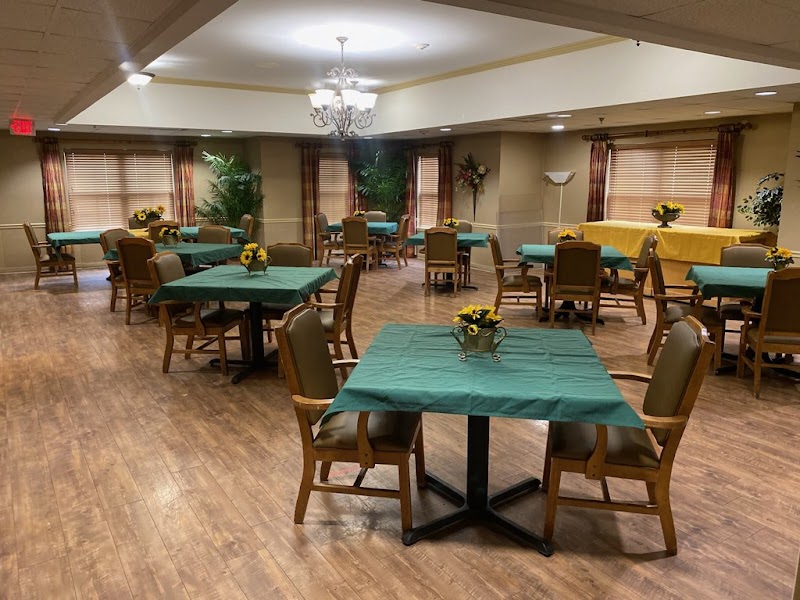
How is Great Oaks Rehabilitation And Healthcare Center Staffed?

CMS rates GREAT OAKS REHABILITATION AND HEALTHCARE CENTER's staffing level at 4 out of 5 stars, which is above average compared to other nursing homes. Staff turnover is 60%, which is 14 percentage points above the Mississippi average of 46%. High turnover can affect care consistency as new staff learn residents' individual needs.

What Have Inspectors Found at Great Oaks Rehabilitation And Healthcare Center?

State health inspectors documented 20 deficiencies at GREAT OAKS REHABILITATION AND HEALTHCARE CENTER during 2022 to 2025. These included: 1 that caused actual resident harm and 19 with potential for harm. Deficiencies causing actual harm indicate documented cases where residents experienced negative health consequences.
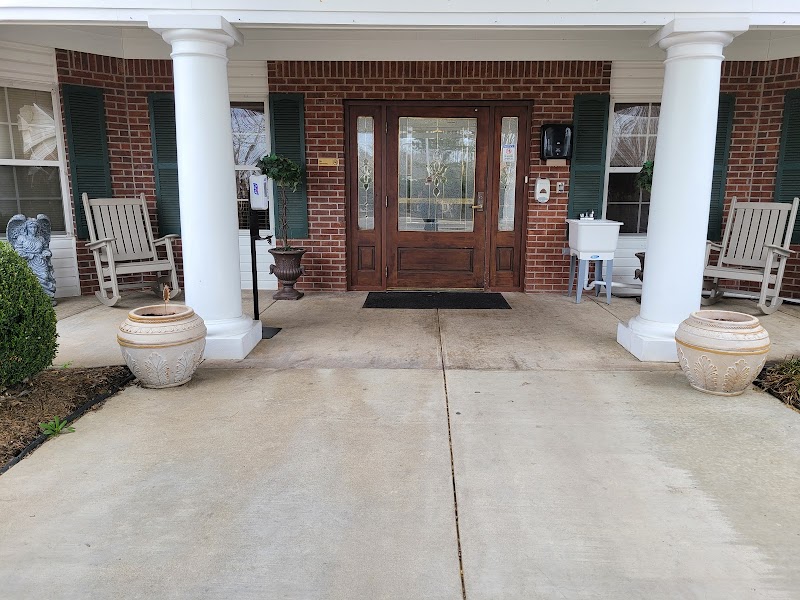
Who Owns and Operates Great Oaks Rehabilitation And Healthcare Center?

GREAT OAKS REHABILITATION AND HEALTHCARE CENTER is owned by a for-profit company. For-profit facilities operate as businesses with obligations to shareholders or private owners. The facility is operated by NEXION HEALTH, a chain that manages multiple nursing homes. With 60 certified beds and approximately 52 residents (about 87% occupancy), it is a smaller facility located in BYHALIA, Mississippi.

How Does Great Oaks Rehabilitation And Healthcare Center Compare to Other Mississippi Nursing Homes?

Compared to the 100 nursing homes in Mississippi, GREAT OAKS REHABILITATION AND HEALTHCARE CENTER's overall rating (1 stars) is below the state average of 2.6, staff turnover (60%) is significantly higher than the state average of 46%, and health inspection rating (2 stars) is below the national benchmark.

What Should Families Ask When Visiting Great Oaks Rehabilitation And Healthcare Center?

Based on this facility's data, families visiting should ask: "How do you ensure continuity of care given staff turnover, and what is your staff retention strategy?" "Can I visit during a mealtime to observe dining assistance and food quality?" "How do you handle medical emergencies, and what is your hospital transfer rate?" "Can I speak with family members of current residents about their experience?" These questions are particularly relevant given the facility's high staff turnover rate.

Is Great Oaks Rehabilitation And Healthcare Center Safe?

Based on CMS inspection data, GREAT OAKS REHABILITATION AND HEALTHCARE CENTER has a clean safety record: no substantiated abuse findings (meaning no confirmed cases of resident harm), no Immediate Jeopardy citations (the most serious violation level indicating risk of serious injury or death), and is not on the Special Focus Facility watch list (a federal program monitoring the lowest-performing 1% of nursing homes). The facility has a 1-star overall rating and ranks #100 of 100 nursing homes in Mississippi. While no facility is perfect, families should still ask about staff-to-resident ratios and recent inspection results during their visit.

Do Nurses at Great Oaks Rehabilitation And Healthcare Center Stick Around?

Staff turnover at GREAT OAKS REHABILITATION AND HEALTHCARE CENTER is high. At 60%, the facility is 14 percentage points above the Mississippi average of 46%. High turnover means new staff may not know residents' individual needs, medications, or preferences. It can also be disorienting for residents, especially those with dementia who rely on familiar faces. Families should ask: What is causing the turnover? What retention programs are in place? How do you ensure care continuity during staff transitions?

Was Great Oaks Rehabilitation And Healthcare Center Ever Fined?

GREAT OAKS REHABILITATION AND HEALTHCARE CENTER has been fined $13,520 across 1 penalty action. This is below the Mississippi average of $33,214. While any fine indicates a compliance issue, fines under $50,000 are relatively common and typically reflect isolated problems that were subsequently corrected. Families should ask what specific issues led to these fines and confirm they've been resolved.

Is Great Oaks Rehabilitation And Healthcare Center on Any Federal Watch List?

GREAT OAKS REHABILITATION AND HEALTHCARE CENTER is not on any federal watch list. The most significant is the Special Focus Facility (SFF) program, which identifies the bottom 1% of nursing homes nationally based on persistent, serious quality problems. Not being on this list means the facility has avoided the pattern of deficiencies that triggers enhanced federal oversight. This is a positive indicator, though families should still review the facility's inspection history directly.