WILKINSON COUNTY SENIOR CARE
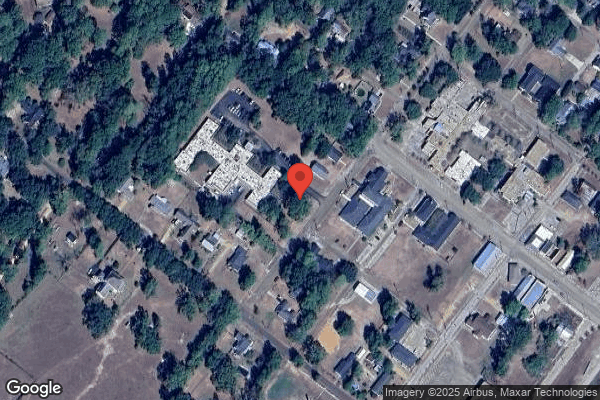

116 SOUTH LAFAYETTE STREET, CENTREVILLE, MS 39631 (601) 645-5253
For profit - Corporation 60 Beds TREND CONSULTANTS Data: November 2025
Trust Grade
55/100
#144 of 200 in MS
Last Inspection: March 2024

Within standard 12-15 month inspection cycle. Federal law requires annual inspections.

Overview

Wilkinson County Senior Care in Centreville, Mississippi, has a Trust Grade of C, which means it is average and sits in the middle of the pack among nursing homes. It ranks #144 out of 200 facilities in the state, placing it in the bottom half, but it is the only option in Wilkinson County. The facility is currently improving, having reduced issues from five in 2024 to one in 2025. Staffing is a strong point, with a 4 out of 5-star rating and a turnover rate of 35%, which is lower than the state average, meaning staff are more likely to stay and build relationships with residents. However, there are concerns about RN coverage, as it is lower than 97% of other facilities in Mississippi, potentially impacting the quality of care. Recent inspections revealed some issues, including unsafe food handling practices that could lead to foodborne illnesses, failure to implement a comprehensive care plan for a resident’s daily living activities, and inadequate monitoring of food temperatures before meals, which could jeopardize food safety. While there are strengths, such as good staffing and no fines, these specific incidents highlight the need for improvements in care procedures.

Trust Score
C
55/100
In Mississippi
#144/200
Bottom 28%
Safety Record
Low Risk
No red flags
Inspections
Getting Better
5 → 1 violations
Staff Stability
○ Average
35% turnover. Near Mississippi's 48% average. Typical for the industry.
Penalties
✓ Good
No fines on record. Clean compliance history, better than most Mississippi facilities.
Skilled Nurses
⚠ Watch
Each resident gets only 18 minutes of Registered Nurse (RN) attention daily — below average for Mississippi. Fewer RN minutes means fewer trained eyes watching for problems.
Violations
⚠ Watch
17 deficiencies on record. Higher than average. Multiple issues found across inspections.
★★☆☆☆
2.0
Overall Rating
★★★★☆
4.0
Staff Levels
★☆☆☆☆
1.0
Care Quality
★★★☆☆
3.0
Inspection Score
Stable
2024: 5 issues
2025: 1 issues

The Good

  • 4-Star Staffing Rating · Above-average nurse staffing levels
  • Full Sprinkler Coverage · Fire safety systems throughout facility
  • No fines on record
  • Staff turnover below average (35%)

    13 points below Mississippi average of 48%

Facility shows strength in staffing levels, fire safety.

The Bad

2-Star Overall Rating

Below Mississippi average (2.6)

Below average - review inspection findings carefully

Staff Turnover: 35%

11pts below Mississippi avg (46%)

Typical for the industry

Chain: TREND CONSULTANTS

Part of a multi-facility chain

Ask about local staffing decisions and management

The Ugly 17 deficiencies on record

Jun 2025 1 deficiency
CONCERN (D) 📢 Someone Reported This

A family member, employee, or ombudsman was alarmed enough to file a formal complaint

Potential for Harm - no one hurt, but risky conditions existed

Resident Rights (Tag F0550)

Could have caused harm · This affected 1 resident

Based on interview, record review, and policy review, the facility failed to ensure residents were treated with respect and dignity for three (3) of 27 residents on A Wing. (Resident #1, Resident #2, ...

Read full inspector narrative →
Based on interview, record review, and policy review, the facility failed to ensure residents were treated with respect and dignity for three (3) of 27 residents on A Wing. (Resident #1, Resident #2, and Resident #3). Findings Included: A review of the facility's resident document, undated, revealed .As a resident in a long-term care facility, you have many rights guaranteed by law . Your rights include: A dignified and comfortable living environment . Dignity and Respect You have the right to dignity and respect in the care you receive and the setting you live in. Resident #1 A record review of the admission Record revealed the facility admitted Resident #1 on 4/11/25 with diagnoses including Atrial Fibrillation. A record review of the admission Minimum Data Set (MDS) with an Assessment Reference Date (ARD) of 4/22/25 for Resident #1 revealed a Brief Interview for Mental Status (BIMS) score of 6, indicating severe cognitive impairment. A record review of the facility's investigation revealed that on 5/12/25, Resident #1 reported to the Social Services Director that a night shift had treated her in a rude and aggressive manner. The resident alleged that the CNA removed her call light and remote control, stating the CNA snatched them and threw one over yonder. The CNA identified in the allegation (CNA #1) was suspended and removed from the resident's care assignment during the investigation. A body audit was completed and revealed no signs of injury. Upon completion of the investigation, the facility documented that no evidence of abuse was found. Medical and nurse practitioner follow-up was recommended as needed. A record review of the facility Incident Report dated 5/12/25, revealed the Director of Nursing received a report from Social Services Director regarding unsatisfactory care being provided to Resident #1. The Resident Description revealed that the resident stated CNA took her call light and remote from her and made it unreachable. Resident #2 A record review of the admission Record revealed the facility admitted Resident #2 on 4/24/25 and he had current diagnoses including Chronic Obstructive Pulmonary Disease. A record review of the 5-Day MDS with an ARD of 4/30/25 revealed Resident #2 had a BIMS score of 15, indicating no cognitive impairment. A record review of the facility's investigation revealed that on 5/12/25, Resident #2 reported multiple incidents of rude and dismissive behavior by a CNA #1. The resident stated that on several occasions, the CNA responded to call lights with a stern tone, yelling phrases such as What do you want? and I can't get nothing done because you keep calling me. The resident described one instance in which he requested ice, and the CNA brought a nearly empty container, placed the remaining ice on the table, and left. In another instance, the resident reported difficulty bringing up phlegm, and the CNA allegedly responded that there was nothing they could do. The resident stated he believed the CNA had a bad personality. The CNA was removed from the resident's care assignment, and an in-service on resident abuse was attempted, but the CNA declined to sign. Resident #3 A record review of the admission Record revealed the facility admitted Resident #3 on 3/28/25 with diagnoses including Hemiplegia. A record review of the admission MDS with an ARD of 4/3/25 for Resident #3 revealed a BIMS score of 8, indicating severe cognitive impairment. A record review of the facility's investigation revealed that on 5/8/25, Resident #3 reported to the Social Services Director that CNA #2 mistreated her during care. The resident alleged the CNA entered the room abruptly, did not allow time to grab the bed rails, pulled on her roughly, and referred to her as an old woman. The CNA was immediately removed from the resident's care and suspended pending investigation. The employee received inservice training related to abuse and neglect. A record review of the Incident Report dated 5/8/25 revealed Resident #3 reported CNA #2 came into her room with an attitude and snatching and pulling on her in a rough manner. Resident also reports that CNA referred to her as an old woman. A record review of a written statement from LPN #3, dated May 7, 2023, revealed that upon entering Resident #3's room, CNA #3 was present and preparing to assist with care following a bowel movement. LPN #3 explained the purpose of the care to Resident #3, who reportedly said OK while grabbing her brief. CNA #3 held the resident's hand during care and said, Stop, don't do that, we are trying to change you. A record review of a statement signed by CNA #2 revealed that during care on 5/7/25, Resident #3 pulled back and forth and touched the CNA inappropriately, including grabbing the CNA's backside, breast, and pulling hair. The CNA reported asking the resident to stop multiple times, but the behavior continued. The statement noted that a nurse entered the room, assessed the situation, and spoke with the resident, who stated the CNA had spoken to her rudely. On 6/6/25 at 11:40 AM, during an interview with Resident #3, she stated she could not recall the exact date, but during the night shift, her CNA had been very rude and impatient. She stated the CNA held her hands so she could not stabilize or help reposition herself during incontinence care. She said the CNA spoke to her sternly and told her to stop it. Resident #3 explained she did not want to be spoken to like a child and told the CNA to leave her room and not return. On 6/6/25 at 11:52 AM, during an interview with Resident #3's family member, she stated she visited almost daily and was present on 5/8/25 when Resident #3 reported the night shift CNA was rude, had a nasty attitude, and was no longer welcome in her room. The family member described the treatment as disrespectful and said she immediately reported the complaint to the Social Services Director (SSD). On 6/6/25 at 12:10 PM, during an interview with Resident #1, she stated she had no memory of any incident or disrespectful treatment. On 6/6/25 at 12:50 PM, during an interview with the SSD, she was notified of an allegation by Resident #3 on 5/8/25 when Resident #3's sister came to her office. She said Resident #3 reported CNA #2 had been rude, pulled her across the bed, and would not let her hold the bedrail. The SSD said the resident told her to tell the CNA not to return. The SSD also recalled that on 5/8/25, CNA #3 and the Activity Director brought her to Resident #1's room where Resident #1 named CNA #1 and complained that she had entered the room, moved her call light, bed control, and television remote. The SSD said Resident #1 appeared visibly angry. The SSD further stated that on 5/12/25, she was exiting Resident #1's room when Resident #2's daughter told her to speak with Resident #2. She and the Activity Director entered his room, and Resident #2 stated that CNA #1 had been stern and unpleasant over the past two (2) weeks, including that morning. He reported coughing and pushing his call light prior to daylight, and CNA #1 responded by saying there was nothing she could do and left. He described CNA #1 as unpleasant and rude. On 6/6/25 at 2:59 PM, during an interview with the Activity Director, she stated that on 5/8/25 at approximately 8:30 AM, she checked on Resident #1, who reported CNA #1 was rude, moved her call light, and had a bad attitude. She described the resident as visibly angry. The Activity Director also stated she was present when Resident #2 reported on 5/12/25 that CNA #1 responded loudly and tersely when he used the call light around 5:45 AM, stating What? and There's nothing I can do. On 6/6/25 at 4:07 PM, during a telephone interview, CNA #1 denied all allegations and stated she had worked on A Hall during the night shift on 5/8/25. She said Resident #2 used the call light to request repositioning and that she told him she was in the middle of something and would return. She denied being assigned to or entering the room of Resident #1 on 5/11/25 or 5/12/25. On 6/6/25 at 5:23 PM, during an interview with the Director of Nursing (DON), she stated that multiple residents reported being treated disrespectfully by CNAs during the night shifts of 5/8/25 and 5/12/25. She confirmed concerns related to attitude, tone, and demeanor of CNA #1 and CNA #2 and that the three (3) residents identified these CNAs as speaking in a disrespectful manner. On 6/6/25 at 5:30 PM, during an interview with the Administrator, she confirmed CNA #2 received one-on-one inservice training on resident rights and abuse/neglect prevention on 5/12/25, and CNA #1 was terminated due to multiple complaints. She confirmed the investigation substantiated the residents' complaints regarding rude behavior.
Mar 2024 5 deficiencies
CONCERN (D)

Potential for Harm - no one hurt, but risky conditions existed

ADL Care (Tag F0677)

Could have caused harm · This affected 1 resident

Based on observation, staff and Resident Representative (RR) interviews, record review, and facility policy review, the facility failed to ensure a dependent resident received Activities of Daily Livi...

Read full inspector narrative →
Based on observation, staff and Resident Representative (RR) interviews, record review, and facility policy review, the facility failed to ensure a dependent resident received Activities of Daily Living (ADL) care, as evidenced by long thick toenails for one (1) of 16 sampled residents. (Resident #30) Findings include: Review of the facility's policy titles, ADL Care Policy, dated 8/23 revealed, POLICY It is the policy of this facility to provide appropriate treatment and services in relation to ADL care to residents to ensure all ADL needs are met on a daily basis, while attaining or maintaining the residence of highest, practicable, physical, mental, and social well-being . 2. The resident, to the extent possible, and /or the family/resident representative will be included in setting goals of care related to ADL's . On 3/25/24 at 10:46 AM, during an interview with the RR for Resident #30, she revealed she has concerned about the resident's toenails. She said the facility has failed to keep them cut. On 3/25/24 at 11:02 AM, in an observation and interview of Resident #30's toenails revealed his toenails were yellow, thick, and extended over the toes. When asked if he would like his toenails to be cut regularly, Resident #30 nodded yes. On 3/26/24 at 3:36 PM, an observation of Resident #30, revealed his toenails are still uncut and the appearance remains unchanged from the observation on 3/25/24 On 3/27/24 at 10:24 AM, in an interview and observation, regarding the toenails of Resident #30, Licensed Practical Nurse (LPN) #5 indicated from what she knows, it is the role of the Registered Nurse (RN) to cut the toenails of the residents. During the observation, LPN #5 confirmed that the resident's toenails are long and past due time for cutting. On 3/27/24 at 10:40 AM, in an interview with LPN #3 the Medical Records Nurse, she points out that both RNs and LPNs are responsible for cutting toenails, depending on the diagnoses of the resident. However, in the case of Resident #30, since he is not a diabetic, any nurse can cut his toenails. She stated that she usually notes on her spreadsheet if a resident refuses care when the Podiatrist comes. She points to the spreadsheet on her computer screen and indicated Resident # 30 has not refused nail care. She revealed the Podiatrist comes every three months but does not see every resident on each visit. She pointed out that the podiatrist last saw Resident #30 on 1/24/24 and she does not have any records of him ever refusing care. She added the podiatrist is scheduled to come Saturday (3-30-24), and Resident # 30 is on the list to be seen. On 3/27/24 at 11:03 AM, in an interview and observation of Resident # 30 toenails with the Director of Nurses (DON), she stated she cannot disagree that his toenails need to be cut but she does admit that staff has told her he refused to get his toenails cut. A record review of a printed nurse's note provided by the DON, dated 3/27/24, and signed by LPN #6 indicated Resident #30 refused nail care today. On 3/28/24 at 11:12 AM, in a second interview with the RR, she revealed she comes to see her brother every Tuesday and Saturday. She mentioned that on multiple of visits she had asked the staff to cut his toenails and they would respond by indicating it would be taken care of. However, each time she came, she noticed they were still not cut. She stated that when she had asked the staff if she could cut them. She stated she was told it is the facility's responsibility to cut his toenails, so she was not allowed to do so. The RR added that it had never been brought to her attention that her brother was refusing nail care. On 3/28/24 at 12:32 PM, in an interview with RN#1, she revealed there have been times that the facility would send residents out to the podiatrist for toenail care when the need was identified. She added that this is done when the podiatrist scheduled in-house visit is still a few weeks away. On 3/28/24 at 1:57 PM, in an interview with the DON, she described Resident #30's toenails as thick and 1/4 of an inch the past the end of his toe. She indicated it is the nurse's responsibility to cut residents toenails between podiatrist visits. She confirmed the facility does send residents out to the podiatrist if it is needed. She described this need as when staff is unable to cut the toenails. A record review of the admission Record for Resident #30 revealed the facility admitted the resident on 11/19/2019. His diagnoses included Hemiplegia and Hemiparesis following Cerebral Infarction and Thoracic, Thoracolumbar and Lumbosacral Interverbal Disc Disorder. A record review of the Quarterly Minimum Data Set (MDS), with Assessment Reference Date (ARD) of 3/5/24, revealed that Resident #30 had a Brief Interview for Mental Status (BIMS) score of 00, which indicated that the resident had severe cognitive impairment. Further review of the MDS revealed the resident id dependent for personal hygiene, A record review of the Order Summary Report, with active orders as of 3/28/24 revealed a physician order dated 4/5/23 . May have Podiatry .Consult PRN (as needed).
CONCERN (D)

Potential for Harm - no one hurt, but risky conditions existed

Deficiency F0700 (Tag F0700)

Could have caused harm · This affected 1 resident

**NOTE- TERMS IN BRACKETS HAVE BEEN EDITED TO PROTECT CONFIDENTIALITY** Based on interviews, record review, and facility policy review, the facility failed to inform a resident or Resident Representat...

Read full inspector narrative →
**NOTE- TERMS IN BRACKETS HAVE BEEN EDITED TO PROTECT CONFIDENTIALITY** Based on interviews, record review, and facility policy review, the facility failed to inform a resident or Resident Representative (RR) of the risks and benefits of the use of bed rails prior to bed rail installation for one (1) of 16 sampled residents. (Resident #14) Findings include: Review of the facility policy titled, Physical Restraints, dated 2/20/2012, revealed, .Restraints shall only be used for the safety and well-being of the residents .1. Restraints will only be used with . the informed consent from the resident, physician and/or responsible party . 5. Practices that are not permitted include: a. Using bedrails to keep a resident from voluntarily getting out of bed as opposed to enhancing mobility while in bed On 3/25/24 at 10:30 AM, an observation revealed ¼ bedrails on the bed of Resident #14. The resident was not in bed and the bedrails were down. On 03/27/24 at 10:30 AM, during an interview and record review of the medical record with Licensed Practical Nurse (LPN) #1 confirmed Resident #14 did not have an order for the use of bed rails in the physician's orders. Bed rails were not listed on the [NAME] (nursing worksheet that includes a summary of resident information and daily care) nor was there a signed informed consent for the use of bed rails that included the risk and benefits of bed rail use. On 3/27/24 at 11:00 AM, in an interview with the RR for Resident #14, she revealed she was a part of the admission of her mother into the facility. The RR stated she cannot recall all the documents she signed but does remember the discussion of informed consent for the use of safety devices, if needed. She added that she has no remembrance of signing any documents related to bed rails for her mother, but does know they are on her bed, as she has seen them on visits. On 03/27/24 at 11:45 PM, in an interview with Registered Nurse (RN) #1/MDS Nurse confirmed the medical record for Resident #14 did not have an informed consent that indicated the benefits and risks of the use of bed rails. On 03/27/24 at 12:00 PM, in an interview with the Director of Nurses (DON), she confirmed Resident #14 does not have the appropriate consent for the use of bed rails, nor was the bed rails included in the resident's [NAME]. Review of the admission Record revealed the facility admitted Resident #14 on 08/10/23, with diagnoses that included Unspecified Dementia, Bradycardia, and Syncope and Collapse. Record review of the quarterly Minimum Data Set (MDS), with an Assessment Reference Date (ARD) of 2/14/24, revealed Resident #14 had a Brief Interview for Mental Status (BIMS) score of 05, which indicated severe cognitive impairment.
CONCERN (D)

Potential for Harm - no one hurt, but risky conditions existed

Deficiency F0849 (Tag F0849)

Could have caused harm · This affected 1 resident

Based on observation, interview, record review, and facility policy review, the facility failed to ensure the facility's designated Hospice Coordinator coordinated the care provided by the Hospice ser...

Read full inspector narrative →
Based on observation, interview, record review, and facility policy review, the facility failed to ensure the facility's designated Hospice Coordinator coordinated the care provided by the Hospice service and the facility for one (1) of two (2) Hospice residents reviewed. (Resident #27) Findings include: A review of facility's policy titled, Hospice Program, dated 7/13/17, revealed, It is the policy of the facility to contract hospice services for residents who wish to participate in such programs .Procedure: 8. As the facility designee, the Director of Nursing, is responsible for working with hospice representatives to coordinate care to the resident provided by the facility staff and hospice staff. The Director of Nursing is responsible for the following: a. Collaborating with hospice and coordinating the facility staff participation in the hospice care planning process. b. Communicating with hospice staff participating in the care for the terminal illness, related conditions, and other conditions, to ensure quality of care for the resident and family . On 03/25/24 at 1:26 PM, in an observation of Resident # 27, was observed in his room with his eyes closed. The resident was nonverbal and did not respond to his name. On 03/27/24 02:15 AM, in an interview with Social Service (SS), she revealed when a resident is admitted to Hospice, she coordinates the initial Hospice communication with the family. She stated she contacts the Hospice service that the family chooses and sets up the initial meeting. However, she stated she does not coordinate with Hospice after the resident is admitted to their services. On 03/27/24 at 2:25 PM, in an interview and observation with Licensed Practical Nurse (LPN) #3/Medical Records, she stated she keeps track of the Hospice records only. She stated the current Hospice records should be in the Hospice chart for the staff to use. LPN #3 sorted through stacks of Hospice records and pulled out notes dated 2/20/24. She continued to look through the stacks and found 3/1/24 through 3/18/24 Hospice notes. On 03/27/24 at 2:32 PM, in an interview with LPN #2 stated she does not use the Hospice chart to provide care to the hospice resident (Resident #27). She stated she uses the records in Point Click Care (The facility's electronic computerized medical records). She revealed the Hospice Certified Nurse Assistant (CNA) comes Monday, Wednesday, and Friday, however, she stated she is not sure when the Hospice nurse comes. On 3/27/24 at 2:39 PM, in an interview with LPN #1 stated the Hospice nurse talks to the unit manager and unit manager informs the staff. She stated any changes are passed on shift to shift. She stated she uses the Hospice chart when she has a Hospice resident if they put the records in the chart. On 3/27/24 at 2:54 PM, in an interview with the Director of Nursing (DON) revealed that Resident # 27's Hospice records from 1/3/24 through 2/15/24, were in the resident's facility chart. She stated the nurse cannot use Hospice information if it is not in the chart, so one of the prior nurses put the Hospice records in the facility chart to facilitate facility use. On 03/28/24 at 11:58 AM, in a telephone interview, the Hospice Registered Nurse (RN) stated she comes to see the resident once a week. She does not attend care plan meetings and has never been asked to attend any meeting regarding the resident. She stated she is not aware of how the facility does their Hospice. She commented when she comes to the facility and does the assessment on the resident, she talks with the nurse at the nurse's station or any nurse she sees in the hallway, as she has never been told who to inform of her assessment. The Hospice RN revealed that she would like to talk with the Unit Manager, but sometimes she cannot find her. The RN stated she or the Hospice CNA brings the charting to the facility and gives them to whoever is at the nurse's station. She stated the facility has never informed her to give them to medical records or any specific staff member. On 03/28/24 12:43 PM in an interview with RN #1, the MDS (Minimum Data Set)/Care Plan Nurse stated the family is advised when the care plan meeting will be. She stated Social Services contacts the family and invites them to come to the care plan meetings. She stated they are held on every Tuesday at 2 PM. She stated they discuss 5-6 residents a week. She stated Resident # 27's Hospice nurse has not attended any of the care plan meetings since she has been here. She stated she has only been at the facility for 6 weeks. She stated they recently conducted Resident # 27's Care Plan Meeting, however, the family nor Hospice were in attendance. She stated Hospice nurses should attend meetings; they are part of the plan of care. On 03/28/24 at 12:50 PM, in an interview the DON stated Hospice communicates with whoever they can find at the nurse's station. She stated Hospice staff are supposed to give the records to the medical records and medical records are responsible for putting them in the Hospice chart. She stated she is aware that the DON should coordinate Hospice, however, she delegates that responsibility to Social Services. The DON revealed she is not sure if Hospice has attended the care plan meetings, but they should because they are part of the plan of care. She stated Hospice records should be in the Hospice chart at the nurse's station, so they are accessible to staff for use in resident care. On 03/28/24 at 3:09 PM, in an interview the Administrator stated she expects staff to follow up with Hospice. She stated she expects staff to coordinate with the Hospice so the residents can get the best of care from both Hospice and the facility. Review of the admission Record, Resident #27 reveled the facility admitted the resident on 12/3/18, with diagnoses that included Cerebral palsy, Scoliosis, Essential Hypertension, and Dysphagia. Review of Order Summary Report, dated 3/29/24 for Resident #27, revealed a physician order, dated 7/29/22, to admit the resident to a local hospice service, due to the diagnosis of Nutritional Deficit. Review of the Minimum Data Set (MDS), for Resident #27, with Assessment Reference Date (ARD) 3/19/24, revealed the resident has severely impaired cognitive skills for daily decision making. Further review of the MDS revealed the resident was coded for Hospice.
CONCERN (E)

Potential for Harm - no one hurt, but risky conditions existed

Comprehensive Care Plan (Tag F0656)

Could have caused harm · This affected multiple residents

Based on observation, staff and Resident Representative (RR) interview, record review, and facility policy review, the facility failed to ensure the comprehensive care plan was implemented for Activit...

Read full inspector narrative →
Based on observation, staff and Resident Representative (RR) interview, record review, and facility policy review, the facility failed to ensure the comprehensive care plan was implemented for Activities of Daily Living (ADL) for one (1) of 16 sampled residents. (Resident #30) Findings include: Review of the facility's policy titled, Care Plan-Comprehensive, dated 10/2016 revealed, Policy Statement: .An individualized (person centered) comprehensive care plan that includes measurable objectives and timetables to meet the resident's medical, nursing, mental and psychological needs is developed for each resident . 1. Our facility's Care Planning/Interdisciplinary Team, in coordination with the resident, his/her family or resident representative, develops and maintains a comprehensive care plan for each resident that identifies the highest level of functioning the resident may be expected to attain . 3. Each resident's comprehensive care plan is designed to . d. Reflect the resident's expressed wishes regarding care and treatment goals . A record review of the comprehensive Care Plan with a date initiated of 12/10/2019, revealed FOCUS: The resident has an ADL Self-Care Performance Deficit .Interventions . The resident requires total assistance with personal hygiene . During an interview with the RR for Resident #30, on 3/25/24 at 10:46 AM, she revealed the facility has failed to keep her brother's toenails cut. During an observation on 3/25/24 11:02 AM, of Resident #30's toenails revealed the resident's toenails were thick, yellow, and extended post of the end of his toes. During an interview on 3/27/24 at 10:24 AM, Licensed Practical Nurse (LPN) #5 confirmed Resident #30's toenails were long and past due time for cutting. During an interview with Registered Nurse (RN) #1 on 3/28/24 at 12:32 PM, when discussing the Care Plan, RN #1 revealed the care plan is designed to provide information to staff on how care for residents. She confirmed that ADL care includes nail care. During an interview on 3/28/24 at 1:57 PM, the Director of Nursing (DON), confirmed the purpose of the care plan is to ensure residents' needs are met. She pointed out that ADL care included cutting of the toenails. She stated that if the care plan is not followed, it could result in additional needs of the resident.
CONCERN (E)

Potential for Harm - no one hurt, but risky conditions existed

Food Safety (Tag F0812)

Could have caused harm · This affected multiple residents

Based on observation, interviews, record reviews, and facility policy review, the facility failed to ensure that tray line food temperatures were checked and documented prior to serving each meal for ...

Read full inspector narrative →
Based on observation, interviews, record reviews, and facility policy review, the facility failed to ensure that tray line food temperatures were checked and documented prior to serving each meal for 15 days of 24 days of recorded temperatures reviewed for the month of March 2024. Findings include: Review of the facility's policy titled, Monitoring Temperature of Cooked Foods, with a revision date of 10/17, revealed . POLICY: The temperature of TCS (Time/Temperature Control) cooked foods will be monitored to ensure that the foods are not in the danger zone (above 41degrees F {Fahrenheit} and below135 degrees F) for more than 6 hours PROCEDURE: 2 . b. When food is placed in the hot holding equipment. The temperature of the food should be 135 degrees F or higher . On 03/25/24 at 9:40 AM, an initial tour of the kitchen with the Dietary Manager (DM) revealed several of the pages in the tray line temperature log binder, were incomplete or blank. The DM stated she expects staff to check tray line food temperatures and document the temperatures in the binder. She stated she recently did an inservice on checking temperatures and staff knows the requirements. On 03/27/24 at 10:55 AM, in an interview with [NAME] #1 she stated she always checks tray line temperatures before serving food. She stated she may have forgotten to write them in the book. She confirmed they are supposed to be documented when they are done. Review of the of the temperature log sheets revealed on 3/10/24 dinner temperatures logs were blank, 3/11/24 the entire page was blank, 3/12/24 lunch was blank, 3/13/24, 3/14/24 and 3/15/24 breakfast and lunch were blank, and 3/16/24- 3/24/24 all meals were blank. On 3/28/24 at 3:00 PM, in an interview with the Administrator, she stated she had inserviced the DM on the importance of documenting the tray line temperatures. She revealed that for resident safety, she expects the temperatures to be checked and recorded.
Feb 2022 5 deficiencies
CONCERN (D)

Potential for Harm - no one hurt, but risky conditions existed

Assessment Accuracy (Tag F0641)

Could have caused harm · This affected 1 resident

Based on staff interviews, record reviews, and facility policy review, the facility failed to accurately complete Minimum Data Set (MDS) assessments for one (1) of 20 MDS assessments reviewed. Residen...

Read full inspector narrative →
Based on staff interviews, record reviews, and facility policy review, the facility failed to accurately complete Minimum Data Set (MDS) assessments for one (1) of 20 MDS assessments reviewed. Resident #23. Findings Include: Review of the facility's policy, MDS Assessment, dated 5/2006, revealed It is the policy of this facility to follow the RAI (Resident Assessment Instrument) process as set forth by CMS (Centers for Medicare/Medicaid) protocol. Record review of Resident #23's admission Record revealed the facility admitted her on 1/1/21 with diagnoses including Schizophrenia, Major Depressive Disorder, and Bipolar Disorder. Record review of the Pre-admission Screening (PAS) Application for Long Term Care dated 1/1/21 for Resident #23, revealed the question of Person has a diagnosis of a major mental illness? was answered with Yes which confirmed Resident #23 had a major mental illness upon admission. Record review of the facility's Order Summary Report for Resident #23 with active physician orders as of 2/11/22 revealed current physician orders for Divalproex Sodium Extended-Release tablet 24-hour 500 MG (milligrams) give one tablet by mouth two times a day related to Schizophrenia, Trazodone HCI tablet 100 MG one tablet at bedtime related to Major Depressive Disorder, and Geodon capsule 20 MG give one tablet at bedtime by mouth related to Bipolar Disorder. Record review of Resident #23's MDS with an Assessment Reference Date (ARD) of 12/7/21 revealed for question A1500 Is the resident currently considered by the state level II PASRR (Pre-admission Screening and Resident Review) process to have serious mental illness and/or intellectual disability or a related condition? was coded for 0 which indicated No and is inconsistent with Resident #23's PAS Application, state Level II PASRR, admission Record, and Physician Orders. On 2/10/22 at 2:20 PM, in an interview with the Assistant Director of Nurses (ADON), she stated that section A should have been coded yes for a major mental illness. She stated she guess it was maybe an oversight. On 2/10/22 at 2:40 PM, in an interview with Registered Nurse (RN) #1/MDS nurse, she confirmed MDS section A 1500 should have been coded yes for major mental illness. On 2/10/22 at 2:52 PM, in an interview with the Director of Nursing (DON), she confirmed that section A1500 on the MDS should been checked yes.
CONCERN (D)

Potential for Harm - no one hurt, but risky conditions existed

Comprehensive Care Plan (Tag F0656)

Could have caused harm · This affected 1 resident

Based on observations, interviews, record reviews, and facility policy review the facility failed to develop and implement the care plan related to catheter care, wound care, pain, and behaviors for t...

Read full inspector narrative →
Based on observations, interviews, record reviews, and facility policy review the facility failed to develop and implement the care plan related to catheter care, wound care, pain, and behaviors for three (3) of 20 care plans reviewed. Resident #9, Resident #54, and Resident #63. Findings include: Record review of the facility's policy, Comprehensive Care Plan, dated 10/2016, revealed .Policy Interpretation and Implementation 1. Our facility's Care Planning/Interdisciplinary Team, in coordination with the resident, his/her family or resident representative, develop and maintains a comprehensive care plan for each resident .9. The Care Planning/Interdisciplinary Team is responsible for the review and updating of care plans: Resident #9 Record review of the facility's, Comprehensive Care Plan, revealed Resident #9 had a Foley catheter related to Neuromuscular dysfunction of the bladder which included an intervention to assure that a catheter strap is secured per protocol to prevent the tubing and leg bags from catching or pulling with the resident's regular movement. During an observation on 02/08/22 at 01:22 PM, of catheter care with Certified Nursing Assistant (CNA) # 2 revealed CNA #2 failed to secure the tubing on the catheter while providing catheter care. CNA #2 held the sides of the penis and pulled the tubing outward. Resident #9 jumped when CNA #2 pulled on the tubing. CNA #2 also failed have a catheter strap in place to prevent friction. During an interview on 02/08/22 at 01:52 PM, CNA #2 acknowledged she failed to secure the tubing while cleaning Resident #9's tubing. CNA #2 said she did not realize that she caused tension and friction by pulling and tugging on the catheter. CNA #2 said she didn't realize she could pull the catheter out causing trauma to the meatus. During an interview on 02/08/22 at 01:55 PM, with the Director of Nursing (DON), she confirmed CNA #2 failed to follow the care plan and facility policy. The DON said CNA #2 should have made sure the resident had a leg strap on to keep the catheter from causing friction or trauma to the meatus. The DON also confirmed by not securing the tubing on the catheter, it could cause friction and or trauma to the meatus or infections. Record review of the admission Record revealed the facility admitted Resident #9 on 08/09/2021 with diagnoses that included: Paraplegia, Urinary Tract Infection (UTI) and Neuromuscular Dysfunction of Bladder. Record review of the Quarterly Minimum Data Set (MDS) with the Assessment Reference Date (ARD) of 11/16/21 revealed Resident #9 had a Brief Interview for Mental Status (BIMS) score of 15 that indicated Resident #9 is cognitively intact. Resident #54 Record review of admission Record revealed the facility admitted Resident #54 on 1/1/2021 with diagnoses including Pressure Ulcer of Right Heel (Stage 3), Pressure Ulcer of Sacral Region (Stage 3), and Pressure Ulcer of Right Buttock (Stage 3). On 2/9/22 at 10:20 AM, the State Agency (SA) observed wound care to Resident # 54's right heel by Licensed Practical Nurse (LPN) #2 and assisted by Registered Nurse (RN) #3. Record review of the Order Summary Report with active order as of 2/11/22 revealed there are current physician orders in place to clean wound to the right heel with Dakin's, apply Dakin's moistened gauze, wrap with kerlix and tape in place. Sacral wounds clean with Dakin's, pack as needed, cover with ABD pads, tape in place. A record review of Resident #54's Comprehensive Care Plan revealed there was not a care plan that addressed her pressure injuries. Resident #63 On 2/9/22 at 3:00 PM, in an interview with Resident #63, she stated she has chronic pain in her neck, and she takes Ultram, Lyrica, and Tylenol when she asks. She stated she gets her medications daily as needed. Record review of the admission Record revealed the facility admitted Resident #63 on 5/3/21 with diagnoses of Unspecified Injury at C5 Level of Cervical Spinal Cord, Sequela, Chronic Migraine without Aura, Chronic Embolism and Thrombosis of Unspecified Deep Vein of Left Lower Extremity. Record review of Resident #63's Order Summary Report with active orders as of 2/11/22 revealed current physician orders for Lyrica capsule 150 MG (milligrams) by mouth two times a day for injury to cervical spinal cord, Ultram one tablet every 8 hours as needed by mouth for pain, Tylenol 8-hour pain tablet ER (extended release) 650 MG one tablet by mouth every 6 hours for pain, and Eliquis tablet 2.5 MG give one by mouth two times a day for Chronic Embolism and Thrombosis of Unspecified Deep Vein of Left Lower Extremity. A record review of Resident #63's Comprehensive Care Plan revealed there was not a care plan developed by the facility that addressed her pain or anticoagulant therapy. Record review of the Minimum Data Set (MDS) with Assessment Record Date (ARD) dated 1/19/22 revealed Resident #63 had a Brief Interview of Mental Status (BIMS) score of 13, which indicated she was cognitively intact. On 2/10/22 at 1:53 PM, in an interview with Registered Nurse (RN) #1/MDS/Care Plan nurse confirmed care plans were not updated to include Resident #54's pressure injuries or Resident #63's pain or anticoagulants. She stated the purpose of the care plan is to help guide nurses and Certified Nursing Assistants with specific things with the patient. It is done so they know how to take care of the resident appropriately. She stated if the care plan is not updated the staff cannot give proper care. RN #1 stated she expects the staff to follow the care plan and policy for catheter and perineal care.
CONCERN (D)

Potential for Harm - no one hurt, but risky conditions existed

Pressure Ulcer Prevention (Tag F0686)

Could have caused harm · This affected 1 resident

Based on observation, staff interviews, record review, and facility policy review, the facility failed to clean a pressure wound in a manner to prevent the possible spread of infection for one (1) of ...

Read full inspector narrative →
Based on observation, staff interviews, record review, and facility policy review, the facility failed to clean a pressure wound in a manner to prevent the possible spread of infection for one (1) of four (4) pressure wound care observations. Resident #54 Findings Include: Record review of the facility's policy, Clean Dressing Change, undated, revealed It is the policy of the facility to provide wound care in a manner to decrease potential for infection and/or cross contamination .12. Cleanse the wound as ordered, taking care to not contaminate other skin surfaces or other surfaces of the wound (i.e clean outward from the center of the wound) . On 2/9/22 at 10:20 AM, the State Agency (SA) observed wound care to Resident # 54's right heel by Licensed Practical Nurse (LPN) #2 and assisted by Registered Nurse (RN) #3. During the observation, LPN #2 cleaned the wound with gauze and wiped in a circular motion from the center of the wound outward two times, using the same gauze. LPN #2 then disposed of the gauze and obtained clean gauze and repeated the same cleaning motion, wiping in a circular motion multiple times with the one gauze. On 2/9/22 at 10:45 AM, in an interview with LPN #2, she confirmed she should have used the gauze one time and disposed of it, and not used the gauze multiple times when cleaning the wound. She verified that her actions could have caused the resident to acquire a wound infection. On 2/9/22 at 10:55 AM, in an interview RN #3, she agreed LPN #2 should not have cleaned the wound multiple times with the same gauze. She stated LPN #2 should have wiped one time, disposed of the gauze, and used a clean gauze when cleaning the wound. She confirmed the resident could have acquired a wound infection due to LPN #2's failure to clean the wound appropriately. On 2/10/22 at 2:25 PM, in an interview with RN #2/Assistant Director of Nursing (ADON), she confirmed LPN #2 did not clean the wound correctly and her actions could have caused Resident #54 to acquire a wound infection. On 2/10/22 at 2:50 PM, in an interview with the Director of Nursing (DON) she confirmed LPN #2 did not clean the wound correctly and LPN #2's actions could have caused Resident #54 to acquire a wound infection. On 2/10/22 at 4:55 PM, in an interview with RN #4/ Infection Control Nurse, stated LPN #2 did not clean the wound correctly and her actions could have caused Resident #54 to acquire a wound infection. Record review of Resident #54's admission Record revealed the facility admitted her on 1/3/22, with diagnoses including Pressure ulcer of right heel stage 3, Pressure ulcer of sacral region stage 3, and Pressure ulcer of right buttock stage 3. Record review of the Order Summary Report with active orders as of 2/11/2022 revealed Resident #54 has a current physician order with an order date of 2/10/2022 to Cleanse wound to right heel with Dakins, apply Dakins and Santyl moistened gauze, wrap with Kerlix and tape in place daily and prn (as needed) until healed.
CONCERN (D)

Potential for Harm - no one hurt, but risky conditions existed

Incontinence Care (Tag F0690)

Could have caused harm · This affected 1 resident

**NOTE- TERMS IN BRACKETS HAVE BEEN EDITED TO PROTECT CONFIDENTIALITY** Based on observation, interviews, record review and facility policy review, the facility failed to anchor catheter tubing during...

Read full inspector narrative →
**NOTE- TERMS IN BRACKETS HAVE BEEN EDITED TO PROTECT CONFIDENTIALITY** Based on observation, interviews, record review and facility policy review, the facility failed to anchor catheter tubing during catheter care to minimize movement or prevent possible friction or trauma and failed to ensure a catheter leg strap was in place for one (1) of three (3) catheter care observations. Resident #9. Findings Include: Review of the facility policy, Catheter Care Policy, dated 8/20 revealed It is the policy of this facility to ensure that residents with indwelling catheters receive appropriate catheter care .Compliance Guidelines: . 12. wipe the catheter making sure to hold and secure the catheter in place to not pull on the catheter . Resident #9 Observation on 02/08/22 at 01:22 PM, of catheter care with Certified Nursing Assistant (CNA) # 2 revealed CNA #2 failed to secure the tubing on the catheter while providing catheter care. CNA #2 held the sides of the penis and pulled the tubing outward and did not hold the tubing secure. Resident #2 jumped when CNA #2 pulled on the tubing. Resident #9 also did not have a catheter leg strap in place to anchor the tubing to prevent friction. During an interview on 02/08/22 at 01:52 PM, with CNA #2, confirmed she failed to secure the tubing while cleaning the tubing. CNA #2 said she did not realize that she caused tension and friction by pulling and tugging on the catheter. CNA #2 said she didn't realize she could pull the catheter out causing trauma to the meatus. Record review of the admission Record revealed Resident #9 was admitted to the facility on [DATE] with diagnoses included Paraplegia and Neuromuscular Dysfunction of Bladder. Record review of the quarterly Minimum Data Set (MDS) with an Assessment Reference Date (ARD) of 11/16/21 revealed Resident #9 had a Brief Interview for Mental Status (BIMS) score of 15 indicating Resident #9 is cognitively intact. During an interview on 02/08/22 at 01:55 PM, with the Director of Nursing (DON) confirmed CNA #2 failed to follow the facility policy. The DON said CNA #2 should have made sure Resident #9 had a leg strap on to keep the catheter from causing friction or trauma. The DON also confirmed by the CNA not securing the catheter tubing, it could cause friction and or trauma to the meatus and increase the possibility for infections. The DON said the staff has been in-serviced on the correct way to provide catheter care. Record review of a facility record titled, In-service Training dated 9/30/21, revealed CNA #2's name was listed on the sign in sheet. Catheter care and Perineal care was included in the in-service.
CONCERN (D)

Potential for Harm - no one hurt, but risky conditions existed

Infection Control (Tag F0880)

Could have caused harm · This affected 1 resident

**NOTE- TERMS IN BRACKETS HAVE BEEN EDITED TO PROTECT CONFIDENTIALITY** Based on observation, interviews, record reviews and facility policy review the facility failed to prevent the possible spread o...

Read full inspector narrative →
**NOTE- TERMS IN BRACKETS HAVE BEEN EDITED TO PROTECT CONFIDENTIALITY** Based on observation, interviews, record reviews and facility policy review the facility failed to prevent the possible spread of infection for one (1) of three (3) catheter care observations. Resident #59. Findings Include: Record review of the facilities Infection Prevention and Control Program dated 8/2017 revealed, It is a policy of this facility to establish and maintain an infection prevention and control program designed to provide a safe, sanitary, and comfortable environment and to help prevent the development and transmission of communicable diseases and infections .4. Hand Hygiene Protocol a. All staff shall wash their hands when coming on duty, between resident contacts, after handling contaminated objects, after PPE (Personal Protective Equipment) removal, before and after eating, before and after toileting, and before going off duty. b. Staff shall wash their hands before and after performing resident care procedures. c. Hands shall be washed in accordance with our facilities established hand washing procedures. 5. Isolation Protocol: a. Standard precautions shall be observed for all residents. b. A resident with an infection or communicable disease shall be placed on isolation but cautions as recommended by current CDC (Centers for Disease Control) guidelines for isolation for cautions. A copy of these guidelines is available at each nurse station . Record review of the Procedure for Handwashing dated 4/2015, revealed .When to Wash Hands (at a minimum) .When reporting to work and before going home .Before and after each resident contact .After handling any contaminated items such as linen, soiled diapers, are garbage . Observation of catheter care on 02/09/22 at 02:23 PM, revealed Certified Nursing Assistant (CNA) #1 pulled out five (5) large wipes from the pack and laid them on top of the wipe package without washing her hands. The CNA cleansed down the right side of the resident's peri area with the wipe and passed it to CNA #2. CNA #2 put the dirty wipe in the garbage bag. After doing this three (3) times CNA #1 asked CNA #2 to pull out some more clean wipes out of the package. CNA #2 used the same dirty gloves to remove clean wipes out of the package to cleanse the resident's peri area and provide catheter care. During an interview on 02/09/22 at 02:37 PM, with CNA #1 confirmed she removed the wipes from the package before washing her hands. CNA #1 also confirmed she gave the dirty wipes to CNA #2 to place in the garbage bag. CNA #1 asked CNA #2 to give her clean wipes out of the clean pack. CNA #1 said she thought about it after it was done. During an interview with the Director of Nursing (DON) on 2/9/22 at 3:00 PM, confirmed CNA #1 failed to follow the infection control policies and procedures. The DON stated that CNA #1 should have washed her hands when entering the room prior to pulling the wet wipes out of the packet. The DON stated that she was going to have an in-service done with demonstration on hand washing practices to make sure that the staff knows how to prevent infections. The DON stated that by taking the wet wipes out with her dirty hands she could have caused the resident to have an infection. During an interview with Registered Nurse (RN) #4 on 2/9/22 at 3:15 PM, confirmed CNA #1 failed to follow the infection control policies and procedures. The Infection Control Nurse stated that she has only been in her position for one month and has not had time to do in services or train the staff on infection control procedures. Record review of the admission Record revealed Resident #59 was admitted to the facility on [DATE] with diagnoses that included Neuromuscular Dysfunction of Bladder. Record review of the quarterly Minimum Data Set (MDS) with an Assessment Reference Date (ARD) of 10/01/21 revealed Resident #59 had a Brief Interview for Mental Status (BIMS) score of 15 that indicated Resident #59 is cognitively intact.
May 2019 6 deficiencies
CONCERN (D)

Potential for Harm - no one hurt, but risky conditions existed

Comprehensive Assessments (Tag F0636)

Could have caused harm · This affected 1 resident

**NOTE- TERMS IN BRACKETS HAVE BEEN EDITED TO PROTECT CONFIDENTIALITY** Based on observation, record review and interview the facility failed to ensure the Minimum Data Set (MDS) assessments were accu...

Read full inspector narrative →
**NOTE- TERMS IN BRACKETS HAVE BEEN EDITED TO PROTECT CONFIDENTIALITY** Based on observation, record review and interview the facility failed to ensure the Minimum Data Set (MDS) assessments were accurately documented regarding dental assessments. This affected two (2) of 23 sampled residents (Resident #65 and Resident #3). Findings include: A request was made for an MDS policy or verification policy on facility letter head and neither was provided. Expected to follow MDS guidelines, per interview of DON. Resident #65 The annual Minimum Data Set (MDS) assessments, dated 7/2/18, and 3/11/19, revealed the resident had severe cognitive impairment. The assessment revealed the resident required extensive assistance with personal hygiene, which included brushing teeth. The assessment indicated the resident had no broken/loose teeth. Review of Resident #65's medical record revealed he had diagnoses that included Dementia, Diabetes, Unspecified Psychosis, Anxiety Disorder, Major Depression and Bipolar Disorder. The care plan, dated 8/14/14, revealed the resident was at risk for impaired oral hygiene related to being edentulous [no teeth]. On 5/6/19 at 1:50 PM the resident was observed with no teeth and no dentures. On 5/7/19 at 11:15 AM an interview with RN #1 verified the resident never had any dentures while he had been in the facility. On 5/9/19 at 11:00 AM an interview with the MDS Coordinator verified the resident had no teeth, and the MDS was inaccurate and did not indicate the resident had no teeth. Resident #3 The annual MDS assessment, dated 1/14/19, indicated the resident had moderate cognitive impairment, and required limited assistance for personal hygiene. The MDS did not indicate the resident had no teeth. Review of Resident #3's medical record revealed the resident had diagnoses that included Alzheimer's Disease, Dementia, Schizophrenia, Diabetes, Peripheral Vascular Disease, Anxiety Disorder, Disassociative and Conversion Disorders and Generalized Arthritis. On 5/6/19 at 11:40 AM the resident was observed with no teeth and no dentures. The resident stated she had no dental visits. The resident stated she wanted dentures. An interview with the Licensed Practical Nurse (LPN) #5, at the time of the observation, revealed the resident did not have teeth when admitted , and no one checked into her having dentures. On 5/7/19 at 10:40 AM, an interview with RN #1 verified the resident had no teeth, and no dentures. On 5/9/19 at 1:50 PM, Director of Nursing (DON) #1 verified the MDS, dated [DATE], was inaccurate and did not indicate the resident had no teeth. The DON stated there was no specific policy for documenting the MDS, other than follow the guidelines (Resident Assessment Instrument-RAI) for MDS completion.
CONCERN (D)

Potential for Harm - no one hurt, but risky conditions existed

Respiratory Care (Tag F0695)

Could have caused harm · This affected 1 resident

Based on policy review, observation, and interview, the facility failed to ensure the oxygen (O2) tubing had been changed weekly for one (1) of five (5) sampled residents who were received for oxygen ...

Read full inspector narrative →
Based on policy review, observation, and interview, the facility failed to ensure the oxygen (O2) tubing had been changed weekly for one (1) of five (5) sampled residents who were received for oxygen therapy, Resident #27. This deficient practice had the potential to affect 10 of 86 current resident in the facility who were receiving oxygen therapy at the time of the survey. Findings include: Review of the policy dated April 2007 and titled, Nebulizer and Oxygen Tubing Storage Policy indicated, It is the policy of this facility to decrease the risk of potential and/or direct exposure to infectious diseases, air contaminants, and bacterial exposure. We will provide our residents with the proper storage and cleaning of respiratory equipment. Procedure: The facility will replace all respiratory tubing weekly. These tubing's will be dated and stored in a dated plastic bag when not in use. The plastic bags will also be changed out weekly .Documentation will be placed on the residents treatment record (TAR) of the weekly changing of tubing. During an observation on 5/6/19 at 12:11 PM, Resident #27's O2 tubing was observed dated as last changed on 4/22/19 at 1500 (3:00 PM). The O2 humidifier bottle was also observed without water. The resident was receiving oxygen therapy per nasal cannula. At that time, Resident #27 told the surveyor the bottle had been without water in it for a while. Resident #27 said the facility had run out of water to put into the humidifier bottle a few days earlier. During an observation on 5/6/19 at 2:14 PM, the old tubing dated 4/22/19 had been changed and now was dated 5/6/19, and the concentrator was full of water. The medication administration report (MAR) dated April 2019, for O2 tubing change, indicated the tubing had been changed on 4/29/19, by Licensed Practical Nurse (LPN) #2 who had worked the 3-11 shift on 4/29/19. A review of the quarterly Minimum Data Set (MDS) with an Assessment Reference Date (ARD) date of 2/4/19 revealed a BIMS of 13 out of 15, which indicates good cognition, active diagnoses of Congestive Heart Failure, Anxiety, and Chronic Lung Disease, and is on O2 therapy. Resident #27's care plan dated May 2019, indicated the O2 tubing was to be changed weekly on Mondays. The night shift staff were to date the tubing and clean the oxygen concentrators at that time. The resident has O2 via nasal cannula PRN (as needed) , SOB (shortness of breath), humidified. In response to an interview on 5/8/19 at 1:25 PM, with LPN #4, regarding Resident #27's O2 tubing dated 4/22/19, and no water in the concentrator which the resident said was due to the fact the facility had been without tubing and water, LPN #4 responded, the 3-11 shift changes the O2 tubing but she did not know anything about the facility being without tubing or water for the concentrator. In an interview on 5/8/19 at 1:44 PM, the Director of Nursing (DON) was asked about Resident #27's O2 tubing dated as changed two weeks earlier on 4/22/19, and then had not been changed for two (2) weeks until 5/6/19. The DON was also informed about the concentrator being dry without any water. The DON said she had no answer for the tubing not being changed on the 29th, but she said the water concentrator could have run out of water anytime because it was on continuously. The DON laughed and said they had never run out of water for the concentrators. The DON said every Monday the tubing is changed by the 3-11 shift and she doesn't know what happened on the 29th. A telephone interview on 5/9/19 at 2:05 PM, with LPN #2 who had been responsible for the O2 tubing being changed on 4/29/19, said she had not changed Resident #27's O2 tubing on 04/29/19, but had initialed she had changed the tubing. She said she had been in the process of starting to change the tubing for Resident #27, but had been distracted and then had forgotten to go back and change the O2 tubing for the resident.
CONCERN (E)

Potential for Harm - no one hurt, but risky conditions existed

Dental Services (Tag F0791)

Could have caused harm · This affected multiple residents

Based on observation, record review and interview, the facility failed to ensure the residents were provided routine dental services in an attempt to prevent any dental issues or assess the need for d...

Read full inspector narrative →
Based on observation, record review and interview, the facility failed to ensure the residents were provided routine dental services in an attempt to prevent any dental issues or assess the need for dentures. The facility also failed to ensure there was a policy in place that addressed dental care and dentures. This affected five (5) of 23 sampled residents reviewed regarding dental care, (Resident #53, #73, #65, #3, and #75) . Findings include: In response to a request for a policy regarding dental services, the facility submitted documentation that stated the facility did not currently have a Dental Service Policy and Procedure. The statement was dated 5/8/19. Resident #53 Review of Resident #53's medical record revealed the resident had diagnoses that included Brain Disorder, Paralytic Gait, Osteoarthritis, Dysphagia, Aphasia, Vitamin Deficiency and Spastic Paraplegia. The current order form revealed the resident was to have a regular diet, mechanical soft texture, regular liquids. The weight records indicated the resident had no significant weight loss. The care plan dated 7/17/12 indicated the resident was at risk for impaired oral hygiene related to the fact there were some natural teeth and required extensive assistance with personal hygiene. The interventions included to observe oral cavity for abnormalities and obtain dental consult as needed and oral care three (3) times a day. The care plan dated 3/15/16, revealed the resident had impaired cognitive function or impaired thought processes related to Organic Brain Syndrome due to carbon monoxide poisoning. The annual Minimum Data Set (MDS) assessment, dated 3/4/19, revealed the resident was cognitively intact. The assessment revealed the resident required extensive assistance with brushing teeth and there were obvious or likely cavity or broken natural teeth. The resident was observed on 5/6/19 at 2:30 PM, with missing bottom teeth and no upper teeth. An observation on 5/7/19 at 10:15 AM, revealed a thick film on the bottom teeth. An interview with the resident at the time of the observation revealed the resident would like to have dentures. He stated the staff assisted him with brushing his teeth. On 5/7/19 at 10:40 AM, an interview with Registered Nurse (RN) #1 revealed the resident had not been seen by a dentist. She verified there was no documentation in the chart that indicated the resident had ever been seen by a dentist while at the facility. On 05/07/19 at 11:00 AM, an interview with RN #1 verified there was no policy that addressed dental services. She verified the resident's bottom teeth had thick film build up. She verified the resident was dependent on staff for personal hygiene. Resident #73 Review of Resident #73's medical record revealed the resident had diagnoses that included Parkinson's Disease, Unspecified Dementia with Behavioral Disturbance, Diabetes, Adult Failure to Thrive, Abnormal Weight Loss, Vitamin Deficiency and Functional Dyspepsia. The weight record from November 2018 through April 2019 revealed there was no significant weight loss. The care plan dated 1/15/19, indicated the resident had an activities of daily living deficit related to Parkinson's Disease. The interventions included the resident required extensive staff participation with personal hygiene and oral care. The care plan dated 4/2/19, revealed the resident had cognitive deficit and memory problems related to Dementia/Alzheimer's Difficulty, recalling after short period of time. The annual MDS assessment, dated 3/18/19, revealed the resident had severe cognitive impairment. The assessment revealed the resident was totally dependent with brushing his teeth. The assessment indicated the resident had no natural teeth On 5/6/19 at 1:30 PM, the resident was observed in bed. Certified Nurse Aides (CNA) #3 and CNA #1 were interviewed at 1:40 PM, and revealed the resident rarely ate his food. They stated he would drink two (2) Ensure with each meal and eat ice cream. On 5/6/19 at 2:15 PM, the resident was observed with missing teeth on the bottom and no top teeth. During an interview the resident, he indicated he had no dentures and thought that might help him with eating. On 5/7/19 at 10:00 AM, an interview with CNA #3 revealed the resident never had any dentures. She verified, once again, the resident had a poor appetite. On 5/7/19 at 10:40 AM, an interview with RN #1 verified the resident had no documentation that he was seen by a dentist. She verified the resident had no teeth, no dentures and a poor appetite. An interview with RN #1 on 5/0/19 at 11:00 AM, revealed there was no policy related to dental services. Resident #65 Review of Resident #65's medical record revealed he had diagnoses that included Dementia, Diabetes, Vitamin Deficiency, Hypertension, Nausea and Vomiting, Unspecified Psychosis, Anxiety Disorder, Major Depression and bipolar disorder. The annual MDS assessment, dated 7/2/18, revealed the resident had severe cognitive impairment. The assessment revealed the resident required extensive assistance with personal hygiene, which included brushing teeth. The assessment indicated the resident had no broken/loose teeth. The quarterly MDS assessment, dated 3/11/19, revealed no changes. The care plan dated 8/14/14, revealed the resident was at risk for impaired oral hygiene related to being edentulous [no teeth] and the need for assistance with activities of daily living. Interventions included observe oral cavity for abnormalities and obtain dental consult as needed. The interventions also included oral care three (3) times a day. On 5/6/19 at 1:50 PM, the resident was observed with no teeth and no dentures. On 5/7/19 at 11:15 AM, an interview with RN #1 verified the resident never had any dentures while he had been in the facility. She verified there was no documentation that the resident had seen a dentist while in the facility. She verified the resident required assistance for personal hygiene. She stated the facility did not have any policy regarding routine dental services or residents who had no dentures or no teeth. On 5/9/19 at 11:00 AM, an interview with the MDS Coordinator verified the resident had no teeth. Resident #3 Review of Resident #3's medical record revealed the resident had diagnoses that included Alzheimer's Disease, Dementia, Schizophrenia, Diabetes, Peripheral Vascular Disease, Anxiety Disorder, Disassociative and Conversion Disorders and Generalized Arthritis. The annual MDS assessment, dated 1/14/19, indicated the resident had moderate cognitive impairment, and required limited assistance for personal hygiene. The MDS did not indicate the resident had no teeth. On 5/6/19 at 11:40 AM the resident was observed with no teeth and no dentures. The resident stated she had no dental visits. The resident stated she wanted dentures. An interview with the licensed practical nurse (LPN) #5, at the time of the observation, revealed the resident did not have teeth when admitted and no one checked into her having dentures On 5/7/19 at 10:40 AM, an interview with RN #1 verified the resident had no documentation that she was seen by a dentist. She verified the resident had no teeth, no dentures and no weight loss. An interview with RN #1 on 5/7/19 at 11:00 AM, revealed there was no policy related to dental services. Resident #75 Review of Resident #75's medical record revealed the resident had diagnoses that included Heart Failure, Bipolar Disorder, Abnormal Weight Loss, Hypertension, Vascular Dementia without Behavioral Disturbance, Persistent Mood Disorder, Anorexia and Osteoarthritis. The admission MDS assessment, dated 3/25/19, revealed the resident had severe cognitive impairment, the resident required extensive assistance with personal hygiene, and had no natural teeth. The care plan dated 03/19/19, revealed the resident required assistance with activities of daily living (ADL) related to Dementia with Alzheimer's and neglected self-care. The interventions included the staff was to provide extensive assistance of one for personal hygiene & oral care daily. On 5/7/19 at 10:30 AM, the resident was observed sitting up in a chair in the dining room during an activity. The resident had no teeth and no dentures. An interview, at that time with CNA #6, revealed the resident did not have any dentures when she came to the facility. The resident was not able to answer any questions related to dentures. On 5/7/19 at 11:00 AM, an interview with RN #1 verified the resident had not seen a dentist. The RN verified residents did not see a dentist for routine care or no teeth or dentures. She verified there was no policy related to residents seeing a dentist. An interview with the Administrator on 5/9/19 at 3:50 PM, verified there was no policy implemented by the facility regarding dental services. She stated the last documented dental service was May of 2017, by a contract company. She stated the contract company had quit servicing the facility. She stated the corporation was leery of hiring another dental service. Further interview with the Administrator on 5/9/19 at 5:20 PM, revealed there had not been any resolution to another contract for dental services until March 2019, at the weekly Quality Assurance (QA) meeting, as evidenced by the meeting minutes. The minutes revealed the facility was in the process of looking for a dental service company. The Administrator stated the facility had dropped the ball regarding follow up with getting routine dental services for the residents.
CONCERN (E)

Potential for Harm - no one hurt, but risky conditions existed

Deficiency F0804 (Tag F0804)

Could have caused harm · This affected multiple residents

Based on policy review, observation, verbal residents' complaints, and food taste testing, it was determined the facility failed to provide each resident with nourishing, palatable diet by providing a...

Read full inspector narrative →
Based on policy review, observation, verbal residents' complaints, and food taste testing, it was determined the facility failed to provide each resident with nourishing, palatable diet by providing adequate food temperatures and palatability. Failure to provide adequate dietary needs has the potential to cause complaints and discontent by not meeting the residents needs. This had the potential to affect all residents who received food from the kitchen. There were 86 residents in the facility and the facility documented seven (7) residents, who received tube feedings, leaving 79 residents with the potential to be affected. Findings include: The facility's policy, Purpose and Objectives for the Food and Nutrition Service Department no date, documented, The purpose of the food and nutrition services department is to provide high quality, nutritious, palatable and attractive meals in a safe, sanitary manner. Food will be prepared in a form to accommodate patient/resident allergies, intolerance's, and personal, religious, and cultural preferences, based on reasonable efforts . Objectives of the food and nutrition services department are to: 1. Provide food and drink that is nutritious, palatable, attractive, and at a safe and appetizing temperature to meet individual needs. The facility's staff was not following their policy by providing palatable or appetizing temperature to meet the resident's needs. Participation/observation of resident council meeting on 5/7/19 at 12:10 PM, revealed that Resident #11 and Resident #14 complained that their food was cold when served. They stated they ate in the dining room and were the last residents served. They said they never formally reported the complaint but had been previously discussed in Resident Council meetings. Observation of Resident #23 and Resident #43 on 5/8/19, as they were served lunch service, revealed that each resident tasted each item on their trays and stated the food was warm and good. During a sample taste test on 5/8/19 at 12:30 PM, in the activity room with the Dietary Manager (DM) participating, the surveyor sampled the main menu tray, pureed tray, and alternate tray. The menu tray consisted of crab cakes, black-eyed peas, and carrots: The crab cakes were measured at 122 degrees Fahrenheit (F) on the line and were luke warm when tasted. The black-eyed peas were measured at 116 degrees F and were warm when tasted. The pureed tray had fish, brown beans, and carrots: The fish was measured at 138 degrees F on tray line but when tasted upon delivery of the test tray revealed no taste at all, tasted just like starch with no flavor, and was a luke warm temperature. The alternative tray had crumbed crab cakes, brown beans, and mixed veggies: The crumbled crab cakes measured 90 degrees F and tasted luke warm. The mixed veggies measured 130 degrees F and were luke warm to taste. Interview on 5/8/19 at 12:30 PM, after all trays were served, the Dietary Manager (DM) tasted all the foods but the seafood. The DM did not like seafood, but did taste the pureed fish. The DM confirmed there was no fish taste and it had no flavor. The DM confirmed the temperature findings and taste were not acceptable. Observation in the kitchen, above the tray line was posted, 135 degree F Minimum temperature on the steam table. 145 degree F Fish, seafood, pork, raw shell eggs for immediate service. 155 degree F Ground beef, ground meat, raw eggs not prepared for immediate service 165 degree F Poultry, stuffed fish/meat/pasta; stuffing containing fish, meat, or poultry . The facility's staff was not following their guidance by maintaining the appropriate tray line temperatures.
CONCERN (E)

Potential for Harm - no one hurt, but risky conditions existed

Deficiency F0865 (Tag F0865)

Could have caused harm · This affected multiple residents

Based on observation, record review and interview the facility failed to develop, implement and maintain data-driven Quality Assurance and Performance Improvement (QAPI) program that identified, inves...

Read full inspector narrative →
Based on observation, record review and interview the facility failed to develop, implement and maintain data-driven Quality Assurance and Performance Improvement (QAPI) program that identified, investigated and analyzed indicators of quality care deficiencies. Specifically, regarding routine dental services for the residents. There had been no documentation of any resident receiving dental services since May 2017 and no policy regarding dental services. This affected four (4) of 23 sampled residents (Resident #53, #73, #65, and #3). Findings include: Review of the Facility Assessment: Part 3: Facility Resources Needed to Provide Competent Support and Care for our Resident Population Every Day and During Emergencies . identify the type of staff members, other health care professionals, and medical practitioners that are needed to provide support and care for residents. Administration (Administrator, Administrative Assistant, Staff Development, QAPI, . ). Resident #53 Review of Resident #53's medical record revealed the resident had diagnoses that included Brain Disorder, Spastic Paraplegia. The care plan dated 7/17/12 indicated the resident was at risk for impaired oral hygiene related to the fact there were some natural teeth and required extensive assistance with personal hygiene. The annual Minimum Data Set (MDS) assessment, dated 3/4/19, revealed the resident was cognitively intact. The assessment revealed the resident required extensive assistance with brushing teeth and there were obvious or likely cavity or broken natural teeth. The resident was observed on 5/6/19 at 2:30 PM, with missing bottom teeth and no upper teeth. An observation on 5/7/19 at 10:15 AM, revealed a thick film on the bottom teeth. An interview with the resident at the time of the observation revealed the resident would like to have dentures. He stated the staff assisted him with brushing his teeth. On 5/7/19 at 10:40 AM, an interview with Registered Nurse (RN) #1 revealed the resident had not been seen by a dentist. She verified there was no documentation in the chart that indicated the resident had ever been seen by a dentist. On 05/07/19 at 11:00 AM, an interview with RN #1 verified there was no policy that addressed dental services. She verified the resident's bottom teeth had thick film build up. She verified the resident was dependent on staff for personal hygiene. Resident #73 Review of Resident #73's medical record revealed the resident had diagnoses that included Parkinson's Disease, Unspecified Dementia with Behavioral Disturbance, Diabetes, Adult Failure to Thrive, Abnormal Weight Loss, Vitamin Deficiency and Functional Dyspepsia. The weight record from November 2018 through April 2019 revealed there was no significant weight loss. The care plan dated 1/15/19, indicated the resident had an activities of daily living deficit related to Parkinson's Disease. The interventions included the resident required extensive staff participation with personal hygiene and oral care. The annual Minimum Data Set assessment, dated 3/18/19, revealed the resident had severe cognitive impairment. The assessment revealed the resident was totally dependent with brushing his teeth. The assessment indicated the resident had no natural teeth. The care plan dated 4/2/19, revealed the resident had cognitive deficit and memory problems related to Dementia/Alzheimer's Difficulty, recalling after short period of time. On 5/6/19 at 02:15 PM, the resident was observed with missing teeth on the bottom and no top teeth. During an interview the resident, he indicated he had no dentures and thought that might help him with eating. An interview with RN #1 on 5/0/19 at 11:00 AM, revealed there was no policy related to dental services. Resident #65 Review of Resident #65's medical record revealed he had diagnoses that included Dementia. The annual Minimum Data Set (MDS) assessment, dated The care plan dated 8/14/14 revealed the resident was at risk for impaired oral hygiene related to being edentulous [no teeth] and the need for assistance with activities of daily living. Interventions included observe oral cavity for abnormalities and obtain dental consult as needed. The quarterly Minimum Data Set (MDS) assessment, dated 3/11/19, revealed the resident had severe cognitive impairment. The assessment revealed the resident required extensive assistance with personal hygiene, which included brushing teeth. The assessment indicated the resident had no broken/loose teeth. On 5/6/19 at 1:50 PM, the resident was observed with no teeth and no dentures. On 5/7/19 at 11:15 AM, an interview with RN #1 verified the resident never had any dentures while he had been in the facility. She verified there was no documentation that the resident had seen a dentist while in the facility. She verified the resident required assistance for personal hygiene. She stated the facility did not have any policy regarding routine dental services or residents who had no dentures or no teeth. Resident #3 Review of Resident #3's medical record revealed the resident had diagnoses that included Alzheimer's Disease, Dementia, and Diabetes. The annual MDS assessment, dated 1/14/19, indicated the resident had moderate cognitive impairment, required limited assistance for personal hygiene. On 5/6/19 at 11:40 AM, the resident was observed with no teeth and no dentures. The resident stated she had no dental visits. The resident stated she wanted dentures. An interview with the licensed practical nurse (LPN) #5, at the time of the observation, revealed the resident did not have teeth when admitted and no one checked into her having dentures On 5/7/19 at 10:40 AM, an interview with RN #1 verified the resident had no documentation that she was seen by a dentist. She verified the resident had no teeth, no dentures and no weight loss. An interview with RN #1 on 5/7/19 at 11:00 AM revealed there was no policy related to dental services. An interview with the Administrator on 5/9/19 at 3:50 PM, verified there was no policy implemented by the facility regarding dental services. She stated the last documented dental service was May of 2017 by a contracted company. She stated the contract company had quit servicing the facility. She stated the corporation was leery of hiring another dental service. An interview with the Administrator on 5/9/19 at 5:20 PM, revealed there had not been any resolution to another contract for dental services until March of 2019 at the weekly quality assurance meeting, as evidenced by the meeting minutes. The minutes revealed the facility was in the process of looking for a dental service company. The minutes for April 2019 revealed the facility needed in-house dental services. The Administrator stated the facility dropped the ball regarding following up with getting routine dental services for the residents in the facility. She stated the plan to acquire dental services now was to reach out to companies that would be able to supply services. She stated the facility also planned on attending a convention for nursing homes in June 2019. She stated there would be various vendors and the facility planned on acquiring a dental service contract.
CONCERN (F)

Potential for Harm - no one hurt, but risky conditions existed

Food Safety (Tag F0812)

Could have caused harm · This affected most or all residents

Based on policy review, observation, and interview, the facility failed to ensure there was safe food handling for prevention of foodborne illness by the facility kitchen staff. The failure to ensure ...

Read full inspector narrative →
Based on policy review, observation, and interview, the facility failed to ensure there was safe food handling for prevention of foodborne illness by the facility kitchen staff. The failure to ensure safe food handling has the potential to cause serious illnesses to all residents. The facility's census at time of survey was 86. Findings include: The facility's policy, Purpose and Objectives for the Food and Nutrition Service Department no date, stated, The department will follow policies and procedures developed in accordance with local, state and federal regulations and will plan, organize, and evaluate all aspects of food and nutrition services .The director of food and nutrition services: Directs the food and nutrition services department. Is ultimately responsible for assuring safe, wholesome, high quality food and patient/resident satisfaction. The facility's staff was not following their policy by providing safe food handling by dating food when opened and put in storage. Observation during the initial tour of the kitchen on 5/6/19 at 10:30 AM, revealed in a cooler containing an opened gallon of milk that was not dated when opened. In the cooler next to the milk contained apple, grape, and orange juice concentrate opened and not dated. Next in the walk-in cooler was found an opened box of 17 spoiled lemons, with a black mold-like substance on them. Also, a package of sliced turkey breast that had a large open slit in the side of the package that was not dated. Under the counter was a baked Chest Pie with two (2) extra quarter slices on top wrapped in cellophane that was not dated. Interview on 5/6/19 at 10:35 AM, Dietary Worker (DW) #1 confirmed the milk, juices, and pie had not been dated when opened, and immediately placed the date opened on the items found. Interview on 5/6/19 at 11:00 AM, with the Dietary Manager (DM), revealed she was unaware of the lemons and opened turkey breast. The DM threw them away immediately. The DM stated the items need to be thrown away. The food service department failed to follow the facility undated policy Purpose and Objectives for the Food and Nutrition Service Department.
Understanding Severity Codes (click to expand)
Life-Threatening (Immediate Jeopardy)
J - Isolated K - Pattern L - Widespread
Actual Harm
G - Isolated H - Pattern I - Widespread
Potential for Harm
D - Isolated E - Pattern F - Widespread
No Harm (Minor)
A - Isolated B - Pattern C - Widespread

Questions to Ask on Your Visit

  • "Can I speak with families of current residents?"
  • "What's your RN coverage like on weekends and overnight?"

Our Honest Assessment

Strengths
  • • No major safety red flags. No abuse findings, life-threatening violations, or SFF status.
  • • No fines on record. Clean compliance history, better than most Mississippi facilities.
  • • 35% turnover. Below Mississippi's 48% average. Good staff retention means consistent care.
Concerns
  • • 17 deficiencies on record. Higher than average. Multiple issues found across inspections.
  • • Grade C (55/100). Below average facility with significant concerns.
Bottom line: Mixed indicators with Trust Score of 55/100. Visit in person and ask pointed questions.

About This Facility

What is Wilkinson County Senior Care's CMS Rating?

CMS assigns WILKINSON COUNTY SENIOR CARE an overall rating of 2 out of 5 stars, which is considered below average nationally. Within Mississippi, this rating places the facility higher than 0% of the state's 100 nursing homes. A rating at this level reflects concerns identified through health inspections, staffing assessments, or quality measures that families should carefully consider.

How is Wilkinson County Senior Care Staffed?

CMS rates WILKINSON COUNTY SENIOR CARE's staffing level at 4 out of 5 stars, which is above average compared to other nursing homes. Staff turnover is 35%, compared to the Mississippi average of 46%. This relatively stable workforce can support continuity of care. RN turnover specifically is 60%, which is notably high. RNs provide skilled clinical oversight, so turnover in this role can affect medical care quality.

What Have Inspectors Found at Wilkinson County Senior Care?

State health inspectors documented 17 deficiencies at WILKINSON COUNTY SENIOR CARE during 2019 to 2025. These included: 17 with potential for harm.

Who Owns and Operates Wilkinson County Senior Care?

WILKINSON COUNTY SENIOR CARE is owned by a for-profit company. For-profit facilities operate as businesses with obligations to shareholders or private owners. The facility is operated by TREND CONSULTANTS, a chain that manages multiple nursing homes. With 60 certified beds and approximately 51 residents (about 85% occupancy), it is a smaller facility located in CENTREVILLE, Mississippi.

How Does Wilkinson County Senior Care Compare to Other Mississippi Nursing Homes?

Compared to the 100 nursing homes in Mississippi, WILKINSON COUNTY SENIOR CARE's overall rating (2 stars) is below the state average of 2.6, staff turnover (35%) is significantly lower than the state average of 46%, and health inspection rating (3 stars) is at the national benchmark.

What Should Families Ask When Visiting Wilkinson County Senior Care?

Based on this facility's data, families visiting should ask: "Can I visit during a mealtime to observe dining assistance and food quality?" "How do you handle medical emergencies, and what is your hospital transfer rate?" "Can I speak with family members of current residents about their experience?"

Is Wilkinson County Senior Care Safe?

Based on CMS inspection data, WILKINSON COUNTY SENIOR CARE has a clean safety record: no substantiated abuse findings (meaning no confirmed cases of resident harm), no Immediate Jeopardy citations (the most serious violation level indicating risk of serious injury or death), and is not on the Special Focus Facility watch list (a federal program monitoring the lowest-performing 1% of nursing homes). The facility has a 2-star overall rating and ranks #100 of 100 nursing homes in Mississippi. While no facility is perfect, families should still ask about staff-to-resident ratios and recent inspection results during their visit.

Do Nurses at Wilkinson County Senior Care Stick Around?

WILKINSON COUNTY SENIOR CARE has a staff turnover rate of 35%, which is about average for Mississippi nursing homes (state average: 46%). Moderate turnover is common in nursing homes, but families should still ask about staff tenure and how the facility maintains care continuity when employees leave.

Was Wilkinson County Senior Care Ever Fined?

WILKINSON COUNTY SENIOR CARE has no federal fines on record. CMS issues fines when nursing homes fail to meet care standards or don't correct problems found during inspections. The absence of fines suggests the facility has either maintained compliance or corrected any issues before penalties were assessed. This is a positive indicator, though families should still review recent inspection reports for the full picture.

Is Wilkinson County Senior Care on Any Federal Watch List?

WILKINSON COUNTY SENIOR CARE is not on any federal watch list. The most significant is the Special Focus Facility (SFF) program, which identifies the bottom 1% of nursing homes nationally based on persistent, serious quality problems. Not being on this list means the facility has avoided the pattern of deficiencies that triggers enhanced federal oversight. This is a positive indicator, though families should still review the facility's inspection history directly.