CHOCTAW RESIDENTIAL CENTER
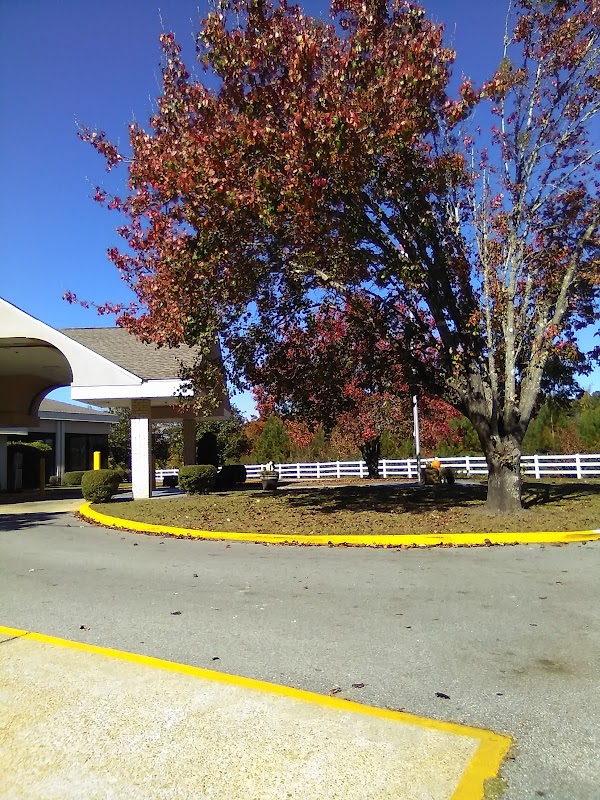
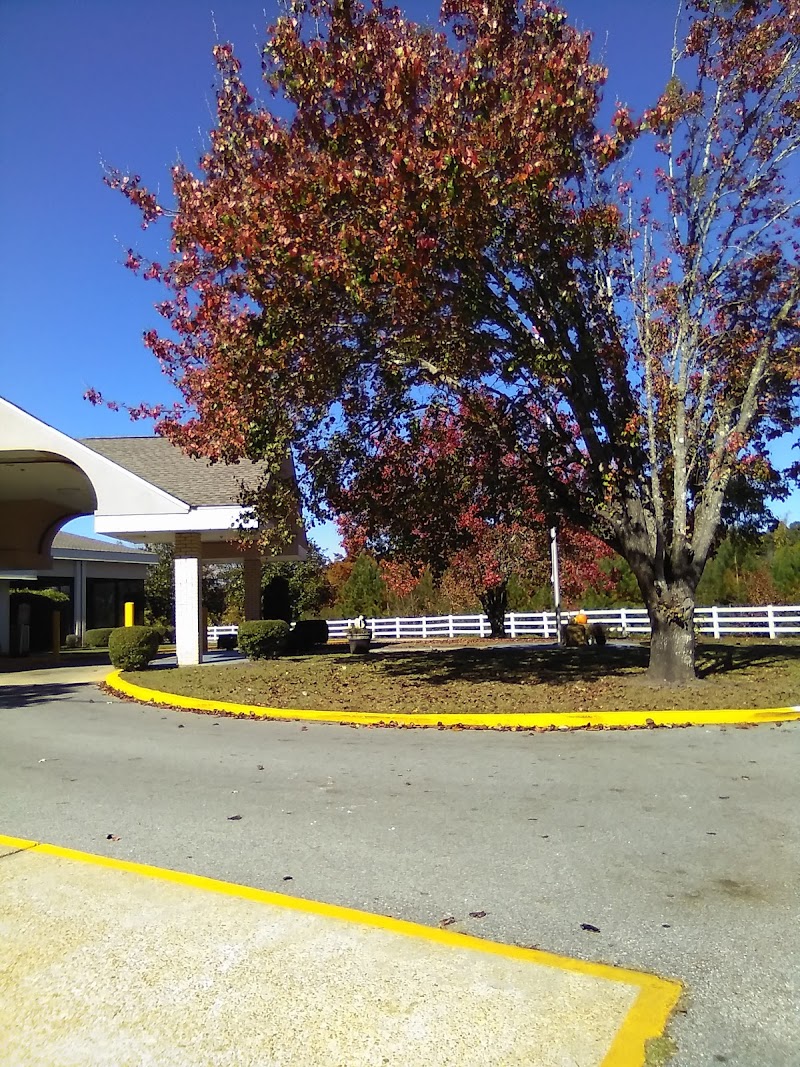
135 RESIDENTIAL CENTER RD, CHOCTAW, MS 39350 (601) 656-2582
Non profit - Other 120 Beds Independent Data: November 2025
Trust Grade
38/100
#103 of 200 in MS
Last Inspection: March 2025

Within standard 12-15 month inspection cycle. Federal law requires annual inspections.

Overview

Choctaw Residential Center has received a Trust Grade of F, indicating significant concerns about its operations. It ranks #103 out of 200 nursing homes in Mississippi, placing it in the bottom half of facilities in the state, and #2 out of 3 in Neshoba County, meaning only one local option is better. The facility's situation is worsening, with issues increasing from 9 in 2023 to 10 in 2025. Staffing is a notable concern due to an 85% turnover rate, well above the state average of 47%, which can negatively impact the quality of care. Specific incidents include failing to address resident grievances about missing clothing and the noisy environment, not implementing a necessary care plan for a resident's personal care, and providing an unsafe and unclean living environment, with visible damage and neglect in resident rooms. Overall, while some aspects like average RN coverage may be acceptable, the numerous deficiencies highlight serious weaknesses that families should consider.

Trust Score
F
38/100
In Mississippi
#103/200
Bottom 49%
Safety Record
Low Risk
No red flags
Inspections
Getting Worse
9 → 10 violations
Staff Stability
⚠ Watch
85% turnover. Very high, 37 points above average. Constant new faces learning your loved one's needs.
Penalties
⚠ Watch
$21,165 in fines. Higher than 86% of Mississippi facilities, suggesting repeated compliance issues.
Skilled Nurses
⚠ Watch
Each resident gets only 25 minutes of Registered Nurse (RN) attention daily — below average for Mississippi. Fewer RN minutes means fewer trained eyes watching for problems.
Violations
⚠ Watch
21 deficiencies on record. Higher than average. Multiple issues found across inspections.
★★☆☆☆
2.0
Overall Rating
★★★☆☆
3.0
Staff Levels
★☆☆☆☆
1.0
Care Quality
★★★☆☆
3.0
Inspection Score
Stable
2023: 9 issues
2025: 10 issues

The Good

  • Full Sprinkler Coverage · Fire safety systems throughout facility
  • No fines on record

Facility shows strength in fire safety.

The Bad

2-Star Overall Rating

Below Mississippi average (2.6)

Below average - review inspection findings carefully

Staff Turnover: 85%

39pts above Mississippi avg (46%)

Frequent staff changes - ask about care continuity

Federal Fines: $21,165

Below median ($33,413)

Minor penalties assessed

Staff turnover is very high (85%)

37 points above Mississippi average of 48%

The Ugly 21 deficiencies on record

Mar 2025 10 deficiencies
CONCERN (D) 📢 Someone Reported This

A family member, employee, or ombudsman was alarmed enough to file a formal complaint

Potential for Harm - no one hurt, but risky conditions existed

Safe Environment (Tag F0584)

Could have caused harm · This affected 1 resident

Based on observation, resident and staff interviews, record review and facility policy review, the facility failed to provide a safe, clean homelike environment for Residents #6, #11, and #60. This wa...

Read full inspector narrative →
Based on observation, resident and staff interviews, record review and facility policy review, the facility failed to provide a safe, clean homelike environment for Residents #6, #11, and #60. This was for one (1) of four (4) hallways. Findings include: A record review of facility policy titled Safe and Homelike Environment, dated 2024, revealed, In accordance with residents' rights, the facility will provide a safe, clean, comfortable and homelike environment . A record review of the facility policy titled, Deep Cleaning Rooms undated revealed, (6) Check all room curtains if it needs taking to laundry for washing. Resident #6 During an observation and interview on 03/03/25 at 3:10 PM, Resident #6's room was noted to have a large section of the wall (approximately 3 feet by 3 feet) with scratches and paint missing. Behind the resident's headboard of her bed, a piece of plywood measuring approximately 4 feet by 3 feet was noted to be attached to wall. The plywood had large chunks of wood missing which left uneven and splintered edges on the broken part as well as on the edges of the plywood. Resident #6 stated she would like for it to be repaired. On 3/5/25 at 1:30 PM, during an observation and interview, the Administrator confirmed the paint on the wall was in disrepair and the broken and splintered plywood on the wall behind the resident's bed could cause an injury. She confirmed each resident should have a safe, clean, and homelike environment and the facility failed to provide this for Resident #6. Record review of admission Record revealed the facility admitted Resident #6 on 12/16/2020. Diagnoses included Hemiplegia and Hemiparesis following Cerebral Infarction, Type 2 Diabetes Mellitus, and Dementia. Record review of the Minimum Data Set (MDS) with an Assessment Reference Date (ARD) of 12/19/24 revealed Resident #6 had a Brief Interview for Mental Status (BIMS) score of 15 which indicated the resident was cognitively intact. Resident #60 During an observation on 03/03/25 at 1:06 PM, an overwhelmingly strong and foul-smelling urine odor was noted in the hallway near Resident #60's room with the smell covering approximately 15 - 20 feet of the hallway from the resident's doorway. Upon opening the door to the resident's room, the foul smell was overpowering. Neither of the residents living in that room were in the room at the time. During an interview on 3/4/25 at 12:20 PM, Certified Nursing Assistant (CNA) #1 revealed Resident #60 frequently urinated on the floor while he attempted to use the toilet. She stated they have tried to mop the floor every hour or two and replaced the flooring in his bathroom, but the smell is still overwhelming. An observation during the interview confirmed that the urine smell in the hallway of Resident #60's room was still foul and overpowering. An interview on 3/4/25 at 12:25 PM, with CNA #3 confirmed that Resident #60's room and hallway near the resident's room had a strong smell of urine present. She stated she felt that the resident attempted to urinate in the toilet but would frequently miss and urinate on the floor. Her interview revealed that housekeeping mopped the floor every hour or two, but there was still a strong and very unpleasant smell, and she had several residents complain about the bad smell. During an interview on 3/4/25 at 12:30 PM, Licensed Practical Nurse (LPN) #3 confirmed that the urine smell in and near Resident #60's room had been an ongoing problem. She acknowledged that the resident pees on the floor, and even though unintentional, it still smelled terrible and it is not fair to other residents. This is their home, and they should not have to live in a stinky home. She stated she did not know what else could be done to improve the situation, but they have had residents and family members complain about the awful smell. During an interview with the Director of Nursing (DON) on 3/5/25 at 10:30 AM, he revealed he and the staff had worked with Resident #60 to try to improve this concern. They had assisted him with voiding in the toilet and even tried to encourage him to sit down while toileting. The resident was unwilling to try that and was unwilling to be prompted by staff to toilet more often. The DON stated the resident would go into the bathroom but before he was positioned properly, he would urinate on the floor. The DON confirmed that he was aware of the terrible smell in the resident's room as well as in the hallway surrounding the resident's room and had tried multiple things to help improve the smell. The floor was replaced which helped for a while, but he confirmed there was a foul odor in that area of the facility which had not been successfully resolved. During an interview on 3/5/25 at 10:35 AM, the Administrator stated she was aware of the foul urine odor in and near Resident #60's room. She stated multiple options had been tried such as replacement of the floor and wall in bathroom, resealing the toilet, mopping frequently, education and encouragement of resident with different techniques of voiding, but none of these led to a permanent solution to the problem. She confirmed this concern had continued to occur and an acceptable and permanent solution had not been established. She also confirmed it was not fair for the other residents to have to accept this strong, foul urine smell in their home. She confirmed that each resident had the right to a clean, comfortable, homelike environment and the facility failed to provide this for the residents in that area. Record review of Resident #60's admission Record revealed the facility admitted him on 3/25/2019. Diagnoses included Chronic Obstructive Pulmonary Disease and Borderline Intellectual Functioning. Record review of the MDS with an ARD of 1/10/25 revealed a Brief Interview for Mental Status (BIMS) score of 11 which indicated that Resident #60 had a moderate cognitive impairment. Resident #11 An observation and interview on 3/03/25 at 12:05 PM, revealed multiple large splotched discolored areas to the privacy curtain visible upon entering Resident #11's room. Resident #11 revealed that This curtain needs cleaning; they don't ever clean it. An observation on 3/04/25 at 10:10 AM and again on 3/5/25 at 8:20 AM revealed the privacy curtain remained dirty with multiple large, discolored splotches throughout the fabric on the curtain. During an observation and interview on 3/05/25 at 8:30 AM, LPN #2 confirmed the privacy curtain in Resident #11's room was dirty and stained and needed to be pulled down and cleaned. She revealed it is not a home-like environment and wasn't sure when it was last cleaned. During an observation and interview on 3/05/25 at 9:45 AM, the Administrator confirmed the privacy curtain in Resident #11's room was extremely dirty and stated, I was just in this room yesterday and didn't even notice it. Resident #11 revealed It's been dirty like this for a long time. A record review of Resident #11's admission Record revealed the facility admitted the resident on 02/24/2012 with diagnoses that included Major Depressive Disorder, Unspecified Kidney Failure, and Anxiety Disorder. A record review of Resident #11's MDS Section C with an ARD of 1/23/2025 revealed a BIMS score of 15, indicating that the resident is cognitively intact.
CONCERN (D)

Potential for Harm - no one hurt, but risky conditions existed

Deficiency F0658 (Tag F0658)

Could have caused harm · This affected 1 resident

**NOTE- TERMS IN BRACKETS HAVE BEEN EDITED TO PROTECT CONFIDENTIALITY** Based on observation, resident and staff interviews, record review, and facility policy review, the facility failed to ensure li...

Read full inspector narrative →
**NOTE- TERMS IN BRACKETS HAVE BEEN EDITED TO PROTECT CONFIDENTIALITY** Based on observation, resident and staff interviews, record review, and facility policy review, the facility failed to ensure licensed nursing staff followed professional standards of practice for medication administration. This resulted in the administration of discontinued and incorrectly scheduled medications, and failure to administer prescribed medications. This deficient practice was identified for four (4) of 37 medication administration observation opportunities (Resident #39, Resident #90) CROSS REFERENCE F759 Findings include: A review of the policy titled Medication Administration revealed the following: Policy: Medications are administered by licensed nurses who are legally authorized to do so in this state, as ordered by the physician and in accordance with professional standards of practice.Policy Explanation and Compliance Guidelines: Section 10 states that staff must ensure the six rights of medication administration are followed: a. Right resident, b. Right drug, c. Right dosage, d. Right route, e. Right time, and f. Right documentation. Resident #39 On 3/05/25 at 8:15 AM, an observation of Licensed Practical Nurse (LPN) #1 administering medications revealed that LPN #1 administered Glipizide 10 mg (milligrams) one tablet orally and Albuterol Sulfate HFA Inhaler 108 (90 Base) (2 puffs) to Resident #39. LPN #1 was not observed verifying the six rights of medication administration by checking the medication label against the medication record. Record review of the Medication Administration Record for 3/05/25 for Resident #39 revealed Glipizide 10 mg (milligrams) was discontinued on 3/03/25.Albuterol Sulfate inhaler was scheduled every six hours at 6:00 AM, 1200 PM, 6:00 PM (1800), and 12:00 AM (0000). The medication was last signed off at 6:00 AM. Mometasone Furoate inhaler signed off as administered at 8:00 AM on 3/05/25. During an interview on 3/5/25 at 1:10 PM, LPN #1 confirmed that she administered Glipizide 10 mg, which had been discontinued on 3/3/25. She also confirmed that she administered Albuterol Sulfate HFA inhaler at an incorrect time, as it had already been given at 6:00 AM. LPN #1 lastly confirmed that she documented administration of Mometasone Furoate inhaler at 8:00 AM, despite not administering it. She acknowledged that failure to verify the six rights of medication administration could lead to adverse resident outcomes. Record revew of the admission Record of Resident #39 revealed was admitted on [DATE], with diagnoses including Type 2 Diabetes Mellitus and Chronic Systolic Congestive Heart Failure. Resident #90 On 3/05/25 at 8:46 AM, an observation of LPN #4 administering medications revealed that LPN #4 administered Aspirin Enteric Coated (EC) 81 mg to Resident #90. LPN #4 did not verify the six rights of medication administration by checking the medication label against the medication record. Record review of the Medication Administration Record for 3/05/25 for Resident #90 revealed Aspirin 81 mg chewable tablet signed off as administered. During an interview on 3/5/25 at 1:20 PM, LPN #4 confirmed that she administered Aspirin EC 81 mg, but later realized it was not the correct medication. She confirmed after reviewing the medication record that she gave the incorrect form of aspirin. She also confirmed she did not thoroughly check the six rights of medication administration and stated that if she had done so, she likely would not have made the error. Record review of the admission Record revealed Resident #90 was admitted on [DATE], with a diagnosis of End-Stage Renal Disease.
CONCERN (D) 📢 Someone Reported This

A family member, employee, or ombudsman was alarmed enough to file a formal complaint

Potential for Harm - no one hurt, but risky conditions existed

ADL Care (Tag F0677)

Could have caused harm · This affected 1 resident

Based on observation, resident and staff interview, record review, and facility policy review, the facility failed to ensure a resident dependent on staff for Activities of Daily Living (ADLs) receive...

Read full inspector narrative →
Based on observation, resident and staff interview, record review, and facility policy review, the facility failed to ensure a resident dependent on staff for Activities of Daily Living (ADLs) received oral care and nail care for one (1) of 25 sampled residents. Resident #74 Findings Include: Review of the facility policy titled Activities of Daily Living Policy with a revision date of 7/2014, revealed under, Policy Statement: Based on previous evaluations and current date, the nursing staff, in conjunction with Attending Physician, Consultant Pharmacist, therapy staff, and others, will seek to identify the level of care a resident requires for ADLs. An observation of Resident #74, on 3/03/25 at 12:00 PM, revealed he was lying in bed with fingernails that were approximately 1 inch (in.) in length on the left hand with a brown substance on each nail and one nail that was broken off and hanging inside his palm. The residents' upper and lower teeth and lower gum line were covered in a thick white substance. An observation with interview on 3/05/25 at 7:50 AM with Resident #74 revealed no change in the resident's appearance and he stated that he had asked the staff in the past to brush his teeth. An observation and interview with Registered Nurse (RN) #1 on 3/05/25 at 8:00 AM confirmed Resident #74 had long nails on the left fingers that could cause skin breakdown due to his contracted fingers, which were turned inward toward the palm. She revealed the nurses, or the aides, could trim his nails. RN #1 described the residents' teeth as, They need brushing. She confirmed that staff failing to do this could cause gingivitis and tooth decay. She revealed the aides were responsible for brushing his teeth daily. An interview with the Administrator (ADM) on 3/05/25 at 2:00 PM revealed her expectations were for staff to perform the care tasks listed and document accordingly. Record review of the March 2025 Documentation Survey Report for Resident #74 revealed the resident requires total dependence for personal hygiene with the assist of 1- two (2) staff. Record review of the admission Record revealed the facility admitted Resident #74 on 2/02/22 with medical diagnoses that included Cerebral Infarction and Hemiplegia Unspecified Affecting the Left Nondominant Side. Record review of the Minimum Data Set (MDS) with an Assessment Reference Date (ARD) of 2/11/25 revealed, under section C, a Brief Interview for Mental Status (BIMS) summary score of 15, which indicated that Resident #74 was cognitively intact.
CONCERN (D)

Potential for Harm - no one hurt, but risky conditions existed

Deficiency F0679 (Tag F0679)

Could have caused harm · This affected 1 resident

Based on resident and staff interviews, record review, and facility policy review, the facility failed to provide activities that met the interest of the residents for three (3) of 25 sampled resident...

Read full inspector narrative →
Based on resident and staff interviews, record review, and facility policy review, the facility failed to provide activities that met the interest of the residents for three (3) of 25 sampled residents. Resident #6, #9, and #41 Findings Include: Review of the facility policy titled Activities revealed under, Policy: It is the policy of this facility to provide an ongoing program to support residents in their choice of activities based on their comprehensive assessment, care plan, and preferences. Facility-sponsored group, individual, and independent activities will be designed to meet the interest of each resident, as well as support their physical, mental, and psychosocial well-being. Resident #6 During an interview on 3/4/25 at 9:00 AM, Resident #6 stated the facility does not offer activities on the weekends and she would like to have activities on these days as well as during the week. She revealed she had been sick and had preferred to do activities in her room, but lately she felt better and wanted to participate in group activities. An interview with the Activity Director (AD) on 3/5/25 at 8:00 AM, revealed she worked Monday through Friday and on the weekends the charge nurse would assist the residents with independent activities. She stated she left puzzles and coloring sheets for the residents that wanted to do those activities. She stated that church groups would occasionally have services in the facility on the weekend, but otherwise, she confirmed there were no organized group activities planned for the residents on the weekend. An interview with the Administrator (ADM) on 3/6/25 at 8:45 AM, revealed the facility did not have a weekend activity staff member, but she was attempting to hire one. She stated the Activity Director would leave puzzles and coloring sheets for the residents. She confirmed the facility failed to provide structured and scheduled activities on the weekends for the residents that preferred to participate on those days. Review of the February and March 2025 activity schedules confirmed on Saturdays and Sundays Independent activities of choice was listed. Record review of the February 2025 Activity Attendance Record for Resident #6 revealed there was no activity documentation for the weekend days. Record review of Resident #6's admission Record revealed the facility admitted her on 12/16/2020. Her diagnoses included Hemiplegia and Hemiparesis following Cerebral Infarction, Type 2 Diabetes Mellitus, and Dementia. Record review of Resident #6's Minimum Data Set (MDS) with an Assessment Reference Date (ARD) of 12/19/24 Section C revealed a Brief Interview for Mental Status (BIMS) score of 15 which indicated this resident was cognitively intact. Review of section F revealed for the question how important is it to you to do your favorite activities and the resident's response was very important. Resident #9 During an interview on 3/04/25 at 8:46 AM, Resident #9 stated she participated in the bingo and singing activities during the week, but there were not any activities on the weekends. She stated she would like for the facility to offer activities on the weekend for her and other residents to participate in. Record review of the February 2025 Activity Attendance Record for Resident #9 revealed there was no activity documentation for the weekend days of the month. Record review of Resident #9's admission Record revealed the facility admitted the resident on 7/6/2018 originally with the most recent admission date of 10/2/24. Diagnoses included Type 2 Diabetes Mellitus, Chronic Obstructive Pulmonary Disease, and Hemiplegia and Hemiparesis following Cerebral Infarction. Record review of Resident #9's MDS with an ARD of 10/24/24 Section C revealed a BIMS score of 15 which indicated the resident was cognitively intact. Review of Section F revealed for the question how important is it to you to do your favorite activities and the resident's response was very important. For the question how important is it to you to do things with groups of people the resident's response was very important. Resident #41 An interview with Resident #41 on 3/05/25 at 8:10 AM revealed she liked to play cards such as Spades and Monopoly. She revealed there were no activities on the weekends and all they did was sit around. The resident explained that during the weekend they (the facility) sometimes had church singing, but she did not like music. She revealed she would like more things to do that she liked. She voiced they (the residents) do have puzzles that were always available, but she was tired of that. Record review of Resident #41's February 2025 Activity Attendance Record revealed there was no activity participation for the weekend days of the month. Also revealed the resident was marked as participating in outside time (smoking), hall social, watching TV, and being up in her wheelchair. An interview with Certified Nurse Aide (CNA) #1 on 3/05/25 at 7:55 AM revealed she worked some weekends. She confirmed the facility did not have weekend activities and stated, We sometimes have church members that come sing, but it's not often. She revealed there were no other activities conducted on the weekends. An interview with Housekeeping #1 on 3/05/25 at 9:18 AM revealed she worked four (4) days on and two (2) days off, which included her working some weekends. She confirmed the facility had no weekend activities and stated, No, they don't do anything. Record review of the January, February 2025 activity calendars revealed on the weekends, Independent activities of choice were listed. An interview with the AD on 3/05/25 at 2:30 PM revealed she had been in the activity position for about five (5) years and acknowledged the residents should have activities, including the weekends, which included their likes. The AD revealed Resident #41 liked to play Bingo. She revealed that she included smoking as part of the resident's activity record and hall social, which included social conversation while she was waiting in the hall to go smoke. She revealed, in her opinion, she had done all she could do to meet the interest of Resident #41. Record review revealed the Activity Director completed the 40 Hour Basic Activity Director Course dated 11/8/21. Record review of the admission Record revealed the facility admitted Resident #41 on 9/6/24 with a medical diagnosis that included Hemiplegia and Hemiparesis following Cerebral Infarction Affecting the Right Dominant Side. Record review of the MDS with an ARD of 9/16/24 revealed under, Section C, a BIMS summary score of 13, which indicated Resident #41 was cognitively intact. Also revealed, under section F0500 . F. How important is it to you to do your favorite activities? Very important was marked.
CONCERN (D)

Potential for Harm - no one hurt, but risky conditions existed

Deficiency F0688 (Tag F0688)

Could have caused harm · This affected 1 resident

Based on observation, resident and staff interviews, record review, and facility policy review, the facility failed to ensure hand rolls were applied for a resident with finger contractures for one (1...

Read full inspector narrative →
Based on observation, resident and staff interviews, record review, and facility policy review, the facility failed to ensure hand rolls were applied for a resident with finger contractures for one (1) of 25 sampled residents. Resident #74 Findings Include: Review of the facility policy titled Prevention of Decline in Range of Motion unrevised, revealed under, Policy: Residents who enter the facility without limited range of motion will not experience a reduction in range of motion unless the resident's clinical condition demonstrated that a reduction in range of motion is unavoidable. Record review of the Treatment Administration Record (TAR) revealed an order dated 7/08/24, Caregiver to don (put on) B (bilateral) hand rolls to B (bilateral) hands to decrease risk of skin breakdown and decrease risk of further contracture formation with skin checks/cleanse at the end of each shift to ensure no adverse effects x (times) 7 days a week every shift. The hand rolls were signed as applied/administered on each shift (day, evening, and night) for the dates of 3/3/25 and 3/4/25. An observation on 3/03/25 at 12:00 PM revealed Resident #74 lying in bed. Contractures observed to both hands/fingers with no device in place for contracture management. An observation of Resident #74 on 3/04/25 at 10:15 AM revealed he was lying in bed without hand rolls in place. An observation and interview on 3/05/25 at 7:50 AM with Resident #74 revealed the resident was lying in bed with no hand rolls in place. The resident voiced that sometimes the staff applied a hand towel inside his hands but confirmed that he did not have any now. An observation and interview with Registered Nurse (RN) #1 on 3/05/25 at 8:00 AM confirmed Resident #74 were supposed to have hand rolls that the nurses applied, but did not have the hand rolls in place. She revealed the resident could develop worsening contractures and skin breakdown by not wearing them as ordered. Record review of the Therapist Progress & (and) Discharge Summary dated 1/04/24 revealed under, Discharge Plans & (and) Instructions: Patient discharged to nursing care for placement of B (bilateral) hands rolls to decrease risk of skin breakdown as well as decreased risk of further contracture formation. An interview with the Occupational Therapist (OT) on 3/05/25 at 8:34 AM revealed she recommended Resident #74 to wear hand rolls due to his severe hand/finger contractures. She revealed the purpose of him wearing them was to prevent skin breakdown and further worsening of his contractures, and confirmed without staff applying them, his contractures could become worse. An interview with the Administrator (ADM) on 3/5/25 at 2:00 PM confirmed that the staff should be applying Resident #74's hand rolls or have documentation to reflect why it was not. Record review of the admission Record revealed the facility admitted Resident #74 on 2/02/22 with medical diagnoses that included Cerebral Infarction and Hemiplegia Unspecified Affecting the Left Nondominant Side. Record review of the Minimum Data Set (MDS) with an Assessment Reference Date (ARD) of 2/11/25 revealed, under section C, a Brief Interview for Mental Status (BIMS) summary score of 15, which indicated that Resident #74 was cognitively intact. Also revealed under section GG, functional limitation in range of motion (shoulder, elbow, wrist, hand), impairment on both sides was marked.
CONCERN (D)

Potential for Harm - no one hurt, but risky conditions existed

Medication Errors (Tag F0758)

Could have caused harm · This affected 1 resident

**NOTE- TERMS IN BRACKETS HAVE BEEN EDITED TO PROTECT CONFIDENTIALITY** Based on staff interviews, record reviews, and facility policy review, the facility failed to obtain a stop date for as-needed (...

Read full inspector narrative →
**NOTE- TERMS IN BRACKETS HAVE BEEN EDITED TO PROTECT CONFIDENTIALITY** Based on staff interviews, record reviews, and facility policy review, the facility failed to obtain a stop date for as-needed (PRN) psychotropic medications for two (2) of six (6) residents reviewed who were receiving psychotropic medications (Resident #43 and Resident #259). Findings Include: Review of the facility policy titled, Use of Psychotropic Medications, last revised in March 2025, revealed the following under Policy Explanation and Compliance Guidelines: Section 16: Psychotropic medications used on a PRN basis must be limited to no more than 14 days unless the provider determines it is appropriate to extend the order. The medical record must indicate a specific duration. Resident #43 Record review of the Order Summary Report for Resident #43 revealed an order dated 12/06/24 for Ativan (Lorazepam) 1 mg (milligram), to be administered one tablet by mouth every 12 hours as needed for anxiety with no stop date provided. Record review of the admission Record revealed Resident #43 was admitted to the facility on [DATE], with a diagnosis of Anxiety. Record review of Resident #43's Quarterly Minimum Data Set (MDS), Section C, dated 1/28/25, revealed a Brief Interview for Mental Status (BIMS) score of 15, indicating the resident was cognitively intact. During an interview with the Director of Nursing (DON) on 3/04/25 at 12:24 PM, he confirmed that Resident #43 had a PRN order for Ativan without a stop date. Resident #259 Record review of the Order Summary Report for Resident #259 revealed an order dated 2/20/25 for Clorazepate Dipotassium 3.75 mg, to be administered one tablet by mouth every 12 hours as needed for anxiety with no stop date provided. Review of the admission Record revealed Resident #259 was admitted to the facility on [DATE], with a diagnosis of Anxiety. Record review of Resident #259's admission MDS, Section C, dated 2/20/25, revealed a BIMS score of 15, indicating the resident was cognitively intact. During an interview with the DON on 3/04/25 at 12:28 PM, he confirmed that Resident #259 had a PRN order for Clorazepate Dipotassium without a stop date. The DON further stated that all PRN psychotropic medications should have a stop date to ensure residents are reevaluated for continued need. He acknowledged that failure to include a stop date could result in residents continuing to receive medications they no longer need.
CONCERN (D)

Potential for Harm - no one hurt, but risky conditions existed

Unnecessary Medications (Tag F0759)

Could have caused harm · This affected 1 resident

**NOTE- TERMS IN BRACKETS HAVE BEEN EDITED TO PROTECT CONFIDENTIALITY** Based on observations, resident and staff interviews, record review and facility policy review, the facility failed to maintain ...

Read full inspector narrative →
**NOTE- TERMS IN BRACKETS HAVE BEEN EDITED TO PROTECT CONFIDENTIALITY** Based on observations, resident and staff interviews, record review and facility policy review, the facility failed to maintain a medication error rate less than 5% as evidence by the administration of discontinued and incorrectly scheduled medications and failure to administer prescribed medications. This deficient practice was identified in four (4) of 37 medication administration observation opportunities. The medication error rate was 10.81%. This affected Resident #39 and Resident #90. CROSS REFERENCE F658 Findings include: A review of the policy titled Medication Administration revealed the following, Policy: Medications are administered by licensed nurses who are legally authorized to do so in this state, as ordered by the physician and in accordance with professional standards of practice .Policy Explanation and Compliance Guidelines: Section 10 states that staff must ensure the six rights of medication administration are followed: a. Right resident, b. Right drug, c. Right dosage, d. Right route, e. Right time, and f. Right documentation . Resident #39 An observation of Licensed Practical Nurse (LPN) #1 on 3/05/25 at 8:15 AM, administering medications revealed that LPN #1 administered Glipizide 10 mg (milligrams) (one tablet orally) and Albuterol Sulfate HFA Inhaler 108 (90 Base) (2 puffs) to Resident #39. LPN #1 did not verify the six rights of medication administration by comparing the medication label with the electronic/paper medication administration record before administration. Record review of the Medication Administration Record for 3/05/25 for Resident #39 revealed Glipizide 10 mg was discontinued on 3/03/25. Albuterol Sulfate inhaler was scheduled every six hours at 6:00 AM, 1200 PM, 6:00 PM (1800), and 12:00 AM (0000). The medication was last signed off at 6:00 AM. Mometasone Furoate inhaler signed off as administered at 8:00 AM on 3/05/25. On 3/5/25 at 1:10 PM, during an interview LPN #1 confirmed that she made medication errors when administering Resident #39's medications. She admitted that she administered Glipizide 10 mg, which had been discontinued on 3/3/25 and also Albuterol Sulfate HFA inhaler at an incorrect time, as it had already been given at 6:00 AM. She then confirmed that she also documented administration of Mometasone Furoate inhaler at 8:00 AM, despite not administering it. She acknowledged that failure to verify the six rights of medication administration could lead to adverse resident outcomes. Resident admission Record: Resident #39 was admitted on [DATE], with diagnoses including Type 2 Diabetes Mellitus and Chronic Systolic Congestive Heart Failure. Resident #90 An observation of LPN #4 administering medications on 3/05/25 at 8:46 AM, revealed that LPN #4 administered Aspirin Enteric Coated (EC) 81 mg to Resident #90. LPN #4 did not verify the six rights of medication administration by checking the medication label against the medication record. Record review of the Medication Administration Record for 3/05/25 for Resident #90 revealed Aspirin 81 mg chewable tablet signed off as administered. On 3/5/25 at 1:20 PM, during an interview LPN #4 confirmed after reviewing the medication record that she gave the incorrect form of aspirin when she administered Aspirin EC 81 mg, but later realized it was not the correct medication. She also confirmed she did not thoroughly check the six rights of medication administration and stated that if she had done so, she likely would not have made the error. Record review of Resident #90's admission Record revealed the facility admitted the resident on 1/04/25, with diagnoses that included End-Stage Renal Disease.
CONCERN (D)

Potential for Harm - no one hurt, but risky conditions existed

Deficiency F0761 (Tag F0761)

Could have caused harm · This affected 1 resident

Based on observation, staff interview, and facility policy review, the facility failed to ensure a medication cart was locked and secured for one (1) of four (4) survey days. Findings Include: Revie...

Read full inspector narrative →
Based on observation, staff interview, and facility policy review, the facility failed to ensure a medication cart was locked and secured for one (1) of four (4) survey days. Findings Include: Review of the facility policy titled Medication Storage unrevised, revealed, Policy Explanation and Compliance Guidelines . c. During a medication pass, medications must be under the direct observation of the person administering medications or locked in the medication storage area/cart. An observation on 3/03/25 at 12:45 PM revealed the medication cart located on C hall was unlocked and unattended without a nurse in view. An observation and interview with Licensed Practical Nurse (LPN) #1 on 3/03/25 at 12:49 PM confirmed she walked away from the medication cart and left it unlocked. She explained that she got called away and forgot to lock it. LPN #1 revealed leaving the medication cart unlocked gave the residents access to the cart and stated, Any of the residents can get in it and take something. An interview with the Administrator (ADM) on 3/04/25 at 10:11 AM confirmed the nurses should never leave the medication cart unlocked when out of view. She revealed that any resident could walk by and take some medication and have an allergic reaction.
CONCERN (E)

Potential for Harm - no one hurt, but risky conditions existed

Deficiency F0565 (Tag F0565)

Could have caused harm · This affected multiple residents

Based on resident and staff interviews, record review, and facility policy review, the facility failed to resolve a resident grievance in a timely manner related to missing clothing, activities, and n...

Read full inspector narrative →
Based on resident and staff interviews, record review, and facility policy review, the facility failed to resolve a resident grievance in a timely manner related to missing clothing, activities, and noisy environment for four (4) of seven (7) residents that attended resident council. Residents #27, #76, #100, and #309 Findings Include: Review of the facility policy titled Grievance/Complaint Policy unrevised, revealed, It is a policy of this facility that a resident/responsible party/legal representative has the right to voice grievances as follows: . All grievances should be directed/reported to the departmental supervisor and departmental director. Review of the facility policy titled Resident Personal Belongings unrevised, revealed under, Policy: It is the policy of this facility to protect the resident's right to possess personal belongings, such as clothing and furnishings, for their use while in the facility. Also revealed under, Policy Explanation and Compliance Guideline: . 7. The facility will exercise reasonable care for the protection of the resident's property from loss or theft. Resident #27 On 3/03/25 at 12:13 PM, an interview with Resident #27 (Resident Council President) revealed he had 3 shirts, 2 pairs of pants, and 6 pairs of socks missing. He revealed he had reported the missing items to the staff on several occasions. On 3/05/25 at 9:20 AM, an interview with the Case Manager revealed the Ombudsman had come to her office and reported that Resident #27 had missing clothing. She revealed this happened a while back, but she could not recall the date. She revealed she got with the laundry person, and they were going to look for the items. The Case Manager explained that she did not know the status of the clothing, whether it was found or not. An interview with Laundry Staff #1 on 3/05/25 at 9:24 AM revealed she was made aware of Resident #27's missing clothing items about 2 weeks ago. She revealed she had been looking for them but, so far, had not found them. She explained that she would continue to look for the items for a couple more weeks and after that, if she had not located them, she would let the administrator know. An interview with the Long-Term Care Ombudsman on 3/05/25 at 10:10 AM revealed she visited the facility on 2/18/25. She confirmed she had notified the Case Manager that day Resident #27 was missing a black and a white pair of pants, a white shirt with a corvette design on it, a shirt with the saying, If I didn't remember it, it didn't happen, a white shirt with the tribal inauguration on it, 6 pairs of socks (2 white, 2 gray, and 2 black). She revealed the resident voiced to her that day the clothing had been missing for 3 weeks. Record review of the Grievance Forms revealed a grievance was not completed for Resident #27's missing clothing. An interview with Social Services (SS) on 3/05/25 at 1:45 PM revealed she was responsible for completing the grievances for the facility. She explained that when staff come to her with a complaint or concern, she completes the grievance form and then gives it to the necessary department to follow through. She revealed that she followed up to ensure the grievance was resolved later. SS confirmed a grievance was not completed related to Resident #27's missing clothing and revealed it probably should have been done. An interview with the Administrator (ADM) on 3/05/25 at 2:00 PM revealed she was not aware that Resident #27 had missing clothing and voiced that she was not made aware of it until this morning. She revealed the laundry department thinks the resident may have thrown away some of his socks because they were too tight. The ADM confirmed the clothing should have been written up as a grievance for tracking purposes so that staff knew and could quickly find a resolution. Record review of the admission Record revealed the facility admitted Resident #27 on 10/11/24. Review of the Minimum Data Set (MDS) with an Assessment Reference Date (ARD) of 2/25/25 revealed under section C, a Brief Interview for Mental Status (BIMS) summary score of 15, which indicated Resident #27 was cognitively intact. Resident Council During a Resident Council meeting held on 3/05/25 at 1:00 PM, the residents voiced they had discussed in the past meetings wanting more activities. Resident #76 explained there were not enough activities. He revealed they play Bingo on Tuesday, which he voiced that he would like to play more often (at least twice weekly). He revealed playing Bingo was the only thing the facility did that met his interest. Resident #100 revealed they (the residents) do not have activities on the weekends. She explained they sometimes have a church group that comes on Sunday. Resident #100 revealed during the week they do nails, arts and crafts, bingo, and stated, That's about all we do. She explained they may have some preacher or singing on the weekend and stated, We need activities on the weekends. Resident #76 expressed that not everybody likes arts and crafts, I don't. He explained that he told them (the staff) that there were not enough activities on the weekend, and they gave out coloring books. He stated, I'm not a child and I don't like to color. Resident # 309 revealed he was here for therapy. He revealed that during the week, when the office staff were present, the facility had structure but, on the weekends, It's an entirely different atmosphere. He explained on the weekends it was a new group that came in and revealed it sounded like a cow bawling at times. Furthermore, he revealed that he had never heard such noise. He explained that his room was close to the nurse's station and the noise was so bad that he could not sleep. He revealed he would rather not move to another room because he liked his roommate. The residents agreed this was a big concern to them. Resident #309 revealed he had reported the noise to the staff and even to his aide. Resident #76 revealed he had complained several times about the noise on the weekends. He explained that the staff carry on loudly, play music, gather around the desk, and keep up too much noise. Resident #76 explained that he had been woken up many times at night due to the noise level. Record review of the Resident Council Meeting Minutes dated 12/2/24 revealed under, Material Discussed: Resident #76 stated weekends nights to loud and staff on the phone in hallway. An interview with the Administrator (ADM) on 3/05/25 at 2:00 PM revealed she was not aware that the residents had voiced complaints related to the noise level on the weekends. She revealed she did have staff that came in to check on things and revealed most of the staff that worked on the weekends were facility employees with a few agency staff. She acknowledged this concern should have been written up as a grievance. An interview with the Activity Director on 3/05/25 at 2:30 PM revealed they (the facility) did many activities during the week to meet the residents' interest. She revealed picking activities to meet all their preferences was getting harder and harder due to the age group that the facility was getting now. She explained that their youngest resident was in his 20's and revealed it was difficult to plan activities for all age groups. The Activity Director confirmed they had discussed in Resident Council doing more activities. She revealed she had explained to them, if they could come up with something they wanted to do, she was willing to try it. She confirmed they did not have an activity person for the weekend and revealed they sometimes have a church to come. The AD revealed if a concern was discussed during resident council, she would tell the Director of Nursing, or the Assistant Director of Nursing, and they would write up a grievance to investigate. She revealed she told the Assistant Director of Nursing about the Resident #76's complaint about the noisy weekend environment. An interview with the Assistant Director of Nursing (ADON) on 3/06/25 at 8:10 AM revealed he did not recall being made aware of Resident #76's complaint regarding the noise level on the weekends. Review of the admission Record revealed the facility admitted Resident #76 on 7/30/21 with a medical diagnosis that included type 2 diabetes mellitus with unspecified complications. Review of the Minimum Data Set (MDS) with an Assessment Reference Date (ARD) of 1/28/25 revealed, under section C, a Brief Interview for Mental Status (BIMS) summary score of 15, which indicated Resident #76 was cognitively intact. Review of the admission Record revealed the facility admitted Resident #100 on 10/14/24 with a medical diagnosis that included chronic kidney disease, stage 3. Review of the Minimum Data Set (MDS) with an Assessment Reference Date (ARD) of 12/31/24 revealed, under section C, a Brief Interview for Mental Status (BIMS) summary score of 13, which indicated Resident #100 was cognitively intact. Review of the admission Record revealed the facility admitted Resident #309 on 2/18/25 with a medical diagnosis that included type 2 diabetes mellitus with foot ulcer. Review of the Minimum Data Set (MDS) with an Assessment Reference Date (ARD) of 2/25/25 revealed, under section C, a Brief Interview for Mental Status (BIMS) summary score of 15, which indicated Resident # 309 was cognitively intact.
CONCERN (E) 📢 Someone Reported This

A family member, employee, or ombudsman was alarmed enough to file a formal complaint

Potential for Harm - no one hurt, but risky conditions existed

Comprehensive Care Plan (Tag F0656)

Could have caused harm · This affected multiple residents

Based on observation, resident and staff interview, record review, and facility policy review, the facility failed to implement a comprehensive care plan for nail care, oral hygiene, and hand rolls fo...

Read full inspector narrative →
Based on observation, resident and staff interview, record review, and facility policy review, the facility failed to implement a comprehensive care plan for nail care, oral hygiene, and hand rolls for one (1) of 25 sampled residents. Resident #74 Findings Include: Review of the facility policy titled Comprehensive Care Plans unrevised, revealed under, Policy: It is the policy of this facility to develop and implement a comprehensive person-centered care plan for each resident, consistent with resident rights, that includes measurable objectives and timeframes to meet a resident's medical, nursing, and mental and psychosocial needs and all services that are identified in the resident's comprehensive assessment and meet professional standards of quality. Review of Resident #74's Care Plan Report revealed under, Focus: I require total assistance with my ADL's (activities of daily living) r/t (related to) CVA (cerebrovascular accident) with left hemiplegia and bilateral hand contractures. Also revealed under, Interventions: Caregiver to don (apply) bilateral hand rolls to bilateral hands to decrease risk of skin breakdown and decrease risk of further contracture formation with skin checks/cleanse at the end of each shift to ensure no adverse effects x(times) 7 days a week . Mouth care: Brush teeth twice daily in the morning and night. X (times) 1 staff to assist with oral care . Nail care: clean and file PRN (as needed), trim my nails weekly. On 3/03/25 at 12:00 PM, an observation of Resident #74, revealed he was lying in bed with long brown discolored nails on the left hand measuring approximately 1 inch (in.) in length. One of his nails was broken off and hanging inside his palm. The residents' upper and lower teeth and lower gum line were covered in a thick white substance. Contractures observed to both hands/fingers with no device in place for contracture management. An observation of Resident #74 on 3/04/25 at 10:15 AM revealed he was lying in bed without hand rolls in place. On 3/05/25 at 7:50 AM, an observation with interview revealed Resident #74 lying in bed with long brown, discolored nails on the left hand and a thick white substance on the upper and lower teeth and the lower gum line. He revealed he asked the staff to brush his teeth. Contractures observed to both hands/fingers with no device in place for contracture management. The resident voiced that sometimes the staff applied a hand towel inside his hands, and stated they were not in his hands now. On 3/05/25 at 8:00 AM an observation and interview with Registered Nurse (RN) #1 confirmed Resident #74 did not have his hand rolls in place, had long nails, and described the residents' teeth as, They need brushing. An interview with the Minimum Data Set (MDS) Nurse on 3/06/25 at 8:20 AM revealed staff should follow Resident #74's care plan. She revealed the purpose of having a care plan was to make staff aware of how to care for the resident. The MDS Nurse confirmed staff did not follow his care plan. Record review of the admission Record revealed the facility admitted Resident #74 on 2/02/22 with medical diagnoses that included Cerebral Infarction and Hemiplegia Unspecified Affecting the Left Nondominant Side. Record review of the Minimum Data Set (MDS) with an Assessment Reference Date (ARD) of 2/11/25 revealed, under section C, a Brief Interview for Mental Status (BIMS) summary score of 15, which indicated the Resident #74 was cognitively intact.
Aug 2023 9 deficiencies
CONCERN (D)

Potential for Harm - no one hurt, but risky conditions existed

Resident Rights (Tag F0550)

Could have caused harm · This affected 1 resident

**NOTE- TERMS IN BRACKETS HAVE BEEN EDITED TO PROTECT CONFIDENTIALITY** Based on staff and resident interview, record review and facility policy review the facility failed to assist a resident with hi...

Read full inspector narrative →
**NOTE- TERMS IN BRACKETS HAVE BEEN EDITED TO PROTECT CONFIDENTIALITY** Based on staff and resident interview, record review and facility policy review the facility failed to assist a resident with his right to vote for one (1) of five (5) residents reviewed for voting rights. Resident #31 Findings Include: Review of the facility policy titled, Resident Rights with no revision date revealed that each resident had, . A. The right to civil and religious liberties . Review of the facility policy titled, Voting Policy revealed It is a policy of this facility that all residents reserve the right to vote in local, State and Federal elections .If a resident desires to go to the local precinct to vote, transportation arrangements will be made if .and Social Services will be responsible for arranging voting by absentee ballot for any resident who so desires. During the Resident Council meeting on 8/22/23 at 2:00 PM, Resident #31 revealed he has lived at the facility for two years and no one has ever spoke to him about voting, but he would like to. An interview on 8/22/23 at 3:15 PM with Social Services revealed that all residents are asked about voting on admission and if they need assistance. A record review with Social Services revealed that Resident #31 did not have a social history assessment completed when he was admitted and the question about needing or wanting assistance with voting was not addressed with the resident. She stated voting assistance should have been addressed with the resident so he could go vote or vote absentee if he wanted to. An interview on 8/23/23 at 3:45 PM, with the Administrator confirmed that residents should be offered transportation to go vote or assisted with absentee voting. This should be addressed with them around election times. Record review of Resident #31's Face Sheet revealed the resident was admitted to the facility on [DATE] with medical diagnoses that included Unspecified Peripheral Vascular Disease. Review of the Minimum Data Set (MDS) with an Assessment Reference Date (ARD) of 7/27/23 revealed in Section C a Brief Interview for Mental Status (BIMS) score of 14, which indicated the resident is cognitively intact.
CONCERN (D)

Potential for Harm - no one hurt, but risky conditions existed

Notification of Changes (Tag F0580)

Could have caused harm · This affected 1 resident

**NOTE- TERMS IN BRACKETS HAVE BEEN EDITED TO PROTECT CONFIDENTIALITY** Based on staff interviews, record review and facility policy review, the facility failed to notify the Physician or the Nurse Pr...

Read full inspector narrative →
**NOTE- TERMS IN BRACKETS HAVE BEEN EDITED TO PROTECT CONFIDENTIALITY** Based on staff interviews, record review and facility policy review, the facility failed to notify the Physician or the Nurse Practitioner (NP) of changes in condition for medication administration for a resident for one (1) of nine (9) residents reviewed. Resident #63. Findings include: Record review of facility policy titled, Administering Medications, dated April 2006, revealed, Medications will be administered in a timely manner and as prescribed by the resident's Attending Physician or the facility's Medical Director. The policy also revealed, The Director of Nursing Services and Attending Physician must be notified when two (2) consecutive doses of a medication are refused or withheld. During the record review of Electronic Medical Record (EMAR) for the month of August 2023, it was revealed that Resident #63 did not receive his ordered 8 AM medications for 14 of the 22 days recorded from 8/1/23 - 8/22/23. The reason documented for 13 of the held doses was that the resident was asleep or refused by resident. There was no documentation that the Charge Nurse, Medical Doctor (MD), or the Nurse Practitioner (NP) were notified. There was no documentation of any new orders related to these medications. For one of those 14 days of morning medications not given, the administration documentation area on the EMAR was blank and there was no documentation that the medications were given or not given. An interview with Registered Nurse (RN) #2 on 8/23/23 at 11:00 AM, revealed if he or any resident was too sleepy to take their medications, she would check back with the resident during the medication administration time frame. She stated if the resident was still too sleepy to take the medication during the time frame for medication to be administered, she would notify the NP/MD for guidance on what to do or to obtain new orders. She stated if a resident does not take medications ordered, the provider needs to be notified and documented in the computer and paper chart. An interview with the Assistant Director of Nursing (ADON) on 8/23/23 at 11:35 AM, revealed the facility strives to offer a home-like environment for each resident and if they are sleeping, the nurse should return later to try again. He stated if the resident was still asleep and unable to take the medications during the allotted time frame, the NP/MD should be notified, and the facility failed to do this. An interview with the Director of Nursing (DON) on 8/23/23 at 2:10 PM, revealed that neither the MD nor the NP were notified of the medications missed by the resident and confirmed the resident missed multiple doses of his August 2023 morning medications. He confirmed the facility failed to notify the NP/MD for the resident's medication doses not given. An interview with the NP on 8/23/23 at 2:20 PM, revealed she was not informed that the resident was often sleepy in the morning and for the month of August, he missed 14 out of 22 days of his AM doses of medications due to refusals or sleepiness. She stated had she known, she would have adjusted in his medication regimen, such as changing the administration time to a time he was more awake. She stated she was aware the resident was sleepy at times, but not that medication was being held due to his sleepiness. She confirmed the facility failed to notify her of medication doses being missed. During an interview on 8/23/23 at 2:50 PM, the Administrator confirmed that the facility failed to notify the NP or the MD that the medications were not administered as ordered when the resident was asleep or didn't take his medications and they should have been notified. A phone interview with Licensed Practical Nurse (LPN) #4 on 8/23/23 at 5:05 PM, revealed she had taken care of Resident #63 and was assigned to him on some of the days the medications were held. She stated that occasionally the resident would refuse his medications, but for most of those held doses he was too sleepy to take his meds safely. She stated she went back to see if he was more awake, but if he was not, she would waste the meds and document the reason on the EMAR. She confirmed she failed to notify the MD or the NP when the medications were held. Record review of the Physician Order List revealed orders for Metoprolol Tartrate 50 milligrams (mg) by mouth two times daily related to Hypertension, Colace 100 mg by mouth two times daily related to constipation, Calcium-Vitamin D 500 mg-5 micrograms (mcg) one tablet by mouth two times daily related to supplement, Memantine 10 mg by mouth two times daily related to dementia, Vitamin B12 1000 mcg by mouth daily related to supplement, Glycolax 17 grams by mouth daily related to constipation, Aspirin 81 mg by mouth daily related to prophylactic for deep vein thrombosis, Vitamin D3 50,000 units by mouth once weekly on Tuesdays related to supplement, and Escitalopram 10 mg by mouth daily related to depression. Record review of EMAR revealed from 8/1/23 - 8/22/23 revealed the resident's 8 AM medications were held due to being asleep on 8/1/23, 8/2/23, 8/3/23, 8/14/23, 8/16/23, and 8/18/23. The record revealed the 8 AM medications were refused by the resident on 8/4/23, 8/6/23, 8/7/23, 8/11/23, 8/17/23, 8/19/23, and 8/21/23. Record review of Face Sheet revealed Resident #63 was admitted to the facility on [DATE] with diagnoses that included Alzheimer's Disease, Dementia, Hypertensive Heart Disease with Heart Failure, Vitamin D Deficiency, Chronic Systolic (Congestive) Heart Failure, Anxiety Disorder, Depression, Psychotic Disorder with Delusions, Cardiomegaly, Vitamin B12 Deficiency Anemia, Constipation, Atherosclerotic Heart Disease of Native Coronary Artery, and Ischemic Cardiomyopathy. Record review of Minimum Data Set (MDS) with Assessment Reference Date (ARD) of 5/26/23, revealed a Brief Interview for Mental Status (BIMS) of two (2) indicating the resident was severely cognitively impaired.
CONCERN (D)

Potential for Harm - no one hurt, but risky conditions existed

Grievances (Tag F0585)

Could have caused harm · This affected 1 resident

**NOTE- TERMS IN BRACKETS HAVE BEEN EDITED TO PROTECT CONFIDENTIALITY** Resident #93 During this resident council meeting on 8/22/23 at 2:00 PM, Resident #93 revealed that he had complained about the ...

Read full inspector narrative →
**NOTE- TERMS IN BRACKETS HAVE BEEN EDITED TO PROTECT CONFIDENTIALITY** Resident #93 During this resident council meeting on 8/22/23 at 2:00 PM, Resident #93 revealed that he had complained about the water pressure in the showers on his hall, It just barely spits water out. He stated that it takes forever to take a shower because you can barely get wet and there is no stripping on the floor of the shower. He revealed he had complained about this before, but nothing had been done and no one had come and talked to him about it. An observation on 8/22/23 at 2:30 PM, revealed the shower on the Blue Unit had low water pressure and no safety stripping on the floors of the shower. An interview and observation on 8/22/23 at 2:40 PM, with Certified Nurse Assistant (CNA) #4 confirmed there was no safety stripping on the floor of the shower on the Blue Unit and the water pressure was very low. She stated the safety stripping needs to be in place to keep the residents from slipping and falling and the water pressure being low means it would take a long time to give a shower to a resident or for them to take and finish a shower. She revealed that things like this should be reported to maintenance and the CNAs should tell the nurse about the residents' complaints. She stated she thinks that maintenance has worked on the shower heads already to help with the water pressure, but she is not sure about the stripping and admitted that she has not reported it to anyone. An interview on 8/23/23 at 8:20 AM, with the Administrator confirmed that Resident #93 had mentioned it in resident council meeting last month about the showers not having a safety strip and that he had voiced a grievance about the low water pressure. The Administrator confirmed that she had not been told and a maintenance order had not been put in, but it should have been. An interview on 8/23/23 at 8:45 AM, with the Activity Director confirmed that once she gets the grievance from the resident that she goes to the department head and lets them know the concern. She confirmed that she just realized that Resident #93 had mentioned it in the resident council meeting in the beginning of August. An interview on 8/23/23 at 9:00 AM, with the Assistant Director of Nursing (ADON) confirmed that the Activities Director had told him about the showers on the blue hall but never told him a specific resident. He revealed that he told the Maintenance man and that he said Ok. He confirmed that there was no documentation of the maintenance request or follow up but there should have been. Record review of the Resident Council meeting minutes from 8/7/23 revealed that Resident #93 complained about needing safety stripping on the floor of the showers on his hallway and the water pressure was bad. An interview on 8/23/23 at 3:45 PM, with the Administrator confirmed that she feels like grievances need to be written up for accountability and follow up and need to be resolved timely. Record review of the Face Sheet revealed that Resident #93 was admitted to the facility on [DATE] with diagnoses that included Major Depressive Disorder and Weakness. Record review of the MDS with ARD of 6/30/23, revealed a BIMS score of 15, which indicated the resident was cognitively intact. Based on observation, staff and resident interview, record review and facility policy review, the facility failed to provide a follow up to grievances voiced by residents related to laundry services for two (2) of seven (7) residents reviewed during investigations (Resident #37 and Resident #150) and for grievance reported during resident council for one (1) of six (6) residents in attendance, (Resident #93). Findings included: Review of facility policy titled, Resident's Rights, undated, revealed, All nursing home facilities shall adopt and make public a statement of the rights and the responsibilities of the residents residing in such facilities and shall treat such residents in accordance with the provisions of said statement. The statement shall insure each resident of the following: . C. The right to present grievances on behalf of himself, herself, or others to the facility's staff or Administrator, to governmental officials, or to any other person without fear of reprisal and to join with other residents or individuals within or outside of the facility to work for improvements in resident care. H. The right to have privacy in treatment and in caring for personal needs, confidentiality in the treatment of personal and medical records, and security in storing and using personal possessions. Resident #37 An interview with Resident #37 on 08/21/23 at 3:25 PM, revealed the resident had clothing items that were missing. She stated she discussed her laundry concerns with the staff and was told the laundry was backed up because the person working in laundry was off work. She stated she sent pants, shirts, and 10-12 pairs of panties and since these items were not returned she was down to her last pair of panties. She stated she needed her clothes returned within a reasonable amount of time so she would have clean clothes to wear and could choose what she wanted to wear. An observation during a tour of the laundry with the Administrator on 8/22/23 at 11:45 AM, revealed eight large barrels of soiled clothes on the dirty side of the laundry. Six of these were completely full and the other two were each half full. On the clean laundry side, a large clothes rack (approximately 12 feet long) was noted to be full of residents' clean clothes hanging on the rack. Dividers with residents' room numbers were on the hanging clothes rack with each resident's clothes next to that divider. This rack was completely full. On another wall, there were cubicles labeled with residents' room numbers containing socks and other clothing items. An interview with Laundry/Housekeeper #2 on 8/22/23 at 11:55 AM, revealed she had been working in the laundry two (2) days each week to help get the laundry caught up. She stated the laundry was backed up since there had not been a full-time person working. She stated she was training a new full-time worker that started on 8/14/23 and confirmed that several residents had asked about their clothing and when they would receive them back. An interview with the Activity Director on 8/23/23 at 8:45 AM, revealed the laundry concerns were not mentioned in the Resident Council meeting, but she was told by several residents that their clothing items were missing. She stated she went to the laundry room and located those items for the residents. She stated she did not put this in the Resident Council minutes since she immediately resolved that resident's concern. She stated any concern mentioned in Resident Council was given to the department head so concern could be addressed. She stated that she needed to put any concerns in the minutes and follow up at the next meeting to ensure the concerns were addressed and resolved. She confirmed that the staff were aware of the laundry concerns and residents not receiving there clothing back in a timely manner. During an interview on 8/23/23 at 3:25 PM, the Administrator confirmed that due to a staffing issue, the facility failed to return clean laundry to residents timely. She stated she was aware of the residents' concerns and grievances and a solution was not made timely. She stated that she and the Ombudsman had also discussed the residents' concerns with not having their laundry available. An interview with Certified Nursing Assistant (CNA) #5 on 8/24/23 at 8:08 AM, revealed she and the other staff were aware the laundry had been backed up and the residents would occasionally ask about having their items returned. She stated if a resident needed clothing, the staff would look in the laundry to find some of the resident's clothing. Record review of Face Sheet revealed Resident #37 was admitted to the facility on [DATE] with diagnoses that included Type 2 Diabetes Mellitus, Fibromyalgia, Anxiety Disorder, and Depression. Record review of Minimum Data Set (MDS) with Assessment Reference Date (ARD) of 6/21/23, revealed a Brief Interview for Mental Status (BIMS) score of 15, which indicated the resident was cognitively intact. Resident #150 An interview with Resident #150 on 8/21/23 at 3:25 PM, revealed her Laundry had been missing for days, and she only had one clean outfit left. She stated she had asked staff members several times to return her clothing items. During an interview on 8/22/23 at 11:45 AM, the Administrator confirmed the laundry had been backed up and the residents' clothes were not returned timely. She stated a housekeeping employee was working in the laundry two days each week, but the facility had been without a full-time laundry worker during the month of July and until August 14th, when a full-time worker was hired and started. She confirmed the residents did not get their clothes quickly and some had not gotten all their clothes back and this was a concern from the residents, and they had not provided follow up timely in a response to the resident's grievance. An interview with the resident on 8/22/23 at 3:10 PM, revealed her concern with the laundry was that she was in the facility for therapy and did not have a lot of clothes with her and wanted to be certain she had something to wear each day. Record review of the Face Sheet revealed that Resident #150 was admitted to the facility on [DATE] with diagnoses that included Chronic Kidney Disease and Type 2 Diabetes Mellitus. Record review of the MDS with an ARD of 8/15/23, revealed a BIMS score of 14, which indicated Resident #150 was cognitively intact.
CONCERN (D)

Potential for Harm - no one hurt, but risky conditions existed

Assessment Accuracy (Tag F0641)

Could have caused harm · This affected 1 resident

**NOTE- TERMS IN BRACKETS HAVE BEEN EDITED TO PROTECT CONFIDENTIALITY** Based on record review, staff interviews and facility policy review, the facility failed to accurately code the Minimum Data Set...

Read full inspector narrative →
**NOTE- TERMS IN BRACKETS HAVE BEEN EDITED TO PROTECT CONFIDENTIALITY** Based on record review, staff interviews and facility policy review, the facility failed to accurately code the Minimum Data Set (MDS) assessments for a Preadmission Screening Resident Review (PASRR) for Resident #23 and restraint use for Resident #63 for two (2) of 24 sampled residents. Findings include: Record review of facility policy titled, Policy for Completing MDS, dated 10/10 revealed, . The RN (Registered Nurse) Coordinator will check for completeness of assessment by the end date and signed and date. Each person completing sections of the MDS must sign and certify its accuracy . Resident # 23 A record review of Resident # 23's Summary Findings Report, dated 9/21/2020, revealed . Mental Health: .The resident meets criteria for having a diagnosis of mental illness as defined by Preadmission Screening Resident Review (PASRR) . A record review of Resident # 23's annual MDS with Assessment Reference Date (ARD) of 7/28/23 indicated a No to question A1500, which asked if Resident #23 had been evaluated by a Level II PASRR and determined to have a serious mental illness and/or intellectual disability or a related condition. During an interview on 8/22/23 at 12:00 PM, Social Service #1, who coded section A of the MDS, reviewed the annual MDS and confirmed it was inaccurate. She verified it was coded in error as Resident #23 had been approved for a Level II PASRR and determined to have a serious mental illness. During the interview on 8/22/23 at 12:15 PM, Registered Nurse (RN) # 1 reviewed the Annual MDS and confirmed it was inaccurate. The MDS Nurse verified it was coded in error as Resident #23 had been approved for a Level II PASRR and determined to have a serious mental illness. During an interview on 8/22/23 at 1:30 PM with the Director of Nursing (DON) he acknowledged Resident # 23's Annual MDS was inaccurately coded. He verified that it is his expectation that the MDS should be coded accurately. A record review of Resident #23's Face Sheet reveals Resident #23 was admitted to the facility on [DATE] with a diagnoses that included Schizoaffective disorder, depressive type. Resident #63 An observation on 8/22/23 at 2:00 PM, revealed Resident #63 was sitting in his wheelchair with a lap belt in place. Resident #63 was observed unfastening the Velcro and opening the belt independently. An observation and interview on 8/23/23 at 8:30 AM, revealed the Administrator with Resident #63. She asked the resident to remove his strap and he easily opened the Velcro and the buckle and opened the belt. The Administrator confirmed that since the resident could remove the belt, it was not considered a restraint but was used for safety. An interview with the MDS Licensed Practical Nurse (LPN) on 8/23/23 at 9:05 AM, revealed she was the MDS staff person that entered the information in the assessment for Resident #63. She confirmed the resident could remove the belt on his own and she mistakenly entered a restraint for this resident when she did his assessment. During an interview on 8/23/23 at 2:50 PM, the Administrator confirmed the MDS was not coded correctly and was inaccurate on the resident's MDS. She confirmed the resident's lap belt is not considered a restraint and it should not have been coded as one and that this was an MDS discrepancy. Record review of Resident #63's Face Sheet revealed the resident was admitted to the facility on [DATE] with diagnoses which included Alzheimer's Disease, Dementia, and Psychotic Disorder with Delusions. Record review of the MDS with an ARD of 5/26/23 revealed in Section P, the resident was coded with a trunk restraint for chair. Section C revealed the resident had a Brief Interview for Mental Status (BIMS) score of 2, which indicated severe cognitive impairment.
CONCERN (D)

Potential for Harm - no one hurt, but risky conditions existed

Comprehensive Care Plan (Tag F0656)

Could have caused harm · This affected 1 resident

**NOTE- TERMS IN BRACKETS HAVE BEEN EDITED TO PROTECT CONFIDENTIALITY** Based on observation, resident and staff interview, record review, and facility policy review the facility failed to implement a...

Read full inspector narrative →
**NOTE- TERMS IN BRACKETS HAVE BEEN EDITED TO PROTECT CONFIDENTIALITY** Based on observation, resident and staff interview, record review, and facility policy review the facility failed to implement a care plan for fluid restriction for Resident #25, Activity of Daily Living (ADL) care for Resident # 86 and splint application for Resident #91, for three (3) of 27 care plans reviewed. Findings include: Review of the facility policy titled, Comprehensive Care Plan Policy, revealed Policy: It is the policy of the facility to develop and implement a comprehensive person-centered care plan for each resident, consistent with resident rights, that includes measurable objectives and time frames to meet a resident's medical, nursing, and mental and psychosocial needs that are identified in the resident's comprehensive assessment . Resident #25 Record review of the Care Plan, with a problem onset date of 8/2/2022 revealed , At risk for nutritional decline/dehydration r/t . ESRD (end stage renal disease) .fluid restriction .Approaches: NAS (no added salt) LCS (low concentrated sweet) diet with 1200 ml fluid restriction During an interview with Resident #25 on 8/21/23 at 2:00 PM, revealed she was on dialysis. The State Agency (SA) asked Resident #25 if she was on a fluid restriction and she stated, I may be since I am on dialysis, but I am unsure. An interview with the Minimum Data Set (MDS) Coordinator on 8/22/23 at 1:15 PM, she revealed after review of the nutrition care plan for Resident # 25 with the SA, that the care plan reflected that the resident was on 1200 cc (cubic centimeter) fluid restriction. The MDS Coordinator confirmed the care plan related to the 1200 cc fluid restriction was not being followed, and the purpose of the care plan is to develop and implement a holistic view of the resident's specific needs and provide interventions to best meet the resident's needs. Record review of the Face Sheet revealed that the resident was admitted to the facility on [DATE] with diagnosis of Hypertensive heart and chronic kidney disease with heart failure with stage (5) five chronic kidney/ESRD (end-stage renal disease). Record review of the MDS, Section C, with an Assessment Reference Date (ARD) of 6/09/23, revealed that Resident # 25 had a Brief Interview for Mental Status (BIMS) score of 14 which indicated that he was cognitively intact. Section O revealed Resident # 25 was coded as receiving dialysis. Resident #86 Record review of Resident #86's Care Plan with a problem onset date of 4/6/2022 revealed 7. I require extensive to max (maximum) assist with ADLs except with eating r/t (related to) CVA (Cerebral Vascular Accident) with hemiplegia and muscle weakness .I am incontinent of bowel and bladders with the use of adult briefs .Approaches .Toilet use: Incontinent of bowel and bladder with use of adult briefs .14.I am at risk for skin impairments r/t to incontinence, brief use, decreased mobility, diabetes, use of anticoagulant .Approaches .Provide me prompt incontinent care . During an interview on 08/21/23 08:26 AM, with Resident #86 revealed that he stays in the bed most of the time and sleeps a lot because that is what he prefers. He stated that the staff does not come to change him every two hours and he wished they would come check on him more often than they do. On 8/22/23 at 9:00 AM, during an interview with Resident #86 revealed that his brief was changed around 7:15 AM. An observation on 8/22/23 at 10:30 AM revealed Certified Nurse Assistant (CNA) #3 and CNA #5 performed incontinent care on Resident #86. Resident #86 confirmed in interview on 8/22/23 at 10:45 AM, that he had incontinent care around 7:30 AM and again around 10:15 AM. During an interview on 8/23/23 at 8:00 AM, with Registered Nurse (RN) #2 confirmed that Resident #86 had a care plan that indicated that he needed prompt incontinent care. She stated that means that anytime he calls for help the staff need to get to him as quick as possible to prevent skin breakdown and he also needs to just be checked on every 2 hours to see if he needs incontinent care because he sleeps a good bit. She stated that the care plan guides the care of the residents. Record review of Resident #86's Face Sheet revealed he was admitted to the facility on [DATE] with medical diagnoses that included Cerebral Infarction, unspecified and Need for assistance with personal care. Record review of Resident # 86's MDS with an ARD of 6/13/23 revealed in Section C, a BIMS score of 15, which indicated the resident is cognitively intact and in Section G that the resident needed extensive assistance with toilet use and personal hygiene. Resident #91 Record review of the Care Plan with a problem onset date of 6/9/22 revealed, .8. I require extensive assistance with ADLs, .Approaches: Caregiver to DON (apply) Resting Hand Splint to RUE (right upper extremity) to maintain proper alignment of RUE and to prevent contracture formation. Check Skin every two hours to ensure no adverse effects . An observation on 8/21/23 at 11:00 AM of Resident #91 right wrist revealed the appearance of a contracture to right wrist area with no device in place. An interview with the MDS Coordinator on 8/22/23 at 3:00 PM, she revealed after review of the care plan related to contracture for Resident #91, it was care planned to wear a splint and confirmed if staff are not applying it the staff were not following the residents individualized care plan. Record review of the Face Sheet revealed that the facility admitted Resident #91 to the facility on 6/9/22 with diagnoses of Cerebral Infarction due to unspecified occlusions or stenosis of unspecified cerebral artery and Hemiplegia following cerebral infarction affecting non-dominate right side. Record review of the MDS with an ARD of 8/22/23, Section C , revealed that Resident # 91 had a BIMS score of 3 which indicated that he was severely cognitively impaired. Section G0400 revealed Resident # 91 was coded 1) Impairment on one side for both upper and lower extremities.
CONCERN (D)

Potential for Harm - no one hurt, but risky conditions existed

ADL Care (Tag F0677)

Could have caused harm · This affected 1 resident

**NOTE- TERMS IN BRACKETS HAVE BEEN EDITED TO PROTECT CONFIDENTIALITY** Based on observation, staff and resident interview, record review and facility policy review the facility failed to provide inco...

Read full inspector narrative →
**NOTE- TERMS IN BRACKETS HAVE BEEN EDITED TO PROTECT CONFIDENTIALITY** Based on observation, staff and resident interview, record review and facility policy review the facility failed to provide incontinent care every two hours and as needed for a resident dependent on staff for Activities of Daily Living (ADL) for one (1) of 98 residents reviewed. Resident #86 Findings include: Review of the facility policy titled, Activity of Daily Living Policy with a revision date of 01/2013 revealed Policy Statement: Based on previous evaluations and current data, the nursing staff, in conjunction with Attending Physician, Consultant Pharmacist, therapy staff, and others, will seek to identify the level of care a resident requires for ADL's . An interview on 08/21/23 08:26 AM, with Resident #86 revealed the staff does not always come and change him when he needs it. He stated that he stays in the bed most of the time and sleeps a lot because that is what he prefers. He stated that the staff does not come to change him every two hours and he wished they would come check on him more often than they do. An interview on 8/22//23 at 9:00 AM, with Resident #86 revealed that his brief was changed around 7:15 AM this morning. An observation on 8/22/23 at 10:30 AM, revealed Certified Nurse Assistant (CNA) #3 and CNA #5 performed incontinent care on Resident #86. An interview on 8/22/23 at 10:45 AM, with Resident #86 confirmed he had incontinent care around 7:15 AM and again around 10:30 AM. An interview on 8/22/23 at 1:45 PM, with CNA #3 revealed that it is hard to get incontinent care completed especially on day shift. She stated they try to make as many rounds and do as much incontinent care that needs to be done before the breakfast trays come out, but once the trays come out, they must pass trays and then help feed those residents that need fed. She stated that if a resident uses their call lights and need changing then we go ahead and do the care then, otherwise after we pick up breakfast trays then we start the daily baths and perform incontinent care as much as we can. She revealed there are two CNAs on Resident #86's hall and that one of them takes lunch from 10:45 AM-11:15 AM and then the other takes lunch from 11:15 AM-11:45 AM. She stated by the time they both get back from lunch, then the lunch trays are coming out and we have to pass the trays, help feed and then pick up the trays. She revealed that they try to do incontinent care at least one time before lunch, then after lunch and check with them again before we leave at 3:00 PM. An observation on 8/22/23 at 2:00 PM, revealed that CNA #3 and CNA #5 performed incontinent care on Resident #86. An interview on 8/22/23 at 3:00 PM, with Resident #86 revealed the staff had come and changed him once since lunch. An interview on 8/22/23 at 4:15 PM, with the Administrator and the Director of Nurses (DON) confirmed that Resident #86 needed to be checked and provided incontinent care every 2 hours if needed. The Administrator stated that they must do better at that. An interview on 8/23/23 at 8:00 AM, with Registered Nurse (RN) #2 confirmed that Resident #86 needed prompt incontinent care. She revealed that means that anytime he calls for help the staff need to get to him as quick as possible to prevent skin breakdown and he also needs to just be checked on every 2 hours to see if he needs incontinent care because he sleeps a good bit. Record review of Resident #86s Face Sheet revealed he was admitted to the facility on [DATE] with medical diagnoses that included Cerebral Infarction, unspecified and Need for assistance with personal care. Record review of Resident # 86's Minimum Data Set (MDS) with an Assessment Reference Date (ARD) of 6/13/23 revealed in Section C a Brief Interview for Mental Status (BIMS) score of 15, which indicated the resident is cognitively intact and in Section G that the resident needed extensive assistance with toilet use and personal hygiene.
CONCERN (D)

Potential for Harm - no one hurt, but risky conditions existed

Deficiency F0688 (Tag F0688)

Could have caused harm · This affected 1 resident

Based on observation, staff interview, record review, and facility policy the facility failed to ensure a resident with limited range of motion received appropriate treatment and services to increase ...

Read full inspector narrative →
Based on observation, staff interview, record review, and facility policy the facility failed to ensure a resident with limited range of motion received appropriate treatment and services to increase range of motion and/or to prevent further decrease in range of motion as evidenced by staff not applying a hand splint as ordered for one (1) of 41 residents with limited range of motion. Resident #91 Findings include: Review of the facility policy titled, Use of Assistive Devices, dated October 2022, revealed Policy: The purpose of this policy is to provide a reliable process for proper and consistent use of assistive devices for those residents requiring equipment to maintain or improve function and/or dignity. Policy Explanation and Compliance Guidelines: A nurse with responsibility for the resident will monitor for the consistent use of the device and safety in the use of the device. An observation on 8/21/23 at 11:00 AM, of Resident #91's right wrist revealed the appearance of a contracture to right wrist area with no device in place. An observation of Resident #91's right arm/wrist area on 8/22/23 at 8:30 AM, revealed no splinting device to right wrist/hand. Record review of the August 2023 Treatment Record revealed the following treatment, Caregiver to don (apply) Resting Hand Splint to RUE (right upper extremity) to maintain proper alignment of RUE and to prevent contracture formation. Check Skin every two hours to ensure no adverse effects. A review of the August 2023 Physician Orders for Resident #91 revealed an order dated 9/14/22, Caregiver to don (apply) Resting Hand Splint to RUE (right upper extremity) to maintain proper alignment of RUE and to prevent contracture formation. Check Skin every two hours to ensure no adverse effects. An observation and interview with Licensed Practical Nurse (LPN) #1 on 08/22/23 at 2:33 PM, revealed during the interview LPN #1 stated that Resident #91 did not have a splint ordered for his contracted hand. Upon review of the physician's orders for Resident #91 with LPN #1 she confirmed Resident #91 did have an order for a right-hand splint and confirmed the splint should have been applied this morning. LPN #1 confirmed through observation that the resident did not have a splint on and confirmed she had not applied or checked the splint because she thought therapy discontinued it a while ago. An interview with the Director of Nursing (DON) on 08/22/23 at 2:50 PM, revealed Resident #91 should have a right-hand splint and confirmed if staff were not applying the splint as ordered they were not following the physician's orders, and this could potentially cause worsening of contracture to right hand. An interview with the Occupational Therapist (OT) on 8/22/23 at 3:10 PM, she revealed Resident #91 should have been wearing a right-hand splint. The OT revealed possible concerns from not wearing splint as ordered could lead to worsening contractures, changes in joint integrity. and skin concern issues. Record review of the Face Sheet revealed that the facility admitted the resident to the facility on 6/9/22 with diagnoses of Cerebral Infarction due to unspecified occlusions or stenosis of unspecified cerebral artery and Hemiplegia following cerebral infarction affecting non-dominate right side. Record review of the Minimum Data Set (MDS) Section C with an Assessment Reference Date (ARD) of 8/22/23, revealed that the resident had a Brief Interview for Mental Status (BIMS) score of 3 which indicated that she was severely cognitively impaired. Section G0400 revealed Resident # 91 was coded 1-Impairment on one side for both upper and lower extremities.
CONCERN (D)

Potential for Harm - no one hurt, but risky conditions existed

Deficiency F0692 (Tag F0692)

Could have caused harm · This affected 1 resident

Based on observation, resident and staff interview, record review, and facility policy the facility failed to follow a physician order for a resident who was prescribed fluid restriction for one (1) o...

Read full inspector narrative →
Based on observation, resident and staff interview, record review, and facility policy the facility failed to follow a physician order for a resident who was prescribed fluid restriction for one (1) of nine (9) residents on fluid restriction. Resident #25 Findings include: A review of the policy titled, Fluid Restriction, revealed Fluids will be restricted, originated 9/04, revealed Policy: Fluids will be restricted for residents as directed by physician's orders. The following conditions may require intervention of restricting fluids: .end stage renal disease. Limiting fluids places the residents at high risk for dehydration. Procedure: 1.)Fluids will be distributed to residents placed on fluid restriction in the manner indicated below (Fluid Restriction)1200 cc (cubic centimeter) (Total nursing)360 cc (By Shift 120 cc day 120 cc eve (evening) 120 cc noc (night) Total Dietary) 840 cc (Breakfast) 360 cc (Dinner) 240 cc (Supper) 240 cc.3.)Nursing service will document intake and output. An interview with Resident #25 on 8/21/23 at 2:00 PM, she revealed she was on dialysis and stated she did not know if she was on fluid restrictions and stated, I may be since I am on dialysis, but I am unsure. An observation of the breakfast tray on 8/22/23 at 8:00 AM, revealed 360 cc of fluids on the tray. An interview with the Director of Nursing (DON) on 8/22/23 at 12:45 PM, he revealed after review of the physician's orders and medication record he confirmed Resident #25 had an order for a 1200 milliliter (ml) fluid restriction. The DON revealed the physician's order did not have the fluid amounts broken down for staff to know exactly how much fluids to provide the resident and confirmed that they did not have any monitoring of Intake and Output (I & O) documented. The DON confirmed the fluid restriction should have been broken down for staff to know the number of fluids to provide the resident and the I &O should be documented on the medication record. The DON indicated a potential concern from not monitoring the I & O is the resident could take in too much fluid and cause fluid overload. An interview with the Dietary Manager on 8/22/23 at 1:00 PM, she revealed the resident was on a 1200 cc fluid restriction and revealed she uses the breakdown of fluids on the fluid restriction policy to know how much fluid to provide a resident on fluid restriction each meal. The Dietary Manager revealed she was unaware of how the nursing staff communicates the amount fluids to provide to the resident. An interview with the Registered Dietician (RD) on 8/22/23 at 1:05 PM, she revealed Resident #25 is on a 1200 cc fluid restriction and her I & O should be monitored and totaled daily to ensure the resident is adhering to the fluid restriction and not consuming too much or not enough fluids. The RD revealed possible concerns from not monitoring I &O is dehydration or possible fluid overload. A interview with the Minimum Data Set (MDS) Coordinator on 8/22/23 at 1:15 PM revealed after review of the physician's orders that the physician's orders reflects the resident is on 1200 cc fluid restriction but no monitoring for I &O or break down of the fluid intake on the physicians orders and confirmed the nursing staff would not know how much fluids to provide to the resident. An interview with Certified Nurse Assistant (CNA) #1 with the MDS Coordinator in presence on 8/22/23 at 1:25 PM, she revealed Resident #25 was not on any fluid restrictions to her knowledge. An interview with the MDS Coordinator on 8/22/23 at 1:30 PM, revealed the facility has looked into the I & O issues in the past but could not get it added as a special requirement for nurses to document the amount of I & O and the 24-hour totals. An interview with Licensed Practical Nurse (LPN)#1 on 08/22/23 at 2:33 PM, revealed she believed Resident # 25 was on fluid restriction, but she was unaware of the specific amount of fluid restriction. LPN #1 revealed I just give her about a 1/2 of cup of water with each medication pass and she drinks what she wants. LPN #1 confirmed they were not monitoring I & O on the resident but confirmed they should be monitoring I & O since she is on fluid restriction. Record review of the Physician Orders for August 2023 revealed an order dated 3/10/23 NAS (No Added Salt) Regular with 1200 cc fluids restriction. A review of the Medication Administration Record for August 2023, revealed Resident #25 had medications scheduled for 8:00 AM, 10:00 AM, 12:00 PM, 2:00 PM, 4:00 PM, and 8:00 PM daily. Record review of the Face Sheet revealed that the facility admitted the resident on 3/10/23 with diagnoses that included Hypertensive heart and chronic kidney disease with heart failure with stage (5) five chronic kidney/ESRD (end-stage renal disease). Record review of the MDS with an Assessment Reference Date (ARD) on 6/09/23, Section C revealed the resident had a Brief Interview for Mental Status (BIMS) score of 14 which indicated that he was cognitively intact. Section O revealed that it was coded as receiving dialysis.
MINOR (C)

Minor Issue - procedural, no safety impact

Transfer Notice (Tag F0623)

Minor procedural issue · This affected most or all residents

**NOTE- TERMS IN BRACKETS HAVE BEEN EDITED TO PROTECT CONFIDENTIALITY** Based on staff interview and record review, the facility failed to provide a written notification of transfer to the hospital an...

Read full inspector narrative →
**NOTE- TERMS IN BRACKETS HAVE BEEN EDITED TO PROTECT CONFIDENTIALITY** Based on staff interview and record review, the facility failed to provide a written notification of transfer to the hospital and/or to the resident and/or the Resident Representative (RR) for three (3) of (3) residents reviewed for hospitalization. Resident # 4, Resident # 33 and Resident # 45. Findings include Resident #4 Record review on facility letterhead dated 8/23/23 from the Administrator revealed, I do not have a current updated policy on Discharge/Transfer Notification. A record review of Resident # 4's nurses notes revealed that she was transferred to the emergency room on 7/18/23 at 4:47 AM related to high blood pressure, respirations, temperature, and low heart rate. A record review of Face Sheet revealed that Resident #4 was admitted to the facility on [DATE], with diagnoses that included Chronic Obstructive Pulmonary Disease, unspecified and Acute on Chronic Diastolic (Congestive) Heart Failure. Resident #33 Record review of progress note for Resident #33 dated 8/13/23, revealed, This nurse called to blue side by cart nurse. Resident lying on floor by wheelchair at nurse's station. Resident stated, 'I am having chest pain.' Fall unwitnessed. Resident does not know if he hit his head. Got order to send resident to (Proper Name of local Emergency Room) for evaluation related to fall and chest pain. Resident is complaining of pain to right side of body. Resident left on floor with pillow under head awaiting Emergency Medical Service. Family notified. Record review of Physician's Order revealed late entry for 8/13/23, to send Resident #33 to emergency room for evaluation related to fall. Record review of Face Sheet revealed Resident #33 was admitted to the facility on [DATE]. Diagnoses included Malignant Neoplasm of Lower Lobe Right Bronchus or Lung, Congestive Heart Failure, and Chronic Obstructive Pulmonary Disease. Review of the Minimum Data Set (MDS) with Assessment Reference Date (ARD) of 6/23/23, revealed a Brief Interview for Mental Status (BIMS) score of 10 which indicated Resident #33 was mildly cognitively impaired. Resident #45 A Record review of the Departmental notes dated 6/12/23 for Resident #45, revealed Send to (Proper name of hospital) ER (emergency room) related to low BP (blood pressure per facility FNP (Family Nurse Practitioner) at 4:50 PM related to low BP, responsible party made aware and states understanding. Record review of the Face Sheet revealed that the facility admitted Resident #45 to the facility on 5/01/23 with diagnoses that included Hemiplegia following other non-traumatic intracranial hemorrhage affecting the left non-dominate side. During an interview on 8/22/23 at 4:00 PM, the Administrator confirmed the facility failed to provide a written notification of a hospital transfer, including the reason for the transfer, to Resident #4, Resident #33 or Resident # 45 and/or the Resident's Representative. She confirmed she was the person responsible for ensuring the proper forms needed to meet the regulations were available to the facility staff, and this form had not been developed.
Apr 2021 2 deficiencies
CONCERN (D)

Potential for Harm - no one hurt, but risky conditions existed

ADL Care (Tag F0677)

Could have caused harm · This affected 1 resident

**NOTE- TERMS IN BRACKETS HAVE BEEN EDITED TO PROTECT CONFIDENTIALITY** Resident #28 On 04/07/21 at 9:00 AM, in an observation of Resident # 28, revealed she was sitting in her wheelchair talking to h...

Read full inspector narrative →
**NOTE- TERMS IN BRACKETS HAVE BEEN EDITED TO PROTECT CONFIDENTIALITY** Resident #28 On 04/07/21 at 9:00 AM, in an observation of Resident # 28, revealed she was sitting in her wheelchair talking to her roommate in her room. Resident's hair was oily and greasy. On 04/07/21 at 09:05 AM, in an interview with Resident # 28, she explained that she really likes living here and has lived here for many years. She further explained that she gets a bed bath daily but does not get her hair washed regularly. She further explained that the aides tried to wash her hair in the bed several times months ago and about drowned her and got water everywhere and does not wash her hair anymore. She explained that she and her roommate used to get their hair washed weekly in the beauty shop but since the COVID-19 virus the beauty shop has been closed and she has not got her hair washed in a long time. She reported that she would like to have her hair washed more frequently but cannot since the beauty shop is closed. She further explains that the nurses come around frequently and trim and clean nails and sometimes sneak her to the beauty shop to wash her hair. She explained that she has talked to the Administrator regarding get her hair washed. On 04/08/21 at 09:50 AM, in an observation of Resident #28, resident is sitting in her wheelchair in the dining area listening and singing to music. Resident's hair is still oily and greasy. The hair is observed as so oily that it looks wet. At 9:55 AM on 04/08/21, in an interview with Resident # 28, she explained that she got her bed bath again this morning but still not had her hair washed. She further explained that she really wishes the beauty shop would open back up. On 04/12/21 at 11:00 AM, in an interview with Resident # 28, she reported that a nurse took her to the beauty shop on Friday and washed and styled her hair. Resident #28 reported it feels good to have her hair washed. In an interview on 4/13/21 at 11:05 AM, with CNA #5, explained that she does give Resident #28 a daily bed bath. She further explained Resident #28 refuses to go into the shower and does not like to take showers. When asked CNA #5 about washing the resident's hair, she explained that the resident does not like to have her hair washed in the bed and refuses to let the CNAs wash her hair in the bed. CNA #5 further explained that she has not washed the resident's hair in over a month but that the Unit Manager has tried to wash Resident #28's hair. On 4/14/21 at 9:02 AM, in an interview with DON, she explained ADL consists of head-to-toe care and would think hair wash and bath would go together. The resident's hair should have been washed. If resident hair is not washed for 30 days, it can cause build up on the scalp and skin irritation. It can be a dignity issue for the resident. The ADL binder should have been updated. The MDS nurse is new. The MDS nurse is responsible to update the ADL binder. It should have been updated. The ADL binder is used by the CNAs for resident care. When it is not updated the CNA's will not know if something is new or if things have changed. The ADL binder should have been updated quarterly. Review of the Face Sheet for Resident # 28 revealed, the facility admitted Resident #28 on 07/05/12 with the diagnoses of Chronic Obstructive Pulmonary Disease, High Blood Pressure, Major Depressive Disorder, Dementia, Anxiety, and Emphysema. Review of the Annual Minimum Data Set (MDS), with the Assessment Reference Date (ARD) of 2/4/21, for Resident #28, revealed for Section C, Resident #28 had a Brief Interview for Mental Status (BIMS) score of 12, which indicated moderate cognitive impairment. Section E of the MDS indicated no behaviors noted in the seven (7) day look back period, with no rejection of care. Section F of the MDS revealed Resident #28 felt that the choice of her daily activities including showers and bath was very important. Section J of the MDS revealed Resident #28 required extensive assistance of one (1) person with personal hygiene and total dependence of one (1) person assistance with bathing. Complaint Investigation (CI) MS # 17537 related to Quality of Care for residents not groomed appropriately and CI# 17459 related to failure to monitor and services not provided were substantiated. Based on observation, staff and resident interviews, record review and review of the facility policy, the facility failed to provide the necessary services to maintain good grooming and personal hygiene as evidenced by failure to provide nail care and washing of hair for two (2) of nineteen (19) residents observed for Activities of Daily Living (ADL) care. Resident # 76 and # 28. Findings include Review of the facility's policy titled Activities of Daily Living Policy updated July 2014, revealed Based on previous evaluations and current data, the nursing staff .will seek to identify the level of care a resident requires for ADLs .the nursing staff will assess the resident upon admission, quarterly and with significant changes to ensure proper assistance is provided. Resident # 76 On 4/6/21 at 10:13 AM, Resident #76 was up in his wheelchair in his room and his nails were long and dirty. He was asked about his nails and he said they are dirty. On 4/7/21 at 10:35 AM, Resident #76 was up his in wheelchair at the table in dayroom coloring. He was shaved, his nails were long, jagged and yellow. On 4/7/21 at 12:50 PM Resident # 76 was observed sitting up at table in dayroom coloring. His nails were not cut. His nails were long and jagged. On 04/08/21 at 08:23 AM, Resident # 76 was observed sitting up in his wheelchair in his room feeding himself breakfast. His nails were long and jagged. On 04/12/21 at 09:20 AM, Resident # 76 was observed sitting up in day room. His nails were long, jagged, and dirty. On 4/12/21 at 2:37 PM, in an interview with Certified Nursing Assistance (CNA)# 1 revealed he does not resist nail care. The nurses cut his nails. State Agency (SA ) asked why and she stated the nurse tell you who nails they will cut. On 4/12/21 at 3:16 PM, interview with CNA #2 revealed she has worked her for 2 years. Resident #76 does not refuse care. She further stated CNAs do not do his nail care, the nurses do. On 4/13/21 at 10:15 AM, resident was up in his wheelchair in dayroom. Fingernails were long dirty and jagged. Resident #76 stated they are dirty. On 4 /13/21 at 2:49 PM, in an interview with the Administrator, it was confirmed the family calls and complains about his care a lot. The family also complained about his nails needing to be cut. SA and Administrator went Resident #76, and the Administrator confirmed his nails were very long. On 4/13/21 at 3:15 PM, SA went back to Resident # 76's room and asked him if the staff had trimmed his nails and he smiled and said they sure did. Asked if he liked his nails that short and he stated I sure do. Interview on 4/14/21 at 10:16 AM, with Registered Nurse (RN) #5, revealed nail care is trimming the nails, cleaning, and filing RN #5 reported The RN's cut the residents nails if they are Diabetic. On 4/14/21 at 11:20 AM, in an interview with the Director of Nurses (DON), revealed CNA's do nail care which involves cleaning the nails when they get a bath and trimming as needed. Review of Resident #76's Quarterly Minimum Data Set (MDS) dated [DATE], revealed Resident #76 had a Brief Interview Mental Status (BIMS) of 10, indicating he was moderately impaired for cognition. He was also coded as being totally dependent for ADLs. Review of Resident # 76 Nail Care Roster for 4/12/21 to 4/13/21 revealed he had received nail care on 4/12/21.
CONCERN (D)

Potential for Harm - no one hurt, but risky conditions existed

Infection Control (Tag F0880)

Could have caused harm · This affected 1 resident

Medication Administration In review of the facility's Administering Medications policy revised April 2006, revealed 2.) The Director of Nursing Services is responsible for the supervision and directio...

Read full inspector narrative →
Medication Administration In review of the facility's Administering Medications policy revised April 2006, revealed 2.) The Director of Nursing Services is responsible for the supervision and direction of all personnel with medication administration duties and functions .11.) Established facility infection control procedures .must be followed during the administration of medications. On 04/09/2021 at 7:10 AM, observation of Licensed Practical Nurse (LPN) #1 preparing medications for administration to Resident #19 revealed the nurse dispensing medications into her bare hand from both the medications cards and stock medication bottles before dropping them into the medicine cup On 4/9/2021 at 7:20 AM, observation of LPN #1 preparing medications for administration for Resident #78 revealed the nurse dispensing medications into her bare hand from both the medications cards and stock medication bottles before dropping them into the medicine cup. On 04/09/2021 at 11:00 AM, in an interview with (LPN) #1, she stated she has been a LPN for 25 years and has been employed at this facility for six (6) years. The reason the nurse stated that she dispensed the pills the way she did is because when you pop pills out of the medication cards, they flip out everywhere. LPN #1 further stated by dispensing the resident's medications into her bare hand, it could cause cross contamination and spread infection to the residents receiving the medications. On 04/09/2021 at 11:30 AM, in an interview with Registered Nurse (RN) #4/Unit Manager, she stated she was unaware that LPN #1 was dispensing medications into her bare hand and then dropping them into the medication cup. The Unit Manager stated the nurses are expected to dispense the medications directly into the medication cup. The Unit Manager further stated this practice is an infection control issue, as it can cause the spread of infection to the resident's receiving the medications. On 04/13/2021 at 12:15 PM, in an interview with RN #1/DON, she stated she did not know that LPN #1 was dispensing medications into her bare hand prior to putting them into the medicine cup. The State Agency (SA) explained that the nurse stated she did this because the medications flip out everywhere. The DON stated this was an infection control issue. On 04/13/2021 at 4:00 PM, in an interview with RN #3/Staff Development Nurse, it revealed there are no videotapes or educational materials the facility uses to orientate new nurses to the procedure for removing medications from medication cards. RN #3 stated new employees work with seasoned nurses to orientate them to the actual procedure of delivering medications to long term care residents. Based on observations, staff interviews, record reviews and facility policy review, the facility failed to prevent the possible spread of infection for three (3) of 12 residents observed during medication pass and Percutaneous Endoscopic Gastrostomy (PEG) site care, Resident #43, Resident #19 and Resident #78. FACILITY Findings Include: A review of facility's policy,Infection Control Standard Precautions,dated April 2006, revealed that single use items should be properly discarded. On 04/12/21 02:15PM in an observation and interview with LPN, #1 doing Percutaneous Endoscopic Gastrostomy (PEG) tube care on Resident # 43. Resident # 43 was under observation due to leaving the facility with family. LPN #1 stated resident would be under observation until 4/18/21. LPN #1 brought unused supplies of a packet of split gauze spoonges, 100 milliliters (ml) normal saline and wound tape, out of the observation room after completing care. A review of the Physician diagnosis record revealed diagnoses of Dysphagia, Unspecified and Cerebral Infarction dated 9/13/18. A record review of the Quarterly Minimum Data Set with an Assessment Reference Date of 2/15/21, revealed a Brief Interview for Mental Status of 15 indicating Resident #43 was cognitively intact. Review of the section K of the MDS revealed Resident #43 was coded for a feeding tube. Record review of the Treatment Administration Record, dated April 2021, revealed PEG tube dressings are being changed daily. A review of an in-service sheet, dated 1/6/21 ,on Infection control revealed LPN #1's signature was listed on the sign in sheet. On 04/14/21 at 8:47 AM, in an interview with LPN #1 stated she should have not bought unused supplies out of the room. It can cause Infection with other residents. On 04/14/21 at 8:51 AM, in an interview with the Director of Nursing (DON), stated that LPN #1 should not have bought anything out of Resident # 43's room. If an item is contaminated it could spread infection to other residents. Any item not used should be left in the observation room. On 04/14/21 at 8:57 AM, in an interview with Assistant Director of Nursing (ADON), stated nothing should have come out of the room.
Understanding Severity Codes (click to expand)
Life-Threatening (Immediate Jeopardy)
J - Isolated K - Pattern L - Widespread
Actual Harm
G - Isolated H - Pattern I - Widespread
Potential for Harm
D - Isolated E - Pattern F - Widespread
No Harm (Minor)
A - Isolated B - Pattern C - Widespread

Questions to Ask on Your Visit

  • "Why is there high staff turnover? How do you retain staff?"
  • "Can I speak with families of current residents?"
  • "What's your RN coverage like on weekends and overnight?"

Our Honest Assessment

Strengths
  • • No major safety red flags. No abuse findings, life-threatening violations, or SFF status.
Concerns
  • • 21 deficiencies on record. Higher than average. Multiple issues found across inspections.
  • • $21,165 in fines. Higher than 94% of Mississippi facilities, suggesting repeated compliance issues.
  • • Grade F (38/100). Below average facility with significant concerns.
  • • 85% turnover. Very high, 37 points above average. Constant new faces learning your loved one's needs.
Bottom line: Trust Score of 38/100 indicates significant concerns. Thoroughly evaluate alternatives.

About This Facility

What is Choctaw Residential Center's CMS Rating?

CMS assigns CHOCTAW RESIDENTIAL CENTER an overall rating of 2 out of 5 stars, which is considered below average nationally. Within Mississippi, this rating places the facility higher than 0% of the state's 100 nursing homes. A rating at this level reflects concerns identified through health inspections, staffing assessments, or quality measures that families should carefully consider.
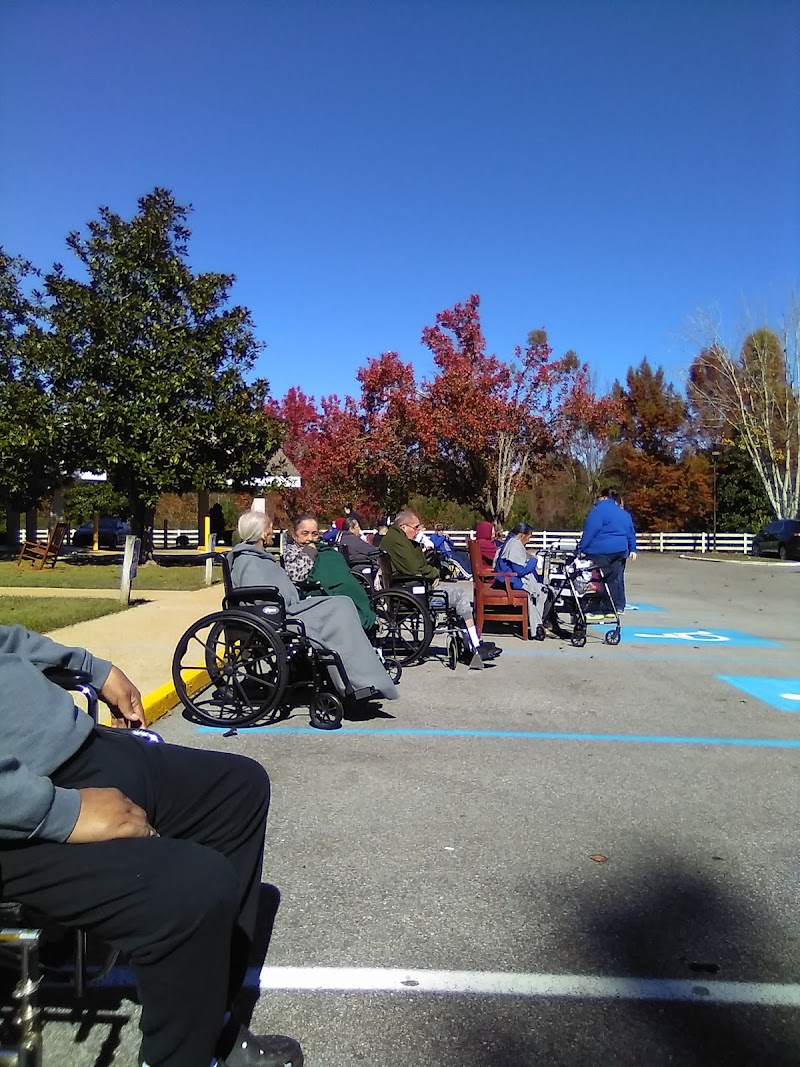
How is Choctaw Residential Center Staffed?

CMS rates CHOCTAW RESIDENTIAL CENTER's staffing level at 3 out of 5 stars, which is average compared to other nursing homes. Staff turnover is 85%, which is 39 percentage points above the Mississippi average of 46%. High turnover can affect care consistency as new staff learn residents' individual needs. RN turnover specifically is 100%, which is notably high. RNs provide skilled clinical oversight, so turnover in this role can affect medical care quality.

What Have Inspectors Found at Choctaw Residential Center?

State health inspectors documented 21 deficiencies at CHOCTAW RESIDENTIAL CENTER during 2021 to 2025. These included: 20 with potential for harm and 1 minor or isolated issues.
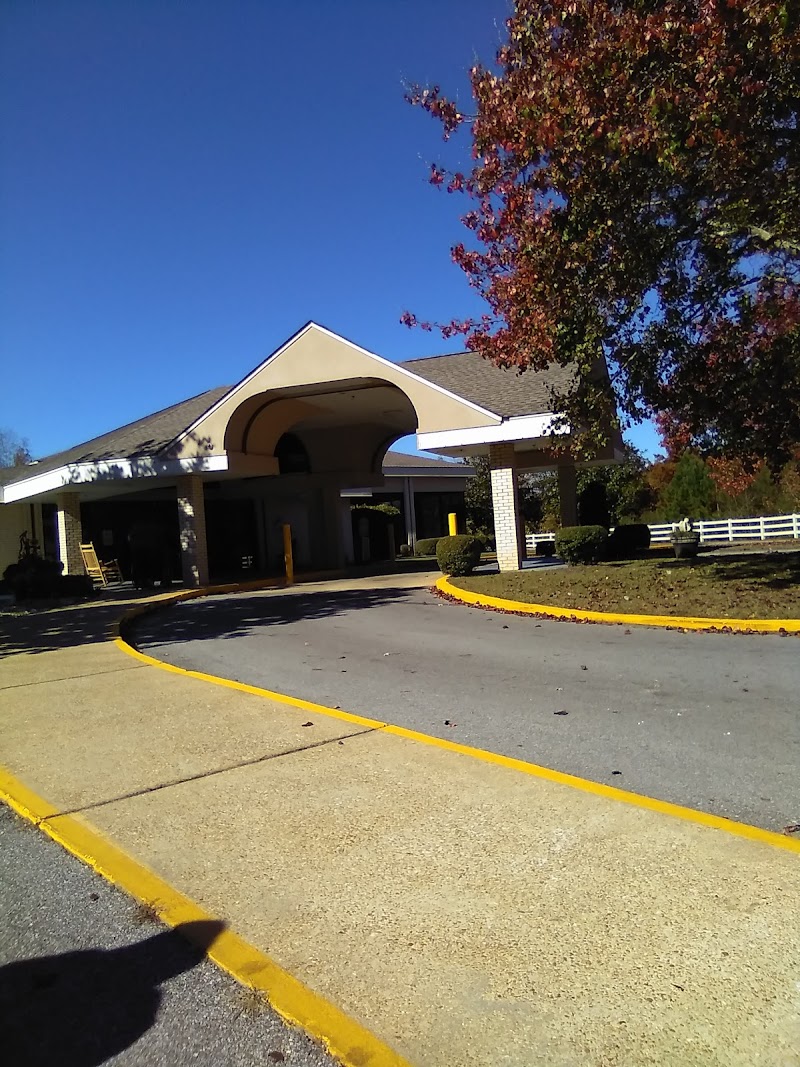
Who Owns and Operates Choctaw Residential Center?

CHOCTAW RESIDENTIAL CENTER is owned by a non-profit organization. Non-profit facilities reinvest revenue into operations rather than distributing to shareholders. The facility operates independently rather than as part of a larger chain. With 120 certified beds and approximately 110 residents (about 92% occupancy), it is a mid-sized facility located in CHOCTAW, Mississippi.
How Does Choctaw Residential Center Compare to Other Mississippi Nursing Homes?

Compared to the 100 nursing homes in Mississippi, CHOCTAW RESIDENTIAL CENTER's overall rating (2 stars) is below the state average of 2.6, staff turnover (85%) is significantly higher than the state average of 46%, and health inspection rating (3 stars) is at the national benchmark.

What Should Families Ask When Visiting Choctaw Residential Center?

Based on this facility's data, families visiting should ask: "How do you ensure continuity of care given staff turnover, and what is your staff retention strategy?" "Can I visit during a mealtime to observe dining assistance and food quality?" "How do you handle medical emergencies, and what is your hospital transfer rate?" "Can I speak with family members of current residents about their experience?" These questions are particularly relevant given the facility's high staff turnover rate.

Is Choctaw Residential Center Safe?

Based on CMS inspection data, CHOCTAW RESIDENTIAL CENTER has a clean safety record: no substantiated abuse findings (meaning no confirmed cases of resident harm), no Immediate Jeopardy citations (the most serious violation level indicating risk of serious injury or death), and is not on the Special Focus Facility watch list (a federal program monitoring the lowest-performing 1% of nursing homes). The facility has a 2-star overall rating and ranks #100 of 100 nursing homes in Mississippi. While no facility is perfect, families should still ask about staff-to-resident ratios and recent inspection results during their visit.

Do Nurses at Choctaw Residential Center Stick Around?

Staff turnover at CHOCTAW RESIDENTIAL CENTER is high. At 85%, the facility is 39 percentage points above the Mississippi average of 46%. Registered Nurse turnover is particularly concerning at 100%. RNs handle complex medical decisions and coordinate care — frequent RN changes can directly impact care quality. High turnover means new staff may not know residents' individual needs, medications, or preferences. It can also be disorienting for residents, especially those with dementia who rely on familiar faces. Families should ask: What is causing the turnover? What retention programs are in place? How do you ensure care continuity during staff transitions?

Was Choctaw Residential Center Ever Fined?

CHOCTAW RESIDENTIAL CENTER has been fined $21,165 across 1 penalty action. This is below the Mississippi average of $33,291. While any fine indicates a compliance issue, fines under $50,000 are relatively common and typically reflect isolated problems that were subsequently corrected. Families should ask what specific issues led to these fines and confirm they've been resolved.

Is Choctaw Residential Center on Any Federal Watch List?

CHOCTAW RESIDENTIAL CENTER is not on any federal watch list. The most significant is the Special Focus Facility (SFF) program, which identifies the bottom 1% of nursing homes nationally based on persistent, serious quality problems. Not being on this list means the facility has avoided the pattern of deficiencies that triggers enhanced federal oversight. This is a positive indicator, though families should still review the facility's inspection history directly.