CLARKSDALE NURSING CENTER
1120 RITCHIE AVE, CLARKSDALE, MS 38614 (662) 627-2591
For profit - Individual 60 Beds THE BEEBE FAMILY Data: November 2025
Trust Grade
63/100
#61 of 200 in MS
Last Inspection: August 2024

Within standard 12-15 month inspection cycle. Federal law requires annual inspections.

Overview

Clarksdale Nursing Center has a Trust Grade of C+, indicating it is decent and slightly above average compared to other nursing homes. It ranks #61 out of 200 in Mississippi, placing it in the top half of facilities in the state, and #1 out of 2 in Coahoma County, meaning it is the best option locally. The facility is improving, with issues decreasing from 7 in 2024 to just 1 in 2025. Staffing is considered a strength, rated 4 out of 5 stars, with a turnover rate of 47%, which is good compared to the state average. However, the center has faced some concerns, including failing to follow care plans related to fluid restrictions for a resident on dialysis and not maintaining proper nail care for some residents, which could affect hygiene and comfort. Additionally, there were fines totaling $10,036, which is average, and while RN coverage is adequate, it is not above the state average, meaning more could be done to enhance resident care.

Trust Score
C+
63/100
In Mississippi
#61/200
Top 30%
Safety Record
Low Risk
No red flags
Inspections
Getting Better
7 → 1 violations
Staff Stability
⚠ Watch
47% turnover. Above average. Higher turnover means staff may not know residents' routines.
Penalties
○ Average
$10,036 in fines. Higher than 52% of Mississippi facilities. Some compliance issues.
Skilled Nurses
○ Average
Each resident gets 35 minutes of Registered Nurse (RN) attention daily — about average for Mississippi. RNs are the most trained staff who monitor for health changes.
Violations
⚠ Watch
17 deficiencies on record. Higher than average. Multiple issues found across inspections.
★★★☆☆
3.0
Overall Rating
★★★★☆
4.0
Staff Levels
★★★☆☆
3.0
Care Quality
★★★☆☆
3.0
Inspection Score
Stable
2024: 7 issues
2025: 1 issues

The Good

  • 4-Star Staffing Rating · Above-average nurse staffing levels
  • Full Sprinkler Coverage · Fire safety systems throughout facility
  • No fines on record

Facility shows strength in staffing levels, fire safety.

The Bad

3-Star Overall Rating

Near Mississippi average (2.6)

Meets federal standards, typical of most facilities

Staff Turnover: 47%

Near Mississippi avg (46%)

Higher turnover may affect care consistency

Federal Fines: $10,036

Below median ($33,413)

Minor penalties assessed

Chain: THE BEEBE FAMILY

Part of a multi-facility chain

Ask about local staffing decisions and management

The Ugly 17 deficiencies on record

Jun 2025 1 deficiency
CONCERN (D) 📢 Someone Reported This

A family member, employee, or ombudsman was alarmed enough to file a formal complaint

Potential for Harm - no one hurt, but risky conditions existed

Notification of Changes (Tag F0580)

Could have caused harm · This affected 1 resident

**NOTE- TERMS IN BRACKETS HAVE BEEN EDITED TO PROTECT CONFIDENTIALITY** Based on staff interviews, record review, and facility policy review, the facility failed to notify a dialysis clinic of a signi...

Read full inspector narrative →
**NOTE- TERMS IN BRACKETS HAVE BEEN EDITED TO PROTECT CONFIDENTIALITY** Based on staff interviews, record review, and facility policy review, the facility failed to notify a dialysis clinic of a significant change in a resident's status for one (1) of three (3) residents reviewed for notification of change (Resident #1). Findings include: Review of the facility policy titled Change in Resident Medical Status, last revised 9/17, revealed a change in medical status is defined as any physical, psychological, and/or medical deviation as compared to the resident's status as noted in the initial assessment. During review of a complaint received related to Resident #1, it was revealed that the facility did not inform the dialysis clinic of the resident's fall that resulted in a brain bleed. Record review of a document dated 2/27/25 from (Proper Name) Medical Center revealed Resident #1 presented to the Emergency Department (ED) related to a fall with injury and was diagnosed with a subdural hematoma and a scalp laceration. An interview with the Nurse Practitioner on 6/18/25 at 11:00 AM confirmed that Resident #1 obtained a subdural hematoma from the fall that occurred on 2/26/25. She stated she asked one of the nursing staff if the dialysis unit was aware of the fall with the subdural hematoma, and the staff member replied yes. She also confirmed that the dialysis unit needed to be aware of the subdural hematoma to determine if any treatments may need to be altered. An interview with Licensed Practical Nurse (LPN) #1 on 6/18/25 at 11:41 AM confirmed that the facility communicates with the dialysis clinic using the Nursing Facility/Dialysis Clinic Communication forms and confirmed that the fall with the subdural hematoma that Resident #1 obtained should have been communicated on that form to the dialysis clinic. Review of the Nursing Facility/Dialysis Clinic Communication form for Resident #1 dated 3/5/25, completed by LPN #1, revealed it was completed by the nursing facility prior to clinic transfer. The section titled Change in Condition contained no documentation of the fall or subdural hematoma diagnosed on [DATE]. A continued review of the Nursing Facility/Dialysis Clinic Communication form for Resident #1 dated 3/5/25-4/4/25 revealed there continued to be no documentation of the fall or subdural hematoma. A phone interview with the Clinic Manager Registered Nurse from the dialysis clinic on 6/18/25 at 11:50 AM confirmed that Resident #1 was a patient at the clinic and recalls finding out about the fall when the resident told their staff. She reviewed the communication forms and medical record of Resident #1 and stated she was unable to find any documentation that the dialysis clinic was ever informed that Resident #1 had a subdural hematoma. She stated that residents on dialysis are given heparin, an anticoagulant, during dialysis treatment to thin the blood. She then stated that if the clinic had been made aware, the provider would have been notified prior to dialysis treatment because thinning the blood could increase the risk of bleeding from the subdural hematoma, and staff would have been aware of the need to assess for any changes in status. Record review of the progress notes for Resident #1 from 2/26/25-3/30/25 revealed no documentation that the dialysis clinic was notified of the subdural hematoma diagnosed after a fall on 2/26/25. An interview with the Director of Nursing on 6/18/25 at 12:10 PM confirmed that staff should have documented the change in status of Resident #1 having a subdural hematoma to the dialysis clinic because the administration of heparin to thin the blood could have worsened the condition. An interview with the Administrator on 6/18/25 at 12:20 PM confirmed that the facility staff should have communicated to the dialysis clinic that Resident #1 had a subdural hematoma. Record review of the admission Record revealed the facility admitted Resident #1 was admitted on [DATE] with diagnoses of end-stage renal disease and a history of falling. No diagnosis of traumatic subdural hematoma was listed. Record review of Resident #1's Section C of the admission Minimum Data Set (MDS) revealed that on 1/24/25 the Brief Interview for Mental Status (BIMS) score was 14, indicating the resident was cognitively intact.
Aug 2024 6 deficiencies
CONCERN (D)

Potential for Harm - no one hurt, but risky conditions existed

Deficiency F0692 (Tag F0692)

Could have caused harm · This affected 1 resident

Based on record review, staff interview, and facility policy review the facility failed to ensure that a fluid restriction was followed for one (1) of five (5) residents on fluid restrictions. Residen...

Read full inspector narrative →
Based on record review, staff interview, and facility policy review the facility failed to ensure that a fluid restriction was followed for one (1) of five (5) residents on fluid restrictions. Resident #11. Findings included: Record review of facility policy Fluid Restriction with the latest review date of 02/22 revealed Policy: Fluids will be restricted for residents as directed by physician orders .Fluid Restriction 1000 cc's (cubic centimeters), Total Nursing 300 cc's, By Shift 120cc's day, 90 cc's evening (eve), 90 cc's night (noc). Total Dietary 700 cc's . Record review of August 2024 Active Orders for Resident #11 revealed Fluid Restriction 960 Milliliters (ML) per day with an onset date of 3/10/23. Record review of August 2024 Electronic Medical Record (EMAR) for Resident #11 revealed that Resident #11 received more than 960 cc's of fluid per day for nine (9) of 13 days from 8/1/24 through 8/13/24. (8/1/24, 8/2/24, 8/5/24, 8/6/24, 8/7/24, 8/8/24, 8/9/24, 8/11/24, and 8/12/24). In an interview with the Dietary Manager on 8/14/24 at 1:08 PM, she stated that Resident #11 was on a 1000 milliliter (ml) a day fluid restriction. She stated that the facility follows the fluid restriction policy that breaks down how much fluid nursing and dietary are to provide each shift. The Dietary Manager stated that the facility was following the fluid breakdown for a 1000 ml a day fluid restriction and that dietary provides (1) four (4) ounce (oz.) cup of fluid on each tray. (4) oz. equals 120 ml. During an interview with Licensed Practical Nurse (LPN) #1 on 8/14/24 at 1:34 PM, she stated that Resident #11 was on a 1000 ml/day fluid restriction. When asked how she knew how much fluid the resident was to receive on her shift she stated that dietary provided a (4) oz. cup of fluid on each tray, and she provided a (4) oz. cup of fluid during each med pass. LPN #1 verified that she gives Resident #11 (2) four ounce cups of fluid on her shift. An interview with the Director of Nursing (DON) on 8/14/24 at 1:45 PM, she verified Resident #11 should be on a 960 ml per day fluid restriction not a 1000 ml per day fluid restriction. The DON verified that documentation on the EMAR did reflect that the resident received more than 960 ml per day on nine (9) out of 13 days in August 2024. She stated that failure to follow the fluid restriction for Resident #11 could lead to fluid overload. Record review of the Face Sheet for Resident #11 revealed that the facility admitted him on 3/10/23 with a diagnoses that included End Stage Renal Disease.
CONCERN (D)

Potential for Harm - no one hurt, but risky conditions existed

Infection Control (Tag F0880)

Could have caused harm · This affected 1 resident

Based on observation, resident and staff interview, record review, and facility policy review, the facility failed to implement Enhanced Barrier Precautions (EBP) for a resident with a peripherally in...

Read full inspector narrative →
Based on observation, resident and staff interview, record review, and facility policy review, the facility failed to implement Enhanced Barrier Precautions (EBP) for a resident with a peripherally inserted central catheter (PICC) for intravenous antibiotic therapy on two (2) of five (5) care area observations requiring enhanced barrier precautions. (Resident # 157). Findings include: A review of the facility policy titled, Enhanced Barrier Precautions, revised 03/24, revealed .Indwelling medical device examples include central lines . A peripheral intravenous line (not a peripherally inserted central catheter) is not considered an indwelling medical device for the purpose of EBP . During entrance rounds on 8/13/24 at 12:00 PM, an observation revealed Registered Nurse (RN)/ Treatment nurse hanging a bag of intravenous (IV) fluids to Resident #157 right upper arm access device. The RN/Treatment nurse was not observed to be wearing a gown for enhanced barrier precautions, and there were no signs observed in the resident's room or on the doorway to alert staff of enhanced barrier precautions. Record review of the Physician Orders List revealed an order dated 7/23/24 for ceftriaxone 2-gram solution for injection: Administer 2 mg (milligrams)/100 milliliter(s) intravenous once daily until 8/18/2024. d/c (discontinue) PICC midline catheter care after last dose of IV antibiotic . In an observation on 8/14/24 at 12:35 PM, revealed an enhanced barrier sign observed on the outside doorway to Resident #157's room. Observed the RN Supervisor enter Resident #157's room to administer ceftriaxone intravenous (IV) solution via the PICC line. The RN Supervisor was observed connecting the IV tubing to the resident's right upper arm PICC line access device. The RN Supervisor did not put on a gown for enhanced barrier precautions before the procedure. Upon exiting the room, the RN Supervisor was asked if Resident #157 was on enhanced barrier precautions. She stated yes and pointed to the enhanced barrier precaution sign on the outer doorway of Resident #157's room. She then confirmed that she did not use enhanced barrier precautions while hanging Resident 157's IV antibiotics via his PICC line. In an interview with the Infection Control Nurse on 8/14/24 at 1:04 PM, she revealed she was unaware Resident #157 had a PICC line. She confirmed the resident should be on enhanced barrier to reduce the risk of transmission of bacteria while providing care to the PICC line device. An interview with RN/Treatment nurse on 8/14/24 at 1:18 PM, she confirmed she hung the IV antibiotics on 8/13/24 around noon, she confirmed there was no enhanced barrier sign on the doorway on 8/13/24 and that she did not use enhanced barrier precautions because she was unable to find a gown. She revealed she was aware that she should have followed the enhanced barrier precautions because Resident #157 had a PICC line device. During an interview with the Resident #157 on 8/14/24 at 1:50 PM, he revealed that he has only seen staff wear a gown a couple of times to hang his IV medications. On 8/14/24 at 2:00 PM, in an interview with the Director of Nursing she confirmed staff should have been using enhanced barrier precautions while administering the IV antibiotics for Resident #157's through his PICC line device. Review of the Face Sheet revealed the facility admitted Resident #157 key on 7/23/24 with diagnoses that included Osteomyelitis of vertebra, lumbar region.
CONCERN (E)

Potential for Harm - no one hurt, but risky conditions existed

Comprehensive Care Plan (Tag F0656)

Could have caused harm · This affected multiple residents

Based on observation, resident and staff interview, record review, and facility policy review, the facility failed to implement care plans related to fluid restriction (Resident #11), nail care (Resid...

Read full inspector narrative →
Based on observation, resident and staff interview, record review, and facility policy review, the facility failed to implement care plans related to fluid restriction (Resident #11), nail care (Resident's #24 & #44) and following Enhanced Barrier Precautions (EBP) for (Resident #157) for four (4) of 19 care plans reviewed. Findings included: Review of the facility policy titled, Care Plan Process, revised 08/17, revealed The facility staff shall follow the care plan . Resident # 11 Record review of the Care Plan for Resident #11 revealed Resident receives dialysis .Has fluid restrictions 960 cubic centimeters (cc's) in a 24 hour per day (see EMAR). Record review of August 2024 Electronic Medical Record (EMAR) for Resident #11 revealed the resident received more than 960 cc's of fluid per day for none (9) of 13 days from 8/1/24 through 8/13/24. (8/1/24, 8/2/24, 8/5/24, 8/6/24, 8/7/24, 8/8/24, 8/9/24, 8/11/24, and 8/12/24). During an interview with Nurse Case Manager on 8/14/24 at 2:05 PM, she verified that Resident #11's care plan indicated that he was on a 960 cc per day fluid restriction. The Nurse Case Manager stated that staff failed to follow the care plan when they gave the resident more than 960 cc's per day. She stated that this could cause a fluid overload for the resident. Resident #24 A record review of Resident #24's Care Plan revealed with a problem onset date of 08/29/2023 revealed Resident needs assistance with ADL'S (Activities of Daily Living) . Approaches . Nail Care weekly. Check condition and clean PRN (as needed) . Fingernails: Clean and Trimmed weekly on Tuesdays as indicated . During an observation on 08/13/24 at 10:40 AM, Resident #24's fingernails were long and jagged, approximately one-half (1/2) inch past the tips of fingers on both hands. An observation on 08/14/24 at 9:13 AM, Resident #24's fingernails were long and jagged, approximately one-half (1/2) inch past the tips of fingers on both hands. During an observation and interview on 08/14/24 at 10:50 AM, Licensed Practical Nurse (LPN) #2 confirmed that resident #24's nails were long and jagged and needed to be trimmed and confirmed that the resident's Care Plan was not being followed and should have been. During an interview on 08/14/24 at 11:10 AM, the Director of Nurses (DON) confirmed that Resident #24's fingernails were to be cleaned daily, and the nurses were to trim them on Tuesdays as indicated. She revealed that her ADL care plan was not being followed if her nails were not trimmed like they should have been. Resident #44 A record review of Resident #44's Care Plan with a Problem onset date of 07/19/2023 revealed Resident needs limited assist with ADL'S (Activities of Daily Living) . Approaches .Fingernail: Clean and trimmed weekly as indicated . During an observation and interview on 08/14/24, at 1:30 PM, Resident #44's fingernails were long and jagged, approximately one inch past the tips of his fingers, with a brown substance underneath. Resident #44 stated my nails grow fast, but I think it's been about three weeks since they were cut. During an interview and observation on 08/14/24 at 2:10 PM, LPN #2 confirmed that Resident #44's fingernails were soiled and needed to be cut and that his plan of care was not being followed. During an interview and observation on 08/14/24 at 2:20 PM, the DON confirmed that the resident's nails were long and needed to be cut. The DON also confirmed that Resident #44's ADL care regarding his nail care was not being followed. During an interview on 08/15/24 at 9:50 AM, the Registered Nurse (RN) Supervisor revealed that both Resident #24 and Resident #44's ADL care plans regarding nail care were not being followed, and they should have been. Resident #157 Record review of the Care Plan for Resident #157 revealed Problem/Need: Resident receives IV (intravenous medications) .Approaches .Enhanced barrier precautions followed . During an observation on 8/14/24 at 12:35 PM, revealed an enhanced barrier sign observed on the outside doorway to Resident #157's room. Observed the RN Supervisor enter Resident #157's room to administer ceftriaxone intravenous (IV) solution via the PICC line. The RN Supervisor was observed connecting the IV tubing to the resident's right upper arm PICC line access device. The RN Supervisor did not put on a gown for enhanced barrier precautions before the procedure. Upon exiting the room, the RN Supervisor was asked if Resident #157 was on enhanced barrier precautions. She stated yes and pointed to the enhanced barrier precaution sign on the outer doorway of Resident #157's room. She then confirmed that she did not use enhanced barrier precautions while hanging Resident 157's IV antibiotics via his PICC line. During an interview with the Nurse Case Manager on 8/14/24 at 2:03 PM, she verified that Resident #157's care plan indicated that Enhanced Barrier Precautions (EBP) were to be used during administration of medication of IV antibiotics by PICC line. She then stated that staff failed to follow the care plan when they failed to use EBP when administering IV antibiotics and this could increase his risk for infection. She stated that the purpose of the care plan is to identify issues and put interventions in place to help achieve goals related to the resident's needs.
CONCERN (E)

Potential for Harm - no one hurt, but risky conditions existed

ADL Care (Tag F0677)

Could have caused harm · This affected multiple residents

**NOTE- TERMS IN BRACKETS HAVE BEEN EDITED TO PROTECT CONFIDENTIALITY** Based on observation, staff and resident interviews, facility policy review, and record review, the facility failed to ensure fi...

Read full inspector narrative →
**NOTE- TERMS IN BRACKETS HAVE BEEN EDITED TO PROTECT CONFIDENTIALITY** Based on observation, staff and resident interviews, facility policy review, and record review, the facility failed to ensure fingernails were clean and trimmed, as evidenced by long and jagged nails with a brown substance under nails for two (2) of eight (8) residents observed. Resident #24 and Resident #44 Findings include: Record review of the facility's, Nail Care Policy, revised 07/10, revealed Purpose: To promote cleanliness, safety, and a neat appearance . Procedure .1. Perform hand hygiene . 7. Remove any debris from under the nails. 8. Trim the nails straight across . 14. Document all appropriate information in the clinical record . Resident #24 During an observation on 08/13/24 at 10:40 AM, Resident #24's fingernails were long and jagged, approximately one-half (1/2) inch past the tips of fingers on both hands. An observation on 08/14/24 at 9:13 AM, Resident #24's fingernails were long and jagged, approximately one-half (1/2) inch past the tips of fingers on both hands. During an observation and interview on 08/14/24 at 10:40 AM, Certified Nurse Aide (CNA) #2 revealed she wasn't sure if the resident was diabetic but thought she was, and the nurses were supposed to trim her fingernails. She confirmed Resident #24's fingernails were long and jagged and revealed she could scratch herself and have a skin tear. During an observation and interview on 08/14/24 at 10:50 AM, Licensed Practical Nurse (LPN) #2 confirmed that Resident #24's nails were long and jagged and needed to be trimmed. She revealed that the nurses are supposed to trim her fingernails weekly since she is diabetic. She revealed that she could scratch herself with the jagged nails, get a skin tear, and possibly get an infection. A record review of Resident #24's Electronic Administration Record (EMAR) for August 2024 revealed under Nursing Instruction, Fingernail: Clean and trimmed weekly on Tuesday as indicated. The weekly dates of August 6 and August 13 were signed off as completed. August 13 was signed off by LPN #2. In an interview on 08/14/24 at 11:10 AM, the Director of Nurses (DON) confirmed that Resident #24's fingernails were to be cleaned daily, and the nurses were to trim the nails on Tuesdays as indicated and sign that it was completed in the EMAR. She confirmed that if the resident's nails were long and not trimmed, it could cause a skin tear injury for the resident. A record review of the Face Sheet revealed Resident #24 was admitted to the facility, on 08/29/2023 with diagnoses that included Type 2 diabetes mellitus and Unspecified dementia, severe. Resident #44 During an observation and interview on 08/14/24, at 1:30 PM, Resident #44's fingernails were long and jagged, approximately one inch past the tips of his fingers, with a brown substance underneath. Resident #44 stated my nails grow fast, but I think it's been about three weeks since they were cut. In an interview on 08/14/24 at 2:00 PM, CNA #2 stated, I never cut his fingernails. He doesn't let you do it, so I don't even try. An observation and interview on 08/14/24 at 2:05 PM revealed Resident #44 sitting in his wheelchair in his room. His fingernails were long, jagged, and had a brown substance underneath. Resident #44 revealed that he doesn't refuse his fingernails to be cut and would like them trimmed. During an interview and observation on 08/14/24 at 2:10 PM, LPN #2 revealed that the CNAs could do Resident #44's fingernails since he is non-diabetic. When asked about the last time the resident's nails were cleaned and trimmed, LPN #2 stated, I can't answer that since I don't work down here every day. LPN #2 confirmed she did not look at his nails yesterday but did sign off on the EMAR that they were done. LPN #2 confirmed that Resident #44's fingernails were soiled and needed to be cut. She revealed that the treatment nurse usually does his nails, and the treatment nurse told her yesterday that all the nails were done, so she just signed them off without looking. Resident #44 stated to LPN #2, I would like my nails cut. A record review of Resident #44's EMAR for August 2024 revealed under nursing Instruction, Fingernail: Clean and trimmed weekly on Tuesday as indicated. The weekly dates of August 6 and August 13 were signed off as completed. August 13 was signed off by LPN #2. During an interview and observation on 08/14/24 at 2:20 PM, the DON confirmed the resident's nails were long and needed to be cut. Resident #44 stated, Yes, I want them cut. The DON revealed the EMAR shouldn't have been checked off without the nurse looking at the nails to make sure they were done. During an interview on 08/14/24 at 2:35 PM, the Registered Nurse (RN) Treatment Nurse revealed, I asked the resident yesterday if he wanted his nails done, and he was on the phone, and his wife said not at this time. The RN Treatment Nurse stated I went back later and asked him again, and he said no. She confirmed the resident's nails are to be kept clean and trimmed weekly and stated, I can't really tell you the last time his fingernails were cut. An interview on 08/15/24 at 9:50 AM with the RN Supervisor revealed the nurses and CNAs can all do nail care, however, the CNAs cannot do residents who are diabetic or on blood thinners, but they can let the nurses know when they do their AM care that the resident's nails need to be tended to. She revealed it doesn't fall under the task for the CNAs to check off, but they know they are to do the nails and then let the nurse know that the nails have been done so she can document them. She revealed it is the responsibility of either the treatment nurse or the charge nurse to physically look at the resident's nails every Tuesday and ensure that the nails are cleaned, trimmed, and appropriately documented on the EMAR. During an interview on 08/15/24 at 10:59 AM, the Administrator revealed that the CNAs and nurses are both responsible for resident nail care. She revealed that the nurse who is taking care of the residents can easily look at their fingernails when they are passing their medication and make sure they are cleaned and trimmed, and they are to document this weekly. A review of the Face Sheet revealed Resident #44 was admitted to the facility on [DATE] with diagnoses that included Peripheral vascular disease and Cerebral infarction. A review of the Minimum Data Set (MDS) with an Assessment Reference Date (ARD) of 6/26/2024 Section C ,revealed a Brief Interview for Mental Status (BIMS) score of 08, indicating Resident #44 is moderately cognitively impaired.
CONCERN (E)

Potential for Harm - no one hurt, but risky conditions existed

QAPI Program (Tag F0867)

Could have caused harm · This affected multiple residents

Based on record review and staff interview, the facility's Quality Assessment and Assurance Committee (QAA) failed to maintain implemented procedures and monitor the interventions the committee put in...

Read full inspector narrative →
Based on record review and staff interview, the facility's Quality Assessment and Assurance Committee (QAA) failed to maintain implemented procedures and monitor the interventions the committee put in placing following the recertification survey on 4/6/2023 and the complaint survey on 6/26/2024. This was for deficiency recited during a recertification on 8/15/2024 in the area of F677 Activities of Daily Living (ADL). The continued failure of the facility during three State Surveys of record shows a pattern of the facility to sustain an effective QAA program. This was for one (1) of seven (7) deficient practice citations. Findings Included: This citation is cross-referenced to: F677 Review of the facility policy titled QAPI Performance Improvement Project (PIP) with a revision date of 11/22 revealed, The QA Committee annually prioritizes activities, endorses or re-endorses policies and procedures, and continually monitors for improvement through the use of a QAPI self-assessment. In addition, the QA Committee will implement any PIP topics as indicated through data analysis. PIPs are implemented in accordance with CMS' protocol for conducting PIPs, including: 1. Measurement of performance using objective quality indicators. 2. Implementation of system interventions to achieve improvement in quality based on Root Cause Analysis. 3. Evaluation of the effectiveness of the interventions. 4. Plan and initiation of activities for increasing or sustaining improvement. An interview with the Administrator (ADM) on 08/15/24 at 10:05 AM revealed she was not aware that the resident's Activities of Daily Living (ADL) were not being done and was a concern for the facility again. She revealed after we were cited for ADLs during our annual survey last year and again cited on a complaint survey this year, the Interdisciplinary Team (IDT) discussed those in Quality Assurance Performance Improvement (QAPI), which involved our Medical Director, and we put measures in place, with monitoring to ensure this would be resolved but obviously something is wrong if this is a continued issue, and our plan is not working. Record review of the Facility's Plan of Correction (POC) dated 5/5/23 revealed under, 3. All Licensed Practical Nurses, Registered Nurses and Certified Nursing Assistants were in-serviced on the policy Nail Care on 04/13/23, 04/18/23 & 04/19/23 by the Director of Nursing. Orders were written for nail care and placed on the Electronic Medical Administration Record (EMAR) for nurses to check and initial weekly to assure that proper nail care is being done on all residents. 4. Nail care has been added to all resident's EMAR. Licensed Practical Nurses or Registered Nurses will assess all fingernails weekly and clean and trim as indicated. The Registered Nurse Supervisor will monitor nail care five times a week while making daily rounds. The Director of Nursing will monitor the EMAR weekly for four weeks and then monthly for two months. Monitoring began on April 7, 2023. The director of Nurses will report any concerns to the Quality Assurance Committee. The Director of Nurses or the Administrator will report any concerns to the Quality Assurance Committee weekly for four weeks and then quarterly. The Quality Assurance Committee met with the Medical Director on April 10, 2023, post annual State Survey to review potential tags. The Medical Director will meet with the Quality Assurance Committee on May 2, 2023 to review/approve the Plan of Correction for the actual tags. The Quality Assurance Committee will monitor quarterly for one year until the deficient practice is resolved and will make revisions and/or corrections when needed to current plan of corrections. Record review of the Facility's Plan of Correction (POC) dated 7/2/24 revealed under, 3. All nursing staff were in-serviced on the policy Activities for Daily Living and the importance of following the residents care plans on June 26, 27, 28, 29 and July 1, 2024 by the Director of Nursing, Staff Development/Infection Preventionist and Staff Nurse. All Staff will be in-serviced four times per year and as needed on Activity of Daily Living including incontinent care, good nutrition, grooming, personal and oral hygiene by Staff Development. The Director of Nursing, Staff Development/Infection Preventionist and Nursing Supervisors will make random rounds on eight residents daily for two weeks, then two times a week for two weeks. An emergency Quality Assurance meeting on June 28, 2024 was held with the Medical Director for approval of Plan of Correction. Any problems will be placed on a Quality Improvement form and weekly in the Department Head Meeting until resolved. 4. The Administrator will report to the Quality Assurance Committee quarterly. The Quality Assurance Committee will monitor quarterly until the deficient practice is no longer an issue and will make revisions and/or corrections when needed.
MINOR (C)

Minor Issue - procedural, no safety impact

Assessment Accuracy (Tag F0641)

Minor procedural issue · This affected most or all residents

**NOTE- TERMS IN BRACKETS HAVE BEEN EDITED TO PROTECT CONFIDENTIALITY** Based on staff interview, record review and facility policy review the facility failed to accurately code the Minimum Data Set A...

Read full inspector narrative →
**NOTE- TERMS IN BRACKETS HAVE BEEN EDITED TO PROTECT CONFIDENTIALITY** Based on staff interview, record review and facility policy review the facility failed to accurately code the Minimum Data Set Assessment (MDS) for the use of restraints for five (5) of five (5) resident MDS Assessments reviewed for accurate coding of restraints. Resident #5, #18, #25, #33, and #38. Findings include: Record review of the facility policy titled Resident Assessment revised 09/19, revealed .Any healthcare professional that completes a portion of the assessment must sign and certify the accuracy of the portion of the assessment that they have completed . Resident #5 Review of the Quarterly MDS dated with an Assessment Reference Date (ARD) of 7/15/24 for Resident #5 revealed Section P Restraints was coded that resident uses side rails daily. An observation on 8/13/24 at 11:20 AM, of Resident #5's bed, revealed one-half (½) siderails to the head of the bed only. Interview with Certified Nursing Assistant #1 (CNA) on 8/14/24 at 10:30 AM, she stated that the one-half (1/2) upper side rails on Resident #5's bed do not restrain her or keep her from getting out of the bed. Review of the Face Sheet revealed the facility admitted Resident #5 on 6/27/24 with a diagnosis of Pseudobulbar Affect. Resident #18 During an observation and interview on 8/13/24 at 2:02 PM, Resident #18's bed was noted to have upper side rails. The resident revealed that the side rails help her turn. Record review of Resident #18's Face Sheet revealed the resident was admitted to the facility on [DATE] with medical diagnoses that included Rheumatoid arthritis and a Personal history of stroke. Record review of Resident #18's MDS with an ARD of 7/9/24 revealed under Section: P that Physical restraints was coded to use bed rail daily. Record review of Resident #18's MDS with an ARD of 7/9/24 revealed under Section C that the resident had a Brief Interview for Mental Status (BIMS) score of 10 which indicated the resident is moderately cognitive impaired. Resident #25 Review of the Quarterly MDS with an ARD of 5/14/2024 for Resident #25 revealed Section P-Restraints was coded the resident uses side rails daily. An observation on 8/13/24 at 10:30 AM, of Resident #25's bed, revealed ½ rails to the head of the bed only. In an interview with Registered Nurse (RN)/Treatment nurse on 8/14/24 at 10:05 AM, she revealed that Resident #25 was not physically able to get herself out of the bed and the side rails to the top of the bed were not considered restraints. Review of the Face Sheet revealed the facility admitted Resident #25 on 7/05/23 with a diagnosis of Encounter for the orthopedic aftercare. Resident #33 Review of the Quarterly MDS with an ARD of 7/30/24 revealed Section P Restraints was coded that resident uses side rails daily. An observation on 8/13/24 at 10:58 AM, revealed Resident #33 had two half rails located at the head of the bed only. In an interview with the RN Treatment nurse on 8/14/24 at 10:00 AM, she revealed that Resident #33 was unable to get herself out of the bed and the side rails to the top of the bed were not considered restraints. Review of the Face Sheet revealed the facility admitted Resident #33 on 7/05/23 with a diagnosis of Type two Diabetes Mellitus. Resident #38 Review of the Significant Change MDS with an ARD of 6/7/24 for Resident #38 revealed Section P Restraints was coded the resident uses side rails daily. An observation on 8/13/24 at 11:00 AM, of Resident #38's bed, revealed one-half (½) siderails to the head of the bed only. Interview with Licensed Practical Nurse #2 (LPN) on 8/14/24 at 10:35 AM, she stated that Resident #38 is not physically able to get out of bed without of assistance. She stated that the one-half (1/2) side rails on Resident 38's bed are used to enhance her mobility and do not restrain her. She stated that the facility is restraint free. Review of the Face Sheet revealed the facility admitted Resident #38 on 3/7/24 with a diagnosis of Dementia. In an interview with the Nurse Case Manager on 8/14/24 at 11:21 AM, she revealed that she found out yesterday 8/13/24 from the Nurse Consultant that the MDS department has been incorrectly coding section P of the MDS for restraints. She then stated that the previous Case Manager trained her to code all side rails as restraints on the MDS. She also confirmed that Section P of the MDS for restraints for Resident's #5, #18, #25, #33, and #38 were coded incorrectly, and the residents do not have restraints. Furthermore, she stated that the purpose of coding the MDS correctly is to provide an accurate reflection of the resident's specific care that each resident requires. In an interview with the Administrator on 8/14/24 at 11:30 AM, she revealed the facility has no restraints, and confirmed she was unaware that the resident MDS assessments were being coded incorrectly. In an interview with the RN/ MDS Assessment nurse on 8/14/24 at 11:51 AM, she revealed she was trained to code all side rails as restraints because the residents cannot physically remove side rails from the bed. She stated she knew they were not restraints, but that is the way she was trained.
Jun 2024 1 deficiency
CONCERN (D) 📢 Someone Reported This

A family member, employee, or ombudsman was alarmed enough to file a formal complaint

Potential for Harm - no one hurt, but risky conditions existed

ADL Care (Tag F0677)

Could have caused harm · This affected 1 resident

Based on observation, staff and resident interview, and record review the facility failed to ensure that a resident received incontinent care during a night shift for one (1) of five (5) residents rev...

Read full inspector narrative →
Based on observation, staff and resident interview, and record review the facility failed to ensure that a resident received incontinent care during a night shift for one (1) of five (5) residents reviewed. Resident #1. Findings Include: Record review of a typed statement by the Administrator dated 06/26/24 on Company Letterhead revealed, Clarksdale Nursing Center does not have a policy specific to how frequent ADL (Activities of Daily Living) rounds are made or incontinent care provided. On 06/26/24 at 7:40 AM, an observation and interview with Licensed Practical Nurse #1 (LPN) revealed her entering Resident #1's room and confirmed that his brief was soaked with urine and that he should have been changed during the Certified Nursing Assistant's (CNA) last rounds. State Agency (SA) observed Resident #1 telling LPN #1 that he had not been changed during the night and she stated to Resident #1, I'm sorry. I will get someone to change you now. LPN #1 revealed that leaving a resident wet for long periods could cause all kinds of problems including urinary tract infections, bed sores, and other skin issues. LPN #1 revealed that Resident #1 would get up to the bathroom himself if he was in his wheelchair but would not get up and go to the bathroom if he was in the bed. On 06/26/24 at 9:00 AM, an interview with CNA #1, revealed that the CNAs were supposed to make rounds on each resident every two (2) hours on day and night shifts, and change their brief if wet or soiled. She revealed that if they noticed a resident was wet between rounds, they were supposed to go ahead and change them and not wait until the scheduled time and stated, We can't control when someone pees. She revealed that the night shift normally made their last rounds and changed the residents' briefs or diapers before they clocked out at 7:00 AM. At 9:40 AM on 6/26/24, an interview with the Director of Nursing (DON), revealed she had preached to the staff about the need to make their rounds at least every 2 hours on day and night shifts, and to check on the residents, not just stick their heads in and look at them. The DON revealed that they trained all nursing staff on incontinence care, on rounding every 2 hours, and on changing residents who needed to be changed even if it was between their scheduled rounds. The DON revealed that Resident #1 should not have been left wet, that his assigned CNA should have changed him. Record review of Resident #1's Face Sheet revealed an admission date of 03/24/21 with diagnoses that included Type II Diabetes and Hemiplegia following Cerebral Infarction. Record review of Resident #1's Minimum Data Set (MDS) with an Assessment Reference Date (ARD) of 06/11/24, under Section C revealed a Brief Interview for Mental Status (BIMS) Score of 11 which indicated that he had moderate cognitive deficits. Section H Urinary Continence revealed that he was frequently incontinent.
Apr 2023 7 deficiencies
CONCERN (D)

Potential for Harm - no one hurt, but risky conditions existed

Resident Rights (Tag F0550)

Could have caused harm · This affected 1 resident

Based on resident observation and staff interviews the facility failed to promote dignity related to a catheter bag stored without a privacy bag for one (1) of two (2) residents with urinary catheters...

Read full inspector narrative →
Based on resident observation and staff interviews the facility failed to promote dignity related to a catheter bag stored without a privacy bag for one (1) of two (2) residents with urinary catheters. Resident # 13. Findings include: Record review of the statement typed on facility letterhead signed by the Administrator and dated April 5, 2023, revealed, .We do not have a policy on the use of a privacy catheter bag. An observation on 4/04/23 at 10:52 AM , revealed a catheter bag hanging on the left side of Resident #13's bed with no privacy bag and visible to the SA and any visitors walking in the hallway. An observation and interview on 4/05/23 at 2:20 PM, Certified Nurse Assistant (CNA) # 3 confirmed the catheter bag was hanging on the right side of the bed with no privacy bag and there should be one and confirmed that it could be embarrassing for a resident if their bag of urine was visible for everyone to see. An interview with Licensed Practical Nurse (LPN) #1 on 4/4/23 at 2:25 PM, she confirmed all residents with catheters should have a privacy bag and revealed it is a dignity issue. An interview with the Director of Nursing (DON) on 4/5/23 at 8:00 AM, revealed she was made aware by staff that Resident #13 did not have a privacy bag for his catheter and confirmed all residents with catheters should have one because they have the right to dignity. Record review of the April 2023 Physician Orders revealed an order dated 1/27/23, revealed Change 18F (French) Coude catheter every month. Record review of the Face Sheet revealed that the facility admitted Resident #13 to the on 8/16/19 with diagnoses of Malignant neoplasm of the prostate, Benign prostatic hyperplasia with lower urinary tract, Chronic kidney disease and Alzheimer's disease.
CONCERN (D)

Potential for Harm - no one hurt, but risky conditions existed

Deficiency F0561 (Tag F0561)

Could have caused harm · This affected 1 resident

**NOTE- TERMS IN BRACKETS HAVE BEEN EDITED TO PROTECT CONFIDENTIALITY** Based on record review, resident and staff interviews and facility policy review the facility failed to honor a resident's choic...

Read full inspector narrative →
**NOTE- TERMS IN BRACKETS HAVE BEEN EDITED TO PROTECT CONFIDENTIALITY** Based on record review, resident and staff interviews and facility policy review the facility failed to honor a resident's choice for showers for one (1) of 20 residents reviewed. Resident #30 Findings include: Record review of the facility policy titled Bathing, with a revision date of 10/17, Processes 1. Inquire with the resident concerning bathing preferences (e.g., time of day, type of bathing-shower, bed bath, etc.) 2. Offer the resident choice in their bathing routine . During an interview with Resident #30 on 4/04/23 at 11:43 AM, she stated that she was unsure of the last time she had a shower. Resident #30 stated that she gets a 'wash up' but no shower and that she would like to have a shower. On 4/04/23 at 4:35 PM, an interview with the Director of Nursing (DON) revealed that before COVID the shower schedule was Monday, Wednesday, and Friday for A beds and Tuesday, Thursday, and Saturday for B beds. She verified that they haven't gotten back to the shower schedule since COVID started. She revealed if a resident wants a shower the aide will give them a shower, they just need to ask. She revealed she thinks a shower, or a whirlpool bath would make the residents feel better, get their circulation going, it's just better for the residents and they just need to get back to giving the showers. During an interview with Resident #30 on 4/5/23 at 8:00 AM, revealed she told her Certified Nursing Assistants (CNAs) that she wants a shower, and they respond, 'we'll see', but do not come back and give her a shower. In an interview on 4/5/2023 at 9:15 AM with CNA # 1, revealed that she is usually assigned to Resident # 30 during the day shift and sometimes on the evening shift. CNA # 1 stated that Resident # 30 likes to take her showers during the evening shift before she goes to bed. CNA # 1 stated that they did have a shower schedule in the past, before COVID, but they did not have a shower schedule any more. She stated that if Resident # 30 asked her for a shower on the evening shift, she would give her one, but that she could not remember the last time she had given Resident # 30 a shower. In an interview on 4/5/2023 at 3:10 PM with CNA # 2, she stated that showers are not given on the evening shift. She stated that she had not given any showers when working the evening shift. An interview with the DON and Minimum Data Set (MDS) Coordinator on 4/6/23 at 8:45 AM, they verified that since the resident indicated on the MDS that choosing what type of bath she wanted was very important that they should have asked the resident what she wanted. They both confirmed that not taking the residents choices into consideration could possibly make the resident feel like her choices were not important. The DON confirmed that the resident had not received any showers. Record review of the facility electronic record titled Resident Care Details, Question: Type of Bath revealed that from 3/1/23 through 4/5/2023 Resident # 30 received a complete bed bath, sponge bath or partial bed bath, but no showers. A record review of the MDS, with a Assessment Reference Date (ARD) of 3/10/2023, revealed, section C, Cognitive Patterns, Brief Interview for Mental Status (BIMS) score of 15, indicating the resident is cognitively intact. A record review of the MDS, with an ARD of 12/12/2022, revealed, section F, Preferences for Customary Routine and Activities, Interview for Daily Preferences, C. how important is it to you to choose between a tub bath, shower, bed bath, or sponge bath? Is coded 1, indicating that it is Very important. A record review of the Face Sheet revealed Resident # 30 was admitted on [DATE] with diagnosis of Malignant neoplasm of parathyroid gland, Muscle Weakness, Bilateral primary osteoarthritis of hip and knee.
CONCERN (D)

Potential for Harm - no one hurt, but risky conditions existed

PASARR Coordination (Tag F0644)

Could have caused harm · This affected 1 resident

Based on staff interview, record review and facility policy review the facility failed to submit a Change in Status referral for a Level II Pre-admission Screening and Resident Review (PASRR) related ...

Read full inspector narrative →
Based on staff interview, record review and facility policy review the facility failed to submit a Change in Status referral for a Level II Pre-admission Screening and Resident Review (PASRR) related to a new diagnosis of Schizophrenia and after a significant change from a psychiatric in-patient stay for one (1) of five (5) residents reviewed. Resident # 31. Findings include: A record review of the facility's policy titled Pre-admission Screening PAS/PASRR (MS Only), revised 10/18, revealed A Change in status referral for Level II Resident Review Evaluations is Required for Individuals who have not been previously identified by PASRR to have Mental illness . A resident who exhibits behavioral, psychiatric, or mood related symptoms suggesting the presence of a mental diagnosis as defined under 42 CFR 483.100 .A resident is transferred, admitted to a Nursing Facility (NF) following an impatient psychiatric stay or equally intensive treatment . A record review of Resident #31's Diagnosis list revealed a new diagnosis of Schizophrenia on 3/31/22 and a review of the Physician Psychiatric Progress Note from Provider #1 dated 3/31/22, revealed a diagnosis of Schizophrenia. A record review of a History and Physical dated 9/13/22 from Provider #1, revealed Resident #31 was admitted to the Senior Care Unit for behavioral disturbance, hallucinations, and paranoia. Resident # 31 was discharged back to the facility on 9/23/22 with a diagnosis of Schizophrenia, paranoid type and which revealed a new medication of Haldol 1 mg (milligram) by mouth daily and continued medications of Seroquel 400 mg daily at bedtime and Lorazepam 1 mg twice daily as needed. A record review revealed a Significant Change Assessment completed on 10/03/23 after the return from inpatient therapy at Senior Care. An interview with the Minimum Data Set (MDS) Coordinator on 4/5/23 at 9:00 AM, she revealed she receives a copy of every progress note from the psych provider and adds the new diagnosis to the resident's diagnosis list. She also revealed MDS is notified of hospital returns and MDS opens the assessments. An interview with MDS Coordinator on 4/05/23 at 02:00 PM, also revealed she was under the understanding that a Change of Status referral for Level II PASRR only had to be completed if a resident was admitted to hospital for psychiatric services and received a new diagnosis and medication for Major Mental illness and did not have to be completed if there is a diagnosis of Dementia and confirmed there was no Change in Status Referral for Level II for the new diagnosis of schizophrenia obtained in March 2022. An interview with the Assessment Nurse on 4/05/23 at 2:15 PM, she revealed she completes the PASRR form also and thought it was only completed on admission and was unaware of completing the Change in Status Referral for Level II. The Assessment nurse revealed she was unaware of what the facility policy for PASRR reads. An interview with the Administrator revealed on 4/05/23 at 2:30 PM, she revealed she was aware that a Change in Status Referral had to be completed but thought it was only when a resident went out for psychiatric treatment and returned with a new diagnosis and new medication. She confirmed if the PASRR Level II change of status referral is not completed the resident could possibly not get the care or services they may need. An interview with the MDS Coordinator on 4/05/23 at 2:48 PM she revealed after reviewing the facility policy she understood she should have submitted a Change in Status Referral for a Level II PASRR when Resident # 31 got the new diagnosis of Schizophrenia and after the Resident returned from inpatient at Senior Care and a Significant Change Assessment was completed. She revealed the reason of the Level II PASRR Change in Status Referral was to receive any recommendations on proper care and treatment for her mental illness and confirmed by not submitting it Resident # 31 may have possibly had increased behaviors from not receiving the proper care she needed. MDS Coordinator also confirmed there have been no other PASRR's or Change in Status Referral completed for Resident # 31 since admission. An interview with the Director of Nursing (DON) on 4/05/23 at 3:16 PM, she revealed the purpose of the PASRR was to determine the special needs for each individual resident's mental illness and to identify if a resident is appropriate for nursing home placement and if not completed it is possible a resident may not receive the individualized care they need. An interview with the Administrator on 04/06/23 at 8:52 AM, she confirmed a Change in Status Referral for a Level II should have been completed after Resident # 31 obtained the new diagnosis of Schizophrenia and after she returned from Senior Care. Record review of the Face Sheet revealed that the facility admitted Resident # 31 to the on 1/20/22 with diagnoses of Hallucinations unspecified, Major depressive disorder, Unspecified psychosis not due to a substance or physiological condition, Unspecified dementia with behavioral disturbance, and Paranoid personality disorder.
CONCERN (D)

Potential for Harm - no one hurt, but risky conditions existed

Deficiency F0645 (Tag F0645)

Could have caused harm · This affected 1 resident

Based on staff interview, record review and policy review the facility failed to accurately complete a Pre-admission Screening and Resident Review (PASRR) and failed to identify a mental disorder resu...

Read full inspector narrative →
Based on staff interview, record review and policy review the facility failed to accurately complete a Pre-admission Screening and Resident Review (PASRR) and failed to identify a mental disorder resulting in no Level II referral for evaluation for one (1) of five (5) residents reviewed. Resident # 31. Findings include: A record review of the facility's policy titled Pre-admission Screening PAS/PASRR (MS Only), revised 10/18, revealed Level II PASRR- When a Level 1 screening on a PAS indicates possible Mental Illness or Intellectual Disability and related conditions (RC) the DOM will notify Ascend to review the case .The Level II evaluation must be completed prior to admission. A record review of the PASRR dated 1/20/23 for Resident #31, revealed diagnosis of Schizophrenia/other psychosis marked under active medical conditions. Under Level II Referral Criteria NO was answered to the following questions: Does this person have a history of cognitive behavior or behavior functions that indicate need for MR evaluation? Person has a diagnosis of major mental illness? Person takes, or has a history of taking, psychotropic medications? An interview with the Minimum Data Set (MDS) Coordinator on 4/5/23 at 9:00 AM, she revealed prior to admission she completes a PASRR on all residents to screen for possible mental illness diagnosis that may need a Level II referral. A record review and interview with the MDS Coordinator on 4/05/23 at 02:00 PM, revealed she completed the PASRR on 1/20/22 and review of the PASRR with the State Agency (SA) confirmed it was coded incorrectly resulting in no referral for a Level II PASRR. The MDS Coordinator revealed she marked NO to questions under Level II referral criteria when the answer should have been yes related to Diagnosis of Psychosis. The MDS Coordinator revealed when she did the PASSR she was not aware of the psych medications. She also confirmed she completed the admission Assessment and should have seen the diagnoses and medications then and completed a new PASRR with referral for a level II. The MDS Coordinator confirmed there were no other PASRR's submitted other than the one completed on 1/20/22. A record review of the admission Assessment for Resident #31 dated 1/27/22, revealed under section I Active Diagnoses, Psychotic Disorder other than schizophrenia, Paranoid Personality disorder, and unspecified psychosis not due to a substance or physiological condition was coded. A record review of Resident # 31's Diagnosis list with onset date of 1/20/22 the day of admission, revealed Hallucinations unspecified, Major depressive disorder, Unspecified psychosis not due to a substance or physiological condition, Unspecified dementia with behavioral disturbance, and Paranoid personality disorder. A record review of the History and Physical dated 1/14/23 from Provider #1, revealed under impressions: Psychosis, not otherwise specified, behavioral and psychological symptoms of dementia. Under medications Haldol 0.5 mg (milligrams) twice daily and Seroquel 25 mg twice daily. An interview with the MDS Coordinator on 4/05/23 at 2:48 PM, she revealed the reason for the Level II PASRR referral was to receive any recommendations on proper care and treatment for her mental illness and confirmed by not submitting it Resident # 31 could potentially have increased behaviors from not receiving the proper care she needed. An interview with the Director of Nursing (DON) on 4/05/23 at 3:16 PM, revealed the purpose of the PASSR was to determine the special needs for each individual resident's mental illness and to identify if a resident is appropriate for nursing home placement and if not completed it is possible a resident may not receive the individualized care they need. An interview with the Administrator on 4/06/23 at 8:52 AM, confirmed on admission Resident #31 should have had a PASSR with level II referral. Record review of the Face Sheet revealed that the facility admitted Resident # 31 to the on 1/20/22 with diagnoses of Hallucinations unspecified, Major depressive disorder, Unspecified psychosis not due to a substance or physiological condition, Unspecified dementia with behavioral disturbance, and Paranoid personality disorder.
CONCERN (D)

Potential for Harm - no one hurt, but risky conditions existed

Comprehensive Care Plan (Tag F0656)

Could have caused harm · This affected 1 resident

**NOTE- TERMS IN BRACKETS HAVE BEEN EDITED TO PROTECT CONFIDENTIALITY** Based on resident and staff interview, and record review and the facility policy review the facility failed to develop and imple...

Read full inspector narrative →
**NOTE- TERMS IN BRACKETS HAVE BEEN EDITED TO PROTECT CONFIDENTIALITY** Based on resident and staff interview, and record review and the facility policy review the facility failed to develop and implement care plans for residents requiring diabetic nail care and residents who preferred showers for three (3) of 20 residents reviewed. Resident #16, #30 and #42. Findings include: Record review of the facility policy titled Care Plan Process with a revision date of 08/17, Page 1, Regulations require facilities to complete, at regular intervals, a comprehensive, standardized assessment of each resident's functional capacity and needs, in relation to a number of specified areas (e.g., customary routine .)The result of the assessment, which must accurately reflect the resident's status and needs, are to be used to develop, review, and revise each resident's comprehensive person-centered plan of care .Page 3 Under , When implemented properly . Consider each resident as a whole, with unique characteristics and strengths that affect his or her capacity for function; Identify areas of concerns that may warrant interventions; Develop, to the extent possible, interventions .,in the context of the resident's condition, choices, and preferences for interventions . Resident #16 On 04/04/23 at 10:16 AM, observed Resident #16 lying in bed, fingernails were long and jagged, approximately. one-half inch past the tips of fingers on both hands, there was a brown substance under each fingernail. LPN #2 confirmed during an interview on 04/04/23 at 02:25 PM, the Comprehensive care plan for Resident #16 under his diabetic nail care was not being followed and it should have been. She revealed the care plan is developed so we the staff know exactly how to take care of the resident. An interview on 04/05/23 at 03:35 PM, the Minimum Data Set (MDS) Assessment Nurse confirmed that Resident #16's care plan for Diabetic nail care weekly; keeping his fingernails clean and trimmed was not being followed and it should have been. A record review of Resident #16's Comprehensive Care Plan with a Problem onset date of 11/09/2017 revealed, Resident has a DX of Diabetes Mellitus (DM) . Approaches . Diabetic Nail care weekly; Keep fingernails clean and trimmed. Record review of the Electronic Administration Record (EMAR) revealed Diabetic Nail Care Weekly: Keep Fingernails clean and trimmed. Order date of 11/09/17. There was no documentation for nail care completion for March and April 2023. An interview on 04/05/23 at 03:35 PM, the MDS Assessment Nurse confirmed that Resident #16's care plan for Diabetic nail care weekly; keeping his fingernails clean and trimmed was not being followed and it should have been. Resident #30 A record review of Resident # 30's Care plan revealed a problem onset date of 10/14/2019 revealed, Resident needs assist with ADL's D/T (due to) a decline in mobility R/T (related to) OA (Osteoarthritis)bilateral knees. The goal revealed the resident will be assisted with ADLS (Activities of Daily Living) while promoting max level of independence through next review-3/12/23. Review of the approaches revealed no approaches related to bathing or residents preference for showers. A record review of the MDS with a Assessment Reference Date (ARD) of 12/12/2022, revealed, section F, Preferences for Customary Routine and Activities, Interview for Daily Preferences, C. how important is it to you to choose between a tub bath, shower, bed bath, or sponge bath? Is coded 1, indicating that it is Very important. In an interview with Resident # 30 on 4/04/23 at 11:43 AM, she stated that she was unsure of the last time she had a shower. Resident #30 stated that she gets a 'wash up' but no shower and that she would like to have a shower. An interview with the Director of Nursing (DON) and the MDS Coordinator on 4/6/23 at 8:45 AM they verified that since the resident indicated on the MDS that choosing what type of bath she wanted was very important and that they should have asked the resident what she wanted and indicated her choice on her care plan. They verified that the residents choice was not indicated on her care plan , but it should be and that not taking the residents choices into consideration could possibly make the resident feel like her choices were not important. A record review of the MDS, with an ARD of 3/10/2023. Section C, revealed a Brief Interview for Mental Status (BIMS) score of 15, indicating the resident is cognitively intact. A record review of the Face Sheet revealed Resident # 30 was admitted on [DATE] with diagnoses that included Malignant neoplasm of parathyroid gland and Bilateral primary osteoarthritis of hip and knee . Resident #42 On 04/04/23 at 10:22 AM, during an interview and observation revealed Resident #42 sitting in his wheelchair, fingernails were long and jagged approximately. one-half inch past the fingertips, and a brown substance under the nails on both hands. Resident #42 revealed they were too long and he would like them to be cut. He revealed, It's been a while since they were cut and I don't like them this long. In an interview on 04/04/23 at 02:35 PM, the Registered Nurse (RN) Supervisor revealed she and the Treatment Nurse do the nails of the diabetics and confirmed that there was no nail care plan for Resident #42 and there should have been. An interview on 04/05/23 at 03:35 PM, the MDS Assessment Nurse confirmed that Resident #42's care plan for keeping his fingernails clean and trimmed was not being followed and Resident #42's care plan did not specify diabetic nail care and it should have. An interview on 04/05/23 at 3:55 PM, the MDS Coordinator revealed the plan of care for Resident #14, Resident #16, and Resident #42 should have been developed more individualized to each of the Residents' needs. She revealed as the care plans are written it just reflects that the Residents are to receive weekly nail care and PRN (as needed) but it needs to be a specific day so it will alert the nurse and they will need to sign off that the nail care has been done. She revealed the care plans don't have a measurable timeframe and they should. A record review of Resident #42's Comprehensive Care Plan with a Problem onset date of 11/20/2020 revealed, Resident is dependent on staff for dressing, grooming, and bathing. Approaches . Nail care weekly. Check condition and clean PRN.
CONCERN (D)

Potential for Harm - no one hurt, but risky conditions existed

Deficiency F0675 (Tag F0675)

Could have caused harm · This affected 1 resident

Based on facility policy review, observation, staff interviews, and record review the facility failed to provide proper position a resident, in her wheelchair, who required feeding assistance for one ...

Read full inspector narrative →
Based on facility policy review, observation, staff interviews, and record review the facility failed to provide proper position a resident, in her wheelchair, who required feeding assistance for one (1) of 13 residents observed during the lunch dining observation. Resident # 46. Resident #46 Review of the facility policy titled, Feeding the Dependent Resident, with a latest revision date of 10/17, revealed Purpose: To ensure adequate nutrition for residents who are unable to feed themselves. 5. Ensure that resident is seated comfortable in upright position. 17. Position resident comfortably. An observation on 4/4/23 at 11:52 AM, of Resident #46 during lunch dining, in the main dining room revealed her sitting in her wheelchair with her upper body and left elbow extended over the left armrest of the wheelchair while being fed by Certified Nursing Assistant (CNA) #5. This observation also revealed that small amounts of the food fell off the utensil when CNA #5 attempted to place food in Resident #46's mouth while she was leaning over to the left side. Two (2) of the CNAs in the dining area were observed to physically straighten Resident #46 up and centered her in her wheelchair, but Resident #46 was observed to immediately lean back over to the left side with her upper body and left elbow extended over the left armrest of her wheelchair. CNA #5 was observed to slightly push against Resident #46's left shoulder to straighten her up in the wheelchair but Resident #46 immediately leaned back to the left side with her upper body and left elbow extended over the left armrest of her wheelchair. An observation and interview on 4/4/23 at 12:00 PM with CNA# 5, confirmed the observation that Resident #46 was sitting in her wheelchair in the dining room leaning over to the left side with her upper body and left elbow extended over the left armrest. CNA #5 revealed she was not aware of whether Resident #46 usually leaned over to the left side when she was up in her wheelchair. She did note that Resident #46 needed something in her wheelchair to assist to position her and to hold her up straight. CNA #5 was observed to continue to feed Resident #46 as she leaned over in her wheelchair with her upper body and left elbow extended over the left armrest of her wheelchair. CNA #5 informed Register Nurse (RN) #1, the nurse assigned to monitor the residents eating in the dining room for this lunch dining, that Resident #46 kept leaning to the left. RN #1 replied to CNA #5 that Resident #46 needed a pillow in her chair to help with posture. An observation and interview on 4/4/23 at 12:04 PM with RN #1 confirmed the observation that Resident #46 was sitting in her wheelchair and was leaning over to the left side with her upper body and left elbow extended over the left armrest of her wheelchair, while CNA #5 was feeding her. She also confirmed that she was aware that Resident #46 had issues with poor trunk control for a while since her recent physical decline related to her existing diagnosis of Dementia. She reported that the CNAs must constantly reposition Resident #46 during dining. An observation and interview on 4/4/23 at 12:08 PM with the Director of Nursing (DON), who was present in the dining room to assist with the lunch dining, confirmed the observation that Resident #46 was leaning to the left side with her upper body and left elbow extended over the left armrest of her wheelchair. She confirmed Resident #46 had a decline due to her existing diagnosis of Dementia and had been having issues with positioning for a while but could not recall how long. She confirmed that the nursing staff could have used a pillow to assist Resident #46 with positioning in her wheelchair. She revealed that Resident #46 being fed while not being properly positioned in an upright position could possibly pose a choking hazard. An interview on 4/4/23 at 02:15 PM with the Administrator revealed the nursing staff should have used a pillow or a wedge to assist Resident #46 to maintain trunk control in her wheelchair when being fed by the nursing staff. The Administrator confirmed she was aware that Resident #46 had issues with maintaining trunk control but revealed she was not aware that the nursing staff allowed her to lean over to the left side with her upper body and left elbow extended over the left armrest of the wheelchair while being fed. She confirmed there was a possibility of a choking hazard for Resident #46, when being fed by the nursing staff while leaning over to the left side. She confirmed that Resident #46 was not properly positioned in an upright position during dining. Record review of the Face Sheet for Resident #46 revealed diagnoses of Unspecified Dementia, Unspecified Severity, Anorexia, Vascular Dementia, Unspecified Severity, and Muscle Weakness (Generalized). Record review of Section C of the Quarterly Minimum Data Set (MDS) Assessment, with an Assessment Reference Date (ARD) of 3/6/2023 revealed Resident #46's Brief Interview for Mental Status (BIMS) score was 00, indicating the resident is severely cognitively impaired.
CONCERN (D)

Potential for Harm - no one hurt, but risky conditions existed

ADL Care (Tag F0677)

Could have caused harm · This affected 1 resident

**NOTE- TERMS IN BRACKETS HAVE BEEN EDITED TO PROTECT CONFIDENTIALITY** Based on observation, staff and resident interviews, facility policy review, and record review, the facility failed to ensure fi...

Read full inspector narrative →
**NOTE- TERMS IN BRACKETS HAVE BEEN EDITED TO PROTECT CONFIDENTIALITY** Based on observation, staff and resident interviews, facility policy review, and record review, the facility failed to ensure fingernails were clean and trimmed as evidenced by long and jagged nails with a brown substance under nails for three (3) of 54 residents observed. Resident #14, Resident #16, and Resident #42 Findings include: Resident #14 Record review of the facility's, Nail Care Policy, revised 10/17, revealed: Purpose .To promote cleanliness, safety, and a neat appearance .1. Perform hand hygiene. 7. Remove any debris from under the nails. 8. Trim the nails straight across. 14. Document all appropriate information in the clinical record. During an interview and observation on 04/04/23 at 12:05 PM, Resident #14's fingernails were long and jagged approximately one and one-half (1 1/2) inches past the tips of fingers on both hands. Resident #14 revealed he doesn't like his nails that long and has already asked about getting them cut. He revealed they haven't been cut since he was admitted . He revealed he told the Social Director about it and she said she would get someone to cut them. An interview and observation on 04/04/23 at 02:25 PM, Licensed Practical Nurse (LPN) #2 revealed the aides are allowed to do nail care on the residents that are not diabetic. She revealed that Resident #14 is a diabetic and the Registered Nurse (RN) Supervisor or Treatment Nurse does his nail care. LPN #2 asked Resident #14 if he wanted his nails cut Resident #14 replied Yes. LPN #2 confirmed that his nails were very long and needed to be cut. In an interview on 04/04/23 at 04:29 PM, the Social Director revealed, yesterday Resident #14 came to her office around 11:15 AM and asked if someone could cut his fingernails. She stated I went immediately to the RN Supervisor and asked her to please cut his nails that he had come to my office requesting them to be cut. In an interview on 04/04/23 at 04:35 PM, the Director of Nurses (DON) revealed that she wasn't sure about the schedules for the nails to be done and she would have to get with the RN Supervisor. She confirmed that all the residents should be getting their nails cleaned daily when they are bathed and they should be kept trimmed regularly. Record review of the Electronic Administration Record (EMAR) for March and April 2023 revealed no nail care order. An interview on 04/05/23 at 3:55 PM, the Minimum Data Set (MDS) Coordinator revealed she wasn't sure why the nail care was not showing up on the Electronic Administration Record (EMAR) and confirmed it should be since the resident is diabetic and the nurses need to sign it off. A review of the Face Sheet revealed Resident #14 was admitted to the facility, on 3/10/23 with diagnoses that included End stage renal disease and Type 2 Diabetes Mellitus. A review of the MDS, Section C with an Assessment Reference Date (ARD) of 3/20/2023, revealed a Brief Interview for Mental Status (BIMS) score of 15, indicating Resident #14 is Cognitively intact. Resident #16 An observation on 04/04/23 at 10:16 AM, revealed Resident #16 was lying in bed, fingernails were long and jagged, approximately one-half inch past the tips of fingers on both hands, there was a brown substance under each fingernail. An observation on 04/04/23 at 02:05 PM revealed Resident #16 lying in bed with nails long jagged untrimmed, and a brown substance under nails on both hands. An interview on 04/04/23 at 2:15 PM, the RN Supervisor revealed she or the Treatment Nurse are the ones that usually cut the diabetic's nails, but the aides can clean them, and they will let us know when they need to be trimmed. The RN Supervisor revealed I don't know if their nails need to be done unless the aides let me know. An interview and observation on 04/04/23 02:25 PM, in an interview with LPN #2 revealed the aides are supposed to keep the nails clean and can trim them but if they are diabetic the RN Supervisor or Treatment Nurse does the nail care. She confirmed that Resident #16's nails were long, dirty, and jagged and needed to be cleaned and trimmed. An interview on 04/05/23 at 02:04 PM, the RN Supervisor revealed Resident #16 gets his nails cut as needed which could be every other week or even a month, it's just according to when the aide lets us know they need to be cut. She revealed this is the same for every resident that is a diabetic. Record review of the Electronic Administration Record (EMAR) revealed Diabetic Nail Care Weekly: Keep Fingernails clean and trimmed. Order date of 11/09/17. There was no documentation for nail care completion for March, and April 2023 A review of the Face Sheet revealed Resident #16 was admitted to the facility on [DATE] with diagnoses that included, Hemiplegia following unspecified cerebrovascular disease affecting the right dominant side, Cerebral infarction due to thrombus of left middle cerebral artery and Type 2 Diabetes mellitus. A review of the MDS, Section C with an ARD of 1/9/2023, revealed a BIMS score of 0, indicating Resident #16 has severe cognitive impairment. Resident #42 An interview and observation on 04/04/23 at 10:22 AM, revealed Resident #42 was sitting in his wheelchair with fingernails long and jagged approximately one-half inch past the fingertips, and a brown substance under the nails on both hands. Resident #42 stated They are too long. I would like them to be cut. It's been a while since they were cut and I don't like them this long. An observation on 04/04/23 at 02:15 PM, Resident #42 was sitting in his wheelchair, fingernails remaining untrimmed, approximately one-half inch past the fingertips, with a brown substance under his nails on both hands. An interview and observation on 04/04/23 at 02:20 PM, CNA #2 revealed she was assigned to Resident #42 today. She revealed it is the responsibility of the nurse to cut the diabetic residents' nails and the aides are responsible for cleaning them and notifying the nurses that they need to be trimmed. She confirmed that Resident #42's nails were long and dirty and needed to be cleaned and trimmed. She wasn't sure the last time they were done. An interview on 04/04/23 at 02:35 PM, the RN Supervisor revealed she and the Treatment Nurse do the nails of the diabetics. She revealed she relies on the aides to let her know when the nails need to be cut since she doesn't see the residents every day. She revealed there are no set days for nail care. She confirmed that Resident #42's nails needed to be cleaned and cut and it was the responsibility of the aide to let her know. Record review of the EMAR for Resident #42 with an order date of 11/20/20 revealed Nail Care Weekly: Check condition and Clean PRN (as needed). There was no documentation for nail care completion for March and April 2023. A review of the Face Sheet revealed Resident #42 was admitted to the facility on [DATE] with diagnoses that included Hemiplegia following cerebral infarction affection left nondominant side and Type 2 Diabetes mellitus. A review of the MDS, Section C with an ARD of 2/8/2023, revealed a BIMS score of 7, indicating Resident #42 has severe cognitive impairment.
Feb 2021 2 deficiencies
CONCERN (D)

Potential for Harm - no one hurt, but risky conditions existed

Tube Feeding (Tag F0693)

Could have caused harm · This affected 1 resident

Based on observation, staff interview, record review, and facility policy review, the facility failed to check placement for a Percutaneous Enteral Gastrostomy (PEG) tube for one (1) of two (2) reside...

Read full inspector narrative →
Based on observation, staff interview, record review, and facility policy review, the facility failed to check placement for a Percutaneous Enteral Gastrostomy (PEG) tube for one (1) of two (2) residents observed during administration of medication through a PEG tube (Resident #51). Findings include: Review of the facility's Administering Medications Through Nasogastric or Gastrostomy Tube policy, revised March 2018, revealed upon the order of the attending physician medication will be administered through Nasogastric / Gastrostomy tube when a patient is unable to swallow medications or has a Nasogastric Gastrostomy tube for nourishment. #6 noted the procedure revealed to verify proper tube placement by aspirating gastrointestinal contents. Under points to remember, #2 noted to check and document for proper placement of tube every shift and before administering medication. On 2/2/21 at 9:51 AM, during medication pass Licensed Practical Nurse (LPN) #3 failed to check placement of the Percutaneous Enteral Gastrostomy tube (PEG) prior to administering medications. On 2/2/21 at 10:00 AM, an interview with LPN #3 confirmed that she did not check placement of the tube. LPN #3 stated that she just forgot to do it. She stated that she should always check the placement to be sure it is in the right place. LPN #3 stated she had been in-serviced and checked off on PEG tubes. On 2/3/21 at 4:45 PM, an interview, with the Staff Development Nurse, revealed she did periodic check offs with the nurses, but did not always document them. On 2/3/21 at 4:50 PM, an interview with the Director of Nursing, revealed that the nurse should always check placement before using the PEG tube. She stated this is to make sure it is in the right place. The DON stated the nurse should check placement with air or aspirating stomach contents because something could go into the lungs if the tube is not in the right place. Record review of the physician's order, dated 1/31/19, revealed to check PEG-tube placement every shift, and before medication administration. Record review of an In-service Training, dated 5/30/18, revealed LPN #3 performed a demonstration of medications per tube. Review of Resident #51's Facesheet revealed an admission date of 11/3/11 with diagnoses which included Type 2 Diabetes with Hyperglycemia, Dementia with Lewy Body and Gastrostomy Status.
CONCERN (D)

Potential for Harm - no one hurt, but risky conditions existed

Infection Control (Tag F0880)

Could have caused harm · This affected 1 resident

**NOTE- TERMS IN BRACKETS HAVE BEEN EDITED TO PROTECT CONFIDENTIALITY** Infection Control Related to Proper PPE Usage: Review of the facility's Infection Prevention and Control Program policy, dated 0...

Read full inspector narrative →
**NOTE- TERMS IN BRACKETS HAVE BEEN EDITED TO PROTECT CONFIDENTIALITY** Infection Control Related to Proper PPE Usage: Review of the facility's Infection Prevention and Control Program policy, dated 06-2014, revealed, Policy: It is the policy of this facility to minimize exposures to respiratory pathogens and promptly identify residents with Clinical Features and an Epidemiological Risk for the COVID-19 and to adhere to Transmission Based Precautions, including the use of eye protection. Note: All healthcare personnel will be correctly trained and capable of implementing infection control procedures and adhere to requirements . Set-Up Zone for Patient Placement: COVID Zone: Dedicated COVID-19 Team - Nurse and a CNA no other staff (may use housekeeper with additional IC training based on size of unit). Group tasks - med admin, turning, etc. - to eliminate multiple trips. Utilize COVID exposed equipment only .Conserve PPE - the goal is staff protection since all residents are COVID-19 positive and no other infectious process has been identified. The same gown and shoe covering is worn by the same HCP (health care personnel) when interacting with more than one patient known to be infected with the same infectious disease when these patients are housed in the same location (i.e., COVID-19 patients residing in an isolation cohort). Limit only essential personnel to enter the COVID zone with appropriate PPE and respiratory protection. PPE includes: Gloves, Gown, Goggles, and Respiratory Protection. Perform hand hygiene after discarding. On 02/01/2021 at 11:20 AM, during an initial tour of the COVID-19 Unit the facility had established a designated COVID-19 unit which consisted of a double door, which remained closed, and 15 feet inside the double door was a plastic wall barrier before the resident rooms began. This 15 foot area prior to the plastic wall was deemed by the facility as the buffer zone, where staff were to don their PPE before entering the plastic wall which was deemed the official start of the COVID-19 Unit. During an observation on 02/01/2021, at 11:45 AM, Registered Nurse (RN) #1, came onto the unit to pass medications. RN #1 had placed the medication cart in the buffer zone outside of the plastic curtain and had brought medications in for one of the residents. When exiting the COVID-19 Unit, through the plastic wall, RN #1 did not take the gown off prior to entering the buffer zone, and began obtaining another residents medications from the cart. This same pattern of failure to remove the gown prior to exiting the COVID-19 Unit occurred an additional seven (7) times throughout the medication pass. When asked by the State Agency (SA) if that was the protocol for passing medications on the COVID-19 Unit, RN #1 said she was told by the Director of Nursing (DON) to park her cart outside the plastic, and as long as she washed her hands and use gloves, she could come in and out of the plastic to the medication cart without donning and doffing new PPE between every resident. The SA then asked RN #1 if the cart had been contaminated going in and out of the COVID-19 Unit without removing the gown, and RN #1 replied, Yes Ma'am, I had planned to clean it. After the medication pass, RN #1 was observed to push the medication cart out of the buffer zone approximately 10 feet to the nurses station, and proceeded to clean the cart from top to bottom. There were no staff or residents near the nurses station at the time. On 02/01/2021 at 5:45 PM, during an interview with the Executive Director (ED), DON, and Infection Control nurse, all three (3) of them indicated it was not appropriate for the nurse to be coming in and out of the plastic curtain with the same gown on into the buffer area to obtain medications from the cart, and she should have taken the gown off prior to exiting the COVID-19 Unit and put another one on before re-entering the COVID-19 Unit behind the plastic wall. They all three (3) agreed the COVID-19 Unit started at the plastic wall, and the nurse should have cleaned the medication cart, top to bottom, before bringing it out of the buffer zone to the nurses station. When asked by the SA what could have resulted from this practice, the Infection Prevention Nurse replied, If she had not cleaned the cart thoroughly, the nurse could have carried COVID-19 down the hallway to other residents. When asked by the SA about dedicated staffing on the COVID-19 Unit, the DON replied, We try to do that, but some days we don't have enough nurses to make that happen, like today. Medication Administration Review of the facility's Eye and Ear Medication, Installation of policy, dated 10/2017, revealed, Procedure: Installation of Eye Drops: 12. Invert eye-drop dispense, or draw up solution with a medicine dropper (if using a dropper, ensure that you do not contaminate the container with the dropper - follow principles of asepsis.) 02/04/21 at 1:49 PM during an observation of a medication pass, Resident #1 was noted to have an order for Simbrinza 1% - 0.2% eye drops: Instill 1gtt (drop) in both eyes twice a day; wash hands before and after drop administration; wait 5 minutes before each drop. Registered Nurse (RN) #1 gathered supplies at the cart and entered Resident #1's room. RN #1 washed her hands and handed the resident a tissue to wipe her eyes. RN #1 administered drops into Resident #1's right eye, and then when attempting to reach across to place the drops in her left eye she was observed to touch Resident #1's eyeball with the tip of the dropper while administering her eye drops into her left eye. RN #1 did not clean the dropper before placing the cap on the eye drop bottle and placing it in the medication cart. When asked by the state agency if she had touched resident #1's eye with the eyedropper, RN #1 stated, she didn't think she had touched her eye but couldn't really see it from her angle. She agreed the dropper should have been wiped with an alcohol pad and cleaned prior to being capped and placed back in the cart. Resident #1 was admitted to the facility on [DATE] with diagnoses which included Diabetes, Hypertension, Hyperlipidemia, Glaucoma, Dry Eye Syndrome, Gastroesophageal Reflux Disease, Peripheral Vascular Disease, Metabolic Encephalopathy, Acquired Absence Of The Left and Right Legs Above The Knee. Resident #1 was not interviewable. Based on observation, staff interview, record review, and facility policy review, the facility failed to ensure oxygen tubing was changed timely to prevent a potential infection for two (2) of five (5) residents with oxygen, failed to adhere to infection control practices related to donning (putting on) and doffing (removing) proper Personal Protective Equipment (PPE) (Residents #23 and 35), failure to disinfect a medication cart prior to removing from the COVID-19 Unit buffering zone for one (1) of four (4) days of observation and failed to administer eye drops in a manner to prevent infection for one (1) of seven (7) residents observed for medication administration ( Resident #1). Findings include: Respiratory Care: Review of the facility's Infection Control Oxygen Equipment policy, with a revision date of 3/18, revealed oxygen tubing should be replaced every 7 days. On 02/01/21, at 12:15 PM, on the initial tour, an observation of Resident #35 revealed the resident lying in bed with oxygen on via nasal cannula (NC) at 2 liters per minute. There was no date found on the tubing noting the date the tubing was changed. On 02/02/21, at 2:25 PM, an observation of Resident #35 revealed the resident's oxygen tubing was on per NC at 2 liters per minute revealed there was no date on the tubing documenting when the tubing was changed. On 02/03/21, at 3:45 PM, an observation and interview with Licensed Practical Nurse (LPN) #1 of Resident #35 revealed the resident's NC oxygen tubing did not have a date documenting when it was applied. LPN #1 revealed the staff is supposed to change the tubing every Sunday on the evening shift and put a date on the tubing, to document when the tubing was changed. The date should be near the end of the tubing where it connects to the concentrator. LPN #1 revealed she had been in- serviced on changing oxygen tubing and documenting on the tubing the date it is changed. LPN #1 revealed she does not know why a date was not on the tubing and was not sure when the tubing was changed. LPN #1 revealed if the tubing was not changed every week it could cause the resident to get an infection. On 02/04/21, at 09:43 AM, an interview with the Director of Nursing (DON) revealed all oxygen tubing was to be replaced every 7 days and there was a place on the Medication Administration Record (MAR) to document it is changed on Sundays. The DON revealed the staff had been in-serviced on changing oxygen tubing and if the tubing was not changed it gets dirty and nasty and can cause an infection. The DON looked on Resident #35's physician's orders and on the MAR for documentation of changing the oxygen tubing. No order or record of oxygen tubing being changed was found. The DON confirmed there was no order written for changing the oxygen tubing, no place on the MAR to document the changing of the oxygen tubing and no intervention on the care plan. The DON confirmed she did not have any way of knowing if or when the tubing was changed. Review of Resident #35's Facesheet revealed a diagnosis of Acute Bronchitis. Review of Resident #35's February 2021 physician's orders revealed an order written on 1/11/21 for O2 @ 2L BNC (oxygen at two liters by nasal cannula) as needed for Dyspnea and there was no order found to change the oxygen tubing. Review of Resident #35's MAR revealed there was no entry for nursing to document the changing of the oxygen tubing. Resident #23 02/01/21 11:47 AM during the initial tour of the COVID-19 Unit, Resident #23 was noted wearing oxygen via nasal cannula with a humidification bottle attached. Neither the bottle or the oxygen tubing were dated. An additional observation was made at 3:00 PM, that Resident #23's oxygen cannula remained in place, and the tubing was still not dated. There was no nurse on the COVID-19 Unit at this time. When Certified Nursing Assistant (CNA) #1 was asked how long Resident #23 had been on oxygen, she stated she had been on it for several days. Review of Resident #23's medical record revealed there was no order in place to administer oxygen, so there was no way to validate how long the oxygen had been in place. On 2/1/21 at 5:45 PM, an interview with the DON, and Infection Control nurse both agreed the oxygen was supposed to be dated and changed every 7 days. The DON said they had began the standing order the facility had for oxygen at 2 liters per nasal cannula, and had failed to write the order for it. The DON stated they needed to change the tubing every 7 days to keep germs from growing in the tubing, especially since it was humidified air. Review of Resident #23's Facesheet revealed an admission of 03/28/2016 with diagnoses which included Polyneuropathy, Atrialfibrillation, Diabetes Mellitus Type 2, Adjustment Disorder with mixed Anxiety and Depressed Mood, Impulse Disorder, Schizoaffective Disorder, Chronic Kidney Disease. Resident #23 normally stayed on the Alzheimer's Unit of the facility, however, was currently on the COVID-19 Unit, and was not interview.
Understanding Severity Codes (click to expand)
Life-Threatening (Immediate Jeopardy)
J - Isolated K - Pattern L - Widespread
Actual Harm
G - Isolated H - Pattern I - Widespread
Potential for Harm
D - Isolated E - Pattern F - Widespread
No Harm (Minor)
A - Isolated B - Pattern C - Widespread

Questions to Ask on Your Visit

  • "Can I speak with families of current residents?"
  • "What's your RN coverage like on weekends and overnight?"

Our Honest Assessment

Strengths
  • • No major safety red flags. No abuse findings, life-threatening violations, or SFF status.
Concerns
  • • 17 deficiencies on record. Higher than average. Multiple issues found across inspections.
  • • $10,036 in fines. Above average for Mississippi. Some compliance problems on record.
Bottom line: Mixed indicators with Trust Score of 63/100. Visit in person and ask pointed questions.

About This Facility

What is Clarksdale Nursing Center's CMS Rating?

CMS assigns CLARKSDALE NURSING CENTER an overall rating of 3 out of 5 stars, which is considered average nationally. Within Mississippi, this rating places the facility higher than 99% of the state's 100 nursing homes. This mid-range rating indicates the facility meets federal standards but may have areas for improvement.
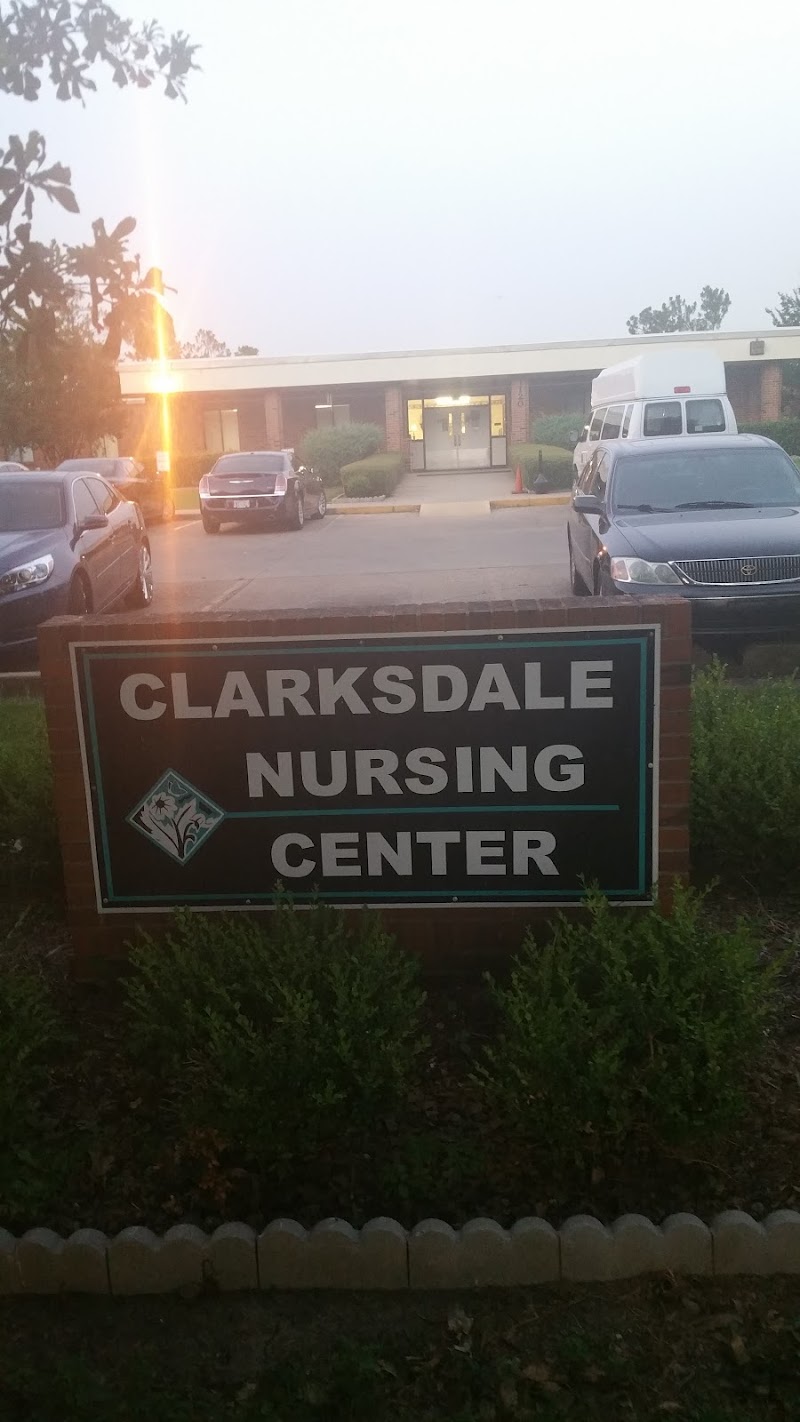
How is Clarksdale Nursing Center Staffed?

CMS rates CLARKSDALE NURSING CENTER's staffing level at 4 out of 5 stars, which is above average compared to other nursing homes. Staff turnover is 47%, compared to the Mississippi average of 46%.

What Have Inspectors Found at Clarksdale Nursing Center?

State health inspectors documented 17 deficiencies at CLARKSDALE NURSING CENTER during 2021 to 2025. These included: 16 with potential for harm and 1 minor or isolated issues.

Who Owns and Operates Clarksdale Nursing Center?

CLARKSDALE NURSING CENTER is owned by a for-profit company. For-profit facilities operate as businesses with obligations to shareholders or private owners. The facility is operated by THE BEEBE FAMILY, a chain that manages multiple nursing homes. With 60 certified beds and approximately 54 residents (about 90% occupancy), it is a smaller facility located in CLARKSDALE, Mississippi.

How Does Clarksdale Nursing Center Compare to Other Mississippi Nursing Homes?

Compared to the 100 nursing homes in Mississippi, CLARKSDALE NURSING CENTER's overall rating (3 stars) is above the state average of 2.6, staff turnover (47%) is near the state average of 46%, and health inspection rating (3 stars) is at the national benchmark.

What Should Families Ask When Visiting Clarksdale Nursing Center?

Based on this facility's data, families visiting should ask: "Can I visit during a mealtime to observe dining assistance and food quality?" "How do you handle medical emergencies, and what is your hospital transfer rate?" "Can I speak with family members of current residents about their experience?"

Is Clarksdale Nursing Center Safe?

Based on CMS inspection data, CLARKSDALE NURSING CENTER has a clean safety record: no substantiated abuse findings (meaning no confirmed cases of resident harm), no Immediate Jeopardy citations (the most serious violation level indicating risk of serious injury or death), and is not on the Special Focus Facility watch list (a federal program monitoring the lowest-performing 1% of nursing homes). The facility has a 3-star overall rating and ranks #1 of 100 nursing homes in Mississippi. While no facility is perfect, families should still ask about staff-to-resident ratios and recent inspection results during their visit.

Do Nurses at Clarksdale Nursing Center Stick Around?

CLARKSDALE NURSING CENTER has a staff turnover rate of 47%, which is about average for Mississippi nursing homes (state average: 46%). Moderate turnover is common in nursing homes, but families should still ask about staff tenure and how the facility maintains care continuity when employees leave.

Was Clarksdale Nursing Center Ever Fined?

CLARKSDALE NURSING CENTER has been fined $10,036 across 1 penalty action. This is below the Mississippi average of $33,179. While any fine indicates a compliance issue, fines under $50,000 are relatively common and typically reflect isolated problems that were subsequently corrected. Families should ask what specific issues led to these fines and confirm they've been resolved.

Is Clarksdale Nursing Center on Any Federal Watch List?

CLARKSDALE NURSING CENTER is not on any federal watch list. The most significant is the Special Focus Facility (SFF) program, which identifies the bottom 1% of nursing homes nationally based on persistent, serious quality problems. Not being on this list means the facility has avoided the pattern of deficiencies that triggers enhanced federal oversight. This is a positive indicator, though families should still review the facility's inspection history directly.