DELTA REHABILITATION AND HEALTHCARE CENTER
200 DR MARTIN LUTHER KING JR DRIVE, CLEVELAND, MS 38732 (662) 843-5347
For profit - Limited Liability company 75 Beds NEXION HEALTH Data: November 2025
Trust Grade
55/100
#106 of 200 in MS
Last Inspection: July 2025

Inspected within the last 6 months. Data reflects current conditions.

Overview

Delta Rehabilitation and Healthcare Center in Cleveland, Mississippi has a Trust Grade of C, which means it is average and considered to be in the middle of the pack among nursing homes. It ranks #106 out of 200 facilities in Mississippi, placing it in the bottom half, and #4 out of 5 in Bolivar County, indicating that only one local option is better. The facility is worsening, with the number of identified issues increasing from 4 in 2023 to 8 in 2025. Staffing is a relative strength, rated 3 out of 5 stars, with a turnover rate of 38%, which is lower than the state average, and the center has better RN coverage than 76% of facilities in Mississippi. However, there are some concerning findings, such as a failure to accurately submit staffing data and delays in completing required assessments, which could impact the quality of care for residents. Overall, while there are notable strengths, families should consider the increasing trend of issues and specific incidents that may affect care quality.

Trust Score
C
55/100
In Mississippi
#106/200
Bottom 47%
Safety Record
Low Risk
No red flags
Inspections
Getting Worse
4 → 8 violations
Staff Stability
○ Average
38% turnover. Near Mississippi's 48% average. Typical for the industry.
Penalties
✓ Good
No fines on record. Clean compliance history, better than most Mississippi facilities.
Skilled Nurses
○ Average
Each resident gets 34 minutes of Registered Nurse (RN) attention daily — about average for Mississippi. RNs are the most trained staff who monitor for health changes.
Violations
⚠ Watch
14 deficiencies on record. Higher than average. Multiple issues found across inspections.
★★☆☆☆
2.0
Overall Rating
★★★☆☆
3.0
Staff Levels
★☆☆☆☆
1.0
Care Quality
★★★☆☆
3.0
Inspection Score
Stable
2023: 4 issues
2025: 8 issues

The Good

  • Full Sprinkler Coverage · Fire safety systems throughout facility
  • No fines on record
  • Staff turnover below average (38%)

    10 points below Mississippi average of 48%

Facility shows strength in fire safety.

The Bad

2-Star Overall Rating

Below Mississippi average (2.6)

Below average - review inspection findings carefully

Staff Turnover: 38%

Near Mississippi avg (46%)

Typical for the industry

Chain: NEXION HEALTH

Part of a multi-facility chain

Ask about local staffing decisions and management

The Ugly 14 deficiencies on record

Jul 2025 7 deficiencies
CONCERN (D)

Potential for Harm - no one hurt, but risky conditions existed

MDS Data Transmission (Tag F0640)

Could have caused harm · This affected 1 resident

**NOTE- TERMS IN BRACKETS HAVE BEEN EDITED TO PROTECT CONFIDENTIALITY** Based on staff interview and record review, the facility failed to ensure a Discharge Minimum Data Set (MDS) was completed and t...

Read full inspector narrative →
**NOTE- TERMS IN BRACKETS HAVE BEEN EDITED TO PROTECT CONFIDENTIALITY** Based on staff interview and record review, the facility failed to ensure a Discharge Minimum Data Set (MDS) was completed and transmitted within the required timeframes in accordance with the Resident Assessment Instrument (RAI) Manual for one (1) of 21 residents reviewed for MDS assessments. (Resident #58) Findings include: Review of a typed statement on facility letterhead dated 7/30/25 revealed the facility does not have a policy on MDS completion. The statement further indicated that the interdisciplinary team follows the RAI manual. Record review of the Discharge MDS for Resident #58 revealed the assessment was not completed or transmitted within the timeframes outlined in the RAI User’s Manual. Further review of the assessment revealed Resident #58’s discharge occurred on 7/1/25, but the MDS was not completed and/or transmitted, which exceeded the required 14-day timeframe. Section Z0500B (completion date) of the MDS was left unsigned. Review of the RAI Manual, Chapter 2, Section 2.7, revealed a Discharge assessment is required when a resident is discharged from the facility. The assessment must be completed (MDS Item Z0500B) within 14 days after the resident’s discharge date and electronically transmitted within 14 days of the assessment's completion date. During a phone interview with the Regional Case Mix Coordinator on 7/30/25 at 12:29 PM, she confirmed that after reviewing the Discharge MDS Assessment for Resident #58, the assessment was not completed or transmitted according to the RAI Manual. She stated that the purpose of completing and transmitting the MDS within the timelines outlined in the manual is to ensure an accurate depiction of the residents’ status during their stay in the facility. Record review of the “admission Record” for Resident #58 revealed the resident was admitted on [DATE] with diagnoses including Type 2 Diabetes with Hyperglycemia.
CONCERN (D)

Potential for Harm - no one hurt, but risky conditions existed

Assessment Accuracy (Tag F0641)

Could have caused harm · This affected 1 resident

Based on staff interview and record review, the facility failed to accurately complete section N of the Minimum Data Set (MDS) for a resident taking anticoagulant medication for one (1) of five (5) re...

Read full inspector narrative →
Based on staff interview and record review, the facility failed to accurately complete section N of the Minimum Data Set (MDS) for a resident taking anticoagulant medication for one (1) of five (5) residents reviewed for unnecessary medications. Resident #3 Findings include: Review of the typed statement on facility letterhead read, “(Proper name of the facility) does not have a policy on MDS completion. (Proper Name of the facility's) Interdisciplinary Team follows the RAI (Resident Assessment Instrument) manual.” Record review of Resident #3’s June 2025 Medication Administration Record (MAR) revealed an order dated 3/1/25, “Rivaroxaban (blood thinner) oral tablet 10 mg (milligrams) Give 10 mg (milligrams) via PEG (Percutaneous Endoscopic Gastrostomy) tube in the morning,” which was initialed as administered for all days in June. Record review of the Quarterly MDS with an Assessment Reference Date (ARD) of 6/26/25 revealed under Section N, Resident #3 was documented as not taking an anticoagulant medication. A telephone interview with the Regional Case Mix Manager on 7/30/25 at 12:21 PM confirmed that Resident #3’s MDS was not coded correctly to reflect the anticoagulant medication rivaroxaban. She stated, “We want the MDS to give us an accurate representation of that resident during the lookback period.” Record review of the “admission Record” revealed the facility admitted Resident #3 on 2/26/24 with a medical diagnosis of “Unspecified Dementia with Other Behavior Disturbance.” Record review of the Quarterly MDS)with an ARD of 6/26/25 revealed under Section C, a Brief Interview for Mental Status (BIMS) summary score of 3, indicating Resident #3 was severely cognitively impaired.
CONCERN (D)

Potential for Harm - no one hurt, but risky conditions existed

Comprehensive Care Plan (Tag F0656)

Could have caused harm · This affected 1 resident

**NOTE- TERMS IN BRACKETS HAVE BEEN EDITED TO PROTECT CONFIDENTIALITY** Based on observation, staff interviews, record review, and facility policy review, the facility failed to develop a comprehensiv...

Read full inspector narrative →
**NOTE- TERMS IN BRACKETS HAVE BEEN EDITED TO PROTECT CONFIDENTIALITY** Based on observation, staff interviews, record review, and facility policy review, the facility failed to develop a comprehensive care plan for one (1) of the twenty-one resident care plans reviewed. (Resident #36). Findings Include Review of the facility's policy titled, Care Plans, Comprehensive Person-Centered with review date January 2023, revealed, Policy Statement: A comprehensive, person-centered care plan that includes measurable objectives and timetables to meet the resident's physical, psychosocial and functional needs is developed and implemented for each resident . On 7/29/2025 at 11:34 AM during an observation and interview with Resident #36, it was noted that the resident had dark facial hair on her upper lip, approximately one-fourth of an inch long, along with sparce hair on her chin. The resident expressed a desire for more frequent shaving, stating, They usually shave me about every two weeks. I would like it to be clean shaven more often. On 7/30/2025 at 8:27 AM during an interview and observation with Certified Nursing Assistant (CNA)#1, she confirmed that Resident #36 had facial hair on her chin and upper lip. The CNA stated that residents were typically shaved as needed on their shower days. On 7/30/2025 at 8:30 AM, during an interview with the Director of Nursing (DON) and the Administrator, it was confirmed that personal hygiene, including shaving, should have been included in the care plans for this resident. The Administrator emphasized that care plans serve as a guide for staff to follow while providing care and absolutely should have been developed. Record review of the “admission Record” revealed Resident #36 was admitted to the facility on [DATE] with medical diagnoses that included Nontraumatic Intracerebral Hemorrhage, Unspecified and Cerebral Infarction, Unspecified. Record review of the quarterly MDS with an Assessment Reference Date (ARD) of 4/18/25 revealed, under Section C revealed, a BIMS score of 13, which indicated the resident was cognitively intact.
CONCERN (D)

Potential for Harm - no one hurt, but risky conditions existed

ADL Care (Tag F0677)

Could have caused harm · This affected 1 resident

**NOTE- TERMS IN BRACKETS HAVE BEEN EDITED TO PROTECT CONFIDENTIALITY** Based on observation, resident and staff interviews, record review, and facility policy review, the facility failed to provide A...

Read full inspector narrative →
**NOTE- TERMS IN BRACKETS HAVE BEEN EDITED TO PROTECT CONFIDENTIALITY** Based on observation, resident and staff interviews, record review, and facility policy review, the facility failed to provide Activities of Daily Living (ADL) care to maintain personal hygiene for one (1) of four (4) residents reviewed for ADL's. (Resident #36). Findings include: Review of facility policy titled, Activities of Daily Living (ADL), Supporting revised March 2018, revealed, Policy Statement .Residents who are unable to carry out activities of daily living independently will receive the services necessary to maintain good nutrition, grooming and personal and oral hygiene . During an observation and interview on 7/29/2025 at 11:34 AM with Resident #36, it was noted that the resident had dark facial hair, approximately one-fourth of an inch long on her upper lip, along with sparce hair on her chin. The resident expressed a desire for more frequent shaving, stating, They usually shave me about every two weeks. I would like it to be clean shaven more often. During an interview and observation on 7/30/2025 at 8:27 AM with Certified Nursing Assistant (CNA) #1, she confirmed that Resident #36 had facial hair on her chin and upper lip. The CNA indicated that residents were typically shaved as needed on their shower days. During an interview on 7/30/2025 at 8:30 AM with the Director of Nursing (DON) and Administrator, it was confirmed that Residents should be shaved as needed. The Administrator stated, It's an issue, especially for women, to have unwanted facial hair. Record review of the “admission Record” revealed Resident #36 was admitted to the facility on [DATE] with medical diagnoses that included Nontraumatic Intracerebral Hemorrhage, Unspecified and Cerebral Infarction, Unspecified. Record review of the quarterly Minimum Data Set (MDS) with an Assessment Reference Date (ARD) of 4/18/25 revealed, under Section C revealed, a Brief Interview for Mental Status (BIMS) score of 13, which indicated the resident was cognitively intact.
CONCERN (D)

Potential for Harm - no one hurt, but risky conditions existed

Deficiency F0761 (Tag F0761)

Could have caused harm · This affected 1 resident

**NOTE- TERMS IN BRACKETS HAVE BEEN EDITED TO PROTECT CONFIDENTIALITY** Based on observation, staff interview, facility policy review, and record review, the facility failed to ensure medications were...

Read full inspector narrative →
**NOTE- TERMS IN BRACKETS HAVE BEEN EDITED TO PROTECT CONFIDENTIALITY** Based on observation, staff interview, facility policy review, and record review, the facility failed to ensure medications were securely stored in the medication room for one (1) of four (4) medication storage areas observed in the facility. Findings include: Review of the facility policy titled “Storage of Medications,” last reviewed [DATE], revealed: “Policy Statement: The facility stores all drugs and biologicals in a safe, secure, and orderly manner . During the initial entrance tour of the facility on [DATE] at 6:10 PM, the medication room door on the A-hallway was observed to be open, with multiple medication cards sitting on a counter visible from the hallway. Also observed was a cup with what appeared to be medication sitting on a small cabinet, also visible from the hallway. During an observation and interview with Registered Nurse (RN) #1 on [DATE] at 6:13 PM, she confirmed the medication room door was open and stated it should never be left open. She stated the medications on the cards on the counter were from two residents who had expired over the weekend. She stated the medication in the cup was for a resident she had recently prepared, and she had set it down to go answer the front door. She confirmed she failed to shut and secure the medication room. She further revealed that the door had been open since she arrived at 5:00 PM. She stated that with the medication room door being open and medications visible, a resident or staff member could have entered and taken the medications, resulting in adverse consequences such as over-sedation or gastric issues. A continued observation of the medication in the cup on the file cabinet identified it as Seroquel 50 milligrams (mg), an antipsychotic medication. An interview with the Director of Nursing (DON) on [DATE] at 6:15 PM revealed she had not seen the medication room door open but confirmed that it should never be left open. She stated a confused resident could access the medications and ingest them, resulting in adverse complications. She confirmed the medications on the counter were from two residents who had recently expired. A continued observation of the medication cards on the counter in the A-hall medication room with the DON on [DATE] at 6:17 PM revealed the following discontinued medications and their respective classes: · Hydrochlorothiazide 12.5 mg (milligrams) (diuretic) – 10 tablets · Fluoxetine 40 mg (selective serotonin reuptake inhibitor – antidepressant) – nine (9) capsules · Wellbutrin 75 mg (norepinephrine-dopamine reuptake inhibitor – antidepressant) – 10 tablets · Remeron 7.5 mg (tetracyclic antidepressant) – 13 tablets · Procardia 30 mg (calcium channel blocker – antihypertensive) – 12 capsules · Nuedexta 20 mg/10 mg (dextromethorphan/quinidine – central nervous system-active agent for pseudobulbar affect) – 12 capsules
CONCERN (D)

Potential for Harm - no one hurt, but risky conditions existed

Deficiency F0810 (Tag F0810)

Could have caused harm · This affected 1 resident

Based on observation, staff interviews, record review, and facility policy review, the facility failed to ensure adaptive equipment was provided to a resident during dining for one (1) of seven (7) re...

Read full inspector narrative →
Based on observation, staff interviews, record review, and facility policy review, the facility failed to ensure adaptive equipment was provided to a resident during dining for one (1) of seven (7) residents reviewed for dining. Resident #3 Review of the facility policy titled “Assistance with Meals” reviewed 6/18/25, revealed, “Residents Who May Benefit from Assistive Devices: 1. Adaptive devices (special eating equipment and utensils) will be provided for residents who need or request them .” An observation on 7/28/25 at 6:24 PM of Resident #3 revealed she was lying in bed. She was holding a regular spoon and dipping it into a divided plate that contained remnants of the pureed dinner meal. Record review of the 7/28/25 dinner meal ticket revealed Resident #3 was listed to have a weighted spoon and fork. Record review of Resident #3's Diet Requisition Form dated 2/5/25 revealed under, Request for services: Divided plate and weighted utensils. An observation and interview with Registered Nurse (RN) #1 on 7/28/25 at 6:31 PM confirmed Resident #3 did not have weighted utensils. She stated the resident needs them to grasp better and increase her ability to feed herself. An interview with the Dietary Manager (DM) on 7/30/25 at 8:56 AM revealed it was the kitchen staff's responsibility to ensure the adaptive equipment was sent out with the meal tray. She stated the resident was supposed to have them to assist her with eating independently. Record review of the “admission Record” revealed the facility admitted Resident #3 on 2/26/24 with a medical diagnosis of Unspecified Dementia with other Behavior Disturbance. Record review of the quarterly Minimum Data Set (MDS) with an Assessment Reference Date (ARD) of 6/26/25 revealed under section C, a Brief Interview for Mental Status (BIMS) summary score of 3, which indicated Resident #3 was severely cognitively impaired. Bottom of Form Top of Form Top of Form Top of Form Bottom of Form Bottom of Form Bottom of Form
CONCERN (F)

Potential for Harm - no one hurt, but risky conditions existed

Staffing Data (Tag F0851)

Could have caused harm · This affected most or all residents

Based on staff interview, record review, and Payroll-Based Journal (PBJ) staffing data review, the facility failed to submit PBJ data accurately to the Centers for Medicare and Medicaid Services (CMS)...

Read full inspector narrative →
Based on staff interview, record review, and Payroll-Based Journal (PBJ) staffing data review, the facility failed to submit PBJ data accurately to the Centers for Medicare and Medicaid Services (CMS) for one (1) of four (4) quarters reviewed. 2nd Quarter, 2025 (January 1 through March 31, 2025) Findings Include: Review of the typed statement on facility letterhead dated 7/30/25 and signed by the Administrator (ADM) revealed that the facility did not have a policy on PBJ submission. Record review of the “PBJ Staffing Data Report” revealed the facility triggered for excessively low weekend staffing for the 2nd quarter, 2025 (January 1 through March 31, 2025). During an interview with the ADM on 7/31/25 at 9:00 AM, she acknowledged that the corporate office was responsible for submitting the PBJ information. She confirmed that administrative staffing hours were not included in the data submitted, which contributed to the inaccurate representation of staffing levels.
Feb 2025 1 deficiency
CONCERN (D) 📢 Someone Reported This

A family member, employee, or ombudsman was alarmed enough to file a formal complaint

Potential for Harm - no one hurt, but risky conditions existed

Deficiency F0760 (Tag F0760)

Could have caused harm · This affected 1 resident

Based on staff interviews, record reviews, and facility policy reviews, the facility failed to ensure that a resident was free from significant medication errors when Licensed Practical Nurse (LPN) #1...

Read full inspector narrative →
Based on staff interviews, record reviews, and facility policy reviews, the facility failed to ensure that a resident was free from significant medication errors when Licensed Practical Nurse (LPN) #1 failed to administer prescribed antianxiety medications for one (1) of four (4) residents reviewed for medication administration. Resident #1. Based on interviews and record reviews the State Agency (SA) determined that all corrective actions had been implemented as of 11/14/24 and the facility was in compliance on 11/15/24, prior to the SA entrance on 2/12/25. This was cited as Past Non-Compliance. Findings Include: A record review of the facility policy titled Administering Medications with a revision date of April 2019 revealed Medications are administered in a safe and timely manner and as prescribed .22. The individual administering the medication initials the resident's Medication Administrator Record (MAR) on the appropriate line after giving each medication and before administering the next ones . A review of the facility investigation dated 11/15/24 revealed that on 11/13/24, the Director of Nursing (DON) noticed that despite a recent increase in Resident #1's antianxiety medication, there was no improvement in her outbursts. Upon conducting an audit of Resident #1's narcotic control log, the DON discovered that LPN #1 had failed to administer a scheduled narcotic to Resident #1 during the 3:00 PM-11:00 PM shift. LPN #1 was immediately suspended, and the Medical Director was notified. Corrective actions included: The DON completed a 100% audit of all residents receiving scheduled narcotics. LPN #1 completed Medication Error Reports on the missed doses for Resident #1 and notified the Family Nurse Practitioner (FNP). The Pharmacy Consultant was notified. The Social Services Director (SSD) conducted Life Satisfaction Surveys for residents with a Brief Interview for Mental Status (BIMS) score of 12 or higher regarding missed medications. Record review of a written statement dated 11/14/24 and signed by LPN #2 revealed that during a previous shift, when counting narcotics with LPN #1, she noticed that Resident #1's narcotic was signed out of the narcotic book but had not been administered. LPN #1 then popped the narcotic from the medication card and wasted it, stating she must have forgotten. Record review of a separate statement dated 11/13/24 and signed by LPN #1 revealed The medications were not signed out but were charted as given. This was a sincere mistake. I thought I was giving all of the medications but was not . I mentally thought I was administering all their medications. A record review of Resident #1's November 2024 MAR revealed an order for Klonopin Oral Tablet 0.5 mg via PEG tube two (2) times a day, with a stop date of 11/8/24. The medication was signed off as given by LPN #1 at 10:00 PM on 11/1/24, 11/4/24, 11/6/24, and 11/7/24. A further review of Resident #1's November 2024 MAR revealed Klonopin Oral Tablet 0.5 mg (milligrams) via PEG (percutaneous endoscopic gastrostomy) tube three (3) times a day for Anxiety Disorder, with a start date of 11/8/24. The medication was signed off as given by LPN #1 at 2:00 PM on 11/9/24 and 11/10/24; and at 10:00 PM on 11/8/24, 11/9/24, and 11/12/24. A review of Resident #1's Controlled Drug Record for Klonopin Oral Tablet 0.5 mg revealed that LPN #1 had not signed out any medication for the dates and times she documented as administered. Record review of the Medication Error Report dated 11/13/24 and signed by LPN #1 confirmed that Klonopin 0.5 mg was not administered for all the dates listed above. Under comments, LPN #1 wrote: Forgot to give with other medications. During an interview with the Administrator (ADM) and DON on 2/12/25 at 9:35 AM, they confirmed that their investigation revealed LPN #1 had failed to administer Klonopin 0.5 mg on nine (9) occasions during November 2024. They verified that Resident #1's Resident Representative, Medical Director, Pharmacy Consultant, the State Agency (SA), Attorney General, and Board of Nursing were notified on 11/13/24. Resident #1 was assessed by the FNP on 11/14/24, with no negative outcomes reported and no changes made to the care plan. They verified that the facility implemented corrective actions, including an in-service training initiated on 11/14/24 covering Medication Administration, Abuse/Neglect, Vulnerable Adults, and Resident Rights; training continued until all nurses completed the in-service. The Pharmacy Consultant observed medication administration for all nurses. The incident and investigation results were reviewed during the Quality Assurance and Performance Improvement (QAPI) committee meeting on 11/14/24. During an interview with the ADM on 2/12/25 at 10:20 AM, she verified that LPN #1 was terminated on 11/13/24. Record review of the admission Record revealed the facility admitted Resident #1 on 2/26/24 with diagnoses which included Anxiety Disorder. Validation: On 2/12/25, the SA validated through interviews and record reviews that all corrective actions had been implemented as of 11/14/24. The facility began monitoring narcotic medication administration records by the DON daily times five weeks, then six residents' weekly times three months, then monthly thereafter. QAPI will review the findings of the monitoring monthly ongoing. The facility was determined to be in compliance as of 11/15/24, prior to the SA's entrance on 2/12/25.
Nov 2023 1 deficiency
CONCERN (D)

Potential for Harm - no one hurt, but risky conditions existed

Pharmacy Services (Tag F0755)

Could have caused harm · This affected 1 resident

Based on observation, staff interview, record review, and facility policy review the facility failed to safely administer a resident's medication when staff failed to check the five rights of medicati...

Read full inspector narrative →
Based on observation, staff interview, record review, and facility policy review the facility failed to safely administer a resident's medication when staff failed to check the five rights of medication administration and sign the medication as administered for two (2) of five (5) residents observed during medication administration observations. (Resident #2 and #54). Findings include: A review of the facility policy titled, Administering Medications revised April 2019 revealed, Policy heading: Medications are administered in a safe and timely and as prescribed . Policy Interpretation and implementation: .10. The individual administering the medications checks the label three (3) times to verify the right resident, right medication, right dosage, right time and right method (route) of administration before giving the medication . 22. The individual administering the medication initials the resident's MAR (medication administration record) on the appropriate line after giving each medication and before administering the next ones . An observation of the Respiratory Therapist (RT) on 11/15/23 at 8:00 AM, revealed the RT removed 2 vials of nebulizer medications from the medication cart and a box that read Trelegy Ellipta. The RT revealed she was going to give the nebulizers to Resident #54 and then would go and administer Resident #2 her Trelegy Ellipta Inhaler. There was no observation of the RT checking the five rights of medication for any of the three medications removed from the medication cart. An observation on 11/15/23 at 8:23 AM, revealed the RT administered Budesonide and Albuterol solution via nebulizer to Resident #54 with no observation of the RT verifying the five rights of medication. The RT left the room with no observation of the RT signing the medication for Resident #54's medications as administered. An observation on 11/15/23 at 8:50 AM, revealed the RT administer the Trelegy Ellipta Inhaler, one puff, to Resident #2 with no observation of the RT verifying the five rights of medication administration. The RT then exited the room and verbalized she was finished with the medications with no observation of Resident #2's medications being signed off as administered. An interview with the RT on 11/15/23 8:55 AM, she confirmed she did not check the five rights of medication prior to administering the medications for Resident #54 or Resident #2. She revealed she had looked the information up in the computer earlier in the morning. The RT confirmed she was aware and trained to check the five rights of medication administration prior to giving the medications and to sign the medication as administered prior to going to another resident but confirmed she normally gives all the respiratory medications and signs them all off later. The RT then revealed possible concerns from not checking the five rights of medication using the medication record and the medication label prior to giving the medication is that the medication order could have changed, and she could have given the wrong medication or dosage. During an interview with the Director of Nursing (DON) on 11/15/23 at 10:30 AM, she revealed that the five rights of medication should always be checked prior to administration and signed off as administered prior to going to another resident and revealed that a possible concern from not checking the five rights is the wrong medication or dose may have been given. A record review of the Order Summary Report printed 11/15/23 for Resident #54 revealed orders with a start date of 10/25/23, Budesonide Inhalation Suspension 0.5 MG/2 ML (milligram/milliliter) (Budesonide (Inhalation))1(one) inhalation inhale orally two times a day for Cough and Congestion related to PERSONAL HISTORY OF OTHER DISEASES OF THE RESPIRATORY SYSTEM . Albuterol Sulfate Inhalation Nebulization Solution (Albuterol Sulfate) 2.5 mg inhale orally via nebulizer three times a day for Cough and Congestion related to PERSONAL HISTORY OF OTHER DISEASES OF THE RESPIRATORY SYSTEM . Record review of the admission Record revealed that the facility admitted Resident #54 on 7/28/23 with diagnoses including Pulmonary Hypertension due to lung diseases and Hypoxia. A record review of the Order Summary Report printed 11/15/2023 for Resident #2's revealed, Trelegy Ellipta Inhalation Aerosol Powder Breath Activated 100-62.5-25 MCG/ACT (microgram/Actuation) (Fluticasone-Umeclidinium-Vilanterol) 1 (one) inhalation inhale orally one time a day related to CHRONIC OBSTRUCTIVE PULMONARY DISEASE, UNSPECIFIED . Record review of the admission Record revealed that the facility admitted Resident #2 on 7/30/21 with diagnoses including Chronic Obstructive Pulmonary Disease.
Sept 2023 3 deficiencies
CONCERN (D) 📢 Someone Reported This

A family member, employee, or ombudsman was alarmed enough to file a formal complaint

Potential for Harm - no one hurt, but risky conditions existed

Notification of Changes (Tag F0580)

Could have caused harm · This affected 1 resident

**NOTE- TERMS IN BRACKETS HAVE BEEN EDITED TO PROTECT CONFIDENTIALITY** Based on record review, staff interview and facility document reveiew the facility failed to notify the Resident Representative ...

Read full inspector narrative →
**NOTE- TERMS IN BRACKETS HAVE BEEN EDITED TO PROTECT CONFIDENTIALITY** Based on record review, staff interview and facility document reveiew the facility failed to notify the Resident Representative (RR) of a change in a medication dosage for one (1) of four (4) residents reviewed for notification. Resident # 1 Findings include: Record review of a typed document, undated, and signed by the Administrator revealed (Proper name of facility) does not have a policy related to notification of the responsible party of changes in Physician orders or treatments. Record review of the Complaint Intake information provided to the State Agency from the Resident Representative (RR) in reference to Resident #1 revealed she was not notified of the increase in the administration of a Fentanyl patch from 25 micrograms per hour (mcg/hr) to Fentanyl 50 mcg/hr. A phone interview prior to survey entrance on 9/8/23 at 2:00 PM, with Resident #1's RR, revealed all of the information regarding the complaints regarding her father-in-law was in the intake information provided to the agency. Record review of Resident # 1's Order Summary Report dated 9/12/23 revealed an order dated 6/30/23 Fentanyl Transdermal Patch 72 Hour 50 mcg/hr (microgram per hour) Apply 1 (one) patch transdermally every 72 hours related to Pain, Unspecified. Remove per schedule. Record review of Resident # 1's Progress Notes *NEW* dated 6/30/23 at 13:03 (1:03 PM) revealed Note Text: Received new order for increase Fentanyl patch to 50 mcg Q (every) 72 hours .Orders confirmed . There was no documentation that the RR was notified of the increase in dosage. Record review of the admission Record revealed Resident #1 was admitted to the facility on [DATE] with diagnoses that included Malignant neoplasm of upper lobe, left bronchus or lung and pain, unspecified. During an interview on 9/12/23 at 2:00 PM, with Registered Nurse (RN) #1 verified that there was no documentation that the RR was notified of the new order to increase Resident #1's Fentanyl patch to 50 mcg/hr. She stated she did not recall notifying the RR. During an interview with the Director of Nursing and Administrator on 9/12/23 at 2:05 PM, both verified that the RR was not notified of the new order to increase the dosage of Resident #1's Fentanyl patch and the RR should have been notified. The Administrator confirmed the facility did not have a policy related to notification of RR's of new orders.
CONCERN (D) 📢 Someone Reported This

A family member, employee, or ombudsman was alarmed enough to file a formal complaint

Potential for Harm - no one hurt, but risky conditions existed

Safe Environment (Tag F0584)

Could have caused harm · This affected 1 resident

Based on observation, staff interview and facility document review the facility failed to provide a clean environment, as evidenced by staff failure to remove soiled items from the shower room for one...

Read full inspector narrative →
Based on observation, staff interview and facility document review the facility failed to provide a clean environment, as evidenced by staff failure to remove soiled items from the shower room for one (1) of two (2) shower rooms observed for cleanliness. Findings include: Record review of a typed document, undated, and signed by the Administrator revealed (Proper name of facility) does not have a policy related to the cleaning of shower rooms. An observation of the A wing shower room on 9/12/23 at 8:20 AM, revealed four (4) adult briefs saturated with a yellow liquid on the floor of the shower room. Two (2) of the briefs were on an open trash bag and 2 briefs were directly on the floor. A wash cloth with a dry light brown substance on it was draped over the safety bar in the middle shower stall. An observation and interview with Certified Nursing Assistant (CNA) #1 on 9/12/23 at 8:21 AM, revealed housekeeping was responsible for mopping the floors, but the CNA giving showers is responsible for picking up linen and throwing away briefs. She verified that there were 4 soiled adult briefs in the A wing shower room on the floor and a wash cloth with a dry light brown substance on it draped over the safety bar in the middle shower stall. She stated the briefs and wash cloth should not be left in the shower room. During an interview with the Housekeeping Supervisor, on 9/12/23 at 8:25 AM, revealed that the housekeepers usually mopped the shower room floor during the day after the day shift staff gave showers. During an observation and interview with the Administrator, on 9/12/23 at 8:30 AM, she verified that that there were 4 soiled adult briefs on the A wing shower room floor and a wash cloth with a dry light brown substance on it was draped over the safety bar in the middle shower stall. She stated that CNAs give showers on all 3 shifts and it is likely that the night shift left the items in the shower room. She stated that the CNAs should have thrown the briefs away and removed the wash cloth. During an interview with the Administrator on 9/13/23 at 3:00 PM, she confirmed the facility did not have a policy that addressed cleaning the shower room.
CONCERN (D) 📢 Someone Reported This

A family member, employee, or ombudsman was alarmed enough to file a formal complaint

Potential for Harm - no one hurt, but risky conditions existed

Deficiency F0658 (Tag F0658)

Could have caused harm · This affected 1 resident

**NOTE- TERMS IN BRACKETS HAVE BEEN EDITED TO PROTECT CONFIDENTIALITY** Based on staff interview, record review and facility policy review the facility failed to ensure staff administered and removed ...

Read full inspector narrative →
**NOTE- TERMS IN BRACKETS HAVE BEEN EDITED TO PROTECT CONFIDENTIALITY** Based on staff interview, record review and facility policy review the facility failed to ensure staff administered and removed transdermal Fentanyl patches as ordered for one (1) of four (4) residents reviewed for the use of Fentanyl patches. Resident # 1. Findings include: Record review of the facility policy, titled Administering Medications with a revision date of April 2019, revealed Policy Heading: Medications are administered in a safe and timely manner, and as prescribed .4. Medications are administered in accordance with prescriber orders, including any required time frame .10. The individual administering the medication checks the label THREE (3) times to verify .right dosage . Record review of the facility's investigation dated 7/9/23 at 15:56 (3:56 PM), revealed Incident Description: Certified Nursing Assistant (CNA) from previous hospice company notified resident's family whom notified staff that resident had four Fentanyl patches present while she was giving resident a bath. Two (2) of the patches were placed by the A wing nurse. The other two patches did not have initials of date. Immediate Action Taken: TX (treatment) nurse and FNP (Family Nurse Practitioner removed patches. FNP present and assessed resident . Mental Status Oriented to person, Oriented to situation . Record review of Resident # 1's Order Summary Report dated 9/12/23 revealed an order dated 6/30/23 Fentanyl Transdermal Patch 72 Hour 50 mcg/hr (microgram per hour) Apply 1 (one) patch transdermally every 72 hours related to Pain, Unspecified. Remove per schedule. A record review of a General Nurse Notes-narrative for Resident #1, dated 7/9/23 12:12 PM, revealed that during medication pass Licensed Practical Nurse (LPN) #1 noticed that he had four Fentanyl 25 mcg/hr patches in place on the resident. Two patches were located on the right chest and one patch was located on the right and left arm. All four patches were removed. The Director of Nursing (DON) was notified and verbal order was obtained to hold Fentanyl until further notice. A record review of Resident #1's June 2023 Medication Administration Record (MAR) revealed that on 6/30/23 a Fentanyl 25 mcg/hr patch was documented as removed at 7:59 AM and a Fentanyl 25 mcg/hr patch was documented as applied at 8:00 AM by LPN #2. The MAR also revealed that a Fentanyl 50 mcg/hr patch was documented as applied on 6/30/23 at 1523 (3:23 PM) by LPN #2. A record review of Resident #1's One Point Patient Care Receipt revealed Fentanyl 25 mcg/hour patch was signed out on 6/30/23 at 8:00 AM and 3:11 PM by LPN #2. The record revealed that the resident had no 50 mcg/hr patches. A record review of Resident #1's July 2023 MAR revealed on 7/3/23 a Fentanyl 50 mcg/hr patch was documented as removed at 12:59 PM and a Fentanyl 50 mcg/hr patch was documented as applied at 1300 (1:00 PM) by LPN #2. On 7/6/23 a Fentanyl 50 mcg/hr patch was documented as removed at 1357 (1:57 PM) and a Fentanyl 50 mcg/hr patch was documented as applied at 1357 (1:57 PM) by LPN #3. A record review of the One Point Patient Care Receipt for Resident #1's Fentanyl 25 mcg/hour patch revealed that two Fentanyl 25 mcg/hr patches were signed out on 7/3/23 at 1300 (1:00 PM) by LPN #2. There were two Fentanyl 25 mcg/hr patches signed out on 7/6/23 at 6:00 PM by LPN #3. A record review of the Fentanyl Patch Destruction Log for Resident #1 revealed that there was no documentation that Fentanyl patches were destroyed on 6/30/23 or 7/3/23. There were two Fentanyl 25 mcg/hr patches documented as destroyed on 7/6/23 by LPN #3. Documentation on the log for 7/9/23 revealed that four patches were destroyed at 12:45 PM by LPN #1. During an interview with the Director of Nurses (DON) and Administrator on 9/12/23 at 11:00 AM, both confirmed they were notified by LPN #1 on 7/9/23 that Resident #1 had four Fentanyl patches on. During an interview with LPN #3 on 9/12/23 at 11:15 AM, she verified that she removed two Fentanyl 25 mcg/hr patches from Resident #1's left chest on 7/6/23 and applied two new Fentanyl 25 mcg/hr patches to the right chest. She stated she did not see any patches on resident's left or right upper arm at that time. During a telephone interview with LPN #1 on 9/12/23 at 11:35 AM, she stated that she entered the resident's room on 7/9/23 around noon and noted two 25 mcg/hr Fentanyl patches on the resident's right chest, one 25 mcg/hr Fentanyl patch on the resident's right arm and one 25 mcg/hr Fentanyl patch on the residents left arm. She stated that she could not make out dates or initials on the patches to the right and left arms. She states she notified the supervisor and Administrator and removed and destroyed the patches. An observation and interview with the DON and Administrator on 9/12/23 at 2:30 PM, of the Fentanyl Patch Destruction Log for Resident #1's Fentanyl 25 mcg, they verified that there was no documentation showing that the Fentanyl patch was destroyed on 6/30/23 or 7/3/23. They stated that they believe that two of the four 25 mcg/hr patches removed and destroyed on 7/9/23 were from 6/30/23 and 7/3/23. During a telephone interview with LPN #2 on 9/13/23 at 9:57 AM, she stated that on 6/30/23 she removed the resident's old Fentanyl patch and then placed a Fentanyl 25 mcg patch on Resident #1. She stated she could not remember what area she removed the old patch from or where she placed the new patch. She verified that the Physician did increase the resident's dose of Fentanyl from 25 mcg/hr to Fentanyl 50 mcg/hr on 6/30/23. LPN #2 verified that she did sign out an additional 25 mcg/hr patch on 6/30/23 to be applied on the resident when the dose was increased to 50 mcg/hr. She stated she does not remember where the second patch was placed on the resident. LPN #2 verified that on 7/3/23 she signed out two Fentanyl 25mcg/hr patches and placed them both on the resident after she removed the two old patches. She denied applying any Fentanyl 50 mcg/hr patches, as Resident # 1 had no 50 mcg/hr Fentanyl patches. She stated she did not recall where she removed the old patches from or where she placed the new patches. She denied seeing any additional Fentanyl patches on the resident. During an interview with the Doctor of Pharmacy (DOP) on 9/13/23 at 10:05 AM, he stated that Fentanyl patches are manufactured so that the medication is dispersed across the entire patch for better absorption. He stated that after three days there would only be a trace amount of medication in the patch and after six days there would be no medication in the patch. The DOP stated that is is not likely that a Fentanyl patch left on a patient after three and six days would cause an alteration in mental status. He stated that depending on a patient's diagnosis, comorbidities, and current medications an increase in dosage of Fentanyl from 25 mcg/hr to 50 mcg/hr may cause an alteration in mental status. During an interview with the Administrator on 9/13/23 at 11:00 AM, she verified that the facility failed to administer the Fentanyl patches as ordered by applying two Fentanyl 25 mcg/hr patches instead of the one Fentanyl 50 mcg/hr patches as ordered. She stated that a clarification order should have been obtained to apply two Fentanyl 25 mcg/hr patches. She also verified that the facility failed to remove the Fentanyl patches as ordered. Record review of the facility admission Record for Resident #1 revealed he was admitted to the facility on [DATE] with diagnoses that included Malignant Neoplasm of Upper Lobe, Left Bronchus or Lung, Chronic Pulmonary Edema, End Stage Renal Disease, and Dependence on Renal Dialysis.
Oct 2022 2 deficiencies
CONCERN (D)

Potential for Harm - no one hurt, but risky conditions existed

Safe Environment (Tag F0584)

Could have caused harm · This affected 1 resident

**NOTE- TERMS IN BRACKETS HAVE BEEN EDITED TO PROTECT CONFIDENTIALITY** Resident #2 Record review of the facility policy titled, Daily Patient Room Cleaning, revised 9/5/2017, revealed, . 4) Dust mop ...

Read full inspector narrative →
**NOTE- TERMS IN BRACKETS HAVE BEEN EDITED TO PROTECT CONFIDENTIALITY** Resident #2 Record review of the facility policy titled, Daily Patient Room Cleaning, revised 9/5/2017, revealed, . 4) Dust mop floor. Use dust mop to gather all trash and debris on floor. Sweep to the door; pick up with dustpan . 5) Damp mop floor with germicide solution damp mop floor working from back corner to door. An observation and interview on 10/25/22 at 10:58 AM, of Resident #2's room revealed loose brown crumb looking particles on the floor behind his dresser and next to his bed. Resident #2's floor was covered in a black residue, that extended from the entry door, past his roommate's bed, and over to Resident #2's window side of the room. State Agency (SA) walked through a liquid on Resident #2's floor, beside his roommate's bed, and tracked black footprints across the floor to Resident #2's side of the room. Resident #2 revealed he did not remember the last time his floor had been cleaned. The remote control for resident's bed was not plugged into the bed. Resident revealed he is not able to adjust his bed and had not been able to do so for a while. Resident could not recall how long he had not had access to the bed remote control. An observation and interview on 10/25/22 at 03:56 PM with Resident #2 revealed loose brown crumb looking particles on the floor behind his dresser, next to his bed. There was a covering of black residue on the floor that extended from the entry door, past resident's roommate's bed, over to resident's bed on the window side of the room. An observation and interview with Resident #2 on 10/26/22 at 08:45 AM, revealed there was brown crumb looking particles on the floor behind Resident #2's dresser. Resident #2's floor had dried foot tracks, of black residue, that were made by SA walking through a wet residue that was on the floor on the previous day. Resident revealed that he did not see anyone clean his room yesterday. An interview on 10/26/22 at 02:00 PM, with Licensed Practical Nurse (LPN) #2, revealed she was not aware Resident #2's bed remote control was not plugged in and that he was not able to adjust his bed. An interview on 10/26/22 at 02:05 PM with Certified Nurse Aide (CNA) #2, revealed she made Resident #2's bed and had to plug the bed's remote control into the bed to adjust it. An observation and interview on 10/26/22 at 02:10 PM, with the Housekeeping Supervisor revealed he was not aware that Resident #2's floor had black residue on it. He stated he was the one who had cleaned the floor of Resident #2's side of the room, after the SA brought the condition of the floor to his attention but he did not move the dresser to clean the crumb looking particles from behind it. The Housekeeping Supervisor revealed the resident's room not being clean indicated the resident was not living in a clean and homelike environment. An observation and interview on 10/26/22 at 02:25 PM, with the Administrator, confirmed the floor in Resident #2's room had black residue over it, confirmed that there were dried footprints of black residue tracked on the floor, confirmed Resident #2 should have had his bed's remote control plugged in to reposition himself for comfort. The Administrator confirmed Resident #2 was not being provided a clean and homelike environment. Record review of the Face Sheet for Resident #2 revealed an admission date of 6/2/21. Record review of the invoice from the electrical supply company revealed light bulbs were picked up by the nursing facility on 9/20/22. Record review of Section C of the Quarterly Minimum Data Set (MDS) Assessment, with an Assessment Reference Date (ARD) of 8/22/22, revealed Resident #2 has a Brief Interview for Mental Status (BIMS) score of 08, indicating Resident #2 is moderately cognitively impaired. Resident #27 An observation on 10/25/22 at 03:02 PM for Resident #27 revealed his room smelled like urine and the floor was sticky. The SA could hear her shoes as they released from the floor. The floor appeared to have a hazy residue over it. An observation on 10/26/22 at 08:40 AM, revealed Resident #27's room smelled like urine, the floor was sticky when walked on, and the hazy residue was still over the floor. An observation and interview on 10/26/22 at 02:20 PM, with Housekeeper #2, revealed he had not mopped Resident #27's floor and noted the room did smell like urine. An interview on 10/26/22 at 02:25 PM, with the Housekeeping Supervisor revealed he was aware that Resident #27's room needed to be cleaned. He revealed he was not aware resident's floor was sticky and smelled like urine. The Housekeeping Supervisor revealed the floor should have already been cleaned and it was not a homelike environment for the resident. An observation and interview on 10/26/22 at 02:30 PM, with the Administrator confirmed the floor was sticky when walked on, the room smelled like urine, the floor should have been cleaned, and it was not a clean homelike environment for Resident #27. Record review of the Face Sheet for Resident #27 revealed an admission date of 7/19/2021. Record review of Section C of the Annual MDS Assessment, with an ARD of 7/15/22, revealed Resident #27 has a BIMS score of 12 indicating Resident #27 is cognitively intact. Resident #33 An observation and interview on 10/25/22 at 11:00 AM revealed Resident #33's grey fall mat was covered in a thin layer of black residue that appeared to be wet. The seam on the mat had black residue collected in it. There was light yellow colored liquid on the floor under resident's bed. The SA walked over the mat and tracked wet, black footprints onto the floor. Resident #33 confirmed there was black residue on the mat. An observation on 10/26/22 at 08:45 AM revealed Resident #33 had the black residue covering his grey fall mat, and the mat did appear to be dry. The floor was observed to still have the footprints of black residue tracked on the floor, from the grey fall mat, by SA the day before. The area under the bed appeared to be dry during this observation. An observation on 10/26/22 at 11:15 AM revealed Resident #33's grey fall mat was still covered in the black residue, was propped up against a chair on the other side of the room, and there was moisture noted on the floor under Resident #33's bed. An observation and interview on 10/26/22 at 02:20 PM with Housekeeper #2, confirmed that Resident #33 had black residue over the floor and revealed there was moisture under the bed. He confirmed the grey fall mat was covered in a black residue and it needed to be cleaned. An interview on 10/26/22 at 02:27 PM with the Housekeeping Supervisor confirmed he was aware of the grey fall mat being covered in the black residue, and that there was moisture under Resident #33's bed. The Housekeeping Supervisor revealed Resident #33's room needed to be deep cleaned more often, was only presently scheduled to be deep cleaned once a month, and Resident #33 was not being provided with a clean and homelike environment. An observation and interview on 10/26/22 at 02:33 PM with the Administrator, confirmed Resident #33's grey fall mat still had a covering of black residue on it and the floor, and that his floor needed a deep cleaning. The Administrator revealed resident was not being provided a homelike environment due to the cleaning needs that were not adequately attended to in his room. Record review of the Face Sheet for Resident #33 revealed an admission date of 7/03/2020. Record review of the October 2022 Deep Clean scheduled for Resident #33's room revealed it to be scheduled for a deep cleaning once a month. Record review of Section C of the Quarterly MDS Assessment, with an ARD of 8/30/22, revealed Resident #33 has a BIMS of 11, indicating Resident #33 is moderately cognitively impaired. Based on observation, staff and resident interview, record review and facility policy review the facility failed to provide a clean and sanitary environment and a building in good repair, as evidenced by, urine odors, unclean fall mat and resident room floors for four (4) of 65 residents reviewed. Resident #2, #17, #27, and #33. Findings include: Resident #17 An observation, on 10/25/22 at 11:10 AM, revealed there was no doorknob on the inside of Resident #17's room door. This observation revealed Licensed Practical Nurse (LPN) #1 entered the room and when she tried to exit, was unable to open the door. LPN #1 revealed that she forgot that the resident did not have a doorknob. An observation, on 10/25/22 at 11:42 AM, revealed Resident #17 knocking on her room door from the inside. This observation revealed the Director of Nurses (DON) walking past Resident #17's room door and heard the knocking, opened the door, and realized that Resident #17 could not open the door to get out. This observation revealed the DON told Resident #17 that she did not realize that she was knocking because there was no doorknob on the inside of the room door. An interview, on 10/25/22 at 2:00 PM with LPN #1 confirmed she had noticed that Resident #17 did not have a doorknob on the inside of the room door and did not put in a maintenance request to fix the doorknob. She revealed when something needs fixing she tells the DON or the Administrator, but she had not done that. An interview, on 10/25/22 at 02:33 PM, with Resident #17 revealed there had been no doorknob on the inside of her room door since she moved back in that room, one week ago. An interview, on 10/26/22 at 1:00 PM with the Maintenance Director revealed the bathrooms in the facility were being remodeled and while construction was working on that particular bathroom, they changed the doorknob so they could lock the door. He revealed when they completed Resident #17's room, they forgot to change the doorknob out completely, they removed the back part of the doorknob and never replaced it. He revealed he was unaware that the doorknob was missing on Resident #17's room until someone told him sometime yesterday. He revealed that maintenance request gets put in computer maintenance program and that is how we see what needs to be done. An interview on 10/26/22 at 1:25 PM the Administrator revealed that Resident #17 not having a doorknob on the inside of the room door is not good, because if the resident fell, we might not be able to hear her. She confirmed that any staff member can enter a maintenance request in computer maintenance program. An interview, on 10/26/22 at 2:00 PM, with the DON confirmed that Resident #17 did not have an inside doorknob on her room door, and she walked past the resident's room and heard her knocking on the door from the inside. She confirmed that she had to open the door for the resident and let her out because she could not get out of that door due to not having a doorknob. She confirmed that not having a doorknob on the inside of the room door could have been a bad thing, for example if the resident had fallen. Record review of Resident #17's Face Sheet revealed she was admitted to the facility on [DATE] with medical diagnoses that included Unspecified Dementia with other Behavioral Disturbances. Record review of Resident #17's Minimum Data Set (MDS) with an Assessment Reference Date (ARD) of 8/9/22 revealed a Brief Interview for Mental Status (BIMS) score of 08, which indicated the resident was severely cognitively impaired.
CONCERN (D)

Potential for Harm - no one hurt, but risky conditions existed

Deficiency F0919 (Tag F0919)

Could have caused harm · This affected 1 resident

Based on observation, staff and resident interviews, record review and facility policy review, the facility failed provide access to the call light for one (1) of 64 residents observed Resident #2 Fin...

Read full inspector narrative →
Based on observation, staff and resident interviews, record review and facility policy review, the facility failed provide access to the call light for one (1) of 64 residents observed Resident #2 Findings include: Review of the policy titled, Answering the Call Light, revised March 2021, revealed, Purpose . The purpose of this procedure is to ensure timely responses to the resident's requests and needs. 5. When the resident is in bed or confined to a chair be sure the call light is within easy reach of the resident. An observation and interview on 10/25/22 at 10:58 PM, with Resident #2 revealed he did not have a call light and he could not call for help. Resident #2's call light was observed to be caught under the base board that was lifted and loose from the floor and was laying on the floor under the dresser next to resident's bed. An observation on 10/25/22 at 03:56 PM, revealed that Resident #2's call light was still observed to be stuck under the baseboard on the floor behind his dresser. An observation on 10/26/22 at 08:45 AM, revealed Resident #2's call light was still on the floor stuck under the lifted baseboard behind his dresser. An interview on 10/26/22 at 2:00 PM, with Licensed Practical Nurse (LPN) #2 revealed she was not aware Resident #2 did not have access to his call light. She revealed she did not check the room for the call light being in reach. An interview on 10/26/22 at 2:05 PM, with Certified Nurse Aide (CNA) #2 revealed she had been assigned to Resident #2 previously but he had never informed her that he did not have his call light. CNA #2 revealed she was in Resident #2's room to clean at 08:30 AM and confirmed she did not move the call light within reach for Resident #2. CNA #2 revealed it is the responsibility of the CNAs to place the residents call lights within reach. An observation and interview on 10/26/22 at 02:25 PM, with the Administrator confirmed residents should have access to their call lights to call for help when needed. Record review of the Face Sheet for Resident #2 revealed an admission date of 6/2/21 with a diagnosis of Disorder of Adrenal Gland, Unspecified. Record review of Section C of the Quarterly Minimum Data Set (MDS) Assessment, with an Assessment Reference Date (ARD) of 8/22/22, revealed Resident #2 has a Brief Interview for Mental Status (BIMS) score of 08, indicating Resident #2 is moderately cognitively impaired.
Understanding Severity Codes (click to expand)
Life-Threatening (Immediate Jeopardy)
J - Isolated K - Pattern L - Widespread
Actual Harm
G - Isolated H - Pattern I - Widespread
Potential for Harm
D - Isolated E - Pattern F - Widespread
No Harm (Minor)
A - Isolated B - Pattern C - Widespread

Questions to Ask on Your Visit

  • "Can I speak with families of current residents?"
  • "What's your RN coverage like on weekends and overnight?"

Our Honest Assessment

Strengths
  • • No major safety red flags. No abuse findings, life-threatening violations, or SFF status.
  • • No fines on record. Clean compliance history, better than most Mississippi facilities.
  • • 38% turnover. Below Mississippi's 48% average. Good staff retention means consistent care.
Concerns
  • • 14 deficiencies on record. Higher than average. Multiple issues found across inspections.
  • • Grade C (55/100). Below average facility with significant concerns.
Bottom line: Mixed indicators with Trust Score of 55/100. Visit in person and ask pointed questions.

About This Facility

What is Delta Rehabilitation And Healthcare Center's CMS Rating?

CMS assigns DELTA REHABILITATION AND HEALTHCARE CENTER an overall rating of 2 out of 5 stars, which is considered below average nationally. Within Mississippi, this rating places the facility higher than 0% of the state's 100 nursing homes. A rating at this level reflects concerns identified through health inspections, staffing assessments, or quality measures that families should carefully consider.
How is Delta Rehabilitation And Healthcare Center Staffed?

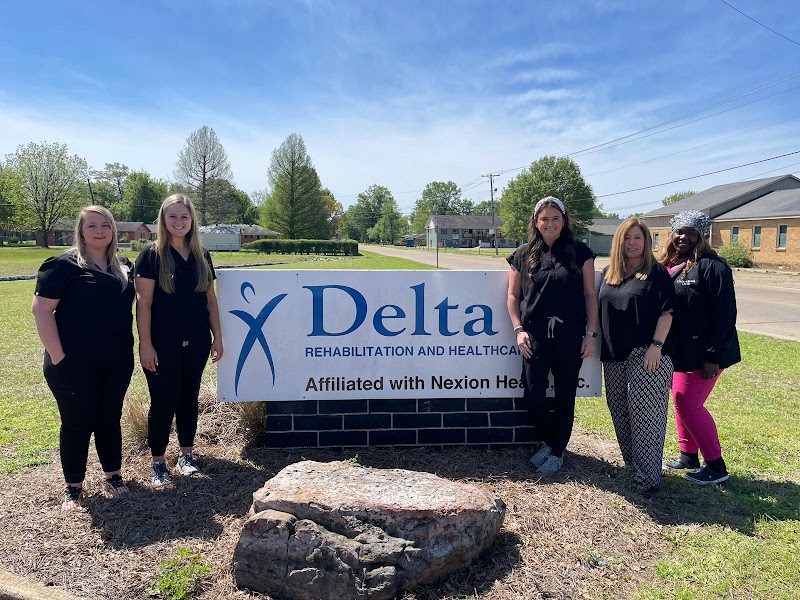
CMS rates DELTA REHABILITATION AND HEALTHCARE CENTER's staffing level at 3 out of 5 stars, which is average compared to other nursing homes. Staff turnover is 38%, compared to the Mississippi average of 46%. This relatively stable workforce can support continuity of care.

What Have Inspectors Found at Delta Rehabilitation And Healthcare Center?

State health inspectors documented 14 deficiencies at DELTA REHABILITATION AND HEALTHCARE CENTER during 2022 to 2025. These included: 14 with potential for harm.
Who Owns and Operates Delta Rehabilitation And Healthcare Center?

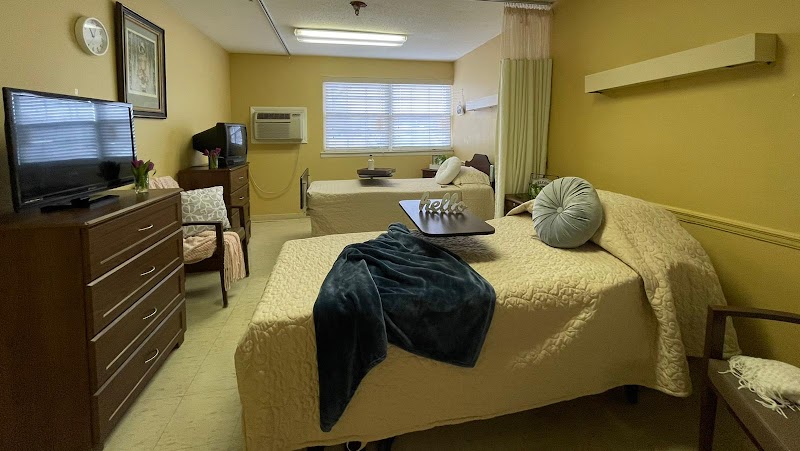
DELTA REHABILITATION AND HEALTHCARE CENTER is owned by a for-profit company. For-profit facilities operate as businesses with obligations to shareholders or private owners. The facility is operated by NEXION HEALTH, a chain that manages multiple nursing homes. With 75 certified beds and approximately 67 residents (about 89% occupancy), it is a smaller facility located in CLEVELAND, Mississippi.
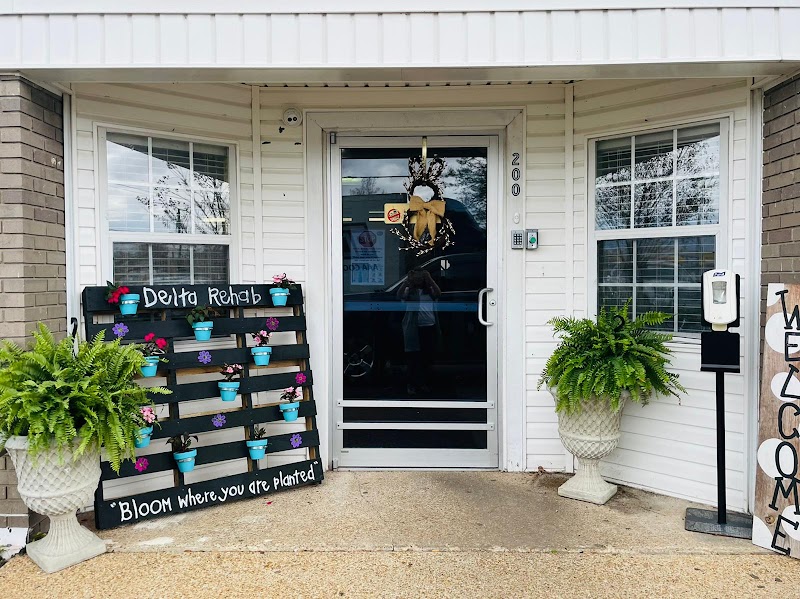
How Does Delta Rehabilitation And Healthcare Center Compare to Other Mississippi Nursing Homes?

Compared to the 100 nursing homes in Mississippi, DELTA REHABILITATION AND HEALTHCARE CENTER's overall rating (2 stars) is below the state average of 2.6, staff turnover (38%) is near the state average of 46%, and health inspection rating (3 stars) is at the national benchmark.

What Should Families Ask When Visiting Delta Rehabilitation And Healthcare Center?

Based on this facility's data, families visiting should ask: "Can I visit during a mealtime to observe dining assistance and food quality?" "How do you handle medical emergencies, and what is your hospital transfer rate?" "Can I speak with family members of current residents about their experience?"

Is Delta Rehabilitation And Healthcare Center Safe?

Based on CMS inspection data, DELTA REHABILITATION AND HEALTHCARE CENTER has a clean safety record: no substantiated abuse findings (meaning no confirmed cases of resident harm), no Immediate Jeopardy citations (the most serious violation level indicating risk of serious injury or death), and is not on the Special Focus Facility watch list (a federal program monitoring the lowest-performing 1% of nursing homes). The facility has a 2-star overall rating and ranks #100 of 100 nursing homes in Mississippi. While no facility is perfect, families should still ask about staff-to-resident ratios and recent inspection results during their visit.

Do Nurses at Delta Rehabilitation And Healthcare Center Stick Around?

DELTA REHABILITATION AND HEALTHCARE CENTER has a staff turnover rate of 38%, which is about average for Mississippi nursing homes (state average: 46%). Moderate turnover is common in nursing homes, but families should still ask about staff tenure and how the facility maintains care continuity when employees leave.

Was Delta Rehabilitation And Healthcare Center Ever Fined?

DELTA REHABILITATION AND HEALTHCARE CENTER has no federal fines on record. CMS issues fines when nursing homes fail to meet care standards or don't correct problems found during inspections. The absence of fines suggests the facility has either maintained compliance or corrected any issues before penalties were assessed. This is a positive indicator, though families should still review recent inspection reports for the full picture.

Is Delta Rehabilitation And Healthcare Center on Any Federal Watch List?

DELTA REHABILITATION AND HEALTHCARE CENTER is not on any federal watch list. The most significant is the Special Focus Facility (SFF) program, which identifies the bottom 1% of nursing homes nationally based on persistent, serious quality problems. Not being on this list means the facility has avoided the pattern of deficiencies that triggers enhanced federal oversight. This is a positive indicator, though families should still review the facility's inspection history directly.