CLINTON HEALTHCARE LLC - SNF
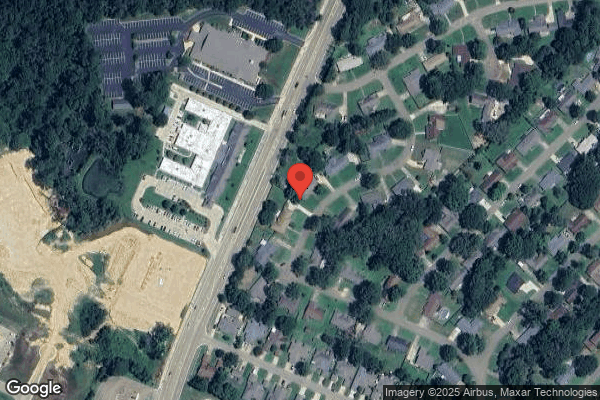

1251 PINEHAVEN ROAD, CLINTON, MS 39056 (601) 924-2996
For profit - Limited Liability company 121 Beds TREND CONSULTANTS Data: November 2025
Trust Grade
70/100
#62 of 200 in MS
Last Inspection: June 2024

Within standard 12-15 month inspection cycle. Federal law requires annual inspections.

Overview

Clinton Healthcare LLC in Clinton, Mississippi, has a Trust Grade of B, indicating it is a good facility, better than average but not elite. It ranks #62 out of 200 facilities in the state, placing it in the top half, and #2 out of 11 in Hinds County, meaning there is only one better local option. The facility is improving, with reported issues decreasing from 4 in 2024 to 2 in 2025. Staffing is rated average with a turnover rate of 19%, which is significantly better than the state average of 47%. However, the facility has concerning RN coverage, falling below 94% of state facilities, which may impact the quality of care. On the downside, there have been specific incidents related to infection control. For instance, staff failed to wear proper protective gear during wound care, risking infection for residents. Additionally, a resident struggled with their call light due to physical limitations, indicating a lack of accommodation for individual needs. Overall, while the facility shows potential for improvement and has some strengths, families should be aware of these specific weaknesses.

Trust Score
B
70/100
In Mississippi
#62/200
Top 31%
Safety Record
Low Risk
No red flags
Inspections
Getting Better
4 → 2 violations
Staff Stability
✓ Good
19% annual turnover. Excellent stability, 29 points below Mississippi's 48% average. Staff who stay learn residents' needs.
Penalties
✓ Good
No fines on record. Clean compliance history, better than most Mississippi facilities.
Skilled Nurses
⚠ Watch
Each resident gets only 18 minutes of Registered Nurse (RN) attention daily — below average for Mississippi. Fewer RN minutes means fewer trained eyes watching for problems.
Violations
⚠ Watch
15 deficiencies on record. Higher than average. Multiple issues found across inspections.
★★★☆☆
3.0
Overall Rating
★★★☆☆
3.0
Staff Levels
★★★☆☆
3.0
Care Quality
★★★☆☆
3.0
Inspection Score
Stable
2024: 4 issues
2025: 2 issues

The Good

  • Low Staff Turnover (19%) · Staff stability means consistent care
  • Full Sprinkler Coverage · Fire safety systems throughout facility
  • No fines on record
  • Staff turnover is low (19%)

    29 points below Mississippi average of 48%

Facility shows strength in staff retention, fire safety.

The Bad

3-Star Overall Rating

Near Mississippi average (2.6)

Meets federal standards, typical of most facilities

Chain: TREND CONSULTANTS

Part of a multi-facility chain

Ask about local staffing decisions and management

The Ugly 15 deficiencies on record

Apr 2025 2 deficiencies
CONCERN (E) 📢 Someone Reported This

A family member, employee, or ombudsman was alarmed enough to file a formal complaint

Potential for Harm - no one hurt, but risky conditions existed

Pressure Ulcer Prevention (Tag F0686)

Could have caused harm · This affected multiple residents

Based on observations, interviews, record reviews and policy reviews, the facility failed to provide wound care in a manner to prevent the possibility of wound infection for two (2) of (2) wound care ...

Read full inspector narrative →
Based on observations, interviews, record reviews and policy reviews, the facility failed to provide wound care in a manner to prevent the possibility of wound infection for two (2) of (2) wound care observations. Resident #1 and Resident #4 Findings Include: A record review of the facility's policy titled Wound Care dated 1/2015 revealed Policy: The purpose of this procedure is to provide guidelines for the care of wounds to promote healing. Procedure: .After cleaning the wound as ordered, clean the tissue around the wound . On 4/10/25 at 11:12 AM during an observation of wound care for Resident #1 by Licensed Practical Nurse (LPN) # 1/Wound Care Nurse and assisted by Certified Nursing Assistant (CNA) #1 revealed LPN #1 cleaned the stage IV pressure injury wound bed from the outer edge toward the inner aspect in a circular motion. She dried wound site with gauze from the outer edge toward the inner wound bed in a circular motion four times and applied clean dressing. On 4/10/25 at 1:55 PM in an observation of wound care for Resident #4 completed by LPN #1 and assisted by CNA #2 revealed LPN#1 cleaned wounds from the outer edge toward the inner aspect three times each in a circular motion. She discarded gauze and used a clean gauze and dried the wound from the outer edge towards the inner area of the wound bed. On 4/10/25 at 2:23 PM in an interview with LPN #1 confirmed that she did not clean Resident #1 and Resident #4 wounds correctly. She stated she should clean the inside and move outer to prevent contaminating the wound. She stated Resident #1 and #4's wounds can get infected by the way she cleaned the wounds. On 4/10/25 at 4:52 PM in an interview with Registered Nurse #1 (RN)/ Infection Preventionist Nurse stated LPN #1 should have cleaned the wound from inner to outer to prevent possibly infecting the wounds. She stated LPN #1 contaminated the wounds. On 4/10/25 at 5:31 PM in an interview with the Director of Nursing (DON) stated LPN #1 should clean from inner to outer and dispose of gauze. She stated LPN #1 could possibly spread infection. Resident #1: Record review of the admission record revealed admission date: 06/12/24. Diagnoses: Heart Failure and Type 2 Diabetes Mellitus with Hyperglycemia. A record review of Resident #1 Order Summary Report revealed an order dated 4/8/25 Cleanse stage IV pressure injury to sacrum with Dakins Solution, pat dry. Apply collagen then hydrofera blue and secure with silicone foam dressing every other day and as needed. A record review of Resident #1 Minimum Data Set (MDS) with Assessment Reference Date of 3/13/25 revealed a Brief Interview for Mental Status (BIMS) score of 11, which indicates the resident had moderate cognitive impairment. Resident #4: Record review of the admission record revealed an admission date of 02/26/25 with diagnoses of Essential Hypertension and Type 2 Diabetes Mellitus without complications. Record review of the Order Summary Report for Resident #4 revealed an order dated 4/4/25 Cleanse with Dakin's solution, pat dry. Apply Mupirocin to wound bed and cover with alginate and silicone sacral border dressing daily and prn (as needed), one time a day related to Pressure Ulcer of Sacral Region, Stage 3. Record review of the MDS with ARD: 03/5/25 revealed BIMS score 99 indicating the resident was unable to complete the interview.
CONCERN (E) 📢 Someone Reported This

A family member, employee, or ombudsman was alarmed enough to file a formal complaint

Potential for Harm - no one hurt, but risky conditions existed

Infection Control (Tag F0880)

Could have caused harm · This affected multiple residents

Based on observations, interviews, record reviews, and facility policy reviews, the facility failed to provide wound care and incontinent care in a manner to prevent the possibility of spreading infec...

Read full inspector narrative →
Based on observations, interviews, record reviews, and facility policy reviews, the facility failed to provide wound care and incontinent care in a manner to prevent the possibility of spreading infection by not wearing a gown for Enhanced Barrier Precautions (EBP) during wound care and failing to perform proper hand hygiene during incontinent care. This deficient practice was observed for two (2) of two (2) residents reviewed for infection control practices (Resident #1 and Resident #4). Findings include: A record review of the facility's Infection Prevention and Control Program policy dated 8/2017, revealed It is a policy of this facility to establish and maintain an infection prevention and control program designed to provide a safe and comfortable environment and to help prevent the development and transmission of communicable diseases and infections. 4 .b. Staff shall wash their hands before and after performing resident care procedures A record review of the facility's policy Enhanced Barrier Precautions, undated, revealed it is the policy of this facility to implement enhanced barrier precautions for the prevention of transmission of multidrug-resistant organisms. Enhanced barrier precautions (EBP) refer to an infection control intervention designed to reduce transmission of multidrug-resistant organisms that employ targeted gown, and gloves use during high contact resident care activities. On 04/10/25 at 11:12 AM, during an observation of wound care for Resident #1 provided by Licensed Practical Nurse (LPN) #1 (Wound Care Nurse), assisted by Certified Nursing Assistant (CNA) #1, revealed they did not follow Enhanced Barrier Precautions. LPN #1 performed wound care without a gown, and CNA #1 assisted by turning Resident #1 without wearing a gown. On 04/10/25 at 2:18 PM, in an interview, CNA #1 stated it slipped her mind to put on a gown while assisting LPN #1 with wound care. She stated she should have applied a gown to protect the wound and acknowledged prior training on Enhanced Barrier Precautions. On 04/10/25 at 2:08 PM, during an observation of incontinent care for Resident #4 provided by CNA #2, she exited the room wearing a gown from prior wound care, removed it in the hallway, and returned to the room with supplies. She did not wash hands or don a new gown but applied gloves and began peri care. Resident #4 had feces in the brief. CNA removed soiled gloves three times but did not perform hand hygiene between glove changes. She continued to provide care, pulling wipes from the package with soiled gloves. CNA #2 finished care, removed gloves, and washed hands before exiting the room. On 04/10/25 at 2:23 PM, in an interview, LPN #1 stated she forgot to wear a gown during Resident #1's wound care. On 04/10/25 at 2:41 PM, in an interview, CNA #2 stated she should have worn a gown and washed her hands before and during care. She confirmed that she used soiled gloves to handle wipes and acknowledged the resident could get an infection from the care provided. On 04/10/25 at 4:52 PM, in an interview, Registered Nurse (RN) 1 (Infection Prevention Nurse) she confirmed that LPN #1, CNA #1 and CNA #2 should have worn gowns before starting care, placing the residents at risk of infection and potential spread to others. She also stated CNA #2 failed to follow proper hand hygiene during incontinent care. The last EBP training was conducted in January 2025. On 04/10/25 at 5:31 PM, in an interview, the Director of Nursing (DON) stated LPN #1, and the CNAs should have applied gowns prior to care, and that when residents are on EBP, extra precautions are required. She acknowledged possible infection spread due to improper gown use and hand hygiene lapses. Resident #1: Record review of the admission record revealed admission date: 06/12/24. Diagnoses: Heart Failure and Type 2 Diabetes Mellitus with Hyperglycemia. A record review of Resident #1 Order Summary Report revealed an order dated 4/8/25 Cleanse stage IV pressure injury to sacrum with Dakins Solution, pat dry. Apply collagen then hydrofera blue and secure with silicone foam dressing every other day and as needed. A record review of Resident #1 Minimum Dat Set (MDS) with Assessment Reference Date of 3/13/25 revealed a Brief Interview for Mental Status (BIMS) score of 11, which indicates the resident had moderate cognitive impairment. Resident #4: Record review of the admission record revealed an admission date of 02/26/25 with diagnoses of Essential Hypertension and Type 2 Diabetes Mellitus without complications. Record review of the Order Summary Report for Resident #4 revealed an order dated 4/4/25 Cleanse with Dakin's solution, pat dry. Apply Mupirocin to wound bed and cover with alginate and silicone sacral border dressing daily and prn (as needed), one time a day related to Pressure Ulcer of Sacral Region, Stage 3. Record review of the MDS with ARD: 03/5/25 revealed BIMS score 99 indicating the resident was unable to complete the interview.
Jun 2024 4 deficiencies
CONCERN (D)

Potential for Harm - no one hurt, but risky conditions existed

Deficiency F0558 (Tag F0558)

Could have caused harm · This affected 1 resident

Based on observation, interviews, record review, and facility policy review, the facility failed to ensure a resident's right to reasonable accommodation of needs regarding a call light for one (1) of...

Read full inspector narrative →
Based on observation, interviews, record review, and facility policy review, the facility failed to ensure a resident's right to reasonable accommodation of needs regarding a call light for one (1) of 24 sampled residents. Resident #39. Findings Include: Review of the facility's booklet, A Matter of Rights: A Guide to Your Rights and Responsibilities as a Resident that is provided to residents upon admission, page four (4) revealed, Dignity and Respect . This includes the right .to expect care and a residential setting that .promotes your quality of life .reflects your individual needs and preferences . During an observation and interview, Resident #39 was observed lying on her side in bed on 6/11/24, at 9:10 AM, with the call light attached to her blanket just below her hands. The resident mentioned she frequently finds it difficult to get staff members to check on her. She admitted that she cannot operate her call light because the right and left fingers of her hands are contracted. The call light was observed to be a standard call light in which a button must be pressed for the light to activate and indicate assistance was required by the resident. On 6/12/24 at 12:28 PM, in an interview with Resident # 39, she reiterated her inability to use the call light due to her contracted hands. She shared her usual method of seeking assistance involved waiting for someone to pass by and calling out for help. She expressed her dissatisfaction with the situation and stated that she had learned to accept it as the norm. On 6/12/24 at 1:19 PM, in an interview with Certified Nursing Assistant #2 (CNA), she acknowledged the resident's inability to use her call light due to her contracted hands. CNA #2 explained rounds were completed every two hours and if the resident required immediate assistance, the resident could call out to any staff member passing by the door for help. In an interview with the Director of Nursing (DON) on 6/12/24 at 4:04 PM, she disclosed that the call light served as a means for residents to alert staff members when they required assistance. The DON explained the type of call light required for a resident was determined at the time of admission for each resident. The DON stated the facility typically offered residents a pancake light (a type of call light for residents with limited mobility) who might have problems utilizing the standard call light. She explained that if Resident #39 could not activate the call light, it could keep her from getting the care she needed. On 6/12/24 at 4:33 PM, during a follow-up interview in the resident's room with the DON, she confirmed Resident #39 had contracted hands which prevented her from using her present call light. She stated she would get the resident a more functional call light, such as a pancake light, because it would allow the resident to alert staff members by touching the light instead of pressing a button. A record review of the admission Record revealed the facility admitted Resident #39 on 9/20/2021 with current diagnoses including Contracture of Muscle, left Upper Arm, Contracture, Left Hand, and Muscle Weakness. A record review of the Minimum Data Set (MDS) with Assessment Reference Date (ARD) of 3/11/24 revealed Resident #39 had a Brief Interview for Mental Status (BIMS) score of 12, which indicated her cognition was moderately impaired.
CONCERN (D)

Potential for Harm - no one hurt, but risky conditions existed

Deficiency F0583 (Tag F0583)

Could have caused harm · This affected 1 resident

Based on observation, interviews, record review, and the facility policy review, the facility failed to ensure a residents' right to privacy by posting a sign regarding resident's care in view, above ...

Read full inspector narrative →
Based on observation, interviews, record review, and the facility policy review, the facility failed to ensure a residents' right to privacy by posting a sign regarding resident's care in view, above the bed for one (1) of 24 sampled residents. Resident #28. Findings include: A review of the facility's policy Resident's Rights dated 4/2012 revealed, . Employees shall treat all residents with kindness, respect, and dignity. Policy Interpretation and Implementation 1. Federal and state laws guarantee certain basic rights to all residents of this facility. These rights include the resident's right to: . d. Privacy and confidentiality . On 06/11/24 at 10:35 AM, in an observation, Resident #28 was lying in bed and there was a sign above the bed which indicated, *Aspiration Risk* Please ensure pt (patient) is pulled up in bed and head is raised for all Meals- Speech therapy. Resident #28 reported he was not aware of the signage on the wall. On 06/12/24 at 5:00 PM, during an interview, Licensed Practical Nurse (LPN) #2 confirmed Resident #28 had a sign in view above his bed with private information regarding aspiration precautions. LPN #2 was unsure how long the sign had been on the resident's wall. On 06/13/23 at 11:05 AM, during an interview with the Speech Therapist (ST), she confirmed she placed the sign above Resident#28's bed regarding aspiration precautions. She explained she had educated the staff on how to position the resident for meals and then placed the sign. The ST reported she was informed by the Administrator the signs could not stay up due to privacy and she stated she would no longer place signs in view in resident's rooms. On 06/13/24 at 02:21 PM, during an interview with the Administrator and the Director of Nursing (DON), the Administrator reported she was made aware yesterday there was signage in view in Resident #28's room. She confirmed information posted did not honor the resident's right to privacy and both she and the DON reported they expected the facility staff to always respect the privacy and dignity of all residents. Record review of the admission Record revealed the facility admitted Resident #28 on 04/13/23 and he had current diagnoses including Dysphagia. Record review of the Annual Minimum Data Set (MDS) with an Assessment Reference Date (ARD) of 04/12/24, revealed Resident #28 had a Brief Interview for Mental Status (BIMS) summary score of 12, which indicated moderate cognitive impairment.
CONCERN (D)

Potential for Harm - no one hurt, but risky conditions existed

Deficiency F0658 (Tag F0658)

Could have caused harm · This affected 1 resident

Based on observation, interview, and facility policy review, the facility failed to ensure an enteral feeding pump was operated by licensed staff for two (2) of three (3) residents observed with Percu...

Read full inspector narrative →
Based on observation, interview, and facility policy review, the facility failed to ensure an enteral feeding pump was operated by licensed staff for two (2) of three (3) residents observed with Percutaneous Endoscopic Gastrostomy (PEG) tube feedings. (Resident #47 and Resident #93) Findings Include: Review of the facility's policy, Enteral Pump Alarm revised 1/2015, revealed It is the policy of this facility for enteral pumps to only be turned off and on by a licensed nurse. This procedure should never be delegated to assistive personnel .Procedure .Only licensed nurses will control the operations of the enteral feeding pump . Resident #47 During an observation, on 6/11/24 at 2:11 PM, Certified Nurse Aide (CNA) #1 entered Resident #47's room to provide incontinent care. CNA #1 turned off the resident's enteral feeding pump. After the incontinent care was completed, CNA #1 turned the enteral feeding pump back on. During an interview on 6/12/24 at 3:00 PM with CNA #1, she confirmed she had turned the enteral feeding pump off and back on. She explained she was nervous and was not thinking at the time. CNA #1 stated she should have asked the nurse to turn the pump off and back on and she was aware nurses were responsible for operating the feeding pumps. A record review of the admission Record revealed the facility admitted Resident #47 on 6/18/21 with diagnoses including Dysphagia. Resident #93 During an observation on 6/12/24 at 3:15 PM, CNA #3 and CNA #4 began providing incontinent care for Resident #93. The enteral feeding for Resident #93 was on hold prior to entry into the room. During the care, the enteral feeding pump began beeping. CNA #4 instructed CNA #3 to press the hold button to stop the beeping. CNA #3 pushed the hold button on the enteral feeding pump to silence the beeping. As the CNAs continued the care, the enteral feeding pump began beeping again and CNA #3 pressed the hold button on the feeding pump again. After incontinence care was completed, CNA #3 pressed the button to restart the enteral feeding. On 06 12/24 at 4:08 PM, in an interview with CNA #3, she confirmed she had operated the enteral feeding pump several times during care by placing it on hold and turning it back on after incontinence care was completed. She stated she should not have touched the feeding pump and should have let the nurse operate it. Record review of the admission Record revealed the facility admitted Resident #93 on 10/13/23 with current diagnoses including Dysphagia. During an interview on 06/12/24 at 4:00 PM, with the Director of Nursing (DON), she stated only licensed nurses should operate an enteral feeding pump and CNAs should not turn them off or on, nor place them on hold. She explained the CNAs had been trained that only licensed nurses were allowed to operate the feeding pumps.
CONCERN (D)

Potential for Harm - no one hurt, but risky conditions existed

Medication Errors (Tag F0758)

Could have caused harm · This affected 1 resident

Based on interviews, record review, and facility policy review, the facility failed to ensure a resident was free from unnecessary medication by continuing an as needed (PRN) psychotropic medication p...

Read full inspector narrative →
Based on interviews, record review, and facility policy review, the facility failed to ensure a resident was free from unnecessary medication by continuing an as needed (PRN) psychotropic medication past a 14-day duration for one (1) of six (6) residents sampled for unnecessary medications. Resident #55 Findings include: A review of the facility's policy Monitoring of Antipsychotic Medication Therapy, revised 06/2015 revealed . It is the policy of this facility to monitor the effectiveness and side effects for any resident that is taking an antipsychotic medication. Procedure .5. The Pharmacy consultant will review these meds (medications) monthly and make dose reduction recommendations as indicated per CMS (Center for Medicare and Medicaid Services) guidelines . A record review of the Order Summary Report with active orders as of 4/30/2024, revealed Resident #55 had a Physician's Order, dated 4/18/24 for Amitriptyline HCL (Brand name of Elavil and classified as a psychotropic medication) 25 milligrams (mg), one (1) tablet by mouth every 24 hours as needed for depression at bedtime. There was no stop date indicated on the Physician's Order. A record review of the May 2024 Interdisciplinary Psych Dashboard revealed Resident #55 had a medication of Elavil 25 mg PRN and included the Pharmacist Comments of PRN Psychotropic orders must have a 14 day stop order and patient must be evaluated by physician prior to continuing. The IDT (Interdisciplinary Team) responded, Current Medication Regime appears appropriate and agreeable at this time unless otherwise noted. A record review of the admission Record revealed the facility admitted Resident #55 on 01/11/17 with diagnoses including Other Recurrent Depressive Disorders. Record review of the Quarterly Minimum Data Set (MDS) with an Assessment Reference Date (ARD) of 5/20/24, Section N . Medications .High-Risk Drug Classes: . revealed Resident #55 was code as taking an antidepressant. On 06/13/24 at 11:39 AM, during a phone interview with Nurse Practitioner, she explained she was aware PRN psychotropic medications needed a new order after 14 days. On 06/13/24 at 2:26 PM, during an interview with the Administrator and Director of Nursing (DON), both reported they expected staff to follow the federal guidelines regarding a 14-day duration for PRN psychotropic medications.
Dec 2023 2 deficiencies
CONCERN (D) 📢 Someone Reported This

A family member, employee, or ombudsman was alarmed enough to file a formal complaint

Potential for Harm - no one hurt, but risky conditions existed

Resident Rights (Tag F0550)

Could have caused harm · This affected 1 resident

Based on observation, interview, record review, and facility policy review, the facility failed to ensure staff treated residents who had visual impairment with dignity and respect, as evidenced by fa...

Read full inspector narrative →
Based on observation, interview, record review, and facility policy review, the facility failed to ensure staff treated residents who had visual impairment with dignity and respect, as evidenced by failure to knock on doors and identify themselves prior to entry for two (2) of six (6) residents reviewed. Resident #1 and Resident #2. Findings Include: Review of the facility's policy titled, Residents' Rights, dated 1/24/2022, revealed, .Residents' rights, policies, and procedures shall insure that each resident admitted to the center: .9. Is treated with consideration, respect, and full recognition of his dignity and individuality, including privacy in treatment and in care for his personal needs . Resident #2 On 12/11/23 at 4:20 PM, during an interview with Resident #2, the resident reported that she had been diagnosed with Legal Blindness. Resident #2 revealed that staff frequently enter her room without knocking or introducing themselves. She stated that sometimes she could hear someone moving around the room, who said nothing at all unless she called out to them. She stated that the behavior of the staff made her uncomfortable. She commented that she did not appreciate anyone entering her room unannounced, as she could not see to recognize staff. Resident #2 stated that she preferred to have staff knock on the door, make their presence known, and introduce themselves and talk to her and let her know what's going on. On 12/11/23 at 4:30 PM, an observation revealed that Certified Nurse Aide (CNA) #2 entered the room of Resident #2 without knocking or introducing herself to the resident. On 12/11/23 at 5:15 PM, during an interview with CNA #2, she revealed she had not received in-service training from the facility regarding the care of residents with visual impairment. However, she confirmed that she was aware that Resident #2 was legally blind and required assistance from staff for Activities of Daily Living (ADL). She also stated that staff were always supposed to knock on the resident's door prior to entering the resident's room. She stated that she was aware that it was very important to knock and introduce oneself upon entry into the room of a resident with visual impairment, so they will know who you are, because those residents cannot visually identify individuals. On 12/11/23 at 5:30 PM, in an interview with CNA #1, she revealed that staff were supposed to knock and introduce themselves upon entering a resident's room. She stated that she was aware that it was very important to knock and introduce oneself upon entry into the room of a resident with visual impairment to prevent confusion for the resident. Record review of the admission Record for Resident #2 revealed the facility admitted the resident on 3/04/21, with diagnoses that included Legal Blindness, Acute Kidney Failure, and Pulmonary Hypertension. Record review of the Quarterly Minimum Data Set (MDS) with an Assessment Reference Date (ARD) of 11/8/23, revealed in Section B that Resident #2's vision was severely impaired - no vision or sees only light, colors or shapes. Section C revealed a Brief Interview for Mental Status (BIMS) score of 15, which indicated Resident #2 was cognitively intact. Section GG revealed Resident #2 displayed dependence on staff for toileting and required partial/moderate assistance to substantial/maximal assistance for all other ADLs, including hygiene, dressing and transfers . Resident #1 On 12/12/23 at 10:55 AM, during an interview with Resident #1, the resident reported that staff made it a habit of entering her room without knocking or introducing themselves. Resident #1 stated that she could not identify by name the staff members who failed to do so. Resident #1 revealed that it bothered her that staff were aware that she could not see and did not respect her privacy or provide verbal cues as to their identity and intentions, upon entering her room. On 12/12/23 at 1:00 PM, during an interview with the primary physician for Resident #1 and Resident #2, the physician stated that knocking on the door or residents' rooms and introducing oneself upon entry was important for all residents, because it is their home, their personal space. He stated he considered it very important that staff knock and introduce themselves upon each entry into the rooms of residents with visual impairment because those residents relied on non-visual cues to understand what was taking place. On 12/12/23 at 1:30 PM during an interview with the Director of Nurses (DON), she stated that all staff had received monthly in-service training on Resident Rights which included respect for resident's personal space and introduction of self upon entering each resident's room. She acknowledged that care for a blind resident would include knocking on the resident's door prior to entering and introducing oneself in order to maintain privacy and dignity and ensure feelings of security for the resident. Record review of the admission Record for Resident #1 revealed that the resident was admitted by the facility on 3/22/23, with diagnoses that included Type 2 Diabetes Mellitus and Legal Blindness. Record review of the Quarterly MDS with an ARD of 9/25/23, revealed in Section B that Resident #1's vision was Severely impaired - no vision or sees only light, colors or shapes. Section C revealed a BIMS score of 15, which indicated Resident #1 was cognitively intact. Section GG revealed Resident #1 required Supervision or touching assistance or Setup or clean-up assistance for ADLs, including eating, hygiene, dressing, and transfers .
CONCERN (D) 📢 Someone Reported This

A family member, employee, or ombudsman was alarmed enough to file a formal complaint

Potential for Harm - no one hurt, but risky conditions existed

Comprehensive Care Plan (Tag F0656)

Could have caused harm · This affected 1 resident

Based on observation, interview, record review, and facility review the facility failed to implement care plan interventions for a resident who had visual impairment for one (1) of six (6) residents r...

Read full inspector narrative →
Based on observation, interview, record review, and facility review the facility failed to implement care plan interventions for a resident who had visual impairment for one (1) of six (6) residents reviewed. Resident #2 Findings Include: Record review of the facility policy titled, Following the Care Plan Policy, dated 3/21/22, revealed, Policy: It is the policy of this facility to follow a written and approved care plan for each resident. All employees will be trained upon hire and be required to follow the care plan . Procedure . 3. All employees will follow the written care plan that is developed in order to assure the residents needs are met. Record review of the Care Plan for Resident #2 revealed Focus I am legally blind, Dx (diagnosis) of Legal Blindness, Diabetes, ESRD (End Stage Renal Disease) .Date Initiated: 3/10/21 GOAL I will maintain a good quality of life and remain safe in my environment .Revision on: 5/15/23 .Interventions .Identify self when entering room or approaching resident. Explain tasks before performing them Date Initiated 3/10/21. During an interview on 12/11/23 at 4:20 PM, with Resident #2, the resident reported that she was legally blind. Resident #2 stated that staff frequently entered her room without knocking or introducing themselves. She stated that sometimes she could hear someone moving around in her room and they didn't tell her that they were in there unless she called out to them. The resident revealed that the behavior of the staff made her uncomfortable. She commented that she did not appreciate anyone entering her room unannounced, as she was unable to see and recognize staff. Resident #2 stated that she preferred to have staff knock on the door, make their presence in her room known, introduce themselves and talk to her and let her know what's going on. An observation on 12/11/23 at 4:30 PM, revealed that Certified Nurse Aide (CNA) #2 entered the room of Resident #2, without knocking or identifying herself to the resident. An interview with CNA #2 on 12/11/23 at 5:15 PM, revealed that she was aware that Resident #2 was legally blind and required assistance from staff for Activities of Daily Living (ADLs). She stated that staff were always supposed to knock when you go into a resident's room. CNA #2 also stated that she was aware that it was very important to knock and introduce oneself upon entry into the room of a resident with visual impairment, so that will know who you are. She reported that she usually received care instructions for residents verbally from nurses or other CNAs. During an interview on 12/12/23 at 1:00 PM, with Resident #2's primary physician, the physician stated that it was important for individualized care plans to be implemented for each resident to receive care in an appropriate manner to meet their individual needs. In an interview on 12/12/23 at 1:30 PM, with the Director of Nurses (DON), she stated that resident care instructions, based on each resident's individualized care plan were available to the CNAs on the facility kiosks under the Kardex. The DON stated that it was very important that all nursing staff to follow each resident's individualized care plan, in. She acknowledged that care for a blind resident would include knocking on the resident's door prior to entering and introducing oneself to maintain privacy and dignity and ensure feelings of security for the resident. During an interview with the Minimum Data Set (MDS) Nurse on 12/13/23 at 5:35 PM, she revealed that individualized care plans were developed for each resident based on a number of factors which included each residents' abilities and needs. She said that nursing staff were expected to follow each resident's individualized care plans to ensure that residents received appropriate care and that their individual needs were met. She stated that the computer software utilized by the facility pulled information and care instructions from the residents' care plans and generated care instructions for each resident which was available to all CNAs on the kiosks under the Kardex. The MDS Nurse stated that the CNAs also used the software to document care for the residents. Record review of the admission Record for Resident #2 revealed the facility admitted the resident on 3/04/21, with diagnoses that included Legal Blindness, Acute Kidney Failure, and Pulmonary Hypertension. Record review of the Quarterly MDS with ARD 11/08/23 for Resident #2 revealed that the resident had a BIMS score of 15 which indicated no cognitive impairment and the resident's vision was Severely impaired - no vision or sees only light, colors or shapes.
Oct 2022 7 deficiencies
CONCERN (D)

Potential for Harm - no one hurt, but risky conditions existed

Deficiency F0565 (Tag F0565)

Could have caused harm · This affected 1 resident

Based on interviews, record reviews, and facility policy review, the facility failed to resolve repeated dietary concerns reported during three (3) of the six (6) Resident Council meeting minutes revi...

Read full inspector narrative →
Based on interviews, record reviews, and facility policy review, the facility failed to resolve repeated dietary concerns reported during three (3) of the six (6) Resident Council meeting minutes reviewed. Findings include: Review of the facility's policy, Resident and Family Grievances/Complaints (undated) revealed, It is the policy of this facility to support each resident's and family member's right to voice grievances, without discrimination, reprisal or fear of discrimination or reprisal . Prompt efforts to resolve, include facility acknowledgment of a complaint/grievance and actively working toward resolution of that complaint/grievance . 1. Social Director has been designated as the Grievance Official and can be reached at Social Services office. 2. The Social Worker is responsible for overseeing the grievance process: receiving and tracking grievances through to their conclusion; leading any necessary investigations by the facility; maintaining the confidentiality of all information associated with grievances: issuing written grievance decisions to the resident; and coordinating with state and federal agencies as necessary in light of specific allegations . 8. Grievances may be voiced in the following forums: a. Verbal complaint to a staff member or Social Worker. b. Written complaint to a staff member or Social Worker. c. Written complaint to an outside party. d. Verbal complaint during resident or family council meetings . 10 .d. The Social Worker will take steps to resolve the grievance, and record information about the grievance, and those actions, on the grievance form. i. Steps to resolve the grievance my involve forwarding the grievance to the appropriate department manager for follow up. ii. All staff involved in the grievance investigation or resolution should make prompt efforts to resolve the grievance and return the grievance form to the Grievance Official. Prompt efforts include acknowledgement of complaint/grievances and actively working toward a resolution of that complaint/grievance . 12. The facility will make prompt efforts to resolve efforts to resolve grievances. Reviews of the facility's policy, titled Resident Rights, dated 1/24/22 revealed, The center through its Administrator, is responsible for establishing written policies that will safeguard the rights and responsibilities of medical assistance residents. The staff of the center is trained and involved in the implementation of these policies and procedures. The Administrator is responsible of adherence of the policies and procedures and for making them known to residents, families, and sponsor. Resident rights, policies, and procedures shall insure that each resident admitted to the center . 5 may voice grievance and recommend changes in policies and service to center staff and/or outside representatives of his choice, free from restraint, interference, coercion, discrimination, or reprisal . During a Resident Council meeting on 10/4/22 at 10:00 AM, the Resident Council members told the State Agency (SA) that they have complained for several months about the food being salty, cold, and bland, but nothing has been done to make things better. The Council reported that in September, the Dietary Manager was asked to attend their meeting to discuss the food issues. The members revealed that they were told their complaints would be given to the Dietary, Director of Nursing (DON), Administrator, and Social Worker. Resident #76 commented that the Dietary Manager told him one day in the hallway that she wanted to lose weight and look like him. Resident #76 said he told her that if you want to lose weight, maybe you should eat the food in this facility. It will make you lose weight, because its cold and taste awful. The residents in Resident Council said some of their families bring them food and other stated that they eat snacks. The Council members reported that, as of this date, nothing has been done to address their complaints. Review of Resident Council minutes dated 7/21/22, 8/18/22, 9/21/2022 revealed Resident #97 complains about food being cold and salty. In an interview on 10/4/22 at 1:00 PM, with the Activity Director, she confirmed the residents have complained about the food being salty and cold. The Activity Director explained that she gave a copy of the Resident Council minutes to the Administrator, DON, Dietary, Maintenance and the Social Worker. The Activity Director said it is up to the Department Heads to resolve the grievances. During an interview on 10/4/22 at 2:00 PM, with the Dietary Manager, it was confirmed the residents have complained of cold food for six months. The Dietary Manager said the previous Administrator ordered an electric plug for the plate warmer to keep the food warm, but the plates don't fit the food warmer. The Dietary Manager said she had been waiting on approval from corporate for the purchase of new plates but had failed to follow up with the new Administrator regarding the status of the approval. In an interview with the Administrator on 10/06/22 at 03:04 PM, she said she called the previous Administrator after the Dietary Manager told her the residents complained the food was cold. The Administrator said the previous Administrator said a Performance Improvement Project (PIP) was done before he left regarding cold food but stated she could not find the PIP. The previous Administrator told her that he ordered the plate warmer and had an electrician to come in. The kitchen was rewired to adjust to the plate warmer. The previous Administrator told her the plates that the facility has is too small and the tops don't stay down on the plates and new plates should have been ordered. The Administrator confirmed that the new plates were not ordered because everything got lost during the change in administration. The Administrator confirmed that she was going to get the plates to keep the resident food warm. During an interview with the previous Administrator on 10/6/22 at 3:30 PM, he confirmed the residents complained the food was cold six months ago when he was at that facility and a PIP had been done. He also confirmed that the electrical work had been done to accommodate the plate warmer, but the plates used at that time were too small. The Previous Administrator confirmed he did not order the plates prior to leaving the facility, so the plate order fell through the cracks.
CONCERN (D)

Potential for Harm - no one hurt, but risky conditions existed

Deficiency F0568 (Tag F0568)

Could have caused harm · This affected 1 resident

Based on interviews, record reviews, and facility policy review, the facility failed to provide a financial record or quarterly statements to the resident or his/her representative, as voiced in Resid...

Read full inspector narrative →
Based on interviews, record reviews, and facility policy review, the facility failed to provide a financial record or quarterly statements to the resident or his/her representative, as voiced in Resident Council for four (4) of 12 residents interviewed. Residents #16, #19, #32, and #45. Findings Include: Review of the facility's policy, Quarterly Accounting of Resident Funds (undated) reveals, Our facility provides each resident who has funds managed by the facility on his/her behalf with a quarterly accounting of such funds . 1. An individual quarterly accounting of funds managed by the facility will be provided to each resident with personal funds entrusted to the facility. Residents may also receive an accounting of such funds upon making such request known to the Business Office. 2. Separate quarterly statements will be prepared by the Business Office and each record will include: a. The resident's balance the beginning of the statement periods; b. The total of deposits and withdrawals by the resident for the quarter; c. Any interest earned; and d. The ending balance for the quarter. 3. Statements of residents who are eligible for SSI or medical assistance will also reflect the difference between the ending balance and the applicable benefits eligibility level . On 10/04/22 at 10:00 AM, four (4) Resident council members revealed that they do not receive quarterly financial statements. Resident #16 During an interview on 10/4/22 at 10:15 AM with Resident #16, she stated she has not received a statement in a long time. Resident #16 said she doesn't know how much money she has available. Review of the Quarterly Minimum Data Set (MDS) with the Assessment Reference Date (ARD) of 9/26/22, revealed Resident #16 has a Brief Interview for Mental Status (BIMS) score of 15, which indicates Resident #16 is cognitively intact. In an interview on 10/4/22 at 12:30 PM, with Resident #16's Resident Representative (RR), she revealed she has not received the resident's quarterly statements. The RR said she needs to know the resident's balance, as the resident needs burial insurance. Resident #19 During an interview on 10/04/22 at 10:30 AM, with Resident #19, he revealed that he has not received a quarterly statement of his funds. Resident #19 said he has been at the facility for over a year and doesn't know his balance. Record review of the MDS with the ARD of 9/27/22, revealed Resident #19 has a BIMS score of 15, which indicates Resident #19 is cognitively intact. Resident #32 During an interview on 10/4/22 at 11:15 AM, with Resident #32, she said she has not received a quarterly statement of her funds. Record review of Resident #32's Quarterly MDS with an ARD of 7/20/22, reveals Resident #32 has a BIMS score of 15, indicting the resident is cognitively intact. An interview on 10/4/22 at 11:30 AM, with Resident #32's RR, revealed she has not been consistently receiving Resident #32's quarterly statements. She stated statements were received January through March but had to call the Business Office Manager (BOM) in July to request a statement. The RR stated at this time, she doesn't know how much money is in the resident's account. Resident #45 During an interview on 10/4/22 at 11:40 AM, with Resident #45, she stated she has not received a quarterly statement of her funds. Record review of the Quarterly MDS with an ARD of 08/12/2022, revealed Resident #45 has BIMS score of 15, which indicates Resident #45 is cognitively intact. During an interview on 10/4/22 at 2:00 PM, with the BOM, she stated she gives the cognitive residents a copy of their quarterly statements and mails the statements to the families of the residents that are not cognitively intact. The Administrator confirmed during an interview on 10/4/22 at 2:30 PM, the BOM is unable to provide documentation that the statements were mailed or that the residents received a quarterly statement.
CONCERN (D)

Potential for Harm - no one hurt, but risky conditions existed

Transfer Notice (Tag F0623)

Could have caused harm · This affected 1 resident

Based on interviews, record review, and facility policy review the facility failed to provide written notification to the Resident and the Resident's Representative (RR) of an emergency transfer to th...

Read full inspector narrative →
Based on interviews, record review, and facility policy review the facility failed to provide written notification to the Resident and the Resident's Representative (RR) of an emergency transfer to the hospital for three (3) of three (3) residents reviewed for hospitalizations. (Resident #31, Resident #68, and Resident #88) Findings Include: A record review of the facility's policy Transfers and Documentation with a revised date of 11/2017, revealed . E. Documentation . The documentation for all discharges and transfers must include, as a minimum, and as they apply: 1. The reason (s) for the discharge or transfer. 2. That an appropriate notice was provided to the resident and/or resident representative. Resident #31 A record review of the admission Record revealed the facility admitted Resident #31 on 07/15/2022 with diagnoses including Surgical Aftercare following surgery on the nervous system, Spinal Stenosis, and Respiratory Failure. A record review of a Physician's Order for Resident #31, dated 09/07/2022 at 9:26 PM, revealed, May send out to (Proper Name of Local Hospital) for evaluation of SOB (Shortness of Breath), desaturation, and fluid overload . A record review of Resident #31's Discharge Minimum Data Set (MDS) with an Assessment Reference Date (ARD) of 09/07/2022, revealed, Section A .A0310. Type of Assessment .F. Entry/discharge reporting was coded as 11. Discharge assessment-return anticipated and A 2100 Discharge Status was coded as 03. Acute Hospital . A record review of a Physician's Order for Resident #31, dated 09/12/22 at 09:49 AM, revealed, May send to (Proper Name of Local Hospital) for further veal (evaluation) due to CHF (Congestive Heart Failure) Exacerbation, SOB, fluid overload . A record review of Resident #31's Discharge MDS with an ARD of 09/12/2022, revealed, Section A .A0310. Type of Assessment .F. Entry/discharge reporting was coded as 11. Discharge assessment-return anticipated and A 2100 Discharge Status was coded as 03. Acute Hospital . A record review of the clinical record for Resident #31 revealed there was no record of a written notification of transfer to an acute care hospital for the transfers that occurred on 09/07/2022 and 09/12/2022. Resident #68 A record review of the admission Record revealed the facility admitted Resident #68 on 08/01/2022. He was admitted with diagnoses including Bladder-Neck Obstruction, Retention of Urine, and Acute Cystitis without Hematuria. A record review of a Physician's Order for Resident #68, dated 08/13/22 at 12:21 PM, revealed May transfer to (Proper Name of Local Hospital). A record review of Resident #68's Discharge MDS with an ARD of 08/13/2022, revealed, Section A .A0310. Type of Assessment .F. Entry/discharge reporting was coded as 11. Discharge assessment-return anticipated .A 2100 Discharge Status was coded as 03. Acute Hospital . A record review of the clinical record for Resident #68 revealed there was no record of a written notification of transfer to an acute care hospital for the transfer that occurred on 8/13/22. Resident #88 On 10/03/22 at 12:29 PM, during an interview with the RR visiting with Resident #88, he explained that he is the resident's nephew. He reported that Resident #88 recently went to the hospital several times and although the facility calls him when the resident is sent to the hospital, he had never received a written notification from the facility regarding the transfer. A record review of the admission Record revealed the facility admitted Resident #88 on 05/11/2017 and he had diagnoses which included Encounter for Attention to Gastrostomy, Acute Kidney Failure, Dysarthria and Anarthria, Hypertension, and Vascular Dementia. A record review of Resident #88's Order Details with order date 07/27/2022 revealed May send to (Proper Name of Local Hospital) ER (Emergency Room) for further evaluation. A record review of Resident #88's Discharge MDS with an ARD of 07/27/2022 revealed Section A . A0310. Type of Assessment . F. Entry/discharge reporting was coded as 11. Discharge assessment-return anticipated . A 2100 Discharge Status was coded as 03. Acute Hospital . A record review of Resident #88's Order Details with order date 08/07/2022 revealed May send to (Proper Name of Local Hospital) for further evaluation. A record review of Resident #88's Discharge MDS with an ARD of 08/07/2022 revealed Section A . A0310. Type of Assessment . F. Entry/discharge reporting was coded as 11. Discharge assessment-return anticipated . A 2100 Discharge Status was coded as 03. Acute Hospital . A record review of Resident #88's Order Details with order date 09/04/2022 revealed May transfer to (Proper Name of Local Hospital) . A record review of Resident #88's Discharge MDS with an ARD of 09/04/2022 revealed Section A . A0310. Type of Assessment . F. Entry/discharge reporting was coded as 11. Discharge assessment-return anticipated . A 2100 Discharge Status was coded as 03. Acute Hospital . A record review of the clinical record for Resident #88 revealed there was no record of a written notification of transfer to an acute care hospital for the transfers that occurred on 07/27/2022, 08/04/2022, and 09/04/2022. On 10/05/22 at 11:40 AM, during an interview with the Social Services Director (SSD), she stated that she calls the families and lets them know the resident is going to the hospital, but she does not provide any notification in writing. She commented that she did not know she was supposed to send written notification to the RR's. On 10/06/22 at 12:00 PM, during an interview with the Administrator, she explained that the SSD is responsible for providing written notification of transfers. She reported the nurses will send transfer notifications in a folder with the resident to the hospital. If the RR does not come in to sign the form, they will call the RR and make a note in the chart. She reported the facility has not mailed written notification with each hospital transfer regarding the reason for transfer.
CONCERN (D)

Potential for Harm - no one hurt, but risky conditions existed

Deficiency F0625 (Tag F0625)

Could have caused harm · This affected 1 resident

Based on staff interview, facility policy review and record review the facility failed to provide to the Resident or Resident Representative (RR) written notice at the time of transfer of the duration...

Read full inspector narrative →
Based on staff interview, facility policy review and record review the facility failed to provide to the Resident or Resident Representative (RR) written notice at the time of transfer of the duration of the Bed Hold Policy for three (3) of three (3) residents reviewed for transfers and discharges. Resident #31, Resident #68, and Resident #88 Findings included: Record review of the facility policy Bed Hold Policy and Procedure with a revision date of 12/2019 revealed Policy: At the time of transfer for hospitalization . the facility will provide to the resident and/or the resident representative written notice which specifies the bed-hold policy . Bed Hold Notice upon Transfer 1. Before a resident is transferred to the hospital . the facility will provide to the resident and/or resident representative written information the specifies: a. The state bed-hold policy, during which the resident is permitted to return . 2. In the event of emergency transfers of a resident, the facility will provide within 24 hours written notice of the facility's bed-hold policies according to the Mississippi Medicaid allowed days . The facility's Business Office Manager or Social Service Director (as assigned by the facility Administrator) will be responsible for providing written notice of bed-hold policy during normal business hours (Monday through Friday 8:00 am-5:00 pm) and follow up notification per phone for odd hour and weekend emergency transfers . Resident #31 A record review of the admission Record revealed the facility admitted Resident #31 on 07/15/2022 with diagnoses including Surgical Aftercare following surgery on the nervous system, Spinal Stenosis, and Respiratory Failure. A record review of a Physician's Order for Resident #31, dated 09/07/2022 at 9:26 PM, revealed, May send out to (Proper Name of Local Hospital) for evaluation of SOB (Shortness of Breath), desaturation, and fluid overload . A record review of Resident #31's Discharge Minimum Data Set (MDS) with an Assessment Reference Date (ARD) of 09/07/2022, revealed, Section A .A0310. Type of Assessment .F. Entry/discharge reporting was coded as 11. Discharge assessment-return anticipated and A 2100 Discharge Status was coded as 03. Acute Hospital . A record review of a Physician's Order for Resident #31, dated 09/12/22 at 09:49 AM, revealed, May send to (Proper Name of Local Hospital) for further eval (evaluation) due to CHF (Congestive Heart Failure) Exacerbation, SOB, fluid overload . A record review of Resident #31's Discharge MDS with an ARD of 09/12/2022, revealed, Section A .A0310. Type of Assessment .F. Entry/discharge reporting was coded as 11. Discharge assessment-return anticipated and A 2100 Discharge Status was coded as 03. Acute Hospital . A record review of the clinical record for Resident #31 revealed there was no record of a written notification of the bed hold policy upon transfer for 09/07/2022 and 09/12/2022. Resident #68 A record review of the admission Record revealed the facility originally admitted Resident #68 on 08/01/2022 and the recent admission date was 08/22/2022. He was admitted with diagnoses including Bladder-Neck Obstruction, Retention of Urine, and Acute Cystitis without Hematuria. A record review of a Physician's Order for Resident #68, dated 08/13/22 at 12:21 PM, revealed May transfer to (Proper Name of Local Hospital). A record review of Resident #68's Discharge MDS with an ARD of 08/13/2022, revealed, Section A .A0310. Type of Assessment .F. Entry/discharge reporting was coded as 11. Discharge assessment-return anticipated .A 2100 Discharge Status was coded as 03. Acute Hospital . A record review of the clinical record for Resident #68 revealed there was no record of a written notification of the bed hold policy upon transfer for 8/13/22. Resident #88 During an interview on 10/03/2022 at 12:29 PM, with the RR visiting with Resident #88, he stated that Resident #88 recently went to the hospital several times and he had never received a written notification from the facility regarding the bed hold policy when he was transferred. A record review of the admission Record revealed the facility admitted Resident #88 on 05/11/2017 and he had diagnoses which included Encounter for Attention to Gastrostomy, Acute Kidney Failure, Dysarthria and Anarthria, Hypertension, and Vascular Dementia. A record review of Resident #88's Order Details with order date 07/27/2022 revealed May send to (Proper Name of Local Hospital) ER (Emergency Room) for further evaluation. A record review of Resident #88's Discharge MDS with an ARD of 07/27/2022 revealed Section A . A0310. Type of Assessment . F. Entry/discharge reporting was coded as 11. Discharge assessment-return anticipated . A 2100 Discharge Status was coded as 03. Acute Hospital . A record review of Resident #88's Order Details with order date 08/07/2022 revealed May send to (Proper Name of Local Hospital) for further evaluation. A record review of Resident #88's Discharge MDS with an ARD of 08/07/2022 revealed Section A . A0310. Type of Assessment . F. Entry/discharge reporting was coded as 11. Discharge assessment-return anticipated . A 2100 Discharge Status was coded as 03. Acute Hospital . A record review of Resident #88's Order Details with order date 09/04/2022 revealed May transfer to (Proper Name of Local Hospital) . A record review of Resident #88's Discharge MDS with an ARD of 09/04/2022 revealed Section A . A0310. Type of Assessment . F. Entry/discharge reporting was coded as 11. Discharge assessment-return anticipated . A 2100 Discharge Status was coded as 03. Acute Hospital . A record review of the clinical record for Resident #88 revealed there was no record of a written notification of the bed hold policy upon transfer to an acute care hospital for the transfers that occurred on 07/27/2022, 08/04/2022, and 09/04/2022. During an interview on 10/05/22 at 11:40 AM, with the Social Services Director (SSD), she stated that she calls the families to advise them that the resident is going to the hospital and advises them of the bed-hold policy. She stated that she does not send notification of the bed hold policy to the families after each transfer because she was not aware that she was supposed to do so. During an interview with the Administrator on 10/06/22 at 12:00 PM, she explained that the SSD is responsible for mailing letters for bed-holds for residents that do not have Medicaid because if the resident has Medicaid, Medicaid pays for bed-holds. She reported the nurses will also send the bed-hold letters in a folder with the resident to the hospital. If the RR does not come in to sign the form, they will call the RR and make a note in the chart. She reported the facility has not been consistent with mailing letters and have not mailed letters with each hospital transfer regarding the bed hold policy.
CONCERN (D)

Potential for Harm - no one hurt, but risky conditions existed

Comprehensive Care Plan (Tag F0656)

Could have caused harm · This affected 1 resident

**NOTE- TERMS IN BRACKETS HAVE BEEN EDITED TO PROTECT CONFIDENTIALITY** Based on observation, staff interviews, record reviews, and facility policy review, the facility failed to develop a comprehensi...

Read full inspector narrative →
**NOTE- TERMS IN BRACKETS HAVE BEEN EDITED TO PROTECT CONFIDENTIALITY** Based on observation, staff interviews, record reviews, and facility policy review, the facility failed to develop a comprehensive care plan for a resident who was at risk of falls for one (1) of 22 residents reviewed. Resident #304 Finding Include: Review of the facility's policy, Care Plans-Comprehensive, dated 10/2016, revealed an individualized (person-centered) comprehensive care plan that includes measurable objectives and timetables to meet the resident's medical, nursing, mental and psychological needs is developed for each resident . Record Review of Resident #304's admission Record, reveals the resident was admitted to the facility on [DATE] with diagnoses that included Cognitive Communication Deficit, Essential Hypertension, Ataxia, Lack of Coordination, and Muscle Weakness. A record review of the admission Minimum Data Set (MDS) with an Assessment Reference Date (ARD) of 09/23/22, revealed that Resident #304 has a Brief Interview for Mental Status (BIMS) score of 10, which indicates moderate cognitive impairment. A record review of the Fall Risk Assessment dated 09/23/22, revealed that Resident #304 has a moderate risk for falls. A review of Resident #304's comprehensive care plan revealed that the resident's care plan does not identify a risk for falls. On 10/03/22 at 12:00 PM, the State Agency (SA) observed Resident #304 sitting in her wheelchair by the bed. Observation revealed a swollen area on the left side of her forehead. On 10/04/22 at 04:05 PM, the SA conducted an interview with Certified Nurse's Aide (CNA) #1 regarding the injury noted to Resident #304's forehead. The CNA stated that as far as she knows, the resident has not had a fall since being here. On 10/06/22 10:50 AM, in an interview with Licensed Practitioner Nurse (LPN) #4, she confirmed that the resident has not experienced a fall since admission but had fallen at a previous facility. On 10/06/22 at 11:20 AM, in an interview with the Minimum Data Set (MDS) Coordinator, she revealed that they normally put a risk for falls on every resident's care plan. She confirmed that Resident #304's care plan does not include a risk for fall. On 10/06/22 at 01:47 PM, during an interview with the Director of Nursing (DON), she confirmed that Resident #304 is at risk for falls and should have had a care plan developed to address that risk.
CONCERN (D)

Potential for Harm - no one hurt, but risky conditions existed

Deficiency F0658 (Tag F0658)

Could have caused harm · This affected 1 resident

Based on interviews, record review, and facility policy review, the facility failed to provide services to meet professional standards of practice regarding the administration of medications to dialys...

Read full inspector narrative →
Based on interviews, record review, and facility policy review, the facility failed to provide services to meet professional standards of practice regarding the administration of medications to dialysis residents per physician orders for one (1) of two (2) dialysis residents reviewed. Resident #47 Findings Include: Review of the facility's policy Administration of Eye Drops or Ointments, updated 4/20/22, revealed Eye medications are administered as ordered by the physician and in accordance with professional standards of practice to lubricate the eye or treat certain eye conditions . Review of Resident # 47's admission Record revealed admission of 01/10/2018 with medical diagnoses that included End Stage Renal Disease, Dependence on Renal Dialysis, Diabetes Mellitus Type II, and Unspecified Glaucoma. Review of Resident # 47's current Physician Orders revealed an order dated 01/20/21, for Simbrinza Suspension 1-0.2 % (Brinzolamide-Brimonidine) Instill 1 drop in both eyes three times a day related to UNSPECIFIED Glaucoma. Review of Resident #47's September 2022 Electronic Medication Administration Record (EMAR) revealed Simbrinza Suspension 1-0.2 % (Brinzolamide-Brimonidine) was not administered for the 12:00 PM doses per physician orders on dialysis days (September 2, 7, 9, 12, 14, 16, 19, 21, 23, 26, 28 and 30). During the current month of October 2022, the resident's EMAR revealed that the resident had not received the ordered Simbrinza Suspension on October 3rd and 5th. Review of Resident # 47's Quarterly Minimum Data Set (MDS), with Assessment Reference Date (ARD) of 8/15/22, revealed a Brief Interview for Mental Status (BIMS) score of 99 which indicates the resident was unable to complete the interview. On 10/6/22 at 11:11 AM, in an interview, the Nurse Practitioner (NP) revealed that she and the Medical Director follow the orders as written by the eye specialist. She stated they sign off on specialist orders and expect the staff to follow them as written. The NP confirmed that she expects staff to administer the resident's eye drops three (3) times a day, on all days. On 10/6/22 at 2:13 PM, in an interview with Licensed Practical Nurse (LPN) #4/Unit Nurse Manager, she stated that Resident #47 should get her eye drops as ordered. She explained that the eye medication is for Glaucoma, and it is essential that the resident receive the eye drops as ordered. On 10/6/22 at 2:39 PM, in an interview, the Director of Nursing (DON) confirmed the importance of staff administering a resident's eye drops for glaucoma three (3) times a day as ordered. She stated the nursing staff should have used better judgment and called the practitioner and clarified the administration times to accommodate the administration of the medication on dialysis days.
MINOR (C)

Minor Issue - procedural, no safety impact

Deficiency F0576 (Tag F0576)

Minor procedural issue · This affected most or all residents

Based on interviews and facility policy review, the facility failed to provide mail delivery on Saturday to residents. This deficient practice has the potential to effect 103 of 103 residents residing...

Read full inspector narrative →
Based on interviews and facility policy review, the facility failed to provide mail delivery on Saturday to residents. This deficient practice has the potential to effect 103 of 103 residents residing at the facility. Findings include: Review of the facility's, Mail Delivery Policy dated February 2009 revealed It is the policy of this facility to deliver the Resident's mail timely. The mail will be delivered to the Resident Monday thru Friday by the Activity Director. If the Resident receives mail on Saturday, it will be delivered to the Resident's by the week-end-RN Unit Manager. During an interview on 10/04/22 at 10:00 AM, with Resident Council members revealed the residents complained they don't receive their mail on Saturdays or Sundays. The residents said the Activity Director is off on weekends. During an interview on 10/06/22 at 12:15 PM, with the Activity Director, she confirmed the mail that is received on Saturday is not delivered to the residents until Monday morning when she returns to work. She said there is no weekend staff to deliver the mail. In an interview on 10/06/22 at 03:04 PM, the Administrator confirmed the Residents are not getting their mail on Saturdays. The Administrator said until today, she thought the Manager on duty was delivering the mail on weekends. The Administrator stated that she learned today the mail was being held until Monday when the Activity Director returned to work. The Administrator stated the Manager on duty will begin delivering mail received on Saturdays to the residents.
Understanding Severity Codes (click to expand)
Life-Threatening (Immediate Jeopardy)
J - Isolated K - Pattern L - Widespread
Actual Harm
G - Isolated H - Pattern I - Widespread
Potential for Harm
D - Isolated E - Pattern F - Widespread
No Harm (Minor)
A - Isolated B - Pattern C - Widespread

Questions to Ask on Your Visit

  • "Can I speak with families of current residents?"
  • "What's your RN coverage like on weekends and overnight?"

Our Honest Assessment

Strengths
  • • No major safety red flags. No abuse findings, life-threatening violations, or SFF status.
  • • No fines on record. Clean compliance history, better than most Mississippi facilities.
  • • 19% annual turnover. Excellent stability, 29 points below Mississippi's 48% average. Staff who stay learn residents' needs.
Concerns
  • • 15 deficiencies on record. Higher than average. Multiple issues found across inspections.
Bottom line: Mixed indicators with Trust Score of 70/100. Visit in person and ask pointed questions.

About This Facility

What is Clinton Healthcare Llc - Snf's CMS Rating?

CMS assigns CLINTON HEALTHCARE LLC - SNF an overall rating of 3 out of 5 stars, which is considered average nationally. Within Mississippi, this rating places the facility higher than 99% of the state's 100 nursing homes. This mid-range rating indicates the facility meets federal standards but may have areas for improvement.

How is Clinton Healthcare Llc - Snf Staffed?

CMS rates CLINTON HEALTHCARE LLC - SNF's staffing level at 3 out of 5 stars, which is average compared to other nursing homes. Staff turnover is 19%, compared to the Mississippi average of 46%. This relatively stable workforce can support continuity of care.

What Have Inspectors Found at Clinton Healthcare Llc - Snf?

State health inspectors documented 15 deficiencies at CLINTON HEALTHCARE LLC - SNF during 2022 to 2025. These included: 14 with potential for harm and 1 minor or isolated issues.

Who Owns and Operates Clinton Healthcare Llc - Snf?

CLINTON HEALTHCARE LLC - SNF is owned by a for-profit company. For-profit facilities operate as businesses with obligations to shareholders or private owners. The facility is operated by TREND CONSULTANTS, a chain that manages multiple nursing homes. With 121 certified beds and approximately 109 residents (about 90% occupancy), it is a mid-sized facility located in CLINTON, Mississippi.

How Does Clinton Healthcare Llc - Snf Compare to Other Mississippi Nursing Homes?

Compared to the 100 nursing homes in Mississippi, CLINTON HEALTHCARE LLC - SNF's overall rating (3 stars) is above the state average of 2.6, staff turnover (19%) is significantly lower than the state average of 46%, and health inspection rating (3 stars) is at the national benchmark.

What Should Families Ask When Visiting Clinton Healthcare Llc - Snf?

Based on this facility's data, families visiting should ask: "Can I visit during a mealtime to observe dining assistance and food quality?" "How do you handle medical emergencies, and what is your hospital transfer rate?" "Can I speak with family members of current residents about their experience?"

Is Clinton Healthcare Llc - Snf Safe?

Based on CMS inspection data, CLINTON HEALTHCARE LLC - SNF has a clean safety record: no substantiated abuse findings (meaning no confirmed cases of resident harm), no Immediate Jeopardy citations (the most serious violation level indicating risk of serious injury or death), and is not on the Special Focus Facility watch list (a federal program monitoring the lowest-performing 1% of nursing homes). The facility has a 3-star overall rating and ranks #1 of 100 nursing homes in Mississippi. While no facility is perfect, families should still ask about staff-to-resident ratios and recent inspection results during their visit.

Do Nurses at Clinton Healthcare Llc - Snf Stick Around?

Staff at CLINTON HEALTHCARE LLC - SNF tend to stick around. With a turnover rate of 19%, the facility is 27 percentage points below the Mississippi average of 46%. Low turnover is a positive sign. It means caregivers have time to learn each resident's needs, medications, and personal preferences. Consistent staff also notice subtle changes in a resident's condition more quickly.

Was Clinton Healthcare Llc - Snf Ever Fined?

CLINTON HEALTHCARE LLC - SNF has no federal fines on record. CMS issues fines when nursing homes fail to meet care standards or don't correct problems found during inspections. The absence of fines suggests the facility has either maintained compliance or corrected any issues before penalties were assessed. This is a positive indicator, though families should still review recent inspection reports for the full picture.

Is Clinton Healthcare Llc - Snf on Any Federal Watch List?

CLINTON HEALTHCARE LLC - SNF is not on any federal watch list. The most significant is the Special Focus Facility (SFF) program, which identifies the bottom 1% of nursing homes nationally based on persistent, serious quality problems. Not being on this list means the facility has avoided the pattern of deficiencies that triggers enhanced federal oversight. This is a positive indicator, though families should still review the facility's inspection history directly.