OAK GROVE RETIREMENT HOME
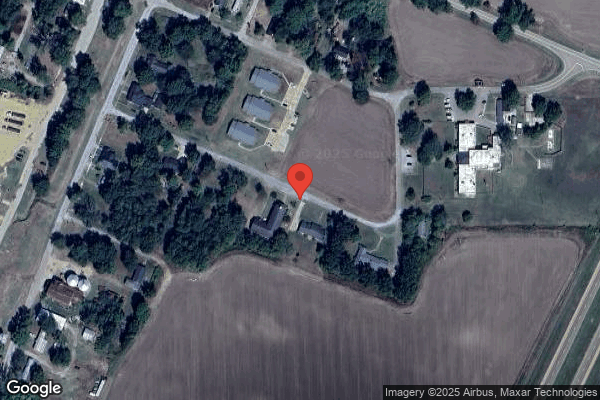

209 OAK CIRCLE, DUNCAN, MS 38740 (662) 395-2577
For profit - Limited Liability company 60 Beds Independent Data: November 2025
Trust Grade
28/100
#175 of 200 in MS
Last Inspection: July 2024

Within standard 12-15 month inspection cycle. Federal law requires annual inspections.

Overview

Oak Grove Retirement Home in Duncan, Mississippi has received a Trust Grade of F, indicating significant concerns about its care standards. Ranked #175 out of 200 facilities in the state, it falls in the bottom half, and is last among the five nursing homes in Bolivar County. The situation appears stable, with 8 issues reported in both 2023 and 2024, but staffing remains a concern with a high turnover rate of 64%, which is significantly above the state average. The facility has also incurred $16,195 in fines, indicating compliance problems that are worse than 79% of other Mississippi homes. While there is less RN coverage than 78% of state facilities, which is troubling, the most serious incidents include a failure to update a care plan for a resident with a newly identified Stage IV wound and inadequate pain management observed during wound care. Another finding noted insufficient weekend staffing on seven occasions, suggesting that residents may not receive the attention they need during these times. Overall, families should weigh these significant weaknesses against any potential strengths when considering this facility for their loved ones.

Trust Score
F
28/100
In Mississippi
#175/200
Bottom 13%
Safety Record
Moderate
Needs review
Inspections
Holding Steady
8 → 8 violations
Staff Stability
⚠ Watch
64% turnover. Above average. Higher turnover means staff may not know residents' routines.
Penalties
⚠ Watch
$16,195 in fines. Higher than 100% of Mississippi facilities. Major compliance failures.
Skilled Nurses
⚠ Watch
Each resident gets only 17 minutes of Registered Nurse (RN) attention daily — below average for Mississippi. Fewer RN minutes means fewer trained eyes watching for problems.
Violations
⚠ Watch
17 deficiencies on record. Higher than average. Multiple issues found across inspections.
★☆☆☆☆
1.0
Overall Rating
★★☆☆☆
2.0
Staff Levels
★☆☆☆☆
1.0
Care Quality
★★☆☆☆
2.0
Inspection Score
Stable
2023: 8 issues
2024: 8 issues

The Good

  • Full Sprinkler Coverage · Fire safety systems throughout facility
  • No fines on record

Facility shows strength in fire safety.

The Bad

1-Star Overall Rating

Below Mississippi average (2.6)

Significant quality concerns identified by CMS

Staff Turnover: 64%

18pts above Mississippi avg (46%)

Frequent staff changes - ask about care continuity

Federal Fines: $16,195

Below median ($33,413)

Minor penalties assessed

Staff turnover is elevated (64%)

16 points above Mississippi average of 48%

The Ugly 17 deficiencies on record

2 actual harm
Jul 2024 8 deficiencies 2 Harm
SERIOUS (G)

Actual Harm - a resident was hurt due to facility failures

Deficiency F0657 (Tag F0657)

A resident was harmed · This affected 1 resident

Based on observation, staff interview, record review and facility policy review, the facility failed to revise a care plan related to pain risk for (1) one of 16 care plans reviewed. (Resident #31) Fi...

Read full inspector narrative →
Based on observation, staff interview, record review and facility policy review, the facility failed to revise a care plan related to pain risk for (1) one of 16 care plans reviewed. (Resident #31) Findings include: Record review of the facility policy titled, Care plan Policy and Procedure, undated, revealed, .Policy: Each resident's care plan will remain current .Procedure: . 3. The Resident's care plan will be updated quarterly and as needed . Record review of a care plan for Resident #31 with a revision date on 6/3/24 revealed The resident has risk for pain r/t (related to) dx (diagnoses) polyosteoarthritis, polyneuropathy, and arthritis of the right knee. The care plan had not been revised to include a Stage IV wound to the right hip that was identified on 7/6/24. During an observation of wound care on 7/29/24 at 9:50 AM, for Resident #31, with the Interim Director of Nursing (IDON), revealed the IDON remove the dressing to a reopened stage IV pressure ulcer on Resident #31's right hip. Resident #31 was observed flinching his arms and legs upward towards his chest, softly moaning, and squinting his eyes shut. The IDON asked Resident #31 if he was in any pain, and Resident #31 stated, Yes, my butt hurts. The IDON replied to Resident #31 that she would tell his nurse when she was finished to get him something for pain. The IDON continued with wound care, cleaned the wound bed once. Resident #31 was observed making a frowning expression, moaned softly, and again flinched his arms and legs in an upward motion towards his chest. The IDON cleansed the wound bed again and then patted the wound dry. Resident #31 continued flinching his arms and legs and made a grimacing frowning facial expressions and squinting his eyes shut with each touch to the wound. The IDON finished wound care and told Resident #31 again she would tell the nurse he was in pain. During an interview with the Administrator on 7/29/24 at 2:40 PM, she revealed after review of the care plan related to pain, the care plan had not been revised to include the Stage IV pressure ulcer that reopened on 7/6/24. The Administrator revealed the purpose of the care plan was to teach the staff what the resident problem was and how to overcome the problem. Review of the admission Record revealed Resident #31 was admitted by the facility on 8/01/2018 with a diagnosis of Hemiplegia and Hemiparesis following a Cerebral Infarction affecting the right dominant side, Polyneuropathy, Contractures to muscle of right and lower leg.
SERIOUS (G)

Actual Harm - a resident was hurt due to facility failures

Deficiency F0697 (Tag F0697)

A resident was harmed · This affected 1 resident

Based on observation, interview, record review, and facility policy review, the facility failed to ensure a resident verbally expressing pain and showing physical nonverbal signs of pain was provided ...

Read full inspector narrative →
Based on observation, interview, record review, and facility policy review, the facility failed to ensure a resident verbally expressing pain and showing physical nonverbal signs of pain was provided pain management during an observation of wound care for (1) one of 16 sampled residents. (Resident #31) Findings include: Record review of the facility policy titled, Pain Management Policy and Procedure, revealed, Purpose: To maintain the resident as pain free as possible with the least amount of medication required. Policy: Resident is to be assessed and addressed to meet individual needs . An observation of wound care for Resident #31 on 7/29/24 at 9:50 AM, with the Interim Director of Nursing (IDON), revealed the IDON remove the dressing to a reopened Stage IV pressure ulcer on Resident #31's right hip. Resident #31 was observed flinching his arms and legs upward towards his chest, softly moaning, and squinting his eyes shut. The IDON asked Resident #31 if he was in any pain, and Resident #31 stated, Yes, my butt hurts. The IDON replied to Resident #31 that she would tell his nurse when she was finished to get him something for pain. The IDON continued with wound care, cleaned the wound bed once. Resident #31 was observed making a frowning expression, moaned softly, and again flinched his arms and legs in an upward motion towards his chest. The IDON cleansed the wound bed again and then patted the wound dry. Resident #31 continued flinching his arms and legs and made a grimacing frowning facial expressions and squinting his eyes shut with each touch to the wound. The IDON finished wound care and told Resident #31 again she would tell the nurse he was in pain. An interview with the Licensed Practical Nurse (LPN) #2 on 7/29/24 at 10:02 AM, she revealed she gave Resident #31 had a pain pill last at 7:30 AM because he stated he was in pain, she confirmed that Resident #31 has as needed pain medications. Record review of the July 2024 Medication Administration Record revealed Resident #31 last received Tramadol 50 mg at 7:31 AM on 7/29/24. In an interview with the IDON on 7/29/24 at 10:03 AM, she confirmed she should have stopped doing wound care on Resident #31 when he stated he was in pain. She revealed she was unaware if Resident #31 had any pain medications ordered. She confirmed by continuing the treatment when the resident verbalized, he was in pain and had physical signs of pain she placed the Resident #31 at risk for worsening pain. In an interview with the Administrator on 7/29/24 at 11:00 AM, she confirmed the IDON should have stopped the treatment to the pressure sore and provided pain management and comfort. She stated that by failing to do so placed Resident #31 at risk of his pain escalating. She then revealed it is the practice of the facility to ensure residents with wounds are assessed for pain and medicated before treatment. Review of the admission Record revealed Resident #31 was admitted by the facility on 8/01/2018 with a diagnosis of Hemiplegia and Hemiparesis following a Cerebral Infarction affecting the right dominant side, Polyneuropathy, Contractures to muscle of right and lower leg. Record review of Resident #31's Annual Minimum Data Set (MDS) with an Assessment Reference date of 6/27/24, revealed Section GG0115: coded 2.) Impairment on both sides to upper extremities. Section J indicated Resident #31 had pain at 06 on a scale of 00-10 over the last 5 days, with 0 indicating no pain and 10 as the worse pain you can imagine.
CONCERN (D)

Potential for Harm - no one hurt, but risky conditions existed

Grievances (Tag F0585)

Could have caused harm · This affected 1 resident

Based on observation, interview, record review, and facility policy review the facility failed to ensure a grievance was documented and resolved for one (1) of four (4) residents present during the re...

Read full inspector narrative →
Based on observation, interview, record review, and facility policy review the facility failed to ensure a grievance was documented and resolved for one (1) of four (4) residents present during the resident council meeting. Resident #33. Findings Included: Record review of the facility policy, Grievance Policy and Procedure, dated January 23, 2017, revealed Purpose: . To ensure each resident grievance will be followed up by prompt efforts to resolve grievance that the resident may have .Policy: All grievances will be investigated thoroughly and appropriate corrective action taken . Procedure: .4. Grievances made by a resident's family, a visitor, or the resident are to be documented on the grievance form . Record review of Resident Council Minutes dated 04/29/24 and 06/24/24 revealed Resident #33 attended the meetings and he reported that his toilet was loose and needed repair. On 7/28/24 at 12:45 PM, an interview with Resident #33, Resident Council President, revealed Social Services kept up with any complaints or needs brought up in the monthly resident council meetings. Resident #33 revealed he had reported that the toilet in his bathroom was loose at the base and said it rocked back and forth when he sat on it. He revealed the toilet in his bathroom had been loose ever since he had been in that room and it was aggravating to be unable to get anyone to fix it. On 7/29/24 at 09:50 AM, an interview with the Activities Director, revealed that he assisted the residents with scheduling the monthly resident council meetings and assisted with the meetings as needed. He revealed Social Services kept up with the grievances. He revealed if the residents had issues with anything, they would get the associated Department Head to come to the meeting and they would find out about the problem and proceed with fixing the issues. The Activities Director revealed that any concerns with the resident rooms, bathrooms, the building, or equipment was handled by Maintenance and they handled the issues promptly. On 7/29/24 at 10:35 AM, an interview with Social Services revealed she was responsible for keeping a record of the grievances and she followed through until they were resolved. She revealed if a resident reported any issue involving needed repairs, she filled out a grievance form, and reported it to Maintenance. Social Services revealed once the issue was repaired, she documented that it was completed, marked it as resolved and she dated it. Social Services reviewed the Resident Council Minutes and confirmed Resident #33 had complained about his toilet needing repair. Social Services also reviewed the Grievance Log over the last six months and confirmed she did not fill out a grievance form on the needed repairs to Resident #33's toilet and said she should have. On 7/29/24 at 1:45 PM, the State Agency (SA) conducted a Resident Council Meeting with four (4) residents who regularly attended the monthly meetings. Resident #33 complained about his toilet in need of repair and revealed he had reported this issue in two (2) or three (3) previous resident council meetings but it didn't do any good. There were no other unresolved grievances identified during the meeting. On 7/29/24 at 2:30 PM, an interview with Maintenance, revealed they keep a maintenance log of anything reported that needed fixing and took care of things as soon as they could. He revealed that often things come up in the monthly resident council meetings, and the Activities Director or Social Services would report it to the appropriate Department Head. Maintenance revealed no one had reported to him about Resident #33's toilet needing repair and it was not in his log book. On 7/29/24 at 2:35 PM, an observation and interview with Maintenance of the toilet in Resident #33's room confirmed the toilet in the bathroom was loose at the base and stated, I'm going to get something now and see if I can tighten it. On 7/29/24 at 2:45 PM, an interview with the Administrator (ADM) revealed when a concern or need was brought up in resident council meeting, Social Services filled out a grievance form and took the issues to whatever department head was responsible and they took care of things as soon as possible. She revealed that after the grievances were fixed, Social Services completed the grievance form and marked it as resolved. The ADM revealed that she reviewed the maintenance log book and she confirmed Resident #33's loose toilet was not documented. Record review of Resident #33's admission Record revealed an admission date of 04/19/2019 and diagnoses including Parkinson's Disease with Dyskinesia and Type 2 Diabetes Mellitus. Record review of Resident #33's Minimum Data Set (MDS) with Assessment Reference Date (ARD) of 06/20/2024 under Section C, revealed a Brief Interview for Mental Status (BIMS) Score of 12 which indicated that he had moderate cognitive deficits.
CONCERN (D)

Potential for Harm - no one hurt, but risky conditions existed

Transfer Notice (Tag F0623)

Could have caused harm · This affected 1 resident

Based on staff interview, record review, and facility policy review, the facility failed to send written notification to the resident and/or Resident Representative (RR) upon transfer to the hospital ...

Read full inspector narrative →
Based on staff interview, record review, and facility policy review, the facility failed to send written notification to the resident and/or Resident Representative (RR) upon transfer to the hospital for one (1) of 16 sampled residents reviewed. Resident #29. Findings Included: Record review of the undated facility policy Discharge/Transfer of the Resident Policy and Procedure revealed Procedure .5. Complete the Discharge Instructions form .iv. Give copy of form to the resident and/or representative or person(s) responsible for care. On 7/30/24 at 8:40 AM, an interview with Social Services revealed that she was responsible for notifying the RR when a resident was transferred to the hospital. She revealed the nurses completed the transfer form on the computer and she (Social Services) called the family by phone and let them know what was going on with the resident and about the transfer. She revealed that sometimes the RR didn't answer the phone, and she would leave a voicemail or try again later. Social Services confirmed she did not mail a notice of the transfer/discharge form to the RR when a resident transferred to the hospital and said that she didn't know she was supposed to. Record review of Resident #29's Progress Notes dated 4/03/24 revealed that he was transported to the hospital by ambulance for evaluation of left hip injured from a previous fall. It was determined that his left hip was fractured and he was admitted to the hospital for surgery. This progress note also revealed that Resident #29's RR was contacted by phone and given an update on his condition. There was no documented evidence that a written notice of transfer had been mailed to RR. Record review of Resident #29's Progress Notes dated 5/30/24 revealed that he was discharged to (Proper Name), a behavioral facility and his RR was notified by phone. There was no documentation to indicate a written notice of transfer had been mailed to the RR. Record review of Resident #29's admission Record revealed an admission date of 3/13/2018 and that he had diagnoses including Cerebrovascular Disease and Schizophrenia. Record review of Resident #29's Minimum Data Set (MDS) with Assessment Reference Date (ARD) of 6/25/24 under Section C revealed, a Brief Interview for Mental Status (BIMS) Score of 03 which indicated that he had severe cognitive deficits.
CONCERN (D)

Potential for Harm - no one hurt, but risky conditions existed

Comprehensive Care Plan (Tag F0656)

Could have caused harm · This affected 1 resident

***** This deficiency was reviewed as part of an Informal Independent Dispute Resolution (IIDR). Following the review, the panel recommended that the citation be upheld, but with the scope and severit...

Read full inspector narrative →
***** This deficiency was reviewed as part of an Informal Independent Dispute Resolution (IIDR). Following the review, the panel recommended that the citation be upheld, but with the scope and severity reduced to a Level D, indicating potential for more than minimal harm with no actual harm. Based on observations, staff interview, record review, and facility policy review, the facility failed to develop comprehensive care plans related to pressure ulcer care (Resident #31 and #44) and failed to implement a care plan related to a splinting device (Resident #31) for two (2) of 16 residents reviewed for care plans. Resident #31 and #44 Findings include: Record review of the facility policy titled Care Plan Policy and Procedure undated, revealed .Policy: Each resident's care plan will remain current and inform staff of resident's needs, strengths, goals and approaches . Resident #31 An observation of Resident #31 on 7/28/24 at 11:00 AM revealed a contracture to right hand with no device in place. Record review of the care plan Focus: The resident has an ADL ( activities of daily living) self-care performance deficit hemiplegia and hemiparesis following CVA (Cerebrovascular Accident) affecting right dominant side, contracture to muscle of right lower leg and left lower leg .Interventions/Tasks: Palm guards to hands. Remove Palm guards at bedtime . An observation on 7/28/24 at 2:52 PM revealed Resident #31 lying in bed with no palm guard observed on right hand. Record review of the care plans for Resident #31 revealed no care plan for the reopened stage IV pressure ulcer to the right hip that was identified on 7/6/24. Record review of the Order Summary Report with active orders as of 7/29/24 revealed an order dated 7/17/24 TX (treatment) Cleanse stage 4 pressure ulcer area to (R) right hip with wound cleanser. Apply light dusting of collagen particles, pack with calcium alginate and cover with bordered foam drsg (dressing) daily/PRN (as needed). An interview with the Administrator on 7/29/24 at 2:50 PM, she confirmed after review of the care plans for Resident #31 there was no care plan developed when the Stage IV to the right hip that had reopened. An interview with the Administrator on 7/29/24 at 3:50 PM, she revealed after review of the care plan related to contractures for Resident #31 that the intervention for the palm guards was not implemented. Record review of the admission Record revealed Resident #31 was admitted by the facility on 8/01/2018 with diagnoses that included Hemiplegia and Hemiparesis following a Cerebral Infarction affecting the right dominant side. Record review of Resident #31's Annual Minimum Data Set (MDS) with an Assessment Reference date of 6/27/24, revealed Section GG0115: coded 2.) Impairment on both sides to upper extremities. Resident #44 Record review of Resident #44's Care Plans revealed a care plan was not developed for the pressure ulcer on the left lateral ankle. Review of Resident #44's physician orders revealed an order dated 7/19/2024, Clean left lateral ankle Stage 3 pressure ulcer with wound cleanser. Pat dry. Apply Mepilex AG to affected areas and cover with 4x4 gauze. Cover with ABD (abdominal) PAD and apply Kerlix (gauze wrap). Wrap wounds above ankles but not tight. Perform wound care every Monday, Wednesday and Friday daily . An interview with the Regional Clinical Director on 7/29/2024 at 2:10 PM, confirmed Resident #44's pressure ulcer care plan had been mistakenly resolved in May.
CONCERN (D)

Potential for Harm - no one hurt, but risky conditions existed

Pressure Ulcer Prevention (Tag F0686)

Could have caused harm · This affected 1 resident

Based on observation, resident and staff interview, record review, and facility policy review, the facility failed to provide the wound care treatment as ordered by the physician during wound care for...

Read full inspector narrative →
Based on observation, resident and staff interview, record review, and facility policy review, the facility failed to provide the wound care treatment as ordered by the physician during wound care for one (1) of three (3) wound care observations. Resident #44 Findings Include: Record review of the facility policy titled Wound Care Policy and Procedure undated, revealed Policy: Any resident identified with a wound skin concern will have a treatment in place to assist with healing of the wound/skin concern. Procedure: . 4. Treatment Nurse or designee will perform wound care/skin care as ordered by the physician per the eTAR (Electronic Treatment Administration Record) . An observation and interview on 7/28/2024 at 1:21 PM, revealed Resident #44 sitting in her wheelchair in the hallway with bandages on both heels. Resident #44 stated she had wounds on both feet. Review of Resident #44's physician orders revealed an order dated 7/19/2024, Clean left lateral ankle Stage 3 pressure ulcer with wound cleanser. Pat dry. Apply Mepilex AG to affected areas and cover with 4x4 gauze. Cover with ABD (abdominal) PAD and apply Kerlix (gauze wrap). Wrap wounds above ankles but not tight. Perform wound care every Monday, Wednesday and Friday daily . An observation of Resident #44's wound care, on 7/29/2024 at 11:14 AM, with the Interim Director of Nursing (IDON) revealed, after cleaning the wound she applied derma blue foam to the wound bed, which was not ordered by the physician for treatment of the pressure ulcer to the left lateral ankle. An interview with the IDON on 7/29/2024 at 11:50 AM, confirmed that she did not use the correct treatment order on Resident #44's wound. She revealed they were out of the Mepilex, and she used the derma blue foam because it was the most compatible treatment the facility had on hand. She confirmed that she did not notify the doctor they were out of the prescribed treatment and revealed she should have because this could cause the wound to worsen. An interview with the Administrator on 7/29/2024 at 12:14 PM, confirmed not using the physician prescribed treatment order for Resident #44's wound could cause the wound to worsen. Review of the admission Record revealed the facility admitted Resident #44 on 6/10/21, with current medical diagnoses that included Non-pressure chronic ulcer of left ankle, Cerebrovascular disease and Hemiplegia affecting the left dominant side.
CONCERN (D)

Potential for Harm - no one hurt, but risky conditions existed

Deficiency F0688 (Tag F0688)

Could have caused harm · This affected 1 resident

***** This deficiency was reviewed as part of an Informal Independent Dispute Resolution (IIDR). Following the review, the panel recommended that the citation be upheld, but with the scope and severit...

Read full inspector narrative →
***** This deficiency was reviewed as part of an Informal Independent Dispute Resolution (IIDR). Following the review, the panel recommended that the citation be upheld, but with the scope and severity reduced to a Level D, indicating potential for more than minimal harm with no actual harm. Based on observation, staff interview, and record review, the facility failed to provide the services to assure a resident maintained his/her highest level of range of motion (ROM) and mobility for one (1) of four (4) residents for positioning and mobility. (Resident # 31) Findings include: Record review of a typed statement on facility letterhead, dated 7/30/24 and signed by the Nursing Home Administrator (NHA) revealed (Proper name of facility) does not have a policy for devices. An observation of Resident #31 on 7/28/24 at 11:00 AM, revealed a contracture to the right hand with no device in place. Record review of the Order Summary Report with active orders as of 7/29/24 revealed an order dated 5/31/23 Remove palm guards at bedtime. An observation on 7/28/24 at 2:52 PM, revealed Resident #31 lying in bed with no palm guard observed to right hand. An observation and interview on 7/29/24 at 9:45 AM, with Certified Nurse Assistant (CNA) #6 revealed no palm guard to Resident #31's hands. CNA #6 revealed she was assigned to Resident #31. She stated she was unable to find the palm guard for Resident #31 and stated it must be in laundry. She confirmed that Resident #31 should have been wearing the palm guard to his right hand on 7/28/24 and should also be wearing it at this time. In an interview with the Interim Director of Nursing (IDON) on 7/29/24 at 9:50 AM, she confirmed Resident #31 should be wearing a palm guard on his right hand because it is contracted. She then stated that the purpose of the palm guard is to prevent the contracture from worsening. In an interview with Licensed Practical Nurse (LPN) #2 on 7/29/24 at 9:55 AM, she revealed that the CNAs are supposed to be applying the palm guard to Resident #31 to prevent worsening of the contracture to the right hand. In an interview with the Administrator on 7/29/24 at 11:00 AM, she confirmed Resident #1 should have been wearing the palm guard on the right hand to prevent the worsening of the contractures. She revealed the previous DON was aware of the splints not being applied and had the Occupational Therapist staff in-service to the nursing staff a few months ago. She then revealed the previous DON did not follow up to ensure the splinting devices were applied because the problem of the devices not being applied continued. A phone interview with Occupational Therapist #1 on 7/29/24 at 12:54 PM, she stated about two months ago she noticed that staff were not applying Resident #31's palm guard. She stated she notified the previous Director of Nurses (DON) and provided an in-service on splint application with the nursing staff, but confirmed she continued to find residents without their splints in place. In a continued interview with the Administrator on 7/29/24 at 3:50 PM, she revealed after review of the physician's orders related to palm guards for Resident #31 that the order did not reflect when to apply the palm guard and who was to apply it. Record review of a typed document dated 7/30/24 and signed by the Occupational Therapist (OT) #2 revealed, . Pt (Patient) presents with some decline in PROM (Passive Range of Motion). Pt comorbidities and significant decline in functional use of RUE (Right upper extremity) is a contributing factor as well as proper maintenance schedule with periodic orthosis examination. PROM is difficult .Palmar guard seems appropriate . In an interview with OT #2 on 7/30/24 at 9:37 AM, he revealed he assessed Resident #31's right-hand contracture earlier in the morning. He confirmed that after review of an occupational assessment of Resident #31's hand completed on 3/30/24 and the assessment completed today, that Resident #31 did have a decline in passive range of motion (PROM) to his right hand. OT#2 confirmed that failure to apply the palm guard as ordered for proper maintenance may have contributed to the decline in range of motion in Resident #31's right hand. Review of the admission Record revealed Resident #31 was admitted by the facility on 8/01/2018 with diagnoses that included Hemiplegia and Hemiparesis following a Cerebral Infarction affecting the right dominant side. Record review of Resident #31's Annual Minimum Data Set (MDS) with an Assessment Reference date of 6/27/24, revealed Section GG0115: coded 2.) Impairment on both sides to upper extremities.
CONCERN (F)

Potential for Harm - no one hurt, but risky conditions existed

Deficiency F0725 (Tag F0725)

Could have caused harm · This affected most or all residents

Based on staff interview, record review, and facility policy review, the facility failed to provide sufficient weekend staffing to meet the individualized needs of the residents for seven (7) of the w...

Read full inspector narrative →
Based on staff interview, record review, and facility policy review, the facility failed to provide sufficient weekend staffing to meet the individualized needs of the residents for seven (7) of the weekend days reviewed during the second (2nd) quarter 2024. Findings Include: Review of the facility policy titled Staffing Hours, Monitoring of Policy and Procedure undated, revealed Purpose: To assure the facility staffing meet federal and state guidelines Procedure: 1. Staffing hours will be monitored by DON (Director of Nursing) or designee daily or as applicable. Review of the Payroll-Based Journal (PBJ) Staffing Data Report for Quarter 2 (two) 2024, (January 1-March 31) revealed the facility submitted excessively low weekend staffing. An interview with Registered Nurse (RN) #1 on 7/28/2024 at 11:10 AM, revealed she worked every other weekend and was aware the facility had some recent staff changes and turnover in the facility. An interview with Certified Nurse Aide (CNA) #1 on 7/28/2024 at 11:16 AM, revealed she worked every weekend, and they do occasionally have three (3) or four (4) aides on day shift. She explained they do try to call and get someone to come in, but they cannot always find someone. CNA #1 revealed the assignments were difficult with 3 aides, but they work together and do their best to get the job done. An interview with the Administrator (ADM) on 7/29/2024 at 8:43 AM, revealed they tried to over staff and have extra, but that did not always work out. She revealed the Director of Nursing (DON) had been coming in to work when someone called in and stated, Unfortunately, it is almost every weekend. The ADM confirmed they had been short on Certified Nurse Aides (CNAs) and had a lot of staff turnover. She revealed that maintaining staff at the facility was difficult. An interview on 7/29/2024 at 10:10 AM, with the Administrator (ADM) revealed the acuity of the residents, determined their staffing needs. She confirmed that call-ins were the biggest issue they were facing with staffing. She revealed the staff member on call takes the call ins and they are responsible for calling to find a replacement. Furthermore, she explained that if they could not find a replacement and the care hours PPD (per patient day) was too low, they were required to come to the facility and work the shift. The ADM confirmed they do have trouble finding and keeping staff. She explained that they recently introduced changes to the staffing schedule to accommodate employees, in which they implemented the Baylor (weekend) shift. The staff could choose if they wanted to work during the week or the weekend. She revealed, even after the staff decided to work the weekends, they continued to have call ins.
Apr 2023 8 deficiencies
CONCERN (D)

Potential for Harm - no one hurt, but risky conditions existed

Safe Environment (Tag F0584)

Could have caused harm · This affected 1 resident

**NOTE- TERMS IN BRACKETS HAVE BEEN EDITED TO PROTECT CONFIDENTIALITY** Based on observation, resident and staff interview, record review and facility policy review the facility failed to replace a br...

Read full inspector narrative →
**NOTE- TERMS IN BRACKETS HAVE BEEN EDITED TO PROTECT CONFIDENTIALITY** Based on observation, resident and staff interview, record review and facility policy review the facility failed to replace a broken overbed table for one (1) of 60 residents reviewed. Resident #40 Findings Include: Record review of the facility policy, Preventive Maintenance or Resident Equipment Policy and Procedure, without a date, revealed, Purpose: To provide a safe environment for residents and to meet safety guidelines. Policy: It is the job of all staff to identify areas of concern regarding the maintenance of resident equipment and the building. Procedure: 1. Preventative maintenance will occur throughout the year .4. Any concerns with resident equipment or maintenance of the facility will be reported to the Maintenance Supervisor or Administrator to address in a timely manner An observation on 04/10/23 at 6:50 PM, revealed that Resident #40's bedside table was in disrepair. The tabletop was leaning downward, to the right approximately 15 degrees. Resident #40 had his personal items and water cup pushed to left side of the table in attempt to prevent the items from sliding off of the table. An observation on 4/11/23 at 9:15 AM, revealed that the Resident #40's overbed table continued to lean downward, to the right approximately 15 degrees. During an interview on 4/11/23 at 9:15 AM, Resident #40 revealed he thought someone put something heavy on his table and it had been leaning for a couple of days. During an interview and observation with Licensed Practical Nurse (LPN) #2 on 4/12/23 at 9:20 AM, she revealed that if she notices or receives notification of a piece of equipment that is broken or in disrepair, she would remove it from the room and notify maintenance. LPN #2 verified that the overbed table in Resident #40's room was broken and should have been removed from the room and replaced. She confirmed that the resident's belongings and meal tray could fall off the table. In an interview with CNA #2 at on 4/12/23 at 9:21 AM, he revealed that he put Resident #40's meal tray on the table and did not even notice that the table was leaning, he stated it should be removed because the resident's belongings or meal tray could fall onto the floor. In an interview with the Maintenance staff on 4/12/23 at 9:30 AM, he confirmed that the table should have been replaced. During an interview with the Administrator on 4/12/23 at 9:50 AM, she stated that maintenance makes monthly rounds on rooms to check call lights and beds and that if anything is noted they should add it to their list and make sure it is fixed. During an interview with the Administrator on 4/13/2023 at 12:00 PM, she confirmed that staff should have noticed Resident #40's table was broken and replaced it immediately. A record review of Resident #40's admission Record revealed he was admitted to the facility on [DATE] with diagnosis of Unspecified Psychosis not due to substance or known psychological condition and Paranoid Schizophrenia. The record review of Resident #40's Minimum Data Set (MDS) with an Assessment Reference Date (ARD) of 3/21/23 revealed a Brief Interview for Mental Status (BIMS) score of 15 which indicates no issues with cognitive status.
CONCERN (D)

Potential for Harm - no one hurt, but risky conditions existed

Deficiency F0604 (Tag F0604)

Could have caused harm · This affected 1 resident

**NOTE- TERMS IN BRACKETS HAVE BEEN EDITED TO PROTECT CONFIDENTIALITY** Based on observation, staff interview, record and policy review the facility failed to ensure residents were free from physical ...

Read full inspector narrative →
**NOTE- TERMS IN BRACKETS HAVE BEEN EDITED TO PROTECT CONFIDENTIALITY** Based on observation, staff interview, record and policy review the facility failed to ensure residents were free from physical restraints for one (1) of 60 residents reviewed. Resident #26. Findings Include: Record Review of the facility policy titled, Restraint Devices, Physical Policy and Procedure without a date, revealed, Purpose: . 3. Restraints of any type will not be used as punishment or as a substitute for more effective medical and nursing care or for the convenience of the facility staff . Policy: Restraints are to be used as ordered by the physician. Procedure: 1. Assess the resident's need for least restrictive restraint/safety device use . 2. Obtain informed consent for restraint device use . 3. Obtain physician's order for safety device . An observation on 4/10/23 at 7:15 PM, revealed Resident #26 was in the bed with his eyes closed. The right side of bed against the wall with a side rail the length of the bed raised on the left side of the bed. An observation and interview on 4/11/23 at 8: 20 AM, with Resident #26 revealed, he was sitting up in bed eating breakfast, right side of bed was against the wall, with a side rail the length of the bed, raised on the left side of the bed. When Resident #26 was asked if he knew why he had the side rail up he stated, I don't know, thank you. An observation on 4/12/23 at 10:00 AM, revealed sitting up in bed with the right side of bed against wall, and a side rail the length of the bed, remained raised on the left side of the bed. During an interview and observation with Licensed Practical Nurse (LPN) #1 on 4/12/23 at 10:45 AM, she verified that Resident # 26's bed was against the wall on the right side and that a full side rail, the length of the bed, was in use on the left side of the bed. She revealed that she did not know why the side rail was up. LPN #1 stated that with the bed against the wall on one side, and a full side rail up on the other side, it could be considered a restraint. She stated that the resident could get wedged between the mattress and injure an arm or leg. During an interview on 4/12/23 at 10:50 AM, with Certified Nursing Assistant #1 (CNA) he stated that Resident #26 should not have had the side rail up. He stated that he put the side rail down this morning and did not know who put it up. During an interview with the Director of Nursing (DON) on 4/12/23 at 10:54 AM, she stated Resident #26 was using the side rail for bed mobility and that he could help staff turn him by pulling on the side rail. She stated he had a full side rail on the bed because that was probably the only rail they had. An interview with the Minimum Data Set (MDS) nurse on 4/13/23 at 8:25 AM, revealed that she uses the Physician's orders to determine if a side rail assessment and care plan are needed. She confirmed that Resident #26 did not have a physician's order for side rails. During an interview with the DON on 4/13/23 at 8:27 AM she verified that Resident #26 should have had a consent, physician's order, side rail assessment and care plan for the full side rail on his bed prior to 4/12/23. During an interview with the Administrator on 4/13/23 at 12:20 PM, she confirmed that with the bed against the wall on one side and a full side rail on the other side of the bed, it could be considered a restraint, especially with no consent, physician's order, or care plan. She stated that the bed rail was 78 inches long. Record review revealed no consent for side rail use, no physician's order for side rail use, no side rail assessment, and no care plan was developed for the full side rail until 4/12/23. Record review of Resident #26's admission Record revealed he was admitted to the facility on [DATE] with diagnoses that included Cerebral Infarct, Unspecified Dementia, and Hemiplegia and Hemiparesis after Cerebral Infarct Affecting Left Non-Dominant Side. Record review of Resident #26's Minimum Data Set (MDS) with an Assessment Reference Date (ARD) of 2/7/23, Section C, Brief Interview for Mental Status (BIMS) score is 11, indicating moderately impaired cognition. Section G, Physical Function, Bed Mobility is extensive assistance of two (2) staff members.
CONCERN (D)

Potential for Harm - no one hurt, but risky conditions existed

PASARR Coordination (Tag F0644)

Could have caused harm · This affected 1 resident

**NOTE- TERMS IN BRACKETS HAVE BEEN EDITED TO PROTECT CONFIDENTIALITY** Based on record review, staff interview and facility policy review the facility failed to submit a change in status referral for...

Read full inspector narrative →
**NOTE- TERMS IN BRACKETS HAVE BEEN EDITED TO PROTECT CONFIDENTIALITY** Based on record review, staff interview and facility policy review the facility failed to submit a change in status referral for a Level II resident review related to a new diagnosis of Hallucinations and Mood Disorder with Major Depressive like episode for one (1) of six (6) residents reviewed. Resident #44 Findings include: Review of the facility's policy titled Pre-admission Screening and Resident Review (PASRR) Policy and Procedure, undated, revealed, Purpose :To ensure completion of Pre-admission Screening and Resident Review (PASRR) level two evaluations to assess the need for facility placement and service, including planning and facilitation of behavioral health services .Policy: The facility is to review resident diagnosis and medications upon admission and throughout the resident stay to determine if a level two request for resident review is to be completed .Procedure: .2. Referring all level II residents and all residents with a newly evident or possibly serious mental disorder, intellectual disability, or a related condition for a level II resident review upon a significant change in status assessment .5. A Resident Review for level II evaluation should be considered for the following residents: a. Residents with Tier one diagnosis (Schizophrenia, Bi-Polar d/o (disorder), Major depressive d/o, Schizoaffective or other Psychotic d/o) or Tier two diagnosis (Depression , Anxiety/Panic d/o ,Obsessive compulsive d/o, Delusional d/o, Trauma related disorder/PTSD (Post traumatic stress disorder) , Somatoform or Personality d/o) is to have a completed resident review form according to OBH (Office of Behavioral Health) guidance .c. The resident has a new mental diagnosis, which will not normally resolve itself once the condition stabilizes . A record review of Resident #44's diagnosis list revealed a new diagnosis after admission to the facility on [DATE] of Mood Disorder with Major Depressive like episode with an onset date of 1/29/21 and Hallucinations with an onset date of 6/3/21. An interview with the Administrator on 4/12/23 at 8:20 AM, revealed she or the social worker were responsible for doing the PASRR on admission and revealed she was unaware that with a change in mental diagnosis or new diagnosis that she was required to submit a new change of status form for a Level II resident review. The Administrator confirmed that she had not been doing that. An interview with the Administrator on 4/12/23 at 3:30 PM confirmed there are no other PASRR' s for Resident #44 other than the initial one completed on 10/07/2020 and confirmed there should have been a change in status request for a Level II when the resident received the new mental disorder diagnoses after admission. An interview with the Social Worker on 4/13/23 at 9:00 AM revealed a change in status request for a Level II review should be completed if a new mental diagnosis or psychotropic medication is received. She revealed the purpose of a level II PASRR is it can provide extra instruction and services for the resident with specific individualized care and if the PASRR or change in status request is not completed the resident may miss services offered and recommended. An interview with the Administrator on 4/13/23 at 11:25 AM revealed the facility has a standup meeting every morning during the week, discuss all new orders including new diagnosis, and after the Psych Nurse Practitioner makes rounds all of her notes and recommendations are reviewed. A record review of psychiatric evaluation dated 1/29/23 revealed a new diagnosis of Mood Disorder due to unknown physiological condition with depressive features, and a new order for Zoloft 25 milligram (mg) every morning for depression and anxiety with the Rationale: patient experiencing depression and anxiety. A record review of the psychiatric evaluation dated 6/3/21 revealed a diagnosis of Mood Disorder due to unknown physiological condition with depressive features, Anxiety due to known physiological condition, and rule out unspecified psychosis of unknown physiological condition. Summary of the visit revealed Resident #44 saw a Neuro (Neurologist) on 5/21/21 and was started on Seroquel 25 mg at bedtime for suspected AVH (Auditory Visual Hallucinations). Record review of the admission Record revealed the facility admitted Resident #44 to the facility on [DATE] with diagnoses of Vascular Dementia with behavioral disturbance, Cerebral Vascular Disease, and Ataxia following Cerebral Vascular Disease. Record review of the Minimum Data Set (MDS) Section C with an Assessment Reference Date (ARD) of 3/23/23, revealed that Resident # 44 had a Brief Interview of Mental Status (BIMS) score of 02 which indicated that he was severely cognitively impaired. Section E coded 0-Behaviors not exhibited.
CONCERN (D)

Potential for Harm - no one hurt, but risky conditions existed

Comprehensive Care Plan (Tag F0656)

Could have caused harm · This affected 1 resident

**NOTE- TERMS IN BRACKETS HAVE BEEN EDITED TO PROTECT CONFIDENTIALITY** Based on staff interview, record review and policy review the facility failed to develop and implement care plans for behavior a...

Read full inspector narrative →
**NOTE- TERMS IN BRACKETS HAVE BEEN EDITED TO PROTECT CONFIDENTIALITY** Based on staff interview, record review and policy review the facility failed to develop and implement care plans for behavior and side effect monitoring for a residents with mental disorders and received psychotropic medications and for a resident with side rails for three (3) of 26 residents care plans reviewed. Resident #4, #26, #44 Resident #4 Findings include: A record review of the facility policy, titled, Care Plan Policy and Procedure, with no date, revealed Purpose: To provide a comprehensive person-centered plan of care addressing resident's needs, strengths, goals, and approaches. Policy: Each resident's care plan will remain current and inform staff of resident's needs, strengths, goals, and approaches. Procedure: .2 a. It is the policy of this facility to utilize an advanced care planning approach to review and determine patient centered care plans based on the following areas . v. ADL Needs . XI. Services furnished to attain or maintain the resident's highest practicable physical, mental, and psychosocial well-being . A record review of the Order Summary dated 4/12/23 and the Electronic Medication Administration Record (EMAR) for Resident #4 revealed Klonopin Tablet 0.5 MG at bedtime related to anxiety disorder unspecified .Seroquel 150 mg by mouth at bedtime related to Unspecified psychosis . Zoloft 125 mg one time daily for anxiety disorder. State Agency (SA) found no monitoring for side effects of the Psychotropic medications or behaviors related to Resident #4's mental illness diagnoses. An interview with Licensed Practical Nurse (LPN) #2 on 4/12/23 at 2:56 PM, revealed that if staff are not documenting the targeted behaviors or monitoring of side effects the staff are not following the plan of care. A record review of the Comprehensive Care plans for Resident #4 revealed no care plan was developed to address the monitoring of specific targeted behaviors related to the resident's diagnosis of Psychosis, Anxiety, Schizophrenia Delirium and Delusional Disorder. A record review of the care plan titled, The resident uses ANTI-ANXIETY medications, with a revision date of 1/23/23, revealed Goal: The resident will be free from discomfort or adverse reactions related to anti-anxiety therapy through the review date .Interventions: Administer Anti-Anxiety medications as ordered by physician. Monitor for side effects and effectiveness Q -SHIFT (every shift) . Monitor/document/report PRN(as needed) any adverse reactions to ANTI-ANXIETY therapy: Drowsiness, lack of energy, clumsiness, slow reflexes, slurred speech, confusion and disorientation, depression, dizziness, lightheadedness, impaired thinking and judgment, memory loss, forgetfulness, nausea, stomach upset, blurred or double vision. UNEXPECTED SIDE EFFECTS: Mania, hostility, rage, aggressive or impulsive behavior, hallucinations . A record review of the care plan titled, The resident uses antidepressant medication, with a revision date of 1/23/23, revealed Goal: The resident will be free from discomfort or adverse reactions related to antidepressant therapy through the review date .Interventions: Administer ANTIDEPRESSANT medications as ordered by physician. Monitor/document side effects and effectiveness Q-SHIFT .Monitor/document/report PRN adverse reactions to ANTIDEPRESSANT therapy: change in behavior/mood/cognition; hallucinations/delusions; social isolation, suicidal thoughts, withdrawal; decline in ADL(activities of daily living) ability, continence, no voiding; constipation, fecal impaction, diarrhea; gait changes, rigid muscles, balance probs, movement problems, tremors, muscle cramps, falls; dizziness/vertigo; fatigue, insomnia; appetite loss, (weight)wt. loss, n/v( nausea/Vomiting), dry mouth, dry eyes' . A record review of the care plan titled, The resident uses psychotropic medications, with a revision date of 1/23/23, revealed Goal: The resident will be/remain free of psychotropic drug related complications, including movement disorder, discomfort, hypotension, gait disturbance, constipation/impaction or cognitive/behavioral impairment through review date .Interventions: Administer PSYCHOTROPIC medications as ordered by physician. Monitor for side effects and effectiveness Q-SHIFT. Monitor/document/report PRN any adverse reactions of PSYCHOTROPIC medications: unsteady gait, tardive dyskinesia, EPS (shuffling gait, rigid muscles, shaking), frequent falls, refusal to eat, difficulty swallowing, dry mouth, depression, suicidal ideations, social isolation, blurred vision, diarrhea, fatigue, insomnia, loss of appetite, weight loss, muscle cramps nausea, vomiting, behavior symptoms not usual to the person . Record review of the admission Record revealed that the facility admitted Resident #4 to the facility on 8/06/20 with diagnoses of Psychosis unspecified, Anxiety disorder, Schizophrenia Delirium, and Delusional Disorder. Record review of the Minimum Data Set (MDS) Section C with an Assessment Reference Date (ARD) of 1/26/23, revealed that Resident #4 was rarely/never understood. Section E revealed verbal behavioral symptoms directed toward others one to three days during the reference period. Resident #26 An observation on 4/10/23 at 7:15 PM, revealed Resident #26 was in bed, with his eyes closed, the right side of the bed against the wall with a side rail the length of the bed raised and in use on the left side of the bed. A record review of Resident #26's care plan revealed Focus: The resident has an activities of daily living (ADL) self-care performance deficit related to (r/t) impaired .revised on 3/16/2023. Goal: The resident will . Interventions: .MAY HAVE 1/4 SIDE RAIL FOR POSITIONING AND ASSISTANCE WITH TURNING EVERY SHIFT FOR POSITIONING AND TURNING .with an initiation date of 4/11/2023. An interview with the Minimum Data Set (MDS) nurse on 4/13/23 at 8:25 AM revealed that she is responsible for updating resident care plans and uses the Physician's orders to determine if a side rail assessment and care plan are needed. She stated Resident #26 did not have a care plan regarding side rail use because he did not have an order for the side rail. During an interview with the Director of Nursing (DON) on 4/13/23 at 8:27 AM, she verified that Resident #15 did not have a care plan for the use of a side rail on his bed prior to 4/11/23, but that he should have. Record review of Resident #26's admission Record revealed he was admitted to the facility on [DATE] with diagnoses that included: Cerebral Infarct, Unspecified Dementia, and Hemiplegia and Hemiparesis after Cerebral Infarct Affecting Left Non-Dominant Side. Record review of the MDS with and an Assessment Reference Date (ARD) of 2/7/23, Section C, Brief Interview for Mental Status (BIMS) score was 11, indicating moderately impaired cognition. Section G, Physical Function, Bed Mobility is extensive assistance of two (2) staff members. Resident #44 A record review of the Order Summary Report dated for Resident #44 revealed, Seroquel 37.5 mg by mouth at bedtime related to unspecified Dementia, unspecified severity, without behavioral disturbance, psychotic disturbance, Mood Disorder, and Anxiety . Seroquel 12.5 mg every morning related to Hallucinations .Zoloft 125 mg daily for Major Depressive Disorder. The SA found no monitoring for side effects or monitoring for targeted behaviors in the Order Summary or in the MAR. A record review of the Comprehensive care plans for Resident # 44 revealed no care plan was developed to address Resident #44's specific targeted behaviors related to the use of antipsychotic medications. A record review of the care plan titled, The resident uses antidepressant medication, with a revision date of 12/27/22, revealed Goal: The resident will be free from discomfort or adverse reactions related to antidepressant therapy through the review date .Interventions: Administer ANTIDEPRESSANT medications as ordered by physician. Monitor/document side effects and effectiveness Q-SHIFT .Monitor/document/report PRN adverse reactions to ANTIDEPRESSANT therapy: change in behavior/mood/cognition; hallucinations/delusions; social isolation, suicidal thoughts, withdrawal; decline in ADL ability, continence, no voiding; constipation, fecal impaction, diarrhea; gait changes, rigid muscles, balance probs, movement problems, tremors, muscle cramps, falls; dizziness/vertigo; fatigue, insomnia; appetite loss, wt. loss, n/v, dry mouth, dry eyes . A record review of the care plan titled, The resident uses psychotropic medications, with a revision date of 12/27/22, revealed Goal: The resident will be/remain free of psychotropic drug related complications, including movement disorder, discomfort, hypotension, gait disturbance, constipation/impaction or cognitive/behavioral impairment through review date .Interventions: Administer PSYCHOTROPIC medications as ordered by physician. Monitor for side effects and effectiveness Q-SHIFT .Monitor/document/report PRN any adverse reactions of PSYCHOTROPIC medications: unsteady gait, tardive dyskinesia, EPS (shuffling gait, rigid muscles, shaking), frequent falls, refusal to eat, difficulty swallowing, dry mouth, depression, suicidal ideations, social isolation, blurred vision, diarrhea, fatigue, insomnia, loss of appetite, weight loss, muscle cramps nausea, vomiting, behavior symptoms not usual to the person . An interview with the Director of Nursing (DON) 4/13/23 at 9:00 AM, revealed the monitoring of side effects and targeted behaviors should be on the care plan and verbalized the targeted behaviors will be added to the care plan for Resident's #4 and #44. An interview with the Administrator on 4/13/23 at 10:09 AM revealed the monitoring for side effects and targeted behaviors should be on the resident's care plan and the E-MAR and confirmed the care plans for Resident's #4 and #44 were not being followed for monitoring. Record review of the admission Record revealed that the facility admitted Resident #44 to the facility on [DATE] with diagnoses of Vascular Dementia with behavioral disturbance, Hallucinations and Mood Disorder with Major Depressive like episode. Record review of the MDS with an ARD of 3/23/23, and section C revealed that Resident #44 had a Brief Interview of Mental Status (BIMS) score of two (2) which indicated that she was severely cognitively impaired. Section E coded 0-Behaviors not exhibited.
CONCERN (D)

Potential for Harm - no one hurt, but risky conditions existed

Deficiency F0678 (Tag F0678)

Could have caused harm · This affected 1 resident

**NOTE- TERMS IN BRACKETS HAVE BEEN EDITED TO PROTECT CONFIDENTIALITY** Based on observation, staff interviews, record review, and facility policy review the facility failed to ensure a residents' cod...

Read full inspector narrative →
**NOTE- TERMS IN BRACKETS HAVE BEEN EDITED TO PROTECT CONFIDENTIALITY** Based on observation, staff interviews, record review, and facility policy review the facility failed to ensure a residents' code status was documented consistently throughout the medical record, as evidenced by Full Code and Do Not Resuscitate status documented for one (1) of twenty-six residents observed. Resident #18 Resident #18 Review of the facility's, Advance Directives Policy and Procedure, undated, revealed: Policy The facility will adhere to the state and federal regulations regarding advance directives. The facility will honor the wishes of the resident per their advance directive . Record review of the admission Record revealed Resident #18 was admitted to the facility on [DATE]. Diagnosis Information listed Do Not Resuscitate (DNR). The Advance Directive section of the admission Record indicated Cardiopulmonary Resuscitation (CPR) Full Code. Record Review of Resident #18's Order Summary Report revealed Diagnoses .Do Not Resuscitate (DNR). An order dated [DATE] revealed CPR Full Code . On [DATE] at 9:40 AM, an observation of the nameplate outside Resident #18's room revealed a red dot by the resident's name. An interview on [DATE] at 9:45 AM, with Certified Nurse Aide (CNA) #4 revealed the way we know if the resident is a full code or DNR is we look it up on the Kiosk or on their face sheet in the chart. She revealed a red dot by their name on the doorplate means they are a DNR. An interview on [DATE] at 10:03 AM, with Licensed Practical Nurse (LPN) #2 revealed the way we know the code status of the resident is we pull their name up on the computer and look at the order. She confirmed that Resident #18 is a full code and showed State Agent (SA) where the information was found at the top of Resident #18's Electronic Medication Record (EMAR). She revealed that Residents with a red dot by their name on their doorplate means they are DNR. LPN #2 confirmed that on the door plate of Resident #18's room that she is a DNR according to the red dot. She revealed this is wrong, Resident #18 is a full code in the computer. LPN #2 stated I will have to let the Social Worker know that it's wrong. This could be bad if we didn't know the proper code status for the resident. An interview on [DATE] at 10:30 AM, with the Director of Nurses (DON) confirmed that the code status on the admission Record did not match the orders and that could be a mixed communication to the staff. She revealed everyone in the building is a Full code until the DNR order is signed by the Physician and revealed she just got the signed DNR Physician order back today. She revealed that having both DNR and Full code for Resident #18 should not be in place. An interview and observation on [DATE] at 10:57 AM, with the Administrator revealed when a resident is admitted to the facility, they are all full code status until we get the paperwork back from the Doctor. She confirmed that the admission Record revealed a diagnosis of Do Not Resuscitate and below the order under Advance Directive reveals CPR full code. She confirmed that two different code statuses should not be on the admission Record. The Administrator confirmed it could give inconsistent information for the staff to use in an emergency. A review of the Minimum Data Set (MDS), Section C, with an Assessment Reference Date (ARD) of [DATE], revealed a Brief Interview for Mental Status (BIMS) score of 15, which indicates the resident is cognitively intact.
CONCERN (D)

Potential for Harm - no one hurt, but risky conditions existed

Food Safety (Tag F0812)

Could have caused harm · This affected 1 resident

Based on observation, staff interviews, record review and facility policy review the facility failed to prevent the possible spread of infection by storing an ice scoop on the ice in the ice machine d...

Read full inspector narrative →
Based on observation, staff interviews, record review and facility policy review the facility failed to prevent the possible spread of infection by storing an ice scoop on the ice in the ice machine during one (1) of three (3) kitchen observations. Findings include: Record review of the Facility policy titled, Cleaning Instructions: Ice Machine and Equipment Policy and Procedure without date revealed staff should store the ice scoop beside or on top of the machine in a clean non-porous container that allows the water to drain off and not pool around the scoop. On 04/10/23 at 7:00 PM, during the initial tour of the kitchen revealed the ice scoop was stored and resting on top of the ice in the ice machine in the kitchen. The plastic scoop holder was empty and sitting on top of the ice machine. On 4/10/23 at 7:25 PM, an interview with Dietary Staff #1 confirmed the ice scoop was resting on top of the ice in the ice machine located in the kitchen and confirmed the scoop should not be in the ice machine but should be kept in the scoop holder on top of the ice machine. Dietary Staff #1 revealed that he knew the scoop should not be kept in the ice machine and thought the reason the scoop should not be left on the ice in the ice machine was because it could get lost. Dietary Staff #1 revealed he was not sure who left the scoop in the machine. On 4/10/23 at 7:30 PM, an interview with Dietary Staff #2 confirmed that the scoop being left in the ice machine would have germs on it and should be kept in the scoop holder on top of the ice machine. She revealed she has attended training that instructed staff they should not lay or leave the scoop in the ice machine because it could spread germs. On 4/10/23 at 7:35 PM, an interview with the Dietary Manager (DM) confirmed the ice scoop should not be inside the ice maker on the ice. The DM revealed the scoop would be contaminated and could cause the spread of infection and all the staff know they should not leave the scoop in the ice machine and they know why. On 4/12/23 at 3:15 PM, an interview with the Administrator revealed she was aware the scoop was left in the ice machine and was aware of the in-service training addressing the proper storage of the ice scoop. The Administrator revealed that leaving the scoop in the ice machine could cause the spread of infection. Record review of the in-service training provided to the dietary staff dated 3/1/23 revealed cleaning duties which included a handout addressing the proper storage of ice scoops. Signatures of those that attended the training include the dietary staff.
CONCERN (D)

Potential for Harm - no one hurt, but risky conditions existed

Infection Control (Tag F0880)

Could have caused harm · This affected 1 resident

**NOTE- TERMS IN BRACKETS HAVE BEEN EDITED TO PROTECT CONFIDENTIALITY** Based on observation, staff interviews, and record review, the facility failed to prevent the possible spread of infection when ...

Read full inspector narrative →
**NOTE- TERMS IN BRACKETS HAVE BEEN EDITED TO PROTECT CONFIDENTIALITY** Based on observation, staff interviews, and record review, the facility failed to prevent the possible spread of infection when a nurse placed gloves in her pocket and then wore them during a finger stick on a resident. Resident # 1 Findings include: Record review of a statement on facility letterhead dated 4/13/2023 and signed by the Administrator revealed (Proper Name of Facility) does not have a policy regarding employees placing gloves inside of their pockets. On 4/12/23 at 11:15 AM, an observation of Licensed Practical Nurse (LPN) #2 perform a finger stick for Resident #1 revealed LPN #2 standing at her medication cart in the hall, and gathering her supplies. LPN #2 placed clean gloves in her pocket before entering Resident #1's room, proceeded to prepare for the finger stick, removed the contaminated gloves from her pocket, put them on her hands and performed the finger stick with the contaminated gloves on her hands. LPN #2 completed the finger stick, returned to her med cart, removed the gloves, and placed them in the trash in the med room. On 4/12/23 at 11:30 AM, an interview with LPN #2 confirmed she placed the gloves in her pocket and used the contaminated gloves to perform the finger stick on Resident #1. LPN #2 revealed she knew she should not put the gloves in her pocket because of cross contamination. She stated she was nervous about performing the finger stick on Resident #1 because at times he acts out during the procedure. LPN #2 revealed she has not attended an in-service training that addressed that nurses should not place gloves in their pocket. On 4/12/23 at 3:35 PM, an interview with the Administrator revealed LPN #2 reported to her after the finger stick that she messed up and put the gloves in her pocket. The Administrator revealed staff should not put gloves in their pocket due to contamination of gloves and possible spread of infection. On 4/13/23 at 8:25 AM an interview with the Director of Nursing (DON) revealed she has not had any in services that directly addressed not putting gloves into your pocket, she stated that the in services she has provided for infection control or finger stick covered the standard procedures. The DON stated she did not think they had a policy that addressed placing clean gloves in nurses pockets. Record review of Resident #1's Physician's orders revealed an order for Accuchecks before meals and at bedtime with orders for the sliding scale insulin. Record review of Resident #1's admission Record revealed he was admitted to the facility on [DATE] with diagnoses that included Type II Diabetes Mellitus, Dementia and Malignant Neoplasm of Prostate. Record review of Resident #1's Minimum Data Set (MDS) with an Assessment Reference Date (ARD) of 3/16/23 revealed a Brief Interview of Mental Status (BIMS) score of nine (9) which indicates the resident's cognitive status is moderately impaired.
CONCERN (E)

Potential for Harm - no one hurt, but risky conditions existed

Deficiency F0757 (Tag F0757)

Could have caused harm · This affected multiple residents

**NOTE- TERMS IN BRACKETS HAVE BEEN EDITED TO PROTECT CONFIDENTIALITY** Based on staff interview, record and policy review the facility failed to ensure residents were free from unnecessary drug use a...

Read full inspector narrative →
**NOTE- TERMS IN BRACKETS HAVE BEEN EDITED TO PROTECT CONFIDENTIALITY** Based on staff interview, record and policy review the facility failed to ensure residents were free from unnecessary drug use as evidenced by no behavior or side effects monitoring for psychotropic drugs use for two (2) of four (4) residents reviewed. Resident's #4 and #44 Findings include: Review of the facility's policy tiled, Behavior and Side Effect Monitoring of Psychotropic Medications, with no date, revealed Purpose: To monitor effectiveness of the psychoactive medication and supportive diagnosis, to ensure resident receives highest quality of care. Policy: Resident's with psychoactive medications ordered shall have behavior and side effects monitoring completed daily and as needed. Procedure: 1.) The nurse shall monitor resident each shift for effectiveness and side effects of psychoactive medication .2.)The nurse will document behavior and/or side effects on the eMAR (Electronic Medication Record) or in the nurses notes . Resident #4 An observation and interview on 4/11/23 at 10:00 AM, revealed Resident #4 was sitting in his room with no behaviors noted. He was watching television and stated he was feeling good. A record review of the Order Summary Report revealed an order date of 3/14/23 for Klonopin Tablet 0.5 milligram (mg) at bedtime related to anxiety disorder unspecified .Seroquel 150 mg by mouth at bedtime related to Unspecified psychosis . Zoloft 125 mg one time daily for anxiety disorder. The SA found no physician's order for monitoring for side effects or monitoring for targeted behaviors with psychotropic medication use for Resident #4. A record review of the Electronic Medication Administration Record (E-MAR) for Resident #4 revealed there was no monitoring in place for side effects or targeted behaviors of psychotropic medications April 1st through April. 12th, 2023. Record review of Resident #4's of Progress Notes for March and April 2023 revealed only three (3) episodes of behaviors documented and no documentation of monitoring for side effects found. Record review of the admission Record revealed that the facility admitted Resident #4 to the facility on 8/06/20 with diagnoses of Psychosis unspecified, Anxiety Disorder, Schizophrenia Delirium, and Delusional Disorder. Record review of the Minimum Data Set (MDS) Section C with an Assessment Reference Date (ARD) of 1/26/23 revealed that Resident #4 was coded rarely/never understood. Section E revealed verbal behavioral symptoms directed toward others one (1) to 3 days during the reference period. Resident #44 An observation on 4/11/23 at 10:30 AM, revealed Resident #44 lying in bed watching television with no verbal responses when spoken to. A record review of the Order Summary Report revealed an order dated 2/22/23 Seroquel 37.5 mg by mouth at bedtime related to unspecified Dementia, unspecified severity, without behavioral disturbance, psychotic disturbance, mood disorder, and anxiety . Seroquel 12.5 mg every morning related to Hallucinations with an order date 8/20/22 .Zoloft 25 mg daily for Major Depressive disorder with an order date 11/22/22 .The State Agency (SA) found no physician's order for monitoring for side effects or monitoring for targeted behaviors with psychotropic medication use for Resident #44 Record review of the E-MAR for Resident #44 revealed no monitoring for side effects or targeted behaviors of psychotropic medications April 1st through April 12th, 2023. Record review of Resident #44's Progress Notes for March and April 2023 revealed no documentation of monitoring for side effects or behaviors found. Record review of the admission Record revealed that the facility admitted Resident #44 to the facility on [DATE] with diagnoses of Vascular Dementia with behavioral disturbance, Cerebral Vascular Disease, and Ataxia following Cerebral Vascular Disease, Hallucinations and Mood Disorder with Major Depressive like episode. Record review of the Minimum Data Set (MDS) Section C with an Assessment Reference Date (ARD) of 3/23/23, revealed that Resident #44 had a Brief Interview of Mental Status (BIMS) score of 02 which indicated that he was severely cognitively impaired. Section E coded 0-Behaviors not exhibited. An interview with the Administrator on 4/12/23 at 2:50 PM, revealed Residents #4 and #44 did not have a physician's order for monitoring for side effects or targeted behaviors of psychotropic drugs and confirmed it was not on the Electronic Medication Record (E-MAR), but it should be. An interview with Licensed Practical Nurse (LPN) #2 on 4/12/23 at 2:56 PM, revealed the nurses monitor for side effects of all psychotropic medications and targeted behaviors and it is documented on the E-MAR. She also revealed that they monitor for side effects and behaviors to identify any concerns like over sedation or toxicity and increased agitation and notify the doctor. She revealed that if staff are not documenting the targeted behaviors on the E-MAR or documenting monitoring of side effects on the E-MAR staff cannot prove that the resident is being monitored at all. An interview with the Director of Nursing (DON) on 4/12/23 at 3:21 PM, revealed that the monitoring for targeted behaviors and side effects of psychotropic drugs should be on the E-MAR and documented every shift and to notify the doctor of any concerns. She confirmed if there was no monitoring for side effects for Resident #4 and #44 and confirmed the resident was at risk for staff missing signs of side effects from med use. An interview with the Administrator on 4/13/23 at 10:09 AM, she confirmed for resident #4 and #44 the standard of practice for monitoring the use of psychotropic drugs was not being followed.
Mar 2020 1 deficiency
CONCERN (D)

Potential for Harm - no one hurt, but risky conditions existed

Comprehensive Care Plan (Tag F0656)

Could have caused harm · This affected 1 resident

Based on staff interview, record review, and facility policy review, the facility failed to develop a care plan to address the use of an anticoagulant, for one (1) of 15 resident care plans reviewed, ...

Read full inspector narrative →
Based on staff interview, record review, and facility policy review, the facility failed to develop a care plan to address the use of an anticoagulant, for one (1) of 15 resident care plans reviewed, Resident #53. Findings include: A review of the facility's Care Plans - Comprehensive policy, revised September 2010, revealed: An individualized comprehensive care plan that includes measurable objectives and timetables to meet the resident's medical, nursing, mental and psychological needs is developed for each resident. Record review of the March Physician Orders for Resident #53, revealed an order for the anticoagulant, Eliquis 5 milligrams (mg) by mouth (PO) twice a day (BID) for stroke prevention, with an order date of 01/22/2018. A review of the February and March 2020 Medication Administration Record (MAR) for Resident #53, revealed, Eliquis was being administered twice a day as ordered by the physician. Review of Resident #53's comprehensive care plan, revealed, there was not a care plan to address the use of an anticoagulant. A review of Resident #53's Quarterly Minimum Data Set (MDS), with an Assessment Reference Date (ARD) of 02/21/2020, revealed, Section N0410E (Medication received), was coded to indicate the resident received an anticoagulant for seven (7) days, during the lookback period for this assessment. During an observation, on 03/11/2020 at 9:37 AM, revealed, Resident #53 had no abnormal bruising or bleeding noted. An interview, with the Director of Nursing (DON) and Registered Nurse (RN) #1/MDS Assessment Nurse, on 03/11/2020 at 10:20 AM, revealed, Resident #53 was receiving Eliquis twice a day, and should have had a care plan for the anticoagulant, but it was not included. A review of the facility's Face Sheet for Resident #53, revealed, she was admitted by the facility, on 08/02/2012, with diagnoses which included Psychotic Disorder with Hallucinations, Anxiety Disorder, Essential Hypertension, and Paroxysmal Atrial Fibrillation.
Understanding Severity Codes (click to expand)
Life-Threatening (Immediate Jeopardy)
J - Isolated K - Pattern L - Widespread
Actual Harm
G - Isolated H - Pattern I - Widespread
Potential for Harm
D - Isolated E - Pattern F - Widespread
No Harm (Minor)
A - Isolated B - Pattern C - Widespread

Questions to Ask on Your Visit

  • "Why is there high staff turnover? How do you retain staff?"
  • "Can I speak with families of current residents?"
  • "What's your RN coverage like on weekends and overnight?"

Our Honest Assessment

Strengths
  • • Licensed and certified facility. Meets minimum state requirements.
Concerns
  • • 17 deficiencies on record, including 2 serious (caused harm) violations. Ask about corrective actions taken.
  • • $16,195 in fines. Above average for Mississippi. Some compliance problems on record.
  • • Grade F (28/100). Below average facility with significant concerns.
  • • 64% turnover. Above average. Higher turnover means staff may not know residents' routines.
Bottom line: Trust Score of 28/100 indicates significant concerns. Thoroughly evaluate alternatives.

About This Facility

What is Oak Grove Retirement Home's CMS Rating?

CMS assigns OAK GROVE RETIREMENT HOME an overall rating of 1 out of 5 stars, which is considered much below average nationally. Within Mississippi, this rating places the facility higher than 0% of the state's 100 nursing homes. A rating at this level reflects concerns identified through health inspections, staffing assessments, or quality measures that families should carefully consider.

How is Oak Grove Retirement Home Staffed?

CMS rates OAK GROVE RETIREMENT HOME's staffing level at 2 out of 5 stars, which is below average compared to other nursing homes. Staff turnover is 64%, which is 18 percentage points above the Mississippi average of 46%. High turnover can affect care consistency as new staff learn residents' individual needs. RN turnover specifically is 70%, which is notably high. RNs provide skilled clinical oversight, so turnover in this role can affect medical care quality.

What Have Inspectors Found at Oak Grove Retirement Home?

State health inspectors documented 17 deficiencies at OAK GROVE RETIREMENT HOME during 2020 to 2024. These included: 2 that caused actual resident harm and 15 with potential for harm. Deficiencies causing actual harm indicate documented cases where residents experienced negative health consequences.

Who Owns and Operates Oak Grove Retirement Home?

OAK GROVE RETIREMENT HOME is owned by a for-profit company. For-profit facilities operate as businesses with obligations to shareholders or private owners. The facility operates independently rather than as part of a larger chain. With 60 certified beds and approximately 54 residents (about 90% occupancy), it is a smaller facility located in DUNCAN, Mississippi.

How Does Oak Grove Retirement Home Compare to Other Mississippi Nursing Homes?

Compared to the 100 nursing homes in Mississippi, OAK GROVE RETIREMENT HOME's overall rating (1 stars) is below the state average of 2.6, staff turnover (64%) is significantly higher than the state average of 46%, and health inspection rating (2 stars) is below the national benchmark.

What Should Families Ask When Visiting Oak Grove Retirement Home?

Based on this facility's data, families visiting should ask: "How do you ensure continuity of care given staff turnover, and what is your staff retention strategy?" "Can you walk me through typical staffing levels on day, evening, and night shifts?" "Can I visit during a mealtime to observe dining assistance and food quality?" "How do you handle medical emergencies, and what is your hospital transfer rate?" These questions are particularly relevant given the facility's high staff turnover rate and the below-average staffing rating.

Is Oak Grove Retirement Home Safe?

Based on CMS inspection data, OAK GROVE RETIREMENT HOME has a clean safety record: no substantiated abuse findings (meaning no confirmed cases of resident harm), no Immediate Jeopardy citations (the most serious violation level indicating risk of serious injury or death), and is not on the Special Focus Facility watch list (a federal program monitoring the lowest-performing 1% of nursing homes). The facility has a 1-star overall rating and ranks #100 of 100 nursing homes in Mississippi. While no facility is perfect, families should still ask about staff-to-resident ratios and recent inspection results during their visit.

Do Nurses at Oak Grove Retirement Home Stick Around?

Staff turnover at OAK GROVE RETIREMENT HOME is high. At 64%, the facility is 18 percentage points above the Mississippi average of 46%. Registered Nurse turnover is particularly concerning at 70%. RNs handle complex medical decisions and coordinate care — frequent RN changes can directly impact care quality. High turnover means new staff may not know residents' individual needs, medications, or preferences. It can also be disorienting for residents, especially those with dementia who rely on familiar faces. Families should ask: What is causing the turnover? What retention programs are in place? How do you ensure care continuity during staff transitions?

Was Oak Grove Retirement Home Ever Fined?

OAK GROVE RETIREMENT HOME has been fined $16,195 across 2 penalty actions. This is below the Mississippi average of $33,241. While any fine indicates a compliance issue, fines under $50,000 are relatively common and typically reflect isolated problems that were subsequently corrected. Families should ask what specific issues led to these fines and confirm they've been resolved.

Is Oak Grove Retirement Home on Any Federal Watch List?

OAK GROVE RETIREMENT HOME is not on any federal watch list. The most significant is the Special Focus Facility (SFF) program, which identifies the bottom 1% of nursing homes nationally based on persistent, serious quality problems. Not being on this list means the facility has avoided the pattern of deficiencies that triggers enhanced federal oversight. This is a positive indicator, though families should still review the facility's inspection history directly.