HOLMES COUNTY LONG TERM CARE CENTER - DURANT
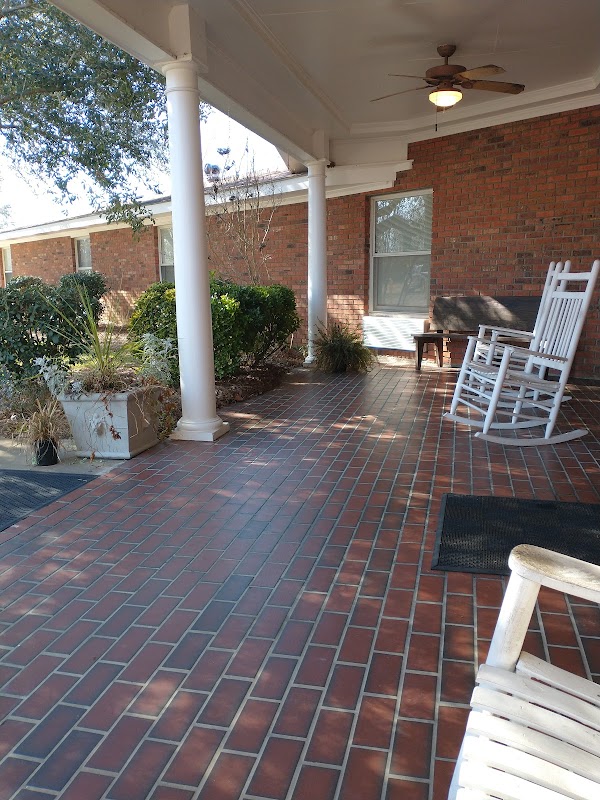
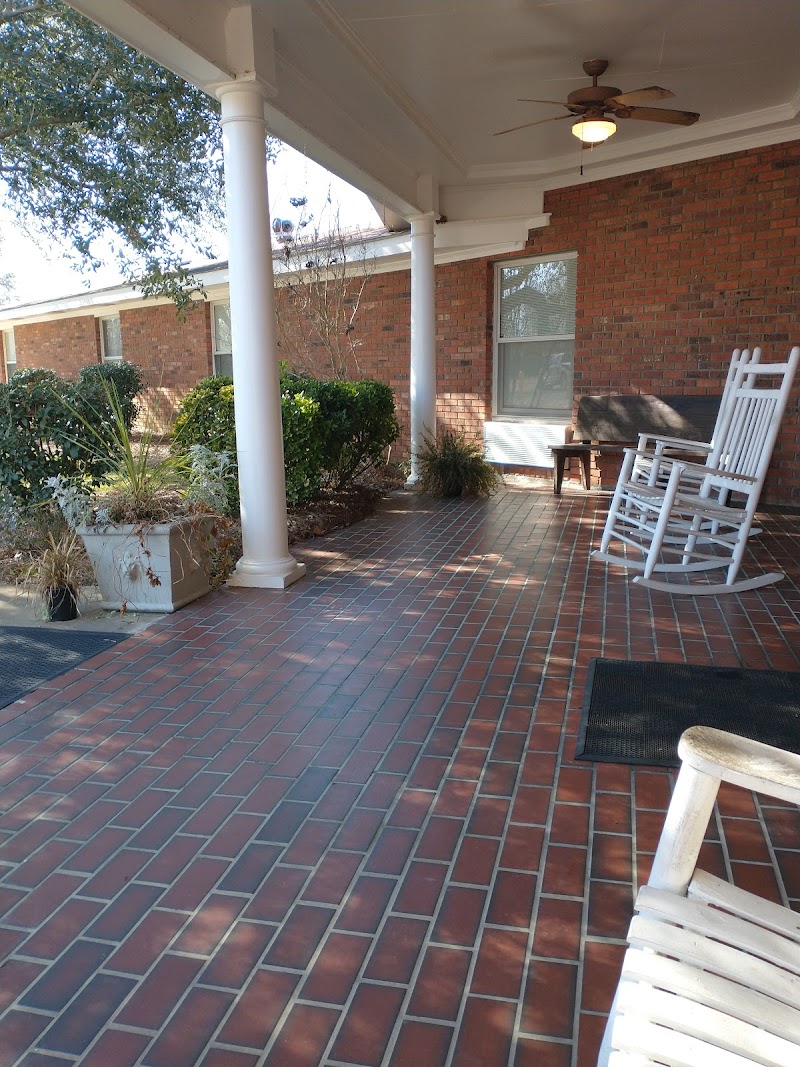
15481 BOWLING GREEN ROAD, DURANT, MS 39063 (662) 653-4106
For profit - Corporation 80 Beds TREND CONSULTANTS Data: November 2025
Trust Grade
38/100
#168 of 200 in MS
Last Inspection: June 2024

Within standard 12-15 month inspection cycle. Federal law requires annual inspections.

Overview

Holmes County Long Term Care Center in Durant, Mississippi has a Trust Grade of F, indicating significant concerns about the quality of care provided. Ranking #168 out of 200 facilities in the state places them in the bottom half, and they are the second of only two options in Holmes County, meaning there is only one local facility rated higher. Although the number of issues has improved from 6 in 2024 to 2 in 2025, the facility still reports serious incidents, including a resident sustaining a head injury due to improper use of a mechanical lift that required two staff members. Staffing is a relative strength, with a low turnover rate of 0%, but the facility has less RN coverage than 90% of other facilities in Mississippi, raising concerns about oversight. Additionally, the facility has faced fines totaling $8,278, which is average but still indicates compliance issues.

Trust Score
F
38/100
In Mississippi
#168/200
Bottom 16%
Safety Record
Moderate
Needs review
Inspections
Getting Better
6 → 2 violations
Staff Stability
○ Average
Turnover data not reported for this facility.
Penalties
⚠ Watch
$8,278 in fines. Higher than 83% of Mississippi facilities, suggesting repeated compliance issues.
Skilled Nurses
⚠ Watch
Each resident gets only 21 minutes of Registered Nurse (RN) attention daily — below average for Mississippi. Fewer RN minutes means fewer trained eyes watching for problems.
Violations
⚠ Watch
12 deficiencies on record. Higher than average. Multiple issues found across inspections.
★☆☆☆☆
1.0
Overall Rating
★★☆☆☆
2.0
Staff Levels
★☆☆☆☆
1.0
Care Quality
★★☆☆☆
2.0
Inspection Score
Stable
2024: 6 issues
2025: 2 issues

The Good

  • Full Sprinkler Coverage · Fire safety systems throughout facility
  • No fines on record

Facility shows strength in fire safety.

The Bad

1-Star Overall Rating

Below Mississippi average (2.6)

Significant quality concerns identified by CMS

Federal Fines: $8,278

Below median ($33,413)

Minor penalties assessed

Chain: TREND CONSULTANTS

Part of a multi-facility chain

Ask about local staffing decisions and management

The Ugly 12 deficiencies on record

2 actual harm
Jan 2025 2 deficiencies 2 Harm
SERIOUS (G) 📢 Someone Reported This

A family member, employee, or ombudsman was alarmed enough to file a formal complaint

Actual Harm - a resident was hurt due to facility failures

Comprehensive Care Plan (Tag F0656)

A resident was harmed · This affected 1 resident

**NOTE- TERMS IN BRACKETS HAVE BEEN EDITED TO PROTECT CONFIDENTIALITY** Based on interviews, facility policy review, and record reviews, the facility failed to implement the care plan for a two (2) pe...

Read full inspector narrative →
**NOTE- TERMS IN BRACKETS HAVE BEEN EDITED TO PROTECT CONFIDENTIALITY** Based on interviews, facility policy review, and record reviews, the facility failed to implement the care plan for a two (2) person assist with the use of a full body mechanical lift for all transfers of Resident #4. Resident #4 sustained a head injury and received medical treatment at the emergency room (ER) as a result of the misuse of the full body mechanical lift. Resident #4 was one (1) of four (4) sampled residents in the facility identified as dependent upon the full body mechanical lift with two (2) persons assistance for transfers. Based on the facility's implementation of corrective actions on 11/06/24 through 11/11/24, the State Agency (SA) determined the deficiency to be Past Non-Compliance. Findings include: Record review of the facility policy titled, Care Plans-Comprehensive, revised 10/2016 revealed, 2. The comprehensive care plan is based on a thorough assessment that includes . a. Incorporate identified problem areas: b. Incorporate risk factors associated with identified problems . f. Identify the professional services that are responsible for each element of care. Record review of Resident #4's care plan with a revision date of 08/24/21 titled, Focus: I require assistance with Activity of Daily Living (ADL) related to generalized muscle weakness, lack of coordination, impaired balance, abnormalities of gait and mobilities. Interventions: Transfer use total lift. Requires extensive assist times (x) two (2). The record review of the emergency room (ER) report dated 11/06/2024 read: Chief Complaint Patient presents with Head Injury. [AGE] year old female presents to the emergency department via (by) EMS (Emergency Management Services) from nursing home with head laceration from Hoyer lift. Interventions include local anesthesia and 6 staples. An interview with the facility Administrator (ADM) on 01/13/25 at 12:30 PM revealed that on 11/06/2024 at approximately 6:00 AM CNA #1 used the full body mechanical lift to transfer Resident #4 from her bed to the wheelchair without obtaining or requesting assistance from a second staff member. The facility policy nor the resident's care plan was followed by CNA #1 which caused a head laceration to Resident #4. The facility policy and procedure for using the full body mechanical lift was to utilize two staff to assist and operate the full body mechanical lift. The ADM provided documentation of the investigation and provided documentation of the lift policies. On 1/13/25 at 12:50 PM, interview with the Director of Nursing (DON) stated that Resident #4 was care planned for two (2) person assistance with mechanical lift with all transfers and confirmed that CNA #1 did not follow the care plan for Resident #4 when she transferred the resident without a second person to assist. On 1/13/25 at 2:10 PM, in an interview with the Staff Development Nurse Licensed Practical Nurse (LPN) #4 confirmed that Resident #4 was care planned for two (2) persons assistance with the use of full body mechanical lifts for all transfers. Interview with DON on 1/13/25 at 3:00 P.M. she confirmed that Resident #4 received a head injury and had to be sent to the ER for medical treatment as a result of the inappropriate use of the full body mechanical lift by CNA #1. Attempted several times to reach CNA #1 by telephone to obtain an interview but was unsuccessful. Record review of the facility's investigation revealed a hand-written statement signed by CNA #1 that read: On October the 6th at 6:00 in the morning, (Resident #4) was to be dressed and ready. I asked the nurse for assistance, her cart was on the hall I walked up front and asked for her assistance, I proceeded to continue to assist (Resident #4) by dressing her and preparing her for transfer to dialysis. By 6:00 AM I weighed her in the bed on the lift, then nurse comes stand in the door across from her cart with her hand on her hip, looking up the hall, I move the lift around the floor to move (Resident #4) to the chair the lift pad swings back and forth and (Resident #4) swings into the side of the door, she hits her head on the corner of the back door. I proceed to put (Resident #4) in the chair then I see she is bleeding I look up the nurse has stepped away I call her, and has to go back up front to get her. I told her what happened and asked why was she bleeding she said she was a dialysis patient, and she was gone send her out. I told her as I was moving the lift she swung into the corner of the door it happened so fast. Record review of the admission Record of Resident #4 revealed the facility admitted the resident on 02/27/2024 with diagnoses that included Inflammatory Polyps of Colon with intestinal obstruction; End Stage Renal Disease; Type 2 Diabetes; Heart Failure; and Cognitive Communication Deficit. Record review of Resident #4's Minimum Data Set (MDS) Section C, with an Assessment Reference Date (ARD) of 09/20/24, revealed a Brief Interview for Mental Status (BIMS) score 3, which indicated that Resident #4 was severely cognitively impaired. Record review of the facility in-services after the incident and the investigation records revealed that the facility had acted quickly and had corrected all deficiencies created by the fall of the resident from the improperly used lift. CNA #1 acted alone and had been thoroughly trained as to the procedures for using the lifts. The facility also reviewed their policies with no changes made to the policies and conducted a QA meeting on 11/06/24 as well as conducted a thorough investigation. The State Agency (SA) reviewed the Quality Assurance (QA) meeting, the lift in services that began on 11/06/24 and reviewed the documentation that the facility terminated CNA #1 on 11/11/24. The facility continued to monitor falls, accidents and monitored the lift policy throughout the next eight (8) weeks through their QA program and meetings. The deficient practice had been corrected on 11/11/24 prior to the State Agency (SA) entering the facility on 01/13/2025. The SA validated through interviews, observation, and record reviews that on 11/11/2024 the deficiency was Past Non-Compliance (PNC) and all corrections had been made.
SERIOUS (G) 📢 Someone Reported This

A family member, employee, or ombudsman was alarmed enough to file a formal complaint

Actual Harm - a resident was hurt due to facility failures

Accident Prevention (Tag F0689)

A resident was harmed · This affected 1 resident

**NOTE- TERMS IN BRACKETS HAVE BEEN EDITED TO PROTECT CONFIDENTIALITY** Based on interviews, facility policy reviews, and record reviews, the facility failed to prevent an injury of a resident by not ...

Read full inspector narrative →
**NOTE- TERMS IN BRACKETS HAVE BEEN EDITED TO PROTECT CONFIDENTIALITY** Based on interviews, facility policy reviews, and record reviews, the facility failed to prevent an injury of a resident by not following the established facility policies and procedures for the use of two (2) person assistance with a full body mechanical lift for all transfers. Resident #4 had to seek medical care at the emergency room (ER) for a laceration to her head which required closure with staples. Resident #4 was one (1) of four (4) sampled residents dependent upon full body mechanical lifts for all transfers. Based on the facility's implementation of corrective actions on 11/06/24 through 11/11/24, the State Agency (SA) determined the deficiency to be Past Non-Compliance. Findings Include: Review of the facility policy titled Modified Lifting Policy for Zero Back Injury (ZBI) Program dated 1/24/22 revealed, I acknowledge that if I choose to use a lift without a second person to assist, fail to apply the sling correctly, and fail to use the correct lift specified on the residents care guide I will risk causing injury to that resident. I will be terminated from employment and my actions will be reported to appropriate state agencies as abuse. The policy was signed and dated by Certified Nursing Assistant (CNA) #1 and signed and dated 10/22/24 by the Staff Development Nurse Licensed Practical Nurse (LPN) #4. Review of the ZBI In-service Record dated 1/24/2022 signed by CNA #1 and LPN #4 dated 10/22/24 revealed: 2 (two) person assist is required both Stand Lift and Total Lift NEVER lift a resident by yourself. You must be assisted by a trained and qualified staff member (the nurse or CNA). The record review of the emergency room (ER) report dated 11/06/2024 read: Chief Complaint Patient presents with Head Injury. [AGE] year old female presents to the emergency department via (by) EMS (Emergency Management Services) from nursing home with head laceration from Hoyer lift. Interventions include local anesthesia and 6 staples. On 01/13/25 at 12:30 PM, an interview with the facility Administrator (ADM) revealed that on 11/06/24 at approximately 6:00 AM CNA #1 used the full body mechanical lift to transfer Resident #4 from her bed to the wheelchair without obtaining or requesting assistance from a second staff member. The facility policy was not followed by CNA #1 which caused a head injury to Resident #4. The ADM stated that they suspended CNA #1 immediately after the alleged event on 11/06/24 and began a facility investigation into the incident. ADM provided documentation of the investigation and provided documentation of the lift policies. The facility conducted a thorough investigation of the incident and on 11/11/24 the facility terminated CNA #1 for not following the facility policies and procedures for the use of full body mechanical lift. The ADM stated that Resident #1 was sent out to the local emergency room (ER) for treatment of a head injury and several staples were placed in the head of Resident #1 to close the wound and stop the bleeding. The facility immediately in-serviced all staff on the use of mechanical lifts with two (2) persons and an assessment and review of all residents using lifts was conducted along with a Quality Assurance (QA) meeting. Interview on 1/13/25 at 12:50 PM, with the Director of Nursing (DON) revealed that CNA #1 had not requested assistance from other staff and she used the full body mechanical lift alone which caused Resident #1 to hit her head on the door and caused a head injury to Resident #1. The DON confirmed that CNA #1 was terminated from employment on 11/11/2024 for not using two (2) persons assistance with the mechanical lift and confirmed that the CNA had been in-serviced and trained on the use the full body mechanical lifts. Interview on 1/13/25 at 2:10 PM, with the Staff Development nurse LPN #4 revealed that the staff are trained on the use of two (2) persons to assist with the full body mechanical lifts. She revealed there are no staff that do not know that the facility requires two (2) persons to assist with the mechanical lifts and confirmed that CNA #1 was inserviced on 10/22/24. An interview with DON on 1/13/25 at 3:00 PM, she confirmed that CNA #1's written statement was not consistent with the written statements and verbal statements given by the other staff that were working at the facility on 11/06/24 at 6:00 AM. DON confirmed that CNA #1 was terminated from the facility for not following the facility policy for the use of full body mechanical lifts with two (2) person assistance. An interview by telephone on 01/13/25 at 3:30 PM with LPN #5, revealed that she was working the unit on 11/06/24 along with CNA #1. LPN #5 stated that at no time did CNA #1 request for her to assist with the use of a full body mechanical lift to transfer Resident #4. She stated that CNA #1 used the full body mechanical lift with Resident #4 alone and the resident hit her head causing a laceration to the top of her scalp. LPN #5 confirmed that the facility had trained them all on the proper use of lifts and they all had to attend in-services after the incident occurred. An interview on 01/13/25 at 3:35 PM with LPN #6, revealed that CNA #1 came to her and said that Resident #4 had hit her head and was bleeding. LPN #6 went with CNA #1 to Resident #4's room and the resident was alone in the room, sitting up in a wheelchair with blood dripping down her face. LPN #6 stated that she attempted to find the source of the bleeding but because of the large amount of blood, she was unable to locate the source. She immediately called for the ambulance. LPN #6 stated that she was concerned about Resident #4 because there was so much blood coming from the cut to her head. The ambulance came quickly and took Resident #4 to the ER. LPN #6 stated that only the resident, the full body mechanical lift, and CNA #1 were in the room with Resident #4 when she arrived to assess Resident #4. LPN #6 confirmed that CNA #1 had not obtained assistance to use the full body mechanical lift with Resident #4. Surveyor attempted several times to reach CNA #1 by telephone to obtain an interview but was unsuccessful. Record review of the facility's investigation revealed a hand-written statement signed by CNA #1 that read: On October the 6th at 6:00 in the morning, (Resident #4) was to be dressed and ready. I asked the nurse for assistance, her cart was on the hall I walked up front and asked for her assistance, I proceeded to continue to assist (Resident #4) by dressing her and preparing her for transfer to dialysis. By 6:00 AM I weighed her in the bed on the lift, then nurse comes stand in the door across from her cart with her hand on her hip, looking up the hall, I move the lift around the floor to move (Resident #4) to the chair the lift pad swings back and forth and (Resident #4) swings into the side of the door, she hits her head on the corner of the back door. I proceed to put (Resident #4) in the chair then I see she is bleeding I look up the nurse has stepped away I call her, and has to go back up front to get her. I told her what happened and asked why was she bleeding she said she was a dialysis patient, and she was gone send her out. I told her as I was moving the lift she swung into the corner of the door it happened so fast. The record review of the hand written statement of CNA #1 contained the date of October 6th and the names of the nurses that were called to the room of Resident #4 were not revealed in the statement of CNA #1. The hand written statements of the other staff that were interviewed were not consistent with the hand written statement of CNA #1. The statement of CNA #1 did not name a second person to assist with the use of the full body mechanical lift. CNA #1's statement did indicate that she used the full body mechanical lift alone and an incident occurred that caused a head injury to Resident #4. Record review of the admission Record of Resident #4 revealed that she was admitted to the facility on [DATE] with diagnosis that included Inflammatory Polyps of Colon with intestinal obstruction; End Stage Renal Disease; Type 2 Diabetes; Heart Failure; and Cognitive Communication Deficit. Record review of Resident #4's Minimum Data Set (MDS) Section C, with an Assessment Reference Date (ARD) of 09/20/24, revealed a Brief Interview for Mental Status (BIMS) score 3, which indicated that Resident #4 was severely cognitively impaired. Record review of the facility in-services after the incident and the investigation records revealed that the facility had corrected all deficiencies created by the fall of the resident from the improperly used lift. CNA #1 acted alone and had been thoroughly trained as to the procedures for using the lifts. The facility also reviewed their policies with no changes made to the policies and conducted a QA meeting on 11/06/24 as well as conducted a thorough investigation. The State Agency (SA) reviewed the Quality Assurance (QA) meeting, the lift in services that began on 11/06/24 and reviewed the documentation that the facility terminated CNA #1 on 11/11/24. The facility continued to monitor falls, accidents and monitored the lift policy throughout the next eight (8) weeks through their QA program and meetings. The deficient practice had been corrected on 11/11/24 prior to the State Agency (SA) entering the facility on 01/13/2025. The SA validated through interviews, observation, and record reviews that on 11/11/2024 the deficiency was Past Non-Compliance (PNC) and all corrections had been made.
Jun 2024 6 deficiencies
CONCERN (D)

Potential for Harm - no one hurt, but risky conditions existed

Resident Rights (Tag F0550)

Could have caused harm · This affected 1 resident

**NOTE- TERMS IN BRACKETS HAVE BEEN EDITED TO PROTECT CONFIDENTIALITY** Based on observation, staff interview, resident representative interview, and facility policy review, the facility failed to ens...

Read full inspector narrative →
**NOTE- TERMS IN BRACKETS HAVE BEEN EDITED TO PROTECT CONFIDENTIALITY** Based on observation, staff interview, resident representative interview, and facility policy review, the facility failed to ensure that each resident was treated with dignity as evidenced by failure to cover unclothed residents that were visible from the hallway, and failure to provide a privacy bag for a catheter for three (3) of twenty-two sampled residents. Resident #5, Resident #55 and Resident #228. Findings include: Review of the facility policy titled, Maintaining Privacy and Dignity for Residents with Foley Catheter Drainage Bags undated, revealed It is the policy of this facility to provide privacy and dignity to all residents that have a urinary drainage bag in use. The drainage bag will be maintained in a storage pouch to hide the contents and prevent embarrassment to the resident . Review of the facility policy titled Privacy/Dignity During Care with a revision date of 8/2015 revealed under, Policy: It is the policy of this facility to provide privacy and dignity to our residents while providing care. Also revealed under, Procedure: Privacy curtains, window blinds/curtains and draping of the resident will be done when providing care to ensure privacy and dignity . An observation outside Resident #5's room doorway on 6/25/2024 at 8:40 AM, revealed the room door was open, and he was sitting in a wheelchair eating breakfast dressed only in a brief. An observation and interview with Certified Nurse Aide (CNA) #4 on 6/25/2024 at 8:45 AM revealed when Resident # 5 was up in his room, he would not allow them to dress him at times. She acknowledged the resident was visible from the hall and confirmed this was a privacy concern. An observation outside Resident #5's room door on 6/25/2024 at 12:10 PM revealed, the door was open, and he was sitting in his wheelchair eating lunch dressed only in a brief. A telephone interview with Resident #5's Resident Representative (RR), on 6/25/2024 at 2:01 PM, revealed that the resident was not the kind of person to sit around without any clothes on. She revealed, if he was cognizant, he would not like the fact that he was being seen by visitors and staff with only a brief. An interview with the Administrator (ADM) on 6/26/2024 at 8:05 AM, regarding Resident #5 revealed they had tried closing his room door, but the resident would open it back up. She explained that the resident would remove his clothing and acknowledged that dignity was a concern for the resident, as he could be easily viewed by visitors and staff from the hall. Record review of the Quarterly Minimum Data Set (MDS) with an Assessment Reference Date (ARD) of 5/15/2024 revealed, under section C, a Brief Interview for Mental Status (BIMS) summary score of 6, which indicated Resident #5 is severely cognitively impaired. Record review of the admission Record revealed the facility admitted Resident #5 on 6/26/2019. Resident #55 An observation on 6/26/2024 at 7:55 AM and 8:05 AM, outside Resident #55's room door revealed, the door was open, and he was lying in bed with no clothing on and no bed cover, leaving him exposed and a urinal was in place between his legs. An observation and interview with CNA #5 on 6/26/2024 at 8:06 AM revealed Resident #55's door must always remain open because the resident requires close supervision. She acknowledged the resident was viewable from the hall and this was a privacy issue. An interview with the ADM on 6/26/2024 at 8:07 AM revealed Resident #55's RR made them leave the door open because she was scared that something could happen to him. The ADM stated that the resident would not keep any bed cover on and was always kicking and pulling it off. She revealed that the RR would not allow them to put clothing on him, only a hospital gown, which he always removed. She confirmed this was a dignity concern when the resident is naked and exposed to anyone in the hallway. An interview with Registered Nurse (RN) #2 on 6/26/2024 at 11:03 AM, revealed they keep the door open for Resident #55 because he coughs and spits a lot. She revealed that he fights the staff and refused to wear a gown or keep bed linen on and if he wears a brief, but he was constantly pulling his penis out. She revealed that it was the resident's preference. RN #2 acknowledged it could be seen by others as a dignity concern. A telephone interview with Resident #55's RR on 6/26/2024 at 2:49 PM, revealed she did not want him lying down there without clothes. She revealed she had asked them to leave the door open because he had fallen one time, and she wanted them to be able to check on him as they walked down the hall. Record review of the Quarterly Minimum Data Set (MDS) with an Assessment Reference Date (ARD) of 4/18/2024 revealed, under section C, Resident #55's cognitive skills for daily decision-making are severely impaired. Record review of the admission Record revealed the facility admitted Resident #55 on 11/11/2021 with medical diagnoses that included personal history of traumatic brain injury and hemiplegia. Resident #228 An observation on 06/25/24 at 11:05 AM, and 2:10 PM, revealed Resident #228 lying in bed with a urinary catheter bag and tubing hanging on the right-hand side of the bed facing the entrance room door visible from the hallway and anyone entering the room. Urine was noted in the catheter bag with no privacy covering over the urinary drainage bag. An observation on 06/26/24 at 8:20 AM, revealed Resident #228 lying in bed with a urinary catheter bag that was noted without a privacy bag, with urine visible. The urinary drainage bag was hanging on the right side of the bed facing the entrance room door and was visible to anyone entering the room and visible from the hallway. During an observation and interview, on 06/26/24 at 9:15 AM, the RN Nurse Supervisor confirmed that the resident's urinary catheter bag was uncovered and visible to anyone entering the room and visible from the hallway. She revealed that all urinary catheter bags are to be kept in a covered privacy bag and that it is a dignity issue for the resident. A record review of Resident #228's admission Record revealed the resident was admitted to the facility on [DATE] with diagnoses including chronic kidney disease. Record review of the Minimum Data Set (MDS) with an Assessment Reference Date (ARD) of 06/13/24, revealed Resident #228 had a Brief Interview for Mental Status (BIMS) score of 12, which indicated the resident has a moderate cognitive impairment.
CONCERN (D)

Potential for Harm - no one hurt, but risky conditions existed

Deficiency F0558 (Tag F0558)

Could have caused harm · This affected 1 resident

**NOTE- TERMS IN BRACKETS HAVE BEEN EDITED TO PROTECT CONFIDENTIALITY** Based on observation, staff and resident interview, record review and facility policy review the facility failed to ensure a res...

Read full inspector narrative →
**NOTE- TERMS IN BRACKETS HAVE BEEN EDITED TO PROTECT CONFIDENTIALITY** Based on observation, staff and resident interview, record review and facility policy review the facility failed to ensure a residents call light was within reach for one (1) of 22 residents sampled. Resident #24 Findings Include Review of the facility policy titled, Call Light, Answering with no revision date revealed under, Key Procedural Points .#5. When the resident is in bed or confined to a chair, be sure the call light is within easy reach of the resident. An observation and interview on 06/25/24 at 8:15 AM, revealed Resident #24 was sitting on the side of the bed receiving Oxygen (O2) via (by) nasal cannula. The resident stood up and said she needed to go to the bathroom, with no shoes on and nasal cannula still attached, she attempted to take two steps and stated she needed help, but admitted she did not know where her call light was located. An observation revealed the resident's call light was out of the residents reach and behind the privacy curtain on her roommate's side of the room, lying in a chair. An interview on 6/25/24 at 3:00 PM, with Licensed Practical Nurse (LPN) #2 confirmed that Resident #24's call light should be in her reach as well as all resident's call lights. She stated that the resident can sometimes take a few steps but normally needs help. An interview and observation on 6/26/24 at 8:17 AM, with Certified Nurse Assistant (CNA) #2, upon entering the room, confirmed that the call light was not within the residents reach but needed to be. An interview on 6/26/24 at 1:30 PM, with CNA #3 confirmed that Resident #24 needed help getting up and going to the bathroom and she uses her call light sometimes. She stated her call light should always be within her reach. An interview on 6/26/24 at 3:10 PM, with the Administrator confirmed that all residents call lights need to be within their reach at all times so they can request help or assistance if needed. Review of Resident #24's admission Record revealed the resident was admitted to the facility on [DATE] with medical diagnoses that included Acute Pulmonary Edema. Review of Resident #24's Minimum Data Set (MDS) with an Assessment Reference Date (ARD) of 6/21/24 revealed in Section C a Brief Interview for Mental Status (BIMS) score of 03, which indicated the resident is severely cognitively impaired and in Section GG that the resident needed partial assistance from another person to complete any activities.
CONCERN (D)

Potential for Harm - no one hurt, but risky conditions existed

Comprehensive Care Plan (Tag F0656)

Could have caused harm · This affected 1 resident

**NOTE- TERMS IN BRACKETS HAVE BEEN EDITED TO PROTECT CONFIDENTIALITY** Based on observation, staff interviews, record review, and facility policy review, the facility failed to develop and implement ...

Read full inspector narrative →
**NOTE- TERMS IN BRACKETS HAVE BEEN EDITED TO PROTECT CONFIDENTIALITY** Based on observation, staff interviews, record review, and facility policy review, the facility failed to develop and implement a comprehensive care plan for a resident with Activities of Daily Living (ADL) diabetic nail care and failed to implement a comprehensive care plan for a resident with ADL nail care for two (2) of the twenty-two sampled residents. Resident #63 and Resident #65 Findings include: A review of the facility's Care Plans-Comprehensive policy dated 10/2016 revealed, An individualized (person-centered) comprehensive care plan that includes measurable objectives and timetables to meet the resident's medical nursing, mental and psychological needs is developed for each resident A review of the facility's Following the Care Plan Policy undated, revealed, It is the policy of this facility to follow a written and approved care plan for each resident. All employees will be trained upon hire and be required to follow the care plan . Resident #63 A record review of Resident #63's Comprehensive Care Plan with a Focus dated 11/04/2020 with a revision on 07/10/2023 revealed, Resident #63 requires assistance with ADLs related to impaired balance, impaired cognition, anemia, bilateral below knee amputation with interventions including My nail care as needed or scheduled. Under staff responsible, CNA (Certified Nursing Assistant) was listed. On 06/25/24 at 8:40 AM, 12:05 PM, and 2:15 PM, an observation and interview revealed Resident #63 sitting in his wheelchair, bilateral fingernails approximately one-half (1/2) inch long and jagged past the tip of his fingers, and a brown substance was under each nail. Resident #63 stated, No one has offered to cut and clean my nails in a long time, I would like them to be cut. On 06/26/24 at 10:02 AM, an interview and observation, the Registered Nurse (RN) Supervisor revealed the nurses are responsible for doing the resident's nail care since he is diabetic. She confirmed the resident's nails were long, jagged, and had a brown substance underneath his fingernails. An interview on 06/26/24 at 11:05 AM, the Minimum Data Set (MDS) nurse revealed she is responsible for developing the residents' care plans and they are developed to identify the direct individualized care for each resident. She confirmed that Resident #63's care plan was not developed to reflect his diabetic nail care to be completed by the nurses. She confirmed the care plan reflected for the CNA to do his nails instead of the nurses. During an interview on 06/27/24 at 09:00 AM, the Director of Nurses (DON) confirmed the ADL care plan for Resident #63 was not developed accurately regarding his diabetic nail care and confirmed his ADL with his nailcare was not being followed. She revealed the nurses knew he was a diabetic and they were responsible for his nails and stated that It is our expectation that all resident care plans are developed accurately to reflect a resident's individualized plan of care. A record review of Resident #63's admission Record revealed the resident was admitted to the facility on [DATE] with diagnoses including Complete traumatic amputation and Type 2 Diabetes Mellitus. Resident #65 A record review of Resident #65's comprehensive care plan with date initiated: 01/27/2023 revealed, I require assistance with ADLs related to impaired balance, and weakness with interventions of nail care as needed and/or scheduled by the CNA. On 06/25/24 at 8:52 AM, an observation and interview of Resident #65 revealed bilateral fingernails to be long and jagged, approximately ½ inches past the tips of his fingers. Resident #65 stated it's been a long time since his nails were cut and he would like them to be cut. An interview on 06/26/24 at 11:10 AM, The MDS Coordinator confirmed the ADL care plan for Resident #65 was not being followed for his nail care and it should have been. During an interview on 06/27/24 at 9:40 AM, the DON revealed it is the responsibility of the CNAs to do Resident #65's nail care since he is not a diabetic. She revealed that anyone can do nail care if they see that it needs to be done and revealed if his nails were not trimmed then his plan of care was not being followed. A record review of Resident #65's admission Record revealed he was admitted to the facility on [DATE] with diagnoses that include Need for Assistance with Personal Care.
CONCERN (D)

Potential for Harm - no one hurt, but risky conditions existed

ADL Care (Tag F0677)

Could have caused harm · This affected 1 resident

**NOTE- TERMS IN BRACKETS HAVE BEEN EDITED TO PROTECT CONFIDENTIALITY** Based on observation, staff and resident interviews, record review, and facility policy review, the facility failed to provide p...

Read full inspector narrative →
**NOTE- TERMS IN BRACKETS HAVE BEEN EDITED TO PROTECT CONFIDENTIALITY** Based on observation, staff and resident interviews, record review, and facility policy review, the facility failed to provide personal hygiene as evidenced by long, jagged nails with a brown substance underneath the fingernails for two (2) of the twenty-two sampled residents. Resident # 63, and Resident #65 Findings included: Record review of facility policy titled, Fingernails/Toenails, Care of undated, revealed, The purposes of this policy is to clean the nail bed, to keep nails trimmed, and to prevent infections . 6 .Nail care includes daily cleaning and regular trimming. Resident #63 An observation and interview on 06/25/24 at 8:40 AM, 12:05 PM, and 2:15 PM, revealed Resident #63 sitting in his wheelchair, bilateral fingernails approximately one-half (1/2) inch long and jagged past the tip of his fingers, and a brown substance was under each nail. Resident #63 revealed, No one has offered to cut and clean my nails in a long time, I would like them cut. An observation on 06/26/24 at 8:25 AM, of Resident #63 sitting in the dining room his fingernails remain long and jagged with a brown substance under each fingernail. An interview and observation on 06/26/24 at 9:45 AM, Certified Nurse Aide (CNA) #1 revealed the nurses do his nail care since he is a diabetic. She confirmed Resident #63's fingernails were long and jagged with a brown substance under his nails. During an interview and observation on 06/26/24 at 10:02 AM, the Registered Nurse (RN) Supervisor revealed the nurses are responsible for doing the resident's nail care since he is diabetic. She confirmed Resident #63's nails were long, jagged, and had a brown substance underneath his fingernails. She revealed that his nails being long, jagged, and dirty could cause a host of problems like a possible skin tear and infection. A record review of Resident #63's admission Record revealed the resident was admitted to the facility on [DATE] with diagnoses including Complete traumatic amputation and Type 2 Diabetes Mellitus. Record review of the Minimum Data Set (MDS) with an Assessment Reference Date (ARD) of June 10, 2024, revealed Resident #63 had a Brief Interview for Mental Status (BIMS) score of 11, which indicated the resident has a moderate cognitive impairment. Resident #65 An observation and interview on 06/25/24 at 8:52 AM, of Resident #65 revealed bilateral fingernails to be long and jagged, approximately ½ inches past the tips of his fingers. Resident #65 revealed it's been a long time since his nails were cut and he would like for them to be cut. An observation on 06/25/24 at 02:00 PM revealed Resident #65 lying in bed. His bilateral fingernails remain jagged and approximately ½ inches past the tips of his nails. An observation on 06/26/24 at 9:05 AM, Resident #65's fingernails on bilateral hands remain long and jagged, with no change noted since the previous day. An interview and observation on 06/26/24 at 09:35 AM, CNA #1 revealed she is assigned to the resident today and the CNAs are responsible for cleaning and trimming the resident's nails. She confirmed Resident #65's nails were long and jagged and needed to be cut, and further stated, It looks like it had been a while since he had them trimmed. Resident #65 stated with CNA #1 present, My nails are long, I scratch myself with them. They need to be cut. An interview and observation on 06/26/24 at 09:40 AM, the RN Supervisor revealed the CNAs are responsible for cutting Resident #65's fingernails and confirmed his nails were long and jagged and needed to be trimmed. The RN Supervisor revealed that with his nails long and jagged he could scratch himself and cause a skin tear. A record review of Resident #65's admission Record revealed he was admitted to the facility on [DATE] with diagnoses that include Need for Assistance with Personal Care. A record review of the MDS with an ARD of 04/08/24, revealed Resident #65 had a BIMS score of 14 which indicated the resident was cognitively intact.
CONCERN (D)

Potential for Harm - no one hurt, but risky conditions existed

Accident Prevention (Tag F0689)

Could have caused harm · This affected 1 resident

Based on observation and staff interview the facility failed to prevent the possibility of an accident and hazards as evidenced by not properly securing and storing chemicals for one (1) of three (3) ...

Read full inspector narrative →
Based on observation and staff interview the facility failed to prevent the possibility of an accident and hazards as evidenced by not properly securing and storing chemicals for one (1) of three (3) survey days. Findings Include: Review of the typed statement on facility letterhead revealed the facility did not have a policy on chemical cleaners in the whirlpool room. However, they are expected to be in a locked cabinet when not in use and this was signed by the Administrator. An observation and interview on 6/26/24 at 10:45 AM with Licensed Practical Nurse (LPN) #1 revealed the shower room on the B-Hall had a coded lock on the door, but LPN #1 turned the door handle and walked in without using the keyed lock. Inside the shower room, the whirlpool tub was full of water with soap suds and there was an unlocked storage bin that held a can of bug spray, a spray bottle of bleach cleaner and two large bottles of disinfectant. LPN #1 confirmed that the door to the shower room should be locked and if a resident had accidentally come in here, they could have accessed or come in contact with these chemicals. She stated she does not have any idea how long the shower lock has been broken and she has not reported it to anyone. An interview and observation on 6/26/24 at 10:58 AM, with the Administrator confirmed the shower room should always be locked and that the turn lock nor the code lock was working. She confirmed that it was dangerous having the door unlocked with a tub full of water and chemicals that were accessible to the residents. An interview on 6/26/24 at 11:05 AM, with the Administrator revealed no one had reported that the lock was not working, but they should have.
CONCERN (D)

Potential for Harm - no one hurt, but risky conditions existed

Pharmacy Services (Tag F0755)

Could have caused harm · This affected 1 resident

Based on observation, staff interview, record review, and facility policy review, the facility failed to ensure a controlled substance was signed out on a resident's narcotic administration log at the...

Read full inspector narrative →
Based on observation, staff interview, record review, and facility policy review, the facility failed to ensure a controlled substance was signed out on a resident's narcotic administration log at the time of administration for one (1) of five (5) residents observed during medication pass (Resident #31) and during one (1) of two (2) narcotic log reconciliations. Findings include: Review of the facility policy titled Preparation and General Guidelines with a revision date of January 2018 revealed under, Policy: Medication included in the Drug Enforcement Administration (DEA) classification as controlled substances are subject to special handling, storage, disposal, and recordkeeping in the facility, in accordance with federal and state laws and regulations. Also revealed under, Procedures: . E. Accurate accountability of the inventory of all controlled drugs is maintained at all times. When a controlled substance is administered, the licensed nurse administering the medication immediately enters the following information on the accountability record and the medication administration record (MAR): 1) Date and time of administration (MAR, Accountability Record). 2) Amount administered (Accountability Record). 3) Remaining quantity (Accountability Record). 4) Initials of the nurse administering the dose, completed after the medication is actually administered (MAR, Accountability Record) . During an observation of medication pass with Registered Nurse (RN) #2, on 6/26/2024 at 8:15 AM, Resident #31 requested a pain pill with his morning medication. RN #2 prepared and administered one (1) Norco 5/325 milligrams (mg), returned to the medication cart and signed the Medication Administration Record (MAR). She continued to prepare and distribute medications to three (3) other residents on D hall without signing out the pain medication on the resident's narcotic administration log. After completion of D hall medication pass, inquired about her not signing the narcotic log for Resident #31's Norco. RN #2 confirmed she did not sign it out and revealed she did not have her narcotic logbook with her and had left it at the nurse's desk. She confirmed narcotics should be signed out at the time of administration to have an accurate count and accountability of the medication. Record review of Resident #31's MAR for June 2024 revealed an order dated 11/01/2023, Norco Oral tablet 5-325 MG (milligrams)(Hydrocodone-Acetaminophen) Give 1 tablet by mouth every 4 hours as needed for Pain initialed as administered on 6/26/2024 at 0819. During a narcotic log reconciliation for medication cart assigned to halls D and E on 6/27/2024 at 8:42 AM, with Registered Nurse (RN) #2, Resident #30 had a blister packed card of Valium 2 mg (milligrams) that contained 48 tablets and the narcotic administration log showed a discrepancy count of 49 tablets. RN #2 stated the resident took the medication twice a day, and she had given it earlier at 8:24 AM. She revealed that she forgot to sign it out and confirmed she did not account for the Valium on the resident's narcotic log as it was administered. Record review of the June 2024 MAR for Resident #30 revealed an order dated 6/27/2023, Valium (antianxiety) Tablet 2 MG (milligrams) (diazepam) Give 2 mg by mouth two times a day related to Paranoid Schizophrenia. The 8:00 AM dose was signed out on the MAR. An interview with the Director of Nursing (DON) on 6/26/2024 at 10:10 AM, revealed her expectations were that narcotics were signed out for each resident on the narcotic administration log at the point of administration. She revealed the nurses were to keep the narcotic book with them on the med carts to sign the narcotics out. She stated these things were learned in nursing school and the nurses had been in-serviced.
Jun 2023 2 deficiencies
CONCERN (D)

Potential for Harm - no one hurt, but risky conditions existed

PASARR Coordination (Tag F0644)

Could have caused harm · This affected 1 resident

**NOTE- TERMS IN BRACKETS HAVE BEEN EDITED TO PROTECT CONFIDENTIALITY** Based on staff interview and record review, the facility failed to submit a status change for a resident with a new mental illne...

Read full inspector narrative →
**NOTE- TERMS IN BRACKETS HAVE BEEN EDITED TO PROTECT CONFIDENTIALITY** Based on staff interview and record review, the facility failed to submit a status change for a resident with a new mental illness diagnoses for one (1) of four (4) Pre-admission Screening and Record Reviews (PASARR) reviewed. Resident #37 Findings include: Record review of facility letterhead signed by the Director of Nursing (DON), undated, revealed, (Proper name of facility) does not have a policy for submitting a second PASR while in the facility. Record review of the Pre-admission Screening (PAS) Application for Long Term Care dated 12/4/2020, revealed the Resident #37 had Depression (major) and Depression (other) listed as medical conditions. The physician certified that this person is appropriate for Medicaid long term care services. Record review of Resident #37's Diagnosis Information revealed the resident had a diagnosis of Major Depressive Disorder dated 12/4/2020 and a diagnosis of Major Depressive Disorder, recurrent, severe with Psychotic Symptoms dated 2/15/2023. An interview with Social Services on 6/14/23 at 2:00 PM, revealed Resident #37 was admitted to the facility on [DATE] with a diagnosis of Major Depressive Disorder and received a diagnosis of Major Depressive Disorder with Psychotic Symptoms on 2/15/23. She stated she is the person responsible for submitting the Pre-admission Screenings (PAS) and the Pre-admission Screening and Record Reviews (PASARR) and she failed to submit the status change for this resident. She confirmed that with the new diagnosis, a status change for the PASARR Level 2 should have been submitted, but it was not done. An interview with the DON on 6/15/23 at 9:15 AM, confirmed the facility failed to submit a PASARR status change for Resident #37 with a new mental illness diagnosis as required. Record review of the admission Record revealed Resident #37 was admitted to the facility on [DATE] and with diagnoses that included Major Depressive Disorder and Major Depressive Disorder severe with Psychotic Symptoms. Record review of Minimum Data Set (MDS) with Assessment Reference Date (ARD) of 5/15/23, revealed Resident #37 with a Brief Interview for Mental Status (BIMS) of 15, which indicated the resident was cognitively intact.
CONCERN (D)

Potential for Harm - no one hurt, but risky conditions existed

Medication Errors (Tag F0758)

Could have caused harm · This affected 1 resident

**NOTE- TERMS IN BRACKETS HAVE BEEN EDITED TO PROTECT CONFIDENTIALITY** Based on staff interviews, pharmacy consultant interview and record review, the facility failed to ensure a resident on a PRN (a...

Read full inspector narrative →
**NOTE- TERMS IN BRACKETS HAVE BEEN EDITED TO PROTECT CONFIDENTIALITY** Based on staff interviews, pharmacy consultant interview and record review, the facility failed to ensure a resident on a PRN (as needed) psychotropic medication had a stop date for one (1) of six (6) resident's medication reviewed. Resident #45 Findings include: The facility provided documentation on letterhead that read, (Proper Name of facility) does not have a policy for PRN psychotropic medications. Record review of Resident #45's Physician Orders Summary Report revealed an order dated 01/13/2023, Ativan oral tablet 1 MG (milligram) give 1 tablet by mouth every four (4) hours as needed for agitation An interview on 6/15/23 at 9:05 AM, with Registered Nurse (RN) #1 confirmed that Resident #45 did not have a stop date for his PRN Ativan, and she acknowledged that it should have one. She revealed that the resident has had this Ativan order since he was admitted into the facility on 1/13/2023. An interview on 6/15/23 at 9:20 AM, with the Director of Nursing (DON) confirmed that Resident #45 did not have a stop date for the PRN Ativan order, and she stated, Yes, it's supposed to have one. An interview on 6/15/23 at 10:13 AM, with the Pharmacy consultant, revealed he does the monthly drug regimen reviews at the facility. When the Survey Agent (SA) inquired whether the PRN Ativan order for Resident #45 should have a stop date, he stated, I've had this conversation with others in the past, and we were in agreement that as long as the initial order was written for 14 days and the physician re-evaluated the resident and the documentation was in place, the medication could be continued for 6 months without a stop date and would routinely be re-evaluated in 6 months. He confirmed that the Ativan order for Resident #45 had never had a stop date since the resident was admitted to the facility on [DATE]. He acknowledged that he had not read the regulations for the use of PRN psychotropic medications since sometime last year. Record review of the admission Record revealed Resident #45 was admitted to the facility on [DATE] with diagnoses that included Unspecified Dementia and Restlessness and Agitation. Record review of the Minimum Data Set (MDS) with an Assessment Reference Date (ARD) of 4/19/23 revealed a Brief Interview for Mental Status (BIMS) score of 03, which indicates the resident is severely cognitively impaired.
Aug 2021 2 deficiencies
CONCERN (D)

Potential for Harm - no one hurt, but risky conditions existed

Deficiency F0576 (Tag F0576)

Could have caused harm · This affected 1 resident

**NOTE- TERMS IN BRACKETS HAVE BEEN EDITED TO PROTECT CONFIDENTIALITY** Based on resident and staff interviews and record review the facility failed to ensure Saturday mail delivery to 1 out of 12 res...

Read full inspector narrative →
**NOTE- TERMS IN BRACKETS HAVE BEEN EDITED TO PROTECT CONFIDENTIALITY** Based on resident and staff interviews and record review the facility failed to ensure Saturday mail delivery to 1 out of 12 residents that voiced a concern during Resident council. FACILITY Resident Council Record review of the Mail Delivery Policy dated 2/2009 revealed under policy: It is the policy of this facility to deliver the Resident's mail timely. Under procedure: This mail will be delivered to the resident Monday thru Friday by the activity director. If the Resident receives mail on a Saturday, it will be delivered to the Resident by the week-end RN Unit Manager. Record review of the Resident's Rights policy with revised date of 8/16/16 revealed the center, through its Administrator, is responsible for establishing written policies that will safeguard the rights and responsibilities of medical assistance residents. The staff of the center is trained and involved in the implementation of these policies and procedures. The Administrator is responsible of adherence of the policies and procedures and for making them known to residents, families, and sponsors. Resident's rights, policies, and procedures shall insure that each resident admitted to the center may associate and communicate privately with persons of his choice and send and receive his personal mail unopened unless medically contraindicated (as documented in his Medical Record by his attending physician). On 08/03/21 at 03:00 PM Resident council meeting was held in the facility dining room with 12 Residents in attendance. Questions were discussed and the residents reported they do not get their mail on Saturdays. Resident #40 revealed they do not get the mail on Saturdays because the front office is closed. On 8/04/21 at 09:20 A.M. an interview with the Administrator revealed that they do not deliver the regular mail to the facility on Saturdays. Stated this is how it has been the whole 12 years she has been at the facility. Stated she is unsure why this is, but she guesses it is because the business office is closed. The Administrator denied ever checking to see why the regular mail is not delivered on Saturdays. On 08/05/21 at 08:40 A.M. the State Agent (SA) conducted a phone interview with the postmaster at the local post office and revealed the mail is not delivered to the nursing home on Saturdays because the office is closed. The Administrator revealed it has been like this for the three years he has been the postmaster, he has considered the nursing home a business and we deliver the mail Monday through Friday to all businesses. He revealed the nursing home could get the mail on Saturdays but the person in charge would need to call here, and we could work something out. On 08/05/21 at 09:00 A.M. the administrator presented to the SA a typed statement of we don't receive mail on Saturday from [NAME] Post Office.
CONCERN (D)

Potential for Harm - no one hurt, but risky conditions existed

Infection Control (Tag F0880)

Could have caused harm · This affected 1 resident

**NOTE- TERMS IN BRACKETS HAVE BEEN EDITED TO PROTECT CONFIDENTIALITY** FACILITY Dining Observation An observation on 8/3/21 at 2:45 PM of Certified Nursing Assistant #1 passing out snacks to the resi...

Read full inspector narrative →
**NOTE- TERMS IN BRACKETS HAVE BEEN EDITED TO PROTECT CONFIDENTIALITY** FACILITY Dining Observation An observation on 8/3/21 at 2:45 PM of Certified Nursing Assistant #1 passing out snacks to the residents on hall B. Snacks were on a plastic dining tray. CNA #1 entered Resident #24's room with the snack tray. She allowed Resident #24 to reach and take a bag of chips off the tray. Resident #24 reached over three bags of chips and picked up the third bag. While reaching to get the third bag of chips, her left lower arm drug over the other 2 bags of chips. Then CNA #1 took a snack cake off the snack tray and opened it and gave it to Resident #1. CNA #1 left that Resident's room and continued into Resident room #B14 and then to Resident room #B17. CNA #1 offered the Resident's a snack, and they did want a snack and CNA #1 handed the snack to them. An interview on 8/3/21 at 3:00 PM with CNA #1 revealed she should not have allowed Resident #24 to get a snack off the tray because it can cause an infection. An interview on 08/05/21 at 08:00 AM with the Director of Nursing (DON) revealed CNA #1 should have never taken the tray of snacks in the Resident's room and allow Resident #24 to reach over the tray to get a snack because that would contaminate all that is on the tray and then it could spread germs and cause infection control issues. An interview on 08/05/21 at 06:45 PM with the administrator revealed that CNA #1 should never have allowed the resident to get her own snack off the tray because of infection control and this could cause it to spread to others. Based on observation, staff interviews, and record review the facility failed to follow standard infection control practices for 2 of 4 days of observations made during survey. FACILITY Infection Control Policy review of the Facility policy titled Hand Sanitizing Procedure with revised date of 4/2015 revealed it is the policy of this facility to use hand sanitizer or hand sanitizer wipes as a substitute between hand washing when hands are not visibly soiled or dirty and/or after contact with objects (e.g., medical equipment) in the immediate vicinity of the resident. On 08/05/2021 at 08:30 AM, an observation of the dining room breakfast meal revealed Registered Nurse (RN#1) picked up Resident #7 (seven)'s contaminated tray when he finished eating, she did not wash her hands or use hand sanitizer and she remained in the dining room. RN #1 retrieved a clean clothing protector from a bag in the dinning room and gave it to Resident #74. RN #1 picked up a second contaminated meal tray and ticket and she did not wash her contaminated hands or use hand gel. RN #1 picked up a used clothing protector folded it and set it on a dinning table. She did not use hand gel or wash her hands. On 8/5/2021 at 9:05 AM, an interview with RN #1 confirmed she did not wash her hands or use hand sanitizer after picking up some trays and then handling a clean clothing protector for another resident. RN #1 confirmed she should have used hand sanitizer after picking up the trays and before assisting another Resident and it could spread germs from one resident to another resident. When asked had she been in-serviced in Hand Hygiene she replied not since I have been here, probably during orientation, but it was so much in orientation. On 08/05/2021 at 9:15 AM, an interview with the Director of Nurses (DON) confirmed staff are in-serviced on hand hygiene and infection control practices upon hire and frequently by the Infection Control nurse or the staffing development nurse. 08/05/2021 at 6:43 PM, an interview with the Administrator confirmed RN #1 supervisor should have washed her hands or used sanitizer before giving the clean clothing protector to a Resident after picking up contaminated trays, it is an infection control issue that could cross contaminate. Record review of employee orientation checklist revealed [NAME] Sodom completed an In-service titled Infection Control Orientation Check List on 04/19/21, and Hand hygiene on 04/19/2021.
Understanding Severity Codes (click to expand)
Life-Threatening (Immediate Jeopardy)
J - Isolated K - Pattern L - Widespread
Actual Harm
G - Isolated H - Pattern I - Widespread
Potential for Harm
D - Isolated E - Pattern F - Widespread
No Harm (Minor)
A - Isolated B - Pattern C - Widespread

Questions to Ask on Your Visit

  • "Can I speak with families of current residents?"
  • "What's your RN coverage like on weekends and overnight?"

Our Honest Assessment

Strengths
  • • Licensed and certified facility. Meets minimum state requirements.
Concerns
  • • 12 deficiencies on record, including 2 serious (caused harm) violations. Ask about corrective actions taken.
  • • Grade F (38/100). Below average facility with significant concerns.
Bottom line: Trust Score of 38/100 indicates significant concerns. Thoroughly evaluate alternatives.

About This Facility

What is Holmes County Long Term - Durant's CMS Rating?

CMS assigns HOLMES COUNTY LONG TERM CARE CENTER - DURANT an overall rating of 1 out of 5 stars, which is considered much below average nationally. Within Mississippi, this rating places the facility higher than 0% of the state's 100 nursing homes. A rating at this level reflects concerns identified through health inspections, staffing assessments, or quality measures that families should carefully consider.

How is Holmes County Long Term - Durant Staffed?

CMS rates HOLMES COUNTY LONG TERM CARE CENTER - DURANT's staffing level at 2 out of 5 stars, which is below average compared to other nursing homes.

What Have Inspectors Found at Holmes County Long Term - Durant?

State health inspectors documented 12 deficiencies at HOLMES COUNTY LONG TERM CARE CENTER - DURANT during 2021 to 2025. These included: 2 that caused actual resident harm and 10 with potential for harm. Deficiencies causing actual harm indicate documented cases where residents experienced negative health consequences.

Who Owns and Operates Holmes County Long Term - Durant?

HOLMES COUNTY LONG TERM CARE CENTER - DURANT is owned by a for-profit company. For-profit facilities operate as businesses with obligations to shareholders or private owners. The facility is operated by TREND CONSULTANTS, a chain that manages multiple nursing homes. With 80 certified beds and approximately 74 residents (about 92% occupancy), it is a smaller facility located in DURANT, Mississippi.

How Does Holmes County Long Term - Durant Compare to Other Mississippi Nursing Homes?

Compared to the 100 nursing homes in Mississippi, HOLMES COUNTY LONG TERM CARE CENTER - DURANT's overall rating (1 stars) is below the state average of 2.6 and health inspection rating (2 stars) is below the national benchmark.

What Should Families Ask When Visiting Holmes County Long Term - Durant?

Based on this facility's data, families visiting should ask: "Can you walk me through typical staffing levels on day, evening, and night shifts?" "Can I visit during a mealtime to observe dining assistance and food quality?" "How do you handle medical emergencies, and what is your hospital transfer rate?" "Can I speak with family members of current residents about their experience?" These questions are particularly relevant given the below-average staffing rating.

Is Holmes County Long Term - Durant Safe?

Based on CMS inspection data, HOLMES COUNTY LONG TERM CARE CENTER - DURANT has a clean safety record: no substantiated abuse findings (meaning no confirmed cases of resident harm), no Immediate Jeopardy citations (the most serious violation level indicating risk of serious injury or death), and is not on the Special Focus Facility watch list (a federal program monitoring the lowest-performing 1% of nursing homes). The facility has a 1-star overall rating and ranks #100 of 100 nursing homes in Mississippi. While no facility is perfect, families should still ask about staff-to-resident ratios and recent inspection results during their visit.

Do Nurses at Holmes County Long Term - Durant Stick Around?

HOLMES COUNTY LONG TERM CARE CENTER - DURANT has not reported staff turnover data to CMS. Staff turnover matters because consistent caregivers learn residents' individual needs, medications, and preferences. When staff frequently change, this institutional knowledge is lost. Families should ask the facility directly about their staff retention rates and average employee tenure.

Was Holmes County Long Term - Durant Ever Fined?

HOLMES COUNTY LONG TERM CARE CENTER - DURANT has been fined $8,278 across 2 penalty actions. This is below the Mississippi average of $33,162. While any fine indicates a compliance issue, fines under $50,000 are relatively common and typically reflect isolated problems that were subsequently corrected. Families should ask what specific issues led to these fines and confirm they've been resolved.

Is Holmes County Long Term - Durant on Any Federal Watch List?

HOLMES COUNTY LONG TERM CARE CENTER - DURANT is not on any federal watch list. The most significant is the Special Focus Facility (SFF) program, which identifies the bottom 1% of nursing homes nationally based on persistent, serious quality problems. Not being on this list means the facility has avoided the pattern of deficiencies that triggers enhanced federal oversight. This is a positive indicator, though families should still review the facility's inspection history directly.