DIVERSICARE OF EUPORA

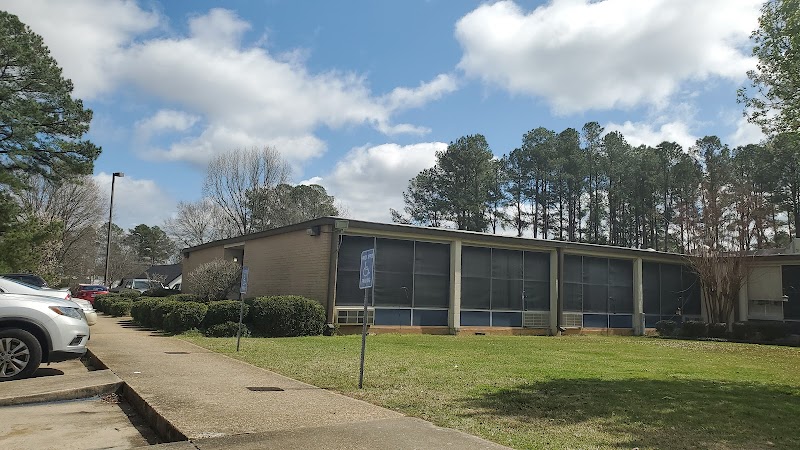
156 E WALNUT AVE, EUPORA, MS 39744 (662) 258-8293
For profit - Corporation 119 Beds DIVERSICARE HEALTHCARE Data: November 2025
Trust Grade
50/100
#110 of 200 in MS
Last Inspection: August 2024

Within standard 12-15 month inspection cycle. Federal law requires annual inspections.

Overview

Diversicare of Eupora has a Trust Grade of C, indicating that it is average and in the middle of the pack among nursing homes. It ranks #110 out of 200 in Mississippi, placing it in the bottom half of facilities in the state, and #2 out of 2 in Webster County, meaning there is only one other local option. The facility is on an improving trend, having reduced issues from 11 in 2024 to 3 in 2025. Staffing is a strength, with a rating of 4 out of 5 stars and a turnover rate of 35%, which is significantly lower than the Mississippi average of 47%. While there are no fines on record, indicating compliance with regulations, families should be aware of some concerning incidents. For example, one resident was refused assistance with toileting despite expressing urgent need, and multiple grievances regarding food quality and bed linens were not resolved for several residents. Additionally, care plans for some residents were not adequately implemented. Overall, while there are positive aspects like good staffing and an improving trend, there are also significant areas needing attention.

Trust Score
C
50/100
In Mississippi
#110/200
Bottom 45%
Safety Record
Low Risk
No red flags
Inspections
Getting Better
11 → 3 violations
Staff Stability
○ Average
35% turnover. Near Mississippi's 48% average. Typical for the industry.
Penalties
✓ Good
No fines on record. Clean compliance history, better than most Mississippi facilities.
Skilled Nurses
✓ Good
Each resident gets 43 minutes of Registered Nurse (RN) attention daily — more than average for Mississippi. RNs are trained to catch health problems early.
Violations
⚠ Watch
24 deficiencies on record. Higher than average. Multiple issues found across inspections.
★★☆☆☆
2.0
Overall Rating
★★★★☆
4.0
Staff Levels
★★★★☆
4.0
Care Quality
★★☆☆☆
2.0
Inspection Score
Stable
2024: 11 issues
2025: 3 issues

The Good

  • 4-Star Staffing Rating · Above-average nurse staffing levels
  • 4-Star Quality Measures · Strong clinical quality outcomes
  • Full Sprinkler Coverage · Fire safety systems throughout facility
  • No fines on record
  • Staff turnover below average (35%)

    13 points below Mississippi average of 48%

Facility shows strength in staffing levels, quality measures, fire safety.

The Bad

2-Star Overall Rating

Below Mississippi average (2.6)

Below average - review inspection findings carefully

Staff Turnover: 35%

11pts below Mississippi avg (46%)

Typical for the industry

Chain: DIVERSICARE HEALTHCARE

Part of a multi-facility chain

Ask about local staffing decisions and management

The Ugly 24 deficiencies on record

Aug 2025 2 deficiencies
CONCERN (D) 📢 Someone Reported This

A family member, employee, or ombudsman was alarmed enough to file a formal complaint

Potential for Harm - no one hurt, but risky conditions existed

Free from Abuse/Neglect (Tag F0600)

Could have caused harm · This affected 1 resident

**NOTE- TERMS IN BRACKETS HAVE BEEN EDITED TO PROTECT CONFIDENTIALITY** Based on staff interviews, record review, and facility policy review, the facility failed to ensure residents were free from abu...

Read full inspector narrative →
**NOTE- TERMS IN BRACKETS HAVE BEEN EDITED TO PROTECT CONFIDENTIALITY** Based on staff interviews, record review, and facility policy review, the facility failed to ensure residents were free from abuse when a Licensed Practical Nurse (LPN) used profanity toward a resident diagnosed with Alzheimer's disease and was observed to have applied physical force during an incident, where the resident was laying flat on her back on the floor and the LPN forcefully pushed the resident's legs into her chest and used profanity toward the resident. This placed the resident at risk for humiliation, intimidation, and harm. This was identified for one (1) of six (6) residents reviewed for abuse (Resident #1). Findings include: Cross-reference F609Review of the facility policy titled, Abuse, Neglect, Misappropriation, Exploitation Policy, dated January 2019, revealed, Purpose: To prohibit and prevent abuse. Physical Abuse - includes, but is not limited to, hitting, slapping, punching, biting, and kicking. Corporal punishment is considered physical abuse. Verbal Abuse - may be considered a form of mental abuse and includes written, gestured, or spoken communication, or sounds made to residents within hearing distance, regardless of age, ability to comprehend, or disability. Mental Abuse - is the use of verbal or nonverbal conduct which causes, or has the potential to cause, humiliation, intimidation, fear, shame, agitation, or degradation Record review of a facility-reported incident revealed that on 7/29/25, Certified Nursing Assistants (CNAs) #1 and CNA #2 reported allegations of abuse by LPN #1 toward Resident #1.Record review of the admission Record revealed Resident #1 was admitted on [DATE] with diagnoses of Alzheimer's disease and dementia with agitation.Record review of the admission Minimum Data Set (MDS) dated [DATE] revealed a Brief Interview for Mental Status (BIMS) score of 3, indicating the resident was severely cognitively impaired.During an interview with the Administrator and the DON on 8/28/25 at 9:31 AM, they confirmed that CNA #1 and CNA #2 told them they were at the nurse's station during the incident, placing them away from the immediate area. They stated LPN #2 reported hearing LPN #1 use profanity but not directed at the resident. They confirmed that, following their investigation, the facility substantiated the use of profanity but did not substantiate the allegation of abuse or improper physical force.During an interview on 8/27/25 at 2:30 PM, CNA #1 stated that on 7/28/25 sometime after 7:00 PM, Resident #1 was acting out, cursing, hitting, biting at staff, and had laid down in the hallway. She stated that staff were attempting to calm and redirect the resident's behaviors when LPN #1 was holding the resident's legs and the resident kicked LPN #1 in the stomach, LPN #1 then became angry and called the resident a stupid b**** and shoved her legs back into her chest. She stated it appeared as if LPN #1 just snapped when the resident kicked her. She confirmed she was in the hallway with LPN #1, LPN #2, CNA #2, and CNA #3 when the incident occurred and denied ever stating she was at the nurse's station. She stated that aside from sending a text message to the Administrator to report the incident, no one questioned her further.Review of a written statement provided by the Administrator and attributed to the interview that CNA #1 gave, revealed the following allegation: LPN #1 folded that lady's leg up to her chest then she kicked LPN #1 and LPN #1 called her a b**** and shoved her leg/knee back in her chest.During a phone interview with CNA #2 on 8/27/25 at 2:40 PM, she stated Resident #1 was confused, fighting, hitting, kicking, and biting at staff. She stated staff were blocking the resident from hitting and kicking while trying to calm her down. She stated the resident managed to kick LPN #1 in the stomach, and LPN #1 called the resident a stupid b**** and pushed the resident's leg back toward her head. She confirmed she was present in the hallway during the incident and denied telling the Administrator or Director of Nursing (DON) that she had been at the nurse's station. She confirmed that she had sent the Administrator a text to let her know about the incident.Record review of a written statement provided by the Administrator and attributed to CNA #2 revealed: I love LPN #1 to death, but she went entirely too far when Resident #1 kicked her. Then she called her a stupid b****.During a phone interview with LPN #2 on 8/27/25 at 3:30 PM, she stated she worked on 7/28/25 and recalled Resident #1 being confused, resisting care, and fighting, kicking, and biting staff. She stated that staff attempted to block the resident's arms and legs to prevent injury. She denied seeing the incident but confirmed she heard LPN #1 use profanity in an attempt to calm the resident. She stated that while she did not view it as cursing at the resident, she acknowledged that profanity and blocking movements could have made the resident feel threatened.Record review of a written statement provided by the Administrator and attributed to LPN #2 revealed: On 7/28/25 approximately 1900, LPN #1 did use profanity to get patient to stop kicking.Record review of an interview summary conducted by the Administrator and the DON revealed LPN #1 stated she heard a commotion, Resident #1 was on the floor in the hallway, kicking and biting. She stated she did not recall using any profanity during the situation. She stated she did push the resident's leg while trying to block the kick as the resident was trying to kick her and the CNAs.Record review of a Progressive Discipline Form for LPN #1 dated 8/5/25 revealed: On 7/28/25 it was reported that profane language was used with a resident. It was also alleged that physical force was used with the resident. Upon completion of the investigation, it was determined that profane language was used; however, no improper force was substantiated.Record review of an in-service titled Abuse and Neglect, dated 7/1/25, revealed LPN #1, LPN #2, CNA #1, and CNA #2 attended the training and signed the attendance sheet.
CONCERN (D) 📢 Someone Reported This

A family member, employee, or ombudsman was alarmed enough to file a formal complaint

Potential for Harm - no one hurt, but risky conditions existed

Report Alleged Abuse (Tag F0609)

Could have caused harm · This affected 1 resident

Based on staff interviews, record review, and facility policy review, the facility failed to ensure that all allegations of abuse were immediately reported to the State Agency, failed to report allega...

Read full inspector narrative →
Based on staff interviews, record review, and facility policy review, the facility failed to ensure that all allegations of abuse were immediately reported to the State Agency, failed to report allegations involving a licensed nurse to the appropriate licensing board, and failed to ensure staff recognized and reported abuse. This deficient practice was identified for one (1) of three (3) residents reviewed for abuse allegations. (Resident #1)Findings include: Cross-reference F 600Review of the facility policy titled, Abuse, Neglect, Misappropriation, Exploitation Policy, dated January 2019, revealed: All alleged violations involving mistreatment, neglect, or abuse, including injuries of unknown source, and misappropriation of resident property, will be reported immediately to the Administrator, State Agency, and other officials in accordance with State law. Allegations involving licensed staff will be reported to the appropriate licensing authority.Record review of a facility-reported incident dated 7/29/25 revealed allegations of abuse were made against Licensed Practical Nurse (LPN) #1 involving Resident #1. The incident was reported to the State Agency; however, the facility did not notify to the Board of Nursing as required for allegations involving licensed staff.During an interview with Certified Nursing Assistant (CNA) #1 on 8/27/25 at 2:30 PM, she stated she witnessed the incident on 7/28/25 when LPN #1 used profanity and applied force to Resident #1. She stated she did not report the allegation until the next day because she assumed another nurse would have reported it.During a phone interview with CNA #2 on 8/27/25 at 2:40 PM, she confirmed she also witnessed the incident but delayed reporting until the following day because she assumed another nurse had already reported it.During a phone interview with LPN #2 on 8/27/25 at 3:30 PM, she stated she heard LPN #1 use profanity toward Resident #1 but did not consider it abuse and therefore did not report the allegation either. LPN #2 confirmed that it is never okay to use profanity towards a resident and that she was the supervisor over the CNAs and she should have reported the incident right away.During an interview with the Administrator and the Director of Nursing (DON) on 8/28/25 at 9:31 AM, they confirmed that staff failed to immediately report allegations of abuse that occurred on 7/28/25 related to LPN #1 and Resident #1. They also confirmed the allegation was not reported to the Board of Nursing because the facility did not substantiate the abuse, although they had statements of abuse from both CNAs.Record review of an in-service titled Abuse and Neglect, dated 7/1/25, revealed LPNs #1 and #2 and CNAs #1 and #2 attended the training and signed the attendance sheet. In-service material: If any allegations of abuse that is reported to any team member, it is to be reported immediately.Remember to always report any suspicion of abuse and neglect immediately. Different types of abuse.when in doubt report it.
Apr 2025 1 deficiency
CONCERN (D) 📢 Someone Reported This

A family member, employee, or ombudsman was alarmed enough to file a formal complaint

Potential for Harm - no one hurt, but risky conditions existed

Quality of Care (Tag F0684)

Could have caused harm · This affected 1 resident

Based on resident and staff interviews, record review, and facility policy review, the facility failed to identify and provide needed care and services that were resident centered, in accordance with ...

Read full inspector narrative →
Based on resident and staff interviews, record review, and facility policy review, the facility failed to identify and provide needed care and services that were resident centered, in accordance with the resident's preferences, goals for care, and professional standards of practice to meet resident's physical needs for one (1) of five (5) residents reviewed for quality of care. Resident #3 Findings include: Record review of facility policy titled, Notification of Change in Patient/Resident Health Status dated June 2017, revealed, Purpose: to ensure all interested parties are informed of the patient's/resident's change in health status so that a treatment plan can be developed which is in the best interest of the patient/resident . C. A need to alter treatment significantly (i.e. a need to discontinue an existing form of treatment due to adverse consequences, or to commence a new form of treatment). Depending on the nursing assessment appropriate notification may be immediate to 48 hours . Record review of facility policy titled, Skin Care Guidelines, dated July 2018, revealed, Purpose: To provide a system for evaluation of skin to identify risk and identify individual interventions to address risk and a process for care of changes/disruption in skin integrity . When an open area is identified: Implement resident specific interventions immediately . Notify physician and document notification. During a phone interview on 4/16/25 at 8:50 AM, Resident #3 stated she had been admitted to the facility on the afternoon of Friday, 3/21/25. She revealed she had been an insulin-dependent diabetic for several years and had been in the hospital due to cellulitis of a diabetic ulcer to the toe. She acknowledged she administered insulin three times daily prior to each meal and informed the facility nurse of this on admission and prior to her evening meal. She was informed that the doctor did not order her insulin when she was discharged from the hospital. She asked the nurse to notify the provider since she needed her insulin, and she had the continuous glucose monitoring (CGM) device and her blood sugars had not been low. She knew the provider did not discontinue her insulin and felt that the hospital made an error when reconciling her medications at discharge. This continued Saturday, Sunday, and Monday morning. The resident stated that the nurses refused to contact her physician for a clarification regarding her insulin. She stated she also had a diabetic ulcer on her toe and it was covered with a dressing on admission to the facility. She asked about dressing changes, but was told she did not have an order for wound care or dressing changes. She asked the nurse if she would contact the physician for an order for wound care as well as for insulin, but this was not done. The nurses did change the dressing on Saturday and on Sunday, but she was uncertain what they used for the treatment. She asked multiple people on Friday, Saturday, Sunday, and Monday morning about her insulin and wound care, but no one contacted the provider for orders for her needed care. The provider came in on Monday and ordered the wound treatment and was going to order insulin, but the resident told the provider she would continue to use her own insulin pen that she had brought from home since she was transferring to another facility that day or the next day and she did not want that added to her bill. During an interview on 4/16/25 at 10:20 AM, the Registered Nurse Treatment Nurse stated he had left the building for the day when the resident was admitted from the hospital on 3/21/25 and he did not assess her until Monday 4/24/25. He stated the treatment being used was Hydrofera Blue so he spoke with the Nurse Practitioner and received a new order for collagen with silver for wound care. He stated if he was not in facility when a new resident was admitted , it was the nurses' responsibility to assess and document the wounds and he would measure and take pictures when he returned. He also stated the provider would be notified if the resident needed orders for care. An interview with the Director of Nursing (DON) on 4/16/25 at 1:55 PM, revealed Resident #3 was admitted to the facility with a diabetic wound on Friday, 3/21/25. She acknowledged the resident had a diagnosis of Type 2 Diabetes Mellitus with long-term current use of insulin, and on the paperwork received from the hospital, her insulin was discontinued at discharge. The DON confirmed that the resident informed the staff that was a mistake and the physician needed to be contacted. Resident #3 had her own insulin pen and was administering her own medication even though the nurses informed her that that was a safety concern, and she had not been assessed for self-administration of medications. She stated a nurse attempted to contact the provider with no response and there was no documentation of this attempt. She acknowledged the Medical Director needed to be contacted if there was no response from other providers, but he was not contacted to verify orders for the insulin as well as for the wound care. She stated each resident in the facility had the right to the treatments and medications needed for their well-being and the facility failed to obtain orders for wound care and insulin and therefore, failed to give treatments and medications per those orders for this resident. Record review of Resident #3's Clinical Summary revealed diagnoses of Insulin Dependent Diabetes Mellitus dated 8/15/18 and Type 2 Diabetes Mellitus with long term current use of insulin dated 12/24/24. Record review of Resident #3's History and Physical dated 3/18/25, revealed resident with history of .Type 2 Diabetes Mellitus with long-term current use of insulin. Blood glucose at that time was listed as 201 (High) with reference range of 70-110. Record review of Resident #3's Discharge Summary with discharge date of 3/21/25, revealed discharge diagnosis of, Type 2 Diabetes Mellitus, with long-term current use of insulin. Record review of Resident #3's Order Summary Report for March 2025, revealed an order dated 3/24/25 for Right great toe diabetic ulcer - clean wound with wound cleanser, pat dry with gauze, apply collagen with silver, cover with small piece of xeroform, secure with 2 x 2 bordered gauze, change daily. No order for insulin was noted on the Order Summary Report. Record review of Resident #3's electronic Medication Administration Record (EMAR) for March 2025 revealed the resident had no insulin administrations listed or documented. Record review of Resident #3's electronic Treatment Administration Record (ETAR) for March 2025 revealed the resident had a treatment to toe ordered on 3/24/25 and received this treatment on 3/25/25. No other treatments were listed or documented as done on the ETAR. Record review of Resident #3's Progress Note dated 3/22/25 at 1400, revealed, Resident is self medicating herself with her own insulin. She is monitoring BS (blood sugar) with a device. Resident does not have an order for insulin. Charge nurse and Director of Nursing printed off orders and shown her that she was not on the insulin. Will continue to monitor. Record review of Resident #3's Progress Notes Behavior Charting dated 3/24/25 at 0812 revealed, Describe Behavior/Mood, what the resident was doing, interventions attempted and effectiveness: Nurse went into resident's room this AM to check on resident. Resident was upset stating that her medication wasn't correct upon admit. Resident stated, I'm supposed to be on insulin. I need insulin due to my diagnosis of Diabetes Mellitus and I have to have my insulin. This nurse explained to resident that facility has to follow discharge orders that was sent with her when admitted . This nurse went over medications with resident. Resident then stated, 'they didn't notify me at the hospital that they discontinued my insulin'. This nurse assured resident that her medications would be assessed by Nurse Practitioner (NP) and primary physician. Resident then continued to state, 'That's okay, I have my own insulin that I've been giving myself and I'm keeping it. You're not gonna take it'. This nurse explained to resident that was unsafe. Resident then reported that she didn't care and was keeping her insulin. DNS (Director of Nursing Services)/Administration and NP aware. Record review of Progress Note from Nurse Practitioner dated 3/24/25 at 22:59, revealed, per hospital documentation (Discharge Summary) patient has diagnosis of Type 2 Diabetes with long-term current use of insulin. Patient reports that she has been taking insulin for several years. However, per hospital documentation (After Visit Summary) under the Instructions section, stated for patient to STOP taking: Insulin Aspart 100 unit/milliliter injection (Novolog). Patient currently has a Insulin Aspart Injection Pen on her bedside table and states that she is using her pen to give herself insulin. Patient states, she takes Insulin Aspart 15 units before (AC) meals. Blood sugars noted with fluctuations. Ranging from 112-366 since admission on 3/21. NP offered to restart insulin. Patient states, no don't order me any insulin, I will just continue to use my own insulin, because I'm leaving today or tomorrow anyway. Record review of Progress Note dated 3/24/25 at 12:57 revealed, Resident is alert and oriented sitting on side of the bed. Resident is incontinent of bowel/bladder. Resident stated that she giving herself her own insulin that she has in her room. Record review of Clinical Health Status Evaluation dated 3/21/25, revealed, Barriers to Transition . Wound Care/Skin Integrity. Also, revealed, Self-Administration medications: Medication-Self Administration - Does the resident wish to self-administer medication? No. Record review of Daily Skilled Nurses Note dated 3/22/25 and 3/23/25, revealed, Skin . c. Treatment (per orders/nurses note); d. dressing clean, dry, intact . Wound Observation Nursing Note (enter any other documentation related to wounds): Diabetic Ulcer to right great toe. No information of treatment documented. Record review of Daily Skilled Nurses Note dated 3/24/25 revealed, Resident stated that she was giving herself her own insulin that she has in her room. Record review of RN Treatment Nurse's documentation Skin and Wound Evaluation dated 3/24/25, revealed, Wound appears stable, callus noted to periwound, wound bed dry. Patient reports she has been using Hydrofera Blue as primary wound dressing. Report given to NP and new order received to clean wound with wound cleanser, pat dry with gauze, apply collagen with silver to wound bed, cover with small piece of xeroform, secure with 2 x 2 border dressing, change daily. Patient tolerated treatment well. Record review of Resident #3's admission Record revealed the facility admitted her on 3/21/25. Diagnoses included Type 2 diabetes Mellitus with foot ulcer and Cellulitis of right toe. Record review of Resident #3's admission Minimum Data Set (MDS) with Assessment Reference Date (ARD) of 3/25/25 revealed a Brief Interview for Mental Status (BIMS) score of 15 which indicated she was cognitively intact.
Aug 2024 11 deficiencies
CONCERN (D)

Potential for Harm - no one hurt, but risky conditions existed

Assessment Accuracy (Tag F0641)

Could have caused harm · This affected 1 resident

**NOTE- TERMS IN BRACKETS HAVE BEEN EDITED TO PROTECT CONFIDENTIALITY** Based on staff interviews, record review, and facility policy review, the facility failed to accurately complete Section N of th...

Read full inspector narrative →
**NOTE- TERMS IN BRACKETS HAVE BEEN EDITED TO PROTECT CONFIDENTIALITY** Based on staff interviews, record review, and facility policy review, the facility failed to accurately complete Section N of the Minimum Data Set (MDS) assessment for two (2) of twenty-six MDS reviewed. Resident #46 and Resident #96. Findings include: Record review of the facility policy titled, RAI Process Guideline dated September 2020, revealed, . All items in the MDS are to be coded per the instructions of the CMS Long-Term Care Facility Assessment User's Manual MDS 3.0 . Resident #46 Record review of the MDS with an Assessment Reference Date (ARD) of 07/24/24, revealed under section N, Resident #46 received seven (7) days of Anticoagulant medication for the observation look back period of 7/18/24 through 7/24/24. Record review of the Electronic Medication Administration Record (eMAR) for the MDS 7-day observation look-back period for anticoagulant medication revealed Resident #46 did not receive anticoagulant medication between 7/18/24 and 7/24/24. Record review of the admission Record for Resident #46 revealed he was admitted to the facility on [DATE] with diagnoses that included Peripheral Vascular Disease, Tachycardia, and Atherosclerotic heart disease. Resident #96 Record review of the MDS with an ARD of 07/20/24, revealed under section N, Resident #96 received seven (7) days of Anticoagulant medication for the observation look back period of 7/14/24 through 7/20/24. Record review of the MDS with an ARD of 07/20/24, revealed under section N, Resident #96 did not receive seven (7) days of Antibiotic medication for the observation look back period of 7/14/24 through 7/20/24. Record review of the eMAR for the MDS 7-day observation look-back period for anticoagulant medication revealed Resident #96 did not receive anticoagulant medication between 7/14/24 and 7/20/24. Record review of the eMAR for the MDS 7-day observation look-back period revealed Resident #96 received antibiotic medication between 7/14/24 and 7/20/24. Record review of the admission Record for Resident #96 revealed he was admitted to the facility on [DATE] with diagnoses that included Cerebral infarction and Hyperlipidemia. During an interview on 08/28/24 at 8:50 AM, the MDS Coordinator confirmed that Resident #46 was coded on the 7-day look-back period for receiving an anticoagulant medication but had instead received an antiplatelet medication, which was coded in error. The MDS Coordinator confirmed that Resident #96 was coded on the 7-day look-back period for receiving an anticoagulant medication and was receiving an antiplatelet medication instead. She confirmed Resident #96 was on Macrobid, an antibiotic, and was not coded for antibiotic during that 7-day look-back period. The MDS Coordinator confirmed these were coded incorrectly by a remote MDS worker.
CONCERN (D)

Potential for Harm - no one hurt, but risky conditions existed

Deficiency F0688 (Tag F0688)

Could have caused harm · This affected 1 resident

Based on observation, staff and resident interview, record review, and facility policy review, the facility failed to ensure a resident with limited mobility received appropriate services, equipment, ...

Read full inspector narrative →
Based on observation, staff and resident interview, record review, and facility policy review, the facility failed to ensure a resident with limited mobility received appropriate services, equipment, and assistance to maintain or improve mobility for one (1) of three (3) residents reviewed for range of motion. Resident #51 Findings include: Record review of facility policy titled, Splinting and Orthotics dated 9/5/17, revealed, It is the policy of (proper name of rehabilitation service) that therapist recommend, within their scope of practice, appropriate splinting and orthotics for patients currently receiving therapy services, as the need arises. For splinting/orthotic needs that the therapist deems outside their scope of practice or expertise, therapist will notify the facility and make appropriate referrals to outside sources Therapy personnel will work with the facility, patient and caregivers to recommend appropriate materials for fabrication/modification and/or to recommend prefabricated splinting/orthotic options. Once trained by therapy, the facility is responsible for .implementing the wearing schedule to include donning/doffing (putting on/taking off) devices as recommended . In an interview on 8/26/24 at 11:50 AM, Resident #51 stated he was supposed to be wearing leg braces two times a day to help improve the mobility in his legs, but the staff were not applying these. He stated he had recently completed therapy and they would pick him back up when his movement improved. He stated the braces are designed to gradually increase his ability to straighten his legs with his goal to eventually walk. He expressed his concern that he had told the staff that he needed his braces, but they had not applied since he completed therapy last week. Braces were observed to be in a box against the wall in the resident's room. Observations and interviews with the resident on 8/26/24 at 1:50 PM, 8/27/24 at 8:30 AM, 8/27/24 at 10:30 AM, and 8/27/24 at 2:20 PM revealed the braces were noted to be in the box in the same position as previously observed. Each interview of the resident revealed the staff had not applied the braces. During an interview with the Physical Therapist on 8/27/24 at 2:35 PM, revealed the resident's therapy was discontinued on 8/23/24 and the team met prior to discharge to discuss the plan for the resident to continue to use the braces two times a day for one to one and a half hours each time. He acknowledged the time frame for the braces to be used was decided on based on the resident's preference for his daily activity choices since he was required to be in bed while wearing. He stated he was unaware that resident had not worn these since therapy stopped last week and the braces are needed to regain his functional mobility and to increase his potential to walk. Interview with the Director of Nursing (DON) on 8/27/24 at 3:00 PM revealed she was unaware of the concern with the braces. She stated she did not see an active order for the use of the braces and the resident was not one to refuse care. Interview with the DON at 3:40 PM on 08/27/24 she acknowledged she spoke with therapy and it appears the facility failed to put an order into the system when the resident was discontinued from therapy. She stated therapy had a plan of care and had in-serviced several nursing staff members on the splint use, but the staff failed to follow through and put the order in, therefore no tasks were entered for the staff to follow. She confirmed the facility failed to provide the resident with range of motion services to increase his mobility. An interview with Certified Nursing Assistant (CNA) #6 on 8/28/24 at 9:00 AM, revealed she worked with Resident #51 and had been trained on the use of the braces, but he had refused to put these on. She stated she worked 6 AM until 2 PM and when she came to work in the morning, she would attempt to put these on him and he declined. She reported this to the night shift nurse, but she did not report to the day shift nurse or go back to the resident later during her shift. She stated she was unaware that the reason to follow the time frame requirement was for the resident's preference for his day to day activities. During an interview on 8/28/24 at 9:45 AM, the Physical Therapy Assistant (PTA) revealed the facility staff failed to put the braces on the resident as required. She stated therapy and the resident worked out a schedule from 7:30 AM - 9:00 AM so he would be able to go to smoke break at 9:00 AM. He had to be lying in bed for the braces to be on, and he did not want to miss his smoke break. She stated he was being asked to put the braces on at 6:00 AM and he did not want these on at that time after it was agreed upon with therapy to have on at 7:30 AM. She stated he had been in therapy until last week and therapy had been ensuring the braces were used as ordered. She stated since his therapy was discontinued, they were unaware the staff members were not applying the braces. She stated the goal of these braces was for the resident to regain functional mobility to be able to meet his goal to stand and walk and this would offer him the chance to meet that goal as his range of motion improved. During an interview on 8/28/24 at 9:50 AM, Resident #51 stated, Thank you for getting' this done for me. I might not ever walk again, but this gives me a chance to be able to. He stated he was hopeful the system they now have in place would work so this would not happen again. He acknowledged the time frame that had been agreed upon would allow him to go outside to smoke. He stated he had to be in bed while he was wearing the braces, but that was not a problem as long as he could go to his smoke breaks. He then stated, Thank you very much! Resident observed lying in bed with braces on both legs. During an interview with the DON on 8/29/24 at 9:15 AM, she confirmed that after the Nurse Practitioner signed the order for these braces, it was not received by nursing staff to put into their system. An interview with the Administrator on 8/29/24 at 10:00 AM, revealed the facility failed to enter the orders from therapy into their system for nursing service to follow. Record review of Prescription-Standard Written Order dated 6/11/2024 revealed .Positional orthosis, Rigid Support right .and left .Medical Necessity: Pt (patient) is contractured, improves ROM (range of motion) . Record review of In-service Training Report dated 7/2/24 with therapy training four nursing staff members on the knee brace/orthotics. Recommendation/approaches listed as Patient will wear knee braces and .orthotics twice daily (one time in morning and one time in afternoon) up to patient's tolerance with understanding that patient will doff orthotics. Preferably wear from 7:30 - 9:00 AM and 1:30 - 3:00 PM to improve patient's wearing tolerance to in turn improve patient's functional mobility tasks. This was signed by four nursing service staff members. Record review of Resident #51's admission Record revealed the facility admitted the resident on 2/23/22 with diagnoses that included Paraplegia, Muscle wasting and Atrophy. Record review of Resident #51's Minimum Data Set (MDS) with Assessment Reference Date (ARD) of 7/10/24, revealed a Brief Interview for Mental Status (BIMS) of 14 which indicated the resident was cognitively intact.
CONCERN (D) 📢 Someone Reported This

A family member, employee, or ombudsman was alarmed enough to file a formal complaint

Potential for Harm - no one hurt, but risky conditions existed

Deficiency F0692 (Tag F0692)

Could have caused harm · This affected 1 resident

Based on staff interview, record review, and facility policy review the facility failed to address dietary recommendations to change and/or increase a peg (percutaneous gastrostomy) tube feedings and ...

Read full inspector narrative →
Based on staff interview, record review, and facility policy review the facility failed to address dietary recommendations to change and/or increase a peg (percutaneous gastrostomy) tube feedings and water flushes to meet the nutritional needs for one (1) of three (3) residents reviewed who received enteral nutrition. (Resident #112) Findings include: A review of the policy titled Queuing RD (Registered Dietician) Recommendations & Follow-up, with an effective date of 7/1/21 revealed .Recommendations for changes to enteral feedings, enteral flush orders . is reviewed to ensure that the supervising physician is in agreement with nutrition therapy orders. The order is then signed, acknowledged and activated in the electronic medical record by a licensed nurse . Record review of a Progress Note for Resident #112 by the RD dated 8/5/24 at 9:57 AM, revealed: Note Text: Consult for tube feeding (TF) caloric intake: CBW (Current body weight) 148.9. EEN (exclusive enteral nutrition) 1692-2030 kcal (kilocalorie).Glucerna 1.2 237 cc (cubic centimeters) bolus with 200 ml (milliliters) water flushes provides 948 cc formula, 1127 kcal. Concerned that current orders are inadequate to meet the nutritional needs. Recommend: 1.) Discontinue current TF/flush order. 2.) Start Glucerna 1.5 237 cc bolus five times a day with 100 cc flush before and after each bolus to provide 1185 cc formula, 1780 kcal, 100 grams protein, 900 cc plus medication flush 900 cc free water plus 1000 cc flush. Record review of the Order Summary Report with active orders as of 8/9/24 revealed a physician's orders dated 8/02/24 Enteral Feed Order every 6 hours Glucerna 1.2 calorie (237 ml) bolus via peg tube with 200 ml water flushes. An interview with the Director of Nursing (DON) on 8/29/24 at 8:00 AM revealed she was not notified of the RD's recommendations until 8/9/24 and the resident was no longer in the facility. A phone interview with the RD on 8/29/24 at 8:35 AM, she revealed after review of her records she assessed Resident #112 on the morning of 8/5/24 and sent the recommendation to the interdisciplinary team email group the same morning at 10:12 AM. A review of the email sent by the RD revealed the email to the Interdisciplinary team was documented as sent on 8/5/24 at 10:12 AM with recommendation for Resident #112. A follow-up interview with the DON on 8/29/24 at 9:00 AM, revealed after review of the emails sent from the RD with the that she failed to see the recommendation for Resident #112 in the email on 8/5/24. She stated that she normally gets the dietary recommendations for tube feeders, obtains approval from the provider and writes the orders. She stated Licensed Practical Nurse (LPN) #1 also takes care of those recommendations. The DON then stated the provider should have been notified and the orders to change and increase tube feedings/flushes should have been written and carried out. An interview with LPN #1 on 8/29/24 at 9:15 AM, she confirmed she did get the email on 8/5/24 from the RD with the recommendations for Resident #112. She then stated that she only takes care of the dietary recommendations if the DON asks her to and confirmed the DON did not ask her to take care of Resident #112's RD recommendations. Review of the admission Record revealed the facility admitted Resident #112 on 8/2/24 with diagnoses that included Cerebral Infarction and Encounter for attention gastrostomy.
CONCERN (D)

Potential for Harm - no one hurt, but risky conditions existed

Deficiency F0761 (Tag F0761)

Could have caused harm · This affected 1 resident

**NOTE- TERMS IN BRACKETS HAVE BEEN EDITED TO PROTECT CONFIDENTIALITY** Based on observation, resident and staff interviews, record review, and facility medication checklist review, the facility faile...

Read full inspector narrative →
**NOTE- TERMS IN BRACKETS HAVE BEEN EDITED TO PROTECT CONFIDENTIALITY** Based on observation, resident and staff interviews, record review, and facility medication checklist review, the facility failed to store an inhalant medication in a locked storage compartment as evidenced by medication being left at the resident's bedside for one (1) of seven (7) medication observations. Resident #21 Findings include: Record review of Performance Checklist Skill 21-1 Administering Oral Medications, dated 2014, revealed, . Implementation . l. Returned stock containers or unused medication to shelf or drawer, labeled cups and poured medications before leaving preparation area, did not leave drugs unattended.2. Administered medications . p. Stayed until patient/resident completely took all medication by the prescribed route . Record review of facility's letterhead, undated, revealed, (Proper name of facility) uses the Medication Administration Competency Checklist from [NAME] and [NAME] as a guideline for medication administration. During an interview with Resident #21 and an observation in resident's room on 8/26/24 at 10:50 AM, it was revealed that a respiratory inhaler Aerosol Solution device, was on resident's overbed table. The resident stated the nurse brought it in for him to use earlier and she left it at his bedside when she left the room. On 8/26/24 at 10:55 AM, an interview with Licensed Practical Nurse (LPN) #6 revealed she took the inhaler in Resident #21's room for him to use and after it was administered, she forgot to put it back into the locked medication cart. She stated she had been in-serviced on medication administration and was aware that medications should not be left at a resident's bedside and should be placed in the locked medication cart. During an interview on 8/26/24 at 11:35 AM, the Director of Nursing stated Resident #21 was assessed for medication administration with supervision, not independent medication administration. She stated a medication not being stored properly posed a risk for another individual to obtain the medication. She confirmed the facility failed to secure a medication in a locked cart. Record review of Order Summary Report with active orders as of 8/28/24 revealed an order dated 8/9/24 for Spiriva Respimat Inhalation Aerosol Solution . two inhalations inhale orally one time a day related to Chronic obstructive pulmonary disease. Record review of the Electronic Medication Administration record (eMAR) revealed on 8/26/24, the morning dose of Spiriva Inhaler was signed by LPN #6 as administered to Resident #21. Record review of Resident #21's Self-Administration of Medications, dated 5/15/23, revealed, Medications, 1a. Storage - with staff. This evaluation also revealed, 7. Physician Order . b. Resident may self-administer medications with supervision . date of order 11/15/22. Record review of Resident #21's admission Record revealed the facility admitted the resident on 7/12/2017. Diagnoses included Chronic Obstructive Pulmonary Disease and Asthma. Record review of Resident #21's Minimum Data Set (MDS) with Assessment Reference Date (ARD) of 8/14/24 revealed a Brief Interview for Mental Status (BIMS) score of 15 which indicated the resident was cognitively intact.
CONCERN (D)

Potential for Harm - no one hurt, but risky conditions existed

Deficiency F0809 (Tag F0809)

Could have caused harm · This affected 1 resident

Based on resident and staff interviews and snack program document review, the facility failed to provide residents with a bedtime snack for six (6) of six (6) residents interviewed during the resident...

Read full inspector narrative →
Based on resident and staff interviews and snack program document review, the facility failed to provide residents with a bedtime snack for six (6) of six (6) residents interviewed during the resident council meeting. Resident #3, #13, #19, #88, #94, and #108 Findings Include: Review of the H.S. (Bedtime) Basic Snack Program: Evening undated, revealed, Basic snack program items delivered between 7:30 pm -8:00 pm. Bulk snack cart should include (2-3) basic choices for the residents. A resident council meeting was held on 8/27/2024 at 3:05 PM, in which Resident #3, #13, #19, #88, #94, and #108 revealed they were not receiving a bedtime snack. Resident #88 revealed the kitchen did bring snacks out at night, but they left them at the desk and they were not passed out to the residents. He revealed the residents that were able to go to the desk had been getting their snacks. He stated, So it's first come, first served. He revealed if a resident was not mobile, they would not get a snack because they do not bring them to the rooms. Residents #3, #88, and #108 confirmed they were diabetics and all other residents in attendance agreed they would like a bedtime snack. An interview with the Administrator (ADM) on 8/27/2024 at 4:10 PM, revealed she was not aware that the residents were not getting a bedtime snack. She explained, that the kitchen was sending out individual snacks to the floor with a resident's name, but they had stopped doing that. She confirmed the diabetics needed a bedtime snack to ensure they did not experience low blood sugar. An interview with the Dietary Manager on 8/28/24 at 2:06 PM, revealed the kitchen did send out bulk bedtime snacks to the nurse's desk where the residents could grab and go, and the aides were responsible for passing them out. An interview with Registered Nurse (RN) #2 on 8/29/24 at 8:41 AM, revealed she worked 7 PM to 7 AM shift. She stated the kitchen brings the bedtime snacks to the nurse's station and most of the time the residents will come to the desk and ask for a snack. Resident #3 Review of the admission Record revealed the facility admitted Resident #3 on 5/28/24 with diagnoses that included Type 2 diabetes mellitus without complications. Review of the Minimum Data Set (MDS) with an Assessment Reference Date (ARD) of 6/6/2024 revealed under section C, a Brief Interview for Mental Status (BIMS) summary score of 9, which indicates Resident #3 is moderately cognitively impaired. Resident #13 Review of the admission Record revealed the facility admitted Resident #13 on 5/29/2021 with diagnoses that included Type 2 diabetes mellitus with diabetic chronic kidney disease. Review of the MDS with an ARD of 6/19/2024 revealed, under section C, a BIMS summary score of 15, which indicates Resident #13 is moderately cognitively impaired. Resident #19 Review of the admission Record revealed the facility admitted Resident #19 on 12/23/2023 with diagnoses that included Mixed conductive and sensorineural hearing loss. Review of the MDS with an ARD of 7/30/2024 revealed, under section C, a BIMS summary score of 15, which indicates Resident #19 is cognitively intact. Resident #88 Review of the admission Record revealed the facility admitted Resident #88 on 2/9/2023 with diagnoses that included Type 2 diabetes mellitus without complications. Review of the MDS with an ARD of 7/18/2024 revealed, under section C, a BIMS summary score of 15, which indicates Resident #88 is cognitively intact. Resident #94 Review of the admission Record revealed the facility admitted Resident #94 on 9/29/2023 with a medical diagnosis of Unspecified dementia. Review of the MDS with an ARD of 6/6/2024 revealed under section C, a BIMS summary score of 14, which indicates Resident #94 is cognitively intact. Resident #108 Review of the admission Record revealed the facility admitted Resident #108 on 6/6/2024 with diagnoses that included Type 2 diabetes mellitus with diabetic neuropathy. Review of the MDS with an ARD of 6/13/2024 revealed under section C, a BIMS summary score of 15, which indicates Resident #108 is cognitively intact.
CONCERN (E) 📢 Someone Reported This

A family member, employee, or ombudsman was alarmed enough to file a formal complaint

Potential for Harm - no one hurt, but risky conditions existed

Resident Rights (Tag F0550)

Could have caused harm · This affected multiple residents

Based on observation, staff and resident interviews, record review, and facility policy review, the facility failed to ensure that a resident's rights were honored when a staff member refused to assis...

Read full inspector narrative →
Based on observation, staff and resident interviews, record review, and facility policy review, the facility failed to ensure that a resident's rights were honored when a staff member refused to assist a resident with toileting for one (1) of four (4) survey days. Resident #2 Findings include: Review of the facility policy titled, Resident Rights & Quality of Life, with an effective date of March 13, 2020, revealed, .It is the policy that all residents and patients have the right to a dignified existence, self-determination, and communication with access to people and services inside and outside the center . An observation and interview on 8/27/24 at 12:00 PM, revealed Resident #2 sitting in her wheelchair in her room. Resident #2 stated My bladder is about to bust. I've got to go to the bathroom so bad. I just returned from an appointment and haven't been to the bathroom since leaving the facility this morning. The resident was observed using her call light to ask for help. The resident stated they won't do it right now. They always say they can't while they are passing out trays. The resident kept urgently saying, Oh, I've got to go so bad. Resident #2 engaged her call light, and Registered Nurse (RN) #1 entered the room; the resident stated, Please, I've got to go to the bathroom so bad! Registered Nurse (RN)#1 stated to the resident, They can't right now. They are passing trays. When asked why they couldn't assist the resident in going to the bathroom, she stated, We've always been told we can't take anyone to the bathroom during meals or passing trays. Requested the Director of Nurses (DON) to come to the resident's room, so RN #1 left the room to go get the DON, but neither the nurse nor the DON came back to the room. An interview with the DON at 12:07 PM, in her office revealed we can't change or toilet residents while they are feeding other residents. She stated I will have to look at the cross-contamination policy as to the reason why. She revealed that she knew the resident had the right to go to the bathroom when needed, but that she would have to look at the policy first. The DON then instructed RN #1 to take the resident to the shower room to use the bathroom. An interview on 8/27/24 at 12:20 PM, Certified Nurse Aide (CNA) #1 revealed we are not supposed to toilet residents during mealtimes. She stated it gets us in trouble with the residents because we have to tell them that we can't change them because we could get in trouble for doing it during mealtime. She revealed that we were told that it is a state thing and that if the state came into the building and we were changing someone or taking them to the bathroom, we would get in trouble. In an interview on 8/27/24 at 12:25 PM, CNA #8 revealed We have always been told that we are not allowed to take anyone to the bathroom or change anyone's briefs during mealtime. They have always just said because it is cross-contamination. In an interview on 8/27/24 at 2:20 PM, the DON revealed I have started doing in-services to all the staff on the floor and stated, Using the bathroom trumps everything; they have a right to be changed and assisted to the restroom at any time. Record review of Resident #2's admission Record revealed an admission date of 02/23/2022 with medical diagnoses that included Overactive bladder,Type 2 Diabetes Mellitus, and Heart failure. Record review of the Minimum Data Set (MDS) with an Assessment Reference Date (ARD) of 07/10/24, revealed under Section C a Brief Interview for Mental Status (BIMS) score of 15, which indicated the resident is cognitively intact.
CONCERN (E)

Potential for Harm - no one hurt, but risky conditions existed

Deficiency F0565 (Tag F0565)

Could have caused harm · This affected multiple residents

Based on resident and staff interviews, record review, and facility policy review, the facility failed to resolve grievances related to food concerns and bed linens not being changed for five (5) of s...

Read full inspector narrative →
Based on resident and staff interviews, record review, and facility policy review, the facility failed to resolve grievances related to food concerns and bed linens not being changed for five (5) of seven (7) residents with grievances. Resident #3, #19, #26, #88, and #108. Findings Include: Review of the Facility policy titled Customer Concern (Grievance) Policy dated 7/2018, revealed Purpose: Support each customer's (patient's/resident's) right to voice concerns (grievances) and to ensure after receiving a concern, the center actively seeks a resolution and keeps the customer appropriately apprised of its progress toward resolution .Process . The Administrator will ensure a thorough investigation is conducted and will respond to the customer (patient/resident) The Administrator shall follow up on the correction of the problem and finalize the Customer Concern Form validating the resolution of the concern including who did what, when, and where It is best practice for the Administrator to follow up with the customer after a period of time to ensure the customer remains satisfied with the concern resolution. This follow up should be recorded on the log. Maintaining evidence demonstrating the results of all grievances . Record review of the Customer Concern/Grievance Communication Form dated 7/30/2024 revealed Resident #26 filed a grievance regarding the quality of food services and presentation of meals specifically with egg salad. Revealed under, Steps Taken to investigate Concern: Spoke with Dietary Manger; staff educated on service, presentation of meals. The grievance was marked as resolved. An interview on 8/27/2024 at 11:45 AM, with Certified Nursing Assistant (CNA) #1 revealed the residents complain all the time about the food. I have told the residents to talk about it in resident council when they go, when they come back from resident council they will tell us that they told them about the food. She revealed it has been a problem and everyone knows about the food issues. A resident council meeting was held on 8/27/2024 at 3:05 PM in which Resident #3, #19, #88, and #108 all revealed food concerns were discussed every month in resident council meetings, and they had not seen anything done to address their concerns. During the meeting Resident # 108 revealed the residents do not have food choices. She explained they had a set menu, and they can only get what was on the menu or two alternates to choose from every day, which is either a hamburger or a chicken sandwich. She stated, I'm a vegetarian and so is my roommate, and they don't have options for us. She revealed the food was disgusting and had no seasoning or flavor. Furthermore, she explained that she had been served lunch before and the next day was served the exact same thing for lunch and supper. She revealed the food was always cold and stated the vegetables were watery and ran together with other foods on the plate. Resident's #3 and #19 revealed the cornbread was so flat and hard there was no way to chew and swallow it. Resident # 88 revealed he was served mashed potatoes almost every day. He explained the vegetable medley and green beans were watery and agreed with Resident #108 that it merged with other foods on the plate. Resident#108 stated the food was as though they just threw something together and occasionally the foods were not cooked thoroughly. Resident #19 and #108 confirmed they had received foods that were not cooked thoroughly before. All resident voiced they had spoken about these food concerns in resident council with the Activity Director, the Dietary Manager and the Administrator in attendance. Resident #19 brought up his sheets were not being changed but about every 2 weeks. He revealed he asked them to change them, but usually, it does not get done because they say they are busy. Resident #108 stated her linens get changed only when her room gets deep cleaned which was twice monthly. The resident's voiced they would like to have their linen changed on their shower days. On 8/27/2024 at 4:07 PM, an interview with the Dietary Manager (DM) revealed, she was aware Resident #26 had complaints on the food. She explained they tried to accommodate everyone but thought it was the menu the residents did not like. An interview with Social Services (SS) #1 on 8/27/2024 at 4:20 PM revealed, Resident #26 had not voiced food concerns to her, but she was aware that the resident had voiced food concerns with several other facility staff members. An interview with the Administrator (ADM) on 8/28/2024 at 9:39 AM, revealed, Resident #26 was particular about her food and stated, she had talked to the resident a million times about her food issues. The ADM revealed that the resident even requested that she come and taste her food. She confirmed that she had not formerly filled out a grievance related to the resident's food concerns. Record review of the Resident Council Minutes dated 2/15/2024, revealed under, Old Business: Several stated sheets were still not being changed and were unsure of scheduled times to be changed. Activity Director then called for the Administrator to attend meeting, and she explained times the sheets are to be changed and answered all other concerns at this meeting with success. Also revealed under, New Business: Dietary: Several had likes and dislikes that they wanted updated. List of names given to the Dietary Manger in Dietary for review. Record review of the Resident Council Minutes dated 3/1/2024, revealed under, Old Business nothing was documented to address the previous concerns voiced in resident council meeting. Also revealed under, New Business: Dietary: Everyone went over some issues with Dietary Manager about seasoning on meat and potatoes. She talked with the residents about their concerns in meeting and all were ok. Record review of the Resident Council Minutes dated 4/5/2024, revealed under, Old Business nothing was documented to address the residents' concerns that were voiced in the previous meeting to ensure issues were resolved. An interview with Activity Director (AD) on 8/27/2024 at 3:22 PM confirmed the residents had been reporting food concerns in the resident council meetings. She explained that most of the concerns were regarding no seasoning or flavor on the food. She revealed Resident #108 had many special requests due to her diet choices of being a vegetarian. The AD revealed after the meetings she gave a copy of the meeting minutes to the Administrator and the Dietary Manager for the concerns to be addressed. An interview with the Dietary Manager on 8/27/2024 at 3:55 PM, revealed she was not aware of any recent concerns from the resident council meeting regarding food. She stated to her knowledge the residents were satisfied with the menu. The DM revealed the residents were allowed to choose between the meal on the menu or a hamburger or chicken sandwich. She confirmed she was aware of the resident complaints regarding a lack of variety of food choices. An interview with the Administrator on 8/27/2024 at 4:10 PM, revealed she was aware of the resident concerns regarding the food. She explained the residents did complain about the food for several months in resident council back in February and March 2024, but they did not mention it again in the April meeting. She confirmed a grievance was not completed and stated she instructed the Dietary Manager to go and speak with the residents and update their likes and dislikes. The ADM revealed they have a dietary contract with proper name and right now, they were working at the corporate level to find a solution to the food concerns. An interview with SS #1 on 8/28/2024 at 9:30 AM, revealed she goes to resident council meetings if she has time. She confirmed she was responsible for completing a grievance if a concern was brought to her. She revealed she was aware of the resident's food concerns and confirmed she did not complete a grievance. SS#1 stated a food complaint would be handled by the Dietary Department and revealed that the dietary usually goes and speaks with the resident to handle the concern. She revealed a food complaint would not be relevant to her position. An interview with the Administrator on 8/28/2024 at 1:40 PM, revealed she was aware of resident concerns regarding the linen not being changed but thought that issue was better. She explained the last time she was invited to resident council the residents told her the linen issue was better. She confirmed there was no documentation in the resident council meeting minutes that proved anything was done to address the resident's concerns regarding the linens not being changed. An interview with the Dietary Manager (DM) on 8/28/2024 at 2:06 PM, revealed when resident concerns were voiced in resident council about food, she personally went to speak with the residents in resident council. She confirmed that she did not have any documentation to show that the residents concerns were addressed and failed to follow up on to ensure the issues were resolved. Resident #3 Review of the admission Record revealed the facility admitted Resident #3 on 5/28/24 with medical diagnoses that included Type 2 diabetes mellitus without complications. Review of the Minimum Data Set (MDS) with an Assessment Reference Date (ARD) of 6/6/2024 revealed under section C, a Brief Interview for Mental Status (BIMS) summary score of 9, which indicates Resident #3 is moderately cognitively impaired. Resident #19 Review of the admission Record revealed the facility admitted Resident #19 on 12/23/2023 with medical diagnoses that included Mixed conductive and sensorineural hearing loss. Review of the MDS with an ARD of 7/30/2024 revealed under section C, a BIMS summary score of 15, which indicates Resident #19 is cognitively intact. Resident #26 An interview with Resident #26 on 8/26/2024 at 11:00 AM, revealed the food was not good and they needed to cook more vegetables. She revealed it does not do any good to talk about it in resident council because the food stays the same. An interview with Resident #26 on 8/27/2024 at 11:05 AM, revealed, breakfast was the only decent meal she got. She explained she used to go to resident council meetings, but it did not do any good to voice her opinion. She revealed she had talked to the Administrator multiple times regarding the food and even had her take pictures of her plate. The resident stated, I don't know if they've changed where they get their food or if there's a new crew in the kitchen; I've been here for 8 years and this is the first time I've had to say, I can't eat this. Review of the admission Record revealed the facility admitted Resident # 26 on 6/1/2021 with medical diagnoses that included Type 2 diabetes mellitus with diabetic neuropathy. Review of the MDS with an ARD of 6/20/2024 revealed under section C, a BIMS summary score of 14, which indicates Resident #26 is cognitively intact. Resident #88 Review of the admission Record revealed the facility admitted Resident #88 on 2/9/2023 with medical diagnoses that included Type 2 diabetes mellitus without complications. Review of the MDS with an ARD of 7/18/2024 revealed under section C, a BIMS summary score of 15, which indicates Resident #88 is cognitively intact. Resident #108 During an interview on 8/27/2024 at 10:55 AM, Resident #108 revealed we discuss the food issues all the time in our monthly resident council meeting. As a matter of fact we had resident council the beginning of this month, the Administrator and the Activities Director was in the meeting. They know all about the food issues we are always complaining about it, and stated the food just does not taste good. Review of the admission Record revealed the facility admitted Resident #108 on 6/6/2024 with medical diagnoses that included Type 2 diabetes mellitus with diabetic neuropathy. Review of the MDS with an ARD of 6/13/2024 revealed under section C, a BIMS summary score of 15, which indicates Resident #108 is cognitively intact.
CONCERN (E) 📢 Someone Reported This

A family member, employee, or ombudsman was alarmed enough to file a formal complaint

Potential for Harm - no one hurt, but risky conditions existed

Comprehensive Care Plan (Tag F0656)

Could have caused harm · This affected multiple residents

**NOTE- TERMS IN BRACKETS HAVE BEEN EDITED TO PROTECT CONFIDENTIALITY** Based on resident and staff interviews, record view, facility policy review, the facility failed to implement a care plan for na...

Read full inspector narrative →
**NOTE- TERMS IN BRACKETS HAVE BEEN EDITED TO PROTECT CONFIDENTIALITY** Based on resident and staff interviews, record view, facility policy review, the facility failed to implement a care plan for nail care for Resident #41 and failed to develop a care plan for the application of leg braces for Resident #51 and failed to develop a behavior monitoring care plan for Resident #113 for three (3) of 26 resident care plans reviewed. Resident #41, #51 and #113 Findings include: Record review of facility policy titled, Care Plans dated October 2021, revealed, Care plans will be developed for all patients and residents based upon the RAI (Resident Assessment Instrument) manual guidelines. Care plans are developed by the interdisciplinary team and revised as needed according to resident and patient status or change. Resident #41 Review of the Care Plan undated for Resident #41 revealed, Self Care Deficit related to: decreased functional abilities, weakness. Also revealed, Nail, hair, and oral care daily and as needed. On 8/26/2024 at 11:36 AM, an observation of Resident #41 revealed, fingernails on both hands were long and measured approximately one-half (1/2) inch in length. On 8/27/2024 at 10:58 AM, an interview with Licensed Practical Nurse (LPN) #5, confirmed Resident #41's nails were long and needed to be cut. An interview with the Minimum Data Set (MDS) Nurse on 8/29/2024 at 8:51 AM revealed, the purpose of the care plan was for staff to know how to take care of the resident. She confirmed the care plan for nail care was not followed for Resident #41. Review of the admission Record revealed the facility admitted Resident #41 on 10/26/2023 with a medical diagnoses that included Type 2 Diabetes mellitus with diabetic neuropathy. Resident #51 Record review of Resident #51's care plan revealed no care plan was developed for leg brace usage for the resident's range of motion needs. During an interview on 8/26/24 at 11:50 AM, Resident #51 stated he should be wearing leg braces two times a day to help the mobility in his legs, but the staff were not applying these. He stated he had recently completed therapy and they would pick him back up when his movement improved, but he needed the braces to help improve his limited range of motion. Interview with the Physical Therapist (PT) on 8/27/24 at 2:35 PM, revealed the resident's therapy was discontinued on 8/23/24 and the team met to discuss the plan for the resident to continue to use the braces two times a day for one to one and a half hours each time. He stated he was unaware that resident had not worn these since therapy stopped last week and the braces are needed to regain his functional mobility and to increase his potential to walk. An interview with the Minimum Data Set (MDS) Coordinator on 8/29/24 at 8:45 AM revealed she was responsible for the development of the care plans. She confirmed the care plan for Resident #51's brace use was not developed due to a failure in the communication process for nursing to enter orders from the therapy department. She confirmed the care plan's purpose was to provide information on the care needed for the residents and the facility failed to develop a care plan for this resident's leg brace use. During an interview with the Director of Nursing (DON) on 8/29/24 at 9:15 AM, she confirmed the facility failed to develop a care plan for the brace usage for Resident #51. She confirmed there was a failure in their communication system and after the Nurse Practitioner signed the order for these braces, it was not received by nursing staff to put into their system and the care plan was not developed. An interview with the Administrator on 8/29/24 at 10:00 AM, revealed the facility failed to follow the process to enter the orders from therapy into their system for nursing service to follow, and a care plan was not developed. She confirmed the facility failed to ensure a care plan was developed for the resident's range of motion. Record review of Resident #51's admission Record revealed the facility admitted the resident on 2/23/22. Diagnoses included Paraplegia, Muscle wasting and Atrophy. Record review of Resident #51's Minimum Data Set (MDS) with Assessment Reference Date (ARD) of 7/10/24, revealed a Brief Interview for Mental Status (BIMS) of 14 which indicated the resident was cognitively intact. Resident # 113 Record review of the admission Record revealed the facility admitted Resident # 113 on 7/19/24 with a diagnosis of Type 2 Diabetes with Hyperglycemia and Schizophrenia and was re-admitted on [DATE] with a diagnosis of Binge Eating Disorder. Review of the care plans for Resident #113 revealed there was not a care plan developed related to the diagnosis of Binge Eating Disorder. During a record review and interview with the Registered Nurse (RN) Director of Clinical services on 8/28/24 at 1:55 PM, she confirmed after reviewing the care plans for Resident #113 there was not a care plan developed related to Binge Eating. She stated the diagnosis must not have gotten picked up when she came back from the hospital on 8/14/24. In an interview with the Director of Nursing (DON) on 8/28/24 at 2:00 PM, she revealed after review of Resident # 113's care plans, there was no care plan developed related to the behavior of Binge Eating. In an interview with the RN/MDS Coordinator on 8/28/24 at 3:45 PM, she revealed the purpose of the care plan is to accurately reflect the specific needs of a resident and staff can properly provide care for the residents. Record review of Resident # 113's Minimum Data Set (MDS) with an Assessment Reference Date (ARD) of 8/21/24, Section C revealed a Brief Interview for Mental Status (BIMS) score was 5, indicating the resident was severely cognitively impaired.
CONCERN (E) 📢 Someone Reported This

A family member, employee, or ombudsman was alarmed enough to file a formal complaint

Potential for Harm - no one hurt, but risky conditions existed

ADL Care (Tag F0677)

Could have caused harm · This affected multiple residents

Based on observation, resident and staff interviews, and facility policy review, the facility failed to provide personal hygiene as evidenced by failure to provide nail care for one (1) of 24 sampled ...

Read full inspector narrative →
Based on observation, resident and staff interviews, and facility policy review, the facility failed to provide personal hygiene as evidenced by failure to provide nail care for one (1) of 24 sampled residents. Resident #41 Findings Include: Review of the facility policy titled ADL's dated 8/2021 revealed Policy: Ensure ADL's (Activities of Daily Living) are provided in accordance with accepted standards of practice, the care plan, and reasonable accommodation of the resident's choices and preferences . An observation and interview with Resident #41 on 8/26/2024 at 11:36 AM, revealed, she was sitting in her wheelchair in her room. She held up her hands and stated, I need my nails cut. I keep scratching myself. The resident revealed her nails had not been cut in a long time and stated she was a diabetic. The nails on both hands were long and measured approximately one-half (1/2) inch in length. An interview with Licensed Practical Nurse (LPN) #5 on 8/27/2024 at 10:58 AM, confirmed Resident #41's nails were long. She revealed that nail care had to be completed by a nurse since the resident was a diabetic. LPN #5 explained that diabetic nail care was not scheduled for the nurses to perform, it was just something the nurses did when it was needed. She confirmed long nails could cause a skin injury for the resident. An interview with the Director of Nursing (DON) on 8/27/2024 at 11:26 AM, confirmed diabetic nail care should be completed as part of the daily personal hygiene care. She revealed they did not have nail care set up on the Treatment Administration Record (TAR) for the nurses to perform, but her expectations were for the nail care to be performed when it was needed. Review of the admission Record revealed the facility admitted Resident #41 on 10/26/2023 with a medical diagnosis of Type 2 diabetes mellitus with diabetic neuropathy. Review of the Quarterly Minimum Data Set (MDS) with an Assessment Reference Date (ARD) of 8/5/2024 revealed under section C, a Brief Interview for Mental Status (BIMS) summary score of 9, which indicates Resident #41 is moderately cognitively impaired.
CONCERN (E) 📢 Someone Reported This

A family member, employee, or ombudsman was alarmed enough to file a formal complaint

Potential for Harm - no one hurt, but risky conditions existed

Deficiency F0742 (Tag F0742)

Could have caused harm · This affected multiple residents

**NOTE- TERMS IN BRACKETS HAVE BEEN EDITED TO PROTECT CONFIDENTIALITY** Based on staff interview, record review and facility behavior monitoring document review, the facility failed to ensure a reside...

Read full inspector narrative →
**NOTE- TERMS IN BRACKETS HAVE BEEN EDITED TO PROTECT CONFIDENTIALITY** Based on staff interview, record review and facility behavior monitoring document review, the facility failed to ensure a resident with a new diagnosis of Binge Eating Disorder received appropriate behavioral monitoring and interventions to address the disorder for (1) one of (3) residents reviewed with behaviors. (Resident #113) Findings include: Review of a statement on facility letter head titled, Behavior Monitoring undated, revealed Specific behaviors are identified based on resident assessments. Behaviors are monitored by the nurses and quantitatively recorded in the medical record. Record review of the admission Record revealed the facility admitted Resident # 113 on 7/19/24 with a diagnoses that included Type 2 Diabetes with Hyperglycemia and Schizophrenia. Resident #113 was re-admitted on [DATE] with a new diagnosis of Binge Eating Disorder. In an interview with Certified Nurse Assistant (CNA) #2 on 8/27/24 at 2:00 PM, she revealed that Resident #113 was always wanting and looking for snacks and has been known to take food off the food carts. She stated that she was aware the resident was a diabetic and only gave her low sugar snacks when she wanted them. CNA #2 confirmed she was unaware of the diagnosis of Binge Eating Disorder. In an interview with Registered Nurse (RN) #2 on 8/28/24 at 8:00 AM, she revealed that Resident #113 was always hungry and asked for snacks and has been known to walk up to a tray cart and take food from the cart. In an interview with CNA #3 on 8/28/24 at 10:30 AM, she revealed she was unaware that Resident #113 had a Binge Eating Disorder. She then revealed the resident would take food from the desk or food cart and was always asking for more. Record review of the Medication Administration Record revealed an order dated 8/14/2024 Document number of episodes per shift of target behavior: 1. Hallucinations 2. Delusions 3. Paranoia 4. Aggressiveness 5. None . There was no monitoring for the Behavior of Binge Eating Disorder. During a record review and interview with Director of Clinical Services on 8/28/24 at 1:55 PM, she revealed after review of the Medication Administration Record for Resident #113, she was unable to find monitoring related to Binge Eating behavior. She stated the diagnosis must not have gotten picked up when she came back from the hospital on 8/14/24. In an interview and record review on 8/28/24 at 2:00 PM, the Director of Nursing (DON) revealed after review of the Medication Administration Record for Resident #113 that there was no behavior monitoring in place for the Binge Eating Disorder diagnosis. She revealed she received that diagnosis when she returned from the hospital on 8/14/24. The DON confirmed Resident #113 should have been monitored for that behavior. She revealed the purpose of behavior monitoring is timely management of the behaviors. The DON then revealed that her binge eating could lead to elevated blood sugars. Record review of Resident # 113's Minimum Data Set (MDS) with an Assessment Reference Date (ARD) of 8/21/24, Section C revealed a Brief Interview for Mental Status (BIMS) score was 5 indicating the resident was severely cognitively impaired.
CONCERN (E)

Potential for Harm - no one hurt, but risky conditions existed

Deficiency F0804 (Tag F0804)

Could have caused harm · This affected multiple residents

Based on observation, resident and staff interviews, record review and facility policy review the facility failed to ensure foods were palatable, attractive and at a safe and appetizing temperature, f...

Read full inspector narrative →
Based on observation, resident and staff interviews, record review and facility policy review the facility failed to ensure foods were palatable, attractive and at a safe and appetizing temperature, for seven (7) of 12 residents sampled for dining. Resident #19, #41, #52, #88, #101, #102, and #108. Findings include: Review of the facility policy titled Food: Quality and Palatability with a revision date of 9/2017 revealed Policy Statement: Food will be prepared by methods that conserve nutritive value, flavor and appearance. Food will be palatable, attractive and served at a safe and appetizing temperature. Food and liquids are prepared and served in a manner, form, and texture to meet resident's needs . Resident #19 During the resident council meeting on 8/27/24 at 3:05 PM, Resident #19 revealed the cornbread was so flat and hard there was no way to chew and swallow it. Resident #19 confirmed he had received foods that were not cooked thoroughly before. Review of the admission Record revealed the facility admitted Resident #19 on 12/23/2023 with a medical diagnosis of Mixed conductive and Sensorineural hearing loss. Review of the MDS with an ARD of 7/30/2024 revealed, under section C, a BIMS summary score of 15, which indicates Resident #19 is cognitively intact. Resident #41 An interview with Resident #41 on 8/26/2024 at 12:15 PM, revealed the facility did not fix the things she liked to eat. She explained that she liked rice with gravy, but they never added the gravy. She revealed she had spoken with the Dietary Manager, but the gravy continued to be an issue. Resident #41 stated the food tasted bad and had no flavor and she could not eat the food on most days. An observation and interview with Resident #41 during a lunch meal on 8/27/2024 at 12:10 PM, revealed the meal consisted of mashed potatoes, diced potatoes, a hamburger patty with Barbeque sauce on a bun. The resident revealed she did not think she needed two different potatoes and the bun due to being a diabetic. Review of the admission Record revealed the facility admitted Resident #41 on 10/26/2023 with a medical diagnosis of Type 2 diabetes mellitus with diabetic neuropathy. Review of the Quarterly Minimum Data Set (MDS) with an Assessment Reference Date (ARD) of 8/5/2024 revealed under section C, a Brief Interview for Mental Status (BIMS) summary score of 9, which indicates Resident #41 is moderately cognitively impaired. Resident #52 An interview with Resident #52 on 8/26/2024 at 1:38 PM revealed the food tasted bad. He stated he could ask for something else, but you probably couldn't eat it either. He explained that he got a hamburger every night because what they cooked at night was awful. The resident confirmed he had told the Dietary Manager, and he had told staff in resident council meeting and revealed nothing ever gets done. Review of the admission Record revealed the facility admitted Resident #52 on 9/23/2022 with medical diagnoses that included Bipolar disorder. Review of the Quarterly MDS with an ARD of 7/18/2024 revealed under section C, a BIMS summary score of 15, which indicates Resident #52 is cognitively intact. Resident #101 An interview with Resident #101 on 8/27/2024 at 8:41 AM, revealed the food tasted terrible and was cold. He explained the food was not cooked right and the chicken was not cooked thoroughly. He stated, It looks like they just throw some things together to make a meal. The resident stated they need more options for food and revealed the only thing they can get besides the main meal was a hamburger or chicken sandwich. An observation of Resident #101 lunch meal on 8/28/2024 at 12:15 PM, revealed the resident sent his tray back with the aide to be warmed up in the microwave due to being cold. Resident #101 received 2 hamburgers on buns, diced potatoes and a blueberry muffin. Review of the admission Record revealed the facility admitted Resident #101 on 8/6/2024 with a medical diagnosis of Type 1 diabetes mellitus with proliferative diabetic retinopathy with macular edema Review of the Quarterly MDS with an ARD of 8/13/2024 revealed under section C, a BIMS summary score of 15, which indicates Resident #101 is cognitively intact. Resident #102 An observation and interview on 8/26/24 at 11:50 AM, revealed Resident #102 sitting up on the side of her bed eating her lunch which consisted of a ham pasta, creamed spinach, bread, fruit cup, and water. Observed to only eaten a small amount of lunch at that time. She stated she did not like the food and even though there are alternate items, she often does not order these in time to receive. She stated the food is bland and not seasoned and it's just not good and she kept snacks available so she would have something to eat. She stated she had talked to the Dietary Manager about her likes and dislikes, but even if an item is on her likes list, it still does not taste good. An observation and interview on 8/27/24 at 11:40 AM, revealed Resident #102 sitting up on side of her bed eating her lunch which consisted of a chunky chicken salad sandwich (which she had eaten approximately 95% of), cubes potatoes that were not browned (appeared to be the full serving still on plate), cole slaw (full cup remained), chocolate chip cookie, and water. Meal ticket revealed a tuna salad sandwich was served which was incorrect. She stated the food was not good. Resident #102 stated the potatoes were not tender or fully cooked and the cole slaw tasted ruined or was leftover and too much mayonnaise was added. During an interview on 8/27/24 at 2:50 PM, the Dietary Manager revealed both tuna and chicken salad were served for lunch so the wrong item was served. The Dietary Manager stated she had talked to the resident about her preferences and likes and dislikes and options she would like to use as substitute items. She confirmed there had been concerns about the food expressed to her by this resident and other residents. A sample tray was received from the kitchen on 8/27/24 at 11:35 AM. The food consisted of a barbeque hamburger patty on a bun, diced (hash brown cube like) potatoes, salad with lettuce and a slice of tomato, cole slaw, cookie, tea. Hamburger patty sampled and was not warm and the flavor was bland. The cole slaw was sampled by State Agency and noted too much mayonnaise was in the cole slaw. The flavor tasted like eating mayonnaise from the jar. The potatoes were not warm and were not browned on the outside or tender on the inside. Record review of Resident #102's admission Record revealed the facility admitted the resident initially on 12/5/23 with the most recent admission date of 3/28/24. Diagnoses included Type 2 Diabetes Mellitus and Gastro-esophageal reflux disease. Record review of Resident #102's MDS with and ARD of 7/3/24, revealed a BIMS score of 15 which indicated the resident was cognitively intact. Resident #108 During the resident council meeting on 8/27/24 at 3:05 PM, Resident # 108 revealed the residents do not have food choices. She explained they had a set menu, and they can only get what was on the menu or two alternates to choose from every day, which is either a hamburger or a chicken sandwich. She stated, I'm a vegetarian and so is my roommate, and they don't have options for us. She revealed the food was disgusting and had no seasoning or flavor. Furthermore, she explained that she had been served lunch before and the next day was served the exact same thing for lunch and supper. She revealed the food was always cold and stated the vegetables were watery and ran together with other foods on the plate. Resident#108 stated the food was as though they just threw something together and occasionally the foods were not cooked thoroughly. Review of the admission Record revealed the facility admitted Resident #108 on 6/6/2024 with a medical diagnosis of type 2 diabetes mellitus with diabetic neuropathy. Review of the MDS with an ARD of 6/13/2024 revealed under section C, a BIMS summary score of 15, which indicates Resident #108 is cognitively intact.
Apr 2023 8 deficiencies
CONCERN (D)

Potential for Harm - no one hurt, but risky conditions existed

Resident Rights (Tag F0550)

Could have caused harm · This affected 1 resident

**NOTE- TERMS IN BRACKETS HAVE BEEN EDITED TO PROTECT CONFIDENTIALITY** Based on observation, resident and staff interviews, record review and facility policy review the facility failed to honor a res...

Read full inspector narrative →
**NOTE- TERMS IN BRACKETS HAVE BEEN EDITED TO PROTECT CONFIDENTIALITY** Based on observation, resident and staff interviews, record review and facility policy review the facility failed to honor a resident's privacy as evidenced by a sign posted over the resident's bed that read two (2) stool samples needed with the resident's name and date, for one (1) of 111 residents reviewed for dignity. Resident #99 Findings include: Review of the facility policy titled, Resident's Rights and Quality of Life with a revision date 5/1/12 revealed under, Policy Statement . It is the policy of (Proper Name) that all residents have the right to a dignified existence, self-determination, and communication with access to people and services inside and outside the facility. This review revealed A resident has the right .To personal privacy and confidentiality of personal and clinical records. An interview and observation on 04/25/23 at 10:35 AM, with Resident #99 revealed a handwritten sign posted on the wall above the resident's bed that read, Resident #99's name and the need to collect two (2) stool samples. On interview Resident # 99 revealed he was not aware the sign had been posted on his wall. An interview and observation on 4/26/23 at 10:55 AM, with Registered Nurse (RN) #1 confirmed that there was a sign posted on Resident #99's wall dated 4/4/23, which listed the residents name and the need to collect 2 stool samples. She immediately removed the sign and stated, I wouldn't like that posted on my wall for others to see; it's a privacy thing. An interview with the Director of Nursing (DON) on 4/26/23 at 3:50 PM, confirmed that posting the sign on Resident #99's room wall with his name and the need for stool samples was a dignity issue and should not have been placed there. Record review of Resident #99's admission Record revealed the resident was admitted to the facility on [DATE] with diagnoses that included Other Seizures, Non-Traumatic Intracerebral Hemorrhage in Hemisphere, Subcortical, and Dysphagia, unspecified. Record review of the Minimum Data Set (MDS) with an Assessment Reference Date (ARD) of 3/24/23 revealed under section C a Brief Interview for Mental Status (BIMS) score of 7, which indicated Resident #99 is severely cognitively impaired.
CONCERN (D)

Potential for Harm - no one hurt, but risky conditions existed

Deficiency F0578 (Tag F0578)

Could have caused harm · This affected 1 resident

**NOTE- TERMS IN BRACKETS HAVE BEEN EDITED TO PROTECT CONFIDENTIALITY** Based on staff interviews, record review, and facility policy review, the facility failed to reevaluate the Advance Directive in...

Read full inspector narrative →
**NOTE- TERMS IN BRACKETS HAVE BEEN EDITED TO PROTECT CONFIDENTIALITY** Based on staff interviews, record review, and facility policy review, the facility failed to reevaluate the Advance Directive information for a resident and to provide the information to the resident directly once she was able to cognitively receive the information for one (1) of 32 residents' Advance Directives reviewed. Resident #65 Findings include: Record review of the facility policy titled, Advance Directives, dated 11/1/16, revealed, (Proper name of facility) recognizes the dignity and value of each Resident's right to make health care decisions and to be fully informed of his or her complete health status. Furthermore, (Proper name of facility) recognizes the right of each Resident to issue Advance Directives regarding his or her health care. The policy also revealed, The center will provide residents with information regarding Advance Directives at admission . If a resident is incapacitated at the time of admission so that he/she is unable to receive information about Advance Directives or articulate whether he/she has an Advance Directive, the center will provide information regarding Advance Directives to the resident's family or Resident Representative. Once the resident is no longer incapacitated, the center will provide information to the resident regarding Advance Directives and/or inquire whether the resident has an Advance Directive. An interview with the Administrator on 4/26/23 at 4:00 PM, revealed Resident #65 was admitted to the facility after a major stroke and she was unable to sign the Advance Directive on admission and there was no Power of Attorney authorizing a designated person to make medical care decisions for the resident. She revealed that the Resident's Representative was present on admission, and she signed the Advanced Directive with the resident present. An interview with the Director of Nursing (DON) on 4/26/23 at 4:01 PM, revealed that on admission, Resident #65 was physically unable to sign the Advance Directive and the Brief Interview for Mental Status (BIMS) had not been done, therefore, Resident #65's cognitive status was unknown. An interview with the Administrator on 4/27/23 at 10:10 AM, revealed each resident had the right for their Advance Directive preference to be honored. She confirmed that on admission, Resident #65 was unable to sign her Advance Directive and the information was not provided directly to the individual as her condition improved. She confirmed the Advanced Directive for Resident #65 had not been verified or signed by the resident. Record review of Physician Orders for Sustaining Treatment form signed by the Resident's Representative and dated 3/6/21, revealed a Do Not Attempt Resuscitation status with comfort measures only. Record review of Order Summarey Report revealed an order dated 10/5/2018 for Do Not Resuscitate. Record review of Resident #65's Care Plan revealed a care plan that the resident had an Advance Directive for Do Not Resuscitate with the goal listed as patient's wishes will be honored. Record review of the admission Record revealed Resident #65 was admitted to the facility on [DATE]. Diagnoses included Cerebral Infarction due to Thrombosis of left middle cerebral artery, Hemiplegia and Hemiparesis following Cerebral Infarction affecting right dominant side, Hypertension, and Acute on Chronic Diastolic (Congestive) Heart Failure. Record review of Minimum Data Set (MDS) with Assessment Reference Date (ARD) of 3/15/23, revealed a Brief Interview for Mental Status (BIMS) score of 15 which indicated the resident was cognitively intact.
CONCERN (D)

Potential for Harm - no one hurt, but risky conditions existed

Grievances (Tag F0585)

Could have caused harm · This affected 1 resident

**NOTE- TERMS IN BRACKETS HAVE BEEN EDITED TO PROTECT CONFIDENTIALITY** Based on resident representative and staff interview, record review and facility policy review the facility failed to resolve a ...

Read full inspector narrative →
**NOTE- TERMS IN BRACKETS HAVE BEEN EDITED TO PROTECT CONFIDENTIALITY** Based on resident representative and staff interview, record review and facility policy review the facility failed to resolve a grievance as evidenced by the resident representative not being reimbursed for missing clothing for one (1) of 23 residents sampled. Resident # 62 Findings include: Record review of the facility policy titled, Customer Concern (Grievance) Policy with a revision date of July 2018 revealed under Purpose .Support each customer's (patient's/resident's) right to voice concerns (grievances) and to ensure after receiving a concern, the center actively seeks a resolution and keeps the customer appropriately apprised of its progress toward resolution. The goal is to encourage open communication of customer concerns in an environment free from reprisal, retaliation, or discrimination. We have a commitment to customer service and have systems in place to address concerns, Our Grievance Official is the center Administrator. The Grievance Official's contact information, including phone number and email address, will be readily available to any resident or family member who requests it. This review revealed under Process .The team member will determine what the customer wants corrected or done differently. If within the team member's authority to do so, he/she will immediately correct the problem. If the concern is not within their authority to immediately address, team members will advise the customer (patient/resident) the proper authority will be notified. The customer will be assured the concern will be investigated fully and follow-up communication will occur within 48 hours. An interview on 4/25/23 at 11:30 AM, with Resident # 62's representative revealed that the resident has had clothes missing in the past and that she had spoken with the social worker on two occasions, and nothing was ever done. She revealed she later brought in the tags of the missing clothes and turned into the administrator about 2-3 weeks ago and is still waiting. She stated that the missing clothes added up to about 100 dollars. An interview on 4/26/23 at 2:36 PM, with Social Services #1 confirmed a grievance was filed in 11/1/22 for Resident #62 regarding some missing clothes, but the family never brought a receipt. She revealed that she spoke with the resident's daughter again on 3/9/23 regarding some missing gowns and she brought the receipt for the gowns to the Administrator on 3/14/23. She revealed that a new grievance should have been completed for the 3/9/23 conversation, but it never was. She revealed that the Administrator informed her to reimburse Resident #62's family for the gowns, but it has not been done yet, because a formal grievance has not been completed and passed up to the staff member responsible for the reimbursement. An interview on 4/26/23 at 4:20 PM with the Administrator confirmed that Resident #62's family had brought her a receipt on 3/14/23 for 2 gowns and she told her that was fine since it was near summer now, she did not need the sweater and stuff that she lost and had filed a grievance for on 11/1/22. She confirmed that the family had not been reimbursed yet, because the social worker thought I had done it, and I thought she had but it will be done today. She confirmed that it was a miscommunication between staff, and it should have already been resolved. Record review of the facility Customer Concern/Grievance Communication Log revealed that Resident #62's daughter filed a grievance 11/1/2022 regarding some missing clothing with no resolution noted. This review revealed a receipt was given to the facility on 3/14/23 regarding 2 gowns at $48.00 a piece for a total of $96.00 with no formal grievance form completed and no resolution noted. Record review of Resident #62's admission Record revealed she was admitted to the facility on [DATE] with medical diagnoses that included Unspecified Dementia. Record review of the Minimum Data Set (MDS) with an Assessment Reference Date (ARD) of 01/31/23 revealed in Section C a Brief Interview for Mental Status of 05, which indicated the resident is severely cognitively impaired.
CONCERN (D)

Potential for Harm - no one hurt, but risky conditions existed

Comprehensive Care Plan (Tag F0656)

Could have caused harm · This affected 1 resident

**NOTE- TERMS IN BRACKETS HAVE BEEN EDITED TO PROTECT CONFIDENTIALITY** Based on resident and staff interview, record review and facility policy review the facility failed to develop a person-centered...

Read full inspector narrative →
**NOTE- TERMS IN BRACKETS HAVE BEEN EDITED TO PROTECT CONFIDENTIALITY** Based on resident and staff interview, record review and facility policy review the facility failed to develop a person-centered care plan for a resident who smokes for one (1) of 23 resident care plans reviewed. Resident #58 Findings include: Review of the facility policy titled, Comprehensive Care Plan revealed under, Practice Guidelines: #1. The interdisciplinary care plan is implemented to guide health care center staff in the provision of necessary care and services to obtain and maintain the highest practicable physical, mental, and psychosocial well-being of the resident and promotion of the resident and family in planning care .#3. Interdisciplinary team communicates mental and psychosocial problems, needs, and concerns to the care planning team for inclusion in the overall plan of care. Resident #58 Record review of the facilities list of smokers confirmed that Resident # 58 was a smoker. Record review of Resident #58's care plans revealed that there was no care plan related to smoking. An interview with Registered Nurse (RN) #1 on 4/26/23 at 3:35 PM, revealed that she did not recall when Resident # 58 started smoking again. An interview with Minimum Data Set (MDS) Nurse # 1 and MDS Nurse # 2 on 4/26/23 at 3:39 PM, revealed that the floor Registered Nurse (RN) should have initiated a smoking care plan when the resident began smoking. They also revealed that because the Safe Smoking Assessment was not completed there was no way for them to know that the resident needed a smoking care plan. An interview with the Director of Nurses (DON) on 4/26/23 at 3:50PM, confirmed that Resident #58 should have had a care plan for smoking needs and that the failure to care plan put Resident # 58 at risk for possible injury. Record review of Resident # 58's admission Record revealed that the resident was admitted to the facility on [DATE], with diagnoses that include Acute on Chronic Combined Systolic (Congestive) and Diastolic (Congestive) Heart Failure, and Peripheral Vascular Disease, Unspecified.
CONCERN (D)

Potential for Harm - no one hurt, but risky conditions existed

ADL Care (Tag F0677)

Could have caused harm · This affected 1 resident

**NOTE- TERMS IN BRACKETS HAVE BEEN EDITED TO PROTECT CONFIDENTIALITY** Based on observations, staff interview, record review and facility policy review the facility failed to provide services to main...

Read full inspector narrative →
**NOTE- TERMS IN BRACKETS HAVE BEEN EDITED TO PROTECT CONFIDENTIALITY** Based on observations, staff interview, record review and facility policy review the facility failed to provide services to maintain hygiene for a resident who was dependent on the staff as evidenced by long nails with a brown substance under each nail and 1/4-inch-long gray hair on the resident's chin for one (1) of 111 resident's reviewed. Resident #1 Findings include: Review of the facility policy titled, Nail Care with no revision date revealed under, Policy .The purpose of this procedure is to provide guidelines for the provision of care to a resident's nails for good grooming and health. Also revealed under, Policy Explanation and Compliance Guidelines: #3. Routine cleaning and inspection of nails will be provided during ADL care on an ongoing basis. #4. Routine nail care, to include trimming and filing, will be provided on a regular schedule (such as weekly on Wednesday 3-11 shift). Nail care will be provided between scheduled occasions as the need arises . Review of the facility policy titled, Grooming a Resident's Facial Hair with no revision date revealed under, Policy .It is the practice of this facility to assist residents with grooming facial hair to help maintain proper hygiene as per current standards of practice . An observation on 4/25/23 at 10:56 AM, revealed Resident #1 had long, gray chin hairs extending approximately one-fourth (1/4) inch from the chin. Further observation revealed long, jagged fingernails on both hands extending approximately three-eight (3/8) inches from the tips of fingers with a brown substance underneath each nail. An interview and observation on 4/26/23 at 10:45 AM, with Certified Nurse Aide (CNA) #1 confirmed that Resident # 1 did have long chin hair, and that it should have been shaved. She also confirmed that Resident # 1's nails were long and did not look clean. She stated, No, her nails haven't been cut or cleaned, and confirmed that the resident could scratch her skin and cause an infection. She stated that the CNAs were responsible for cutting the resident's nails if the resident did not have diabetes and they are responsible for cleaning the residents' nails and should clean them during showers or whenever the nails become dirty. An interview and observation on 04/26/23 at 11:00 AM, with Registered Nurse (RN) #1 confirmed that the resident had long nails with a brown substance underneath and confirmed that the resident had long gray hair on her chin. She confirmed that Resident # 1 is not a diabetic, and the CNAs were responsible for trimming and cleaning the nails of a non-diabetic resident. She stated that the nurses usually follow up at the end of the day to ensure the nail care was performed. She revealed long dirty nails could cause infection and be a safety hazard to the resident. Record review of Resident #1's admission Record revealed the resident was admitted to the facility on [DATE] with medical diagnoses that included Unspecified Psychosis Not Due to a Substance or Known Physiological Condition and Anxiety Disorder. Record review of Resident #1's Minimum Data Set (MDS) with an Assessment Reference Date (ARD) of 3/16/23 revealed under section C a Brief Interview for Mental Status (BIMS) score of 11, which indicated Resident #1 is moderately impaired and under section G, the resident requires one (1) person physical assistance with personal hygiene.
CONCERN (D)

Potential for Harm - no one hurt, but risky conditions existed

Accident Prevention (Tag F0689)

Could have caused harm · This affected 1 resident

**NOTE- TERMS IN BRACKETS HAVE BEEN EDITED TO PROTECT CONFIDENTIALITY** Based on resident and staff interview, record review and facility policy review the facility failed to perform a safe smoking as...

Read full inspector narrative →
**NOTE- TERMS IN BRACKETS HAVE BEEN EDITED TO PROTECT CONFIDENTIALITY** Based on resident and staff interview, record review and facility policy review the facility failed to perform a safe smoking assessment for one (1) of five (5) residents reviewed for smoking. Resident #58 Findings include: Review of the facility policy titled, Smoking Policy, with an effective date of May 1, 2021, revealed under Purpose 1. To maximize our ability to provide a safe environment for all residents, visitors, and staff. 2. To perform assessments, which determine a resident's ability to smoke safely and determine what, if any, additional measures are needed to protect residents from possible self-inflicted injury due to smoking habits .Procedure 1. Upon admission, quarterly, and with any change in condition, it is to be determined by the nurse if the resident requires supervision while smoking. Utilize the Safe Smoking Assessment . An interview with Resident #58 on 4/26/23 at 3:00 PM, verified that she was a smoker but was unsure when she began smoking again. An interview with the Director of Nurses (DON) on 4/26/23 at 3:20 PM, revealed that the floor nurse should have completed a safe smoking assessment for Resident #58. An interview with Registered Nurse (RN) #1 on 4/26/23 at 3:35 PM, revealed that she completed the Clinical Health Status Evaluations if they were due when she was on duty. She revealed that it contained a question about smoking and if the resident smokes the Safe Smoking Assessment should be completed. She does not recall when Resident # 58 started smoking. An interview with the Minimum Data Set (MDS) Nurse # 1 and MDS Nurse # 2 on 4/26/23 at 3:39 PM, revealed that the Clinical Health Status Evaluation is completed on admission and quarterly in conjunction with the MDS, by the floor RN. They both revealed that if a resident smokes it should be indicated on the evaluation. They revealed that when Resident # 58 was admitted to the facility on [DATE] she was too sick to smoke, and they knew that she was not smoking at that time but were not aware that Resident # 58 had begun smoking and did not know when she started smoking. They also revealed that when Resident # 58 started smoking the floor RN should have completed a safe smoking assessment. An interview with the DON on 4/26/23 at 3:50 PM, confirmed that Resident #58 should have been assessed for safe smoking and that failure to assess Resident # 58 for safe smoking could have put Resident # 58 at risk for injury. A record review of Resident #58's Clinical Health Status Evaluation, completed on 3/29/23 in conjunction with the Quarterly MDS, revealed under Respiratory/Cardiovascular section, question number three (3). Does resident smoke was left unanswered. A record review of the list of smokers in the facility confirmed that Resident # 58 was a smoker. A record review of Resident # 58's medical record revealed there was no assessment by a qualified professional to determine if Resident #58 could safely smoke. A record review of Resident # 58's admission Record revealed that the resident was admitted to the facility 12/22/22, with diagnoses that include Acute on Chronic Combined Systolic (Congestive) and Diastolic (Congestive) Heart Failure and Peripheral Vascular Disease, Unspecified. A record review of Resident # 58's Minimum Data Set with an Assessment Reference Date (ARD) of 3/29/2023, revealed in Section C a Brief Interview for Mental Status (BIMS) score of 12, indicating the resident had moderate cognitive impairment.
CONCERN (D)

Potential for Harm - no one hurt, but risky conditions existed

Deficiency F0742 (Tag F0742)

Could have caused harm · This affected 1 resident

**NOTE- TERMS IN BRACKETS HAVE BEEN EDITED TO PROTECT CONFIDENTIALITY** Based on interview, record review and facility policy review, the facility failed to develop a person centered care plan for Pos...

Read full inspector narrative →
**NOTE- TERMS IN BRACKETS HAVE BEEN EDITED TO PROTECT CONFIDENTIALITY** Based on interview, record review and facility policy review, the facility failed to develop a person centered care plan for Post Traumatic Stress Disorder (PTSD) for one (1) of 23 care plans reviewed, Resident # 66. Findings include: Review of the facility policy titled, Comprehensive Care Plan revealed under, Practice Guidelines: #1. The interdisciplinary care plan is implemented to guide health care center staff in the provision of necessary care and services to obtain and maintain the highest practicable physical, mental, and psychosocial well-being of the resident and promotion of the resident and family in planning care .#3. Interdisciplinary team communicates mental and psychosocial problems, needs, and concerns to the care planning team for inclusion in the overall plan of care. Resident #66 Review of Minimum Data Set (MDS) with an Assessment Reference Date (ARD) of 1/24/23 revealed in section I a diagnoses of Post-Traumatic Stress Disorder (PTSD) and in section C a Brief Interview for Mental Status (BIMS) score of 15, which indicates Resident # 66 is cognitively intact. An interview with Resident # 66 on 4/26/23 at 10:20 AM, revealed that she requested to see her personal (out of the facility) psychiatrist for counseling and medication management. She stated, I think I'm doing okay right now. An interview with Social Services (SS) #1 on 4/26/23 at 2:20 PM, revealed that Resident #66 does receive psychiatric services but cannot recall if the resident had a diagnosis of Post Traumatic Stress Disorder (PTSD) without reviewing the chart. She revealed she addresses PTSD on the social history evaluation she does on admission. She revealed she identifies the history/symptoms of trauma and potential triggers by speaking with the resident and family. She revealed she does not do the care plans related to PTSD and is unsure who in the facility does. An interview with the Director of Nursing (DON) on 4/26/23 at 2:45 PM, confirmed that Resident #66 does have a diagnosis of PTSD and does not have a care plan for PTSD. She revealed that it was important for the resident to have a care plan for PTSD so that staff can be aware of the symptoms and potential triggers and help determine possible coping mechanisms. She revealed social services should have initiated the care plan, and the MDS nurse should ensure the care plan was complete and accurate. She revealed that they all work together as a team to get a complete comprehensive care plan. She revealed that Resident # 66 does see a personal psychiatric doctor routinely. An interview on 4/26/23 at 4:30 PM, with the Director of Nurses (DON) revealed she spoke with Resident #66's daughter and discovered that the residents PTSD came from a childhood experience and domestic violence. She revealed that the daughter informed her that the triggers for the resident included, that it was important to the resident that staff always knock on her door, the resident prefers female staff and loud noises and crowds are also triggers. The DON confirmed the importance of the resident needing a PTSD care plan to include these triggers so that staff would be aware while supplying care. Review of admission Record revealed Resident #66 was admitted to the facility on [DATE] with diagnoses that included Unspecified Dementia, unspecified severity, with other behavioral disturbance, Post-Traumatic Stress Disorder, unspecified, Major Depressive Disorder, recurrent, unspecified, Schizoaffective Disorder, bipolar type, Bipolar Disorder, current episode depressed, mild or moderate severity, unspecified.
CONCERN (D)

Potential for Harm - no one hurt, but risky conditions existed

Infection Control (Tag F0880)

Could have caused harm · This affected 1 resident

**NOTE- TERMS IN BRACKETS HAVE BEEN EDITED TO PROTECT CONFIDENTIALITY** Based on observation, staff interviews, and facility policy review the facility failed to prevent the possible spread of infecti...

Read full inspector narrative →
**NOTE- TERMS IN BRACKETS HAVE BEEN EDITED TO PROTECT CONFIDENTIALITY** Based on observation, staff interviews, and facility policy review the facility failed to prevent the possible spread of infection as evidenced by staff failed to sanitize a multi-use resident blood pressure cuff after each use, sanitize a multi-use stethoscope prior to use, to sanitize hands after administering eye drops and prior to administering percutaneous endoscopic gastrostomy (PEG) medication, and failed to rinse and dry a PEG tube syringe after use to prevent the growth of bacteria for two (2) of five (5) residents reviewed during medication and treatment administration. Resident #65 and Resident #91. Findings include: Review of the facility's policy titled, Infection Control, with an effective date of 11/1/2017, revealed under Policy Statement . This Center's infection control policies and practices are intended to facilitate maintaining a safe sanitary environment and to help prevent and manage transmission of diseases and infections .Interpretation and Implementation: . 2.) Objectives: a.) Establish guidelines for implementing Isolation precautions, including standard precautions .Standard Precaution: All residents . Hand Hygiene before and after every resident contact .Safe disposal or cleaning of instruments . Review of the facility's policy titled, Cleaning and Disinfection of Resident-Care Equipment, with no revision date revealed, Policy: Resident-care equipment can be a source of indirect transmission of pathogens. Reusable resident-care equipment will be cleaned and disinfected in accordance with current CDC (Centers for Disease Control) recommendations in order to break the chain of infection .Definitions: Reusable single-resident items are items that may be used multiple times, but for one resident only .Reusable multiple-resident items are items that may be used multiple times for multiple residents. Examples include stethoscopes and blood pressure cuffs .Policy Explanation and Compliance Guidelines: 3 d.) Multi-resident use equipment shall be cleaned and disinfected after each use . A review of the manufacturer guidelines provided by the facility of the peg tube syringe used by the facility revealed, The-Pole-Syringe Irrigation Syringe, Instructions: 5.) Rinse syringe thoroughly with hot water after use . A review of the facility's performance checklist titled, Administering Enteral Nutrition: Gastrostomy, revealed Implementation: 2.) Performed hand hygiene, applied clean gloves . A review of the facility's performance checklist titled, Instilling Eye Medications, revealed Implementation: . 7.) Instilled eye medications: b). removed gloves and performed hand hygiene . An observation of medication administration with Licensed Practical Nurse (LPN) #1 on 4/26/23 at 7:30 AM, revealed LPN #1 took a blood pressure for Resident #65 using a multi-resident use machine and then pushed the device back out in the hallway. LPN #1 then administered eye drops to Resident #65, then stepped in the hallway and asked the Maintenance Director to get her a stethoscope. The Maintenance Director returned and gave the stethoscope to LPN #1 who then began to check PEG tube placement and administer medications via PEG wearing the same gloves she wore when administering eye drops. Observation by the State Agent (SA) revealed LPN #1 failed to sanitize the multi-use blood pressure cuff after use, sanitize her hands after administering the eye drops, disinfect the multi-use stethoscope before use, sanitize hands prior to administering peg tube medications, and failed to rinse and dry tube feeding syringe after use to prevent growth of bacteria from wet nesting. An observation of medication administration with LPN #2 on 4/26/23 at 8:40 AM, revealed LPN #2 obtained the blood pressure of Resident # 91 using a multi-resident use machine, LPN #2 then sanitized her hands and pushed the multi-resident use machine back to the desk and plugged it in. The SA observed no disinfection of the blood pressure machine after use. An interview with LPN #1 on 4/26/23 at 8:00 AM, she confirmed she did not disinfect the multi-resident use blood pressure cuff after use, she also confirmed she failed to sanitize her hands after administering the eye drops and prior to administering PEG medications. LPN #1 went on to confirm she should have sanitized the stethoscope prior to checking peg placement because she could not verify that it was already cleaned before use and confirmed she should have rinsed and dried the PEG tube syringe to prevent growth of bacteria from being in a wet moist place. LPN #1 went on to reveal failing to disinfect multi-use equipment puts the staff and other residents at risk for cross contamination and increased risk of infections. An interview with the Maintenance Director on 4/26/23 at 8:20 AM, confirmed he got a stethoscope that was lying on top of the nurse's desk for LPN #1 but verified he did not know if it had been sanitized or not. An interview with LPN #2 on 4/26/23 at 8:50 AM, confirmed she failed to sanitize the multi-use blood pressure machine after using it, and revealed concerns of failing to sanitize multi-use equipment could cause cross contamination of bacteria to other residents and staff which could cause infections. An interview with the Infection Control (IC)/Clinical Instructor on 4/26/23 at 10:57 AM, revealed all multi-use equipment is to be cleaned before and after each use to prevent transmission of infections between residents and confirmed the PEG tube syringes should be rinsed with water and dried before storing to prevent wet nesting setting up bacteria. IC/Clinical instructor also confirmed hand sanitation should have been performed between medication administration to different routes and revealed a concern from not sanitizing hands between different routes is transfer of bacteria from one area of the body to another causing infection. An interview with the Director of Nursing (DON) on 4/26/23 at 1:10 PM, confirmed a PEG tube syringe would be considered a reusable single-resident item and should be rinsed, dried, and stored in a bag after every use. She also confirmed the facility did not have a policy that states to clean and dry PEG syringe, but they will be updating the policy and revealed a concern of improper cleaning of equipment and hand washing increases the risk of infection. Record review of Resident #65's admission Record revealed the resident was admitted to the facility on [DATE] with diagnoses of Acute or Chronic diastolic congestive heart failure, Atrial Fibrillation, and Hemiplegia following a cerebral Infarction. Record review of Resident #91's admission Record revealed that the resident was admitted to the facility on [DATE] with diagnoses of Heart Failure, Type 2 Diabetes, and Schizophrenia.
Mar 2020 2 deficiencies
CONCERN (D)

Potential for Harm - no one hurt, but risky conditions existed

Comprehensive Care Plan (Tag F0656)

Could have caused harm · This affected 1 resident

Based on staff interview, record review, and facility policy review, the facility failed to follow the comprehensive care plan for respiratory care related to storage of respiratory equipment, for two...

Read full inspector narrative →
Based on staff interview, record review, and facility policy review, the facility failed to follow the comprehensive care plan for respiratory care related to storage of respiratory equipment, for two (2) of seven (7) resident care plans reviewed for Respiratory Care; Resident #27 and Resident #72. Findings include: Review of the facility's Care Plans policy, with an effective date of June 2017, revealed: Care plans will be developed for all patients and residents based upon the Resident Assessment Instrument (RAI) manual guidelines. Care plans are developed by the interdisciplinary team and revised as needed according to resident and patient status or change. Resident #27 Record review of Resident #27's care plan, revealed a focused problem for Alteration in Respiratory Status. Interventions included to store nebulizer in plastic bag when not in use. During an observation, on 03/02/2020 at 11:32 AM, Resident #27's nebulizer mask was observed unbagged, lying on top of the nebulizer machine. There was no bag or other protective cover seen in the resident ' s room. An observation, on 03/03/2020 at 10:49 AM, revealed Resident #27's nebulizer mask was lying on top of her nebulizer machine and not in a bag. On 03/04/2020 at 10:05 AM, during an observation, Resident #27's nebulizer mask remained on top of the nebulizer machine and not in a protective cover. During an observation and interview, on 03/04/2020 at 11:48 AM, with Registered Nurse (RN) #1, she confirmed Resident #27's nebulizer mask was lying on top of the nebulizer machine uncovered. During an observation of Resident #27's care plan, with the Director of Nursing (DON), she confirmed Resident #27 had a care plan with an intervention to store the nebulizer mask in a plastic bag when not in use. An interview, on 03/04/2020 at 2:30 PM, with the DON, confirmed Resident #27's care plan was not followed. Resident #72 Record review of Resident #72's care plan revealed a problem which focused on Alteration in Respiratory Status. Interventions revealed to store nebulizer in plastic bag when not in use. An observation, on 03/02/2020 at 11:37 AM, revealed, Resident #72's oxygen (O2) cannula and tubing were on the floor behind her wheelchair. The nebulizer mask was not stored in a container to prevent contamination. During an observation, on 03/03/2020 3:24 PM, Resident #72's oxygen cannula was noted to be draped over the back of her wheelchair, with the cannula lying on her wheelchair seat cushion. Resident #72's nebulizer machine and nebulizer mask was sitting on the overbed table, and not in a bag. On 03/04/2020 at 11:48 AM, during an observation with RN #1 and LPN #2, revealed, Resident #72's oxygen tubing was draped over the back of her wheelchair, and her handheld nebulizer was on her nebulizer machine uncovered. During an interview, on 03/04/2020 at 11:52 AM, RN #1 revealed she knew oxygen tubing was supposed to be in a bag, but she didn't know about nebulizers. RN #1 stated she realized this was an infection control issue, because the tubes could end up in the floor. An interview, on 03/04/2020 at 11:53 AM, with LPN #2, confirmed that all respiratory equipment should be in bags. During an interview, on 03/04/2020 at 2:30 PM, the DON confirmed Resident #72's care plan was not followed.
CONCERN (E)

Potential for Harm - no one hurt, but risky conditions existed

Respiratory Care (Tag F0695)

Could have caused harm · This affected multiple residents

Resident #87 During an observation of Resident #87's room, on 03/02/2020 at 10:40 AM, the resident ' s oxygen cannula and tubing were lying on the bed without being in a storage bag. Resident #87 was...

Read full inspector narrative →
Resident #87 During an observation of Resident #87's room, on 03/02/2020 at 10:40 AM, the resident ' s oxygen cannula and tubing were lying on the bed without being in a storage bag. Resident #87 was not present in the room. During an interview and observation, on 03/02/2020 at 12:33 PM, Resident #87, stated that he used oxygen most of the time when he was in his room, but does not use it when he leaves his room. Resident #87 stated when he leaves the room, he takes his oxygen off, and places the cannula on the bed. Resident #87 stated he had storage bags in the past, but not lately. Resident #87's oxygen cannula and tubing were observed on the bed, until the resident picked it up to put on. An observation, on 03/03/2020 at 10:00 AM, revealed Resident #87's oxygen cannula was on bed and no storage bag available. Resident #87 was not in the room. During an observation on, 03/04/2020 at 8:33 AM, Resident #87 was in the room wearing oxygen. There was no bag for storage at noted at the resident's bedside. During an observation and interview with LPN #2, on 03/04/2020 at 11:30 AM, revealed, Resident #87's oxygen tubing was lying on the bed and no storage bag was noted. Resident #87 was not present in the room. LPN #2 stated the oxygen tubing should be stored in a plastic bag to keep it clean when not in use, and staff should date these bags. LPN #2 confirmed a storage bag was not in the resident's room for use. Resident #27 An observation, on 03/02/2020 at 11:32 AM, revealed Resident #27's nebulizer mask was not bagged, and lying on top of the nebulizer machine. No bag or other protective cover was observed in room. During an observation, on 03/03/2020 at 10:49 AM, Resident #27's nebulizer mask was lying on top of her nebulizer machine and not stored in a bag. An observation, on 03/04/2020 at 10:05 AM, revealed, Resident #27's nebulizer mask remained on top of the nebulizer machine and not in a protective cover. During an observation and interview, on 03/04/2020 at 11:48 AM, with Registered Nurse (RN) #1, she confirmed Resident #27's nebulizer mask was lying on top of the nebulizer machine uncovered. RN #1 revealed, she knew oxygen tubing was supposed to be in a bag, but she didn't know about nebulizers. RN #1 stated she realized this was an infection control issue, because the tubes could end up in the floor. On 03/04/2020 at 11:53 AM, during an interview, LPN #2 confirmed that all respiratory equipment should be in bags. Resident #72 An observation, on 03/02/2020 at 11:37 AM, revealed, Resident #72's oxygen (O2) cannula and tubing was on the floor behind her wheelchair. Resident #72's nebulizer mask was not stored in a container to prevent contamination. During an observation, on 03/03/2020 3:24 PM, Resident #72's oxygen cannula was draped over the back of her wheelchair, with the cannula lying on her wheelchair seat cushion. Resident #72's nebulizer machine and nebulizer mask was sitting on the overbed table and was not in a bag. On 03/04/2020 at 11:48 PM, during an observation, with RN #1 and LPN #2, Resident #72's oxygen tubing was noted to be draped over the back of her wheelchair, and her handheld nebulizer was on her nebulizer machine uncovered. During an interview, on 03/04/2020 at 11:52 AM, RN #1 revealed she knew oxygen tubing was supposed to be in a bag, but she didn't know about nebulizers. RN #1 stated she realized this was an infection control issue, because the tubes could end up in the floor. During an interview, on 03/04/2020 at 11:53 AM, LPN #2 confirmed that all respiratory equipment should be in bags. Based on observation, resident interview, staff interview, and policy review, the facility failed to store respiratory equipment in a manner to prevent contamination, for six (6) of seven (7) residents reviewed for respiratory care; Resident #3, Resident #27, Resident #53, Resident #72, Resident #87 and Resident #103. Findings include: Review of the facility's Policies and Practices-Infection Control policy, dated, November 1, 2017, revealed, This center's infection control policies and practices are intended to facilitate maintaining a safe, sanitary and comfortable environment and to help prevent and manage transmission of diseases and infections. Resident #3 During an observation, on 03/02/2020 at 12:24 PM, Resident #3's oxygen tubing revealed, the tubing was not dated or labeled. Resident #3's oxygen tubing was draped across his oxygen concentrator and dangling. There was no evidence of a protective covering for the oxygen tubing in the room. On 03/03/2020 at 9:20 AM, an observation of Resident #3's oxygen tubing, revealed it was draped across his oxygen concentrator and continued to be undated and labeled. Resident #3's oxygen tubing was not in a protective covering. On 03/04/2020 at 11:10 AM, Resident #3's oxygen tubing was noted to be laying across his oxygen concentrator and not in a bag. During an interview, on 03/04/2020 at 11:17 AM, Licensed Practical Nurse (LPN) #1 stated the night shift nurse is responsible for changing out the water, tubing, labeling items and placing them in a plastic bag weekly. LPN #1 confirmed Resident #3's tubing was not dated or in a plastic bag. She stated the oxygen tubing should be placed in a bag for infection control purposes, and that you wouldn't want the tubing touching any contaminated surfaces. Resident #53 On 03/02/20 at 2:54 PM, during an observation, Resident #53's oxygen tubing was noted to be wrapped around her bed rail frame and not in a protective covering. On 03/03/20 at 3:54 PM, an observation of Resident #53's oxygen tubing, revealed it was wrapped around the bed rail frame and uncovered. Resident #103 During an interview and observation, on 03/02/2020 at 10:33 AM, Resident #103's oxygen tubing revealed, the tubing was hooked through the water pitcher handle. Resident #103 stated that she had put it there, so it would stay off the floor. Resident #103 stated, at times, she draped it over her oxygen concentrator. On 03/03/2020 at 9:00 AM, during an observation, Resident #103's oxygen tubing was observed lying across the oxygen concentrator and was not in a protective cover. During an interview, on 03/04/2020 at 11:17 AM, LPN #1 stated the night shift nurse was responsible for changing out the water, tubing, labeling items, and placing them in a plastic bag weekly. LPN #1 stated the oxygen tubing should be placed in a bag for infection control, and that you wouldn't want the tubing touching any contaminated surfaces. On 03/04/2020 at 12:07 PM, an interview with the Director of Nursing (DON), revealed, she stated the facility does not have a policy specific to oxygen tubing and proper storage, but that all tubing and humidified bottles of water are changed weekly on the 11 AM to 7 AM shift and should be dated and labeled. The DON stated the tubing should be stored in a plastic bag for infection control purposes and for safety.
Understanding Severity Codes (click to expand)
Life-Threatening (Immediate Jeopardy)
J - Isolated K - Pattern L - Widespread
Actual Harm
G - Isolated H - Pattern I - Widespread
Potential for Harm
D - Isolated E - Pattern F - Widespread
No Harm (Minor)
A - Isolated B - Pattern C - Widespread

Questions to Ask on Your Visit

  • "Can I speak with families of current residents?"
  • "What's your RN coverage like on weekends and overnight?"

Our Honest Assessment

Strengths
  • • No major safety red flags. No abuse findings, life-threatening violations, or SFF status.
  • • No fines on record. Clean compliance history, better than most Mississippi facilities.
  • • 35% turnover. Below Mississippi's 48% average. Good staff retention means consistent care.
Concerns
  • • 24 deficiencies on record. Higher than average. Multiple issues found across inspections.
  • • Grade C (50/100). Below average facility with significant concerns.
Bottom line: Mixed indicators with Trust Score of 50/100. Visit in person and ask pointed questions.

About This Facility

What is Diversicare Of Eupora's CMS Rating?

CMS assigns DIVERSICARE OF EUPORA an overall rating of 2 out of 5 stars, which is considered below average nationally. Within Mississippi, this rating places the facility higher than 0% of the state's 100 nursing homes. A rating at this level reflects concerns identified through health inspections, staffing assessments, or quality measures that families should carefully consider.

How is Diversicare Of Eupora Staffed?

CMS rates DIVERSICARE OF EUPORA's staffing level at 4 out of 5 stars, which is above average compared to other nursing homes. Staff turnover is 35%, compared to the Mississippi average of 46%. This relatively stable workforce can support continuity of care.

What Have Inspectors Found at Diversicare Of Eupora?

State health inspectors documented 24 deficiencies at DIVERSICARE OF EUPORA during 2020 to 2025. These included: 24 with potential for harm.

Who Owns and Operates Diversicare Of Eupora?

DIVERSICARE OF EUPORA is owned by a for-profit company. For-profit facilities operate as businesses with obligations to shareholders or private owners. The facility is operated by DIVERSICARE HEALTHCARE, a chain that manages multiple nursing homes. With 119 certified beds and approximately 109 residents (about 92% occupancy), it is a mid-sized facility located in EUPORA, Mississippi.

How Does Diversicare Of Eupora Compare to Other Mississippi Nursing Homes?

Compared to the 100 nursing homes in Mississippi, DIVERSICARE OF EUPORA's overall rating (2 stars) is below the state average of 2.6, staff turnover (35%) is significantly lower than the state average of 46%, and health inspection rating (2 stars) is below the national benchmark.

What Should Families Ask When Visiting Diversicare Of Eupora?

Based on this facility's data, families visiting should ask: "Can I visit during a mealtime to observe dining assistance and food quality?" "How do you handle medical emergencies, and what is your hospital transfer rate?" "Can I speak with family members of current residents about their experience?"

Is Diversicare Of Eupora Safe?

Based on CMS inspection data, DIVERSICARE OF EUPORA has a clean safety record: no substantiated abuse findings (meaning no confirmed cases of resident harm), no Immediate Jeopardy citations (the most serious violation level indicating risk of serious injury or death), and is not on the Special Focus Facility watch list (a federal program monitoring the lowest-performing 1% of nursing homes). The facility has a 2-star overall rating and ranks #100 of 100 nursing homes in Mississippi. While no facility is perfect, families should still ask about staff-to-resident ratios and recent inspection results during their visit.

Do Nurses at Diversicare Of Eupora Stick Around?

DIVERSICARE OF EUPORA has a staff turnover rate of 35%, which is about average for Mississippi nursing homes (state average: 46%). Moderate turnover is common in nursing homes, but families should still ask about staff tenure and how the facility maintains care continuity when employees leave.

Was Diversicare Of Eupora Ever Fined?

DIVERSICARE OF EUPORA has no federal fines on record. CMS issues fines when nursing homes fail to meet care standards or don't correct problems found during inspections. The absence of fines suggests the facility has either maintained compliance or corrected any issues before penalties were assessed. This is a positive indicator, though families should still review recent inspection reports for the full picture.

Is Diversicare Of Eupora on Any Federal Watch List?

DIVERSICARE OF EUPORA is not on any federal watch list. The most significant is the Special Focus Facility (SFF) program, which identifies the bottom 1% of nursing homes nationally based on persistent, serious quality problems. Not being on this list means the facility has avoided the pattern of deficiencies that triggers enhanced federal oversight. This is a positive indicator, though families should still review the facility's inspection history directly.