ARBOR WALK HEALTHCARE CENTER
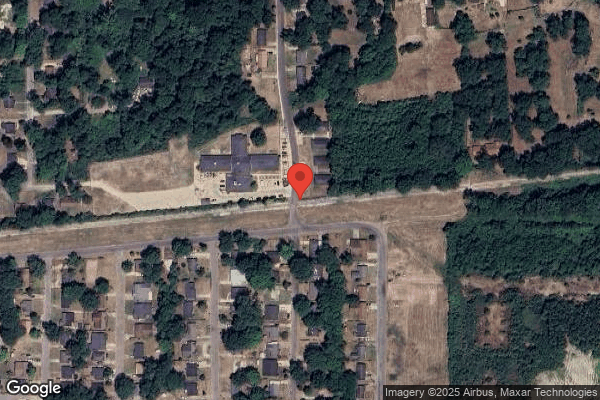
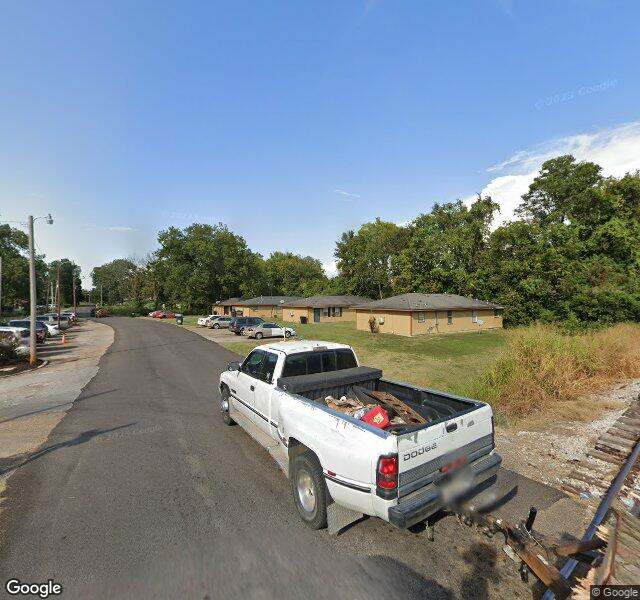
570 NORTH SOLOMON STREET, GREENVILLE, MS 38703 (662) 335-5863
Non profit - Corporation 60 Beds Independent Data: November 2025
Trust Grade
33/100
#96 of 200 in MS
Last Inspection: April 2025

Within standard 12-15 month inspection cycle. Federal law requires annual inspections.

Overview

When researching Arbor Walk Healthcare Center in Greenville, Mississippi, families should note that it has a Trust Grade of F, which indicates significant concerns about the quality of care provided. Ranked #96 out of 200 facilities in Mississippi, it sits in the top half overall, but is only #3 out of 5 in Washington County, meaning there are better local options available. Unfortunately, the facility is worsening, with issues increasing from 3 in 2024 to 11 in 2025. While staffing is a relative strength with a 4 out of 5-star rating and a turnover rate of 46%, which is below the state average, there have been serious deficiencies reported. For example, the facility failed to notify a nurse practitioner about significant weight loss for a resident, and care plan interventions to address this weight loss were not properly implemented, creating a risk for the resident's health. Overall, while there are some positive aspects in staffing, the facility has alarming areas of concern that families should carefully consider.

Trust Score
F
33/100
In Mississippi
#96/200
Top 48%
Safety Record
High Risk
Review needed
Inspections
Getting Worse
3 → 11 violations
Staff Stability
⚠ Watch
46% turnover. Above average. Higher turnover means staff may not know residents' routines.
Penalties
✓ Good
$8,165 in fines. Lower than most Mississippi facilities. Relatively clean record.
Skilled Nurses
✓ Good
Each resident gets 44 minutes of Registered Nurse (RN) attention daily — more than average for Mississippi. RNs are trained to catch health problems early.
Violations
⚠ Watch
24 deficiencies on record. Higher than average. Multiple issues found across inspections.
★★☆☆☆
2.0
Overall Rating
★★★★☆
4.0
Staff Levels
★★★★☆
4.0
Care Quality
★★☆☆☆
2.0
Inspection Score
Stable
2024: 3 issues
2025: 11 issues

The Good

  • 4-Star Staffing Rating · Above-average nurse staffing levels
  • 4-Star Quality Measures · Strong clinical quality outcomes
  • Full Sprinkler Coverage · Fire safety systems throughout facility
  • No fines on record

Facility shows strength in staffing levels, quality measures, fire safety.

The Bad

2-Star Overall Rating

Below Mississippi average (2.6)

Below average - review inspection findings carefully

Staff Turnover: 46%

Near Mississippi avg (46%)

Higher turnover may affect care consistency

Federal Fines: $8,165

Below median ($33,413)

Minor penalties assessed

The Ugly 24 deficiencies on record

3 actual harm
Sept 2025 1 deficiency
CONCERN (D) 📢 Someone Reported This

A family member, employee, or ombudsman was alarmed enough to file a formal complaint

Potential for Harm - no one hurt, but risky conditions existed

Free from Abuse/Neglect (Tag F0600)

Could have caused harm · This affected 1 resident

Based on observation, interview, record review, and facility policy review, the facility failed to ensure a resident's right to be free from verbal abuse when a staff member engaged in a loud, profane...

Read full inspector narrative →
Based on observation, interview, record review, and facility policy review, the facility failed to ensure a resident's right to be free from verbal abuse when a staff member engaged in a loud, profane verbal exchange with a resident in the dining room, for one (1) of four (4) resident reviewed for abuse. Resident #1.Top of Form Findings included: Review of the facility policy titled, Abuse, Neglect, Exploitation, and Misappropriation Prevention Program revised April 2021 revealed, Policy Statement, Residents have the right to be free from abuse, neglect, misappropriation of resident property and exploitation. This includes but is not limited to freedom from corporal punishment, involuntary seclusion, verbal, mental, sexual or physical abuse . Record review of the facility investigation revealed that on 8/15/25 Resident #1 was in the dining room yelling profanities. As Housekeeper #1 walked by, staff heard her yelling the same profanities back at the resident. The incident was witnessed by four staff members: the Maintenance Director (MD) , Housekeeping Supervisor (HS), Activities Director (AD), and a Certified Nursing Assistant (CNA). The Administrator (ADM) overheard the loud exchange but was initially unaware it came from an employee. The Housekeeper was removed from the area and suspended on 8/15/25, then terminated on 8/18/25 after facility validation of verbal abuse. An interview with the ADM on 9/22/25 at 1:00 PM, she verified the facility validated verbal abuse to Resident #1 by Housekeeper #1. An interview with the HS on 9/22/25 at 2:05 PM, revealed she witnessed Resident #1 yell “F*** you, b****,” and Housekeeper #1responded, “F*** you too, b****.” Interviews with the AD and CNA #1 on 9/22/25 at 2:10 PM, confirmed they were in the dining room and witnessed Resident #1 yell the same phrase, followed by Housekeeper #1's identical response. An interview with the MD on 9/22/25 at 4:00 PM confirmed he also witnessed Resident #1 yelling the profanity, and Housekeeper #1 responding with profanity. Record review of Resident #1's “admission Record” revealed the facility admitted the resident on 11/27/24 with diagnoses including Focal Traumatic Brain Injury and Pseudobulbar Affect. Record review of the Annual Minimum Data Set (MDS) Assessment with an Assessment Reference Date (ARD) of 1/15/25 revealed a Brief Interview for Mental Status (BIMS) score of 4, indicating severe cognitive impairment.
Jun 2025 1 deficiency
CONCERN (D) 📢 Someone Reported This

A family member, employee, or ombudsman was alarmed enough to file a formal complaint

Potential for Harm - no one hurt, but risky conditions existed

Free from Abuse/Neglect (Tag F0600)

Could have caused harm · This affected 1 resident

Based on interview, record review, and facility policy review, the facility failed to ensure residents were free from verbal abuse for two (2) of three (3) residents reviewed for abuse. Residents #1 a...

Read full inspector narrative →
Based on interview, record review, and facility policy review, the facility failed to ensure residents were free from verbal abuse for two (2) of three (3) residents reviewed for abuse. Residents #1 and #2 Findings include: Review of the facility policy titled Resident Rights, with no revision date, revealed under Policy Interpretation and Implementation: 1. Federal and state laws guarantee certain basic rights to all residents of this facility. These rights include: the resident's right to: .c. be free from abuse . An observation and interview on 6/27/25 at 8:40 AM with Resident #1 revealed she had asked a Certified Nurse Assistant (CNA) to notify her nurse that she needed pain medication. Resident #1 stated that RN #1 came into her room and yelled at her, saying she was always asking for pain medicine and would get it when RN #1 was ready. Resident #1 stated the nurse often spoke ugly to her and others and that she had never reported it, believing other residents had not either. She said RN #1 would often say, You better be good today or else. Resident #1 confirmed another nurse did provide her medication without a significant delay and stated she was relieved that someone finally witnessed this and that the nurse no longer worked at the facility. An interview on 6/27/25 at 8:50 AM with the Administrator in Training (AIT) revealed that the Corporate Nurse had overheard RN #1 yelling at Resident #1 from the Minimum Data Set (MDS) nurse's office, which was near the resident's room. The AIT stated the Corporate Nurse heard RN #1 say, You gonna learn today, after the resident requested pain medication. The AIT confirmed RN #1 was suspended pending investigation and subsequently terminated based on witness statements. She acknowledged that Resident #1 did receive her medication in a timely manner from another nurse. An interview on 6/27/25 at 9:00 AM with the Director of Nursing (DON) confirmed that the Corporate Nurse was in the MDS office and had texted her to come listen to RN #1 after overhearing her speak inappropriately to Resident #1. The DON verified that RN #1 was suspended, another nurse administered the medication, and RN #1 was terminated after the investigation. An interview on 6/27/25 at 9:15 AM with the Corporate Nurse confirmed she heard RN #1 say, I can give you your med whenever I get ready, it's not time, in a mean tone. She stated she immediately texted the DON, hoping she could arrive in time to witness the exchange. Record review of the Corporate Nurse's signed witness statement dated 6/23/25 revealed, I was sitting in MDS office with door closed, heard [RN #1's name] speaking loud, rude, 'We not gonna do this today. I always give you your pain medicine, but today you gonna learn. I will give it to you when I get ready.' I opened the door and saw [RN #1's name]. An interview on 6/27/25 at 12:20 PM with the MDS Nurse confirmed she had been present with the Corporate Nurse on the day RN #1 spoke inappropriately to Resident #1. She stated that Resident #1 had called out for pain medication and began yelling, and RN #1 yelled back, You're in pain, you gonna stay in pain. You gonna be nasty to me, I'll be nasty to you. Record review of the MDS Nurse's signed witness statement dated 6/23/25 read, .I heard yelling in the hall. One of the residents was complaining of pain and the nurse told her that since she was being nasty, she was going to be nasty too and that she's going to stay in pain. Record review of an Employee Counseling Form dated 6/23/25 revealed RN #1 was suspended pending investigation and on 6/24/25 confirmed RN #1 was terminated following the completion of the investigation. Record review of Resident #1's admission Record revealed the facility admitted the resident on 4/6/23 with medical diagnoses including pain. Record review of Resident #1's Minimum Data Set (MDS) assessment with an Assessment Reference Date (ARD) of 6/6/25 revealed a Brief Interview for Mental Status (BIMS) score of 13, indicating the resident was cognitively intact. Resident #2 A phone interview on 6/27/25 at 11:30 AM with Resident #2's representative confirmed she had recently contacted the DON after overhearing a nurse speak disrespectfully to her mother. She stated Resident #2 had called after using the call light without a response, soiled herself, and needed cleaning. Her brother contacted the facility, and while she remained on the phone, she overheard a nurse enter and say, I heard you calling, but you can just sit in it. The representative reported the incident to the facility but did not feel it was resolved. Record review of the facility's grievance log for June 2025 revealed a grievance dated 6/6/25 documenting the representative's complaint per our interview on 6/27/25 at 11:30 AM and indicated it was marked as resolved. An interview with the DON on 6/27/25 at 11:45 AM confirmed that Resident #2's representative reported the incident. Record review of Resident #2's admission Record revealed the facility admitted the resident on 12/28/24 with medical diagnoses that included Need for Assistance with Personal Care.
May 2025 1 deficiency
CONCERN (D) 📢 Someone Reported This

A family member, employee, or ombudsman was alarmed enough to file a formal complaint

Potential for Harm - no one hurt, but risky conditions existed

Notification of Changes (Tag F0580)

Could have caused harm · This affected 1 resident

Based on staff interview, record review, and facility policy review, the facility failed to notify the Resident Representative (RR) of changes in condition for one (1) of three (3) residents reviewed ...

Read full inspector narrative →
Based on staff interview, record review, and facility policy review, the facility failed to notify the Resident Representative (RR) of changes in condition for one (1) of three (3) residents reviewed for notification of change. Resident #1. Findings Include: Record review of the facility policy titled Change in a Resident's Condition or Status with a revision date of February 2021 revealed the following policy statement: Our facility shall promptly notify the resident, his or her Attending Physician, and the resident representative of changes in the resident's medical/mental condition and/or status . In a telephone interview with Resident #1's RR on 5/19/25 at 12:19 PM, he stated that one weekend in late April 2025, he visited his brother during lunch and noticed that his diet was pureed. He said he had never been notified that his brother's diet was changed to pureed, nor was he informed of the reason for the change. A record review of the Physician Order Summary for Resident #1 revealed an order for Regular diet, Pureed texture, Regular/Thin consistency, state frozen nutritional treat to all trays, dated 4/9/25. A record review of the Physical Therapy/Occupational Therapy/Speech Therapy (PT/OT/ST) Rehab Screening form for Resident #1, dated 4/9/25 and signed by Speech Therapist #1, documented that Resident #1 had impaired swallowing and included a recommendation to downgrade the diet to pureed. In an interview with ST #1 on 5/19/25 at 3:20 PM, she stated that on 4/9/25, she received communication from Certified Nursing Assistants (CNAs) that Resident #1 was experiencing episodes of coughing and vomiting while being fed. She evaluated him and found that he was having difficulty swallowing soft mechanical foods, so she recommended changing his diet to pureed. She stated she obtained and entered the order for the pureed diet but did not notify Resident #1's RR of the change. She further stated that it was not facility practice for therapists to notify families of such changes. In an interview with the Director of Nursing (DON) on 5/19/25 at 3:27 PM, she confirmed that Resident #1's RR had not been notified of the resident's status or order changes prior to the visit when he discovered the resident was on a pureed diet. She stated that when a therapist enters an order into the system, it triggers the nurse to confirm the order, and the nurse who confirms it is responsible for notifying the resident's RR of the change. She explained that she was unable to determine which nurse confirmed the order because she had made recent clarifications to it, which replaced the original confirming nurse's name with hers. She confirmed that the RE should have been notified and stated that it is important to ensure the residents' RR is updated on any changes in status or orders. A record review of the admission Record for Resident #1 revealed that the facility admitted him on 12/13/23 with diagnoses including Cerebral Infarction, Dysphagia, Oropharyngeal Phase, and Other Seizures.
Apr 2025 8 deficiencies
CONCERN (D)

Potential for Harm - no one hurt, but risky conditions existed

Deficiency F0561 (Tag F0561)

Could have caused harm · This affected 1 resident

**NOTE- TERMS IN BRACKETS HAVE BEEN EDITED TO PROTECT CONFIDENTIALITY** Based on resident and staff interviews, record review, and facility policy review, the facility failed to honor a resident's cho...

Read full inspector narrative →
**NOTE- TERMS IN BRACKETS HAVE BEEN EDITED TO PROTECT CONFIDENTIALITY** Based on resident and staff interviews, record review, and facility policy review, the facility failed to honor a resident's choice for bathing preference for one (1) of 24 sampled residents. Resident #33. Findings Include A review of the facility policy titled, Resident's Rights revealed the following: Policy Statement: Employees shall treat all residents with kindness, respect, and dignity. Policy Interpretation and Implementation: 1. Federal and State laws guarantee certain basic rights to all residents of this facility. These rights include the resident's right to . e. self-determination. On 4/14/25 at 9:35 AM, during an interview, Resident #33 stated that he does not like taking showers. He expressed a preference for tub baths but reported that staff would not provide him with one. A record review of the Annual Minimum Data Set Assessment (MDS) with an Assessment Reference Date (ARD) of 7/1/24, revealed under Section F - Preferences for Customary Routine and Activities, that in response to How important is it to you to choose between a tub bath, shower, bed bath, or sponge bath? the answer was coded as 2, indicating that it is somewhat important to the resident. A record review of the printed [NAME] for Resident #33 stated, Personal Hygiene/Oral Care .Resident would like to use the whirlpool instead of shower .Bathing: Staff will assist with whirlpool bath on shower days. A record review of the Skin Monitoring: Comprehensive Certified Nursing Assistant (CNA) Shower Review form for Resident #33, dated 4/5/25, 4/10/25, and 4/12/25, indicated that Resident #33 received a shower on each of those dates and not a whirlpool bath. On 4/15/25 at 9:00 AM, during an interview with CNA #1 she stated that Resident #33's assigned bathing days were Tuesday, Thursday, and Saturday. She confirmed that he was offered a shower on those days but was not offered a whirlpool bath. During an interview with the MDS Nurse, on 4/15/25 at 10:13 AM, she confirmed that Resident #33's preference was to receive a whirlpool bath. She verified that this preference was documented in the [NAME] and intended to communicate his wishes to staff. During an interview with the Director of Nursing (DON) on 4/15/25 at 10:28 AM, she verified that Resident #33 preferred a whirlpool bath rather than a shower. She acknowledged that the Skin Monitoring: Comprehensive CNA Shower Review documentation confirmed the resident had been receiving showers and not whirlpool baths. The DON agreed that staff had not honored Resident #33's bathing preference and stated that it was his right to have his preferences respected. An interview with CNA #2 on 4/16/25 at 8:15 AM, she verified that she did not check the [NAME] for Resident #33 to determine his bathing preference. Record review of the admission Record revealed that the facility admitted Resident #33 on 7/20/23, with diagnoses including Need for Assistance with Personal Care.
CONCERN (D)

Potential for Harm - no one hurt, but risky conditions existed

Employment Screening (Tag F0606)

Could have caused harm · This affected 1 resident

Based on staff interview, record review, and facility policy review, the facility failed to ensure a criminal history record was reviewed and that a criminal conviction investigation was completed for...

Read full inspector narrative →
Based on staff interview, record review, and facility policy review, the facility failed to ensure a criminal history record was reviewed and that a criminal conviction investigation was completed for one (1) of (8) eight new hire personnel files reviewed. Maintenance Assistant (MA) Findings include: A review of the facility policy titled Abuse, Neglect, Exploitation and Misappropriation Prevention Program revealed the following under Policy Interpretation and Implementation: The resident abuse, neglect and exploitation prevention program consists of a facility-wide commitment and resource allocation to support the following objectives: . 4. Conduct employee background checks and not knowingly employ or otherwise engage any individual who has a. been found guilty of abuse, neglect, exploitation, misappropriation of property, or mistreatment by a court of law . A review of the facility policy titled Background Screening Investigation revealed, Our facility conducts employment background screening checks, reference checks, and criminal conviction investigation checks on all applicants for positions with direct access to residents. A record review of the personnel file for the MA revealed that the Criminal History Record Check, dated 11/1/24, stated: The record check disclosed that [Proper Name of MA} may have one or more of the disqualifying events specified in § 43-11-13. The above-named employee will receive a copy of this letter and a copy of their criminal history record report. Further review of the personnel file showed that the facility had not received a copy of the criminal history report, and no criminal conviction investigation check was performed by the facility. A review of the Employee File Audit indicated that the MA was hired on 11/1/24. During an interview with the Administrator (ADM) on 4/16/25 at 11:23 AM, she verified that the facility had not received or reviewed a copy of the criminal history record report for the Maintenance Assistant. She further stated that she had not inquired with the MA about the possible disqualifying events. The ADM said it was the responsibility of Human Resources to follow up with the employee regarding the criminal history report. She stated she was unsure why this was not done, as she was not working at the facility at the time the MA was hired. She confirmed that criminal background checks and criminal conviction investigation checks should be performed to protect residents from abuse, and failure to do so could place residents at risk. She stated that it was her expectation that Human Resources would have followed up on the MA's background check.
CONCERN (D)

Potential for Harm - no one hurt, but risky conditions existed

Assessment Accuracy (Tag F0641)

Could have caused harm · This affected 1 resident

**NOTE- TERMS IN BRACKETS HAVE BEEN EDITED TO PROTECT CONFIDENTIALITY** Based on staff interview, record review and facility policy review, the facility failed to ensure the Minimum Data Set (MDS) ass...

Read full inspector narrative →
**NOTE- TERMS IN BRACKETS HAVE BEEN EDITED TO PROTECT CONFIDENTIALITY** Based on staff interview, record review and facility policy review, the facility failed to ensure the Minimum Data Set (MDS) assessment was accurately coded for one (1) of 24 sampled residents reviewed. (Resident #53) Findings include: Review of the facility policy titled, Certifying Accuracy of the Resident Assessment, last revised November 2019, revealed the following statement: Any person completing a portion of the Minimum Data Set/MDS (Resident Assessment Instrument) must sign and certify the accuracy of that portion of the assessment. Record review of the Discharge Planning Review for Resident #53 dated 2/7/25 revealed that the resident was discharged to a nursing home (long-term care facility). Record review of Section A2105 of the Discharge MDS for Resident #53, with an Assessment Reference Date (ARD) of 2/06/25, revealed the discharge status was coded as short-term general hospital. During an interview with the MDS nurse on 4/16/25 at 9:21 AM, she confirmed that the discharge MDS for Resident #53 was inaccurately coded. She stated the resident was discharged to another nursing home and acknowledged she had completed the assessment. She further stated that the purpose of ensuring accurate assessment coding is to reflect an accurate depiction of the resident's status and discharge disposition. Record review of the admission Record revealed Resident #53 was admitted to the facility on [DATE] with a diagnosis of Hypokalemia.
CONCERN (D)

Potential for Harm - no one hurt, but risky conditions existed

Comprehensive Care Plan (Tag F0656)

Could have caused harm · This affected 1 resident

**NOTE- TERMS IN BRACKETS HAVE BEEN EDITED TO PROTECT CONFIDENTIALITY** Resident #33 Record review of the comprehensive care plan for Resident #33, last revised 10/1/24, revealed a focus area for Resi...

Read full inspector narrative →
**NOTE- TERMS IN BRACKETS HAVE BEEN EDITED TO PROTECT CONFIDENTIALITY** Resident #33 Record review of the comprehensive care plan for Resident #33, last revised 10/1/24, revealed a focus area for Resident has alteration in ADLs related to generalized weakness, difficulty walking, and impaired mobility. Under interventions, it was documented that Resident would like to use the whirlpool instead of shower . Staff will assist with whirlpool bath on shower days. Continued review of the care plan revealed no interventions addressing nail care. An interview on 4/14/25 at 9:35 AM, Resident #33 stated that he does not like taking showers and prefers whirlpool baths. He reported that staff would not provide him with one. On 4/14/25 at 1:02 PM an observation revealed Resident #33 lying in bed with long, jagged fingernails on both hands, measuring approximately one-fourth (1/4) in length. The resident stated that he does not like his fingernails that long and would like to have them cut, but staff will not cut them. On 4/15/25 at 9:00 AM, during an interview with Certified Nurse Assistant (CNA) #1 she confirmed Resident #33's fingernails were long and jagged and agreed that they needed to be cut. A record review of the printed Kardex for Resident #33 stated, Personal Hygiene/Oral Care .Resident would like to use the whirlpool instead of shower .Bathing: Staff will assist with whirlpool bath or shower days. On 4/15/25 at 10:13 AM during an interview with the MDS Nurse, she confirmed that Resident #33's preference was to receive a whirlpool bath. She verified that this preference was documented on the Kardex and the comprehensive care plan. The MDS Nurse verified that Resident #33 did not have a care plan developed regarding providing nail care, but agreed he should have and the care plan for the resident preferring whirlpool baths was not implemented. In an interview on 4/15/25 at 10:15 AM with the Care Plan Nurse she stated that the purpose of the care plan was so staff would know how to take care of the residents. She stated that she and the MDS nurse update the care plan in conjunction with the MDS and if the resident's needs change. Record review of the admission Record revealed that the facility admitted Resident #33 on 7/20/23, with diagnoses including Need for Assistance with Personal Care. Based on observation, resident and staff interviews, record review, and facility policy review, the facility failed to implement a care plan related to resident preferences for baths (Resident #33) and failed to develop a care plan related to nail care (Residents #12 and #33) for two (2) of 24 sampled residents reviewed. Findings include: Review of the facility policy titled, Care Plans, Comprehensive Person-Centered with a revision date of March 2023 revealed, A comprehensive, person-centered care plan that includes measurable objectives and timetables to meet the resident's physical, psychosocial and functional needs is developed and implemented for each resident. Resident #12 On 4/14/25 at 10:39 AM, an observation of Resident #12 revealed long fingernails that measured one-half (1/2) inch in length with a brown substance underneath. The resident revealed he would like to have his nails cut. Record review of Resident #12's care plan titled, Resident has an Activities of Daily Living (ADL) Deficit r/t (related to) difficulty walking prefers to keep personal items in reach, Revision on: 04/11/2025, revealed no documentation related to nail care. An interview on 4/15/25 at 10:00 AM with the Minimum Data Set (MDS) Nurse and record review of Resident #12's ADL care plan, she revealed the care plan had not been fully developed to include nail care. The MDS Nurse further confirmed that there was no documentation indicating that Resident #12 had refused nail care. In a continued interview with the Care Plan Nurse, she stated that the care plan should be developed to ensure that patient-specific care is provided. She further revealed that the purpose of the care plan is to establish a care plan to address the needed care for the residents. Record review of the admission Record that Resident #12 revealed the resident was admitted to the facility on [DATE] with medical diagnoses that included Need for Assistance with Personal Care, Chronic Gout due to Renal Impairment, Unspecified Hand, with Tophus, Weakness, Other Lack of Coordination, and Extrapyramidal and Movement Disorder, Unspecified. Record review of the quarterly MDS with an Assessment Reference Date (ARD) of 2/21/25 revealed, under Section C revealed, a Brief Interview for Mental Status (BIMS) score of 15, indicating that the resident was cogitatively intact.
CONCERN (D)

Potential for Harm - no one hurt, but risky conditions existed

ADL Care (Tag F0677)

Could have caused harm · This affected 1 resident

**NOTE- TERMS IN BRACKETS HAVE BEEN EDITED TO PROTECT CONFIDENTIALITY** Resident #33 An observation on 4/14/25 at 1:02 PM revealed Resident #33 lying in bed with long, jagged fingernails on both hands...

Read full inspector narrative →
**NOTE- TERMS IN BRACKETS HAVE BEEN EDITED TO PROTECT CONFIDENTIALITY** Resident #33 An observation on 4/14/25 at 1:02 PM revealed Resident #33 lying in bed with long, jagged fingernails on both hands, measuring approximately one-fourth (1/4) inch in length. The resident stated that he does not like his fingernails that long and would like to have them cut, but staff will not cut them. On 4/15/25 at 9:05 AM, during an observation of Resident #33 and an interview with the CNA #1, she verified that Resident #33's fingernails were long and jagged and needed to be cut. She stated that the Shower CNA was supposed to cut residents' fingernails on shower days, but that any CNA could have performed this task. CNA #1 added that Resident #33 frequently refused to have his nails cut and that this was reported to the nurse. In an interview with LPN #1 on 4/15/25 at 9:10 AM, she stated that Resident #33 frequently refused to have his nails cut. She explained that refusals were documented on the shower sheets, which were then given to the Treatment Nurse for follow-up. A record review of the Skin Monitoring: Comprehensive CNA Shower Review form for Resident #33, dated 4/5/25, 4/10/25, and 4/12/25, revealed no documentation indicating that nail care was offered or refused. On 4/15/25 at 9:43 AM, during an interview with the Treatment Nurse, she stated that refusals of nail care could be reported to the floor nurse or directly to her. She stated that she does not recall being notified that Resident #33 had refused nail care, but if she had been notified, she would have attempted to cut the resident's nails herself. She added that documentation of refusal would be recorded on the Treatment Administration Record (TAR). A record review of the April 2025 Medication Administration Record (MAR) and Treatment Administration Record (TAR) for Resident #33 also revealed no documentation that fingernail care was offered or refused. In an interview with the DON on 4/16/25 at 8:56 AM, she verified that there was no documentation showing that Resident #33 received or refused nail care during this month. Record review of the admission Record revealed that the facility admitted Resident #33 on 7/20/23 with a diagnosis of Need for Assistance with Personal Care. A record review of the Annual MDS with an ARD of 4/1/24, under Section F - Preferences for Customary Routine and Activities, showed that in response to How important is it to you to choose between a tub bath, shower, bed bath, or sponge bath? the answer was coded as 2, indicating that it is somewhat important to the resident. Based on observation, resident and staff interviews, record review, and facility policy review, the facility failed to provide Activities of Daily Living (ADL) care to maintain hygiene, as evidenced by the failure to provide nail care for two (2) of 50 residents residing in the facility. Resident #12 and #33. Findings include: Review of the facility policy titled, Activities of Daily Living (ADL), Supporting, with a revision date of March 2018, revealed Residents will be provided with care, treatment and services as appropriate to maintain or improve their ability to carry out activities of daily living (ADLs). Residents who are unable to carry out activities of daily living independently will receive the services necessary to maintain good nutrition, grooming, and personal and oral hygiene. Resident #12 An observation and interview on 4/14/25 at 10:39 AM, with Resident #12 revealed the resident's fingernails were long and dirty. They measured approximately one-half (1/2) inch in length past the tips of the fingers and had a brown substance underneath them. The resident admitted that he would like to have his nails cut. During an interview and observation on 4/15/25 at 9:44 AM, with Licensed Practical Nurse (LPN) #2, she confirmed that Resident #12's fingernails were long and jagged with a brown substance underneath. She admitted that they needed cleaning and clipping. She further confirmed that Resident #12's toenails were approximately three-fourths (3/4) inch in length with jagged edges. She revealed that since Resident #12 does not have a diagnosis of diabetes that the Certified Nursing Assistants (CNAs) should perform nail care as needed. She stated, They should have cut them yesterday when he got his shower. She stated Resident #12 could develop ingrown toenails, as well as cutting himself causing a skin tear which could become infected. An interview with the Minimum Data Set (MDS) Nurse on 4/15/25 at 10:00 AM revealed that there was no documentation that Resident #12 refused nailcare. During an interview with the Director of Nursing (DON) on 04/15/25 at 10:22 AM confirmed Resident #12's nails should have already been trimmed. She stated Resident #12 could get a skin tear, rip a nail off and possibly develop an infection due to his nails being long and jagged. Record review of the admission Record revealed Resident #12 was admitted to the facility on [DATE] with medical diagnoses that included Need for Assistance with Personal Care, Chronic Gout due to Renal Impairment, Unspecified Hand, with Tophus, Weakness, Other Lack of Coordination, and Extrapyramidal and Movement Disorder, Unspecified. Record review of the quarterly MDS with an Assessment Reference Date (ARD) of 2/21/25 under Section C revealed a Brief Interview for Mental Status (BIMS) score of 15, which indicated the resident was cognitively intact.
CONCERN (D)

Potential for Harm - no one hurt, but risky conditions existed

Medication Errors (Tag F0758)

Could have caused harm · This affected 1 resident

**NOTE- TERMS IN BRACKETS HAVE BEEN EDITED TO PROTECT CONFIDENTIALITY** Based on staff interview, record review, and facility policy review, the facility failed to ensure that as needed (PRN) medicati...

Read full inspector narrative →
**NOTE- TERMS IN BRACKETS HAVE BEEN EDITED TO PROTECT CONFIDENTIALITY** Based on staff interview, record review, and facility policy review, the facility failed to ensure that as needed (PRN) medications with anticholinergic side effects were used only when clinically necessary and that the PRN medication had a completion time frame for one (1) of six (6) residents reviewed for psychotropic drug dosage reduction. (Resident #5) Findings include: Review of the facility's policy titled, Medication Therapy revised April 2007, revealed, .Each resident's medication regimen shall include only those medications necessary to treat existing conditions and address significant risks . Record review of Resident #5's Order Summary Report for active orders revealed an order dated 1/8/25 for Hydroxyzine hydrochloride (HCl) Oral Tablet 25 milligrams (MG), give one (1) tablet by mouth every eight (8) hours as needed for itching related to Anxiety Disorder, Unspecified, with no stop date. Record review of Resident #5's Medication Administration Record (MAR) for 4/1/25 - 4/15/25 revealed the resident was administered Hydroxyzine HCl Oral Tablet 25 MG on 4/3/25 at 8:47 PM, 4/7/25 at 8:50 PM, and 4/11/25 at 9:04 PM with no documentation of any behaviors for 4/1/25 - 4/15/25. Record review of the facility's Interdisciplinary Team Psychotropic Dashboard Review February 2025 and March 2025 revealed, Resident #5's proper name; Hydroxyzine 25 mg every (Q) eight (8) hours (H) PRN (Please provide specific duration/stop date:_.) (PRN psychotropic is limited to 14 days and requires the prescriber to evaluate.) During an interview with the Director of Nursing (DON) on 4/15/25 at 12:10 PM, she confirmed that the medication order, Hydroxyzine HCl Oral Tablet 25 MG (Hydroxyzine HCl) Give 1 tablet by mouth every 8 hours as needed for Itching related to anxiety disorder, did not have a stop date. She further confirmed the medication should have a completion time frame to ensure the medication is still needed. Additionally, she confirmed that if Resident #5 were to remain on the medication indefinitely that it could possibly lead to weight loss, sedation, and hospitalization for Resident #5. During a follow-up interview with the DON on 4/16/25 at 11:00 AM, she confirmed that after further review of the medical record that Resident #5 did not have any documented behaviors or any alternative interventions regarding itching related to Anxiety. Record review of the admission Record revealed Resident #5 was admitted to the facility on [DATE] with medical diagnoses that included Anxiety Disorder and Depression. Record review of the quarterly Minimum Data Set (MDS) with an Assessment Reference Date (ARD) of 1/13/25 revealed, under Section C a Brief Interview for Mental Status (BIMS) score of 14, which indicated the resident was cognitively intact.
CONCERN (E)

Potential for Harm - no one hurt, but risky conditions existed

Transfer Notice (Tag F0623)

Could have caused harm · This affected multiple residents

**NOTE- TERMS IN BRACKETS HAVE BEEN EDITED TO PROTECT CONFIDENTIALITY** Based on staff interview, record review, and facility policy review, the facility failed to provide proper notice of a hospital ...

Read full inspector narrative →
**NOTE- TERMS IN BRACKETS HAVE BEEN EDITED TO PROTECT CONFIDENTIALITY** Based on staff interview, record review, and facility policy review, the facility failed to provide proper notice of a hospital transfer for one (1) of two (2) residents reviewed for hospitalizations. (Resident #41) Findings include: Review of the facility policy titled, Transfer or Discharge-Facility Initiated, last revised October 2022, revealed, Notice of Transfer or Discharge (Emergent or Therapeutic Leave)- 4.) Notice of Transfer is provided to the resident and representative as soon as practicable before the transfer and to the long-term (LTC) Ombudsman when practicable (e.g. in a monthly list of residents that includes all notice content requirements). Review of a progress note dated 01/11/25 for Resident #41 revealed the resident was transferred to the hospital on 1/11/25 at 6:46 AM related to dislodgement of a gastrostomy tube. During an interview with the Interim Administrator on 4/15/25 at 2:30 PM, she revealed that the facility had not been providing any transfer notice to the residents or their representative for any residents transferred to the hospital. She confirmed that the facility should be providing these notices to ensure that residents and their representatives are informed of the transfer reasons. In a follow-up interview with the Interim Administrator on 4/16/25 at 8:18 AM, she revealed that the facility had not been sending hospital transfer notifications to the Ombudsman monthly. She attributed this lapse to recent changes in the social services staff, which she felt may have contributed to the failure to send transfer notices to residents, their representatives, and the Ombudsman. An interview with the Social Service staff on 4/16/25 at 9:17 AM confirmed that she had only been working at the facility for one month and was unaware of the requirement to send transfer/discharge notices to residents, their representatives, and the Ombudsman on a monthly basis. Record review of the admission Record revealed that Resident #41 was admitted to the facility on [DATE] with a diagnosis of other Pulmonary Embolism without Acute Cor Pulmonale. Record review of Resident #41's Section A of the Discharge Minimum Data Set (MDS) with an Assessment Reference Date (ARD) of 1/11/25 revealed that the discharge status was coded as short-term general hospital.
CONCERN (E)

Potential for Harm - no one hurt, but risky conditions existed

Deficiency F0625 (Tag F0625)

Could have caused harm · This affected multiple residents

**NOTE- TERMS IN BRACKETS HAVE BEEN EDITED TO PROTECT CONFIDENTIALITY** Based on staff interview, record review, and facility policy review, the facility failed to provide a Bed-Hold notice of a hospi...

Read full inspector narrative →
**NOTE- TERMS IN BRACKETS HAVE BEEN EDITED TO PROTECT CONFIDENTIALITY** Based on staff interview, record review, and facility policy review, the facility failed to provide a Bed-Hold notice of a hospital transfer/admission for one (1) of two (2) residents reviewed for hospitalizations. (Resident #41) Findings include: Review of the facility policy titled, Bed-Hold and Return, last revised October 2022, revealed the following policy statement: Policy Statement: Resident and/or representatives are informed (in writing) of the facility and state (if applicable) bed-hold policies. Record review of a progress note for Resident #41 dated 01/11/25 revealed that the resident was transferred to the hospital on 1/11/15 at 6:46 AM due to dislodgement of a gastrostomy tube. During an interview with the Interim Administrator on 4/15/25 at 2:30 PM, confirmed that the facility should be providing these notices to inform residents and their representatives of the bed-hold policy. She revealed that the facility had not been providing any written documentation regarding the per diem charges and therefore the residents and their families would not be able to decide if they wanted to reserve the bed hold and confirmed that the facility should be providing these notices. During an interview with the Social Service staff on 4/16/25 at 9:17 AM she confirmed that she had not been sending any information regarding bed-hold to residents or their representatives when the resident was transferred. She admitted that she was unaware of this requirement. Record review of the admission Record revealed that Resident #41 was admitted to the facility on [DATE] with a diagnosis of Other Pulmonary Embolism without Acute Cor Pulmonale. Record review of Resident #41's Section A: 2105 of the Discharge Minimum Data Set (MDS) with an Assessment Reference Date (ARD) of 1/11/25 revealed that the discharge status was coded as short-term general hospital.
Jul 2024 3 deficiencies 3 Harm
SERIOUS (G) 📢 Someone Reported This

A family member, employee, or ombudsman was alarmed enough to file a formal complaint

Actual Harm - a resident was hurt due to facility failures

Notification of Changes (Tag F0580)

A resident was harmed · This affected 1 resident

Based on staff interview, record review and facility policy review, the facility failed to notify the Nurse Practitioner (NP) of Registered Dietitian (RD) recommendations for a resident with significa...

Read full inspector narrative →
Based on staff interview, record review and facility policy review, the facility failed to notify the Nurse Practitioner (NP) of Registered Dietitian (RD) recommendations for a resident with significant weight loss (Resident #1) and a change in condition (Resident #2) for two (2) of six (6) residents reviewed for physician notification. Findings include: Record review of the facility policy titled, Change in a Resident's Condition or Status revealed, Policy Statement, Our facility shall promptly notify the resident, his or her Attending Physician .of changes in the resident's medical/mental condition and/or status . Resident #1 A record review of Registered Dietitian Assessment Summary for Resident #1, dated 10/16/2023, indicated that Resident #1's weight was 160 pounds (lbs.) with a weight change of 6.98 percent (%) since admission, which indicated a significant weight loss. A record review of weights documented for Resident #1 revealed: 9/29/23 weight 172 lbs (pounds)., 10/2/23 weight 160 lbs., 10/18/23 weight 151.2 lbs. and 11/3/23 weight 127.4 lbs. Record review of a Subjective, Objective, Assessment, Plan (SOAP) note dated 10/17/23, signed by the Nurse Practitioner (NP) revealed no documentation that she was aware of Resident #1's weight changes. Record review of a SOAP note dated 10/18/23, signed by the Physician revealed no documentation that he was aware of Resident #1's weight changes. Telephone interview with the Registered Dietitian (RD) on 7/9/24 at 12:05 PM, she stated the Director of Nursing (DON) was responsible for notifying the practitioner of weight loss and obtaining orders for recommendations that she gave. An interview with the Dietary Manager (DM) and record review of the Resident #1's summary of weights on 7/9/24 at 2:44 PM, revealed the resident's weight on 10/2/23 was 160 pounds. The DM stated that she notified the DON of the resident's weight change from 172 lbs. on 9/29/23 to 160 lbs. on 10/2/23 but did not document the notification. She stated that the DON is responsible for notifying the physician or nurse practitioner of weight changes. A telephone interview on 7/10/24 at 11:21 AM, with the NP verified that she was not notified of Resident #1's weight loss. An interview with the DON on 7/10/24 at 12:00 PM, confirmed that no documentation could be located that the NP was notified of the residents weight loss. An interview with the Administrator on 7/10/24 at 12:15 PM, revealed it was his expectation that the DON would have notified the NP of the resident's weight loss. A record review of Resident #1's Face Sheet revealed that the facility admitted him on 9/29/2023 with diagnoses that included Encounter for attention to gastrostomy and Gastroparesis. Resident #2 Record review of Departmental Notes for Resident #2, dated 6/20/24 and 6/24/24, revealed that the nurse held the 4:00 PM dose of Ativan because the resident was lethargic. There was no documentation that the NP was notified of the resident being lethargic on 6/20/24 or 6/24/24. Record review of July 2024 Physician Orders revealed that Resident #2 had an order for Ativan 0.5 mg (milligram) give one tablet by mouth twice a day with an order date of 6/6/24. During a telephone interview on 7/10/24 at 11:26 AM, the NP stated that she was not notified of Resident #2 being lethargic on 6/20/24 or 6/24/24 and would have expected the staff to notify her. In an interview with the DON on 7/10/24 at 12:05 PM verified that no documentation could be found that the NP was notified of Resident #2 being lethargic on 6/20/24 or 6/24/24. During an interview with the Administrator on 7/10/24 at 12:20 PM, he agreed that it was his expectation that the staff would have notified the NP of Resident #2's change in status. Record review of the Face Sheet for Resident #2 revealed that the facility admitted him on 12/13/23 with diagnoses of Cerebral Infarction and Other seizures.
SERIOUS (G) 📢 Someone Reported This

A family member, employee, or ombudsman was alarmed enough to file a formal complaint

Actual Harm - a resident was hurt due to facility failures

Comprehensive Care Plan (Tag F0656)

A resident was harmed · This affected 1 resident

Based on record review, staff interview and facility policy review the facility failed to implement care plan interventions to prevent significant weight loss for one (1) of seven (7) care plans revie...

Read full inspector narrative →
Based on record review, staff interview and facility policy review the facility failed to implement care plan interventions to prevent significant weight loss for one (1) of seven (7) care plans reviewed. Resident #1. Findings include: Record review of the facility policy titled, Care Plans-Comprehensive revised September 2010, revealed, Policy Statement: An individualized comprehensive care plan that includes measurable objectives and timetables to meet resident's medical, nursing, mental and psychological needs is developed for each resident .5. Care plan interventions are designed after careful consideration of the relationship between the resident's problem areas and their causes. Record review of Resident #1's summary of weights revealed: 9/29/23 weight 172 lbs, 10/2/23 weight 160 lbs, 10/18/23 weight 151.2 lbs and 11/3/23 weight 127.4 lbs. A record review of Registered Dietitian Assessment Summary for Resident #1, dated 10/16/2023, indicated that Resident #1's weight was 160 pounds (lbs) with a weight change of 6.98 percent (%) since admission, which indicated a significant weight loss. The Registered Dietitian (RD) recommended to change tube feeding to fissure 1.5 at mealtimes if resident consumes 75% or less of meals and one (1) can of isosource 1.5 at bedtime. A record review of Resident #1's care plan revealed, Care Plan Description, Potential for Altered Nutrition related to therapeutic diet, start date of 9/23/24. Care Plan Goal, Resident will accept adequate food intake as evidenced by (AEB) no significant weight loss through the next review period. Interventions: Serve a renal diet as ordered per Medical Doctor (MD), Obtain weight per facility protocol, Determine/Monitor for likes and dislikes, RD consult as appropriate, Monitor and record meal intakes daily, Allow ample time to finish meals. There were no interventions implemented after Resident #1's significant weight loss identified by the RD on 10/16/24. An interview with the Director of Nursing (DON) on 7/10/24 at 12:02 PM, she verified that the facility failed to implement care plan interventions to prevent Resident # 1 from having a significant weight loss. A record review of Resident #1's Face Sheet revealed that the facility admitted him on 9/29/2023 with diagnoses that include Encounter for attention to gastrostomy and Gastroparesis.
SERIOUS (G) 📢 Someone Reported This

A family member, employee, or ombudsman was alarmed enough to file a formal complaint

Actual Harm - a resident was hurt due to facility failures

Deficiency F0692 (Tag F0692)

A resident was harmed · This affected 1 resident

Based on record review, staff interview and facility policy review the facility failed to put interventions in place for a resident identified as having had significant weight loss for one (1) of four...

Read full inspector narrative →
Based on record review, staff interview and facility policy review the facility failed to put interventions in place for a resident identified as having had significant weight loss for one (1) of four (4) residents reviewed for weight loss. Resident #1. Findings include: Review of the facility policy, titled Weight Assessment and Interventions, revised September 2008, revealed Policy Statement: The multidisciplinary team will strive to prevent, monitor and intervene for undesirable weight loss for our residents. Policy Interpretation and Implementation, Weight Assessment .5. Any Registered Dietitian Recommendations will be forwarded to the resident's Physician for action as indicated. Subsequent Physician orders will be provided to the facility within 72 hours. A record review of Registered Dietitian Assessment Summary for Resident #1, dated 10/16/2023, indicated that the resident received a Renal Diet and Isosource 1.5, three (3) times a day by percutaneous endoscopic gastrostomy tube (PEG). Resident #1's weight was 160 pounds (lbs.) with a weight change of 6.98 percent (%) since admission, which indicated a significant weight loss. The resident had inadequate oral intake related to decreased appetite as evidenced by 38% intake by mouth recently and required enteral nutrition. The Registered Dietitian (RD) recommended to change tube feeding to Isosource 1.5 at mealtimes if resident consumes 75% or less of meals and one (1) can of Isosource 1.5 at bedtime. Goals included that intake meet estimated needs, tolerate tube feeding and by mouth diet, weight stability/gain to ideal body weight is desired. A record review of Resident #1's October 2023 Physician's Orders revealed an order for Isosource 1.5 three times a day, with a start date of 9/30/24, with no changes indicating that the RD recommendations were followed. A record review of the weight summary documented for Resident #1 revealed: 9/29/23 weight 172 lbs., 10/2/23 weight 160 lbs., 10/18/23 weight 151.2 lbs. and 11/3/23 weight 127.4 lbs. Record review of a Subjective, Objective, Assessment, Plan (SOAP) note dated 10/17/23, signed by the Nurse Practitioner (NP) revealed no documentation that she was aware of the RD recommendation the facility received for Resident #1. Record review of a SOAP note dated 10/18/23, signed by the Physician revealed no documentation that he was aware of the RD recommendations the facility received for Resident #1. A record review of Registered Dietitian Assessment Summary for Resident #1, dated 11/8/23, indicated that the resident's weight was 127.4 pounds (lbs.), which is a 20.38 % loss, indicating a significant weight loss in 30 days. Resident received Isosource 1.5 three (3) times a day by PEG tube. The resident had oral intake of 43% by mouth. The RD continued to recommend to change tube feeding to Isosource 1.5 at mealtimes if resident consumes 75% or less of meals and 1 can of Isosource 1.5 at bedtime. An interview with the Director of Nursing (DON) on 7/9/24 at 11:00 AM, revealed that the DON is responsible for notifying the physician of the RD evaluation and obtaining orders for the RD recommendations. She stated that she was not the DON on 10/16/23. Interview with the Minimum Data Set (MDS) Nurse on 7/9/24 at 11:52 AM, revealed she was the Assistant Director of Nursing until sometime in October/November 2023. She stated that at that time the DON was responsible for follow up on RD recommendations. She was not aware of the 10/16/23 recommendations not being followed up on. Telephone interview with the RD on 7/9/24 at 12:05 PM, revealed she assessed the resident on 10/16/23 and gave recommendations for his weight loss. She stated that once she sees the residents she emails a copy of her evaluation and recommendations to the DON, Dietary Manager (DM) and Administrator and then meets with the DON to discuss concerns and interventions. She stated the DON was responsible for notifying the practitioner of weight loss and obtaining orders for recommendations that she gave. She stated that on her visit on 11/8/23 she noted that the DON had not followed up on the recommendations that she had left in October. The RD stated that during that time period she was having trouble getting the DON to follow-up on recommendations. An interview with DM on 7/9/24 at 2:44 PM, revealed she was aware that the DON did not follow up on the 10/16/23 RD evaluation and recommendations. She stated that she did not notify anyone that the DON had not done it. A telephone interview on 7/10/24 at 11:21 AM, with Nurse Practitioner (NP) revealed, usually the DON sends her the RD recommendations and she reviews them and sends them back. She verified that she was not notified of the 10/16/23 RD notifications at the time the facility received them. During an interview with the DON on 7/10/24 at 12:00 PM, revealed no documentation could be found that Resident #1's providers were notified of the dietary recommendations received from the RD on 10/16/23. In an interview with the Administrator on 7/10/24 at 12:15 PM, revealed it was his expectation that the DON would have followed up and obtained orders for the RD recommendations on Resident #1. A record review of Resident #1's Face Sheet revealed that the facility admitted him on 9/29/2023 with diagnoses that include Encounter for attention to gastrostomy and Gastroparesis.
Sept 2023 7 deficiencies
CONCERN (D)

Potential for Harm - no one hurt, but risky conditions existed

Comprehensive Care Plan (Tag F0656)

Could have caused harm · This affected 1 resident

**NOTE- TERMS IN BRACKETS HAVE BEEN EDITED TO PROTECT CONFIDENTIALITY** Based on resident and staff interviews, record review, observation and facility policy review, the facility failed to implement ...

Read full inspector narrative →
**NOTE- TERMS IN BRACKETS HAVE BEEN EDITED TO PROTECT CONFIDENTIALITY** Based on resident and staff interviews, record review, observation and facility policy review, the facility failed to implement a care plan for changing oxygen (O2) tubing, for call light use, and failed to develop/implement a care plan to monitor side effects for a resident taking anticoagulants for (3) three of 13 residents reviewed for care plans. Resident #35, Resident #42, and Resident #48. Findings include: A review of the facility policy titled, Care Plans -Comprehensive, revised September 2010, revealed, Policy Statement: An individualized comprehensive care plan that includes measurable objectives and timetables to meet the resident's medical, nursing, mental and psychological needs is developed for each resident . Resident #42 Record review of the comprehensive care plan for Resident #42 titled, Resident experiences frequent periods of Shortness of Breath, with a start date of 7/20/23 revealed Interventions: Change Oxygen Tubing weekly on Thursday's . An observation of the O2 tubing for Resident #42 on 9/26/23 at 8:33 AM, revealed the humidifier bottle and O2 tubing was dated 8/24/23. An interview with the Treatment Nurse on 9/26/23 at 8:39 AM, she confirmed Resident #42 does use his oxygen when he has shortness of breath, and she confirmed that Resident #42's O2 humidifier bottle and O2 tubing were dated 8/24/23. A record review and interview of the comprehensive care plan with the Director of Nursing (DON) on 9/26/23 at 11:10 AM, she revealed if the O2 tubing for Resident #42 was dated 8/24/23, the staff was not following the comprehensive care plan and revealed the purpose of the comprehensive care plan is to direct the patient centered care needed for that resident. Record review of the Face Sheet revealed that the facility admitted Resident #42 to the facility on [DATE] with diagnoses that included Chronic Obstructive Pulmonary Disease and Hypertensive Heart Disease with Heart Failure. Resident #48 A review of the care plan titled, Fall Risk R/T (related to) High Fall Risk Assessment .with a start date of 7/27/23, revealed Interventions: Keep Call light within reach of resident . A review of the care plan titled, Alteration in ADL'S (activities of daily living) R/T (related to) generalized weakness, difficulty walking, impaired mobility .with a start date of 7/27/23, revealed Interventions: Keep call light in reach . An interview and observation with Resident #48 on 9/25/23 at 12:15 PM revealed he has a hard time calling for staff because he cannot reach his call light. Observation revealed the call light was on the floor under the bed and not in reach of Resident #48. An observation and interview with Licensed Practical Nurse (LPN) #1 on 9/26/23 at 11:40 AM, she verified the call light was at the foot of the bed on the floor and confirmed the resident could not reach it. Record review and interview on 9/26/23 at 1:37 PM, with the DON revealed, the fall and ADL care plan for Resident #48 was not followed by staff to keep the call light in reach, which could increase the resident's risk for falls. Record review of the Face Sheet revealed that the facility admitted Resident #48 to the facility on 7/20/23 with a diagnoses that included Benign Prostatic Hyperplasia and Restlessness and Agitation. Record review of the Minimum Data Set (MDS) Section C with an Assessment Reference Date (ARD) of 7/27/23, revealed that Resident #48 had a Brief Interview for Mental Status (BIMS) score of 14 which indicated that he was cognitively intact. Resident #35 Record review of the July, 2023 Electronic Medication Administration Record (EMAR) for Resident #35 revealed an order dated 12/29/22 with a discontinue date of 9/25/23 for Warfarin Sodium six (6) milligrams (mg) tablet, one (1) by mouth daily at 5:00 PM. Record review of the September 2023 Physicians Orders List for Resident #35 revealed an order dated 9/25/23 for Warfarin Sodium five (5) mg tablet, take 1 tablet by mouth once daily in evening. Record review of Resident #35's care plan revealed there was no care plan developed or implemented related to monitoring for side effects of anticoagulants. An observation and interview of Resident #35's care plan with the Minimum Data Set Nurse (MDS) Nurse on 9/27/23 at 2:00 PM, she verified that she was responsible for developing resident care plans. She stated there was no care plan developed or implemented to monitor for side effects of anticoagulants and stated that there should be. During an interview with the Director of Nursing (DON) on 9/27/23 at 4:00 PM, she agreed that there was no care plan developed or implemented to monitor for side effects of anticoagulants and there should be. A record review of the quarterly MDS with an ARD of 9/6/23, for Resident #35, revealed that the resident receives an anticoagulant. Record review of Resident # 35's Face Sheet revealed that he was admitted to the facility on [DATE] with diagnoses that include Presence of Prosthetic Heart Valve and Unspecified Atrial Fibrillation.
CONCERN (D)

Potential for Harm - no one hurt, but risky conditions existed

Respiratory Care (Tag F0695)

Could have caused harm · This affected 1 resident

**NOTE- TERMS IN BRACKETS HAVE BEEN EDITED TO PROTECT CONFIDENTIALITY** Based on observation, resident and staff interview, and record review the facility failed to change an oxygen tubing as evidence...

Read full inspector narrative →
**NOTE- TERMS IN BRACKETS HAVE BEEN EDITED TO PROTECT CONFIDENTIALITY** Based on observation, resident and staff interview, and record review the facility failed to change an oxygen tubing as evidenced by an oxygen (O2) humidifier bottle and tubing dated 8/24/23 and failed to store O2 tubing in a clean storage bag for one (1) of four (4) residents reviewed for oxygen therapy. Resident #42 Findings include: A review of a statement on facility letter head revealed, Arbor Walk Healthcare Center does not have a specific policy on Labeling, Storing, and/or Changing of Oxygen Tubing. An interview with Resident #42 on 9/25/23 at 1:58 PM, revealed he puts the O2 on mainly at night when he is short of breath. Resident #42 revealed the last time he used the oxygen was last night. An observation of the oxygen tubing revealed the O2 tubing laying across the oxygen concentrator and the humidifier water bottle and tubing were dated 8/24/23 with the concentrator running. Resident #42 revealed he placed the tubing on the concentrator when he took it off. Resident #42 revealed he has not seen a storage bag for the O2 tubing. An observation of the O2 tubing for Resident #42 on 9/26/23 at 8:33 AM, revealed the O2 tubing was laying across the back of the oxygen concentrator with no storage bag and the humidifier bottle and O2 tubing was dated 8/24/23. An interview with the Treatment Nurse on 9/26/23 at 8:39 AM, she confirmed Resident #42's O2 tubing was hanging over the back of the oxygen concentrator with no clean storage bag and the humidifier bottle and O2 tubing was dated 8/24/23. The Treatment nurse then revealed that O2 tubing should be stored in a clean storage bag when not in use, the humidifier bottle and tubing should be changed weekly on Thursday's and labeled and dated. She confirmed the oxygen tubing and humidifier bottle had not been changed weekly and was not stored in a clean storage bag. The treatment nurse also revealed possible concerns from not changing and storing the tubing correctly could cause dust build up and possible contamination resulting in possible infections and respiratory flare-ups. An interview with the Director of Nursing (DON) on 9/26/23 at 9:00 AM, confirmed that every resident on oxygen therapy should have the tubing and humidifier bottle changed weekly and dated and the tubing should be stored in a clean bag when not in use. A review of the September 2023 Physician's Orders for Resident #42, revealed Change Oxygen tubing every Tuesday dated 9/26/23. Record review and interview on 9/26/23 at 11:10 AM with the DON revealed, Resident #42's physicians order dated 7/20/23 stated to change O2 tubing every Thursday and a new order dated 9/26/23 stated to change the O2 tubing every Tuesday. The DON confirmed if the O2 tubing was dated 8/24/23 the staff was not following the physician's order. A review of the Treatment Record for September 2023 revealed, Change Oxygen tubing weekly on Thursday signed off as completed on 9/7/23, 9/14/23, and 9/21/23. An interview with the Treatment Nurse on 9/26/23 at 2:16 PM, confirmed she signed the treatment record as changing the O2 tubing weekly for the month of September, and she must have initialed it in error because she did not change the tubing on any of those days. She confirmed she is responsible for changing the tubing and she believed they may have been missed because the wound care physician has been coming on Thursday's. An interview with the DON on 9/27/23 at 9:10 AM, confirmed the treatment nurse is responsible for changing the O2 tubing and humidifier bottle weekly and revealed on 9/26/23 all residents with oxygen tubing change orders were scheduled for every Tuesday to not conflict with the wound care physician visits. Record review of the Face Sheet revealed that the facility admitted Resident #42 to the facility on [DATE] with diagnoses that included Chronic Obstructive Pulmonary Disease and Hypertensive Heart Disease with Heart Failure. Record review of the Minimum Data Set (MDS) Section C with an Assessment Reference Date (ARD) of 8/30/23, revealed that Resident #42 had a Brief Interview for Mental Status (BIMS) score of 14 which indicated that he was cognitively intact.
CONCERN (D)

Potential for Harm - no one hurt, but risky conditions existed

Deficiency F0757 (Tag F0757)

Could have caused harm · This affected 1 resident

**NOTE- TERMS IN BRACKETS HAVE BEEN EDITED TO PROTECT CONFIDENTIALITY** Based on staff interview, record review and facility policy review, the facility failed to ensure that residents were free from ...

Read full inspector narrative →
**NOTE- TERMS IN BRACKETS HAVE BEEN EDITED TO PROTECT CONFIDENTIALITY** Based on staff interview, record review and facility policy review, the facility failed to ensure that residents were free from unnecessary medications as evidenced by the facilities' failure to provide adequate laboratory monitoring for anticoagulant usage for one (1) of five (5) resident's medications reviewed. Resident #35. Findings include: A record review of the facility policy, Orders for Anticoagulation, with a revision date of April 2013, revealed, Policy Statement . 2. Anticoagulants shall be prescribed only with proper clinical and laboratory monitoring . Outcomes .3. Anticoagulant use will be administered and monitored properly . A record review of the quarterly Minimum Data Set (MDS), with an Assessment Reference Date (ARD) of 9/6/23, for Resident #35, revealed in Section N0410 that the resident received an anticoagulant seven (7) of the last 7 days of the look back period. Record review of the Physician's Telephone Orders revealed orders dated 7/19/23 Hold Warfarin x (times) 2 (two) days, then repeat PT/INR (Protime/International Normalized Ratio) on Friday July 21, 2023, call results to NP (Nurse Practitioner) . and an order dated 7/26/23 revealed PT/INR in AM 7/27/2023 . During an interview with the NP on 9/27/23 at 2:20 PM, she stated she inquired about the PT/INR results from 7/21/23 and at that time she was notified it was not collected. She initiated an order on 7/26/23 for the PT/INR to be collected on 7/27/23, which they did not receive results from. A PT/INR lab drawn on 7/28/23 provided results on 7/28/23. During an interview with the Director of Nursing (DON) on 9/28/23 at 9:30 AM she verified that the PT/INR results were not received on 7/21/23 or from the draw on 7/27/23 and agreed that failure to adequately monitor the use of anticoagulants could result in bleeding. Another draw had to be made on 7/28/23 to get current results. Record review of Resident # 35's Face Sheet revealed that he was admitted to the facility on [DATE] with diagnoses that included Presence of Prosthetic Heart Valve and Unspecified Atrial Fibrillation.
CONCERN (D)

Potential for Harm - no one hurt, but risky conditions existed

Laboratory Services (Tag F0770)

Could have caused harm · This affected 1 resident

**NOTE- TERMS IN BRACKETS HAVE BEEN EDITED TO PROTECT CONFIDENTIALITY** Based on staff interview, record review, and facility policy review the facility failed to obtain laboratory services per physic...

Read full inspector narrative →
**NOTE- TERMS IN BRACKETS HAVE BEEN EDITED TO PROTECT CONFIDENTIALITY** Based on staff interview, record review, and facility policy review the facility failed to obtain laboratory services per physician orders for one (1) of four (4) residents reviewed for laboratory services. Resident #35. Findings include: Review of the facility policy, Orders for Anticoagulation, with a revision date of April 2013, revealed Policy Statement . 2. Anticoagulants shall be prescribed only with proper clinical and laboratory monitoring .Procedure .14. For individuals receiving long term anticoagulants, the staff and physician will periodically assess and document trends in laboratory results PT/INR (Protime and International Normalized Ratio) .by periodically checking .PT/INR . A record review of the quarterly Minimum Data Set (MDS), with an Assessment Reference Date (ARD) of 9/6/23, for Resident #35, revealed in Section N0410 that the resident received an anticoagulant seven (7) of the last 7 days of the look back period. Record review of Resident #35's Physician's Telephone Orders dated 7/19/23, revealed Hold Warfarin x (times) 2 (two) days, then repeat PT/INR on Friday July 21, 2023, call results to NP . due to the resident's lab dated 7/18/23 that reported an INR level of 5.64 and the normal range was 0.8 to 1.1. Review of the Physician's Telephone Orders, dated 7/26/23, for Resident # 35, revealed an order for a PT/INR to be collected on 7/27/23. A record review of Clinical Reports for Resident #35 revealed no reports for PT/INR results for 7/21/23 or 7/27/23. An interview with the Nurse Practitioner (NP) on 9/27/23 at 2:20 PM, revealed she inquired about the PT/INR results from 7/21/23 and at that time she was notified it was not collected. She initiated an order on 7/26/23 for the PT/INR to be collected on 7/27/23 and did not receive results until 7/28/23, when another lab specimen was taken on 7/28/23. During an interview with Licensed Practical Nurse (LPN) #2 on 9/28/23 at 8:52 AM, she stated the process for having laboratory test completed included filing out a laboratory requisition, writing the resident name and the laboratory test on the Lab Tracking Log. A record review of the facility's Lab Tracking Log for 7/21/23 and 7/27/23 revealed that the PT/INR specimen that was ordered for Resident #35 was collected but they did not receive any results. There was no follow-up documented by the facility to ensure results were received. During an interview with the Director of Nursing (DON) on 9/28/23 at 9:00 AM, she stated that the facility was in the process of changing labs during this time and did not have a process for nursing staff to track laboratory tests to ensure they were collected and that results were received. In an interview on 9/28/23 at 9:30 AM, with the DON, she verified that the PT/INR results were not received on 7/21/23 or 7/27/23 and agreed that failure to obtain PT/INR results could result in the resident bleeding. Record review of Resident #35's Face Sheet revealed that he was admitted to the facility on [DATE] with diagnoses that include Presence of Presence of Prosthetic Heart Valve and Unspecified Atrial Fibrillation.
CONCERN (D)

Potential for Harm - no one hurt, but risky conditions existed

Deficiency F0773 (Tag F0773)

Could have caused harm · This affected 1 resident

**NOTE- TERMS IN BRACKETS HAVE BEEN EDITED TO PROTECT CONFIDENTIALITY** Based on record review, staff interview and facility policy review the facility failed to notify the Provider of a critically hi...

Read full inspector narrative →
**NOTE- TERMS IN BRACKETS HAVE BEEN EDITED TO PROTECT CONFIDENTIALITY** Based on record review, staff interview and facility policy review the facility failed to notify the Provider of a critically high laboratory result for one (1) of four (4) residents reviewed for Provider notification of laboratory results. Resident #35. Findings include: A record review of the facility policy titled, Test Results with a revision date of April 2007, revealed, Policy Statement The resident's Attending Physician will be notified of the results of diagnostic tests .2. Should the test results be provided to the facility, the Attending Physician shall be promptly notified of the results. 3. The Director of Nursing Services, or Charge Nurse receiving the test results, shall be responsible for notifying the Physician of such test results . A record review of the facility policy titled Clinical Protocol for Lab and Diagnostic Test Results, with a revision date of September 2012, revealed, Identifying Situations that Warrant Immediate Notification .4 .If a test was obtained to monitor the blood level of a medication and the level is reported as high (above therapeutic range) or toxic, the nurse will notify the physician promptly . A record review of Resident #35's Departmental Notes, dated and timed 7/18/23 at 10:21 PM and signed by Licensed Practical Nurse #3 (LPN) revealed that the laboratory called the facility and gave LPN #3 a critical value of Protime (PT) level of 58.1 and International Normalized Ratio (INR) level of 5.64. LPN #3 received a copy of the laboratory results off the copier and placed them in the Nurse Practitioner's (NP) book for the NP to review. A record review of the Clinical Report (lab results) dated 7/18/23, for Resident #35 revealed a critically high PT level of 58.1 and INR level of 5.64. The report reveals that the laboratory called the facility and gave a critical notice to LPN #3 regarding the lab results. Further review of the report reveals a handwritten note on the bottom of the report to hold Warfarin for two (2) days and repeat PT/INR on 7/21/23 initialed by the NP and dated 7/19/23. An observation and interview with the DON on 9/27/23 at 1:15 PM, of Resident #35's Departmental Notes, dated 7/18/23, she verified that there was no documentation that the NP was notified of the critical PT/INR results and stated that LPN #3 should have called and notified the NP of the critical PT/INR results. , In an interview with the NP on 9/27/23 at 2:20 PM, she verified that neither she nor the NP service was notified of the critical PT/INR results by the nurse on 7/18/23. The NP stated that the nurse should have notified her of the results when she received them. She verified that failure to notify her of lab values prevents her from being able to make needed adjustments to the Warfarin dosage and could result in the resident bleeding. The NP verified that she reviewed the PT/INR results on 7/19/23 and gave orders to hold Warfarin and perform a follow-up PT/INR level. During an observation and interview with LPN #3 of Resident #35's Departmental Notes on 9/27/23 at 2:50 PM, she stated that she did notify the NP of the critical lab value but could not recall if she talked to the NP or an on-call NP. LPN #3 stated that the NP gave her an order to resume the residents Warfarin. When the State Agency (SA) asked her if she was sure that the NP gave her an order to resume Warfarin for a resident with a critically high INR level of 5.64, she stated she did not remember. LPN #3 verified that she did not document NP notification or information about new orders. Record review of Resident #35's Face Sheet revealed that he was admitted to the facility on [DATE] with diagnoses that included Presence of Presence of Prosthetic Heart Valve and Unspecified Atrial Fibrillation.
CONCERN (D)

Potential for Harm - no one hurt, but risky conditions existed

Deficiency F0919 (Tag F0919)

Could have caused harm · This affected 1 resident

Based on observation, resident and staff interview, record review, and facility policy review the facility failed to ensure a resident's call light was in reach for (1) one of 47 residents observed wi...

Read full inspector narrative →
Based on observation, resident and staff interview, record review, and facility policy review the facility failed to ensure a resident's call light was in reach for (1) one of 47 residents observed with call lights. Resident # 48 Findings include: A review of the facility policy titled, Answering the Call Light, revised October 2010, revealed, Purpose: The purpose of this procedure is to respond to the resident's requests and needs .General Guidelines: 5.) When the resident is in bed or confined to a chair be sure the call light is within easy reach of the resident . An observation and interview with Resident #48 on 9/25/23 at 12:15 PM, revealed he has a hard time calling for staff because he cannot reach his call light. Resident #48's call light was observed on the floor under the bed and not in reach of resident. Resident #48 then stated, this happens all the time and I just yell for someone to come, and they do. An observation of Resident # 48 on 9/25/23 at 2:20 PM, revealed resident asleep call light remains on the floor at the foot of the bed. An interview with Resident #48 on 9/26/23 at 11:35 AM, revealed he was still having trouble reaching his call light because it is on the floor. During an observation and interview with Licensed Practical Nurse (LPN) #1 on 9/26/23 at 11:40 AM, she verified the call light was at the foot of the bed on the floor and she confirmed the resident could not reach it. LPN #1 also revealed she had to pick up the call light off the floor yesterday because the resident could not reach it. State Agency (SA) asked LPN #1 why the call light keeps falling out of Resident #48's reach, and LPN #1 revealed the call light does not have a clip to keep it in place, but she would go and get him one. LPN #1 also revealed concerns from the call light not being within reach of Resident #48 could result in his needs not being met in a timely manner because he is not able to call for assistance. An interview with the Administrator on 9/26/23 at 11:50 AM, confirmed all resident's call lights should be within reach and revealed possible concerns from the call light not being in reach is the resident's needs may not be met in a timely manner. Record review of the Face Sheet revealed that the facility admitted Resident #48 to the facility on 7/20/23 with a diagnoses that included Benign Prostatic Hyperplasia and Restlessness and Agitation. Record review of the Minimum Data Set (MDS) Section C with an Assessment Reference Date (ARD) of 7/27/23, revealed that Resident #48 had a Brief Interview for Mental Status (BIMS) score of 14 which indicated that he was cognitively intact.
CONCERN (F)

Potential for Harm - no one hurt, but risky conditions existed

Food Safety (Tag F0812)

Could have caused harm · This affected most or all residents

Based on observation, staff interviews, record review, and facility policy review, the facility failed to maintain clean ice machines, as evidenced by observations during the annual survey of two (2) ...

Read full inspector narrative →
Based on observation, staff interviews, record review, and facility policy review, the facility failed to maintain clean ice machines, as evidenced by observations during the annual survey of two (2) of 2 unclean ice machines. Findings include: Review of the facility policy titled, Ice Machines and Ice Storage Chests, with a revised date of January 2012, revealed Policy Statement: Ice machines and ice storage/distribution containers will be used and maintained to assure a safe and sanitary supply of ice. 4. Ice machines . will be properly cleaned one (1) time per month . An observation and interview on 9/25/23 at 10:32 AM, with the Dietary Manager (DM) of the ice machine, located immediately outside of the kitchen, revealed there was an approximate 2 by one (1) and 1 half (1 1/2) inch area of black residue on the top curved right-side edge of the white plastic shield located directly over the ice on the inside of the ice machine bin. The DM was observed to use a white, wet, paper towel and removed the entire amount of small black residue on the white plastic shield. The DM revealed the ice machine did not appear to be clean and did not know the maintenance cleaning schedule. She revealed she did not know if the ice machine was not clean on the inside where the ice was made because maintenance was the only one that can open the machine. An observation and interview on 09/25/23 at 10:45 AM with the temporary Maintenance Assistant, of the right upper inside of the ice machine located immediately outside the kitchen, revealed approximately 2 inches was visible of a white plastic panel that the water was running over to make the ice, which was located behind a black plastic panel. The observation also revealed there was a shiny black build-up of residue observed on the approximate 2 inches, that was visible, of the white plastic and revealed there was a shiny build-up of residue on the bottom of the black plastic panel. The temporary Maintenance Assistant was observed to use a white paper towel to wipe the shiny residue from the bottom of the black plastic panel and the residue was observed to be black on the paper towel. The temporary Maintenance Assistant was also observed as he used a white paper towel to remove the black shiny residue from the 2-inch area of the white plastic panel that the water was running over to make the ice. The DM was also present during the observation, with the temporary Maintenance Assistant, of the right upper inside of the ice machine located immediately outside the kitchen. The temporary Maintenance Assistant revealed the ice machine was cleaned by the previous Maintenance Director around the first of September, that he, himself, had also cleaned the ice machine 2 weeks ago, and that he had cleaned all the areas noted in this observation. He revealed there was a possibility that a resident could become ill from the residue the water was running over to make the ice. An observation and interview on 09/25/23 at 10:49 AM, with the DM confirmed her observation of the temporary Maintenance Assistant's usage of the white paper towels to remove the black shiny residue from the inside area of the ice machine that was located immediately outside the kitchen. She revealed she was not aware the ice machine was not clean. An observation and interview on 9/25/23 at 10:55 AM, with the Administrator confirmed the ice machine, located immediately outside the kitchen, needed to be cleaned. The Administrator also confirmed that the water used to make the ice was running over the approximate 2-inch visible area of the white plastic panel that was covered in the black shiny residue. She revealed she could not say there was a possibility that any resident could possibly suffer from any medical complications from ingesting the ice from the ice machine, because she did not make guesses, she was not a medical person, and there would have to be identification of organisms in the residue to prove it was harmful for the residents. She shared the previous Maintenance Director had informed her he cleaned the ice machine every week. An observation on 9/25/23 at 01:30 PM, with the DM revealed the nursing facility had a second ice machine located in a small storage area across from the nurse's station. The DM opened the top front panel of the ice machine, and the observation revealed a white plastic guard, located in front of the area where the water flowed in the machine to make the ice, that had a buildup of yellow shiny residue with a mucus consistency. This same kind of residue was noted to cover the top approximate 1-inch area of the 2 small white plastic, rectangular shaped cups that the water was draining into, and this same kind of residue was also floating on top of the water, around the top edges of the 2 rectangular shaped cups. One rectangular shaped cup was in the left corner, against the back wall of the upper inside area of the ice machine, and the other rectangular shaped cup was located against the right sided wall of the upper inside area of the ice machine. An observation and interview on 9/25/23 at 01:35 PM, with the Director of Nursing (DON) confirmed the white plastic guard, located in front of the area of the upper inside, where the water flowed to make the ice, in the ice machine located in a small storage area near the nurse's station, had a buildup of yellow shiny residue with a mucus consistency. She also confirmed the same kind of residue was noted to cover the top approximate 1-inch top area of the 2 small white plastic, rectangular shaped cups that the water was draining into, and the same kind of residue was floating on top edges of the water in the 2 rectangular shaped cups. The DON was observed to use a white paper towel to remove some of the yellow shiny residue with a mucus consistency from the white plastic guard. She confirmed there was a possibility for a resident to become ill from ingesting the ice made from the water that had the yellow shiny residue with a mucus consistency floating on top of it. She noted she was not aware of the last time the second ice machine had been cleaned. An observation and interview on 9/25/23 at 01:48 PM, with the Administrator confirmed the ice machine located in a small storage area near the nurse's station needed to be cleaned. She revealed it was the responsibility of the maintenance department to clean the ice machines. Record review of the Work History Report for the last 12 months revealed . Category: Ice Machines/Ice Bins . Due Date: 9/30/23; Category: Ice Machines/Ice Bins; Task Description: Ice Machines: Check Filters (if present) clean coils, sanitize interior, delime as necessary; Task Completion: Marked done on time by (Previous Maintenance Director's Name Removed) on 9/5/2023. The record review also revealed documentation that indicated the ice machines were cleaned once every month.
Mar 2022 3 deficiencies
CONCERN (D)

Potential for Harm - no one hurt, but risky conditions existed

Deficiency F0568 (Tag F0568)

Could have caused harm · This affected 1 resident

Based on resident interviews, staff interviews, record review, and facility policy review, the facility failed to provide quarterly statements of personal funds to residents for five (5) of seventeen ...

Read full inspector narrative →
Based on resident interviews, staff interviews, record review, and facility policy review, the facility failed to provide quarterly statements of personal funds to residents for five (5) of seventeen (17) residents attending the Resident Council meeting. Residents requested to not be identified. Findings include: Record review of the facility policy titled, Quarterly Accounting of Resident Funds dated October 2008, revealed, 1. Each resident with personal funds entrusted to the facility will receive an individual quarterly accounting of funds managed by the facility. Upon his/her request, the resident may also receive an accounting of such funds from the business office. 2. The business office will prepare separate quarterly statements to include: a. the resident's balance at the beginning of the statement period; b. the total of deposits and withdrawals by the resident for the quarter; c. any interest earned; d. the ending balance for the quarter; e. any petty cash on hand; and f. the total amount of cash on deposit and petty cash on hand. During the resident council meeting on 3/16/22 11:30 AM, several residents requested to not be identified, but stated they have concerns with not knowing how much money they have in their personal accounts at the facility. They stated they do not receive statements that provide their balance or activity on their accounts. An interview with the Business Office Manager on 3/16/2022 at 4:00 PM, revealed quarterly statements are sent to the residents' representatives of the residents who are not their own representative. She stated she had not provided statements to the residents who are their own representative. She confirmed she failed to provide quarterly financial statements to the residents who are their own representative and these statements should be provided. An interview with the Administrator on 3/17/2022 at 10:00 AM, revealed the cooperate office sends quarterly statements to the residents' representatives but not to the residents. She confirmed the residents have the right to their financial information and the facility failed to provide quarterly statements to the residents.
CONCERN (D)

Potential for Harm - no one hurt, but risky conditions existed

ADL Care (Tag F0677)

Could have caused harm · This affected 1 resident

**NOTE- TERMS IN BRACKETS HAVE BEEN EDITED TO PROTECT CONFIDENTIALITY** Based on observation, staff interview, record review and facility policy review the facility failed to provide oral care and hai...

Read full inspector narrative →
**NOTE- TERMS IN BRACKETS HAVE BEEN EDITED TO PROTECT CONFIDENTIALITY** Based on observation, staff interview, record review and facility policy review the facility failed to provide oral care and hair care for dependent residents for two (2) of sixteen residents. Resident #8 and Resident #15. Findings include: Resident #15 Review of the facility policy titled Mouth Care with a revision date of October 2010 revealed under Purpose, The purposes of this procedure are to keep the resident's lips and oral tissues moist, to cleanse and freshen the resident's mouth, and to prevent infections of the mouth An observation on 03/14/22 at 10:55 AM, revealed the resident lying in bed on her back with thick white phlegm on her lips and inside her opened mouth. An observation on 03/14/22 at 12:20 PM, revealed the resident lying in bed on her right side with thick white phlegm on her lips and inside her opened mouth. An observation on 03/14/22 at 03:17 PM, revealed the resident lying in bed on her back with thick white phlegm on her lips and inside her opened mouth. An observation on 03/14/22 at 03:55 PM, revealed the resident lying in bed on her back with thick white phlegm on her lips and inside her opened mouth. An observation on 03/15/22 at 11:14 AM, revealed the resident lying in bed on her right side, with thick white phlegm on her bottom lip, running out the right side of her mouth and inside her opened mouth. An observation on 3/15/22 at 2:15 PM, revealed the resident lying in bed on her right side, with thick white phlegm running out of the right side of her opened mouth and dried to her face. An observation on 3/15/22 at 3:45 PM,, revealed the resident lying in bed on her right side, with thick white phlegm running out of the right side of her opened mouth and dried to her face. An interview on 3/16/22 at 8:08 AM with Certified Nurse Assistant (CNA) #2 revealed she is the resident's CNA and confirmed the resident has phlegm in her mouth a lot. CNA #2 revealed that she provides oral care with her bed bath each morning and then again with her third turn at the end of her shift. CNA #2 revealed she is not aware of the facility policy regarding how often oral care should be performed. Record review of Resident #15's Face Sheet revealed she was admitted to the facility on [DATE] with diagnoses of Dementia, Hypertension, Muscle Wasting and Atrophy, Dysphagia. Record review of Resident #15's March 2022 ADL Assistance and Support revealed documentation by the CNAs that personal hygiene had not occurred 14 times during three (3) shifts for the last 16 days. Record review of the residents Minimum Data Set with an Assessment Reference Date of 1-6-22 revealed under section GG that the resident is totally dependent for oral care. Record review of the residents Minimum Data Set with an Assessment Reference Date of 1-26-22 revealed a Brief Interview for Mental Status (BIMS) score of 06 , which indicates the resident is severely cognitively impaired. Resident #8 Review of the facility policy titled, Brushing and Combing Hair with a revision date of April 2007 revealed under General Guidelines #1. The resident's hair should be brushed and combed every morning before breakfast and whenever necessary throughout the day. An observation on 3/16/22 at 8:08 AM, revealed the Resident #8 had an area of matted hair on the back of her head the approximate size of a golf ball. An interview on 3/16/22 at 8:09 AM, with CNA #2 confirmed Resident #8 had an area of matted hair on the back of her head. CNA #2 stated, Her hair was like that when I started here in 9/2021. CNA #2 revealed the resident's area of matted hair might have to be shaved, but we would have to get permission from her family to do that. An interview on 3/16/22 at 11:00 AM, with CNA #3 confirmed that Resident #8 does have a mated area of hair on the back of her head and that it may have to be cut off. CNA #3 confirmed that the resident squirms a lot and rubs her head against the pillow, so to have prevented the hair from mating it would have had to have been brushed out every day. Record review of Resident #8's Face Sheet revealed the facility admitted the resident on 7/20/20 with medical diagnoses including: Cognitive Communication Deficit, Epilepsy, Psychotic Disorder with delusions, Restlessness, Depression, and Agitation. Record review of Resident #8's Minimum Data Set (MDS) with an Assessment Reference Date (ARD) of 1-6-22 revealed under Section G revealed that the resident required total dependence of staff for bed mobility , dressing and personal hygiene. Record review of Resident #8's MDS with an ARD of 1-6-22 revealed a Brief Interview for Mental Status (BIMS) score of 00, which indicated the resident is severely cognitively impaired.
CONCERN (D)

Potential for Harm - no one hurt, but risky conditions existed

Deficiency F0760 (Tag F0760)

Could have caused harm · This affected 1 resident

**NOTE- TERMS IN BRACKETS HAVE BEEN EDITED TO PROTECT CONFIDENTIALITY** Based on observation, staff interviews, record review and facility policy review, the facility failed to prevent a significant m...

Read full inspector narrative →
**NOTE- TERMS IN BRACKETS HAVE BEEN EDITED TO PROTECT CONFIDENTIALITY** Based on observation, staff interviews, record review and facility policy review, the facility failed to prevent a significant medication error as evidenced by crushing an extended release (ER) tablet for one (1) of thirty five medication administration opportunities observed. Resident #42. Findings include: Record review of facility policy titled, Administering Medications, dated December 2012, revealed, Medications shall be administered in a safe and timely manner, and as prescribed. Record review of facility policy titled, Administering Medications through an Enteral Tube, dated March 2015, revealed, Do not crush or split medications for administration through an enteral tube unless first checking with the pharmacy or facility approved 'Do Not Crush Medication List' .Do not crush enteric coated, sustained release, bucal, sub-lingual, or enzyme-specific medications, An observation on 3/16/2022 at 9:00 AM, of Registered Nurse (RN) #1 during medication pass revealed an extended-released (ER) Potassium Chloride 20 Milliequivalents (MEq) tablet medication for Resident #42 was crushed to be administered through a percutaneous endoscopic gastrostomy (PEG) tube. While in the resident's room, but prior to the RN mixing potassium in water, the surveyor asked RN #1 to hold the potassium for now. RN #1 administered the other medications individually and flushed with water between each med and flushed with water before and after medication administration. Interview with RN#1 revealed he did not know of a reason why the potassium was needed to be held. He stated he had administered potassium by crushing and giving it through a PEG tube. RN #1 observed the medication packet labeled with Potassium Chloride ER and stated that crushing the potassium tablet could cause the resident to get the dosage incorrectly and the medication should be administered as recommended. RN #1 stated, I learn something new every day, or relearn something that I have known and forgotten. An interview with the Director of Nursing (DON) on 3/16/2022 at 10:00 AM, revealed Potassium tablets should not be crushed due to the fact that they are extended released. She stated the potassium should be in a form that is safe to be administered by a PEG tube to prevent unstable potassium levels or heart issues. She stated she is unsure how many doses the resident received by the PEG route since the medication is ordered to be given by mouth and the resident does receive a pleasure tray as well as her tube feeding. The DON confirmed the medication error and that the facility failed to prevent a significant medication error. A phone interview on 3/17/2022 at 11:30 AM, with the Pharmacist, revealed he sends the medications to the facility for each resident. He stated for a PEG tube administration, the liquid Potassium would be preferred. A phone interview on 3/17/2022 at 12:00 PM, with the Pharmacy Consultant revealed he had not given an in-service on medication administration recently. He stated he had given the facility a list of medications that were not to be crushed and these were placed on each medication cart in the controlled medication book for the staff to use as a resource. He stated the Potassium is an extended release medication and it should not be crushed and delivered to resident. Record review of reference sheets titled Medications Not To Be Crushed, located in each narcotic book, revealed Potassium chloride .Dosage Form tablet .Reason 2 .Time release formulation. Record review of Resident #42's Physician Orders List revealed an order dated 10/11/2021 for Pleasure tray offered with each meal and an order dated 8/19/2021 for Potassium Chloride ER 20 MEQ tablet take one by mouth twice a day. Record review of the Face Sheet for Resident #42 revealed she was admitted to the facility on [DATE] with diagnoses that included Type 2 Diabetes Mellitus without complications, Hypokalemia, Cardiac Arrhythmia and Dysphagia, oropharyngeal phase.
Understanding Severity Codes (click to expand)
Life-Threatening (Immediate Jeopardy)
J - Isolated K - Pattern L - Widespread
Actual Harm
G - Isolated H - Pattern I - Widespread
Potential for Harm
D - Isolated E - Pattern F - Widespread
No Harm (Minor)
A - Isolated B - Pattern C - Widespread

Questions to Ask on Your Visit

  • "Can I speak with families of current residents?"
  • "What's your RN coverage like on weekends and overnight?"

Our Honest Assessment

Strengths
  • • Licensed and certified facility. Meets minimum state requirements.
Concerns
  • • Multiple safety concerns identified: 3 harm violation(s). Review inspection reports carefully.
  • • 24 deficiencies on record, including 3 serious (caused harm) violations. Ask about corrective actions taken.
  • • Grade F (33/100). Below average facility with significant concerns.
Bottom line: Trust Score of 33/100 indicates significant concerns. Thoroughly evaluate alternatives.

About This Facility

What is Arbor Walk Healthcare Center's CMS Rating?

CMS assigns ARBOR WALK HEALTHCARE CENTER an overall rating of 2 out of 5 stars, which is considered below average nationally. Within Mississippi, this rating places the facility higher than 0% of the state's 100 nursing homes. A rating at this level reflects concerns identified through health inspections, staffing assessments, or quality measures that families should carefully consider.

How is Arbor Walk Healthcare Center Staffed?

CMS rates ARBOR WALK HEALTHCARE CENTER's staffing level at 4 out of 5 stars, which is above average compared to other nursing homes. Staff turnover is 46%, compared to the Mississippi average of 46%. This relatively stable workforce can support continuity of care. RN turnover specifically is 64%, which is notably high. RNs provide skilled clinical oversight, so turnover in this role can affect medical care quality.

What Have Inspectors Found at Arbor Walk Healthcare Center?

State health inspectors documented 24 deficiencies at ARBOR WALK HEALTHCARE CENTER during 2022 to 2025. These included: 3 that caused actual resident harm and 21 with potential for harm. Deficiencies causing actual harm indicate documented cases where residents experienced negative health consequences.

Who Owns and Operates Arbor Walk Healthcare Center?

ARBOR WALK HEALTHCARE CENTER is owned by a non-profit organization. Non-profit facilities reinvest revenue into operations rather than distributing to shareholders. The facility operates independently rather than as part of a larger chain. With 60 certified beds and approximately 50 residents (about 83% occupancy), it is a smaller facility located in GREENVILLE, Mississippi.

How Does Arbor Walk Healthcare Center Compare to Other Mississippi Nursing Homes?

Compared to the 100 nursing homes in Mississippi, ARBOR WALK HEALTHCARE CENTER's overall rating (2 stars) is below the state average of 2.6, staff turnover (46%) is near the state average of 46%, and health inspection rating (2 stars) is below the national benchmark.

What Should Families Ask When Visiting Arbor Walk Healthcare Center?

Based on this facility's data, families visiting should ask: "Can I visit during a mealtime to observe dining assistance and food quality?" "How do you handle medical emergencies, and what is your hospital transfer rate?" "Can I speak with family members of current residents about their experience?"

Is Arbor Walk Healthcare Center Safe?

Based on CMS inspection data, ARBOR WALK HEALTHCARE CENTER has a clean safety record: no substantiated abuse findings (meaning no confirmed cases of resident harm), no Immediate Jeopardy citations (the most serious violation level indicating risk of serious injury or death), and is not on the Special Focus Facility watch list (a federal program monitoring the lowest-performing 1% of nursing homes). The facility has a 2-star overall rating and ranks #100 of 100 nursing homes in Mississippi. While no facility is perfect, families should still ask about staff-to-resident ratios and recent inspection results during their visit.

Do Nurses at Arbor Walk Healthcare Center Stick Around?

ARBOR WALK HEALTHCARE CENTER has a staff turnover rate of 46%, which is about average for Mississippi nursing homes (state average: 46%). Moderate turnover is common in nursing homes, but families should still ask about staff tenure and how the facility maintains care continuity when employees leave.

Was Arbor Walk Healthcare Center Ever Fined?

ARBOR WALK HEALTHCARE CENTER has been fined $8,165 across 2 penalty actions. This is below the Mississippi average of $33,161. While any fine indicates a compliance issue, fines under $50,000 are relatively common and typically reflect isolated problems that were subsequently corrected. Families should ask what specific issues led to these fines and confirm they've been resolved.

Is Arbor Walk Healthcare Center on Any Federal Watch List?

ARBOR WALK HEALTHCARE CENTER is not on any federal watch list. The most significant is the Special Focus Facility (SFF) program, which identifies the bottom 1% of nursing homes nationally based on persistent, serious quality problems. Not being on this list means the facility has avoided the pattern of deficiencies that triggers enhanced federal oversight. This is a positive indicator, though families should still review the facility's inspection history directly.