CRYSTAL REHABILITATION AND HEALTHCARE CENTER
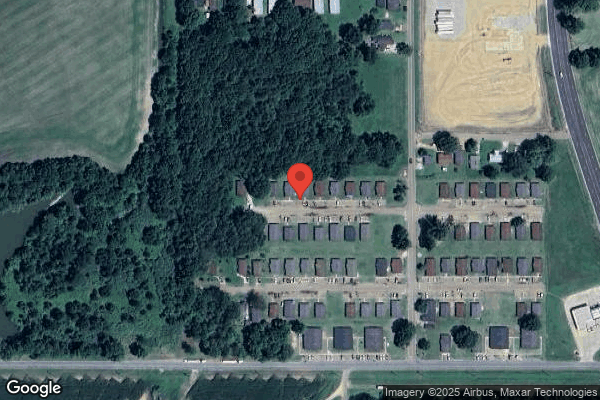
902 SGT JOHN A PITTMAN DRIVE, GREENWOOD, MS 38930 (662) 453-9173
For profit - Corporation 100 Beds NEXION HEALTH Data: November 2025
Trust Grade
40/100
#155 of 200 in MS
Last Inspection: October 2024

Within standard 12-15 month inspection cycle. Federal law requires annual inspections.

Overview

Crystal Rehabilitation and Healthcare Center in Greenwood, Mississippi has a Trust Grade of D, indicating below-average quality with some concerning issues. It ranks #155 out of 200 facilities in the state, placing it in the bottom half, and #3 out of 3 in Leflore County, meaning only one other local option is better. Unfortunately, the facility is worsening, with the number of issues increasing from 6 in 2023 to 14 in 2024. Staffing is a relative strength, rated 3 out of 5 stars, with a turnover rate of 32%, which is below the state average. However, the facility has faced concerns including failing to properly inform staff about COVID-19 precautions for infected residents and not effectively implementing its infection control program, which could risk residents’ health.

Trust Score
D
40/100
In Mississippi
#155/200
Bottom 23%
Safety Record
Low Risk
No red flags
Inspections
Getting Worse
6 → 14 violations
Staff Stability
○ Average
32% turnover. Near Mississippi's 48% average. Typical for the industry.
Penalties
✓ Good
No fines on record. Clean compliance history, better than most Mississippi facilities.
Skilled Nurses
○ Average
Each resident gets 39 minutes of Registered Nurse (RN) attention daily — about average for Mississippi. RNs are the most trained staff who monitor for health changes.
Violations
⚠ Watch
25 deficiencies on record. Higher than average. Multiple issues found across inspections.
★☆☆☆☆
1.0
Overall Rating
★★★☆☆
3.0
Staff Levels
★☆☆☆☆
1.0
Care Quality
★★☆☆☆
2.0
Inspection Score
Stable
2023: 6 issues
2024: 14 issues

The Good

  • Full Sprinkler Coverage · Fire safety systems throughout facility
  • No fines on record
  • Staff turnover below average (32%)

    16 points below Mississippi average of 48%

Facility shows strength in fire safety.

The Bad

1-Star Overall Rating

Below Mississippi average (2.6)

Significant quality concerns identified by CMS

Staff Turnover: 32%

14pts below Mississippi avg (46%)

Typical for the industry

Chain: NEXION HEALTH

Part of a multi-facility chain

Ask about local staffing decisions and management

The Ugly 25 deficiencies on record

Oct 2024 13 deficiencies
CONCERN (D)

Potential for Harm - no one hurt, but risky conditions existed

Resident Rights (Tag F0550)

Could have caused harm · This affected 1 resident

Based on observations, staff interviews, record review and facility policy review, the facility failed to ensure that residents' dignity was not compromised as evidence by Multi Drug Resistant Organis...

Read full inspector narrative →
Based on observations, staff interviews, record review and facility policy review, the facility failed to ensure that residents' dignity was not compromised as evidence by Multi Drug Resistant Organism (MDRO) signs on resident's doors for 12 of 96 residents reviewed for dignity. Findings Include: Record review of the facility policy titled, Resident Rights with a revision date of 1/11/24 revealed that .Resident has a right to a dignified existence, self-determination, and communication with and access to persons and services inside and outside Facility. Facility must protect and promote the rights of each resident, including each of the following rights: 1. Exercise of Rights .c. Resident has the right to be treated with dignity and respect for the personal integrity of the individual . An observation on 10/22/24 during initial tour of the resident doors in the facility revealed there were MDRO signs on the doors of the following rooms: 110, 111, 122, 125, 128, 132, 208, 215, 218, 223, 225, and 228. An interview and observation on 10/23/24 at 8:45 AM, with Registered Nurse (RN) #1 confirmed that Residents #4 and #19 had signs on their room doors that read, Multi Drug Resistance Organisms-MDRO is a threat to the residents. She stated that neither of these residents had MDRO. She revealed she thinks they put that up on their doors because those residents needed Enhanced Barrier Precautions (EBP). She revealed she thinks these MDRO signs would be a dignity issue for the resident since it implied the resident had MDRO. An interview and observation on 10/23/24 at 9:00 AM, with the Assistant Director of Nurses (ADON)/Infection Preventionist (IP) confirmed that Resident #4, #19, and #38 had signs on their door that read MDRO, and they do not have MDRO. She realizes that is the wrong sign to have put on their door. She confirmed that none of these residents have MDRO, but even if they did, we would not put that on their doors. She confirmed they had put those signs on the doors of any resident that needed Enhanced Barrier Precautions (EBP) but revealed she has the correct signs for EBP. She stated there was only one resident in the building that has MDRO. She confirmed that those signs were inappropriate and would be a dignity issue for those residents. An interview on 10/23/24 at 9:15 AM, with the Administrator confirmed that having signs on resident doors that read MDRO is a threat to our residents would be a dignity issue for the residents residing in those rooms. Record review of the MDRO signage revealed it read; Multidrug-resistant organisms (MDROs) are a threat to our residents in bold print at the top of the sign. Below the header it read Enhanced Barrier Precautions (EBP) Steps .
CONCERN (D)

Potential for Harm - no one hurt, but risky conditions existed

Deficiency F0582 (Tag F0582)

Could have caused harm · This affected 1 resident

Based on staff and resident interview, record review and facility policy review, the facility failed to ensure a Notice of Medicare Non-Coverage (NOMNOC) was provided for two (2) of three (3) resident...

Read full inspector narrative →
Based on staff and resident interview, record review and facility policy review, the facility failed to ensure a Notice of Medicare Non-Coverage (NOMNOC) was provided for two (2) of three (3) residents reviewed for beneficiary notices. Resident A and Resident B. Findings included: Review of the facility policy Form Instructions for the Notice of Medicare Non-Coverage (NOMNOC) CMS-10123 revealed When to deliver the NOMNOC, A Medicare provider .must deliver a completed copy of the Notice of Medicare Non-Coverage (NOMNOC) to beneficiaries/enrollees receiving covered skilled nursing .services. The NOMNOC must be delivered at least two calendar days before Medicare covered services end . A completed Beneficiary Protection Notification Review was provided by the Business Office Manager (BOM) on 10/22/24 at 2:05 PM, that indicated Resident A had a Medicare Part A stay from 6/7/24 through 7/19/24, and Resident B had a Medicare Part A stay from 6/14/24 through 6/21/24, with no supporting documentation, such as a NOMNOC or Advanced Beneficiary Notice (ABN). An interview on 10/23/25 at 8:05 AM, with the BOM revealed that Resident A and Resident B were discharged from skilled services and the facility when their therapy goals were met. She verified that Resident A had 58 skilled days remaining and Resident B had 93 skilled days remaining when they were discharged . She verified that she did not provide either resident with a NOMNOC. She stated that she was not aware that she should have provided the residents with a NOMNOC. She revealed that she thought that NOMNOC's were only provided to residents receiving Medicare Part A services if they were managed care and the managed care determined that they were no longer going to pay for the resident's services. She agreed there was no documentation that either resident initiated their discharge from Medicare Part A services. The BOM added that she is not notified of a resident's discharge from Medicare Part A services until on or after their discharge date . An interview with the Administrator on 10/23/24 at 8:07 AM, she agreed that the NOMNOCs should have been provided to Resident A and Resident B prior to discharge. She stated that the BOM must not have known to do it.
CONCERN (D)

Potential for Harm - no one hurt, but risky conditions existed

Deficiency F0583 (Tag F0583)

Could have caused harm · This affected 1 resident

**NOTE- TERMS IN BRACKETS HAVE BEEN EDITED TO PROTECT CONFIDENTIALITY** Based on observation, staff interview, record review, and facility policy review the facility failed to secure electronic health...

Read full inspector narrative →
**NOTE- TERMS IN BRACKETS HAVE BEEN EDITED TO PROTECT CONFIDENTIALITY** Based on observation, staff interview, record review, and facility policy review the facility failed to secure electronic health records as evidenced by an Electronic Medication Administration Record (EMAR) visible while the medication cart was unattended on the East Short Wing medication cart for one (1) of three (3) medication carts. Resident #13 Findings Include: Review of the facility policy titled, Resident Rights with a revision date of 1/11/24 revealed, 12 . Privacy and Confidentiality. Resident has the right to personal privacy and to confidentiality of his/her personal and clinical records. An observation on 10/23/24 at 8:05 AM, of a computer that was located on an unattended medication cart on the East Short Wing revealed the computer was opened with Resident #13's EMAR information visible on the screen and the screen was visible to anyone passing by the cart. The visible information included Resident #13's name, medications, and room number. An interview on 10/23/24 at 8:08 AM, Registered Nurse (RN) #1 revealed she is assigned to the medication cart and confirmed that the EMAR for Resident #13 was visible on the screen to anyone walking by and was supposed to be closed when she was away from the cart. She revealed that this is a violation of keeping the resident's medical records private. An interview on 10/23/24 08:44 AM, the Assistant Director of Nurses (ADON) revealed that a resident's information should never be left up on the computer screen while the cart is unattended and revealed that there is a privacy button that is supposed to be pushed before the nurse steps away from the computer. The ADON confirmed this is a privacy issue. Record review of Resident #13's admission Record revealed the resident was admitted to the facility on [DATE] with diagnoses that included Aphasia, Cerebral infarction, and Traumatic Hemorrhage of Cerebrum.
CONCERN (D)

Potential for Harm - no one hurt, but risky conditions existed

Safe Environment (Tag F0584)

Could have caused harm · This affected 1 resident

Based on observation, resident and staff interview, and facility policy review, the facility failed to maintain housekeeping and maintenance services necessary to maintain a sanitary and comfortable r...

Read full inspector narrative →
Based on observation, resident and staff interview, and facility policy review, the facility failed to maintain housekeeping and maintenance services necessary to maintain a sanitary and comfortable resident environment, as evidenced by flies in residents room (Resident # 2 and Resident #7), dirty sheet and leaking air conditioning unit (Resident # 13), a dirty personal fan (Resident # 29) and a dirty floor and foul odor in resident's room (Resident # 86) for five (5) of 25 sampled residents. Findings Include: Review of the facility policy titled, Building Inspections undated, revealed under, Policy: Conduct routine building inspections on a monthly basis to identify potential problems and perform any required maintenance. Review of the facility policy titled Cleaning and Disinfection of Resident-Care Items and Equipment with a revision date of 3/23, revealed under, Policy Interpretation and Implementation: c . (3) . Disinfection is performed with an EPA (Environmental Protection Agency)-registered disinfectant labeled for use in healthcare settings. A review of a letter on company letterhead, dated 10/23/24 and signed by the Administrator, revealed the facility does not have a policy for cleaning resident personal fans. Review of the facility policy titled Pest Control undated, revealed under, Policy: Conduct pest control by an outside vendor on a routine basis to maintain the Community in a safe and sanitary condition. Also, revealed under, Procedures: 1. Perform pest control on a consistent basis to ensure that the building is maintained in a pest-free condition. Resident # 2 and Resident #7 An observation of Resident #2 on 10/22/24 at 9:56 AM, revealed that the resident was lying in his bed with the cover pulled up over his head. Further observation revealed four (4) flies on the bed spread, three (3) flies on the privacy curtain, and one (1) fly on the footboard. A blue plastic bin was sitting on the floor at the end of the bed that held shoes with five (5) flies hovering over the bin and landing inside. An observation of Resident #7 (roommate to Resident #2) on 10/22/24 at 9:50 AM, revealed the resident lying in his bed with the cover over his head. Further observation revealed eight (8) flies on top of the bed spread and two (2) flies on the privacy curtain. An interview with Housekeeping #1 on 10/22/24 at 9:59 AM, confirmed the flies in Resident #2 and #7's room. He revealed the flies had been an ongoing concern in the room. He explained it was difficult to handle the flies and cleanliness of the room. An interview with the Assistant Director of Nursing (ADON) on 10/22/24 at 10:58 AM, confirmed the flies had been an issue for a while. She revealed they had a couple of doors at the back of the building that were opened and closed frequently throughout the day, and explained that was probably where they came in. An observation of Resident #2 on 10/22/24 at 12:36 PM, revealed he was sitting on the side of his bed eating his lunch meal with four (4) flies seen flying over and landing on the meal tray. The resident made no attempts to swat the flies. An interview with Certified Nurse Aide (CNA) #5 on 10/23/24 at 9:58 AM, confirmed flies and cleanliness had been a concern for Resident #2 and #7's room for a while. She revealed they both smear feces and take their briefs off and throw them in the floor. An interview with the ADON on 10/23/24 at 10:08 AM, revealed housekeeping was in the room all the time to address the uncleanliness of the room and the flies and verbalized it was a challenge because both residents smeared feces. She revealed keeping the residents' environment clean was everybody's responsibility and had to be a group effort. An interview with Maintenance #2 on 10/23/24 at 1:04 PM, revealed he had not been made aware of any fly issues in the building. An interview with the Administrator (ADM) on 10/23/24 at 1:13 PM, revealed she had not been made aware of any fly concerns in the building. She revealed that she makes daily rounds and stated she had not seen any flies or been told by staff that flies were an issue. She revealed that the resident's room stayed nasty because both of those residents played in stool. The ADM explained housekeeping cleaned the room every day and more often, verbalizing it was a constant thing. She revealed they had not taken any extra measures to combat fly activity in the building. She acknowledged the residents should have a clean and sanitary environment. An interview with the ADON on 10/24/24 at 8:16 AM, confirmed that anytime flies were around or got onto the food there was a risk for illness. Record review of the admission Record revealed the facility admitted Resident #2 on 2/26/03 with medical diagnoses that included schizophrenia and vascular dementia. Record review of the admission Record revealed the facility admitted Resident #7 on 10/3/22 with a medical diagnosis of vascular dementia. Resident #13 An observation of Resident #13's room on 10/22/24 at 10:12 AM, revealed two (2) white sheets with a yellowish-brown substance on them that were placed underneath the air conditioning unit. An observation and interview with Housekeeping #3 on 10/22/24 at 10:16 AM, confirmed the sheets were under the unit to capture water because the unit was leaking onto the floor. He revealed they had several units in disrepair, but they do not have a full-time maintenance person. He revealed they have someone who comes once a week to help fix things. An interview with Registered Nurse (RN) #1 on 10/23/24 at 9:01 AM, revealed if they have an issue that needs to be repaired, they were to add it into the computer work-order system for maintenance. An interview with the ADON on 10/23/24 at 10:08 AM, revealed they use a computer system for work order, to input the things needed to be fixed by maintenance. She revealed if something came up that required immediate attention, they would call the administrator, and she would call corporate. An interview with Maintenance #2 on 10/23/24 at 1:04 PM, revealed he had been filling in since February 2024 because the facility did not have a maintenance person. He revealed he comes to the facility once weekly and makes random room rounds. He revealed he gets the maintenance issues from the computer work order system, and the administrator shows him some of the things that need repairing. Maintenance #2 revealed he had not been made aware of any issues regarding Resident #13's leaking air conditioning unit. He explained the only reason the unit would leak would be if the filter was dirty and needed cleaning. An interview with the ADM on 10/23/24 at 1:13 PM, revealed she was not aware of Resident #13's leaking air conditioning unit and confirmed a repair request had not been submitted into the work order system for maintenance. She acknowledged the resident's equipment should be in good repair. Record review of the admission Record revealed the facility admitted Resident #13 on 5/29/21. Resident #86 An observation of Resident #86's room on 10/22/24 at 10:54 AM, revealed a foul odor upon entry. Further observation revealed the resident lying in her bed. There were eight (8) to 10 spots on the floor that were dried, smeared, dark brown and irregular in size, with the largest being approximately five (5) inches by three (3) inches in size. An interview and observation with the ADON on 10/22/24 at 10:58 AM, confirmed the foul odor in Resident #86's room and replied, What is that smell? She confirmed the brown substance on the floor looked like stool and acknowledged the resident should have a clean room and confirmed this was not acceptable conditions for the resident. An interview with the ADON on 10/23/24 at 10:08 AM, revealed keeping the resident's environment clean was everybody's responsibility. She revealed the aides and nurse were responsible for cleaning the stool off the floor when it was encountered. Record review of the admission Record revealed the facility admitted Resident #86 on 9/12/24 with medical diagnoses that included altered mental status. Resident # 29 An observation and interview with Resident #29 on 10/22/24 at 9:01 AM, revealed a 20-inch round auscultating fan on Resident #29's bedside table with the entire fan blades and the external outer covering of the fan covered in a thick black buildup. Resident #29 stated she uses the fan every night. She confirmed she had asked multiple staff, including housekeeping, to please clean the fan for the last few months, but stated staff always told her they will get the maintenance director to take care of it. An observation of the fan on Resident #29's bedside table with Certified Nurse Assistant (CNA) #2 on 10/23/24 at 10:00 AM, she confirmed the fan was covered in a thick black buildup including the fan blades and the outer cover of the fan. She then stated the fan needed to be cleaned because the dust particles could blow all over the resident and possibly make her sick. An observation of the fan in Resident # 29's room from the doorway with Housekeeper #1 on 10/23/24 at 10:10 AM, he confirmed the fan was covered in a thick black dust built up and stated the housekeepers clean in here every day and should have cleaned the fan to prevent dust build up from blowing on the resident. Review of the admission Record revealed the facility admitted Resident # 29 on 1/26/2019. Record review of Resident # 29's Section C of the Annual Minimum Data Set (MDS) with an Assessment Reference Date of 8/16/24 revealed in Section C, a Brief Interview for Mental Status (BIMS) score was 15, indicating the resident was cognitively intact.
CONCERN (D)

Potential for Harm - no one hurt, but risky conditions existed

Assessment Accuracy (Tag F0641)

Could have caused harm · This affected 1 resident

**NOTE- TERMS IN BRACKETS HAVE BEEN EDITED TO PROTECT CONFIDENTIALITY** Based on staff interview, record review, facility policy review, and Resident Assessment Instrument (RAI) review, the facility f...

Read full inspector narrative →
**NOTE- TERMS IN BRACKETS HAVE BEEN EDITED TO PROTECT CONFIDENTIALITY** Based on staff interview, record review, facility policy review, and Resident Assessment Instrument (RAI) review, the facility failed to ensure that the Minimum Data Set (MDS) was coded accurately for four (4) of 26 sampled residents. Resident #13, # 47, 56, and #62. Findings Include: Review of the facility policy titled, MDS Coding Policy with a revision date of January 4, 2023, revealed, Proper facility Name affiliated facilities utilize the most up to date Resident Assessment Instrument (RAI) manual for determination of coding each section of the Resident Assessment, timely and accurately. Resident #13 Record review of the MDS with an Assessment Reference Date (ARD) of 8/12/24 revealed that Resident #13 is taking an anticoagulant medication and was not taking an antiplatelet. Record review of the August 2024 Medication Administration Record (MAR) revealed that Resident #13 did not receive anticoagulant medications for the month of August but did receive Aspirin (ASA) An interview with the Registered Nurse (RN)/MDS on 10/23/24 at 3:40 PM confirmed the MDS was coded wrong and stated that Resident #13 did receive an antiplatelet (ASA) but not an anticoagulant. She confirmed the MDS should be done accurately so that the resident got the care he needed. An interview with the Assistant Director of Nurses (ADON) on 10/24/24 at 8:15 AM revealed her expectation was for the MDS to be coded correctly and when signing off on the assessment ensure it was correct before closing. Record review of Resident #13's admission Record revealed the facility admitted the resident on 5/29/21. Resident #47 Record review of the MDS with an ARD of 08-19-2024, revealed under section N, Resident #47 received seven (7) days of Anticoagulant medication for the observation look back period of 8/13/24 through 8/19/24. Record review of the MAR for the MDS 7-day observation look-back period for anticoagulant medication revealed Resident #23 did not receive anticoagulant medication between 8/13/24 and 8/19/24. An interview with the MDS Coordinator on 10/23/24 at 1:15 PM confirmed that Resident #47 was coded on the 7-day look-back period for receiving an anticoagulant medication. She revealed that Resident #47 did not receive an anticoagulant medication, and it was coded in error. Record review of the admission Record for Resident #47 revealed he was admitted to the facility on [DATE]. Resident #56 Record review of the admission Record for Resident #56 revealed the facility admitted the resident on 12/6/21 and has a diagnosis of Schizophrenia. Record review of Resident #56's annual MDS with an ARD of 11/20/23 revealed in Section A question 1500 that the resident has not been identified as having a diagnosis of mental illness as defined by PASRR (Pre-admission Screening and Resident Review). Record review of the summary of findings report from PASRR Office for Resident #56 dated 12/16/23 indicated that the individual meets criteria for having a diagnosis of mental illness as defined by PASRR. An interview with the RN/MDS Nurse on 10/23/24 at 1:30 PM verified that Resident #56's MDS with an ARD of 11/20/23 was coded incorrectly. She agreed that the importance of correctly coding MDS was to ensure residents received the care they needed. Resident #62 Review of item GG0115 of the Minimum Data Set (MDS) dated [DATE] : Functional Limitation in Range of Motion: coded 0 for no impairment to upper or lower extremities. A record review of the physician's order for Resident #62 revealed Staff to apply L hand splint before breakfast and remove after dinner daily for 8 (eight) hours, wear as tolerated and provide skin hygiene before and after wear every shift. An interview with RN/MDS on 10/23/24 at 1:47 PM, she revealed after review of the section GG of the MDS dated [DATE] for Resident #62 that it was coded incorrectly. She stated the purpose of coding the MDS correctly is to ensure a correct depiction of the resident is obtained and the resident receives the care and services needed. Review of the admission Record revealed the facility admitted Resident #62 on 3/1/23 with a diagnosis of Hemiplegia and Hemiparesis following nontraumatic intracerebral hemorrhage affecting left non dominant side.
CONCERN (D)

Potential for Harm - no one hurt, but risky conditions existed

Deficiency F0687 (Tag F0687)

Could have caused harm · This affected 1 resident

Based on observations, resident and staff interviews, record reviews and facility policy review, the facility failed to ensure foot care was completed for one (1) of four (4) sampled residents. Reside...

Read full inspector narrative →
Based on observations, resident and staff interviews, record reviews and facility policy review, the facility failed to ensure foot care was completed for one (1) of four (4) sampled residents. Resident #11. Cross Reference: F 677 Findings Include: Record review of Foot Care policy revised October 2022 revealed Policy Statement, Residents receive appropriate care and treatment in order to maintain mobility and foot health. Policy Interpretation and Implementation, 1. Residents are provided with foot care and treatment in accordance with professional standards of practice .3. Residents are assisted in making appointments with .specialists (podiatrist, endocrinologist, etc.) as needed. 4. Trained staff may provide routine foot care (e.g. toenail clipping) within professional standards of practice . On 10/22/24 at 10:05 AM, during an observation and interview with Resident #11 she removed her left sock and shoe and pointed to her left great toe, which was one-half inch (1/2) long and jagged. Resident #11 expressed a desire to have her toenails trimmed and indicated that she had not seen a podiatrist recently nor could she recall the last time her toenails were cut. Resident #11 then picked up a one-half inch (1/2) item from her bed and pointed to her left fifth toe, which was covered with a bandage. She indicated that the item was the toenail from her left fifth toe, which had come off. On 10/23/24 at 9:00 AM, an observation and interview with Registered Nurse (RN) #1, she verified that Resident #11's left great toenail was long and jagged. She stated that if a resident is diabetic, it is the nurse's responsibility to trim the resident's nails. She acknowledged that she was unaware of the last time Resident #11's toenails were cut but confirmed that they needed trimming. A review of the Podiatric Services Report for Resident #11 showed that she was last seen by a podiatrist on 5/1/23. On 10/23/24 at 9:15 AM, an interview with the Assistant Director of Nursing (ADON) she revealed that the nursing staff is responsible for trimming toenails for diabetic residents. She stated that residents' toenails should be checked daily during routine care and trimmed as needed, though there is currently no schedule for this. The ADON also confirmed that Resident #11 had lost the toenail on her left fifth toe but was unsure how it occurred. On 10/23/24 at 1:45 PM, a follow-up interview with the ADON she confirmed that Resident #11 had not seen a podiatrist since 5/1/23. She mentioned that the facility is in the process of securing a podiatrist, though one is currently unavailable. She was unsure how long the facility had been without podiatric services. The ADON verified that foot and nail care had not been provided for Resident #11 and acknowledged that this lack of care could have contributed to the loss of the toenail. A review of the Quarterly Minimum Data Set Assessment (MDS) with an Assessment Reference Date (ARD) of 7/4/24 for Resident #11 revealed a Brief Interview for Mental Status (BIMS) score of 13, indicating that the resident is cognitively intact. The admission Record review indicated that the facility admitted Resident #11 on 1/7/16 with a diagnosis of Diabetes Mellitus.
CONCERN (D)

Potential for Harm - no one hurt, but risky conditions existed

Deficiency F0688 (Tag F0688)

Could have caused harm · This affected 1 resident

Based on observation, staff interview, record review and facility policy review, the facility failed to provide the services, care, and equipment to assure a resident maintained, and improved to his/h...

Read full inspector narrative →
Based on observation, staff interview, record review and facility policy review, the facility failed to provide the services, care, and equipment to assure a resident maintained, and improved to his/her highest level of range of motion (ROM) and mobility for one (1) of five (5) residents for positioning and mobility reviewed. (Resident # 62). Findings include: A review of the facility policy titled, Contracture Management Program, revealed, Intent: To have a program within the facility geared towards the prevention of new contractures and maintenance or improvement of Range of Motion . An observation on 10/22/24 at 10:15 AM revealed Resident #62 to have a left-hand contracture with no splinting device in use, and no device observed in the resident's room. In an interview with Resident #62, he revealed that the staff did not put anything on his hand. A review of the physician's order for Resident #62 dated 2/23/24, revealed Staff to apply (L) left-hand splint before breakfast and remove after dinner daily for eight (8) hours wear as tolerated and provide skin hygiene before and after wear every day shift. every shift related to Hemiplegia and Hemiparesis following affecting the left non dominant side. An observation of Resident #62's hands on 10/22/24 at 3:15 PM, revealed no splinting device observed on Resident #62's left hand. On 10/23/24 at 9:37 AM, an interview with Certified Nurse Assistant (CNA) #2 she confirmed that Resident #62 did not have his splint on his left hand on Tuesday, 10/22/24 because he only wears his left-hand splint on Monday, Wednesday, and Friday. She then stated she believed therapy was supposed to apply the splint on those days. In an interview with Licensed Practical Nurse (LPN) #3 on 10 /23/24 at 9:50 AM, she confirmed that Resident #62 should have been wearing his left-hand splint on 10/22/24. She revealed the left-hand splint should be applied every morning before breakfast by the CNAs and removed at bedtime by the CNAs. She then revealed that staff not applying the splinting device could result in worsening of the contracture. In an interview with the Occupational Therapist on 10/23/24 at 10:47 AM, she confirmed that Resident #62 should be wearing a left-hand splint daily. She confirmed that staff not applying the splint could result in a decline in ROM. In an interview with the Assistant Director of Nursing (ADON) on 10/23/24 at 10:12 AM, she confirmed staff failed to follow the physician's orders for applying Resident #62's left-hand splint when the splint was not applied as ordered. Review of the admission Record revealed the facility admitted Resident # 62 on 3/01/23 with a diagnosis of Hemiplegia and Hemiparesis following a nontraumatic intracranial hemorrhage. Record review of Resident #62's Section C of the Minimum Data Set (MDS) with an Assessment Reference Date (ARD) of 9/3/24 revealed a Brief Interview for Mental Status (BIMS) score of 08, indicating the resident was moderately cognitively impaired.
CONCERN (D)

Potential for Harm - no one hurt, but risky conditions existed

Deficiency F0925 (Tag F0925)

Could have caused harm · This affected 1 resident

Based on observation, staff interview, and facility policy review, the facility failed to maintain an effective pest control regimen against flies as evidenced by fly sightings in a resident room for ...

Read full inspector narrative →
Based on observation, staff interview, and facility policy review, the facility failed to maintain an effective pest control regimen against flies as evidenced by fly sightings in a resident room for two (2) of 89 residents. Resident #2, and #7. Findings Include: Cross-Reference F584 Review of the facility policy titled Pest Control undated, revealed under, Policy: Conduct pest control by an outside vendor on a routine basis to maintain the Community in a safe and sanitary condition. Also, revealed under, Procedures: 1. Perform pest control on a consistent basis to ensure that the building is maintained in a pest-free condition. On 10/22/24 at 9:50 AM, an observation of Resident #7 revealed, the resident lying in his bed with the cover over his head. Further observation revealed that there were eight (8) flies on top of the bed spread and two (2) on the privacy curtain. On 10/22/24 at 9:56 AM, an observation of Resident #2 (roommate to Resident #7) revealed the resident was lying in his bed with the cover pulled up over his head. Further observation revealed 4 flies on the bed spread, three (3) flies on the privacy curtain, and one (1) on the footboard. A blue plastic bin was sitting in the floor at the end of the bed that held shoes with five (5) flies hovering over the bin and landing inside randomly. On 10/22/24 at 9:59 AM, an interview with the Housekeeping #1 confirmed the presence of flies in Resident #2 and #7's room. He revealed the flies had been an ongoing concern in their room. He explained the room was cleaned daily, but it was difficult to handle all the flies and cleanliness of that room. On 10/22/24 at 10:58 AM, an interview with the Assistant Director of Nursing (ADON) confirmed the flies had been an issue for a while. She revealed they have a couple of doors on the back that were opened and closed frequently throughout the day and explained that may be where they came in. On 10/22/24 at 12:36 PM, an observation of Resident #2 revealed, he was sitting on the side of his bed eating his lunch meal, with four (4) flies seen flying over and landing on the meal tray. The resident made no attempts to swat the flies. On 10/23/24 at 9:58 AM, interview with Certified Nurse Aide (CNA) #5 confirmed flies and cleanliness had been a concern for Resident #2 and #7's room for a while. She revealed that both residents smear feces and take their briefs off and throw them in the floor. On 10/23/24 at 10:08 AM, an interview with the ADON revealed housekeeping was in the room all the time to address the uncleanliness of the room and the flies. She stated it was a challenge because both residents smeared feces. She revealed keeping the residents' environment clean was everybody's responsibility and had to be a group effort. On 10/23/24 at 1:04 PM, an interview with Maintenance #2 revealed he had been filling in for the position since February 2024 because the facility did not have a maintenance person. He revealed he comes to the facility once weekly and makes random room rounds. He revealed he had not been made aware of any fly issues in the building. On 10/23/24 at 1:13 PM, interview with the Administrator (ADM) revealed, she had not been told about any concerns with flies in the building. She revealed that she makes daily rounds and stated she had not seen any flies or been told by staff that flies were an issue. She revealed that the room stayed nasty because both of those residents played in stool. The ADM revealed the pest control company came out on 10/16/24 and they had not done any extra measures to combat fly activity. She acknowledged the residents should have a clean and sanitary environment. On 10/24/24 at 8:16 AM, an interview with the ADON confirmed that anytime flies were around or got onto the food there was a risk for illness.
CONCERN (E) 📢 Someone Reported This

A family member, employee, or ombudsman was alarmed enough to file a formal complaint

Potential for Harm - no one hurt, but risky conditions existed

Comprehensive Care Plan (Tag F0656)

Could have caused harm · This affected multiple residents

**NOTE- TERMS IN BRACKETS HAVE BEEN EDITED TO PROTECT CONFIDENTIALITY** Based on observation, staff and resident interview, record review and facility policy review, the facility failed to implement a...

Read full inspector narrative →
**NOTE- TERMS IN BRACKETS HAVE BEEN EDITED TO PROTECT CONFIDENTIALITY** Based on observation, staff and resident interview, record review and facility policy review, the facility failed to implement an Activities of Daily Living (ADL) care plan for a resident that was dependent on staff for nail care and shaving (Resident #11, #13, #47, #51) and failed to implement a care plan for a resident requiring a hand splint (Resident #62) for five (5) of 29 care plans reviewed. Findings Include A review of the facility policy titled, Care Pans, Comprehensive, Person-Centered, revealed, A comprehensive, person-centered care plan that includes measurable objectives and timetables to meet the resident ' s physical, psychosocial and functional needs is developed and implemented for each resident . Resident #11 - Cross Reference F677, F687 Record review of the Care Plan for Resident #11 revealed I have Diabetes Mellitus . Interventions, Refer to podiatrist/foot care nurse to monitor/document foot care needs and to cut long nails .Diabetic Nail care weekly per nurse. During an observation and interview with Resident #11 on 10/22/24 at 10:05 AM, she removed her left sock and shoe and pointed to her left great toe, which was one-half inch (1/2) long and jagged. Resident #11 expressed that she had not seen a podiatrist recently nor could she recall the last time her toenails were cut. Record review of the Podiatric Services Report for Resident #11 revealed that she had not been seen by a podiatrist since 5/1/23. In an observation and interview on 10/23/24 at 9:00 AM, with Registered Nurse (RN) #1, she verified that Resident 11's left great toenail was long and jagged. She also acknowledged that she was unaware of the last time Resident #11's toenails were cut but confirmed that they needed trimming. Interview with the Registered Nurse (RN)/Minimum Data Set Nurse (MDS) on 10/23/24 at 1:35 PM confirmed that if Resident #11 did not receive toenail care or see podiatrist then the care plan was not followed. A record review of the Minimum Data Set Assessment (MDS) with an Assessment Reference Date (ARD) of 7/4/24 for Resident #11 revealed a Brief Interview for Mental Status (BIMS) score of 13, indicating that the resident is cognitively intact. The admission Record review indicated that the facility admitted Resident #11 on 1/7/16 with a diagnosis of Diabetes Mellitus. Resident #13 Record review of the Care Plans for Resident #13 revealed under, Focus: I have a self-care deficit related to impaired mobility, left hemiplegia/hemiparesis, contractures, and seizures. Also revealed under, Interventions: Bathing/showering: Check nail length and trim and clean on bath day and as necessary. Report any changes to the nurse . prefers nails to be cut short. An observation of Resident #13 on 10/22/24 at 10:12 AM revealed he was lying in bed with his eyes open. The fingernails on both hands were long, measuring approximately one-half (1/2) inch in length past the tip of his fingers. An observation and interview with RN #1 on 10/23/24 at 8:58 AM, confirmed Resident #13 had long nails. An interview with the RN/MDS Nurse on 10/23/24 at 3:40 PM revealed the purpose of the care plan was to help ensure the staff were doing the best care for the residents. She confirmed Resident #13's care plan was not followed for nail care. Record review of the admission Record revealed the facility admitted Resident #13 on 5/29/21 with medical diagnoses that included type 2 Diabetes Mellitus, and Hemiplegia and Hemiparesis following Cerebral Infarction. Resident #47 Record review revealed a care plan in place for Resident #47 with a focus of Activities of Daily Living (ADL) self-care performance deficit related to impaired balance, limited mobility due to Hemiplegia and Hemiparesis following cerebral infarction with an intervention of prefers bathing on M, W, F (Monday, Wednesday and Friday); check facial hair & nails, prefers mustache and beard trimmed, prefers nails to be cut short. During an observation and interview on 10/22/24 at 9:50 AM, revealed Resident #47's fingernails on bilateral hands were approximately one-half (1/2) inch long past the tips of his fingers, and a brown substance was underneath the fingernails. Resident #47 had facial hair on his chin and neck, approximately one and a half (1.5) inches long. Resident #47 revealed that it's been over two months since his nails were cut and face shaved. He revealed that he goes to the beauty shop monthly, and she cuts his hair, but if he wants to be shaved by her, it costs extra, and he can't afford that. He revealed that the Certified Nurse Assistant's (CNA) don't shave him or even offer. Resident #47 revealed, I like to be shaved and for my fingernails to be cut short. An interview and observation on 10/23/24 at 9:35 AM, with the Assistant Director of Nurses (ADON) revealed that the CNA's are responsible for shaving Resident #47 and cutting and cleaning his fingernails. She confirmed that he needed to be shaved, and his fingernails needed to be cleaned and trimmed and revealed that Resident #47's ADL care plan was not being followed. An interview on 10/23/24 at 1:20 PM, the RN/MDS Nurse revealed she is part of the team that develops each residents' individualized care plan. She revealed if the resident's ADL care plan was not followed then it is a concern because he is not getting the care that he is supposed to be receiving. Record review of the admission Record for Resident #47 revealed he was admitted to the facility on [DATE] with diagnoses that included Hemiplegia and Hemiparesis following Cerebral infarction affecting right dominant side, and Muscle Weakness. Record review of the MDS with an ARD of 8/19/2024, revealed under Section C, BIMS score of 15 indicating Resident #47 is cognitively intact. Resident #51 In an interview with Resident #51 on 10/22/24 at 9:45 AM, she revealed she had been asking staff about trimming her toenails for over two months. An observation of Resident # 51's nails revealed all toenails to be long and jagged with the right great toenail observed to be approximately one inch in length and jagged in appearance. A review of a care plan for Resident # 51 titled, I have an ADL performance deficit related to (r/t) Activity Intolerance, Impaired balance and Limited Mobility, revealed, Interventions: nails trimmed and clean. In an interview with the ADON on 10/23/24 at 10:12 AM confirmed that staff failed to implement Resident #51's care plan for trimming nails. Review of the admission Record revealed the facility admitted Resident # 51 on 6/30/22 with diagnoses of Morbid Obesity and Cellulitis. Record review of Resident #51's Section C of the MDS with an ARD of 7/22/24 revealed a BIMS) score of 14, indicating the resident was cognitively intact. Resident #62- Cross Reference F688 A review of a care plan titled, I have an ADL performance deficit for Resident # 62 revealed, Interventions: Staff to apply L (left) hand splint before breakfast and remove after dinner daily for 8 (eight) hours wear as tolerated and provide skin hygiene before and after wear every day shift. Every shift related to Hemiplegia and Hemiparesis affecting the left non-dominant side. An observation and interview on 10/22/24 at 10:15 AM, with Resident # 62 revealed the resident to have a left-hand contracture with no hand splint in use. No hand splint was observed in the resident's room. In an interview with Resident # 62, he revealed that the staff didn't put anything on his hand. In an interview with CNA #2 on 10/23/24 9:37 AM, she confirmed that Resident #62 did not have his splint on his left hand on Tuesday,10/22/24, because he only wears his left-hand splint on Monday, Wednesday, and Friday. In an interview with the ADON on 10/23/24 at 10:12 AM confirmed that staff failed to implement Resident # 62's care plan for the hand splinting device when the device was not applied. She revealed that the purpose of the care plan is to direct the individual care needs of residents. Review of the admission Record revealed the facility admitted Resident # 62 on 3/01/23 with a diagnosis of Hemiplegia and Hemiparesis following a nontraumatic intracranial hemorrhage. Record review of Resident #62's Section C of the MDS with an ARD of 9/3/24 revealed a BIMS) score of 08, indicating the resident was moderately cognitively impaired.
CONCERN (E) 📢 Someone Reported This

A family member, employee, or ombudsman was alarmed enough to file a formal complaint

Potential for Harm - no one hurt, but risky conditions existed

ADL Care (Tag F0677)

Could have caused harm · This affected multiple residents

**NOTE- TERMS IN BRACKETS HAVE BEEN EDITED TO PROTECT CONFIDENTIALITY** Resident #13 An observation of Resident #13 on 10/22/24 at 10:12 AM revealed he was lying in bed with his eyes open. The finger...

Read full inspector narrative →
**NOTE- TERMS IN BRACKETS HAVE BEEN EDITED TO PROTECT CONFIDENTIALITY** Resident #13 An observation of Resident #13 on 10/22/24 at 10:12 AM revealed he was lying in bed with his eyes open. The fingernails on both hands were long, measuring approximately one-half (1/2) inch in length. An observation and interview with RN #1 on 10/23/24 at 8:58 AM confirmed Resident #13 had long nails and could potentially scratch someone or himself. She revealed the nails should be checked with bathing and stated the resident was diabetic and his nails must be cut by a nurse. She revealed the nails should be checked every week to see if they needed trimming. An interview with the ADON on 10/23/24 at 9:05 AM revealed a nurse must cut Resident #13's nails because he was diabetic. She confirmed he could scratch himself and with him being diabetic that could cause issues. She revealed the facility did not have a task set up for the diabetics to get nail care routinely, it was just something they knew to do. Record review of the admission Record revealed the facility admitted Resident #13 on 5/29/21 with medical diagnoses that included Type 2 Diabetes Mellitus, Hemiplegia and Hemiparesis following Cerebral Infarction. Based on observation, resident and staff interviews, record review, and facility policy review, the facility failed to provide personal hygiene for four (4) of 26 sampled residents as evidenced by failure to provide nail care (Resident #11, #13, #47, and #51) and shave a resident (Resident # 47). Findings Include: Review of the facility policy titled, Activities of Daily Living (ADL) Supporting with a revision date of March 2018 revealed, Residents will be provided with care, treatment and services as appropriate to maintain or improve their ability to carry out activities of daily living (ADLs). Residents who are unable to carry out activities of daily living independently will receive the services necessary to maintain good nutrition, grooming and personal and oral hygiene. Resident #11- Cross Reference F687 An interview and observation on 10/22/24 at 10:05 AM with Resident #11 revealed the resident is non-verbal but indicated that she does not receive toenail care. The resident pulled off her left sock and shoe and pointed to her left great toe and her left 5th small toe. This observation revealed that the resident's left great toenail was jagged and 1/2 inch long with a band aid dated 10/21/24 on her left 5th toe. Resident #11 picked up a 1/2-inch sized item off of her bed and verified it was the toenail from her left 5th toe, by shaking her head yes. The resident indicated, by shrugging her shoulders, that she had not recently seen a Podiatrist, nor did she recall the last time her toenails had been cut. An observation and interview on 10/23/24 at 9:00 AM with Registered Nurse (RN) #1 she verified that Resident #11's left great toenail was long and jagged. She stated that if the resident is diabetic then it is the RN's responsibility for cutting the resident's nails. She verified that she had no idea when the resident had last seen the Podiatrist or had her toe nails cut, but that the resident did need them cut. An interview with the Assistant Director of Nursing (ADON) on 10/23/24 at 9:15 AM she confirmed that the nurses were responsible for cutting toenails for residents who were diabetic. She stated that residents' toenails should be checked daily during care and cut if needed. She stated that they did not have a schedule for checking and cutting toenails. She verified that Resident #11 had lost the toenail on her left 5th toe, but she was unsure how. The ADON agreed that the lack of nail care could have contributed to the resident losing her toenail. Record review of the Podiatric Services Report for Resident #11 revealed that she was last seen by a podiatrist on 5/1/23. An Interview with the ADON on 10/23/24 at 1:45 PM verified that Resident #11 had not seen a podiatrist since 5/1/23. She stated that they currently did not have a podiatrist to see the residents and was unsure of how long they had been without one. She verified that foot care and nail care had not been provided for Resident #11 and this could have contributed to her losing her toenail. A review of the Minimum Data Set Assessment (MDS) with an Assessment Reference Date (ARD) of 7/4/24 for Resident #11 revealed a Brief Interview of Mental Status (BIMS) score of 13, indicating that the resident is cognitively intact. The admission Record review revealed that the facility admitted Resident #11 on 1/7/16 with a diagnosis of Diabetes Mellitus. Resident #51 An observation and interview on 10/22/24 at 9:45 AM, Resident #51 revealed she has been asking staff about trimming her toe nails for over two months. An observation of the resident's nails revealed all toenails to be long and jagged with the right great toenail to be approximately one inch in length and jagged in appearance. She stated she is not a diabetic and can't understand why staff won't cut them. She then stated a nurse told her she would get podiatry to come cut them but that was months ago and that never happened. An observation and interview on 10/23/24 at 9:22 AM of Resident # 51's toenails with Licensed Practical Nurse (LPN) #3, she confirmed the resident's toenails were very long and jagged with the right great toe to be very long. She confirmed the nails appeared that they had not been trimmed in a while and stated there was no medical reason that the nurses or CNAs could not trim them. She then revealed that possible concerns from not trimming the nails are that she could scratch her legs with the jagged nails and also the nails could have grown into the skin causing skin concerns. An interview with the CNA #3 on 10/23/24 at 10:08 AM she revealed she was unaware of why Resident # 51's toenails had not been trimmed. She stated the CNA'S switch sections every other day and stated the nurse trimmed the toenails earlier today and confirmed they were really long and jagged. Review of the admission Record revealed the facility admitted Resident # 51 on 6/30/22 with diagnoses of Morbid Obesity and Cellulitis. Record review of Resident #51's Section C of the MDS dated [DATE] revealed a BIMS score was 14, indicating the resident was cognitively intact. Resident #47 An observation and interview on 10/22/24 at 9:50 AM, revealed Resident #47's fingernails on both hands were approximately one-half (1/2) inch long past the tips of his fingers with a brown substance underneath the fingernails. Resident #47 had facial hair on his chin and neck, approximately one and a half (1.5) inches long. Resident #47 revealed that it's been over two months since he had his nails cut or his face shaved. He revealed that he goes to the beauty shop every month, and she cuts his hair, but if he wants to be shaved by her, it costs extra, and he can't afford that. He revealed that the Certified Nurse Assistants (CNA) do not offer to shave him. Resident #47 revealed he likes to be shaved and for his fingernails to be short. An observation on 10/22/24 at 1:50 PM revealed that Resident #47's appearance had not changed from the earlier observation. An observation on 10/23/24 at 08:36 AM revealed Resident #47's appearance was unchanged from the previous day. An interview and observation on 10/23/24 at 9:05 AM, Certified Nurse Aide (CNA) #7 revealed that she is assigned to Resident #47 today, and it is the CNA's responsibility to shave the resident and do his nail care. She confirmed that Resident #47 needed to be shaven, and his fingernails were long and dirty. An interview on 10/23/24 at 9:25 AM, the Activities Director (AD) revealed Resident #47 goes to the beauty shop every month to have his hair cut, and sometimes the beauty shop worker will trim up his beard, but she does not shave him. She revealed that shaving him is the responsibility of the CNAs. During an interview and observation on 10/23/24 at 9:35 AM, the ADON revealed that the CNA's are responsible for shaving the resident and cutting and cleaning his fingernails. She confirmed that Resident #47 needed to be shaved, and his fingernails needed to be cleaned and trimmed. Resident #47 stated to ADON that it had been two months since he had been shaved and had his fingernails cleaned and cut. Record review of the admission Record for Resident #47 revealed he was admitted to the facility on [DATE] with diagnoses that included Hemiplegia and Hemiparesis following Cerebral infarction affecting right dominant side and Muscle Weakness. Record review of the MDS with an ARD of 8/19/2024, revealed under Section C, BIMS score of 15 indicating Resident #47 is cognitively intact.
CONCERN (F)

Potential for Harm - no one hurt, but risky conditions existed

Deficiency F0865 (Tag F0865)

Could have caused harm · This affected most or all residents

Based on staff interview, record review and facility policy review the facility failed to ensure there was an effective Quality Assurance and Performance Improvement (QAPI) program, as evidenced by re...

Read full inspector narrative →
Based on staff interview, record review and facility policy review the facility failed to ensure there was an effective Quality Assurance and Performance Improvement (QAPI) program, as evidenced by repeat deficiencies for Activities of Daily Living (ADL) F677 over the last three annual surveys. Findings Include Review of the facility policy titled, (Proper facility name) QAPI Program with no revision date revealed under the Purpose Statement .The purpose of Quality Assurance Performance Improvement committee is to create a system for improving the care for our residents . An interview on 10/24/24 at 10:54 AM with the Corporate Nurse revealed the QAPI committee met with all department heads after the last survey in 6/2023, in 7/23 they met and went over anything that was trending based on the monitoring that was put into place after the survey that resulted in deficiencies and in 9/23, they went back to reviewing normal stuff. She stated that monitoring was supposed to have continued for the deficiencies from the last survey, but she is not sure that it did. She revealed that she thinks that there are repeat deficiencies due to a new Administrator and a new Assistant Director of Nurses (ADON). An interview on 10/24/24 at 11:15 AM with the Administrator confirmed that she understands that the facility should not have had an ADL issue for three years in a row. She thinks the problem is communication between the nurses and the Certified Nursing Assistants (CNA) and the supervision of the CNAs by the nurses to make sure the work is done. An interview on 10/24/24 at 11:25 AM with the Corporate Nurse agreed that there should not be repeated deficiencies for ADLS . She confirmed she had made rounds and every so often she would find issues with the nails. She stated that the Registered Nurses (RN) would fix it, but she is not sure why they would not continue. She confirmed that continued monitoring by the administrative nursing staff could have confirmed ADL issues. Record review of the Corporate Nurse's rounds revealed that on 2/21/24 and 4/10/24 ADL issues were found related to fingernails, toenails and shaving. Record review of the CASPER3 (Certification and Survey Provider Enhanced Reports) confirmed that the facility had an ADL deficiency for their last two annual surveys.
CONCERN (F)

Potential for Harm - no one hurt, but risky conditions existed

Infection Control (Tag F0880)

Could have caused harm · This affected most or all residents

**NOTE- TERMS IN BRACKETS HAVE BEEN EDITED TO PROTECT CONFIDENTIALITY** Based on observation, staff interview, record review and facility policy review, the facility failed to inform staff and visitor...

Read full inspector narrative →
**NOTE- TERMS IN BRACKETS HAVE BEEN EDITED TO PROTECT CONFIDENTIALITY** Based on observation, staff interview, record review and facility policy review, the facility failed to inform staff and visitors of residents that were in Transmission-Based Precautions (TBP) for six (6) of six (6) positive COVID-19 residents reviewed. Residents #6, #28, #29, #38, #81, and #84. Cross Reference F882 Findings Include: Record review of the facility policy titled, COVID-19 Policy and Procedures with a revision date of 9/15/23 revealed under, Training: Signage should be posted describing ways to prevent the spread of germs and protect against COVID-19 virus. This record review revealed under Core Principles of COVID-19 Infection Prevention .Instructional signage throughout the facility and proper visitor education on COVID-19 signs and symptoms, infection control precautions, and other applicable facility practices (e.g., use of face covering or mask, specified entries, exits and routes to designated areas, hand hygiene) and appropriate staff use of Personal Protective Equipment (PPE). An interview on 10/22/24 at 9:05 AM, with Certified Nurse Assistant (CNA) #1 revealed the facility is in a COVID-19 outbreak and she thinks they have about 30 residents positive. An observation on the initial tour of the facility on 10/22/24 at 9:15 AM, revealed there was no signage on the residents' doors identifying who was on TBP. An interview on 10/22/24 at 9:50 AM, with the Assistant Director of Nurses (ADON)/Infection Preventionist (IP) confirmed the facility has been in a COVID-19 outbreak for a week and she thinks she was the first positive, but she is not certain. She stated she tested positive on 10/14/24 and had worked that day passing medications on the 100 halls. She stated that she was off work for several days and the Director of Nurses (DON) covered for her, but now she is sick with COVID-19. She stated that on 10/16/24 Resident #6 was lethargic and got sent to the hospital where he tested positive for COVID-19. She stated that after this resident was sent to the hospital, they tested all the residents and found 27 positives, but no one had any symptoms. She confirmed that signs should have been put on the residents' doors indicating they were in TBP. She stated that she just failed to follow-up and make sure it was done after she returned to work on Friday 10/18/24. An interview on 10/23/24 at 2:50 PM, with the Administrator confirmed that signage should have been put on the COVID-19 resident's doors for staff and visitors to know the resident was in Transmission-Based Precautions. She admitted that they needed to be stricter on their infection control to prevent the spread of infections and ensure that all staff and visitors were aware which residents were in TBP. She stated that they continued to monitor residents for symptoms, staff worked to keep residents at least 6 feet away from other staff and residents as possible and require everyone wear a mask when they enter the facility. She also stated that staff self-monitor and let their supervisor know if they are symptomatic. She revealed that the facility COVID-19 vaccination rate for 2023 was 66% and for 2024 so far it is 76%. Record review of facility vaccination rates for COVID-19 confirmed that 2023's rate was 66% and for 2024 so far, the rate is 75.80%. Record review of the resident testing for COVID-19 from 10/16/24 revealed there were 27 positive residents identified that included Residents #6, #28, #29, #38, #81, and #84. Record review of Resident #6's admission Record revealed the resident was admitted to the facility on [DATE]. Record review of Resident #28's admission Record revealed the resident was admitted to the facility on [DATE] with. Record review of Resident #29's admission Record revealed the resident was admitted to the facility on [DATE] . Record review of Resident #38's admission Record revealed the resident was admitted to the facility on [DATE]. Record review of Resident #81's admission Record revealed the resident was admitted to the facility on [DATE]. Record review of Resident #84's admission Record revealed the resident was admitted to the facility on [DATE].
CONCERN (F)

Potential for Harm - no one hurt, but risky conditions existed

Deficiency F0882 (Tag F0882)

Could have caused harm · This affected most or all residents

Based on observations, staff interviews, record review and facility policy review, the facility failed to ensure the Infection Preventionist fully implemented the Infection Control Program, as evidenc...

Read full inspector narrative →
Based on observations, staff interviews, record review and facility policy review, the facility failed to ensure the Infection Preventionist fully implemented the Infection Control Program, as evidence by failure to ensure signage was applied to resident's rooms that were under Transmission-Based Precautions and complete surveillance for the current COVID-19 outbreak for one (1) of three (3) days of survey. Cross Reference F880 Findings Include: Record review of the facility policy titled, COVID-19 Policy and Procedures with a revision date of 9-15-23 revealed under, Training: Signage should be posted describing ways to prevent the spread of germs and protect against COVID-19 virus .Core Principles of COVID-19 Infection Prevention .Instructional signage throughout the facility and proper visitor education on COVID-19 signs and symptoms, infection control precautions, and other applicable facility practices (e.g., use of face covering or mask, specified entries, exits and routes to designated areas, hand hygiene) and appropriate staff use of Personal Protective Equipment (PPE). An interview on 10/22/24 at 9:05 AM, with Certified Nurse Assistant (CNA) #1 stated that the facility is in a COVID-19 outbreak, and she thinks they have about 30 residents that are positive. On the initial tour of the facility on 10/22/24 at 9:15 AM it was observed that there were no signage on resident's doors identifying who was in transmission base precautions due to COVID-19. An interview on 10/22/24 at 9:50 AM, with the Assistant Director of Nurses (ADON)/Infection Preventionist (IP) confirmed the facility has been in a COVID-19 outbreak for a week. She confirmed that signs should have been put on the residents' doors indicating they were in transmission base precautions. She admitted that she had not done any surveillance for this outbreak or had an in-service with staff. She stated that someone had sent a text message out to staff to let them know we were in an outbreak. She stated that she did not realize she needed to do surveillance and just failed to make sure signs were put on the positive resident's doors. An interview on 10/23/24 at 9:30 AM, with the Occupational Therapist revealed that she felt that the facility was not communicating outbreaks to therapy in order for them to be informed to prevent the spread of infection when they were in resident rooms providing care. She confirmed that she had not seen any signage on resident doors prior to entering. An interview on 10/23/24 at 2:50 PM, with the Administrator confirmed that they needed to be stricter on their infection control to prevent the spread of infections. Record review of the facility in-services revealed that the last in-service regarding infection control was on 10/9/24 indicating all trays need to be picked up after every meal. Record review of the resident testing from 10/16/24 revealed there were 27 positive residents identified.
Jun 2024 1 deficiency
CONCERN (D) 📢 Someone Reported This

A family member, employee, or ombudsman was alarmed enough to file a formal complaint

Potential for Harm - no one hurt, but risky conditions existed

Accident Prevention (Tag F0689)

Could have caused harm · This affected 1 resident

**NOTE- TERMS IN BRACKETS HAVE BEEN EDITED TO PROTECT CONFIDENTIALITY** Based on record review, staff interview, and facility policy review, the facility failed to provide adequate supervision and mon...

Read full inspector narrative →
**NOTE- TERMS IN BRACKETS HAVE BEEN EDITED TO PROTECT CONFIDENTIALITY** Based on record review, staff interview, and facility policy review, the facility failed to provide adequate supervision and monitoring to reduce the risk of accident and hazards for a cognitively impaired ambulatory resident for (1) one of (4) four residents reviewed for accidents. (Resident # 1) Findings include: Review of the facility policy titled, Safety and Supervision of Residents, dated July 2017 revealed Policy Statement: Our facility strives to make the environment as free from accident hazards as possible. Resident safety and supervision and assistance to prevent accidents are facility wide priorities. Systems approach to safety: 2.) Resident supervision is a core component of the system approach to safety. The type and frequency of resident supervision is determined by the individual resident's assessed needs and identified hazards in the environment . 3.) The type and frequency of resident supervision may vary among residents and over time for the same resident. For example, resident supervision may need to be increased when there are temporary hazards in the environment or if there is a change in the resident's condition . A record review of a facility reported incident revealed, on 6/12/24, around 6:35 AM, LPN (Licensed Practical Nurse) #2, who was assigned to Resident #2, observed Resident #1 exiting the room of Resident #2. LPN #2 then heard Resident #2 gasping for air, and upon entering her room, she saw a pillow and sheet covering Resident #2's face. The nurse yelled for help from CNA (Certified Nursing Assistant) #2 who was right outside the room. They immediately removed the sheet and the pillow, grabbed some wipes to dab her face to calm her down. RN (Registered Nurse) Supervisor #1 took vital signs and noted that Resident #2 had an increased respiratory rate and a reddened face. Both nurses continued to check all vitals, performed incontinent care, and positioned Resident #2 comfortably in bed before exiting the room. An interview with the Director of Nursing (DON) on 6/26/24 at 9:25 AM revealed on 6/11/24, the afternoon before the incident, Resident #1 had been moved to another room because of a minor leak in the bathroom. Resident was ambulatory, and they did not want her to be injured until the water leak could be fixed in the bathroom. She stated that Resident #2, her roommate, remained in the room because she is bed bound and would not need to utilize the bathroom. She stated that the move was temporary and was explained to Resident #1. She stated when Resident #1 asked why Resident #2 was not moved, staff explained to her that Resident #2 was not ambulatory and did not use that bathroom. In an interview with CNA #4 on 6/26/24 at 11:41 AM, she revealed she worked 7:00 AM -7:00 PM on 6/11/24 and was assigned to Resident #1's prior room. She stated she observed Resident #1 attempting to enter her previous room at least three times, and she had to be redirected not to go in the room because it was not safe for her. She stated Resident #1 kept stating she could not understand why Resident #2 got to stay in the room and she didn't. CNA #4 stated she was unaware if any increased monitoring was put in place to observe Resident #1 closer. An interview with Resident #1's Resident Representative on 6/26/24 at 11:00 AM, revealed for the most part Resident #1 is alert and oriented but has frequent bouts of confusion and is very forgetful and change is hard for her. He then stated his sister has made the statement several times to him that she was upset and could not understand why she had to move out of her room and Resident #2 did not have to move and that she was upset about it. A phone interview with LPN #2 on 6/26/24 at 12:30 PM revealed she worked 7:00 PM-7:00 AM on 6/11/24 and was assigned to Resident #1's prior room. She stated that before the incident in the early morning of 6/12/24, she had observed Resident #1 going into her prior room on two separate occasions, and she had to be redirected. She stated each time Resident #1 expressed that she did not understand why Resident #2 got to stay in the room and she didn't. She stated she explained the safety reason to Resident #1 but confirmed Resident #1 has some confusion at times. She stated on the morning of 6/12/24 at approximately 6:35 AM she was making her final rounds and observed Resident #1 exiting her prior room. LPN #2 stated she asked Resident #1 what she was doing, and Resident #1 aggressively stated, I have not been in there because the door is locked. She stated she then told Resident #1 she had to be careful there was a leak in that bathroom, and she was going to get hurt. LPN #2 then revealed she heard gasping sounds and coughing coming from the room and she and CNA #2 entered the room and observed Resident #2 with the top sheet and a pillow covering Resident #2's face and immediately removed it. She stated she and CNA #2 stayed with Resident #2 calming her down. LPN #2 was asked if she had increased monitoring of Resident #1 when she observed her on two previous occasions attempting to go into her prior room. She stated no she did not, she just redirected her to stop her from going into the room because she was going to get hurt. In a phone interview with CNA #2 on 6/26/24 at 1:36 PM, she revealed she was assigned to Resident #1's previous room on 6/11/24, 11:00 PM-7:00 AM. She stated she saw Resident #1 walking the halls on the morning of 06/12/24 but thought nothing of it because she often does that. She stated she was making rounds that morning at about 6:30 AM and heard LPN #2 hollering for help and entered the room and observed the top sheet and pillow over Resident #2's face. She stated she and LPN #2 immediately removed the pillow and began calming Resident #2 down. She stated the last time she had seen Resident #2 was at 4:15 AM, and she repositioned her and made sure she was dry. In an interview with the Licensed Social Worker (LSW) on 6/26/24 at 3:00 PM, she revealed she was unaware that Resident #1 had attempted on several occasions to go into her prior room or that she was upset about the room move. She then confirmed that staff should have put increased monitoring in place to reduce her risk of injury because she kept attempting to enter the room. Record review of the June 2024 progress notes and physician's orders revealed no increased monitoring for Resident #1 after the move on 6/11/24 until 6/12/24 at 7:00 AM. In an interview with the DON on 6/26/24 at 3:00 PM, she revealed she was not made aware that Resident #1 had been attempting, on multiple occasions, to go back into her prior room or that she was upset about the move out of her room. In an interview with the Administrator on 6/26/24 at 4:00 PM, she verbalized that Resident #1 had been moved to different rooms in the past, and she had attempted to go back to those rooms too because that was the room she was used to. Record review of the admission Record revealed the facility had admitted Resident #1 to the facility on 1/29/24 with diagnoses including Unspecified Convulsions and Seizure Disorder. Record review of the Minimum Data Set (MDS) Section C with an Assessment Reference Date (ARD) of 5/6/24, revealed that Resident # 1 had a Brief Interview for Mental Status (BIMS) score of 8 which indicated that she was severely cognitively impaired. Record review of the admission Record revealed the facility admitted Resident #2 to the facility on [DATE] with diagnoses including Hydrocephalus, Aphasia, and Quadriplegia. Record review of the MDS, Section C with an ARD of 05/15/24, revealed that Resident #2 is rarely or never understood, which indicated severe cognitive impairment.
May 2023 6 deficiencies
CONCERN (D)

Potential for Harm - no one hurt, but risky conditions existed

Grievances (Tag F0585)

Could have caused harm · This affected 1 resident

**NOTE- TERMS IN BRACKETS HAVE BEEN EDITED TO PROTECT CONFIDENTIALITY** Based on staff and resident interviews, facility policy review and record review the facility failed to resolve grievances in a ...

Read full inspector narrative →
**NOTE- TERMS IN BRACKETS HAVE BEEN EDITED TO PROTECT CONFIDENTIALITY** Based on staff and resident interviews, facility policy review and record review the facility failed to resolve grievances in a manner that would prevent them from reoccurring as evidenced by ongoing resident complaints regarding not receiving ice water for four (4) of 86 residents reviewed during survey. Resident 32, 33, 45 and 62 Findings Include: Record review revealed a typed statement on facility letterhead dated 5/24/23 that revealed the facility did not have a policy regarding unresolved grievances and was signed by the Administrator. Record review of the facility policy titled, Hydration Management with a revision date of January 2023 revealed, .Procedure .Hydration passes three times a day (approximately 10 AM, 2 PM and 7 PM) whereby all residents will be offered beverage. The total volume of fluids offered at each hydration pass will be approximately 4 oz's. During the resident council meeting on 5/23/23 at 2:30 PM, Residents #32, #33, #45 and #62 revealed that they have complained about not getting ice water like they are supposed to, and it is not getting any better. Resident #33 revealed that the staff are supposed to pass ice water at the beginning of their shift, but do not always do that. Resident #45 revealed that it depends on who is working to whether they pass the ice water or not. Resident #62 revealed that weekends seem to be worse, but you never know if you are going to get ice water or not. They revealed that in the past when they have complained about the ice water situation, it would get better for a while and then they slack off again. An interview on 5/24/23 at 10:45 AM, with Certified Nurse Assistant (CNA) #1 revealed it is the responsibility of the CNAs to pass water to the residents at the beginning of their shifts. She revealed she cannot recall a time or reason why they would not have been able to pass ice water. An interview on 5/24/23 at 10:50 AM, with Licensed Practical Nurse (LPN) #1 confirmed it is the responsibility of the CNAs to pass ice water to the residents at the beginning of their shift. An interview on 5/24/23 at 11:00 AM, with the Assistant Director of Nurses (ADON)-Infection Preventionist revealed they have had these issues with resident's complaining about not getting ice water for a while. She revealed the facilities ice machines have been torn up a few times and they had to get ice from the store. She revealed that they have done several in-services with the staff regarding the importance of passing ice water. An interview on 5/24/23 at 11:10 AM, with the Corporate Nurse confirmed the residents complaining about not receiving ice has been an ongoing issue. She revealed the ice machines in the hall broke and they had to use the kitchen ice maker; then they fixed those, and the kitchen went out. She confirmed they had done several in-services regarding this and cannot believe it is still an issue. An interview on 5/24/23 at 11:20 AM, with the Administrator confirmed that the residents had been complaining about not getting ice water for a while. She revealed she has the nurse managers in each hall making rounds and completing a questionnaire on each resident and getting it to her before 9:00 AM so it can be discussed in the standup meeting. She confirmed that according to these questionnaires there are still some random complaints from residents regarding not receiving their ice water. An interview on 5/25/23 at 9:40 AM, with the Activities Director confirmed that residents' complaints about not receiving ice and water have been ongoing. She revealed that it would get better and then it would pop back up again. She revealed she completes a grievance form when the residents have a complaint, and this particular grievance went to the Director of Nurses (DON). Record review of the resident council meeting minutes from 12/14/22 through 5/10/23 revealed that the complaint of ice water not getting passed had been brought up four times with the most recent being from the meeting held on 5/10/23. Record review of the facility in-services regarding ice being passed to residents revealed there had been 4 in-services with nursing staff in the last 12 months. Resident #32 Record review of Resident #32's admission Record revealed the resident was admitted to the facility on [DATE] with medical diagnoses that included Barrett's Esophagus without Dysplasia. Record review of Resident #32's Minimum Data Set (MDS) with an Assessment Reference Date (ARD) of 2/17/23 revealed in Section C a Brief Interview for Mental Status (BIMS) of 15, which indicated the resident was cognitively intact. Resident #33 Record review of Resident #33's admission Record revealed the resident was admitted to the facility on [DATE] with medical diagnoses that included Anxiety Disorder Unspecified. Record review of Resident #33's MDS with and ARD of 3/6/23 revealed in Section C a BIMS of 15, which indicated the resident was cognitively intact. Resident #45 Record review of Resident #45's admission Record revealed the resident was admitted to the facility on [DATE] with medical diagnoses that included Major Depressive Disorder Recurrent, Unspecified. Record review of Resident #45' MDS with an ARD of 5/3/23 revealed in Section C a BIMS of 13, which indicated the resident was cognitively intact. Resident #62 Record review of Resident #62's admission Record revealed the resident was admitted to the facility on [DATE] with medical diagnoses of Hemiplegia and Hemiparesis following Cerebral Infarction Affecting Right Dominant Side. Record review of Resident #62's MDS with an ARD of 5/18/23 revealed in Section C a BIMS of 15, which indicated the resident was cognitively intact.
CONCERN (D)

Potential for Harm - no one hurt, but risky conditions existed

Comprehensive Care Plan (Tag F0656)

Could have caused harm · This affected 1 resident

Resident #238 A review of Resident #238's care plan titled,I require tube feeding as my primary nutrition r/t (related to) Dysphagia, revealed Interventions: Enteral Feed order every shift Tube Feedin...

Read full inspector narrative →
Resident #238 A review of Resident #238's care plan titled,I require tube feeding as my primary nutrition r/t (related to) Dysphagia, revealed Interventions: Enteral Feed order every shift Tube Feeding Continuous: Formula-Jevity 1.5 at 50 cc/hr (cubic centimeters/hour) x 22 hours to allow for ADL care . An observation on 5/22/23 at 11:10 AM, revealed Resident #238 had Jevity 1.5 formula running at 40 cc/hr via PEG tube pump. An observation on 5/23/23 at 10:30 AM, revealed Resident #238 had Jevity 1.5 infusing at 40 cc/hr , directions on the Jevity formula bottle read rate: 50cc/hr. An observation of Resident #238's tube feeding pump and Jevity 1.5 formula bottle hanging on 5/23/23 at 10:35 AM, with the Director of Nursing (DON) confirmed the feeding tube pump read 40 cc/hr infusing and the label on the Jevity bottle read 50 cc/hr. An interview with the DON on 05/23/23 at 11:47 AM, confirmed the staff were not following the care plan and revealed the purpose of the comprehensive care plan is to direct person centered care. Record review of the admission Record revealed that the facility admitted Resident #238 to the facility on 5/18/23 with diagnoses of Nontraumatic Intracranial Hemorrhage, Dysphasia following Nontraumatic Intracranial Hemorrhage, and Encounter for Attention to Gastrostomy. Based on observation, staff and resident interviews, record review, and facility policy review the facility failed to Implement a care plan for Activities of Daily Living (ADL) care Resident #3 , PEG (percutaneous endoscopic gastrostomy) tube medication administration (Resident # 77) and tube feeding (Resident #238) for three ( 3) of 18 residents reviewed. Resident #3, #77 and #238. Findings include: Record review of the facility policy titled Care Plans, Comprehensive Person-Centered dated 10/22 and revised on 1/23 revealed, Policy Statement A comprehensive, person-centered care plan that includes measurable objectives and timetables to meet the resident's physical, psychosocial and functional needs is developed and implemented for each resident. 8. The comprehensive, person-centered care plan will: .b. Describe the services that are to be furnished to attain or maintain the resident's highest practicable physical, mental, and psychosocial well-being; . Resident #3 Review of Resident #3's care plan titled, Bathing revealed ADL-I prefer whirlpool (T, Th, Sat) on 7-3. Resident will require supervision during showers. Check facial hair and nails. Under Bathing and Showering: Check nail length and trim and clean on bath day and as necessary. Report any changes to the nurse. An observation and interview on 05/22/23 at 10:40 AM, revealed Resident #3 to have long fingernails on both hands with dirty brownish material under the nails. The nails are past the tips of the fingers. The bottom of both feet had black colored material on them. The resident had a beard that was scraggly. The resident stated that he usually has a beard but does not want it this long. An observation on 5/23/23 at 9:10 AM, revealed Resident #3 continues to have brownish material under the fingernails on both hands and black material on the bottom of his feet. An observation and interview, on 5/23/23 at 2:10 PM, with Certified Nursing Assistant (CNA) #4 revealed that the resident goes to the shower on Tuesday, Thursday, and Saturday. She stated that she took over from his assigned CNA who left early. She stated the CNA told her the resident had his morning care before she left. She stated that his feet do not look like they were washed, and his fingernails are dirty. She stated that she was going to redo his care. An interview, on 05/25/23 at 10:43 AM with the Director of Nursing (DON) confirmed Resident #3 had a care plan in place but was not being followed. Review of the facility admission Record for Resident #3 revealed an admission date of 5/26/20 with diagnoses that included Atherosclerotic Heart Disease, Epilepsy, and Bipolar Disorder. Review of Section C of the Minimum Data Set (MDS) for Resident #3 with an Assessment Reference Date (ARD) of 3/6/23 revealed a Brief Interview for Mental (BIMS) score of 10 which indicated Resident #3 had moderately impaired cognition. Resident #77 Record review of the care plan for Resident #77 with a focus titled, I require feeding tube for nutrition and hydration r/t (related to) DYSPHAGIA FOLLOWING CEREBRAL INFARCTION. The interventions included: Enteral Feed Order every shift Provide 60 cc (cubic centimeters) H2O (water) ac (before) meds, 30 cc H2O between meds. An observation on 05/24/23 at 10:00 AM, during administration of PEG medications for Resident #77 revealed Licensed Practical Nurse (LPN) #3 drew up approximately 15 ml (milliliters) of water into a 60 ml syringe and placed the syringe into the PEG tube and flushed the water into the tube while listening to the left upper abdomen with a stethoscope. Following this clear fluid and then tan-colored fluid backed up in the tube. She then flushed the tube with approximately 30 cc water and before the water cleared the syringe, she poured the first crushed, undiluted medication into the syringe, then added more water. When the water with the first medication in it was about halfway down the syringe, LPN #3 added more water and then poured in the next undiluted medication and poured in more water, then the next medication. She administered a total of five (5) medications. LPN #3 did not measure water for any of the flushes. An interview on 05/25/23 at 10:18 AM, with the DON revealed LPN #3 did not follow the care plan for flushing during PEG tube medication administration. Review of the facility admission Record for Resident #77 revealed an admission date of 3/3/23 with diagnoses that included Cerebral Infarction, Systolic (Congestive) Heart Failure, Aphasia, and Dysphagia.
CONCERN (D)

Potential for Harm - no one hurt, but risky conditions existed

Deficiency F0658 (Tag F0658)

Could have caused harm · This affected 1 resident

Based on observation, resident and staff interview, record review and facility policy review, the facility failed to properly administer Percutaneous Enteral Gastrostomy (PEG) flushes during medicatio...

Read full inspector narrative →
Based on observation, resident and staff interview, record review and facility policy review, the facility failed to properly administer Percutaneous Enteral Gastrostomy (PEG) flushes during medication administration to a resident, failed to assess the pulse rate before administration of a medication, and failed to have resident rinse the mouth after the administration of an inhaler for two (2) of eight (8) resident medication administrations reviewed. Resident #30 and Resident #77 Findings Include Review of the facility policy titled, Administering Medications, revised April 2019, revealed, Policy heading Medications are administered in a safe and timely manner, and as prescribed .Policy Interpretation and Implementation .2. The director of nursing services supervises and directs all personnel who administer medications and /or have related functions .11. The following information is checked /verified for each resident prior to administering medications: b. Vital signs, if necessary . Review of the facility policy titled, Administering Medication through an Enteral Tube with a revision date of January 2023 revealed, Purpose The purpose of this procedure is to provide guidelines for the safe administration of medications through an enteral tube .General Guidelines .3. Administer each medication separately and flush between medications .6. Use warm purified water for diluting medications and for flushing .Steps in the procedure .6. Verify placement of feeding tube .9. Dilute medication: .b. Dilute crushed (powered medication with at least 30 mL purified water (or prescribed amount) .10. Administer each medication separately .12 .c. Begin flush before the tubing drains completely. 13. If administering more than one medication, flush with 15 mL warm purified water (or prescribed amount) between medications. 14. When the last of the medication begins to drain from the tubing, flush the tubing with 15 mL of warm purified water (or prescribed amount) . Review of the facility policy titled, Administering Medications through a Metered Dose Inhaler with a revision date of October 2010 revealed, Purpose The purpose of this procedure is to provide guidelines for the safe administration of inhaled medications .Equipment and Supplies The following equipment and supplies will be necessary when performing this procedure .5. gargling solution; Resident #77 An observation on 05/24/23 at 10:00 AM, during administration of PEG medications for Resident #77 revealed Licensed Practical Nurse (LPN) #3 drew up approximately 15 ml (milliliters) of water into a 60 ml syringe and placed the syringe into the PEG tube and flushed the water into the tube while listening to the left upper abdomen with a stethoscope. Following this clear fluid flush a tan-colored fluid backed up in the tube. She then flushed the tube with approximately 30 cc water and before the water cleared the syringe, she poured the first crushed, undiluted medication into the tube, then added more water. When the water with the first medication in it was about halfway down the syringe, LPN #3 added more water and then poured in the next undiluted medication and poured in more water, then the next medication. She administered a total of five (5) medications. LPN #3 did not measure water for any of the flushes and did not wait for one (1) medication to clear the syringe before adding the next undiluted medication. During the 10:00 AM medication pass, also revealed LPN #3 did not obtain Resident #77's pulse rate prior to the administration of Digoxin 125 micrograms (mcg). An interview on 5/24/23 at 1:10 PM, with LPN #3 revealed she was not sure how much water to use for flush or between medications. She stated that she didn't know why she did not dilute medications prior to administering them. She stated that's usually how I do it. LPN #3 stated that checking tube placement should be with air because water could cause aspiration or could go into the abdomen. LPN #3 stated that she gave the medications how she has always given PEG medications. She confirmed that this way, basically can get the medications mixed together. LPN #3 stated she had a medication in-service on hire. She stated that she should mix each of the medications with water, but she is not sure how much but thinks 10 cc and flush should be 10 to 15 cc. During an interview on 5/24/23 at 1:15 PM with LPN #3, she stated that she doesn't know why she did not count the pulse. She stated that Digoxin can slow the heart rate and should not be given if the pulse rate is below 60. LPN #3 stated she just forgot. An interview, on 05/25/23 at 10:40 AM, with the Director of Nurses (DON) revealed she did not know what to think about how LPN #3 administered the PEG medications. She stated LPN #3 does not need to be giving meds and will be taken off the schedule, in-serviced and worked with one on one. She stated that Resident #77's pulse should have been taken to make sure it was not too low before giving the medication (Digoxin). Review of the Order Summary Report with active orders as of 06/27/2023 for Resident #77, revealed an order dated 3/8/23, Enteral Feed Order every shift Provide 60 cc H2O ac (before) meds, 30 cc H2O between meds. Review of the Order Summary Report with active orders as of 06/27/2023 for Resident #77, dated an order dated 2/13/23, for Digoxin 125 mcg Give 1 tablet by mouth one time a day for heart failure. Review of the PDR.Net Digoxin-drug summary revealed a nurse should assess the apical pulse for one full minute before administering Digoxin. Review of the facility admission Record for Resident #77 revealed an admission date of 3/3/23, (original admission date of 2/13/23) with diagnoses that included Cerebral Infarction, Systolic (Congestive) Heart Failure, Aphasia, and Dysphagia. Review of Section C of the Minimum Data Set (MDS) with an Assessment Reference Date (ADR) of 3/10/23, revealed a Brief Interview for Mental Status (BIMS) score of 3 which indicated Resident #77 had severely impaired cognitive skills and never/rarely made decisions. Resident #30 An observation on 5/24/23 at 8:15 AM, revealed LPN #2 administered a Symbicort 160 mg (milligram) /4.5 mg inhaler to Resident #30, and she failed to have the resident rinse her mouth after the resident finished her inhalations. An interview with LPN #2 on 5/24/23 at 8:25 AM, confirmed she did not have Resident #30 rinse her mouth after the inhaler. She stated she guessed she was just nervous. LPN #2 stated not having the resident rinse their mouth could cause irritation. An interview 5/25/23 at 8:20 AM with Resident #30 revealed that she used inhalers when she was at home, and she knows that she is supposed to rinse her mouth. She stated that none of the nurses here get her to rinse her mouth. She denied having any soreness in her mouth. An interview on 5/25/24 at 10:40 AM, with the DON revealed not having a resident rinse their mouth after an inhaler could have negative after side effects occur, like oral cavity problems. Review of the Medication Review Report dated 5/24/2023, for Resident #30 revealed an order dated 4/26/23, for Symbicort Inhalation Aerosol 160-4.5 mcg(micrograms)/act(actuate) two (2) puff inhale orally, two times a day for shortness of breath, related to other Asthma. Review of the Quick Guide to Using Your Symbicort Inhaler revealed after using the Symbicort Inhaler, rinse your mouth with water. Spit out the water. Do not swallow it. Review of the facility admission Record for Resident #30 revealed an admission date of 4/26/23 with diagnoses that include Asthma, Morbid Obesity, and Anxiety Disorder. Review of Section C of the MDS with an ADR of 5/3/23 revealed a BIMS score of 12 which indicated Resident #30 had moderately impaired cognition.
CONCERN (D)

Potential for Harm - no one hurt, but risky conditions existed

ADL Care (Tag F0677)

Could have caused harm · This affected 1 resident

Based on observation, staff and resident interview, record review and facility policy review, the facility failed to provide nail care, shaving and appropriate bathing to a resident requiring assistan...

Read full inspector narrative →
Based on observation, staff and resident interview, record review and facility policy review, the facility failed to provide nail care, shaving and appropriate bathing to a resident requiring assistance with Activities of Daily Living (ADL's) for one (1) of 86 residents reviewed. Resident #3 Findings Include Review of the facility policy titled, Activities of Daily Living (ADL), Supporting, revised March 2018, revealed residents will be provided with care, treatment, and services as appropriate to maintain or improve their ability to carry out activities of daily living (ADLs). Residents who are unable to carry out activities of daily living independently will receive the services necessary to maintain good nutrition, grooming, and oral hygiene. The policy interpretation and implementation revealed under #2. Appropriate care and services will be provided for residents who are unable to carry out ADL's independently, with the consent of the resident and in accordance with the plan of care, including appropriate support and assistance with: a. hygiene (bathing, dressing, grooming, and oral care). During an observation and interview on 05/22/23 at 10:40 AM, revealed Resident #3 to have long fingernails on both hands with dirty brownish material under the nails. The nails were past the tips of the fingers. The bottom of both feet had black colored material on them. The resident had a beard that was scraggly. Resident #3 stated that he usually has a beard but does not want it this long. An observation of Resident #3 on 5/23/23 at 9:10 AM revealed he continues to have brownish material under the fingernails on both hands. In an observation and interview on 5/23 23 at 2:10 PM, with Certified Nursing Assistant (CNA) #4 revealed that the resident goes to the shower on Tuesday, Thursday, and Saturday. She stated that she took over from his assigned CNA who left early and the CNA told her the resident had his morning care before she left. She stated that his feet do not look like they were washed, and his fingernails are dirty. She stated that she was going to redo his care. An interview, on 5/23/23 at 2:15 PM, with Resident #3 confirmed he went to the shower this morning. An interview on 5/23/23 at 2:20 PM, with Registered Nurse (RN) #1 confirmed Resident #3's fingernails were long and dirty. An interview on 5/23/23 at 3:45 PM, with the Director of Nursing (DON) revealed that the residents should get better care. She stated that they do not take care of residents like that in this facility. Residents are to be clean and neat and Resident #3 was not taken care of as expected. Review of the facility admission Record for Resident #3 revealed an admission date of 5/26/20 with diagnoses that included Atherosclerotic Heart Disease, Epilepsy, and Bipolar Disorder. Review of Section C of the Minimum Data Set (MDS) for Resident #3 with an Assessment Reference Date (ARD) of 3/6/23 revealed a Brief Interview for Mental Status (BIMS) score of 10 which indicated Resident #3 had moderately impaired cognition.
CONCERN (D)

Potential for Harm - no one hurt, but risky conditions existed

Tube Feeding (Tag F0693)

Could have caused harm · This affected 1 resident

Based on observation, staff interview, record review, and policy review the facility failed to meet a resident's nutritional needs as evidenced by not administering feeding formula at the rate ordered...

Read full inspector narrative →
Based on observation, staff interview, record review, and policy review the facility failed to meet a resident's nutritional needs as evidenced by not administering feeding formula at the rate ordered to meet the residents EEN (Exclusive Enteral Needs) for one (1) of seven (7) Percutaneous Endoscopic Gastrostomy (PEG) tube fed residents reviewed. Resident #238 Findings include: Review of the facility policy titled, Enteral Nutrition revised January 2023, revealed Policy Statement Adequate nutritional support through enteral nutrition is provided to residents as ordered. Policy Interpretation and Implementation . 4. Enteral nutrition is ordered by the provider based on the recommendations of the dietitian . An observation of Resident #238 on 5/22/23 at 11:10 AM, revealed Jevity 1.5 formula running at 40 cc/hr. (cubic centimeters/hour) via PEG tube pump. An observation of Resident #238's tube feeding on 5/23/23 at 10:30 AM, revealed Jevity 1.5 running at 40 cc/hr. Directions on the Jevity formula bottle read rate: 50 cc/hr. An observation and interview of Resident #238's tube feeding pump settings and Jevity 1.5 formula bottle label on 5/23/23 at 10:35 AM, with the Director of Nursing (DON), she confirmed the feeding tube pump was infusing at 40 cc/hr. and the label on the Jevity bottle read 50 cc/hr. A record review of the Order Summary Report with active orders as of 5/23/23 for Resident #238 with the Director of Nursing (DON) on 5/23/23 at 10:37 AM, revealed an order for .Tube Feeding Continuous_ Jevity 1.5 at 50 cc/hr. x (times) 22 hours to allow for ADL (activities of daily living) care. Nutritional information: (1650 kcals (kilocalories), 70g (grams) protein, 836 cc free water, 900 cc H2O (water) flush, 200 cc H2O Med Flush). The DON confirmed Resident #238 was not receiving the correct rate of tube feeding and revealed possible complications from not receiving the correct amount of feeding is weight loss and dehydration. An interview with the Assistant Director of Nursing (ADON) on 5/23/23 at 11:40 AM revealed that not receiving the correct amount of tube feeding could result in weight loss and dehydration. A record review of the Nutritional Therapy Evaluation completed on 5/19/23 for Resident #238 revealed, .E. Assessment: .Current tube feeding not meeting EEN (Exclusive Enteral Needs) . F. Nutrition Plan: Recs(Recommendation) 1) Discontinue Jevity 1.5 @ (at) 40 cc/hr. x 22 hrs 2) Provide Jevity 1.5 @ 50 cc/hr. x 22 hours . 3) Continue flushes (Tube feeding will provide 1650 kcals, 70g protein, 836cc free water, 900cc H2O flush, 200 cc H20 Med Flush). A record review of the Medication Administration Record (MAR) for Resident #238 for May 2023, revealed, .Jevity 1.5 at 50 cc/hr. with a start date of 5/19/23 being signed off as administered as ordered. Record review of the admission Record revealed that the facility admitted Resident #238 to the facility on 5/18/23 with diagnoses of other Nontraumatic Intracranial Hemorrhage, Dysphasia following Nontraumatic Intracranial Hemorrhage, and encounter for Attention to Gastrostomy. Record review of the Brief Interview for Mental Status (BIMS) dated 5/23/23, revealed that Resident #238 was coded severe cognitive impairment.
CONCERN (D)

Potential for Harm - no one hurt, but risky conditions existed

Food Safety (Tag F0812)

Could have caused harm · This affected 1 resident

**NOTE- TERMS IN BRACKETS HAVE BEEN EDITED TO PROTECT CONFIDENTIALITY** Based on observations, staff, and resident interviews the facility failed to prevent the possibility of a foodborne illness as e...

Read full inspector narrative →
**NOTE- TERMS IN BRACKETS HAVE BEEN EDITED TO PROTECT CONFIDENTIALITY** Based on observations, staff, and resident interviews the facility failed to prevent the possibility of a foodborne illness as evidenced by out-of-date turkey sandwiches left on a residents overbed table for one (1) of 86 residents reviewed during survey. Resident #60 Findings Include: Record review of the typed statement on facility letterhead revealed the facility did not have a policy regarding food storage in the resident's rooms and was signed by the Administrator. An observation and interview on 05/22/23 at 10:44 AM, with Resident #60 in the resident's room revealed there were three meat and cheese sandwiches wrapped in plastic wrap on top of the resident's overbed table. This observation revealed that each sandwich had a different date, and the dates were 5/15/23, 5/19/23 and 5/21/23. The resident stated, Sometimes I eat them and sometimes I do not. An observation and interview on 5/23/23 at 3:28 PM, with Certified Nurse Assistant (CNA) #2 and CNA #3 confirmed that Resident #60 had three turkey and cheese sandwiches wrapped in plastic wrap laying on her overbed table. CNA #2 confirmed that each sandwich had a different labeled date on it and the dates were 5/15/23, 5/19/23 and 5/21/23. CNA #2 revealed that these sandwiches were ruined and needed to be thrown away. CNA #2 and CNA #3 revealed it is the responsibility of all staff to throw outdated perishable food away that is found in the resident's room. CNA #2 revealed that she would consider Resident #60 to sometimes be able to know to throw away expired food and sometimes she would not. CNA #2 revealed that if the resident had eaten the sandwiches, then she could have got food poisoning. An interview on 5/23/23 at 4:00 PM, with the Assistant Director of Nurses (ADON)-Infection Control Nurse confirmed that if Resident #60 had eaten any of the turkey and cheese sandwiches that had dates of 5/15/23, 5/19/23 and 5/21/23 that had been left on her overbed table then it could have made her sick. An interview on 5/24/23 at 2:00 PM, with the Administrator revealed that the staff always like to ask the residents before we remove something from their room, but we will need to educate the resident if we find out of date food that would need to be removed. An interview on 5/25/23 at 8:30 AM, with the Director of Nurses (DON) and the Administrator confirmed that the sandwiches that were dated 5/15/23, 5/19/23 and 5/21/23 that were not refrigerated and left on Resident #60's overbed table could have made the resident sick if she had eaten them. The DON confirmed it is the responsibility of all staff to check for out of date food that we have given during snack times. The DON revealed that Resident #60 does not have a refrigerator in her room and she likes to hold on to things, but if staff sees the food is out of date then we need to educate the resident and try to get her to let us throw them away. She revealed that most likely the only way she would let us is if we replaced all three, but that would have been ok. Record review of Resident #60's admission Record revealed the resident was admitted to the facility on [DATE] with medical diagnoses that include Personality Disorder Unspecified and Anxiety Disorder Unspecified. Record review of Resident #60's Minimum Data Set (MDS) with an Assessment Reference Date (ARD)of 5/9/23 revealed in Section C a Brief Interview for Mental Status (BIMS) with a score of 04, which indicated the resident was severely cognitively impaired.
Mar 2021 5 deficiencies
CONCERN (D)

Potential for Harm - no one hurt, but risky conditions existed

Deficiency F0558 (Tag F0558)

Could have caused harm · This affected 1 resident

**NOTE- TERMS IN BRACKETS HAVE BEEN EDITED TO PROTECT CONFIDENTIALITY** Based on observation, staff interview, resident interview, record review and facility policy review the facility failed to provi...

Read full inspector narrative →
**NOTE- TERMS IN BRACKETS HAVE BEEN EDITED TO PROTECT CONFIDENTIALITY** Based on observation, staff interview, resident interview, record review and facility policy review the facility failed to provide a call light within reach for one (1) of six (6) total care residents observed, Resident #10. Findings include: Record review of the facility's Answering Call Lights policy dated October 2010, revealed, When the resident is in bed or confined to a chair be sure the call light is within easy reach of resident. On 03/22/21, at 10:45 AM, the State Agency (SA) observed Resident #10's call light tied to resident's right-side rail out of her reach. The SA observed that the resident's right arm was drawn inward to her chest. On 03/22/21, at 10:45 AM, an interview with Resident #10 confirmed that she could not reach her call light and she attempted to reach the call light and was only able to lift her left arm and hand a few inches up and was unable to move her right hand. During the interview, the resident confirmed that she is totally dependent on the staff for her care. On 03/23/21, at 08:45 AM, Resident #10 was observed asleep, and the call light remained on her right-side bedrail out of the resident's reach. On 03/23/21, at 3:45 PM, during an interview with Certified Nursing Assistant (CNA) #2, the SA asked CNA #2 about the resident's call light related to it being tied to the resident's right-side rail and where the call light should be. She confirmed that the call light should be at her left side of the bed because that is the hand she can use. CNA #2 confirmed that she had not noticed the call light being on the right-side rail. CNA #2 attempted to place the call light close to the resident's left hand but stated it will not reach. CNA #2 stated that she would get the nurse to look at the call light in order to get it fixed. The SA asked CNA #2 and she confirmed that the resident could not call for assistance if the call light is not placed properly on her left side. On 03/24/21, at 09:15 AM, Resident #10 was observed lying in bed and the call light was laying on the pillow above the resident's head and out of reach of the resident. During an interview at 9:20 AM, on 03/24/21, with Registered Nurse (RN) #1, Charge Nurse, stated she makes rounds every two hours during the 7-3 shift at 9:00 AM, 11:00 AM, 1:00 PM and 3: 00 PM and completes the Resident Care Checklist and Infection Control Observation Audit. RN #1 confirmed during the interview that the resident could not reach her call light and that it would be difficult for her to call for assistance if the call light is not with in her reach. RN #1 confirmed that she did not recognize that the call light was not in reach when she completed her every two-hour round while conducting her Resident Care Checklist. Record review of the Resident Care Checklist, dated 03/22/21, 03/23/21 and 03/24/21 and signed by RN #1 indicated that the RN had completed her checklist and found no issues and did not mark Resident #10's call light not in reach. Record review of the face sheet revealed that Resident #10 was admitted to the facility on [DATE] with diagnoses of Cerebrovascular Accident (CVA), Hemiplegia and Attention to Tracheostomy. The most recent Brief Interview for Mental Status (BIMS) completed 12/21/20, revealed a BIMS score of 14, indicating that the resident has full cognitive ability.
CONCERN (D)

Potential for Harm - no one hurt, but risky conditions existed

Deficiency F0583 (Tag F0583)

Could have caused harm · This affected 1 resident

**NOTE- TERMS IN BRACKETS HAVE BEEN EDITED TO PROTECT CONFIDENTIALITY** Based on observation, staff interview, resident interview, record review and facility policy review the facility failed to provi...

Read full inspector narrative →
**NOTE- TERMS IN BRACKETS HAVE BEEN EDITED TO PROTECT CONFIDENTIALITY** Based on observation, staff interview, resident interview, record review and facility policy review the facility failed to provide phone access in a private location for one (1) of seven (7) residents interviewed, Resident #36. Findings include: Review of facility's Telephones, Resident Use Of policy, dated May 2017, revealed residents shall have easy access to telephones. Designated telephones are available to residents to make and receive private telephone calls. The telephones at the nursing stations should ordinarily be reserved for staff use unless no other alternative is available. Residents should use telephones at the nursing stations for as brief a period as possible. Telephones will be in areas that offer privacy and accommodate the hearing impaired, and wheelchair bound residents. Resident telephones are located in the following areas: Garden Room, East Nurses Station, [NAME] Nurses Station. Review of facility policy titled, Resident Rights dated December 2016, revealed Employees shall treat all residents with kindness, respect, and dignity. Federal and state laws guarantee certain basic rights to all residents of this facility. These rights include the resident's right to: privacy and confidentiality; access to a telephone, mail and email; communicate in person and by mail, email and telephone with privacy. An interview on 3/22/2021 at 11:45 AM, with Resident #36 revealed the facility did not provide a private location for the resident's personal phone calls. Resident #36 stated he does not have a personal phone and the phone for resident's use in the activity room/dayroom has been unplugged and the cord is gone. He stated the only phone he now has access to is the nurse's desk phone and the staff is there, and he does not have privacy. When the staff is not at the desk, he does not have access to the phone, and when access is available, the privacy he would like is not available. Resident stated the activity room phone cord was missing last week and the staff replaced it. It then went missing again and he has been unable to use it for days. He stated he talked to the staff about the phone cord missing, but nothing has been done. On 3/22/2021 at 11:45 AM, Resident #36 requested to show State Agency (SA) the phone situation. An observation of the activity room phone on a small table without a cord from the wall jack to phone. Phone is not working at this time. An observation on 3/23/2021 at 10:00 AM, revealed the activity room phone with cord. Phone is working at this time. An interview with the Activity Director on 3/23/21, at 3:20 PM, revealed the cord on the activity room phone had been missing. She stated last Thursday, she noted the cord was missing and she notified the Maintenance Director. He came and replaced the cord. She is not sure what happened to the cord or how long it had been missing, but realizes the residents need access to this phone. She stated when the state surveyor came into the activity room with Resident #36 on Monday, 3/22/2020, and was looking at the phone and the lack of a cord, she realized it was missing again. She notified the Maintenance Director on Tuesday morning and he came to replace it again. He gave her an extra cord to use, if needed. She stated the residents that use this phone enjoy being able to have more privacy than the nurse's desk phone offers. An interview with the Maintenance Director on 3/23/21, at 3:40 PM, revealed he was notified last week (he thinks on Thursday), that the phone cord was missing, and the residents were unable to use this device. This morning, he was notified by the Activity Director that the cord was missing, so he replaced it again. He gave the Activity Director an extra cord to keep in her office just in case it was needed. He revealed he is unaware of who removed the cord and why and he does not know where it is located. He stated the phone had been mounted on the wall, but it was not wheelchair accessible, so it was removed from the wall and a cord was run from the wall jack to the phone placed on the table. He stated the residents need access to this phone and area for more privacy. An interview on 3/24/2021, at 3:25 PM, was conducted with the Administrator concerning the phone cord missing on the activity room phone. She was aware of the phone cord missing last week but is unsure of where it was located or who removed it. She stated the residents have access to a phone to use at the nurse's desk and I-pads are available to be checked out and used in the resident's rooms. Each nurse's desk has a cordless, portable phone for the residents to use. Residents have to ask the staff to use these devices. An observation on 3/25/2021, at 8:00 AM, revealed the activity room phone with a cord in place and the cord is now secured to the wall under a covering. An interview on 3/25/2021, at 8:45 AM, with Resident #36 revealed he has used the phone since the cord has been reattached. He stated a staff employee informed him this morning that there was a portable phone at the desk that he could use in his room, but he had never been given that information before today. He stated the staff would only give him the option of using the phone at the nurse's station when the staff would be available to assist. He had used the phone at the desk before, but he did not have privacy. He had rather not call than have everyone listen to him. He stated the workers use the nurse's desk phone and makes it more difficult to have access. He stated he is not familiar with computer I-pads, so those would not be helpful. He only wants privacy to talk to his family by phone. An interview with Licensed Practical Nurse (LPN) #4 on 3/25/2021, at 9:55 AM, revealed the residents can use the portable phone or the desk phone. The phones are not always available, but the residents can use them when available. The desk phones are located at the nurse's desk and staff members are usually in that area and privacy is limited. Interview with Administrator on 3/25/2021, at 11:45 AM, confirmed the phone in the activity room was not working properly due to a missing cord and this interfered with the residents' ability to have privacy during phone conversations. Record review of the admission Record revealed Resident #36 was admitted to the facility on [DATE] with diagnoses of Atherosclerotic Heart Disease, Epilepsy, and Hypertensive Heart Disease with Heart Failure. Review of the Minimum Data Set (MDS) Section C, dated 1/4/2021, revealed Resident #36 with a Brief Interview for Mental Status (BIMS) score of 14, indicating resident was cognitively intact.
CONCERN (D)

Potential for Harm - no one hurt, but risky conditions existed

Pressure Ulcer Prevention (Tag F0686)

Could have caused harm · This affected 1 resident

Based on observation, staff interview, facility policy review and record review, the facility failed to apply pressure relieving device to residents' feet as ordered for one (1) of four (4) residents ...

Read full inspector narrative →
Based on observation, staff interview, facility policy review and record review, the facility failed to apply pressure relieving device to residents' feet as ordered for one (1) of four (4) residents reviewed for pressure ulcers. Resident #33. Findings include: Review of the facility policy titled, Memorandum Skin on Skin and Heel Pressure Redistribution, dated 2013, revealed residents who are at risk for developing pressure ulcers have an increased risk of developing pressure ulcers if positioning and pressure redistribution are not taken into account specifically in the areas of skin on skin and the heels. Residents who have contractures or lack of mobility and will be in undesirable positions that could cause increased pressure over bony prominence's need to treat through the use of positioning devices. An observation, on 3/22/21 at 9:18 AM, revealed Resident #33 in bed with no foot protection in place. An observation, on 03/22/21 at 11:50 AM, revealed Resident #33 lying in bed with his feet uncovered. Resident #33 had no foot protection in place. An observation, on 3/23/21 at 11:00 AM, revealed Resident #33 moving around in bed, pulling feet up and down. He did not have foot protection boots on. An observation, on 3/24/21 at 10:35 AM, revealed Resident #33 in bed without foot protection. On 03/25/21 at 10:05 AM, an observation and interview with the Director of Nursing (DON), confirmed Resident #33 should have boots on as ordered to protect his feet from injury and prevent breakdown. She stated that the resident was at risk for pressure because he pulls his legs up and has pressure on his knees and ankles. No skin breakdown noted at present and confirmed by the DON. The DON stated that the resident did not have the boots in his room. She stated that they may have gone to laundry, but the staff should have gotten them back or gotten another pair. On 3/25/21 at 10:55 AM, an interview with Licensed Practical Nurse (LPN) #3 revealed that initials and checks in the spaces on the Medication Administration Record (MAR) indicated that the foot boots were on. LPN #3 stated that she charted the Air Suspension boots because she thought they were on. LPN #3 stated that she just did not know why she did not make sure they were on. She stated they are responsible for everything. LPN #3 confirmed that foot protectors should be on to prevent breakdown. Record review of the Order Summary Report with an order date of 9/13/20, revealed Resident #33 should wear bilateral air suspension boots at all times or as tolerated. Nursing to remove air suspension boots every shift all shifts to check skin and report any changes every shift. Record review of the MAR for the survey days of 3/22/21 and 3/23/21, revealed the air suspension boots documented as being on for the day, evening, and night shifts.
CONCERN (D)

Potential for Harm - no one hurt, but risky conditions existed

Deficiency F0688 (Tag F0688)

Could have caused harm · This affected 1 resident

**NOTE- TERMS IN BRACKETS HAVE BEEN EDITED TO PROTECT CONFIDENTIALITY** Based on observation, staff interview, resident interview, record review and facility policy review, the facility failed to appl...

Read full inspector narrative →
**NOTE- TERMS IN BRACKETS HAVE BEEN EDITED TO PROTECT CONFIDENTIALITY** Based on observation, staff interview, resident interview, record review and facility policy review, the facility failed to apply splints as ordered for one (1) of five (5) residents observed with splints. Resident #48. Findings include: Review of the facility policy, titled, Assistive Devices and Equipment, revised January 2020, revealed the facility maintains and supervises the use of assistive devices and equipment for residents. An observation, on 03/22/21 at 11:22 AM, revealed Resident #48 in her chair. A contracture was noted to her right hand. Resident #48's splints were laying on the bed. Resident #48 stated that they do not put them on. An observation, on 03/22/21 at 3:00 PM, revealed Resident #48's splints remain on the bed in the same place. Resident #48 confirmed the staff had not put her splints on today. An observation, on 03/23/21 at 09:39 AM, revealed Resident #48 up in her recliner chair eating breakfast. Arm splints laying on bed. She stated that she sleeps in her chair. Resident #48 stated that no staff had offered to put her splints on. An observation, on 03/24/21 at 09:08 AM, with the Director of Nursing (DON) confirmed the resident does not have her splints on. The DON stated that Resident #48 should have her splints on. An interview, on 3/24/21 at 9:10 AM, with the DON, revealed that the floor staff, charge nurses, nurses, and Certified Nursing Assistants (CNA) are responsible for putting splints on. She confirmed the splints should be on now. An interview on 3/25/21, at 10:55 AM, with Licensed Practical Nurse (LPN) #3 revealed she charted the splints because she thought they were on. She confirmed she should make sure before she charts. Record review of the Order Summary Report revealed resident order to wear left palm guard 24 hours a day or as tolerated, can take off during hours of sleep. Nurse to remove palm guard every shift and check skin. Report changes. Patient to use right resting splint after a.m. bath. Patient to doff resting splint before bedtime. Record review of the Order Summary Report revealed an order, dated 9/22/20, for Resident #48 to use right resting splint after AM bath. Patient to doff resting splint before bedtime. Nursing to provide skin check every shift, every morning and bedtime. An order, dated 7/22/20, revealed Resident #48 was to wear left palm guard 24 hours a day or as tolerated. Can take off during meals . Nurse to remove palm guard every shift and check skin. Report changes every shift for impaired mobility. Record review of the Medication Record Review (MAR) for 3/22/21, 3/23/21, and 3/24/21 revealed documentation that Resident #48's splints were applied. Record review of the Order Summary Report revealed Resident #48 had a diagnosis of Cerebral Infarction and Hemiplegia affecting the Right Dominate Side. Review of the Quarterly Minimum Data Set (MDS), dated [DATE], revealed Resident #48's Brief Interview for Mental Status (BIMS) score of 15 , indicating the resident was cognitively intact.
CONCERN (E)

Potential for Harm - no one hurt, but risky conditions existed

ADL Care (Tag F0677)

Could have caused harm · This affected multiple residents

**NOTE- TERMS IN BRACKETS HAVE BEEN EDITED TO PROTECT CONFIDENTIALITY** Resident #10 On 03/22/21, at 10:45 AM, an observation of Resident #10's fingernails was observed with long unclipped nails and a...

Read full inspector narrative →
**NOTE- TERMS IN BRACKETS HAVE BEEN EDITED TO PROTECT CONFIDENTIALITY** Resident #10 On 03/22/21, at 10:45 AM, an observation of Resident #10's fingernails was observed with long unclipped nails and a dark substance noted under her nails. An interview on 03/22/21, at 10:45 AM, with Resident #10 and she confirmed she did not want her nails that long She shook her head back and forth aggressively, side to side to indicate No, that she did not want her nails that long. On 03/23/21, at 03:40 PM, an interview and observation with Certified Nursing Assistance (CNA) #2 confirmed that Resident #10's fingernails are one inch long, her thumb nail is broken and jagged and noted with a dirty dark substance under all of her fingernails. CNA #2 confirmed that the CNA's trim the fingernails and clean them if they are not a diabetic. CNA #2 confirmed that she would look at the care card and see if she could trim the Resident #10's nails. On 03/23/21, at 3:50 PM, an interview and observation with Licensed Practical Nurse (LPN) #2 confirmed that the Resident #10's fingernails are long, unclipped and dirty. LPN #2 stated that Resident #10's fingernails have not been cut in weeks. An interview on 03/23/21, at 3:55 PM, with the Assistant Director of Nursing (ADON), confirmed that Resident #10 is not a diabetic and that a CNA could trim the resident's fingernails. The ADON confirmed that the resident should have her nails trimmed weekly and she confirmed that the resident's long unclipped nails could cause a skin tear. An interview with the Director of Nursing (DON) on 03/25/21, at 10:30 AM, confirmed that cleaning and trimming of resident's fingernails is on the ADL sheet, for the CNAs to complete on each shift. An interview at 9:20 AM, on 03/24/21, with Registered Nurse (RN) #1 Charge Nurse, stated she makes rounds every two hours during the 7-3 shift at 9:00 AM, 11:00 AM, 1:00 PM and 3:00 PM and completes the Resident Care Checklist and Infection Control Observation Audit. RN #1 confirmed during the interview that Resident #1's fingernails were long, unclipped and dirty and that she had failed to identify that when she completed her every two-hour round while conducting her Resident Care Checklist. Record review of the CNA Activities of Daily Living (ADL) sheet revealed, ADL-Check Nails and Facial Hair, on bath days Monday, Wednesday, Friday. An intervention was listed to check nail length and trim and clean on bath day and as necessary. Record review of the admission Record revealed that Resident #10 was admitted to the facility on [DATE] with diagnoses of Cerebrovascular Accident (CVA), Hemiplegia and Attention to Tracheostomy. The most recent Brief Interview for Mental Status (BIMS) completed 12/21/20 revealed a BIMS score 14, indicating that the resident has full cognitive ability. Resident #333 On 03/22/21, at 02:23 PM, an observation of Resident #333 on her bed revealed a long-jagged fingernail to the left ring finger with all nails one (1) to 1/2 inches long with two (2) fingernails on the right hand with a yellow substance under the nail. Resident #333 nodded her head and smiled when asked if she would like to have her fingernails trimmed and cleaned. On 03/23/21, at 3:45 PM, an observation of Resident #333 revealed a long-left ring fingernail with jagged edges and all nails are 1 half to 1 inch long. On 03/23/21, at 3:50 PM, an observation and interview with Licensed Practical Nurse (LPN) #1 confirmed during an observation of Resident #333's fingernails looked rigid, could use straightening, could use smoothing, and they could use cleaning. LPN confirmed Resident #333's fingernails look long, and like they have not been trimmed in a long time. LPN reported nail care is provided sometimes by a Registered Nurse, LPN's, or Certified Nursing Assistants (CNA). On 03/25/21, at 08:55 AM, an interview with the Director of Nursing (DON) revealed she did not know how bad the nail care was until it was brought to her attention and she performed an in service on 3/25/21 with her staff on nail care. On 03/25/21, at 11:00 AM, an interview with CNA #1 revealed the CNAs are assigned to do nail care on resident's that are not diabetic residents and nurses are tasked with trimming the diabetic resident's fingernails. When a CNA notices a diabetic with fingernails that need trimming it is reported to the nurse. Record review of the Minimum Data Set (MDS) with an Assessment Reference Date (ARD) of 3/2/21 revealed in section G, under grooming, that Resident #333 requires extensive assistance of 1 person with personal hygiene. Record review of the MDS with an ARD of 1/25/21 revealed a Brief Interview for Mental Status (BIMS) score of 99 which revealed resident was unable to complete an interview. Record review of Resident #333's Face sheet revealed Resident #333's initial admission date was 12/10/20 with diagnoses which included Hemiplegia and Hemiparesis affecting the left non-dominant side, Dysphasia, Lack of Coordination and Cognitive Communication Deficit. Record review of the CNA Activities of Daily Living (ADL) documentation sheet revealed after Resident returned to the facility from a Hospital stay on 3/12/21 documentation of personal hygiene care was provided daily. Resident #333 On 03/22/21, at 02:23 PM, an observation of Resident #333 on her bed revealed a long-jagged fingernail to the left ring finger with all nails one (1) to 1/2 inches long with two (2) fingernails on the right hand with a yellow substance under the nail. Resident #333 nodded her head and smiled when asked if she would like to have her fingernails trimmed and cleaned. On 03/23/21, at 3:45 PM, an observation of Resident #333 revealed a long-left ring fingernail with jagged edges and all nails are 1 half to 1 inch long. On 03/23/21, at 3:50 PM, an observation and interview with Licensed Practical Nurse (LPN) #1 confirmed during an observation of Resident #333's fingernails looked rigid, could use straightening, could use smoothing, and they could use cleaning. LPN confirmed Resident #333's fingernails look long, and like they have not been trimmed in a long time. LPN reported nail care is provided sometimes by a Registered Nurse, LPN's, or Certified Nursing Assistants (CNA). On 03/25/21, at 08:55 AM, an interview with the Director of Nursing (DON) revealed she did not know how bad the nail care was until it was brought to her attention and she performed an in service on 3/25/21 with her staff on nail care. On 03/25/21, at 11:00 AM, an interview with CNA #1 revealed the CNAs are assigned to do nail care on resident's that are not diabetic residents and nurses are tasked with trimming the diabetic resident's fingernails. When a CNA notices a diabetic with fingernails that need trimming it is reported to the nurse. Record review of the Minimum Data Set (MDS) with an Assessment Reference Date (ARD) of 3/2/21 revealed in section G, under grooming, that Resident #333 requires extensive assistance of 1 person with personal hygiene. Based on observation, staff interview, resident interview, record review and facility policy review the facility failed to provide nail care to for four (4) of six (6) dependent residents. Resident #333, #24, #33 and #10 and failed to ensure a male resident was clean shaven and hair trimmed for (1) of 11 male residents observed for shaving and hair length. Findings Include: Record review of the facility procedure titled, Fingernails/Toenails, Care of, with a revised date of February 2018, revealed, The purpose of this procedure are to clean the nail bed, to keep nails trimmed, and to prevent infection .Trimmed and smooth nails prevent the resident from accidentally scratching and injuring his or her skin. An observation of Resident #24, on 03/22/21, at 11:08 AM, revealed long facial hair and scalp hair. Resident #24's fingernails were long and curved over the end of his fingers. Resident #24 stated that his fingernails needed to be taken care of. He stated that he does not always want to take a bath but does want to be shaved every other day and he has told staff that. An observation, on 03/23/21 at 11:30 AM, revealed Resident #24 out in the hallway in his wheelchair. his fingernails continued to be long, and he was not shaven. An interview, on 03/24/21, at 4:50 PM, with the Director of Nursing (DON), confirmed staff should be providing care for the residents. The resident's nails and hair should not be so long. An interview, on 03/25/21, at 9:30 AM, with Licensed Practical Nurse (LPN) #3 confirmed Resident #24's nails were long and curved over the end of his fingers and his beard and hair was long. An interview, on 03/25/21, at 11:41 AM, with the DON revealed the Certified Nursing Assistant (CNA) care sheets let the CNAs know to check all nails and do nail care if the resident is not a diabetic. If the resident is a diabetic, they are to report the need for nail care to the nurse. The DON confirmed there was not anywhere designated for the nurses to document the nail care. Resident #33 An observation, on 03/22/21, at 12:03 PM, revealed the fingernails on Resident #33's left hand extremely long, approximately one (1)inch from the end of his fingers. His left index finger had yellowish colored material under the nail. Resident #33's toenails on the right foot were approximately one-half inch from the end of his toes. The fourth toenail was long and curved under the toe. An observation and interview, on 03/23/21 at 04:20 PM, with Certified Nursing Assistant (CNA) #2 confirmed Resident #33's fingernails and toenails were too long. She stated the resident could scratch himself causing a sore or he could scratch the staff. CNA #2 stated that it is the nurse's responsibility to cut the nails if the resident is a diabetic but, the CNA's can do the others. An observation and interview, on 03/23/21, at 4:25 PM, with Registered Nurse (RN) #2 stated that the CNAs should be assessing the resident's nails and trimming them unless they are diabetic and then they should let the RNs know. RN #2 stated that she makes rounds every two (2) hours to check on the residents and confirmed that she should have noticed that his nails were extremely long. An observation and interview, on 3/23/21, at 4:45 PM, with the Director of Nursing (DON) confirmed Resident 33's nails on his left hand and right foot were way too long. The DON stated that Resident #33 needed nail care. She stated that the nurses, RN's, and LPNs are responsible for diabetic nail care and the CNAs are responsible for daily nail care including cleaning and cutting if not diabetic. The DON confirmed that nails that long could cause skin tears and wounds. Record review, of the quarterly Minimum Data Set (MDS), dated [DATE], revealed under Section G that Resident #33 required extensive one person assist with personal hygiene.
Understanding Severity Codes (click to expand)
Life-Threatening (Immediate Jeopardy)
J - Isolated K - Pattern L - Widespread
Actual Harm
G - Isolated H - Pattern I - Widespread
Potential for Harm
D - Isolated E - Pattern F - Widespread
No Harm (Minor)
A - Isolated B - Pattern C - Widespread

Questions to Ask on Your Visit

  • "Can I speak with families of current residents?"
  • "What's your RN coverage like on weekends and overnight?"

Our Honest Assessment

Strengths
  • • No major safety red flags. No abuse findings, life-threatening violations, or SFF status.
  • • No fines on record. Clean compliance history, better than most Mississippi facilities.
  • • 32% turnover. Below Mississippi's 48% average. Good staff retention means consistent care.
Concerns
  • • 25 deficiencies on record. Higher than average. Multiple issues found across inspections.
  • • Grade D (40/100). Below average facility with significant concerns.
Bottom line: Trust Score of 40/100 indicates significant concerns. Thoroughly evaluate alternatives.

About This Facility

What is Crystal Rehabilitation And Healthcare Center's CMS Rating?

CMS assigns CRYSTAL REHABILITATION AND HEALTHCARE CENTER an overall rating of 1 out of 5 stars, which is considered much below average nationally. Within Mississippi, this rating places the facility higher than 0% of the state's 100 nursing homes. A rating at this level reflects concerns identified through health inspections, staffing assessments, or quality measures that families should carefully consider.
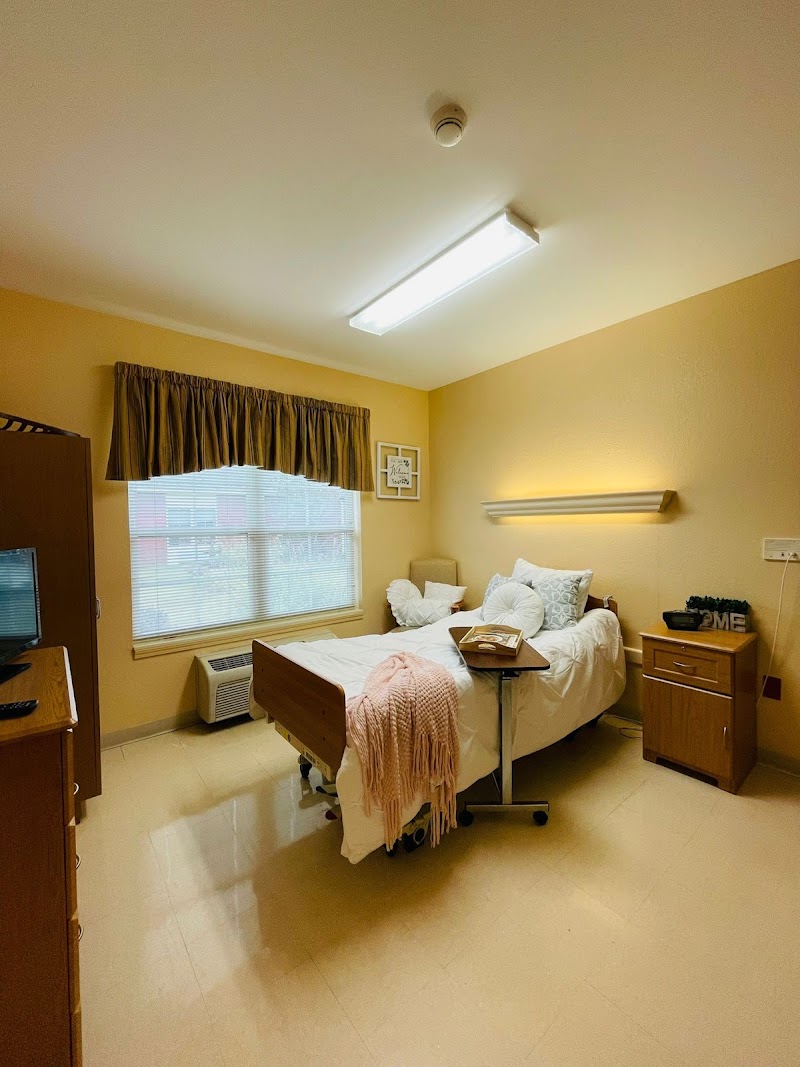
How is Crystal Rehabilitation And Healthcare Center Staffed?

CMS rates CRYSTAL REHABILITATION AND HEALTHCARE CENTER's staffing level at 3 out of 5 stars, which is average compared to other nursing homes. Staff turnover is 32%, compared to the Mississippi average of 46%. This relatively stable workforce can support continuity of care.

What Have Inspectors Found at Crystal Rehabilitation And Healthcare Center?

State health inspectors documented 25 deficiencies at CRYSTAL REHABILITATION AND HEALTHCARE CENTER during 2021 to 2024. These included: 25 with potential for harm.
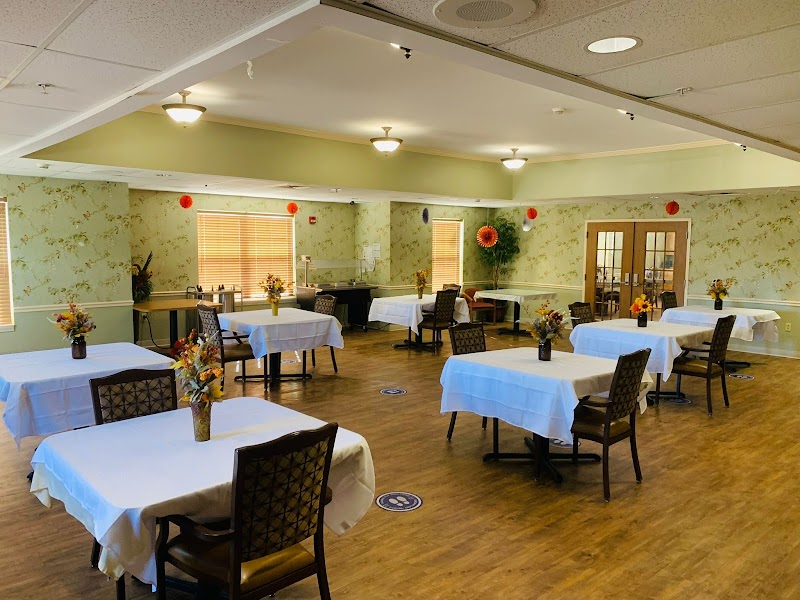
Who Owns and Operates Crystal Rehabilitation And Healthcare Center?

CRYSTAL REHABILITATION AND HEALTHCARE CENTER is owned by a for-profit company. For-profit facilities operate as businesses with obligations to shareholders or private owners. The facility is operated by NEXION HEALTH, a chain that manages multiple nursing homes. With 100 certified beds and approximately 83 residents (about 83% occupancy), it is a mid-sized facility located in GREENWOOD, Mississippi.
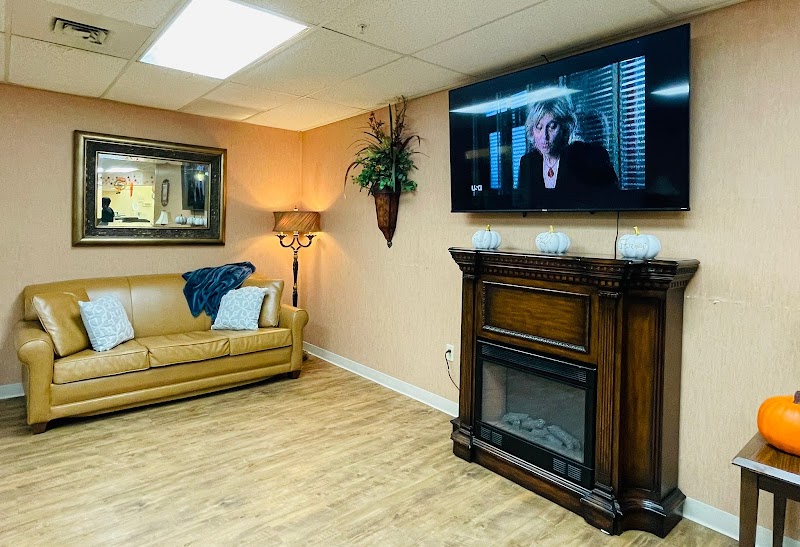
How Does Crystal Rehabilitation And Healthcare Center Compare to Other Mississippi Nursing Homes?

Compared to the 100 nursing homes in Mississippi, CRYSTAL REHABILITATION AND HEALTHCARE CENTER's overall rating (1 stars) is below the state average of 2.6, staff turnover (32%) is significantly lower than the state average of 46%, and health inspection rating (2 stars) is below the national benchmark.

What Should Families Ask When Visiting Crystal Rehabilitation And Healthcare Center?

Based on this facility's data, families visiting should ask: "Can I visit during a mealtime to observe dining assistance and food quality?" "How do you handle medical emergencies, and what is your hospital transfer rate?" "Can I speak with family members of current residents about their experience?"

Is Crystal Rehabilitation And Healthcare Center Safe?

Based on CMS inspection data, CRYSTAL REHABILITATION AND HEALTHCARE CENTER has a clean safety record: no substantiated abuse findings (meaning no confirmed cases of resident harm), no Immediate Jeopardy citations (the most serious violation level indicating risk of serious injury or death), and is not on the Special Focus Facility watch list (a federal program monitoring the lowest-performing 1% of nursing homes). The facility has a 1-star overall rating and ranks #100 of 100 nursing homes in Mississippi. While no facility is perfect, families should still ask about staff-to-resident ratios and recent inspection results during their visit.

Do Nurses at Crystal Rehabilitation And Healthcare Center Stick Around?

CRYSTAL REHABILITATION AND HEALTHCARE CENTER has a staff turnover rate of 32%, which is about average for Mississippi nursing homes (state average: 46%). Moderate turnover is common in nursing homes, but families should still ask about staff tenure and how the facility maintains care continuity when employees leave.

Was Crystal Rehabilitation And Healthcare Center Ever Fined?

CRYSTAL REHABILITATION AND HEALTHCARE CENTER has no federal fines on record. CMS issues fines when nursing homes fail to meet care standards or don't correct problems found during inspections. The absence of fines suggests the facility has either maintained compliance or corrected any issues before penalties were assessed. This is a positive indicator, though families should still review recent inspection reports for the full picture.

Is Crystal Rehabilitation And Healthcare Center on Any Federal Watch List?

CRYSTAL REHABILITATION AND HEALTHCARE CENTER is not on any federal watch list. The most significant is the Special Focus Facility (SFF) program, which identifies the bottom 1% of nursing homes nationally based on persistent, serious quality problems. Not being on this list means the facility has avoided the pattern of deficiencies that triggers enhanced federal oversight. This is a positive indicator, though families should still review the facility's inspection history directly.