GRENADA REHABILITATION AND HEALTHCARE CENTER
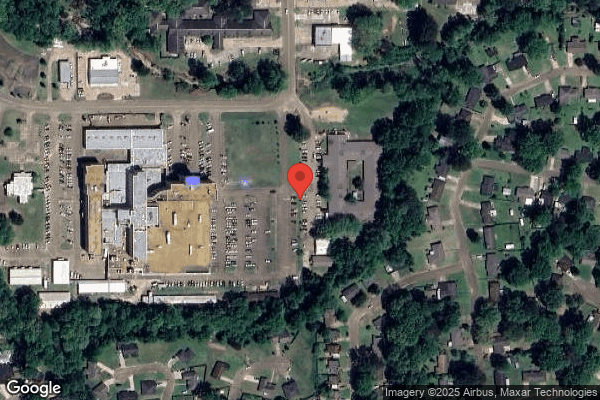
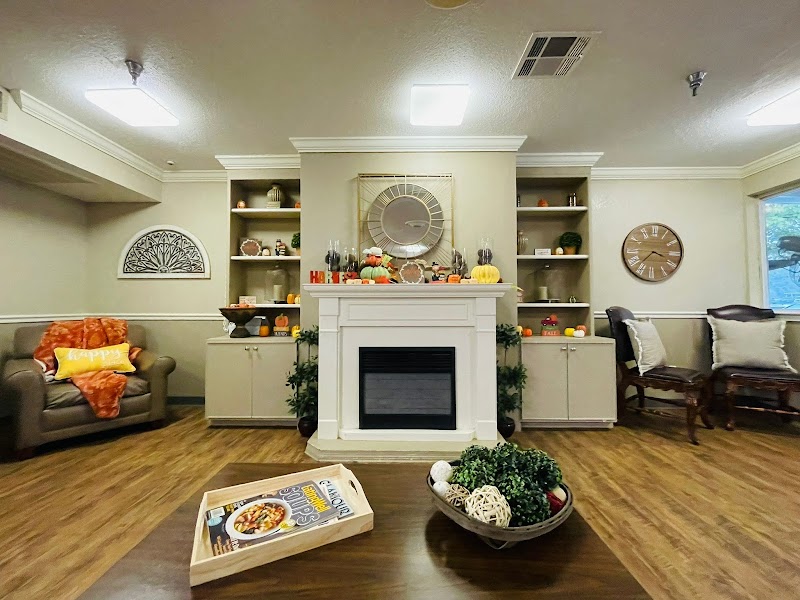
1966 HILL DRIVE, GRENADA, MS 38901 (662) 226-2442
For profit - Corporation 95 Beds NEXION HEALTH Data: November 2025 2 Immediate Jeopardy citations
Trust Grade
14/100
#165 of 200 in MS
Last Inspection: July 2024

Within standard 12-15 month inspection cycle. Federal law requires annual inspections.

Overview

Grenada Rehabilitation and Healthcare Center has received an F Trust Grade, indicating significant concerns regarding care quality and management. It ranks #165 out of 200 facilities in Mississippi, placing it in the bottom half of nursing homes in the state, and #2 out of 2 in Grenada County, meaning there is only one local option deemed better. The facility is showing signs of improvement as the number of issues decreased from 6 in 2024 to just 1 in 2025, but it still has a high total of 31 issues, including critical incidents where residents were allowed to leave the facility unsupervised, posing serious risks. Staffing is a relative strength with a turnover rate of 37%, which is below the state average, but the overall health inspection rating is only 2 out of 5 stars, indicating below-average performance in care quality. Additionally, the facility has incurred $15,024 in fines, which is average but could suggest ongoing compliance issues that families may want to consider.

Trust Score
F
14/100
In Mississippi
#165/200
Bottom 18%
Safety Record
High Risk
Review needed
Inspections
Getting Better
6 → 1 violations
Staff Stability
○ Average
37% turnover. Near Mississippi's 48% average. Typical for the industry.
Penalties
✓ Good
$15,024 in fines. Lower than most Mississippi facilities. Relatively clean record.
Skilled Nurses
⚠ Watch
Each resident gets only 28 minutes of Registered Nurse (RN) attention daily — below average for Mississippi. Fewer RN minutes means fewer trained eyes watching for problems.
Violations
⚠ Watch
31 deficiencies on record. Higher than average. Multiple issues found across inspections.
★☆☆☆☆
1.0
Overall Rating
★★★☆☆
3.0
Staff Levels
★☆☆☆☆
1.0
Care Quality
★★☆☆☆
2.0
Inspection Score
Stable
2024: 6 issues
2025: 1 issues

The Good

  • Full Sprinkler Coverage · Fire safety systems throughout facility
  • No fines on record
  • Staff turnover below average (37%)

    11 points below Mississippi average of 48%

Facility shows strength in fire safety.

The Bad

1-Star Overall Rating

Below Mississippi average (2.6)

Significant quality concerns identified by CMS

Staff Turnover: 37%

Near Mississippi avg (46%)

Typical for the industry

Federal Fines: $15,024

Below median ($33,413)

Minor penalties assessed

Chain: NEXION HEALTH

Part of a multi-facility chain

Ask about local staffing decisions and management

The Ugly 31 deficiencies on record

2 life-threatening
Aug 2025 1 deficiency
CONCERN (D) 📢 Someone Reported This

A family member, employee, or ombudsman was alarmed enough to file a formal complaint

Potential for Harm - no one hurt, but risky conditions existed

Deficiency F0628 (Tag F0628)

Could have caused harm · This affected 1 resident

Based on staff interview, record review and facility policy review, the facility failed to provide written transfer notice to a resident's representative for one (1) of nine (9) residents records revi...

Read full inspector narrative →
Based on staff interview, record review and facility policy review, the facility failed to provide written transfer notice to a resident's representative for one (1) of nine (9) residents records reviewed. Resident #1 Findings Include Review of the facility policy, titled “Transfer or Discharge Notice”, revealed, “Policy Interpretation and Implementation…5. The resident and representatives are notified in writing of the following information: a. The specific reason for the transfer or discharge. b. The effective date of the transfer or discharge. c. The location to which the resident is being transferred or discharged …” Review of the online complaint received revealed that Resident #1’s resident representative was not notified by the facility of his transfer to the emergency room on 6/25/25. Record review of a “Progress Note”, dated 6/25/25, revealed that Resident #1 was transferred to the emergency room on 6/25/25 at 3:05 PM. In an interview with the Administrator (ADM) on 8/11/25 at 3:45 PM, she stated that no written Hospital Transfer Notification was sent to the Resident #1’s Resident Representative because he returned to the facility before midnight and was only gone a few hours, so they didn’t think it had to be sent. Record review of the “admission Record” revealed that the facility admitted Resident #1 on 11/11/24 with a diagnosis of Cerebral Infarction.
Jul 2024 6 deficiencies
CONCERN (D) 📢 Someone Reported This

A family member, employee, or ombudsman was alarmed enough to file a formal complaint

Potential for Harm - no one hurt, but risky conditions existed

Report Alleged Abuse (Tag F0609)

Could have caused harm · This affected 1 resident

Based on staff and resident interviews, record review, and facility policy review the facility did not report an allegation of abuse to the State Agency within two (2) hours after the incident reporte...

Read full inspector narrative →
Based on staff and resident interviews, record review, and facility policy review the facility did not report an allegation of abuse to the State Agency within two (2) hours after the incident reportedly occurred for one (1) of four (4) investigations. Resident #58 Findings include: Record review of the facility policy titled Abuse Prohibition Policy reviewed 5/17/24 revealed 1. Any employee who becomes aware of an allegation of abuse, neglect or misappropriation of resident property, shall report the incident to the Abuse Coordinator immediately. Failure to do so will result in disciplinary action up to and including termination . On 7/16/24 at 8:35 AM, an interview with Nursing Assistant (NA) #1 revealed she and Certified Nursing Assistant (CNA) #1 were providing care to Resident #58 when he reached up and touched her breast. CNA #1 told him not to do that and removed his hand, he then grabbed her breast again and she held his wrist and hit him in the face with his hand. The NA confirmed she did not tell or report to anyone about the incident that day. NA #1 revealed she did tell a nurse the next day, she was aware she should have reported it immediately but did not because CNA #1 was around. On 7/16/24 at 9:00 AM, an interview with Registered Nurse (RN) #1 revealed she was asked by NA #1 to come in the room and help with care for Resident #58. CNA #1 was in the room when RN #1 entered. CNA #1 left the room to get a clean sheet and gown for the resident and then when she returned, she assisted in positioning the resident. RN #1 confirmed NA #1 did not tell her of the incident that allegedly just occurred, while they were alone in the room or any time during that day. RN #1 revealed NA #1 told her of the alleged incident the next day. On 7/17/24 at 8:15 AM, an interview with the Director of Nursing (DON) revealed the facility was not aware of the alleged incident until the day after it reportedly occurred. Record review of the facility Disciplinary Action Record completed by the DON, revealed NA #1 was suspended pending investigation, due to not reporting an allegation of abuse observed by her on 6/4/24 until 6/5/24. The form revealed the expectations were NA #1 should report an allegation of abuse immediately. The Disciplinary Action Record dated 6/5/24 revealed the NA #1's signature.
CONCERN (D)

Potential for Harm - no one hurt, but risky conditions existed

Deficiency F0726 (Tag F0726)

Could have caused harm · This affected 1 resident

Based on staff interviews and record review, the facility failed to ensure staff completed competency skills check-off and completed Enhanced Barrier Precautions training prior to caring for residents...

Read full inspector narrative →
Based on staff interviews and record review, the facility failed to ensure staff completed competency skills check-off and completed Enhanced Barrier Precautions training prior to caring for residents with a tracheostomy for one (1) of four (4) respiratory staff personnel files reviewed. Respiratory Therapist (RT) #1 Findings include: Record review of a type statement on facility letterhead dated 7/19/24 and signed by the facility Administrator revealed (Facility proper name) does not have a policy for competency skills checkoffs. While observing tracheostomy care for Resident #53 on 7/17/24 at 10:00 AM, revealed an Enhanced Barrier Precaution sign on the resident's outer door. RT #1 performed tracheostomy care without proper Personal Protective Equipment, which included a gown. In an interview on 7/17/24 at 10:35 AM, RT #1 revealed that she wasn't sure if Resident #53 was under the enhanced barrier precautions or not and stated, No, I don't think he is he doesn't have an infection. RT #1 glanced at the resident's door and then stated, Oh yes, he has one of those signs on the door, I was supposed to wear a gown into his room. RT #1 revealed that she had not been trained in enhanced barrier precautions. In an interview on 7/17/24 at 10:50 AM, the Director of Nurses (DON) revealed all nursing staff were to be trained on enhanced barrier precautions and she was not aware that RT #1 was not trained. In an interview on 7/17/24 at 1:40 PM, the Assistant Director of Nurses (ADON) revealed she is the backup Infection Preventionist and confirmed that RT #1 had not been in-serviced on enhanced barrier precautions and confirmed that all staff was to be in-serviced. She revealed it is the responsibility of the Infection Preventionist and Staff development nurse to provide in-service to all staff, and they failed to ensure the in-service was completed for RT #1. In an interview on 7/18/24 at 8:32 AM, the DON confirmed RT #1 had not been trained on Enhanced Barrier Precautions. She revealed they had training in September 2023, with the epidemiologist involved, and that RT #1 was not trained at that time either. In an interview on 7/18/24 at 9:00 AM, the Respiratory Therapist Director revealed he has only been in the role of Director for about a month. He revealed he was unaware that RT #1 was not adequately trained on enhanced barrier precautions. During an interview on 7/18/24 at 9:56 AM, the DON revealed that RT #1 did not have a competency skill checkoff for tracheostomy care. She confirmed the RT had been employed part-time since 2022 and usually worked one day a week.
CONCERN (D)

Potential for Harm - no one hurt, but risky conditions existed

Infection Control (Tag F0880)

Could have caused harm · This affected 1 resident

**NOTE- TERMS IN BRACKETS HAVE BEEN EDITED TO PROTECT CONFIDENTIALITY** Based on observation, staff interviews, record review, and facility policy review, the facility failed to prevent the possibilit...

Read full inspector narrative →
**NOTE- TERMS IN BRACKETS HAVE BEEN EDITED TO PROTECT CONFIDENTIALITY** Based on observation, staff interviews, record review, and facility policy review, the facility failed to prevent the possibility of the spread of infection, as evidenced by failing to ensure Enhanced Barrier Precautions (EBP) and proper hand hygiene during resident care treatment for one (1) of four (4) resident care treatments observed. Resident #53 Findings include: Record review of the facility policy titled, Enhanced Barrier Precautions dated 4/1/2024 revealed .Enhanced Barrier Precautions (EBP) refer to an infection control intervention designed to reduce transmission of multidrug-resistant organisms that employ targeted gown and glove used during high contact resident care activities. Record review of the facility policy titled, Handwashing/Hand Hygiene with a revision date of 3/1/2020 revealed, Policy Statement: This facility considers hand hygiene the primary means to prevent the spread of infections. Policy Interpretation and Implementation: 1. All personnel shall be trained and regularly in-serviced on the importance of hand hygiene in preventing the transmission of healthcare-associated infections . Record review of the facility policy titled, Tracheostomy Care with a revision date of March 2024 revealed .General Guidelines . 3. Disposable gown must be worn as part of Enhanced Barrier Precautions .Preparation and Assessment . 9. Remove old dressings. Pull soiled glove over dressing and discard into appropriate receptacle. 10. Wash hands. Clean the Removable Inner Cannula.8. Put on sterile gloves .14. Remove and discard gloves into appropriate receptacle .15. Wash hands and put on fresh gloves. Observation of tracheostomy (trach) care for Resident #53 on 7/17/24 at 10:00 AM, revealed an Enhanced Barrier Precaution sign on the resident's outer door. Respiratory Therapist (RT) #1 washed her hands briefly with an antiseptic hand sanitizer, applied gloves, and entered the resident's room without applying a protective gown. The RT cleaned the overbed table and set up her barrier, discarded her gloves, and applied new gloves without washing her hands. She then proceeded to perform tracheostomy care. The RT removed sterile gloves from the suction catheter kit and applied the sterile gloves over her soiled gloves. The RT suctioned the resident and then removed her sterile gloves leaving her soiled gloves intact, failing to wash her hands. The RT opened the tracheostomy care tray with the soiled gloves, removed the sterile gloves, placed them over the non-sterile gloves, and continued tracheostomy care. The RT removed her gloves, packaged up the unclean trach supplies, and placed them in a red biohazard bag, she removed a soiled washcloth that was saturated with fluids that had been placed under Resident #53's trach for any excessive secretions and stated I'm not supposed to put this on the floor, but I don't have anywhere to place it. There should be a container in here. RT #1 then placed the soiled washcloth on the floor and exited the room. She tucked the red biohazard bag under her arm and briskly applied antiseptic hand sanitizer from a bottle on the top of her treatment cart. In an interview on 7/17/24 at 10:35 AM, Respiratory Therapist #1 revealed that she wasn't sure if Resident #53 was under enhanced barrier precautions or not and then stated, No, I don't think he is he doesn't have an infection. The RT glanced at the resident's door and then stated, Oh yes, he has one of those signs on the door, I was supposed to wear a gown into his room. She confirmed she had not worn the proper personal protective equipment into the room to render care to the resident. She revealed that she had not been trained in enhanced barrier precautions. RT #1 revealed that during her tracheostomy care, she was taught in school to keep her gloves on and put the sterile gloves over top of them and wasn't aware that she had to remove the soiled gloves and wash her hands during the dirty and clean process of rendering tracheostomy care. The RT revealed that she understood where it could be an infection control issue and confirmed that she had not used proper hand hygiene while performing tracheostomy care on Resident #53, and by not doing so, it's possible the resident could get an infection. An interview on 7/17/24 at 10:50 AM, the Director of Nurses (DON) confirmed that the respiratory therapist was supposed to wear a gown into the room as part of the enhanced barrier precautions and to change out her gloves and wash her hands between the dirty and clean trach care and revealed that is our standards of practice for tracheostomy care. The DON confirmed the resident could get an infection from the lack of proper hand hygiene and lack of proper personal protective equipment (PPE) during his tracheostomy care. In an interview on 7/18/24 at 9:00 AM, the Respiratory Director confirmed that the standard of tracheostomy care to possibly prevent infections is to wear a gown and perform appropriate hand hygiene. A record review of Resident #53's admission Record revealed the resident was admitted to the facility on [DATE] with diagnoses that included Pneumonitis due to inhalation of food and vomit, Cerebral infarction, and Encounter for attention to tracheostomy.
CONCERN (F)

Potential for Harm - no one hurt, but risky conditions existed

Staffing Data (Tag F0851)

Could have caused harm · This affected most or all residents

Based on staff interview and record review the facility failed to submit accurate data into the Payroll-Based Journal (PBJ) system for one (1) of four (4) quarters reviewed. Second quarter 2024. Find...

Read full inspector narrative →
Based on staff interview and record review the facility failed to submit accurate data into the Payroll-Based Journal (PBJ) system for one (1) of four (4) quarters reviewed. Second quarter 2024. Findings include: Record review of PBJ Staffing Data Report CASPER Report 1705D FY (Fiscal Year) Quarter 2, 2024 (January 1-March 31), revealed Excessively Low Weekend Staffing-Triggered. Triggered=Submitted Weekend Staffing data is excessively low. During an interview on 07/16/24 at 9:30 AM, the Human Resources/Payroll Coordinator revealed the corporate office submits the payroll-based journal. The Human Resources/Payroll Coordinator stated, If one of the administrative nurses works a weekend shift, they are supposed to submit a form to me so I can manually change their hours. An interview on 07/17/24 at 3:45 PM, the Director of Nurses (DON) revealed regarding the low weekend staffing for the second quarter, I worked a lot of those weekends to cover shifts and revealed she wasn't sure if she had submitted the forms like she was supposed to. An interview on 07/17/24 at 4:05 PM, the Corporate Consultant confirmed the hours worked by the DON and the treatment nurse were not captured correctly on the PBJ report and were done so in error. She revealed the shifts for the second quarter of 2024 were covered, however, the data was entered incorrectly and did not capture the direct care on the PBJ. An interview on 07/18/24 at 8:24 AM, the DON revealed they were adequately staffed for the second quarter weekends, however after auditing revealed there were inconsistencies in reporting to the PBJ.
MINOR (B)

Minor Issue - procedural, no safety impact

Comprehensive Assessments (Tag F0636)

Minor procedural issue · This affected multiple residents

Based on record review, staff interview, and facility policy review, the facility failed to complete an Annual Minimum Data Set (MDS) no later than 14 days of the Assessment Reference Date (ARD) for o...

Read full inspector narrative →
Based on record review, staff interview, and facility policy review, the facility failed to complete an Annual Minimum Data Set (MDS) no later than 14 days of the Assessment Reference Date (ARD) for one (1) of 19 assessments reviewed. Resident # 24 Findings include Record review of the facility policy CMS's (Centers for Medicare and Medicaid Services) RAI (Resident Assessment Instrument) . Chapter 5: Submission and Correction of the MDS Assessment, dated October 2023, revealed .5.2 Completion Timing: For all non-admission OBRA (Omnibus Budget Reconciliation ACT) and PPS (Prospective Payment System) discharge assessments, the MDS Completion Date (Z0500B) must be no later than 14 days after the Assessment Reference date (ARD) (A2300) . Review of the Centers for Medicare & Medicaid Services (CMS) Submission Final Validation Report revealed Resident #24 's Annual assessment was completed more than 14 days after the assessment reference date. Record review of the annual Minimum Data Set for Resident #24 revealed in Section A2300- the Assessment Reference Date was documented as 6/06/2024. Section Z0500-Assessment Completion was documented as 7/01/24. In an interview with the MDS Coordinator on 7/17/24 at 10:53 AM, she confirmed after review of the CMS submission final validation report, Resident #24 's MDS was completed late. She revealed she was aware that the facility has previously had late assessments and revealed the MDS department has been placed on an action plan for about a year to address the problems, but confirmed the problems still exist. She stated she felt time management was part of the reason the assessments were late. In a phone interview with the MDS Consultant on 7/17/24 at 11:08 AM, she confirmed she was aware the facility was having issues with the MDS's being completed and submitted. She stated the facility had put a plan of action in place a few months ago to stop the late completion of the assessments, but confirmed the plan needed to be altered. She revealed the purpose of completing and transmitting the MDS timely is to ensure billing is correct and ensure the correct resident information is submitted to complete the residents' plan of care. Record review of the admission Record revealed the facility admitted Resident #24 to the facility on 9/27/22 with current diagnoses that included Transient Cerebral Ischemic Attack.
MINOR (B)

Minor Issue - procedural, no safety impact

Deficiency F0638 (Tag F0638)

Minor procedural issue · This affected multiple residents

**NOTE- TERMS IN BRACKETS HAVE BEEN EDITED TO PROTECT CONFIDENTIALITY** Based on record review, staff interview, and facility policy review, the facility failed to complete a Quarterly Minimum Data Se...

Read full inspector narrative →
**NOTE- TERMS IN BRACKETS HAVE BEEN EDITED TO PROTECT CONFIDENTIALITY** Based on record review, staff interview, and facility policy review, the facility failed to complete a Quarterly Minimum Data Set (MDS) no later than 14 days of the Assessment Reference Date (ARD) for one (1) of 19 assessments reviewed. Resident # 49 Findings include Record review of the facility policy CMS's (Centers for Medicare and Medicaid Services) RAI (Resident Assessment Instrument) . Chapter 5: Submission and Correction of the MDS Assessment, dated October 2023, revealed .5.2 Completion Timing: For all non-admission OBRA (Omnibus Budget Reconciliation ACT) and PPS (Prospective Payment System) discharge assessments, the MDS Completion Date (Z0500B) must be no later than 14 days after the Assessment Reference date (ARD) (A2300) . Review of the CMS Submission Final Validation Report revealed Resident #49 ' s Quarterly assessment was completed more than 14 days after the assessment reference date. Record review of the quarterly Minimum Data Set for Resident #49 revealed in Section A2300- the Assessment Reference Date was documented as 6/07/2024. Section Z0500-Assessment Completion was documented as 7/03/24. During an interview with the MDS Coordinator on 7/17/24 at 10:53 AM, she confirmed after review of the CMS submission final validation report that Resident #49's MDS was completed late. She revealed she was aware that the facility has previously had late assessments and the MDS department has been placed on an action plan for about a year to address the problems, but confirmed the problems still exist. She stated she felt time management was part of the reason for the assessments were late. During a phone interview with the MDS Consultant on 7/17/24 at 11:08 AM, she confirmed she was aware the facility was having issues with the MDS's being completed and submitted. She stated the facility had put a plan of action in place a few months ago to stop the late completion of the assessments, but confirmed the plan needed to be altered. She revealed the purpose of completing and transmitting the MDS timely is to ensure billing is correct, and the correct resident information is submitted to complete the resident's plan of care. Record review of the admission Record revealed the facility admitted Resident #49 to the facility on [DATE] with diagnoses that included Cerebral Palsy.
May 2023 14 deficiencies
CONCERN (D)

Potential for Harm - no one hurt, but risky conditions existed

Resident Rights (Tag F0550)

Could have caused harm · This affected 1 resident

**NOTE- TERMS IN BRACKETS HAVE BEEN EDITED TO PROTECT CONFIDENTIALITY** Based on staff and resident interview, record review and facility policy review the facility failed to respect the right of a re...

Read full inspector narrative →
**NOTE- TERMS IN BRACKETS HAVE BEEN EDITED TO PROTECT CONFIDENTIALITY** Based on staff and resident interview, record review and facility policy review the facility failed to respect the right of a resident as evidenced by the facility applying a lap tray to a cognitively intact resident against her wishes for one (1) of 29 residents sampled. Resident # 45. Findings Include Record review of the facility policy titled, Resident's Rights with no revision date revealed under #3. Is assured of adequate and appropriate medical care is fully informed by a physician, of his medical condition unless medically contraindicated (as documentation by a physician, in his medical record) is afforded the opportunity to participate in the planning of his medical treatment to refuse to participate in experiment research and to refuse medication and treatment after being fully informed of and understanding the consequences of such actions. An observation on 4/30/23 at 4:08 PM revealed Resident #45 was self-propelling her wheelchair down the hall with a lap tray attached. An observation and interview on 5/1/23 at 9:15 AM revealed that Resident #45 was self-propelling in her wheelchair with a lap tray attached. An interview at this time with the resident revealed she did not like the lap tray, did not want it and cannot remove it herself. Record review of Resident #45 Minimum Data Set with an Assessment Reference Date of 2/6/23 revealed in Section C a Brief Interview for Mental Status of 14, which indicates the resident is cognitively intact. An interview on 5/2/23 at 2:36 PM with the Corporate Clinical Nurse revealed she realized that the resident did not like the lap tray and did not want it. She confirmed that putting the lap tray on the resident's wheelchair was going against her wishes. She revealed that they did not mean to infringe on her rights. An interview on 5/2/23 at 4:21 PM with Resident #45's representative revealed he was aware that his sister had a lap tray on her wheelchair now and he knew she did not like it. He revealed the facility did not ask for his consent prior to applying the lap tray, he was notified by the facility after the lap tray was applied, he did not get educated on the risk of the lap tray and he did not have to sign anything giving consent. Observation and interview on 5/15/23 at 11:30 AM with Resident #45 revealed she was up in a wheelchair with a high back in her room. Resident has a soft pink helmet on her head. She does not have a lap tray or seat belt on. Her speech can be difficult to understand but she is able to say yeah, no and complete simple sentences. When asked if she knew there would be a lap tray used before the staff used one on her wheelchair, she stated yeah. When asked why she didn't want the lap tray on her wheelchair, she stated couldn't move like I wanted. State Agency (SA) asked if the facility staff had explained to her that she could be harmed/hurt if she falls out of the wheelchair, she stated yes. It is noted that she does display the jerking, sudden movements from her extremities that accompany Huntington's disease. Interview with the Director of Nurses on 5/15/23 at 11:45 AM revealed that the consent for the lap tray was verbally over the phone due to the Resident Representative (RR) living 3.5 hours away. She stated that Resident #45 had a fall this morning, but had no injuries from this fall. She said that Resident #45 is glad she doesn't have to use the lap tray anymore. The RR is aware the lap tray has been discontinued (dc'd). Care plan meeting with the RR are done over the phone due to the distance of his home to the facility. The DON explained the risks of falls and possible injury have been explained to both the RP and resident by the DON and the clinical nurse consultant. The DON confirmed the lap tray was dc'd 5/11/23. Record review of Resident #45's physician's orders revealed an order dated 4/10/23- Apply lap tray when up in wheelchair, check every 30 minutes and release every 2 hours for toileting and repositioning every shift for involuntary movement of trunk and extremities related to Huntington's Disease. Record review of Resident #45's admission Record revealed the resident was admitted to the facility on [DATE] with medical diagnoses that included Huntington's Disease.
CONCERN (D)

Potential for Harm - no one hurt, but risky conditions existed

Deficiency F0578 (Tag F0578)

Could have caused harm · This affected 1 resident

**NOTE- TERMS IN BRACKETS HAVE BEEN EDITED TO PROTECT CONFIDENTIALITY** Resident #181 Record review of CONSENT FOR CARDIOPULMONARY RESUSCITATION (CPR) form, for Resident #181, signed by her Resident R...

Read full inspector narrative →
**NOTE- TERMS IN BRACKETS HAVE BEEN EDITED TO PROTECT CONFIDENTIALITY** Resident #181 Record review of CONSENT FOR CARDIOPULMONARY RESUSCITATION (CPR) form, for Resident #181, signed by her Resident Representative on [DATE], revealed . This statement will remain in effect as long as the resident remain a resident of this facility . 'x' Decline CPR' I understand that CPR constitutes an extraordinary measure and SHOULD NOT be performed. Date [DATE]. Record review of the Order Summary Report, for Resident #181, revealed she did not have a Do Not Resuscitate (DNR) order in the Electronic Health Record (EHR). Record review of the admission Record for Resident #181 revealed an admission date of [DATE]. An interview on [DATE] at 02:45 PM, with Medical Records confirmed there was not a DNR order in the EHR for Resident #181. She noted old DNR orders are used for residents who readmit to the nursing facility in less than 30 days of discharge and a new order for DNR did not have to be obtained from the physician. She confirmed that Resident #181 was discharged from the nursing facility and readmitted on [DATE] and confirmed that the physician's order for DNR from the previous admission, for Resident #181, was being used for the readmission. An observation and interview on [DATE] at 03:00 PM, with the Director of Nursing (DON), confirmed Resident #181 was recently readmitted to the nursing facility. After being completely discharged from the nursing facility, there was a new Consent For Cardiopulmonary Resuscitation form for the code status request of DNR signed by the Resident Representative. There was not a new code status order obtained related to the new admission to the nursing facility. She revealed she was not aware she needed to have a new physician's order for DNR upon readmission if the resident was not out of the nursing facility for more than 30 days and confirmed that the resident/family choice for plan of care related to Advance Directives was not being honored. She revealed Resident #181 needed to have a signed physician's order in the Electronic Health Record for DNR to ensure Resident #181's choice was honored for her Advanced Directive and to ensure the appropriate level of care was rendered in case of a medical emergency for Resident #181. An interview on [DATE] at 03:15 PM, with the Administrator, revealed the nursing facility did not have a policy related to the process of ensuring the appropriate code status of DNR, for residents, was completed in the EHR. He confirmed the nursing staff should have obtained a signed DNR order for Resident #181 from her admitting physician and confirmed the nursing facility was not honoring the choice of DNR for Resident #181. Based on staff and resident interview, record review and facility policy review the facility failed to review and gain consent on a cognitively intact residents Advanced Directives (Resident # 52) and failed to obtain a physician's order and formulate a Do Not Resuscitate (DNR) status in the medical record (Resident #181) for two (2) of 29 resident's advance directives reviewed. Resident # 52 and #181 Findings Include: An interview on [DATE] at 3:15 PM, with the Administrator revealed the facility did not have a policy related to the process for ensuring the appropriate code status for DNR for residents. Resident # 52 An interview on [DATE] at 4:10 PM, with Resident #52 revealed no one from the facility had talked to him about his wishes regarding wanting CPR (cardio pulmonary resuscitation) or not. An interview on [DATE] at 4:20 PM, with the Corporate Clinical Nurse revealed that if a resident is admitted and is not cognitively able to sign their own admission paperwork and then becomes cognitive at a later date, they do not redo or go over the resident's advance directive. An interview on [DATE] at 4:30 PM, with Social Services revealed she was unaware that if a resident was not cognitive on admission but became cognitive during their stay at the facility then the resident's advance directive needed to be reviewed and resigned. An interview on [DATE] at 09:30 AM, with Social Services revealed that Resident #52 could understand you when you spoke with him and make his wishes known. She confirmed that the resident had never attended a care plan meeting and no follow up was documented regarding speaking with the resident to verify he agreed with the plan of care that was decided upon. Record review revealed Resident #52 had an Advance Directive signed by the resident's representative on admission [DATE] and a code status change on [DATE]. Record review of Resident #52's history of Minimum Data Sets with Brief Interviews for Mental Status (BIMS) scores revealed a BIMS score on the admission MDS dated [DATE] of 7 which indicated severely impaired cognitive status. The MDS dated [DATE] revealed a BIMS score of 11 which indicated that the resident had moderately impaired cognitive skills. The MDS dated [DATE] revealed a BIMS score of 11. Record review of Resident #52's admission Record revealed he was admitted to the facility on [DATE] with medical diagnoses that included Cerebral Infarction Unspecified.
CONCERN (D)

Potential for Harm - no one hurt, but risky conditions existed

Deficiency F0604 (Tag F0604)

Could have caused harm · This affected 1 resident

**NOTE- TERMS IN BRACKETS HAVE BEEN EDITED TO PROTECT CONFIDENTIALITY** Based on observation, staff, resident interview and resident representative interview, record review and facility policy review ...

Read full inspector narrative →
**NOTE- TERMS IN BRACKETS HAVE BEEN EDITED TO PROTECT CONFIDENTIALITY** Based on observation, staff, resident interview and resident representative interview, record review and facility policy review the facility failed to ensure a resident was assessed for the need of physical restraint as evidenced by no restraint assessment completed prior to applying a lap tray for one (1) of 18 residents reviewed. Resident #45 Findings Include Record review of the facility policy titled, Physical Restraints and Involuntary Seclusion with a revision date of 10/08/20 revealed under Policy .#1. Restraints will not be used unless the facility's Interdisciplinary Team has completed an assessment and evaluation to identify causative medical or environmental factors and considered less restrictive alternatives (except in an emergency). #3 The patient/resident will have the right to refuse or accept the use of restraints. In order for the patient/resident to make an informed choice about the use of restraints, the potential outcomes of restraint use will be explained to the patient/resident. This includes but is not limited to: A. Potential negative outcomes of incontinence, B. Decreased ROM, and ability to ambulate, C. Reduced social contact and D. Possible symptoms of depression. An observation on 4/30/23 at 4:08 PM revealed Resident #45 was self-propelling her wheelchair with a lap tray attached. An observation and interview on 5/1/23 at 9:15 AM revealed Resident #45 was self-propelling her wheelchair with a lap tray attached. An interview at this time with the resident revealed she did not like the lap tray, did not want it and cannot remove it herself. An interview on 5/1/23 at 3:00 PM with the Director of Nurses (DON) revealed that Resident #45 had several falls, and one was with a major injury, so they had a meeting with corporate and therapy and decided that a lap tray was the next step in keeping her in her wheelchair. She revealed the resident should have had an assessment regarding the restraint, but she could not find it or the consent form. An interview on 5/1/23 at 3:15 PM with the Corporate Clinical Nurse confirmed they had a meeting with therapy and decided that Resident #45 needed a lap tray to keep her from falling, because she had fallen so much and had some injuries. She revealed the facility did not have an assessment form that would have been completed for the restraint. She revealed the resident should have had a consent form on her record, but we cannot find it. An interview 5/1/23 at 3:38 PM with the Assistant Director of Nurses (ADON) revealed she went to medical records and found Resident #45's consent for the restraint that was signed by the resident's representative on 4/10/23. An interview on 5/2/23 at 12:15 PM with the Corporate Clinical Nurse confirmed that the facility policy read that an assessment was needed for a restraint but revealed she is unaware of an assessment form. She confirmed that Resident #45 did not have a restraint assessment completed prior to the lap tray being attached to the resident's wheelchair as a restraint. An interview on 5/2/23 at 4:21 PM with Resident #45's representative revealed he was aware that his sister had a lap tray on her wheelchair now and he knew she did not like it. He revealed the facility did not ask for his consent prior to applying the lap tray, he was notified by the facility after the lap tray was applied, he did not get educated on the risk of the lap tray and he did not have to sign anything giving consent. An interview on 5/3/23 at 9:50 AM with the ADON revealed that Resident #45's representative had given consent for the lap tray verbally over the phone but admitted that consent was not obtained prior to applying the lap tray. She revealed the consent for the resident's lap tray should have been obtained prior to applying it because it was not an emergency. Observation and interview on 5/15/23 at 11:30 AM with Resident #45 revealed she was up in a wheelchair with a high back in her room. Resident has a soft pink helmet on her head. She does not have a lap tray or seat belt on. Her speech can be difficult to understand but she is able to say yeah, no and complete simple sentences. When asked if she knew there would be a lap tray used before the staff used one on her wheelchair, she stated yeah. When asked why she didn't want the lap tray on her wheelchair, she stated couldn't move like I wanted. State Agency (SA) asked if the facility staff had explained to her that she could be harmed/hurt if she falls out of the wheelchair, she stated yes. It is noted that she does display the jerking, sudden movements from her extremities that accompany Huntington's disease. Interview with the Director of Nurses on 5/15/23 at 11:45 AM revealed that the consent for the lap tray was verbally over the phone due to the RP living 3.5 hours away. She stated that Resident #45 had a fall this morning, but had no injuries from this fall. She said that Resident #45 is glad she doesn't have to use the lap tray anymore. The Resident Representative (RR) is aware the lap tray has been discontinued (dc'd). Care plan meeting with the RR are done over the phone due to the distance of his home to the facility. The DON explained the risks of falls and possible injury have been explained to both the RR and resident by the DON and the clinical nurse consultant. The DON confirmed the lap tray was discontinued on 5/11/23. Record review of Resident #45's physician's orders revealed an order dated 4/10/23- Apply lap tray when up in wheelchair, check every 30 minutes and release every 2 hours for toileting and repositioning every shift for involuntary movement of trunk and extremities related to Huntington's Disease. Record review of Resident #45's care plans revealed the resident had a care plan created on 4/22/20 and revised on 4/11/23 that read; I am going to fall; I prefer to keep my independence with making coffee from sink. I do not want to have a special cup to prevent spills. She is at high risk for falls with a goal of; I will be free of major injury related to falls through the review date and interventions that include 4/10/23 Restraint would be appropriate at this time due to continuous decline in condition resulting in involuntary movement of trunk and extremities. (Resident #45's proper name) is no longer able to safely maintain position in wheelchair, lap tray applied to wheelchair, staff to check restraint placement every 30 minutes and remove for repositioning and toileting every 2 hours. Record review of Resident #45's record revealed there was no documentation of an assessment for the use of the lap tray or whether the resident could release the lap tray. Record review of Resident #45's Face Sheet revealed the resident was admitted to the facility on [DATE] with medical diagnoses that included Huntington's Disease. Record review of Resident #45 Minimum Data Set (MDS) an Assessment Reference Date (ARD) of 2/6/23 revealed in Section C a Brief Interview for Mental Status (BIMS) of 14, which indicates the resident is cognitively intact.
CONCERN (D)

Potential for Harm - no one hurt, but risky conditions existed

Deficiency F0655 (Tag F0655)

Could have caused harm · This affected 1 resident

**NOTE- TERMS IN BRACKETS HAVE BEEN EDITED TO PROTECT CONFIDENTIALITY** Based on record review, staff interviews, and facility policy review the facility failed to complete a baseline care plan, withi...

Read full inspector narrative →
**NOTE- TERMS IN BRACKETS HAVE BEEN EDITED TO PROTECT CONFIDENTIALITY** Based on record review, staff interviews, and facility policy review the facility failed to complete a baseline care plan, within 48 hours, for new admits to the nursing facility as evidenced by observation of incomplete baseline care plans for one (1) of eight (8) resident investigations. Resident #178 Findings include: Review of the facility policy titled Care Plans - Baseline, with a revised date of March 2022, revealed Policy Statement: A baseline plan of care to meet the resident's immediate health and safety needs is developed for each resident within forty-eight (48) hours of admission; Policy Interpretation and Implementation: 1. The baseline care plan includes instructions needed to provide effective, person-centered care of the resident that meet professional standards of quality care and must include the minimum healthcare information necessary to properly care for the resident including, but not limited to the following: . e. Social Services. Record review of the Baseline Care Plan dated 4/28/23 for Resident #178 revealed the Social Services section of the Baseline Care Plan was not completed. The record review revealed the questions in the Social Services section of the form . 1. Social Services provided; 2. Mental health needs; 3. Behavioral concerns; 4. PASARR (Preadmission Screening and Resident Review) Level II recommendations; 5. Social Services goals; 6. Depression screening. were not answered. An observation and interview on 5/3/23 at 09:15 AM, with the Care Plan Nurse related to the Baseline Care Plan for Resident #178 confirmed the Social Services section of the Baseline Care Plan was not completed. She revealed that a Baseline Care Plan should be developed and discussed with the residents/Resident Representatives within 48 hours of admission. She revealed the Baseline Care Plan for Resident #178 was not developed within 48 hours. An observation and interview on 5/3/23 at 9:30 AM, with Social Services, confirmed the Social Services section of the Baseline Care Plan was not completed. She revealed she was not aware of what a Baseline Care Plan was. An interview on 5/3/23 at 9:45 AM, with the Administrator revealed he was not aware that the Baseline Care Plans were not being completed for all new admits to the nursing facility within 48 hours. He was not aware that Social Services had no knowledge of a Baseline Care Plan and confirmed that Resident #178 did not have an adequate plan of care in place. He confirmed that a Baseline Care plan should have been completed for Resident #178 within 48 hours of admission. Record review of the admission Record revealed Resident #178 was admitted to the facility on [DATE].
CONCERN (D)

Potential for Harm - no one hurt, but risky conditions existed

Comprehensive Care Plan (Tag F0656)

Could have caused harm · This affected 1 resident

**NOTE- TERMS IN BRACKETS HAVE BEEN EDITED TO PROTECT CONFIDENTIALITY** Resident #229 A record review of Resident # 229's care plan, date initiated 4/21/23 revealed, Focus The resident uses antidepres...

Read full inspector narrative →
**NOTE- TERMS IN BRACKETS HAVE BEEN EDITED TO PROTECT CONFIDENTIALITY** Resident #229 A record review of Resident # 229's care plan, date initiated 4/21/23 revealed, Focus The resident uses antidepressant medication (Mirtazapine) r/t (related to) Depression .Goal The resident will be free from discomfort or adverse reactions related to antidepressant therapy .Interventions, Monitor/document/report PRN (as needed) adverse reactions to ANTIDEPRESSANT THERAPY . Record review of Resident #229's care plan, date initiated 4/20/23, revealed, Focus The resident uses anti-anxiety medications (Lorazepam) r/t Anxiety disorder.Goal The resident will be free from discomfort or adverse reactions related to anti-anxiety therapy .Interventions Monitor/document/report PRN adverse reactions to ANTI-ANXIETY THERAPY . Record review of the care plan dated 4/24/23 revealed, Focus The resident has a behavior problem . Goal The resident will have fewer episodes of behavior .Interventions .Monitor behavior episodes and attempt to determine underlying cause . Record review the Medication Administration Record dated 4/1/23 through 4/30/23 revealed no documentation of behavior monitoring. An interview with the DON on 05/01/13 at 3:00 PM, revealed that Resident # 229 had a care plan for monitoring for side effects and behavior monitoring for psychotropic drugs and confirmed the care plans were not being followed. Concerns related to failure to follow the care plan were over sedation, falls, and drowsiness. An interview and record review with LPN # 4 on 05/01/23 at 3:35 PM, she confirmed they were not following the plan of care. Record review of the admission Record revealed Resident # 229 was admitted to the facility on [DATE] with diagnoses which included Anxiety, Alcohol Abuse, and Major Depressive Disorder. Record Review of the Minimum Data Set (MDS) with an Assessment Reference Date (ARD) of 4/27/2023 revealed a Brief Interview for Mental Status (BIMS) score of eight (8) indicating Resident #229 had moderate cognitive impairment. Based on staff interview, record review and policy review the facility failed to develop a care plan for the application of an Aspen collar, splint, and a Wrist-Hand-Finger Orthosis (WHFO) for Resident # 17 and implement a care plan for monitoring of side effects and behaviors for psychotropic medication (Resident # 229) for two (2) of 20 residents care plans reviewed. Findings include: A review of the facility policy titled, Care Plans, Comprehensive Person-Centered, dated 10-2022; Reviewed [DATE] Policy Statement: A comprehensive, person-centered care plan . is developed and implemented for each resident. Policy Interpretation and Implementation, 1. The Interdisciplinary Team (IDT), in conjunction with the resident and his/her family or legal representative, develops and implements a comprehensive, person-centered care plan for each resident. Resident #17 Record review of the care plans, for Resident #17, revealed he did not have a comprehensive person-centered care plan developed to ensure proper implementation of care for his Aspen Collar, proper implementation of care for his right-hand Wrist-Hand-Finger Orthosis (WHFO), and proper implementation of care for his left knee extension splint. An observation and interview on 5/3/23 at 9:15 AM, with the Care Plan Nurse confirmed the Aspen Collar, the right-hand WHFO and the left knee extension splints were not care planned for Resident #17 and confirmed there should have been a care plan developed for these areas. She revealed she was aware that a comprehensive person-centered care plan was to be developed for residents from physician's orders with goals and interventions related to care needed to carry out that plan of care for the residents. An interview on 5/3/23 at 11:00 AM, with the Administrator, confirmed Resident #17 did not have a comprehensive person-centered care plan developed for the Aspen Collar, for the right-hand WHFO, and for the left knee extension splint. He confirmed Resident #17 could possibly have a decline in positioning due staff being unaware of the full plan of care, for Resident #17, related to a care plan was not developed for implementation of care. Record review of the active physician's orders on the Order Summary Report, for Resident #17, revealed Order Date: 03/10/2023; Start Date: 03/10/2023 . Pt to have Aspen Collar to neck at all times until follow up with Neurosurgeon. Every shift related to SUBLUXATION OF C1/C2 CERVICAL VERTEBRAE, SUBSEQUENT ENCOUNTER . Order Date: 03/08/2023 . Pt to have L knee extension splint for contracture management. Splint to be worn up to 6 hours/day per pt tolerance and applied by therapy . Order Date: 03/08/2023 . Pt to have R WHFO to be worn up to 6 hrs/day per patient tolerance to be applied by nsg to manage contractures. Record review of the admission Record revealed Resident #17 was admitted to the facility on [DATE] with diagnoses that included SUBLAXATION OF C1/C2 CERVICAL VERTEBRAE, SUBSEQUENT ENCOUNTER, UNSPECIFIED FRACTURE OF UNSPECIFIED THORACIC VERTEBRA, SUBSEQUENT ENCOUNTER FOR FRACTURE WITH ROUTINE HEALING, AND ENCOUNTER FOR OTHER ORTHOPEDIC AFTERCARE. Record review of the Annual Minimum Data Set (MDS) Assessment, with an Assessment Reference Date (ARD) of 02/20/23, for Resident #17, revealed a Brief Interview for Mental Status (BIMS) score of 03, indicating Resident #17 is severely cognitively impaired.
CONCERN (D)

Potential for Harm - no one hurt, but risky conditions existed

Deficiency F0657 (Tag F0657)

Could have caused harm · This affected 1 resident

**NOTE- TERMS IN BRACKETS HAVE BEEN EDITED TO PROTECT CONFIDENTIALITY** Based on staff and resident interview, record review and facility policy review the facility failed to include a resident in the...

Read full inspector narrative →
**NOTE- TERMS IN BRACKETS HAVE BEEN EDITED TO PROTECT CONFIDENTIALITY** Based on staff and resident interview, record review and facility policy review the facility failed to include a resident in the development of their plan of care for one (1) of 18 resident care plans reviewed. Resident # 52. Findings Include Record review of the facility policy titled, Care Plans, Comprehensive Person Centered with a revision date of January 2023 revealed Policy Interpretation and Implementation .#1. The Interdisciplinary Team (IDT) , in conjunction with the resident and his/her family or legal representative, develops and implements a comprehensive, person-centered care plan for each resident. An interview on 5/1/23 at 4:10 PM, with Resident #52 revealed no one from the facility had asked him to attend a care plan meeting. An interview on 5/3/23 at 09:30 AM, with Social Services revealed that Resident #52 could understand you when you spoke with him and make his wishes known. She confirmed that the resident had never attended a care plan meeting and no follow up was documented regarding speaking with the resident to verify he agrees with the plan of care that was decided upon. Record review of Resident #52's Progress Notes revealed the following care plan meetings documentation. 3/7/23 was not attended by either the resident or the resident representative. There was no documentation that Resident #52 attended care plan meetings on 12/13/22, 09/20/22, 06/23/22, or 03/24/22. The documentation indicated the facility had care plan conferences with Resident #52's Resident Representative by phone. Documentation did not include that Resident #52 had attended the phone conference or had attend in person. Record review of Resident #52's history of Minimum Data Sets with Brief Interviews for Mental Status (BIMS) scores revealed Resident #52 had BIMS scores on 1/2/22 of 14 indicating Resident #52 was cognitively intact and on 3/13/23 a score of 11 indicating Resident #52 had moderate cognitive impairment. Record review of Resident #52's admission Record revealed he was admitted to the facility on [DATE] with medical diagnoses that included Cerebral Infarction Unspecified.
CONCERN (D)

Potential for Harm - no one hurt, but risky conditions existed

Deficiency F0658 (Tag F0658)

Could have caused harm · This affected 1 resident

Based on observation, staff interviews, and facility policy review the facility failed to assure that services being provided meet professional standards of quality as evidenced by staff failed to sig...

Read full inspector narrative →
Based on observation, staff interviews, and facility policy review the facility failed to assure that services being provided meet professional standards of quality as evidenced by staff failed to sign off medications as administered for one (1) of four (4) residents reviewed( Resident #60) and failed to check the 5 rights of medication prior to the administration for one (1) of four (4) residents reviewed. (Resident #181) Findings include: Review of the facility's policy titled, Administering Medications, Revised April 2019 revealed, Policy heading: Medications are to be administered in a safe and timely manner, and as prescribed .Interpretation and Implementation: 4.) Medications are to be administered in accordance with prescribed orders .10.) The individual administering the medication checks the label three times to verify the right resident, right medication, right dose, right time, and right route of administration before giving the medication .22.) The individual administering the medication initials the resident's MAR (Medication Record) after giving each medication and before administering the next ones . Resident #60 An observation of medication administration with Licensed Practical Nurse (LPN) #2 on 5/2/23 at 8:00 AM, revealed LPN #2 set up and administered medication to Resident # 60. LPN #2 returned to her cart and began to set up another resident's medications with no observation by the State Agency (SA) of LPN #2 signing off medications as administered. During an interview on 5/2/23 at 8:20 AM, with LPN #2, confirmed she was finished giving medication to Resident #60. LPN #2 confirmed she did not sign off the medications as given after administration, but she should have done so and would correct that now. A review of the Medication Administration Audit Report for Resident #60 dated 5/2/23 revealed administration time of 8:20 AM and documented time of 8:21 AM. Record review of the admission Record revealed that the facility admitted Resident # 60 to the facility on 1/17/22 with diagnoses of Myotonic Muscular Dystrophy and Unspecified protein calorie malnutrition. Resident # 181 An observation of a room called the Charge Nurse/Storage Office with the Assistant Director of Nursing (ADON) on 5/2/23 at 8:50 AM, revealed the Assistant Director of Nursing (ADON) pick up a small bag of intravenous fluids (IV) off a shelf with multiple other bags of IV fluids. She verbalized she was ready to hang Resident #181's antibiotics. The ADON administered Vancomycin HCl in NaCl (Sodium Chloride) Intravenous Solution 1.25-0.9 GM/250ML% (grams/milliliter)to Resident #181. The ADON failed to review the E-MAR (Electronic Medication Administration Record) with the medication label and check the five (5) rights of medication before administering the intravenous medication. The SA asked the ADON about how she knew she had the correct medication for Resident #181. The ADON revealed she had reviewed the order early in the morning and knew the resident got the medication. The SA asked the ADON about possible concerns of not checking the five rights of medication and the ADON remained silent. A review of the Medication Administration Audit Report for Resident #181 dated 5/2/23 revealed administration time of 8:57 AM and documented time of 8:57 AM. An interview with Registered Nurse (RN) #1 on 5/2/23 at 9:40 AM, revealed that not checking the 5 rights of medications when preparing a medication using E-MAR /medication label could possibly result in the wrong medication being given because there may have been a new change to the order, or discontinued. RN #1 confirmed a number of concerns could be possible from failing to check the 5 rights like adverse reactions and possibly death. An interview with the Infection Control (IC) nurse on 5/2/23 at 1:00 PM, revealed all nurses have been educated on medication administration and know they must check the medication label with the E-MAR prior to administering medications because a medication may have been changed or discontinued. The IC nurse confirmed medications should be signed immediately after administration to the resident. An interview with the Director of Nursing (DON) on 5/03/23 at 8:10 AM, she confirmed the nursing staff should use the medication record with the medication label and check the five (5) rights to ensure they give the correct medication to a resident. She confirmed the nurses should sign off the medications after every resident. A record review of in-services titled Safe Handling of Drugs /Administration dated 1/12/23, revealed in-service topics: Documentation of Medication Administration and Administering Medications with signatures for LPN #2 and the ADON as attended. Record review of the admission Record revealed that the facility admitted Resident # 181 to the facility on 4/21/23 with diagnoses of Infection following a procedure, superficial incision surgical site and Methicillin Resistant Staphylococcus Aureus infection.
CONCERN (D)

Potential for Harm - no one hurt, but risky conditions existed

Quality of Care (Tag F0684)

Could have caused harm · This affected 1 resident

Based on observations, staff interviews, record review, and facility policy review, the facility failed to provide professional standards of practice to a resident related to application and documenta...

Read full inspector narrative →
Based on observations, staff interviews, record review, and facility policy review, the facility failed to provide professional standards of practice to a resident related to application and documentation for an Aspen Collar, for a right-hand Wrist-Hand-Finger Orthosis (WHFO) splint, and for a left knee extension splint, for one (1) of four (4) residents reviewed for Position and Mobility. Resident #17 Findings include: Review of the facility policy titled, Contracture Management Program, with a reviewed date of 10/8/2020, revealed Intent: To have a program within the facility geared toward the prevention of new contractures and maintenance or improvement of Range of Motion. Residents identified as at risk: should progress through the following continuum of care: . 2. Possible treatments may include but not limited to splinting, ROM and Pain Management . Rehabilitation Responsibilities: 1] Splinting order must be written correctly. An observation on 4/30/23 at 04:40 PM, revealed Resident #17 was not wearing the Aspen Collar. An observation on 05/01/23 at 09:00 AM, revealed Resident #17 was not wearing the Aspen Collar, was not wearing his right Wrist-Hand-Finger Orthosis (WHFO) splint and left knee extension splint. Resident pulled his cover back to reveal his left leg. An observation on 5/2/23 at 08:42 AM, revealed Resident #17 was not wearing his Aspen Collar, his right WHFO and was not wearing his left knee extension splint. An observation and interview on 05/02/23 at 08:45 AM, with Licensed Practical Nurse (LPN )#3, revealed Resident #17 did not have to wear the Aspen Collar around his neck anymore. She observed the current physician's orders and confirmed an order for Resident #17 to wear the Aspen Collar and only to be removed for eating, skin checks, and for Resident #17's neck to be cleaned. LPN #3 and the Director of Nursing (DON) entered Resident #17's room with the State Agency (SA) at 08:50 AM and confirmed that Resident #17 was not wearing his Aspen Collar. LPN #3 noted Resident #17 often took the Aspen Collar off himself. LPN #3 was observed to find the Aspen Collar, that was located under another item in the top drawer of Resident #17's bedside dresser and confirmed that Resident #17 was not able to physically place the Aspen Collar in the dresser drawer himself. LPN #3 confirmed that she had not assessed Resident #17 this AM to see if he was wearing the Aspen Collar and confirmed that she did not place the Aspen Collar on Resident #17 when she was assigned to him yesterday. She noted she was not aware of the right WHFO and the left knee extension splints being placed on Resident #17. She noted she had not seen either of the splints on Resident #17 lately, but those splints were applied and removed by the therapy department. The DON confirmed Resident #17 did not have his Aspen Collar on, revealed she was not aware the nursing staff was not applying the Aspen Collar to his neck, and revealed the Aspen Collar not being placed on Resident #17 could possibly cause problems with his positioning and could possibly cause a decline in the range of motion of his neck. An interview on 5/2/23 at 08:55 AM, with Certified Nurse Aide (CNA) #1, confirmed she observed Resident #17 was not wearing the Aspen Collar yesterday and today. She revealed she had not seen a splint on Resident #17's right hand or left leg on 5/1/23 during her 7-3 shift. An observation and interview on 5/2/23 at 09:20 AM with the Occupational Therapist (OT) confirmed the therapist did not document application of a splint to the resident. She revealed there was no area in their documentation to check a box to indicate a splint was applied, that she did not type it in manually. She did not verify it was being documented by the Certified Occupational Therapy Aide (COTA) when she verified and signed off on his notes. She revealed OT was responsible for applying Resident #17's right WHFO splint three (3) times a week and no splint placement was done on the weekend. She shared that she could not remember specific dates and times of application and removal of the right WHFO splint for Resident #17, because therapy would apply the splint when they had the time available during the day. She revealed the order indicated the WHFO splint to be applied daily, up to six (6) hours, because that is the goal for Resident #17 with the right WHFO splint. She revealed she entered the physician's order for nursing to apply the right WHFO by mistake and revealed the order should have indicated OT was to apply the WHFO to Resident #17. She noted therapy had been working with Resident #17 with splinting since the order was provided on March 8, 2023. An interview on 5/2/23 at 09:30 AM, with the Physical Therapist confirmed there was no documentation that reflected each time and date of application of the left knee extension splint for Resident #17. She shared that it was understood in therapy treatment that splint application took place after exercise and stretching was completed for the affected limb. An observation and interview on 5/2/23 at 03:30 PM, with the Director of Nursing (DON) revealed she was not aware if Resident #17 was wearing the right WHFO and the left leg splints, because nursing was not responsible for application of the right WHFO. She confirmed that the physician's order for the right WHFO splint revealed the nurse was to apply the splint daily, assess skin every two (2) hours, swelling, and skin breakdown and confirmed it triggered as a daily task for nursing on the MAR (Medication Administration Record) She revealed she was not aware the order indicated nursing was responsible for application of the WHFO splint for Resident #17. She confirmed the physician's order should have indicated that the OT was responsible to apply the right WHFO for Resident #17. She stated she did not know therapy only applied the two (2) splints on Resident #17 three (3) times a week. She revealed the care Resident #17 was receiving related to the Aspen Collar, the right WHFO splint, and the left leg splint were not provided according to professional standards of practice. An interview on 5/3/23 at 11:00 AM, with the Administrator confirmed Resident #17 had not received professional standards of practice related to care regarding his Aspen Collar not being applied as ordered by nursing, related to his physician's orders being incorrect for the designated discipline who was to apply his right-hand WHFO splint, and the frequency the right-hand WHFO splint and the left knee extension splint were to be applied. He also confirmed Resident #17 had not received professional standards of practice related to the Physical and Occupational Therapists not adequately documenting the application of the right-hand WHFO splint and the left knee extension splint. Record review of the active physician's orders on the Order Summary Report, for Resident #17, revealed Order Date: 04/12/2023 . OT to eval (evaluate) and treat as indicated. OT extension: Pt (Patient) to continue to be seen 3/wk x 8 weeks and treatment may consist of . splinting PRN (as needed) . Order Date: 04/14/2023 . PT to veal and treat as indicated. PT extension (effective 4-14-23): Pt to be seen 3/wk x 8 wks (weeks) and treatment may include . modalities PRN . Order Date: 03/10/2023; Start Date: 03/10/2023 . Pt to have Aspen Collar to neck at all times until follow up with Neurosurgeon. Every shift related to SUBLUXATION OF C1/C2 CERVICAL VERTEBRAE, SUBSEQUENT ENCOUNTER . Order Date: 03/08/2023 . Pt to have L knee extension splint for contracture management. Splint to be worn up to 6 hours/day per pt tolerance and applied by therapy. Nsg (Nursing) to assess skin q (every) 2 hours when splint is on for redness, swelling, and skin breakdown. Order Date: 03/08/2023 . Pt to have R WHFO to be worn up to 6 hrs/day per patient tolerance to be applied by nsg to manage contractures. NSG to assess skin q 2 hours while splint applied for redness, swelling, decreased circulation. Record review of the Medication Administration Record (MAR), for Resident #17, revealed . Pt to have R (right) WHFO to be worn up to 6 hrs/day per patient tolerance to be applied by nsg to manage contractures. NSG to assess skin q 2 hours while splint applied for redness, swelling, decreased circulation. Record review of the admission Record for Resident #17, revealed an admission date of 2/10/2023 and diagnoses of , SUBLAXATION OF C1/C2 CERVICAL VERTEBRAE, SUBSEQUENT ENCOUNTER, UNSPECIFIED FRACTURE OF UNSPECIFIED THORACIC VERTEBRA, SUBSEQUENT ENCOUNTER FOR FRACTURE WITH ROUTINE HEALING, AND ENCOUNTER FOR OTHER ORTHOPEDIC AFTERCARE. Record review of the Annual Minimum Data Set (MDS) with an Assessment Reference Date (ARD) of 02-23-2023, for Resident #17, revealed a Brief Interview for Mental Status (BIMS) score of 03, indicating Resident #17 is severely cognitively impaired.
CONCERN (D)

Potential for Harm - no one hurt, but risky conditions existed

Medication Errors (Tag F0758)

Could have caused harm · This affected 1 resident

Based on staff interview, record and policy review the facility failed to ensure residents were free from unnecessary medications as evidenced by no monitoring for side effects of psychotropic medicat...

Read full inspector narrative →
Based on staff interview, record and policy review the facility failed to ensure residents were free from unnecessary medications as evidenced by no monitoring for side effects of psychotropic medications or the presence of behaviors for one (1) of six (6) residents reviewed for unnecessary medications. Resident # 229. Findings include: Review of the facility's policy tiled, Psychotropic/Psychoactive Medication Policy revised 01/2023 revealed, .Policy Implementation .7. Residents will be monitored for behaviors to include behavior changes and for side effects and complications related to psychoactive medications . A record review of the Electronic Medication Record (E-MAR) for Resident #229 revealed that there was no monitoring for the side effects of psychotropic medications or for resident behavior. During an interview with the Director of Nursing (DON) on 5/01/23 at 3:00 PM, she revealed monitoring for side effects of psychotropic medications and resident specific targeted behaviors should be on the E-MAR. The DON verified there was no monitoring for side effects or resident behavior on the E-MAR for Resident #229. The DON then revealed that concerns related to failing to monitor for side effects which could include over sedation, falls, drowsiness and behaviors. During an interview with Licensed Practical Nurse (LPN) #1 on 5/01/23 at 3:30 PM, she revealed monitoring for side effects and behaviors should be on the E-MAR. LPN #1 went on to reveal failing to monitor for side effects or for behaviors could lead to over sedation, drowsiness, changes in appetite or mood and behaviors. During an interview with LPN #4 on 5/1/23 at 3:35 PM, she confirmed, after review of Resident #229's E-MAR with the State Agency (SA), that there was no monitoring for side effects or specific resident behaviors for psychotropic medications. Record review of Resident # 229's admission Record revealed that the facility admitted him on 4/19/2023 with diagnosis which include Anxiety, Alcohol Abuse, and Major Depressive Disorder. Record review of the Minimum Data Set (MDS), with an Assessment Reference Date (ARD) of 4/27/2023, revealed a Brief Interview for Mental Status (BIMS) score of eight (8), which indicated moderately impaired cognitive.
CONCERN (D)

Potential for Harm - no one hurt, but risky conditions existed

Unnecessary Medications (Tag F0759)

Could have caused harm · This affected 1 resident

Based on observation, staff interviews, and facility policy review the facility failed to ensure that the medication error rate was no greater than 5% during a medication administration observation, f...

Read full inspector narrative →
Based on observation, staff interviews, and facility policy review the facility failed to ensure that the medication error rate was no greater than 5% during a medication administration observation, for Resident #282. The medication error rate was calculated at 6.9%. Findings include: Review of the facility's policy titled, Administering Medications, Revised April 2019 revealed, Policy Statement: Medications are to be administered in a safe and timely manner, and as prescribed . Policy Interpretation and Implementation . 4. Medications are to be administered in accordance with prescribed orders .10. The individual administering the medication checks the label THREE (3) times to verify the right resident, right medication, right dose, right time, and right route of administration before giving the medication . An observation of medication administration with Licensed Practical Nurse (LPN) #3 on 5/2/23, at 8:30 AM, revealed LPN #3 set up and administered medications for Resident #282 as the State Agency (SA) wrote down each medication prepared using the Electronic Medication Record (E-MAR)/medication label. Following the administration of Resident #282's medication LPN #3 returned to the cart and signed off each medication given on the E-MAR and confirmed she was finished with Resident #282 . A review of the E-MAR for Resident #282 with LPN #3 revealed Aspirin (ASA) 81 milligrams (mg) oral tablet chewable give one tablet by mouth one time a day and Glycolax Powder give 17 grams by mouth two times a day signed as administered. The SA asked LPN #3 to verify that she administered those two medications. LPN #3 confirmed she administered Aspirin 81 mg enteric coated which she verified was the wrong form of the medication and confirmed she should have given Aspirin 81 mg chewable tablet. LPN #3 then revealed she had not given the Glycolax at all. LPN #3 verified she did sign both the ASA 81 mg chewable tablet and the Glycolax as administered. LPN #3 then went on to say a possible concern from failing to administer the laxative would increase the risk for constipation, and giving the wrong form of a medication was not following the physician's orders and confirmed both were medication errors. An interview with the Infection Control (IC) nurse on 5/2/23 at 1:00 PM, she revealed all nurses have been educated on Medication Administration and know they must check the medication label with the E-MAR prior to administering medications because a medication may have been changed or discontinued and would be a medication error if given. An interview with the Director of Nursing (DON) on 05/03/23 at 8:10 AM, she confirmed the nursing staff should use the medication record with the medication label and check the five rights to ensure they give the correct medication and dose to the correct resident. A review of the Order Summary Report, active orders as of 5/2/23, for Resident #282 revealed Aspirin 81 oral tablet chewable give one tablet by mouth one time a day related to Atherosclerotic Heart disease and Glycolax Powder give 17 grams by mouth two times a day related to constipation. A record review of in-services titled Safe Handling of Drugs /Administration dated 1/12/23, revealed in-service topics: Documentation of Medication administration and Administering Medications with a signature for LPN #3 as attended. An observation by the SA of 29 medication error opportunities on 5/2/23 revealed two medication errors with a total facility medication error rate of 6.9%. Record review of Resident # 282's admission Record revealed that the facility admitted him on 4/03/2023 with diagnosis which include Atherosclerotic heart disease, Paroxysmal Atrial Fibrillation and constipation.
CONCERN (D)

Potential for Harm - no one hurt, but risky conditions existed

Deficiency F0761 (Tag F0761)

Could have caused harm · This affected 1 resident

Based on observation, staff interviews, and facility policy review the facility failed to ensure Drugs and biological's used in the facility were stored in accordance with currently accepted professio...

Read full inspector narrative →
Based on observation, staff interviews, and facility policy review the facility failed to ensure Drugs and biological's used in the facility were stored in accordance with currently accepted professional principles as evidenced by a medication storage room left open and left unattended for one (1) of four (4) medication rooms reviewed. Findings include: Review of the facility's policy titled, Storage of Medications, revised April 2019, revealed, Policy statement: The facility stores all drugs and biological's in a safe secure, and orderly manner .Interpretation and Implementation: 1. Drugs and biological's used in the facility are stored in locked compartments .3. The nursing staff is responsible for maintain medication storage areas in a safe manner .5. Discontinued, outdated, or deteriorated drugs or biological's are returned to the pharmacy or destroyed .8. Compartments (including, but not limited to drawer's, cabinets, rooms, refrigerators, carts, and boxes) containing drugs and biological's are locked when not in use .12. Only persons authorized to prepare and administer medications have access to locked medications . An observation of a room called the Charge Nurse/storage office with the Assistant Director of Nursing (ADON) on 5/2/23 at 8:50 AM, revealed the office door to be open with a gentleman the ADON referred to as the Transporter in the room on his cell phone. The State Agency (SA) observed the ADON pick up a small bag of intravenous fluids (IV), tubing, and flushes. During the observation, the SA observed multiple bags of fluids, tubing, IV start kits, laboratory supplies, and syringes with needle intact. The ADON revealed the door should have been locked. An interview with the Director of Nursing (DON) on 5/2/23 at 9:50 AM, she revealed the door to the Charge Nurse/storage room should have been locked due to there being medications and IV supplies in the room and confirmed anyone including a cognitively impaired resident could get the medication. A further observation of the Charge Nurse room on 5/2/23 at 10:00 AM, with the Nurse Consultant revealed a box of medications on a shelf in easy reach of anyone entering the office including someone in a wheelchair. The box included a card of Levetiracetam 75 mg (milligrams) for seizures 48 pills, Aptiom 600 mg for seizures 12 pills, Seroquel 25 mg antipsychotic 12 pills, Xarelto 20 mg a blood thinner seven (7) pills, Hydralazine 100 mg for high blood pressure 10 pills, Naloxone 4 mg used to reverse opioid overdose, and Atorvastatin 40 mg for hyperlipidemia 12 pills. An interview with the Infection Control (IC) nurse on 5/2/23 at 1:00 PM, she revealed medications must be kept always locked in a secure area and if not a resident or staff could possibly take a medication that could cause an adverse reaction. An interview with the DON on 05/03/23 at 8:10 AM, she revealed the medications discovered by the SA in the Charge Nurse office/storage room were considered hazardous medications and revealed the facility's practice is the charge nurse on the weekends are to destroy the discontinued medications, but she has been off. An interview with the Transporter on 5/03/23 at 8:58 AM, confirmed he was in the Charge Nurse/storage office on 5/2/23 when he received a phone call and the door was open and he didn't want to be on his phone in the hallway. The Transporter confirmed the door to the room is often open and he was unaware there was medication in the room, and it needed to be locked.
CONCERN (D)

Potential for Harm - no one hurt, but risky conditions existed

Infection Control (Tag F0880)

Could have caused harm · This affected 1 resident

Based on observation, staff interviews, record review and facility policy review the facility failed to prevent the possible spread of infection as evidenced by staff failed to remove gloves and perfo...

Read full inspector narrative →
Based on observation, staff interviews, record review and facility policy review the facility failed to prevent the possible spread of infection as evidenced by staff failed to remove gloves and perform hand hygiene after administering eye drops and prior to administering oral medication, and failed to sanitize an eye drop box before placing it in the medication cart that was sitting on a residents bedside table without a barrier for one (1) of four (4) residents reviewed during medication and treatment administration. Resident #62. Findings include: Review of the facility's policy titled, Instillation of Eye Drops, Revised January 2014, revealed, . Equipment and supplies . 1. Eye dropper . 4. Personal protective equipment .Steps in the Procedure . 13. After instillation remove gloves and discard . Wash and dry your hands thoroughly 14. Clean equipment and return to designated storage area Review of the facility's policy titled, Administering Medications, Revised April 2019 revealed, Policy Statement: Medications are to be administered in a safe and timely manner, and as prescribed .Policy Interpretation and Implementation . 25. Staff follows established facility infection control procedures (e.g., (example) handwashing, aseptic technique, gloves) for the administration of medications as applicable . Review of the facility's policy titled, Cleaning and Disinfection of Resident -Care Items and Equipment, reviewed 3/2023, revealed Policy Statement: Resident -care equipment, including reusable items . will be cleaned and disinfected according to current CDC (Center for Disease Control) recommendations for disinfection and the OSHA (Occupational Safety and Health Administration) Bloodborne Pathogen Standard . An observation of medication administration with Licensed Practical Nurse (LPN) #2 on 5/2/23 at 8:15 AM, revealed LPN #2 set up and administer medications for Resident #62. LPN #2 administered Refresh Tears solution one (1) drop to both eyes, placed the eye drops back in the box on the resident's bedside table without a barrier, then went on to administer oral medications to Resident #62. LPN #2 administered the oral medications with the same gloves she was wearing to administer the eye drops. LPN #2 then returned to her medication cart, put her dirty gloves in the trash and sanitized her hands. She placed the eye drop box that had been sitting on the residents bedside table with no barrier back into the medication cart without sanitizing the box. An interview on 5/2/23 at 8:20 AM, LPN #2 confirmed she did not take her gloves off or sanitize her hands after instilling the eye drops and picking up the medication cup and handing it to Resident #62. LPN #2 also confirmed she did not sanitize the eye drop box that was sitting on the resident's table before putting it back in the medication cart. She confirmed she should have done so and revealed possible concerns of not performing hand hygiene would be risk of transferring bacteria causing infections. An interview with the Infection Control (IC) nurse on 5/2/23 at 1:00 PM, she revealed staff nurses should perform hand hygiene after administering eye drops to reduce the spread of bacteria from one site to another and should sanitize any item that was placed on a dirty area before placing them back in the medication cart. A record review of in-services titled Safe Handling of drugs /Administration dated 1/12/23, revealed in-service topics: Administering Medications and Instillation of Eye drops with a signature for LPN #2 as attended. Record review of Resident # 62's admission Record revealed that the facility admitted him on 2/02/22 with diagnosis which include Dry eye Syndrome, Schizophrenia and Bipolar disorder.
CONCERN (E)

Potential for Harm - no one hurt, but risky conditions existed

Deficiency F0679 (Tag F0679)

Could have caused harm · This affected multiple residents

**NOTE- TERMS IN BRACKETS HAVE BEEN EDITED TO PROTECT CONFIDENTIALITY** Based on resident interviews, staff interviews, record review, and facility policy review the facility failed to provide activit...

Read full inspector narrative →
**NOTE- TERMS IN BRACKETS HAVE BEEN EDITED TO PROTECT CONFIDENTIALITY** Based on resident interviews, staff interviews, record review, and facility policy review the facility failed to provide activities on the weekends, as evidenced by, independent activities only listed on the activity calendar for Saturday's and no scheduled activities on Sunday's for three (3) of 29 sampled residents. Resident #26, Resident #67, Resident #178. Findings include: Review of the facility policy titled, Activity Program, dated 2001, with no review/revised date, revealed Policy Statement: An ongoing program of activities is designed to meet the needs of residents. Policy Interpretation and Implementation: 1. Our activity program is designed to encourage restoration to self care and maintenance of normal activity which is geared to the individual resident's needs. 2. Activities are scheduled daily .3. Our activity program consist of individual, and small and large group activities .6. Individualized and group activities are provided that .b. Are offered .including weekends . Record review of the activities calendar from February 2023 - April 2023 revealed independent activities for residents on Saturday Saturday 10:30 Independent Activities: Coloring Sheets, Board Games, Puzzles, and Table Games in South Dining Room. The record review revealed there were no activities scheduled on the activities calendar for Sundays. Resident #26 An interview on 5/1/23 at 03:50 PM, with Resident #26 during the Resident Council Meeting, revealed she wanted guided activities on the weekends. She revealed that no staff helped the residents with activities on the weekends. She noted she would like staff to be there to assist with organizing the activities and have group activities. Record review of Section C of the Quarterly Minimum Data Set (MDS) Assessment, with an Assessment Reference Date (ARD) of 03/01/2023, for Resident #26, revealed a Brief Interview for Mental Status (BIMS) score of 15 indicating Resident #26 is cognitively intact. Resident #67 An interview on 5/1/23 at 03:50 PM, with Resident #67, during the Resident Council Meeting, revealed there were no activities on the weekends and the Activities Coordinator had set up a room to have residents go to for independent activities on their own. She noted no staff assisted with activities on the weekend. She also noted she attempted to go and tell other residents to come to the weekend activities room and could only ask those residents that are able to get to the room on their own. Record review of Section C of the Quarterly MDS Assessment, with an ARD of 02/23/2023, for Resident #67, revealed a BIMS score of 14, indicating Resident #67 is cognitively intact. Resident #178 An interview on 05/01/23 at 08:15 AM, Resident #178 revealed there were no activities on the weekend. He revealed he was admitted to the nursing facility on Friday, 4/28/23 and there was nothing offered to him to occupy his time over the weekend. He revealed there was nothing going on in the building and he was bored just sitting in his room. He noted he would like kind of activity on the weekend to help him stay busy and he suffers from total blindness. Record review of Section C of the MDS dated [DATE] revealed a BIMS score of 13 indicating Resident #178 was cognitively intact. An interview on 5/1/23 at 03:00 PM, with the Activities Director revealed she nor the Assistant Activities Director worked the weekends. She confirmed there were no staff assigned to the weekends to assist with activities. She stated that there was an activities room set up for the residents attend on their own on Saturday and Sunday. She stated she would remind residents about the activities room on Fridays. An interview on 5/2/23 at 04:30 PM, with the Administrator confirmed he did not have staff scheduled to assist the residents with activities on the weekends.
CONCERN (F)

Potential for Harm - no one hurt, but risky conditions existed

Food Safety (Tag F0812)

Could have caused harm · This affected most or all residents

**NOTE- TERMS IN BRACKETS HAVE BEEN EDITED TO PROTECT CONFIDENTIALITY** Based on observations, staff interviews and facility policy review, the facility failed to properly label and store food items i...

Read full inspector narrative →
**NOTE- TERMS IN BRACKETS HAVE BEEN EDITED TO PROTECT CONFIDENTIALITY** Based on observations, staff interviews and facility policy review, the facility failed to properly label and store food items in a cooler in the kitchen according to professional standards for food service safety, failed to properly label food items stored in the resident nourishment refrigerators, failed to maintain a temperature log for the resident nourishment refrigerators, and failed to maintain a cleaning schedule for the resident nourishment refrigerators located on A-Hall and C-Hall nursing units of the nursing facility for one (1) of two (2) tours. Findings include: Review of the facility policy titled, Receiving, with a revised date of 9/2017, revealed Policy Statement: Safe food handling procedures for time and temperature control will be practiced in the transportation, delivery, and subsequent storage of all food items. Procedures . 6. All food items will be stored in a manner hat ensure appropriate and timely utilization based on the principles of first in - first out (FIFO) inventory management. Review attempted for facility policy for resident nourishment refrigerators revealed the nursing facility did not have a policy. The Administrator provided a letter on the nursing facility's letterhead that revealed The facility does not have a policy on Resident Nourishment Refrigerators in regard to cleaning schedules and general maintenance. An observation during the initial kitchen tour on 4/30/23 at 03:47 PM, revealed a cooler with food items stored that were not disposed of by the date indicated on the containers. The observation revealed an opened and partially used white plastic container of pimento cheese with a Date Prepared/Opened of 4/19/23 and no Use By Date was indicated; revealed a clear plastic storage container of leftover brown gravy with a Shelf Life date of 4/22/23; revealed an unopened white plastic container of beef base with a Shelf Life date of 2/26/23, revealed an opened and partially used white plastic container of beef base with a Shelf Life date of 2/26/23; revealed a clear plastic zip lock bag that contained a leftover portion of a ham with a date of 4/16/23; revealed a clear plastic storage container of leftover egg salad with a Shelf Life date of 4/21/23; revealed a clear plastic pitcher of V8 vegetable juice drink with a Date Prepared/Opened of 4/20/23; revealed a clear plastic storage container of leftover tomato soup with a Date Prepared/Opened date of 4/18/23; and revealed a clear plastic zip lock bag that contained sliced bologna with a Date Prepared/Opened of 4/19/23. An observation and interview on 4/30/23 at 03:52 PM, with the Dietary Aide was observed to remove the items from the cooler, revealed the stored food items were expired, and should be thrown away after being in the cooler for six (6) days. She noted she was responsible to store leftovers and unused portions of food items in the cooler on her shift and was supposed to watch the dates to throw the leftovers and unused food items away by the expiration dates. She noted if any of the food items had been fed to a resident, the resident could have possibly gotten sick. An interview on 5/2/23 at 11:30 AM with the Dietary Manager revealed all other food items listed should have been discarded after 7 days of the date on the containers. She revealed she usually checked the coolers for expired food each week but did not check this cooler before she left on Friday, 4/28/23. She confirmed that if a resident had been served the expired food items there was the possibility of them getting a food borne illness. An interview on 5/2/23 at 12:00 PM with the Administrator, he confirmed the items should have been labeled properly for storage and to enable the dietary staff to discard the food items by the expiration date of 7 days. He also confirmed that if a resident had been served the expired food items there was the possibility of them getting a food borne illness. An observation and interview with the Director of Nursing (DON), on 5/3/23 at 10:30 AM, confirmed the resident nourishment refrigerators' freezers on the A Hall and the B Hall nursing units had a thick layer of ice. The buildup of ice in the freezer protruded outward causing the A-Hall refrigerator's door not to close and seal. The DON observed and revealed that the thermometer in the refrigerator on the A Hall nursing unit registered 60 degrees for the internal temperature. The A Hall refrigerator was observed to have two (2) unlabeled clear plastic zip lock bags of cut up cantaloupe, a small bottle of milk, and a clear plastic storage container, of outside food, that was not properly labeled. The B Hall Refrigerator was observed to have a thick layer of ice in the freezer section of the resident nourishment refrigerator and had 1 quarter sized and 2 nickel sized brown spots of a thick appearing liquid substance on the bottom floor of the refrigerator. DON confirmed there was a temperature log that indicated the refrigerator was last inspected and cleaned on 11/5/22 and had been inspected and cleaned 9/1-6/2022. She confirmed the resident nourishment refrigerators had not been inspected and cleaned regularly on the A-Hall and B-Hall nursing units. She confirmed that both resident nourishment refrigerators needed to be cleaned, should have been kept clean, and the temperatures should have been monitored on a regular schedule, and confirmed the food items in the refrigerator should have been labeled properly to avoid the possibility of food borne illnesses for residents and to allow food items to be discarded in a timely manner. She revealed the unlabeled food items in the refrigerator and the refrigerators not being cleaned regularly have the possibility to cause a resident the possibility of food borne illnesses. Record review of the nursing facility's dietary manager and the dietary department staff in-services revealed Associate In-Service Record . (Dietary Manager's Name Removed) . 4/24/23 . Topic: Labeling, Dating, and Expired Foods Procedures: Once a product is opened, it must be dated, and if necessary, labeled. There cannot be any expired food in the kitchen. As an Account Manager, it is your responsibility that all food items are in date. All food items must be checked during your daily morning walk through. If a food item has expired, throw it away. Every food item, in your kitchen must be seen and touched daily to ensure it has not expired/fallen out of date. Associate In-Service Record . 4/19/23 . Topic: Labeling and Dating Procedures and Expired Food Items: Once a product is opened, it must be dated, and if necessary, labeled. Record review of the log for the B-Hall resident nourishment refrigerator revealed REFRIGERATOR-NON-Medication TEMPERATURE no greater than 38 degrees; Monitored for temperature and appropriate contents. The refrigerator should be clean. MONTH [DATE]; DAILY INSPECTION 11/5/22; DAILY TEMP 36 degrees; REFRIGERATOR CLEANED? (check mark) . MONTH 09/22; DAILY INSPECTION 9/1, 9/2, 9/3, 9/4, 9/5, 9/6; REFRIGERATOR CLEANED? (check mark for all dates noted).
Mar 2023 2 deficiencies 2 IJ
CRITICAL (J) 📢 Someone Reported This

A family member, employee, or ombudsman was alarmed enough to file a formal complaint

Immediate Jeopardy (IJ) - the most serious Medicare violation

Comprehensive Care Plan (Tag F0656)

Someone could have died · This affected 1 resident

**NOTE- TERMS IN BRACKETS HAVE BEEN EDITED TO PROTECT CONFIDENTIALITY** Based on staff interview, record review, and facility policy review, the facility failed to develop and implement care plan inte...

Read full inspector narrative →
**NOTE- TERMS IN BRACKETS HAVE BEEN EDITED TO PROTECT CONFIDENTIALITY** Based on staff interview, record review, and facility policy review, the facility failed to develop and implement care plan interventions for a resident who displayed exit seeking behaviors and eloped from the facility for one (1) of three (3) residents reviewed. Resident #1. The facility failed to provide supervision to prevent elopement for Resident # 1, who was a wandering risk. Resident #1 began exhibiting exit seeking behaviors on 1/21/23. The facility failed to develop a care plan for these behaviors until 2/8/23. On 2/23/23, the resident left the facility through a window unnoticed and unsupervised until the resident was in a community approximately 236.22 feet away from the facility. The Resident was last seen in the facility at 9:00 PM on 2/23/23. He was not discovered to be missing until 9:53 PM on 2/23/23 when the facility was notified by the local Hospital emergency room (ER) that Resident #1 was in the ER. The facility's failure to develop the comprehensive care plan to provide supervision to a resident who was a wandering risk placed Resident #1 and all residents who were at risk for wandering in a situation that has caused or is likely to cause serious harm, injury, impairment, or death. The SA identified an Immediate Jeopardy (IJ) and Substandard Quality of Care (SQC) that began on 1/21/2023 when the facility failed to provide supervision to Resident #1 who, was a wandering risk and displayed exit seeking behaviors. Resident #1 left the facility unnoticed and unsupervised on 2/5/2023. The facility Administrator was notified of the IJ on 3/2/2023 at 10:15 AM. The facility provided an acceptable Removal Plan on 3/2/2023, in which the facility alleged all corrective actions were completed to remove the IJ on 3/2/2023, and the IJ removed on 3/2/2023. The State Agency (SA) determined the IJ was removed on 3/2/2023, prior to exit, and the scope and severity for F 656 was lowered to a D, while the facility develops and implements a plan of correction and monitors effectiveness of the systemic changes to ensure the facility sustains compliance with regulatory requirements. Findings include: Review of the facility policy titled Care Plans, Comprehensive Person-Centered Reviewed [DATE] revealed, Policy Statement: A comprehensive, person-centered care plan that includes measurable objectives and timetables to meet the resident's physical, psychosocial and functional needs is developed and implemented for each resident .Policy Interpretation and Implementation . :8. g. incorporate identified problem areas; h. Incorporate risk factors associated with identified problems; . 9. Areas of concern that are identified during the resident assessment will be evaluated before interventions are added to the care plan .13. Assessments of residents are ongoing and care plans are revised as information about the residents and the resident's conditions change . Review of the facility policy titled Wander Management, Monitoring System & Resident Elopement Protocol. Reviewed 01/2023. Purpose: To monitor safety of residents at risk for elopement. To provide a system to alert staff that a resident may be attempting to leave the facility. Policy .All residents, so identified, will have these issues addressed in their individual care plans. Procedures: A. Identification & Prevention of Elopement . 3. All interventions should be documented on the individual plan of care, with periodic reassessments as warranted .4.Residents identified at risk for elopement shall be provided one of the following: .b. A personal safety device that alerts staff of resident effort to leave the facility. C. Signaling device to the arm or ankle or as permitted by the manufacturer. B. Interdisciplinary interventions: Residents identified at risk for elopement will be reviewed by the interdisciplinary team to identify if the causative factors can be eliminated .F. Procedures for Missing Residents/Elopement, 3. Post Elopement: The interdisciplinary team must review the resident's plan of care to determine that changes may be warranted. Record review of the Care Plan for Resident #1 revealed, Focus: Date Initiated 2/8/2023 I HAVE BEEN EVALUATED AS A WANDERING RISK R/T (related to) Exit seeking behaviors r/t Malignant Neoplasm of Brain. 2/23/23: Received a call from the ER that (Formal Name of Resident #1) was in the ER with several lacerations and bruising .Goal: I WILL REMAIN FREE OF INJURIES ASSOCIATED WITH WANDERING BEHAVIORS .Interventions: Date Initiated 2/24/23 Alarm window and door to alert staff for elopement attempts. Date Initiated 2/8/23: CHECK MY LOCATION FREQUENTLY .ENCOURAGE ME TO PARTICIPATE IN ACTIVITIES .ENGAGE ME IN DIVISIONAL ACTIVITIES .EVALUATE THE NEED FOR ME TO UTILIZE A WANDERING BRACELET .OBSERVE ME FOR S/S OF AGITATION .PROVIDE ME RE-ORIENTATION . A record review of Resident #1's Progress Notes, Gen Nurses Notes-narrative for 1/21/2023 at 12:42 PM revealed, .He then started running down the hallway to the door outside of the beauty shop. When he got to the door, he slammed into it trying to open it. He then started hitting the door and code keypad . Resident would not cooperate and remained combative and exit seeking. A record review of Resident #1's Progress Notes, Gen Nurses Notes-narrative for 1/21/2023 at 14:27 revealed, .resident made phone calls to family members stating for them to come get him and took off down the hall running up by the beauty shop exit seeking .Resident continued pushing door and hitting on glass wanting to get out . A record review of Resident #1's Progress Notes, Gen Nurses Notes-narrative for 1/22/23 11:16 AM . resident ran down hallway then got against the wall and slid himself down to the floor .He is hollering out that he wants to go home . A record review of Resident #1's Progress Notes, Gen Nurses Notes-narrative on 2/8/2023, late entry for 2/5/2023 1800 .the door alarm was sounding . double door exit near therapy dept. and the right one was cracked open., (Formal Name of Respiratory Therapist) was pulling into the parking lot and called out to me that (Formal Name of Resident # 1) was at the front door. Resident brought back into facility. A record review of Resident #1's Progress Notes, Gen Nurses Notes-narrative on 2/14/2023 at 06:35 revealed .Resident wandering and exit seeking as well. Resident was redirected multiple times and would become aggressive again shortly after. A record review of Resident #1' Progress Notes, Gen Nurses Notes-narrative on 2/21/2023 at 21:12 revealed, . Exit seeking. Resident became aggressive with staff. Resident began beating on the external glass door to parking lot first with hands then with check in device and shattered the glass, remains in place approximately 15 minutes later resident was back up with same behaviors. All redirecting attempts not successful. DON, NP, Administrator notified. RP made aware @8:37pm of resident current behaviors and agreed that resident was a danger to himself and agreed for resident to be sent to ER. A record review of Resident #1' Progress Notes, Gen Nurses Notes-narrative 2/23/2023 21:53 revealed, Received a call from the ER that (Formal Name of Resident #1) was in the ER with several lacerations and bruising. Went to check his room and found his window open and the screen broken and pushed up. DON and ADM informed. RP informed. Went to ER to see resident and interview him. He is confused with abrasions to abdomen and hands and lacerations to head and face. ER MD stated that they would send him back once CT was clear with sutures to his head. A record review of NEX-Wander Data Collection -V1 , with an effective date of 1/21/2023 revealed Resident #1 as High Risk for Wandering with a score of 28, and indicated that Resident #1 was cognitively impaired with poor decision making skills, has wandered, .wandering places the resident at significant risk of getting to a potentially dangerous place (stairs, outside the facility), .resident has visual, auditory or communication deficits, .ambulate/perform locomotion independently .,verbally expresses desire to go home .,receives medications that may increase restlessness or agitation, .new behavior, or change in functional status/routine Signed date 2/6/2023. Record review of the Physician Orders for Resident #1 revealed that on an order for Wandergaurd-check for functioning Daily every shift was started on 02/06/2023. An order for Wander Bracelet r/t wandering/exit seeking behaviors 2nd DX Malignant neoplasm of the brain . was started on 02/27/2023. An interview with the Activity Director (AD) on 2/27/23 at 1:00 PM, revealed that Activities had not left any kind of activities for staff to use in the evening as a diversion for the resident. In an interview with the Administrator on 2/27/23 at 2:00 PM, he revealed that he did not know if any interventions were put in place after Resident's # 1 attempt to exit the building on 1/21/23. During an interview with the Director of Nursing (DON) on 2/28/23 at 11:50 AM, she revealed that following Resident #1's attempt to exit the facility on 2/5/23, he was placed every 15 min monitoring for 24 hours. She stated that a wandergaurd was applied. The DON stated that following Resident # 1's attempt to exit the facility on 2/5/2023 he was sent to the emergency room for evaluation and placed on antibiotic for a urinary tract infection (UTI) and his medications were reviewed, but no other interventions were put in place. On 3/1/23 at 3:57 PM, an additional interview with the DON revealed that the wandergaurd was not ordered until the incident where Resident #1 was out in the parking lot on 2/6/23. When he attempted to go out the door and became very upset on 1/21/23 the DON revealed she tried to find a wandergaurd at that time and does not know what happened but he did not get one ordered at that time. The DON said they sent him to the ER on [DATE] for behavior to get some help; the ER gave him some meds to calm him down and he returned to the facility that night. She revealed after he returned from the ER she does not know of any interventions that were developed to address his exit seeking. She revealed she looked and felt he did not need any interventions because this was the first time he had attempted to leave. She felt the interventions were adequate for his condition but in hindsight she should have put on wandergaurd on that night. On 3/1/23 at 4:15 PM, an interview with Minimum Data Set Nurse #1 (MDS) and MDS # 2, The MDS Nurses revealed they are the nurses that develop and update care plans. The problem for wandering for Resident #1 was not developed until 2/6/2023 when the resident was found in the parking lot on 2/5/23. The reason they developed the care plan for wandering at that time was because an order was written for the wandergaurd, and they review and look at all orders written. They stated the incident on 1/21/2023 was discussed in the Huddle meeting at that time but felt the interventions were adequate at that time because that was a new behavior. The care plan developed on 2/6/23 had an intervention for frequent monitoring with no specific time schedule and the MDS Nurses stated that meant every shift. No new interventions were added when the resident attempted to exit by busting out the glass to the front of the building by beating it with a metal pole. Record review of the admission Record for Resident #1 revealed that the resident was admitted on [DATE]. Admitting diagnosis included Malignant Neoplasm of Nasopharynx, Unspecified, Secondary Malignant Neoplasm of Brain, Unspecified Psychosis not due to substance or known physiological condition, Major Depressive Disorder, Recurrent, Unspecified, Unspecified Mood (Affective) Disorder, and Unspecified Glaucoma. Record review of Resident #1's Section C of the Minimum Data Set (MDS) revealed that on 1/16/2023 the Brief Interview for Mental Status (BIMS) score was 14, indicating the resident was cognitively intact. Removal Plan The facility failed to develop/implement a wandering/elopement risk care plan for Resident #1. The facility failed to provide supervision to prevent the elopement of Resident #1, who had exhibited exit seeking behavior. This failure allowed Resident #1 to be away from the facility unnoticed and unsupervised on 2-23-2023 until a nearby hospital alerted the facility at 9:53 PM that the resident was at the hospital. This was approximately 53 minutes after Resident #1 was last observed in the facility. On 3-2-2023 at 10:15 AM an immediate jeopardy (IJ) template was provided to the Nursing Home Administrator (NHA) by the State Agency (SA). Immediate Action started on 2-23-2023 at approximately 9:50 PM 1. On 2-23-2023 at approximately 9:53 PM, Local Hospital emergency room (ER) called charge nurse phone to inform facility that Resident #1 was in the ER and looked beat up with lacerations and bruising. Local Hospital Emergency nurse said he still has his wander guard bracelet on. The Certified Nursing Assistant (CNAs) and Assistant Director of Nursing (ADON) looked into Resident #1's room and noticed that his window was open, and the screen had been bent/broken out and up to allow him to get out of the facility. 2. On 2-23-2023 at approximately 9:58 PM, the Nursing Home Administrator (NHA) notified Mississippi Department of Health and Attorney General Office. 3. On 2-23-2023 at approximately 9:58 PM an investigation was initiated and concluded on 3-1-2023 in which employee witness statements were collected. 4. On 2-23-2023 at approximately 9:58 PM, Assistant Director of Nursing conducted 100% resident audit and ensured all residents were accounted for and ensured two (2) residents with wander guard bracelets were in place and functioning properly. 5. On 2-23-2023 at approximately 10:23 PM, Assistant Director of Nursing notified Resident #1's Physician and Responsible Party. 6. On 2-23-2023 at approximately 10:40 PM, ADON went to the ER to interview Resident #1 and to assess Resident #1. 7. On 2-23-2023 at approximately 11:50 PM, the ADON initiated all staff members in-services on Abuse/Neglect, Resident Rights, Vulnerable Adults and Elopement policy and procedures which included, but does not limit to: Identification & Prevention of elopement, interventions, and documentation, at risk for elopement; monitoring, interdisciplinary interventions, door alarm sounds, procedure for missing residents/elopement, what to do when resident is found, and actions post elopement. No employee will be allowed to return to work without the training. 8. On 2-24-2023 at approximately 1:45 AM, upon return from to the facility Resident #1 was assessed and immediately placed on 1 on 1 observation. He was placed in room with 1 on 1 observation until resident was asleep and then every (Q)15 minute checks were initiated. 9. On 2-24-2023 at approximately 12:00 PM, Wander Guard System/Door were checked by Maintenance Department with no areas of concern nor malfunctions noted and, window alarm devices were added to Resident #1's new courtyard room. 10. On 2-24-2023 between 8:00 AM and 4:30 PM, the Director of Nursing (DON) conducted a 100% audit for the risk of wandering for all 88 residents to include three residents already at risk for wandering. 11. On 2-24-2023 between 8:00 AM and 4:30 PM, the DON conducted a 100% audit of all wandering/elopement resident care plans. 12. On 2-24-2023 between 8:00 AM and 4:30 PM, the DON reviewed the wandering/elopement binders at each nurse's station and no updates were necessary. 13. On 3-2-2023 between 1:00 PM and 3:30 PM, the Regional Director of Clinical Services (RDCS) completed a 100% audit for all high risk wandering/elopement Residents Care Plans to ensure wandering/elopement care plans include appropriate interventions; Resident #1's and Resident # 3's care plans were updated. 14. On 3-2-2023 between 10:00 AM and 4:00 PM, the Staff Development Nurse (SDC) conducted and completed a 100% all Nursing staff in-service on developing Comprehensive Person Centered Care Plans to include interventions that address wandering and or high risk elopement residents. No employee will be allowed to return to work without the training. 15. On 3-2-2023 at approximately 4:45 PM, the Regional Director of Clinical Services (RDCS) in-serviced the Nursing Home Administrator (NHA) and the Director of Nursing (DON) on identifying residents at risk for wandering/elopement and that they have the appropriate interventions in place. No employee will be allowed to return to work without the training. 16. On 3-2-2023 at approximately 6:30 PM, the Maintenance Department conducted an elopement drill and in-serviced staff members on the policy and procedures of elopement which included but does not limit to: Identification & Prevention of elopement, interventions, and documentation, at risk for elopement; monitoring, interdisciplinary interventions, door alarm sounds, procedure for missing residents/elopement, what to do when resident is found, and actions post elopement. 17. On 3-2-23-2023 at 2:00 PM the Ad-Hoc Emergency Quality Assurance Performance Improvement (QAPI) Committee met to review the immediate jeopardy related to F 689 Free of Accident/Hazards/Supervision/Devices and F 656 Develop/Implement Comprehensive Care Plan and conduct a Root Cause Analysis (RCA) and review policy and procedures for changes. Attendees were the Nursing Home Administrator (NHA), Director of Nursing (DON), Assistant Director of Nursing (ADON), Infection Preventionist Nurse (IPN) and Regional Director of Clinical Services (RDCS). The Medical Director (MD) attended via phone. No Policy and Procedures changes were made at this time. Facility alleges Immediate Jeopardy was removed as of 3-2-2023. State Agency (SA) Validation on 3-3-2023 1.The State Agency (SA) validated through record review and interview with the Assistant Director of Nursing (ADON) that on 2-23-2023 at 9:53 PM, after they were notified by the local hospital Resident #1 was at the hospital, the ADON and Certified Nursing Assistant (CNA) assessed Resident #1 ' s room and found the window was open and the screen was bent and broken. 2. The SA validated through record review and interview with the Nursing Home Administrator (NHA) and the SA complaint department, the elopement of a resident was reported to the State Department of Health on 2-23-2023 at 9:58 PM by the NHA. 3. The SA validated through record review and interview with the ADON that she initiated the investigation on 2-23-2023 at 9:58 PM and was concluded on 3-1-2023 by obtaining interviews, witness statements and observations. 4. The SA validated through record review and an interview with the ADON, a 100% audit of the residents, was performed on 2-23-2023 and begun at 9:58 PM to ensure they were accounted for and the two (2) residents with wander guard bracelets were in place and functioning properly. 5. The SA validated through record review and an interview with the ADON that on 2-23-2023 at 10:23 PM Resident #1 ' s Physician and Responsible Party were notified. 6. The SA validated through record review and an interview with the ADON on 2-23-2023 at 10:40 PM a visual assessment of Resident #1 was conducted at the local Hospital emergency room (ER) by the ADON. 7. The SA validated through record review and interviews with the ADON and eight (8) staff members on 2-23-2023 from 11:50 AM to 1:00 PM, an in service was initiated and attended on Abuse/Neglect, Resident Rights, Vulnerable Adults and Elopement policy and procedures which included but is not limited to: Identification and Prevention of Elopement: interventions and documentation, At Risk For Elopement:, monitoring, interdisciplinary interventions, door alarm sounds, procedure for missing residents/elopement, what to do when resident is found, and actions post elopement. No employee will be allowed to work without the training. 8. The SA validated through record review and interview with the Director of Nursing, nurses and staff assigned to observations that on 2-24-2023 at approximately 1:45 AM, upon Resident #1 ' s return to the facility, he was assessed, placed on one (1) on 1 observation while awake and every 15-minute checks while asleep. 9. The SA validated through record review and interview with the Maintenance Department Director that on 2-24-2023 at 12:00 PM the Maintenance Director checked all Wander Guard System door alarmswith no areas of concern nor malfunctions noted and, the window alarm was added to Resident #1 ' s room. 10. The SA validated through record review, and an interview with the DON that on 2-24-2023 between 8:00 AM and 4:30 PM she initiated a 100 % resident audit, for wandering, to include three (3) at high risk wandering residents. 11. The SA validated through record review and an interview with the DON that on 2-24-2023 at 8:00 AM and 4:30 PM she initiated an audit on all wandering/elopement resident care plans for appropriate interventions. 12. The SA validated through record review and interview with the DON the wander/elopement binders at the nurse 's stations were reviewed on 2-24-2023 at 8:00 AM and 4:30 PM for any needed updating. No issues were identified. 13. The SA validated through record review and an interview with the Regional Director of Clinical Services (RDCS) on 3/2/2023 between 1:00 PM and 3:30 PM she conducted an audit for all high riskwandering/elopement Residents Care Plans to ensure wandering/elopement care plans include appropriate interventions. Resident #1 and Resident #3 care plans were updated. 14. The SA validated through record review and interviews with facility staff that the Staff Development Nurse (SDC) conducted and completed an in service on 3/2/2023 at 10:00 AM and 4:00 PM with all nursing staff on developing Comprehensive Person Centered Care Plans to include interventions that address wandering and or high risk elopement resident. 15. The SA validated through record review and an interview with the RDCS that on 3-2-2023 at 4:45 PM she in serviced the NHA and the DON on identifying residents at risk for wandering/elopement and that they have the appropriate interventions in place. 16. The SA validated through record review and an interviews with staff that the Maintenance Department on 3-2-2023 at 6:30 PM conducted a facility wide elopement drill and in service to the staff on the policy and procedures of elopement which included but does not limit to: Identification and Prevention of elopement interventions, door alarm sounds, procedure for a missing resident, what to do when a resident is found and actions post elopement. 17. The SA validated through record review and an interview with the Administrator on 3-2-2023 at 6:30 PM the Quality Assurance Performance Improvement (QAPI) committee met to review the immediatejeopardy related to elopement, elopement interventions and care plans related to elopement. The meeting was attended by the Nursing Home Administrator (NHA), Director of Nursing (DON), Assistant Director of Nursing (ADON), Infection Control Preventionist Nurse (IPN), and the Regional Director of Clinical Services (RDCS). The Medical Director attended by phone. No policies were changed. The SA validated that all corrective actions to remove the IJ had been completed as of 3/2/2023, and the IJ was removed on 3/3/23, prior to exit.
CRITICAL (J) 📢 Someone Reported This

A family member, employee, or ombudsman was alarmed enough to file a formal complaint

Immediate Jeopardy (IJ) - the most serious Medicare violation

Accident Prevention (Tag F0689)

Someone could have died · This affected 1 resident

**NOTE- TERMS IN BRACKETS HAVE BEEN EDITED TO PROTECT CONFIDENTIALITY** Based on observation, interview, record review, and facility policy review, the facility failed to provide supervision to preven...

Read full inspector narrative →
**NOTE- TERMS IN BRACKETS HAVE BEEN EDITED TO PROTECT CONFIDENTIALITY** Based on observation, interview, record review, and facility policy review, the facility failed to provide supervision to prevent a resident from leaving the facility unsupervised for one (1) of three (3) residents reviewed. Resident #1. The facility failed to provide supervision to prevent elopement for Resident # 1, who was a wandering risk. The resident left the facility through a window unnoticed and unsupervised until the resident was in a community approximately 236.22 feet away from the facility. The Resident was last seen in the facility at 9:00 PM on 2/23/2023. He was not discovered to be missing until 9:53 PM on 2/23/2023 when the facility was notified by the local hospital emergency room (ER) that Resident #1 was in the ER. The facility's failure to provide supervision to a resident who was a wandering risk placed Resident #1 and all residents who were at risk for wandering in a situation that has caused or is likely to cause serious harm, injury, impairment, or death. The State Agency (SA) identified an Immediate Jeopardy (IJ) and Substandard Quality of Care (SQC) that began on 1/21/2023 when the facility failed to provide supervision to Resident #1 who was a wandering risk and displayed exit seeking behaviors. Resident #1 left the facility unnoticed and unsupervised on 2/5/2023. The facility Administrator was notified of the IJ on 3/2/2023 at 10:15 AM. The facility provided an acceptable Removal Plan on 3/2/2023, in which the facility alleged all corrective actions were completed to remove the IJ on 3/2/2023. The SA validated the Removal plan on 3/3/2023 and determined the IJ and SQC was removed on 3/3/2023, prior to exit, and the scope and severity for F689 was lowered from a J to a D, while the facility develops and implements a plan of correction and monitors effectiveness of the systemic changes to ensure the facility sustains compliance with regulatory requirements. Findings include: Record review of the facility policy titled Wander Management, Monitoring System & Resident Elopement Protocol reviewed 01/2023 revealed Purpose: To monitor safety of residents at risk for elopement. To provide a system to alert staff that a resident may be attempting to leave the facility. Policy: It is the policy of this facility that all residents are afforded adequate supervision to provide the safest environment possible . Record review of the facility investigation revealed Resident: (Formal Name of Resident # 1), BIMS(Brief Interview for Mental Status) score of 14, Primary Diagnosis: Malignant Neoplasm of Nasopharynx, Unspecified. On 2/23/2023, (Formal Name of Resident #1), Resident exited the facility via his bedroom window between 21:00 and 21:53. At approximately 21:00 (Formal Name of Certified Nursing Assistant #1 )and (Formal Name of Licensed Practical Nurse #1) witnessed (Formal Name of Resident #1) walk into his private single person bedroom and shut the door, both staff members state that (Formal Name of Resident #1)'s wander guard bracelet was on his ankle when they saw him enter his room. At 21:53 (Formal Name of Local Hospital Emergency Room) Charge Nurse called the facility to report (Formal Name of Resident # 1) was at the Emergency Room. (Formal Name of Resident # 1) exited his bedroom by sliding open the side section of his private room bedroom window and bending the window screen open wide enough for him to crawl out. (Formal Name of Resident # 1)'s wander guard bracelet was in place and functioning properly as were the door wander guard systems prior to the elopement and even after (Formal Name of Resident #1) returned from (Formal Name of Local Hospital) Emergency Room. Upon his return from (Formal Name of Local Hospital) emergency room on 2-24-2023, (Formal Name of Resident #1) was placed on one-on-one observation beginning at approximately 01:45 until 06:00, and then 15-minute checks which he remains on it. On 2-24-2023, (Formal Name of Resident # 1) was moved from (Resident #1's previous room) to (Resident # 1's new room) (courtyard room), and a window alarm device were placed on the windows in (Formal Name of Resident #1)'s new room (Resident #1's room).On 2-23-2023 (Formal Name of State Agency) and the AG (Attorney General's) office were notified. Resident's Responsible Party and Physician were notified of the allegation and informed that an investigation was being conducted. Throughout the investigation Employee witness statements were collected, Resident body audit was conducted, one on one resident observation initiated, 100% audit of wandering risk residents conducted, 100% audit residents were assessed for being at risk for elopement, Wander Guard System/Door were checked by Maintenance Department with no areas of concern nor malfunctions noted, and window alarm devices were added to (Formal Name of Resident # 1)'s new courtyard room . Staff members were in-serviced on Abuse/Neglect, Resident Rights, Vulnerable Adults and Elopement policy and procedures. In conclusion, the allegation of abuse or neglect on behalf of the facility is unsubstantiated. I do substantiate that (Formal Name of Resident #1) (BIMS 14) did exit the facility via his bedroom window because he has a strong desire to not be in a Nursing Home and wants to go home . An interview with Registered Nurse (RN) #1 on 2/27/23 at 2:00 PM, revealed that she was on duty as Charge Nurse on 2/23/23 and received a call from the local emergency room (ER) at 9:53 PM notifying her that Resident #1 was in the ER and that he had been picked up by the ambulance in the neighborhood behind the facility. She stated that she and Certified Nursing Assistant (CNA) #2 went to Resident #1's room and noticed that the window was open, and the screen was broken. When she went outside to the back of the building she saw the resident's phone, house shoe, glasses, and jacket. She stated that Resident #1 must have gone through the fence and creek because his clothing was wet when he got to the hospital. She stated that she went to the ER to check on Resident #1 and noticed a laceration on his head and abdomen. RN #1 stated that Resident #1 was last seen by the floor nurse and CNA #2 around 9:00 PM going into his room. In an interview with the Administrator on 2/27/23 at 2:08 PM, he revealed that the resident attempted to exit the building last month. Upon interview with the dispatcher for the local ambulance service on 2/27/23 at 2:29 PM, she stated that Emergency Medical Services (EMS) received a call to respond to an address in a local neighborhood at 9:12 PM on 2/23/2023. EMS picked up Resident #1 at 9:18 PM and took him to the local ER. An interview with LPN #1 on 2/27/23 at 3:15 PM, revealed that she was on duty on the 3-11 shift on 2/23/23 and last saw Resident #1 during the night med pass around 9:00 PM. She stated that he was ambulating up and down the hall and went into his room. LPN # 1 also revealed that she witnessed an incident on 2/21/23 in which the resident became agitated and attempted to get out by using the advanced entry check in machine to try to break a window near one of the exits. She stated that it was obvious that the resident was going to get out any way he could but did not think that he would go out the window. A telephone interview with CNA #1 on 2/27/23 at 3:57 PM, revealed the resident likes to wander and they try to keep him out of the room and in visual site as much as possible. She revealed that on the night of the 2/23/23 Resident #1 went into his room around 9:00 PM. She stated that Resident #1 really needs one on one (1:1) care. CNA #1 stated that if Resident #1 had 1:1 and maybe take him outside to a safe spot so he didn't feel like he was trapped, that maybe they could have talked him out of going out the window. An interview with LPN #3 on 2/28/23 at 11:20 AM, revealed that she is familiar with the resident and that he wanders through the facility and is exit seeking. She states that they give him snacks and try to monitor and redirect him. She states that at times the resident becomes obsessed with things until he gets them. An interview with Resident #1 on 2/28/23 at 11:30 AM, revealed that he did not recall how he obtained the laceration to his head or leaving the building to go home. Resident #1 stated he had $100,000 in the bank and needed some dry clothing and began propelling himself down the hall in the wheelchair. An interview with CNA # 2 on 2/28/23 at 4:00 PM, she revealed that she was the CNA assigned to Resident #1 on the 3-11 shift on 2/23/23. She stated that Resident #1 does wander, and they have to monitor him and redirect him. CNA # 2 stated that she did not look at her watch but that she thinks it was around 9:00 PM when she saw Resident #1 go into his room and shut the door while she was on the way to care for another resident. She stated the resident will usually take a nap for a couple of hours and then get up again. On 3/1/23 at 1:45 PM, an interview and observation with the Maintenance Supervisor revealed that the side window would open at the top and the resident bent the top half of the screen down enough to climb out. On the outside of the building, the window was directly over a concrete drain. The Maintenance Supervisor revealed there was blood found on the concrete drain the morning after the resident eloped. Directly across from his window and the building there was a chain link fence that still had a torn piece of the black T-shirt the resident was wearing the night he eloped and approximately 5 feet down the bank was a house shoe. The bank was very steep and had fallen tree debris and large broken pieces of concrete on both sides. At the bottom of the bank was a creek approximately 5 (five) feet wide and the bank on the other side of the creek was just like the one closest to the building. At the top of the bank were backyards to houses in a subdivision. The Maintenance Supervisor stated the resident climbed out of the window, climbed over the chain link fence, across the creek, up the bank on the other side of the creek and into the backyards of those houses. The Maintenance Supervisor stated they moved the resident to a room that opens onto the courtyard of the facility and has alarms on the window. On 3/2/23 at 3:00 PM, an interview with RN # 1, revealed that when the resident returned from the ER on [DATE] he was wearing a black T-shirt that was torn, wet, and muddy, a pair of black slacks that were wet and muddy, and one house shoe. He had a laceration on his head with staples and about 4 scratches on his abdomen. An interview with Officer #1 on 3/1/23 at 7:15 PM, who responded to the initial 911 call on 2/23/2023 revealed, he was unsure of the exact time of the call or time of his arrival. He indicated it was after 9:00 PM. He stated that Resident #1 had been knocking on doors in the neighborhood looking for help. Officer #1 stated that the resident was confused, agitated, and difficult to understand. He stated the resident's clothing was wet and he had blood on his hands that was coming from his head. Officer #1 stated Resident #1 was released to EMS when they arrived. A record review of the local Emergency Medical Services (EMS) report titled Patient Care Report, revealed local EMS responded to a 911 call, arrived at the given address at 9:18 PM and noted that Resident #1 was sitting on the ground on the roadside. The Local Police Department was present. Resident # 1 had dried blood to the left side of his head and abrasions to the abdomen. Resident # 1 had walked up to someone's door and tried to enter the house and they called 911. A record review of the local Hospital Emergency Department (ED) report titled ED Notes revealed on 2/23/2023 at 9:49 PM Resident #1 arrived at the ED via EMS after police responded to him being found in a stranger's yard. Resident #1 had a 3 centimeter (cm) laceration to his scalp, requiring 4 staples, and lacerations down and across his abdomen. The ED notified the facility that Resident #1 was at the ED. The facility was unaware that Resident #1 was not present in the facility. Record review of Past Weather in Grenada dated 2/23/2023 revealed that 9:00 PM to 9:53 PM the temperature was 68 degrees Fahrenheit (F) with no precipitation. Record review of Google Maps revealed that the address where Resident #1 was located was 236.22 feet from the window in Resident #1's room. Record review of the admission Record for Resident #1 revealed that the resident was admitted on [DATE]. Admitting diagnosis included Malignant Neoplasm of Nasopharynx, Unspecified, Secondary Malignant Neoplasm of Brain, Unspecified Psychosis not due to substance or known physiological condition, Major Depressive Disorder, Recurrent, Unspecified, Unspecified Mood (Affective) Disorder, and Unspecified Glaucoma. A record review of NEX-Wander Data Collection -V1 , with an effective date of 1/21/2023 revealed Resident #1 as High Risk for Wandering with a score of 28, and indicated that Resident #1 was cognitively impaired with poor decision making skills, has wandered, .wandering places the resident at significant risk of getting to a potentially dangerous place (stairs, outside the facility), .resident has visual, auditory or communication deficits, .ambulate/perform locomotion independently .,verbally expresses desire to go home .,receives medications that may increase restlessness or agitation, .new behavior, or change in functional status/routine Signed date 2/6/2023. A record review of NEX-Wander Data Collection -V1 , with an effective date of 2/6/2023 revealed Resident #1 as High Risk for Wandering with a score of 28, and indicated that Resident #1 was cognitively impaired with poor decision making skills, has wandered, .wandering places the resident at significant risk of getting to a potentially dangerous place (stairs, outside the facility), .ambulate/perform locomotion independently .,verbally expresses desire to go home , .new behavior, or change in functional status/routine Signed date 2/6/2023. Record review of the Physician Orders for Resident #1 revealed that an order for Wandergaurd-check for functioning Daily every shift was started on 02/06/2023. Record review of a Physician Order for Resident #1 dated 2/27/23 revealed the wander guard bracelet was placed on Resident #1 for wandering/exit seeking behaviors secondary to diagnosis of Malignant neoplasm of the brain. Record review of Resident #1's Minimum Data Set (MDS) with an Assessment Reference Date of 1/16/2023,Section C, revealed a Brief Interview for Mental Status (BIMS) score of 14 indicating Resident #1 was cognitively intact. Removal Plan The facility failed to develop/implement a wandering/elopement risk care plan for Resident #1. The facility failed to provide supervision to prevent the elopement of Resident #1, who had exhibited exit seeking behavior. This failure allowed Resident #1 to be away from the facility unnoticed and unsupervised on 2-23-2023 until a nearby hospital alerted the facility at 9:53 PM that the resident was at the hospital. This was approximately 53 minutes after Resident #1 was last observed in the facility. On 3-2-2023 at 10:15 AM an immediate jeopardy (IJ) template was provided to the Nursing Home Administrator (NHA) by the State Agency (SA). Immediate Action started on 2-23-2023 at approximately 9:50 PM 1. On 2-23-2023 at approximately 9:53 PM, Local Hospital emergency room (ER) called charge nurse phone to inform facility that Resident #1 was in the ER and looked beat up with lacerations and bruising. Local Hospital Emergency nurse said he still has his wander guard bracelet on. The Certified Nursing Assistant (CNAs) and Assistant Director of Nursing (ADON) looked into Resident #1's room and noticed that his window was open, and the screen had been bent/broken out and up to allow him to get out of the facility. 2. On 2-23-2023 at approximately 9:58 PM, the Nursing Home Administrator (NHA) notified Mississippi Department of Health and Attorney General Office. 3. On 2-23-2023 at approximately 9:58 PM an investigation was initiated and concluded on 3-1-2023 in which employee witness statements were collected. 4. On 2-23-2023 at approximately 9:58 PM, Assistant Director of Nursing conducted 100% resident audit and ensured all residents were accounted for and ensured two (2) residents with wander guard bracelets were in place and functioning properly. 5. On 2-23-2023 at approximately 10:23 PM, Assistant Director of Nursing notified Resident #1's Physician and Responsible Party. 6. On 2-23-2023 at approximately 10:40 PM, ADON went to the ER to interview Resident #1 and to assess Resident #1. 7. On 2-23-2023 at approximately 11:50 PM, the ADON initiated all staff members in-services on Abuse/Neglect, Resident Rights, Vulnerable Adults and Elopement policy and procedures which included, but does not limit to: Identification & Prevention of elopement, interventions, and documentation, at risk for elopement; monitoring, interdisciplinary interventions, door alarm sounds, procedure for missing residents/elopement, what to do when resident is found, and actions post elopement. No employee will be allowed to return to work without the training. 8. On 2-24-2023 at approximately 1:45 AM, upon return from to the facility Resident #1 was assessed and immediately placed on 1 on 1 observation. He was placed in room with 1 on 1 observation until resident was asleep and then every (Q)15 minute checks were initiated. 9. On 2-24-2023 at approximately 12:00 PM, Wander Guard System/Door were checked by Maintenance Department with no areas of concern nor malfunctions noted and, window alarm devices were added to Resident #1's new courtyard room. 10. On 2-24-2023 between 8:00 AM and 4:30 PM, the Director of Nursing (DON) conducted a 100% audit for the risk of wandering for all 88 residents to include three residents already at risk for wandering. 11. On 2-24-2023 between 8:00 AM and 4:30 PM, the DON conducted a 100% audit of all wandering/elopement resident care plans. 12. On 2-24-2023 between 8:00 AM and 4:30 PM, the DON reviewed the wandering/elopement binders at each nurse's station and no updates were necessary. 13. On 3-2-2023 between 1:00 PM and 3:30 PM, the Regional Director of Clinical Services (RDCS) completed a 100% audit for all high risk wandering/elopement Residents Care Plans to ensure wandering/elopement care plans include appropriate interventions; Resident #1's and Resident # 3's care plans were updated. 14. On 3-2-2023 between 10:00 AM and 4:00 PM, the Staff Development Nurse (SDC) conducted and completed a 100% all Nursing staff in-service on developing Comprehensive Person Centered Care Plans to include interventions that address wandering and or high risk elopement residents. No employee will be allowed to return to work without the training. 15. On 3-2-2023 at approximately 4:45 PM, the Regional Director of Clinical Services (RDCS) in-serviced the Nursing Home Administrator (NHA) and the Director of Nursing (DON) on identifying residents at risk for wandering/elopement and that they have the appropriate interventions in place. No employee will be allowed to return to work without the training. 16. On 3-2-2023 at approximately 6:30 PM, the Maintenance Department conducted an elopement drill and in-serviced staff members on the policy and procedures of elopement which included but does not limit to: Identification & Prevention of elopement, interventions, and documentation, at risk for elopement; monitoring, interdisciplinary interventions, door alarm sounds, procedure for missing residents/elopement, what to do when resident is found, and actions post elopement. 17. On 3-2-23-2023 at 2:00 PM the Ad-Hoc Emergency Quality Assurance Performance Improvement (QAPI) Committee met to review the immediate jeopardy related to F 689 Free of Accident/Hazards/Supervision/Devices and F 656 Develop/Implement Comprehensive Care Plan and conduct a Root Cause Analysis (RCA) and review policy and procedures for changes. Attendees were the Nursing Home Administrator (NHA), Director of Nursing (DON), Assistant Director of Nursing (ADON), Infection Preventionist Nurse (IPN) and Regional Director of Clinical Services (RDCS). The Medical Director (MD) attended via phone. No Policy and Procedures changes were made at this time. Facility alleges Immediate Jeopardy was removed as of 3-2-2023. State Agency (SA) Validation on 3-3-2023 1. The State Agency (SA) validated through record review and interview with the Assistant Director of Nursing (ADON) that on 2-23-2023 at 9:53 PM, after they were notified by the local hospital Resident #1 was at the hospital, the ADON and Certified Nursing Assistant (CNA) assessed Resident #1 ' s room and found the window was open and the screen was bent and broken. 2. The SA validated through record review and interview with the Nursing Home Administrator (NHA) and the SA complaint department, the elopement of a resident was reported to the State Department of Health on 2-23-2023 at 9:58 PM by the NHA. 3. The SA validated through record review and interview with the ADON that she initiated the investigation on 2-23-2023 at 9:58 PM and was concluded on 3-1-2023 by obtaining interviews, witness statements and observations. 4. The SA validated through record review and an interview with the ADON, a 100% audit of the residents, was performed on 2-23-2023 and begun at 9:58 PM to ensure they were accounted for and the two (2) residents with wander guard bracelets were in place and functioning properly. 5. The SA validated through record review and an interview with the ADON that on 2-23-2023 at 10:23 PM Resident #1 ' s Physician and Responsible Party were notified. 6. The SA validated through record review and an interview with the ADON on 2-23-2023 at 10:40 PM a visual assessment of Resident #1 was conducted at the local Hospital emergency room (ER) by the ADON. 7. The SA validated through record review and interviews with the ADON and eight (8) staff members on 2-23-2023 from 11:50 AM to 1:00 PM, an in service was initiated and attended on Abuse/Neglect, Resident Rights, Vulnerable Adults and Elopement policy and procedures which included but is not limited to: Identification and Prevention of Elopement: interventions and documentation, At Risk For Elopement:, monitoring, interdisciplinary interventions, door alarm sounds, procedure for missing residents/elopement, what to do when resident is found, and actions post elopement. No employee will be allowed to work without the training. 8. The SA validated through record review and interview with the Director of Nursing, nurses and staff assigned to observations that on 2-24-2023 at approximately 1:45 AM, upon Resident #1 ' s return to the facility, he was assessed, placed on one (1) on 1 observation while awake and every 15-minute checks while asleep. 9. The SA validated through record review and interview with the Maintenance Department Director that on 2-24-2023 at 12:00 PM the Maintenance Director checked all Wander Guard System door alarms with no areas of concern nor malfunctions noted and, the window alarm was added to Resident #1 ' s room. 10. The SA validated through record review, and an interview with the DON that on 2-24-2023 between 8:00 AM and 4:30 PM she initiated a 100 % resident audit, for wandering, to include three (3) at high risk wandering residents. 11. The SA validated through record review and an interview with the DON that on 2-24-2023 at 8:00 AM and 4:30 PM she initiated an audit on all wandering/elopement resident care plans for appropriate interventions. 12. The SA validated through record review and interview with the DON the wander/elopement binders at the nurse 's stations were reviewed on 2-24-2023 at 8:00 AM and 4:30 PM for any needed updating. No issues were identified. 13. The SA validated through record review and an interview with the Regional Director of Clinical Services (RDCS) on 3/2/2023 between 1:00 PM and 3:30 PM she conducted an audit for all high risk wandering/elopement Residents Care Plans to ensure wandering/elopement care plans include appropriate interventions. Resident #1 and Resident #3 care plans were updated. 14. The SA validated through record review and interviews with facility staff that the Staff Development Nurse (SDC) conducted and completed an in service on 3/2/2023 at 10:00 AM and 4:00 PM with all nursing staff on developing Comprehensive Person Centered Care Plans to include interventions that address wandering and or high risk elopement resident. 15. The SA validated through record review and an interview with the RDCS that on 3-2-2023 at 4:45 PM she in serviced the NHA and the DON on identifying residents at risk for wandering/elopement and that they have the appropriate interventions in place. 16. The SA validated through record review and an interviews with staff that the Maintenance Department on 3-2-2023 at 6:30 PM conducted a facility wide elopement drill and in service to the staff on the policy and procedures of elopement which included but does not limit to: Identification and Prevention of elopement interventions, door alarm sounds, procedure for a missing resident, what to do when a resident is found and actions post elopement. 17. The SA validated through record review and an interview with the Administrator on 3-2-2023 at 6:30 PM the Quality Assurance Performance Improvement (QAPI) committee met to review the immediate jeopardy related to elopement, elopement interventions and care plans related to elopement. The meeting was attended by the Nursing Home Administrator (NHA), Director of Nursing (DON), Assistant Director of Nursing (ADON), Infection Control Preventionist Nurse (IPN), and the Regional Director of Clinical Services (RDCS). The Medical Director attended by phone. No policies were changed. The SA validated that all corrective actions to remove the IJ had been completed as of 3/2/2023, and the IJ was removed on 3/3/23, prior to exit.
Nov 2022 3 deficiencies
CONCERN (D) 📢 Someone Reported This

A family member, employee, or ombudsman was alarmed enough to file a formal complaint

Potential for Harm - no one hurt, but risky conditions existed

Deficiency F0809 (Tag F0809)

Could have caused harm · This affected 1 resident

Based on observation, staff and resident interviews, record review and policy review, the facility failed to provide snacks between meals for residents, as evidenced by the observation of a prepared r...

Read full inspector narrative →
Based on observation, staff and resident interviews, record review and policy review, the facility failed to provide snacks between meals for residents, as evidenced by the observation of a prepared resident snack cart remaining in the dining room past the resident snack time for 4 out of 5 residents interviewed. Resident #1, Resident #2, Resident #3, and Resident #4. Findings include: Review of the facility policy titled, Snacks (Between Meal and Bedtime) Serving, dated October 2022, revealed, Purpose, The purpose of this procedure is to provide the resident with adequate nutrition. An interview on 11/28/22 at 03:30 PM with Certified Nurse Assistant (CNA) # 1, revealed she worked every Monday, from 3:00 PM to 11:00 PM, but was not aware of how the CNAs on this shift got the snacks for the residents. She revealed she normally worked the 11:00 PM to 7:00 AM shift and the snack cart was brought to the nursing unit, by the dietary department at 07:00 PM, to be passed out on the nightshift. An interview on 11/28/22 at 03:35 PM with Licensed Practical Nurse (LPN) #1, revealed the snack cart came around at 08:00 PM and the dietary department staff would bring it and place it at the end of the hall of the nursing unit or sometimes she had to send a CNA to go get it. She revealed the latest time that the snack cart had been brought to the floor was 09:30 PM. She also revealed she did not schedule the CNAs to go get the resident snack cart. An interview on 11/28/22 at 03:40 PM with CNA #2, revealed she had worked at the nursing facility for three (3) years, revealed the snack cart was placed in the dining room, and the CNAs are responsible to go and get the cart at snack time to serve to the residents. She revealed the evening cart is ready between 07:00 PM to 07:30 PM. She revealed no CNA is assigned the daily task to go get the cart and whoever may go around by the dining room, may see the cart and bring it to the floor. An interview on 11/28/22 at 03:43 PM with CNA #3, revealed residents are served snacks after breakfast, after lunch, and after supper. She revealed she was not aware of the specific times of the resident snack schedule. She noted the snack cart was placed in the dining room for a CNA to bring to the nursing unit to pass out to the residents and revealed that sometimes no CNA goes to get the snack cart. An interview on 11/28/22 at 03:52 PM with LPN #2, revealed that any staff member can go to get the resident snack cart from the dining room at the assigned snack times. She revealed the CNAs were aware of the need to go and get the resident snack cart. She noted that she had been informed to assign the CNAs to the task of picking up the snack cart for the snack pass to the residents, but did not assign a CNA, because she thought it was better for more than one CNA to go to the dining room to get the snacks, to ensure they were passed out faster. An interview on 11/28/22 at 03:55 PM with the Charge Nurse, revealed the residents' evening snack time was 08:00 PM and the snacks are placed in the dining room for the CNAs to go and bring to the nursing unit to pass out to the residents. She noted the CNAs know they are responsible for the snack pass and the nurses do not have to assign the CNAs to the task. An interview on 11/28/22 at 04:00 PM with the Director of Nursing (DON), revealed the CNAs are responsible to go to the dining room to get the resident snack cart for snack pass at 10:00 AM, 02:00 PM, and 07:00 PM, and the nurses have an area on the daily assignment sheet to assign the task to a CNA for each shift. She revealed not giving residents snacks in between meals was not providing residents with all opportunities for nourishment and possibly causing them to be too hungry before the next meal. An observation on 11/28/22 at 04:05 PM revealed a resident snack cart placed in the dining room located next to the kitchen that contained sandwiches, a cooler, and a large container of graham crackers. An observation and interview on 11/28/22 at 04:07 PM with the Dietary Aide, revealed the snack cart was prepared for the 02:00 PM snack pass for the residents and it had not been picked up and taken to the nursing units by the CNAs. She opened the cooler, on the cart, and revealed juices that were part of the resident snack pass. She revealed she had the cart prepared at 01:55 PM to avoid it sitting for an extended period before being served to the residents or placed in the nourishment refrigerator on the nursing unit. She revealed she will waste the sandwiches on the present cart to avoid them being eaten by the residents. She also revealed the dietary staff was not responsible for taking the resident snack carts to the nursing units, and that the resident snack carts were often left in the dining room past the snack times or not picked up at all. She noted she had seen the nighttime snack cart, left in the dining room at 08:00 PM when she was leaving work. She revealed she did see the cart was left in the dining at night one day last week. The Dietary Aide noted the resident snack times are 10:00 AM, 02:00 PM, and 07:00 PM. An interview on 11/28/22 at 04:11 PM with the Dietary Manager revealed she was not aware of the snack cart not being taken to the nursing units. The Dietary Manager confirmed that the resident snack times are 10:00 AM, 02:00 PM, and 07:00 PM, that the dietary staff are not responsible for taking the resident snack cart to the nursing units, and that the snacks are prepared close to the scheduled times, to be ready for immediate pass or to be stored by nursing unit staff in the nourishment refrigerator. An interview on 11/29/22 at 10:00 AM with the DON revealed the nurse did not have an area on the daily assignment sheets to assign CNAs the task of picking up the resident snack cart. She revealed the daily assignment sheet had been revised during the COVID-19 lock down and the snack cart assignment task was not put on the revised daily assignment sheet. Interviews on 11/29/22 at 11:00 AM, during the Resident Council Meeting, with Resident #1, Resident #2, Resident #3, and Resident #4: Resident #1 revealed he had not been offered snacks after lunch and after supper. He revealed the CNAs use to come around and bring a snack cart around three (3) times a day and revealed he would like to have the option of a snack just in case he did not eat the meal. Resident #2, Resident Council President, revealed she had not been offered a snack after either meal for several weeks. She noted she could stand for a snack between meals to keep her from being so hungry waiting on supper or until breakfast the next day. Resident #3 revealed she does want a snack between lunch and supper, because she is hungry by the time supper is served. She revealed she could not recall being offered a snack for 2 weeks but did get one last night. Resident #4 revealed she had not gotten any snacks after a meal for about 2 weeks, prior to last night, and would like a snack to hold down her hunger until the next meal. Record review of the admission Record for Resident #1 revealed an admission date of 9/1/22. Record review of the admission Record for Resident #2 revealed an admission date of 5/20/22. Record review of the admission Record for Resident #3 revealed an admission date of 8/26/22. Record review of the admission Record for Resident #4 revealed an admission date of 10/14/22. Record review of the admission Record for Resident #5 revealed and admission date of 9/9/21. Record review of the admission Minimum Data Set (MDS) Assessment, with an Assessment Reference Date (ARD) of 9/12/22, for Resident #1, revealed a Brief Interview for Mental Status (BIMS) score of 15, indicating Resident #1 is cognitively intact. Record review of the Quarterly MDS Assessment, with an ARD of 11/17/22, for Resident #2, revealed a BIMS score of 15, indicating Resident #2 is cognitively intact. Record review of the admission MDS Assessment, with an ARD of 9/2/22, for Resident #3, revealed a BIMS score of 15, indicating Resident #3 is cognitively intact. Record review of the 5-Day MDS Assessment, with and ARD of 10/21/22, for Resident #4, revealed a BIMS score of 15, indicating Resident #4 is cognitively intact.
CONCERN (F) 📢 Someone Reported This

A family member, employee, or ombudsman was alarmed enough to file a formal complaint

Potential for Harm - no one hurt, but risky conditions existed

Food Safety (Tag F0812)

Could have caused harm · This affected most or all residents

Based on observations, staff interviews, facility policy review, and record review, the facility failed to adhere to the kitchen cleaning schedule, failed to store resident plate covers and utensils u...

Read full inspector narrative →
Based on observations, staff interviews, facility policy review, and record review, the facility failed to adhere to the kitchen cleaning schedule, failed to store resident plate covers and utensils under sanitary conditions, and failed to clean food preparation/drying equipment, as evidenced by observations of the unclean kitchen areas and unclean food preparation/drying equipment for 1 of 2 kitchen tours during a complaint survey. Review of the facility policy titled, Healthcare Services Group,HCSG Policy 027 Equipment, with a revision date of 9/2017, revealed, Policy Statement, All food service equipment will be clean, sanitary . Procedures, 1. All equipment will be routinely cleaned and maintained in accordance with manufacturer's directions and training materials. 2. All staff members will be properly trained in the cleaning and maintenance of all equipment. Review of the facility policy titled, Healthcare Services Group (HCSG) Policy 028, Environment, with a revised date of 9/2017, revealed, Policy Statement, All food preparation areas, food services areas, and dining areas will be maintained in a clean and sanitary condition. Procedures, 1. The Dining Services Director will ensure that the kitchen is maintained in a clean and sanitary manner, including floors, walls, ceilings, lighting, and ventilation. 2. The Dining Services Director will ensure that all employees are knowledgeable in the proper procedures for cleaning and sanitizing of all food services equipment and surfaces. 4. The Dining Services Director will ensure that a routine cleaning schedule is in place for all cooking equipment, food storage areas, and surfaces. An observation on 11/28/22 at 08:45 AM, during the initial tour for a complaint investigation, revealed there was a buildup of crumbs, small ripped pieces of plastic and paper, and piles soft gray substance around the base of all the walls in the kitchen, around the base of all the walls in the dish room, around the base of all the walls in the dry storage room, under the freezer in the dry storage room, under the prep tables in the kitchen, and under the appliances in the kitchen. This observation revealed a buildup of black residue in the grout on the entire kitchen floor, in the grout of the open floor areas of the dish room, and in open floor area of the dry goods room. The observation revealed portions of the floor grout under the appliances in the kitchen, under the dishwashing table, and the dishwasher in the dish room, to be white. This observation also revealed 6 pots with black buildup that completely covered the bottom and halfway up the sides of each pot. Two (2) deep fryer baskets with black and yellow buildup between the small open squares of the baskets, on the handles, and extended up to the plastic grip covers. Observation revealed 2 large cookie sheets with black buildup around all 4 sides, 2 large baking pans with yellow buildup around all 4 sides, and revealed 2 skillets with the entire outer area covered with a black buildup. This observation also revealed 2 metal drying racks for the resident food plate covers were covered in a dry red substance. All the cross bars on the drying rack and all 4 wheels and wheel locks on each rack were observed to be covered with the dry red substance. 15 resident food plate covers were observed drying directly on the cross bars of one of the metal drying racks. During the observation on 11/28/22 at 8:45 AM a silver metal stand was observed, that held the plastic cup inserts for drying the utensils, (forks, butter knives, and spoons), and was observed to have a buildup of black residue covering its entire right side. There were 14 plastic insert cups noted in the silver metal stand, that hold utensils to dry, and were observed to have black build up around the top edges and in the drainage holes, on the sides and bottoms of the plastic cup inserts. The observation revealed there were 3 plastic insert cups used to dry the freshly washed utensils. Plastic insert cup #1 was observed to have 12 forks in it. Plastic insert cup # 2 was observed to have 15 spoons in it. Plastic insert cup # 3 was observed to have 15 butter knives in it. This observation also revealed black build up under the entire area of a shelf over/attached to the steam table, the entire area under a shelf over/attached the prep table, and behind the bars that attach the shelf to the prep table, that was located beside the steam table. An observation on 11/28/22 at 8:45 AM revealed the stove with a yellow buildup on the front edge of the cook top, yellow build up on top of and streaked down on the outside of the oven door located on the right front of the stove, a black and yellow buildup that covered the right outer side of the stove, and a black and yellow buildup that covered the left outer side of the deep fryer, that was located directly beside the stove. The approximately 24-inch by 36-inch back splash panel located at the back of the cook top of the stove, revealed an approximate 16-inch by 36-inch black shiny buildup. The observation revealed a black shiny build up that covered the entire top that covered the deep fryer. There was a black shiny build up, on the floor under the stove, that measured approximately six (6) inches in diameter, and on the floor under the deep fryer, that measured approximately four (4) inches in diameter. A small steam table pan was observed on the floor, located halfway under the back right side of the deep fryer, with a black residue covering the inside, bottom of the pan. During this observation a total of 6 insect/rodent sticky traps in the kitchen and the dry storage room. Insect/rodent sticky trap #one (1) was in the dry storage room under the freezer with 6 large brown bugs on it. Insect/rodent sticky trap #two (2) held 1 large brown bug and 4 small black bugs with tan markings on their back, and insect/rodent sticky trap #three (3) held 1 large brown bug and 3 small black bugs with tan markings on their back. Insect/rodent sticky traps #2 and #3 were both located to the right of the freezer, near the base of the wall in the kitchen. Insect/rodent sticky trap #4 was located near the base of the wall, and under the right side of the food prep table that was located directly beside the main kitchen entrance and held 6 large brown bugs and a twin pack of butter crackers. Insect/rodent sticky trap #five (5) was located behind the ice machine, near the base of the wall, and it held 12 small dark brown pellet shaped particles on the outer edge of the 2 longer sides of the trap, held 2 small lizard looking creatures, 5 large brown bugs, and 10 small black bugs. Insect/rodent sticky trap number 6 was located behind the refrigerator near the main entrance to the kitchen and held 4 large brown bugs, 1 large black spider, and 10 small black bugs. 2 large brown bugs were also observed on the floor behind this refrigerator that were not on a trap. All bugs observed were dead. An observation and interview on 11/28/22 at 8:45 AM with the Dietary Manager (DM), confirmed the observations of the buildup of crumbs, small, ripped pieces of plastic, piles of soft gray substance, and small, ripped pieces of paper at the base of the walls in the kitchen, around the walls in the dish room, and around the walls in the dry storage room. The DM confirmed the buildup of black residue in the grout on the entire kitchen floor, in the grout of the open areas of the floor in the dish room, and in the grout in the open areas of the floor in the dry goods room. She revealed the original color of the grout appeared to be white and the floor was dirty and unsanitary. She revealed she had only been employed as the DM for 2 weeks, that she was aware the kitchen areas were not clean and was planning to get with housekeeping this week to get a deep cleaning done to the floor in the kitchen, the dry storage room, and the dishwashing room. The Dietary Manager also confirmed that the 2 metal drying racks for the resident food plate covers was covered in a dry red substance. The Dietary Manager revealed the dry red substance was rust, confirmed that all the cross bars on the drying racks were covered with the dry red substance, confirmed that the 4 wheels on each drying rack were covered with the dry red substance, and confirmed that 15 freshly washed resident food plate covers were drying directly on the cross bars of, 1 of the drying racks, covered with the dry red substance. She requested the Dietary Dishwasher to remove the resident plate covers, wash them last, and allow them to dry in the plastic wash rack from the dishwashing machine. The Dietary Manager was observed to use a white, wet towel to rub the dry red substance to see if it would come off and the towel revealed the dry red substance was easily transferred. She revealed the metal drying rack was old, in need of replacement, and was not a sanitary way to dry the tops for the resident plate covers. The DM confirmed the observation of the silver metal stand that held the plastic cup inserts for drying the utensils, (forks, butter knives, and spoons), had a buildup of black resident on the entire right side of it and confirmed the buildup of black residue on the top and within the drainage holes in the sides and bottoms of the 14 plastic insert cups that were used to dry the residents' utensils. She confirmed there were 3 plastic insert cups used to dry the freshly washed utensils that consisted of 12 forks, 15 spoons, and 15 butter knives. She was observed to use a wet, white towel that revealed the black buildup could be removed from the right side of the silver metal stand. She requested the Dietary Dishwasher remove the utensils from the plastic cup inserts, wash them again, and allow them to air dry in the plastic dishwasher racks. She confirmed the observation of the 6 pots being covered with black buildup that completely covered the bottom of them and halfway up the sides of each pot, confirmed that there was black and yellow buildup between all the small squares of the 2 deep fryer baskets, confirmed that there was yellow buildup around all 4 sides of 2 large baking pans, confirmed that there was yellow buildup around all 4 sides of 2 large baking pans, and confirmed that the entire outer area of 2 skillets was covered with a black buildup. She also confirmed that the stove had yellow buildup on the front edge of the cook top, confirmed that there was yellow buildup on the top of and streaked down on the outside of the oven door located on the right side of the stove, confirmed that there was yellow buildup that covered the right outer side of the stove, and confirmed the back splash panel, located at the behind the cook top of the stove, had an approximate 16-inch by 36-inch black shiny buildup. Confirmation was also provided by the DM, of there being a black and yellow buildup that covered the left outer side of the deep fryer, confirmed that there was a black shiny buildup that covered the entire top that covered the deep fryer, confirmed that there was a black shiny buildup on the floor under the stove that measured approximately 6 inches in diameter, confirmed that there was a black shiny buildup on the floor under the deep fryer that measured approximately 4 inches in diameter, and revealed that the steam table pan was on the floor to catch over flow of grease from the deep fryer. She revealed she was aware of the need to clean all the kitchen appliances and the entire kitchen area, was aware that she had not updated the previous kitchen cleaning schedule to reflect cleaning assignments for the dietary staff to ensure cleaning was being done, and that there was a need to remove the buildup from the floor to provide a sanitary environment to prepare the residents' food. She noted she was not aware that she had to verbally inform the dietary staff to clean the kitchen and kitchen equipment, daily, because they could visibly see the need for cleaning. She confirmed she was responsible to ensure the entire kitchen was being cleaned. She confirmed the black buildup on the 2 large baking pans, the 2 cookie sheets, the 6 pots, the 2 skillets, the 2 fryer baskets, the top and side of the stove, and the top and side of the deep fryer had the likelihood to cause a fire. An interview on 11/28/22 at 09:20 AM with the Dietary Cook, revealed she had not been informed or assigned to clean any areas of the kitchen. She revealed her name had not been put on a cleaning schedule, so she did not know she had to clean up. An interview on 11/28/22 at 09:30 AM with the Dietary Dishwasher, revealed he had painted the drying racks used to dry the resident plate covers, approximately 3 to 4 years ago, with canned spray paint that had worn off over time. He revealed he had not attempted to clean the dry substance off the drying racks again and always stacked the resident plate covers on them to dry. He revealed he had not paid attention to whether any of the dry red substance had come off the rack onto the resident plate covers. He revealed he had not attempted to clean the silver metal stand that holds the plastic insert cups for drying the utensils, nor had he attempted to clean the plastic insert cups. He did confirm the silver metal stand needed cleaning and revealed it had been that way for a while. An interview on 11/28/22 at 09:50 AM with the Registered Dietician, revealed she mentioned the need for all the grease buildup on the appliances and the floor to be removed to the previous DM back in April or May of 2022, had not discussed the need to clean the kitchen area and the kitchen appliances with the new DM. She revealed she was responsible for kitchen inspections once a month, to check to see if the kitchen area was clean and was not aware of the severity of cleaning needs in the kitchen. A kitchen tour observation and interview on 11/28/22 at 10:05 AM with the Administrator, revealed he knew the kitchen needed to be cleaned, that he was not aware of the severity of the cleaning needs, he had been employed at the facility since the week before Thanksgiving, and he had not yet toured the kitchen. He revealed he was not aware of the buildup on the appliances, pots, pans, fryer baskets, the condition of the floor in the kitchen areas, and the condition of the drying rack for the resident plate covers. He was observed to use the wet, white towel to see if the dry red substance would lift from the drying rack for the resident plate tops, and he was observed to be able to easily remove the dry red substance from the dish top drying rack with the white, wet towel. The Administrator revealed the food for the residents was not being prepared in a sanitary kitchen, that the drying rack for the resident plate covers needed to be replaced, and there was a likelihood of a fire from the buildup he observed on the stove's back splash, on the stove's edge of the cook top, and on the stove's right outer side, on the bottom and sides of the 6 pots, on all 4 sides of the 2 large pans, on the left outer side of the deep fryer, in all of the small squares of 2 deep fryer racks and on the deep fryer cover. Record review of the nursing facility's kitchen cleaning schedule for the month of November 2022 revealed a listing for the specific areas of the kitchen and the kitchen appliances that must be cleaned, either daily or weekly, for Sundays (Su), Mondays (M), Tuesdays (T), Wednesdays (W), Thursdays (TH), Fridays (F), and Saturdays (Sa), and check marks to indicate what had been cleaned, and when it was cleaned. The schedule consisted of week one (1), week two (2), week three (3), and 2 days of week four (4), for the month of November 2022. The cleaning schedule revealed no check marks, for week one's daily and weekly cleaning tasks, to indicate cleaning was done to any of the kitchen areas or the kitchen appliances. The cleaning schedule also revealed: the ranges/stove was cleaned daily, on Monday, Tuesday, and Wednesday of week 2, was cleaned daily, on M, T, W, and F of week 2, but no cleaning was indicated for the 2 days of week 4; the kitchen floors were cleaned daily W, and T of week 2 and M and F of week 3, the steam table had no indication of cleaning for week 2, week 3, or week 4; the task to sweep behind heavy equipment revealed no check marks to indicate the task was completed during week 2, week 3 or week 4; the range/stove was cleaned weekly on M of week 2, on M of week 3, but had no check mark indicating cleaning for week 4; the deep fryer was cleaned weekly on T of week 2 and on T of week 3, but had no check mark indicating cleaning for week 4, the task to clean dish drying rack indicated weekly cleaning on M of week 2 and Su of week 3, but had no check mark indicating cleaning for week 4; and the task to clean the floors/walls was cleaned weekly on F of week 2, but had no check mark to indicate cleaning for week 3 and week 4
CONCERN (F) 📢 Someone Reported This

A family member, employee, or ombudsman was alarmed enough to file a formal complaint

Potential for Harm - no one hurt, but risky conditions existed

Deficiency F0925 (Tag F0925)

Could have caused harm · This affected most or all residents

Based on observations, staff interviews, policy review, and record review, the facility failed to maintain food storage, preparation, and service areas free of visible signs of insects and/or rodents,...

Read full inspector narrative →
Based on observations, staff interviews, policy review, and record review, the facility failed to maintain food storage, preparation, and service areas free of visible signs of insects and/or rodents, as evidenced by observations of evidence of an infestation in the kitchen and dry food storage room, for 1 of 2 kitchen tours. Findings include: Review of the facility policy titled, HCSG Policy 029 Pest Control, with a revised date of 9/2017, revealed, Policy Statement, A program will be established for the control of insects and rodents for the Dining Services department. Procedures, 1. The Dining Services Director coordinates with the Director of Maintenance to arrange pest control services on a monthly basis, or as needed. 2. All food preparation, service, and storage areas will be monitored regularly for any signs of pest/vermin. The center staff will be notified immediately of any concerns. An observation on 11/28/22 at 08:45 AM, during the initial tour for a complaint investigation, revealed a total of six (6) insect/rodent sticky traps in the kitchen and the dry storage room. Insect/rodent sticky trap # one (1) was in the dry storage room under the freezer with 6 large brown bugs on it. Insect/rodent sticky trap # two (2) held 1 large brown bug and 4 small black bugs with tan markings on their back, and insect/rodent sticky trap # three (3) held 1 large brown bug and 3 small black bugs with tan markings on their back. Insect/rodent sticky traps #2 and #3 were both located to the right of the freezer, near the base of the wall in the kitchen. Insect/rodent sticky trap #4 was located near the base of the wall, and under the right side of the food prep table that was located directly beside the main kitchen entrance and held 6 large brown bugs and a twin pack of butter crackers. Insect/rodent sticky trap # five (5) was located behind the ice machine, near the base of the wall, and it held 12 small dark brown pellet shaped particles on the outer edge of the 2 longer sides of the trap, held 2 small lizard looking creatures, 5 large brown bugs, and Ten (10) small black bugs. Insect/rodent sticky trap number 6 was located behind the refrigerator near the main entrance to the kitchen and held 4 large brown bugs, 1 large black spider, and 10 small black bugs. 2 large brown bugs were also observed on the floor behind this refrigerator that were not on a trap. An observation and interview on 11/28/22 at 09:00 AM with the Dietary Manager, confirmed the observations of a total of 6 insect/rodent sticky traps in the kitchen and the dry storage room, that insect/rodent trap #1 was located in the dry storage room, under the freezer, with 6 large brown bugs on it, that insect/rodent trap #2 and #3 were both located on the right side of the freezer, near the base of the wall in the kitchen, confirmed that insect/rodent trap #2 held 1 large brown bug and 4 small black bugs with tan markings on their back, and confirmed insect/rodent trap #3 held 1 large brown bug and 3 small black bugs with tan markings on their back. She also confirmed the observations that insect/rodent trap #4 was located near the base of the wall, and under the right side of the food prep table that was located beside the main kitchen entrance with 6 large brown bugs on it, confirmed that insect/rodent trap # 5 was located behind the ice machine, near the base of the wall, with 12 small dark brown pellet shaped particles on the outer edge of the 2 longer sides of the trap, that it held 2 small lizard looking creatures, that it held 5 large brown bugs, and that it held 10 small black bugs on it, confirmed that insect/rodent trap # 6 was located directly behind the refrigerator, near the main entrance to the kitchen, that held 4 large brown bugs, held 1 large black spider, and held 10 small black bugs on it. She confirmed that there were 2 additional large brown bugs behind the same refrigerator that were not on a trap. The Dietary Manager revealed the facility did have an infestation, that she was aware of it, that she was not aware she was to call the Maintenance Director or the Administrator for an as needed visit from the exterminator to have the traps replaced, that she had only observed bugs on the floor, on the insect/rodent sticky traps, and not on any of the food preparation surfaces. She revealed even though she did not physically see any bugs crawling on the food preparation areas, she instructed staff to sanitize the areas prior to preparing food. She revealed the insect infestation could possible cause food borne illness for the residents. An interview on 11/28/22 at 09:20 AM with the Dietary Cook, revealed she was aware of the insect infestation and was not assigned to do anything about the insect/rodent sticky traps. An interview on 11/28/22 at 09:30 AM with the Dietary Dishwasher revealed he was aware of the bug infestation in the kitchen and had not been informed he had to do anything about the insect/rodent sticky traps. An interview on 11/28/22 09:37 AM with the Maintenance Supervisor, confirmed the facility had an insect infestation. He revealed the infestation was confined to the kitchen and that it had been going on his full year of employment. He revealed the exterminator only visited the building once a month to spray, to replace the insect/rodent sticky traps, and the exterminator found that the source of the infestation was in a manhole near the facility in August 2022. He noted the insect/rodent sticky traps are always changed by the exterminator. An interview on 11/28/22 at 09:50 AM with the Registered Dietician, revealed she was responsible for kitchen inspections once a month, to check to see if the kitchen area was clean, and revealed she was not aware of the insect infestation. A kitchen tour observation and interview on 11/28/22 at 10:05 AM with the Administrator, revealed that he was not aware of the insect infestation. The Administrator was observed to pick up insect/rodent trap #5, confirmed that it held 12 small dark brown pellet shaped particles on the outer edge of the 2 longer sides of the trap, that held 2 small lizard looking reptiles, 5 large brown bugs, and 10 small black bugs. He revealed he did not think the pellet shaped particles, on the edges of the trap, came from a mouse. He revealed he was not aware of the infestation, was able to do a call back to the exterminator as needed, and that the Dietary Manager, nor Maintenance Director had requested a call back for the exterminator. The Administrator confirmed that there was a total of 6 insect/rodent sticky traps and confirmed the count of bugs on each. The Administrator revealed that there was likelihood for food caused illness, for the residents, due to the insect infestation. A telephone interview on 11/28/22 at 12:50 PM with the Exterminator, revealed she had only treated the facility for 3 months and had been treating the infestation for large and small roaches for the entire time. She revealed the infestation existed when she took over the assignment. She noted she did not change the insect/rodent sticky traps during her monthly visit in November 2022, because the traps had 1 or 2 roaches on them. She revealed if there are not a lot of roaches on the traps during her visit, she will not change them, but will leave traps for the nursing facility to change out, if the traps get full of insects. A telephone interview on 11/28/22 at 01:00 PM AM with the Exterminator Service Office Manager confirmed there were active treatments for large and small roaches in the kitchen of the nursing facility, for an insect infestation in the kitchen, and the documentation from the Exterminator, revealed that November 8, 2022, was the first month there had not been a change in the insect/rodent sticky traps, because there were not enough insects on them, at the time of the exterminator's visit, to warrant the insect/rodent sticky traps to be changed. She revealed the nursing facility could call at any time, before or after the monthly exterminator visit, for an exterminator to come and provide needed services. She noted some of the exterminators would leave extra insect/rodent sticky traps at the service areas for the customers to change out themselves. She also revealed she was able to go back, in her system, to June 2022 and noted there were treatments going on since that time. Record review of the monthly pest control invoices/Service Inspection Report from the exterminating services dated 6/8/2022 revealed . Glue boards . Areas Applied: Kitchen, Target Pests: General Household Pest . Glueboards . Placement . Target Pests: General Household Pest, Areas Applied: Kitchen - Kitchen Area; 7/15/22 revealed . Alpine Cockroach Gel, Areas Applied: Kitchen, Target Pests: Roaches . Alpine Cockroach Gel . Target Pests: Roaches, Areas Applied: Kitchen - Kitchen Area; 8/16/22 revealed . Glue Boards . Areas Applied: Kitchen, Target Pests: General Household Pest . Vendetta Plus Cockroach Gel Bait, Areas Applied: Kitchen, Target Pests: Roaches . Glueboards . Target Pests: General Household Pest, Areas Applied: Kitchen - Kitchen Area . Vendetta Plus Cockroach Gel Bait . Target Pests: Roaches, Areas Applied: Kitchen - Kitchen Area; . Glueboards . Areas Applied: Kitchen, Target Pests: General Household Pest; 9/13/22 revealed Glueboards . Areas Applied: Kitchen, Target Pests: General Household Pests . Vendetta RHC (roach) Gel Bait, Areas Applied: Kitchen, Target Pests: Roaches . Gleuboards . Target Pests: General Household Pest . Placement . Areas Applied: Kitchen - Kitchen Area . Vendetta RCH Gel Bait . Target Pests: Roaches . Areas Applied: Kitchen - Kitchen Area; 10/13/22 revealed Glueboards . Areas Applied: Kitchen, Target Pests: General Household Pest . Glueboards . Placement . Target Pests: Generals Household Pest . Areas Applied: Kitchen - Kitchen Area . Alpine Cockroach Gel . Target Pests: Roaches, Areas Applied: Kitchen - Kitchen Area; and 11/08/22 revealed no treatment for the kitchen - kitchen area.
Feb 2020 5 deficiencies
CONCERN (D)

Potential for Harm - no one hurt, but risky conditions existed

Assessment Accuracy (Tag F0641)

Could have caused harm · This affected 1 resident

**NOTE- TERMS IN BRACKETS HAVE BEEN EDITED TO PROTECT CONFIDENTIALITY** Based on record review, staff interview, and facility statement, the facility failed to accurately code a Minimum Data Set (MDS)...

Read full inspector narrative →
**NOTE- TERMS IN BRACKETS HAVE BEEN EDITED TO PROTECT CONFIDENTIALITY** Based on record review, staff interview, and facility statement, the facility failed to accurately code a Minimum Data Set (MDS) related to discharge status, for one (1) of 22 MDS assessments reviewed, Resident #90. Findings include: A review of the facility's typed statement, dated 02/20/2020, revealed, the facility does not have a MDS policy. The facility follows the guidelines of the Centers for Medicare and Medicaid (CMS) Resident Assessment Instrument (RAI) Manual for accuracy and completion o the MDS process. Review of Resident #90's Discharge Return Not Anticipated MDS assessment with an Assessment Reference Date (ARD) of 01/01/2020, revealed Section A2100 (Discharge Status) was coded to reflect the resident was discharged to an Acute Hospital. Review of Resident #90's Nursing Discharge summary, dated [DATE], revealed the resident was discharged home on [DATE] with home health services. During an interview, with Registered Nurse (RN) #3, on 02/20/2020 at 1:50 PM, she stated, The family took her home. RN #3 revealed the inaccurate coding of Resident #90's MDS assessment was just a mistake. A review of Resident #90's admission Record revealed, she was admitted by the facility, on 11/13/2019, with diagnoses of Type 2 Diabetes Mellitus, Chronic Obstructive Pulmonary Disease with Acute Exacerbation, Pneumonia, Femur Fracture, and Malnutrition.
CONCERN (D)

Potential for Harm - no one hurt, but risky conditions existed

Comprehensive Care Plan (Tag F0656)

Could have caused harm · This affected 1 resident

Based on facility policy review, record review and staff interview the facility failed to implement the care plan related to a diet order for one (1) of 22 residents care plans reviewed, Resident #89....

Read full inspector narrative →
Based on facility policy review, record review and staff interview the facility failed to implement the care plan related to a diet order for one (1) of 22 residents care plans reviewed, Resident #89. Findings include: Review of the facility's Care Plans, Comprehensive Person-Centered policy, dated December 2016, revealed: A comprehensive, person-centered care plan that includes measurable objectives and timetables to meet the resident's physical, psychosocial and functional needs is developed and implemented for each resident. Record review of Resident #89's care plan, initiated on 11/25/2019, revealed a focus area for a nutritional problem, with an intervention to provide, serve diet as ordered - Regular diet, Mechanical Soft Texture, Regular consistency no meats, added on 02/18/2020. During an interview and observation, on 02/20/2020 at 9:00 AM, revealed, Resident #89 did not have a breakfast tray in his room. An interview with Certified Nursing Assistant (CNA) #1, in the hallway, revealed, she stated Resident #89 did not get a tray at any meal, due to he won't swallow. On 02/20/2020 at 9:50 AM, during an interview, the Assistant Director of Nursing (ADON) stated, Since he (Resident #89) hasn't received a tray, his care plan has not been implemented.
CONCERN (D)

Potential for Harm - no one hurt, but risky conditions existed

Deficiency F0761 (Tag F0761)

Could have caused harm · This affected 1 resident

Medication Cart - Hall A An interview and observation of the medication cart on Hall A, on 02/17/2020 at 1:55 PM, with LPN #3, revealed, a multi-use vial of Insulin Lispro, with a handwritten, opened ...

Read full inspector narrative →
Medication Cart - Hall A An interview and observation of the medication cart on Hall A, on 02/17/2020 at 1:55 PM, with LPN #3, revealed, a multi-use vial of Insulin Lispro, with a handwritten, opened date of 01/07/2020, on the label. LPN #3 stated the insulin should have been discarded 30 days after opening. Review of manufacturer's guidelines for Insulin Lispro, dated December 2018, revealed: Throw away all opened vials after 28 days of use, even if there is insulin left in the vial. Medication Cart - Hall C On 02/17/2020 at 12:45 PM, during an observation the Long C medication cart, revealed, one (1) opened vial of Novolin 70/30 insulin, 1 opened FlexPen and 1 opened NovoLog FlexPen, which did not indicated an open date. The observation also included 1 opened vial of Humalog insulin dated 01/07/2020; two (2) opened vials of NovoLog insulin, dated 01/11/2020; 2 opened vials of Humalog insulin, dated 01/18/2020; 1 opened vial of Lantus insulin, dated 01/17/2020; and 1 opened vial of NovoLog insulin, dated 01/18/2020, all of which were past the 28 days discard date. On 02/17/2020, at 1:00 PM, an interview with Licensed Practical Nurse (LPN) #1, revealed, the date the vial or pen was opened and the expiration date, should be written on the insulin. LPN #1 stated the insulin should be discarded after 28 days. On 02/20/2020 at 8:40 AM, during an interview with the Director of Nursing (DON), she stated the charge nurse was responsible for checking the carts Monday through Friday, and that an in-service had just been held on that issue. The DON stated the date opened and the expiration date should be written on the insulin vial or pen, and that they should be discarded per manufacturer's recommendations. Review of the manufacturer's instructions for Humalog (Insulin Lispro), dated December 2018, revealed, after Insulin Lispro vials have been opened, throw away all opened vials after 28 days of use, even if there is insulin left in the vial. Review of the package insert for Lantus (Insulin Glargine for injection), revised July 2015, revealed, Do not use LANTUS after the expiration date stamped on the label or 28 days after you first use it. Review of the manufacturer's package insert for NovoLog insulin, revised 12/2018, revealed, after vials have been opened, throw away all opened NovoLog vials after 28 days, even if they still have insulin in them. Based on observation, staff interview, and facility policy review, the facility failed to properly label opened medications and discard expired medications within the manufacturer's recommended time frame for two (2) of three (3) medication carts, and one (1) of four (4) medication storage rooms. Findings include: Review of the facility's Storage of Medications policy, revised April 2019, revealed: The facility stores all drugs and biologicals in a safe, secure, and orderly manner. Discontinued, outdated, or deteriorated drugs or biologicals are returned to the dispensing pharmacy or destroyed. Review of the facility's Diabetic Care policy, revised September 2014, revealed: Steps in the Procedure (Insulin Injections via Syringe) .4. Check expiration date, if drawing from an opened multi-dose vial. If opening a new vial, record expiration date and time on the vial (follow manufacturer recommendations for expiration after opening). A review of the facility's statement, dated 02/20/2020 and signed by the Director of Nursing (DON), revealed the facility does not have a policy on removal or disposal of ointments or creams that are presently past the dated shelf life expectancy. Medication Storage Room On 02/17/2020 at 1:22 PM, an observation of the storage room (located in the white house behind the facility), along with the Director of Nursing (DON), revealed: Four (4) tubes of barrier cream, with an expiration date of 01/03/2019 and seven (7) tubes of skin repair cream, with expiration dates of 04/2019. The DON confirmed the items were all with expired dates and should have been discarded before the expiration date. The DON revealed she was not sure who was responsible for checking the supplies and checking for expired items. On 02/20/2020 at 9:07 AM, an interview with Licensed Practical Nurse (LPN) #2/Wound Nurse, revealed, she was responsible for removing any expired wound or skin supplies. LPN #2 confirmed there was no policy or procedure to check for expired supplies and discard them when necessary but they were going to implement a procedure. LPN #2 revealed using any expired creams or ointments could cause harm to the resident.
CONCERN (E)

Potential for Harm - no one hurt, but risky conditions existed

Safe Environment (Tag F0584)

Could have caused harm · This affected multiple residents

Based on observation, staff interview and facility policy review the facility failed to provide housekeeping and maintenance services necessary to maintain a safe, clean, comfortable, homelike environ...

Read full inspector narrative →
Based on observation, staff interview and facility policy review the facility failed to provide housekeeping and maintenance services necessary to maintain a safe, clean, comfortable, homelike environment for three (3) of four (4) halls observed. Findings include: Review of the facility's Daily Patient Room Cleaning policy, revised 09/05/2017, revealed, steps to cleaning rooms included: B) Do quick straighten up; C) Follow 5-Step room cleaning method - Empty trash; Horizontal Dusting; Spot Clean; Dust Mop Floor (Use dust mop to gather all trash and debris on floor, sweep to the door; pick up with dust pan); and Damp Mop floor with germicide solution, working from back corner to door. Every room is to be cleaned, it's the resident's home - treat it as such. During environmental rounds, on 02/18/2020 at 11:10 AM, the following observations were made: Hall A All Resident rooms were noted to have a thick layer of dirt and debris on the floor, near the baseboards, on the baseboards, and a larger concentration of dirt and debris in the corners of the resident rooms. Some of the debris appears to be stuck in the wax on the floors. Additional areas of concern included: Room A01 - The trim around the closet door was broken and pulled away from the wall. Room A03 - There was a burn hole in the tile in the middle of the room. Room A04 - There was a large gauged area on the wall behind the bed. Room A05 - Baseboard near the restroom door was peeling away from the wall, sticking out approximately two (2) inches. Room A08 - There were cracked tiles going into the restroom, and the faucet leaked in the restroom, and wouldn't turn completely off. Room A09 - Baseboard was pulling away from the wall underneath the air conditioning unit. Room A20 - End caps were missing on the bumper near the floor exposing sharp edges on both ends. Room A22 - The baseboard across from the restroom were peeling away from the wall approximately one and one-half inches. Outside of the Service Hallway Doors, under the Exit sign, there was a hole in the drywall above the baseboard. The door trim around the Exit door was pulling away from the wall. Hall B Room B01 - There were no closet doors, sheets were tied over the closet opening to protect their clothes and personal belongings. Room B07 - Residents had no closet doors to cover their clothing and personal belongings. The door trim around the B Wing Shower Room was chipped away, and jagged, and the door knob was loose and coming off the outside of the door. Outside of Room B11 and B12, from the doorway to the corner, there was a two inch by approximately nine-foot hole in the drywall above the bumper panel. The tile on the floor, just inside the door to the smoking exit, was bent and peeling up. The baseboard around the Coke machine was peeling away from the wall, and the tile on the floor next to the vending machine was gone. Room B23 -The tile outside the doorway was bowed up and peeling. Hall C Room C12 - The door frame around the restroom was bent, with sharp edges. Room C14 - The frame around the restroom door was pulled away from the wall. Between Room C17 and C18, in the hallway, there was a hole in the drywall above the bumper panel approximately three (3) feet in length. Room C19 - The ceiling was cracked approximately four (4) feet long inside the doorway. Room C20 - Out side the door, the end caps were missing on the bumper panel exposing sharp edges. Outside the Large Dining room, the end caps were missing on the bumper panels exposing sharp edges. On 02/18/2020 at 2:40 PM, during an interview with the Administrator and Maintenance Director, the Administrator confirmed the facility did not have a written policy on how to report building items that needed to be replaced or repaired, like floor tiles, holes in the wall and trim. The Maintenance Director revealed the staff tells the Maintenance man when they see him, or they tell someone in management, and then they let him know in Stand-Up Meeting. During an interview with the Administrator, on 02/18/2020 at 3:15 PM, regarding the concerns with the cleanliness of the residents rooms, with special focus on the dirt and debris on the floors, as well as the structural issues were addressed. The Administrator stated, I will have to work with housekeeping and maintenance to get this stuff fixed. I'm gonna have to start making some environmental rounds I see.
CONCERN (F)

Potential for Harm - no one hurt, but risky conditions existed

Food Safety (Tag F0812)

Could have caused harm · This affected most or all residents

Based on observation, staff interview, and facility policy review, the facility failed to maintain a clean and sanitary environment and store food in a manner to prevent the likelihood of foodborne il...

Read full inspector narrative →
Based on observation, staff interview, and facility policy review, the facility failed to maintain a clean and sanitary environment and store food in a manner to prevent the likelihood of foodborne illnesses for one (1) of one (1) kitchen tour. Findings include: Review of the facility's Environment policy, revised 9/2017, revealed: All food preparation areas, food service areas, and dining areas will be maintained in a clean and sanitary condition. Procedures: 1. The Dining Services Director will ensure that the kitchen is maintained in a clean and sanitary manner, including floors, walls, ceilings, lighting, and ventilation. 2. The Dining Service Director will ensure that all employees are knowledgeable in the proper procedures for cleaning and sanitizing of all food service equipment and surfaces. 3. All food contact surfaces will be cleaned and sanitized after each use. 4. The Dining Services Director will ensure that a routine cleaning schedule is in place for all cooking equipment, food storage areas, and surfaces. Review of the facility's Food Storage: Dry Goods policy, revised 9/2017, revealed: All dry goods will be appropriately stored in accordance with the FDA (Food and Drug Administration) Food Code. Storage areas will be neat, arranged for easy identification, and date marked as appropriate. Review of the facility's Food Storage: Cold Foods policy, revised 4/2018, revealed: All Time/Temperature Control for Safety (TCS) foods, frozen and refrigerated, will be appropriately stored in accordance with guidelines of the FDA Food Code. All foods will be stored wrapped or in covered containers, labeled and dated, and arranged in a manner to prevent cross contamination. During an observation of the kitchen, on 02/17/2020 at 11:54 AM, the following items were observed opened and undated and equipment was noted to be unclean. The following food storage areas were observed: Refrigerator - Two (2) bags of Cinnamon Rolls, a large tub of Italian Salad Dressing, a large container of thickened Sweet Tea, and a small bag of ham pieces. Freezer - One (1) large bag of breaded chicken patties and 1 large package of hotdogs. Dry Food Storage - Two (2) partial loaves of bread and 1 package of hamburger buns. During an interview with the Dietary Services Manager, on 02/17/2020 at 12:15 PM, he stated, Some of those items were used this morning, but they aren't dated like they should be. I will take care of them now. Kitchen Equipment During an observation of the oven, it was noted with a large amount of carbon build up on the door and shelves inside the oven. The convection oven, with double swing doors, had a sticky brown/orange build-up on the windows of the oven doors, and burnt food debris on the bottom of the oven inside. The ice machine, located inside the kitchen, had food debris, and liquids splashed on the side of the machine. The rack that the juice dispenser was sitting on, had dried juices dripped down the side, and dirt and food debris stuck in the sticky residue. The wall behind the drying racks, in the dishwashing room, had a large amount of food and liquid splashed and dried on the wall. There was peeling and chipping paint coming off the wall and onto the floor next to the clean equipment drying racks. During an observation, on 02/17/2020 at 1:51 PM, of the ice machine, in the Large Dining Room, the ice scoop holder, attached to the ice machine, had approximately 3 inches of standing water and food debris floating around the ice scoop. The outside of the ice machine had splatters of food and liquids that had run down the surface of the lid, and on the sides of the ice machine. The portable serving buffet, also located in the Large Dining Room, had a greasy residue along the sides of the water wells, and standing water with a large amount of calcium deposits floating in the water, and along the sides of the wells. The buffet was pushed up against the wall, and dining service had ended. During an interview with the Administrator and the Dietary Service Manager on 02/18/2020 at 2:15 PM, the Dietary Services Manager stated, There is a schedule for everything to get cleaned in the kitchen and the dining rooms. I have been so short staffed for the last couple months, we ain't been keeping up on all the logs and cleaning stuff like we should.
Understanding Severity Codes (click to expand)
Life-Threatening (Immediate Jeopardy)
J - Isolated K - Pattern L - Widespread
Actual Harm
G - Isolated H - Pattern I - Widespread
Potential for Harm
D - Isolated E - Pattern F - Widespread
No Harm (Minor)
A - Isolated B - Pattern C - Widespread

Questions to Ask on Your Visit

  • "What changes have you made since the serious inspection findings?"
  • "Can I speak with families of current residents?"
  • "What's your RN coverage like on weekends and overnight?"

Our Honest Assessment

Strengths
  • • 37% turnover. Below Mississippi's 48% average. Good staff retention means consistent care.
Concerns
  • • Multiple safety concerns identified: 2 life-threatening violation(s). Review inspection reports carefully.
  • • 31 deficiencies on record, including 2 critical (life-threatening) violations. These warrant careful review before choosing this facility.
  • • $15,024 in fines. Above average for Mississippi. Some compliance problems on record.
  • • Grade F (14/100). Below average facility with significant concerns.
Bottom line: Trust Score of 14/100 indicates significant concerns. Thoroughly evaluate alternatives.

About This Facility

What is Grenada Rehabilitation And Healthcare Center's CMS Rating?

CMS assigns GRENADA REHABILITATION AND HEALTHCARE CENTER an overall rating of 1 out of 5 stars, which is considered much below average nationally. Within Mississippi, this rating places the facility higher than 0% of the state's 100 nursing homes. A rating at this level reflects concerns identified through health inspections, staffing assessments, or quality measures that families should carefully consider.

How is Grenada Rehabilitation And Healthcare Center Staffed?

CMS rates GRENADA REHABILITATION AND HEALTHCARE CENTER's staffing level at 3 out of 5 stars, which is average compared to other nursing homes. Staff turnover is 37%, compared to the Mississippi average of 46%. This relatively stable workforce can support continuity of care.

What Have Inspectors Found at Grenada Rehabilitation And Healthcare Center?

State health inspectors documented 31 deficiencies at GRENADA REHABILITATION AND HEALTHCARE CENTER during 2020 to 2025. These included: 2 Immediate Jeopardy (the most serious level, indicating potential for serious harm or death), 27 with potential for harm, and 2 minor or isolated issues. Immediate Jeopardy findings are rare and represent the most serious regulatory concerns. They require immediate corrective action.
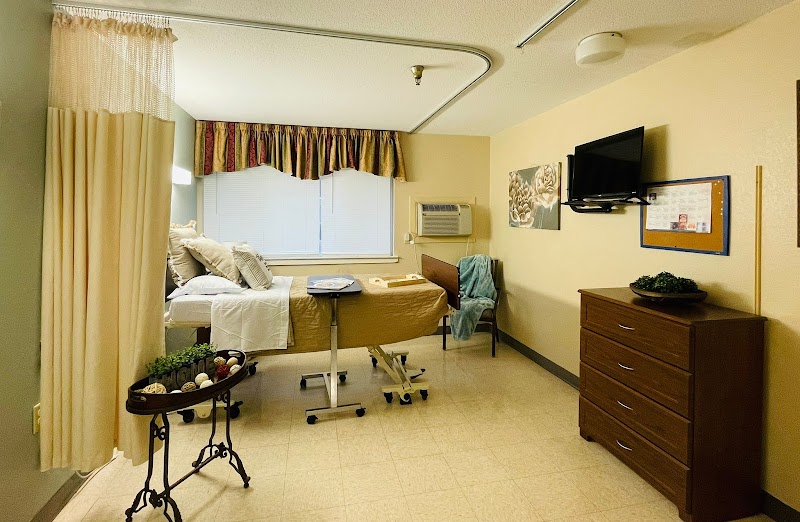
Who Owns and Operates Grenada Rehabilitation And Healthcare Center?

GRENADA REHABILITATION AND HEALTHCARE CENTER is owned by a for-profit company. For-profit facilities operate as businesses with obligations to shareholders or private owners. The facility is operated by NEXION HEALTH, a chain that manages multiple nursing homes. With 95 certified beds and approximately 94 residents (about 99% occupancy), it is a smaller facility located in GRENADA, Mississippi.

How Does Grenada Rehabilitation And Healthcare Center Compare to Other Mississippi Nursing Homes?

Compared to the 100 nursing homes in Mississippi, GRENADA REHABILITATION AND HEALTHCARE CENTER's overall rating (1 stars) is below the state average of 2.6, staff turnover (37%) is near the state average of 46%, and health inspection rating (2 stars) is below the national benchmark.

What Should Families Ask When Visiting Grenada Rehabilitation And Healthcare Center?

Based on this facility's data, families visiting should ask: "What changes have been made since the serious inspection findings, and how are you preventing similar issues?" "Can I visit during a mealtime to observe dining assistance and food quality?" "How do you handle medical emergencies, and what is your hospital transfer rate?" "Can I speak with family members of current residents about their experience?" These questions are particularly relevant given the facility's Immediate Jeopardy citations.

Is Grenada Rehabilitation And Healthcare Center Safe?

Based on CMS inspection data, GRENADA REHABILITATION AND HEALTHCARE CENTER has documented safety concerns. Inspectors have issued 2 Immediate Jeopardy citations (the most serious violation level indicating risk of serious injury or death). The facility has a 1-star overall rating and ranks #100 of 100 nursing homes in Mississippi. Families considering this facility should ask detailed questions about what corrective actions have been taken since these incidents.

Do Nurses at Grenada Rehabilitation And Healthcare Center Stick Around?

GRENADA REHABILITATION AND HEALTHCARE CENTER has a staff turnover rate of 37%, which is about average for Mississippi nursing homes (state average: 46%). Moderate turnover is common in nursing homes, but families should still ask about staff tenure and how the facility maintains care continuity when employees leave.

Was Grenada Rehabilitation And Healthcare Center Ever Fined?

GRENADA REHABILITATION AND HEALTHCARE CENTER has been fined $15,024 across 2 penalty actions. This is below the Mississippi average of $33,229. While any fine indicates a compliance issue, fines under $50,000 are relatively common and typically reflect isolated problems that were subsequently corrected. Families should ask what specific issues led to these fines and confirm they've been resolved.

Is Grenada Rehabilitation And Healthcare Center on Any Federal Watch List?

GRENADA REHABILITATION AND HEALTHCARE CENTER is not on any federal watch list. The most significant is the Special Focus Facility (SFF) program, which identifies the bottom 1% of nursing homes nationally based on persistent, serious quality problems. Not being on this list means the facility has avoided the pattern of deficiencies that triggers enhanced federal oversight. This is a positive indicator, though families should still review the facility's inspection history directly.