PINE CREST GUEST HOME INC
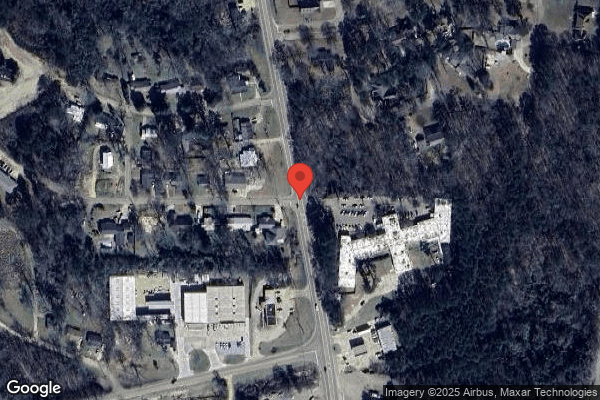

133 PINE STREET, HAZLEHURST, MS 39083 (601) 894-1411
For profit - Limited Liability company 55 Beds Independent Data: November 2025 2 Immediate Jeopardy citations
Trust Grade
19/100
#133 of 200 in MS
Last Inspection: December 2024

Within standard 12-15 month inspection cycle. Federal law requires annual inspections.

Overview

Pine Crest Guest Home Inc has received a Trust Grade of F, indicating significant concerns about the quality of care provided, which places it in the bottom tier of nursing homes. Ranking #133 out of 200 in Mississippi means it is in the bottom half of facilities statewide, and it is the only option in Copiah County, ranking #2 out of 2. The facility's trend is stable, with two issues reported in both 2024 and 2025, but these issues are serious; for example, a resident was left lying on the floor of a van for approximately 30 minutes after falling, without immediate medical assessment. Staffing is problematic, with a low rating of 1 out of 5 stars and only minimal registered nurse coverage, which is concerning given that they missed critical safety protocols. While the staff turnover is slightly below average at 45%, the facility has incurred $15,945 in fines, indicating issues with compliance that are higher than many other facilities in the state.

Trust Score
F
19/100
In Mississippi
#133/200
Bottom 34%
Safety Record
High Risk
Review needed
Inspections
Holding Steady
2 → 2 violations
Staff Stability
⚠ Watch
45% turnover. Above average. Higher turnover means staff may not know residents' routines.
Penalties
✓ Good
$15,945 in fines. Lower than most Mississippi facilities. Relatively clean record.
Skilled Nurses
⚠ Watch
Each resident gets only 19 minutes of Registered Nurse (RN) attention daily — below average for Mississippi. Fewer RN minutes means fewer trained eyes watching for problems.
Violations
○ Average
8 deficiencies on record. Average for a facility this size. Mostly minor or procedural issues.
★★☆☆☆
2.0
Overall Rating
★☆☆☆☆
1.0
Staff Levels
★★★★★
5.0
Care Quality
★☆☆☆☆
1.0
Inspection Score
Stable
2024: 2 issues
2025: 2 issues

The Good

  • 5-Star Quality Measures · Strong clinical quality outcomes
  • Full Sprinkler Coverage · Fire safety systems throughout facility
  • No fines on record

Facility shows strength in quality measures, fire safety.

The Bad

2-Star Overall Rating

Below Mississippi average (2.6)

Below average - review inspection findings carefully

Staff Turnover: 45%

Near Mississippi avg (46%)

Higher turnover may affect care consistency

Federal Fines: $15,945

Below median ($33,413)

Minor penalties assessed

The Ugly 8 deficiencies on record

2 life-threatening
Jun 2025 2 deficiencies 2 IJ
CRITICAL (J) 📢 Someone Reported This

A family member, employee, or ombudsman was alarmed enough to file a formal complaint

Immediate Jeopardy (IJ) - the most serious Medicare violation

Free from Abuse/Neglect (Tag F0600)

Someone could have died · This affected 1 resident

**NOTE- TERMS IN BRACKETS HAVE BEEN EDITED TO PROTECT CONFIDENTIALITY** Based on observation, interview, and record review, the facility failed to protect the resident's right to be free from neglect ...

Read full inspector narrative →
**NOTE- TERMS IN BRACKETS HAVE BEEN EDITED TO PROTECT CONFIDENTIALITY** Based on observation, interview, and record review, the facility failed to protect the resident's right to be free from neglect when the facility failed to obtain immediate medical assistance for Resident #1 who sustained a fall from a wheelchair in the facility van. Resident #1 was transported back to the facility while lying on the floor of the facility van and was not assessed by licensed personal for approximately thirty (30) minutes during transport for one (1) of four (4) sampled residents (Resident #1). On [DATE] Resident #1 was transported to an appointment by the Administrator in a wheelchair at 1:06 PM without assistance from a nurse or Certified Nursing Assistant (CNA). At 1:49 PM on [DATE] the Administrator called Licensed Practical Nurse (LPN)#1 to inform her that Resident#1 had slipped from the wheelchair, but he stated she was not injured and was on the way back to the facility with the resident. Resident #1 was transported back to the facility while lying on the floor of the facility van for approximately 42 miles and arrived back at the facility at 2:40 PM. The facility's failure to ensure Resident #1 was properly secured and transported safely, under trained supervision, resulted in her fall from a wheelchair in the facility van. Resident #1 was transported back to the facility while lying on the floor of the facility van for approximately thirty minutes. This failure and a lack of immediate assessment by licensed personnel placed the resident in a situation that was likely to cause serious injury, serious harm, serious impairment, or death. The situation was determined to be Immediate Jeopardy (IJ) and Substandard Quality of Care (SQC), which began on [DATE], when Resident #1 sustained a fall from a wheelchair in the facility van and was not assessed by licensed personal for approximately thirty (30) minutes during transport. The State Agency (SA) notified the Administrator of the IJ on [DATE] at 04:20 PM and provided an IJ Template. The SA validated the Removal Plan on [DATE], and determined that the IJ was removed on [DATE], prior to SA exit. Therefore, the scope and severity for CFR §483.12 Freedom from Abuse, Neglect, and Exploitation - F600 was lowered from a J to a D while the facility develops a plan of correction to monitor the effectiveness of the systemic changes to ensure the facility sustains compliance with regulatory requirements. Findings include: A review of the facility's policy, Transportation Assistant Document, dated Copyright 2024, revealed, Position Purpose; Provides transport assistive services to assigned residents in accordance with care plans, facility policies and procedures and at the direction of supervisor(s); Required Qualifications . Certified Nursing Assistant in good standing with the state . Current CPR/BLS (Cardiopulmonary Resuscitation/Basic Life Support) certifications. A review of the facility's policy, Transporting a Resident (Facility Van), dated Copyright 2025, revealed, .It is the policy of this facility to provide residents safe, non-emergency transportation to doctor's appointments . 3.Facility will ensure that residents who require an escort to appointments due to cognitive or physical limitations have arrangements made ahead of time .6.Each resident will be secured in a seat with a seatbelt or in their wheelchair secured with wheelchair tie downs . Record review of the incident report dated [DATE] revealed Resident arrived at facility in facility van accompanied by facility employee. Resident positioned on buttocks, resting on bilateral footrests. Resident WC (wheelchair) foot pedals resting on van floor. WC secured with four floor harnesses. Tilted forward slightly. Lap seat belt buckled but not tightened across resident abdominal area. Pressure cushion tilted forward slightly and down towards floors at front edge of WC seat, resting against mid-thoracic region of back. Resident's left foot extended straight beneath back bench seat, sock intact. Right lower extremity extended forward slightly with knee flexed and right foot resting in front of pelvic region. Sock is intact to right foot. Does not recall how she came to be seated on bilateral WC footrests on van floor. On [DATE] at 3:49 PM, during an interview with the Resident Representative (RR) for Resident #1, she explained that the Director of Nursing Services (DNS) informed them that Resident #1 had fallen out of her wheelchair in the van during transport and was returned to the facility unsecured on the floor. She stated that the Administrator should have contacted emergency services and not transported the resident alone. She confirmed Resident #1 was admitted to a medical center on [DATE] due to Congestive Heart Failure, Urinary Tract Infection, and Septicemia. On [DATE] at 4:15 PM, during an interview with the Administrator, he explained he transported Resident #1 alone to an appointment approximately thirty-five (35) miles away. He stated the resident began scooting forward, fell to the floor of the van, and did not verbally respond after the fall. He confirmed he did not seek emergency assistance and drove back to the facility with the resident lying on the floor between the back of a van seat and the wheelchair. On [DATE] at 11:15 AM, during an interview with the Director of Nursing Services (DNS), she explained she was unaware that the Administrator transported Resident #1 alone and did not call emergency services after the fall. She described the resident's position as lodged between the wheelchair and van seat, with her legs extended and the seatbelt loose. Emergency services were contacted at 2:43 PM and arrived at 2:50 PM. The DNS confirmed the Administrator had not contacted them during the return transport. On [DATE] at 3:00 PM, during an observation, the Administrator demonstrated the resident's position on the van floor, confirming the resident was lodged between the wheelchair and a van seat with her legs extended and unrestrained. A record review of Resident #1's admission Record revealed an admission date of [DATE] with diagnoses including Major Depressive Disorder, Dementia, Lung Cancer, Panic Disorder, and Difficulty Walking. A record review of Resident #1's Minimum Data Set (MDS) with an Assessment Reference Date (ARD) of [DATE] revealed a Brief Interview for Mental Status (BIMS) score of six (6), indicating severely impaired cognition. The MDS identified Resident #1 as non-ambulatory and dependent on a wheelchair for mobility. The facility implemented the following plan to remove the Immediate Jeopardy: Incident on [DATE] Resident #1 was transported to an appointment by the Administrator in a wheelchair at 1:06pm with no assistance from nurse or certified nursing assistant(CNA). At 1:49 pm on [DATE] the Administrator called Licensed Practical Nurse (LPN)#1 to inform her that Resident#1 had slipped from wheelchair, but he stated she was not injured and was on the way back to the facility with the resident. Director of Nursing(DON) was notified by LPN#1 that the Administrator was on the way back to the facility with the resident in the transportation van. At 2:40 pm on [DATE], the Administrator arrived and DON, Assistant Director of Nursing(ADON), Quality Assurance(Q/A) nurse and LPN#1 went out to the van to assess the resident. Resident #1 was on the floor of the van with the wheelchair at her back. DON and ADON assessed Resident#1 without moving resident with no apparent injuries noted. Resident#1 rated pain 0 using a 0-10 pain scale. Ambulance service was notified at 2:43pm by the Charge Nurse. The van doors were shut and air turned up with DON and ADON at her side to ensure she was safe until the ambulance arrived. At approximately 2:50pm two ambulances arrived along with the fire department. Using three(3) person total assistance, the wheelchair was unlocked from its 4-point harness. Leg rests were moved outward and folded from the sides of the wheelchair. Wheelchair was gently moved backwards from the Resident#1. Resident#1 verbally stated she was okay. Emergency Medical Services(EMS) personnel transferred Resident#1 onto a sheet from the floor of the van with 4-person total manual lift. Resident#1 was brought to the local hospital and was evaluated by the emergency department provider. Resident#1 arrived back at the facility at 6:46 pm by ambulance with no further orders at the time. Upon resident's arrival it was noted x-rays were not obtained at the emergency department. Medical Doctor(MD) was notified and x-rays were ordered for 23 views. Portable x-ray performed the x-rays. Report was sent over stat and no injuries were noted on x rays. On [DATE] Nursing and transportation staff were educated immediately requirements of having a CNA or nurse who is Cardiac Pulmonary Resuscitation(CPR) certified to provide non-emergency transport of residents and having two staff members who meet the requirements to transport residents. Education is ongoing with all nursing and transportation staff and will not work till completed. On [DATE] QA nurse met with the therapy director to put in place for all residents to be screened for appropriate mobility devices for transport. Emergency Q/A and safety meeting was held on [DATE] at 9:30am and [DATE] at 6 pm and included the following persons: *Nursing Home Administrator *Medical Director *Director of Nursing (DON) * Assistant DON *QA/Infection Preventionist *Social Services *MDS Nurse *Medical Records Nurse *Staff Development Nurse *Treatment Nurse *Charge Nurse Topics addressed: *IJ Finding- F689 *Root cause analysis *Corrective action plan *Staff Education *Systemic Changes *Monitoring Plan The Abuse, Neglect, Exploitation, and Misappropriation Prevention Program policy was reviewed. No revisions were required. On [DATE] 1 on 1 in-services on Abuse, Neglect, and Misappropriation, as well as, Requirements and Safety of Non-emergent Transportation were done with the Administrator by DON and ADON. A directive in-service was started on Saturday [DATE] by the [NAME] President of Clinical Operations on Resident safety during transport and Fall Response for all Nursing Staff. On [DATE] Staff who are allowed to transport residents were verified by checking to make sure they are on the company's insurance policy and CPR certified by the DON. The Q/A Nurse reviewed/monitored Resident#1's most recent MOS and most recent therapy screen for appropriate transportation on [DATE]. CONCLUSION: Based on the immediate corrective actions taken, staff education completed, systemic practice changes, and monitoring processes established, Pinecrest Guest Home alleges that the Immediate Jeopardy was abated as of [DATE]. Validation: The SA validated on [DATE] through interview and record review that all actions to remove the immediacy were completed on [DATE] and the IJ was removed on [DATE] prior to the SA exit.
CRITICAL (J) 📢 Someone Reported This

A family member, employee, or ombudsman was alarmed enough to file a formal complaint

Immediate Jeopardy (IJ) - the most serious Medicare violation

Accident Prevention (Tag F0689)

Someone could have died · This affected 1 resident

**NOTE- TERMS IN BRACKETS HAVE BEEN EDITED TO PROTECT CONFIDENTIALITY** Based on observation, interview, and record review, the facility failed to protect a resident from accidents hazards when the fa...

Read full inspector narrative →
**NOTE- TERMS IN BRACKETS HAVE BEEN EDITED TO PROTECT CONFIDENTIALITY** Based on observation, interview, and record review, the facility failed to protect a resident from accidents hazards when the facility failed to obtain immediate medical assistance when a resident sustained a fall from a wheelchair in the facility van and was not assessed by licensed personnel for approximately 42 miles while being transported back to the facility while lying on the floor for one (1) of four (4) sampled residents. (Resident #1). The facility's failure to ensure Resident #1 was properly secured and transported safely, under trained supervision, resulted in her fall from a wheelchair in the facility van. Resident #1 was transported back to the facility while lying on the floor of the facility van for approximately 42 miles and arrived back at the facility at 2:40 PM. This failure and a lack of immediate assessment by licensed personnel placed the resident in a situation that was likely to cause serious injury, serious harm, serious impairment, or death. The situation was determined to be an Immediate Jeopardy (IJ) and Substandard Quality of Care (SQC), which began on [DATE], when Resident #1 sustained a fall from a wheelchair in the facility van and was not assessed by licensed staff for approximately thirty (30) minutes during transport. The State Agency (SA) notified the Administrator of the IJ on [DATE] at 04:20 PM and provided an IJ Template. The SA validated the Removal Plan on [DATE], and determined that the IJ was removed on [DATE], prior to SA exit. Therefore, the scope and severity for CFR 483.25(d)(1)(2) Accidents/Hazards - F689 was lowered from a J to a D while the facility develops a plan of correction to monitor the effectiveness of the systemic changes to ensure the facility sustains compliance with regulatory requirements. Findings include: A review of the facility's policy, Transportation Assistant Document, dated Copyright 2024, revealed, Position Purpose; Provides transport assistive services to assigned residents in accordance with care plans, facility policies and procedures and at the direction of supervisor(s); Required Qualifications . Certified Nursing Assistant in good standing with the state . Current CPR/BLS (Cardiopulmonary Resuscitation/Basic Life Support) certifications. A review of the facility's policy, Transporting a Resident (Facility Van), dated Copyright 2025, revealed, .It is the policy of this facility to provide residents safe, non-emergency transportation to doctor's appointments . 3.Facility will ensure that residents who require an escort to appointments due to cognitive or physical limitations have arrangements made ahead of time .6. Each resident will be secured in a seat with a seatbelt or in their wheelchair secured with wheelchair tie downs . Record review of the incident report dated [DATE] revealed Resident arrived at facility in facility van accompanied by facility employee. Resident positioned on buttocks, resting on bilateral footrests. Resident WC (wheelchair) foot pedals resting on van floor. WC secured with four floor harnesses. Tilted forward slightly. Lap seat belt buckled but not tightened across resident abdominal area. Pressure cushion tilted forward slightly and down towards floors at front edge of WC seat, resting against mid-thoracic region of back. Resident's left foot extended straight beneath back bench seat, sock intact. Right lower extremity extended forward slightly with knee flexed and right foot resting in front of pelvic region. Sock is intact to right foot. Does not recall how she came to be seated on bilateral WC footrests on van floor. During an interview on [DATE] at 3:49 PM, the Resident Representative (RR) for Resident #1, she explained that the Director of Nursing Services (DNS) informed them that Resident #1 had fallen out of her wheelchair in the van during transport and was returned to the facility unsecured on the floor. They stated that the Administrator should have contacted emergency services and not transported the resident alone. They confirmed Resident #1 was admitted to a medical center on [DATE] due to Congestive Heart Failure, Urinary Tract Infection, and Septicemia. During an interview on [DATE] at 4:15 PM, with the Administrator, he explained he transported Resident #1 alone to an appointment approximately thirty-five (35) miles away. He stated the resident began scooting forward, fell to the floor of the van, and did not verbally respond after the fall. He confirmed he did not seek emergency assistance and drove back to the facility with the resident lying on the floor between the back of a van seat and the wheelchair. During an interview on [DATE] at 11:15 AM, with the DNS, she explained she was unaware that the Administrator transported Resident #1 alone and did not call emergency services after the fall. They described the resident's position as lodged between the wheelchair and van seat, with her legs extended and the seatbelt loose. Emergency services were contacted at 2:43 PM and arrived at 2:50 PM. The DNS confirmed the Administrator had not contacted them during the return transport. During an observation on [DATE] at 3:00 PM, the Administrator demonstrated the resident's position on the van floor, confirming the resident was lodged between the wheelchair and a van seat with her legs extended and unrestrained. A record review of Resident #1's admission Record revealed an admission date of [DATE] with diagnoses including Major Depressive Disorder, Dementia, Lung Cancer, Panic Disorder, and Difficulty Walking. A record review of Resident #1's Minimum Data Set (MDS) with an Assessment Reference Date (ARD) of [DATE] revealed a Brief Interview for Mental Status (BIMS) score of six (6), indicating severely impaired cognition. The MDS identified Resident #1 as non-ambulatory and dependent on a wheelchair for mobility. The facility implemented the following plan to remove the Immediate Jeopardy: Incident on [DATE] Resident #1 was transported to an appointment by the Administrator in a wheelchair at 1:06pm with no assistance from nurse or certified nursing assistant(CNA). At 1:49pm on [DATE] the Administrator called LPN#1 to inform her that Resident#1 had slipped from wheelchair, but he stated she was not injured and was on the way back to the facility with the resident. Director of Nursing(DON) was notified by LPN#1 that the Administrator was on the way back to the facility with the resident in the transportation van. At 2:40pm on [DATE], the Administrator arrived and DON, Assistant Director of Nursing(ADON), Quality Assurance(Q/A) nurse and LPN#1 went out to the van to assess the resident. Resident #1 was on the floor of the van with the wheelchair at her back. DON and ADON assessed Resident#1 without moving resident with no apparent injuries noted. Resident#1 rated pain 0 using a 0-10 pain scale. Ambulance service was notified at 2:43pm by the Charge Nurse. The van doors were shut and air turned up with DON and ADON at her side to ensure she was safe until the ambulance arrived. At approximately 2:50pm two ambulances arrived along with the fire department. Using three(3) person total assistance, the wheelchair was unlocked from its 4-point harness. Leg rests were moved outward and folded from the sides of the wheelchair. Wheelchair was gently moved backwards from the Resident#1. Resident#1 verbally stated she was okay. Emergency Medical Services(EMS) personnel transferred Resident#1 onto a sheet from the floor of the van with 4-person total manual lift. Resident#1 was brought to the local hospital and was evaluated by the emergency department provider. Resident#1 arrived back at the facility at 6:46pm by ambulance with no further orders at the time. Upon resident's arrival it was noted x-rays were not obtained at the emergency department. Medical Doctor(MD) was notified and x-rays were ordered for 23 views. Portable x-ray performed the x-rays. Report was sent over stat and no injuries were noted on x rays. On [DATE] Nursing and transportation staff were educated immediately requirements of having a CNA or nurse who is Cardiac Pulmonary Resuscitation(CPR) certified to provide non-emergency transport of residents and having two staff members who meet the requirements to transport residents. Education is ongoing with all nursing and transportation staff and will not work till completed. On [DATE] QA nurse met with the therapy director to put in place for all residents to be screened for appropriate mobility devices for transport. Emergency Q/A and safety meeting was held on [DATE] at 9:30am and [DATE] at 6pm and included the following persons: *Nursing Home Administrator *Medical Director *Director of Nursing (DON) * Assistant DON *QA/Infection Preventionist *Social Services *MOS Nurse *Medical Records Nurse *Staff Development Nurse *Treatment Nurse *Charge Nurse Topics addressed: *IJ Finding- F689 *Root cause analysis *Corrective action plan *Staff Education *Systemic Changes *Monitoring Plan The Abuse, Neglect, Exploitation, and Misappropriation Prevention Program policy was reviewed. No revisions were required. On [DATE] 1 on 1 in-services on Abuse, Neglect, and Misappropriation, as well as, Requirements and Safety of Non-emergent Transportation were done with the Administrator by DON and ADON. A directive in-service was started on Saturday [DATE] by the [NAME] President of Clinical Operations on Resident safety during transport and Fall Response for all Nursing Staff. On [DATE] Staff who are allowed to transport residents were verified by checking to make sure they are on the company's insurance policy and CPR certified by the DON. The Q/A Nurse reviewed/monitored Resident#1's most recent MOS and most recent therapy screen for appropriate transportation on [DATE]. CONCLUSION: Based on the immediate corrective actions taken, staff education completed, systemic practice changes, and monitoring processes established, Pinecrest Guest Home alleges that the Immediate Jeopardy was abated as of [DATE]. Validation: The SA validated on [DATE] through interview and record review that all actions to remove the immediacy were completed on [DATE] and the IJ was removed on [DATE] prior to the SA exit.
Dec 2024 2 deficiencies
CONCERN (D)

Potential for Harm - no one hurt, but risky conditions existed

Deficiency F0565 (Tag F0565)

Could have caused harm · This affected 1 resident

Based on observation, interviews, record review, and policy review, the facility failed to resolve resident council members' complaints regarding the lack of hot water in a timely manner for one (1) o...

Read full inspector narrative →
Based on observation, interviews, record review, and policy review, the facility failed to resolve resident council members' complaints regarding the lack of hot water in a timely manner for one (1) of two (2) halls. Findings included: A review of the facility's policy titled, Conflict Resolution and Resident Complaint and Grievance Process, dated 09/06/2022, revealed, It is this facility's commitment to safe, respectful, and high-quality care, all concerns brought to the organization's attention by residents/legal representatives shall be reviewed in a timely manner. This organization shall respond to such concerns in a timely, reasonable, and consistent manner. Concerns regarding care received shall include, but not be limited to, concerns over perceptions related to premature discharge . All grievances shall receive immediate priority and must be investigated with efforts made toward resolution within 24 hours. If a grievance cannot be resolved within 24 hours, the grievance shall be referred as described below. This organization shall make every attempt to provide a response within seven (7) days of receiving a grievance . If a grievance is not resolved, the investigation is not complete, or if the corrective action is still being evaluated within the seven (7) day timeframe, the facility shall send a response to the resident stating that the facility continues to work to resolve the complaint and the facility shall follow-up with another response within 24 hours . A review of the facility's policy titled, Residents' Rights, dated 2020, revealed, The residents have the right to a dignified existence, self-determination, and communication with and access to persons and services inside and outside the facility . The resident has the right to a safe, clean, comfortable, and homelike environment, including receiving treatment and supports for daily living safely . Grievances: The resident has the right to: a. Voice grievances to the facility or other agency or entity that hears grievances without discrimination or reprisal . b. The resident has the right to and the facility must make prompt efforts by the facility to resolve grievances the resident may have. A record review of the Resident Council's Comments/Concerns/Suggestions, dated 10/29/2024, revealed residents complained that the hot water took too long to get hot, sometimes running for more than 30 minutes and only getting a little warm. Documentation on 11/26/2024 indicated the complaint was resolved. On 12/10/2024 at 10:50 AM, during an initial tour of the facility, Resident #21 requested that the hot water in her bathtub be turned on so the water in her sink would warm. The resident stated she had been complaining about the water not getting hot for the last three months. She explained she was wheelchair-bound, unable to transfer without assistance, and could not turn on the bathtub water herself. She reported having to wash her hands, face, and body in cold water. On 12/11/2024 at 9:00 AM, during an interview, Certified Nursing Assistant (CNA) #1 confirmed she had to retrieve hot water from the soiled utility room to provide incontinent care for residents on the west wing. She reported that staff had informed maintenance about the issue several times with no resolution. CNA #1 stated residents had to wash their hands and face in cold water and confirmed she had to turn on the bathtub water before the sink water would get warm. On 12/11/2024 at 10:00 AM, during a meeting with the resident council members, residents explained all concerns had been resolved except for the issue with the hot water taking a long time to get warm. Resident #21 stated staff had to turn on the bathtub water in her bathroom before the sink water would warm, which she could not do herself. She reiterated having to wash her hands, face, and body in cold water. On 12/11/2024 at 11:30 AM, during an interview, the Activity Director confirmed residents on the west wing had complained about the water not getting hot. She explained she documented the issue as resolved because Resident #21 did not attend the November Resident Council Meeting, and no other residents brought up the concern. She acknowledged she did not confirm with residents that the issue had been resolved. On 12/12/2024 at 9:00 AM, during an observation with Licensed Practical Nurse (LPN) #1, the hot water in Resident #21's room ran for 15 minutes without getting warm. LPN #1 explained that staff had to retrieve hot water from the soiled utility room to assist residents with warm bed baths. She confirmed the water in the residents' rooms barely got warm, even when it eventually warmed. On 12/12/2024 at 10:30 AM, during an observation of water temperature checks and interview, the Maintenance Director confirmed he was aware the hot water was not getting hot on the west wing. He stated he notified a plumbing company on 12/05/2024, which identified a sticking water pump outside the hot water heater. He reported that the facility had ongoing issues with hot water for two to three months and admitted he had not yet called the plumber for further repair. The Maintenance Director stated he turned up the water temperature in an attempt to fix the problem and would turn on Resident #21's bathtub water each morning to ensure warm water for her. The Maintenance Director verified the water temperature in the sink at 80 degrees Fahrenheit. On 12/12/2024 at 11:00 AM, during an interview, the Director of Nursing (DON) confirmed she was aware of the hot water issue and assumed the Maintenance Director had resolved the problem. On 12/12/2024 at 12:15 PM, during an interview, the Administrator confirmed she was aware of the complaint about the hot water not getting hot on the west wing. She stated she believed the Maintenance Director resolved the issue by increasing the water temperature. She was unaware that residents had to turn on the bathtub water to get hot water in the sink and stated she would contact the plumber immediately.
CONCERN (E)

Potential for Harm - no one hurt, but risky conditions existed

Safe Environment (Tag F0584)

Could have caused harm · This affected multiple residents

Based on observation, interviews and record review the facility failed to maintain a safe and clean environment related to a leaking roof, damaged ceiling tiles, and thick, black, wet biological growt...

Read full inspector narrative →
Based on observation, interviews and record review the facility failed to maintain a safe and clean environment related to a leaking roof, damaged ceiling tiles, and thick, black, wet biological growth in air vents for two (2) of three (3) days of observation Findings included: On 12/10/2024 at 10:30 AM, during an observation and interview, Resident #35's room was observed to have a leaking roof near the entranceway, with a blanket draped on the floor. Resident #35 reported that the ceiling was leaking from the light fixture in the entranceway to his room but stated the leaks were not near his bed or where he sits to watch TV. On 12/10/2024 at 10:37 AM, during a facility-wide observation, leaks were observed at various spots throughout the ceiling. Black biological growth was visible in the air vents throughout the facility. On 12/11/2024 at 11:42 AM, during an interview with the Maintenance Director, he acknowledged that the roof was actively leaking throughout the facility and reported that the roof had been leaking for about a year. The Maintenance Director stated his department had been patching areas here and there and confirmed the presence of black biological growth in the air vents, which he attributed to moisture in the ceiling. He reported plans to clean the air vents to remove the biological growth and stated that the Chief Operating Officer (COO) had planned for a new roof for the facility. On 12/11/2024 at 12:00 PM, during an interview, the Administrator acknowledged that the facility had active leaks throughout the building and confirmed the visible presence of black biological growth in the air vents. She stated that the COO had arranged for a roofing company to install a new roof on the building. The Administrator explained that she planned to consult with the roofers before cleaning the air vents because the moisture would persist until the roof was repaired. On 12/11/2024 at 12:14 PM, during an interview, the COO acknowledged that the roof had been leaking for about a year. He reported that the facility had applied for state grant funding to repair the roof but was denied. He stated this was the reason for the delay in roof repairs. The COO confirmed that the facility would now fund the repairs independently and reported speaking with a local roofing company in a nearby town to replace the roof but noted that a date for the roof replacement had not been determined. On 12/12/2024 at 10:12 AM, during a follow-up interview, the Maintenance Director reported that a roofing company was at the facility to patch and caulk areas above Resident #35's room. He confirmed that the company arranged by the COO would still replace the roof but was unable to provide a confirmed date for the replacement. A record review of Resident #35's admission Record revealed the facility admitted the resident on 01/11/2021. The resident's diagnoses included Unspecified Dementia and Chronic Obstructive Pulmonary Disease (COPD). A record review of Resident #35's Quarterly Minimum Data Set (MDS), with an Assessment Reference Date (ARD) of 09/13/2024, revealed a Brief Interview for Mental Status (BIMS) score of (15), which indicated the resident was cognitively intact.
Aug 2023 2 deficiencies
CONCERN (D)

Potential for Harm - no one hurt, but risky conditions existed

Incontinence Care (Tag F0690)

Could have caused harm · This affected 1 resident

Based on observation, interviews, record review, and facility policy review, the facility failed to provide the appropriate care and services to ensure a resident with an indwelling catheter received ...

Read full inspector narrative →
Based on observation, interviews, record review, and facility policy review, the facility failed to provide the appropriate care and services to ensure a resident with an indwelling catheter received appropriate care and services to prevent urinary tract infections for one (1) of two (2) residents reviewed with indwelling catheters. Resident #44 Findings include: On 8/08/23 at 10:47 AM, an observation revealed Resident #44 sitting up in his recliner with an indwelling drainage catheter bag attached to the bed. The drainage bag was empty, the tubing was not attached to the resident and was lying on the floor. On 8/08/23 at 12:00 PM, an observation of Resident #44 revealed the resident continued to sit in his recliner, with the indwelling catheter bag attached to the bed and the drainage tubing lying on the floor, unattached to the resident. On 8/09/23 at 11:06 AM, during an observation and interview with Licensed Practical Nurse (LPN) #1 providing suprapubic catheter care for Resident #44, LPN #1 revealed that the tubing should never be on the floor when the resident is switched to a leg bag as this could possibly cause an infection. On 8/09/23 an 11:36 AM, in an interview with Registered Nurse (RN) #3/Infection Preventionist, she explained she spot checks catheter care weekly. RN #3 revealed to prevent infection, catheter drainage bags and the catheter tubing should not touch the floor. Record review of the Order Summary Report with active orders as of 8/8/23, revealed a physician order dated 8/7/23 revealed, DRAINAGE BAG FOR SUPRA PUBIC CATHETER WHEN IN BED. KEEP BELOW WAIST AND HAVE PRIVACY BAG IN PLACE . and another physician order dated 8/7/23 revealed, FOLEY LEG BAG AT HIS REQUEST WHEN OUT OF BED. KEEP LEG BAG BELOW WAIST . Record review of the admission Record for Resident #44 revealed the facility admitted the resident on 6/28/23, with diagnoses that included Retention of Urine, Muscle Weakness, and Urinary Tract Infection. Record review of the Minimum Data Set (MDS), with an Assessment Reference Date (ARD) of 7/11/2023, Section H revealed the resident had an indwelling catheter.
CONCERN (D)

Potential for Harm - no one hurt, but risky conditions existed

Infection Control (Tag F0880)

Could have caused harm · This affected 1 resident

Based on observation, interviews, and facility policy review, the facility failed to ensure infection control measures were consistently implemented to prevent the development and/or transmission of i...

Read full inspector narrative →
Based on observation, interviews, and facility policy review, the facility failed to ensure infection control measures were consistently implemented to prevent the development and/or transmission of infection for one (1) of 12 sampled residents. Resident #12 Findings include: A review of the facility's policy, Infection Prevention Control, with a revision date of 6/8/23 revealed, Policy: This facility has established and maintains am infection prevention and control program designed to provide a safe, sanitary, and comfortable environment and to help prevent the development and transmission of communicable diseases and infections as per accepted national standards and guidelines .5. Standard Precautions: a. All staff shall assume that all residents are potentially infected or colonized with an organism that could be transmitted during the course of providing resident care services. b. Hand hygiene shall be performed in accordance with CDC (Centers for Disease Control and Prevention) guidelines . A review of the facility's policy, Perineal/Incontinent Care, revised 9/15/22 revealed, .Policy Explanation and Compliance Guidelines: 1. Hand Hygiene 2. Gather Supplies . 9. Expose perineal area keeping resident covered as much as possible. 10. Hand Hygiene 11. Apply Gloves . On 8/09/23 at 3:07 PM, during an observation of Certified Nurse Aide (CNA) #1 providing perineal care for Resident #12, revealed CNA #1 performed hand hygiene and applied gloves prior to assisting the resident from the wheelchair to the bed and pulling the privacy curtain. However, prior to beginning perineal care, CNA #1 did not remove the soiled gloves, perform hand hygiene, and apply clean gloves. On 08/09/23 at 3:25 PM, in an interview with CNA #1, she stated she should have removed her gloves and washed her hands before beginning perineal care. She confirmed she had contaminated her gloves when she had assisted the resident out of the wheelchair and closed the privacy curtain. On 08/10/23 at 10:15 AM, in an interview with Registered Nurse (RN)/Charge Nurse, she confirmed CNA #1 should have changed her gloves and performed hand hygiene at appropriate times during the care, as her actions could cause the resident to develop an infection. On 08/10/23 10:43 AM, in an interview with Director of Nursing (DON), she stated CNA #1 should have set everything up properly, provided privacy, and washed her hands and applied clean gloves before beginning care. The DON confirmed the actions of CNA #1, while performing perineal care, had the potential to cause the resident to develop an infection. The DON explained she expects the CNAs to follow procedures and guidelines when providing care. A record review of the admission Record for Resident #12 revealed the facility admitted the resident on 5/30/23, with diagnoses that included Unspecified Dementia, Chronic Kidney Disease, Essential (Primary) Hypertension and Vitamin B12 Deficiency Anemia. A record review of the admission Minimum Data Set (MDS) for Resident #12, with an Assessment Reference Date (ARD) of 6/7/23, revealed a Brief Interview for Mental Status (BIMS) score of 05, which indicated severe cognitive impairment.
Feb 2020 2 deficiencies
CONCERN (D)

Potential for Harm - no one hurt, but risky conditions existed

Assessment Accuracy (Tag F0641)

Could have caused harm · This affected 1 resident

Based on observation, record review, staff interview, and facility policy review, the facility failed to accurately code the Minimum Data Set (MDS) assessment related to Respiratory Care, for one (1) ...

Read full inspector narrative →
Based on observation, record review, staff interview, and facility policy review, the facility failed to accurately code the Minimum Data Set (MDS) assessment related to Respiratory Care, for one (1) of 20 MDS assessments reviewed, Resident #21. Findings include: Review of the facility's Comprehensive Assessment and Re-Assessment policy, revealed the assessment of the care or treatment required to meet the needs of the resident shall be ongoing throughout the resident's facility stay, with the assessment process individualized to meet the needs of the resident population. The Registered Nurse (RN) Resident Assessment Coordinator, using the quarterly review instrument specified by the state, must assess each resident no less frequently than every three (3) months. Each healthcare professional who completes a portion of the assessment shall sign and certify the accuracy of that portion of the assessment relative to the resident's condition and discharge or entry status. A record review of Resident #21's Quarterly MDS assessments, with an Assessment Reference Date (ARD) of 8/21/2019 and 11/18/2019, revealed, Section O100 (Special Treatments and Programs), was left unchecked for oxygen therapy while a resident in the facility. Record review of Resident #21's Medication Administration Record (MAR), dated November 2019, revealed the resident received Oxygen at two (2) liters per minute via nasal cannula, ordered as of 5/21/2015. Review of Resident #21's Care Plan revealed, a problem to address use of required Oxygen at 2 liters per nasal cannula related to Respiratory Failure, with an onset date of 3/06/2019. On 2/11/2020 at 11:34 AM, during an observation, Resident #21 was noted wearing Oxygen per nasal cannula and running at 2 liters per concentrator. During an interview, on 02/12/2020 at 10:18 AM, Licensed Practical Nurse (LPN) #1/MDS Care Plan Nurse confirmed Resident #21 was on continuous Oxygen at 2 liters per minute via nasal cannula. LPN #1 revealed Resident #21 quarterly assessments were suppose to indicate oxygen therapy, but the documentation in the nurses notes did not support the look back period. LPN #1 confirmed Resident #21's Medication Administration Record (MAR) for November did have oxygen listed and was signed off by the nurses. LPN #1 confirmed the MDS assessment should match the resident's current status, which would include oxygen, therefore, the MDS was not correct.
CONCERN (D)

Potential for Harm - no one hurt, but risky conditions existed

Medical Records (Tag F0842)

Could have caused harm · This affected 1 resident

Based on observation, record review, staff interview, and facility policy review, the facility failed to accurately document a physician's order as prescribed, for one (1) of 20 resident records revie...

Read full inspector narrative →
Based on observation, record review, staff interview, and facility policy review, the facility failed to accurately document a physician's order as prescribed, for one (1) of 20 resident records reviewed, Resident #24. Findings include: Review of the facility's Medical Record, Medication, Discharge, Verbal and Written Orders policy, with a revision date of 11/28/2017, revealed, medical records of residents shall be maintained according to regulations and laws regarding proper documentation and privacy. A review of Resident #24's physician orders, dated 12/05/2019, revealed an order was written to discontinue Celexa 20 milligrams (mg) daily, and start Celexa 10 mg daily for Depression. Review of the Note to Attending Physician/Prescriber, dated 12/05/2019, revealed the physician signed to reduce Resident #24's dosage of Celexa 20 mg daily to Celexa to 10 mg daily. Review of Resident #24's printed Physician Orders for February 2020, revealed an order for Celexa 20 mg daily, with a start date of 12/05/2019. On 02/12/2020 at 3:30 PM, during an interview, the Director of Nursing (DON) revealed the current physician orders for Resident #24 should match the MAR and medication card to ensure the resident was receiving the right medication and right dosage. The DON revealed Resident #24's current physician orders should have been changed to reflect the right dosage. On 02/12/2020 at 3:50 PM, during an observation and interview with Licensed Practical Nurse (LPN) #4, revealed Resident #24's medication card and Medication Administration Record (MAR) documented Celexa 10 mg. LPN #4 revealed the resident was currently receiving Celexa 10 mg.
Understanding Severity Codes (click to expand)
Life-Threatening (Immediate Jeopardy)
J - Isolated K - Pattern L - Widespread
Actual Harm
G - Isolated H - Pattern I - Widespread
Potential for Harm
D - Isolated E - Pattern F - Widespread
No Harm (Minor)
A - Isolated B - Pattern C - Widespread

Questions to Ask on Your Visit

  • "What changes have you made since the serious inspection findings?"
  • "What safeguards are in place to prevent abuse and neglect?"
  • "Can I speak with families of current residents?"
  • "What's your RN coverage like on weekends and overnight?"

Our Honest Assessment

Strengths
  • • Licensed and certified facility. Meets minimum state requirements.
Concerns
  • • Multiple safety concerns identified: Federal abuse finding, 2 life-threatening violation(s). Review inspection reports carefully.
  • • 8 deficiencies on record, including 2 critical (life-threatening) violations. These warrant careful review before choosing this facility.
  • • $15,945 in fines. Above average for Mississippi. Some compliance problems on record.
  • • Grade F (19/100). Below average facility with significant concerns.
Bottom line: This facility has a substantiated abuse finding. Extreme caution advised. Explore alternatives.

About This Facility

What is Pine Crest Guest Home Inc's CMS Rating?

CMS assigns PINE CREST GUEST HOME INC an overall rating of 2 out of 5 stars, which is considered below average nationally. Within Mississippi, this rating places the facility higher than 0% of the state's 100 nursing homes. A rating at this level reflects concerns identified through health inspections, staffing assessments, or quality measures that families should carefully consider.

How is Pine Crest Guest Home Inc Staffed?

CMS rates PINE CREST GUEST HOME INC's staffing level at 1 out of 5 stars, which is much below average compared to other nursing homes. Staff turnover is 45%, compared to the Mississippi average of 46%. This relatively stable workforce can support continuity of care.

What Have Inspectors Found at Pine Crest Guest Home Inc?

State health inspectors documented 8 deficiencies at PINE CREST GUEST HOME INC during 2020 to 2025. These included: 2 Immediate Jeopardy (the most serious level, indicating potential for serious harm or death) and 6 with potential for harm. Immediate Jeopardy findings are rare and represent the most serious regulatory concerns. They require immediate corrective action.

Who Owns and Operates Pine Crest Guest Home Inc?

PINE CREST GUEST HOME INC is owned by a for-profit company. For-profit facilities operate as businesses with obligations to shareholders or private owners. The facility operates independently rather than as part of a larger chain. With 55 certified beds and approximately 48 residents (about 87% occupancy), it is a smaller facility located in HAZLEHURST, Mississippi.

How Does Pine Crest Guest Home Inc Compare to Other Mississippi Nursing Homes?

Compared to the 100 nursing homes in Mississippi, PINE CREST GUEST HOME INC's overall rating (2 stars) is below the state average of 2.6, staff turnover (45%) is near the state average of 46%, and health inspection rating (1 stars) is much below the national benchmark.

What Should Families Ask When Visiting Pine Crest Guest Home Inc?

Based on this facility's data, families visiting should ask: "What changes have been made since the serious inspection findings, and how are you preventing similar issues?" "What safeguards and monitoring systems are in place to protect residents from abuse or neglect?" "Can you walk me through typical staffing levels on day, evening, and night shifts?" "Can I visit during a mealtime to observe dining assistance and food quality?" These questions are particularly relevant given the facility's Immediate Jeopardy citations, the substantiated abuse finding on record, and the below-average staffing rating.

Is Pine Crest Guest Home Inc Safe?

Based on CMS inspection data, PINE CREST GUEST HOME INC has documented safety concerns. The facility has 1 substantiated abuse finding (meaning confirmed case of resident harm by staff or other residents). Inspectors have issued 2 Immediate Jeopardy citations (the most serious violation level indicating risk of serious injury or death). The facility has a 2-star overall rating and ranks #100 of 100 nursing homes in Mississippi. Families considering this facility should ask detailed questions about what corrective actions have been taken since these incidents.

Do Nurses at Pine Crest Guest Home Inc Stick Around?

PINE CREST GUEST HOME INC has a staff turnover rate of 45%, which is about average for Mississippi nursing homes (state average: 46%). Moderate turnover is common in nursing homes, but families should still ask about staff tenure and how the facility maintains care continuity when employees leave.

Was Pine Crest Guest Home Inc Ever Fined?

PINE CREST GUEST HOME INC has been fined $15,945 across 2 penalty actions. This is below the Mississippi average of $33,238. While any fine indicates a compliance issue, fines under $50,000 are relatively common and typically reflect isolated problems that were subsequently corrected. Families should ask what specific issues led to these fines and confirm they've been resolved.

Is Pine Crest Guest Home Inc on Any Federal Watch List?

PINE CREST GUEST HOME INC is not on any federal watch list. The most significant is the Special Focus Facility (SFF) program, which identifies the bottom 1% of nursing homes nationally based on persistent, serious quality problems. Not being on this list means the facility has avoided the pattern of deficiencies that triggers enhanced federal oversight. This is a positive indicator, though families should still review the facility's inspection history directly.