HOLLY SPRINGS REHABILITATION AND HEALTHCARE CENTER
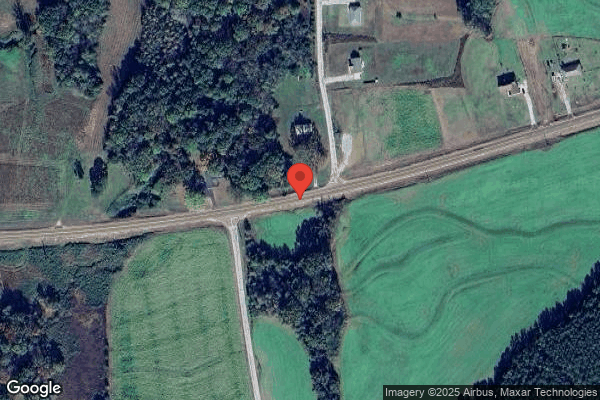

1315 HIGHWAY 4 EAST, HOLLY SPRINGS, MS 38635 (662) 252-1141
For profit - Corporation 120 Beds NEXION HEALTH Data: November 2025
Trust Grade
28/100
#167 of 200 in MS
Last Inspection: June 2025

Inspected within the last 6 months. Data reflects current conditions.

Overview

Holly Springs Rehabilitation and Healthcare Center has received a Trust Grade of F, which indicates significant concerns about the facility's care and management. With a state ranking of #167 out of 200, they are in the bottom half of nursing homes in Mississippi, and they are the second-ranked facility in Marshall County, meaning there is only one other local option that is better. The facility is showing signs of improvement, as issues decreased from 12 in 2024 to 10 in 2025, but they still have a concerning total of 23 deficiencies, including two serious incidents where residents did not receive the required two-person assistance during transfers, putting them at risk for injuries. Staffing is a relative strength with a 4 out of 5 rating and a turnover rate of 43%, which is below the state average, indicating that staff tend to stay longer and may provide more consistent care. However, food safety practices were found lacking, with improper food storage and cleanliness issues that could lead to foodborne illnesses, which raises additional concerns about overall resident care and safety.

Trust Score
F
28/100
In Mississippi
#167/200
Bottom 17%
Safety Record
Moderate
Needs review
Inspections
Getting Better
12 → 10 violations
Staff Stability
○ Average
43% turnover. Near Mississippi's 48% average. Typical for the industry.
Penalties
✓ Good
$8,278 in fines. Lower than most Mississippi facilities. Relatively clean record.
Skilled Nurses
⚠ Watch
Each resident gets only 26 minutes of Registered Nurse (RN) attention daily — below average for Mississippi. Fewer RN minutes means fewer trained eyes watching for problems.
Violations
⚠ Watch
23 deficiencies on record. Higher than average. Multiple issues found across inspections.
★☆☆☆☆
1.0
Overall Rating
★★★★☆
4.0
Staff Levels
★☆☆☆☆
1.0
Care Quality
★☆☆☆☆
1.0
Inspection Score
Stable
2024: 12 issues
2025: 10 issues

The Good

  • 4-Star Staffing Rating · Above-average nurse staffing levels
  • Full Sprinkler Coverage · Fire safety systems throughout facility
  • No fines on record
  • Staff turnover below average (43%)

    5 points below Mississippi average of 48%

Facility shows strength in staffing levels, fire safety.

The Bad

1-Star Overall Rating

Below Mississippi average (2.6)

Significant quality concerns identified by CMS

Staff Turnover: 43%

Near Mississippi avg (46%)

Typical for the industry

Federal Fines: $8,278

Below median ($33,413)

Minor penalties assessed

Chain: NEXION HEALTH

Part of a multi-facility chain

Ask about local staffing decisions and management

The Ugly 23 deficiencies on record

2 actual harm
Jun 2025 8 deficiencies
CONCERN (D)

Potential for Harm - no one hurt, but risky conditions existed

Resident Rights (Tag F0550)

Could have caused harm · This affected 1 resident

Based on observation, staff interview, record review and facility policy review, the facility failed to ensure a resident's dignity was maintained as evidenced by a resident wearing a visibly soiled s...

Read full inspector narrative →
Based on observation, staff interview, record review and facility policy review, the facility failed to ensure a resident's dignity was maintained as evidenced by a resident wearing a visibly soiled shirt and pants hanging below the hips, exposing undergarments for one (1) of 41 sampled residents. Resident #44 Findings Include: Review of the facility policy titled Dignity, revised 2/2021, revealed under Policy Statement: Each resident shall be cared for in a manner that promotes and enhances his or her sense of well-being, satisfaction with life, and feelings of self-worth and self-esteem . An observation of Resident #44 on 6/16/25 at 10:29 AM revealed he was sitting in his recliner in his room with the door open. He was wearing a soiled shirt with yellow orange smeared food and five circular stains the size of nickels and quarters, resembling spilled liquids. His pants were pulled down past his hips, exposing his protective underwear. A staff member was observed changing the resident's linen but did not interact with or provide care to the resident. During an observation and interview with Licensed Practical Nurse (LPN) #4 on 6/16/25 at 10:41 AM, she confirmed that Resident #44's shirt was soiled, and his underwear was exposed. She stated, Yes, it looks bad. She acknowledged this was a dignity issue and stated the resident's clothes should be changed when soiled. An interview with Certified Nurse Aide (CNA) #3 on 6/16/25 at 10:50 AM, she revealed she was assigned to Resident #44 and was aware his shirt was soiled. She stated, I saw it after breakfast, but I got busy with another resident and never returned. CNA #3 acknowledged this was a dignity concern. An interview with the Administrator on 6/19/25 at 8:50 AM revealed his expectation was that staff should address Resident #44's needs as soon as they were identified. Record review of the admission Record revealed the facility admitted Resident #44 on 8/24/24 with a diagnosis of Unspecified Dementia. Record review of the Quarterly Minimum Data Set (MDS) with an Assessment Reference Date (ARD) of 5/13/25 indicated in section C, a Brief Interview for Mental Status (BIMS) score of 11, indicating moderate cognitive impairment.
CONCERN (D)

Potential for Harm - no one hurt, but risky conditions existed

Deficiency F0558 (Tag F0558)

Could have caused harm · This affected 1 resident

**NOTE- TERMS IN BRACKETS HAVE BEEN EDITED TO PROTECT CONFIDENTIALITY** Resident #48 Observations on 6/17/25 at 8:25 AM and 10:45 AM revealed that Resident #48 was in bed with the call light hanging d...

Read full inspector narrative →
**NOTE- TERMS IN BRACKETS HAVE BEEN EDITED TO PROTECT CONFIDENTIALITY** Resident #48 Observations on 6/17/25 at 8:25 AM and 10:45 AM revealed that Resident #48 was in bed with the call light hanging down behind the bed and inaccessible to the resident. An observation and interview on 6/17/25 at 3:05 PM revealed Resident #48 lying in bed, the call light remains hanging down behind the bed and inaccessible to the resident. Resident #48 acknowledged that she was unable to reach her call light. During an observation and interview on 6/17/25 3:20 PM, Certified Nurse Aide (CNA) #4 revealed she is responsible for the resident today. She confirmed the call light was hanging down behind the bed, lying on the floor, and inaccessible to the resident. She revealed I must have forgotten to attach it to her pillow. CNA #4 revealed the call light is supposed to be attached to the resident's pillow so she can call if she needs anything. During an interview on 6/17/25 at 3:30 PM the DON confirmed that staff are expected to ensure call lights are always within residents' reach. She revealed they should always have access to their call lights to request assistance. Record review of the admission Record revealed that Resident #48 was admitted to the facility on [DATE] with diagnoses that included Alcoholic Polyneuropathy, repeated falls, and Schizophrenia. Record review of the MDS with an ARD of 04/18/2025 for Resident #48 revealed a BIMS score of 14, indicating that the resident is cognitively intact. Resident #44 An observation of Resident #44 on 6/16/25 at 10:30 AM revealed he was sitting in his recliner in his room. His call light was out of reach, hanging from the wall outlet box onto the floor. An observation and interview with LPN #4 on 6/16/25 at 10:41 AM confirmed Resident #44's call light was tangled on the floor and out of his reach. She stated the resident knew how to use the call light and confirmed it should be within reach for safety, so he could alert staff if needed. She revealed that all staff were responsible for ensuring call lights were accessible. Record review of the admission Record revealed the facility admitted Resident #44 on 8/24/24 with a diagnosis of Unspecified Dementia. Record review of the Quarterly Minimum Data Set (MDS) with an Assessment Reference Date (ARD) of 5/13/25 indicated in section C, a Brief Interview for Mental Status (BIMS) score of 11, indicating moderate cognitive impairment. Resident #82 An observation and interview with Resident #82 on 6/16/25 at 10:55 AM revealed he was lying in bed, and his call light was not visible. He stated, It's in the floor over there somewhere, while pointing toward the center of the room. He explained this happens often and, if he needed something, he had to wait for staff to come in and check on him. The call light was observed lying on the floor and not accessible to the resident. An observation and interview with LPN #4 on 6/16/25 at 11:05 AM confirmed Resident #82's call light was not accessible and was located on the floor. She stated the resident should have his call light within reach in case he needed help and acknowledged it was a safety concern, as he might try to get up alone with no way to call for assistance. Record review of the admission Record revealed the facility admitted Resident #82 on 4/18/25 with a medical diagnosis of other Specified Diseases of the Biliary Tract. Record review of the MDS with an ARD of 4/25/25 revealed under section C, a BIMS summary score of 15, which indicated Resident #82 was cognitively intact. Based on observation, staff interview, record review and facility policy review, the facility failed to ensure that resident call lights were within reach, which limited a resident's ability to request assistance (Residents #39, #44, #48 and #82) and failed to ensure adequate mattress size needed (Resident #45) for five (5) of 83 residents residing in the facility. Findings include: Review of the facility policy dated October 2022 titled Resident Call System revealed, Residents are provided with a means to call staff for assistance through a communication system that directly calls a staff member or a centralized workstation . Resident #39 An observation on 6/16/25 at 11:00 AM and again on 6/17/25 at 11:08 AM revealed Resident #39's call light was not within reach. On 6/16/25 at 11:00 AM the observation revealed the call light was wrapped around the back of the bed and out of reach. And on 6/17/25 at 11:08 AM, the call light was observed on the floor, behind the bed, out of reach. During an observation and interview with Licensed Practical Nurse (LPN) #5 on 6/18/25 at 11:18 AM she confirmed the Resident #39's call light was out of reach and on the floor. She stated, The call light should always be in reach so that the resident can call us if needed, it should not be on the floor out of reach. During an interview with the Director of Nursing (DON) on 6/18/25 at 11:45 AM, she stated, The call light should be within reach of Resident #39, the call light is the resident's voice. Record review of Resident #39's admission Record revealed the resident was admitted [DATE] with diagnosis of Unspecified Dementia. Record review of Resident #39's Minimum Data Set (MDS), Section C, with an Assessment Reference Date (ARD) of 4/17/2025, revealed a Brief Interview for Mental Status (BIMS) score of 6 indicating the resident was severely cognitively impaired. Resident #45 On 6/16/25 at 11:00 AM, 1:00 PM, and 2:30 PM Resident #45 was observed lying in bed with his feet hanging off the end of the mattress. He was positioned with his head at the head of the bed but both feet were extended past the end of the mattress with no support. During an observation and interview with the DON on 6/17/25 at 8:30 AM, she confirmed that Resident #45's mattress was too short and that he needed a mattress extender. She stated, His feet hanging off of the mattress could result in an injury to his feet. Record review of Resident #45's admission Record revealed the resident was admitted [DATE] with diagnoses of Other Reduction Deformities of Brain. Record review of Resident #45's MDS, Section C, with an ARD of 4/30/2025, revealed a BIMS score of 7, indicating that the resident is severely cognitively impaired.
CONCERN (D)

Potential for Harm - no one hurt, but risky conditions existed

Safe Environment (Tag F0584)

Could have caused harm · This affected 1 resident

**NOTE- TERMS IN BRACKETS HAVE BEEN EDITED TO PROTECT CONFIDENTIALITY** Resident #20 An observation and interview on 6/16/25 at 11:33 AM, revealed Resident #20 sitting in his wheelchair. The right arm...

Read full inspector narrative →
**NOTE- TERMS IN BRACKETS HAVE BEEN EDITED TO PROTECT CONFIDENTIALITY** Resident #20 An observation and interview on 6/16/25 at 11:33 AM, revealed Resident #20 sitting in his wheelchair. The right armrest was noted to have 95% of the vinyl missing from the top, exposing the padding, and the remaining vinyl was tattered. The left arm rest revealed tattered and torn vinyl. The wheelchair frame and spokes of the wheels were covered in a thick, gray substance. The resident revealed he wasn't sure why his wheelchair looked like this and wasn't sure when it would be cleaned. An observation and interview on 6/17/25, at 3:25 PM with the Administrator (ADM) revealed that Resident #20's wheelchair remained in need of repair and cleaning, with the frame and spokes of the wheels covered in a thick, gray substance. The Administrator confirmed the wheelchair was dirty and needed to be cleaned, and the armrests were tattered and needed to be replaced. He revealed he did not know which staff member was responsible for cleaning the wheelchairs, but dirty and disrepaired equipment was not acceptable. In an interview on 6/17/25 at 4:25 PM, the Director of Nurses (DON) revealed that wheelchairs are supposed to be cleaned during the night shift, and the resident's wheelchair should have been cleaned. During an interview on 6/17/25 at 4:31 PM the Maintenance Director revealed he was unaware that the arm rests were so tattered, with missing vinyl exposing the padding. He revealed that the staff should have either notified him or put it in the TELS system. He revealed that replacing the armrest was an easy fix, and it should have already been taken care of. Record review of Resident #20's admission Record revealed the resident was admitted [DATE]. Record review of Resident #20's MDS, Section C, with an ARD of 3/28/2025, revealed a BIMS score of 15, indicating the resident is cognitively intact. Resident #50 An observation of Resident #50's room on 6/16/25 at 10:21 AM revealed a 4-drawer dresser with the fourth drawer broken and missing, leaving the contents inside visible. Several flies were observed flying around inside the room. Resident #55 An observation of Resident #55's room on 6/17/25 at 2:46 PM revealed the lower portion of the privacy curtain had eight circular dark brown stains of various sizes, the largest approximately the size of a nickel. Resident #82 On 6/16/25 at 10:55 AM, an observation of Resident #82's room revealed a straight chair located beside the bed with the right armrest broken and hanging down, exposing a silver screw. An observation and interview with Maintenance Director on 6/17/25 at 3:51 PM confirmed Resident #82's room had a chair with its right arm broken hanging down. Maintenance stated he had not been made aware of the issue and confirmed that a resident or visitor could be injured if they sat in it. He also confirmed Resident #50's dresser drawer was broken and remarked, That's an easy fix, if someone would have let me know. He acknowledged residents should have a homelike environment with furniture in good condition and added, This is their home. He explained that nurses and aides, who are constantly in and out of the rooms, were responsible for reporting such concerns so they could be entered into TELS (the work order platform) for repair. An observation and interview with the Housekeeping Supervisor on 6/18/25 at 3:25 PM revealed that housekeepers were responsible for daily room cleaning and, during that time, were expected to check privacy curtains for cleanliness and condition. She stated she was responsible for replacing them when needed. She confirmed Resident #55's privacy curtain was soiled with a dark brown substance and stated, It needs to be changed. She added that residents should have a clean and healthy living environment and that a clean room makes them feel better. An interview with the ADM on 6/17/25 at 9:05 AM revealed staff were assigned to make daily rounds of the residents' rooms and were supposed to report any repair concerns. Record review of the Proper Name of Pest Control Work Order revealed a visit date of 6/9/25 which targeted flies. Based on observations, resident and staff interviews, record reviews, and facility policy reviews, the facility failed to provide a safe, clean, and homelike environment for five (5) of the 83 residents residing in the facility. (Residents #9, #20, #50, #55, and #82). Findings include: Review of the facility policy titled, Statement of Resident Rights undated revealed, You have a right to: .2. Safe, decent and clean conditions. Review of the facility policy titled Cleaning Cubicle Curtains revised 9/05/17 revealed under, Training &(and) Method: . If the curtain is stained, remove immediately. The facility provided a statement on facility letterhead that read, Currently, we do not have a specific policy in place which is implemented on keeping and maintaining equipment. Resident #9 An observation of the footrests of Resident #9's motorized wheelchair on 6/16/25 at 11:35 AM revealed they were covered with dirt and crumbs. There was also the presence of a fly in the resident's room. During an interview on 6/19/25 at 11:30 AM, Resident #9 stated that his wheelchair had not been cleaned since he received it approximately six months ago. During an observation and interview on 6/19/25 at 11:42 AM with the Housekeeping Manager confirmed that Resident # 9's motorized wheelchair was indeed dirty and required cleaning. She also confirmed that the Certified Nursing Assistants (CNAs) were responsible for cleaning the wheelchairs. Record review of the admission Record revealed Resident #9 was admitted to the facility on [DATE]. Record review of the Minimum (MDS) with an Assessment Reference Date (ARD) of 3/14/25 revealed, under Section C, a Brief Interview for Mental Status (BIMS) score of 15, which indicated the resident was cognitively intact.
CONCERN (D)

Potential for Harm - no one hurt, but risky conditions existed

Infection Control (Tag F0880)

Could have caused harm · This affected 1 resident

**NOTE- TERMS IN BRACKETS HAVE BEEN EDITED TO PROTECT CONFIDENTIALITY** Resident #32 An observation on 6/18/25 at 9:05 AM revealed Licensed Practical Nurse (LPN) #3 entering Resident #32's room to pro...

Read full inspector narrative →
**NOTE- TERMS IN BRACKETS HAVE BEEN EDITED TO PROTECT CONFIDENTIALITY** Resident #32 An observation on 6/18/25 at 9:05 AM revealed Licensed Practical Nurse (LPN) #3 entering Resident #32's room to provide medications through a Percutaneous Endoscopic Gastrostomy (PEG) tube. Resident #32 had an EBP signage located on her door that instructed staff to wear a gown and gloves during high-contact resident care activities. LPN #3 administered the resident's medications through the PEG tube but did not wear a gown. During an interview on 6/18/25 at 9:30 AM, LPN #3 confirmed that Resident #32 was on EBP because she has a PEG tube. She further revealed that wearing the proper protective equipment is to protect both ourselves and the residents from the possible spread of infection. She confirmed that she did not wear a protective gown and revealed that she should have. Record review of the Order Summary Report for Resident #32 revealed an order for EBP related to Peg tube every shift with an order date of 04/14/2025. Record review of Resident #32's admission Record revealed an admission date of 06/26/2024 with medical diagnoses that included Gastrostomy status. Resident #64 On 6/17/25 at 1:30 PM, the Wound Care Nurse and Certified Nurse Aide (CNA) #1 were observed entering Resident #64's room to provide wound care. Resident #64 had an EBP signage located on his room door, instructing staff to wear a gown and gloves during high-contact resident care activities. The Wound Care Nurse and CNA #1 were observed performing hand hygiene. Then, CNA #1 assisted Resident #64 with the sit-to-stand lift, unfastened his brief, and then assisted the Wound Care Nurse during the provision of his wound care. The Wound Care Nurse and CNA #1 did not wear a gown. A record review of the Order Summary Report for Resident #64 revealed an order for EBP related to chronic wound every shift with an order date 4/14/2025. Record review of the admission Record revealed the facility admitted Resident #63 on 6/26/2023. Based on observation, staff interviews, record review, and facility policy review, the facility failed to the spread of infection, as evidenced by failure to practice Enhanced Barrier Precautions (EBP)(Resident #32, #62, #64) during care for three (3) of four (4) resident care observations. Findings Include: Review of the facility policy titled Infection Prevention and Control Program with a revision date of 3/18/25 revealed under, Policy Statement: An infection prevention and control program (IPCP) is established and maintained to provide a safe, sanitary and comfortable environment and to help prevent the development and transmission of communicable diseases and infections. Record review of the facility policy Enhanced Barrier Precautions dated 4/1/2024, revealed Enhanced Barrier Precautions, (EBP) refer to an infection control intervention designed to reduce transmission of multidrug-resistant organisms that employ targeted gown and glove use during high contact resident care activities. EBP are indicated for residents with any of the following: Wounds and/or indwelling medical devices . Resident #62 During an observation and interview on 6/18/25 at 10:00 AM with the Wound Care Nurse during PEG site care for Resident #62, the Wound Care Nurse did not adhere to the EBP that was required for this procedure. There was appropriate signage posted outside of Resident #62's door indicating the need for EBP. A cart containing Personal Protective Equipment (PPE) supplies was readily available across the hall. While reading the EBP sign aloud during the observation, the nurse acknowledged that she should have worn a gown and gloves for the PEG site care. The nurse articulated the purpose of using EBP, which includes protecting both the resident and staff from infections and preventing the transfer of infection between residents. Record review of the admission Record revealed Resident #62 was admitted to the facility on [DATE]. Record review of the MDS with an ARD of 4/7/25 revealed, under Section C revealed, a BIMS score of 9, which indicated the resident had moderate cognitive impairment. During an interview on 6/18/25 at 10:17 AM, the Infection Preventionist (IP) revealed education has been provided to the nursing staff regarding EBP, and Personal Protective Equipment (PPE) is kept outside the resident's door. She confirmed that Residents #32, #62, and #64 were supposed to have EBP used, and the staff should have worn the protective equipment, which includes a gown. She revealed that wearing the PPE protects not only the staff but also the residents from the potential spread of any infections.
CONCERN (E)

Potential for Harm - no one hurt, but risky conditions existed

Comprehensive Care Plan (Tag F0656)

Could have caused harm · This affected multiple residents

**NOTE- TERMS IN BRACKETS HAVE BEEN EDITED TO PROTECT CONFIDENTIALITY** Resident #30 A record review of Resident #30's Care Plan revealed that the resident is resistant to care as evidenced by refusin...

Read full inspector narrative →
**NOTE- TERMS IN BRACKETS HAVE BEEN EDITED TO PROTECT CONFIDENTIALITY** Resident #30 A record review of Resident #30's Care Plan revealed that the resident is resistant to care as evidenced by refusing showers, refusing to get out of bed . Interventions that included: If possible, negotiate a time for ADLs so that the resident participates in the decision-making process. Return at the agreed-upon time. On 6/16/25 at 11:17 AM an observation and interview revealed that Resident #30's fingernails were approximately three-fourths (3/4) of an inch long past the tip of the fingers, with a jagged appearance. Resident #30 stated, I don't like my nails this long and I want them cut. He revealed I don't know when the last time they were trimmed, but I know it's been a while. In an interview on 6/17/25 at 2:58 PM, the Director of Nurses (DON) revealed that the resident has, at times, refused to have his fingernails trimmed. However, we are still responsible for assessing the resident's fingernails each month and documenting his nail care, as well as any refusals. She confirmed that his long and jagged fingernails could cause skin breakdown. During an interview on 6/19/25 at 11:07 AM, the MDS nurse revealed that she and the MDS Coordinator are responsible for developing individualized care plans for each resident. She revealed that even if Resident #30 has at times refused his baths, his nail care should still be addressed and his ADL's should always be offered. She revealed that his intervention needs to be followed, regarding negotiating a time for ADLs, so that the resident participates and is more willing. She revealed that if his hygiene, which includes nail care, had not been addressed, then his plan of care was not being followed. A record review of the admission Record for Resident #30 revealed he was admitted to the facility on [DATE] with diagnoses that included Type 2 Diabetes Mellitus, Hemiplegia, and Hemiparesis following Cerebral Infarction affecting the Left Non-Dominant side. A record review of the MDS with an ARD of 3/31/25, revealed Resident #30 had a BIMS score of 15, indicating the resident was cognitively intact. Resident #70 Record review of Resident #70's Care Plans revealed a care plan was not developed for dementia care. Record review of Resident #70's admission Record revealed a new diagnosis of Dementia Unspecified Severity with other Behavioral Disturbance was added on 12/27/24. During an interview on 6/18/25 at 9:05 AM, with the MDS Coordinator, she confirmed Resident #70 did not have a dementia care plan and stated the resident should have one so that the staff knew he had dementia and how to provide appropriate care for him. An interview with Social Services #1 on 6/18/25 at 9:22 AM, she confirmed that Resident #70 should have a care plan in place for dementia so that the staff knew what care to provide. Record review of the admission Record revealed the facility admitted Resident #70 on 6/26/24 with a diagnosis of Post Traumatic Seizures. Record review of the MDS with an ARD of 3/24/25 revealed under section C, a BIMS score of 9, which indicated Resident #70 was moderately cognitively impaired. Resident #41 Record review of Resident #41's ADL Care Plan revealed the resident has an ADL self-care performance deficit related to (r/t) Activity intolerance, Limited Mobility .Interventions .Bathing/Showering: The resident requires Substantial/Max assistance by staff with bathing/showering (Q) every Tues-Thurs-Sat and as necessary . On 6/16/25 at 11:22 AM during an observation and interview Resident # 41 was noted to have approximately half an inch of facial hair on his chin, cheeks and upper lip. He expressed a desire to be clean shaven and indicated he needed a shower, stating, I don't remember for sure the last time I got a shower, but it has been a long time. On 6/17/25 at 3:00 PM during a follow-up observation and interview with Certified Nursing Assistant (CNA) #2, confirmed that Resident #41 needed both shaving and a shower. She stated that he often refuses personal care but typically gets shaved when he takes a shower. CNA #2 emphasized the staff's responsibility to ensure that residents are maintained in a neat and clean condition, describing it as a dignity issue. Record review of Resident #41's personal hygiene tasks record indicated that he only refused care three (3) times in the past 30 days. During an interview on 6/19/25 at 3:08 PM with the MDS Coordinator, she confirmed that care plans were established to guide staff in providing necessary care. She pointed out that when the staff do not adhere to these care plans, it results in residents not receiving the care they deserve. Record review of the admission Record revealed the facility admitted Resident #41 on 7/24/24 with medical diagnoses that included Chronic Obstructive Pulmonary Disease, Unspecified. Record review of the MDS with an ARD of 4/24/25 revealed, under Section C revealed, a BIMS score of 12, which indicated the resident had moderate cognitive impairment. Resident #78 Record review of Resident #78's care plans revealed the resident had an ADL self-care performance deficit r/t Dementia, Impaired balance, Limited Mobility with Interventions that include .The resident requires substantial/max assistance from staff with personal hygiene . On 6/16/25 at 11:33 AM during an observation with Resident # 78 revealed the resident had curly, coarse chin hair. An observation and interview with Registered Nurse (RN) #1 on 6/17/25 at 1:16 PM, revealed, She (Resident #78) refuses, she will not let us shave her. Record review of Resident #78'S task for personal hygiene revealed the resident only refused care one (1) time in the past 30 day look back. During an interview on 6/19/25 at 3:08 PM the MDS Coordinator confirmed that care plans are put in place so that the staff know how to provide care for their residents. She further stated that when the staff does not follow the care plan, that's failure for them to follow the care plan and residents are not receiving the care they deserve. Record review of the admission Record revealed Resident #78 was admitted to the facility on [DATE] with medical diagnoses that included Dementia. Record review of the MDS with an ARD of 5/22/25 revealed, under Section C revealed, a BIMS score of 00, which indicated the resident had severe cognitive impairment. Based on observation, resident and staff interview, record review, and facility policy review, the facility failed to: 1) develop a care plan for dementia care (Resident #70) and 2) failed to implement an Activities of Daily Living (ADL) care plan for dependent residents (Resident #11, #30, #41, #43 and #78) for six (6) of 30 resident care plans reviewed. The scope of this deficiency was increased to E due to F656 cited on the last annual recertification survey. Findings Include: Review of the facility's policy titled, Care Plan, Comprehensive Person-Centered with a revision date of 6/02/25, revealed under Policy Statement: A comprehensive, person-centered care plan that includes objectives and timetables to meet the resident's physical, psychosocial and functional needs is developed and implemented for each resident. Resident #11 Record review of the Care Plan Report for Resident #11 revealed: The resident has an ADL self-care performance deficit r/t Activity Intolerance, Limited Mobility . Interventions . requires total assistance of staff for shower/ bath three times weekly and as necessary .requires substantial- maximum assistance by staff with personal hygiene . An observation and interview with Resident #11 on 6/17/25 at 8:15 AM, revealed that he had not received a bath or shower since his admission. He stated, It's been a month since I've had a bath or shower. A dark brown substance was noted underneath all of the residents fingernails. An observation and interview on 6/17/25 at 1:30 PM, Resident #11 stated he had received his first bath earlier that day and that it was the first since admission. An observation revealed a dark brown substance remained under his fingernails and his toenails were observed to be long, with a brown substance under them. The resident stated he would like his fingernails and toenails trimmed and cleaned. An interview with Registered Nurse (RN) #1 at 6/17/25 at 2:03 PM, she confirmed that Resident #11 had not had a bath, shower, or nail care since being admitted because he refuses every time. Record reviews do not reveal any progress notes or documentation of Resident #11 refusing a bath, shower, or nail care. During an interview with the Minimum Data Set (MDS) Coordinator on 6/19/25 at 3:08 PM, she stated, Care Plans are in place so that staff know how to provide care. She further stated, when staff do not follow the plan of care, it's failure for them to follow the plan of care and residents are not receiving the care they deserve. Record review of Resident #11's admission Record revealed the resident was admitted [DATE] with diagnosis of End Stage Renal Disease. Record review of Resident #11's Minimum Data Set (MDS), Section C, with an Assessment Reference Date (ARD) of 5/23/25, revealed a Brief Interview for Mental Status (BIMS) score of 13, indicating the resident is cognitively intact.
CONCERN (E)

Potential for Harm - no one hurt, but risky conditions existed

ADL Care (Tag F0677)

Could have caused harm · This affected multiple residents

**NOTE- TERMS IN BRACKETS HAVE BEEN EDITED TO PROTECT CONFIDENTIALITY** Resident #30 An observation and interview on 6/16/25 at 11:17 AM with Resident #30 revealed his fingernails were long and jagged...

Read full inspector narrative →
**NOTE- TERMS IN BRACKETS HAVE BEEN EDITED TO PROTECT CONFIDENTIALITY** Resident #30 An observation and interview on 6/16/25 at 11:17 AM with Resident #30 revealed his fingernails were long and jagged. Resident #30 recalled that it had been a while since anyone had provided nail care. He then admitted that he does not like his nails this long. An interview and observation on 6/17/25 at 9:25 AM, Resident #30 revealed that no one had come to do his fingernails and stated that he wanted them cut. His fingernails remain long and jagged, measuring approximately three-fourths (3/4) inch past the tips of the fingers. During an observation and interview on 6/17/25 at 2:23 PM, RN #1 confirmed Resident #30's fingernails were long and jagged and needed to be cut. She revealed that with his fingernails being this long and jagged, he could scratch himself and create a skin tear. RN #1 asked Resident #30 if he wanted his fingernails cut, and Resident #30 replied, Yes. On 6/17/25 at 2:58 PM, the DON revealed that the resident (Resident #30) sometimes refuses to have his fingernails trimmed, but we are still responsible for assessing the resident's fingernails each month and documenting his nail care, as well as any refusals. She confirmed that his long and jagged fingernails could cause skin breakdown. A record review of the admission Record for Resident #30 revealed he was admitted to the facility on [DATE] with diagnoses that included Type 2 Diabetes Mellitus, Hemiplegia, and Hemiparesis following Cerebral Infarction affecting the Left Non-Dominant side. A record review of the MDS with an ARD of March 31, 2025, revealed Resident #30 had a BIMS score of 15, indicating the resident was cognitively intact. Resident #41 During an observation on 6/16/25 at 11:22 AM, Resident # 41 was noted to have approximately half an inch of facial hair on his chin, cheeks and upper lip. In an interview, he expressed a desire to be shaved and indicated he needed a shower. He stated that he did not remember for sure the last time he got a shower but knows that it has been a long time. During a follow-up observation and interview on 6/17/25 at 3:00 PM with Certified Nursing Assistant (CNA) #2, she confirmed that Resident #41 needed both shaving and a shower. She stated that he often refuses personal care but typically gets shaved when he takes a shower. CNA #2 emphasized the staff's responsibility to ensure that residents are maintained in a neat and clean condition. She also expressed concern that neglecting personal care could lead to a decline in the residents' health. Record review of Resident #41's personal hygiene tasks record indicated that he only refused care three (3) times in the past 30 days. Record review of the admission Record revealed Resident #41 was admitted to the facility on [DATE] with medical diagnoses that included Chronic Obstructive Pulmonary Disease, Unspecified. Record review of the MDS with an ARD of 4/24/25 revealed, under Section C revealed Resident #41 had a BIMS score of 12, which indicated the resident had moderate cognitive impairment. Resident #78 During an observation on 6/16/25 at 11:33 AM for Resident #78, the resident was noted to have curly, coarse hair on her chin. On 6/17/25 at 1:16 PM, an observation and interview with RN #1, revealed that Resident #78 often refuses to allow staff to shave her. Record review of Resident #78's personal hygiene tasks record indicated that Resident #78 only refused care once in the past 30 days. During an interview on 6/17/25 at 4:22 PM with the DON expressed her expectations for residents to be shaved, if needed, during their showers. She emphasized the importance of maintaining personal grooming, particularly for female residents, noting that having facial hair can significantly affect a resident's dignity and may lead to feeling of embarrassment and lower self-esteem. She acknowledged that the resident may not fully understand the implications of having facial hair but underscored that this does not lessen the importance of addressing the issue. Record review of the admission Record revealed Resident #78 was admitted to the facility on [DATE] with medical diagnoses that included Dementia. Record review of the MDS with an ARD of 5/22/25 revealed, under Section C revealed, a BIMS score of 00, which indicated the resident had severe cognitive impairment. Based on observation, resident and staff interviews, record reviews, and facility policy review, the facility failed to provide activities of daily living (ADL) care for residents who are dependent on staff assistance for five (5) of 83 residents reviewed for ADLs. (Residents #11, #30, #41, #43, and #78) The scope for this deficiency was increased to E due to a previous citation of F677 on the last annual recertification survey completed on 1/4/24. Findings include: Review of the facility policy titled Activities of Daily Living (ADL) with a revision date of March 2018, revealed the following: Policy Statement: Residents who are unable to carry out activities of daily living independently will receive the services necessary to maintain good nutrition, grooming and personal and oral hygiene .4. If residents with cognitive impairment or dementia resist care, staff will attempt to identify the underlying cause of the problem and not just assume the resident is refusing or declining care. Approaching the resident in a different way or at a different time or having another staff member speak with the resident may be appropriate . Resident #11 On 6/17/25 at 8:15 AM, an observation and interview with Resident #11 revealed that he had dirty fingernails with a brown substance under each nail bed. Resident #11 stated had not received a bath since his admission and thought it had been a month. On 6/17/25 at 1:30 PM, an observation and interview with Resident #11 revealed he had received a bath today for the first time since he got to the facility, but an observation of his fingernails revealed no change in appearance and his toenails were long with a brown substance underneath them. During an interview with Registered Nurse (RN) #1 at 6/17/25 at 2:03 PM, she confirmed that Resident #11 had not had a bath, shower, or nail care since being admitted . She stated he has not had these things because he always refuses. Record reviews do not reveal any progress notes or documentation of Resident #11 refusing a bath, shower, or nail care. During an interview with the Director of Nursing (DON), she stated that the residents should get a bath and have their nails cleaned and trimmed. She confirmed that not being clean would increase the risk of infection in Resident # 11. Record review of Resident #11's admission Record revealed the resident was admitted [DATE] with diagnosis of End Stage Renal Disease. Record review of Resident #11's Minimum Data Set (MDS), Section C, with an Assessment Reference Date (ARD) of 5/23/25, revealed a Brief Interview for Mental Status (BIMS) score of 13, indicating Resident #11 is cognitively intact. Resident #43 On 6/16/25 at 10:45 AM, an observation and interview with Resident #43 revealed long fingernails and a brown substance underneath. When asked if she wanted her nails trimmed, the resident states, Yes, I would like them trimmed. During an interview with Licensed Practical Nurse (LPN) #1 at Resident #43's bedside, on 6/17/25 at 1:48 PM, she confirmed that the resident's fingernails were long and had a brown substance under them and stated, Her fingernails should be cleaned and trimmed. During an interview on 6/17/25 at 2:04 PM with RN #1, she stated that her (Resident #43) fingernails should be kept clean and trimmed. If she had a break in her skin, her dirty nails could lead to an infection. During an interview with the DON on 6/17/25 at 3:00 PM, she stated that, The expectation is that a resident's nails be kept clean and trimmed. Record review of Resident #43's admission Record revealed the resident was admitted [DATE] with diagnoses of Chronic Systolic (Congestive) Heart Failure and Dementia. Record review of Resident #43's MDS, Section C, with an ARD of 4/11/2025, revealed a BIMS score of 9, which indicates the resident is severely cognitively impaired.
CONCERN (E)

Potential for Harm - no one hurt, but risky conditions existed

Deficiency F0925 (Tag F0925)

Could have caused harm · This affected multiple residents

**NOTE- TERMS IN BRACKETS HAVE BEEN EDITED TO PROTECT CONFIDENTIALITY** Resident #24 An observation of Resident #24 on 6/16/25 at 10:24 AM revealed she was lying in bed, verbal but confused with two v...

Read full inspector narrative →
**NOTE- TERMS IN BRACKETS HAVE BEEN EDITED TO PROTECT CONFIDENTIALITY** Resident #24 An observation of Resident #24 on 6/16/25 at 10:24 AM revealed she was lying in bed, verbal but confused with two visible flies flying over her bed. Her overbed table was pulled across her bed with a remaining breakfast tray uncovered with left over food and the flies were attempting to land on the food tray. Resident #52 An observation of Resident #52 on 6/17/25 at 10:37 AM revealed he was lying in bed with his eyes closed and two flies were flying around his bed and attempting to land on the table beside his bed that had a left over breakfast tray. Resident #70 An observation of Resident #70 on 6/16/25 at 12:22 PM revealed he was lying in bed with multiple flies (3-5) flying around his room, circling over the resident and landing on his covers. An interview with Maintenance on 6/17/25 at 3:51 PM confirmed flies had been a problem for months despite everything they had tried. He admitted that there is a pest control company that visits twice monthly. He revealed that flies could be entering residents opened windows because some screens were damaged. He stated he had been in the process of replacing the damaged screens. An interview with the Administrator (ADM) on 6/17/25 at 9:05 AM confirmed that flies were a concern in the facility despite pest control coming to the facility even recently. He admitted he had not contacted anyone or explored additional pest control services. He additionally revealed leaving the meal trays in the residents' rooms could attract insects. Review of the Proper Name of Pest Control Work Order revealed a visit date of 6/9/25 which targeted flies. Record review of the admission Record revealed Resident #15 was admitted to the facility on [DATE] with medical diagnoses that included Complete Traumatic Amputation at Right Hip Joint, Subsequent and Adult Failure to Thrive. Record review of the admission Record revealed the facility admitted Resident #24 on 5/02/25 with a medical diagnosis of Unspecified Dementia. Record review of the admission Record revealed the facility admitted Resident #52 on 5/08/25 with a medical diagnosis of Unspecified Dementia. Record review of the admission Record revealed the facility admitted Resident #70 on 6/26/24 with a diagnosis of Post Traumatic Seizures. Based on observation, staff interview, and facility policy review, the facility failed to ensure they had an effective pest control as evidenced by multiple sightings of flies in resident's rooms and kitchen and gnats observed in the kitchen for two (2) of four (4) survey days. Findings include: The facility provided a statement on letterhead that read, Currently, we do not have a specific policy in place which is implemented on Pest Control. Review of facility policy titled, Environment revised date 9/2017 revealed, Policy Statement: All food preparation areas, food service areas, and dining areas will be maintained in a clean and sanitary condition . During the initial kitchen tour with the Dietary Manager (DM) on 6/16/25 at 10:14 AM, a prep table in the middle of the workspace area contained a cardboard box on the bottom shelf with gnats flying around inside it. Upon further investigation, several potatoes were found inside the box. The DM remarked, That box is garbage because the garbage can was full and overflowing. Furthermore, flies were observed flying around in the kitchen prep and cook area. Resident #15 An observation on 6/16/25 at 11:44 AM with Resident #15 revealed a fly in his room and a fly swatter on his bedside table.
CONCERN (F)

Potential for Harm - no one hurt, but risky conditions existed

Food Safety (Tag F0812)

Could have caused harm · This affected most or all residents

**NOTE- TERMS IN BRACKETS HAVE BEEN EDITED TO PROTECT CONFIDENTIALITY** Based on observations, staff interviews, record review, and facility policy review, the facility failed to: 1) label and store f...

Read full inspector narrative →
**NOTE- TERMS IN BRACKETS HAVE BEEN EDITED TO PROTECT CONFIDENTIALITY** Based on observations, staff interviews, record review, and facility policy review, the facility failed to: 1) label and store food properly and maintain the kitchen and the equipment in a clean and sanitary condition for two (2) of three (3) kitchen tours, and 2) prevent the potential for foodborne illness as evidenced by meal trays left in rooms for a prolonged time (Resident #24, #52, #68, #83) for one (1) of four (4) survey days. Findings Include: Review of facility policy titled, Food Storage: Dry Goods dated 2/2023 revealed, .All packaged and canned food items will be kept clean, dry, and properly sealed . Review of facility policy titled, Food Storage: Cold Foods dated 2/2023 revealed, .All foods will be stored wrapped or in covered containers, labeled and dated, and arranged in a manner to prevent cross contamination . Review of facility policy titled, Environment revised date 9/2017 revealed, Policy Statement: All food preparation areas, food service areas, and dining areas will be maintained in a clean and sanitary condition . Review of facility policy titled, Environment revised date 9/2017 revealed, Policy Statement: All foodservice equipment will be clean, sanitary, and in proper working order . Review of facility training titled, Glove Usage - Term 2 - 2025 revealed, Our policy requires kitchen staff to be educated on proper glove usage including how to properly put on gloves, activities where gloves are required, when to change gloves, and how to properly remove gloves . Review of facility training titled, Glove Usage In-service revealed, .When to change or remove your gloves: When they are dirty, torn, damaged, discolored or contaminated; Before taking ONE STEP away from your work area . During the initial kitchen tour with the Dietary Manager (DM) on 6/16/25 at 10:14 AM, several observations were made regarding food storage practices. In the reach-in cooler number one (1), several items, including orange juice, tomato juice, ham, shredded cheddar cheese, bell peppers, sliced tomatoes, tomato paste, spaghetti sauce, lettuce, a sliced onion, cold slaw, sliced pears, parmesan cheese, and BBQ sauce were present without dates indicating when they were opened or when they expired. The prep table located next to the reach-in cooler revealed multiple seasonings with open lids, an open cup of salt with no lid, an open bag of bacon bits without an opened date, a five (5) pound container of peanut butter, a container of mixed peanut butter and jelly sitting out, without a date indicating when it was made or when it would expire. An additional prep table in the middle of the workspace area contained a cardboard box on the bottom shelf with gnats flying around inside it. Upon further investigation, several potatoes were found inside the box. The DM remarked, That box is garbage because the garbage can was full and overflowing. Furthermore, flies were observed flying around in the kitchen prep and cook area. The return vent located to the left of the stove was heavily covered with dust. Additionally, five (5) lids for the steam table containers located on the bottom shelf of the steam table that were covered with grease and food crumbs. Three (3) fry baskets on top of the deep fryer contained old grease and crumbs. During an interview on 6/16/25 at 10:30 AM with the DM, she confirmed that no open food items should be stored without an open date. She further emphasized that this practice is unacceptable as it could lead to foodborne illnesses. Additionally, she confirmed the maintenance supervisor was supposed to clean the return vent every other weekend and that it could cause food contamination when it is that dirty. Concerning the lids for the steam table, the DM stated, those were from last night. She further stated that the three (3) fry baskets were used yesterday to cook lunch and that they were supposed to be cleaned daily, if used. The DM verbalized that one of the deep fryers didn't work and hasn't been in working condition for two to three months now. She confirmed that she submitted a work order with TELS (maintenance work request program) two to three months ago. During a second observation of the kitchen on 6/16/25 at 2:41 PM, two (2) half gallon pitchers of tea and lemonade were revealed sitting out on the drink station without a date. Additionally, the stove top was covered with old grease and food buildup. During an interview on 6/16/25 at 2:52 PM, the District Dietary Manager confirmed that the facility policy mandates that all open food items be labeled with an open date for safety and organization. An interview with the District Dietary Manager and the Administrator on 6/16/25 at 3:34 PM revealed that no entries had been made in the TELS system regarding the deep fryer that was out of order. During an observation on 6/18/25 at 11:02 AM with DM focused on dish washing and sanitation practices, the low-temp dishwasher temperature reading was 110 degrees Fahrenheit, which is below the acceptable range of 120 to 140 degrees Fahrenheit necessary for effective sanitation. Review of facility's Dish Machine Log dated June 25 revealed Wash and Rinse temperatures for Lunch were not documented for June 1-16 and they were not documented for Dinner for June 2-17. An observation on 6/18/25 at 11:10 AM noted that the dietary cook walked away from her station and into the office, where she placed her hands in her personal bag. She then returned to the steam table to perform temperature checks without changing her gloves or washing her hands. An interview on 6/18/25 at 11:15 AM with the DM confirmed that gloves should be changed any time staff leave the line, get dirty or become torn, and emphasized the importance of washing hands and re-gloving to maintain hygiene standards. During an interview with the District Dietary Manager on 6/18/25 at 1:00 PM, she confirmed that the dishwasher temperatures should be checked during each meal cleanup, affirming that these records had not been documented. She stressed that maintaining proper temperature readings is essential to ensure that dishes are sanitized effectively. Record review of the facility's infection log revealed no indications of any food-borne illnesses. Resident #24, #52, #68, and #83 Meal Trays The facility provided a statement on letterhead that read, Currently, we do not have a specific policy in place which is implemented on time frames for picking up food trays. An observation of Resident #24 on 6/16/25 at 10:24 AM revealed she was lying in bed, verbal, and confused. Her breakfast tray was in front of her on an overbed table and contained grits, a sausage patty, and French toast. The resident was not eating and stated she was done. On 6/16/25 at 11:18 AM, an observation and interview with Resident # 83, who was found lying in bed with a breakfast tray placed on the bedside table. The tray contained a bowl of oatmeal, which the resident confirmed was from breakfast. An observation of Resident #52 on 6/17/25 at 10:37 AM revealed he was lying in bed with his eyes closed. The breakfast tray had not been removed and was still sitting on the overbed table beside his bed. An observation of Resident #68 on 6/17/25 at 12:11 PM revealed she was lying in bed, verbal, and confused. Her breakfast tray was placed on a chair beside the bed and contained leftovers of French toast and a sausage patty. During an interview with the Infection Preventionist (IP) on 6/17/25 at 3:26 PM, she stated there was no excuse for the breakfast trays not to be picked up in a timely manner and certainly should not be left in the resident rooms until lunchtime. She confirmed leaving the breakfast tray out for long periods of time could make someone sick. An interview with the Administrator on 6/19/25 at 8:56 AM revealed meal trays should be removed from the rooms when the residents were done eating and confirmed that someone could get sick from eating leftover food. Record review of the admission Record revealed the facility admitted Resident #24 on 5/02/25 with a medical diagnosis of Unspecified Dementia. Record review of the admission Minimum Data Set (MDS) with an Assessment Reference Date (ARD) of 5/12/25 revealed under section C, a Brief Interview for Mental Status (BIMS) score of 9, indicating Resident #24 was moderately cognitively impaired. Record review of the admission Record revealed the facility admitted Resident #52 on 5/08/25 with a medical diagnosis of Unspecified Dementia. Record review of the Quarterly Minimum Data Set (MDS) with an Assessment Reference Date (ARD) of 5/29/25 revealed under section C, a Brief Interview for Mental Status (BIMS) score was not conducted for Resident #52 due to cognitive skills for daily decision making was severely impaired. Record review of the admission Record revealed the facility admitted Resident #68 on 1/04/24 with a medical diagnosis of Major Depressive Disorder. Record review of the Quarterly Minimum Data Set (MDS) with an Assessment Reference Date (ARD) of 3/26/25 revealed under section C, a Brief Interview for Mental Status (BIMS) score of 14, indicating Resident #68 was cognitively intact. Record review of the admission Record revealed Resident #83 was admitted to the facility on [DATE] with medical diagnoses that included Dementia. Record review of the MDS with an ARD of 5/17/25 revealed, under Section C revealed, Resident #83 had a BIMS score of 6, which indicated severe cognitive impairment.
Jan 2025 2 deficiencies 2 Harm
SERIOUS (G) 📢 Someone Reported This

A family member, employee, or ombudsman was alarmed enough to file a formal complaint

Actual Harm - a resident was hurt due to facility failures

Comprehensive Care Plan (Tag F0656)

A resident was harmed · This affected 1 resident

**NOTE- TERMS IN BRACKETS HAVE BEEN EDITED TO PROTECT CONFIDENTIALITY** Based on staff interviews, record review and facility policy review, the facility failed to implement a comprehensive care plan ...

Read full inspector narrative →
**NOTE- TERMS IN BRACKETS HAVE BEEN EDITED TO PROTECT CONFIDENTIALITY** Based on staff interviews, record review and facility policy review, the facility failed to implement a comprehensive care plan to provide for two-person assistance with a lift during a transfer in a manner to prevent an injury for one (1) of three (3) sampled residents. Resident #1. Findings Include: Review of the facility policy Care Plans, Comprehensive Person-Centered with reviewed date of November 2024 revealed, A comprehensive, person-centered care plan that includes measurable objectives and timetables to meet the resident's physical, psychosocial and functional needs is developed and implemented for each resident. Record review of Resident #1's Care Plan that was initiated on 07/27/23, revealed that she had an Activities of Daily Living (ADL) self-care performance deficit related to weakness and had interventions in place that included, Transfer: The resident requires Total by two (2) staff to move between surfaces as necessary. Full Body Lift Extra Large Sling 2 Person Transfers . During an interview with the Administrator (ADM) on 01/27/25 at 10:10 AM revealed that on 12/05/24, Certified Nursing Assistant (CNA) #1 went into Resident #1's room to help CNA #2 transfer the resident from the wheelchair to her bed. The ADM revealed that CNA #2 was assigned to Resident #1 that day and had asked CNA #1 to help her with the transfer because she required a total lift for all transfers. ADM revealed that CNA #2 left her room to get a Hoyer lift and that when CNA #2 returned to Resident #1's room with the Hoyer Lift, CNA #1 was transferring the resident from the wheelchair to her bed without a lift. CNA #1 stated that he was told by another CNA that the resident could transfer to the bed without a lift. ADM revealed that a short time later, Resident #1 complained of pain, they sent her out to the hospital, and x-rays confirmed that she had fractures to her right leg. Resident #1 was assessed at that time and sent to the emergency room (ER) for evaluation. Resident #1 returned to the facility on [DATE] with diagnosis of minimally displaced fracture of the distal tibia and fibula. On 01/27/25 at 12:55 PM a phone interview with Assistant Director of Nursing (ADON) revealed that CNA #1 should have looked up Resident #1's plan of care instead of going by what someone else said. The ADON revealed that she hated that it happened, that CNA #1 was great, but he shouldn't have transferred Resident #1 without assistance. She confirmed that CNA #1 did not follow Resident #1's care plan when he allowed her to stand and pivot to transfer from her wheelchair to bed which caused her injury. Record review of Resident #1's X-Ray Final Results completed on 12/05/24 at the hospital revealed, Findings: Comminuted, minimally displaced fractures of the distal tibia and fibula . Record review of Resident #1's admission Record revealed an admission date of 07/18/22 and that she had diagnoses that included Obesity and Generalized Muscle Weakness. Record review of Resident #1's Minimum Data Set (MDS) with Assessment Reference Date (ARD) of 11/07/24 under Section C revealed a Brief Interview for Mental Status (BIMS) score of 12 which indicated that she had moderate cognitive deficits.
SERIOUS (G) 📢 Someone Reported This

A family member, employee, or ombudsman was alarmed enough to file a formal complaint

Actual Harm - a resident was hurt due to facility failures

Accident Prevention (Tag F0689)

A resident was harmed · This affected 1 resident

**NOTE- TERMS IN BRACKETS HAVE BEEN EDITED TO PROTECT CONFIDENTIALITY** Based on observation, staff and resident interviews, record review and facility policy review, the facility failed to provide tw...

Read full inspector narrative →
**NOTE- TERMS IN BRACKETS HAVE BEEN EDITED TO PROTECT CONFIDENTIALITY** Based on observation, staff and resident interviews, record review and facility policy review, the facility failed to provide two-person assistance during a transfer for a dependent resident in a manner to prevent an injury for one (1) of three (3) sampled residents. Resident #1. Findings Include: Review of the facility policy titled, Safe Patient Handling and Moving Protocol with reviewed date of 06/10/2024, revealed The Quality Assurance (QA) Committee will ensure implementation of this policy to identify, assess, and develop strategies to control risk of injury to residents and nursing staff associated with the lifting, transferring, repositioning or movement of a resident. Under the Transfer and Bed Mobility/Positioning Technique Training topic, , .It is important to remember that each resident is different; transfer techniques and bed mobility/positioning may need to be modified for the particular resident to meet their individual needs. Please verify level of assistance required prior to initiating transfer . An interview on 01/27/25 at 10:10 AM with the Administrator (ADM), revealed that on 12/05/24, Certified Nursing Assistant (CNA) #1 went into Resident #1's room to help CNA #2 transfer Resident #1 from the wheelchair to her bed. ADM revealed that CNA #2 was assigned to Resident #1 that day and had asked CNA #1 to help her with the transfer because the resident required a total lift for all transfers. CNA #2 left the room to get a Hoyer lift and when CNA #2 returned to Resident #1's room with the Hoyer Lift, CNA #1 was already transferring her from the wheelchair to her bed without a lift. ADM revealed that a short time later, Resident #1 complained of pain, they sent her out to the hospital, and x-rays confirmed that she had fractures to her right leg. An observation and interview on 01/27/25 at 10:20 AM with Resident #1 revealed her lying in bed in her room and she had a brace on her right leg. She revealed that a few weeks ago, she hurt her leg while getting into bed from her wheelchair. Resident #1 revealed that she was sitting in her wheelchair to the left side of her bed when the aide came in to help her. She stated that the aide let the bed down low, he placed his hand under her right arm, and she held onto the bed rail with her other hand. Resident #1 confirmed that the aide helped her to stand up and she hit her right leg on the bed, and she stated, I couldn't make another move. Resident #1 revealed that another aide came in with the lift during this time and they got her into the bed. The resident stated that soon after the transfer, her leg started hurting, and she told the nurse. She revealed that the nurse came and checked her out, they sent her to the hospital and after doing x-rays, found that she had a broken leg. A phone interview on 01/27/25 at 12:55 PM with Assistant Director of Nursing (ADON), revealed that she worked on 12/05/24, the date that Resident #1 was hurt during a transfer. ADON revealed that CNA #2 was assigned to Resident #1 that day and had asked CNA #1 to help her transfer Resident #1 using the total lift. ADON revealed that CNA #1 told CNA #2 that another aide had told him that Resident #1 could pivot to transfer. ADON revealed that CNA #2 left her room to get the total lift because she wasn't going to transfer her that way. ADON revealed that when CNA #2 returned with the lift, CNA #1 was transferring Resident #1 into the bed. ADON confirmed that the floor nurse reported a little later that Resident #1 complained of pain to her right leg. ADON stated that she went to the resident's room and assessed her and found that her right leg was a little shorter than the other leg and that her right foot was turned outward. ADON revealed that she notified the Nurse Practitioner (NP) who ordered to send her out to the hospital. The ADON confirmed that both of the CNAs were from a staffing agency and that CNA #1 has not been back to work at the facility again because of the incident. Record review of the facility investigation revealed that on 12/05/2024, CNA #2 was assigned to Resident #1. CNA #2 requested assistance from CNA #1 to put Resident #1 back in bed. CNA #2 had brought the full body lift into the room to use for the transfer as she stated she was told during walking rounds at the beginning of her shift that Resident #1 was a lift transfer. CNA #1 stated to CNA #2 that he was told by another CNA the previous week that Resident #1 could stand and pivot for a transfer. CNA #1 stated at that point Resident #1 had scooted to the edge of the chair and he began to transfer Resident #1. Both CNA #1 and CNA #2 stated Resident #1 wasn't able to pivot and her foot dragged on the ground as CNA #1 continued to transfer Resident #1 to the bed. After being placed on the bed, Resident #1 complained of right leg pain. Resident #1 was assessed at that time and sent to the emergency room for evaluation. Resident #1 returned to the facility on [DATE] with diagnosis of minimally displaced fracture of the distal tibia and fibula. Review of Resident #1's care plan revealed that Resident #1 was care planned for 2 persons assist with full body lift for transfers. Record review of CNA #1's written statement revealed, I (proper name) (CNA #1) went to transfer (proper name) Resident #1 stand by pivot. I was told by a CNA in report the day of [DATE] that's how (proper name) Resident #1 transferred so on [DATE] about 3:15 I went to help her back to bed using the same stand and pivot not knowing she was supposed to be transferred using the hoyer so in the process of transferring (proper name) Resident #1 her ankle turned or something and I think she broke some bone in her leg. This statement was signed by CNA #1. The State Agency (SA) attempted to contact CNA #1 and CNA #2 for an interview but was unsuccessful. Record review of CNA #2's written statement revealed, I ask (proper name) CNA #1 to help me transfer (proper name) Resident #1 to her bed. I took the lift into the room. He stated he can transfer her with the lift. He said a staff stated, she can be pivot. As he lifted her up, she went down on the bed and I noticed that her leg (right) was behind her. We place her on the bed correctly and the nurse walk in. And he told me what he did. And then the DON (Director of Nursing) walk in and he told her what happen. This statement was signed by CNA #2 on 12/05/24 at 4:30 PM. Record review of Resident #1's Progress Note dated 12/05/24 at 15:29 (3:29 PM) revealed, Called to room per other staff members. Resident lying in bed c/o (complain of) leg pain from transfer from w/c (wheelchair) to bed. Right leg noted painful to touch and leaning to the right. NP (Nurse Practitioner) notified . Record review of Resident #1's Progress Note dated 12/05/24 at 15:30 (3:30 PM) revealed, Floor nurse came to my office at this time and stated that the resident was having c/o (complaint/of) that her leg was broke. Floor nurse stated she started having this c/o leg pain after she was transferred assistance x (times) 2 aid to her bed .Upon arrival to the room .the RLE (right lower extremity) was noted to have bruising to the shin, eversion of R (right) foot and the limb presented shorter than the LLE (left lower extremity). Resident did have c/o pain during assessment. (Proper Name) (Nurse Practitioner) was notified at this time . Order was given to transfer the resident out related to possible fracture. Record review of Resident #1's Progress Note dated 12/05/24 at 16:37 (4:37 PM) revealed that Resident transported to (proper name) emergency room r/t (related to) pain in right leg, by ambulance . Record review of Resident #1's X-Ray Final Results completed on 12/05/24 at the hospital revealed, .Findings: Comminuted, minimally displaced fractures of the distal tibia and fibula . Record review of Resident #1's admission Record revealed an admission date of 07/18/22 and that she had diagnoses that included Obesity and Generalized Muscle Weakness. Record review of Resident #1's Minimum Data Set (MDS) with Assessment Reference Date (ARD) of 11/07/24 under Section C revealed a Brief Interview for Mental Status (BIMS) score of 12 which indicated that she had moderate cognitive deficits.
Sept 2024 2 deficiencies
CONCERN (D) 📢 Someone Reported This

A family member, employee, or ombudsman was alarmed enough to file a formal complaint

Potential for Harm - no one hurt, but risky conditions existed

Comprehensive Care Plan (Tag F0656)

Could have caused harm · This affected 1 resident

Based on staff interview, record review, and facility policy review the facility failed implement the care plan to provide two-person assistance when providing care for a dependent resident for one (1...

Read full inspector narrative →
Based on staff interview, record review, and facility policy review the facility failed implement the care plan to provide two-person assistance when providing care for a dependent resident for one (1) of three (3) sampled residents. Resident #1. Findings Include: Review of the facility policy, Care Plans, Comprehensive Person-Centered with reviewed date of 01/2023, revealed, A comprehensive, person-centered care plan that includes measurable objectives and timetables to meet the resident's physical, psychosocial and functional needs is developed and implemented for each resident. Record review of Resident #1's Care Plan revealed that she had a self-care deficit with interventions that included, toileting/incontinent care. The resident requires TOTAL assistance by two (2) FOR INCONTINENT CARE On 09/09/24 at 11:10 AM, an interview with Registered Nurse (RN) Supervisor revealed that Assistant Director of Nursing (ADON) reported to her on Monday morning, July 22, 2024, that Resident #1 fell out of the bed the day before. She revealed that ADON reported that Certified Nursing Assistant (CNA) #1 went into Resident #1's room by herself to provide care. She confirmed that Resident #1 had contractures and was care planned to have two-person assistance with any care provided to prevent any accidents. On 09/09/24 at 11:30 AM a phone interview with Assistant Director of Nursing (ADON) revealed that on 07/21/24, CNA #1 went into Resident #1's room by herself to provide care and Resident #1 rolled out of the bed. She confirmed that Resident #1's was care planned for two-person assistance. On 09/09/24 at 11:57 AM, an interview with CNA #2 revealed that Resident #1 was very contracted, had no interaction and was unable to grab on to the side rails or hold the CNA's arm to help hold herself. CNA #2 revealed that Resident #1 required two-person assistance with all care. CNA #2 revealed that if they weren't familiar with a resident and didn't know what type of assistance was required, they were supposed to look the care plan up in their computer system. On 09/09/24 at 12:45 PM, a phone interview with CNA #1 revealed that she was working on 07/21/24 when the accident with Resident #1 happened. She revealed that she was in Resident #1's room by herself changing her brief when she fell out of the bed. CNA #1 confirmed that if she had followed the care plan for two-person assistance and had another person helping her, that Resident #1 probably would not have fallen out of the bed. On 09/09/24 at 2:15 PM, an interview with Minimum Data Set (MDS) Coordinator revealed that care plans were developed so staff knew how to provide for the individualized needs of the residents. She revealed that the care plans were resident-driven and patient specific. MDS Coordinator confirmed that Resident #1's Care Plan included an intervention to provide two-person assistance with personal care and confirmed that CNA #1 did not follow the care plan when she provided Resident #1's care without assistance. Record review of Resident #1's admission Record revealed an admission date of 05/29/24 and that she had diagnoses that included Unspecified Dementia, Need for Assistance with Personal Care, and Contractures to Right Knee, Left Knee, Right Hand, and Left Hand. Record review of Resident #1's MDS with Assessment Reference Date (ARD) of 07/09/2024 under Section C revealed that a Brief Interview for Mental Status (BIMS) should not be completed because resident was rarely or never understood.
CONCERN (D) 📢 Someone Reported This

A family member, employee, or ombudsman was alarmed enough to file a formal complaint

Potential for Harm - no one hurt, but risky conditions existed

Accident Prevention (Tag F0689)

Could have caused harm · This affected 1 resident

Based on interviews, record review and facility policy review the facility failed to provide two-person assistance with incontinent care for a dependent resident in a manner to prevent a fall for one ...

Read full inspector narrative →
Based on interviews, record review and facility policy review the facility failed to provide two-person assistance with incontinent care for a dependent resident in a manner to prevent a fall for one (1) of three (3) sampled residents. Resident #1. Findings Include: Review of the facility policy titled, Fall Prevention Program with reviewed date of 06/10/2024 revealed, All residents will be assessed for the risk for falls at the time of admission, on a quarterly basis, and upon significant change in condition thereafter. Based on the results of this assessment, specific interventions will be implemented to minimize falls, avoid repeat falls and minimize falls resulting in significant injury. Record review of Resident #1's Incident Report dated 07/21/24 at 14:42 revealed, Was notified by Certified Nursing Assistant (CNA Proper Name) that Resident (proper name) was on the floor. CNA (proper name) stated as she was changing her, Resident's (proper name) body was turned to the left. CNA (proper name) was using her hands to hold up the weight of Resident's (proper name) legs as she was getting her brief changed. While changing her, her legs slipped over the side of the bed and Resident (proper name) proceeded to fall on floor. Resident was unable to give description. There were no injuries observed at time of incident. Record review revealed that the resident did not suffer an injury with the fall. An interview with Registered Nurse (RN) Supervisor on 09/09/24 at 11:10 AM, revealed the Assistant Director of Nursing (ADON) reported to her on Monday morning, July 22, 2024, that Resident #1 fell out of the bed the day before. She revealed the ADON reported that (CNA) #1, went into Resident #1's room to change her and she rolled out of the bed. She revealed that Resident #1 had contractures and was supposed to have two-person assistance to prevent any accidents. RN Supervisor revealed that CNA #1 went in by herself to provide care, positioned Resident #1 too close to the edge of the bed and she fell off the bed onto the floor. She confirmed that there should have been two people in the room, one to assist with holding the resident and the other to provide care. RN Supervisor revealed that residents with contractures were supposed to have two- person assistance to prevent falls or injuries. A phone interview with Assistant Director of Nursing (ADON) on 09/09/24 at 11:30 AM revealed that on 07/21/24, CNA #1 was in the room changing Resident #1's brief and doing peri-care, Resident #1 was over too close to the edge of the bed and fell onto the floor. She revealed that Resident #1 was supposed to have two people to assist with her care but CNA #1 went into her room by herself. ADON revealed that she didn't know if CNA #1 was unaware that Resident #1 was a two person assist or if she just got caught up, got busy and forgot. ADON revealed that they educated their staff to look at residents' care plans or ask the nurse to protect the residents and to protect themselves. A phone interview with CNA #1 on 09/09/24 at 12:45 PM, revealed that she was working on 07/21/24 when the accident with Resident #1 happened. She revealed that she was in Resident #1's room by herself changing her brief when she fell out of bed. CNA #1 revealed that she was standing on the right side of the Resident #1's bed and pulled the resident's legs over to the right side against her abdomen for support, she then reached over the resident to the left of the bed to get her clean brief, and Resident #1 fell out of the bed. CNA #1 revealed that she didn't pay attention to the position of Resident #1's upper body and didn't realize that she was positioned near the edge of the bed. CNA #1 revealed that she tried to catch Resident #1 before she hit the floor, and she did prevent her head from hitting the floor. She revealed that she called for help, looked her over, the nurse and ADON, assessed Resident #1 and there were no injuries identified. CNA #1 revealed that she was supposed to have another person in the room with her because Resident #1 required 2-person assistance. CNA #1 revealed that she should have pulled her towards the middle of the bed and made sure her body was not on the edge of the bed. She confirmed that since this incident she has made sure that she had two people in the room with her to prevent any other accidents like this. Record review of Resident #1's admission Record revealed an admission date of 05/29/24 and had diagnoses that included Unspecified Dementia, Need for Assistance with Personal Care, and Contractures to Right Knee, Left Knee, Right Hand, and Left Hand. Record review of Resident #1's Minimum Data Set (MDS) with Assessment Reference Date (ARD) of 07/09/2024 under Section C revealed that a Brief Interview for Mental Status (BIMS) should not be completed because resident was rarely or never understood.
Jun 2024 1 deficiency
CONCERN (D) 📢 Someone Reported This

A family member, employee, or ombudsman was alarmed enough to file a formal complaint

Potential for Harm - no one hurt, but risky conditions existed

Deficiency F0602 (Tag F0602)

Could have caused harm · This affected 1 resident

**NOTE- TERMS IN BRACKETS HAVE BEEN EDITED TO PROTECT CONFIDENTIALITY** Based on record review, interviews and facility policy review the facility failed to prevent the misappropriation of narcotics f...

Read full inspector narrative →
**NOTE- TERMS IN BRACKETS HAVE BEEN EDITED TO PROTECT CONFIDENTIALITY** Based on record review, interviews and facility policy review the facility failed to prevent the misappropriation of narcotics for one (1) of four (4) medication carts in the facility. Medication cart B2. Based on the implementation of corrective actions the State Agency (SA) determined this to be Past Non-Compliance and the facility had achieved compliance on 5/14/24, prior to the SA entry. Findings Include: Review of the facility policy dated December 2012, titled, Controlled Substances, revealed, The facility shall comply with all laws, regulations, and other requirements related to handling, storage, disposal, and documentation of Schedule II and other controlled substances. Record review revealed that on 05/12/24 at 7:20 PM during change of shift narcotic count for medication cart two on B hall with Licensed Practical Nurse (LPN) #1 and LPN #2 it was noticed that a pill looked different from the others in the medication card. The narcotic card was for Resident #1's Hydrocodone-Acetaminophen 5-325 Milligrams (Norco); take 1 tablet by mouth every six hours as needed for pain. When LPN #1 flipped over the narcotic card it was observed that the card had tape on the back of slot #20 pill and the pill inside was different from the other pills in the narcotic card. An audit on 05/14/24 of the narcotic cards revealed Resident #3's Hydrocodone-Acetaminophen 5-325 milligrams (Norco); take one tablet by mouth every six hours as needed for pain, had a piece of tape to close over an area where a pill was removed, and the pill in slot #5 was different than the others. On 06/19/24 at 2:00 PM in an interview with LPN #2, confirmed that she notified the Director of Nurses (DON) right away and that an investigation began. She stated that the pill immediately caught her eye when she was doing the narcotic count because it was a different shape than the others in the blister pack. LPN #2 stated that the pill was white, but it was a different shape and it had the letters ATO etched on the pill. She stated that the next day on her shift that she noticed that Resident #3 had a narcotic card with tape on the back of it. She stated that it was the same situation that it was also a Norco tablet that had been replaced with another white pill with ATO etched on it. LPN #2 stated that she had never looked at the back of the narcotic cards before, but she does now after this incident. Interview with LPN #1 on 6/19/24 at 2:35 PM, confirmed that she had never seen this before and that since that day that they have never seen this happen again, but that they all had to write statements and take drug screenings during the investigation. On 06/19/24 at 4:00 PM, the DON was not in the facility during the (State Agency) SA investigation but the Administrator was interviewed and confirmed that throughout the investigation that all the nurses who had keys to all the medication carts and medications rooms were put through a drug screening and that all passed the screening. Throughout the audit and investigation, it was discovered that Resident #1 and Resident #3 were the two narcotic cards that the Norco had been removed and replaced with Atorvastatin pills. The Administrator confirmed that each blister pack medication card had the one single area that had been punched, the Norco removed and then replaced with Atorvastatin and a piece of clear tape was applied to the back side of the narcotic card where the Norco had been removed. The Administrator confirmed that in-services were completed, medication cart audits conducted and interviews with all cognitive residents in the facility were completed and no one had an issue with not receiving pain medications. Resident #1 was admitted to the facility on [DATE] with diagnosis that included Crushing injury of the skull and Convulsions. The most recent Brief Interview for Mental Status (BIMS) score conducted on 06/18/24 revealed a score of 09, indicating moderate cognitive impairment. Resident #3 was admitted to the facility on [DATE] with diagnoses that included Dementia and Anxiety Disorder. The most recent Brief Interview for Mental Status (BIMS) score conducted on 04/01/24 revealed a score of 09, indicating moderate cognitive impairment. The SA validated on 6/19/24 through record review and staff interviews that the facility conducted an investigation that began on 05/12/24 which included medication cart audits of four medication carts on 05/12/24 and held a Quality Assurance meeting on 05/12/24; in-services on 05/13/24 with all Registered Nurses and LPNs on proper handling/use of controlled substances and narcotic counts; and conducted interviews with all cognitive residents on 05/14/24 related to narcotic medications. The Administrator stated that narcotic counts were monitored weekly for one month by the Director of Nurses with no further misappropriation noted. After review of the investigation, record reviews and interviews the SA determined that the facility was in compliance with requirements and had achieved compliance on 05/14/24.
Jan 2024 9 deficiencies
CONCERN (D)

Potential for Harm - no one hurt, but risky conditions existed

Deficiency F0625 (Tag F0625)

Could have caused harm · This affected 1 resident

**NOTE- TERMS IN BRACKETS HAVE BEEN EDITED TO PROTECT CONFIDENTIALITY** Based on staff interviews, record review and facility policy review, the facility failed to provide written notification of bed ...

Read full inspector narrative →
**NOTE- TERMS IN BRACKETS HAVE BEEN EDITED TO PROTECT CONFIDENTIALITY** Based on staff interviews, record review and facility policy review, the facility failed to provide written notification of bed hold to the resident and/or resident representative upon transfer to the hospital for one (1) of three (3) residents reviewed for hospitalization. Resident #30 Findings Include: Review of the facility policy titled MS Bed Hold Policy with a revision date of 9/16/22 revealed, Prior to transfers and therapeutic leaves, residents or resident representatives will be informed in writing of bed-hold and return policy . Record review of Resident #30's completed Physician Orders dated 8/29/23 revealed, Send to ER (Emergency Room) for evaluation d/t (due to) elevated heart rate. Record review of Resident #30's Minimum Data Set (MDS) with an Assessment Reference Date (ARD) of 8/29/23 revealed under section A, a Discharge Assessment -Return Anticipated was completed. An interview on 01/04/24 at 12:32 PM, with the Administrator (ADM) revealed he was responsible for providing the bed hold notifications when a resident was transferred to the hospital, and he confirmed that he had not been doing them. He revealed that he was aware that written notification along with the reserve bed payment amount should be provided to the resident and/or the Resident Representative (RR). Record review of the admission Record for Resident #30 revealed the resident was admitted to the facility on [DATE] with medical diagnoses that included Hypotension, Unspecified Protein-Calorie Malnutrition, and Personal History of Pulmonary Embolism. Record review of the MDS with an ARD of 12/16/23 revealed under section C, a Brief Interview for Mental Status (BIMS) score of 15, indicating Resident #30 is cognitively intact.
CONCERN (D)

Potential for Harm - no one hurt, but risky conditions existed

MDS Data Transmission (Tag F0640)

Could have caused harm · This affected 1 resident

Based on record review and staff interview the facility failed to complete and transmit a Minimum Data Set (MDS) assessment in a timely manner for one (1) of 25 MDS assessments reviewed. Resident #53 ...

Read full inspector narrative →
Based on record review and staff interview the facility failed to complete and transmit a Minimum Data Set (MDS) assessment in a timely manner for one (1) of 25 MDS assessments reviewed. Resident #53 Findings include: Review of a statement on letterhead and signed by the Administrator on 1/4/24 revealed, The facility follows guidelines of the Resident Assessment Instrument (RAI) manual related to the completion of the MDS. Review of the RAI Version 3.0 Manual, Chapter 2: Assessments for the RAI, page 2 revealed, Discharge Assessment-return not anticipated, MDS Completion Date no later than discharge date +14 calendar days .Transmission date no later than MDS Completion Date + 14 calendar days. Record review of Resident #53's admission Record revealed that the resident was discharged from the facility to an acute care hospital on 7/9/23. Record review of Resident #53's MDS Summary revealed that a discharge return not anticipated/End of Prospective Payment Systems (PPS) Part A stay MDS was completed on 9/28/23. Record review of the MDS tracking record for Resident #53 revealed that the Discharge return not anticipated/End of PPS Part A Stay status was export ready indicating that the assessment had not been transmitted. During an interview with the MDS Registered Nurse (RN) on 1/4/24 at 8:45 AM, she verified that the assessment was completed on 9/28/23 which was late and that the assessment was not transmitted in a timely manner as the RAI manual stated. During an interview with Licensed Practical Nurse (LPN) #2 on 1/4/24 at 8:48 AM, she stated that the facility follows the RAI Manual for the completion and transmission of MDS Assessments. During an interview with the Administrator on 1/4/24 at 8:50 AM, he stated it was his expectation that the MDS assessment would be completed and transmitted in a timely manner and confirmed that this MDS was not transmitted timely.
CONCERN (D)

Potential for Harm - no one hurt, but risky conditions existed

Comprehensive Care Plan (Tag F0656)

Could have caused harm · This affected 1 resident

**NOTE- TERMS IN BRACKETS HAVE BEEN EDITED TO PROTECT CONFIDENTIALITY** Resident #30 Record review of Resident #30's ADL (Activities of Daily Living) Care Plan revealed under, Eating: The resident req...

Read full inspector narrative →
**NOTE- TERMS IN BRACKETS HAVE BEEN EDITED TO PROTECT CONFIDENTIALITY** Resident #30 Record review of Resident #30's ADL (Activities of Daily Living) Care Plan revealed under, Eating: The resident requires assistance X (times) 1 W (with) all meals by staff to eat . During an observation on 01/03/24 at 8:20 AM, Resident # 30 revealed he was trying to drink thickened orange juice from a straw and unable to handle the cup and straw independently. The straw would not stay inside the cup while the resident was trying to drink and hold the cup. No staff member observed assisting with the breakfast meal. An observation and interview on 1/04/24 at 8:32 AM with Resident #30 revealed him lying in bed. The head of the bed was elevated at 30 degrees and the resident was observed not eating. The resident was non-verbal but was able to shake his head for No revealing the staff did not assist him with his breakfast meal. Record review of the admission Record for Resident #30 revealed the resident was admitted to the facility on [DATE] with medical diagnoses that included Hypotension, Gastro-Esophageal Reflux Disease without Esophagitis, Unspecified Protein-Calorie Malnutrition, Personal History of Pulmonary Embolism. Record review of the Minimum Data Set (MDS) with an Assessment Reference Date (ARD) of 12/16/23 revealed under section C, a Brief Interview for Mental Status (BIMS) score of 15, indicating Resident #30 is cognitively intact. Resident #47 Record review of Resident #47's ADL (Activities of Daily Living) Care Plan revealed, .Personal Hygiene: The resident requires total X 2 staff with personal hygiene. During an observation of Resident # 47 on 01/02/24 11:02 AM revealed her lying in bed. All fingernails were long, approximately 3/8 (three-eights) inch in length, with a black substance underneath. A strong musty body odor smell was noticed in the room. An observation and interview on 01/03/23 11:10 AM with Licensed Practical Nurse (LPN) #3 confirmed that Resident # 47 had long dirty nails and a strong body odor. An interview with the Director of Nursing (DON) on 01/03/23 11:30 AM revealed that Resident # 47 fights the staff, and they have been unable to trim the nails. She revealed the resident was care planned for refusal. Record review of Resident #47's Care Plans revealed no documentation to support resident refusal for nail care. An interview with the Director of Nursing (DON) on 01/03/23 at 12:20 PM revealed that Resident #47 should have a refusal care plan in place for nail care and confirmed that the resident did not. Record review of Resident #47's Care Plans revealed an Activity Care Plan was not developed. An observation of resident #47 on 01/03/24 at 10:58 AM revealed the door open, resident lying in bed with eyes closed. Music playing in the room. An interview with the Activity Director on 01/03/24 at 5:10 PM revealed that she performs section F (preferences for routine and activities) of the Minimum Data Set (MDS) and then develops the resident care plans depending on what was important to the resident. She confirmed that the activity care plan should be done to provide individualized activities for the residents. She confirmed that an activity care plan had not been developed for Resident #47. An interview with the Director of Nursing (DON) on 1/4/24 at 12:05 PM confirmed that Resident #47 did not have an activity care plan, and this should be done to provide individualized activities. Record review of the admission Record for Resident #47 revealed the resident was admitted to the facility on [DATE] with medical diagnoses that included Cerebral Infarction, Hemiplegia and Hemiparesis following Cerebral Infarction, and Type 2 Diabetes Mellitus. Record review of the Minimum Data Set (MDS) with an Assessment Reference Date (ARD) of 12/05/23 revealed under section C, a Brief Interview for Mental Status (BIMS) summary score was not conducted due to cognitive skills are severely impaired. Resident #59 An observation and interview with Resident #59 on 1/2/24 at 10:30 AM, short white hair was noted to the left side of the resident's chin. She stated she wanted the hair removed, but the staff has not offered to do it. A record review of the comprehensive care plan for Resident #59 revealed that it did not address the resident's wishes related to removal of her facial hair. An interview with the DON on 1/4/24 at 9:35 AM, she verified that there was no care plan that addressed the resident's wishes regarding the removal of facial hair. On 01/04/24 at 10:41 AM, during an interview with the DON, she stated that the purpose of the care plan was for the staff to know what to do for the residents. A record review of Resident #59's Quarterly Minimum Data Set Assessment (MDS) with an Assessment Reference Date (ARD) of 10/9/23 revealed Brief Interview for Mental Status Score (BIMS) of 15 indicating that the resident is cognitively intact. Section GG, Physical Functioning Abilities, indicated that the resident is dependent for personal hygiene and showering. A record review of the admission Record for Resident #59 revealed that she was admitted to the facility on [DATE] with a diagnosis of Contracture to the left hand. Resident #60 Record review revealed a care plan in place for Resident #60 with a focus on activity of daily living (ADL) self-care performance deficit related to cerebral vascular accident (CVA), and weakness with an intervention of Bathing/showering. The resident requires extensive (Ext) assistance of one (1) staff member with bathing/showering three (3) times a week and as necessary. For personal hygiene the resident requires supervision and setup by staff with personal hygiene and oral care daily and prn (as needed). No refusal was noted in the care plan for ADL care. Record review revealed a care plan in place for Resident #60 with a focus on Diabetes Mellitus. No interventions are in place regarding nail care on this care plan. During an observation and interview on 01/02/24 at 12:40 PM, Resident #60 with facial hair approximately one-half (1/2) inch to his chin, above his lip, and to the sides of his face. Fingernails on bilateral hands were approximately ½ inch long and jagged past the tips of his fingers. Resident #60 stated he likes it to be shaved but likes to keep his mustache, he revealed they have to do it for him. Resident #60 revealed he doesn't think he got a shower yesterday and thinks the last time was last week. During an interview and observation on 01/03/24 at 11:13 AM, the Director of Nurses (DON) confirmed that Resident #60 needed to be shaved, and his nails were long on his bilateral hands and needed to be trimmed. The DON revealed the resident sometimes refuses and it is in his care plan. Resident #60 revealed he hadn't had a shower and the DON stated, she wasn't sure why he didn't get shaved or a shower since his shower days are Tuesday, Thursday, and Saturday. In an interview on 01/03/24 at 11:45 AM, the DON revealed the aides do nail care for non-diabetic residents. She revealed that can be done when the resident is being bathed or showered. She confirmed that Resident #60 did not have a refusal in his care plan for ADL and with him being diabetic it should be on his care plan for the nurses to do his nail care. An interview on 01/04/24 at 1:45 PM, with the MDS Coordinator revealed the plan of care is implemented and updated for the residents' individual needs so the staff will know how to take care of the resident. She revealed each resident's ADL care plan transfers to the CNA's plan of care (POC) which is the [NAME] and that is how they know what task to do for the resident. She confirmed that the plan of care did not specify shaving and nail care and therefore did not trigger for the CNA's or nurses to complete them. Record review of Resident #60's admission Record revealed the resident was admitted to the facility on [DATE] with medical diagnoses that included Type 2 Diabetes Mellitus and Cerebral infarction. Record review of Resident #60's MDS with an ARD of 10/30/23, revealed under section C a BIMS score of 10, which indicates the resident has moderate cognitive impairment. Resident #67 Record review revealed a care plan for Resident #67 with a focus on an ADL self-care performance deficit related to activity intolerance, confusion, impaired balance, limited mobility, and trauma. Interventions include bathing/showering: 3 times a week and as necessary. Personal hygiene/oral care daily and prn. An observation and interview on 01/02/24 at 12:30 PM, revealed Resident #67 with facial hair approximately ½ inch long to his chin and sides of his face and the fingernails on his right hand were approximately 1 inch long and jagged past the tips of his fingers. His left-hand fingernails were trimmed. Resident #67 revealed he doesn't remember when his fingernails were trimmed and why the right hand was not trimmed as well. He revealed he likes for all his nails to be trimmed, not just one hand. Resident #67 revealed he usually gets shaven when he gets a shower and the last time, he was showered was last week. He revealed the girl didn't come around yesterday to do it. During an interview and observation on 01/03/24 at 11:20 AM, the DON confirmed that Resident #67 is supposed to have his showers on Tuesday, Thursday, and Saturday, and that usually includes shaving as well. She stated that the resident can accurately verbalize when he was last showered and shaved. Resident #67 confirmed to the DON that his last shower was last week, and he finally got shaved this morning. The DON confirmed that his fingernails were long on his right hand and needed to be trimmed and that is part of the CNA's responsibility as well. An interview on 01/04/24 at 12:05 PM, the DON revealed the purpose of the care plan is so the staff will know how to take care of each resident. She confirmed the shaving and nail care was part of grooming and did not trigger the staff to document that the task had been completed but she was working on making that happen. She confirmed Resident #67's care plan for grooming which includes showering, shaving, and nail care was not followed and it should have been. Record review of Resident #67's admission Record revealed the resident was admitted to the facility on [DATE] with medical diagnoses that included Nontraumatic intracerebral hemorrhage, Chronic Kidney Disease, and Anemia. Record review of Resident #67's MDS with an ARD of 10/20/23, revealed under section C a BIMS score of 13, which indicates the resident is cognitively intact. Based on observations, resident and staff interviews, record review, and facility policy review the facility failed to develop or implement a care plan for seven (7) of the 25 care plans reviewed. Residents #26, 30, 47, 51, 59, 60, 67. Findings Include: Record review of the facility policy titled Care Plans, Comprehensive Person-Centered with a revision date of 10/22 revealed under, Policy Statement: A comprehensive, person-centered care plan that includes measurable objectives and timetables to meet the resident's physical, psychosocial and functional needs is developed and implemented for each resident . Resident #26 Record review of the facility policy on Trauma-Informed and Culturally Competent Care reviewed January, 2023, revealed, Purpose: To guide staff in providing care that is culturally competent and trauma-informed in accordance with professional standards of practice .To address the needs of trauma survivors by minimizing triggers and/or re-traumatization. Record review of the care plan revealed no individualized care plan for Resident #26's for his Post Traumatic Stress Disorder (PTSD) diagnosis. An interview on 01/03/24 at 9:31 AM, with Resident #26 revealed that he just wanted to get his money and go home. He stated that they were taking care of him here, but he just had been through so much that he wanted to go home. He revealed that he came home from the Army and had no home due to his home burned down while he was gone. He said, I just want to go home. On 01/04/24 at 8:30 AM, an interview with the Social Worker (SW) revealed that the Trauma Informed Care Assessment was completed by her with every admission and that when the requirement started and that Resident #26's was completed at that time. The SW was unable to find the Trauma care assessment and stated, It definitely should have been done, but confirmed that she was unable to locate it. On 01/04/24 at 8:55 AM, an interview with the Minimum Data Set (MDS) Registered Nurse (RN), revealed that Resident #26 was care planned for his behaviors but not specifically for the diagnosis of Post Traumatic Stress Disorder (PTSD). She revealed that the resident had verbal outbursts that were definitely related to his PTSD resulting from being in the military and that he also had Dementia. On 01/04/24 at 10:40 AM, in an interview with the Director of Nursing (DON), she agreed that a care plan should have been developed that included individualized approaches to care for residents who had a diagnosis of PTSD to help identify possible behavior triggers. She revealed that the purpose of the care plan was for the staff to know the residents needs. On 01/04/24 at 10:45 AM, an interview with Administrator revealed that a Trauma Informed Care Assessment and care plan should have been completed on Resident #26. Record review of the admission Record revealed that the resident was admitted to the facility on [DATE] with diagnosis of Anxiety, Unspecified Psychosis, PTSD and Altered Mental Status. Record review of Minimum Data Set (MDS) with an Assessment Reference Date (ARD) of 10/09/23 revealed a Brief Interview for Mental Status (BIMS) of 15 indicating that the resident was cognitively intact. Section I revealed that he had a PTSD diagnosis. Resident #51 Record review for Resident #51 revealed a care plan, Focus The resident has an ADL (activities of daily living) self-care performance deficit r/t (related to) CVA (Cerebrovascular Accident) .Interventions .monitor placement of left hand splint and elbow brace to be don before breakfast, to be doff after breakfast every day shift. Date initiated 11/21/2023 . Record review of the Order Summary Report with active orders as of 1/1/24 revealed an order effective 11/22/23 to monitor placement of left hand splint and elbow brace to be don before breakfast, to be doff after breakfast every day shift. On 01/03/24 at 8:15 AM, observed resident sitting up in his wheelchair in his room with breakfast tray on bedside table and he was feeding himself. His left arm was resting in his lap and he was unable to use left arm. Resident was intermittently holding his left arm with his right arm. There was no hand splint on left hand and no brace to left elbow. On 01/03/24 at 11:55 AM, an interview with CNA #4, revealed that she was assigned to Resident #51 and was familiar with him. She revealed that she didn't know anything about an elbow brace or hand splint for Resident #51 and didn't know that he was supposed to wear one. On 01/03/24 at 3:50 PM, observed resident propelling self down the hall with splint/brace in place to left upper extremity and this resident stated , They put it on me today. On 01/04/24 at 10:30 AM, an interview with the Director of Nursing, agreed that the care plan was not being followed for the brace/splint to the left upper extremity. Record review of Resident #51's admission Record revealed an admission date of 03/08/2021 and that he had the following diagnoses: Cerebral Infarction, Dysarthria following Cerebral Infarction, Unspecified Abnormalities of Gait and Mobility, Hemiplegia and Hemiparesis following Cerebral Infarction affecting left non-dominant side, Need for Assistance with personal care, and Other reduced mobility. Record review of the MDS with an ARD of 11/18/23 revealed a BIMS score of 8, indicating Resident # 51 had moderate cognitive impairment.
CONCERN (D)

Potential for Harm - no one hurt, but risky conditions existed

ADL Care (Tag F0677)

Could have caused harm · This affected 1 resident

**NOTE- TERMS IN BRACKETS HAVE BEEN EDITED TO PROTECT CONFIDENTIALITY** Resident #30 An observation of Resident #30 on 01/03/24 at 8:01 AM, revealed he was sitting in a high back wheelchair in his roo...

Read full inspector narrative →
**NOTE- TERMS IN BRACKETS HAVE BEEN EDITED TO PROTECT CONFIDENTIALITY** Resident #30 An observation of Resident #30 on 01/03/24 at 8:01 AM, revealed he was sitting in a high back wheelchair in his room with a dry, crusty yellow substance surrounding his mouth and extending to his chin. The resident was non-verbal. An observation and interview with Licensed Practical Nurse (LPN) #3 on 01/03/24 at 8:10 AM, confirmed that Resident #30 had a dried substance around his mouth that extended to his chin. She revealed she was not sure what the substance was but stated it could be dried Ensure. She revealed that the resident had to be assisted out of bed by staff this morning and acknowledged that whoever assisted him up should have noticed the substance and washed his face. She confirmed that this was part of the daily care to ensure the resident was groomed appropriately, and his face was cleaned after meals and when needed. An observation and interview on 01/03/24 at 8:25 AM, with the DON confirmed the aides were responsible for ensuring the resident's face was clean after meals and when needed as part of grooming. Record review of the admission Record for Resident #30 revealed the resident was admitted to the facility on [DATE] with medical diagnoses that included Hypotension, Gastro-Esophageal Reflux Disease without Esophagitis, and Unspecified Protein-Calorie Malnutrition. Record review of the MDS with an ARD of 12/16/23 revealed under section C, a Brief Interview for Mental Status (BIMS) score of 15, indicating Resident #30 is cognitively intact. Resident #47 An observation of Resident # 47 on 01/02/24 at 11:02 AM, revealed she was lying in bed with both hands contracted, all fingernails long, approximately 3/8 (three-eights) inch in length, with a black substance underneath, and strong musty body odor smell in the room. An observation and interview with Licensed Practical Nurse (LPN) #3 on 01/03/23 at 11:10 AM, confirmed that Resident # 47 had long fingernails with a black substance underneath. She revealed the resident's nails were causing marks inside the inner palms due to hand contractures. She revealed the nails needed clipping and cleaned. The aides were responsible for cleaning the nails daily and could cut them if the resident was not a diabetic. She revealed that long nails could cause skin injury and infection. She acknowledged that the resident had a strong body odor and revealed the aides may not be using deodorant. An interview with Certified Nurse Aide (CNA) #5 on 01/03/23 at 11:15 AM, revealed she was assigned to Resident #47 today. She confirmed that the resident had a strong body odor and said that she always does. An observation and interview with the DON on 01/03/23 at 11:30 AM, confirmed Resident #47's long nails. She revealed that the resident fights the staff, and they have been unable to trim them. She revealed the resident was care planned for refusal. An interview with the DON on 01/03/23 at 12:20 PM, revealed that the facility does not have a task to prompt nail care and revealed that nail care was part of the bathing process for the aides to ensure the nails are clean and cut. She revealed the diabetics nails are cut by the nurses and can be done as needed. She revealed that Resident #47 should have a refusal care plan in place for nail care, and confirmed the resident did not. Record review of the admission Record for Resident #47 revealed the resident was admitted to the facility on [DATE] with medical diagnoses that included Cerebral Infarction, Hemiplegia and Hemiparesis following Cerebral Infarction, Type 2 Diabetes Mellitus, Contracture, right hand, and Gastrostomy Status. Record review of the MDS with an ARD of 12/05/23 revealed under section C, a Brief Interview for Mental Status (BIMS) summary score was not conducted due to cognitive skills are severely impaired. Resident #59 During an observation and interview with Resident #59 on 1/2/24 at 10:30 AM, short white hair was noted to the left side of the resident's chin. She stated she wanted the hair removed, but the staff has not offered to do it. An observation of Resident #59 on 1/3/24 at 8:45 AM, revealed that the resident continued to have short white hair on the left side of her chin. Upon interview with Certified Nursing Assistant #1 (CNA) on 1/3/24 at 12:00 PM, she stated facial hair is to be removed on the resident's shower day. On 1/3/24 at 12:02 PM, Registered Nurse #1 (RN) stated that facial hair should be removed on the resident's shower day. Record review of documented tasks revealed Resident #59 received a shower on 1/3/24. On 1/3/24 at 12:05 PM, Resident #59 stated that staff did not offer to remove her facial hair during her shower. During an interview with the DON on 1/4/24 at 9:35 AM, she verified that staff should have removed the resident's facial hair during her shower on 1/3/24. A record review of Resident #59's Quarterly MDS with an ARD of 10/9/23 revealed a Brief Interview for Mental Status Score (BIMS) of 15 indicating that the resident is cognitively intact. Section GG, Physical Functioning Abilities, indicated that the resident is dependent for personal hygiene and showering. A record review of the admission Record for Resident #59 revealed that she was admitted to the facility on [DATE] with a diagnosis of Contracture to the left hand. Based on observation, resident and staff interviews, record review, and facility policy review the facility failed to provide care to maintain hygiene as evidenced by failure to provide facial cleaning for Resident #30, nail care for Resident #47, shaving for Resident #59, and provide showers, shaving, and nail care for Resident #60 and Resident #67 for five (5) of the 21 residents reviewed. Findings include: Review of the facility policy titled, Activities of Daily Living (ADLs), Supporting with a revised date of March 2018, revealed, Policy Statement Residents will be provided with care, treatment and services as appropriate to maintain or improve their ability to carry out activities of daily living (ADLs). Residents who are unable to carry out activities of daily living independently will receive the services necessary to maintain good nutrition, grooming and personal and oral hygiene. Review of the facility policy titled, Shaving the Resident with a revised date of February 2018, revealed, The purpose of this procedure is to promote cleanliness and to provide skin care . Documentation The following information should be recorded in the resident's medical record: 1. The date and time that the procedure was performed. 2. The name and title of the individual(s) who performed the procedure . Review of the facility policy titled, Fingernails/Toenails, Care of with a revised date of February 2018, revealed, The purposes of this procedure are to clean the nail bed, to keep nails trimmed, and to prevent infections .Documentation, The following information should be recorded in the resident's medical record: 1. The date and time that nail care was given. 2. The name and title of the individual(s) who administered the nail care . Resident #60 An observation and interview on 01/02/24 at 12:40 PM, Resident #60's facial hair was approximately one-half (1/2) inch long on his chin, above his lip, and on the sides of his face. Fingernails on bilateral hands were approximately ½ inch long and jagged past the tips of his fingers. Resident #60 revealed he likes to be shaved but likes to keep his mustache. He revealed they have to do it for him. Resident #60 revealed he doesn't think he got a shower yesterday and thinks the last time was on Friday. An observation on 01/02/24 at 4:00 PM, Resident #60 lying in bed with no change in appearance. An observation and interview on 01/03/24 at 9:25 AM, Resident #60 with no change in appearance as the day before. Resident #60 revealed he hasn't been up yet and hasn't had a shower or been shaved. Nails on bilateral hands remained ½ inch long and jagged past the tips of his fingers. An interview and observation on 01/03/24 at 10:56 AM, Resident #60 revealed they shaved me, but it's not done right. Facial hair was noted approximately 1/4 inch long on his chin and sides of his face. He stated, I still haven't had a shower. An interview and observation on 01/03/24 at 11:08 AM, Certified Nurse Aide (CNA) #3 revealed she was assigned to the Resident #60 today and she shaved him just a bit ago. She confirmed that he still had facial hair. She confirmed his nails were long and jagged and revealed she wasn't sure when he last got a shower because she wasn't here yesterday. An interview and observation on 01/03/24 at 11:13 AM, the Director of Nurses (DON) confirmed that Resident #60 needed to be shaven, and his nails were long on both hands and needed to be trimmed. The DON revealed the resident sometimes refuses and it is in his care plan. Resident #60 revealed he hadn't had a shower and the DON stated, she wasn't sure why he didn't get shaven or a shower since his shower days are Tuesday, Thursday, and Saturday. An interview on 01/03/24 at 11:30 AM, the treatment nurse revealed that she or any of the floor nurses do nail care for the residents that are diabetic. She confirmed that Resident #60 is diabetic, and his nails were long and jagged, she wasn't sure when his nails were last done. She revealed when they do nail care there is nowhere to document that the task has been completed so there is nothing to look back on to see when or who did it last. She revealed that his nails being long and jagged could create a skin tear and then possible infection. Record review of Resident #60's admission Record revealed the resident was admitted to the facility on [DATE] with medical diagnoses that included Type 2 Diabetes Mellitus and Cerebral Infarction. Record review of Resident #60's Minimum Data Set (MDS) with an Assessment Reference Date (ARD) of [DATE], revealed under section C a Brief Interview for Mental Status (BIMS) score of 10, which indicates the resident has moderate cognitive impairment. Resident #67 An observation and interview on 01/02/24 at 12:30 PM revealed Resident #67 with facial hair approximately ½ inch long to his chin and sides of his face and the fingernails on his right hand were approximately one (1) inch long and jagged past the tips of his fingers. His left-hand fingernails were trimmed. Resident #67 revealed he doesn't remember when his fingernails were trimmed and why the right hand was not trimmed as well. He revealed he likes for all his nails to be trimmed, not just one hand. Resident #67 revealed he usually gets shaven when he gets a shower and the last time, he was showered was last week. He revealed the girl didn't come around yesterday to do it. An observation on 01/02/24 at 03:50 PM revealed Resident #67's appearance remains unchanged as evidenced by unshaven facial hair and nails long and jagged on his right hand. An observation and interview on 01/03/24 at 9:15 AM revealed Resident #67's appearance unchanged from the previous day. Resident #67 stated he didn't get cleaned up yesterday or shaven. An observation and interview on 01/03/24 at 10:50 AM, with CNA#3 and Resident #67 revealed Resident #67 with no facial hair and neatly shaven. His fingernails on his right hand remained long and jagged approximately 1 inch past his fingertips. CNA #3 revealed she shaved him a little bit ago because she noticed that he needed to be shaven, but she wasn't sure about when he last had a shower. Resident #67 revealed I haven't had a shower today; the last time I had a shower was last week. CNA #3 confirmed that the nails on his right hand were long and jagged and needed to be trimmed and revealed she wasn't sure why the left-hand fingernails were trimmed, and the right-hand fingernails were long. An interview and observation on 01/03/24 at 11:20 AM, with the DON and Resident #67, the DON confirmed that Resident #67 is supposed to have his showers on Tuesday, Thursday, and Saturday, and that usually includes shaving as well. She revealed that the resident can accurately verbalize when he was last showered and shaven. Resident #67 confirmed to the DON that his last shower was last week, and he finally got shaved this morning. The DON confirmed that his fingernails were long on his right hand and needed to be trimmed. An interview and observation on 01/03/24 at 12:17 PM, the Treatment Nurse revealed the CNAs are responsible for the nail care for Resident #67 since he is not a diabetic. She revealed there is no way to look at any documentation to see when the task has been completed or when it is due to be done. She confirmed that Resident #67's fingernails were long and jagged on the right hand and could cause bacteria or a skin tear. Record review of Resident #67's admission Record revealed the resident was admitted to the facility on [DATE] with medical diagnoses that included Nontraumatic intracerebral hemorrhage, Chronic Kidney Disease, and Anemia. Record review of Resident #67's MDS with an ARD of 10/20/23, revealed under section C a BIMS score of 13, which indicates the resident is cognitively intact.
CONCERN (D)

Potential for Harm - no one hurt, but risky conditions existed

Deficiency F0688 (Tag F0688)

Could have caused harm · This affected 1 resident

**NOTE- TERMS IN BRACKETS HAVE BEEN EDITED TO PROTECT CONFIDENTIALITY** Based on observation, resident and staff interview, record review, and facility policy review the facility failed to ensure resi...

Read full inspector narrative →
**NOTE- TERMS IN BRACKETS HAVE BEEN EDITED TO PROTECT CONFIDENTIALITY** Based on observation, resident and staff interview, record review, and facility policy review the facility failed to ensure residents with limited range of motion (ROM) received appropriate treatments and services to increase range of motion and/or to prevent further decrease in ROM as evidenced by staff not applying hand splints and an elbow brace as ordered for two (2) of 25 sampled residents. Resident #51 and #59 Findings Include: Record review of a statement on facility letterhead, undated and signed by the Administrator revealed, The facility does not have a policy that specifies who is responsible for donning/doffing splints or providing range of motion. Resident #51 Record review of the Order Summary Report with active orders as of 1/1/24 revealed an order effective 11/22/23 to monitor placement of left hand splint and elbow brace to be don before breakfast, to be doff after breakfast every day shift. On 01/03/24 at 8:15 AM, observed Resident #51 sitting up in his wheelchair in his room with breakfast tray on his bedside table. He was feeding himself with his right hand. He was unable to use his left arm and it was resting in his lap. Resident #51 was intermittently holding his left arm up with his right hand for support. There was no hand splint observed on his left hand and no brace supporting his left elbow. On 01/03/24 at 11:00 AM, observed Resident #51 propelling himself in his wheelchair down the hall and there was no left hand splint or elbow brace intact to his left upper extremity. He was supporting his left arm by holding it up with his right hand. On 01/03/24 at 11:55 AM, an interview with Certified Nursing Assistant (CNA) #4, revealed that she was assigned to Resident #51 and was familiar with him. She revealed that she didn't know anything about an elbow brace or hand splint for Resident #51 and didn't know that he was supposed to wear them. On 01/03/24 at 2:10 PM, an interview with Occupational Therapy Assistant, (OTA), revealed that Resident #51 was no longer on their caseload and not receiving therapy services at this time. She revealed that his left arm had been really contracted when he first started here and it had been ordered for him to have an elbow brace and hand splint to be applied daily for a few hours. She revealed that the CNAs were the one's who applied braces and splints on the residents. The OTA revealed that Resident #51 was ordered to wear a hand splint and an elbow brace to his left arm to help prevent him from becoming more contracted. On 01/03/24 at 2:40 PM, an interview with Licensed Practical Nurse (LPN) #5, revealed that the Restorative Aide normally puts the braces and splints on the residents in the morning and takes them off after lunch. On 01/04/24 at 10:30 AM, an interview with Director of Nursing, revealed that the specific care ordered for the residents was on the computer system and that the CNAs should have seen that Resident #51's splint and brace were ordered and it should have been done. Record review of Resident #51's admission Record revealed an admission date of 03/08/2021 and that he had the following diagnoses: Cerebral Infarction, Dysarthria following Cerebral Infarction, Unspecified Abnormalities of Gait and Mobility, Hemiplegia and Hemiparesis following Cerebral Infarction affecting left non-dominant side, Need for Assistance with personal care, and Other reduced mobility. Record review of Resident #51's Minimum Data Set (MDS) dated [DATE] under Section C - Cognitive Patterns was documented a Brief Interview for Mental Status Score (BIMS) of 08 which indicated that he had moderate cognitive deficits. Resident #59 A record review Resident #59's Order Summary Report with active orders as of 1/1/2024 revealed an order dated 12/1/2023monitor placement of left hand [NAME] air hand brace, don before breakfast, remove after lunch. An observation and interview with Resident #59 on 1/2/24 at 10:15 AM, revealed an order dated 12/1/23 a contracture to the left hand with no devices in place. Resident #59 stated that she did not receive splinting of any kind to her left hand. An observation of Resident #59 on 1/3/24 at 11:40 AM, revealed no hand brace in place. During an observation and interview with LPN #1 on 1/3/24 at 11:45 AM, she verified that the resident did not have a hand brace in place on her left hand, but it should have been on. LPN #1 was unable to locate the hand brace anywhere in the resident's room. She stated that the CNA was responsible for the application and removal of the hand brace, and the nurse was responsible for monitoring that it was in place. During an interview with CNA #1 on 1/3/24 at 12:00 PM, she stated that she was aware that the resident wore a brace but that she was not responsible for applying it. CNA #1 stated that Therapy or Restorative was responsible for applying the brace. In an interview with the OTA on 1/3/24 at 1:15 PM, she stated that the resident was not currently on therapy caseload, therefore they were not responsible for applying the hand brace. The OTA verified that residents were to wear splints and braces to prevent them from becoming more contracted. During an interview on 1/3/24 at 1:48 PM, with the Director of Nursing she stated that the floor CNA was responsible for the application and removal of the hand brace. The DON verified that there was no documentation that the brace was applied. A record review of Resident #59's Quarterly MDS with an ARD of 10/9/23 revealed a BIMS score of 15 indicating that the resident is cognitively intact. Section GG, Functional Abilities and Goals indicated Resident #59 had functional limitation in the upper extremities. A record review of the admission Record for Resident #59 revealed that she was admitted to the facility on [DATE] with diagnoses that included Contracture, left hand.
CONCERN (D)

Potential for Harm - no one hurt, but risky conditions existed

Accident Prevention (Tag F0689)

Could have caused harm · This affected 1 resident

**NOTE- TERMS IN BRACKETS HAVE BEEN EDITED TO PROTECT CONFIDENTIALITY** Based on observations, resident and staff interviews, record review and facility policy review, the facility failed to provide a...

Read full inspector narrative →
**NOTE- TERMS IN BRACKETS HAVE BEEN EDITED TO PROTECT CONFIDENTIALITY** Based on observations, resident and staff interviews, record review and facility policy review, the facility failed to provide adequate supervision for residents who smoke as evidenced by failure to secure smoking materials for two (2) of 15 smokers residing in the facility. Resident #44 and #72 Findings Include: Review of the facility policy titled Facility Smoking Policy-Supervised Smoking with a revision date of 10/2022 revealed .THIS FACILITY IS A SUPERVISED SMOKING FACILITY All smoking in this facility is SUPERVISED and at designated times Staff will maintain/keep all smoking materials (e.g. cigarettes, pipes, matches. lighters. lighter fluid) and distribute the materials to residents at smoking times Resident #44 An observation and interview with Resident # 44 on 01/02/24 at 10:54 AM revealed her lying in bed and observed with a pack of cigarettes. She revealed she always keeps her cigarettes on her or in the bedside drawer. The resident opened up the cigarette box to view inside the box and observed eleven (11) cigarettes with a black lighter. Record review of the admission Record for Resident #44 revealed that the resident was admitted to the facility on [DATE] with medical diagnoses that included Unspecified Sequelae of Cerebral Infarction, Type 2 Diabetes Mellitus, Essential (Primary) Hypertension and Morbid Obesity. Record review of the Minimum Data Set (MDS) with an Assessment Reference Date (ARD) of 12/21/23 revealed under section C, a Brief Interview for Mental Status (BIMS) summary score of 15, indicating Resident # 44 is cognitively intact. Resident #72 An observation on 01/03/24 at 3:10 PM, revealed Resident #72 propelling himself in a wheelchair inside the doorway from the outdoor smoking area. The resident was observed with a lighter in his hand. The resident propelled himself down to his room. An interview on 1/03/24 at 3:16 PM, with Resident # 72 revealed that he had just come inside from smoking. The resident revealed he went outside in the smoking area by himself and that he keeps his lighter and cigarettes on his person and smokes when he desires. Record review of the admission Record for Resident #72 revealed the resident was admitted to the facility on [DATE] with medical diagnoses that included Cerebral Infarction, Type 2 Diabetes Mellitus, Alzheimer's Disease, Chronic Combined Systolic and Diastolic (Congestive) Heart Failure and Tobacco use. Record review of the MDS with an ARD of 11/11/23 revealed under section C, a BIMS score of 10, indicating Resident #72 is moderately cognitively impaired. An interview on 1/03/24 at 3:25 PM, with Licensed Practical Nurse (LPN) #4 revealed that all the smoking paraphernalia was kept in a plastic box at the nurse's desk. She revealed that they have one (1) to two (2) staff members that supervise the designated smoke breaks. She revealed the staff distributed two (2) cigarettes to the residents and the staff members were responsible for lighting them. She confirmed that Resident #44 having smoking paraphernalia on his person had been a concern for the facility, and stated she was noncompliant. She revealed that the families or friends were bringing cigarettes and lighters to the residents, so it was challenging to keep track. She confirmed that allowing the resident to keep smoking paraphernalia could result in an accident or fire. An interview with the Administrator (ADM) on 1/03/24 at 3:35 PM, revealed that the facility did not have any independent smokers residing in the facility. He revealed that the facility policy stated smoking materials must be kept by staff, and they keep them at the nurse's station. He confirmed that adequate supervision must be provided during smoking to ensure resident safety, and residents having smoking materials on their person places the facility at risk for fires. An interview with Certified Nurse Aide (CNA) #3 during a scheduled smoke break on 1/03/24 at 4:10 PM, confirmed that Resident # 44 and #72 had been a concern regarding keeping smoking materials on their person. She revealed none of the residents should have cigarettes or lighters and confirmed this was a hazard to the facility and could result in fire. An interview with the Director of Nursing (DON) on 1/4/24 at 8:40 AM revealed that she was aware of some residents keeping smoking materials on person. She revealed that she had educated all the smokers regarding the matter. She confirmed it had been an ongoing concern. She revealed that it's discussed in the morning meetings when it's observed, and she had made the Administrator aware. She revealed that the door that exits to the smoking pavilion was not kept locked, and acknowledged that this gave the residents free [NAME] to go outdoors to smoke at liberty. An interview with the ADM on 01/04/24 at 8:45 AM, confirmed that residents keeping smoking paraphernalia and going outdoors to smoke with no supervision had been an ongoing concern for the facility. He revealed that at one point the residents were allowed to go outdoors and smoke independently, but they had a facility policy change a while ago requiring residents to now be supervised. He revealed that after the change, they met with all the smokers and notified them and mailed out a copy of the new smoking policy to the families.
CONCERN (D)

Potential for Harm - no one hurt, but risky conditions existed

Deficiency F0699 (Tag F0699)

Could have caused harm · This affected 1 resident

**NOTE- TERMS IN BRACKETS HAVE BEEN EDITED TO PROTECT CONFIDENTIALITY** Based on staff interviews, record review and facility policy review the facility failed to deliver care and services for a resid...

Read full inspector narrative →
**NOTE- TERMS IN BRACKETS HAVE BEEN EDITED TO PROTECT CONFIDENTIALITY** Based on staff interviews, record review and facility policy review the facility failed to deliver care and services for a resident with a diagnosis of Post traumatic stress disorder (PTSD) for one (1) of 25 sampled residents. Resident #26. Findings Include: Record review of the facility policy Trauma-Informed and Culturally Competent Care with a review date of January 2023 revealed Purpose To guide staff in providing care that is culturally competent and trauma-informed in accordance with professional standards of practice. To address the needs of trauma survivors by minimizing triggers and/or re-traumatization On 01/03/24 9:31 AM, during an interview Resident #26 revealed that the staff were taking care of him here, but he just had been through so much that he wanted to go home. He revealed that he came home from the Army to no home due to it burning down while he was gone. He stated, I just want to go home. On 01/04/24 at 8:30 AM, an interview with the Social Worker (SW) revealed that she completed the Trauma Informed Care Assessment on every resident upon admission to the facility. She revealed that Resident #26 had been here for several years and that they should have gone back and completed the assessment but she was unable to find it. The SW stated, It definitely should have been done. On 01/04/24 at 10:00 AM, an interview with Minimum Data Set (MDS) Licensed Practical Nurse (LPN) #2 confirmed that they were unable to find the Trauma Informed Care Assessment that should have been completed on Resident #26. On 01/04/24 at 10:20 AM, an interview with LPN #6, revealed that he was assigned to Resident #26 and was familiar with him. LPN #6 revealed that Resident was often confused and was not aware that he had the diagnosis of Post Traumatic Stress Disorder. LPN #6 revealed that Resident #26 does better with men than with women and stated, He likes me and I don't have any problems with him. On 01/04/24 at 10:45 AM, an interview with Administrator revealed that a Trauma Informed Care Assessment should have been completed on Resident #26. Record review of Resident #26's admission Record revealed an admission date of 12/27/2017 with diagnoses that included Anxiety disorder, Unspecified Psychosis, and Other recurrent depressive disorders and PTSD. Record review of Resident #26's Medical Diagnosis form revealed that he had the diagnosis of Post-Traumatic Stress Disorder effective 01/17/2019. Record review of Resident #26's Minimum Data Set (MDS) dated [DATE] Section C - Cognitive Patterns revealed a Brief Interview for Mental Status (BIMS) score of 15 which indicated that Resident #26 was cognitively intact. Section I revealed that he had a PTSD diagnosis.
CONCERN (D)

Potential for Harm - no one hurt, but risky conditions existed

Deficiency F0810 (Tag F0810)

Could have caused harm · This affected 1 resident

**NOTE- TERMS IN BRACKETS HAVE BEEN EDITED TO PROTECT CONFIDENTIALITY** Based on observations, resident and staff interviews, record review and facility policy review, the facility failed to assess an...

Read full inspector narrative →
**NOTE- TERMS IN BRACKETS HAVE BEEN EDITED TO PROTECT CONFIDENTIALITY** Based on observations, resident and staff interviews, record review and facility policy review, the facility failed to assess and provide the necessary adaptive equipment to a resident to promote independence for drinking for one (1) of two (2) residents reviewed for dining. Resident #30 Findings Include: Review of the facility policy titled Assistance with Meals dated 10/22 revealed under, Policy Statement: Residents shall receive assistance with meals in a manner that meets the individual needs of each resident .Residents Who May Benefit from Assistive Devices: 1. Adaptive devices (special eating equipment and utensils) will be provided for residents who need or request them. These may include devices such as silverware with enlarged/padded handles, plate guards, and/or specialized cups . An observation of Resident # 30 on 01/03/24 at 8:20 AM, revealed the resident was trying to drink thickened orange juice from a straw and unable to handle the cup and straw independently. The straw would not stay inside the cup while the resident was trying to drink and hold the cup. No staff member was observed assisting with the breakfast meal. An observation and interview on 01/03/24 at 8:35 AM, with Licensed Practical Nurse (LPN) #3 revealed that Resident #30 was independent with eating but acknowledged that after observing him, she did see that the resident needed assistance with meal and handling cups. She revealed the aides should ensure the resident had the help needed to eat and drink. An observation and interview with the Director of Nursing (DON) on 1/03/24 at 8:41 AM, of Resident #30 during breakfast meal confirmed that the resident needed assistance with breakfast meal and ability to drink and that they would let therapy know that maybe he needs an evaluation again. An observation and interview on 1/04/24 at 8:32 AM, with Resident #30 revealed him lying in bed. The head of the bed was elevated at 30 degrees and the resident was observed not eating and had consumed less than 25% of his breakfast meal. The resident drank all the thickened milk that was placed in a handled coffee cup and none of the provided orange juice that was in a regular drinking glass. The resident was non-verbal but was able to shake his head for No revealing the staff did not assist him with his breakfast meal. An interview on 1/04/24 at 8:50 AM, with Certified Nurse Aide (CNA) #2 revealed that Resident #30 was able to feed himself independently and did not require any assistance to her knowledge. An interview with the Therapy Director on 01/04/24 at 10:46 AM, revealed that the Therapy Department screens all the residents quarterly and on admission for therapy needs. She revealed that Resident #30 had been evaluated by Speech Therapy on 8/7/23 with no recommendation for adaptive equipment. She confirmed that the resident received Speech Therapy services between the dates of 8/7/23 and 9/18/23 for the diagnosis of Dysphagia and Ataxia and was discharged due to the resident had achieved the highest practical level. Record review of the admission Record for Resident #30 revealed the resident was admitted to the facility on [DATE] with medical diagnoses that included Hypotension, Gastro-Esophageal Reflux Disease without Esophagitis, and Unspecified Protein-Calorie Malnutrition. Record review of the Minimum Data Set (MDS) with an Assessment Reference Date (ARD) of 12/16/23 revealed under section C, a Brief Interview for Mental Status (BIMS) score of 15, indicating Resident #30 is cognitively intact.
CONCERN (E)

Potential for Harm - no one hurt, but risky conditions existed

Deficiency F0679 (Tag F0679)

Could have caused harm · This affected multiple residents

**NOTE- TERMS IN BRACKETS HAVE BEEN EDITED TO PROTECT CONFIDENTIALITY** Based on facility policy review, resident and staff interview and record review the facility failed to provide an ongoing activi...

Read full inspector narrative →
**NOTE- TERMS IN BRACKETS HAVE BEEN EDITED TO PROTECT CONFIDENTIALITY** Based on facility policy review, resident and staff interview and record review the facility failed to provide an ongoing activity program designed to meet the needs of each resident for four (4) of ten (10) residents reviewed in resident council. Resident # 14, #40, #52, and #61. Findings include: Record review of facility policy titled, Activity Program, revealed, Policy Statement An ongoing program of activities is designed to meet the needs of each resident .Policy Interpretation and Implementation .1. Our activity program is designed to encourage restoration to self care and maintenance of normal activity which is geared to the individual resident's needs . 6. Individualized and group activities are provided that . b .Are offered at hours convenient to the residents, including evenings, holidays and weekends .d. Appeal to both men and women as well as all age groups of residents residing in the facility . During the resident council meeting held 01/03/24 at 2:00 PM, with 10 residents in attendance, it was revealed by four (4) residents that they do not have activities every day and on the weekends, and stated there is really nothing for them to do. The residents revealed they stay in their rooms a lot because of the lack of activities and wished they had more things to do at the facility. Resident #14 Resident #14 who is also the resident council president revealed during the resident council meeting that we don't do activities every day and that when they do have activities it's not exciting or worth coming to. She revealed I know there is a calendar, but I promise we don't do the stuff it says on the calendar every day. Resident #14 revealed there's nothing really to do on the weekends it was the same stuff and it's not worth going to. The resident revealed we feel like we are deadbeats and most of us stay in our rooms and sleep a lot. Residents #40, #52, and #61 agreed they felt the same way. Record review of Resident #14's admission Record revealed an admission date of 02/20/2022. Record review of Resident #14's Minimum Data Set (MDS), with an Assessment reference date (ARD) of [DATE], Section C, revealed a Brief Interview for Mental Status (BIMS) score of 15, which indicates Resident #14 is cognitively intact. Record review of Section F Record review of Section F, Preferences for Customary Routine and Activities, Item F0500 While you are in this facility how important is it to you to do your favorite activities? revealed Resident #14's response of, Very Important. Resident #40 Resident #40 revealed during the resident council meeting that she is new to the facility and has noticed that there is not a variety of activities for them to do. She revealed if they do have activities we don't know because it is not announced. She revealed I know they put a calendar up in our room, but we may tend to forget, and it would be good to have an announcement that the activity is going to occur. She revealed there just aren't a lot of activities to do at this facility like we had at the facility I came from. Record review of Resident #40's admission Record revealed an admission date of 12/13/2023. Record review of Resident #40's MDS with an ARD of 12/20/23, Section C, revealed a BIMS score of 15, which indicates Resident #40 is cognitively intact. Review of Section F Preferences for Customary Routine and Activities F0500 While you are in this facility how important is it to you to do your favorite activities? revealed Resident #40 considered this to be Somewhat Important. Resident #52 Resident #52 revealed during the resident council meeting that they don't have anything to do, the stuff on the calendars is the same and just not worth the time to attend, and a lot of times they don't have it anyway. Resident #52 revealed the weekends there's nothing to do either. Record review of Resident #52's admission Record revealed an admission date of 11/25/2021. Record review of Resident #52's MDS, with an ARD of 11/1/23, Section C, revealed a BIMS score of 15, which indicates Resident #52 is cognitively intact. Record review of Section F of the MDS with an ARD of [DATE], revealed the question, F. how important is it to you to do your favorite activities, and revealed Resident #52's response of, Very Important. Resident #61 Resident # 61 revealed during the resident council meeting that they don't do activities every day. She revealed the majority of the time she sits in her wheelchair and just falls asleep. She stated, I would like to have more things to do to keep me busy. Record review of Resident #61's admission Record revealed an admission date of 08/31/2022. Record review of Resident #61's MDS, with an ARD of 11/1/23, Section C, revealed a BIMS score of 09, which indicates Resident #61 has moderate cognitive impairment. Section F Preferences for Customary Routine and Activities item F0500 While you are in this facility how important is it to you to do your favorite activities? revealed Resident #61's response of, Very Important. An interview on 01/03/24 at 3:15 PM, with the Activities Director revealed she works Monday through Friday and at times she has an aide, or a hospitality aide to come on the weekend to do activities. She confirmed that the activities on the weekends were the same each week and didn't always involve a group activity involvement but rather just listening to music in the lobby or a snack or individual coloring books. She confirmed that the 3:00 PM Snack attack that is listed every day on the activities calendar is when the residents are eating their snacks in their room and revealed this is not a group activity. The Activities Director stated, I feel like I could do more, and I wish I knew some new stuff to do. I use different websites to try to come up with activities that they would like, and I have asked the residents before what they would like to do differently but they always say, they don't know. She revealed I have notified our sister facility for some help with training, but they have been busy and not able to help me. She revealed, I know I have a lot to learn and I'm trying to get better with the activities and there are days that I feel like I am falling short on providing activities to meet the residents' needs. The Activities Director confirmed that she has been in this role for about 2 years and completed the 40 hour Basic Activity Director Course on 04/29/22. An interview on 01/04/24 at 9:50 AM, with Licensed Practical Nurse (LPN) #5 revealed she has heard some of the residents mention they would like some different activities and I think it has been a problem with them. An interview on 01/04/24 at 11:00 AM, the State Long-Term Care Ombudsman revealed she has addressed the lack of activities with the Director of Nursing (DON) for quite some time because it has been such an issue in the facility. An interview on 01/04/24 at 11:30 AM, the DON revealed she was aware that there were some issues with activities, she revealed the ombudsman had been discussing it with her regarding noticing no activities when she came into the building. The DON confirmed that she had notified the Administrator of the activity concerns that the Ombudsman has talked about. An interview on 01/04/24 at 2:25 PM, the Administrator revealed he was aware of the issues regarding activities and had even counseled with the Activity Director in the past and that is aware that this is still an issue.
Nov 2022 1 deficiency
CONCERN (E)

Potential for Harm - no one hurt, but risky conditions existed

Food Safety (Tag F0812)

Could have caused harm · This affected multiple residents

**NOTE- TERMS IN BRACKETS HAVE BEEN EDITED TO PROTECT CONFIDENTIALITY** Based on observation, staff interviews,and facility policy review, the facility failed to prevent the possible contamination of ...

Read full inspector narrative →
**NOTE- TERMS IN BRACKETS HAVE BEEN EDITED TO PROTECT CONFIDENTIALITY** Based on observation, staff interviews,and facility policy review, the facility failed to prevent the possible contamination of ice, as evidenced by a buildup of a black substance on the inside door of the ice machine that was used for all residents for one (1) of three (3) kitchen tours. Findings include: Record review of the facility policy titled, Ice with a revision date of 9/2017 Policy Statement: Ice will be prepared and distributed in a safe manner .Procedures . 2. The Dining Services Director will coordinate with the Maintenance Director to ensure that the ice machine will be disconnected, cleaned and sanitized quarterly and as needed, or according to manufacturer guidelines .4. Ice bins will be cleaned monthly and as needed . On 11/01/22 at 10:20 AM, an observation and interview with the Dietary Manager (DM) of the ice machine revealed that there were black specks on the white plastic covering, and a black substance around the crease of the metal frame inside the ice machine. The DM confirmed those black specks and black substance is not supposed to be there. The DM took a white napkin, wiped the metal crease, and wiped a section of the black substance off. She revealed this substance could cause illness or contamination to the residents. She revealed the ice maker was cleaned last week. The hinges to both sides of the fold-down lid are being held on with a large screw. She revealed that the ice machine door was broken but they had tried to fix the door with the screws on each side. She revealed they can't order just a door and the whole ice box would need to be replaced. The door to the ice maker was noted to not close properly. The DM had to move it up and down to get it to close properly. She revealed they need a new door in order to seal the ice machine completely closed to prevent unwanted debris from entering the ice machine and to prevent mold and debris buildup so quickly between cleanings. On 11/02/22 at 9:05 AM, an interview and observation with the Facility Administrator and Dietary District Manager revealed that the ice machine is deep cleaned every 6 months by the Maintenance Director, and it is cleaned weekly by the dietary staff. The Facility Administrator and Dietary District Manager confirmed that the door lid was broken and that a new lid was on order and had been since [DATE]. The Dietary District Manager confirmed that the machine had not been cleaned and confirmed the findings of a buildup of black substance in the ice machine. On 11/02/22 at 9:15 AM, an interview with the DM revealed the black substance that was inside the ice maker was probably because the lid was broken, and the lid didn't shut like it should and it could have caused moisture to build up. She revealed the black substance could possibly make the residents sick if it is not cleaned properly. An interview on 11/02/22 at 2:55 PM with the Maintenance Director revealed that the last time the ice machine was cleaned by maintenance was August 2022. He revealed that he has only been here for two months. He revealed he was called into the dietary department yesterday to look at the ice machine lid. He confirmed the hinges had been broken to the lid and the previous maintenance worker had put wing nuts and a bolt on it to hold it. He revealed that he replaced the wing nuts yesterday and put an all-thread rod through it and cap ends so that it would close better and stated that he didn't clean the machine of the ice but put down plastic cellophane over the ice to cover it and removed the white plastic deflector shield and that the DM had cleaned the machine. He stated that maintenance did not deep clean the machine yesterday, but the DM cleaned it.
Understanding Severity Codes (click to expand)
Life-Threatening (Immediate Jeopardy)
J - Isolated K - Pattern L - Widespread
Actual Harm
G - Isolated H - Pattern I - Widespread
Potential for Harm
D - Isolated E - Pattern F - Widespread
No Harm (Minor)
A - Isolated B - Pattern C - Widespread

Questions to Ask on Your Visit

  • "Can I speak with families of current residents?"
  • "What's your RN coverage like on weekends and overnight?"

Our Honest Assessment

Strengths
  • • 43% turnover. Below Mississippi's 48% average. Good staff retention means consistent care.
Concerns
  • • 23 deficiencies on record, including 2 serious (caused harm) violations. Ask about corrective actions taken.
  • • Grade F (28/100). Below average facility with significant concerns.
Bottom line: Trust Score of 28/100 indicates significant concerns. Thoroughly evaluate alternatives.

About This Facility

What is Holly Springs Rehabilitation And Healthcare Center's CMS Rating?

CMS assigns HOLLY SPRINGS REHABILITATION AND HEALTHCARE CENTER an overall rating of 1 out of 5 stars, which is considered much below average nationally. Within Mississippi, this rating places the facility higher than 0% of the state's 100 nursing homes. A rating at this level reflects concerns identified through health inspections, staffing assessments, or quality measures that families should carefully consider.

How is Holly Springs Rehabilitation And Healthcare Center Staffed?

CMS rates HOLLY SPRINGS REHABILITATION AND HEALTHCARE CENTER's staffing level at 4 out of 5 stars, which is above average compared to other nursing homes. Staff turnover is 43%, compared to the Mississippi average of 46%. This relatively stable workforce can support continuity of care.

What Have Inspectors Found at Holly Springs Rehabilitation And Healthcare Center?

State health inspectors documented 23 deficiencies at HOLLY SPRINGS REHABILITATION AND HEALTHCARE CENTER during 2022 to 2025. These included: 2 that caused actual resident harm and 21 with potential for harm. Deficiencies causing actual harm indicate documented cases where residents experienced negative health consequences.

Who Owns and Operates Holly Springs Rehabilitation And Healthcare Center?

HOLLY SPRINGS REHABILITATION AND HEALTHCARE CENTER is owned by a for-profit company. For-profit facilities operate as businesses with obligations to shareholders or private owners. The facility is operated by NEXION HEALTH, a chain that manages multiple nursing homes. With 120 certified beds and approximately 85 residents (about 71% occupancy), it is a mid-sized facility located in HOLLY SPRINGS, Mississippi.

How Does Holly Springs Rehabilitation And Healthcare Center Compare to Other Mississippi Nursing Homes?

Compared to the 100 nursing homes in Mississippi, HOLLY SPRINGS REHABILITATION AND HEALTHCARE CENTER's overall rating (1 stars) is below the state average of 2.6, staff turnover (43%) is near the state average of 46%, and health inspection rating (1 stars) is much below the national benchmark.

What Should Families Ask When Visiting Holly Springs Rehabilitation And Healthcare Center?

Based on this facility's data, families visiting should ask: "Can I visit during a mealtime to observe dining assistance and food quality?" "How do you handle medical emergencies, and what is your hospital transfer rate?" "Can I speak with family members of current residents about their experience?"

Is Holly Springs Rehabilitation And Healthcare Center Safe?

Based on CMS inspection data, HOLLY SPRINGS REHABILITATION AND HEALTHCARE CENTER has a clean safety record: no substantiated abuse findings (meaning no confirmed cases of resident harm), no Immediate Jeopardy citations (the most serious violation level indicating risk of serious injury or death), and is not on the Special Focus Facility watch list (a federal program monitoring the lowest-performing 1% of nursing homes). The facility has a 1-star overall rating and ranks #100 of 100 nursing homes in Mississippi. While no facility is perfect, families should still ask about staff-to-resident ratios and recent inspection results during their visit.

Do Nurses at Holly Springs Rehabilitation And Healthcare Center Stick Around?

HOLLY SPRINGS REHABILITATION AND HEALTHCARE CENTER has a staff turnover rate of 43%, which is about average for Mississippi nursing homes (state average: 46%). Moderate turnover is common in nursing homes, but families should still ask about staff tenure and how the facility maintains care continuity when employees leave.

Was Holly Springs Rehabilitation And Healthcare Center Ever Fined?

HOLLY SPRINGS REHABILITATION AND HEALTHCARE CENTER has been fined $8,278 across 2 penalty actions. This is below the Mississippi average of $33,162. While any fine indicates a compliance issue, fines under $50,000 are relatively common and typically reflect isolated problems that were subsequently corrected. Families should ask what specific issues led to these fines and confirm they've been resolved.

Is Holly Springs Rehabilitation And Healthcare Center on Any Federal Watch List?

HOLLY SPRINGS REHABILITATION AND HEALTHCARE CENTER is not on any federal watch list. The most significant is the Special Focus Facility (SFF) program, which identifies the bottom 1% of nursing homes nationally based on persistent, serious quality problems. Not being on this list means the facility has avoided the pattern of deficiencies that triggers enhanced federal oversight. This is a positive indicator, though families should still review the facility's inspection history directly.