INDIANOLA REHABILITATION AND HEALTHCARE CENTER
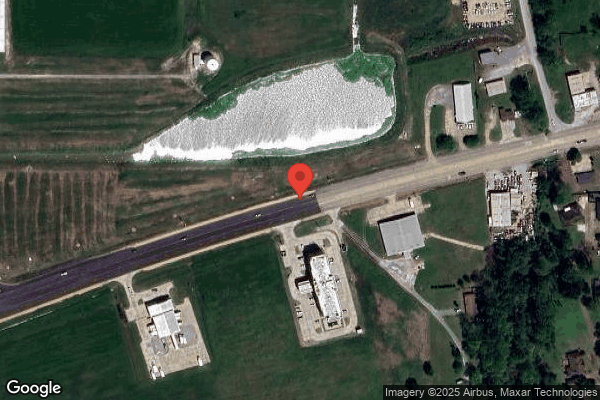
401 HIGHWAY 82 WEST, INDIANOLA, MS 38751 (662) 887-2682
For profit - Limited Liability company 75 Beds NEXION HEALTH Data: November 2025
Trust Grade
61/100
#71 of 200 in MS
Last Inspection: April 2025

Within standard 12-15 month inspection cycle. Federal law requires annual inspections.

Overview

Indianola Rehabilitation and Healthcare Center has a Trust Grade of C+, indicating it is slightly above average but not exceptional. It ranks #71 out of 200 facilities in Mississippi, placing it in the top half, and is the best option among the three nursing homes in Sunflower County. Unfortunately, the facility is experiencing a worsening trend, with issues increasing from 2 in 2024 to 6 in 2025. Staffing is a strength, with a 4 out of 5-star rating and a turnover rate of 30%, which is well below the state average of 47%. However, there are concerns, including $8,512 in fines, which is average, and serious incidents such as a failure to report a resident's injury, leading to untreated fractures, and not adequately addressing resident grievances about food quality. Despite these weaknesses, the facility offers good RN coverage, exceeding 79% of similar facilities, which helps ensure better oversight of resident care.

Trust Score
C+
61/100
In Mississippi
#71/200
Top 35%
Safety Record
Moderate
Needs review
Inspections
Getting Worse
2 → 6 violations
Staff Stability
✓ Good
30% annual turnover. Excellent stability, 18 points below Mississippi's 48% average. Staff who stay learn residents' needs.
Penalties
✓ Good
$8,512 in fines. Lower than most Mississippi facilities. Relatively clean record.
Skilled Nurses
○ Average
Each resident gets 39 minutes of Registered Nurse (RN) attention daily — about average for Mississippi. RNs are the most trained staff who monitor for health changes.
Violations
○ Average
8 deficiencies on record. Average for a facility this size. Mostly minor or procedural issues.
★★★☆☆
3.0
Overall Rating
★★★★☆
4.0
Staff Levels
★★★★☆
4.0
Care Quality
★★★☆☆
3.0
Inspection Score
Stable
2024: 2 issues
2025: 6 issues

The Good

  • 4-Star Staffing Rating · Above-average nurse staffing levels
  • 4-Star Quality Measures · Strong clinical quality outcomes
  • Low Staff Turnover (30%) · Staff stability means consistent care
  • Full Sprinkler Coverage · Fire safety systems throughout facility
  • No fines on record
  • Staff turnover is low (30%)

    18 points below Mississippi average of 48%

Facility shows strength in staffing levels, quality measures, staff retention, fire safety.

The Bad

3-Star Overall Rating

Near Mississippi average (2.6)

Meets federal standards, typical of most facilities

Federal Fines: $8,512

Below median ($33,413)

Minor penalties assessed

Chain: NEXION HEALTH

Part of a multi-facility chain

Ask about local staffing decisions and management

The Ugly 8 deficiencies on record

2 actual harm
Apr 2025 6 deficiencies
CONCERN (D)

Potential for Harm - no one hurt, but risky conditions existed

Deficiency F0558 (Tag F0558)

Could have caused harm · This affected 1 resident

**NOTE- TERMS IN BRACKETS HAVE BEEN EDITED TO PROTECT CONFIDENTIALITY** Based on observation, resident and staff interviews, record review and facility policy review, the facility failed to ensure tha...

Read full inspector narrative →
**NOTE- TERMS IN BRACKETS HAVE BEEN EDITED TO PROTECT CONFIDENTIALITY** Based on observation, resident and staff interviews, record review and facility policy review, the facility failed to ensure that a resident's call light was within reach, which limited the ability to request assistance as needed for two (2) of three (3) survey days. Resident #14 Findings include: Review of the facility policy titled Answering the Call Light with a revision date of September 2022 revealed 5. Ensure that the call light is accessible to the residents . An observation and interview with Resident #14 on 4/22/25 at 11:00 AM, revealed the resident sitting on the side of her bed. Her call light cord was hanging from the wall by the foot of her bed and laying on the floor. The call light was not in reach. Resident #14 revealed, I can't reach it, they don't put it up here where I can. It's always hanging down there. An observation on 4/22/25 at 12:05 PM, and again at 3:09 PM, revealed the call light remains hanging from the wall, inaccessible to the resident An observation and interview on 4/23/25 at 8:25 AM, revealed the call light hanging from the wall, inaccessible to the resident. Resident #14 revealed the call light has been there all night, stating I guess they think I don't need my call button where I can reach it. During an interview and observation on 4/23/25 at 10:25 AM, Certified Nurse Aide (CNA) #2 confirmed Resident #14's call light was on the floor and inaccessible. She revealed the call light should have been placed on her bed where she could reach it. She stated, we are always supposed to make sure each resident's call light is where they can reach it. In an interview on 4/23/25 at 10:30 AM, the Assistant Director of Nurses (ADON) confirmed that staff are expected to ensure call lights are always within residents' reach so they can request assistance. This is important for residents' safety and care. During an interview on 4/24/25 at 8:40 AM, the Administrator confirmed that all residents are supposed to always have a call light accessible to them. A review of Resident #14's admission Record revealed she was admitted to the facility on [DATE] with diagnoses that include Osteoarthritis, Anxiety Disorder, and Convulsions. Record review of the Quarterly Minimum Data Set (MDS) with an Assessment Reference Date (ARD) of 1-21-2025 revealed Resident #14 had a Brief Interview for Mental Status (BIMS) score of 15, indicating that the resident is cognitively intact.
CONCERN (D)

Potential for Harm - no one hurt, but risky conditions existed

Safe Environment (Tag F0584)

Could have caused harm · This affected 1 resident

Based on observation, staff interview, and facility policy review, the facility failed to provide a clean, home-like environment for one (1) of 68 resident rooms observed. Room A-21-W. Findings includ...

Read full inspector narrative →
Based on observation, staff interview, and facility policy review, the facility failed to provide a clean, home-like environment for one (1) of 68 resident rooms observed. Room A-21-W. Findings included: Record review of the facility policy, titled Cleaning and Disinfection of Resident-Care Items and Equipment reviewed 3/19/25 revealed Policy Statement, Resident-care equipment, including reusable items and durable medical equipment will be cleaned and disinfected according to current Centers for Disease Control (CDC) recommendations . An observation on 4/22/25 at 10:50 AM, revealed that an oxygen concentrator was in use by the resident in room A-21-W. Three (3) dime-sized, light brown dried substances were visible on top of the concentrator, along with a two(2)-inch streak of a similar light brown substance down the front. During an interview with Housekeeper #1 on 4/22/25 at 1:01 PM, she stated that housekeepers do not clean any medical equipment currently in use by residents, as they are concerned about interfering with the device's settings. She further explained that the Nursing Department is responsible for cleaning the oxygen concentrator. In an observation of the oxygen concentrator in Room A-21-W and an interview with Registered Nurse (RN) #1 on 4/22/25 at 1:10 PM, she verified that the concentrator was soiled with formula from the resident's tube feeding. She stated that the concentrator should have been cleaned by nursing staff to prevent attracting pests, such as ants. In an interview with the Director of Nursing on 4/23/25 at 11:15 AM, she stated that it was her expectation that nursing staff would clean the oxygen concentrator if it became soiled.
CONCERN (D)

Potential for Harm - no one hurt, but risky conditions existed

Comprehensive Care Plan (Tag F0656)

Could have caused harm · This affected 1 resident

**NOTE- TERMS IN BRACKETS HAVE BEEN EDITED TO PROTECT CONFIDENTIALITY** Resident #62 Record review of Resident #62's Care Plan Report revealed, I require staff assist with ADL self-care performance d...

Read full inspector narrative →
**NOTE- TERMS IN BRACKETS HAVE BEEN EDITED TO PROTECT CONFIDENTIALITY** Resident #62 Record review of Resident #62's Care Plan Report revealed, I require staff assist with ADL self-care performance deficit related to right side hemiparesis, with contracture to right arm, impaired mobility. Goal: I will be neat, clean, and odor-free each shift. Under Interventions, Bathing/Showering: Bath daily. Total dependent x (times)1 staff with bathing. Personal Hygiene . Total dependent x 1-2 staff with hygiene/grooming. An observation on 4/22/25 at 11:04 AM, and again at 3:21 PM, revealed Resident #62 with unkempt, slick-appearing hair. Her fingernails were approximately one-half (1/2) inch long, jagged, and with a brown substance underneath them. An observation on 4/23/25 at 8:31 AM, revealed Resident #62 lying in bed, no change in her personal hygiene status. During an interview and observation on 4/23/25 at 10:30 AM, the Assistant Director of Nurses (ADON) revealed that the nurses are responsible for trimming the residents' fingernails. She stated, I would say they are done once a month and as needed, but nothing is set in stone as to when it is to be completed. The ADON confirmed Resident #62's fingernails were long, jagged, and had a brown substance underneath them, and needed to be cleaned and trimmed. She revealed that the resident's hair looked greasy and needed to be washed and revealed that we expect each resident to be kept clean and presentable. During an interview on 4/23/25 at 10:40 AM, the DON confirmed that while nurses are responsible for trimming fingernails, the Certified Nurse Aides (CNA's) are expected to clean under the fingernails and notify nursing staff when trimming is needed. She acknowledged that all aspects of personal hygiene for Resident #62 should have been done, and if it was not, then her care plan was not followed. During an interview on 4/23/25 at 2:30 PM, the MDS Coordinator revealed she is responsible for developing the care plans for the residents, and they are individualized to address each resident's needs. She revealed Resident #62's ADL care plan addressed personal hygiene, which staff know includes her nail care and hair washing. She confirmed that if the resident was found to not be properly groomed and cared for, then her ADL care plan was not being followed, and it should have been. A record review of Resident #62's admission Record revealed the resident was admitted to the facility on [DATE] with medical diagnoses that included Cerebral Infarction, Hemiplegia, Hemiparesis, and Dementia. Based on observation, staff interview, record review, and facility policy review, the facility failed to implement a person-centered care plan for providing personal hygiene for two (2) of 30 sampled residents care plans reviewed. Resident #23 and Resident #62. Findings Include: Review of the facility policy titled Care Plans, Comprehensive Person-Centered, with a review date January 2023, revealed: Policy Statement: A comprehensive, person-centered care plan that includes measurable objectives and timetables to meet the resident's physical, psychosocial and functional needs is developed and implemented for each resident . Resident #23 Record review of the Care Plan Report for Resident #23 revealed: I require staff assist with Activities of Daily Living (ADL) self-care performance deficit r/t (related/to) Dementia with confusion/impaired mobility and cognition, contractures to extremities, last revised 3/14/25. Interventions listed included: Personal Hygiene .Nail care as needed. An observation on 4/22/25 at 10:45 AM, revealed Resident #23's fingernails were long, approximately one-half (1/2) inch in length, with a brown substance under every nail bed. An interview with the Minimum Data Set (MDS) Nurse, on 4/23/25 at 10:45 AM, confirmed that Resident #23's ADL care plan had not been implemented in relation to personal hygiene. She stated the purpose of the comprehensive care plan is to direct staff on the resident-specific care needed. An interview with the Director of Nursing (DON) on 4/24/25 at 8:34 AM, confirmed that staff did not follow Resident #23's the ADL care plan. Record review of the admission Record revealed the facility admitted Resident #23 on 2/09/22 with medical diagnoses that included Dementia and Contracture, unspecified joint. Record review of Resident #23's MDS with an Assessment Reference Date (ARD) of 3/06/25 revealed Section GG-Functional Abilities coded Dependent for Personal Hygiene. Record review of Task: GG - Personal Hygiene form for Resident #23 from 4/10/25 through 4/22/25 revealed no documentation of refusals.
CONCERN (D)

Potential for Harm - no one hurt, but risky conditions existed

ADL Care (Tag F0677)

Could have caused harm · This affected 1 resident

**NOTE- TERMS IN BRACKETS HAVE BEEN EDITED TO PROTECT CONFIDENTIALITY** Resident #62 On 4/22/25 at 11:04 AM and again at 3:21 PM, observations revealed Resident #62 with unkempt hair that had a wet a...

Read full inspector narrative →
**NOTE- TERMS IN BRACKETS HAVE BEEN EDITED TO PROTECT CONFIDENTIALITY** Resident #62 On 4/22/25 at 11:04 AM and again at 3:21 PM, observations revealed Resident #62 with unkempt hair that had a wet appearance. Her fingernails were long and jagged, reaching approximately one-half (1/2) inch past the fingertips with a brown substance underneath. An observation on 4/23/25 at 8:31 AM revealed Resident #62 lying in bed with no change in appearance. During an interview and observation on 4/23/25 at 10:15 AM, CNA #2 revealed that she was responsible for giving Resident #62 her bed bath, which was supposed to include washing her hair and cleaning underneath her fingernails. She stated, I took a towel and went over the resident's hair this morning, but I did not wash her hair, and I tried to clean underneath her fingernails. She confirmed the resident had a brown substance under her fingernails and revealed that her hair was dirty, and she should have washed it. During an interview and observation on 4/23/25 at 10:30 AM, the Assistant Director of Nurses (ADON) confirmed Resident #62's fingernails needed to be cleaned and trimmed and her hair looked greasy and needed washing. She stated that it was her expectation that each resident would be kept clean and presentable. During an interview on 4/23/25 at 10:40 AM, the DON confirmed that all aspects of personal hygiene for Resident #62 should have been done. She revealed it is both the nurses and the CNA's responsibility. A record review of Resident #62's admission Record revealed the resident was admitted to the facility on [DATE] with medical diagnoses that included Cerebral Infarction, Hemiplegia, Hemiparesis, and Dementia. A record review of the MDS Section GG- Functional Abilities with an ARD of [DATE], revealed the resident is Dependent for Personal Hygiene. Based on observation, staff interview, record review, and facility policy review, the facility failed to provide personal hygiene for two (2) of 30 sampled residents. Resident #23 and Resident #62. Findings Include: Review of the facility policy titled Activities of Daily Living (ADL), Supporting with a revision date of March 2018, revealed: Residents who are unable to carry out activities of daily living independently will receive the services necessary to maintain good grooming and personal hygiene . Resident #23 An observation on 4/22/25 at 10:45 AM revealed Resident #23's fingernails were approximately one-half (1/2) inch in length past the fingertip and each nail had a brown substance underneath. An observation on 4/23/25 at 10:37 AM revealed no change in Resident #23's fingernails. Record review of the Minimum Data Set (MDS) for Resident #23, with an Assessment Reference Date (ARD) of March 6, 2025, revealed Section GG-Functional Abilities coded Dependent for Personal Hygiene. An interview with Licensed Practical Nurse (LPN) #1, on 4/23/25 at 10:38 AM, confirmed that Resident #23's fingernails were too long and nasty. She stated it appeared they had not been trimmed or cleaned in a while and confirmed they needed to be. She revealed that improper nail care could lead to a break in the skin that could increase the risk of infection. An interview with the MDS Nurse on 4/23/25 at 10:45 AM, revealed, after reviewing the last 30 days of the Progress Notes for Resident #23, no documentation was found regarding nail care or refusals. Record review of the Progress Notes for Resident #23 revealed no documentation of refusals for personal hygiene care or nail care from dates 3/22/25 through 4/22/25. An interview with Certified Nursing Assistant (CNA) #1 on 4/24/25 at 8:30 AM, regarding Resident #23's fingernail care, revealed: He does not refuse any type of ADL care. An interview with the Director of Nursing (DON) on 4/24/25 at 8:34 AM revealed that the facility's expectation is for nursing staff is to keep Resident #23's fingernails trimmed and cleaned. Record review of the admission Record revealed the facility admitted Resident #23 on 2/09/22 with medical diagnoses that included Dementia and Contracture, unspecified joint.
CONCERN (E)

Potential for Harm - no one hurt, but risky conditions existed

Deficiency F0565 (Tag F0565)

Could have caused harm · This affected multiple residents

Based on resident and staff interviews, record review, and facility policy review, the facility failed to promptly resolve resident grievances related to food quality and temperature for five (5) of n...

Read full inspector narrative →
Based on resident and staff interviews, record review, and facility policy review, the facility failed to promptly resolve resident grievances related to food quality and temperature for five (5) of nine (9) residents attending the Resident Council meeting. Residents #11, #14, #21, #25, and #46 Findings Include: Review of the facility policy titled Filing Grievances/Complaints, revised 6/2024 revealed under, Policy Statement: Our facility will assist residents, their representatives (sponsors), other interested family members, or advocates in filing grievances or complaints when such request are made . An interview with Resident #21 (Resident Council president) on 4/22/25 at 10:55 AM revealed they (the residents) have been discussing concerns with the food quality and temperature (cold food) in the previous monthly meetings. During a Resident Council meeting held on 4/22/25 at 2:45 PM, Resident #11, #14, #21, #25, and #46 all agreed the main concern from the previous council meetings was the food and continued to be an ongoing problem. The residents verbalized the food was not good, and Resident #14 stated, It's garbage. Resident #11 stated, We may have one good meal once or twice a week. She explained that the vegetables were always mushy and overcooked. All the residents said they had discussed the food concerns in the Resident Council and also in the monthly food committee meeting. They verbalized that nothing gets done about it. Resident #14 revealed the dietary manager asked her about the food, and she told her, It's terrible. Residents #11 and #25 revealed they would like more variety of foods and explained the facility serves the same thing over and over. Resident #11 explained that they get too many carbohydrates in a day and sometimes get mashed potatoes and french fries at the same meal. She revealed the french fries were always served cold. She stated, The cold foods are not cold, and the hot foods are not hot. Furthermore, she revealed they were served tea with no ice and stated, I just try to eat enough to live. The residents verbalized they would like more tacos and stated they had discussed this with dietary, but this had not been implemented. Resident #46 revealed he used to get a sandwich for supper, and he liked that, but the facility cut that out. Resident #21 (Resident Council president) stated, The Easter Sunday meal was good, but we only have one Easter a year. He explained that all the other meals were poured out of a can. He stated, These people can't cook. They all agreed they would like to have more fresh fruit and vegetables. Resident #21 revealed that he had suggested having a CNA (certified nurse aide) that floated on the hall to help deliver trays faster. He explained that he believed the food was getting cold because staff got delayed in the rooms. Record review of the Resident Council Minutes dated 1/07/25, 2/03/25, 3/03/25, and 4/07/25 revealed there was no documentation regarding resident food complaints. An interview with the Activities Director (AD) on 4/23/25 at 8:10 AM revealed the residents had told her in previous Resident Council meetings the food was not good, and they were not satisfied. She revealed that she went and got the dietary manager to come and talk to the residents. She explained that she did not write anything up on the food complaints and allowed the dietary manager to write up the residents' concerns in her notebook. The AD revealed she was not aware of what the dietary department had done about the complaints. Record review of the Food Committee Meeting Minutes dated 12/27/24 revealed under, How can we improve your dining experience? Change the menus to something interesting was indicated. Documentation lacked details identifying which residents made complaints or what actions were taken to address the concern. Record review of the Food Committee Meeting Minutes dated 2/28/25 revealed under, What would you like to see instead? Less mashed potatoes, more diced potatoes were indicated. Documentation lacked details identifying which residents made complaints or what actions were taken to address the concern. Record review of the Food Committee Meeting Minutes dated 3/28/25 revealed under, What would you like to see instead? Fresh fruits and vegetables were documented. Also revealed under, Are foods served at the proper temperature? No was indicated with additional comments, Resident asked could the facility purchase a heating cart. There was a lack of documentation to identify the residents that made complaints or what actions were taken to resolve the issues that were discussed. An interview with the Administrator (ADM) on 4/23/25 at 12:15 PM revealed she was aware of some food concerns. She explained the residents wanted more of a variety of potatoes, so the kitchen has been changing up and doing roasted potatoes, au gratin potatoes, and others. She revealed that at one time the residents were complaining about the vegetables being too soft. The ADM explained that she went to the kitchen and found that staff were cooking the vegetables around 9 to 10 in the morning and then placed them on the steam table until they were served. She revealed they had tried multiple things to fix Resident #21's food concerns and tried to focus on what he liked. The ADM stated, I understand they all like different things. She confirmed she was aware of the complaints regarding cold food from time to time. An interview with the Dietary Manager (DM) on 4/23/25 at 1:10 PM, revealed she goes to the monthly Resident Council meetings, and she has been writing down the resident food concerns. She explained that she documented the residents' concerns in a notebook and confirmed a grievance was not completed. She revealed they (the staff) did not have any documentation to prove the residents' food concerns were addressed or what action they took to correct and resolve their issues. An interview with the Regional Dietary Manager (RDM) on 4/23/25 at 2:30 PM revealed she knew the residents had complained about cold food in a previous Resident Council meeting. She revealed she was unsure why the food complaints were not written up as a grievance. She acknowledged they (staff) did not have a paper trail to track what was done to resolve the residents' complaints regarding food. An interview with the Administrator (ADM) on 4/24/25 at 8:44 AM confirmed that grievances should have been completed on the residents' food concerns so that all the staff were aware of the concerns and could work toward getting the concerns resolved. Record review of the admission Record revealed the facility admitted Resident #11 on 10/03/24. Record review of the Brief Interview for Mental Status (BIMS) dated 4/17/25 revealed a summary score of 15, which indicated Resident #11 was cognitively intact. Record review of the admission Record revealed the facility admitted Resident #14 on 7/03/20. Record review of the BIMS dated 4/23/25 revealed a summary score of 15, which indicated Resident #14 was cognitively intact. Record review of the admission Record revealed the facility admitted Resident #21 on 6/08/15. Record review of the BIMS dated 2/27/25 revealed a summary score of 15, which indicated Resident #21 was cognitively intact. Record review of the admission Record revealed the facility admitted Resident #25 on 7/14/24. Record review of the BIMS dated 1/31/25 revealed a summary score of 15, which indicated Resident #25 was cognitively intact. Record review of the admission Record revealed the facility admitted Resident #46 on 5/03/21. Record review of the BIMS dated 1/06/25 revealed a summary score of 15, which indicated Resident #46 was cognitively intact.
CONCERN (E)

Potential for Harm - no one hurt, but risky conditions existed

Deficiency F0761 (Tag F0761)

Could have caused harm · This affected multiple residents

Based on observation, staff interview, and facility policy review, the facility failed to ensure a medication cart was kept locked and attended for one (1) of three (3) survey days. Findings Include:...

Read full inspector narrative →
Based on observation, staff interview, and facility policy review, the facility failed to ensure a medication cart was kept locked and attended for one (1) of three (3) survey days. Findings Include: Review of the facility policy titled Storage of Medications unrevised, revealed under, Policy Statement: The facility stores all drugs and biologics in a safe, secure, and orderly manner. Additionally revealed, 9. Unlocked medications carts are not left unattended. On 4/22/25 at 10:11 AM and again at 1:20 PM, an unlocked medication cart was observed parked in front of the A Hall nurses' station with no staff nearby or in sight. An interview with Registered Nurse (RN) #1 on 4/22/25 at 1:28 PM, confirmed she left the medication cart unlocked and unattended. She revealed the cart should never be left unlocked and explained that a resident could get medication out and overdose. She acknowledged the facility had one wanderer on the hall that could get into the cart and take something. An interview with the Administrator (ADM) on 4/22/25 at 2:38 PM confirmed the medications carts must be locked anytime a nurse stepped away. She acknowledged the risk and revealed that anybody that wanted to take something from the cart could and stated, There is a large potential there for an incident to occur.
Jul 2024 2 deficiencies 2 Harm
SERIOUS (G) 📢 Someone Reported This

A family member, employee, or ombudsman was alarmed enough to file a formal complaint

Actual Harm - a resident was hurt due to facility failures

Free from Abuse/Neglect (Tag F0600)

A resident was harmed · This affected 1 resident

**NOTE- TERMS IN BRACKETS HAVE BEEN EDITED TO PROTECT CONFIDENTIALITY** Based on observations, interviews, record review and facility policy and procedure review, the facility neglected to provide an ...

Read full inspector narrative →
**NOTE- TERMS IN BRACKETS HAVE BEEN EDITED TO PROTECT CONFIDENTIALITY** Based on observations, interviews, record review and facility policy and procedure review, the facility neglected to provide an environment free from abuse/neglect for Resident #1. Certified Nursing Assistant (CNA) #1 did not report to anyone that Resident #1 hit his head during resident care. This resulted in a serious right eye injury with fractures to his orbital bones which remained untreated and unassessed by the facility staff for several hours after the injuries to Resident #1 were discovered for one (1) of 27 residents reviewed for abuse and neglect. Resident #1 Findings include: Record review of the facility policy and procedure titled Abuse Prohibition Policy, reviewed 5/17/24 revealed . Neglect is defined as the failure of the facility, its employees, or service providers to provide goods and services to a resident that are necessary to avoid physical harm, mental anguish, or emotional distress. Neglect includes cases where the facility's indifference or disregard for resident care, comfort, or safety resulted in or could have resulted in physical harm, pain, mental anguish, or emotional distress . Investigation: 1. The facility will thoroughly investigate all alleged violations and take appropriate actions . On 7/30/24 at 11:30 AM, an interview with the Administrator (ADM) and the Director of Nurses (DON) revealed the local police had gone to the emergency room (ER) and completed their police report and talked to the resident at the ER. The Attorney General (AG) had been to the facility on Monday. The ADM stated that the local police had come to the facility to follow up on the situation on 7/29/24 and indicated to her they felt Resident #1 had been hit by someone at the facility. The ADM stated that the incident occurred on 7/27/24 2024, during the 7:00 AM - 3:00 PM shift. The ADM stated she obtained a statement from CNA #1, and he denied hitting the resident. CNA #1 stated that Resident #1 hit his head on the bedside table. The ADM stated the DON was contacted by Licensed Practical Nurse (LPN) #1 that Resident #1's eye was swollen shut and the area around his eye was black prior to leaving for dialysis on 7/24/24 at approximately 11:00 AM. Resident #1 initially told LPN #1 on 7/29/24 at 11:00 AM, that he and CNA #1 were boxing, and he got the black eye. The ADM stated CNA #1 did not report the incident of Resident #1 hitting his head on the bedside table to anyone. The ADM stated the DON was contacted on Saturaday, 7/27/24 at approximately 11:15 AM via telephone but did not come to the facility to investigate the incident on 7/27/24 so there was no incident report or documentation assessing the injuries of Resident #1 for that day. Interview on 7/30/24 at 2:18 PM, with LPN #2 revealed that she was the 3:00 PM - 11:00 PM nurse supervisor for the second shift on 7/27/24. She stated she did not receive a report form the first shift nursing supervisor of any incidents that occurred with Resident #1. LPN #2 stated that at approximately 3:15 PM, LPN #1 told her that something happened between CNA #1 and Resident #1 and that Resident #1 had received a black eye. LPN #1 told LPN #2 that the DON had been contacted and that Resident #1 was going to be sent to the local ER for evaluation after dialysis. LPN #2 stated that at approximately 4:00 PM, Resident #1 returned from dialysis and this was the first time that she had seen Resident #1. His right eye was swollen shut and was dark purple and black with large bruises and a small amount of blood noted to the nose. LPN #2 asked Resident #1 what had happened, and he said, we had a little tussle, Resident #1 did not tell LPN #2 who the CNA was or call the CNA by name. Resident #1 was transported to the local ER by the facility van driver at approximately 4:30 PM. LPN #2 stated that at approximately 8:30 PM on 7/27/24 the facility van driver returned to the facility alone because Resident #1 had been sent via ambulance from the local ER to a hospital in another city for overnight observation and further testing. Interview on 7/30/24 at 3:32 PM, with RN #3 from the local ER revealed that on 7/27/24 at approximately 5:00 PM, she saw Resident #1 in the ER where she was working as the ER nurse. She stated that Resident #1 arrived at the ER alone with a female facility van driver. Resident #1 was noted to have a large swollen dark bruised black eye with blood on his shirt and blood drops on his pants, and both nostrils of his nose contained blood. She stated that Resident #1 told her that he had gotten punched in the eye but did not want to talk about it. RN #3 stated that she immediately called the facility DON, and she stated that an investigation was underway to try to determine what had happened. RN #3 stated that she also called the local Police Department, Adult Protective Services, and the State Agency. RN #3 stated that approximately 1 hour after he was seen in the ER his two (2) daughters came to the ER but Resident #1 only stated that he got punched and did not want to talk about it anymore. The local Police Department came to the local ER and talked to Resident #1 at approximately 8:00 PM. Resident #1 was transferred for overnight observation and further testing via ambulance to an out-of-town hospital. RN #3 reported that the local ER had received a call earlier in the day around lunchtime (approximately 12:15 PM) from the on-call Nurse Practitioner (NP) who reported to the ER that she had received a call from the facility DON after Resident #1 had been sent out to dialysis. The DON reported to Nurse Practitioner (NP) that Resident #1 had obtained a black eye and bloody nose sometime during patient care the morning of 7/27/24 at around 8:00 AM. The NP stated that Resident #1 was sent out to dialysis before she was notified at 12:15 PM. The NP instructed the facility staff to bring Resident #1 to the local ER as soon as he returned from dialysis. Resident #1 completed dialysis and arrived at the local ER at approximately 5:00 PM. Interview on 7/30/24 at 3:49 PM, with the Attorney General (AG) Investigator revealed that he was in the process of obtaining a copy of the local Police report. He stated that the local ER had contacted the local Police to come to the ER and complete a Police report. The AG stated that as soon as he received the Police Report and gathered more information, he would make his conclusions as to what had occurred. The AG stated that CNA #1 had denied he hit Resident #1. Interview on 7/30/24 at 3:57 PM, with LPN #1 revealed she was the facility unit nurse on 7/27/24 for the 7:00 AM - 3:00 PM shift. LPN #1 stated that CNA #2 told her that Resident #1 was cutting up and resisting care. LPN #1 went to Resident #1's room to see what was going on and CNA #1 was giving Resident #1 a bath. CNA #1 told LPN #1 everything was fine and that he had things under control. LPN #1 did not see the Resident's face at that time. At approximately 9:00 AM, LPN #1 saw Resident #1 walking down the hall with his walker. LPN #1 stated He appeared fine. I thought I saw a small blister under his right eye, but he did not have any swelling or bruising at that time. At approximately 10:30 - 10:45 AM, LPN #1 passed by the lobby and saw Resident #1 sitting in a chair waiting for dialysis to come pick him up and at that time his right eye was swollen shut and he had dark purple and black bruising around his right eye with some small amount of blood noted to his nose. LPN #1 asked him what had happened, and he said, we were wrestling, I got hit when we were wrestling. He never called any names as to who had hit him. LPN #1 immediately called the DON, and she told LPN #1 to get a statement from CNA #1 and to get CNA #1 out of the building on suspension until an investigation could be completed. LPN #1 stated that she should have written a nursing note and put information in the medical record of Resident #1 immediately after the incident was reported to her, but she honestly thought that RN Supervisor #1 had completed the paperwork. Interview on 7/30/24 at 4:00 PM, with the daughter of Resident #1 revealed that she had been called by LPN #1 on 7/27/24 at approximately 12:00 PM after her dad had been sent to dialysis. LPN #1 told her that her dad had been injured during care that morning and had received a black eye. Resident #1 told the family that he was horsing around and wrestling with a friend. The daughter stated that after dialysis the facility transported Resident #1 to the local ER. Resident #1 had fractures to his orbital bones around his right eye and bruises on his arm and a bloody nose. The daughter stated that Resident #1 had blood on his clothes at dialysis and at the ER. Resident #1 was transported via ambulance to another out-of-town hospital for further evaluation. Interview, on 7/30/24 at 4:20 PM, with CNA #1 revealed that on 7/27/24 at approximately 8:00 AM, CNA #1 discovered that Resident #1 needed to be cleaned up. CNA #1 attempted to deliver care and Resident #1 resisted and was cussing and swinging his arms about. Resident #1's bedside table was to the left of his bed and the window was to the right of his bed. CNA #1 stated Resident #1 was telling him to go on and leave him alone and that he did not want CNA #1 cleaning him up. Resident #1 was swinging his arms about, and CNA #1 told Resident #1 I am not here to hurt you, and I am here to help you. CNA #1 stated that he did not ask another staff to assist him with Resident #1. He stated that he thought he could handle the situation all by himself. He stated that he had left the door to Resident #1's room open. CNA #1 stated that he had been in-serviced and trained to leave the room when a resident was resisting care and get another staff to come in with him after the resident had calmed down, but he did not do that because Resident #1 calmed down on his own. CNA #1 stated Resident #1 did hit his head on the bedside table where CNA #1 had his basin of bath water sitting, but he stated that he was not hurt and that he was okay. CNA #1 stated that because Resident #1 was not hurt, he continued to deliver care. CNA #1 stated that he did not report to anyone that Resident #1 had hit his head until he gave a written statement to LPN #1 several hours later when Resident #1 was discovered to have a black eye. CNA #1 stated that he did not hit Resident #1 and that he loved his residents and would never hurt anyone. CNA #1 stated that he assumed that Resident #1 had either hit himself in the eye or that he hit his head on the bedside table. Interview on 7/30/24 at 6:15 PM, with the facility van driver revealed that she was called about noon on 7/27/24, by the DON and asked to come to the facility after dialysis and pick up Resident #1 and take him to the local ER for evaluation and x-rays. The van driver waited with Resident #1 at the ER until the local ER stated they were sending Resident #1 to an out-of-town hospital. The facility van driver stated that Resident #1 had a swollen, bruised right eye and his nose started bleeding at the ER. The facility van driver stated that she did not ask Resident #1 about the incident. Observation and interview on 7/30/24 at 6:30 PM, with Resident #1 revealed that he was sitting alone in a chair in the lobby at the front of the facility. Resident #1 had a large swollen shut black right eye with some thick, white substance noted to the corners of the eye and along the eyelash area. Resident #1 stated that he was not able to open his right eye at this time. Resident #1 stated: I got into a little altercation with a friend. Resident #1 refused to disclose the name of his friend and stated they had worked it all out between them and that everything was okay. Interview on 7/31/24 at 9:30 AM, with CNA #2 revealed she was working on the same unit on 7/27/24 as CNA #1. CNA #2 revealed she heard loud yelling coming from Resident #1's room. The door was opened. I heard CNA #1 tell Resident #1 he was not trying to hurt him, he was trying to give him a bath. Resident #1 told CNA #1 to go on and leave him alone and to get out of his room. CNA #2 stated CNA #1 never asked for any help with Resident #1. CNA #2 stated CNA #1 should have left the room until Resident #1 calmed down and he should have asked someone to help him, but he didn't. An interview on 7/31/24 at 12:16 PM, with the dialysis Facility Administrator (RN #4) revealed that she was working at the dialysis clinic on 7/27/24 when Resident #1 was there for dialysis. She stated that the van driver came into the dialysis clinic and asked the staff to come and help with the man from the nursing home because something was wrong. The private company van driver got Resident #1 off the van, and they brought him into the dialysis clinic with blood on his face and hands and clothes and a swollen black right eye. Resident #1 told the dialysis staff that he had been in a wrestling match with another patient at the facility by the name of (gave the first name of CNA #1). The dialysis nurse called the nursing home and talked to a lady that stated that she was an RN at the facility named (name of RN #2). RN #5 wanted to make sure that the facility knew that Resident #1 had been sent to dialysis with an injury to his right eye and a bloody nose. The dialysis staff called the physician, and he gave instructions to have Resident #1 evaluated and x-rayed at the local ER. Record review of the dialysis clinic notes dated 7/27/24 at 1:33 PM, signed by RN #4 revealed Resident #1 arrived to dialysis today with his right eye swollen shut, a bloody nose, blood on his hands and pants. When questioned what happened, he stated he was wrestling with another patient named (name of CNA #1) at the nursing home. RN #4 contacted the nursing home and spoke with RN #2 who stated the patient was combative with a CNA during his bath prior to dialysis. The dialysis physician was notified via telephone, gave approval to start treatment, hold heparin, and wanted Resident #1 to get an x-ray post-dialysis at the hospital to ensure there are no fractures. This information was communicated to the nursing home and Resident #1's family. Record review of a handwritten statements for LPN#1 revealed there was a verbal exchange between CNA #1 and Resident #1 at approximately 8:00 AM or 9:00 AM on 7/27/24. The statement revealed that at approximately 10:50 AM prior to leaving the facility for dialysis she discovered that Resident #1 had an eye injury. LPN #1 documented in her statement .swelling and bruising was noted . around 10:50 to resident's right eye. DON was notified. Record review of the local hospital Final Radiology Report dated 7/27/24 at 4:27 PM revealed .Exam: CT Head Without Contrast .Clinical Indication Injury or trauma .Impression: Significant right orbital fracture partially imaged with intraorbital air and severe appearing proptosis . Record review of the local hospital Final Radiology Report dated 7/27/24 at 5:15PM revealed .IMPRESSION: 1. Comminuted and depressed right orbit floor fracture. Comminuted and medially displaced right orbit medial wall fracture. Small amount of intraorbital air. Marked proptosis. Thickened edematous appearance of the right inferior rectus muscle also with some gas immediately adjacent to possibly within the muscle fibers. Tiny bone fragments in close proximity to the right inferior rectus muscle. Cannot definitely exclude an element of intramuscular hemorrhage. However, no significant retrobulbar hemorrhage. 2. Age indeterminate nasal bone fracture. 3. Hemorrhage in the right maxillary sinus. Record review of the local police department Incident Report revealed Event Info: Date Reported: July 27, 2024, Time Reported: 20:01 (8:01 PM) . Date of Occurrence Range: 7/27/24 Time of Occurrence Range: 19:55-20:10 (7:55-8:10 PM Call Type: Assault- Victim was assaulted at (Proper name of nursing home facility) by an employee. Employee was trying to dress the victim when the victim began cussing and acting up. Victim has Dementia. Victim was transported to (local ER) where x-rays showed a fractured orbital. Victim was transported to (another city) to see a specialist. Classification: Completed Class: Vulnerable Person Abuse or Neglect Subclass: Abuse. Name type: Suspect Name (name and address and telephone number of CNA #1). Narrative . (Proper name of daughter) stated she received a call from the facility about 11:13 AM and was informed their father had been assaulted. Instead of the facility sending Resident #1 to the hospital it was stated that he was taken to dialysis with a very bad swollen right eye.Resident #1 stated that CNA #1 an employee at the facility is the person that caused his injury . The staff on duty during the shift had not reported the injury at all. The x-ray of Resident #1's face showed his orbital is fractured . Record review of a handwritten statement by CNA #1 dated July 27, 2024 revealed This morning when I went to bathe (Proper name of Resident #1), he started cursing and swinging. I asked him to stop and let me clean him. But he continued to swinging and curse. I notified the nurse that he was fighting and refusing care. During his outburst he hit his head, and his eye was swollen. I notified the nurse. I had went in several times to clean him, and I even asked (Proper name of CNA #2) to come into the room with me. Record review of the handwritten statement by LPN #1 revealed At approximately 9:00 AM, this nurse (Last name of LPN #1) was called to the resident's room because the resident was being combative and refusing care. Upon entering the resident's room, the resident was noted to be lying in bed on his right side facing the window and the aide was giving the resident a bath. The resident was noted to be calm and did not appear to be in distress. After resident stated that he was alright, this nurse exited the room. There was no bruising or swelling noted at this time. Swelling and bruising was noted around 10:50 to the resident's right eye. DON was notified. Signed by LPN #1 and dated July 28, 2024. Record review of a handwritten statement dated 7/29/24 by LPN #2 revealed, On the evening of 7/27/24 I was working the 3:00p- 11p shift as the supervisor when (Proper name of Resident #1) returned to the facility from dialysis. I ask him . why his eye was swollen, he stated that him and his CNA had a 'little tussle.' I ask him what he meant by a 'little tussle.' He stated that he really did not think that the CNA hit him or did anything to him, he stated, 'I might have hit myself.' . Record review of a typed statement by facility Administrator (ADM) dated 7/28/24 at 10:52 AM revealed, (Proper name of CNA #1) informed the Administrator that (Proper name of Resident #1) was refusing care, so he sent for (Proper name of LPN #1) . CNA) #1 stated Resident #1 had risen in the bed, swung, and was fighting, and he hit his head on the over-bed table he had at bedside with the bath water on it. CNA #1 stated Resident #1 never complained of pain or said he was hurt. He finally calmed down and he was able to clean him up, dress him, shave him, and trim his hair with no issues. Resident #1 then walked up front prior to going to dialysis. LPN #1 asked Resident #1 what happened per CNA #1. Resident #1 replied, 'I have been down there fighting and did it to myself.' CNA #1 stated he never closed the door to Resident #1's room for his privacy because the smell was so bad. That is the only thing he did wrong was not providing privacy. Record review of the Minimum Data Set (MDS) dated [DATE], for Resident #1 Section C revealed that Resident #1 had a Brief Interview of Mental Status (BIMS) score of 14 which indicated that Resident #1 was intact cognitively and had no cognitive impairment. Record review of the admission Record revealed Resident #1 had been admitted to the facility on [DATE] and again on 4/16/23 with diagnoses that included Type 2 Diabetes Mellitus and Heart Failure.
SERIOUS (G) 📢 Someone Reported This

A family member, employee, or ombudsman was alarmed enough to file a formal complaint

Actual Harm - a resident was hurt due to facility failures

Comprehensive Care Plan (Tag F0656)

A resident was harmed · This affected 1 resident

Based on interview, record review and facility policy and procedure review the facility failed to implement the Activities of Daily Living (ADL) care plan when Certified Nursing Assistant (CNA) #1 did...

Read full inspector narrative →
Based on interview, record review and facility policy and procedure review the facility failed to implement the Activities of Daily Living (ADL) care plan when Certified Nursing Assistant (CNA) #1 did not notify the charge nurse supervisor when a resident was resisting care. This failure resulted in Resident #1 receiving fractures to his orbital bones during an altercation with CNA #1 during care for one (1) of 27 residents reviewed. Resident #1. Findings include: Record review of the facility policy titled, Care Plans, Comprehensive-Centered with a reviewed date of January 2023 revealed Policy Statement: A comprehensive, person-centered care plan .is developed and implemented for each resident. Policy Interpretation and Implementation .8. The comprehensive, person-centered care plan will: .g. Incorporate identified problem areas h. Incorporate risk factors associated with identified problems 10. Identifying problem areas and their causes, and developed interventions that are targeted and meaningful to the resident .11 a. When possible, interventions address the underlying sources (s) of the problem area (s), not just addressing only symptoms or triggers . Record review of the care plan with a date initiated of 2/23/24 revealed Focus: I have inappropriate behaviors and at risk for injuries and complications. I yell at staff and resist care .Interventions: Monitor behaviors .Notify charge nurse, supervisor .Notify physician and RR (Resident Representative) .Redirect as needed Interview on 07/30/24 at 11:30 AM, with the Director of Nursing (DON) and the Administrator (ADM) revealed Resident #1 was discovered to have a black eye and a nosebleed on 07/27/24 at approximately 10:40 AM after he had received care from CNA #1 on 07/27/24 at approximately 8:00 AM-9:00 AM. The DON revealed there was no documentation CNA #1 notified the charge nurse supervisor or obtained help from additional staff when Resident #1 resisted care. During an interview on 07/30/24 at 3:57 PM, Licensed Practical Nurse (LPN #1) revealed CNA #1 never reported to anyone that Resident #1 hit his head during patient care earlier that morning on 07/27/24 at approximately 8:00 AM to 9:00 AM. LPN #1 confirmed that CNA #1 did not follow protocol for Residents with behaviors or that were resisting ADL care. LPN #1 stated that CNA #1 should have called for another staff to assist him and walked away and left the room after the resident became resistant to care. LPN #1 stated that CNA #1 never asked for help with Resident #1 after he became resistant to ADL care. LPN #1 stated that Resident #1 received injuries of a swollen black eye and some bleeding to his nose that occurred during ADL care with CNA #1. LPN #1 stated that she should have assessed Resident #1, and she should have documented the events of the incident of Resident #1, but she did not. Interview on 07/30/24 at 4:20 PM, with CNA #1 revealed that during patient care on 07/27/24 at approximately 8:00 AM Resident #1 became resistant and began yelling and swinging his arms about during bath time. CNA #1 stated that Resident #1 hit the right side of his head on the bedside table that was positioned on the left side of Resident #1's bed. CNA #1 confirmed that he did not report the incident or notify the nurse because Resident #1 was not hurt and did not issue any complaints of pain. CNA #1 confirmed he did not obtain other staff to assist when Resident #1 was resisting care or notify the nurse or nurse supervisor. Interview on 07/31/24 at 11:02 AM, with the Minimum Data Set (MDS) nurse, Registered Nurse (RN) #6 revealed that the ADL care plan was not appropriately followed for Resident #1. RN #6 stated that CNA #1 should have obtained an additional staff member to assist with the ADL care of Resident #1 after he became resistant and should have reported Resident #1 was resisting care to the Charge Nurse/Supervisor. RN #6 stated that all the staff are trained to leave the room and to allow a Resident time to calm down, and to obtain an additional staff member to come and assist with ADL care, when a resident exhibits behaviors. RN #6 stated CNA #1 did not follow protocol and did not implement the care plan for Resident #1.
Understanding Severity Codes (click to expand)
Life-Threatening (Immediate Jeopardy)
J - Isolated K - Pattern L - Widespread
Actual Harm
G - Isolated H - Pattern I - Widespread
Potential for Harm
D - Isolated E - Pattern F - Widespread
No Harm (Minor)
A - Isolated B - Pattern C - Widespread

Questions to Ask on Your Visit

  • "Can I speak with families of current residents?"
  • "What's your RN coverage like on weekends and overnight?"

Our Honest Assessment

Strengths
  • • 30% annual turnover. Excellent stability, 18 points below Mississippi's 48% average. Staff who stay learn residents' needs.
Concerns
  • • 8 deficiencies on record, including 2 serious (caused harm) violations. Ask about corrective actions taken.
Bottom line: Mixed indicators with Trust Score of 61/100. Visit in person and ask pointed questions.

About This Facility

What is Indianola Rehabilitation And Healthcare Center's CMS Rating?

CMS assigns INDIANOLA REHABILITATION AND HEALTHCARE CENTER an overall rating of 3 out of 5 stars, which is considered average nationally. Within Mississippi, this rating places the facility higher than 99% of the state's 100 nursing homes. This mid-range rating indicates the facility meets federal standards but may have areas for improvement.

How is Indianola Rehabilitation And Healthcare Center Staffed?

CMS rates INDIANOLA REHABILITATION AND HEALTHCARE CENTER's staffing level at 4 out of 5 stars, which is above average compared to other nursing homes. Staff turnover is 30%, compared to the Mississippi average of 46%. This relatively stable workforce can support continuity of care.

What Have Inspectors Found at Indianola Rehabilitation And Healthcare Center?

State health inspectors documented 8 deficiencies at INDIANOLA REHABILITATION AND HEALTHCARE CENTER during 2024 to 2025. These included: 2 that caused actual resident harm and 6 with potential for harm. Deficiencies causing actual harm indicate documented cases where residents experienced negative health consequences.

Who Owns and Operates Indianola Rehabilitation And Healthcare Center?

INDIANOLA REHABILITATION AND HEALTHCARE CENTER is owned by a for-profit company. For-profit facilities operate as businesses with obligations to shareholders or private owners. The facility is operated by NEXION HEALTH, a chain that manages multiple nursing homes. With 75 certified beds and approximately 66 residents (about 88% occupancy), it is a smaller facility located in INDIANOLA, Mississippi.

How Does Indianola Rehabilitation And Healthcare Center Compare to Other Mississippi Nursing Homes?

Compared to the 100 nursing homes in Mississippi, INDIANOLA REHABILITATION AND HEALTHCARE CENTER's overall rating (3 stars) is above the state average of 2.6, staff turnover (30%) is significantly lower than the state average of 46%, and health inspection rating (3 stars) is at the national benchmark.

What Should Families Ask When Visiting Indianola Rehabilitation And Healthcare Center?

Based on this facility's data, families visiting should ask: "Can I visit during a mealtime to observe dining assistance and food quality?" "How do you handle medical emergencies, and what is your hospital transfer rate?" "Can I speak with family members of current residents about their experience?"

Is Indianola Rehabilitation And Healthcare Center Safe?

Based on CMS inspection data, INDIANOLA REHABILITATION AND HEALTHCARE CENTER has a clean safety record: no substantiated abuse findings (meaning no confirmed cases of resident harm), no Immediate Jeopardy citations (the most serious violation level indicating risk of serious injury or death), and is not on the Special Focus Facility watch list (a federal program monitoring the lowest-performing 1% of nursing homes). The facility has a 3-star overall rating and ranks #1 of 100 nursing homes in Mississippi. While no facility is perfect, families should still ask about staff-to-resident ratios and recent inspection results during their visit.

Do Nurses at Indianola Rehabilitation And Healthcare Center Stick Around?

Staff at INDIANOLA REHABILITATION AND HEALTHCARE CENTER tend to stick around. With a turnover rate of 30%, the facility is 16 percentage points below the Mississippi average of 46%. Low turnover is a positive sign. It means caregivers have time to learn each resident's needs, medications, and personal preferences. Consistent staff also notice subtle changes in a resident's condition more quickly. Registered Nurse turnover is also low at 20%, meaning experienced RNs are available to handle complex medical needs.

Was Indianola Rehabilitation And Healthcare Center Ever Fined?

INDIANOLA REHABILITATION AND HEALTHCARE CENTER has been fined $8,512 across 1 penalty action. This is below the Mississippi average of $33,164. While any fine indicates a compliance issue, fines under $50,000 are relatively common and typically reflect isolated problems that were subsequently corrected. Families should ask what specific issues led to these fines and confirm they've been resolved.

Is Indianola Rehabilitation And Healthcare Center on Any Federal Watch List?

INDIANOLA REHABILITATION AND HEALTHCARE CENTER is not on any federal watch list. The most significant is the Special Focus Facility (SFF) program, which identifies the bottom 1% of nursing homes nationally based on persistent, serious quality problems. Not being on this list means the facility has avoided the pattern of deficiencies that triggers enhanced federal oversight. This is a positive indicator, though families should still review the facility's inspection history directly.