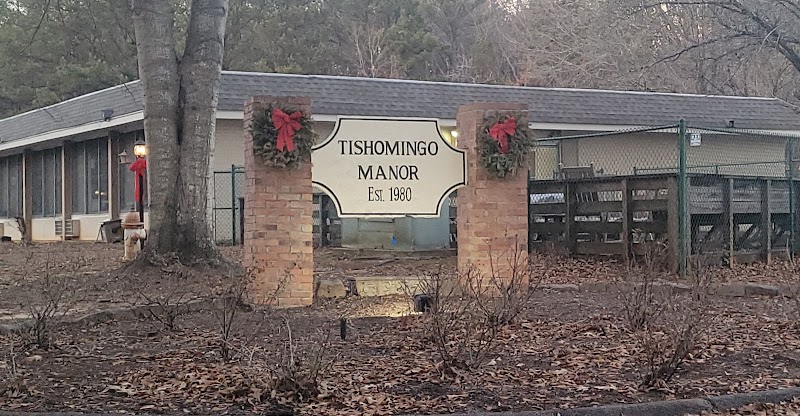
TISHOMINGO MANOR

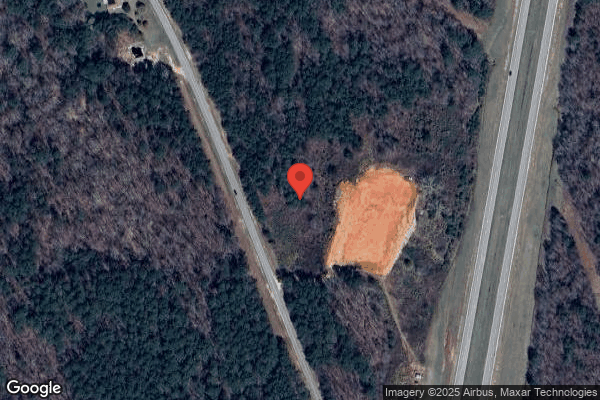
230 KHAKI STREET, IUKA, MS 38852 (662) 423-9112
For profit - Limited Liability company 105 Beds THE BEEBE FAMILY Data: November 2025
Trust Grade
10/100
#141 of 200 in MS
Last Inspection: April 2025

Within standard 12-15 month inspection cycle. Federal law requires annual inspections.

Overview

Tishomingo Manor has received a Trust Grade of F, indicating significant concerns regarding its care quality. Ranking #141 out of 200 facilities in Mississippi places it in the bottom half of state facilities, though it is the top option in Tishomingo County. The facility is worsening, with issues increasing from 2 in 2024 to 6 in 2025. Staffing is a relative strength, rated at 4 out of 5 stars with a turnover rate of 38%, which is better than the state average. However, $82,656 in fines is alarming, as it is higher than 92% of facilities in Mississippi, suggesting ongoing compliance problems. Specific incidents of concern include a resident being placed in involuntary seclusion and a lack of proper grooming and hygiene for several residents, which can lead to health risks. While staffing appears stable, the overall care quality and the trend of increasing issues are significant weaknesses to consider.

Trust Score
F
10/100
In Mississippi
#141/200
Bottom 30%
Safety Record
High Risk
Review needed
Inspections
Getting Worse
2 → 6 violations
Staff Stability
○ Average
38% turnover. Near Mississippi's 48% average. Typical for the industry.
Penalties
✓ Good
$82,656 in fines. Lower than most Mississippi facilities. Relatively clean record.
Skilled Nurses
○ Average
Each resident gets 33 minutes of Registered Nurse (RN) attention daily — about average for Mississippi. RNs are the most trained staff who monitor for health changes.
Violations
⚠ Watch
14 deficiencies on record. Higher than average. Multiple issues found across inspections.
★★☆☆☆
2.0
Overall Rating
★★★★☆
4.0
Staff Levels
★★☆☆☆
2.0
Care Quality
★★☆☆☆
2.0
Inspection Score
Stable
2024: 2 issues
2025: 6 issues

The Good

  • 4-Star Staffing Rating · Above-average nurse staffing levels
  • Full Sprinkler Coverage · Fire safety systems throughout facility
  • No fines on record
  • Staff turnover below average (38%)

    10 points below Mississippi average of 48%

Facility shows strength in staffing levels, fire safety.

The Bad

2-Star Overall Rating

Below Mississippi average (2.6)

Below average - review inspection findings carefully

Staff Turnover: 38%

Near Mississippi avg (46%)

Typical for the industry

Federal Fines: $82,656

Well above median ($33,413)

Moderate penalties - review what triggered them

Chain: THE BEEBE FAMILY

Part of a multi-facility chain

Ask about local staffing decisions and management

The Ugly 14 deficiencies on record

4 actual harm
Apr 2025 6 deficiencies 1 Harm
SERIOUS (G)

Actual Harm - a resident was hurt due to facility failures

Deficiency F0603 (Tag F0603)

A resident was harmed · This affected 1 resident

**NOTE- TERMS IN BRACKETS HAVE BEEN EDITED TO PROTECT CONFIDENTIALITY** Based on observations, resident/staff interviews, medical record review, and facility policy review, the facility failed to ensu...

Read full inspector narrative →
**NOTE- TERMS IN BRACKETS HAVE BEEN EDITED TO PROTECT CONFIDENTIALITY** Based on observations, resident/staff interviews, medical record review, and facility policy review, the facility failed to ensure a resident's right to be free from involuntary seclusion for one (1) of three (3) residents on transmission-based precautions (TBP). Resident #40 Findings include: Review of facility policy titled, Incident Investigation & Reporting dated 11/09/2009, reviewed 1/14/2025, revealed, .Each resident residing in this facility has the right to be free from any type of abuse .includes but is not limited to free from .involuntary seclusion .Involuntary Seclusion: Separation of a resident from other residents or from his/her room or confinement to his/her room . Review of facility policy titled, Policy for Control of Multidrug-Resistant Organism (MDRO) Infection dated 6/14 reviewed 1/14/2025, revealed, It is the policy of this facility to place residents in contact .precautions if they are displaying symptoms of active multidrug-resistant organism (MDRO) infection. Conditions requiring isolation include: .If the resident has a draining wound that is infected with an MDRO, and the drainage cannot be contained . Review of facility policy titled, Resident's Rights Policy dated 6/94, revised 12/23, reviewed 1/14/2025, revealed, Every resident in this facility has the right to .Be free of .psychological .abuse . During an observation and interview on 3/30/2025 at 3:53 PM with Resident #40 it was revealed that the resident had a red biohazard barrel in her room. The resident reported being in isolation, stating she was informed by numerous staff that she could not leave her room until 4/3/25 after her antibiotics were finished. During the interview the resident expressed frustration and stated, I'm getting tired of it, I just want to go outside, I don't even care if it's raining. The resident acknowledged that isolation has increased her anxiety and depression, stating, Just from staying in for that long, anyone would have it! She emphasized, I like to go outside and be in the air. A record review of Resident #40's Order Summary Report for the month of 3/2025, revealed an order, dated 3/13/2025, for Contact Isolation Precautions due to Methicillin Resistant Staphylococcus aureus (MRSA) of Wound. A record review of a nursing Progress Note, dated 3/13/2025 at 6:52 PM for Resident #40, revealed, Dr (proper name) evaluated and reviewed labs .Doxycycline Monohydrate .related to MRSA infection .until 4/3/2025 .contact isolation precautions due to MRSA of wound. Observation on 3/31/2025 at 9:00 AM, Resident #40 was observed to be in her room lying in bed. Record review of Resident #40's Skilled Nursing Facility (SNF) Documentation Record dated 3/13/2025 through 3/25/2025, revealed no more than a scant amount of drainage to scabbed areas with no drainage observed to the surgical site wound to her back during that timeframe. On 3/31/2025 at 1:20 PM, Resident #40 was observed to be in her room lying in bed. A record review of a psychotherapy Progress Note dated 3/12/2025 at 11:59 PM for Resident #40, revealed, Reason for referral: [AGE] year old white female with follow up for insomnia, anxiety and depression .Resident's Statement: I've had my surgery. I had a brown spot come out on the bandages and they sent it (a specimen) off .Case Conceptualization .Endorses good sleep .Says she is not depressed and does not feel anxious and thinks medications are working well. Good mood. Laughing and talking freely . A record review of Resident #40's psychotherapy Progress Note dated 3/20/2025 at 11:59 PM, revealed, Diagnosis of Anxiety .Visit Summary .She shared she is frustrated as she is currently in isolation due to MRSA .She does report frustration related to isolation. She stated it has made her feel more disoriented . A record review of Resident #40's psychotherapy Progress Note dated 3/27/25 at 11:59 PM, revealed, She has now been isolated to her room for two weeks due to MRSA. She stated she is managing but is ready to get out of her room .She has 7 more days. She reported some anxiety and depression due to isolation and shared that her daughter is not supportive of her leaving the facility. During an interview on 4/1/2025 at 8:28 AM, with Certified Nursing Assistant (CNA) #3, she stated she was unsure of the type of isolation but confirmed that Resident #40 had not left her room in two (2) weeks. She confirmed that she has never seen any drainage on the residents' clothing or bed linen and stated there is always a small dressing covering the area. During an interview on 4/1/2025 at 8:31 AM, with the Treatment Nurse, she stated Resident #40 had MRSA to her lower left back surgical incision and that the resident has been in isolation for a couple of weeks under contact precautions and is on a 21-day antibiotic regimen. She confirmed that the treatment order included covering the incision with a dressing, and any drainage from the wound has only been a scant amount and contained by the dressings. She also noted that the resident was alert, oriented, and capable of making decisions. During an interview on 4/1/25 at 8:48 AM, with Infection Control (IC) Nurse, she confirmed the presence of MRSA in Resident #40's surgical incision. She confirmed that she was unaware that the resident has been confined to her room, and stated, Staff should have gotten her out of her room and allowed her to go out and get fresh air, maybe more staff education is warranted. During an interview on 4/1/2025 at 8:59 AM, with the Activities Director and Activities #1, confirmed that Resident #40 and other staff informed her that the resident could not come out of her room for 21 days due to being in isolation. Activities #1 went on to reveal that Resident #40 does not attend a lot of activities but enjoys walking around and going outside of the building daily. During an interview on 4/1/2025 at 9:11 AM, with Director of Nursing (DON) she stated, Residents are not supposed to come out of their room if they are on contact precautions. She stated we cannot force any residents to stay in their room but encourage them to do so. She confirmed her certification in infection control but admitted she did not review Resident #40's isolation status or continued need for isolation, as it is a facility practice for residents on isolation to remain in their rooms until the medication is completed. She acknowledged concerns that isolation could lead to depression and feelings of confinement. During an interview on 4/1/2025 at 9:16 AM, with the Social Services Director, she stated, I didn't know Resident #40 was in isolation until just now, I would have increased my visits with her if I had known. She further reported that isolation could lead to increased anxiety and depression. During an interview on 4/1/2025 at 9:33 AM, with Licensed Practical Nurse (LPN) #2, it was confirmed that Resident #40 was on contact isolation and must stay in her room to prevent contact with other surfaces or residents. She explained that residents placed in isolation are to remain on precautions until their antibiotic therapy is completed. During an interview on 4/1/2025 at 9:37 AM, with Housekeeping Staff #1, she confirmed she had recently completed in-service training that stated that a resident should remain in their room if they are on contact isolation. During a follow-up interview on 4/1/2025 at 9:40 AM, with the Infection Control Nurse, she acknowledged that the training was too broad, indicating that staff might interpret it to mean all residents on contact isolation should remain confined to their rooms. She said that she should have been more involved, but she had been teaching a CNA class for the past two (2) weeks, which limited her availability. She mentioned that had she been more present to review the infection log, she might have identified the situation sooner. She emphasized the need for treatment protocols for MDRO to be more personalized based on individual resident circumstances rather than applying a blanket policy of keeping residents in contact isolation until their medication regimen is completed. She confirmed that Resident #40 was alert, oriented, and able to follow directions. She noted that the residents' wound displayed only scant to zero drainage and remained covered. Furthermore, she stated that staff should have assisted the resident with hand hygiene and facilitated opportunities for her to go outside, acknowledging the importance of addressing the residents' emotional and mental well-being during isolation. The Administrator was interviewed on 4/1/2025 at 10:02 AM and confirmed that social isolation could lead to increased anxiety and depression among residents. An interview with CNA #1 and CNA #2 on 4/1/2025 at 2:10 PM, both verbalized they were trained to ensure that residents on isolation remain in their rooms to prevent the spread of infection. They confirmed that they had never observed any drainage from Resident #40's back as the affected areas were consistently covered. Additionally, they noted that the resident often leaves her room to approach the nurse's medication carts and frequently goes to the doorway, and requires redirection back to her room. During an interview with LPN #2 on 4/1/2025 at 2:20 PM, she also revealed that Resident #40 was alert, oriented and able to follow directions, additionally she confirmed the area to her back was always covered with a dressing and all drainage contained. She verbalized that the resident had never reported to her any increase in depression or anxiety, but stated she was not surprised as the resident has a history of both depression and anxiety. An interview with Medicare Nurse on 4/2/2025 at 8:00 AM, revealed she is the case manager for Resident #40. She stated she was aware that the resident was on contact precautions but confirmed that the surgical wound was approximately 1 (one) CM (centimeter) in diameter and only presented with scant drainage at times, but most of the time the surgical site was scabbed over and was always covered with a bandage and any drainage would have been contained. She confirmed that the resident should have been allowed to come out of her room for activities and socialization. A phone interview with Social Services #1 for on 4/2/2025 at 8:10 AM, she revealed she is a psychiatric social worker and has Resident #40 on case load. She confirmed that Resident #40 has a history of anxiety and depression. She confirmed that she saw the resident on several occasions in March and the resident voiced her frustration of being in isolation and confirmed that the resident also spoke of her increased anxiety and depression due to the isolation. She confirmed she gives a visit recap to the nursing staff after every visit and documented her notes in the medical record. An observation of Resident #40's surgical site on 4/2/2025 at 8:45 AM, with the DON revealed a secured dressing was removed, and revealed approximately a 0.1 CM open area noted with a scant amount of red drainage of the bandage. There was no drainage on the bed linens or the residents' clothing noted during this observation. A record review of an admission Record indicated the facility admitted Resident #40 on 11/29/22 with medical diagnoses that included Cerebral Infarction due to Thrombosis of Right Posterior Cerebral Artery, Encounter for Surgical Aftercare following Surgery on the Nervous System, Basal Cell Carcinoma of Skin of Other Part of Trunk, Anxiety Disorder, Depression, Mood disorder and MRSA Infection. Record review of the quarterly Minimum Data Set (MDS), with an Assessment Reference Date (ARD) of 3/3/2025, revealed Resident #20 had a Brief Interview for Mental Status (BIMS) score of 13, which indicated the resident was cognitively intact.
CONCERN (D)

Potential for Harm - no one hurt, but risky conditions existed

Resident Rights (Tag F0550)

Could have caused harm · This affected 1 resident

Based on observation, staff interview, record review and facility policy review the facility failed to ensure the dignity of one (1) of four (4) residents observed during medication administration. Re...

Read full inspector narrative →
Based on observation, staff interview, record review and facility policy review the facility failed to ensure the dignity of one (1) of four (4) residents observed during medication administration. Resident #12. Findings Include: Review of the facility policy titled Dignity and Respect with a revision date of 7/2022 revealed, 5. Residents will be examined and treated in a manner that maintains bodily privacy. A closed door and/or drawn cubicle curtain should be utilized to maximize the privacy of each resident while rendering care. On 4/01/25 at 8:48 AM, an observation of Licensed Practical Nurse (LPN) #1 revealed, she administered Resident #12's, who was a female resident, Percutaneous Endoscopic Gastrostomy (PEG) tube medications without closing the resident's room door, blinds, or pulling the privacy curtain. The door of the resident's room remained open and anyone passing in the hallway could see that the resident's abdomen area was exposed. An interview with LPN #1 on 4/01/25 at 9:10 AM, confirmed she did not ensure the resident had privacy while administering medications through her PEG tube and revealed she should have provided privacy and maintained the dignity of the resident. During an interview with the Director of Nursing (DON) on 4/01/25 at 9:17 AM, she confirmed the nurse should have provided privacy for Resident #12 while administering medications through a PEG tube. Review of the admission Record revealed that the facility admitted Resident #12 on 2/06/25, with a medical diagnosis that included Cerebral Infarction, Unspecified and Attention to Gastrostomy.
CONCERN (D)

Potential for Harm - no one hurt, but risky conditions existed

Comprehensive Care Plan (Tag F0656)

Could have caused harm · This affected 1 resident

Based on record review, staff interview and facility policy review the facility failed to implement care plan interventions for a resident on a fluid restriction for one (1) of 24 care plans reviewed....

Read full inspector narrative →
Based on record review, staff interview and facility policy review the facility failed to implement care plan interventions for a resident on a fluid restriction for one (1) of 24 care plans reviewed. Resident # 25. Findings Included: Record review of the facility policy Care Plan Process , revised 12/2024, revealed The overall care plan should be oriented towards .2. Managing risk factors to the extent possible .Interventions are actions that should promote meeting the established goal. A record review of the Care Plan Report for Resident #25 revealed, under Focus, Potential fluid volume overload related to Kidney failure. Under Interventions/Tasks it revealed 2,000-milliliter (ml) fluid restriction, with 120 ml allocated for four (4) medication passes, totaling 480 ml, and 500 ml with meals, totaling 1,500 ml, with a created date of 1/27/25. A record review of the electronic Medication Administration Record (MAR) for Resident #25 revealed no documentation of the resident's fluid intake. On 4/1/25 at 1:00 PM, during an interview Licensed Practical Nurse (LPN) #3 confirmed that Resident #25 was on a 2,000 ml per day fluid restriction. She revealed that Certified Nursing Assistants (CNAs) document the amount the resident drinks during meals on the meal ticket and give it to the nurse, who then records the total fluid intake for the shift under the task list. Record review of the oral intake task list documentation with LPN #3 for Resident #24 revealed no documentation of oral intake for the past 30 days. On 4/1/25 at 1:10 PM, an interview LPN # 3 confirmed that there was no documentation of the resident's fluid intake, making it impossible to determine if the resident was adhering to the prescribed fluid restriction. She stated the importance of monitoring fluid intake to prevent fluid overload. Interview with Medicare Nurse #1 on 4/1/25 at 2:38 PM, she stated that the purpose of the care plan was to let staff know how to care for the resident. She stated that the staff failed to implement the care plan when they did not ensure the resident was following the fluid restriction, by documenting intake. She stated that not following the fluid restriction could cause fluid overload. A record review of the admission Record revealed that the facility admitted Resident #25 on 1/27/25, with diagnoses including End-Stage Renal Disease and Congestive Heart Failure.
CONCERN (D)

Potential for Harm - no one hurt, but risky conditions existed

Deficiency F0692 (Tag F0692)

Could have caused harm · This affected 1 resident

Based on record reviews, staff interviews, and facility policy reviews, the facility failed to accurately monitor and document fluid intake for one (1) of three (3) residents reviewed for hydration. R...

Read full inspector narrative →
Based on record reviews, staff interviews, and facility policy reviews, the facility failed to accurately monitor and document fluid intake for one (1) of three (3) residents reviewed for hydration. Resident #25. Findings Include: A record review of the facility policy Physician Orders, revised 1/2025, revealed, It is the policy of this facility that all physician's orders will be implemented timely and carried out in a professional manner. A record review of the facility policy Fluid Restriction, revised 2/2022, revealed, Fluids will be restricted for residents as directed by physician orders . Nursing services will document intake and output. A record review of physician orders revealed that Resident #25 was placed on a 2,000-milliliter (ml) fluid restriction, with 120 ml allocated for four (4) medication passes, totaling 480 ml, and 500 ml with meals, totaling 1,500 ml. This order was initiated on 1/30/25. A record review of the electronic Medication Administration Record (MAR) for Resident #25 revealed no documentation of the resident's fluid intake. During an interview on 4/1/25, at 1:00 PM, Licensed Practical Nurse (LPN) #3 confirmed that Resident #25 was on a 2,000 ml per day fluid restriction. She explained that Certified Nursing Assistants (CNAs) document the amount the resident drinks during meals on the meal ticket and give it to the nurse, who then records the total fluid intake for the shift under the task list. A record review of the oral intake task list documentation, with LPN #3, for Resident #24 revealed no documentation of oral intake for over the past 30 days. During a further interview on 4/1/25 at 1:10 PM, LPN # 3 verified that there was no documentation of the resident's fluid intake, making it impossible to determine if the resident was adhering to the prescribed fluid restriction. She stated it was important to monitor fluid intake to prevent fluid overload. During an interview with the Director of Nursing (DON) on 4/1/25 at 2:00 PM, she confirmed that Resident #25 had a fluid restriction ordered by the physician upon admission. She acknowledged that there was no documentation of fluid intake monitoring and confirmed that it should have been recorded. During an interview with the Medical Records Nurse on 4/1/25 at 3:00 PM, she confirmed that she was responsible for triggering documentation tasks upon admission. She admitted that she had failed to initiate a task for the nursing staff to document Resident #25's intake upon admission. A record review of the admission Record showed that the facility admitted Resident #25 on 1/27/25, with diagnoses including End-Stage Renal Disease and Congestive Heart Failure.
CONCERN (D)

Potential for Harm - no one hurt, but risky conditions existed

Infection Control (Tag F0880)

Could have caused harm · This affected 1 resident

Based on observation, staff interview, and facility policy review the facility failed to follow Enhanced Barrier Precautions (EBP) for one (1) of three (3) resident care observations. Resident #12. F...

Read full inspector narrative →
Based on observation, staff interview, and facility policy review the facility failed to follow Enhanced Barrier Precautions (EBP) for one (1) of three (3) resident care observations. Resident #12. Findings Include: Review of the facility policy titled Enhanced Barrier Precautions with a revision date of 3/2024 revealed, Enhanced Barrier Precautions are indicated for residents with any of the following: . Wounds and/or indwelling medical devices . An observation outside Resident #12's room door on 4/1/25 at 8:42 AM, revealed a sign that read, Enhanced Barrier Precautions. On 4/01/25 at 9:01 AM, an observation during medication administration with Licensed Practical Nurse (LPN) #1 revealed, she administered medications to Resident #12 via (by) Percutaneous Endoscopic Gastrostomy (PEG) tube without using a gown for EBP. An interview on 4/01/25 at 9:11 AM, with LPN #1, confirmed she did not apply a gown to administer Resident #12's medications. She explained that the gowns were not hanging on the resident's door; therefore, she did not realize she was supposed to wear one. LPN #1 indicated the purpose of wearing a gown was to reduce infection risk to the resident who had an indwelling device. An interview with the Director of Nursing (DON) on 4/01/25 at 9:16 AM, confirmed LPN #1 should have worn a gown to administer medications to Resident #12 via PEG tube to protect the resident from infection. Record review of the admission Record revealed the facility admitted Resident #12 on 2/06/25, with a medical diagnosis that included Cerebral Infarction and Attention to Gastrostomy.
CONCERN (F)

Potential for Harm - no one hurt, but risky conditions existed

Staffing Data (Tag F0851)

Could have caused harm · This affected most or all residents

Based on staff interview, record review, and Payroll-Based Journal (PBJ) staffing data review, the facility failed to submit PBJ data accurately to the Centers for Medicare and Medicaid Services (CMS)...

Read full inspector narrative →
Based on staff interview, record review, and Payroll-Based Journal (PBJ) staffing data review, the facility failed to submit PBJ data accurately to the Centers for Medicare and Medicaid Services (CMS) for one (1) of four (4) quarters reviewed. 1st Quarter, 2025 (October 1 through December 31, 2024) Findings Include: An interview with the Administrator on 4/02/25 at 10:02 AM revealed the facility did not have a policy for submitting Payroll-Based Journal. Record review of the Payroll-Based Journal (PBJ) Staffing Data Report revealed the facility triggered for excessively low weekend staffing for the 1st quarter, 2025 (October 1 through December 31, 2024). An interview with the Staff Development Nurse on 4/01/25 at 10:10 AM revealed the facility's staffing needs were based on the minimum hours PPD (per patient day) requirement and by determining the resident acuity for each hall. She revealed call-ins were the biggest concern for weekend staffing. She indicated if a staff member clocked in late for their shift, that would affect the PPD. The Staff Development Nurse indicated they had an on-call nurse that took call from Friday until 7 AM on Monday. She revealed the on-call nurse was responsible for calling staff and trying to find a replacement for call-ins and, if not, she must come in and work. An interview with the Administrative Assistant on 4/01/25 at 11:25 AM revealed she did the payroll for the facility, and their corporate office submitted the PBJ. A telephone interview with the Director of Special Projects on 4/01/25 at 11:39 AM revealed she worked with the corporate office and submitted the facility's PBJ. She indicated she had not received anything from CMS (Centers for Medicare and Medicaid Services), which indicated the facility had triggered for low weekend staffing. She revealed that the payroll data must be correct when it came over to her because she did not make any changes in the data. Furthermore, she confirmed her job duty was only to submit the data and indicated she did not go back into the system to check for any notifications or errors that might be reported from CMS and report back to the facility. An interview with the Administrative Assistant on 4/02/25 at 8:05 AM revealed when an administrative nurse came in to work on the weekend, she did not change their role in the payroll system to ensure the hours were captured under staff that provided direct care. She indicated those hours would have been included in the facility's PPD (patient per day) total but revealed if the role was not changed over to direct care staff, the PBJ information that was submitted to their corporate office would not be accurate. An interview with the Staff Development Nurse on 4/02/25 at 8:14 AM revealed that the administrative nurses who were on call were unable to clock in under regular nursing (direct care workers), and it had to be manually changed in the payroll system. An interview that included both the Regional Nursing Consultant and the Administrator on 4/02/25 at 10:04 AM revealed they did not have any dealings with PBJ and acknowledged this data should accurately reflect the facility's staffing. They confirmed the administrative staffing hours were not captured in the PBJ, which led to an inaccuracy with data submission.
May 2024 2 deficiencies
CONCERN (D)

Potential for Harm - no one hurt, but risky conditions existed

Unnecessary Medications (Tag F0759)

Could have caused harm · This affected 1 resident

Based on observation, staff interview, record review, and facility policy review, the facility failed to maintain a medication administration error rate by less than 5% for four (4) of 25 medication a...

Read full inspector narrative →
Based on observation, staff interview, record review, and facility policy review, the facility failed to maintain a medication administration error rate by less than 5% for four (4) of 25 medication administration opportunities. The medication error rate was 16%. Findings Include: Record review of the facility titled, Administration of Medications, dated 01/24, revealed, PURPOSE: To administer medications in accordance with best practice .ORAL MEDICATION ADMINISTRATION PROCEDURE . 7. If resident requires crushed medications Do not crush time release or enteric coated medications. Consult pharmacist for direction with questions . During a medication administration observation on 5/21/24 at 8:15 AM, with Licensed Practical Nurse (LPN) #1 on the C-Hall revealed the following: LPN #1 gathered medications for Resident #81 that included Coreg 12.5 mg (milligrams) (1) tablet, Potassium 20 meq (milliequivalents) CL (Chloride) ER (Extended Release) (1) tablet, Loratadine 10 mg (1) tablet and Citracel plus Vitamin D Maximum 250 units (1) tablet and placed the medications all in a bag and crushed together and mixed with a spoonful of yogurt to administer to the resident. Interview on 05/21/24 at 8:17 AM, with LPN #1 stated, It doesn't say that it is okay to crush them. I've just always done it because her cognitive ability is declined a lot and she will just hold them in her mouth if I don't. Interview on 05/21/24 at 9:00 AM, with the Pharmacy Consultant confirmed potassium extended release should not be crushed. He confirmed that he had recently completed an in-service with the nurses related to not crushing extended release potassium. The Pharmacy Consultant stated They have not told me that they were having to crush her medications or I could have reviewed her medications and notified the physician. Interview on 05/21/24 at 9:15 AM, with LPN #1 stated I do remember being in-serviced that we shouldn't crush potassium if it is extended release but I was thinking it was okay to crush it if if wasn't enteric coated. LPN #1 confirmed that these medications had not been approved to crush and administer all together like she had given them to the resident.
CONCERN (F)

Potential for Harm - no one hurt, but risky conditions existed

Staffing Data (Tag F0851)

Could have caused harm · This affected most or all residents

Based on staff interview and record review the facility failed to submit accurate data into the Payroll-Based Journal (PBJ) system for one (1) of four (4) quarters reviewed. First quarter 2024. Findi...

Read full inspector narrative →
Based on staff interview and record review the facility failed to submit accurate data into the Payroll-Based Journal (PBJ) system for one (1) of four (4) quarters reviewed. First quarter 2024. Findings include: Record review of PBJ Staffing Data Report CASPER Report 1705D FY (Fiscal Year) Quarter 1 2024 (October 1-December 31), revealed Excessively Low Weekend Staffing-Triggered. Triggered=Submitted Weekend Staffing data is excessively low. During an interview on 5/21/24 at 9:53 AM, the Administrator (ADM) revealed the PBJ data is based on the hours entered in the time clock and goes directly to the corporate office. She revealed the agency staff that we utilize is manually entered into the system along with nursing administrative staff who occasionally work on the weekends doing patient care. The Administrator confirmed the hours worked by the nursing administrative staff were not captured correctly on the PBJ and were done so in error. She revealed the shifts for the first quarter of 2024 were covered, however, the data was entered incorrectly and did not capture the direct care on the PBJ. During an interview on 5/22/24 at 9:11 AM, the Administrative Assistant confirmed she was responsible for manually inputting the hours worked for the agency staff but had been unaware that the hours the nursing administrative staff worked on weekends doing direct patient care were also to be manually keyed in.
May 2023 6 deficiencies 3 Harm
SERIOUS (G)

Actual Harm - a resident was hurt due to facility failures

Comprehensive Care Plan (Tag F0656)

A resident was harmed · This affected 1 resident

Resident #85 A record review of Resident #85's Comprehensive Care Plan with Problem Onset: dated 08/12/2022 revealed, Problem: Resident needs extensive assistance with ADLS-Limited ROM, Weakness, Poor...

Read full inspector narrative →
Resident #85 A record review of Resident #85's Comprehensive Care Plan with Problem Onset: dated 08/12/2022 revealed, Problem: Resident needs extensive assistance with ADLS-Limited ROM, Weakness, Poor Safety Awareness . Approaches . Prefers to keep a shaved face, combed/brushed hair, and a haircut. Prefers to keep nails kept cut short . Observation on 05/22/23 at 11:39 AM, revealed Resident #85 sitting in his wheelchair with bilateral fingernails that were approximately (approx) one half (1/2) inch long and jagged past the tip of fingers, a brown substance under each nail. Facial hair to cheeks, chin and above the residents' lip was approximately 1/2 inch long. An observation and interview on 05/22/23 at 4:10 PM, Resident #85 sitting in the dining room in his wheelchair. The Director of Nurses (DON) confirmed that he needed to be shaved. She confirmed his nails were long and jagged with a brown substance underneath and stated he could cut himself and he could get an infection if his nails were not taken care of. An interview on 05/24/23 at 11:05 AM, the Minimum Data Set (MDS) nurse revealed she is responsible for developing the care plans. She revealed the care plans are developed so the staff will know how to take care of the resident and the care plan should be so clear that anyone would know exactly how to take care of that resident to include that resident's preferences. An interview on 05/24/23 at 2:40 PM, the DON confirmed that the ADL care plan was not followed on Monday 5/22/23 in reference to Resident #85 being shaved and his nails being clean and trimmed. Based on observation, staff interviews, record review, and facility policy review, the facility failed to develop and implement a comprehensive care plan for a resident with a urinary catheter and for residents with Activities of Daily Living (ADL) that required oral care, nail care, bathing, and facial grooming for two (2) or twenty-one residents sampled. Resident #5 and Resident #85 Findings include: A review of the facility's Care Plan Process policy, dated 06/15 with a revision date of 08/17, revealed, Regulations require facilities to complete, at a minimum and at regular intervals, a comprehensive, standardized assessment of each resident's functional capacity and needs, in relation to a number of specified areas (e.g., customary routine, vision, and continence). Resident #5 Record review of care plan revealed a care plan that resident required extensive staff assistance for activities of daily living. Interventions included oral care two times a day and as needed. Interventions also included to brush teeth each night after eating, and to swab gums with peri guard mouth rinse. Record review of Completed Care Details for Personal Hygiene Completed revealed for the months of March, April, and May, the resident did not receive oral care on these dates: 3/2/23, 3/4/23, 3/5/23, 3/9/23, 3/12/23, 3/17/23, 3/19/23, 3/24/23, 3/28/23, 3/29/23, 4/4/23, 4/8/23, 4/10/23, 4/13/23, 4/18/23, 4/19/23, 4/22/23, 4/23/23, 5/13/23. An observation and interview with the DON on 5/23/23 at 9:05 AM, revealed the resident had a broken tooth and was started on antibiotics for a mouth infection. She stated an x-ray was also done to ensure her tooth was not abscessed. The DON revealed the broken tooth on the right upper side and a decayed tooth on the lower right and one on the upper right side. Resident #5's teeth appear clean except for a small amount of food. She stated the physician ordered daily brushing of her teeth after the evening meal and a mouth rinse to ensure oral care was done. An interview with the DON on 5/24/23 at 11:15 AM, revealed that according to the documented care logs, the resident did not receive oral care each day as needed for the dependent resident's oral health. She confirmed the facility failed to ensure the resident received oral hygiene. During an interview with the DON on 5/24/23 at 1:55 PM, she confirmed that according to the documentation in the care log, the resident did not receive oral hygiene two times each day as directed in the care plan. She confirmed the care plan is a guide for the needed care for each resident and Resident #5's care plan was not followed. Record review of Electronic Medication Administration Record revealed the resident did not receive the ordered brushing of teeth or mouth rinse on 5/13/23. Record review of Physician's Progress Notes dated 4/25/23 revealed, Has Gingivitis. Has broken incisor tooth upper right. No pain to palpation. No lymphadenopathy in neck. Will give local treatment with chlorohexidine mouth rinse, tooth brushing, and PO (by mouth) antibiotics.
SERIOUS (G)

Actual Harm - a resident was hurt due to facility failures

ADL Care (Tag F0677)

A resident was harmed · This affected 1 resident

**NOTE- TERMS IN BRACKETS HAVE BEEN EDITED TO PROTECT CONFIDENTIALITY** Resident #39 An observation and interview on 5/22/23 at 4:00 PM, revealed Resident #39 sitting in a wheelchair in his room. Resi...

Read full inspector narrative →
**NOTE- TERMS IN BRACKETS HAVE BEEN EDITED TO PROTECT CONFIDENTIALITY** Resident #39 An observation and interview on 5/22/23 at 4:00 PM, revealed Resident #39 sitting in a wheelchair in his room. Resident #39 revealed he has not had a shower today and that he needs to be shaved. He stated, I've been waiting all day and they told me they didn't have anybody to do it. Resident observed to have long facial hair. An observation and interview on 5/22/23 at 4:05 PM, with Certified Nurse Aide (CNA) # 7 revealed she works 3-11 shift. She revealed that the day shift was responsible for all the showers. She stated that today, all the odd rooms, which are located on the left side of the hall would have been scheduled for a shower. She confirmed that the resident was in an odd number room, so he should have got a shower on the 7-3 shift today. She confirmed that the facility doesn't have a shower team, but the day shift aide assigned to Resident #39 would have been responsible for his shower and she confirmed that Resident #39 did have long facial hair and that he needed shaved. She stated, He can tell you if he had a shower today, he knows. If he tells you that he didn't get a shower today, then he didn't. An observation and interview with the DON on 5/22/23 at 4:15 PM, confirmed that Resident #39 had not been showered or shaved and that today was the residents shower day. She revealed the resident should have been showered and shaved today. Record review of Resident #39's ADL's revealed under, Reason not bathed dated 5/22/23 and timed 11:45 AM documentation recorded, No. Record review of the Face Sheet revealed Resident #39 was admitted to the facility on [DATE] with diagnoses that included Chronic Obstructive Pulmonary Disease, Type 2 Diabetes Mellitus, Peripheral Vascular Disease, and Unspecified Dementia. Record Review of Resident #39's MDS with an ARD of 5/19/23 revealed under section C a BIMS score of 9, which indicated resident is moderately cognitively impaired. Resident #85 Observation on 05/22/23 at 11:39 AM, revealed Resident #85 sitting in his wheelchair, bilateral fingernails approximately one-half (1/2) inch long and jagged past the tip of fingers, and a brown substance was under each nail. Facial hair was approximately 1/2 inch long and was noted to cheeks, chin and above the residents' lip. Observation on 05/22/23 at 2:00 PM, Resident #85 sitting in the dining room at activities. A red stain was observed around his mouth and on his chin. His nails were long and jagged with a brown substance noted. Facial hair was approximately (approx) 1/2 inch long to his chin, above his lip and to the sides of his cheeks. Observation on 05/22/23 at 3:39 PM, Resident #85 sitting in the front foyer with other residents. Visitors observed entering and exiting facility. Resident was noted with a red stain around his mouth area and on his chin. His nails were long and jagged and had a brown substance noted under the nails. Facial hair approx. 1/2 inch long to his chin, above his lip and to the sides of his cheeks. An observation and interview on 05/22/23 at 4:00 PM, with CNA#1 confirmed Resident #85 had spaghetti on his face and that his nails were long and jagged, and had a brown substance under each nail. She stated it doesn't look like he has had a shower and been shaved in a while. She revealed she would make sure he got taken care of this evening. An observation and interview on 05/22/23 at 4:10 PM, with the DON revealed Resident #85 sitting in the dining room in his wheelchair. The DON confirmed that he needed to be shaved, and he had spaghetti on his face since that's what they had for lunch. She confirmed his nails were long and jagged with a brown substance underneath. She revealed he could cut himself and he could get an infection. She stated, Do you have any staff, and continued to state that the facility had some staffing problems lately and wasn't sure who got showers today but would make sure he got taken care of right away. An interview on 05/23/23 at 11:25 AM, with CNA #2 revealed she worked yesterday 7a-3p and the residents on her B-hall only got hygiene care which was a wipe down. She revealed Resident #85 only got a wipe down and didn't get a shower yesterday like he was supposed to. She stated none of the residents got a shower yesterday on her shift because there was only two aides on B-hall and it is a very busy hall with a lot of two people assist. She revealed one aide can't work the Hoyer-lift alone. She stated it is very frustrating and she has reported this several times to upper management. A record review of Resident #85's Face Sheet revealed the resident was admitted to the facility on [DATE] with diagnoses which included Metabolic Encephalopathy and Chronic obstructive pulmonary disease. Record review of the Minimum Data Set (MDS) with an Assessment Reference Date (ARD) of 4/24/2023 revealed Resident #85 had a Brief Interview for Mental Status (BIMS) score of 12 which indicated the resident had moderate cognitive impairment. Based on observation, staff, resident, and resident representative interviews, record review, and facility policy review, the facility failed to provide personal hygiene as evidenced by long, jagged nails with brown substance underneath nails, unshaven facial hair, unbathed, and poor oral hygiene for three (3) of 21 sampled residents. Resident #5, #39, #85 Findings included: Record review of facility policy titled, A.M. Care, dated 10/17, revealed, Purpose: to prepare the resident for their day, to maintain oral health and bodily hygiene, to provide for physical comfort, to maintain the resident's desired physical appearance, to observe the resident's physical and emotional state. Record review of facility policy titled, Activities of Daily Living, dated 12/20, revealed, Policy: An Activities of Daily Living flow sheet (ADL) will be utilized by the facilities and documented on a daily basis by the CNA (Certified Nursing Assistant) to reflect actual care rendered the resident. Record review of facility policy titled, Oral Hygiene, dated 10/17, revealed, Purpose: to clean the mouth, teeth and gums, to remove particles of food, to remove bacteria and odor, to provide comfort to the resident, to keep the mouth moist. The policy also revealed, inspect mouth and gums for irritation and open areas and observe the resident's mouth for dryness, redness, sores and general condition. Resident #5 An interview with Resident #5's daughter on 5/21/23 at 5:20 PM, revealed on the right upper side, the resident had a tooth that was broken off at the gum line and the tooth next to that one was decayed. She stated on the lower right side there was also a decayed tooth. She stated Resident #5 was not receiving adequate oral hygiene and that she had spoken with the Director of Nursing (DON), the Administrator, and the Physician about her concerns that the resident was not receiving adequate oral care since her teeth appeared unbrushed. She stated after speaking to several staff members, her mother was placed on a daily brushing and rinse schedule and was also given an antibiotic to treat gingivitis and this has improved the appearance of her mother's teeth. She stated her main concern was she wanted to know that her mother was comfortable and not in pain. An observation on 5/21/23 at 5:20 PM, of Resident #5's mouth revealed slight redness noted, but the daughter stated that this was much improved since the resident started on an antibiotic. An observation and interview with the DON on 5/23/23 at 9:05 AM, revealed the resident had a broken tooth and was started on antibiotics for a mouth infection. She stated an x-ray was also done to ensure her tooth was not abscessed. The DON revealed the broken tooth on the right upper side and a decayed tooth on the lower right and one on the upper right side. Resident #5's teeth appear clean except for a small amount of food. She stated the physician ordered daily brushing of her teeth after the evening meal and a mouth rinse to ensure oral care was done. An interview with the DON on 5/24/23 at 11:15 AM, revealed that according to the documented care logs, the resident did not receive oral care each day as needed for dependent residents' oral health. She confirmed the facility failed to ensure the resident received oral hygiene and this could have led to gingivitis. During an interview with the DON on 5/24/23 at 1:55 PM, she confirmed that according to the documentation in the care log, the resident did not receive oral hygiene two times each day as directed in the care plan. She confirmed that gingivitis is mainly caused by poor oral hygiene and the resident was diagnosed with gingivitis. She confirmed the facility failed to provide adequate oral hygiene which could have led to her gingivitis and teeth concerns. Record review of Completed Care Details for Personal Hygiene Completed revealed for the months of March, April, and May, the resident did not receive oral care on these dates: 3/2/23, 3/4/23, 3/5/23, 3/9/23, 3/12/23, 3/17/23, 3/19/23, 3/24/23, 3/28/23, 3/29/23, 4/4/23, 4/8/23, 4/10/23, 4/13/23, 4/18/23, 4/19/23, 4/22/23, 4/23/23, 5/2/23, 5/3/23, 5/6/23, 5/9/23, 5/12/23, 5/13/23, 5/16/23, 5/19/23, 5/20/23, 5/21/23, and 5/22/23. Record review of Electronic Medication Administration Record revealed the resident did not receive the ordered teeth brushing or mouth rinse on 5/13/23. Record review of Departmental Note dated 4/25/23, revealed, physician saw resident at facility regarding tooth pain. New order for Doxycycline, to brush teeth each night after eating, and to swab gums with peri guard. Record review of Physician's Progress Notes dated 4/25/23 revealed, Has Gingivitis. Has broken incisor tooth upper right. No pain to palpation. No lymphadenopathy in neck. Will give local treatment with chlorohexidine mouth rinse, tooth brushing, and PO (by mouth) antibiotics. Record review of Physician's Progress Notes dated 5/2/23 revealed, Mouth Gingivitis much improved. Will continue daily mouth care and teeth brushing. Does have plaque. Not a candidate for deep cleaning. Right upper broken tooth. Not infected. No abscess noted on facial x-ray. Record review of Face Sheet revealed the resident was admitted to the facility on [DATE] with diagnoses that included Alzheimer's Disease, Dementia, Anxiety Disorder, and Depression. Record review of quarterly Minimum Data Set (MDS) with Assessment Reference Date (ARD) of 4/28/23, revealed a Brief Interview for Mental Status (BIMS) of 99 which indicated severe cognitive impairment and inability to complete the interview.
SERIOUS (G)

Actual Harm - a resident was hurt due to facility failures

Deficiency F0725 (Tag F0725)

A resident was harmed · This affected 1 resident

Based on observation, staff and resident interviews, record review and facility policy review the facility failed to assure that there was sufficient qualified nursing staff available at all times to ...

Read full inspector narrative →
Based on observation, staff and resident interviews, record review and facility policy review the facility failed to assure that there was sufficient qualified nursing staff available at all times to assist the residents in getting the care they needed for three (3) of 24 days of staffing reviewed. Findings include: Record review of the facility policy titled, Nursing Services-Staffing with the latest revision date of 11/17 revealed 1. Staffing-The facility will have sufficient nursing staff twenty-four hours every day to provide nursing and nursing related services to attain or help maintain the highest practicable, physical, mental, and psychosocial well-being of each resident as is determined in the comprehensive assessment and the resident care plan . An interview on 5/21/23 at 6:50 PM, with Certified Nurse Aide (CNA) #5, revealed she works the 3-11 shift and that they usually have two (2) aides per hall. She revealed it can be a struggle at times, but they (the aides) must use time management to get everything done. Record review revealed that the facility triggered low weekend staffing and the State Agency (SA) entered the facility on a Sunday 05/21/23 at 3:00 PM to observe for any weekend staffing concerns or care concerns related to low staffing. Staffing Data Report for Fiscal Year 2023 Payroll Based Journal, revealed, Excessively Low Weekend Staffing Triggered, Triggered = Submitted Weekend Staffing data is excessively low. An interview with the Director of Nursing (DON), on 5/22/23 at 3:30 PM, confirmed they have been experiencing staffing issues and stated they are actively looking for CNAs and have increased their pay rate as an incentive for new hires and included a shift differential as an extra incentive. She revealed they must use agency staffing because they do not have enough facility staff and that staffing has been increasingly difficult since Covid-19. She revealed that she does the nurse staffing schedule, and the Assistant Director of Nursing (ADON) does the aides. She revealed that she addresses call-ins by having a nurse on call during the weekend, so if someone should call in, the nurse will replace that shift, even working as an aide. The SA inquired whether the residents were receiving adequate care, she stated, We also have several office personnel that are CNA's and come out to assist. She stated, There have been many days that I have come out of the office and have given showers. She revealed that they staff two (2) aides to a hall, except for A hall that has a lower census. She confirmed that they do not have a shower team and the aides were responsible for giving their assigned halls/units showers. On 5/21/23 at 5:20 PM, an interview with Resident #5's daughter revealed on the right upper side, the resident had a tooth that was broken off at the gum line and the tooth next to that one was decayed. She stated on the lower right side there was also a decayed tooth. She stated Resident #5 was not receiving adequate oral hygiene and that she had spoken with the DON, the Administrator, and the Physician about her concerns that the resident was not receiving adequate oral care since her teeth appeared unbrushed. She stated after speaking to several staff members, her mother was placed on a daily brushing and rinse schedule and was also given an antibiotic to treat gingivitis, and this has improved the appearance of her mother's teeth. On 5/24/23 at 11:15 AM, an interview with the DON revealed that according to the documented care logs, the resident did not receive oral care each day as needed for dependent residents' oral health. She confirmed the facility failed to ensure the resident received daily oral hygiene and this could have led to the resident's gingivitis diagnosis. Record review of Completed Care Details for Personal Hygiene Completed revealed for the months of March, April, and May, the resident did not receive oral care on these dates: 3/2/23, 3/4/23, 3/5/23, 3/9/23, 3/12/23, 3/17/23, 3/19/23, 3/24/23, 3/28/23, 3/29/23, 4/4/23, 4/8/23, 4/10/23, 4/13/23, 4/18/23, 4/19/23, 4/22/23, 4/23/23, 5/2/23, 5/3/23, 5/6/23, 5/9/23, 5/12/23, 5/13/23, 5/16/23, 5/19/23, 5/20/23, 5/21/23, and 5/22/23. Record review of Electronic Medication Administration Record revealed the resident did not receive the ordered teeth brushing or mouth rinse on 5/13/23. An observation on 5/22/23 at 5:45 PM, from C and D wing nurses' station, revealed three (3) call lights sounding on the call alert system behind the nurses' desk. SA observed call lights blink for approximately 13 minutes. One (1) aide was observed passing out supper trays on C hall with no other staff observed in the hallways. SA observed two (2) nurses seated behind the nurse's station with their heads down. SA inquired from Licensed Practical Nurse (LPN) # 5 as to what that sound was that was alarming. She stated, That's the call light system. SA inquired how the system worked and she stated, The residents push their call light when they need help or need something, and it will sound out here. SA inquired from LPN #5 whether she should go and answer the light. She replied, Yes. SA observed both nurses seated behind the desk get up to respond to the call lights after being cued. An interview with Licensed Practical Nurse (LPN) #3 on 5/23/23 at 9:10 AM, revealed that they have three (3) aides today on the D wing. She revealed that two (2) aides work the floor and one (1) will do the showers. She stated, I'm not going to lie to you; we are having staffing issues. She stated, Nobody wants to work right now, and I think everyone is having staffing issues. An interview on 5/23/23 at 9:45 AM, with Registered Nurse (RN) # 2, revealed that she works Monday-Friday as the charge nurse. She stated she usually works 9-10 hours a day and stated that the facility does not have enough staff to take care of the residents. She revealed that after Covid -19, the hospitals began sending more and more residents to the facility with higher acuity. She stated, They think we are the ICU step down. She revealed that the facility was having trouble finding and keeping staff and that they have a lot of high-level care residents that require one on one, and they do not have the staff to properly care for them. She revealed that the aides are overwhelmed with all that they have to do with the available staff and stated, It's frustrating. An interview on 5/23/23 at 4:10 PM, with the Assistant Director of Nursing (ADON), confirmed that the facility has been experiencing staffing concerns. She revealed that they've had trouble with staffing since Covid-19, but more so in the past year. She stated that they have just as many call-ins throughout the week as they do on the weekends. She revealed the facility has tried to discipline staff with excessive call-ins with verbal warnings, write-ups, and suspension but it doesn't work and stated, It doesn't do any good. Sometimes we struggle, especially with showers. Sometimes they (the residents) don't get a shower, or it may be the next day. It can be a struggle; We just need more staff. She revealed that they do use an agency, but those shifts must be scheduled ahead of time, and agency staff were only required to work two (2) weekends out of a month. She revealed that she often does shift trading with the aides to get a shift filled and stated that money doesn't work anymore, people still call in. She revealed the facility has increased the base pay for the aides and given a shift differential. She stated, We've done everything. We do have a lot of high-acuity residents here. When the SA inquired about the facility's willingness to hold off on admissions due to low staffing, she shook her head and stated, No, there is no way that they are going to do that. An interview on 5/24/23 at 10:20 AM, with Certified Nurse Aide (CNA) #6 revealed that the staffing has been a concern for a while. She revealed she had spoken with the administration, but they told her, We know, and that the facility was using agency staffing but stated, They are not reliable. She stated that the agency comes in late which makes it harder on them because they must cover the residents until agency arrives. She revealed the residents are not being cared for properly. She stated that this past Monday, 5/22/23 they had call-ins and none of the residents got a shower that day, just a wash-up in their bed. She revealed that the facility has a lot of high-level of care residents that must be transferred with lifts and must be fed. An interview with Resident # 3 on 5/24/23 at 10:35 AM, revealed the facility had a change in the administration about two (2) years ago and since then the care has gone down. She revealed that the aides work hard and provide good care, it's just not enough of them. She stated, They care for the residents, and they are doing all they can do. She stated when they have two (2) aides to a hall, they don't get everything they need. She revealed that when they are short it takes a long time to get assistance after pushing the call light and she also revealed there are days when she doesn't get a shower. She stated, It's not their fault, it's management's. She stated the two (2) aides usually have an entire hall and that's over twenty-something people to take care of. An interview on 5/24/23 at 3:35 PM, with the Corporate Nurse confirmed they were having staffing concerns and confirmed that the facility failed to have sufficient staff for three (3) of the 24 days reviewed on the staffing grid and the staff working schedule with the dates of 3/25/23, 5/20/23 and 5/22/23. She stated, We have done everything we can concerning staffing. She stated, I'm sure we're not the only ones like this. The Corporate Nurse confirmed that the facility had not held off on admissions due to low staffing. An interview on 5/24/23 at 3:40 PM, with the Director of Nursing (DON), revealed they are continuing to try and come up with ideas to help resolve the call-ins. She revealed some of the aides are now working sixteen hours on the weekend and taking the week off and that has helped. They've gotten a pay increase along with shift differential. She stated that money does not matter with the aides at this point. She acknowledges that the facility failed to meet the requirements for sufficient staff for three (3) of the 24 days reviewed on the staffing grid and working schedule with the dates of 3/25/23, 5/20/23 and 5/22/23. On 5/22/23 at 4:00 PM, an observation and interview revealed Resident #39 sitting in a wheelchair in his room. Resident #39 revealed he has not had a shower today and that he needs to be shaved. Resident stated, I've been waiting all day and they told me they didn't have anybody to do it. Resident observed to have long facial hair. On 5/22/23 at 4:05 PM, an observation and interview with CNA # 7 revealed she works 3-11 shift. She revealed that the day shift was responsible for all the showers. She stated that today, all the odd rooms, which are located on the left side of the hall would have been scheduled for a shower. She confirmed that the resident was in an odd number room, so he should have got a shower on the 7-3 shift today. She confirmed that the facility doesn't have a shower team. The day shift aide assigned to Resident #39 would have been responsible for his shower. She confirmed that Resident #39 did have long facial hair and that he needed to be shaved. She stated, He can tell you if he had a shower today, he knows. If he tells you that he didn't get a shower today, then he didn't. On 5/22/23 at 4:15 PM, an observation and interview with the DON confirmed that Resident #39 had not been showered or shaved and that today was the residents shower day. She revealed the resident should have been showered and shaved today. Record review of Resident #39's Activities of Daily Living (ADL's) revealed under, Reason not bathed dated 5/22/23 and timed 11:45 AM documentation recorded, No. Record review of Physician Orders revealed the facility had a total of 26 residents requiring the use of a total lift and two (2) staff members for transfers. The facility provided documentation on letterhead dated 5/24/23 with the attached census, highlighting a total number of 16 residents, which require two (2) person physical assistance for most of their activities of daily living (ADL's). The facility provided documentation on letterhead dated 5/24/23 with the attached census, highlighting a total number of 17 residents, which require staff assistance to be fed.
CONCERN (D)

Potential for Harm - no one hurt, but risky conditions existed

Resident Rights (Tag F0550)

Could have caused harm · This affected 1 resident

**NOTE- TERMS IN BRACKETS HAVE BEEN EDITED TO PROTECT CONFIDENTIALITY** Resident # 295, #20 and #39 A dining observation on 5/21/23 at 5:35 PM, of the main dining room revealed Resident #295 was serve...

Read full inspector narrative →
**NOTE- TERMS IN BRACKETS HAVE BEEN EDITED TO PROTECT CONFIDENTIALITY** Resident # 295, #20 and #39 A dining observation on 5/21/23 at 5:35 PM, of the main dining room revealed Resident #295 was served a supper tray at 5:41 PM. The plate was covered, and staff nor resident made any attempts to remove the cover. Resident # 295 was seated at a table with Resident # 20 and Resident # 39. After approximately five (5) minutes, Resident #295 was observed still seated at the table with a covered plate. He began to question multiple staff members as they walked by passing out dining trays when he could start eating his meal. Resident #295 stated, They (the staff) told me not to eat it until the others got their tray. Staff was observed removing the plate cover for Resident #295 and he began eating at 5:50 PM. Resident #20 and Resident #39 had not received their tray. Resident #39 left the table and stated, I'm going to my room, I've got a sub sandwich I can eat. Resident # 20 continued to wait and inquired from the staff, Where's mine? Certified Nurse Aide (CNA) #5 told Resident #20 that Dietary was working on her tray and it was coming soon. Resident #20 stated, Well it better be, or I'm going to sue. Resident #295 finished eating and left the dining room at 6:05 PM. Resident #20 received her tray at 6:12 PM. An interview on 5/21/23 at 6:29 PM, with Registered Nurse #1 (RN), the State Agency (SA) inquired about the process for distributing dining trays to a table with multiple residents and she stated, It usually doesn't happen like this. We're supposed to give those residents trays at the same time. An interview on 5/21/23 at 6:31 PM, with Licensed Practical Nurse #1 (LPN) confirmed that Resident # 295 was served a tray and finished his supper meal before Resident #20, who was sitting at the same table, received her tray. She stated, I did that, I messed up. She stated, All the residents at the table should be given their trays at the same time. An observation of the dining room on 05/22/23 at 11:20 AM, revealed staff not providing trays to all the residents that are seated at the same table. Further observation revealed staff members pulling trays off the hall cart and distributing the trays in the dining room without ensuring all residents seated at the same table had received a tray first. An interview with the Dietary Manager (DM) on 5/22/23 at 11:40 AM, revealed they typically try and place residents from the same hall at the same table. She revealed they need to work on things. She confirmed that all residents at the same table should be served at the same time before serving at another table and a resident shouldn't be told that they have to wait on the others at the table to get a tray before they can start eating. An interview with the DON on 5/22/23 at 11:55 AM, confirmed that all residents eating a meal at a table in the dining room should be served at the same time. Record review of the Face Sheet revealed Resident # 295 was admitted to the facility on [DATE] with diagnoses that included Encephalopathy, Cerebral Infarction due to embolism, Hemiplegia and Hemiparesis affecting right dominant side. Record review of Resident # 295's Minimum Data Set (MDS) with an Assessment Reference Date (ARD) of 5/17/23 revealed under section C a Brief Interview for Mental Status (BIMS) score of 11, which indicated resident is moderately cognitively impaired. Record review of the Face Sheet revealed Resident #39 was admitted to the facility on [DATE] with diagnoses that included Chronic Obstructive Pulmonary Disease, Type 2 Diabetes Mellitus with hyperglycemia, and Unspecified Dementia without behavior disturbance. Record review of Resident #39's MDS with an ARD of 5/19/23 revealed a BIMS score of 9, which indicated resident is moderately cognitively impaired. Record review of the Face Sheet revealed Resident #20 was admitted to the facility on [DATE] with diagnoses that included Emphysema, Heart Failure, and Dementia without behavior disturbance. Record review of the MDS with an ARD of 4/11/23 revealed under section C a BIMS score of 12, which indicates Resident #20 is moderately cognitively impaired. Based on observation, resident and staff interviews, record review and facility policy review, the facility failed to provide dignity to residents as evidenced by leaving urinary catheter bags uncovered for one (1) of nine (9) residents with a catheter, Resident #244. Facility failed to serve meals trays concurrently at a table of three (3) residents in the dining room for two (2) of four (4) meals observed for Resident #20, #39, and #295. Findings include: Review of the facility policy titled, Dignity and Respect, with the latest revision date of 7/22 revealed, A facility must treat each resident with respect and dignity and care for each resident in a manner and in an environment that promotes maintenance or enhancement of his or her quality of life recognizing each resident's individuality. Review of the facility policy titled, Resident Tray Service and Delivery, with the latest revision date of 5/18, revealed, #6. Meal tray delivery-dining room . j. Trays are served concurrently to all residents seated at the same table. Resident #244 A record review of a statement on facility letterhead written by the Director of Nursing and dated 5/23/23, revealed, Our policy regarding catheter care, does not include privacy bag/cover. An observation on 05/21/23 at 4:55 PM, revealed Resident #244 lying in bed, with the bed against the left wall and the resident facing the doorway. Resident #244's urinary catheter bag and tubing were exposed with approximately 300 cc (cubic centimeters) of urine in the catheter bag with no privacy covering over the urinary drainage bag. An observation and interview on 05/21/23 at 6:05 PM, revealed Resident #244 lying in bed. There was no privacy bag covering the urinary catheter bag. The bag was visible to anyone entering the room. An interview at the same time with Licensed Practical Nurse (LPN) #1 confirmed that there was no privacy covering for the urinary bag, which is a dignity issue for the resident. An observation and interview on 05/21/23 at 6:20 PM, with the Director of Nurses (DON) confirmed Resident #244's catheter bag was not in a privacy bag and she revealed this was a dignity issue for the resident. A record review of Resident #244's Face Sheet revealed the resident was admitted to the facility on [DATE] with diagnoses including Encephalopathy, Unspecified injury of urethra, Injury of the Prostate, and Benign Prostatic Hyperplasia. Record review of the Minimum Data Set (MDS) with an Assessment Reference Date (ARD) of 5/11/2023 revealed Resident #244 had a Brief Interview for Mental Status (BIMS) score of 6, which indicated the resident had severe cognitive impairment.
CONCERN (D)

Potential for Harm - no one hurt, but risky conditions existed

Report Alleged Abuse (Tag F0609)

Could have caused harm · This affected 1 resident

**NOTE- TERMS IN BRACKETS HAVE BEEN EDITED TO PROTECT CONFIDENTIALITY** Based on observation, staff interviews, record review, and facility policy review, the facility failed to report an incident of ...

Read full inspector narrative →
**NOTE- TERMS IN BRACKETS HAVE BEEN EDITED TO PROTECT CONFIDENTIALITY** Based on observation, staff interviews, record review, and facility policy review, the facility failed to report an incident of resident-on-resident abuse timely for one (1) of 21 residents sampled. Resident #65 Findings include: Record review of facility policy titled, Incident Investigation and Reporting, dated 10/22, revealed, Purpose: To provide guidance to the facility for investigation and reporting incidents of abuse, neglect, exploitation, misappropriation of property and/or other reportable incidents to (proper name of stage agency), Attorney General, local law enforcement, and others as required by state and federal requirements. To ensure reporting reasonable suspicion of crimes against a resident within prescribed timeframes .3 The administrator shall report to the State Survey Agency and local law enforcement entities in which the facility is located, any allegation or reasonable suspicion of a crime against any resident. The administrator shall report not later than two (2) hours after forming the suspicion, if the events that cause the suspicion involve abuse or result in serious bodily injury, or not later than 24 hours if the events that cause the suspicion do not involve abuse or result in serious body injury . During a dining room observation on 5/21/23 at 4:50 PM, prior to meal service, the State Agency (SA) observed approximately 20 residents in the dining room waiting for their evening meal. The State Agency observed a resident swing his right arm and his right-hand contacted Resident #65's left cheek. Resident #65 stated, Dammit, you hit me and attempted to propel herself in her wheelchair away from the other resident. There were no staff members present in the dining room at the time of this incident. SA immediately notified the first available staff member, Licensed Practical Nurse (LPN) #1, and she entered the dining room and separated the residents. The SA immediately notified the Administrator and the Director of Nursing (DON) of the incident. An interview with the Administrator on 5/22/23 at 3:10 PM, revealed Resident #65 was slapped on her face by another resident in the dining area. She confirmed she called this incident of resident-on-resident abuse into the State Agency today at 2:28 PM, therefore, she confirmed that she failed to notify the SA within the required two-hour time frame for an abuse allegation. She stated that the investigation is ongoing, and the final report will be submitted when completed. An interview with the Corporate Nurse on 5/24/23 at 3:20 PM, revealed the facility had begun the investigation and will submit the findings of this ongoing investigation when completed. Record review of Facility Suspected Crime Report Under Elder Justice Act form revealed the incident was reported to the State Survey Agency on 5/22/23 at 2:28 PM. This form also revealed this incident was reported to the Local Law Enforcement on 5/22/23 at 2:25 PM. Record review of the email dated 5/24/23 at 8:32 AM, revealed incident notification was sent to the Facility Reported Incidents division of the State Agency. Record review of Abuse, Neglect, and Exploitation Complaint Online Form dated 5/22/23 at 3:32 PM, revealed the incident was reported to the Attorney General's office.Record review of email to the facility from the Attorney General's office revealed the confirmation of the submission of the incident. Record review of Resident #65's Face Sheet revealed she was admitted to the facility on [DATE]. Diagnoses included Alzheimer's Disease, Dementia, Anxiety Disorder, and Depression. Record review of Resident #65's Quarterly Minimum Data Set (MDS) with Assessment Reference Date (ARD) of 3/8/23 revealed a Brief Interview for Mental Status (BIMS) score of 4 which indicated severe cognitive impairment.
CONCERN (D)

Potential for Harm - no one hurt, but risky conditions existed

Incontinence Care (Tag F0690)

Could have caused harm · This affected 1 resident

**NOTE- TERMS IN BRACKETS HAVE BEEN EDITED TO PROTECT CONFIDENTIALITY** Based on observation, staff interviews, record review, and facility policy review the facility failed to ensure a resident with ...

Read full inspector narrative →
**NOTE- TERMS IN BRACKETS HAVE BEEN EDITED TO PROTECT CONFIDENTIALITY** Based on observation, staff interviews, record review, and facility policy review the facility failed to ensure a resident with an indwelling catheter received the appropriate care and services to prevent Urinary Tract Infections (UTIs) to the extent possible for one (1) of nine (9) residents observed with an indwelling catheter. Resident #244 Findings include: Record review of the facility policy titled, Urinary Catheter with a revision date of 10/21 revealed, . 24. Secure indwelling catheter with catheter strap or other securement device. b. Male i. Secure catheter tubing to upper thigh or lower abdomen. During an observation and interview with Licensed Practical Nurse (LPN) #1 on 05/21/23 at 6:05 PM, she confirmed that Resident #244 did not have a leg strap on to properly secure the catheter tubing and revealed it could cause a pull to his catheter and cause him problems, such as dislodgement or bladder spasms. An observation and interview on 05/21/23 at 6:20 PM, the Director of Nurses (DON) confirmed every resident that has a catheter must have a leg strap to prevent the urinary catheter from being pulled out and causing dislodgement or bladder spasms and confirmed that she would take care of that right away. A record review of Resident #244's Face Sheet revealed the resident was admitted to the facility on [DATE] with diagnoses of Encephalopathy, Unspecified injury of urethra, Unspecified injury of prostate, Weakness, Need for assistance with personal care, Benign Prostatic Hyperplasia with lower urinary tract. Record review of the Minimum Data Set (MDS) with an Advanced Reference Date (ARD) of 5/11/2023 revealed Resident #244 had a Brief Interview for Mental Status (BIMS) score of 6, which indicated the resident had severe cognitive impairment.
Understanding Severity Codes (click to expand)
Life-Threatening (Immediate Jeopardy)
J - Isolated K - Pattern L - Widespread
Actual Harm
G - Isolated H - Pattern I - Widespread
Potential for Harm
D - Isolated E - Pattern F - Widespread
No Harm (Minor)
A - Isolated B - Pattern C - Widespread

Questions to Ask on Your Visit

  • "What safeguards are in place to prevent abuse and neglect?"
  • "Can I speak with families of current residents?"
  • "What's your RN coverage like on weekends and overnight?"

Our Honest Assessment

Strengths
  • • 38% turnover. Below Mississippi's 48% average. Good staff retention means consistent care.
Concerns
  • • Multiple safety concerns identified: Federal abuse finding, 4 harm violation(s), $82,656 in fines, Payment denial on record. Review inspection reports carefully.
  • • 14 deficiencies on record, including 4 serious (caused harm) violations. Ask about corrective actions taken.
  • • $82,656 in fines. Extremely high, among the most fined facilities in Mississippi. Major compliance failures.
  • • Grade F (10/100). Below average facility with significant concerns.
Bottom line: This facility has a substantiated abuse finding. Extreme caution advised. Explore alternatives.

About This Facility

What is Tishomingo Manor's CMS Rating?

CMS assigns TISHOMINGO MANOR an overall rating of 2 out of 5 stars, which is considered below average nationally. Within Mississippi, this rating places the facility higher than 0% of the state's 100 nursing homes. A rating at this level reflects concerns identified through health inspections, staffing assessments, or quality measures that families should carefully consider.

How is Tishomingo Manor Staffed?

CMS rates TISHOMINGO MANOR's staffing level at 4 out of 5 stars, which is above average compared to other nursing homes. Staff turnover is 38%, compared to the Mississippi average of 46%. This relatively stable workforce can support continuity of care.

What Have Inspectors Found at Tishomingo Manor?

State health inspectors documented 14 deficiencies at TISHOMINGO MANOR during 2023 to 2025. These included: 4 that caused actual resident harm and 10 with potential for harm. Deficiencies causing actual harm indicate documented cases where residents experienced negative health consequences.

Who Owns and Operates Tishomingo Manor?

TISHOMINGO MANOR is owned by a for-profit company. For-profit facilities operate as businesses with obligations to shareholders or private owners. The facility is operated by THE BEEBE FAMILY, a chain that manages multiple nursing homes. With 105 certified beds and approximately 100 residents (about 95% occupancy), it is a mid-sized facility located in IUKA, Mississippi.

How Does Tishomingo Manor Compare to Other Mississippi Nursing Homes?

Compared to the 100 nursing homes in Mississippi, TISHOMINGO MANOR's overall rating (2 stars) is below the state average of 2.6, staff turnover (38%) is near the state average of 46%, and health inspection rating (2 stars) is below the national benchmark.

What Should Families Ask When Visiting Tishomingo Manor?

Based on this facility's data, families visiting should ask: "What safeguards and monitoring systems are in place to protect residents from abuse or neglect?" "Can I visit during a mealtime to observe dining assistance and food quality?" "How do you handle medical emergencies, and what is your hospital transfer rate?" "Can I speak with family members of current residents about their experience?" These questions are particularly relevant given the substantiated abuse finding on record.

Is Tishomingo Manor Safe?

Based on CMS inspection data, TISHOMINGO MANOR has documented safety concerns. The facility has 1 substantiated abuse finding (meaning confirmed case of resident harm by staff or other residents). The facility has a 2-star overall rating and ranks #100 of 100 nursing homes in Mississippi. Families considering this facility should ask detailed questions about what corrective actions have been taken since these incidents.

Do Nurses at Tishomingo Manor Stick Around?

TISHOMINGO MANOR has a staff turnover rate of 38%, which is about average for Mississippi nursing homes (state average: 46%). Moderate turnover is common in nursing homes, but families should still ask about staff tenure and how the facility maintains care continuity when employees leave.

Was Tishomingo Manor Ever Fined?

TISHOMINGO MANOR has been fined $82,656 across 2 penalty actions. This is above the Mississippi average of $33,905. Fines in this range indicate compliance issues significant enough for CMS to impose meaningful financial consequences. Common causes include delayed correction of deficiencies, repeat violations, or care failures affecting resident safety. Families should ask facility leadership what changes have been made since these penalties.

Is Tishomingo Manor on Any Federal Watch List?

TISHOMINGO MANOR is not on any federal watch list. The most significant is the Special Focus Facility (SFF) program, which identifies the bottom 1% of nursing homes nationally based on persistent, serious quality problems. Not being on this list means the facility has avoided the pattern of deficiencies that triggers enhanced federal oversight. This is a positive indicator, though families should still review the facility's inspection history directly.