GREENE COUNTY HEALTH AND REHABILITATION

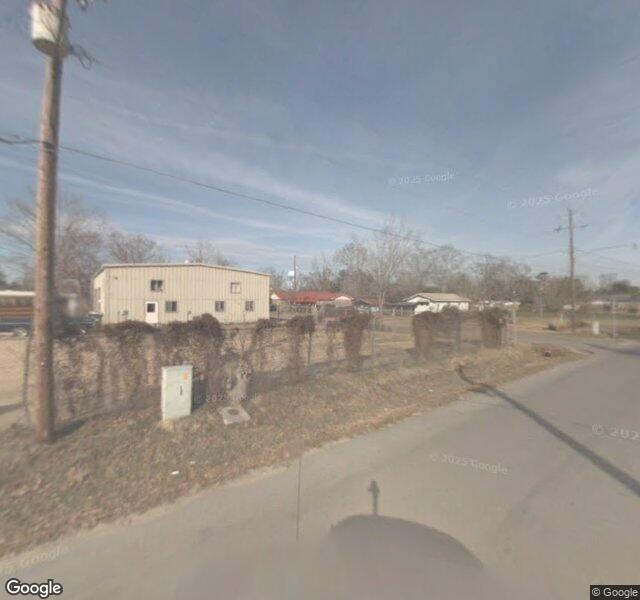
1017 JACKSON STREET, LEAKESVILLE, MS 39451 (601) 394-2371
Government - County 60 Beds Independent Data: November 2025
Trust Grade
60/100
#69 of 200 in MS
Last Inspection: October 2024

Within standard 12-15 month inspection cycle. Federal law requires annual inspections.

Overview

Greene County Health and Rehabilitation holds a Trust Grade of C+, indicating a decent performance that's slightly above average among nursing homes. In Mississippi, it ranks #69 out of 200, placing it in the top half of facilities, and it is the best option in Greene County, where it ranks #1 of 2. The facility is improving, with the number of issues decreasing from three in 2024 to two in 2025. Staffing is a strength, with a turnover rate of 0%, meaning staff members are likely to stay long-term and build relationships with residents. However, there have been serious incidents, including a medication error where a resident received another's medication, leading to hospitalization, and a failure to document the use of a restraint on another resident. Overall, while there are positive aspects, families should be aware of these significant weaknesses.

Trust Score
C+
60/100
In Mississippi
#69/200
Top 34%
Safety Record
Moderate
Needs review
Inspections
Getting Better
3 → 2 violations
Staff Stability
○ Average
Turnover data not reported for this facility.
Penalties
✓ Good
No fines on record. Clean compliance history, better than most Mississippi facilities.
Skilled Nurses
○ Average
Each resident gets 36 minutes of Registered Nurse (RN) attention daily — about average for Mississippi. RNs are the most trained staff who monitor for health changes.
Violations
✓ Good
Only 5 deficiencies on record. Cleaner than most facilities. Minor issues only.
★★★☆☆
3.0
Overall Rating
★★★☆☆
3.0
Staff Levels
★★★★☆
4.0
Care Quality
★★★☆☆
3.0
Inspection Score
Stable
2024: 3 issues
2025: 2 issues

The Good

  • 4-Star Quality Measures · Strong clinical quality outcomes
  • Full Sprinkler Coverage · Fire safety systems throughout facility
  • No fines on record

Facility shows strength in quality measures, fire safety.

The Bad

3-Star Overall Rating

Near Mississippi average (2.6)

Meets federal standards, typical of most facilities

The Ugly 5 deficiencies on record

2 actual harm
Jul 2025 2 deficiencies 2 Harm
SERIOUS (G) 📢 Someone Reported This

A family member, employee, or ombudsman was alarmed enough to file a formal complaint

Actual Harm - a resident was hurt due to facility failures

Deficiency F0658 (Tag F0658)

A resident was harmed · This affected 1 resident

Based on interviews, record review, and facility policy review, the facility failed to ensure that medications were administered in accordance with accepted standards of nursing practice and professio...

Read full inspector narrative →
Based on interviews, record review, and facility policy review, the facility failed to ensure that medications were administered in accordance with accepted standards of nursing practice and professional guidelines for one (1) of four (4) sampled residents (Resident #1) as evidenced by Licensed Practical Nurse (LPN) #1 failed to verify the resident's identity before administering medications and pre-pulled medications without immediate administration, resulting in Resident #1 receiving another resident's medications. This error caused the resident to experience an adverse drug reaction, decreased level of consciousness, and required transfer to an acute care hospital for intravenous (IV) fluids, potassium therapy, oxygen therapy, and observation.Findings include:A review of the facility's policy titled Administering Medications, revised April 2019, revealed, .Medications are administered in a safe and timely manner, and as prescribed. Policy Interpretation and Implementation.9. The individual administering the medication verifies the resident's identity before giving the resident his/her medications.A record review of the facility's investigation revealed that on 5/15/25, at 10:09 AM, Licensed Practical Nurse (LPN) #1 administered medications to Resident #1. Resident #1 was assessed at 11:47 AM and received an order for evaluation at the emergency room (ER) at 12:10 PM. A Certified Nurse Aide (CNA) reported that she attempted to wake Resident #1 for lunch and saw a medication cup in the resident's trash can labeled with another resident's name. Resident #1 was treated with intravenous fluids and potassium replacement and remained in the ER overnight for observation.A review of the Medication Error Report, dated 5/16/25, revealed, .resident received wrong medication. Meds had been placed in cups with res (resident) names on cups. Wrong med cup given to resident. AEB (As evidenced by) a cup with another resident's name found in trash can.A record review of a handwritten statement by LPN #1, dated 5/18/25, revealed, On 5/15/25 during my med (medication) pass I accidentally administered the wrong medication to a resident.I take full responsibility for this error and deeply regret any distress or risk caused to the resident.A record review of the acute hospital documentation for Resident #1 revealed, .Brought from rehab with report of possible seizure less than 30 minutes ago.Upon assessment by staff she was noted to be drowsy but would clasp hands together and move extremities spontaneously. Upon arrival to ED (Emergency Department), CNA from the rehab disclosed she saw a cup of pills that may have not belonged to the patient. Nursing staff reported she may have received another patient's meds to include Vimpat, Keppra, Gabitril, hydrocodone, and clonazepam. Further review revealed the resident received Intravenous (IV) Normal Saline with potassium and was administered four (4) liters of oxygen at the hospital.A record review of the admission Record revealed the facility admitted Resident #1 on 5/10/25 with diagnoses including Chronic Obstructive Pulmonary Disease (COPD) and Type 2 Diabetes Mellitus.A record review of the admission Minimum Data Set (MDS) with an Assessment Reference Date (ARD) of 4/21/25, revealed Resident #1 had a Brief Interview for Mental Status (BIMS) score of 15, which indicated she was cognitively intact.On 7/24/25 at 11:40 AM, during an interview, CNA #1 stated that when she entered Resident #1's room, she found the resident slumped in a chair, unresponsive to voice, and minimally responsive to physical stimulation. She noted this was not normal for the resident. While assisting the resident, CNA #1 observed a medication cup in the resident's trash can labeled with another resident's name. Recognizing a potential error, she immediately notified Registered Nurse (RN) #1.On 7/24/25 at 12:12 PM, during an interview, RN #1 stated that after being informed of a change in Resident #1's responsiveness, she immediately assessed the resident and noted the altered mental status. She notified the Nurse Practitioner (NP), who recommended transfer to the emergency department. RN #1 reported that CNA #1 informed her of the medication cup found in the room and that it was labeled with another resident's name. RN #1 stated that when she became aware that the medications given to the resident were not hers, she provided the NP with the full medication list that matched the other resident.On 7/24/25 at 1:00 PM, during an interview with Director of Nursing (DON), she confirmed that on 5/15/25, LPN #1, an agency nurse, pre-pulled Resident #2's medication and labeled the cup. The DON explained that the resident was in the shower, and the nurse intended to administer them once the resident returned. However, LPN #1 later administered the medication to Resident #1 without confirming the residents' identity. The DON acknowledged that this action violated the facility's medication administration policy and the professional nursing standard known as the five rights (right resident, right medication, right dose, right route, and right time). The DON confirmed that this failure did not reflect the standard of nursing care expected at the facility. She confirmed that LPN #1 did not pre-pull medications for any other residents and that this was an isolated occurrence. She further confirmed that Resident #2 later received the correct medications.On 7/24/25 at 1:30 PM, during an interview with the Administrator, she confirmed that LPN #1's actions did not meet the professional standards of nursing care. The Administrator stated that all licensed nurses are expected to follow the five rights of medication administration and verify resident identity prior to administration. She acknowledged that pre-pulling medications, even with the intent to administer them shortly after, is not permitted under facility policy and creates an increased risk of error.On 7/24/25 at 5:00 PM, during a phone interview with LPN #1, she confirmed that on 5/15/25 she placed Resident #2's medications in a cup and labeled it with the resident's name. She reported doing so because Resident #2 was in the shower, and she intended to administer the medications afterward. LPN #1 acknowledged that she mistakenly administered the pre-pulled medications to Resident #1, believing she had the correct resident. She stated that pre-pulling medications is not her routine practice, but she made the decision that morning due to a busy med pass and multiple residents being in the shower. She admitted that she failed to follow the five rights of medication administration and that her actions were a mistake.
SERIOUS (G) 📢 Someone Reported This

A family member, employee, or ombudsman was alarmed enough to file a formal complaint

Actual Harm - a resident was hurt due to facility failures

Deficiency F0760 (Tag F0760)

A resident was harmed · This affected 1 resident

Based on interview, record review, and facility policy review, the facility failed to ensure that a resident was free from a significant medication error for one (1) of four (4) sampled residents, as ...

Read full inspector narrative →
Based on interview, record review, and facility policy review, the facility failed to ensure that a resident was free from a significant medication error for one (1) of four (4) sampled residents, as evidenced by Resident #1 received another resident's medications, which caused a change in mental status requiring hospital evaluation, overnight observation, and treatment, including intravenous (IV) fluids, potassium replacement, and oxygen therapy. Findings include:A review of the facility's policy titled, Administering Medications, revised April 2019, revealed, .Medications are administered in a safe and timely manner, and as prescribed .9. The individual administering the medication verifies the resident's identity before giving the resident his/her medications.Resident #1A record review of the admission Record revealed the facility admitted Resident #1 on 5/10/25 with diagnoses including Chronic Obstructive Pulmonary Disease (COPD) and Type 2 Diabetes Mellitus.A record review of the admission Minimum Data Set (MDS) with an Assessment Reference Date (ARD) of 4/21/25, revealed Resident #1 had a Brief Interview for Mental Status (BIMS) score of 15, which indicated she was cognitively intact.Resident #2A record review of the admission Record revealed the facility admitted Resident #2 on September 29, 2021, with diagnoses of Epilepsy and Type 2 Diabetes Mellitus.A record review of Resident #2's Order Summary Report confirmed active orders for, Allopurinol 300 mg (milligram), Bacid oral capsule, Clonazepam 0.5 mg, Ergocalciferol 1.25 mg (5000 units), Hydrocodone-Acetaminophen 5-325 mg, Lacosamide 200 mg, Levetiracetam 750 mg (two tablets), Mag Ox 400 oral tablet, Metformin HCL 1000 mg, Sitagliptin Phosphate 100 mg, and Tiagabine HCL 4 mg.A record review of the facility's investigation revealed that on 5/15/25, at 10:09 AM, Licensed Practical Nurse (LPN) #1 administered medications to Resident #1. Resident #1 was assessed at 11:47 AM and received an order for evaluation at the emergency room (ER) at 12:10 PM. A Certified Nurse Aide (CNA) reported that she attempted to wake Resident #1 for lunch and saw a medication cup in the resident's trash can labeled with another resident's name. Resident #1 was treated with intravenous fluids and potassium replacement and remained in the ER overnight for observation.A review of the Medication Error Report, dated 5/16/25, revealed, .resident received wrong medication. Meds had been placed in cups with res (resident) names on cups. Wrong med cup given to resident. AEB (As evidenced by) a cup with another resident's name found in trash can.A record review of a handwritten statement by LPN #1, dated 5/18/25, revealed, On 5/15/25 during my med (medication) pass I accidentally administered the wrong medication to a resident.I take full responsibility for this error and deeply regret any distress or risk caused to the resident.A record review of the acute hospital documentation for Resident #1 revealed, .Brought from rehab with report of possible seizure less than 30 minutes ago.Upon assessment by staff she was noted to be drowsy but would clasp hands together and move extremities spontaneously. Upon arrival to ED (Emergency Department), CNA from the rehab disclosed she saw a cup of pills that may have not belonged to the patient. Nursing staff reported she may have received another patient's meds to include Vimpat, Keppra, Gabitril, hydrocodone, and clonazepam. Further review revealed the resident received Intravenous (IV) Normal Saline with potassium and was administered four (4) liters of oxygen at the hospital.During an interview conducted on 7/24/25 at 11:40 AM, CNA #1 stated that Resident #1 slumped in her chair and was unresponsive. This was unusual for the resident so she reported the change to the Registered Nurse (RN). She also found a medication cup in the resident's trash can that had another resident's name on it. During an interview on 7/24/25 at 12:12 PM, RN #1 confirmed that after being informed of the resident's condition, she assessed Resident #1, noted altered mental status, and contacted the Nurse Practitioner (NP) for evaluation. RN #1 confirmed that the medication cup in the room did not belong to Resident #1 and that the medications matched the profile of another resident (Resident #2).During an interview on 7/24/25 at 1:00 PM, the Director of Nursing (DON) confirmed that LPN #1, an agency nurse, administered another resident's medications to Resident #1 without verifying the resident's identity. She confirmed that this was a significant medication error resulting in the resident's transfer to the hospital for treatment.During an interview on 7/24/25 at 1:30 PM, the Administrator confirmed that LPN #1 failed to follow facility protocols and the five (5) rights of medication administration (right resident, medication, dose, time, and route).During a phone interview conducted on 7/24/25 at 5:00 PM, LPN #1 admitted she mistakenly administered another resident's medications to Resident #1 causing a significant medication error.
Oct 2024 3 deficiencies
CONCERN (D)

Potential for Harm - no one hurt, but risky conditions existed

Deficiency F0604 (Tag F0604)

Could have caused harm · This affected 1 resident

Based on observation, interviews, record review, and facility policy review, the facility failed to ensure a resident's right to be free from physical restraints by not identifying and documenting the...

Read full inspector narrative →
Based on observation, interviews, record review, and facility policy review, the facility failed to ensure a resident's right to be free from physical restraints by not identifying and documenting the use of a chest harness as a restraint for one (1) of fourteen (14) sampled residents. Resident #38 Findings Include: A review of the facility's policy titled Use of Restraints, revised April 2017, revealed: Restraints shall only be used for the safety and well-being of the resident(s) and only after other alternatives have been tried unsuccessfully . When the use of restraints is indicated, the least restrictive alternative will be used for the least amount of time necessary, and ongoing re-evaluation for the need for restraints will be documented. 1. Physical restraints are defined as any manual method or physical or mechanical device, material, or equipment attached to the resident's body that the individual cannot remove . 2. If the resident cannot remove a device in the same manner in which the staff applied it, given the resident's physical condition, and this restricts his/her typical ability to change position or place, that device is considered a restraint A record review of Resident #38's medical record revealed there was no documentation regarding the use of a restraint. On 10/08/24 at 3:50 PM, during an interview with the Administrator, she explained that Resident #38 wore the support straps across her body while sitting in her wheelchair due to her medical condition. The Administrator stated that the facility did not consider the support device, which was a harness, as a restraint. She further explained that if a resident does not have the mental capacity to understand or remove the restraint, it was not considered a restraint by the facility. The Administrator confirmed that Resident #38 could not remove the harness without staff assistance. On 10/09/24 at 7:30 AM, in an observation, Resident #38 was observed sitting in her wheelchair with a cloth cross-body strap support on her upper chest. On 10/09/24 at 7:38 AM, during an interview, Licensed Practical Nurse (LPN) #1 stated that the resident wore the straps across her body when she was in her wheelchair to provide support. LPN #1 reported that Resident #38 was placed in her wheelchair for two (2) hours in the morning and then placed back in bed for two (2) hours, continuing this cycle throughout the day. LPN #1 added that the straps had been used since the resident was admitted to the facility. On 10/09/24 at 7:40 AM, during an interview, Certified Nursing Assistant (CNA) #2 confirmed that the straps were placed across the resident's chest to prevent her from falling out of the chair. CNA #2 also confirmed that Resident #38 could not remove the straps on her own. On 10/09/24 at 11:05 AM, in an interview, the Director of Nursing (DON) acknowledged that Resident #38 was unable to remove the harness from her wheelchair without staff assistance. The DON confirmed that the facility had not previously identified the strapping device as a restraint. The DON explained that, moving forward, the facility would conduct pre-restraint evaluations, obtain physician's orders, secure consents from the resident's representative, and ensure proper documentation. Additionally, the DON committed to providing in-service training to staff on identifying and documenting restraints. A record review of the admission Record revealed that the facility admitted Resident #38 on 04/19/19 with diagnoses including Spastic Quadriplegic Cerebral Palsy. A record review of the Quarterly Minimum Data Set (MDS) with an Assessment Reference Date (ARD) of 07/24/24 revealed that Resident #38's cognitive skills for daily decision-making were severely impaired. The resident required a staff interview for cognitive status.
CONCERN (D)

Potential for Harm - no one hurt, but risky conditions existed

Comprehensive Care Plan (Tag F0656)

Could have caused harm · This affected 1 resident

Based on observation, staff interview, record review, and facility policy review, the facility failed to develop and implement a comprehensive, person-centered care plan to reflect the use of a restra...

Read full inspector narrative →
Based on observation, staff interview, record review, and facility policy review, the facility failed to develop and implement a comprehensive, person-centered care plan to reflect the use of a restraint for one (1) of fourteen (14) sampled residents, Resident #38. Findings Include: A review of the facility's policy titled Use of Restraints, revised April 2017, revealed .17. Care plans for residents in restraints will reflect interventions that address not only the immediate medical symptom(s) but the underlying problems that may be causing the symptom(s) . 18. Care plans shall also include the measures taken to systematically reduce or eliminate the need for restraint use During an observation on 10/09/24 at 7:30 AM, Resident #38 was sitting in her wheelchair with a cloth cross-body strap support on her upper chest. A record review of the Comprehensive Care Plan revealed that there was no care plan developed related to the use of a physical restraint. During an interview on 10/09/24 at 11:05 AM, the Director of Nursing (DON) acknowledged Resident #38 was unable to remove the harness restraint while in her wheelchair. The DON confirmed Resident #38 had not previously been care planned for the restraint and explained the reason of care planning is to note the focus area with goals and interventions for the staff. The DON stated her expectation going forward is to care plan focus areas promptly so that staff can be aware of how to care for the residents. A record review of the admission Record revealed that the facility admitted Resident #38 on 04/19/19 with diagnoses including Spastic Quadriplegic Cerebral Palsy. A record review of the Quarterly Minimum Data Set (MDS) with an Assessment Reference Date (ARD) of 07/24/24 revealed that Resident #38's cognitive skills for daily decision-making were severely impaired. The resident required a staff interview for cognitive status.
CONCERN (D)

Potential for Harm - no one hurt, but risky conditions existed

Food Safety (Tag F0812)

Could have caused harm · This affected 1 resident

Based on observation, staff interview, record review, and facility policy review, the facility failed to follow proper sanitation and food handling practices to prevent the possible outbreak of foodbo...

Read full inspector narrative →
Based on observation, staff interview, record review, and facility policy review, the facility failed to follow proper sanitation and food handling practices to prevent the possible outbreak of foodborne illnesses, as evidenced by a foreign object observed in the sugar bin for one (1) of four (4) kitchen observations. Findings Include: A review of the facility's policy titled Storage of Canned and Dry Food, revised 10/17, revealed, .The facility ensures the quality, nutritive value, and safety of canned and dry food through accepted storage practices. Procedure: 1. Dry storage is designated for the storage of dry goods such as single-service items, canned goods, and packaged or containerized bulk food .2. The dry storage room is a clean, dry area free from contaminants .10. Dry food products such as flour, cornmeal, sugar, etc., are removed from their original packaging and stored in bins. These bins are cleaned and sanitized according to the facility's cleaning schedule . On 10/07/24 at 10:36 AM, during an observation and interview of the dietary department, the State Agency (SA) observed what appeared to be a rock (foreign object) in the sugar bin. Dietary Staff #1 and Dietary Staff #2 confirmed during an interview that the foreign object was in the sugar bin. Dietary Staff #1 stated that she did not know how the object got into the sugar, but she explained that all staff members are responsible for checking the sugar. Dietary Staff #2 stated that she had used sugar from the second bin in the kitchen to make tea for the residents but was unsure how the object entered the sugar and emphasized that everyone who uses the dry goods should examine the products. During an interview on 10/08/24 at 2:00 PM, Dietary Staff #2 reported that she had dumped the contaminated sugar the previous day, cleaned the container, and refilled it halfway. Dietary Staff #2 also confirmed that residents could become ill from consuming food contaminated with foreign objects. During an interview on 10/08/24 at 2:55 PM, the Administrator expressed her expectations for staff to examine all food before serving it to residents. She further stated that it is the staff's responsibility to ensure that all food is sanitary and free from foreign objects for the residents, and she expects all staff members to examine dry goods. A record review revealed the facility conducted an in-service training on 03/25/24. The kitchen staff was trained to check containers of sugar, flour, and cornmeal, clean and sanitize containers, and refill them. Staff members signed to confirm their understanding and agreement.
Understanding Severity Codes (click to expand)
Life-Threatening (Immediate Jeopardy)
J - Isolated K - Pattern L - Widespread
Actual Harm
G - Isolated H - Pattern I - Widespread
Potential for Harm
D - Isolated E - Pattern F - Widespread
No Harm (Minor)
A - Isolated B - Pattern C - Widespread

Questions to Ask on Your Visit

  • "Can I speak with families of current residents?"
  • "What's your RN coverage like on weekends and overnight?"

Our Honest Assessment

Strengths
  • • No fines on record. Clean compliance history, better than most Mississippi facilities.
Concerns
  • • 5 deficiencies on record, including 2 serious (caused harm) violations. Ask about corrective actions taken.
Bottom line: Mixed indicators with Trust Score of 60/100. Visit in person and ask pointed questions.

About This Facility

What is Greene County's CMS Rating?

CMS assigns GREENE COUNTY HEALTH AND REHABILITATION an overall rating of 3 out of 5 stars, which is considered average nationally. Within Mississippi, this rating places the facility higher than 99% of the state's 100 nursing homes. This mid-range rating indicates the facility meets federal standards but may have areas for improvement.

How is Greene County Staffed?

CMS rates GREENE COUNTY HEALTH AND REHABILITATION's staffing level at 3 out of 5 stars, which is average compared to other nursing homes.

What Have Inspectors Found at Greene County?

State health inspectors documented 5 deficiencies at GREENE COUNTY HEALTH AND REHABILITATION during 2024 to 2025. These included: 2 that caused actual resident harm and 3 with potential for harm. Deficiencies causing actual harm indicate documented cases where residents experienced negative health consequences.

Who Owns and Operates Greene County?

GREENE COUNTY HEALTH AND REHABILITATION is owned by a government entity. Government-operated facilities are typically run by state, county, or municipal agencies. The facility operates independently rather than as part of a larger chain. With 60 certified beds and approximately 50 residents (about 83% occupancy), it is a smaller facility located in LEAKESVILLE, Mississippi.

How Does Greene County Compare to Other Mississippi Nursing Homes?

Compared to the 100 nursing homes in Mississippi, GREENE COUNTY HEALTH AND REHABILITATION's overall rating (3 stars) is above the state average of 2.6 and health inspection rating (3 stars) is at the national benchmark.

What Should Families Ask When Visiting Greene County?

Based on this facility's data, families visiting should ask: "Can I visit during a mealtime to observe dining assistance and food quality?" "How do you handle medical emergencies, and what is your hospital transfer rate?" "Can I speak with family members of current residents about their experience?"

Is Greene County Safe?

Based on CMS inspection data, GREENE COUNTY HEALTH AND REHABILITATION has a clean safety record: no substantiated abuse findings (meaning no confirmed cases of resident harm), no Immediate Jeopardy citations (the most serious violation level indicating risk of serious injury or death), and is not on the Special Focus Facility watch list (a federal program monitoring the lowest-performing 1% of nursing homes). The facility has a 3-star overall rating and ranks #1 of 100 nursing homes in Mississippi. While no facility is perfect, families should still ask about staff-to-resident ratios and recent inspection results during their visit.

Do Nurses at Greene County Stick Around?

GREENE COUNTY HEALTH AND REHABILITATION has not reported staff turnover data to CMS. Staff turnover matters because consistent caregivers learn residents' individual needs, medications, and preferences. When staff frequently change, this institutional knowledge is lost. Families should ask the facility directly about their staff retention rates and average employee tenure.

Was Greene County Ever Fined?

GREENE COUNTY HEALTH AND REHABILITATION has no federal fines on record. CMS issues fines when nursing homes fail to meet care standards or don't correct problems found during inspections. The absence of fines suggests the facility has either maintained compliance or corrected any issues before penalties were assessed. This is a positive indicator, though families should still review recent inspection reports for the full picture.

Is Greene County on Any Federal Watch List?

GREENE COUNTY HEALTH AND REHABILITATION is not on any federal watch list. The most significant is the Special Focus Facility (SFF) program, which identifies the bottom 1% of nursing homes nationally based on persistent, serious quality problems. Not being on this list means the facility has avoided the pattern of deficiencies that triggers enhanced federal oversight. This is a positive indicator, though families should still review the facility's inspection history directly.