LIBERTY COMMUNITY LIVING CTR
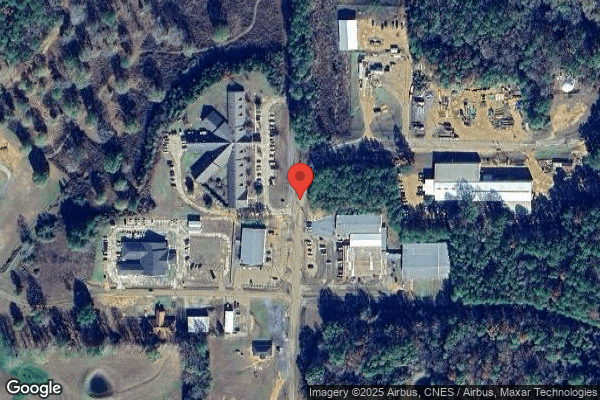

323 INDUSTRIAL PARK DRIVE, LIBERTY, MS 39645 (601) 657-1000
For profit - Limited Liability company 80 Beds COMMUNITY ELDERCARE SERVICES Data: November 2025 1 Immediate Jeopardy citation
Trust Grade
36/100
#126 of 200 in MS
Last Inspection: August 2024

Within standard 12-15 month inspection cycle. Federal law requires annual inspections.

Overview

Liberty Community Living Center has received a Trust Grade of F, indicating significant concerns and poor performance in care. They rank #126 out of 200 facilities in Mississippi, placing them in the bottom half, but they are the only nursing home option in Amite County. The facility is currently worsening, with issues increasing from 2 in 2023 to 11 in 2024. Staffing is a concern, with a 65% turnover rate that is higher than the state average, and there is less RN coverage than 81% of similar facilities, which may impact resident care. Specific incidents of concern include a cognitively impaired resident being able to exit the facility unsupervised, posing a serious safety risk, and multiple violations related to food safety, such as staff not wearing hair nets and improper food storage practices.

Trust Score
F
36/100
In Mississippi
#126/200
Bottom 37%
Safety Record
High Risk
Review needed
Inspections
Getting Worse
2 → 11 violations
Staff Stability
⚠ Watch
65% turnover. Above average. Higher turnover means staff may not know residents' routines.
Penalties
○ Average
$8,988 in fines. Higher than 54% of Mississippi facilities. Some compliance issues.
Skilled Nurses
⚠ Watch
Each resident gets only 21 minutes of Registered Nurse (RN) attention daily — below average for Mississippi. Fewer RN minutes means fewer trained eyes watching for problems.
Violations
⚠ Watch
18 deficiencies on record. Higher than average. Multiple issues found across inspections.
★★☆☆☆
2.0
Overall Rating
★★★☆☆
3.0
Staff Levels
★☆☆☆☆
1.0
Care Quality
★★★☆☆
3.0
Inspection Score
Stable
2023: 2 issues
2024: 11 issues

The Good

  • Full Sprinkler Coverage · Fire safety systems throughout facility
  • No fines on record

Facility shows strength in fire safety.

The Bad

2-Star Overall Rating

Below Mississippi average (2.6)

Below average - review inspection findings carefully

Staff Turnover: 65%

19pts above Mississippi avg (46%)

Frequent staff changes - ask about care continuity

Federal Fines: $8,988

Below median ($33,413)

Minor penalties assessed

Chain: COMMUNITY ELDERCARE SERVICES

Part of a multi-facility chain

Ask about local staffing decisions and management

Staff turnover is elevated (65%)

17 points above Mississippi average of 48%

The Ugly 18 deficiencies on record

1 life-threatening
Nov 2024 4 deficiencies
CONCERN (D) 📢 Someone Reported This

A family member, employee, or ombudsman was alarmed enough to file a formal complaint

Potential for Harm - no one hurt, but risky conditions existed

Deficiency F0568 (Tag F0568)

Could have caused harm · This affected 1 resident

Based on interviews, record reviews, and facility policy review, the facility failed to employ proper bookkeeping techniques and prevent the commingling of resident funds for one (1) of four (4) resid...

Read full inspector narrative →
Based on interviews, record reviews, and facility policy review, the facility failed to employ proper bookkeeping techniques and prevent the commingling of resident funds for one (1) of four (4) residents reviewed with the potential to affect any residents who have or have had a resident trust fund. Resident #3 Findings include: Review of the facility policy titled, Freedom from Abuse, Neglect and/or Exploitation Prevention Plan - Education, revised 8/23/17, revealed The resident has the right to be free from abuse, neglect, misappropriation of resident property and exploitation by anyone, including, but not limited to, facility staff . Misappropriation of resident property - Deliberate misplacement, exploitation, or wrongful, temporary or permanent use of a resident's belongings or money without the resident's consent . On 11/14/24 at 1:46 PM, during a telephone interview, the Resident Representative (RR) for Resident #3 stated that she had been contacted by the current facility Business Office Manager (BOM) and was asked about her mother's funds, specifically the money earmarked for her mother's funeral expenses. The RR added that at the time of her mother's admission to the facility, her mother had three thousand, eight hundred dollars ($3800.00) in her bank account that had been saved to assist with her funeral expenses. The RR stated that she was told the entire amount of money in the resident's bank account could be deposited in a resident trust account at the facility and that the entire amount would be earmarked for funeral expenses and would be available at the time of the resident's death. The RR proceeded to explain that after a second call inquiring about the money in her mother's account, she had contacted the facility's former Administrator and asked to come in for a review of the resident's trust fund account. She stated that during her meeting with the former Administrator she observed withdrawal receipts from her mother's account that had her signature on them. The RR for Resident #3 stated that she, nor any family member had received any cash from the resident, as the resident's family bought all of her clothes and did not receive gifts from the resident. The RR stated that her mother did not possess the cognitive ability to manage cash in a safe, responsible manner. She also stated that during her meeting with the former Administrator, she told him that her signature had been forged and that there was fraud involved in the management of Resident #3's trust fund account. The RR stated that the former Administrator told her that he was going to continue to look into the situation and would handle it. On 11/14/24 at 2:07 PM, during a telephone interview, the former Administrator stated that the annual Medicaid audits of resident trust funds revealed there was an excess of three thousand dollars ($3,000.00), which had been 'earmarked' for funeral expenses that was gone from the trust fund account of Resident #3. He stated he could not recall the exact amount, but the record review of the resident's account statement and withdrawal receipts revealed several questionable withdrawals. He added that he had not reported anything to the State Agency (SA) because he was not sure if there was anything to report, although he confirmed that the resident's RR had told him that there were receipts with her name on them that she had not signed. He state that he had notified the Regional Director of Operations (RDO) who had told him that she would audit the resident trust accounts for misappropriation. He stated that following the RDO's audit, he had been reassured that all the resident's funds had been accounted for and therefore he had not reported any accusation of misappropriation to the SA. The former Administrator stated that his concerns came from withdrawals from Resident #3's account that included three (3) beauty shop charges listed for the same day, and receipts which stated, 'Gift Shop' and 'Snack Bar' because the facility did not have a gift shop or a snack bar. On 11/15/24 at 2:38 PM, during an interview with the current facility BOM, she stated that she was not able to locate receipts for several items listed on Trust Fund Disbursement Slips and Withdrawal Slips for Resident #3, including a specialty chair listed on a Resident Trust Fund Disbursement Slip dated 10/16/23. A record review of Resident #3's resident fund records revealed there was no receipt for any medical equipment or specialty chair to support the claim of purchase from the resident's trust fund account. On 11/18/24 at 4:42 PM, during a telephone interview the facility's former BOM explained she had limited training regarding management of resident trust fund accounts. She stated that if the resident had a need and funds in the account, she would shop on line, locate the item, have the resident sign a slip/receipt for withdrawal of funds necessary for the purchase, take the money from their account, buy an Online Vendor gift card and used the gift card to make purchases. She stated she also used or her own Online Vendor account to purchase the items online for residents and paid her bill with money removed from the resident's trust fund account. She stated that in October 2023, Resident #3 needed a wheelchair and the resident's RR verbally authorized use of funds from her account to order one. She said she had the resident sign a Resident Trust Fund Disbursement Slip on 10/16/24 for nine hundred fifty dollars ($950.00), used the resident's funds to purchase a wheelchair from an Online Vendor for six hundred forty-one dollars and forty-nine cents ($641.49) and purchased other items on her own without authorization that totaled approximately three hundred dollars. The former BOM stated, I may have been out of line on that. If I need to reimburse her on that I will be glad to, as that was my judgement call. She confirmed that there were no receipts for items she had purchased for the resident, including a specialty chair, in her Resident Fund Management Service (RFMS) folder, only screen shots of items that were purchased. The BOM confirmed that the screen shots were not actually receipts for the item as evidence that the item had indeed been purchased or received by the resident. On 11/18/24 at 5:30 PM, during an interview with the RDO, she revealed that she was the designee for the Administrator, who was out for the day. She stated that she had reviewed the account for Resident #3 on 8/29/24, as a result of questions raised by the resident's RR in which she matched Withdrawal Slips with the Resident Account Statement. She confirmed that she had not looked for vendor receipts for items purchased by the facility staff using the resident's trust funds. She said that the procedures employed by the former BOM were bad bookkeeping practices, and did not comply with current accounting standards. She confirmed that Resident #3 had severe cognitive impairment. On 11/20/24 at 5:15 PM, in a post survey telephone interview with the RR for Resident #3 revealed that she stated there had been no discussion in October 2024, or any time of using the resident's funds to purchase a wheelchair. Record review of the admission Record for Resident #3 revealed the facility admitted the resident on 7/20/22. The resident had diagnoses that included Diabetes, Dementia, and Disorientation. Record review of the Quarterly Minimum Data Set (MDS) for Resident #3, with an Assessment Reference Date (ARD) of 8/29/24, revealed the resident had a Brief Interview for Mental Status (BIMS) score of 3, which indicated severe cognitive impairment. Record review of the Quarterly MDS for Resident #3 with an ARD of 5/31/24, revealed the resident had a BIMS score of 4, which indicated severe cognitive impairment. Record review of the Quarterly MDS for Resident #3 with an ARD of 3/02/24, revealed the resident had a BIMS score of 5, which indicated severe cognitive impairment.
CONCERN (D) 📢 Someone Reported This

A family member, employee, or ombudsman was alarmed enough to file a formal complaint

Potential for Harm - no one hurt, but risky conditions existed

Deficiency F0602 (Tag F0602)

Could have caused harm · This affected 1 resident

Based on interviews, record review, and facility policy review, the facility failed to ensure residents were free from misappropriation of funds for one (1) of four (4) residents reviewed (Resident #3...

Read full inspector narrative →
Based on interviews, record review, and facility policy review, the facility failed to ensure residents were free from misappropriation of funds for one (1) of four (4) residents reviewed (Resident #3), with the potential to affect 53 residents who have a resident trust fund. Findings included: Review of the facility policy titled, Freedom from Abuse, Neglect and/or Exploitation Prevention Plan - Education, revised 8/23/17, revealed The resident has the right to be free from abuse, neglect, misappropriation of resident property and exploitation by anyone, including, but not limited to, facility staff . Misappropriation of resident property - Deliberate misplacement, exploitation, or wrongful, temporary or permanent use of a resident's belongings or money without the resident's consent . On 11/04/2024 at 1:46 PM, during a telephone interview, the Resident Representative (RR) for Resident #3 reported that the current facility Business Office Manager (BOM) contacted her regarding her mother's funds, specifically money earmarked for funeral expenses. She stated she met with the facility's former Administrator in September 2024 to review Resident #3's trust fund account and identified a Withdrawal Receipt dated 04/23/2024 for $650.00 for clothing. She stated that she had told the former Administrator that the signature on the receipt was forged. The RR also reported being unaware of withdrawals from the resident's account that depleted funds she had been told were earmarked for funeral expenses. She stated her mother did not possess the cognitive ability to manage cash responsibly. The RR also added that she, nor any family member had received any cash from the resident and that the resident's family bought all of Resident #3's clothes and did not receive gifts from the resident. A record review of the Resident Fund Management System (RFMS) Resident Statement and Resident Trust Fund Disbursement (RTFD) Slips and Withdrawal Receipts for Resident #3 revealed the following discrepancies: a debit dated 01/9/2024 described as Resident Advance Cash for $500.00 with no correlating slips or receipts, a debit dated 02/26/2023 described as Gift Shop for $500.00 with no correlating slips or receipts, a debit dated 02/27/2024 described as Resident Advance Cash for $150.00 with no correlating slips or receipts, a RTFD Slip dated 10/09/2023 described as cash for clothing for winter per RP (Responsible Party) and daughter for $175.00 signed by Registered Nurse (RN) #1 as witness (later denied by RN #1), and a Withdrawal Receipt dated 04/23/2024 described as Clothing for $650.00 signed by the Transportation Aide and Resident #3's RR (later denied by the Transportation Aide and RR). On 11/14/2024 at 2:07 PM, during a telephone interview, the former Administrator stated that a Medicaid audit revealed over $3,000 earmarked for funeral expenses was missing from Resident #3's trust fund. The RR informed him that some receipts had her name on them, but she had not signed them. On 11/18/2024 at 12:05 PM, during an interview, RN #1 denied signing the RTFD Slip dated 10/09/2023 for $175.00, noting her name was misspelled on the slip. On 11/18/2024 at 4:42 PM, during a telephone interview, the former BOM admitted she had limited training regarding management of resident trust fund accounts. She stated her normal procedure involved having residents sign slips or receipts for fund withdrawals and providing cash in the presence of a witness. However, she also admitted to disbursing cash to Resident #3 without witnesses, despite knowing the resident was cognitively impaired. She acknowledged using the resident's funds to purchase items online via her personal Online Vendor account and confirmed there were no receipts in the RFMS folder to substantiate purchases. On 11/20/2024 at 5:15 PM, during a telephone interview, the RR for Resident #3 stated there had been no discussion in October 2023, or any other time about using the resident's funds to purchase a wheelchair. A record review of Resident #3's admission Record revealed the facility admitted the resident on 07/20/2022. The resident had diagnoses that included Diabetes, Dementia, and Disorientation. A record review of Resident #3's Quarterly Minimum Data Set (MDS) with an Assessment Reference Date (ARD) of 08/29/2024 revealed a Brief Interview for Mental Status (BIMS) score of three (3), which indicated severe cognitive impairment. A record review of Resident #3's Quarterly MDS with an ARD of 05/31/2024 revealed a BIMS score of four (4), which indicated severe cognitive impairment. A record review of Resident #3's Quarterly MDS with an ARD of 03/02/2024 revealed a BIMS score of five (5), which indicated severe cognitive impairment.
CONCERN (D) 📢 Someone Reported This

A family member, employee, or ombudsman was alarmed enough to file a formal complaint

Potential for Harm - no one hurt, but risky conditions existed

Report Alleged Abuse (Tag F0609)

Could have caused harm · This affected 1 resident

Based on observation, interviews, record reviews, and facility policy review, the facility failed to report allegations of misappropriation of resident property within 24 hours of notification of the ...

Read full inspector narrative →
Based on observation, interviews, record reviews, and facility policy review, the facility failed to report allegations of misappropriation of resident property within 24 hours of notification of the allegation to the State Agency (SA) and local authorities for one (1) of four (4) residents reviewed with trust accounts. Resident #3 Findings included: A review of the facility's policy titled Abuse, Neglect, Exploitation or Misappropriation-Reporting and Investigating, reviewed 10/2022, revealed, All reports of resident abuse . or theft/misappropriation of resident property are reported to local, state, and federal agencies (as required by current regulations) and thoroughly investigated by facility management. Findings of all investigations are documented and reported . If resident abuse, neglect, exploitation, misappropriation of resident property . is suspected, the suspicion must be reported immediately to the administrator and to other officials according to state law . The administrator or the individual making the allegation immediately reports his or her suspicion to the following persons or agencies: a. the state licensing/certification agency . e. Law enforcement officials .3b.within 24 hours of an allegation that does not involve abuse or result in serious bodily injury . On 11/14/2024 at 9:55 AM, during an interview and observation of Resident #3, the resident was observed in a black and green manual wheelchair labeled with her name. The resident was unable to meaningfully participate in the interview and responded to questions by stating, I'm going home or I want to go home. During a telephone interview on 11/14/2024 at 1:46 PM, the Resident Representative (RR) for Resident #3 stated that in September 2024, she informed the former Administrator her signature had been forged on a Withdrawal Receipt dated 04/22/2024 for $650.00, alleging fraud in the management of the resident's trust fund account. The RR stated that the former Administrator had told her that he would look into the situation, but as of the time of the survey, no funds had been reimbursed. The RR stated she had never authorized or discussed the purchase of medical equipment or clothing using the resident's funds. On 11/14/2024 at 2:07 PM, during a telephone interview, the former Administrator stated that the RR informed him of a receipt with her name, which she said she had not signed. He confirmed that no allegation of misappropriation had been reported to the State Agency (SA) or other agencies. On 11/15/2024 at 2:38 PM, during an interview, the current Business Office Manager (BOM), who started on 08/12/2024, stated that during an annual audit of resident trust fund accounts, a Medicaid Case Manager raised an inquiry about funds earmarked for burial expenses in Resident #3's account that could not be accounted for. She stated, They don't do that in this facility. On 11/18/2024 at 10:50 AM, during an interview, the Regional Director of Operations (RDO) stated that on 08/29/2024, she reviewed trust fund information but did not report allegations of misappropriation to the SA or other agencies. On 11/18/2024 at 12:05 PM, during an interview, Registered Nurse (RN) #1 denied signing the Resident Trust Fund Disbursement Slip dated 10/09/2023 for $175.00. She noted that her name was misspelled on the slip. On 11/18/2024 at 4:42 PM, during a telephone interview, the facility's former BOM admitted to limited training regarding managing resident trust fund accounts. She stated she was unaware of any funds earmarked for funeral expenses. She acknowledged providing cash withdrawals to residents without witnesses based on her judgment of the resident's cognition. On 11/18/2024 at 5:30 PM, during an interview, the RDO stated she reviewed Resident #3's account on 08/29/2024 due to questions from the RR. She confirmed she did not verify witness signatures on receipts or check for vendor receipts for items purchased using resident trust funds. She described the former BOM's practices as bad bookkeeping. On 11/22/2024 at 1:28 PM, during a post survey telephone interview, Licensed Practical Nurse (LPN) #1 stated she had never witnessed the former BOM give $1,000.00 cash to Resident #3. She noted the BOM sometimes asked her to sign withdrawal receipts after explaining the purpose but could not recall whether she signed any on 08/06/2024. A record review of Resident #3's admission Record revealed the facility admitted Resident #3 on 07/20/2022. The resident's diagnoses included Diabetes, Dementia, and Disorientation. A record review of Resident #3's Quarterly Minimum Data Set (MDS) with an Assessment Reference Date (ARD) of 08/29/2024, revealed a Brief Interview for Mental Status (BIMS) score of three (3), which indicated severe cognitive impairment.
CONCERN (D) 📢 Someone Reported This

A family member, employee, or ombudsman was alarmed enough to file a formal complaint

Potential for Harm - no one hurt, but risky conditions existed

Investigate Abuse (Tag F0610)

Could have caused harm · This affected 1 resident

Based on interviews, record review, and policy review, the facility failed to thoroughly investigate an allegation of misappropriation of resident property for one (1) of four (4) residents reviewed w...

Read full inspector narrative →
Based on interviews, record review, and policy review, the facility failed to thoroughly investigate an allegation of misappropriation of resident property for one (1) of four (4) residents reviewed with trust fund accounts. Resident #3. Findings included: A review of the facility's policy titled Abuse, Neglect, Exploitation or Misappropriation-Reporting and Investigating, reviewed 10/2022, revealed, All reports of resident abuse . or theft/misappropriation of resident property are reported to local, state, and federal agencies (as required by current regulations) and thoroughly investigated by facility management. Findings of all investigations are documented and reported . Investigation Allegations . 1. All allegations are thoroughly investigated. The administrator initiates investigations. 2. Investigations may be assigned to an individual trained in reviewing, investigation, and reporting such allegations . 11. Upon conclusion of the investigation, the investigator records the findings of the investigation on approved documentation forms and provides the completed documentation to the administrator . Follow-Up Report . 1. Within five (5) business days of the incident, the administrator will provide a follow-up investigation report . During a telephone interview on 11/14/2024 at 1:46 PM, the Resident Representative (RR) for Resident #3 stated that in September 2024, the facility's Business Office Manager (BOM) contacted her regarding money missing from the resident's trust fund account and requested a meeting to review the account. The RR stated that during a meeting with the former Administrator, she observed Withdrawal Receipts with her name on them, which she said she had not signed or authorized. She informed the Administrator that her signature had been forged and alleged fraud in managing the resident's trust fund account. The Administrator indicated he would look into the situation and address it. On 11/14/2024 at 2:07 PM, during a telephone interview, the former Administrator confirmed the RR informed him of receipts with her name, which she said she had not signed. He stated he had notified the Regional Director of Operations (RDO), who audited the resident trust account for misappropriation but was unaware of further investigation. On 11/15/2024 at 2:38 PM, during an interview, the current BOM stated she was aware of concerns regarding Resident #3's trust fund account and was told an audit had been conducted. On 11/15/2024 at 4:40 PM, during an interview, the Transportation Aide reviewed the Withdrawal Receipts for Resident #3 and stated she had not signed the slips dated 03/29/2024 for $500.00 or 04/22/2024 for $650.00. She confirmed no one had previously asked her about her signature before the State Agency survey. On 11/18/2024 at 10:50 AM, during an interview, the RDO stated that on 08/29/2024, she pulled trust fund information to verify accuracy, ensuring resident Trust Fund Disbursement Slips/Withdrawal Slips were in place with witness signatures. She explained that cash withdrawals require witnesses and signatures on receipts/slips, and receipts for items purchased must be attached to the slips. However, she admitted not noticing unwitnessed slips, authenticating witness signatures, or checking for receipts or resident possession of purchased items during her audit. On 11/18/2024 at 12:05 PM, during an interview, Registered Nurse (RN) #1 denied signing the Resident Trust Fund Disbursement Slip dated 10/09/2023 for $175.00. She noted her name was misspelled on the slip and stated she was not asked about the signature before the survey. On 11/18/2024 at 6:15 PM, during a follow-up interview, the RDO once again confirmed the extent of her audit included matching withdrawals from resident trust fund account statements with receipts/slips but did not involve verifying witness signatures or ensuring items purchased with resident funds were in their possession. The RDO was unable to provide documentation of her audit. She stated that she had not done an investigation, as after auditing the trust account of ten (10) residents, she did not feel the need to do a thorough investigation. On 11/19/2024 at 5:18 PM, during a post survey telephone interview, the RR stated the RDO did not contact her to verify her signature on the receipts/slips for withdrawals from the resident's account. A record review of Resident #3's admission Record revealed the facility admitted Resident #3 on 07/20/2022. The resident's diagnoses included Diabetes, Dementia, and Disorientation. A record review of Resident #3's Quarterly Minimum Data Set (MDS) with an Assessment Reference Date (ARD) of 08/29/2024, revealed a Brief Interview for Mental Status (BIMS) score of three (3), which indicated severe cognitive impairment.
Aug 2024 6 deficiencies
CONCERN (D)

Potential for Harm - no one hurt, but risky conditions existed

Resident Rights (Tag F0550)

Could have caused harm · This affected 1 resident

Based on observation, interview, record review, and facility policy review, the facility failed to assist a resident with eating in a dignified manner during a dining observation, as evidenced by a Ce...

Read full inspector narrative →
Based on observation, interview, record review, and facility policy review, the facility failed to assist a resident with eating in a dignified manner during a dining observation, as evidenced by a Certified Nurse Aide (CNA) was observed standing over a resident while assisting the resident to eat during one (1) of two (2) meal observations. Resident #21 Findings Include: A review of the facility's policy titled Resident Rights, revised and implemented 11/28/16, revealed, .The resident has a right to a dignified existence .A facility must treat each resident with respect and dignity and care for each resident in a manner and in an environment that promotes maintenance or enhancement of his or her quality of life, recognizing each resident's individuality. The facility must protect and promote the rights of the resident . On 08/22/24 at 8:50 AM, during a dining observation, CNA #1 was observed standing while feeding Resident #21. On 08/22/24 at 9:05 AM, during an interview, CNA #1 acknowledged she was standing while feeding Resident #21. CNA #1 stated she was aware the proper way to assist a resident with feeding is to sit. CNA #1 reported she was not trained to sit during assisted feeding at this facility but had learned the importance of sitting while assisting residents while eating from her years of experience as a CNA. On 08/22/24 at 9:16 AM, during an interview, the Director of Nursing (DON) stated that CNAs are trained to position themselves in front of the residents, observe, and make eye contact during assisted feeding. The DON reported that the staff should not be standing while feeding but may sit depending on the resident's level. The DON confirmed that her expectation is to ensure the staff are trained to sit while performing assisted feedings. On 08/22/24 at 12:52 PM, during an interview, the Administrator acknowledged that a staff member had assisted the resident in feeding while standing. The Administrator stated that the staff would be in-serviced on the proper way to assist the residents in feeding. A record review of the facility's admission Record revealed the facility admitted Resident #21 on 12/28/17. The resident's diagnoses included Vascular Dementia, Unspecified Severity, with Other Behavioral Disturbances, and Dysphagia, Pharyngoesophageal Phase. A record review of Resident #21's Quarterly Minimum Data Set (MDS) with an Assessment Reference Date (ARD) of 06/29/24 revealed a Brief Interview for Mental Status (BIMS) should not be conducted. Further review revealed the staff's assessment of the resident's cognitive status indicated the resident was severely impaired regarding cognitive skills for daily decision making.
CONCERN (D)

Potential for Harm - no one hurt, but risky conditions existed

Deficiency F0582 (Tag F0582)

Could have caused harm · This affected 1 resident

Based on record review, staff interviews, and facility policy review the facility failed to provide the Notice of Medicare Non-Coverage letter indicating the resident was notified prior to Medicare co...

Read full inspector narrative →
Based on record review, staff interviews, and facility policy review the facility failed to provide the Notice of Medicare Non-Coverage letter indicating the resident was notified prior to Medicare coverage ending for two (2) of three (3) residents reviewed for beneficiary protection notification. (Resident #12 and Resident #34) Findings Include: Review of the facility's policy titled, Medicare Advanced Beneficiary Notice, with a review date of 7/24/23, revealed Residents are informed in advance when changes will occur in their bills. If the interdisciplinary team believes (upon admission or during the resident stay) that Medicare (Part A of the fee for service Medicare Program) will not pay for an otherwise covered skilled service(s), the resident (or representative) is notified in writing why the service(s) may not be covered and of the resident's potential liability for payment of the non-covered service(s) . Resident #12 Record review of the SNF (Skilled Nursing Facility) Beneficiary Protection Notification Review with a start date of 1/30/24 revealed last covered day of Part A Service was 2/22/24. However, the resident has remained in the facility. Record review Resident #12's Advance Beneficiary Notice of Non-coverage revealed the last covered treatment was 5/31/24. This document was not dated or signed by the resident or Resident Representative (RR). Review of the admission Record of Resident #12 revealed the facility admitted the resident to the facility on 1/30/24. The resident's diagnoses included Chronic Obstructive Pulmonary Disease, Parkinson's Disease, without Dyskinesia, and Heart Failure. Resident #34 Record review of the SNF Beneficiary Protection Notification Review with a start date of 2/5/24 revealed last covered day of Part A Service was 3/1/24. Record review Resident #34's Advance Beneficiary Notice of Non-coverage revealed the last covered treatment was 4/10/24. This document was not dated or signed by the resident or RR. Review of the admission Record for Resident #34 revealed the facility admitted the resident to the facility on 2/5/24. The resident's diagnoses included Malignant Neoplasm of Unspecified Part of Unspecified Bronchus or Lung and Adult Failure to Thrive. On 8/22/24 at 11:12 AM, in an interview with the Business Office Manager/Human Resources staff she stated she started working at the facility 8/12/24 and has had previous experience and knowledge of completing the Beneficiary Forms. She stated the forms are reviewed with the resident or RR a week before coverage ends and at that time, she gets them to sign it showing that they were informed. She stated the reason for it is to let the resident and the family know their options. She stated it should always be signed, it shows they were informed of options and coverage. She stated if the RR did not come to the facility, she would send it in a certified letter for them to sign upon receipt. On 8/22/24 at 12:49 PM, in an interview the Administrator he stated he became aware of the notices not being done according to policy upon the State Agency (SA) entrance to the facility. He stated he has already put things in place so that it will not happen again. He stated he expects his staff to follow policy.
CONCERN (D) 📢 Someone Reported This

A family member, employee, or ombudsman was alarmed enough to file a formal complaint

Potential for Harm - no one hurt, but risky conditions existed

Quality of Care (Tag F0684)

Could have caused harm · This affected 1 resident

Based on record review and interviews, the facility failed to provide safe, functional transportation that ensured a reasonably comfortable environment for residents during transport for one (1) of 21...

Read full inspector narrative →
Based on record review and interviews, the facility failed to provide safe, functional transportation that ensured a reasonably comfortable environment for residents during transport for one (1) of 21 sampled residents. Resident #52 Findings Include: During an interview on 08/19/24 at 11:14 AM, Resident #52 revealed that on 08/12/2024, he was transported two hours away from the facility in a transport van that did not have functioning air conditioning. He stated that during the morning transport, it was hot and stuffy, but not as bad as the afternoon ride back to the facility. He described the van as having no real windows in the back that could open, only two small vents that did not allow much air to circulate, making the trip very uncomfortable. As a quadriplegic, he was unable to fan himself, which added to his discomfort. He stated that on the ride home in the afternoon, the van was very hot, and he became very sweaty and lightheaded. He contacted his mother via video call, who noticed he was sweaty. Resident #52 told her he felt hot and weak. She advised the bus driver to pull over and give him some water that she had given him during the appointment. Resident #52 expressed that he felt the situation was handled improperly on the part of the Administrator, as no apology or explanation had been provided. A record review of the www.weatherunderground.com historical weather revealed the high temperature for 8/12/24 was 95 degrees. An interview with the transportation driver on 08/20/24 at 1:10 PM, revealed that the facility's transportation van had been without functioning air conditioning from 08/08/2024 through 08/13/2024. She stated that she informed the Administrator on 08/08/24 about the air conditioning issue but was instructed to continue transporting residents to their appointments, including Resident #52's appointment almost two hours away from the facility on 08/12/2024. She confirmed that during the return trip, the resident appeared hot and flushed, and she reported this to the nursing staff upon returning to the facility. During an interview on 08/20/24 at 01:30 PM, Resident #52's family member revealed that she met her son at his appointment on 08/12/2024 and noticed that he was hot and sweaty. The driver informed her that the air conditioning in the van was out, but she had been told to transport the resident to his appointment regardless. During the ride home, her son called her and stated that he was hot, and she noticed he was sweaty during the video call. She asked the driver to pull over and give her son some water that she had left with him. She reported the incident to the Ombudsman and the nursing home Administrator. In an interview with the Licensed Nursing Home Administrator (LNHA) on 08/21/24 at 11:14 AM, it was revealed that on the day of the incident, most of the administrative nurses, including himself, were out of the building for training sessions. He stated that he did not recall whether he had prior knowledge of the air conditioning issue but did receive a phone call on 08/12/2024 about it. He instructed the transportation driver to make an appointment to have the van repaired. The Administrator confirmed that the van was repaired on 08/13/2024 and acknowledged the resident's family member had contacted him via text message from the resident's mother. A record review of the admission Record revealed that the facility admitted the Resident #52 on 1/25/2024, and he had current diagnoses including Quadriplegia and Hyperhidrosis (excessive sweating). A record review of the Comprehensive Minimum Data Set (MDS) with an Assessment Reference Date (ARD) of 6/28/2024 revealed Resident #52 had a Brief Interview for Mental Status (BIMS) summary score of 15, which indicated he was cognitively intact.
CONCERN (D)

Potential for Harm - no one hurt, but risky conditions existed

Respiratory Care (Tag F0695)

Could have caused harm · This affected 1 resident

Based on observations and staff interviews, the facility failed to store and date respiratory equipment in a manner that prevented possible cross-contamination and consistent with professional standar...

Read full inspector narrative →
Based on observations and staff interviews, the facility failed to store and date respiratory equipment in a manner that prevented possible cross-contamination and consistent with professional standards of practice, as evidenced by, undated tubing and a face mask not being bagged when not in use, for two (2) of four (4) observations. Resident #171. Findings Include: A record review of the facility's Oxygen Administration policy, dated August 25, 2014, revealed Purpose: The purpose of the procedure was to provide guidelines for safe oxygen administration . The policy did not address handling and storage of oxygen tubing. On 08/19/24 at 11:41 AM, an observation of Resident #171 revealed that the oxygen tubing attached to the resident was not dated, and the face mask, which was not in use, was hanging from the wall and not placed in a bag. On 08/20/24 at 8:50 AM, duirng an observation revealed the oxygen tubing attached to Resident #171 remained undated, and the face mask, still not in use, continued to hang from the wall without being bagged. Record review of Resident #171's Order Summary Report with active orders as of 8/22/24, revealed an order dated 7/23/24 O2 (oxygen) BNC (by nasal cannula) at 4 LPM (liters per minute) cont. (continuously) every shift related to Chronic Obstructive Pulmonary Disease with Acute Exacerbation (J44.1). Record review of an order dated 3/11/24 revealed BiPAP (Bilevel Positive Airway Pressure) QHS (every hour of sleep) and PRN (as needed) .related to Chronic Obstructive Pulmonary Disease . A record review of Resident #171's admission Record revealed the facility admitted the resident on 05/29/24, with an original admission date of 01/05/24, and the resident had diagnoses including Chronic Obstructive Pulmonary Disease with Acute Exacerbation and Chronic Systolic (Congestive) Heart Failure. On 08/20/24 at 9:36 AM, during an interview, Licensed Practical Nurse (LPN) #1 stated the facility's policy requires replacing all respiratory tubing weekly, and the tubing should be dated and stored in a dated plastic bag when not in use. She mentioned that she had never seen a bag for storing the tubing since she began working at the facility. On 08/20/24 at 10:36 AM, during an interview, Assistant Director of Nursing (ADON) stated that nurses should review the oxygen tubing policy if unsure of the correct procedures. She confirmed that tubing is supposed to be changed weekly and turned off when not in use. She emphasized that the policy is in place to decrease the risk of potential or direct exposure to infectious diseases, air contaminants, and bacterial exposure. She stated that it is ultimately the responsibility of all nurses caring for residents on oxygen therapy. On 08/20/24 at 11:20 AM, during an interview, the Director of Nursing (DON) stated that both she and the ADON educate nurses on the care of oxygen tubing. She mentioned that new employees receive a copy of the policy and procedures on changing oxygen tubing and keeping it in a bag when not in use. The DON confirmed that it is the cart nurse's responsibility to change, label, and care for oxygen/nebulization tubing, with the tubing usually being changed on the Sunday night/Monday morning shift.
CONCERN (D)

Potential for Harm - no one hurt, but risky conditions existed

Infection Control (Tag F0880)

Could have caused harm · This affected 1 resident

Based on observations, interviews and facility policy review the facility failed to prevent the potential for the spread of infection as evidenced by, facility staff observed transporting linen in an ...

Read full inspector narrative →
Based on observations, interviews and facility policy review the facility failed to prevent the potential for the spread of infection as evidenced by, facility staff observed transporting linen in an unsanitary manner for two (2) of six (6) hall observations. Findings Include: Review of the facility's policy titled, Departmental (Environment Services) - Laundry and Linen, revised August 2009, revealed .The purpose of this procedure is to provide a process for the safe and aseptic handling, washing and storage of linen . In Resident Rooms 1. Do not allow linen clean or soiled to touch clothing or uniform. 2. Handle all linen as though it is potentially infectious . On 08/21/24 at 10:20 AM, an observation of Certified Nursing Assistant (CNA) #2 revealed the CNA hugging clean linen to her uniform going down the 400 hall and placing it on the laundry cart in the hallway. The laundry consisted of bed linen, towels and pads. On 08/21/24 at 1:57 PM, in an interview with CNA #2, she stated she had 2 towels, 2 fitted sheets and 2 pads. She stated she was not paying attention to how she carried the laundry. She confirmed that her actions contaminated the laundry by carrying it against her uniform. On 08/21/24 at 12:54, CNA #1 was observed carrying 2 towels wrapped up in her arms against her uniform down the 100 hall. On 08/21/24 at 2:12 PM, in an interview with CNA #1 stated she was moving fast and was not thinking. She stated carrying the towels next to her uniform contaminated the towels. She stated she has been trained to carry the linen away from her uniform, she just forgot. On 08/21/24 at 2:20 PM, in an interview the Assistant Director of Nursing (ADON)/Infection Preventionist (IP) stated staff are supposed to transport clean and dirty laundry in a bag away from their uniform. She stated the uniform is considered dirty and by holding clean linen against their uniform, they contaminated the clean laundry, which could spread infection. On 08/22/24 at 12:56 PM, in an interview, the Administrator stated he expects the CNAs to follow policy when transporting linen.
CONCERN (E)

Potential for Harm - no one hurt, but risky conditions existed

Food Safety (Tag F0812)

Could have caused harm · This affected multiple residents

**NOTE- TERMS IN BRACKETS HAVE BEEN EDITED TO PROTECT CONFIDENTIALITY** Based on observation, interviews, and facility policy review, the facility failed to store food in accordance with professional ...

Read full inspector narrative →
**NOTE- TERMS IN BRACKETS HAVE BEEN EDITED TO PROTECT CONFIDENTIALITY** Based on observation, interviews, and facility policy review, the facility failed to store food in accordance with professional standards for food service safety related to food items not dated, exposed foods, and expired foods in one (1) of two (2) kitchen observations. Findings Include: A review of the facility's policy titled Labeling and Dating for Safe Storage of Food, revised 03/06/2020, revealed .All products should be dated when opened . Use Use-By dates on all food once opened . When food is taken out of an original container . write . the Use-By date . The facility did not provide a policy that specifically addressed exposed food products. On 8/19/14 at 10:31 AM, an observation of the kitchen revealed Refrigerator #1, revealed the following: one (1) 46-ounce carton of orange juice with an open on date of 4/11/24 and a manufacturer's best if used by date of [DATE]; one (1) opened gallon of 1 percent milk with a manufacturer's best by date of [DATE] and a facility date of 7/30/24 with no indication of what the date meant; and one (1) five (5)-pound tub of pimento cheese spread with a facility opened on date of 7/8 and a manufacturer's use by date of 08/04/24. An observation of Refrigerator #2 revealed the following: four (4) unopened gallons of whole milk with a manufacturer's best by date of [DATE]; one (1) plastic storage bag of cheese slices with the date rubbed off, leaving the date illegible; one (1) container of leftover beef and gravy with a facility use by date of 8/16/24; and one (1) container of leftover rice with a facility use by date of 8/18/24. An observation of the freezer revealed seven (7) four (4)-ounce cups of rainbow sherbet containing dairy that had been removed from the original box and had no date. An observation of the pantry revealed one (1) box of tea bags not individually wrapped, with the tea bags exposed. The dry bins revealed the lid on the sugar bin was not securely on the bin, leaving the sugar exposed. On 08/19/24 at 10:31 AM, during an interview, the Dietary Supervisor (DS) acknowledged the outdated, exposed, and undated foods. The DS stated it was her responsibility to monitor the foods for expiration dates and quality. She reported that it was the responsibility of the staff who opened the food item to write an opened on date on the food package. The DS further explained that she in-serviced the staff on kitchen safety once a month. On 08/22/24 at 12:52 PM, during an interview, the Administrator acknowledged he had been made aware of the expired, exposed, and undated food items that had been observed during the kitchen observation. The Administrator reported that his expectation was for the kitchen staff to regularly check the food, ensuring that foods are dated, labeled, and expired foods are removed from the kitchen.
Jul 2024 1 deficiency 1 IJ
CRITICAL (J) 📢 Someone Reported This

A family member, employee, or ombudsman was alarmed enough to file a formal complaint

Immediate Jeopardy (IJ) - the most serious Medicare violation

Accident Prevention (Tag F0689)

Someone could have died · This affected 1 resident

Based on interviews, record review, and policy review, the facility failed to provide adequate supervision to prevent a cognitively impaired resident from exiting the facility unnoticed and unsupervis...

Read full inspector narrative →
Based on interviews, record review, and policy review, the facility failed to provide adequate supervision to prevent a cognitively impaired resident from exiting the facility unnoticed and unsupervised through a remotely opened front door for one (1) of three (3) residents reviewed. Resident #1 Resident #1 was able to exit the front door when the door was opened remotely by staff to allow visitors to enter the facility at approximately 2:49 PM on 6/29/24. The facility staff were unaware of Resident's absence until approximately 3:00 PM, when the family member of another resident called the facility to report they saw the resident beside a two-lane highway, approximately 0.44 miles from the facility. The facility staff located the resident at approximately 3:02 PM, at the described location and the resident was returned to the facility, without incident. This situation was determined to be an Immediate Jeopardy (IJ) and Substandard Quality of Care (SQC), which began on 6/29/24, when Resident #1 exited the facility unnoticed and unsupervised. The facility Administrator was notified of the IJ on 7/10/24 at 10:15 AM and provided an IJ template. The facility provided an acceptable Removal Plan on 7/11/24, in which all corrective actions were completed by 7/1/24 and alleged the IJ was removed on 7/2/24. Based on the facility's implementation of corrective actions completed by 7/1/24, the SA determined the and IJ and SQC to be Past Non-Compliance (PNC) and the IJ was removed on 7/2/24, prior to the SA's entrance on 7/8/24. Findings include: Record review of the facility policy titled Emergency Procedure-Missing Resident with review date 3/2023 revealed . 1. Residents at risk for wandering and /or elopement will be monitored and staff will take necessary precautions to ensure their safety . Record review of the facility policy titled Elopement/Unsafe Wandering Plan dated February 7, 2012, revealed .It is the policy of this facility to protect the resident from harm while providing care in a manner that helps promote quality of life in a safe environment .Visual supervision may be necessary in some instances. The nursing staff will complete and document the visual checks as necessary . Record review of the Facility Investigation, completed by the Administrator revealed on 6/29/24, at approximately 3:00 PM, the facility received a telephone call from another resident's family telling them that they saw Resident #1 down the road approximately 0.44 miles from the facility. Staff members located the resident at approximately 3:02 PM and returned the resident to the facility per automobile, without incident, at 3:04 PM. Through the facility's investigation, it was determined that the front door was opened remotely by office staff members and Resident #1 assisted the visitors by holding the door open at approximately 2:49 PM. The door was not monitored at that time, and Resident #1 left the facility unnoticed. When returned to the facility, the resident was assessed, and no signs of injury or distress were noted. On 7/8/24 at 5:20 PM during an interview, Licensed Practical Nurse (LPN) #2 revealed on 6/29/24 she was on duty 7:00 AM through 7:00 PM at the facility and was assigned to the care of Resident #1. She stated that at 2:49 PM a resident's family was visiting and signed the resident out to go out on the front porch for a visit. She stated she believed that Resident #1 followed the family out of the front door unnoticed by the facility staff. She stated the last time she observed Resident #1 prior to the incident was just a few minutes before, in the hallway, near the nurses station. LPN #2 said Resident #1 was just hanging around. She described his demeanor prior to the elopement as calm and normal with no exit seeking behavior. She reported that at 3:00 PM, Certified Nurse Aide (CNA) #1 answered a telephone call from a family member of another resident and was told they had seen Resident #1 walking along the street outside the facility. She reported she and CNA #1 immediately took her personal vehicle and went to the area where the family member reported seeing the resident and observed him walking on the right side of the highway across from the post office. She said they stopped and asked the resident to get into the vehicle and he got in without complaint or delay and told the staff that he was walking to the store. Record review of the admission Record for Resident #1 revealed the facility admitted the resident on 3/15/21. The resident had diagnoses of Cerebral infarction (stroke), Dementia and Disorientation. Record review of the Brief Interview for Mental Status (BIMS) for Resident #1 dated 7/1/24, revealed the resident had a BIMS score of 9, which indicated moderate cognitive impairment. Record review of the weather history for 6/29/24 on Weather Underground (wunderground.com) revealed at 2:53 PM the ambient outdoor temperature in the area was approximately 93 degrees Fahrenheit the humidity was 66%, wind speed was approximately seven (7) miles per hour and weather conditions were partly cloudy with no rain noted for the day. Record review of the Elopement Risk Evaluation dated 6/28/24 for Resident #1 (the most recent prior to his elopement) revealed Resident #1 had been assessed as At Risk for elopement. On 7/11/24 at 2:30 PM, an interview with the Minimum Data Set (MDS) Nurse stated wandering/elopement risks were assessed upon admission, quarterly, and as needed, using the MDS assessment and documented in the MDS and in the resident's electronic chart. She reported Resident #1 had an assessment indicating a wandering/elopement risk on 6/28/24, because he was independent with walking and had cognitive impairment. The nurse explained when the MDS staff enter those two (2) assessments, it automatically triggers a risk for wandering/elopement. On 7/11/24 during an interview at 3:00 PM, the Director of Nurses (DON) stated risk factors which contributed to the elopement of Resident #1 included the Resident #1's dementia and wandering behavior. She said that following the elopement Resident #1 told her that he had been trying to go to the store. She stated the facility Interdisciplinary Team (IDT) determined the cause of the elopement was that Resident #1, who had cognitive impairment, wanted to go to the store in town and his cognitive impairment caused a lack of safety awareness. The DON reported that circumstances around the incident included visitors and another resident's family members going in and out of the facility. On 7/11/24 at 3:45 PM, an interview with the Administrator revealed he was notified by nursing staff on 6/29/24 that Resident #1 had eloped from the facility and was reported walking along the two-way highway perpendicular to the street on which the facility was located shortly after 3:00 PM. He stated that he reported to the facility and initiated a thorough investigation during which he determined Resident #1 had exhibited no exit seeking behaviors prior to the elopement. He confirmed Resident #1 was assessed on 6/28/24 and had been determined to be an elopement risk. He confirmed a Quality Assessment and Improvement (QAPI) committee, including the Medical Director, himself (Administrator), the DON and Infection Preventionist was held on 6/29/24. The QAPI meeting included audits of the elopement books and review of the facility policies regarding wandering and elopement. Corrective Actions Taken: The facility took the following actions to address the incident and prevent any additional cognitively impaired residents from being able to leave the facility unnoticed and unsupervised. Upon return to the facility, on 6/29/24 at 3:04 PM, Resident #1 was placed on visual monitoring every 15 minutes and all other residents identified as an elopement risk were put on one-hour checks. On 6/29/23 at 3:15 PM, Resident #1's Resident Representative (RR) was notified of the incident. The Medical Director was notified of the elopement on 6/29/24 at 3:30 PM, and Resident #1's nurse completed a body audit. There were no signs and or/symptoms of injury, heat exhaustion, or dehydration, and the resident's vital signs were within normal limits. The Administrator arrived at the facility on 6/29/24 at 3:25 PM and checked all the exit doors for proper functioning and noted that all doors and windows were secure. The door codes were immediately changed as a precautionary measure and the perimeter was checked, including the outside of the building. The facility checked to make sure that there were no other residents unaccounted for on 3/29/24 at 3:30 PM. On 6/29/24 at 3:35 PM, the DON and Administrator initiated in-services on elopement/missing resident policies and procedures, including door monitoring and the emergency procedures for missing residents and began elopement drills on every shift. The staff were not allowed to work until completion of the in-services and elopement drills. The in-services and elopement drills will continue monthly for the next three (3) months. The DON, MDS Nurses, Licensed Nurses, and Social Worker began assessing all other residents for elopement risk on 6/29/24 at 3:52 PM. Assessments were completed by 6/30/24 at 4:30 PM and the 14 additional residents identified to be at risk for elopement were added to the facility's Elopement Books. The MDS Nurse updated the care plan for Resident #1 and all other residents identified as at risk for elopement. On 6/29/24 at 4:05 PM, an emergency QAPI committee meeting was held regarding the elopement of Resident #1. The committee reviewed the incident, actions taken, and the facility's policy on Elopement and Wandering, with no recommendations for change in the policy. Signs were placed on all exit doors on 6/29/24 at 4:17 PM, instructing visitors to notify staff of any resident seeking assistance in exiting the facility. By 6/30/24 at 6:32 PM, the Social Services Director and the DON ensured pictures in the facility's Elopement Books were current. On 7/1/24 at 8:00 AM, Resident #1 was assessed by the Psychiatric Nurse Practitioner, and added a new medication to manage Resident #1's increased anxiety. The facility alleges all corrective actions to remove the IJ were completed by 7/1/24, and alleges the IJ was removed on 7/2/24. Validation: The State Agency (SA) validated the Removal Plan on-site for the Complaint Investigation (CI) MS #25672 through record review and interviews. The SA determined all corrective actions were completed by 7/1/24 and the IJ was removed on 7/2/24.
Feb 2023 2 deficiencies
CONCERN (D)

Potential for Harm - no one hurt, but risky conditions existed

Deficiency F0849 (Tag F0849)

Could have caused harm · This affected 1 resident

**NOTE- TERMS IN BRACKETS HAVE BEEN EDITED TO PROTECT CONFIDENTIALITY** Based on observation, interviews, record reviews, and facility policy review, the facility failed to ensure that the facility's ...

Read full inspector narrative →
**NOTE- TERMS IN BRACKETS HAVE BEEN EDITED TO PROTECT CONFIDENTIALITY** Based on observation, interviews, record reviews, and facility policy review, the facility failed to ensure that the facility's designated Hospice Coordinator coordinated care that was provided by the hospice service and the facility for one (1) of one (1) sampled hospice residents. Resident #9 Findings include: A record review of the facility's policy titled, Hospice, dated January 5, 2004, revealed Policy Statement: It is the policy of this facility to ensure that all aspects of the hospice resident's care are coordinated to ensure that needs are met, and to ensure that resident and/or family have adequate end-of-life care provided . 5. Resident's care will be coordinated between facility's staff, hospice staff, resident's physician, and hospice medical director (as indicated). On 1/31/23 at 9:00 AM, during an interview with Certified Nurse Aide (CNA) #1, she explained she has been Resident #9's hospice CNA for several months. The CNA revealed (Formal Name) Hospice is considering discharging the resident from hospice services next week, as the resident has not had a decline in health since being admitted to hospice services. On 2/1/23 at 3:00 PM, during an interview with the interim Director of Nursing (DON), she explained she does not know who the Hospice Coordinator is for the facility, as she has only been in her position at the facility since October 2022. Record review of the Hospice chart for Resident #9 revealed there has been no documentation regarding hospice visits since 12/7/22. Record review of the information gathered during the Entrance Conference revealed, Social Services was the designated Hospice Coordinator. On 2/1/23 at 03:15 PM, during an interview with Social Services #1, she explained she has been at the facility since March 2022, and has helped with hospice by making referrals once the physician and family decide that a referral is appropriate for a resident. She commented that she was not familiar with the hospice information regarding Resident #9, as the resident was sent to the hospital and returned to the facility receiving hospice services. Social Services #1 revealed Hospice staff does not report to her when they visit hospice residents, and she has never received information regarding hospice care provided to residents. She stated that Hospice has been invited to Resident #9's care plan meetings, but they have never attended. As far as being the facility Hospice Coordinator, Social Services #1 stated that she was unaware that she was responsible for coordinating care provided by the hospice service and the facility for residents receiving hospice care. On 2/1/23 at 4:00 PM, during an interview with the Assistant Administrator, he explained he was aware there was a lack communication between the facility and Hospice staff regarding Resident #9. However, he revealed he didn't realize that Hospice had neglected to ensure their nurses notes were up to date and that they were considering discharging Resident #9 from their services until today when the State Agency (SA) mentioned it to him. The Assistant Administrator confirmed the Social Services employee is the facility's designated Hospice Coordinator, however, the facility doesn't have a job description for the Hospice Coordinator that lists the specific job responsibilities. He also revealed that evidently Hospice isn't aware of whom they are supposed to communicate with, as he has learned that when the Hospice Nurse/Registered Nurse (RN) #1 visited Resident #9 today, she had a facility CNA sign off on her visit. He stated that was unacceptable, as the Hospice staff must report to management. On 2/2/23 at 11:00 AM, during a phone interview with RN #1, she explained she has been working with Resident #9 since the end of November 2022. The nurse revealed when she has seen Resident #9, she would see a nurse or CNA who takes care of the resident and would report any changes she had identified to them, prior to leaving the facility. She confirmed she had seen Resident #9 yesterday and saw a CNA who signed her visit form. She also confirmed that Resident #9 is being discharged from Hospice services, as she no longer meets criteria for hospice services. RN #1 stated yesterday afternoon following her visit with Resident #9, she informed the Assistant Administrator that Hospice had decided to discharge the resident from their services. A record review of the admission Record for Resident #9 revealed, the facility admitted the resident to the facility on [DATE], with diagnoses that included of Type 2 Diabetes Mellitus, Acute Kidney Failure, Hypertension, and Dementia. A record review of the Quarterly Minimum Data Set (MDS,) with an Assessment Reference Date (ARD) of 12/2/22, of Resident #9 Section O revealed, the resident had received Hospice Care. A record review of the Order Summary Report, for Resident #9 revealed, . active orders as of 2/2/23 . Clarification order: resident admitted to (Formal Name of Hospice Service) services 07/08/2022 .
CONCERN (E)

Potential for Harm - no one hurt, but risky conditions existed

Deficiency F0679 (Tag F0679)

Could have caused harm · This affected multiple residents

Based on observation, facility policy review, and interviews, the facility failed to implement an ongoing resident centered activities program that engages the residents in meaningful activities that ...

Read full inspector narrative →
Based on observation, facility policy review, and interviews, the facility failed to implement an ongoing resident centered activities program that engages the residents in meaningful activities that are individualized and customized for 13 of the 13 residents on the Memory Care Unit. Findings include: A review of the facility's policy titled, Life Connections Program, policy, with revision date of May 04,2021, revealed, Policy: The Life Connections Program is based on the comprehensive assessment (Life Story), care plan, and the preferences of each resident to support his or her choice of activities both facility sponsored group and individual activities as well as independent activities. It is designed to meet the interest of and support the physical, mental, and psychosocial well-being of each resident encouraging both independence and interaction in the community .Procedures: Life Connections Program should be designed as an ongoing resident centered activities program that incorporates the resident's interests, hobbies, and cultural preferences which is fundamental to maintaining and/or improving a resident's physical, mental, and psychosocial well-being and independence . Specialized activities will be available for residents with cognition impairment and/or intellectual disabilities that are meaningful, failure free, and meets their interests . The State Agency (SA) made morning observations on 1/30/23, 1/31/23, and 2/1/23 between 8 AM and 10 AM and in the afternoon between 1 PM and 3 PM of residents on the Memory Care Unit (MCU). During the observations, the SA did not observe individual, or group activities being conducted on the unit. Residents were observed walking back and forth on the unit hallway, sitting in chairs or wheelchairs in the day room slumped over with their heads and necks toward the floor, sitting in the dayroom with their backs toward the television, and lying in their beds. Observation and interview on 1/31/23 at 1:00 PM,with Certified Nurse Aide (CNA) #5 as she was coming out of a resident room, she commented that one of the resident's had told her that she had been bird watching out the window and it had been amazing. The CNA stated that the Activity staff had not been on the unit for bird watching or any other activities today. Record review of a copy of the Activity Calendar, provided by the Activity Director, revealed on 1/31/23, at 1:00 PM, Smokers/Leg Steps were scheduled and at 2:00 PM, the Month Birthday Party was scheduled. There were no activities taking place on the MCU at these times. On 1/31/23 at 2:00 PM, during an interview with the Activities Director, she explained that she tries to do activities on the MCU about four (4) times a day, seven (7) days a week. The Director stated that she gives the residents options to choose from and tries to do different crafts. On 2/1/23 at 10:00 AM, during an interview with CNA #3, she revealed that the Activities Director had been on the MCU changing the Activity Board that morning. The CNA explained she has rarely seen activities done on the unit. In an interview with Registered Nurse (RN) #3 on 2/1/23 at 11:00 AM, she explained she has not seen activities done with any of the residents on the MCU this morning. The nurse revealed occasionally, someone from the Activities Department will take some of the resident outside, but activities on the unit are not consistent. On 2/1/23 at 1:20 PM, during an observation and interview with the Activity Director, residents were observed in the day room with the Activity Director. She stated that residents had just played Bingo. Review of the January Activity Calendar provided by the Activity Director had Happy Hour scheduled for 1:00 PM and Bingo scheduled for 2:00 PM. The Activity Director explained that Happy Hour is when residents have cocktails and snacks. However, no residents were observed drinking or eating snacks. On 02/2/23 at 1:10 PM, during an interview with Activity Assistant #2, she revealed that she has only been on the MCU for a little while on 02/01/23 and today. She explained Heavenly Hash was on the calendar for today, but she didn't know what that was and just painted some of the resident's fingernails. The Assistant revealed that on 1/31/23, the facility had the monthly birthday party on the long term care (LTC) area of the facility and three (3) female residents from the MCU attended, but no activities were provided on the MCU for the other residents. On 2/2/23 at 2:00 PM, during an interview with Director of Nursing (DON), she reported she has never received an Activity Calendar for the facility. She explained she has observed activities in the LTC dining room including Bingo, Music, Bands, and Dance Groups. She explained sometimes some of the residents on the MCU will come off the unit and attend the big activities in the LTC dining room, but not all residents on the MCU unit are able to attend. Hospice companies will also come and do activities in the LTC dining room but not the MCU unit. She confirmed the activities have not been consistent on the MCU. The DON confirmed the activities on the MCU unit should be appropriate for the MCU residents and not the same activities as the LTC unit. On 2/2/23 at 02:40 PM, during an interview with Assistant Administrator, he confirmed the facility had only one (1) Activity Calendar for the month of January 2023. He revealed that the MCU did not have its own Activity Calendar and he is concerned the activity needs for the residents on the MCU unit have not been met. He confirmed the activities should be appropriate for Alzheimer's and Dementia residents and should not be the same activities as the residents of LTC.
Nov 2022 1 deficiency
CONCERN (D) 📢 Someone Reported This

A family member, employee, or ombudsman was alarmed enough to file a formal complaint

Potential for Harm - no one hurt, but risky conditions existed

Deficiency F0692 (Tag F0692)

Could have caused harm · This affected 1 resident

Based on observation, record review and interviews the facility failed to offer sufficient fluid intake to maintain proper hydration and health for 15 of 64 residents including sampled Resident #1, an...

Read full inspector narrative →
Based on observation, record review and interviews the facility failed to offer sufficient fluid intake to maintain proper hydration and health for 15 of 64 residents including sampled Resident #1, and 14 unsampled residents who resided on the Dementia Care Unit (200 Hall). Findings include: Record review of the facility provided policy titled Hydration Management Policy, (undated), revealed, Purpose: The facilities Nutrition and Hydration Program is aimed at improving, preventing deterioration or maintaining a resident's functional and wellness level and quality of life through an interdisciplinary approach .Policy: The facility shall ensure through a restorative approach, that residents are offered and provided with food and fluids that are safe, adequate in quantity .and meet all dietary needs as directed by the Registered Dietician and the Medical Director. On 11/28/22 at 11:30 AM, an observation of Resident #1 revealed the resident eating lunch without assistance. A partially empty seven (7) ounce glass of tea was seen sitting in front of Resident #1. The dietary slip for Resident #1 revealed the resident had a preference listed for eight (8) ounces of tea, water, or milk to be served with meals. There was no bedside water pitcher, bottled water, or any other source of water for hydration seen in the room of Resident #1. On 11/28/22 at 11:45 AM, an observation revealed there were no bedside water pitchers, bottled water, or any other source of water for hydration seen in any of the resident rooms on the 200 Hall of the facility. Bedside water pitchers were present and available for residents on the other three halls in the facility. On 11/28/22 at 12:05 PM, an interview with RN #1 confirmed that the residents on the 200 Hall are provided snacks and fluids by the CNAs (Certified Nurse Aides) three (3) times each day. She revealed the nurses provide water to residents during medication pass and upon request, but unless the physician orders documentation of the resident's fluid intake, the amount of fluids that residents consume is not recorded. RN #1 confirmed that none of the fifteen residents on the 200 Hall had bedside water pitchers. She stated there was a water pitcher at the nurse's station, on the medication cart for residents, but the medication cart was locked in the medication room when not in use. On 11/28/22 at 12:20 PM in an interview with CNA #1, she stated the CNAs serve hydration and snacks at 9:30 AM, 2:00 PM, and after supper. The CNA revealed there is no documentation of which resident's accepted the offered snacks or fluids, except for residents on fluid restrictions. She confirmed that the residents on the 200 Hall do not have bedside water pitchers, but that the staff provide fluids to residents upon request. Record review of the admission Record for Resident #1 revealed, she was originally admitted by the facility on 5/06/21, with a current admission date of 5/24/21. Resident #1 had diagnoses including Encephalopathy, Dementia, Convulsions, Psychosis, Diabetes, Hypertension and Heart Failure. Record review of the Quarterly Minimum Data Set (MDS), with and the Assessment Reference Date (ARD) date of 10/6/22, revealed Resident #1 had a Brief Interview for Mental Status (BIMS) score of 02, which indicated the resident had severe cognitive impairment. Further review of the MDS revealed Resident #1 was independent with bed mobility, eating, and toilet use, but required limited one-person assistance for dressing and personal hygiene. Record review of the Physician Orders for Resident #1 dated 10/12/22, revealed a new diagnosis of Hypernatremia with an order for 8 oz of H2O q (every) 4 (hours)/ WA (while awake) X 14 days. On 11/29/22 at 2:07 PM, during an interview with the Primary Physician for Resident #1, he confirmed the 10/12/22 diagnosis of Hypernatremia and the order for 8 oz (ounces) of H20 (water) q 4? (every 4 (hours)/WA (while awake) X 14 days. The Physician revealed that Resident #1 needed fluids, but because of her cardiac diagnosis, the medical team had agreed that intravenous fluids could have overwhelmed the resident, so oral fluids were ordered. On 11/29/22 at 5:00 PM, an observation and interview with the Director of Nursing (DON) and the Dietary Manager revealed the glasses used to provide fluids during meals held seven (7) ounces. The Dietary Manager revealed she was unaware that the new glasses ordered from the supplier were not eight (8) ounce glasses. The Dietary Manager stated I assumed they held eight ounces but based on observation of measurement, she confirmed that the glasses held seven (7) ounces. The DON also observed and confirmed that the drinking glasses held seven (7) ounces of fluid. The Dietary Manager and the DON both stated that this observation revealed that the residents were not receiving the amount of fluids throughout the day that the staff thought. The Dietary Manager confirmed the seven (7) ounce glasses would no longer be used. She stated, if it says they are supposed to get eight (8) ounces, they are supposed to get eight ounces. She confirmed the meal tray slips stated eight (8) ounces of fluid was being served. On 11/29/22 at 5:15 PM, during an interview with the DON, she confirmed that there were no bedside water pitchers provided by the facility for the fifteen (15) residents on the 200 Hall, but the staff provided snacks and hydration for those residents. The DON confirmed there was no documentation recorded on how much any of the residents accepted or consumed unless a resident had specific orders for I&O (input and output) monitoring or fluid restrictions. On 11/29/22 at 5:25 PM, during an interview with the Administrator, she revealed she was not aware of the discrepancy in the amount the serving glasses held versus the amount listed on the meal tray slips. She stated she was aware the residents on 200 Hall did not have bedside water pitchers.
Nov 2019 4 deficiencies
CONCERN (D)

Potential for Harm - no one hurt, but risky conditions existed

Transfer Notice (Tag F0623)

Could have caused harm · This affected 1 resident

**NOTE- TERMS IN BRACKETS HAVE BEEN EDITED TO PROTECT CONFIDENTIALITY** Resident #22 During an interview and record review, on 11/25/19 at 3:45 PM, LPN #1 stated Resident #22 was transferred/hospitali...

Read full inspector narrative →
**NOTE- TERMS IN BRACKETS HAVE BEEN EDITED TO PROTECT CONFIDENTIALITY** Resident #22 During an interview and record review, on 11/25/19 at 3:45 PM, LPN #1 stated Resident #22 was transferred/hospitalized on [DATE] due to abdominal wall infection, on 11/9/19 due to chest pain, and was transferred to the ER on [DATE]. During an interview on 11/25/19 at 3:59 PM, the Social Services Director (SSD) confirmed he did not mail a letter to the representative related to Resident #22's discharge to the hospital three (3) times. He stated he did not know how to do it. During an interview on 11/26/19 at 9:21 AM, the ADON revealed the facility should notify the Responsible Party (RP) by mail of any transfer to the facility. Based on record review, staff interview and facility policy review the facility failed to notify the Resident Representative, in writing, of a resident's transfer to the hospital, for two (2) of four (4) residents reviewed for hospitalization. Resident #50 and #22. Findings include: Review of the Notice of a Transfer and/or Discharge policy, dated 2/26/03, revealed: Policy Statement: This policy applies to transfers or discharges initiated by the facility. By definition, transfer or discharge includes movement of a resident to a bed outside of the certified facility whether that bed is in the same physical plant or not. The resident, and/or representative will be provided with the reason for the transfer or discharge, the effective date of the transfer or discharge, and the location to which the resident is being transferred or discharged . Upon such transfer, the facility must provide written notice to the resident and an immediate family member, surrogate or representative. Resident #50 A review of Resident #50's Order Review Report revealed a physician's order, dated 10/20/2019, to send to local hospital emergency room (ER) for evaluation. A review of the Progress Notes, dated 10/19/2019, revealed Resident #50 had a change of mental status , was unable to ambulate and slow to respond. The Responsible Party was unable to be reached, and message was left. Nurse Practitioner was notified, and ordered to send the resident to (Name of Hospital) ER for further evaluation. A record review of Resident #50's Minimum Data Set (MDS), Entry Tracking Record, revealed the most recent re-entry to the facility (Section A1600) was on 10/23/2019, from an acute hospital. During an interview, on 11/25/19 at 11:29 AM, the Assistant Director of Nursing (ADON)/Registered Nurse (RN) #2 revealed Resident #50 was sent to the hospital for abnormal vital signs (10/20/19). Further interview on 11/26/19 at 9:21 AM, the ADON revealed the facility should notify the Responsible Party (RP) by mail of any transfer to the facility. On 11/25/19 at 12:17 PM, an interview with the Social Services Director (SSD), revealed he was informed he only needed to phone the RP, instead of mailing a written notice of why the resident was transferred to the hospital.
CONCERN (D)

Potential for Harm - no one hurt, but risky conditions existed

Assessment Accuracy (Tag F0641)

Could have caused harm · This affected 1 resident

Based on record review, staff interview, and facility policy review, the facility failed to accurately code the Minimum Data Set (MDS) related to an anti-coagulant medication for Resident #32, and deh...

Read full inspector narrative →
Based on record review, staff interview, and facility policy review, the facility failed to accurately code the Minimum Data Set (MDS) related to an anti-coagulant medication for Resident #32, and dehydration for Resident #31; for two (2) of 15 residents MDS assessments reviewed. Findings include: A review of the facility's Resident Assessment policy, dated June 1, 2000, revealed: Information derived from the comprehensive assessment enables the staff to plan care that allows the resident to reach his/her highest practical level of functioning. (Indicates the assessment should be accurate.) Resident #31 Record review of Resident #31's Annual MDS Assessment, with an Assessment Reference Date (ARD) of 10/8/19, revealed, dehydrated was a problem checked. On 11/25/19 at 10:51 AM, an interview with the ADON/RN #2, revealed, Resident #31 is able to feed himself and hold his drinks by himself. She stated the facility offers fluids, has a hydration cart at 10:00 AM and 2:00 PM, and the facility keeps ice and water in the resident's room at all times. She stated Resident #31 has not had any problems with hydration that she is aware of. Record review revealed Resident #31's had no lab results indicating dehydration and no documentation of signs and symptoms of dehydration during the 10/8/19 MDS assessment period. On 11/26/19 at 11:45 AM, an interview with RN #1, revealed, she coded the 10/8/19 Annual MDS assessment for dehydration, and it should not have been coded, because the resident was not dehydrated. RN #1 stated the MDS assessment was not accurate. Resident #32 A review of the most recent Annual MDS Assessment, with an ARD of 10/9/19, was coded to include an anticoagulant medication. A review of the physician orders, dated October 2019, revealed, Resident #32 did not have an anticoagulant medication ordered. During an interview, on 11/26/19 at 10:04 AM, RN #1 stated the MDS was not coded accurately, because the resident was not on an anticoagulant medication at the time the MDS was completed. She also stated she is still learning and uses a sheet that she was given to her by the other MDS Nurse/Licensed Practical Nurse (LPN) #2 to code the medications. RN #1 stated she uses the Resident Assessment Instrument (RAI) manual as a guideline to code the MDS. On 11/26/19 at 10:52 AM, an interview with the Administrator, revealed, she would expect the MDS Nurses to complete the MDS, and to complete them accurately.
CONCERN (D)

Potential for Harm - no one hurt, but risky conditions existed

Comprehensive Care Plan (Tag F0656)

Could have caused harm · This affected 1 resident

Based on record review, staff interview and facility policy review the facility failed to develop a Comprehensive Care Plan, related to Hospice, for one (1) of 17 residents' care plans reviewed, Resid...

Read full inspector narrative →
Based on record review, staff interview and facility policy review the facility failed to develop a Comprehensive Care Plan, related to Hospice, for one (1) of 17 residents' care plans reviewed, Resident #3. Findings include: Review of the facility's Care Plans-Comprehensive policy, dated 1/2/00, revealed: It is the policy of this facility to develop a comprehensive care plan for each resident that includes measurable objectives and timetable to meet the resident's medical, nursing, and psychological needs. Review of Resident #3's Initial Comprehensive Care Plan, revealed, no care plan for Hospice services. Review of the physician orders, dated 8/20/2019, revealed Resident #3 was admitted to Hospice services. Review of Resident #3's initial Comprehensive Minimum Data Set (MDS), with an Assessment Reference Date (ARD) of 8/27/2019, revealed, Hospice Care was checked. During an interview, on 11/25/19 at 10:49 AM, the Social Services Director (SSD) and License Practical Nurse (LPN) #2/MDS Coordinator, both revealed Hospice Care is not included and/or incorporated in Resident #3's Care Plan. During an interview, on 11/25/2019 at 11:30 AM, the Assistant Director of Nursing (ADON), revealed, Hospice Care was not included in Resident #3's Care Plan; it must have been overlooked.
CONCERN (F)

Potential for Harm - no one hurt, but risky conditions existed

Food Safety (Tag F0812)

Could have caused harm · This affected most or all residents

Based on observation, staff interview, record review and facility policy review, the facility's staff failed to wear hair nets to prevent food-borne illnesses. The facility also failed to separate the...

Read full inspector narrative →
Based on observation, staff interview, record review and facility policy review, the facility's staff failed to wear hair nets to prevent food-borne illnesses. The facility also failed to separate the dented cans, and label/date received and stored foods; for one (1) of two (2) dietary tours. Findings include: Review of the facility's Staff Attire policy, revised 09/17, revealed: All staff will have their hair off the shoulders, confined in a hair net or cap, and facial hair properly restrained. Review of the facility's Receiving Policy Statement, revised 09/17, revealed: All can goods will be appropriately inspected for dents, rust or bulges. Damaged cans will be segregated and clearly identified for return to vender or disposal, as appropriate. All food items will be appropriately labeled and dated either through manufacturer packaging or staff notation by staff. An initial tour of the dietary department, on 11/24/19 at 1:50 PM, revealed, Dietary Aide #1 and [NAME] #1 was observed in the kitchen, with no hair net in place. Review of the food storage room revealed one (1) 7-pound can of dented chocolate pudding, in the canned goods section. An observation, inside of the cooler, revealed a container of apple cobbler without a date or name on the container, a plastic container of corn bread without a date or name. There were 16 cases of water, two (2) boxes of coffee and tea , 23 loaves of white sandwich bread, 13 packs of hamburger buns, without a received date on them. During an interview, on 11/24/19 at 2:20 PM, [NAME] #1 stated hair nets should be worn at all times; we just didn't put them on. [NAME] #1 stated it could cause contamination of food. She also stated dented cans should have been removed and put in the dented can section, in the storage room. [NAME] #1 stated, the items without a date, came in Thursday, and should have been put up and dated by now. During an interview, on 11/24/19 at 2:40 PM, the Dietary Manager (DM) revealed, staff have been trained to wear hair nets at all times, because not wearing hair nets in the kitchen can contaminate the food. The DM stated dented cans should be moved to the dented can section. Upon delivery, all food should be dated and stored. The DM stated food needs to labeled and dated, when it is put in the cooler; this prevents food being given to residents, which could be spoiled.
Understanding Severity Codes (click to expand)
Life-Threatening (Immediate Jeopardy)
J - Isolated K - Pattern L - Widespread
Actual Harm
G - Isolated H - Pattern I - Widespread
Potential for Harm
D - Isolated E - Pattern F - Widespread
No Harm (Minor)
A - Isolated B - Pattern C - Widespread

Questions to Ask on Your Visit

  • "What changes have you made since the serious inspection findings?"
  • "Why is there high staff turnover? How do you retain staff?"
  • "Can I speak with families of current residents?"
  • "What's your RN coverage like on weekends and overnight?"

Our Honest Assessment

Strengths
  • • Licensed and certified facility. Meets minimum state requirements.
Concerns
  • • Multiple safety concerns identified: 1 life-threatening violation(s). Review inspection reports carefully.
  • • 18 deficiencies on record, including 1 critical (life-threatening) violation. These warrant careful review before choosing this facility.
  • • Grade F (36/100). Below average facility with significant concerns.
  • • 65% turnover. Above average. Higher turnover means staff may not know residents' routines.
Bottom line: Trust Score of 36/100 indicates significant concerns. Thoroughly evaluate alternatives.

About This Facility

What is Liberty Community Living Ctr's CMS Rating?

CMS assigns LIBERTY COMMUNITY LIVING CTR an overall rating of 2 out of 5 stars, which is considered below average nationally. Within Mississippi, this rating places the facility higher than 0% of the state's 100 nursing homes. A rating at this level reflects concerns identified through health inspections, staffing assessments, or quality measures that families should carefully consider.

How is Liberty Community Living Ctr Staffed?

CMS rates LIBERTY COMMUNITY LIVING CTR's staffing level at 3 out of 5 stars, which is average compared to other nursing homes. Staff turnover is 65%, which is 19 percentage points above the Mississippi average of 46%. High turnover can affect care consistency as new staff learn residents' individual needs. RN turnover specifically is 56%, which is notably high. RNs provide skilled clinical oversight, so turnover in this role can affect medical care quality.

What Have Inspectors Found at Liberty Community Living Ctr?

State health inspectors documented 18 deficiencies at LIBERTY COMMUNITY LIVING CTR during 2019 to 2024. These included: 1 Immediate Jeopardy (the most serious level, indicating potential for serious harm or death) and 17 with potential for harm. Immediate Jeopardy findings are rare and represent the most serious regulatory concerns. They require immediate corrective action.

Who Owns and Operates Liberty Community Living Ctr?

LIBERTY COMMUNITY LIVING CTR is owned by a for-profit company. For-profit facilities operate as businesses with obligations to shareholders or private owners. The facility is operated by COMMUNITY ELDERCARE SERVICES, a chain that manages multiple nursing homes. With 80 certified beds and approximately 73 residents (about 91% occupancy), it is a smaller facility located in LIBERTY, Mississippi.

How Does Liberty Community Living Ctr Compare to Other Mississippi Nursing Homes?

Compared to the 100 nursing homes in Mississippi, LIBERTY COMMUNITY LIVING CTR's overall rating (2 stars) is below the state average of 2.6, staff turnover (65%) is significantly higher than the state average of 46%, and health inspection rating (3 stars) is at the national benchmark.

What Should Families Ask When Visiting Liberty Community Living Ctr?

Based on this facility's data, families visiting should ask: "What changes have been made since the serious inspection findings, and how are you preventing similar issues?" "How do you ensure continuity of care given staff turnover, and what is your staff retention strategy?" "Can I visit during a mealtime to observe dining assistance and food quality?" "How do you handle medical emergencies, and what is your hospital transfer rate?" These questions are particularly relevant given the facility's Immediate Jeopardy citations and the facility's high staff turnover rate.

Is Liberty Community Living Ctr Safe?

Based on CMS inspection data, LIBERTY COMMUNITY LIVING CTR has documented safety concerns. Inspectors have issued 1 Immediate Jeopardy citation (the most serious violation level indicating risk of serious injury or death). The facility has a 2-star overall rating and ranks #100 of 100 nursing homes in Mississippi. Families considering this facility should ask detailed questions about what corrective actions have been taken since these incidents.

Do Nurses at Liberty Community Living Ctr Stick Around?

Staff turnover at LIBERTY COMMUNITY LIVING CTR is high. At 65%, the facility is 19 percentage points above the Mississippi average of 46%. Registered Nurse turnover is particularly concerning at 56%. RNs handle complex medical decisions and coordinate care — frequent RN changes can directly impact care quality. High turnover means new staff may not know residents' individual needs, medications, or preferences. It can also be disorienting for residents, especially those with dementia who rely on familiar faces. Families should ask: What is causing the turnover? What retention programs are in place? How do you ensure care continuity during staff transitions?

Was Liberty Community Living Ctr Ever Fined?

LIBERTY COMMUNITY LIVING CTR has been fined $8,988 across 1 penalty action. This is below the Mississippi average of $33,169. While any fine indicates a compliance issue, fines under $50,000 are relatively common and typically reflect isolated problems that were subsequently corrected. Families should ask what specific issues led to these fines and confirm they've been resolved.

Is Liberty Community Living Ctr on Any Federal Watch List?

LIBERTY COMMUNITY LIVING CTR is not on any federal watch list. The most significant is the Special Focus Facility (SFF) program, which identifies the bottom 1% of nursing homes nationally based on persistent, serious quality problems. Not being on this list means the facility has avoided the pattern of deficiencies that triggers enhanced federal oversight. This is a positive indicator, though families should still review the facility's inspection history directly.