LOUISVILLE HEALTHCARE LLC
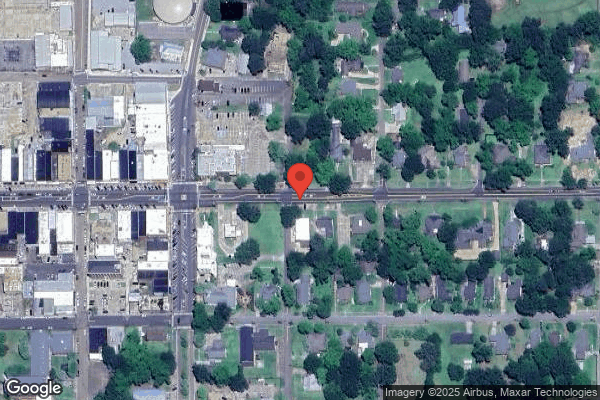

543 EAST MAIN STREET, LOUISVILLE, MS 39339 (662) 773-8047
For profit - Limited Liability company 60 Beds TREND CONSULTANTS Data: November 2025
Trust Grade
53/100
#75 of 200 in MS
Last Inspection: April 2025

Within standard 12-15 month inspection cycle. Federal law requires annual inspections.

Overview

Louisville Healthcare LLC has a Trust Grade of C, which means it is average compared to other nursing homes. It ranks #75 out of 200 facilities in Mississippi, placing it in the top half, and is the best option in Winston County, where it ranks #1 of 2. The facility's trend is stable, with the same number of issues reported in both 2023 and 2025, indicating no significant improvement or decline. Staffing is a strong point, rated 5 out of 5 stars, with a turnover rate of 40%, which is better than the state average. However, the facility has incurred $13,520 in fines, which is concerning and higher than 76% of other facilities in the state. Despite these strengths, there are notable weaknesses. The health inspection rating is only 2 out of 5 stars, reflecting below-average performance. Serious incidents include failures to ensure proper pain management for a resident, leading to uncontrolled pain and a decline in quality of life, as well as not implementing the necessary care plan for residents needing assistance. Additionally, infection control practices were not followed, as staff did not remove protective equipment after exiting isolation rooms, which raises concerns about the potential spread of infections. Overall, while there are strong staffing levels, families should be aware of the facility's issues with care management and health inspections.

Trust Score
C
53/100
In Mississippi
#75/200
Top 37%
Safety Record
Moderate
Needs review
Inspections
Holding Steady
5 → 5 violations
Staff Stability
○ Average
40% turnover. Near Mississippi's 48% average. Typical for the industry.
Penalties
✓ Good
$13,520 in fines. Lower than most Mississippi facilities. Relatively clean record.
Skilled Nurses
○ Average
Each resident gets 35 minutes of Registered Nurse (RN) attention daily — about average for Mississippi. RNs are the most trained staff who monitor for health changes.
Violations
⚠ Watch
13 deficiencies on record. Higher than average. Multiple issues found across inspections.
★★★☆☆
3.0
Overall Rating
★★★★★
5.0
Staff Levels
★★☆☆☆
2.0
Care Quality
★★☆☆☆
2.0
Inspection Score
Stable
2023: 5 issues
2025: 5 issues

The Good

  • 5-Star Staffing Rating · Excellent nurse staffing levels
  • Full Sprinkler Coverage · Fire safety systems throughout facility
  • No fines on record
  • Staff turnover below average (40%)

    8 points below Mississippi average of 48%

Facility shows strength in staffing levels, fire safety.

The Bad

3-Star Overall Rating

Near Mississippi average (2.6)

Meets federal standards, typical of most facilities

Staff Turnover: 40%

Near Mississippi avg (46%)

Typical for the industry

Federal Fines: $13,520

Below median ($33,413)

Minor penalties assessed

Chain: TREND CONSULTANTS

Part of a multi-facility chain

Ask about local staffing decisions and management

The Ugly 13 deficiencies on record

2 actual harm
Apr 2025 5 deficiencies 2 Harm
SERIOUS (G)

Actual Harm - a resident was hurt due to facility failures

Comprehensive Care Plan (Tag F0656)

A resident was harmed · This affected 1 resident

Based on observation, resident and staff interview, record review, and facility policy review, the facility failed to implement a person-centered comprehensive care plan for a resident with chronic pa...

Read full inspector narrative →
Based on observation, resident and staff interview, record review, and facility policy review, the facility failed to implement a person-centered comprehensive care plan for a resident with chronic pain (Resident #39) and a resident dependent on staff for nail care (Resident # 22) for two (2) of 16 care plans reviewed. Resident #22 and #39 Findings Include: Review of the facility policy titled Care Plans-Comprehensive revealed under, Policy Statement: An individual (person centered) comprehensive care plan that includes measurable objectives and timetables to meet the resident's medical, nursing, mental and psychological needs is developed for each resident. Resident #22 Record review of Resident #22's Care Plan Report revealed that he required assistance with his ADL's (Activities of Daily Living) related to confusion and cognitive impairment and had interventions initiated on 10/24/22 that included, Nail care as needed or scheduled. An observation on 4/14/25 at 2:43 PM revealed Resident #22 sitting up in his wheelchair in the room and his fingernails on both hands were long. They were approximately one-half to three-fourths inch long and there was a brown substance underneath them. An observation and interview on 4/15/25 at 9:20 AM with Licensed Practical Nurse (LPN) #1, confirmed that Resident #22 had long, dirty fingernails and she revealed that they should have been taken care of. An interview on 4/15/25 at 2:50 PM with the Minimum Data Set (MDS) Coordinator revealed that they developed a patient specific personalized care plan, so the staff knew how to care for the individualized needs of the residents. She confirmed that Resident #22's ADL care plan which includes his nail care was not followed. Record review of Resident #22's admission Record revealed an admission date of 10/17/22 and that he had diagnoses that included Unspecified Dementia, Age-Related Physical Debility, and Unspecified Depression Resident #39 Record review of the Care Plan Report for Resident #39 revealed under, Focus: Resident has intermittent episodes of chronic pain . and listed under, Goals: Resident will verbalize full relief from pain with interventions provided by staff . Also revealed under, Interventions: Monitor for worsening pain symptoms and report to physician if indicated. Date initiated 4/3/25. An observation and interview on 4/14/25 at 2:48 PM with Resident #39 revealed she was sitting in a chair in her room and she stated that she was newly admitted to the facility and explained that she had been out of her pain medication (Lyrica) for almost a week. The resident revealed she came into the facility taking it for neuropathy pain for her lower legs and feet. She stated, I cannot even walk due to the leg pain. The resident explained that she had Tylenol that she could take, but it was not effective for her nerve pain in her legs and feet. Record review of the Pain Assessment dated 4/08/25 revealed Resident #39 frequently experienced pain in the last 5 days with a pain intensity scale rated 7 on a scale of 1-10. An interview with Licensed Practical Nurse (LPN) #1 on 4/15/25 at 2:10 PM, while in the room with Resident #39, confirmed that the resident was currently reporting pain in her feet and legs and rated the pain 8 on a scale from 1 to 10 with 10 being the worst pain. The resident stated, It hurts to even touch my feet and to stand. She revealed that Lyrica helped with her nerve pain and explained that without the medication, the pain was constant and intense with the faintest touch. An interview with the MDS Nurse on 4/16/25 at 10:29 AM revealed the purpose of the care plan was to develop a plan of care for the direct care staff to follow so they can provide the best care needed. She then confirmed that the pain care plan was not followed because the staff had failed to administer medications to relieve the resident's pain. An interview with the Physical Therapy Assistant (PTA) on 4/16/25 at 8:55 AM revealed occupational therapy (OT), and she had been working with Resident #39 to build strength and endurance, but that they had to modify her therapy because she was in pain during therapy sessions. Record review of the Order Listing for Resident #39 revealed an order dated 4/02/25, Lyrica (nerve pain) Oral Capsule 200 MG (milligrams) (Pregabalin) Give 1 (one) capsule by mouth three times a day related to other chronic pain, with a discontinued date of 4/10/25. Record review of the admission Record revealed the facility admitted Resident #39 on 4/02/25 with medical diagnoses that include Chronic Pain, Anxiety Disorder, Peripheral Vascular Disease and Type 2 Diabetes Mellitus. Record review of the MDS with an Assessment Reference Date (ARD) of 4/08/25 revealed, under Section C, a Brief Interview for Mental Status (BIMS) summary score of 15, which indicated Resident #39 was cognitively intact.
SERIOUS (G)

Actual Harm - a resident was hurt due to facility failures

Deficiency F0697 (Tag F0697)

A resident was harmed · This affected 1 resident

**NOTE- TERMS IN BRACKETS HAVE BEEN EDITED TO PROTECT CONFIDENTIALITY** Based on observation, interview, facility policy review, and record review, the facility failed to ensure effective pain managem...

Read full inspector narrative →
**NOTE- TERMS IN BRACKETS HAVE BEEN EDITED TO PROTECT CONFIDENTIALITY** Based on observation, interview, facility policy review, and record review, the facility failed to ensure effective pain management for one (1) of sixteen (16) sampled residents (Resident #39), when staff failed to provide continued access to prescribed pain medication (Lyrica) and failed to implement appropriate interventions. This resulted in the resident experiencing uncontrolled neuropathic pain, impaired mobility, disruption in therapy services, and a decline in quality of life. Findings Include: Review of the facility policy titled Pain Assessment/Management with a revision date of 9/10 revealed, It is the policy of this facility to provide guidelines in the identification and treatment of residents at risk for acute and chronic pain. Each residents pain will be assessed in an approach designed to increase comfort and promote dignity through administering alternative interventions or medications. On 4/14/25 at 2:48 PM an observation and interview with Resident #39 revealed that she was newly admitted to the facility and explained that she had been out of her pain medication (Lyrica) for almost a week. The resident revealed she came into the facility taking it for neuropathy pain in her lower legs and feet. She explained that staff told her that they contacted the facility doctor, but he would not refill it for her. She stated that she has an upcoming appointment with her pain specialist this Thursday, but she would rather not wait that long and stated, I cannot walk anymore due to the leg pain. The resident explained that she had Tylenol that she could take, but it was not effective for her nerve pain in her legs and feet. An interview with the Director of Nursing (DON) on 4/14/25 at 3:10 PM revealed Resident #39 was a new admission to the facility on [DATE] and had a contract with the pain clinic and could not get pain medication prescribed by anyone besides with them. She explained that the resident has an appointment to have a drug screen on 4/17/25 and will have a telehealth visit through the pain clinic after the drug test to get her refills. She confirmed that the resident was admitted to the facility on Lyrica for pain management and revealed that the order was discontinued after the facility medical director was contacted about refilling it. The DON explained that he refused to refill the medication and told them that the resident must get her pain medications refilled by her pain management physician. She stated, If he was not willing to refill the Lyrica, that was the physician's order from him to discontinue the medicine. Record review of the Order Listing for Resident #39 revealed an order dated 4/02/25, Lyrica (nerve pain) Oral Capsule 200 MG (milligrams) (Pregabalin) Give 1 (one) capsule by mouth three times a day related to other chronic pain, with a discontinued date of 4/10/25. Record review of the April 2025 Medication Administration Record (MAR) revealed Resident #39 last received a dose of Lyrica 200 mg on 4/10/25 at 1400 (2:00 PM), and the order was discontinued. Record review of the Pain Assessment dated 4/08/25 revealed Resident #39 frequently experienced pain in the last 5 days with a pain intensity scale rated 7 on a scale of 1-10. An interview with Licensed Practical Nurse (LPN) #1 on 4/15/25 at 2:10 PM, while in the room with Resident #39, confirmed the resident had been out of the Lyrica. She revealed that the resident was currently reporting pain in her feet and legs and rated the pain 8 on a scale from 1 to 10 with 10 being the worst pain. LPN #1 revealed stopping the medication abruptly could cause a recurrence of pain symptoms and withdrawal side effects. The resident stated, It hurts to even touch my feet and to stand. She revealed that Lyrica helped with her nerve pain and explained that without the medication, the pain was constant and intense with the faintest touch. The resident explained that the facility's Medical Director saw her last week and told her he could not prescribe pain medications to her because it would void her contract with the pain clinic. She stated, I don't know what to do. An interview with the Director of Nursing (DON) on 4/15/25 at 2:19 PM revealed the staff had contacted Resident #39's pain clinic for the Lyrica refill, but they were told the resident must come in. She explained there was nothing they could do since the medical director would not refill it. A telephone interview with the facility Medical Director (MD) on 4/15/25 at 2:35 PM revealed Resident #39 has chronic pain and currently has rib fractures due to a fall at home. He confirmed he saw the resident last week in the facility, and revealed the staff did not tell him the resident was out of Lyrica. He explained that the staff did ask him about refilling her medications, and he told them that she would need to get it refilled by her pain specialist. The MD stated, There was a misunderstanding because I was never told that she was out of the medicine. He further elaborated, It was not my intention for her to go without. He acknowledged that he had no problem with giving the resident enough medication until she got back in with the pain clinic, but would not want to do it on a long-term basis. The MD confirmed this medication should not be abruptly stopped and would cause a recurrence of pain for the resident. An interview with the Administrator on 4/15/25 at 2:55 PM revealed Resident #39 should not be in pain and confirmed the facility was responsible for ensuring the resident had the medications available to manage her pain. She revealed her expectations were for the Medical Director to provide the medication until the resident was able to see her pain specialist. An interview with the Physical Therapy Assistant (PTA) on 4/16/25 at 8:55 AM revealed occupational therapy (OT), and she had been working with Resident #39 to build strength and endurance. She revealed they had previously been walking and doing exercises, but explained that the resident complained of pain in her feet yesterday and could not stand and we had to modify her therapy treatment plan to adapt due to the pain. Record review of the PT (Physical Therapist) Flowsheet revealed the following entries: Dated 4/14/25 . Pt (patient) reported not feeling well and needing to sit with c/o (complaints of) rib pain and foot nerve pain. PTA transitioned activity to dynamic sitting activity . Dated 4/15/25 . dynamic sitting balance activity requiring pt to reach across midline to challenge trunk stability needed for daily tasks. Pt reported not feeling well with LE (lower extremity) pain. No standing on this day date related to pain. Record review of Resident #39's April 2025 Medication Administration Record revealed under, Pain scale-evaluate pain per pain scale (0-10) Q (every) shift and PRN (as needed). If pain is present document interventions and follow up on effects. Notify MD of persistent pain unrelieved by intervention with zeros (0) documented on all shifts from 4/10/25 until 4/16/25 indicating the resident had no pain. An interview with LPN #1 on 4/16/25 at 9:45 AM confirmed that she did not document Resident #39's pain level correctly on her shift. She revealed the resident complained of pain in both feet rated 8/10 and explained that she gave the resident two (2) Tylenol 325 milligrams (MG) at 245 PM yesterday, and upon follow-up the resident stated, It helped a little bit but not much. She confirmed that she failed to document the pain or that Tylenol was given because she forgot. LPN #1 confirmed that the resident had told her that her pain was an 8 on a scale of 1-10. Record review of the admission Record revealed the facility admitted Resident #39 on 4/02/25 with medical diagnoses that include Chronic Pain, Anxiety Disorder, Peripheral Vascular Disease and Type 2 Diabetes Mellitus. Record review of the Minimum Data Set (MDS) with an Assessment Reference Date (ARD) of 4/08/25 revealed, under Section C, a Brief Interview for Mental Status (BIMS) summary score of 15, which indicated Resident #39 was cognitively intact.
CONCERN (D)

Potential for Harm - no one hurt, but risky conditions existed

Deficiency F0558 (Tag F0558)

Could have caused harm · This affected 1 resident

**NOTE- TERMS IN BRACKETS HAVE BEEN EDITED TO PROTECT CONFIDENTIALITY** Resident #47 An observation and interview on 4/14/25 at 10:30 AM, revealed Resident #47 lying in bed with his call light secured...

Read full inspector narrative →
**NOTE- TERMS IN BRACKETS HAVE BEEN EDITED TO PROTECT CONFIDENTIALITY** Resident #47 An observation and interview on 4/14/25 at 10:30 AM, revealed Resident #47 lying in bed with his call light secured and hanging behind a positioning bar, rendering the call light out of reach. Resident #47 stated, I can't reach my call light. It doesn't do any good when you can't push it if you need anything. During an interview on 4/14/25 at 11:37 AM, RN #1 confirmed that she had noticed earlier that several call lights were not within reach of the residents. She revealed she went around to ensure all of them were put where the residents could reach them. RN #1 emphasized that the call light is in place to allow residents to request assistance for their needs. In an interview on 4/14/25 at 11:55 AM, the DON revealed that it is the facility's expectation that all residents always have access to their call lights. She revealed the charge nurse was responsible for making rounds each shift to ensure call lights are accessible, and all staff must make sure the call light is within reach before exiting a resident's room. A review of Resident #47's admission Record revealed he was admitted to the facility on [DATE] with diagnoses that include a history of falling, Chronic Respiratory Failure, and Anxiety Disorder. Record review of the MDS with an ARD of 01/14/25 revealed Resident #47 had a Brief Interview for Mental Status (BIMS) score of 15, indicating that the resident is cognitively intact. Based on observation, resident and staff interviews, record review, and facility policy review, the facility failed to ensure that resident call lights were within reach, which limited residents' ability to request assistance as needed for two (2) of 54 residents observed. Resident #1 and Resident #47 Findings include: Review of the facility policy titled Call Lights: Accessibility and Timely Response dated 8/12/2019 revealed, The purpose of this policy is to assure the facility is adequately equipped with a call light at each residents' bedside, toilet, and bathing facility to allow residents to call for assistance. 5. Staff will ensure the call light is within reach of resident and secured, as needed.6. The call system will be accessible to residents while in their bed or other sleeping accommodations within the resident's room. Resident #1 An interview and observation in Resident #1's room on 4/14/25 at 10:35 AM revealed the door was closed. The resident was lying in bed and stated, I want to get up, and revealed that she had told the staff. The call light was observed unreachable, and the button was clipped to the upper portion of the cord coming from the wall unit with a silver clip. An interview with Registered Nurse (RN) #1 on 4/14/25 at 10:42 AM confirmed Resident #1's call light was inaccessible. She revealed the call lights should always be in reach of the residents in case they needed somebody or were distressed. She revealed that without the call light, the resident could not call to get help. An interview with the Director of Nursing (DON) on 4/14/25 at 12:15 PM confirmed the call lights should be accessible to the residents. She revealed the charge nurse was responsible for making daily rounds and ensuring the call lights were in reach. She revealed she also made rounds once or twice weekly and had checked for this. The DON revealed that without the call light, the resident could not alert the staff of the need for assistance. Record review of the Minimum Data Set (MDS) with an Assessment Reference Date (ARD) of 2/12/25 revealed, under Section C, a Brief Interview for Mental Status (BIMS) summary score of 11, which indicated Resident #1 was moderately cognitively impaired. Record review of the admission Record revealed the facility admitted Resident #1 on 2/20/09 with a medical diagnosis that included Unspecified Dementia.
CONCERN (D)

Potential for Harm - no one hurt, but risky conditions existed

Safe Environment (Tag F0584)

Could have caused harm · This affected 1 resident

**NOTE- TERMS IN BRACKETS HAVE BEEN EDITED TO PROTECT CONFIDENTIALITY** Based on observation, staff interview, and facility policy review, the facility failed to provide a clean homelike environment f...

Read full inspector narrative →
**NOTE- TERMS IN BRACKETS HAVE BEEN EDITED TO PROTECT CONFIDENTIALITY** Based on observation, staff interview, and facility policy review, the facility failed to provide a clean homelike environment for residents in four (4) of forty-eight rooms observed during the survey. Rooms 209, 210, 212, and 216. Findings include: Record review of the facility policy Safe and Homelike Environment revealed, In accordance with residents' rights, the facility will provide a safe, clean, comfortable and homelike environment . room [ROOM NUMBER] An observation on 4/14/25 at 10:45 AM and on 4/15/25 at 8:45 AM in the bathroom of room [ROOM NUMBER] revealed a strong foul odor. An interview on 4/15/25 at 9:10 AM with the Housekeeping Supervisor revealed that they had a hard time keeping the urine smell out of the bathroom in room [ROOM NUMBER]. She revealed that they cleaned and mopped it once daily and within an hour of cleaning it, the smell was back. She explained that the residents were bad to urinate on the floor, and urine ran out into the rooms. The Housekeeping Supervisor revealed that there were four men sharing that one bathroom and she thought that the urine was down underneath the tile. She confirmed the strong, foul smell and stated, It's always like this. She agreed that the strong odor in the bathroom was not ideal and that she would not want to smell it in her home. An observation and interview on 4/15/25 at 9:18 AM with Licensed Practical Nurse (LPN) #1, revealed that the bathroom in room [ROOM NUMBER] had a foul odor and stated, It smells like urine in here. LPN #1 confirmed that with the strong, urine smell present, this was not a clean, homelike environment for the residents. An interview on 4/15/25 at 9:20 AM with the Administrator (ADM), revealed that the facility has had some issues in the past with a resident urinating in the air conditioner unit and with the urine odors in the bathroom in room [ROOM NUMBER]. She confirmed the foul odor in the bathroom in room [ROOM NUMBER] and revealed that they might have to take the floor up and replace it to fix the issue. She agreed that the strong foul odor in the bathroom needed to be fixed to provide the residents with a clean homelike environment. Rooms #209, #212, #216 - Walls An observation on 4/14/25 at 11:05 AM in room [ROOM NUMBER] revealed that the upper right corner of the air conditioner unit was pulled out from the wall and the ground outside the facility was visible. There was an opening measuring approximately one inch by one inch at the right upper corner of the air conditioner unit with daylight visible, and warm air felt entering the room from the outside. An observation also revealed a hole in the wall measuring approximately six inches by six inches above and to the left of the sink faucet in room [ROOM NUMBER]. An observation on 4/14/25 at 2:55 PM in room [ROOM NUMBER] revealed a hole in the wall to the left of the sink faucet which measured approximately seven inches by seven inches. An observation on 4/14/25 at 3:00 PM in room [ROOM NUMBER] revealed a hole in the wall above the sink faucet which measured approximately seven inches by seven inches. An observation and interview on 4/15/25 at 9:25 AM with the ADM revealed the facility had contractors come in and replace the sink faucets, closets, and overbed tables in the resident rooms about a year ago. She revealed that the contractors removed the built-in soap dishes, and it left the holes in the walls. The ADM revealed that the contractors had started at one end of the building repairing the walls and never made it to that end of the building on 200 wing. She revealed that the contractors had not been back to the facility in a while. She acknowledged that there were holes in the walls in rooms #209, #212, and #216 and confirmed that they needed to follow up to get them fixed. An observation and interview on 04/15/25 at 9:45 AM with the Maintenance Director confirmed the air conditioner unit in room [ROOM NUMBER] was pulled away from the wall on the right upper corner with exposure to the outside. He revealed that leaving the air conditioner loose like that could allow bugs, dust, hot or cold air, and other unwanted pest or rodents to get into the facility from the outside.
CONCERN (D)

Potential for Harm - no one hurt, but risky conditions existed

ADL Care (Tag F0677)

Could have caused harm · This affected 1 resident

Based on observation, interview, record review and facility policy review, the facility failed to provide nail care for one (1) of sixteen sampled residents reviewed. Resident #22. Findings Include: ...

Read full inspector narrative →
Based on observation, interview, record review and facility policy review, the facility failed to provide nail care for one (1) of sixteen sampled residents reviewed. Resident #22. Findings Include: Record review of the facility policy, ADL (Activities of Daily Living) Care Policy revealed It is the policy of this facility to provide appropriate treatment and services in relation to ADL care to residents to ensure all ADL needs are met on a daily basis . On 4/14/25 at 2:43 PM an observation revealed Resident #22 sitting up in his wheelchair in the room and his fingernails on both hands were long and approximately one-half to three-fourths inch past his fingertips. There was a brown substance underneath each of them. An observation and interview on 4/15/25 at 9:14 AM with Certified Nursing Assistant (CNA) #1, revealed that Resident #22 had long fingernails with brown substance underneath. She confirmed that Resident #22 had long, dirty fingernails and revealed that this could cause a lot of health problems, the spread of germs, and could cause infections. She revealed that they were supposed to clean fingernails every day as needed. An interview on 4/15/25 at 9:20 AM with Licensed Practical Nurse (LPN) #1, revealed that Resident #22 was prone to have dirty fingernails, and they were supposed to check his fingernails and clean them every day if needed. She revealed that the aides were to check fingernails during resident bath/shower times, and they trimmed and cleaned them as needed. LPN #1 confirmed that Resident #22 had long, dirty fingernails and she revealed that they should have been taken care of. Record review of Resident #22's admission Record revealed an admission date of 10/17/22 and that he had diagnoses that included Unspecified Dementia, Age-Related Physical Debility, and Unspecified Depression. Record review of Resident #22's Minimum Data Set (MDS) with Assessment Reference Date of 1/08/25 under Section C revealed, a Brief Interview for Mental Status (BIMS) Score of 99 which indicated that he had severe cognitive deficits.
Sept 2023 5 deficiencies
CONCERN (D)

Potential for Harm - no one hurt, but risky conditions existed

PASARR Coordination (Tag F0644)

Could have caused harm · This affected 1 resident

**NOTE- TERMS IN BRACKETS HAVE BEEN EDITED TO PROTECT CONFIDENTIALITY** Based on staff interviews, record review, and facility policy review, the facility failed to obtain a Level II Preadmission Scre...

Read full inspector narrative →
**NOTE- TERMS IN BRACKETS HAVE BEEN EDITED TO PROTECT CONFIDENTIALITY** Based on staff interviews, record review, and facility policy review, the facility failed to obtain a Level II Preadmission Screening and Resident Review (PASARR) for a resident with a new mental health diagnosis for one (1) of four (4) PASARRs reviewed. Resident #23. Findings Include: A review of the facility policy title, PASARR (Pre-admission Screening and Resident Review) dated 6/27/2023 revealed, .Procedure (2) The nursing facility must submit a Change in Status Request whenever a Significant Change in Condition occurs for an individual with a PASARR identified condition (i.e. Serious Mental Illness (SMI), Intellectual and/or Developmental Disability (ID/DD) and/or Related Condition (RC) This includes residents previously identified by PASARR to have a mental illness, intellectual disability or a condition related to an intellectual disability who: *Demonstrate increased behavioral, psychiatric, or mood-related symptoms . Record review of Resident #23's admission Record revealed that she was admitted to the facility on [DATE] with diagnoses that included Multiple Sclerosis, Major Depressive Disorder, and Insomnia. Record review of Resident #23's Medical Diagnosis revealed diagnoses of Auditory Hallucinations/other Hallucinations dated 3/12/2023 and Schizophrenia dated 4/17/2023 were added to the list of diagnoses. An interview on 09/13/23 at 8:45 AM, the Social Services Director revealed she was responsible for submitting the PASARR and was aware that with any new mental illness diagnoses she was required to submit a new change of status form for a Level 2 PASSR. She confirmed that she did not do that because she wasn't aware of the new diagnoses for Resident #23. An interview on 09/13/23 at 8:55 AM, with the Director of Nurses (DON) revealed Resident #23 started having some issues and received a new diagnosis for hallucinations and schizophrenia. She revealed we usually discuss changes during our weekly Utilization Review meeting and morning meetings, but I'm not sure if we didn't meet that week or what, but it obviously got missed. The DON confirmed the resident should have had a change in status done for her Level 2 evaluation. An interview on 09/13/23 at 2:23 PM, with the Administrator (ADM) revealed the purpose of the Level 2 evaluation is to make sure the resident gets the proper psychiatric care that they may need. She revealed she was unaware of a new mental health diagnosis for Resident #23 and that a Level II change in status had not been completed. Record review of the Minimum Data Set (MDS) with an Assessment Reference Date of 08/02/2023 revealed Resident #23 had a Brief Interview for Mental Status (BIMS) score of 15, indicating the resident is cognitively intact.
CONCERN (D)

Potential for Harm - no one hurt, but risky conditions existed

Comprehensive Care Plan (Tag F0656)

Could have caused harm · This affected 1 resident

**NOTE- TERMS IN BRACKETS HAVE BEEN EDITED TO PROTECT CONFIDENTIALITY** Resident #28 Record review of Resident # 28's care plan revealed, Clean Stage 2 pressure injury to sacrum with normal saline, ap...

Read full inspector narrative →
**NOTE- TERMS IN BRACKETS HAVE BEEN EDITED TO PROTECT CONFIDENTIALITY** Resident #28 Record review of Resident # 28's care plan revealed, Clean Stage 2 pressure injury to sacrum with normal saline, apply resinol to the entire area, and cover with foam border dressing; change daily and PRN (as needed). An observation of sacral wound care for Resident # 28 and interview with the Wound Care Nurse on 9/13/23 at 11:00 AM, revealed the resident did not have a wound dressing intact at the beginning of wound care. The Wound Nurse stated, I'm not going to clean the wound because she just had a bath. The Wound Nurse did not clean the wound before applying resinol to the wound and covering it with a foam dressing. On 9/13/23 at 11:10 AM, during an interview with the Wound Nurse confirmed that she did not clean the wound for Resident # 28. She stated, No, I didn't because she had just gotten a bath and the area was clean. She acknowledged that she did not follow the physician's order for treatment or the care plan for treatment of the wound and acknowledged that she should have. An interview on 9/14/23 at 8:35 AM, with Registered Nurse (RN) #2 revealed the purpose of the care plan was to identify the problems with the resident and to give the staff a guideline to provide the needed care. She confirmed that Resident #28's care plan was not followed related to wound care. An interview with the Director of Nursing (DON) on 9/14/23 at 9:55 AM, revealed the purpose of the care plan was to try to provide a guideline to provide individualized care for the resident. She confirmed that Resident #28's care plan was not followed for wound care. Record review of the admission Record revealed Resident #28 was admitted to the facility on [DATE] with diagnoses that include Diffuse Traumatic Brain Injury, Paraplegia, Type 2 Diabetes Mellitus and Pressure Ulcer of Sacral Region, Stage 2. Record review of the MDS with an ARD of 8/08/23 revealed under Section C a BIMS score of 08, which indicated Resident # 28 is moderately cognitively impaired. Also revealed under Section M, the resident has one (1) stage 2 pressure ulcer that was present upon admission/entry or reentry to the facility. Based on observations, resident and staff interviews, record review and facility policy review the facility failed to implement a comprehensive care plan related to nail care (Resident 8) and wound care (Resident 28) for 2 (two) of 13 care plans reviewed. Findings include: Review of the facility care plan policy titled, Care Plans - Comprehensive, dated 10/2016, revealed, Policy Statement An individualized (person centered) comprehensive care plan that includes measurable objectives and timetables to meet the resident's medical, nursing, mental, and psychological needs is developed for each resident. Policy interpretation and Implementation 1. Our facility's Care Planning/Interdisciplinary Team, in coordination with the resident, his/her family or resident representative, develops and maintains a comprehensive care plan for each resident that identifies the highest level of functioning the resident may be expected to attain.3. Each resident's comprehensive care plan is designed to: a. Incorporate identified problem areas; .f. Identify the professional services that are responsible for each element of care; g. Aid in preventing or reducing declines in the resident's functional status and /or functional level . Resident #8 Review of the care plan for Resident #8 revealed, Focus: Resident requires assistance with his ADLs (Activity of Daily Living) related to bilateral above the knee amputations, hemiplegia, and bilateral upper extremity contractures .Revision on: 10/05/2022 Goal: Resident's needs will be met every shift with assistance from staff through the next review date . Interventions: .Nail care as needed or scheduled by registered nurse only. Assist with . personal hygiene .daily & as needed or requested . An observation on 09/12/23 at 10:07 AM, revealed that Resident 8's fingernails were long and dirty and the nails on both hands had brownish material under them. He stated that his nails need to be cut and cleaned. Resident #8 confirmed that he had already had his bath this morning. An observation on 09/13/23 at 8:37 AM and 3:40 PM, revealed the resident stated his fingernails have not been cut and were still dirty. He stated his nails had not been cut in about a month. An observation and interview on 09/13/23 at 3:45 PM, with the Director of Nursing (DON) and the Assistant Director of Nursing (ADON) confirmed the resident's fingernails were long and dirty. An interview, on 09/14/23 at 11:00 AM with the DON confirmed Resident #8's care plan was not followed for cleaning his nails. Review of the admission Record resident information sheet revealed Resident #8 was admitted to the facility on [DATE] with diagnoses that included Hemiplegia and Hemiparesis following Cerebral Infarction affecting left dominate hand, Acquired Absence of right and left leg above knee, Type 2 Diabetes Mellitus, and Heart Failure. Review of the quarterly Minimum Data Set (MDS) with an Assessment Reference Date (ARD) of 6/21/23 revealed a Brief Interview for Mental Status (BIMS) score of 15 which indicated Resident #8 was cognitively intact.
CONCERN (D)

Potential for Harm - no one hurt, but risky conditions existed

ADL Care (Tag F0677)

Could have caused harm · This affected 1 resident

**NOTE- TERMS IN BRACKETS HAVE BEEN EDITED TO PROTECT CONFIDENTIALITY** Based on observation, resident and staff interview, record review and facility policy review, the facility failed to provide nai...

Read full inspector narrative →
**NOTE- TERMS IN BRACKETS HAVE BEEN EDITED TO PROTECT CONFIDENTIALITY** Based on observation, resident and staff interview, record review and facility policy review, the facility failed to provide nail care to a resident for 1 (one) of 48 residents reviewed for activities of daily living (ADL) care. Resident #8 Findings include: Review of the facility policy titled, Fingernails/Toenails, Care of, undated, revealed, Policy The purposes of this policy is to clean the nail bed, to keep nails trimmed, and to prevent infections. Procedure .4. Nails can be partially cleaned during the bath .6. Nail care includes daily cleaning and regular trimming. 7. Proper nail care can aid in the prevention of skin problems around the nail bed. 8. Trimmed and smooth nails prevent the resident from accidentally scratching and injuring his or her skin . On 09/12/23 at 10:07 AM, an observation and interview revealed Resident #8's fingernails were long and dirty and the nails on both hands had brownish material under them. Resident #8 confirmed that he had already had his bath this morning and he would have liked his nails cut. On 09/13/23 at 8:37 AM and 3:40 PM, an observation and interview revealed the resident stated his fingernails have not been cut and are still dirty. He stated his nails had not been cut in about a month. On 09/13/23 at 3:45 PM, during an observation and interview with the Director of Nursing (DON) and the Assistant Director of Nursing (ADON) confirmed the resident's fingernails were long and dirty. The ADON stated that she cut the residents fingernails on Saturday week before last. He was in the hospital last Saturday so they would be due for a cut this Saturday. The ADON stated that dirty nails could cause possible infection issues. The DON confirmed the resident's fingernails were dirty and review of the bath schedule confirmed he got bath on Tuesday. She stated that she would think the resident's nails should not be dirty if he got a bath on Tuesday. An interview on 09/14/23 at 10:10 AM, with the lead Certified Nursing Assistant (CNA) #2 revealed that personal care for diabetic residents concerning nail care is that the nurse cuts the nails, but the CNAs should wash the residents hands with a bath cloth or soak them during bathing and get dirt out from under the nails. Review of the admission Record resident information sheet revealed Resident #8 was admitted to the facility on [DATE] with diagnoses that included Hemiplegia and Hemiparesis following Cerebral Infarction affecting left dominate hand, Acquired Absence of right and left leg above knee, Type 2 Diabetes Mellitus, Heart Failure. Review of the quarterly Minimum Data Set (MDS) with an Assessment Reference Date (ARD) of 6/21/23 revealed a Brief Interview for Mental Status (BIMS) score of 15 which indicated Resident #8 was cognitively intact.
CONCERN (D)

Potential for Harm - no one hurt, but risky conditions existed

Pressure Ulcer Prevention (Tag F0686)

Could have caused harm · This affected 1 resident

**NOTE- TERMS IN BRACKETS HAVE BEEN EDITED TO PROTECT CONFIDENTIALITY** Based on observations, staff interviews, record review and facility policy review, the facility failed to clean a residents woun...

Read full inspector narrative →
**NOTE- TERMS IN BRACKETS HAVE BEEN EDITED TO PROTECT CONFIDENTIALITY** Based on observations, staff interviews, record review and facility policy review, the facility failed to clean a residents wound as prescribed by the physician for one (1) of four (4) residents observed for wound care. Resident # 28 Findings include: Review of the facility policy titled Wound Care updated 1/2015 revealed under, Policy: The purpose of this procedure is to provide guidelines for the care of wounds to promote healing. Also revealed under, Procedure: . After cleaning wound as ordered, clean the tissue around the wound that is usually covered by the dressing, tape or gauze with normal saline and pat dry. Record review of the Order Listing Report revealed an order dated 8/10/23, Clean stage 2 sacral pressure ulcer with normal saline, pat dry, apply resinol to entire wound bed & (and) cover with foam dressing. Change daily and PRN (as needed) for soiled or dislodged dressing. An observation and interview with the Wound Care Nurse of sacral wound care for Resident # 28 on 9/13/23 at 11:00 AM, revealed the resident did not have a wound dressing intact at the beginning of wound care. The Wound Nurse stated, I'm not going to clean the wound because she just had a bath. Observed that the Wound Nurse did not clean the wound before she applied the resinol to the wound and covered it with a foam dressing. An interview with the Wound Nurse on 9/13/23 at 11:10 AM, confirmed that she did not clean the wound for Resident # 28 as ordered by the physician. She stated, No, I didn't because she had just got a bath and the area was clean. She acknowledged that she did not follow the physician's order for treatment of the wound and acknowledged that she should have but was nervous and messed up. She confirmed that failure to clean the wound as ordered by the physician could affect the healing status of the wound. An interview with the Director of Nursing (DON) on 9/13/23 at 2:20 PM, confirmed that the Wound Nurse should have cleaned the wound for Resident # 28 per the physician's order. She acknowledged that failure to clean the wound according to the physician's order could influence wound healing. An interview with the Administrator (ADM) on 9/14/23 at 10:15 AM, revealed the Wound Nurse should have cleaned Resident # 28's wound according to the physician's order. She stated, Anything could come in contact with the wound between the time of bathing and the wound care. Record review of the admission Record revealed Resident # 28 was admitted to the facility on [DATE] with diagnoses that included Diffuse Traumatic Brain Injury, Paraplegia, Type 2 Diabetes Mellitus and Pressure Ulcer of Sacral Region, Stage 2. Record review of the Minimum Data Set (MDS) with an Assessment Reference Date (ARD) of 8/08/23 revealed under Section C a Brief Interview for Mental Status (BIMS) score of 08, which indicated Resident # 28 is moderately cognitively impaired. Also revealed under Section M, the resident has one (1) stage 2 pressure ulcer that was present upon admission/entry or reentry to the facility.
CONCERN (E)

Potential for Harm - no one hurt, but risky conditions existed

Infection Control (Tag F0880)

Could have caused harm · This affected multiple residents

**NOTE- TERMS IN BRACKETS HAVE BEEN EDITED TO PROTECT CONFIDENTIALITY** Based on observations, staff interviews, record review and facility policy review the facility failed to prevent the possibility...

Read full inspector narrative →
**NOTE- TERMS IN BRACKETS HAVE BEEN EDITED TO PROTECT CONFIDENTIALITY** Based on observations, staff interviews, record review and facility policy review the facility failed to prevent the possibility of the spread of infection as evidence by not removing a mask after exiting a COVID-19 isolation room (Resident #2) and failed to clean a wound during wound care (Resident # 28) for two (2) of seven (7) resident care observations. Resident #2 and Resident #28 Findings Include Review of the facility policy titled Standard Precautions Infection Control with no revision date revealed under, Policy Explanation and Compliance Guidelines: #2. Using Personal Protective Equipment (PPE) .c. Before leaving the patient's room or cubicle, remove and discard PPE into the appropriate receptable. Review of the facility policy titled, Infection Prevention and Control Program with no revision date revealed under Policy .This facility has established and maintains an infection prevention and control program designed to provide a safe, sanitary, and comfortable environment and to help prevent the development and transmission of communicable diseases and infections as per accepted national standards and guidelines. This review was revealed under, Policy Explanation and Compliance Guidelines: #2 All staff are responsible for following all policies and procedures related to the program. Review of the facility policy titled, Hand Sanitizing Procedure with a revision date of 4/2015 revealed under the Procedure for Handwashing .#2 Apply one squirt of soap. Using friction, rub hands together, cleaning under nails and between fingers thoroughly. Wash up to your wrist as well. Do this for at least 10 seconds. Resident #2 An interview on 9/12/23 at 9:18AM, with the Administrator confirmed the facility was in a COVID19 outbreak that began on 9/11/23 and that they currently have two nurses and two resident's that are positive. An observation on 09/12/23 at 9:32 AM, of the hall outside Resident #2's room revealed a red barrel and a yellow barrel sitting outside the resident's room door. An observation on 9/12/23 at 10:00 AM, revealed Certified Nurse Assistant (CNA) #1 exit Resident #2's room with her PPE on which included gown, hair net, shoe covers and N95 mask. This observation revealed that CNA #1 removed all her PPE except her N95 mask, she put the removed PPE in the red barrel in the hallway outside the resident's room door, walked to the nurse's station with the N95 mask on and began a conversation with other staff members. An interview on 9/12/23 at 10:15AM, with CNA #1 revealed that she must put a gown, shoe covers, hair net and mask on when she goes into the COVID-19 positive resident rooms, remove it when she leaves the resident's room and put it in the red barrel outside the resident's room door. She stated that the PPE goes into the red barrel and the dirty linen goes into the yellow barrel. She confirmed that she did not remove her mask when she left Resident #2's room but should have. She stated that she knows better than that. An interview on 9/12/23 at 10:55AM, with the Administrator and the Director of Nurses (DON) confirmed that the staff caring for the positive COVID-19 residents should remove all PPE when they leave the residents room, hand sanitize and put on a new mask. The DON confirmed that the barrels for PPE and dirty linen should be inside the resident's room so that the PPE can be removed and disposed of before leaving the resident's room and this should be done to prevent the possible spread of infection. An observation and interview on 9/12/23 at 1:35 PM with Resident #2 confirmed there were no barrels inside the resident's room for disposal of PPE or dirty linens. An interview on 9/13/23 at 3:40 PM with CNA #1 confirmed that she should have removed the mask when she left Resident #2's room, performed hand hygiene, and put on a clean mask to prevent the spread of infection. An interview on 9/13/23 at 3:50 PM with Licensed Practical Nurse (LPN) confirmed that when a resident is in isolation for COVID-19 then you have to put your gown, N95 mask, shoe covers, hair cover and gloves on before entering the resident's room, remove it all before you leave their room, hand sanitize and put on a clean mask after leaving their room. Record review of the facilities in-services revealed the following: In-service training 10/31/22 with PPE handout attended by nursing staff that included CNA #1. In-service training 2/6/23 regarding donning and doffing of PPE was attended by nursing staff that included CNA #1. In-service training 6/26/23 regarding don/doff PPE attended by nursing staff. Record review of testing for the facilities current COVID-19 outbreak revealed the following: Resident #2-tested positive 9/11/23. Record review of Resident #2's Physician's Orders revealed the following: Order dated 9/11/23; Airborne isolation for COVID-19 x 5 days. Record review of Resident #2's admission Record revealed the resident was admitted to the facility on [DATE] with medical diagnoses that include Unspecified Hypothyroidism. Record review of Resident #2's Minimum Data Set (MDS) with an Assessment Reference Date (ARD) of 6/28/23 revealed in Section C a Brief Interview for Mental Status (BIMS) score of 08, which indicated the resident was moderately cognitively impaired. Resident #28 Record review of the Order Listing Report revealed an order dated 8/10/23, Clean stage 2 sacral pressure ulcer with normal saline, pat dry, apply resinol to entire wound bed & (and) cover with foam dressing. Change daily and PRN (as needed) for soiled or dislodged dressing. An observation and interview during wound care for Resident #28 on 9/13/23 at 11:00 AM, with the Wound Care Nurse, observed the resident did not have a wound dressing intact at the beginning of wound care. The Wound Nurse stated, I'm not going to clean the wound because she just had a bath. Observed that the Wound Nurse did not clean the wound before she applied the resinol to the wound. In an interview with the Wound Nurse on 9/13/23 at 11:10 AM, confirmed that she did not clean the wound for Resident # 28. She stated, No, I didn't because she had just got a bath and the area was clean. She acknowledged that she should have but was nervous and messed up. During an interview with the Director of Nursing (DON) on 9/13/23 at 2:20 PM, confirmed that the Wound Nurse should have cleaned the wound for Resident # 28 according to the physician's order regardless that the resident had just received a bath to prevent the spread of infection. An interview with the Administrator on 9/14/23 at 10:15 AM, revealed that Resident # 28's wound should have been cleaned according to the physician's order because anything could have happened between getting a bath and the provided wound care. Record review of the admission Record revealed Resident # 28 was admitted to the facility on [DATE] with diagnoses that include Diffuse Traumatic Brain Injury, Paraplegia, Type 2 Diabetes Mellitus and Pressure Ulcer of Sacral Region, Stage 2. Record review of the MDS with an ARD of 8/08/23 revealed under Section C a BIMS score of 08, which indicated Resident #28 is moderately cognitively impaired. Also revealed under Section M, the resident has one (1) stage 2 pressure ulcer that was present upon admission/entry or reentry to the facility.
Feb 2022 3 deficiencies
CONCERN (D)

Potential for Harm - no one hurt, but risky conditions existed

PASARR Coordination (Tag F0644)

Could have caused harm · This affected 1 resident

**NOTE- TERMS IN BRACKETS HAVE BEEN EDITED TO PROTECT CONFIDENTIALITY** Based on staff interview and record review the facility failed to obtain a Level ll Preadmission Screening and Resident Review (...

Read full inspector narrative →
**NOTE- TERMS IN BRACKETS HAVE BEEN EDITED TO PROTECT CONFIDENTIALITY** Based on staff interview and record review the facility failed to obtain a Level ll Preadmission Screening and Resident Review (PASRR) for a resident with a new mental health diagnosis for one (1) of four (4) PASRRs reviewed. Resident #33. Findings include: An interview on 02/24/22 at 9:45 AM, with the Social Services Director (SSD) revealed that the facility does not have a policy on PASRR but, they follow the state guidelines. Record review revealed there was not a PASRR Level 2 on the medical record. An interview, on 02/23/22 at 2:20 PM, with the SSD revealed that she was aware that residents should be referred for a Level 2 evaluation if they have a new mental illness diagnosis and stated that she was not aware that Resident #33 had been given a new diagnosis. An interview, on 02/24/22 at 1:20 PM, with the Director of Nursing (DON) revealed that she understands a PASRR is done on admission and that a new diagnosis can trigger a PASRR Level 2. She stated, That area is fuzzy to me. She stated that Social Services is responsible for PASRRs. An interview, with the Administrator (ADM) on 2/24/22 at 1:30 PM, revealed that Social Services is responsible for PASRRs. The ADM stated that prior to this survey, they had no specific person to notify Social Services of a new diagnosis that would indicate a need for a level 2. He stated that new diagnoses were usually discussed in the daily stand-up meetings. Record review of Resident #33's admission Record revealed that he was admitted to the facility on [DATE] with diagnoses which included Manic Depression, Anxiety Disorder and Seizure Disorder. Resident #33 had a new diagnosis of Bipolar Disorder, dated 08/7/19 and a new diagnosis of Major Depressive Disorder - Moderate, dated 05/12/20. Record review of the Minimum Data Set (MDS) with an Assessment Reference Date of 1/5/22 revealed Resident #33 had a Brief Interview for Mental Status (BIMS) score of 03, indicating the resident has severely impaired cognitive skills.
CONCERN (D)

Potential for Harm - no one hurt, but risky conditions existed

Medication Errors (Tag F0758)

Could have caused harm · This affected 1 resident

**NOTE- TERMS IN BRACKETS HAVE BEEN EDITED TO PROTECT CONFIDENTIALITY** Resident #23 Record review of the electronic medical record revealed the following physician's order dated 02/03/22; Ativan Tabl...

Read full inspector narrative →
**NOTE- TERMS IN BRACKETS HAVE BEEN EDITED TO PROTECT CONFIDENTIALITY** Resident #23 Record review of the electronic medical record revealed the following physician's order dated 02/03/22; Ativan Tablet 0.5 MG Give 1 tablet by mouth every 4 hours as needed for Anxiety related to Anxiety Disorder, Unspecified, End Date: Indefinite. An interview on 02/24/22 at 12:30 PM, with the Pharmacy Consultant revealed he reviewed the residents PRN (as needed) Ativan in November 2021 and Ativan would need to be re-evaluated by the physician every 14 days. The Consultant Pharmacist revealed It should have a stop date. He confirmed that an end date of indefinite is not appropriate for PRN Ativan and the physician should not write an end date of indefinite. An interview on 02/24/22 at 1:46 PM, with the Director of Nurses (DON) confirmed that there was no stop date on the residents PRN Ativan. The DON revealed that if there is no stop date on PRN Ativan then the nurse would not be aware when the 14 days is up and that re-evaluation would be needed per the regulations. An interview on 02/24/22 at 1:52 PM, with the Administrator confirmed that there needs to be a stop date on the antipsychotic medications so that the facility can flag the Medication Administration Record (MAR) for the medication nurse to be aware that it is time for this medication to be reviewed. The Administrator revealed he reviewed the antipsychotic medication policy and confirmed it does not address putting an end date on antipsychotic medications. Review of the February 2022 Interdisciplinary Team Psychotropic Dashboard for the facility revealed Resident #23's name was listed with the following: Ativan 1 mg Q4H PRN was notated that Psychotropic PRN orders must have a 14 day stop time and patient must be evaluated prior to continuing the order. Record review of the admission Record revealed Resident #23 was admitted to the facility on [DATE]. Record review revealed a diagnosis of Anxiety Disorder, Unspecified with a date of 6/25/21. Record review of the Minimum Data Set, dated [DATE] revealed Resident #23 had a Brief Interview for Mental Status (BIMS) score of 15 indicating Resident #23 was cognitively intact. Based on staff and pharmacy consultant interviews, record review and facility policy review the facility failed to have stop dates on psychotropic and anti-psychotic as needed (PRN) medications for two (2) of five (5) residents medications reviewed. Resident #23 and #33. Findings include: Review of the facility policy titled, Monitoring of Antipsychotic Medication Therapy revised 06/2015 revealed, It is the policy of this facility to monitor the effectiveness and side effects for any resident that is taking an antipsychotic medication . Procedure .5. The pharmacy consultant will review these meds monthly and make dose reduction recommendations as indicated per CMS (Centers for Medicare and Medicaid Services) guidelines. These recommendations will be forwarded to the physician for their response within 7 days . Resident #33 Record review of the Order Summary Report revealed Resident #33 had a physician's order dated 12/30/2020 for Haldol Solution 5 mg/ml (milligrams/milliliter). Inject 5 mg/ml intramuscularly (IM) every 8 hours as needed for generalized anxiety disorder. The physicians order did not have an end date. An interview, on 02/24/22 at 11:45 AM, with the Director of Nursing (DON) confirmed that Haldol is an antipsychotic medication, and the order does not have an end date. She stated that she is not aware of the regulation concerning it. The DON revealed that Resident #33 has a brain tumor and she screams out uncontrollable at times like she is hallucinating. She revealed the new guidelines for antipsychotic medications were discussed with the doctors when the regulations came out in 2019. A phone interview on 2/24/2022 at 12:25 PM, with the Consultant Pharmacist revealed that he does assess orders for stop dates and addresses it on the psychotropic dashboard given to the DON after his monthly medication reviews. He confirmed that PRN antipsychotic medications such as Haldol should have a 14 day stop date and a physician evaluation before it is reordered. He stated that antipsychotic medications should be reordered every 14 days according to the federal regulations. He stated that he sends a dashboard every month with information concerning psychotropic medications. An interview with the Administrator (ADM) on 02/24/22 at 1:40 PM, revealed that antipsychotic medications should be evaluated by the doctor and the pharmacist. PRN (as needed) antipsychotic meds should have a 14-day deadline and should be reordered. The ADM stated that for a PRN Haldol order dated 12/2020, that's a long time, there should be a lot of documentation. An interview with the ADM on 2/24/22 at 3:07 PM, revealed that his review of Resident #33's record confirmed the documentation required for continuing the Haldol was not present. Review of the Medication Administration History for Resident #33 revealed Haldol 5 mg/ml had been administered on 9/17/21, 10/19/21, 11/9/21, and 01/12/22. Record review of the February 2022 Interdisciplinary Team Psychotropic Dashboard for the facility revealed Resident #33's name was listed with the following: Haldol 5 mg IM Q (every) 8H (hours) PRN was highlighted in blue with a notation that Psychotropic PRN orders must have a 14 day stop time and patient must be evaluated prior to continuing the order. Review of the admission Record revealed that Resident #33 was admitted to the facility on [DATE]. Diagnoses included Malignant Neoplasm of the Brain, Generalized Anxiety Disorder, Bipolar Disorder, and Major Depressive Disorder.
CONCERN (E)

Potential for Harm - no one hurt, but risky conditions existed

Infection Control (Tag F0880)

Could have caused harm · This affected multiple residents

An observation on 02/22/22 at 11:48 AM, revealed Certified Nurse Assistant (CNA) #2 took Resident #42's lunch tray, set it on his overbed table and opened his milk and utensils without performing hand...

Read full inspector narrative →
An observation on 02/22/22 at 11:48 AM, revealed Certified Nurse Assistant (CNA) #2 took Resident #42's lunch tray, set it on his overbed table and opened his milk and utensils without performing hand hygiene. CNA #2 then retrieved Resident #22 lunch tray, set it on her overbed table without performing hand hygiene. CNA #2 then put on gloves and began feeding Resident #22 without performing hand hygiene between lunch tray set up of the two residents. An interview on 02/22/22 at 1:45 PM, with the Staff Development Nurse revealed that hand hygiene should be performed in between residents when passing meal trays or ice to the residents and that she has had a recent in-service regarding hand hygiene. An interview on 02/23/22 at 8:05 AM, with CNA #2 revealed she did not use hand sanitizer between residents when passing trays to Residents #42 and #22. CNA #2 stated, I just forgot, and confirmed that she needed to use hand sanitizer to prevent contamination between residents and that she had been in serviced on hand hygiene. An interview on 2/24/22 at 9:45 AM with the Director of Nurses (DON) revealed that hand hygiene should be performed between residents when passing meal trays and assisting with feeding the resident. The DON confirmed that hand hygiene should be performed between residents to prevent cross contamination and the spread of germs. Record review of an In-Service Training dated 2/21/22, revealed under Title and Detailed Content of In-service, hand hygiene was included. CNA #2 and CNA #3 signed the attendance record. Based on observation, staff interview, record review and facility policy review the facility failed to prevent the possible spread of infection as evidenced by staff not performing hand hygiene in between residents when passing meal trays and when assisting residents with a meal for two (2) of three (3) halls observed. Findings Include: Review of the facility policy titled, Infection Prevention and Control Program with a revision date of 8/2017 revealed Policy: It is a policy of this facility to establish and maintain an infection prevention and control program designed to provide a safe, sanitary, and comfortable environment and to help prevent the development and transmission of communicable diseases and infections . Policy Explanation and Compliance Guidelines: .4. Hand Hygiene Protocol: a. All staff shall wash their hands when coming on duty, between resident contacts, after handling contaminated object, after PPE (Personal Protective Equipment) removal, before/after eating, before/after toileting, and before going off duty. b. Staff shall wash their hands before and after performing resident care procedures. c. Hands shall be washed in accordance with our facility's established hand washing procedure . Review of the facility policy titled, Standard Precautions Infection Control with no revision date revealed .Policy Explanation and Compliance Guidelines:1 . e. Perform hand hygiene: . i. Before having direct contact with patients . v. After contact with inanimate objects in the immediate vicinity of the patient. On 02/22/22 at 11:55 AM, an observation of the noon meal tray pass in the day room of the Memory Care unit by Certified Nurse Assistant (CNA) #3 revealed CNA #3 did not perform proper hand hygiene between resident's tray pass and set up. The CNA removed the plastic covering from the residents cup, opened milk, opened silverware then continued on to the next resident. On 02/23/2022 at 1:30 PM, an interview with CNA #3 confirmed that she did not utilize hand hygiene between the meal tray pass for the residents at the noon meal on 02/22/22. She revealed that sometimes she does use hand gel and that she should have cleaned her hands between delivering and setting up each of the resident's meal trays. CNA #3 voiced that by not using hand hygiene between tray delivery could cause contamination to spread. CNA #3 confirmed that she had been in-serviced on infection control including hand hygiene.
Understanding Severity Codes (click to expand)
Life-Threatening (Immediate Jeopardy)
J - Isolated K - Pattern L - Widespread
Actual Harm
G - Isolated H - Pattern I - Widespread
Potential for Harm
D - Isolated E - Pattern F - Widespread
No Harm (Minor)
A - Isolated B - Pattern C - Widespread

Questions to Ask on Your Visit

  • "Can I speak with families of current residents?"
  • "What's your RN coverage like on weekends and overnight?"

Our Honest Assessment

Strengths
  • • 40% turnover. Below Mississippi's 48% average. Good staff retention means consistent care.
Concerns
  • • 13 deficiencies on record, including 2 serious (caused harm) violations. Ask about corrective actions taken.
  • • $13,520 in fines. Above average for Mississippi. Some compliance problems on record.
  • • Grade C (53/100). Below average facility with significant concerns.
Bottom line: Mixed indicators with Trust Score of 53/100. Visit in person and ask pointed questions.

About This Facility

What is Louisville Healthcare Llc's CMS Rating?

CMS assigns LOUISVILLE HEALTHCARE LLC an overall rating of 3 out of 5 stars, which is considered average nationally. Within Mississippi, this rating places the facility higher than 99% of the state's 100 nursing homes. This mid-range rating indicates the facility meets federal standards but may have areas for improvement.

How is Louisville Healthcare Llc Staffed?

CMS rates LOUISVILLE HEALTHCARE LLC's staffing level at 5 out of 5 stars, which is much above average compared to other nursing homes. Staff turnover is 40%, compared to the Mississippi average of 46%. This relatively stable workforce can support continuity of care.

What Have Inspectors Found at Louisville Healthcare Llc?

State health inspectors documented 13 deficiencies at LOUISVILLE HEALTHCARE LLC during 2022 to 2025. These included: 2 that caused actual resident harm and 11 with potential for harm. Deficiencies causing actual harm indicate documented cases where residents experienced negative health consequences.

Who Owns and Operates Louisville Healthcare Llc?

LOUISVILLE HEALTHCARE LLC is owned by a for-profit company. For-profit facilities operate as businesses with obligations to shareholders or private owners. The facility is operated by TREND CONSULTANTS, a chain that manages multiple nursing homes. With 60 certified beds and approximately 52 residents (about 87% occupancy), it is a smaller facility located in LOUISVILLE, Mississippi.

How Does Louisville Healthcare Llc Compare to Other Mississippi Nursing Homes?

Compared to the 100 nursing homes in Mississippi, LOUISVILLE HEALTHCARE LLC's overall rating (3 stars) is above the state average of 2.6, staff turnover (40%) is near the state average of 46%, and health inspection rating (2 stars) is below the national benchmark.

What Should Families Ask When Visiting Louisville Healthcare Llc?

Based on this facility's data, families visiting should ask: "Can I visit during a mealtime to observe dining assistance and food quality?" "How do you handle medical emergencies, and what is your hospital transfer rate?" "Can I speak with family members of current residents about their experience?"

Is Louisville Healthcare Llc Safe?

Based on CMS inspection data, LOUISVILLE HEALTHCARE LLC has a clean safety record: no substantiated abuse findings (meaning no confirmed cases of resident harm), no Immediate Jeopardy citations (the most serious violation level indicating risk of serious injury or death), and is not on the Special Focus Facility watch list (a federal program monitoring the lowest-performing 1% of nursing homes). The facility has a 3-star overall rating and ranks #1 of 100 nursing homes in Mississippi. While no facility is perfect, families should still ask about staff-to-resident ratios and recent inspection results during their visit.

Do Nurses at Louisville Healthcare Llc Stick Around?

LOUISVILLE HEALTHCARE LLC has a staff turnover rate of 40%, which is about average for Mississippi nursing homes (state average: 46%). Moderate turnover is common in nursing homes, but families should still ask about staff tenure and how the facility maintains care continuity when employees leave.

Was Louisville Healthcare Llc Ever Fined?

LOUISVILLE HEALTHCARE LLC has been fined $13,520 across 1 penalty action. This is below the Mississippi average of $33,214. While any fine indicates a compliance issue, fines under $50,000 are relatively common and typically reflect isolated problems that were subsequently corrected. Families should ask what specific issues led to these fines and confirm they've been resolved.

Is Louisville Healthcare Llc on Any Federal Watch List?

LOUISVILLE HEALTHCARE LLC is not on any federal watch list. The most significant is the Special Focus Facility (SFF) program, which identifies the bottom 1% of nursing homes nationally based on persistent, serious quality problems. Not being on this list means the facility has avoided the pattern of deficiencies that triggers enhanced federal oversight. This is a positive indicator, though families should still review the facility's inspection history directly.