BEDFORD CARE CENTER OF MENDENH
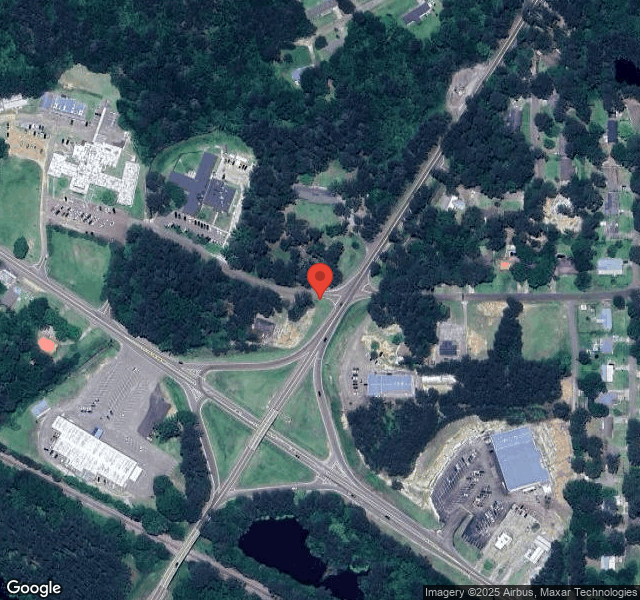

925 WEST MANGUM AVENUE, MENDENHALL, MS 39114 (601) 847-1311
For profit - Limited Liability company 60 Beds BEDFORD CARE CENTERS Data: November 2025 2 Immediate Jeopardy citations
Trust Grade
6/100
#147 of 200 in MS
Last Inspection: February 2025

Within standard 12-15 month inspection cycle. Federal law requires annual inspections.

Overview

Bedford Care Center of Mendenhall has received a Trust Grade of F, indicating significant concerns about the facility's operations and care quality. Ranked #147 out of 200 in Mississippi, it falls in the bottom half of state facilities and is the second option out of two in Simpson County, meaning there is only one local facility with a better reputation. The facility is worsening, with issues increasing from three in 2024 to four in 2025. Staffing is a relative strength, earning a rating of 4 out of 5 stars, but the turnover rate is a concerning 68%, well above the state average. The facility has incurred $39,354 in fines, indicating compliance issues, and while RN coverage is average, there have been critical incidents including a resident suffering a third-degree burn due to inadequate supervision and failure to implement safety measures, as well as a serious issue where a resident's tobacco was taken without notice, causing distress. Overall, while there are some staffing strengths, the facility's serious deficiencies and compliance problems raise significant concerns for potential residents and their families.

Trust Score
F
6/100
In Mississippi
#147/200
Bottom 27%
Safety Record
High Risk
Review needed
Inspections
Getting Worse
3 → 4 violations
Staff Stability
⚠ Watch
68% turnover. Above average. Higher turnover means staff may not know residents' routines.
Penalties
✓ Good
$39,354 in fines. Lower than most Mississippi facilities. Relatively clean record.
Skilled Nurses
○ Average
Each resident gets 40 minutes of Registered Nurse (RN) attention daily — about average for Mississippi. RNs are the most trained staff who monitor for health changes.
Violations
⚠ Watch
20 deficiencies on record. Higher than average. Multiple issues found across inspections.
★☆☆☆☆
1.0
Overall Rating
★★★★☆
4.0
Staff Levels
★☆☆☆☆
1.0
Care Quality
★☆☆☆☆
1.0
Inspection Score
Stable
2024: 3 issues
2025: 4 issues

The Good

  • 4-Star Staffing Rating · Above-average nurse staffing levels
  • Full Sprinkler Coverage · Fire safety systems throughout facility
  • No fines on record

Facility shows strength in staffing levels, fire safety.

The Bad

1-Star Overall Rating

Below Mississippi average (2.6)

Significant quality concerns identified by CMS

Staff Turnover: 68%

22pts above Mississippi avg (46%)

Frequent staff changes - ask about care continuity

Federal Fines: $39,354

Above median ($33,413)

Moderate penalties - review what triggered them

Chain: BEDFORD CARE CENTERS

Part of a multi-facility chain

Ask about local staffing decisions and management

Staff turnover is elevated (68%)

20 points above Mississippi average of 48%

The Ugly 20 deficiencies on record

2 life-threatening 1 actual harm
Feb 2025 4 deficiencies
CONCERN (D)

Potential for Harm - no one hurt, but risky conditions existed

Deficiency F0561 (Tag F0561)

Could have caused harm · This affected 1 resident

Based on observations, interviews, record reviews and facility policy review the facility failed to ensure resident rights were honored as evidenced by Resident #44 was not allowed to get out of bed a...

Read full inspector narrative →
Based on observations, interviews, record reviews and facility policy review the facility failed to ensure resident rights were honored as evidenced by Resident #44 was not allowed to get out of bed as requested and residents not receiving preferred snacks at bedtime for five (5) of 31 sampled residents reviewed for choices. Resident #26, Resident #33, Resident #40, and Resident #41 and Resident #44 Findings Include: Resident #44 A record review of the facility's Resident Rights with a revision date of 6/1/23 revealed .4. Respect and dignity .c. The right to reside and receive services in the facility with reasonable accommodation of resident needs and preferences . On 02/03/25 at 11:37 AM, in an interview and observation Resident #44 in bed. She stated she wants to get up, but they (facility staff) won't get me up. Resident #44 stated she wants to go activities, but they won't get her up out of bed. She stated she is in bed all the time. On 02/03/25 at 02:25 PM, during an observation and interview revealed Resident #44 was in bed watching TV. She stated the facility staff does not ask her if she wants to get up. She stated she asked them several times a week to get up and they do not do it. Resident #44 stated she knew they were playing Bingo. She stated it was listed on the calendar but did not offer to get her up for Bingo. She stated when she asks them to get her, they say okay and never come back to get her up. She stated it has happened a lot of times. On 02/04/25 at 10:25 AM, during an observation and interview revealed Resident # 44 was in bed. She stated they did not ask her if she wanted to get up. She stated they do not ask her daily if she wants to get up. Resident #44 looked away when talking about wanting to get up out of bed. On 02/05/25 at 01:30 PM, in an interview with Resident #44 she stated they got her up this morning and put her back to bed after lunch. She stated she wants to get up daily but does not like to stay up all day. She stated she did not ask them to get her up today they did it on their own. She stated they got her up to weigh her this morning. On 02/5/25 at 2:15 PM, in an interview with the Director of Nurses (DON), Certified Nursing Assistants are supposed to be daily asking residents after breakfast if they want to get up. She stated they got Residents #44 up today for weights. All residents are gotten up on weight day. She stated she expects staff to give care with residents' rights in mind. A record review of Resident #44 admission Record revealed an admission date of 2/3/22 with diagnoses that included Cerebral Infarction and Restless Leg Syndrome. A record review of Resident #44's Minimum Data Set (MDS) with Assessment Reference Date (ARD) 12/28/24 revealed a Brief Interview for Mental Status (BIMS) score of 14 indicating the Resident #44 is cognitively intact. Section GG revealed Resident #44 is dependent for chair/bed-to-chair transfer. Resident Council On 02/04/25 at 2:45 PM, a Resident Council meeting was held, attended by 14 residents. The residents expressed several concerns, including not receiving sandwiches at night. Residents who specifically voiced concerns about not receiving sandwiches included Resident #26, Resident #33, Resident #40, and Resident #41. On 02/05/25 at 9:00 AM, during an interview, the Activities Director (AD) stated that residents do not receive sandwiches at night as snacks. She stated that, as far as she knew, they were given other snacks. On 02/05/25 at 9:23 AM, during an interview, the Director of Nursing (DON) stated that she was aware that residents were not receiving sandwiches at night. On 02/05/25 at 9:50 AM, during an interview, the Dietary Manager (DM) stated that dietary staff leave around 7:15-7:30 PM daily. She explained that she stopped preparing sandwiches because she was receiving 15-20 sandwiches back daily from the nurses' station. She stated that she instead sends a bulk of snacks to the nurses' station. She further explained that once the kitchen is closed, residents cannot receive sandwiches. She stated that she made the decision to stop sending sandwiches on her own and did not consult the Nursing Home Administrator (NHA) or the Director of Nursing (DON) about it. She confirmed that she stopped providing sandwiches several weeks ago. On 02/06/25 at 11:20 AM, during an interview, the NHA stated that the DM informed him the previous day that she had decided to discontinue providing sandwiches to residents at night. He stated that this decision should have been brought to his attention beforehand, as it was his responsibility to make that call. He further stated that the discontinuation of sandwiches should not have happened. A record review of Resident #26's admission Record revealed an admission date of 08/05/20 with diagnoses including Major Depressive Disorder and Essential Hypertension. A record review of Resident #26's Minimum Data Set (MDS) with an Assessment Reference Date (ARD) of 11/09/24 revealed a Brief Interview of Mental Status (BIMS) score of 9, indicating mild cognitive impairment. A record review of Resident #33's admission Record revealed an admission date of 09/09/21 with diagnoses including Bipolar Disorder and Depression. A record review of Resident #33's MDS with an ARD of 09/09/21 revealed a BIMS score of 15, indicating cognitive intactness. A record review of Resident #40's admission Record revealed an admission date of 07/01/22 with diagnoses including Type 2 Diabetes Mellitus and Essential Hypertension. A record review of Resident #40's MDS with an ARD of 11/23/24 revealed a BIMS score of 15, indicating cognitive intactness. A record review of Resident #41's admission Record revealed an admission date of 05/21/21 with diagnoses including Type 2 Diabetes Mellitus and Essential Hypertension. A record review of Resident #41's MDS with an ARD of 01/10/25 revealed BIMS score of 15, indicating cognitive intactness.
CONCERN (D)

Potential for Harm - no one hurt, but risky conditions existed

Comprehensive Care Plan (Tag F0656)

Could have caused harm · This affected 1 resident

**NOTE- TERMS IN BRACKETS HAVE BEEN EDITED TO PROTECT CONFIDENTIALITY** Based on observations, interviews, facility policy review, and record review, the facility failed to develop and implement a com...

Read full inspector narrative →
**NOTE- TERMS IN BRACKETS HAVE BEEN EDITED TO PROTECT CONFIDENTIALITY** Based on observations, interviews, facility policy review, and record review, the facility failed to develop and implement a comprehensive, resident-centered care plan for two (2) of five (5) residents observed for care (Resident #13 and Resident #31). Findings include: Resident #13 Record review of the facility policy Comprehensive Care Plans, revised on 08/24/22, revealed It is the policy of this facility to develop a comprehensive, person-centered care plan for each resident Record review of the facility policy Gastrostomy/Jejunostomy Site Care, revised 08/02/22, revealed .Preparation . 2. Review the resident's care plan and provide for any special needs of the resident . Record review of the Order Summary Report with active orders as of 2/5/2025 revealed an order dated 4/12/24 for Enhanced Barrier Precautions related to presence of PEG tube, use of gloves and gown as appropriate when providing care. A record review of Resident #13's care plan revealed Enhanced Barrier Precautions (EBP) related to the presence of a percutaneous endoscopic gastrostomy (PEG) tube, requiring the use of gloves and a gown as appropriate when providing care was not listed on the care plan. On 02/06/25 at 11:30 AM, during an interview, the Director of Nursing (DON) confirmed that Enhanced Barrier Precautions was not listed in the resident's care plan. She stated that Licensed Practical Nurse (LPN) #3 is responsible for updating and writing out residents' care plans, but the interdisciplinary team meets nearly daily during stand-up meetings to discuss changes in residents' plans of care. She further stated that it is her expectation that staff follow care plans accordingly. On 02/06/25 at 12:03 PM, during an interview, LPN #3/Care Plan Nurse stated that care plans are written to guide nurses, Certified Nursing Assistants (CNAs), and other staff on how to care for the resident, including orders, preferences, and concerns. She stated that all staff should use the care plan when providing care, as failure to follow a comprehensive and updated care plan could result in inadequate care. A record review of Resident #13 admission Record revealed he was admitted on [DATE] with a diagnoses that included Encounter for Attention to Gastrostomy. A record review of the Minimum Data Set (MDS) dated [DATE], Section K, revealed that Resident #13 had a Percutaneous Endoscopic Gastrostomy (PEG) tube. Resident #31 A record review of Resident #31's care plan revealed Focus: Enhanced Barrier Precautions related to presence of foley catheter .Interventions/Task . Personal Protective Equipment (PPE): Gowns and gloves, to be worn when providing direct care as appropriate . with a date initiated of 9/11/2024. On 02/04/25 at 2:08 PM, an observation and interview of Foley catheter care for Resident #31 by CNA #1 revealed upon entrance to Resident 31's room there was EBP signage posted. She did not put on a gown prior to providing care. CNA #1 stated that she had received training on EBP and acknowledged that she should have donned (put on) a gown before beginning care. She stated that the gown is used to protect both staff and residents and admitted that she did not follow the care plan. On 02/06/25 at 11:30 AM, during an interview, the DON confirmed that Enhanced Barrier Precautions were listed in the resident's care plan. She reiterated her expectation that staff follow care plans. On 02/06/25 at 12:03 PM, during an interview, LPN#3/Care Plan Nurse stated that care plans are written to guide nurses and CNAs on resident care, including orders, preferences, and concerns. She emphasized that all staff should use the care plan when providing care, as failing to follow a comprehensive and updated care plan could compromise the resident's well-being. A record review of Resident #31's admission Record revealed an admission date of 04/01/24 with a diagnoses that included Neuromuscular Dysfunction of the Bladder. A record review of the MDS with an ARD of 12/28/24 revealed a BIMS score of 7, indicating severe cognitive impairment. Section H was coded for indwelling catheter use.
CONCERN (D)

Potential for Harm - no one hurt, but risky conditions existed

Deficiency F0658 (Tag F0658)

Could have caused harm · This affected 1 resident

Based on observations, interviews, record reviews, and facility policy reviews, the facility failed to ensure residents who use enabling devices have physician orders as part of the professional stand...

Read full inspector narrative →
Based on observations, interviews, record reviews, and facility policy reviews, the facility failed to ensure residents who use enabling devices have physician orders as part of the professional standard of practice for one (1) of (19) residents who use enabling devices in the facility. Resident #52. Findings include: A review of the facility policy, Provision of Quality of Care, revised on September 20, 2022, revealed: . Policy Explanation and Compliance Guidelines .4. Qualified persons will provide the care and treatment in accordance with professional standards of practice On 2/4/25 at 10:38 AM, Licensed Practical Nurse (LPN) #1, stated in an interview that there is no documentation regarding the monitoring of the resident while using the seatbelt. She mentioned that they usually check on her every 15 minutes, but this is not documented. During an interview and record review with the Director of Nursing (DON) on 2/4/25 at 10:49 AM, revealed Resident #52 had been using the seatbelt since December 2024. However, there was not a physician's order for the seatbelt. The DON explained that this must have been an oversight, as the resident should have an order in her medical file. At 11:02 AM on 2/4/25, during an observation with the Director of Nursing (DON), the State Agency (SA) attempted to interview Resident #52, who was sitting near the nurses' desk with a seatbelt fastened around her waist. Upon the DON's request, the resident was able to self-release from the seatbelt without any direction given. During the attempted interview, Resident #52 was unable to speak fluently and mumbled in response to the SA's questions about the seatbelt. No clear communication was obtained. In a follow-up interview on 2/4/25 at 1:17 PM, the DON explained that the purpose of the seatbelt is to help reduce falls. She noted that there is no documentation in place to provide evidence of ongoing assessment of the resident regarding the seatbelt, despite the possibility of decline due to the resident's Parkinson's diagnosis. She indicated that she, along with the rest of the Interdisciplinary Team (IDT), discussed this issue in December 2024 when the seatbelt was issued. However, beyond that, they rely on visual monitoring for any signs of decline and on the quarterly Brief Interview for Mental Status (BIMS) assessment to determine the resident's ability to release the seat belt. A record review of the admission Record revealed that the facility admitted Resident #52 on 6/5/2024 with diagnoses that Parkinson's disease without dyskinesia and Unspecified dementia. A record review of the quarterly Minimum Data Set (MDS) with an Assessment Reference Date (ARD) of 12/7/2024 revealed a BIMS score of 10 indicating the resident had moderate cognitive impairment.
CONCERN (E)

Potential for Harm - no one hurt, but risky conditions existed

Infection Control (Tag F0880)

Could have caused harm · This affected multiple residents

**NOTE- TERMS IN BRACKETS HAVE BEEN EDITED TO PROTECT CONFIDENTIALITY** Based on observation, interviews, and facility policy review, the facility failed to follow infection prevention guidelines by i...

Read full inspector narrative →
**NOTE- TERMS IN BRACKETS HAVE BEEN EDITED TO PROTECT CONFIDENTIALITY** Based on observation, interviews, and facility policy review, the facility failed to follow infection prevention guidelines by improperly implementing enhanced barrier precautions, failing to adhere to handwashing/hand hygiene practices during care and failed to ensure clean and soiled items were not stored together in a biohazard room for two (2) of four (4) days of survey that affected Resident #13 and Resident #31. Findings Include: A record review of the facility's Enhanced Barrier Precautions policy dated 3/7/24 revealed .Policy Explanation and Compliance Guidelines .2. b. An order for enhanced barrier precautions will be obtained for residents with any of the following: i. Wounds (e.g., chronic wounds such as pressure ulcers, diabetic foot ulcers, unhealed surgical wounds, and chronic venous stasis ulcers) and/or indwelling medical devices (e.g., central lines, urinary catheters, feeding tubes, tracheostomy/ventilator tubes), even if the resident is not known to be infected or colonized with a multidrug-resistant organism (MDRO). ii. Infection or colonization with a Centers for Disease Control and Prevention (CDC)-targeted MDRO when Contact Precautions do not otherwise apply A record review of the facility's Handwashing/Hand Hygiene policy, revised on 08/02/2022, revealed Policy Statement: The facility considers hand hygiene the primary means of preventing the spread of infections Policy Interpretation and Implementation .7. Use an alcohol-based rub containing at least 70% alcohol; or, alternatively, soap and water in the following situations . h. Before moving from a contaminated body site to a clean body site during resident care .l. After contact with objects .in the immediate vicinity of the resident .m. After removing gloves . A record review of the facility's Infection Prevention and Control Program policy, revised 06/15/2023, revealed Policy: This facility has established and maintains an infection prevention and control program designed to provide a safe, sanitary, and comfortable environment and to help prevent the development and transmission of communicable diseases and infections in accordance with accepted national standards and guidelines . On 02/03/2025 at 11:17 AM, an observation of the biohazard room, conducted with the Housekeeping Supervisor, revealed several boxes of new sharps containers with lids stored inside. The Housekeeping Supervisor stated that the containers were being stored there for later use by nurses. During an interview, she explained that due to a lack of storage space, they used the empty shelving in the biohazard room. However, she acknowledged that storing clean items in the biohazard room posed a risk of contamination and the potential spread of infection. Resident #31 On 02/04/25 at 2:08 PM, an observation of foley catheter care and interview revealed upon entrance to Resident 31's room there was Enhanced Barrier Precautions (EBP) signage posted. Certified Nursing Assistant (CNA) #1 placed supplies on the bedside table but did not sanitize the table or use a protective barrier. She did not put on a gown prior to providing care. She applied clean gloves, adjusted the bed using the remote while wearing gloves, and proceeded with catheter care. After touching the remote with her gloves, she continued providing care without changing them. She removed the resident's brief and used peri-wipes, pulling them from the package with contaminated gloves throughout the procedure. Upon completion of care, she removed her gloves and placed two clear bags containing soiled towels, briefs, and wipes on the floor while washing her hands.CNA #1 stated during the interview that she had received training on Enhanced Barrier Precautions and acknowledged that she should have donned (put on) a gown before beginning care. She stated that the gown is used to protect both staff and residents. She also stated that she typically relies on personal protective equipment (PPE) hanging on the door as a reminder to wear PPE. She further acknowledged that she should have removed her gloves after touching the bed remote and washed her hands before resuming care. CNA #1 stated she was unaware that she needed to sanitize the table and use a barrier before placing items on it. She also confirmed that placing soiled bags on the floor constituted cross-contamination and that the resident could develop an infection from the care provided. A record review of Resident #31's admission Record revealed an admission date of 04/01/24 with a diagnoses that included Neuromuscular Dysfunction of the Bladder. A record review of Resident #31's Minimum Data Set (MDS) with an Assessment Reference Date (ARD) of 12/28/24 revealed a Brief Interview of Mental Status (BIMS) score of 7, indicating severe cognitive impairment. Resident #13 On 02/04/2025 at 2:08 PM, an observation was conducted of Licensed Practical Nurse (LPN) #2 performing percutaneous endoscopic gastrostomy (PEG) tube site care for Resident #13. LPN #2 did not don a sterile gown prior to or during the procedure. On 02/04/2025 at 2:12 PM, during an interview, LPN #2 was asked about the EBP signage on Resident #13's door, she stated that EBP are required for residents with catheters, PEG tubes, and similar devices to prevent infection. LPN #2 acknowledged that she had not worn a gown during the procedure and admitted that she should have done so to protect the resident's PEG tube site from infection. On 02/05/2025 at 1:55 PM, during an interview, the Director of Nursing (DON) stated that CNA #1 should have washed her hands upon entry, sanitized the bedside table before placing items on it, and used a barrier. She also stated that CNA #1 should have donned (put on) a gown before starting care. The DON confirmed that all peri wipes should have been removed from the package before beginning care to prevent cross-contamination. Additionally, she stated that CNA #1 should have removed gloves and performed hand hygiene when transitioning between front and back perineal care. The DON emphasized that staff should never place soiled bags on the floor, as this practice constitutes cross-contamination, transferring germs from the floor to the CNA's uniform. The DON stated that all staff have been trained in EBP, which are implemented to protect residents from staff-related contamination. On 02/06/2025 at 8:38 AM, during an interview, the DON stated that only contaminated items should be stored in the biohazard room. She confirmed that storing clean items in the biohazard room could contaminate staff while retrieving the containers, potentially bringing infections back to the residents on the floor. During an interview on 2/6/25 at 11:35 AM, the DON stated that EBP should be followed when providing care to residents with invasive lines, such as catheters. She confirmed that LPN #2 should have worn a gown before performing PEG tube site care for Resident #13 on 2/5/25. The DON stated that staff are expected to adhere to infection control guidelines, as reinforced through facility signage and training, and failure to comply could result in infection transmission among residents and staff. She further noted that Resident #13 required EBP not only due to the PEG tube but also because of a history of multidrug-resistant organism (MDRO) colonization, including methicillin-resistant Staphylococcus aureus (MRSA) at the site. She stated Resident #13 had recently completed a course of antibiotics. When asked whether the resident's infection could have been caused by staff failing to wear gowns, she stated, Yes. A record review of Resident #13 admission Record revealed he was admitted on [DATE] with a diagnoses that included Encounter for Attention to Gastrostomy. A record review of the Order Summary Report with active orders as of 2/5/25 revealed an order dated 12/02/24 . Apply abdominal binder for g-tube for pt (patient) comfort. An order dated 12/03/24 revealed Clean the PEG site with normal saline (NS), pat dry, apply triple antibiotic ointment (TAO), apply split gauze until healed two times a day for PEG site infection. An order dated 12/3/24 for a PRN (as needed) PEG site care using the same order as the routine PEG site care. An order dated 6/29/24 to Administer Enteral Feeding once daily using Total Formula . A record review of the Minimum Data Set (MDS) dated [DATE], Section K, revealed that Resident #13 had a PEG tube. A record review of the facility's EBP signage indicated that EBP should be followed when providing care for devices such as central lines, urinary catheters, feeding tubes, tracheostomies, and wound care, including any skin opening requiring a dressing.
Aug 2024 3 deficiencies 2 IJ (2 affecting multiple)
CRITICAL (K) 📢 Someone Reported This

A family member, employee, or ombudsman was alarmed enough to file a formal complaint

Immediate Jeopardy (IJ) - the most serious Medicare violation

Comprehensive Care Plan (Tag F0656)

Someone could have died · This affected multiple residents

Based on observation, interviews, record review, and facility policy review, the facility failed to develop comprehensive care plan interventions to prevent burns and for the use of tobacco for one (1...

Read full inspector narrative →
Based on observation, interviews, record review, and facility policy review, the facility failed to develop comprehensive care plan interventions to prevent burns and for the use of tobacco for one (1) of seven (7) sampled residents. (Resident #1) The facility's failure to develop comprehensive care plan interventions resulted in Resident #1, who had diagnoses including Diabetes Mellitus (DM, Hemiplegia - left side, Vascular Dementia, and moderately impaired cognition sustaining a third-degree burn to his left thigh and placed other residents who drink hot coffee at risk for sustaining serious injury, serious harm, serious impairment, or death. The situation was determined to be an Immediate Jeopardy (IJ) that began on 4/11/24 when Resident #1 sustained a third-degree burn to his left thigh. The facility Administrator was notified of the IJ on 8/2/24 at 11:15 AM and was presented with the IJ Template. The facility provided an acceptable Removal Plan on 8/2/243, in which they alleged all corrective actions to remove the IJ were completed on 8/2/24, and the IJ removed on 8/3/24. The SA validated the Removal Plan on 8/5/24 and determined that the IJ was removed on 8/3/24, prior to exit. Therefore, the scope and severity for CFR 483.21(b) Comprehensive Care Plans was lowered to an E while the facility develops a plan of correction to monitor the effectiveness of the systemic changes to ensure the facility sustains compliance with regulatory requirements. Findings include: A record review of the facility's policy Comprehensive Care Plans with revised date of 08/24/22 revealed . It is the policy of this facility to develop and implement a comprehensive person-centered care plan for each resident, consistent with resident rights, that includes measurable objectives and timeframes to meet a resident's medical, nursing, and mental and psychosocial needs that are identified in the resident's comprehensive assessment . A review of the medical record for Resident #1 revealed there were no care plan interventions developed for preventing burns from hot coffee or for the use of chewing tobacco. A record review of the Order Summary Report with an Order Date Range: 04/01/24 - 04/30/24 revealed Resident #1 had a Physician's Order, dated 4/11/24 to Clean blister to left inner thigh with NS (normal saline) gently, pat dry, apply Silvadene cover with dry dressing and paper tape QD (every day) and PRN (as needed) dislodgement until resolved. On 04/24/24, the Physician's Order was changed to Clean blister to left inner thigh with NS, apply xeroform, dry dressing. Change daily and PRN dislodgement until resolved. At 9:25 AM on 08/01/2024, during an interview with the Administrator, he explained Resident #1 was admitted to the facility two (2) years ago. Because the facility's census was very low at the time, he agreed to give special permission for the resident to chew tobacco at the facility even though the facility's policy did not allow it. He stated the resident has now been allowed to continue to use chewing tobacco while at the facility. During an interview on 08/01/2024 at 9:55 AM, Resident #1's family member explained that her father was burned on his left side when staff on the night shift took Resident #1 into the dining room, gave him a cup of coffee, left him unsupervised, and he spilled the coffee on himself. The family member also stated that Resident #1 had been at the facility for two (2) years and was cleared on admission by the Administrator and the doctor to use chewing tobacco while at the facility. However, it was taken away for him on 7/4/24 but was returned to him on 7/11/24. During an observation at 12:50 PM on 08/01/24, Resident #1 was sitting up in his wheelchair with his bedside table in front of him in which there were three (3) cups with tobacco in them. At 2:30 PM on 08/01/24, during an interview with Licensed Practical Nurse (LPN)#2/Care Plan/Minimum Data Set (MDS) Nurse, she stated she was responsible for updating resident care plans daily. She confirmed Resident #1 received a third degree burn after spilling coffee on himself and the facility never developed care plan interventions to prevent the re-occurrence of a burn from hot coffee. She stated the facility had developed interventions related to treating the burn. LPN #1 also confirmed she was aware Resident #1 used tobacco and the facility had never developed a care plan with interventions for the staff to follow on his tobacco use. She reported the purpose of a care plan was to provide instructions on how to care for the residents and if there was no care plan, then the staff would not be able to care for the residents as needed. During an interview at 3:00 PM on 08/01/24, the Director of Nursing (DON), reported she was working on 04/11/24 when Resident #1 spilled coffee on himself and had a burn to his left thigh. The DON stated it was a horrible accident and confirmed there were no interventions put in place to prevent the incident from occurring again. She was not aware Resident #1 did not have a care plan for chewing tobacco but expected the care plan nurse to develop care plans as required. At 3:30 PM on 08/01/24, during an interview with the Administrator, he explained he had been made aware Resident #1 had no care plan related to the use of chewing tobacco and confirmed there were no interventions put in place to prevent further incidents with spilling coffee after Resident #1 received a third-degree burn. He stated he expected the staff to develop care plans and for care plans interventions to be implemented to meet each individual resident's needs. A record review of Resident #1's admission Record revealed the facility admitted Resident #1 on 09/15/22 with current diagnoses including Type 2 Diabetes Mellitus with Foot Ulcer and Vascular Dementia A record review of the Quarterly Minimum Data Set (MDS) with an Assessment Reference Date (ARD) of 05/25/24 revealed Resident #1 had a Brief Interview for Mental Status (BIMS) Score of 11, which indicated his cognition was moderately impaired. A review of Section M revealed resident had a burn (second or third degree). The facility submitted the following acceptable Removal Plan on 08/02/24: On 8-2-2024 at 11:15 P.M. the State Survey Agency notified the administrator that the facility failed to ensure adequate supervision when Resident 1, who had diagnoses including Diabetes Mellitus (DM), Hemiplegia (left side), Vascular Dementia, and moderately impaired cognition, spilled hot coffee onto his left thigh, which resulted in a third-degree burn. On 4/11/2024 at lunch, after 11:15 a.m., it was reported to the resident care coordinator (RCC) nurse that Resident 1 had spilled coffee on himself and upon assessment it was noted that there was an intact blister to the left medial thigh. The site was cleaned with normal saline and Silvadene and dry dressing applied. The resident care coordinator notified the provider and order to continue the same treatment were received and to be completed daily. The resident did not complain of any pain at the time. The nurse attempted to notify the resident representative unsuccessfully initially. However, the resident representative did call back and was notified about the burn and the treatments and was updated weekly. After the blister ruptured, the wound care nurse practitioner classified the wound as a third degree burn with new treatment orders. The resident representative was notified and updated. Treatment and care to the burn was ongoing and have since been discontinued as the site has healed. 1. In an effort to immediately protect the residents, the coffee machine was taken out of service on 8-2-2024 so that individuals cannot serve themselves coffee. Individual pots of coffee will be made beginning today, 8-2-2024 and temperatures of the pots will be monitored to ensure that the coffee served is at or below 140 degrees Fahrenheit. Resident #1 will be served coffee at or below 140 degrees Fahrenheit. 2. The root cause of the accident was the hot liquid policy was not followed. This along with the lack of proper supervision resulted in the injury. 3. On 8-2-2024, Coffee Temperature logs were created to indicate the temperature of the beverage prior to serving. This will serve as record of temperatures of coffee being served. 4. Training for all staff prior to working shifts was initiated on 8/2/2024 by the staff development nurse and the Director of Nursing on the following topics: Safety and supervision of residents · Care Plans · Temperature logs for coffee · hot liquids policy No staff will be allowed to work until they have received appropriate training. 5. Updated the care plans for resident # 1 and identified thirty-three residents that were at risk to include interventions to prevent burns. 6. Weekly body audits were completed for all residents on 8-2-2024 and there were no burns noted. 7. Quality Assurance and Performance Improvement committee meeting was conducted on August 2, 2024, at 12:21 p.m. and the issue was discussed including root cause and appropriate remedies. Attending the meeting: Medical Director, Administrator, Director of Nursing, Resident Care Coordinator/ Infection Preventionist, Dietary Manager, Social Worker, Business Office Manager, Staff Development Nurse, Minimum Data Set Nurse, Medical Records Clerk, Environmental Services Manager, Maintenance Director and the staff scheduler. The facility alleges all corrective actions were completed on 8-2-2024 at 2:00 p.m. and the IJ was removed on 8-3-2024. Validation: The State Agency (SA) validation of the Removal Plan was made on-site during the Complaint Investigation (CI) MS #25877 through record review and interviews on 8/5/24. The SA determined all corrective actions were completed on 8/2/24 and the IJ was removed on 8/3/24.
CRITICAL (K) 📢 Someone Reported This

A family member, employee, or ombudsman was alarmed enough to file a formal complaint

Immediate Jeopardy (IJ) - the most serious Medicare violation

Accident Prevention (Tag F0689)

Someone could have died · This affected multiple residents

Based on observation, interviews, record review, and facility policy review, the facility failed to ensure adequate supervision to prevent a burn from hot coffee for one (1) of seven (7) sampled resid...

Read full inspector narrative →
Based on observation, interviews, record review, and facility policy review, the facility failed to ensure adequate supervision to prevent a burn from hot coffee for one (1) of seven (7) sampled residents, with the potential to affect all residents who drink coffee in the Dining Room. Resident #1 The facility's failure to ensure adequate supervision resulted in Resident #1, who had diagnoses including Diabetes Mellitus (DM, Hemiplegia (left side), Vascular Dementia, and moderately impaired cognition sustaining a third-degree burn to his left thigh and placed other residents who drink hot coffee at risk for sustaining serious injury, serious harm, serious impairment, or death. The situation was determined to be an Immediate Jeopardy (IJ) that began on 4/11/24 when Resident #1 sustained a third-degree burn to his left thigh. The facility Administrator was notified of the IJ on 8/2/24 at 11:15 AM and was presented with the IJ Template. The facility provided an acceptable Removal Plan on 8/2/243, in which they alleged all corrective actions to remove the IJ were completed on 8/2/24, and the IJ removed on 8/3/24. The SA validated the Removal Plan on 8/5/24 and determined that the IJ was removed on 8/3/24, prior to exit. Therefore, the scope and severity for CFR 483.25(d)(2) Accidents was lowered to an E while the facility develops a plan of correction to monitor the effectiveness of the systemic changes to ensure the facility sustains compliance with regulatory requirements. Findings include: A review of the facility's policy, Safety of Hot Liquids, dated 7/25/22, revealed Policy Statement Hot liquids are to be served at proper (safe and appetizing) temperatures using appropriate safety precautions .Policy Interpretation and Implementation: 1. The potential for burns from hot liquids is an ongoing concern for elderly and compromised residents . 3. Appropriate interventions will be implemented to minimize the risk from burns. Such interventions may include a. maintaining a hot liquids serving temperature of no more than 140 degrees Fahrenheit b. serving hot beverages in a cup with a lid; c. wide-based cups; d. limit Styrofoam cups to residents with no difficulties; e. encouraging residents to sit at a table while drinking or eating hot liquids; f. providing staff supervision or assistance with hot beverages. 4. General safety precautions when serving hot liquids include .d. Regulate temperature of hot liquids to which residents have direct access; e. Place filled containers directly on the table. Do not hand them directly to resident .5. Food service staff will monitor and maintain food temperatures that comply with food safety requirements but do not exceed recommended temperatures to prevent scalding. A record review of the facility's policy, Safety and Supervision of Residents, revised 8/2/22, revealed Our facility strives to make the environment as free from accident hazards as possible, with resident safety, supervision, and assistance to prevent accidents being facility-wide priorities . On 08/01/2024 at 09:55 AM, during an interview, Resident #1's family member explained that her father was burned on his left side when staff on the night shift took Resident #1 into the dining room, gave him a cup of coffee, left him unsupervised, and he spilled the coffee on himself. At 10:55 AM on 08/01/24, during an observation of the dining room, residents were observed with coffee cups at their tables. Resident #1 was sitting in the dining room at a table with an empty coffee cup, and there was no lid on the coffee cup or on the table. At 11:30 AM on 08/01/24, during a dining room observation, some residents had coffee cups with lids, and some did not. An industrial-style coffee machine was on a countertop with cups and lids noted nearby. Resident #1 was sitting in his wheelchair eating lunch, and there was an empty coffee cup without a lid noted nearby. At 11:40 AM on 08/01/24, during an observation and interview with Resident #4, he explained he had always been able to get coffee anytime from the machine in the dining room whenever he wanted it. He said that he normally got up around 2:00 AM, came to the dining room, and served himself coffee. He mentioned he liked to use a lid on his coffee cup and reported that he had not spilled coffee on himself or received a burn from hot coffee. On 08/01/24 at 12:00 PM, during an interview with Housekeeper #1, she explained that residents came to the dining room early in the mornings, and some of them got coffee themselves while others needed staff assistance. She was working in the dining room on 04/11/24 when Resident #1 spilled his coffee on himself but was unable to recall what time it occurred. She thought someone from the night shift brought Resident #1 to the dining room, and someone gave him a cup of coffee. Housekeeper #1 said Resident #1 did not like having a lid on his coffee cup. He reported to her that he had spilled the coffee on his pants and needed to be changed. She took the resident to his room and told a Certified Nurse Aide (CNA) that he needed to have his pants changed. She was unable to recall which CNA assisted him, but the CNA changed his clothes and brought him back to the dining room. At 12:50 PM on 08/01/24, during an observation and an interview with Resident #1, he was sitting in his wheelchair with a bedside table in front of him. He explained he did not like to have a lid on his coffee cup because not having a lid helped to cool the coffee. He stated that when he spilled coffee on himself on 4/11/24, it was an accident. He was unable to recall who had served him the coffee that day and commented that he liked to drink about three (3) cups of coffee a day. At 3:00 PM on 08/01/24, during an interview with the Director of Nursing (DON), she reported she was working on 04/11/24 when Resident #1 spilled coffee on himself and had a burn to his left thigh. She said the incident was discussed that morning in the daily Stand-Up meeting. She expressed that she was unaware of the incident until the morning meeting. She confirmed Resident #1 had hemiplegia affecting his left side, causing decreased or no sensation to his left leg. She confirmed that residents in the facility got coffee for other residents, as well as themselves, from the coffee machine in the dining room. She explained that she assessed Resident #1 and the area where he had spilled the coffee, around 11:00 AM when the day shift CNA reported he had a raised blister to his left inner thigh. The DON measured the blister, notified the facility's Nurse Practitioner and received orders for a treatment. She completed the incident report for the incident/burn, and during the investigation, it was determined Resident #1 had told the Housekeeper Supervisor he had spilled his coffee and wanted his pants changed. The DON stated it was a horrible accident and confirmed there were no interventions put in place to prevent the incident from occurring again. At 03:30 PM on 08/01/24, during an interview with the Administrator, he confirmed there were no interventions put in place to prevent further incidents with spilling coffee after Resident #1 received a third-degree burn. The temperature of the coffee had never been checked and the coffee machine had been in the dining room at the facility for a long time. At 06:45 AM on 08/02/2024, during an observation of residents in the dining room waiting for breakfast, there were no staff present in the dining room and there were no kitchen staff at the serving line. Resident#1 had an empty coffee cup at the table, without a lid. Residents were drinking coffee, and some had lids and some did not. Resident #6 went to the coffee machine while sitting in a wheelchair and got a coffee cup and served herself coffee. Resident #6 did not get a lid for her coffee cup. At 06:55 AM on 08/02/2024, during an interview and observation with Dietary #1, she explained the residents can come into the dining room and get coffee at any time and they serve themselves, even though there were some residents who should not serve themselves. Dietary #1 and the SA poured a cup of coffee from the coffee machine, walked it over to Resident #1's table, and checked the temperature using a digital thermometer. The coffee was 167 degrees Fahrenheit (F) and Dietary #1 reported she was unaware the coffee was that hot. She explained the kitchen staff did not check and record the coffee temperatures. At 07:20 AM on 08/02/2024, during an observation and interview, Resident #7 was standing up in front of the coffee machine and got herself a cup of coffee. She explained the coffee was always hot and she tried to be careful not to spill it. At 07:25 AM on 08/02/2024, during an observation and interview, the DON was checking the temperature of the coffee in the dining room. She explained she got a reading of 157 degrees F. The SA obtained another cup of coffee, walked over to Resident #1's table, and the DON obtained the temperature of the coffee which indicated it was 167 degrees F. Dietary #1 confirmed the temperature of the coffee was also 167 degrees F when it was checked earlier with the SA. At 09:45 AM on 08/02/2024, during an interview with the Administrator, he confirmed the coffee temperature had never been checked before or after Resident #1 received a burn from spilling hot coffee on himself. At 11:30 AM on 08/02/24, during a phone interview with the Wound Care Nurse Practitioner, she explained she made aware that Resident #1 received a burn, and she assessed it and classified the burn as a third-degree burn. She stated the area had slough and necrotic tissue (unviable and dead tissue) in the beginning and the treatments were changed a few times, but the area healed. At 12:55 PM on 08/02/2024, during an interview with Dietary #1, she explained the coffee machine was never turned off or put up, it ran continuously, and residents had access to it at any time they wanted it day or night. A record review of Resident #1's admission Record revealed the facility admitted Resident #1 on 09/15/22 with current diagnoses including Type 2 Diabetes Mellitus with Foot Ulcer and Vascular Dementia A record review of the Quarterly Minimum Data Set (MDS) with an Assessment Reference Date (ARD) of 05/25/24 revealed Resident #1 had a Brief Interview for Mental Status (BIMS) Score of 11, which indicated his cognition was moderately impaired. A review of Section M revealed resident had a burn (second or third degree). A record review of the Order Summary Report with an Order Date Range: 04/01/24 - 04/30/24 revealed Resident #1 had a Physician's Order, dated 4/11/24 to Clean blister to left inner thigh with NS (normal saline) gently, pat dry, apply Silvadene cover with dry dressing and paper tape QD (every day) and PRN (as needed) dislodgement until resolved. On 04/24/24, the Physician's Order was changed to Clean blister to left inner thigh with NS, apply xeroform, dry dressing. Change daily and PRN dislodgement until resolved. A record review of the facility's investigation report Self Inflicted Injury dated 04/11/24 revealed . Incident location: Dining room . Incident Description: It was reported in standup this morning that resd(resident) had spilled his coffee in his lap this morning before breakfast. The housekeeper took him to his room to be changed but he was upset because he wanted the housekeeper to change him that she could not change him. Resident Description: Resd stated that he just spilled his coffee . Immediate Action Taken .RESD was taken to his room to have his clothes changed .Other info Unable to determine predisposing environmental, physiological factors or situation at the time of the incident . No witnesses found . A record review of Resident #1's Progress Note with effective date 04/11/24 at 12:49 PM, revealed self-inflicted injury 04/11/24 10:40 AM, . It was reported in standup this morning that resd had spilled his coffee in his lap this morning before breakfast. The housekeeper took him to his room to be changed but he was upset because he wanted the housekeeper to change him, and she was informing him that she could not change him. Around lunch, the CNA notified writer that resd had a blister noted. Upon Assessment, a blister measuring 4.1 cm (centimeters) x 6.0 cm was noted to left inner thigh. Silvadene and dry dressing was applied . nurse practitioner was notified, and she stated to continue with same treatment daily. Attempted to notify RP (responsible party) but no answer. Resd without any pain noted and tolerated well. A record review of Resident #1's Progress Note dated 05/08/24 12:15 PM revealed . Resd was seen by NP (nurse practitioner) with wound management specialists today . Burn blister to left thigh has ruptured and is classified as a 3rd degree burn. New order to clean with NS, apply Medi-honey and Aquacel ag and dry dressing daily. RP notified . A record review of Resident #1's Progress Note dated 06/06/24 10:48 AM revealed . Resd was seen by NP with wound management specialists on 06/05/24. New order for burn to left inner thigh received. Updated orders and notified RP . A record review of Resident #1's Progress Note dated 07/03/24 11:52 AM revealed . Resd was seen by NP with wound management specialists today. No change to orders were made but writer did update treatment orders. Wound assessment completed as well. RP notified . A record review of Resident #1's Progress Note Details from Wound Care NP with notes from 01/03/24 through 05/08/24 revealed . 04/24/24 . report of spilling coffee on himself last week. Now has a large third degree burn to left upper thigh, denies pain. Full thickness tissue loss, slough covering wound bed. Plan to start covering with xeroform daily . 05/01/24 . Burn to left thigh remains covered with some adherent slough. Provided gentle debridement . 05/08/24 . Burn also slowly improving with some pink granulation tissue along edges, continues to have a large area of adherent slough. Plan to start applying Medi-honey daily . A record review of Resident #1's Progress Note Details from Wound Care NP with notes from 05/08/24 through 06/26/24 revealed . 05/15/24 . Burn to left thigh with similar dimensions, however increased about of pink tissue noted along edges, adherent slough remains in middle. Continue Medi-honey daily . 05/22/24 . Burn to left thigh continues to have a large amount of slough to middle of wound bed, pink granulation tissue surrounding. Peri wound moist and macerated. No s/s (signs and symptoms) of infection. Tolerated gentle debridement, was able to remove most of the slough. Plan to start applying collagen plus super absorber dressing daily . 05/31/24. Burn with slightly smaller dimensions. Continue collagen plus aquacel ag . 06/05/24 . No change to burn left thigh-pink wound bed, scant slough, less drainage, no s/s of infection. Resume covering with Xeroform . 06/12/24 . Burn to left thigh with similar dimensions. Pink wound bed, moderate amount of yellow drainage. Peri-wound intact, no erythema. Plan to start covering with Dakins moist dressings daily . 06/19/24 . Burn to left thigh improved this week with smaller dimensions, less drainage. Plan to continue covering with Dakins moist dressing daily . 06/26/24 . Burn to left thigh unchanged, peri-wound macerated. Plan to start covering with Gentamicin plus Aquacel Ag . A record review of Resident #1's Procedure/Progress Note-Outreach Component for wounds completed by the wound nurse practitioner revealed measurements of the burn third degree burn to the left thigh for Resident #1 measured 4.5 centimeters (cm) x (by) 5.8 cm x 0.2 cm on 04/24/24 and the area was healed on 07/10/24. The facility submitted the following acceptable Removal Plan on 08/02/24: On 8-2-2024 at 11:15 P.M. the State Survey Agency notified the administrator that the facility failed to ensure adequate supervision when Resident 1, who had diagnoses including Diabetes Mellitus (DM), Hemiplegia (left side), Vascular Dementia, and moderately impaired cognition, spilled hot coffee onto his left thigh, which resulted in a third degree burn. On 4/11/2024 at lunch, after 11:15 a.m., it was reported to the resident care coordinator (RCC) nurse that Resident 1 had spilled coffee on himself and upon assessment it was noted that there was an intact blister to the left medial thigh. The site was cleaned with normal saline and Silvadene and dry dressing applied. The resident care coordinator notified the provider and order to continue the same treatment were received and to be completed daily. The resident did not complain of any pain at the time. The nurse attempted to notify the resident representative unsuccessfully initially. However, the resident representative did call back and was notified about the burn and the treatments and was updated weekly. After the blister ruptured, the wound care nurse practitioner classified the wound as a third degree burn with new treatment orders. The resident representative was notified and updated. Treatment and care to the burn was ongoing and have since been discontinued as the site has healed. 1. In an effort to immediately protect the residents, the coffee machine was taken out of service on 8-2-2024 so that individuals cannot serve themselves coffee. Individual pots of coffee will be made beginning today, 8-2-2024 and temperatures of the pots will be monitored to ensure that the coffee served is at or below 140 degrees Fahrenheit. Resident #1 will be served coffee at or below 140 degrees Fahrenheit. 2. The root cause of the accident was the hot liquid policy was not followed. This along with the lack of proper supervision resulted in the injury. 3. On 8-2-2024, Coffee Temperature logs were created to indicate the temperature of the beverage prior to serving. This will serve as record of temperatures of coffee being served. 4. Training for all staff prior to working shifts was initiated on 8/2/2024 by the staff development nurse and the Director of Nursing on the following topics: Safety and supervision of residents -Care Plans · Temperature logs for coffee · hot liquids policy No staff will be allowed to work until they have received appropriate training. 5. Updated the care plans for resident # 1 and identified thirty-three residents that were at risk to include interventions to prevent burns. 6. Weekly body audits were completed for all residents on 8-2-2024 and there were no burns noted. 7. Quality Assurance and Performance Improvement committee meeting was conducted on August 2, 2024, at 12:21 p.m. and the issue was discussed including root cause and appropriate remedies. Attending the meeting: Medical Director, Administrator, Director of Nursing, Resident Care Coordinator/ Infection Preventionist, Dietary Manager, Social Worker, Business Office Manager, Staff Development Nurse, Minimum Data Set Nurse, Medical Records Clerk, Environmental Services Manager, Maintenance Director and the staff scheduler. The facility alleges all corrective actions were completed on 8-2-2024 at 2:00 p.m. and the IJ was removed on 8-3-2024. Validation: The State Agency (SA) validation of the Removal Plan was made on-site during the Complaint Investigation (CI) MS #25877 through record review and interviews on 8/5/24. The SA determined all corrective actions were completed on 8/2/24 and the IJ was removed on 8/3/24.
SERIOUS (G) 📢 Someone Reported This

A family member, employee, or ombudsman was alarmed enough to file a formal complaint

Actual Harm - a resident was hurt due to facility failures

Deficiency F0561 (Tag F0561)

A resident was harmed · This affected 1 resident

Based on observation, interviews, and record review, the facility failed to ensure a resident's right for self-determination as evidenced by facility staff taking a resident's chewing tobacco without ...

Read full inspector narrative →
Based on observation, interviews, and record review, the facility failed to ensure a resident's right for self-determination as evidenced by facility staff taking a resident's chewing tobacco without notice, which he was previously granted permission to have, and resulted in the resident crying and begging in distress and continued fear of staff taking away his tobacco for one (1) of three (3) residents sampled for tobacco usage. (Resident #1) Findings include: A record review of the facility's policy Smoking/Tobacco -Free Policy-Residents dated 2019 revealed .All residents, employees, and visitors are prohibited from using any type of tobacco, snuff, e-cigarettes, and similar products, in company buildings, parking areas, on company property, or in any company owned or leased vehicle. No resident who uses any of these products will be admitted unless the Resident and Resident Representative agree for the Resident to accept and continue a smoking cessation program or cessation patch . A record review of the facility's policy Resident Rights with revision date of 06/01/23 revealed . The facility will inform the resident both orally and in writing, in a language that the resident understands, of his or her rights and all the rules and regulations governing resident conduct and responsibilities during the stay in the facility .5. Self-determination. The resident has the right to, and the facility must promote and facilitate resident self-determination through support of resident choice .b.The resident has the right to make choices about aspects of his or her life in the facility that are significant to the resident . At 09:25 AM on 08/01/2024, during an interview with the Administrator, he explained Resident #1 was admitted to the facility two (2) years ago. Because the facility's census was very low at the time, he agreed to give special permission for the resident to chew tobacco at the facility even though the facility's policy did not allow it. He explained Resident #1 was passionate about his tobacco as he had used it almost his entire his life. When the agreement was made upon admission, Resident #1 should have used the chewing tobacco outside of the building only, but it had gotten to the point that he was allowed to use chewing tobacco in his room and inside the facility. The Administrator reported that on 7/4/24, there was a communication issue as it had been discussed with staff that the facility's tobacco-free policy was going to be strictly enforced. He had notified the family prior to 7/4/24 and had explained the tobacco-free policy was being strictly enforced and he had no choice but to take the tobacco away. The family asked the Administrator to allow them some time to discuss what to do and he agreed. He explained the resident has now been allowed to continue to use chewing tobacco while at the facility. On 08/01/2024 at 09:55 AM, an interview with Resident #1's family member revealed Resident #1 had been at the facility for two (2) years and was cleared on admission by the Administrator and the doctor to use chewing tobacco while at the facility. On 07/03/24 while the family member was at the facility, the Administrator talked to her husband and advised the resident would have to stop using tobacco and said the tobacco-free policy was now going to be enforced. The family explained to the Administrator they would need about two (2) weeks to discuss what to do, and the Administrator agreed to allow time to plan a method to wean him from chewing tobacco. The family member stated that she felt it was unfair for the Administrator to enforce the tobacco-free policy now, when he had been given permission upon admission two years ago when the policy was in place then as well. She explained on 07/04/24, she received a call from the current Director of Nursing (DON) explaining she had taken Resident #1's tobacco away because the facility stopped allowing him to use chewing tobacco. She was told the DON had taken his tobacco, locked it up in her office, and told all the staff that Resident #1 was not to get any tobacco, and she would not support the nurses if they gave it to him. She explained that staff members called her and told her Resident #1 was heartbroken and was yelling and screaming for his tobacco. A family member went to the facility to give the resident some tobacco and the DON would not allow them to give it to him. The next day, 07/05/24, she received a call from staff at the facility who stated they were going to allow him to use chewing tobacco, and they were going to try to wean him off the tobacco products. However, there was still confusion among staff because some staff were still not allowing him to use tobacco, and some were allowing him to use it. The following Wednesday, 07/10/24, she had a meeting with the Administrator who informed her that Resident #1 could either stop chewing tobacco or she could remove him from the facility. She had contacted the facility's Ombudsman about the tobacco situation and other concerns and was told to file a grievance and the facility would have to follow through with the problems and resolve them, therefore, she filed a grievance on 7/11/24. She stated Resident #1 was now allowed to have chewing tobacco, but he continued to fear daily the facility was going to take it away. At 12:20 PM on 08/01/24, during an interview with Licensed Practical Nurse (LPN) #1, she explained she was working on 07/04/24 when Resident #1's tobacco was taken away and she was told he could no longer have tobacco due to the facility's tobacco free policy. LPN #1 explained Resident #1 yelled and screamed and was very upset and the other residents could hear him. She did not give the resident any tobacco on that day or any other days until it was later cleared for him to have tobacco. At 12:50 PM on 08/01/24, during an interview with Resident #1, he reported that approximately one (1) month ago, he went almost two (2) weeks without chewing tobacco because the nurses had taken it from him. He explained he had been chewing tobacco for what seemed like his entire life and the doctor had told him he could chew tobacco while in the facility, which is why he agreed to come to the facility in the first place. He said that he did not want the facility to take his tobacco again and admitted he was afraid every day that someone was going to take it away. On 08/01/24 at 01:00 PM, during an interview with Resident #5, she stated Resident #1 cried, screamed, and begged for his tobacco to be returned to him when the facility took it away. On 08/01/24 at 01:30 PM, during an interview with Social Services #1, she explained she was responsible for the facility's grievances. She reported she was aware of the incident with Resident #1 that happened on 07/04/24, and afterward on 7/11/24, the family filed a grievance. On 07/12/24, the Administrator advised the family Resident #1 would be allowed to continue using chewing tobacco and he would be Grandfathered in. At 01:50 PM on 08/01/24, during an interview with Certified Nurse Aide (CNA) #1, she reported Resident #1 was heart-broken, screaming, crying, and even begging for her or anyone to give him some tobacco during the time the facility took it away from him. She reported that some of the other residents complained about Resident #1 yelling and screaming for his tobacco because he got very loud. At 03:00 PM on 08/01/24, during an interview with the DON, she explained it was brought to her attention the first of July that Resident #1 was chewing tobacco in the facility and the facility was a tobacco-free facility. It was decided that the staff would strictly enforce the tobacco free policy, and she thought the Administrator was going to discuss this with Resident #1's family at that time. The DON had advised all the nurses the policy would be enforced and on 7/4/24, the nurse refused to allow Resident #1 to use tobacco. The DON explained that on 07/04/24, she took Resident #1's tobacco and told him he could no longer chew tobacco in the facility. The resident was calm and wanted to tell his daughter he was ready to go home, however, she was unsuccessful when she attempted to call his daughter. The DON said that she took the resident's tobacco from him and locked it in her office. She was unaware the Administrator had talked with the family previously and they had agreed to allow him a couple of weeks to be weaned from tobacco. Therefore, the tobacco was given back to the nurses and it was determined the nurses could use their discretion on whether they wanted to give him the tobacco. To her understanding, some of the nurses gave him tobacco and some did not. The night shift nurse complained one morning that he was told not to give the resident tobacco and felt like the facility needed a plan on whether to give Resident #1 the tobacco. The nurse said that some staff were giving Resident #1 tobacco on day shift, but he was told not to give it to the resident, which caused the resident to yell, scream and beg for tobacco all night. The Administrator was informed, and a meeting was set up with Resident #1's family on Wednesday 07/10/24. At 03:30 PM on 08/01/24, during a follow up interview with the Administrator, he admitted the confusion regarding Resident #1's use of chewing tobacco was his fault. He confirmed he had a meeting on 07/03/24 with Resident #1's family and discussed the options regarding the facility having to strictly enforce the tobacco free policy. The family asked for some time to think of a plan, and he told them the only option was to take away the resident's tobacco or transfer him to another facility that allowed tobacco products. He did not talk to the staff about the outcome of the meeting or what was discussed. Then on 07/04/24 he was phoned by Resident #1's daughter, who was very upset and angry because the facility's staff had taken her father's tobacco even after he agreed to give them a couple weeks to decide on a plan. The Administrator explained he then called the facility and told staff that Resident #1 was allowed to have his tobacco, and the facility was going to wean him from the tobacco. On 07/10/24, he had another meeting with Resident #1's family and the daughter was visibly upset and told him she had filed a complaint with the State Agency (SA) and she would go further if needed. The Administrator said he had explored changing the policy but that was not an option and that only left two (2) choices, to create a plan to wean him off tobacco or relocate the resident to another facility. The daughter explained Resident #1's tobacco use was more psychosocial than nicotine addiction. Then on 07/11/24 the family filed a grievance. The Administrator talked to Resident #1's physician about the tobacco-free policy being enforced and the Physician stated he would talk to the family about transferring him to other nearby facilities, but the doctor did not think that would help. After all the considerations, it was decided that Resident #1 would be grandfathered in and would be allowed to use chewing tobacco, and he was given back his tobacco full time on the 07/12/24. The family was notified and pleased with the resolution. On 08/02/2024 at 08:30 AM, in an observation, Resident #1 was in the hallway talking with Registered Nurse (RN) #1 who explained she had him a cup of chewing tobacco and an empty cup to spit in, and she would place it by his bed. Resident #1 stated, You better not throw my tobacco away. At 10:30 AM on 08/02/24, during an interview with RN #1/Supervisor, she explained she was at the facility on the day the DON took away Resident #1's tobacco. Resident #1 was visibly terribly upset, crying out for staff to bring him his tobacco and was begging any staff member to bring him some tobacco. She stated when she left the building for the day, she could hear the resident still yelling and asking for tobacco from outside the building. To her understanding, he was to be weaned from the chewing tobacco and that it would not be taken away cold turkey. She reported he would yell out and scream, they have taken my tobacco away and that he did not want to be here anymore. She said he was still afraid someone would take his tobacco away. She confirmed that once the tobacco was taken on 07/04/24, some nurses would allow him to have it and some would not and it depended on which way they defended their decision, to follow policy or to just give him his tobacco. She said she gave him tobacco anytime he asked for it because the facility was going to have to wean him from it gradually. She confirmed that as of 07/12/24, Resident #1 could have his tobacco at any time. At 12:30 PM on 08/02/24, during a phone interview with CNA #5, she explained she was working on 7/4/24 when the DON took Resident #1's tobacco. The resident was very upset and was crying, screaming, and yelling for staff to get away from him. He refused care and refused to let anyone do anything for him even after staff tried and tried to calm him down. She said Resident #1 was upset all day and some of the other residents complained about all the yelling and screaming he was doing. Several days later, Resident #1 had calmed down, but was still upset and kept asking for his tobacco to the point where he was begging staff for it. Some of the nurses did allow him to have tobacco, but others would not because it was against the facility's policy. She explained that since he has gotten his tobacco back, he continues to tell staff no one better not take or throw my tobacco away. A record review of admission Record revealed the facility admitted Resident #1 on 09/15/22 with current diagnoses including Type 2 Diabetes Mellitus, Vascular Dementia, Psychotic Disturbance, Mood Disturbance, and Anxiety. A record review of the Quarterly Minimum Data Set (MDS) with an Assessment Reference Date (ARD) of 05/25/24 revealed Resident #1 had a Brief Interview for Mental Status (BIMS) Score of 11, which indicated his cognition was moderately impaired. A record review of Resident 's Progress Note dated 07/10/24 07:40 AM revealed . Resident was chewing tobacco that was given on previous shift. Resident was screaming and asking for more tobacco, while he had tobacco in his mouth. Explained to the resident that he had tobacco already, and that it was against our policy for me to give it to him. Resident refused to take, his meds because he wasn't given more tobacco. Resident kept screaming for the nurse (Proper Name) who does not work on this rotation. Informed Nurse Supervisor . A record review of Resident #1's Progress Note dated 07/11/24 02:04 PM created by the Physician revealed . This patient is doing well and receiving excellent care at this institution. The problem we have now is that for two years he was using his chewing tobacco and now the regulation of no tobacco is being enforced strictly in this too very unhappy that he can't use his chewing tobacco. The administrator has no choice to follow the rules of his institution. The family is very unhappy about this . A record review of the Resident Grievance/Complaint Investigation Report Form, dated 7/11/24, with the Date Incident/Issue Occurred was 7/4/24, revealed Resident #5's family complained the resident's tobacco was taken from him.
Sept 2023 11 deficiencies
CONCERN (D)

Potential for Harm - no one hurt, but risky conditions existed

Deficiency F0558 (Tag F0558)

Could have caused harm · This affected 1 resident

Based on observation, staff interviews, record review and facility policy review, the facility failed to keep the call light within the resident's reach for two (2) of three (3) observations. Resident...

Read full inspector narrative →
Based on observation, staff interviews, record review and facility policy review, the facility failed to keep the call light within the resident's reach for two (2) of three (3) observations. Resident #8. Findings include: Review of the facility's policy titled, Call Lights: Accessibility and Timely Response, with revised date of 08/02/22, revealed, Policy: The purpose of this policy is to assure the facility is adequately equipped with a call light at each residents' bedside, toilet, and bathing facility to allow residents to call for assistance. Call lights will directly relay to a staff member or centralized location to ensure appropriate response. Policy Explanation and Compliance Guidelines: 5. Staff will ensure the call light is within reach of resident and secured, as needed. 6. The call system will be accessible to residents while in their bed or other sleeping accommodations within the resident's room . On 09/05/23 at 01:43 PM, an observation of Resident #8 revealed the resident was lying in bed with the head of the bed elevated. The resident's call light was lying on the floor. On 09/05/23 at 02:44 PM, an observation revealed a Certified Nursing Assistant (CNA) in Resident #8's room, having a conversation with the resident. Upon entry into the resident's room after the CNA left, revealed the call light remained on the floor. On 09/05/23 at 02:46 PM, an observation and interview with Resident's #8 in his room revealed his call light was located on the floor and not within his reach. Housekeeper #1 entered the resident's room, saw that the call light was not within reach of the resident and picked it up and placed next to the resident. On 09/05/23 at 03:19 PM, in an interview with Housekeeper #1, she revealed that the call light is the responsibility of all employees. She confirmed that it was found on the floor and that it should have been within the residents' reach. The housekeeper revealed that due to the resident's limitations, his call light should be available to him at all times. On 09/05/23 at 4:18 PM, Resident # 8 was observed lying in his bed with his eyes closed. The resident's call light was laying on top of his bedside table on the left side of his bed. Resident #8 demonstrated he was able to reach his call light. Resident # 8 stated he could reach it today, but states when he can't reach it, he just yells for assistance. On 09/06/23 at 09:23 AM, during an interview, the Director of Nurses (DON) revealed that call lights are the responsibility of all employees, but especially nursing staff because it's the warning system to alert them of something being wrong. The DON revealed the call light system is a part of resident care and is a key to quick response. A record review of the admission Record of Resident # 8 revealed the resident was admitted by the facility on 8/14/2020, with the diagnoses that included Dysphagia Following Cerebral Infarction, Hemiplegia and Hemiparesis Following Cerebral Infarction Affecting Left Non-Dominant Side, Chronic Obstructive Pulmonary Disease, Unspecified and Obstructive Sleep Apnea. A record review of Resident # 8's Minimum Data Set (MDS), with an Assessment Reference Date (ARD) of 06/19/2023, revealed a Brief Interview for Mental Status (BIMS) score of 15, which indicated the resident was cognitively intact.
CONCERN (D)

Potential for Harm - no one hurt, but risky conditions existed

Deficiency F0583 (Tag F0583)

Could have caused harm · This affected 1 resident

**NOTE- TERMS IN BRACKETS HAVE BEEN EDITED TO PROTECT CONFIDENTIALITY** Based on observation, interviews, record review and facility policy review the facility failed to ensure a dignified living envi...

Read full inspector narrative →
**NOTE- TERMS IN BRACKETS HAVE BEEN EDITED TO PROTECT CONFIDENTIALITY** Based on observation, interviews, record review and facility policy review the facility failed to ensure a dignified living environment for a resident who had signs regarding her care posted in view of visitors and other residents for one (1) of 15 sampled residents. Resident #23 Findings Include: Review of the facility's Resident Rights, revised 6/1/23, revealed .7. Privacy and confidentiality. The resident has a right to .confidentiality of his or her personal and medical records. a. Personal privacy includes accommodations, medical treatment, written and telephone communications, personal care . On 09/05/23 at 2:49 PM, during an observation of Resident #23, there was a handwritten sign located on her personal refrigerator, within view of other residents and visitors, which indicated Thickened Liquids. On 09/06/23 at 9:30 AM, during an observation of Resident #23, the sign indicating thickened liquids was observed on the resident's personal refrigerator in her room. On 9/7/23 at 10:00 AM, Resident #23 was observed in bed and there was a visitor at the Residents roommate's bedside. The sign regarding Thickened Liquids was posted in the view of the visitor. Record review of the admission Record revealed the facility admitted Resident #23 to the facility on 2/6/23 with diagnoses that included Dementia. Record review of the Quarterly Minimum Data Set (MDS), dated [DATE], revealed Resident #23 had a Brief Interview for Mental Status (BIMS) score of 11 which indicated her cognition was moderately impaired. Record review of the Order Summary Report revealed Resident #23 had a Physician's Order, dated 06/15/2023, for NAS (No Added Salt) diet Mechanical Soft texture, nectar consistency. During an interview on 09/07/23 at 8:50 AM, with the Director of Nursing (DON), she stated she did not know there were signs posted in resident rooms with medical information related to the resident. She said they do not post signs because of Health Insurance Portability and Accountability Act (HIPPA) and the resident may not want everybody to know what kind of care they are getting.
CONCERN (D)

Potential for Harm - no one hurt, but risky conditions existed

Tube Feeding (Tag F0693)

Could have caused harm · This affected 1 resident

Based on observation, interviews, record review, and facility policy review, the facility failed to ensure that tube placement was checked prior to flushing the enteral feeding tube with water for one...

Read full inspector narrative →
Based on observation, interviews, record review, and facility policy review, the facility failed to ensure that tube placement was checked prior to flushing the enteral feeding tube with water for one (1) of (1) observations of enteral feedings. Resident #9 Findings include: Review of the policy, Administering Medications through an Enteral Tube, with a revision date of 8/2/22, revealed, .19. For nasogastric (NG) and gastrostomy (G) tubes, check placement: .a. Observer for a change in the external tube length. b. Observe for signs of respiratory distress. C. Auscultate the abdomen, but do not rely on this as the singular method to differentiate between respiratory, gastric, esophageal and bowel placement: (1) Attach 60 mL (milliliter) syringe containing approximately 10 cc (cubic centimeter) air. (2) Auscultate the abdomen (approximately 3 inches below the sternum) while injecting the air from the syringe into the tubing. (3) Listen for whooshing sounds to check placement of the tube in the stomach . On 09/06/23 at 2:35 PM, observed Licensed Practical Nurse (LPN) #2 flushing the peg (percutaneous endoscopic gastrostomy) tube of Resident #9 with 200 ml of water. LPN #2 drew up 60 ml of water in the syringe and began to flush the peg tube. She continued until she had flushed the tube with 200 ml. LPN #2 did not check placement prior to flushing. On 09/06/23 at 2:50 PM, during an interview, LPN #2 confirmed she forgot to check placement prior to flushing. She stated she should have checked to make sure it was still in place, as it could have been dislodged and caused complications like aspiration pneumonia or sepsis if the fluid went into the abdominal cavity. On 09/06/23 at 5:00 PM, in an interview with Registered Nurse (RN) #1/ Charge Nurse, she stated nurses should always check placement prior to flushing peg tubes with water. She stated nurses could cause organ damage by not checking placement. On 09/06/23 at 5:27 PM, in an interview with Director of Nursing (DON), she confirmed that LPN #2 should have checked placement before flushing the peg tube. She stated if a peg tube is not in place, it could cause resident pain and rupture an organ. She stated she expects nurses to always check placement before flushing or feeding. A record review of the admission Record of Resident #9 revealed an admit date of 4/19/22, with diagnoses that include Chronic Obstructive Pulmonary Disease, Essential Hypertension, and Schizophrenia. Record review of the Order Summary Report, with active orders as of 9/7/23, revealed an order dated 6/23/2023 Enteral Feed Order: . Flush with 200 ml of water qid (Four times a day). A record review of Resident #9's Quarterly Minimum Data Set (MDS), with Assessment Reference Date (ARD) of 7/31/23 revealed a Brief Interview for Mental Status (BIMS) score of 8, which indicated the resident had moderate cognitive impairment.
CONCERN (D)

Potential for Harm - no one hurt, but risky conditions existed

Respiratory Care (Tag F0695)

Could have caused harm · This affected 1 resident

Based on observation, interviews, record review, and facility policy review, the facility failed to ensure cautionary signage was posted related to oxygen usage for one (1) of one (1) resident reviewe...

Read full inspector narrative →
Based on observation, interviews, record review, and facility policy review, the facility failed to ensure cautionary signage was posted related to oxygen usage for one (1) of one (1) resident reviewed for respiratory conditions. Resident #8 Findings Include: Review of the facility's policy, Oxygen Administration, with revised date of 08/02/22, revealed, Purpose .The purpose of this procedure is to provide guidelines for safe oxygen use . Equipment and Supplies .The following equipment .will be necessary when performing this procedure .4. No Smoking/Oxygen in Use signs . Steps in the Procedure . 2. Place an Oxygen in Use sign on the outside of the room entrance door. Close the door . On 09/05/23 at 11:21 AM, an initial observation of Resident # 8, revealed the resident was receiving oxygen by way of nasal cannula using an oxygen concentrator. There was no cautionary signage on the door of the room, indicating that oxygen was being administered. Observation on 09/05/23 at 01:43 PM, revealed Resident #8, was lying in bed with the head of bed elevated and receiving oxygen by way of oxygen concentrator per nasal canula. There continued to be no cautionary signage on the door of the room, indicating that oxygen was being administered. A record review of the admission Record of Resident # 8 revealed the resident was admitted by the facility on 8/14/2020, with diagnoses that included Hemiplegia and Hemiparesis following Cerebral Infarction affecting left non-dominant side, Chronic Obstructive Pulmonary Disease and Unspecified and Obstructive Sleep Apnea. Record review of the Physician's Order Sheet, revealed a Physician's Order dated 06/07/23, for Oxygen at 2L (liters) prn (as needed) N/C (nasal cannula) r/t (related to) shortness of breath. On 09/06/23 at 12:20 PM, in an interview with the Director of Nursing (DON), she stated it was her expectation that all residents receiving oxygen therapy have cautionary signage on the doors for safety. On 09/07/23 at 12:15 PM, in an interview and observation with Licensed Practical Nurse (LPN) #2, she confirmed there was an O2 Concentrator in the room for Resident #8. She also confirmed that there were no cautionary signs on the door indicating the use of oxygen.
CONCERN (D)

Potential for Harm - no one hurt, but risky conditions existed

Deficiency F0761 (Tag F0761)

Could have caused harm · This affected 1 resident

Based on observation, interviews, and facility policy review, the facility failed to discard expired medications and ensure that opened multi-dose vials were dated when opened for two (2) of two (2) m...

Read full inspector narrative →
Based on observation, interviews, and facility policy review, the facility failed to discard expired medications and ensure that opened multi-dose vials were dated when opened for two (2) of two (2) medication carts reviewed for medication storage. Findings include: Review of the policy, Administering Medications, with a revision date of 8/2/22, revealed, Medications shall be administered in a safe and timely manner, and as prescribed . 12. The expiration date on the medication label must be checked prior to administering. When opening a multi-dose container, the date shall be recorded on the container . On 09/05/23 at 3:50 PM, a check of medication cart #1 with Licensed Practical Nurse (LPN) #1 revealed a 60-tablet bottle of sugar and starch free Magnesium Chloride with an expiration date of 9/30/22, a 100-tablet bottle of B complex vitamins with an expiration date of 12/22, an opened vial of Humulin R insulin without an open date on the vail and a vial of Lispro Insulin opened without an open date on the vail. LPN#1 stated she doesn't have time to check everything on the cart, every day. She revealed that she checks the expiration date prior to administering the medication, and if it were expired or if the insulin was not dated, she would not administer the medication. She stated that she would discard the medication and get a new bottle out of the medication room. LPN #1 explained that insulin can be given for 28 days after the vial is opened and after that, it is considered expired and should be discarded. LPN #1 confirmed that expired medications may not be as effective, causing residents to not receive the therapeutic effect desired from the medication. On 09/05/23 at 4:55 PM, a check of medication cart #2 with LPN #3 revealed Novolog Solution 100 unit/ml open without an open date on the vial. She stated insulin from opened, undated vials should have not be given, as insulin is only considered effective for 28 days once the vial is opened. LPN #1 explained that nurses should checks the expiration dates of medications prior to administration and replace any medications that are outdated. LPN #1 confirmed that it is the responsibility of the nursing staff to check their carts for expired medication and replace as needed but admitted that she had not checked her cart today. On 09/06/23 at 5:08 PM, in an interview with Registered Nurse (RN) #1/Charge Nurse, she stated nurses should discard all expired medications when they expire, as some expired medications can become toxic after the expiration date and others will not prove the therapeutic effect desired. The RN confirmed that insulins should be dated when opened and discarded after 28 days. The RN added that with so many over-the-counter medications being used, the best practice is for the nurse to check the expiration date prior to administering the medication to a resident. On 09/06/23 at 5:35 PM, in an interview with the Director of Nursing (DON), she confirmed expired medications should not be in medication cart. She stated the nurse should check the over-the-counter medications kept in the medication carts weekly for expired dates and replace them with new bottles available in the medication room. She further explained that when insulin vials are opened, the nurses are supposed to date the bottles and discard the unused insulin after 28 days, as the residents may not receive the desired therapeutic effect after 28 days. The DON also confirmed that nurses should not administer insulin from an undated vial, as without knowing the date the vial was opened, there is no way to know whether it has been opened more than 28 days.
CONCERN (D)

Potential for Harm - no one hurt, but risky conditions existed

Infection Control (Tag F0880)

Could have caused harm · This affected 1 resident

Based on observation, interview, record review, and facility policy review, the facility failed to ensure infection control measures were consistently implemented to prevent the possible spread of inf...

Read full inspector narrative →
Based on observation, interview, record review, and facility policy review, the facility failed to ensure infection control measures were consistently implemented to prevent the possible spread of infection when a nurse dispensed medication into her bare hands during the administration of medications for two (2) of nine (9) residents observed for medication administration. Residents #10 and #41. Findings include: Review of the facility's policy, Infection Prevention and Control Program, with a revision date of 6/15/23, revealed This facility has established and maintains an infection prevention and control program designed to provide a safe, sanitary and comfortable environment and to help prevent the development and transmission of communicable diseases and infections as per accepted national standards and guidelines . Resident #41 On 09/06/23 at 11:50 AM, an observation of Licensed Practical Nurse (LPN) #1 preparing medications to be administered to Resident #41, revealed the LPN dispensed four (4) pills out of the medication card into her bare hands and then placed them into the medication cup. The oral medications dispensed into her hand were Furosemide 40 mg (milligrams), Amiodarone HCL 200 mg, Gabapentin 100 mg, and Extended-Release Potassium Chloride 20 meq (milliequivalent). Prior to preparing the medications for administration to Resident #41, LPN #1 touched cart keys, the cart drawers, and the computer numerous times before dispensing the medication into her bare hands and placing them into the medication cup. After placing the medications into the medication cup, LPN #1 administered medications to Resident #41. Resident #10 On 09/06/23 at 1:05 PM, an observation of LPN #1 preparing medications to be administered to Resident #10, revealed LPN #1 dispensed eight (8) pills out of the medication card into her bare hands and placed them into the medication cup. The oral medications dispensed into her hand were Carvedilol 6.25 mg, Clopidogrel Bisulfate 75 mg, Hydrochlorothiazide 25 mg, Loratadine 10 mg, Extended-Release Potassium Chloride 20 meq, Risperidone 1 mg, Rosuvastatin Calcium 20 mg, and Sertraline 100 mg. Prior to preparing the medications for administration to Resident #10, LPN #1 touched the medication cart keys, the medication cart drawers, and the computer numerous times prior to dispensing the medications into her bare hands and placing them into the medication cup. After placing medication into the medication cup, LPN #1 administered the medications to Resident #10. On 09/06/23 at 2:58 PM, in an interview with LPN #1, she revealed she should not have touched the medications with her bare hands, as that contaminated the resident's medications. LPN #1 explained that she knew better, but just forgot. LPN #1 confirmed that by putting the mediation in her hand, she could cause the spread of infection. On 09/06/23 at 5:30 PM, in an interview with the Director of Nurses (DON), she stated nurses should never put pills into their bare hands. She explained that nurses should dispense pills directly into the medication cup. The DON confirmed that the actions of LPN #1 is an infection control issue and could cause the spread of infection to the residents receiving the medications. A record review of the admission Record of Resident #10, revealed the facility admitted the resident on 7/21/23, with diagnoses that included Type 2 Diabetes Mellitus, Essential Hypertension, and Anxiety Disorder. A record review of the admission Record of Resident #41, revealed the facility admitted the resident to the facility on 7/1/22, with diagnoses that included Chronic Destructive Pulmonary Disease, Paroxysmal Atrial Fibrillation, and Congestive Heart Failure.
CONCERN (D)

Potential for Harm - no one hurt, but risky conditions existed

Deficiency F0883 (Tag F0883)

Could have caused harm · This affected 1 resident

Based on interviews, record review and facility policy review, the facility the facility failed to provide influenza and/or pneumococcal vaccinations as requested per their signed consents for four (4...

Read full inspector narrative →
Based on interviews, record review and facility policy review, the facility the facility failed to provide influenza and/or pneumococcal vaccinations as requested per their signed consents for four (4) of 21 sampled residents. Resident #16, #46, #47 and #51. Findings include: A record review of the facility's policy, Infection Prevention and Control Program, with revised date 06/15/23 revealed, This facility has established and maintains an infection prevention and control program designed to provide a safe, sanitary, and comfortable environment and to help prevent the development and transmission of communicable diseases and infections as per acceptable national standards and guidelines . 7. Influenza and Pneumococcal Immunization: a. Resident will be offered the influenza vaccine each year between October 1 and March 31, unless contraindicated or received the vaccine elsewhere during that time. b. Residents will be offered the pneumococcal vaccines recommended by the CDC (Center for Disease Control) upon admission, unless contraindicated or received the vaccines elsewhere . Resident #16 A record review of Resident #16's admission Record revealed the facility admitted the resident on 11/20/2020, with the diagnoses that included Chronic Obstructive Pulmonary Disease with (Acute) Exacerbation, Acute Respiratory Failure with Hypoxia, and Type 2 Diabetes Mellitus Without Complications. A record review of Resident #16's Order Summary Report, with active orders as of 09/07/2023, revealed an order for Annual Flu vaccine unless contraindicated. A record review of Resident #16's Clinical-Immunizations Record revealed . Influenza Vaccine Regular Dose date given 11/23/2020 . A record review of Resident #16's Influenza Vaccination Informed Consent, with revised date September 2015, revealed resident's Representative checked and signed on 11/18/20 . Influenza vaccination annually, in the fall (October 1st through March 31st or as soon as vaccine is available) . Resident #46 A record review of Resident #46's admission Record, revealed the facility admitted the resident on 02/01/2022, with the diagnoses that included Chronic Atrial Fibrillation, Unspecified, Essential (Primary) Hypertension, and Nonrheumatic Mitral (Valve) Insufficiency. A record review of Resident #46's Order Summary Report, with active orders as of 09/07/2023, revealed an order for Annual Flu vaccine unless contraindicated. A record review of Resident #46's Influenza Vaccination Informed Consent with revised date September 2015, revealed the Resident's Representative checked and signed on 01/28/2022 . Influenza vaccination annually, in the fall (October 1st through March 31st or as soon as vaccine is available) . A record review of Resident #46's Clinical-Immunizations Record revealed .Influenza Vaccine High Dose Consent Required . Influenza Vaccine High Dose Consent Refused . Resident #47 A record review of Resident #47's admission Record revealed the facility admitted resident on 03/04/2023 with the diagnoses of Hypokalemia and Type 2 Diabetes Mellitus. A record review of Resident #47's Order Summary Report with active orders as of 09/07/2023 revealed an order for annual Flu vaccine unless contraindicated. A record review of Resident #47's Influenza Vaccination Informed Consent with revised date September 2015 revealed resident checked and sign on 03/04/2022 . Influenza vaccination annually, in the fall (October 1st through March 31st or as soon as vaccine is available) . A record review of Resident #47's Annual Minimum Data Set (MDS), with an Assessment Reference Date (ARD) of 08/21/2023, revealed a Brief Interview for Mental Status (BIMS) score of 14, which indicated the resident was cognitively intact. A record review of Resident #47's Clinical-Immunizations Record revealed . Influenza Vaccine High Dose Refused and Influenza Vaccine High Dose 03/04/2022 Historical . Resident #51 A record review of Resident #51's admission Record, revealed the facility admitted resident on 04/21/2023, with diagnoses that included Hemiplegia and Hemiparesis Following Cerebral Infarction Affecting Left Non-Dominant Side, Paroxysmal Atrial Fibrillation, and Anemia. A record review of Resident #51's Pneumococcal Vaccination Informed Consent, dated 09/26/2022, revealed the resident and the Resident's Representative, checked and e-signed on 04/21/2023 .I have NOT received a pneumococcal vaccination in the past five years. I GIVE the facility permission to administer a pneumococcal vaccine unless medically contraindicated . A record review of Resident #51's Quarterly MDS with an ARD of 07/31/2023, revealed a BIMS score of 13, which indicated the resident was cognitively intact. On 09/07/23 at 12:40 PM, during an interview with Resident #46, he explained he doesn't remember receiving a flu vaccine last year. During this time, in an interview with Resident #47, who is the wife of resident #46's, she explained she thought she had signed for the Flu vaccines on admission for both her and her husband but doesn't remember receiving the vaccines last year. Resident #47 revealed if she signed for the immunizations, then then nursing staff should have given them. She reported she had always taken a Flu vaccine every year prior to coming into the facility and does not remember ever refusing to receive a Flu vaccine. On 09/07/23 at 01:00 PM, during an interview with Resident #51, he explained he was admitted in April of this year and confirmed he had signed a consent for the Pneumococcal vaccine, but he has not yet received it. Resident #51 stated he would still like to receive the vaccine. On 09/07/23 at 01:30 PM, during an interview with Nurse Practitioner, she explained Resident #51 has chronic diseases and he would benefit from receiving a Pneumococcal vaccine and if resident had given consent for the vaccine, she would expect the nursing staff to administer the vaccine within days of signing the consent and would not expect the resident to wait for months for any vaccine. The Nurse Practitioner further explained, if a resident or representative gave consent for annual influenza vaccines, she would expect nursing staff to administer the vaccine and keep a record of the consent and administration. On 09/07/23 at 02:20 PM, during an interview with the Infection Preventionist (IP), she confirmed the Influenza and Pneumococcal consent forms used by the facility, was a consent that gave consent for annual vaccinations. She confirmed Residents #16, 46, and 47 did marked and signed the consent to receive the annual Influenza vaccine, however, she reported that resident #46 and 47 refused the 2022 Influenza vaccinations. The IP did not have a signed refusal and did not know she needed a consent for refusal and had only documented the refusal in the immunization record. The IP confirmed Resident #51 had signed for the pneumococcal vaccine, and she had just missed the vaccine in error. On 09/07/23 at 02:30 PM, during an interview with DON, she confirmed the vaccine consents signed for annual influenza vaccines gives permission to go ahead and give the vaccine annual unless the resident refused, and a new consent must be signed for refusal and kept in the medical record. She reviewed the records and confirmed all residents had signed consents for the vaccines and no vaccines were given. On 09/07/23 at 02:45 PM, during an interview with the Administrator, he explained he expects nursing staff to carry out nursing duties and to follow residents' or representatives wishes for vaccines as consented.
CONCERN (D)

Potential for Harm - no one hurt, but risky conditions existed

Deficiency F0887 (Tag F0887)

Could have caused harm · This affected 1 resident

Based on interview, record review, and facility policy review, the facility failed to administer the COVID-19 vaccine as requested and consented for one (1) of 21 residents reviewed for COVID-19 vacci...

Read full inspector narrative →
Based on interview, record review, and facility policy review, the facility failed to administer the COVID-19 vaccine as requested and consented for one (1) of 21 residents reviewed for COVID-19 vaccinations. Resident #51. Findings include: A record review of the facility's policy COVID-19 Vaccination, with revised date 06/15/2023 revealed, It is the policy of this facility to minimize the risk of acquiring, transmitting or experiencing complication from COVID-19 (SARS-CoV-2) by educating and offering our residents and staff the COVID-19 vaccine . A record review of the facility's policy Infection Prevention and Control Program, with revised date 06/15/23 revealed This facility has established and maintains an infection prevention and control program designed to provide a safe, sanitary, and comfortable environment and to help prevent the development and transmission of communicable diseases and infections as per acceptable national standards and guidelines .8. COVID-19 Immunization: a. Residents and staff will be offered the COVID-19 vaccine . d. Residents or resident representatives will have the opportunity to accept or refuse a COVID-19 vaccination, and change their decision based on current guidance. e. Documentation will reflect the education provided and details regarding whether or not the resident or staff received the vaccine. A record review of Resident #51's Clinical-Immunizations Record revealed . SARS-COV-2 (COVID-19) (Dose 1) Immunization Req. (Requested). and review of the Clinical -Immunizations revealed, .Consent Confirmed Date: 06/08/2023 . A record review of the facility's COVID-19 Vaccination Roster, revealed Resident #51 requested to be vaccinated. On 09/06/23 at 02:10 PM, during an interview with the Director of Nursing (DON), she explained the Infection Preventionist (IP) nurse is the staff member who oversees the immunization program and administer the vaccines. The DON noted that (Name of Pharmacy) used to do a COVID-19 clinic and would come and give the vaccines but now that most everyone has been vaccinated, they no longer do the clinics. The DON revealed the facility does not keep COVID-19 vaccines on hand, however, the hospital next door has the vaccines, and all the facility must do is call the hospital and the COVID-19 vaccine will be delivered. The hospital will bring within days, and she expects anyone who wants the vaccine to be administered within days and should never have to wait months. On 09/07/23 at 01:00 PM, during an interview with Resident #51, he explained he was admitted in April and confirmed he did sign a consent for the COVID-19 vaccine, and he has not yet received it. He reported he still would like the vaccine, especially now since the facility has COVID-19 in the facility. On 09/07/23 at 01:30 PM, during an interview with Nurse Practitioner (NP), she explained Resident #51 does have chronic diseases and he would benefit from receiving COVID-19 vaccines. The NP revealed if a resident had given consent for the vaccine, she would expect then nursing staff to administer the vaccine within days and would not expect the resident to wait for months for any vaccine. On 09/07/23 at 02:20 PM, during an interview with IP nurse, she explained Resident #51 had signed for the COVID-19 vaccine and she was waiting on a COVID-19 clinic for the COVID-19 vaccine, but there had not been any effort in scheduling a clinic. On 09/07/23 at 02:45 PM, during an interview with the Administrator, he explained he expects nursing to carry out nursing duties and to follow residents' or representatives wishes for vaccines as consented. A record review of Resident #51's admission Record, revealed the facility admitted the resident on 04/21/2023, with diagnoses that included Hemiplegia and Hemiparesis Following Cerebral Infarction Affecting Left Non-Dominant Side, Paroxysmal Atrial Fibrillation, and Anemia. A record review of Resident #51's Quarterly Minimum Data Set (MDS), with an Assessment Reference Date (ARD) of 07/31/2023, revealed a Brief Interview for Mental Status (BIMS) score of 13, which indicated the resident was cognitively intact.
MINOR (C)

Minor Issue - procedural, no safety impact

Deficiency F0565 (Tag F0565)

Minor procedural issue · This affected most or all residents

Based on observation, interviews, record review and facility policy review, the facility failed to provide a private meeting space for the resident council members monthly meetings for six (6) of six ...

Read full inspector narrative →
Based on observation, interviews, record review and facility policy review, the facility failed to provide a private meeting space for the resident council members monthly meetings for six (6) of six (6) resident council meetings reviewed. Findings Include: Review of the facility's policy, Resident Rights, revised 6/1/23, revealed, .Policy Explanation and Compliance Guidelines .7. Privacy and confidentiality .a. Personal privacy includes accommodations .meeting of family and resident groups . During the resident council group meeting on 9/5/23 at 2:00 PM, the resident group stated they were not allowed privacy during the resident council meetings. The meetings were held in the resident and staff dining room, which was a common area, and the group complained that staff always interrupt the meeting. During the meeting, staff were observed coming in and out of the dining room, getting beverages, and bringing dirty trays to the kitchen. Staff were also sitting in the dining area on break during the resident group meeting. During an interview on 9/7/23 at 11:00 AM, with the Administrator, he confirmed that the residents did not have a private place to have resident council meetings. The Administrator said he had not thought about it and would figure out a way to close off the common area during the resident council meetings.
MINOR (C)

Minor Issue - procedural, no safety impact

Deficiency F0574 (Tag F0574)

Minor procedural issue · This affected most or all residents

Based on observations, interviews and facility policy review the facility failed to provide contact information for filing grievances or complaints concerning any suspected violation of the State or F...

Read full inspector narrative →
Based on observations, interviews and facility policy review the facility failed to provide contact information for filing grievances or complaints concerning any suspected violation of the State or Federal nursing facility regulations for three (3) of three (3) days of survey. Findings Include: Review of the facility's policy, Resident Rights, revised 6/1/23, revealed, The facility will inform the resident both orally and in writing, in a language that the resident understands, of his or her rights and all rules and regulations governing resident conduct and responsibilities during the stay in the facility .Policy Explanation and Compliance Guidelines .8. A posting of names, addresses and phone numbers of all pertinent state client advocacy groups will be available in the facility . Information and communication .g. Information and contact information for filing grievances or complaints concerning any suspected violation of state or federal nursing facility regulations, including but not limited to resident abuse, neglect, exploitation, misappropriation of resident property in the facility, noncompliance with the advance directive's requirements and requests for information regarding returning to the community . During observations on 9/5/23 at 10:30 AM, 9/6/23 at 12:30 PM, and 9/7/23 at 9:00 AM, there was no information posted regarding filing grievances or complaints with the State Agency (SA). During the resident council group meeting on 9/5/23 at 2:00 PM, the residents stated that they did not know where the information was posted in the building regarding contact information for the SA regarding complaints or grievances. The residents said they have made complaints to the Dietary Manager, Administrator and Director of Nursing (DON) regarding dietary services and medication administration, but they were not aware that they could contact the SA for their if they felt nothing was being done about their grievances. During an interview on 9/7/23 at 11:00 AM, with the Administrator, he confirmed the State Agency hot line number was not posted in the facility. He stated he had been hired during the COVID-19 pandemic and was not aware that the required information was not posted and available to the residents.
MINOR (C)

Minor Issue - procedural, no safety impact

Staffing Information (Tag F0732)

Minor procedural issue · This affected most or all residents

Based on observations, interviews, and facility policy review, the facility failed to ensure staffing information was posted in a prominent place readily accessible to resident and visitors for three ...

Read full inspector narrative →
Based on observations, interviews, and facility policy review, the facility failed to ensure staffing information was posted in a prominent place readily accessible to resident and visitors for three (3) of three (3) survey days, having the potential to affect all residents residing at the facility. Findings include: Review of the facility's policy, Posting Direct Care Daily Staffing Numbers, with revised date 07/21/22, revealed Our facility will post on a daily basis for each shift, the number of nursing personnel responsible for providing direct care to residents . 1. Within two (2) hours of the beginning of each shift, the number of Licensed Nurses RNs (Registered Nurses), LPNs (Licensed Practical Nurses), and LVNs (Licensed Vocational Nurses) and the number of the unlicensed nursing personnel (CNAs) (Certified Nurse Aides) directly responsible for the resident care will be posted in a prominent location (assessable to residents and visitors) and in a clean and readable format . 5. Within two (2) hours of the beginning of each shift, the shift supervisor shall compute the number of direct care staff and complete the Nursing Staff Directly Responsible for Resident Care from. The shift supervisor shall date the form, record the census and post the staffing information in the location(s) designated by the Administrator. Shift Supervisor will sign as form is completed . On 09/05/23 at 2:00 PM, an observation revealed there was no posting of staffing noted throughout the building. On 09/05/23 at 3:00 PM, during an interview with Office Worker #1, she explained staffing is located behind the nurses' station in a book and if someone needed to know the staffing, they could ask the staff at the desk. On 09/06/23 at 09:45 AM, an observation revealed there was no posting of staffing noted throughout the building. On 09/06/23 at 10:30 AM, during an interview with LPN #2, she explained she does not know anything about where staffing is posted in the building. On 09/07/23 at 11:00 AM, during an interview and observation with RN #2, she explained she knew nothing about posting of staffing and confirmed there was no posting of staffing that could be seen. On 09/07/23 at 11:15 AM, during an interview with the Director of Nursing (DON), she confirmed staffing has not been posted and she is not sure how long it has not been posted. She is aware that daily staffing is required to be posted and staffing used to be posted by the Staff Developer but since the change in staff, she was not aware it was not being posted. She explained the posting of daily staffing should be her responsibility. On 09/07/23 at 01:00 PM, during an interview with the Administrator, he explained he is aware the direct care daily staffing numbers should be posted daily for staff, visitors, and residents to see. He revealed he is not exactly sure who is responsible for posting the staffing, however, he will follow-up and see that daily staffing is posted.
Apr 2021 2 deficiencies
CONCERN (D)

Potential for Harm - no one hurt, but risky conditions existed

Assessment Accuracy (Tag F0641)

Could have caused harm · This affected 1 resident

**NOTE- TERMS IN BRACKETS HAVE BEEN EDITED TO PROTECT CONFIDENTIALITY** Based on staff interview, record review, and facility policy review the facility failed to accurately code the admission Minimum...

Read full inspector narrative →
**NOTE- TERMS IN BRACKETS HAVE BEEN EDITED TO PROTECT CONFIDENTIALITY** Based on staff interview, record review, and facility policy review the facility failed to accurately code the admission Minimum Data Set (MDS) for one (1) of (16) residents Reviewed Resident #14. In a record review of the facility's Resident Assessment Instrument policy with a review date of March 2019. The policy statment revealed A comprehensive assessment of a resident's needs shall be made upon the resident's admission and periodically as mandated by Omnibus Budget Reconciliation Act (OBRA) and Medicare guidelines. The policy's interpretation and implementation revealed 8.) . audits will be completed by the facility through weekly quality assurance meetings to review the Minimum Data Set ( MDS's) and complete the triple check process to assure accuracy of the MDS. A record review of Resident #14's MDS admission assessment with an Assessment Reference Date (ARD) of 2/18/2021 Section N revealed anticoagulant was coded as being used by Resident #14 for the past five (5) days. Record review of Resident #14's admission Record indicated the facility admitted Resident #14 on 02/12/2021 with the diagnoses of Alzheimer's Disease, Dementia, Major Depressive Disorder and Hyperlipidemia. A record review of Resident #14's Physician Orders with an order date of 4/6/21 revealed an order for Aspirin 81 mg tablet give one (1) tablet by mouth one time a day for Hyperlipidemia. The Physician Orders had no orders for an anticoagulant. On 04/29/21 at 01:00 PM in an interview with LPN #2 who is the MDS Nurse, confirmed when reviewing the admission assessment dated [DATE], Section N for Resident #14 that she had marked anticoagulant because Resident #14 was on Aspirin. She further explained she had marked the area in mistake because she confuses Aspirin with anticoagulant and antiplatelet. When ask what the procedure is done prior to submitting an assessment, she reported on Fridays every week prior to transmission the Administrator, Director of Nurses (DON) and she reviews and submits the assessments. She further explained this error was just overlooked. On 04/30/21 at 7:15 AM, in an interview with the DON, she explained she is the MDS Coordinator and signs all assessments for submissions. When ask if Aspirin was an anticoagulant, she reported Aspirin is not an anticoagulant and she was taught this over and over in school. She further explained when the team did review the assessments, the anticoagulant was missed in error. On 04/30/21 at 7:45 AM in an interview with the Administrator, she explained herself, DON, and MDS nurse review MDS assessments prior to submitting on Fridays and the anticoagulant was just missed. She further explained she did not know that Aspirin was not an anticoagulant and saw the order for Aspirin 81 mg with the diagnosis of Hyperlipidemia.
CONCERN (E)

Potential for Harm - no one hurt, but risky conditions existed

Respiratory Care (Tag F0695)

Could have caused harm · This affected multiple residents

Based on observation, staff interview, and facility policy review the facility failed to ensure the resident received by nasal cannula oxygen at the ordered flow rate for one (1) of two (2) residents ...

Read full inspector narrative →
Based on observation, staff interview, and facility policy review the facility failed to ensure the resident received by nasal cannula oxygen at the ordered flow rate for one (1) of two (2) residents reviewed Resident #19. Resident #19 A record review of the facility's Oxygen Administration policy with a revised date of October 2010, revealed The purpose of this procedure is to provide guidelines for safe oxygen administration .Assessment 10.) Adjust the oxygen delivery device so that it is comfortable for the resident and the proper flow of oxygen is being administered . 13.) Observe the resident upon setup and periodically thereafter to be sure oxygen is being tolerated. On 04/28/21 at 10:42 AM, during an observation of Resident #19, State Agency (SA) noted Resident #19 lying in bed with the head of bed elevated. Resident #19 observed with oxygen in use via nasal cannula with the oxygen concentrator noted at one and half (1.5) liters per minute and a Continuous Positive Airway Pressure Therapy machine (CPAP) noted at bedside. On 04/29/21 at 08:40 AM, Resident #19 was observed lying in bed with the head of bed elevated. Oxygen was observed in use at one and half (1.5) liters per minute via Nasal Cannula. SA observed a pulse oximeter device on Resident #19's left index finger with an oxygen saturation rate of 88%. Resident #19's respirations were even and unlabored with a wet cough noted and Resident #19 taking breaths in through nostrils. SA observed LPN #1 check Resident #19's oxygen saturation level and concentrator. SA asked LPN #1 what the rate of the oxygen concentrator was on, she confirmed oxygen concentrator was on one and half (1.5) liters per minute. SA observed LPN #1 correct the oxygen rate on the oxygen concentrator from one and half (1.5) liters per minute to three (3) liter per minute. At 08:45 AM on 04/29/2021, SA observed LPN #1 recheck Resident #19's oxygen saturation level and the oxygen saturation level was up to 93% with the oxygen at three (3) liters per minute via nasal cannula. On 04/29/2021 at 08:45 AM in an interview with Resident # 19 she explained she started wearing oxygen after she got COVID-19. Resident #19 further explained that she must always wear oxygen, or she will become short of breath. On 04/29/21 at 08:55 AM, in an interview with LPN #1 when ask what Resident #19's oxygen order was she explained Resident #19 has an order for oxygen at three (3) liters per minute via nasal cannula. She further explained it is the nurse's responsibility to check the oxygen concentrators each shift for the proper oxygen rate. When ask what the effects of the wrong liters of oxygen could be is administered, she explained in Resident #19's situation, the resident could have low oxygen concentration levels and periods of confusion. On 04/29/21 at 09:00 AM, in an interview with Certified Nurse Aide (CNA) #1, she explained she works with Resident #19 most day shifts when she works. She explained Resident #19 is very cooperative with care and never rejects care. She reported that Resident #19 always wears her oxygen and seldom complains of any shortness of breath. On 04/29/2021 at 02:39 PM,, Resident # 19 was observed lying in bed with head of bed elevated and oxygen is use at three (3) liters per minute via nasal cannula. Resident #19 had no respiratory distress noted and breathing normally. On 04/30/21 at 07:20 AM, in an interview with the Director of Nursing (DON), she reported it is the nurse's responsibility to always check oxygen concentrators on their shift to assure the resident is receiving the correct oxygen rate as ordered. When asked what could happen to a resident if oxygen is not on the correct rate as ordered, she explained a resident could go into Respiratory Distress and have low oxygen saturation levels. Record review of Resident # 19's admission record revealed the facility admitted Resident #19 on 10/23/2020 with the diagnoses of Acute Chronic Diastolic Heart Failure, Paroxysmal Atrial Fibrillation, Acute Respiratory Failure with Hypoxia, Unspecified Asthma, High Blood Pressure, and Guillain-Barre Syndrome. Record review of Resident # 19's Physician Orders revealed an order for oxygen at 3 liters per minute per nasal cannula every day and night shift for chronic respiratory failure, change humidifier bottle on oxygen concentrator every 3 days, Ipratropium-Albuterol 3 ml inhale orally four times a day, Symbicort Aerosol 80-4.5 mcg/ACT 2 puffs orally two times a day, and CPAP at 10 cmH2o at bedtime for sleep apnea fill with distilled water only with order date of 04/05/21. Record review of Minimum Data Set for significant change with Assessment Reference Date of 3/08/2021 revealed Section C Resident # 19 had a Brief Interview for Mental Status (BIMS) score of 15, which indicated Resident # 19 is cognitively intact. Section O revealed oxygen was checked. Record review of Resident # 19's care plans revealed a care plan for Resident # 19 has altered respiratory status and difficulty breathing related to Respiratory Failure Chronic Asthma with appropriate goal and interventions including oxygen setting oxygen via nasal prongs at three (3) liters minute every shift with humidified water. The plan of care also revealed Resident #19 refuses to wear CPAP at night and provider notified.
Understanding Severity Codes (click to expand)
Life-Threatening (Immediate Jeopardy)
J - Isolated K - Pattern L - Widespread
Actual Harm
G - Isolated H - Pattern I - Widespread
Potential for Harm
D - Isolated E - Pattern F - Widespread
No Harm (Minor)
A - Isolated B - Pattern C - Widespread

Questions to Ask on Your Visit

  • "What changes have you made since the serious inspection findings?"
  • "Why is there high staff turnover? How do you retain staff?"
  • "Can I speak with families of current residents?"
  • "What's your RN coverage like on weekends and overnight?"

Our Honest Assessment

Strengths
  • • Licensed and certified facility. Meets minimum state requirements.
Concerns
  • • Multiple safety concerns identified: 2 life-threatening violation(s), 1 harm violation(s), $39,354 in fines, Payment denial on record. Review inspection reports carefully.
  • • 20 deficiencies on record, including 2 critical (life-threatening) violations. These warrant careful review before choosing this facility.
  • • $39,354 in fines. Higher than 94% of Mississippi facilities, suggesting repeated compliance issues.
  • • Grade F (6/100). Below average facility with significant concerns.
Bottom line: Trust Score of 6/100 indicates significant concerns. Thoroughly evaluate alternatives.

About This Facility

What is Bedford Of Mendenh's CMS Rating?

CMS assigns BEDFORD CARE CENTER OF MENDENH an overall rating of 1 out of 5 stars, which is considered much below average nationally. Within Mississippi, this rating places the facility higher than 0% of the state's 100 nursing homes. A rating at this level reflects concerns identified through health inspections, staffing assessments, or quality measures that families should carefully consider.

How is Bedford Of Mendenh Staffed?

CMS rates BEDFORD CARE CENTER OF MENDENH's staffing level at 4 out of 5 stars, which is above average compared to other nursing homes. Staff turnover is 68%, which is 22 percentage points above the Mississippi average of 46%. High turnover can affect care consistency as new staff learn residents' individual needs. RN turnover specifically is 69%, which is notably high. RNs provide skilled clinical oversight, so turnover in this role can affect medical care quality.

What Have Inspectors Found at Bedford Of Mendenh?

State health inspectors documented 20 deficiencies at BEDFORD CARE CENTER OF MENDENH during 2021 to 2025. These included: 2 Immediate Jeopardy (the most serious level, indicating potential for serious harm or death), 1 that caused actual resident harm, 14 with potential for harm, and 3 minor or isolated issues. Immediate Jeopardy findings are rare and represent the most serious regulatory concerns. They require immediate corrective action.
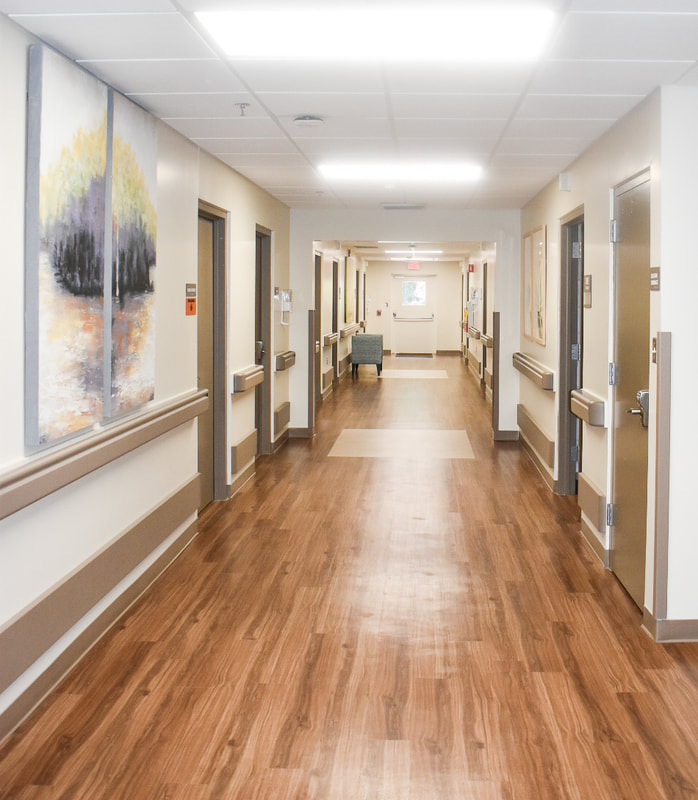
Who Owns and Operates Bedford Of Mendenh?

BEDFORD CARE CENTER OF MENDENH is owned by a for-profit company. For-profit facilities operate as businesses with obligations to shareholders or private owners. The facility is operated by BEDFORD CARE CENTERS, a chain that manages multiple nursing homes. With 60 certified beds and approximately 56 residents (about 93% occupancy), it is a smaller facility located in MENDENHALL, Mississippi.
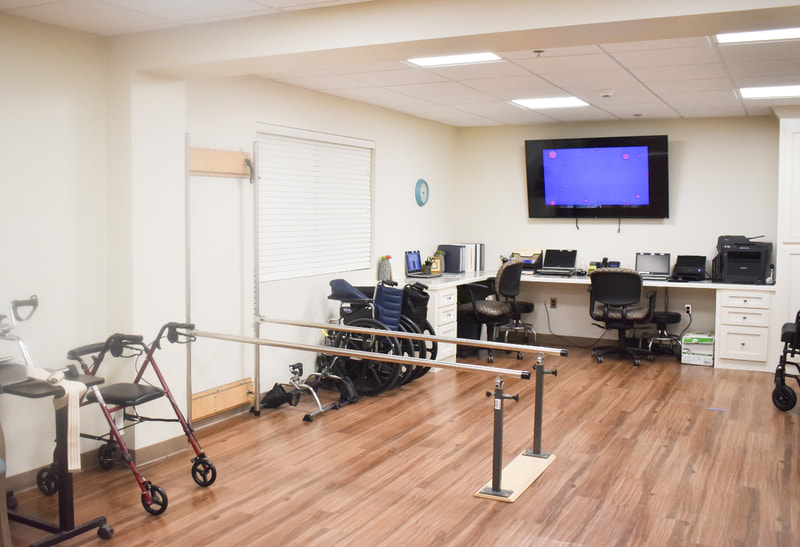
How Does Bedford Of Mendenh Compare to Other Mississippi Nursing Homes?

Compared to the 100 nursing homes in Mississippi, BEDFORD CARE CENTER OF MENDENH's overall rating (1 stars) is below the state average of 2.6, staff turnover (68%) is significantly higher than the state average of 46%, and health inspection rating (1 stars) is much below the national benchmark.

What Should Families Ask When Visiting Bedford Of Mendenh?

Based on this facility's data, families visiting should ask: "What changes have been made since the serious inspection findings, and how are you preventing similar issues?" "How do you ensure continuity of care given staff turnover, and what is your staff retention strategy?" "Can I visit during a mealtime to observe dining assistance and food quality?" "How do you handle medical emergencies, and what is your hospital transfer rate?" These questions are particularly relevant given the facility's Immediate Jeopardy citations and the facility's high staff turnover rate.

Is Bedford Of Mendenh Safe?

Based on CMS inspection data, BEDFORD CARE CENTER OF MENDENH has documented safety concerns. Inspectors have issued 2 Immediate Jeopardy citations (the most serious violation level indicating risk of serious injury or death). The facility has a 1-star overall rating and ranks #100 of 100 nursing homes in Mississippi. Families considering this facility should ask detailed questions about what corrective actions have been taken since these incidents.

Do Nurses at Bedford Of Mendenh Stick Around?

Staff turnover at BEDFORD CARE CENTER OF MENDENH is high. At 68%, the facility is 22 percentage points above the Mississippi average of 46%. Registered Nurse turnover is particularly concerning at 69%. RNs handle complex medical decisions and coordinate care — frequent RN changes can directly impact care quality. High turnover means new staff may not know residents' individual needs, medications, or preferences. It can also be disorienting for residents, especially those with dementia who rely on familiar faces. Families should ask: What is causing the turnover? What retention programs are in place? How do you ensure care continuity during staff transitions?

Was Bedford Of Mendenh Ever Fined?

BEDFORD CARE CENTER OF MENDENH has been fined $39,354 across 3 penalty actions. The Mississippi average is $33,472. While any fine indicates a compliance issue, fines under $50,000 are relatively common and typically reflect isolated problems that were subsequently corrected. Families should ask what specific issues led to these fines and confirm they've been resolved.

Is Bedford Of Mendenh on Any Federal Watch List?

BEDFORD CARE CENTER OF MENDENH is not on any federal watch list. The most significant is the Special Focus Facility (SFF) program, which identifies the bottom 1% of nursing homes nationally based on persistent, serious quality problems. Not being on this list means the facility has avoided the pattern of deficiencies that triggers enhanced federal oversight. This is a positive indicator, though families should still review the facility's inspection history directly.