LAWRENCE CO NURSING CENTER

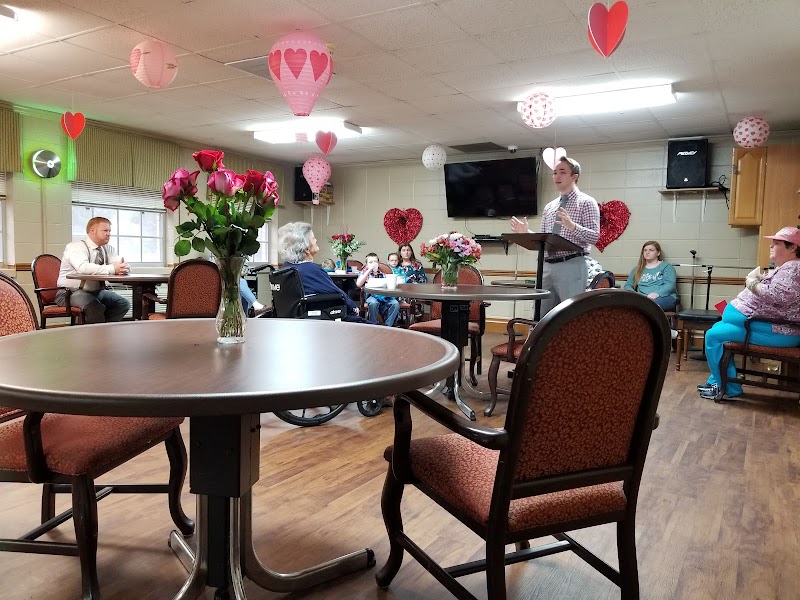
700 JEFFERSON STREET SOUTH, MONTICELLO, MS 39654 (601) 587-2593
For profit - Limited Liability company 60 Beds THE BEEBE FAMILY Data: November 2025
Trust Grade
33/100
#171 of 200 in MS
Last Inspection: April 2025

Within standard 12-15 month inspection cycle. Federal law requires annual inspections.

Overview

Lawrence County Nursing Center in Monticello, Mississippi has a Trust Grade of F, indicating a poor overall rating with significant concerns about resident care. They rank #171 out of 200 facilities in the state, placing them in the bottom half, though they are the only nursing home in Lawrence County. The facility is worsening, with issues increasing from 4 in 2024 to 11 in 2025. Staffing is a relative strength, rated 4 out of 5 stars, and has a turnover rate of 39%, which is better than the state average. However, there are concerning incidents, such as failing to accurately assess a resident's pain and not managing it effectively, which is critical for comfort, as well as issues with staffing data reporting that may affect care quality.

Trust Score
F
33/100
In Mississippi
#171/200
Bottom 15%
Safety Record
Moderate
Needs review
Inspections
Getting Worse
4 → 11 violations
Staff Stability
○ Average
39% turnover. Near Mississippi's 48% average. Typical for the industry.
Penalties
✓ Good
$16,720 in fines. Lower than most Mississippi facilities. Relatively clean record.
Skilled Nurses
⚠ Watch
Each resident gets only 25 minutes of Registered Nurse (RN) attention daily — below average for Mississippi. Fewer RN minutes means fewer trained eyes watching for problems.
Violations
⚠ Watch
17 deficiencies on record. Higher than average. Multiple issues found across inspections.
★☆☆☆☆
1.0
Overall Rating
★★★★☆
4.0
Staff Levels
★☆☆☆☆
1.0
Care Quality
★☆☆☆☆
1.0
Inspection Score
Stable
2024: 4 issues
2025: 11 issues

The Good

  • 4-Star Staffing Rating · Above-average nurse staffing levels
  • Full Sprinkler Coverage · Fire safety systems throughout facility
  • No fines on record
  • Staff turnover below average (39%)

    9 points below Mississippi average of 48%

Facility shows strength in staffing levels, fire safety.

The Bad

1-Star Overall Rating

Below Mississippi average (2.6)

Significant quality concerns identified by CMS

Staff Turnover: 39%

Near Mississippi avg (46%)

Typical for the industry

Federal Fines: $16,720

Below median ($33,413)

Minor penalties assessed

Chain: THE BEEBE FAMILY

Part of a multi-facility chain

Ask about local staffing decisions and management

The Ugly 17 deficiencies on record

2 actual harm
Sept 2025 3 deficiencies
CONCERN (D) 📢 Someone Reported This

A family member, employee, or ombudsman was alarmed enough to file a formal complaint

Potential for Harm - no one hurt, but risky conditions existed

Comprehensive Care Plan (Tag F0656)

Could have caused harm · This affected 1 resident

Based on observation, interview, record review, and facility policy review, the facility failed to implement care plan interventions during wound care for two (2) of (2) wound care observations (Resid...

Read full inspector narrative →
Based on observation, interview, record review, and facility policy review, the facility failed to implement care plan interventions during wound care for two (2) of (2) wound care observations (Residents #2 and #3).Findings include:A review of the facility's policy, Care Plan Process, with a review date of 12/24, revealed, .The comprehensive care plan is an interdisciplinary communication tool.The facility staff shall follow the care plan.Resident #2A record review of the Order Summary Report revealed Resident #2 had a physician's order, dated 7/4/25, to Cleanse excoriated area to the right hip with wound cleanser, pat dry, apply Santyl ointment . and Hydrofera blue classic daily to the wound. Secure with adhesive foam until healed. There was also an order, dated 8/22/25, to Cleanse stage 3 pressure ulcer to sacrum with wound cleanser, pat dry, apply Santyl, gentamicin 0.1%, nystatin powder, calcium alginate and cover with border foam dressing daily.A record review of the Care Plan Report revealed a Resident #2 had Interventions including .Cleanse Stage 3 Pressure Ulcer to Sacrum with Wound Cleanser, Pat Dry. and Cleanse excoriated area to the Rt (Right) hip with wound cleanser, pat dry.On 9/4/25 at 9:50 AM, during an observation of wound care provided to Resident #2, Licensed Practical Nurse (LPN) #1 did not pat the wound on the right hip dry before applying Santyl, gentamicin, nystatin powder, calcium alginate, and foam dressing. LPN #1 also did not dry the sacral wound before applying calcium alginate and foam dressing, contrary to the physician's orders and the resident's care plan.A record review of the admission Record revealed the facility admitted Resident #2 on 12/24/20 with diagnoses including a Pressure Ulcer.A record review of the Quarterly Minimum Data Set (MDS) with an Assessment Reference Date (ARD) of 6/16/25 revealed Resident #2 had a Brief Interview for Mental Status (BIMS) score of 3, which indicated the resident was severely cognitively impaired.Resident #3A record review of the Care Plan Report revealed Resident #3 had Interventions including Cleanse Stage 2 to sacrum with wound cleanser, pat dry.A record review of the Order Summary Report revealed Resident #3 had a physician's order, dated 6/20/25, to Cleanse Stage 2 pressure wound to the sacrum with wound cleanser, pat dry, lightly pack calcium alginate to the wound and secure with adhesive foam until healed.On 9/4/25 at 10:35 AM, during an observation of wound care for Resident #3, LPN #1 cleansed the sacral wound with gauze soaked in wound cleanser, inserted gauze into the wound bed with a cotton swab and applied calcium alginate without patting the wound dry as ordered and care planned.On 9/4/25 at 11:04 AM, during an interview, LPN #1 acknowledged that she did not pat dry the wounds prior to applying the dressings and confirmed she did not follow the physician's orders or the care plan.On 9/4/25 at 3:25 PM, during an interview, the Director of Nursing (DON) stated LPN #1 did not follow the care plan during wound care for Residents #2 and #3. She stated her expectation is that all staff follow the care plan when providing care to residents.On 9/4/25 at 4:34 PM, during an interview, Registered Nurse (RN) #1, the MDS/Case Manager, stated that staff should follow the care plan, which is developed to direct resident care. She confirmed LPN #1 did not follow the care plan and explained that the care plan is designed to inform staff of the resident's care needs.A record review of the admission Record revealed the facility admitted Resident #3 on 3/18/19 with diagnoses including a Pressure Ulcer.A record review of the Quarterly MDS with an ARD of 7/7/25 revealed Resident #3 had a BIMS score of 4, which indicated the resident was severely cognitively impaired.
CONCERN (D) 📢 Someone Reported This

A family member, employee, or ombudsman was alarmed enough to file a formal complaint

Potential for Harm - no one hurt, but risky conditions existed

Infection Control (Tag F0880)

Could have caused harm · This affected 1 resident

Based on observation, interview, record review, and facility policy review, the facility failed to follow infection prevention and control practices by placing wound care supplies on an undisinfected ...

Read full inspector narrative →
Based on observation, interview, record review, and facility policy review, the facility failed to follow infection prevention and control practices by placing wound care supplies on an undisinfected bedside table during treatment, creating the potential for cross-contamination and infection, for one (1) of two (2) wound care observations (Resident #3).Findings include:A review of the facility's policy, Infection Control, revised 4/21, revealed The facility will maintain an Infection Control Program designed to provide a safe, sanitary, and comfortable environment with minimal exposure to the transmission of disease and infection.On 9/4/25 at 10:35 AM, during an observation of wound care provided to Resident #3's sacral wound, Licensed Practical Nurse (LPN) #1 entered the resident's room with supplies carried on a white disposable barrier. She placed the barrier on the foot of the resident's bed, then placed a bottle of hand sanitizer and clean gloves directly on the resident's bedside table without disinfecting the surface. LPN #1 donned (put on) gloves, then removed the resident's soiled dressing and placed it in a biohazard bag. She then removed her gloves, sanitized her hands, and reapplied gloves obtained from the bedside table. LPN #1 repeated this process four times, each time retrieving gloves and sanitizer from the undisinfected bedside table before continuing wound care.On 9/4/25 at 11:04 AM, during an interview, LPN #1 confirmed she did not disinfect the bedside table before placing wound care supplies on it. She stated she should have cleaned the table before and after wound care and acknowledged her actions placed the resident at risk for infection.On 9/4/25 at 12:24 PM, during an interview, the Director of Nursing (DON) stated LPN #1 should have disinfected the bedside table and used a barrier before placing supplies on it. She explained that failure to follow this practice could lead to infection.On 9/4/25 at 2:23 PM, during an interview, LPN #2, the facility's Infection Preventionist (IP) nurse, confirmed that no items should be placed on a bedside table without first disinfecting it. She stated that germs present on the surface could be transferred to the gloves and sanitizer bottle, then carried to the resident's wound during care, creating a risk of infection.A record review of the admission Record revealed the facility admitted Resident #3 on 3/18/19 with current diagnoses including a Pressure Ulcer of sacral region, stage 2.A record review of the Quarterly Minimum Data Set (MDS) with an Assessment Reference Date (ARD) of 7/7/25 revealed Resident #3 had a Brief Interview for Mental Status (BIMS) score of 4, which indicated the resident was severely cognitively impaired.A record review of the Order Summary Report revealed Resident #3 had a physician's order, dated 6/20/25, to Cleanse Stage 2 pressure wound to the sacrum with wound cleanser, pat dry, lightly pack calcium alginate to the wound and secure with adhesive foam until healed.
CONCERN (E) 📢 Someone Reported This

A family member, employee, or ombudsman was alarmed enough to file a formal complaint

Potential for Harm - no one hurt, but risky conditions existed

Pressure Ulcer Prevention (Tag F0686)

Could have caused harm · This affected multiple residents

Based on observation, interview, record review, and facility policy review, the facility failed to provide wound care in accordance with professional standards of practice and physician's orders, spec...

Read full inspector narrative →
Based on observation, interview, record review, and facility policy review, the facility failed to provide wound care in accordance with professional standards of practice and physician's orders, specifically failing to cleanse wounds with proper technique and dry wounds prior to dressing application, and placing a resident (Resident #2) in two (2) briefs, which increased the risk for skin breakdown and infection, for (2) of three (3) sampled residents reviewed for wound care (Residents #2 and #3).Findings include:A record review of the facility's Dressing Change Policy and Procedure with a review date of 8/21 revealed, .Steps in the Procedure.14. Dry the skin surrounding the area by patting with a soft 4 X (by) 4.Resident #2On 9/4/25 at 9:50 AM, an observation of Licensed Practical Nurse (LPN) #1 providing wound care revealed Resident #2 was wearing two briefs. LPN #1 removed the soiled dressing and cleansed the hip wound by wiping back and forth across the wound bed multiple times with the same gauze rather than discarding it after a single pass. A second gauze was used in the same manner. LPN #1 did not pat the wound dry prior to applying Santyl, gentamicin, nystatin powder, calcium alginate, and foam dressing as ordered. LPN #1 repeated the same technique when cleansing the sacral wound, wiping back and forth with gauze, and again did not dry the wound before applying calcium alginate and foam dressing.A record review of the admission Record revealed the facility admitted Resident #2 on 12/24/20 with diagnoses including a Pressure Ulcer. A record review of the Quarterly Minimum Data Set (MDS) with an Assessment Reference Date (ARD) of 6/16/25 revealed Resident #2 had a Brief Interview for Mental Status (BIMS) score of 3, which indicated the resident was severely cognitively impairedA record review of the Order Summary Report revealed Resident #2 had a Physician's Order, dated 7/4/25 to Cleanse excoriated area to the right hip with wound cleanser, pat dry, apply Santyl ointment.and Hydrofera blue classic daily to the wound. Secure with adhesive foam until healed. There was also an order dated 8/22/25 to Cleanse stage 3 pressure ulcer to sacrum with wound cleanser, pat dry, apply santyl, gentamicin 0.1%, nystatin powder calcium alginate and cover with border foam dressing daily.Resident #3On 9/4/25 at 10:35 AM, an observation of Resident #3 receiving wound care revealed LPN #1 cleansed the sacral wound using gauze soaked in wound cleanser, then inserted gauze into the wound bed with a cotton swab, and applied calcium alginate without patting the wound dry as ordered.A record review of the Order Summary Report revealed Resident #3 had a Physician's Order, dated 6/20/25, to Cleanse Stage 2 pressure wound to the sacrum with wound cleanser, pat dry, lightly pack calcium alginate to the wound and secure with adhesive foam until healed.On 9/4/25 at 10:23 AM, during an interview with Certified Nursing Assistant (CNA) #1, she stated that placing two briefs on a resident was against her training and could contribute to skin breakdown or rash.On 9/4/25 at 11:04 AM, during an interview with Licensed Practical Nurse (LPN) #1, she acknowledged that she did not pat dry the wounds prior to applying the dressings and confirmed that she did not follow the physician's orders. She stated she did not clean Resident #2's wound correctly and thought she had folded or flipped the gauze. She explained that a wound should be dried before covering to reduce the risk of further breakdown and infection. She acknowledged that her actions placed the residents at risk for infection. She also stated that no resident should be double briefed, as doing so can irritate the skin.On 9/4/25 at 12:11 PM, during an interview, the Director of Nursing (DON) stated that residents should never be double briefed because it can contribute to skin breakdown. She further explained that wounds should be cleaned using either a top-to-bottom or circular motion, discarding gauze after each use. She stated wounds must always be dried before dressing application, and that failure to do so could result in moisture contributing to skin breakdown or infection.On 9/4/25 at 2:00 PM, during an interview, CNA #2 stated she had provided perineal care for Resident #3 earlier that morning and acknowledged that she had placed two briefs on the resident. CNA #2 stated she had previously received in-service training on the risks of double briefing.A record review of the admission Record revealed the facility admitted Resident #3 on 3/18/19 with current diagnoses including a Pressure Ulcer. A record review of the Quarterly MDS with an ARD of 7/7/25 revealed Resident #3 had a BIMS score of 4, which indicated the resident was severely cognitively impaired.
Apr 2025 8 deficiencies 2 Harm
SERIOUS (G)

Actual Harm - a resident was hurt due to facility failures

Deficiency F0657 (Tag F0657)

A resident was harmed · This affected 1 resident

Based on observation, interviews, record reviews, and facility policy reviews, the facility failed to review and revise the resident's pain to reflect actual pain instead of at risk for pain for one (...

Read full inspector narrative →
Based on observation, interviews, record reviews, and facility policy reviews, the facility failed to review and revise the resident's pain to reflect actual pain instead of at risk for pain for one (1) of seventeen (17) residents reviewed for pain. Resident #44. Findings include: Record review of the facility's Care Plan Process, with a revision date of 12/24, revealed The results of the assessment, which must accurately reflect the resident's status and needs, are to be used to review and revise each resident's comprehensive person-centered plan of care. Record review of Resident #44 ' s Care Plan Report with a date initiated of 12/5/24 revealed Focus: The resident IS AT RISK FOR PAIN. This care plan had not been revised to reflect Resident #44's ACTUAL pain. On 03/30/25 at 11:35 AM, during an observation and interview, Resident #44 stated he is in constant pain due to skin cancer. Resident #44's right arm was wrapped in Kerlix. He stated they only give him Tylenol and that it does not help. He described the pain as feeling like ants are biting him and stated he is in pain all the time. He reported telling the nurse that Tylenol does not help and rated his pain as an eight (8) on a scale of 0-10 with 10 being the greatest pain. On 04/01/25 at 7:52 AM, during an interview, Resident #44 stated his pain level was at a nine (9). He reported calling for pain medication three times before the nurse finally gave him something for pain the previous night. He stated the nurse told him she could not give him anything because it was not time yet. He said he was in pain all night and had trouble sleeping. He repeated that he is in constant pain and all he receives is Tylenol. On 04/01/25 at 03:04 PM, during an interview, Licensed Practical Nurse (LPN) #4 stated that Resident #44 has skin cancer and that's what all the sores are on him. On 04/02/25 at 10:57 AM, Resident #44 was observed lying in bed watching TV. He stated he had received Tylenol that morning and his current pain level was a 7. He stated that without Tylenol, his pain is typically at an eight to nine (8-9). On 04/02/25 at 11:02 AM, during an interview, LPN #3 stated that when Resident #44 complains about pain, she gives him Tylenol. She confirmed Tylenol is now scheduled. She stated the resident was previously receiving Tylenol as needed and that it was changed to a scheduled dose on 03/19/25 to help manage his pain. She could not recall where she had documented the resident's pain relief. On 04/02/25 at 11:32 AM, during an interview, the DON stated the comprehensive care plan should have been updated from at risk for pain to reflect actual pain. She stated she expects nurses to follow up with the resident after administering pain medication and to document the outcome. On 04/02/25 at 12:18 PM, during an interview, Registered Nurse (RN) #1, the MDS/Care Plan Nurse, stated she just noticed the care plan should have been updated. She confirmed that the care plan is used by all staff. Record review of Resident #44's admission Record revealed an admission date of 09/22/23 with diagnoses of localized infection of the skin and subcutaneous tissue, pain, leukemia (unspecified and not in remission), and basal cell carcinoma of the skin (unspecified). Record review of Resident #44's Order Summary Report with active orders as of 4/2/25 revealed a physician order dated 03/19/25 Acetaminophen Tablet 325 mg - Give 2 tablets by mouth three times a day, related to pain. Record review of Resident #44's Physician Consultation Report from Resident #44's Dermatologist dated 10/29/24 revealed Findings: Basal cell carcinoma of the left forearm, excised; Spots of concern x 2 right temple, left chest. Referral to plastic surgery for right forearm for squamous cell carcinoma. Review of the Minimum Data Set (MDS) for Resident #44 with an Assessment Reference Date (ARD) of 02/24/25 revealed a Brief Interview for Mental Status (BIMS) score of 14, indicating the resident was cognitively intact. Section J indicated the resident experienced pain almost constantly and that pain affected sleep almost constantly. Section M documented open skin lesions.
SERIOUS (G)

Actual Harm - a resident was hurt due to facility failures

Deficiency F0697 (Tag F0697)

A resident was harmed · This affected 1 resident

Based on observation, interviews, record reviews, and facility policy reviews, the facility failed to manage the resident's pain to the extent possible in accordance with professional standards and th...

Read full inspector narrative →
Based on observation, interviews, record reviews, and facility policy reviews, the facility failed to manage the resident's pain to the extent possible in accordance with professional standards and the resident's goals and preferences for one (1) of seventeen (17) residents reviewed for pain, Resident #44. Findings include: Record review of the facility's Pain Screen and Management policy, with a revision date of 12/23, revealed: All residents who experience routine pain receive a comprehensive pain screening and a treatment plan until acceptable level of pain relief is achieved. All residents have the right to treatment for pain. Resident preferences are respected when deciding on methods to be used for pain management. The residents' statements are the most valid measurements of pain. 4.b New or changed medication orders are transcribed per facility standards of practice and a clinical note is documented 4.d. When the resident is medicated with the prescribed medication or treated as ordered, documentation of medication or treatment is done on the electronic Treatment Administration Record (TAR). 4.e. Documentation using the pain scale of a new type of pain, a pain medication and/or treatment change is completed every shift until the pain is managed effectively . 6.a. A pain scale is completed on the Electronic Medication Administration Record (eMAR)/Electronic Treatment Administration Record (eTAR.) . During an observation and interview on 03/30/25 at 11:35 AM, Resident #44 stated he is in constant pain due to skin cancer. Resident #44's right arm was wrapped in Kerlix. He stated they only give him Tylenol and that it does not help. He described the pain as feeling like ants are biting him and stated he is in pain all the time. He reported telling the nurse that Tylenol does not help and rated his pain as an eight (8) on a scale of 0-10 with 10 being the greatest pain. During an interview on 04/01/25 at 7:52 AM, Resident #44 stated his pain level was at a 9. He reported calling for pain medication three times before the nurse finally gave him something for pain the previous night. He stated the nurse told him she could not give him anything because it was not time yet. He said he was in pain all night and had trouble sleeping. He repeated that he is in constant pain and all he receives is Tylenol. During an interview on 04/01/25 at 3:04 PM, during an interview, Licensed Practical Nurse (LPN)# 4 stated that Resident #44 has skin cancer and stated that's what all the sores are on him. She reviewed his diagnoses and confirmed that Resident #44's diagnosis of skin cancer was not in the chart. During an observation, Resident #44 was observed lying in bed watching television on 04/02/25 at 10:57 AM. He stated he had received Tylenol that morning and his current pain level was a 7. He stated that without Tylenol, his pain is typically at eight to nine (8-9). During an interview on 04/02/25 at 11:02 AM, LPN #3 stated that when Resident #44 complains of pain, she gives him Tylenol. She confirmed Tylenol is now routine. She stated the resident previously received Tylenol as needed, and it was changed to routine on 03/19/25 to help with his pain. She could not recall where she documented the resident's pain relief. On 04/02/25 at 11:08 AM, during an interview, the Nurse Practitioner (NP) stated she is in the facility three days a week and sees all residents once a week. She stated she had not seen Resident #44 yet this week but was aware of his skin cancer. She stated he receives routine Tylenol for pain. She added that a pain level of seven (7) while on medication indicates the treatment is not effective. On 04/02/25 at 11:32 AM, during an interview, the DON stated that Resident #44 had been seen by a dermatologist. She confirmed that a pain level of 7 with medication is not effective. She stated that when nurses give pain medication, they are expected to reassess the resident's pain level 30 minutes after administration and document the outcome. She stated the eMAR should have a pain scale attached to the order and that it was not attached in April. She stated the pain scale provides a place for nurses to document the effectiveness of pain medication. She also confirmed that there were no progress notes related to pain and stated this documentation is expected. The DON stated that if the pain medication is not effective, staff must document it and notify the NP for a new order. Record review of Resident #44's admission Record revealed an admission date of 09/22/23 with diagnoses of local infection of the skin and subcutaneous tissue, pain, unspecified leukemia not in remission, and basal cell carcinoma of the skin (unspecified). Record review of Resident #44's Order Summary Report with active orders as of 4/2/25 revealed a physician order dated 03/19/25, Acetaminophen Tablet 325 mg - Give 2 tablets by mouth three times a day, related to pain. Record review of the March 2025, eMAR revealed that from 03/20/25 to 03/31/25, Resident #44 received Acetaminophen 325 mg (milligrams)tablets three times daily; however, pain levels were not documented. This section was left blank. The previous as needed Tylenol order was discontinued on 03/19/25. Record review of the April 2025 eMAR revealed that Resident #44 received Acetaminophen 325 mg tablets three times daily on 04/01/25 and 04/02/25. Pain levels were not documented. Record review of Resident #44's Progress Notes dated from 03/01/25 to 04/02/25 revealed no documentation related to pain. Record review of Resident #44 's Physician Consultation Report from Resident #44's Dermatologist dated 10/29/24 revealed Findings: Basal cell carcinoma of the left forearm, excised Spots of concern x 2 right temple, left chest .Referral to plastic surgery for right forearm for squamous cell carcinoma. Review of the Minimum Data Set (MDS) for Resident #44, with an Assessment Reference Date (ARD) of 02/24/25, revealed a Brief Interview for Mental Status (BIMS) score of 14, indicating the resident is cognitively intact. Section J indicated the presence of pain almost constantly, with pain affecting sleep almost constantly. Section M documented open skin lesions.
CONCERN (D)

Potential for Harm - no one hurt, but risky conditions existed

Safe Environment (Tag F0584)

Could have caused harm · This affected 1 resident

**NOTE- TERMS IN BRACKETS HAVE BEEN EDITED TO PROTECT CONFIDENTIALITY** Based on interviews, record reviews, and facility policy review, the facility failed to ensure proper handling of personal belon...

Read full inspector narrative →
**NOTE- TERMS IN BRACKETS HAVE BEEN EDITED TO PROTECT CONFIDENTIALITY** Based on interviews, record reviews, and facility policy review, the facility failed to ensure proper handling of personal belongings for one (1) of seven (7) residents reviewed for personal property, Resident #49. Findings include: Record review of the facility policy titled Resident Rights, with a revision date of 03/2024, stated residents have the right to . 11. Receive adequate and appropriate . support services . On 03/30/25 at 1:09 PM, during an interview, Resident #49 stated he had a pair of jeans missing. He said his son had recently purchased them and that he had only worn them once. He reported notifying staff, who stated they would look for the jeans; however, he said no one followed up or informed him of the outcome. On 03/31/25 at 4:13 PM, during an interview, the facility Social Services (SS) staff stated she handles admissions and resident concerns. She explained that when a resident reports a missing item, she searches for it, checks with laundry, and if the item cannot be located or is damaged, a grievance is filed, and the facility replaces the item. On 04/01/25 at 7:48 AM, Resident #49 again stated he had reported the missing jeans to SS, but no one had followed up with him regarding the item. On 04/01/25 at 10:51 AM, during a phone interview, the Resident Representative (RR) stated he had purchased two pairs of [NAME] jeans for the resident and was made aware of the missing pair by Resident #49. He said he had spoken with staff and the laundry department but had not received any follow-up. He reported this occurred around the end of February 2025. On 04/01/25 at 2:19 PM, Licensed Practical Nurse (LPN) #2 stated Resident #49 regularly received clothing from his son and should have had an inventory sheet in his paper chart. On 04/02/25 at 9:48 AM, SS staff stated Resident #49 never reported missing jeans to her. She added that she had been on medical leave from 01/02/25 to 02/03/25 and had not been informed about the issue. She stated she could not locate the resident's inventory sheet but had completed one on 04/01/25 following State Agency (SA) request. On 04/02/25 at 3:00 PM, during an interview, the Nursing Home Administrator (NHA) confirmed he was unaware of the missing jeans until recently and had ordered a replacement that day. Record review of Resident #49's admission Record revealed an admission date of 07/13/24 with diagnoses including Major Depressive Disorder, recurrent, mild. Review of the Minimum Data Set (MDS) with an Assessment Reference Date (ARD) 01/08/25 revealed a Brief Interview for Mental Status (BIMS) score of 12, indicating the resident was cognitively intact. Record review of the facility grievance log revealed no grievance was filed regarding Resident #49's missing personal item. Record review of the Resident #49's Personal Clothing and Articles Inventory List revealed the sheet was completed on 04/01/25, after the State Agency requested documentation.
CONCERN (D)

Potential for Harm - no one hurt, but risky conditions existed

Comprehensive Care Plan (Tag F0656)

Could have caused harm · This affected 1 resident

**NOTE- TERMS IN BRACKETS HAVE BEEN EDITED TO PROTECT CONFIDENTIALITY** Based on observation, interview, record review, and policy review, the facility failed to follow the comprehensive care plan for...

Read full inspector narrative →
**NOTE- TERMS IN BRACKETS HAVE BEEN EDITED TO PROTECT CONFIDENTIALITY** Based on observation, interview, record review, and policy review, the facility failed to follow the comprehensive care plan for related to Enhanced Barrier Precautions one (1) of seventeen (17) sampled residents, Resident #5. Findings include: Record review of the facility's care plan policy Care Plan Process dated 12/24 revealed, .The overall care plan should be oriented towards:1. Preventing avoidable declines in functioning or functional levels or otherwise clarifying why another goal takes precedence (e.g., palliative approaches in end-of-life situation). 2. Managing risk factors to the extent possible or indicating the limits of such interventions. 3. Addressing ways to try to preserve and build upon resident strengths. 4. Applying current standards of practice in the care planning process . Record review of the Resident #5's care plan with an initiation date of 1/27/25 revealed Focus: The resident has a STAGE 2 pressure ulcer .Interventions .Enhanced Barrier Precautions were in place . On 04/01/25 at 10:18 AM, Resident #5 was observed during wound care to the sacral area. Licensed Practical Nurse (LPN) #3 and Certified Nursing Assistant (CNA) #2 were present and providing the care. Neither staff member was wearing gowns nor following Enhanced Barrier Precaution protocols as indicated in the Resident #5's care plan. On 04/02/25 at 10:13 AM, the Director of Nursing (DON) stated that care plans must be followed to ensure safe and appropriate care tailored to each resident's condition. She verified the care plan was not followed in this case and emphasized that failure to use Personal Protective Equipment (PPE) as directed could lead to infection. She emphasized that it is her expectation that staff follow care plans for all residents. On 04/02/25 at 11:41 AM, during an interview, the Infection Preventionist (IP)/ LPN #1, stated that care plans are critical for infection prevention and must be followed. She explained, You can't take care of residents properly without following the care plan. She identified potential outcomes of non-compliance including infection, injury, and residents not receiving needed care. On 04/02/25 at 12:34 PM, the Care Plan Nurse (RN #1) stated care plans are individualized and guide staff in providing appropriate care. She confirmed that failing to follow the plan may result in infection or injury. Record review admission Record revealed Resident #5 was admitted on [DATE] with diagnoses that included of Schizoaffective disorder. Record review of the Minimum Data Set (MDS)with an Assessment Reference date of 1/8/25 Section C, revealed a Brief Interview for Mental Status (BIMS) score of 3, indicating severe cognitive impairment. Section M documented a Stage 2 pressure injury.
CONCERN (D)

Potential for Harm - no one hurt, but risky conditions existed

Unnecessary Medications (Tag F0759)

Could have caused harm · This affected 1 resident

Based on observation, interviews, record reviews, and facility policy review, the facility failed to ensure a medication error rate of less than five percent (5%) for three (3) of four (4) medication ...

Read full inspector narrative →
Based on observation, interviews, record reviews, and facility policy review, the facility failed to ensure a medication error rate of less than five percent (5%) for three (3) of four (4) medication administrations observed that affected Resident #1, Resident #39, and Resident #50. The medication error rate was 12.9%. Findings include: Record review of the facility's policy titled, Drug Administration and Documentation, with a revision date of 03/25, revealed, Obtain for the administration and check the order with resident's Medication Administration Record (MAR). Read the medication label and compare it with MAR. Remembering the five rights .Right Dose . Record review of the facility's policy titled, Administering Medications Through Nasogastric or Gastrostomy Tube, with a revision date of 03/18, revealed, Upon the order of the attending physician, medication will be administered through nasogastric/gastrostomy tube when a patient is unable to swallow medications or has a nasogastric/gastrostomy tube for nourishment .7. Flush feeding tube with at least 5 cc (cubic centimeters) of water between medications . Resident #50 On 04/01/25 at 8:07 AM, during an observation of medication administration for Resident #50 by Licensed Practical Nurse (LPN) #4, the resident was administered two puffs of Albuterol Sulfate Inhalation by mouth. LPN#4 waited one minute and then gave oral pills with water. LPN #4 then administered one puff of Advair HFA Inhalation Aerosol 45-21 MCG/ACT (milligrams/actuated) (Fluticasone-Salmeterol) but did not rinse the resident's mouth afterward. Record review of Resident #50's Order Summary Report revealed an order dated 8/16/24 for Albuterol Sulfate HFA Inhalation Aerosol 108 (90 Base) MCG/ACT 16-24 two puff inhale orally two times a day related to COPD, by mouth twice a day. An additional order dated 12/9/24 for Advair HFA Inhalation Aerosol 45-21 MCG/ACT (Fluticasone-Salmeterol) one puff by mouth twice a day. Offer resident to rinse mouth after use. Record review of Resident #50's admission Record revealed an admission date of 08/11/248/16/24 with diagnoses that included Chronic obstructive pulmonary disease (COPD). Record review of Resident #50's Minimum Data Set (MDS) with an Assessment Reference Date ( ARD) of 02/10/25 revealed a Brief Interview for Mental Status (BIMS) score of 13, indicating the resident was cognitively intact. Resident #39 On 04/01/25 at 8:20 AM, during observation of medication administration for Resident #39, LPN #2 instilled two drops of Blink Tears Ophthalmic Solution 0.25% (Polyethylene Glycol 400 Ophth) in each eye, instead of one drop per eye as ordered. On 04/01/25 at 10:12 AM, during an interview, LPN #2 confirmed she administered two drops in each eye and acknowledged the order was for one drop in each. She confirmed that she did not follow the physician's order. Record review of Resident #39's admission Record revealed an admission date of 12/18/24 with diagnoses that included of rash and other nonspecific skin eruptions. Record review of Resident #39's Physician Orders revealed: Blink Tears Ophthalmic Solution 0.25%:Instill one drop in both eyes as needed every 6 hours for dry eyes. Order date 1/27/25. Record review of Resident #39's MDS with ARD 03/04/25 revealed a BIMS score of 15, indicating cognitively intact. Resident #1 On 04/01/25 at 8:38 AM, during observation of medication pass for Resident #1 via Percutaneous Endoscopic Gastrostomy (PEG) tube, LPN #4 administered multiple medications without flushing the tube with 5 cc of water between medications. Record review of Resident #1's Order Summary Report included orders with a start date of 4/1/25 for Eliquis 5 mg: Give one tablet via PEG tube twice a day. Famotidine 40 mg: Give one tablet via PEG tube twice a day. Fluoxetine 10 mg: One tablet daily via PEG tube. Metoprolol 25 mg: One tablet via PEG tube twice a day. Glycolax (MiraLAX) 17 grams via PEG tube once daily. Record review of Resident #1's MDS with an ARD of 03/10/24 revealed a BIMS score of 08, indicating moderate cognitive impairment. Record review of Resident #1's Face Sheet revealed an admission date of 4/25/13 with diagnoses including Cerebral palsy. On 04/01/25 at 10:18 AM, during an interview, LPN #4 confirmed she did not wait 5 minutes after administering Albuterol Sulfate before proceeding with oral medications. She also confirmed she did not offer Resident #50 water to rinse the mouth after the Advair inhaler. She acknowledged administering two puffs of Advair instead of one as ordered. LPN #4 further confirmed that she did not flush the PEG tube with 5 cc of water between medications. She stated the purpose of mouth rinsing after inhaler use is to prevent oral thrush, and the purpose of flushing the tube between medications is to prevent clogging and ensure the resident receives the full dosage. On 04/02/25 at 11:22 AM, during an interview, the Director of Nursing (DON) stated that LPN #2 and LPN #4 should have followed physician orders. She stated Resident #50 should have been asked to rinse and spit after using the Advair inhaler. She confirmed the PEG tube should have been flushed with 5 cc of water between medications. She explained that failure to rinse the mouth after inhalers can cause oral thrush, and not flushing the PEG tube can lead to clogging and medication mixing. She emphasized that not following physician orders can cause adverse reactions and that it is her expectation that nurses administer medications accurately and per orders.
CONCERN (E)

Potential for Harm - no one hurt, but risky conditions existed

Deficiency F0865 (Tag F0865)

Could have caused harm · This affected multiple residents

Based on staff interviews, record reviews, facility policy review and Plan of Correction (POC) review, the facility failed to sustain an effective Quality Assurance and Performance Improvement (QAPI) ...

Read full inspector narrative →
Based on staff interviews, record reviews, facility policy review and Plan of Correction (POC) review, the facility failed to sustain an effective Quality Assurance and Performance Improvement (QAPI) program, as evidenced by repeat deficiencies originally cited during the recertification survey conducted in February 2024, for two (2) of eight (8) deficiencies cited on the current recertification survey. Findings include: A review of the facility policy, Five Elements of QAPI, revised 11/22, revealed the following: Element 3: Feedback, Data Systems and Monitoring - the facility puts systems in place to monitor care and services It also includes tracking, investigating, and monitoring . and corrective action plans implemented to prevent recurrences . F851 - Payroll-Based Journal Reporting During this recertification survey, the provider failed to ensure their Payroll Based Journal (PBJ)-which documents staffing hours required to provide appropriate care to residents-was corrected before submission to the Centers for Medicare & Medicaid Services (CMS) for one (1) of four (4) quarters in 2024. During the recertification survey in February 2024, the provider failed to ensure PBJ reporting was corrected before submission to CMS for one (1) of four (4) quarters in 2023. F880 - Infection Prevention and Control During this recertification survey, the facility failed to prevent the possible spread of infection by not exercising proper hand hygiene during perineal care for two (2) of three (3) residents observed. During the recertification survey in February 2024, the facility failed to prevent the possible spread of infection by not exercising proper hand hygiene during perineal care for one (1) of fifteen (15) sampled residents observed. On 04/02/25 at 2:27 PM, in an interview with the Director of Nursing (DON), she confirmed that the facility had been cited for the same infection control issue during the previous year's survey. She explained that it is not due to a lack of inservice training but stated they may need to rethink their approach. She suggested implementing more supervision while staff are providing care. She added that although high-risk meetings are held, they do not address infection control tasks like this. On 04/02/25 at 2:31 PM, during an interview with the Staffing Coordinator, she acknowledged that the facility had been cited for the same infection control issues. She stated that while inservices are provided, she believes the frequency of training on hand hygiene and glove use should be increased. On 04/02/25 at 2:45 PM, in an interview with the Administrator, he stated that recurring infection control issues are largely due to the need for increased staff monitoring. The Administrator confirmed there were errors in PBJ reporting during the prior recertification survey. He stated that the issue persists due to a recent upgrade to their time clock system. He suggested there may be a transmission problem between the time clock and the PBJ reporting system.
CONCERN (E)

Potential for Harm - no one hurt, but risky conditions existed

Infection Control (Tag F0880)

Could have caused harm · This affected multiple residents

**NOTE- TERMS IN BRACKETS HAVE BEEN EDITED TO PROTECT CONFIDENTIALITY** Based on observation, interview, record review, and policy review, the facility failed to follow proper infection control guidel...

Read full inspector narrative →
**NOTE- TERMS IN BRACKETS HAVE BEEN EDITED TO PROTECT CONFIDENTIALITY** Based on observation, interview, record review, and policy review, the facility failed to follow proper infection control guidelines for two (2) of three (3) care observations. Resident# 5 and Resident #44. Findings include: Record review of the facility policy Enhanced Barrier Precautions (EBP) last reviewed 03/24 revealed .Enhanced Barrier Precautions are indicated for residents with any of the following: wounds and/or indwelling medical devices even if the resident is not known to be infected or colonized with an MDRO (Multidrug Resistant Organisms) . Record review of the facility policy titled Hand Hygiene revised 08/14/24 revealed .2. Hand hygiene should be performed between all contact with residents, or when entering and exiting a resident ' s room .4. before and after applying gloves, 5. when hands are visibly soiled 9. Wearing gloves does not replace the need to perform hand hygiene Resident #5 On 04/01/25 at 10:18 AM, Resident #5 was observed during wound care to the sacral area. At this time, Licensed Practical Nurse (LPN) #3 and Certified Nursing Assistant (CNA) #2 were present and performing the wound care. Neither staff member was wearing gowns. Prior to the wound care, the resident had soiled her brief with urine. CNA #2 notified the nurse. However, wound care was observed being provided and completed prior to staff changing the resident's brief. After changing the brief, staff did not perform perineal care. On 04/01/25 at 10:30 AM, LPN #3 verified during an interview, that she did not wear a gown. She stated the resident is on Enhanced Barrier Precautions, therefore a gown should have been worn by herself and CNA #2 during care. She also stated that perineal care should have been performed at the time the brief was changed and that the brief should have been changed before wound care was initiated to prevent infection. On 04/01/25 at 10:32 AM, CNA #2 stated that the resident's brief should have been changed prior to performing wound care and that she should have performed perineal care prior to leaving the room, rather than just changing the brief. She acknowledged that this was necessary to prevent infection due to the resident's incontinent episode of urine. She also stated she should have worn a gown before entering the room to provide care. Record review admission record revealed Resident #5 was admitted on [DATE] with a diagnoses that included Schizoaffective disorder. Record review of the Minimum Data Set (MDS) with an Assessment Reference Date (ARD) of 01/8/25, revealed a Brief Interview for Mental Status (BIMS) score of 3, indicating severe cognitive impairment. Section M documented a Stage 2 pressure injury. Record review of Order Summary Report with active orders as of 4/1/25 revealed a physician order dated 3/7/25, Cleanse Stage 2 pressure wound to the sacral area with wound cleanser, pat dry, apply Nystatin powder (around the peri-wound), apply Duoderm, and cover with foam dressing daily until healed. Resident #44 On 04/01/25 at 3:30 PM, Resident #44 was observed receiving perineal care. CNA #1 provided the care. During the process, she was observed cleaning stool from the resident using a brief. She had gloves on. She then wrapped the stool in the brief, placed it in a receptacle, and left the bedside wearing the same soiled gloves. She touched multiple surfaces, turned on the sink faucet, and applied soap to a new towel to clean the resident, all while still wearing the soiled gloves. On 04/02/25 at 9:25 AM, CNA #1 was interviewed and confirmed that she should have removed her soiled gloves prior to leaving the bedside to avoid possibly spreading contamination from stool to the sink and anything else she touched. On 04/02/25 at 10:11 AM, the Director of Nursing (DON) revealed that staff should remove gloves and perform hand hygiene prior to touching anything else in the room to avoid spreading infection. On 04/02/25 at 10:12 AM, the Infection Preventionist (LPN #1) revealed staff should remove gloves to prevent the spread of infection to other surfaces, especially when contaminated with stool. Record review of the admission Record revealed Resident #44 was admitted on [DATE] with diagnoses that included Hypertensive heart disease without heart failure. Record review of the MDS with an ARD of 2/24/25, Section H, revealed that Resident #44 is always incontinent of bowels.
CONCERN (F)

Potential for Harm - no one hurt, but risky conditions existed

Staffing Data (Tag F0851)

Could have caused harm · This affected most or all residents

Based on interviews, facility statement review and Certification and Survey Provider Enhanced Reports (CASPER) data review, the provider failed to ensure their Payroll Based Journal (PBJ)-which includ...

Read full inspector narrative →
Based on interviews, facility statement review and Certification and Survey Provider Enhanced Reports (CASPER) data review, the provider failed to ensure their Payroll Based Journal (PBJ)-which includes information on the staffing hours necessary for the appropriate care of the residents-was corrected prior to submission to the Centers for Medicare & Medicaid Services (CMS) for one (1) of four (4) quarters in 2024. (October 1-December 31.) Findings include: Record review of a statement of facility letterhead, undated, and signed by the facility Administrator, revealed There has been an upgrade to the timeclock system which has created some glitches that may have caused reporting issues. During an interview with the Human Resources Director on April 2, 2025, at 2:30 PM, she stated that nursing hours are automatically sent to the Payroll Based Journal (PBJ) when staff clock in. She reported that she only enters agency nursing hours and does not have direct access to the PBJ or receive any notifications regarding submission errors. On April 2, 2025, at 2:45 PM, the Administrator stated that he verifies the accuracy of the PBJ prior to submission. He explained that the corporate office receives notifications about submission errors, such as low weekend staffing. He stated that the facility recently upgraded its time clock system and speculated that ongoing glitches in the system may have contributed to errors in PBJ reporting.
Feb 2024 4 deficiencies
CONCERN (D)

Potential for Harm - no one hurt, but risky conditions existed

Transfer Notice (Tag F0623)

Could have caused harm · This affected 1 resident

Based on interviews, record review and facility policy review, the facility failed to provide the Resident and/or the Resident's Representative with written notification for the reason the resident wa...

Read full inspector narrative →
Based on interviews, record review and facility policy review, the facility failed to provide the Resident and/or the Resident's Representative with written notification for the reason the resident was transferred to a local hospital for one (1) of one (1) record reviewed for hospitalization. Resident #39 Findings include: Record review revealed the facility provided a copy of the bed hold policy instead of the transfer policy. Record review of the Physician's Telephone Order, dated 12/12/23 at 8:31 AM revealed Send to ER (Emergency Room) for evaluation 12/12/2023. Review of a transfer letter, for Resident #39, dated 12/12/23 revealed, This letter is to inform you of the facility initiated transfer/discharge to (Name of local hospital) on 12/12/23 due to an emergency situation for the following reasons(s): We are no longer able to meet your needs in this facility and the transfer is necessary for your welfare. Record review of the Face Sheet for Resident #39 revealed the facility admitted the resident to the facility on 3/31/23, with diagnoses that included Anemia in Chronic Kidney Disease, End stage Renal disease, Peripheral Vascular Disease, Raynaud's Syndrome with Gangrene, and Peripheral Vascular Disease. Record review of the Minimum Data Set (MDS) for Resident #39, with an Assessment Reference Date (ARD) of 12/12/23 revealed a discharge assessment, with return anticipated. On 01/31/24 at 11:09 AM, in an interview with Licensed Practical Nurse (LPN) #2, stated resident is on dialysis and has been hospitalized several times related to dialysis. She stated he was hospitalized for low hemoglobin and hematocrit, low potassium, and his fingers eventually had to be amputated related to Raynaud's. On 01/31/24 at 2:55 PM, in an interview with the Director of Nurses (DON), she stated that when a resident is transferred to the hospital for 24 hours, Social Service fills out the transfer letter and bed hold and sends it to the family. She stated Social Services keeps a copy in a binder in his office. On 01/31/24 at 3:00 PM, in an interview with Social Services, he revealed he fills out the transfer and bed hold letters and the Administrator signs off on the letter and he sends it to the family. He commented he was not aware the form had to include the reason for transfer to the hospital, as he uses the standard transfer form provided by the company.
CONCERN (D)

Potential for Harm - no one hurt, but risky conditions existed

Infection Control (Tag F0880)

Could have caused harm · This affected 1 resident

Based on observation, interviews, record review, and facility policy review, the facility failed to ensure infection control measures were consistently implemented to prevent the development and/or tr...

Read full inspector narrative →
Based on observation, interviews, record review, and facility policy review, the facility failed to ensure infection control measures were consistently implemented to prevent the development and/or transmission of infection, while providing care for one (1) of 15 sampled residents (Resident #1) and two (2) unsampled residents (Unsampled Residents #20 and #46) Findings include: Review of facility policy, Infection Prevention and Control Program, dated 06/14, revealed, This facility has developed and maintains an infection prevention and control program that provides a safe, sanitary, and comfortable environment to help prevent the development and transmission of infection. This program will . Develop specific policies and procedures governing such activities as aseptic technique . Review of the facility's policy, Hand Hygiene, with a revision date of 01/24, revealed, Purpose . To cleanse hands to prevent transmission of infection or other conditions. To provide a clean, health environment for residents, staff, and visitors .INDICATIONS FOR HAND WASHING .2. Hand hygiene should be performed between all contact with residents or when entering and exiting a resident's room .4. Before and after applying gloves . An observation on 1/29/24 at 10:55 AM, revealed Certified Nurse Aide (CNA) #3 and CNA #4 entered the room of Resident #1 to provide perineal care and applied clean gloves without performing hand hygiene. During the procedure, when the gloves of CNA #3 became visibly soiled with feces, CNA #3 removed her gloves and applied clean gloves without performing hand hygiene. When additional gloves were needed, CNA #4 removed her gloves and exited the room without performing hand hygiene, nor did she perform hand hygiene when she returned to the room prior to applying clean gloves. When Resident #1's care was completed, CNA #3 removed her gloves and exited the room without performing hand hygiene. CNA #4 removed her gloves, exited the resident's room, and performed hand hygiene in the hallway. On 1/29/24 at 11:30 AM, an observation of lunch being served in the dining room revealed CNA #1 cutting a sandwich in half for Unsampled Resident #20 and CNA #2 cutting a sandwich in half for Unsampled Resident #46. Both CNAs were observed placing their bare hands on the sandwiches. On 1/29/24 at 1:20 PM, in an interview with CNA #4, she stated she forgot to perform hand hygiene when assisting CNA #3 with providing perineal care for Resident #1. She confirmed she did not perform hand hygiene after removing gloves at any time, during the procedure. CNA #4 revealed she should have performed hand hygiene. CNA #4 stated without performing hand hygiene, there is a possibility of infection being spread to other residents. On 1/29/24 at 1:30 PM, in an interview with CNA #3, she confirmed she should have performed hand hygiene before beginning care for Resident #1 and when changing gloves. She stated her actions could cause cross contamination and residents could get an infection. On 01/29/24 at 1:37 PM, in an interview with CNA #1, she confirmed she touched the sandwich of Unsampled Resident #20 with her bare hands. She stated she should not have touched the sandwich with her hands, as her actions could result in cross contamination, causing the resident to get sick. On 01/29/24 at 1:48 PM, in an interview with CNA #2, she confirmed she should not have touched the sandwich of Unsampled Resident #46 with her bare hands. She stated that it was unsanitary to touch a resident's food with her hands and she should have used a fork and knife to cut the sandwich. CNA #2 stated it could cause the resident to get sick. On 02/01/24 at 10:12 AM, in an interview with License Practical Nurse/ Infection Preventionist (LPN/IP), she confirmed CNAs should never touch residents' food with their bare hands. She stated they should have used a fork and knife to cut the sandwich. The LPN/IP revealed their actions could cause the residents not to eat their food or get sick. She stated whatever is on the CNA's hands has been transferred onto the resident's food. She stated that CNA #3 and #4 should have performed hand hygiene each time they removed their soiled gloves while providing perineal care, as improper perineal care could cause residents to get urinary tract infections. The LPN/IP confirmed that by not performing hand hygiene upon completion of care could cause spread infections to other residents. On 02/01/24 at 11:12 AM, in an interview with the Administrator, he revealed he expects the staff to serve food in a sanitary manner. He also commented that he expects staff to follow protocol when providing all care. On 02/01/24 11:48 AM, in an interview with the Director of Nurses (DON), she stated the CNAs performing perineal care should have performed hand hygiene prior to beginning care and when changing gloves, as improper hand hygiene during perineal care could cause urinary tract infections. The DON confirmed the CNAs touching residents' food with their bare hands, as well as improper hand hygiene while providing resident care, was an infection control issue. Record review of the Face Sheet, for Resident #1, revealed the facility admitted the resident to the facility on 4/25/13, with diagnoses that included Joint Derangement, Contractures, and Cerebral Palsy. Record review of the Minimum Data Set (MDS), with Assessment Reference Date (ARD) 10/30/23, for Resident #1, revealed a Brief Interview for Mental Status (BIMS) score of 9, which indicated the resident had moderate cognitive impairment. Review of Section GG revealed Resident # 1 was dependent for all care.
CONCERN (F)

Potential for Harm - no one hurt, but risky conditions existed

Food Safety (Tag F0812)

Could have caused harm · This affected most or all residents

Based on observation, interviews and facility policy review the facility failed to remove expired foods from the dry food storage area for one (1) of four (4) kitchen observations. This has a potentia...

Read full inspector narrative →
Based on observation, interviews and facility policy review the facility failed to remove expired foods from the dry food storage area for one (1) of four (4) kitchen observations. This has a potential to affect all residents receiving meals prepared by the facility's dietary department. Findings include: Review of the facility's policy, Food Storage Labeling, with a revision date of 10/23, revealed, POLICY: The facility will ensure the safety and quality of foods by following good storage and labeling procedures. PROCEDURE: . 8 . iv. Foods stored in storage units will be surveyed routinely to identify and discard foods that have passed its manufacturers use-by date or expiration date. Suggested Time frames: 1. Dry Storage - Weekly . On 01/29/24 at 9:50 AM, during the initial tour of the kitchen with the Dietary Manager (DM), observation of the dry goods storage area revealed the following: a. (1)- 10-ounce bottle of A-1 Original Steak Sauce® with an expiration date of 1/2/21, without an open date. b. (1) quart Classic Imitation Vanilla Flavor, with an open date of 12/2021 and no expiration date c. Two (2)- 16 ounce bottles of yellow food color, without open or expiration or open dates d. (2)- 24 ounce bottles of Hershey's Syrup®, with an expiration date of 4/20 e. 4.5 pounds of Minors Sweet and Sour Sauce® ready to use sauce, with an expiration date of 12/21/17, without an open date. On 01/29/24 at 10:25 AM, during an interview, the DM revealed expired foods should be removed from the storage room on the date of expiration. She stated expired foods are not safe for residents to eat, as they could get sick from eating expired foods. The DM confirmed it is her responsibility to discard expired food. On 02/01/24 at 11:09 AM, in an interview with the Administrator, he stated that he expects the dietary staff to promptly remove expired foods and to follow food storage protocol.
CONCERN (F)

Potential for Harm - no one hurt, but risky conditions existed

Staffing Data (Tag F0851)

Could have caused harm · This affected most or all residents

Based on interviews, record review and Certification and Survey Provider Enhanced Reports (Casper) reporting data review, the facility failed to ensure payroll-based journal (PBJ) direct care staffing...

Read full inspector narrative →
Based on interviews, record review and Certification and Survey Provider Enhanced Reports (Casper) reporting data review, the facility failed to ensure payroll-based journal (PBJ) direct care staffing information was submitted accurately to the Centers for Medicare and Medicaid Services (CMS) for nine (9) of nine (9) months reviewed. Findings include: On 01/29/24 at 11:27 AM, during an interview with the Licensed Practical Nurse (LPN) #1 who is the Infection Preventionist (IP) and Staffing Coordinator, she stated that she is responsible for scheduling Certified Nurse Aides (CNAs) and nurses. She explained some of the nurses are on a Baylor schedule which means they work 16-hour shifts on weekends. LPN #2 and LPN #3 are LPNs that work the Baylor schedule. She reported that the facility's Administrative Aide (AA) enters the PBJ information. An interview on 01/30/24 at 11:34 AM, with the AA revealed the AA enters the staffing hours using the employee's punches to a spreadsheet and those numbers are maintained by the corporate office. During an interview on 01/30/24 at 3:30 PM, the Administrator reviewed the PBJ audit report and stated there was a glitch in the system and prior to reviewing the audit report, he was not aware that there were errors in reporting. The Administrator confirmed that he has access to the reporting system, can run audit reports as needed, and was responsible for checking the reports for accuracy. He confirmed that LPNs #2 and #3, which are on the Baylor schedule, are classified in the PBJ data as Registered Nurses (RNs) and not LPNs, which makes the PBJ information submitted to CMS inaccurate. A record review of the PBJ Audit report provided by the facility revealed LPNs #2 and #3 have hours entered each month from January 2023 through September 2023 as RNs and not LPNs.
Apr 2022 2 deficiencies
CONCERN (D)

Potential for Harm - no one hurt, but risky conditions existed

Assessment Accuracy (Tag F0641)

Could have caused harm · This affected 1 resident

Based on observations, staff interviews, and record review, the facility failed to accurately code the Minimum Data Set (MDS) related to a restraint for one (1) of 12 sampled residents. Resident #31 A...

Read full inspector narrative →
Based on observations, staff interviews, and record review, the facility failed to accurately code the Minimum Data Set (MDS) related to a restraint for one (1) of 12 sampled residents. Resident #31 A record review of Resident #31's Face Sheet revealed the facility admitted the resident on 9/15/21 with diagnoses including Vascular Dementia without Behavioral Disturbance, Psychotic Disorder with Delusions, Major Depressive Disorder, and Anxiety Disorder A record review of the Minimum Data Set (MDS) with an Assessment Reference Date (ARD) of 3/9/22 revealed Resident #31 had a Brief Interview of Mental Status (BIMS) score of 03 which indicated she was severely cognitively impaired. A review of Section G revealed Resident #31 required extensive assistance with two-person physical assist for bed mobility and used a wheelchair as a mobility device. Review of Section P0100 Physical Restraints indicated Bed rail was coded as Used daily, which means the bed rail was coded as a restraint for the look-back period of the MDS assessment. 4/13/22 at 1:05 PM in an interview with RN #2, she reviewed Section P of the MDS with an ARD of 3/9/22 and stated the bed rail was coded as a restraint in error and she would correct the MDS. She confirmed the resident uses quarter side rails as an enabler and Resident #31 can transfer herself from the bed to her wheelchair without assistance. The quarter side rails do not prevent or restrict Resident #2's movement or transfers, and she uses them to sit up and to reposition herself in bed. On 4/13/22 at 2:00 PM, the SA observed resident's bed with quarter side rails on both sides of the bed. On 4/14/22 at 9:27 AM in an interview with RN #1, she confirmed the bed rail being coded as a restraint was in error. On 4/14/22 at 9:34 AM in an interview with the Administrator, he agreed that although it is his expectation that the MDS is accurately coded, he understands the role of the Care Plan/MDS nurse is difficult, detailed, and challenging.
CONCERN (D)

Potential for Harm - no one hurt, but risky conditions existed

Comprehensive Care Plan (Tag F0656)

Could have caused harm · This affected 1 resident

Based on observations, staff interviews, record review, and facility policy review, the facility failed to ensure a comprehensive person-centered care plan was developed with measurable objectives and...

Read full inspector narrative →
Based on observations, staff interviews, record review, and facility policy review, the facility failed to ensure a comprehensive person-centered care plan was developed with measurable objectives and individualized interventions for a resident with wandering behaviors for one (1) of 14 resident care plans reviewed. (Resident #31) Findings included: Review of the facility's Care Plan Process with a revision date of 08/17 revealed, .The results of the assessment, which must accurately reflect the resident's status and needs, are to be used to develop, review, and revise each resident's comprehensive person-centered plan of care . Review of the facility's Elopement/Wandering-General Policy with a revision date of 09/18 revealed, .b. A resident determined to be at risk to wander will be identified on the resident's comprehensive plan of care . A record review of Resident #31's Face Sheet revealed the facility admitted the resident on 9/15/21 with diagnoses including Vascular Dementia without Behavioral Disturbance, Psychotic Disorder with Delusions, Major Depressive Disorder, and Anxiety Disorder A record review of Resident #31's Physician Orders List revealed a physician's order with an order date of 1/13/2022 of Elopement risk monitor placement of Wanderguard bracelet every sft (shift) A record review of the Minimum Data Set (MDS) with an Assessment Reference Date (ARD) of 3/9/21 revealed Resident #31 had a Brief Interview of Mental Status (BIMS) score of 03 which indicated she was severely cognitively impaired. Review of Section P0200 Alarms indicated Wander/elopement alarm was coded as Used daily, which means the wander guard bracelet was in use during the look-back period of the MDS assessment. A record review of Resident #31's Care Plan revealed there was no comprehensive person-centered care plan on the resident's medical chart related to her wandering behaviors and there were no individualized interventions related to the use of a wander/elopement alarm bracelet. On 4/12/22 at 2:56 PM, the State Agency (SA) observed Resident #31 sitting in her room in her wheelchair. The SA did not see a wander/elopement alarm bracelet on the resident and asked Certified Nursing Assistant (CNA) #3 if the resident wears the device. CNA #3 pulled up the resident's pants leg and the SA observed the wander/elopement alarm bracelet attached to Resident #3's left ankle. A record review of the Departmental Notes for Resident #31 revealed a nurses note dated 1/12/22 at 12:33 AM, Up walking the halls. Confusion noted with conversations. Having a conversation with self about going home . A record review of the Departmental Notes for Resident #31 revealed a nurses note dated 1/12/22 at 1:56 AM, Resident combative, hitting staff with house shoe. Keeps repeating she is going home that her house is just over there . A record review of the Departmental Notes for Resident #31 revealed a nurses note dated 1/12/22 at 1:41 PM, Resident behavors (sic) elevated. Unable to redirect. Up walking in hallway . A record review of the Departmental Notes for Resident #31 revealed a nurses note dated 1/12/22 at 2:37 PM, Resident has new order noted for wanderguard bracelet due to wandering about facility and at risk for elopement .The nurse explained to her that her mother has walked all over the building today and even went to front door . A record review of the electronic Treatment Administration Record (eTAR) for January 2022, February 2022, March 2022, and April 2022 revealed daily charting by a licensed nurse to Check functioning of wanderguard device daily, which indicated the device had been in use since 1/12/2022. On 4/13/22 at 9:44 AM, during an interview with Certified Nursing Assistant (CNA) #1, she stated the daily tasks and plan of care for residents are displayed on the kiosks located in the hallway. CNA #1 pulled up Resident #31's tasks from the kiosk and demonstrated how she documents that the wander/elopement alarm bracelet is in place by clicking on yes to the question, Did the resident have all safety devices and special equipment for the shift per the plan of care and resident summary? On 4/13/22 at 9:49 AM, during an interview with Licensed Practical Nurse (LPN) #1, she stated Resident #31 wandered more frequently when she was first admitted to the facility. She confirmed Resident #31 verbalizes at times that she wants to go home, and she will go to the front door. LPN #1 retrieved a white binder labeled Wandering and Smoking from the top of the chart rack at the nurse's station and the SA observed Resident #31's face sheet and picture in the binder. LPN #1 advised the SA that the resident's care plan is located in her medical chart. On 4/13/22 at 9:53 AM, during an interview with RN #2, she reviewed the resident's care plan in the medical chart and confirmed there was no care plan in place for Resident #31's wandering behaviors or for the use of the wander/elopement alarm bracelet. She stated, It's just not in here. On 4/13/22 at 10:29 AM, during an interview with RN #1 who is the Interim Director of Nursing (DON), she stated RN #2 had made her aware there was no care plan in the resident's chart for Resident #31's wandering behaviors or for the use of the wander/elopement alarm bracelet. She agreed that a care plan should have been developed. On 4/14/22 at 9:34 AM in an interview with the Administrator, he agreed that although it is his expectation that care plans are developed, he understands the role of the Care Plan/MDS nurse is difficult, detailed, and challenging.
Understanding Severity Codes (click to expand)
Life-Threatening (Immediate Jeopardy)
J - Isolated K - Pattern L - Widespread
Actual Harm
G - Isolated H - Pattern I - Widespread
Potential for Harm
D - Isolated E - Pattern F - Widespread
No Harm (Minor)
A - Isolated B - Pattern C - Widespread

Questions to Ask on Your Visit

  • "Can I speak with families of current residents?"
  • "What's your RN coverage like on weekends and overnight?"

Our Honest Assessment

Strengths
  • • 39% turnover. Below Mississippi's 48% average. Good staff retention means consistent care.
Concerns
  • • 17 deficiencies on record, including 2 serious (caused harm) violations. Ask about corrective actions taken.
  • • $16,720 in fines. Above average for Mississippi. Some compliance problems on record.
  • • Grade F (33/100). Below average facility with significant concerns.
Bottom line: Trust Score of 33/100 indicates significant concerns. Thoroughly evaluate alternatives.

About This Facility

What is Lawrence Co Nursing Center's CMS Rating?

CMS assigns LAWRENCE CO NURSING CENTER an overall rating of 1 out of 5 stars, which is considered much below average nationally. Within Mississippi, this rating places the facility higher than 0% of the state's 100 nursing homes. A rating at this level reflects concerns identified through health inspections, staffing assessments, or quality measures that families should carefully consider.
How is Lawrence Co Nursing Center Staffed?

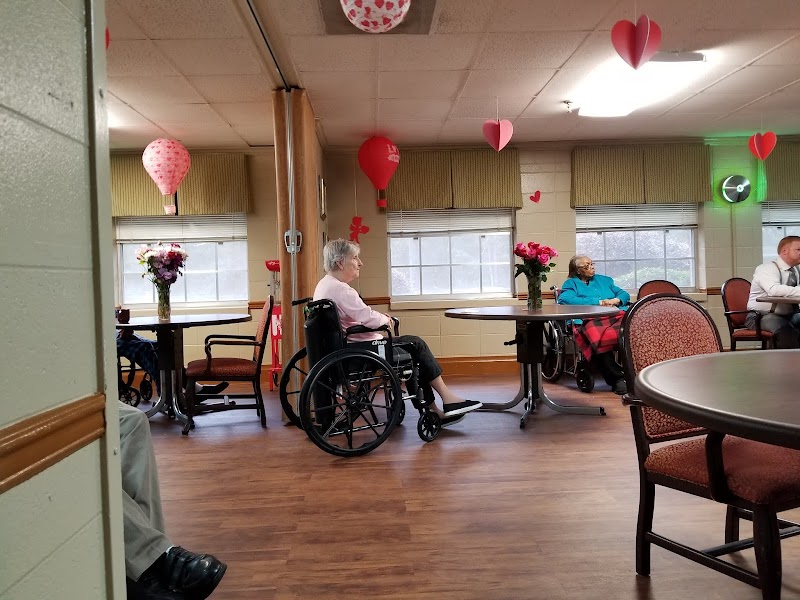
CMS rates LAWRENCE CO NURSING CENTER's staffing level at 4 out of 5 stars, which is above average compared to other nursing homes. Staff turnover is 39%, compared to the Mississippi average of 46%. This relatively stable workforce can support continuity of care.

What Have Inspectors Found at Lawrence Co Nursing Center?

State health inspectors documented 17 deficiencies at LAWRENCE CO NURSING CENTER during 2022 to 2025. These included: 2 that caused actual resident harm and 15 with potential for harm. Deficiencies causing actual harm indicate documented cases where residents experienced negative health consequences.
Who Owns and Operates Lawrence Co Nursing Center?

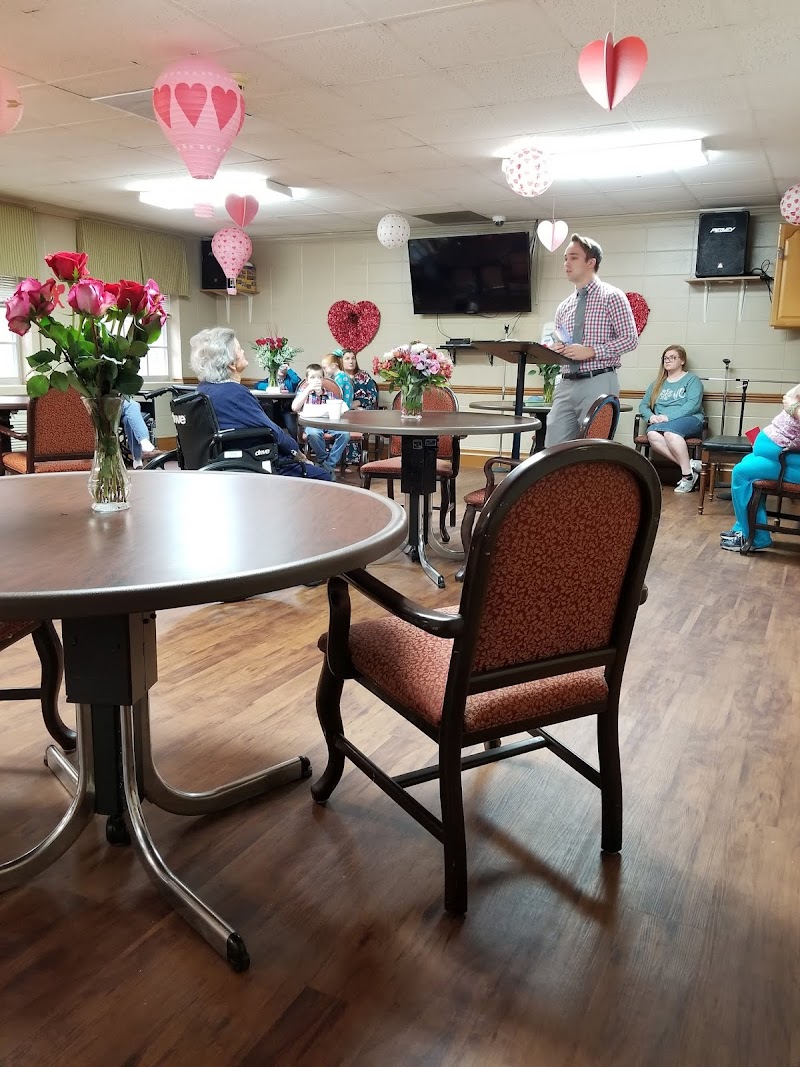
LAWRENCE CO NURSING CENTER is owned by a for-profit company. For-profit facilities operate as businesses with obligations to shareholders or private owners. The facility is operated by THE BEEBE FAMILY, a chain that manages multiple nursing homes. With 60 certified beds and approximately 53 residents (about 88% occupancy), it is a smaller facility located in MONTICELLO, Mississippi.

How Does Lawrence Co Nursing Center Compare to Other Mississippi Nursing Homes?

Compared to the 100 nursing homes in Mississippi, LAWRENCE CO NURSING CENTER's overall rating (1 stars) is below the state average of 2.6, staff turnover (39%) is near the state average of 46%, and health inspection rating (1 stars) is much below the national benchmark.

What Should Families Ask When Visiting Lawrence Co Nursing Center?

Based on this facility's data, families visiting should ask: "Can I visit during a mealtime to observe dining assistance and food quality?" "How do you handle medical emergencies, and what is your hospital transfer rate?" "Can I speak with family members of current residents about their experience?"

Is Lawrence Co Nursing Center Safe?

Based on CMS inspection data, LAWRENCE CO NURSING CENTER has a clean safety record: no substantiated abuse findings (meaning no confirmed cases of resident harm), no Immediate Jeopardy citations (the most serious violation level indicating risk of serious injury or death), and is not on the Special Focus Facility watch list (a federal program monitoring the lowest-performing 1% of nursing homes). The facility has a 1-star overall rating and ranks #100 of 100 nursing homes in Mississippi. While no facility is perfect, families should still ask about staff-to-resident ratios and recent inspection results during their visit.

Do Nurses at Lawrence Co Nursing Center Stick Around?

LAWRENCE CO NURSING CENTER has a staff turnover rate of 39%, which is about average for Mississippi nursing homes (state average: 46%). Moderate turnover is common in nursing homes, but families should still ask about staff tenure and how the facility maintains care continuity when employees leave.

Was Lawrence Co Nursing Center Ever Fined?

LAWRENCE CO NURSING CENTER has been fined $16,720 across 2 penalty actions. This is below the Mississippi average of $33,246. While any fine indicates a compliance issue, fines under $50,000 are relatively common and typically reflect isolated problems that were subsequently corrected. Families should ask what specific issues led to these fines and confirm they've been resolved.

Is Lawrence Co Nursing Center on Any Federal Watch List?

LAWRENCE CO NURSING CENTER is not on any federal watch list. The most significant is the Special Focus Facility (SFF) program, which identifies the bottom 1% of nursing homes nationally based on persistent, serious quality problems. Not being on this list means the facility has avoided the pattern of deficiencies that triggers enhanced federal oversight. This is a positive indicator, though families should still review the facility's inspection history directly.