MS CARE CENTER OF MORTON

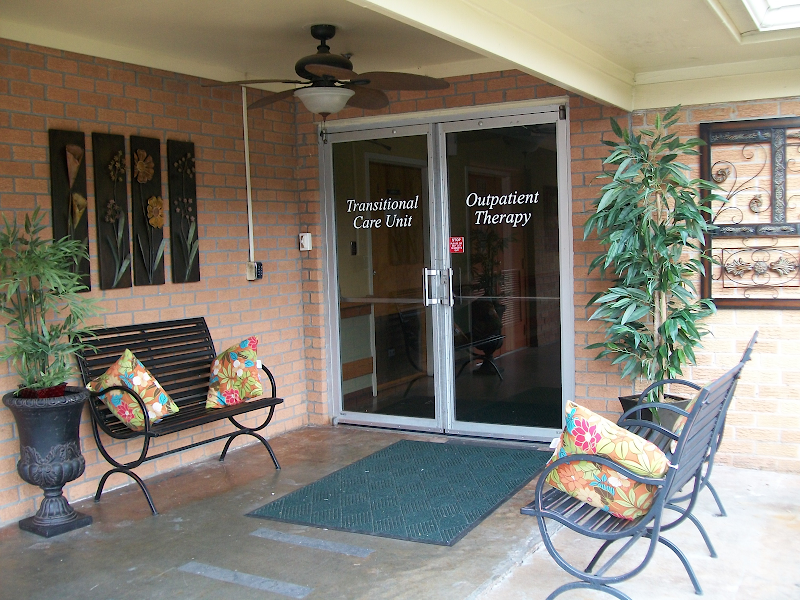
96 OLD HIGHWAY 80 EAST, MORTON, MS 39117 (601) 732-6361
For profit - Corporation 120 Beds MISSISSIPPI CARE CENTER Data: November 2025
Trust Grade
58/100
#78 of 200 in MS
Last Inspection: October 2024

Within standard 12-15 month inspection cycle. Federal law requires annual inspections.

Overview

MS Care Center of Morton has a Trust Grade of C, indicating that it is average compared to other nursing homes. It ranks #78 out of 200 facilities in Mississippi, placing it in the top half, and it is the only option in Scott County. Unfortunately, the facility is experiencing a worsening trend, with issues increasing from 4 in 2023 to 8 in 2024. Staffing is average with a 3/5 rating and a turnover rate of 58%, which is slightly higher than the state average. The center has accumulated $7,267 in fines, which is concerning but not excessively high. While the facility has average RN coverage, there have been some notable deficiencies. For instance, a nurse left medication at a resident's bedside instead of securing it, which could pose safety risks. Additionally, two residents were not allowed to go outside together, limiting their rights to self-determination. Lastly, a resident without an advance directive did not receive assistance in creating one, which could be important for their care planning. Overall, while there are strengths in staffing and coverage, the facility has significant areas for improvement.

Trust Score
C
58/100
In Mississippi
#78/200
Top 39%
Safety Record
Low Risk
No red flags
Inspections
Getting Worse
4 → 8 violations
Staff Stability
⚠ Watch
58% turnover. Above average. Higher turnover means staff may not know residents' routines.
Penalties
✓ Good
$7,267 in fines. Lower than most Mississippi facilities. Relatively clean record.
Skilled Nurses
○ Average
Each resident gets 30 minutes of Registered Nurse (RN) attention daily — about average for Mississippi. RNs are the most trained staff who monitor for health changes.
Violations
⚠ Watch
16 deficiencies on record. Higher than average. Multiple issues found across inspections.
★★★☆☆
3.0
Overall Rating
★★★☆☆
3.0
Staff Levels
★★☆☆☆
2.0
Care Quality
★★★☆☆
3.0
Inspection Score
Stable
2023: 4 issues
2024: 8 issues

The Good

  • Full Sprinkler Coverage · Fire safety systems throughout facility
  • No fines on record

Facility shows strength in fire safety.

The Bad

3-Star Overall Rating

Near Mississippi average (2.6)

Meets federal standards, typical of most facilities

Staff Turnover: 58%

12pts above Mississippi avg (46%)

Frequent staff changes - ask about care continuity

Federal Fines: $7,267

Below median ($33,413)

Minor penalties assessed

Chain: MISSISSIPPI CARE CENTER

Part of a multi-facility chain

Ask about local staffing decisions and management

Staff turnover is elevated (58%)

10 points above Mississippi average of 48%

The Ugly 16 deficiencies on record

Dec 2024 1 deficiency
CONCERN (D) 📢 Someone Reported This

A family member, employee, or ombudsman was alarmed enough to file a formal complaint

Potential for Harm - no one hurt, but risky conditions existed

Deficiency F0761 (Tag F0761)

Could have caused harm · This affected 1 resident

Based on interviews, record review, and facility policy review, the facility failed to ensure a medication was secured in a locked storage area and available to only authorized personnel when a medica...

Read full inspector narrative →
Based on interviews, record review, and facility policy review, the facility failed to ensure a medication was secured in a locked storage area and available to only authorized personnel when a medication was left at a resident's bedside for one (1) of three (3) sampled residents. Resident #1 Findings include: A review of the facility policy titled Administration and Documentation, revised July 24, 2015, revealed, . Under no circumstances is medication to be left at the bedside or given to the resident without him/her swallowing it in your presence, unless a physician has written an order to this effect and unless the facility has determined that the resident is mentally and physically capable of self-administration . On 12/4/24 at 12:00 PM, during an interview with Resident #1, he confirmed that in September 2024 of this year, his nurse left his new face cream at his bedside, and he used it all the time, hoping his face would heal faster. He confirmed that his daughter was upset because instead of healing faster, it irritated his face, and it had to be stopped. A record review of the dermatological consultation revealed the Visit Note, dated 9/4/24, revealed a local dermatologist, prescribed Fluorouracil 5% topical cream, to be applied two times a day on his scalp and down temples for two (2) weeks related to Actinic Keratosis. A record review of the Order Recap Report, with active orders for September, revealed an order for Fluorouracil External Cream 5% to be applied topically every shift related to Actinic Keratosis until 9/19/24, then discontinued. However, further review of the order revealed the Fluorouracil Cream was discontinued on 9/13/24 and a new order for Triamcinolone Lotion was ordered. The Triamcinolone Lotion was ordered to be applied BID (twice a day) for four (4) days on irritated places on the face, with a start date of 9/14/24 and an end date of 9/17/24. During an interview with License Practical Nurse (LPN) #1 on 12/4/24 at 1:15 PM, she stated she had left the Fluorouracil External Cream 5 % at Resident #1's bedside. The resident was fussing about the cream, so she just left the cream in his room for a few days. LPN #1 stated that when she spoke to the resident's dermatologist, the dermatologist became upset when she learned the medication was at the resident's bedside. Following the incident, the nurse said the resident's physician discontinued the medication and prescribed a different cream because of his face being irritated. LPN #1 stated she reported the situation to the prior Director of Nurses (DON) before she resigned. On 12/4/24 at 1:30 PM, during an interview with DON, she revealed she began working at the facility on 8/31/24; during that time, the previous DON was present. The current DON confirmed that the facility must follow physician orders on medications, and they are not to be left at the bedside. On 12/4/24 at 2:30 PM, during an additional interview with the DON, she stated that after the incident related to Resident #1, the facility had a QAPI (Quality Assurance and Performance Improvement) meeting to discuss the incident. Following the meeting, there was Nurses' Meeting to plan additional in-services to reinforce the policy that medications and creams are not to be left at the bedside unless it is ordered. The in-services were mandatory for all nursing staff prior to returning to work. On 12/4/24 at 3:00 PM, during an interview with the Medical Provider, he confirmed that when he was made aware that Resident #1 had the prescribed Fluorouracil External Cream 5% topically at his bedside for approximately 9 days, and he observed the resident's face to be irritated. He stated that he discontinued the Fluorouracil External Cream and Triamcinolone lotion was ordered to be applied to the resident's face twice a day for 4 days. He stated that the facility should not leave any medication at the residents' bedside unless they are prescribed to be there. A record review of the admission Record, revealed the facility admitted Resident #1 to the facility on 1/23/20. The resident had diagnoses that included Type 2 Diabetes Mellitus with Hyperglycemia, Neoplasm of Uncertain Behavior of Skin, Actinic Keratosis, and Rosacea, Unspecified. A record review of the Quarterly Minimum Data Set (MDS) with an Assessment Reference Date (ARD) 11/20/24, revealed a Brief Interview for Mental Status (BIMS) score of 12, which indicated the resident was moderately impaired. Validation: On 12/4/24, the State Agency (SA) validated through staff interviews, record review, and facility policy review the facility began an immediate investigation when they were aware of the incident involving Resident #1. A review of the emergency QAPI meeting minutes revealed the facility held a QAPI meeting on 9/24/24 at 1:30 PM, in which the Infection Preventionist (IP) was present, and the Medical Director attended via phone. The SA verified through an interview with the DON and Administrator they attended the QAPI meeting to discuss the situation, and the facility policies related to not leaving medication at the bedside unless the facility has physician orders. The QAPI meeting concluded that Correction planned to in-service all nurses and interview all residents with Brief Interview of Mental Status (BIMS) over 12 to determine if any other residents experienced medications being left at the bedside. The SA reviewed in-service sign-in sheets that began on 9/24/24 related to the administration of medications and reinforced the policy that stated, medication (pills or creams) are not to be left in a resident's room, unless the physician has written an order to this effect and the facility has determined that the resident in mentally and physically capable of self-administration. The DON conducted in-services in which they had every nurse sign the policies on medication administration.
Oct 2024 7 deficiencies
CONCERN (D)

Potential for Harm - no one hurt, but risky conditions existed

Deficiency F0561 (Tag F0561)

Could have caused harm · This affected 1 resident

Based on observation, interviews, record review and facility policy review, the facility failed to honor residents' rights for self-determination by not allowing residents to go outside together for t...

Read full inspector narrative →
Based on observation, interviews, record review and facility policy review, the facility failed to honor residents' rights for self-determination by not allowing residents to go outside together for two (2) of 22 sampled residents. Residents #13 and #14. Findings Include: A review of the facility's policy titled Resident Rights Policy, revised 09/2022, revealed: .Facility will ensure that the resident has the right to a dignified existence, self-determination, and communication with and access to persons and services inside and outside the facility. The facility will treat each resident with respect and dignity and care for each resident in a manner and in an environment that promotes maintenance or enhancement of their quality of life, recognizing each resident's individuality . Resident #13: A record review of Resident #13's admission Record revealed the facility admitted the resident on 10/18/21. The resident had diagnoses that included Paranoid Schizophrenia and Neuroleptic Induced Parkinsonism. A record review of Resident #13's Annual Minimum Data Set (MDS) with an Assessment Reference Date (ARD) of 09/24/24 revealed a Brief Interview for Mental Status (BIMS) Summary Score of 14, which indicated the resident was cognitively intact. Section F indicated that it is very important to Resident #13 to engage in his favorite activities and to go outside for fresh air when the weather is favorable. Section GG revealed no impairment in range of motion for upper or lower extremities and that Resident #13 is independent or requires supervision for Activities of Daily Living (ADLs). Resident #14: A record review of Resident #14's admission Record revealed the facility admitted the resident on 09/20/21. The resident had diagnoses that included End Stage Renal Disease and Dependence on Renal Dialysis. A record review of Resident #14's Annual MDS with an ARD of 02/27/24 revealed a BIMS summary score of 15, which indicated the resident was cognitively intact. Section F indicated that it is very important to Resident #14 to engage in favorite activities and to go outside for fresh air when the weather is good. A record review of Resident #14's Quarterly MDS with an ARD of 08/13/24, Section GG, revealed that Resident #14 had no impairment in range of motion for upper or lower extremities, used a wheelchair, and was dependent on staff for transfers. During an observation and interview on 10/15/24 at 11:07 AM, Resident #13 and Resident #14 reported that they wished to go outside together, but were not allowed to do so because Resident #13 had previously tried to assist his wife, Resident #14. As a result, they were no longer permitted to be outside together alone. Resident #13 explained that he was trying to prevent his wife from falling. Resident #14 stated that while they could go outside for activities, they wished to be allowed outside at other times as well. She added that she attends dialysis three (3) times a week, and her husband, Resident #13, attends outpatient therapy three (3) times a week, meaning they are not together daily. Both residents reported that they have asked staff, both during the week and on weekends, to be allowed to go outside together but were consistently told that they could not. Both residents expressed that it is very important to them to spend time together outside and enjoy fresh air. During an observation on 10/16/24 at 9:20 AM, Resident #13 was not in his room, while Resident #14 was observed still in bed. Resident #13 explained that her husband was away for outpatient services and would return later that day. During an interview on 10/16/24 at 10:00 AM, Certified Nursing Aide (CNA) #2 in training explained that she had never seen Residents #13 and #14 go outside together. She had been working at the facility since August and had seen Resident #13 go outside by himself but had never seen the two together. During an interview on 10/16/24 at 11:04 AM, Licensed Practical Nurse (LPN) #4 stated that she was aware that Resident #13 and Resident #14 were not allowed to go outside together. She mentioned that she had been informed by staff that Resident #13 had previously attempted to assist Resident #14 when she almost fell, leading to the restriction. During an interview on 10/17/24 at 11:26 AM, Social Services #1 explained that she was unaware of the residents' complaints or that staff were not allowing Resident #13 and Resident #14 to go outside together. She recalled a past incident where Resident #13 tried to help his wife into a van but was not aware of staff preventing the couple from going outside by themselves. She mentioned that the facility employs agency staff and has different personnel on weekends, which might impact consistency. She emphasized that it is the residents' right to go outside when they choose, and she expects all staff to respect residents' rights at all times. During an interview on 10/17/24 at 12:05 PM, the Administrator stated that she was not aware that Resident #13 and Resident #14 were being prevented from going outside together. She emphasized her expectation that staff respect residents' rights at all times. During an interview on 10/17/24 at 2:00 PM, the Director of Nursing (DON) confirmed that she expects all staff to respect and honor residents' rights at all times.
CONCERN (D)

Potential for Harm - no one hurt, but risky conditions existed

Deficiency F0578 (Tag F0578)

Could have caused harm · This affected 1 resident

Based on interviews, record reviews, and facility policy review, the facility failed to ensure that a resident who did not have an advance directive received information or assistance in formulating a...

Read full inspector narrative →
Based on interviews, record reviews, and facility policy review, the facility failed to ensure that a resident who did not have an advance directive received information or assistance in formulating an advance directive for one (1) of twenty-two (22) residents reviewed for advance directives. Resident #7. Findings Include: A record review of the admission Record for Resident #7, revealed an admission date of 10/09/21 with diagnoses including Dysphagia, Dementia, and Alzheimer's Disease. A record review of Resident #7's admission Agreement Checklist dated 10/9/21, revealed that the resident does not have a Power of Attorney (POA) and that the checklist does not indicate acknowledgment of an Advance Directive. During an interview on 10/15/24 at 11:54 AM, Resident #7's Resident Representative (RR) stated that he has not established a Power of Attorney. During a record review of Resident #7's chart, there was no documentation acknowledging the existence of an Advance Directive or a Power of Attorney. During an interview on 10/16/24 at 1:50 PM, the Administrator stated that Resident #7 does not have an Advance Directive Acknowledgment Form or Power of Attorney. She mentioned that while they provided Resident #7's RR with a booklet on Advance Directives upon admission, there was no documentation indicating that the resident acknowledged receiving this information. During an interview on 10/16/24 at 2:10 PM, the Director of Nursing (DON) confirmed that Resident #7 does not have a Power of Attorney or a copy of the facility's Advance Directive Acknowledgment Form in her records.
CONCERN (D)

Potential for Harm - no one hurt, but risky conditions existed

Assessment Accuracy (Tag F0641)

Could have caused harm · This affected 1 resident

Based on record reviews, interviews, and facility policy review, the facility failed to complete a Minimum Data Set (MDS) discharge assessments accurately for one (1) of twenty-two (22) residents revi...

Read full inspector narrative →
Based on record reviews, interviews, and facility policy review, the facility failed to complete a Minimum Data Set (MDS) discharge assessments accurately for one (1) of twenty-two (22) residents reviewed for assessments. Resident #109. Findings Include: A review of the facility's policy titled Resident Assessment Instrument (RAI) Policy (undated) revealed, It is the policy of the facility that the RAI will be done as follows: According to the guideline specified by: .Division of Medicaid . A record review of Resident #109's Face Sheet revealed an admission date of 07/01/24 with diagnoses including Chronic Obstructive Pulmonary Disease (COPD), Hypertensive Chronic Kidney Disease, and Hypertensive Heart Disease with Heart Failure. A record review of Resident #109's Discharge MDS with an Assessment Reference Date (ARD) of 08/08/24 revealed that the discharge was coded as a short-term general hospital stay (acute hospital). A record review of Resident #109's Physician Order Sheet revealed a physician's order, written on 08/08/24 at 8:53 AM for Resident #109 to . (Name of home health) to follow up at home. A record review of the Departmental Notes dated 8/8/24 at 9:29 AM and signed by Social Services revealed MDS discharge assessment completed .on Thursday, August 8, 2024 .Resident left facility under the care of family . During an interview on 10/17/24 at 1:55 PM, the Registered Nurse/MDS Coordinator stated that the discharge should have been coded as the resident going home. During an interview on 10/17/24 at 2:08 PM, Licensed Practical Nurse (LPN) #3, an MDS nurse, stated that she had incorrectly coded the resident as being discharged to the hospital. She acknowledged that it should have been coded as a discharge to home and explained that she entered the information in error.
CONCERN (D)

Potential for Harm - no one hurt, but risky conditions existed

Comprehensive Care Plan (Tag F0656)

Could have caused harm · This affected 1 resident

Based on observation, interviews, record review, and facility policy review, the facility failed to implement a care plan intervention regarding changing oxygen (O2) tubing for one (1) of twenty-two (...

Read full inspector narrative →
Based on observation, interviews, record review, and facility policy review, the facility failed to implement a care plan intervention regarding changing oxygen (O2) tubing for one (1) of twenty-two (22) sampled residents. Resident #76. Findings Include: A review of the facility's policy titled Comprehensive Resident-Centered Care Plans (undated) revealed, . It is the policy of this facility to provide services based on the following requirements .Development/Implement Comprehensive Care Plan. The facility will develop and implement a comprehensive person-centered care plan for each resident consistent with the resident's rights and that includes measurable objectives and timeframes to meet the resident's medical, nursing, and mental and psychosocial needs identified in the comprehensive assessment. A review of the facility ' s policy titled Oxygen Policy (undated) revealed, . It is the policy of this facility that oxygen will be utilized as follows: . with the specific physician orders . Date the tubing . A record review of the Comprehensive Care Plan with a start date of 3/22/23, revealed Resident #76 had a care plan intervention to Change my O2 tubing and wash filter every week on Friday. On 10/15/24 at 12:08 PM, during an observation, Resident #76 was observed receiving oxygen via nasal cannula at 2 liters per minute. The tubing was not dated to indicate the tubing had been changed. The resident reported that she must wear oxygen at all times. On 10/16/24 at 1:30 PM, during an observation and interview, Registered Nurse (RN) #4 observed and confirmed that Resident #76's oxygen tubing was not dated and stated the oxygen tubing should be changed weekly and dated. During an interview on 10/17/24 at 2:10 PM, the Minimum Data Set (MDS)/Care Plan Coordinator explained that the purpose of each resident's care plan is to inform staff about how to care for each resident. She emphasized that she expects all staff to follow a resident's care plan to ensure proper care. During an interview on 10/17/24 at 2:25 PM, the Director of Nursing (DON) stated that she expects all staff to follow the resident's care plan when providing care to any resident. A record review of the admission Record revealed that the facility admitted Resident #76 on 01/18/23 with diagnoses including Chronic Diastolic (Congestive) Heart Failure and Chronic Obstructive Pulmonary Disease (COPD) with (Acute) Exacerbation. A record review of the Quarterly Minimum Data Set (MDS) with an Assessment Reference Date (ARD) of 08/20/24 revealed in Section O of the MDS that Resident #76 received oxygen therapy. A record review of the Medication Review Report dated 10/16/24 revealed Resident #76 a physician's order, dated 08/27/24, to change the oxygen tubing and wash the filter every week on Fridays.
CONCERN (D)

Potential for Harm - no one hurt, but risky conditions existed

Respiratory Care (Tag F0695)

Could have caused harm · This affected 1 resident

Based on observations, interviews, record reviews, and facility policy review, the facility failed to follow standards of practice for respiratory care regarding dating and changing oxygen tubing week...

Read full inspector narrative →
Based on observations, interviews, record reviews, and facility policy review, the facility failed to follow standards of practice for respiratory care regarding dating and changing oxygen tubing weekly and storing it in a plastic bag when not in use for one (1) of two (2) residents observed for respiratory care. Resident #76. Findings Include: A review of the facility's policy titled Oxygen Policy, (undated) revealed, . It is the policy of this facility that oxygen will be utilized as follows: . With the specific physician orders . Date the tubing . A record review of Resident #76's admission Record revealed that the facility admitted the resident on 01/18/23. The resident had diagnoses that included Chronic Diastolic (Congestive) Heart Failure and Chronic Obstructive Pulmonary Disease (COPD) with (Acute) Exacerbation. A record review of Resident #76's Quarterly Minimum Data Set (MDS) with an Assessment Reference Date (ARD) of 08/20/24 revealed a Brief Interview for Mental Status (BIMS) Summary Score of 11, which indicated that the resident's cognition was moderately impaired. Section O of the MDS indicated that Resident #76 received oxygen therapy. A record review of Resident #76's 10/16/24 Medication Review Report, revealed physician orders, dated 8/27/24, to change the oxygen (O2) tubing and wash the filter every week on Fridays. During an observation on 10/15/24 at 12:08 PM, Resident #76 was observed receiving oxygen via nasal cannula at 2 liters per minute. The oxygen tubing was not dated. The resident reported that she must wear oxygen at all times. During an observation on 10/15/24 at 3:00 PM, Resident #76 was observed lying in bed wearing oxygen via nasal cannula. The oxygen tubing was still not dated. During an observation on 10/16/24 at 9:35 AM, Resident #76 was not in her room, and the nasal cannula was observed lying on top of the oxygen concentrator, without any type of storage to prevent contamination of the tubing and nasal cannula. The oxygen tubing continued to be undated. During an observation and interview on 10/16/24 at 1:30 PM, Registered Nurse (RN) #4 observed that Resident #76's oxygen tubing was not dated, nor was there a plastic storage bag present. RN #4 confirmed that oxygen tubing is to be changed weekly, dated, and stored in a plastic bag when not in use. During an interview on 10/16/24 at 1:45 PM, Licensed Practical Nurse (LPN) #5 explained that Resident #76 is to wear her oxygen at all times, especially while in bed, but the resident removes it when attending activities. LPN #5 added that when oxygen is not in use, the tubing should be stored in a plastic storage bag and that all tubing should be changed and dated weekly, with the filter cleaned. She mentioned that either the cart nurse or the treatment nurse is responsible for changing the tubing and cleaning the filter. During an interview on 10/16/24 at 3:15 PM, RN #1 stated that all oxygen tubing should be stored in a plastic bag when not in use, and that the tubing and bag should be changed weekly to minimize infection risks for the resident. During an interview on 10/17/24 at 2:25 PM, the Director of Nursing (DON) stated that she expects all staff to adhere to the facility's policies and procedures and follow standards of practice for all residents receiving respiratory care. She confirmed that oxygen tubing should be changed and dated each Friday and stored in a plastic bag when not in use.
CONCERN (D)

Potential for Harm - no one hurt, but risky conditions existed

Deficiency F0804 (Tag F0804)

Could have caused harm · This affected 1 resident

Based on observation, interviews, record review, and facility policy review, the facility failed to ensure residents received meals that were palatable and served at an appetizing temperature for thre...

Read full inspector narrative →
Based on observation, interviews, record review, and facility policy review, the facility failed to ensure residents received meals that were palatable and served at an appetizing temperature for three (3) of ten (10) residents observed for dining. Resident #63, Resident #85, and Resident #90. Findings Include: A review of the facility's policy titled Meal Service, dated 12/23, revealed: .Food will be delivered promptly to ensure safe, palatable, and high-quality food served at the appropriate temperature .Procedure .6. Food will be served at palatable temperatures (hot food hot and cold food cold) as discerned by the patients/residents and customary practice . Resident #63: During an interview on 10/15/24 at 11:42 AM, Resident #63 stated that he was not pleased with the meals, describing them as hit or miss and noting that only one (1) out of (10) meals were good. He explained that by the time food arrived at his room, it was cold, sometimes warm, but often was not warm. During an interview on 10/16/24 at 9:03 AM, Resident #63 stated that his breakfast that morning, which included a biscuit, sausage, eggs, and grits, was lukewarm. He mentioned that the two (2) slices of pizza he had received were also lukewarm, although they tasted acceptable. During an interview on 10/16/24 at 3:10 PM, Resident #63 recalled his lunch, which consisted of chicken patties, greens, black-eyed peas, and cornbread. He stated that the food was lukewarm, noting that the black-eyed peas were bland and could benefit from added seasoning like ham. He shared that he mixed mayonnaise with his peas to improve the taste. A record review of the admission Record revealed the facility admitted Resident #63 on 02/27/23 with diagnoses including Diabetes Mellitus. A record review of the Quarterly Minimum Data Set (MDS) with an Assessment Reference Date (ARD) of 07/23/24 revealed Resident #63 had a Brief Interview for Mental Status (BIMS) score of 13, which indicated he was cognitively intact. Resident #85 During an interview on 10/15/24 at 11:10 AM, Resident #85 stated that the food was either too salty or had no taste. She emphasized that she preferred her food to have more flavor. During an interview on 10/15/24 at 12:20 PM, Resident #85 reported that she had not eaten her lunch because it lacked taste and seasoning. A record review of the admission Record revealed the facility admitted Resident #85 on 11/03/23 with diagnoses including Hypertensive Heart Disease. A record review of the Comprehensive MDS with an ARD of 10/07/24 revealed Resident #85 had a BIMS score of nine (9), which indicated her cognition was moderately impaired. Resident #90 During an interview on 10/16/24 at 12:14 PM, Resident #90 stated that the food was bland, had no taste, and was cold. She reported that she did not eat her lunch and instead had her family bring her a meal. She mentioned that she had spoken with the previous Dietary Manager about the food quality, but no improvements were made. A record review of the admission Record revealed the facility admitted Resident #90 on 08/19/22 with diagnoses including Hypertensive Heart Disease. A record review of the Annual MDS with an ARD of 09/11/24 revealed Resident #90 had a BIMS score of fifteen (15), which indicated she was cognitively intact. On 10/16/24 at 10:54 AM, during an observation of food temperature checks, Dietary #1 was observed taking food temperatures at the steam table: Chicken patties: 139° Fahrenheit (F), Black-eyed peas: 140°F, and Greens: 160°F. During an observation on 10/16/24, meal tray preparation began at 11:05 AM, with Cart #1 and the dining hall service began at 11:05 AM. The dietary staff began plating Cart #6, which was the last meal cart, at 12:08 PM and it was completed at 12:18 PM. All meal carts used to deliver meal trays to residents on the hall were delivered on an open style cart. The cart was transported to the hall and the last tray was delivered as a test tray at 12:33 PM. Dietary #2 took the food temperatures of the test tray which revealed: Chicken patties: 99°F, Turnip greens: 100°F, and Black-eyed peas: 85°F. The test tray was sampled and the food was bland and at a lukewarm, non-appetizing temperature. During an interview on 10/16/24 at 12:45 PM, Dietary #2 confirmed that some of the food was bland and lukewarm. She explained that only salt and pepper were used for seasoning due to the loss of recipes from a previous roof leak. She noted that the open cart system and the time taken for food to reach residents' rooms contributed to the lukewarm temperatures. During an interview on 10/16/24 at 1:44 PM, Dietary #1 stated that she was still being trained to cook and had not been provided with recipes. She explained that she used only salt and pepper for seasoning, avoiding excess salt due to residents' complaints. She believed that the open carts contributed to the food cooling before reaching residents. During an interview on 10/16/24 at 2:23 PM, Dietary #3 stated that the kitchen staff were being retrained on meal preparation. She confirmed that Dietary #2 was not certified and that Dietary #1 was still learning cooking techniques. During an interview on 10/17/24 at 10:45 AM, the Director of Nursing (DON) confirmed that residents had complained about the food being too salty or lacking taste (bland) and that it was often cold. The DON reported this to the Administrator, who was working with the kitchen to address the issues. During an interview on 10/17/24 at 1:26 PM, the Administrator acknowledged residents' complaints about the salty food but was unaware of complaints about the food's bland taste or temperature. She stated that the facility had contracted with an outside company to train the kitchen staff on proper cooking techniques and recipe use.
CONCERN (D)

Potential for Harm - no one hurt, but risky conditions existed

Infection Control (Tag F0880)

Could have caused harm · This affected 1 resident

Based on observation, staff interview, record review, and facility policy review, the facility failed to handle linens in a manner to prevent the possible spread of infection (Resident #12) and failed...

Read full inspector narrative →
Based on observation, staff interview, record review, and facility policy review, the facility failed to handle linens in a manner to prevent the possible spread of infection (Resident #12) and failed to wear appropriate Personal Protective Equipment (PPE) during administration of a bolus feeding for a resident that required Enhanced Barrier Precautions (EBP) (Resident #56) for two (2) of 22 sampled residents. Findings include: A review of the facility policy titled Infection Control, dated 09/2022, revealed: .The facility has established and will maintain an infection prevention and control program designed to provide a safe, sanitary, and comfortable environment and to help prevent the development and transmission of communicable diseases and infections. The infection prevention and control program (IPCP) will include, at a minimum the following elements .Linens. Personnel will handle, store, process, and transport linens so as to prevent the spread of infection . A review of the facility's policy Enhanced Barrier Precautions dated 03/13/24 revealed . Use of Enhanced Barrier Precautions can effectively reduce the spread of Multi-drug resistant Organism (MDRO), specifically those CDC (Center for Disease Control and Prevention) targeted organisms . Definition: Enhanced Barrier Precautions: include use of gowns and gloves for those residents that would not already be in Contact Precautions. It also could include eye covering if there is an anticipation of a splash . Indwelling medical device: Devices such as central lines, PICC (Peripherally inserted central catheter) lines, urinary catheters, feeding tubes, tracheostomy/ventilator require EBP . Resident #12 During an observation and interview on 10/16/24 at 10:07 AM, Certified Nurse Aide (CNA) #1 had completed incontinence care on Resident #12. There were dirty linens and a soiled brief directly on the floor of the resident's room. She confirmed she had placed the dirty items on the floor and agreed they should not have been placed directly onto the floor. During an interview on 10/16/24 at 2:10 PM, Licensed Practical Nurse (LPN) #2, confirmed CNA #1 should not have placed the dirty linens and brief directly onto the floor. During an interview on 10/16/24 at 2:27 PM, Registered Nurse (RN) #1, the Infection Preventionist (IP), explained that dirty linens should not be on the floor because it could cause infection to be spread to the residents. During an interview on 10/16/24 at 2:48 PM, the Director of Nursing (DON) stated that dirty linens should not come in contact of the floor due to infection control concerns. A record review of Resident #12's admission Record revealed that the facility admitted Resident #12 on 03/10/21 with diagnoses including Type 2 Diabetes Mellitus. Resident #56 During an observation on 10/16/24 at 09:25 AM, Resident #56 was lying in bed and there was signage on the resident's room door that indicated he required EBP. On 10/16/24 at 11:00 AM, during an observation and interview, LPN #4 administered Resident #56's bolus feeding per a Percutaneous Endoscopic Gastrostomy (PEG) tube. LPN #4 wore gloves while administering the feeding and did not have a gown on. She stated that because there was no chance of being splashed, she was required to only wear gloves. She confirmed the signage on the resident's door indicated that gloves and gowns should be worn, but reiterated that she had been instructed that she only needed to wear gloves. On 10/16/24 at 03:30 PM, during an interview with RN #1, she confirmed a gown, and gloves were required to be worn when administering feedings or medication via a PEG tube. She also confirmed the facility's policy and the signage on the door indicated the correct PPE worn for EBP (gown and gloves). At 02:15 PM on 10/17/24, during an interview with the DON, she confirmed the staff should wear a gown and gloves for residents with peg tubes. She stated she expected all staff to follow the facility's policies and procedures regarding EBP. A record review of the admission Record revealed the facility admitted Resident #56 on 04/15/24 with diagnoses including Encounter For Attention To Gastrostomy and Gastrostomy Status. A record review of the Medication Review Report revealed Resident #56 on had a Physician's Order, dated 9/3/24, for .Enhanced Barrier Precautions D/T (due to) Feeding Tube . A record review of the Quarterly Minimum Data Set (MDS) with an Assessment Reference Date (ARD) of 07/12/24 revealed in Section K that Resident #56 had a feeding tube.
Mar 2023 4 deficiencies
CONCERN (D)

Potential for Harm - no one hurt, but risky conditions existed

Transfer Notice (Tag F0623)

Could have caused harm · This affected 1 resident

Based on staff interviews, record review, and facility policy review, the facility failed to provide written notification of a transfer/discharge to a resident, the Resident Representative (RR), and t...

Read full inspector narrative →
Based on staff interviews, record review, and facility policy review, the facility failed to provide written notification of a transfer/discharge to a resident, the Resident Representative (RR), and the Office of the State Long-Term Care Ombudsman, when a resident was transferred to a local acute hospital for one (1) of six (6) residents reviewed. (Resident #89) Findings include: A record review of the facility's policy, Notice Requirements Before Transfer/Discharge, revised 9/2022, revealed, The facility will notify the resident and resident's representative(s) before a transfer or discharge .in writing .The facility will send a copy of the notice to the representative of the Office of the State Long-Term Care Ombudsman . Record review of the medical record for Resident #89 revealed there was no written notification of a transfer or discharge for the resident or the RR when Resident #89 was transferred to the hospital on 1/30/23. Record review revealed of the Emergency Transfer Log for the Office of the State Long-Term Care Ombudsman for January 2023, revealed Resident #89 was not listed as being transferred from the facility. During an interview on 03/22/23 at 04:13 PM, the Social Worker (SW) confirmed that the written notification of transfer/discharge and the copy of the notice to the Ombudsman fell through the cracks and wasn't completed when Resident #89 went to the hospital in January. She stated that the written notification should always be completed when a resident is transferred or discharged from the facility. During an interview on 03/23/23 at 08:05 AM, the Administrator (ADM) revealed that when a resident is transferred to the hospital, the facility notifies the family and provides them with a written notice of the transfer, and the Ombudsman is also informed. Record review of the Face Sheet revealed Resident #89 was admitted by the facility on 1/17/2023 with diagnoses that included Non-Pressure Chronic ulcer of the Right Foot and Type 2 Diabetes Mellitus with Foot Ulcer. Record review of the Discharge Minimum Data Set (MDS) with an Assessment Reference Date (ARD) of 1/30/23 revealed Resident #89 discharged from the facility on 1/30/23 to an acute hospital.
CONCERN (D)

Potential for Harm - no one hurt, but risky conditions existed

Comprehensive Care Plan (Tag F0656)

Could have caused harm · This affected 1 resident

Based on staff interview, record review and facility policy review, the facility failed to implement the comprehensive care plan related to a resident's bed side rails for one (1) of 26 care plans rev...

Read full inspector narrative →
Based on staff interview, record review and facility policy review, the facility failed to implement the comprehensive care plan related to a resident's bed side rails for one (1) of 26 care plans reviewed. Resident #12 Findings include: A record review of the facility's policy titled DEVELOP/IMPLEMENT COMPREHENSIVE CARE PLAN, revised 9/2022, revealed, The facility will .implement a comprehensive person-centered care plan for each resident .that includes measurable objectives .to meet the resident's .needs that are identified in the comprehensive assessment. The comprehensive care plan must describe .1. The services that are to be furnished to attain or maintain the resident's highest practicable physical, mental, and psychosocial well-being . A record review of the Comprehensive Care Plan, review date of 3/21/23, with a care plan goal of I want to be kept clean, dry and my needs met revealed an intervention with a start date of 9/15/22 of I need my left side rail up as an enabler. An observation and interview with Resident #12's son on 03/20/23 at 1:30 PM, revealed the 3/4-length side rails were raised on both sides of the bed. The son confirmed that both side rails have been on his mother's bed since she was admitted to the facility. He stated he was not sure why she had them on the bed unless it was to prevent falls. An observation and interview with Certified Nursing Assistant (CNA) #1 on 03/21/23 at 3:12 PM, revealed Resident #12's side rails were raised on each side of the bed. CNA #1 explained that the resident needed them because she was at a high risk for falls. CNA #1 further explained that she would read the care plan on the Kiosk to find out if a resident required side rails. During an observation, interview, and record review with Licensed Practical Nurse (LPN) #2 on 3/21/23 at 3:30 PM, she acknowledged that Resident #12's bed had both 3/4-length side rails raised, instead of just the left one as required per the comprehensive care plan. LPN #2 confirmed that staff were not following the plan of care by having both side rails raised. During an interview and record review of the Comprehensive care plan with the Director of Nursing (DON) on 3/22/23 at 8:33 AM, she verified that the care plan intervention required that the left side rail be up as an enabler for Resident #12 and if both side rails were up, then the staff were not following the plan of care. Record review of the Face Sheet revealed the facility admitted Resident #12 on 9/15/22 with medical diagnoses that included Anxiety Disorder, Glaucoma, and Major depressive disorder. A record review of the Quarterly Minimum Data Set (MDS) with an Assessment Reference Date (ARD) of 3/3/23 revealed Resident #12 required extensive assistance with bed mobility.
CONCERN (D)

Potential for Harm - no one hurt, but risky conditions existed

Deficiency F0700 (Tag F0700)

Could have caused harm · This affected 1 resident

Based on observations, resident and staff interviews, record review and facility policy review, the facility failed to attempt the use of alternatives to bedrails prior to the installation of bedrails...

Read full inspector narrative →
Based on observations, resident and staff interviews, record review and facility policy review, the facility failed to attempt the use of alternatives to bedrails prior to the installation of bedrails for six (6) of twenty-one residents reviewed. (Residents #8, #11, #12, #40, #50, and #55) Findings include: A review of the facility's policy, 'Bedrails, revised 9/2022, revealed, The facility will attempt to use appropriate alternatives prior to installing a side to bedrail .8. If no appropriate alternative is identified, the medical record would have to include evidence of the following. a. The purpose for which the bed rail was intended and evidence that alternatives were tried and were not successful .10. If bed rails are not appropriate for the resident and the facility keeps the bed rail on the bed, but in the down position, raising the rail even for episodic use during care will be considered noncompliance if all the requirements (assessment, informed consent, appropriateness of bed, and inspection and maintenance) are not met prior to the episodic bedrail use for the resident. Resident #8 During an interview on 3/21/23 at 12:15 PM, with CNA #4, she stated that Resident #8 used to try to get out of the bed, so the staff raised her bedrails. She explained that the resident used to be able to help turn herself in bed, but she was not able to do that anymore, and she had not attempted to get out of bed in a long time. An observation and interview on 3/21/23 at 3:00 PM, with Registered Nurse (RN) #1, revealed Resident #8 had two (2) full-length bedrails raised. RN #1 stated that previously the resident was able to help the staff turn while in bed, but now she is unable to assist. An interview on 3/21/23 at 4:40 PM, with Licensed Practical Nurse (LPN) Restorative Coordinator (RC), she revealed that when Resident #8 was admitted by the facility, she used the bedrails as an enabler, but now she was unable to assist in turning or repositioning herself. She confirmed that Resident #8 did not attempt to get out of bed and had not experienced any falls from the bed. She stated that the resident has had two full - length bedrails raised in bed since she was admitted and that no alternative to bedrails had been attempted. She said that she realized that since the resident's ability to assist in turning and repositioning had changed since admission, the bedrail evaluation should have reflected the change. An interview on 3/22/23 at 10:10 AM, with LPN #1 revealed that Resident #8 would not be able to lower her own bedrails. An observation on 3/22/23 at 3:05 PM, revealed the Maintenance Director measured the bedrails for Resident #8 and they were 65 inches long. Record review of the Face Sheet revealed the facility admitted Resident #8 on 4/30/19 with medical diagnoses that included Alzheimer's Disease and Muscle Weakness. Record review of the Physician Orders for the month of March 2023, revealed Resident #8 had a Physician's Order dated 4/30/19 for Side rail(s) up x (times) 2 as an enabler. Record review of the Side Rail Evaluation, dated 03/16/23, indicated that Resident #8 was not at risk for getting out of bed, did not have a history of falls, used the side rails and/or alternative for positioning or support, and the type of side rails used was marked as Left, Right, and 3/4 rails. Record review of the Annual Minimum Data Set (MDS) with an Assessment Reference Date (ARD) of 12/21/22 revealed Resident #8 had a Brief Interview for Mental Status (BIMS) score of 99, which indicated she had severe cognitive impairment. Further review revealed Resident #8 required extensive assistance with bed mobility, and restraints used in bed (bed rail) were not used. Resident #11 An observation on 3/20/23 at 02:50 PM, revealed Resident # 11 was lying in bed and had two (2) full-length bedrails that were raised on both sides of the bed. In an observation and interview on 3/21/23 at 11:30 AM, with CNA #5, she confirmed that Resident #11 had long bedrails that were raised on both sides of the bed, and that they had always been on the bed. She stated that the resident used to be able to get out of the bed by herself, but now required help. During an observation and interview on 3/21/23 at 03:45 PM, with LPN #1, she stated that Resident #11 had full-length bedrails that were raised to help with bed mobility and to prevent falls. She said Resident #11 could not move around in the bed by herself and would not be able to lower the bedrails on her own. In an interview on 3/21/23 at 04:15 PM, with the LPN RC, she stated that the facility would use bedrails for a resident if the resident and/or a family member requested their use. A side rail consent form was signed on admission, and the resident or the Resident Representative (RR) were made aware of the potential risk of the side rails by reading and signing the side rail consent form that listed the benefits and potential risks. She stated that even when a resident was cognitively impaired, she still asked the resident, and/or the family member if they wanted bedrails. She confirmed that she had not tried any other interventions other than bedrails but realized that she should have. She said that Resident #11's RR requested that side rails be used to assist with bed mobility and to define the parameters of the bed. She confirmed that Resident #11 could have benefited from the use of one-half (1/2) bedrails, but the facility did not have any. During an interview and observation with the LPN RC on 03/22/23 at 02:15 PM, she reported that Resident #11 had 3/4-length bedrails and that she distinguished 3/4-length from full-length side rails because she understood that full-length side rail began at the headboard and extended to the footboard with no space between. Upon observation, she confirmed that Resident #11 did have full-length side rails on both sides of the bed and confirmed that the side rails would prevent the resident from getting out of the bed. She also confirmed that Resident #11 should not be able to lower the bedrails and that she was aware that side rails could be a restraint after reading the guidelines today. An observation on 3/22/23 at 3:05 PM, revealed the Maintenance Director measured the bedrails for Resident #8 and they were 65 inches long. Record review of the Facesheet revealed the facility admitted Resident #11 on 10/09/21 with medical diagnoses that included Alzheimer's Disease and Unspecified Dementia. Record review of the Physician Orders List revealed Resident #11 had a Physician's Order dated 10/9/21, fir Side Rails Up x 2 As Enabler). Record review of the Side Rail Evaluation, dated 02/14/23, indicated that Resident #11 was not at risk for getting out of bed, did not have a history of falls, used the side rails and/or alternative for positioning or support, and the type of side rails used was marked as Left, Right, and 3/4 rails. Record review of the Quarterly MDS with an ARD of 2/13/23 revealed Resident #11 had a Brief Interview for Mental Status (BIMS) score of 9, which indicated she had moderate cognitive impairment. Further review revealed Resident #11 required extensive assistance with bed mobility. Resident #12 An observation on 3/20/23 at 10:30 AM, revealed Resident #12 had 3/4-length bed rails that were raised on both sides of the bed. An observation and interview with Resident #12's son on 03/20/23 at 1:30 PM, revealed the 3/4-length side rails were raised on both sides of the bed. The son confirmed that both side rails have been on his mother's bed since she was admitted to the facility. He stated he was not sure why she had them on the bed unless it was to prevent falls. An observation and interview with Certified Nursing Assistant (CNA) #1 on 03/21/23 at 3:12 PM, revealed Resident #12's side rails were raised on each side of the bed. CNA #1 explained that the resident needed them because she was at a high risk for falls. She further explained that using bedrails was a concern because the resident could climb over the rail and fall or become injured by getting her arms caught in the rails. CNA #1 asked Resident #12 if she could lower the bedrails and she said, No. During an observation, interview, and record review with Licensed Practical Nurse (LPN) #2 on 3/21/23 at 3:30 PM, she acknowledged that Resident #12's bed had both 3/4-length side rails raised. LPN #1 commented that the possible complications related to the improper use of bedrails with a resident with cognitive issues included falling over the rails, becoming entrapped in the rails, and receiving skin tears. LPN #1 confirmed that although Resident #12 could grab the bedrail, she was unable to assist with bed mobility and was unable to lower either side rail. During an interview with the LPN RC on 3/22/23 at 02:03 PM, she confirmed that Resident #12 could not lower the bedrails and confirmed that the bedrails were a restraint. An observation on 3/22/23 at 3:05 PM, revealed the Maintenance Director measured the bedrails for Resident #12 and they were 55 1/2- inches long. Record review of the Face Sheet revealed the facility admitted Resident #12 on 9/15/22 with medical diagnoses that included Anxiety Disorder, Glaucoma, and Major depressive disorder. A record review of the Physician Orders for the month of March 2023, revealed a Physician's Order dated 9/15/22 for Side Rails Up x 1 on Left as Enabler. Record review of the Side Rail Evaluation, dated 3/3/23, indicated that Resident #12 was not at risk for getting out of bed, did not have a history of falls, used the side rails and/or alternative for positioning or support, and the type of side rails used was marked as Left and 3/4 rails. A record review of the Quarterly MDS with an ARD of 3/3/23 revealed Resident #12 had a BIMS score of 8, which indicated she had moderate cognitive impairment. She also required extensive assistance with bed mobility. Resident #40 An observation on 03/20/23 at 11:38 AM, revealed Resident #40 was lying in bed with full-length length bedrails raised on both sides. An observation and interview on 3/21/23 at 11:37 AM, CNA #4 revealed that Resident #40 had two (2) full-length bedrails on her bed. She explained that when the resident was first admitted to the facility, she tried to get out of bed, but admitted that she had not tried lately. An observation and interview on 3/21/23 at 3:15 PM, with RN #1, she confirmed that both bedrails for Resident #40 were raised and were full- length. She commented that previously the resident helped the staff during turning and repositioning, but she was no longer able to help. She explained that the resident is stiff and does not move around while in the bed. She stated that bedrails were considered a restraint if the resident did not need them. An observation on 3/22/23 at 3:09 PM, revealed the Maintenance Director measured the bedrails for Resident #40 and they were 65 inches long. An interview on 3/21/23 at 4:29 PM, with the LPN RC, revealed that Resident #40 was able to assist with turning and repositioning on admission, but now she is no longer able to assist. She revealed that when the resident's functional status changed, her side rail evaluation should have reflected the change. She stated that Resident #40 had a side rail evaluation completed on admission and quarterly. She verified that Resident #40 had two full-length side rails up while in bed that had been in place since her admission and no alternative had been attempted. An interview on 3/22/23 at 9:30 AM, with LPN #1 revealed that Resident #40 could not lower the bedrails by herself. Record review of the Face Sheet revealed the facility admitted Resident #40 on 9/7/21 with medical diagnoses that included Chronic Atrial Fibrillation and Unspecified Sequelae of Cerebral Infarction. Record review of the Physician Orders for the month of January 2023, revealed Resident #40 had a Physician's Order dated 9/8/21 for SR (Side rail) x 2 used for enabler. Record review of the Side Rail Evaluation, dated 01/31/23, indicated that Resident #40 was not at risk for getting out of bed, did not have a history of falls, used the side rails and/or alternative for positioning or support, and the type of side rails used was marked as Left, Right, and 3/4 rails. Record review of the Quarterly MDS with an ARD of 1/30/23 revealed Resident #40 had a BIMS score of 4, which indicated she had severe cognitive impairment. Further review revealed Resident #40 was dependent upon staff for bed mobility, and restraints used in bed (bed rail) were not used. Resident #50 An observation on 3/20/23 at 2:10 PM, revealed, Resident #50 lying in bed with full-length side rails raised on both sides. In an observation and interview on 3/21/23 at 11:25 AM, with CNA #5, she confirmed that Resident #50 did have long bedrails that were raised, and she had always had them. She stated that Resident #50 previously could get out of bed by herself, but now required assistance. An interview and observation on 3/21/23 at 3:40 PM, with LPN #1, she stated that Resident #50 had full side rails to assist with turning and to prevent falls, but she did not move around and would not be able to lower the side rail on her own. During an interview and observation with the LPN RC on 3/21/23 at 02:20 PM, she confirmed that Resident #50 had full-length bedrails raised on both sides of the bed and confirmed that the side rails prevented the resident from getting out of bed. She also confirmed that Resident #50 could not lower the bedrails. She revealed the purpose of Resident #50's side rails were to serve as an enabler for bed mobility and that she had not tried any other interventions, but realized she should have. In an interview on 3/21/23 at 04:05 PM, with the LPN RC, she revealed that Resident #50 used the bedrails to assist with bed mobility and to define the parameters of the bed and that the resident could benefit from 1/2 side rails. An observation and interview on 3/22/23 at 8:25 AM, revealed, Resident #50 lying in bed with full-length side rails noted on both sides of the resident's bed. Resident stated that she wanted the bedrails to stay up. An observation on 3/22/23 at 3:09 PM, revealed the Maintenance Director measured the bedrails for Resident #50 and they were 65 inches long. Record review of the Face Sheet revealed Resident #50 was admitted by the facility on 03/21/2016 with medical diagnoses that included History of Falling and Unspecified Dementia. Record review of the Physician Order List revealed a Physician's Order dated 3/21/16 for Resident #50 for Side Rails Up X 2 As Enabler. Record review of the Side Rail Evaluation, dated 01/24/23, indicated that Resident #50 was not at risk for getting out of bed, did not have a history of falls, used the side rails and/or alternative for positioning or support, and the type of side rails used was marked as Left, Right, and 3/4 rails. Record review of the Significant Change of Status MDS with an ARD of 1/23/23 revealed Resident #50 had a BIMS score of 5, which indicated she had severe cognitive impairment. Further review revealed she was dependent upon staff for bed mobility. Resident #55 In an observation on 03/20/23 at 01:55 PM, Resident #55 was lying in bed. He had an upper and lower bedrail raised on the right side of the bed and his bed was positioned against the left wall. In an interview on 03/21/23 at 11:30 AM, with Resident #55's wife, she stated the staff raised the side rails so the resident could grab it when staff are turning and changing him, and the side rails helped him to not get out of the bed. In an interview on 03/21/23 at 11:40 AM, CNA #6 revealed that she was unsure if Resident #55 had ever tried to get out of bed, but he required his bedrails to be raised when he was in bed to keep him safe. In an interview on 03/21/23 at 02:30 PM, with the LPN RC revealed Resident #55 had a Physician's Order for two right (2) half side rails to help with positioning. She stated that he was on a turning program where he was turned every two hours while he was in bed and he attempted to throw his foot off the bed when he was anxious. She confirmed that Resident #55's left side of the bed was against the wall and both bedrails on the right side of the bed were raised. She confirmed the bottom rail should not be raised because the resident could get a bruise or get his leg caught in the railing. She revealed she wasn't sure why the lower rail was on the bottom of the right side of the bed. Record review of the Face Sheet revealed the facility admitted Resident #55 on 1/5/2022 with diagnoses that included Sequelae of Cerebral Infarction and Hemiplegia and Hemiparesis following Cerebral Infarction. Record review of the Physician Orders List revealed a Physician's Order dated 1/5/22 for Resident #55 for SR Up x 2 As An Enabler. Record review of the Side Rail Evaluation, dated 03/17/23, indicated that Resident #55 was not at risk for getting out of bed and used the side rails and/or alternative for positioning or support, and the type of side rails used was marked as Left, Right, and half rails. Record review of the Quarterly MDS with an ARD of 03/16/2023 revealed Resident #55 had a BIMS score of 99, which indicated the resident has a severe cognitive impairment. Further review revealed he required extensive assistance with bed mobility. An interview with the Director of Nursing on 03/21/23 at 4:00 PM, revealed that 3/4-length bedrails, full-length bedrails, and four (4) half bedrails could be considered a restraint and residents could climb over or become entrapped. An interview with the Administrator on 03/21/23 at 4:05 PM, revealed residents with full-length, 3/4-length rails and (4) half bedrails were at risk for over the rails and had an increased risk of injury.
CONCERN (D)

Potential for Harm - no one hurt, but risky conditions existed

Infection Control (Tag F0880)

Could have caused harm · This affected 1 resident

Based on observation, staff interview, and facility policy review, the facility failed to prevent the possible spread of an infection by staff not disinfecting a mechanical lift (shared equipment) bet...

Read full inspector narrative →
Based on observation, staff interview, and facility policy review, the facility failed to prevent the possible spread of an infection by staff not disinfecting a mechanical lift (shared equipment) between resident use for one (1) of four (4) days of survey. Findings Include: Record review of the facility's policy, Infection Control, revised 9/2022, revealed, .The facility has developed and implemented written policies and procedures for the provision of infection prevention and control .These .policies and procedures include .Routine cleaning and disinfection of resident care equipment including equipment shared among residents . An observation on 3/21/23 at 2:00 PM, revealed Certified Nurse Aide (CNA) #1 walked out of Resident #58's room with a mechanical lift and immediately took the lift into Resident #31's room. CNA #1 did not clean or disinfect the mechanical lift between resident rooms. An interview on 3/21/23 at 2:10 PM, with CNA #1 revealed she used the mechanical lift on an unsampled resident when she transferred the resident to bed. She stated that she knew she was supposed to clean the mechanical lift in between resident use but admitted that she did not. She verified that she should have cleaned the lift with the (Proper Name of germicidal bleach) wipes that the facility provided to prevent the spread of germs. An observation on 3/21/23 at 2:25 PM revealed CNA #2 and CNA #3 exited Resident #31's room with the same mechanical lift. An interview on 3/21/23 at 2:28 PM, with CNA #2 and CNA #3, confirmed that CNA #1 had brought the mechanical lift to them, and they used it to assist Resident #31 to bed. They acknowledged that they were unsure if the mechanical lift had been disinfected before it was brought to them by CNA #1. They both confirmed they did not use the sanitizing wipes provided by the facility and that the purpose of cleaning the mechanical lift between resident use was to prevent the spread of infection. An interview on 3/21/23 at 2:35 PM, with the Registered Nurse (RN)/ Infection Control Nurse confirmed that staff should clean the shared equipment, which included the mechanical lifts, with sanitizing wipes between resident use to prevent the spread of infection.
Oct 2019 4 deficiencies
CONCERN (D)

Potential for Harm - no one hurt, but risky conditions existed

Comprehensive Care Plan (Tag F0656)

Could have caused harm · This affected 1 resident

Resident #15 A review of the care plan, initiated 10/14/14, revealed Resident #15 had a suprapubic catheter/activity of daily living (ADL) care plan, with interventions to clean the suprapubic cathete...

Read full inspector narrative →
Resident #15 A review of the care plan, initiated 10/14/14, revealed Resident #15 had a suprapubic catheter/activity of daily living (ADL) care plan, with interventions to clean the suprapubic catheter site with soap and water daily and as needed. Another intervention included to clean around suprapubic catheter site with soap and water and apply dry dressing. An observation on 10/09/19 at 9:48 AM, revealed CNA #1 entered Resident #15's room to provide catheter care. CNA #1 had no pattern at any time during the care process of where the clean from dirty was on the wash cloth during care, because of the tossing of the cloth in her hand. CNA #1 did not perform hand hygiene before catheter care or after cleaning the tubing and before drying the tube with a clean cloth. CNA #1 did not follow the care plan for placing a dressing on the site. During an interview on 10/10/19 at 8:35 AM, CNA #1 stated she felt like she did follow the care plan because she did the care right. CNA #1 stated she should have been more specific with the areas on the wash cloth in cleaning the catheter tubing. During an interview on 10/10/19 at 09:15 AM, RN #2 stated that her expectation was for all staff to follow the care plan. RN #2 stated that she felt that CNA #1 did not follow the care plan for Resident #15. Resident #64 A review of the Comprehensive Care Plan, initiated 11/9/16, titled Food and Nutrition, revealed Resident #64 had a Gastrostomy (G)-tube with an intervention: I need the nurse to clean my G-tube site as ordered and as needed. A review of the physician's orders revealed Resident #64 had current orders, dated 7/5/19, to clean the G-tube site with normal saline, pat dry, apply Bactroban to area every shift and as needed. Cover with a 4 x 4 ADM (Abdominal) dressing and secure with tape. An observation on 10/09/19 at 9:35 AM, revealed Licensed Practical Nurse (LPN) #1 provided Gastrostomy (G)-tube care. LPN #1 removed the soiled dressing from the G-tube stoma and discarded it into a clear bag; and without hand hygiene or changing gloves, LPN #1 obtained a 4 x 4 gauze, placed normal saline on the gauze, and patted the stoma in several places and then turned the gauze over and wiped an area of the stoma again. LPN #1 obtained a dry 4 x 4 and patted the stoma dry touching some areas on the stoma twice. LPN #1 changed gloves without performing hand hygiene, obtained a long Q-tip applicator, applied Bactroban ointment to the stoma site, and covered the stoma site with a drain gauze (not the ADM). During an interview on 10/09/19 at 04:56 PM, LPN #1 stated when asked if she felt as if she had followed the care plan for Resident #64 during stoma care, LPN #1 shook her head no. During an interview on 10/10/19 at 09:15 AM, Registered Nurse (RN) #3/Care Plan Nurse stated her expectation was for all staff to follow the care plan. RN #3 stated that she didn't feel like LPN #1 followed the care plan. During an interview, on 10/10/2019 at 9:29 AM, Registered Nurse (RN) #2/Minimum Data Set (MDS) and Care Plan Nurse, revealed the expectation is to follow the interventions listed on the care plan for each and all disciplines. During an interview, on 10/10/19 at 09:35 AM, the Director of Nursing (DON) stated that it is her expectation for staff to follow the care plan. On further interview, on 10/10/19 at 9:54 AM, the DON confirmed that any intervention or area of care listed on the resident's person-centered care plan should be followed. The DON stated that each discipline is in-serviced about a resident's care plan and participates in the decision-making process. Based on observation, record review, facility policy review, and staff interview, the facility failed to implement the care plan for three (3) of 26 care plans reviewed, for Resident #15, Resident #49, and Resident #64. Findings include: Review of the undated facility policy, Comprehensive Resident Centered Care Plans, under the subtitle, Develop/Implement Comprehensive Care Plan, revealed the facility will develop and implement a comprehensive person-centered care plan for each resident, consistent with the resident's rights, that includes measurable objectives and timeframes to meet a resident's medical, nursing, and mental and psychosocial needs identified in the comprehensive assessment. Resident #49 Review of Resident #49's current Care Plan, revealed that the problem of a frequent Urinary Tract Infection (UTI), with an onset date of 10/12/2017. The Care Plan revealed the resident had an indwelling Foley catheter. Resident #49's Care Plan noted an intervention for the catheter tubing to be secured with a leg band. During an observation of catheter care, on 10/9/19 at 10:45 AM, Resident #49 had no catheter tubing securing device or leg band in place. Resident #49's catheter tubing was caught underneath the side rail of the bed. Resident #49 complained that sometimes the tubing would get caught under the side rail of the bed and pull. Certified Nursing Assistant (CNA) #1 completed the catheter care without putting a leg band in place to secure the catheter tubing. During an interview, on 10/9/2019 at 11:12 AM, Registered Nurse (RN) #1/Assistant Director of Nursing (ADON) confirmed Resident #49 should have a catheter tube securing device on. The ADON stated there is a possibility that he could have removed the strap, but he was not absolutely sure why Resident #49 did not have a securing device for the catheter tubing. During an interview, on 10/9/2019 at 10:50 AM, CNA #1 confirmed that the resident was not wearing a device or leg band to secure the catheter tube, when the catheter care was completed on Resident #49. CNA #1 stated she wasn't sure why there was no device, but maybe the resident took it off before she went in to do care. During an interview, on 10/9/2019 at 2:27 PM, Resident #49, stated that he hasn't had a strap on his leg to hold the catheter tubing in place for quite a while. Resident #49 stated that someone had put something like a butterfly dressing on his leg to hold the tubing in place, just after his care was finished today and stated, But it didn't last long, as a matter of fact, it's loose right now.
CONCERN (D)

Potential for Harm - no one hurt, but risky conditions existed

Incontinence Care (Tag F0690)

Could have caused harm · This affected 1 resident

Resident #15 A review of current physician's orders, intimated 12/01/14, revealed to provide Resident #15's catheter care every shift with soap and water and as needed. Orders, intimated 2/2/16, revea...

Read full inspector narrative →
Resident #15 A review of current physician's orders, intimated 12/01/14, revealed to provide Resident #15's catheter care every shift with soap and water and as needed. Orders, intimated 2/2/16, revealed to clean around the catheter with soap and water and apply a dressing. An observation 10/09/19 at 9:48 AM, revealed CNA #1 entered Resident #15's room to provide catheter care. The CNA did not make it know if she had performed hand hygiene prior to the process. CNA #1 tossed the wash cloth multiple times in the air, letting it fall into her hand, making it difficult to determine if the same area of the cloth was used. CNA #1 had no pattern at any time during the care process of where the clean from dirty was on the wash cloth, because of the tossing of the cloth in her hand. CNA #1 did not perform hand hygiene before catheter care or after cleaning the tubing and before drying the tube with a clean cloth. CNA #1 did not place a dressing on the site. A review of a facility document titled Clinical Skills Competency check off, dated 10/25/18, revealed CNA #1 received a check- off in performing catheter care. During an interview on 10/10/19 at 8:35 AM, CNA #1 stated that she should have made it known that she washed her hands before starting care. CNA #1 stated that she should have been more specific with the areas on the wash cloth in cleaning the catheter tubing; not being able to identify the area on the cloth could have spread germs. During an interview on 10/10/19 at 8:42 AM, Registered Nurse (RN) #3 stated that CNA #1 wiping more than once with the same cloth, and tossing the cloth, not knowing the exact location on the cloth that she had just used, could have caused cross contamination. RN #3 stated it certainly could have increased the risk of infection. During an interview on 10/10/19 at 9:00 AM, the Director of Nursing (DON) stated that CNA #1's technique was wrong in providing catheter care for Resident #15. She stated that CNA #1 tossing the cloth in her hand and wiping several times could have caused cross contamination; it could have caused an infection. Based on observation, record review, facility policy review, and resident/staff interview, the facility failed to provide appropriate care and services to prevent possible urinary tract infections for two (2) of three (3) catheter care observations, for Resident #15 and Resident #49. Findings include: Review of the undated facility's, Catheterization, policy revealed a device will be used to maintain proper placement and positioning. The facility policy also noted that catheter care should be done with soap and water every shift and as needed (PRN), unless otherwise indicated by the physician. Resident #49 Review of Resident #49's October 2019 Physician's Orders, revealed an order to monitor the leg band (catheter tube securing device) every (Q) shift for proper placement, with a start date of 4/23/2018. Resident #49's care plan, initiated 10/12/17, also revealed the resident should have a leg band in place to secure the catheter. During an observation on 10/9/19 at 10:45 AM, Certified Nursing Assistant (CNA) #1 performed catheter care for Resident #49. There was no catheter tubing securing device in place and the catheter tubing was caught underneath the side rail of the bed. Resident #49 complained that sometimes the tubing would get caught under the bed side rail. CNA #1 performed the catheter care for the resident and failed to place a leg band or securing device in place after care. During an interview, on 10/9/2019 at 11:12 AM, Registered Nurse (RN) #1/Assistant Director of Nursing (ADON) revealed the resident should have a securing device (leg band) to secure the catheter tubing. The ADON stated there was a possibility that Resident #49 could have removed the strap, but he was not sure why the resident did not have a securing device for the catheter tubing. During an interview, on 10/9/2019 at 10:50 AM, CNA #1 confirmed Resident #49 was not wearing a leg band to secure the catheter tubing. CNA #1 stated she wasn't sure why there was no device, but maybe Resident #49 removed the device before she went in to do care. During an interview, on 10/9/2019 at 2:27 PM, Resident #49 stated there had not been a strap on his leg to hold the catheter tubing in place for quite a while. Resident #49 stated that someone had put something like a butterfly dressing on his leg to hold the tubing in place, just after his care was finished, and the State Agency (SA) had left the room that morning. Resident #49 stated, But it didn't last long, as a matter of fact, it's loose right now. During an interview, on 10/10/2019 at 9:29 AM, Registered Nurse (RN) #2/Minimum Data Set (MDS) and Care Plan Nurse confirmed the care was expected to be provided per orders/care plan. During an interview, on 10/10/2019 at 9:54 AM, the Director of Nursing (DON) confirmed that any intervention or area of care listed on the resident's person-centered care plan should be followed.
CONCERN (D)

Potential for Harm - no one hurt, but risky conditions existed

Tube Feeding (Tag F0693)

Could have caused harm · This affected 1 resident

Based on observation, record review, facility policy review, and staff interview, the facility failed to provide care to a Gastromy (G) tube site in a manner to prevent infection, and failed to follow...

Read full inspector narrative →
Based on observation, record review, facility policy review, and staff interview, the facility failed to provide care to a Gastromy (G) tube site in a manner to prevent infection, and failed to follow the physician's order to apply the correct G-tube dressing for one (1) of two (2) observations of G-tube care, Resident #64 Findings Include: Review of facility's Tube Feedings policy, undated, revealed, All tube feedings will be administered in accordance with verified medical necessity, established infection control policies and procedure and physician's orders. Site care will be provided per a physician's order. A review of physician's order, dated 7/5/19, revealed Resident #64 has orders to clean the G-tube site with normal saline, pat dry, apply Bactroban to the area every (Q) shift and as needed (PRN). Cover with a 4 x 4 secure Abdominal (ADM) dressing and secure with tape. An observation on 10/09/19 at 9:35 AM, revealed Licensed Practical Nurse (LPN) #1 entered Resident #64's room, used hand sanitizer, gloved, and removed Resident #64's abdominal binder. LPN #1 removed the soiled dressing from the G-tube stoma and discarded it in a clear bag. LPN #1 obtained a 4 x 4 gauze, placed normal saline on the gauze, and patted the stoma in several places, then turned the gauze over and wiped an area of the stoma again. LPN #1 obtained a dry 4 x 4 and patted the stoma dry, touching some areas on the stoma twice. LPN #1 removed gloves, and without performing hand hygiene, applied clean gloves, then obtained a long Q-tip applicator, applied Bactroban ointment to the stoma site and covered the stoma site with a drain gauze, not the ADM dressing as ordered. During an interview on 10/09/19 at 4:56 PM, LPN #1 revealed that she should have performed hand hygiene after removing the soiled dressing and before cleaning the stoma site, after cleaning the stoma site and before applying the clean dressing to the stoma, after she took her gloves off, and before putting on clean gloves. LPN #1 stated she should have wiped the stoma site with the gauze in one direction and then threw the gauze away during both cleaning and drying the stoma site. LPN #1 stated she remembered patting the stoma site, but didn't realize she touched the cleaned areas more than once. A review of a document, provided by the facility, titled Annual Clinical Skills Check-off for Nurses, dated 8/26/19, revealed, LPN #1 received a check-off in providing Enteral Feeding and Care (dressing change). During an interview on 10/10/19 at 9:55 AM, Registered Nurse (RN) #3 stated LPN #1 should have wiped from the inner of the stoma wound to the outer area of wound, using one sweep, and then discarded the gauze. RN #3 stated, We don't teach patting a stoma. RN #3 stated any time you take your gloves off and perform a different procedure you're supposed to wash your hands. During an interview on 10/10/19 at 09:05 AM, the Director of Nursing (DON) stated LPN #1's technique for cleaning the stoma was not what the facility teaches.
CONCERN (D)

Potential for Harm - no one hurt, but risky conditions existed

Infection Control (Tag F0880)

Could have caused harm · This affected 1 resident

Based on observation, record review, facility policy review, and staff interview, the facility failed to prevent the possible spread of infection when providing care for two (2) of four (4) resident c...

Read full inspector narrative →
Based on observation, record review, facility policy review, and staff interview, the facility failed to prevent the possible spread of infection when providing care for two (2) of four (4) resident care observations, Resident #64 for Gastrostomy (G) tube care, and Resident #15 for catheter care. Findings Include: Review of facility's Infection Control Program: Prevention and Control of Transmission of Infection-Standard Precautions, undated, revealed: Standard precautions are based upon the principle that all blood, body fluids, secretions, excretions, non-intact skin, and mucous membranes may contain transmissible infectious agents. This precaution is applied to the care of all persons in the healthcare settings, regardless of suspected or confirmed presence of an infected agent. Hand hygiene is the primary means and is critical in preventing the transmission of infections. Hand hygiene is required: when coming on duty; before and after direct contact with residents; before and after changing a dressing; after contact with a resident's mucous membranes and body fluids or excretions; after handling soiled or used linens, dressings, bedpans, catheters or urinals; after removing gloves. A review of a document provided by the facility titled, Hand Hygiene undated, revealed employees may use alcohol-based hand sanitizer before handling clean or soiled dressings, gauze pads, and contaminated equipment, etc. Resident #15 An observation on 10/09/19 at 9:48 AM, revealed Certified Nurse Aid (CNA) #1 entered Resident #15's room to provide catheter care. CNA #1 did not identify hand hygiene before beginning care. CNA #1 obtained a basin of water and placed it on the over-bed table on a barrier. CNA #1 gloved, took a wash cloth, secure tubing at the meatus, applied soap to the open cloth and wiped upward on the tubing away from the meatus. CNA #1 flipped the open cloth up in the air and around in her hand, wiped a second time upward on the cloth, flipped the cloth again in the air and wiped the tubing upward the third time before discarding the cloth. CNA #1 opened a clean dry wash cloth in her hand, secured the tubing at the meatus, and wiped once upward on the tubing away from the meatus. CNA #1 flipped the cloth in her hand and wiped the tubing a second time away from the meatus. CNA #1 flipped the cloth a third time and missed catching the cloth flat in her hand allowing the cloth to fall halfway out of her hand. CNA straightened the cloth in her hand and continued wiping the tubing. CNA #1 had no pattern at any time during the care process of where the clean from dirty was on the wash cloth because of the tossing of the cloth in her hand. CNA #1 did not perform hand hygiene before catheter care or after cleaning the tubing, and before drying the tube with a clean cloth. During an interview on 10/10/19 at 8:35 AM, CNA #1 stated that she should have made it known she washed her hands before starting care. CNA #1 stated that she should have been more specific with the areas on the wash cloth in cleaning the catheter tubing. She stated, not being able to identify the area on the cloth could have spread germs. During an interview on 10/10/19 at 8:42 AM, Registered Nurse (RN) #3 stated CNA #1 wiping more than once with the same cloth and her tossing the cloth, not knowing the exact location on the cloth that she had just used, could have caused cross-contamination. RN #3 stated it certainly could have increased the risk of infection. During an interview on 10/10/19 at 9:00 AM, the Director of Nursing (DON) stated CNA #1's technique was wrong in providing catheter care for Resident #15; the CNA tossing the cloth in her hand and wiping several times could have caused cross contamination and caused an infection. Resident #64 During an observation, on 10/09/19 at 9:35 AM, LPN #1 entered Resident #64's room to provide G-tube care. LPN #1 placed supplies on a tray then placed the tray on an over-bed table. LPN #1 placed an opened clear bag on the over bed table (not a red biohazard bag). LPN #1 used hand sanitizer, gloved, and removed Resident #64's abdominal binder. LPN #1 removed the soiled dressing from the G-tube stoma and discarded in the clear bag. LPN #1 obtained a 4 x 4 gauze, placed normal saline on the gauze, and patted the stoma in several places and then turned the gauze over and wiped an area of the stoma again. LPN #1 obtained a dry 4 x 4 and patted the stoma dry touching some areas on the stoma twice. LPN #1 removed gloves and without performing hand hygiene, applied clean gloves, and obtained a long Q-tip applicator. LPN #1 applied Bactroban ointment to the stoma site and covered the stoma site with a drain gauze. LPN #1 removed gloves, and secured the dressing with tape to the skin. LPN #1 gathered unused supplies and exited the room without performing hand hygiene. LPN #1 placed the tape and the unused Q-tip applicators back into the drawer of the medication cart. During an interview on 10/09/19 at 4:56 PM, LPN #1 stated she should have performed hand hygiene after removing the soiled dressing and before cleaning the stoma site, after cleaning the stoma site, and before applying the clean dressing to the stoma. LPN #1 stated she should have performed hand hygiene after she took her gloves off and before putting on clean gloves. LPN #1 stated she should have wiped the stoma site with the gauze in one direction and then threw the gauze away during both cleaning and drying the stoma site. LPN #1 stated she remembered patting the stoma site but didn't realize she touched the cleaned areas more than once. LPN #1 stated that not performing proper hand hygiene and gloving during G-tube care could have caused cross contamination and spread infection to the area. LPN #1 stated that she left Resident #64's room with unused supplies and placed the tape and unused Q-tips back on the medication cart. LPN #1 stated that she should have taken two (2)-three (3) Q-tips out of the package and took them into the room, instead of carrying the pack of 100, because once something goes into a room, it is considered contaminated. During an interview on 10/10/19 at 9:55 AM, RN #3 stated LPN #1 should have used a red biohazard bag to dispose of the soiled bandage for Resident #64. RN #3 stated LPN #1 should have wiped from the inner of the wound to the outer area of the wound using one sweep, and then discard the gauze. RN #3 stated they don't teach patting a stoma. RN #3 stated LPN #1 not changing gloves appropriately and not performing hand hygiene is a infection control issue; anytime you take your gloves off and perform a different procedure you're supposed to wash your hands. RN #3 stated LPN #1 should not have taken the whole pack of Q-tip applicators into the room, only a few on her tray, because placing the tape and the pack of Q-tips back on the cart contaminated the entire cart. During an interview on 10/10/19 at 9:05 AM, the Director of Nursing (DON) stated LPN #1 not changing her gloves appropriately and not washing her hands was definitely an infection control issue, and placing the Q-tips back on the cart contaminated the whole cart. The DON stated LPN #1 should have only took what she needed into the room. The DON stated LPN #1 also should have used a red biohazard bag. The DON stated LPN #1's technique for cleaning the stoma was not what we teach.
Understanding Severity Codes (click to expand)
Life-Threatening (Immediate Jeopardy)
J - Isolated K - Pattern L - Widespread
Actual Harm
G - Isolated H - Pattern I - Widespread
Potential for Harm
D - Isolated E - Pattern F - Widespread
No Harm (Minor)
A - Isolated B - Pattern C - Widespread

Questions to Ask on Your Visit

  • "Why is there high staff turnover? How do you retain staff?"
  • "Can I speak with families of current residents?"
  • "What's your RN coverage like on weekends and overnight?"

Our Honest Assessment

Strengths
  • • No major safety red flags. No abuse findings, life-threatening violations, or SFF status.
Concerns
  • • 16 deficiencies on record. Higher than average. Multiple issues found across inspections.
  • • Grade C (58/100). Below average facility with significant concerns.
  • • 58% turnover. Above average. Higher turnover means staff may not know residents' routines.
Bottom line: Mixed indicators with Trust Score of 58/100. Visit in person and ask pointed questions.

About This Facility

What is Ms Of Morton's CMS Rating?

CMS assigns MS CARE CENTER OF MORTON an overall rating of 3 out of 5 stars, which is considered average nationally. Within Mississippi, this rating places the facility higher than 99% of the state's 100 nursing homes. This mid-range rating indicates the facility meets federal standards but may have areas for improvement.
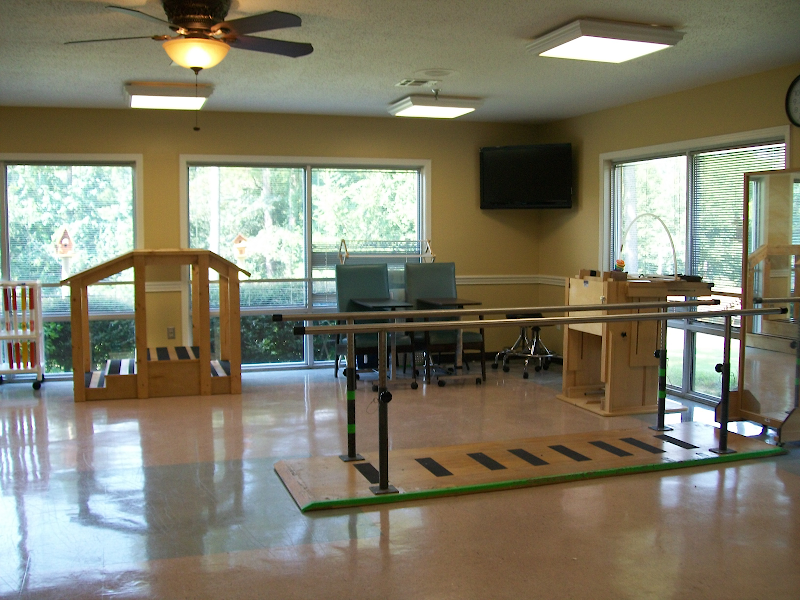
How is Ms Of Morton Staffed?

CMS rates MS CARE CENTER OF MORTON's staffing level at 3 out of 5 stars, which is average compared to other nursing homes. Staff turnover is 58%, which is 12 percentage points above the Mississippi average of 46%. High turnover can affect care consistency as new staff learn residents' individual needs.

What Have Inspectors Found at Ms Of Morton?

State health inspectors documented 16 deficiencies at MS CARE CENTER OF MORTON during 2019 to 2024. These included: 16 with potential for harm.

Who Owns and Operates Ms Of Morton?

MS CARE CENTER OF MORTON is owned by a for-profit company. For-profit facilities operate as businesses with obligations to shareholders or private owners. The facility is operated by MISSISSIPPI CARE CENTER, a chain that manages multiple nursing homes. With 120 certified beds and approximately 96 residents (about 80% occupancy), it is a mid-sized facility located in MORTON, Mississippi.

How Does Ms Of Morton Compare to Other Mississippi Nursing Homes?

Compared to the 100 nursing homes in Mississippi, MS CARE CENTER OF MORTON's overall rating (3 stars) is above the state average of 2.6, staff turnover (58%) is significantly higher than the state average of 46%, and health inspection rating (3 stars) is at the national benchmark.

What Should Families Ask When Visiting Ms Of Morton?

Based on this facility's data, families visiting should ask: "How do you ensure continuity of care given staff turnover, and what is your staff retention strategy?" "Can I visit during a mealtime to observe dining assistance and food quality?" "How do you handle medical emergencies, and what is your hospital transfer rate?" "Can I speak with family members of current residents about their experience?" These questions are particularly relevant given the facility's high staff turnover rate.

Is Ms Of Morton Safe?

Based on CMS inspection data, MS CARE CENTER OF MORTON has a clean safety record: no substantiated abuse findings (meaning no confirmed cases of resident harm), no Immediate Jeopardy citations (the most serious violation level indicating risk of serious injury or death), and is not on the Special Focus Facility watch list (a federal program monitoring the lowest-performing 1% of nursing homes). The facility has a 3-star overall rating and ranks #1 of 100 nursing homes in Mississippi. While no facility is perfect, families should still ask about staff-to-resident ratios and recent inspection results during their visit.

Do Nurses at Ms Of Morton Stick Around?

Staff turnover at MS CARE CENTER OF MORTON is high. At 58%, the facility is 12 percentage points above the Mississippi average of 46%. High turnover means new staff may not know residents' individual needs, medications, or preferences. It can also be disorienting for residents, especially those with dementia who rely on familiar faces. Families should ask: What is causing the turnover? What retention programs are in place? How do you ensure care continuity during staff transitions?

Was Ms Of Morton Ever Fined?

MS CARE CENTER OF MORTON has been fined $7,267 across 2 penalty actions. This is below the Mississippi average of $33,152. While any fine indicates a compliance issue, fines under $50,000 are relatively common and typically reflect isolated problems that were subsequently corrected. Families should ask what specific issues led to these fines and confirm they've been resolved.

Is Ms Of Morton on Any Federal Watch List?

MS CARE CENTER OF MORTON is not on any federal watch list. The most significant is the Special Focus Facility (SFF) program, which identifies the bottom 1% of nursing homes nationally based on persistent, serious quality problems. Not being on this list means the facility has avoided the pattern of deficiencies that triggers enhanced federal oversight. This is a positive indicator, though families should still review the facility's inspection history directly.