SHEARER-RICHARDSON MEMORIAL NURSING HOME

512 ROCKWELL DRIVE, OKOLONA, MS 38860 (662) 447-5463
Government - County 73 Beds Independent Data: November 2025
Trust Grade
13/100
#184 of 200 in MS
Last Inspection: October 2024

Within standard 12-15 month inspection cycle. Federal law requires annual inspections.

Overview

Shearer-Richardson Memorial Nursing Home has received an F grade for its trust score, indicating significant concerns about the quality of care provided. Ranking #184 out of 200 facilities in Mississippi places it in the bottom half, although it is the top option in Chickasaw County. While the facility is showing an improving trend with issues decreasing from 7 in 2023 to 6 in 2024, it still faces serious challenges, including $20,050 in fines, which is higher than 80% of other facilities in the state. Staffing is a notable strength, with a 4 out of 5 rating and a turnover rate of 0%, meaning staff are stable and familiar with the residents. However, there are concerning incidents, such as staff physically restraining a resident, failure to develop personalized care plans for several residents, and using the wrong equipment during a lift transfer, which raises alarms about safety and care standards. Families should weigh these strengths and weaknesses carefully when considering this facility for their loved ones.

Trust Score
F
13/100
In Mississippi
#184/200
Bottom 8%
Safety Record
High Risk
Review needed
Inspections
Getting Better
7 → 6 violations
Staff Stability
○ Average
Turnover data not reported for this facility.
Penalties
⚠ Watch
$20,050 in fines. Higher than 92% of Mississippi facilities. Major compliance failures.
Skilled Nurses
✓ Good
Each resident gets 75 minutes of Registered Nurse (RN) attention daily — more than 97% of Mississippi nursing homes. RNs are the most trained staff who catch health problems before they become serious.
Violations
⚠ Watch
20 deficiencies on record. Higher than average. Multiple issues found across inspections.
★☆☆☆☆
1.0
Overall Rating
★★★★☆
4.0
Staff Levels
★☆☆☆☆
1.0
Care Quality
★★☆☆☆
2.0
Inspection Score
Stable
2023: 7 issues
2024: 6 issues

The Good

  • 4-Star Staffing Rating · Above-average nurse staffing levels
  • Full Sprinkler Coverage · Fire safety systems throughout facility
  • No fines on record

Facility shows strength in staffing levels, fire safety.

The Bad

1-Star Overall Rating

Below Mississippi average (2.6)

Significant quality concerns identified by CMS

Federal Fines: $20,050

Below median ($33,413)

Minor penalties assessed

The Ugly 20 deficiencies on record

3 actual harm
Nov 2024 2 deficiencies 1 Harm
SERIOUS (G) 📢 Someone Reported This

A family member, employee, or ombudsman was alarmed enough to file a formal complaint

Actual Harm - a resident was hurt due to facility failures

Deficiency F0603 (Tag F0603)

A resident was harmed · This affected 1 resident

Based on observation, staff and resident interviews, record review, and facility policy review, the facility failed to ensure a resident's right to be free from abuse including involuntary seclusion, ...

Read full inspector narrative →
Based on observation, staff and resident interviews, record review, and facility policy review, the facility failed to ensure a resident's right to be free from abuse including involuntary seclusion, verbal abuse and unreasonable confinement by staff members physically restraining a resident for one (1) of three (3) residents sampled. Resident #1. Findings include: Record review of facility policy titled, Abuse, Neglect and Exploitation, dated 3/17/23, revealed, It is the policy of this facility to provide protections for the health, welfare and rights of each resident by developing and implementing written policies and procedures that prohibit and prevent abuse, neglect , 'Abuse' means the willful infliction of injury, unreasonable confinement, intimidation, or punishment with resulting physical harm, pain or mental anguish, which can include staff to resident abuse . Abuse also includes the deprivation by an individual, including a caretaker, of goods or services that are necessary to attain or maintain physical, mental, and psychosocial well-being. 'Verbal Abuse' means the use of oral, written or gestured communication or sounds that willfully includes disparaging and derogatory terms to residents or their families, or within their hearing distance regardless of their age, ability to comprehend, or disability .Involuntary Seclusion refers to the separation of a resident from .his/her room .against the resident's will . During an interview with the Administrator on 11/20/24 at 9:15 AM, it was revealed that the incident occurred on 10/30/24 around 6:00 PM and was reported by Resident #3 to the Administrator the next morning on 10/31/24. She stated after viewing the video footage and interviewing residents and staff, it was determined that the resident was confined to her chair and made to stay in the lobby area and was not allowed to go to the bathroom by two staff members. An interview with Resident #3 on 11/20/24 at 12:25 PM, revealed she was in the lobby area when this incident occurred between Resident #1 and Registered Nurse (RN) #1 and Licensed Practical Nurse (LPN) #1. She stated Resident #1 needed to go to the bathroom and LPN #1 held her in the chair and yelled at her and told her to stay in the chair and that she was not leaving. Then, RN #1 wrapped her arms around resident from behind and held her in the chair. They yelled at her and were telling her that they were going to send her out to the hospital. Resident #1 was moving a lot and trying to get them to let her go. Resident #3 stated, That really hurt me to see them treat her that way. I had to get out of there because I couldn't watch that. An interview with Resident #2 on 11/20/24 at 12:40 PM, revealed he also witnessed this incident in the lobby, and he reported it the next day. He stated it started when the resident told LPN #1 that she needed to go to her room to go to the bathroom, but LPN #1 told her she had just gone and not done anything, so she was not going back and to stay in her chair. The resident moved her chair towards the door several times, but LPN #1 brought her back to the lobby area each time. LPN #1 told another staff member to close the doors that led from the lobby to the hallway so Resident #1 could not leave. He stated LPN #1 took the resident's hands and held them together in front of the resident and tried to hold her arms on the resident's chest to keep her in her chair. She yelled at the resident to sit down, she was not going to her room, she was going to be sent out, and she was tired of her doing this. At that point, RN #1 came and held the resident from behind with her arms wrapped around the resident's shoulders and the resident's arms were crossed and she held her arms. The resident tried to get them to let go of her and go to the bathroom. He stated it was awful to watch, and he had never seen anything like that before with these nurses or other staff and both of these nurses seemed irritated, and the situation was out of control. An observation and interview with Resident #1 on 11/20/24 at 3:00 PM, revealed the resident sitting in her recliner in her room drinking water from her cup with jerky and uncoordinated movements. Resident #1 had a diagnosis of Huntington's disease; therefore she was extremely difficult to understand, but she continued to repeat each statement until she was understood. She stated she was in the lobby area and needed to go to the bathroom, but LPN #1 would not take her since she had just been. She attempted to propel herself to her room, but LPN #1 stopped her and pushed her back into the lobby. LPN #1 held her in the chair and yelled at her saying she was not going to her room, and she was getting sent to the hospital. Then, RN #1 held her from behind while she was sitting in her chair and would not allow her to move. She stated she had the right to go to the bathroom and to be held down was wrong and she did not like being treated that way. She denied any physical injury but stated she was emotionally bothered, and this made her angry and upset that they did this to her. She stated that the nurses sent her to the emergency room (ER) and she told the doctor in the ER that nothing was wrong with her that she just needed to go to the bathroom and they wouldn't allow her too. The resident confirmed that she was returned to the facility later that evening. During a phone interview on 11/20/24 at 3:45 PM, LPN #1 she stated Resident #1 was in the lobby area and was taken to the bathroom by a Certified Nursing Assistant (CNA) #5 and within a few minutes, she stated she needed to go to the bathroom again. CNA #5 was with another resident, and she informed Resident #1 that it would be a few minutes and the CNA would be back to take her to the bathroom. She stated the resident tried to propel herself to her room and she told her she could not go back by herself due to the risk of a fall. She stated Resident #1 got mad and was hitting and pushing and tried to throw herself out of the chair and she did hold her in the chair to keep her safe. She stated a resident does have the right to fall but she felt that it was her responsibility to keep that from happening if she could. She stated she should not have yelled at the resident or held her when she did not want to be held, but she did this to keep her safe, not to be malicious or mean. She stated she wished the situation had been handled differently, but she just did not want her to fall. LPN #1 confirmed that she was terminated from the facility related to this incident. A phone interview with CNA #1 on 11/20/24 at 4:05 PM, revealed she came up on the situation and the resident was yelling that she had to go to the bathroom and RN #1 was holding her from behind. CNA #1 did not witness the resident hitting or kicking but said it appeared to her that she was trying to free herself from being held. She stated she was shocked to see this and did not know what to think about it. During a phone interview with RN #2 on 11/20/24 at 4:15 PM, it was revealed that she and RN #1 were having shift report in the office, and they heard a big commotion and yelling so they went out to see what was happening. She stated LPN #1 said the resident was kicking and hitting and she needed help to hold her in her chair, so RN #1 put her arms around her from behind her to keep her from falling from the chair. She heard LPN #1 yelling at the resident that they were going to send her out and to sit down or you are going to fall. She felt they were trying to keep her safe and she did not think they meant for things to be that loud and out of control. A phone interview with CNA #2 on 11/20/24 at 4:45 PM revealed she had come into the lobby area and the lobby doors were closed and she heard the resident yelling that she needed to go to the bathroom and LPN #1 told her that she had just been to the bathroom and did not need to go again. She stated LPN #1 also cussed and yelled at the resident to calm down and she was not going to put up with this sh*t and that she was being sent out. CNA #2 observed that the resident was not combative but appeared to be trying to get loose from being held. She stated RN #1 was behind the resident and had her arms wrapped around her shoulders. She stated a CNA #3 came up and was holding her hands and talking calmly to the resident and the resident calmed down and RN #1 released her hold. She stated she had never seen anything like that, and the resident did not deserve for her caregivers to treat her that way in her home. During a phone interview on 11/21/24 at 9:45 AM, CNA #3 revealed the lobby doors were closed and when she walked through, she saw RN #1 holding the resident like a bear hug from behind and RN #1 said the resident had been hitting and kicking. RN #1 asked her to hold the resident's hands so she gently placed her hands over the resident's hands, and talked calmly to her and she calmed down and RN #1 released her hold on her. She stated the ambulance came and she was taken to the hospital. A phone interview with RN #1 on 11/21/24 at 10:00 AM revealed on the evening of the incident, she and the day nurse were in the office for shift change report and they heard a commotion and yelling in the lobby area. She and the day shift nurse went into the lobby area and heard LPN #1 and Resident #1 yelling loudly and LPN #1 told Resident #1 that she needed to calm down and she was going to be sent out to the hospital. LPN #1 told her the resident had been hitting and slapping all day and she asked her to help hold her in the chair so she would not fall out while she did the paperwork for the hospital transfer. She held her from behind around her shoulders like a bear hug to keep her from falling out of the chair and the resident tried to get loose. She stated the resident had a history of fighting and attacking staff and had been to the emergency room before for this. The resident told her she needed to go to the bathroom to poop but LPN #1 said she had already been and did not do anything. CNA #3 came and held her hands and talked to her and she calmed down and she stated she released the bear hug hold on her. The ambulance arrived and she was assisted onto the gurney and was taken to the hospital. She stated with the information she had received, her first concern was to keep this resident and others safe. She stated she made a judgement call based on the information she had received and in hindsight, the situation should have been handled differently and she should not have held her in her chair. She stated when she was in the situation, all she could think of was what to do to prevent a harmful fall. RN#1 confirmed that she resigned from the facility, prior to the facility terminating her. A phone interview with CNA #4 on 11/21/24 at 10:08 AM, revealed that she and CNA #1 came into the lobby and heard the commotion. RN #1 was holding the resident from behind and CNA #3 walked over to talk to the resident. She stated RN #1 and LPN #1 were screaming to sit down and you're not going anywhere. The resident yelled out and tried to get loose, but she did not see the resident kick or hit. As the resident calmed down and got quiet, she said she just needed to go to the bathroom. The ambulance arrived and she was taken to the hospital. An interview with RN #3 on 11/21/24 at 10:20 AM, revealed she had worked day shift and Resident #1 was agitated. After she ate her dinner in the dining room, she was taken to the lobby area. She stated LPN #1 was trying to calm her down and stated to the resident, We're not doing this and that she is Going to send her out. She stated she did not see the part of the incident where the resident was being held, but she knew the nurses and she did not believe they meant to cause her harm. Interview with CNA #5 on 11/21/24 at 3:45 PM revealed this was a hard situation to witness. She stated the resident was held in her chair by RN #1 and LPN #1 was cussing and yelling and telling her they were going to send her out to the hospital. She stated the resident was not fighting but was trying to get out of their grip. She stated it seemed like the nurses were frustrated and it turned into a bad situation. During an interview on 11/21/24 at 11:40 AM, the Director of Nursing (DON) stated they were notified of the incident by a resident the day after it occurred. She stated they watched the video and interviewed staff and residents. Resident #1 was cognitive and had the right to go where she wanted to go and no one would want a resident to fall, but a resident has that right. She stated Resident #1 was physically restrained and was kept from going where she wanted to go and doing what she wanted to do, therefore her rights were violated. She stated this incident was troubling to watch on the video and in the time frame they kept her from doing what she chose, the staff could have taken her to the bathroom. She confirmed the resident was verbally abused and was secluded to remain in the chair and was held in the chair by a staff member to prevent her from going to the bathroom. During an interview on 11/21/24 at 1:45 PM, the Administrator confirmed the resident was cognitive and had the right to make decisions on what she wanted to do and the resident was upset and angry that the staff confined her and kept her from going to the bathroom. She confirmed this violated her rights and that physical restraining of a resident is part of abuse and involuntary seclusion. On observation of the video with the Administrator on 11/20/24 at 1:40 PM, revealed on 10/30/24 at 6:01 PM, the resident was brought into the lobby. LPN #1 spoke to the resident at approximately 6:03 PM, then redirected her to the lobby in front of the TV at approximately 6:04 and 6:05 PM. At approximately 6:06 PM, a CNA took the resident to the restroom just outside the lobby area and returned to the lobby at approximately 6:14 PM. At approximately 6:20 PM, LPN #1 approached resident again and spoke to her and then about 6:21 LPN #1 redirected her back to the same area. At approximately 6:22 PM, Resident #1 began to roll herself backwards and LPN #1 approached and rolled her beside the exit area to B hall and the double doors were closed and LPN #1 appeared to speak with resident and touched her to keep her in place in her chair. At approximately 6:25 PM, RN #1 approached LPN #1 and resident and it appeared they talked and then RN #1 began to hold resident from behind. At 6:30 PM, while RN #1 was still holding resident, CNA #3 approached the resident and appeared to be speaking to the resident, RN #1, or both. At approximately 6:32 PM CNA #3 appeared to lay her hands over the top of Resident's hands and RN #1 released the resident. At approximately 6:33 PM, Emergency Medical Technicians arrived, and the resident was taken to the hospital by ambulance. The video verified the resident was not allowed to leave the lobby area by LPN #1 and then was held in her chair for almost eight (8) minutes by RN #1 and was not allowed to move from the area. The video verified what the witnesses had stated during their interviews to the State Agency (SA). The video did not have audio but from all the interviews and from the mannerisms of the staff in question it was determined there was yelling in part of this incident captured on the video footage. Record review of ER notes dated 10/30/24 revealed, .presents to the Emergency Department (ED) from the nursing facility due to aggression. Patient is alert and oriented times (x) 4 and states that she just wanted to go to the bathroom, and no one helped her. Record review of Resident #1's admission Record revealed the facility admitted the resident on 1/7/21 with diagnoses that included Huntington's Disease. Record review of Resident #1's Minimum Data Set (MDS) with Assessment Reference Date (ARD) of 10/29/24 revealed the resident had a Brief Interview for Mental Status (BIMS) score of 12 which indicated the resident had moderate cognitive impairment. Record review of Resident #2's admission Record revealed the facility admitted the resident on 5/28/21. Record review of Resident #2's MDS with ARD of 11/8/24 revealed the resident had a BIMS score of 15 which indicated the resident was cognitively intact. Record review of Resident #3's admission Record revealed the facility admitted the resident on 12/28/20. Record review of Resident #3's MDS with ARD of 9/24/24 revealed the resident had a BIMS score of 15 which indicated the resident was cognitively intact.
CONCERN (D) 📢 Someone Reported This

A family member, employee, or ombudsman was alarmed enough to file a formal complaint

Potential for Harm - no one hurt, but risky conditions existed

Report Alleged Abuse (Tag F0609)

Could have caused harm · This affected 1 resident

Based on observation, staff interviews, record review, and facility policy review, the facility failed to report an allegation of abuse and involuntary seclusion within the time frame required for one...

Read full inspector narrative →
Based on observation, staff interviews, record review, and facility policy review, the facility failed to report an allegation of abuse and involuntary seclusion within the time frame required for one (1) of three (3) allegations of abuse reviewed. Resident #1 Findings include: Record review of facility policy titled, Abuse, Neglect and Exploitation dated 3/17/23, revealed, It is the policy of this facility to provide protections for the health, welfare, and rights of each resident by developing and implementing written policies and procedures that prohibit and prevent abuse .Reporting/Response A. The facility will have written procedures that include: 1. Reporting of all alleged violations to the Administrator, state agency, adult protective services and to all other required agencies . within specified timeframes: a. Immediately, but not later than 2 hours after the allegation is made, if the events that cause the allegation involve abuse or result in serious bodily injury . During an interview with the Administrator on 11/20/24 at 9:15 AM, it was revealed that an allegation of abuse which occurred on 10/30/24 around 6:00 PM was reported to the Administrator by a resident on the morning of 10/31/24. The Administrator revealed this incident was investigated and was reported to the State Agency (SA) on 11/5/24 which did not meet the regulations requiring allegations of abuse to be reported within two (2) hours. She stated their investigation began on 10/31/24 and was substantiated for abuse and the employees involved were terminated. The Administrator confirmed that the facility had continued to investigate and gather statements from the witnesses and reported both nurses involved to the state board of nursing on 11/20/24. The Administrator stated that she was continuing to inservice staff on abuse and neglect and to notify her immediately if abuse or neglect was suspected and confirmed that the staff failed to do this initially. Interview with the Director of Nursing (DON) on 11/21/24 at 11:40 AM confirmed that when they were informed of the situation, they watched video, spoke with staff and residents, and investigation was initiated. The DON confirmed that the resident was physically restrained in her chair by another staff member which is a part of abuse. The DON stated that the video was only visual and had no auditory parts, but from interviews from the staff that witnessed the incident it was determined she was also verbally abused. She stated that the staff did not report this initially to her or the Administrator, but rather they were told by a resident the next morning about the incident that occurred. The DON confirmed that they waited until after the facility investigation was done and then reported it to the State Agency (SA) on 11/04/24 and she realized now that this should have been done in the time frame of 2 hours as required. On 11/21/24 at 1:45 PM the Administrator and the SA watched the video footage together and she confirmed this resident was cognitive, alert and had the right to make her own decisions on what she wants and that the staff restrained this resident and kept her from going to the bathroom and from the staff interviews gathered, she was also verbally abused by a staff member. This went against the resident's rights and physical restraining of a resident is part of abuse and the yelling and cussing and threatening to send her out gathered from interview was abusive as well. The Administrator stated that initially they just thought this was a customer service issue and not an abuse situation. Record review of Resident #1's admission Record revealed the facility admitted the resident on 1/7/21 with diagnoses that included Huntington's Disease. Record review of Resident #1's Minimum Data Set (MDS) with Assessment Reference Date (ARD) of 10/29/24 revealed the resident had a Brief Interview for Mental Status (BIMS) score of 12 which indicated the resident had moderate cognitive impairment.
Oct 2024 4 deficiencies
CONCERN (D) 📢 Someone Reported This

A family member, employee, or ombudsman was alarmed enough to file a formal complaint

Potential for Harm - no one hurt, but risky conditions existed

Resident Rights (Tag F0550)

Could have caused harm · This affected 1 resident

**NOTE- TERMS IN BRACKETS HAVE BEEN EDITED TO PROTECT CONFIDENTIALITY** Based on observation, staff and resident representative (RR) interview and facility policy review revealed the facility failed t...

Read full inspector narrative →
**NOTE- TERMS IN BRACKETS HAVE BEEN EDITED TO PROTECT CONFIDENTIALITY** Based on observation, staff and resident representative (RR) interview and facility policy review revealed the facility failed to ensure residents were treated with dignity and respect as evidence by staff members calling the residents by their last name only and failing to use a salutation for two (2) of 18 residents sampled during this survey. Resident #2 and Resident #39. Findings Include Record review of the facility policy review titled, Promoting/Maintaining Resident Dignity with a revision date of 10/2/23 revealed Policy: It is the practice of this facility to protect and promote resident rights and treat each resident with respect and dignity as well as care for each resident in a manner and in an environment, that maintains or enhances resident's quality of life by recognizing each resident's individuality. Resident #2 A phone interview on 9/30/24 at 11:20 AM, with Resident #2's Resident Representative (RR) revealed he has complained numerous times to the Director of Nurses (DON) and Administrator regarding issues with his mother. He revealed he complained most recently about the way the aides call her by her last name only and do not use a salutation and they take personal phone calls while in her room, during times when they are changing and cleaning her. He stated that a week ago when he tried to file that complaint, the DON told him he was just hard to get along with and confirmed that he has never heard back from the facility regarding a resolution to any of his complaints. An interview on 10/02/24 at 8:56 AM, with Certified Nurse's Assistant (CNA) #1 confirmed that she does call some of the residents by their last name only and can see now how that might be disrespectful to the resident by not using a salutation. An interview on 10/2/24 at 3:00 PM, with the DON and the Administrator who confirmed they knew that some residents were called by their last names only and can see how that could appear as a dignity issue. The Administrator revealed the staff have been trained to address the residents as Mr. or Mrs. and she wasn't sure why they were doing this. Record review of Resident #2's admission Record revealed the resident was admitted to the facility on [DATE]. Record review of Resident #2's Minimum Data Set (MDS) with an Assessment Reference Date (ARD) of 9/19/24 revealed in Section C a Brief Interview for Mental Status (BIMS) score of 03, which indicated the resident was severely cognitively impaired. Resident #39 During an observation on 9/30/24 at 2:30 PM, it was noted that Resident #39 was in his wheelchair sitting by a window in the dayroom and the resident had called out to CNA #1 for assistance. As CNA #1 was walking towards him, she stated, You can't get no sugar, (resident's last name). Then she turned and walked away shaking her head and said, (resident's last name, resident's last name). An interview with CNA #1 on 10/2/24 at 9:00 AM, confirmed she called Resident #39 by his last name and acknowledged this could be seen as disrespectful since he had not told her that he preferred to be called by only his last name. During an observation and interview on 10/2/24 at 9:30 AM, CNA #2 was observed to be in the dayroom with Resident #39 and said, Hey (resident's last name). During the interview, CNA #2 acknowledged she called him by only his last name and thought he preferred that name since that was what everyone called him and she was not sure if he liked being called that or not. During an observation and attempted interview with Resident #39 on 10/2/24 at 1:55 PM, when asked his name and what he preferred to be called, it sounded like he said his first and last name together to both questions. Resident was difficult to interview since he had a BIMS of 4 which indicated he had severe cognitive impairment. During an interview on 10/2/24 at 3:00 PM, the DON and the Administrator confirmed they were aware that some residents were called by their last names only and could see how that could appear as a being disrespectful. The Administrator revealed that the staff know they should call them Mr. or Mrs. The record review of Resident #39's admission Record revealed the facility admitted the resident on 10/30/23. Record review of Resident #39's MDS with ARD of 9/20/24, revealed a Brief Interview for BIMS of 4 which indicated the resident had a severe cognitive impairment.
CONCERN (D) 📢 Someone Reported This

A family member, employee, or ombudsman was alarmed enough to file a formal complaint

Potential for Harm - no one hurt, but risky conditions existed

Grievances (Tag F0585)

Could have caused harm · This affected 1 resident

**NOTE- TERMS IN BRACKETS HAVE BEEN EDITED TO PROTECT CONFIDENTIALITY** Based on resident representative (RR) and staff interview, record review and facility policy review the facility failed to ensur...

Read full inspector narrative →
**NOTE- TERMS IN BRACKETS HAVE BEEN EDITED TO PROTECT CONFIDENTIALITY** Based on resident representative (RR) and staff interview, record review and facility policy review the facility failed to ensure a resident representative's grievance was resolved for one (1) of 18 residents reviewed, Resident #2. Findings Include Record review of the facility policy titled, Resident and Family Grievances with a revision date of 10/1/23 revealed under, Policy: It is the policy of this facility to support each resident's and family member's right to voice grievances without discrimination, reprisal or fear of discrimination or reprisal. Policy Explanation and Compliance Guidelines .#12. The facility will make prompt efforts to resolve grievances. On 9/30/24 at 11:20 AM, during a phone interview with Resident #2's RR revealed he has complained numerous times to the Director of Nurses (DON) and Administrator regarding his mother. He revealed he complained most recently about the way the aides call her by her last name only and that they take personal phone calls in her room, while they are changing and cleaning her. He stated that a week ago when he tried to file that complaint, the DON told him he was just hard to get along with and confirmed that he has never heard back from the facility regarding a resolution to any of his complaints. An interview on 10/01/24 at 3:18 PM, with the DON and the Administrator confirmed that Resident #2's RR had made numerous complaints. The Administrator confirmed that they have never written any of his complaints up formally and included them on the grievance log. She stated that she usually just follows up and jots notes down and then calls him back. The DON stated we have not heard back from him, so we thought everything was ok. They both admitted that he came to the last care plan meeting a couple of weeks ago and complained about an aid cussing and talking loudly outside his mother's room. The Administrator confirmed she should have written these up so that they would have documentation of the grievances and what was done to resolve it and provided follow up back to the RR, but they had failed to do so. An interview on 10/02/24 at 2:53 PM, with Social Services confirmed she was aware that Resident #2's son had complained about stuff in the past. She stated that he always goes to either the DON or Administrator, but she had never been told to write it up as a formal grievance. Record review of the Grievance Summary Log for the past six (6) months revealed there was one grievance documented for Resident #2 and that was related to broken glasses and revealed no other grievances. Record review of Resident #2's admission Record revealed the resident was admitted to the facility on [DATE]. Record review of Resident #2's Minimum Data Set (MDS) with an Assessment Reference Date (ARD) of 9/19/24 revealed in Section C a Brief Interview for Mental Status (BIMS) score of 03, which indicated the resident was severely cognitively impaired.
CONCERN (D)

Potential for Harm - no one hurt, but risky conditions existed

MDS Data Transmission (Tag F0640)

Could have caused harm · This affected 1 resident

**NOTE- TERMS IN BRACKETS HAVE BEEN EDITED TO PROTECT CONFIDENTIALITY** Based on record review, staff interview, and facility policy review, the facility failed to complete and transmit a discharge Mi...

Read full inspector narrative →
**NOTE- TERMS IN BRACKETS HAVE BEEN EDITED TO PROTECT CONFIDENTIALITY** Based on record review, staff interview, and facility policy review, the facility failed to complete and transmit a discharge Minimum Data Set (MDS) Assessment for one (1) of 21 residents reviewed for MDS assessments. Resident #33 Findings include: A review of the facility policy titled Resident Assessment-RAI (Resident Assessment Instrument) with a revision date of 3/10/24 revealed, This facility makes a comprehensive assessment of each resident's needs, strengths, goals, life history and preferences using the resident assessment instrument (RAI) specified by CMS. A record review of Resident #33's admission Record revealed an admission date of 4/19/22 and a discharge date of 5/2/24. A record review of the Discharge Summary revealed Resident #33 was discharged home on 5/2/24. During an interview on 10/02/24 at 2:45 PM, the MDS Coordinator confirmed that Resident #33 was admitted to the facility on [DATE] and discharged home on 5/2/24. She revealed that she had, in error, omitted entering and transmitting the discharge MDS assessment for the Assessment Reference Date (ARD) of 5/2/24, which resulted in the assessment being not completed and transmitted over 120 days late.
CONCERN (D)

Potential for Harm - no one hurt, but risky conditions existed

Comprehensive Care Plan (Tag F0656)

Could have caused harm · This affected 1 resident

Based on observation, record review, staff and resident interviews and facility policy review, the facility failed to develop a care plan for Resident #10 related to chronic pain for one (1) of 18 res...

Read full inspector narrative →
Based on observation, record review, staff and resident interviews and facility policy review, the facility failed to develop a care plan for Resident #10 related to chronic pain for one (1) of 18 residents reviewed. Findings include: Record review of facility policy titled, Comprehensive Care Plans with revision date of 3/10/23, revealed, It is the policy of this facility to develop and implement a comprehensive person-centered care plan for each resident, consistent with resident rights, that includes measurable objectives and timeframes to meet a resident's medical, nursing, and mental and psychosocial needs that are identified in the resident's comprehensive assessment. The policy also revealed, 3. The comprehensive care plan will describe, at a minimum, the following: a. The services that are to be furnished to attain or maintain the resident's highest practicable physical, mental, and psychosocial well being, During an interview on 9/30/24 at 10:50 AM, Resident #10 stated that she has swelling in her left leg and at times it caused her to have pain in this leg. Record review of Resident #10's Care Plan revealed no care plan for pain was developed for this resident who had a diagnosis of Chronic Pain Syndrome. An interview with Registered Nurse (RN) #1 on 9/30/24 at 10:55 AM, revealed the resident had swelling in her leg which caused pain. She stated Resident #10 received scheduled Tylenol and a fluid pill as needed (PRN) for the swelling. During an interview on 10/1/24 at 2:00 PM, the RN Supervisor revealed the resident has pain in her foot and leg occasionally which improved when elevated. She stated she received Tylenol two times a day which generally controlled her pain and also has an order for a cream to use as needed. An interview with the Minimum Data Set (MDS) Coordinator on 10/2/24 at 9:40 AM, revealed she was the person responsible for the development of care plans which provided the staff the information of the needed care and preferences of each resident. She confirmed the resident had a diagnosis of chronic pain syndrome and was receiving a scheduled analgesic medication for her pain and confirmed she failed to develop a care plan for this resident's pain. During an interview on 10/2/24 at 2:00 PM, the Director of Nursing (DON) acknowledged Resident #10 had a diagnosis of chronic pain syndrome and received a scheduled analgesic medication two times each day. She confirmed a care plan for pain was needed to inform the staff of care that was desired and needed and since this resident had pain, a pain care plan should have been developed and confirmed that the facility had failed to do this. Record review of Resident #10's Order Summary Report revealed an order for Biofreeze External Gel 4% to apply to hands topically every four hours as needed for arthritis pain, Diclofenac Sodium External Gel 1% to apply to affected areas topically every 12 hours as needed for pain related to arthropathy, Tylenol Extra Strength 500 mg - give one tablet two times a day related to chronic pain syndrome and Tylenol 325 mg give 2 tablets every four (4) hours as needed for pain/discomfort. Record review of Resident #10's admission Record revealed the facility admitted her on 5/10/24 with diagnoses that included Erosive Osteoarthritis, Arthropathy, and Chronic Pain Syndrome. Record review of Resident #10's Minimum Data Set (MDS) with Assessment Reference Date (ARD) of 8/15/24 revealed a Brief Interview for Mental Status (BIMS) score of 15 which indicated the resident was cognitively intact.
Aug 2023 7 deficiencies 2 Harm
SERIOUS (G)

Actual Harm - a resident was hurt due to facility failures

Comprehensive Care Plan (Tag F0656)

A resident was harmed · This affected 1 resident

**NOTE- TERMS IN BRACKETS HAVE BEEN EDITED TO PROTECT CONFIDENTIALITY** Based on staff interview, record review and facility policy review the facility failed to develop and implement a person-centere...

Read full inspector narrative →
**NOTE- TERMS IN BRACKETS HAVE BEEN EDITED TO PROTECT CONFIDENTIALITY** Based on staff interview, record review and facility policy review the facility failed to develop and implement a person-centered care plan for residents requiring assistance with Activities of Daily Living (ADL) (Residents #4, #6, #27, and #35), a resident requiring assistance with transfers using a lift (Resident #53), a resident with a diagnosis of Post-Traumatic Stress Disorder (Resident #47), and a resident requiring dental services and ADLs, (Resident #34) for seven (7) of 19 resident care plans reviewed. Findings included: Review of the facility policy titled, Comprehensive Care Plans with a revision date of 3/10/23, revealed, it is the policy of this facility to develop and implement a comprehensive person-centered care plan for each resident, consistent with resident rights, that includes measurable objectives and timeframes to meet a resident's medical, nursing, and mental and psychosocial needs that are identified in the resident's comprehensive assessment. Resident #6 Record review of Resident #6's care plan revealed the resident's need for assistance with ADL's related to Hemiplegia resulting from a car accident. Interventions related to the care plan included fingernail care daily (if needed) and to check nail length and trim and clean as necessary. Record review of care plan revealed there were no interventions in place for shaving. On 8/8/23 at 2:30 PM, an observation and interview with Resident #6 revealed long and bushy facial hair on his face, chin, mustache, under the chin and jaws, on lower cheeks, and neck. He stated he liked having a mustache and a goatee, but he prefers to be clean-shaven on the rest of his face and neck. His fingernails were noted to be long, approximately 1/3 inch from the nailbed and he stated he would like for his fingernails and toenails to be trimmed since they were too long. He stated he had mentioned these things to someone on staff, but he was unsure who that was and stated he needed the staff's assistance at this time, but hoped he could eventually do these things independently. An interview with the Minimum Data Set (MDS) Registered Nurse (RN) on 8/9/23 at 4:10 PM, stated the care plan should reflect the needs of the residents and the care on the care plan is transferred to the [NAME] so the staff will know what care is required. She confirmed the facility failed to follow the care plan for the fingernail care daily (as needed) and to check nail length and trim and clean nails as necessary. The facility also failed to develop a person-centered care plan for the resident's preference for mustache/goatee and otherwise a clean-shaven face. An interview with the Director of Nursing (DON) on 8/10/23 at 9:40 AM, revealed the resident is cognitive and able to make his requests known. She stated his care plan should be reflective of his preferences and his preferences should be honored and confirmed the facility failed to do that when he was not groomed the way he preferred. Record review of Resident #6's admission Record revealed the resident was admitted to the facility on [DATE]. His diagnoses included Hemiplegia, Personal History of Traumatic Brain Injury, Lesion of Ulnar Nerve, Left Upper Limb, Chronic Pain, Unilateral Primary Osteoarthritis of Left Knee. Record review of MDS with Assessment Reference Date (ARD) of 5/25/23, revealed a Brief Interview of Mental Status (BIMS) of 15 indicating resident was cognitively intact. Resident #53 Record review of Care Plan with an onset date of 3/27/23, revealed the resident needed assistance with ADL care and for transfers she was listed as Transfer: the resident is totally dependent on 2 (two) staff for transferring and the resident requires Mechanical Lift ([NAME]) with 2 staff assistance for transfers. Record review of Care Plan with review start date of 6/30/23, revealed the resident needed assistance with ADL care and for transfers she was listed as Transfer: the resident requires Mechanical Lift ([NAME]) with 2 staff assistance for transfers. Record review of Physician's Order dated 6/16/23, revealed an order for x-ray of left shoulder related to acute pain. Record review of Patient Results of left shoulder x-ray from local hospital dated 6/16/23, revealed, Findings: Bone - There is a nondisplaced fracture involving the neck of the left humerus. There is no definite dislocation identified. There is mild angulation of the humeral head laterally. Intact AC joint. The MDS Registered Nurse (RN) revealed in an interview on 8/10/23 at 8:45 AM, the resident was care planned for a total lift for transfers and it was changed to a sit to stand lift, and after her shoulder incident, she was changed back to a total lift. She printed off the previous care plans and noted on the care plans, only the Vander-Lift (full body lift) was listed for transfers. She stated that the Vera Lift (sit to stand lift) had to be on the care plan at some point since she could see a resolved date for the Vera Lift after the resident's incident. She stated she is unable to locate the care plan that listed the sit-to-stand lift in the system, but she can see that it was resolved. An interview with the Director of Nursing (DON) on 8/10/23 at 9:10 AM, revealed the full body lift was currently being used, but for a period the sit-to-stand lift was being used. When asked about the care plan indicating the full body lift was to be used for transfers, she responded that she is uncertain why that one is listed since she had been using the sit-to-stand lift and was able to bear some weight and was doing well with transfers. She pulled the most recent lift assessment dated [DATE] and it revealed the resident required a Vander-Lift or other full mechanical lift which is a full body lift and not a sit to stand lift. She stated the residents are assessed annually for the type of lift required. She confirmed the most recent assessment determined the need for the total lift, and at the time of the resident's injury, the wrong lift was used for her transfer. She confirmed the care plan was inaccurately developed for a brief time frame of the resident's stay and it was not being implemented properly since only a full body lift should have been used according to this resident's lift assessment. During an interview with MDS RN and DON on 8/10/23 at 10:30 AM, the MDS RN revealed that after reviewing the Care Plan and [NAME] for this resident, she had determined that at some point between 4/15/23 and 5/15/23, the Vera Lift (sit to stand lift) was added to the care plan since it shows up on the [NAME]. She stated the information on the [NAME] comes from the Care Plan, so it had to be added to the Care Plan for it to trigger on the [NAME]. She stated from what can be determined on the [NAME]/Care Plan, it appears that the sit-to-stand lift was added on 5/5/23 and removed on 6/16/23 (after the incident involving the fracture of the left humerus), and the full lift was put in on 1/5/22 and was never removed. The DON confirmed the most recent assessment was for a total lift, so, the total lift should have been the one used. Record review of Resident #53's admission Record revealed the resident was admitted to the facility on [DATE] with diagnoses included Wedge Compression Fracture of first and second Lumbar Vertebra, Hypertension, Cerebrovascular Disease, Muscle Weakness, Moderate Protein-Calorie Malnutrition, and Paroxysmal Atrial Fibrillation. Record review of Resident #53's MDS with ARD of 6/20/23, revealed a BIMS of nine (9) indicating the resident is mildly cognitively impaired. Resident #4 Record review of Resident #4's care plans revealed a care plan indicating the resident needed assistance with bathing. An observation on 08/08/23 at 11:25 AM revealed that Resident #4 was sitting up in her wheelchair in the dining area with approximately 10 gray hairs in random areas of the chin and cheeks that were approximately 1 inch long. In an observation and interview on 8/8/23 at 4:30 PM with Certified Nurse Assistant (CNA) #11 confirmed that Resident #4 had several long hairs on her chin and cheeks that needed to be removed. She revealed she is unsure if she is supposed to shave the resident or use a tweezer to remove the hairs. She revealed that facial hair removal should occur when the resident gets a bath and that she does not recall being told which way to remove facial hair on female residents and has not ask, but admitted it needed to be removed. An interview on 8/9/23 at 4:20 PM with the DON confirmed that females should have facial hair removed during their bath unless they refuse, and that CNA's have been taught that. She confirmed that the residents care plan regarding ADL assistance had not been implemented properly. Record review of Resident #4's admission Record revealed the resident was admitted to the facility on [DATE] with medical diagnoses that included Dementia and Need for Assistance with Personal Care. Record review of Resident #4's MDS with an ARD of 5/17/23 revealed in Section C a BIMS score of 04, which indicated the resident is severely cognitively impaired. This review revealed in Section G that the resident needed assistance from staff to complete Personal Hygiene and 'Bathing. Resident #47 Record review of Resident #47's medical diagnoses revealed an admitting diagnosis of Post Traumatic Stress Disorder (PTSD). Record review of Resident #47's care plans revealed the resident did not have a care plan regarding PTSD. During an interview on 8/9/23 at 11:45 AM with the MDS RN revealed that she is responsible for doing most all the care plans. She revealed that she discovered a few weeks ago that the resident had a diagnosis of PTSD even though she had been the one to code that diagnosis on the resident's MDS. She confirmed that she realized it was on her admitting diagnoses and stated, but that was just a history. She confirmed that the resident did not have a care plan regarding PTSD but should have and that she did not actually do this resident's care plans but sees now that she should have gone back and checked the record. When asked if she knew what triggered the resident's PTSD, she stated No. She confirmed that care plans direct care to make sure the resident gets all the care they need. When asked if a care plan would have helped the staff to know what triggers the resident she stated, Yes. On 8/9/23 at 1:36 PM, interview with the Licensed Social Worker (LSW) revealed that a care plan lays out the specific care provided for the residents. She confirmed that the resident needed a PTSD care plan. On 8/9/23 at 2:18 PM, interview with the DON stated that she did not realize that the resident had a diagnosis of PTSD on admission to the facility and confirmed that the resident should have had a care plan to address this diagnosis. Record review of Resident #47's admission Record revealed the resident was admitted to the facility on [DATE] with medical diagnoses that included PTSD. Record review of Resident #47's MDS with an ARD of 5/4/23 revealed in Section I that the resident had a diagnosis of PTSD and in Section C a BIMS of 11, which indicated the resident is moderately cognitively impaired. Resident #27 Record review of Resident #27's care plan revealed the Resident needs assistance with ADL related to (r/t) Dementia and physical limitations. Fingernail Care Daily (if needed) and (Resident's name) is to be gotten out of bed daily and dressed and brought out of her room. An observation on 08/08/23 at 10:50 AM, revealed Resident #27 was lying in bed with fingernails on bilateral hands were approximately one-half (1/2) inch long and jagged past the fingertips and a brown substance was under the nails. An observation and interview on 08/08/23 at 3:10 PM the DON confirmed that the nails were long and jagged and had a brown substance under her nails and it appeared as if they hadn't been cleaned in a while. In an interview on 08/09/23 at 4:00 PM with RN #1 revealed the resident has a special wheelchair for her, but we don't get her up every day, it's usually about two or three times a week. The SA inquired about Resident #27's ADL care plan and RN #1 confirmed after pulling the CNA [NAME] that the resident is to be gotten out of bed daily and dressed and brought out of the room. RN #1 revealed I didn't know that was in her plan of care. RN #1 revealed the aides must click on it every day and document whether she was gotten up or not. An interview on 08/09/23 at 4:15 PM, with CNA #3 confirmed the plan of care was not being followed regarding getting the resident up daily. She revealed I didn't know it was in there. An interview on 08/09/23 at 4:35 PM, the DON confirmed Resident #27's care plan regarding nail care and getting the resident out of bed daily was not followed and it should have been. She revealed she wasn't aware of Resident #27 being out of bed daily but confirmed it was on the CNA's [NAME]. An interview on 08/10/23 at 10:30 AM, with CNA #4 revealed she did document that she got Resident #27 up yesterday, but I documented in error and did not get her up. She revealed she wasn't aware that the resident needed to be up every day but confirmed that it did show up on the [NAME] to be signed off daily. An interview on 08/10/23 at 10:40 AM, with CNA #5 revealed I think the last time she got up was sometime last week we haven't been getting her up every day. A record review of Resident #27's admission Record revealed the resident was admitted to the facility on [DATE] with diagnoses that include Metabolic Encephalopathy, Unspecified Dementia, Peripheral Vascular Disease, and Generalized Anxiety Disorder. Record review of the MDS with an ARD of 07/20/23, revealed the resident is rarely/never understood which indicated the resident has severe cognitive impairment. Resident #34 A record review of the care plan for Resident #34, date initiated 7/10/23, revealed Focus: The resident needs assistance with ADL r/t (related to ) stroke .Interventions: BATHING/SHOWERING: The resident is totally dependent on 1 staff for bathing. Check nail length and trim and clean as necessary .PERSONAL HYGIENE/ORAL CARE: The resident requires extensive assistance of 1 staff with personal hygiene and oral care . An observation on 8/08/23 at 2:18 PM, of Resident # 34 revealed long nails that measured approximately 3/8 inch in length from the tip of the fingers, with a brown substance underneath and raised brown patches on his tongue. An overpowering putrid (rotten) odor was present inside the room. The residents' teeth were observed to be in bad condition, with dark brown/black color to all the teeth and red, inflamed gums. An observation and interview with the DON on 8/08/23 at 3:20 PM, confirmed that Resident #34 had long dirty fingers nails, and raised brown patches on his tongue and it appeared that he had not received oral or nail care lately. An interview on 8/10/23 at 9:45 AM, with the MDS nurse confirmed that there was not a care plan developed for the resident's dental condition and that the staff was not aware of the problem with his teeth. She confirmed that the staff did not follow the care plan for cleaning and trimming the residents' nails and stated, If it's on there to be done, they are supposed to do it. She acknowledged nail care was part of the standard care the aides should provide. Record review of the Order Summary Report revealed an order dated 6/21/23, NPO (nothing by mouth) diet tube feeding texture related to Cerebral Infarction, Dysphagia. Also revealed an order dated 6/21/23, Enteral Feed Order every day and night shift Clean mouth with swabs. Record review of the admission Record revealed Resident # 34 was admitted to the facility on [DATE] with medical diagnoses that included Cerebral Infarction, Unspecified Dementia, Dysphagia, Hemiplegia and Hemiparesis Affecting Right Dominant Side and Gastrostomy Status. Review of the MDS with an ARD date of 6/27/23 revealed under section G, Resident #34 required total dependence for personal hygiene. Resident #35 Record review of Resident #35's care plans revealed, under, BATHING/SHOWERING: The resident requires extensive assist from 1 staff with bathing. Check nail length and trim and clean as necessary. HE HAS REQUESTED TO HAVE A SHOWER DAILY. An observation and interview on 08/08/23 at 11:07 AM, revealed Resident #35 stated that the facility was not bathing him but once a week. The resident revealed his bath day was yesterday, but he did not get one. The resident stated, I want my nails cut too. Observed long nails on both hands that measured approximately 3/8 inch in length. An observation and interview on 8/8/23 at 3:25 PM, with RN #2 confirmed that Resident #35 had long nails and it could cause skin injury. RN # 2 asked Resident #35 if he got a shower yesterday, and the resident replied, No, I didn't. She revealed that the resident was a diabetic, so she would have to cut his nails. An interview with the DON on 8/09/23 at 11:30 AM, revealed she had spoken with the aide assigned to the resident to give him a shower on Monday. She confirmed that the aide did not give the resident a shower. An interview with the DON on 8/9/23 at 11:32 AM, revealed she was not aware that Resident #35 was care planned for a daily shower. She stated, I didn't know. She confirmed that the resident had not been receiving daily showers routinely and agreed that the care plan was not followed. An interview with the MDS Nurse on 8/10/23 at 9:45 AM, revealed that the staff did not follow the care plan by not giving the resident a daily shower or provide needed nail care. She confirmed that the ADL had not applicable (N/A) documented, which revealed a daily shower had not been done. Record review of the August ADL bathing task for Resident #35 revealed under 8/01/23, 8/03/23, 8/04/23, 8/06/27, 8/07/23, and 8/08/23, Not Applicable (N/A) was checked indicating the resident did not receive a daily shower. Record review of the admission Record revealed that Resident #35 was admitted to the facility on [DATE] with medical diagnoses that included Type 2 Diabetes Mellitus, Major Depressive Disorder, Gastro-Esophageal Reflux Disease, Acquired Absence of Left Leg Below Knee and Acquired Absence of Right Leg Above Knee. Record review of the MDS with an ARD of 7/12/23 revealed under section C a BIMS score of 10, indicating Resident # 35 is moderately cognitively impaired. Also revealed under section G, the resident requires one-person physical assist with personal hygiene and is totally dependent for bathing.
SERIOUS (G)

Actual Harm - a resident was hurt due to facility failures

Accident Prevention (Tag F0689)

A resident was harmed · This affected 1 resident

**NOTE- TERMS IN BRACKETS HAVE BEEN EDITED TO PROTECT CONFIDENTIALITY** Based on resident and staff interview, record review, and facility policy review, the facility failed to ensure a resident was f...

Read full inspector narrative →
**NOTE- TERMS IN BRACKETS HAVE BEEN EDITED TO PROTECT CONFIDENTIALITY** Based on resident and staff interview, record review, and facility policy review, the facility failed to ensure a resident was free from accidents during a lift transfer by using the inappropriate lift for one (1) of 19 residents reviewed for investigations. Resident #53 Findings include: Record review of facility policy titled Modified Lifting Policy undated, revealed, (Proper name of nursing home) will provide a safe work environment for patient care areas by providing and requiring the use of safety materials, equipment and training designed to prevent personnel and patient injury. The policy also revealed, 1. Staff will follow the documented lifting protocol deemed appropriate for each resident. 2. Staff will utilize proper transfer/lifting/assistance procedures for each resident to include use of mechanical transfer devices or other lifting equipment or devices and by applying proper body mechanics. Record review of Physician's Order dated 6/16/23, revealed an order for x-ray of left shoulder related to acute pain. Record review of Patient Results of left shoulder x-ray from local hospital dated 6/16/23, revealed, Findings: Bone - There is a nondisplaced fracture involving the neck of the left humerus. There is no definite dislocation identified. There is mild angulation of the humeral head laterally. Intact AC joint. Record review of hospital records dated 6/16/23, revealed, [AGE] year-old female who presents from local nursing facility due to a humeral fracture. Patient says she was being helped to bed and she may have slipped somewhat but there is no significant fall or trauma. She has pain to her left shoulder with any attempts at movement. Denies any other complaints. Hospital records also revealed the aftercare instructions as Humerus Fracture, treated with immobilization. An interview on 8/8/23 at 11:55 AM, with Resident #53 revealed the staff was assisting her from her chair to her bed and their feet got twisted and she fell. Stated she was taken to the hospital due to a broken left arm but did not have to have surgery. She stated she wore a sling while it healed. An interview on 8/9/23 at 3:00 PM, with Resident #53 revealed she did not fall to the floor with this incident, but when she was on the stand-up lift, she stumbled when transferring to the bed. She stated she had pain in her arm, and she was given Tylenol. An interview with the Minimum Data Set (MDS) Registered Nurse (RN) on 8/10/23 at 8:45 AM, revealed the resident was care planned for a full body total lift for transfers and it was changed to a sit to stand lift, and after her shoulder incident, she was changed back to a total lift. She printed off the previous care plans and noted on the care plans, only the Vander-Lift (full body lift) was listed for transfers. She stated that the Vera Lift (sit to stand lift) had to be on the care plan at some point since she could see a resolved date for the Vera Lift after the resident's incident. She stated she is unable to locate the care plan that listed the sit-to-stand lift in the system. An interview with the Director of Nursing (DON) on 8/10/23 at 9:10 AM, revealed the resident was being transferred from her chair to the bed in a sit-to-stand lift by two (2) staff members and when the resident was placed in bed, she complained of her left arm and stated she had pain. She confirmed she investigated the incident and sent the information into the State Agency (SA) and from what she was able to determine the resident had a diagnosis of osteoporosis and it could have been a spontaneous type fracture. She was unable to determine any other cause of the injury. She stated the full body lift was now being used, but at that time she had been assessed for a sit-to-stand lift. When asked about that the care plan indicated that the full body lift was to be used for transfers, she responded that she is uncertain why that one is listed since she had been using the sit-to-stand lift and was able to bear some weight and was doing well with transfers. She pulled the assessment dated [DATE] and it revealed the resident required a full body lift/Vander-Lift or other full mechanical lift and not a sit to stand lift. She stated she looked for another assessment or documentation for the change in lift type, but she was unable to find where another assessment was done. She stated the residents are assessed annually for the type of lift required. She confirmed the most recent assessment determined the need for the total lift, and at the time of the resident's injury, the wrong lift was used for her transfer. An interview with Minimum Data Set (MDS) Registered Nurse (RN) and the DON on 8/10/23 at 10:30 AM, revealed that after reviewing the Care Plan and [NAME] for this resident, she had determined that at some point between 4/15/23 and 5/15/23, the Vera Lift (sit to stand lift) was added to the care plan since it shows up on the [NAME]. She stated the information on the [NAME] comes from the Care Plan, so it had to be added to the Care Plan for it to trigger on the [NAME]. She stated from what can be determined on the [NAME]/Care Plan, it appears that the sit-to-stand lift was added on 5/5/23 and removed on 6/16/23 (after the incident), and the full lift was put in on 1/5/22 and was never removed. The MDS RN stated she does not know why she added this lift, and it could have been a system error or improperly entered information. The DON stated she is not sure how far back the use of the sit/stand lift was being used, but she knew it was being used for a while before the injury occurred. The DON confirmed the most recent assessment was for a total lift, so, the total lift should have been the one used. She stated when the lift was changed from the full lift to the sit-to-stand lift, no assessment was done to ensure safety for the resident. She confirmed that prior to changing a resident to a more independent type of transfer device, an assessment should have been done to ensure the resident would be safe using this for transfers and the facility failed to do this assessment. An interview with Certified Nursing Assistant (CNA) #9 on 8/10/23 at 10:40 AM, revealed she had worked at the facility for about one and a half years and has worked with this resident often. She stated the staff use the [NAME] to determine what lift to use, and this resident had the sit to stand lift listed. She stated that the resident was now using the full body lift for transfers. A phone interview with CNA #8 on 8/10/23 at 10:45 AM, revealed she was working with the resident when this incident occurred. She stated this was the first time she had worked with this resident. She stated she and another CNA used the sit-to-stand lift to transfer the resident from the chair to the bed that evening. She stated she wondered why the stand-up lift was being used since her left arm was weak. She stated they placed the resident in her bed and after she was lying down, the resident stated her left arm was hurting and would like some Tylenol. The nurse gave Tylenol, and her pain was eased. She stated she was unaware of anything that occurred during the transfer that would have caused an injury, but the next day an x-ray was done and showed a fracture. She stated the facility had trained her on lift use and she had done this job for 15 years. She confirmed that the resident's [NAME] showed to use a sit-to-stand lift. During an interview on 8/10/23 at 10:40 AM, the Administrator confirmed the facility failed to use the lift the resident was assessed for. She confirmed the resident had an injury but could not confirm it was from the lift. Record review of Transfer/Lift Assessment dated 12/21/22, for Resident #53 revealed, Instructions - An assessment should be made prior to each task if the resident has a varying level of ability due to medical reasons, fatigue, medications, etc. When in doubt, assume the patient cannot assist in the transfer/repositioning. Section A of assessment revealed, Ability to assist with transfer/positioning - The resident's level of assistance can best be described as - Dependent: resident requires more than 50% assistance by staff or is unpredictable in the amount of assistance offered. Section B of assessment revealed, Weight Bearing - Can the resident bear weight? No. Section C of the assessment revealed, Upper Extremity Strength - Does the resident have upper extremity strength to support his/her weight during transfer? No. Section G of the assessment revealed, Care Plan - After completing assessment, indicate transfer/repositioning needs below: How does the patient transfer to and from bed-chair, chair toilet, chair-chair, etc. - Vander-Lift or other full mechanical lift - one or two person assist. Record review of Care Plan History revealed on 1/5/22, the [NAME] (full body) lift was listed. On 5/5/23, the Vera (sit-to-stand lift) was listed. On 6/16/20, the Vera Lift was resolved. Record review of Care Plan with review start date of 3/27/23, revealed the resident needed assistance with Activities of Daily Living (ADL) care and for transfers she was listed as Transfer: the resident is totally dependent on 2 staff for transferring and, the resident requires Mechanical Lift ([NAME]) with 2 staff assistance for transfers. Record review of [NAME] Report for each month from 12/15/23 - 4/15/23, revealed, Transfer: the resident is totally dependent on 2 staff for transferring and Transferring: the resident requires Mechanical Lift ([NAME]) with 2 staff assistance for transfers. Record review of [NAME] Report dated 5/15/23 and 6/15/23 revealed, Transfer: the resident is totally dependent on 2 staff for transferring and Transferring: the resident requires Mechanical Lift (Vera) with 1 or 2 staff assistance for transfers. Record review of Care Plan with review start date of 6/30/23, revealed the resident needed assistance with Activities of Daily Living (ADL) care and for transfers she was listed as Transfer: the resident requires Mechanical Lift ([NAME]) with 2 staff assistance for transfers. Record review of Electronic Medication Administration Record for June 2023 revealed the resident received the nightly dose of Tylenol on 6/15/23. The resident received the as needed dose of Tylenol on 6/16/23 at 5:11 AM and on 6/17/23 at 2:36 AM. The resident received her night dose of Tylenol each night but did not receive the as needed Tylenol any other time during the month of June. Record review of Resident #53's admission Record revealed the resident was admitted to the facility on [DATE]. Diagnoses included Wedge Compression Fracture of first and second Lumbar Vertebra, Hypertension, Cerebrovascular Disease, Muscle Weakness, Moderate Protein-Calorie Malnutrition, and Paroxysmal Atrial Fibrillation. Record review of Resident #53's Minimum Data Set (MDS) with Assessment Reference Date (ARD) of 6/20/23, revealed a Brief Interview for Mental Status (BIMS) score of nine (9) which indicated the resident is moderately cognitively impaired.
CONCERN (D)

Potential for Harm - no one hurt, but risky conditions existed

Free from Abuse/Neglect (Tag F0600)

Could have caused harm · This affected 1 resident

**NOTE- TERMS IN BRACKETS HAVE BEEN EDITED TO PROTECT CONFIDENTIALITY** Based on observation, resident and staff interviews, record review and facility policy review, the facility failed to prevent ne...

Read full inspector narrative →
**NOTE- TERMS IN BRACKETS HAVE BEEN EDITED TO PROTECT CONFIDENTIALITY** Based on observation, resident and staff interviews, record review and facility policy review, the facility failed to prevent neglect by failing to provide goods and services to a resident to ensure that the resident received the necessary Activities of Daily Living (ADL) and oral care for one (1) of 17 residents sampled. Resident #34. Findings Include: Record review of the facility policy titled Abuse, Neglect and Exploitation undated revealed, Policy: Each resident has the right to be free from abuse, neglect, misappropriation of resident property and exploitation .Policy Explanation and Compliance Guidelines: . 2. Abuse also includes the deprivation by an individual, including a caretaker, of goods or services that are necessary to attain or maintain physical, mental, and psychosocial well-being . 6. Neglect means failure of the facility, its employees, or service providers to provide goods and services to a resident that are necessary to avoid physical harm, pain, mental anguish, or emotional distress . An observation on 8/08/23 at 2:18 PM, of Resident # 34's room revealed the door was closed. The Survey Agent (SA) knocked and entered the resident's room, where he was observed lying in bed with his mouth open and eyes closed. An overpowering putrid (rotten) odor was present inside the room. The resident's tongue was observed with raised brown patches. The resident's teeth were observed to be in bad condition, with dark brown/black color to all teeth and red, inflamed gums. The resident's lower lip was raw, dry, and cracked with dried bloody patches. Long facial hair measured approximately 1/4 inch in length. The resident's nails were long, measuring approximately 3/8 inch in length from the tip of the fingers, with a brown substance underneath all the nails. The resident aroused to verbal stimuli and tried to communicate, but speech was low, unclear, and garbled. An observation and interview on 8/08/23 at 2:55 PM, with Nurse Assistant (NA) # 2 revealed she was working along with Certified Nurse Aide (CNA) # 1 to care for Resident #34. NA # 2 confirmed that she smelled an odor when she entered the resident's room and stated, Mm-hmm, it smells like body odor. She revealed that she had washed the resident up today and had put on deodorant but did not give him a complete bath. She confirmed that she had not shaved him and stated, I was scared to do that. She revealed that Resident # 34 had a bad odor coming from his mouth since he was admitted to the facility a couple of months ago. She revealed that when he came to the facility, he had old food (debris) that was caked on his teeth and stated, His lips have been chapped like that since he came from the other place. She revealed that she had been applying baby oil to the resident's lips because his family had requested her to do that, but she had not applied anything on his lips today. An observation and interview on 8/08/23 at 3:06 PM, with Certified Nurse Aide (CNA) # 1 revealed that the aides do not perform oral care for the residents with tube feedings and revealed that the nurses do it. She confirmed that they had not performed oral hygiene for Resident #34 today. An observation and interview on 8/08/23 at 3:10 PM, with Registered Nurse (RN) #1 confirmed that there was a foul odor in Resident # 34's room and stated, It's coming from his teeth. She revealed that they have worked on getting his teeth cleaner. She revealed that the resident came from another facility and had an excessive amount of buildup on his teeth. She revealed that the nurses and aides are both responsible for oral care on the resident and that oral care was part of the daily care that was supposed to be provided for the resident. RN #1 confirmed that the resident had raised brown patches on his tongue and a cracked lower lip with patchy areas of dried blood. She revealed that the aides should be using a lip moisturizer instead of baby oil to hydrate the lips. She confirmed that the resident's nails were long and dirty and stated, The aides can cut and clean the nails as long as the resident is not a diabetic, and he is not. She confirmed that the resident had long facial hair and stated, Yes, he is supposed to be shaved with his bath. The Survey Agent (SA) inquired who would be responsible for ensuring that all the needed care was provided for Resident #34, and she replied, Well, I guess that would be me. An observation and interview with the Director of Nursing (DON) on 8/08/23 at 3:20 PM, confirmed that Resident #34 had not been shaved, had long dirty fingers nails, and had a cracked lower lip with patchy areas of dried blood and raised brown patches to his tongue. She revealed that the aides and nurses are both responsible for the oral care and that the aides should be using a lip moisturizer on his lips, and he should be shaved daily. She revealed that the aides are responsible for cleaning the resident's nails and can cut them if the resident was not a diabetic. The DON revealed that the resident had come to the facility with his teeth and mouth in that condition and stated the odor was coming from his teeth. She confirmed that the resident had an excessive amount of buildup on his teeth. An interview on 8/09/23 at 8:35 AM, with Registered Nurse (RN) # 1 revealed that the aide had tried to brush Resident # 34's teeth this morning and his gums began bleeding, and the resident became agitated and upset. An interview with the Director of Nursing (DON) on 8/09/23 at 4:00 PM, revealed that the facility had not attempted to make Resident # 34 a dental appointment. She stated, No, we have not. She revealed that the resident came to the facility with his teeth in bad condition and stated that the facility used to have a dentist who came out to the facility, but no longer does. An interview with the Administrator (ADM) on 8/09/23 at 4:30 PM, revealed that it was the responsibility of the aides and the nurses to do oral care for Resident #34. She confirmed that the resident should be shaved, nails should be cleaned and trimmed, and the nurse should ensure that all the care was done. She stated, It is a concern. She revealed that they have not made the resident a dental appointment and revealed she was made aware of the situation yesterday with his teeth and the odor. An interview with Resident #34's Resident Representative (RR) on 8/09/23 at 8:30 PM, via telephone, revealed that she visited Resident #34 a couple of times a week. She revealed that she had witnessed a lack of oral hygiene and that she had discussed with the staff about getting some dental help for him. She stated, I told them to get his teeth extracted, if that's what it took. She revealed that she had a conversation with the Social Worker (SW) on admission and was assured that he would get the dental care needed. An observation of Resident #34's teeth with the Director of Nursing (DON) on 8/10/23 at 8:39 AM, confirmed the only actions taken by the facility since the resident was admitted was mouth care. She revealed that the facility was unable to look and determine what was going on with his teeth and revealed that the resident was a mouth breather and had an order for nothing by mouth (NPO) which caused his mouth to be drier. The DON described the resident's teeth as, Dark with dark buildup at the base of all his teeth but stated she was unable to state that his teeth were decaying. She revealed that she did not see any broken or missing teeth. The DON described the resident's lower gums as Raw and stated, They probably just cleaned them, so they are irritated. She revealed that they have not made the physician aware of the oral/dental condition and stated, No, we have not made him aware, but he had assessed him. The Survey Agent (SA) inquired if she could provide documentation to support the resident's dental status, and she replied, It should be there. The DON did not provide any documentation to support the residents' oral/dental status to the SA. An interview with the Social Worker (SW) on 8/10/23 at 8:50 AM, revealed that the resident was admitted from another facility and stated that during her admission assessment with the RR that dental care was never discussed. She revealed that the residents' Supplemental Security Income (SSI) does not pay for the dental company that the facility will be in contract with for dental care. Record review of the Order Summary Report revealed an order dated 6/21/23, NPO (nothing by mouth) diet tube feeding texture related to Cerebral Infarction, Dysphagia. Also revealed an order dated 6/21/23, Enteral Feed Order every day and night shift Clean mouth with swabs. Record review of Resident # 34's Nurse Progress Notes dated 6/21/23 through 8/10/23 revealed no documentation regarding the residents' oral/dental status. Record review of Resident # 34's Nursing admission Screening/History dated 6/21/23 revealed under, 6. MOUTH none of the boxes were checked to describe the resident's oral condition or history. Record review of the Physician's Progress Notes dated 6/29/23 and 7/06/23 revealed no documentation regarding the condition of Resident #34's oral/dental status. Record review of the admission Record revealed Resident # 34 was admitted to the facility on [DATE] with medical diagnoses that included Cerebral Infarction, Unspecified Dementia, Dysphagia, Hemiplegia and Hemiparesis Affecting Right Dominant Side and Gastrostomy Status. Record review of the admission Minimum Data Set (MDS) with an Assessment Reference Date (ARD) of 6/27/23 revealed under Section C a Brief Interview for Mental Status (BIMS) score of 7, which indicated the resident is severely cognitively impaired. Also revealed under Section G, the resident requires total dependence for personal hygiene and revealed under Section L, None of the above were present which indicated Resident # 34 did not have any oral/dental status concerns.
CONCERN (D)

Potential for Harm - no one hurt, but risky conditions existed

Comprehensive Assessments (Tag F0636)

Could have caused harm · This affected 1 resident

**NOTE- TERMS IN BRACKETS HAVE BEEN EDITED TO PROTECT CONFIDENTIALITY** Based on staff interviews, record review and facility policy review, the facility failed to accurately complete the oral/dental ...

Read full inspector narrative →
**NOTE- TERMS IN BRACKETS HAVE BEEN EDITED TO PROTECT CONFIDENTIALITY** Based on staff interviews, record review and facility policy review, the facility failed to accurately complete the oral/dental section of the admission comprehensive assessment on a resident with dental concerns for one (1) of five (5) residents reviewed for activities of daily living (ADL) care. Resident # 34 Findings include: Review of the facility policy titled Minimum Data Set (MDS) 3.0 Completion with a revision date of 3/10/23 revealed under, Policy: Residents are assessed, using a comprehensive assessment process, in order to identify care needs and to develop an interdisciplinary care plan. Record review of the facility policy titled Conducting an Accurate Resident Assessment with a revision date of 3/29/23 revealed, Policy: The purpose of this policy is to assure that all residents receive an accurate assessment, reflective of the resident's status at the time of the assessment, by staff qualified to assess relevant care areas .Policy Explanation and Compliance Guidelines: . 2. Qualified staff who are knowledgeable about the resident will conduct an accurate assessment addressing each resident's status, needs, strengths, and areas of decline. The assessment will be documented in the medical record 5. Information provided by the initial comprehensive assessment establishes baseline date for the ongoing assessment of resident progress. Record review of the admission MDS with an Assessment Reference Date (ARD) of 6/27/23 revealed under section L, None of the above were present which indicated Resident # 34 did not have any oral/dental status concerns. During an observation on 8/08/23 at 2:18 PM, of Resident # 34's room revealed the door was closed and as the room was entered it was observed that the resident was lying in bed with his mouth open and eyes closed. An overpowering putrid (rotten) odor was present inside the room. The resident's tongue was observed with raised brown patches and the residents' teeth were observed to be in bad condition, with dark brown/black color to all the teeth with red, inflamed gums. During an observation and interview with the Director of Nursing (DON) on 8/08/23 at 3:20 PM, revealed that the resident had come to the facility with his teeth and mouth in that condition and stated the odor in the room was coming from his teeth and confirmed that the resident had an excessive amount of buildup on his teeth. In an observation and interview with the Director of Nursing (DON) on 8/10/23 at 8:39 AM, of Resident # 34's teeth revealed she described the condition of resident's teeth as, Dark with dark buildup at the base of all his teeth, with his lower gums as, Raw and she stated, They probably just cleaned them, so they are irritated. An interview with MDS Nurse on 8/10/23 at 9:45 AM, confirmed there was not any documentation in Resident #34's medical record that revealed he had poor oral/dental status. She revealed, although the floor staff were aware of his dental condition, they did not document it or report it to her, so therefore, the MDS was not captured accurately, nor was a care plan developed. She revealed she reviewed all the medical record documentation including the admission assessment to accurately complete the MDS and the assessment should accurately reflect the resident's status to provide the best quality of care and it does not. Record review of Resident # 34's Progress Notes dated 6/21/23 through 8/10/23 revealed no documentation regarding the residents' oral/dental concerns. Record review of Resident # 34's Nursing admission Screening/History dated 6/21/23 revealed under, 6. MOUTH none of the boxes were checked to describe the resident's oral condition or history. Record review of the admission Record revealed Resident #34 was admitted to the facility on [DATE] with medical diagnoses that included Cerebral Infarction, Unspecified Dementia, Dysphagia, Hemiplegia and Hemiparesis Affecting Right Dominant Side and Gastrostomy Status.
CONCERN (D)

Potential for Harm - no one hurt, but risky conditions existed

ADL Care (Tag F0677)

Could have caused harm · This affected 1 resident

**NOTE- TERMS IN BRACKETS HAVE BEEN EDITED TO PROTECT CONFIDENTIALITY** Resident #34 An observation on 8/08/23 at 2:18 PM, of Resident # 34 revealed his tongue was observed with raised brown patches, ...

Read full inspector narrative →
**NOTE- TERMS IN BRACKETS HAVE BEEN EDITED TO PROTECT CONFIDENTIALITY** Resident #34 An observation on 8/08/23 at 2:18 PM, of Resident # 34 revealed his tongue was observed with raised brown patches, lips were dry with dried bloody spots on the bottom lip and his teeth were observed to be in bad condition, with dark brown/black color to all teeth. Long facial hair measured approximately 1/4 inch in length and his nails were long, measuring approximately 3/8 inch in length from the tip of the fingers, with a brown substance underneath all nails. An observation and interview on 8/08/23 at 2:55 PM, with Nurse Assistant (NA) # 2 confirmed that she smelled an odor when she entered the resident's room and stated, Mm-hmm, it smells like body odor, and that she had washed the resident up today and had put on deodorant but did not give him a complete bath. She confirmed that she had not shaved him and stated, I was scared to do that. She revealed that when he came to the facility, he had old food (debris) that was caked on his teeth. She stated, His lips have been chapped like that since he came from the other place. She revealed that she had been applying baby oil to the resident's lips because his family had requested her to do that, but she had not applied anything on his lips today. An observation and interview on 8/08/23 at 3:10 PM, with Registered Nurse (RN) #1 confirmed that the nurses and aides are both responsible for oral care on the resident. She stated that this was part of the daily care that was supposed to be provided for the resident. She confirmed that the resident's nails were long and dirty and stated, The aides can cut and clean the nails as long as the resident is not a diabetic, and he is not. An observation and interview with the Director of Nursing (DON) on 8/08/23 at 3:20 PM, confirmed that Resident #34 had not been shaved, had long dirty fingers nails, and had an extremely dry, cracked lower lip with patchy areas of dried blood and raised brown patches to his tongue. She revealed that the aides and nurses are both responsible for the oral care, nail care and hygiene. An interview with the Administrator (ADM) on 8/09/23 at 4:30 PM, revealed that it was the responsibility of the aides and the nurses to do oral care for Resident #34 and stated, It is a concern. Record review of the admission Record revealed Resident # 34 was admitted to the facility on [DATE] with medical diagnoses that included Cerebral Infarction, Unspecified Dementia, Dysphagia, Hemiplegia and Hemiparesis Affecting Right Dominant Side and Gastrostomy Status. Record review of the MDS with an ARD date of 6/27/23 revealed under section C a BIMS score of 7, indicating Resident #34 is severely cognitively impaired. Also revealed under section G, Resident #34 requires total dependence for personal hygiene. Resident #35 An observation and interview on 08/08/23 at 11:07 AM, revealed Resident #35 revealed that the facility is only bathing him one time a week. lying in bed. The resident stated, I want to be shaved, and have my nails cut. An observation revealed long nails on both hands that measured approximately 3/8 inch in length, and facial hair approximately 1/4 inch. An observation and interview on 8/8/23 at 3:25 PM, with RN #2 confirmed that Resident #35 had long nails and facial hair and she asked him if he received a shower yesterday and the resident replied, No, I didn't. An interview with CNA # 6 on 8/09/23 at 11:10 AM, revealed the aides have a shower list that they keep at the nurse's station and that the resident was on the list for Monday, Wednesday, and Friday showers. An interview with RN #2 on 8/09/23 at 11:20 AM, confirmed that Resident # 35 did not get a shower on Monday and stated, I'm not sure why he didn't; I wasn't here. An interview with the Director of Nursing (DON) on 8/09/23 at 11:30 AM, revealed she had spoken with the aide assigned to Resident #35 and she confirmed that she did not give him a shower on Monday because every time she went in his room he was asleep so she didn't wake him up. Record review of the ADL bathing task for Resident #35 revealed under Monday 8/07/23, Not Applicable was checked. Record review of the admission Record revealed that Resident #35 was admitted to the facility on [DATE] with medical diagnoses that included Type 2 Diabetes Mellitus, Major Depressive Disorder, Acquired Absence of Left Leg Below Knee and Acquired Absence of Right Leg Above Knee. Record review of the MDS with an ARD of 7/12/23 revealed under section C a BIMS score of 10, indicating Resident # 35 is moderately cognitively impaired. Record review revealed under section G, the resident requires one-person physical assist with personal hygiene and is totally dependent for bathing. Resident #27 An observation on 08/08/23 at 10:50 AM of Resident #27 lying in bed with fingernails on bilateral hands approximately one-half (1/2) inch long and jagged past the fingertips and a brown substance was under the nails. An observation and interview on 08/08/23 at 2:55 PM with CNA #1 revealed, Resident #27 gets a bed bath daily and we do her nail care but today she was combative, and I didn't do her nails. She revealed we try and go back when she is calmer and see if she will let us do her nails. If she doesn't then we get the nurse to do them. CNA #1 confirmed her nails were long, jagged, and had a brown substance underneath them. An observation and interview on 08/08/23 at 3:10 PM with the DON revealed the aides are responsible for fingernail care which included trimming and keeping them washed and cleaned out. She revealed Resident #27 eats with her fingers and that her nails would require cleaning more frequently because of that. The DON confirmed that the nails were long and jagged and had a brown substance under her nails. A record review of Resident #27's admission Record revealed the resident was admitted to the facility on [DATE] with diagnoses that include Metabolic Encephalopathy, Unspecified Dementia, Peripheral Vascular Disease, and Generalized Anxiety Disorder. A record review of the MDS with an ARD of 07/20/23, revealed the resident is rarely/never understood which indicated Resident #27 has severe cognitive impairment. Resident #4 An observation on 08/08/23 at 11:25 AM revealed that Resident #4 was sitting up in her wheelchair in the dining area with approximately 10 gray hairs in random areas of the chin and cheeks that were approximately 1 inch long. An attempted interview with the resident revealed she was confused. An observation and interview on 8/8/23 at 4:30 PM with CNA #11 confirmed that Resident #4 had several long hairs on her chin and cheeks that needed to be removed. She revealed she is unsure if she is supposed to shave the resident or use a tweezer to remove the hairs. An interview on 8/8/23 at 4:38 PM, with CNA #12 confirmed that shaving is a part of bathing and stated, But I am not sure about female shaving, because I don't want to embarrass them by asking. CNA #12 was asked if a resident cannot determine if they need facial hair removed then how would she know if they need shaved, she revealed she is not sure about females but admitted that she would not want facial hair. An interview on 8/8/23 at 4:40 PM, with Registered Nurse (RN) #2 and RN #3 confirmed that female facial hair removal should occur when the resident is bathed unless they refuse. Record review of Resident #4's ADL care at this time with RN #3 revealed there was no documentation that the resident had refused any care. An interview on 8/9/23 at 4:20 PM, with the Director of Nurses (DON) confirmed that females should have facial hair removed during their bath time. Record review of Resident #4's admission Record revealed the resident was admitted to the facility on [DATE] with medical diagnoses that included Dementia and Need for Assistance with Personal Care. Record review of Resident #4's MDS with an ARD of 5/17/23 revealed in Section C a BIMS score of 04, which indicated the resident is severely cognitively impaired. This review revealed in Section G that the resident needed assistance from staff to complete Personal Hygiene and 'Bathing. Based on observation, staff and resident interviews, record review, and facility policy review the facility failed to remove facial hair, bathe, shave, and perform nail and oral care for residents requiring assistance with their Activities of Daily Living (ADL) for five (5) of 19 sampled residents reviewed for ADLs. Resident #4, Resident #6, Resident #27, Resident #34, and Resident #35 Findings Include: Record review of the facility policy titled Activities of Daily Living (ADLs) with a revision date of 3/10/23 revealed under, Policy: . Care and services will be provided for the following activities of daily living: 1. Bathing, dressing, grooming and oral care. Also revealed under, Policy Explanation and Compliance Guidelines: . 3. A resident who is unable to carry out activities of daily living will receive the necessary services to maintain good nutrition, grooming, and personal and oral hygiene. Record review of the facility policy titled NAILS, CARE OF (FINGER AND TOE) undated revealed, BASIC RESPONSIBILITY: LICENSED NURSE PERFORMS THE PROCEDURE ON HIGH-RISK RESIDENTS. NURSING ASSISTANTS MAY PERFORM THE PROCEDURE IF THE RESIDENT IS NOT AT RISK FOR COMPLICATIONS OF INFECTION .PURPOSE 1. To provide cleanliness 2. To prevent spread of infection. 3. For comfort. 4. To prevent skin problems . Resident #6 An observation and interview with Resident #6 on 8/8/23 at 2:30 PM, revealed long and bushy facial hair on his face, chin, mustache area, under chin and jaws, on lower cheeks, and neck. He stated he liked having a mustache and a goatee, but he prefers to be clean-shaven on the rest of his face and neck. His fingernails were noted to be long, approximately 1/3 inch from nailbed and he stated he would like for his fingernails and toenails to be trimmed since they were too long. During an interview on 8/8/23 at 3:00 PM, Certified Nursing Assistant (CNA) #10 revealed the resident had excess facial hair on his lower jawbone, under his chin, and on his neck. She stated this resident had been in the hospital and had moved from another hall of the facility and has been back from the hospital for a few days. She stated it was the CNA's responsibility to ask what the resident prefers and to shave the residents and to trim the fingernails as the resident desired and she had failed to ask this resident. During an interview and observation on 8/8/23 at 3:15 PM, Registered Nurse (RN) #2 revealed that it is the nurses' responsibility to trim the toenails, unless a podiatrist is needed. She removed the resident's socks and revealed the toenails on the left foot are slightly long (less than 1/4 inch from nailbed to tip of nail). The toenails on the right foot were noted to be long with the big toenail being approximately 1/4 - 1/3 inch long and very jagged with part of nail being close to 1/3 inch long, then the other half of the big toenail about 1/4 inch long. Rough and jagged area between these two lengths of the big toenail were observed. She confirmed that the toenails should be kept smooth and short to maintain good nail care and prevent damage to skin and that his nails were too long and jagged to be safe or comfortable. She confirmed the resident prefers to be clean shaven and that he currently is not. She also confirmed that the resident's fingernails needed to be trimmed since the resident prefers them to be short. She stated that from his appearance, it had been several days since he had these things done. Record review of Resident #6's admission Record revealed the resident was admitted to the facility on [DATE] with diagnoses included Hemiplegia, Personal History of Traumatic Brain Injury, Lesion of Ulnar Nerve Left Upper Limb, Chronic Pain, Unilateral Primary Osteoarthritis of Left Knee. Record review of Minimum Data Set (MDS) with Assessment Reference Date (ARD) of 5/25/23, revealed a Brief Interview for Mental Status (BIMS) score of 15 indicating resident was cognitively intact.
CONCERN (D)

Potential for Harm - no one hurt, but risky conditions existed

Deficiency F0699 (Tag F0699)

Could have caused harm · This affected 1 resident

**NOTE- TERMS IN BRACKETS HAVE BEEN EDITED TO PROTECT CONFIDENTIALITY** Based on resident and staff interviews, record review, and facility policy review the facility failed to deliver care and servic...

Read full inspector narrative →
**NOTE- TERMS IN BRACKETS HAVE BEEN EDITED TO PROTECT CONFIDENTIALITY** Based on resident and staff interviews, record review, and facility policy review the facility failed to deliver care and services for a resident with a diagnosis of Post Traumatic Stress Disorder (PTSD) for one (1) of 66 residents reviewed. Resident #47. Findings include: Review of the facility policy titled, Trauma Informed Care with an implementation date of 03/01/23 revealed, Policy .It is the policy of this facility to provide care and services which, in addition to meeting professional standards, are delivered using approaches which are culturally competent, account for experiences and preferences, and address the needs of trauma survivors by minimizing triggers and/or re-traumatization. Record review of Resident #47's medical diagnoses revealed an admitting diagnosis of Post Traumatic Stress Disorder. An observation on 8/8/23 at 10:50 AM, revealed the resident lying in bed with the covers over her head and would not respond to the State Agent (SA) verbally. An interview on 8/9/23 at 8:15 AM with the Administrator stated, Where did you find PTSD on this resident (Resident #47)? SA informed her that it was listed on the resident's diagnosis, the Administrator stated, Oh, I missed that. She then stated that Resident #47 had a serious car accident where she was driving, and her daughter was killed. An interview on 8/9/23 at 1:25 PM, with Resident #47 revealed that she sees the nurse practitioner about some of her medicines, but she does not think they have ever talked about PTSD. Asked the resident if she recalled receiving a diagnosis of PTSD in the past the resident replied I'm not sure, I have so many. An interview on 8/9/23 at 11:45 AM with the Minimum Data Set (MDS) Registered Nurse (RN) revealed that she discovered a few weeks ago that the resident had a diagnosis of PTSD even though she had been the one to code that diagnosis on the resident's MDS. She revealed that she realized it was on her admitting diagnoses and stated, but that was just a history. When asked if she knew what triggered the resident's PTSD, she stated No. An interview on 8/9/23 at 11:45 AM, with the Behavioral Nurse Practitioner (NP) and MDS RN revealed that she discovered a few weeks ago that the resident had a diagnosis of PTSD even though she had been the one to code that diagnosis on the resident's initial MDS. When asked if she thinks the resident may have missed services since the diagnosis of PTSD was not addressed, she stated, I see what you mean about missing services, but I don't know her so I just can't say. MDS RN stated that the resident sees the Behavioral Nurse Practitioner monthly due to the residents past behaviors. She revealed that the resident has had angry outburst in the past and had to be sent to behavioral health facilities, but anger is normal in residents with Huntington's Disease. When the SA ask if the NP was aware of the PTSD diagnosis, she stated, I do not know, let's call her. A phone call interview at this time with the NP revealed that she was not aware that the resident had a diagnosis of PTSD. She admitted that she has access to the medical records and should have seen that diagnosis. She stated that she would have covered that with the resident when she came monthly, but since she wasn't aware, therefore it was never addressed. She revealed that she plans to return to the facility on Friday now that she knows about the PTSD diagnosis and address it with the resident to see if she needs a referral. An interview on 8/9/23 at 1:36 PM, with the Licensed Social Worker (LSW) revealed that she was not aware until recently that Resident #47 had a diagnosis of PTSD and therefore no trauma assessment had been completed. She stated that she was aware of the regulation regarding trauma informed care and now the facility covers it on admission, but since she did not realize the resident had that diagnosis then an assessment was not completed. She revealed that the resident had never talked about it and admitted that she had never asked the resident about it. An interview on 8/9/23 at 2:18 PM, with the DON stated that she did not realize that the resident had a diagnosis of PTSD on admission to the facility. She confirmed that no one had assessed the resident regarding what triggers her PTSD and that the facility failed to do that. An interview on 8/9/23 at 2:49 PM, with the Administrator confirmed that she did not know that Resident #47 had a diagnosis of PTSD on admission but does not think she missed any services while she has been at the facility. She confirmed that she does think they missed in planning her care and knowing her triggers. She stated that she was aware of the new regulation that came out in the Fall of 2022 that required the facility to do a trauma assessment on anyone with PTSD and admitted they should have assessed Resident #47, but no one realized she had that diagnosis. Record review of Resident #47's admission Nursing Assessment dated 1/7/21 revealed the resident had a diagnosis of PTSD. Record review of Resident #47's progress note dated 01/24/21 revealed the resident had an angry aggressive outburst with staff that required the resident to be sent out to a behavioral health facility and returned to the long-term care (LTC) facility on 2/5/21. Review of progress note dated 3/10/22 revealed the resident had to be sent to the emergency room for a psych evaluation following an angry aggressive outburst with facility staff and returned to the LTC facility on 3/15/22. Record review of Resident #47's Behavioral Medicine/Psychiatric Assessment dated 3/15/21 revealed she was assessed by the NP on 3/15/21 following a return from a stay to a behavioral health facility regarding aggressive behaviors and a Behavioral Medicine Evaluation & Management Note dated 6/19/23 as the last assessment by the NP regarding psychiatric medication review that indicated the resident has periods of agitation that require redirection by staff. Record review of Resident #47's admission Record revealed the resident was admitted to the facility on [DATE] with medical diagnoses that included Post Traumatic Stress Disorder (PTSD). Record review of Resident #47's MDS with an Assessment Reference Date (ARD) of 5/4/23 revealed in Section I that the resident had a diagnosis of PTSD and in Section C a Brief Interview for Mental Status (BIMS) score of 11, which indicated the resident is moderately cognitively impaired.
CONCERN (D)

Potential for Harm - no one hurt, but risky conditions existed

Dental Services (Tag F0791)

Could have caused harm · This affected 1 resident

**NOTE- TERMS IN BRACKETS HAVE BEEN EDITED TO PROTECT CONFIDENTIALITY** Based on observation, staff interview, record review and facility policy review the facility failed to provide necessary dental ...

Read full inspector narrative →
**NOTE- TERMS IN BRACKETS HAVE BEEN EDITED TO PROTECT CONFIDENTIALITY** Based on observation, staff interview, record review and facility policy review the facility failed to provide necessary dental services to meet a residents dental needs for one (1) of 19 residents reviewed. Resident #34 Findings Include: Record review of the facility policy titled Dental Services with a revision date of 3/14/23 revealed, Policy: It is the policy of this facility to assist residents in obtaining routine (to the extent covered under the State plan) and emergency dental care Policy Explanation and Compliance Guidelines: 1. The dental needs of each resident are identified through the physical assessment and MDS assessment processes and are addressed in each resident's plan pf care. a. Oral/dental status shall be documented according to assessment findings. c. Referrals to dietician, speech therapist, physician, or dental provider shall be made as appropriate . On 8/08/23 at 2:18 PM, an observation of Resident # 34's room revealed he was observed lying in bed with his mouth open and eyes closed. An overpowering putrid (rotten) odor was present inside the room. The resident's tongue was observed with raised brown patches. The residents' teeth were observed to be in bad condition, with dark brown/black color to all the visible teeth and red, inflamed gums were observed. On 8/08/23 at 2:55 PM, an observation and interview with Nurse Assistant (NA) #2 confirmed that she smelled an odor upon entering the Resident's room and that there had been bad odor coming from his mouth since he was admitted to the facility a couple of months ago. She revealed that when he came to the facility, he had old food (debris) that was caked on his teeth. She stated, His lips have been chapped like that since he came from the other place. On 8/08/23 at 3:10 PM, an observation and interview with Registered Nurse (RN) # 1 confirmed that there was a foul odor in Resident # 34's room and stated, It's coming from his teeth. She revealed that the resident came from another facility and had an excessive amount of buildup on his teeth. RN #1 confirmed that the facility has not had the resident assessed for dental services that she knows of and she confirmed that she has not informed the physician of the odor or the condition of the resident's teeth. On 8/08/23 at 3:20 PM, during an observation and interview with the Director of Nursing (DON) , confirmed that the resident had come to the facility with his teeth and mouth in that condition and stated the odor was coming from his teeth. Registered Nurse (RN) # 1 revealed during an interview on 8/09/23 at 8:35 AM, that the aide had tried to brush Resident #34's teeth this morning and his gums began bleeding, and the resident became agitated and upset. On 8/09/23 at 4:00 PM, an interview with the DON confirmed after record review that the facility had not attempted to make Resident # 34 a dental appointment. She stated, No, we have not. She revealed that the resident came to the facility with his teeth in bad condition. She revealed that the facility used to have a dentist who came out to the facility, but no longer does. An interview with the Administrator (ADM) on 8/09/23 at 4:30 PM, revealed they have not tried to get Resident #34 a dental appointment. She revealed she was just made aware of the situation yesterday and stated, Naturally, we'll get that done for him. On 8/09/23 at 8:30 PM, an interview with Resident #34's Resident Representative (RR) via telephone, revealed she had discussed with the staff at the facility several times about getting some dental help for him. She stated, I told them to get his teeth extracted, if that's what it took. She revealed she had a conversation with the Social Worker (SW) on admission and was assured that he would get the dental care he needed. In an observation of Resident #34's teeth with the DON on 8/10/23 at 8:39 AM, confirmed the only actions taken by the facility since the resident was admitted was mouth care. She revealed that the facility was unable to look and determine what was going on with his teeth and revealed that the resident was a mouth breather and had an order for nothing by mouth (NPO) which causes his mouth to be drier. The DON described the resident's teeth as, dark buildup at the base of all teeth but stated she was unable to state that his teeth were decaying. She revealed that the resident's teeth were worse than that when he arrived at the facility. She confirmed that she did not see any broken or missing teeth. The DON described the resident's lower gums as Raw and stated, They probably just cleaned them, so they are irritated. She revealed that they have not made the physician aware of the oral/dental condition, and she stated, No, we have not made him aware, but he had assessed him. She revealed that the resident had not expressed pain associated with his teeth. The DON did not provide any documentation to support the residents' oral/dental status to the SA. On 8/10/23 at 8:50 AM, an interview with the Social Worker (SW) revealed that the resident was admitted from another facility and during her admission assessment with the RR dental care was never discussed. She revealed that the residents' Supplemental Security Income (SSI) does not pay for the dental company that the facility will be in contract with for dental care. Record review of Resident # 34's Progress Notes: dated 6/21/23 through 8/10/23 revealed no documentation regarding the residents' oral/dental concerns. Record review of Resident # 34's Nursing admission Screening/History dated 6/21/23 revealed under, 6. MOUTH none of the boxes were checked to describe the resident's oral condition or history. Record review of the admission Record revealed Resident #34 was admitted to the facility on [DATE] with medical diagnoses that included Cerebral Infarction, Unspecified Dementia, Dysphagia, Hemiplegia and Hemiparesis Affecting Right Dominant Side and Gastrostomy Status. Record review of the admission Minimum Data Set (MDS) with an Assessment Reference Date (ARD) of 6/27/23 revealed under section L, None of the above were present which indicated Resident # 34 did not have any oral/dental status concerns. Also revealed under section C a Brief Interview for Mental Status (BIMS) score of 7, which indicated the resident is severely cognitively impaired.
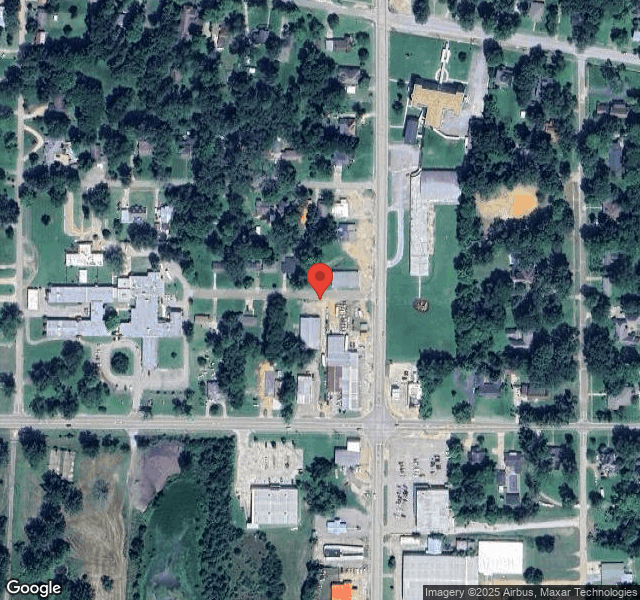
Jan 2022 7 deficiencies
CONCERN (D)

Potential for Harm - no one hurt, but risky conditions existed

PASARR Coordination (Tag F0644)

Could have caused harm · This affected 1 resident

Based on staff interview and record review, the facility failed to submit a Preadmission Screening and Resident Review (PASRR) Level II Change in Status Request Form (look at the form) for a resident ...

Read full inspector narrative →
Based on staff interview and record review, the facility failed to submit a Preadmission Screening and Resident Review (PASRR) Level II Change in Status Request Form (look at the form) for a resident with a new mental health diagnosis and a new psychotropic medication for one (1) of three (3) residents reviewed for PASRR Level II. Resident #59. Findings include: An interview and record review, on 1/19/22 at 03:15 PM, with the Director of Nursing (DON), confirmed Resident #59 had a mental health status change, due to a diagnosis of Major Depressive Disorder, Recurrent, Unspecified, which was added to his medical record on 7/20/20. The DON confirmed that Resident #59 had another status change, due to a physician's order for Cymbalta 60 milligrams (MG) by mouth one (1) time a day, which was added to his medical record on 11/24/20. The DON revealed she did not submit a Change in Status Request Form, to the appropriate agency, to find out if a Preadmission Screening and Resident Review (PASRR) Level II needed to be completed for Resident #59. The facility did not have a policy related PASRR. Record review, of the Preadmission Screening (PAS) Level I, completed by the facility upon admission, dated 6/27/18, for Resident #59, revealed the answer, no, to the questions; Person has a diagnosis of a major mental illness and person has a recent history of a major mental illness. Record review of the Order Summary Report, for Resident #59, revealed a physician's order for Cymbalta 60 milligrams (MG), for depression, with an order date of 11/24/20, and a start date 11/25/20. Record review, of the diagnosis list, for Resident #59, revealed a diagnosis of Major Depressive Disorder with an onset date of 7/20/20.
CONCERN (D)

Potential for Harm - no one hurt, but risky conditions existed

Deficiency F0645 (Tag F0645)

Could have caused harm · This affected 1 resident

Based on staff interview and record review, the facility failed to obtain a Preadmission Screening and Resident Review (PASRR) Level II on a resident, as indicated on the response letter to the Preadm...

Read full inspector narrative →
Based on staff interview and record review, the facility failed to obtain a Preadmission Screening and Resident Review (PASRR) Level II on a resident, as indicated on the response letter to the Preadmission Screening (PAS) Level I, for one (1) of three (3) residents reviewed for No PASRR Level II. Resident #20 Findings include: Record review of the PAS Level I response letter, from the state mental health agency that completed the PASRR Level II and noted that Resident #20 had a negative PASRR Level II, was from a PASRR Level II that was done for Resident #20 ' s previous admission to another nursing facility. The documentation in the PAS Level I response letter noted a diagnosis of Depression NOS, that was revealed to have derived from a history and physical dated November 23, 2020. The PAS Level I, submitted January 11, 2021, revealed diagnoses of Major Depressive Disorder, Unspecified, Post Traumatic Stress Disorder, and Anxiety Disorder. The DON failed to follow up to ensure a PASRR Level II was completed, for Resident #20, based on the mental health diagnoses submitted, on the PAS Level I dated January 11, 2021. The PASRR Level II, completed from the previous nursing facility admission, was accepted by the present facility for PASRR Level II completion for Resident #20. An interview, on 1/19/22 at 03:15 PM, with the Director of Nursing (DON), revealed she confirmed she submitted the Preadmission Screening (PAS) Level I request, she was aware of the response letter noting a Preadmission Screening and Resident Review (PASRR) Level II was required, and she felt she had received a sufficient PASRR Level II final determination report from the state mental health agency that completed the PASRR Level II screening, for Resident #20. An interview and record review, on 1/20/22 at 02:15 PM, with the DON, revealed that she placed fault with the state mental health agency that the PASRR Level II was not completed for Resident #20. DON revealed the state mental health agency submitted a PASRR Level II final determination report without using the information that she submitted on the PAS Level I Screen, for Resident #20, dated 1/11/21. DON revealed the PASRR Level II, not being done correctly, is not her fault, and she could not follow up for correction of the PASRR Level II final determination report, because she did not know who to call, nor did she have a contact number for the state mental health agency. The facility did not have a policy related to PASRR. Record review of the Face Sheet, for Resident #20, revealed an original admission date of 1/7/21. Record review of the Diagnosis Report, for Resident #20, revealed admission diagnoses of Major Depressive Disorder, Recurrent, Moderate, Post-Traumatic Stress Disorder, Unspecified, and Anxiety Disorder, Unspecified, with an onset date of 1/6/21 for all diagnoses. Record review of the PAS Level I, for Resident #20, dated 1/11/21, revealed the answer, yes, to the questions: Person has a diagnosis of major mental illness, Person has a recent history of a major mental illness, and Person takes, or has a history of taking psychotropic medication. Record review of the PAS Level I response letter, dated 1/26/21, for Resident #20, revealed the determination, Notice of need for Level II PASRR Screen. Record review, of the fax cover sheet, titled PASRR OFFICE, dated 1/29/21, that was attached to the copy of the PASRR Level II final determination report, from the state mental health agency who completed the PASRR Level II, for Resident #20, revealed the name, the telephone number, address, and the fax number of the PASRR Coordinator for Mental Illness (MI) Services. Record review, of the letter dated 1/29/21, titled, PASRR NOTICE OF EXEMPTION FROM PASRR, from the state mental health agency that completed the PASRR Level II, for Resident #20, revealed the name of the executive director, the telephone number, the fax number, and the address. Record review of the PASRR Level II final determination report, dated 1/29/21, from the state mental health agency, for Resident #20, revealed the information: PASRR NOTICE OF EXEMPTION FROM PASRR; Based on the PASRR evaluation completed for you, you do not meet the criteria for serious mental illness or a developmental condition and are therefore not subject to PASRR requirements at this time. You were 'Ruled out' from further assessments through the PASRR Program: There is not sufficient evidence of Serious Mental Illness, Prior PASRRs: 11/30/20: Preadmission approved without services due to no sufficient evidence of Serious Mental Illness. Psychiatric History: The History and Physical (H&P) dated 11/23/20 documents the diagnosis of Depressive Disorder NOS. The Preadmission Screening assessment indicated that (Resident #20's name was omitted here) condition is not subject to the federal PASRR program due to there is not sufficient evidence of persistent Serious Mental Illness. Due to a complex psychotropic regimen, (Resident #20's name was omitted here) may benefit from an initial psychiatric evaluation for clarification of diagnosis and treatment planning. Record review of the face sheet, for Resident #20, revealed an original admission date of 1/7/21. Record review of the Diagnosis Report, for Resident #20, revealed admission diagnoses of Major Depressive Disorder, Recurrent, Moderate, Post-Traumatic Stress Disorder, Unspecified, and Anxiety Disorder, Unspecified, with an onset date of 1/6/21 for all diagnoses.
CONCERN (D)

Potential for Harm - no one hurt, but risky conditions existed

Deficiency F0646 (Tag F0646)

Could have caused harm · This affected 1 resident

Based on staff interview and record review,the facility failed to submit a Change in Status Request Form for a resident with a physical condition change related to Preadmission Screening and Resident...

Read full inspector narrative →
Based on staff interview and record review,the facility failed to submit a Change in Status Request Form for a resident with a physical condition change related to Preadmission Screening and Resident Review (PASRR) Level II for one (1) of three (3) residents reviewed for No PASRR Level II. Resident #15. Findings include: An interview, on 1/19/21 at 03:15 PM, with the Director of Nursing (DON), confirmed she did not submit a Change in Status Request Form for an updated PASRR Level II for Resident #15. DON revealed she did not think to submit a Change in Status Request Form, for an updated PASRR Level II, when hospice was discontinued and the terminal illness status was removed, that showed Resident #15 had a change in her physical condition. Record review of Resident #15's Diagnosis List revealed diagnoses of Schizophrenia, Unspecified, Major Depressive Disorder, Recurrent, Moderate, and Anxiety Disorder, Unspecified, with an onset date of 7/20/18 for all diagnoses. Record review of the response letter to the Pre admission Screening (PAS) Level I, dated 7/27/18, noted NOTICE OF PASRR CATEGORICAL APPROVAL DUE TO TERMINAL ILLNESS. No Recommendations at this time. Nursing home staff must report any significant changes associated with this individual to (agency named omitted) through submission of a Change in Status Request Form. Record review, of the Order Recap Report, revealed Resident #15 had a discontinued order for (Proper Name) Hospice, dated 2/5/20.
CONCERN (D)

Potential for Harm - no one hurt, but risky conditions existed

Deficiency F0658 (Tag F0658)

Could have caused harm · This affected 1 resident

**NOTE- TERMS IN BRACKETS HAVE BEEN EDITED TO PROTECT CONFIDENTIALITY** Based on observation, staff interview, facility policy review, and record review, the facility failed to properly administer per...

Read full inspector narrative →
**NOTE- TERMS IN BRACKETS HAVE BEEN EDITED TO PROTECT CONFIDENTIALITY** Based on observation, staff interview, facility policy review, and record review, the facility failed to properly administer percutaneous endoscopic gastrostomy (PEG) tube medications as evidenced by not administering each medication separately or flushing between each medication for one (1) of two (2) PEG tube medication administrations observed. Resident #17. Findings include: Review of the facility policy titled, Medication Administration via Enteral Tube, undated, revealed, It is the policy of this facility to ensure the safe and effective administration of medications via enteral feeding tubes by utilizing best practice guidelines. Policy revealed, .6. each medication will be administered separately, not combined or added to an enteral feeding formula. Review of the facility policy titled, Medication Administering Via Gastrostomy Tube, undated, revealed, Purpose: To ensure that residents who are unable to take medications by mouth and have a G-tube in place receive medications in a safe manner. Policy revealed, .11. Each medication is to be given separately per policy unless the physician orders a specific way to administer medications. An observation, on 1/19/2022 at 8:00 AM, revealed Registered Nurse (RN) #1 administered PEG tube medications to Resident #17. RN #1 administered seven (7) crushed medications and one (1) liquid pain medication by the PEG tube. RN #1 crushed the seven (7) medications and placed in a single cup. The liquid pain medication was in an individual cup. The PEG tube was flushed with 30 milliliters (ml) water and liquid pain medication was given. RN #1 then mixed the crushed medications with approximately 20 ml of water and administered them and then flushed the tube with 30 ml of water. An interview, with RN #1 on 1/19/2022 at 8:10 AM, revealed she did not normally work the medication cart. She confirmed she administered the medications together and thought it was appropriate to mix the medications as long as the PEG tube was flushed before and after the medication administration. She stated she had been in-serviced on medication administration, but she was uncertain what the facility policy on PEG tube medication administration was. An interview, on 1/20/2022 at 9:55 AM, with the Director of Nursing revealed for PEG medication administration, it is best practice to crush medications and give each medication mixed with a little water separately, give water between each medication, and flush with water before and after medication administration. She revealed potential concerns of giving medications together include a possible reaction between the medications and that the PEG tube could be occluded. She stated it is facility policy to give one medication at a time, flush between each medication, and flush before and after medication administration. She stated the pharmacist gave an in-service on PEG tube medication administration. She confirmed the facility failed to properly administer the PEG tube medications for this resident. Record review of the attendance log and discussed topics of the 7/6/2021 in-service titled Med Pass by the facility pharmacist revealed RN #1 attended the in-service. PEG tube administration topics covered in this in-service included, Meds must be administered individually. There will be a flush before and after each medication via whatever facility policy calls for. A record review of Face Sheet revealed Resident #17 was admitted to the facility on [DATE], with diagnoses of Dysphagia following Cerebral Infarction, Aphagia following Cerebral Infarction, and Dysphagia Oropharyngeal Phase.
CONCERN (D)

Potential for Harm - no one hurt, but risky conditions existed

Respiratory Care (Tag F0695)

Could have caused harm · This affected 1 resident

Based on observations, staff and resident interviews, record review and facility policy review, the facility failed to change oxygen (O2) tubing for, failed to date humidifier bottles for humified O2,...

Read full inspector narrative →
Based on observations, staff and resident interviews, record review and facility policy review, the facility failed to change oxygen (O2) tubing for, failed to date humidifier bottles for humified O2, failed to date the storage bags and failed to provide storage bags for O2 tubing, nebulizer masks and C-PAP masks for three (3) of eight (8) residents reviewed that are using the respiratory equipment and oxygen therapy for Resident #15, Resident #20, and Resident #24. Findings include: Review of facility policy titled, Oxygen Administration, with a policy number of NP.VI-28, revealed, .12. Cannulas and masks should be changed and dated every other week. *Humidifier container with distilled water is NOT required unless Oxygen (O2) is ordered at four (4) liters (L)/ (per) Minute or higher. The facility policy did not contain information addressing the storage of the O2 tubing, when it was not in use, and did not contain information addressing that a date was needed on the humidifier bottle. There was not an effective date on the policy. Review of facility policy titled, Nebulizer Policy and Procedure, revealed it did not contain information addressing the storage of a nebulizer mask, when not in use. The policy was not dated. Review of facility policy titled, CPAP/BiPAP (Continuous Positive Airway Pressure/Bi-level Positive Airway Pressure) Cleaning, revealed, .6. Cover with plastic bag or completely enclosed in machine storage when not in use. The policy was not dated. Resident #15 An observation, on 1/18/22 at 10:55 AM, for Resident #15, revealed there was no date on the O2 humidifier bottle and there was not a storage bag, on the O2 concentrator, for the O2 tubing. An observation and interview, on 01/19/21 at 09:15 AM, with Resident #15, revealed there was a nebulizer machine, and mask being stored between Resident #15's mattress and the wall. The mask was not in a storage bag. Resident #15 stated this was where she always kept the nebulizer, used it 2-3 times a day, and had never put her nebulizer mask in a bag. An observation and interview, on 1/19/22 at 03:13 PM, with the Director of Nursing (DON), confirmed Resident #15 did not have a date on the humidification bottle, did not have an O2 tubing storage bag, and did not have a storage bag for the nebulizer mask. The DON confirmed that resident is at risk of infection because there was no date on the humidifier bottle to indicate how long it had been on the concentrator and there was no storage bag available to cover the O2 tubing and nebulizer mask, when it was not in use. Record review of the Order Summary Report revealed Resident #15 had a physician's order for Oxygen @ (at) two (2) - (to) four (4) liters (L) continuous, dated 7/20/18. Record review, of the Order Summary Report, for Resident #15, revealed physician's orders for medications to be given with a nebulizer: Albuterol Sulfate 2.5 milligrams (MG)/3 milliliters (ML) every 4 hours as needed (PRN), dated 3/25/21, and for Albuterol 2.5 MG/3ML 4 times a day, dated 3/25/21. Record review of a Quarterly Minimum Data Set (MDS), with an Assessment Reference Date (ARD) of 11/20/21, for Resident #15, revealed a Brief Interview for Mental Status (BIMS) score of 15, indicating Resident #15 is cognitively intact. Resident #20 An observation, on 1/18/21 at 02:00 PM, for Resident #20, revealed she had a C-PAP on her bedside table, with no storage bag for the mask. An observation, on 1/19/21 at 4:15 PM, revealed Resident #20's C-PAP mask was on the floor and not in a storage bag. An interview, on 1/19/21 at 04:15 PM, with Resident #20, revealed she ordered all her supplies for her personal C-PAP and changed her own tubing. Resident #20 revealed she did not allow the facility nursing staff to clean her C-PAP often and she prefers to clean her own C-PAP. Resident revealed the nursing staff had not offered her a storage bag for her C-PAP mask. Resident stated she knew it was not good for her C-PAP mask to be on the floor. Resident stated she used her C-PAP every night. An interview, on 1/19/21 at 04:25 PM, with the Director of Nursing, (DON), revealed Resident #20 cared for her personal C-PAP, preferred to order her own C-PAP supplies, and did not allow staff to touch her C-PAP. The DON stated the resident had not been offered a storage bag, by the facility, for the C-PAP mask. Record review of the Order Summary Report for Resident #20 revealed a physician's order to apply C-PAP at bedtime, dated 2/8/21. Record review of a Quarterly Minimum Data Set (MDS), with an ARD of 11/10/21, for Resident #20, revealed a Brief Interview for Mental Status (BIMS) score of 14, indicating Resident #20 is cognitively intact. Resident #24 An observation and interview, on 01/18/22 at 10:50 AM, with Resident #24, revealed O2 tubing dated 12/2/21 and a zip lock bag, for tubing storage, that was not dated. Resident #24 stated he used the O2 every night as ordered by his doctor. Resident revealed he could not recall the last day the O2 tubing had been changed. An observation and interview, on 1/19/22 at 04:20 PM, with the DON, confirmed Resident #24 had an O2 tubing on his concentrator dated for 12/2/21. The DON confirmed the tubing should have been changed since that date, should be changed every 14 days, and could cause Resident #24 to be at risk of infection for not being changed according to policy. Record review, of the Order Summary Report revealed Resident #24 has a physician's order for Oxygen at (@) 2 liters (L) at night (PM), dated 6/5/2018. Record review of an Annual Minimum Data Set (MDS), with an ARD of 11/16/21, for Resident #24, revealed a Brief Interview for Mental Status (BIMS) score of 15, indicating Resident #24 is cognitively intact.
CONCERN (E)

Potential for Harm - no one hurt, but risky conditions existed

Deficiency F0563 (Tag F0563)

Could have caused harm · This affected multiple residents

Based on observation, staff, and responsible party interview, record review, facility policy review, and Centers for Medicare and Medicaid Services (CMS) Quality Safety and Oversight (QSO) Memo review...

Read full inspector narrative →
Based on observation, staff, and responsible party interview, record review, facility policy review, and Centers for Medicare and Medicaid Services (CMS) Quality Safety and Oversight (QSO) Memo review, the facility failed to allow visitation for 44 of 71 residents in the west side of the building during an outbreak of COVID-19. Findings Include: Review of the facility policy titled, Interim COVID-19 Visitation Policy with no implementation or revision date revealed (Facility Proper Name) will restrict visitation of all visitors and non-essential health care personnel for the duration of the declared national and public health emergency related to COVID-19. Exceptions will be in accordance with current CMS directives and CDC recommendations, or as directed by state government (whichever is more stringent). Review of the Center for Medicare and Medicaid Services (CMS) Quality Safety and Oversight (QSO) Memo with a reference # of Ref: QSO-20-39-NH dated Revised 11-12-21 revealed under, Memorandum Summary Visitation is now allowed for all residents at all times. An observation on 1/18/22 at 10:00 AM, an observation revealed a notice on the front door of the facility that read, Visitation starts on Saturday at 12 noon and ends at 6 PM. On 1/18/22 at 10:38 AM, an interview with the Administrator stated that the notice on the front door was old and that she removed it. The Administrator revealed that they have been allowing visitors, but they must dress out with Personal Protective Equipment (PPE), especially in the [NAME] building since that is where our COVID-19 positive resident are residing. On 01/18/22 at 11:22 AM, an interview with Registered Nurse (RN) # 2 revealed that the facility had not allowed visitors on the west side for a good two weeks due to two of the residents testing positive for COVID-19. On 1/18/22 at 11:45 AM, an interview with the Director of Nurses (DON) confirmed that the facility had not allowed any visitors on the west side in about 3-4 weeks due to having positive COVID-19 residents. When questioned if the facility had reviewed the most recent QSO memo from CMS regarding allowing visitors during a COVID-19 outbreak, the DON stated that she had told them we were supposed to allow visitors into the building and had always thought that it was a bad thing to not allow families to come into the facility. On 01/18/22 at 03:09 PM, an interview with Resident # 27's Responsible Party (RP ) revealed she has not been allowed to come in the west side of the facility to visit her mother for at least two weeks. Resident # 27's RP revealed that the facility called and notified her that the facility was in an outbreak again and had to be shut down for visitors and she could only call her mother on the phone to check on her. Resident # 27's RP stated, I called to check on Mother this afternoon and the staff that answered the phone told me I could come visit her now. On 1/19/22 at 2:19 PM, an interview with Registered Nurse-Infection Preventionist (RN-IP) confirmed that visitation was restricted during their current COVID-19 outbreak, but families could come for compassionate care visits. The RN-IP revealed that the staff called all the resident's families to notify them of the COVID-19 outbreak and that visitation was shut down. The RN-IP revealed that families could come for compassionate care visits only, but the families may not have known they could come for a compassionate care visit, because we did not specifically tell them that. The RN-IP revealed that the Administrator received the CMS-QSO memos, and she denied any knowledge of the most recent update on 11/12/2021 by CMS regarding no restriction on visitation. The RN-IP revealed they would begin calling all families now to inform them they could come to visit. On 1/19/22 at 4:15 PM, an interview with the Administrator revealed that visitation was restricted in the [NAME] building where the COVID positive residents were, but not in the East building. The Administrator confirmed she received the CMS QSO memos, reviews them, and keeps a copy. On 1/20/22 at 8:45 AM, an interview with Licensed Practical Nurse (LPN) # 1 revealed that Resident # 27 does not speak. LPN # 1 revealed that all the resident's benefit from visiting with their family and friends; they just need it. LPN # 1 stated that when the facility is shut down for visitation, then the staff must be their everything and as hard as we try, we are not able to give them the same kind of attention that a family member could. On 1/20/22 at 10:45 AM, an interview with the Administrator revealed that the policy titled, Interim COVID-19 Visitation Policy was implemented at the beginning of COVID-19, so it would have been around 2/2020 or 3/2020 and confirmed that she believes allowing visitors to visit the residents is important. Record review of the Resident #27's Face Sheet revealed an admission date of 12/12/19 with medical diagnoses that included: Cerebral Infarction, Hemiplegia and Hemiparesis following cerebral infarction affecting right dominant side and Memory Deficit following Cerebral Infarction. Record review of the Resident #27's nurse's note dated 1/3/2022 revealed the nurse documented that she spoke with the RP (RP's name). Notified that we have new COVID positive cases at facility, and there will be no visitation for 2 weeks. Also notified that if resident has a decline in her condition, they will be allowed to visit. Record review of the resident's Minimum Data Set with an Assessment Reference Date of 8/24/21 revealed Resident #27 had Brief Interview of Mental Status Score (BIMS) of 2, indicating that the resident has a severe cognitive deficit.
CONCERN (E)

Potential for Harm - no one hurt, but risky conditions existed

Infection Control (Tag F0880)

Could have caused harm · This affected multiple residents

Based on observation, staff interview, facility policy review and record review, the facility failed to prevent the likelihood of the spread of infection as evidenced by failure to perform hand hygien...

Read full inspector narrative →
Based on observation, staff interview, facility policy review and record review, the facility failed to prevent the likelihood of the spread of infection as evidenced by failure to perform hand hygiene during the lunch tray pass in the west dining room and on east hall and while performing incontinent care for Resident #67 for two (2) of three (3) survey days. Findings Include: Review of the facility policy titled, Infection Prevention and Control Program dated April 2018 with no revision date revealed under Policy: It is a policy of this facility to establish and maintain an infection prevention and control program designed to provide a safe, sanitary, and comfortable environment and to help prevent the development and transmission of communicable diseases and infections and revealed under Policy Explanation and Compliance Guidelines: .# 4 Hand Hygiene Protocol: a. All staff shall wash their hands when coming on duty, between resident contacts, after handling contaminated objects, after PPE removal, before/after eating, before/after toileting, and before going off duty. b. Staff shall wash their hands before and after performing resident care procedures. Meal Tray Pass On 01/18/2022 at 11:55 AM, an observation of the noon meal tray pass for east wing rooms 119 through 134 revealed three (3) Certified Nursing Assistants (CNAs) did not utilize hand hygiene between residents while passing trays or returning to the tray cart. On 1/18/22 at 12:00 PM, an observation revealed that Certified Nurse Assistant (CNA) #1 in the west dining room did not perform hand hygiene in between resident's lunch tray delivery and set up. On 1/18/22 at 3:00 PM, an interview with CNA #1 revealed she was supposed to perform hand hygiene in between each tray she hands out to the residents and confirmed that she had attended hand hygiene in-services. CNA # 1 stated, I think I performed hand hygiene between each tray. On 1/18/22 at 3: 08 PM, an interview with Registered Nurse (RN) # 2 revealed that anyone passing out meal trays is supposed to use hand sanitizer or wash their hands with soap and water in between each tray to prevent the spread of germs. On 1/19/22 at 2:19 PM, an interview with the RN Infection Preventionist (RN-IP) confirmed that staff handing out meal trays should perform hand hygiene before and after touching the meal tray and the resident to prevent the spread of infection. The RN-IP revealed that staff had attended a hand hygiene in-service and the facility has a hand hygiene policy. RN-IP stated, I go out on the hall fairly often to verify that the staff is performing hand hygiene like they know to. Review of the facility in-services revealed the facility had a hand hygiene in-service on 1/14/21 that was attended by CNA #1. Incontinent Care On 1/19/2022 at 2:00 PM, an observation of CNA #2 and CNA #3 performing incontinent care for Resident #67 revealed that CNA #2 did not utilize hand hygiene between glove changes and after completing assisting CNA #3 with incontinent care. CNA #2 set up water and a snack within the residents reach without utilizing hand hygiene. CNA #3 initiated the incontinent care, for Resident #67 and did not change gloves or perform hand hygiene between cleaning the resident's perineal area and reaching into the clean rinse water with a clean cloth. CNA #2 removed a bag of dirty linen, a bag of dirty gloves and an incontinent brief without wearing gloves. On 01/20/2022 at 8:30 AM, an interview with RN #1 Staff Development Nurse revealed the staff should wash their hands before and after resident care, any time hands are visibly soiled, between dirty and clean, when performing resident care, and between each resident when passing meal trays. RN #1 reported she is the Staff Development Nurse and provides annual infection control in-services and intermittent should a problem occur. The Infection Preventionist /Infection Control Nurse performs infection control in-services. RN #1 reported we sometimes do return demonstrations for hand hygiene and donning/doffing Personal Protective Equipment (PPE). On 01/20/2022 at 8:55 AM, an interview with CNA #2 confirmed she was supposed to wash her hands or perform hand hygiene with the hand sanitizer, before and after resident care, when changing gloves, between dirty and clean and between tray pass for the residents. CNA #2 confirmed she did not utilize good hand hygiene practices when performing incontinence care on 01/19/2022 for Resident #67. CNA #2 confirmed she did not wash hands or use hand gel between changing gloves and only changed gloves once. She confirmed she did not wash her hands before setting up residents' snack and drink and carried out the trash and dirty linen bags without wearing gloves. Record review of physician Order Summery Report revealed Resident #67 to have diagnoses including Cerebrovascular disease affecting right dominant side and Cerebral Palsy. On 01/20/2022 at 9:30 AM, an interview with the Director of Nurses (DON ) revealed that infection control in-services are assigned to the staff, and they go online to complete. If we find a problem area, we will do a teachable moment on the hall. We do two formal in-services for infection control annually and the Dietitian performs any in-services pertaining to dietary or nutrition.
Understanding Severity Codes (click to expand)
Life-Threatening (Immediate Jeopardy)
J - Isolated K - Pattern L - Widespread
Actual Harm
G - Isolated H - Pattern I - Widespread
Potential for Harm
D - Isolated E - Pattern F - Widespread
No Harm (Minor)
A - Isolated B - Pattern C - Widespread

Questions to Ask on Your Visit

  • "What safeguards are in place to prevent abuse and neglect?"
  • "Can I speak with families of current residents?"
  • "What's your RN coverage like on weekends and overnight?"

Our Honest Assessment

Strengths
  • • Licensed and certified facility. Meets minimum state requirements.
Concerns
  • • Multiple safety concerns identified: Federal abuse finding, 3 harm violation(s). Review inspection reports carefully.
  • • 20 deficiencies on record, including 3 serious (caused harm) violations. Ask about corrective actions taken.
  • • $20,050 in fines. Higher than 94% of Mississippi facilities, suggesting repeated compliance issues.
  • • Grade F (13/100). Below average facility with significant concerns.
Bottom line: This facility has a substantiated abuse finding. Extreme caution advised. Explore alternatives.

About This Facility

What is Shearer-Richardson Memorial's CMS Rating?

CMS assigns SHEARER-RICHARDSON MEMORIAL NURSING HOME an overall rating of 1 out of 5 stars, which is considered much below average nationally. Within Mississippi, this rating places the facility higher than 0% of the state's 100 nursing homes. A rating at this level reflects concerns identified through health inspections, staffing assessments, or quality measures that families should carefully consider.

How is Shearer-Richardson Memorial Staffed?

CMS rates SHEARER-RICHARDSON MEMORIAL NURSING HOME's staffing level at 4 out of 5 stars, which is above average compared to other nursing homes.

What Have Inspectors Found at Shearer-Richardson Memorial?

State health inspectors documented 20 deficiencies at SHEARER-RICHARDSON MEMORIAL NURSING HOME during 2022 to 2024. These included: 3 that caused actual resident harm and 17 with potential for harm. Deficiencies causing actual harm indicate documented cases where residents experienced negative health consequences.

Who Owns and Operates Shearer-Richardson Memorial?

SHEARER-RICHARDSON MEMORIAL NURSING HOME is owned by a government entity. Government-operated facilities are typically run by state, county, or municipal agencies. The facility operates independently rather than as part of a larger chain. With 73 certified beds and approximately 67 residents (about 92% occupancy), it is a smaller facility located in OKOLONA, Mississippi.

How Does Shearer-Richardson Memorial Compare to Other Mississippi Nursing Homes?

Compared to the 100 nursing homes in Mississippi, SHEARER-RICHARDSON MEMORIAL NURSING HOME's overall rating (1 stars) is below the state average of 2.6 and health inspection rating (2 stars) is below the national benchmark.

What Should Families Ask When Visiting Shearer-Richardson Memorial?

Based on this facility's data, families visiting should ask: "What safeguards and monitoring systems are in place to protect residents from abuse or neglect?" "Can I visit during a mealtime to observe dining assistance and food quality?" "How do you handle medical emergencies, and what is your hospital transfer rate?" "Can I speak with family members of current residents about their experience?" These questions are particularly relevant given the substantiated abuse finding on record.

Is Shearer-Richardson Memorial Safe?

Based on CMS inspection data, SHEARER-RICHARDSON MEMORIAL NURSING HOME has documented safety concerns. The facility has 1 substantiated abuse finding (meaning confirmed case of resident harm by staff or other residents). The facility has a 1-star overall rating and ranks #100 of 100 nursing homes in Mississippi. Families considering this facility should ask detailed questions about what corrective actions have been taken since these incidents.

Do Nurses at Shearer-Richardson Memorial Stick Around?

SHEARER-RICHARDSON MEMORIAL NURSING HOME has not reported staff turnover data to CMS. Staff turnover matters because consistent caregivers learn residents' individual needs, medications, and preferences. When staff frequently change, this institutional knowledge is lost. Families should ask the facility directly about their staff retention rates and average employee tenure.

Was Shearer-Richardson Memorial Ever Fined?

SHEARER-RICHARDSON MEMORIAL NURSING HOME has been fined $20,050 across 2 penalty actions. This is below the Mississippi average of $33,279. While any fine indicates a compliance issue, fines under $50,000 are relatively common and typically reflect isolated problems that were subsequently corrected. Families should ask what specific issues led to these fines and confirm they've been resolved.

Is Shearer-Richardson Memorial on Any Federal Watch List?

SHEARER-RICHARDSON MEMORIAL NURSING HOME is not on any federal watch list. The most significant is the Special Focus Facility (SFF) program, which identifies the bottom 1% of nursing homes nationally based on persistent, serious quality problems. Not being on this list means the facility has avoided the pattern of deficiencies that triggers enhanced federal oversight. This is a positive indicator, though families should still review the facility's inspection history directly.