BEDFORD CARE CENTER OF PICAYUNE
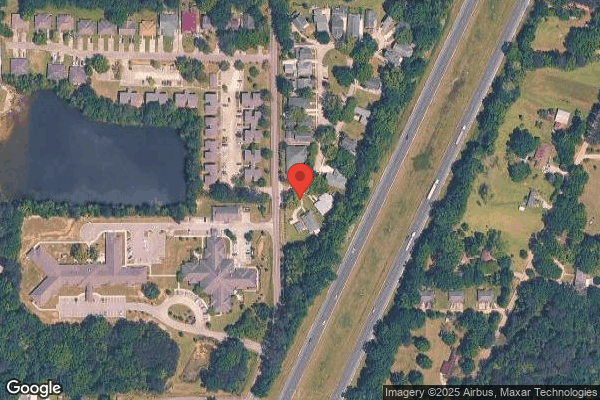

2797 COOPER ROAD, PICAYUNE, MS 39466 (601) 799-1616
For profit - Limited Liability company 120 Beds BEDFORD CARE CENTERS Data: November 2025
Trust Grade
13/100
#148 of 200 in MS
Last Inspection: May 2024

Within standard 12-15 month inspection cycle. Federal law requires annual inspections.

Overview

Bedford Care Center of Picayune has received a Trust Grade of F, indicating significant concerns and poor quality of care. Ranking #148 out of 200 facilities in Mississippi places them in the bottom half of the state, and they are last among the three nursing homes in Pearl River County. Unfortunately, the facility is worsening, with issues increasing from 2 in 2022 to 13 in 2024. While staffing is a relative strength with a rating of 4 out of 5 and a turnover rate of 48%, which is average, the facility has concerning RN coverage that is less than 77% of state facilities. Specific incidents include a failure to promptly notify a physician about a resident’s injuries, which led to a delay in treatment for a femoral fracture, indicating serious neglect in care. Overall, while the facility has decent staffing, the alarming trend in health and safety issues raises significant red flags for potential residents and their families.

Trust Score
F
13/100
In Mississippi
#148/200
Bottom 26%
Safety Record
High Risk
Review needed
Inspections
Getting Worse
2 → 13 violations
Staff Stability
⚠ Watch
48% turnover. Above average. Higher turnover means staff may not know residents' routines.
Penalties
⚠ Watch
$8,617 in fines. Higher than 88% of Mississippi facilities, suggesting repeated compliance issues.
Skilled Nurses
⚠ Watch
Each resident gets only 24 minutes of Registered Nurse (RN) attention daily — below average for Mississippi. Fewer RN minutes means fewer trained eyes watching for problems.
Violations
⚠ Watch
18 deficiencies on record. Higher than average. Multiple issues found across inspections.
★☆☆☆☆
1.0
Overall Rating
★★★★☆
4.0
Staff Levels
★☆☆☆☆
1.0
Care Quality
★★☆☆☆
2.0
Inspection Score
Stable
2022: 2 issues
2024: 13 issues

The Good

  • 4-Star Staffing Rating · Above-average nurse staffing levels
  • Full Sprinkler Coverage · Fire safety systems throughout facility
  • No fines on record

Facility shows strength in staffing levels, fire safety.

The Bad

1-Star Overall Rating

Below Mississippi average (2.6)

Significant quality concerns identified by CMS

Staff Turnover: 48%

Near Mississippi avg (46%)

Higher turnover may affect care consistency

Federal Fines: $8,617

Below median ($33,413)

Minor penalties assessed

Chain: BEDFORD CARE CENTERS

Part of a multi-facility chain

Ask about local staffing decisions and management

The Ugly 18 deficiencies on record

6 actual harm
May 2024 7 deficiencies
CONCERN (D)

Potential for Harm - no one hurt, but risky conditions existed

Respiratory Care (Tag F0695)

Could have caused harm · This affected 1 resident

Based on observation, staff interview, and record review, the facility failed to store an O2 (Oxygen) nasal cannula and a nebulizer mask in a designated container and failed to change or discard a dis...

Read full inspector narrative →
Based on observation, staff interview, and record review, the facility failed to store an O2 (Oxygen) nasal cannula and a nebulizer mask in a designated container and failed to change or discard a disposable humidifier water bottle timely for one (1) of two (2) residents reviewed for oxygen therapy. Resident #3 Findings include: Record review of the facility's policy, Oxygen Administration, revised 8/2/22, revealed Purpose The purpose of this procedure is to provide guidelines for safe oxygen administration . However, the policy did not address O2 and Nebulizer tubing storage or changing the disposable water humidifier bottle. On 5/20/24 at 9:13 AM, Resident #3 was observed sleeping in bed. She was not wearing oxygen and there was an O2 concentrator located next to the bed and bedside table. There was a nasal cannula tubing wrapped around the concentrator and not stored in a bag. The disposable humidifier water bottle attached to the concentrator had a handwritten date of 12/21/23, was half full, and was attached to a nasal cannula tubing that was dated 5/16/24. There was a nebulizer machine on the bedside table and the mask was hanging down the side of the bedside table and not stored in a designated bag or container. A record review of the admission Record revealed the facility admitted Resident #3 on 1/6/22 and she had current diagnoses including Chronic Obstructive Pulmonary Disease (COPD). A record review of the Order Summary Report, with active orders as of 5/21/24, revealed Resident #3 had a Physician's Order, dated 3/20/24, for O2 (Oxygen) at 2L/min (liters per minute), TITRATE TO KEEP O2 SATS (Saturation) > 92% and a Physician's Order, dated 11/20/23 for Ipratropium-Albuterol Solution 0.5-2.5 .1 vial inhale orally every 12 hours as needed . On 5/21/24 at 2:10 PM, an interview with Licensed Practical Nurse (LPN) #2 revealed Resident #3 was not currently using oxygen because it was ordered as needed and LPN #2 stated the resident had not needed to wear it recently. He stated that he did not look at the oxygen water humidifier bottle or how the tubing was stored because the night shift staff were responsible for changing those out weekly. On 5/21/24 at 2:30 PM, in an interview and observation in Resident #3's room with Registered Nurse (RN) #5, she confirmed the O2 nasal cannula and nebulizer mask were not stored in a designated container and stated they should have been stored in a bag. She also verified the O2 concentrator water humidifier bottle was dated 12/21/23 and thought it should be changed weekly. On 5/22/24 at 10:30 AM, in an interview with the Director of Nursing (DON), she stated she expected oxygen nasal cannula tubing and nebulizer masks to be stored appropriately and for staff to change or discard oxygen humidifier bottles timely.
CONCERN (D)

Potential for Harm - no one hurt, but risky conditions existed

Deficiency F0699 (Tag F0699)

Could have caused harm · This affected 1 resident

**NOTE- TERMS IN BRACKETS HAVE BEEN EDITED TO PROTECT CONFIDENTIALITY** Based on interviews, record review, and facility policy review, the facility failed to ensure triggers and resident specific int...

Read full inspector narrative →
**NOTE- TERMS IN BRACKETS HAVE BEEN EDITED TO PROTECT CONFIDENTIALITY** Based on interviews, record review, and facility policy review, the facility failed to ensure triggers and resident specific interventions were identified and initiated for a resident with Post Traumatic Stress Disorder (PTSD) for one (1) of 21 sampled residents. Resident #62 Findings include: A review of the facility's policy, Trauma Informed Care, revised 6/1/23, revealed, .It is the policy of this facility to provide care and services which, in addition to meeting professional standards, are delivered using approaches which are culturally competent, account for experiences and preferences, and address the needs of trauma survivors by minimizing triggers and/or re -traumatization .Policy Explanation and Compliance Guidelines .2. The facility will use a multi-pronged approach to identifying a resident's history of trauma, as well as his or her cultural preferences. This will include asking the resident about triggers that may be stressors or may prompt recall of a previous traumatic event, as well as screening and assessment tools .4. The facility will collaborate with resident trauma survivors, and as appropriate, the resident's family, friends, the primary care physician, and any other care professionals .to develop and implement individualized care plan interventions. 5. The facility will identify triggers which may re-traumatize residents with the history of trauma. Trigger- specific interventions will identify ways to decrease the resident's exposure to triggers which re-traumatize the resident, as well as identify ways to mitigate or decrease the effect of the trigger on the resident and will be added to the resident's care plan .9. In situations where a trauma survivor is reluctant to share their history, the facility will still try to identify triggers which may re-traumatize the resident and develop care plan interventions which minimize or eliminate the effect of the trigger on the resident . Record review of the admission Record revealed the facility admitted Resident #62 on 11/13/2023 and he had a diagnosis of PTSD with an onset date of 11/13/2023. A record review of the admission Minimum Data Set (MDS) with an Assessment Reference Date (ARD) of 11/22/23, revealed Resident #62 had a Brief Interview for Mental Status (BIMS) score of 8, which indicated his cognition was moderately impaired. Further review of Section I for Active Diagnoses revealed he had a diagnosis of PTSD. A record review of the Life History document, dated 11/14/23, indicated Resident #62 had experienced physical, mental abuse, trauma, traumatic experience are significant fears in the past and resident .attempted to commit suicide a few years ago . A record review of the facility's .Trauma Screening Questionnaire, dated 11/15/23, revealed in Section 3 Resident has been evaluated and treated related to history of PTSD. A review of the medical record revealed there was no documentation that indicated Resident #62 was evaluated to identify triggers and resident specific interventions regarding his history of PTSD. In an interview on 5/23/24 at 8:30 AM, Certified Nurse Aide (CNA) #2 stated Resident #62 was admitted to the facility in November and she was not sure what type of previous trauma the resident had or what things might trigger the resident to cause re-traumatization. She said that any information regarding how to care for the resident was located on the [NAME] (summary of resident information). CNA #2 went to a kiosk in the hallway, signed in, and reviewed Resident #62's information. She confirmed there was no information regarding the resident's triggers that may cause re-traumatization. In an interview on 5/23/24 at 8:40 AM, with Licensed Practical Nurse (LPN) #3, she confirmed Resident #62 was admitted in November 2023 and she was not aware of any triggers that may cause re-traumatization to the resident. She stated that behavior interventions would be on the resident's care plan, and she signed in on the computer to review the care plan. She confirmed there was nothing in place as to what triggers the resident. During an interview on 5/23/24 at 9:50 AM, with the Social Services Director (SSD), she confirmed the facility had not provided trauma informed care for Resident #62 because they were not aware of the triggers that could cause re-traumatization. The SSD stated Resident #62 had previously been hospitalized at the Veteran's Administration (VA) hospital. The resident's sister had signed him in and advised he had previously suffered from a nervous breakdown. The SSD reported Resident #62 had a diagnosis of PTSD when he left the VA hospital. She confirmed she completed a trauma screen on the resident which revealed the resident had a history of PTSD. The SSD said the resident's sister did not know what triggered the resident because previously he lived alone. The SSD confirmed she had not attempted to obtain information from the VA hospital regarding his history of PTSD and the triggers that could cause re-traumatization. During an interview on 5/23/24 at 9:55 AM, the Director of Nursing (DON), stated she expected the facility to provide trauma informed care for residents with PTSD so they would know what the triggers were for residents to prevent re-traumatization. During an interview on 05/23/24 at 10:14 AM, with the facility's Administrator, stated that he expected a resident who had PTSD to receive trauma informed care to ensure that a resident was not re-traumatized.
CONCERN (D)

Potential for Harm - no one hurt, but risky conditions existed

Deficiency F0761 (Tag F0761)

Could have caused harm · This affected 1 resident

Based on observation, staff interview, and facility policy review, the facility failed to discard expired stock medications for one (1) of five (5) medication storage areas reviewed. Nurses Station-Bu...

Read full inspector narrative →
Based on observation, staff interview, and facility policy review, the facility failed to discard expired stock medications for one (1) of five (5) medication storage areas reviewed. Nurses Station-Building 1 Findings include: Review of the facility policy, Medication Storage, revised 7/17/23, revealed, .It is the policy of this facility to ensure all medications housed on our premises will be stored in the in the pharmacy and/or medication rooms according to the manufacturer's recommendations .Policy Explanation and Compliance Guidelines .8. Unused Medications: The pharmacy and all medication rooms are routinely inspected by the consultant pharmacist for discontinued, outdated, defective or deteriorated medications with worn illegible or missing labels. On 05/20/24 at 9:16 AM, during an observation, there were expired medications in the medication storage area of the nurses' station in Building 1. The expired stock medications were Magnesium 750 milligrams (mg), which had an expiration date of 12/2023, Folic Acid 1 mg with an expiration date of 1/2024, and Aspirin 325 mg with an expiration date of 1/2024. On 05/20/24 at 10:14 AM, during an interview and observation with Registered Nurse (RN) # 1, she confirmed the Magnesium, Folic Acid, and Aspirin were expired and should not be in the stock medication area. She stated it was the cart nurses' responsibility to discard any expired medications from the medication carts and medication storage areas. On 05/21/24 at 10:14 AM, in an interview with the Director of Nursing (DON), she confirmed it was the responsibility of cart nurses to discard expired medications from the medication carts and from the medication storage areas. She stated she expected the nurses to follow up and check for expired medications in facility stock and carts. She explained that using expired medications could be a potential hazard as the efficacy of the medication could have changed.
CONCERN (D)

Potential for Harm - no one hurt, but risky conditions existed

Infection Control (Tag F0880)

Could have caused harm · This affected 1 resident

Based on observation, staff interview, and facility policy review, the facility failed to provide hand hygiene for residents prior to meals for one (1) of four (4) dining rooms observed. Dining Room C...

Read full inspector narrative →
Based on observation, staff interview, and facility policy review, the facility failed to provide hand hygiene for residents prior to meals for one (1) of four (4) dining rooms observed. Dining Room C. Findings include: A record review of the facility's policy, Handwashing/Hand Hygiene revised 8/2/22, revealed, .This facility considers hand hygiene the primary means to prevent the spread of infections. Policy Interpretation and Implementation .5. Residents .will be encouraged to practice hand hygiene .7. Use an alcohol-based hand rub .or .soap .and water for the following situations .o. Before and after eating or handling food . On 5/20/24 at 10:51 AM, during an observation of Dining Room C, the facility staff did not offer to assist residents with washing or sanitizing their hands. There were four (4) Certified Nurse Aides (CNAs) and one (1) Licensed Practical Nurse (LPN) present. On 5/20/24 at 11:44 AM, during an observation, three (3) residents were assisted to the dining room table in Dining Room C by therapy staff. The residents were not offered assistance with washing or sanitizing their hands prior to the meal being served. On 5/20/24 at 11:48 AM, during an interview with the Director of Nursing (DON), she was in Dining Room C and observed the three (3) residents who came from therapy to the dining room table and staff did not offer assistance with washing or sanitizing their hands. The DON explained CNAs were responsible for assisting the residents with hand hygiene before meals. On 05/20/24 at 12:35 PM, an interview with CNA #1, she confirmed the staff did not offer to assist residents with hand hygiene in Dining Room C prior to serving lunch. On 05/20/24 at 12:40 PM, during an interview with the Physical Therapy Assistant (PTA), she reported the (3) residents that came into the dining room had just ended therapy prior to lunch. She confirmed the therapy staff do not assist residents in washing their hands before going to the dining room. She stated, Residents like to stay in the therapy room as long as they can before going to lunch.
CONCERN (E)

Potential for Harm - no one hurt, but risky conditions existed

Deficiency F0657 (Tag F0657)

Could have caused harm · This affected multiple residents

Based on staff interview, record review, and facility policy review, the facility failed to revise comprehensive care plan interventions related to oxygen therapy (Resident #3), pain management (Resid...

Read full inspector narrative →
Based on staff interview, record review, and facility policy review, the facility failed to revise comprehensive care plan interventions related to oxygen therapy (Resident #3), pain management (Resident #103), and trauma-informed care (Resident #62) for three (3) of 21 sampled residents. Findings include: A review of the facility's policy, Comprehensive Care Plans, revised 8/24/22, revealed, Policy: It is the policy of this facility to develop and implement a comprehensive person-centered care plan for each resident .Definitions . Trauma-Informed care is an approach to delivering care that involves understanding, recognizing, and responding to effects of all types of trauma. A trauma-informed approach to care delivery recognizes the widespread impact, and signs and symptoms of trauma in residents, and incorporates knowledge about trauma into care plans .Policy Explanation and Compliance Guidelines .3. The comprehensive care plan will describe .a. The services that are to be furnished to attain or maintain the resident's highest practicable physical, mental, and psychosocial well-being .g. Individualized interventions for trauma survivors that recognizes the interrelation between trauma and symptoms of trauma, as indicated. Trigger-specific interventions will be used to identify ways to decrease the resident's exposure to triggers which re-traumatize the resident, as well as identify ways to mitigate or decrease the effort of the trigger on the resident . Resident #3 A record review of the comprehensive care plan with a date initiated of 5/1/2024 revealed Problem The resident has COPD (Chronic obstructive pulmonary disease) .Interventions .Oxygen Settings: O2 via nasal cannula @ 2L continuously . Further review revealed a Problem of The resident has oxygen therapy r/t (related to) Ineffective gas exchange with Interventions of Oxygen settings: O2 via NC 2/L .PRN (as needed). A record review of the Order Summary Report, with active orders as of 5/21/24, revealed Resident #3 had a Physician's Order, dated 3/20/24, for O2 (Oxygen) at 2L/min (liters per minute), TITRATE TO KEEP O2 SATS (Saturation) > 92%. A record review of the admission Record revealed the facility admitted Resident #3 on 1/6/22 and she had current diagnoses including Chronic Obstructive Pulmonary Disease (COPD). On 5/21/24 at 2:30 PM, in an interview with Registered Nurse (RN) #5, she confirmed Resident #3 had a physician's order to titrate her oxygen which meant it should be applied as needed to keep her oxygen saturation above 92%. On 5/21/24 at 2:51 PM, in an interview with RN #2, she confirmed the comprehensive care plan for Resident #3 had conflicting oxygen orders because one care plan indicated the oxygen was used continuously and the other care plan indicated the oxygen was to be used as needed. She explained the staff had been auditing care plan and reconciling them with orders and this care revision could have been missed. She stated she expected the facility staff to follow the care plan and to advise the care plan nurse if there were conflicting interventions. Resident #103 A record review of the comprehensive care plan with a date initiated of 3/29/204, revealed Problem The resident has acute/chronic pain r/t (related to) Disease process CANCER .Interventions .Fentanyl Patch 72 HR 25 MCG/HR (Micrograms/Hour) Q72H (every 72 hours) for Pain . There was no care plan intervention addressing the Physician's Order for morphine sulfate. A record review of the Order Summary Report, with active orders as of 5/22/24, revealed Resident #103 had a Physician's Order, dated 4/18/24, for Fentanyl Transdermal Patch 72 Hour 75 MCG/HR (micrograms/hour) and an order dated 5/17/24 for Morphine Sulfate .10 MG (milligrams)/0.5 ml (milliliters) q (every) 4 hours for pain. A record review of the admission Record revealed the facility admitted Resident #103 on 3/8/24 and she had current medical diagnoses including Malignant Neoplasm of the Ovary, Colon, and Rectum. On 5/22/24 at 9:50 AM, in an interview with RN #2, she explained she was the Minimum Data Set (MDS) nurse. She stated the facility ran a report every day and reviewed all new physician orders that were written. The care plan nurse then revised the care plan for residents based on the physician's orders. On 5/22/24 at 10:03 AM, in an interview with Licensed Practical Nurse (LPN #1), she explained that she was responsible for updating or revising the care plans. She confirmed Resident #103's care plan was not revised to include recent physician orders to increase the Fentanyl patch to 75 mcg and to add morphine sulfate. She stated the staff tried to review care plans periodically to ensure they accurately reflected the resident's care and physician's orders. On 5/22/24 at 10:30 AM, in an interview with the Director of Nursing (DON), she stated she expected resident care plans to be accurate and match the resident's orders and confirmed care plans were used by staff to provide care to the residents. Resident #62 A record review of the comprehensive care plan for Resident #62, undated, revealed Problem The resident has potential for psychosocial well-being r/t (related to) hx (history) of PTSD . The care plan was not revised to include interventions to identify triggers and prevent re-traumatization of the resident. Record review of the admission Record revealed the facility admitted Resident #62 on 11/13/2023 and he had a diagnosis of Post Traumatic Stress Disorder (PTSD) with an onset date of 11/13/2023. A record review of the admission Minimum Data Set (MDS) with an Assessment Reference Date (ARD) of 11/22/23, revealed Resident #62 had a Brief Interview for Mental Status (BIMS) score of 8, which indicated his cognition was moderately impaired. Further review of Section I for Active Diagnoses revealed he had a diagnosis of PTSD. On 05/23/24 at 9:45 AM, an interview with Licensed Practical Nurse (LPN) #1, she confirmed the care plan was not revised for Resident #62 related to the diagnosis of PTSD, including information regarding the resident's triggers. She reviewed the electronic medical record and stated she would review her information and revise the residents care plan. On 05/23/24 at 9:50 AM, during an interview with the Social Services (SS) Designee, confirmed that a care plan with interventions would be helpful for staff to know how to care for the resident to avoid re-traumatization. On 05/23/24 at 9:55 AM, in an interview with the Director of Nursing (DON), she stated she expected the facility to revise comprehensive care plans related to residents with PTSD to include the triggers for residents. She also stated that she expected the care plan to contain interventions to prevent re-traumatization of the residents.
CONCERN (E)

Potential for Harm - no one hurt, but risky conditions existed

Food Safety (Tag F0812)

Could have caused harm · This affected multiple residents

Based on observation, staff interviews, and facility policy review, the facility failed to discard expired foods and failed to label opened foods with a use-by date for one (1) of three (3) kitchen ob...

Read full inspector narrative →
Based on observation, staff interviews, and facility policy review, the facility failed to discard expired foods and failed to label opened foods with a use-by date for one (1) of three (3) kitchen observations. Findings include: A review of the facility's policy, Food Safety Requirements, revised 11/21/22, revealed, .Food will be stored .in accordance with professional standards for food safety .Policy Interpretation and Implementation .1. Food safety will be followed throughout the facility's entire food handling process .b. Storage of food in a manner that helps prevent deterioration or contamination of the food .3. Facility will inspect all food .and ensure timely and proper storage .c. Refrigerated storage .Practices to maintain safe refrigerated storage include .iv. labeling, dating, and monitoring refrigerated food . On 05/20/24 at 8:00 AM, during the initial tour of the kitchen with the Dietary Manager (DM) #1 of Building 1, revealed an opened gallon of buttermilk in the Cook's Refrigerator with a manufacturer's expiration date of 12/2023. DM #1 confirmed the buttermilk was expired. On 05/20/24 at 8:00 AM, during the initial tour of the kitchen with DM #2, the walk-in refrigerator had clear containers of olives that did not have an opened or use-by date and an opened container of sour cream with no opened or use-by date. DM #2 confirmed the containers of olives and sour cream did not have a use-by date. On 05/21/24 at 10:12 AM, in an interview with DM #1 and DM #2, they stated it was everyone's responsibility to ensure opened foods were labeled with a use-by date and expired foods were discarded, but it was ultimately their responsibility to oversee that it was done.
CONCERN (F)

Potential for Harm - no one hurt, but risky conditions existed

Deficiency F0578 (Tag F0578)

Could have caused harm · This affected most or all residents

Based on record review, staff interview, and facility policy review, the facility failed to ensure an advance directive, specifically a durable Power of Attorney (POA), was available and readily retri...

Read full inspector narrative →
Based on record review, staff interview, and facility policy review, the facility failed to ensure an advance directive, specifically a durable Power of Attorney (POA), was available and readily retrievable by facility staff for one (1) of 32 residents reviewed for advance directives. (Resident #100). This deficient practice had the potential to affect all residents who had a durable POA. Findings Include: A review of the facility's policy, Residents' Rights Regarding Treatment and Advanced Directives, revised 11/1/22, revealed, Policy: It is the policy of this facility to support and facilitate a resident's right to .formulate an advance directive. Definitions: Advance Directive is a written instruction, such as a . durable power of attorney for health care .Policy Explanation and Compliance Guidelines .3. Upon admission, should the resident have an advance directive, copies will be made and placed on the chart . Record review of the Acknowledgement of Advance Directives Decisions, Rights, and Information, signed 2/9/24, which was located in the electronic health record and signed by the Resident Representative (RR), indicated Resident #100 had a Living Will. Upon review of the medical record, there was no copy of an advance directive or POA located in the medical chart. On 5/20/24 at 1:15 PM, in an interview and record review with Registered Nurse (RN) #1, she stated advance directives are in the resident's electronic chart and reviewed the electronic health record for Resident #100. She acknowledged there was no advance directive located under the Misc (Miscellaneous) tab of the electronic chart. She confirmed there were no paper charts or other areas of the nurse's station where advance directives would be kept. She commented that if a resident had an advance directive, she thought it would be listed under the Special Instructions which was readily viewable by all staff. She confirmed there were no instructions listed on the special instructions section for Resident #100. On 5/20/24 at 1:45 PM, in an interview with the Director of Nursing (DON), she revealed Resident #100 did not have a living will but clarified the RR had provided a POA to the facility and he had incorrectly checked the Living Will while electronically signing the admission paperwork. The DON explained the POA could be viewed on the Administration Side of the electronic health record and not the Clinical Side, which meant the POA could not be viewed by nurses or clinical staff. The DON provided a paper copy of Resident #100's POA and advised she would have the POA scanned into the Misc tab on the electronic medical record. On 5/20/24 at 1:56 PM, in an interview with the admission Coordinator, she explained she was responsible for discussing advance directives with residents and the RR upon admission to the facility. She stated if a resident had a POA, she kept a copy in a binder. She further explained the binder was in an office that was locked after hours and on weekends, and was located in Building 2, which was a separate building from Building 1. The Admissions Coordinator confirmed POAs were not readily retrievable by facility staff. A record review of the admission Record revealed the facility admitted Resident #100 on 2/22/24 and she had current diagnoses including Hemiplegia and Hemiparesis.
Feb 2024 6 deficiencies 6 Harm
SERIOUS (G) 📢 Someone Reported This

A family member, employee, or ombudsman was alarmed enough to file a formal complaint

Actual Harm - a resident was hurt due to facility failures

Notification of Changes (Tag F0580)

A resident was harmed · This affected 1 resident

**NOTE- TERMS IN BRACKETS HAVE BEEN EDITED TO PROTECT CONFIDENTIALITY** Based on interviews, record review, and facility policy review, the facility failed to notify the Physician or the Resident Repr...

Read full inspector narrative →
**NOTE- TERMS IN BRACKETS HAVE BEEN EDITED TO PROTECT CONFIDENTIALITY** Based on interviews, record review, and facility policy review, the facility failed to notify the Physician or the Resident Representative (RR) when a resident was observed to have bruising, edema, and pain to her left thigh and vaginal area, until the following day when she was diagnosed with a femoral fracture for one (1) of six (6) sampled residents. Resident #1. Findings include: A review of the facility's policy, Notification of Change in a Resident's Condition or Status, revised 8/2/22, revealed, Policy Statement: Our facility shall promptly notify the resident, his or her Attending Physician, and representative (sponsor) of changes in the resident's medical/mental condition and/or status .Policy Interpretation and Implementation .1. The nurse will notify the resident's Attending Physician or physician on call when there has been .b. discovery of injuries of an unknown source .4. Unless otherwise instructed by the resident, a nurse will notify the resident's representative when: a. The resident is involved in any accident or incident that results in an injury including injuries of an unknown source . A record review of the facility's investigation which included the,Alleged Abuse Incident Report dated 11/3/23, revealed on 10/28/23 at approximately 1:45 PM, License Practical Nurse (LPN) #1 reported to Registered Nurse (RN) #2 Supervisor that Resident #1 had bruising to the left thigh and vaginal area with swelling and pain. On 10/29/23 at approximately 7:30 AM, the assigned RN/Supervisor #1 observed Resident #1 bruising to the left thigh and groin area, with swelling and pain, notified her physician, and transferred Resident #1 to the local emergency room (ER). Record review of a handwritten statement from Certified Nursing Assistant (CNA) #1, dated 10/29/23, revealed on 10/28/23 at about 1:30 PM, that CNA #1 noticed a large bruise on Resident #1's vagina and she informed LPN #1. CNA #1 and LPN #1 discovered another bruise on the bottom of her labia. A record review of the Progress Notes revealed a Nurses Note, dated 10/28/23 at 1:45 PM, signed by LPN #1, revealed, alerted to resident's room. upon exam bruising was noted to vaginal area, and left thigh. painful to touch. Swelling noted to upper left thigh. shift supervisor notified of resident's condition . There was no documentation indicating the RR or the Physician were notified of the bruising or pain on 10/28/23. A record review of the Progress Notes revealed a Nurses Note, dated 10/29/23 at 8:21 AM, signed by RN #1, revealed, Alerted by (Proper Name) LPN #1 about bruising on resident's vagina and left hip. While putting resident's head of bed down to view the area, the resident began to cry out in pain. (Proper Name) Director of Nursing (DON) notified of situation. Dr. (Proper Name) aware. New orders given to send to ER for further evaluation. A record review of the hospital record, with an admission date of 10/29/23, revealed, Resident #1 was presented to the hospital with a left leg injury. Emergency Department (ED) workup was significant for left proximal femur fracture. The Physical Exam revealed Resident #1 had diffuse bruising at various stages of healing to left lower extremity and expected tenderness to left lower extremity. The Assessment/Plan revealed the ED nursing staff filed an elder abuse report and pain medications were ordered. On 2/6/24 at 11:17 AM, during a phone interview with LPN #1, he confirmed that on 10/28/23, around 1:00 PM, he was called to Resident #1's room by CNA #1 and was made aware of the residents bruising of the left groin and vaginal area. He stated Resident #1 was non-verbal, had facial grimacing, and was in pain. LPN #1 confirmed he did not notify the Medical Provider or the RR regarding the resident's bruises or pain on 10/28/23. On 2/6/23 at 11:27 AM, during a phone conversation with RN #2, she confirmed that on 10/28/23 after lunch, LPN #1 informed her of Resident #1 bruising to the left groin area. RN #2 confirmed she did not assess the resident. She passed the situation off to the night shift but could not remember the nurse's name. RN #2 confirmed that she did not notify the physician or the RR on 10/28/23 about the resident's condition. On 2/7/24 at 10:11 AM, during an interview with the DON, she confirmed that the physician and the RR should have been notified of Resident #1's bruises and pain. She explained it was the facility's policy to notify the Medical Director and the RR of any changes with the residents and she expected the nursing staff to follow the facility's policy. On 2/7/24 at 2:49 PM, in an interview with the Administrator, he confirmed that on 10/28/23 the facility did not follow the facility's policy regarding notification of a change in a resident's condition. The Administrator stated that he expected the facility staff to follow the policy and notify the physician and the RR. During an interview on 2/8/24 at 12:00 PM, with the Medical Director, he confirmed the facility did not contact him or provide him with any information on Resident #1's bruising of the left leg and perineal area on 10/28/23. He said he expected the facility to notify him of any change in a resident's condition. Record review of the admission Record revealed the facility admitted Resident #1 on 6/14/2016 and she had current diagnoses including Alzheimer's Disease and Vascular Dementia. Record review of the annual Minimum Data Set (MDS) with an Assessment Reference Date of 8/30/23, revealed Resident #1 required a staff interview for mental status and her cognition was severely impaired. Based on the facility's implementation of corrective actions on 11/2/23, the State Agency (SA) determined the deficiency to be Past Non-Compliance (PNC). The deficiency was corrected as of 11/3/23, before the SA's entrance on 2/5/24. Validation: On 2/8/23, the SA validated through staff interviews, record review, and facility policy review the facility began an investigation on 10/29/23. The SA validated through staff interview and record review of the sign in sheet and meeting minutes that an emergency Quality Assurance Performance Improvement (QAPI) meeting with all required staff was held on 10/31/23 at 9:15 AM. The DON, Medical Provider, and Social Services Director attended the QAPI meeting to discuss the situation regarding abuse and neglect, including investigation and reporting of abuse and neglect. The QAPI members also discussed ethics and communication, perineal care, notification of changes, mechanical lift and transfer safety, care plans, and [NAME] following the incident. The QAPI meeting concluded that the Plan of Correction was to in-service all staff, suspend the CNA, and conduct body audits on all residents. The QA Committee reviewed all related policies and procedures with no changes recommended. The SA validated through staff interview and record review of the in-service sign-in sheets that in-services with all staff conducted by the Administrator and the DON began on 10/29/23 regarding abuse and neglect, investigating and reporting abuse and neglect, ethics, communication, perineal care, notification of changes, mechanical lift and transfer safety, care plan, and [NAME]. No staff were allowed to work until they received the in-service training. The SA validated through staff interview and record review that the DON conducted Resident mechanical lift/transfer assessments on all residents on 11/1/23 and ensured all were up-to-date and care planned accordingly. The SA validated through staff interview and record review that on 11/1/23 through 11/2/23, the DON completed new pain assessments for all residents and updated the care plan accordingly. The SA validated through staff interview and record review that the DON completed body audits on 10/29/23 through 10/31/23 on all current residents. The SA validated through staff interview and record review, for monitoring purposes, all nurses and CNAs completed a lift skill observation. The SA validated through staff interview and record review, for monitoring purposes, Transfer Audits were completed by the nurse two (2) times per day until 12/31/23. The SA validated through staff interview and record review, for monitoring purposes, weekly body audits are completed by nurses on all residents. The SA validated that the facility reported the incident to the SA and the Attorney General Office (AGO) on 10/29/23.
SERIOUS (G) 📢 Someone Reported This

A family member, employee, or ombudsman was alarmed enough to file a formal complaint

Actual Harm - a resident was hurt due to facility failures

Free from Abuse/Neglect (Tag F0600)

A resident was harmed · This affected 1 resident

**NOTE- TERMS IN BRACKETS HAVE BEEN EDITED TO PROTECT CONFIDENTIALITY** Based on interviews, record review, and facility policy review, the facility failed to protect the resident's right to be free f...

Read full inspector narrative →
**NOTE- TERMS IN BRACKETS HAVE BEEN EDITED TO PROTECT CONFIDENTIALITY** Based on interviews, record review, and facility policy review, the facility failed to protect the resident's right to be free from neglect as evidenced by Resident #1, who was observed to have bruising, edema, and pain to her left thigh and vaginal area, did not receive care or treatment until the following day when she was diagnosed with a femoral fracture for one (1) of six (6) sampled residents. Resident #1. Findings included: A review of the facility's policy, Abuse Prevention Program, reviewed July 2019, revealed, Policy Statement: Our residents have the right to be free from abuse, neglect . A review of the facility's policy, Compliance with Reporting Allegation of Abuse/Neglect/Exploitation, dated 10/10/22, revealed, .Compliance Guidelines .Identification: The facility will identify events, occurrences, patterns and trends that may constitute: a. Neglect: Failure of the facility, its employees or service providers to provide goods and services to a resident that are necessary to avoid physical harm, pain, mental anguish, or emotional distress . A record review of the facility's investigation which included the,Alleged Abuse Incident Report dated 11/3/23, revealed that on 10/28/23 at approximately 1:45 PM, License Practical Nurse (LPN) #1 reported to Registered Nurse (RN) #2 Supervisor that Resident #1 had bruising to the left thigh and vaginal area with swelling and pain. On 10/29/23 at approximately 7:30 AM, the assigned RN/Supervisor #1 observed Resident #1 bruising to the left thigh and groin area, with swelling and pain, notified her physician, and transferred Resident #1 to the local emergency room. Record review of a handwritten statement from Certified Nursing Assistant (CNA) #1, dated 10/29/23, revealed on 10/28/23 at about 1:30 PM, that CNA #1 noticed a large bruise on Resident #1's vagina and she informed LPN #1. CNA #1 and LPN #1 discovered another bruise on the bottom of her labia. A record review of the Progress Notes revealed a Nurses Note, dated 10/28/23 at 1:45 PM, signed by LPN #1, revealed, alerted to resident's room. upon exam bruising was noted to vaginal area, and left thigh. painful to touch. Swelling noted to upper left thigh. shift supervisor notified of resident's condition . Record review of a handwritten statement from LPN #1, undated, revealed on 10/28/23 at approximately 1:30 PM, he was called to Resident #1's room and was made aware of bruising to the groin/perineal care. There was old bruising noted to the vagina/major labia and inner left thigh. The resident was showing no signs or symptoms of distress or pain at this time. Shift supervisor was notified of the resident's condition. Report on resident's condition was given at shift change. On the following morning, 10/29/23, it was noted that the resident's left leg was visually displaced and that she was complaining of pain with movement. A record review of a handwritten statement from RN #2, dated 10/30/23, revealed LPN #1 told her that the CNA said Resident #1 had an injury and he was going to write a report. The resident had a bruise and hematoma that they noticed on Saturday afternoon (10/28/23) and RN #2 did not go down and look at it. A record view of the Progress Notes revealed a Nurses Note, dated 10/29/23 at 8:21 AM, signed by RN #1, revealed, Alerted by (Proper Name) LPN #1 about bruising on resident's vagina and left hip. While putting resident's head of bed down to view the area, the resident began to cry out in pain. (Proper Name) Director of Nursing (DON) notified of situation. Dr. (Proper Name) aware. New orders given to send to ER for further evaluation. A record review of the hospital records,including the History and Physical and Progress notes, with an admission date of 10/29/23, revealed Resident #1 presented to the hospital with a left leg injury. Emergency Department (ED) workup was significant for left proximal femur fracture. The Physical Exam revealed Resident #1 had diffuse bruising at various stages of healing to left lower extremity and expected tenderness to left lower extremity. Patient withdraws to pain. The Assessment/Plan revealed the ED nursing staff filed an elder abuse report and pain medications were ordered. On 2/6/24 at 11:17 AM, during a phone conversation with LPN #1, he confirmed that on 10/28/23, around 1:00 PM, he was called to Resident #1's room by Certified Nurse Assistant (CNA) #1 and was made aware of the residents bruising of the left groin and vaginal area. He stated Resident #1 was non-verbal, had facial grimacing, and was in pain. LPN #1 notified RN #2, who was the facility supervisor of Resident #1's bruising, and she informed him to complete an incident report. LPN #1 confirmed that he did not follow up with RN #2 to ensure the resident was assessed by the RN on 10/28/23. On 10/29/23 at approximately 7:00 AM, LPN #1 reported the bruising to RN #1. RN #1 assessed the resident and immediately called the Medical Director, the Director of Nursing (DON), and the ambulance for transfer to the hospital. LPN #1 confirmed that he should have provided more care to Resident #1 on 10/28/23 but was following the chain of command. On 2/6/23 at 11:27 AM, during a phone conversation with RN #2, she confirmed that on 10/28/23 after lunch, LPN #1 informed her of Resident #1 bruising to the left groin area. RN #2 confirmed she did not assess the resident. She passed the situation off to the night shift but could not remember the nurse's name. RN #2 stated it was the facility's policy to report bruising of the vaginal area to the DON and Medical Director and that she did not report or assess the resident. On 2/6/24 at 11:35 AM, during a phone interview with CNA #1, she stated on 10/28/23 at approximately 1:30 PM, when changing Resident #1's brief, she observed a large orange and black bruise between her legs and groin area on the left side. The resident's leg was cocked out a little, which was not normal for the resident because she normally kept her legs closed together very tight. She stated that she notified LPN #1. On 2/6/24 at 11:41 AM, during a phone interview with RN #1, she confirmed on 10/29/23 at 7:24 AM, LPN #1 requested she assess Resident #1's peri-area related to bruising and swelling. She observed yellow and black bruising to her left groin and leg. RN #1 notified the DON, Medical Director, and called the local ambulance. The resident was transferred out of the facility by a local ambulance and brought to the local hospital. On 2/7/24 at 10:11 AM, during an interview with the DON, she confirmed that on 10/29/23 at approximately 8:00 AM, she received a call from RN #1 stating that Resident #1 had bruising to her left hip, pubic area, and upper pelvic area. The DON stated that on 10/29/23 at approximately 12:20 PM, she entered the facility and began her investigation. However, she did not observe the resident or the bruising because the resident had already been transferred to the hospital. The DON revealed the facility did not follow the abuse and neglect policy because the RN should have assessed the resident and reported her findings to the Medical Director and the DON on 10/28/24 when the bruising was observed by facility staff. On 2/7/24 at 2:49 PM, in an interview with the Administrator, he confirmed that on 10/28/23 the facility did not follow the abuse or neglect policy. He stated that Resident #1 should have been assessed by RN #2 on 10/28/23 and she should have reported the bruising to the Medical Director and the DON. On 2/8/24 at 12:00 PM, during an interview with the Medical Director, he confirmed the facility did not contact him or provide him with any information on Resident #1's bruising of the left leg and perineal area on 10/28/23. He said he expected the facility to notify him of any change in a resident's condition. Record review of the admission Record revealed the facility admitted Resident #1 on 6/14/2016 and she had current diagnoses including Alzheimer's Disease and Vascular Dementia. Record review of the annual Minimum Data Set (MDS) with an Assessment Reference Date of 8/30/23, revealed Resident #1 required a staff interview for mental status and her cognition was severely impaired. Based on the facility's implementation of corrective actions on 11/2/23, the State Agency (SA) determined the deficiency to be Past Non-Compliance (PNC). The deficiency was corrected as of 11/3/23, before the SA's entrance on 2/5/24. Validation: On 2/8/23, the SA validated through staff interviews, record review, and facility policy review the facility began an investigation on 10/29/23. The SA validated through staff interview and record review of the sign in sheet and meeting minutes that an emergency Quality Assurance Performance Improvement (QAPI) meeting with all required staff was held on 10/31/23 at 9:15 AM. The DON, Medical Provider, and Social Services Director attended the QAPI meeting to discuss the situation regarding abuse and neglect, including investigation and reporting of abuse and neglect. The QAPI members also discussed ethics and communication, perineal care, notification of changes, mechanical lift and transfer safety, care plans, and [NAME] following the incident. The QAPI meeting concluded that the Plan of Correction was to in-service all staff, suspend the CNA, and conduct body audits on all residents. The QA Committee reviewed all related policies and procedures with no changes recommended. The SA validated through staff interview and record review of the in-service sign-in sheets that in-services with all staff conducted by the Administrator and the DON began on 10/29/23 regarding abuse and neglect, investigating and reporting abuse and neglect, ethics, communication, perineal care, notification of changes, mechanical lift and transfer safety, care plan, and [NAME]. No staff were allowed to work until they received the in-service training. The SA validated through staff interview and record review that the DON conducted Resident mechanical lift/transfer assessments on all residents on 11/1/23 and ensured all were up-to-date and care planned accordingly. The SA validated through staff interview and record review that on 11/1/23 through 11/2/23, the DON completed new pain assessments for all residents and updated the care plan accordingly. The SA validated through staff interview and record review that the DON completed body audits on 10/29/23 through 10/31/23 on all current residents. The SA validated through staff interview and record review, for monitoring purposes, all nurses and CNAs completed a lift skill observation. The SA validated through staff interview and record review, for monitoring purposes, Transfer Audits were completed by the nurse two (2) times per day until 12/31/23. The SA validated through staff interview and record review, for monitoring purposes, weekly body audits are completed by nurses on all residents. The SA validated that the facility reported the incident to the SA and the Attorney General Office (AGO) on 10/29/23.
SERIOUS (G) 📢 Someone Reported This

A family member, employee, or ombudsman was alarmed enough to file a formal complaint

Actual Harm - a resident was hurt due to facility failures

Report Alleged Abuse (Tag F0609)

A resident was harmed · This affected 1 resident

**NOTE- TERMS IN BRACKETS HAVE BEEN EDITED TO PROTECT CONFIDENTIALITY** Based on interviews, record review, and facility policy review, the facility failed to report an injury of unknown origin within...

Read full inspector narrative →
**NOTE- TERMS IN BRACKETS HAVE BEEN EDITED TO PROTECT CONFIDENTIALITY** Based on interviews, record review, and facility policy review, the facility failed to report an injury of unknown origin within two (2) hours when facility staff observed a Resident who had bruising, edema, and pain to her left thigh and vaginal area for one (1) of six (6) sampled residents. Resident #1 Findings include: A review of the facility policy, Abuse Investigation and Reporting, revised July 2019, revealed Policy Statement: .All reports of resident abuse, neglect, exploitation, misappropriation of resident property, mistreatment and/or injuries of unknown source (abuse) shall be promptly reported to local, state and federal agencies (as defined by current regulations) . A review of the facility's policy, Compliance with Reporting Allegations of Abuse/Neglect/Exploitation, dated 10/10/22, revealed, Policy: It is the policy of this facility to report all allegations of abuse .injuries of unknown sources .are reported immediately to the Administrator of the facility and to other appropriate agencies in accordance with current state and federal regulations within prescribed timeframe's .Compliance Guidelines .Identification: The facility will identify events, occurrences, patterns and trends that may constitute .4. Identification .d. Injuries of unknown source: Includes circumstances when both the following conditions are met; i. The source of the injury was not observed by any person or could not be explained by the resident. ii. The injury is suspicious because of the extent of the injury, location of the injury . A record review of the facility's investigation which included the,Alleged Abuse Incident Report dated 11/3/23, revealed that on 10/28/23 at approximately 1:45 PM, License Practical Nurse (LPN) #1 reported to Registered Nurse (RN) #2 Supervisor that Resident #1 had bruising to the left thigh and vaginal area with swelling and pain. On 10/29/23 at approximately 7:30 AM, the assigned RN/Supervisor #1 observed Resident #1 bruising to the left thigh and groin area, with swelling and pain, notified her physician, and transferred Resident #1 to the local emergency room. The Date of Alleged Incident documented as 10/28/23 and indicated the date and time of first report to the SA was 10/29/23 at 12:24 PM. Record review of a handwritten statement from Certified Nursing Assistant (CNA) #1, dated 10/29/23, revealed on 10/28/23 at about 1:30 PM, that CNA #1 noticed a large bruise on Resident #1's vagina and she informed LPN #1. She and LPN #1 discovered another bruise on the bottom of her labia. During a phone interview on 2/6/24 at 11:17 AM, LPN #1 confirmed on 10/28/23, around 1:00 PM, he was called to Resident #1's room by CNA #1 and was made aware of the residents bruising of the left groin and vaginal area. He stated Resident #1 was non-verbal, had facial grimacing, and was in pain. LPN #1 notified RN #2, who was the facility supervisor, of Resident #1's bruising, and she informed him to complete an incident report. He confirmed that he did not notify the Administrator or the DON of the resident's bruising, swelling, and pain. He stated he followed his chain of command. During a phone interview on 2/6/23 at 11:27 AM, RN #2 confirmed on 10/28/23 after lunch, LPN #1 informed her of Resident #1 bruising to the left groin area. RN #2 confirmed she did not assess the resident. She passed the situation off to the night shift but could not remember the nurse's name. RN #2 stated it was the facility's policy to report bruising of the vaginal area to the DON and Medical Director and that she did not report or assess the resident. On 2/7/24 at 10:11 AM, during an interview with the DON, she confirmed that the facility staff first observed the bruising on Resident #1's left groin and perineal area on 10/28/23, but they did not report the injury of unknown origin until 10/29/23 at approximately 8:00 AM, which was more than two (2) hours after the injuries were observed. On 2/7/24 at 2:49 PM, in an interview with the Administrator, he confirmed that on 10/28/23, Resident #1 sustained an injury. He stated that although the facility staff were aware, the DON or himself was not aware of the injury until 10/29/23. On 10/29/24 at approximately 11:30 AM, the DON notified him of the incident and then it was reported to the SA on 10/29/23 at 12:24 PM. He stated that it should have been reported within two (2) hours of it occurring on 10/28/23. Record review of the admission Record revealed the facility admitted Resident #1 on 6/14/2016 and she had current diagnoses including Alzheimer's Disease and Vascular Dementia. Based on the facility's implementation of corrective actions on 11/2/23, the State Agency (SA) determined the deficiency to be Past Non-Compliance (PNC). The deficiency was corrected as of 11/3/23, before the SA's entrance on 2/5/24. Validation: On 2/8/23, the SA validated through staff interviews, record review, and facility policy review the facility began an investigation on 10/29/23. The SA validated through staff interview and record review of the sign in sheet and meeting minutes that an emergency Quality Assurance Performance Improvement (QAPI) meeting with all required staff was held on 10/31/23 at 9:15 AM. The DON, Medical Provider, and Social Services Director attended the QAPI meeting to discuss the situation regarding abuse and neglect, including investigation and reporting of abuse and neglect. The QAPI members also discussed ethics and communication, perineal care, notification of changes, mechanical lift and transfer safety, care plans, and [NAME] following the incident. The QAPI meeting concluded that the Plan of Correction was to in-service all staff, suspend the CNA, and conduct body audits on all residents. The QA Committee reviewed all related policies and procedures with no changes recommended. The SA validated through staff interview and record review of the in-service sign-in sheets that in-services with all staff conducted by the Administrator and the DON began on 10/29/23 regarding abuse and neglect, investigating and reporting abuse and neglect, ethics, communication, perineal care, notification of changes, mechanical lift and transfer safety, care plan, and [NAME]. No staff were allowed to work until they received the in-service training. The SA validated through staff interview and record review that the DON conducted Resident mechanical lift/transfer assessments on all residents on 11/1/23 and ensured all were up-to-date and care planned accordingly. The SA validated through staff interview and record review that on 11/1/23 through 11/2/23, the DON completed new pain assessments for all residents and updated the care plan accordingly. The SA validated through staff interview and record review that the DON completed body audits on 10/29/23 through 10/31/23 on all current residents. The SA validated through staff interview and record review, for monitoring purposes, all nurses and CNAs completed a lift skill observation. The SA validated through staff interview and record review, for monitoring purposes, Transfer Audits were completed by the nurse two (2) times per day until 12/31/23. The SA validated through staff interview and record review, for monitoring purposes, weekly body audits are completed by nurses on all residents. The SA validated that the facility reported the incident to the SA and the Attorney General Office (AGO) on 10/29/23.
SERIOUS (G) 📢 Someone Reported This

A family member, employee, or ombudsman was alarmed enough to file a formal complaint

Actual Harm - a resident was hurt due to facility failures

Comprehensive Care Plan (Tag F0656)

A resident was harmed · This affected 1 resident

**NOTE- TERMS IN BRACKETS HAVE BEEN EDITED TO PROTECT CONFIDENTIALITY** Based on interviews, record review, and facility policy review, the facility failed to implement care plan approaches or interve...

Read full inspector narrative →
**NOTE- TERMS IN BRACKETS HAVE BEEN EDITED TO PROTECT CONFIDENTIALITY** Based on interviews, record review, and facility policy review, the facility failed to implement care plan approaches or interventions related to pain and resident transfers for one (1) of six (6) residents reviewed for care plans. Resident #1. Findings Include: Record review of the facility's Comprehensive Care Plans policy, revised 8/24/22, revealed, .It is the policy of this facility to develop and implement a comprehensive person-centered care plan for each resident, consistent with resident rights .to meet a resident's medical, nursing .needs that are identified in the resident's comprehensive assessment .Policy Explanation and Compliance Guidelines .3. The comprehensive care plan will describe .a. The services that are to be furnished to attain or maintain the resident's highest practicable physical, mental, and psychosocial well-being . Record review of the Order Summary Report with active orders as of 11/20/23, revealed Resident #1 had a Physician Order, dated 8/1/2019 for Acetaminophen Tablet 500 MG (milligrams) Give two (2) tablet by mouth every 6 hours as needed for .pain . Record review of the electronic Medication Administration Record (eMAR) for October 2023 revealed there was no documentation that Resident #1 received pain medication in October. A record review of the Comprehensive Care Plan for Resident #1 revealed a Problem of Resident is at risk for pain . with Interventions/Tasks initiated on 8/1/2019 of Administer pain medications per order .and a Problem of The resident has an ADL (Activities of Daily Living) self-care performance deficit .with interventions/Tasks initiated on 10/1/2019 of Transfer: The resident requires Total Mechanical Lift with 2 staff assistance for transfers. A record review of the Progress Notes revealed a Nurses Note, dated 10/28/23 at 1:45 PM, signed by Licensed Practical Nurse (LPN) #1, revealed, alerted to resident's room. upon exam bruising was noted to vaginal area, and left thigh. painful to touch . There was no documentation that pain was addressed in the nurses note. A record review of the hospital records, with an admission date of 10/29/23, revealed, Resident #1 presented to the hospital with a left leg injury. Emergency Department (ED) workup was significant for left proximal femur fracture. The Physical Exam revealed Resident #1 had diffuse bruising at various stages of healing to left lower extremity and expected tenderness to left lower extremity. The Assessment/Plan revealed the ED nursing staff filed an elder abuse report and pain medications were ordered. On 2/6/24 at 11:17 AM, during a phone interview with LPN #1, he confirmed on 10/28/23 he did not follow Resident #1's care plan related to pain. LPN #1 stated Resident #1 demonstrated she was in pain because she had facial grimacing. LPN #1 stated he gave Resident #1 Acetaminophen, but he failed to provide any documentation regarding administering the medication. On 2/7/24 at 10:11 AM, during an interview with the Director of Nursing (DON), she confirmed that Certified Nursing Assistant (CNA) #2 did not follow the care plan when she transferred Resident #1 with the mechanical lift and did not have assistance from another staff member as per the video surveillance evidence. The DON confirmed care plan interventions were not implemented regarding pain when LPN #1 observed Resident #1 to be in pain on 10/28/23. The DON explained that care plans were in place for the staff to use to take care of the residents and she expected the staff at the facility to follow care plan interventions on the residents. On 2/8/24 at 11:19 AM, during an interview with Minimum Data Set (MDS)/RN, she confirmed that care plans provided a detailed and effective personalized outline of the care that is to be provided to the residents. It was her expectation that the staff follow the care plans on residents to ensure consistency in the nursing care of the residents. Record review of the admission Record revealed the facility admitted Resident #1 on 6/14/2016 and she had current diagnoses including Alzheimer's Disease and Vascular Dementia. Record review of the annual Minimum Data Set (MDS) with an Assessment Reference Date of 8/30/23, revealed Resident #1 required a staff interview for mental status and her cognition was severely impaired. Further review revealed she required extensive assistance with two person physical assist with transfers. Based on the facility's implementation of corrective actions on 11/2/23, the State Agency (SA) determined the deficiency to be Past Non-Compliance (PNC). The deficiency was corrected as of 11/3/23, before the SA's entrance on 2/5/24. Validation: On 2/8/23, the SA validated through staff interviews, record review, and facility policy review the facility began an investigation on 10/29/23. The SA validated through staff interview and record review of the sign in sheet and meeting minutes that an emergency Quality Assurance Performance Improvement (QAPI) meeting with all required staff was held on 10/31/23 at 9:15 AM. The DON, Medical Provider, and Social Services Director attended the QAPI meeting to discuss the situation regarding abuse and neglect, including investigation and reporting of abuse and neglect. The QAPI members also discussed ethics and communication, perineal care, notification of changes, mechanical lift and transfer safety, care plans, and [NAME] following the incident. The QAPI meeting concluded that the Plan of Correction was to in-service all staff, suspend the CNA, and conduct body audits on all residents. The QA Committee reviewed all related policies and procedures with no changes recommended. The SA validated through staff interview and record review of the in-service sign-in sheets that in-services with all staff conducted by the Administrator and the DON began on 10/29/23 regarding abuse and neglect, investigating and reporting abuse and neglect, ethics, communication, perineal care, notification of changes, mechanical lift and transfer safety, care plan, and [NAME]. No staff were allowed to work until they received the in-service training. The SA validated through staff interview and record review that the DON conducted Resident mechanical lift/transfer assessments on all residents on 11/1/23 and ensured all were up-to-date and care planned accordingly. The SA validated through staff interview and record review that on 11/1/23 through 11/2/23, the DON completed new pain assessments for all residents and updated the care plan accordingly. The SA validated through staff interview and record review that the DON completed body audits on 10/29/23 through 10/31/23 on all current residents. The SA validated through staff interview and record review, for monitoring purposes, all nurses and CNAs completed a lift skill observation. The SA validated through staff interview and record review, for monitoring purposes, Transfer Audits were completed by the nurse two (2) times per day until 12/31/23. The SA validated through staff interview and record review, for monitoring purposes, weekly body audits are completed by nurses on all residents. The SA validated that the facility reported the incident to the SA and the Attorney General Office (AGO) on 10/29/23.
SERIOUS (G) 📢 Someone Reported This

A family member, employee, or ombudsman was alarmed enough to file a formal complaint

Actual Harm - a resident was hurt due to facility failures

Accident Prevention (Tag F0689)

A resident was harmed · This affected 1 resident

**NOTE- TERMS IN BRACKETS HAVE BEEN EDITED TO PROTECT CONFIDENTIALITY** Based on record reviews, interviews, and facility policy review, the facility failed to ensure a resident was free of accidents ...

Read full inspector narrative →
**NOTE- TERMS IN BRACKETS HAVE BEEN EDITED TO PROTECT CONFIDENTIALITY** Based on record reviews, interviews, and facility policy review, the facility failed to ensure a resident was free of accidents and/or hazards when a staff member transferred a resident using a mechanical lift without two (2) people to assist for one (1) of six (6) sampled residents. Resident #1 Findings include: Record review of the facility's Safe Transfer and Lifting of Residents policy, revised 8/2/22, revealed, .In order to protect the safety and well-being of .residents, and to promote quality care, this facility uses appropriate techniques and devices to lift and move residents .Policy Interpretation and Implementation .VI. Procedure for transferring resident with full body lift .f. Ensure 2nd person is assisting . A record review of the facility's investigation which included the,Alleged Abuse Incident Report dated 11/3/23, revealed that on 10/28/23 at approximately 1:45 PM, License Practical Nurse (LPN) #1 reported to Registered Nurse (RN) #2 Supervisor that Resident #1 had bruising to the left thigh and vaginal area with swelling and pain. On 10/29/23 at approximately 7:30 AM, the assigned RN/Supervisor #1 observed Resident #1 bruising to the left thigh and groin area, with swelling and pain, notified her physician, and transferred Resident #1 to the local emergency room. The investigation revealed during camera review, 10/28/23 at 6:42 AM, Certified Nursing Assistant (CNA) #2 pushed Resident #1 out of her room in a Geri-chair and her left leg was not crossed over her right as per her normal routine. A record review of the Progress Notes revealed a Nurses Note, dated 10/28/23 at 1:45 PM, signed by LPN #1, revealed, alerted to resident's room. upon exam bruising was noted to vaginal area, and left thigh. painful to touch. Swelling noted to upper left thigh. shift supervisor notified of resident's condition . Record review of a handwritten statement from LPN #1, undated, revealed on 10/28/23 at approximately 1:30 PM, he was called to Resident #1's room and was made aware of bruising to the groin/perineal care. There was old bruising noted to the vagina/major labia and inner left thigh. The resident was showing no signs or symptoms of distress or pain at this time. Shift supervisor was notified of the resident's condition. Report on resident's condition was given at shift change. On the following morning, 10/29/23, it was noted that the resident's left leg was visually displaced and that she was complaining of pain with movement. A record review of a handwritten statement from RN #2, dated 10/30/23, revealed LPN #1 told her that the CNA said Resident #1 had an injury and he was going to write a report. The resident had a bruise and hematoma that they noticed on Saturday afternoon (10/28/23) and RN #2 did not go down and look at it. A record view of the Progress Notes revealed a Nurses Note, dated 10/29/23 at 8:21 AM, signed by RN #1, revealed, Alerted by (Proper Name) LPN #1 about bruising on resident's vagina and left hip. While putting resident's head of bed down to view the area, the resident began to cry out in pain. (Proper Name) Director of Nurses(DON) notified of situation. Dr. (Proper Name) aware. New orders given to send to ER for further evaluation. A record review of the hospital records including the History and Physical and Progress Notes, with an admission date of 10/29/23, revealed Resident #1 presented to the hospital with a left leg injury. Emergency Department (ED) workup was significant for left proximal femur fracture. The Physical Exam revealed Resident #1 had diffuse bruising at various stages of healing to left lower extremity and expected tenderness to left lower extremity. The Assessment/Plan revealed the ED nursing staff filed an elder abuse report and pain medications were ordered. Record review of the Employee Termination Report, dated 11/3/23, revealed CNA #2 was discharged from employment with the facility due to Violation of Lift Policy. On 2/6/24 at 11:17 AM, during a phone interview with LPN #1, he confirmed that on 10/28/23, around 1:00 PM, he was called to Resident #1's room by Certified Nurse Assistant (CNA) #1 and was made aware of the residents bruising of the left groin and vaginal area. He stated Resident #1 was non-verbal, had facial grimacing, and was in pain. LPN #1 notified RN #2, who was the facility supervisor, of Resident #1's bruising, and she informed him to complete an incident report. On 2/6/24 at 11:35 AM, during a phone interview with CNA #1, she stated on 10/28/23 at approximately 1:30 PM, when changing Resident #1's brief, she observed a large orange and black bruise between her legs and groin area on the left side. The resident's leg was cocked out a little, which was not normal for the resident because she normally kept her legs closed together very tight. She stated that she notified LPN #1. On 2/6/24 at 11:41 AM, during a phone interview with RN #1, she confirmed on 10/29/23 at 7:24 AM, LPN #1 requested she assess Resident #1's peri-area related to bruising and swelling. She observed yellow and black bruising to her left groin and leg. RN #1 notified the DON, Medical Director, and called the local ambulance. The resident was transferred out of the facility by a local ambulance and brought to the local hospital. On 2/7/24 at 10:11 AM, during an interview with the DON, she confirmed that on 10/28/23, Resident #1 had bruising of her left groin and peri-area with leg swelling. The DON stated the injury that Resident #1 sustained could have been caused by a CNA performing a transfer with mechanical lift by herself with no other staff assistance. The DON revealed that according to the video surveillance, CNA #2 entered and exited the resident's room alone, with the mechanical lift. The CNA was placed on suspension and terminated following the investigation. On 2/7/24 at 2:49 PM, in an interview with the Administrator, he confirmed he observed the video surveillance, and on 10/28/23, CNA #2 entered Resident #1's room at approximately 6:00 AM alone with the mechanical lift. CNA #2 exited about 15 minutes later with Resident #1. The Administrator stated the facility could not determine the exact cause of the injury following the investigation but that it was likely caused by the night shift CNA on 10/28/23. CNA #2 was suspended pending investigation and then terminated. Record review of the admission Record revealed the facility admitted Resident #1 on 6/14/2016 and she had current diagnoses including Alzheimer's Disease and Vascular Dementia. Record review of the annual Minimum Data Set (MDS) with an Assessment Reference Date of 8/30/23, revealed Resident #1 required a staff interview for mental status and her cognition was severely impaired. Based on the facility's implementation of corrective actions on 11/2/23, the State Agency (SA) determined the deficiency to be Past Non-Compliance (PNC). The deficiency was corrected as of 11/3/23, before the SA's entrance on 2/5/24. Validation: On 2/8/23, the SA validated through staff interviews, record review, and facility policy review the facility began an investigation on 10/29/23. The SA validated through staff interview and record review of the sign in sheet and meeting minutes that an emergency Quality Assurance Performance Improvement (QAPI) meeting with all required staff was held on 10/31/23 at 9:15 AM. The DON, Medical Provider, and Social Services Director attended the QAPI meeting to discuss the situation regarding abuse and neglect, including investigation and reporting of abuse and neglect. The QAPI members also discussed ethics and communication, perineal care, notification of changes, mechanical lift and transfer safety, care plans, and [NAME] following the incident. The QAPI meeting concluded that the Plan of Correction was to in-service all staff, suspend the CNA, and conduct body audits on all residents. The QAPI Committee reviewed all related policies and procedures with no changes recommended. The SA validated through staff interview and record review of the in-service sign-in sheets that in-services with all staff conducted by the Administrator and the DON began on 10/29/23 regarding abuse and neglect, investigating and reporting abuse and neglect, ethics, communication, perineal care, notification of changes, mechanical lift and transfer safety, care plan, and [NAME]. No staff were allowed to work until they received the in-service training. The SA validated through staff interview and record review that the DON conducted Resident mechanical lift/transfer assessments on all residents on 11/1/23 and ensured all were up-to-date and care planned accordingly. The SA validated through staff interview and record review that on 11/1/23 through 11/2/23, the DON completed new pain assessments for all residents and updated the care plan accordingly. The SA validated through staff interview and record review that the DON completed body audits on 10/29/23 through 10/31/23 on all current residents. The SA validated through staff interview and record review, for monitoring purposes, all nurses and CNAs completed a lift skill observation. The SA validated through staff interview and record review, for monitoring purposes, Transfer Audits were completed by the nurse two (2) times per day until 12/31/23. The SA validated through staff interview and record review, for monitoring purposes, weekly body audits are completed by nurses on all residents. The SA validated that the facility reported the incident to the SA and the Attorney General Office (AGO) on 10/29/23.
SERIOUS (G) 📢 Someone Reported This

A family member, employee, or ombudsman was alarmed enough to file a formal complaint

Actual Harm - a resident was hurt due to facility failures

Deficiency F0697 (Tag F0697)

A resident was harmed · This affected 1 resident

**NOTE- TERMS IN BRACKETS HAVE BEEN EDITED TO PROTECT CONFIDENTIALITY** Based on interview, record review, and facility policy review, the facility failed to ensure pain management was provided to a r...

Read full inspector narrative →
**NOTE- TERMS IN BRACKETS HAVE BEEN EDITED TO PROTECT CONFIDENTIALITY** Based on interview, record review, and facility policy review, the facility failed to ensure pain management was provided to a resident when the resident was observed with bruising, edema, and pain to the left thigh and vaginal area, and was subsequently diagnosed with a femoral fracture for (1) of six (6) residents reviewed for pain. Resident #1. Findings include: Record review of the facility's policy, Pain Assessment and Management, revised 8/2/22, revealed, .The purposes of this procedure are to help the staff identify pain in the resident, and to develop interventions that are consistent with the resident's goals and needs and that address the underlying causes of pain .6. Assess the resident's pain and consequences of pain at least each shift for acute pain or significant changes . A record review of the facility's investigation which included the,Alleged Abuse Incident Report dated 11/3/23, revealed on 10/28/23 at approximately 1:45 PM, License Practical Nurse (LPN) #1 reported to Registered Nurse (RN) #2 Supervisor that Resident #1 had bruising to the left thigh and vaginal area with swelling and pain. A record review of the Progress Notes revealed a Nurses Note, dated 10/28/23 at 1:45 PM, authored by LPN #1, revealed, alerted to resident's room. upon exam bruising was noted to vaginal area, and left thigh. painful to touch . There was no documentation that pain was addressed in the nurses note. A record review of the hospital records which included the History and Physical and Progress Notes, with an admission date of 10/29/23, revealed Resident #1 presented to the hospital with a left leg injury. Emergency Department (ED) workup was significant for left proximal femur fracture. The Physical Exam revealed Resident #1 had diffuse bruising at various stages of healing to left lower extremity and expected tenderness to left lower extremity. The Assessment/Plan revealed the ED nursing staff filed an elder abuse report and pain medications were ordered. Record review of the Order Summary Report with active orders as of 11/20/23, revealed Resident #1 had a Physician Order, dated 8/1/2019 for Acetaminophen Tablet 500 MG (milligrams) Give two (2) tablet by mouth every 6 hours as needed for .pain . Record review of the electronic Medication Administration Record (eMAR) for October 2023 revealed there was no documentation that Resident #1 received pain medication in October. Record review of the Order Summary Report with active orders as of 11/20/23 revealed a physician order dated 11/1/23 Morphine Sulfate (concentrate) solution 20 MG/ML (milliliter) give 0.5 ml by mouth every 2 hours as need for .PAIN. Record review of the November 2023 MAR revealed Resident #1 had documented pain levels 14 times that ranged from four (4) to eight (8) from 11/1/23 through 11/14/23 and had received Morphine Sulfate 14 times in November after her diagnosis of a left femur fracture on 10/29/23. On 2/6/24 at 11:17 AM, during a phone interview with LPN #1, he confirmed he was notified that Resident #1 had bruising to her left leg and groin area. LPN #1 stated Resident #1 demonstrated she was in pain because she had facial grimacing. LPN #1 stated he gave Resident #1 Acetaminophen, but he failed to provide any documentation regarding administering the medication. On 2/7/24 at 10:11 AM, during an interview with the Director of Nursing (DON), she confirmed that on 10/28/23, RN #2 should have assessed Resident #1 because she had demonstrated she was in pain due to her facial grimaces. She explained that Resident #1 rarely demonstrated pain. The DON confirmed Resident #1 was prescribed Acetaminophen Tablets and there was no documentation that it was administered in October 2023. She reported that RN #2 and LPN #1 did not follow the facility's policy on pain assessment and management for Resident #1 and she expected the staff to follow the policy. On 2/7/24 at 2:49 PM, in an interview with the Administrator, he confirmed that on 10/28/23, the facility did not follow the pain policy and should have medicated Resident #1 for pain. He expected the staff to follow the policy and procedures of the facility. On 2/8/24 at 12:00 PM, during an interview with the Medical Director, he confirmed the facility did not provide him with any information on Resident #1's pain on 10/28/23. He stated he expected the facility to notify him of residents' acute pain. Record review of the admission Record revealed the facility admitted Resident #1 on 6/14/2016 and she had current diagnoses including Alzheimer's Disease and Vascular Dementia. Record review of the annual Minimum Data Set (MDS) with an Assessment Reference Date of 8/30/23, revealed Resident #1 required a staff interview for mental status and her cognition was severely impaired. Based on the facility's implementation of corrective actions on 11/2/23, the State Agency (SA) determined the deficiency to be Past Non-Compliance (PNC). The deficiency was corrected as of 11/3/23, before the SA's entrance on 2/5/24. Validation: On 2/8/23, the SA validated through staff interviews, record review, and facility policy review the facility began an investigation on 10/29/23. The SA validated through staff interview and record review of the sign in sheet and meeting minutes that an emergency Quality Assurance Performance Improvement (QAPI) meeting with all required staff was held on 10/31/23 at 9:15 AM. The DON, Medical Provider, and Social Services Director attended the QAPI meeting to discuss the situation regarding abuse and neglect, including investigation and reporting of abuse and neglect. The QAPI members also discussed ethics and communication, perineal care, notification of changes, mechanical lift and transfer safety, care plans, and [NAME] following the incident. The QAPI meeting concluded that the Plan of Correction was to in-service all staff, suspend the CNA, and conduct body audits on all residents. The QA Committee reviewed all related policies and procedures with no changes recommended. The SA validated through staff interview and record review of the in-service sign-in sheets that in-services with all staff conducted by the Administrator and the DON began on 10/29/23 regarding abuse and neglect, investigating and reporting abuse and neglect, ethics, communication, perineal care, notification of changes, mechanical lift and transfer safety, care plan, and [NAME]. No staff were allowed to work until they received the in-service training. The SA validated through staff interview and record review that the DON conducted Resident mechanical lift/transfer assessments on all residents on 11/1/23 and ensured all were up-to-date and care planned accordingly. The SA validated through staff interview and record review that on 11/1/23 through 11/2/23, the DON completed new pain assessments for all residents and updated the care plan accordingly. The SA validated through staff interview and record review that the DON completed body audits on 10/29/23 through 10/31/23 on all current residents. The SA validated through staff interview and record review, for monitoring purposes, all nurses and CNAs completed a lift skill observation. The SA validated through staff interview and record review, for monitoring purposes, Transfer Audits were completed by the nurse two (2) times per day until 12/31/23. The SA validated through staff interview and record review, for monitoring purposes, weekly body audits are completed by nurses on all residents. The SA validated that the facility reported the incident to the SA and the Attorney General Office (AGO) on 10/29/23.
Aug 2022 2 deficiencies
CONCERN (D)

Potential for Harm - no one hurt, but risky conditions existed

Deficiency F0567 (Tag F0567)

Could have caused harm · This affected 1 resident

Based on interviews, record review, and facility policy review, the facility failed to ensure residents had readily available and reasonable access to their personal funds, seven (7) days a week, for ...

Read full inspector narrative →
Based on interviews, record review, and facility policy review, the facility failed to ensure residents had readily available and reasonable access to their personal funds, seven (7) days a week, for one (1) of 30 residents with personal fund accounts. Findings Included: Record review of the facility's Policy and Procedures Resident Trust, undated, revealed, .Access to Funds The residents shall have access to funds daily during normal business hours and for some reasonable time of at least two hours on Saturdays and Sunday unless approved otherwise by the resident council . On 08/15/22 at 08:39 AM, in an interview with Resident #35, he stated he has a trust fund at the facility, but he is not able to get any money on the weekends. If he wanted money for the weekend, he would have to request it on Friday. On 08/17/22 at 03:53 PM, in an interview with the Business Office Manager (BOM), she stated the residents can come to her anytime on Monday through Friday and get money from their account. She stated that the facility does not have anyone to give out the money on weekends, but the residents know they can get their money on Friday for the weekend. She strongly encourages residents to ask for any money they may need for the weekend on a Friday. On 08/17/22 at 04:02 PM, in an interview with Registered Nurse #1 (RN) Supervisor, she stated she works two (2) to three (3) weekends every month and she has never had access to resident funds in the one and half (1 1/2) years she has worked at the facility. On 08/17/22 at 04:19 PM, in an interview with Administrator, he stated the residents do not have access to funds on the weekends and he was not aware that residents wanted money on the weekends. Record review of Resident #35's admission Record revealed the facility admitted him on 04/13/22 with diagnoses including End Stage Renal Disease and Essential Primary Hypertension. Record review of the Comprehensive Minimum Data Set (MDS) with an Assessment Reference Date (ARD) of 5/9/22 revealed a Brief Interview of Mental Status (BIMS) score of 15, which indicated Resident #35 was cognitively intact. Record review of the facility's Trail Balance listing, with resident trust balances as of 08/17/22, revealed Resident #35's name was on the list which indicated he had a trust account. There was a total of 30 residents with trust accounts at the facility. Record review of Resident #35's Resident Statement Landscape revealed his last trust account transaction occurred on 07/29/22, which was on a Friday.
CONCERN (D)

Potential for Harm - no one hurt, but risky conditions existed

Comprehensive Care Plan (Tag F0656)

Could have caused harm · This affected 1 resident

**NOTE- TERMS IN BRACKETS HAVE BEEN EDITED TO PROTECT CONFIDENTIALITY** Resident #38 On 08/16/22 at 09:25 AM, in an interview with Resident #38, he stated that he has pain, especially in his right kne...

Read full inspector narrative →
**NOTE- TERMS IN BRACKETS HAVE BEEN EDITED TO PROTECT CONFIDENTIALITY** Resident #38 On 08/16/22 at 09:25 AM, in an interview with Resident #38, he stated that he has pain, especially in his right knee, because he had a motorcycle accident and suffered many broken bones. He takes pain medication as needed, every six (6) hours, and he must ask for it to be given to him. A record review of Resident #38's orders revealed a Physician's Order dated 5/13/22 for Oxycodone HCL Tablet 5 MG (Milligrams) every 6 hours as needed for pain. A record review of the Quarterly MDS with an ARD of 07/11/22 revealed Resident #38 had a BIMS score of 13 which indicated he is cognitively intact. A review of Section J revealed Resident #38 received as-needed pain medication in the lookback period and had experienced pain almost constantly over the past five (5) days. The pain was rated as an 8 on a 0-10 pain scale. A record review of the Medication Administration Record (MAR) for August 2022 revealed Resident #38 had been administered Oxycodone HCL 5 mg 42 times between 08/01/22 and 08/16/2022. Record review of Resident #38's care plan revealed there was no individualized Comprehensive Person-Centered Care Plan that included measurable objectives and timetables to meet the resident's medical, nursing, mental and psychological needs related to pain, although the resident had a physician's order for pain medication, frequently requested the medication, and the MDS pain interview indicated he experienced pain. A record review of the admission Record revealed Resident #38 was admitted by the facility on 01/26/22 with diagnoses including Displaced Segmental Fracture of Shaft of Right Femur, Fracture of Right Tibia, Fracture of Left Pubis, Fracture of one Right Rib, Fracture of Right Foot, Wedge Compression Fracture of Vertebra, and Fracture of Distal Phalanx of the Right Thumb. On 08/16/22 at 1:20 PM, in an interview with License Practical Nurse (LPN) #3, she stated Resident #38 usually complains of pain in his legs and the resident expresses the pain is relieved after the pain medication is given. On 08/16/22 at 1:30 PM, in an interview with the Director of Nursing (DON), she stated the physician does not want to give routine pain medication and wants to continue the as-needed pain medications. She stated the nurses give the pain medication as ordered and provide nonpharmacological interventions (interventions other than medication), such as encouraging him to reposition. The DON reviewed Resident #38's comprehensive care plans and verified he had no care plan in place that addressed his pain. On 08/16/22 at 1:50 PM, during an interview with LPN #2, MDS/care plans, she stated that she used the MDS assessment triggers to develop comprehensive care plans for residents. She confirmed that if a resident's pain triggers on the MDS assessment, there should be a care plan in place to address the resident's pain. She verified that a care plan was not developed addressing Resident #20 and Resident #38's pain and that typically the types of things on a pain care plan would include goals, interventions, medications, and nonpharmacological interventions. LPN #2 said that care plans are used by the nurses to assist with the resident's care. The care plans are visible on the computers/kiosks, and both nursing and Certified Nursing Assistants (CNAs) have access to view them. On 08/16/22 at 1:55 PM, an interview with LPN #3 revealed the care plan gives the nurse the basic rundown on how to care for a patient properly. LPN #3 stated she views the care plans on the computer to find out everything needed to care for the resident. On 08/16/22 at 2:01 PM, an interview with CNA #1 revealed that she looks at residents' care plans and [NAME] on the kiosk to know how to give care to the residents. Based on interviews, record review, and facility policy review, the facility failed to develop a comprehensive care plan for pain for two (2) of 19 sampled residents. Resident #20 and Resident #38. Findings Include: Record review of the facility's policy, Care Plans - Comprehensive with a review date of 8/2/22 revealed, Policy Statement An individualized Comprehensive Person-Centered Care Plan that includes measurable objectives and timetables to meet the resident's medical, nursing, mental and psychological needs is developed for each resident . Resident #20 On 08/16/22 at 1:31 PM, in an interview Resident #20, she stated that she frequently has back pain that requires her to take pain medication. Record review Resident #20's Order Summary Report with Active Orders As Of: 08/18/2022 revealed a Physician's Order dated 11/5/21 for Ultram Tablet 50 MG (Milligrams) . by mouth every 6 hours as needed for pain. Record review of the Quarterly Minimum Data Set (MDS) with an Assessment Reference Date (ARD) of 6/15/22 revealed Resident #20 had a Brief Interview of Mental Status (BIMS) score of ten (10) which indicated she has moderate cognitive impairment. A review of Section J revealed Resident #20 had experienced pain frequently and the pain intensity was described as moderate. Record review of Resident #20's care plan revealed there was no individualized Comprehensive Person-Centered Care Plan that included measurable objectives and timetables to meet the resident's medical, nursing, mental and psychological needs related to pain, although the resident had a physician's order for pain medication and the MDS pain interview indicated she experienced pain. On 08/18/22 at 10:26 AM, in an interview with the DON, she stated Resident #20's pain was controlled and she felt the resident did not need a care plan for pain. Record review of the admission Record revealed Resident #20 was admitted by the facility on 10/1/21 with a diagnosis of Parkinson's Disease.
Sept 2019 3 deficiencies
CONCERN (D)

Potential for Harm - no one hurt, but risky conditions existed

Comprehensive Care Plan (Tag F0656)

Could have caused harm · This affected 1 resident

Based on observation, resident interview, staff interview, record review, and facility policy review, the facility failed to develop a care plan related to weight loss for one (1) for 18 resident care...

Read full inspector narrative →
Based on observation, resident interview, staff interview, record review, and facility policy review, the facility failed to develop a care plan related to weight loss for one (1) for 18 resident care plans reviewed, Resident #62. Findings include: A review of the facility's policy titled Care Plans-Comprehensive, with a revision date of March 2017, revealed an individualized comprehensive person-centered care plan that includes measurable objectives and timetables to meet the resident's medical, nursing, mental and psychological needs is developed for each resident. Our facility's Care Planning/Interdisciplinary Team develops and maintains a comprehensive person-centered care plan for each resident that identifies the highest level of functioning the resident may be expected to attain. Review of Resident #62's current Care Plan revealed no documentation of weight loss or interventions to help prevent weight loss. Review of the medical record revealed Resident #62's admission weight on 6/14/19, was 154.0 pounds (lbs.), her weight on 6/25/19 was 145.80 lbs., on 7/4/19 138.0 lbs., on 7/23/19 133.20 lbs, on 8/6/19 135 lbs. on 8/25/19 140.6 lbs, and on 9/3/19, Resident #62's weight was 141.0 lbs. This was a 13 lb weight loss in three (3) months. A review of the most recent Medicare 30 day Minimum Data Set (MDS) assessment, with an Assessment Reference Date (ARD) of 7/29/19, was coded to include an unprescribed weight loss. On 9/03/19 at 11:30 AM, an observation revealed, Resident #62 sitting in the dinning room waiting on her lunch. At 11:33 AM, Resident #62 stated when she was getting sick, she had lost her appetite. She stated the food is good here. On 9/03/19 at 11:44 AM, an observation revealed Resident #62 had noodles with beef tips, carrots, roll, cole slaw, slice of cake, cranberry juice, and water on her meal tray for lunch. She was observed feeding herself. At 12:00 PM, Resident #62 was observed to have eaten all of her meal. A record review of the physician orders, for Resident #62, revealed an order date of 7/28/19, indicated a Limited Concentrated Sweets (LCS)/No Added Salt (NAS) Regular Diet with regular texture and regular consistency. On 9/04/19 at 11:57 AM, an interview with the Director of Nursing (DON) revealed the resident was on dialysis when she was first admitted to the facility. Upon further interview, on 9/04/19 at 2:11 PM, the DON stated the facility discusses the resident's weight every Thursday. She stated Resident #62 was on dialysis when she was admitted and when the resident had come off dialysis she had some more weight loss. The DON also sated the dialysis unit sent Resident #62 to the hospital and she had a pacemaker put in. The DON stated Resident #62 had just returned from the hospital again this past Saturday and her weight had been up and down. She stated the resident has diagnoses of Congested Heart Failure (CHF) and Chronic Obstructive Pulmonary Disease (COPD) and the hospital had diuresed Resident #62, so she had lost some more weight. On 9/05/19 at 11:58 AM, an interview with the DON revealed she is responsible for the care planning process. She also stated she did not see a weight loss care plan for Resident #62, and she guessed she did not do it. A review of the facility's Face Sheet revealed, the facilty admitted Resident #62 on 7/3/19, with a diagnosis of CHF.
CONCERN (D)

Potential for Harm - no one hurt, but risky conditions existed

Infection Control (Tag F0880)

Could have caused harm · This affected 1 resident

Resident #18 Review of the Policy and Procedure of Handwashing/Hand Hygiene, Policy Statement: This facility considers hand hygiene the primary means to prevent spread of infections. The Policy and P...

Read full inspector narrative →
Resident #18 Review of the Policy and Procedure of Handwashing/Hand Hygiene, Policy Statement: This facility considers hand hygiene the primary means to prevent spread of infections. The Policy and Procedure of Dressings, Dry/Clean, Policy revealed the following: Wash and dry your hands thoroughly. Put on clean gloves. Loosen tape and remove soiled dressing. Wash and dry your hands thoroughly. Put on clean gloves. On 09/04/19 at 2:22 PM, observation revealed Registered Nurse (RN) #1 performed wound care on resident #18's thoracic area, RN #1 did not wash her hands. RN #1 applied clean gloves, removed the old dressing, removed dirty gloves, and applied the dirty dressing in the dirty gloves. RN #1 did not wash her hands; she applied clean gloves, cleansed the wound, patted the wound dry, applied the nickel layer of Santyl, and covered with the wound with a Tegaderm Foam Dressing. During an interview on 09/05/19 at 10:16 AM, RN #1 confirmed she failed to wash her hands and change her gloves, before the wound care, and during treatment of the wound. On 09/05/19 at 10:37 AM, the Director of Nursing stated she would have to review the policy to determine the procedure, since it's been so long since she has performed wound care. , Based on observation, staff interview, record review, and facility policy review, the facility failed to prevent the possible spread of infections related to wound care for one (1) of three (3) wound care observations, Resident #18; and related to medication administration for one (1) of five (5) residents observed during medication pass, Resident #39. Findings include: A Review of facility policy titled Infection Control Guidelines for All Nursing Procedures dated September 2012 revealed, the facility is to provide guidelines for general infection control while caring for residents. A review of facility policy titled, Administering Medications dated March 16, 2019 revealed, Medications shall be administered in a safe and timely manner, and as prescribed. Staff shall follow established facility infection control procedures (e. g. handwashing, antiseptic technique, gloves, isolation precautions, etc.) when these apply to the administration of medications. Resident #39: An observation on 09/03/19 at 11:30 AM, revealed Licensed Practical Nurse (LPN) #1 entered Resident #39's room and placed a paper towel on the over-bed table. LPN #1 placed a syringe and alcohol prep on the barrier and then sat the multi-dose bottle of Novolog Insulin on the over bed table, but not on the barrier. LPN #1 washed her hands in Resident #39's bathroom, used a paper towel to dry her hands, and then used the same paper towel to turn the faucet off. LPN #1 returned to the over bed table, gloved, wiped the top of the multi-dose Insulin bottle with an alcohol prep, and drew up 15 units of Novolog Insulin. LPN #1 sat the insulin bottle on the over-bed table and not on the barrier. LPN #1 wiped the right abdomen with an alcohol prep and then injected the 15 units of Insulin into the abdomen. LPN #1, still wearing the gloves, picked up the trash, then picked up the multi-dose Insulin bottle and placed it in her right pocket. LPN #1 removed her gloves and washed her hands in Resident #39's bathroom. When asked where she put the Insulin after she picked it up, LPN #1 stated It's in my pocket and she reached in her pocket, pulled the insulin out of her pocket, held the insulin up, and then placed it back into her pocket. LPN #1 exited the room and placed the multi-doe Insulin bottle back into the medication cart. LPN #1 locked the cart and walked away from the cart. During an interview, on 09/03/19 at 11:35 AM, LPN #1 was asked if she took the bottle that was in her pocket and placed it back into the medication cart without cleaning it. LPN #1 stated yes I put it back in the medication cart. When LPN #1 was asked if the bottle that she had placed back into the medication cart and that she had was the same multi-dose insulin bottle that she had taken into Resident #39's room, LPN #1 stated yes, it sure is. An interview on 09/04/19 02:50 PM, with LPN #1 revealed, I did sit the insulin off of the barrier. I wiped the table with a bleach wipe but I did sit the insulin off of the barrier. I did put the bottle of Insulin in my pocket and I did take it from my pocket and place it back into the medication cart. It is a cross contamination issue with me placing it back in the cart without cleaning the bottle. A review of the facility document titled Bedford Care Orientation dated 1/4/17, revealed LPN #1 was orientated to Infection Control Policies 9/18/18. An interview on 09/04/19 at 3:13 PM, with the Director of Nursing (DON), revealed, It is a cross- contamination issue and an infection control issue with LPN #1 placing the insulin in her pocket and then placing it back in the medication cart without cleaning it first.
MINOR (C)

Minor Issue - procedural, no safety impact

MDS Data Transmission (Tag F0640)

Minor procedural issue · This affected most or all residents

Based on staff interview, record review, and facility policy review, the facility failed to submit Minimum Data Set (MDS) assessments within the 14 day requirements for two (2) of two (2) residents re...

Read full inspector narrative →
Based on staff interview, record review, and facility policy review, the facility failed to submit Minimum Data Set (MDS) assessments within the 14 day requirements for two (2) of two (2) residents reviewed for encoding and submission of the MDS, Resident #1 and Resident #2. Findings include: A review of the facility policy titled, MDS Completion and Submission Timeframes, with a revised date of September 2010, revealed the discharge assessment -return not anticipated assessment to be submitted by 14 days from the Minimum Data Set (MDS) completion date. A review of Resident #1's MDS with an Assessment Reference Date (ARD) of 5/17/19, revealed a discharge of 5/17/19, to the community. The MDS was not submitted until after July 2019. A review of Resident #2's MDS with ARD of 5/29/19, revealed a discharge date of 5/29/19, to an acute care hospital. The MDS was not submitted until after July 2019. An interview on 09/05/19 at 11:16 AM, with Licensed Practical Nurse (LPN)#2/MDS Nurse, revealed she could not locate the validation reports related to Resident #1 or Resident #2's MDS. LPN #2 stated when the facility changed systems, these would not have been brought over because they were prior to July. She said their in-house audit caught a batch of discharges that were not sent and had to be re-submitted in July of 2019. She said that these two (2) discharges would have been in that submission. LPN #2 confirmed the policy for the facility was to submit within 14 days, but was not done until July, when the audit caught the discrepancy.
Understanding Severity Codes (click to expand)
Life-Threatening (Immediate Jeopardy)
J - Isolated K - Pattern L - Widespread
Actual Harm
G - Isolated H - Pattern I - Widespread
Potential for Harm
D - Isolated E - Pattern F - Widespread
No Harm (Minor)
A - Isolated B - Pattern C - Widespread

Questions to Ask on Your Visit

  • "Can I speak with families of current residents?"
  • "What's your RN coverage like on weekends and overnight?"

Our Honest Assessment

Strengths
  • • Licensed and certified facility. Meets minimum state requirements.
Concerns
  • • Multiple safety concerns identified: 6 harm violation(s). Review inspection reports carefully.
  • • 18 deficiencies on record, including 6 serious (caused harm) violations. Ask about corrective actions taken.
  • • Grade F (13/100). Below average facility with significant concerns.
Bottom line: Trust Score of 13/100 indicates significant concerns. Thoroughly evaluate alternatives.

About This Facility

What is Bedford Of Picayune's CMS Rating?

CMS assigns BEDFORD CARE CENTER OF PICAYUNE an overall rating of 1 out of 5 stars, which is considered much below average nationally. Within Mississippi, this rating places the facility higher than 0% of the state's 100 nursing homes. A rating at this level reflects concerns identified through health inspections, staffing assessments, or quality measures that families should carefully consider.

How is Bedford Of Picayune Staffed?

CMS rates BEDFORD CARE CENTER OF PICAYUNE's staffing level at 4 out of 5 stars, which is above average compared to other nursing homes. Staff turnover is 48%, compared to the Mississippi average of 46%.

What Have Inspectors Found at Bedford Of Picayune?

State health inspectors documented 18 deficiencies at BEDFORD CARE CENTER OF PICAYUNE during 2019 to 2024. These included: 6 that caused actual resident harm, 11 with potential for harm, and 1 minor or isolated issues. Deficiencies causing actual harm indicate documented cases where residents experienced negative health consequences.
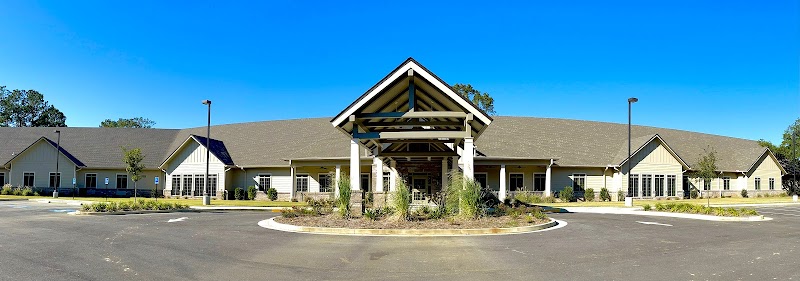
Who Owns and Operates Bedford Of Picayune?

BEDFORD CARE CENTER OF PICAYUNE is owned by a for-profit company. For-profit facilities operate as businesses with obligations to shareholders or private owners. The facility is operated by BEDFORD CARE CENTERS, a chain that manages multiple nursing homes. With 120 certified beds and approximately 115 residents (about 96% occupancy), it is a mid-sized facility located in PICAYUNE, Mississippi.

How Does Bedford Of Picayune Compare to Other Mississippi Nursing Homes?

Compared to the 100 nursing homes in Mississippi, BEDFORD CARE CENTER OF PICAYUNE's overall rating (1 stars) is below the state average of 2.6, staff turnover (48%) is near the state average of 46%, and health inspection rating (2 stars) is below the national benchmark.

What Should Families Ask When Visiting Bedford Of Picayune?

Based on this facility's data, families visiting should ask: "Can I visit during a mealtime to observe dining assistance and food quality?" "How do you handle medical emergencies, and what is your hospital transfer rate?" "Can I speak with family members of current residents about their experience?"

Is Bedford Of Picayune Safe?

Based on CMS inspection data, BEDFORD CARE CENTER OF PICAYUNE has a clean safety record: no substantiated abuse findings (meaning no confirmed cases of resident harm), no Immediate Jeopardy citations (the most serious violation level indicating risk of serious injury or death), and is not on the Special Focus Facility watch list (a federal program monitoring the lowest-performing 1% of nursing homes). The facility has a 1-star overall rating and ranks #100 of 100 nursing homes in Mississippi. While no facility is perfect, families should still ask about staff-to-resident ratios and recent inspection results during their visit.

Do Nurses at Bedford Of Picayune Stick Around?

BEDFORD CARE CENTER OF PICAYUNE has a staff turnover rate of 48%, which is about average for Mississippi nursing homes (state average: 46%). Moderate turnover is common in nursing homes, but families should still ask about staff tenure and how the facility maintains care continuity when employees leave.

Was Bedford Of Picayune Ever Fined?

BEDFORD CARE CENTER OF PICAYUNE has been fined $8,617 across 1 penalty action. This is below the Mississippi average of $33,165. While any fine indicates a compliance issue, fines under $50,000 are relatively common and typically reflect isolated problems that were subsequently corrected. Families should ask what specific issues led to these fines and confirm they've been resolved.

Is Bedford Of Picayune on Any Federal Watch List?

BEDFORD CARE CENTER OF PICAYUNE is not on any federal watch list. The most significant is the Special Focus Facility (SFF) program, which identifies the bottom 1% of nursing homes nationally based on persistent, serious quality problems. Not being on this list means the facility has avoided the pattern of deficiencies that triggers enhanced federal oversight. This is a positive indicator, though families should still review the facility's inspection history directly.