PONTOTOC NURSING HOME
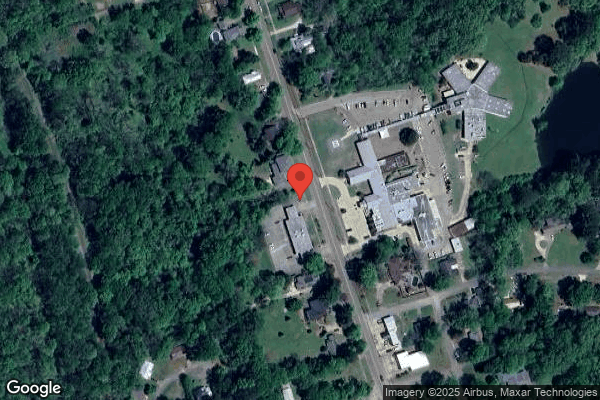
176 SOUTH MAIN STREET, PONTOTOC, MS 38863 (662) 489-5510
Non profit - Corporation 44 Beds Independent Data: November 2025
Trust Grade
70/100
#47 of 200 in MS
Last Inspection: July 2025

Inspected within the last 6 months. Data reflects current conditions.

Overview

Pontotoc Nursing Home has a Trust Grade of B, indicating it is a good facility, though not without its challenges. It ranks #47 out of 200 in Mississippi, placing it in the top half of state facilities, but it is #3 out of 3 in Pontotoc County, meaning only one local option is better. Unfortunately, the facility is worsening, with issues increasing from one in 2024 to four in 2025. Staffing is a strength here, rated 5 out of 5 stars with a turnover rate of 31%, significantly lower than the state average, which suggests that staff are experienced and familiar with the residents. There have been serious concerns, including failures to follow care plans for daily living activities for multiple residents, and a delay in addressing skin integrity issues leading to worsened conditions for one resident. However, there are no fines on record, which is a positive sign, and the facility has more RN coverage than 85% of Mississippi facilities, which helps ensure better oversight of resident care.

Trust Score
B
70/100
In Mississippi
#47/200
Top 23%
Safety Record
Moderate
Needs review
Inspections
Getting Worse
1 → 4 violations
Staff Stability
○ Average
31% turnover. Near Mississippi's 48% average. Typical for the industry.
Penalties
✓ Good
No fines on record. Clean compliance history, better than most Mississippi facilities.
Skilled Nurses
✓ Good
Each resident gets 49 minutes of Registered Nurse (RN) attention daily — more than average for Mississippi. RNs are trained to catch health problems early.
Violations
○ Average
7 deficiencies on record. Average for a facility this size. Mostly minor or procedural issues.
★★★★☆
4.0
Overall Rating
★★★★★
5.0
Staff Levels
★★☆☆☆
2.0
Care Quality
★★★☆☆
3.0
Inspection Score
Stable
2024: 1 issues
2025: 4 issues

The Good

  • 5-Star Staffing Rating · Excellent nurse staffing levels
  • Full Sprinkler Coverage · Fire safety systems throughout facility
  • No fines on record
  • Staff turnover below average (31%)

    17 points below Mississippi average of 48%

Facility shows strength in staffing levels, fire safety.

The Bad

Staff Turnover: 31%

15pts below Mississippi avg (46%)

Typical for the industry

The Ugly 7 deficiencies on record

2 actual harm
Jul 2025 4 deficiencies 2 Harm
SERIOUS (G)

Actual Harm - a resident was hurt due to facility failures

Comprehensive Care Plan (Tag F0656)

A resident was harmed · This affected 1 resident

**NOTE- TERMS IN BRACKETS HAVE BEEN EDITED TO PROTECT CONFIDENTIALITY** Based on observation, resident and staff interview, record review, and facility policy review, the facility failed to implement ...

Read full inspector narrative →
**NOTE- TERMS IN BRACKETS HAVE BEEN EDITED TO PROTECT CONFIDENTIALITY** Based on observation, resident and staff interview, record review, and facility policy review, the facility failed to implement Activity of Daily Living (ADL) care plans for Residents #1, #17, and #30 and failed to implement a pressure ulcer care plan for Resident # 6 for (4) four of 16 resident care plans reviewed. Findings Include: Review of the facility policy titled, “Plan of Care,” last revised 06/27/24, revealed, Policy: It is the policy of “Proper Name” to properly provide patient care planning… Procedure: 2.) “An interdisciplinary collaborative manner as appropriate to the needs of the patient should be utilized to develop and implement the care plan . Resident #1 Record review of the Care Plan for Resident #1 revealed under, Problem/Need: I require assistance w/ (with) ADLs (activities of daily living) r/t (related to) weakness, debility, and dementia. Also revealed under, Approaches: Personal Hygiene- Limited-Extensive x (times) 1 (one). During an observation and interview on 7/21/2025 at 11:18 AM, Resident #1 was sitting in his wheelchair in his room. He was unshaven, with black and gray facial hair approximately 1/4 (one-fourth) inch in length. The resident stated he wanted to be shaved but preferred to keep his mustache. On 7/22/2025 at 10:36 AM, an interview with Certified Nurse Aide (CNA) #5 confirmed Resident #1 needed shaving. An interview with the Minimum Data Set (MDS) Nurse on 7/24/25 at 9:15 AM revealed the purpose of the care plan was to give staff instruction and paint a picture of the residents care to be provided. She confirmed Resident #1's care plan was not followed for shaving. Record review of the “Demographics” revealed the facility admitted Resident #1 on 4/14/25 with a medical diagnosis of Unspecified Dementia. Record review of Resident #1’s “Flowsheet History” dated 7/18/25 revealed a Brief Interview for Mental Status (BIMS) summary score of 3, indicating the resident was severely cognitively impaired. Resident #6 Review of the “Care Plan” for Resident #6 revealed under, “Approaches: Observe for s/sx (signs/symptoms) of new skin breakdown during daily care document and report as indicated . An interview with the Director of Nursing (DON) on 7/24/25 at 9:20 AM revealed Resident #6 transferred to the hospital on 3/1/25 and returned on 3/9/25. Record review of Resident #6’s hospital stay “Integumentary Flowsheet History” revealed documentation on 3/7/25 of deep tissue injury (DTI) left heel. Record review of the “Nursing Note” for Resident #6, dated 3/9/25 revealed, “Resident returned from proper name of hospital around 10 AM.” There was no documentation regarding any skin concerns. Record review of Resident #6’s body audits conducted on 3/9/25, 3/10/25, 3/13/25, 3/14/25, 3/15/25 revealed scattered bruising, no abrasion, no blister, no excoriation. There was no documentation regarding the left heel. Record review of Resident #6’s body audit conducted on 3/16/25 revealed, “Unstageable pressure injury to left posterior heel, dark purple, dry, hard, closed, without pain. Measures 4.5 x 2.2 x 0.” Record review of Resident #6’s “Integumentary Flowsheet History” dated 7/15/25 revealed, “Redness to buttocks.” Record review of Resident #6’s “Wound History” dated 7/17/25 revealed, “Sacrum stage III pressure wound, red, slightly moist measuring 1.8 cm (centimeters) x 0.5 cm (centimeters) x 0.1 cm (centimeters) full thickness tissue loss with slough. On 7/23/25 at 11:12 AM, an interview with the DON confirmed Resident #6 developed a pressure injury to her left heel while in the hospital, and the wound was not identified in the facility until eight days later. Additionally, she revealed that after the resident’s body audit conducted on 7/15/25 identified redness to her buttocks, there was no documentation to show the skin concern was addressed. She confirmed the plan of care was not followed. On 7/24/25 at 8:30 AM, an interview with Registered Nurse (RN) #2 reconfirmed that on 7/15/25, she assessed the resident’s skin and noted redness to the buttocks. She revealed that she applied pink cream and a bandage to the area but did not document it or initiate wound care orders. An interview with the MDS Nurse on 7/24/25 at 9:00 AM confirmed Resident #6's skin care plan was not followed. Record review of the “Demographics” revealed the facility admitted Resident #6 on 2/13/25 with diagnoses including Dementia with Anxiety. Record review of the “Flowsheet Data” dated 5/16/25 revealed a BIMS summary score of 6, indicating Resident #6 was severely cognitively impaired. Resident# 17 During an observation on 7/22/25 at 10:30 AM, with Registered Charge Nurse #1, it was confirmed that Resident #17’s nails were long and jagged and needed to be trimmed. She stated it was her responsibility to trim the nails but confirmed she had not gotten around to it. Record review of the ADL care plan for Resident #17, last revised 7/11/25, revealed the problem: “I require assistance with ADLs … Approaches: Nail care as indicated. … Personal hygiene – limited to extensive assistance . During an interview with the MDS nurse, on 7/22/25 at 11:30 AM, she confirmed that if staff had not trimmed Resident #17’s nails, they did not implement the resident’s ADL care plan. She revealed the purpose of the comprehensive care plan is to give staff a description of the type of care the residents require. Review of the “Demographic Report” for Resident #17 revealed the facility admitted the resident on 1/15/22 with a diagnosis of Hemiplegia affecting the left side as a late effect of Cerebrovascular Accident. Record review of Resident #17's BIMS, dated 7/11/25, revealed a score of 15, indicating the resident was cognitively intact. Resident #30 Record review of the Care Plan with a problem onset of 6/21/23 revealed, Problem/Need: ADL's I require assistance with my ADLs r/t Parkinson's .Approaches: Assistn with shaving as desired . On 7/21/2025 at 12:23 PM during an observation and interview with Resident #30 revealed that he had facial hair measuring one-half to one inch on his cheeks, chin, upper lip, and neck. During the interview, Resident #30 stated, I cannot shave myself and I would like to be shaved. During an interview with the MDS Coordinator at 12:41 PM on 7/22/25, confirmed that while Resident #30 was capable of taking showers independently with supervision, he has not been shaved in quite some time. She further confirmed there was no documentation indicating that Resident #30 had refused to be shaved. During an interview on 7/24/2025 at 9:37 AM, the MDS Coordinator confirmed that the ADL Care Plan, which includes assistance with shaving as desired, was not implemented. She verbalized that the purpose of this care plan was to serve as a guide for all staff involved in providing ADL care, ensuring consistency and quality across all shifts and personnel. A record review of Resident #30's Demographics revealed that the resident was admitted to the facility on [DATE], with diagnoses that included Parkinson’s Disease. A record review of Resident #30's Flowsheet History revealed a BIMS Summary Score of 13 with an Assessment Reference Date (ARD) of 5/30/25, which indicated that the resident was cognitively intact.
SERIOUS (G)

Actual Harm - a resident was hurt due to facility failures

Pressure Ulcer Prevention (Tag F0686)

A resident was harmed · This affected 1 resident

Based on observation, staff interview, record review, and facility policy review, the facility failed to assess and implement timely interventions to address skin integrity concerns, resulting in prog...

Read full inspector narrative →
Based on observation, staff interview, record review, and facility policy review, the facility failed to assess and implement timely interventions to address skin integrity concerns, resulting in progression of a pressure injury and delayed wound healing for one (1) of three (3) residents reviewed for pressure ulcers. (Resident #6) Findings include: Review of the facility policy titled “Assessment and Reassessment of Patients” with a revision date of 5/12/25 revealed under, “Policy: It is the policy of (proper name of facility) that patients should be properly assessed and reassessed.” Also revealed under, “Procedure: … 6. Wound assessments and measurements should be performed at start of care, resumption of care, and recommended weekly. Reassessment should be performed any time there is a significant change noted .” Record review of Resident #6’s hospital “Integumentary Flowsheet History” revealed documentation on 3/7/25 of deep tissue injury (DTI) left heel. An interview with the Director of Nursing (DON) on 7/24/25 at 9:20 AM revealed Resident #6 transferred to the hospital on 3/1/25 and returned on 3/9/25. Record review of the “Nursing Note” for Resident #6, dated 3/9/25 revealed, “Resident returned from “proper name” of hospital around 10 AM.” There was no documentation regarding any skin concerns. Record review of Resident #6’s body audits conducted on 3/9/25, 3/10/25, 3/13/25, 3/14/25, 3/15/25 revealed scattered bruising, no abrasion, no blister, no excoriation. There was no documentation on the left heel. Record review of Resident #6’s body audit conducted on 3/16/25 revealed, “Unstageable pressure injury to left posterior heel, dark purple, dry, hard, closed, without pain. Measures 4.5 x 2.2 x 0.” Record review of Resident #6’s wound care “Work List Task Details” revealed an order dated 3/16/25, “Unstageable pressure injury to left, posterior heel. Clean with betadine and leave OTA (open to air) daily at 10:00 AM.” Record review of Resident #6’s “Integumentary Flowsheet History” dated 7/15/25 revealed, “Redness to buttocks.” Record review of Resident #6’s “Wound History” dated 7/17/25 revealed, “Sacrum stage III pressure wound, red, slightly moist measuring 1.8 cm (centimeters) x 0.5 cm (centimeters) x 0.1 cm (centimeters) full thickness tissue loss with slough. Record review of Resident #6’s wound care “Work List Task Details” revealed an order dated 7/17/25, “Cleanse stage III pressure ulcer to sacral area with NS (normal saline) or DWC (dermal wound cleanser), pat dry with 4 x 4 gauze, apply collagen with silver, cover with dry dressing. Change T (Tuesday)/Th (Thursday)/Sat (Saturday) and prn (as needed).” An interview with the Director of Nursing (DON) on 7/23/25 at 11:12 AM confirmed Resident #6 developed a pressure injury on her left heel while in the hospital, and the wound was not identified in the facility until eight days later, at which point it had progressed to an unstageable pressure injury. She revealed it would have been the charge nurse’s responsibility to assess the resident’s skin on readmission and then weekly thereafter. She confirmed there were no interventions implemented when the resident returned to address the skin concern. The DON explained that after the body audit conducted on 7/15/25 identified redness to the resident’s buttocks, no treatment was initiated. She confirmed interventions should have been implemented. She stated, I thought we were better than that. She acknowledged that the lack of assessment and follow-through with treatment could have caused both wounds to progress and worsen. An interview with Registered Nurse (RN) #2 on 7/24/25 at 8:30 AM revealed she was the charge nurse working on 3/9/25 when Resident #6 returned from the hospital. She confirmed she did not perform a body audit on readmission and stated, I don't remember doing one. She explained that on 7/15/25, she assessed the resident’s skin and noted redness to the buttocks. She revealed that she applied pink cream and a bandage to the area but did not document it or initiate wound care orders. She stated, As far as why I didn't, I get busy, and it just fell through the cracks. An observation on 7/24/25 at 9:50 AM with Resident #6 during wound care revealed the left heel (unstageable due to eschar) revealed a round eschar covered wound. The wound bed was black; peri wound intact with no redness or irritation. Edges were well defined. The sacral wound (stage III) was oval shaped, yellow adherent slough covered, edges well defined, peri wound without redness or irritation. Record review of the “Demographics” revealed the facility admitted Resident #6 on 2/13/25 with diagnoses including Dementia with Anxiety. Record review of the “Flowsheet Data” dated 5/16/25 revealed a Brief Interview for Mental Status (BIMS) summary score of 6, indicating Resident #6 was severely cognitively impaired.
CONCERN (D)

Potential for Harm - no one hurt, but risky conditions existed

Safe Environment (Tag F0584)

Could have caused harm · This affected 1 resident

**NOTE- TERMS IN BRACKETS HAVE BEEN EDITED TO PROTECT CONFIDENTIALITY** Based on observation, resident and staff interviews, record review, and facility policy review, the facility failed to address r...

Read full inspector narrative →
**NOTE- TERMS IN BRACKETS HAVE BEEN EDITED TO PROTECT CONFIDENTIALITY** Based on observation, resident and staff interviews, record review, and facility policy review, the facility failed to address resident equipment in disrepair, resulting in a resident continuing to use an unsafe and uncomfortable wheelchair for approximately one month for one (1) of 31 residents utilizing wheelchairs reviewed. Resident #4 Record review of the facility policy titled, “Medical Equipment Management Program Medical Equipment Repair” with a revision date of 4/22 revealed “Policy: The Biomedical-Clinical Services Department is responsible for providing safe, effective and timely repair of all Medical Equipment .” Record review of “(Proper Name) Biomed” record from 10/02/24 to 6/20/25 revealed no documentation regarding repair or replacement of Resident #4’s wheelchair. An observation and interview on 7/22/2025 at 8:55 AM, revealed Resident #4 sitting in a wheelchair in his room. The bilateral vinyl armrests were noted to be torn and tattered. Resident #4 stated, “The armrests are uncomfortable on my arms.” During an interview on 7/22/2025 at 10:40 AM, Certified Nurse Aide (CNA) #4 revealed that whenever resident equipment needs to be repaired or replaced, we put in a work order on the computer. The work order is called Biomed and goes to the maintenance department. After review of the Biomed work order for the past several months, she revealed that there was no order for the repair of Resident #4's wheelchair. An observation and interview on 7/22/2025 at 10:52 AM, the Administrator (ADM) confirmed that Resident #4's vinyl on both wheelchair armrests was tattered and torn. She stated, He has a new wheelchair that has been ordered. Resident #4 stated, “I’ve been waiting for a month for the new wheelchair. The Administrator confirmed that the wheelchair had been on order for about a month and revealed she would get him a new wheelchair right now. During an interview on 7/23/2025 at 8:30 AM, Maintenance worker #1 confirmed that he receives his work orders through a system called Biomed and checks the system several times throughout the day for any new work orders. He revealed that yesterday was the first time he was made aware that Resident #4's wheelchair needed to be replaced due to the armrest vinyl being torn. Record review of Resident #4's Demographics revealed the resident was admitted to the facility on [DATE] with medical diagnoses that included Type 2 diabetes with peripheral neuropathy. Record review of the Minimum Data Set (MDS) with an Assessment Reference Date (ARD) of 7/11/25 revealed a Brief Interview of Mental Status (BIMS) score of 15, which indicated Resident #4 was cognitively intact.
CONCERN (D)

Potential for Harm - no one hurt, but risky conditions existed

ADL Care (Tag F0677)

Could have caused harm · This affected 1 resident

**NOTE- TERMS IN BRACKETS HAVE BEEN EDITED TO PROTECT CONFIDENTIALITY** Based on observation, resident and staff interviews, record review, and facility policy review the facility failed to provide Ac...

Read full inspector narrative →
**NOTE- TERMS IN BRACKETS HAVE BEEN EDITED TO PROTECT CONFIDENTIALITY** Based on observation, resident and staff interviews, record review, and facility policy review the facility failed to provide Activities of Daily Living (ADL) care for three (3) of 42 residents observed during the initial tour related to nail care for Resident #17 and failed to shave Residents #1 and #30. Findings Include: The facility provided a statement on letterhead signed by the Director of Nursing that revealed, “(Proper name) of the facility does not have a personal hygiene policy.” Review of the facility policy titled, Nails, Care of, last revised 08/06/24, revealed: “Policy: It is the policy of 'Proper Name' Nursing Home that nails should be properly cared for . Resident #1 On 7/21/2025 at 11:18 AM, an observation and interview with Resident #1 revealed he had black and gray facial hair approximately 1/4 (one-fourth) inch in length and stated he wanted to be shaved but preferred to keep his mustache. An interview with Certified Nurse Aide (CNA) #5 on 7/22/2025 at 10:36 AM revealed Resident #1 should be shaved every time he received a bath. She stated it was the shower aide’s responsibility to ensure this was done and confirmed the resident needed shaving. An interview with the Director of Nursing (DON) on 7/22/2025 at 10:40 AM revealed that male residents were to be shaved once weekly or as requested. She confirmed that Resident #1 was unshaven and acknowledged that this gave him an untidy appearance. Record review of the Minimum Data Set (MDS) with an Assessment Reference Date (ARD) of 7/18/25 revealed Resident #1 required substantial/maximal assistance with personal hygiene, including shaving. Record review of the “Demographics” revealed the facility admitted Resident #1 on 4/14/25 with a medical diagnoses including Unspecified Dementia. Record review of Resident #1’s “Flowsheet History” dated 7/18/25 revealed a Brief Interview for Mental Status (BIMS) summary score of 3, indicating the resident was severely cognitively impaired. Resident #17 An observation on 7/21/25 at 10:30 AM revealed Resident #17's nails were approximately 1/2 inch long and jagged in appearance. Resident #17 stated she could not remember the last time her nails were trimmed but stated she would like them trimmed. An observation of Resident #17's nails with CNA #1 on 7/22/25 at 10:28 AM revealed the resident's nails were long and jagged. CNA #1 confirmed the nails needed to be trimmed. An observation on 7/22/25 at 10:30 AM with Registered Charge Nurse #1 revealed Resident #17's nails were long and jagged and needed to be trimmed. She stated it was her responsibility to trim the nails but confirmed she had not gotten around to it. She stated a concern with the resident’s nails not being trimmed was that the resident could scratch herself. Record review of the “Demographics” for Resident #17 revealed the facility admitted the resident on 1/15/22 with a diagnosis of hemiplegia affecting the left side as a late effect of cerebrovascular accident. Record review of Resident #17's BIMS, dated 7/11/25, revealed a score of 15, indicating the resident was cognitively intact. Review of Section GG of the MDS – Functional Abilities, dated 7/11/25, revealed a code of 03 which indicated Resident #17 required partial/moderate assistance for personal hygiene. Resident #30 During an observation and interview on 7/21/2025 at 12:23 PM with Resident #30 revealed that he had facial hair measuring one-half to one inch on his cheeks, chin, upper lip, and neck. During the interview, Resident #30 stated, I cannot shave myself and I would like to be shaved, but (Proper Name of CNA#3) doesn't work here anymore, and she was the one who always shaved me. When asked if he would allow someone else to shave him, he agreed that he would. During an interview with CNA#2 on 7/22/25 at 10:43 AM concerning Resident #30, she confirmed that residents are typically shaved on their designated shower days, which for Resident #30 are Tuesday, Thursday, and Saturday nights. However, when the medical record was reviewed with CNA #2, it was noted that there was no documentation regarding personal hygiene, specifically shaving, for Resident #30. During an interview on 7/22/25 at 11:00 AM with the DON, she validated that it is standard practice for residents to be shaved during shower days. An interview with the MDS Coordinator at 12:41 PM on 7/22/25 confirmed that while Resident #30 was capable of taking showers independently with supervision, he has not been shaved in quite some time. The MDS Coordinator acknowledged that CNA#3 typically performed the shaving tasks but is currently on educational leave. She stated that the CNA's responsible for showering residents should have offered to shave Resident #30 during those times. She further confirmed there was no documentation indicating that Resident #30 had refused to be shaved. A record review of Resident #30's Demographics revealed that the resident was admitted to the facility on [DATE], with diagnoses that included Parkinson’s Disease. A record review of Resident #30's Flowsheet History revealed a BIMS Summary Score of 13 dated 5/30/25, which indicated that the resident was cognitively intact.
Apr 2024 1 deficiency
CONCERN (F)

Potential for Harm - no one hurt, but risky conditions existed

Staffing Data (Tag F0851)

Could have caused harm · This affected most or all residents

Based on staff interview and record review, the facility failed to submit accurate staffing data into the Payroll-Based Journal (PBJ) system for one (1) of four (4) quarters reviewed. First Quarter 20...

Read full inspector narrative →
Based on staff interview and record review, the facility failed to submit accurate staffing data into the Payroll-Based Journal (PBJ) system for one (1) of four (4) quarters reviewed. First Quarter 2024. Findings Include: Record review of a typed document on facility letterhead dated 4/24/24, and signed by the Administrative Assistant revealed The facility does not have a written policy on accurate submission of staffing data into the Payroll Based Journal . Record review of the PBJ (Payroll Based Journal) Staffing Data Report CASPER Report 1705D FY (Fiscal Year) Quarter 1 2024 (October 1 - December 31), revealed No RN (Registered Nurse) Hours - Triggered. Triggered = Four or More Days Within the Quarter with no RN Hours. The CASPER Report also revealed Failed to have Licensed Nursing Coverage 24 Hours/Day - Triggered. Triggered = Four or More Days Within the Quarter with < (less than) 24 Hours/Day Licensed Nursing Coverage. On 04/23/24 at 2:20 PM, an interview with Administrator (ADM) revealed the Administrative Assistant was responsible for inputting the staffing data into the payroll based journal system and she manually entered the hours. The ADM revealed that they could only review the current PBJ data and were unable to look back on past quarters already submitted. The ADM revealed that she printed a trend tracker and reviewed staffing at each Quality Assurance Performance and Improvement (QAPI) meeting and had not identified any staffing issues. She revealed the triggers for low nursing coverage had to be from an input error because they had more than enough coverage for that timeframe. On 04/24/24 at 9:15 AM, an interview with Administrative Assistant, revealed that she was responsible for entering the staffing data. She revealed that she pulled the working schedules and timecards and went by the actual clock in and clock out times. The Administrative Assistant revealed that the triggers for low license nursing coverage were from an error with data entry because they always had more than the state required number of staff working there in the facility and it was entered incorrectly.
Feb 2023 2 deficiencies
CONCERN (D)

Potential for Harm - no one hurt, but risky conditions existed

Respiratory Care (Tag F0695)

Could have caused harm · This affected 1 resident

**NOTE- TERMS IN BRACKETS HAVE BEEN EDITED TO PROTECT CONFIDENTIALITY** Resident #29 An observation and interview on 02/21/23 at 10:30 AM, of Resident #29's room entrance, revealed that there was no O...

Read full inspector narrative →
**NOTE- TERMS IN BRACKETS HAVE BEEN EDITED TO PROTECT CONFIDENTIALITY** Resident #29 An observation and interview on 02/21/23 at 10:30 AM, of Resident #29's room entrance, revealed that there was no Oxygen in use signage posted. There were no visible dates observed on the oxygen tubing or humidifier bottle. Resident #29 revealed that she used her nebulizer machine every day and used her oxygen every night. An observation on 2/22/23 at 9:30 AM, of Resident #29's room entrance, revealed that there was no Oxygen in Use sign posted to indicate that oxygen was being used. There were no visible dates observed on the nebulizer mouthpiece or tubing. An interview with RN #1 on 2/22/23 at 11:35 AM, revealed that she changed all nebulizer tubing, face mask, mouthpiece, and oxygen tubing every Sunday when she worked and that she used a sharpie marker to date the tubing. She revealed that if the resident used the humidified water bottle, she dated the bottle only and not the tubing, but if they did not use the humidified water bottle, she only dated the tubing. Record review of Resident #29's Face Sheet revealed an admission date of 1/24/23 with diagnoses of Chronic Obstructive Pulmonary Disease, Anxiety, Shortness of breath, and Vascular Dementia, unspecified. Record review of Physician's Orders for Resident #29 dated 1/24/23 revealed the following order: Oxygen (O2) therapy at (@) two (2) liters per minute (lpm) by nasal cannula (bnc) to be worn at hour of sleep (hs) and as needed for shortness of breath. Record review of the MDS for Resident #29 with an ARD of 1/31/23 revealed Resident #29 had a BIMS score of 7, indicating the resident has severe cognitive impairment. An interview on 02/22/23 at 12:20 PM with the Director of Nurses (DON) revealed that the resident doesn't have oxygen signage because we are a smoke-free facility. She revealed there is a sign that alerts everyone when they enter the building that this is a smoke-free facility. The DON revealed the oxygen tubing and humidifier bottle are to be changed weekly. She was aware the bottles were supposed to be labeled but wasn't sure if the oxygen tubing was to be labeled also. Resident #24 An observation on 02/21/23 at 10:25 AM, revealed Resident #24 lying in bed utilizing supplemental oxygen. No date was noted on the tubing or humidification bottle. There was no oxygen signage on the resident's door. An interview on 02/22/23 at 12:10 PM, with Registered Nurse (RN) #1 revealed the tubing and humidification bottles are changed out one time a week and she changed out Resident #24's bottle and tubing this past Sunday. She confirmed that the tubing did not have a date on it because she only labels the humidification bottle and not the tubing. She confirmed that the resident did not have a sign on the door alerting visitors of oxygen in use. An interview on 02/22/23 at 12:25 PM, the Administrator (ADM) revealed when the facility became a smoke-free facility it changed, and the oxygen signs were removed but she wasn't sure why. An observation by the State Agent (SA) on 02/22/23 at 12:30 PM, of the front main entrance doors revealed a sign that was posted, This is a tobacco-free facility campus. No signage of oxygen in use was noted. The Administrator revealed she could not find an oxygen policy because when the hospital went to a smoke-free facility, they removed the policy of having oxygen in-use signage. She confirmed that the front door said, tobacco-free facility campus and confirmed that there was no signage of oxygen in use, and it should be since that is a regulation. An interview on 02/23/23 at 9:35 AM The Administrator revealed they had no policy for changing the oxygen tubing or the water bottles, but that it is done on Sunday at 2 PM. She confirmed that the tubing and water bottle on the oxygen concentrators were to be labeled with the date. A record of Physician orders dated 9/21/22 for oxygen therapy Nasal Cannula, at 2 liters to treat and prevent hypoxemia. A record review of Resident #24's Face Sheet revealed the resident was admitted to the facility on [DATE] with diagnoses that included, Age-related physical debility, Shortness of breath, and Cerebral infarction. Record review of the MDS with an ARD of 2/22/23 revealed Resident #24 had a BIMS score of 11, which indicated the resident has a moderate cognitive impairment. Based on observation, staff interviews, and record review, the facility failed to ensure that oxygen in use signage was visibly posted, and oxygen tubing was dated for three (3) of eight (8) residents observed. Resident #24, Resident #29, and Resident #32. Findings include: Record review revealed that the facility did not have a policy related to posting oxygen in use signage. The Administrator (ADM) provided documentation on the facility letterhead that noted, (Facility Name) does not currently have a policy addressing, No smoking Oxygen in Use signage, nor do they have a policy to address oxygen maintenance. Record review of the typed statement on facility letterhead dated 2/23/2023 revealed Pontotoc Nursing Home does not currently have a policy addressing Aqua pak or oxygen tubing maintenance but follows the procedure of changing the oxygen concentrators Aqua pak and oxygen tubing every Sunday at 2 PM as ordered and signed by the physician . Resident #32 An observation on 02/21/23 at 10:50 AM, revealed Resident #32's oxygen concentrator humidifier water bottle was dated 2/19/23. The tubing connected to the humidifier water bottle was not dated and there was no oxygen signage on the resident's door. An interview with Licensed Practical Nurse (LPN) #1 on 2/22/23 at 11:40 AM, revealed the oxygen and the tubing were changed weekly on Sunday and should both be dated. She confirmed that the tubing and the water bottle should be dated, but there was only a date on the humidifier water bottle and not on the tubing for this resident. She stated they do not put signage on the doors of residents with oxygen. An interview on 2/22/23 at 12:05 PM with Registered Nurse (RN) #1, revealed she serves as charge nurse and each week on Sunday, the charge nurse changes out the oxygen tubing and humidifier bottle. She confirmed that with the oxygen systems that they use is equipped for humidifier bottles. She dated only the humidifier bottles and not the tubing, and if an oxygen system with no water bottle is being used, she dates the tubing. She confirmed oxygen signage is not used on the residents' doors. Record review of Physician Order dated 1/12/21 for nasal cannula oxygen two (2) liters per minute as needed for shortness of breath. Record review of Physician Order dated 10/20/21 for nasal cannula oxygen two (2) liters per minute to be worn every night. Record review of Face Sheet revealed Resident #32 was admitted to the facility on [DATE]. Diagnoses included Pick's Disease, Shortness of Breath, Type 2 Diabetes Mellitus, and Hypertension. Record review of quarterly Minimum Data Set (MDS) with Assessment Reference Date (ARD) of 12/30/22 section C revealed a Brief Interview of Mental Status (BIMS) score of 99 which indicated Resident #32 was unable to complete the interview. Record review of section O indicated the resident was on oxygen therapy.
CONCERN (D)

Potential for Harm - no one hurt, but risky conditions existed

Infection Control (Tag F0880)

Could have caused harm · This affected 1 resident

Based on observation, staff and resident interviews, record review, and facility policy review, the facility failed to prevent the likelihood of infection as evidenced by improper storage of oxygen ca...

Read full inspector narrative →
Based on observation, staff and resident interviews, record review, and facility policy review, the facility failed to prevent the likelihood of infection as evidenced by improper storage of oxygen cannula and nebulizer tubing, and mouthpiece for one (1) of four (4) residents observed. Resident #29. Findings Include Review of the facility policy titled, Nebulizer Masks, Tubing, and Bag Protocol with a review date of 2/22/23 revealed, It is the policy of (Facility Name) that nebulizer mask and tubing should be dried and stored when not in use. Rationale: Provide infection control and protection for residents using nebulizer treatments. Procedure: 1. (Facility Name) provides clear plastic bags with a drawstring closure to store nebulizer mask and tubing. 2. The resident's room number and date should be written on the bag, tubing, and mask. Observation on 02/21/23 at 10:30 AM, Resident #29's oxygen concentrator was observed in the corner of the room with the nasal cannula wrapped around the right bedside rail. There was a nebulizer machine on the bedside table the nebulizer tubing was draped over the nebulizer machine with the mouthpiece laid directly onto the bedside table and there was no plastic bag to store the oxygen and nebulizer tubing appropriately. An interview on 02/21/23 at 10:30 AM with Resident #29 revealed that she used her nebulizer machine every day and used her oxygen every night. An observation on 2/22/23 at 9:30 AM, revealed Resident #29's oxygen cannula and tubing were observed laying on the floor. The nebulization mouthpiece was laying directly on the bedside table and not stored in a plastic bag. Observation and interview on 2/22/23 at 11:30 AM, with Registered Nurse (RN) #1 confirmed that the nebulizer mouthpiece was laying directly on the Resident's bedside table and that the oxygen cannula was laying on the floor. She confirmed that this could cause bacteria to enter the respiratory tract and cause infection. An interview with RN # 1 on 2/22/23 at 11:35 AM, revealed that they had placed oxygen and nebulizer tubing in a plastic bag in the past but had gotten out of the habit of doing this during the covid outbreak. An interview with the Infection Control Nurse on 2/23/23 at 9:05 AM, revealed that leaving the nebulizer mouthpiece and oxygen cannula open to air could cause all kinds of infections. She also revealed that respiratory equipment should be in a bag when not in use. Record review of Resident #29's Face Sheet revealed an admission date of 1/24/23 with diagnoses of Chronic Obstructive Pulmonary Disease, Anxiety, Shortness of breath, and Vascular Dementia, unspecified. Record review of Physician's Orders for Resident #29 dated 1/24/23 revealed the following order: Oxygen (O2) therapy at (@) two (2) liters per minute (lpm) by nasal cannula (bnc) to be worn at hour of sleep (hs) and as needed for shortness of breath. Record review of Physician's Orders for Resident #29 dated 1/24/23 revealed the following order: Budesonide inhalation 0.25 mg daily and ipratropium 0.5 mg/2.5-milliliter solution inhaled every four (4) hours as needed for wheezing. Record review of the Minimum Data Set (MDS) for Resident #29 with an Assessment Reference Date (ARD) of 1/31/23, had a Brief Interview for Mental Status (BIMS) score of 7, indicating the resident has severe cognitive impairment.
Understanding Severity Codes (click to expand)
Life-Threatening (Immediate Jeopardy)
J - Isolated K - Pattern L - Widespread
Actual Harm
G - Isolated H - Pattern I - Widespread
Potential for Harm
D - Isolated E - Pattern F - Widespread
No Harm (Minor)
A - Isolated B - Pattern C - Widespread

Questions to Ask on Your Visit

  • "Can I speak with families of current residents?"
  • "What's your RN coverage like on weekends and overnight?"

Our Honest Assessment

Strengths
  • • No fines on record. Clean compliance history, better than most Mississippi facilities.
  • • 31% turnover. Below Mississippi's 48% average. Good staff retention means consistent care.
Concerns
  • • 7 deficiencies on record, including 2 serious (caused harm) violations. Ask about corrective actions taken.
Bottom line: Mixed indicators with Trust Score of 70/100. Visit in person and ask pointed questions.

About This Facility

What is Pontotoc's CMS Rating?

CMS assigns PONTOTOC NURSING HOME an overall rating of 4 out of 5 stars, which is considered above average nationally. Within Mississippi, this rating places the facility higher than 99% of the state's 100 nursing homes. This rating reflects solid performance across the metrics CMS uses to evaluate nursing home quality.

How is Pontotoc Staffed?

CMS rates PONTOTOC NURSING HOME's staffing level at 5 out of 5 stars, which is much above average compared to other nursing homes. Staff turnover is 31%, compared to the Mississippi average of 46%. This relatively stable workforce can support continuity of care.

What Have Inspectors Found at Pontotoc?

State health inspectors documented 7 deficiencies at PONTOTOC NURSING HOME during 2023 to 2025. These included: 2 that caused actual resident harm and 5 with potential for harm. Deficiencies causing actual harm indicate documented cases where residents experienced negative health consequences.

Who Owns and Operates Pontotoc?

PONTOTOC NURSING HOME is owned by a non-profit organization. Non-profit facilities reinvest revenue into operations rather than distributing to shareholders. The facility operates independently rather than as part of a larger chain. With 44 certified beds and approximately 42 residents (about 95% occupancy), it is a smaller facility located in PONTOTOC, Mississippi.

How Does Pontotoc Compare to Other Mississippi Nursing Homes?

Compared to the 100 nursing homes in Mississippi, PONTOTOC NURSING HOME's overall rating (4 stars) is above the state average of 2.6, staff turnover (31%) is significantly lower than the state average of 46%, and health inspection rating (3 stars) is at the national benchmark.

What Should Families Ask When Visiting Pontotoc?

Based on this facility's data, families visiting should ask: "Can I visit during a mealtime to observe dining assistance and food quality?" "How do you handle medical emergencies, and what is your hospital transfer rate?" "Can I speak with family members of current residents about their experience?"

Is Pontotoc Safe?

Based on CMS inspection data, PONTOTOC NURSING HOME has a clean safety record: no substantiated abuse findings (meaning no confirmed cases of resident harm), no Immediate Jeopardy citations (the most serious violation level indicating risk of serious injury or death), and is not on the Special Focus Facility watch list (a federal program monitoring the lowest-performing 1% of nursing homes). The facility has a 4-star overall rating and ranks #1 of 100 nursing homes in Mississippi. While no facility is perfect, families should still ask about staff-to-resident ratios and recent inspection results during their visit.

Do Nurses at Pontotoc Stick Around?

PONTOTOC NURSING HOME has a staff turnover rate of 31%, which is about average for Mississippi nursing homes (state average: 46%). Moderate turnover is common in nursing homes, but families should still ask about staff tenure and how the facility maintains care continuity when employees leave.

Was Pontotoc Ever Fined?

PONTOTOC NURSING HOME has no federal fines on record. CMS issues fines when nursing homes fail to meet care standards or don't correct problems found during inspections. The absence of fines suggests the facility has either maintained compliance or corrected any issues before penalties were assessed. This is a positive indicator, though families should still review recent inspection reports for the full picture.

Is Pontotoc on Any Federal Watch List?

PONTOTOC NURSING HOME is not on any federal watch list. The most significant is the Special Focus Facility (SFF) program, which identifies the bottom 1% of nursing homes nationally based on persistent, serious quality problems. Not being on this list means the facility has avoided the pattern of deficiencies that triggers enhanced federal oversight. This is a positive indicator, though families should still review the facility's inspection history directly.