CLAIBORNE COUNTY SENIOR CARE
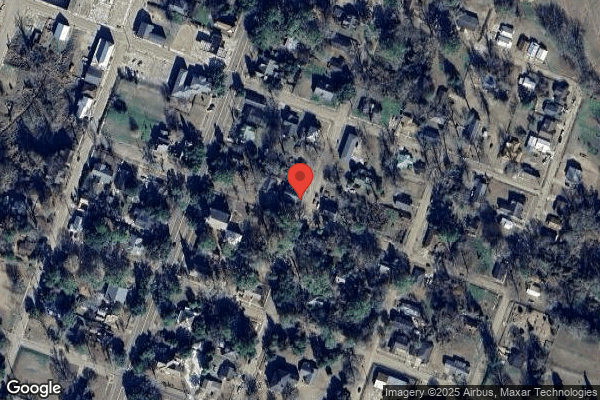
2124 OLD HWY 61 SOUTH, PORT GIBSON, MS 39150 (601) 437-8737
For profit - Corporation 75 Beds TREND CONSULTANTS Data: November 2025
Trust Grade
80/100
#30 of 200 in MS
Last Inspection: June 2025

Inspected within the last 6 months. Data reflects current conditions.

Overview

Claiborne County Senior Care in Port Gibson, Mississippi has a Trust Grade of B+, indicating it is above average and recommended for families seeking a nursing home. It ranks #30 out of 200 facilities in the state, placing it in the top half, and is the only option in Claiborne County. However, the facility's performance is worsening, with the number of issues increasing from 2 in 2024 to 4 in 2025. Staffing is a strength, rated at 4 out of 5 stars with a turnover rate of 34%, which is significantly lower than the state average of 47%. On the downside, there is concerning RN coverage, as it is lower than 88% of Mississippi facilities, and the facility has faced some issues, such as failing to complete required assessments for multiple residents, which could affect their care.

Trust Score
B+
80/100
In Mississippi
#30/200
Top 15%
Safety Record
Low Risk
No red flags
Inspections
Getting Worse
2 → 4 violations
Staff Stability
○ Average
34% turnover. Near Mississippi's 48% average. Typical for the industry.
Penalties
✓ Good
No fines on record. Clean compliance history, better than most Mississippi facilities.
Skilled Nurses
⚠ Watch
Each resident gets only 26 minutes of Registered Nurse (RN) attention daily — below average for Mississippi. Fewer RN minutes means fewer trained eyes watching for problems.
Violations
○ Average
9 deficiencies on record. Average for a facility this size. Mostly minor or procedural issues.
★★★★☆
4.0
Overall Rating
★★★★☆
4.0
Staff Levels
★★☆☆☆
2.0
Care Quality
★★★★☆
4.0
Inspection Score
Stable
2024: 2 issues
2025: 4 issues

The Good

  • 4-Star Staffing Rating · Above-average nurse staffing levels
  • Full Sprinkler Coverage · Fire safety systems throughout facility
  • No fines on record
  • Staff turnover below average (34%)

    14 points below Mississippi average of 48%

Facility shows strength in staffing levels, fire safety.

The Bad

Staff Turnover: 34%

12pts below Mississippi avg (46%)

Typical for the industry

Chain: TREND CONSULTANTS

Part of a multi-facility chain

Ask about local staffing decisions and management

The Ugly 9 deficiencies on record

Jun 2025 4 deficiencies
CONCERN (D)

Potential for Harm - no one hurt, but risky conditions existed

Food Safety (Tag F0812)

Could have caused harm · This affected 1 resident

Based on observation, interview, record review and facility policy review, the facility failed to follow established guidelines for dating and labeling opened food items in the freezer and dry goods s...

Read full inspector narrative →
Based on observation, interview, record review and facility policy review, the facility failed to follow established guidelines for dating and labeling opened food items in the freezer and dry goods storage areas and failed to record food temperatures in the temperature log for breakfast during one (1) of four (4) survey days. This failure resulted in noncompliance with food safety standards and increased the risk of foodborne illness. Findings included: A review of the facility's policy, Food Storage Labeling, revised February 2015, revealed, The facility will ensure the safety and quality of food . 1 .All food items not in original package must be labeled .6.ii. Document the date the food is being stored . A review of the facility's policy, Monitoring Food Temperatures, policy #FP.8, revised February 2015, revealed .4. Storage temperatures should be recorded on the Cooked Food Storage Temperature Log . A record review of an in-service training dated 4/28/2025 revealed that topics included labeling, dating, temperature taking, and recording. On 06/16/2025 at 10:18 AM, during the initial kitchen tour with the Dietary Manager, during an observation, the following was observed: In the freezer, one (1) open, unlabeled box of egg rolls and (1) repackaged but undated bag of biscuits were discovered. In the dry goods area, there was (1) package each of opened and repackaged white cake mix, brownie mix, blueberry muffin mix, gelatin mix, and a five (5)-pack of graham cracker crusts-all without open dates. The temperature log for breakfast on 6/16/2025 did not contain recorded temperatures. The Dietary Manager acknowledged and confirmed all findings at the time of inspection. On 06/17/2025 at 10:20 AM, during a phone interview with the Registered Dietitian (RD), explained that they were disappointed with the department's condition during the inspection. The RD stated that expectations were for kitchen staff include following procedures for opening, dating, and labeling stored food items. On 06/19/2025 at 2:30 PM, during an interview the Administrator, explained the expectations for the dietary department are to follow facility policies and standard precautions regarding food safety and handling.
CONCERN (D)

Potential for Harm - no one hurt, but risky conditions existed

Infection Control (Tag F0880)

Could have caused harm · This affected 1 resident

**NOTE- TERMS IN BRACKETS HAVE BEEN EDITED TO PROTECT CONFIDENTIALITY** Based on observation, interview, record review and facility policy review the facility failed to provide incontinent care in a m...

Read full inspector narrative →
**NOTE- TERMS IN BRACKETS HAVE BEEN EDITED TO PROTECT CONFIDENTIALITY** Based on observation, interview, record review and facility policy review the facility failed to provide incontinent care in a manner to prevent the possibility of cross-contamination for one (1) of four (4) peri-care observations (Resident #9). Findings included: A review of the facility's policy, Infection Prevention and Control Program, with a revision date of August 2017, revealed, It is a policy of this facility to establish and maintain an infection prevention and control program designed to provide a safe, sanitary and comfortable environment and to help prevent the development and transmission of communicable disease and infection. During an observation of peri-care on 06/17/2025 at 2:10 PM, for Resident #9 provided by Certified Nursing Assistant (CNA) #1 and assisted by CNA #2 revealed CNA #1 placed items on the nightstand beside the bed without a barrier in place. Both CNAs washed their hands and applied clean gloves. CNA #1 pulled out four wipes and cleaned the vaginal area front to back, pulling wipes from the pack a total of four times while wearing soiled gloves. Resident #9 had feces in the back of her brief. CNA #1 then removed gloves, sanitized hands, and continued care in the buttocks area, again pulling wipes from the pack four additional times after starting care with contaminated gloves. During an interview on 06/17/2025 at 2:23 PM, CNA #2, She explained that CNA #1 pulled additional wipes from the pack while still wearing dirty gloves. During an interview on 06/17/2025 at 2:31 PM, CNA #1, acknowledged that wipes should not have been pulled from the pack with soiled gloves. She confirmed a barrier was not used on the bedside table and that all needed wipes should have been removed prior to beginning care. She stated this was an infection control issue. During an interview on 06/18/2025 at 5:08 PM, Registered Nurse (RN) #1/Infection Preventionist (IP), explained that peri-care should be performed by two people: one clean and one dirty. She stated the clean person should pull out wipes for the dirty person to avoid contamination. She reported that improper peri-care can lead to infection and skin breakdown. During an interview on 06/19/2025 at 1:50 PM, the Director of Nursing (DON) stated CNAs are expected to follow established procedures for peri-care. She confirmed that Resident #9 could develop skin irritation and a urinary tract infection (UTI) due to the improper technique used. She reported that CNA #1 should have placed a barrier and removed wipes prior to beginning care. A record review of Resident #9's admission Record revealed an initial admission date of 4/26/2022 and a readmission date of 2/28/2025, with diagnoses including Acute Kidney Failure, Vascular Dementia, and Cognitive Communication Deficit. A record review of Resident #9's Minimum Data Set (MDS) with an Assessment Reference Date (ARD) of 3/6/2025 revealed a Brief Interview for Mental Status (BIMS) score of ninety-nine (99), indicating the interview was not completed. The MDS, dated [DATE], Section GG revealed the resident is dependent on toileting and hygiene.
CONCERN (E)

Potential for Harm - no one hurt, but risky conditions existed

Deficiency F0605 (Tag F0605)

Could have caused harm · This affected multiple residents

Based on observation, interview, and record review, and facility policy review the facility failed to discontinue an as-needed (PRN) order for a psychotropic medication beyond the allowable fourteen (...

Read full inspector narrative →
Based on observation, interview, and record review, and facility policy review the facility failed to discontinue an as-needed (PRN) order for a psychotropic medication beyond the allowable fourteen (14) day period, for one (1) of five (5) medication reviews (Resident #58). Findings included: A review of the facility's policy, Medication Monitoring (Drug Regimen Review Monthly Review), undated, revealed, The facility supports pharmacy services that promote quality care including drug regimen review (DRR). DRR is defined as the systematic evaluation of drug therapy viewed within the context of resident-specific data. The consultant pharmacist reviews the medication regimen of each resident at least monthly. Findings and recommendations are reported to the Administrator, Director of Nursing, the attending physician, and the Medical Director, when appropriate. A record review of Resident #58's Physician Orders revealed an order dated 5/24/2024 for Haldol Decanoate Intramuscular Solution 50 MG/ML (milligrams/milliliters) to inject fifty (50) mg intramuscularly as needed for increased agitation and aggressive behavior, not to exceed 100 mg per month, and an order dated 9/11/24 for Haldol Decanoate Intramuscular Solution 50 MG/ML (Haloperidol Decanoate) to be administered once a month on the twenty-third (23rd) of each month. A record review of Resident #58's Electronic Medication Administration Record (eMAR) for May and June 2025 revealed the resident did not receive the PRN dose of Haldol. On 06/19/2025 at 11:42 AM, during a phone interview with the Nurse Practitioner (NP), they explained that they review all medications and orders. They reported the Haldol order should be discontinued after fourteen (14) days and that Haldol cannot be written as an as-needed medication for a year. On 06/19/2025 at 1:19 PM, during a phone interview with the Pharmacy Consultant, she explained that she visits the facility monthly and review orders. She stated that when an order needs to be stopped after fourteen (14) days, a note is placed in the dashboard. She stated that to continue Haldol beyond fourteen (14) days, a physician must conduct a physical evaluation and rewrite the order. On 06/19/2025 at 2:08 PM, during an interview with the Director of Nursing (DON), she explained the order should have been discontinued after fourteen (14) days. She stated that to maintain the order, a new evaluation and written order are required. She acknowledged that it is their responsibility along with the Charge Nurse to ensure this is completed and reported the oversight was due to human error. A record review of Resident #58's admission Record revealed an admission date of 12/21/2023, with diagnoses including Schizophrenia, unspecified, and Major Depressive Disorder. A record review of Resident #58's Minimum Data Set (MDS) with an Assessment Reference Date (ARD) of 3/17/2025 revealed a Brief Interview for Mental Status (BIMS) score of fifteen (15), which indicates cognitively intact.
CONCERN (E) 📢 Someone Reported This

A family member, employee, or ombudsman was alarmed enough to file a formal complaint

Potential for Harm - no one hurt, but risky conditions existed

Incontinence Care (Tag F0690)

Could have caused harm · This affected multiple residents

**NOTE- TERMS IN BRACKETS HAVE BEEN EDITED TO PROTECT CONFIDENTIALITY** Based on observation, interview, record review and facility policy review, the facility failed to provide peri-care in accordanc...

Read full inspector narrative →
**NOTE- TERMS IN BRACKETS HAVE BEEN EDITED TO PROTECT CONFIDENTIALITY** Based on observation, interview, record review and facility policy review, the facility failed to provide peri-care in accordance with professional standards of care for two (2) of four (4) peri-care observations (Resident #9 and Resident #15). Findings included: A review of the facility's policy, Perineal Care Policy, with a revision date of 1/2010, revealed, POLICY It is the policy of this facility to provide perineal cleanliness and comfort to the resident, to prevent infection and skin irritation and to observe the resident skin condition . Resident #9 On 06/17/2025 at 2:10 PM, during an observation of peri-care for Resident #9 provided by Certified Nursing Assistant (CNA) 1 and assisted by CNA #2 revealed CNA #1 placed items on the nightstand beside the bed without a barrier in place. CNA #1 pulled out four wipes and cleaned the vaginal area front to back, pulling wipes from the pack a total of four times with soiled gloves. Resident #9 had feces in the back of her brief. CNA #1 removed gloves, sanitized hands, and proceeded to perform care in the buttocks area, again pulling wipes from the pack four times after starting care with dirty gloves. They then removed gloves, applied hand sanitizer, put on clean gloves, and applied a clean brief. Upon request by the State Agency to check for cleanliness, CNA #1 removed the brief and wiped a total of six additional times, each with visible smears of feces, until the resident was clean. On 06/17/2025 at 2:23 PM, during an interview with CNA #2, she explained that Resident #9 had smears of feces during the recheck. They stated that inadequate peri-care can lead to skin breakdown. On 06/17/2025 at 2:31 PM, during an interview with CNA #1, she confirmed that smears of feces were present during the recheck. She acknowledged that improper care could result in infection and skin breakdown. On 06/19/2025 at 1:50 PM, during an interview with the Director of Nursing (DON), She explained that CNAs are expected to follow the procedure for peri-care. She stated that improper care can lead to skin irritation and Urinary Tract Infections (UTIs). A record review of Resident #9's admission Record revealed an initial admission date of 4/26/2022 and a readmission date of 2/28/2025, with diagnoses including Acute Kidney Failure, Vascular Dementia, and Cognitive Communication Deficit. A record review of Resident #9's Minimum Data Set (MDS) with an Assessment Reference Date (ARD) of 3/6/2025 revealed a Brief Interview for Mental Status (BIMS) score of ninety-nine (99), indicating the interview was not completed. The MDS dated [DATE], Section GG revealed the resident is dependent on toileting and hygiene. Resident #15 On 06/18/2025 at 4:29 PM, during an observation of peri-care for Resident #15 provided by CNA #3 and assisted by CNA #4 revealed CNA #3 placed a barrier on the bedside table. Both CNAs washed hands and applied clean gloves. CNA #3 removed the brief and began care. She wiped the front to back in the groin area on each side, then wiped down the center of the labia one time. She did not wipe down the labial sides again. CNA #3 then sanitized hands, applied clean gloves, and continued care. On 06/18/2025 at 5:44 PM, during an interview with CNA #4, she confirmed that CNA #3 wiped down the center of the vagina only once. They stated proper care requires wiping each labial side front to back, then down the center. She acknowledged this failure could lead to a UTI. On 06/18/2025 at 5:49 PM, during an interview with CNA #3, she explained they were nervous and forgot to wipe down the sides. She acknowledged that this could result in a UTI for Resident #15. On 06/19/2025 at 1:55 PM, during an interview with the DON, She confirmed CNA #3 should have wiped each labial side and then the middle. She stated failure to do so could cause UTIs or infection and that staff are expected to follow the procedure as trained. A record review of Resident #15's admission Record revealed an admission date of 7/8/2022, with diagnoses including Urinary Tract Infection and Alzheimer's Disease. A record review of Resident #15's MDS with an ARD of 3/26/2025 revealed a BIMS score of ninety-nine (99), indicating the interview was not completed. Section GG revealed the resident is dependent on toileting and hygiene.
Feb 2024 2 deficiencies
CONCERN (D)

Potential for Harm - no one hurt, but risky conditions existed

Deficiency F0697 (Tag F0697)

Could have caused harm · This affected 1 resident

Based observation, interviews, record review, and policy review the facility failed to ensure the resident received treatment and care in accordance with professional standards of practice and the com...

Read full inspector narrative →
Based observation, interviews, record review, and policy review the facility failed to ensure the resident received treatment and care in accordance with professional standards of practice and the comprehensive care plan to manage pain for one (1) of seventeen (17) sampled residents. Resident #47 Findings include: Record review of the facility policy titled, Pain Assessment/Management, revised 9/10, revealed, It is the policy of this facility to provide guidelines in the identification and treatment of residents a risk for acute and chronic pain. Each residents pain will be assessed in an approach designed to increase comfort and promote dignity through administering alternative interventions or medications .Staff members providing direct care .will use an interdisciplinary approach observing pain symptoms in the resident and report it to the nurse. If possible, the nurse will discuss with the resident the severity and quality of pain using the pain reference scale. This will be documented on the pain assessment and a plan of care will be initiated. Thereafter pain will be assessed and recorded on the Medication Administration Record .When a resident demonstrates pain, whether verbal or written, the nurse is to administer pain med per PRN orders. Record review of the facility policy titled, Lab Monitoring and Follow-up Policy, revised 10/2019, revealed, It is the policy of this facility to obtain blood samples per physician order, monitor all resident's lab results for abnormal values. All abnormal values will be communicated to the physician in a timely manner. All critical values will be communicated to the licensed responsible caregiver (MD/NP) upon receipt of results, to ensure appropriate, timely patient care . All abnormal will be called in to the licensed responsible caregiver (MD/NP) within a timely manner but no longer than 24 hours of receiving . On 2/26/24 at 1:45 PM, during an observation and interview, Resident #47 was seated in a bedside chair in her room with her left shoe off. The resident stated that the fourth toe on her left foot was hurting. The resident had facial grimacing and furrowed brow as she described the pain in her left foot. It was noted that there was a small black scab on the toe, on the top on what appeared to be a pencil eraser size corn. However, it was noted that the entire left foot was swollen. On 2/27/24 at 8:45 AM, during an observation and interview, Resident #47 was seated in a bedside chair in her room, wearing both of her shoes. Without prompting, the resident stated that her toe was hurting very badly, while removing her left shoe and pointing to the fourth toe of her left foot. On 2/28/24 at 3:00 PM, during an interview with a family member in the room visiting Resident #47, it was revealed that the resident frequently complains of pain in her left foot. The family member stated that they had not reported it to the nursing staff because the staff already knew about it and the family member stated they assumed the staff were giving the resident something for pain. At that point, the resident spoke up and stated that she could not keep a shoe on her left foot, because it burns so badly. On 2/28/24 at 4:00 PM, during an observation and interview with Licensed Practical Nurse (LPN) #2, she was observed administering routine medications to Resident #47 in the resident's room. It was noted that the LPN did not ask the resident about pain during the interaction. LPN #2 confirmed that the resident had been assessed by the Nurse Practitioner on or around 2/12/24 for inflammation and pain related to Gout. The nurse revealed that she had not administered any medication for inflammation or pain to Resident #47 during February 2024. On 2/29/24 at 2:40 PM, an observation and interview with the Director of Nurses (DON) in the room of Resident #47 revealed that upon entering the room the resident immediately told the DON that her toe was hurting. The DON assessed the resident's left foot and when she touched the resident's toe, the resident jerked the left foot back and yelled out. Record review on 2/29/24 of the electronic health record, for Resident #47, revealed that there were no lab results for the uric acid level that was ordered by the physician on 2/13/24. Record review of the Order Summary Report, with active orders as of 2/29/2024, revealed a physician order, dated 12/7/2023, for Resident #47 to be evaluated pain per pain scale (0-10), every shift and prn. The order revealed that if pain is present, document interventions and follow up on effects and notify the physician of persistent pain unrelieved by intervention. A record review of the Medication Administration Record (MAR), dated 2/1/2024 through 2/29/24, revealed that Resident #47 was assessed for pain, using the 0-10 pain scale every shift for the month of February and each time, the nurses recorded that the resident reported 0, indicating no pain at that time. During an interview on 2/29/24 at 3:45 PM, the DON, confirmed that Resident #47 continued to exhibit signs and symptoms of a Gout flareup, including pain. She confirmed that the resident had physician orders for pain medication to be given as needed (PRN) and said that it was the nurses' responsibility to assess for pain, administer the pain medication, assess for effectiveness, and notify the resident's physician of unrelieved pain. The DON also confirmed that the resident had a physician order to obtain a laboratory test to measure the uric acid level related to Gout and that no results had been obtained or reported to the resident's physician. She stated that the results were supposed to be communicated to the physician through a telephone call by the nursing staff. During an interview on 2/29/24 at 5:10 PM, with LPN #4 confirmed that she had administered pain medication to Resident #47 at or around 3:15 PM. She stated she had assessed the resident for effectiveness of the pain medication and Resident #47 rated the pain in her left toe a 10 on a 0-10 pain scale. The nurse revealed she had not notified the resident's physician of unrelieved pain because, she has dementia. A record review of the MAR for Resident #47 revealed the only medication ordered for pain was Tylenol Extra Strength 500 mg, to be given every 6 hours as needed for pain or fever. During the month of February 2024, the only time pain medication administered was the Tylenol administered by LPN #4 on 2/29/24 at 3:18 PM. Further review of the MAR for Resident #47 revealed Resident #47 received Colchicine-Probenecid Oral Tablet 0.5-500 mg (milligrams) two times a day related to Gout for two (2) weeks during the month of February 2024. The medication was administered from 2/14/24 to 2/27/24. Record review of the admission Record for Resident #47 revealed that the facility admitted Resident #47 on 6/16/23 and had diagnoses that included Osteoarthritis, Type 2 Diabetes, Dementia, Gout, and Osteoarthritis. Record review of the Quarterly Minimum Data Set (MDS) for Resident #47, with an Assessment Reference Date (ARD) of 12/20/23, revealed that the resident had a Brief Interview for Mental Status (BIMS) score of 8, which indicated moderate cognitive impairment.
CONCERN (D)

Potential for Harm - no one hurt, but risky conditions existed

Deficiency F0804 (Tag F0804)

Could have caused harm · This affected 1 resident

Based on observation, interviews and facility policy reviews the facility failed to serve the residents food in a manner that was appetizing and palpable, for one (1) of 17 residents reviewed for pala...

Read full inspector narrative →
Based on observation, interviews and facility policy reviews the facility failed to serve the residents food in a manner that was appetizing and palpable, for one (1) of 17 residents reviewed for palatable meals. Resident #7 Findings Include: Review of the facility's policy, Food Preparation for Menu Items and Special Request, with a revised date of 10/17, revealed POLICY .Food is prepared by methods that preserve the nutritive value, flavor and appearance and meet standards for food safety . PROCEDURE: .5. A food service employee tastes all food items, including modified food items, to confirm acceptable quality . On 02/26/24 at 01:03 PM, in an interview with Resident #7, the resident stated the food is not good, as a lot of times it does not have any taste. On 02/27/24 at 11:20 AM, an observation and interview of Resident #7 eating lunch in the dining room, revealed the resident only ate baked apple slices. He stated this food is not worth eating. Resident #7 did not eat anything else on the tray. The lunch tray consisted of breaded baked fish, wild rice, broccoli, a roll, baked apple slices, water and tea. The broccoli was observed to be mushy. On 02/27/24 at 12:14 PM, the lunch meal was observed and tasted, along with the Dietary Manager (DM). The main meal broccoli was mushy and bland, and the breaded baked fish was bland. The DM confirmed that the fish was bland, and the broccoli was mushy and also bland. On 02/27/24 at 3:55 PM, in an interview with [NAME] #2, she revealed she did not have all the seasoning she needed to cook the fish. She confirmed the fish needed more seasoning, as it tasted bland. She also stated the broccoli could have tasted better. On 02/27/24 at 4:02 PM, in an interview the DM stated they were not out of the seasoning needed for the fish. However, [NAME] #1 told her she did not see the seasoning until after the fish had been cooked. The DM revealed that [NAME] #2 told her she had used onion and garlic powder on the fish, but the DM admitted that she could not taste any onion or garlic powder on the fish, and stated it was bland. Review of the admission Record for Resident #7 revealed the facility initially admitted the resident on 10/28/2021 with current diagnoses that included Essential Hypertension, Type 2 Diabetes Mellitus and Heart Failure. Review of the Order Summary Report, with active orders as of 02/29/2024, for Resident #7, revealed a Physician Order, dated 11/27/2021, NAS Carb (No Added Salt Carbohydrates) Consistent diet, Regular texture, Regular liquids consistency. Review of the quarterly Minimum Data Set (MDS), with Assessment Reference Date (ARD) 12/27/23, revealed a Brief Interview for Mental Status (BIMS) score of 15, which indicated the resident was cognitively intact.
Oct 2021 3 deficiencies
CONCERN (D)

Potential for Harm - no one hurt, but risky conditions existed

Assessment Accuracy (Tag F0641)

Could have caused harm · This affected 1 resident

Based on staff interviews and record reviews the facility failed to accurately code the Minimum Data Set (MDS) reflecting anticoagulant medications for two (2) residents of 17 sampled residents. (Resi...

Read full inspector narrative →
Based on staff interviews and record reviews the facility failed to accurately code the Minimum Data Set (MDS) reflecting anticoagulant medications for two (2) residents of 17 sampled residents. (Resident #28 and Resident #41) A record review of the facility's policy dated 5/2006 revealed It is the policy of this facility to follow the RAI (Resident Assessment Instrument) process as set forth by CMS (Centers for Medicare and Medicaid Services) protocol. A record review of the David Drug Guide for Nurses Fifteenth Edition 2015 revealed the classification of Clopidogrel (Plavix) is listed as therapeutic: antiplatelet agents and Pharmacologic: platelet aggregation inhibitors. Resident #28 Record review of Resident #28's admission Record revealed the facility admitted the resident on 10/28/2020 with diagnoses including Osteoarthritis, Disorientation, Major Depressive Disorder, Hyperlipidemia, and Hemiplegia and Hemiparesis following Cerebrovascular Disease. Record review of Resident #28's Order Summary Report dated 07/01/2021 revealed an order with an order date of 10/28/2020 for Plavix 75 mg daily give one (1) tablet by mouth one time a day related to Hemiplegia and Hemiparesis following Cerebrovascular Disease. There were no anticoagulant medications listed on the Order Summary Report. Review of Resident #28's Quarterly Minimum Data Set (MDS) with an Assessment Reference Date (ARD) of 7/22/21 revealed coding in Section N as Resident #28 received anticoagulant medication for seven (7) days out of the seven (7) day look back period. Record review of Resident #28's Medication Administration Record (MAR) for July 2021 revealed Plavix 75 mg was administered daily and there were no anticoagulant medications administered. Resident #41 Record review of admission Record revealed the facility admitted Resident #41 on 01/21/2019 with diagnoses including Alzheimer's Disease with late onset, Recurrent Depression Disorder, Vascular Dementia with behavioral disturbances, and Mood disorder. Record review of an Order Summary Report for Resident #41 for the month of August 2021 revealed a physician order with an order date of 1/12/2019 for Clopidogrel Bisulfate Tablet 75 mg give one (1) tablet by mouth one time a day for coronary artery disease. There were no anticoagulant medications listed on the Order Summary Report. Record review the Quarterly Minimum Data Set (MDS) with an Assessment Reference Date (ARD) of 08/17/2021 revealed coding under Section N which indicated Resident #41 received an anticoagulant for seven (7) days of the seven (7) day look back period. Record review of Resident #41's Medication Administration Record (MAR) for August 2021 revealed Resident #41 received Clopidogrel Bisulfate Tablet 75 mg daily and was not administered an anticoagulant medication. Record review of the Facility's MDS medication reference sheet revealed a section heading of Anticoagulants (Code on MDS [N410E]) in which Clopidogrel Bisulfate is not listed in that section of the reference sheet. The reference sheet also includes a section with the heading Antiplatelet agents (do not code on MDS [N410E]) in which Clopidogrel Bisulfate is listed in that section. On 10/28/21 at 11:40 AM, during an interview with the Administrator, he stated that his expectations are that all MDS assessments should be coded correctly. He stated there has been staffing issues and turnover in the MDS nurse position. On 10/28/21 at 12:00 PM, during an interview with the MDS Corporate Coordinator, Registered Nurse (RN), she explained Plavix is not an anticoagulant medication. She stated the facility has a cheat sheet (reference sheet) to assist with accurately coding medications for the MDS. She explained the MDS nurse who completed the assessments for Resident #28 and Resident #41 no longer works for the facility and they are aware of the errors the nurse had made on MDS assessments. She further explained that she has been correcting and reviewing the MDS assessments but has not had time to review and correct inaccurate coding related to medications.
CONCERN (F)

Potential for Harm - no one hurt, but risky conditions existed

Comprehensive Assessments (Tag F0636)

Could have caused harm · This affected most or all residents

Based on staff interviews, record reviews, and facility policy review the facility failed to complete a comprehensive Minimum Data Set (MDS) for two of 13 residents reviewed for comprehensive assessme...

Read full inspector narrative →
Based on staff interviews, record reviews, and facility policy review the facility failed to complete a comprehensive Minimum Data Set (MDS) for two of 13 residents reviewed for comprehensive assessments, with the potential to affect 70 residents. Resident #11 and Resident #12 Record review of the facility's MDS Assessment policy dated 5/2006 revealed, It is the policy of this facility to follow the RAI (Resident Assessment Instrument) process as set for by CMS (Centers for Medicare and Medicaid Services) protocol. Record review of CMS's RAI Version 3.0 Manual dated October 2019 indicated The Annual assessment is a comprehensive assessment for a resident that must be completed on an annual basis (at least every 366 days) . Resident #11 A record review of the admission Record revealed the facility admitted Resident #11 on 10/16/2019, with diagnoses including Huntington's Disease, Dysphagia, and Dementia. A record review of the last completed Minimum Data Set (MDS) revealed a quarterly assessment with an Assessment Reference Date (ARD) of 6/18/2021. Further review of the electronic medical revealed Resident #11's comprehensive annual assessment had not been completed. Resident #12 A record review of the admission Record revealed the facility admitted Resident #12 on 12/21/2015, with diagnoses including Chronic Obstructive Pulmonary Disease, Chronic Systolic (Congestive) Heart Failure, and Atherosclerosis of Aorta. A record review of the last completed MDS revealed a quarterly assessment with an ARD of 6/23/21. Further review of the electronic medical revealed Resident #12's comprehensive annual assessment had not been completed. On 10/28/21 at 11:07 AM, during an interview with the Director of Nursing (DON), she stated the reason the MDS assessments have not been completed is because the facility has experienced recent turnover in the MDS nurse position and the current MDS nurse has been in her current role for only a week. On 10/28/21 at 11:18 AM, during an interview with MDS Corporate Coordinator, Registered Nurse (RN), she stated the current MDS nurse is new. She confirmed there are MDS Assessments that are past due and states she is aware of the issue. She stated throughout the company there has been a shortage of MDS staff and they try to do assessments for Part A (Medicare Part A) residents timely. She stated, It's a mess, we know. On 10/28/21 at 1:22 PM, during a follow up interview with the MDS Corporate Coordinator, RN, she accessed Resident #11's and Resident #12's electronic MDS using the facility laptop. She confirmed the last completed MDS assessments dates were accurate for Resident #11 and Resident #12. She further stated, the next ones (next MDS assessments) are open but they are not completed. On 10/28/21 at 11:40 AM, during an interview with the Administrator, he stated that his expectations are that Part A MDS assessments have to be completed for residents and Medicaid resident assessments are not as time sensitive and they try to prioritize and work in that fashion. He stated he is aware there are some MDS assessments that are not completed timely. He said they have had turnover in the MDS nurse position.
CONCERN (F)

Potential for Harm - no one hurt, but risky conditions existed

Deficiency F0638 (Tag F0638)

Could have caused harm · This affected most or all residents

Based on staff interviews, record reviews, and facility policy review, the facility failed to complete quarterly Minimum Data Set (MDS) Assessments for ten (10) of 13 residents reviewed for quarterly ...

Read full inspector narrative →
Based on staff interviews, record reviews, and facility policy review, the facility failed to complete quarterly Minimum Data Set (MDS) Assessments for ten (10) of 13 residents reviewed for quarterly assessments, with the potential to affect 70 residents. Resident #1, Resident #2, Resident #3, Resident #4, Resident #5 Resident #6, Resident #7, Resident #8, Resident #9, Resident #13 Record review of the facility's MDS Assessment policy dated 5/2006 revealed, It is the policy of this facility to follow the RAI (Resident Assessment Instrument) process as set for by CMS (Centers for Medicare and Medicaid Services) protocol. Record review of CMS's RAI Version 3.0 Manual dated October 2019 indicated The Quarterly assessment is an OBRA (Omnibus Budget Reconciliation Act) non-comprehensive assessment for a resident that must be completed at least every 92 days . Resident #1 A record review of the admission Record revealed the facility admitted Resident #1 on 6/7/2016, with diagnoses including Chronic Obstructive Pulmonary Disease, Heart Failure, Chronic Kidney Disease, and Type 2 Diabetes Mellitus. A record review of the last completed MDS for Resident #1 revealed a quarterly assessment with an ARD of 5/27/21, which is more than 92 days. Resident #2 A record review of the admission Record revealed the facility admitted Resident #2 on 8/13/2015, with diagnoses including Chronic Obstructive Pulmonary Disease, Paranoid Schizophrenia, and Type 2 Diabetes Mellitus. A record review of the last completed MDS for Resident #2 revealed a comprehensive assessment with an ARD of 5/28/21, which is more than 92 days. Resident #3 A record review of the admission Record revealed the facility admitted Resident #3 on 2/26/2021, with diagnoses including Alzheimer's Disease with Early Onset and Essential (Primary) Hypertension. A record review of the last completed MDS for Resident #3 revealed a quarterly assessment with an ARD of 6/1/21, which is more than 92 days. Resident #4 A record review of the admission Record revealed the facility admitted Resident #4 on 6/2/2021, with diagnoses including Transient Cerebral Ischemic Attack, Chronic Obstructive Pulmonary Disease, and Chronic Kidney Disease. A record review of the last completed MDS for Resident #4 revealed a comprehensive assessment with an ARD of 6/8/21, which is more than 92 days. Resident #5 A record review of the admission Record revealed the facility admitted Resident #5 on 5/3/2018, with diagnoses including Unspecified Dementia with Behavioral Disturbance, Paranoid Schizophrenia, and Chronic Obstructive Pulmonary Disease (Unspecified). A record review of the last completed MDS for Resident #5 revealed a quarterly assessment with an ARD of 6/2/21, which is more than 92 days. Resident #6 A record review of the admission Record revealed the facility admitted Resident #6 on 6/18/2020, with diagnoses including Other Transient Cerebral Ischemic Attacks and Related syndromes, Atherosclerotic Heart Disease of Native Coronary Artery with Unspecified Angina Pectoris, and Legal Blindness (as defined in USA). A record review of the last completed MDS for Resident #6 revealed a quarterly assessment with an ARD of 6/2/21, which is more than 92 days. Resident #7 A record review of the admission Record revealed the facility admitted Resident #7 on 2/7/2019, with diagnoses including Unspecified Dementia with Behavioral Disturbance, Chronic Kidney Disease (Unspecified), and Type 2 Diabetes Mellitus without Complications. A record review of the last completed MDS for Resident #7 revealed a quarterly assessment with an ARD of 6/9/21, which is more than 92 days. Resident #8 A record review of the admission Record revealed the facility admitted Resident #8 on 7/19/2019, with diagnoses including Chronic Obstructive Pulmonary Disease (Unspecified) and Other Alzheimer's Disease. A record review of the last completed MDS for Resident #8 revealed a comprehensive assessment with an ARD of 6/9/21, which is more than 92 days. Resident #9 A record review of the admission Record revealed the facility admitted Resident #9 on 2/11/2019, with diagnoses including Unspecified Psychosis not due to a Substance or Known Physiological Condition and Primary Generalized (Osteo)Arthritis. A record review of the last completed MDS for Resident #9 revealed a quarterly assessment with an ARD of 6/10/21, which is more than 92 days. Resident #13 A record review of the admission Record revealed the facility admitted Resident #13 on 3/9/2021, with diagnoses including Transient Cerebral Ischemic Attack (Unspecified), Alzheimer's Disease with Early Onset, and Type 2 Diabetes Mellitus with Diabetic Chronic Kidney Disease. A record review of the last completed MDS for Resident #13 revealed a comprehensive assessment with an ARD of 6/23/21, which is more than 92 days. On 10/28/21 at 11:07 AM, during an interview with the Director of Nursing (DON), she stated the reason the MDS assessments have not been completed is because the facility has experienced recent turnover in the MDS nurse position and the current MDS nurse has been in her current role for only a week. On 10/28/21 at 11:18 AM, during an interview with MDS Corporate Coordinator, Registered Nurse (RN), she stated the current MDS nurse is new. She confirmed there are MDS Assessments that are past due and stated she is aware of the issue. She stated throughout the company there has been a shortage of MDS staff and they try to do assessments for Part A (Medicare Part A) residents timely. She stated, It's a mess, we know. On 10/28/21 at 1:22 PM, during a follow up interview with the MDS Corporate Coordinator, RN, she accessed Resident #1, Resident #2, Resident #3, Resident #4, Resident #5, Resident #6, Resident #7, Resident #8, Resident #9, and Resident #13's electronic MDS using the facility laptop. She confirmed the last completed MDS assessments dates were accurate for those residents. She further stated, the next ones (next MDS assessments) are open but they are not completed. On 10/28/21 at 11:40 AM, during an interview with the Administrator, he stated that his expectations are that Part A MDS assessments have to be completed for residents and Medicaid resident assessments are not as time sensitive and they try to prioritize and work in that fashion. He stated he is aware there are some MDS assessments that are not completed timely. He said they have had turnover in the MDS nurse position.
Understanding Severity Codes (click to expand)
Life-Threatening (Immediate Jeopardy)
J - Isolated K - Pattern L - Widespread
Actual Harm
G - Isolated H - Pattern I - Widespread
Potential for Harm
D - Isolated E - Pattern F - Widespread
No Harm (Minor)
A - Isolated B - Pattern C - Widespread

Questions to Ask on Your Visit

  • "Can I speak with families of current residents?"
  • "What's your RN coverage like on weekends and overnight?"

Our Honest Assessment

Strengths
  • • Grade B+ (80/100). Above average facility, better than most options in Mississippi.
  • • No major safety red flags. No abuse findings, life-threatening violations, or SFF status.
  • • No fines on record. Clean compliance history, better than most Mississippi facilities.
  • • 34% turnover. Below Mississippi's 48% average. Good staff retention means consistent care.
Concerns
  • • No significant concerns identified. This facility shows no red flags across CMS ratings, staff turnover, or federal penalties.
Bottom line: Generally positive indicators. Standard due diligence and a personal visit recommended.

About This Facility

What is Claiborne County Senior Care's CMS Rating?

CMS assigns CLAIBORNE COUNTY SENIOR CARE an overall rating of 4 out of 5 stars, which is considered above average nationally. Within Mississippi, this rating places the facility higher than 99% of the state's 100 nursing homes. This rating reflects solid performance across the metrics CMS uses to evaluate nursing home quality.

How is Claiborne County Senior Care Staffed?

CMS rates CLAIBORNE COUNTY SENIOR CARE's staffing level at 4 out of 5 stars, which is above average compared to other nursing homes. Staff turnover is 34%, compared to the Mississippi average of 46%. This relatively stable workforce can support continuity of care.

What Have Inspectors Found at Claiborne County Senior Care?

State health inspectors documented 9 deficiencies at CLAIBORNE COUNTY SENIOR CARE during 2021 to 2025. These included: 9 with potential for harm.

Who Owns and Operates Claiborne County Senior Care?

CLAIBORNE COUNTY SENIOR CARE is owned by a for-profit company. For-profit facilities operate as businesses with obligations to shareholders or private owners. The facility is operated by TREND CONSULTANTS, a chain that manages multiple nursing homes. With 75 certified beds and approximately 65 residents (about 87% occupancy), it is a smaller facility located in PORT GIBSON, Mississippi.

How Does Claiborne County Senior Care Compare to Other Mississippi Nursing Homes?

Compared to the 100 nursing homes in Mississippi, CLAIBORNE COUNTY SENIOR CARE's overall rating (4 stars) is above the state average of 2.6, staff turnover (34%) is significantly lower than the state average of 46%, and health inspection rating (4 stars) is above the national benchmark.

What Should Families Ask When Visiting Claiborne County Senior Care?

Based on this facility's data, families visiting should ask: "Can I visit during a mealtime to observe dining assistance and food quality?" "How do you handle medical emergencies, and what is your hospital transfer rate?" "Can I speak with family members of current residents about their experience?"

Is Claiborne County Senior Care Safe?

Based on CMS inspection data, CLAIBORNE COUNTY SENIOR CARE has a clean safety record: no substantiated abuse findings (meaning no confirmed cases of resident harm), no Immediate Jeopardy citations (the most serious violation level indicating risk of serious injury or death), and is not on the Special Focus Facility watch list (a federal program monitoring the lowest-performing 1% of nursing homes). The facility has a 4-star overall rating and ranks #1 of 100 nursing homes in Mississippi. While no facility is perfect, families should still ask about staff-to-resident ratios and recent inspection results during their visit.

Do Nurses at Claiborne County Senior Care Stick Around?

CLAIBORNE COUNTY SENIOR CARE has a staff turnover rate of 34%, which is about average for Mississippi nursing homes (state average: 46%). Moderate turnover is common in nursing homes, but families should still ask about staff tenure and how the facility maintains care continuity when employees leave.

Was Claiborne County Senior Care Ever Fined?

CLAIBORNE COUNTY SENIOR CARE has no federal fines on record. CMS issues fines when nursing homes fail to meet care standards or don't correct problems found during inspections. The absence of fines suggests the facility has either maintained compliance or corrected any issues before penalties were assessed. This is a positive indicator, though families should still review recent inspection reports for the full picture.

Is Claiborne County Senior Care on Any Federal Watch List?

CLAIBORNE COUNTY SENIOR CARE is not on any federal watch list. The most significant is the Special Focus Facility (SFF) program, which identifies the bottom 1% of nursing homes nationally based on persistent, serious quality problems. Not being on this list means the facility has avoided the pattern of deficiencies that triggers enhanced federal oversight. This is a positive indicator, though families should still review the facility's inspection history directly.