DIVERSICARE OF QUITMAN
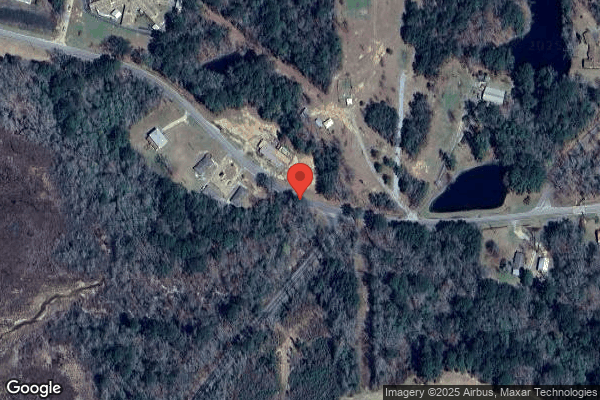

191 HIGHWAY 511 EAST, QUITMAN, MS 39355 (601) 776-2141
For profit - Corporation 120 Beds DIVERSICARE HEALTHCARE Data: November 2025
Trust Grade
58/100
#65 of 200 in MS
Last Inspection: December 2024

Within standard 12-15 month inspection cycle. Federal law requires annual inspections.

Overview

Diversicare of Quitman has a Trust Grade of C, which means it is average and positioned in the middle of the pack compared to other nursing homes. It ranks #65 out of 200 facilities in Mississippi, placing it in the top half, and is the only nursing home in Clarke County. The facility is improving, having reduced its issues from 6 in 2023 to 5 in 2024. Staffing is a relative strength, with a 3 out of 5-star rating and a turnover rate of 45%, just below the state average. However, the facility has faced some concerns, including a serious incident where a resident was injured in a resident-on-resident altercation due to a lack of supervision, as well as issues with expired food items in storage and incomplete care plans for residents. While there is good RN coverage, which is higher than 95% of facilities in the state, the presence of fines totaling $8,018 suggests some compliance issues that families should consider.

Trust Score
C
58/100
In Mississippi
#65/200
Top 32%
Safety Record
Moderate
Needs review
Inspections
Getting Better
6 → 5 violations
Staff Stability
⚠ Watch
45% turnover. Above average. Higher turnover means staff may not know residents' routines.
Penalties
○ Average
$8,018 in fines. Higher than 63% of Mississippi facilities. Some compliance issues.
Skilled Nurses
✓ Good
Each resident gets 45 minutes of Registered Nurse (RN) attention daily — more than average for Mississippi. RNs are trained to catch health problems early.
Violations
⚠ Watch
13 deficiencies on record. Higher than average. Multiple issues found across inspections.
★★★☆☆
3.0
Overall Rating
★★★☆☆
3.0
Staff Levels
★★★★☆
4.0
Care Quality
★★★☆☆
3.0
Inspection Score
Stable
2023: 6 issues
2024: 5 issues

The Good

  • 4-Star Quality Measures · Strong clinical quality outcomes
  • Full Sprinkler Coverage · Fire safety systems throughout facility
  • No fines on record

Facility shows strength in quality measures, fire safety.

The Bad

3-Star Overall Rating

Near Mississippi average (2.6)

Meets federal standards, typical of most facilities

Staff Turnover: 45%

Near Mississippi avg (46%)

Higher turnover may affect care consistency

Federal Fines: $8,018

Below median ($33,413)

Minor penalties assessed

Chain: DIVERSICARE HEALTHCARE

Part of a multi-facility chain

Ask about local staffing decisions and management

The Ugly 13 deficiencies on record

1 actual harm
Dec 2024 5 deficiencies 1 Harm
SERIOUS (G) 📢 Someone Reported This

A family member, employee, or ombudsman was alarmed enough to file a formal complaint

Actual Harm - a resident was hurt due to facility failures

Accident Prevention (Tag F0689)

A resident was harmed · This affected 1 resident

Based on observation, interviews, record review, and facility policy review, the facility failed to provide supervision to prevent a resident-on-resident altercation when Resident #61 wandered into an...

Read full inspector narrative →
Based on observation, interviews, record review, and facility policy review, the facility failed to provide supervision to prevent a resident-on-resident altercation when Resident #61 wandered into another resident's room, which resulted in Resident #61 receiving a hematoma to her forehead and an emergency department (ED) visit for one (1) of 22 sampled residents, Resident #61. Findings included: A record review of the facility's Investigation Template, dated 11/11/2024, revealed that at approximately 6:20 AM on 11/11/2024, a floor tech summoned help to Resident #91's room. Staff found water on the floor, a water pitcher spilled, and Resident #91 sitting on her bed holding her purse. Resident #91 stated she thought a man was trying to take her belongings and said she protected herself. Resident #61 was removed from the room and was noted to have a hematoma on the left side of her forehead and redness on the left side of her face. Resident #61 was assisted to her room and transported to a local hospital's ED. A record review of the local hospital's ED report, dated 11/11/2024, revealed that Resident #61 arrived at the ED at 4:51 PM and was discharged at 5:35 PM .History: Head Injury: Another resident at nursing home hit pt (patient) on head (upper eyebrow) .Review of Systems . Positive for wound (hematoma to left forehead) .Final diagnoses .Contusion of forehead, injury of head . On 12/15/2024 at 10:12 AM, during an observation of Resident #91's room where the altercation with Resident #61 occurred, there was a stop sign with a Velcro closure across the width of the door. During an interview with Resident #69 (Resident #91's roommate) she reported that she did not see the altercation between her roommate and Resident #61 because she was asleep. She reported that Resident #61 occasionally entered their room but stated the incidents decreased after the stop sign was installed. On 12/16/2024 from 9:30 AM to 10:00 AM, during an observation, Resident #61 was observed wandering throughout the facility, sleeping in hallways where she does not reside. Staff redirected her to her hallway after approximately 30 minutes. On 12/18/2024 at 9:50 AM, during an interview, the Administrator stated she was informed of the incident that occurred on 11/11/2024 by the DON and it was discussed during the facility's daily Stand-Up meeting. Staff determined interventions such as implementing stop signs and monitoring Resident #61 upon waking should be added. On 12/18/2024 at 11:13 AM, during an interview, the Floor Tech stated that on 11/11/2024 at 6:20 AM, he heard a commotion from Resident #91's room. Upon entering, he saw Resident #91 on her bed and Resident #61 in her wheelchair. He reported that a Training Center Account Manager (TCAM) assisted with removing Resident #61 and cleaning the water on the floor. On 12/18/2024 at 11:16 AM, during an interview, the TCAM stated she entered D-Hall at approximately 6:20 AM and saw the Floor Tech cleaning water. She stated she removed Resident #61 from Resident #91's room and heard Resident #91 say, Get out, get out, you don't belong in here. On 12/18/2024 at 11:40 AM, during an interview, Registered Nurse (RN) #3 stated she was informed of the incident during her medication pass. She reported the incident to the DON and Nurse Practitioner, completed an incident report, and performed neurological checks. On 12/18/2024 at 11:50 AM, during an interview, the DON stated she was informed of the incident before arriving at the facility. She ensured residents were separated, reported the incident to the State Agency, and started an investigation. She confirmed the implementation of stop signs on doors of residents who complained about Resident #61 entering their rooms. A record review of the facility's admission Record revealed the facility admitted Resident #61 on 10/30/2020 with diagnoses including Unspecified Dementia. A record review of the Quarterly Minimum Data Set (MDS) with an Assessment Reference Date (ARD) of 10/02/2024 revealed staff assessed Resident #61's cognitive status as severely impaired.
CONCERN (D)

Potential for Harm - no one hurt, but risky conditions existed

Resident Rights (Tag F0550)

Could have caused harm · This affected 1 resident

Based on observation, interviews, record review, and facility policy review, the facility failed to ensure residents' rights to privacy by allowing wandering residents to enter resident rooms without ...

Read full inspector narrative →
Based on observation, interviews, record review, and facility policy review, the facility failed to ensure residents' rights to privacy by allowing wandering residents to enter resident rooms without invitation or permission (Resident #5 and Resident #57) and failing to cover a urinary drainage bag (Resident #74) for three (3) of 22 sampled residents. Findings included: A record review of the facility's policy titled Resident Rights & Quality of Life Policy, dated March 13, 2020, revealed, .All patients and residents have the right to a dignified existence, self-determination, and communication with access to people and services inside and outside the center . Procedure: A patient or resident has the right .To personal privacy and confidentiality of personal and clinical records . Resident #5 On 12/15/2024 at 10:37 AM, during an interview, Resident #5 stated that a female resident in a wheelchair often entered her room without permission, during the daytime and nighttime hours. She reported this to staff several times, but the behavior has continued. She explained she kept the door to her room closed at all times, whether she is in her room or not to prevent wandering residents from coming in. On 12/17/2024 at 12:05 PM, during an interview, Licensed Practical Nurse (LPN) #3 reported that Resident #5 often kept her door closed to prevent wandering residents from entering. She explained that while wandering residents frequently entered rooms, Resident #5 had not specifically complained to her about an individual resident. A record review of Resident #5's admission Record revealed the facility admitted her on 08/15/2023 with diagnoses including Unspecified Mood Affective Disorder. A record review of the Comprehensive Minimum Data Set (MDS) with an Assessment Reference Date (ARD) of 11/29/2024 revealed in Section C, Resident #5 had a Brief Interview for Mental Status (BIMS) score of twelve (12), indicating moderate cognitive impairment. Further review of Section F revealed it was very important to her to take care of her personal belongings and things and to have a place to lock your things to keep them safe. Resident #57 On 12/15/2024 at 10:25 AM, during an interview, Resident #57 stated that residents frequently entered his room uninvited, rummaging through his belongings. He recounted an incident in July 2024 where a resident rummaged through his snacks, causing him to fall while trying to intervene. On 12/17/2024 at 12:20 PM, during an interview, LPN #3 confirmed that Resident #57 often yelled at wandering residents to leave his room. She explained that one wandering resident had been doing so since admission but had reduced the frequency over time. A record review of Resident #57's admission Record revealed the facility admitted him on 12/02/2022 with diagnoses including Type 2 Diabetes Mellitus. A record review of the Quarterly MDS with an ARD of 10/17/2024 revealed in Section C Resident #57 had a BIMS score of (15), indicating the resident was cognitively intact. Further review of Section F revealed it was somewhat important to have a place to lock his things and to keep them safe. Resident #74 On 12/15/2024 at 11:54 AM, during an observation, Resident #74's urinary drainage bag was uncovered and visible from the hallway because her door was open. On 12/16/2024 at 11:22 AM, during an observation and interview the Director of Nursing (DON) confirmed that Resident #74's catheter bag was not covered and emphasized the need to cover it to maintain the resident's dignity. On 12/18/2024 at 10:30 AM, during an interview the DON and Administrator acknowledged the facility had several wandering residents and confirmed staff had been educated on redirecting wandering residents to respect others' privacy. They stated that residents' rights to privacy and dignity must always be upheld. A record review of Resident #74's admission Record revealed the facility admitted her on 08/12/2022 with diagnoses including Stage 4 Pressure Ulcer of the Sacral Region. A record review of the Quarterly MDS with an ARD of 10/24/2024, in Section C revealed a BIMS score of four (4), indicating severe cognitive impairment. Further review of Section H revealed the resident had an indwelling catheter.
CONCERN (D)

Potential for Harm - no one hurt, but risky conditions existed

Deficiency F0658 (Tag F0658)

Could have caused harm · This affected 1 resident

**NOTE- TERMS IN BRACKETS HAVE BEEN EDITED TO PROTECT CONFIDENTIALITY** Based on observation, interviews, record review, and facility policy review, the facility failed to implement physician orders f...

Read full inspector narrative →
**NOTE- TERMS IN BRACKETS HAVE BEEN EDITED TO PROTECT CONFIDENTIALITY** Based on observation, interviews, record review, and facility policy review, the facility failed to implement physician orders for the use of a Continuous Positive Airway Pressure (CPAP) machine (Resident #2) and for an indwelling catheter (Resident #74) for two (2) of 22 sampled residents. Findings included: A review of the facility's document, Standards of Practice, dated 12/19/2024 and signed by the Administrator, revealed, The expectation set forth by management is that nurses comply with current standards of practice in terms of following physician's orders . A record review of the facility's policy, Electronic Clinical Records System Timely Admission-readmission Data Entry, undated, revealed, Guideline: The practice of the center clinicians is to enter specific patient critical and pertinent clinical data and documentation related to the patient's admission or readmission in a timely manner into the patient's electronic record . Processes: 2. Entry of Physician's Orders is the responsibility of the Health Information Management Coordinator (HIMC) and/or the admitting nurse. If Physician's Orders are entered by the admitting nurse, the HIMC is responsible to review orders entered during this stated time period for accuracy Resident #2 A record review of the admission Record revealed the facility admitted Resident #2 on 09/25/2023, with diagnoses including Chronic Obstructive Pulmonary Disease (COPD). A record review of the Discharge Summary, dated 11/27/2024, for Resident #2 revealed, .There was concern for obstructive sleep apnea .11/25 (2024) .will have to have outpatient referral for sleep study .11/27 (2024) - sleep study referral placed and pcp (Primary Care Provider) follow-up placed, both should be addressed by facility with in a week of discharge .Other Obstructive sleep apnea syndrome Will order cpap at night .Final Active Diagnoses .Obstructive sleep apnea syndrome .Follow Up .needs sleep study referral . Review of the medical record for Resident #2 revealed the new diagnosis of Chronic Obstructive Sleep Apnea, the referral for a sleep study, or a physician's orders for the use of CPAP machine at night was not added to the resident's medical record following the return from the hospital on [DATE]. On 12/17/2024 at 10:00 AM, during an interview, the Nurse Practitioner (NP) expressed concerns about the resident's new diagnosis of obstructive sleep apnea and the CPAP directive. She revealed the CPAP order from 11/27/2024 was not implemented by facility staff. On 12/17/2024 at 10:30 AM, during an interview, the Director of Nursing (DON) acknowledged the importance of verifying hospital discharge orders to ensure continuity of care. She confirmed that facility policy requires admitting nurses to enter all clinical data timely. Resident #74 During an observation on 12/15/2024 at 11:54 AM, Resident #74 had a urinary drainage bag hanging at the foot of the bed uncovered. A record review of the admission Record revealed the facility admitted Resident #74 on 08/12/2022 with diagnoses including a Stage 4 Pressure Ulcer of the Sacral Region. A record review of the Quarterly Minimum Data Set (MDS) with an Assessment Reference Date (ARD) of 10/24/2024 revealed in Section C Resident #74 had a Brief Interview for Mental Status (BIMS) score of four (4), indicating severe cognitive impairment. Further review of Section H revealed she had an indwelling catheter. A record review of the Progress Notes revealed Registered Nurse (RN) #1 placed an 18 French indwelling catheter for Resident #74 on 08/14/2024 at 3:30 PM. A record review of the electronic medical record revealed there were no Physician's Orders indicating Resident #74 had an indwelling catheter. A record review of the Treatment Administration Records (TARs) from August 2024 to December 2024 revealed there was no documentation indicating the facility completed catheter care. During an interview on 12/16/2024 at 11:00 AM, Registered Nurse (RN) #1 confirmed she placed the indwelling catheter on 08/14/2024 for Resident #74, however, she was helping another nurse. She explained that she did not receive the order from the physician or the Nurse Practitioner and had assumed the other nurse had taken care of it. RN #1 acknowledged it was her responsibility to verify all orders. On 12/16/2024 at 11:27 AM, during an interview, the Administrator, who also served as the Resident Representative (RR) for Resident #74, confirmed the absence of a documented physician's order. She stated the physician's order must be documented in the resident's file and that moving forward, all orders would be written promptly upon receipt. During an interview on 12/17/2024 at 8:22 AM, the DON confirmed the lack of a documented physician's order for the indwelling catheter. She stated verbal orders must be entered into the electronic medical record and emphasized the importance of ensuring orders are recorded properly.
CONCERN (D)

Potential for Harm - no one hurt, but risky conditions existed

Deficiency F0725 (Tag F0725)

Could have caused harm · This affected 1 resident

Based on observation, interviews, record review, and facility policy review, the facility failed to ensure sufficient nursing staff to provide nursing and related services to meet residents' needs saf...

Read full inspector narrative →
Based on observation, interviews, record review, and facility policy review, the facility failed to ensure sufficient nursing staff to provide nursing and related services to meet residents' needs safely and in a manner that promotes each resident's rights, physical, mental, and psychosocial well-being for one (1) of four (4) staffing quarters reviewed. Findings included: 1) Cross Reference to F550. 2) Cross Reference to F689. A record review of the facility's policy titled Staffing Requirements for Resident Care, effective March 2023, revealed, The facility must ensure that sufficient nursing staff is present at all times to meet residents' individual care needs and maintain a safe and sanitary environment. A record review of the facility's Payroll-Based Journal (PBJ) Staffing Data Report for Quarter 4, 2024 (July 1 - September 30), revealed excessively low weekend staffing triggered alerts, indicating that submitted weekend staffing data was consistently low compared to weekday staffing data. A record review of the facility's Center Assessment Tool dated 09/23/24 revealed . Other 1.8 . When adjusting staffing for daily care needs, appropriate staff skill set are reviewed to assure that licensed and non-licensed staff are present at all times, 24/7, including nights and weekends, with skills to care for physical and psychosocial needs of patients and residents. Specific staffing needs are based upon individual patients' and residents' diagnosis, care plans, and any change of condition that may have occurred. Patients/residents who may have issues with behaviors are also taken into consideration when staffing is being reviewed . Staffing Plan. 3.2 . Our approach to determine the staffing needs to care for and support our patients and residents, along with the information provided in Section 1.8 above, begins at the bedside. The Administrator facilitates the coordination of care needed each day with the interdisciplinary team. The care team evaluates the resident/patient population and acuity as well as center layout to determine the number of team members needed to provide care and services to the patients/residents . Position Total Number Needed or Average or Range Licensed nurses providing direct care 5 on days, 4 on evenings, Nurse aides 10 on days, 8 on evenings, 7 on nights . On 12/15/2024 at 10:30 AM, during an interview with Certified Nurse Aide (CNA) #1, she reported having 16 residents to care for that day due to short staffing. She stated that staffing was inconsistent and often insufficient, particularly on weekends. She noted that completing her duties with fewer than six (6) CNAs was challenging. On 12/15/2024 at 10:45 AM, during an interview with Licensed Practical Nurse (LPN) #4, she explained that she usually worked in medical records but had been pulled to cover short staffing. She confirmed that low staffing levels had required many staff members to work extra hours. On 12/16/2024 at 10:50 AM, during an interview with LPN #3, she stated the facility had been short-staffed for several months. She reported working with six (6) CNAs on day shifts and five (5) or fewer on evening shifts, which created difficulties in completing all duties. On 12/18/24 at 10:05 AM, during an interview with the Director of Nursing (DON), she confirmed that she was aware of the low staffing issues and reported she has not been able to have the staffing she desires for the facility. On 12/18/2024 at 10:15 AM, during an interview and record review of the staffing grids with the Workforce Manager, she explained that the facility aimed to staff an average of 10 CNAs on day shifts, seven (7) CNAs on evening shifts, and five (5) CNAs on night shifts. However, staffing had fallen as low as five (5) CNAs on day shifts, four (4) CNAs on evening shifts, and three (3) CNAs on night shifts. The Workforce Manager confirmed that staffing grids for Quarter 4, 2024, showed multiple weekends with low staffing ratios. On 12/18/2024 at 10:40 AM, during an interview with the Administrator, she confirmed that the facility had consistently triggered low staffing alerts on weekends. She outlined ongoing efforts to address staffing shortages, including offering bonuses, recruiting from local vocational schools, and attempting CNA training programs, but acknowledged that staffing challenges remained unresolved.
CONCERN (E)

Potential for Harm - no one hurt, but risky conditions existed

Comprehensive Care Plan (Tag F0656)

Could have caused harm · This affected multiple residents

**NOTE- TERMS IN BRACKETS HAVE BEEN EDITED TO PROTECT CONFIDENTIALITY** Based on observation, interviews, record review, and facility policy review, the facility failed to develop care plans related t...

Read full inspector narrative →
**NOTE- TERMS IN BRACKETS HAVE BEEN EDITED TO PROTECT CONFIDENTIALITY** Based on observation, interviews, record review, and facility policy review, the facility failed to develop care plans related to a Continuous Positive Airway Pressure (CPAP) machine (Resident #2) and an indwelling catheter (Resident #74) for two (2) of 22 sampled residents. Findings included: A record review of the facility's policy Comprehensive Care Plan dated May 1, 2012, revealed, Standard: Social services staff and/or designee will participate in the development of a comprehensive care plan for each resident. Practice Guidelines: 1. The interdisciplinary care plan is implemented to guide healthcare center staff in the provision of necessary care and services to obtain and maintain the highest practical physical, mental, and psychosocial well-being of the resident and promotion of the resident and family in planning care . Resident #2 A record review of the Discharge Summary, dated 11/27/2024, for Resident #2 revealed, .There was concern for obstructive sleep apnea .11/25 (2024) .will have to have outpatient referral for sleep study .11/27 (2024) - sleep study referral placed and pcp (Primary Care Provider) follow-up placed, both should be addressed by facility with in a week of discharge .Other Obstructive sleep apnea syndrome Will order cpap at night .Final Active Diagnoses .Obstructive sleep apnea syndrome .Follow Up .needs sleep study referral . The medical record revealed no care plan was developed for the diagnosis of obstructive sleep apnea, including the referral for a sleep study, or the physician's orders for CPAP usage at night following the resident's return from the hospital on [DATE]. During an interview on 12/17/2024 at 10:00 AM, the facility's Nurse Practitioner (NP) expressed concerns about the resident's diagnosis of obstructive sleep apnea and the CPAP not being initiated as directed. She emphasized the care plan needed to be updated appropriately. During an interview on 12/17/2024 at 10:30 AM, the Director of Nursing (DON) acknowledged a breakdown in communication and emphasized the importance of verifying hospital discharge orders to support continuity of care. She confirmed the facility policy requires admitting nurses to enter all clinical data timely upon admission or readmission. During an interview on 12/17/2024 at 10:45 AM, Licensed Practical Nurse (LPN) #1 confirmed the facility failed to follow hospital discharge orders related to CPAP usage and did not develop interventions for obstructive sleep apnea in Resident #2's care plan. A record review of the admission Record revealed the facility admitted Resident #2 on 09/25/2023 with diagnoses including Chronic Obstructive Pulmonary Disease (COPD). Resident #74 During an observation on 12/15/2024 at 11:54 AM, Resident #74 was observed with an indwelling catheter with clear yellow urine flowing into an uncovered drainage bag. A record review of the Progress Notes revealed Registered Nurse (RN) #1 placed an 18 French indwelling catheter for Resident #74 on 08/14/2024 at 3:30 PM. A review of the Comprehensive Care Plan revealed there was no care plan with interventions developed for the indwelling catheter for Resident #74. A record review of the admission Record revealed the facility admitted Resident #74 on 08/12/2022 with diagnoses including a Stage 4 Pressure Ulcer of the Sacral Region. A record review of the Quarterly Minimum Data Set (MDS) with an Assessment Reference Date (ARD) of 10/24/2024 revealed Resident #74 had a Brief Interview for Mental Status (BIMS) score of four (4), indicating severe cognitive impairment. Further review revealed she had an indwelling catheter. During an interview on 12/16/2024 at 11:22 AM, the DON confirmed the facility failed to develop a comprehensive care plan for the catheter care. She explained the care plan ensures continuity of care and stated care plans must reflect current diagnoses to guide staff effectively. During an interview on 12/16/2024 at 11:27 AM, the Administrator confirmed the failure to develop a comprehensive care plan for the catheter. She stated care plans are essential for guiding staff on the proper care and cleaning of the catheter and emphasized the need for all care areas to be included in the care plan. On 12/18/2024 at 10:00 AM, during an interview, Registered Nurse (RN) #2 confirmed she was responsible for developing Resident #74's care plan. She acknowledged she did not see any orders for the indwelling catheter and did not inquire further.
Nov 2023 1 deficiency
CONCERN (D) 📢 Someone Reported This

A family member, employee, or ombudsman was alarmed enough to file a formal complaint

Potential for Harm - no one hurt, but risky conditions existed

Free from Abuse/Neglect (Tag F0600)

Could have caused harm · This affected 1 resident

Based on staff interviews, record review, facility investigation, and policy review, the facility failed to protect a resident from verbal abuse for one (1) of four (4) residents sampled. Resident #1 ...

Read full inspector narrative →
Based on staff interviews, record review, facility investigation, and policy review, the facility failed to protect a resident from verbal abuse for one (1) of four (4) residents sampled. Resident #1 Findings include: A review of the facility's policy, Abuse, Neglect, Misappropriation Policy, dated January 2019 revealed, .Purpose: To prohibit and prevent abuse, neglect, exploitation, .Definitions .Verbal abuse includes the use of oral, written, or gestured communication, or sounds, to residents within hearing distance . A record review of the Investigation Template, dated 10/24/2023, revealed on 10/20/23, the Administrator was in her office when she overheard Certified Nurse Assistant (CNA) #1 being disrespectful when yelling at Resident #1 to be still with profanity used. Several other residents heard the encounter with CNA #1 and Resident #1. CNA #1 admitted to using profanity to Resident #1 . Actions taken post investigation: . CNA (Proper Name) was terminated due to poor customer service . A record review of the handwritten statement, dated 10/23/23, and signed by CNA #1 indicated that CNA #1 said to Resident #1, .why don't he stay his ass at the table ., and I know I shouldn't have said that to him. On 11/27/23 at 12:15 PM, during an interview with the Administrator, she confirmed that on 10/20/23, CNA #1 used a loud tone with profanity while speaking to Resident #1. She immediately escorted CNA #1 to clock out and out of the building, placing her on suspension pending the investigation. With the assistance of Registered Nurse (RN) #1 as her witness, the Administrator discussed the incident with CNA #1. CNA #1 admitted to saying, Why don't he stay his ass at the table. The Administrator reported the incident to State Agency (SA), the Medicaid Fraud Control Unit of the Attorney General's Office (AGO), and the local police department. She stated the facility provided in-services regarding abuse prevention and dementia training to all staff and had a Quality Assurance Performance Improvement (QAPI) meeting to discuss the event and what measures would be implemented. During a phone interview on 11/27/23 at 2:10 PM, CNA #1 confirmed that she stated to Resident #1, Stay your ass at the table, because she was trying to redirect him that meal trays were being served. She stated that she couldn't believe what came out of her mouth and she knew better than to curse the resident. CNA #1 confirmed she had attended many in-services on abuse and resident rights before this incident occurred. On 11/27/23 at 2:58 PM, during an interview with Registered Nurse (RN) #1, she revealed on 10/20/23, she assisted the Administrator in escorting CNA #1 out of the building. RN #1 confirmed CNA #1 admitted to cursing Resident #1 to at the dining room table. A record review of the personnel file for CNA #1 revealed a transcript of courses attended, which included courses completed on 8/29/23 of Abuse and Neglect, Abuse Neglect Misappropriation Exploitation Policy, and Elder Justice Act Reporting Requirements. Record review of the admission Record revealed the facility admitted Resident #1 on 6/28/21 with diagnoses including Alzheimer's Disease and Dementia. Record review of the Quarterly Minimum Data Set (MDS) with an Assessment Reference Date (ARD) of 9/16/23, revealed a staff interview was required for assessment and his cognitive skills for daily decision making were severely impaired. Based on the facility's implementation of corrective actions on 10/20/23, the State Agency (SA) determined the deficiency to be Past Non-Compliance (PNC) and the deficiency was corrected as of 10/21/23, prior to the SA's first entrance on 11/27/23. Validation: On 11/28/23, the SA validated through staff interviews, record review, and facility policy review the facility began an immediate investigation when the incident occurred. A review of the emergency QAPI meeting minutes revealed the facility held a QAPI meeting on 10/21/23 at 5:16 PM, in which the Infection Preventionist (IP) was out of the facility for this emergency meeting and the Medical Director attended via phone. The SA verified through an interview with the DON and Social Services Director that they attended the QAPI meeting to discuss the situation and the facility policies related to abuse were discussed and no changes needed. The QAPI meeting concluded that the Plan of Correction was to in-service all staff, terminate the employee, and have a resident council meeting. The SA reviewed in-service sign-in sheets that began on 10/20/23 related to abuse prevention and dementia training and the Administrator conducted in-services in which she had every employee sign the policies on abuse prevention and dementia training. On 11/28/23, the SA verified the facility reported the verbal abuse to SA and the AGO on 10/20/23.
Apr 2023 5 deficiencies
CONCERN (D)

Potential for Harm - no one hurt, but risky conditions existed

Tube Feeding (Tag F0693)

Could have caused harm · This affected 1 resident

Based on observation, interview and record review the facility failed to provide percutaneous endoscopic gastrostomy (peg) feeding tube care in a manner to prevent complications for one (1) of three (...

Read full inspector narrative →
Based on observation, interview and record review the facility failed to provide percutaneous endoscopic gastrostomy (peg) feeding tube care in a manner to prevent complications for one (1) of three (3) residents reviewed with peg feeding tubes. Resident #64 Findings include: A record review of the facility's Care of a Gastrostomy or Jejunostomy Tube Competency Audit provided by the Director of Nursing (DON) revealed, .Cleansed skin around site with water and soap using gauze . Further review revealed the document did not contain steps for the actual cleansing procedure to include the direction of wipes and the rotation of gauze. A record review of the Order Summary Report, with Active Orders As Of: 04/19/2023 revealed Resident #64 had a Physician's Order dated 8/2/22 to Clean peg tube site with soap and water and leave open to air q (every) shift . On 04/18/23 at 2:20 PM, in an observation of Licensed Practical Nurse (LPN) #2 providing peg feeding tube care to Resident #64, she cleaned the peg feeding tube insertion site with a moistened gauze, using a circular motion wiping four (4) times around the site, without folding or rotating the position of the gauze. LPN #2 rinsed the peg feeding tube insertion site with a clean moistened gauze by folding the gauze after each wipe. She then used a clean dry gauze to dry the site, using a circular motion, wiping four (4) times around the insertion site, without folding or rotating the position of the gauze after each circular wipe. On 04/18/23 at 2:40 PM, in an interview with LPN #2, she confirmed that she cleaned around the peg tube insertion several times with the same gauze and that she should have cleaned one side of the peg site, discarded the gauze, and used a clean gauze each time for cleaning and drying the area. She stated her actions could potentially cause Resident #64 to acquire an infection. On 04/19/2 at 09:31 AM, in an interview with the DON, she stated that LPN #2 should have cleaned the peg feeding tube site by using gauze, discarding, and using a clean gauze with each wipe around the site. She stated LPN #2 had contaminated the peg feeding tube site during cleaning and her actions could put the resident at significant risk for infection. A record review of the admission Record revealed the facility admitted Resident #64 on 02/01/23 and he had diagnoses including Cerebral Infarction, Unspecified Protein-Calorie Malnutrition, and Gastrostomy.
CONCERN (D)

Potential for Harm - no one hurt, but risky conditions existed

Respiratory Care (Tag F0695)

Could have caused harm · This affected 1 resident

Based on interview, observation, record review, the facility failed to adhere to accepted standards of practice for the proper storage of a nebulizer mask for two (2) of three (3) observations. Reside...

Read full inspector narrative →
Based on interview, observation, record review, the facility failed to adhere to accepted standards of practice for the proper storage of a nebulizer mask for two (2) of three (3) observations. Resident # 74 Findings include: During an observation on 04/16/23 at 11:42 AM, Resident #74 was in bed, and his nebulizer mask was noted directly on the floor. There was no visible container designated to store the nebulizer tubing/mask. On 4/16/23 at 2:54 PM, Resident #74 was observed in his bed. His nebulizer mask continued to be on the floor, with no visible container to store the mask to prevent contamination. On 4/16/23 at 3:04 PM, during an interview with Licensed Practical Nurse (LPN) #2, she explained Resident #74 had scheduled nebulizer treatments, but was unsure how often. She stated that the nebulizer mask should be kept in a bag when it is not in use because of infection control. LPN #2 entered Resident #74's room and confirmed the nebulizer mask was lying on the floor. She also confirmed there was no container or designated area to store the mask to prevent contamination. She explained the nebulizer mask was contaminated and that it was not standard practice for the mask to be on the floor. LPN #2 stated that she would get a plastic bag to store the mask and a new mask for the resident's use. On 04/19/23 at 11:00 AM, during an interview with the Director of Nursing (DON), she explained all oxygen tubing and nebulizer equipment should be stored in a plastic bag while not in use. She stated any equipment noted on the floor should be thrown away and replaced and it is not the facility's normal practice or the standard for those items to be on the floor. She expected the staff to observe for any equipment not properly stored and correct the problem. A record review of the admission Record revealed the facility admitted Resident #74 on 03/01/2023 with diagnoses including Pneumonia and Chronic Obstructive Pulmonary Disease (COPD). A record review of the Order Summary Report with Active Orders As Of: 04/19/2023 revealed Resident #74 had Physician's Orders, dated 3/1/23 for, for Budesonide Inhalation Suspension 0.5 MG(milligram)/2 ML(milliliter) .1 vial inhale orally two times a day for COPD and Albuterol Sulfate Inhalation Nebulization Solution (2.5 MG/3 ML) 0.083% (Albuterol Sulfate)1 vial inhale orally every 6 hours as needed for SOB (shortness of breath).
CONCERN (D)

Potential for Harm - no one hurt, but risky conditions existed

Dental Services (Tag F0791)

Could have caused harm · This affected 1 resident

Based on observation, interview, record review and facility policy review the facility failed to ensure recommended dental services were provided for one (1) of twenty (20) sampled residents. Resident...

Read full inspector narrative →
Based on observation, interview, record review and facility policy review the facility failed to ensure recommended dental services were provided for one (1) of twenty (20) sampled residents. Resident # 79 Findings include: Review of the facility's policy, Dental/Oral Care dated December 1, 2010, revealed, Purpose To ensure residents receive care and services and attain or maintain the highest level of oral hygiene . Procedure .5. Interdisciplinary Care Team will assess for specific needs and review as indicated .7. Regular and emergency dental care will be provided by contracted services of a dentist. 8. Dentist referrals will be arranged by the Nursing Department or Social Services Departments . During an observation, on 04/16/23 at 10:33 AM, Resident #79 was lying in bed and the right side of his face was swollen. During an interview on 04/17/23 at 10:35 AM, with Resident # 79, he said he had an abscess on his right tooth and he had reported it to the nurse. The resident said that it was painful, but the facility was giving him pain medication. Record review of the facility's Progress Notes revealed an MD (Medical Doctor)/FNP (Family Nurse Practitioner) Note, dated 1/23/23 at 14:32 (2:32 PM) for Resident #79, .1. Extraction of tooth needed .3 .Plavix put on hold. Tooth extraction scheduled for Friday . Record review of the facility's Progress Notes revealed General Notes, dated 1/25/23 at 19:29 (7:29 PM) for Resident #79, .Appointment with (Proper Name of Local Dentist) January 27, 2023 for tooth extraction . Record review of Progress Notes from a local Dentist revealed Resident #79 had a dental examination on 1/27/23 and the provider documented .Felt better and he did also to send him to O.S. (Oral Surgeon) for removal of painful teeth . Record review of the facility's Progress Notes revealed General Notes, dated 2/21/23 at 14:16 (2:16 PM), revealed Resident #79, .patient c/o (complained of) tooth pain .Spoke with CN (Charge Nurse) she stated that she will talk with family member to see if they will come up with a plan to help pay for extraction . Review of General Notes, dated 2/21/23 at 14;28 (2:28 PM), for Resident #79 revealed, .Spoke with (Proper name of Resident Representative) and he said that he should have a Dental plan starting on next month. This nurse asked if he could assist him financially to have the tooth removed .He said that he would go and get him a Milk Shake if he wanted one . Record Review of a Dental Exam, dated 3/21/21, revealed, .Notes .Patient needs a referral to outside dentist for #3 Extraction. #3 has an existing root canal and crown that has present root decay and an abscess . During an interview on 04/17/23 at 02:37 PM, with Registered Nurse (RN) #1, she stated Resident # 79 was seen by the in-house dentist and received seven (7) days of antibiotics. RN #1 said the resident was sent out to a local Dentist who then referred him to an oral surgeon. His tooth was not pulled because his insurance did not cover oral surgery. RN #1 said she spoke to Resident #1's brother asking him to pay for the oral surgery, but he said that he could not pay for the tooth to be removed. During an interview on 04/19/23 at 09:45 AM, with Resident #79's brother, he said the facility called him to inform him that his brother had a bad tooth, his gums were swollen and he had been prescribed antibiotics and pain medication. The brother said he did not have the money to pay for the tooth to be removed and it wasn't covered by insurance. He stated the facility did not say they would help to get another agency to assist with the payment of getting the tooth pulled. During an interview on 04/19/23 at 11:21 AM, with the Social Worker (SW), she said she had been out sick for two (2) weeks and did not know Resident #79 did not have his tooth pulled when he went to the dentist in January. The SW expressed that she did not begin to look for a provider that would accept the resident's insurance until 4/17/23. She had found an oral surgeon and the resident was scheduled for an appointment on 5/4/23. During an interview on 04/19/23 at 01:00 PM, with the Administrator and the Director of Nursing, the DON confirmed the facility failed to send the resident to an oral surgeon because she was not aware that the resident was referred to an oral surgeon. The Administrator said she did not know the resident was referred to an oral surgeon as well. The DON said that the SW had been out sick for two (2) weeks, and no one had followed up to find a surgeon that would take the resident's insurance. A record Review of the admission Record revealed the facility admitted Resident #79 on 8/11/22 with diagnosis of Cerebral Infarction. A record review of the Quarterly Minimum Data Set (MDS) with an Assessment Reference Date (ARD) of 2/06/23 revealed a Brief Interview for Mental Status (BIMS) score of 15, which indicated Resident #79 was cognitively Intact. Review of Section L revealed he had Mouth or facial pain, discomfort or difficulty with chewing.
CONCERN (D)

Potential for Harm - no one hurt, but risky conditions existed

Infection Control (Tag F0880)

Could have caused harm · This affected 1 resident

Based on interview, observation, record review, and facility policy review, the facility failed to prevent the possible spread of infection when a nurse flushed and administered a medication via a per...

Read full inspector narrative →
Based on interview, observation, record review, and facility policy review, the facility failed to prevent the possible spread of infection when a nurse flushed and administered a medication via a percutaneous endoscopic gastrostomy (peg) feeding tube without wearing gloves for one (1) of three (3) residents reviewed with peg feeding tubes. Resident # 64. Findings Include: A record review of the facility's policy, Policies and Practices-Infection Control, dated 11/1/17, revealed, .This center's infection control policies and practices are intended to facilitate maintaining a safe, sanitary and comfortable environment and to help prevent and mange transmission of diseases and Infection . On 04/16/23 at 12:41 PM, during an observation and interview, Licensed Practical Nurse (LPN) #1 was in Resident #64's room using a syringe and water to flush his peg feeding tube. LPN #1 was touching the resident's feeding tube, container of water, and syringe with ungloved hands. She flushed the tube and then administered a liquid medication that she identified as Acidophilus. On 04/16/23 at 01:00 PM, in an interview with LPN #1, she explained that she usually wears gloves when flushing and administering medications through a peg feeding tube. She stated she should wear gloves to protect the resident and herself and that her actions could spread germs to the resident. On 04/19/23 at 09:20 AM, in an interview with the Director of Nursing (DON), she stated LPN #1 should have applied gloves before flushing the tube because it was standard practice and Resident #64 could get multiple infections. A record review of the admission Record revealed the facility admitted Resident #64 on 2/1/23 and had diagnoses including Cerebral Infarction and Gastrostomy Status. Record review of the Order Summary Report with Active Orders As Of: 04/19/2023 revealed Resident #64 had a Physician's Order, dated 2/4/23, for Lactobacillus (Acidophilus) Oral Capsule .Give 2 capsule via PEG-Tube three times a day .
CONCERN (F)

Potential for Harm - no one hurt, but risky conditions existed

Food Safety (Tag F0812)

Could have caused harm · This affected most or all residents

Based on observation, interviews, record review and facility policy review the facility failed to remove expired, undated, and spoiled food items from storage areas for one (1) of four (4) kitchen obs...

Read full inspector narrative →
Based on observation, interviews, record review and facility policy review the facility failed to remove expired, undated, and spoiled food items from storage areas for one (1) of four (4) kitchen observations. This had the potential to affect all residents in the facility receiving food from the dietary department. Findings include: Review of facility's policy, Food and Supply Storage Procedures, undated, revealed, .Remove from storage any items for which the expiration date has expired . Review of the facility's policy, Food Storage: Dry Goods, revised 9/2017, revealed, All dry goods will be appropriately stored will be appropriately stored in accordance with the FDA Food Code . 5. All packaged and canned food items will be kept clean, dry, and properly sealed. 6. Storage areas will be neat, arranged for easy identification, and date marked as appropriate. Review of facility's policy, Receiving, revised 9/2017, revealed, . 5. All food items will be appropriately labeled and dated wither through manufacturer packaging or staff rotation . On 4/16/23 at 11:00 AM, during an initial tour of the kitchen with the facility's Cook, an observation of the dry storage area revealed, a 32-ounce bottle of liquid smoke that was opened, undated, without a top and loosely covered with plastic wrap, a one (1) gallon container of salad dressing with an expiration date of 11/8/21, a one (1) gallon container of barbeque sauce with an expiration date of 8/15/22, a 16-ounce bag of unsealed marshmallows, dated of 12/22, and a one (1) gallon container of sliced jalapeno peppers that was opened and had visible biological growth. On 4/16/23 at 11:47 AM, in an interview with the Cook, he stated all the staff are responsible for removing expired food. She stated the Dietary Aide is responsible for stocking the groceries when delivered and checking expiration dates prior to putting them on the shelves. On 4/18/23 at 12:29 PM, in an interview with the Dietary Aide, he confirmed he is responsible for checking expiration dates as he receives the food from the delivery truck but stated that all staff should check for expired foods. On 4/18/23 at 12:35 PM, in an interview with the Dietary Manager (DM), he revealed all staff are responsible for checking for expired foods and removing them from the shelves, as expired foods could cause foodborne illnesses. The DM also noted that when foods are opened, they should be dated and discarded according to their facility policy, which referenced the Food and Drug Administration (FDA) Food Code. On 4/19/23 11:18 AM, in an interview with the Administrator, she stated dietary staff should put opened dates on food items as they are opened and make sure they are properly sealed when they are placed on the shelves. The Administrator revealed the [NAME] and Assistant [NAME] should read the labels as they pull foods from the shelves and check expiration dates, as expired foods, if contaminated, could lead to foodborne illnesses. The said she expected all dietary staff to make rounds, clean the department, and remove expired foods from the shelves.
Feb 2020 2 deficiencies
CONCERN (D)

Potential for Harm - no one hurt, but risky conditions existed

Deficiency F0604 (Tag F0604)

Could have caused harm · This affected 1 resident

Based on observation, staff interview, record review and facility policy review, the facility failed to ensure that Resident #68 was free from the use of a physical restraint as evidenced by failure t...

Read full inspector narrative →
Based on observation, staff interview, record review and facility policy review, the facility failed to ensure that Resident #68 was free from the use of a physical restraint as evidenced by failure to monitor and release her lap buddy every two (2) hours, for one (1) of three (3) residents reviewed for restraints. Findings Include: A review of the facility's Physical Restraint Application policy, dated November 2017, revealed the purpose of this procedure is to provide safety or postural support of a resident to prevent injury to himself/herself or others. The definition of a physical restraint is defined as any manual or physical or mechanical device, material, or equipment attached or adjacent to the resident's body that the individual cannot remove easily which restricts freedom of movement or normal access to one's body. The Key Procedural Points included: 7. Written policies and procedures governing the use of restraints specify which staff member may authorize the use of restraints and clearly delineate the following: a. Orders indicate the specific reason, type, and period of time for the use of the restraints. Restraints must be used only as a last resort. 8. Release for care and services as needed. During an observation, on 2/18/2020 at 8:55 AM, Resident #68 was sitting in the front lobby in her wheelchair with a lap buddy restraint secured across her lap. During a continuous observation, on 2/18/2020 from 9:10 AM until 11:40 AM, Resident #68 remained positioned in the wheelchair with the lap buddy in place for greater than two (2) hours with no staff interventions for toileting or releasing the lap buddy. During an interview, on 2/18/2020 at 3:43 PM, Licensed Practical Nurse (LPN) #1 confirmed removing the lap buddy every two (2) hours was on Resident #68's Care Plan, but she had not removed the lap buddy at all that morning. During an interview, on 2/18/2020 at 2:24 PM, Registered Nurse (RN) #1/ Staff Development Nurse stated the nursing staff and the Certified Nursing Assistants (CNAs) are the ones that have the responsibility for removing Resident #68's lap buddy every two (2) hours. During an interview, on 2/18/2020 at 3:13 PM, with the Director of Nursing (DON), she confirmed it is the responsibility of the nurses and the CNAs to remove/release restraints. The DON stated both nurses and CNAs are trained on the use of restraints. The DON confirmed when Resident #68's restraint had not been removed by a staff member every two (2) hours, Resident #68's Care Plan and Medical Doctor (MD)'s orders had not been followed. A review of Resident #68's Care Plan revealed a Focus problem was initiated, on 1/9/2020, for the use of a lap buddy while up in the wheelchair for her safety related to falls. The Interventions included remove the lap buddy every two (2) hours and during meals. Nursing was the designated staff responsible for this intervention. A review of Resident #68's Order Summary Report revealed an order, dated 1/9/2020, for the application of a lap buddy to the resident's wheelchair while she was up in the wheelchair for safety related to (r/t) falls. Further review of the orders revealed an order, dated 1/10/2020, to remove the lap buddy every two hours and during meals. Review of the Face Sheet revealed Resident #68 was admitted by the facility, on 11/3/2017, with the included diagnoses Alzheimer's Disease and Cerebral Infarction. Review of Resident #68's Annual Minimum Data Set (MDS) with an Assessment Reference Date (ARD) of 9/1/2020, and Quarterly MDS with an ARD of 12/12/2019, revealed the resident's Basic Interview for Mental Status (BIMS) score was 99, which indicated the interview was not completed. The resident's Cognitive Skills For Daily Decision Making was coded a 3, which indicated the resident never or rarely made decisions. Further review of the MDS revealed Resident #68 was coded for the use of a trunk restraint device daily when up in chair or out of bed. The MDS also revealed Resident #68 required extensive assistance with transfers and bed mobility, was totally dependent on staff with one person physical assist with locomotion on and off the unit, extensive assistance with one person physical assist with dressing and eating, extensive assistance with two person physical assist with toileting, and was totally dependent on staff with one person physical assist with personal hygiene and bathing. The wheelchair was coded as the resident's mobility device. Resident #68 did not have Range of Motion (ROM) deficits of any of her extremities.
CONCERN (D)

Potential for Harm - no one hurt, but risky conditions existed

Comprehensive Care Plan (Tag F0656)

Could have caused harm · This affected 1 resident

Based on observation, staff interview, record review and facility policy review, the facility failed to follow Resident #68's Care Plan for the use of a physical restraint regarding the releasing of t...

Read full inspector narrative →
Based on observation, staff interview, record review and facility policy review, the facility failed to follow Resident #68's Care Plan for the use of a physical restraint regarding the releasing of the lap buddy every two hours, for one (1) of 23 care plans reviewed. Findings Include: A review of the facility's Physical Restraint Application policy, undated, revealed the Key Procedural Points included the interdisciplinary assessment team, in coordination with the resident and his/ her family or representative (sponsor), develops and maintains a comprehensive care plan for the resident. A review of Resident #68's Care Plan revealed a Focus problem was initiated, on 1/9/2020, related to the use of a lap buddy on the resident's wheelchair while the resident was up in the wheelchair for safety related to falls. Further review of the care plan revealed an Intervention to remove the lap buddy every two (2) hours and during meals. During an observation, on 2/18/2020 at 8:55 AM, Resident #68 was observed sitting in the front lobby. Resident #68 was observed in a wheelchair with a lap buddy restraint secured across her lap. An observation, on 2/18/2020 from 9:10 AM until 11:40 AM, revealed Resident #68 remained positioned in the wheelchair with the lap buddy, for greater than two (2) hours and was not released or repositioned during this time by any staff. During an interview, on 2/18/2020 at 3:43 PM, Licensed Practical Nurse (LPN) #1 confirmed she had not removed Resident #68's lap buddy at all that morning. LPN #1 stated Resident #68's lap buddy/restraint was supposed to be removed every two (2) hours per the Care Plan and Physician's Orders. During an interview, on 2/18/2020 at 3:13 PM, the Director of Nursing (DON) confirmed Resident #68's Care Plan was not followed for releasing the restraint or toileting every two (2) hours. A review of Resident #68's Physician's Orders revealed the Medical Doctor (MD) had reviewed and approved the Plan of Care for Resident #68. Review of the Face Sheet revealed Resident #68 was admitted by the facility, on 11/3/2017, with the included diagnoses Alzheimer's Disease and Cerebral Infarction. Review of Resident #68's Annual Minimum Data Set (MDS) with an Assessment Reference Date (ARD) of 9/1/2020, and Quarterly MDS with an ARD of 12/12/2019, revealed the resident's Basic Interview for Mental Status (BIMS) score was 99, which indicated the interview was not completed. The resident's Cognitive Skills For Daily Decision Making was coded a 3, which indicated the resident never or rarely made decisions. Further review of the MDS revealed Resident #68 was coded for the use of a trunk restraint device daily when up in chair or out of bed. The MDS also revealed Resident #68 required extensive assistance with transfers and bed mobility, was totally dependent on staff with one person physical assist with locomotion on and off the unit, extensive assistance with one person physical assist with dressing and eating, extensive assistance with two person physical assist with toileting, and was totally dependent on staff with one person physical assist with personal hygiene and bathing. The wheelchair was coded as the resident's mobility device. Resident #68 did not have Range of Motion (ROM) deficits of any of her extremities.
Understanding Severity Codes (click to expand)
Life-Threatening (Immediate Jeopardy)
J - Isolated K - Pattern L - Widespread
Actual Harm
G - Isolated H - Pattern I - Widespread
Potential for Harm
D - Isolated E - Pattern F - Widespread
No Harm (Minor)
A - Isolated B - Pattern C - Widespread

Questions to Ask on Your Visit

  • "Can I speak with families of current residents?"
  • "What's your RN coverage like on weekends and overnight?"

Our Honest Assessment

Strengths
  • • Licensed and certified facility. Meets minimum state requirements.
Concerns
  • • 13 deficiencies on record, including 1 serious (caused harm) violation. Ask about corrective actions taken.
  • • Grade C (58/100). Below average facility with significant concerns.
Bottom line: Mixed indicators with Trust Score of 58/100. Visit in person and ask pointed questions.

About This Facility

What is Diversicare Of Quitman's CMS Rating?

CMS assigns DIVERSICARE OF QUITMAN an overall rating of 3 out of 5 stars, which is considered average nationally. Within Mississippi, this rating places the facility higher than 99% of the state's 100 nursing homes. This mid-range rating indicates the facility meets federal standards but may have areas for improvement.

How is Diversicare Of Quitman Staffed?

CMS rates DIVERSICARE OF QUITMAN's staffing level at 3 out of 5 stars, which is average compared to other nursing homes. Staff turnover is 45%, compared to the Mississippi average of 46%. This relatively stable workforce can support continuity of care.

What Have Inspectors Found at Diversicare Of Quitman?

State health inspectors documented 13 deficiencies at DIVERSICARE OF QUITMAN during 2020 to 2024. These included: 1 that caused actual resident harm and 12 with potential for harm. Deficiencies causing actual harm indicate documented cases where residents experienced negative health consequences.

Who Owns and Operates Diversicare Of Quitman?

DIVERSICARE OF QUITMAN is owned by a for-profit company. For-profit facilities operate as businesses with obligations to shareholders or private owners. The facility is operated by DIVERSICARE HEALTHCARE, a chain that manages multiple nursing homes. With 120 certified beds and approximately 101 residents (about 84% occupancy), it is a mid-sized facility located in QUITMAN, Mississippi.

How Does Diversicare Of Quitman Compare to Other Mississippi Nursing Homes?

Compared to the 100 nursing homes in Mississippi, DIVERSICARE OF QUITMAN's overall rating (3 stars) is above the state average of 2.6, staff turnover (45%) is near the state average of 46%, and health inspection rating (3 stars) is at the national benchmark.

What Should Families Ask When Visiting Diversicare Of Quitman?

Based on this facility's data, families visiting should ask: "Can I visit during a mealtime to observe dining assistance and food quality?" "How do you handle medical emergencies, and what is your hospital transfer rate?" "Can I speak with family members of current residents about their experience?"

Is Diversicare Of Quitman Safe?

Based on CMS inspection data, DIVERSICARE OF QUITMAN has a clean safety record: no substantiated abuse findings (meaning no confirmed cases of resident harm), no Immediate Jeopardy citations (the most serious violation level indicating risk of serious injury or death), and is not on the Special Focus Facility watch list (a federal program monitoring the lowest-performing 1% of nursing homes). The facility has a 3-star overall rating and ranks #1 of 100 nursing homes in Mississippi. While no facility is perfect, families should still ask about staff-to-resident ratios and recent inspection results during their visit.

Do Nurses at Diversicare Of Quitman Stick Around?

DIVERSICARE OF QUITMAN has a staff turnover rate of 45%, which is about average for Mississippi nursing homes (state average: 46%). Moderate turnover is common in nursing homes, but families should still ask about staff tenure and how the facility maintains care continuity when employees leave.

Was Diversicare Of Quitman Ever Fined?

DIVERSICARE OF QUITMAN has been fined $8,018 across 1 penalty action. This is below the Mississippi average of $33,159. While any fine indicates a compliance issue, fines under $50,000 are relatively common and typically reflect isolated problems that were subsequently corrected. Families should ask what specific issues led to these fines and confirm they've been resolved.

Is Diversicare Of Quitman on Any Federal Watch List?

DIVERSICARE OF QUITMAN is not on any federal watch list. The most significant is the Special Focus Facility (SFF) program, which identifies the bottom 1% of nursing homes nationally based on persistent, serious quality problems. Not being on this list means the facility has avoided the pattern of deficiencies that triggers enhanced federal oversight. This is a positive indicator, though families should still review the facility's inspection history directly.