SENATOBIA HEALTHCARE & REHAB
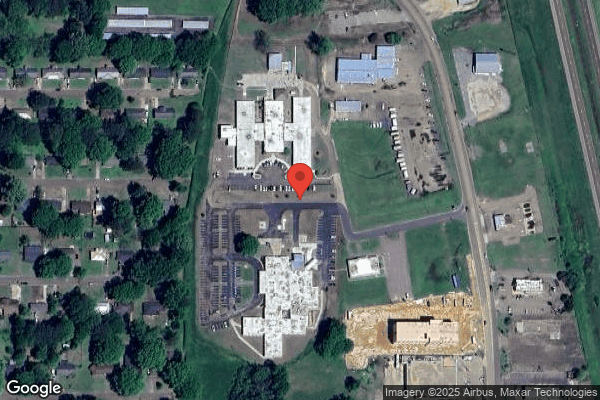

402 GETWELL DR, SENATOBIA, MS 38668 (662) 562-5664
For profit - Limited Liability company 106 Beds Independent Data: November 2025 2 Immediate Jeopardy citations
Trust Grade
29/100
#140 of 200 in MS
Last Inspection: August 2025

Inspected within the last 6 months. Data reflects current conditions.

Overview

Senatobia Healthcare & Rehab has a Trust Grade of F, indicating significant concerns about the facility's care and operations, placing it in the bottom tier of nursing homes. It ranks #140 out of 200 facilities in Mississippi, which means it is in the bottom half overall, but it is the only option in Tate County. The facility's performance is worsening, with issues increasing from 6 in 2024 to 8 in 2025. Staffing is a relative strength with a turnover rate of 0%, but they have a below-average overall rating of 2 out of 5 stars. There are concerning incidents, including a resident who was able to leave the facility unsupervised and was later found at a grocery store, highlighting serious lapses in supervision and care planning involvement for residents.

Trust Score
F
29/100
In Mississippi
#140/200
Bottom 30%
Safety Record
High Risk
Review needed
Inspections
Getting Worse
6 → 8 violations
Staff Stability
○ Average
Turnover data not reported for this facility.
Penalties
○ Average
$8,021 in fines. Higher than 69% of Mississippi facilities. Some compliance issues.
Skilled Nurses
✓ Good
Each resident gets 43 minutes of Registered Nurse (RN) attention daily — more than average for Mississippi. RNs are trained to catch health problems early.
Violations
⚠ Watch
18 deficiencies on record. Higher than average. Multiple issues found across inspections.
★★☆☆☆
2.0
Overall Rating
★★★☆☆
3.0
Staff Levels
★★☆☆☆
2.0
Care Quality
★★☆☆☆
2.0
Inspection Score
Stable
2024: 6 issues
2025: 8 issues

The Good

  • Full Sprinkler Coverage · Fire safety systems throughout facility
  • No fines on record

Facility shows strength in fire safety.

The Bad

2-Star Overall Rating

Below Mississippi average (2.6)

Below average - review inspection findings carefully

Federal Fines: $8,021

Below median ($33,413)

Minor penalties assessed

The Ugly 18 deficiencies on record

2 life-threatening
Aug 2025 6 deficiencies
CONCERN (D)

Potential for Harm - no one hurt, but risky conditions existed

Deficiency F0553 (Tag F0553)

Could have caused harm · This affected 1 resident

Based on interview, record review, and the facility's policy review, the facility failed to ensure that the residents or their representatives were involved in the care planning process for two (2) of...

Read full inspector narrative →
Based on interview, record review, and the facility's policy review, the facility failed to ensure that the residents or their representatives were involved in the care planning process for two (2) of 28 residents reviewed for care planning. Residents # 21 and 87. Findings include: Record review of the facility policy titled, Care Planning-Resident Participation, revealed, Policy: This facility supports the resident's right to be informed of, and participate in, his or her care planning and treatment (implementation of care) . Resident #21 During an interview on 8/4/25 at 10:55 AM, with Resident #21 she stated that she had not attended a care plan meeting but would like to. Record review of the “admission Record” revealed the facility admitted Resident #21 on 9/6/24 with a diagnosis of Malignant Neoplasm of Endometrium. Record review of the Minimum Data Set (MDS) with an Assessment Reference Date (ARD) of 6/11/25 for Resident #21 revealed a score of nine (9), under Brief Interview for Mental Status (BIMS), indicating that the resident is mildly cognitively impaired. Resident #87 In an interview on 8/4/25 at 11:00 AM, with Resident #87 she stated that she cannot remember the last time she had care plan meeting, but it had been a while, and she would like to attend her care plan meetings. Record review of the “admission Record” revealed the facility admitted Resident #87 on 6/18/24 with a diagnosis of Chronic Atrial Fibrillation. Record review of the MDS with an ARD of 5/26/25 for Resident #87 revealed a score of 15 under BIMS indicating that the resident is cognitively intact. Interview with Social Services (SS) on 8/6/25 at 9:15 AM, she stated that she uses the ARD of the MDS to determine when care plan meetings should be held. She stated she verbally notifies the residents and asks if they want to attend on the day of the care plan but does not document if they attended the care plan or not. She further stated that she usually just calls the resident representative (RR) on the ARD for the care plan meeting, stating that they do not have a form to sign that identifies who attended the care plan meeting. She further stated that Resident #21 and #87 and their RRs had not been invited to the last care plan meeting because she was behind on them. During an interview with the Administrator (ADM) on 8/6/25 at 9:18 AM he agreed it was his expectation that the residents and their representatives would be invited to the care plan meeting.
CONCERN (D) 📢 Someone Reported This

A family member, employee, or ombudsman was alarmed enough to file a formal complaint

Potential for Harm - no one hurt, but risky conditions existed

Deficiency F0602 (Tag F0602)

Could have caused harm · This affected 1 resident

**NOTE- TERMS IN BRACKETS HAVE BEEN EDITED TO PROTECT CONFIDENTIALITY** Based on staff interview, record review, and facility policy review, the facility failed to ensure residents were free from misa...

Read full inspector narrative →
**NOTE- TERMS IN BRACKETS HAVE BEEN EDITED TO PROTECT CONFIDENTIALITY** Based on staff interview, record review, and facility policy review, the facility failed to ensure residents were free from misappropriation of medications for two (2) of eight (8) residents reviewed for drug diversion (Residents #14 and #42). Findings include: Review of the facility policy titled, “Drug Diversion,” undated, revealed: “Policy: This facility recognizes the risks associated with diversion of controlled medications and monitors staff with access to controlled substances to prevent diversion .” During an interview with the Administrator on 8/5/25 at 12:30 PM regarding the facility-reported incident MS #477259, he stated that during the investigation, it was discovered that on 6/21/25 at 1:45 AM, agency Licensed Practical Nurse (LPN) #2 signed out an oxycodone for Resident #14 on the controlled substance log, but the medication was not documented on the Medication Administration Record (MAR) as given. He stated video from that date and time showed LPN #2 preparing and taking routine medications to Resident #14’s room but not accessing the narcotic lock box. The Administrator stated that during the investigation of another concern, Resident #42 reported he received only one pain pill from the agency nurse working the evening shift on 6/24/25. He stated the resident reported requesting his pain medication later in the shift, but the nurse never returned. The Administrator stated he reviewed video footage from 6/24/25 (3:00 PM to 11:00 PM) and found that LPN #2 did not enter Resident #42’s room at any time after approximately 4:00 PM, when she had administered earlier medications. He stated that at 10:50 PM, LPN #2 signed out one hydrocodone for Resident #42 on the controlled substance log and signed that it was administered; however, the video showed she never entered the resident’s room. The Administrator stated the facility attempted to have LPN #2 return for an interview and drug screen, but she did not report back. He further stated that at the end of her shift, LPN #2 stated she did not have a ride home and slept for several hours on a couch in the day room before leaving the facility. He confirmed that LPN #2 was made a “Do Not Work“ status with the contracted agency. He confirmed that the incident and investigation results were presented to the Quality Assurance (QAPI) committee during the committee meeting on 6/26/25 and again on 7/31/25 in which the Medical Director attended, the facility policy was reviewed with no revisions made. LPN # 2 was not allowed to work at the facility after 6/24/25 and all the required agencies were notified. Resident #14Record review of the Controlled Substance Record for Resident #14 revealed Oxycodone 5 mg (milligrams) tablet, one tablet, signed out by LPN #2 on 6/21/25 at 1:45 AM. Record review of the June 2025 MAR for Resident #14 revealed no documentation that the medication was administered on 6/21/25. Record review of the “admission Record” revealed Resident #14 was admitted on [DATE] with a diagnosis of Femur Fracture. Resident #42Record review of the Controlled Substance Record for Resident #42 revealed Hydrocodone 10/325 mg, one tablet, signed out by LPN #2 on 6/24/25 at 10:50 PM. Record review of the June 2025 MAR revealed the medication was documented as administered. Record review of the “admission Record” revealed Resident #42 was admitted on [DATE] with a diagnosis of osteomyelitis. During an interview with the Director of Nurses (DON) on 8/5/25 at 1:00 PM, she stated LPN #2 worked agency shifts on 6/18/25, 6/19/25, 6/20/25, and 6/24/25. She stated she audited the narcotic records for residents assigned to agency LPN #2 and confirmed that oxycodone had been signed out for Resident #14 on the Controlled Medication form without documentation on the MAR as administered. She stated the nurse was also not observed to access the narcotic box during that time per facility video monitoring. The DON stated diversion of narcotics poses a risk because the medication may be taken by the individual, can lead to adverse consequences for residents, and is not the staff’s property to take. In a continued interview with the DON on 8/6/25 at 12:00 PM, she stated she interviewed Resident #42, who was cognitively intact, on 6/25/25. The resident reported he did not receive his night medications on 6/24/25, including pain medication, and that the nurse never returned after an early evening visit. The DON revealed immediate in-services on diversion and misappropriation was initiated on 6/26/25 and continued until 7/2/25 when all nurses had been educated. She also confirmed narcotic reconciliation audits were completed on five (5) residents weekly for four weeks as well with no concerns. In an interview with LPN #1 on 8/5/25 at 1:30 PM, she stated that on the morning of 6/25/25, Resident #42 complained that the agency nurse had not given him his medication the previous night. LPN #1 stated she immediately informed the DON and the charge nurse. In an interview with Registered Charge Nurse #1 on 8/6/25 at 2:00 PM, she stated that during follow-up assessments of all residents assigned to the agency LPN #2 on 6/24/25 (3:00 PM to 11:00 PM), Resident #42 again reported the nurse only came into his room once early in the shift and never returned to provide pain medication or other evening medications. She stated she assessed the resident to have no adverse findings related to not receiving his medications. She also confirmed that the provider and resident representative was notified for every possible affected resident. Based on the implementation of the facility's corrective actions on 6/25/25, the deficient practice was determined to be past noncompliance, and the facility was found in compliance effective 7/3/25. Validation: The SA validated on 8/5/2025, through interview and record review that all corrective actions had been implemented as of 7/3/25, and the facility was in compliance as of 7/3/25, prior to the SA’s entrance on 8/4/2025.
CONCERN (D)

Potential for Harm - no one hurt, but risky conditions existed

Comprehensive Assessments (Tag F0636)

Could have caused harm · This affected 1 resident

**NOTE- TERMS IN BRACKETS HAVE BEEN EDITED TO PROTECT CONFIDENTIALITY** Based on record review, staff interview and facility policy review, the facility failed to complete and transmit Comprehensive M...

Read full inspector narrative →
**NOTE- TERMS IN BRACKETS HAVE BEEN EDITED TO PROTECT CONFIDENTIALITY** Based on record review, staff interview and facility policy review, the facility failed to complete and transmit Comprehensive Minimum Data Set (MDS) assessments within the timeframes required by the Resident Assessment Instrument (RAI) User's Manual for (3) three of 33 MDS assessments reviewed. Residents #39, 69, and 95. Findings Include Record review of the facility policy titled MDS 3.0 Completion revealed: Policy Explanation of Compliance Guidelines: 1. According to federal regulations, the facility conducts initially and periodically a comprehensive, accurate and standardized assessment of each resident’s functional capacity, using the RAI specified by the State. 2. Types of Assessments…b. admission Assessment – Completed within 14 days of admission counting the day of admission as day #1 .Annual Assessment…completed using an Assessment Reference Date (ARD) no greater than 92 days from the most recent quarterly assessment . Resident #39 Record review of the Annual MDS with an ARD of 7/01/25 revealed the comprehensive assessment was not completed and/or transmitted within the required timeframes as outlined in the RAI User’s Manual. Section Z item Z0500B was not dated and signed as complete by the RN (Registered Nurse) Assessment Coordinator. Record review of the “admission Record” for Resident #39 revealed the resident was admitted on [DATE] with a diagnosis including Atherosclerotic Heart Disease of Native Coronary Artery without Angina Pectoris. Resident #69 Record review of the Admission/Medicare 5 Day MDS with an ARD of 7/14/25 revealed the comprehensive assessment was not completed and/or transmitted within the required timeframes as outlined in the RAI User’s Manual. Record review of the “admission Record” for Resident #69 revealed the resident was admitted on [DATE] with a diagnosis including Periprosthetic Fracture around other internal prosthetic joint, subsequent encounter. Resident #95 Record review of the Annual MDS with an ARD of 7/2/25 revealed the assessment was not completed and/or transmitted within the required timeframes as outlined in the RAI User’s Manual. Section Z0500B (completion date) of the MDS was left unsigned. On 8/5/25 at 12:33 PM, in an interview with the MDS Coordinator, she stated that she was aware that the MDS assessments for Resident #95 had not been completed or transmitted timely. She stated that she had fallen behind due to the number of admissions, readmissions, and discharges. She further stated the assessments should be completed timely in order to provide an accurate depiction of each resident’s status. On 8/5/25 at 2:05 PM, during interview, the Administrator (ADM) stated the MDS nurse had informed him of late MDS assessments the previous day. He agreed it was his expectation that MDS assessments be completed timely but attributed the delays to an increase in admissions. Record review of the “admission Record” for Resident #95 revealed the resident was admitted on [DATE] with a diagnosis including Heart Failure.
CONCERN (D)

Potential for Harm - no one hurt, but risky conditions existed

MDS Data Transmission (Tag F0640)

Could have caused harm · This affected 1 resident

**NOTE- TERMS IN BRACKETS HAVE BEEN EDITED TO PROTECT CONFIDENTIALITY** Based on staff interview, record review and facility policy review the facility failed to complete and transmit the Quarterly an...

Read full inspector narrative →
**NOTE- TERMS IN BRACKETS HAVE BEEN EDITED TO PROTECT CONFIDENTIALITY** Based on staff interview, record review and facility policy review the facility failed to complete and transmit the Quarterly and Discharge Minimum Data Set (MDS) assessments within the required time frame for 10 of 33 MDS assessments reviewed. Residents # 24, #35, #58, #63, #82, #90, #105, #107, #108 and #118. Findings Include Record review of the facility policy titled MDS 3.0 Completion date implemented 2/01/2025 revealed: Policy Explanation of Compliance Guidelines: 1. According to federal regulations, the facility conducts initially and periodically a comprehensive, accurate and standardized assessment of each resident’s functional capacity, using the Resident Assessment Instrument (RAI) specified by the State. 2. Types of Assessments…e. Quarterly Assessment completed using an Assessment Reference Date (ARD) no greater than 92 days from the most recent prior quarterly or comprehensive assessment. f. Discharge Assessment - completed using the discharge date at the ARD. Must be completed within 14 days of the discharge date /ARD….7. Transmission Requirements: a. All assessments shall be transmitted to the designated CMS system (iQIES) within 14 days of completion . Resident #24 Record review of the Quarterly MDS with an ARD of 7/1/25 revealed the assessment was not completed and/or transmitted within the required timeframes as outlined in the RAI User’s Manual. Record review of the “admission Record” for Resident #24 revealed the resident was admitted on [DATE] with a diagnosis including Acute Posthemorrhagic Anemia. Resident #35 Record review of the Quarterly MDS with an ARD of 6/27/25 revealed the assessment was not completed and/or transmitted within the required timeframes as outlined in the RAI User’s Manual. Record review of the “admission Record” for Resident #35 revealed the resident was admitted on [DATE] with a diagnosis including Acute on Chronic Diastolic Heart Failure. Resident #58 Record review of the Quarterly MDS with an ARD of 6/30/25 revealed the assessment was not completed and/or transmitted within the required timeframes as outlined in the RAI User’s Manual. Record review of the “admission Record” for Resident #58 revealed the resident was admitted on [DATE] with a diagnosis including Aphasia following Cerebral Infarction. Resident #63 Record review of the Discharge MDS with an ARD of 3/22/25 revealed the assessment was not completed and/or transmitted within the required timeframes as outlined in the RAI User’s Manual. Record review of the “admission Record” for Resident #63 revealed the resident was admitted on [DATE] with a diagnosis including Fluid Overload. Resident #82 Record review of the Quarterly MDS with an ARD of 7/1/25 revealed the assessment was not completed and/or transmitted within the required timeframes as outlined in the RAI User’s Manual. Record review of the “admission Record” for Resident #82 revealed the resident was admitted on [DATE] with a diagnosis including Type 2 Diabetes Mellitus with Diabetic Chronic Kidney Disease. Resident #90 Record review of the Quarterly MDS with an ARD of 6/20/25 revealed the assessment was not completed and/or transmitted within the required timeframes as outlined in the RAI User’s Manual. Record review of the “admission Record” for Resident #90 revealed the resident was admitted on [DATE] with a diagnosis including Venous Insufficiency (Chronic) (Peripheral). Resident #105 Record review of the Quarterly MDS with an ARD of 7/2/25 revealed the assessment was not completed and/or transmitted within the required timeframes as outlined in the RAI User’s Manual. Record review of the “admission Record” for Resident #105 revealed the resident was admitted on [DATE] with a diagnosis including Diabetes Mellitus. Resident #107 Record review of the Quarterly MDS with an ARD of 6/19/25 revealed the assessment was not completed and/or transmitted within the required timeframes as outlined in the RAI User’s Manual. Record review of the “admission Record” for Resident #107 revealed the resident was admitted on [DATE] with a diagnosis including Dementia. Resident #108 Record review of the Quarterly MDS with an ARD of 6/23/25 revealed the assessment was not completed and/or transmitted within the required timeframes as outlined in the RAI User’s Manual. Record review of the “admission Record” for Resident #108 revealed the resident was admitted on [DATE] with a diagnosis including Heart Failure, Unspecified. Resident #118 Record review of the Quarterly MDS with an ARD of 6/20/25 revealed the assessment was not completed and/or transmitted within the required timeframes as outlined in the RAI User’s Manual. Record review of the “admission Record” for Resident #118 revealed the resident was admitted on [DATE] with a diagnosis including Metabolic Encephalopathy. An interview with the MDS Coordinator on 8/5/25 at 12:30 PM confirmed that she was aware that the MDS assessments had not been completed or transmitted timely per the RAI Manual. She stated that with the number of admissions, readmissions, and discharges, assessments had fallen behind. She stated the Administrator (ADM) had been notified and was planning to hire a part-time staff member to assist with completing MDS assessments. She further stated the assessments should be completed timely in order to provide an accurate depiction of each resident’s status. An interview with the ADM on 8/5/25 at 2:00 PM confirmed that he was aware that the MDS assessments were late. He stated the MDS nurse had informed him the previous day. He agreed it was his expectation that MDS assessments be completed timely but attributed the delays to an increase in admissions.
CONCERN (D)

Potential for Harm - no one hurt, but risky conditions existed

Assessment Accuracy (Tag F0641)

Could have caused harm · This affected 1 resident

**NOTE- TERMS IN BRACKETS HAVE BEEN EDITED TO PROTECT CONFIDENTIALITY** Based on staff interview, record review and facility policy review, the facility failed to ensure the Minimum Data Set (MDS) ass...

Read full inspector narrative →
**NOTE- TERMS IN BRACKETS HAVE BEEN EDITED TO PROTECT CONFIDENTIALITY** Based on staff interview, record review and facility policy review, the facility failed to ensure the Minimum Data Set (MDS) assessment was accurately coded for one (1) of 33 MDS assessments reviewed. Resident #122.Findings Include Record review of the facility policy, “Minimum Data Set (MDS) 3.0 Completion” revealed “Policy Explanation of Compliance Guidelines: 1. According to federal regulations, the facility conducts initially and periodically a comprehensive, accurate and standardized assessment of each resident’s functional capacity, using the Resident Assessment Instrument (RAI) specified by the State. Record review of the Progress Note for Resident #122, dated 7/17/25, revealed that the resident was discharging home. Record review of Section A2105 of the Discharge MDS for Resident #122, with an Assessment Reference Date (ARD) of 7/18/25, revealed the discharge status was coded as short-term general hospital. During an interview with the MDS nurse on 8/6/25 at 9:21 AM, she confirmed that the discharge MDS for Resident #122 was inaccurately coded. She stated the resident was discharged home and acknowledged she had completed the assessment. She agreed that the purpose of ensuring accurate assessment coding is to reflect an accurate depiction of the resident's status and discharge disposition. In an interview with the Administrator (ADM) on 8/6/25 at 10:00 AM, he verified that it was his expectation that the MDS would be coded accurately. Record review of the” admission Record” revealed Resident #122 was admitted to the facility on [DATE] with a diagnosis of Fracture of Right Femur.
CONCERN (D) 📢 Someone Reported This

A family member, employee, or ombudsman was alarmed enough to file a formal complaint

Potential for Harm - no one hurt, but risky conditions existed

Deficiency F0760 (Tag F0760)

Could have caused harm · This affected 1 resident

**NOTE- TERMS IN BRACKETS HAVE BEEN EDITED TO PROTECT CONFIDENTIALITY** Based on staff interview, record review, and facility policy review, the facility failed to ensure residents were free from sign...

Read full inspector narrative →
**NOTE- TERMS IN BRACKETS HAVE BEEN EDITED TO PROTECT CONFIDENTIALITY** Based on staff interview, record review, and facility policy review, the facility failed to ensure residents were free from significant medication errors for six (6) of 29 residents reviewed for medication administration. (Residents #12, #42, #79, #84, #108, and #111)Findings include: Review of the facility policy titled “Medication Errors,” last reviewed 6/30/25, revealed: “Policy: It is the policy of this facility to provide protections for the health, welfare, and rights of each resident by ensuring residents receive care and services safely in an environment free of significant medication errors .” During an interview with the Administrator on 8/5/25 at 12:30 PM regarding facility-reported incident, he stated that on the morning of 6/25/25, the day shift nurse reported that several of the evening shift medications from 6/24/25 were still in sealed packets on the unopened medication cart. He stated that agency Licensed Practical Nurse (LPN) #2, who had worked the medication cart on that shift, had signed all of the medications as administered in the electronic record. The administrator confirmed he expected nursing staff to follow the facility policy and current standards of practice for medication administration to prevent significant medication errors. He confirmed that the incident and investigation results were presented to the Quality Assurance (QAPI) committee during the committee meeting on 6/26/25 and again on 7/31/25, in which the Medical Director attended, the facility policy was reviewed with no revisions made. LPN # 2 was not allowed to work at the facility after 6/24/25 and all the appropriate agencies were notified. Resident #12Record review of the June 2025 Medication Administration Record (MAR) for Resident #12 revealed Midodrine 5 mg (milligrams) (alpha-1 adrenergic agonist – vasopressor), three tablets by mouth three times daily for low blood pressure, documented as administered by agency LPN #2 on 6/24/25. Record review of the “admission Record” revealed Resident #12 was admitted on [DATE] with diagnosis including heart failure. Resident #42Record review of the June 2025 MAR for Resident # 42 revealed Fluconazole 200 mg (antifungal) one tablet four times daily for Candida infection, documented as administered by agency LPN #2 on 6/24/25. Record review of the “admission Record” revealed Resident #42 was admitted on [DATE] with a diagnoses including local infection of the skin and subcutaneous tissue and osteomyelitis. Review of the admission Minimum Data Set (MDS) dated [DATE], Section C, revealed a Brief Interview for Mental Status (BIMS) score of 15, indicating the resident was cognitively intact. Resident #79Record review of the June 2025 MAR for Resident # 79 revealed Divalproex Sodium (Depakote) 500 mg (anticonvulsant) one tablet by mouth twice daily for partial seizures, documented as administered by agency LPN #2 on 6/24/25. Record review of the “admission Record” revealed Resident #79 was admitted on [DATE] with a diagnosis of symptomatic epilepsy and epileptic syndrome with partial seizures. Resident #84Record review of the June 2025 MAR for Resident # 84 revealed Hydralazine 50 mg (vasodilator antihypertensive) 1.5 tablets by mouth three times daily for hypertension, documented as administered by agency LPN #2 on 6/24/25. Record review of the “admission Record” revealed Resident #84 was admitted on [DATE] with a diagnosis of essential hypertension. Resident #108Record review of the June 2025 MAR for Resident # 108 revealed Carvedilol 25 mg (beta-blocker – antihypertensive) one tablet twice daily for hypertension. … Baclofen 10 mg (skeletal muscle relaxant) one tablet three times daily for muscle spasms. … and Losartan 25 mg (angiotensin II receptor blocker – antihypertensive) one tablet twice daily for hypertension, all documented as administered by agency LPN #2 on 6/24/25. Record review of the “admission Record” revealed Resident #108 was admitted on [DATE] with a diagnosis of hypertensive heart disease with heart failure and muscle spasm of the back. Resident #111Record review of the June 2025 MAR for Resident # 111 revealed Levetiracetam (Keppra) 750 mg (anticonvulsant) 1.5 tablets by mouth twice daily for seizure disorder, documented as administered by agency LPN #2 on 6/24/25. Record review of the “admission Record” revealed Resident #111 was admitted on [DATE] with a diagnosis of symptomatic epilepsy and epileptic syndrome with partial seizures. An interview with the Director of Nursing (DON) on 8/5/25 at 1:00 PM revealed she reviewed the medication records for all residents assigned to LPN #2 on 6/24/25 and confirmed that multiple medications were documented as given but were still in sealed packets on the medication cart the next morning. She stated that missed scheduled medications could result in adverse consequences, including elevated blood pressure, elevated pulse, anxiety, depression, and seizure activity. She confirmed the missed doses for Residents #12, #42, #79, #84, #108, and #111 were considered significant medication errors. During a continued interview with the DON on 8/6/25 at 12:00 PM, she stated she interviewed Resident #42, who reported he did not receive his night medications on 6/24/25, including pain medication, and that the nurse never returned to his room despite his calls. She stated LPN #2 later claimed she had computer issues, was behind on med pass, and signed off the medications in the system after giving them, not realizing some remained on the cart. The DON confirmed all nursing staff were educated on medication administration and medication errors immediately starting 6/26/25 -7/2/25 when the in-services were completed. She stated medication skills checkoffs were also completed on three nurses weekly times four weeks. An interview with LPN #1 on 8/5/25 at 1:30 PM confirmed that she found multiple sealed medication packets on the cart during her morning medication pass on 6/25/25. She stated she assessed the affected residents and found no one in pain or distress, with only Resident #42 voicing a complaint that his medications were not given. An interview with the Registered Charge Nurse on 8/6/25 at 2:00 PM confirmed she was aware residents did not receive their evening medications on 6/24/25. She stated the unopened packets were found on the cart, and all affected residents were assessed for adverse consequences, with no negative findings noted. Resident #42 again reported the nurse only came into his room once early in the shift and never returned with his medications. She also confirmed that the provider and resident representative was notified for every affected resident. Based on the implementation of the facility's corrective actions on 6/25/25, the deficient practice was determined to be past noncompliance, and the facility was found in compliance effective 7/3/25. Validation: The SA validated on 8/5/2025, through interview and record review that all corrective actions had been implemented as of 7/3/25, and the facility was in compliance as of 7/3/25, prior to the SA’s entrance on 8/4/2025.
Mar 2025 2 deficiencies
CONCERN (D) 📢 Someone Reported This

A family member, employee, or ombudsman was alarmed enough to file a formal complaint

Potential for Harm - no one hurt, but risky conditions existed

Comprehensive Care Plan (Tag F0656)

Could have caused harm · This affected 1 resident

Based on resident and staff interviews, record review and facility policy review the facility failed to implement a comprehensive care plan for residents with personal hygiene needs for two (2) of six...

Read full inspector narrative →
Based on resident and staff interviews, record review and facility policy review the facility failed to implement a comprehensive care plan for residents with personal hygiene needs for two (2) of six (6) sampled residents. Resident #5 and Resident #6. Findings Include: Record review of the undated facility policy, Comprehensive Care Plans revealed, It is the policy of this facility to develop and implement a comprehensive person-centered care plan for each resident, consistent with resident rights, that includes measurable objectives and timeframes to meet a resident's medical, nursing, and mental and psychosocial needs . Resident #5 On 03/25/25 at 11:30 AM, an interview with Resident #5 revealed she did not get her shower on Saturday, 03/22/25, and she hadn't had a shower since last Thursday, 03/20/25. She revealed that she had missed several showers and stated, I've been averaging about one shower a week this month. Resident #5 revealed that her scheduled shower days were Tuesdays, Thursdays and Saturdays. She also revealed that she kept it in her calendar, and had it written down that she got a shower on 03/04/25 and did not get her next shower until 03/13/25 which was over a week later. Record review of Resident #5's Continuous Pressure Ulcer Monitoring Sheets which they used for keeping track of resident baths/showers revealed that she got her scheduled showers on 03/04/25, 03/13/25, 03/15/25, 03/18/25, and 03/20/25. Resident #5 did not receive her shower on 03/06/25, 03/08/25, 03/11/25, and 03/22/25. Record review of Resident #5's Care Plan initiated on 11/12/24 revealed that she had an Activity of Daily Living (ADL) self-care performance deficit related to weakness and had interventions in place that included she required assistance at times with bed mobility, transfers, dressing, toileting, hygiene, bathing and set up assist with eating. Record review of Resident #5's admission Record revealed an admission date of 11/08/24 with diagnoses that included Chronic Obstructive Pulmonary Disease, Muscle Weakness, and Need for Assistance with Personal Care. Record review of Resident #5's Minimum Data Set (MDS) with Assessment Reference Date (ARD) of 02/11/25 under Section C revealed a Brief Interview for Mental Status (BIMS) Score of 13 which indicated that she had no cognitive deficits. Resident #6 On 03/25/25 at 2:55 PM, an interview with Resident #6 revealed that his scheduled shower days were Mondays, Wednesdays and Fridays. He revealed that he did not get a shower yesterday, 03/24/25 and he couldn't remember getting a shower at all last week. He revealed that he used to get his showers every Monday, Wednesday and Friday and now it was every once in a while. Record review of Resident #6's Continuous Pressure Ulcer Monitoring sheets which were used as bath and shower sheets revealed that he received showers on 03/03/25, 03/06/25, 03/11/25, 03/12/25, and 03/13/25 in the month of March. There were no other showers documented for Resident #6. Record review of Resident #6's Care Plan initiated on 09/28/22, revealed that he had an ADL self-care performance deficit related to Left Sided Hemiplegia, Impaired balance, Limited Mobility and history of Cerebrovascular Accident. His interventions included that he required extensive assistance to dependence with ADL's. Record review of Resident #6's admission Record revealed an admission date of 09/12/22 and that he had diagnoses that included Cerebral Infarction, Hemiplegia and Hemiparesis following Cerebral Infarction, and Need for Assistance with Personal Care. Record review of Resident #6's MDS with ARD of 02/11/25 under Section C revealed a BIMS Score of 15 which indicated that he had no cognitive deficits. On 03/25/25 at 3:35 PM, an interview with the Certified Nursing Assistant (CNA) Supervisor confirmed that according to the resident interviews and the review of the shower sheets, that Resident # 5 and Resident # 6 were missing showers for the month of March 2025. CNA Supervisor confirmed that Resident #5 and Resident #6 were both cognitively intact and since they reported not getting some of their showers and with the missing shower documentation sheets, they probably did not get their showers as scheduled. She also agreed that they needed a better system for tracking to ensure that baths, showers, and personal care were being completed and documented. An interview on 03/26/25 at 11:10 AM with Registered Nurse (RN) Supervisor, revealed that the purpose of the care plan was to know the complete plan of care and what was required to take care of their individualized needs of Resident #5 and Resident #6. She revealed that the care plan included what was allowed, what each resident preferred, safety measures, overall ADL care, and how they transferred. She revealed that the care plan was the complete picture of that resident. RN Supervisor confirmed that since Residents #5 and Resident #6 missed their scheduled showers, their ADL care plans were not followed.
CONCERN (D) 📢 Someone Reported This

A family member, employee, or ombudsman was alarmed enough to file a formal complaint

Potential for Harm - no one hurt, but risky conditions existed

ADL Care (Tag F0677)

Could have caused harm · This affected 1 resident

Based on staff and resident interviews, record review and facility policy review the facility failed to provide care to maintain personal hygiene for two (2) of six (6) residents reviewed for Activiti...

Read full inspector narrative →
Based on staff and resident interviews, record review and facility policy review the facility failed to provide care to maintain personal hygiene for two (2) of six (6) residents reviewed for Activities of Daily Living (ADL) care. Resident #5 and Resident #6. Findings Include: Record review of the undated facility policy, Activities of Daily Living (ADL's) revealed under Policy Explanation and Compliance Guidelines .3. The resident who is unable to carry out activities of daily living will receive the necessary services to maintain good nutrition, grooming, and personal and oral hygiene Resident #5 An interview on 03/25/25 at 11:30 AM with Resident #5 revealed that the care at the facility wasn't perfect but was okay. Resident #5 revealed that she did not get her shower on Saturday, 03/22/25, and she hadn't had a shower since last Thursday, 03/20/25. She revealed that she had missed several showers and stated, I've been averaging about one shower a week this month. Resident #5 revealed that her scheduled shower days were Tuesdays, Thursdays and Saturdays and until the first of the year, she was getting her showers like clockwork. She also revealed that she kept it in her calendar, and had it written down that she got a shower on 03/04/25 and did not get her next shower until 03/13/25 which was over a week later. She also revealed that on the days of her missed showers, no one offered or mentioned a shower to her. Resident #5 revealed that she had night sweats and when she got to where she could smell herself, she went into the bathroom in her room and washed herself off the best she could. Resident #5 revealed that not getting her scheduled showers made her feel dirty and made her not want to be around anyone and stated, Because I didn't want anyone to smell me. Record review of Resident #5's Continuous Pressure Ulcer Monitoring Sheets which they used for keeping track of resident baths/showers revealed that she got her scheduled showers on 03/04/25, 03/13/25, 03/15/25, 03/18/25, and 03/20/25. Resident #5 did not receive her shower on 03/06/25, 03/08/25, 03/11/25, and 03/22/25. Record review of Resident #5's admission Record revealed an admission date of 11/08/24 with diagnoses that included Chronic Obstructive Pulmonary Disease, Muscle Weakness, and Need for Assistance with Personal Care. Record review of Resident #5's Minimum Data Set (MDS) with Assessment Reference Date (ARD) of 02/11/25 under Section C revealed a Brief Interview for Mental Status (BIMS) score of 13 which indicated that she had no cognitive deficits. Resident #6 An interview on 03/25/25 at 2:55 PM with Resident #6, revealed that his scheduled shower days were Mondays, Wednesdays and Fridays. He revealed that he did not get a shower yesterday, 03/24/25 and he couldn't remember getting a shower at all last week. He revealed that he used to get his showers every Monday, Wednesday and Friday and now it was every once in a while. Record review of Resident #6's Continuous Pressure Ulcer Monitoring sheets which were used as bath and shower sheets revealed that he received showers on 03/03/25, 03/06/25, 03/11/25, 03/12/25, and 03/13/25 in the month of March. There were no other showers documented as completed for Resident #6. Record review of Resident #6's admission Record revealed an admission date of 09/12/22 with diagnoses that included Cerebral Infarction, Hemiplegia and Hemiparesis following Cerebral Infarction, and Need for Assistance with Personal Care. Record review of Resident #6's MDS with ARD of 02/11/25 under Section C revealed a BIMS score of 15 which indicated that he had no cognitive deficits. An interview on 03/25/25 at 10:55 AM with Licensed Practical Nurse (LPN) #1, revealed that the Certified Nursing Assistants (CNAs) had to fill out a sheet on each resident and turn it in to the nurses to sign off on when a shower or bath was completed. She revealed that the shower sheets that they used were titled, Continuous Pressure Ulcer Monitoring. She also revealed that if a resident refused a bath or shower, the staff had to document refused and turn a sheet in for that day. LPN #1 revealed that once the bath sheets were turned in and the skin assessment part was looked at, the nurse signed off on it and the shower sheets were turned in to Certified Nursing Assistant (CNA) Supervisor to be filed. An interview on 03/25/25 at 3:35 PM with the Certified Nursing Assistant (CNA) Supervisor, revealed that the shower sheets they used were the Continuous Monitoring Pressure Ulcer Monitoring sheets. She revealed that the CNAs filled them out on each resident when they gave showers or baths, and they documented any new skin breakdown. CNA Supervisor revealed that the CNAs turned the sheets in to the nurses and the nurses had to sign off that the showers were completed and then turn them in to her for filing. She revealed that she had not received any complaints about residents not getting their showers. CNA Supervisor confirmed that there were missing shower sheets on Resident #5 and Resident #6 for the month of March 2025 and the lack of documentation would indicate that they didn't get showers on those days. CNA Supervisor confirmed that Resident #5 and Resident #6 were both cognitively intact and since they reported not getting some of their showers and with the missing shower documentation sheets, they probably did not get their showers as scheduled. She also agreed that they needed a better system for tracking to ensure that baths, showers, and personal care were being completed and documented. An interview on 03/26/25 at 9:10 AM with Administrator (ADM), revealed that he was not aware of any residents missing their baths or showers and said it could be from the lack of stabilization in staffing and stated, We can get that back under control and get this issue fixed. An interview on 03/26/25 at 11:10 AM with Registered Nurse (RN) Supervisor, revealed that the CNAs had to fill out a shower sheet on each resident when they complete it and turn the sheet in to the nurse and the nurse had to sign off on it. She revealed that the sheets had to be filled out and signed by the CNA and the nurse even if a resident refused the service. RN Supervisor revealed that she was not aware that showers were being missed until now, and it was very concerning to her. She revealed that she would find out where the breakdown was and would be working on putting something in place to rectify the situation, so it didn't happen again. RN Supervisor revealed that going forward, she would make sure that she as well as the nurses collected the shower sheets on all residents and make sure everyone received their baths or showers as scheduled.
Aug 2024 2 deficiencies 2 IJ
CRITICAL (J) 📢 Someone Reported This

A family member, employee, or ombudsman was alarmed enough to file a formal complaint

Immediate Jeopardy (IJ) - the most serious Medicare violation

Comprehensive Care Plan (Tag F0656)

Someone could have died · This affected 1 resident

**NOTE- TERMS IN BRACKETS HAVE BEEN EDITED TO PROTECT CONFIDENTIALITY** Based on interviews, record review, and facility policy review, the facility failed to implement effective comprehensive care pl...

Read full inspector narrative →
**NOTE- TERMS IN BRACKETS HAVE BEEN EDITED TO PROTECT CONFIDENTIALITY** Based on interviews, record review, and facility policy review, the facility failed to implement effective comprehensive care plan interventions for a resident who was at risk for wandering and elopement for one (1) of three (3) residents at risk for wandering and elopement. Resident #1 Resident #1 was left on the front patio, where she subsequently exited the premises unnoticed and unsupervised. The resident was later found at a grocery store approximately 0.3 miles from the facility. Video surveillance footage revealed Resident #1 left the facility at 4:05 PM and was located at the grocery store at 4:25 PM. The facility's failure to implement effective care plan interventions placed Resident #1, and all other residents at risk for wandering and elopement, in a situation that was likely to cause serious harm, serious injury, serious impairment or death. The State Agency (SA) identified an Immediate Jeopardy (IJ) which began on 8/15/24 when Resident #1 eloped from the facility unsupervised. The SA notified the facility's Administrator of the IJ on 8/19/24 at 2:00 PM, and provided IJ templates to the Administrator. The facility submitted an acceptable Removal Plan on 8/20/24, in which they alleged all corrective actions to remove the IJ were completed on 8/19/24, and the IJ removed on 8/20/24. The SA validated the Removal Plan on 8/20/24 and determined the IJ was removed on 8/20/24, prior to exit. Therefore, the scope and severity for 42 CFR 483.21(b)(1)- Comprehensive Care Plans (F656) - Scope and Severity J. was lowered from a J to a D, while the facility develops a plan of correction to monitor the effectiveness of the systemic changes to ensure the facility sustains compliance with regulatory requirements. Findings Include: Review of the facility's policy Elopements and Wandering Residents reviewed 8/19/24 revealed, Policy: This facility ensures that residents who exhibit wandering behavior and/or are at risk for elopement .receive care in accordance with their person-centered plan of care addressing the unique factors contributing to wandering or elopement risk . Review of the facility's policy Comprehensive Care Plans undated, revealed Policy: It is the policy of this facility to develop and implement a comprehensive person-centered care plan for each resident, consistent with resident rights, that includes measurable objectives and timeframes to meet a resident's medical, nursing, and mental and psychosocial needs that are identified in the resident's comprehensive assessment . Record review of the care plan for Resident #1, with a date initiated of 8/11/23 revealed Focus: I am an elopement risk. Goal: I will not leave facility unattended through next review date (Target date 10/9/24). Interventions: Wander Guard to left ankle to notify staff to exit seeking. Check placement and function q shift . During an interview on 8/19/24 at 10:05 AM, the Director of Nursing (DON) confirmed Resident #1 had been sitting unattended on the facility's front porch on 8/15/24, left the facility unsupervised and was located at the local grocery store at approximately 4:45 PM. She verified video surveillance footage indicated Resident #1 left the facility at 4:05 PM. She acknowledged a resident who is at risk for wandering/elopement should not have been left unattended and that staff should have been present with her. During an interview on 8/19/24 at 10:15 AM, Certified Nursing Assistant (CNA) #2 stated Resident #1 wears a Wandergaurd due to her risk of elopement. She mentioned that Resident #1 frequently sits outside on the porch unattended because she refuses to come back inside. In an interview on 8/19/24 at 10:20 AM, Licensed Practical Nurse (LPN) #1 also confirmed that Resident #1 is at risk for elopement but often sits unattended on the facility's front porch. An interview with the Minimum Data Set Nurse (MDS) on 8/19/24 at 12:27 PM, she verified that Resident #1's care plan was not followed when the resident was left on the front porch of the facility unsupervised and subsequently exited the premises unnoticed. Record review of the admission Record revealed Resident #1 was admitted to the facility on [DATE] with diagnoses that included Cerebral Vascular Accident. Record review of Resident #1's Quarterly Minimum Data Set Assessment (MDS) with an Assessment Reference Date (ARD) of 7/15/24 revealed a Brief Interview of Mental Status (BIMS) score of 14 , indicating that the resident is cognitively intact. Section P-Restrains and Alarms revealed An alarm is any physical or electronic device that monitors resident movement and alerts the staff when movement is detected. This section was code that an alarm was used daily. The facility submitted the following removal plan: On 8/15/24 at approximately 4:15 PM, a passerby notified Certified Nursing Assistant #1 (CNA) at that she observed an individual walking up the hill that she suspected to be a resident of the center. CNA #1 immediately came into the facility and notified the receptionist. A search by staff was initiated. At approximately 4:20 PM on 8/15/24, the Center's Infection Control Preventionist got in her car to go off premises to look for Resident #1. Resident #1 was observed by the Infection Control Preventionist approximately a quarter mile from the facility outside a local grocery store and successfully encouraged to get in the car on 8/15/24 at 4:24 PM. On 8/15/24 at approximately 4:25 PM, Resident #1 returned to the facility. On 8/15/24 at 4:40PM, the Licensed Practical Nurse completed a body audit on the resident with no injuries noted. Beginning 8/15/24 at 4:45 PM, Resident #1 was placed on hourly staff monitoring for 24 hours. On 8/15/24 at approximately 5:00 PM, Licensed Nurses ensured all residents were in-house via visual observation. On 8/15/24 at approximately 5:30 PM, education was initiated by the Director of Nursing and a Registered Nurse Supervisor on the elopement prevention policy to include the provision that any resident at risk for elopement will receive ongoing staff supervision while outside the center for all staff. No staff will be allowed to work until in serviced. The State Survey Agency and Attorney General's office was notified on 8/15/24 at 6:10 PM and 6:20 PM respectively by the interim Director of Nursing. On 8/16/24 at approximately 3:30 PM, Resident #1, who is alert and oriented, was provided education by the Director of Nursing to notify staff anytime she wished to go outside or leave the center. The Director of Nursing and a Registered Nurse Supervisor completed elopement risk assessments on all residents to determine their risk of leaving the center without adequate staff supervision on 8/16/24 at 4:00 PM. On 8/16/24 at 5:15 PM, the Quality Assurance and Performance Improvement (QAPI) Committee attended by the Director of Nursing, the Medical Director via phone, Infection Control Preventionist, and the Nursing Home Administrator updated the facility's policy on Elopement Prevention to include any resident at risk for elopement would receive ongoing staff supervision while outside the center. A new Nursing Home Administrator started 8/19/24 at 8:00 AM. A Resident Council meeting was held on 8/19/24 at 3:30 PM, by the Activities Director to provide education to residents to notify their licensed nurse and to sign out prior to leaving the center. On 8/19/24 beginning at approximately 4:00 PM, care plans on all residents at risk for elopement were reviewed and updates initiated by the Administrator and Minimum Data set (MDS) Coordinator to ensure they reflect individualized interventions for those residents at risk for wandering and elopement. On 8/19/24 at 4:00 PM, the Director of Nursing initiated education on importance of accuracy of care plan interventions related to wandering/elopement prevention to Minimum Data Set Nurses (MDS), Infection Control Preventionist, Registered Nurse Supervisors, and Medical Records Coordinator. On 8/19/24 beginning at approximately 4:00 PM, a 100 percent (%) Care Plan audit was conducted by the Administrator and MDS Nurses with updates for current interventions made to care plans to ensure compliance for residents at risk for elopement. On 8/19/24 at approximately 4:00 PM, Resident #1's care plan was updated by the MDS Coordinator with current interventions for elopement prevention. An Ad Hoc Quality Assurance meeting was held on 8/19/24 at 5:45 PM, to discuss the Immediate Jeopardy Removal Plan and corrective actions, interventions, and education to ensure compliance. As part of the Ad Hoc QAPI Meeting, in-service completion for both the all-staff education on the elopement prevention policy and the importance of accurate and effective care plan interventions related to wandering/elopement prevention education for the Interdisciplinary Team (IDT) was reviewed by the Administrator and QAPI Committee Members with further instruction that no staff will be allowed to work until in serviced. It was attended by the Medical Director, Director of Nursing, Infection Control Nurse, Administrator, and RN Supervisor. All corrective actions were completed by 8/19/24 and the facility alleges removal of the Immediate Jeopardy (IJ) 8/20/2024. Validation: The State Agency (SA) validation of the Removal Plan was made on-site during the Complaint Investigation (CI) MS #26203 through record review and interviews on 8/20/24. The SA determined all corrective actions were completed on 8/19/24 and the IJ was removed on 8/20/24.
CRITICAL (J) 📢 Someone Reported This

A family member, employee, or ombudsman was alarmed enough to file a formal complaint

Immediate Jeopardy (IJ) - the most serious Medicare violation

Accident Prevention (Tag F0689)

Someone could have died · This affected 1 resident

**NOTE- TERMS IN BRACKETS HAVE BEEN EDITED TO PROTECT CONFIDENTIALITY** Based on observation, staff and resident interviews, record reviews, facility policy reviews, and the facility's investigation, ...

Read full inspector narrative →
**NOTE- TERMS IN BRACKETS HAVE BEEN EDITED TO PROTECT CONFIDENTIALITY** Based on observation, staff and resident interviews, record reviews, facility policy reviews, and the facility's investigation, the facility failed to provide adequate supervision to prevent Resident #1, who was identified as an elopement and wandering risk from leaving the facility unnoticed and unsupervised for one (1) of three (3) residents reviewed for wandering. Resident #1. The facility's failure to provide supervision resulted in Resident #1 being left on the front patio, where she subsequently exited the premises unnoticed and unsupervised. The resident was later found at a grocery store approximately 0.3 miles from the facility. Video surveillance footage revealed Resident #1 left the facility at 4:05 PM and was located at the grocery store at 4:25 PM. The facility's failure to provide supervision to a resident who was at risk for wandering and elopement placed Resident #1, and all other residents at risk for wandering and elopement, in a situation that was likely to cause serious harm, serious injury, serious impairment or death. The State Agency (SA) identified an Immediate Jeopardy (IJ), and Substandard Quality of Care (SQC) which began on 8/15/24 when Resident #1 eloped from the facility unsupervised. The SA notified the facility's Administrator (ADM) of the IJ and SQC on 8/19/24 at 2:00 PM, and provided IJ templates to the ADM. The facility submitted an acceptable Removal Plan on 8/20/24, in which they alleged all corrective actions to remove the IJ were completed on 8/19/24, and the IJ removed on 8/20/24. The SA validated the Removal Plan on 8/20/24 and determined the IJ was removed on 8/20/24, prior to exit. Therefore, the scope and severity for 42 CFR: 483.25 (d)(1)(2)- Free of Accidents Hazards/Supervision/Devices (F689) - Scope and Severity J. was lowered from a J to a D, while the facility develops a plan of correction to monitor the effectiveness of the systemic changes to ensure the facility sustains compliance with regulatory requirements. Findings Include: Review of the facility's policy Elopements and Wandering Residents revealed, Policy: This facility ensures that residents who exhibit wandering behavior and/or are at risk for elopement receive adequate supervision to prevent accidents, and receive care in accordance with their person-centered plan of care addressing the unique factors contributing to wandering or elopement risk . Record review of the Wandering Risk Scale with an effective date of 4/27/24 revealed in Section E that Resident #1 Has history of wandering. A review of the facility's investigation into the Elopement incident revealed that on 8/15/24, Resident #1 was allowed to sit on the facility's porch. At 4:16 PM, a staff member noticed that Resident #1 was missing from her wheelchair that sat on the front porch. Simultaneously, a family member reported that a resident had been seen walking up the hill. A Code [NAME] (elopement) was immediately announced over the intercom, and staff began searching for the resident. The Infection Preventionist got into her vehicle and located the resident at a local grocery store at approximately 4:24 PM, 0.3 miles from the facility. Resident #1 was unharmed, standing upright, and cooperative when asked to get into the vehicle and return to the facility. A full assessment revealed stable vital signs and no injuries. A review of the camera footage revealed Resident #1 left the porch at 4:05 PM. Resident #1's daughter was notified of the elopement at 4:43 PM, and she stated that her mother had a history of wandering and had done so in the past and that was the reason she had placed her in a nursing home. On 8/19/24 at 10:05 AM, during an interview, the Director of Nursing (DON) confirmed that Resident #1 had been sitting unattended on the facility's front porch on 8/15/24, left the facility unsupervised and was located at the local grocery store at approximately 4:45 PM. She verified that video surveillance footage indicated Resident #1 left the facility at 4:05 PM. She acknowledged that a resident at risk for wandering/elopement should not have been left unattended and that staff should have been present with her. On 8/19/24 at 10:15 AM, during interview Certified Nursing Assistant (CNA) #2 stated that Resident #1 wears a Wandergaurd due to her risk of elopement. She confirmed that Resident #1 frequently sits outside on the porch unattended because she refuses to come back inside. On 8/19/24 at 10:20 AM, during an interview with Licensed Practical Nurse #1 (LPN) stated Resident #1 is at risk for elopement but often sits unattended on the facility porch. During an interview on 8/19/24 at 10:35 AM, Resident #1 recounted that on the afternoon of 8/15/24, she was sitting on the porch thinking about tobacco, which prompted her to walk to the store to buy some. She stated that she walked through parking lots without going near the street. She reported no injuries and said that staff eventually picked her up and brought her back to the facility. On 8/19/24 at 1:30 PM, in an interview with the Front Office Receptionist, the receptionist stated on 8/15/24 at approximately 3:30 PM, she turned off the door alarm to allow Resident #1 to go out and sit on the front porch. She admitted that no staff accompanied Resident #1 and that in the past, Resident #1 had been allowed to go outside without staff supervision. She also mentioned that she was not monitoring Resident #1, and no one had asked her to do so. On 8/19/24 at 1:35 PM, during an interview with the Infection Control Preventionist (ICP) she confirmed that she was working in the front office on 8/15/24 and was unaware that Resident #1 was still outside. She stated that no one had asked her to monitor Resident #1. At approximately 4:10 PM to 4:15 PM, a CNA informed her that Resident #1's wheelchair was on the porch, but the resident was missing. She joined other staff in searching for the resident and found Resident #1 standing near a local grocery store, talking to an acquaintance. The resident was returned to the facility at around 4:25 PM, wearing a t-shirt, black leggings, non-skid socks, and a hair bonnet. On 8/19/24 at 1:51 PM, during a telephone interview CNA #1 reported she went outside during her break and a resident's family member informed her that Resident #1 was walking up the street. She notified the Front Office and Nursing Supervisor. This triggered a Code [NAME] (resident elopement). By the time she reached the grocery store, the nurse had already arrived, and Resident #1 was in her car. On 08/19/24 at 3:00 PM, during an observation of the route from the facility to the location where Resident #1 was found, the distance was determined to be 0.3 miles from the facility, mostly flat ground. A record review of the weather report from the website https://www.localconditions.com/weather38668 revealed that on 8/15/24 it was 95 to 97 degrees from 3:35 PM to 4:35 PM. Record review of the admission Record revealed Resident #1 was admitted to the facility on [DATE] with diagnoses that included Cerebral Vascular Accident. Record review of Resident #1's Quarterly Minimum Data Set Assessment (MDS) with an Assessment Reference Date (ARD) of 7/15/24 revealed a Brief Interview of Mental Status (BIMS) score of 14, indicating that the resident is cognitively intact. Section P-Restrains and Alarms revealed An alarm is any physical or electronic device that monitors resident movement and alerts the staff when movement is detected. This section was coded that an alarm was used daily. The facility implemented the following removal plan: On 8/15/24 at approximately 4:15 PM, a passerby notified Certified Nursing Assistant #1 (CNA) at that she observed an individual walking up the hill that she suspected to be a resident of the center. CNA #1 immediately came into the facility and notified the receptionist. A search by staff was initiated. At approximately 4:20 PM on 8/15/24, the Center's Infection Control Preventionist got in her car to go off premises to look for Resident #1. Resident #1 was observed by the Infection Control Preventionist approximately a quarter mile from the facility outside a local grocery store and successfully encouraged to get in the car on 8/15/24 at 4:24 PM. On 8/15/24 at approximately 4:25 PM, Resident #1 returned to the facility. On 8/15/24 at 4:40 PM, the Licensed Practical Nurse completed a body audit on the resident with no injuries noted. Beginning 8/15/24 at 4:45 PM, Resident #1 was placed on hourly staff monitoring for 24 hours. On 8/15/24 at approximately 5:00 PM, Licensed Nurses ensured all residents were in-house via visual observation. On 8/15/24 at approximately 5:30 PM, education was initiated by the Director of Nursing and a Registered Nurse Supervisor on the elopement prevention policy to include the provision that any resident at risk for elopement will receive ongoing staff supervision while outside the center for all staff. No staff will be allowed to work until in serviced. The State Survey Agency and Attorney General's office was notified on 8/15/24 at 6:10 PM and 6:20 PM respectively by the interim Director of Nursing. On 8/16/24 at approximately 3:30 PM, Resident #1, who is alert and oriented, was provided education by the Director of Nursing to notify staff anytime she wished to go outside or leave the center. The Director of Nursing and a Registered Nurse Supervisor completed elopement risk assessments on all residents to determine their risk of leaving the center without adequate staff supervision on 8/16/24 at 4:00 PM. On 8/16/24 at 5:15 PM, the Quality Assurance and Performance Improvement (QAPI) Committee attended by the Director of Nursing, the Medical Director via phone, Infection Control Preventionist, and the Nursing Home Administrator updated the facility's policy on Elopement Prevention to include any resident at risk for elopement would receive ongoing staff supervision while outside the center. A new Nursing Home Administrator started 8/19/24 at 8:00 AM. A Resident Council meeting was held on 8/19/24 at 3:30 PM, by the Activities Director to provide education to residents to notify their licensed nurse and to sign out prior to leaving the center. On 8/19/24 beginning at approximately 4:00 PM, care plans on all residents at risk for elopement were reviewed and updates initiated by the Administrator and Minimum Data set (MDS) Coordinator to ensure they reflect individualized interventions for those residents at risk for wandering and elopement. On 8/19/24 at 4:00 PM, the Director of Nursing initiated education on importance of accuracy of care plan interventions related to wandering/elopement prevention to Minimum Data Set Nurses (MDS), Infection Control Preventionist, Registered Nurse Supervisors, and Medical Records Coordinator. On 8/19/24 beginning at approximately 4:00 PM, a 100 percent (%) Care Plan audit was conducted by the Administrator and MDS Nurses with updates for current interventions made to care plans to ensure compliance for residents at risk for elopement. On 8/19/24 at approximately 4:00 PM, Resident #1's care plan was updated by the MDS Coordinator with current interventions for elopement prevention. An Ad Hoc Quality Assurance meeting was held on 8/19/24 at 5:45 PM, to discuss the Immediate Jeopardy Removal Plan and corrective actions, interventions, and education to ensure compliance. As part of the Ad Hoc QAPI Meeting, in-service completion for both the all-staff education on the elopement prevention policy and the importance of accurate and effective care plan interventions related to wandering/elopement prevention education for the Interdisciplinary Team (IDT) was reviewed by the Administrator and QAPI Committee Members with further instruction that no staff will be allowed to work until in serviced. It was attended by the Medical Director, Director of Nursing, Infection Control Nurse, Administrator, and RN Supervisor. All corrective actions were completed by 8/19/24 and the facility alleges removal of the Immediate Jeopardy (IJ) 8/20/2024. Validation: The State Agency (SA) validation of the Removal Plan was made on-site during the Complaint Investigation (CI) MS #26203 through record review and interviews on 8/20/24. The SA determined all corrective actions were completed on 8/19/24 and the IJ was removed on 8/20/24.
Mar 2024 4 deficiencies
CONCERN (D)

Potential for Harm - no one hurt, but risky conditions existed

Comprehensive Care Plan (Tag F0656)

Could have caused harm · This affected 1 resident

**NOTE- TERMS IN BRACKETS HAVE BEEN EDITED TO PROTECT CONFIDENTIALITY** Based on observations, staff interviews, record review and facility policy review the facility failed to implement a care plan r...

Read full inspector narrative →
**NOTE- TERMS IN BRACKETS HAVE BEEN EDITED TO PROTECT CONFIDENTIALITY** Based on observations, staff interviews, record review and facility policy review the facility failed to implement a care plan related to nail care for one (1) of nineteen residents reviewed. Resident #33. Findings Include: Review of the facility policy titled, Comprehensive Care Plans with an implemented date of 12/2022 revealed, Policy: It is the policy of this facility to develop and implement a comprehensive person-centered care plan for each resident, consistent with resident rights, that includes measurable objectives and time frames to meet a resident's medical, nursing, and mental and psychosocial needs that are identified in the resident's comprehensive assessment. Record review of Resident #33's Care Plan dated 10/11/21 revealed that she had an Activities of Daily Living (ADL) self-care performance deficit related to weakness and dementia. Interventions included, I require staff assistance with bathing, dressing, grooming, toileting, hygiene, bed mobility, transfers and meal set up. An observation on 03/26/24 at 10:30 AM, revealed Resident #33 sitting in her wheelchair at a table in the A-Wing Day Room and her fingernails on both hands were long and jagged. Her fingernails were approximately one-fourth inch long. The Registered Nurse (RN) Supervisor on 03/27/24 at 10:40 AM, observed and confirmed that Resident #33's fingernails to both hands were jagged, too long, and needed to be clipped. On 03/28/24 at 9:00 AM, an interview with the Director of Nursing (DON), revealed that the purpose of the care plan was to ensure the staff members know what care to provide to the residents. She agreed that because CNAs did not provide nailcare during Activities of Daily Living (ADL) care for Resident #33, the care plan was not followed. Record review of the admission Record revealed that Resident #33 was admitted to the facility on [DATE] with medical diagnoses that included Need for Assistance with Personal Care. Record review of the Resident #33's Minimum Data Set (MDS) with Assessment Reference Date (ARD) of 01/22/24 revealed under Section C, a Brief Interview for Mental Status (BIMS) Score of 99 which indicated that resident had severe cognitive deficits and was unable to complete the interview.
CONCERN (D)

Potential for Harm - no one hurt, but risky conditions existed

ADL Care (Tag F0677)

Could have caused harm · This affected 1 resident

**NOTE- TERMS IN BRACKETS HAVE BEEN EDITED TO PROTECT CONFIDENTIALITY** Based on observations, staff interviews, record review and facility policy review the facility failed to provide nail care for a...

Read full inspector narrative →
**NOTE- TERMS IN BRACKETS HAVE BEEN EDITED TO PROTECT CONFIDENTIALITY** Based on observations, staff interviews, record review and facility policy review the facility failed to provide nail care for a resident who was dependent on staff for Activities of Daily Living (ADL) Care for one (1) of nineteen residents reviewed. Resident #33. Findings Include: Record review of the undated facility policy on Nail Care revealed, .Policy Explanation and Compliance Guidelines .2. Routing cleaning and inspection of nails will be provided during ADL (Activities of Daily Living) care on an ongoing basis. 3. Routine nail care, to include trimming and filing, will be provided regularly. 4. Principles of nail care: a. Nails should be kept smooth to avoid skin injury . On 03/26/24 at 10:30 AM, an observation of Resident #33 revealed her sitting in her wheelchair at a table in the A-Wing Day Room and her fingernails on both hands were long and jagged. Her fingernails were approximately one-fourth inch long. On 03/27/24 at 10:25 AM, an interview with the Certified Nursing Assistant (CNA) Supervisor, revealed that all fingernails should be checked during the resident's bath or shower care. She revealed that it was the responsibility of the CNAs to clean and trim residents' fingernails if needed. On 03/27/24 at 10:30 AM, an interview and observation with the CNA Supervisor revealed that Resident #33's fingernails should be kept clean and trimmed. She confirmed that Resident #33 had long jagged fingernails on her right and left hands. CNA Supervisor also revealed that Resident #33's long jagged fingernails could cause her to scratch herself, could cause bacteria or fungal infection, and all kinds of issues. On 03/27/24 at 10:40 AM, an observation and interview with the Registered Nurse (RN) Supervisor, revealed that Resident #33's skin was very thin and fragile, and she was at risk for skin breakdown. RN Supervisor confirmed that Resident #33's fingernails to both hands were jagged and too long, and they needed to be clipped. She revealed that long, jagged fingernails could cause her to scratch herself including her eyes and could cause skin tears, or infection. Record review of the admission Record revealed that Resident #33 was admitted to the facility on [DATE] with medical diagnoses that included Need for Assistance with Personal Care. Record review of the Minimum Data Set (MDS) with Assessment Reference Date (ARD) of 01/22/24 revealed under Section C, a Brief Interview for Mental Status (BIMS) Score of 99 which indicated that Resident #33 had severe cognitive deficits and was unable to complete the interview.
CONCERN (D) 📢 Someone Reported This

A family member, employee, or ombudsman was alarmed enough to file a formal complaint

Potential for Harm - no one hurt, but risky conditions existed

Deficiency F0761 (Tag F0761)

Could have caused harm · This affected 1 resident

**NOTE- TERMS IN BRACKETS HAVE BEEN EDITED TO PROTECT CONFIDENTIALITY** Based on staff and resident interviews, record review, and facility policy review the facility failed to properly store drugs wh...

Read full inspector narrative →
**NOTE- TERMS IN BRACKETS HAVE BEEN EDITED TO PROTECT CONFIDENTIALITY** Based on staff and resident interviews, record review, and facility policy review the facility failed to properly store drugs which were delivered by the pharmacy in one (1) of four (4) medication carts in the facility. Based on the facility's implementation of corrective actions on 12/13/23, the State Agency (SA) determined the deficiency to be Past Non-Compliance (PNC) and the deficiency was corrected as of 12/18/23, prior to the SA's first entrance on 3/26/24. Findings Include: Record review of the undated facility policy titled Medication Storage revealed under Policy Explanation and Compliance Guidelines 1. General Guidelines: a. All drugs and biological's will be stored in locked compartments 2. Narcotics and Controlled Substances: a. Schedule II drugs and back-up stock of Schedule III, IV, and V medications are stored under double-lock and key. On 03/26/24 at 3:20 PM, an interview with the Director of Nursing (DON) revealed that on 12/13/23, she received a call around 7:00 PM from Licensed Practical Nurse (LPN) #1 who reported that a thirty-count new card of Tramadol 50 milligram (mg) was missing. The DON revealed that LPN #2 was also working that day and had received the medication from the pharmacy, checked it in, filled a narcotic sheet out, and set the medication card down on the nurses desk. She revealed that they looked at the video camera coverage and found that Resident #31 had wheeled herself to the nursing desk, picked up the card of medication, slid it under her leg in the wheelchair and rolled off in the wheelchair with the medication. The DON revealed that this medication was not her's but Resident #31 did have an order for the same medication, but different strength. The DON revealed that they found the card of medication in Resident #31's purse. The DON revealed that there had been 12 tablets pushed out of the medication card, Resident #31 admitted to taking six (6) tablets and there were 6 loose pills found in her wallet which were verified as the Tramadol 50 mg tablets. The DON revealed that she reported it to the Administrator, the Nurse Practitioner, the Medical Director, the State Department of Health, the Attorney General's Office and the Police Department who came out to the facility and filed a report. The DON revealed that LPN #2 was suspended pending investigation and had been terminated since the incident. The DON revealed that LPN #2 should have taken the medications immediately to the medication cart nurse and locked them up after she checked them in. She revealed that this could have gone in a different direction quickly and she was thankful that it wasn't any worse. The DON revealed that the Resident #31 was sent out to the hospital, monitored, and returned to the facility the same night without harm. She revealed that they initiated an In-Service immediately and had an emergency Quality Assurance and Performance Improvement (QAPI) Meeting. On 03/26/24 at 3:45 PM, an interview with Resident #31, revealed that she saw a whole card of medication laying on the nurses desk, she picked it up, slid it under her leg in the wheelchair and took it to her room. Resident revealed that she looked at the medication label after she got to her room and knew what it was, that it was for pain. She stated, I looked at it, saw that it wasn't that strong, so I took some. Resident #31 also revealed that she put the Tramadol in her purse and that she took six tablets total while she had them in her room. Resident stated, They made me feel funny and I was sick as a dog. She also revealed that the nurse should have been more careful and not left it out but, I hate I did that. Resident #31 revealed that they sent her to the hospital, they checked her out, and she came back to the nursing home that same night. Resident #31 revealed that she had pain in her back and legs and knew it wouldn't hurt anything to take some of those pills. On 03/27/24 at 8:35 AM, an interview with LPN #1 revealed that she was working on 12/13/24, the date the incident with the missing medication occurred. She revealed that the pharmacy delivered medication around 11:45 AM that day and LPN #2 had received it. LPN #1 revealed that she was getting ready to go home around 7:00 PM that night and was counting narcotics when she and Licensed Practical Nurse (LPN) Supervisor, realized that a whole thirty-count card of Tramadol 50 mg was missing. She revealed that the Narcotic sheet was in the binder but they couldn't find the medication. She revealed that they called the DON and immediately started looking for the medication. LPN #1 revealed that Resident #31 rolled up to the B-Wing Day Room at approximately 7:00 PM and was acting funny, laughing, and talking, and LPN #1 stated, That's what made them go looking in her room for the medicine. This LPN revealed that they took Resident #31's vitals, called the police and they came and did a report. LPN #1 revealed that they called an ambulance and she was transferred to the hospital to be monitored. LPN #1 revealed that their normal protocol was for a nurse to receive medication delivered from the pharmacy, to check it in, fill out a narcotic sheet if needed and take the medication to the medication cart nurse to be locked up immediately. She revealed that if the medication cart nurse wasn't available, the nurse was supposed to lock the medications up in the medication room. LPN #1 stated, (Proper Name) Resident #31 is sneaky and she rolled up to the desk and took the medicine without anyone seeing. LPN #1 revealed that in-services were started immediately on locking medications up when delivered and not leaving medications laying around. On 03/27/24 at 8:40 AM, an interview with Certified Nursing Assistant (CNA) #1, revealed that he was working on the 3:00 PM-11:00 PM shift on 12/13/24 and had noticed that Resident #31 had wheeled herself into the B-Wing Day Room around 7:00 PM and she appeared to be high. He revealed that the LPN Supervisor went into Resident #31's room looking for the pills and found them. CNA #1 revealed that Resident #31 admitted to taking 6 of the pills by mouth. On 03/27/24 at 3:30 PM, an interview with the LPN Supervisor, revealed that she was working on the 3:00 PM - 11:00 PM shift on 12/13/23 and was doing narcotic count with LPN #1 when they discovered that a thirty-count card of Tramadol 50 mg was missing. She revealed that the pharmacy had delivered the medication earlier in the day and that LPN #2 had checked it in and laid it on the nurses desk. She revealed that Resident #31 had this medication prescribed to her but in a different strength and that she knew what this medicine was when she picked it up. The LPN Supervisor revealed that they looked at camera footage, saw Resident #31 pick up the medication card, look at the label and discreetly slide it under her leg in the wheelchair and wheeled herself to her room. She revealed that the narcotic sheet was filled out but the medication was not in the lock box. She revealed that they notified the DON immediately, looked for the medication and found it in Resident #31's purse. The LPN Supervisor revealed that there had been twelve pills punched out from the medication card and there were 6 pills loose in the zipper part of resident's wallet. LPN Supervisor confirmed that the 6 pills found in her wallet were Tramadol 50 mg. She revealed that the resident denied it at first and started acting unlike herself. She revealed that they called the police, called an ambulance, let the Medical Director know and then called the daughter. The LPN Supervisor revealed that the daughter told them that Resident #31 had a history of substance abuse and this was the first they had heard about this. LPN Supervisor revealed that Resident #31 admitted to taking (swallowing) 6 of the tablets, they sent her to the hospital to be monitored, and she returned to the facility the same night. Record review of the admission Record revealed that Resident #31 was admitted on [DATE] with diagnoses that included Type II Diabetes Mellitus, Chronic Pain Syndrome, and Chronic Atrial Fibrillation. Record review of Resident #31's Minimum Data Set (MDS) with Assessment Reference Date (ARD) of 01/22/24 revealed under Section C a Brief Interview for Mental Status (BIMS) Score of 15 which indicated that resident was cognitively intact. Record review of LPN #2's Statement revealed, I (Proper Name) LPN #2, received medications from (Proper Name) Pharmacy on 12-13-23. I then misplaced medication and it came up missing. This statement was signed by LPN #2. Validation: On 3/28/24, the SA validated through staff interviews, record review, and facility policy review, the facility began an immediate investigation when the staff confirmed a card of medications were missing. By interview and record review the SA validated that when the facility realized the card of medication was missing, they immediately notified the DON, Medical Director and began searching for the medication. The medications were found in the purse of Resident #31 and she admitted to taking some of the pills. The Staff immediately called the ambulance to transfer the resident to the hospital to be evaluated. The Resident's Responsible Party was notified of the incident and her transfer to the hospital. The facility video confirmed Resident #31 did take the card of medication from the nurse ' s station. The SA validated through record review and interviews, LPN #2's Corrective Action Plan dated 12/14/23, Personnel Action Form dated 12/18/23 revealed she was suspended immediately on 12/14/23 pending investigation and was terminated on 12/18/23 for leaving narcotic medications unattended and easily accessible to residents. The SA validated through record review of the Staff Education Record and interviews, the facility conducted an in service on 12/13/24 and all nurses were educated on the process of checking medications in and ensuring proper storage including not leaving any medications out or accessible to residents. The SA validated through record review and interviews the facility held an AD HOC Quality Assurance and Performance Improvement (QAPI) meeting on 12/15/23. The DON, Nursing, the Administrator and other department heads attended the meeting, and they discussed the incident, immediate in-service topics provided to all nurses and the steps to be taken in the investigation. Record review of the Facility Investigation revealed the incident was reported to the State Agency, Attorney General's Office, and the local police department. The SA validated through record review and interview the DON or assigned staff began monitoring A and B nurse's station and medication rooms for proper storage of medications.
MINOR (B)

Minor Issue - procedural, no safety impact

Assessment Accuracy (Tag F0641)

Minor procedural issue · This affected multiple residents

Based on staff interview, record review, and facility policy review the facility failed to accurately code a residents Minimum Data Set (MDS) Assessment for (1) one of 19 resident assessments reviewed...

Read full inspector narrative →
Based on staff interview, record review, and facility policy review the facility failed to accurately code a residents Minimum Data Set (MDS) Assessment for (1) one of 19 resident assessments reviewed. (Resident #55) Findings include: Review of the policy the policy title, Conducting an Accurate Resident Assessment,, undated, revealed Policy: The purpose of this policy is to assure that all the residents receive an accurate assessment, reflective of the resident's status at the time of the assessment, by staff qualified to assess relevant care areas . Review of the Annual MDS Assessment for Resident #55 with an Assessment Reference Date (ARD) of 11/11/23 that was transmitted on 11/29/23, revealed Section: A0310: A. Type of assessment coded-Annual Assessment . F. Entry/discharge reporting coded none of the above Section A1205: Discharge Status: not coded. An interview on 3/27/24 at 11:26 AM, with the Registered Nurse (RN) MDS Coordinator, revealed after review of the Annual MDS Assessment with an ARD of 11/11/23 that was transmitted on 11/29/23, that the assessment was not coded correctly to reflect that Resident #55 was discharged to the hospital and confirmed the MDS should have been coded as discharged to short-term general hospital return not anticipated. She then confirmed with the inaccurate coding it appeared as if Resident #55 remained active in the facility and she then revealed the purpose of accurate coding is to ensure accurate information is submitted to the Centers for Medicare and Medicaid CMS for billing purposes. Review of the admission Record revealed the facility admitted Resident #55 to the facility on 2/06/23 and was discharged from the facility 11/26/23.
Mar 2023 4 deficiencies
CONCERN (D)

Potential for Harm - no one hurt, but risky conditions existed

PASARR Coordination (Tag F0644)

Could have caused harm · This affected 1 resident

Based on record review, staff interview and facility policy review the facility failed to submit a Change in Status form for a resident with a new diagnosis of anxiety disorder and ensure the Resident...

Read full inspector narrative →
Based on record review, staff interview and facility policy review the facility failed to submit a Change in Status form for a resident with a new diagnosis of anxiety disorder and ensure the Resident was evaluated for a Preadmission Screening and Resident Review (PASARR) Level II for one (1) of two (2) resident reviewed for PASARR. Resident #62. Findings include: Review of the facility policy titled, Resident Assessment - Coordination with PASARR Program, with a date implemented of 2/1/23, revealed . Policy Explanation and Compliance Guidelines: . b. PASARR Level II - a comprehensive evaluation by the appropriate state-designated authority (cannot be completed by the facility) that determines whether the individual has MD, ID or related condition, determines the appropriate setting for the individual, and recommends any specialized services and/or rehabilitative services the individual needs. 2. The Admissions Director shall be responsible for keeping track of each resident's PASARR screening status and referring to the appropriate authority. Any resident who exhibits a newly evident or possible serious mental disorder, intellectual disability, or a related condition will be referred promptly to the state mental health or intellectual disability authority for a level II resident review. Examples include A resident who exhibits behavioral, psychiatric, or mood related symptoms suggesting the presence of a mental disorder . b. A resident whose intellectual disability or related condition was not previously identified and evaluated through PASARR. Record review of the admission Record revealed Resident #62 had an admission date of 1/24/21. A diagnosis of Anxiety disorder was listed on the admission record and dated 5/27/22. Record review of the medical record revealed there was not a Change in Status Form in the medical record for the diagnosis of Anxiety Disorder for Resident #62. A telephone interview on 3/1/23 at 12:45 PM, with the Admissions Coordinator, revealed she did not submit a Change in Status Form for the diagnosis of Anxiety Disorder dated 5/27/22, for Resident #62, because Resident #62 did not go out to an inpatient psychiatric facility. She noted she was not aware that a Change in Status Form had to be submitted for a resident for any other reason. She confirmed a Change in Status Form should have been submitted when Resident #62 was diagnosed with Anxiety Disorder on 5/27/22. An interview on 3/1/23 at 01:35 PM, with the Administrator and the Director of Nursing (DON), revealed that Resident #62 may not be receiving all possible psychiatric assistance due to a Change in Status Form not being submitted for the diagnosis of Anxiety Disorder dated 5/27/22. The Administrator revealed he felt the facility had assessed Resident #62 well and was providing all care needed to meet Resident #62's psychiatric needs, based on the care being provided by the nursing facility's psychiatrist. The Administrator and the DON would not confirm that the Change in Status Form should have been done to allow Resident #62 to be assessed for the possible need of a PASSAR II Evaluation. The Administrator and the DON did confirm that the Change in Status Form should have been completed because it was noted in the federal regulations. Record review of the initial Pre-admission Screening (PAS) dated 2/12/2021 for Resident #62 revealed she did not exhibit any form of behaviors for the first submission for PASARR II evaluation and revealed the PASARR II evaluation was done for the diagnoses of Cyclothymic Disorder and Bipolar Disorder, Unspecified. Record review of the Summary of Findings Report, from the PASARR Program, with a date of final determination date of 2/22/2021, related to the PAS submitted on 2/12/21 for Resident #62, revealed . Psychiatric History: The most recent History and Physical (H&P) dated 1/20/2021 and psychiatric evaluation dated 1/26/2021, documents the diagnosis of Bipolar Disorder and Descriptor: Cyclothymic Disorder. Record review of the Nurse Practitioner's (NP) Progress Note dated 5/26/22 revealed Psychiatric: Obsessive, child-like behaviors becoming more common. Impatience spurs her behaviors . Record review of Section I of the Quarterly Minimum Data Set (MDS) with an Assessment Reference Date (ARD) of 6/29/22 revealed a diagnosis of Anxiety Disorder dated 5/27/22.
CONCERN (D)

Potential for Harm - no one hurt, but risky conditions existed

Deficiency F0655 (Tag F0655)

Could have caused harm · This affected 1 resident

**NOTE- TERMS IN BRACKETS HAVE BEEN EDITED TO PROTECT CONFIDENTIALITY** Based on staff interviews, record review, and policy review, the facility failed to develop a Baseline Care Plan within 48 hours...

Read full inspector narrative →
**NOTE- TERMS IN BRACKETS HAVE BEEN EDITED TO PROTECT CONFIDENTIALITY** Based on staff interviews, record review, and policy review, the facility failed to develop a Baseline Care Plan within 48 hours of admission for one (1) of 20 residents reviewed. Resident #136 Findings include: Resident #136 Review of facility policy titled, Baseline Care Plan, dated 3/2022, revealed The facility will develop and implement a baseline care plan for each resident that includes the instructions needed to provide effective and person-centered care of the resident that meet professional standards of quality care. An interview with Registered Nurse (RN) #1 on 3/1/23 at 1:55 PM, revealed the resident was admitted to the facility on [DATE] and she initiated the baseline care plan on 2/27/23 and she confirmed that a baseline care plan was not developed within the required time frame. An interview with the Director of Nursing (DON) on 3/1/23 at 3:28 PM, revealed Resident #136 was admitted to the facility on [DATE] and his baseline care plan was not initiated until 2/27/23. She confirmed the baseline care plan was not submitted timely within 48 hours of admission. She stated the baseline care plan should be initiated upon arrival and the staff should add the needed information so that care needs can be known and met by staff. She stated the purpose of the care plan is to inform the staff of the care needed for each resident and the facility failed to provide a baseline care plan within 48 hours of admission which could affect the care that was needed during that time. An interview with the DON on 3/2/23 at 8:30 AM, revealed the process for the baseline care plan is that on admission, the floor nurses open or initiate the care plan and they continue to add to it as needed. She stated the Minimum Data Set (MDS) Coordinator is responsible for the comprehensive care plans, but the floor nurses are responsible for initiating the baseline care plan for staff to follow for the care of each resident and that the floor nurse did not initiate this on admission on [DATE] and it was not initiated until 2/27/23. An interview with the MDS Coordinator on 3/2/23 at 10:30 AM, revealed the floor nurses initiate the baseline care plan on admission for each resident. She stated that a 72-hour team meeting is scheduled with therapy, social services, MDS, dietary, nursing, and the resident and/or the resident's representative and the baseline care plan and the goals are discussed. She confirmed that the care plan is needed to inform the staff of the care needs for each resident. During an interview on 3/2/23 at 12:15 PM, the Administrator confirmed the facility failed to initiate a baseline care plan timely. Record review of Baseline Care Plan revealed the resident was admitted on [DATE] and the baseline care plan was initiated on 2/27/23. Record review of in-service on the admission process and required assessments according to admission protocol dated 2/13/23 revealed Licensed Practical Nurse (LPN) #1 attended the in-service. Record review of Staff Education Record dated 2/22/23 revealed in-service on Skin Observations was done and LPN #1 attended. Record review of admission Record revealed Resident #136 was admitted to the facility on [DATE]. Diagnoses included Atherosclerotic Heart Disease, Type 2 Diabetes Mellitus, Congestive Heart Failure, and Chronic Kidney Disease. Record review of the Minimum Data Set (MDS) dated [DATE], Section C revealed a Brief Interview for Mental Status (BIMS) score of 13, which indicated the resident was cognitively intact.
CONCERN (D)

Potential for Harm - no one hurt, but risky conditions existed

Comprehensive Care Plan (Tag F0656)

Could have caused harm · This affected 1 resident

**NOTE- TERMS IN BRACKETS HAVE BEEN EDITED TO PROTECT CONFIDENTIALITY** Based on record review, staff interviews, and facility policy review, the facility failed to develop a Comprehensive Person-Cent...

Read full inspector narrative →
**NOTE- TERMS IN BRACKETS HAVE BEEN EDITED TO PROTECT CONFIDENTIALITY** Based on record review, staff interviews, and facility policy review, the facility failed to develop a Comprehensive Person-Centered Care Plan for a resident with a new diagnosis of Anxiety disorder, for 1 (one) of 20 residents reviewed for care plans. Resident #62 Findings include: Review of the facility policy titled, Comprehensive Care Plans, with a date implemented of 12/22, revealed Policy: It is the policy of this facility to develop and implement a comprehensive person-centered care plan for each resident, consistent with resident rights, that includes measurable objectives and time frames to meet a resident's medical, nursing, and mental and psychosocial needs that are identified in the resident's comprehensive assessment. Record review of the Care Plans for Resident #62 revealed she did not have a Comprehensive Person-centered Care Plan in the medical record for the diagnosis of Anxiety Disorder dated 5/27/22. During an interview and record review of the care plans on 3/1/23 at 9:56 AM, with the Assistant Minimum Data Set (MDS) Coordinator revealed there was not a Comprehensive Person-centered care plan developed for Resident #62's diagnosis of Anxiety disorder dated 5/27/22. She was not able to locate a care plan to address the new diagnosis of Anxiety disorder in the electronic health system, and noted her psychiatric care plan was last updated on 7/26/22 and did not include the diagnosis of Anxiety disorder. A record review of the care plans for Resident #62 and interview on 3/1/23 at 10:00 AM, with the MDS Coordinator, revealed there was not a Comprehensive Person-centered care plan for the diagnosis of Anxiety disorder in the electronic health record and that the care plan had not been developed for Resident #62's diagnosis of anxiety disorder dated 5/27/22. She noted that a Comprehensive Person-centered care plan should have been developed for the new psychiatric diagnosis for Resident #62. An interview on 3/1/23 at 01:35 PM, with the Administrator and the Director of Nursing (DON), confirmed there was a likelihood that Resident #62 was not receiving all possible psychiatric assistance due to the Comprehensive Person-centered care plan not being developed for the diagnosis of Anxiety Disorder. Confirmed that the care plan should have been completed for the diagnosis of Anxiety Disorder. The DON confirmed that the Comprehensive Person-centered care plan should have been developed for Resident #62's diagnosis of Anxiety disorder to ensure all staff would be aware of all diagnoses and care Resident #62 should receive. She did not confirm there may be a likelihood that care for the Anxiety Disorder could not be provided by the staff, due to the care plan not being developed. The DON confirmed each resident care plans should include all care provided to each individual resident. Record review of the admission Record revealed Resident #62 was admitted on [DATE]. The current diagnoses list included a diagnosis of Anxiety disorder dated 5/27/22. Record review of Section I of the Quarterly Minimum Data Set (MDS) with an Assessment Reference Date of 6/29/22 revealed a diagnosis of Anxiety disorder.
CONCERN (D)

Potential for Harm - no one hurt, but risky conditions existed

Pressure Ulcer Prevention (Tag F0686)

Could have caused harm · This affected 1 resident

**NOTE- TERMS IN BRACKETS HAVE BEEN EDITED TO PROTECT CONFIDENTIALITY** Based on observation, resident and staff interviews, record review, and facility policy review, the facility failed to provide t...

Read full inspector narrative →
**NOTE- TERMS IN BRACKETS HAVE BEEN EDITED TO PROTECT CONFIDENTIALITY** Based on observation, resident and staff interviews, record review, and facility policy review, the facility failed to provide the necessary assessment and treatment to promote the healing of a pressure ulcer for one (1) of three (3) residents reviewed for pressure ulcers. Resident # 136. Findings include: Review of facility policy titled, Pressure Injury Prevention and Management dated 3/2022, revealed, This facility is committed to the prevention of avoidable pressure injuries, unless clinically unavoidable, and to provide treatment and services to heal the pressure ulcer/injury, prevent infection and the development of additional pressure ulcers/injuries. Policy also revealed, .3. Assessment of Pressure Injury Risk will be completed by a licensed nurse. 4. Interventions for Prevention and to Promote Healing: a. After completing an assessment/evaluation, a relevant care plan that includes measurable goals for prevention and management of pressure injuries with appropriate interventions shall be introduced. b. Interventions will be based on specific factors identified in the risk assessment, skin assessment, and any pressure injury assessment. c. Interventions for prevention will be implemented for residents who are assessed at risk or who have a pressure injury present. d. Treatments in accordance with current standards of practice will be provided for all resident who have a pressure injury present. An interview on 2/27/23 at 12:10 PM, with Resident #136 revealed he had sores on his bottom that have healed then recurred multiple times over the past several years. He stated he had no pain from these areas and no dressings to his bottom were needed at this time. An interview with the Director of Nursing (DON) on 2/28/23 at 12:30 PM, revealed the resident had pressure ulcers on his buttocks that were present on admission on [DATE], and he received care to these areas. She stated the resident had been a resident in the facility in the past and he also had these wounds during that previous admission. An interview and observation with the Treatment Nurse of the wound care on 2/28/23 at 3:00 PM, revealed Resident #136 was receiving wound care for two stage two pressure ulcers, one on his left buttock and one on his right buttock. The Treatment Nurse stated the resident had an order for dressing changes daily and the wounds have improved. An interview on 3/1/23 at 1:40 PM, with the Treatment Nurse revealed she works Monday - Thursday on the day shift and if a resident is admitted during the time that a Treatment Nurse is not in the facility, the admitting Licensed Practical Nurse (LPN) will do an informal skin assessment and look over the resident and will notify the treatment nurse of any findings. She stated the LPNs do not diagnose or stage any area of concern, but they note what they saw and notify her of the findings, and she will contact the nurse practitioner and get orders. The Treatment Nurse stated she was notified of Resident #136's admission skin concerns and notified the Nurse Practitioner (NP). She stated when she came in on Monday, 2/27/23, she did the full skin assessment and documented the findings on the wound assessment form. An interview with Registered Nurse (RN) #1 Supervisor on 3/1/23 at 1:55 PM, revealed the facility has guidelines with timeframe's to follow for new admissions and the skin assessment should be done within 24 hours of admission. She stated the LPNs do a basic head to toe to check for bruising, edema, redness, or other concerns on admissions and notify the Treatment Nurse of the findings. She stated the LPN could communicate to the Treatment Nurse by the secure conversation site where messages can be sent from one staff member to another. She stated there is also a wound care communication book where concerns are documented to be used by the Treatment Nurse so she can follow up on concerns. There were no notations for this resident in the communication book (through record review as well as through interview as RN Supervisor was looking for an entry). She stated that since information on Resident #136 was not in the communication book, the communication must have been through the secure message system, but she did not have access to the messages sent between other staff members. A phone interview with LPN #1 on 3/1/23 at 2:10 PM, revealed she completed the admission when Resident #136 came in on Friday evening. She stated that typically when a new resident is admitted , she does a head-to-toe check and documents the findings, and she will notify the DON and the wound nurse and get orders if concerns are noted. She cannot remember the situation with this resident's skin assessment, but stated she was on her way into work at 3:00 PM, so she will look at her notes and we will continue the interview then. An interview with the DON on 3/1/23 at 3:00 PM, revealed the RN's and LPNs are trained on assessments of residents, including skin, and on a resident's admission, the LPN is to perform a head-to-toe assessment and contact the Treatment Nurse for any concerns. She stated the LPNs do not stage or diagnosis, but they are responsible to do a thorough assessment and report their findings and the RNs are responsible to perform the full skin and wound assessment including measurements. The facility schedules RNs on Monday through Friday from 7:00 AM until 3:00 PM, and on Saturday and Sunday from 7:00 AM until 7:00 PM. The DON revealed the admitting LPN (LPN #1) on the evening shift on Friday 2/24/23, should have completed a thorough head to toe assessment and contacted the Treatment Nurse and reported her findings, but according to the documentation, the wound assessment was not done on this resident until Monday, 2/27/23. She stated LPN #1 should have assessed and reported findings to the Treatment Nurse and orders should have been given and implemented. Then, when the RN came in on Saturday, the full wound and skin evaluation with pictures and measurements should have been done. She stated the resident had these wounds during a past admission at the facility. She revealed that without admission documentation, it is difficult to know for certain if wounds improved or deteriorated or remained unchanged from Friday until Monday. She confirmed that on admission, the resident was not assessed properly, and the Treatment Nurse and the Nurse Practitioner were not notified of skin concerns, therefore, treatments to promote healing were not ordered and implemented timely. An interview with LPN #1 on 3/1/23 at 3:25 PM, revealed she worked Friday (2/24/23) evening shift when Resident #136 was admitted . She stated when the resident came in, she did a brief skin assessment, but did not check his back side. She stated, I was busy taking care of residents and passing medications and I just didn't look. She confirmed she had been in-serviced and she knew she should have completed a thorough assessment and contacted the Treatment Nurse with her findings. She stated she only observed the areas to his left forearm and to his toes, and she did not observe his bottom area. She revealed she did not contact the Treatment Nurse to notify her of the findings. During an interview on 3/1/23 at 3:28 PM, the DON confirmed the facility failed to provide a timely assessment and treatment to a resident with a pressure wound, so therefore, wound healing was not promoted. She confirmed she felt that the residents received good care at the facility, but that the lack of an assessment and treatment for this resident does not meet the standards of care that we want for our residents. She stated that working in a nursing home is a busy job, but the staffing at the facility is more than sufficient, and the staff know they can call for assistance if needed. An observation of wound care and wound measurements and interview with the Treatment Nurse on 3/2/23 at 9:00 AM, revealed the automated camera system for wound measurements system was not working, so the measurements were done manually. The wound to the left buttock measured 0.5 centimeters (cm) by (x) 0.2 cm x 0.5 cm. The wound to the right buttock measured 1.0 cm x 1.5 cm x 0.5 cm. There was no drainage noted. An interview with LPN #3 on 3/2/23 at 10:00 AM, revealed she worked Friday 2/24/23 and saw Resident #136 briefly when he arrived. She stated LPN #1 was to do the admission and the assessment for the resident and she is not sure why it was not completed, but when she worked on Monday 2/27/23, she realized the admission assessment task was not completed. She stated since she did see the resident briefly on arrival to facility, she was able to complete part of the information on the form, but since she had not done a skin assessment, she was unable to document a direct observation. She stated that since she did not do the skin assessment on admission, and LPN #1 was to do this, she was unaware of any skin concerns, therefore she did not notify the Treatment Nurse. She stated the standard procedure is for the admission LPN to perform the assessment on admission and to notify the Treatment Nurse for skin concerns and to document findings on the admission assessment form and the LPN that admitted Resident #136 failed to do this. A phone interview with the Nurse Practitioner (NP) on 3/2/23 at 10:45 AM, revealed she was not notified of Resident #136's skin concerns when he was admitted on Friday or through the weekend. She stated when she saw him on Monday, she did a physical exam and at that time she found the areas to his buttocks. She stated two areas were noted, and since she had taken care of him last year in August, she was aware he had these at that time also. She stated the areas were like dry skin patches, but since slightly open, she staged them as stage 2. She stated that prior to a resident being admitted to the facility, the hospital sends her the resident's record and the medication list and when she received these from the hospital there was no indication of a skin concern to his bottom and there was also no wound care ordered. She stated since she was not notified by staff of a skin concern and it was not in the preadmission record from the hospital, she had no way of knowing there was an issue. She stated on Monday when she did Resident #136's assessment, she noted the areas and ordered the treatment to be done. An interview with the Treatment Nurse on 3/2/23 at 11:30 AM, to clarify her earlier statement. She stated LPN #1 did not notify her of any skin concerns to Resident #136. She was also not notified throughout the weekend. She stated she did the skin assessment on Monday and the treatments were started. She stated that with her earlier statement, she meant to say that normally she would be notified by the LPN on any skin concerns and the NP would be notified and orders for treatment would be given, but this did not occur. An interview with the Administrator on 3/2/23 at 12:15 PM, revealed the facility's policies were not followed. The Administrator confirmed the facility failed to promote the healing of a pressure wound by not timely assessing and treating a resident with pressure wounds, and this is not the standard of care they want for their residents. Record review of Physician's Orders revealed an order dated 2/27/23, to cleanse Stage 2 to left buttock with wound cleanser, pat dry with 4x4 gauze and apply small amount of Medi-honey to wound bed and cover with foam dressing every day for treatment. Record review of Physician's Orders revealed an order dated 2/27/23, to cleanse Stage 2 to right buttock with wound cleanser, pat dry with 4x4 gauze and apply small amount of Medi-honey to wound bed and cover with foam dressing every day for treatment. Record review of the Electronic Treatment Administration Record for February 2023 revealed wound care to stage 2 pressure ulcers to left and right buttock was done on 2/28/23. There were no other dates of wound care done during February 2022. Record review of Nursing admission Screening/History form for Resident #136 revealed he was admitted to the facility on [DATE]. There is no documentation date and time of completion of this form, but the interview with LPN #3 revealed she completed this on 2/27/23. Record review of Nurse Practitioner's History and Physical dated 2/27/23 for Resident #136 revealed two pressure wounds, one on right buttock stage 2 and one on left buttock stage 2, both with the date identified of 2/27/23. Record review of hospitalization discharge summary record from 2/21/23 until 2/24/23, revealed the resident with a Decubital Ulcer status: Acute. Record review of Resident #136's Progress Note by LPN #1 dated 2/24/23 at 18:15 (6:15 PM), Type: admission Summary revealed no documented skin assessment was completed. Record review of the Wound Evaluation dated 2/27/23 revealed a Stage 2 Pressure Ulcer to left buttock measuring length of 3.23 cm and width of 2.19 cm; and a Stage 2 Pressure Ulcer to right buttock measuring length of 0.86 cm and width of 0.46 cm. Record review of in-service on the admission process and required assessments according to admission protocol dated 2/13/23 revealed LPN #1 attended the in-service. Record review of Staff Education Record dated 2/22/23 revealed in-service on Skin Observations was done and LPN #1 attended. Record review of the admission Record revealed Resident #136 was admitted to the facility on [DATE]. Diagnoses included Fluid Overload, Atherosclerotic Heart Disease, Type 2 Diabetes Mellitus, Hypertension, Congestive Heart Failure, and Chronic Kidney Disease. Record review of the Brief Interview for Mental Status (BIMS) score dated 3/1/23 revealed a BIMS of 13, which indicated the resident was cognitively intact. The admission Five Day Minimum Data Set has not been completed but is due 3/3/23.
Understanding Severity Codes (click to expand)
Life-Threatening (Immediate Jeopardy)
J - Isolated K - Pattern L - Widespread
Actual Harm
G - Isolated H - Pattern I - Widespread
Potential for Harm
D - Isolated E - Pattern F - Widespread
No Harm (Minor)
A - Isolated B - Pattern C - Widespread

Questions to Ask on Your Visit

  • "What changes have you made since the serious inspection findings?"
  • "Can I speak with families of current residents?"
  • "What's your RN coverage like on weekends and overnight?"

Our Honest Assessment

Strengths
  • • Licensed and certified facility. Meets minimum state requirements.
Concerns
  • • Multiple safety concerns identified: 2 life-threatening violation(s). Review inspection reports carefully.
  • • 18 deficiencies on record, including 2 critical (life-threatening) violations. These warrant careful review before choosing this facility.
  • • Grade F (29/100). Below average facility with significant concerns.
Bottom line: Trust Score of 29/100 indicates significant concerns. Thoroughly evaluate alternatives.

About This Facility

What is Senatobia Healthcare & Rehab's CMS Rating?

CMS assigns SENATOBIA HEALTHCARE & REHAB an overall rating of 2 out of 5 stars, which is considered below average nationally. Within Mississippi, this rating places the facility higher than 0% of the state's 100 nursing homes. A rating at this level reflects concerns identified through health inspections, staffing assessments, or quality measures that families should carefully consider.
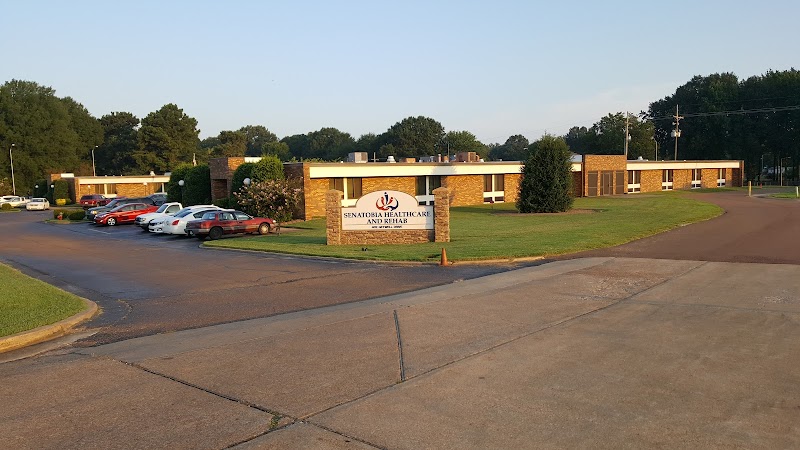
How is Senatobia Healthcare & Rehab Staffed?

CMS rates SENATOBIA HEALTHCARE & REHAB's staffing level at 3 out of 5 stars, which is average compared to other nursing homes.

What Have Inspectors Found at Senatobia Healthcare & Rehab?

State health inspectors documented 18 deficiencies at SENATOBIA HEALTHCARE & REHAB during 2023 to 2025. These included: 2 Immediate Jeopardy (the most serious level, indicating potential for serious harm or death), 15 with potential for harm, and 1 minor or isolated issues. Immediate Jeopardy findings are rare and represent the most serious regulatory concerns. They require immediate corrective action.
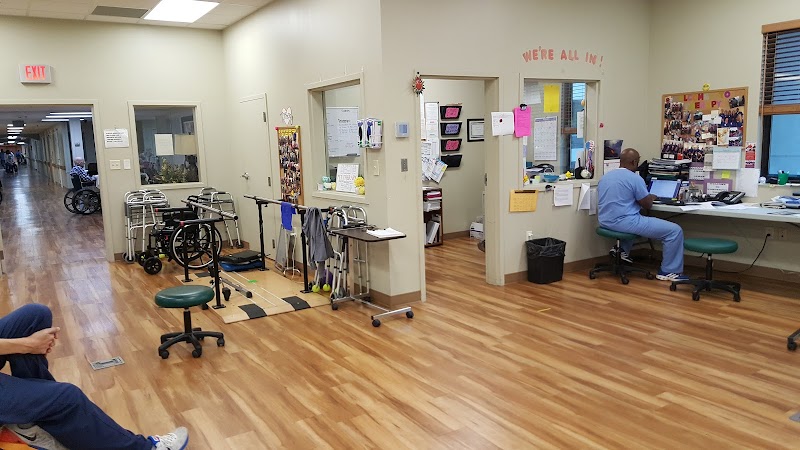
Who Owns and Operates Senatobia Healthcare & Rehab?

SENATOBIA HEALTHCARE & REHAB is owned by a for-profit company. For-profit facilities operate as businesses with obligations to shareholders or private owners. The facility operates independently rather than as part of a larger chain. With 106 certified beds and approximately 88 residents (about 83% occupancy), it is a mid-sized facility located in SENATOBIA, Mississippi.
How Does Senatobia Healthcare & Rehab Compare to Other Mississippi Nursing Homes?

Compared to the 100 nursing homes in Mississippi, SENATOBIA HEALTHCARE & REHAB's overall rating (2 stars) is below the state average of 2.6 and health inspection rating (2 stars) is below the national benchmark.

What Should Families Ask When Visiting Senatobia Healthcare & Rehab?

Based on this facility's data, families visiting should ask: "What changes have been made since the serious inspection findings, and how are you preventing similar issues?" "Can I visit during a mealtime to observe dining assistance and food quality?" "How do you handle medical emergencies, and what is your hospital transfer rate?" "Can I speak with family members of current residents about their experience?" These questions are particularly relevant given the facility's Immediate Jeopardy citations.

Is Senatobia Healthcare & Rehab Safe?

Based on CMS inspection data, SENATOBIA HEALTHCARE & REHAB has documented safety concerns. Inspectors have issued 2 Immediate Jeopardy citations (the most serious violation level indicating risk of serious injury or death). The facility has a 2-star overall rating and ranks #100 of 100 nursing homes in Mississippi. Families considering this facility should ask detailed questions about what corrective actions have been taken since these incidents.

Do Nurses at Senatobia Healthcare & Rehab Stick Around?

SENATOBIA HEALTHCARE & REHAB has not reported staff turnover data to CMS. Staff turnover matters because consistent caregivers learn residents' individual needs, medications, and preferences. When staff frequently change, this institutional knowledge is lost. Families should ask the facility directly about their staff retention rates and average employee tenure.

Was Senatobia Healthcare & Rehab Ever Fined?

SENATOBIA HEALTHCARE & REHAB has been fined $8,021 across 1 penalty action. This is below the Mississippi average of $33,159. While any fine indicates a compliance issue, fines under $50,000 are relatively common and typically reflect isolated problems that were subsequently corrected. Families should ask what specific issues led to these fines and confirm they've been resolved.

Is Senatobia Healthcare & Rehab on Any Federal Watch List?

SENATOBIA HEALTHCARE & REHAB is not on any federal watch list. The most significant is the Special Focus Facility (SFF) program, which identifies the bottom 1% of nursing homes nationally based on persistent, serious quality problems. Not being on this list means the facility has avoided the pattern of deficiencies that triggers enhanced federal oversight. This is a positive indicator, though families should still review the facility's inspection history directly.