DIVERSICARE OF SHELBY
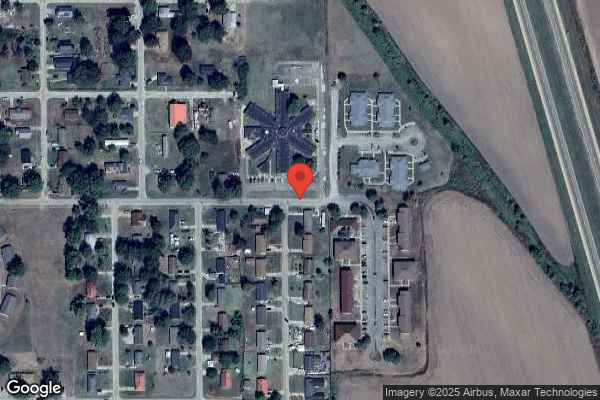
1108 CHURCH STREET, SHELBY, MS 38774 (662) 398-5117
For profit - Corporation 60 Beds DIVERSICARE HEALTHCARE Data: November 2025
Trust Grade
70/100
#66 of 200 in MS
Last Inspection: July 2025

Inspected within the last 6 months. Data reflects current conditions.

Overview

Diversicare of Shelby has a Trust Grade of B, indicating it is a good choice for families, being solidly above average. It ranks #66 out of 200 facilities in Mississippi, placing it in the top half, and #2 out of 5 in Bolivar County, meaning there is only one local option that ranks higher. The facility's performance has been stable, with the same number of issues reported in both 2024 and 2025. Staffing is a strong point, with a rating of 4 out of 5 stars and a turnover rate of 36%, which is better than the state average of 47%, while RN coverage exceeds that of 88% of Mississippi facilities. However, there are some concerns, including incidents where the facility failed to accurately report staffing data and maintain a clean environment, with one room showing visible water damage and possible mold growth, which could pose health risks.

Trust Score
B
70/100
In Mississippi
#66/200
Top 33%
Safety Record
Low Risk
No red flags
Inspections
Holding Steady
5 → 5 violations
Staff Stability
○ Average
36% turnover. Near Mississippi's 48% average. Typical for the industry.
Penalties
✓ Good
No fines on record. Clean compliance history, better than most Mississippi facilities.
Skilled Nurses
✓ Good
Each resident gets 42 minutes of Registered Nurse (RN) attention daily — more than average for Mississippi. RNs are trained to catch health problems early.
Violations
⚠ Watch
11 deficiencies on record. Higher than average. Multiple issues found across inspections.
★★★☆☆
3.0
Overall Rating
★★★★☆
4.0
Staff Levels
★★★★☆
4.0
Care Quality
★★★☆☆
3.0
Inspection Score
Stable
2024: 5 issues
2025: 5 issues

The Good

  • 4-Star Staffing Rating · Above-average nurse staffing levels
  • 4-Star Quality Measures · Strong clinical quality outcomes
  • Full Sprinkler Coverage · Fire safety systems throughout facility
  • No fines on record
  • Staff turnover below average (36%)

    12 points below Mississippi average of 48%

Facility shows strength in staffing levels, quality measures, fire safety.

The Bad

3-Star Overall Rating

Near Mississippi average (2.6)

Meets federal standards, typical of most facilities

Staff Turnover: 36%

Near Mississippi avg (46%)

Typical for the industry

Chain: DIVERSICARE HEALTHCARE

Part of a multi-facility chain

Ask about local staffing decisions and management

The Ugly 11 deficiencies on record

Jul 2025 5 deficiencies
CONCERN (D)

Potential for Harm - no one hurt, but risky conditions existed

Safe Environment (Tag F0584)

Could have caused harm · This affected 1 resident

**NOTE- TERMS IN BRACKETS HAVE BEEN EDITED TO PROTECT CONFIDENTIALITY** Based on observation, interview, record review and facility policy review, the facility failed to maintain a clean, safe, and ho...

Read full inspector narrative →
**NOTE- TERMS IN BRACKETS HAVE BEEN EDITED TO PROTECT CONFIDENTIALITY** Based on observation, interview, record review and facility policy review, the facility failed to maintain a clean, safe, and homelike environment in one (1) of fifty-five (55) resident rooms observed. This deficient practice resulted in a room environment with visible water damage and possible mold growth, which may pose a health risk to the resident occupying the room. room [ROOM NUMBER] B. Findings include: A review of the facility ' s policy, Types of Maintenance, with no date, revealed, Routine Maintenance. This is the most frequently done activity of all and is done by performing routine and scheduled maintenance of the property . On 6/29/2025 at 11:30 AM, during an observation, room [ROOM NUMBER] on the B-side was noted to have a large, irregular-shaped light brown and black discoloration on the far wall, extending approximately two (2) feet across the ceiling and approximately two (2) feet down the wall. On 6/30/2025 at 8:38 AM, during an observation with the Infection Control Nurse, she verified the presence of the large, irregular-shaped light brown and black discoloration extending across the ceiling and wall in room [ROOM NUMBER]. She explained that the discoloration appeared to be from a water leak. She reported that she was not sure what the discoloration consisted of, but it could be mold. She agreed that a water leak and possible mold could be detrimental to the resident that lived in that area of the room, by causing an infection. On 6/30/2025 at 8:40 AM, during an observation with Maintenance and the Administrator (ADM), they verified the presence of the discoloration in room [ROOM NUMBER]. Maintenance explained that there had previously been a roof leak in that area which he had repaired, but stated he was unaware of the current issue and noted that it had recently rained. A record review of the facility's Logbook Documentation Task Name: Regular Maintenance and Safety Inspection revealed documentation completed by Maintenance. On 3/28/2025, the log noted need roof now, on 4/30/2025 it indicated need roof badly, and on 5/12/2025 it read roof needs replacing. On 6/30/2025 at 9:48 AM, during an interview with the Administrator, she verified that she was aware of the maintenance and safety inspection entries indicating the roof needed to be replaced. She explained that she had put in a request for a replacement, and in the meantime, Maintenance had patched the roof. She agreed that the discoloration observed in room [ROOM NUMBER] could have been caused by the leaking roof. She verified that she had no documentation that a request had been submitted to the corporate office for a new roof. On 6/30/2025 at 10:00 AM, during a further interview with Maintenance, he verified that he would not have documented the need for a new roof on the inspection log if a replacement was not necessary.
CONCERN (D)

Potential for Harm - no one hurt, but risky conditions existed

Comprehensive Care Plan (Tag F0656)

Could have caused harm · This affected 1 resident

Based on observation, resident/staff interview, and record review, the facility failed to implement a comprehensive care plan for nail care for one (1) of 28 sampled residents. Resident #10 Findings I...

Read full inspector narrative →
Based on observation, resident/staff interview, and record review, the facility failed to implement a comprehensive care plan for nail care for one (1) of 28 sampled residents. Resident #10 Findings Include: The facility provided a statement on letterhead with an effective date of October 2024 that revealed, Policy: Care plans will be developed for all patients and residents based upon the RAI (Resident Assessment Instrument) manual guidelines. Care plans are developed by the interdisciplinary team and revised as needed according to resident and patient status or change. Record review of Resident #10's Care Plan Report revealed under, Focus: Self-care deficit due to: Recent surgery for trans metatarsal amputation of left foot. Additionally revealed under, Interventions/Tasks: Nail, hair, and oral care daily as needed. On 6/29/25 at 11:55 AM an observation and interview with Resident #10 revealed fingernails on both hands were long, jagged, and measured approximately three-eighths (3/8) inches in length from the fingertip. She stated she would like them trimmed and explained that her nails had never been this long before. On 6/30/25 at 9:00 AM an observation and interview with the Administrator confirmed Resident #10's long nails. An interview with the Minimum Data Set (MDS) Nurse on 6/30/25 at 9:52 AM revealed the purpose of the care plan was to provide the necessary resident care and to ensure their needs were met while incorporating the resident preferences. She acknowledged Resident #10's care plan was not followed for nail care. Record review of the admission Record revealed the facility admitted Resident #10 on 5/15/25 with a medical diagnosis of Encounter for Orthopedic Aftercare following Surgical Amputation. Record review of the MDS with an Assessment Reference Date (ARD) of 5/22/25 revealed under section C, a Brief Interview for Mental Status (BIMS) score of 12, which indicated Resident #10 was moderately cognitively impaired.
CONCERN (D)

Potential for Harm - no one hurt, but risky conditions existed

ADL Care (Tag F0677)

Could have caused harm · This affected 1 resident

**NOTE- TERMS IN BRACKETS HAVE BEEN EDITED TO PROTECT CONFIDENTIALITY** Based on observation, interviews and record review, the facility failed to perform nail care for a resident requiring assistance...

Read full inspector narrative →
**NOTE- TERMS IN BRACKETS HAVE BEEN EDITED TO PROTECT CONFIDENTIALITY** Based on observation, interviews and record review, the facility failed to perform nail care for a resident requiring assistance with activities of daily living (ADLs) for one (1) of 28 sampled residents. Resident #10 Findings Include: The facility provided a statement on letterhead that read, Policy: Proper name of the facility uses Clinical Nursing Skills and Techniques, [NAME]. [NAME], as a supplementary policy and procedure care guide. An observation and interview with Resident #10 on 6/29/25 at 11:55 AM revealed she was lying in bed with long fingernails bilaterally that measured approximately three-eighths (3/8) of an inch long and were jagged. She admitted that staff had told her they would trim them, but no one ever came. She stated that her nails had never been as long as they are now and she wanted them trimmed. An observation and interview with Certified Nurse Aide (CNA) #1 on 6/30/25 at 8:35 AM confirmed Resident #10's long nails. She stated the treatment nurse was responsible for trimming the resident's nails and revealed the resident could scratch herself and get an infection. An observation and interview with the Administrator on 6/30/25 at 9:00 AM confirmed Resident #10's nails were long. She revealed the aides or nurses could trim the resident's nails since she was not a diabetic. She acknowledged there was a possibility the resident could scratch and injure herself. Record review of the admission Record revealed the facility admitted Resident #10 on 5/15/25 with a medical diagnosis of Encounter for Orthopedic Aftercare following Surgical Amputation. Record review of the Minimum Data Set (MDS) with an Assessment Reference Date (ARD) of 5/22/25 revealed under section C, a Brief Interview for Mental Status (BIMS) score of 12, which indicated Resident #10 was moderately cognitively impaired.
CONCERN (D)

Potential for Harm - no one hurt, but risky conditions existed

Infection Control (Tag F0880)

Could have caused harm · This affected 1 resident

Based on observation, staff interview, record review, and facility policy review, the facility failed to use Enhanced Barrier Precautions (EBP) for a resident with a peripherally inserted central cath...

Read full inspector narrative →
Based on observation, staff interview, record review, and facility policy review, the facility failed to use Enhanced Barrier Precautions (EBP) for a resident with a peripherally inserted central catheter (PICC) for one (1) of 16 residents on EBP reviewed.(Resident #206). Findings include: Review of the policy titled, Proper Name Infection Control Guide, dated 2025, revealed Enhanced Barrier Precautions (EBP) refer to the expanded use of PPE (personal protective equipment) and involve the use of gown and gloves during high-contact resident care activities that provide opportunities for transfer of MDROs (multidrug-resistant organisms). Nursing home residents with indwelling medical devices are at especially high risk of both acquisition of and colonization with MDROs. Indwelling devices, e.g., (for example) central lines. Review of the Order Summary Report for Resident #206 revealed an order for Cefepime Intravenous (IV) solution 2 (two) GM/100 ML (grams/milliliter): administer two grams intravenously twice daily, with a start date of 6/26/25 and an end date of 7/06/25. IV-PICC: monitor site every shift for signs/symptoms of infection and/or infiltration every shift to maintain patent IV access and prevent infection, with a start date of 6/16/25. An observation of medication administration on 6/30/25 at 8:25 AM for Resident #206 revealed Registered Nurse (RN) #1 administered Cefepime intravenous solution 2 GM/100 ML via a PICC line to the resident's left upper arm without wearing a gown as required for EBP. In an interview with RN #1 on 6/30/25 at 8:32 AM, she confirmed she failed to apply a gown as part of EBP and acknowledged that she should have because Resident #206 has a PICC line. She stated that the purpose of EBP is to provide an extra layer of protection between staff and the resident to reduce the spread of infection, and that failing to use EBP increased the resident's risk of infection. During an interview with the Administrator on 6/30/25 at 9:48 AM, she confirmed that RN #1 should have used EBP when she administered the antibiotics to Resident #206 via his PICC line. She confirmed that EBP reduces the risk of the spread of infection between staff and residents. She confirmed that failing to use EBP could place the resident at increased risk of infection. Record review of the admission Record revealed Resident #206 was admitted by the facility on 5/02/25 with a diagnosis of acute osteomyelitis, left femur. Record review of Resident #206's Minimum Data Set (MDS) with an Assessment Reference Date (ARD) of 3/11/25 revealed in Section C a Brief Interview for Mental Status (BIMS) score of 3, indicating the resident was severely cognitively impaired.
CONCERN (F)

Potential for Harm - no one hurt, but risky conditions existed

Staffing Data (Tag F0851)

Could have caused harm · This affected most or all residents

Based on staff interview, record review, Payroll-Based Journal (PBJ) staffing data review and facility policy review, the facility failed to submit PBJ data accurately to the Centers for Medicare and ...

Read full inspector narrative →
Based on staff interview, record review, Payroll-Based Journal (PBJ) staffing data review and facility policy review, the facility failed to submit PBJ data accurately to the Centers for Medicare and Medicaid Services (CMS) for one (1) of four (4) quarters reviewed. 2nd Quarter 2025 (January 1, 2025, through March 31, 2025) Findings include: Record review of the facility policy titled, Payroll Based Journal Entry Submission, dated 2022, revealed, Procedure .7. Hours that each team member works each day must be submitted. Per CMS training hours and corporate team member hours may be included if the team member is providing direct care or performing direct care duties . Review of the PBJ Staffing Data Report revealed the facility triggered for excessively low weekend staffing for the 2nd quarter, 2025 (January 1, 2025, through March 31, 2025). During an interview on 6/30/25 at 12:40 PM, the Human Resource Coordinator revealed the facility used a phone application (APP) for their payroll time clock system. At times, the APP did not work properly and during those times, the employee's time was entered manually. The salary employees' time was also entered manually into the facility's payroll system. An interview with the Workforce Manager on 6/30/25 at 12:45 PM revealed the Administrator, Human Resource Coordinator, and Workforce Manager met every weekday morning to discuss the hours submitted by the clocking system as well as those manually entered to ensure the submitted information was accurate. She revealed the hours submitted into their payroll system were sent to herself and to corporate by the Human Resource Coordinator. During an interview and record review with the Administrator and the Workforce Manager on 7/1/25 at 7:50 AM, the working schedule and the information submitted into the Payroll Based Journal (PBJ) system revealed discrepancies. The Workforce Manager stated she felt the data was submitted into the PBJ system prior to their review and updated changes of the data. The Administrator confirmed that the information submitted during the 2nd quarter did not accurately reflect the staff present due to manually entered information not being entered timely or correctly. She confirmed the facility failed to submit accurate data into the PBJ system which led to an inaccuracy of data submission.
May 2024 5 deficiencies
CONCERN (D)

Potential for Harm - no one hurt, but risky conditions existed

Safe Environment (Tag F0584)

Could have caused harm · This affected 1 resident

**NOTE- TERMS IN BRACKETS HAVE BEEN EDITED TO PROTECT CONFIDENTIALITY** Based on observation, staff interview, and facility policy review the facility failed to provide blinds or window coverings in g...

Read full inspector narrative →
**NOTE- TERMS IN BRACKETS HAVE BEEN EDITED TO PROTECT CONFIDENTIALITY** Based on observation, staff interview, and facility policy review the facility failed to provide blinds or window coverings in good repair for one (1) of 60 resident rooms observed for a clean, comfortable, and homelike environment. room [ROOM NUMBER]. Findings Include: Review of the facility policy Work Orders and Paging, effective September 1, 2014, revealed, Purpose, To establish a productive procedure for communicating and coordinating the needs of the residents and employees from the Maintenance Department . Work Orders, TELS . is a Computerized Maintenance Management System (CMMS). Employees shall complete Work Orders through TELS. When a verbal request for maintenance is received from center personnel, maintenance staff should request that a work order be submitted . An observation of room [ROOM NUMBER] on 5/19/24 at 1:00 PM, revealed the window blind had broken slats creating a 12 by six (6) inch opening on the right side through which the parking lot was visible. In an interview on 5/20/24 at 9:35 AM, with Certified Nursing Assistant (CNA) #1 she stated that if there was something broken in a resident's room, she would tell the maintenance staff. During an interview on 5/20/24 at 9:40 AM, with Registered Nurse (RN) #1 he stated that if broken equipment was found in the resident room, he would notify the maintenance staff either in person or by phone. On 5/20/24 at 10:00 AM, an observation of room [ROOM NUMBER] and interview with the Maintenance man, he verified that the window blinds were broken creating and opening on the right side. The Maintenance man stated that staff are supposed to enter work orders in TELS, but usually they just tell him. He verified that he was not aware of the condition of the window blinds. On 5/20/24 at 10:07 AM, an interview and record review, with the Maintenance man, of work orders in TELS, revealed that there was no work order for the broken window blinds in room [ROOM NUMBER]. During an interview with the Administrator on 5/20/24 at 2:00 PM, she stated that staff usually notify the Maintenance man verbally or put maintenance needs on the 24-hour report. She verified that staff have not consistently been entering maintenance requests in TELS like they should.
CONCERN (D)

Potential for Harm - no one hurt, but risky conditions existed

Comprehensive Care Plan (Tag F0656)

Could have caused harm · This affected 1 resident

Based on observation, staff interview, record review, and facility policy review, the facility failed to implement a comprehensive care plan for a resident receiving an enteral feeding (Resident #1), ...

Read full inspector narrative →
Based on observation, staff interview, record review, and facility policy review, the facility failed to implement a comprehensive care plan for a resident receiving an enteral feeding (Resident #1), and failed to develop a comprehensive care plan for a resident receiving antipsychotic medication (Resident #54) for two (2) of nineteen care plans reviewed. Findings Include: Review of the facility policy titled Care Plans with a revision date of October 2021 revealed, Policy: Care plans will be developed for all patients and residents based upon the RAI (Resident Assessment Instrument) manual guidelines. Care plans are developed by the interdisciplinary team and revised as needed according to resident and patient status or change. This document was dated 5/21/24 and signed by the Licensed Nursing Home Administrator. Resident #1 Record review of Resident #1's care plan revealed, Focus: (Proper name of Resident #1) has PEG (Percutaneous Endoscopic Gastrostomy) tube placed and is at risk for complications R/T (related to) feeding tube .Interventions . every shift Jevity 1.5 @ (at) 65 ml/hr (milliliters per hour) x (times) 22 hours, 2145 kcal (kilocalories); 90g (grams) protein; and 2330 ml total fluid. An observation on 5/19/2024 at 12:25 PM, revealed Resident #1 lying in bed with his eyes closed. A bottle of Jevity 1.5 enteral feeding was hanging via feeding pump, which was turned off. An observation on 5/19/2024 at 3:15 PM revealed Resident #1 lying in bed with his eyes closed. A bottle of Jevity 1.5 enteral feeding was hanging via pump, which was turned off. On 5/19/2024 at 3:55 PM, in an interview with Licensed Practical Nurse (LPN) # 2 confirmed Resident #1's feeding pump was turned off. On 5/21/2024 at 3:30 PM, in an interview with the Director of Nursing (DON) revealed the purpose of the care plan was to identify and focus on the resident's concern or problem and to develop interventions to resolve the problem. She confirmed that the facility did not follow Resident #1's care plan for the enteral feeding. Resident #54 An observation of resident #54 on 5/19/2024 at 2:35 PM, revealed she could be heard hollering down the hallway. The resident was sitting in a wheelchair in her room and was confused, asking for the car keys and stated she was leaving to go to the store but did not want anyone to know. Record review of the Order Summary Report with active orders as of 5/20/24, for Resident #54 revealed an order dated 4/22/2024, Seroquel oral tablet 50 MG (milligrams) (Quetiapine Fumarate) Give 50 mg via PEG-Tube at bedtime for Mood Disorder. Record review of the Care Plans for Resident #54 revealed a care plan was not developed for the antipsychotic medication Seroquel for mood disorder. An interview with the Minimum Data Set (MDS) nurse on 5/20/2024 at 1:15 PM, revealed she was responsible for the care plans. She confirmed Resident #54 did not have a care plan developed for the antipsychotic medication Seroquel. She revealed a care plan should have been developed so that staff would know what care to provide. An interview with the Administrator (ADM) on 5/20/2024 at 1:32 PM, revealed antipsychotic medications should be care planned because they were high-risk medications and it would allow staff the knowledge to provide better care.
CONCERN (D)

Potential for Harm - no one hurt, but risky conditions existed

Tube Feeding (Tag F0693)

Could have caused harm · This affected 1 resident

Based on observation, staff interview, and record review and facility document review, the facility failed to ensure a resident who received enteral nutrition received appropriate treatment and servic...

Read full inspector narrative →
Based on observation, staff interview, and record review and facility document review, the facility failed to ensure a resident who received enteral nutrition received appropriate treatment and services, as evidenced by, the facility's failure to administer an enteral feeding according to the physician's order for one (1) of 11 residents with a feeding tube. Resident #1 Findings Include: Record review of a typed document on facility letterhead, dated 5/21/24 and signed by the Licensed Nursing Home Administrator revealed, Standards of Practice: The expectation set forth by (Proper Name of the facility) is that nurses comply with current standards of practice in terms of following physician's orders. This includes following orders for medication and enteral feedings. An observation on 5/19/2024 at 12:25 PM, revealed Resident #1 with his eyes closed lying in bed A bottle of Jevity 1.5 was hanging via pump, which was turned off. An observation on 5/19/2024 at 3:15 PM, revealed Resident #1 lying in bed with his eyes closed. A bottle of Jevity 1.5 was hanging via pump, which was turned off. An interview with Licensed Practical Nurse (LPN) #2 on 5/19/2024 at 3:55 PM, confirmed Resident #1's enteral feeding was turned off. Record review of the May 2024 MAR for Resident #1 revealed an order dated 3/12/2024, Enteral feed one time a day turn feeding pump off scheduled for 7:00 AM, signed as administered on the MAR, which indicated the resident was receiving this order. An additional order dated 3/12/2024 revealed, Enteral Feed Order one time a day turn feeding pump on scheduled for 1500 (3:00 PM) signed off as administered on the MAR, which indicated the resident was receiving this order. Record review of the May 2024 Medication Administration Record (MAR) for Resident #1 revealed an order dated 5/7/2024, Enteral feed order every shift Jevity 1.5 @ 65 ml/hr (milliliters per hour) x (times) 22 hours, 2145 kcal (kilocalories); 90g (grams) protein; 2330 ml (milliliter) total fluid which was signed off on the MAR as administered, which indicated the resident was receiving this order. During an interview with the Director of Nursing (DON) on 5/20/2024 at 8:45 AM revealed several weeks ago Resident #1 began not eating meals, and they increased his tube feeding. She revealed he was supposed to be receiving Jevity1.5 at 65 ML/HR (milliliters per hour) x (times) 22 hours. She confirmed the Jevity was not supposed to be off between the hours of 7:00 AM to 3:00 PM and stated the order should have been discontinued. The DON revealed an error was made by not removing the order from the resident's MAR. She revealed she took responsibility for the error because she put the new feeding order into the medical record and did not take out the other discontinued order. She confirmed weight loss could be a concern. An interview with Registered Nurse (RN) #1 on 5/21/2024 at 9:02 AM, confirmed he was aware Resident #1 had two enteral feeding orders on the MAR. He revealed there was a problem with communication and the old order was not discontinued. He stated he had been turning the resident's feeding pump off at 7:00 AM and re-starting it at 3:00 PM daily, and confirmed he was signing both orders. RN #1 revealed he should have questioned the order and called the doctor for clarification and confirmed he should not sign a physician's order on the medical record that was not given. He revealed that the resident was at risk for dehydration, weight loss and malnutrition by not getting the appropriate enteral feeding. An interview with the Administrator (ADM) on 5/21/2024 at 9:48 AM, revealed the nurses should have questioned two different enteral feeding orders on the MAR. She revealed they should not have signed both orders as administered, and confirmed this was a standard of practice issue. She acknowledged Resident #1 was at risk for weight loss by not getting the correct enteral feeding order. During a telephone interview with the Registered Dietician (RD) on 5/21/2024 at 10:22 AM, confirmed Resident #1 was at risk for weight loss if he did not get the prescribed enteral feeding. Record review of the admission Record revealed the facility admitted Resident #1 on 9/8/2019 with current medical diagnoses that included Alzheimer's Disease, Dysphagia, and Gastrostomy status.
CONCERN (F)

Potential for Harm - no one hurt, but risky conditions existed

Staffing Data (Tag F0851)

Could have caused harm · This affected most or all residents

Based on staff interviews, record review and facility document review, the facility failed to submit accurate staffing information into the Payroll-Based Journal (PBJ) system for one (1) of four quart...

Read full inspector narrative →
Based on staff interviews, record review and facility document review, the facility failed to submit accurate staffing information into the Payroll-Based Journal (PBJ) system for one (1) of four quarters reviewed. First quarter 2024 Findings Include: Record review of a typed document on facility letterhead, dated 5/21/24 and signed by the Licensed Nursing Home Administrator (LNHA) revealed Staffing: It is the practice of (Proper name of the facility) to assure that adequate staffing is maintained to provide the necessary care and services for each resident. Staffing expectations are based on resident acuity and needs and may fluctuate based on the center population as identified in the facility assessment. The center conducts work force management meetings daily to discuss open positions, open shifts and call ins as related to patient needs. We continue to actively recruit staff offering various incentives. Record review of the PBJ (Payroll-Based Journal) Staffing Data Report revealed the facility submitted excessively low weekend staffing data for the 1st quarter 2024 (October 1-December 31). An interview with Licensed Practical Nurse (LPN) #3 on 5/19/2024 at 12:45 PM, revealed she had witnessed staffing concerns on the weekend and stated they mostly come from call in's. She revealed management did come in to work when someone called in. An interview with LPN #2 on 5/19/2024 at 12:50 PM, revealed she had witnessed staffing concerns on the weekend. She explained that when someone calls in on the weekend, they get on the phone and start calling staff to find help. She revealed they also notify the Workforce Manager so that she can start making calls. LPN #2 explained that management always helps and comes to work when someone calls in. An interview with the Administrator (ADM) and the Director of Nursing (DON) on 5/19/2024 at 3:30 PM, revealed they were not aware they had triggered for low weekend staffing. The ADM revealed they have a Workforce Manager who always ensured the facility met the minimum requirement or above. She stated they had never fallen below that minimum requirement. She revealed they do have frequent call-ins, but all management personnel come to work to fill positions, whether it be as an aide or a nurse. The ADM stated they all rotated and took call and were responsible for coming in if they were unable to find replacement staff when someone called in. The DON revealed that management personnel were all salaried and that corporate did not have a way to add them to the PBJ (Payroll-based Journal) because they did not clock in. The ADM explained that she had several discussions with the facility Human Resource staff member and the Corporate Payroll staff and was told there was no way to add any hours for coming in and covering a shift for salaried individuals. An interview with the Workforce Manager on 5/20/2024 at 2:32 PM, revealed she had worked in the staffing position for two (2) years. She revealed call in's were the biggest concern for staffing. She stated they have a staff member on call every day. She explained when a staff member called in, they had to call in to the person on call, and it was the on-call person's responsibility to call around and try to find a replacement. She revealed on the weekends, they call in to the facility and the floor nurses were responsible for calling the staff to find a replacement. The Workforce Manager explained the on-call person must work if they cannot find someone. She stated when management worked to fill a position, she always included them in her staffing numbers even though she knew Human Resources had told her that they were unable to add it to the payroll data. She confirmed this was an error in payroll data submission. An interview with the ADM on 5/20/2024 at 3:15 PM, revealed she just hired two (2) aides and was looking to hire 2 more part-time. She stated the staff she has right now were willing to work extra and stay over to cover shifts. She revealed all management personnel come in to work to meet the staffing requirement when someone calls in. She explained she had reached out to the corporate office to notify them of the need to count salaried employees on payroll but was told they did not have a way to do it. She confirmed this was a payroll data error and would not accurately reflect the staffing numbers. An interview with Human Resources on 5/21/2024 at 9:40 AM, revealed she was responsible for completing payroll. She revealed once her information was entered into the payroll system, it went to the corporate office. She explained that the payroll system will not allow her to change the role of a salaried employee. She revealed that salaried employees' hours were pre-set in the system and could not be changed. An interview with the ADM on 5/22/2024 at 9:10 AM, revealed that the facility was without a payroll person for 4-5 months, and that would have been during the time the facility triggered for low weekend staffing. She revealed she hired someone in the middle of October 2023 to fill that position but the new hire still had to be trained. She explained that she and the Workforce Manager did payroll within that time frame. She revealed she was not familiar with payroll, but she had to step up and do what needed to be done. She acknowledged this likely caused some data errors with the accurate submission of the payroll-based Journal.
MINOR (B)

Minor Issue - procedural, no safety impact

Assessment Accuracy (Tag F0641)

Minor procedural issue · This affected multiple residents

Based on observation, staff interview, record review, and facility policy review, the facility failed to accurately complete section P of the Minimum Data Set (MDS) for one (1) of four (4) residents r...

Read full inspector narrative →
Based on observation, staff interview, record review, and facility policy review, the facility failed to accurately complete section P of the Minimum Data Set (MDS) for one (1) of four (4) residents residing in the facility with a wander alert bracelet. Resident #24 Findings Include: Review of the facility policy titled RAI (Resident Assessment Instrument) Process Guideline undated, revealed Process: The CMS (Centers for Medicare and Medicaid Services) Long-Term Care Facility Resident Assessment User's Manual 3.0 will provide the framework and directions to completing the RAI process. All items in the MDS are to be coded per the instructions of the CMS Long-Term Care Facility Assessment User's Manual MDS 3.0. An observation of Resident #24, on 5/19/2024 at 12:16 PM, revealed she was sitting on the edge of the bed. A wander alert bracelet was observed on her left ankle. Record review of the Order Summary Report with active orders as of 5/20/24, revealed an order dated 7/03/2023, Wanderguard to left ankle. Check placement and function Record review of Resident #24's quarterly MDS with an Assessment Reference Date (ARD) of 5/3/2024, revealed in Section PO200 Alarms .Wander/elopement alarm was coded as 0 indicating Not used during the MDS look back period An interview with the MDS Nurse on 5/20/2024 at 11:01 AM confirmed a data error was made on Resident #24's quarterly MDS and the wanderguard was not captured. An interview with the Director of Nursing (DON) on 5/20/2024 at 11:06 AM, revealed her expectations was for the assessments to be completed accurately by the MDS staff.
Jan 2023 1 deficiency
CONCERN (D)

Potential for Harm - no one hurt, but risky conditions existed

PASARR Coordination (Tag F0644)

Could have caused harm · This affected 1 resident

**NOTE- TERMS IN BRACKETS HAVE BEEN EDITED TO PROTECT CONFIDENTIALITY** Based on record review and staff interviews, the facility failed to refer a resident to the appropriate agency for a Level II Pr...

Read full inspector narrative →
**NOTE- TERMS IN BRACKETS HAVE BEEN EDITED TO PROTECT CONFIDENTIALITY** Based on record review and staff interviews, the facility failed to refer a resident to the appropriate agency for a Level II Preadmission Screening and Resident Review (PASARR) following an inpatient Geri-psych admission with a new psychiatric diagnosis and new psychiatric medications for one (1) of four (4) sampled residents reviewed for PASARR. Resident #16. Findings include: Record review of a typed document on facility letterhead dated 1/4/22 provided and signed by the Administrator revealed (Formal Name of Facility) go by the State Guidelines on performing PASSARS. We do not have a Passar Policy. Record review of the Medical Diagnosis List for Resident #16 revealed a diagnosis of Schizophrenia, Unspecified, with a date of 11/19/19. Record review revealed there was no Change in Status Form completed for Resident #16, related to the inpatient admission to Geri-psych on 11/8/19 during which the resident received a new psychiatric diagnosis of Schizophrenia, dated 11/19/19, and a new physician's order for new psychiatric medications, Abilify and Depakene. An interview on 1/4/23 at 10:25 AM, with the Minimum Data Set (MDS) Nurse, revealed she was not able to locate a Change in Status Form, for Resident #16, related to the inpatient admission to Geri-psych on 11/8/19. The MDS Nurse revealed a Change in Status Form should have been done for the Geri-psych admission, for the new diagnosis of Schizophrenia, and the new psychiatric medicines for psychiatric treatment. An interview on 1/4/23 at 12:07 PM, with Social Services, revealed she called the mental health services agency responsible to process Change in Status Forms to inquire about a Change in Status Form submission, from November 2019, for Resident #16. She revealed the mental health services agency confirmed there was no submission of a Change in Status Form, for Resident #16, for the Geri-psych inpatient admission on [DATE], for the diagnosis of Schizophrenia, nor for the psychiatric medicines. Social Services confirmed that a Change in Status Form should have been submitted, in November 2019, to ensure a Level II screen was completed to evaluate Resident #16 for the possible need of additional mental health services and interventions. An interview on 1/4/23 at 12:11 PM, with the Administrator, confirmed there was not a Change in Status Form submitted in November 2019, for Resident #16, after re-admission to the facility following a Geri-psych admission with a new diagnosis of Schizophrenia and new psychiatric medications. She confirmed that a Change in Status Form should have been submitted in November 2019. This would have allowed Resident #16 to have possibly received a Level II Screen for the possible need of additional mental health services. The Administrator confirmed there is a possibility that Resident #16 may not have received all the mental health services she could have qualified for in the nursing facility. Record review of the Physician's Order Sheet, for Resident #16, revealed, 11/19/19 Readmit to [NAME] Health and Rehab Center under the care of (physician's name removed). Resume previous nursing home order, plus add: Aripiprazole (Abilify) 10 MG by mouth (PO) at bedtime and Depakene (Valproic Acid) 250 MG PO two (2) times a day (BID). Record review of the admission History and Physical for Geri-psych, for Resident #16, revealed . admitted Nov-08-2019 . Assessments: Schizophrenia Deferred to the Geri-psych service . Identifying Data: The patient is a [AGE] year old African American female who was voluntarily hospitalized to (facility's name removed), Geri-psych facility at (hospital's name removed) transferred from [NAME] Health and Rehab where she has been showing inappropriate sexual behavior . The symptoms were unable to treated on outpatient basis which required this Geri-psych referral and admission . Record review of the Patient Discharge Summary Report from Geri-psych, dated 11/19/19, revealed . admit date : [DATE] . Diagnosis: Anxiety Disorder . Discharge Medications: New Medications to start taking - Aripiprazole (Abilify) - Take 10 MG by mouth at bedtime . Depakene - Take 250 MG by mouth twice a day. Record review of the admission Record for Resident #16 revealed an admission date of 12/21/2018.
Understanding Severity Codes (click to expand)
Life-Threatening (Immediate Jeopardy)
J - Isolated K - Pattern L - Widespread
Actual Harm
G - Isolated H - Pattern I - Widespread
Potential for Harm
D - Isolated E - Pattern F - Widespread
No Harm (Minor)
A - Isolated B - Pattern C - Widespread

Questions to Ask on Your Visit

  • "Can I speak with families of current residents?"
  • "What's your RN coverage like on weekends and overnight?"

Our Honest Assessment

Strengths
  • • No major safety red flags. No abuse findings, life-threatening violations, or SFF status.
  • • No fines on record. Clean compliance history, better than most Mississippi facilities.
  • • 36% turnover. Below Mississippi's 48% average. Good staff retention means consistent care.
Concerns
  • • 11 deficiencies on record. Higher than average. Multiple issues found across inspections.
Bottom line: Mixed indicators with Trust Score of 70/100. Visit in person and ask pointed questions.

About This Facility

What is Diversicare Of Shelby's CMS Rating?

CMS assigns DIVERSICARE OF SHELBY an overall rating of 3 out of 5 stars, which is considered average nationally. Within Mississippi, this rating places the facility higher than 99% of the state's 100 nursing homes. This mid-range rating indicates the facility meets federal standards but may have areas for improvement.
How is Diversicare Of Shelby Staffed?

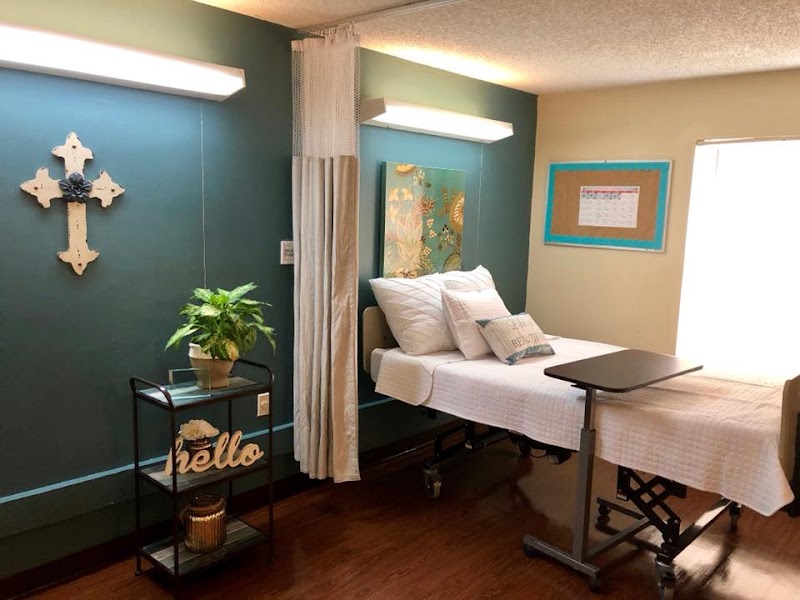
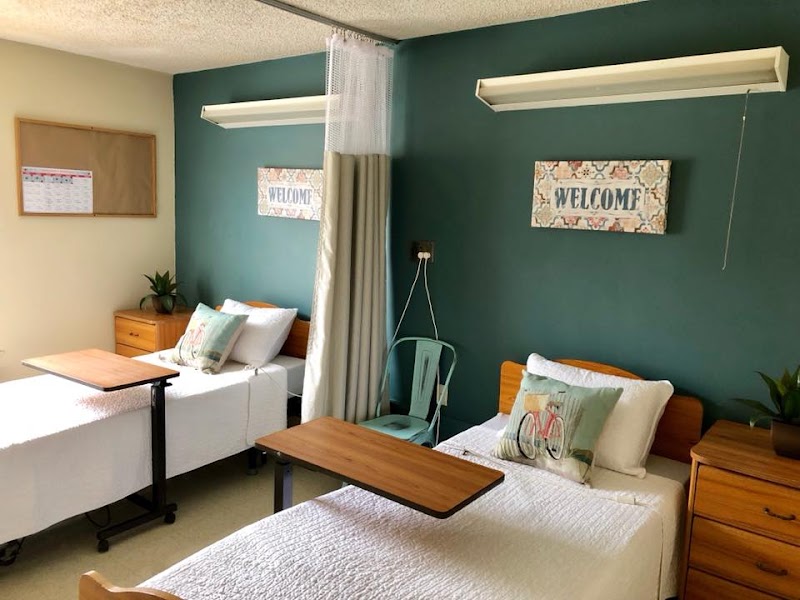
CMS rates DIVERSICARE OF SHELBY's staffing level at 4 out of 5 stars, which is above average compared to other nursing homes. Staff turnover is 36%, compared to the Mississippi average of 46%. This relatively stable workforce can support continuity of care.

What Have Inspectors Found at Diversicare Of Shelby?

State health inspectors documented 11 deficiencies at DIVERSICARE OF SHELBY during 2023 to 2025. These included: 10 with potential for harm and 1 minor or isolated issues.
Who Owns and Operates Diversicare Of Shelby?

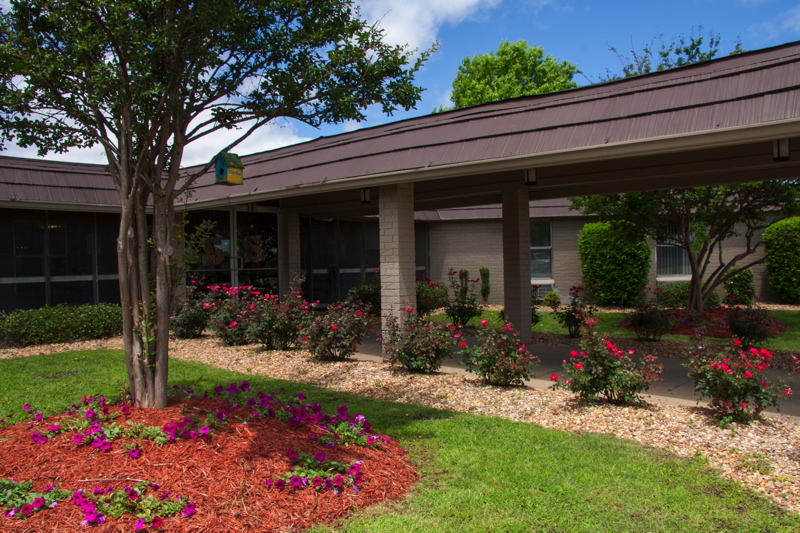
DIVERSICARE OF SHELBY is owned by a for-profit company. For-profit facilities operate as businesses with obligations to shareholders or private owners. The facility is operated by DIVERSICARE HEALTHCARE, a chain that manages multiple nursing homes. With 60 certified beds and approximately 53 residents (about 88% occupancy), it is a smaller facility located in SHELBY, Mississippi.
How Does Diversicare Of Shelby Compare to Other Mississippi Nursing Homes?

Compared to the 100 nursing homes in Mississippi, DIVERSICARE OF SHELBY's overall rating (3 stars) is above the state average of 2.6, staff turnover (36%) is near the state average of 46%, and health inspection rating (3 stars) is at the national benchmark.

What Should Families Ask When Visiting Diversicare Of Shelby?

Based on this facility's data, families visiting should ask: "Can I visit during a mealtime to observe dining assistance and food quality?" "How do you handle medical emergencies, and what is your hospital transfer rate?" "Can I speak with family members of current residents about their experience?"

Is Diversicare Of Shelby Safe?

Based on CMS inspection data, DIVERSICARE OF SHELBY has a clean safety record: no substantiated abuse findings (meaning no confirmed cases of resident harm), no Immediate Jeopardy citations (the most serious violation level indicating risk of serious injury or death), and is not on the Special Focus Facility watch list (a federal program monitoring the lowest-performing 1% of nursing homes). The facility has a 3-star overall rating and ranks #1 of 100 nursing homes in Mississippi. While no facility is perfect, families should still ask about staff-to-resident ratios and recent inspection results during their visit.

Do Nurses at Diversicare Of Shelby Stick Around?

DIVERSICARE OF SHELBY has a staff turnover rate of 36%, which is about average for Mississippi nursing homes (state average: 46%). Moderate turnover is common in nursing homes, but families should still ask about staff tenure and how the facility maintains care continuity when employees leave.

Was Diversicare Of Shelby Ever Fined?

DIVERSICARE OF SHELBY has no federal fines on record. CMS issues fines when nursing homes fail to meet care standards or don't correct problems found during inspections. The absence of fines suggests the facility has either maintained compliance or corrected any issues before penalties were assessed. This is a positive indicator, though families should still review recent inspection reports for the full picture.

Is Diversicare Of Shelby on Any Federal Watch List?

DIVERSICARE OF SHELBY is not on any federal watch list. The most significant is the Special Focus Facility (SFF) program, which identifies the bottom 1% of nursing homes nationally based on persistent, serious quality problems. Not being on this list means the facility has avoided the pattern of deficiencies that triggers enhanced federal oversight. This is a positive indicator, though families should still review the facility's inspection history directly.