TUNICA COUNTY HEALTH & REHAB, LLC
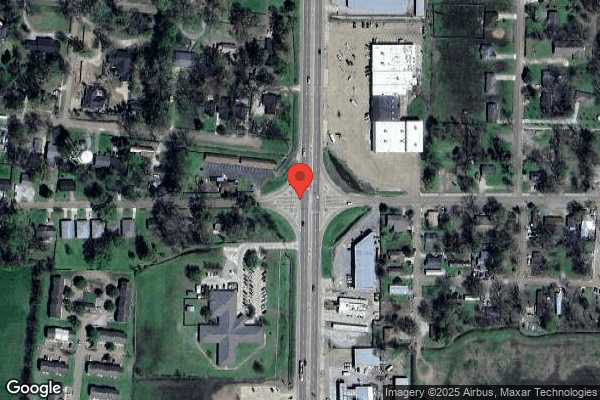

1024 HIGHWAY 61 SOUTH, TUNICA, MS 38676 (662) 363-3164
For profit - Corporation 60 Beds THE BEEBE FAMILY Data: November 2025
Trust Grade
33/100
#143 of 200 in MS
Last Inspection: June 2024

Within standard 12-15 month inspection cycle. Federal law requires annual inspections.

Overview

Tunica County Health & Rehab, LLC has received a Trust Grade of F, which indicates significant concerns about the quality of care provided. They rank #143 out of 200 nursing homes in Mississippi, placing them in the bottom half, but they are the only facility in Tunica County. The trend is improving, as the number of issues reported decreased from 5 in 2024 to 2 in 2025. Staffing is average with a 3/5 rating, but the turnover rate is alarmingly high at 98%, compared to the state average of 47%. The facility has faced fines totaling $8,788, which is average, but they have less RN coverage than 91% of other facilities in the state, potentially impacting the quality of care. Specific incidents of concern include a resident who was manually transferred instead of using a required lift, resulting in a tibia fracture, highlighting a failure to follow care plans. Another serious issue involved a resident being transferred incorrectly, also leading to a fracture. Additionally, the facility failed to maintain sanitary conditions in the ice machine, which poses a risk to residents’ health. While there are some signs of improvement, families should weigh these serious concerns against the facility's strengths before making a decision.

Trust Score
F
33/100
In Mississippi
#143/200
Bottom 29%
Safety Record
Moderate
Needs review
Inspections
Getting Better
5 → 2 violations
Staff Stability
⚠ Watch
98% turnover. Very high, 50 points above average. Constant new faces learning your loved one's needs.
Penalties
⚠ Watch
$8,788 in fines. Higher than 84% of Mississippi facilities, suggesting repeated compliance issues.
Skilled Nurses
⚠ Watch
Each resident gets only 26 minutes of Registered Nurse (RN) attention daily — below average for Mississippi. Fewer RN minutes means fewer trained eyes watching for problems.
Violations
⚠ Watch
13 deficiencies on record. Higher than average. Multiple issues found across inspections.
★★☆☆☆
2.0
Overall Rating
★★★☆☆
3.0
Staff Levels
★★☆☆☆
2.0
Care Quality
★★☆☆☆
2.0
Inspection Score
Stable
2024: 5 issues
2025: 2 issues

The Good

  • Full Sprinkler Coverage · Fire safety systems throughout facility
  • No fines on record

Facility shows strength in fire safety.

The Bad

2-Star Overall Rating

Below Mississippi average (2.6)

Below average - review inspection findings carefully

Staff Turnover: 98%

52pts above Mississippi avg (47%)

Frequent staff changes - ask about care continuity

Federal Fines: $8,788

Below median ($33,413)

Minor penalties assessed

Chain: THE BEEBE FAMILY

Part of a multi-facility chain

Ask about local staffing decisions and management

Staff turnover is very high (98%)

50 points above Mississippi average of 48%

The Ugly 13 deficiencies on record

2 actual harm
Mar 2025 2 deficiencies 2 Harm
SERIOUS (G) 📢 Someone Reported This

A family member, employee, or ombudsman was alarmed enough to file a formal complaint

Actual Harm - a resident was hurt due to facility failures

Comprehensive Care Plan (Tag F0656)

A resident was harmed · This affected 1 resident

**NOTE- TERMS IN BRACKETS HAVE BEEN EDITED TO PROTECT CONFIDENTIALITY** Based on staff and resident interview, record review and facility policy review, the facility failed to implement a person-cente...

Read full inspector narrative →
**NOTE- TERMS IN BRACKETS HAVE BEEN EDITED TO PROTECT CONFIDENTIALITY** Based on staff and resident interview, record review and facility policy review, the facility failed to implement a person-centered care plan regarding the use of a total lift for one (1) of three (3) resident care plans reviewed. (Resident #1) On 2/5/25 Resident #1, who required a total mechanical lift for all transfers, was manually transferred by a Certified Nursing Assistant (CNA). The resident sustained a right tibia fracture. Findings Include Review of the facility policy titled, Care Plans, Comprehensive Person-Centered with a revision date of 03/2022 revealed under, Policy .A comprehensive, person-centered care plan that includes measurable objectives and timetables to meet the resident's physical, psychosocial and functional needs is developed and implemented for each resident . Review of the facility policy titled, Lifting Machine, Using a Portable with a revision date of 08/2022 revealed under Preparation .review the resident's care plan to assess for any special needs of the resident . Record review of Resident #1 care plans revealed an ADL (Activities of Daily Living) care plan, date initiated 8/28/24, with an intervention of .resident usually requires total care assist times two (2) staff with transfers. Staff to assist with all transfers using the [NAME] (Total) lift with a medium sling and 2 staff members assist. On 3/4/25 at 12:30 PM, an interview with the Director of Nursing (DON) and the Administrator (ADM) they verified that they were notified of the Resident #1's complaint of pain and swelling to the right knee. They both confirmed that their investigation revealed that CNA #2 transferred the resident from the geri-chair to the bed by herself using a stand-pivot transfer instead of following the care plan and using a total lift with 2 staff members. Resident #1 was sent to the hospital on 2/7/25 at 10:02 AM for a Computed Tomography (CT) scan. The facility followed up on the CT results and noted that the resident had a right tibia fracture. The facility had an emergency quality assurance (QA) meeting with the physician, ADM, DON, Infection Control Nurse in attendance. Root Cause Analysis (RCA) was that the CNA did not follow the residents care plan for transfers. The facility initiated inservices with all nurses and CNA's on 2/7/25 to include abuse, neglect, use of mechanical lifts and following the care plan, as well as skills check off on the use of lifts for CNAs. Lift assessments were performed on all residents and the care plan was updated with any changes beginning 2/7/25. The lift assessments and care plans were audited for accuracy on 2/10/25. On 2/10/25 the facility began observation of CNA lift operations on 2 residents a day for five (5) days a week for 3 weeks, The facility will continue observation of CNA lift operations on two (2) residents daily 2 days a week for 3 additional weeks. Findings will be taken to the QA monthly meeting times 2 months starting 3/7/25. The resident returned to the facility on 2/10/25 and her care plan was updated to include interventions related to the fracture. On 3/4/25 at 11:39 AM, a telephone interview with Certified Nurse Assistant (CNA) #2 confirmed that on the evening of 2/5/25 she used stand and pivot method to transfer Resident #1 back to bed from the geri-chair by herself. She admitted that the resident complained of her feet hurting after she got her in bed, but did not complain of her knee hurting. She verified that she knew that the resident was supposed to be transferred using a total lift. She stated that she knew that the resident's transfer status is on her care plan and admitted that it was important to follow the care plan to prevent resident injury. She then confirmed that she did not follow the residents care plan for transfers. An interview with Resident #1 on 3/4/25 at 10:00 AM she confirmed that a girl picked her up and put her back to bed one evening. She stated that when she did that, her legs got tangled up in the leg rest and she was injured. She stated she did not remember who the girl was or exactly what day it happened. Resident #1 stated that she is currently wearing a brace on her leg and having to take pain medication. On 3/4/25 at 1:00 PM, during a follow-up interview with the ADM confirmed that failure to transfer any resident according to their care plan could lead to a resident's injury. She stated that care plans provide the staff with the information they need to care for them. She stated that it was her expectation that the CNA would have followed the care plan and transferred the resident using a total lift with 2 staff. Record review of Resident #1's CT Knee Right Without Contrast results dated 2/7/25 revealed an acute, impacted fracture of the proximal tibia with large lipohemarthrosis (collection of blood and fat in a joint, usually caused by a fracture). Record review of Resident #1's admission Record revealed the facility admitted the resident on 10/11/17 with diagnoses that included Epilepsy, Polyneuropathy, and Dementia. Record review of Resident #1's Minimum Data Set (MDS) with an Assessment Reference Date (ARD) of 2/6/25 revealed a Brief Interview for Mental Status (BIMS) score of 13, which indicated that the resident was cognitively intact. The State Agency (SA) validated on 3/4/25, through interview and record review that all corrective actions had been implemented as of 2/12/25, and the facility was in compliance as of 2/13/25, prior to the SA's entrance on 3/4/25.
SERIOUS (G) 📢 Someone Reported This

A family member, employee, or ombudsman was alarmed enough to file a formal complaint

Actual Harm - a resident was hurt due to facility failures

Accident Prevention (Tag F0689)

A resident was harmed · This affected 1 resident

Based on staff and resident interview, record review and facility policy review the facility failed ensure a resident was free from accident hazards when a resident was transferred from her chair to t...

Read full inspector narrative →
Based on staff and resident interview, record review and facility policy review the facility failed ensure a resident was free from accident hazards when a resident was transferred from her chair to the bed incorrectly. The resident sustained a right tibia fracture. This was for one (1) of three (3) residents reviewed for accidents. Resident #1 Findings include Review of the facility policy titled, Safe Lifting and Movement of Residents with a revision date of 07/2017 revealed under, Policy Statement .In order to protect the safety and well-being of staff and residents, and to promote quality care, this facility uses appropriate techniques and devices to lift and move residents . Record review of the facility investigation for the incident involving Resident #1 revealed that at approximately 6:45 PM on 2/5/25 Certified Nurse Assistant (CNA) #2 informed Resident #1's nurse that the resident needed something for pain. The nurse stated that the resident complained of right knee pain. The resident's nurse administered Tylenol 325 mg (milligrams) 2 tablets. At that time the resident had no swelling or redness to her knee and did not report any incidents. On 2/5/25 at 9:20 PM the resident complained of right knee pain and was noted to have moderate swelling. At that time the nurse on duty (Licensed Practical Nurse-(LPN) #2) administered Tylenol and elevated the resident's leg on pillows reporting that the pain was resolved by these interventions. On 2/6/25 at approximately 10:00 AM Occupational Therapy Student (OTS) entered Resident #1's room to perform therapy services, and the resident complained of pain to her right knee. The OTS evaluated the resident's right knee and noted that it was swollen. The OTS reported her findings to Licensed Physical Therapy Assistant (LPTA). LPTA immediately reported the findings to the Director of Nurses (DON). The DON assessed the resident and noted that her right knee was inflamed, warm and tender to the touch. At that time the resident verified that her legs got tangled when the CNA transferred her last evening. The Physician was notified, xrays were ordered and the residents responsible party was notified. The initial xrays were negative and the physician was notified of the results. On the morning of 2/7/25 the Physician assessed the resident's knee and gave new orders for additional medication and a Computed Tomography (CT) scan of the right knee with soft tissue. Resident #1 was transferred to the hospital on 2/7/25 at 10:02 AM. The facility followed up on results of the CT to find that the results revealed a right tibial fracture. The Administrator spoke with the above mentioned therapy staff and learned that Resident #1 reported that her foot became tangled in the footrest of the reclined chair the evening before (2/5/25) when being transferred from the chair to the bed. The facility continued their investigation which revealed that on the evening of 2/5/25 CNA #2 transferred Resident #1 from the geri-chair to her bed without the use of a lift or assistance from other staff. Record review of a typed statement by the OTS that was dated 2/11/25 verified that around 10:00 AM on 2/6/25 she entered Resident #1's room to perform therapy services, and the resident complained of right knee pain of 10 on a scale of one (1) to 10. Upon evaluation of the resident's right knee the resident had significant swelling that had not been present during therapy on the previous day. The resident informed the OTS that when the CNA transferred her back to bed her leg had gotten caught. An interview with LPN #1 on 3/4/25 at 11:00 AM she stated on 2/5/25 at approximately 6:45 PM CNA #2 informed her that Resident #1 stated that she needed something for pain. She stated upon evaluation Resident #1 complained of right knee pain. She stated that the resident did not have any swelling or injury noted to her right knee and she did not report any incidents at that time. She stated that the resident had gone to therapy and had sat up most of the day, which she did not usually do, so she thought that the increased activity had caused her pain. A telephone interview with CNA #2 on 3/4/25 at 11:39 AM she stated that on the evening of 2/5/25 she transferred Resident #1 back to bed from the geri-chair by herself using a stand-pivot transfer. She stated that once the resident was in bed that she complained of her feet hurting. She stated that the resident always complains about her feet but did not complain about her knee hurting so she told the nurse that the resident needed something for pain. She stated that she knew that the resident was a total lift and that she should have used the lift to transfer the resident, stating that she just went in and got the resident in the bed and assumed she was ok. She stated that the resident's transfer status is on the lifts and ADL (Activities of Daily Living) care plan. An interview with the LPTA on 3/4/25 at 12:16 PM he verified that the OTS informed him of Resident #1's complaint of right knee pain along with swelling to the knee. He went to the resident's room to evaluate and noticed that the resident's right knee had significant swelling and was painful to the touch. He stated that the resident told him that while she was being transferred from the chair to the bed the evening before her foot became entangled in the leg rest of the reclined chair. He stated he then notified the DON. LPTA stated that Resident #1 should be transferred with a total lift because she is not physically able to participate in a stand-pivot transfer. He stated that at times therapy may transfer a total lift resident using a slide board or stand-pivot in therapy, as part of therapy, but that the nursing staff continues the total lift until otherwise instructed by therapy. An interview with Resident #1 on 3/4/25 at 10:00 AM she stated that her leg was injured by getting caught in the leg rest of the recliner when the girl picked her up and put her back to bed from the chair in the evening. She stated she did not remember who the girl was or exactly what day it happened. She stated that the facility provided her with pain medication and did elevate her leg, both helped. Resident #1 stated that she is currently wearing a brace on her leg and having to take pain medication. An interview with the DON and the Administrator (ADM) on 3/4/25 at 12:30 PM they verified that they were notified of the Resident #1's complaint of pain and swelling to the right knee. They both confirmed that their investigation revealed that CNA #2 transferred the resident from the geri-chair to the bed by herself using a stand-pivot transfer instead of following the care plan and using a total lift with 2 staff members. The CNA was suspended on 2/7/25 and subsequently terminated. CNA #2 had not worked since 2/5/25. They verified that the resident representative (RR) and physician were notified on 2/6/25. Initial xray results were received on 2/6/25 at 4:45 PM as negative and the physician was notified. The physician assessed the resident on the morning of 2/7/25 and ordered additional pain medication and a CT scan. Resident #1 was sent to the hospital on 2/7/25 at 10:02 AM for a CT scan. The facility followed up on the CT results and noted that the resident had a right tibia fracture. State Agency (SA) and Attorney General (AG) were notified on 2/7/25. The facility had an emergency quality assurance (QA) meeting with the physician, ADM, DON, Infection Control Nurse in attendance. Root Cause Analysis (RCA) was that the CNA did not follow the residents care plan for transfers. The facility initiated inservices with all nurses and CNA's on 2/7/25 to include abuse, neglect, use of mechanical lifts and following the care plan, as well as skills check off on the use of lifts for CNAs. Lift assessments were performed on all residents and the care plan was updated with any changes beginning 2/7/25. The lift assessments and care plans were audited for accuracy on 2/10/25. On 2/10/25 the facility began observation of CNA lift operations on 2 residents a day for five (5) days a week for 3 weeks, The facility will continue observation of CNA lift operation on two (2) residents daily 2 days a week for 3 additional weeks. Findings will be taken to the QA monthly meeting times 2 months starting 3/7/25. The resident returned to the facility on 2/10/25 and her care plan was updated to include interventions related to the fracture. During a follow-up interview with the ADM on 3/4/25 at 1:00 PM she verified that failure to transfer the resident appropriately could lead to a resident's injury. Record review of the facilities list of residents that require a lift and what type indicated that Resident #1 required a Vander-Lift, which is a total lift that requires two person assist. Record review of Resident #1 Progress Note dated 2/5/25 at 6:57 PM by LPN #1 revealed that Resident #1 reports right knee pain, no noted swelling or redness to knee, standing order-administered Tylenol. Record review of Resident #1's CT Knee Right Without Contrast results dated 2/7/25 revealed an acute, impacted fracture of the proximal tibia with large lipohemarthrosis (collection of blood and fat in a joint, usually caused by a fracture). Record review of the Disciplinary Action Form for CNA#2 dated 2/7/25 revealed she was suspended from 2/7/25 until 2/10/25 and terminated from employment on 2/11/25. It was revealed that during the phone call between CNA #2, the ADM and the DON, CNA #2 admitted that she did transfer the resident by herself without the lift, that resident complained of leg pain and she told the nurse on duty that resident needed Tylenol. Following the completion of the investigation it was found that employee wrongfully transferred resident independently without the use of proper mechanical lifting device resulting in right tibial fracture. Record review of Resident #1's admission Record revealed the facility admitted the resident on 10/11/17 with diagnoses that included Epilepsy, Polyneuropathy, and Dementia. Record review of Resident #1's Minimum Data Set (MDS) with an Assessment Reference Date (ARD) of 2/6/25 revealed a Brief Interview for Mental Status (BIMS) score of 13, which indicated that the resident was cognitively intact. The SA validated on 3/4/25, through interview and record review that all corrective actions had been implemented as of 2/12/25, and the facility was in compliance as of 2/13/25, prior to the SA's entrance on 3/4/25.
Jun 2024 5 deficiencies
CONCERN (D)

Potential for Harm - no one hurt, but risky conditions existed

Notification of Changes (Tag F0580)

Could have caused harm · This affected 1 resident

Based on resident and staff interview, record review, and facility policy review, the facility failed to notify the provider of a change in a resident's status, when a resident refused her medications...

Read full inspector narrative →
Based on resident and staff interview, record review, and facility policy review, the facility failed to notify the provider of a change in a resident's status, when a resident refused her medications two or more consecutive times for (1) one of (7) seven residents with medication regimen review. Resident #46 Findings include: Review of the policy titled, Change in a Resident's Condition or Status revised February 2014, revealed, the nurse supervisor/charge nurse will notify the resident's attending physician when there has been a refusal of treatment or medications (i.e., (example) two (2) or more consecutive times). Review of the E-Medication Administration Record (EMAR) from June 4th -June 17th for Resident #46, revealed Cosopt eye drops: instill one drop to both eyes twice daily for Glaucoma-(6) six refused doses. Docusate Sodium 100 (mg) milligram twice daily for prevention of constipation-12 refused doses. Pepcid 20 mg one tablet twice daily for GERD (Gastroesophageal Reflux Disease) -(5) five refused doses. Aspirin 81 mg one tablet daily for history of CVA (Cerebral Vascular Accident)-5 refused doses. Plavix 75 mg 1 tablet daily for Peripheral Vascular Disease--5 refused doses. Vitamin C 500 mg daily to promote wound healing--5 refused doses. Zinc 50 mg daily to promote wound healing--5 refused doses.MTV (multivitamin) with minerals one tablet daily to promote wound healing--5 refused doses.Rena Vite one tablet daily for ESRD (End Stage Renal Disease) --5 refused doses.Norvasc 10 mg one tablet daily on Tuesday/Thursday/Saturday /Sunday-(4) four refused doses. Sodium Bicarb 650 mg 2 tablets twice daily for ESRD-10 refused doses. Pro-stat 30 (ml) milliliters twice daily to promote wound healing- 22 refused doses.Arginaid 1 packet twice daily to promote wound healing-22 refused doses.Velphoro 500 mg 1 tablet three times daily for ESRD- 20 refused doses. In an interview with Resident #46 on 6/19/24 at 9:00 AM, she revealed she knows she does not take all her medications, takes them when she can and is feeling up to it and knows she needs to take them. Review of the Departmental notes for Resident #46 from June 4th through June 17th revealed no documentation that the Medical Provider was notified that Resident #46 was continuing to refuse medications. An interview with the Director of Nursing (DON) on 6/18/24 at 10:00 AM, confirmed after review of the Departmental notes for Resident #46 for the Month of June 2024, she was unable to find documentation that the Medical Provider was notified of Resident #46 continuing to refuse her medications and supplements. The DON confirmed the Medical Director should have been notified of Resident #46's continued refusal of medications and failure to do so put the resident at risk for decompensation, organ failure, or acute illness. In an interview with Licensed Practical Nurse (LPN) #2 on 6/19/24 at 8:10 AM, she confirmed she was aware that Resident #46 had been and continued to refuse her medications and vitamin supplements. She then confirmed that she had not notified the medical provider that the resident was continuing to refuse her medications but stated she should have. Review of the Face Sheet revealed the facility admitted Resident #46 to the facility on 4/30/24 with diagnoses including End Stage Renal Disease and Orthopedic aftercare following a surgical amputation. Record review of the admission Minimum Data Set (MDS) Section C with an Assessment Reference Date (ARD) of 5/07/24, revealed Resident #46 had a Brief Interview for Mental Status (BIMS) score of 12 which indicated that she was moderately cognitively impaired.
CONCERN (D)

Potential for Harm - no one hurt, but risky conditions existed

Comprehensive Care Plan (Tag F0656)

Could have caused harm · This affected 1 resident

Based on staff interview, record review, and facility policy review, the facility failed to implement a fall risk care plan when staff transferred a resident in a mechanical lift with only one (1) sta...

Read full inspector narrative →
Based on staff interview, record review, and facility policy review, the facility failed to implement a fall risk care plan when staff transferred a resident in a mechanical lift with only one (1) staff assist when the resident required the assistance of two (2) staff members for 1 of 16 residents care plans reviewed. (Resident # 1) Findings include: Review of the policy titled, Care Plans-Comprehensive, revealed Policy Statement: An individualized comprehensive care plan that includes measurable objectives and timetables to meet the resident's medical, nursing, mental, and psychosocial needs for each resident. Record review of a care plan for Resident #1 with a problem/need of Resident is at risk for falls (r/t) related to Cerebral Vascular Accident (CVA) with left hemiparesis, and muscle weakness. Resident has had an increase in fall risk (d/t) due to the decline in cognition as exhibited by (AEB) unable to recall that resident can't stand and walk, Approaches include Transfer Resident using the Vander-Lift x (times) 2 staff members. Record review of the incident report dated 6/14/24 at 7:04 PM for Resident #1 revealed that while a Certified Nurse's Assistant (CNA) was transferring the resident with the Lift, the resident became unstable due to being combative with care and was assisted to the floor to attempt to prevent a fall. In an interview with the Director of Nursing (DON) on 6/18/24 at 1:25 PM, she revealed all residents requiring a mechanical lift must have 2 staff assistance unless otherwise care planned. An interview with CNA #2 on 06/18/24 at 1:58 PM, confirmed she did not use 2 people to transfer Resident #1 on 6/14/24 with a lift when he had to be lowered to the floor. In an interview with Minimum Data Set (MDS) nurse on 6/19/24 at 8:28 AM, she revealed the purpose of the comprehensive care plan is to inform staff of the individual needs, preferences, and type of care a resident needs, and confirmed if a resident's care plan reflected 2 staff for a transfer and the resident was transferred with assistance of only 1 staff, the staff did not follow the care plan for that resident. Review of the Face Sheet revealed the facility admitted Resident #1 on 1/17/19 with a diagnosis of Unspecified Dementia and Cerebral infarction.
CONCERN (D)

Potential for Harm - no one hurt, but risky conditions existed

Accident Prevention (Tag F0689)

Could have caused harm · This affected 1 resident

Based on staff interview, record review, and facility policy review, the facility failed to implement interventions to reduce the risk of accidents and hazards when staff transferred a resident in a m...

Read full inspector narrative →
Based on staff interview, record review, and facility policy review, the facility failed to implement interventions to reduce the risk of accidents and hazards when staff transferred a resident in a mechanical lift with only one (1) staff assist, when the resident required the assistance of two (2) staff members for 1 of three (3) residents reviewed for accidents and hazards. (Resident # 1) Findings include: Review of the policy titled, Lifting Machine, Using a Portable, revised February 2014, revealed two (2) nursing assistants are required to perform the procedure. Record review of the incident report dated 6/14/24 at 7:04 PM for Resident #1, revealed while Certified Nurse's Assistant (CNA) was transferring the resident with the lift, the resident became unstable due to being combative with care, and was assisted to the floor in an attempt to prevent a fall. The nurse assessed a small, reddened area noted to the left knee. Resident #1 was lifted from the floor via lift x (times) four (4) staff members and placed in a wheelchair. An interview with CNA #3 on 6/18/24 at 9:00 AM, revealed that there must be at least 2 staff present while using the mechanical lift because it reduces the risk of a resident getting hurt with staff support. Record review of the Lift/Transfer Evaluation for Resident #1 dated 4/30/24, revealed Mechanical floor lift required with transfer to and from: bed-to-chair, chair-to-toilet, and chair-to-chair. An interview with the Director of Nursing (DON) on 6/18/24 at 1:25 PM, revealed that all residents requiring a mechanical lift must have assistance of 2 staff unless otherwise care planned. She confirmed that during her investigation of the incident on 6/14/24 involving Resident #1, she found that CNA #2 did not use 2 staff assist to transfer Resident #1. She then revealed by not transferring Resident #1 with the appropriate staff required, would place the resident and staff at risk for injury, such as falls, skin tears, or fractures. An interview with CNA #2 on 6/18/24 at 1:58 PM, confirmed she did not have two staff present to transfer Resident #1 on 6/14/24 with a lift when he had to be lowered to the floor. She stated she knew at least two staff were required to transfer each resident, but stated it was the end of her shift and Resident #1 was wet, and she would rather not leave him wet, so she went ahead and transferred him. Record review of the Face Sheet revealed the facility admitted Resident #1 on 1/17/19 with a diagnosis of Unspecified Dementia and Cerebral infarction.
CONCERN (D)

Potential for Harm - no one hurt, but risky conditions existed

Deficiency F0698 (Tag F0698)

Could have caused harm · This affected 1 resident

Based on resident and staff interview, record review, and facility policy review the facility failed to communicate pertinent resident information with a contracted End-Stage Renal Disease (ESRD) faci...

Read full inspector narrative →
Based on resident and staff interview, record review, and facility policy review the facility failed to communicate pertinent resident information with a contracted End-Stage Renal Disease (ESRD) facility, when a dialysis resident had refused medications two (2) or more consecutive times for one (1) of three (3) dialysis residents reviewed. Resident #46 Findings include: Cross reference F580 Review of the policy titled , End-Stage Renal Disease, Care of a Resident with, revealed agreements between this facility and the contracted ESRD facility include all aspects of how the resident's care will be managed, including the facility will share pertinent information with the dialysis unit on residents per communication. Review of the E-Medication Administration Record (EMAR) from June 4th -June 17th for Resident #46, revealed Cosopt eye drops: instill one drop to both eyes twice daily for Glaucoma-(6) six refused doses. Docusate Sodium 100 (mg) milligram twice daily for prevention of constipation-12 refused doses. Pepcid 20 mg one tablet twice daily for GERD (Gastroesophageal Reflux Disease) -(5) five refused doses. Aspirin 81 mg one tablet daily for history of CVA (Cerebral Vascular Accident)-5 refused doses. Plavix 75 mg 1 tablet daily for Peripheral Vascular Disease--5 refused doses. Vitamin C 500 mg daily to promote wound healing--5 refused doses. Zinc 50 mg daily to promote wound healing--5 refused doses.MTV (multivitamin) with minerals one tablet daily to promote wound healing--5 refused doses.Rena Vite one tablet daily for ESRD (End Stage Renal Disease) --5 refused doses.Norvasc 10 mg one tablet daily on Tuesday/Thursday/Saturday /Sunday-(4) four refused doses. Sodium Bicarb 650 mg 2 tablets twice daily for ESRD-10 refused doses. Pro-stat 30 (ml) milliliters twice daily to promote wound healing- 22 refused doses.Arginaid 1 packet twice daily to promote wound healing-22 refused doses.Velphoro 500 mg 1 tablet three times daily for ESRD- 20 refused doses. Review of the June Dialysis Transfer forms for Resident #46, revealed no documentation of resident refusing medications on multiple days. An interview with Resident #46 on 6/19/24 at 9:00 AM, revealed she knows she does not take all her medications but takes them when she is feeling up to it. She knows she needs to take them. An interview with the Director of Nursing (DON) on 6/18/24 at 10:00 AM, she verbalized after review of the June 2024 Dialysis Transfer Forms for Resident #46 she was unable to find any documentation that the dialysis clinic was ever notified of the resident's refusal of medications and supplements. She then stated the Dialysis Provider should have been notified of Resident #46's continued refusal of medications and failure to do so put the resident at risk for decompensation, organ failure, or acute illness. A phone interview with the Dialysis Registered Nurse (RN) #1 on 6/19/24 at 5:45 AM, verbalized Resident #46 was a patient at the clinic and she is assigned to her. She verbalized she was not aware that Resident #46 had not been taking her medications and supplements, and that information was not on any of the communication forms sent from the nursing facility. She stated Resident #46's treatment plan was discussed on the morning of 6/18/24 with the Nephrologist and care team and the refusal of medications should have been discussed for needed changes. She went on to say that she will immediately ensure the provider and care team are aware because the provider may need to make changes to Resident 46's treatment plan. She went on to reveal that the refusal of the medications and supplements could definitely affect Resident #46's lab values and overall health condition. An interview with Licensed Practical Nurse (LPN) #2 on 6/19/24 at 8:10 AM, she verbalized she was aware that Resident #46 had been refusing her medications and verbalized that Resident #46 was continuing to refuse her medications and vitamin supplements. LPN #2 confirmed she had not communicated to dialysis that the resident was continuing to refuse her medications and confirmed she should have. Review of the Face Sheet revealed the facility admitted Resident #46 on 4/30/24 with a diagnosis of End Stage Renal Disease and Orthopedic aftercare following a surgical amputation. Record review of the admission Minimum Data Set (MDS) Section C with an Assessment Reference Date) ARD of 5/07/24, revealed Resident #46 had a Brief Interview for Mental Status (BIMS) score of 12 which indicated she was moderately cognitively impaired.
CONCERN (D)

Potential for Harm - no one hurt, but risky conditions existed

Food Safety (Tag F0812)

Could have caused harm · This affected 1 resident

Based on observation, staff interview, record review, and facility policy review, the facility failed to store food in accordance with professional standards for food safety as evidenced by failure to...

Read full inspector narrative →
Based on observation, staff interview, record review, and facility policy review, the facility failed to store food in accordance with professional standards for food safety as evidenced by failure to maintain the cleanliness of a resident's personal refrigerator for one (1) of 16 resident refrigerators observed. Resident #8. Findings include: A record review of the facility policy titled, Food brought by Family/Visitors/Outside Sources, revised January 2018, revealed foods requiring refrigeration may be stored in a resident's personal refrigerator. A designated employee will be assigned the following task, keeping the refrigerator clean and free from spills. A record review of the facilities Night shift wheelchair and refrigerator schedule revealed Thursday, clean refrigerators in your assigned group. An observation of Resident #8's refrigerator with Licensed Practical Nurse (LPN) #1 on 6/18/24 at 10:00 AM, revealed 1 quarter sized and two (2) nickel sized black spots were noted in the top compartment of the refrigerator door and numerous small black spots were covering the entire bottom of the refrigerator. The refrigerator was also noted to contain 2 fruit cups and four (4) bottles of water. LPN #1 identified the black spots as mildew and stated that the refrigerator was extremely nasty. She stated that the refrigerator should be cleaned weekly by staff but confirmed the refrigerator had not been cleaned in a while. In an interview with the Director of Nursing (DON) on 6/18/24 at 11:00 AM, she revealed that staff informed her of how dirty Resident #8's refrigerator was and stated the refrigerators are scheduled to be cleaned weekly on night shift. She stated there is no documentation log for staff to sign when the task is completed. The DON stated the refrigerator not being cleaned and having mildew present could place the resident at risk for getting sick with a foodborne illness. In an interview with the Infection Preventionist (IP) on 6/19/24 at 8:45 AM, she stated that she did not check to ensure that resident refrigerators were cleaned as scheduled and there was no way to know exactly when Resident #8's refrigerator was last cleaned. A record review of Resident #8's Face Sheet revealed the facility admitted him on 10/10/2018 with a diagnosis of Dementia.
Dec 2023 1 deficiency
CONCERN (D) 📢 Someone Reported This

A family member, employee, or ombudsman was alarmed enough to file a formal complaint

Potential for Harm - no one hurt, but risky conditions existed

Notification of Changes (Tag F0580)

Could have caused harm · This affected 1 resident

**NOTE- TERMS IN BRACKETS HAVE BEEN EDITED TO PROTECT CONFIDENTIALITY** Based on Resident Representative and staff interview, record review and facility policy review the facility failed to notify a R...

Read full inspector narrative →
**NOTE- TERMS IN BRACKETS HAVE BEEN EDITED TO PROTECT CONFIDENTIALITY** Based on Resident Representative and staff interview, record review and facility policy review the facility failed to notify a Resident Representative of a change in status of a resident resulting in hospitalization for one (1) of three (3) residents reviewed with changes in mental/physical condition. Resident #1 Findings include: Review of the facility policy titled, Change in a Resident's Condition or Status, revealed, Policy Statement: Our facility shall promptly notify the resident, his or her Attending Physician, and representative (sponsor) of changes in the resident's medical/mental condition and/or status . A phone interview with the Resident Representative (RR) for Resident #1 on 12/27/23 at 10:30 AM, revealed the hospital called him on 12/7/23 stating his dad was to be discharged at 10:00 AM and that he was admitted on [DATE] for changes in his mental status. He also revealed he was unaware that his dad had even been sent to the hospital, so he called and spoke with the Director of Nursing (DON) at the nursing home, and she stated she had called him herself. He said, I had no missed calls from the facility. The RR for Resident #1 also stated it is possible that the DON accidentally called the wrong number, but it does not change the fact that I was not notified and the staff at the nursing home should have continued to call until they reached me. Review of the departmental notes revealed on 12/05/23 at 9:17 AM Resident #1 was observed slouched in wheelchair, and unable to follow simple commands . 9:38 AM Attempted to notify RR . 9:42 AM Resident departed the facility via stretcher . An interview with the Administrator on 12/27/23 at 12:00 PM, revealed after review of Resident #1's departmental notes dated 12/5/23, the DON attempted to notify the resident's RR of the change in status and confirmed that there was no other documentation of continued attempts to notify the RR of the changes and transfer to the hospital. The Administrator confirmed staff should have continued to attempt to contact the RR and document the attempts. The Administrator's concern that the family was not informed of a change in status and may not be notified of further declines from no follow-up by staff. An interview with the DON on 12/27/23 at 12:30 PM, revealed she had assessed Resident #1 and received an order for transport to the hospital related to Altered Mental Status and confirmed she had attempted to contact the RR at the time of transfer to the hospital but did not get an answer. The DON then stated, I dropped the ball and did not attempt to contact the RR again and assumed the floor nurse would have continued to try to notify the family. A phone interview with Licensed Practical Nurse #1 on 12/27/23 at 12:55 PM, she confirmed she was the nurse for Resident #1 on 12/5/23 when he was transported out for Altered Mental Status, and revealed she was unaware that the DON did not reach the RR and she assumed the RR was notified as she was not instructed to follow-up. Review of the Face Sheet revealed the facility admitted Resident #1 on 1/06/23 with a diagnosis of Cerebral Infarction. Review of the Discharge Minimum Data Set (MDS) with an Assessment Reference Date (ARD) of 12/05/23 for Resident #1, revealed Section A-2105: Discharge Status: Short-Term General Hospital . Section C-1310A: Acute onset of Mental Status Change-Yes .
Mar 2023 2 deficiencies
CONCERN (D)

Potential for Harm - no one hurt, but risky conditions existed

Deficiency F0561 (Tag F0561)

Could have caused harm · This affected 1 resident

**NOTE- TERMS IN BRACKETS HAVE BEEN EDITED TO PROTECT CONFIDENTIALITY** Based on observation, resident and staff interviews, record review and facility policy review the facility failed to honor food ...

Read full inspector narrative →
**NOTE- TERMS IN BRACKETS HAVE BEEN EDITED TO PROTECT CONFIDENTIALITY** Based on observation, resident and staff interviews, record review and facility policy review the facility failed to honor food preferences for one (1) of fifteen residents reviewed for food preferences. Resident #6 Findings include: Review of the facility's, Resident Food Preferences policy with no revision date, revealed, Food likes and dislikes, 1. Upon the resident's admission, or within twenty-four hours after his/her admission, the Dietitian or nursing staff will identify a resident's food preferences. When possible, this will be done by direct interview with the resident. Review of the facility's, Resident Rights policy with no revision date, revealed, Residents are entitled to exercise their rights and privileges to the fullest extent possible. An interview on 03/27/23 at 03:15 PM, Resident #6 revealed I eat breakfast in my room since I have a colostomy and it's just easier in the morning to stay in here. I have told them that I don't want sausage and cereal; I do like grits and oatmeal that's easier to chew. I don't have a lower bottom denture, but I'm supposed to go and get it tomorrow. They continue to send me sausage and cereal despite me telling them not to and it being on my paper not to send. A lot of times I just soak the cereal in the milk until it gets to where I can chew it. An interview on 03/28/23 at 10:25 AM, Certified Nurse Aide (CNA) #1 revealed the resident is out this morning to get her bottom dentures. She revealed if a resident has something that they aren't supposed to have it is on their meal ticket. She revealed the resident ate 75% of her breakfast. She couldn't remember what all it was. An interview on 03/28/23 at 02:11 PM, the Dietary Manager revealed that the resident does not like sausage and will usually get bacon instead. She revealed a while back Resident #6 voiced about not liking sausage and cereal and did like oatmeal and grits. She revealed she immediately put it on her meal ticket and now she is not served those items. She revealed, part of the issue is because of not having a bottom denture but she is gone today to get them. An observation and interview on 03/29/23 at 8:35 AM, Resident #6 sitting in her room, a pre-packaged fruit loops cereal container noted with milk in it on the overbed table. She revealed they brought in grits, sausage, egg and cheese biscuit. I ate the egg and grits and sent the rest back, they know I don't like sausage and this hard cereal but they keep sending. She revealed I just put the milk in the cereal to get it soft so I can eat it. An interview on 03/29/23 at 8:45 AM, the State Agent (SA) inquired of what Resident #6 was sent out for breakfast. Dietary Worker #1 revealed she got grits, sausage, egg and cheese biscuit and cereal, everybody got that. She confirmed on the breakfast meal ticket it states, no sausage, no cereal only oatmeal and grits and the sausage and cereal should not have been sent. An interview on 03/29/23 08:55 AM, with the DM and Dietary Worker #1, the DM revealed that Resident #6 is not to have sausage and cereal for her breakfast as is written on her meal ticket. She confirmed that they had failed to follow Resident #6's food choices by sending her foods that she had requested not to have and that the workers probably just got in a hurry. Review of the breakfast meal ticket for Resident #6 dated 03/29/23 revealed under Notes: No sausage, no cereal only oatmeal and grits. Review of Resident #6's Face Sheet revealed she was admitted to the facility on [DATE] with diagnoses that included Nontraumatic intracerebral hemorrhage in cerebellum, and Malignant neoplasm of colon. Review of the Minimum Data Set (MDS), with an Assessment Reference Date (ARD) of 2/22/2023, revealed a Brief Interview for Mental Status (BIMS) score of 15, which indicates the resident had full cognitive ability.
CONCERN (F)

Potential for Harm - no one hurt, but risky conditions existed

Food Safety (Tag F0812)

Could have caused harm · This affected most or all residents

Based on observation, staff interview and facility policy review, the facility failed to clean the ice machine that served the residents and staff as evidenced by five (5) spots of a black substance o...

Read full inspector narrative →
Based on observation, staff interview and facility policy review, the facility failed to clean the ice machine that served the residents and staff as evidenced by five (5) spots of a black substance on the ice inside the ice machine for one (1) of three (3) survey days. Findings include: Record review of the facility policy titled, Ice Machines and Ice Storage Chests with a revision date of April 2012 revealed under Policy Statement .Ice-making machines and ice storage/distribution containers will be used and maintained to assure a safe and sanitary supply of ice. Record review revealed a typed statement from the Administrator that the facility has no written policy on the cleaning of the ice machines. An interview and observation on 3/28/23 at 4:00 PM, with the Dietary Manager revealed that the ice machine in the kitchen had quit working about two weeks ago. She revealed a new ice machine had been purchased and received but not installed yet. She revealed that the only ice machine functioning in the facility was behind the nurse's desk. An observation on 03/29/23 at 8:50 AM, revealed approximately five (5) spots of a black substance stuck to the ice in the only ice machine (behind the nurses desk) functioning in the facility. An observation and interview on 3/29/23 at 8:52 AM, with the Director of Nurses (DON) confirmed there were 5 spots of a black substance stuck to the ice in the ice machine behind the nurses desk. She revealed that the ice machine should be cleaned according to the manufacturer's directions. She revealed that the 5 spots of black substance were more than likely mold and could cause gastrointestinal(GI) upset such as nausea and diarrhea. She confirmed this ice machine was the only one functioning in the facility and provides all ice to all residents and staff for both meals and hydration carts. She revealed she is not sure how often the ice machine gets cleaned but it was the responsibility of maintenance. An interview on 3/29/23 at 9:45 AM, with the Maintenance Director confirmed maintenance is responsible for cleaning the ice machines once per month. He revealed that when he cleans the ice machine, he empties all of the ice out of the machine, gets a rag and some sanitizer and cleans the mold off. He revealed that sometimes there is black substance on the ice and they have to remove all of the ice, clean and start over. An interview on 3/29/23 at 11:22 AM, with Infection Control Nurse and Licensed Practical Nurse (LPN) #1 revealed the Infection Control Nurse confirmed that the black substance on the ice in the ice machine was probably mold which could lead to some health issues, but she was not sure specifically what health issues without doing some research. LPN #1 confirmed that drinking ice with the black substance on it, could lead to GI upset. They confirmed that the ice machine behind the nurse's desk provided ice to all residents and staff. An interview on 3/29/23 at 12:05 PM, with the Administrator confirmed that the ice machine is supposed to be cleaned monthly by the maintenance department, but the facility does not have a written policy stating that. She revealed that it is an understood policy for the maintenance department to clean the ice machine monthly.
Nov 2019 3 deficiencies
CONCERN (D)

Potential for Harm - no one hurt, but risky conditions existed

Comprehensive Care Plan (Tag F0656)

Could have caused harm · This affected 1 resident

Based on observation, staff interview, family interview, record review, and facility policy review, the facility failed to implement a care plan, for a therapeutic diet, for two (2) of 43 residents pr...

Read full inspector narrative →
Based on observation, staff interview, family interview, record review, and facility policy review, the facility failed to implement a care plan, for a therapeutic diet, for two (2) of 43 residents prescribed a therapeutic diet, Residents #50 and #47. Findings include: Review of the facility's, Care Plans, Comprehensive Person-Centered policy, revised December 2016, revealed: Policy Statement: A comprehensive, person-centered care plan that includes measurable objectives and timetables to meet the resident's physical, psychosocial and functional needs, is developed and implemented for each resident. Resident #50 Review of the care plan for Resident #50, with a target date of 2/05/20, revealed, Mechanical (Mech) Soft Renal Low Concentrated Sweets (LCS), Carbohydrate Controlled Diet (CCD) Diet, with chopped meat. May add Benefiber to Breakfast (BKFST) to aid with elimination. Resident #50's physician's orders matched the care plan. During an observation of the dinner meal in the dining room, on 11/25/19 at 5:45 PM, Resident #50 received scrambled eggs, one (1) piece of french toast, cheese grits casserole, 240 milliliters (ml) cranberry juice on ice, 120 ml tomato juice, 240 ml water, five (5) vanilla wafers, a small bowl of fruit cocktail (grapes, pears, cherries, peaches), one (1) individual size Promise margarine, one (1) 1.4 ounce Smuckers regular breakfast syrup, one (1) packet of pink sugar substitute, one (1) salt, and one (1) pepper packet. On 11/25/19, at 5:06 PM, during an interview, the Resident Representative stated she felt the facility was not following Resident #50's Renal Diet. She stated the resident, Gets the same food everybody else gets. Renal diet is a kidney friendly diet. Review of the Menu Guide Report, Fall/Winter 2019/2020, Monday, Week 3, Day 2, revealed the dinner meal for the Renal Diet should offer Egg of choice two (2) each, Buttered Grits, Vanilla Wafers five (5) each, French Toast, Syrup, Margarine, Renal Fruit, Iced Tea and Milk one half (1/2) each. Low Concentrated Sweets (LCS)/ Consistent Carbohydrate Diet (CCD) should have Diet Syrup. During an interview, on 11/25/19 at 6:31 PM, the Food Services Supervisor, who reviewed the foods served, stated Resident #50 should not have had tomato juice on her tray, because it is high in potassium and the grits should have been buttered, instead of with cheese. She stated the resident should not have regular syrup, and Resident #50 did not like milk; her preference was for cranberry juice. Resident #50 was present at table during interview and shook her head no to milk. The Resident Representative was also present and stated they had requested cranberry juice for urinary health, due to frequent Urinary Tract Infections. On 11/26/19 at 11:36 AM, an interview with Licensed Practical Nurse (LPN) #1/Medicare Nurse Manager, revealed, I feel like her care plan was not followed due to the fact she received tomato juice and cheese grits on her dinner tray, referring to Resident #50. Review of the laminated tray card on Resident #50's meal tray revealed, Mech. Soft Renal, LCS, CCD, chopped meats, no banana or tomato, Decaf. Coffee, milk breakfast, Tea, Milk Lunch, Tea, Milk Dinner. No likes or dislikes were listed on the card. Review of the Face Sheet revealed the facility admitted Resident #50 on 1/29/19, with a Diagnosis of Chronic Kidney Disease Stage 3 (moderate). Resident #47 Review of the comprehensive care plan, for Resident #47, revealed a care plan developed for the need to maintain adequate nutrition and an intervention which gave instructions to the staff to provide a Mechanical Soft Renal Diet. On 11/25/19 at 6:16 PM, an observation of the dinner tray, for Resident #47 in the dining room, revealed he was served tomato wedges x two (2), cheese grits, scrambled eggs, fruit cocktail with pears, peaches, grapes and cherries, french toast, tomato juice, tea, water, coffee, syrup, pepper and sweet and low. During an interview, on 11/25/19 at 6:15 PM, Certified Nursing Assistant (CNA) #1 confirmed Resident #47 was served two (2) tomato wedges, cheese grits, fruit cocktail, scrambled eggs, french toast, tomato juice, tea, water, coffee, pepper and sweet and low. CNA #1 revealed she was not sure what was allowed on a Renal diet and what was not, or how she could find out. CNA #1 confirmed Resident #47 consumed all of his tomato juice and one half (1/2) of his cheese grits. On 11/25/19 at 6:45 PM, an interview with Dietary Staff (DS) #2 revealed she had been an employee at the facility for five (5) years, and was responsible for placing the food on the plates for the residents on 11/25/19 for the dinner meal. DS #2 revealed she did not think she put the tomato juice and tomato wedges on the renal diet trays, but did not know she was not supposed to serve cheese grits. DS #2 revealed she was not sure what restrictions a resident with an order for a Renal Diet would have. On 11/26/19 at 10:18 AM, an interview with the Director of Nursing (DON) revealed she would not think a Renal Diet should include tomatoes or cheese grits, but she was not sure why. The DON revealed the meal ticket on the resident's tray should spell out the individual foods allowed and disallowed for the individual. The DON stated if a resident on a Renal Diet received food that was restricted, it could be detrimental to their health. Review of the dietary meal menu for 11/25/19, for the Renal Diet revealed no tomato juice, tomato wedges and instead of the cheese grits, the butter grits were listed.
CONCERN (D)

Potential for Harm - no one hurt, but risky conditions existed

Deficiency F0808 (Tag F0808)

Could have caused harm · This affected 1 resident

Based on observation, family interview, staff interview, and facility policy review, the facility failed to provide prescribed therapeutic diets for two (2) of 43 residents with therapeutic diet order...

Read full inspector narrative →
Based on observation, family interview, staff interview, and facility policy review, the facility failed to provide prescribed therapeutic diets for two (2) of 43 residents with therapeutic diet orders, Resident #50 and Resident #47. Findings include: Review of the facility's Resident Nutrition Services, policy, revised July 2017, revealed: Each resident is provided with a nourishing, palatable, well-balanced diet that meets his or her daily nutritional and special dietary needs, taking into consideration the preferences of each resident. Findings include: Resident #50 On 11/25/19 at 5:45 PM, observation of the dinner meal, in the dining room, revealed Resident #50 received scrambled eggs, one (1) piece of french toast, cheese grits casserole, 240 milliliters (ml) cranberry juice on ice, 120 ml tomato juice, 240 ml water, five (5) vanilla wafers, a small bowl of fruit cocktail (grapes, pears, cherries, peaches), one (1) individual size Promise margarine, one (1) 1.4 ounce (oz) Smuckers regular breakfast syrup, one (1) packet of pink sugar substitute, one (1) salt, and one (1) pepper packet. Review of Physician Orders, dated November 2019, revealed an order dated 8/27/19, for Resident #50: Mechanical (Mech) Soft Renal Low Concentrated Sweets (LCS), Carbohydrate Controlled Diet (CCD) Diet with chopped meat. May add Benefiber to Breakfast (BKFST) to aid with elimination. Review of the Menu Guide Report (Week 3, Day 2), revealed the dinner meal for a Renal Diet should offer Egg of choice-two (2) each, Buttered Grits, Vanilla Wafers-five (5) each, French Toast, Syrup, Margarine, Renal Fruit, Iced Tea, Milk-one half (1/2) each. The Low Concentrated Sweets (LCS)/ Consistent Carbohydrate Diet (CCD) should have Diet Syrup. During an interview, on 11/25/19 at 5:06 PM, the Resident Representative (RR) stated Resident #50 was supposed to be on a Renal Diet, and she felt the resident was not getting the proper diet. She stated the resident received the same food every other resident gets. The RR stated she and other family members bring food and feed to the resident, because she would eat better for the family. In an interview on 11/25/19 at 6:31 PM, the Food Services Supervisor (FSS) stated Resident #50 should not have tomato juice on her tray, because it is high in potassium. The FSS stated the resident's grits should have been buttered, instead of with cheese, and she should not have regular syrup. She stated Resident #50 did not like milk, and had a preference for cranberry juice. Resident #50 was present at table during interview and shook her head no to milk. The Resident Representative was also present and stated they wanted cranberry juice, for urinary health, due to frequent Urinary Tract Infections. On 11/25/19 at 6:49 PM, the Dietary Manager (DM) stated both she and the kitchen staff should have checked the tray against the diet card before it was served. She stated the kitchen staff had been here a long time, a couple of them 20 plus years. She stated the staff can look at the Diet Manual, in regards to therapeutic diets, but they don't have anything posted with the specific diets. She stated the Menu is printed daily, but the spreadsheet for each meal, with each therapeutic diet, is not posted where the staff plating the meals can see it. She stated the staff can go to the diet manual in her office, it's always unlocked, and she thought they all knew where the book was. (An interview with Dietary Staff #2, the Cook, revealed she did not know where the Diet Manual was located). On 11/26/19 at 10:21 AM, during an interview, the Interim Director of Nursing (IDON) stated, I wouldn't think she should have had cheese grits or tomato juice, but she was unable to state why those items should not be on a Renal tray. She revealed possible consequences of someone prescribed a Renal diet receiving foods not recommended, could be detrimental to their Renal status and overall health. She stated she could not recall why tomatoes should not be on Renal diet . She revealed Resident #50 was in the hospital a couple of times, a month or two (2) ago, and thought it was elevated potassium both times. She stated, I think they had to do emergency dialysis during one visit. It would be a possibility for her diet to cause her elevated potassium. She stated, The tray card should ideally be checked by the Dietary Staff plating the tray, and then by the Certified Nursing Assistant serving the tray. The IDON confirmed the current system of tray cards would be hard for staff to determine what foods should be served to residents with special therapeutic diets. Review of the Face Sheet, for Resident #50, revealed the facility admitted the resident on 1/29/19, with diagnoses to include: Cerebral Infarction, Unspecified, Dysphasia following Nontraumatic Intracerebral Hemorrhage, Hyperkalemia, and Chronic Kidney Disease Stage 3 (moderate). Review of the Minimum Data Set (MDS), with an Assessment Reference Date (ARD) of 11/6/19, revealed a Brief Interview for Mental Status (BIMS) Score of 99, indicating severely impaired cognitive skills for daily decision making. Resident #47 On 11/25/19 at 06:16 PM, an observation of Resident #47's dinner tray, in the dining room, revealed two (2) tomato wedges, cheese grits, scrambled eggs, fruit cocktail (with pears, peaches, grapes and cherries), french toast, tomato juice, tea, water, coffee, syrup, pepper and sweet and low. Review of Resident #47's November 2019 Physician's orders, revealed an order for a Mechanical Soft Renal Diet, related to diagnoses of Chronic kidney disease, stage 4, Diabetes, and dependence on renal dialysis. On 11/25/19 at 6:25 PM, an interview with Certified Nursing Assistant (CNA) #1 confirmed Resident #47 had on his tray: two (2) tomato wedges, cheese grits, fruit cocktail, scrambled eggs, french toast, tomato juice, tea, water, coffee, pepper and sweet and low. CNA #1 revealed she was not sure what was allowed on a Renal diet and was not sure how she could find out. On 11/25/19 at 6:45 PM, an interview with Dietary Staff (DS) #2 revealed she had been an employee for five (5) years, and she was responsible for placing the food on the plates for the residents on 11/25/19, for the dinner meal. DS #2 revealed she did not think she put the tomato juice and tomato wedges on the renal diet trays, and did not know she was not supposed to serve cheese grits. DS #2 revealed she was not sure of the restrictions of a Renal Diet. DS #2 stated she thought the guidance for a Renal Diet was posted on the bulletin board. DS #2 walked to the bulletin board and could not find any information, related to Renal Diets. DS #2 asked the Dietary Manager (DM) where she could find some information on Renal Diets and was told by the DM it was in a book in her office. DS #2 revealed she did not know where the book was kept, but she could go look. On 11/26/19 at 10:18 AM, an interview with the Director of Nursing (DON) revealed she would think a Renal Diet should not include tomatoes or cheese grits, but she was not sure why. The DON revealed the meal ticket placed on the resident's tray should spell out the individual foods allowed and disallowed for the individual. The DON revealed if a resident on a Renal Diet received food that was restricted, it could be detrimental to their health. The DON revealed she began her position in April, and has been in and out of the hospital since then. The DON revealed she would speak with the Dietary Manager (DM) about providing specific meal food items on the tray.
CONCERN (E)

Potential for Harm - no one hurt, but risky conditions existed

Deficiency F0804 (Tag F0804)

Could have caused harm · This affected multiple residents

Based on observation, resident interview, staff interview, tasting of test trays, and facility policy review, the facility failed to serve palatable food related to chicken and dumplings with a strong...

Read full inspector narrative →
Based on observation, resident interview, staff interview, tasting of test trays, and facility policy review, the facility failed to serve palatable food related to chicken and dumplings with a strong, scorched flavor, for one (1) of two (2) test trays obtained, Resident #29. Findings include: Review of the facility's Resident Nutrition Services, policy, revised July 2017, revealed, Policy Statement: Each resident is provided with a nourishing, palatable, well-balanced diet that meets his or her daily nutritional and special dietary needs, taking into consideration the preferences of each resident. On 11/24/19 at 12:23 PM, during an observation and interview, Resident #29 stated, The food is terrible. We need some cooks. The chicken and dumplings are terrible today. The Northern beans are too sweet. My corn bread is burned. The corn bread was observed to be a corner piece that had black edges. On 11/24/19, at 12:28 PM, a Regular Diet test tray was requested from the Dietary Manager (DM). The tray included Chicken and Dumplings, Fried Okra, Northern Beans, and Fried Corn Nuggets. The Chicken and Dumplings tasted scorched and the Northern Beans were very sweet. During an interview, on 11/24/19 at 12:35 PM, the DM stated the person, who cooked dumplings today, does not eat dumplings, so she did not taste them. She stated all food served should be tasted, before being served, and they should not serve burned corn bread. She stated she saw the burned corn bread on Resident #29's tray, and the dumplings are not supposed to be scorched period. On 11/24/19 at 12:31 PM, the Assistant Administrator tasted the test tray and confirmed the chicken and dumplings tasted scorched. She stated the cooks should taste the food before they serve it, and they don't need to serve burned corner pieces of corn bread. In an interview on 11/25/19 at 10:29 AM, the Assistant Administrator stated it is the policy of the facility to serve palatable food and serving the scorched chicken and dumplings was not following the policy. Review of the Annual Minimum Data Set (MDS) Assessment, with an Assessment Reference Date (ARD)of 10/16/19, revealed the resident had a Brief Interview for Mental Status (BIMS) Score of 15, indicating intact cognitive skills for daily decision making.
Understanding Severity Codes (click to expand)
Life-Threatening (Immediate Jeopardy)
J - Isolated K - Pattern L - Widespread
Actual Harm
G - Isolated H - Pattern I - Widespread
Potential for Harm
D - Isolated E - Pattern F - Widespread
No Harm (Minor)
A - Isolated B - Pattern C - Widespread

Questions to Ask on Your Visit

  • "Why is there high staff turnover? How do you retain staff?"
  • "Can I speak with families of current residents?"
  • "What's your RN coverage like on weekends and overnight?"

Our Honest Assessment

Strengths
  • • Licensed and certified facility. Meets minimum state requirements.
Concerns
  • • 13 deficiencies on record, including 2 serious (caused harm) violations. Ask about corrective actions taken.
  • • Grade F (33/100). Below average facility with significant concerns.
  • • 98% turnover. Very high, 50 points above average. Constant new faces learning your loved one's needs.
Bottom line: Trust Score of 33/100 indicates significant concerns. Thoroughly evaluate alternatives.

About This Facility

What is Tunica County Health & Rehab, Llc's CMS Rating?

CMS assigns TUNICA COUNTY HEALTH & REHAB, LLC an overall rating of 2 out of 5 stars, which is considered below average nationally. Within Mississippi, this rating places the facility higher than 0% of the state's 100 nursing homes. A rating at this level reflects concerns identified through health inspections, staffing assessments, or quality measures that families should carefully consider.

How is Tunica County Health & Rehab, Llc Staffed?

CMS rates TUNICA COUNTY HEALTH & REHAB, LLC's staffing level at 3 out of 5 stars, which is average compared to other nursing homes. Staff turnover is 98%, which is 52 percentage points above the Mississippi average of 47%. High turnover can affect care consistency as new staff learn residents' individual needs.

What Have Inspectors Found at Tunica County Health & Rehab, Llc?

State health inspectors documented 13 deficiencies at TUNICA COUNTY HEALTH & REHAB, LLC during 2019 to 2025. These included: 2 that caused actual resident harm and 11 with potential for harm. Deficiencies causing actual harm indicate documented cases where residents experienced negative health consequences.

Who Owns and Operates Tunica County Health & Rehab, Llc?

TUNICA COUNTY HEALTH & REHAB, LLC is owned by a for-profit company. For-profit facilities operate as businesses with obligations to shareholders or private owners. The facility is operated by THE BEEBE FAMILY, a chain that manages multiple nursing homes. With 60 certified beds and approximately 50 residents (about 83% occupancy), it is a smaller facility located in TUNICA, Mississippi.

How Does Tunica County Health & Rehab, Llc Compare to Other Mississippi Nursing Homes?

Compared to the 100 nursing homes in Mississippi, TUNICA COUNTY HEALTH & REHAB, LLC's overall rating (2 stars) is below the state average of 2.6, staff turnover (98%) is significantly higher than the state average of 47%, and health inspection rating (2 stars) is below the national benchmark.

What Should Families Ask When Visiting Tunica County Health & Rehab, Llc?

Based on this facility's data, families visiting should ask: "How do you ensure continuity of care given staff turnover, and what is your staff retention strategy?" "Can I visit during a mealtime to observe dining assistance and food quality?" "How do you handle medical emergencies, and what is your hospital transfer rate?" "Can I speak with family members of current residents about their experience?" These questions are particularly relevant given the facility's high staff turnover rate.

Is Tunica County Health & Rehab, Llc Safe?

Based on CMS inspection data, TUNICA COUNTY HEALTH & REHAB, LLC has a clean safety record: no substantiated abuse findings (meaning no confirmed cases of resident harm), no Immediate Jeopardy citations (the most serious violation level indicating risk of serious injury or death), and is not on the Special Focus Facility watch list (a federal program monitoring the lowest-performing 1% of nursing homes). The facility has a 2-star overall rating and ranks #100 of 100 nursing homes in Mississippi. While no facility is perfect, families should still ask about staff-to-resident ratios and recent inspection results during their visit.

Do Nurses at Tunica County Health & Rehab, Llc Stick Around?

Staff turnover at TUNICA COUNTY HEALTH & REHAB, LLC is high. At 98%, the facility is 52 percentage points above the Mississippi average of 47%. High turnover means new staff may not know residents' individual needs, medications, or preferences. It can also be disorienting for residents, especially those with dementia who rely on familiar faces. Families should ask: What is causing the turnover? What retention programs are in place? How do you ensure care continuity during staff transitions?

Was Tunica County Health & Rehab, Llc Ever Fined?

TUNICA COUNTY HEALTH & REHAB, LLC has been fined $8,788 across 2 penalty actions. This is below the Mississippi average of $33,167. While any fine indicates a compliance issue, fines under $50,000 are relatively common and typically reflect isolated problems that were subsequently corrected. Families should ask what specific issues led to these fines and confirm they've been resolved.

Is Tunica County Health & Rehab, Llc on Any Federal Watch List?

TUNICA COUNTY HEALTH & REHAB, LLC is not on any federal watch list. The most significant is the Special Focus Facility (SFF) program, which identifies the bottom 1% of nursing homes nationally based on persistent, serious quality problems. Not being on this list means the facility has avoided the pattern of deficiencies that triggers enhanced federal oversight. This is a positive indicator, though families should still review the facility's inspection history directly.