DIVERSICARE OF TUPELO
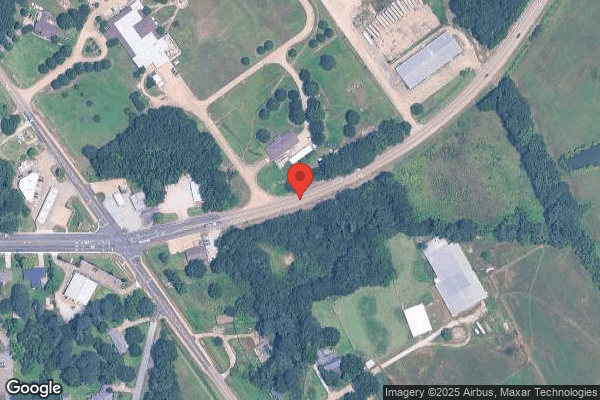
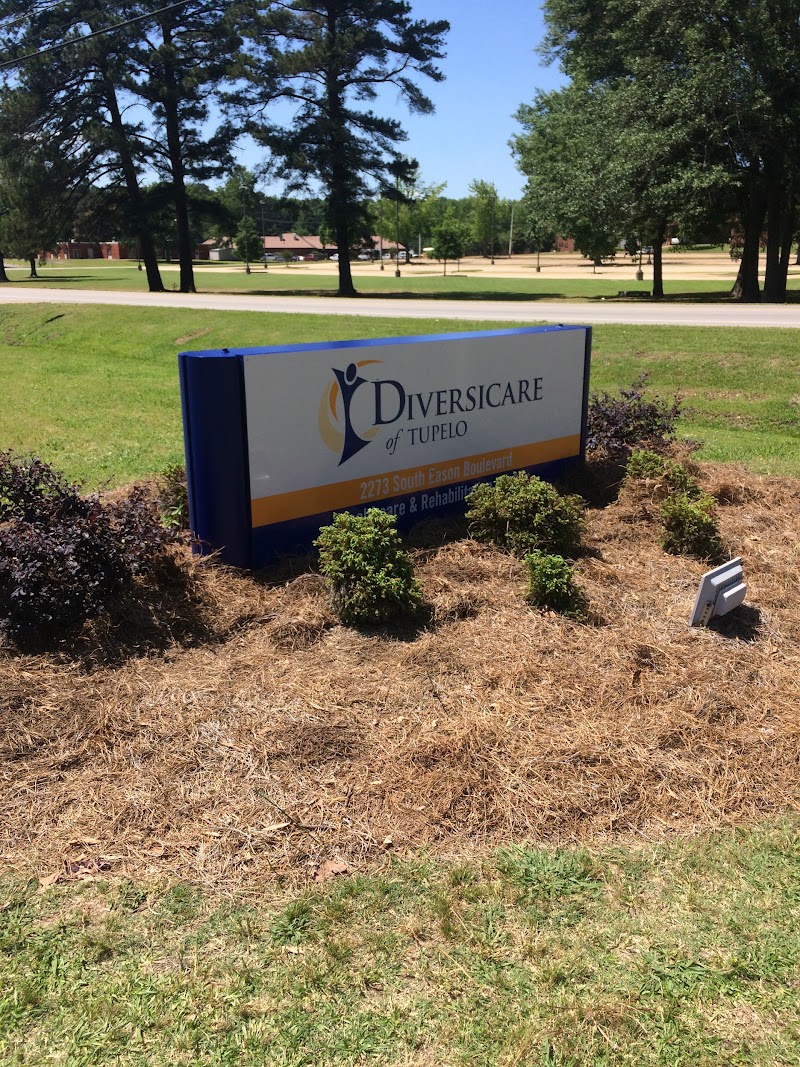
2273 SOUTH EASON BOULEVARD, TUPELO, MS 38804 (662) 842-2461
For profit - Corporation 120 Beds DIVERSICARE HEALTHCARE Data: November 2025
Trust Grade
33/100
#159 of 200 in MS
Last Inspection: September 2024

Within standard 12-15 month inspection cycle. Federal law requires annual inspections.

Overview

Diversicare of Tupelo has received a Trust Grade of F, indicating significant concerns about the facility's overall quality and care. It ranks #159 out of 200 nursing homes in Mississippi, placing it in the bottom half of facilities statewide, and #3 out of 4 in Lee County, meaning there is only one local option that performs better. While the trend is improving, as the number of issues has decreased from 23 in 2024 to 3 in 2025, the facility still reported 45 total issues, including a serious incident where a resident fell and sustained injuries due to improper staff assistance. Staffing is rated average with a 3/5 star rating and a turnover rate of 44%, which is slightly below the state average, and the facility has good RN coverage that exceeds 79% of other facilities in Mississippi. However, the facility has also imposed fines totaling $11,496, which is concerning as it reflects ongoing compliance issues.

Trust Score
F
33/100
In Mississippi
#159/200
Bottom 21%
Safety Record
Moderate
Needs review
Inspections
Getting Better
23 → 3 violations
Staff Stability
○ Average
44% turnover. Near Mississippi's 48% average. Typical for the industry.
Penalties
✓ Good
$11,496 in fines. Lower than most Mississippi facilities. Relatively clean record.
Skilled Nurses
○ Average
Each resident gets 34 minutes of Registered Nurse (RN) attention daily — about average for Mississippi. RNs are the most trained staff who monitor for health changes.
Violations
⚠ Watch
45 deficiencies on record. Higher than average. Multiple issues found across inspections.
★☆☆☆☆
1.0
Overall Rating
★★★☆☆
3.0
Staff Levels
★★☆☆☆
2.0
Care Quality
★☆☆☆☆
1.0
Inspection Score
Stable
2024: 23 issues
2025: 3 issues

The Good

  • Full Sprinkler Coverage · Fire safety systems throughout facility
  • No fines on record
  • Staff turnover below average (44%)

    4 points below Mississippi average of 48%

Facility shows strength in fire safety.

The Bad

1-Star Overall Rating

Below Mississippi average (2.6)

Significant quality concerns identified by CMS

Staff Turnover: 44%

Near Mississippi avg (46%)

Typical for the industry

Federal Fines: $11,496

Below median ($33,413)

Minor penalties assessed

Chain: DIVERSICARE HEALTHCARE

Part of a multi-facility chain

Ask about local staffing decisions and management

The Ugly 45 deficiencies on record

1 actual harm
Aug 2025 1 deficiency 1 Harm
SERIOUS (G) 📢 Someone Reported This

A family member, employee, or ombudsman was alarmed enough to file a formal complaint

Actual Harm - a resident was hurt due to facility failures

Accident Prevention (Tag F0689)

A resident was harmed · This affected 1 resident

Based on observation, staff and resident interviews, record review, and facility policy review, the facility failed to ensure that staff followed the resident's Kardex requiring two-person assistance ...

Read full inspector narrative →
Based on observation, staff and resident interviews, record review, and facility policy review, the facility failed to ensure that staff followed the resident's Kardex requiring two-person assistance for bed mobility and toileting. This failure resulted in Resident #1 falling from the bed and sustaining actual harm in the form of a skin tear, facial swelling, bruising, and maxillary hematoma, with increased pain requiring a new order for tramadol, an opioid analgesic, for one (1) of three (3) residents reviewed for accidents. ( Resident # 1)Findings include: Review of the facility policy titled, “Resident Rights & Quality of Life Policy,” with an effective date of March 13,2020, revealed Procedure: A patient or resident has the right: … To receive services in a center environment that is safe. … Record review of the “Post Fall Review” for Resident #1 dated 7/25/25 revealed an investigation of the residents fall with an injury that indicated in an Interdisciplinary Team (IDT) Review: IDT met: “CNA (Certified Nurse Assistant) was in the room changing resident. Resident rolled over to be cleaned, reached for his over bed table and rolled off. Staff informed that resident requires (2) two persons assist with incontinent care.” A phone interview with the Director of Nursing (DON) on 8/11/25 at 11:08 AM confirmed that Resident #1 required a two person assistance for bed mobility and incontinent care and CNA #1 failed to provide care according to the Kardex resulting in the resident falling off of the bed obtaining a skin tear to the buttocks and bruising and swelling to the right side of the face. She also confirmed that Resident #1s Kardex read two persons assist for bed mobility and toileting on 7/25/25 the day of the incident. She admitted that the injuries from the fall resulted in increased pain for Resident #1 and the need for a new order for tramadol for pain. Record review of a computed tomography (CT ) scan of the facial bones for Resident #1 dated 7/29/25, revealed Impression “ Small right maxillary subcutaneous hematoma.” … Record review of the Kardex Reports for Resident #1 from 7/22/25-7/25/25 revealed ADL (activity of daily living) Assistance: Extensive assist with bed mobility x 2 (two). …Extensive assist x 2 (two) with toilet use. … Record review of the July 2025 Medication Administration Record (MAR) for Resident #1 revealed Tramadol 50 mg (milligrams) give one tablet by mouth every six hours as needed for pain ordered 7/25/25 and he received six doses of tramadol from 7/25/25-7/28/25. Further review revealed Resident #1 had only received one dose of Tylenol 325 mg, two tablets for pain in the month of July prior to the fall on 7/25/25. An interview with CNA #1 on 8/11/25 at 12:00 PM confirmed that she was turning Resident #1 over to provide incontinent care on 7/25/25, stating the resident turns with one to two staff “depending on his mood.” She stated that as she was turning the resident, he reached over toward his bedside table and fell off the bed. She confirmed she was required to review each resident’s Kardex to know the required care and that she believed the Kardex read one-to-two-person assist with bed mobility. An interview with CNA #2 on 8/11/25 at 12:10 PM revealed she had been working at the facility for about a month and had cared for Resident #1. She confirmed she was trained to follow the Kardex and stated Resident #1 required two-person assistance since she had been working with him. An interview with CNA #3 on 8/11/25 at 12:15 PM revealed they are to follow the Kardex to provide appropriate care. She stated she has been assigned to Resident #1 and confirmed he required two-person assistance for bed mobility and incontinent care because he is contracted. An interview with the Administrator (ADM) on 8/11/25 at 2:00 PM confirmed that after review of the Kardex for Resident #1 from 7/22/25-7/25/25 the date of the incident that the Kardex for Resident #1 read extensive assistance of (2) two for bed mobility and toileting and staff failing to do so resulted in the accident. Record review of the “admission Record” revealed Resident #1 was admitted by the facility on 11/10/2015 with a diagnosis of Hemiplegia and Hemiparesis following a Cerebral Infarction affecting the right dominate side. Record review of Resident #1s Section G (Activities of Daily Living) of the Minimum Data Set (MDS) with an ARD (Assessment Reference Date) of 7/15/25 revealed “Support” Bed mobility: was coded two-person physical assist. …Toileting: was coded two-person physical assist. …
Jun 2025 1 deficiency
CONCERN (E) 📢 Someone Reported This

A family member, employee, or ombudsman was alarmed enough to file a formal complaint

Potential for Harm - no one hurt, but risky conditions existed

Pharmacy Services (Tag F0755)

Could have caused harm · This affected multiple residents

**NOTE- TERMS IN BRACKETS HAVE BEEN EDITED TO PROTECT CONFIDENTIALITY** Based on resident representative interviews, staff interviews, record review, and facility policy review, the facility failed to...

Read full inspector narrative →
**NOTE- TERMS IN BRACKETS HAVE BEEN EDITED TO PROTECT CONFIDENTIALITY** Based on resident representative interviews, staff interviews, record review, and facility policy review, the facility failed to provide pharmacy services for obtaining medications timely for two (2) of four (4) residents sampled. Resident #1 and Resident #2 Findings include: Record review of facility's letterhead titled, Standards of Practice, undated, revealed, The expectation set forth by (facility's name) management is that nurses comply with current standards of practice in terms of following physician's orders. Record review of facility policy titled, Resident Rights and Quality of Life Policy, dated 3/13/20, revealed, It is the policy of (facility's name) that all patients and residents have the right to a dignified existence, self-determination, and communication with access to people and services inside and outside the center. Resident #1 During a phone interview on 6/17/25 at 12:10 PM, Resident #1's Representative (RR) revealed the resident was admitted to the facility on the evening on 5/13/25 and was sent to the hospital on 5/14/25 around 10:00 PM. He was admitted with a foot infection and Chronic Obstructive Pulmonary Disease (COPD) and was on medications for these conditions. RR stated he was uncertain if the resident received the medications and treatments needed for his infection and his lung illness prior to him returning to the hospital on [DATE]. During a phone interview on 6/17/25 at 3:26 PM, Licensed Practical Nurse (LPN) #1 revealed she had worked with Resident #1, and he had shortness of breath and she administered his as needed respiratory treatments around 3:00 AM and 9:00 PM which were effective. After his 9:00 PM treatment, he complained of chest pain, provider was notified, nitroglycerin was ordered and administered, and resident was sent to the hospital by ambulance. She revealed she was uncertain of any other medications received by the resident on admission. She revealed some medications were in the medication system in the facility, but others came from the pharmacy and if pharmacy had already brought meds to the facility, they would bring the ordered meds the next day. Record review of Resident #1's hospital Discharge Summary dated 5/13/25 revealed diagnoses of postoperative wound infection and osteomyelitis of left foot. Review revealed resident was discharged to facility on Vancomycin. Record review of Resident #1's discharge Medication List from hospitalization dated 5/13/25 at 2:53 PM, revealed Vancomycin every 12 hours. Record review of Progress Note dated 5/13/25 at 5:26 PM, revealed, Resident received to facility via (by) wheelchair van from (local hospital) in wheelchair accompanied via relative. Wound vac to left foot, resident non-weight bearing, morbidly obese. Able to make needs known with clear speech. Record review of Order Summary Report revealed an order for Vancomycin one gram intravenously (IV) two times a day related to acute osteomyelitis of left ankle and foot. Record review of Electronic Medication Administration Record (EMAR) revealed the resident did not receive the 5/13/25 evening dose or the 5/14/25 morning dose of Vancomycin as ordered. Record review of Discharge Summary for hospitalization dates of 5/14/25 through 5/15/25 revealed Reason for Hospitalization was COPD exacerbation. Record review of Resident #1's admission Record revealed he was admitted on [DATE] with diagnoses that included Type 2 Diabetes Mellitus, Chronic Obstructive Pulmonary Disease, Infection of the skin and subcutaneous tissue, disruption of external operation surgical wound. Record review of Resident #1's Minimum Data Set (MDS) dated [DATE] did not reveal a Brief Interview for Mental Status (BIMS) score with reason being resident is rarely/never understood. Resident #2 During a phone interview on 06/17/25 at 1:15 PM, Resident #2's Representative revealed the resident was admitted to the facility from the hospital on 5/27/25 and she stated he was in the hospital for seizures and pneumonia and was on medications for both conditions and these medications were to be continued during the facility stay. She was uncertain if he received his antibiotics for pneumonia and his other medications that the hospital ordered. On 5/31/25, Resident #2 was difficult to arouse and was sent to the hospital. Record review of Resident #2's Discharge Summary dated 5/27/25 revealed discharge diagnoses of status epilepticus and acute respiratory failure. Record review also revealed he was discharged with five more days of antibiotics for aspiration pneumonia. The discharge summary revealed Medication List at Discharge which included Amoxicillin and Clavulanate Potassium two times daily. Record review of Resident #2's Discharge Summary with admission date of 5/31/25 revealed resident was admitted to the hospital due to aspiration into airway and sepsis with acute hypoxic respiratory failure. Record review of Resident #2's Order Summary Report revealed an order dated 5/27/25 for Amoxicillin and Clavulanate Potassium (Augmentin) two times daily. Record review of Resident #2's Electronic Medication Administration Record (EMAR) revealed resident did not receive the evening dose of Augmentin on 5/27/25. During an interview with the Director of Nursing (DON) on 6/18/25 at 3:00 PM, she revealed if a resident is admitted in the late afternoon, the medications might not arrive from the pharmacy until the next day. A medication dispensing system is available in the facility with some medications, but other medications have to come from the pharmacy which was not local. The orders from the hospital are received prior to the arrival of the resident and are entered into the facility's system by the unit manager. If these medications are entered after a certain time, the system puts the start time for the next day, but the medication start time could be entered manually to prompt the nurse to administer the medication. The DON acknowledged that Resident #1 had orders for respiratory medication and antibiotics and he did not receive these as ordered. The DON acknowledged that Resident #2 had orders for antibiotics for pneumonia that he did not receive as ordered. She stated it was the nurses' responsibility to obtain information as to when the dose was last given at the hospital, administer medications as ordered, monitor the residents for any change in condition, and to notify the provider for concerns. An interview with the Administrator on 6/18/25 at 3:30 PM, revealed the facility admitted residents from the hospital without the needed medications and pharmacy services to provide physician ordered medications to the residents timely. Resident #1 did not receive the ordered Vancomycin and Resident #2 did not receive the ordered Augmentin. These medications were not available in the facility's medication dispensing system and had to be delivered to the facility from the pharmacy which was not local. She acknowledged that not receiving medications timely and missing doses of medications could lead to complications for the residents. She confirmed that residents were admitted to the facility with specific medication orders and the facility failed to provide pharmacy services to obtain and administer these medications timely for Resident #1 and Resident #2.
Jan 2025 1 deficiency
CONCERN (E) 📢 Someone Reported This

A family member, employee, or ombudsman was alarmed enough to file a formal complaint

Potential for Harm - no one hurt, but risky conditions existed

Resident Rights (Tag F0550)

Could have caused harm · This affected multiple residents

**NOTE- TERMS IN BRACKETS HAVE BEEN EDITED TO PROTECT CONFIDENTIALITY** Based on staff and resident interviews, record review, and facility policy review, the facility failed to honor residents' right...

Read full inspector narrative →
**NOTE- TERMS IN BRACKETS HAVE BEEN EDITED TO PROTECT CONFIDENTIALITY** Based on staff and resident interviews, record review, and facility policy review, the facility failed to honor residents' right to vote in the 2024 election for three (3) of six (6) residents sampled for resident's rights. Residents #4, #5, and #6 Findings Include: Record review of facility policy titled, Resident's Rights and Quality of Life, dated 5/1/12, revealed, It is the policy of (proper name removed) that all residents have the right to a dignified existence, self-determination, and communication with an access to people and services inside and outside the facility. A resident has the right to exercise his/her rights as a resident of the facility and a citizen or resident of the U.S. and be free of interference, coercion, discrimination, or reprisal by (proper name removed) or its employees for the exercise of such rights. During an interview on 1/16/25 at 11:10 AM, Resident #6 revealed she had told the staff several weeks before the 2024 presidential election that she wanted to vote with a mail-in ballot, but she was unable to. She stated, I wanted to vote, but I can't walk, and they didn't bring the ballot to me. An interview with Resident #7 on 1/16/25 at 11:15 AM revealed she had informed the facility staff that she wanted to vote in the 2024 presidential election and the staff told her they would get her a ballot, but she did not receive one. She stated, I wanted to vote, but I couldn't get there. During an interview on 1/16/25 at 11:45 AM, Resident #8 revealed he was registered and wanted to vote in the presidential election, but he was not taken to the poll. He stated that he was the son of a World War 2 veteran and his right to vote was taken away from him. He also stated, I'm an American and I have the right to vote. He stated he was very upset that he missed this opportunity because no one would take him. When asked if the staff asked him about identification, he said the facility had copies of his information and if there were other requirements, the staff should have assisted him. During an interview on 1/16/25 at 11:50 AM, Social Services #1 confirmed that not all of the residents that had expressed the desire to vote were given the opportunity on election day. She stated she worked with the residents that wanted to vote and completed their registration forms. She revealed she thought that with the registration forms, the residents would automatically receive their absentee ballots by mail. Towards the end of October, the residents that had previously requested the disabled status for absentee ballots received their ballots, but the ones she had registered had not received theirs. She called the Circuit Court and was told that if a resident was disabled, the resident must call and request the ballot to be mailed. She stated that there was only about a week left until the election and we didn't have time to help everybody call the Circuit Court. She acknowledged it was her responsibility to ensure that each resident's right to vote was honored and because she failed to research the proper steps in this process, many residents were unable to vote. She confirmed the facility failed to ensure that each resident that desired to vote was given the opportunity. An interview with the Administrator on 1/16/25 at 11:55 AM confirmed that each resident had the right to vote, and the facility failed to ensure they were assisted properly. Record review of the list of residents that were currently registered and newly registered for voting revealed 47 residents who desired to vote. Record review of the list titled, Voting 11/5/24 revealed nine (9) residents voted with absentee ballots, four (4) residents voted at the poll, one (1) listed as not having identification (Resident #8), one listed as being at dialysis, and six (6) declined to go to the poll. Record review of Resident #6's admission Record revealed the facility admitted the resident to the facility on [DATE]. Diagnoses included Heart Failure, Hypertension, and Hypertensive Heart and Chronic Kidney Disease. Record review of Resident #6's Minimum Data Set (MDS) with an Assessment Reference Date (ARD) of 12/16/24, revealed a Brief Interview for Mental Status (BIMS) score of 15 which indicated the resident was cognitively intact. Record review of Resident #7's admission Record revealed the facility admitted the resident on 11/24/23. Diagnoses included Type 2 Diabetes Mellitus, Abnormalities of Gait and Mobility, and Peripheral Vascular Disease. Record review of Resident #7's MDS with an ARD of 12/1/24, revealed a BIMS score of 15 which indicated the resident was cognitively intact. Record review of Resident #8's admission Record revealed the facility admitted the resident on 5/2/23 originally with the most recent admission of 4/2/24. Diagnoses included Alzheimer's Disease, Hypertensive Heart Disease, and Hypertension. Record review of Resident #8's MDS with an ARD of 1/8/25, revealed a BIMS score of 9 which indicated the resident had a moderate cognitive impairment.
Sept 2024 18 deficiencies
CONCERN (D) 📢 Someone Reported This

A family member, employee, or ombudsman was alarmed enough to file a formal complaint

Potential for Harm - no one hurt, but risky conditions existed

Deficiency F0561 (Tag F0561)

Could have caused harm · This affected 1 resident

Based on observation, resident and staff interview, meal ticket review, and facility policy review, the facility failed to honor a resident's choice for sweet tea with meals for one (1) of twenty-two ...

Read full inspector narrative →
Based on observation, resident and staff interview, meal ticket review, and facility policy review, the facility failed to honor a resident's choice for sweet tea with meals for one (1) of twenty-two sampled residents. Resident #44 Findings Include: Review of the facility policy titled Resident's Rights and Quality of Life with a revision date of 5/1/12 revealed under, Policy Statement: It is the policy of (Proper Name) that all residents have the right to a dignified existence, self-determination, and communication with an access to people and services inside and outside the facility. An interview with Resident #44 on 9/16/24 at 11:06 AM revealed, she wanted sweet tea with meals, and it had been over a month since she had gotten it. She stated she had told them, but they keep sending unsweet tea and she just cannot drink it. An observation and interview with Resident #44 on 9/16/24 at 12:42 PM revealed, she received a glass of tea with her lunch meal. The resident revealed the tea was unsweet. The meal ticket provided with the lunch tray dated 9/17/24 read, Sweetened Iced Tea- 8 oz (ounces). An observation of the lunch meal on 9/17/24 at 12:48 PM revealed, Resident #44 received a glass of tea. The tea was sampled by the resident and the tea was confirmed to be unsweet. An interview with the Dietary Manager (DM) on 9/17/24 at 12:51 PM revealed the kitchen staff followed the meal cards to prepare the meal trays. She confirmed Resident #44's meal ticket listed sweet tea, and the resident did not receive it. She revealed the resident should be able to make choices regarding things she likes to eat and drink, and her preferences should be honored. Record review of the quarterly Minimum Data Set (MDS) with an Assessment Reference Date (ARD) of 7/1/24 revealed, under section C, a Brief Interview for Mental Status (BIMS) summary score of 15, which indicated Resident #44 was cognitively intact. Record review of the admission Record revealed the facility admitted Resident #44 on 11/10/22 with a medical diagnosis of Chronic Obstructive Pulmonary Disease.
CONCERN (D)

Potential for Harm - no one hurt, but risky conditions existed

Deficiency F0578 (Tag F0578)

Could have caused harm · This affected 1 resident

**NOTE- TERMS IN BRACKETS HAVE BEEN EDITED TO PROTECT CONFIDENTIALITY** Based on staff and resident interviews, record reviews, and facility policy reviews, the facility failed to ensure advance direc...

Read full inspector narrative →
**NOTE- TERMS IN BRACKETS HAVE BEEN EDITED TO PROTECT CONFIDENTIALITY** Based on staff and resident interviews, record reviews, and facility policy reviews, the facility failed to ensure advance directives were addressed or correct for three (3) of the 22 sampled residents. Resident #43, Resident #63, and Resident #84 Findings Included: Record review of facility policy titled, Advance Directives, dated [DATE], revealed, Policy Statement, (Proper Name) recognizes the dignity and value of each Resident's right to make health care decisions and to be fully informed of his or her complete health status. Furthermore, (Proper name) recognizes the right of each Resident to issue Advance Directives regarding his or her health care . 8. (Proper name) will provide education and training to its staff regarding its policies and procedures regarding Advance Directives. Resident #43 Record review of Resident #43's Mississippi Physician Orders for Sustaining Treatment (POST) for Advance Directives dated [DATE] revealed Do Not Resuscitate (DNR). The resident did not sign his Advance Directive on admission and the residents Brief Interview for Mental Status (BIMS) score was 09 in 02/2024. An interview on [DATE] at 3:15 PM, with Minimum Data Set (MDS) Nurse #1 and #2 agreed that if Resident #43 wanted to be a Full Code status then he should be able to make that decision. MDS Nurse #1 stated that the resident did not have a BIMS score on his most recent MDS BIMS because he refused to answer. An interview on [DATE] at 10:30 AM, with Resident #43 revealed he was unaware what DNR (Do Not Resuscitate) meant. The resident stated, What does that mean? Informed the resident that would mean Cardiopulmonary Resuscitation (CPR) would not be performed if needed. He stated, Why?' He confirmed he did not want to be a DNR, that he wanted to have CPR done if he needed it. He stated, Keep me alive if they can. An interview on [DATE] at 11:58 AM, with Social Services revealed that when the resident was first admitted he was very confused and hallucinating, but his cognition has improved and he should be able to make that decision for himself. An interview on [DATE] at 12:10 PM, with the Administrator confirmed that the resident can make medical decisions for himself and he has before. She stated for example that he has requested to go to the emergency room (ER) for different issues and we have sent him. An interview on [DATE] at 3:15 PM, with MDS Nurse #1 and #2 agreed that if Resident #43 wanted to be a Full Code status then he should be able to make that decision. An interview on [DATE] at 11:10 AM, with the Administrator confirmed that the resident could have been asked after his cognition improved if he wanted to still be a DNR. She stated that they discuss his code status in his care plan meetings but does not think they explained to him what a DNR meant. She revealed that they went to him yesterday and clarified that he wanted to be a full code, and his advance directive/code status was updated. Record review of Resident #43's admission Record revealed he was originally admitted to the facility on [DATE] with medical diagnoses that included Alzheimer's Disease. Under Advance Directive: DNR. Record review of Resident #43's MDS with an Assessment Reference Date (ARD) of [DATE] revealed no score for his BIMS score in Section C. Resident #63 Record review of Resident #63's Mississippi Physician Orders for Sustaining Treatment (POST) Effective date [DATE] revealed that under Cardiopulmonary Resuscitation (CPR), the resident had chosen Do Not Attempt Resuscitation (DNR), which the Resident signed on [DATE] and the physician signed on [DATE]. During an interview on [DATE] at 11:40 AM, Certified Nurse Aide (CNA) #2 revealed that to find out if a resident is a full code or DNR, we look at the kiosk in the hallway to see their code status. She revealed that, according to the kiosk, Resident #63 is a full code. She revealed that if I went into the resident's room and saw that he wasn't breathing, I would start CPR since I am CPR certified. In an interview on [DATE] at 11:55 AM, Resident #63 revealed that when he was first admitted to the facility, he had signed to be a DNR. He revealed that he now wants to be a full code. He revealed when I first came into the facility, I felt like really there was no hope; he revealed now I can see some improvement and would rather be resuscitated. In an interview on [DATE] at 3:45 PM, the Assistant Director of Nurses (ADON) confirmed that according to his written advance directive, he is supposed to be a Do Not Resuscitate (DNR). She confirmed that the electronic system revealed that he was a full code. She confirmed that the advance directives did not match, and they should. In an interview on [DATE] at 9:25 AM, Licensed Practical Nurse (LPN) #1 revealed she is the admissions nurse and stated, I remember talking with Resident #63 when he was admitted to the facility; he was very sick, and he wanted to be a DNR. She revealed when it was brought to her attention yesterday by the ADON, she went and spoke with Resident #63, and he revealed to her that when he came in, he was sick and wanted to be a DNR, but now he felt he was getting better and wanted to change his status to full code. She revealed that I guess it was just a missed error on our part to make sure the advance directives matched. In an interview on [DATE] at 11:20 AM, the ADM revealed that the Advance Directive Consent Form the resident chose and signed on admission did not match what was in the electronic system and that Resident #63 was able to make his own decisions. Record review Resident #63's admission Record revealed the resident was admitted to the facility on [DATE] with diagnoses that included Hypertensive heart disease, Hypokalemia, and Cerebral Infarction without residual deficits. Under Advance Directive: Full Code Record review of Resident #63's MDS with an ARD of [DATE], revealed the resident had a BIMS of 15 and was cognitively intact. Record review of Resident #63's MDS with an ARD of [DATE] revealed that the resident refused to recall words and stated that he was not doing the assessment. Staff interview: After standing and talking to the resident for 5 minutes, he was able to recall that I was there to conduct a memory assessment and repeated that he was not participating. Resident #84 A record review of Resident #84's Mississippi Physician Orders for Sustaining Treatment (POST) revealed only the resident's name and date of birth . The POST form was incomplete and did not reflect Resident #84's advance directives. The consent form had a physician's signature with a date of [DATE] and was signed by LPN #1 for the professional preparing the form. In an interview on [DATE] at 3:52 PM, with ADON, she confirmed that the resident's advance directive was not filled out but did have a doctor's signature on it. She revealed, I honestly can't tell what his code status is by looking at this because it is blank. In an interview on [DATE] at 9:40 AM, LPN #1 confirmed that the consent form for Resident #84 was signed by the Physician Assistant on [DATE]. She revealed that she didn't know what happened with this consent form or why the advance directive was not filled out for the resident and confirmed that it was done in error. In an interview on [DATE] at 11:25 AM, the ADM revealed that the physician doesn't pre-sign any forms. She revealed that when she spoke with the admissions nurse last night, she had stated she had, in error, slid the blank POST form in with the admission paperwork, and it was signed. She confirmed that his code status had not been addressed with the resident upon admission and revealed it was a careless error. Record review of Resident #84's admission Record revealed the resident was admitted to the facility on [DATE] with diagnoses that included Malignant neoplasm of prostate and Hyperlipidemia. Record review of Resident #84's MDS with an ARD of [DATE], under Section C revealed a BIMS score of 14, indicating that the resident was cognitively intact.
CONCERN (D)

Potential for Harm - no one hurt, but risky conditions existed

Deficiency F0583 (Tag F0583)

Could have caused harm · This affected 1 resident

Based on observation, staff interview and facility policy review the facility failed to ensure resident information was kept confidential and not accessible to the public for one (1) of four (4) surve...

Read full inspector narrative →
Based on observation, staff interview and facility policy review the facility failed to ensure resident information was kept confidential and not accessible to the public for one (1) of four (4) survey days. Findings Include: Review of the facility policy titled, Resident Rights and Quality of Life with an effective date of 5/1/2012 revealed under, The resident has the right to .personal privacy and confidentiality of personal and clinical records. An observation on 9/16/24 at 9:04 AM, revealed a medication cart sitting outside the dining room door leading to the B Hall with a visible list of resident names, room numbers, code status and if they were on hospice or dialysis laying on top of the medication cart for anyone to see. An interview and observation on 9/16/24 at 9:06 AM, with the Assistant Director of Nurses (ADON) confirmed the resident list of names was visible on top of the medication cart and would be a violation of the resident's privacy. She stated that the nurse should have put it away so that it could not be seen. She revealed the medication cart was Licensed Practical Nurse (LPN) #2 and she was not sure where she was. An interview and observation on 9/16/24 at 9:10 AM, revealed that LPN #2 walked from the other side of the facility to the medication cart and confirmed that she had left a list of resident names with room numbers and code status laying face up and visible on top of her medication cart. She stated that she had went to get some more medications and leaving the residents names visible would be a privacy issue. She confirmed the list of names should have been put away so no one could see it. An interview on 9/18/24 at 3:02 PM, with the Director of Nurses (DON) confirmed that the residents names and information should not have been left on top of the medication cart and confirmed that was a violation of the resident's privacy and personal information. Review of the list of resident names that was visible on top of the medication cart included all residents on the B Hall, which equaled 22 and four residents from the A Hall. This list included the resident's names, code status, room number and if they were hospice or dialysis.
CONCERN (D)

Potential for Harm - no one hurt, but risky conditions existed

Employment Screening (Tag F0606)

Could have caused harm · This affected 1 resident

Based on staff interview, record review and facility policy review, the facility failed to ensure that a new employee had a background check completed prior to working for one (1) of five (5) new empl...

Read full inspector narrative →
Based on staff interview, record review and facility policy review, the facility failed to ensure that a new employee had a background check completed prior to working for one (1) of five (5) new employee personnel records reviewed. Findings Include: Review of the facility policy titled, (Facilities Proper Name) Background Check Policy with a revision date of 2/13/17 revealed under, Policy .It is the policy of (Facilities Proper Name) Management Services, as part of its hiring procedures, to conduct criminal background checks on all applicants offered employment to support workplace productivity, safety and security. Record review of Registered Nurse (RN) Unit Manager's personnel file revealed she was hired by the facility on 8/13/24 and her background check was completed on 6/10/22 and was outdated. An interview on 9/19/24 at 11:10 AM, with the Administrator confirmed that new staff's background checks have to have been done within the last two years. She stated we have called to see if we could get a more up to date one but have not received an answer. An interview on 9/19/24 at 12:00 PM, with the Assistant Director of Nurses (ADON) revealed that the purpose of a background check is to make sure there are no allegations or disqualifying events that would prevent the staff member from working at this facility. An interview on 09/19/24 12:51 PM, with Human Resources confirmed that she knew that the background check needed to be within 2 years of hire and failed to realize RN Unit Manager's was out of date.
CONCERN (D)

Potential for Harm - no one hurt, but risky conditions existed

Deficiency F0657 (Tag F0657)

Could have caused harm · This affected 1 resident

Based on observation, resident and staff interview, record review, and facility policy review, the facility failed to ensure that a resident's comprehensive care plan was revised and updated for one (...

Read full inspector narrative →
Based on observation, resident and staff interview, record review, and facility policy review, the facility failed to ensure that a resident's comprehensive care plan was revised and updated for one (1) of 22 sampled residents. Resident #33 Findings Include: Record review of the facility policy titled, Care Plans with a revision date of 10/21 revealed under, Policy: . Care plans are developed by the interdisciplinary team and revised as needed according to resident and patient status or change. An observation of Resident #33 on 9/16/24 at 9:38 AM and on 09/17/24 at 8:30 AM revealed, she was lying in bed with a raised perimeter air mattress intact to the bed. An interview with the Director of Nursing (DON) on 9/17/24 at 10:30 AM revealed, Resident #33 had a raised perimeter air mattress to keep her from rolling out of the bed. Record review of Resident #33's Fall Care Plan revealed, the care plan was not revised to add the secured perimeter air mattress. An interview with the Administrator (ADM) on 9/18/24 at 2:40 PM, revealed the purpose of the care plan was to provide the necessary care and to allow staff to know how to care for the resident. She confirmed the care plan should have been revised to add the mattress to the fall prevention care plan. Record review of the admission Record revealed the facility admitted Resident #33 on 12/4/20 with a medical diagnosis that included Huntington's Disease.
CONCERN (D)

Potential for Harm - no one hurt, but risky conditions existed

Deficiency F0658 (Tag F0658)

Could have caused harm · This affected 1 resident

Based on resident and staff interview, record review, and facility policy review, the facility failed to follow nursing standards of practice for a resident with a physician order for intravenous (IV)...

Read full inspector narrative →
Based on resident and staff interview, record review, and facility policy review, the facility failed to follow nursing standards of practice for a resident with a physician order for intravenous (IV) antibiotics for one (1) of 22 sampled residents. Resident #20 Findings Include: Record review of a typed statement on facility letterhead, dated September 19, 2024, and signed by the Administrator revealed (Proper name of facility) does not have a policy on Standards of Practice. Record review of the August 2024 Medication Administration Record (MAR) for Resident #20 revealed, an order dated 8/4/24, Meropenem Intravenous Solution Reconstituted 500 MG (milligrams) use 500 MG (milligrams) intravenously every day shift for infection Urinary Tract Infection (UTI) for 5 (five) days in sodium chloride 0.9% (percent) 100 ml (milliliters) IVPB (intravenous piggyback). The MAR was initialed as administered on 8/5/24 and 8/7/24, with no documentation to support medication was administered on 8/6, 8/8, and 8/9 with the MAR left blank. An interview with Resident #20 on 9/19/24 at 8:35 AM, revealed she could not recall if she had an IV (intravenous therapy) recently or if she got all her IV antibiotics for the full 5 days. An interview and record review with the Registered Nurse (RN) Unit Manager #3 on 9/19/24 at 8:55 AM, revealed she would have been the nurse responsible for giving Resident #20's IV (intravenous therapy) antibiotic on 8/6/24, 8/8/24, or 8/9/24. RN Unit Manager #3 reviewed the MAR and confirmed it was not initialed as given. She revealed she would not have documented it under the progress notes. She stated, I know it was given. She confirmed that without documentation, it was not done. Record review of the Progress Notes for Resident #20 revealed, there was no documentation that the resident received the IV medication Meropenem for the dates of 8/6/24, 8/8/24, or 8/9/24. An interview with Licensed Practical Nurse (LPN) #5 on 9/19/24 at 11:00 AM revealed, Resident #20 returned from the hospital with a physician order for IV antibiotics for a UTI. She confirmed the antibiotic ordered on the MAR was not initialed for 8/6/24, 8/8/24, or 8/9/24 and revealed it looks like it was not done. She revealed not receiving the antibiotic could result in the infection worsening and sepsis. LPN #5 explained that the resident had a lot of urinary tract infections. An interview with the Director of Nursing (DON) on 9/19/24 at 11:26 AM, confirmed if the medication was not documented, then it was not done. She revealed it was the Unit Manager's responsibility to ensure the resident got the medication. Record review of the admission Record revealed the facility admitted Resident #20 on 6/23/24 with medical diagnoses that included Urinary tract infection and Dependence on renal dialysis. Record review of the Minimum Data Set (MDS) with an Assessment Reference Date (ARD) of 8/9/24, revealed, under section C, a Brief Interview for Mental Status (BIMS) summary score of 15, which indicated Resident #20 was cognitively intact.
CONCERN (D)

Potential for Harm - no one hurt, but risky conditions existed

Deficiency F0700 (Tag F0700)

Could have caused harm · This affected 1 resident

**NOTE- TERMS IN BRACKETS HAVE BEEN EDITED TO PROTECT CONFIDENTIALITY** Based on observation, staff interview, record review, and facility policy review, the facility failed to ensure residents were p...

Read full inspector narrative →
**NOTE- TERMS IN BRACKETS HAVE BEEN EDITED TO PROTECT CONFIDENTIALITY** Based on observation, staff interview, record review, and facility policy review, the facility failed to ensure residents were properly assessed and consent obtained for bed rails for two (2) of 22 sampled residents. Resident #33 and #60 Findings Include: Record review of the Facility policy titled, Restraint with an effective date of 11/28/16 revealed Process: . When a patient/resident is determined to need a restraint, an evaluation will be completed at least on a quarterly basis or with a significant change in the patients/residents condition. This evaluation will assist in determining continued need or possible reduction/elimination . Resident #33 An observation of Resident #33 on 9/16/24 at 9:38 AM, revealed, she was lying in bed, arousable with one-half (1/2) side rails that were up on both sides of the bed and a raised perimeter air mattress was intact to the bed. An observation on 9/17/24 at 8:30 AM, revealed Resident #33 was lying in bed with her eyes closed with one-half (1/2) side rails up on both sides of the bed with a raised perimeter air mattress to the bed. An interview with the Director of Nursing (DON) on 9/17/24 at 10:30 AM, revealed Resident #33 was having falls, so they applied the raised perimeter air mattress. She explained the resident was not supposed to have bed rails also on her bed and revealed she was not aware that the resident did. Record review of the Clinical Health Status Evaluation revealed .Evaluation: The resident will not utilize side rails at this time . An interview with Licensed Practical Nurse (LPN) #5 on 9/19/24 at 8:15 AM, revealed Resident #33 has Huntington's disease, and the resident used to try to get up, but no longer tried due to an overall decline in her health. She revealed the resident would frequently have her head up against the rails. An interview with the Assistant Director of Nursing (ADON) on 9/19/24 at 8:49 AM revealed, a side rail consent was not signed for Resident #33's bed rails. She revealed the resident was on hospice and when they delivered a new bed it had bed rails, and the staff did not recognize that the resident was not supposed to have them, and they had failed to complete the siderail assessment. Record review of the admission Record revealed the facility admitted Resident #33 on 12/4/20 with a medical diagnosis that included Huntington's Disease. Resident #60 An observation on 09/16/24 at 9:40 AM and again at 10:55 AM, revealed Resident #60 lying in bed with ½ side rails up at the middle of both sides of the bed. An observation on 09/16/24 at 12:05 PM revealed Resident #60 lying in bed with bilateral ½ side rails. An observation on 09/16/24 at 3:25 PM, revealed Resident #60 lying in bed with her head covered and propped up on the right-sided bed rail. An observation on 09/17/24 at 8:44 AM and again at 3:45 PM revealed Resident #60 lying in bed with ½ bed rails bilaterally centered in the middle of the bed that were raised. During an interview and observation on 09/18/24 at 8:50 AM, Registered Nurse (RN) #1 revealed she was assigned to the B hall today to give medications and revealed I'm not sure if (Proper name of Resident #60) is supposed to have side rails. RN #1 looked at the computer and stated, Let's go down there and look. RN #1 confirmed that the ½ bed rails were positioned in the middle of both sides of the resident's bed and that the resident's bed rails were not supposed to be in that position but rather used as an enabler at the top of the bed. In an interview on 09/18/24 at 10:46 AM, the DON confirmed that Resident #60 does not have a consent for side rails and revealed they were not supposed to be positioned down the sides of the resident's bed. She revealed that the resident is bedbound but can move about in the bed. In an interview on 09/18/24 at 3:11 PM, the Administrator revealed that Resident #60 is not supposed to have her rails used in the position of a bed rail. She stated, The staff should have caught that. Record review of the Clinical Health Status Evaluation revealed .Side Rail Assessment Screen dated 8/15/24 revealed .Resident has poor safety awareness due to decreased cognitive functioning . Based upon the above assessment findings: The Resident will not utilize side rails at this time . Record review of the admission Record revealed Resident #60 was admitted to the facility on [DATE] with diagnoses that included Type 2 Diabetes Mellitus, Abnormalities of gait and mobility, and Mixed Receptive-Expressive Language Disorder.
CONCERN (D)

Potential for Harm - no one hurt, but risky conditions existed

Deficiency F0804 (Tag F0804)

Could have caused harm · This affected 1 resident

**NOTE- TERMS IN BRACKETS HAVE BEEN EDITED TO PROTECT CONFIDENTIALITY** Based on observation, resident and staff interview, record review, and facility policy review, the facility failed to serve food...

Read full inspector narrative →
**NOTE- TERMS IN BRACKETS HAVE BEEN EDITED TO PROTECT CONFIDENTIALITY** Based on observation, resident and staff interview, record review, and facility policy review, the facility failed to serve food that met the residents' choices and failed to serve the food in an attractive and palatable manner for four (4) of twelve residents reviewed for dining. Resident #20, #27, #43, and #50. Findings Include: CROSS REFERENCE F565 Record review of the facility policy Menus revised 10/2022 revealed Menus will be planned in advance to meet the nutritional needs of the residents .6. Menus will be served as written, unless a substitution is provided in response to preference . Resident #20 An interview on 9/16/24 at 10:57 AM, with Resident #20 revealed, she did not like the food that she was served. An observation of the lunch meal on 9/16/24 at 12:50 PM revealed, Resident #20's meal ticket read, Renal and listed the foods as, Baked chicken breast on a bun, grilled cheese sandwich, garden pasta salad, green peas, apple crisp, soup, unsweetened tea 8 ounces. The food on the tray was untouched, and the resident revealed she could not eat it. Resident #20 reported the food did not look appealing and revealed she had the same thing every day. An observation of the chicken breast reveled it was thick, gray, was not moist, and did not resemble the look of a chicken breast or patty. The chicken was in between a dry bun. The garden pasta salad included mushy white noodles in sauce with green broccoli granules. An observation of Resident #20's lunch meal with the Dietary Manger (DM) on 9/16/24 at 12:55 PM, revealed the meat was a chicken breast and was cooked today. She acknowledged the garden pasta salad was mushy and revealed it should not be like that. She stated the broccoli looked that way because of the type of broccoli they used. The DM explained she was aware the resident did not like the food and revealed she had many dislikes. An observation of the lunch meal on 9/17/24 at 12:50 PM, for Resident #20 revealed, the meal consisted of steamed white rice, a bowl of green peas, a roll, peanut butter cookie and unsweetened tea. The resident was unhappy with the meal and stated, I can't just eat a pile of rice with nothing on it, and I had the same green peas yesterday. An observation and interview on 9/17/24 at 12:57 PM, of Resident #20's lunch meal with the DM revealed the lunch meal looked that way because the resident had so many dislikes. An interview with the Registered Dietician (RD) on 9/18/24 at 10:49 AM, revealed she had been working at the facility for about 3 months. She revealed the menu was given to them from corporate. The RD explained that she or the Dietary Manager update the resident preferences quarterly and on admit. The RD was made aware of the lunch meal served to Resident #20 on 9/16/24 and 9/17/24 and confirmed someone should have intervened and asked the resident about getting her something else to eat. An interview with the Director of Nursing (DON) on 9/18/24 at 2:25 PM, revealed she was aware Resident #20 refused many foods that were sent down to her. She revealed the resident did not comply with a renal diet, and the kitchen did try and accommodate for her choices by sending a grilled cheese sandwich and soup with lunch and supper. Record review of the admission Record revealed the facility admitted Resident #20 on 6/23/24 with medical diagnoses that included urinary tract infection and dependence on renal dialysis. Record review of the Minimum Data Set (MDS) with an Assessment Reference Date (ARD) of 8/9/24, revealed, under section C, a Brief Interview for Mental Status (BIMS) summary score of 15, which indicated Resident #20 was cognitively intact. Resident #27 An interview on 9/16/24 at 10:00 AM, with Resident #27 stated the food is terrible and the chicken was too hard to chew. Resident #27 revealed that she has received hash-browns that were still frozen inside and when she ask for an alternate meal then she got the same meal. She admitted she has complained to the aides, but that's the only people she knows to tell because that's who brings the meals in. An observation and interview with Resident #27 of the lunch meal on 9/17/24 at 12:44 pm revealed the resident received hamburger steak with gravy, fried potatoes and a roll. The hamburger patty was approximately and 1/8 inch thick and the brow gravy was watery and poured over the top of the hamburger patty. She stated its not good, but at least I can chew it. Record review of Resident #27's admission Record revealed the resident was admitted to the facility on [DATE] with medical diagnoses that included Type 2 Diabetes Mellitus. Record review of Resident #27's Minimum Data Set with an Assessment Reference Date of 7/25/24 revealed under Section C a Brief Interview for Mental Status score of 15, which indicates the resident is cognitively intact. Resident #43 On 9/16/24 at 10:03 AM, an interview with Resident #43 confirmed that the chicken taste like it's been cooked for weeks and is too hard to chew. He stated he has gone to the cook's multiple times and complained, but nothing has improved. An observation of the lunch meal on 9/17/24 at 12:44 PM, revealed that Resident #27 received a hamburger steak with gravy, fried potatoes and a roll. The hamburger patty was approximately an 1/8 inch thick, and the brown gravy was watery and thin and poured over the top of the hamburger patty. Record review of Resident #43's admission Record revealed he was admitted to the facility on [DATE] with medical diagnoses that included Alzheimer's Disease. Record review of Resident #43's MDS with an ARD of 7/23/24 revealed no score for his BIMS score in Section C. Resident #50 An observation of the lunch meal on 9/16/24 at 12:25 PM, revealed Resident #50 stated the food is terrible and that she has received hashbrowns that were still frozen inside. Resident #50 stated that the chicken for example is cooked to where it is too hard to even chew and the food is always cold. She revealed that she has asked for an alternate when she gets something she does not like or can't chew and she does not get the alternate, she gets a replacement of the same meal. Resident #50 she has complained to the aides about the food, because that was all she knew to do. Record review of Resident #50's admission Record revealed the resident was admitted to the facility on [DATE] with medical diagnoses that included Chronic Obstructive Pulmonary Disease. Record review of Resident #50's MDS with an ARD of 6/13/24 revealed under Section C a BIMS score of 14, which indicated the resident is cognitively intact. An interview on 09/18/24 at 8:25 AM, with the Administrator confirmed that food has been a concern for a while. We met once a month for a while, but when the Dietary Manager went out on maternity leave in March 2024 the committee dwindled away. She stated that residents were allowed to come to the meetings when they had them. On 9/18/24 at 9:30 AM, an interview with the DM and the District Dietary Manager they confirmed they have had complaints about food for a while. The DM stated that some of the complaints they have received have been about the residents not liking the chicken. She stated that she was off on maternity leave from March 2024 through May 2024 and confirmed that the food committee meetings that were being held once a month stopped after she left on maternity leave. She admitted that she still gets repetitive complaints about food. On 9/18/24 at 11:00 AM, an interview with the Administrator confirmed that food complaints have been ongoing and should have been resolved by now.
CONCERN (E)

Potential for Harm - no one hurt, but risky conditions existed

Resident Rights (Tag F0550)

Could have caused harm · This affected multiple residents

**NOTE- TERMS IN BRACKETS HAVE BEEN EDITED TO PROTECT CONFIDENTIALITY** Based on observation, resident and staff interviews, record review, and facility policy review, the facility failed to provide d...

Read full inspector narrative →
**NOTE- TERMS IN BRACKETS HAVE BEEN EDITED TO PROTECT CONFIDENTIALITY** Based on observation, resident and staff interviews, record review, and facility policy review, the facility failed to provide dignity to residents, as evidenced by leaving urinary catheter bags uncovered for two (2) of four (4) residents with a catheter. Resident #52 and Resident #190. Findings include: A review of the facility policy, Resident's Rights and Quality of Life dated 05/01/2012, revealed . all residents have the right to a dignified existence, self-determination, and communication with an access to people and services inside and outside the facility. Resident #52 An observation on 09/16/24 at 9:25 AM and again at 10:25 AM, revealed Resident #52 lying in bed, with the bed against the right wall. Resident #52's urinary catheter bag and tubing were exposed with approximately 100 cc (cubic centimeters) of urine in the catheter bag with no privacy covering over the urinary drainage bag. An observation and interview on 09/16/24 at 3:15 PM with the Assistant Director of Nurses (ADON) revealed all urinary catheter bags are to always be in a covered privacy bag. She confirmed that the urinary catheter bag without a privacy bag is a dignity issue, and the resident should have had a privacy bag over it when it was observed uncovered this morning. A record review of Resident #52's admission Record revealed the resident was admitted to the facility on [DATE] with diagnoses including Seizures, Urinary Tract Infection, and cognitive communication deficit. Record review of the Minimum Data Set (MDS) with an Assessment Reference Date (ARD) of 08/20/24, revealed under Section H- Bladder and Bowel That Resident #52 had an indwelling catheter. Resident #190 On 09/16/24 at 9:45 AM, an observation in Resident #190's room, revealed a catheter bag hanging on the left side of the bed with no privacy bag covering and it was observed with 350 milliliters (mls) of yellow urine in the drainage bag and it was facing the door. On 09/16/24 at 10:30 AM an observation and interview with Resident #190 revealed a urinary catheter bag hanging on the left side of the bed facing the doorway with no privacy bag in place. There was yellow urine draining into the catheter bag. Resident #190 revealed that therapy staff wheeled her down the hall to physical therapy with the uncovered catheter bag attached to her wheelchair nearly every day. Resident #190 revealed that she worried that other people would stare at her catheter and she stated, It makes me feel nasty. On 09/16/24 at 11:08 AM, an interview with Registered Nurse (RN) Unit Manager revealed that she walked through the facility this morning, saw that Resident #190's catheter bag was not in a privacy bag. RN Unit Manager revealed that having a urinary catheter bag uncovered was a privacy issue and that all catheter bags should be covered. On 09/17/24 at 10:15 AM, an interview with Director of Nursing (DON), revealed that all urinary catheter drainage bags should be covered due to privacy and dignity issues that it may cause the resident. She agreed that not having a privacy bag over Resident #190's urinary catheter bag was a dignity issue. On 09/16/24 at 10:20 AM, an interview with Physical Therapy Assistant (PTA), revealed that she had Resident #190 on her caseload and she received therapy services five days a week. PTA revealed that she transported Resident #190 to therapy in her wheelchair and that she hadn't paid much attention to her catheter bag. She revealed that she normally took the catheter bag from the bed, hooked it on the wheelchair and just went with it during transport to therapy. PTA agreed that transporting a resident with a catheter bag without a privacy bag was a dignity issue and the bag should be covered. She revealed that she would make sure from now on that all catheter bags were covered before transport to therapy. Record review of Resident #190's admission Record revealed an admission date of 09/06/24 and that she had diagnoses that included Obstructive and Reflux of Uropathy, Rhabdomyolysis, and Paraplegia. Record review of Resident #190's MDS with ARD of 09/13/24 under Section C revealed a BIMS Score of 14 which indicated that she was cognitively intact. Section H revealed that she had an indwelling catheter.
CONCERN (E)

Potential for Harm - no one hurt, but risky conditions existed

Deficiency F0565 (Tag F0565)

Could have caused harm · This affected multiple residents

**NOTE- TERMS IN BRACKETS HAVE BEEN EDITED TO PROTECT CONFIDENTIALITY** Based on resident and staff interview, record review and facility policy review the facility failed to ensure that all residents...

Read full inspector narrative →
**NOTE- TERMS IN BRACKETS HAVE BEEN EDITED TO PROTECT CONFIDENTIALITY** Based on resident and staff interview, record review and facility policy review the facility failed to ensure that all residents were made aware of the resident council meetings each month in order to make the choice to attend (Resident #27 and Resident #50) for two (2) of 16 residents reviewed. The facility also failed to resolve grievances for seven (7) of eight (8) resident council meetings. CROSS REFERENCE F804??????? Findings Include: Review of the facility policy titled Resident Council with an effective date of 5/1/12 revealed under Procedure .#4. Activity Director/SS Designee will provide written answers to questions, requests and grievances to the Resident Council. #5. The Activity Director/SS Designee shall communicate to all residents when and where resident council meetings are held . Record review of the Resident Council Meeting minutes confirmed that food concerns were discussed in the minutes for 9/24, 8/24, 7/24, 6/24, 5/24, 3/24 and 2/24. Food and menu concerns were mentioned and no resolution to the grievances. An interview and record review on 9/16/24 at 10:00 AM, with Residents #27 and Resident #50, Resident #27 stated that the food is terrible and that she has received hashbrowns before that were still frozen inside. She stated that when she ask for an alternate meal then she gets the same meal. Resident #50 confirmed that the same thing had happened to her and that she has complained to the aides, but that's all she knows to tell because that's who brings the meals in to her. Resident #27 stated the chicken is too hard to chew. They both agreed that they never know when the Resident Council Meetings are and Resident #50 stated that she has been here three (3) years, and she has been to one meeting. Resident #27 stated that she has never heard of a Resident Council Meeting. A review of the activities calendar in the resident's room revealed there was no Resident Council Meeting scheduled for September 2024 . An interview and record review on 9/16/24 at 10:10 AM with the Activities Director revealed that she had a Resident Council Meeting on 9/11/24, but confirmed it was not on the September Activities Calendar. She stated that sometimes she is not able to put it on the calendar because she has to coordinate with the dietary manager because they have complaints about food a lot. She revealed when she is not able to put the Resident Council Meetings on the Activities Calendar, then she puts it on a flyer and hangs it in the hall by the large activities calendar. She admitted that if residents did not see the flyer, then the only way they would know when the meeting was scheduled would be by word of mouth from other residents and staff. An interview on 9/16/24 at 10:03 AM, with Resident #43 confirmed that the chicken taste like it's been cooked for weeks and is too hard to chew. He stated he has gone to the cook's multiple times and complained, but nothing has improved. An interview on 9/16/24 at 12:30 PM, with Social Services confirmed that they have had a lot of complaints about the food, wanting a different menu or extra seasoning. She stated she handles grievances but food complaints from the Resident Council Meetings usually do not get put on a grievance form. She stated that she thinks dietary handles the complaints about the food but stated that she wasn't sure. An interview on 9/17/24 at 10:50 AM, with Resident #79 revealed the food is terrible and he has complained about it to the aides and the business office person and the dietician. He stated that the dietician has come and talked with him more than once, but nothing has improved. He stated that he usually does not get food that he likes. An observation of the lunch meal on 9/17/24 at 12:44 PM, revealed that Resident #27 received a hamburger steak with gravy, fried potatoes and a roll. The hamburger patty was approximately an 1/8 inch thick, and the brown gravy was watery and poured over the top of the hamburger patty. An interview on 9/17/24 at 3:00 PM, with the Activities Director revealed that she had not informed all residents of the meeting with the state surveyor for today. She stated that she had just let whoever was at the activities at 2:30 PM stay if they wanted. She stated that she started to put a flyer out but didn't. During the resident council meeting held on 9/17/24 at 3:05 PM Resident #25 revealed the food is terrible and she has complained about it in Resident Council before, but nothing has improved. Resident #3 confirmed they have complained about the food in Resident Council Meetings as well but have not gotten any resolution to their grievances. An interview on 9/17/24 at 3:40 PM, with the Administrator confirmed that all residents should be made aware of the time and date that the Resident Council Meetings are being held, because this is their home and that is their right to participate. She stated that complaints during the Resident Council Meetings do not necessarily get put on a grievance form. She revealed that if for example it was a complaint about the food then the dietary department would meet with the resident or residents that complained. An interview on 09/18/24 at 8:25 AM, with the Administrator confirmed that food has been a concern for a while. We met once a month for a while, but when the dietary manager went out on maternity leave in 3/2024 that committee dwindled away. She stated that residents were allowed to come to the meetings when they had them. An interview on 9/18/24 at 9:30 AM, with the Dietary Manager and the District Dietary Manager they confirmed they have had complaints about food for a while. The Dietary Manager stated that some of the complaints they have received have been wanting the menu changed, too many potatoes, not liking the chicken. The District Dietary Manager revealed most of the complaints have just been personal preferences by the residents. She stated that she was off on maternity leave from 3/24 through 5/24 and confirmed that the food committee meetings that were being held once a month stopped after she left on maternity leave. She admitted that she has gotten complaints from the resident council meetings and if she does not attend then the Activities Director just verbally tells her who complained and what it was about. She revealed that she then goes and talks to that resident. She revealed that she still gets repetitive complaints about food. An interview on 9/18/24 at 11:00 AM, with the Administrator confirmed that food complaints have been ongoing and should have been resolved by now and confirmed that this issue was an unresolved grievance. Record review of the Grievance Log for the last six (6) months revealed there was one grievance regarding disliking the food for Resident #25 on 5/20/24 and that the resident had requested a peanut butter and jelly sandwich with each meal. An interview on 09/19/24 at 8:51 AM, with Resident #25 confirmed she has complained about the food for a long time and recalls filing a grievance in 5/2024. When asked if she was getting her peanut butter and jelly sandwiches with every meal, she stated, I don't know what you are talking about, I don't want all those sandwiches. She stated that she had not received sandwiches of any kind with meals and doesn't want sandwiches. She stated her grievance was about the food and it has not been resolved as of yet. She confirmed that she just picks around on the food and stated, Have you tried it?, If so, then you know what we are going through. Record review of Resident #3's admission Record revealed the resident was admitted to the facility on [DATE] with medical diagnoses that included Cerebral Palsy. Record review of Resident #3's Minimum Data Set (MDS) with an Assessment Reference Date (ARD) of 8/3/24 revealed under Section C a Brief Interview for Mental Status (BIMS) score of 12, which indicated the resident is cognitively intact. Record review of Resident #25's admission Record revealed the resident was admitted to the facility on [DATE] with medical diagnoses that included Hypertensive Heart Disease without Heart Failure. Record review of Resident #25 MDS with an ARD of 8/6/24 revealed under Section C a BIMS score of 08, which indicated the resident is moderately cognitively impaired. Record review of Resident #27's admission Record revealed the resident was admitted to the facility on [DATE] with medical diagnoses that included Type 2 Diabetes Mellitus. Record review of Resident #27's MDS with an ARD of 7/25/24 revealed under Section C a BIMS score of 15, which indicated the resident is cognitively intact. Record review of Resident #43's admission Record revealed he was admitted to the facility on [DATE] with medical diagnoses that included Alzheimer's Disease. Record review of Resident #43's MDS with an ARD of 7/23/24 revealed no score for his BIMS score in Section C. Record review of Resident #50's admission Record revealed the resident was admitted to the facility on [DATE] with medical diagnoses that included Chronic Obstructive Pulmonary Disease. Record review of Resident #50's MDS with an ARD of 9/13/24 revealed under Section C a BIMS score of 15, which indicated the resident is cognitively intact. Record review of Resident #79's admission Record revealed the resident was admitted to the facility on [DATE] with medical diagnoses that included Chronic Kidney Disease, stage 3. Record review of Resident #79's MDS with an ARD of 7/15/24 revealed under Section C a BIMS score of 14, which indicated the resident is cognitively intact.
CONCERN (E)

Potential for Harm - no one hurt, but risky conditions existed

Safe Environment (Tag F0584)

Could have caused harm · This affected multiple residents

**NOTE- TERMS IN BRACKETS HAVE BEEN EDITED TO PROTECT CONFIDENTIALITY** Based on observation, resident and staff interviews, statement on facility letterhead and facility policy review, the facility f...

Read full inspector narrative →
**NOTE- TERMS IN BRACKETS HAVE BEEN EDITED TO PROTECT CONFIDENTIALITY** Based on observation, resident and staff interviews, statement on facility letterhead and facility policy review, the facility failed to maintain a clean and safe environment, as evidenced by a dirty wheelchair, (Resident #71) and electrical wires exposed on a bed control (Resident #12) for two (2) of the 22 residents sampled residents. Findings Include: A review of the statement on facility on letterhead signed by the Administrator and dated September 18, 2024, revealed, (Proper Name) utilizes the Embrace Program for our wheelchair cleaning and inspection of bed controls and electrical connections. A review of the facility policy titled Resident's Right and Quality of Life, dated May 1, 2012, revealed, A resident has the right: to receive services in a facility environment that is safe, clean, and comfortable . Resident #12 On 09/16/24 at 10:10 AM, an observation revealed Resident #12's electric bed control in disrepair and laying beside her in bed on her right side. The cord was frayed, and it had an area that measured approximately one-half inch with red, yellow, brown, blue, and black wires exposed. On 09/17/24 at 3:07 PM, an interview with Certified Nursing Assistant (CNA) #5, confirmed that Resident #12's bed control cord was torn with wires exposed and she revealed that she hadn't noticed it before. She revealed that this was an electrical fire hazard and needed to be fixed. CNA #5 revealed that anytime they noticed an issue like that, they reported it to maintenance, and they got right on it. On 09/17/24 at 3:10 PM, an interview with Registered Nurse (RN) Unit Manager, confirmed that Resident #12's bed control cord was frayed and had wires exposed. She revealed that this was a safety hazard, and she would put a work order in for maintenance to fix it. On 09/17/24 at 3:55 PM, an interview with Resident #12 revealed that the bed control cord had been torn since she had been at the facility and stated, That's been over a year. She also revealed that she was concerned that the exposed wires might burn her or cause a fire. On 09/17/24 at 4:00 PM, an observation and interview with Maintenance Supervisor, confirmed the exposed wires on the cord of Resident #12's bed control. He revealed that the wires were coated, and they were low voltage but if the covering came off and the wires touched, the resident could get a little tinge from it. Record review of Resident #12's admission Record revealed an admission date of 02/17/23 and that she had diagnoses that included Type 2 Diabetes Mellitus, Chronic Kidney Disease, and Need for Assistance with Personal Care. Record review of Resident #12's Minimum Data Set (MDS) with Assessment Reference Date (ARD) of 07/05/24 under Section C revealed a Brief Interview for Mental Status (BIMS) score of 15 which indicated that she was cognitively intact. Resident # 71 On 9/16/24 at 9:25 AM, an observation revealed Resident #71's wheelchair base and wheel spokes with a thick, grayish-dried substance and food crumbs on the wheelchair base. An observation on 9/17/24 at 9:05 AM, revealed Resident #71 sitting in the smoking area in a wheelchair with a thick, grayish-dried substance and food crumbs on the wheelchair base. In an interview on 9/17/24 at 10:50 AM, Resident #71 revealed that his wheelchair is filthy and needs to be cleaned. During an interview on 9/17/24 at 11:05 AM, Certified Nurse Aide (CNA) #1 revealed he normally works the night shift, and they are responsible for cleaning the wheelchairs; there's a list we follow to ensure all the wheelchairs get cleaned. An interview and observation on 9/17/24 at 11:15 AM, the Assistant Director of Nurses (ADON) revealed that the night shift is responsible for cleaning the wheelchairs. She confirmed that Resident #71's wheelchair was dirty and appeared covered in dirt and food particles. She revealed the wheelchair should have been cleaned. A record review of Resident #71's admission Record revealed he was admitted to the facility on [DATE] with diagnoses that include Cerebral infarction and Need for Assistance with Personal Care. A record review of Resident #71's MDS with an ARD of 07/23/24, revealed a BIMS score of 14, which indicated the resident is cognitively intact.
CONCERN (E)

Potential for Harm - no one hurt, but risky conditions existed

Comprehensive Care Plan (Tag F0656)

Could have caused harm · This affected multiple residents

Based on observation, resident and staff interview, record review, facility policy review, the facility failed to implement a comprehensive care plan related to Activity of Daily Living (ADL) for Resi...

Read full inspector narrative →
Based on observation, resident and staff interview, record review, facility policy review, the facility failed to implement a comprehensive care plan related to Activity of Daily Living (ADL) for Resident #58, Resident #59 and for Resident #22 for smoking . For three (3) of 22 care plans reviewed. Findings Include: Facility policy titled, Care Plans, with no date, revealed, Care plans will be developed for all patients and residents based upon the Resident Assessment Instrument (RAI) manual guidelines. Care plans are developed by the interdisciplinary team and revised as needed according to resident and patient status or change. Resident #22 Record review of Resident #22's Care Plans with a date initiated of 5/29/21 revealed , Focus: At risk for smoking related injury related to: Smokes independently .Interventions .Observe patient for unsafe smoking behaviors or attempts to obtain smoking material from outside sources. Immediately inform facility management. Patient is not to have cigarettes or smoking material on person During an observation of Resident #22 on 9/16/24 at 10:00 AM, revealed he was lying in bed. with a cigarette box lying at the foot of the bed in a white and blue pack. Resident #22 revealed he was a smoker and stated, They don't let us keep cigarettes in our rooms. There's not anything in the pack. The box contained 1 cigarette and one-half (1/2) of a used cigarette butt. During an interview with the Administrator on 9/18/24 at 2:40 PM, revealed, the purpose of the care plan was to provide the necessary care and to allow staff to know how to care for the resident. An interview with the Assistant Director of Nursing (ADON) on 9/19/24 at 8:49 AM, confirmed Resident #22's care plan was not followed. Record review of the admission Record revealed the facility admitted Resident #22 on 2/24/24 with a medical diagnosis that included Personal history of nicotine dependence. Resident #58 Record review of Resident #58's Care Plan revealed that he had an ADL self-care performance deficit r/t (related to) contractures, decreased mobility with interventions initiated on 04/01/24 that included, BATHING/SHOWERING: Check nail length and trim and clean on bath day and as necessary. An observation and interview on 09/16/24 at 10:50 AM with Resident #58 revealed long jagged fingernails approximately one-half to three-fourths inch long on his bilateral hands. Resident #58 stated, They're slow on checking fingernails. He revealed that his shower days were Tuesday, Thursday, and Saturday and he confirmed that they did not take care of his nails like they were supposed to. An observation and interview on 09/17/24 at 11:27 AM, with Certified Nursing Assistant (CNA) #2 in Resident #58's room confirmed that he had long jagged fingernails on both hands and that his fingernails should be cut. On 09/18/24 at 9:10 AM, an interview with Minimum Data Set (MDS) Coordinator, revealed that they developed care plans to drive the care needed for the residents. She revealed that the care plans were patient specific. On 09/18/24 at 9:35 AM, an interview with Licensed Practical Nurse (LPN) #2, revealed that the Certified Nursing Assistants were supposed to check fingernails with every bath and as needed. She agreed that nail care was included in the care plan and if they left their fingernails long and dirty, they did not follow the care plan. An interview with Administrator (ADM) on 09/18/24 at 11:15 AM, confirmed that nail care was included in Resident #58's care plan and agreed that the staff did not follow the care plan for nail care. Record review of Resident #58's admission Record revealed an admission date of 05/02/22 and that he had diagnoses that included Cervical Disc Disorder with Myelopathy, Need for Assistance with Personal Care, and Muscle Weakness. Record review of Resident #58's Minimum Data Set (MDS) with Assessment Reference Date (ARD) of 07/01/24 under Section C revealed a Brief Interview for Mental Status Score (BIMS) of 15 which indicated that he was cognitively intact. Under Section GG revealed that he required partial to moderate assistance with showering and bathing himself and required substantial/maximal assistance with personal hygiene. Record review of Resident #58's Task Care Record revealed that a staff member signed that he received his shower on Saturday evening, 09/14/24. Resident #59 Record review of Resident #59's Care Plan initiated on 06/13/24 revealed that he had self care deficit related to history of CVA (Cerebrovascular Accident), decreased functional abilities, hemiplegia to left nondominant side, weakness. Interventions included, Nail, hair, and oral care daily and as needed and Provide cueing, supervision, and assistance with ADLs as needed. An observation and interview on 09/16/24 at 10:40 AM, with Resident #59 revealed long jagged fingernails on both hands and he had three fingernails on his right hand with brown substance underneath. He revealed that the aides helped with his baths every other day but they had not checked his fingernails in a while. Resident #59 revealed that he couldn't see that well and he needed help to keep them cleaned and trimmed. On 09/18/24 at 11:20 AM an interview with Administrator (ADM) revealed that nail care was included in Resident #59's care plan and she agreed that they did not follow their care plan for nail care. Record review of Resident #59's admission Record revealed an admission date of 06/12/24 and that he had diagnoses that included Hemiplegia, Cerebral Infarction, and Generalized Muscle Weakness. Record review of Resident #59's MDS with ARD of 09/09/24 under Section C revealed a BIMS Score of 15 which indicated that he was cognitively intact. Section GG revealed that he required setup or clean up assistance with personal hygiene needs. Section B revealed that his vision was highly impaired. Record review of Resident #59's Task Care Record revealed that a staff member signed that he received his shower on Monday evening, 09/16/24.
CONCERN (E)

Potential for Harm - no one hurt, but risky conditions existed

ADL Care (Tag F0677)

Could have caused harm · This affected multiple residents

Based on observation, resident and staff interview, record review, and facility policy review, the facility failed to provide the necessary assistance with Activities of Daily Living (ADL) care for a ...

Read full inspector narrative →
Based on observation, resident and staff interview, record review, and facility policy review, the facility failed to provide the necessary assistance with Activities of Daily Living (ADL) care for a resident requiring nail care (Resident #58, #59) and incontinent care (Resident #7) for three (3) of 22 sampled residents. Findings Include: Review of the facility policy ADL's (Activities of Daily Living) dated August, 2021, revealed, Policy: Ensure ADL's are provided in accordance with accepted standards of practice, the care plan, and reasonable accommodation of the resident's choices and preferences. An observation on 9/17/24 at 8:15 AM, revealed Resident #7 was lying in bed with eyes open, alert but confused and it was noted a very strong odor of urine in the room. An observation and interview with Certified Nurse Aide (CNA) #7 on 9/17/24 at 8:18 AM, confirmed the strong odor of urine in the room and confirmed the resident was incontinent and explained that she had not made a round on the resident since her shift started at 7 AM. The CNA revealed the last round would have been done on the 11-7 shift. The CNA pulled back the top cover and checked to see if the resident was wet. An observation revealed the resident had on two (2) blue incontinent briefs. The top brief was heavily saturated in urine. CNA #7 confirmed the resident was not supposed to have on 2 briefs and agreed it gives the impression that staff were not rounding and providing incontinent care, as they should be. She revealed she normally made rounds with the 11-7 shift, but she did not do it this morning and confirmed she should have. An interview with CNA #8 on 9/17/24 at 8:22 AM, revealed they were supposed to round on the residents every 2 hours or more if needed. She revealed they were required to make rounds with the off going shift to ensure the residents were clean and dry. An interview with the Director of Nursing (DON) on 9/17/24 at 11:00 AM, revealed not providing incontinent care timely and wearing 2 briefs could cause an increased risk for skin breakdown. She explained that using 2 briefs on a resident made it look like they were not wanting to make rounds on the residents. An interview with the Administrator on 9/17/24 at 11:10 AM, revealed the aides were responsible for making rounds on the resident every 2 hours, and if the resident was a heavy wetter, they were to increase their rounds to hourly or every 30 minutes. Record review of the Minimum Data Set (MDS) with an Assessment Reference Date (ARD) of 9/13/24 revealed under, bladder and bowel in section H, Resident #7 was always incontinent of bladder. Also revealed under section GG, the resident was dependent on staff for toileting hygiene. Record review of the admission Record revealed the facility admitted Resident #7 on 2/19/23 with a medical diagnosis of Unspecified Dementia. Resident #58 On 09/16/24 at 10:50 AM, an observation and interview with Resident #58 revealed long jagged fingernails approximately one-half to three-fourths inch long on his bilateral hands. Resident #58 stated, They're slow on checking fingernails. He revealed that his shower days were Tuesday, Thursday, and Saturday and he confirmed that they did not take care of his fingernails like they were supposed to. On 09/17/24 at 9:07 AM, an observation in Resident #58's room revealed long jagged fingernails on both of his hands. He revealed that he had his shower on Saturday night and revealed that they had not provided nail care. On 09/17/24 at 11:27 AM, an observation and interview with CNA#2 in Resident #58's room confirmed that he had long jagged fingernails on both of his hands. She revealed that long jagged fingernails could scratch him on his skin and cause a possible infection. On 09/18/24 at 9:35 AM, an interview with Licensed Practical Nurse (LPN) #4, revealed that the CNAs were supposed to check fingernails with every bath and as needed. On 09/17/24 at 11:45 AM, the Assistant Director of Nursing (ADON) confirmed that Resident #58's fingernails were long and jagged and needed to be cut. On 09/18/24 at 11:15 AM an interview with Administrator (ADM) revealed that nail care was supposed to be done during resident baths and showers. She revealed that the CNAs were also supposed to be checking nails every day and cleaning them as needed. She revealed that ADL concerns had been on-going and they were working on trying to fix issues. ADM confirmed that they should have identified these ADL concerns regarding the nails and fixed the problem. Record review of Resident #58's admission Record revealed an admission date of 05/02/22 and that he had diagnoses that included Cervical Disc Disorder with Myelopathy, Need for Assistance with Personal Care, and Muscle Weakness. Record review of Resident #58's MDS with ARD of 07/01/24 under Section C revealed a BIMS Score of 15 which indicated that he was cognitively intact. Record review of Resident #58's Task Care Record revealed that a staff member signed that he received his shower on Saturday evening, 09/14/24. Record review of Resident #58's MDS with ARD of 7/01/24 under Section GG revealed that he required partial to moderate assistance with showering and bathing himself and required substantial/maximal assistance with personal hygiene. Resident #59 On 09/16/24 at 10:40 AM, an observation and interview with Resident #59 revealed long jagged fingernails on both hands and he had three fingernails on his right hand with brown substance underneath. He revealed that the aides helped with his baths every other day but they had not checked his fingernails in a while. Resident #59 revealed that he couldn't see that well and he needed help to keep them cleaned and trimmed. On 09/17/24 at 11:25 AM, an interview with CNA #2 revealed that they had scheduled times for resident baths or showers and that they were supposed to check, clean and clip fingernails during that time. She revealed that personal hygiene included mouth care, nail care, peri-care and shaving. She confirmed that Resident #59's fingernails were long and jagged and should have already been taken care of. An observation and interview on 09/17/24 at 11:33 AM, with Registered Nurse (RN) #1 confirmed that Resident #59 had long jagged fingernails and brown substance underneath three fingernails on his right hand. She revealed that fingernails carried germs and could cause infection if Resident #59 scratched himself. Record review of Resident #59's admission Record revealed an admission date of 06/12/24 and that he had diagnoses that included Hemiplegia, Cerebral Infarction, and Generalized Muscle Weakness. Record review of Resident #59's MDS with ARD of 09/09/24 under Section C revealed a BIMS score of 15 which indicated that he was cognitively intact. Section B revealed that his vision was highly impaired. Section GG revealed that he required setup or clean up assistance with personal hygiene needs. Record review of Resident #59's Task Care Record revealed that a staff member signed that he received his shower on Monday evening, 09/16/24.
CONCERN (E)

Potential for Harm - no one hurt, but risky conditions existed

Accident Prevention (Tag F0689)

Could have caused harm · This affected multiple residents

Based on observation, resident and staff interview, and facility policy review, the facility failed to ensure that a residents' environment was free from accident hazards, as evidenced by, medications...

Read full inspector narrative →
Based on observation, resident and staff interview, and facility policy review, the facility failed to ensure that a residents' environment was free from accident hazards, as evidenced by, medications left at bedside and smoking paraphernalia in rooms for two (2) of 22 sampled residents. Resident #22 and #34 Findings include: Review of the facility policy titled Safe Smoking with an effective date of 11/1/16 revealed under, Purpose: 1. To maximize our ability to provide a safe environment for all residents/patients who smoke, while taking into account non-smoking residents . Record review of a typed statement on facility letterhead, dated September 17, 2024, and signed by the Administrator revealed (Proper name of the facility) does not have a policy for Medication Left at Bedside. The center utilizes the Medication Administration Clinical Competency. An observation of Resident #22 on 9/16/24 at 10:00 AM, revealed he was lying in bed. with a cigarette box lying at the foot of the bed in a white and blue pack. Resident #22 revealed he was a smoker and stated, They don't let us keep cigarettes in our rooms. There's not anything in the pack. The box contained 1 cigarette and one-half (1/2) of a used cigarette butt. An interview with the Director of Nursing (DON) on 9/17/24 at 11:00 AM, revealed the Administrator keeps the cigarettes locked up in her office and distributes 2 cigarettes in a zip lock baggie to each resident that was going to smoke at each break. She revealed, we tell the families that the residents can't have them and if they buy them, they must leave them with the Administrator. She revealed Resident #22 did go out with a friend and could be getting them that way. The DON explained that the aides and nurses know that when they see cigarettes' or a lighter on a resident, they cannot have it. An interview with the Administrator (ADM) on 9/17/24 at 11:10 AM, revealed the facility did not allow the residents to keep smoking paraphernalia and Resident #22 knew that. She revealed the resident had one friend that he went out of the facility with, but he knew the resident could not have them. She stated, I use the honor system. I can't go into his room and search or shake him down. She confirmed the resident could set something on fire in the building by keeping smoking materials. An interview on 9/19/24 at 10:50 AM, with the ADM revealed, she spoke to Resident #22 about having cigarettes in his room and the resident stated, When I go out to smoke, I need my cigarettes. She revealed all she could do to control the issues was the honor system. She explained on the weekends, if cigarettes were brought into the facility by families, they were given to the nurses and locked up. The ADM revealed the nurses give 2 cigarettes to the aides for smoke break, so the residents do not have access to the materials. Record review of the admission Record revealed the facility admitted Resident #22 on 2/24/24 with a medical diagnosis that included Personal history of nicotine dependence. Record review of the Minimum Data Set (MDS) with an Assessment Reference Date (ARD) of 7/10/24 revealed, under section C, a Brief Interview for Mental Status (BIMS) summary score of 14, which indicated Resident #22 was cognitively intact. Resident #34 An observation of Resident #34's bedside dresser on 9/16/24 at 10:15 AM, revealed a bottle of Rolaids Antacid Ultra Strength #72 count, Magnesium 200 mg (milligrams) #60 count and a bottle of Multivitamin tablets #200 count. An interview with the resident revealed, he brought them from home and stated, I just take them when I think about it. An observation and interview with Registered Nurse (RN) #2 on 9/16/24 at 10:30 AM, revealed Resident #34 should not have medication in his room because he did not have an order to self-administer the medication. She confirmed anything could happen with the resident having bottles of medication at bedside. She revealed we could be double dosing him, causing a medication error. An interview with the ADM on 9/17/24 at 12:10 PM, revealed the facility was not aware Resident #34 had the medication in his room and was taking it. She revealed the resident did not have an order to self-administer meds, and confirmed he could potentially get overmedicated if he was receiving the same medications by the nurses. Record review of the admission Record revealed the facility admitted Resident #34 on 1/11/24 with a medical diagnosis that included Atherosclerotic heart disease. Record review of the MDS with an ARD of 7/9/24 revealed, under section C, a BIMS summary score of 15, which indicated Resident #34 was cognitively intact.
CONCERN (E)

Potential for Harm - no one hurt, but risky conditions existed

Deficiency F0761 (Tag F0761)

Could have caused harm · This affected multiple residents

Based on observation, staff interview and facility policy review the facility failed to ensure that medications were stored securely in a locked medication cart or locked storage room for two (2) of f...

Read full inspector narrative →
Based on observation, staff interview and facility policy review the facility failed to ensure that medications were stored securely in a locked medication cart or locked storage room for two (2) of four (4) medication carts used in the facility. Findings Include Record review of a typed statement on facility letterhead, dated September 18, 2024 and signed by the Administrator revealed (Proper name of facility) does not have a policy for Storage of Medications on top of the medication cart. An observation on 9/16/24 at 9:04 AM, revealed an unattended medication cart sitting outside the dining room near the beginning of the B Hall. The top of the cart contained a medicine cup full of a red liquid, a bottle of magnesium, Colace and calcium sitting on the top of the medication cart. An observation and interview on 9/16/24 at 9:06 AM, with the Assistant Director of Nurses (ADON) confirmed there was a medicine cup full of a red liquid, and three bottles of over-the-counter medication that included magnesium, Colace and a bottle of calcium. She stated that medication should never be left out on the medication cart while there is no nurse at the cart. She stated this is to prevent other residents from ingesting the medication that could lead to an accident or harm. She revealed that this medication cart belonged to Licensed Practical Nurse (LPN) #2 and she was not sure where she was. An interview and observations on 9/16/24 at 9:10 AM, revealed LPN #2 walked from the other side of the facility to her medication cart and confirmed that there was a medicine cup full of a red liquid, a bottle of magnesium, a bottle of Colace and a bottle of calcium sitting on top of the cart. She stated that she left the medication on top of the medication cart and went to get some more medication that she needed. She revealed that the red liquid was a protein supplement. She confirmed that all medications should have been put away because anyone coming by could have taken any of the medications that were left unsecured. An interview on 9/18/24 at 9:10 AM, with the Director of Nurses (DON) confirmed that medication should never be left on top of a medication cart unattended. She stated that any resident could have come by and drank or took that medication. An interview and record review on 9/19/24 at 12:25 PM, with the DON reviewed that the facility has four medication carts in the building. During an observation and interview on 09/17/24 at 12:40 PM, revealed Registered Nurse (RN) #1 standing at the B wing medication cart. RN #1 had medication cards in her hand. She opened the red narcotic binder and placed the medication cards inside the binder. RN #1 then closed the top of the binder, left the cart, and went down the hall. The medication card edges were visible and accessible to anyone passing the medication cart. RN #1 returned to the unattended medication cart at 12:43 PM. She confirmed four (4) medication cards, including Baclofen, Buspar, Augmentin, and Cyproheptadine, were left on the medication cart unattended and unsecured. She revealed she should not have left the medication on the cart unattended and confirmed it could have been a hazard for other residents who could have gotten into the medications.
CONCERN (E)

Potential for Harm - no one hurt, but risky conditions existed

Infection Control (Tag F0880)

Could have caused harm · This affected multiple residents

Based on observation, staff interviews, record review and facility policy review, the facility failed to fully implement Enhanced Barrier Precautions (EBP) precautions and failed to follow infection c...

Read full inspector narrative →
Based on observation, staff interviews, record review and facility policy review, the facility failed to fully implement Enhanced Barrier Precautions (EBP) precautions and failed to follow infection control measures while providing resident care for two (2) of four (4) survey days that had the potential to affect 11 residents on EBP and Resident #2 and Resident #20. Findings Include Review of the facility policy titled, Policies and Practices - Infection Control with an effective date of 11/1/17 revealed .Policy Statement: This center's infection control policies and practices are intended to facilitate maintaining a safe, sanitary and comfortable environment and to help prevent and manage transmission of diseases and infections . Record review of a typed statement on facility letterhead, dated September 18, 2024 and signed by the Administrator, revealed (Proper name of facility) uses the CDC (Centers of Disease Control) guidelines for the implementation of Enhanced Barrier Precautions. An observation of the facility on 09/16/24 from 10:00 AM until 11:30 AM revealed there was one (1) EBP sign on room A4 on the A-Hall. The tour of the B-Hall revealed there were (2) signs on (2) different rooms, and no signs were observed on the C- Hall or D- Hall. An interview on 09/16/24 3:13 PM, with Certified Nurse Assistant (CNA) #3 revealed she is not familiar with EBP and stated she has never been told anything about it and has no idea what it means. An interview on 09/16/24 3:24 PM, with Licensed Practical Nurse (LPN) #3 confirmed she has never heard of EBP and could only guess what it was. An interview on 09/16/24 at 3:35 PM, with Registered Nurse (RN)/Infection Preventionist revealed she thinks enhance barrier precautions means that she would like for staff to wear gloves if there is a suspicion on an infection and if it is air born then she would want them to wear a mask. An interview on 09/16/24 at 3:56 PM, with CNA #4 on A Hall revealed she was aware of what EBP is because she works in another facility, but has not been told anything about it at this facility. An interview on 09/16/24 at 03:58 PM, with CNA #5 on the B Hall revealed she may have attended an in-service about EBP, but she is not certain. She stated she thinks it means that they have to use extra precautions for residents with a EBP sign on their door. She confirmed that if there were two residents in a room with a EBP sign on the door, then she would not know which resident was in EBP. She revealed since she would not know which resident needed EBP then she would use precautions with both and confirmed she does not know the purpose of EBP. An interview and observation on 09/17/24 at 11:05 AM, with CNA #2 revealed she was performing incontinent care on a resident on the C- Hall that had a EBP sign on their door. On interview she stated that they in serviced her yesterday about EBP and why it needs to be done. She stated that she did not know about EBP prior to yesterday, but now they have signs on the resident's doors that need it and to wear a gown and gloves when performing care. An interview on 09/17/24 at 11:10 AM with RN/Infection Preventionist confirmed that an in-service was done with the employees one on one yesterday. She admitted that additional residents were added for EBP after she learned more about it and signs were put on their doors. An interview on 9/17/24 at 11:20 AM, with the Director of Nurses (DON) stated that they did an in-service on EBP two months ago. She stated that they had a different infection control nurse then and knows that she put signs on the resident's doors and educated the staff. She confirmed that more than three resident rooms should have had signs for EBP. She stated that the actual follow-up to the in-service auditing performance would have been done by the infection control nurse that was here when we implemented it. She agreed she should have been aware that it was not being implemented and felt like the infection control nurse would have told her. An interview on 9/17/24 at 11:40 AM with the Administrator confirmed she is not sure why after in servicing two months ago that EBP was not known by staff and implemented or why the signs were not on the doors like they should have been She confirmed that someone should have audited staff after the in-service and implementation of EBP to make sure it was going correctly. She revealed the purpose of EBP is to prevent the staff from giving the resident an infection and from the staff bringing an infection out and giving it to someone else. Record review of a typed list of residents on EBP dated 9/17/24 and signed by the Administrator revealed on 9/16/24 upon the State Agency (SA) entrance to the facility there were four (4) residents listed on EBP. On 9/17/24 the list was revised and included 11 residents listed on EBP. Resident #20 An observation and interview outside Resident #20's room on 9/16/24 at 9:18 AM, revealed the door was open. Upon entering the room, the privacy curtain was pulled in the middle of the room, and a blue and white soiled disposable bed pad could be seen lying on the floor with a dark brown substance on it. Certified Nurse Aide (CNA) #8 was assisting the resident and revealed she was helping the resident with her colostomy bag. She confirmed the bed pad was soiled and revealed it should not be placed on the floor and should be bagged and disposed of. She revealed this action could spread germs throughout the facility. An interview with the Administrator (ADM) on 9/17/24 at 12:10 PM, revealed soiled trash should never be placed on the floor and should be placed in a bag and transported out of the room. She confirmed placing soiled trash on the resident's floor was an infection control concern. Resident #2 During an observation of medication pass on 9/18/24 at 8:15 AM, with LPN #6, she prepared Resident #2's PEG (Percutaneous Endoscopic Gastrostomy) medication and stopped at the resident's door to read the sign posted that read, Enhanced Barrier Precautions. LPN #6 entered the room and administered the residents' medications via PEG tube without donning (putting on) a gown. An interview with LPN #6 on 9/18/24 at 8:35 AM, confirmed she did not put on a gown to practice enhanced barrier precautions while administering Resident #2's medications. She revealed that she did stop and read the sign on the door, but the sign did not specify that she needed to practice precautions while giving PEG meds. LPN #6 revealed she had been in-serviced on the measures, but she must have missed the part about the need to dress out with peg meds. She confirmed that a peg tube was considered an indwelling medical device and stated, It makes sense. An interview with the Director of Nursing (DON) on 9/18/24 at 9:10 AM, confirmed staff should be using EBP with the medications given by feeding tube and revealed the staff have all been in-serviced on that. Record review of the admission Record revealed the facility admitted Resident #2 on 5/19/23 with medical diagnoses that included Unspecified dementia and Encounter for fitting and adjustment of other gastrointestinal appliance and device.
CONCERN (F)

Potential for Harm - no one hurt, but risky conditions existed

Administration (Tag F0835)

Could have caused harm · This affected most or all residents

Based on observation, resident and staff interviews, and record review, the facility failed to be administered in a manner that allowed it to use its resources effectively to ensure the well-being of ...

Read full inspector narrative →
Based on observation, resident and staff interviews, and record review, the facility failed to be administered in a manner that allowed it to use its resources effectively to ensure the well-being of its residents for four (4) of the four (4) days of the survey. Findings Include This tag is cross referenced to F 565, F 677, F 689, F 761, and F 880 A review of the typed statement on facility letterhead revealed that the facility did not have an Administration Policy and was signed by the Administrator. F 565 On 9/17/24 at 3:05 PM, during the resident council meeting held Resident #25 revealed that the food is terrible. She has complained about it in the resident council before, but nothing has improved. Resident #3 confirmed that they have complained about the food in resident council meetings every month and nothing is done. Resident #25 and Resident #50 stated that they never know when the resident council meeting is going to be each month because it is not put on the monthly activity calendar During an interview on 9/17/24 at 3:40 PM, with the Administrator confirmed that all residents should be made aware of the time and date of the resident council meetings are being held, because this is their home and that is their right to participate. She stated that complaints during the resident council meetings do not necessarily get put on a grievance form. She revealed that if for example it was a complaint about the food then the dietary department would meet with the resident or residents that complained. Record review of the resident council meeting minutes confirmed that food was discussed in the resident council meeting minutes for 9/24, 8/24, 7/24, 6/24, 5/24, 3/24 and 2/24 food and menu concerns were mentioned. During an interview with the Administrator on 09/18/24 at 8:25 AM, confirmed that food had been a concern for a while. During an interview on 9/18/24 at 11:00 AM, the Administrator confirmed that food complaints have been ongoing and should have been resolved by now. F 677 Resident #7 During an observation on 9/17/24 at 8:15 AM, revealed Resident #7 was lying in bed with eyes open, alert but confused. It was noted when entering the room that there was a very strong odor of urine in the room. During an observation and interview with Certified Nurse Aide (CNA) #7 on 9/17/24 at 8:18 AM, confirmed the strong odor of urine in the room. She revealed the resident was incontinent and explained that she had not made a round on the resident since her shift started at 7 AM. CNA #7 revealed the last round would have been done on the 11-7 shift. CNA #7 pulled back the top cover and checked to see if the resident was wet. An observation revealed the resident had on 2 blue briefs. The top brief was heavily saturated in urine. CNA #7 confirmed the resident was not supposed to have on 2 briefs and agreed it gives the impression that staff were not rounding and providing incontinent care, as they should be. She revealed she normally made rounds with the 11-7 shift, but she did not do it this morning and confirmed she should have. During an interview with the Director of Nursing (DON) on 9/17/24 at 11:00 AM, revealed not providing incontinent care timely and wearing 2 briefs could cause an increased risk for skin breakdown. She explained that using 2 briefs on a resident made it look like they were not wanting to make rounds on the residents. During an interview with the Administrator on 9/17/24 at 11:10 AM, revealed the aides were responsible for making rounds on the resident every 2 hours, and if the resident was a heavy wetter, they were to increase their rounds to hourly or every 30 minutes. F 689 Resident #22 During an observation of Resident #22 on 9/16/24 at 10:00 AM, revealed he was lying in bed. with a cigarette box lying at the foot of the bed in a white and blue pack. Resident #22 revealed he was a smoker and stated, They don't let us keep cigarettes in our rooms. There's not anything in the pack. The box contained 1 cigarette and one-half (1/2) of a used cigarette butt. During an interview with the Director of Nursing (DON) on 9/17/24 at 11:00 AM revealed, the Administrator keeps the cigarettes locked up in her office and distributes 2 cigarettes in a zip lock baggies to each resident that was going to smoke at each break. She revealed, we tell the families that the residents can't have them and if they buy them, they must leave them with the Administrator. She revealed Resident #22 did go out with a friend and could be getting them that way. The DON explained that the aides and nurses know that when they see cigarettes' or a lighter on a resident, they cannot have it. She stated, We cannot search the resident's room or the resident for the items. During an interview with the Administrator (ADM) on 9/17/24 at 11:10 AM revealed, the facility did not allow the residents to keep smoking paraphernalia and Resident #22 knew that. She revealed the resident had one friend that he went out of the facility with, but he knew the resident could not have them. She stated, I use the honor system. I can't go into his room and search or shake him down. She confirmed the resident could set something on fire in the building by keeping smoking materials. Resident #34 During an observation of Resident #34's bedside dresser on 9/16/24 at 10:15 AM revealed a bottle of Rolaids Antacid Ultra Strength #72 count, Magnesium 200 mg (milligrams) #60 count, and a bottle of Multivitamin tablets #200 count. An interview with the resident revealed, he brought them from home and stated, I just take them when I think about it. An interview with the ADM on 9/17/24 at 12:10 PM, revealed that they (the staff) were not aware that Resident #34 had the medication in his room and was taking it. She revealed that the resident did not have an order to self-administer meds and confirmed that he could potentially get overmedicated if he was receiving the same medications from the nurses. F 761 During an observation on 9/16/24 at 9:04 AM, revealed an unattended medication cart sitting outside the dining room near the beginning of the B Hall. The top of the cart contained a medicine cup full of a red liquid, a bottle of magnesium, Colace and calcium sitting on the top of the medication cart. During an observation and interview on 9/16/24 at 9:06 AM, with the Assistant Director of Nurses (ADON) confirmed there was a medicine cup full of a red liquid, and three bottles of over-the-counter medication that included magnesium, Colace and a bottle of calcium. She stated that medication should never be left out on the medication cart while there is no nurse at the cart. She stated this is to prevent other residents from ingesting the medication that could lead to an accident or harm. She revealed that this medication cart belonged to Licensed Practical Nurse (LPN) #2 and she was not sure where she was. During an observation and interview on 09/17/24 at 12:40 PM, revealed Registered Nurse (RN) #1 standing at the B wing medication cart. RN #1 had medication cards in her hand. She opened the red narcotic binder and placed the medication cards inside the binder. RN #1 then closed the top of the binder, left the cart, and went down the hall. The medication card edges were visible and accessible to anyone passing the medication cart. RN #1 returned to the unattended medication cart at 12:43 PM. She confirmed four (4) medication cards, including Baclofen, Buspar, Augmentin, and Cyproheptadine, were left on the medication cart unattended and unsecured. She revealed she should not have left the medication on the cart unattended and confirmed it could have been a hazard for other residents who could have gotten into the medications. During an interview with the Director of Nurses (DON) on 9/18/24 at 9:10 AM confirmed that medication should never be left on top of a medication cart unattended. She stated that any resident could have come by and drank or took that medication. F 880 An observation outside Resident #20's room on 9/16/24 at 9:18 AM, revealed, the door was open. Upon entering the room, the privacy curtain was pulled in the middle of the room, and a blue and white soiled disposable bed pad could be seen lying on the floor with a dark brown substance on it. Certified Nurse Aide (CNA) #8 was assisting the resident and revealed she was helping the resident with her colostomy bag. She confirmed the bed pad was soiled and revealed it should not be placed on the floor and should be bagged and disposed of. She revealed this action could spread germs throughout the facility. An interview with the Administrator (ADM) on 9/17/24 at 12:10 PM, revealed, soiled trash should never be placed on the floor and should be placed in a bag and transported out of the room. She confirmed placing soiled trash on the resident's floor was an infection control concern. During an observation of the facility on 09/16/24 from 10:00 AM until 11:30 AM revealed there was one (1) EBP sign on room A4 on the A-Hall. The tour of the B-Hall revealed there were (2) signs on (2) different rooms, and no signs were observed on the C- Hall or D- Hall. During an interview on 09/16/24 3:13 PM, with Certified Nurse Assistant (CNA) #3 revealed she is not familiar with EBP. She stated she has never been told anything about it and has no idea what it means. During an interview on 09/16/24 3:24 PM, with Licensed Practical Nurse (LPN) #3 confirmed she has never heard of EBP and could only guess what it was. During an interview on 09/16/24 at 3:35 PM, with Registered Nurse (RN)/Infection Preventionist revealed she thinks enhance barrier precautions means that she would like for staff to wear gloves if there is a suspicion on an infection and if it is air born then she would want them to wear a mask. During an interview on 09/16/24 at 3:56 PM, with CNA #4 on A Hall revealed she was aware of what EBP, because she works in another facility, but has not been told anything about it at this facility. During an interview on 09/16/24 at 3:58 PM, with CNA #5 on the B Hall revealed she may have attended an in-service about EBP, but she is not certain. She stated she thinks it means that they use extra precautions for residents with a EBP sign on their door. She confirmed that if there were two residents in a room with a EBP sign then she would not know which resident was on EBP. She revealed since she would not know which resident needed EBP then she would use precautions with both. She confirmed she does not know the purpose of EBP. During an interview on 9/17/24 at 11:40 AM, with the Administrator revealed she is not sure why after in servicing two months ago that EBP that it was not known by staff and implemented or why the signs were not on the doors like they should have been. She confirmed that someone should have audited staff after the in-service and implementation of EBP to make sure it was going correctly. She revealed the purpose of EBP is to prevent the staff from giving the resident an infection and from the staff bringing an infection out and giving it to someone else. An observation of medication pass on 9/18/24 at 8:15 AM, with Licensed Practical Nurse (LPN) #6, revealed she prepared Resident #2's PEG (Percutaneous Endoscopic Gastrostomy) medication and stopped at the resident's door to read the sign posted that read, Enhanced Barrier Precautions. LPN #6 entered the room and administered Resident #2's medications via PEG tube without donning (putting on) a gown. An interview with LPN #6 on 9/18/24 at 8:35 AM, confirmed she did not put on a gown to practice EBP while administering Resident #2's medications. She revealed that she did stop and read the sign on the door, but the sign did not specify that she needed to practice precautions while giving peg (Percutaneous Endoscopic Gastrostomy) meds. LPN #6 revealed she had been in-serviced on the measures, but she must have missed the part about the need to dress out with PEG meds. She confirmed that a peg tube was considered an indwelling medical device and stated, It makes sense.
CONCERN (F)

Potential for Harm - no one hurt, but risky conditions existed

QAPI Program (Tag F0867)

Could have caused harm · This affected most or all residents

Based on observations, staff and resident interviews, record review, and facility policy review, the facility Quality Assurance and Assessment (QAA) committee failed to maintain implemented procedures...

Read full inspector narrative →
Based on observations, staff and resident interviews, record review, and facility policy review, the facility Quality Assurance and Assessment (QAA) committee failed to maintain implemented procedures and monitor interventions that the committee put into place following the recertification survey of 6/22/23. This was for deficiencies recited during a recertification survey on 9/16/24. The recited deficiencies included F 550, F565, F584, F656, F677, F689, F761, and F880. The continued failure of the facility during two state surveys indicates a pattern of the facility to sustain an effective QAA program. This was for eight (8) of 18 deficient practice citations. Findings Included: This citation is cross-referenced to: F 550, F 565, F 584, F 656, F 677, F 689, F 761, and F 880 Review of the facility policy titled Quality Assurance and Performance Improvement dated February 2017 revealed, Purpose: QAPI is a data driven, proactive approach to improving the quality of life, care and services in our centers. The activities of QAPI involve team members at all levels of the organization to identify opportunities for improvement; address gaps in systems or processes; develop and implement an improvement or corrective plan; and continuously monitor the effectiveness of our interventions. QAPI is consistent with our Service Standard: We continually strive to improve personal and company performance . During the recertification and complaint survey on 6/19/23 the facility was cited for F 550, F 558, F 565, F 584, F 623, F 625, F 656, F 677, F 689, F 690, F 725, F 761, and F 880. During the recertification and complaint survey on 9/16/24 the facility was cited for F 550, F 561, F 565, F 578, F 583, F 584, F 606, F 656, F 657, F 658, F 677, F 689, F 700, F 761, F 804, F 835, F 867, and F 880. During an interview on 9/18/24 at 11:30 AM, the Administrator (ADM) revealed our EMBRACE rounds, which are checklist sheets assigned to all department heads except maintenance. Our role with that program is to go out and catch the issues found and ensure they are immediately corrected. She revealed that she and the Director of Nurses (DON) have the whole building to round on and catch deficient practices. She revealed when the staff made their rounds, and they should have found the issues that the State Agents (SA) found again during this annual survey. She revealed I don't think we haven't gotten to the root cause of the issues. She confirmed she feels like the staff finds deficient practices when they do the Embrace rounds, then stated, but the follow-up is where we are missing it. An interview on 9/19/24 at 10:55 AM, the ADM revealed, regarding the re-cited deficient practices observed again with this survey, regarding Activities of Daily Living (ADL) care is something we have to work on continually and revealed what we are doing is still not working. She revealed we are all responsible for following-up and making sure that ADL care it is being done. Everybody that sees it has a responsibility even if they are not clinical and they see issues they are to report it to the clinical team. She revealed that the facility gets so focused on filling the shifts and staffing and just the day to day running of the center that we are missing those details, we are doing big picture stuff. She revealed, We are here every day, and we get kind of numb to it. I don't think it would be fair to say that it is only the floor staff that gets numb to it, all of us including myself and the DON have been in and out of rooms and should be catching these issues. The Administrator confirmed, there is a disconnect somewhere and revealed, while we are monitoring for a period of time we see improvement, but when we stop monitoring and following-up we start seeing complacency.
Jun 2024 3 deficiencies
CONCERN (D) 📢 Someone Reported This

A family member, employee, or ombudsman was alarmed enough to file a formal complaint

Potential for Harm - no one hurt, but risky conditions existed

Deficiency F0557 (Tag F0557)

Could have caused harm · This affected 1 resident

Based on observation, resident and staff interviews, record review, and facility policy review the facility failed to ensure that a resident was treated with dignity when she asked for assistance with...

Read full inspector narrative →
Based on observation, resident and staff interviews, record review, and facility policy review the facility failed to ensure that a resident was treated with dignity when she asked for assistance with toileting and a staff member refused for one (1) of eight (8) residents reviewed. Resident #1. Findings Include: Record review of the facility policy, Resident's Rights and Quality of Life dated May 1, 2012, revealed It is the policy of Advocate that all residents have the right to a dignified existence, self-determination, and communication with an access to people and services inside and outside the facility . On 06/11/24 at 10:30 AM, an observation and interview with Resident #1 revealed her sitting in a wheelchair propelling herself in her room. She revealed that she was not able to walk, that she wore briefs and required help to use the bathroom. She revealed that she pressed the call light when she needed her brief changed and they usually came within a few minutes. Resident #1 stated, I'm so tired of pissing my clothes. Resident #1 revealed that when she asked for help to the bathroom, the Certified Nursing Assistants (CNAs) often told her they didn't have time for all that and that it was too much trouble for them. Resident #1 also revealed that someone had once told her to go ahead and use the bathroom in her diaper and they would change her later. She revealed that she was fifty-three years old and stated, I don't feel right about doing that, especially having a bowel movement because it messes my clothes up. Resident #1 revealed that she would rather go into the bathroom and use the commode. Resident #1 revealed that she had a hard time standing because her left leg didn't work too well but they had a sit to stand lift they used to help her on the toilet. Resident stated, I need to pee now. At 10:34 AM, observed Resident #1 press her call light to ask for assistance with toileting. At 10:38 AM, CNA #1 entered Resident #1's room and asked her what she needed. While the State Agency was standing in the room, Resident #1 asked CNA #1 to help her go to the bathroom and CNA #1 stated, I can't help you with that. A brief interview with CNA #1 revealed that Resident #1 usually went to the bathroom in her brief and they changed her afterwards. CNA #1 stated, I'm sorry and revealed that she should have helped her go to the bathroom when she asked and that she would take her now. On 06/11/24 at 10:45 AM, an interview with Licensed Practical Nurse (LPN) #1, revealed that CNA #1 should have assisted Resident #1 to the bathroom when she asked. She revealed that she would report the incident to the Director of Nursing (DON) right away. She revealed that it was unacceptable behavior to refuse to meet a resident's needs. On 06/11/24 at 10:50 AM, an interview with DON revealed that when any resident asked for help to the bathroom, the CNAs were supposed to help them. The DON agreed that refusing to take a resident to the bathroom when asked and telling a resident to use the bathroom in their brief was a dignity issue and they would not tolerate this. On 06/11/24 at 11:15 AM, an interview with Administrator revealed that it was not acceptable behavior for any staff member to tell a resident to go in their brief, and they would change them later. She revealed that Resident #1 always used the bathroom, and that CNA #1 should have helped her to the bathroom when she asked to go. Record review of Resident #1's admission Record revealed an admission date of 09/14/2023 and her diagnoses included Reduced Mobility and Need for Assistance with Personal Care. Record review of Resident #1's Minimum Data Set (MDS) with Assessment Reference Date (ARD) of 03/13/24 under Section C revealed a Brief Interview for Mental Status (BIMS) score of 15 which indicated that she had no cognitive deficits.
CONCERN (D) 📢 Someone Reported This

A family member, employee, or ombudsman was alarmed enough to file a formal complaint

Potential for Harm - no one hurt, but risky conditions existed

Comprehensive Care Plan (Tag F0656)

Could have caused harm · This affected 1 resident

Based on observation, interview, record review and facility policy review the facility failed to implement Activities of Daily Living (ADL) care plans for two (2) of eight (8) residents reviewed. Resi...

Read full inspector narrative →
Based on observation, interview, record review and facility policy review the facility failed to implement Activities of Daily Living (ADL) care plans for two (2) of eight (8) residents reviewed. Resident #1 and Resident #8. Findings Included: Record review of the facility policy, Care Plans with effective date of October 2021, revealed care plans will be developed for all patients and residents based upon the RAI (Resident Assessment Instrument) manual guidelines. Care plans are developed by the interdisciplinary team and revised as needed according to resident and patient status or change. RESIDENT #1 Record review of Resident #1's Comprehensive Care Plan initiated on 09/22/2023 revealed that she had a self-care deficit related to decreased functional abilities, weakness and had interventions that included extensive assistance with personal hygiene and to provide cueing, supervision, and assistance with ADLs as needed. An observation and interview with Resident #1 on 06/12/24 at 10:20 AM revealed facial hair, one approximately two (2) inches long on her left lower jaw and there was an area approximately three inches by three inches with scattered black hairs over lower face and chin area. She stated, I don't like to have hair on my face, and I want it off. An observation and interview with Licensed Practical Nurse (LPN) #2 on 06/12/24 at 10:40 AM, confirmed the facial hair on Resident #1's left lower jaw and chin. LPN #2 revealed that Resident #1's facial hair should have been removed on her last bath day. Resident #1 stated to LPN #2, I don't want it refused, I want it shaved. Record review of Resident #1's CNA Bath & Shower Report revealed that the CNA marked No on Facial Hair Removed on 06/10/24. Record review of Resident #1's admission Record revealed an admission date of 09/14/2023 and her diagnoses included Reduced Mobility and Need for Assistance with Personal Care. Record review of Resident #1's Minimum Data Set (MDS) with Assessment Reference Date of 03/13/24 under Section C revealed a Brief Interview for Mental Status (BIMS) Score of 15 which indicated that she had no cognitive deficits. RESIDENT #8 Record review of Resident #8's Comprehensive Care Plan initiated on 06/03/2024 revealed that he had a Self-Care Deficit related to decreased functional abilities with interventions that included Nail, hair and oral care daily and as needed and Provide cueing, supervision, and assistance with ADLs (Activities of Daily Living) as needed. During an observation and interview with Resident #8 on 06/12/24 at 9:15 AM, revealed facial hair approximately three-fourths to one inch long covering his upper lip and a beard with hair approximately one-half inch long covering his bilateral facial area and chin. He stated, I would like to be shaved more often. He revealed that he also needed a toothbrush and some toothpaste so he could brush his teeth. Resident #8 revealed that he had not brushed his teeth since had had been admitted , which was over a week ago and he had been asking for a toothbrush and toothpaste and no one had provided these for him. An observation of Resident #8's teeth revealed a white substance between his upper teeth and gum line. An interview with CNA #3 on 06/12/24 at 9:50 AM, revealed that she was assigned to Resident #8 today and confirmed she had not assisted him with mouth care today. An interview and observation with LPN #2 on 06/12/24 at 10:30 AM, revealed that on bath days, the CNAs were responsible for bathing, nail care, and shaving facial hair unless the resident refused. LPN #2 revealed that the CNAs also were responsible for mouth care every day. LPN #2 confirmed the white substance between Resident #8's upper teeth and confirmed his facial hair which was approximately one-half inch long and his mustache which was approximately one inch long. Resident stated, I've been asking for these things since I got here. An interview on 06/12/24 at 10:50 AM, with Director of Nursing (DON), confirmed that facial hair on men and ladies should be addressed during their regular scheduled bath time and that the care plans should be followed for each resident. On 06/12/24 at 2:40 PM, an interview with the DON, revealed that the purpose of the comprehensive care plan was to tell about the residents to ensure that the staff knew how to take care of each resident. She revealed that each care plan was patient specific and individualized to meet their needs. The DON agreed that the care plans on Resident #1 and Resident #8 related to shaving and Resident #8's care plan related to mouth care were not followed. She revealed that Resident #1 and Resident #8 should have been shaved on their scheduled bath days and that Resident #1 should have received a toothbrush and toothpaste when he was admitted and been getting mouth care every day. Record review of Resident #8's admission Record revealed an admission date of 05/31/2024 and had diagnoses that included Myelodysplastic Syndrome and Need for Assistance with Personal Care. Record review of Resident #8's MDS with ARD of 06/07/2024 under Section GG revealed he required supervision or touching assistance to complete oral and personal hygiene including combing hair and shaving. Record review of Resident #8's POC Response History form revealed that he received a shower on 06/10/2024 and review of his CNA Bath & Shower Report revealed that Facial Hair Removed was marked No.
CONCERN (D) 📢 Someone Reported This

A family member, employee, or ombudsman was alarmed enough to file a formal complaint

Potential for Harm - no one hurt, but risky conditions existed

ADL Care (Tag F0677)

Could have caused harm · This affected 1 resident

Based on observation, interviews, record review and facility policy review the facility failed to provide oral care for a resident (Resident #8) and failed to shave residents (Resident #1 and Resident...

Read full inspector narrative →
Based on observation, interviews, record review and facility policy review the facility failed to provide oral care for a resident (Resident #8) and failed to shave residents (Resident #1 and Resident #8) for two (2) of eight (8) residents reviewed. Findings Include: Record review of the facility policy, ADL's (Activities of Daily Living) dated August 2021, revealed, Policy: Ensure ADL's are provided in accordance with accepted standards of practice, the care plan, and reasonable accommodations of the resident's choices and preferences . RESIDENT #1 On 06/12/24 at 10:20 AM, an observation and interview with Resident #1 revealed facial hair, one approximately two (2) inches long on her left lower jaw and there was an area approximately three inches by three inches with scattered black hairs that measured approximately one-half inch to three-fourths inch on her lower chin. Resident #1 revealed that she didn't like to have facial hair and wanted it gone. She revealed that the Certified Nursing Assistants (CNAs) had shaved it before but hadn't lately. She stated, I don't like to have hair on my face, and I want it off. On 06/12/24 at 10:40 AM, during an observation and interview Licensed Practical Nurse (LPN) #2 confirmed the facial hair on Resident #1's left lower jaw and chin. LPN #2 revealed that Resident #1's facial hair should have been removed on Monday, 06/10/24, when the CNAs gave her bath. She revealed that the CNAs had a bath sheet they filled out with every bath, and they had to check off what they completed unless the resident refused and if refused, they had to mark refused to that particular care area. Resident #1 stated to LPN #2, I don't want it refused, I want it shaved. Record review of Resident #1's POC (Plan of Care) Response History form revealed that she received a shower on 06/10/2024 prior to this survey entrance on 06/11/24. Record review of Resident #1's CNA (Certified Nursing Assistant) Bath & Shower Report revealed that the CNA marked No on Facial Hair Removed on 06/10/24. Record review of Resident #1's admission Record revealed an admission date of 09/14/2023 and her diagnoses included Reduced Mobility and Need for Assistance with Personal Care. Record review of Resident #1's Minimum Data Set (MDS) with Assessment Reference Date of 03/13/24 under Section C revealed a Brief Interview for Mental Status (BIMS) Score of 15 which indicated that she had no cognitive deficits. RESIDENT #8 On 06/12/24 at 9:15 AM, an observation and interview with Resident #8 revealed him lying in bed. He revealed that he received his baths about three times a week and had been shaven only once since he'd been here. An observation revealed facial hair approximately three-fourths to one inch long covering his upper lip and a beard with hair approximately one-half inch long covering his bilateral facial area and chin. Resident #8 revealed that while he was at home, he shaved two to three times a week. He stated, I would like to be shaved more often. He revealed that he also needed a toothbrush and some toothpaste so he could brush his teeth. Resident #8 revealed that he had not brushed his teeth since had had been admitted , which was over a week ago and he had been asking for a toothbrush and toothpaste and no one had provided these for him. An observation of Resident #8's teeth revealed white substance between his upper teeth and gumline. On 06/12/24 at 9:40 AM, an interview with CNA #2 revealed that they were supposed to provide mouth care to residents every day and that they shaved resident's facial hair when they provided their baths or showers. She revealed that if a resident could brush their own teeth, the CNAs assisted them with set up as needed and cleaned up afterwards. CNA #2 revealed that when a newly admitted resident came into the facility, they provided them with a wash basin, mouthwash, and toothbrush and toothpaste if these items were not brought from home. CNA #2 also revealed that if a resident refused mouth care, they were supposed to report it to the nurse. On 06/12/24 at 9:50 AM, an interview with CNA #3 revealed that they had a bath sheet they had to fill out on each resident and had to mark what care area was completed and what was refused. CNA #3 revealed that she was assigned to A-Hall today and confirmed that she had not assisted Resident #8 with mouth care today. On 06/12/24 at 9:55 AM, an interview with CNA #4 revealed that shaving was included in personal care and was supposed to be completed during residents' scheduled bath or shower time. She also revealed that resident mouth care was supposed to done every day. On 06/12/24 at 10:30 AM, an observation and interview with LPN #2 revealed that Resident #8 received his bath three times a week. She revealed that on bath days, the CNAs were responsible for bathing, nail care, and shaving facial hair unless the resident refused. LPN #2 revealed that the CNAs also were responsible for mouth care every day. She revealed that if a resident could brush his or her own teeth, the CNAs assisted with set up and they cleaned up afterwards. LPN #2 confirmed the white substance between Resident #8's upper teeth and confirmed his facial hair which was approximately one-half inch long and his mustache which was approximately one inch long. Resident #8 stated to LPN #2, I shaved two or three times a week at home, and I haven't been shaved but one time since I've been here. He revealed that he had not been able to brush his teeth since he'd been here in the facility because he didn't have a toothbrush or toothpaste and also stated to LPN, #2, I've been asking for these things since I got here. LPN #2 stated to Resident #8 that she would get the CNAs to shave him today and she would get him toothpaste and a toothbrush together now. On 06/12/24 at 10:50 AM, an interview with DON confirmed that facial hair on men and ladies should be addressed during their regular scheduled bath time. She also confirmed that Resident #8 should have been shaved on Monday, 06/10/24, when he got his shower and should have received a toothbrush and toothpaste and been assisted with mouth care every day since admission. Record review of Resident #8's MDS with ARD of 06/07/2024 under Section GG revealed that he required supervision or touching assistance to complete oral and personal hygiene including combing hair and shaving. Section C revealed a BIMS Score of 10 which indicated that he had moderate cognitive deficits. Record review of Resident #8's POC Response History form revealed that he received a shower on 06/10/2024 and review of his CNA Bath & Shower Report revealed that Facial Hair Removed was marked No. Record review of Resident #8's admission Record revealed an admission date of 05/31/2024 and had diagnoses that included Myelodysplastic Syndrome and Need for Assistance with Personal Care.
Feb 2024 2 deficiencies
CONCERN (D) 📢 Someone Reported This

A family member, employee, or ombudsman was alarmed enough to file a formal complaint

Potential for Harm - no one hurt, but risky conditions existed

Comprehensive Care Plan (Tag F0656)

Could have caused harm · This affected 1 resident

Based on observation, interviews, record reviews and facility policy review the facility failed to ensure that a comprehensive care plan was implemented for one (1) of nine (9) residents reviewed for ...

Read full inspector narrative →
Based on observation, interviews, record reviews and facility policy review the facility failed to ensure that a comprehensive care plan was implemented for one (1) of nine (9) residents reviewed for Activities of Daily Living (ADLs). Resident #1 Findings Include: Record review of the facility policy, MDS (Minimum Data Set) and Care Plans with effective date of August, 2019 revealed,Policy: Care plans and MDS will be developed and maintained per RAI (Resident Assessment Instrument) Guidelines. Record review of Resident #1's Care Plan initiated on 05/11/2023 revealed Focus: Self-Care Deficit related to: decreased functional abilities, impaired cognition/dementia, pain, weakness .Interventions . Assist with bathing as needed . Nail, hair, and oral care daily and as needed. Observe skin for alterations in skin integrity during baths and ADL (Activities of Daily Living) care - report to nurse as needed . During a phone interview on 02/08/24 at 12:50 PM, with Resident #1's Resident Representative (RR) revealed that the care at the facility was pretty good, but that they sometimes left soap in Resident #1's hair and left her fingernails too long. He revealed that her fingernails needed cutting real bad now. Resident's RR revealed that she holds her right hand closed tightly, and her fingernails dig into her hand, and stated, Can you get her nails taken care of for me? They need to open her hand up and wash it, it stinks. We shouldn't have to bring it to their attention, they should know how to take care of these people here. During an observation and interview on 02/07/24 at 1:30 PM, with Resident #1 revealed her lying in bed in her room with her right hand clasped shut in a tight fist with her fingernails pressed firmly against the palm of her hand. There were three indention's to the palm of her hand the shape and size of the end of the fingernail of her index, middle, and fifth fingers. There was redness observed in the palm of her hand near the base of her thumb where her index fingernail was pressing into the skin. It was also noted a foul odor when her hand was opened and Resident #1 stated, I want them cut. She revealed that she didn't like long fingernails and wanted someone to cut them. Her fingernails were observed to be about ½ inch long and also revealed that she had missed a few baths since she had been here. During an interview on 02/08/24 at 11:35 AM, with the Director of Nursing (DON), revealed that the purpose of the care plan was to be able to read and tell everything about the residents and what care they were supposed to receive so that the staff could take care of them. She agreed that if a resident's fingernails were not clipped and if a resident missed her baths, then the care plan was not followed. During an interview and record review on 02/08/24 at 1:20 PM, with the Administrator revealed after reviewing Resident #1's Documentation Survey Report that her baths were not documented for four days in January 2024. She revealed that documentation was missing on 01/16/24, 01/18/24, 01/23/24, and 01/30/24 which indicated that Resident #1's baths were missed. The Administrator agreed that since Resident #1's nails were not clipped and since she had missed four baths in the month of January, her Care Plan had not been followed. Record review of Resident #1's admission Record revealed an admission date of 05/12/2021 and had the following diagnoses: Dysphagia, Pain, Reduced Mobility, Contracture of right hand, and need for assistance with personal care. Record review of Resident #1's Minimum Data Set (MDS) with Assessment Reference Date (ARD) of 02/04/2024 under Section C was documented a Brief Interview for Mental Status (BIMS) Score of 10 which indicated she had moderate cognitive deficits.
CONCERN (D) 📢 Someone Reported This

A family member, employee, or ombudsman was alarmed enough to file a formal complaint

Potential for Harm - no one hurt, but risky conditions existed

ADL Care (Tag F0677)

Could have caused harm · This affected 1 resident

Based on observation, resident, family, and staff interviews, record review, and facility policy review the facility failed to ensure that a resident received her scheduled baths in January and failed...

Read full inspector narrative →
Based on observation, resident, family, and staff interviews, record review, and facility policy review the facility failed to ensure that a resident received her scheduled baths in January and failed to provide nail care for one (1) of nine (9) residents reviewed for Activities of Daily Living (ADLs). Resident #1 Findings Include: Record review of the facility policy titled, ADL's (Activities of Daily Living), with effective date August 2021, revealed Policy: Ensure ADLs (Activities of Daily Living) are provided in accordance with accepted standards of practice, the care plan, and reasonable accommodation of the resident's choices and preferences . On 02/07/24 at 10:30 AM, an observation and interview with Resident #1, revealed her lying in bed in her room. Resident #1's right hand was closed tightly and resting on the bed down by her side. Resident #1 revealed that she normally got a bath every other day but had missed a few baths over the last few weeks and revealed that they washed her hair about once a week. On 02/08/24 at 12:50 PM, a phone interview with Resident #1's Resident Representative (RR), revealed that the care at the facility was pretty good but that they sometimes left soap in Resident #1's hair and left her fingernails too long. He revealed that her fingernails needed cutting real bad now and that she holds her right hand closed tightly and stated, Her fingernails dig into her hand. Can you get her nails taken care of for me? They need to open her hand up and wash it, it stinks. We shouldn't have to bring it to their attention, they should know how to take care of these people here. On 02/07/24 at 1:30 PM, an observation and interview with Resident #1 revealed her lying in bed in her room with her right hand clasped shut in a tight fist with her fingernails pressed firmly against the palm of her hand. There were three indention's to the palm of her hand the shape and size of the end of fingernail of her index, middle, and fifth fingers. There was redness observed in the palm of her hand near the base of her thumb where her index fingernail was pressing into the skin. It was noted a foul odor when her hand was opened and resident stated, I want them cut. She revealed that she didn't like long fingernails and wanted someone to cut them. Her fingernails were observed to be about ½ inch long. Resident #1 also revealed that she had missed a few baths since she had been here. On 02/07/24 at 3:10 PM, an interview with Licensed Practical Nurse (LPN) #1, confirmed that Resident # 1's fingernails were long and were pressed tightly into her palm causing the indention's in the shape of her nails in three places. She revealed that the CNAs were supposed to check the residents' nails when they gave their baths. She revealed that Resident #1 scheduled bath days were Tuesdays, Thursdays, and Saturdays so she would have gotten a bath yesterday and stated, No, they didn't cut her nails, and they should have. LPN #1 also confirmed the foul odor when Resident #1's right hand was opened. She revealed that as long as Resident #1's nails were cut short, they didn't cause indention's to her hands. She revealed that the resident's longer fingernails could have caused a wound to her hand and confirmed that they would get her right hand washed and her fingernails clipped right away. On 02/07/24 at 3:20 PM, an interview with Administrator revealed that leaving Resident #1's fingernails too long could have caused a wound to her hand and that her nails should have been clipped and she confirmed that the resident missed four of her scheduled baths in the month of January and when they failed to keep her fingernails clipped. On 02/08/24 at 11:35 AM, an interview with Director of Nursing (DON), revealed that if a resident's fingernails were not clipped and if a resident missed her baths, then the resident was not receiving her care she needed, especially because she was dependent on the staff. On 02/08/24 at 11:50 AM, an interview with Certified Nursing Assistant (CNA)#1 revealed that the CNAs were responsible for giving the residents assigned to them their baths or showers. She stated, Sometimes we don't get around to getting everything done that needs to be done. We do the best we can. Sometimes the baths or showers does get missed. On 02/08/24 at 12:05 PM, observed Resident #1's RR feeding her lunch. He revealed that he had walked in before and found soap in Resident #1's hair where they hadn't rinsed it out good and he had walked in other times when her hair looked a mess and was dirty looking like it hadn't been washed in a long time. He revealed that they needed to do better than this. On 02/08/24 at 1:20 PM, during an interview with the Administrator and record review of Resident #1's Documentation Survey Report she confirmed that her baths were not documented for four days in January 2024. She revealed that documentation was missing on 01/16/24, 01/18/24, 01/23/24, and 01/30/24 which indicated that Resident #1's baths were missed. The Administrator agreed that since Resident #1's nails were not clipped and since she had missed four baths in the month of January, they had missed days to take care of the resident's nails. Record review of Task: ADL - Bathing Schedule for Resident #1 revealed that her scheduled bath days every week were Tuesday, Thursday, and Saturday on the 7AM - 3PM shift. Record review of Resident #1's Documentation Survey Report for the month of January 2024, revealed there was no documentation that Resident #1 received her scheduled baths on 01/16/24, 01/18/24, 01/23/24, and 01/30/24. Record review of Resident #1's admission Record revealed an admission date of 05/12/2021 with diagnoses that included Dysphagia, Pain, Reduced Mobility, Contracture of right hand, and need for assistance with personal care. Record review of Resident #1's Minimum Data Set (MDS) with Assessment Reference Date (ARD) of 02/04/2024 under Section C was documented a Brief Interview for Mental Status (BIMS) Score of 10 which indicated she had moderate cognitive deficits.
Jun 2023 13 deficiencies
CONCERN (D)

Potential for Harm - no one hurt, but risky conditions existed

Resident Rights (Tag F0550)

Could have caused harm · This affected 1 resident

Based on observation, staff and resident interview, and facility policy review, the facility failed to promote the dignity of a resident as evidenced by failure to change a brief when wet for one (1) ...

Read full inspector narrative →
Based on observation, staff and resident interview, and facility policy review, the facility failed to promote the dignity of a resident as evidenced by failure to change a brief when wet for one (1) of sixty-seven residents with incontinence. Resident #6 Findings include: Review of the facility policy, undated, titled Your Resident Rights and Protection Under State and Federal Law, revealed as a resident of a nursing home, you have the same rights and protections as all United States citizens. Nursing home residents also have certain rights and protection under state and federal law. Under Quality of Life, it was revealed that a nursing home must care for you in a manner and environment that promotes the maintenance and enhancement of your quality of life. Under Dignity and Respect, you have the right to be treated with consideration and respect in full recognition of your dignity and individuality. During an interview, on 06/19/23 at 12:45 PM, Resident #6 stated he was wet and that he had not been changed since the night shift. An observation and interview on 6/19/23 at 12:48 PM revealed Licensed Practical Nurse (LPN) #4 and Certified Nursing Assistant (CNA) #3 provided incontinent care to Resident #6. The resident's brief was saturated with urine. CNA #3 stated the resident's brief should not be that wet and that he should have already been changed. LPN #4 confirmed the resident probably needed changing earlier in the day. An interview, on 6/21/23 at 4:30 PM, with Resident #6 revealed when asked how he felt being left in a wet brief for so long, he stated that it made him feel bad. An interview, on 06/22/23 at 8:16 AM, with the Administrator (ADM) revealed that she felt this was a dignity issue for this resident. Review of the facility admission Record for Resident #6 revealed an admission date of 8/19/2010 with diagnoses that included Spastic Hemiplegia affecting left dominate side, Need for assistance with Personal Care, Generalized Muscle Weakness, and Neuromuscular Dysfunction of Bladder. Review of the Minimum Data Set (MDS) with an Assessment Reference Date (ARD) of 6/20/23 revealed a Brief Interview for Mental Status (BIMS) score of 14 which indicated Resident # 6 was cognitively intact.
CONCERN (D) 📢 Someone Reported This

A family member, employee, or ombudsman was alarmed enough to file a formal complaint

Potential for Harm - no one hurt, but risky conditions existed

Deficiency F0558 (Tag F0558)

Could have caused harm · This affected 1 resident

Based on observation, resident and staff interviews, and facility policy review, the facility failed to maintain call lights within reach of the resident for two (2) of twenty-six residents reviewed. ...

Read full inspector narrative →
Based on observation, resident and staff interviews, and facility policy review, the facility failed to maintain call lights within reach of the resident for two (2) of twenty-six residents reviewed. Residents #6 and Resident #20 Findings include: Review of the facility policy titled, Call Lights: Accessibility and Timely Response, undated, revealed the purpose of this policy is to assure the facility is adequately equipped with a call light at each resident's bedside, toilet, and bathing facility to allow the residents to call for assistance. Call lights will directly relay to a staff member or centralized location to ensure appropriate response. The policy explanation and compliance guidelines reveal each resident will be evaluated for unique needs and preferences to determine special accommodation that may be needed in order for them to utilize the call system. Call light is within reach of the resident and secured as needed. All staff members who see or hear an activated call light are responsible for responding. If the staff member cannot provide what the resident desires, the appropriate personnel should be notified. Resident #6 An observation and interview on 06/19/23 at 10:52 AM, with Licensed Practical Nurse (LPN) #4 revealed Resident #6 in bed. The call light was on the floor by the bed. He stated he can use his call light if it is where he can reach it, but that it falls on the floor a lot. LPN #4 placed the call light within the resident's reach and confirmed he could not reach the call light and that it should be always within reach. An observation and interview, on 06/19/23 at 12:45 PM revealed Resident #6 stated he was wet. The SA asked the resident to put his call light on. The resident's call light was on the floor beside the bed. CNA #3 confirmed the call light was on the floor. An observation and interview, on 6/21/23 at 3:00 PM with the Director of Nursing (DON) and the administrator (ADM) revealed that Resident #6 could not reach his call light that was wrapped around the top portion of his right upper side rail. Resident #6 had very spastic movements of his upper extremities and was not able to get to his call light. The Administrator (ADM) removed the call light and placed it on the bed. The resident's hand fumbled between the call light and the wrinkles in the sheet several times and was not able to pick the call light up until the ADM held the sheet down. After several attempts, the resident managed to get the call light. The DON stated that the resident needed a touch pad call light. The ADM stated that her observation was that the resident was able to use the call light once it was put within reach but was not able to initially. Resident #20 An observation and interview on 06/19/23 at 12:30 PM, with Resident #20 revealed the call light wrapped around the quarter length side rail on the left side of the bed. The side rail was raised up to accommodate his overbed table for the lunch meal. The resident stated he could not reach his call light and demonstrated to the State Agency (SA) that he could not reach it. An observation and interview, on 06/21/23 at 2:53 PM with Resident #20 revealed that he stated he cannot always reach his call light, that he has stiff straight fingers and had difficulty reaching his call light that was tied around the left upper bed rail. After two (2) attempts he had to let the head of the bed down to be able to reach it. He stated that when he can't reach it, he just must wait for somebody to come in the room. On 6/21/23 at 3:30 PM, an observation and interview with the Director of Nursing (DON) and the Administrator (ADM) confirmed it was difficult for Resident #20 to reach his call light where it was placed and stated it should be clipped to the bed. The DON moved the call light to the resident's lower chest area and clipped it to the sheet. The resident confirmed that it would easier to reach there. Record review of the admission Record for Resident #20 revealed an admission date of 7/5/21 with diagnoses that included Nontraumatic Intracerebral Hemorrhage, Weakness, and other Reduced Mobility. Record review of the MDS with an ARD of 5/29/23 revealed a BIMS score of 11 which indicated Resident #20 had moderately impaired cognition. Record review of an in-service training record revealed CNA #2 and CNA #3 attended an in-service on 3/2/23 concerning call lights.
CONCERN (D) 📢 Someone Reported This

A family member, employee, or ombudsman was alarmed enough to file a formal complaint

Potential for Harm - no one hurt, but risky conditions existed

Deficiency F0565 (Tag F0565)

Could have caused harm · This affected 1 resident

**NOTE- TERMS IN BRACKETS HAVE BEEN EDITED TO PROTECT CONFIDENTIALITY** Based on resident and staff interviews, record review and facility policy review the facility failed to resolve a resident griev...

Read full inspector narrative →
**NOTE- TERMS IN BRACKETS HAVE BEEN EDITED TO PROTECT CONFIDENTIALITY** Based on resident and staff interviews, record review and facility policy review the facility failed to resolve a resident grievance in a timely manner for five (5) of 17 residents reviewed for unresolved grievances in the resident council meeting. Resident #26, 38, 51, 55 and 80 Findings Include Review of the facility policy titled, Customer Concern Grievance Policy with a revision date of July 2018 revealed under Purpose .Support each customer's (patient's/resident's) right to voice concerns (grievances) and to ensure after receiving a concern, the center actively seeks a resolution and keeps the customer appropriately apprised of its progress toward resolution. The goal is to encourage open communication of customer concerns in an environment free from reprisal, retaliation, or discrimination. We have a commitment to customer service and have systems in place to address concerns. Our Grievance Official is the center Administrator. The Grievance Officials contact information, including phone number and email address, will be readily available to any resident or family member who request it. During the resident council meeting held 6/20/23 at 2:30 PM with 17 residents in attendance, it was revealed by five resident's that when they have a grievance voiced in resident council they do not always hear back about the progress for solutions. Five residents revealed that staff still take a long time to answer call lights and there is still missing clothing that has not been replaced or found. All resident's agreed that these things had been discussed on numerous resident council meetings. Resident #55 revealed he has had Certified Nurse Assistants (CNA's) come in his room, turn his light off, tell him they would be back, but never come back. He revealed he has complained about this to staff and in previous resident council meetings, but it had not got any better. Resident #38 agreed with Resident #55 and stated that he had to lay in urine for an hour and a half before because they had done that to him but had no negative outcome. Resident #51, Resident #80 and Resident #26 agreed that staffing on 3 PM-11 PM and 11 PM-7 AM were slow to answer the call lights. Resident #55, Resident #80 and Resident #51 revealed they had missing articles of clothing that had not been found or replaced and they had complained about this on several occasions. These complainants confirmed that they had discussed all of this in previous resident council meetings, but it had not been resolved and feel like the facility does not have enough staff on duty and that they do not answer their grievances. An interview on 6/20/23 at 3:45 PM with Social Services revealed that sometimes she or the Activities Director holds the monthly resident council meetings. She stated that if the residents have complaints, then she takes them to the Administrator to confirm that they are a grievance, if they are then she fills out a grievance form and gives it to whatever department the grievance is about. When the State Agent (SA) ask if she was the grievance officer, she stated I guess so, I'm not sure. She revealed that she realized that the complaint about staff not answering the call lights has been ongoing, but thought it was getting better. She stated she also knew that residents still complain about missing clothing. She stated the facility has had an issue at times getting the grievance form back from whatever department has it, so she thinks that is what's happened with some of these grievances not being resolved. She revealed that she held the Resident Council meeting in April 2023 and admitted she does not have a grievance form completed for the complaint of call lights not being answered. An interview on 6/21/23 at 10:00 AM, with the Administrator confirmed that the complaint of call lights not being answered is still ongoing. She revealed that they have done education and in-services with staff regarding the importance of answering the call light in a timely manner. She stated that sometimes the staff will go in the resident's room, turn off the light and tell them they will be back if there is something they need to do that is more pressing, but then they do not go back, so we have educated on that. She confirmed that the grievance forms from the resident council meetings go to whatever department the grievance is about and they follow up on that but was not aware there was a delay in getting them back. An interview on 6/21/23 a 3:45 PM, with the Administrator revealed that Social Services had mentioned to her before that there was a delay in getting the grievance forms back from the department heads. She stated that they talk about grievances in every stand-up meeting, and she told Social Services to start mentioning the missing grievance forms during those meetings. She confirmed that there were no grievance forms filled out for the complaints of call lights not being answered or the complaints of missing clothes that had been mentioned during the resident council meetings since 01/2023. She confirmed the facility has an issue with unresolved grievances and have had issues with the process, but they are going to work on it. Record review of the Resident Council Meeting Minutes revealed the following: 01/20/23- complaint of call light response with no grievance resolution listed. 03/30/23- complaint of missing clothing with no grievance resolution listed. 04/2023- complaint of call lights not being answered or long waits per resident #38 and 55 with no grievance resolution listed. 05/31/23- complaint of Resident #38 complained of no response to call light and stayed in urine for four (4) hours; late slow call light response and missing clothing was mentioned with no grievance resolution listed. Record review of the grievance forms for the months of 01/2023 through 06/2023 revealed there were no forms completed for the grievances from the resident council meeting minutes reviewed. Record review of Resident #26's admission Record revealed the resident was admitted to the facility on [DATE] with medical diagnoses that included Unspecified Chronic Obstructive Pulmonary Disease. Record review of Resident #26's Minimum Data Set (MDS) with an Assessment Reference Date (ARD) of 5/1/23 revealed in Section C a Brief Interview for Mental Status (BIMS) score of 15, which indicated the resident is cognitively intact. Record review of Resident #38's admission Record revealed the resident was admitted to the facility on [DATE] with medical diagnoses that included Unspecified Type 2 Diabetes Mellitus with Diabetic Neuropathy. Record review of Resident #38's MDS with an ARD of 4/6/23 revealed in Section C a BIMS score of 10, which indicated the resident is moderately cognitively impaired. Record review of Resident #51's admission Record revealed the resident was admitted to the facility on [DATE] with medical diagnoses that included Hemiplegia and Hemiparesis following Cerebral Infarction Affecting Right Dominant Side. Record review of Resident #51's MDS with an ARD of 6/10/23 revealed in Section C a BIMS score of 15, which indicates the resident is cognitively intact. Record review of Resident #55's admission Record revealed the resident was admitted to the facility on [DATE] with medical diagnoses that included Chronic (Diastolic) Congestive Heart Failure. Record review of Resident #55's MDS with an ARD of 1/6/23 revealed in Section C a BIMS score of 15, which indicated the resident is cognitively intact. Record review of Resident #80's admission Record revealed the resident was admitted to the facility on [DATE] with medical diagnoses that included Encounter for Orthopedic Aftercare following Surgical Amputation. Record review of Resident #80's MDS with and ARD of 4/4/23 revealed in Section C a BIMS score of 15, which indicated the resident is cognitively intact.
CONCERN (D)

Potential for Harm - no one hurt, but risky conditions existed

Safe Environment (Tag F0584)

Could have caused harm · This affected 1 resident

**NOTE- TERMS IN BRACKETS HAVE BEEN EDITED TO PROTECT CONFIDENTIALITY** Based on observation, resident and staff interviews, and facility policy review, the facility failed to create a clean and safe ...

Read full inspector narrative →
**NOTE- TERMS IN BRACKETS HAVE BEEN EDITED TO PROTECT CONFIDENTIALITY** Based on observation, resident and staff interviews, and facility policy review, the facility failed to create a clean and safe environment as evidenced by a dirty wheelchair and black substance on a resident's refrigerator for two (2) of 26 residents sampled. Resident #26 and #77. Findings include: A review of the facility policy on letterhead dated June 22, 2023, revealed, (Proper Name) utilizes the EMBRACE guideline to manage cleaning of equipment . Observation to review .Access wheelchairs for cleanliness. An interview and observation on 06/20/23 at 4:30 PM, Resident #26 voiced concern about his wheelchair not being cleaned. He revealed he takes a napkin and tries to clean it off but doesn't think it has ever been cleaned. The wheelchair had a thick black and gray substance on the frame and the spokes of the wheels. An interview on 06/21/23 at 8:15 AM, with the Director of Nurses (DON) revealed the nurses and Certified Nursing Assistants (CNAs) are supposed to clean the wheelchairs on the 11 PM-7 AM shift. She revealed we don't have a checklist that shows if it's been done but the floor nurses are supposed to ensure that the staff is cleaning the equipment. An observation and interview on 06/21/23 at 8:25 AM, the DON confirmed that Resident #26's wheelchair was dirty and needed to be cleaned and would make sure that it got done. She revealed that it should have been cleaned on Thursday night and she wasn't sure when the last time it was cleaned. A record review of Resident #26's admission Record revealed the resident was admitted on [DATE] with diagnoses including Chronic Obstructive Pulmonary Disease, muscle weakness, Peripheral Vascular Disease, and Anxiety disorder. Record review of the Minimum Data Set (MDS) with an Assessment Reference Date (ARD) of 05/01/23, revealed Resident #26 had a Brief Interview for Mental Status (BIMS) of 15, which indicated the resident is cognitively intact. Resident #77 Review of the facility policy titled Personal Food Storage with an effective date of 7/30/22 revealed under, Procedure ., #7. Cleanliness of the refrigerator shall be the responsibility of the family or the assigned department. An observation on 6/20/23 at 2:00 PM, of Resident # 77's small glass refrigerator revealed a black substance adhering to the lower portion of the outer glass that extended to the lower rubber door seal. An interview and observation on 6/20/23 at 2:05 PM, with CNA #1 acknowledged that Resident # 77's refrigerator had a black substance adhering to the lower outer glass and lower door seal. She stated, It's dirty; It looks like mold. She revealed that this black substance could be a health concern for the resident, as this was where he stored his food and beverages. CNA # 1 revealed she was not sure but thinks that the aides were responsible for cleaning the residents' personal refrigerators. An interview and observation on 6/20/23 at 2:10 PM, with Housekeeper # 1, acknowledged that Resident # 77's refrigerator had a black substance on the lower glass, and he stated that housekeeping was responsible for cleaning residents' personal refrigerators. An interview and observation on 6/20/23 at 2:15 PM, with the Administrator (ADM) acknowledged that Resident #77's personal refrigerator had a black substance on the lower glass. She revealed that the resident had brought the refrigerator from home, and it was the family's responsibility to clean and defrost the refrigerator. She stated that the facility checks the refrigerator temperatures, but they do not clean them. An interview with the Director of Nursing (DON) on 6/21/23 at 4:55 PM, revealed that they (the facility) make the families aware that it's their responsibility to clean the refrigerators when they are brought into the facility. She revealed that the facility has no refrigerator monitoring in place apart from the daily temperature checks. SA inquired whether Resident #77 should have to wait until his family was available to come to the facility and clean his refrigerator, and she replied, It was probably brought into the facility like that. The Survey Agent (SA) inquired whether there was a concern that staff were monitoring daily temperature checks and ignoring the black substance on the refrigerator glass and outer seal, and she stated, They know that the families are responsible for the cleaning. An interview with the ADM on 6/23/23 at 8:22 AM, revealed the facility gets in touch with the families about coming into the facility to clean the refrigerators. ADM stated, If they cannot come, then we will get it clean; we're not going to let things be dirty. Review of the admission Record for Resident #77 revealed resident was admitted to the facility on [DATE] with medical diagnoses that included Unspecified Fracture of Right Acetabulum, Parkinson's Disease and Alzheimer's Disease. Record review of the Minimum Data Set (MDS) with an Assessment Reference Date (ARD) of 4/21/2023 revealed under section C, a Brief Interview for Mental Status (BIMS) score of 13, which indicates Resident #77 is cognitively intact.
CONCERN (D)

Potential for Harm - no one hurt, but risky conditions existed

Transfer Notice (Tag F0623)

Could have caused harm · This affected 1 resident

**NOTE- TERMS IN BRACKETS HAVE BEEN EDITED TO PROTECT CONFIDENTIALITY** Based on staff interview, record review and facility policy review the facility failed to send a written transfer/discharge noti...

Read full inspector narrative →
**NOTE- TERMS IN BRACKETS HAVE BEEN EDITED TO PROTECT CONFIDENTIALITY** Based on staff interview, record review and facility policy review the facility failed to send a written transfer/discharge notice to a resident or resident representative for a hospital transfer for one (1) of five (5) residents reviewed for hospitalization. Resident #84 Findings Include: Review of the facility policy titled, Transfer & Discharge with a revision date of November 1, 2016, revealed under Notice Requirements .#4 Before (Proper name of the facility) transfers or discharges the Resident, it shall notify the Resident and the Resident's Representative of the basis for the transfer or discharge in a language and manner they understand; and will also notify the State Long-Term Care Ombudsman. Record review of Resident #84's electronic record revealed there was no discharge/transfer notice for the resident's hospital stay on 5/1/23. An interview on 6/20/23 at 1:30 PM, with the Administrator confirmed that Resident #84 was discharged to the hospital on 5/1/23 and did not have a discharge/transfer notice given to the resident or the resident's representative but should have. She revealed she had discovered there is a problem with consistency in sending these notices and stated the purpose of the transfer/discharge notice is to make the family aware of the resident's transfer or discharge. An interview on 6/21/23 at 8:20 AM, with the Administrator revealed that she has discovered that no one knows who was supposed to be sending out the transfer/discharge notices and confirmed that was the problem. Record review of the facility Census List for Resident #84 revealed the resident was transferred out to the hospital on 5/1/23 and was transferred back to the facility on 5/4/23. Record review of Resident #84's admission Record revealed the resident was admitted to the facility on [DATE] with medical diagnoses that included Stage 5 chronic kidney disease. Record review of Resident # 84's Minimum Data Set (MDS) with an Assessment Reference Date (ARD) of 5/11/23 revealed under Section C a Brief Interview for Mental Status (BIMS) score of 15, which indicated the resident was cognitively intact.
CONCERN (D)

Potential for Harm - no one hurt, but risky conditions existed

Deficiency F0625 (Tag F0625)

Could have caused harm · This affected 1 resident

**NOTE- TERMS IN BRACKETS HAVE BEEN EDITED TO PROTECT CONFIDENTIALITY** Based on staff interview, record review and facility policy review the facility failed to notify the resident or resident repres...

Read full inspector narrative →
**NOTE- TERMS IN BRACKETS HAVE BEEN EDITED TO PROTECT CONFIDENTIALITY** Based on staff interview, record review and facility policy review the facility failed to notify the resident or resident representative of the bedhold amount for a hospital discharge for one (1) of five (5) residents reviewed for hospitalization. Resident #84 Findings Include Review of the facility policy titled, Bed Hold Policy with a revision date of November 1, 2016 revealed under Policy Statement .(the facilities proper name) will, in accordance with Federal and State regulations, hold a Resident's bed during a temporary hospitilazation or therapautic leave. This review revealed under Procedure .#1 Before the Center transfers a Resident to a hospital or the Resident goes on therapeutic leave, the Center shall provide Resident or his or her Resident Representative this Bed Hold Policy. Record review of Resident #84's electronic record revealed there was no bedhold notice for the resident's hospital stay on 5/1/23. An interview on 6/20/23 at 1:30 PM, with the Administrator confirmed that Resident #84 was discharged to the hospital on 5/1/23 and did not have a bedhold notice given to the resident or the resident's representative but should have. She revealed she had discovered there is a problem with consistency in sending these notices and that the purpose of the bed hold notice is to make the family aware of the resident's bed hold amount. An interview on 6/21/23 at 8:20 AM, with the Administrator revealed that she has discovered that no one knows who was supposed to be sending out the bedhold notices and confirmed that was the problem. Record review of the facility Census List for Resident #84 revealed the resident was transferred out to the hospital on 5/1/23 and was transferred back to the facility on 5/4/23. Record review of Resident # 84's Minimum Data Set (MDS) with an Assessment Reference Date (ARD) of 5/11/23 revealed under Section C a Brief Interview for Mental Status (BIMS) score of 15, which indicated the resident was cognitively intact. Record review of Resident #84's admission Record revealed the resident was admitted to the facility on [DATE] with medical diagnoses that included Stage 5 chronic kidney disease.
CONCERN (D)

Potential for Harm - no one hurt, but risky conditions existed

Comprehensive Care Plan (Tag F0656)

Could have caused harm · This affected 1 resident

**NOTE- TERMS IN BRACKETS HAVE BEEN EDITED TO PROTECT CONFIDENTIALITY** Based on staff interviews, facility policy review and record review the facility failed to develop or implement a care plan for ...

Read full inspector narrative →
**NOTE- TERMS IN BRACKETS HAVE BEEN EDITED TO PROTECT CONFIDENTIALITY** Based on staff interviews, facility policy review and record review the facility failed to develop or implement a care plan for four (4) of 26 care plans reviewed. Resident #6, 20, 25, 30. Findings include: Review of the facility policy, titled, Care Plans, revealed care plans will be developed for all residents based upon RAI (Resident Assessment Instrument) manual guidelines. Care plans are developed by the interdisciplinary team and revised as needed according to resident and patient status or change. Resident #6 Record review revealed a care plan in place for Resident #6 with a focus of alteration in elimination related to bladder and bowel incontinence with an intervention to check and change every two (2) hours and prn (as needed). Record review revealed a care plan in place for Resident #6 related to risk for fall and an intervention to place call light in easy reach on right side. An interview on 06/19/23 at 12:45 PM revealed Resident #6 stated he was wet and that he had not been changed since the night shift. The state agency (SA) asked Resident #6 to put his call light on, but the call light was on the floor. The SA informed Licensed Practical Nurse (LPN) #4 that the resident needed assistance. LPN #4 was told by the resident he was wet and had not been changed since the night shift. Observation on 6/19/23 at 12:48 PM revealed LPN #4 and Certified Nursing Assistant (CNA) #3 provided incontinent care to Resident #6. The resident's brief was saturated with dark yellow colored urine. CNA #3 stated the resident's brief should not be that wet and that he should have already been changed. Licensed Practical Nurse (LPN) #4 confirmed the resident probably needed changing earlier. Certified Nursing Assistant (CNA) #3 confirmed the call light was on the floor. An observation and interview, on 6/21/23 at 3:00 PM with the DON and the ADM revealed that Resident #6 could not reach his call light that was wrapped around the top portion of his right upper side rail. Resident #6 had very spastic movements of his upper extremities and was not able to get to his call light. Record review of the facility admission Record for Resident #6 revealed an admission date of 8/19/2010 with diagnoses that included Spastic Hemiplegia affecting left dominate side, Need for assistance with Personal Care, Generalized Muscle Weakness, Bell's Palsy, and Neuromuscular Dysfunction of Bladder. Record review of the Minimum Data Set (MDS) with an Assessment Reference Date (ARD) of 6/20/23 revealed a Brief Interview for Mental Status (BIMS) score of 14 which indicated Resident # 6 was cognitively intact. Resident #20 Record review revealed a care plan in place for Resident #20 related to risk for falls and an intervention for call light in easy reach. An observation and interview, on 06/19/23 12:30 PM, with Resident #20 revealed the call light wrapped around the quarter length side rail on the left side of the bed. The resident stated he could not reach his call light and demonstrated to the state agency (SA) that he could not reach it. During an observation and interview with Resident #20 on 06/21/23 at 2:53 PM, it was revealed that he stated he cannot always reach his call light. Resident #20 is observed to have stiff straight fingers and have difficulty reaching his call light that was tied around the left upper bed rail. After two (2) attempts he had to let the head of the down to be able to reach it. He stated that when he can't reach it, he just has to wait for somebody to come in the room to assist him. During an observation and interview on 6/21/23 at 3:30 PM, with the Director of Nursing (DON) and the Administrator (ADM) confirmed it was difficult for Resident #20 to reach his call light where it was placed and stated it should be clipped to the bed. The DON moved the call light to the resident's lower chest area and clipped it to the sheet. The resident confirmed that it would easier to reach there. Record review of the facility admission Record for Resident #20 revealed an admission date of 7/5/21 with diagnoses that included Nontraumatic Intracerebral Hemorrhage, Weakness, and other Reduced Mobility. Record review of the MDS with an ARD of 5/29/23 revealed a BIMS score of 11 which indicated Resident #20 had moderately impaired cognition. An interview on 06/22/23 at 10:00 AM with Registered Nurse (RN) #1 stated that the purpose of the care plan is to help guide the staff with daily care and what is to be done for the residents. She stated she would expect the resident to be able to reach the call bell. She stated the care plan was not followed if the call light was in the floor or where the resident could not reach it and if Resident #6 was not checked and changed due to incontinence, the care plan was not followed. On 06/22/23 at 10:45 AM, an interview with the Director of Nursing (DON) confirmed that the care plans were not followed for Resident #6 related to bladder incontinence and call light placement, and for Resident #20 related to call light placement. Resident #25 An interview with the DON on 6/22/23 at 8:50 AM confirmed that the MDS nurses should have developed a care plan for Resident #25's nail care and this would have flagged the task for the CNA's on the floor to perform. An interview with the DON on 6/21/23 at 5:10 PM confirmed that Resident #25 did not have a care plan for nail care. She stated, No, I don't see it on there. She revealed the purpose of the care plan was to be able to know everything about the resident and how to care for the resident. An interview with the Minimum Data Set (MDS) Nurse #2 on 6/22/23 at 8:40 AM, revealed the purpose of the care plan was to ensure the diagnosis, orders and resident needs are met in a clear and concise way so that the resident needs are met. An interview with the MDS Nurse #1 on 6/22/23 at 8:45 AM confirmed that Resident #25 did not have a care plan on nail care. She revealed that it is the company policy to perform routine nail care with bathing. She stated, That's something the CNA's just know to do. Record review of Resident #25's admission Record revealed the resident was admitted to the facility on [DATE] with medical diagnoses that included Major Depressive Disorder, Anxiety Disorder, and Contracture, Right Hand. Record review of Resident # 25's MDS with an ARD of 5/10/23 revealed a Brief Interview for Mental Status (BIMS) score of 08, which indicates the resident is moderately cognitively impaired. Resident #30 An interview with the DON on 6/21/23 at 5:20 PM, confirmed that Resident # 30 did not have a bathing care plan. She revealed the purpose of the care plan was to notify the staff of exactly what care should be provided. She acknowledged that the resident should have a bathing care plan. An interview with MDS Nurse #1 on 6/22/23 at 8:45 AM, revealed she did not see a bathing care plan for Resident #30. She revealed that it was the facility protocol to offer a bath, but it was not care planned. She revealed the nursing staff are responsible for setting the day that will be scheduled for the bath, but they do not add it to the care plan. Record review of Resident # 30's admission Record revealed the resident was admitted to the facility on [DATE] with medical diagnoses that included Type 2 Diabetes Mellitus with Unspecified Complications, Essential Hypertension and Other Seizures. Record review of Resident #30's MDS with an ARD of 5/17/23 revealed under section C a BIMS score of 15, which indicates resident is cognitively intact.
CONCERN (D) 📢 Someone Reported This

A family member, employee, or ombudsman was alarmed enough to file a formal complaint

Potential for Harm - no one hurt, but risky conditions existed

ADL Care (Tag F0677)

Could have caused harm · This affected 1 resident

**NOTE- TERMS IN BRACKETS HAVE BEEN EDITED TO PROTECT CONFIDENTIALITY** Based on observations, resident and staff interviews, facility policy review, and record review the facility failed to provide c...

Read full inspector narrative →
**NOTE- TERMS IN BRACKETS HAVE BEEN EDITED TO PROTECT CONFIDENTIALITY** Based on observations, resident and staff interviews, facility policy review, and record review the facility failed to provide care to maintain hygiene as evidenced by failure to provide shower, and nail care for two (2) of twenty-six residents reviewed. Resident #25 and Resident #30. Findings include: Review of the facility policy titled, Activities of Daily Living (ADLs) revealed under, Policy: . Care and services will be provided for the following Activities of Daily living: 1. Bathing, dressing, grooming, and oral care; . Also revealed under, Policy Explanation and Compliance Guidelines: .3. A resident who is unable to carry out activities of daily living will receive the necessary services to maintain good nutrition, grooming, and personal and oral hygiene. Resident #25 An observation on 06/19/23 at 10:55 AM, of Resident #25's nails revealed long nails on both hands with a brown substance underneath, fingers bent inwards toward palms and nails were impressed into the skin in the palms. An interview with Resident #25 on 6/20/23 at 2:45 PM, revealed she would like to have her nails trimmed and stated when they get long, they start digging into the palms of her hands. An observation and interview on 6/20/23 at 2:50 PM, with Certified Nurse Aide (CNA) #2 confirmed that Resident #25's nails were long with a brown substance underneath. She stated, Yes, they do need cleaning and trimming. She revealed that the CNAs are responsible for cleaning and trimming the nails, if the resident was not a diabetic and she stated that long nails could cause skin problems to the resident's inner palms. On 6/20/23 at 2:56 PM, an observation and interview with Licensed Practical Nurse (LPN) #3 confirmed that Resident #25's nails were long, needed trimming and cleaning. She revealed the aides or nurses would be able to do nail care for the resident as she was not a diabetic. An interview on 6/20/23 at 3:00 PM, with the Director of Nursing (DON) confirmed that Resident #25's nails needed trimming and cleaning and that this could cause skin concerns. Record review of Resident #25's admission Record revealed the resident was admitted to the facility on [DATE] with medical diagnoses that included Major Depressive Disorder, Anxiety Disorder, Dysphagia and Contracture, Right Hand. Record review of Resident # 25's Minimum Data Set (MDS) with an Assessment Reference Date (ARD) of 5/10/23 revealed a Brief Interview for Mental Status (BIMS) score of 08, which indicated the resident is moderately cognitively impaired. Resident #30 An interview with Resident #30 on 06/19/23 at 10:30 AM, revealed she has not been receiving her showers routinely. She revealed that she likes to get her shower early in the morning right after breakfast. She stated, I'm supposed to get my shower on Monday, Wednesday, and Friday, but they (the staff) never come to take me. An interview with Resident #30 on 6/20/23 at 3:00 PM, revealed she did not receive her shower yesterday. She revealed CNA # 1 gave her a shower today and it just depends on how busy they are whether I get more than one shower a week. Record review of Resident #30's ADLs task for 6/19/23 revealed that the bathing task was initialed as performed by CNA #1 at 13:38 (1:38 PM). An interview on 6/20/23 at 3:55 PM, with Certified Nurse Aide (CNA) #1 confirmed that Resident #30 was supposed to receive a shower yesterday and confirmed that she did not give the resident a shower. The Survey Agent (SA) inquired why she was unable to give residents a shower yesterday, and she stated, You all came in and then things got busy. SA inquired from CNA #1 whether she documented on the Activities of Daily Living (ADL) that a bath was completed yesterday, and she stated, I really don't know. The CNA revealed she should not have documented the shower task as performed if it was not done. An interview with the Administrator on 6/20/23 at 4:05 PM, acknowledged that the ADL bathing task for yesterday was initialed as completed by CNA #1 which indicated Resident #30 had received a shower. She revealed she spoke with CNA # 1 and the resident did not get a shower yesterday. She acknowledged that the resident should get her showers on the scheduled days. Record review of Resident # 30's admission Record revealed the resident was admitted to the facility on [DATE] with medical diagnoses that included Type 2 Diabetes Mellitus with Unspecified Complications, Essential Hypertension and Other Seizures. Record review of Resident #30 's Minimum Data Set (MDS) with an Assessment Reference Date (ARD) of 5/17/23 revealed under section C a Brief Interview for Mental Status (BIMS) score of 15, which indicated resident is cognitively intact.
CONCERN (D) 📢 Someone Reported This

A family member, employee, or ombudsman was alarmed enough to file a formal complaint

Potential for Harm - no one hurt, but risky conditions existed

Accident Prevention (Tag F0689)

Could have caused harm · This affected 1 resident

**NOTE- TERMS IN BRACKETS HAVE BEEN EDITED TO PROTECT CONFIDENTIALITY** Based on observation, resident and staff interviews, and facility policy review the facility failed to ensure the safety of resi...

Read full inspector narrative →
**NOTE- TERMS IN BRACKETS HAVE BEEN EDITED TO PROTECT CONFIDENTIALITY** Based on observation, resident and staff interviews, and facility policy review the facility failed to ensure the safety of resident as evidenced by failure to secure smoking materials for one (1) of 18 smokers in the facility. Resident #57. Findings include: A review of the facility policy titled, Safe Smoking with an effective date of November 1, 2016, revealed, Purpose .To maximize our ability to provide a safe environment for all residents/patients who smoke, while taking into account non-smoking residents. Procedure .4. Staff members will monitor or obtain fire-igniting materials (matches/lighters) for the benefit of smokers at the nurses' station or other designated location . 5. Tobacco materials (cigarettes/cigars/chewing tobacco/snuff/electronic smoking devices) themselves, in addition to fire igniting materials, may have increased control or be removed if smoking policy violations have occurred or as a general safety policy for all residents . An observation and interview on 06/19/23 at 02:55 PM, revealed Resident #57 sitting in her wheelchair, with a white plastic container in the shape of a cigarette box positioned between her legs, the State Agent (SA) inquired what the box was and Resident #57 stated my cigarettes and opened the lid and revealed a pack of cigarettes with approximately five (5) cigarettes remaining and a lighter. Resident #57 pulled out the lighter and then replaced it back in the box. She revealed she bought them with her when she was admitted , and she wasn't the only one with extra cigarettes and lighters in their rooms. An interview on 06/19/23 at 03:15 PM, Certified Nurse Aide (CNA) #4 revealed the CNAs are responsible for taking the residents out on smoke breaks and it is hard to keep an eye on the cigarettes and lighters because a lot of times the families bring them in to the residents. She revealed when we find them, we report it to the nurses or Administrator. She revealed it is just a cycle and we are doing the best we can to catch them because we are limited in what we can do. An observation and interview with the Administrator (ADM) on 06/19/23 at 03:35 PM, revealed Resident #57 sitting in her wheelchair in her room with the cigarette container on her lap. Resident #57 opened the white box which revealed a pack of cigarettes and a lighter. The Administrator confirmed that she was not supposed to have the cigarettes and lighter and they were to be kept in a locked box in the utility room. An interview on 06/20/23 at 03:30 PM, with CNA #5 revealed a lot of times the smokers will be acting up, we try to keep a handle on it but sometimes they will be wanting to light their own cigarette and then fuss about returning the lighter. She revealed this has been a problem. A record review of Resident #57's admission Record revealed the resident was admitted to the facility on [DATE] with diagnoses of Cerebral infarction, Malignant neoplasm of bladder, Depression, Cognitive Communication Deficit, and Weakness. Record review of the Minimum Data Set (MDS) with an Assessment Reference Date (ARD) of May 9, 2023, revealed Resident #57 had a Brief Interview for Mental Status (BIMS) score of 7, which indicated the resident had a severe cognitive impairment.
CONCERN (D) 📢 Someone Reported This

A family member, employee, or ombudsman was alarmed enough to file a formal complaint

Potential for Harm - no one hurt, but risky conditions existed

Incontinence Care (Tag F0690)

Could have caused harm · This affected 1 resident

Based on observation, resident and staff interviews the facility failed to provide incontinent care in a timely manner to a resident that was incontinent for one (1) of sixty seven incontinent residen...

Read full inspector narrative →
Based on observation, resident and staff interviews the facility failed to provide incontinent care in a timely manner to a resident that was incontinent for one (1) of sixty seven incontinent residents. Resident #6. Findings include: An interview, on 06/19/23 at 12:45 PM, revealed Resident #6 stated that he was wet. He stated that he had not been changed since the night shift. The State Agency (SA) informed Licensed Practical Nurse (LPN) #4 the resident needed assistance. Resident #6 told LPN #4 that he was wet and not been changed since the night shift was there. LPN #4 requested Certified Nursing Assistant (CNA) #3 to assist with incontinent care. An observation, on 6/19/23 at 12:48 PM, revealed LPN #4 and CNA #3 provided incontinent care to Resident #6. The resident's brief was saturated with dark yellow colored urine. CNA #3 stated the resident's brief should not be that wet and that he should have already been changed. CNA #3 confirmed that she was assigned to Resident #6 and stated they get here and start checking residents and then the trays come out, so they have to stop and pass out the trays.She stated she had to help change out a mattress on a bed and that they only have two CNAs on this hall. LPN #4 stated that the resident probably needed changing earlier. LPN #4 confirmed that staying wet could cause skin breakdown. An interview on 6/21/23 at 1:30 PM, with the Director of Nursing (DON) revealed they do not have a policy on bowel and bladder, they just go by the standard of care for checking and changing every two (2) hours. She stated that not changing residents could cause skin breakdown. Record review of the facility admission Record for Resident #6 revealed an admission date of 8/19/2010 with diagnoses that included Spastic Hemiplegia affecting left dominate side, Need for assistance with Personal Care, Generalized Muscle Weakness, and Neuromuscular Dysfunction of Bladder. Record review of the Minimum Data Set (MDS) with an Assessment Reference Date (ARD) of 6/20/23 revealed a Brief Interview for Mental Status (BIMS) score of 14 which indicated Resident #6 was cognitively intact.
CONCERN (D)

Potential for Harm - no one hurt, but risky conditions existed

Deficiency F0761 (Tag F0761)

Could have caused harm · This affected 1 resident

Based on observation, staff interview, facility policy review, the facility failed to store controlled medications in a separately locked permanently affixed compartment in the medication room refrige...

Read full inspector narrative →
Based on observation, staff interview, facility policy review, the facility failed to store controlled medications in a separately locked permanently affixed compartment in the medication room refrigerator for one (1) of (1) medication storage rooms observed. Findings include: Record review of the facility policy titled Controlled Substances revealed, . Medications listed in Schedules II, III, IV and V shall be stored under double lock Charge nurse shall maintain possession of the key(s) to controlled substances secured in the medication room refrigerator including individual resident/patient refrigerated controlled substances emergency drug kit medications requiring refrigeration An observation and interview on 6/21/23 at 7:55 AM, of the medication storage room with Licensed Practical Nurse (LPN) #2 revealed that the facility had a refrigerator that stored controlled substances that must be refrigerated. The State Agency (SA) observed a pad lock on the refrigerator handle. An observation inside the refrigerator revealed a small black lock box that was removed by LPN #2 and confirmed to have nine (9) vials of Lorazepam. LPN #2 confirmed that the black box stored controlled substances and was not permanently affixed inside the refrigerator. An interview and observation of the medication storage refrigerator with the Director of Nursing (DON) on 6/21/23 at 10:00 AM, confirmed that the black lock box inside the refrigerator could be removed and was not permanently affixed. She revealed that she knew the box was required to be behind two (2) locks, but she was not aware that the box had to be permanently affixed. She acknowledged that someone could remove the box from the refrigerator since the box was not secured. An interview with the Administrator (ADM) on 6/22/23 at 8:30 AM, revealed she was not aware that the refrigerator narcotic box must be permanently affixed.
CONCERN (D)

Potential for Harm - no one hurt, but risky conditions existed

Infection Control (Tag F0880)

Could have caused harm · This affected 1 resident

**NOTE- TERMS IN BRACKETS HAVE BEEN EDITED TO PROTECT CONFIDENTIALITY** Based on observation, staff interviews and facility policy review the facility failed to prevent the possibility of the spread o...

Read full inspector narrative →
**NOTE- TERMS IN BRACKETS HAVE BEEN EDITED TO PROTECT CONFIDENTIALITY** Based on observation, staff interviews and facility policy review the facility failed to prevent the possibility of the spread of infection as evidenced by failure to use a barrier during medication administration of a respiratory inhaler, for one (1) of 37 medications observed. Resident #9 Findings include: Record review of a typed document dated 6/22/23 and signed by the facility Administrator revealed Re: Barrier Usage with Medication Pass . We utilize both [NAME] & [NAME]. 8th Edition, Clinical Nursing Skills and Techniques and Clinical Nursing Skills & Techniques, Skills Performance Checklist as our resource guide for clinical standards. Record review of the PERFORMANCE CHECKLIST SKILL 21-1- ADMINISTERING ORAL MEDICATIONS revealed .IMPLEMENTATION: 1 .c. Arranged medication tray and cups in preparation area or on cart outside of room . An observation on 06/21/23 at 9:05 AM, of Licensed Practical Nurse (LPN) #1 while preparing medications for Resident #9 revealed she placed an albuterol inhaler on the surface of the medication cart while preparing the rest of resident's medication, without the use of a barrier. LPN # 1 then placed the inhaler inside the top of the medication cart as the resident was using the restroom and was unable to take her medications at the time. Following administration of Resident #9 's medications, LPN #1 returned to the medication cart and placed the albuterol inhaler on the surface of the medication cart, without a barrier. The Survey Agent (SA) inquired whether she should have placed the albuterol inhaler on the medication cart, and she stated, No, I should not have. I should have used a barrier. LPN #1 picked up a Styrofoam barrier and showed the SA. She acknowledged that lying the inhaler on the medication cart was an infection control issue and could contaminate the medication. An interview with the Director of Nursing (DON) on 6/21/23 at 9:55 AM, confirmed that placing an inhaler on the surface of the medication cart without the use of a barrier was an infection control concern. An interview on 6/22/23 at 9:05 AM with the Infection Preventionist revealed that placing an inhaler on the surface of the medication cart should not be done, and the nurse should have used a barrier. She revealed doing this could spread germs from surface to surface. Record review of the Order Summary Report list for Resident #9 revealed an order dated 4/12/21, Ventolin HFA (hydrofluoroalkane) 200 INH (inhaler) 90 MCG (micrograms) HFA AER (aerosol) AD (actuation device) give 2 puffs by mouth two times daily for SOB (shortness of breath) Rinse mouth after use. Record review of Resident #9's admission Record revealed the resident was admitted to the facility on [DATE] with medical diagnoses that included Peripheral Vascular Disease, Venous Insufficiency, Shortness of Breath and Anxiety Disorder.
CONCERN (F) 📢 Someone Reported This

A family member, employee, or ombudsman was alarmed enough to file a formal complaint

Potential for Harm - no one hurt, but risky conditions existed

Deficiency F0725 (Tag F0725)

Could have caused harm · This affected most or all residents

Based on observation, resident and staff interviews the facility failed to provide enough staff to meet the needs of the residents for four (4) of 4 days of survey. Findings include: The facility Admi...

Read full inspector narrative →
Based on observation, resident and staff interviews the facility failed to provide enough staff to meet the needs of the residents for four (4) of 4 days of survey. Findings include: The facility Administrator provided a statement on 6/23/23 that the facility follows the state regulations for 2.8 staffing ratio and they do not have a policy to staff according to acuity level. An interview on 06/19/23 at 12:45 PM, with Resident #6 on the A hall revealed the resident stated he was wet. He stated that he had not been changed since the night shift. An observation on 6/19/23 at 12:48 PM revealed Licensed Practical Nurse (LPN) #4 and Certified Nursing Assistant (CNA) #3 provided incontinent care to Resident #6. The resident's brief was saturated with dark yellow colored urine and CNA #3 stated the resident's brief should not be that wet. She stated that he should have already been changed and that they get here and start checking residents and then the trays come out, so they have to stop and pass the meal trays out. She stated she had to help change out a mattress on a bed. She stated that they only have two CNAs on this hall. LPN #4 confirmed the resident probably needed changing earlier but they did not have enough staff to do it all. An interview on 06/20/23 at 10:15 AM, with CNA #7 revealed the facility is short-staffed a lot she revealed today they had a call in which left them with only two aides for D hall. She revealed D hall is a very busy hall with a lot going on with the residents. During the resident council meeting held 6/20/23 at 2:30 PM, with 17 residents in attendance, it was revealed by five residents that staff still take a long time to answer call lights. All resident's agreed that this issue had been discussed in numerous resident council meetings. Resident #55 revealed he has had CNA's come in his room, turn his light off, tell him they would be back, but never come back. He revealed he has complained about this to staff and in previous resident council meetings, but it had not got any better. Resident #38 agreed with Resident #55 and stated that he had to lay in urine for an hour and a half before because they had done that to him. Resident #51, Resident #80 and Resident #26 agreed that staffing on 3PM-11PM and 11PM-7AM were slow to answer the call lights. These complainants confirmed that they had discussed all of this in previous resident council meetings, but it had not been resolved and feel like the facility does not have enough staff on duty. An interview on 06/20/23 at 3:00 PM, with the Workforce Scheduler revealed that the facilities main issue is having trouble with call ins and staffing CNAs for the 3-11 PM shift. She stated it is just hard to find staff that would be willing to work. She revealed she has an alert system that she does by sending all the staff a text when there is a call in. She stated there are a few that will pick up an extra shift but if we can't get it covered, we do the best that we can. She revealed she is the one that decides how many aides are needed for each hall based on census and acuity of the residents. She revealed A and D halls have a heavier load since there are more bed bound residents on those halls and yesterday there were only two aides on D hall because of a call in. She confirmed that wasn't enough staff. She revealed she tries to find a replacement for the shift but is not always able to get someone to cover it. An interview on 6/20/23 at 3:45 PM, with Social Services confirmed that the complaint about staff not answering the call lights has been ongoing, but thought it was getting better. An interview on 6/21/23 at 10:00 AM, with the Administrator confirmed that the complaint of call lights not being answered is still ongoing. She revealed that they have done education and in-services with staff regarding the importance of answering the call light in a timely manner. She stated that sometimes the staff will go in the resident's room, turn off the light and tell them they will be back if there is something they need to do that is more pressing, but then they do not go back, so we have, educated on that. An interview on 06/21/23 at 10:25 AM, with the Human Resources (HR) Coordinator revealed the facility has done some hiring for CNA's but not all of them have stayed and there is a lot that only want to be PRN (as needed). She revealed the facility has hired 20 CNAs with 13 of them being PRN, 7 are full time but two of those are out on sick leave and four of them just started on June 15th and are still in training. An interview on 06/21/23 at 2:30 PM, with the Administrator revealed she did have some staffing issues but have been working on getting the staffing improved and confirmed that the facility was still admitting new residents to the facility that also needed additional care. An interview on 6/22/23 at 11:10 AM, with Certified Nurse Assistant (CNA) #6 revealed that they have been told as soon as a call light goes off to respond to the call light and see what the resident needs even if we are tied up with something. She stated that if it is not an emergency, we tell the resident we will be back as soon as possible to assist with their needs. She revealed that if they were passing trays on the halls or in the dining room it may take a little longer to respond. Record review of the Resident Council Meeting Minutes revealed the following: 01/20/23- complaint of call light response with no resident complainant listed. 04/2023- complaint of call lights not being answered or long waits per resident #38 and 55. 05/31/23- complaint of Resident #38 complained of no response to call light and stayed in urine for 4 hours; late slow call light response was mentioned with no resident names. Record review of Resident #6's Minimum Data Set (MDS) with an Assessment Reference Date (ARD) of 6/20/23 revealed in Section C a Brief Interview for Mental Status (BIMS) score of 14, which indicated the resident is cognitively intact. Record review of Resident #26's MDS with an ARD of 5/1/23 revealed in Section C a BIMS score of 15, which indicated the resident is cognitively intact. Record review of Resident #38's MDS with an ARD of 4/6/23 revealed in Section C a BIMS score of 10, which indicated the resident is moderately cognitively impaired. Record review of Resident #51's MDS with an ARD of 6/10/23 revealed in Section C a BIMS score of 15, which indicated the resident is cognitively intact. Record review of Resident #55's MDS with an ARD of 1/6/23 revealed in Section C a BIMS score of 15 , which indicated the resident is cognitively intact. Record review of Resident #80's MDS with and ARD of 4/4/23 revealed in Section C a BIMS score of 15, which indicated the resident is cognitively intact.
May 2021 6 deficiencies
CONCERN (D)

Potential for Harm - no one hurt, but risky conditions existed

ADL Care (Tag F0677)

Could have caused harm · This affected 1 resident

**NOTE- TERMS IN BRACKETS HAVE BEEN EDITED TO PROTECT CONFIDENTIALITY** Based on observation, staff interview and facility policy review, the facility failed to provide nail care to a dependent reside...

Read full inspector narrative →
**NOTE- TERMS IN BRACKETS HAVE BEEN EDITED TO PROTECT CONFIDENTIALITY** Based on observation, staff interview and facility policy review, the facility failed to provide nail care to a dependent resident as evidenced by long, jagged fingernails for one (1) of 21 residents observed for ADL's. Resident #26. Findings include: Review of the facility's policy titled, Care Delivery Procedures, effective date January 2021, revealed Diversicare utilizes [NAME] and [NAME]-Clinical Nursing Skills and Techniques as a guideline for performing skilled procedures while providing care for our resident. On 05/05/21 at 08:05 AM, an observation and interview with Licensed Practical Nurse (LPN) #1 revealed, Resident #26 revealed resident with jagged, long fingernails with sharp points. The left ring fingernail was short, with the other nails one half to one inch in length, discolored to a dingy, dull, brownish shade. LPN #1 described residents' fingernails as being long, jagged and discolored and stated they needed to be trimmed. When asked who is responsible for keeping his nails trimmed, LPN #1 reported it is usually the aides who trim nails but sometimes it is the nurse, I would need to check. I could trim them, if he will allow it. On 5/05/2021 at 8:45 AM, an observation and interview with Registered Nurse (RN) #2 confirmed Resident #26 with long, jagged nails. RN #2 reported his nails would be taken care of today if he will allow it. On 05/05/2021 at 3:10 PM, an interview and record review of the Order Summary Report and Care Plans with RN #3 Supervisor confirmed there was no order for nail care and the Care Plan stated the RN was to trim nails as ordered and as needed. She reported she has trimmed the nails in the past. When asked when was the last time she trimmed the residents nails she reported she could not recall but that it had to be a couple months. On 05/05/2021 at 4:50 PM, an interview with the RN Consultant revealed the facility has a policy to refer to [NAME] and [NAME] Instructions for resident care areas. On 5/6/2021 at 10:25 AM, an interview with the Director of Nurses (DON) revealed the Certified Nurses Assistants (CNA's) would report to the nurse if a resident had long nails and they could not trim them, the nurses trim all diabetics and Residents with blood thinners. On 05/6/2021 at 10:35 AM with CNA #1 revealed the aides do most of the nail care with bathing but I always ask the nurse before trimming nails. The nurse will let me know if I can trim nails. Record review of Resident #26's admission Record revealed he was admitted to the facility on [DATE] with diagnoses of Austitic Disorder and Unspecified Intellectual Disabilities. Record review of the Order Summary Report dated May 5, 2021, and the Treatment Administration Record (TAR) dated 4/1/2021 - 4/30/2021 revealed nail care was not listed as an order or treatment on either record. Record review of the Care Plan revealed, Focus: I have a physical functioning deficit related to .self care impairment .Date initiated 10/4/2016, revealed, Interventions: . RN to file/trim nails as ordered/needed, Date initiated 2/22/2017. e
CONCERN (D)

Potential for Harm - no one hurt, but risky conditions existed

Accident Prevention (Tag F0689)

Could have caused harm · This affected 1 resident

Observation on 05/03/21 at 11:31 AM, in Resident #330's room revealed 2 inhalers laying on the resident's overbed table. Trelegy 100 micrograms (mcg)/25 mcg and Trelegy 100 mcg/62.5/25 mcg. Observati...

Read full inspector narrative →
Observation on 05/03/21 at 11:31 AM, in Resident #330's room revealed 2 inhalers laying on the resident's overbed table. Trelegy 100 micrograms (mcg)/25 mcg and Trelegy 100 mcg/62.5/25 mcg. Observation on 05/04/21 at 09:00 AM, in Resident #330's room revealed an Albuterol inhaler laying on the bedside table and the Trelegy inhalers not observed in the room. Observation and interview on 05/04/21 at 04:35 PM, in Resident #330's room revealed an Albuterol inhaler laying on the overbed table. Interview with Resident #330 revealed he stated this inhaler is one I had in my pocket that I brought from home and that it is empty. The State Agency (SA) asked him about the Trelegy inhalers that he had in his room yesterday and he stated that he is not sure why they took it out of his room because I know how to use it because I am supposed to use it one time a day. An interview, on 05/05/21 at 09:00 AM, with Licensed Practical Nurse (LPN) #2 revealed that the facility is a non-administering facility for the residents. She stated that the residents should not be taking medications themselves. An interview, on 05/04/21 at 04:12 PM, with the Nurse Consultant, revealed she stated the facility was following the policy concerning self administration of medications. This surveyor asked if the facility had locked boxes in the rooms and the Nurse Consultant responded that they did not but, then added that they would tomorrow. She then confirmed that the facility was not following the policy for self-administration of medications. Based on observation, staff interview, resident interview, record review and facility policy review, the facility failed to ensure a safe environment as evidenced by respiratory inhalers left at the resident's bedside for three (3) of 25 residents observed for respiratory inhaler use. Resident #5, #10, and #330 Findings include: Review of the faclity policy, titled, Self-Administration of Medications, revealed the facility should document in the resident's care plan whether the resident or facility staff is responsible for the storage of the resident's medications. If the resident is responsible for the storage of his/her medicatons, the facility should provide a secured compartment for storage of such medications in accordance with Facilty policy, Applicable Law, the State Operations Manual, and as follows: 9.1 The medication storage compartments should be located in the resident's room so that another resident is not able to access the medications. 9.2 The storage compartment should be locked when not in use. 9.3 The resident should store the key or combination to the compartment securely at all times. On 05/03/21 at 10:26 AM, an observation, of Resident #10's overbed table revealed small open top plastic box containing two (2) respiratory inhalers, a Symbicort 160-4.5 mcg/act and an Albuterol 90mg inhaler. On 05/04/21 at 9:30 AM, Resident #10 continued to have her Symbicort and Albuterol Inhalers at the bedside. She stated the nurses let her keep them to use. She stated that she was competent and knows when and how to use them. She stated she feels safer with them because she has Chronic Obstructive Pulmonary Disease, and if she gets short of breath, she can't wait for the nurses to bring them. She stated that she feels like they are her life line. Resident #10 was able to verbalize appropriately all of the steps for administration of her inhalers and stated she takes them at 8 AM and 8 PM. She stated that she does not want the facility to take them. On 05/04/21 at 03:03 PM, an observation revealed an Albuterol 90 mcg inhaler on Resident #5's over bed table. Resident #5 stated that they (the staff) came and took her roommates inhaler and she wanted this surveyor to know that she had her rescue inhaler with her. She stated the nurses know she keeps it in her room so she can use it when she needs it. An interview, on 05/05/21 at 09:00 AM, with Licensed Practical Nurse (LPN) #2 revealed that the facility is a non-administering facility for the residents. She stated that the residents should not be taking medications themselves. LPN #2 confirmed that she was aware that Resident #10 had her inhalers at the bedside. LPN #2 stated that she had asked the resident about it and Resident #10 told her that they always let her keep them. LPN #2 stated that she guessed they were charting the inhalers based on what the resident said. LPN #2 stated that the resident could be at risk for overuse or nonuse of the medication. An interview, on 05/05/21 at 02:10 PM, with Registered Nurse (RN) #6, revealed she did not see any inhalers in Resident #5 and Resident #10's room when she administered medications yesterday but, the residents had their inhalers at their bedside when she was told by management to remove them from the resident's room. A telephone interview, on 5/5/21 at 3:34 PM, with Licensed Practical Nurse (LPN) #3, revealed that she did not see any medications on the Resident #5 and Resident #10's overbed tables. She stated that she administered their inhalers from the medication cart. When asked if she thought it was possible for the pharmacy to send Resident #10 two (2) of the same inhalers at the same time, she stated that it probably was not. An interview, on 05/06/21 at 9:00 AM, with the Director of Nursing (DON), revealed that the resident's should not have medications left at the bedside. She stated she did not know how the residents got those medications. The DON confirmed that Resident #10 only had one (1) Symbicort Inhaler and it was removed from her bedside. The DON stated that she did not know why the nurses were leaving medication with the residents. The DON stated they did not have any wanderers on the hall and the two (2) residents in this room did not get out of their room, especially since COVID-19. Record review of the Minimum Data Set(MDS) with an Assessment Reference Date (ARD) 1/28/21 Section C revealed Resident #5 had a Brief Interview for Mental Status (BIMS) score of 13 and the MDS with an ARD of 2/24/21 revealed Resident #10 had a BIMS score of 15, indicating both residents are cognitively intact.
CONCERN (D)

Potential for Harm - no one hurt, but risky conditions existed

Tube Feeding (Tag F0693)

Could have caused harm · This affected 1 resident

**NOTE- TERMS IN BRACKETS HAVE BEEN EDITED TO PROTECT CONFIDENTIALITY** Based on observation, staff interview and record review, the facility failed to label the enteral feeding bag and ensure the cor...

Read full inspector narrative →
**NOTE- TERMS IN BRACKETS HAVE BEEN EDITED TO PROTECT CONFIDENTIALITY** Based on observation, staff interview and record review, the facility failed to label the enteral feeding bag and ensure the correct flow rate for a continuous tube feeding was consistent with the physician order for one (1) of four (4) residents reviewed for gastrostomy feedings. Resident #76 Findings include: Observation on 05/03/21 at 11:45 AM, revealed Resident #76 receiving a tube feeding of Jevity 1.2 cal (calorie) at 60 milliters (ml)/hour (hr). Observation on 05/04/21 at 10:15 AM, revealed Resident #76's tube feeding rate was at 60ml/hr. Interview and observation on 05/04/21 at 02:50 PM, with Licensed Practical Nurse (LPN) #1, when asked had she used Resident #76's Percutaneous Endoscopic Gastrostomy (PEG) tube today, she stated that she had given her medications in the tube at 9 AM and 1 PM today. When asked what the order was for Resident #76's tube feeding, she looked on the Medication Administration Record (MAR) and stated she has an order for Jevity 1.2cal at 55ml/hr. When asked had she checked the feeding rate today, she admitted that she had not looked at the rate. Observation in Resident #76's room, LPN#1 looked at the feeding pump and stated the rate is set on 60ml/hr. She used a marker and wrote Jevity 1.2 at 55ml/hr on the feeding bag and when asked her how she knew what was in the feeding bag, she stated that she did not know for certain and that she is going to discard the feeding bag and tubing because she could not say for certain what was in the bag. LPN#1 changed the rate on the feeding pump to 55ml/hr. When asked LPN #1 what the wrong rate could do to the resident, she stated it could cause an upset stomach and the physician order was not followed. Interview on 5/4/21 at 3:30 PM, with the Director of Nursing (DON) and Nurse Consultant, they confirmed that the facility had no specific policy and procedure on gastrostomy feedings. Record review of the MAR revealed Jevity 1.2 cal at 55ml/hr and is initialed on 5/4/21 by LPN #1. Interview on 05/05/21 at 08:30 AM, with LPN #2, when asked when she would assess her residents and she stated that she would assess them when she goes from room to room administering her morning medications. When asked what she would assess on a resident with a PEG tube feeding and she stated that she would check the formula and flush rate and compare to the orders. Record review of a Physician Orderdated 4/21/21 revealed an order for Jevity 1.2 cal at 55ml/hr continuous. Record review of the Care plan revealed a care plan with a revision date of 4/30/21 revealed an intervention Enteral Feed order every shift.Juvity 1.2 cal .55 ml/hr continuous Record review of the admission Record revealed Resident #76 was admitted to the facility on [DATE]. Record review of the Diagnosis Information revealed Traumatic Subarachnoid with loss of consciousness of unspecified duration, subsequent encounter, Dysphagia unspecified, Hydrocephalus unspecified, Hemiplegia and Hemiparesis following Cerebral infarction affecting right dominant side, Anorexia, Unspecified Severe Protein-Calorie Malnutrition. Record review of the Minimum Data Set (MDS) dated [DATE] revealed a Brief Interview for Mental Status (BIMS) score of 99 which revealed Resident #76 is cognitively impaired and unable to complete the interview. Interview on 05/05/21 at 03:23 PM, with DON, when asked what the consequences could be if the rate of a tube feeding was not correct, and she stated it could cause them to be too full and they could aspirate. Interview on 5/6/21 at 12:18 PM, with Registered nurse (RN) #4, she stated they do not have any in-services on feeding tube flow rate and that the nurses are supposed to follow the physician orders for this.
CONCERN (D)

Potential for Harm - no one hurt, but risky conditions existed

Respiratory Care (Tag F0695)

Could have caused harm · This affected 1 resident

**NOTE- TERMS IN BRACKETS HAVE BEEN EDITED TO PROTECT CONFIDENTIALITY** Based on observation, staff and resident interview, record review, the facility failed to ensure the oxygen (O2) flow rate for a...

Read full inspector narrative →
**NOTE- TERMS IN BRACKETS HAVE BEEN EDITED TO PROTECT CONFIDENTIALITY** Based on observation, staff and resident interview, record review, the facility failed to ensure the oxygen (O2) flow rate for a resident was consistent with the physician order for one (1) of six (6) residents reviewed for oxygen administration. Resident #330 Resident #330 Findings include: Observation on 05/03/21 at 11:31 AM, revealed Resident #330 receiving oxygen at a flow rate of 5 liters. Observation on 05/04/21 at 09:20 AM, revealed Resident #330 receiving oxygen at a flow rate of 2 liters. Observation on 05/04/21 at 03:00 PM, revealed Resident #330 receiving oxygen at a flow rate of 2 liters. Observation and interview on 05/04/21 at 04:30 PM, with Resident #330, revealed the resident sitting in his room in the wheelchair with an oxygen flow rate at 2 liters with no shortness of breath noted. Resident #330 revealed he does not adjust his oxygen. An Interview and observation on 05/04/21 at 04:35 PM, with Registered Nurse (RN) #1 revealed she had not assessed Resident #330. She stated she had not made rounds on him yet because he had been doing therapy. When making her rounds, she stated she would check his oxygen for the correct rate. RN #1 confirmed Resident #330 currently had an oxygen flow rate of 2 liters. RN #1 confirmed the physician order and the Medication Administration Record (MAR) for Resident #330 revealed the oxygen order was for 6 liters. When asked she reported the consequence of the wrong oxygen rate could be the oxygen would not do what it should do. She stated she was going to check his oxygen saturation and set the rate to 6 liters. An interview on 05/04/21 at 04:58 PM, with Assistant Director of Nursing (ADON) revealed there were no new orders written today on Resident #330 for a change in his oxygen rate. An interview on 05/05/21 at 03:23 PM, with the Director of Nursing (DON), revealed the potential consequences of not having the correct flow rate per the physician order, could result in the resident having a low oxygen level, and could lead to seizures or a stroke. An interview on 05/05/21 at 04:06 PM, with the DON, revealed the facility does not have a policy and procedure for Oxygen Flow Rate and that they use Care Delivery Procedures from [NAME] and [NAME]. Record review of the Care Delivery procedure revealed under Delegation and Collaboration the skill of applying a nasal cannula or oxygen mask can be delegated to Nursing Assistive Personnel (NAP). The nurse is responsible for assessing patient's respiratory system, response to oxygen therapy, and setup of oxygen therapy, including adjustments of oxygen flow rate. An interview on 5/6/21 at 12:18 PM, with RN #4, revealed the facility does not have any in-services on oxygen flow rate and that the nurses are supposed to follow the physician orders. Record review of Resident #330's Order Summary Report dated 4/28/21 revealed an order for Humidified Oxygen at 6 liters by nasal cannual (BNC) continuous. Record review of Resident #330's care plan Focus-Potential for Shortness of Breath (SOB) related to Chronic Obstructive Pulmonary Disease (COPD) dated 4/28/21 revealed an intervention Humidified O2 at 6L BNC Continous Record review of Resident #330's the MAR revealed Humidified oxygen at 6 liter BNC continuous and is initialed on 5/4/21 by Licensed Practical Nurse (LPN) #1.
CONCERN (D)

Potential for Harm - no one hurt, but risky conditions existed

Infection Control (Tag F0880)

Could have caused harm · This affected 1 resident

Observation on 05/03/21 at 11:31 AM, in Resident #330's room the nebulizer mask was laying on the nebulizer machine and was not bagged. Observation on 05/04/21 at 09:20 AM, in Resident #330's room th...

Read full inspector narrative →
Observation on 05/03/21 at 11:31 AM, in Resident #330's room the nebulizer mask was laying on the nebulizer machine and was not bagged. Observation on 05/04/21 at 09:20 AM, in Resident #330's room the nebulizer mask was laying on the machine and was not bagged. Observation on 05/04/21 at 03:00 PM, in Resident #330's room the Nebulizer mask was laying on the nebulizer machine and was not bagged. On 05/05/21 at 9:00 AM, in an interview with Registered Nurse (RN) #4, Infection Control Preventionist, revealed the nebulizers are deep cleaned before and after they are assigned to the resident. She reports they should be cleaned with the weekly tubing changes. The tubing and mask should be kept in a zip lock bag at bedside. On 05/06/2021 at 10:00 AM, an interview with the Director of Nurses (DON), revealed the facility does not have a policy for cleaning nebulizer machine at this time. They follow Physicians orders. The nebulizer tubing and masks are scheduled to be changed on Sunday nights on the 7PM to 7AM shifts for the nurses. When asked where the nurses document the cleaning, she reported we are working on that. Interview on 5/6/21 at 10:45 AM, with LPN #2 revealed the nebulizer tubing and mask and oxygen tubing and water bottle are changed out on 11/7 shift each Sunday. Stated they should be dated should and the mask should be stored in a ziplock bag. Stated if we do not have a ziplock bag that she will use the plastic bag the mask came in. Record review of the Care Plan revealed Potential for episodes of Shortness of Breath (SOB) related to Chronic Obstructed Pulmonary Disease(COPD) that includes interventions of Albuterol Sulfate Nebulization Solution 0.083%, 3ml inhale orally every 2 hours as needed for SOB. Record review of Resident #330's Medication Administration Record (MAR) revealed an order dated 4/26/21 for Albuterol Sulfate Nebulizer 2.5 mg / 3 ml inhale orally every 2 hours as needed for shortness of breath. Based on observation, record review and staff interview, the facility failed to store nebulizer masks to prevent the likelihood of infection for one (1) of seven (7) residents observed with nebulizer at bedside. Resident #330. Findings include: In an interview on 5/6/21 at 10:00 AM, the Director of nursing stated that the facility does not have a policy for cleaning Nebulizer machines.
CONCERN (D)

Potential for Harm - no one hurt, but risky conditions existed

Safe Environment (Tag F0921)

Could have caused harm · This affected 1 resident

Based on observation, staff interview, and facility policy review, the facility failed to ensure a safe environment as evidenced by a staff nurse vaping at the nurses desk for one (1) of 16 nursing st...

Read full inspector narrative →
Based on observation, staff interview, and facility policy review, the facility failed to ensure a safe environment as evidenced by a staff nurse vaping at the nurses desk for one (1) of 16 nursing staff working on the floor during the 7 to 3 shift on 05/03/21. Findings include: Record review of facility policy titled, Health and Safety, dated November 2020, revealed the facility is a smoke-free environment. To maintain a safe and comfortable working environment and to ensure compliance with applicable laws, smoking is prohibited in all of (proper name) centers and office buildings. Smoking, including electronic smoking devices, is allowed only in designated areas outside of the building. If you choose to smoke, including electronic cigarettes (e-cigarettes), you may only do so on approved breaks and meal periods. Observation on 5/3/2021 at 12:45 PM, at the Nurses Station on the C/D Hall revealed a huge puff of vapor smoke noted around Registered Nurse (RN) #2's head and face. Observed RN pull a vaping device from her mouth and placed it into her left pants pocket. The State Agency (SA) was standing approximately 8 feet from the Nurses Station Entrance. No other employees or residents were in the immediate area. Interview on 5/3/2021 at 12:45, with RN #2, stated Oh, no, no, we don't vape in the building. She stated vaping is not allowed in the building and I would not do that. When asked about the observation of the puff of vapor and the device being placed into her pocket, RN #2 stated, Oh, I am so sorry. I should never have vaped. I don't ever vape in the building, but I am just stressed out. I really am so sorry. I know I shouldn't be vaping in the building and I will never do this again. I know it is dangerous and I know it's against the facility policy to be doing vaping in the building. She stated she has been in-serviced and instructed on facility policy on smoking and vaping and she is aware she should not have done this. Interview with the Director of Nursing (DON) on 5/3/2021 at 3:00 PM, revealed the facility is a smoke free facility for the staff. She stated the residents are allowed to smoke at the designated times and in the designated areas. She stated the facility considers the electronic smoking devices as smoking devices and are prohibited for staff use on facility grounds. She stated she is unaware of any employees using a vaping device on facility property and if it did occur, a disciplinary action would be taken. Interview with the Assistant Director of Nursing (ADON) on 5/6/2021 at 9:15 AM, revealed the facility is a smoke free facility except for the residents during their scheduled smoking times. Stated the employees cannot smoke or use smoking products on facility grounds. Stated some employees smoke at the road, but there is also a place on adjoining property that allows the facillity staff to use. Interview with the Director of Nursing (DON) on 5/6/2021 at 11:55 AM, revealed the employees are not allowed to smoke or use smoking devices on facility property. Informed of the observation and interview with RN #2. DON asked if SA actually witnessed this occurring. Informed this was witnessed by SA and informed the DON of the exact observation and interview that occurred. DON stated the employees have been in-serviced of the facility's policy concerning smoking and electronic devices. The DON confirmed that someone vaping can cause personal risks to that individual. Also, confirmed that inhaling this mist could be a hazardous to other staff members and to the residents. DON stated it might be a fire hazard, depending on the vaping device being used. The DON confirmed that if residents witnessed this, they would be angry that the staff can do this and the residents can not and this could cause discontentment among the residents. The DON confirmed the facility failed to maintain a safe and smoke-free environment for the residents.
Understanding Severity Codes (click to expand)
Life-Threatening (Immediate Jeopardy)
J - Isolated K - Pattern L - Widespread
Actual Harm
G - Isolated H - Pattern I - Widespread
Potential for Harm
D - Isolated E - Pattern F - Widespread
No Harm (Minor)
A - Isolated B - Pattern C - Widespread

Questions to Ask on Your Visit

  • "Can I speak with families of current residents?"
  • "What's your RN coverage like on weekends and overnight?"

Our Honest Assessment

Strengths
  • • 44% turnover. Below Mississippi's 48% average. Good staff retention means consistent care.
Concerns
  • • 45 deficiencies on record, including 1 serious (caused harm) violation. Ask about corrective actions taken.
  • • $11,496 in fines. Above average for Mississippi. Some compliance problems on record.
  • • Grade F (33/100). Below average facility with significant concerns.
Bottom line: Trust Score of 33/100 indicates significant concerns. Thoroughly evaluate alternatives.

About This Facility

What is Diversicare Of Tupelo's CMS Rating?

CMS assigns DIVERSICARE OF TUPELO an overall rating of 1 out of 5 stars, which is considered much below average nationally. Within Mississippi, this rating places the facility higher than 0% of the state's 100 nursing homes. A rating at this level reflects concerns identified through health inspections, staffing assessments, or quality measures that families should carefully consider.

How is Diversicare Of Tupelo Staffed?

CMS rates DIVERSICARE OF TUPELO's staffing level at 3 out of 5 stars, which is average compared to other nursing homes. Staff turnover is 44%, compared to the Mississippi average of 46%. This relatively stable workforce can support continuity of care.

What Have Inspectors Found at Diversicare Of Tupelo?

State health inspectors documented 45 deficiencies at DIVERSICARE OF TUPELO during 2021 to 2025. These included: 1 that caused actual resident harm and 44 with potential for harm. Deficiencies causing actual harm indicate documented cases where residents experienced negative health consequences.

Who Owns and Operates Diversicare Of Tupelo?

DIVERSICARE OF TUPELO is owned by a for-profit company. For-profit facilities operate as businesses with obligations to shareholders or private owners. The facility is operated by DIVERSICARE HEALTHCARE, a chain that manages multiple nursing homes. With 120 certified beds and approximately 102 residents (about 85% occupancy), it is a mid-sized facility located in TUPELO, Mississippi.

How Does Diversicare Of Tupelo Compare to Other Mississippi Nursing Homes?

Compared to the 100 nursing homes in Mississippi, DIVERSICARE OF TUPELO's overall rating (1 stars) is below the state average of 2.6, staff turnover (44%) is near the state average of 46%, and health inspection rating (1 stars) is much below the national benchmark.

What Should Families Ask When Visiting Diversicare Of Tupelo?

Based on this facility's data, families visiting should ask: "Can I visit during a mealtime to observe dining assistance and food quality?" "How do you handle medical emergencies, and what is your hospital transfer rate?" "Can I speak with family members of current residents about their experience?"

Is Diversicare Of Tupelo Safe?

Based on CMS inspection data, DIVERSICARE OF TUPELO has a clean safety record: no substantiated abuse findings (meaning no confirmed cases of resident harm), no Immediate Jeopardy citations (the most serious violation level indicating risk of serious injury or death), and is not on the Special Focus Facility watch list (a federal program monitoring the lowest-performing 1% of nursing homes). The facility has a 1-star overall rating and ranks #100 of 100 nursing homes in Mississippi. While no facility is perfect, families should still ask about staff-to-resident ratios and recent inspection results during their visit.

Do Nurses at Diversicare Of Tupelo Stick Around?

DIVERSICARE OF TUPELO has a staff turnover rate of 44%, which is about average for Mississippi nursing homes (state average: 46%). Moderate turnover is common in nursing homes, but families should still ask about staff tenure and how the facility maintains care continuity when employees leave.

Was Diversicare Of Tupelo Ever Fined?

DIVERSICARE OF TUPELO has been fined $11,496 across 3 penalty actions. This is below the Mississippi average of $33,194. While any fine indicates a compliance issue, fines under $50,000 are relatively common and typically reflect isolated problems that were subsequently corrected. Families should ask what specific issues led to these fines and confirm they've been resolved.

Is Diversicare Of Tupelo on Any Federal Watch List?

DIVERSICARE OF TUPELO is not on any federal watch list. The most significant is the Special Focus Facility (SFF) program, which identifies the bottom 1% of nursing homes nationally based on persistent, serious quality problems. Not being on this list means the facility has avoided the pattern of deficiencies that triggers enhanced federal oversight. This is a positive indicator, though families should still review the facility's inspection history directly.