DIVERSICARE OF TYLERTOWN
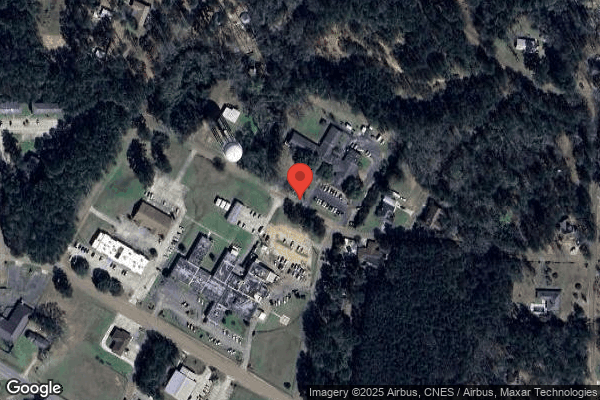
200 MEDICAL CIRCLE, TYLERTOWN, MS 39667 (601) 876-2107
For profit - Limited Liability company 60 Beds DIVERSICARE HEALTHCARE Data: November 2025
Trust Grade
93/100
#9 of 200 in MS
Last Inspection: September 2024

Within standard 12-15 month inspection cycle. Federal law requires annual inspections.

Overview

Diversicare of Tylertown has earned a Trust Grade of A, which means it is considered excellent and highly recommended. It ranks #9 out of 200 nursing homes in Mississippi, placing it in the top half of facilities in the state, and is the best option among the two homes in Walthall County. However, the facility's trend is worsening, as the number of issues identified increased from 2 in 2023 to 4 in 2024. Staffing is a relative strength, with a 4-star rating and a low turnover rate of 26%, which is significantly better than the state average. On the downside, there were specific incidents noted, including a failure to provide appropriate resident-centered activities for all residents, issues with protecting residents' trust funds from misappropriation, and improper perineal care that could lead to urinary tract infections.

Trust Score
A
93/100
In Mississippi
#9/200
Top 4%
Safety Record
Low Risk
No red flags
Inspections
Getting Worse
2 → 4 violations
Staff Stability
✓ Good
26% annual turnover. Excellent stability, 22 points below Mississippi's 48% average. Staff who stay learn residents' needs.
Penalties
✓ Good
No fines on record. Clean compliance history, better than most Mississippi facilities.
Skilled Nurses
○ Average
Each resident gets 39 minutes of Registered Nurse (RN) attention daily — about average for Mississippi. RNs are the most trained staff who monitor for health changes.
Violations
⚠ Watch
11 deficiencies on record. Higher than average. Multiple issues found across inspections.
★★★★★
5.0
Overall Rating
★★★★☆
4.0
Staff Levels
★★☆☆☆
2.0
Care Quality
★★★★★
5.0
Inspection Score
Stable
2023: 2 issues
2024: 4 issues

The Good

  • 4-Star Staffing Rating · Above-average nurse staffing levels
  • Low Staff Turnover (26%) · Staff stability means consistent care
  • Full Sprinkler Coverage · Fire safety systems throughout facility
  • No fines on record
  • Staff turnover is low (26%)

    22 points below Mississippi average of 48%

Facility shows strength in staffing levels, staff retention, fire safety.

The Bad

Chain: DIVERSICARE HEALTHCARE

Part of a multi-facility chain

Ask about local staffing decisions and management

The Ugly 11 deficiencies on record

Sept 2024 4 deficiencies
CONCERN (D) 📢 Someone Reported This

A family member, employee, or ombudsman was alarmed enough to file a formal complaint

Potential for Harm - no one hurt, but risky conditions existed

Deficiency F0602 (Tag F0602)

Could have caused harm · This affected 1 resident

Based on interviews, record review, policy review, and facility investigation, the facility failed to ensure residents were free from misappropriation of funds for nine (9) of 30 residents who have a ...

Read full inspector narrative →
Based on interviews, record review, policy review, and facility investigation, the facility failed to ensure residents were free from misappropriation of funds for nine (9) of 30 residents who have a resident trust fund. (Residents #2, #5, #7, #12, #13, #25, #28, #32, and #33) Findings include: A review of the facility policy titled, Resident Trust, dated 9/20/17, revealed Purpose . To maintain a Resident Trust Account, for the safekeeping of a resident's personal money, if requested to do so . Policy Statement . Each Center shall have standardized policies for the handling of resident trust accounts . Monitoring systems shall be in place to ensure funds are handled in accordance with applicable state regulations . A review of the facility policy titles, Abuse, Neglect, Misappropriation, Exploitation Policy, dated January 2019 revealed, Purpose: To prohibit and prevent abuse, neglect, exploitation, misappropriation of resident property and to ensure reporting and investigation of alleged violations . in accordance with Federal and State Laws . Misappropriation of Resident Property: The deliberate misplacement, exploitation, or wrongful, temporary or permanent use of a resident's belongings or money without the residents consent . Investigation: . The Administrator, or designee will oversee the center in conducting an internal investigation against any violation/alleged violation of .misappropriation of resident property . Reporting/Response: . Immediately reporting all alleged violation to the . state agency .and all other required agencies (e.g. law enforcement when applicable) within specified timeframes . A record review of the facility's investigation regarding misappropriation of resident funds submitted to the State Agency (SA) on 6/27/24, revealed that through routine reconciliation of trust accounts, suspicious activity was discovered related to receipts and resident signatures. The facility investigation detailed the actions of the facility regarding securing resident funds and a detailed audit was conducted. Through investigation, the facility identified multiple receipts, involving a total of nine (9) residents in which receipts involving cash withdrawals from the resident's trust accounts that indicated fraudulent activity on behalf of the Business Office Manager (BOM). Although the BOM denied mishandling the resident's money, she was suspended, and subsequently resigned her position, as a detailed audit was conducted. During the investigation, any suspicious activity involving cash withdrawal receipts were discussed with the residents and the facility's suspicions were confirmed. Some of the residents were unable to remember getting money from their account, however, others were able to confirm that the signatures on the cash receipts were not their signatures. The facility replaced money to the residents for any discrepancies that were identified and the investigation reported that no residents suffered a negative outcome. On 9/4/24 at 10:01 AM, in an interview with the Administrator, she confirmed the details of the investigation regarding misappropriations of resident funds submitted on 6/27/24 were accurate. On 9/4/25 at 12:19 PM, in an interview with Regional Business Office Consultant (RBOC), he explained that he usually does an audit of the trust fund twice a year. During his June audit, he noticed some discrepancies with the receipts in the trust fund. When asking the BOM at the time, she revealed she was putting numbers in to make sure everything in the system matched, although she knew that, in all actuality, nothing was balanced. She surprised him, so he pulled out the monthly reconciliation form for these transactions to get more information because the administrator's signature should prove that everything matched that month. When checking the form and asking the administrator why she signed the reconciliation without acknowledging the accuracy of the money, the Administrator replied, That is not my signature. He and the Administrator then realized that fraudulent activity may have occurred, prompting them to investigate further. It became clear that a thorough audit of the financial records was necessary to uncover the extent of the discrepancies and ensure accountability moving forward. So, they pulled the receipts and went to talk with residents whose names were on some of the receipts. During their interview with the residents, some indicated they could not remember, blatantly denied signing, or stated that it was not their signature. During a phone interview with the Business Office Manager (BOM) at 9:41 AM on 9/5/24, she confirmed that she resigned in June 2024, after being accused of mishandling funds from the trust fund accounts of the residents. She noted that this happened during a corporate BOM audit, where they discovered discrepancies in the finances and receipts. The BOM says that she was aware of the accounts not balancing, but she was able to find a solution by inputting the necessary numbers to make it seem balanced, despite the lack of cash. She explains that in such cases, she would adjust the numbers to ensure the accounts were balanced, even if the actual money did not align. Resident #33 A record review of the facility investigation revealed that Resident #33 confirmed the signature of a receipt dated 5/10/24 for $20.00 was indeed her signature, but denied having received any money within the past two (2) years. A record review of the Manual Check Request, provided by the facility was dated 6/26/24, and payable to Resident #33 for misappropriation, in the amount of $20.00. On 9/3/24 at 12:04 PM, in an interview, Resident #33 stated she remembers something about money being put back in her account, but does not know all the details. A record review of the admission Record for Resident #33 revealed the facility admitted the resident on 1/17/22. The resident's diagnoses included Heart failure. A record review of the Quarterly Minimum Data Set (MDS) with Assessment Reference Date (ARD) of 6/18/24 revealed Resident #33 had a Brief Interview of Mental Status (BIMS) score of 15, which indicated the resident was cognitively intact. Resident #28 A record review of the facility investigation revealed that Resident #28 denied the signature on the receipts dated 1/3/24 for $40.00, 2/2/24 for $50.00, 3/1/24 for $40.00, 4/5/24 for $50.00, and 5/6/24 for $40.00, totaling $220 belonged to him. The resident confirmed although there was a receipt, he did not receive the money. A record review of the Manual Check Request, provided by the facility was dated 6/26/24, and payable to Resident #28 for misappropriation, in the amount of $220.00. On 9/4/24 at 8:36 AM in an interview with Resident #28, the resident stated he was not sure if someone told him about money or not. A record review of the admission Record revealed the resident was admitted by the facility on 3/13/19, with diagnoses that included Peripheral Vascular Disease. A record review of Resident #28's Quarterly MDS with an ARD of 8/8/24 revealed a BIMS score of 7, which indicated the resident had moderate cognitive impairment. Resident # 32 A record review of the facility investigation revealed that Resident #32 stated that she did not receive the cash as detailed in the receipts dated 3/25/24 for $100.00, 4/5/24 for $60.00, 4/24/24 for $50.00, and 5/10/24 for $40.00, totaling $250.00. Additionally, the investigation revealed the receipts were marked with an X and according to the Administrator and RBOC, the resident was not physically able to sign with an X. A record review of the Manual Check Request, provided by the facility was dated 6/26/24, and payable to Resident #32 for misappropriation, in the amount of $250.00. On 9/5/24 at 1:10 PM, in an interview Resident #32 stated that she did not remember anything about money taken from her account. A record review of the admission Record of resident #32 revealed the facility admitted the resident on 9/14/22. The resident's diagnoses included Anoxic Brain Damage. A record review of the Quarterly MDS with an ARD of 6/3/24 revealed Resident #32 had BIMS score of 10, which indicated the resident had moderate cognitive impairment. Resident #25 A record review of the facility investigation revealed that Resident #25 confirmed the signature on two (2) receipts totaling $50 was not her signature and she did not receive any money. The receipts were dated 3/29/24 for $10.00 and 4/5/24 for $40.00. A record review of the Manual Check Request, provided by the facility was dated 6/26/24, and payable to Resident #25 for misappropriation, in the amount of $50.00. On 9/5/24 at 1:14 PM, in an interview with Resident #25, the resident stated that she did not remember anything about money. A record review of the admission Record for Resident #25 revealed the facility admitted the resident on 8/2/17, with diagnoses that included Schizophrenia. A record review of the Resident 25's Comprehensive MDS with an ARD of 8/18/24 revealed a BIMS score of 10, which indicated the resident had moderate cognitive impairment. Resident #12 A record review of the facility investigation revealed that Resident #12 confirmed the signature on two (2) receipts totaling $80 was not his signature and she denied receiving any cash. The receipts were dated 3/29/24 for $40.00 and 4/4/24 for $40.00. A record review of the Manual Check Request, provided by the facility was dated 6/26/24, and payable to Resident #12 for misappropriation, in the amount of $80.00. On 9/5/24 at 1:18 PM in an interview with Resident #12, stated he recalled someone coming to talk with him about being refunded money, but he did not remember the details. A record review of the admission Record for Resident #12 revealed the resident was admitted by the facility on 7/10/23. The resident's diagnoses included Traumatic Brain Injury. A record review of the MDS with an ARD of 7/11/24, revealed a BIMS score of 14, which indicated the resident was cognitively intact. In addition to the above interviews, the facility investigation revealed that there were an additional five (5) residents involved in the misappropriation of resident funds. The residents and the facility finds were as follows: 1) Resident #2 denied a signature on a receipt dated 4/24/24 for $50 belonged to her. She stated she had never gotten any cash. As a result of this interview, the facility provided a copy of the Manual Check Request, dated 6/24/24, and payable to Resident #2 for misappropriation, in the amount of $50. 2) Resident #7 confirmed that the signature on the receipt dated 3/29/24 for $40.00 was not her signature and she did not receive any cash. As a result of this interview, the facility provided a copy of the Manual Check Request, dated 6/24/24, and payable to Resident #7 for misappropriation, in the amount of $40. 3) Resident #5 denied the signatures on the receipts totaling $140.00. The resident also denied receiving the cash. As a result of this interview, the facility provided a copy of the Manual Check Request, dated 6/24/24, and payable to Resident #5 for misappropriation, in the amount of $80. On 9/9/24, the SA contacted the Administrator for clarification, as the facility investigation revealed a total of $140.00 on the receipts. The Administrator responded with an email that stated that there was a typing error on the investigation and the amount that had been misappropriated had actually been $80.00. 4) Resident #13 denied ever receiving cash for a receipt dated 4/24/24 in the amount of $50. As a result of the interview, the facility provided a copy of the Manual Check Request, dated 6/24/24, and payable to Resident # 13 for misappropriation, in the amount of $50.
CONCERN (D)

Potential for Harm - no one hurt, but risky conditions existed

Incontinence Care (Tag F0690)

Could have caused harm · This affected 1 resident

Based on observation, interviews, record review, and policy review the facility failed to provide perineal care in a manner to prevent the possibility of urinary tract infection for one (1) of four (4...

Read full inspector narrative →
Based on observation, interviews, record review, and policy review the facility failed to provide perineal care in a manner to prevent the possibility of urinary tract infection for one (1) of four (4) residents reviewed for incontinent care. (Resident #5) Findings include: On 09/04/24 at 3:03 PM, during an observation of Certified Nurse Aide (CNA) #1 as she provided perineal care for Resident #5, the CNA assisted the resident to turn on her side to complete her perineal care. The CNA wiped the resident from the back to front, instead of front to back, a total of five (5) times. On 09/05/24 at 9:36 AM, in an interview with CNA #1, she stated she did not do the perineal care on the buttocks correctly. She stated she wiped back to front. She stated she should have wiped front to back. She stated her actions could cause the resident to develop a urinary tract infection (UTI). She stated she has been a CNA for 17 years and has had training on perineal care. On 09/05/24 at 9:45 AM, in an interview, the Director of Nursing (DON) stated CNA #1 should have wiped front to back when she provided perineal care. She stated the CNA's actions could increase the risk of infection. Review of admission Record for Resident #5 revealed the facility admitted the resident on 12/13/21. The resident's diagnoses included Chronic Kidney Disease and Dementia. Review of the Quarterly Minimum Data Set (MDS), for Resident #5, with an Assessment Reference Date (ARD) of 6/4/24, revealed a Brief Interview for Mental Status (BIMS) score of 03, which indicated the resident had severe cognitive impairment. Section GG revealed the resident required substantial/maximal assistance with toileting hygiene.
CONCERN (D)

Potential for Harm - no one hurt, but risky conditions existed

Tube Feeding (Tag F0693)

Could have caused harm · This affected 1 resident

Based on observation, interviews, record reviews and facility policy reviews the facility failed ensure tube feedings were administered as ordered for one (1) of seven (7) residents who recieve entera...

Read full inspector narrative →
Based on observation, interviews, record reviews and facility policy reviews the facility failed ensure tube feedings were administered as ordered for one (1) of seven (7) residents who recieve enteral feedings. (Resident #1) Findings include: Review of the facility policy titled, Enteral Nutrition, dated 8/1/12 revealed, It is the policy of this facility to ensure that a nutritional assessment is completed for all residents receiving enteral feeding. Orders will reflect specific content to assure quality of enteral delivery .2.The tube feeding order will be recorded. The following information should be included in the diet order or comments section: . e. amount (c.c.s) of formula to be given for each feeding and total c.c.s to be given per 24 hours . On 9/3/24 at 10:48 AM, an observation revealed Resident #1 lying in bed with his PEG (Percutaneous Endoscopic Gastrostomy) tube feeding formula attached to an electronic pump. Jevity 1.5 was infusing per pump at the rate of 70 ml/hr. (milliliters/ per hour). On 9/3/24 at 2:19 PM, in an attempt to verify the physician orders regarding the infusion rate of Resident #1's tube feeding in the resident's electronic chart, the orders were not available. There were orders regarding the flushing and care of the PEG tube, but no order available for review for the rate and type of feeding the resident was to receive. On 9/3/24 at 2:23 PM, in an interview with the Director of Nurses (DON), she was unable to locate the order when asked for a printed copy of the tube feeding orders for Resident #1. At that time, the DON stated that there had recently been an electronic update to their charting system and that she would check the MAR (Medication Administration Record). On 9/3/24 at 2:37 PM, the DON reported that within the electronic system, there were no current active orders for Resident #1's tube feeding rate or type of feeding to be administered. During an observation, interview and record review at 2:57 PM on 9/3/24, the DON provided an updated print out of Resident #1's Order Summary Report, with active orders as of 8/14/24, in which the order had been corrected to include the resident's tube feeding order that included the type and rate of feeding the resident had been receiving since the initial order written on 1/25/16. The DON observed and confirmed the tube feeding was now infusing with Jevity 1.5 @ 75 ml/hr. as ordered. Further review of the order revealed that the physician's order included a time frame for the infusion in which the resident was to receive the feeding for 18 hours per day from 6:00 AM until 12 MN (midnight) A record review of the admission Record for Resident #1 revealed that the facility admitted the resident on 6/6/2008. The resident's diagnoses included Dysphagia, Aphasia, and Unspecified Intellectual Disabilities.
CONCERN (D)

Potential for Harm - no one hurt, but risky conditions existed

Infection Control (Tag F0880)

Could have caused harm · This affected 1 resident

Based on observation, staff interview, and facility policy review, the facility failed to prevent the possible transmission of diseases and infections by storing clean durable medical equipment (DME) ...

Read full inspector narrative →
Based on observation, staff interview, and facility policy review, the facility failed to prevent the possible transmission of diseases and infections by storing clean durable medical equipment (DME) in a room marked for biohazard materials for two (2) of three (3) days of survey. Findings include: Review of the facility's, Policies and Practices - Infection Control, dated 11/1/2017, revealed, .This center's infection control policies and practices are intended to facilitate maintaining a safe, sanitary, and comfortable environment and to help prevent and manage the transmission of diseases and infections . On 9/3/24 at 11:27 AM, in an observation of the biohazard room and interview with Maintenance #1, revealed the room was clearly marked as a biohazard area. Inside the room, a biohazard container with a red bag was placed on the right side, while oxygen concentrators, covered in plastic bags, were located on the left side of the room. Maintenance #1 stated the oxygen concentrators were considered clean since they were bagged, though he acknowledged the room was marked as a biohazard area. In a subsequent observation and interview on 9/4/24, at 9:41 AM, with Registered Nurse (RN) # 1 the same biohazard room was observed. On the right side, the biohazard container with the red bag was still present, while on the left side, the oxygen concentrators with plastic coverings remained. Additionally, an unclean bedside commode was placed on top of the concentrators. RN #1 acknowledged that while the biohazard room was technically considered dirty, she believed the concentrators were clean because staff had cleaned and bagged them. On 9/4/24 at 9:59 AM, in an interview with the Director of Nursing (DON), she revealed the facility's policy and practices were intended to facilitate maintaining a safe, sanitary comfortable environment and to help prevent and manage the transmission of diseases and infections. She confirmed the facility to follow infection control practices by storing cleaned oxygen concentrators in the biohazard room.
Mar 2023 2 deficiencies
CONCERN (D)

Potential for Harm - no one hurt, but risky conditions existed

Respiratory Care (Tag F0695)

Could have caused harm · This affected 1 resident

Based on observations, interviews, record review, and facility policy review, the facility failed to post cautionary and safety signs indicating the use of oxygen for one (1 )of one (1) sampled reside...

Read full inspector narrative →
Based on observations, interviews, record review, and facility policy review, the facility failed to post cautionary and safety signs indicating the use of oxygen for one (1 )of one (1) sampled residents. Resident #198 Findings include: A record review of the facility's policy, Applying An Oxygen-Delivery Device, undated, revealed . IMPLEMENTATION . 9. Post Oxygen in Use signs on wall behind bed and at entrance to room .12 . Alerts visitors and are providers that oxygen is in use . On 3/13/23 at 11:02 AM, an observation of Resident #198 revealed the resident lying in bed, wearing a nasal cannula. An oxygen concentrator (a medical device used to deliver oxygen) was noted next to the resident's bed and turned on. There was no cautionary signage posted at the entrance to the resident's room or within the room to indicate that oxygen was in use. Observations on 3/14/23 at 3:00 PM and again on 3/15/23 at 11:36 AM, revealed Resident #198, the resident sitting in his room with oxygen in use. There continued to be no cautionary signage within the resident's room or near the entrance to the resident's room that indicated oxygen was in use. A record review of Resident #198's admission Record, revealed the facility admitted the resident on 3/2/23, with the diagnosis of Chronic Obstructive Pulmonary Disease Heart Failure and Chronic Kidney Disease. A record review of the Order Summary Report, for Resident #198 with active orders as of 3/16/23, revealed an order for O2 (oxygen) via nasal cannula at 2L/min (two liters per minute) continuous every shift related to Chronic Obstructive Pulmonary Disease. A record review of Resident #198's admission Minimum Data Set (MDS) with an Assessment Reference Date (ARD) of 3/9/23, revealed a Brief Interview for Mental Status (BIMS) score of 15, which indicated cognitively intact, and review of Section O revealed, oxygen in use. On 3/14/23, at 11:36 in an interview with Registered Nurse (RN) #1, she confirmed the resident was receiving oxygen. The nurse also confirmed that there was not a sign in the resident's room or upon entrance to the room indicating that oxygen was in use. On 3/16/23 at 10:15 AM, in an interview with the Director of Nursing (DON) she confirmed there should have been a sign near the entrance to the resident's room and in the resident's room to inform staff and visitors that oxygen was in use. She explained the purpose of the signage is to ensure resident and staff safety.
CONCERN (E)

Potential for Harm - no one hurt, but risky conditions existed

Deficiency F0679 (Tag F0679)

Could have caused harm · This affected multiple residents

Based on observation, interviews, record review, and facility policy review, the facility failed to provide an ongoing resident centered activities program for nine (9) of the nine (9) residents sampl...

Read full inspector narrative →
Based on observation, interviews, record review, and facility policy review, the facility failed to provide an ongoing resident centered activities program for nine (9) of the nine (9) residents sampled. This has the potential to affect 49 of the 49 residents residing in the facility. Residents #5, #12, #15, #18, #20, #21, #30, #31, and #38 Findings include: Review of the facility's policy, Activities, dated April 2022, revealed, POLICY: It is the policy of this center to provide an ongoing program to support residents in their choice of activities based on their comprehensive assessment, care plan, and preferences. Center-sponsored group, individual, and independent activities will be designed to meet the interests of each resident, as well as support their physical, mental, and psychosocial well-being. Activities will encourage both independence and interaction within the community . An observation on 3/13/23, at 10:58 AM, revealed five (5) residents sitting in front of the nurse's station. There were no activities taking place in the facility at this time. Record review of the facility's activity calendar dated 3/13/23, revealed Morning Social and Reminiscing, were scheduled during this time. An observation on 3/13/23, at 2:30 PM, revealed several residents sitting in front of nurse's station, with no activities taking place. Record review of the facility's activity calendar dated 3/13/23, revealed Who's Bag, is it? scheduled for this time. Observation on 3/14/23, from 10:00 to 11:00 AM, once again revealed residents sitting in front of the nurse's station, with no activities taking place. Record review of the facility's activity calendar dated 3/14/23, revealed Morning Social and Current Events were scheduled during this time. During interviews with the nine (9) residents present on 3/14/23 at 2:00 PM, at the Resident Council meeting, each resident confirmed that they usually had activities during the week, unless the Activity Director was off. They confirmed that with the Activity Director off this week, they haven't had any of the activities listed on the activity calendar. The Council members complained that there had been nothing to do. They also complained that they didn't have activities on Saturdays, because the Activity Director was off on the weekends. They did, however, confirm that they had church services on Sundays, but that was the only thing scheduled during the weekends. An observation on 3/15/23 from 10:00 AM to 11:00 AM, once again revealed residents sitting in front of the nurse's station with no activities taking place. Record review of the facility's activity calendar dated 3/15/23, revealed Morning Social and Parachute had been scheduled for that time. During an interview on 3/15/23 at 2:39 PM, the Administrator confirmed the Activity Director is on vacation this week and doesn't work on weekends. The Administrator revealed the Social Worker is responsible for providing activities for the residents this week. During an interview on 3/15/23 at 11:07 AM, with the Social Worker, she stated she had tried to assist with activities when she could, but with the referrals that she gets, she had not been available to consistently oversee the scheduled activities when the Activity Director was unavailable this week or at any time on the weekends, as she is also off on the weekends. The Social Worker said she thought the Activity Director and one of the certified nurse aides (CNA's) had talked about the CNA assisting with activities when the Activity Director was unavailable. Resident #5 Record review of the Minimum Data Set (MDS), with an Assessment Reference Date (ARD) of 9/21/22, revealed, Resident #5 had a Brief Interview for Mental Status (BIMS) score of 15, which indicated that the resident was cognitively intact. Review of section F revealed, it was very important to Resident #5 to do favorite activities. Resident #12 Record review of the MDS, with an ARD of 11/9/22, revealed, Resident #12 had a BIMS score of 13, which indicated the resident was cognitively intact. Review of section F revealed, it was somewhat important for Resident #12 to do favorite activities. Resident #15 Record review of the MDS, with an ARD date of 11/22/22, revealed, Resident #15 had a BIMS score of 15. Review of section F revealed, it was very important to the resident do favorite activities. Resident #18 Record review of the MDS, with an ARD date of 7/5/22, revealed, Resident #18 had a BIMS score of 15, which indicated the resident was cognitively intact. Review of section F revealed, it was very important to Resident #18 to do favorite activities. Resident #20 Record review of MDS, with an ARD of 4/13/22, revealed, Resident #20 had BIMS score of 15, which indicated the resident was cognitively intact. Review of section F revealed, it was very important to Resident #20 to do favorite activities. Resident #21 Record review of the MDS, with an ARD of 1/30/23, revealed, Resident #21 had a BIMS score of 15, which indicated the resident was cognitively intact. Review of section F revealed, it was very important to Resident #21 to do favorite activities. Resident #30 Record review of the MDS with an ARD of 10/3/22, revealed, Resident #30 had a BIMS score of 15, which indicated the resident was cognitively intact. Review of section F revealed, it was very important to Resident #30 to do favorite activities. Resident #31 Record review of the MDS with an ARD of 11/10/22, revealed, Resident #31 had a BIMS score of 13, which indicated the resident was cognitively intact. Review of section F revealed, it was important to Resident #38 to do favorite activities. Resident #38 Record review of the MDS, with an ARD of 1/17/23, revealed Resident #1 had a BIMS score of 15, which indicated the resident was cognitively intact. Review of section F revealed, it was very important to Resident #38 to do favorite activities.
Dec 2019 5 deficiencies
CONCERN (D)

Potential for Harm - no one hurt, but risky conditions existed

Assessment Accuracy (Tag F0641)

Could have caused harm · This affected 1 resident

Based on staff interview, record review, and facility policy review, the facility failed to accurately code the Minimum Data Set (MDS) assessment related to the use of a Continuous Positive Airway Pre...

Read full inspector narrative →
Based on staff interview, record review, and facility policy review, the facility failed to accurately code the Minimum Data Set (MDS) assessment related to the use of a Continuous Positive Airway Pressure (CPAP) machine, Resident #31, for one (1) of 14 resident MDS assessments reviewed. Findings include: A review of the facility's MDS Coding policy, dated June 2017, revealed: MDS coding is completed by utilizing Centers for Medicare and Medicaid Services (CMS) Resident Assessment Instrument (RAI) Version 3.0 Manual and the State of Mississippi Division of Medicaid Case Mix Index (CMI). A review of the CMS RAI Version 3.0 Manual, Chapter 1, revealed an accurate assessment required collecting information from multiple sources, some of which are mandated by regulations. Resident #31 A review of the admission MDS for Resident #31, with an Assessment Reference Date (ARD) of 8/26/19, revealed Special Treatments and Programs (Section O), was not coded for CPAP usage. Observations on 12/15/19, 12/16/19, and 12/17/19, revealed Resident #31 had a CPAP machine on her night stand. On 12/16/19 at 8:38 AM, an interview with Resident #31, revealed she used her CPAP machine every night. A review of Resident #31's physician orders, dated 9/26/17, documented C-PAP at bedtime every evening shift. On 12/17/19 at 3:45 PM, an interview with Registered Nurse (RN)/MDS Nurse #1, revealed Resident #31 did use the CPAP machine. RN #1 confirmed, Resident #31's MDS was coded inaccurately. RN #1 stated she used the Resident Assessment Instrument (RAI) Manual as a guideline to complete the MDS. On 12/18/19 at 9:26 AM, an interview with the Director of Nurses (DON), revealed she would expect the MDS Nurse to Mark the correct box on the MDS assessment. A review of the facility's Face Sheet, revealed the facility admitted Resident #31, on 9/25/17, with a diagnosis of Sleep Apnea.
CONCERN (D)

Potential for Harm - no one hurt, but risky conditions existed

Deficiency F0657 (Tag F0657)

Could have caused harm · This affected 1 resident

Resident #31 A review of Resident #31's comprehensive care plan related to diagnosis of Congestive Heart Failure (CHF), initiated 10/3/17, revealed an intervention for Continuous Positive Airway Press...

Read full inspector narrative →
Resident #31 A review of Resident #31's comprehensive care plan related to diagnosis of Congestive Heart Failure (CHF), initiated 10/3/17, revealed an intervention for Continuous Positive Airway Pressure (CPAP) nightly and clean reservoir as ordered. The care plan did not indicate any interventions related to storage of the CPAP mask. An observation on 12/15/19 at 2:20 PM, revealed Resident #31's CPAP mask lying on her bed unbagged. On 12/15/19 at 4:43 PM, an observation revealed Resident #31's CPAP mask lying on her bed, unbagged. An observation on 12/16/19 at 8:35 AM, revealed Resident #31's CPAP mask to be lying on her bed and unbagged. During an interview, on 12/16/19 at 8:38 AM, Resident #31 revealed she used her CPAP machine every night. An observation on 12/17/19 at 10:00 AM, revealed Resident #31's CPAP mask was lying on her night stand unbagged. During an interview, on 12/17/19 at 3:45 PM, RN #1 stated she would expect the staff to review and follow the comprehensive care plan once it is revised and completed. On 12/18/19 at 9:29 AM, an interview with the DON, revealed the care plan was a guide for the staff to care for the residents. The DON stated the staff should read it and do what the care plan tells them to do. Based on staff interview, record review, and facility policy review, the facility failed to revise the comprehensive care plans for two (2) of 14 resident care plans reviewed, Residents #31 and #40. Findings include: A review of the facility's Care Plans policy, dated 6/17, revealed: The care plans would be developed for all residents based upon the Resident Assessment Instrument (RAI) Manual guidelines. Care plans are developed by the interdisciplinary team and revised as needed according to resident and patient status or change. Resident #40 Review of Resident #40's comprehensive care plan related to use of psychotropic medications, initiated 3/18/19, revealed, the resident was to attend Intensive Outpatient Program (IOP) weekly on Monday, Wednesday and Friday. Review of Resident #40's physician's orders, dated 8/26/19, revealed a discontinue order for attending IOP. During an interview with Licensed Practical Nurse (LPN) #1, on 12/16/19 at 2:22 PM, she stated Resident #40 had graduated and no longer attends IOP. On 12/17/19 at 3:43 PM, an interview with Registered Nurse (RN) #1/Minimum Data Set (MDS) Nurse, confirmed Resident #40 was no longer on IOP. RN #1 stated the resident had graduated the program. RN #1 stated the care plan was not correct because it was not updated when Resident #40 completed IOP. On 12/18/19 at 9:43 AM, an interview with the Director of Nurses (DON), revealed she was aware of the incorrect care plan for Resident #40. The DON stated the staff met daily to put new orders in the computer. The DON stated the intervention should have been removed the day the order was discontinued. The DON stated the care plan was a guidance for the staff to take care of the resident, and it should be updated timely.
CONCERN (D)

Potential for Harm - no one hurt, but risky conditions existed

Respiratory Care (Tag F0695)

Could have caused harm · This affected 1 resident

Based on observation, staff interview, record review, and facility policy review, the facility failed to store Resident #31's Continuous Positive Airway Pressure (CPAP) mask in a manner to prevent cro...

Read full inspector narrative →
Based on observation, staff interview, record review, and facility policy review, the facility failed to store Resident #31's Continuous Positive Airway Pressure (CPAP) mask in a manner to prevent cross contamination for one (1) of two (2) residents reviewed for respiratory care. Findings include: A review of the facility's Infection Control policy, dated June 2017 revealed, Bi-level Positive Airway Pressure (Bi-PAP) and Continuous Positive Airway Pressure (CPAP) will be maintained including cleaning per the manufactured guidelines of the product. Review of an untitled and undated document, provided by the facility, revealed instructions on CPAP hygiene. Mask and tubing need a full bath once a week to keep it free of dust, bacteria and germs. An observation, on 12/15/19 at 2:20 PM, revealed Resident #31's CPAP mask lying on her bed unbagged. On 12/15/19 at 4:43 PM, an observation revealed Resident #31's CPAP mask lying on her bed, unbagged. An observation on 12/16/19 at 8:35 AM, revealed Resident #31's CPAP mask to be lying on her bed and unbagged. During an interview, on 12/16/19 at 8:38 AM, Resident #31 revealed she used her CPAP machine every night. An observation, on 12/17/19 at 10:00 AM, revealed Resident #31's CPAP mask lying on her night stand unbagged. During an interview, on 12/17/19 at 10:41 AM, the Assistant Director of Nurses (ADON) revealed, Resident #31's CPAP mask should be stored in a clean plastic bag. On 12/17/19 at 1:43 PM, an interview with the Director of Nurses (DON), confirmed the CPAP mask should be stored in a plastic bag because of infection control issues. A review of the facility's Face Sheet, revealed the facility admitted Resident #31 on 9/25/17 with a diagnosis of Sleep Apnea.
CONCERN (D)

Potential for Harm - no one hurt, but risky conditions existed

Unnecessary Medications (Tag F0759)

Could have caused harm · This affected 1 resident

Based on observation, staff interview, record review, and facility policy review, the facility failed to administer medications in a manner to prevent medication errors for one (1) of five (5) residen...

Read full inspector narrative →
Based on observation, staff interview, record review, and facility policy review, the facility failed to administer medications in a manner to prevent medication errors for one (1) of five (5) residents observed for medication pass administration, Resident #16. The facility had a medication error rate of 6.45%. Findings include: A review of the facility's Medication Administration policy, dated June 2017, revealed, the facility follows (Name of Pharmacy)/Pharmacy Consultant, policies and procedures for medication administration. A review of the (Name of Pharmacy)/Pharmacy Consultant General Dose Preparation and Medication Administration policy, dated 12/01/07, revealed: The facility should verify that the medication name and dose are correct. The pharmacy should be contacted to provide the correct dose. The facility should verify each time a medication is administered that it is at the correct dose. A record review of Resident #16 physician's orders revealed, an order dated 9/25/19, for Tylenol (Acetaminophen) Eight (8) Hour Arthritis Pain Tablet Extended Release (ER) 650 milligrams (MG), give one (1) tablet by mouth two (2) times a day related to Other Chronic Pain. A review of Resident #16's December 2019, Electronic Medication Administration Record (EMAR) revealed an order for Tylenol 8 Hour Arthritis Pain Tablet Extended Release 650 MG, give one tablet by mouth two times a day related to other chronic pain. An observation on 12/16/19 at 9:00 AM, revealed Licensed Practical Nurse (LPN) #2 retrieved a bottle labeled Acetaminophen 325 MG tablets from the medication cart, poured 2 tablets into a medication cup, and gave them to Resident #16 along with resident's other medications. During an interview, on 12/16/19 at 11:37 AM, LPN #2 confirmed she had given 2 of the Tylenol 325 MG tablets to Resident #16. LPN #2 stated she gave 2 of the 325 MG Regular Strength Tylenol to equal the 650 MG dose. LPN #2 also stated she was thinking the Tylenol 325 MG Regular Strength and the Tylenol 8 hour Arthritis Pain Tablet Extended Release 650 MG (Acetaminophen ER) were the same as long as they were not enteric coated tablets. An interview on 12/16/19 at 11:47 AM, with the Consultant Pharmacist revealed, the Regular Strength 325 mg tablet of Tylenol was not an extended release tablet. The Consultant Pharmacist stated if the medication bottle did not have extended release, then the medication was not extended release. During an interview, on 12/17/19 at 1:36 PM, the Director of Nurses (DON) stated, if LPN #2 looked on her medication cart and saw she did not have the correct dosage of the medication, she should have checked the supply room. The DON stated if the medication was unavailable, the nurse would need to call the physician and get the medication order changed. The DON stated the nurse should give the medication as ordered. A review of the facility's Face Sheet revealed, the facility admitted Resident #16 on 9/19/17, with a diagnosis of Other Chronic Pain.
CONCERN (D)

Potential for Harm - no one hurt, but risky conditions existed

Food Safety (Tag F0812)

Could have caused harm · This affected 1 resident

Based on observation, staff interview, facility policy review, the facility failed to prevent cross contamination of milk products as evidenced by failure to separate expired milk from milk that was i...

Read full inspector narrative →
Based on observation, staff interview, facility policy review, the facility failed to prevent cross contamination of milk products as evidenced by failure to separate expired milk from milk that was in date, for one (1) of three (3) kitchen observations. Findings include: Review of the facility's Food Storage: Cold Foods policy, with a revision date of 4/2018, revealed: All foods would be stored, labeled, dated, and arranged in a manner to prevent cross contamination. An observation during the initial tour, on 12/15/19 at 1:13 PM, with Dietary Staff (DS) #1, revealed four (4) 8 ounce (oz) cartons of 2% milk, with an expiration date of 12/13/19, in the milk refrigerator. The expired milk was mixed in with the milk that was in date, and not separated. On 12/15/19 at 1:18 PM, an interview with DS #1, revealed she stated the milk delivery person was suppose to check and remove the expired milk. DS #1 revealed she did not know why the expired milk was mixed with the fresh milk. DS #1 confirmed the expiration date on the 4 cartons of milk was 12/13/19. On 12/15/19 at 4:14 PM, an interview with Dietary Manager (DM), confirmed the milk was expired. The DM revealed she moved the expired milk to another area of the milk refrigerator, and placed a sign of do not use. The DM stated the milk delivery person came once a week, on Tuesday, and would swap them out. On 12/17/19 at 1:18 PM, an interview with the DM, revealed the responsibility of checking the dates on the milk cartons between the milk deliveries was with the dietary aides. The DM stated the expectation was for the expired milk to be removed and separated from the rest of the milk, with a label placed of do not use until the next milk delivery. The DM stated the concern was related to cross contamination.
Understanding Severity Codes (click to expand)
Life-Threatening (Immediate Jeopardy)
J - Isolated K - Pattern L - Widespread
Actual Harm
G - Isolated H - Pattern I - Widespread
Potential for Harm
D - Isolated E - Pattern F - Widespread
No Harm (Minor)
A - Isolated B - Pattern C - Widespread

Questions to Ask on Your Visit

  • "Can I speak with families of current residents?"
  • "What's your RN coverage like on weekends and overnight?"

Our Honest Assessment

Strengths
  • • Grade A (93/100). Above average facility, better than most options in Mississippi.
  • • No major safety red flags. No abuse findings, life-threatening violations, or SFF status.
  • • No fines on record. Clean compliance history, better than most Mississippi facilities.
  • • 26% annual turnover. Excellent stability, 22 points below Mississippi's 48% average. Staff who stay learn residents' needs.
Concerns
  • • 11 deficiencies on record. Higher than average. Multiple issues found across inspections.
Bottom line: Generally positive indicators. Standard due diligence and a personal visit recommended.

About This Facility

What is Diversicare Of Tylertown's CMS Rating?

CMS assigns DIVERSICARE OF TYLERTOWN an overall rating of 5 out of 5 stars, which is considered much above average nationally. Within Mississippi, this rating places the facility higher than 99% of the state's 100 nursing homes. This rating reflects solid performance across the metrics CMS uses to evaluate nursing home quality.

How is Diversicare Of Tylertown Staffed?

CMS rates DIVERSICARE OF TYLERTOWN's staffing level at 4 out of 5 stars, which is above average compared to other nursing homes. Staff turnover is 26%, compared to the Mississippi average of 46%. This relatively stable workforce can support continuity of care.

What Have Inspectors Found at Diversicare Of Tylertown?

State health inspectors documented 11 deficiencies at DIVERSICARE OF TYLERTOWN during 2019 to 2024. These included: 11 with potential for harm.

Who Owns and Operates Diversicare Of Tylertown?

DIVERSICARE OF TYLERTOWN is owned by a for-profit company. For-profit facilities operate as businesses with obligations to shareholders or private owners. The facility is operated by DIVERSICARE HEALTHCARE, a chain that manages multiple nursing homes. With 60 certified beds and approximately 54 residents (about 90% occupancy), it is a smaller facility located in TYLERTOWN, Mississippi.

How Does Diversicare Of Tylertown Compare to Other Mississippi Nursing Homes?

Compared to the 100 nursing homes in Mississippi, DIVERSICARE OF TYLERTOWN's overall rating (5 stars) is above the state average of 2.6, staff turnover (26%) is significantly lower than the state average of 46%, and health inspection rating (5 stars) is much above the national benchmark.

What Should Families Ask When Visiting Diversicare Of Tylertown?

Based on this facility's data, families visiting should ask: "Can I visit during a mealtime to observe dining assistance and food quality?" "How do you handle medical emergencies, and what is your hospital transfer rate?" "Can I speak with family members of current residents about their experience?"

Is Diversicare Of Tylertown Safe?

Based on CMS inspection data, DIVERSICARE OF TYLERTOWN has a clean safety record: no substantiated abuse findings (meaning no confirmed cases of resident harm), no Immediate Jeopardy citations (the most serious violation level indicating risk of serious injury or death), and is not on the Special Focus Facility watch list (a federal program monitoring the lowest-performing 1% of nursing homes). The facility has a 5-star overall rating and ranks #1 of 100 nursing homes in Mississippi. While no facility is perfect, families should still ask about staff-to-resident ratios and recent inspection results during their visit.

Do Nurses at Diversicare Of Tylertown Stick Around?

Staff at DIVERSICARE OF TYLERTOWN tend to stick around. With a turnover rate of 26%, the facility is 20 percentage points below the Mississippi average of 46%. Low turnover is a positive sign. It means caregivers have time to learn each resident's needs, medications, and personal preferences. Consistent staff also notice subtle changes in a resident's condition more quickly. Registered Nurse turnover is also low at 14%, meaning experienced RNs are available to handle complex medical needs.

Was Diversicare Of Tylertown Ever Fined?

DIVERSICARE OF TYLERTOWN has no federal fines on record. CMS issues fines when nursing homes fail to meet care standards or don't correct problems found during inspections. The absence of fines suggests the facility has either maintained compliance or corrected any issues before penalties were assessed. This is a positive indicator, though families should still review recent inspection reports for the full picture.

Is Diversicare Of Tylertown on Any Federal Watch List?

DIVERSICARE OF TYLERTOWN is not on any federal watch list. The most significant is the Special Focus Facility (SFF) program, which identifies the bottom 1% of nursing homes nationally based on persistent, serious quality problems. Not being on this list means the facility has avoided the pattern of deficiencies that triggers enhanced federal oversight. This is a positive indicator, though families should still review the facility's inspection history directly.