HERITAGE HOUSE NURSING CENTER
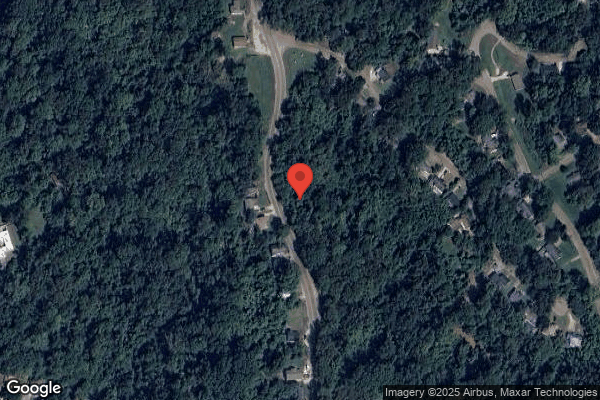
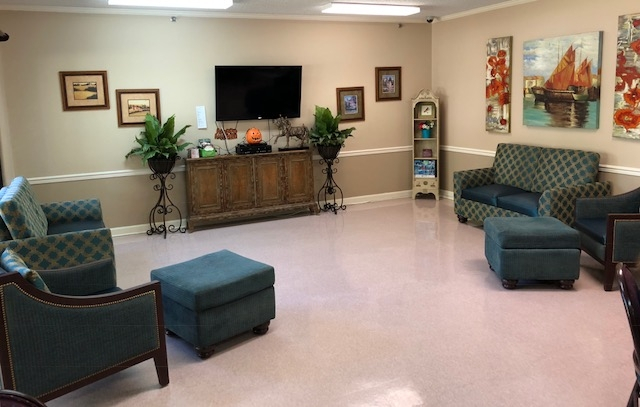
3103 WISCONSIN AVENUE, VICKSBURG, MS 39180 (601) 638-1514
For profit - Corporation 60 Beds THE BEEBE FAMILY Data: November 2025
Trust Grade
70/100
#70 of 200 in MS
Last Inspection: March 2024

Within standard 12-15 month inspection cycle. Federal law requires annual inspections.

Overview

Heritage House Nursing Center in Vicksburg, Mississippi, has a Trust Grade of B, indicating it is a good choice among nursing homes. It ranks #70 out of 200 facilities in the state, placing it in the top half, and #3 out of 4 in Warren County, meaning only one local option is better. However, the facility has been worsening, with issues increasing from 2 in 2022 to 8 in 2024. Staffing is a strength, rated 4 out of 5 stars, with a turnover rate of 38%, which is lower than the state average, suggesting experienced staff who know the residents well. There have been no fines reported, which is a positive sign. However, specific incidents include staff blocking fire doors with linen barrels, potential infection risks due to improper hand hygiene, and unsecured electronic health records, indicating areas that need improvement. Overall, while the facility has strengths in staffing and no fines, the increasing number of concerns and specific safety issues should be taken into account by families considering this home.

Trust Score
B
70/100
In Mississippi
#70/200
Top 35%
Safety Record
Low Risk
No red flags
Inspections
Getting Worse
2 → 8 violations
Staff Stability
○ Average
38% turnover. Near Mississippi's 48% average. Typical for the industry.
Penalties
✓ Good
No fines on record. Clean compliance history, better than most Mississippi facilities.
Skilled Nurses
○ Average
Each resident gets 35 minutes of Registered Nurse (RN) attention daily — about average for Mississippi. RNs are the most trained staff who monitor for health changes.
Violations
⚠ Watch
12 deficiencies on record. Higher than average. Multiple issues found across inspections.
★★★☆☆
3.0
Overall Rating
★★★★☆
4.0
Staff Levels
★★★☆☆
3.0
Care Quality
★★★☆☆
3.0
Inspection Score
Stable
2022: 2 issues
2024: 8 issues

The Good

  • 4-Star Staffing Rating · Above-average nurse staffing levels
  • Full Sprinkler Coverage · Fire safety systems throughout facility
  • No fines on record
  • Staff turnover below average (38%)

    10 points below Mississippi average of 48%

Facility shows strength in staffing levels, fire safety.

The Bad

3-Star Overall Rating

Near Mississippi average (2.6)

Meets federal standards, typical of most facilities

Staff Turnover: 38%

Near Mississippi avg (46%)

Typical for the industry

Chain: THE BEEBE FAMILY

Part of a multi-facility chain

Ask about local staffing decisions and management

The Ugly 12 deficiencies on record

Mar 2024 8 deficiencies
CONCERN (D)

Potential for Harm - no one hurt, but risky conditions existed

Deficiency F0583 (Tag F0583)

Could have caused harm · This affected 1 resident

**NOTE- TERMS IN BRACKETS HAVE BEEN EDITED TO PROTECT CONFIDENTIALITY** Based on observation, staff interview, record review and facility policy review the facility failed to secure electronic health ...

Read full inspector narrative →
**NOTE- TERMS IN BRACKETS HAVE BEEN EDITED TO PROTECT CONFIDENTIALITY** Based on observation, staff interview, record review and facility policy review the facility failed to secure electronic health records as evidenced by an Electronic Medication Record (EMAR) was visible on an unattended medication cart on the 200 hall for one (1) of 56 residents residing in the facility during survey. Resident #19 Findings include: Review of the facility policy with a revision date of 06/13 titled Electronic Health Records revealed, It is the policy of this facility to use electronic health records (EHR). Electronic signatures may also be used on EHR as permitted by CMS (Centers for Medicare and Medicaid Services) and state laws . Safeguards in place to minimize improper usage include the following measures .Privacy screen enabled. Workstations are secured with a password protected automatic inactivation feature set at three (3) minutes or less in which the workstation locks when not in use. An observation on 03/12/24 at 8:50 AM of a computer that was located on a medication cart on the 200 hall revealed the computer was opened with Resident #19's EMAR information visible on the screen. Licensed Practical Nurse (LPN) #1 was in Resident #19's room and the screen was visible to anyone that walked by the medication cart. The visible information included Resident #19's name, medications, room number, and diagnoses. An interview on 03/12/24 at 8:55 AM, with LPN #1 confirmed that she left the laptop computer open with Resident #19's EMAR up on the screen visible to anyone that walked by. LPN #1 confirmed that there is a privacy button that she should have pushed before leaving the cart and that leaving the screen open could result in a security violation. LPN #1 stated we have been trained on using the privacy button any time we are not standing in front of the computer. An interview on 03/12/24 at 3:20 PM, with the Director of Nursing (DON) confirmed that a resident's information should never be left up on a screen and that there is a privacy button that the staff member is supposed to push prior to walking away from the computer. The DON confirmed that leaving the information up is a privacy issue and could result in a Health Insurance Portability and Accountability Act (HIPPA) violation. A review of the facility Face Sheet for Resident #19 revealed that the resident was admitted to the facility on [DATE] with medical diagnoses that included Vascular dementia and Hemiplegia.
CONCERN (D)

Potential for Harm - no one hurt, but risky conditions existed

Safe Environment (Tag F0584)

Could have caused harm · This affected 1 resident

**NOTE- TERMS IN BRACKETS HAVE BEEN EDITED TO PROTECT CONFIDENTIALITY** Based on observation, staff interview and facility policy review the facility failed to provide resident rooms that are in good ...

Read full inspector narrative →
**NOTE- TERMS IN BRACKETS HAVE BEEN EDITED TO PROTECT CONFIDENTIALITY** Based on observation, staff interview and facility policy review the facility failed to provide resident rooms that are in good repair as evidenced by broken blinds, missing base molding and peeling sheetrock for two (2) of 36 resident rooms observed during survey. Findings Include. A review of the facility policy with a last revision date of 06/13, titled Repair Requisition revealed, .Procedure: 1. When a resident, staff member, or family member recognizes the need for maintenance services, a Repair Requisition form (AD-022) will be completed by a resident, a family member, or a staff member. 2. The completed form will be placed in a mailbox or other designated place for maintenance personnel. 3. Maintenance personnel will review all Repair Requisitions daily and prioritize work to be done .All Repair Requisitions will be followed up on . An observation on 03/11/24 at 2:00 PM, of room [ROOM NUMBER] revealed that the blinds on the window facing the outside of the facility were missing approximately four (4) slats between the bottom of the window to the middle of the window. An observation on 03/12/24 at 10:42 AM, of room # 208 revealed that the wall separating the bathroom and the residents' room is missing a corner molding at the floor with peeling sheetrock underneath. An interview and observation on 03/12/24 at 2:00 PM, with Licensed Practical Nurse (LPN) #1, confirmed that room [ROOM NUMBER] is missing approximately 4 slats from the base of the window to the middle of the window. LPN #1 confirmed that the blinds being broken doesn't provide a comfortable homelike environment. An interview and observation on 03/12/24 at 2:10 PM, with the Administrator confirmed that the blinds in room [ROOM NUMBER] need to be replaced and are missing approximately 4 slats. The Administrator confirmed that with the blinds broken that it does not provide a homelike environment. An interview on 03/12/24 at 3:39 PM, with the Maintenance Director confirmed that if staff sees something wrong in a resident's room that they should log it on the maintenance clipboard and nobody had made him aware of the baseboard or the missing blinds. The Maintenance Director confirmed that the clipboard is located at the nursing station and that he checks it when he gets to work at 8:00 AM, throughout the day and before he leaves at 5:00 PM. An interview on 03/12/24 at 4:05 PM, with LPN #1 confirmed that the baseboard molding on the wall between the bathroom and resident room in room [ROOM NUMBER] is missing a corner molding at the floor and needs to be placed on the maintenance log and repaired. LPN #1 confirmed that with the baseboard molding missing it does not provide a clean, homelike environment. An interview on 03/12/24 at 4:10 PM, with Certified Nursing Assistant (CNA) #3 confirmed that the molding was missing in room [ROOM NUMBER] between the bathroom and the resident room. CNA #3 confirmed that if the staff sees something wrong or sees something that needs to be fixed in a resident's room that they are supposed to log it on the maintenance clip board. CNA #3 confirmed that the clipboard is located at the nurse's desk.
CONCERN (D)

Potential for Harm - no one hurt, but risky conditions existed

MDS Data Transmission (Tag F0640)

Could have caused harm · This affected 1 resident

**NOTE- TERMS IN BRACKETS HAVE BEEN EDITED TO PROTECT CONFIDENTIALITY** Based on staff interview, record review, and facility policy review, the facility failed to transmit a discharge Minimum Data Se...

Read full inspector narrative →
**NOTE- TERMS IN BRACKETS HAVE BEEN EDITED TO PROTECT CONFIDENTIALITY** Based on staff interview, record review, and facility policy review, the facility failed to transmit a discharge Minimum Data Set (MDS) Assessment for one (1) of two (2) residents reviewed for discharge MDS assessments. Resident #10 Findings Include Review of the facility policy titled, CH (Chapter) 5: Submission and Correction of the MDS Assessments dated October 2023 revealed, 5.2 Timeliness Criteria .Encoding Data: For a .Discharge .assessment, encoding must occur within 7 days after the MDS Completion Date (Z0500B + 7 days). Record review of Resident #10's Face Sheet' revealed an admit date of 7/17/23 and a discharged date of 10/24/23 with a Discharge Status of Return not anticipated. A record review of the MDS 3.0 NH (Nursing Home) Final Validation Report for Resident #10 with a target date of 10/24/2023 revealed a discharge assessment from Medicare Part A services and no MDS Discharge Return not Anticipated assessment. An interview on 03/13/24 at 2:58 PM, the MDS Coordinator revealed Resident #10 was discharged home on [DATE]. She confirmed the resident's MDS discharge from Part A services was submitted on 10/24/23 however the resident was also discharged from the facility on 10/24/23 with a return not anticipated. She confirmed the discharge return not anticipated MDS data was not submitted and therefore her discharge MDS assessment record is now over 120 days late. She revealed this was an unintentional error.
CONCERN (D)

Potential for Harm - no one hurt, but risky conditions existed

Comprehensive Care Plan (Tag F0656)

Could have caused harm · This affected 1 resident

**NOTE- TERMS IN BRACKETS HAVE BEEN EDITED TO PROTECT CONFIDENTIALITY** Based on staff interviews, record review, and facility policy review, the facility failed to develop a care plan related to resi...

Read full inspector narrative →
**NOTE- TERMS IN BRACKETS HAVE BEEN EDITED TO PROTECT CONFIDENTIALITY** Based on staff interviews, record review, and facility policy review, the facility failed to develop a care plan related to resident facial hair for Resident #3 and Resident #40 or implement a care plan for Resident #43 related to administering medications one at a time, with a flush between each medication through a percutaneous endoscopic gastrostomy (PEG) tube for three (3) of 18 resident care plans reviewed. Findings Include Record review of the facility policy titled Care Plan Process with a revision date 08/17, revealed Regulations require facilities to complete, at a minimum and at regular intervals, a comprehensive standardized assessment of each resident's functional capacity and needs, in relation to a number of specified areas (e.g., customary routine, vision, and continence . The care plan is driven not only by identified resident issues and/or conditions but also by a resident's unique characteristics, strengths, and needs . Resident #3 Record review of the care plans for Resident #3 revealed, Problem onset: dated 05/15/2020, Resident needs partial to extensive assists with ADL's (Activities of Daily Living) related to weakness/history of falls. Under Approaches, there were no approaches reflected for Resident #3's personal hygiene. During an observation on 03/12/24 at 8:07 AM and again at 12:05 PM, revealed Resident #3 had facial hair approximately one-half (1/2) inch long to her chin area and beside her mouth. An interview and observation on 03/12/24 at 3:55 PM with Certified Nurse Aide (CNA) #1 revealed the aides are responsible for bathing their residents which also includes oral care and shaving. A record review of Resident #3's Face sheet revealed the resident was admitted to the facility on [DATE] with medical diagnoses that included Peripheral vascular disease and Vitamin deficiency. Resident #40 Record review of the care plans for Resident #40 revealed under, Problem onset: dated 05/11/2023, Resident needs partial to extensive assistance with ADL's. Under Approaches, there were no approaches reflected for Resident #40's personal hygiene. During an observation on 03/12/24 at 9:35 AM and again at 12:00 PM, Resident #40 had facial hair approximately 1 inch long to her chin and above her upper lip. An interview on 03/12/24 at 3:25 PM, CNA #2 revealed the CNAs on the day shift rotation are responsible for shaving residents if they need it, she revealed it's usually done when they first wake up and do their baths or oral care. A record review of Resident #40's Face Sheet revealed the resident was admitted to the facility on [DATE] with medical diagnoses that included Acute kidney failure and Hypercalcemia. An interview on 03/12/24 at 04:35 PM, the Minimum Data Set (MDS) Coordinator revealed the care plan is developed so the staff will know what care the resident needs, and it should be specific to their individual needs. She confirmed the ADL care plan for Resident #3 and Resident #40 was not developed to include the residents' specific hygiene ADL care and it should have been. She revealed these care plans are not what we would like to see and it would get fixed. Resident #43 Record review of Resident #43's Care Plan with an onset date of 12/24/2021, revealed under, Approaches: . Flush PEG w/ [with] 30 CC [cubic centimeters] of H20 [water] before and after med [medication] administration and w/ [with] 5 [five] CC [cubic centimeters] of H20 [water] between each med [medication]. During an observation with Registered Nurse (RN) #1 during medication pass on 3/13/2024 at 8:12 AM, revealed he prepared and crushed together the following medications: Fenofibrate (cholesterol reducer), Pepcid (stomach acid reducer), Sinemet (Parkinson's symptoms) and Sodium Bicarb (bicarbonate) (neutralizes stomach acid). RN #1 then administered the mixed medications to Resident #43 by PEG tube by pushing the end of the syringe. During an interview with RN #1 on 3/13/2024 at 8:30 AM, confirmed he did not crush and administer each medication separately. He stated he was allowed to give Resident #43's meds together because they were compatible, and stated he had a physician order to do so. During an interview with the Director of Nursing (DON) on 03/13/2024 09:20 AM, confirmed Resident #43 did not have a physician order to administer PEG medications crushed together. An interview with the Minimum Data Set (MDS) Coordinator on 3/14/2024 at 8:14 AM revealed the purpose of the care plan was to notify the staff of what individualized care the resident needs. She confirmed Resident #43's care plan was not followed related to medication administration. Record review of the Face Sheet revealed the facility admitted Resident #43 on 8/20/2020 with medical diagnoses that included Parkinson's disease and Dysphagia.
CONCERN (D)

Potential for Harm - no one hurt, but risky conditions existed

Deficiency F0658 (Tag F0658)

Could have caused harm · This affected 1 resident

Based on observation, staff interview, record review, and facility policy review, the facility failed to follow professional standards of practice for a feeding tube as evidenced by crushing and admin...

Read full inspector narrative →
Based on observation, staff interview, record review, and facility policy review, the facility failed to follow professional standards of practice for a feeding tube as evidenced by crushing and administering multiple medications at once without the use of gravity and failure to follow physician orders for water flushes for one (1) of five (5) residents observed during medication administration. Resident #43 Findings include: Review of the facility policy titled Administering Medications Through Nasogastric or Gastrostomy Tube with a revision date of 03/2018 revealed under, .Procedures: . 7. After verifying proper placement of tube, flush it with a least 30 cc [cubic centimeters] of water before administering medications. Administer each medication separately, mix crushed medication with 5 (five) cc of water and flush the feeding tube with at least 5 cc of water between medications unless fluids are restricted. Also revealed under, Points To Remember: 1. When administering medication or flushing tube with water, use gravity (syringe without plunger) . 8. Flush with 5 cc of water between medications and administer medications separately. An observation of Registered Nurse (RN) #1 during medication pass on 3/13/2024 at 8:12 AM, revealed he prepared and crushed together the following medications to administer by percutaneous endoscopic gastrostomy (PEG) tube to Resident #43: 1. Fenofibrate (cholesterol reducer) 145 MG (milligrams) 1 (one) tablet 2. Pepcid (stomach acid reducer) 20 MG (milligrams) 1 (one) tablet 3. Sinemet (Parkinson's symptoms) 25-100 MG (milligrams) 1 (one) tablet 4. Sodium Bicarb (bicarbonate) (neutralizes stomach acid) 650 MG (milligrams) 1 (one) tablet RN #1 prepared Potassium Chloride (potassium supplement) 15 (milliliters) 20 MEQ (milliequivalents), entered Resident #43's room, mixed all the medications together with 30 ML (milliliters) of water in a syringe and administered the medications at once by pushing the plunger on the end of the syringe. On 3/13/2024 at 8:30 AM, in an interview with Registered Nurse (RN) #1, confirmed he did not administer Resident #43's PEG medications by gravity or crush and administer each medication separately. He revealed that the purpose of giving the medications separately and by gravity was to ensure the medications were compatible and that the tube did not clog and cause the resident complications. He stated the resident had a physician order to crush and administer the medication together. Record review of Resident #43's Physician Orders revealed an order dated 5/05/2021, Flush PEG (percutaneous endoscopic gastrostomy) w/ (with) 30 CC (cubic centimeters) of H20 (water) before and after med (medication) administration and w/ (with) 5 (five) CC (cubic centimeters) of H20 (water) between each med (medication) . On 3/13/2024 at 9:20 AM, in an interview with the Director of Nursing (DON) confirmed Resident #43 did not have a physician order to give PEG medications crushed together. She confirmed RN #1 did not follow the physician order for medication administration and revealed PEG medications should flow by gravity so that the tube does not mess up and cause problems for the resident. Record review of the Face Sheet revealed the facility admitted Resident #43 on 8/20/2020 with medical diagnoses that included Urinary Tract Infection, Gastrostomy Malfunction, unspecified Dementia, Parkinson's disease, Dysphagia, and unspecified severe protein-calorie malnutrition.
CONCERN (D)

Potential for Harm - no one hurt, but risky conditions existed

ADL Care (Tag F0677)

Could have caused harm · This affected 1 resident

**NOTE- TERMS IN BRACKETS HAVE BEEN EDITED TO PROTECT CONFIDENTIALITY** Based on observations, staff interview, record review, and facility policy review, the facility failed to provide personal hygie...

Read full inspector narrative →
**NOTE- TERMS IN BRACKETS HAVE BEEN EDITED TO PROTECT CONFIDENTIALITY** Based on observations, staff interview, record review, and facility policy review, the facility failed to provide personal hygiene to residents as evidenced by unshaven facial hair for two (2) of 18 sampled residents. Resident #3 and Resident #40. Findings Include Record review of the facility policy titled, A.M. Care with a Latest Review date of 01/24, revealed Purpose: To prepare the resident for their day .To maintain the resident's desired physical appearance . Procedure . 12. Assist the resident with grooming according to their preferences . shaving and hair removal . Resident #3 An observation on 03/12/24 at 08:07 AM and again at 12:05 PM, revealed Resident #3 had facial hair approximately one-half (1/2) inch long to her chin area and beside her mouth. An interview and observation on 03/12/24 at 03:55 PM, Certified Nurse Aide (CNA) #1 revealed the aides are responsible for bathing their residents which also includes oral care and shaving them. She revealed it's usually done on the day shift. She confirmed that Resident #3 needed to be shaved and wasn't sure when it was done last. An interview and observation on 03/12/24 at 04:10 PM, the Director of Nurses (DON) revealed that the CNA's on any shift can shave and do activities of daily living (ADL) care for the residents, she confirmed Resident #3 needed to be shaved and she would make sure it gets done. A record review of Resident #3's Face Sheet revealed the resident was admitted to the facility on [DATE] with medical diagnoses that included Peripheral vascular disease and Vitamin deficiency. Resident #40 An observation on 03/12/24 at 9:35 AM and again at 12:00 PM, revealed Resident #40 with a moderate amount of facial hair approximately 1 inch long to her chin and above her upper lip. During an interview on 03/12/24 at 03:25 PM, CNA #2 revealed the CNAs on the day shift rotation are responsible for shaving residents if they need it, she revealed it's usually done when they first wake up and do their baths or oral care. An interview and observation on 03/12/24 at 04:27 PM, the DON revealed any CNA can do ADL care regardless of the shift. She confirmed that Resident #40 had long facial hair and it needed to be taken care of. A record review of Resident #40's Face Sheet revealed the resident was admitted to the facility on [DATE] with medical diagnoses that included Acute kidney failure and Hypercalcemia.
CONCERN (D)

Potential for Harm - no one hurt, but risky conditions existed

Unnecessary Medications (Tag F0759)

Could have caused harm · This affected 1 resident

Based on observation, staff interview, record review, and facility policy review, the facility failed to ensure the medication error rate was not five (5) percent (%) or greater for (5) of (29) medica...

Read full inspector narrative →
Based on observation, staff interview, record review, and facility policy review, the facility failed to ensure the medication error rate was not five (5) percent (%) or greater for (5) of (29) medication opportunities. The medication error rate was 17.24%. Resident #43 Findings Include: Review of the facility policy titled Administering Medications Through Nasogastric or Gastrostomy Tube with a revision date of 03/2018 revealed .Procedures: . 7. After verifying proper placement of tube, flush it with a least 30 cc [cubic centimeters] of water before administering medications. Administer each medication separately, mix crushed medication with 5 cc [cubic centimeters] of water and flush the feeding tube with at least 5 cc of water between medications unless fluids are restricted .Points To Remember: . 8. Flush with 5 cc of water between medications and administer medications separately An observation with Registered Nurse (RN) #1 during medication pass on 3/13/2024 at 8:12 AM, with Resident #43 revealed he prepared and crushed together the following medications: Fenofibrate (cholesterol reducer), Pepcid (stomach acid reducer), Sinemet (Parkinson's symptoms) and Sodium Bicarb (bicarbonate) (neutralizes stomach acid). RN #1 then administered the mixed medications to Resident #43 by percutaneous endoscopic gastrostomy (PEG) tube by pushing the end of the syringe. An interview with RN #1 on 3/13/2024 at 8:30 AM, confirmed he did not crush and administer Resident #43's PEG medication separately. He revealed the purpose of giving the medications separately was to ensure the medications were compatible and to ensure the tube did not clog and cause complications for the resident. He stated the resident had a physician order to crush and administer the medications together. Record review of Resident #43's March 2024 Physician Orders revealed an order dated 5/05/2021, Flush PEG w/ [with] 30 CC [cubic centimeters] of H20 [water] before and after med [medication] administration and with 5 [five] CC of H20 between each med . An interview on 3/13/2024 at 9:20 AM, with the Director of Nursing (DON) confirmed Resident #43 did not have a physician order to give PEG medications crushed together. She confirmed RN #1 did not follow the physician order for medication administration. Record review of the Face Sheet revealed the facility admitted Resident #43 on 8/20/2020 with medical diagnoses that included Parkinson's disease and Dysphagia.
CONCERN (F)

Potential for Harm - no one hurt, but risky conditions existed

Safe Environment (Tag F0921)

Could have caused harm · This affected most or all residents

Based on observation, staff interview and facility policy review the facility failed to ensure linen barrels did not block fire doors on one of two halls for one (1) of four (4) days of survey. This h...

Read full inspector narrative →
Based on observation, staff interview and facility policy review the facility failed to ensure linen barrels did not block fire doors on one of two halls for one (1) of four (4) days of survey. This had the potential to affect 56 residents residing in the facility. Findings Include Record review of the facility policy titled, Safety and Security Plan with a revision date of 4/23 revealed #19 .Arrange equipment such as wheelchairs, tables, linen carts, etc., so as not to block aisles, exits, fire fighting equipment, alarm boxes, electric lighting, or power panels, etc .FIRE DOORS MUST BE KEPT CLEAR AT ALL TIMES . An observation on 03/11/24 at 6:45 PM, revealed the double fire doors leading to Hall 200 were open with two linen barrels propped against one of the doors. An observation and interview on 3/11/24 at 7:00 PM, with Licensed Practical Nurse (LPN) #2 confirmed the linen barrels were propped against the fire doors leading to Hall 200. She stated that they did not need to be propped on the hall double doors due to it could be a fire hazard preventing the doors from closing completely if the fire alarm went off. An interview on 3/12/24 at 11:00 AM, with the Administrator confirmed that linen barrels or anything else do not need to be stored in the double/fire doors to the hall because if the fire alarm goes off then it could prevent them from closing causing a fire hazard. She stated we have to stay on them about that. She stated that the facility staff is educated on hire, annually and as needed to keep equipment etc. from being in front of fire doors so in case the system is activated the fire doors will be able to automatically shut as designed. The education for keeping items away from fire doors is a part of the safety, fire disaster portion of the orientation checklist and re-education when conducting fire drills as needed.
Nov 2022 2 deficiencies
CONCERN (D)

Potential for Harm - no one hurt, but risky conditions existed

Deficiency F0658 (Tag F0658)

Could have caused harm · This affected 1 resident

Based on observation, resident and staff interview, record review, manufacturers instruction and facility policy review the facility failed to instruct a resident to rinse their mouth and spit followi...

Read full inspector narrative →
Based on observation, resident and staff interview, record review, manufacturers instruction and facility policy review the facility failed to instruct a resident to rinse their mouth and spit following the administration of an inhaler and failed to utilize a spacer during administration of an inhaler for one (1) of six (6) residents observed during medication pass. Resident #49. Findings include: Review of the facility policy, with the latest revision date of 10/17, titled, Metered Dose Inhalers - Inhaled Medications revealed, PURPOSE To provide guidelines for safe administration of inhaled medications. PROCEDURE . 10. Hold the inhaler in one of the following ways: b. Use spacer with inhaler; place spacer in the mouth, closing lips around it .15. Instruct resident to rinse mouth following steroid inhalers . An observation and interview on 11/08/22 at 8:40 AM, revealed Registered Nurse (RN) #1 administered a ProAir (Albuterol) inhaler without utilizing a spacer as ordered. He then instructed the resident to rinse her mouth. The resident took a drink of water and swallowed it. RN #1 then administered the Trelegy Ellipta 200-62.5-25 Inhaler. He instructed the resident to rinse her mouth. The resident took a drink of water and swallowed it. An observation and interview, with RN #1, on 11/8/22 at 9:00 AM revealed the spacer to be used when administering Resident #49's ProAir inhaler was in the medication cart. RN #1 confirmed the physician order to use the spacer and confirmed that he did not use the spacer. He stated that he just didn't think about it and he had no excuse. He stated that he only told Resident #49 to rinse her mouth after the inhalers. He confirmed he did not instruct her to spit after taking the water. He stated that not spitting the water out could cause a sore mouth. An interview, on 11/8/22 at 9:50 AM, with the Director of Nursing (DON) revealed that residents receiving steroid inhalers should always rinse their mouth and spit to clear their mouth and prevent thrush in their mouth. An interview, on 11/8/22 at 10:45 AM, with Resident #49 revealed that she knew she was supposed to rinse and spit after her inhalers because, she had read that somewhere and the nurses have told her. She stated that she did not spit the water out because she was not given anything to spit in. Record review of the November 2022 Physician Orders revealed an order dated 9/15/22 Trelegy Ellipta 200-62.5-25 (1) puff daily R/T shortness of breath. Offer resident to rinse mouth and spit after each use. Record review of the November 2022 Physician Orders revealed an order dated 9/15/22, ProAir HFA 90 mcg (micrograms) Inhaler to be used with a spacer (2) puffs every 12 hours R/T (related to) shortness of breath. Separate each puff by at least (1) minute and use this inhaler before Trelegy Inhaler. Review of the information on the manufacturer website titled, How To Use Trelegy Ellipta revealed Step #6 Rinse your mouth. Rinse your mouth with water after you have used the inhaler and spit the water out. Do not swallow the water. Review of Resident #49's Face Sheet revealed an admission date of 9/3/21 with diagnoses that included COVID-19, Pulmonary fibrosis, Arteriosclerotic heart disease, and Chronic Respiratory failure with hypoxia. Review of the Change in Status Minimum Data Set (MDS) with an Assessment Reference Date (ARD) of 10/6/22 revealed a Brief Interview for Mental Status (BIMS) score of 14 which indicated Resident #49 was cognitively intact.
CONCERN (D)

Potential for Harm - no one hurt, but risky conditions existed

Infection Control (Tag F0880)

Could have caused harm · This affected 1 resident

Based on observation, staff interview, record review and facility policy review the facility failed to prevent the likelihood of the spread of infection as evidenced by failure to clean a pulse oximet...

Read full inspector narrative →
Based on observation, staff interview, record review and facility policy review the facility failed to prevent the likelihood of the spread of infection as evidenced by failure to clean a pulse oximeter and blood pressure cuff between use for one (1) of six (6) residents observed during medication pass. Resident #49. Findings include: Review of the facility policy titled ,Infection Control Policy for General Cleaning and Maintenance of Equipment, with a latest revision date of 8/21, revealed, It is the policy of this facility that all resident care equipment will be cleaned and decontaminated after use and will be prepared for reuse by the same or another resident. Equipment will be cleaned and decontaminated according to manufacturer's recommendation . An observation, on 11/08/22 at 8:40 AM, revealed Registered Nurse (RN) #1 walking up the 100 hall to the medication cart wearing a blood pressure (BP) cuff on his left forearm. An interview at that same time with RN #1 revealed he was ready to administer medications to Resident #49. RN #1 went into Resident #49's room. RN #1 removed the pulse oximeter out of his pocket without cleaning and placed on Resident #49's finger and took the BP cuff off his left forearm, without cleaning, and placed on Resident #49's wrist. RN#1 returned to the medication cart with the BP cuff on his left forearm. RN #1 then set up and administered medications to Resident #49. RN #1 returned to the medication cart and continued to have the BP cuff on his left forearm. He removed the BP cuff and placed it on the medication cart. He stated that most of his patients get BP medications, so he checks vital signs and oxygen saturation on them. This surveyor asked him where the pulse oximeter was, and RN #1 removed it from his scrub pants pocket. He stated that he keeps the BP cuff on his arm because there is only one cuff and people will take it and the pulse oximeter off the cart. When questioned concerning cleaning the equipment and after having the cuff on his arm, he stated that he should clean it after each resident to prevent cross contamination. He confirmed that he had not cleaned the pulse oximeter or the BP cuff. He stated that he should clean it with wipes, but they are usually not on the cart because people take them off. He stated that he uses the hand sanitizer on the hallways to clean them sometimes. RN #1 then walked to the hand sanitizer dispenser in the hallway and dispensed sanitizer onto the equipment and his hands and rubbed it on the BP cuff and pulse oximeter with his bare hands. Upon returning to the medication cart, the surveyor asked RN #1 to check his cart for wipes and a container of purple top wipes was in the bottom drawer. RN #1 stated that he guessed that he should have looked. An interview on 11/8/22 at 9:50 AM, with the Administrator (ADM) and the Director of Nursing (DON) revealed that all equipment should be cleaned between resident use and should not be in a pocket or on the arm of the staff due to infection control issues. An interview on 1/9/22 at 12:40 PM, with the Staff Development Nurse revealed that she had seen RN #1 wearing the BP cuff on his arm in the past and instructed him not to do it. She stated that RN #1 had been in-serviced on infection control measures. Review of in-service training sheets for the facility revealed that RN #1 had attended training that included sanitizing equipment between resident use on 7/8/22 and 9/30/22. Review of the owner's manual for the Drive Finger tip Pulse Oximeter revealed please clean the surface of the device before using. Wipe the device with medical alcohol first, and then let it dry in air or clean it by using a dry clean fabric. Using the medical alcohol to disinfect the product after use, prevent from cross infection for next time use. Review of the owner's manual for the Drive Deluxe Automatic Blood Pressure Monitor Wrist Model revealed when cleaning the unit, use a soft fabric and lightly wipe with mild detergent. Use a damp cloth to remove dirt and excess detergent. Cuff cleaning: do not place cuff in water! Apply a small amount of rubbing alcohol to a soft cloth to clean the cuff's surface. Use a damp cloth (water-based) to wipe clean. Allow cuff to dry naturally at room temperature. Review of Resident #49's Face Sheet revealed an admission date of 9/3/21 with diagnoses that included COVID-19, Pulmonary fibrosis, Atherosclerotic heart disease, and Chronic Respiratory failure with hypoxia.
Jul 2019 2 deficiencies
CONCERN (D)

Potential for Harm - no one hurt, but risky conditions existed

Deficiency F0554 (Tag F0554)

Could have caused harm · This affected 1 resident

Based on observation, staff interview, and facility policy review, the facility failed to assess a resident for self-administration of medication. The resident was observed administering her own medic...

Read full inspector narrative →
Based on observation, staff interview, and facility policy review, the facility failed to assess a resident for self-administration of medication. The resident was observed administering her own medications that were left in a cup at the bedside. This affected one (1) of 52 residents observed on initial tour, Resident #32. Findings include: Review of the facility's Self-Administration of Medication policy, Resident Care Manual LA & MS, Section S-Z, Pharmacy Manual, Section II, Latest Revision: 11/17, revealed: A resident will be allowed to self-administer medication only if: a) the attending physician writes or gives a verbal order that the resident may keep a medication at bedside for the purpose of self-administration, and b) the resident has been determined by the interdisciplinary care team to be cognitively, physically, and visually able to self-administer medications, therefore clinically appropriate, and is routinely monitored as to whether the resident continues to be capable and/or still taking medications as ordered. Review of Resident #32's physician's orders, dated July 2019, revealed no order for self-administration of medications. An observation in Resident #32's room, on 06/30/19 at 9:45 AM, revealed a medication cup, with seven (7) pills of various types inside the cup, on top of the over bed table, which was positioned across the bed in front of Resident #32. A four (4) ounce plastic cup of water was next to the medication cup. Resident #32 was in bed with the head of bed raised at approximately 30 degrees. Her eyes were initially closed until approached by the surveyor. When asked about the medications on the over bed table, Resident #32 stated they always leave them. Resident #32 swallowed the medication with the water from the plastic cup and said she had just got there today. An interview with Licensed Practical Nurse (LPN) #3, on 6/30/19 at 9:50 AM, confirmed that she had left the pills on Resident #32's over bed table. She stated she brought the medications in about 8:30 or 9:00 AM. She stated, I always watch her. An interview with LPN #4/Assessment Nurse, at 10:03 AM on 06/30/19, revealed she reviewed Resident #32's chart and care plans and stated the resident was not assessed to be able to self-administer her medications. LPN #4 stated No ma'am, not that I know of, no, regarding self-administration of the medications. On 06/30/19 at 2:57 PM, an interview with LPN #3, confirmed the medications in the cup on the Resident #32's table was seven (7) tablets, which included one Multivitamin tablet, one Protonix DR 40 milligram (mg) tablet, one Aspirin (ASA) 325 mg tablet, one Klor Con (potassium) tablet, Metoprolol 25 mg one half tablet, one Colestipol HCL 1 gram (GM) tablet, and one Citalopram HBR 10 mg tablet. On 07/01/19 at 3:25 PM, an interview with the Director of Nursing (DON) revealed, She is not assessed to be able to self-administer her meds. No, she should never have left the meds at the bedside. Her Brief Interview for Mental Status (BIMS) score is not high enough to even be considered for self administration of meds. Review of In-service Training, dated 08/08/18, instructed by the DON, revealed, Title and Detailed Content of Inservice: Medication Administration Guidelines - see attached policy *Emphasis on medication administration times, administering correct dose as ordered, crush meds guidelines, revealed that LPN #1 attended the in-service on 08/10/18. Review of the Face Sheet for Resident #32 revealed the facility admitted the resident, on 05/06/19, with a diagnosis of Unspecified Dementia without Behavioral Disturbance. Review of the Minimum Data Set (MDS) admission assessment, with an Assessment Reference Date (ARD) of 06/14/19, revealed in Section C, the resident had a Brief Interview for Mental Status score of 9, which indicated moderately impaired cognitive skills for daily decision making.
CONCERN (E)

Potential for Harm - no one hurt, but risky conditions existed

Infection Control (Tag F0880)

Could have caused harm · This affected multiple residents

Based on observation, staff interview, facility policy review, and record review, the facility failed to provide care in a manner to prevent the possible spread of infection as evidenced by the nurse'...

Read full inspector narrative →
Based on observation, staff interview, facility policy review, and record review, the facility failed to provide care in a manner to prevent the possible spread of infection as evidenced by the nurse's hair becoming contaminated by making contact with the floor and then the medication cart drawer and top; failed to properly clean a feeding syringe, and perform hand hygiene for two (2) of five (5) residents observed for medication administration, Resident #5 and Resident #30. The facility also failed to properly label a feeding syringe and formula bag for one (1) of four (4) residents receiving enteral feedings, Resident #20. Findings include: Record review of the facility's policy titled, General Infection Prevention and Control Nursing Policies, dated 06/14, revealed it is the policy of this facility that all nursing activities will be performed in a manner to minimize the potential for infection in residents, staff, and visitors. Review of the facility's policy titled, Gastrostomy/Nasogastric Tube, Nursing Procedures Section III - G-M, latest revision: 12/18, revealed: Label formula container with resident's name, room, date, starting time, rate at milliliters (ML)/hour and initials of licensed staff preparing formula. All ancillary feeding supplies should also be changed at least every 24 hours or as recommended by the manufacturer. (Flushing syringes, indwelling tube plugs and other multi-use supplies). Formula container and tubing should be used for no longer than 48 hours or per manufacturers' recommendations. Review of the label from the Generica Medical 60 cubic centimeter (cc) Piston Irrigation Syringe with ENFit revealed: Suggested Procedure: 7. Must be changed every 24 hours. Review of the facility's policy titled, Infection Prevention and Control Employee Health Policy, dated 06/14, revealed all personnel must maintain a high degree of personal cleanliness and must practice hand hygiene before and after having contact with residents, before and after using the restroom, and when otherwise indicated in the daily execution of their duties. Review of the facility's policy titled, Administering Medications through Nasogastric or Gastrostomy Tube, dated 03/18, instructed nursing to wash hands properly and to clean and store syringe per facility policy. Resident #5 An observation, on 06/ 30/19 at 4:00 PM, revealed Licensed Practical Nurse (LPN) #1 prepared medication pass for Resident #5 by removing wipes out of the bottom drawer of her medication cart. As she was squatting down and reaching into the bottom drawer, her hair, which was in long braids, were resting and sweeping on the floor and in the bottom drawer of the med cart. As LPN #1 continued to prepare for the medication administration for Resident #5, she opened the top drawer to retrieve alcohol wipes and her hair was resting on the top drawer and on the top of the cart. LPN #1 entered Resident #5's room, and when she performed the finger stick, her hair rubbed against the bed and the resident. During an interview, on 07/1/19 at 10:25 AM, the Director of Nursing (DON) revealed the facility did not have a policy related to the length of hair, or the need to have long hair pulled back in order to prevent the potential spread of infection. The DON confirmed the nurse's hair resting on the floor, sweeping across the front of the medication cart, in the drawers, and on items in the resident's room, could result in the spread of infection. The DON revealed the nurses should have their hair pulled back. On 7/1/19 at 3:20 PM, an interview with LPN #1 confirmed she was aware her braids did touch the floor, medication drawers, top of medication cart and items in the resident's room. LPN #1 confirmed that her hair could cause a spread of infection to the residents. LPN #1 revealed she pulled her hair back on 07/01/19, because she realized the issue of her hair being a possible cause of infection from the day before. Resident #30 On 06/30/19 at 8:30 AM, an observation of LPN #2 revealed she did not perform any type of hand hygiene prior to medication preparation for Resident #30, during administration of the medication, or after exiting the room and preparing for another resident's medication pass. LPN #2 did not wear gloves while preparing the meds, and placed her bare finger into the pouches, used for crushing medications, and the plastic medication cup. LPN #2 administered medications through the 60 cubic centimeter (CC) syringe and when finished, she separated the syringe, placed the syringe in the plastic bag without washing, rinsing or drying, and hung the bag on the enteral feeding pole at Resident #30's bedside. On 07/01/19 at 10:25 AM, an interview with the DON confirmed LPN #2 should have cleaned and dried the syringe used to administer the medications to Resident #30. The DON confirmed that during medication administration, LPN #2 should have washed her hands or used a sanitizer before entering the resident's room, and before exiting the room. The DON confirmed LPN #2 should not put her bare fingers into the medication cups or the plastic bags used to crush medications. The DON confirmed that by not washing her hands during medication pass, placing her fingers in the medication cup, and not cleaning the syringe, could cause the potential spread of infection. The DON revealed the facility provided training to nursing on medication administration and infection control. On 07/01/19 at 2:00 PM, an interview with LPN #2 confirmed she did not wash her hands or use an antibacterial sanitizer on her hands prior to preparing the medications, administering the medications, and before preparing medications for the next resident. LPN #2 revealed she usually does not wash her hands during medication administration, and only washes her hands when she leaves a resident's room. LPN #2 confirmed she may have put her fingers into the medication cup and the plastic bag for crushing medications, but does not remember for sure. LPN #2 revealed she has not been instructed or trained to rinse or dry the syringe after use for medication administration. LPN #2 confirmed that by not washing her hands, cleaning the syringe, and placing her fingers in the medication cup and plastic bag, could cause the spread of infection. LPN #2 revealed the Pharmacy Consultant observed her pass medications about a month ago, but did not watch her administer medications through a feeding tube. Record review of the Annual Nurse Skills Competency Evaluation, dated 06/11/19, and signed by LPN #2, revealed she was trained in Gastrostomy tube care and infection control/hand hygiene. Resident #20 On 06/30/19 at 11:50 AM, an observation revealed a bag containing a 60 cubic centimeter (cc) syringe was hanging from the Intravenous (IV) pole in Resident #20's room. This bag was not labeled or dated. A bag of Isosource HN enteral formula, with less than 100 milliliter (ml) left in the bag, was hanging and infusing per the resident's gastrostomy tube at 58 milliliters/hour via a feeding pump. This bag was not labeled with the Resident #20's name, room number, infusion rate, starting time, staff initials, or date. At 11:53 AM on 06/30/19, further observation revealed Licensed Practical Nurse (LPN) #3 entered Resident #20's room with a new bag of Isosource. During an interview at this time with LPN #3, she confirmed the Isosource which was infusing was not labeled, and the syringe bag was not dated. She dated the bag that held the syringe with the current date and left it hanging from the pole. She replaced the enteral formula bag. On 06/30/19 at 11:53 AM, an interview with Registered Nurse #1/Supervisor, who was present in the room, confirmed the Isosource enteral formula bag was not labeled with the resident's name, room number, date, starting time, infusion rate, or staff initials. She stated that the bag should be labeled when hung, and that there was no way to know when it was started. She stated, There's so much turn over on night shift, I don't know. Review of the Physician Orders for the month of June 2019, revealed the resident had an order for Isosource HN at 58 cc/hour per Percutaneous Gastrostomy Tube continuously. On 07/01/19 at 3:22 PM, an interview with the Director of Nursing (DON) confirmed the enteral formula bag should have been labeled and dated. She stated the rate should be documented on the label, with an initial. The DON stated that the syringe bag should be dated and initialed, and the syringe should be changed every 24 hours on the night shift. She stated the facility's policy was not followed. The DON stated that LPN #3 should have discarded the syringe because there was no date on it, and she should have replaced it with a new syringe and dated it with the current date. She stated, you don't know how long it was hanging there. That would be an infection control problem. She should have got a new syringe. She also stated that possible consequence of not labeling enteral formula container when it was hung could result in it hanging longer than the recommended time, which is 48 hours. Review of the Face Sheet for Resident #20 revealed she was admitted by the facility, on 01/29/09, with the medical diagnosis of Hemiplegia following Unspecified Cerebrovascular Accident affecting Left Non-dominant Side.
Understanding Severity Codes (click to expand)
Life-Threatening (Immediate Jeopardy)
J - Isolated K - Pattern L - Widespread
Actual Harm
G - Isolated H - Pattern I - Widespread
Potential for Harm
D - Isolated E - Pattern F - Widespread
No Harm (Minor)
A - Isolated B - Pattern C - Widespread

Questions to Ask on Your Visit

  • "Can I speak with families of current residents?"
  • "What's your RN coverage like on weekends and overnight?"

Our Honest Assessment

Strengths
  • • No major safety red flags. No abuse findings, life-threatening violations, or SFF status.
  • • No fines on record. Clean compliance history, better than most Mississippi facilities.
  • • 38% turnover. Below Mississippi's 48% average. Good staff retention means consistent care.
Concerns
  • • 12 deficiencies on record. Higher than average. Multiple issues found across inspections.
Bottom line: Mixed indicators with Trust Score of 70/100. Visit in person and ask pointed questions.

About This Facility

What is Heritage House Nursing Center's CMS Rating?

CMS assigns HERITAGE HOUSE NURSING CENTER an overall rating of 3 out of 5 stars, which is considered average nationally. Within Mississippi, this rating places the facility higher than 99% of the state's 100 nursing homes. This mid-range rating indicates the facility meets federal standards but may have areas for improvement.
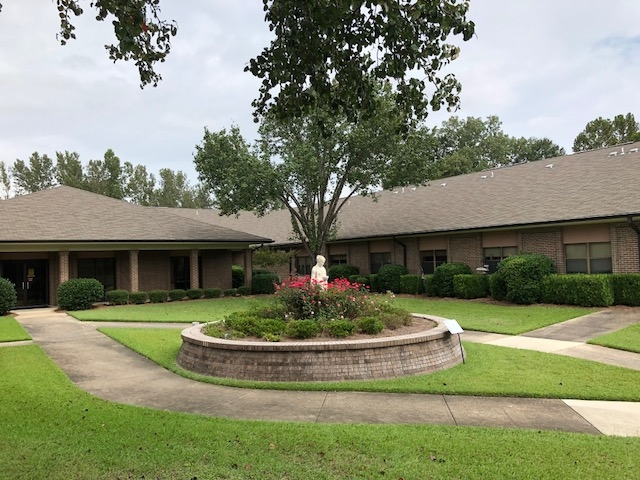
How is Heritage House Nursing Center Staffed?

CMS rates HERITAGE HOUSE NURSING CENTER's staffing level at 4 out of 5 stars, which is above average compared to other nursing homes. Staff turnover is 38%, compared to the Mississippi average of 46%. This relatively stable workforce can support continuity of care.

What Have Inspectors Found at Heritage House Nursing Center?

State health inspectors documented 12 deficiencies at HERITAGE HOUSE NURSING CENTER during 2019 to 2024. These included: 12 with potential for harm.
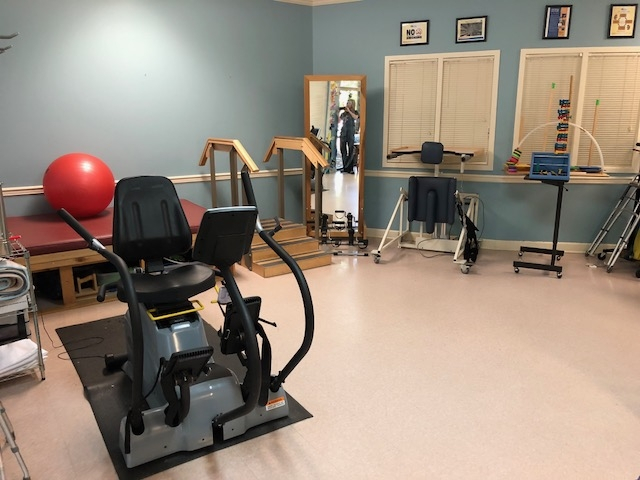
Who Owns and Operates Heritage House Nursing Center?

HERITAGE HOUSE NURSING CENTER is owned by a for-profit company. For-profit facilities operate as businesses with obligations to shareholders or private owners. The facility is operated by THE BEEBE FAMILY, a chain that manages multiple nursing homes. With 60 certified beds and approximately 52 residents (about 87% occupancy), it is a smaller facility located in VICKSBURG, Mississippi.
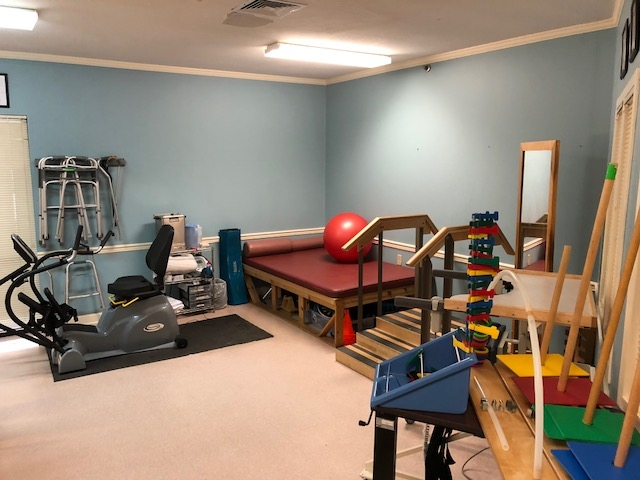
How Does Heritage House Nursing Center Compare to Other Mississippi Nursing Homes?

Compared to the 100 nursing homes in Mississippi, HERITAGE HOUSE NURSING CENTER's overall rating (3 stars) is above the state average of 2.6, staff turnover (38%) is near the state average of 46%, and health inspection rating (3 stars) is at the national benchmark.

What Should Families Ask When Visiting Heritage House Nursing Center?

Based on this facility's data, families visiting should ask: "Can I visit during a mealtime to observe dining assistance and food quality?" "How do you handle medical emergencies, and what is your hospital transfer rate?" "Can I speak with family members of current residents about their experience?"

Is Heritage House Nursing Center Safe?

Based on CMS inspection data, HERITAGE HOUSE NURSING CENTER has a clean safety record: no substantiated abuse findings (meaning no confirmed cases of resident harm), no Immediate Jeopardy citations (the most serious violation level indicating risk of serious injury or death), and is not on the Special Focus Facility watch list (a federal program monitoring the lowest-performing 1% of nursing homes). The facility has a 3-star overall rating and ranks #1 of 100 nursing homes in Mississippi. While no facility is perfect, families should still ask about staff-to-resident ratios and recent inspection results during their visit.

Do Nurses at Heritage House Nursing Center Stick Around?

HERITAGE HOUSE NURSING CENTER has a staff turnover rate of 38%, which is about average for Mississippi nursing homes (state average: 46%). Moderate turnover is common in nursing homes, but families should still ask about staff tenure and how the facility maintains care continuity when employees leave.

Was Heritage House Nursing Center Ever Fined?

HERITAGE HOUSE NURSING CENTER has no federal fines on record. CMS issues fines when nursing homes fail to meet care standards or don't correct problems found during inspections. The absence of fines suggests the facility has either maintained compliance or corrected any issues before penalties were assessed. This is a positive indicator, though families should still review recent inspection reports for the full picture.

Is Heritage House Nursing Center on Any Federal Watch List?

HERITAGE HOUSE NURSING CENTER is not on any federal watch list. The most significant is the Special Focus Facility (SFF) program, which identifies the bottom 1% of nursing homes nationally based on persistent, serious quality problems. Not being on this list means the facility has avoided the pattern of deficiencies that triggers enhanced federal oversight. This is a positive indicator, though families should still review the facility's inspection history directly.