THE BLUFFS REHABILITATION AND HEALTHCARE CENTER

2850 PORTER'S CHAPEL ROAD, VICKSBURG, MS 39180 (601) 638-9211
For profit - Corporation 107 Beds NEXION HEALTH Data: November 2025
Trust Grade
18/100
#188 of 200 in MS
Last Inspection: January 2025

Within standard 12-15 month inspection cycle. Federal law requires annual inspections.

Overview

The Bluffs Rehabilitation and Healthcare Center currently holds a Trust Grade of F, indicating poor performance and significant concerns in care quality. Ranking #188 out of 200 facilities in Mississippi places it in the bottom half of the state, and as the lowest-ranked facility in Warren County, families may want to consider other options. Unfortunately, the facility's situation is worsening, with issues increasing from 5 in 2023 to 15 in 2025. Staffing is rated average with a turnover of 43%, slightly better than the state average, which suggests some staff stability. However, there have been serious incidents, including a resident being manually transferred instead of using a lift, resulting in a leg injury, and the failure to develop necessary care plans for residents with special needs. While there are some strengths in staffing, the overall picture raises significant concerns for families considering this nursing home.

Trust Score
F
18/100
In Mississippi
#188/200
Bottom 6%
Safety Record
High Risk
Review needed
Inspections
Getting Worse
5 → 15 violations
Staff Stability
○ Average
43% turnover. Near Mississippi's 48% average. Typical for the industry.
Penalties
✓ Good
$8,000 in fines. Lower than most Mississippi facilities. Relatively clean record.
Skilled Nurses
⚠ Watch
Each resident gets only 24 minutes of Registered Nurse (RN) attention daily — below average for Mississippi. Fewer RN minutes means fewer trained eyes watching for problems.
Violations
⚠ Watch
25 deficiencies on record. Higher than average. Multiple issues found across inspections.
★☆☆☆☆
1.0
Overall Rating
★★★☆☆
3.0
Staff Levels
★☆☆☆☆
1.0
Care Quality
★☆☆☆☆
1.0
Inspection Score
Stable
2023: 5 issues
2025: 15 issues

The Good

  • Full Sprinkler Coverage · Fire safety systems throughout facility
  • No fines on record
  • Staff turnover below average (43%)

    5 points below Mississippi average of 48%

Facility shows strength in fire safety.

The Bad

1-Star Overall Rating

Below Mississippi average (2.6)

Significant quality concerns identified by CMS

Staff Turnover: 43%

Near Mississippi avg (46%)

Typical for the industry

Federal Fines: $8,000

Below median ($33,413)

Minor penalties assessed

Chain: NEXION HEALTH

Part of a multi-facility chain

Ask about local staffing decisions and management

The Ugly 25 deficiencies on record

4 actual harm
Sept 2025 2 deficiencies 2 Harm
SERIOUS (G) 📢 Someone Reported This

A family member, employee, or ombudsman was alarmed enough to file a formal complaint

Actual Harm - a resident was hurt due to facility failures

Deficiency F0655 (Tag F0655)

A resident was harmed · This affected 1 resident

**NOTE- TERMS IN BRACKETS HAVE BEEN EDITED TO PROTECT CONFIDENTIALITY** Based on staff interviews, record review, and facility policy review, the facility failed to complete a baseline care plan that ...

Read full inspector narrative →
**NOTE- TERMS IN BRACKETS HAVE BEEN EDITED TO PROTECT CONFIDENTIALITY** Based on staff interviews, record review, and facility policy review, the facility failed to complete a baseline care plan that included the minimum healthcare information necessary to provide effective, person-centered care. This failure resulted in the residents' transfer needs not being identified or communicated to staff. This deficient practice was identified for one (1) of five (5) residents reviewed for baseline care plans (Resident #1). Cross-reference F689. Findings include: Review of the facility policy titled, “Care Plans-Baseline,” last reviewed 6/2/25, revealed: “The baseline care plan includes instructions needed to provide effective, person-centered care of the resident that meet professional standards of quality care and must include the minimum healthcare information necessary to properly care for the resident.” Record review of the Baseline Care Plan for Resident #1 dated 9/3/25 (day of admission) revealed Self-Care: admission Performance – Chair/bed to chair transfer was marked not assessed/no information. Record review of the Visual/Bedside Kardex Report as of 9/23/25 for Resident #1 revealed Transfer Assistance: no information listed. Record review of the Section GG Mobility form for Resident #1 dated 9/4/25 revealed chair/bed transfer coded as dependent. Record review of Resident #1's progress note dated 9/18/25 documented: “Resident obtained a laceration during transfer from bed to chair. Classified as trauma injury. Area measured 4.5 cm (centimeter) x 5.5 cm x 0.2 cm.” On 9/22/25 at 3:00 PM, during an interview with the Risk Manager she confirmed Resident #1 was dependent and required a total lift for transfers. She acknowledged this information was not reflected on the Kardex and confirmed staff should have consulted the nurse supervisor for clarification. During an interview with the Minimum Data Set (MDS) Coordinator on 9/23/25 at 8:50 AM, she confirmed the baseline care plan was incomplete related to Resident #1's transfer status, and the Kardex was missing this information as well. She stated the resident was dependent and required a total lift for transfer, and staff should have clarified with the nurse supervisor when the information was not documented. Record review of the “admission Record” revealed Resident #1 was admitted on [DATE] with a diagnosis of alcoholic cirrhosis of liver with ascites. Record review of Resident #1's MDS with an Assessment Reference Date (ARD) of 9/12/25 revealed in Section C a Brief Interview for Mental Status (BIMS) score of 15, indicating the resident was cognitively intact.
SERIOUS (G) 📢 Someone Reported This

A family member, employee, or ombudsman was alarmed enough to file a formal complaint

Actual Harm - a resident was hurt due to facility failures

Accident Prevention (Tag F0689)

A resident was harmed · This affected 1 resident

**NOTE- TERMS IN BRACKETS HAVE BEEN EDITED TO PROTECT CONFIDENTIALITY** Based on observation, resident and staff interviews, record review, and facility policy review, the facility failed to ensure Re...

Read full inspector narrative →
**NOTE- TERMS IN BRACKETS HAVE BEEN EDITED TO PROTECT CONFIDENTIALITY** Based on observation, resident and staff interviews, record review, and facility policy review, the facility failed to ensure Resident #1 was transferred safely in accordance with her assessed needs. Staff performed a manual transfer instead of using the required total lift, which resulted in a traumatic injury to the resident's right leg. This deficient practice was identified for one (1) of three (3) residents reviewed for accident hazards (Resident #1). Cross-reference F655 Findings include: Review of the facility policy titled, “Safe Patient Handling and Moving Protocol,” latest review 6/18/25, revealed: “The licensed nurse will, upon resident admission, determine the level of assistance required to safely transfer the resident, while minimizing risk to resident and staff.” An observation and interview on 9/22/25 at 2:00 PM revealed Resident #1 with a large bandage to her right lateral lower leg. She stated that on 9/18/25 two staff members attempted to transfer her from the bed to the wheelchair without using a mechanical lift. She stated she told the staff she required the lift because she was very weak, but they proceeded to remove the wheelchair armrest and slide her over. She reported her legs and torso slipped downward, striking the exposed metal of the wheelchair armrest slot, causing a laceration to her right leg. In an interview with Resident #1's Representative (RR) on 9/22/25 at 2:10 PM, she confirmed that she observed the staff transfer Resident #1 without a lift on 9/18/25 after both her and the resident informed them that a lift was required. She confirmed that the resident slipped, her right leg struck the wheelchair, and a laceration occurred. Record review of the Section GG Mobility form for Resident #1 date 9/4/25 revealed chair/bed transfer coded dependent. During an interview on 9/23/25 at 8:27 AM, Certified Nurse Assistant (CNA) #2 confirmed she assisted with the transfer along with the Van Transporter (VT) for Resident #1 on 9/18/25. She stated they slid the resident into the wheelchair, and the resident's leg struck the metal frame, resulting in a tear. She confirmed the sling pad was in the wheelchair seat but stated she did not think to question why. During an interview on 9/23/25 at 8:30 AM, the VT confirmed she assisted with the transfer of Resident #1 on 9/18/25 and acknowledged the resident slipped. She admitted that she noticed the sling pad in the resident's chair but did not question it. During an interview on 9/23/25 at 8:45 AM, the Treatment Nurse stated that she assessed Resident #1's wound after the transfer on 9/18/25 and confirmed it was a trauma laceration, not a skin tear. She measured the injury at 4.5 centimeter (cm) x 5.5 cm x 0.2 cm and confirmed it occurred when staff manually slid the resident instead of using the lift. Record review of Resident #1's progress note dated 9/18/25 documented: “Resident obtained a laceration during transfer from bed to chair. Classified as trauma injury. Area measured 4.5 cm x 5.5 cm x 0.2 cm.” During an interview with the Risk Manager on 9/22/25 at 3:00 PM, she confirmed Resident #1 was not transferred according to her assessed needs. She stated the resident was dependent and required a total lift for transfers. She further confirmed the transfer status was not reflected on the Kardex for staff to follow, and that staff should have consulted the nurse supervisor to clarify. She acknowledged that failing to transfer a resident properly can lead to accidents. Record review of the “admission Record” revealed Resident #1 was admitted on [DATE] with a diagnosis of alcoholic cirrhosis of liver with ascites. Record review of Resident #1's Minimum Data Set (MDS) with an Assessment Reference Date (ARD) of 9/12/25 revealed in Section C a Brief Interview for Mental Status (BIMS) score of 15, indicating the resident was cognitively intact.
Feb 2025 1 deficiency
CONCERN (D) 📢 Someone Reported This

A family member, employee, or ombudsman was alarmed enough to file a formal complaint

Potential for Harm - no one hurt, but risky conditions existed

Deficiency F0604 (Tag F0604)

Could have caused harm · This affected 1 resident

Based on staff interviews, record review and facility policy review, the facility failed to ensure that a resident was free from restraints for one (1) of three (3) residents reviewed: Resident #1. Ba...

Read full inspector narrative →
Based on staff interviews, record review and facility policy review, the facility failed to ensure that a resident was free from restraints for one (1) of three (3) residents reviewed: Resident #1. Based on the implementation of the facility's corrective actions on 2/18/25, the deficient practice was determined to be past noncompliance, and the facility was found in compliance as of 2/19/25. Findings Include: A review of the facility policy titled Facility Policy on Personal Safety Devices (PSDs) with a revision date of 02/2025 - Enablers - Side Rails and Restraints revealed the following: Restraint Policy Intent: Patients/Residents have the right to be free from any physical restraint imposed for purposes of discipline or convenience . Record review of the admission Record revealed that the facility admitted Resident #1 on 12/5/24 with a medical diagnosis that included Unspecified Dementia. A record review of the facility investigation revealed that on 2/18/25, an allegation of restraint was reported to the Director of Nursing (DON). The DON was notified by Licensed Practical Nurse #1 (LPN #1) that Resident #1 was observed lying on her left side with a sheet tied across her chest to the bed frame and another sheet tied across her legs to the bed frame. It was further alleged that LPN #2 was the perpetrator. It was reported that LPN #1 and Certified Nursing Assistant #1 (CNA #1) immediately went to the room and removed the bed sheets. The DON notified the Administrator (ADM) of the allegation. LPN #2 was interviewed by the ADM and was notified of suspension pending investigation. A complete body audit of Resident #1 revealed no adverse findings. Resident #1 was placed under one-on-one observation until further notice. Upon completion of staff interviews assigned to the shift on 2/18/25, it was determined that LPN #2 had secured two flat sheets across Resident #1's torso and lower extremities, tying them to the bed frame. Additionally, it was established that the resident was restrained for approximately five (5) minutes before being released. LPN #2 denied the allegations but verbally admitted to securing the sheet at two corners, stating that this was intended to prevent the resident from getting up unassisted to avoid falls and to aid with turning. In conclusion, the allegations were substantiated, and LPN #2 was terminated. A review of a written statement dated 2/18/25 and signed by LPN #2 revealed: Resident was up and down throughout the night, in and out of bed, using a wheelchair, and walking in the dining room. Numerous attempts to redirect and educate failed by CNA staff and the nurse. The resident continued talking to persons not present. This nurse took a flat sheet and laid it across the top of the resident, sat there, and explained the importance of not getting out of bed. The nurse reminded the resident of her last two falls and discussed the use of the sheet across the top of her as an indicator/reminder that she should not get out of bed. This nurse tucked one side of the sheet loosely under the mattress, with the other side open and resting on the floor mat. The resident remained in bed for the rest of the night. The resident was not restrained in any way and was fully capable of movement in bed and of getting out of bed, as demonstrated earlier. The use of the flat sheet was a 'mind over matter' approach for the safety of the resident, as the resident had previously harmed herself by attempting to ambulate and transfer without assistance while refusing to call for help. A review of a written statement dated 2/18/25 and signed by CNA #3 revealed that during rounds, she witnessed Resident #1 tied in two (2) places to her bed with sheets-one across the legs and the other across the abdomen. A review of an undated witness statement signed by CNA #4 revealed that LPN #2 stated she had tied Resident #1 up. The assigned agency CNA checked the resident and reported that she was restrained. During a telephone interview with LPN #1 on 2/24/25 at 3:41 PM, she stated that when she returned from lunch between 2:00 AM and 2:30 AM, CNA #4 informed her that Resident #1 was tied to the bed. LPN #1 went to the room and observed a sheet over the resident's torso, tied under the bed, and another sheet over the resident's legs, also tied under the bed. She stated that the resident was asleep and in no distress. She immediately removed the sheets, evaluated the resident, and noted no injuries. She then notified the DON. In an interview with the ADM on 2/24/25 at 11:00 AM, the ADM confirmed that on 2/18/25, she received a report that Resident #1 had been restrained to her bed with sheets by LPN #2. She verified that the investigation revealed that Resident #1 was seen by staff lying on her left side with a sheet tied across her chest to the bed frame and another sheet tied across her legs to the bed frame. Staff immediately removed the sheets and evaluated the resident, who was found to have no injuries. She stated that on 2/18/25, LPN #2 was suspended pending investigation and subsequently terminated when the investigation substantiated that she had restrained Resident #1. The ADM further stated that on 2/18/25 at 7:30 AM, the Risk Manager initiated an update of the care plan for Resident #1. The Staff Development Coordinator provided education to all staff on abuse prohibition, resident rights, the Vulnerable Adults Act, the Restraint-Free Facility Initiative, and a physical abuse competency quiz. A head-to-toe body assessment was conducted by the Registered Nurse Supervisor, with no negative findings. The Medical Director was notified, and Resident #1 was placed on one-on-one monitoring. A telehealth visit with a Psychiatric Nurse Practitioner, along with the Assistant DON and Resident #1, resulted in no negative findings. The DON notified Resident #1's resident representative. Record review revealed that on 2/18/25 at 10:30 AM, life satisfaction rounds were conducted with residents scoring 12 or higher on the Brief Interview for Mental Status (BIMS) test to determine any knowledge of the perpetrator, witness accounts, or experience of abuse. Peer reviews were also initiated with staff to assess any knowledge of the perpetrator or abuse incidents. A physician assessed Resident #1, noting no negative findings. The Social Services Director conducted a trauma assessment on the resident. Record review revealed that at 2:30 PM on 2/18/25, an ad hoc Quality Assurance Performance Improvement (QAPI) meeting was held to assess the situation, establish a timeline of events, discuss immediate and systemic actions, and develop monitoring plans related to Resident #1's restraint incident. On 2/19/25 at 4:15 PM, a Resident Council Meeting was held to inform residents of the incident, discuss the suspension of the perpetrator, and provide education on different forms of abuse, including restraints and reporting procedures. The facility committed to conducting abuse drills for three (3) months, then quarterly. Random resident interviews and body audits will be conducted weekly for four (4) weeks, biweekly for eight (8) weeks, and then monthly for three (3) months. Findings will be reviewed by the QAPI Committee for further action. In a further interview on 2/25/25 at 8:45 AM, the ADM reiterated that the facility maintains a restraint-free policy and that it was her expectation that LPN #2 would not have restrained Resident #1. Validation: On 2/25/25, the State Agency (SA) validated through interviews and record reviews that all corrective actions had been implemented as of 2/18/25, and the facility was in compliance as of 2/19/25, prior to the SA's entrance on 2/24/25.
Jan 2025 12 deficiencies
CONCERN (D) 📢 Someone Reported This

A family member, employee, or ombudsman was alarmed enough to file a formal complaint

Potential for Harm - no one hurt, but risky conditions existed

Deficiency F0561 (Tag F0561)

Could have caused harm · This affected 1 resident

Based on observation, resident and staff interview, record review, and facility policy review, the facility failed to honor a resident 's preferences for (1) one of 23 sampled residents. Resident #195...

Read full inspector narrative →
Based on observation, resident and staff interview, record review, and facility policy review, the facility failed to honor a resident 's preferences for (1) one of 23 sampled residents. Resident #195 Findings include: A review of the facility policy titled, Resident Rights, revised 04/2017, revealed, Residents shall: C.) Be assured of choice and share responsibility for decisions . E.) Receive care and services that are adequate and appropriate . An observation on 1/06/25 at 9:00 AM revealed Resident #195's hair and beard to be unkept and matted in appearance, his fingernails were observed to be approximately 1/2 inch long with a thick dark brown substance under the nail beds. In a continued interview with Resident #195, he stated he had been in the facility a little over two weeks, and he had not received a shower, a shave, or had his hair brushed at all. He went on to state he had told someone when he was admitted that he preferred a shower and had asked the staff for one several times, they would say ok but never come back. He then stated, I am unable to get up by myself, or I would try to shower myself. In an interview and observation of Resident #195 on 1/6/24 at 12:10 PM with Certified Nurse Assistant (CNA) #1, she confirmed she had not attempted to give the resident a shower, and stated the facility does not have a set shower schedule for the residents. She then admitted that the resident's hair, beard and nails did not appear clean or that he had had a bath lately. In an interview and record review with the shower CNA #2 on 1/06/24 at 1:00 PM, she confirmed that the facility does not have a set shower schedule for the residents letting us know when they need one. She then revealed that if a resident receives a shower by the shower staff, then it would be documented on the shower schedule forms. After record review she confirmed that Resident #195 had no documented shower since admission. In an interview with the Director of Nursing (DON) on 1/07/25 at 10:39 AM, she confirmed that the facility did not have a shower schedule in place at this time. She stated, we had one in place for a while, but no one was following up on it and so it was stopped. She confirmed she was aware there was a problem and should have put something in place to ensure residents received their showers. She stated that failing to provide Resident #195 showers per his preference is a failure to honor the residents' right of choice. Record review of the January Shower Record revealed there was no documented shower for Resident #195. Review of the admission Record revealed Resident #195 was admitted by the facility on 12/21/24 with a diagnosis of Acute Kidney Failure. Record review of Resident #195's admission Minimum Data Set (MDS) with an Assessment Reference Date (ARD) of 12/27/24, revealed the Brief Interview for Mental Status (BIMS) score was 13, indicating the resident was cognitively intact. Section F0400 : Interview for Daily Preferences revealed, C. How important is it to you to choose a bath, shower, bed bath, or sponge bath? Coded: Very Important.
CONCERN (D) 📢 Someone Reported This

A family member, employee, or ombudsman was alarmed enough to file a formal complaint

Potential for Harm - no one hurt, but risky conditions existed

Safe Environment (Tag F0584)

Could have caused harm · This affected 1 resident

**NOTE- TERMS IN BRACKETS HAVE BEEN EDITED TO PROTECT CONFIDENTIALITY** Based on observations, resident and staff interviews, and facility policy reviews, the facility failed to provide a clean, comfo...

Read full inspector narrative →
**NOTE- TERMS IN BRACKETS HAVE BEEN EDITED TO PROTECT CONFIDENTIALITY** Based on observations, resident and staff interviews, and facility policy reviews, the facility failed to provide a clean, comfortable, and homelike environment as evidenced by broken blinds or window coverings on three (3) of six (6) hallways observed during survey. Rooms 203, 505, 601, and 607. Findings included: A review of the facility policy titled Homelike Environment with a revision date of 02/2023 revealed under the Policy Statement .Residents are provided with a safe, clean, comfortable environment . During an initial facility tour on 1/6/25, beginning at 7:45 AM, observations revealed broken or missing slats on window blinds in Rooms 203, 505, 601, and 607. This observation revealed there were residents residing in these rooms and the broken blinds allowed the room to be visible from outside the building. An observation of room [ROOM NUMBER] on 1/6/25 at 8:00 AM, revealed four (4) broken slats on the left side of the blinds. An observation of room [ROOM NUMBER] on 1/6/25 at 9:05 AM, revealed four (4) missing slats at the bottom of the blinds. An observation of room [ROOM NUMBER] on 1/6/25 at 3:19 PM revealed ten (10) missing slats on the blinds. In an observation and interview with Certified Nursing Assistant (CNA) #4 on 1/7/25 at 1:00 PM, she confirmed that the window blinds were broken with multiple missing pieces. CNA #4 stated that maintenance needs are typically reported verbally to the Maintenance Director or Administrator, as there is no formal documentation process. She admitted she had noticed the broken blinds but forgot to report the issue due to other responsibilities. During an interview with the Administrator on 1/7/25 at 1:15 PM confirmed that she was aware of the broken blinds because she conducts daily rounds. She stated that she reports maintenance needs to the maintenance director and that replacement blinds had been received but admits they had not been put up yet. She admitted there was no documentation of her rounds or maintenance notifications regarding the blinds. In an interview with the Maintenance Director on 1/7/25 at 1:24 PM, he confirmed that he was aware of the broken blinds in multiple rooms and stated that some replacement blinds had arrived the previous week, but none had been installed yet. He then verified that there was no documentation available to show when the blinds were ordered.
CONCERN (D) 📢 Someone Reported This

A family member, employee, or ombudsman was alarmed enough to file a formal complaint

Potential for Harm - no one hurt, but risky conditions existed

Free from Abuse/Neglect (Tag F0600)

Could have caused harm · This affected 1 resident

**NOTE- TERMS IN BRACKETS HAVE BEEN EDITED TO PROTECT CONFIDENTIALITY** Based on resident and staff interviews, record reviews, and facility policy reviews, the facility failed to protect a resident f...

Read full inspector narrative →
**NOTE- TERMS IN BRACKETS HAVE BEEN EDITED TO PROTECT CONFIDENTIALITY** Based on resident and staff interviews, record reviews, and facility policy reviews, the facility failed to protect a resident from verbal abuse for one (1) of 23 sampled residents. Resident #60. Findings Included: A review of the facility's policy titled Policy for Prohibition of Abuse, Neglect, and Misappropriation of Property with no revision date revealed under Intent .Each resident has the right to be free from abuse, mistreatment, neglect, corporal punishment, involuntary seclusion, and financial abuse. Record review of the facility's investigation revealed that on 9/9/24 at 9:30 AM, Resident #60 reported that Certified Nursing Assistant (CNA) #5 made a verbal threat toward him on 9/8/24. Resident #60 stated that CNA #5 asked him to throw something in the trash, and when he refused, she responded by telling him she would run him over with her truck. This incident occurred as CNA #5 was leaving the facility. Witnesses stated that CNA #5 backed up, screeched her tires, and left the parking lot. Resident #60 was behind her vehicle in his motorized wheelchair at the time. No physical contact occurred. CNA #5 was suspended pending an investigation. The facility substantiated that verbal abuse occurred. A review of a written statement dated 9/9/24 and signed by CNA #5 revealed that she asked Resident #60 to throw something away while he was outside the facility. She stated that the resident insulted her, calling her an expletive. She responded by saying, Stop please and move and chill out, to which the resident replied that he did not have to do anything for her. CNA #5 stated that she got into her truck, put it in reverse, and assumed the resident would move. In an interview with Resident #60 on 1/6/25 at 9:00 AM, he recalled that on the morning of 9/8/24, at approximately 9:30 AM, CNA #5 asked him to throw something away but did so with an attitude. He told her he did not have to do anything for her. Resident #60 stated that CNA #5 then threatened to run him over, entered her truck, and began backing up while he was positioned behind and slightly to the left of her vehicle. She stopped, screeched her tires, and left the parking lot. Resident #60 reported feeling that CNA #5 intended to hit him but confirmed that no contact occurred. During an interview with CNA #3 on 1/6/25 at 2:40 PM, she stated that on 9/8/24 at around 9:30 AM, she witnessed CNA #5 asking Resident #60 to throw something away. Resident #60 threw the item on the ground and told CNA #5 to throw it away herself. CNA #3 reported hearing CNA #5 state, I ought to run down your [expletive]. She then observed CNA #5 back up toward Resident #60, screech her tires, and leave the facility. In an interview with the Administrator (ADM) on 1/6/25 at 3:00 PM, she confirmed that on 9/9/24, she received a report from Resident #60 about the incident on 9/8/24. The report indicated that CNA #5 was rude and verbally threatened to run over Resident #60 with her vehicle. The ADM stated that CNA #5 was immediately suspended pending investigation. She confirmed that the investigation substantiated verbal abuse by CNA #5. A review of Resident #60's admission Record revealed that he was admitted to the facility on [DATE] with a diagnosis of an Unspecified Injury at the T2-T6 Level of the Thoracic Spinal Cord. A review of the Annual Minimum Data Set (MDS) Assessment with an Assessment Reference Date (ARD) of 11/12/24 revealed that Resident #60 had a Brief Interview for Mental Status (BIMS) score of 15, indicating that he is cognitively intact.
CONCERN (D) 📢 Someone Reported This

A family member, employee, or ombudsman was alarmed enough to file a formal complaint

Potential for Harm - no one hurt, but risky conditions existed

Deficiency F0655 (Tag F0655)

Could have caused harm · This affected 1 resident

Based on observation, resident and staff interview, record review and facility policy review, the facility failed to implement a baseline care plan related to preferences and personal hygiene care for...

Read full inspector narrative →
Based on observation, resident and staff interview, record review and facility policy review, the facility failed to implement a baseline care plan related to preferences and personal hygiene care for (1) one of 29 resident care plans reviewed. (Resident #195) Findings include: Review of the facility policy titled, Care Plans-Baseline, with a revision date of March 2022 revealed under Policy Interpretation and Implementation .the baseline care plan includes instructions needed to provide effective, person-centered care of the residents that meet professional standards of quality and must include the minimum healthcare information necessary to properly care for the resident . Review of the Baseline care plan for Resident #195 dated 12/21/24, revealed, Daily preferences that a resident prefers: receiving showers checked. Functional Abilities and Goals-Self Care: Shower/bathe care: coded requires partial/moderate assistance. I.) Personal Hygiene: coded requires setup or clean-up assistance. An observation and interview with Resident #195 on 1/6/25 at 9:00 AM revealed his hair appeared mated and his fingernails were approximately one-half (1/2) inch past the tips of the fingers with a brown substance underneath. He stated that he had been in the facility a couple of weeks and had not had a shower, shave or brushed his hair. He stated that he told the staff during admission that he preferred showers and had asked for one several times. In an interview with the Minimum Data Set (MDS) Coordinator #2 on 1/07/25 at 10:50 AM, she revealed after reviewing the baseline care plan for Resident #195, that the care plan reflected that it was the resident's preference to receive showers and required assistance with bathing and personal hygiene. She then confirmed if staff did not shower the resident, they did not implement his care plan for his preferences. She also confirmed if staff did not assist the resident with bathing and personal hygiene needs, staff did not implement his care plan related to self-care performance. The MDS Coordinator also revealed the purpose of any type of care plan is to direct resident specific care required to meet their needs. Review of the admission Record revealed Resident #195 was admitted by the facility on 12/21/24 with a diagnosis of Acute Kidney Failure. Record review of Resident #195's admission MDS with an Assessment Reference Date (ARD) of 12/27/24, revealed the Brief Interview for Mental Status (BIMS) score was 13, indicating the resident was cognitively intact. Section GG0130: Self Care, revealed, E.) Shower/bathe: coded requires substantial/maximal assistance and I.) Personal Hygiene: coded requires supervision or touching assistance.
CONCERN (D) 📢 Someone Reported This

A family member, employee, or ombudsman was alarmed enough to file a formal complaint

Potential for Harm - no one hurt, but risky conditions existed

ADL Care (Tag F0677)

Could have caused harm · This affected 1 resident

**NOTE- TERMS IN BRACKETS HAVE BEEN EDITED TO PROTECT CONFIDENTIALITY** Based on observation, resident and staff interviews, record review, and facility policy review, the facility failed to provide p...

Read full inspector narrative →
**NOTE- TERMS IN BRACKETS HAVE BEEN EDITED TO PROTECT CONFIDENTIALITY** Based on observation, resident and staff interviews, record review, and facility policy review, the facility failed to provide personal hygiene for four (4) of 29 sampled residents. Residents #17, #49, #57, and #195 Findings include: Review of the facility policy titled Activities of Daily Living (ADL), Supporting with a revision date of March 2018 revealed, Residents who are unable to carry out activities of daily living independently will receive the services necessary to maintain good nutrition, grooming and personal and oral hygiene. Resident #17 An observation and interview with Resident #17 on 1/06/25 at 9:30 AM revealed long and jagged fingernails measuring approximately one (1) inch long past the tip of the fingers with a brown substance under the nails on bilateral hands, facial hair approximately three-fourths (3/4) inch long to sporadic areas of her chin. Resident #17 stated, I don't like these whiskers. They are very long, and they need to be cut. She revealed it's been a while since she had her fingernails cut and wanted them cleaned and trimmed. An observation on 1/06/25 at 2:45 PM revealed Resident #17 sitting in the hallway with no change in appearance. An observation on 1/07/25 at 8:25 AM revealed Resident #17 with no change in appearance regarding long, jagged nails and long facial hair to the chin area. An observation and interview on 1/07/25 at 12:50 PM Certified Nurse Aide (CNA) #6 revealed she was assigned to Resident #17 today and confirmed the resident had a lot of facial hair to her chin area and the resident's fingernails were long and jagged with a brown substance under them. She revealed she couldn't cut the resident's fingernails but could have ensured they were cleaned up. Resident #13 told CNA #6 she wanted her nails trimmed and her facial hair removed. An observation and interview on 1/07/25 at 1:00 PM, the Director of Nurses (DON) confirmed Resident #17's fingernails were long, jagged, and had a substance under them. The DON revealed that the nurses are responsible for trimming her fingernails since she is diabetic, and trimming her facial hair is part of her daily grooming when she gets a bed bath or shower. She revealed that with her fingernails, long and jagged, she could scratch herself and cause skin concerns. The DON confirmed that Resident #17 had long facial hair in her chin area and revealed that she had not been properly groomed. During an interview on 1/07/25 at 1:47 PM, Licensed Practical Nurse (LPN) #1 revealed she cleaned and trimmed Resident #17's fingernails about a month ago. She revealed there is no set day to do nail care and there is not a reminder in the documenting system; she stated, We just do nail care when we notice that it needs to be done. I take full responsibility for not doing her nail care. Record review of the admission Record revealed the facility admitted Resident #17 on 11/19/2019 with medical diagnoses that included Type 2 Diabetes Mellitus, Chronic Pulmonary Edema, and Heart Failure. Record review of Resident #17's Minimum Data Set (MDS) with an Assessment Reference Date (ARD) of 10-29-2024 revealed, under Section C, a Brief Interview for Mental Status (BIMS) summary score of 14, which indicates the resident is cognitively intact. Resident #49 On 1/06/25 at 08:15 AM, an observation revealed a strong urine smell when standing by Resident #49's bed. CNA #7 entered the room upon the State Agent's (SA) request and pulled back the blanket covering the resident. The resident was lying on a sheet that was saturated with urine extending from the right side of the resident's waist up to his torso and extending out approximately eight (8) inches towards the edge of the bed. The saturated urine area had a brown ring around the outer edges. CNA #7 confirmed that Resident #49 was lying in a large amount of urine and stated, You can tell he has not been changed in a while because of that brown ring around the outer edge. This observation also revealed Resident #49 with approx. ¾ inch of facial hair growth on his chin, above his lip, and on the sides of his cheeks. During an observation and interview on 1/06/25 at 8:20 AM, LPN #1 confirmed she could smell a strong urine smell and that the urine-saturated sheet had a dried brown ring. She revealed that the urine looked like it had been there for a while and confirmed the resident was unshaven and unkempt. During an observation and interview on 1/06/25 at 8:30 AM, the Administrator (ADM) confirmed that Resident #49 was lying on a urine-saturated sheet with a brown ring around the outer edges of the stain. She revealed that this is not acceptable and confirmed that he doesn't look like he has been groomed in quite some time and has been left wet for a while. An observation and interview on 1/6/25 at 8:35 AM CNA #7 revealed she is assigned to the resident today and made quick rounds when she came on her shift at 7 AM, just glancing in at her residents, and Resident #49 was asleep; she revealed she hadn't changed his brief this morning because she got busy assisting with breakfast. She stated the resident had not been shaved in quite some time, and with his sheets being wet, I can tell you that the night shift did not change him like they were supposed to. During an interview on 1/6/25 at 8:55 AM, the DON confirmed that Resident #49 had long facial hair and revealed she wasn't sure when he was last properly groomed. She revealed there was no excuse for the resident to be found lying in urine and stated, We obviously have an issue with care not being done. Record review of the admission Record revealed Resident #49 was admitted to the facility on [DATE] with diagnoses that included Unspecified Dementia, Type 2 Diabetes Mellitus, Hemiplegia, and Hemiparesis. Resident #57 An observation on 1/06/25 at 8:00 AM revealed Resident #57 lying in bed with facial hair growth on his chin, above his lip, and on the sides of his cheeks that was approximately 1 inch long. Resident #57's fingernails were approximately one-half (1/2) inch long, jagged and had a brown substance underneath them on both hands. During an observation and interview on 1/06/25 at 8:10 AM, LPN #1 confirmed Resident #57 was unshaven with fingernails that were long and jagged, with a brown substance under them. She revealed she wasn't sure when the resident was shaven, but it looks like it has been a while. She revealed it is the nurses' responsibility to do his nail care since he is diabetic and revealed we do it whenever we notice they are getting long. She confirmed it had been about a month since the resident's nails were trimmed. During an observation and interview on 1/06/25 at 8:20 AM, CNA #8 revealed she was assigned to the resident today and wasn't sure what day the resident was supposed to get his showers. She revealed we take them when they need to be cleaned up or give them a bed bath. She revealed that it looked like the resident hadn't been shaven in a long time, and his nails were very long and dirty. During an observation and interview on 1/06/25 at 8:30 AM, the DON confirmed that Resident #57 was unshaven, and his fingernails were long, jagged, and dirty. She revealed that the resident could scratch himself and possibly cause an infection. The DON stated, The CNA's are responsible for making sure residents are properly groomed, and it honestly looks like it's been a while since that has happened. Record review of the admission Record for Resident #57 revealed he was admitted to the facility on [DATE] with diagnoses that included Need for Assistance with Personal Care and Type 2 Diabetes Mellitus. Resident #195 An observation and interview on 1/06/25 at 9:00 AM revealed Resident #195's hair and beard to be unkept and matted in appearance, his fingernails were observed to be approximately 1/2 inch long with a thick dark brown substance under the nail beds. Resident #195 stated he had been in the facility for a little over two weeks and had not received a shower, a shave, or even had his hair brushed. He then stated that his nails had also not been trimmed or cleaned since he was admitted . Resident #195 stated he had asked for a shower several times and the staff would say ok but would never come back to give him a shower, and stated, I am unable to get up by myself, or I would try to do it myself. In an observation of Resident #195 on 1/6/24 at 12:10 PM with CNA #1 assigned to the resident, she confirmed that the resident's hair and beard were unkept and did not appear clean. She then stated he did not appear that he had received a shower lately and confirmed the resident's nails were dirty, long, and jagged with some type of brown substance under his nail beds. She then confirmed she had not attempted to do nail care on the resident or give him a shower. CNA #1 then revealed the facility did not have a shower schedule in place letting the staff know when the residents are to be bathed and stated that nail care should be provided as needed. In an interview with the shower CNA #2 and record review on 1/06/24 at 1:00 PM, she confirmed the facility did not have a set shower schedule for the residents. CNA #2 then revealed that when a resident receives a shower by the shower team that it would be documented on the shower schedule. She then confirmed she was unable to find any documentation of showers for Resident #195. During an interview with the DON on 1/07/25 at 10:39 AM, she confirmed that the facility did not have a shower schedule at this time. She stated The facility had one in place for a while, but no one was following up on it, so it was stopped. She confirmed she was aware there was a problem with residents not receiving showers and confirmed she should have put something in place before now. She then stated concerns from failing to provide a resident with their showers and personal hygiene, is it could cause skin irritation, infection control issues, and dignity concerns. Review of the admission Record revealed Resident #195 was admitted by the facility on 12/21/24 with a diagnosis of Acute Kidney Failure. Record review of Resident #195's admission MDS with an ARD of 12/27/24, revealed the BIMS score was 13, indicating the resident was cognitively intact. Section GG0130: Self Care, revealed, E.) Shower/bathe: coded requires substantial/maximal assistance . I.) Personal Hygiene: coded requires supervision or touching assistance.
CONCERN (E)

Potential for Harm - no one hurt, but risky conditions existed

Transfer Notice (Tag F0623)

Could have caused harm · This affected multiple residents

**NOTE- TERMS IN BRACKETS HAVE BEEN EDITED TO PROTECT CONFIDENTIALITY** Based on staff and resident interviews, record review, and facility policy review the facility failed to send a written transfer...

Read full inspector narrative →
**NOTE- TERMS IN BRACKETS HAVE BEEN EDITED TO PROTECT CONFIDENTIALITY** Based on staff and resident interviews, record review, and facility policy review the facility failed to send a written transfer/discharge notice to a resident or resident representative for a hospital transfer for three (3) of 3 residents reviewed. Residents #8, # 27, and #45 Findings include: Record review of the facility policy, titled Transfer or Discharge Documentation and Notice with a review date of 5/17/24 revealed under Policy Interpretation and Implementation .5. The residents and representatives are notified in writing the following information: a. the specific reason for the transfer . Resident #8 Record review of the Discharge Minimum Data Set (MDS) for Resident #8 with an Assessment Reference Date (ARD) of 8/22/24 revealed, Section A-2000: discharge date : [DATE] . Section A-2105: Discharge Status: coded Short-Term General Hospital. During an interview on 1/7/25 at 12:45 PM, the Social Services Director revealed that she had not sent a written discharge/transfer notification form to any resident or resident representative and was unaware that she needed to provide the notifications when they went to the hospital. Record review of the admission Record revealed that Resident #8 was admitted to the facility on [DATE], and her most recent hospital stay was from 08/22/2024 to 08/30/2024. Resident #8 was admitted with medical diagnoses that included End Stage Renal Disease, and Diastolic (Congestive) Heart Failure. Resident #45 Record review of the Discharge MDS for Resident #45 with an ARD of 11/28/24 revealed, Section A-2000: discharge date : [DATE] . Section A-2105: Discharge Status : coded Short-Term General Hospital. Record review of the Discharge MDS for Resident #45 with an ARD of 12/06/24 revealed, Section A-2000: discharge date : [DATE] . Section A-2105: Discharge Status : coded Short-Term General Hospital. Record review Discharge MDS for Resident #45 with an ARD of 12/27/24 revealed, Section A-2000: discharge date : [DATE] . Section A-2105: Discharge Status : coded Short-Term General Hospital. Review of the admission Record revealed Resident #45 was admitted by the facility on 11/12/24 with a diagnosis of Malignant Neoplasm of Glottis. Resident #27 Record review of Resident #27's electronic Census status revealed that the resident was transferred to the hospital on 5/9/24, 5/26/24, 7/3/24 and 7/13/24. Record review of Resident #27's electronic Contacts list revealed that Resident #27 was his own Responsible Party (RP). An interview with Resident #27 on 1/6/24 at 11:30 AM, he stated he had not received a written transfer notification for any of his hospitalizations. An interview with the Administrator on 1/7/24 at 2:45 PM stated that it was important to provide the resident or responsible party with a written transfer notification so that they could understand why they were transferred. The Administrator stated that it was her expectation that the Social Services Director would have provided the Resident/Resident Representative with a written transfer notification. Record review of the admission Record revealed the facility admitted Resident # 27 on 3/15/21 with diagnoses that included Chronic Obstructive Pulmonary Disease. Record review of the Quarterly MDS with an ARD of 12/5/24 revealed Resident # 27 had a Brief Interview for Mental Status (BIMS) score of 15, which indicates he is cognitively intact.
CONCERN (E)

Potential for Harm - no one hurt, but risky conditions existed

Deficiency F0625 (Tag F0625)

Could have caused harm · This affected multiple residents

**NOTE- TERMS IN BRACKETS HAVE BEEN EDITED TO PROTECT CONFIDENTIALITY** Based on staff and resident interview, record review, and facility policy review the facility failed to send a bed hold notice t...

Read full inspector narrative →
**NOTE- TERMS IN BRACKETS HAVE BEEN EDITED TO PROTECT CONFIDENTIALITY** Based on staff and resident interview, record review, and facility policy review the facility failed to send a bed hold notice to a resident or resident representative following a transfer for three (3) of 3 resident hospitalizations reviewed. Residents #8, # 27, and #45 Findings Include Record review of the facility policy, titled Transfer or Discharge Documentation and Notice with a review date of 5/17/24 revealed under Policy Interpretation and Implementation .5. The resident and representative are notified in writing the following information .e. the facility bed hold policy . Resident #8 Record review Discharge Minimum Data Set (MDS) for Resident #8 with an Assessment Reference Date of 8/22/24 revealed, Section A-2000: discharge date : [DATE] . Section A-2105: Discharge Status: coded Short-Term General Hospital. Record review of the admission Record revealed that Resident #8 was admitted to the facility on [DATE], and her most recent hospital stay was from 08/22/2024 to 08/30/2024. Resident #8 was admitted with medical diagnoses that included End Stage Renal Disease, and Diastolic (Congestive) heart failure. Resident #45 Record review Discharge MDS for Resident #45 with an ARD of 11/28/24 revealed, Section A-2000: discharge date : [DATE] . Section A-2105: Discharge Status : coded Short-Term General Hospital. Record review Discharge MDS for Resident #45 with an ARD of 12/06/24 revealed, Section A-2000: discharge date : [DATE] . Section A-2105: Discharge Status : coded Short-Term General Hospital. Record review Discharge MDS for Resident #45 with an ARD of 12/27/24 revealed, Section A-2000: discharge date : [DATE] . Section A-2105: Discharge Status : coded Short-Term General Hospital. Review of the admission Record revealed Resident #45 was admitted by the facility on 11/12/24 with a diagnosis of Malignant Neoplasm of Glottis. An interview with Social Services on 1/7/25 at 12:50 PM, she stated that she did not provide a written notification of the bed-hold policy to Resident #8, #27,or #45 for any of their hospital transfers. She stated that she did not realize that she needed to provide the residents or resident representative this notification. An interview with the Administrator on 1/7/24 at 2: 45 PM she stated that the importance of providing the resident or resident representative with a bed-hold notification was to give them an opportunity to decide if they want to hold their bed at the facility. The Administrator stated that her expectations were that Social Services would have provided the Resident/Resident Representative with a written bed-hold policy notification. Resident #27 Record review of Resident #27's electronic Census status revealed that the resident was transferred to the hospital on 5/9/24, 5/26/24, 7/3/24 and 7/13/24. Record review of Resident #27's electronic Contacts list revealed that Resident #27 was his own Responsible Party (RP). An interview with Resident #27 on 1/6/24 at 11:30 AM, he stated that he had not received a written notification of the facility bed-hold policy for any of his hospitalizations. Record review of the admission Record revealed the facility admitted Resident # 27 on 3/15/21 with diagnosis that included Chronic Obstructive Pulmonary Disease. Record review of the Quarterly MDS with an ARD of 12/5/24 revealed Resident # 27 had a Brief Interview for Mental Status (BIMS) score of 15, which indicates he is cognitively intact.
CONCERN (E) 📢 Someone Reported This

A family member, employee, or ombudsman was alarmed enough to file a formal complaint

Potential for Harm - no one hurt, but risky conditions existed

Comprehensive Care Plan (Tag F0656)

Could have caused harm · This affected multiple residents

**NOTE- TERMS IN BRACKETS HAVE BEEN EDITED TO PROTECT CONFIDENTIALITY** Based on observation, resident and staff interviews, record reviews, and facility policy reviews, the facility failed to impleme...

Read full inspector narrative →
**NOTE- TERMS IN BRACKETS HAVE BEEN EDITED TO PROTECT CONFIDENTIALITY** Based on observation, resident and staff interviews, record reviews, and facility policy reviews, the facility failed to implement a comprehensive care plan for personal hygiene for three (3) of 23 resident care plans reviewed. Residents #17, #49, and #57 Findings include: Review of the facility policy titled, Care Plans, Comprehensive Person-Centered dated 10-2022 revealed under Policy Statement: A comprehensive, person-centered care plan that includes measurable objectives and timetables to meet the resident's physical, psychosocial and functional needs is developed and implemented for each resident. Resident #17 Record review of Resident #17's Care Plans, undated revealed Focus: The resident has an ADL (Activities of Daily Living) self-care performance deficit r/t (related to) decreased mobility and generalize weakness .Interventions .Bathing/Showering: Check nail length and trim and clean on bath day and as necessary. The resident is totally dependent on one (1) staff with personal hygiene. On 1/06/25 at 9:30 AM, an observation and interview with Resident #17 revealed long and jagged fingernails with a brown substance under the nails on bilateral hands that measured approximately one (1) inch long. Facial hair measured approximately three-fourths (3/4) inch long to sporadic areas of her chin. Resident #17 stated, I don't like these whiskers. They are very long, and they need to be cut. She revealed it's been a while since I've had my fingernails cut, and I would like them cleaned and trimmed. On 1/07/25 at 1:00 PM, an observation and interview the Director of Nurses (DON) confirmed Resident #17's fingernails were long, jagged, and had a substance under them. The DON revealed that the nurses are responsible for trimming her fingernails since she is diabetic, and trimming her facial hair is part of her daily grooming when she gets a bed bath or shower. She revealed that with her fingernails, long and jagged, she could scratch herself and cause skin concerns. The DON confirmed that Resident #17 had long facial hair in her chin area and revealed that she had not been properly groomed. A review of the admission Record revealed the facility admitted Resident #17 on 11/19/2019 with medical diagnoses that included Type 2 Diabetes Mellitus, Chronic Pulmonary Edema, and Heart Failure. Record review of Resident #17's Minimum Data Set (MDS) with an Assessment Reference Date (ARD) of 10-29-2024 revealed, under Section C, a Brief Interview for Mental Status (BIMS) summary score of 14, which indicates the resident is cognitively intact. Resident #49 Record review of Resident #49's Care Plans, date initiated: 08/19/2024, revealed Focus: The resident has an ADL self-care performance deficit r/t Activity Intolerance, Dementia, Limited Mobility . Interventions: The resident is totally dependent on 1 staff with personal hygiene and oral care. The resident requires extensive assistance by two (2) staff for toileting. An observation on 1/06/25 at 08:15 AM, revealed a strong urine smell when standing by Resident #49's bed and with approximately ¾ inch of facial hair growth on his chin, above his lip, and on the sides of his cheeks. CNA #7 entered the room upon the State Agent's (SA) request and pulled back the blanket covering the resident. The resident was lying on a sheet that was saturated with urine extending from the right side of the resident's waist up to his torso and extending out approximately eight (8) inches towards the edge of the bed. The saturated urine area had a brown ring around the outer edges. CNA #7 confirmed that Resident #49 was lying in a large amount of urine and revealed that it looked like the night shift did not change him. On 1/6/25 at 8:55 AM, during an interview the DON confirmed that Resident #49 had long facial hair and revealed she wasn't sure when he was last properly groomed. She revealed the plan of care regarding his hygiene was not being followed, and it should have been. Record review of the admission Record revealed Resident #49 was admitted to the facility on [DATE] with diagnoses that included Unspecified Dementia, Type 2 Diabetes Mellitus, Hemiplegia, and Hemiparesis. Resident #57 Record review of Resident #57's Care Plans, date initiated: 10/20/2021, revealed Focus: The resident has an ADL self-care performance deficit r/t Confusion, Impaired balance . Interventions . Personal Hygiene: The resident is totally dependent on two (2) staff members for personal hygiene. On 1/06/25 at 8:00 AM, an observation revealed Resident #57 lying in bed with approximately 1-inch long facial hair growth on his chin, above his lip, and on the sides of his cheeks. Resident #57's fingernails on bilateral hands were approximately one-half (1/2) inch long and jagged with a brown substance under his fingernails. On 1/06/25 at 8:30 AM, during an observation and interview the DON confirmed that Resident #57 was unshaven, and his fingernails were long, jagged, and dirty. The DON revealed that it is the CNAs' responsibility to ensure the resident is shaven and adequately groomed, and the nurses are responsible for his nail care since he is a diabetic. During an interview on 1/07/25 at 2:40 PM, the Minimum Data Set (MDS) Nurse #1 revealed both MDS Coordinators are responsible for developing the resident's care plans. She revealed that it is patient-centered and addresses all areas of care that the resident is to receive. She revealed that the comprehensive care plans for Residents #17, #47, and #59 were not followed if the residents were not adequately groomed. She revealed that personal hygiene and bathing also covered nail care, perineal care, and shaving. MDS Coordinator #1 revealed there is no excuse for a resident not to have the care specified in their care plan. Record review of the admission Record for Resident #57 revealed he was admitted to the facility on [DATE] with diagnoses that included Need for Assistance with Personal Care and Type 2 Diabetes Mellitus.
CONCERN (E)

Potential for Harm - no one hurt, but risky conditions existed

Infection Control (Tag F0880)

Could have caused harm · This affected multiple residents

**NOTE- TERMS IN BRACKETS HAVE BEEN EDITED TO PROTECT CONFIDENTIALITY** Based on observation, staff interviews, and facility policy review, the facility failed to prevent the possibility of the spread...

Read full inspector narrative →
**NOTE- TERMS IN BRACKETS HAVE BEEN EDITED TO PROTECT CONFIDENTIALITY** Based on observation, staff interviews, and facility policy review, the facility failed to prevent the possibility of the spread of infection as evidenced by failing to utilize proper hand hygiene for one (1) of five (5) resident direct care observations. Resident #37 Findings include: Review of the facility policy titled, Handwashing-Hand Hygiene Policy and Procedures with a revised date of 10-2020 revealed, This facility considers hand hygiene the primary means to prevent the spread of infections. 7. Use an alcohol-based hand rub containing at least 62% alcohol; or, alternatively, soap (antimicrobial or non-antimicrobial) and water for the following situations: .g. Before handling clean or soiled dressings, gauze pads, etc .; k. After handling used dressings . An observation and interview on 1/8/25 at 9:50 AM with Registered Nurse (RN) #1 providing wound care for Resident #37 with the Director of Nurses (DON) present revealed RN #1 washed her hands, applied clean gloves after removing the residents wound bandage. RN#1 then cleaned Resident #37's sacral wound, patted the wound bed with a dry gauze and then applied Santyl ointment to the wound without changing her soiled gloves, washing her hands, and applying clean gloves. RN #1 confirmed she had not washed her hands and changed her gloves between the dirty and clean procedures and acknowledged that not practicing proper infection control measures could potentially cause an infection in the wound. An interview on 1/08/25 at 2:34 PM with the DON confirmed proper hand hygiene was not performed during the wound treatment for Resident #37 and confirmed their policy is to make sure to change gloves and wash hands between dirty and clean wound treatment. She revealed that not doing so is an infection control issue and could delay healing. A record review of Resident #37's admission Record revealed the resident was admitted to the facility on [DATE] with diagnoses that included a Pressure Ulcer of the Sacral Region, Stage 4.
CONCERN (F)

Potential for Harm - no one hurt, but risky conditions existed

Deficiency F0727 (Tag F0727)

Could have caused harm · This affected most or all residents

Based on staff interviews, record review and facility policy review, the facility failed to provide a Registered Nurse (RN) eight (8) hours a day for one (1) of 14 staffing days reviewed. Findings In...

Read full inspector narrative →
Based on staff interviews, record review and facility policy review, the facility failed to provide a Registered Nurse (RN) eight (8) hours a day for one (1) of 14 staffing days reviewed. Findings Include Record review of the facility policy titled, Staffing, Sufficient and Competent Nursing with a review date of 3-2023 revealed under Policy Interpretation and Implementation: Sufficient Staffing .A registered nurse provides services at least eight (8) consecutive hours every 24 hours, seven (7) days a week . Record review of the Staffing Grid for the dates of 12/24/24 through 1/6/25 revealed there was no RN coverage on 12/25/24. An interview on 1/6/25 at 11:15 AM with the Director of Nurses (DON) confirmed there was no RN coverage on 12/25/24. She stated that the RN that was scheduled did not call in or show up and no one notified her. She stated that she figured it out around noon on Christmas Day when she looked through the computer at the time clock ins. She admitted that she did not come to cover it, everyone else was on vacation and they are not allowed to use agency RN for coverage. She confirmed that the purpose of having an RN on duty is for supervision to handle emergencies or intravenous medications (IV). She admitted there were no incidents or IV therapy on 12/25/24. An interview on 1/6/25 at 2:45 PM with the Administrator confirmed there was no RN coverage on 12/25/24. She stated that the DON put an RN on the schedule that had already requested off for that day and is not sure if the DON just forgot or was not aware. She confirmed that they need an RN for at least 8 hours a day to handle emergencies and IV's. She verifies that the DON was the person that should have covered it. A follow up interview on 1/6/25 at 3:00 PM with the DON confirmed that she does the schedule, and she put an RN on the schedule that had requested off, but she was not aware of her request. She stated that after she put the schedule out that the RN called and told her that she had already requested off for that day. When asked if she expected her to come to work after that phone conversation she stated, she never said she wasn't. When asked if she should have come in and covered, she stated, Yes but I was not coming in to cover someone else's responsibility and miss my family.
CONCERN (F)

Potential for Harm - no one hurt, but risky conditions existed

Staffing Data (Tag F0851)

Could have caused harm · This affected most or all residents

Based on staff interviews, record review, and facility policy review, the facility failed to submit accurate staffing data into the Payroll-Based Journal (PBJ) system for one (1) of the four quarters ...

Read full inspector narrative →
Based on staff interviews, record review, and facility policy review, the facility failed to submit accurate staffing data into the Payroll-Based Journal (PBJ) system for one (1) of the four quarters reviewed. Fourth quarter 2024 Findings include: Record review of the facility policy titled, Reporting Direct-Care Staffing Information (Payroll-Based Journal) Dated October 2022, revealed, . 10 .Staffing data includes the number of hours worked each day by each staff member. Record review of PBJ Staffing Data Report CASPER (Certification and Survey Provider Enhanced Reporting) Report 1705D FY (Fiscal Year) Quarter 4 2024 (July 1-September 30) revealed Excessively Low Weekend Staffing-Triggered. Triggered=Submitted Weekend Staffing data is excessively low. During an interview on 1/09/25 at 8:27 AM with the Administrator and the Director of Nurses (DON), they confirmed that the data entered for the fourth quarter PBJ was entered incorrectly and did not capture the full direct care on the PBJ. The DON revealed they had an issue with employees failing to clock out and in for weekend mealtimes, affecting their overall weekend hours.
MINOR (B)

Minor Issue - procedural, no safety impact

Assessment Accuracy (Tag F0641)

Minor procedural issue · This affected multiple residents

Based on staff interviews, record review, and facility policy review the facility failed to accurately complete Section N of the Minimum Data Set (MDS) assessment for a Resident, as evidenced by incor...

Read full inspector narrative →
Based on staff interviews, record review, and facility policy review the facility failed to accurately complete Section N of the Minimum Data Set (MDS) assessment for a Resident, as evidenced by incorrectly coding anticoagulant medication usage during the 7-day observation look-back period for 1 (one) of three (3) residents reviewed for anticoagulant use. Resident # 17 Findings include: Review of the facility policy titled, Certifying Accuracy of the Resident Assessment with a revision date of November 2019 revealed Any person completing a portion of the Minimum Data Set/MDS (Resident Assessment Instrument) must sign and certify the accuracy of that portion of the assessment. 3 .The information captured on the assessment reflects the status of the resident during the observation (look-back) period for that assessment. Record review of the MDS with an Assessment Reference Date (ARD) of October 29, 2024, revealed under section N that Resident #17 received seven (7) days of anticoagulant medication for the observation look-back period of 10/23/24 through 10/29/24. Record review of the Electronic Medication Administration Record (eMAR) for the MDS 7-day observation look-back period for anticoagulant medication revealed Resident #17 did not receive anticoagulant medication between 10/23/24 and 10/29/24. An interview with the MDS Coordinator on 1/07/25 at 2:50 PM confirmed that Resident #17 was coded on the 7-day look-back period of 10/23/24 through 10/29/24 for receiving an anticoagulant medication. She revealed that the resident was not on an anticoagulant medication and that it was coded in error. Record review of the admission Record for Resident #17 revealed the facility admitted the resident on 11/19/2019 with diagnoses that included Type 2 Diabetes Mellitus, Chronic Pulmonary Edema, and Heart Failure.
Oct 2023 5 deficiencies 2 Harm
SERIOUS (G)

Actual Harm - a resident was hurt due to facility failures

Comprehensive Care Plan (Tag F0656)

A resident was harmed · This affected 1 resident

**NOTE- TERMS IN BRACKETS HAVE BEEN EDITED TO PROTECT CONFIDENTIALITY** Based on observation, staff interview, facility policy review, and record review, the facility failed to develop a care plan for...

Read full inspector narrative →
**NOTE- TERMS IN BRACKETS HAVE BEEN EDITED TO PROTECT CONFIDENTIALITY** Based on observation, staff interview, facility policy review, and record review, the facility failed to develop a care plan for placement of splints to maintain or prevent worsening of contractures for two (2) of 22 resident reviewed with a contracture. Resident #26 and Resident #56 Findings include: Review of the facility policy titled, Care Plans, Comprehensive Person-Centered, with a reviewed date of January 2023, revealed, Policy Statement A comprehensive, person-centered care plan that includes measurable objectives and timetables to meet the resident's physical, psychosocial and functional needs is developed and implemented for each resident 8. The comprehensive, person-centered care plan will: a. Include measurable objectives and timeframes; b. Describe the services that are to be furnished to attain or maintain the resident's highest practicable physical, mental, and psychosocial well-being k. Reflect treatment goals, timetables, and objectives in measurable outcomes; l. Identify professional services that are responsible for each element of care; m. Aid in preventing or reducing decline in the resident's functional status and/or functional levels; n. Enhance the optimal functioning of the resident by focusing on a rehabilitative program; and o. Reflect currently recognized standards of practice for problem areas and conditions . Resident #26 During an observation and interview with Resident #26 on 10/24/23 at 3:07 PM revealed a wrist and hand splint on the bed. He stated since he finished therapy they don't put it on much. There were no observations during the survey from 10/24/23 through 10/26/23 of the splint in place on Resident #26. In an interview on 10/25/23 at 9:00 AM, Certified Nursing Assistant (CNA) #2 revealed Resident #26 has a splint and he wears it. She stated the CNA is responsible for putting it on. An interview on 10/26/23 at 7:40 AM with CNA #1 revealed she thought therapy was putting Resident #26's splint on. She thought he was still in therapy. She stated when the resident comes off therapy, therapy will pull whoever is working with the resident and instruct them on the splint. She stated the splint is supposed to be on the resident's care plan for the CNAs to see. Record review of the admission Record Resident Information Sheet revealed Resident #26 was admitted to the facility on [DATE] with diagnoses that included Hemiplegia and Hemiparesis following Non traumatic Intracerebral Hemorrhage affecting left dominate side, Muscle wasting and atrophy, and Chronic Kidney Disease, Stage 5. Review of the annual Minimum Data Set (MDS) with an Assessment Reference Date (ARD) of 8/18/23 revealed a Brief Interview for Mental Status (BIMS) score of 15 which indicated the resident was cognitively intact. Resident #56 During an observation on 10/24/23 at 11:35 AM, revealed Resident #56 had a left-hand contracture with fingers contracted but not pressed against his palm. During the survey from 10/24/23 through 10/26/23, observations revealed Resident #56 in his room and mobile in his wheelchair over the facility with no splint in place on his left hand. An interview on 10/26/23 at 7:40 AM, with CNA #1 revealed she has not seen a splint for Resident #56 and doesn't remember seeing it on the care plan. Review of the admission Record Resident Information Sheet for Resident #56 revealed an admission date of 6/19/19 with diagnoses that included Unspecified Focal Traumatic Brain Injury, Stiffness of the left hand, Muscle Wasting and Atrophy. Review of the quarterly MDS with and Assessment Reference Date (ARD) of 9/14/23 revealed a BIMS score of 10 which indicated Resident #56 had moderate cognitive impairment. An interview on 10/26/23 at 8:45 AM, with the DON confirmed that neither Resident #26 nor Resident #56 had a care plan for hand splints. The DON stated the care plan should be in place to ensure orders are followed and managed. An interview on 10/26/23 at 8:50 AM, with the Minimum Data Set (MDS) Nurse #2 revealed the purpose of the care plan is to provide person centered care and everyone knows collectively how to care for the resident. An interview on 10/26/23 at 8:53 AM, with MDS Nurse #1 revealed care plans are triggered from the MDS and from information received in their morning meeting about changes in residents. She stated she did not know Resident #26 did not have an order for a splint. MDS Nurse #1 stated that even if the splint was applied by therapy, there should be a care plan. When the resident is discharged from therapy and the splint is active, it should be put on the activities of daily living (ADL) care plan and the [NAME] for the staff to see, and there should be an order. MDS Nurse #1 confirmed there was a splint order for Resident #56 but no care plan. She stated she remembered looking at it and thought she put it in the ADL care plan, but she did not. Record review of Resident #26 and Resident #56's record confirmed there was no care plan in place for their splints.
SERIOUS (G)

Actual Harm - a resident was hurt due to facility failures

Deficiency F0688 (Tag F0688)

A resident was harmed · This affected 1 resident

**NOTE- TERMS IN BRACKETS HAVE BEEN EDITED TO PROTECT CONFIDENTIALITY** Based on observation, staff and resident interview, facility policy review, and record review, the facility failed to utilize sp...

Read full inspector narrative →
**NOTE- TERMS IN BRACKETS HAVE BEEN EDITED TO PROTECT CONFIDENTIALITY** Based on observation, staff and resident interview, facility policy review, and record review, the facility failed to utilize splints for residents to maintain or prevent worsening of contractures for two (2) of 22 residents reviewed with contractures. Resident #26 and Resident #56 Findings include: Review of the facility policy titled, Contracture Management Program, with a revision date of 1/23/23, revealed, Intent: To have a program within the facility geared towards the prevention of new contractures and maintenance or improvement of range of motion . Resident #26 An observation and interview, on 10/24/23 at 3:07 PM, revealed a wrist and hand splint laying on Resident #26's bed. Resident #26 stated since he finished therapy, they don't put it on much. There were no observations during the survey of Resident #26's splint being in place. An interview, on 10/25/23 at 9:00 AM, with Certified Nursing Assistant (CNA) #2 revealed Resident #26 has a splint and he has worn it. She stated the CNA is responsible for putting it on. During an interview on 10/26/23 at 7:43 AM, Resident #26 stated that a man from therapy used to put his splint on and he took it off at night. He stated that he has not had it on any weekends. He stated that no nurse or CNA had put his splint on because they told him they didn't know how. In an interview on 10/26/23 at 7:40 AM, with CNA #1 revealed therapy was putting Resident #26's splint on, she thought he was still in therapy. She stated when the resident comes off therapy, therapy will pull whoever is working with the resident and instruct them on the splint. She stated the splint is supposed to be on the resident's care plan for the CNAs to see. An interview with the Physical Therapy Assistant (PTA) on 10/26/23 at 8:15 AM, revealed Resident #26 was not on therapy case load. He was discharged on 10/13/23. The PTA confirmed staff should be trained when the resident is discharged from therapy. An interview on 10/26/23 at 8:17 AM, with the Certified Occupational Therapy Assistant (COTA) stated he works as needed (prn) and the therapist takes care of the orders. He stated he does train with the CNA's but cannot locate paperwork for Resident #26. He stated the facility does not have a restorative at present, so they catch the people working on the floor with the residents to teach them about the splints. Interview with the Director of Nursing (DON) on 10/26/23 at 8:35 AM, confirmed Resident #26 should have had an order in the computer for continued use of his splint after discharge from therapy. Record review of the Occupational Therapy discharge summary for Resident #26 dated 10/6/23 revealed patient will safely wear wrist cock-up splint on left hand and left wrist for up to eight hours with minimal signs/symptoms of redness, swelling, discomfort, or pain. Review of the admission Record resident information sheet revealed Resident #26 was admitted to the facility on [DATE] with diagnoses that included Hemiplegia and Hemiparesis following Non traumatic Intracerebral Hemorrhage affecting left dominate side, Muscle wasting and atrophy, and Chronic Kidney Disease, Stage 5. Review of the annual Minimum Data Set (MDS) with an Assessment Reference Date (ARD) of 8/18/23 revealed a Brief Interview for Mental Status (BIMS) score of 15 which indicated Resident #26 was cognitively intact. Resident # 56 An observation, on 10/24/23 at 11:35 AM, revealed Resident #56 had a left-hand contracture with fingers contracted but not pressed against his palm. Observations during the survey from 10/24/23 through 10/26/23 revealed Resident #56 in his room and mobile in his wheelchair over the facility with no splint in place on his left hand. During an interview, on 10/25/23 at 1:20 PM, with Licensed Practical Nurse (LPN) #2, she stated she had not put a splint on Resident #56. She confirmed there was an order for the splint but stated there was nowhere in the computer to document it being put on or to document the skin assessment. LPN #2 also confirmed the Medication Administration Record (MAR) for Resident #56 did not have the splint listed on it for documentation. An observation and interview, on 10/25/23 at 1:25 PM, with the Director of Nursing (DON) and Resident #56 confirmed the DON could not locate Resident #56's splint. The DON stated that she didn't expect to find it. Resident #56 stated that it had been about a week since he had the splint on. The DON stated that this was probably because the order was put in incorrectly and did not pull over for the staff to see. An interview on 10/25/23 at 1:55 PM, with the Director of Therapy revealed they do an evaluation on all residents who have a contracture quarterly. The Director of Therapy revealed therapy had Resident #56 for treatment on service from 3/13/23 to 5/2/23 and again from 6/8/23 to 7/17/23. The Occupational Therapist would have then given instructions to the staff on the application of the splint. Record review of the Occupational Therapy evaluation and plan of treatment form dated 10/25/23 revealed Resident #56 under clinical impression presents with left upper extremity (LUE) wrist, decreased range of motion (ROM) of elbow, wrist and digits that affects ability to wear palm splint with finger separators as part of contracture management. An interview on 10/26/23 at 7:40 AM, with CNA #1 revealed she has not seen a splint for Resident #56 and doesn't remember seeing it on the care plan. An interview on 10/26/23 at 8:35 AM, with the Director of Nursing (DON) and the Administrator (ADM) confirmed they have not had a Restorative Program since COVID-19 started. The process is for the order to be written on the computer for the splint, it goes to the Medication Administration Record (MAR) and the nurses are responsible for applying splints and assessing skin. The DON confirmed Resident #56's order was not on MAR and she was unable to find any documentation in the progress notes concerning the resident's splint. She stated this should be documented daily. The ADM stated she felt Resident #56's order was put in incorrectly by therapy which did not let it pull over to the MAR. The DON stated therapy can put the order in the que and nursing confirms it for accuracy and then it is pulled to the MAR for documentation. The DON stated that if the orders and treatments are not carried out for splints it could cause worsening of the contracture or skin breakdown. An interview on 10/26/23 at 11:53 AM, with the Occupational Therapist (OT) revealed Resident #56 had a decline in his wrist flexion from -70 in March 2023 to -88 on 10/26/23 and had a decline of the contracture to the index finger from -70 in March 2023 to -79 on 10/26/23. Record review of the OT Discharge Summary date of service 3/13/23 - 5/2/23 revealed Short Term Goals (STG) .#2 Patient will increase AROM (active range of motion) left wrist to -40 degrees .Baseline 3/13/23 -70 degrees. Discharge 5/2/23 -30 degrees. STG #3. Patient will increase AROM left index finger PIP (proximal interphalangeal joint) extension to -45 degrees .Baseline 3/13/23 -80 degrees .Discharge 5/2/23 -45 degrees . Record review of a Order Summary Report dated 3/27/23 revealed Resident #56 to wear left (L) resting hand splint daily in morning (am) up to four (4) hours or as tolerated. Nurse to check skin prior to applying splint and after removal of splint and report any skin changes immediately. Record review revealed a Splint and Range of Motion (ROM) Competency and Discharge Planning Form: Care Giver and /or Resident for Resident #56 dated 3/29/23. The form has instructions concerning the splint placement and is signed by the therapist, but no caregiver or resident signatures are noted upon discharge. Review of the admission Record resident information sheet for Resident #56 revealed an admission date of 6/19/19 with diagnoses that included Unspecified Focal Traumatic Brain Injury, Stiffness of the left hand, Muscle Wasting and Atrophy. Review of the quarterly MDS with and ARD of 9/14/23 revealed a BIMS score of 10 which indicated Resident #56 had moderate cognitive impairment.
CONCERN (D) 📢 Someone Reported This

A family member, employee, or ombudsman was alarmed enough to file a formal complaint

Potential for Harm - no one hurt, but risky conditions existed

Notification of Changes (Tag F0580)

Could have caused harm · This affected 1 resident

**NOTE- TERMS IN BRACKETS HAVE BEEN EDITED TO PROTECT CONFIDENTIALITY** Based on staff interview, record review, and facility policy review the facility failed to notify the Resident Representative (R...

Read full inspector narrative →
**NOTE- TERMS IN BRACKETS HAVE BEEN EDITED TO PROTECT CONFIDENTIALITY** Based on staff interview, record review, and facility policy review the facility failed to notify the Resident Representative (RR) of a change in condition and hospital transfer for a resident for one (1) of five (5) residents reviewed for transfer/discharge. Resident #152 Findings include: Review of the facility policy titled, Change of Condition and Family Notification, review date [DATE], revealed, PURPOSE To ensure that resident's family and /or legal representative and physician are notified of resident changes that fall under the following categories: .A significant change in the resident's physical, mental, or psychological status .Transfer of the resident from the facility. PROCEDURE When any of the above situations exists, the licensed nurse will contact the resident's family and their physician. Calls will be made to the family until they are reached. A message will be left on an answering machine which does not give specifics but leaves a request for the facility to be called . Record review of the Progress Note created on 12/16/22 at 18:57, revealed unable to reach RP (Responsible Party) will inform on-coming nurse to call RP of resident transferred to hospital. An interview, on 10/26/23 at 10:30 AM, with the Director of Nursing (DON) confirmed the nurse documented on 12/16/23 an attempt to notify the RR of the resident transfer to the hospital without success and documented she would report to the oncoming nurse to call RR again. The DON confirmed there was no documentation that a follow up call was made to notify the RR. During an interview concerning family notification, on 10/26/23 at 10:32 AM, the Administrator (ADM) stated that follow up calls should always be made, it is the policy. Review of the admission Record resident information sheet revealed Resident #152 was admitted to the facility on [DATE] with diagnoses that included Acute Respiratory Failure with Hypoxia, Unspecified Dementia, Hemiplegia and Hemiparesis following Cerebral Infarction, Encounter for attention to Tracheostomy, and Acute Pulmonary Edema. Review of the Minimum Data Set (MDS) with an Assessment Reference Date (ARD) of 12/16/22 revealed a Brief Interview for Mental Status (BIMS) should not be conducted. Resident # 152 is rarely/never understood.
CONCERN (D)

Potential for Harm - no one hurt, but risky conditions existed

Deficiency F0761 (Tag F0761)

Could have caused harm · This affected 1 resident

**NOTE- TERMS IN BRACKETS HAVE BEEN EDITED TO PROTECT CONFIDENTIALITY** Based on observation, staff interview, record review and facility policy review the facility failed to ensure a medication was p...

Read full inspector narrative →
**NOTE- TERMS IN BRACKETS HAVE BEEN EDITED TO PROTECT CONFIDENTIALITY** Based on observation, staff interview, record review and facility policy review the facility failed to ensure a medication was properly stored as evidenced by a vial of Albuterol Sulfate being left on a resident's bedside table for (1) of 21 rooms viewed with respiratory treatments. Resident #252. Findings include: A review of the facility policy titled, Storage of Medications, revised April 2019, revealed, Policy Statement The facility stores all drugs and biologicals in a safe, secure, and orderly manner . An observation of Resident #252's room on 10/24/23 at 10:30 AM, revealed a nebulizer machine and tubing stored on the bedside table with a vial of what read as Albuterol laying on the bedside table in plain view from the doorway entrance. An observation and interview with the Treatment Nurse on 10/24/23 at 2:20 PM, she verified the vial laying on the bedside table next to the nebulizer machine in Resident #252's room was Albuterol Sulfate and confirmed that Resident #252 does not administer his own medications. The Treatment Nurse confirmed the Albuterol should not have been left in the room by staff. An interview with Licensed Practical Nurse (LPN) #2 on 10/24/23 at 2:32 PM, she revealed she had administered Resident #252's Albuterol that morning and when the treatment was completed, she put the nebulizer mask in the clean bag on the bedside table and revealed she did not see a vial of Albuterol. LPN #2 revealed possible concerns from the Albuterol being left in the room is that it is possible that Resident #252 missed a dose of the Albuterol which could result in respiratory concerns. An interview with the Administrator on 10/25/23 at 9:38 AM, revealed she is also a Respiratory Therapist. She then confirmed the Albuterol Sulfate should not have been left in Resident #252's room and revealed possible concerns from the medication being left in the room is the resident possibly missed a dose of the Albuterol increasing risk of shortness of breath. Record review of the Order Summary Report for Resident #252, revealed an order dated 10/18/23 for Ipratropium-Albuterol Inhalation 0.5-2.5 (3) three MG (MILLIGRAM)/3 (three) ML (MILLILITER) inhale orally every (6) six hours related to Chronic Obstructive Pulmonary Disease. Record review of the admission Record revealed that the facility admitted Resident #252 on 10/18/23 with diagnoses of Chronic Obstructive Pulmonary Disease and Pneumonia. A record review of the Minimum Data Set, dated [DATE] revealed a Brief Interview for Mental Status (BIMS) score of 08 which indicated that Resident #252 was moderately cognitively impaired.
CONCERN (D)

Potential for Harm - no one hurt, but risky conditions existed

Infection Control (Tag F0880)

Could have caused harm · This affected 1 resident

**NOTE- TERMS IN BRACKETS HAVE BEEN EDITED TO PROTECT CONFIDENTIALITY** Based on observation, staff interview and facility policy review the facility failed to perform hand hygiene after removing glov...

Read full inspector narrative →
**NOTE- TERMS IN BRACKETS HAVE BEEN EDITED TO PROTECT CONFIDENTIALITY** Based on observation, staff interview and facility policy review the facility failed to perform hand hygiene after removing gloves during resident care for two (2) of seven (7) residents observed for staff performance of hand hygiene during resident care. Resident # 36 and Resident # 66. Findings include: Record review of facility policy Handwashing-Hand Hygiene Policy and Procedures, with a revision date of 10/2020, revealed, Policy Statement This facility considers hand hygiene the primary means to prevent the spread of infections .Policy Interpretation and Implementation . 7. Use an alcohol-based hand rub .for the following situations .f. Before donning sterile gloves . Applying and Removing Gloves 1. Perform hand hygiene before and after applying non-sterile gloves . Resident #36 An observation of Resident #36 on 10/24/23 at 1:00 PM, revealed she had a tracheostomy. An attempted interview with Resident #36 revealed that she is unable to speak and does not respond to interview. A record review of Resident #36 's Order Review History Report, revealed a physician's order, dated 9/4/23, for tracheostomy care every shift and as needed using aseptic technique. Remove inner cannula, clean with 1/2 strength hydrogen peroxide and sterile gauze and cotton swab. Re-insert inner cannula, turn to lock, clean outer cannula/stoma with sterile water, pat dry with sterile gauze. May use split sterile gauze as needed. An observation of Resident # 36's tracheostomy care on 10/25/23 at 9:00 AM, performed by the Respiratory Therapist (RT) revealed that she washed her hands, applied clean gloves, removed the dressing around the tracheostomy site, removed the disposable inner cannula and her removed gloves. The RT did not perform hand hygiene after removing the dirty gloves. She then applied clean gloves, cleaned the tracheostomy site with the prescribed solution, removed her gloves, and failed to perform hand hygiene. The RT then applied sterile gloves, replaced disposable inner cannula, removed her gloves, and failed to perform hand hygiene. During an interview with the RT on 10/25/23 at 9: 20 AM, she verified that she did not perform hand hygiene after removing gloves and before applying clean gloves during tracheostomy care. She agreed that failure to perform hand hygiene could lead to the spread of infection and that she should have performed hand hygiene between glove changes. During an interview with the Administrator and Director of Nursing (DON) on 10/25/23 at 9:45 AM, they stated that the RT should have performed hand hygiene each time she removed her gloves during tracheostomy care. The Administrator and DON agreed that failure to perform hand hygiene after removing gloves could result in the spread of infection. Record review of admission Record for Resident #36 revealed she was admitted to the facility on [DATE] with diagnoses that include Chronic Respiratory Failure with Hypercapnia and Encounter for Attention to Tracheostomy. A record review of the Quarterly Minimum Data Set (MDS) with an Assessment Reference Date (ARD) of 8/18/23, for Resident #36, revealed, under Section C Brief Interview for Mental Status (BIMS), that Resident #36 is rarely/never understood. Resident #66 A record review of Resident # 66's Order Review History Report revealed a Physician's Order, dated 9/6/23, for Wound # 1 Stage four (4) pressure injury left calf, clean with wound cleaner, pat dry apply xeroform daily, cover with rolled gauze, change daily or as needed for soilage until healed. An observation of wound care performed by Licensed Practical Nurse #1 (LPN) on 10/25/23 at 9:22 AM, revealed that LPN #1 performed hand hygiene, applied clean gloves, removed the dressing from Resident # 66's left leg, removed her gloves and applied clean gloves without performing hand hygiene. LPN #1 then cleaned the wound with wound cleanser, picked up a xeroform gauze and applied it to the wound bed, without removing gloves or performing hand hygiene. LPN #1 stated I was supposed to change my gloves there. LPN # 1 then applied the rolled gauze around Resident # 66's left leg and secured the dressing. During an interview with LPN # 1 on 10/25/23 at 9:28 AM, she verified that she should have performed hand hygiene each time she removed her gloves during wound care. She stated failure to perform hand hygiene after removing gloves could cause the spread of infection. During an interview with the Administrator and DON, on 10/25/23 at 9:43 AM, they stated that LPN #1 should have performed hand hygiene each time she removed her gloves during wound care. The Administrator and DON agreed that failure to perform hand hygiene after removing gloves could result in the spread of infection. Record review of admission Record for Resident # 66 revealed she was admitted to the facility on [DATE] with diagnoses that include Paraplegia and Pressure Ulcer of Left Ankle. A record review of the Quarterly MDS with an ARD of 9/14/23, for Resident # 66, revealed, under Section C Brief Interview for BIMS that Resident # 66 is rarely/never understood.
Jun 2022 5 deficiencies
CONCERN (D)

Potential for Harm - no one hurt, but risky conditions existed

Transfer Notice (Tag F0623)

Could have caused harm · This affected 1 resident

**NOTE- TERMS IN BRACKETS HAVE BEEN EDITED TO PROTECT CONFIDENTIALITY** Based on staff interviews, facility policy and record review the facility failed to notify a Resident Representative (RR) in wri...

Read full inspector narrative →
**NOTE- TERMS IN BRACKETS HAVE BEEN EDITED TO PROTECT CONFIDENTIALITY** Based on staff interviews, facility policy and record review the facility failed to notify a Resident Representative (RR) in writing of a hospital transfer for one (1) of three (3) residents reviewed for transfer/discharge. Resident # 74 Findings include: Record review of the facility policy titled Change of Condition and Physicians/Family Notification with a revision date of March 25, 2021 revealed Purpose: To ensure that resident's family and/or legal representative and physician are notified of resident changes that fall under the following categories .Transfer of the resident from the facility . The facility policy did not address mailing a notice of transfer to the family. Record review of Resident # 74's Progress Notes dated 2/28/22 at 13:25 (1:25 PM) revealed the nurse received a return call from(Formal Name of Physician's) office with a new order to send to ER (emergency room) for evaluation and treatment Record review of Resident # 74's Progress Notes dated 3/28/22 at 16:31 (4:31 PM) revealed Np notified. resident is currently in ER . Record review of Resident # 74's Order Listing Report revealed an order dated 2/28/22 Send to ER for eval (evaluation)/treat one time only for 1 (one) day and an order dated 3/28/22 Send to ER for eval/treat r/t (related to ) elevated BS ( blood sugar)/Temp (temperature). On 6/15/22 at 10:50 AM, an interview with Social Services (SS) revealed she has only been in the SS position for a few months, and she did not know she was supposed to be sending a mail notification to the family when a resident is transferred to the hospital. SS revealed she does keep a log of the transfers but did not notify Resident # 74's family when she was transferred to the hospital on 2/28/22 and 3/28/22. On 06/15/22 at 11:15 AM, an interview with the Director of Nursing (DON) revealed she did not know that the facility is supposed to send a letter to the RR and notify them of a hospital transfer. On 6/15/22 at 4:10 PM, an interview with the Administrator (ADM) revealed she was aware that the family should be notified by mail when a resident was transferred to the hospital but did not know the staff was not sending them. Record review of the admission Record revealed Resident #74 was admitted to the facility on [DATE] with diagnoses that included Cerebrovascular Disease, Acute Kidney Failure, Acute and Chronic Respiratory Failure, Type 2 Diabetes, and Dysphagia.
CONCERN (D)

Potential for Harm - no one hurt, but risky conditions existed

Deficiency F0625 (Tag F0625)

Could have caused harm · This affected 1 resident

Based on staff interview, facility policy review and record review the facility failed to notify a Resident Representative in writing of the bed hold policy after transfer to a hospital for one (1) of...

Read full inspector narrative →
Based on staff interview, facility policy review and record review the facility failed to notify a Resident Representative in writing of the bed hold policy after transfer to a hospital for one (1) of three (3) resident's reviewed for transfer/ discharge. Resident # 74 Findings include: Record review of the facility policy titled Bed-Holds and Returns with a revision date of March 2017 revealed Prior to transfers and therapeutic leaves, residents or resident representatives will be informed in writing of the bed-hold and return policy . Prior to a transfer, written information will be given to the residents and the resident representatives that explains in detail: .b. the reserve bed payment policy indicated by the state plan (Medicaid residents), c. the facility per diem rate required to hold a bed (non-Medicaid residents), or to hold a bed beyond the state bed-hold period (Medicaid residents); and d. the details of the transfer (per the notice of transfer) . Record review of Resident # 74's Progress Notes dated 2/28/22 at 13:25 (1:25 PM) revealed the nurse received a return call from(Formal Name of Physician's) office with a new order to send to ER (emergency room) for evaluation and treatment Record review of Resident # 74's Progress Notes dated 3/28/22 at 16:31 (4:31 PM) revealed Np notified. resident is currently in ER . Record review of Resident # 74's Order Listing Report revealed an order dated 2/28/22 Send to ER for eval (evaluation)/treat one time only for 1 (one) day and an order dated 3/28/22 Send to ER for eval/treat r/t (related to ) elevated BS ( blood sugar)/Temp (temperature). On 6/15/22 at 10:50 AM an interview with Social Services (SS) revealed she has only been in the SS position for a few months, and she did not know she was supposed to be sending a mail notification to the family explaining bed hold when a resident is transferred to the hospital. SS revealed she does keep a log of all transfers but did not notify Resident # 74's family when she was transferred to the hospital on 2/28/22 and 3/28/22. On 06/15/22 at 11:15 AM, an interview with the Director of Nursing (DON) revealed she did not know that the facility is supposed to send a letter to the RR and notify them of a hospital transfer and of the bed hold. On 6/15/22 at 4:10 PM, an interview with the Administrator revealed she was aware that the facility should be sending notification to the families by mail when a resident was transferred to the hospital and include the bed hold information, but did not know the staff was not sending the notification.
CONCERN (D)

Potential for Harm - no one hurt, but risky conditions existed

Comprehensive Care Plan (Tag F0656)

Could have caused harm · This affected 1 resident

**NOTE- TERMS IN BRACKETS HAVE BEEN EDITED TO PROTECT CONFIDENTIALITY** Resident #82 On 06/14/22 at 03:13 PM, in an interview with Resident # 82 she stated she had an appointment with her infectious d...

Read full inspector narrative →
**NOTE- TERMS IN BRACKETS HAVE BEEN EDITED TO PROTECT CONFIDENTIALITY** Resident #82 On 06/14/22 at 03:13 PM, in an interview with Resident # 82 she stated she had an appointment with her infectious disease doctor earlier today. She stated she is looking at possibly receiving intravenous (IV) antibiotics if her urinalysis culture is abnormal, but it will take 72 hours to get the culture back. The State Agency (SA) observed her PICC line that was located in her right upper arm. She stated she will get the antibiotics through the PICC line if she does need Intravenous (IV) antibiotics. On 06/15/22 at 11:20 AM, in an interview with Resident # 82, stated that when she went to the her appointment yesterday with the infectious disease Nurse Practitioner (NP), they tried to draw blood from her PICC line, but it was clogged. The clinic was able to get the PICC line unclogged using heparin and she was glad that they did not have to use a stronger medication to get it unclogged or have to have it replaced. She stated the PICC line got clogged because when she came back from the hospital, the PICC line was not being flushed. She stated she was in the hospital about a week at the end of last month (May 2022). Record review of the (Proper Name of Contract Service) Documentation Form with a Service Date of 5/13/22 confirmed a double lumen PICC line was inserted to Resident # 82's right arm. On 06/15/22 at 3:13 PM, in an interview with the Director of Nursing (DON) and the Administrator, the DON stated that the resident had the PICC line placed at the facility on 5/13/22. The DON transcribed the physician orders and input the orders into the computer system. She did not initiate any flush orders for the PICC line at that time. After the PICC line was inserted, the facility received orders to send the resident to the hospital to have a computed tomography (CT) scan. Resident #82 returned from the hospital with a less than 24 hour stay and she was receiving IV medications through the PICC line until she had a change in condition and was sent to the hospital on 5/22/22. When Resident # 82 returned to the facility on 5/27/22, the DON said that she entered the readmission orders in to the computer system and she did not enter any flush orders for the PICC line. Record review of the Report of Consultation from Consulting Doctor #1 dated 6/14/22 revealed, Progress Notes/Orders (3) Flush PICC line daily with 10 cc (cubic centimeter) NS (Normal Saline) and 5 cc heparin (when not in use). Record review of a Physician's Order for Resident #82 dated 6/15/22 revealed, Flush PICC with __5__ cc 100 units/ml (milliliters) Heparin following NS (normal saline) flush after medication administration/blood draw or daily while not in use and Flush PICC with 10 cc/ml (cubic centimeters/ml) NS before and after medication administration per SASH (Saline Flush, Administer, Saline Flush, Heparin) protocol or daily while not in use. Record review of the Comprehensive Care Plan revealed a Focus of I have a picc line r/t (related to) antibiotic therapy created on 6/15/22 by the MDS Coordinator. Interventions included Flush PICC with __5__ cc 100 units/ml Heparin following NS flush after medication administration/blood draw or daily while not in use and Flush PICC with 10 cc/ml NS before and after medication administration per SASH protocol or daily while not in use. On 06/15/22 at 4:10 PM, in an interview with the Minimum Data Set (MDS) Coordinator, she confirmed she initiated the PICC line care plan today (6/15/22) when she saw the physician order that was created on 6/15/22. She confirmed that prior to the care plan she created today, there was no care plan in place for a PICC line for Resident # 82 . On 06/16/22 at 10:17 AM, in an interview with the DON, she stated it would be important to have a care plan in place for a PICC line with interventions related to infection control, dressing changes, patency/flushing, educating the resident and the Certified Nursing Assistants (CNA's) for turning and repositioning purposes. Anyone can put in care plans, but MDS Coordinator usually puts in care plans for new admits. A record review of the admission Record revealed Resident # 82 was originally admitted by the facility on 10/11/2017 and has a recent admission date of 5/5/2022. She has diagnoses including Metabolic Encephalopathy and Paraplegia, Unspecified. A record review of the MDS with an Assessment Reference Date (ARD) of 6/3/22 revealed Resident # 82 had a Brief Interview for Mental Status (BIMS) score of 15 which indicated she is cognitively intact. Based on observation, staff interview, record review and facility policy review the facility failed to develop a care plan for an ordered Anticoagulant (AC) and a Peripherally Inserted Central Catheter (PICC) line for two (2) of 25 resident's reviewed for care plans. Resident #18 and Resident #82. Findings include: Record review of the facility policy titled Care Plans, Comprehensive Person-Centered revised date on 12/2016 revealed Policy Statement: A comprehensive, person-centered care plan that includes measurable objectives and timetables to meet the resident's physical, psychosocial and functional needs is developed and implemented for each resident .8. The comprehensive, person-centered care plan will: g. Incorporate identified problem areas; h. Incorporate risk factors associated with identified problems . Record review of Resident # 18's Order Review History Report dated 6/16/22 revealed an order for Eliquis Tablet 5 mg (milligrams) Give 1 (one) tablet by mouth two times a day related to Personal History of Pulmonary Embolism. The order date was 3/8/22. Record review of Resident # 18 comprehensive care plans revealed there was no care plan developed or interventions related to anti-coagulant use. On 06/15/22 at 01:24 PM, an interview with Registered Nurse (RN) #1 revealed she is the Minimum Data Set (MDS) Nurse and is responsible for care plans. She confirmed Resident #18 does have an order for Eliquis to be administered two (2) times a day. RN #1 confirmed Resident #18 does not have a care plan or interventions related to an anticoagulant and potential for bleeding. RN #1 revealed that it is important to care plan anticoagulants because the staff needs to monitor for bruising, blood in the stools and any other signs of bleeding. On 6/16/22 at 10:00 AM, an interview with the Director of Nursing (DON) revealed that all nursing staff can develop a care plan, but the MDS nurses are usually the ones that develop the care plans. The DON revealed that a resident that is on an anti-coagulant should always have a care plan developed to monitor for bruising, bleeding, lab, and interventions to instruct staff to not use a toothbrush and to automatically send the resident to the emergency room after a fall and possible head injury. The purpose of a care plan is to make sure the nurses and certified nursing assistants know their resident's needs. Record review of the admission Record revealed Resident #18 was admitted to the facility on [DATE] with diagnoses that included Acute Respiratory Failure with Hypoxia, Personal History of Pulmonary Embolism, and Other Pulmonary Embolism without Acute cor Pulmonale.
CONCERN (D)

Potential for Harm - no one hurt, but risky conditions existed

Deficiency F0694 (Tag F0694)

Could have caused harm · This affected 1 resident

Based on observation, interviews, record review and facility policy review the facility failed to administer Peripherally Inserted Central Catheter (PICC) flushes in accordance with professional stand...

Read full inspector narrative →
Based on observation, interviews, record review and facility policy review the facility failed to administer Peripherally Inserted Central Catheter (PICC) flushes in accordance with professional standards of practice for one (1) of two (2) resident's reviewed for PICC line care. Resident #82 Findings Include: Review of the facility's policy, Chartwell Flushing Guidelines (undated) revealed, Adults .Type of Device .Central line: RN (Registered Nurse) Bedside PICC (Peripherally Inserted Central Catheter) .Flush Solution and Volume .Heparinized Saline (Heparin) 100 units/ml (milliliter) (5 ml) .Frequency and Documentation .Daily OR after each use . On 06/14/22 at 03:13 PM, in an interview with Resident # 82, she stated she had an appointment with her infectious disease doctor earlier today and she believed she may require intravenous (IV) antibiotics based on the outcome of labs that were obtained at the appointment. The State Agency (SA) observed a double lumen PICC line to her right upper arm. On 06/15/22 at 11:20 AM, in an interview with Resident # 82, she stated that when she went to the her appointment yesterday, the practitioner had difficulty drawing blood from the PICC line. The PICC line was placed sometime last month before she went to the hospital. She remarked that the PICC line had not been flushed by the facility staff since she received antibiotics last month (May 2022). A record review of the admission Record revealed Resident # 82 was originally admitted by the facility on 10/11/2017. She had a recent admission date of 5/5/2022, with diagnoses including Metabolic Encephalopathy and Paraplegia. A record review of the Minimum Data Set (MDS) with an Assessment Reference Date (ARD) of 6/3/22 revealed Resident #82 had a Brief Interview for Mental Status (BIMS) score of 15 which indicated she is cognitively intact. A record review of the Report of Consultation for Resident #82 dated 5/13/22 from Consulting Nurse Practitioner (NP) #1 revealed, Progress Notes/Orders .(3) Schedule for PICC line placement . A record review of Physician Orders for Resident #82 revealed a physician's order dated 5/13/22 to Insert PICC line to receive IV antibiotics, one time only ., and Change PICC line dressing Q (Every) 7 day(s) . Record review of the (Proper Name of Contract Service) Documentation Form with a Service Date of 5/13/22, confirmed a double lumen PICC line was inserted to Resident #82's right arm. Record review of a Physician's Order dated 5/13/22 for Resident #82 revealed, Transfer to ER (Emergency Room) for abnormal ct (Computed Tomography Scan) abd (Abdomen)/pelvis . Record review of a Nurse's Note for Resident #82 dated 5/14/22 at 1:19 AM revealed, Resident returned . from hospital at appox. (approximately) 11:25 PM (5/13/22) .PICC line noted to R (Right), upper arm . Record review of a Nurse's Note for Resident #82 dated 5/22/22 revealed, .called 911 and on call nurse to send resident to hospital . Record review of a History and Physical Report for Resident #82 from the local acute hospital dated 5/22/22 revealed, History of Present Illness: .A PICC was placed and she was started on Ivanz at the nursing home where she resides . Record review of the admission Summary Nurse's Note for Resident #82 dated 5/27/22 revealed, Resident returned from (Proper Name of Acute Care Hospital) and readmitted .Double lumen PICC line in RUA (Right Upper Arm). Record review of a Physician's Order for Resident #82 dated 5/27/22 revealed, Admit/re-admit to the (Proper Name of Long Term Care Facility) Record review of the Report of Consultation for Resident #82 from Consulting NP #1 dated 6/14/22 revealed, Progress Notes/Orders (3) Flush PICC line daily with 10 cc (cubic centimeter) NS (Normal Saline) and 5 cc heparin (when not in use) . Record review of a Physician's Order for Resident #82 dated 6/15/22 revealed, Flush PICC with __5__ cc 100 units/ml Heparin following NS flush after medication administration/blood draw or daily while not in use and Flush PICC with 10 cc/ml NS before and after medication administration . or daily while not in use. This order, dated 6/15/22, was entered 32 days after the PICC line was inserted. Review of Physician Orders for May and June 2022 revealed no other orders related to flushing Resident #82's PICC line. Record review of Resident #82's Medication Administration Record (MAR) for May 2022 lacked any documentation related to flushing the PICC line after it was inserted on 5/13/22. Record review of Resident #82's MAR for June 2022 revealed documentation related to flushing the PICC line did not occur until 6/15/22, which was 32 days after the PICC line was inserted. On 06/15/22 at 3:13 PM, in an interview with the Director of Nursing (DON) and the Administrator, the DON stated that the resident had the PICC line placed at the facility on 5/13/22. The DON transcribed the physician orders and input the orders into the computer system. She did not initiate any flush orders for the PICC line at that time. After the PICC line was inserted, the facility received orders to send the resident to the hospital to have a CT scan. Resident #82 returned from the hospital with a less than 24 hour hospital stay. She was receiving IV medications through the PICC line until she had a change in condition and was sent to the hospital on 5/22/22. When Resident # 82 returned to the facility on 5/27/22, the DON said that she entered the readmission orders into the computer system and she did not enter any flush orders for the PICC line. She stated it was a communication error because another nurse completed the physical assessment and entered the physician orders. Because there were no IV medications or orders listed in the hospital return documentation, it did not trigger her to add the PICC line orders at that time. The DON agreed that the resident could have had a negative outcome related to the PICC line not being flushed. The DON also called Consulting NP #1's cell phone to allow SA to interview her. She stated that as far as she knew there was not a problem with the PICC line not flushing at the visit yesterday (6/14/22).
CONCERN (E)

Potential for Harm - no one hurt, but risky conditions existed

Deficiency F0679 (Tag F0679)

Could have caused harm · This affected multiple residents

**NOTE- TERMS IN BRACKETS HAVE BEEN EDITED TO PROTECT CONFIDENTIALITY** Based on staff and resident interviews and facility policy review and activity calendar review the facility failed to provide ac...

Read full inspector narrative →
**NOTE- TERMS IN BRACKETS HAVE BEEN EDITED TO PROTECT CONFIDENTIALITY** Based on staff and resident interviews and facility policy review and activity calendar review the facility failed to provide activities to meet the needs of the residents for four (4) of six (6) resident's in attendance at the resident council meeting. Resident #5, #19, #36, #50 Findings include: Review of the facility policy titled Activities/Life Enrichment, dated 12/20 revealed .The Activities Director will publish and activity calendar each month which will include group activities designed to promote socialization among residents and staff . Individual activities will be available to meet the needs of residents who choose not to or cannot participate in group activities . An interview was held on 06/15/22 at 3:00 PM, with the resident council. The Residents in attendance voiced concerns to the State Agency (SA) that there were no activities on the weekends to meet the needs of the residents and stated, There is absolutely nothing to do around here on the weekends. Nobody is ever here to do anything. Residents stated that they just sit outside, watch television in their rooms or Whatever we can find to do. Record review of the activity schedule for the month of June 2022 that was posted on the wall in the common area revealed that every Saturday and Sunday for the month of June is Puzzles, Coloring, and Conversing, Westerns on TV for Saturday. First Presbyterian Church Service on Channel 12, [NAME] Methodist Church on Channel 8, Westerns on TV, Sunday Devotional Printout at the nurses' station for Sunday. Further record review for the months of January through May 2022 revealed on Saturdays Coffee and News on TV, Puzzles, Coloring and Conversing, Westerns on TV. Sundays Church on TV and Westerns on TV. An interview with the Activity Director (AD) on 06/15/22 at 3:50 PM stated, Yeah weekends are tough to cover. I work Monday-Friday 8:30 AM to 5:00 PM. The AD stated I've tried to get the Certified Nursing Assistants (CNAs) to assist the residents on weekends but that hasn't worked. The AD confirmed that there is nobody here on the weekends to conduct activities with the residents and if they want to hear the church services that they would have to get someone to turn the TV on in the dining room and stated, But we do have a devotional handout that they can come to the nurses' desk and get. Interview with the Administrator on 06/15/22 at 4:20 PM, stated, We need to do more age appropriate activities and revamp our activity program for the residents. The Administrator confirmed that there is no activity staff here to coordinate activities for the residents on Saturday or Sundays. Interview with the Director of Nursing (DON) on 06/16/22 at 9:45 AM, stated that she was not aware that the AD had tried to get CNAs to assist with activities on the weekends and she confirmed that the CNAs on staff are busy caring for the residents and have not been able to assist with any activities for Saturday and Sundays. Record Review of Resident #5's Minimum Data Set (MDS) with an Assessment Reference Date (ARD) of 6/7/22 revealed a Brief Interview of Mental Status (BIMS) score of 11 which indicates the resident's cognition is moderately impaired. Record review of Resident #5's ACT: Activity Evaluation-V1 dated 12/14/21 revealed .B. Preference Interviews: Interview for Activity Preferences .2e. How important is it to you do things with groups of people 1) Very important . Record Review of Resident #19's MDS with an ARD of 3/30/22 revealed a BIMS score of 11 which indicates the resident's cognition is moderately impaired. Record review of Resident #19's ACT: Activity Evaluation-V1 dated 3/28/22 revealed .B. Preference Interviews: Interview for Activity Preferences .2e. How important is it to you do things with groups of people? 1) Very important . Record Review of Resident #36's MDS with an ARD of 4/8/22 revealed a BIMS score of 15 which indicates the resident is cognitively intact. Record review of Resident #36's ACT: Activity Evaluation-V1 dated 10/15/21 revealed .B. Preference Interviews: Interview for Activity Preferences .2e. How important is it to you do things with groups of people 1) Very important . Record Review of Resident #50's MDS with an ARD of 4/25/22 revealed a BIMS score of 15 which indicates the resident is cognitively intact. Record review of Resident #50's ACT: Activity Evaluation-V1dated 11/3/21 revealed .B. Preference Interviews: Interview for Activity Preferences .2e. How important is it to you do things with groups of people? 2) Somewhat important .
Understanding Severity Codes (click to expand)
Life-Threatening (Immediate Jeopardy)
J - Isolated K - Pattern L - Widespread
Actual Harm
G - Isolated H - Pattern I - Widespread
Potential for Harm
D - Isolated E - Pattern F - Widespread
No Harm (Minor)
A - Isolated B - Pattern C - Widespread

Questions to Ask on Your Visit

  • "Can I speak with families of current residents?"
  • "What's your RN coverage like on weekends and overnight?"

Our Honest Assessment

Strengths
  • • 43% turnover. Below Mississippi's 48% average. Good staff retention means consistent care.
Concerns
  • • Multiple safety concerns identified: 4 harm violation(s), Payment denial on record. Review inspection reports carefully.
  • • 25 deficiencies on record, including 4 serious (caused harm) violations. Ask about corrective actions taken.
  • • Grade F (18/100). Below average facility with significant concerns.
Bottom line: Trust Score of 18/100 indicates significant concerns. Thoroughly evaluate alternatives.

About This Facility

What is The Bluffs Rehabilitation And Healthcare Center's CMS Rating?

CMS assigns THE BLUFFS REHABILITATION AND HEALTHCARE CENTER an overall rating of 1 out of 5 stars, which is considered much below average nationally. Within Mississippi, this rating places the facility higher than 0% of the state's 100 nursing homes. A rating at this level reflects concerns identified through health inspections, staffing assessments, or quality measures that families should carefully consider.
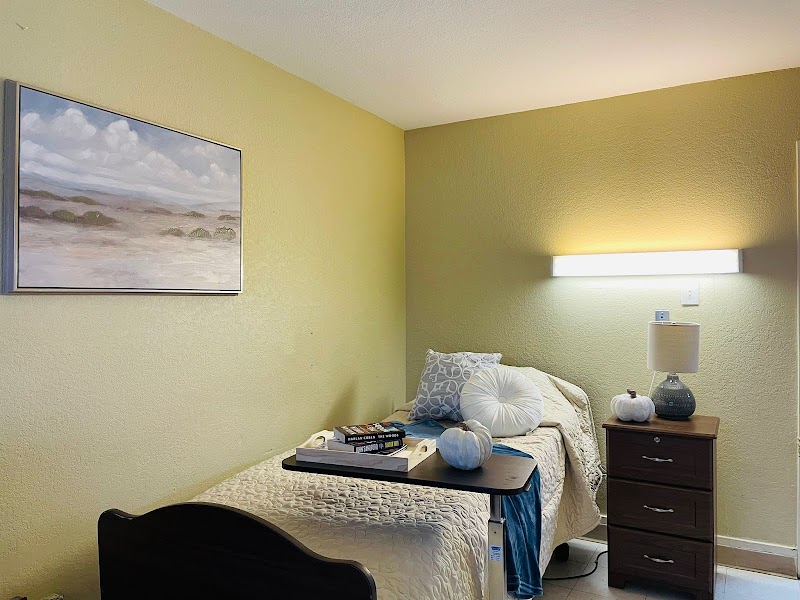
How is The Bluffs Rehabilitation And Healthcare Center Staffed?

CMS rates THE BLUFFS REHABILITATION AND HEALTHCARE CENTER's staffing level at 3 out of 5 stars, which is average compared to other nursing homes. Staff turnover is 43%, compared to the Mississippi average of 46%. This relatively stable workforce can support continuity of care.

What Have Inspectors Found at The Bluffs Rehabilitation And Healthcare Center?

State health inspectors documented 25 deficiencies at THE BLUFFS REHABILITATION AND HEALTHCARE CENTER during 2022 to 2025. These included: 4 that caused actual resident harm, 20 with potential for harm, and 1 minor or isolated issues. Deficiencies causing actual harm indicate documented cases where residents experienced negative health consequences.
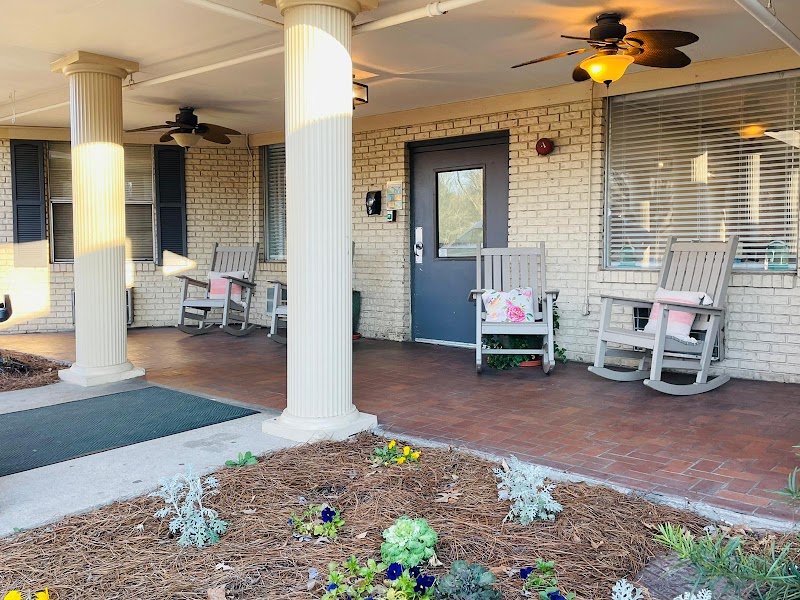
Who Owns and Operates The Bluffs Rehabilitation And Healthcare Center?

THE BLUFFS REHABILITATION AND HEALTHCARE CENTER is owned by a for-profit company. For-profit facilities operate as businesses with obligations to shareholders or private owners. The facility is operated by NEXION HEALTH, a chain that manages multiple nursing homes. With 107 certified beds and approximately 91 residents (about 85% occupancy), it is a mid-sized facility located in VICKSBURG, Mississippi.

How Does The Bluffs Rehabilitation And Healthcare Center Compare to Other Mississippi Nursing Homes?

Compared to the 100 nursing homes in Mississippi, THE BLUFFS REHABILITATION AND HEALTHCARE CENTER's overall rating (1 stars) is below the state average of 2.6, staff turnover (43%) is near the state average of 46%, and health inspection rating (1 stars) is much below the national benchmark.

What Should Families Ask When Visiting The Bluffs Rehabilitation And Healthcare Center?

Based on this facility's data, families visiting should ask: "Can I visit during a mealtime to observe dining assistance and food quality?" "How do you handle medical emergencies, and what is your hospital transfer rate?" "Can I speak with family members of current residents about their experience?"

Is The Bluffs Rehabilitation And Healthcare Center Safe?

Based on CMS inspection data, THE BLUFFS REHABILITATION AND HEALTHCARE CENTER has a clean safety record: no substantiated abuse findings (meaning no confirmed cases of resident harm), no Immediate Jeopardy citations (the most serious violation level indicating risk of serious injury or death), and is not on the Special Focus Facility watch list (a federal program monitoring the lowest-performing 1% of nursing homes). The facility has a 1-star overall rating and ranks #100 of 100 nursing homes in Mississippi. While no facility is perfect, families should still ask about staff-to-resident ratios and recent inspection results during their visit.

Do Nurses at The Bluffs Rehabilitation And Healthcare Center Stick Around?

THE BLUFFS REHABILITATION AND HEALTHCARE CENTER has a staff turnover rate of 43%, which is about average for Mississippi nursing homes (state average: 46%). Moderate turnover is common in nursing homes, but families should still ask about staff tenure and how the facility maintains care continuity when employees leave.

Was The Bluffs Rehabilitation And Healthcare Center Ever Fined?

THE BLUFFS REHABILITATION AND HEALTHCARE CENTER has been fined $8,000 across 2 penalty actions. This is below the Mississippi average of $33,159. While any fine indicates a compliance issue, fines under $50,000 are relatively common and typically reflect isolated problems that were subsequently corrected. Families should ask what specific issues led to these fines and confirm they've been resolved.

Is The Bluffs Rehabilitation And Healthcare Center on Any Federal Watch List?

THE BLUFFS REHABILITATION AND HEALTHCARE CENTER is not on any federal watch list. The most significant is the Special Focus Facility (SFF) program, which identifies the bottom 1% of nursing homes nationally based on persistent, serious quality problems. Not being on this list means the facility has avoided the pattern of deficiencies that triggers enhanced federal oversight. This is a positive indicator, though families should still review the facility's inspection history directly.