YALOBUSHA COUNTY NURSING HOME
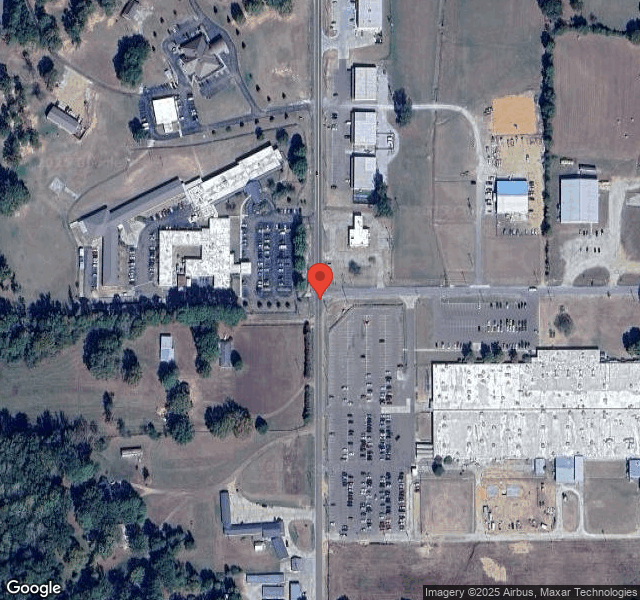

630 SOUTH MAIN STREET, WATER VALLEY, MS 38965 (662) 473-1411
Government - County 122 Beds Independent Data: November 2025
Trust Grade
35/100
#199 of 200 in MS
Last Inspection: March 2024

Within standard 12-15 month inspection cycle. Federal law requires annual inspections.

Overview

Yalobusha County Nursing Home has received a Trust Grade of F, indicating significant concerns and overall poor quality of care. Ranked #199 out of 200 facilities in Mississippi, it sits in the bottom half, but it is the only option in Yalobusha County. Although the facility is improving, going from 8 issues in 2024 to 2 in 2025, it still has serious weaknesses, including a lack of adequate care plans for residents with wandering behaviors, resulting in a resident sustaining a nasal bone fracture after being hit. On a positive note, the staffing rating is strong at 4 out of 5 stars, with a turnover rate of 32%, which is better than the state average, but there is concerningly less RN coverage than 87% of Mississippi facilities. Thankfully, the facility has no fines on record, but families should weigh these strengths against the serious incidents and overall low ratings when considering care for their loved ones.

Trust Score
F
35/100
In Mississippi
#199/200
Bottom 1%
Safety Record
Moderate
Needs review
Inspections
Getting Better
8 → 2 violations
Staff Stability
○ Average
32% turnover. Near Mississippi's 48% average. Typical for the industry.
Penalties
✓ Good
No fines on record. Clean compliance history, better than most Mississippi facilities.
Skilled Nurses
⚠ Watch
Each resident gets only 22 minutes of Registered Nurse (RN) attention daily — below average for Mississippi. Fewer RN minutes means fewer trained eyes watching for problems.
Violations
⚠ Watch
15 deficiencies on record. Higher than average. Multiple issues found across inspections.
★☆☆☆☆
1.0
Overall Rating
★★★★☆
4.0
Staff Levels
★☆☆☆☆
1.0
Care Quality
★★☆☆☆
2.0
Inspection Score
Stable
2024: 8 issues
2025: 2 issues

The Good

  • 4-Star Staffing Rating · Above-average nurse staffing levels
  • Full Sprinkler Coverage · Fire safety systems throughout facility
  • No fines on record
  • Staff turnover below average (32%)

    16 points below Mississippi average of 48%

Facility shows strength in staffing levels, fire safety.

The Bad

1-Star Overall Rating

Below Mississippi average (2.6)

Significant quality concerns identified by CMS

Staff Turnover: 32%

14pts below Mississippi avg (46%)

Typical for the industry

The Ugly 15 deficiencies on record

2 actual harm
Feb 2025 2 deficiencies 2 Harm
SERIOUS (G) 📢 Someone Reported This

A family member, employee, or ombudsman was alarmed enough to file a formal complaint

Actual Harm - a resident was hurt due to facility failures

Comprehensive Care Plan (Tag F0656)

A resident was harmed · This affected 1 resident

Based on staff interview, record review, and facility policy review, the facility failed to develop a care plan for the behavior of wandering for one (1) of four (4) resident care plans reviewed. Resi...

Read full inspector narrative →
Based on staff interview, record review, and facility policy review, the facility failed to develop a care plan for the behavior of wandering for one (1) of four (4) resident care plans reviewed. Resident #1, who had documented wandering behaviors, wandered into a resident room and hit a resident, resulting in that resident sustain a nasal bone fracture. Findings include: Review of the facility policy titled, Care Plan Policy,with no revision date revealed, the facility shall develop a comprehensive care plan. The comprehensive care plan shall include but not limited to measurable goals with objectives that are measurable to meet the residents, medical, nursing, mental and psychosocial needs and shall be person-centered. Record review of Resident #1's care plans revealed there was not a care plan regarding wandering. Record review of Resident #1's Section C of the admission Minimum Data Set (MDS) with an Assessment Reference Date (ARD) of 10/18/24 revealed a Brief Interview for Mental Status (BIMS) score was 4, indicating the resident was severely cognitively impaired. Section E0900: Wandering presence and frequency: coded 3.) Behavior of this type occurs daily. On 2/24/25 at 10:20 AM, during an interview with the Director of Nursing (DON) regarding a facility reported incident related to Resident #1 and Resident #2, she stated it was determined through staff and resident interviews, and investigation that Resident #1 wandered into Resident # 2's room on 1/5/25 and hit Resident #2 in the face several times resulting in Resident #2 sustaining a right nasal bone fracture. On 2/24/25 at 11:00 AM, during an interview with Certified Nurse Assistant (CNA) # 1, she confirmed that Resident #1 had been wandering in resident rooms for months. Record review of the Progress Notes for Resident #1 revealed from 12/01/25-1/05/25 the 7:00 AM-7:00 PM nurses documented on five days that the resident wandered into other resident rooms constantly. During an interview with the Director of Nursing (DON) on 2/24/25 at 1:25 PM, she revealed after review of Resident #1's care plans that he did not have a care plan developed for the behavior of wandering. She revealed the purpose of the care plan is to direct the resident specific care needed. During an interview with the Administrator on 2/24/25 at 1:27 PM, the Administrator confirmed that Resident #1 should have had a care plan developed for the wandering behavior and confirmed failing to develop the care plan staff may not know how to take care of him. Record review of the admission Record revealed Resident #1 was admitted by the facility on 10/10/24 with a diagnosis of Unspecified Dementia, Severe with Agitation.
SERIOUS (G) 📢 Someone Reported This

A family member, employee, or ombudsman was alarmed enough to file a formal complaint

Actual Harm - a resident was hurt due to facility failures

Accident Prevention (Tag F0689)

A resident was harmed · This affected 1 resident

Based on staff and resident interview and record review the facility failed to provide adequate supervision to reduce the risk of an accident/hazards when a resident with behaviors of wandering did no...

Read full inspector narrative →
Based on staff and resident interview and record review the facility failed to provide adequate supervision to reduce the risk of an accident/hazards when a resident with behaviors of wandering did not have any increased supervision/monitoring put in place resulting in the physical assault of a resident for one (1) of four (4) residents reviewed for accidents. (Resident #1) Findings include: Review of a document on facility letterhead provided by the Administrator revealed, The facility does not have a policy that addresses resident supervision. Record review of the Facility Reported Incident revealed on 1/5/25 at approximately 8:00 - 8:30 PM, Resident #2 reported to Licensed Practical Nurse (LPN) #4 that Resident #1 came in my room and was rumbling through my shirts and I told him to go on and he hit me in my face and then he did it about six more times. Resident #2 was unable to recall what time the incident occurred. On assessment by the Director of Nursing (DON) there was slight discoloration to inner corner of right eye and minimal swelling to right side of face around resident ' s right eye. Computed Tomography (CT) of head and CT of Maxillo-facial were obtained on 1/6/25 revealing a nondepressed right nasal bone fracture. Resident #1, the aggressor in the situation had 1:1 sitter at bedside from 7 PM-7 AM for monitoring, scheduled daily. This was added after incident of wandering in the evening hours. Resident #1 was care planned for cursing staff, refusing care, attempting to hit staff and chasing staff. Resident #1 has an active diagnosis of severe dementia with behavioral disturbances. Resident #1 ' s cognition is severely impaired, her has poor decision making, and cannot recall events or retain safety information. There had been no previous incident of agitation with or aggression toward other residents. Resident #1 was transported to a behavioral health inpatient facility on 1/6/25. During an interview with the DON on 2/24/25 at 10:20 AM regarding a facility reported incident related to Resident #1 and Resident #2, she stated it was determined through staff and resident interviews, and investigation that Resident #1 wandered into Resident # 2's room on 1/5/25 and hit Resident #2 in the face several times resulting in Resident #2 sustaining a right nasal bone fracture. Record review of a Progress Note for Resident #1 documented by the DON revealed, late entry for 1/5/25: resident noted to have increased agitation, wandering, pacing and rummaging. It was reported by several residents that Resident #1 was in their room on 1/5/25. (Resident #3) reported that Resident #1 was in her room, raised his hand at her and yelled at her. It is noted that Resident #1 went into (Resident #2's room) and afterwards it was reported that (Resident #2) had slight discoloration and swelling to the right inner eye and eyebrow. (Resident #2) stated that the resident hit him in the face. During an interview with Resident # 2 on 2/24/25 at 10:30 AM, he confirmed that he remembered Resident #1 coming into his room and hitting him. He stated, It was right after suppertime; he started going through my clothes, and I kept telling him to go on, and then he hit me about six (6) times in the face. He had come into my room many times before but would leave when told this is not your room. Record review of a CT of the face for Resident #2 related to facial swelling dated 1/6/25 revealed a right nasal bone fracture. During an interview with Resident # 3 on 2/24/25 at 10:45 AM she stated that on 1/5/25 around 5:15 PM to 5:30 PM, Resident #1 came in her room. She stated, I kept telling him it was not his room. He raised his hand and acted like he was going to hit me and then walked out of the room. She confirmed she immediately found the nurse on duty and reported what happened. When asked how she knew who the resident was, she stated because this was not the first time he had been in my room and the staff told me his name. During an interview on 2/24/25 at 11:00 AM, with Certified Nurse Assistant (CNA) # 1, she confirmed that Resident #1 had been wandering in resident rooms for months. During an interview with CNA #2 on 2/24/25 at 11:50 AM, she confirmed that Resident #1 had been wandering into other resident's rooms for a good while and had to often be redirected to come out of the other resident's rooms. She stated he does have a wander guard but stated that it does not alert staff of him entering other resident rooms. She confirmed she had reported wandering into other rooms numerous times, and confirmed she was unaware of any special monitoring for Resident #1 during the day. During an interview with Licensed Practical Nurse (LPN) #1 on 2/24/25 at 12:00 PM, she stated she works the 7:00 AM-7:00 PM shift and confirmed she was aware that Resident #1 was wandering in and out of other resident rooms all during the day. She revealed the wandering was documented in the resident's Progress Notes and confirmed that the Administration staff was made aware, and they placed him with one-on-one sitters from 7:00 PM-7:00 AM back in November 2024. She also revealed it was difficult to watch Resident #1 and confirmed she felt he needed to have been one-on-one supervision during the day as well. During an interview with CNA #3 on 2/24/25 at 1:20 PM, she confirmed that Resident #1 continuously roamed into other resident's rooms during the day before the incident on 1/5/25. She stated he was not easily redirected and confirmed she had reported the behavior. During an interview with the DON on 2/24/25 at 1:25 PM, she revealed after review of the Progress Notes for Resident #1 she confirmed that he had been wandering into other resident rooms during the 7:00 AM-7:00 PM shift during the month of December. She then stated that previously she thought the behavior was only occurring at night and had put the resident on 1:1 supervision on the 7 PM-7 AM shift. She confirmed that the documented wandering into other resident rooms during the day should have already been identified and preventative measures put in place to potentially prevent an incident from occurring. The DON then revealed failing to put interventions in place to increase supervision could lead to the resident or someone else being hurt. During an interview with the Administrator on 2/24/25 at 1:27 PM, she confirmed that the behavior of wandering in other resident's rooms during the day hours should have been identified and interventions put in place. During an interview with LPN #2 on 2/24/25 at 1:40 PM, she revealed she works 7:00 AM-7:00 PM shift and confirmed Resident #1 was wandering all day and would go in and out of rooms before the incident. She also confirmed she was unaware of any special increased monitoring before the incident in January 2025 on the 7:00 AM-7:00 PM shift. During an interview with LPN #3 on 2/24/25 at 3:20 PM she revealed she worked from 7:00 AM-7:00 PM on the day of the incident 1/5/25. She confirmed that Resident #1 had been constantly wandering in other resident's rooms. She confirmed that she was unaware of any special monitoring of the resident at that time to prevent accidents related to him continually going into other rooms. She also confirmed this behavior had been reported numerous times and documented. During an interview with LPN #4 on 2/24/25 at 3:50 PM, she revealed she worked the night of 1/5/25 7:00 PM-7:00 AM. She revealed Resident #2 reported to her at approximately 8:00 PM-8:30 PM that the old man came into his room rumbling through his stuff and hit him several times in the face. Record review of the Progress Notes for Resident #1 revealed from 12/01/25-1/05/25 the 7:00 AM-7:00 PM nurses documented on five (5) days that the resident wandered into other resident rooms constantly. Record review of the admission Record revealed Resident #1 was admitted by the facility on 10/10/24 with a diagnosis of Unspecified Dementia, Severe with Agitation. Record review of Resident #1's Section C of the admission Minimum Data Set (MDS) with an Assessment Reference Date (ARD) of 10/18/24 revealed a Brief Interview for Mental Status (BIMS) score was 4, indicating the resident was severely cognitively impaired. Section E0900: Wandering presence and frequency: coded 3.) Behavior of this type occurs daily. Record review of the admission Record revealed Resident #2 was admitted by the facility on 7/3/24 with a diagnoses that included Protein Calorie Malnutrition, Muscle Weakness and Right Heart Failure. Record review of Resident #2's Section C of the Quarterly MDS with an ARD of 1/7/25 revealed a BIMS score was 5, indicating the resident was severely cognitively impaired. Review of a Quarterly Review progress note for Resident #2 dated 1/6/25 revealed He is able to make his needs known and decisions for self daily. Record review of the admission Record revealed Resident #3 was admitted by the facility on 1/25/24 with a diagnosis that included a Stress Fracture of the Right Ankle. Record review of Resident #3's Section C of the Annual MDS with an ARD of 1/24/25 revealed a BIMS score was 15, indicating the resident was cognitively intact.
Mar 2024 8 deficiencies
CONCERN (D)

Potential for Harm - no one hurt, but risky conditions existed

Resident Rights (Tag F0550)

Could have caused harm · This affected 1 resident

**NOTE- TERMS IN BRACKETS HAVE BEEN EDITED TO PROTECT CONFIDENTIALITY** Based on resident and staff interview, record review and facility policy review, the facility failed to allow a resident to exer...

Read full inspector narrative →
**NOTE- TERMS IN BRACKETS HAVE BEEN EDITED TO PROTECT CONFIDENTIALITY** Based on resident and staff interview, record review and facility policy review, the facility failed to allow a resident to exercise his right to take a shower as evidenced by the resident not being offered a shower for one (1) of 24 residents reviewed during survey. Resident #61. Findings Include. A review of the facility policy titled Resident's Rights with no revision date revealed Each and every resident has the right to .9. Receive adequate and appropriate health care and protective support services . An interview on 03/04/24 at 2:22 PM, with Resident #61 revealed that he gets a bed bath automatically without being asked about a shower and that he would love to have a shower and have water running on him. The resident revealed that he can't remember the last time he has had a shower. The resident revealed that he has asked for a shower before and was told that they don't have a chair to get him in there. An interview on 03/05/24 at 10:38 AM, with Certified Nursing Assistant (CNA) #1 revealed that the resident has the right to get a shower and should have been offered a shower An interview on 03/05/24 at 10:53 AM, Licensed Practical Nurse (LPN) #1, confirmed Resident #61 had not been given a shower by the staff because they did not get the shower chair to take him to the shower. LPN #1 revealed that the facility does have a shower chair that will accommodate Resident #61 and that it is located on the other wing of the facility. LPN #1 went to the other wing and obtained the shower chair and brought it to the south wing of the facility where Resident #61 is located. LPN #1 confirmed that the resident is requesting to receive a shower and that he should have been offered a shower. LPN #1 revealed that the staff should have gone and found the chair or asked where it was. An interview on 03/05/24 at 11:06 AM, with the Administrator confirmed that the residents should be offered a shower during their bath time. An interview on 03/07/24 at 11:30 AM, with the Director of Nursing (DON) confirmed that Resident #61 should have been offered a shower and that he absolutely had the right to be offered a shower. A record review of Resident #61's documented baths for the past two weeks revealed he received complete bed baths and did not receive a shower or tub bath. A review of the facility Face Sheet for Resident #61 revealed that he was admitted to the facility on [DATE] with medical diagnoses that included Quadriplegia. A review of Resident #61's Minimum Data Set (MDS) with an Assessment Reference Date (ARD) of 1/23/24 revealed in section C a Brief Interview for Mental Status (BIMS) score of 15 which indicated Resident #61 was cognitively intact.
CONCERN (D)

Potential for Harm - no one hurt, but risky conditions existed

Deficiency F0578 (Tag F0578)

Could have caused harm · This affected 1 resident

**NOTE- TERMS IN BRACKETS HAVE BEEN EDITED TO PROTECT CONFIDENTIALITY** Based on resident and staff interview, record review and facility policy review, the facility failed to ensure the residents cod...

Read full inspector narrative →
**NOTE- TERMS IN BRACKETS HAVE BEEN EDITED TO PROTECT CONFIDENTIALITY** Based on resident and staff interview, record review and facility policy review, the facility failed to ensure the residents code status on the advance directive matched the residents code status order on one (1) of 24 residents advanced directives reviewed. Resident #17. Findings include: A review of the facility policy titled (Proper Name of Facility) Advanced Directive Policy , with no revision date, revealed, Purpose: To respect the resident's right to determine the course of treatment; to provide at the time of admission written information on rights under state law to make decisions regarding medical care, including the right to accept or refuse treatment and the right to formulate advance directives; to implement the requirements of the Patient Self-Determination Act; and to educate the public and staff regarding advance directives . A record review of Resident #17's Advance Directive in the electronic record revealed the resident's code status was Do Not Resuscitate (DNR). A record review of Resident #17's Physician's Order List revealed an order dated [DATE] for the residents' code status to be a Full Code. An interview on [DATE] at 4:50 PM, with Registered Nurse (RN) #1 confirmed that Resident #17 has an electronic Advanced Directive for a DNR and that his physicians' orders indicate the resident is a full code. RN #1 revealed that this could cause a mix up and a delay in performing Cardiopulmonary Resuscitation (CPR) on a resident. RN #1 confirmed that on [DATE] that Resident #17 was changed from a DNR to a full code, but the electronic Advance Directive was not updated and that it should have been updated when the order was changed. An interview on [DATE] at 9:15 AM, with Resident #17 confirmed that he wants to be a full code. An interview on [DATE] at 11:06 AM, with the Administrator confirmed that Resident #17's electronic Advanced Directive did not match the physician's orders and that it should have been updated when the order changed. The Administrator stated, it could have been bad and caused someone to receive or not receive CPR that should have. A review of the facility Face Sheet for Resident #17 revealed that he admitted to the facility on [DATE] with medical diagnoses that included Parkinsonism, Muscle Weakness, Dysphagia and Chronic Obstructive Pulmonary Disease. A record review of Resident #17's quarterly Minimum Data Set (MDS) with an Assessment Reference Date (ARD) of [DATE] revealed in section C, a Brief Interview for Mental Status (BIMS) score of 15 which indicated Resident #17 was cognitively intact.
CONCERN (D)

Potential for Harm - no one hurt, but risky conditions existed

Safe Environment (Tag F0584)

Could have caused harm · This affected 1 resident

**NOTE- TERMS IN BRACKETS HAVE BEEN EDITED TO PROTECT CONFIDENTIALITY** Based on observation, staff interview, and facility policy review the facility failed to provide a safe, clean environment, as e...

Read full inspector narrative →
**NOTE- TERMS IN BRACKETS HAVE BEEN EDITED TO PROTECT CONFIDENTIALITY** Based on observation, staff interview, and facility policy review the facility failed to provide a safe, clean environment, as evidenced by a dirty wheelchair with torn armrest for Resident #10 and dirty privacy curtains for room numbers 118 and 120 for three (3) of four (4) survey days. Findings include: Record review of facility policy titled Equipment Needs and Maintenance undated, revealed, The equipment shall be kept and maintained in good repair and optimal level of cleanliness. Equipment shall be monitored for cleanliness and good repair. Wheelchairs shall be cleaned on the night shift per the wheelchair washing schedule. Record review of facility policy titled, Resident Room Deep Cleaning undated, revealed The deep cleaning shall include ensuring the privacy curtains are maintained clean and in good repair . Resident #10 An observation on 03/04/24 at 10:42 AM, revealed Resident #10 sitting in a wheelchair that had a brown and gray substance on the frame and the spokes of the wheels. The vinyl on the bilateral armrest was tattered and torn with jagged edges exposed. An observation on 03/05/24 at 8:55 AM, revealed Resident #10's wheelchair remained with a substance on the frame and spokes of the wheels and the bilateral armrest was torn with jagged edges exposed. An interview and observation on 03/05/24 at 10:45 AM, with Licensed Practical Nurse (LPN) #4 revealed the Certified Nursing Assistants (CNA)s on the night shift are responsible for cleaning the wheelchairs and any staff member can let maintenance know about the tattered armrest. She confirmed that the armrests were tattered and needed to be replaced and revealed Resident #10 could get a skin tear from these armrests. She stated, The wheelchair is dirty, and I will make sure this gets taken care of. An observation on 03/05/24 at 1:45 PM, Resident #10's wheelchair remained with a brown and gray substance on the frame and spokes of the wheels. An interview and observation on 03/06/24 at 9:25 AM, the Director of Nurses (DON) revealed it was the responsibility of the CNAs to make sure that the wheelchairs were cleaned. She confirmed that Resident #10's wheelchair was dirty and needed to be cleaned. A record review of Resident #10's Face Sheet revealed the resident was admitted to the facility on [DATE] with diagnoses that included Adult Failure to thrive, Acute Embolism and Thrombosis of peroneal vein, bilateral, Acute upper respiratory infection, and Low back pain. A review of the Minimum Data Set (MDS) with an Assessment Reference Date (ARD) of 12/29/2023 revealed a Brief Interview for Mental Status (BIMS) score of 15 which indicated Resident #10 was cognitively intact. Rooms S 118 and S 120 An observation on 03/04/24 at 2:32 PM, of resident room S 120 A privacy curtains revealed a brown substance on the bottom half of the curtain that measured approximately one (1) foot in length and approximately two (2) inches wide. An observation on 03/04/24 at 2:45 PM, of resident room S 118 A privacy curtain revealed there were two brown splattered areas on the bottom half of the curtain measuring approximately four inches in length and 12 inches wide. An interview/observation on 03/05/24 at 10:38 AM, with Certified Nursing Assistant (CNA) #1 confirmed that there is a brown substance on the bottom half of resident room S 120 A privacy curtain and a brown splattered area on the bottom half of resident room S 118 A privacy curtain. CNA #1 stated the curtain is dirty and needs to be cleaned. CNA #1 revealed that staff is supposed to tell housekeeping when they see a problem. An interview on 03/05/24 at 11:06 AM, with the Administrator confirmed that having a dirty privacy curtain did not provide the residents with a clean, comfortable, homelike environment. The Administrator revealed that they make environmental rounds weekly to identify any issues and get them corrected. The Administrator stated, Housekeeping has a deep cleaning schedule as well to clean the room completely including the privacy curtains. An interview on 03/05/24 at 12:30 PM, with Housekeeping Supervisor confirmed that they have a deep cleaning schedule for all rooms that housekeeping staff follows and that the dirty curtains should have been found. She confirmed that this keeps the rooms clean and looking nice for the residents and visitors.
CONCERN (D) 📢 Someone Reported This

A family member, employee, or ombudsman was alarmed enough to file a formal complaint

Potential for Harm - no one hurt, but risky conditions existed

Report Alleged Abuse (Tag F0609)

Could have caused harm · This affected 1 resident

**NOTE- TERMS IN BRACKETS HAVE BEEN EDITED TO PROTECT CONFIDENTIALITY** Based on observation, staff and resident interviews, record review, and facility policy review, the facility failed to report an...

Read full inspector narrative →
**NOTE- TERMS IN BRACKETS HAVE BEEN EDITED TO PROTECT CONFIDENTIALITY** Based on observation, staff and resident interviews, record review, and facility policy review, the facility failed to report an allegation of abuse for one (1) of three (3) incidents reviewed. Resident #6 Findings include: Record review of facility policy titled, Abuse Policy and Procedure, revised date 8/18/2017, revealed, Policy: To ensure all employees interviewed and/or hired are adequately trained in all areas of abuse, not found guilty of abuse, and if occurrence suspected, the facility handles it according to the law and/or license requirements. During a phone interview on 3/1/2024 at 2:30 PM, the State Long Term Care (LTC) Ombudsman revealed that during a Resident Council meeting on 2/26/24, Resident #6 voiced concern about physical abuse. She revealed after the Resident Council meeting, she met with the Director of Nurses (DON) and informed her of the allegation and the need to report it to the State. An interview with the DON on 03/04/24 at 04:30 PM, revealed she was made aware of the allegation of abuse on 2/26/24 after the Resident Council meeting by the Ombudsman and the Social Workers. The DON confirmed the allegation of abuse was not submitted to the State Agency because after their investigation it was found to be unsubstantiated, and she thought if they investigated the allegation and were unable to substantiate it then they did not have to report it to the State Agency. An interview on 03/04/24 at 04:48 PM, the Administrator revealed she was made aware of the allegation by the DON on 2/26/24 immediately after the Resident Council meeting and began at that time a full investigation. She stated, It was my fault that it didn't get sent to the State Agency. I thought if after our investigation we found it to be unsubstantiated we were not required to report it to the State Agency, and if we found it to be substantiated, we would have twenty-four hours to report it. An interview on 03/05/24 at 11:05 AM, Social Worker (SW) #1 revealed she was made aware of the allegation of abuse on 2/26/24 during the Resident Council meeting. She revealed the Ombudsman was present along with Social Worker #2 and immediately after the Resident Council meeting, she along with SW #2 and the Ombudsman went to the DON's office and reported it. She revealed the Ombudsman told the DON that we would need to investigate the allegation and report it to the State Agency An interview on 03/05/24 at 01:20 PM, the Registered Nurse Supervisor revealed when he got to work on Monday morning 2/26/24, Resident #6 told him that one of the night shift Certified Nursing Assistants (CNAs) had slapped her that morning. He revealed he started an investigation of the allegation and during the investigation, Resident #6 recanted her story. He confirmed he didn't report the allegation to anyone else because he got busy that morning. A record review of Resident #6's Face Sheet revealed the resident was admitted to the facility on [DATE] with diagnoses that included Paraplegia, Anxiety Disorder, Schizoaffective disorder, Bipolar type and Chronic pain syndrome. A review of the Minimum Data Set (MDS) with an Assessment Reference Date (ARD) of 02/27/2024 revealed a Brief Interview for Mental Status (BIMS) score of 12 which indicated Resident #10 was moderately cognitively impaired.
CONCERN (D)

Potential for Harm - no one hurt, but risky conditions existed

PASARR Coordination (Tag F0644)

Could have caused harm · This affected 1 resident

Based on staff interview, record review, and facility policy review, the facility failed to incorporate a Preadmission Screening and Resident Review (PASARR) recommendation for specialized mental heal...

Read full inspector narrative →
Based on staff interview, record review, and facility policy review, the facility failed to incorporate a Preadmission Screening and Resident Review (PASARR) recommendation for specialized mental health services for a resident admitted with a mental illness for one (1) of four (4) residents reviewed for PASARR. Resident #73 Findings Include: Review of the facility's undated policy titled PASSAR [Preadmission Screening and Resident Review] and Resident Status Changes Policy revealed, The facility shall complete the pre-admission screening and resident review upon admission to the facility. The facility shall maintain these records within the resident chart at all times. The facility shall proceed with PASARR [Preadmission Screening and Resident Review] level II [two] screenings as indicated in the initial assessment. The results of the PASARR [Preadmission Screening and Resident Review] level II [two] screenings shall be incorporated in the resident's care planning process to provide optimal care for the resident. Record review of the Face Sheet revealed the facility admitted Resident #73 on 4/11/2023 with medical diagnoses that included Bipolar Disorder. Record review of the PASRR evaluation determination for Resident #73 and dated 4/21/2023 revealed under, Summary of Findings Report . The individual meets criteria for having a diagnosis of mental illness as defined by PASRR . Resident #73 meets PASRR inclusion criteria with the diagnosis of Bipolar Disorder . Resident #73 will benefit from specialized services of: Medication Evaluation and Monitoring by a psychiatrist to evaluate response to psychotropic (affecting the mind) medications and modify orders, for continues stability of her mental illness . Record review of Resident #73's Electronic Medical Record (EMR) revealed the resident had not been evaluated by psychiatry services (mental health) since admission to the facility. Record review of Resident #73's MD (Medical Doctor) Conference note dated 8/7/2023 revealed under, Pertinent Resident Information: RP (Responsible Party) #1 voicing concern she noticed resident having increased confusion, increase in paranoia, and noted resident rummages thru (through) her stuff and pulls everything out of drawers in her room when up in her w/c (wheelchair). RP #1 wants meds (medications) adjusted she says res (resident) thinks people are talking to her thru (through) the intercom. Also revealed under, New Orders: Reviewed medication list. I could not recommend stopping any meds @ (at) this time but to add Seroquel 25 mg (milligrams) q (every) hs (hour sleep) to help w/ (with) the paranoia and auditory hallucinations. Record review of Resident #73's Departmental Notes revealed the following entries: 1/17/2024, RP (Responsible Party) #1 called facility & (and) reported that resident keeps calling her via cell phone multiple times at night anxious, in a panic, having sun downers, confused, & (and) having anxiety. RP #1 says she wants her meds adjusted to help calm her at night. MD (Medical Doctor) conference sheet done. 1/25/2024, (Proper Name of Physician) visited facility and accessed resident. N.O. (new order) received to increase Seroquel to 50 mg (milligrams) one p.o. (by mouth) Q (every) HS (hour sleep). Record review of the Physician Orders List for Resident #73 revealed the following orders: 10/17/2023, Trintellix 10 MG tablet: Give one (1) tablet by mouth daily Dx (diagnosis) Bipolar. 1/25/2024, Seroquel 50 MG tablet take one (1) by mouth at bedtime Dx: Psychosis. An interview with the Director of Nursing (DON) on 3/05/2024 at 2:20 PM, confirmed Resident #73 had not been seen by mental health services since admission to the facility. She revealed the facility had a Psychiatric Nurse Practitioner (NP) that came to the facility and explained she was unsure how the resident was overlooked. An interview with the Administrator (ADM) on 3/6/2024 at 9:20 AM, revealed the Psychiatric NP received a copy of the residents admitted to the facility on psychotropic (affecting the mind) medications and a diagnosis list so that he knew which residents he needed to see. She revealed he missed Resident #73, although he was given a list with her name on it. She confirmed that the resident should have received mental health services to ensure her mental health remained stable.
CONCERN (D)

Potential for Harm - no one hurt, but risky conditions existed

Comprehensive Care Plan (Tag F0656)

Could have caused harm · This affected 1 resident

**NOTE- TERMS IN BRACKETS HAVE BEEN EDITED TO PROTECT CONFIDENTIALITY** Based on observation, resident and staff interview, record review and facility policy review the facility failed to implement a ...

Read full inspector narrative →
**NOTE- TERMS IN BRACKETS HAVE BEEN EDITED TO PROTECT CONFIDENTIALITY** Based on observation, resident and staff interview, record review and facility policy review the facility failed to implement a care plan for a physician ordered brace for one (1) of 24 residents care plans reviewed. Resident #26 Findings Include: A review of the facility policy titled Care Plan Policy , with no revision date, revealed. Purpose: To ensure the facility establishes a guide to resident care to promote the physical and psychological well-being of residents newly admitted and long-term residents residing within the facility . Record review of the Care Plan with a problem on set date of 6/19/19 revealed .requires maintenance of ADL (Activities of Daily Living) functions with risk for decline .Approaches .Brace to left upper extremity to be donned in AM (morning) upon awakening and removed before going to bed in PM (evening). An observation and interview on 03/04/24 at 02:49 PM, revealed Resident #26 sitting up in his wheelchair. Resident #26's left arm was hanging down to the inside of the wheelchair. The resident stated, I have a brace for my arm over in the chair in the corner and that therapy will put it on me when I ask for it, but nobody else knows how to apply it. During an observation and interview on 03/06/24 at 8:57 AM, with Licensed Practical Nurse (LPN) #2 confirmed that the resident does not have a brace on his left arm and that he has a care plan for a brace donned in AM upon awakening and removed before going to bed. LPN #2 confirmed that she was the nurse caring for Resident #26 yesterday and today and did not apply the resident's brace. LPN #2 confirmed that the purpose of the care plan is to guide the resident's care. LPN #2 confirmed that she is aware of how to apply the resident's brace. An interview on 03/07/24 at 11:22 AM, LPN #3 confirmed that if a resident has an order for a brace and has a care plan for a brace but does not have the brace on that the care plan is not being followed. LPN #3 stated, the purpose of the care plan is to direct the resident's care. During an interview on 03/07/24 at 11:00 AM, with the Director of Nursing (DON) confirmed that the purpose of the care plan is to guide the residents care. The DON confirmed that if Resident #26 had a care plan for a brace to his left arm and wasn't wearing it that the care plan is not being followed. A review of the facility Face Sheet for Resident #26 revealed that he was admitted to the facility on [DATE] with a medical diagnoses that included Stiffness of left shoulder and Stiffness of left elbow. A review of Resident #26's Minimum Data Set (MDS) with an Assessment Reference Date (ARD) of 01/30/24 revealed in Section C a Brief Interview for Mental Status (BIMS) score of 15 which indicated Resident #26 was cognitively intact.
CONCERN (D)

Potential for Harm - no one hurt, but risky conditions existed

Deficiency F0688 (Tag F0688)

Could have caused harm · This affected 1 resident

**NOTE- TERMS IN BRACKETS HAVE BEEN EDITED TO PROTECT CONFIDENTIALITY** Based on observation, resident and staff interview, record review and facility policy review, the facility failed to apply a phy...

Read full inspector narrative →
**NOTE- TERMS IN BRACKETS HAVE BEEN EDITED TO PROTECT CONFIDENTIALITY** Based on observation, resident and staff interview, record review and facility policy review, the facility failed to apply a physician ordered brace for one (1) of six (6) residents sampled for range of motion. Resident #26. Findings include: A review of the facility policy titled Range of Motion with no revision date, revealed: . The facility shall assist the resident to maintain the highest level of functional ability and range of motion. Devices shall be donned and doffed as ordered by the physician. The use of the devices shall be documented in the residents' medical records and shall be reflected on the resident's care plan. During an observation and interview on 03/04/24 at 02:49 PM, of Resident #26 revealed the resident sitting up in his wheelchair. The residents' left arm was hanging down to the inside of the wheelchair. The resident stated, I have a brace for my arm over in the chair in the corner. Therapy will put it on me when I ask for it, but nobody else knows how to apply it. Record review revealed that the Physician Orders List revealed an order dated 01/24/19 Brace to the left upper extremity to be donned in AM (morning) upon awakening and removed before going to bed in PM (evening). An observation on 03/05/24 at 9:20 AM, revealed Resident #26 up in his wheelchair with no brace noted to his left arm. An interview and observation on 03/06/24 at 8:57 AM, with Resident #26 and Licensed Practical Nurse (LPN) #2 revealed Resident #26 was sitting up in his wheelchair with no brace noted to his left arm. Resident #26 confirmed that he has not had his brace applied in several days. LPN #2 confirmed that Resident #26 does not have a brace on his left arm and that his order is to have the brace donned in AM upon awakening and removed before going to bed. LPN #2 confirmed that she was the nurse caring for Resident # 26 today and yesterday and did not apply the resident's brace. LPN #2 confirmed that the purpose of the brace is to prevent the residents' hand from becoming more contracted and that without wearing it his contractures would get worse. LPN #2 confirmed that she is aware of how to apply the resident's brace and she should have applied it. An interview on 03/06/24 at 9:37 AM, with the Occupational Therapist (OT) confirmed that Resident #26 should have a brace on his left arm/wrist to prevent further contracture on the left hand. OT confirmed that therapy has shown the nursing staff how to put the brace on the resident and they all know he is supposed to have it every day. An interview and observation on 03/06/24 at 9:55 AM, with the Director of Nursing (DON) confirmed that the purpose of Resident #26's brace was to prevent further contractures to his left hand. The DON confirmed that the resident did not have his brace on and that he was supposed to have it on daily. A review of the facility Face Sheet for Resident #26 revealed that he was admitted to the facility on [DATE] with a diagnoses of Stiffness of left shoulder and Stiffness of left elbow. A review of Resident #26's Minimum Data Set (MDS) with an Assessment Reference Date (ARD) of 01/30/24 revealed in section C a Brief Interview for Mental Status (BIMS) score of 15 which indicated Resident #26 was cognitively intact. Section O indicated Splint or brace assistance number of days coded as zero (0).
CONCERN (D)

Potential for Harm - no one hurt, but risky conditions existed

Deficiency F0847 (Tag F0847)

Could have caused harm · This affected 1 resident

Based on staff interview and record review, the facility failed to include the required components in the arbitration agreement for three (3) of 3 arbitration agreements reviewed. Findings include: R...

Read full inspector narrative →
Based on staff interview and record review, the facility failed to include the required components in the arbitration agreement for three (3) of 3 arbitration agreements reviewed. Findings include: Record review of facility letterhead notice dated 3/7/24, and signed by the Administrator revealed, [Proper name of facility] does not have a policy on Arbitration Agreements. During an interview on 3/7/24 at 9:20 AM, the Administrator revealed during the entrance conference, the facility did not offer arbitration agreements and she was unaware that the facility's admission packet contained an arbitration agreement. The Administrator confirmed the facility failed to include required components into the arbitration agreement which included that signing the arbitration agreement was not a requirement for admission to the facility, that the resident or representative had the right to rescind the agreement within 30 calendar days of signing, and the right for the resident or representative to communicate with federal and state officials including the Ombudsman. Record review of the admission packet with the arbitration agreement revealed, The provisions contained in this admission agreement are completely goverened by the Federal Arbitration Act (FAA). I enter into the Arbitration Agreement freely and voluntarily and therefore knowingly and intelligently agree to arbitrate any and all claims that may arise as a result of my residing at the [proper name of facility].
Nov 2019 5 deficiencies
CONCERN (D)

Potential for Harm - no one hurt, but risky conditions existed

Comprehensive Care Plan (Tag F0656)

Could have caused harm · This affected 1 resident

Based on observation, staff interview, and facility policy review, the facility failed to follow the care plan for fingernail care for one (1) of 109 residents observed for activities of daily living,...

Read full inspector narrative →
Based on observation, staff interview, and facility policy review, the facility failed to follow the care plan for fingernail care for one (1) of 109 residents observed for activities of daily living, Resident #44; and failed to follow the care plan for catheter care for two (2) of five (5) residents with indwelling catheters, Resident #29, and Resident 104. Findings include: Review of the facility's Care Plan Policy, not dated, revealed: Purpose: To ensure the facility establishes a guide to resident care to promote the physical and psychological well-being of resident newly admitted and long-term residents residing within the facility. Resident #44 Review of the comprehensive care plan, for Resident #44, revealed a care plan developed for requiring maintenance of Activities of Daily Living (ADL) functions, related to left Hemiparesis and impaired cognition, which included an intervention to provide one (1) person assist with personal hygiene. On 11/04/19 at 2:22 PM, an observation of Resident #44 revealed the resident in bed and awake. Resident #44's fingernails needed filing and trimming. The fingernails on the right hand were jagged; three (3) were approximately 1/4 inch long, with a dark brown substance under the nails of three (3) fingers. Observation of the left hand revealed the thumb nail was long, curled in, and putting pressure on the skin at the sides. A dark substance was noted under the thumb nail. All nails on the left hand needed trimming and/or filing. On 11/5/19 at 11:45 an observation of Resident #44's fingernails revealed the nails were long, jagged and dirty. On 11/5/19 at 2:30 PM, an interview with the Certified Nursing Assistant (CNA) #1, assigned to Resident #44, confirmed the resident's fingernails needed to be cleaned and trimmed. CNA #1 stated the Treatment Nurse was responsible for trimming and filing all fingernails in the facility and the CNA's should clean them if needed. CNA #1 revealed she did not know why Resident# 44's finger nails were dirty and needed trimming. On 11/5/19 at 2:40 PM, an interview with Registered Nurse (RN) #1 revealed she is the Treatment Coordinator and confirmed the Treatment Nurses are responsible for trimming and filing all the resident's fingernails and any nurse or CNA should clean the nails when needed. RN #1 confirmed Resident #44's fingernails needed care, which would include cleaning, trimming and filing. On 11/5/19 at 2:45 PM, an interview with the Director of Nursing (DON) confirmed Resident #44's fingernails needed care. The DON confirmed Resident #44's nails were dirty, jagged and long. The DON confirmed the Treatment Nurse is responsible for nail care and Resident #44 has an order, dated 7/20/18, for nail care monthly. The DON confirmed any nurse or CNA should clean any resident's fingernails when needed. The DON stated she would have the Treatment Nurse check all the resident's nails and if they needed care, they would perform the needed care. On 11/07/19 at 9:51 AM, an interview with the DON revealed she is the Minimum Data Set (MDS) coordinator and assists with care plans. The DON confirmed that the CNA's and the nurses should know that the care plan related to ADL care, for Resident #44, instructed staff the resident required one (1) person assist with personal hygiene, which included fingernails. The DON stated the CNA's did not do what they were supposed to do and the nurses did not keep the nails trimmed and filed like they should have for Resident #44. Review of the Quarterly MDS, with an Assessment Reference Date (ARD) of 8/30/19, revealed Resident #44 was coded for total dependence for assistance by one (1) staff member for personal hygiene. Resident #104 Review revealed a care plan with a problem onset date of 08/31/2017, with a target date of 11/14/19, for risk of urinary tract infection (UTI) and /or bladder trauma related to an Indwelling catheter, secondary to bladder neck obstruction, retention of urine unspecified, other retention of urine and history of UTI. The approach/intervention revealed catheter care as ordered and as needed: clean catheter insertion site with Hibiclens, rinse with sterile water, and pat dry daily. On 11/06/19 at 11:10 AM, during an observation of Foley catheter care for Resident #104, Licensed Practical Nurse (LPN) #1 did not anchor the catheter near the meatus while wiping outward from the resident. She then rinsed using sterile water and 4 x 4 gauze, wiping in the same manner and did not anchor the catheter during the procedure. LPN #1 did not pat the area dry. During an interview, on 11/06/19 at 4:20 PM, LPN #1 confirmed she did not anchor the catheter when she cleaned it from the insertion site outward. She confirmed she did not pat the area dry. During an interview, on 11/07/19 at 9:35 AM, the DON, revealed LPN #1 did not follow the the care plan if she did not pat the area dry as indicated in the orders and care plan. The DON stated the nurse should have anchored the catheter while providing care. She stated this is a standard of practice, even though it is not listed specifically in the care plan, this should be a part of the nurses general knowledge. Resident #29 Review of the Care Plan, for Resident #29, revealed a problem: At risk for Urinary Tract Infection (UTI) and/or bladder trauma related to (r/t)suprapubic catheter, history of (h/o) UTI, h/o Hydronephrosis, h/o for UTI, Diagnosis (DX): Benign Prostatic Hypertrophy (BPH), Traumatic Brain Injury (TBI), and Chronic UTI. Approaches included: Clean catheter insertion site with Hibiclens, rinse with sterile water, and pat dry every shift. The Physician's Order, dated 4/20/19, confirmed: Clean Catheter insertion site with Hibiclens, rinse with sterile water, and pat dry every shift. Observation of LPN #1 on 11/06/19 at 2:03 PM, revealed she performed suprapubic catheter care for Resident #29. She cleaned the insertion site and catheter tubing from the insertion site down the tube with a 4 x 4 gauze moistened with Hibiclens and rinsed the insertion site and tubing with sterile water with 4 x 4 gauze pads. LPN#1 did not pat the area dry, and did not anchor the catheter tubing while cleaning/rinsing down the tubing with the 4 x 4. During an interview on 11/06/19 at 2:09 PM, LPN #1 stated, in regards to cleaning the catheter tubing, You should hold the catheter tubing at the insertion site to prevent pulling the tube out. I think that's standard practice. On 11/07/19 at 9:15 AM, interview with the DON revealed staff should look at the care plan, and the physician's order, and combine that with the standards of practice. She stated the care plan was accurate with the order. The DON stated the care plan did not include securing the tubing, but it is a standard of practice that should be followed. She confirmed LPN#1 did not follow the care plan in regards to patting dry after cleaning. Review of the Quarterly MDS, with an ARD of 8/6/19, revealed Resident #29 had severely impaired cognitive skills for daily decision making.
CONCERN (D)

Potential for Harm - no one hurt, but risky conditions existed

ADL Care (Tag F0677)

Could have caused harm · This affected 1 resident

Based on observation, staff interview, resident interview, record review, and facility policy review, the facility failed to ensure residents had clean, trimmed fingernails, Resident #44, one (1) of 1...

Read full inspector narrative →
Based on observation, staff interview, resident interview, record review, and facility policy review, the facility failed to ensure residents had clean, trimmed fingernails, Resident #44, one (1) of 109 Residents observed during initial tour for nail care. Findings include: Review of the facility's Policy and Procedure for Nail Care, not dated, revealed toenails and fingernails are to be kept trimmed and neat. Resident #44 On 11/04/19 at 2:22 PM, observation of Resident #44 revealed the resident in bed and awake. Observation of Resident #44's fingernails revealed on the right hand all the nails needed filing and trimming. The fingernails on the right hand were jagged; three (3) were approximately 1/4 inch long and a dark brown substance was observed under the nails of three (3) fingers. The left hand was splinted. The thumb nail was long and curled in at the sides, putting pressure into the skin on the sides; no skin breakdown was noted. A dark substance was noted under the thumb nail. All nails on the left hand needed trimming and/or filing. On 11/5/19 at 11:45 AM, an observation of Resident #44's fingernails revealed the nails were long, jagged and dirty. Review of the November 2019 physician's orders revealed an order dated 8/3/16, for Resident #44, to provide nail care as needed, and an order on 7/20/18, for nail care monthly. On 11/5/19 at 2:30 PM, an interview with Certified Nursing Assistant (CNA) #1 confirmed Resident #44's fingernails needed to be cleaned and trimmed. CNA #1 stated the Treatment Nurse was responsible for trimming and filing resident fingernails in the facility, and the CNAs should clean resident fingernails if needed. CNA #1 stated she did not know why Resident #44's were in the shape they were. On 11/5/19 at 2:40 PM, interview with Registered Nurse (RN) #1 confirmed she is the Treatment Coordinator and stated any nurse or CNA could clean resident fingernails. She confirmed the Treatment Nurses were responsible for trimming and filing all resident fingernails. RN #1 confirmed Resident #44's fingernails needed care, which would include cleaning, trimming and filing. On 11/5/19 at 2:45 PM, interview with the Director of Nursing (DON) confirmed Resident #44's fingernails needed trimming and filing, along with cleaning. The DON confirmed Resident #44's nails were dirty, jagged and long. The DON confirmed the Treatment Nurse was responsible for nail care and Resident #44 had an order written on 7/20/18, for nail care monthly. The DON stated any nurse or CNA should clean any resident's fingernails when needed. The DON revealed she would have the Treatment Nurse check all of the resident's nails and perform any needed care. On 11/07/19 at 9:51 AM, interview with the DON stated the CNAs nor nurses kept the fingernails trimmed and filed like they should have for Resident #44. Review of the Quarterly Minimum Data Set with an Assessment Reference Date of 8/30/19, revealed in section G, Resident #44 was coded for total dependence for assistance by one (1) staff member for personal hygiene.
CONCERN (D)

Potential for Harm - no one hurt, but risky conditions existed

Incontinence Care (Tag F0690)

Could have caused harm · This affected 1 resident

Resident #29 Observation on 11/06/19, at 2:03 PM, revealed Licensed Practical Nurse (LPN) #1 performed suprapubic catheter care for Resident #29. She cleaned the insertion site and catheter tubing fro...

Read full inspector narrative →
Resident #29 Observation on 11/06/19, at 2:03 PM, revealed Licensed Practical Nurse (LPN) #1 performed suprapubic catheter care for Resident #29. She cleaned the insertion site and catheter tubing from the insertion site, down the tube, with a 4 x 4 gauze moistened with Hibiclens. She rinsed with sterile water per 4 x 4 gauze. LPN #1 did not pat the area dry per physician order nor anchor the catheter tubing at the insertion site while cleaning/rinsing down the tubing with the 4 x 4 gauze. Review of the physician's order, dated 4/20/19, revealed: Clean catheter insertion site with Hibiclens, rinse with sterile water, and pat dry every shift. During an interview on 11/06/19 at 2:09 PM, LPN #1 stated the catheter tubing should be held at the insertion site to prevent pulling the tube out; because that was considered standard practice. During an interview on 11/06/19 at 2:45 PM, the Director of Nursing (DON) stated not anchoring the tubing could cause dislodgement of the catheter and pain for the resident. She stated not patting the area dry after care would not be following physician orders. Further interview with the DON, on 11/07/19, at 8:45 AM, revealed the facility policy did not include anchoring the catheter tubing during cleaning, but it was a standard of practice and the policy would be updated. Review of the Face Sheet revealed the facility admitted Resident #29 on 4/30/19, with diagnoses which included Unspecified Intracranial Injury and Obstructive and Reflux Uropathy, unspecified. Review of the Quarterly Minimum Data Set (MDS), with an Assessment Reference Date (ARD) of 8/6/19, revealed that Resident #29 had severely impaired cognitive skills for daily decision making. Based on observation, staff interview, record review, and facility policy review, the facility failed to perform catheter care in a manner to prevent the possibility of complications, as evidenced by inadequate cleaning, and failure to secure the catheter during, cleaning for two (2) of five (5) residents with indwelling catheters, Resident #29 and Resident #104. Finding include: Review of the facility's Urinary Catheter Care, policy, not dated, revealed it is the policy that residents with an indwelling urinary catheter shall be provided with catheter care daily to help prevent infection. The procedure for the female catheter care revealed to cleanse the labia with an antiseptic solution, using a swab or gauze pad, using only one downward stroke at a time. Discard the swab or gauze pad and clean the next area. Next, cleanse around the urethral meatus. Finally, cleanse around the catheter closest to the meatus using the same method. On 11/06/19 at 11:10 AM, an observation of Foley catheter care for Resident #104, provided by Licensed Practical Nurse (LPN) #1, revealed the LPN wiped in a circular motion around the catheter at the labia, with a 4 x 4 gauze soaked with Hibiclens. LPN #1 did not separate the resident's labia during care. LPN #1 did not anchor the catheter near the meatus while wiping outward from the resident to clean the catheter. She then rinsed, using sterile water and 4 x 4 gauze, wiping in the same manner, and she did not anchor the catheter while rinsing. LPN #1 did not separate the Resident's labia during any portion of the care. LPN #1 did not pat the area dry after rinsing. An interview, on 11/06/19 at 2:38 PM, with the Director of Nursing (DON), revealed not properly cleaning during catheter care can cause skin breaks and increase the risk of infection. She stated not securing the catheter during care could cause pain and possible dislodgement of the catheter. During an interview, on 11/06/19 at 4:20 PM, LPN #1 stated she did not anchor the catheter when she cleaned it from the insertion site outward. LPN #1 confirmed she did not part the labia and adequately clean the resident. She stated she should have held the catheter to prevent pulling and causing discomfort to the resident or dislodging of the catheter. She stated not adequately cleaning around the catheter could allow bacteria to set up and cause infections. An interview on 11/06/19 at 9:35 AM, with the DON, revealed the nurse didn't follow the physician's orders if she didn't pat the area dry after cleansing the catheter. The DON stated the nurse should have anchored the catheter while providing care. She stated this is a standard of practice and should be a part of the nurses general knowledge. Record review revealed LPN #1 had attended an in-service addressing care of urinary catheters on 08/17/19.
CONCERN (D)

Potential for Harm - no one hurt, but risky conditions existed

Infection Control (Tag F0880)

Could have caused harm · This affected 1 resident

**NOTE- TERMS IN BRACKETS HAVE BEEN EDITED TO PROTECT CONFIDENTIALITY** Based on observation, staff interview, record review, and facility policy review, the facility failed to ensure the potential sp...

Read full inspector narrative →
**NOTE- TERMS IN BRACKETS HAVE BEEN EDITED TO PROTECT CONFIDENTIALITY** Based on observation, staff interview, record review, and facility policy review, the facility failed to ensure the potential spread of infection during wound care and catheter care for two (2) of seven (7) care observations, which involved Resident #29. Findings include: Review of the facility's Infection Control Guidelines for All Nursing Procedures policy, not dated, revealed: Purpose: To provide guidelines for general infection control while caring for residents. General Guidelines: .4. In most situations, the preferred method of hand hygiene is with an alcohol-based hand rub .e. Before handling clean or soiled dressing, gauze pad, etc . h. After handling used dressings, contaminated equipment, etc. Resident #29 On 11/06/19, at 10:00 AM, observation of wound care to the Stage IV Pressure Ulcer Sacrum, revealed Registered Nurse #1 (RN) washed her hands, set up a tray on top of the treatment cart, and assembled supplies. She removed a pair of scissors from the cart, cut approximately six (6) inches of Kerlix gauze wrap from an unopened roll, and placed the scissors back into the drawer on the cart. She opened a package of 4x4 gauze and Allevyn dressing and placed them on the tray, then flipped open the lid of the trash container on the side of the cart with her bare hand to discard the wrappings twice. She then removed the zinc oxide tube and dispensed the cream into a medicine cup and placed the tube back into the cart. She poured 30 milliliters (ml) of Dakins solution into a medicine cup and place the bottle back into the cart. She removed one (1) cotton swab and one (1) tongue depressor from the cart and placed them on the tray. The nurse did not wash her hands or use hand sanitizer after touching the lid of the trash receptacle. An interview with the Director of Nursing (DON), on 11/07/19, at 09:26 AM, revealed touching the trash lid and going back and forth with the supplies, and in and out of the cart drawers, would be an infection control issue that could cause wound infection and contamination of the cart and supplies. During an interview on 11/07/19 at 11:14 AM, RN #1 stated she was very nervous and did not even remember touching the trash lid during set up; she thought her assistant had lifted it. She stated it would pose an infection control issue and could contaminate the wound care procedure; possibly causing wound infection. Resident #29 On 11/06/19 at 2:03 PM, during an observation of suprapubic catheter care for Resident #29, LPN #1 completed the care and picked up the tray upon which she had brought supplies into the room. She placed the supply tray on the lavatory inside the room, while she washed her hands. She then carried the tray and placed it on top of the Treatment Cart. During an interview on 11/06/19, at 2:09 PM, LPN #1 stated germs would be brought back to the cart; it would be real germy, referring to the supply tray being in contact with the lavatory area. On 11/06/19 at 2:45 PM, interview with the Director of Nursing (DON) revealed there was a big risk for infection control and treatment cart contamination for LPN #1 bringing the supply tray back to the cart after being in contact with the lavatory. Record review of the Face Sheet revealed Resident #29 was admitted to the facility on [DATE]. with a diagnosis of Unspecified Intracranial Injury, Obstructive and Reflux Uropathy, Unspecified, and Pressure Ulcer of Sacral Region Stage 4.
CONCERN (F)

Potential for Harm - no one hurt, but risky conditions existed

Food Safety (Tag F0812)

Could have caused harm · This affected most or all residents

**NOTE- TERMS IN BRACKETS HAVE BEEN EDITED TO PROTECT CONFIDENTIALITY** Based on observation, staff interview, and facility policy review, the facility failed to label and date food, stored in the ref...

Read full inspector narrative →
**NOTE- TERMS IN BRACKETS HAVE BEEN EDITED TO PROTECT CONFIDENTIALITY** Based on observation, staff interview, and facility policy review, the facility failed to label and date food, stored in the refrigerator and dry storage area, for one (1) of three (3) dietary tours with the likelihood of affecting 103 of 109 residents who receive meals from the kitchen. Findings include: Review of the facility's Food Storage Policy, not dated, revealed it is the policy of the facility that PHF/TCS foods (leftovers) will be labeled and dated with the date up on which the food was opened/prepared and then discarded within three (3) days of that date, beginning on the day the food was prepared, or a commercial container was opened. During initial tour of the kitchen on 11/04/19 at 10:30 AM, an observation of the refrigerator revealed 13 blueberry muffins covered with plastic, not dated, three (3) donuts on a plate, two (2) breaded chicken patties in a zip lock bag, one (1) pancake in a zip lock bag, one (1) decorative Halloween [NAME] bag with candies and a popcorn ball, an opened bag containing approximately two (2) cups of shredded cheese, a zip lock bag with two (2) tomato slices, lettuce in a zip lock bag, and a white bag containing a Styrofoam covered dish with food in it, all not dated. Dietary Staff stated the covered dish belonged to a staff member. Observation, of the dry food storage area revealed an opened bag of two-way chocolate cake mix and an open bag of Devil's food cake mix, with no open date. During an interview on 11/04/19 at 10:45 AM, the Dietary Manager (DM) stated the staff knew they should label and date all foods put in the refrigerator. The DM stated if food items are not labeled and dated, you don't know when to throw it out. She stated if the food was not dated, it might be spoiled, and could make people sick. An observation and interview on 11/04/19 at 10:45 AM, revealed a large plastic container on the bottom shelf in the right hand corner of the refrigerator for staff to place personal items. The DM stated the staff knows not to put personal stuff in the refrigerator with resident food. She stated there is a plastic box with a lid on it in the refrigerator for the staff to put personal stuff in. An interview, on 11/06/19 at 4:10 PM, with the Registered Dietician (RD), confirmed the food in the refrigerator should be labeled and dated. She stated they have talked and talked about this. The RD stated the leftovers should be labeled and dated and to be thrown away after three (3) days. The RD stated she did not want any sickness and food borne illnesses. She stated the staff has a designated area to put personal food items. She stated if their food is not in the right area, there is a risk it could be given to resident. An interview, with the Director of Nursing (DON) on 11/07/19 at 11:40 AM, revealed the facility had five (5) residents who can receive meals in addition to their tube feedings. Record review revealed the facility had a total of 11 residents who receive tube feedings. This resulted in 103 residents receiving food from the kitchen.
Understanding Severity Codes (click to expand)
Life-Threatening (Immediate Jeopardy)
J - Isolated K - Pattern L - Widespread
Actual Harm
G - Isolated H - Pattern I - Widespread
Potential for Harm
D - Isolated E - Pattern F - Widespread
No Harm (Minor)
A - Isolated B - Pattern C - Widespread

Questions to Ask on Your Visit

  • "Can I speak with families of current residents?"
  • "What's your RN coverage like on weekends and overnight?"

Our Honest Assessment

Strengths
  • • No fines on record. Clean compliance history, better than most Mississippi facilities.
  • • 32% turnover. Below Mississippi's 48% average. Good staff retention means consistent care.
Concerns
  • • 15 deficiencies on record, including 2 serious (caused harm) violations. Ask about corrective actions taken.
  • • Grade F (35/100). Below average facility with significant concerns.
Bottom line: Trust Score of 35/100 indicates significant concerns. Thoroughly evaluate alternatives.

About This Facility

What is Yalobusha County's CMS Rating?

CMS assigns YALOBUSHA COUNTY NURSING HOME an overall rating of 1 out of 5 stars, which is considered much below average nationally. Within Mississippi, this rating places the facility higher than 0% of the state's 100 nursing homes. A rating at this level reflects concerns identified through health inspections, staffing assessments, or quality measures that families should carefully consider.

How is Yalobusha County Staffed?

CMS rates YALOBUSHA COUNTY NURSING HOME's staffing level at 4 out of 5 stars, which is above average compared to other nursing homes. Staff turnover is 32%, compared to the Mississippi average of 46%. This relatively stable workforce can support continuity of care.

What Have Inspectors Found at Yalobusha County?

State health inspectors documented 15 deficiencies at YALOBUSHA COUNTY NURSING HOME during 2019 to 2025. These included: 2 that caused actual resident harm and 13 with potential for harm. Deficiencies causing actual harm indicate documented cases where residents experienced negative health consequences.

Who Owns and Operates Yalobusha County?

YALOBUSHA COUNTY NURSING HOME is owned by a government entity. Government-operated facilities are typically run by state, county, or municipal agencies. The facility operates independently rather than as part of a larger chain. With 122 certified beds and approximately 97 residents (about 80% occupancy), it is a mid-sized facility located in WATER VALLEY, Mississippi.

How Does Yalobusha County Compare to Other Mississippi Nursing Homes?

Compared to the 100 nursing homes in Mississippi, YALOBUSHA COUNTY NURSING HOME's overall rating (1 stars) is below the state average of 2.6, staff turnover (32%) is significantly lower than the state average of 46%, and health inspection rating (2 stars) is below the national benchmark.

What Should Families Ask When Visiting Yalobusha County?

Based on this facility's data, families visiting should ask: "Can I visit during a mealtime to observe dining assistance and food quality?" "How do you handle medical emergencies, and what is your hospital transfer rate?" "Can I speak with family members of current residents about their experience?"

Is Yalobusha County Safe?

Based on CMS inspection data, YALOBUSHA COUNTY NURSING HOME has a clean safety record: no substantiated abuse findings (meaning no confirmed cases of resident harm), no Immediate Jeopardy citations (the most serious violation level indicating risk of serious injury or death), and is not on the Special Focus Facility watch list (a federal program monitoring the lowest-performing 1% of nursing homes). The facility has a 1-star overall rating and ranks #100 of 100 nursing homes in Mississippi. While no facility is perfect, families should still ask about staff-to-resident ratios and recent inspection results during their visit.

Do Nurses at Yalobusha County Stick Around?

YALOBUSHA COUNTY NURSING HOME has a staff turnover rate of 32%, which is about average for Mississippi nursing homes (state average: 46%). Moderate turnover is common in nursing homes, but families should still ask about staff tenure and how the facility maintains care continuity when employees leave.

Was Yalobusha County Ever Fined?

YALOBUSHA COUNTY NURSING HOME has no federal fines on record. CMS issues fines when nursing homes fail to meet care standards or don't correct problems found during inspections. The absence of fines suggests the facility has either maintained compliance or corrected any issues before penalties were assessed. This is a positive indicator, though families should still review recent inspection reports for the full picture.

Is Yalobusha County on Any Federal Watch List?

YALOBUSHA COUNTY NURSING HOME is not on any federal watch list. The most significant is the Special Focus Facility (SFF) program, which identifies the bottom 1% of nursing homes nationally based on persistent, serious quality problems. Not being on this list means the facility has avoided the pattern of deficiencies that triggers enhanced federal oversight. This is a positive indicator, though families should still review the facility's inspection history directly.