MARTHA COKER GREEN HOUSE HOME

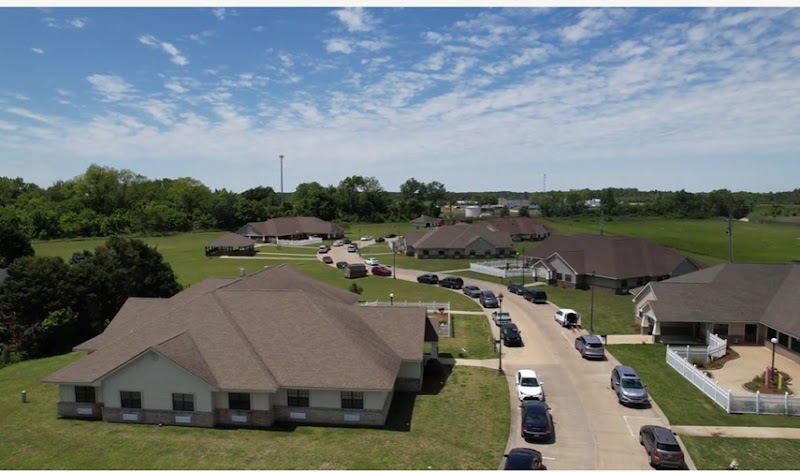
2041 GRAND AVE, YAZOO CITY, MS 39194 (662) 746-4621
Non profit - Corporation 60 Beds Independent Data: November 2025
Trust Grade
85/100
#15 of 200 in MS
Last Inspection: September 2024

Within standard 12-15 month inspection cycle. Federal law requires annual inspections.

Overview

Martha Coker Green House Home in Yazoo City, Mississippi, has a Trust Grade of B+, indicating it is above average and recommended for care. It ranks #15 out of 200 facilities in the state, placing it comfortably in the top half, and is the best option in Yazoo County. However, the facility's trend is concerning as the number of issues reported has worsened from 3 in 2023 to 6 in 2024. Staffing is a strong point, with a perfect 5-star rating and a turnover rate of 33%, which is lower than the state average, suggesting that staff are experienced and familiar with the residents. Notably, there have been no fines, reflecting a good compliance record. However, recent inspections identified several concerns, such as improperly labeled food items in the pantry and refrigerator, which raises potential safety issues regarding food hygiene, and inaccuracies in resident discharge assessments, indicating a need for improved record-keeping practices. Overall, while the facility shows strengths in staffing and compliance, families should be aware of the recent rise in concerns that need to be addressed.

Trust Score
B+
85/100
In Mississippi
#15/200
Top 7%
Safety Record
Low Risk
No red flags
Inspections
Getting Worse
3 → 6 violations
Staff Stability
○ Average
33% turnover. Near Mississippi's 48% average. Typical for the industry.
Penalties
✓ Good
No fines on record. Clean compliance history, better than most Mississippi facilities.
Skilled Nurses
○ Average
Each resident gets 39 minutes of Registered Nurse (RN) attention daily — about average for Mississippi. RNs are the most trained staff who monitor for health changes.
Violations
⚠ Watch
15 deficiencies on record. Higher than average. Multiple issues found across inspections.
★★★★★
5.0
Overall Rating
★★★★★
5.0
Staff Levels
★★★★☆
4.0
Care Quality
★★★★☆
4.0
Inspection Score
Stable
2023: 3 issues
2024: 6 issues

The Good

  • 5-Star Staffing Rating · Excellent nurse staffing levels
  • 4-Star Quality Measures · Strong clinical quality outcomes
  • Full Sprinkler Coverage · Fire safety systems throughout facility
  • No fines on record
  • Staff turnover below average (33%)

    15 points below Mississippi average of 48%

Facility shows strength in staffing levels, quality measures, fire safety.

The Bad

Staff Turnover: 33%

13pts below Mississippi avg (46%)

Typical for the industry

The Ugly 15 deficiencies on record

Sept 2024 6 deficiencies
CONCERN (D)

Potential for Harm - no one hurt, but risky conditions existed

Assessment Accuracy (Tag F0641)

Could have caused harm · This affected 1 resident

Based on record review, staff interviews, and facility policy review, the facility failed to accurately code the Minimum Data Set (MDS) assessment for discharge deposition for one (1) of 15 elder asse...

Read full inspector narrative →
Based on record review, staff interviews, and facility policy review, the facility failed to accurately code the Minimum Data Set (MDS) assessment for discharge deposition for one (1) of 15 elder assessments reviewed. Elder #58 Findings included: Record review of Facility Policy titled, Conducting an Accurate Resident Assessment revealed, Policy: The purpose of this policy is to assure that all residents receive an accurate assessment . Record review of the Notice of Transfer/Discharge Notice dated 7/29/24, for Elder #58 revealed that the elder discharged to an alternative nursing home. Record review of Elder #58's Discharge return not anticipated MDS, with an Assessment Reference Date (ARD) of 7/29/24, revealed discharge status was coded as 04, indicating that the elder was discharged to a Short-Term General Hospital. During an interview with the MDS Coordinator on 9/25/24 at 10:47 AM, she confirmed that Elder #58 discharged to another long-term care facility and that the MDS was coded incorrectly. She stated it was a data entry error. She agreed that the importance of correctly coding the MDS accurately is to identify where the resident is located. An interview with the Administrator on 9/25/24 at 11:00 AM, revealed the MDS should have been coded correctly. Record review of the admission Record revealed that facility admitted Elder #58 on 6/18/24 with a diagnosis of Diabetes Mellitus.
CONCERN (D)

Potential for Harm - no one hurt, but risky conditions existed

Deficiency F0645 (Tag F0645)

Could have caused harm · This affected 1 resident

Based on record reviews, staff interviews, and facility policy reviews, the facility failed to submit a correct Pre-admission Screening and Resident Review (PASRR) for an Elder identified as having a ...

Read full inspector narrative →
Based on record reviews, staff interviews, and facility policy reviews, the facility failed to submit a correct Pre-admission Screening and Resident Review (PASRR) for an Elder identified as having a mental illness. This issue involved one (1) of three (3) elders reviewed for PASRR. Elder #8. Findings Included: A review of the facility's policy titled Resident Assessment-Coordination with PASARR Program revealed: This facility coordinates assessments with the preadmission screening and resident review (PASARR) program under Medicaid to ensure that individuals with a mental disorder, intellectual disability, or a related condition receive care and services in the most integrated setting appropriate to their needs. A record review of the PASRR, dated 12/27/23, for Elder #8 revealed that he had a diagnosis of Schizophrenia; however, question 31 was answered no, indicating that the Elder did not have a history of mental illness. Further review of the Pre-admission Screening and Resident Review Determination (PASRR) for Elder #8 revealed the following outcome: Level 1 Outcome: Closed-Canceled/Withdrawn. Level 1 Outcome Comments: This PASRR will be canceled due to lack of documentation available to support the individual's diagnoses. A status change can be submitted upon retrieval of further information to support the individual's diagnoses. During an interview with Medical Records on 9/25/24 at 12:30 PM, confirmed that the PASRR had been completed incorrectly by indicating that Elder #8 did not have a mental illness. She also verified that there was no indication that a status change had been submitted to correct the error. In an interview with the Administrator on 9/25/24 at 1:16 PM, she agreed that a status change should have been submitted for Elder #8. She acknowledged that the purpose of a PASRR is to ensure the resident is properly placed and to make sure that the resident receives any additional interventions they may need. A review of the admission Record revealed that the facility admitted Elder #8 on 12/19/23 with a diagnosis of Schizophrenia. Record review of the Minimum Data Set with an Assessment Reference Date of 9/13/24 Section I revealed a diagnosis of Schizophrenia.
CONCERN (D) 📢 Someone Reported This

A family member, employee, or ombudsman was alarmed enough to file a formal complaint

Potential for Harm - no one hurt, but risky conditions existed

Comprehensive Care Plan (Tag F0656)

Could have caused harm · This affected 1 resident

Based on observation, elder and staff interview, record review, and facility policy review, the facility failed to implement a comprehensive care plan for nail care for two (2) of sixteen sampled elde...

Read full inspector narrative →
Based on observation, elder and staff interview, record review, and facility policy review, the facility failed to implement a comprehensive care plan for nail care for two (2) of sixteen sampled elders. Elder #7 and #31 Findings Include: Review of the facility policy titled Comprehensive Care Plans date implemented 10/2022 revealed, Policy: It is the policy of this facility to develop and implement a comprehensive person-centered care plan for each resident, consistent with resident rights, that includes measurable objectives and timeframe's to meet a resident's medical, nursing, and mental and psychosocial needs that are identified in the resident's comprehensive assessment. Resident #31 Record review of Elder #31's Care Plan with a revision date of 9/11/2024 revealed, Focus: Elder has an ADL (activities of daily living) self-care performance deficit r/t (related to) impaired balance, musculoskeletal impairment cervical disc disorder with myelopathy, paraplegia. Also, revealed under, Interventions: . Personal Hygiene . Elder is totally dependent on staff for personal hygiene . x (times) 1 staff assist q (every) shift. Keep nails clean and trimmed. On 9/24/24 at 11:25 AM, an observation and interview with Elder #31 revealed long jagged fingernails on both hands measuring approximately three-eighths (3/8) inch in length with a dark brown substance underneath. The elder revealed he would like his nails cut. An interview and observation, with Registered Nurse (RN) #1, on 9/24/24 at 11:32 AM confirmed Elder #31's nails were long and dirty. Record review of the admission Record revealed the facility admitted Elder #31 on 1/05/24 with a medical diagnosis of Cervical Disc Disorder with Myelopathy. Record review of the Minimum Data Set (MDS) with an Assessment Reference Date (ARD) of 7/02/24 revealed, under section C, a BIMS summary score of 15, which indicated Elder #31 was cognitively intact. Resident #7 Record review of Elder #7's Care Plans revealed Focus: Elder has an ADL (activities of daily living) self-care performance deficit r/t (related to) Alzheimer's, confusion, dementia, limited mobility, bilateral contractures lower ext (extremities). Also, revealed under, Interventions: . Personal Hygiene . Elder is totally dependent on (2) staff for personal hygiene Provide nail care, keep clean and trimmed. An observation and interview, on 9/24/24 at 11:40 AM, with Elder #7 revealed long fingernails observed on both hands, measuring approximately one-half (1/2) inch in length. The elder voiced it had been a while since her nails had been cut and revealed she would like it done. On 9/25/24 at 7:40 AM, an interview with RN #1 confirmed Elder #7's nails were long and needed to be cut. Record review of the admission Record revealed the facility admitted Elder #7 on 11/02/21 with a medical diagnosis of Alzheimer's Disease. Record review of the MDS with an ARD of 8/5/24 revealed, under section C, a Brief Interview for Mental Status (BIMS) summary score of 10, which indicated Elder #7 was moderately cognitively impaired. In an interview with the MDS Nurse on 9/25/24 at 2:32 PM, she stated the care plan provides the guided care the staff were supposed to follow. She confirmed the care plan was not followed, related to nail care for Elder's #7 and #31.
CONCERN (D) 📢 Someone Reported This

A family member, employee, or ombudsman was alarmed enough to file a formal complaint

Potential for Harm - no one hurt, but risky conditions existed

ADL Care (Tag F0677)

Could have caused harm · This affected 1 resident

Based on observation, elder and staff interview, and facility policy review, the facility failed to provide the necessary nail care for an elder dependent on staff for assistance with Activities of Da...

Read full inspector narrative →
Based on observation, elder and staff interview, and facility policy review, the facility failed to provide the necessary nail care for an elder dependent on staff for assistance with Activities of Daily Living (ADL) for two (2) of sixteen sampled elders. Elder #7 and #31 Findings Include: Review of the facility policy titled, Nail Care dated 10/2022 revealed, Policy: The purpose of this procedure is to provide guidelines for the provision of care to a resident's nails for good grooming and health . 3. Routine cleaning and inspection of nails will be provided during ADL care on an ongoing basis Resident #31 During an observation and interview on 9/24/24 at 11:25 AM, with Elder #31 revealed long jagged fingernails on both hands measuring approximately three-eighths (3/8) inch in length with a dark brown substance underneath. The elder revealed he would like his nails cut. On 9/24/24 at 11:32 AM, an interview and observation with Registered Nurse (RN) #1 revealed the Shahbaz's were responsible for cutting the elder's nails that were not diabetic. She explained that if an elder was a diabetic, the nails must be cut by a RN and diabetic nails were usually cut monthly. RN #1 revealed Elder #31 was a diabetic and confirmed his nails were long and dirty, which could result in skin injury and infection. Record review of the admission Record revealed the facility admitted Elder #31 on 1/05/24 with a medical diagnosis of Cervical Disc Disorder with Myelopathy. Record review of the Minimum Data Set (MDS) with an Assessment Reference Date (ARD) of 7/02/24 revealed, under section C, a BIMS summary score of 15, which indicated Elder #31 was cognitively intact. Resident #7 During an observation and interview, on 9/24/24 at 11:40 AM, with Elder #7 revealed long fingernails observed on both hands, measuring approximately one-half (1/2) inch in length. The elder voiced it had been a while since her nails had been cut and revealed she would like it done. An interview with RN #1 on 9/25/24 at 7:40 AM, confirmed Elder #7's nails were long and revealed she could easily scratch herself. Record review of the admission Record revealed the facility admitted Elder #7 on 11/02/21 with a medical diagnosis of Alzheimer's Disease. Record review of the MDS with an ARD of 8/5/24 revealed, under section C, a Brief Interview for Mental Status (BIMS) summary score of 10, which indicated Elder #7 was moderately cognitively impaired. An interview with the Administrator (ADM) on 9/25/24 at 1:48 PM, revealed, it was her expectation for nail care to be done daily. She explained that nail care was part of personal hygiene and should be looked at during bathing and done when needed.
CONCERN (D)

Potential for Harm - no one hurt, but risky conditions existed

Infection Control (Tag F0880)

Could have caused harm · This affected 1 resident

Based on observation, staff interview, record review, and facility policy review, the facility failed to use hand hygiene during wound care to prevent the possibility of the spread of infection for on...

Read full inspector narrative →
Based on observation, staff interview, record review, and facility policy review, the facility failed to use hand hygiene during wound care to prevent the possibility of the spread of infection for one (1) of four (4) care observations. Elder #44 Findings Include: Review of the facility policy titled Clean Dressing Change with no revision date revealed under, Policy: It is the policy of this facility to provide wound care in a manner to decrease potential for infection and/or cross-contamination. Record review of Elder #44's Treatment Administration Record (TAR) for September 2024, revealed an order dated 9/24/24, Apply collagen powder to wound bed. May dampen collagen powder with normal saline before application. Apply sureprep to peri area around wound, cover with bordered dressing daily until healed. every day shift for sacral wound. An observation of sacral wound care for Elder #44, with Licensed Practical Nurse (LPN) #1 on 9/25/24 at 11:40 AM, revealed she removed the soiled dressing from the sacrum and continued the treatment to the wound without performing hand hygiene and applying a new pair of gloves. An interview with LPN #1 on 9/25/24 at 11:47 AM, confirmed she did not wash her hands after removing Elder #44's soiled dressing. LPN #1 revealed she should have washed her hands to ensure the wound did not get infected. An interview with the Infection Control Nurse on 9/25/24 at 3:36 PM, confirmed improper hand hygiene during wound care was an infection control concern and could cause a wound infection. Record review of the admission Record revealed the facility admitted Elder #44 on 2/09/21 with medical diagnoses that included Unspecified Dementia and Pressure Ulcer of Sacral region stage 3.
CONCERN (E)

Potential for Harm - no one hurt, but risky conditions existed

Food Safety (Tag F0812)

Could have caused harm · This affected multiple residents

Based on observation, staff interview, record review, and facility policy review, the facility failed to maintain a clean and sanitary refrigerator, label, and date open items in the refrigerator and ...

Read full inspector narrative →
Based on observation, staff interview, record review, and facility policy review, the facility failed to maintain a clean and sanitary refrigerator, label, and date open items in the refrigerator and freezer for one (1) of six (6) houses and failed to check and record food temperatures before serving meals for four (4) of six (6) houses reviewed during survey. Findings Include: House #5 Review of the facility policy titled, Cleaning of Food and Nonfood Contact Surfaces with a revision date of 1/24, revealed under, Food Contact Surfaces . To prevent cross -contamination, kitchenware and food-contact surfaces of equipment shall be washed, rinsed, and sanitized after each use and following any interruption of operations during which time contamination may have occurred. Also revealed, Food Contact Surfaces (meaning: those surfaces of equipment and utensils which food normally comes in contact, and those surfaces from which food may drain, drip, or splash back onto food or surfaces normally in contact with food.) Review of the facility policy titled Dating and labeling of Food in Production undated, revealed under, Standard: All foods, including prepared items, bulk foods, frozen foods, and ingredients present in a (Proper Name) facility must be labeled at all times. Foods requiring a date mark shall be labeled with the common name, preparation date, discard date, and associate initials. Initial tour of the kitchen at House # 5 on 9/24/24 at 11:55 AM, revealed a white refrigerator in the pantry area contained an empty, brown, cardboard egg crate in the bottom of the refrigerator that was observed to be wet with a white substance. The shelf above held two (2) containers of milk that were not stored in an upright position which resulted in milk leaking into the bottom of the refrigerator and on the egg carton. An observation on 9/24/24 at 12:06 PM, of the refrigerator in the kitchen area of the House #5 revealed a dark red liquid that covered the interior bottom of the refrigerator pull out crisper drawer. The top crisper drawer contained a large package [5 pounds (lbs.)] of sliced cheese with a torn blue wrapper that was undated and was dried out and hard around the edges. The freezer side of the refrigerator held a large clear plastic bag of tater tots that had been opened and was unlabeled and undated. An interview with Shahbaz #3 on 9/24/24 at 12:11 PM, revealed that anyone could clean out the refrigerators when they were dirty and needed cleaning. She explained the red substance in the kitchen refrigerator crisper drawer was blood from raw ground beef that had been stored until it was cooked for lunch today. She stated, It must have leaked out of the bag. Shahbaz #3 confirmed the sliced cheese was not any good and should be thrown away. She revealed the cheese, and the tater tots had been opened and were not labeled and dated but should have been. She confirmed the pantry refrigerator had spilled milk that had saturated the lower refrigerator. Shahbaz #3 revealed all the issues identified could make the Elder's sick. House #1, #2, #4, and #6 Temperature Logs Review of the facility policy titled, Food Handling Guidelines (HACCP) Hazard analysis and critical control points, with a revision date of 1/24, revealed Minimum Safe Internal Temperatures: Hot food temperatures must be checked before the cooking process is ended. Hot Holding Temperatures: Foods should be held hot for service at a temperature of 135 degrees or higher. Cold Holding Temperatures: Foods should be held cold for service at a temperature of 41 degrees or less. Record review of the September 2024 Food Temperature Logs for House # 1 revealed the breakfast and lunch meal temperatures were not logged for the dates of 9/2, 9/9, 9/10, 9/16, and 9/23. The facility was unable to account for the meal temperature logs for the dates of 9/3, 9/4, 9/5, 9/6, 9/7, 9/8, 9/11, 9/12, 9/13, 9/14, 9/15, 9/17, 9/18, 9/19, 9/20, 9/21, 9/22, 9/24, and 9/25. Record review of the September 2024 Food Temperature Logs for House # 2 revealed the lunch and dinner temperatures were not logged for 9/1, 9/2, 9/7, and 9/8. The dinner temperatures were not logged for the following dates 9/3, 9/4, 9/5, 9/9, 9/10, 9/11, 9/12, 9/13, 9/14, 9/15, 9/16, 9/17, 9/18, 9/19, 9/20, 9/21, 9/22, 9/23, and 9/24. Record review of the August 2024 Food Temperature Logs for House #4 revealed the breakfast and lunch meal temperatures were not logged for the dates of 8/14, 8/15, 8/16, 8/17, 8/18, 8/19, 8/20, and 8/21. The facility was unable to account for the meal temperature logs from 8/22/24 until 9/25/24. On 9/24/24 at 12:00 PM, at House #4 an interview with Shahbaz #2 revealed she did not check the food temperatures for the lunch meal today. She revealed that she was sure she was trained to check the temperatures but confirmed she had not been checking them for any meal she had cooked in a long time. Record review of the September 2024 Food Temperature Logs for House #6 revealed the Dinner temperatures were not logged for the following dates 9/14, 9/16, 9/18, and 9/20. On 9/15 and 9/17 the temperatures were not logged for breakfast, lunch, or dinner. On 9/19 the temperatures were not logged for lunch and dinner. The facility was unable to account for the meal log for the dates of 9/1-9/13, 9/21, 9/22, and 9/23. An interview with Shahbaz #4 on 9/25/24 at 10:38 AM, in House # 6 revealed the food temperatures were to be checked before serving each meal and logged. She confirmed there was missing documentation in the logbook to prove that the temperatures were being checked with each meal. She explained that staff do the temperatures out of habit and then forget to log it down because they get busy and forget. Shahbaz #4 confirmed, if it is not logged, there would be no way to ensure that it was done. An Interview with Shahbaz #1 on 9/24/24 at 12:05 PM, revealed she was not safe certified and had no knowledge of checking the holding food temperatures. She voiced that she was not trained in that. An interview with the Registered Dietician (RD) on 9/25/24 at 12:51 PM, revealed that the Shahbaz's were trained upon hire on the duties in the kitchen including taking and logging holding food temperatures, cleaning and the storage of food products. He revealed this was part of their job responsibilities. He revealed each house has a safe serve certified Shahbaz that does the cooking. The RD confirmed that the food holding temperatures should be checked before serving every meal. He revealed all Shahbaz's were trained, and they have also had in-services on ensuring foods were labeled and dated when they opened. He revealed the blood left in the refrigerator crisper tray was not acceptable and should have been cleaned at the point it was observed. The RD confirmed these things discussed could make the elders sick. He stated, It could cause food poisoning, at the very least some upset stomachs. He then revealed he was unable to find any food temperature logs for the Month of September 2024 for House #4 and found blanks in the temperature logs for Houses #1, #2, and #6. In a follow-up interview with the RD on 9/25/24 at 3:05 PM, revealed the facility does not have any forms that the house's document the cleaning of the refrigerators. He revealed he audits the houses at least monthly for cleanliness, storage of items, items labeled and dated, and the problems were reported to the Administrator and the Shahbaz Coordinator. An interview with the Administrator (ADM) on 9/25/24 at 1:48 PM, revealed that they were making audits on the houses weekly to ensure the food temperatures were being done and logged but had since changed to monthly. She revealed the Shahbaz's knew that when things were opened, they must be labeled and dated and voiced they all had been in-serviced on this. She confirmed that when the refrigerator needed cleaning because of a spill, it should be cleaned and not left for someone else. The ADM explained that they go over all these things and the kitchen responsibilities monthly in the Shahbaz meeting. She confirmed that these issues discussed could cause spoilage of food or an infection for the Elders.
Jun 2023 3 deficiencies
CONCERN (D)

Potential for Harm - no one hurt, but risky conditions existed

Assessment Accuracy (Tag F0641)

Could have caused harm · This affected 1 resident

**NOTE- TERMS IN BRACKETS HAVE BEEN EDITED TO PROTECT CONFIDENTIALITY** Based on staff interviews, record review, and facility policy review, the facility failed to accurately complete section N of th...

Read full inspector narrative →
**NOTE- TERMS IN BRACKETS HAVE BEEN EDITED TO PROTECT CONFIDENTIALITY** Based on staff interviews, record review, and facility policy review, the facility failed to accurately complete section N of the Minimum Data Set (MDS) for a resident, as evidence by the incorrect coding of anticoagulant medication use during the 7-day observation look-back period for 1 (one) out of 19 residents sampled for anticoagulant use. Resident #10 Findings include: Review of the facility policy titled Resident Assessment -RAI with a revision date of 11/2016 revealed under, Policy: This facility makes a comprehensive assessment of each resident's needs, strengths, goals, life history and preferences, using the resident assessment instrument (RAI) specified by CMS. Also revealed under, Policy Explanation and Compliance Guideline: . 2. The assessment will include at least the following: . n. Special treatments and procedures Record review of the Quarterly MDS with an Assessment Reference Date (ARD) of 6/01/23 revealed under section N, Resident #10 received seven (7) days of Anticoagulant medication for the observation look back period of 5/26/23 through 6/01/23. Record review of the Medication Administration Record (MAR) for the MDS 7 day observation look-back period for anticoagulant medication revealed Resident #10 did not receive anticoagulant medication between 5/26/23 and 6/01/23. An interview with the MDS Coordinator on 6/28/23 at 10:35 AM, confirmed that Resident #10 was coded for receiving 7 days of anticoagulant medication on the MDS. She revealed that Resident #10 received an antiplatelet medication and that the 7 days of anticoagulant medication was coded in error. An interview with the Director of Nursing (DON) on 6/28/23 at 1:55 PM, confirmed that the antiplatelet medication should not be coded under the anticoagulant section of the MDS assessment for Resident #10. Record review of the admission Record revealed Resident #10 was admitted to the facility on [DATE] with diagnoses that included Hemiplegia and Hemiparesis Following Cerebral Infarction Affecting Right Dominant Side, and Encounter for Attention to Gastrostomy and Dysphagia. Record review of the MDS with an ARD of 6/01/23 revealed under section C, a Brief Interview for Mental Status (BIMS) score of 99, indicating Resident #10 was unable to complete the interview.
CONCERN (D)

Potential for Harm - no one hurt, but risky conditions existed

Comprehensive Care Plan (Tag F0656)

Could have caused harm · This affected 1 resident

Based on observation, resident and staff interview, record review, and facility policy the facility failed to implement a resident's comprehensive care plan for fluid restriction for one (1) of 15 car...

Read full inspector narrative →
Based on observation, resident and staff interview, record review, and facility policy the facility failed to implement a resident's comprehensive care plan for fluid restriction for one (1) of 15 care plans reviewed. Resident #34 Findings include: A review of the facility policy titled Comprehensive Care Plans, revised 11/2017, revealed Policy: It is the policy of the facility to develop and implement a comprehensive person-centered care plan for each resident, consistent with resident rights, that includes measurable objectives and timeframe's to meet a resident's medical, nursing, and mental and psychosocial needs that are identified in the resident's comprehensive assessment A record review of the care plan titled Elder has the potential for cardiovascular complications r/t (related to) CHF (Congestive Heart Failure), CAD (Coronary Artery Disease), HTN (Hypertension), AFIB (Atrial Fibrillation), SOB (Shortness of Breath) with exertion, with a revision date of 1/4/23, revealed Interventions: .1000ml fluid restrictions . A review of the medication record by for June 2023, revealed Resident #34 received more then the physician prescribed, 1000 mm fluid restriction, on 21 days from June 1st-26th. On 6/26/23 at 2:05 PM, an interview with Resident #34 revealed he had Congestive Heart Failure and was on fluid restriction. State Agency (SA) observed a glass of water with measurements on the side of the glass. SA observed 240 millimeters/mm of water in the glass. Resident revealed he was unsure of how much fluids he can have but he drinks what he is given. A review of the comprehensive care plans for Resident #34 with the Director of Nursing (DON) on 6/27/23 at 10:55 AM, she confirmed staff were not following the care plan for fluid restriction and revealed the purpose of the care plan is to direct the personalized care for each resident. An interview with the Registered Dietician (RD) on 6/27/23 at 3:07 PM, confirmed after looking at the record Resident #34 was receiving a lot more fluids daily than the physician recommended amount. A record review of the care guide for Resident #34 for June 2023 revealed How much fluid did the resident drink? revealed no directions related to fluid restrictions. Record review of the admission Record revealed that the facility admitted Resident #34 to the facility on 7/12/2021 with diagnoses of Acute on Chronic Combined Systolic and Diastolic Congestive Heart Failure and Chronic Obstructive Pulmonary Disease. Record review of the Minimum Data Set (MDS) Section C with an Assessment Reference Date (ARD) of 6/15/23, revealed that Resident #34 had a Brief Interview for Mental Status (BIMS) score of 15 which indicated that he was cognitively intact.
CONCERN (D)

Potential for Harm - no one hurt, but risky conditions existed

Deficiency F0692 (Tag F0692)

Could have caused harm · This affected 1 resident

**NOTE- TERMS IN BRACKETS HAVE BEEN EDITED TO PROTECT CONFIDENTIALITY** Based on observation, resident and staff interview, record review, and facility policy the facility failed to follow a resident'...

Read full inspector narrative →
**NOTE- TERMS IN BRACKETS HAVE BEEN EDITED TO PROTECT CONFIDENTIALITY** Based on observation, resident and staff interview, record review, and facility policy the facility failed to follow a resident's physician prescribed fluid restriction for one (1) of 15 resident records reviewed. Resident #34 Findings include: A review of the facility policy titled, Fluid Restriction, revised 03/23/23, revealed, Policy: It is the policy of the facility to ensure that fluid restrictions will be followed in accordance to physician's orders Compliance Guidelines: 1.) The nurse will obtain and verify the physician's order for the fluid restriction and an order written to include the breakdown of the amount of fluid per 24 hours An interview with Resident #34 on 6/26/23 at 2:05 PM, he revealed he had Congestive Heart Failure and was on fluid restriction. State Agency (SA) observed a glass of water with measurements on the side of the glass. SA observed 240 milliliters (ml) of water in the glass. Resident #34 revealed he was unsure of how much fluids he can have but confirmed he drinks what is given to him. An interview with Certified Nursing Assistance (CNA) #1 on 6/27/23 at 10:40 AM, revealed Resident #34 was on a fluid restriction and she believed it was 1500 milliliter (ml) a day. CNA #1 revealed Resident #34 is served a 360 ml glass and a 240 ml glass of fluids with each meal. CNA #1 revealed Resident #34 has not ever been angered or non-compliant with his fluid restrictions. CNA #1 revealed she was unsure of how she knew Resident #34 was on fluid restrictions. An interview and record review of Resident #34's Order Summary Report with Licensed Practical Nurse (LPN) #1 on 6/27/23 at 10:50 AM, revealed an order for fluid restriction dated 1/2/23 revealed she had obtained the order for the fluid restriction and revealed the order is for 1000 ml Fluid Restriction Intake Q (every) Shift and confirmed the restriction is supposed to be 1000 ml every 24 hours. An interview and record review of the physician's order for fluid restriction for Resident #34 with the Director of Nursing (DON) on 6/27/23 at 10:55 AM, confirmed the order reads to her 1000 ml fluid restriction intake Q (every) shift and she confirmed that a nurse reading the order would think that Resident #34 was allowed 1000 ml every shift equaling 3000 ml daily. The DON also revealed the dietary order read Regular texture, Regular/Thin consistency, 1000 ml FLUID RESTRICTION. The DON confirmed the fluid restriction order should have been written in a way easy for staff to understand and confirmed staff were not following the physician's specific fluid restrictions order correctly for Resident #34 and this placed Resident #34 at risk for fluid overload related to his congestive heart failure. A review of the progress notes for Resident #34 with the DON for the Months of May and June 2023 on 6/27/23 at 11:03 AM, revealed she could find no documentation of non-compliance with fluid restriction by resident. A review of the medication record by for June 2023, revealed 1000 ml fluid restriction Q SHIFT (every shift) no breakdown of the amount of fluids per 24 hours. A continued review revealed Resident #34 received more that the physician prescribed 1000 ml fluid restriction on 21 days from June 1st-26th. An interview with the Registered Dietician (RD) on 6/27/23 at 3:07 PM, he revealed Resident #34 is drinking 1000-1100 ml fluid at meals and is on a 1000 ml fluid restriction every 24 hours. After review of the medication record with the RD he revealed he had no idea the nurses documented the fluid intake on the medication record and confirmed he gets the average amount of fluid intake from the care guide that the CNA's document on. The RD confirmed after looking at the medication record Resident #34 was receiving a lot more fluids daily than the physician recommended amount. A review of the care guide for June 2023 revealed How much fluid did the resident drink? revealed no directions related to fluid restrictions. An interview with LPN #2 on 6/27/23 at 3:15 PM, revealed that Resident #34 is on a 1200 ml fluid restriction every 24 hours. SA asked how she knew how much fluid she was to give the Resident; LPN #2 revealed the amount should be on the medication record. LPN #2 then revealed the amount of fluid given is documented on the medication record and confirmed she gets the total for the shift she works from the amount of fluids the CNA gives Resident #34 and the amount of fluids given with medication administration. Record review of the admission Record revealed Resident #34 was admitted to the facility on [DATE] with diagnoses of Acute on Chronic Combined Systolic and Diastolic Congestive Heart Failure and Chronic Obstructive Pulmonary Disease. Record review of the Minimum Data Set (MDS) Section C with an Assessment Reference Date (ARD) on 6/15/23, revealed that Resident #34 had a Brief Interview for Mental Status (BIMS) score of 15 which indicated that he was cognitively intact.
Jan 2020 6 deficiencies
CONCERN (D)

Potential for Harm - no one hurt, but risky conditions existed

Resident Rights (Tag F0550)

Could have caused harm · This affected 1 resident

Based on observation, record review, facility policy review, and staff interview, the facility failed to preserve a resident's dignity by failing to provide meals to all residents at a table at the sa...

Read full inspector narrative →
Based on observation, record review, facility policy review, and staff interview, the facility failed to preserve a resident's dignity by failing to provide meals to all residents at a table at the same time for one (1) of two (2) resident dinning observations, Resident #25. Findings include: Review of the facility's Resident Rights policy, dated November 2017, revealed the resident has a right to be treated with respect and dignity. Record review of physician's orders dated 11/26/19, revealed an order for Regular diet, regular texture, and thin liquids. The comprehensive care plan problem for nutritional risk and risk for dehydration includes interventions for Regular Diet with regular texture and thin liquids and honor food preferences within diet regimen. Review of the Quarterly Minimum Data Set (MDS) with an Assessment Reference Date (ARD) of 11/28/2019, indicated a Brief Interview for Mental Status (BIMS) was coded as 99. The MDS section G0110H1, eating self-performance was coded as 3 which is extensive assistance and section G0110H2, eating support provided was coded as 2, which indicated, one person physical assist. An observation of the dinner meal on 1/28/2020 from 11:30 AM until 12:30 PM, revealed the residents were all seated at the table by 11:30 AM. The first plate was delivered to the table at 11:40 AM. Certified Nursing Aide (CNA) #8 started assisting Resident #25 at 12:13 PM. Resident #25 sat at the table for 43 minutes and was not served her meal for 33 minutes. An interview with CNA #7 on 1/28/2020 at 1:48 PM, revealed If they don't like something, we will fix them soup and a sandwich. We have one that just wants soup, crackers, and ice cream every day. We give them whatever they want. An interview with CNA #8 on 1/28/2020 at 2:00 PM, revealed We take turns feeding Resident #25. She stated Resident #25 is not always last but, the table is so crowded we have to wait until some of them finish to feed her. An interview with the Director of Nursing (DON) on 1/28/20 at 3:50 PM, revealed Ideally we want everyone eating at the same time and if we need to rearrange the setting to accomplish that, we can. A review of the facility's Face Sheet revealed, the facility admitted Resident #25 on 8/20/19, with diagnosis of Chronic Obstructive Pulmonary Disease (COPD).
CONCERN (D)

Potential for Harm - no one hurt, but risky conditions existed

Comprehensive Care Plan (Tag F0656)

Could have caused harm · This affected 1 resident

Based on observation, record review, staff interview, and facility policy review, the facility failed to implement an activity care plan, for one (1) of 18 resident care plans reviewed, Resident #5. F...

Read full inspector narrative →
Based on observation, record review, staff interview, and facility policy review, the facility failed to implement an activity care plan, for one (1) of 18 resident care plans reviewed, Resident #5. Findings include: Review of the facility's Activity policy, dated 11/28/17, revealed it is the policy of this facility to provide an ongoing program to support residents in their choice of activities based on their comprehensive assessment, care plan, and preferences of each resident. Facility sponsored group, individual, and independent activities will be designed to meet the interests of and support the physical, mental, and psychosocial well-being of each resident, as well as, encourage both independence and interaction within the community. Review of the facility's Comprehensive Care Plans policy, dated November 2017, indicated, It is the policy of this facility to develop and implement a comprehensive person-centered care plan for each resident, consistent with resident rights, that includes measurable objectives and timeframes to meet the resident's medical, nursing, and mental and psychosocial needs that are identified in the resident's comprehensive assessment. Record review of the care plan with a Problem and/or Need indicated, Resident #5 has a need for continuing group activity contact. She currently enjoys card games, playing Bingo, and watching game shows on television, and listening to music. The care plan interventions include Ensure that a variety of cards and other games are available at all times for leisure and group activities, and Engage resident in group activities. During an observation of the Hearth Area in House #5 on 1/28/20, from 10:00 AM to 11:20 AM, neither Morning Stretch nor Bingo occurred as indicated by the Activity Calendar. Review of the Activity Calendar posted at the kitchen counter revealed Morning Stretch was scheduled at 10:00 AM, and Bingo was scheduled for 10:30 AM. On 01/30/20 1:58 PM, an interview with the Director of Nursing (DON) revealed she could not say whether or not Resident #5's care plan was followed but there is no documentation of any Activities performed for the month of January (2020) in House #5. Review of the facility's Face Sheet revealed the facility admitted Resident #5 on 9/19/16. Resident #5's current diagnoses included but not limited to Gastro-esophageal Reflux, Vitamin D Deficiency, and Arthropathy. Review of Resident #5's Quarterly Minimum Data Set (MDS) with an Assessment Reference Date (ARD) of 10/14/19, revealed a Brief Interview for Mental Status (BIMS) score of 15, which indicated intact cognitive skills for daily decision making.
CONCERN (D)

Potential for Harm - no one hurt, but risky conditions existed

Deficiency F0657 (Tag F0657)

Could have caused harm · This affected 1 resident

Based on observation, resident interview, staff interview, record review, and facility policy review, the facility failed to revise Resident #19's activity care plan for one (1) of 18 care plans revie...

Read full inspector narrative →
Based on observation, resident interview, staff interview, record review, and facility policy review, the facility failed to revise Resident #19's activity care plan for one (1) of 18 care plans reviewed. Findings include: Review of the facility's Comprehensive Care Plans policy, dated November 2017, indicated, It is the policy of this facility to develop and implement a comprehensive person-centered care plan for each resident, consistent with resident rights, that includes measurable objectives and timeframes to meet the resident's medical, nursing, mental and psychosocial needs that are identified in the resident's Comprehensive Assessment. The Policy Explanation and Compliance Guidelines revealed, the comprehensive care plan will be reviewed and revised by the interdisciplinary team. Review of Resident #19's care plan revealed, she has been spending most of her time in bed due to recent decline in health. Resident #19 enjoys some activities such as; and there were no activities listed after this statement. The goal and target date of 12/12/19 revealed, Resident #19 will enjoy one on one activities of choice and show a physical sign of enjoyment following at least one activity. The care plan approaches included, place activity calendar in a room where it is easily accessible, encourage to attend activities, cue to activity, time and place as needed, assist to activity as needed, provide in room activities of resident choice such as card games, provide equipment and supplies for activity. On 01/28/2020 at 10:52 AM, during initial tour, Resident #19 was observed lying in her bed, facing the window. The window blinds were closed, and the lights were off. Resident #19 had her eyes open and was looking at the closed window. On 01/28/2020 at 2:50 PM, Resident #19 was observed lying in her bed, facing the door, with her eyes closed. The window blinds remained closed, and the lights are off in her room. On 01/29/2020 at 9:15 AM, Resident #19 was observed lying in her bed. The window blinds remained closed and the lights were on in her room. Resident #19 had her eyes opened and responded to her name being called with a smile. On 01/29/2020 at 4:05 PM, Resident #19 was observed lying in her bed facing the window with the blinds closed, the lights off, and she was looking at the window. On 01/29/2020 at 10:50 AM, during an interview with the Director of Nursing (DON), regarding activities for Resident #19, she indicated, She is hospice, and they come several times a week, and her daughter is here all the time. There is not an individual activity log for one activity for her. Review of resident #19's chart revealed diagnoses of Alzheimer's disease, Blindness - Left Eye, Low Vision - Right Eye, Dementia with Lewy Body, Major Depressive Disorder and Anxiety. Resident #19's Significant Change in Condition Status (SCSA) with an Assessment Reference Date (ARD) of 11/7/19 revealed a Brief Interview for Mental Status (BIMS) score was 6, indicating she was severely cognitively impaired.
CONCERN (D)

Potential for Harm - no one hurt, but risky conditions existed

Deficiency F0679 (Tag F0679)

Could have caused harm · This affected 1 resident

Based on observation, staff interview, resident interview, record review and facility policy review the facility failed to provide activities on a scheduled basis for one (1) of 16 residents observed ...

Read full inspector narrative →
Based on observation, staff interview, resident interview, record review and facility policy review the facility failed to provide activities on a scheduled basis for one (1) of 16 residents observed for activities, Resident #5. Findings include: Record review of the facility's Activities policy, dated 11/28/2017, revealed, Policy: It is the policy of this facility to provide an ongoing program to support residents in their choice of activities based on their comprehensive assessment, care plan, and preferences of each resident. Facility sponsored group and individual activities and independent activities will be designed to meet the interests of and support the physical, mental, and psychosocial well-being of each resident, as well as, encourage both independence and interaction within the community. During observation of the common area in House #5 on 1/28/20, from 10:00 until 11:20 AM, neither Morning Stretch nor Bingo occurred per review of the Activity Calendar. On 01/28/20 at 11:20 AM, an observation in the Common Room revealed, Bingo did not occur at 10:30 AM. On 01/28/20, at 10:28 AM, during an interview with Resident #5 in the common area, she stated she loved it at the facility but there are no activities. She stated she loves Bingo and they stopped it a good while ago. The House Coordinator for House #5 on January 1 through February 29, 2020, Shahbaz #1 was listed for Activities per schedule posted on bulletin board next to the kitchen. On 01/29/20, at 3:45 PM, in an interview with Resident #5 in the common room, she stated that she enjoyed Bingo yesterday and that it was the first time they played in a long time. When asked if they had any activities this morning she stated, no, just sat here and looked at this TV. She stated that she had hoped to play Bingo again this morning and that she would love to play more often stating, I love Bingo. On 01/28/20, at 3:29 PM, during an interview with, Shahbaz #1, she stated, everyone is responsible for activities, I work the evening shift, no other, they just put you down as house coordinator for certain things. They have an activities person at the office that brings the stuff down for activities, they really want you to do them, but they bring what they want you to do. On 01/29/20, at 3:15 PM, during an interview with the Administrator in the kitchen area of House #5, she was looking for the Activity Log, but it was not in the book and staff did not know where it was for January. She confirmed that there was no Activity Log in the book for January for House #5. She stated, Bingo is big in this house, they love it here. In an interview on 01/30/20, at 1:10 PM, the Administrator stated, If it wasn't documented, it wasn't done, and that there was no Activity Log for the month of January for House #5. Record review of the facility's Face Sheet revealed, the facility admitted Resident #5 on 9/19/16 with diagnoses of Gastro-esophageal Reflux Disease, Vitamin D Deficiency, and Arthropathy. Record review of Resident #5's Quarterly Minimum Data Set with an Assessment Reference Date of 10/14/19, revealed a Brief Interview for Mental Status (BIMS) score of 15, which indicated intact cognitive skills for daily decision making.
CONCERN (D)

Potential for Harm - no one hurt, but risky conditions existed

Infection Control (Tag F0880)

Could have caused harm · This affected 1 resident

Based on observation, facility policy review and staff interview the facility failed to prevent the possible spread of infection during medication pass for one (1) of three (3) medication administrati...

Read full inspector narrative →
Based on observation, facility policy review and staff interview the facility failed to prevent the possible spread of infection during medication pass for one (1) of three (3) medication administration observation. Findings include: Review of the facility's Standard Precautions Infection Control policy, dated 11/2018, did not address using a barrier for items taken into an elder's room during medication pass. On 01/29/20, at 08:59 AM, during an observation of medication pass, Licensed Practical Nurse #1 (LPN), placed eye drops and nasal spray bottle for Resident # 10 on the window ledge of the resident's room without a barrier. The eye drop box fell on floor. LPN #1 picked up the box after med pass was completed and placed the eye drop bottle into the box. She then walked to the sink in the resident's bathroom and placed the eye drop box and nasal spray bottle on the counter next to the sink while she washed her hands. She then took the items and replaced them in the medication cart. In an interview on 01/30/20, at 08:48 AM, the Director of Nursing (DON) stated that the LPN, should have used barrier and if the box was dropped it should have been cleaned before placed back in the cart. This would be an infection control issue and we will go wipe the entire cart down. 01/30/20 10:53 AM In an interview with Registered Nurse #1(RN), Clinical Coordinator-Infection Preventionist, she stated, Any time staff take anything in a room it should be on a barrier. That is part of the infection control policy but they don't have one specific to med pass.
CONCERN (F)

Potential for Harm - no one hurt, but risky conditions existed

Food Safety (Tag F0812)

Could have caused harm · This affected most or all residents

House #2: On 01/28/2020 at 10:45 AM, during initial tour, the following items were noted in House #2: In the Dry Food Pantry: One (1) bag of hamburger buns - open with no dated label. One (1) loaf of ...

Read full inspector narrative →
House #2: On 01/28/2020 at 10:45 AM, during initial tour, the following items were noted in House #2: In the Dry Food Pantry: One (1) bag of hamburger buns - open with no dated label. One (1) loaf of bread - open with no dated label. One (1) - large gallon of oil - open with no dated label. One (1) - large bottle of white vinegar - open with no dated label. One (1) - loaf of unopened bread on the floor behind the door of the pantry. In the kitchen refrigerator: Multiple pieces of stacked, sliced cheese - open, partially wrapped in plastic wrap, edges of cheese were dried and hard, no dated label. One (1) - container of blueberries - partially used with no dated label. House #3: In the Dry Food Pantry: Multiple individual coffee bags in a gallon plastic bag - open with no dated label. Two (2)- gallon bags of macaroni pasta - open with no dated label. Three (3) - gallon bags of white rice - open with no dated label. One (1) - gallon bag of spaghetti pasta- open with no dated label. One (1)- bag of corn chips - open with no dated label. In the pantry refrigerator: Two (2) - boxes of strawberries - partially used, with mold on them, juice from strawberries leaked out on the door shelf - open and no dated label. Two (2) - boxes of blueberries - open with no dated label Three (3) - heads of lettuce in a large clear bag - open with no dated label. One (1) - head of cabbage in a plastic grocery bag - open with no dated label. In the kitchen refrigerator: One (1) - bottle of grape jelly - open with no dated label. In the Kitchen freezer: One (1) - gallon of vanilla ice cream - open with no dated label. One (1) - box of popsicles - open with no dated label. House #5: On 01/28/20, at 2:36 PM, in House #5, the following pantry items were observed to be expired: Two (2) 15.25-ounce (oz) cans of black beans with an expiration date of 8/22/19. One (1) box of buttermilk biscuit Mix 5 lb. with an expiration date of September 27, 2019. One (1) partially used open box of devil's food cake mix with a best if used by date of January 16, 2020. One (1) 20 oz. opened loaf of 100% whole wheat bread with a best by date of January 18, 2020, with 17 slices in the bag. One (1) 20 oz. opened loaf of 100% whole wheat bread with best by date of January 25, 2020 with 22 slices in the bag. The following items were open and unlabeled and/or dated: One (1) - 2.7 oz plastic jar of chocolate sprinkles 1/2 full. One (1) - 9 oz. box of mashed potatoes was opened approximately 2 inches on edge of the top lid and not sealed. On 01/28/20, at 3:02 PM, an observation of the kitchen refrigerator revealed a five (5) pound (lb.) bag of mozzarella shredded cheese opened and the bag was not labeled or dated. It contained about three (3) inches of cheese in depth in the bottom of the bag. A three inch by six inch slice of corn bread was loosely wrapped in crumpled aluminum foil with no label or date. One small 4 oz. bowl of ravioli labeled good thru 1/26/20, covered in clear plastic was in the refrigerator. An observation of a kitchen cabinet revealed three (3) large tea bags in a torn zip lock gallon bag with no date on the bag. Shahbaz #1 put them in a new zip lock bag and replaced the bag in the cabinet. She said, I'm pretty sure they will be used tomorrow. On 01/28/20, at 3:06 PM, during an interview with Shahbaz #1, she stated, It's not labeled so I'll throw it out. Shahbaz #1 stated, our policy is to date and label, we really don't have to label things that have an expiration date on it like bread or salt, coffee or tea. We have a certain amount of days things can be open, so you have to label them, so you know when to throw them out. We have three (3) days. We have a guide that lets us know the shelf life of products. On 01/29/20, at 12:07 PM, during an interview with Administrator, she stated the Shahbaz are responsible for making sure food is labeled, dated, or discarded when expired. No food should be served after the expiration date or use by date. Based on observation, staff interview, and facility policy review, the facility failed to discard expired food, and label and date opened food items for four (4) of six (6) kitchens observed. Findings include: Review of the facility's Food and Supply Storage Procedures policy, dated 6/09, revealed all food, non-food items and supplies used in food preparation shall be stored in such a manner as to maintain the safety and wholesomeness of the food for human consumption. Most products contain an expiration date. The words sell-by or use-by should precede the date. The sell-by date is the last date that food can be sold. Do not sell products in retail areas or place on patient trays and/or resident plates past the date on the product. Cover, label, and date unused portions and open packages. Date and rotate items, first in, first out (FIFO). Discard food past the use-by date. House #1 On 1/28/20 at 10:45 AM, the initial tour of the kitchen in House #1 revealed, the refrigerator in the pantry behind the kitchen had four (4) bottles of eight (8) ounces banana nut flavor shake with an expiration date of August 1, 2019. An Observation of the refrigerator in the pantry revealed a five (5) pound container of sour cream with an expiration date of 1/24/20, a 5-pound container of cottage cheese with an expiration date of 12/16/19, and a six (6) pound container of mustard with an expiration date of 9/3/19. On 1/28/20 at 11: 15 AM an interview with Shahbaz #6 confirmed four (4) banana nut shakes had an expiration date of 8/1/19, the sour cream had an expiration date of 1/24/20, the container of cottage cheese had an expiration date of 12/16/19, and the container of mustard had an expiration date of 9/3/19. Shahbaz #6 confirmed all of the expired food should be thrown away. Shahbaz #6 revealed, anyone getting into the refrigerator should check for expired items and discard them if they are expired. On 01/28/20 at 2:20 PM an interview with the Licensed Dietician (LD) confirmed the Shahbaz were responsible for checking all food items in the pantry, freezer, and the refrigerator for expiration dates and throw them away if they were expired. The LD confirmed if the residents ate some expired food it could make them sick.
Understanding Severity Codes (click to expand)
Life-Threatening (Immediate Jeopardy)
J - Isolated K - Pattern L - Widespread
Actual Harm
G - Isolated H - Pattern I - Widespread
Potential for Harm
D - Isolated E - Pattern F - Widespread
No Harm (Minor)
A - Isolated B - Pattern C - Widespread

Questions to Ask on Your Visit

  • "Can I speak with families of current residents?"
  • "What's your RN coverage like on weekends and overnight?"

Our Honest Assessment

Strengths
  • • Grade B+ (85/100). Above average facility, better than most options in Mississippi.
  • • No major safety red flags. No abuse findings, life-threatening violations, or SFF status.
  • • No fines on record. Clean compliance history, better than most Mississippi facilities.
  • • 33% turnover. Below Mississippi's 48% average. Good staff retention means consistent care.
Concerns
  • • 15 deficiencies on record. Higher than average. Multiple issues found across inspections.
Bottom line: Generally positive indicators. Standard due diligence and a personal visit recommended.

About This Facility

What is Martha Coker Green House Home's CMS Rating?

CMS assigns MARTHA COKER GREEN HOUSE HOME an overall rating of 5 out of 5 stars, which is considered much above average nationally. Within Mississippi, this rating places the facility higher than 99% of the state's 100 nursing homes. This rating reflects solid performance across the metrics CMS uses to evaluate nursing home quality.
How is Martha Coker Green House Home Staffed?

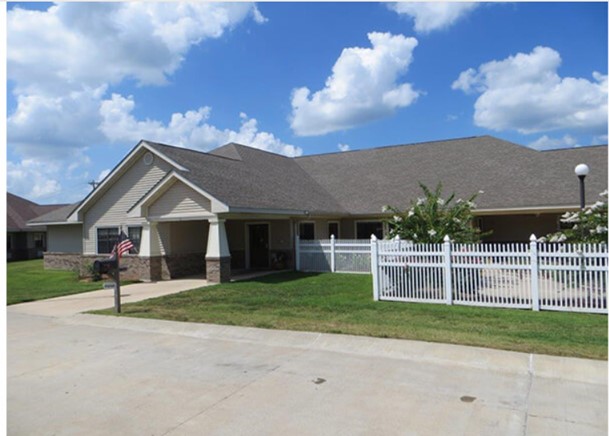
CMS rates MARTHA COKER GREEN HOUSE HOME's staffing level at 5 out of 5 stars, which is much above average compared to other nursing homes. Staff turnover is 33%, compared to the Mississippi average of 46%. This relatively stable workforce can support continuity of care.

What Have Inspectors Found at Martha Coker Green House Home?

State health inspectors documented 15 deficiencies at MARTHA COKER GREEN HOUSE HOME during 2020 to 2024. These included: 15 with potential for harm.
Who Owns and Operates Martha Coker Green House Home?

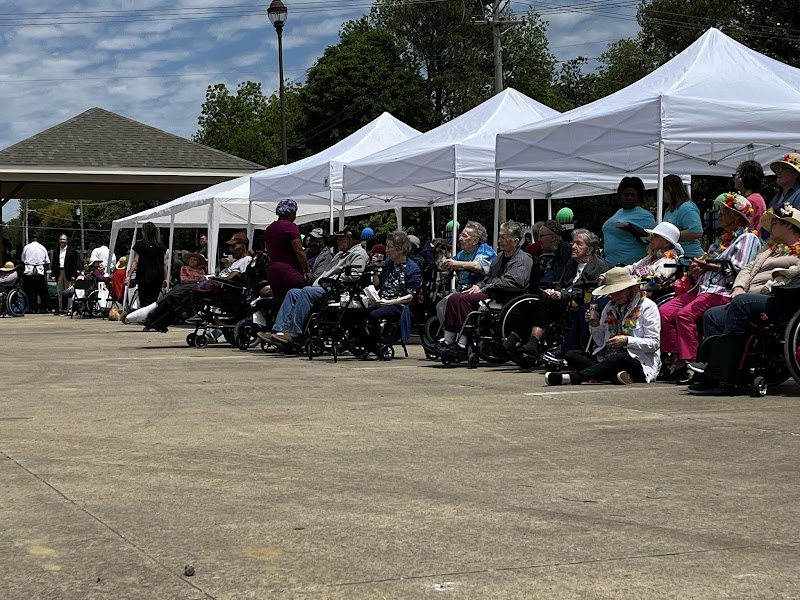
MARTHA COKER GREEN HOUSE HOME is owned by a non-profit organization. Non-profit facilities reinvest revenue into operations rather than distributing to shareholders. The facility operates independently rather than as part of a larger chain. With 60 certified beds and approximately 57 residents (about 95% occupancy), it is a smaller facility located in YAZOO CITY, Mississippi.

How Does Martha Coker Green House Home Compare to Other Mississippi Nursing Homes?

Compared to the 100 nursing homes in Mississippi, MARTHA COKER GREEN HOUSE HOME's overall rating (5 stars) is above the state average of 2.6, staff turnover (33%) is significantly lower than the state average of 46%, and health inspection rating (4 stars) is above the national benchmark.

What Should Families Ask When Visiting Martha Coker Green House Home?

Based on this facility's data, families visiting should ask: "Can I visit during a mealtime to observe dining assistance and food quality?" "How do you handle medical emergencies, and what is your hospital transfer rate?" "Can I speak with family members of current residents about their experience?"

Is Martha Coker Green House Home Safe?

Based on CMS inspection data, MARTHA COKER GREEN HOUSE HOME has a clean safety record: no substantiated abuse findings (meaning no confirmed cases of resident harm), no Immediate Jeopardy citations (the most serious violation level indicating risk of serious injury or death), and is not on the Special Focus Facility watch list (a federal program monitoring the lowest-performing 1% of nursing homes). The facility has a 5-star overall rating and ranks #1 of 100 nursing homes in Mississippi. While no facility is perfect, families should still ask about staff-to-resident ratios and recent inspection results during their visit.

Do Nurses at Martha Coker Green House Home Stick Around?

MARTHA COKER GREEN HOUSE HOME has a staff turnover rate of 33%, which is about average for Mississippi nursing homes (state average: 46%). Moderate turnover is common in nursing homes, but families should still ask about staff tenure and how the facility maintains care continuity when employees leave.

Was Martha Coker Green House Home Ever Fined?

MARTHA COKER GREEN HOUSE HOME has no federal fines on record. CMS issues fines when nursing homes fail to meet care standards or don't correct problems found during inspections. The absence of fines suggests the facility has either maintained compliance or corrected any issues before penalties were assessed. This is a positive indicator, though families should still review recent inspection reports for the full picture.

Is Martha Coker Green House Home on Any Federal Watch List?

MARTHA COKER GREEN HOUSE HOME is not on any federal watch list. The most significant is the Special Focus Facility (SFF) program, which identifies the bottom 1% of nursing homes nationally based on persistent, serious quality problems. Not being on this list means the facility has avoided the pattern of deficiencies that triggers enhanced federal oversight. This is a positive indicator, though families should still review the facility's inspection history directly.